
New hybrid – both the regular and plug-in varieties – and electric vehicles introduced to Australia will be required to feature an acoustic pedestrian warning sound as part of new legislation introduced in 2024 but now in effect.
Known as an Acoustic Vehicle Alerting System (AVAS), the low-pitched hum will be played at speeds of up to approximately 20km/h and is reportedly effective in reducing incidents with pedestrians. AVAS is designed to alert pedestrians, cyclists, and others to the presence of a quiet vehicle moving at low speeds, where the sound of traditional engines is absent.
The rule came into effect on November 1, 2025 for all vehicles that are capable of operating without an internal combustion engine, including hybrid, plug-in hybrid, hydrogen fuel-cell and electric powertrains. However, it does not apply to all vehicles in those categories already on sale in Australia, rather just those newly approved from the introduction date.
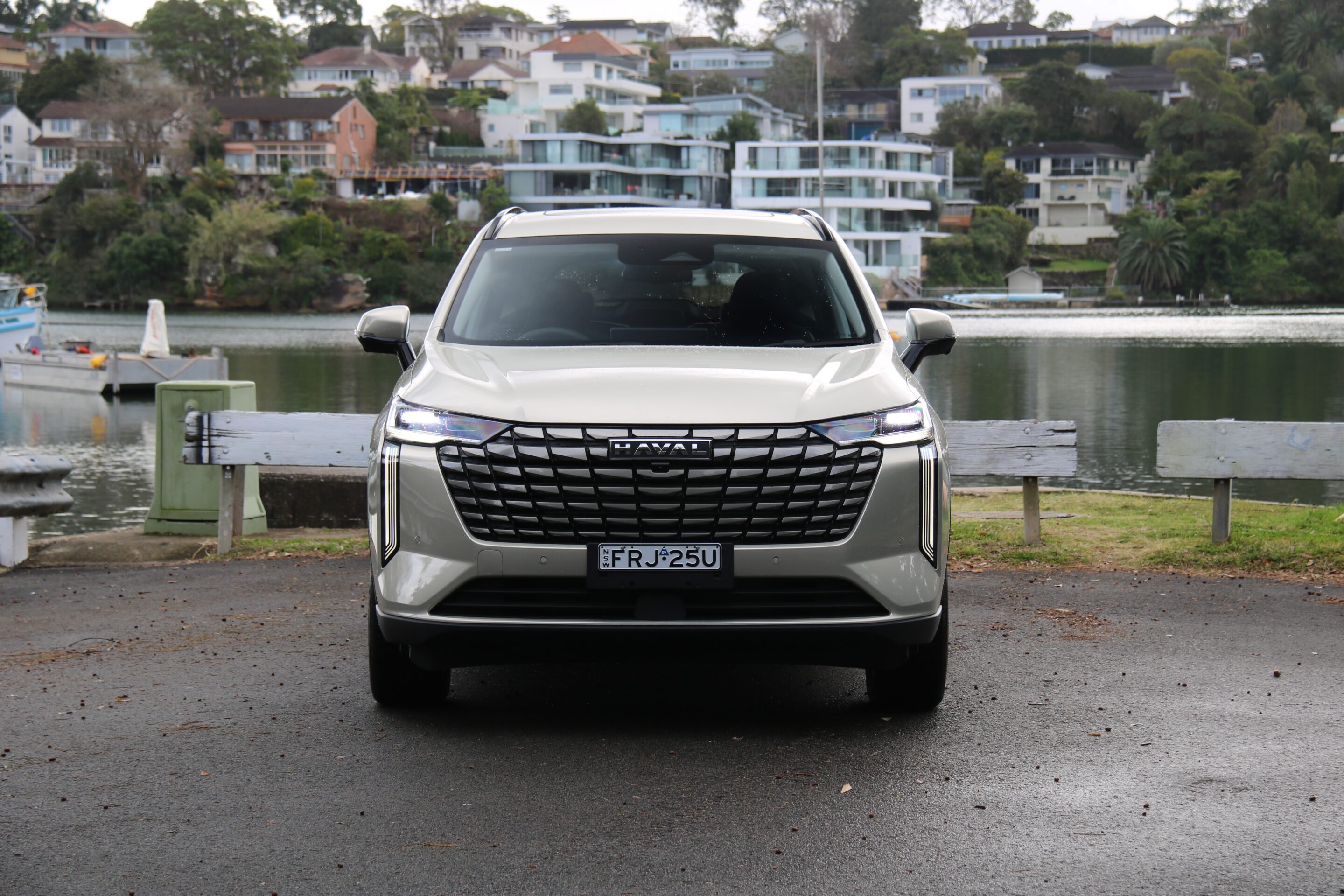
The system must emit a sound that is loud enough to be heard but within a set range, while manufacturers can choose the sound displayed by their vehicles. Because the noise from tyres is louder above 20km/h, the AVAS system is not active above that threshold.
Such low-speed systems are already required in some overseas markets, so it’s likely that most of the vehicles that fit into the relevant categories are already fitted with it and just need it switched on. Our recent experience with the Toyota Yaris Cross, for example, highlighted that such a system had been incorporated as standard equipment.
Modelling released by the Federal Government estimates that the new low-speed noises could avoid 68 deaths, 2765 serious injuries and 2962 minor injuries by 2060, saving the community $208 million.
MG Motor Australia has issued a recall for the MG 3 hatchback after a potential safety issue was identified during Euro NCAP safety testing earlier this year. In the frontal impact test, the driver’s seat rotated, causing potential harm in the event of a crash.
MG dealers will perform the fix for free on 10,516 units of the car recalled.
During Euro NCAP’s testing, the manual driver’s seat that’s present in the Vibe and Excite variants of the MG 3 range slid forward by 111.5mm and twisted during impact, increasing the risk of injury or potential death.
MG Motor Australia is not aware of any local incidents related to the defect. The company will contact owners directly to organise a time to amend the issue, which is a free-to-customers task that involves adding an additional component to the driver’s seat to stop it from moving. The fix will take between 30 and 60 minutes, according to MG.
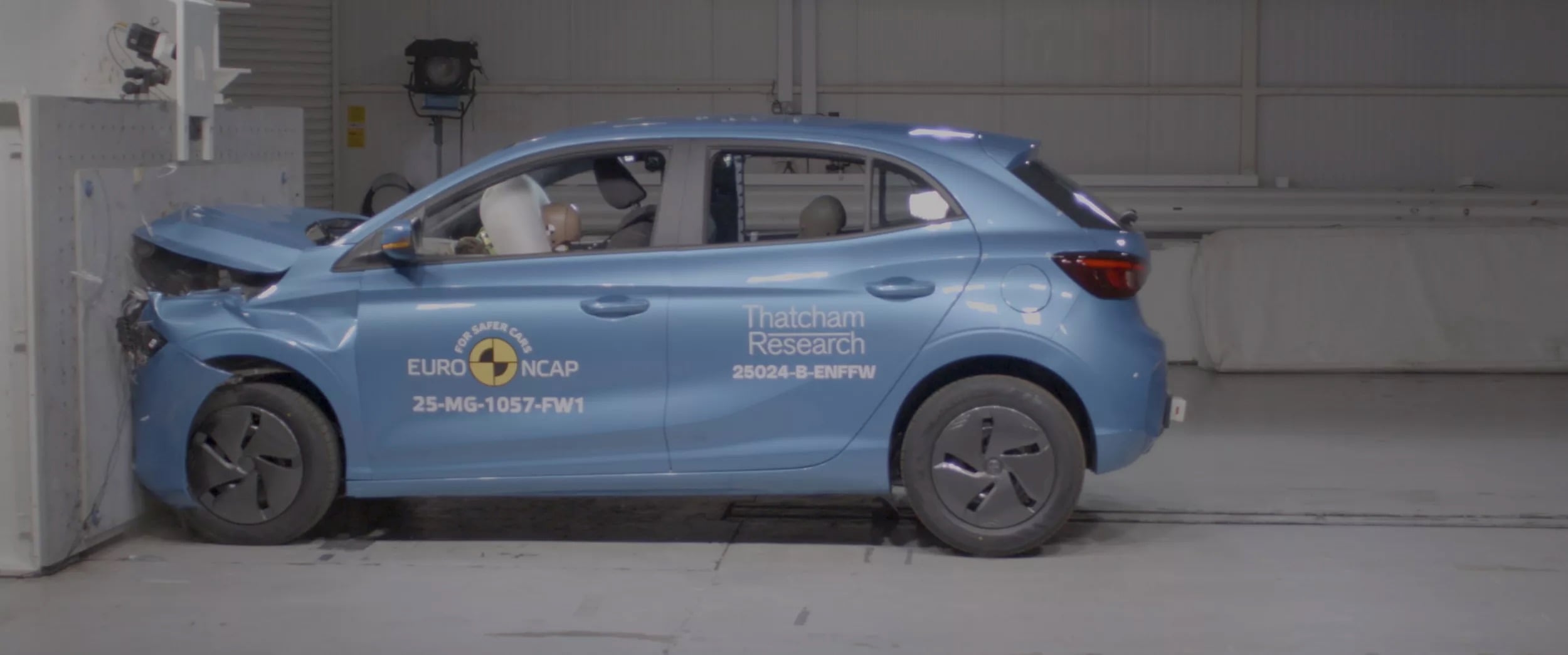
Despite Euro NCAP not seeing the issue “in 30 years of safety testing”, the MG 3 still earned a four-star safety rating. Australia’s ANCAP adopted the same four-star rating to the car, based on Euro NCAP’s testing, an upgrade on its earlier three-star rating.
MG Motor Australia is contactable on 1800 644 637 or [email protected] if there are any customer questions regarding the recall for the MG 3.
A wave of fake online articles has prompted warnings from Australian transport authorities after several websites falsely claimed new road rules had taken effect nationwide.
As reported by Yahoo News, the misinformation included bogus claims that from November 1, all drivers must keep their headlights on “at all times” or face a $250 fine. Similar fake stories alleged the introduction of curfews for older drivers and massive penalties for eating or drinking behind the wheel.
Transport for NSW confirmed to the outlet that the supposed “headlights rule” was entirely false. The department’s secretary, Josh Murray, cautioned motorists to rely only on official information.

“Understanding road rules and following them is a responsibility motorists should take seriously,” Mr Murray said. “The rise of artificial intelligence can generate misinformation, and we’ve seen that recently with claims about curfews and large fine increases – neither true nor remotely accurate.”
Victoria’s Department of Transport reminded drivers that headlights are required only between sunset and sunrise or in poor visibility. Queensland’s Department of Transport and Main Roads (TMR) also dismissed the claims, confirming there is no rule requiring lights to be on at all times.
“Reports of new road rules requiring drivers to keep their headlights on at all times are fake,” a TMR spokesperson told Yahoo News, adding that drivers should instead “remain attentive, consider conditions, and use their lights appropriately.”
Authorities have also rejected another viral hoax suggesting fines of up to $8,000 for eating, drinking or smoking while driving, and an earlier false story that claimed drivers over 60 in Western Australia would be banned from driving at night.
Criminal defence lawyer Avinash Singh told the outlet the spread of AI-generated misinformation is a growing problem.
“The biggest danger is that people may mistakenly believe a certain action is legal or illegal,” he said. “But ignorance of the law is no excuse – relying on false online information is not a defence in court.”
Motorists are being urged to verify road rules through their state or territory transport departments rather than unverified online sources.
The Hyundai i20 N baby hot hatch will end production in March 2026, Hyundai Australia has confirmed. In a move that will upset hot hatch fans, the Turkish-built i20 N has reached the end of the line and will only be available from stock next year.
The news is offset, however, by the fact the next-generation i20 N is likely to arrive sometime in 2026, reportedly equipped with hybrid power to reduce emissions and extend its life.
Unbelievably, the current i20 N – and its i30 N hatchback sibling – is only currently produced for Australia and New Zealand. Despite being made in Europe – the i20 in Turkey and the i30 in the Czech Republic – both models stopped production for Europe at the start of 2024.
Unlike the i20 N, however, the i30 N hatchback will continue as an available model for Australia for the time being.
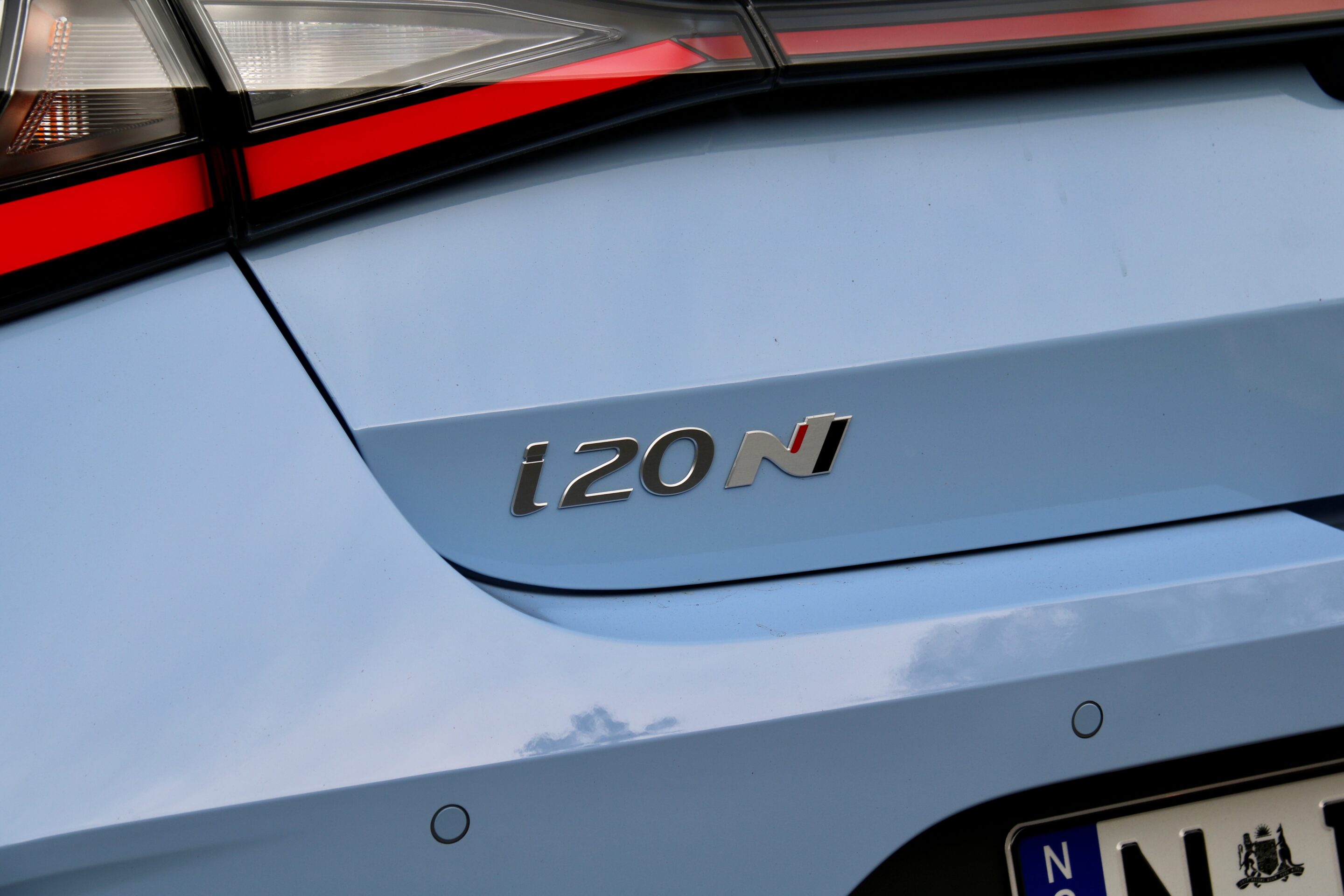
However, the regular i30 hatchback will end also production for Australia thanks to a number of factors, such as its Czech production source. The South Korean-sourced i30 Sedan will continue, however, with its next generation is likely to land within the next few years.
Details about the second-generation i20 N are yet to be announced but current Australian stock is likely to last until the next-generation model arrives sometime in 2026. The next i20 N is expected to feature some sort of hybrid drivetrain to cut emissions, and likely a dual-clutch automatic transmission instead of the six-speed manual in the current model.
The current i20 N was launched in Australia in September 2021 and is currently priced from $37,500 plus on-road costs.
BYD is expanding its Australian range with the upcoming SEALION 8, a large plug-in hybrid SUV designed specifically for local roads and family buyers. Set to become the brand’s new flagship, the SEALION 8 is expected to reach showrooms soon after orders open in December, following what BYD describes as “exceptional” early interest.
The SEALION 8 represents BYD’s first three-row SUV in Australia, joining the Dolphin, Atto 3 and Seal in the growing local lineup. Developed with an emphasis on comfort, performance and space, the newcomer aims to rival models such as the Toyota Kluger Hybrid and Kia Sorento Hybrid while bringing BYD’s latest technology to a wider audience.
Under the bonnet, the SEALION 8 uses BYD’s fifth-generation Dual Mode (DM) hybrid system, which combines a turbocharged 1.5-litre petrol engine with one or two electric motors, depending on the variant. The system delivers up to 46 per cent thermal efficiency and allows the car to switch seamlessly between two- and four-wheel drive.
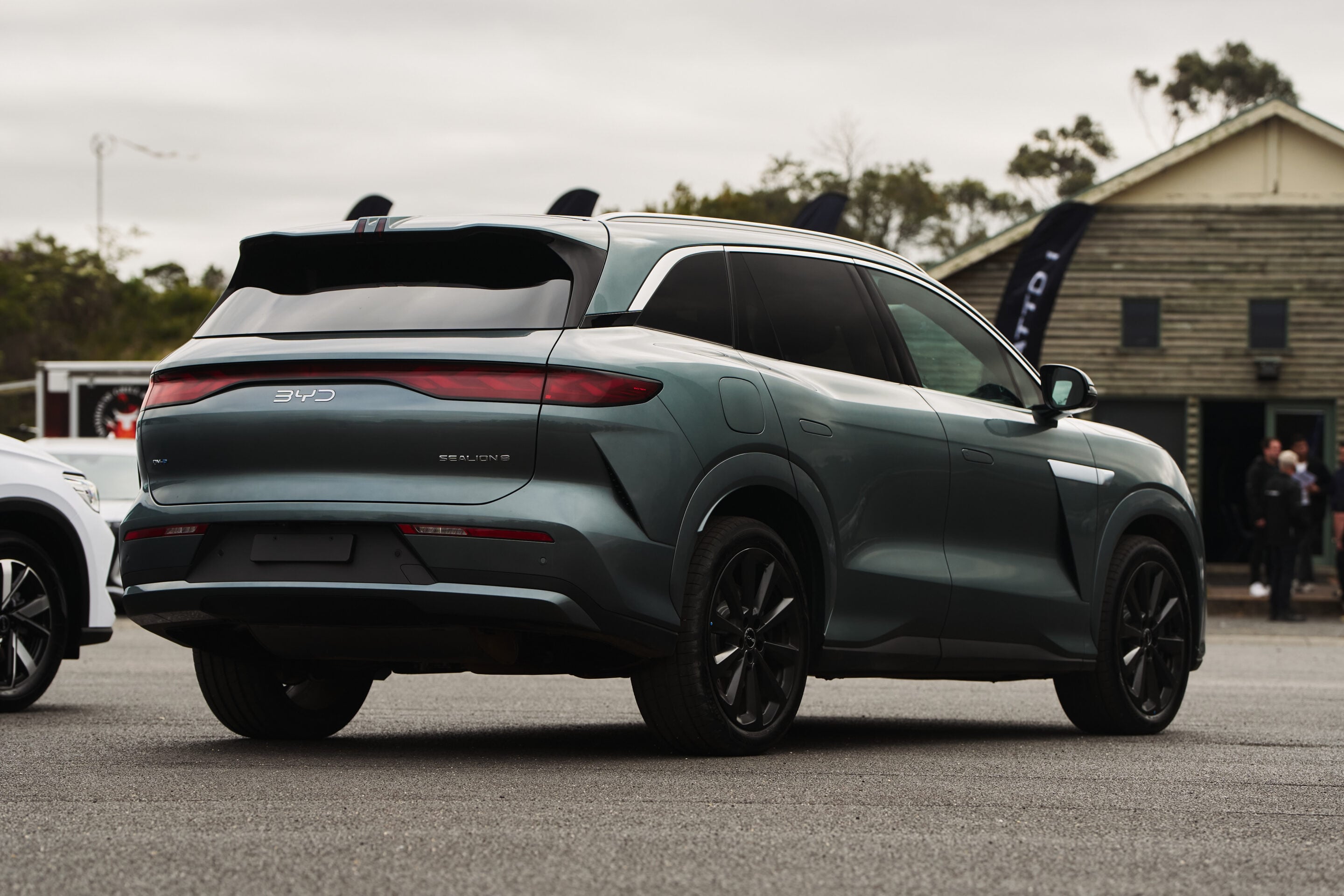
The entry-level Dynamic FWD variant produces 205 kW and 315 Nm, backed by a 19 kWh battery that provides around 103 km of electric-only range (NEDC). The AWD models feature a larger 35.6 kWh battery good for 152 km of electric driving and up to 359 kW and 675 Nm combined output. BYD claims a 0–100 km/h time of 4.9 seconds for the top-spec version.
The DM-p (Dual Mode-Powerful) setup also introduces DiSus-C smart suspension, designed to balance comfort with sharp handling. Engineers have tuned the chassis specifically for Australian conditions, refining ride quality across both city and country roads.
Inside, the cabin focuses on space and technology. A 15.6-inch central display, 10.25-inch digital driver screen, and 21-speaker premium audio system headline the tech package, while wireless phone charging, massaging seats front and rear, and up to 1960 litres of cargo space enhance day-to-day usability.
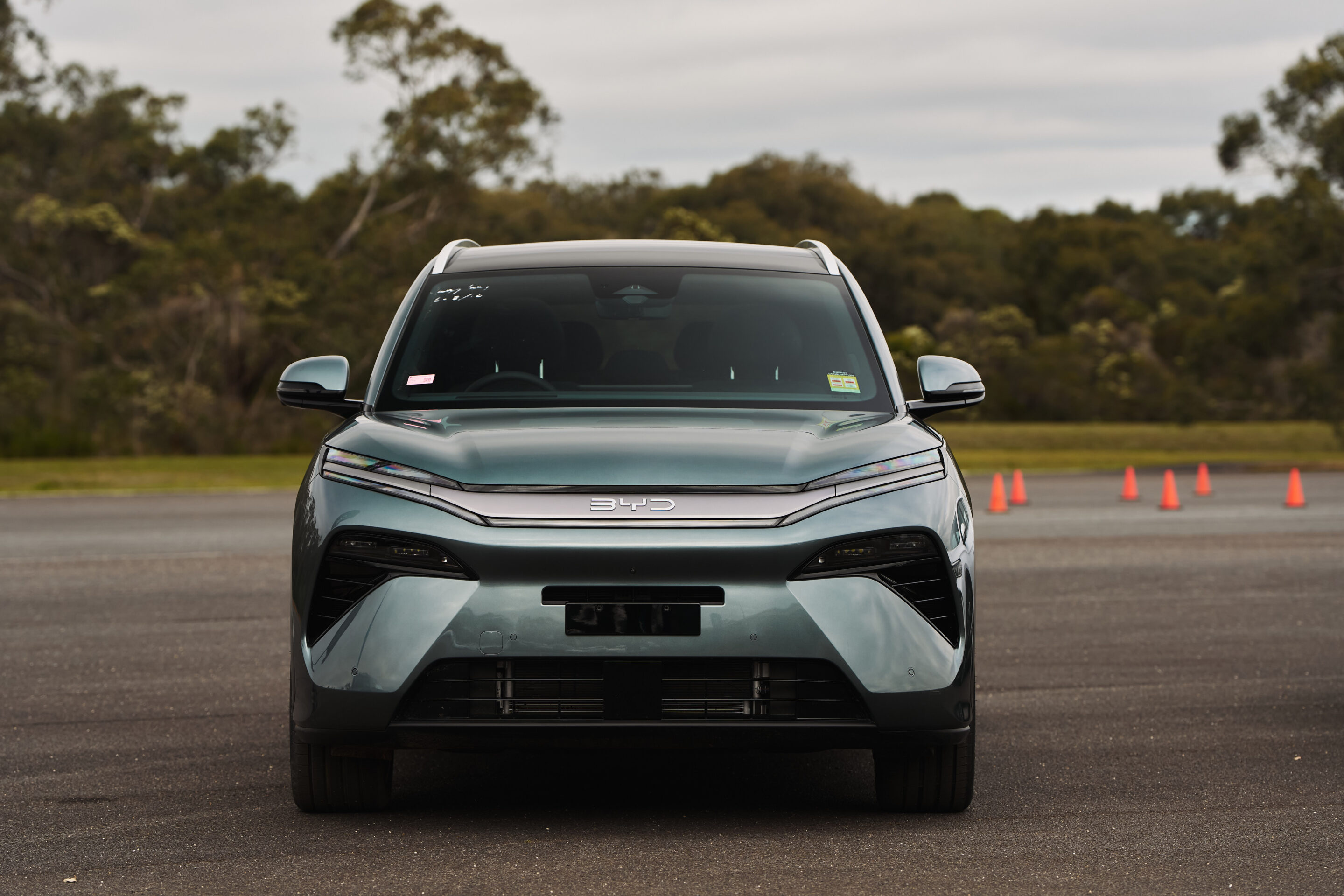
Nine airbags, a 360-degree camera and a full suite of driver-assistance systems round out the safety equipment.
Pricing will be confirmed closer to launch, but BYD says the SEALION 8 will deliver “flagship versatility” with a mix of electric refinement and long-distance practicality. With local testing complete and orders opening soon, BYD’s newest SUV looks set to become a strong contender in Australia’s growing hybrid family segment.
Generally speaking, the new car market is a bit sterile in 2025. Thanks to factors such as tightening emissions rules globally, manufacturers rarely take risks with car development and if it’s not an SUV or ute with hybrid or electric power, chances are that it likely won’t be built. Apparently Deepal missed the memo, however, and its latest creation will have you asking “what the truck?”.
Enter the E07, which is called the ‘Multitruck’ by its maker. What exactly is it? Essentially, it uses the platform of an electric SUV and features a configurable ute-like body on top. Deepal says that it offers the best of both worlds by driving like an SUV, yet offering the practicality of a ute.
The E07 is offered in two flavours in Australia: entry-level rear-driver ($64,900 plus on-road costs) or upper-spec all-paw ($73,900 +ORC), with both variants using the same 90kW lithium-ion battery that can be charged at up to 240kW for a quick 30-80 per cent charge in a claimed 15 minutes.

Standard features include 21-inch wheels, Nappa leather upholstery, electric/heated/ventilated/massaging front seats, a tilting 15.4-inch touchscreen, a head-up display, tri-zone automatic climate control, height-adjustable air suspension, a full suite of active safety features and the folding window and seat section that turns the E07 from an SUV into a ute.
That latter is undoubtedly its unique selling point and is actually quite useful. In standard form, its coupe-like sloping rear window hides a handy 524-litre bootspace. There are also hooks to hang bags off on each side and under-floor storage – though no spare wheel. If you need more space, there’s also a huge 131-litre front boot.
However, use the buttons on the sidewall and you realise that the E07 is definitely not a mid-size SUV. It has a split tailgate, like a ute, and the rear window slides up to lie on top of the roof and open up the tray. The middle window opens independently, while the rear seats fold flat with the middle divider wall also folding with them. Doing so unlocks 1654 litres of space, and fully extended, 1865mm of length. Considering the length of the bed and its vehicle-to-load (V2L) functionality, the E07 would be a great vehicle to take camping.

As we’ve previously seen with other Deepal models, the E07’s cabin is surprisingly luxurious and
high quality. Material quality is impressive and it all feels far more expensive than its sub-$65k pricing would suggest. The front seats are endlessly adjustable and comfort is excellent. However, a huge 15.4-inch touchscreen controls everything in the cabin, bar the windows, indicators and gear selection. The screen quality is crisp, but the layout is cumbersome and it takes a lot of time to learn. It’s packed with features such as wireless CarPlay and Android Auto and sat-nav, but adjusting the headlights, wiper sensitivity and even air vent direction is accessed through it, which is frustrating – especially at speed, plus the small icons do not help.
The E07’s storage space is excellent, while the rear cabin is almost limo-like. Six-footers will be fine for headroom, legroom is great, and there are many features such as heated and even ventilated seats, a separate temperature zone, charging ports and controls for the roof blind and rear window.
On the road, however, the E07 is less impressive and there’s precious little enthusiast appeal. Even smaller bumps have the suspension struggling to adapt and the steering offers little feel. Drive it dynamically and it struggles, though in regular driving it’s comfortable and its refinement is excellent, with very little road noise.

The 252kW E07 RWD initially feels a bit slow but builds up pace well, and the active safety features are thankfully far more relaxed than when Deepal initially launched locally. The claimed 550km WLTP range is healthy as well, and is fairly achievable in the real world.
It’s been a long time since a new car has broken tradition as much as the E07, which in itself is refreshing. Its ute-cum-SUV practicality is well considered and offers appeal, particularly to those who want a ute for its practicality, but not for off-road or towing capability. There’s still work to be done, however – there’s far too much in the touchscreen and the soggy dynamics need local tuning for a more cohesive driving experience. But overall, the Deepal E07 presents a unique perspective on what an SUV should be and for that alone, it’s definitely worth a look.

Specs
| Model | Deepal E07 Multitruck RWD |
|---|---|
| Price | $64,900 plus on-road costs |
| Motor | Rear-mounted single motor |
| Transmission | Single-speed reduction gear |
| Peak power | 252kW |
| Peak torque | 365Nm |
| 0-100km/h | 6.7 seconds (claimed) |
| Battery | 90kWh lithium-ion |
| WLTP range | 550km |
| Energy consumption (on test) | 20.6kWh/100km |
| L/W/H/WB | 5045/1996/1680/3120mm |
| Boot | 524L (seats up)/1654L (seats folded) + 131L frunk |
| Braked towing | 1500kg |
| Warranty | 7-year/160,000km |
| 5-year service cost | $1911 ($382 per year) |
| Tare mass | 2320kg |
| On sale | Now |
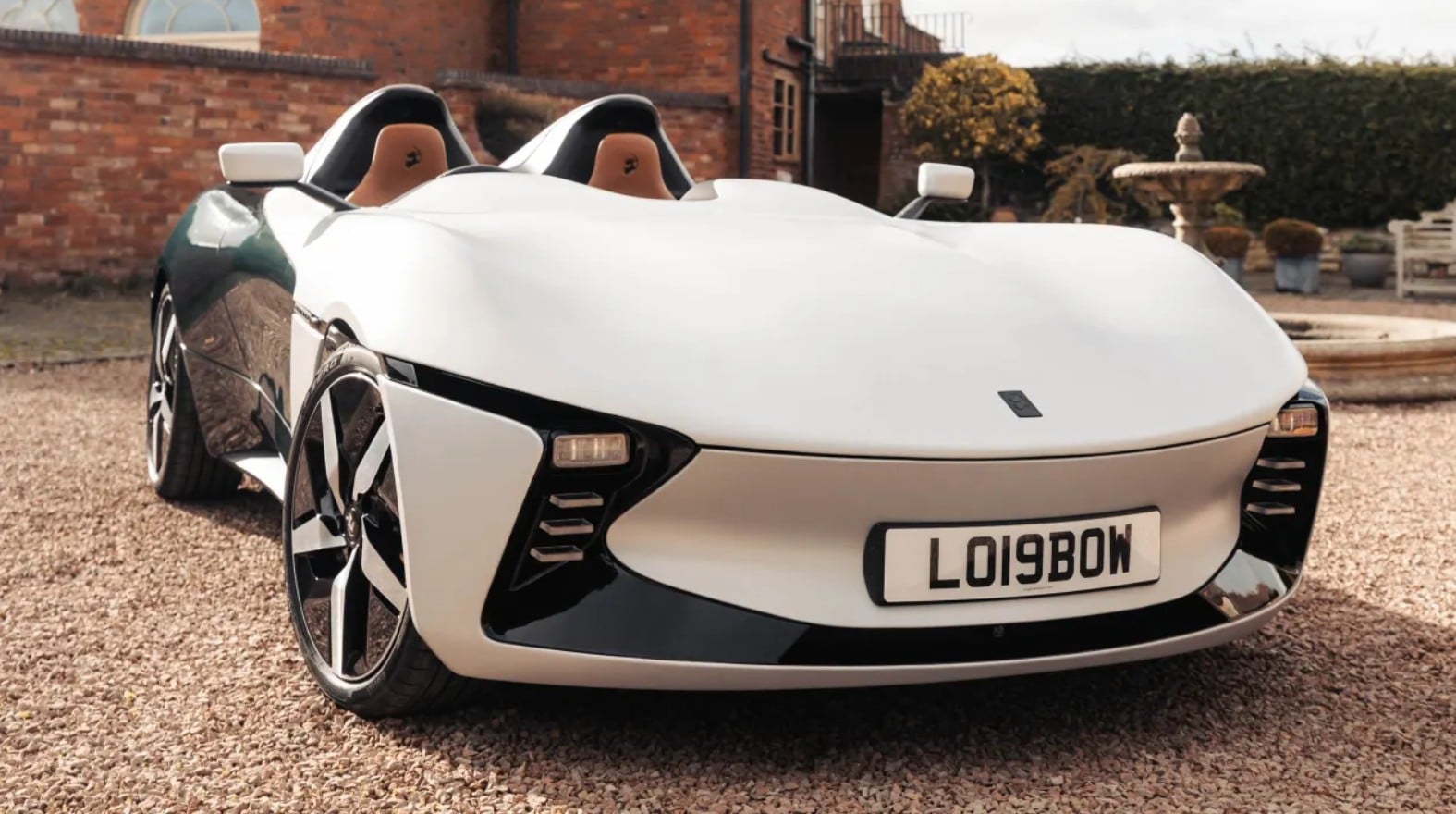
British newcomer Longbow has introduced its first two all-electric sports cars – the open-top Speedster and its fixed-roof sibling, the Roadster – both built around the concept of ultra-lightweight performance. Produced in strictly limited numbers, they aim to revive the lean, agile driving feel of classic British roadsters, but powered by modern electric architecture.
The Speedster weighs just 895 kg and is claimed to sprint from 0–100 km/h in 3.5 seconds, while the slightly heavier Roadster, at 995 kg, does the same benchmark in 3.6 seconds. Both models are mounted on bespoke aluminium chassis designed for stiffness and weight efficiency and employ compact e-motor and battery systems to optimise performance.
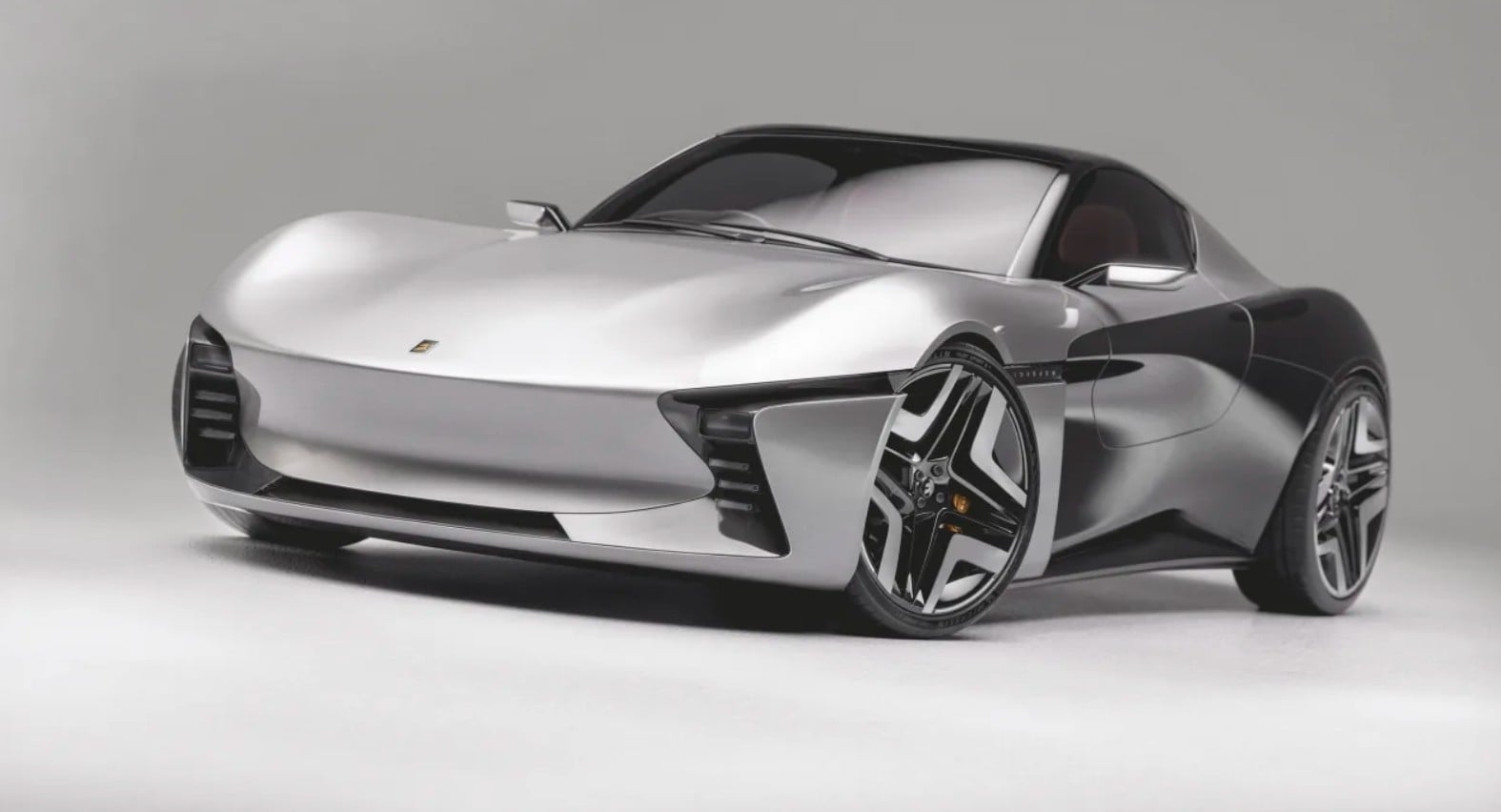
Pricing in the UK starts at £84,995 (A$158,000) for the Speedster and £64,995 (A$120,000) for the Roadster. Both cars are available to order now, and limited to just 150 units of each model globally.
Founders include industry veterans who previously worked for Tesla, Lucid and other EV and high-performance engineering companies. According to the firm, the goal was to create a driver-oriented machine in an era when many electric vehicles tip the scales well above 1500kg.
While powertrain outputs have not been fully detailed, the engineering emphasis is clear: significant performance delivered through low mass, not just high horsepower. Range claims point to up to 442km (WLTP) for the Speedster, a result enabled by its lightweight architecture.
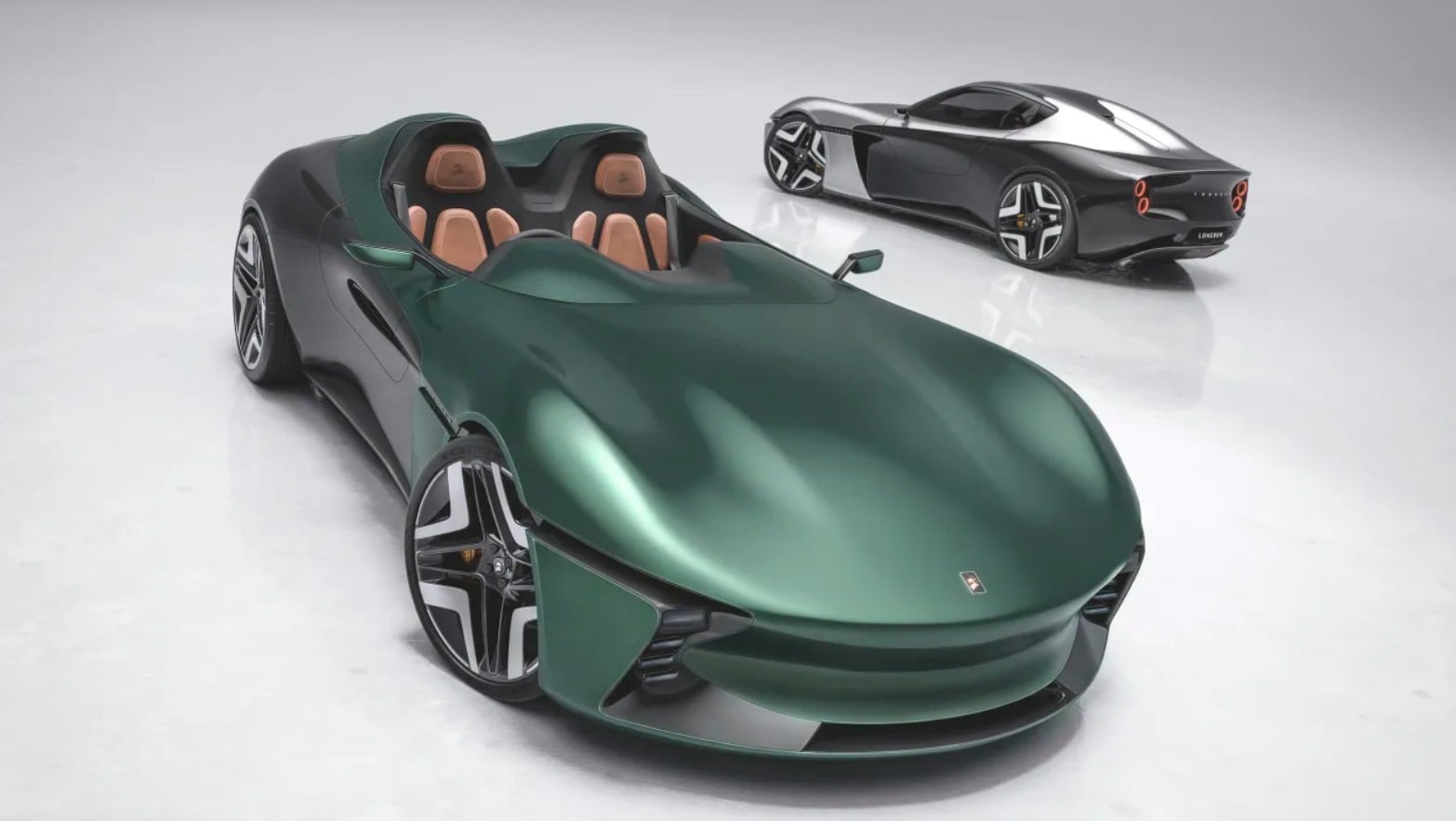
Designed, engineered and hand-built in the UK, Longbow says the driving experience is meant to “feel alive in your hands” – a direct contrast to the often heavy and complex nature of many modern EVs. The brand is calling its new class a “Featherweight Electric Vehicle (FEV)”, playing into the storied heritage of lightweight British sports cars such as the Lotus Elise and Jaguar E‑Type.
With these models, Longbow is carving out a niche within the broader EV market – one that adapts lightweight sports-car dynamics to an electrified future. While the initial focus is Europe and the UK, potential expansion beyond those markets could make the Speedster and Roadster intriguing prospects for Australian enthusiasts seeking something rare, bespoke and electric-agile.
A new study of the second-hand electric vehicle market has found that Kia and Tesla produce the most durable batteries, with the majority of used EVs maintaining high energy capacity even after years of use, according to a report by the Sweden Herald.
The investigation, conducted by Swedish used-car broker Kvdbil, analysed battery health data from 1,300 electric vehicles and plug-in hybrids. Researchers evaluated each vehicle’s battery using a “State of Health” (SoH) rating, which compares a battery’s current performance against its original capacity.
The findings were striking: eight in ten vehicles tested received the top grade, indicating that their batteries still retain more than 90 per cent of their initial capacity.
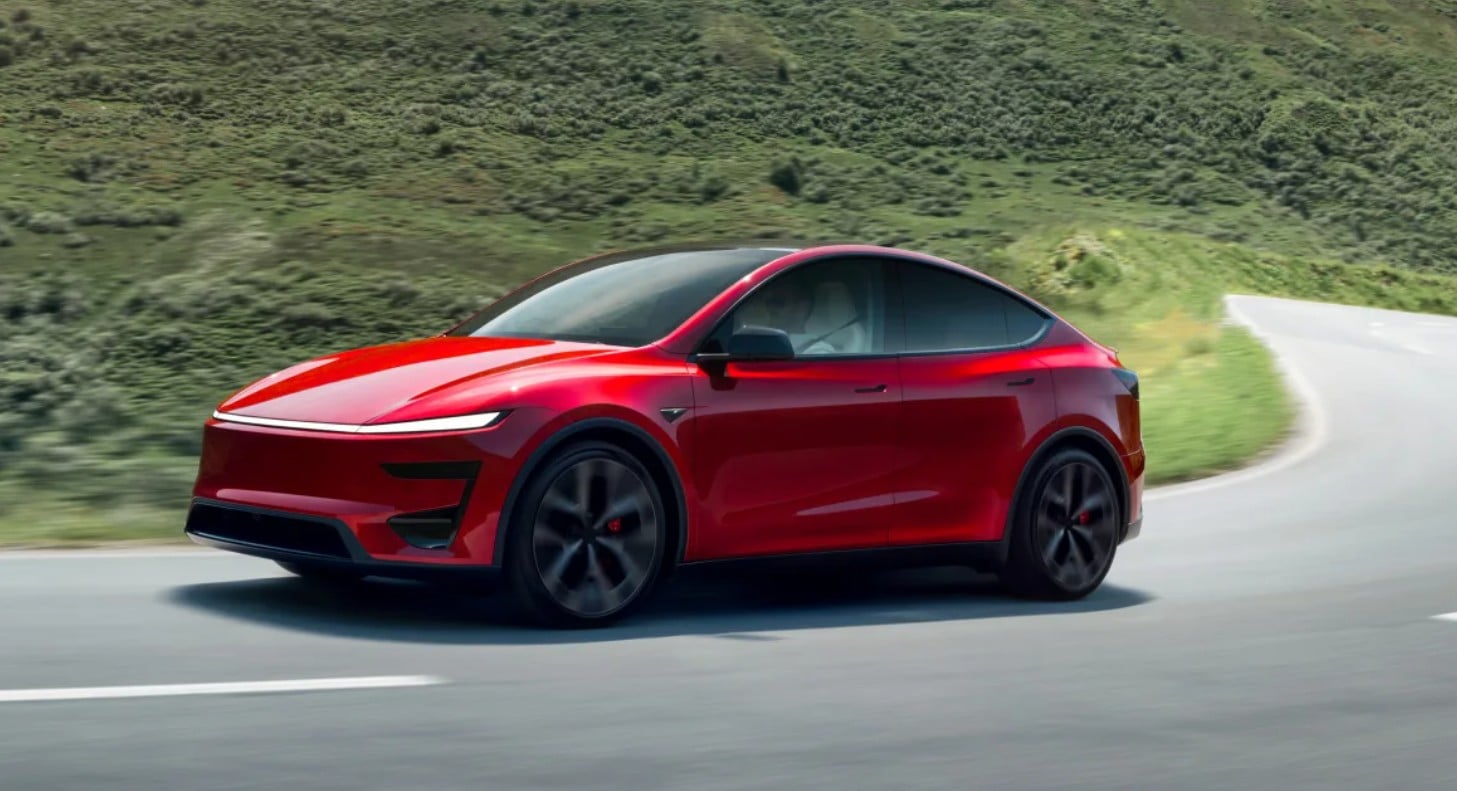
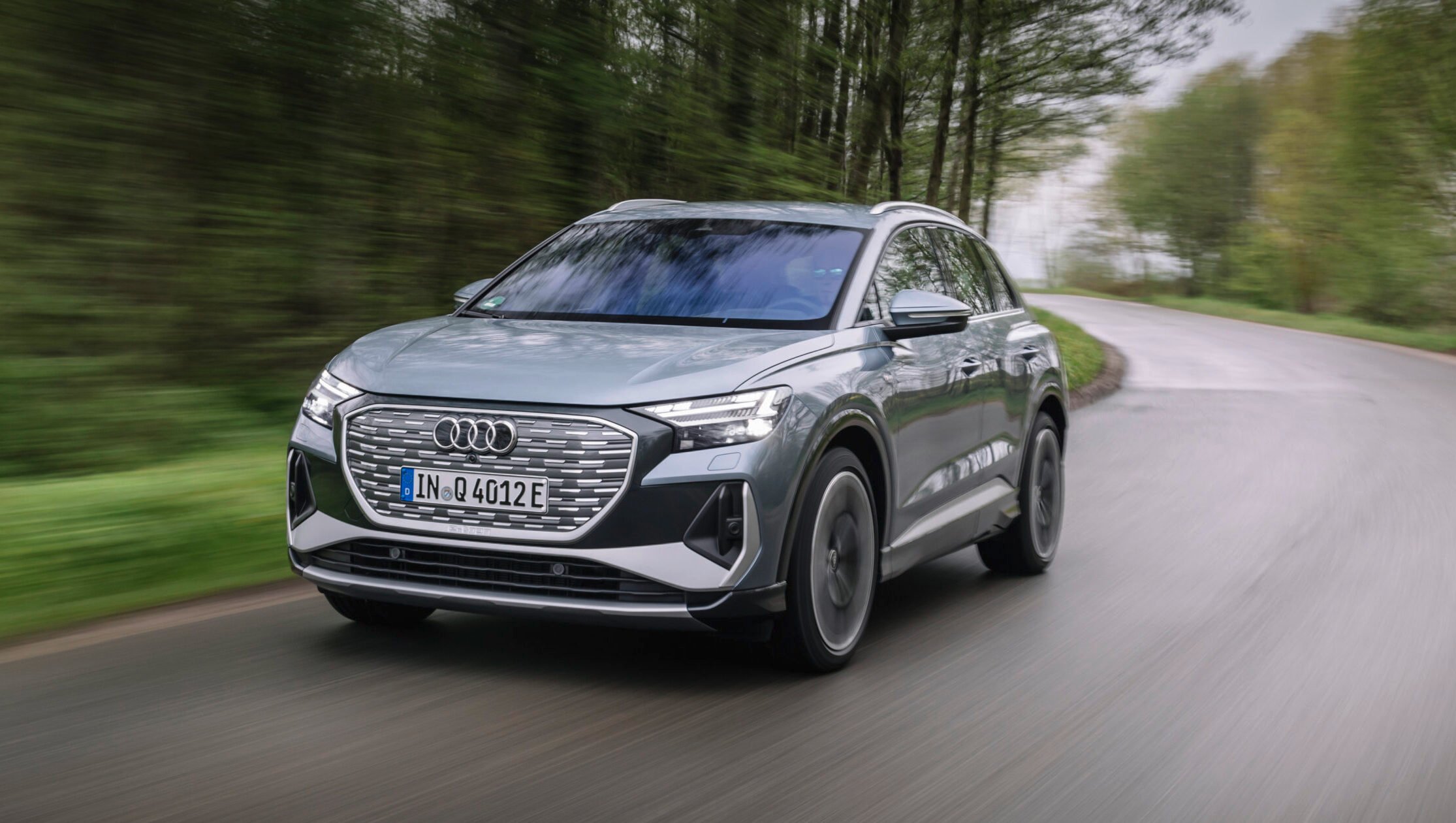
Kia’s EV6 and e-Niro, along with the Tesla Model Y, topped the rankings for battery performance, followed by models such as the Opel Mokka-e, Mazda MX-30, Audi Q4 e-tron, and Volkswagen ID.4.
Kvdbil’s test manager Martin Reinholdsson said the results suggest modern EV batteries are proving more resilient than many had expected.
“They are actually better than we thought,” Reinholdsson told the Sweden Herald. “It’s not so much tied to a specific brand or model, but rather how the cars have been used and maintained.”
The vehicles showing lower battery performance were generally older models with higher mileage, reinforcing the idea that age, climate, and charging habits are the main factors influencing battery wear.
Reinholdsson noted that drivers can extend battery life through proper charging and storage practices. Avoiding frequent fast charging, limiting regular charging to around 80 per cent, and keeping vehicles away from extreme heat or cold were among the recommended measures.
“These are the things owners can control,” he added. “Age and distance travelled, of course, are much harder to influence.”
Kvdbil’s analysis covered 723 fully electric cars and 643 plug-in hybrids. Overall, the results indicate that fears about rapid battery degradation in used EVs may be overstated – a positive signal for both consumers and the growing second-hand EV market.
Toyota’s best-selling mid-size SUV gets new styling, smarter tech and a serious PHEV option, but even the GR Sport struggles to fully break free from its conservative roots.
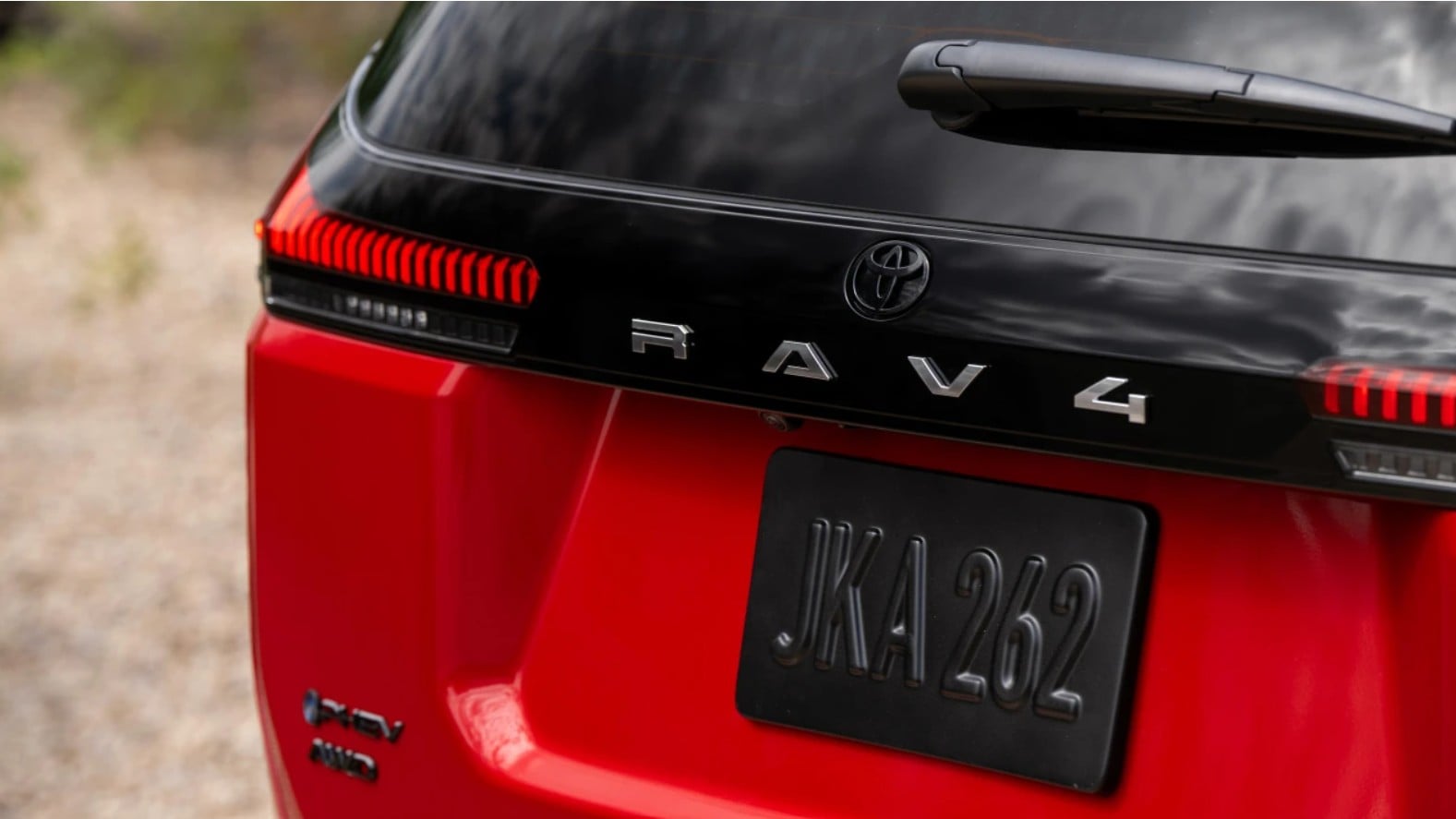
Toyota’s new-look 2026 RAV4 arrives as a significant update to one of the world’s most popular SUVs, bringing cleaner design, more advanced technology and a fresh generation of hybrid and plug-in hybrid powertrains. Yet beneath the bold surface lies a familiar core – the same TNGA-K platform that has underpinned the RAV4 since 2018.
That’s not necessarily a bad thing. Toyota has reinforced the structure and revised the suspension, giving the car a more composed feel on the road, while overall dimensions remain virtually unchanged. It’s a reminder that Toyota is refining, not reinventing, its family SUV formula.
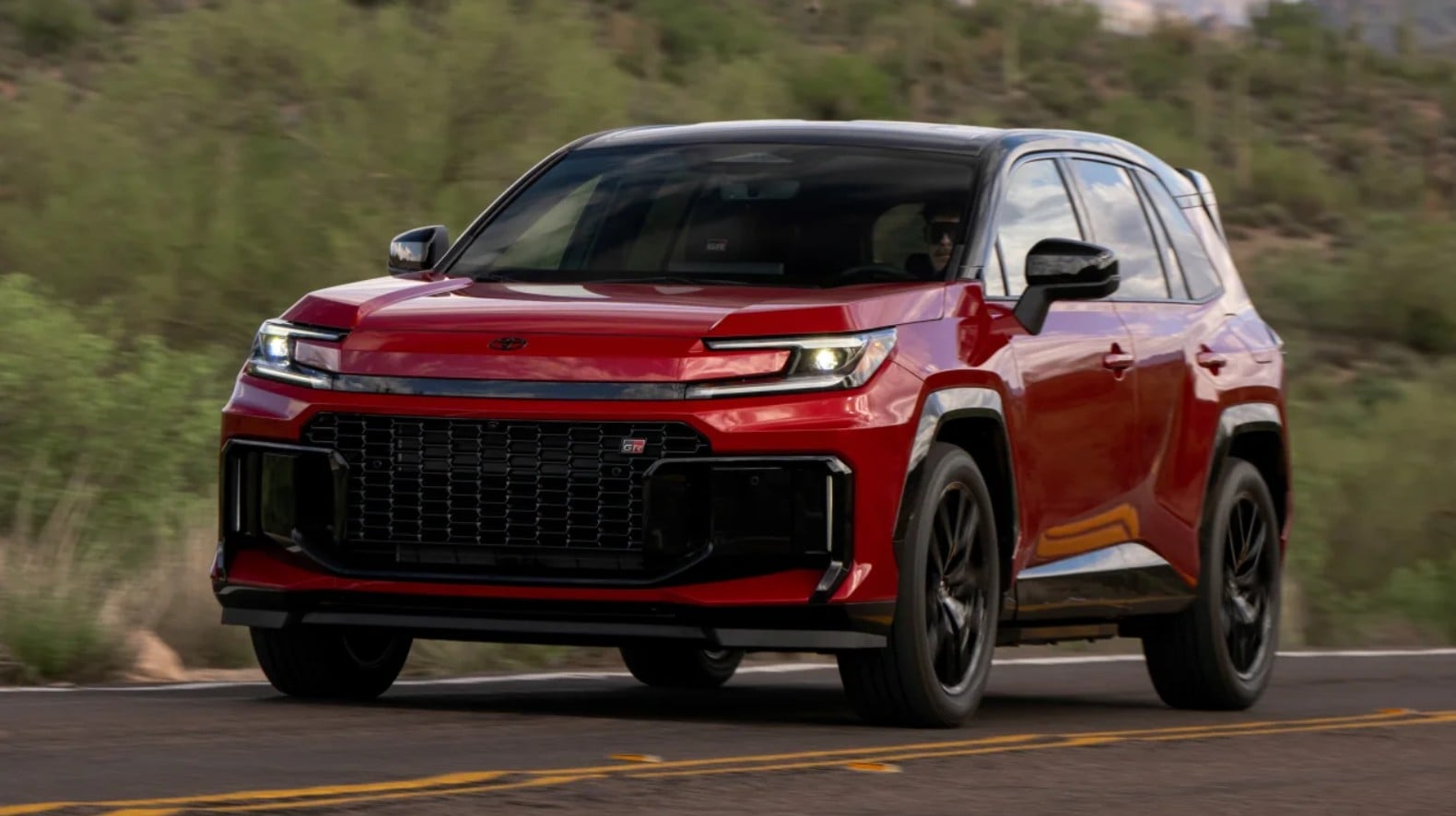
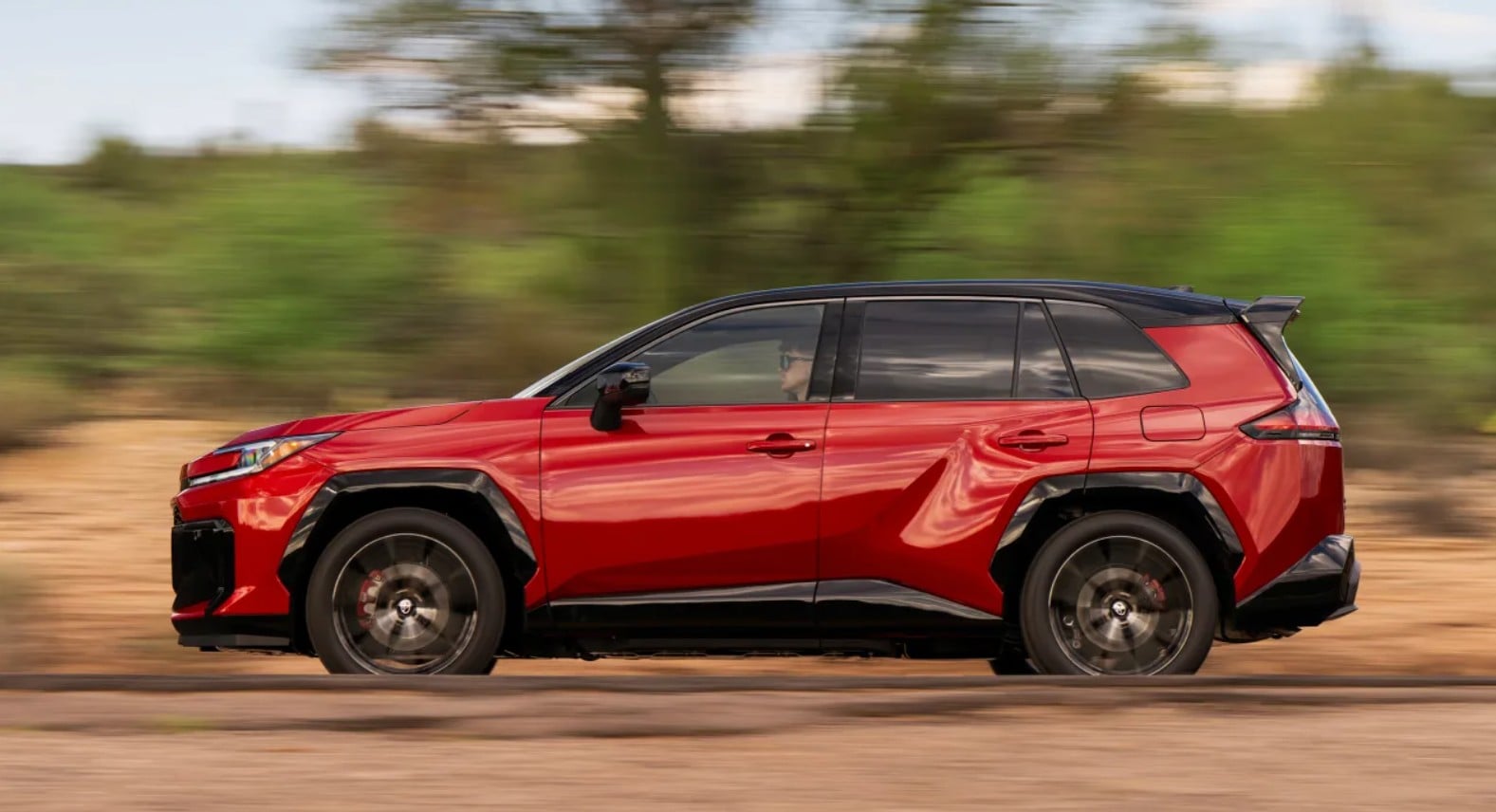
The styling refresh is welcome: slimmer LED lighting, a stronger shoulder line and new proportions that make the RAV4 look lower, wider and more athletic. It’s still unmistakably RAV4, just crisper and more mature. The GR Sport variant in particular – developed in collaboration with Toyota’s Gazoo Racing arm – finally lives up to its badge. It gets firmer suspension, reworked steering, strengthened components and sits 15 mm lower on wider 20-inch wheels. The result is a more precise, engaging drive that keeps body movements well in check without wrecking the ride.
Under the skin, Toyota has rolled out its next-generation plug-in hybrid system. A new 22.7kWh lithium-ion battery boosts electric-only range to around 95 kilometres on the WLTP cycle – a solid improvement over the outgoing model. The PHEV can now be paired with front-wheel drive (offering roughly 197kW) or all-wheel drive (224kW), with Toyota quoting a brisk 0–100 km/h time of 5.8 seconds. It’s not quite hot-hatch quick, but it’s close enough for an SUV of this size.
The regular ‘self-charging’ hybrid models also benefit from tweaks to their petrol-electric systems. They’re smoother and punchier than before, but still rely heavily on the petrol engine under load – something the plug-in avoids by leaning more on its electric motors, even after the battery’s usable charge is depleted.
Inside, Toyota has overhauled the tech, introducing its next-generation infotainment system with a crisp 12.9-inch touchscreen. The interface is cleaner, faster and finally customisable, while a 12.3-inch digital driver display is now standard across the range. The new software supports better voice control, over-the-air updates and more advanced driver-assist functions.
The cabin itself feels solid, but not luxurious. Toyota’s pragmatic materials – lots of hard black plastics – clash with the high-tech screens. Even the GR Sport’s red stitching can’t completely disguise the utilitarian vibe. Rear-seat space is adequate, and while boot capacity has grown slightly, the floor isn’t entirely flat. The saving grace is a full-size spare wheel – a rarity among plug-in SUVs.
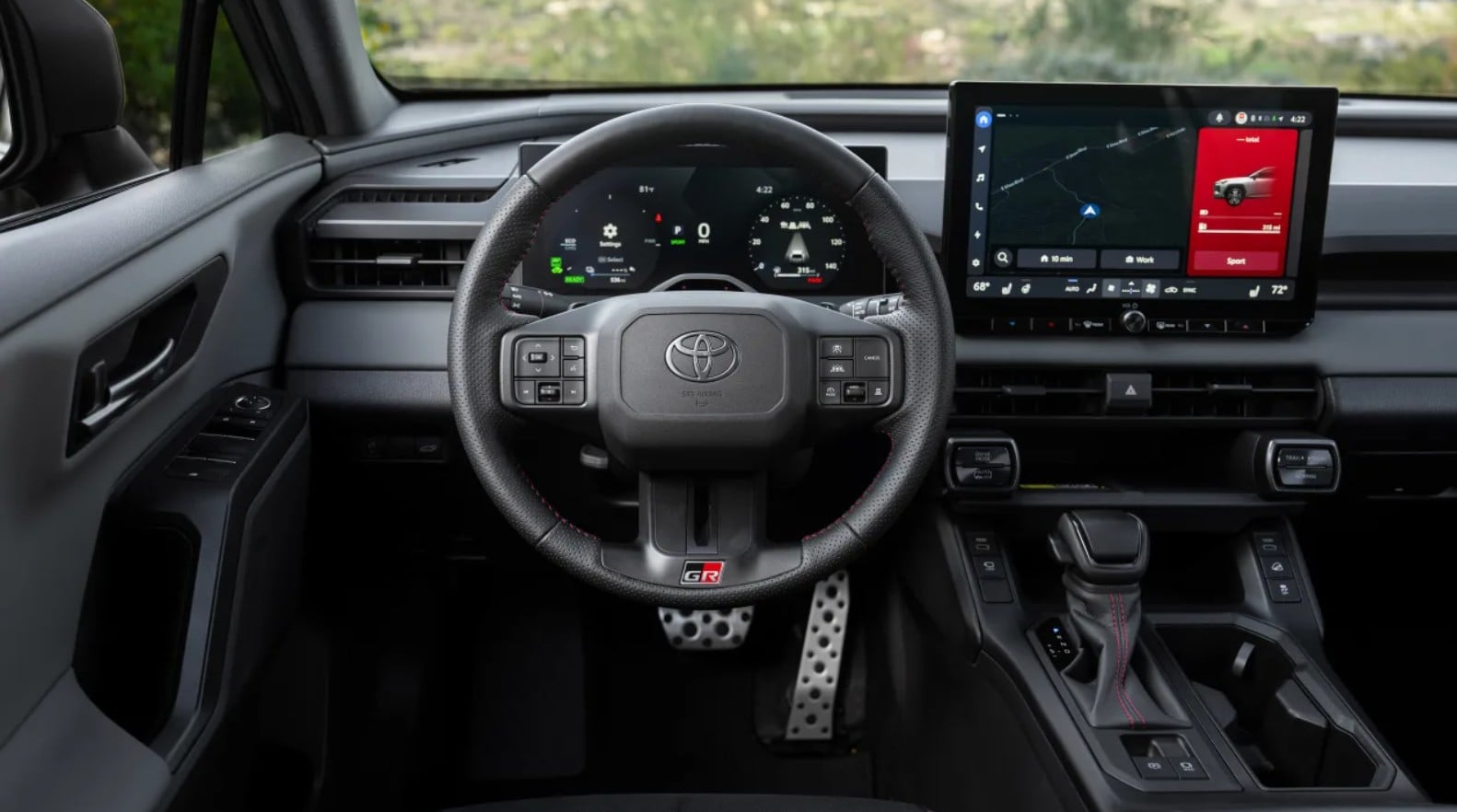
On the move, the 2026 RAV4 feels more settled and responsive, particularly in GR Sport form, but the rest of the range remains more competent than exciting. Toyota’s improvements bring welcome sophistication and refinement, yet the conservative approach means it doesn’t leap ahead of rivals like the Kia Sportage Hybrid or Hyundai Tucson PHEV.
In short, the RAV4’s mid-life reboot makes it smarter, sharper and more enjoyable – especially as a plug-in – but Toyota’s best-seller remains faithful to its safe, sensible personality. It’s progress, just not revolution.
The mid-size SUV segment has quickly grown to become the most popular in Australia, offering generous size, practicality, a solid driving experience and – in their best guises – good fuel efficiency. Plus, almost all brands now offer some form of hybrid and/or electric drivetrain option. Overall, they make excellent family cars and with more than 25 choices on the Australian new car market, which one do you choose?
Here’s an overview of 10 value-packed mid-size SUVs priced at under $40,000 plus on-road costs we think you should be considering.
Hyundai Tucson
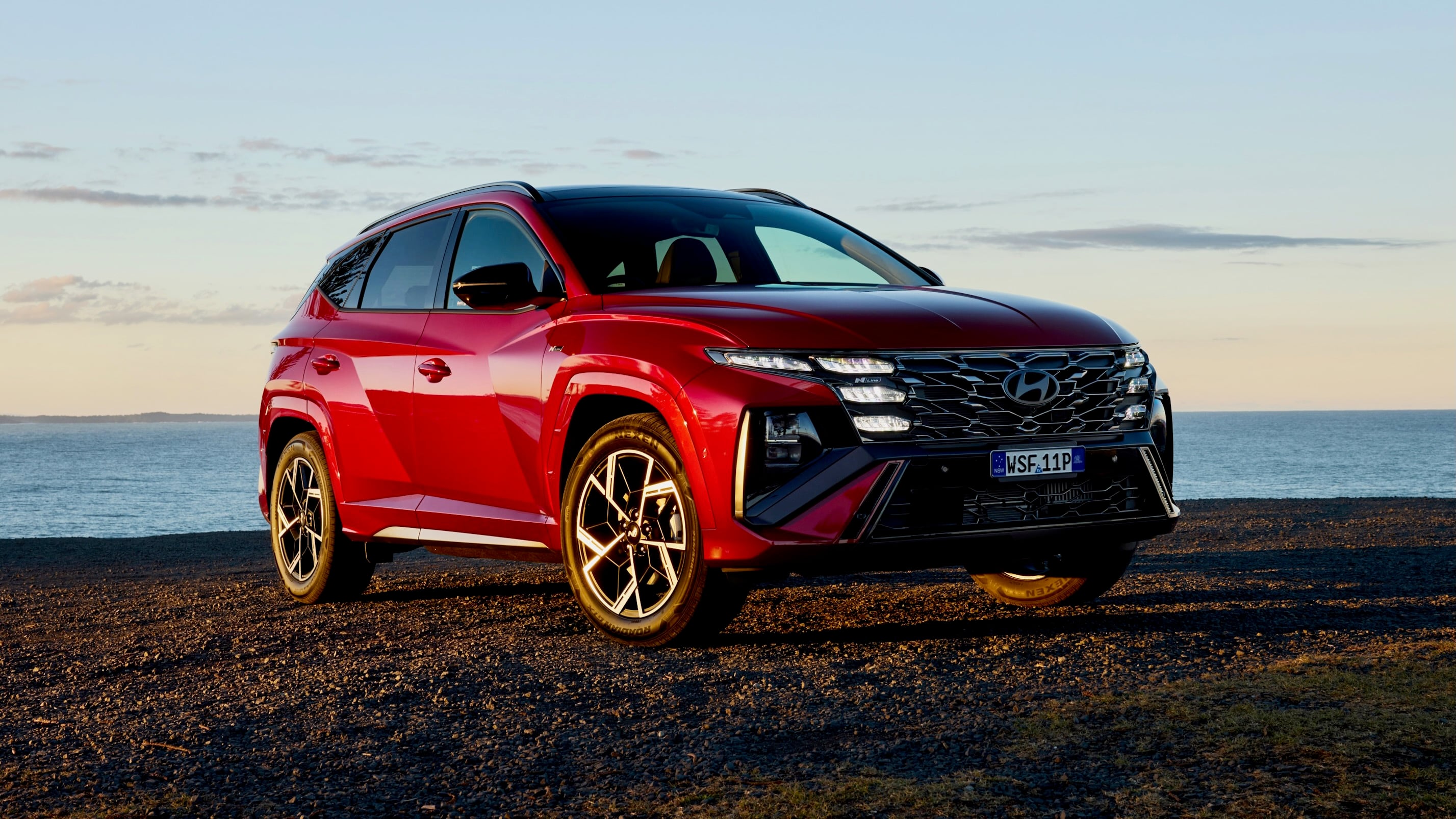
- Price: from $38,350 plus on-road costs
- Engine: 2.0L petrol, 115kW/192Nm, 6-speed automatic, 2WD
- Combined fuel consumption: 8.1L/100km
The Hyundai Tucson recently won Wheels Best Medium SUV 2025 and that’s because its winning formula blends value, technology, comfort and a big line-up including hybrid models. Unfortunately for buyers searching for a sub-$40k bargain, the excellent hybrid system is priced closer to $50,000, but under $40,000 will still get you the entry-level 2.0-litre petrol model – at the time of writing, Hyundai is offering this model for $39,990 drive away.
Despite being an entry-level model, the base Tucson is still well equipped with features such as 17-inch alloy wheels, digital key functionality, dusk-sensing automatic LED headlights, dual-zone automatic climate control with rear air vents, a 12.3-inch touchscreen with over-the-air updates, a wireless phone charger and a full suite of active safety features, including a front-centre airbag and adaptive cruise control with stop and go.
The Tucson’s cabin is high quality and spacious for families, especially its large 539-litre boot that opens up to a massive 1860 litres with the rear seats folded. Hyundai Australia’s recent move to a five-plus-two year warranty (five years is standard and two extra years is added with dealer servicing) is healthy in the market, as is its cheap servicing. Overall, the Hyundai Tucson is a great mid-size SUV – we wouldn’t have named it the best of the best otherwise.
Nissan X-Trail

- Price: from $36,990 plus on-road costs
- Engine: 2.5L petrol, 135kW/244Nm, CVT automatic, 2WD or AWD
- Combined fuel consumption: 7.4L/100km
The Nissan X-Trail was one of the first of the modern mid-size SUVs when the first-generation model launched in 2001 and ever since, it’s been one of the best-selling of the group. The latest fourth-generation model is a great mid-size SUV option, especially with recent value fixes across its Australian model range.
Priced from $36,990 plus on-road costs for the entry-level ST, the X-Trail’s equipment levels are generous and include 17-inch alloy wheels, dusk- and rain-activated LED headlights, keyless entry and push button start, an 8.0-inch touchscreen, adaptive cruise control, blind-spot monitoring, cross-traffic alert with braking and a reversing camera. If you want all-wheel drive, that’s priced at $39,990 or if you want more equipment, the upper-spec ST-L is priced from $41,465 +ORC and adds features such as synthetic leather upholstery, larger wheels and a larger 12.3-inch touchscreen.
The X-Trail’s cabin is high quality and the switchgear feels more expensive than its pricing would suggest – there’s lots of soft touch materials around, and the controls have solid weighting to them. There’s a lot of storage space – including a massive under-centre console tray – and the boot is quite practical at 585 litres with the seats up.
On the road, the X-Trail is quite comfortable and the 2.5-litre petrol engine provides adequate performance, though it’s hardly exciting to drive. Families will love how refined it is as well, and it’s also relatively fuel efficient in the real world. Nissan’s five-to-10 year warranty program is the best on the Australian new car market as well, and the overall value for the entry-level X-Trail models is excellent.
Geely Starray
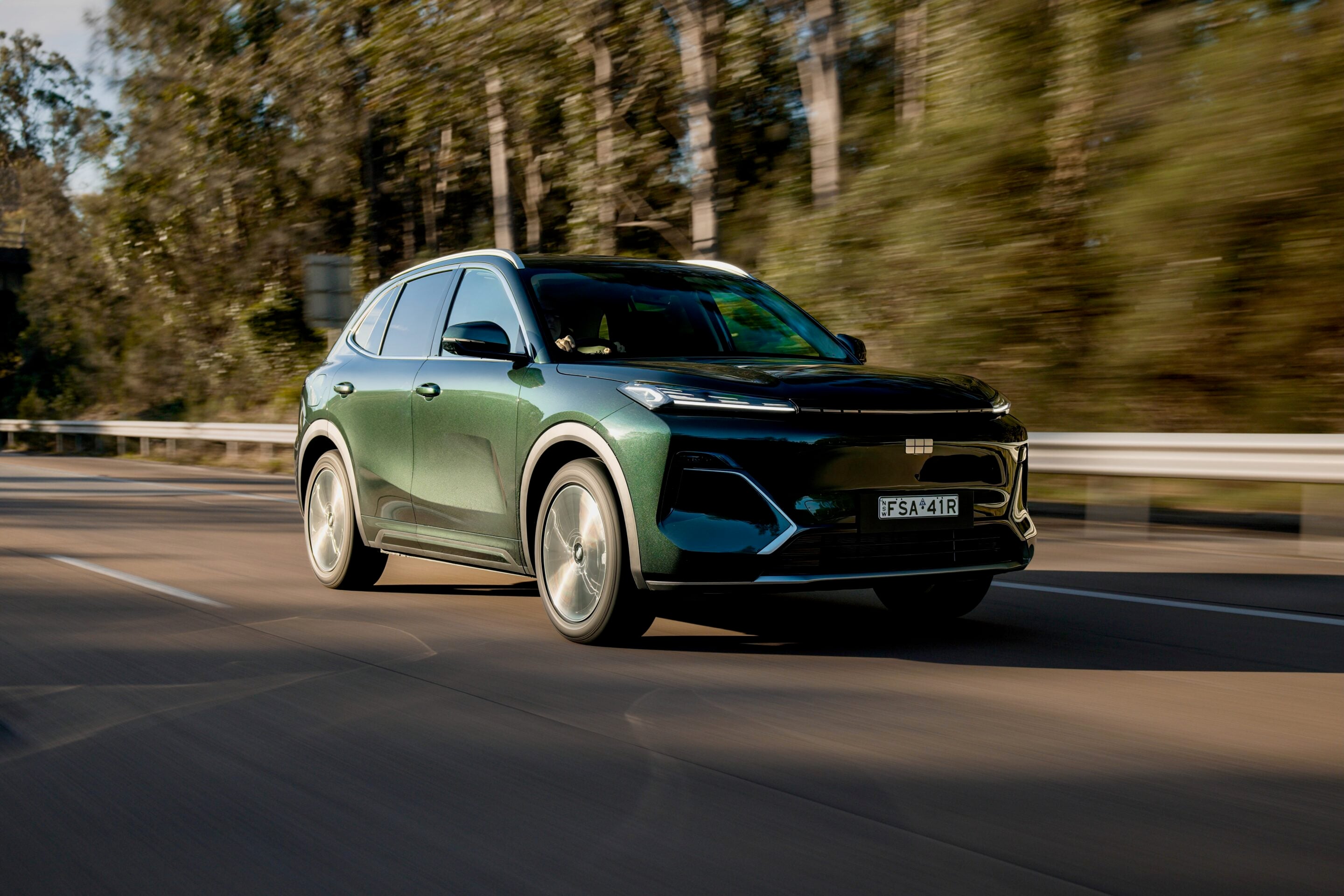
- Price: from $37,490 plus on-road costs
- Drivetrain: 1.5L plug-in hybrid, 193kW, single-speed automatic, 2WD
- Battery/electric driving range: 18.4kWh LFP/83km (WLTP)
- Combined fuel consumption: 2.4L/100km
The Geely Starray is a new entrant to the mid-size SUV – and Australian market – providing great value for money, an efficient plug-in hybrid drivetrain, a good quality and spacious cabin and a long warranty program.
Priced from $37,490 plus on-road costs, the entry-level Starray Complete features 18-inch alloy wheels, dusk-sensing automatic LED lighting, heated and electric front seats, synthetic leather upholstery, a 10.2-inch digital instrument cluster, a 15.4-inch touchscreen with live services and over-the-air updates and safety features such as seven airbags, AEB, adaptive cruise control, lane keeping assistance with adaptive lane guidance and a 360-degree camera.
The Starray features a 1.5-litre petrol engine to an electric motor for a combined output of 193kW, while its 18.4kWh LFP battery gives a WLTP range of 93km. The driving experience is pleasant, with excellent refinement and comfort levels.
The cabin of the Starray is like the electric EX5: dominated by a huge touchscreen with some physical controls, excellent quality thanks to plush materials and quite practical with ample storage and bootspace (a small 428 litre figure with the seats up but a huge 2065L figure with them folded). Geely’s seven-year/unlimited km warranty is long and its overall value equation is strong. Plus, it’s a polished product that offers a long EV range, giving mid-size SUV buyers even more choice.
GWM Haval H6
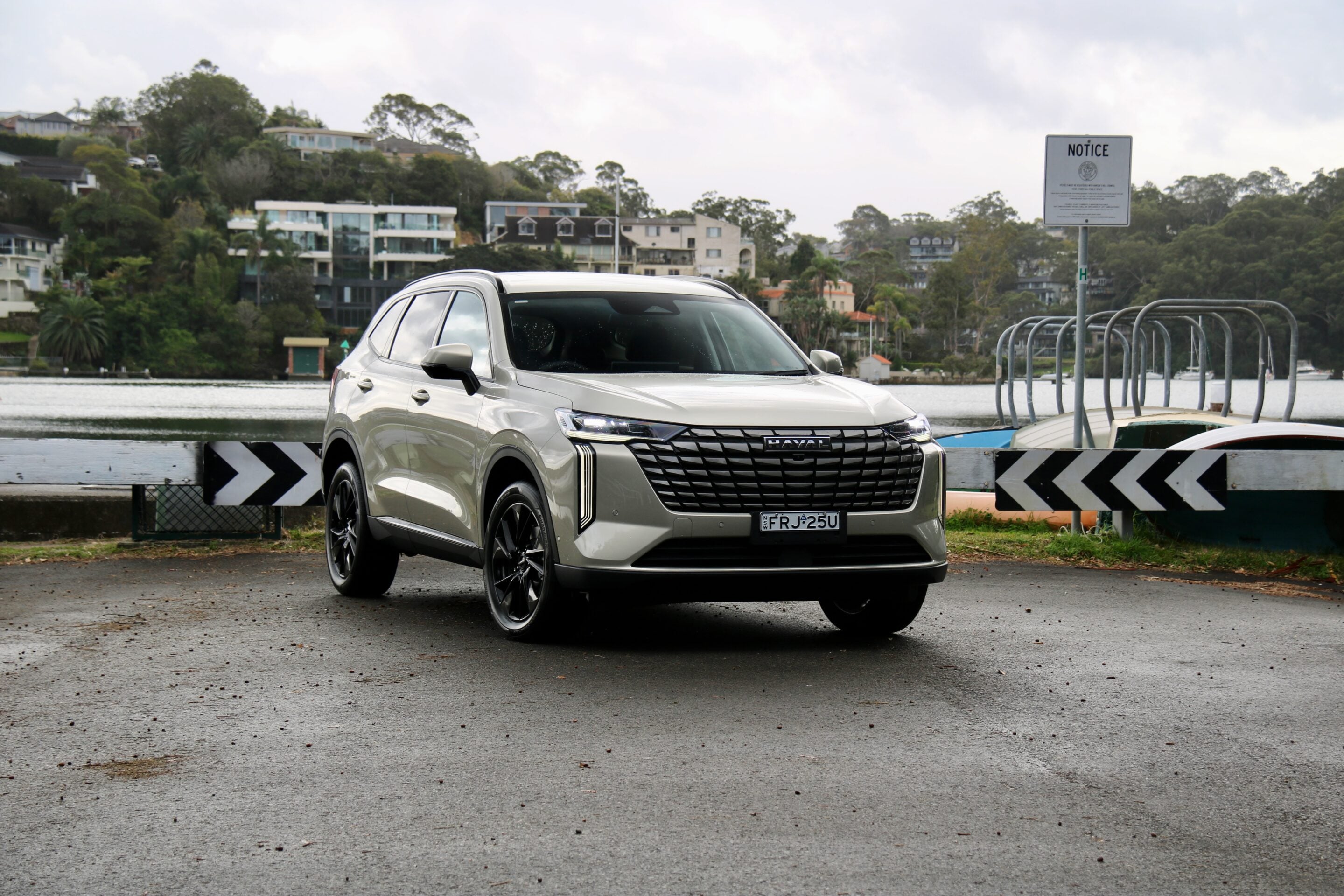
- Price: from $35,990 drive away
- Engines: 2.0L turbo petrol, 170kW/380Nm, 9-speed automatic, 2WD or a 1.5L hybrid, 179kW/530Nm, 1-speed automatic, 2WD
- Combined fuel consumption: 5.2L/100km (hybrid) – 7.4L/100km (2.0T)
The GWM Haval H6 is one of the best value and most practical mid-size SUVs you can buy in Australia. With a huge 600-litre boot and a spacious rear seat, it can easily take what your family has to throw at it –but priced from just $35,990 drive away, it also undercuts the majority of its rivals. Its recent mid-life update also added multiple hybrid drivetrains. The entry-level hybrid Lux is also priced from just $40,990 – don’t worry, that’s the drive away figure.
While base pricing rose by $2000 compared to the pre-updated model, the standard equipment list was given a big boost and features on the entry-level Lux include 19-inch alloy wheels, dusk-sensing automatic LED lighting, keyless entry with push button start, synthetic leather upholstery, a 14.6-inch touchscreen with wireless smartphone mirroring and safety features such as adaptive cruise control and a 360-degree camera.
The H6’s 1.5-litre hybrid system is powerful (179kW/530Nm) but also quite efficient (it’s rated at 5.2L/100km and we got close to that in the real world) and refined. The H6 is also covered by GWM’s solid seven-year/unlimited km warranty and though its service intervals are strange, service pricing is cheap. Overall, it remains one of the best value mid-size SUVs you can buy – and its recent facelift has added far more polish to the overall package.
Mahindra XUV700
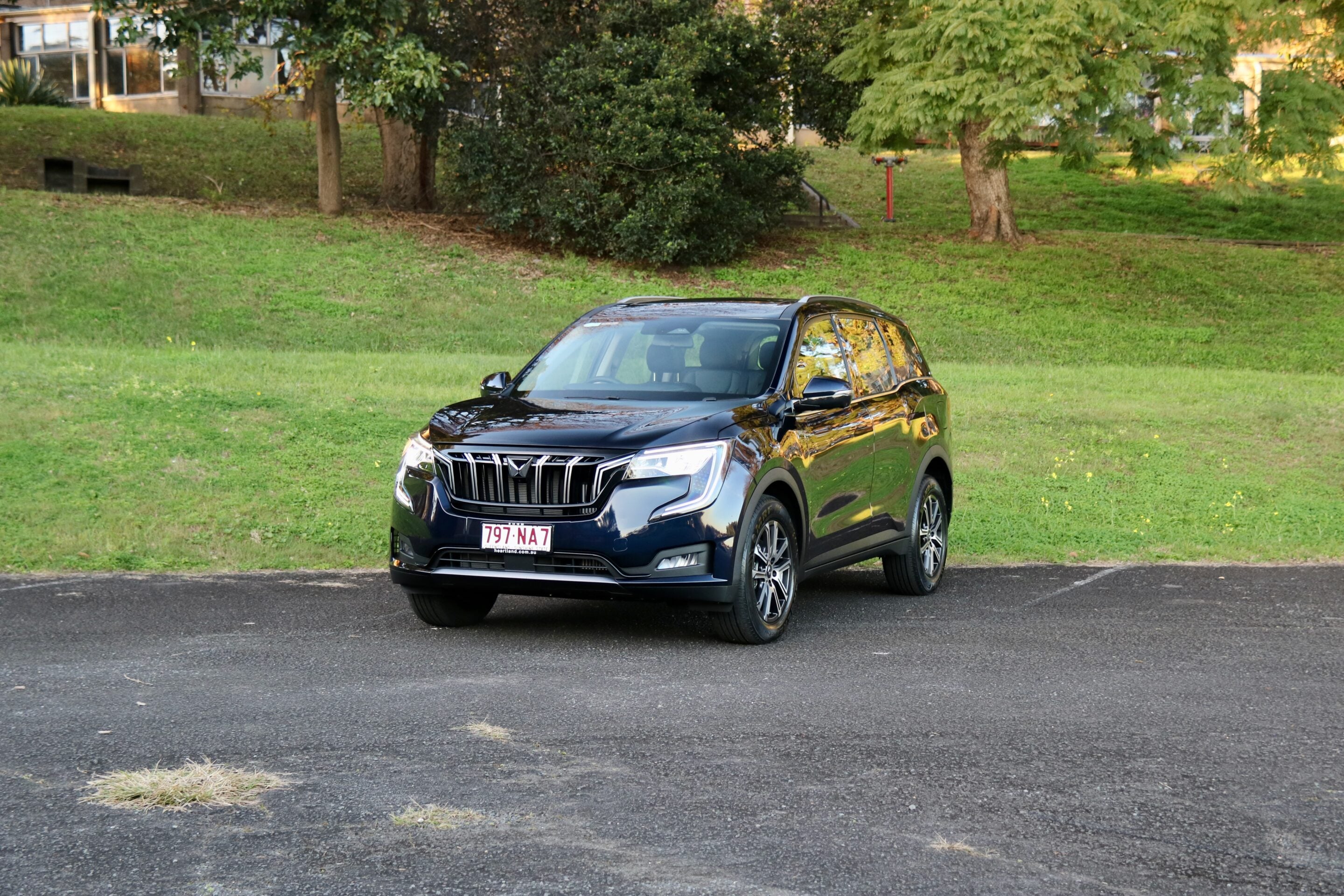
- Price: from $39,990 drive away
- Engine: 2.0L turbo petrol, 149kW/380Nm, 6-speed automatic, 2WD
- Combined fuel consumption: 8.3L/100km
The Mahindra XUV700 is a top value mid-size SUV that’s priced from just $39,990 drive away for the entry-level AX7 and almost uniquely, for this segment, offering seven seats, making it ideal for larger families. There is also a top-spec Black Edition for only $43,990 for those wanting some black exterior styling features. A gutsy turbocharged 2.0-litre petrol engine sits under the bonnet mated to a smooth six-speed automatic transmission making strong 149kW/380Nm outputs. There’s no all-wheel drive option available in Australia, unfortunately.
Standard equipment is generous with features like 18-inch alloy wheels, leatherette upholstery, six-way electric driver’s seat adjustment with memory, a panoramic sunroof, dual 10.25-inch screens, Apple CarPlay and Android Auto and a suite of active safety features such as autonomous emergency braking, adaptive cruise control and a reversing camera.
The XUV700’s interior is modern, good quality and practical. While Mahindra doesn’t provide space figures, it’s estimated to hold around 150 litres behind the third row, with folding those seats adding another 500L to the total – or more than enough for your family. Add in the seven-year/150,000km warranty and the XUV700’s overall value is quite strong.
Kia Sportage
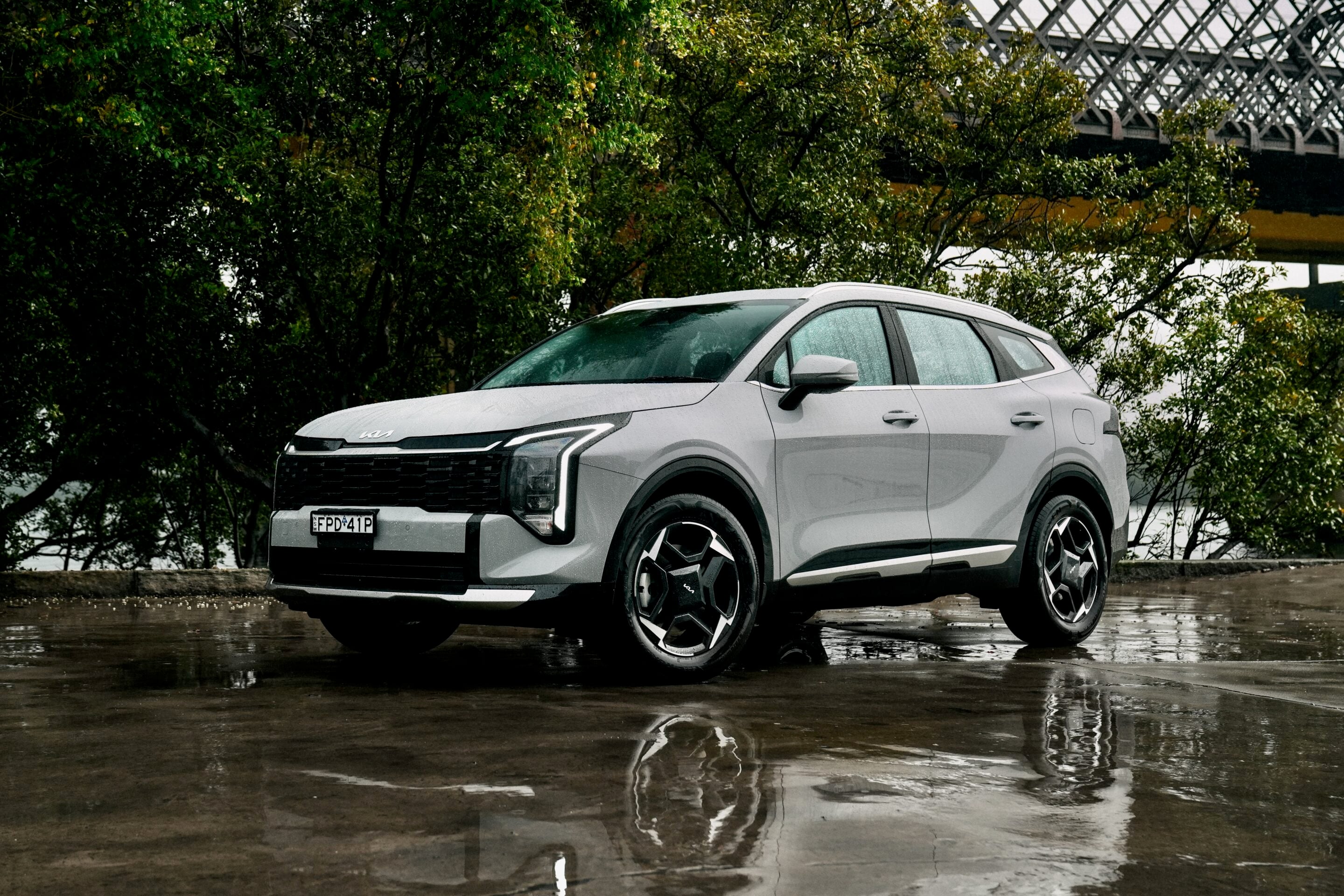
- Price: from $38,490 drive away
- Engine: 2.0L petrol, 115kW/192Nm, 6-speed auto, 2WD
- Combined fuel consumption: 8.1L/100km
Kia’s recently updated Sportage medium SUV is, like its Hyundai Tucson cousin, an excellent all-round mid-size SUV that brings a lot to the table: a big range of drivetrains – the largest range of the segment – and an excellent driving experience, as well as a very practical and spacious cabin.
Plus, being a Kia, it’s great value for money and is covered by a long warranty. Prices for the Sportage range start at $37,990 plus on-road costs for the entry-level S 2.0-litre petrol auto. Regardless of the model chosen, the Sportage is well equipped.
In the cabin, the Sportage feels spacious thanks to its wide dashboard layout and huge curved display incorporating both the infotainment system and driver’s screen. Cabin storage is good, while the rear seat is quite roomy for two taller adults. Bootspace is minimum 543 litres in petrol and diesel forms (it’s a higher 586L in the hybrid because it lacks a full-size spare wheel), which is large in the segment.
Kia’s seven-year/unlimited km warranty was once the industry benchmark but has now been matched by a number of manufacturers – thankfully, seven years is still a long time. Service pricing, however, isn’t cheap – even the least technically impressive 2.0 litre petrol engine costs almost $500 annually to service. But while some aspects of the Sportage aren’t cheap, it’s still a surefire all-rounder that’s great to drive, practical and well equipped.
Skoda Karoq
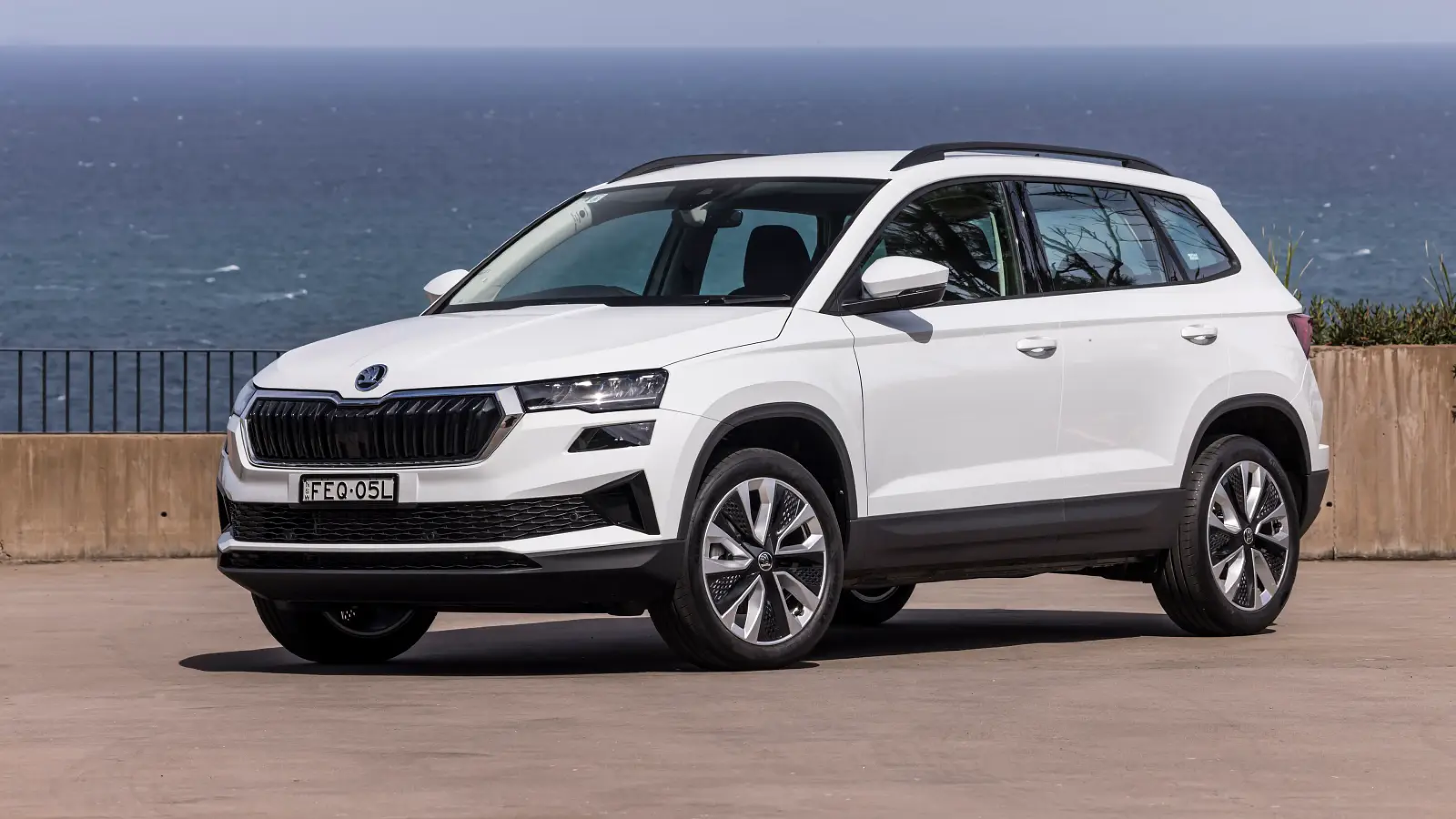
- Price: from $40,990 drive away
- Engine: 1.4L turbo petrol, 110kW/250Nm, 8-speed auto, 2WD
- Combined fuel consumption: 6.6L/100km
Skoda’s Karoq mid-size SUV is one of the quiet achievers in the segment – it doesn’t shout about its awesome practicality or clever storage solutions, instead going about its business humbly priced from just $40,990 drive away in entry-level Select form and offering a long list of standard equipment.
Features on the Karoq Select include 18-inch alloy wheels, automatic LED lighting and wipers, heated and auto-folding mirrors with auto-dimming for the driver’s side, dual-zone automatic climate control with rear air vents, an 8.0-inch touchscreen with wireless smartphone mirroring, adaptive cruise control, lane keeping assistance, blind-spot monitoring and a reversing camera.
Despite being one of the physically smaller options in the segment, the Karoq’s cabin is spacious for its size and great quality as well. Its 521-litre boot opens up to 1630 litres with the rear seats folded, and various hooks and net positions add to its overall practicality.
The Karoq Select is powered by a gutsy 1.4-litre turbo-petrol engine and eight-speed automatic transmission, giving good performance and fuel economy (it’s rated at just 6.6L/100km). Skoda’s seven-year/unlimited km warranty is also the longest available from a European manufacturer and is one of the longest on the Australian new car market. The Karoq may not shout about its qualities, but it has many and value for money is certainly one of them.
Jaecoo J7
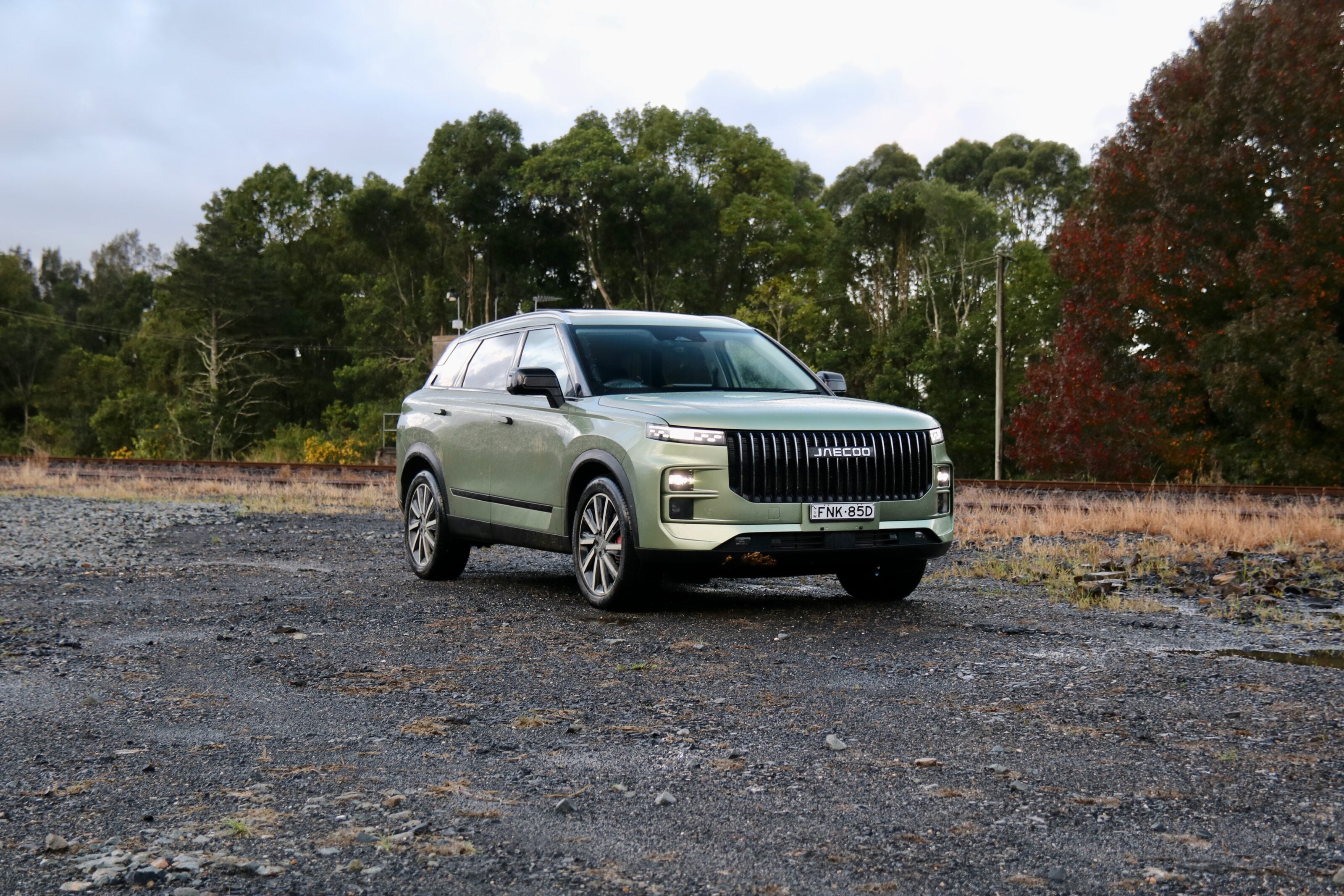
- Price: from $34,990 drive away
- Engine: 1.6L turbo petrol, 137kW/275Nm, 7-speed dual-clutch auto, 2WD
- Combined fuel consumption: 7.0L/100km
Jaecoo is Chery’s premium brand, and the J7 mid-sizer SUV uses the mechanicals of the Tiggo 7 Pro with the same platform but with a more distinctive and premium-looking design. While the J7 starts $5000 more than the Tiggo 7 Pro, its interior is higher quality and more tech-rich, including a huge 13.2-inch portrait touchscreen.
The standard equipment on the entry-level J7 is healthy, with even the entry-level Core featuring electric front seats, synthetic leather trim, wireless Apple CarPlay and Android Auto, sat-nav and safety features such as AEB, adaptive cruise control, lane keeping assistance and a reversing camera. Move up the range to the mid-spec Track ($37,990 drive away and something we’d do) and features such as dual-zone automatic climate control, heated front seats, a 360-degree camera, automatic wipers and a power tailgate are added.
The cabin of the J7 is more interesting than a lot of competitors thanks to its large touchscreen, ample storage options, interesting textures and clever details. The touchscreen unfortunately controls a lot of the car’s functionality, like a lot of modern cars, but its graphics are sharp and is easy to use once you’ve become familiar with it. The rear seat is quite comfortable and reasonably spacious, and the boot measures up to 584 with the rear seats up and 1349 litres with the rear seats folded.
Despite being a similar size to the Tiggo 7 Pro, the J7’s 584-litre boot is larger, and its eight-
year/unlimited km warranty is a year longer as well. The J7 is a worthy new entrant in the mid-size SUV segment thanks to its quality, strong value equation and handsome styling and well worth consideration.
Chery Tiggo 7
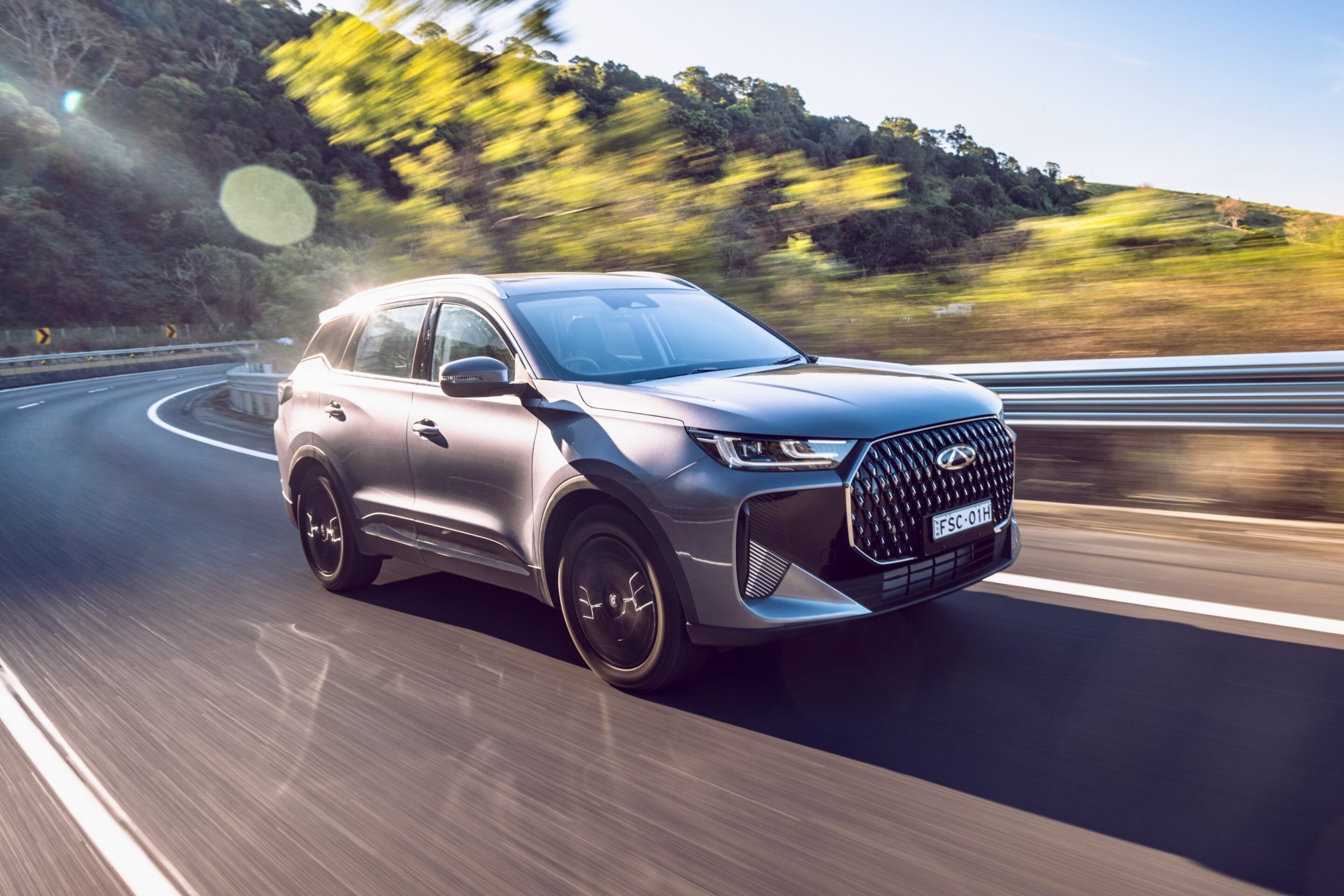
- Price: from $29,990 drive away
- Engine: 1.5L turbo petrol, 108kW/210Nm, 6-speed dual-clutch automatic, 2WD + 1.5L plug-in hybrid with 93km of range (NEDC), 255kW/525Nm, 1-speed auto, 2WD
- Combined fuel consumption: 1.4L/100km (PHEV) – 6.9L/100km (1.5T)
Chery’s Tiggo 7 mid-size SUV sits above the popular C5 and Tiggo 4 models in the local line-up. The range was recently simplified to just two petrol models with pricing now starting from $29,990 drive away for the entry-level SE, but even the higher-spec SE+ is still only $33,990 drive away. If you’re after a plug-in hybrid, pricing for the Tiggo 7 Super Hybrid starts at just $39,990 drive away.
Standard equipment highlights include 18-inch alloy wheels, dual 12.3-inch touchscreens, wireless Apple CarPlay and Android Auto, dual-zone automatic climate control, an eight-speaker Sony sound system and a lot of active safety kit including a front centre airbag, autonomous emergency braking, adaptive cruise control, lane keeping assistance and a reversing camera.
For $33,990 drive away, the upper-spec Ultimate further adds a panoramic sunroof, power tailgate, colour-selectable ambient lighting, synthetic leather trim, heated/ventilated/electric front seats, a wireless phone charger and a 360-degree camera, making it the value winner in the range.
The Tiggo 7 Pro’s cabin is nicely finished and practical, while the 549-litre boot is also large for its size. Chery’s seven-year/unlimited km warranty is standard, as is seven years of capped price servicing. Overall, it’s a value-packed mid-size SUV with an optional powerful and efficient plug-in hybrid drivetrain option, giving it even more appeal in the crowded mid-size SUV segment.
MG HS
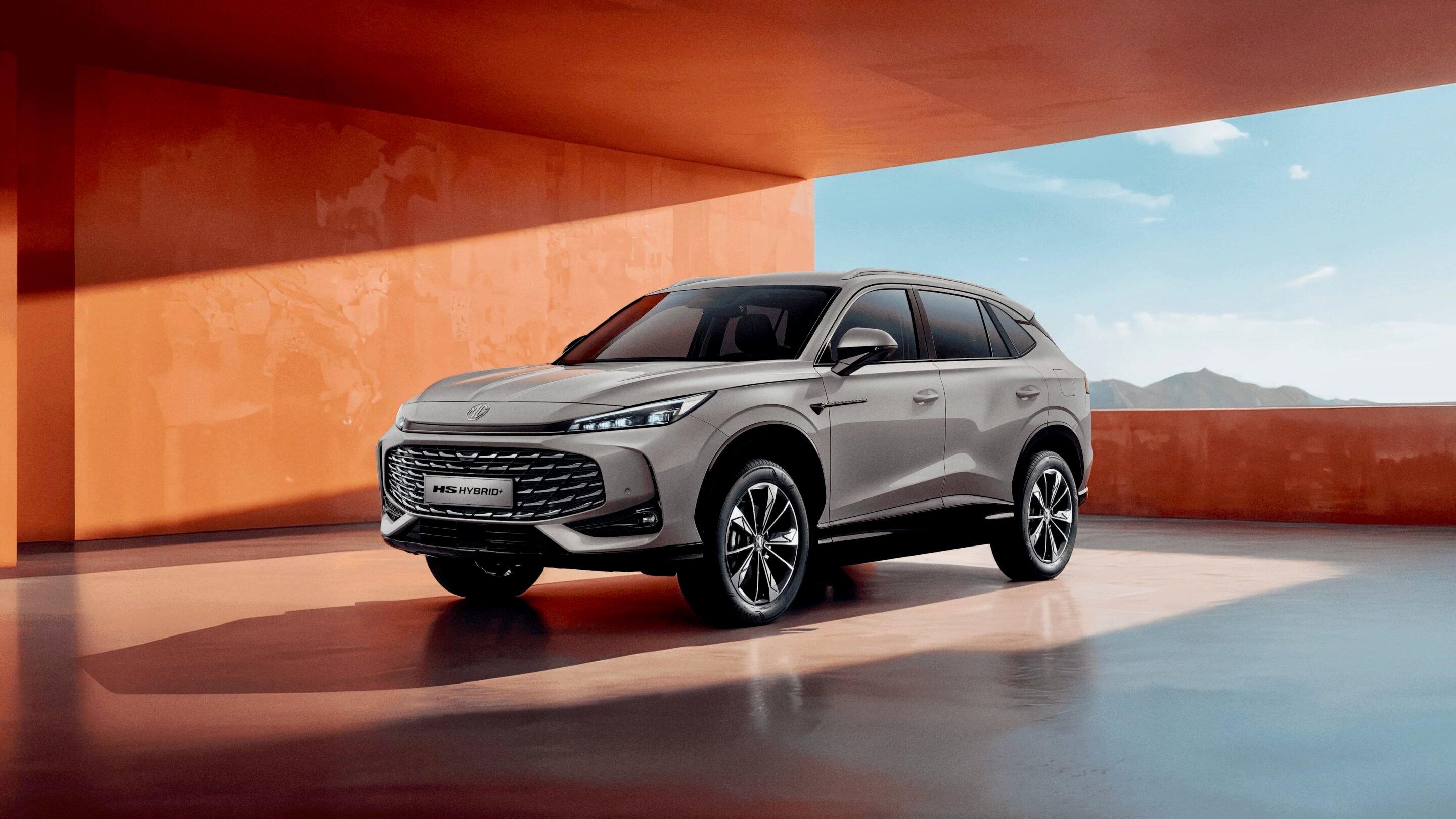
- Price: from $35,990 drive away
- Engine: 1.5L turbo petrol, 125kW/275Nm, 7-speed dual-clutch auto, 2WD or 1.5L turbo petrol hybrid, 165kW/340Nm, 3-speed auto, 2WD
- Combined fuel consumption: 5.2L/100km (Hybrid+) – 6.9L/100km (1.5T)
The second-generation MG HS is a big departure from the model it replaced: it’s more stylish, more practical, higher quality and yet still delivers the excellent value that the MG brand is known for. Priced from $35,990 drive away, the new HS is also available with new hybrid drivetrains from just $40,990 drive away for the new Hybrid+ model.
The entry-level HS Excite is equipped with 18-inch alloy wheels, dual 12.3-inch screens, Apple CarPlay and Android Auto, an electric driver’s seat and auto lights and wipers, with a full level of active safety kit like autonomous emergency braking, adaptive cruise control, lane keep assist, blind-spot monitoring and rear cross-traffic alert, while for under $40,000 will get you the top-spec Essence with larger wheels, synthetic leather trim, a panoramic sunroof and a power tailgate. The Excite Hybrid+ is priced at $40,990 drive away, making it a further bargain.
The cabin of the HS is the biggest departure from the old HS as it’s now far more modern, higher quality, practical and feature rich than before. Practicality is excellent in both rows thanks to ample storage and roominess for occupants, plus the 507 litre boot is a good size and opens up to 1484 litres with the rear seats folded.
On the road, the MG HS impresses with its good refinement and solid driving experience, and if you choose the Hybrid+ model, real world efficiency. MG’s seven-year warranty (that can be extended to 10 years in total) is one of the best on the Australian new car market, and as you’d expect for the MG, the HS’ value equation is excellent. Plus, for the second-generation model, it’s now a much better car than before too.
