
Contenders
- Volvo EX90
- Genesis GV80
- Mercedes-Benz G-Class
- BMW iX
- Land Rover Range Rover Sport
- Audi Q8
- BMW X7
- Lexus LX
- Porsche Cayenne
Winner – Volvo EX90
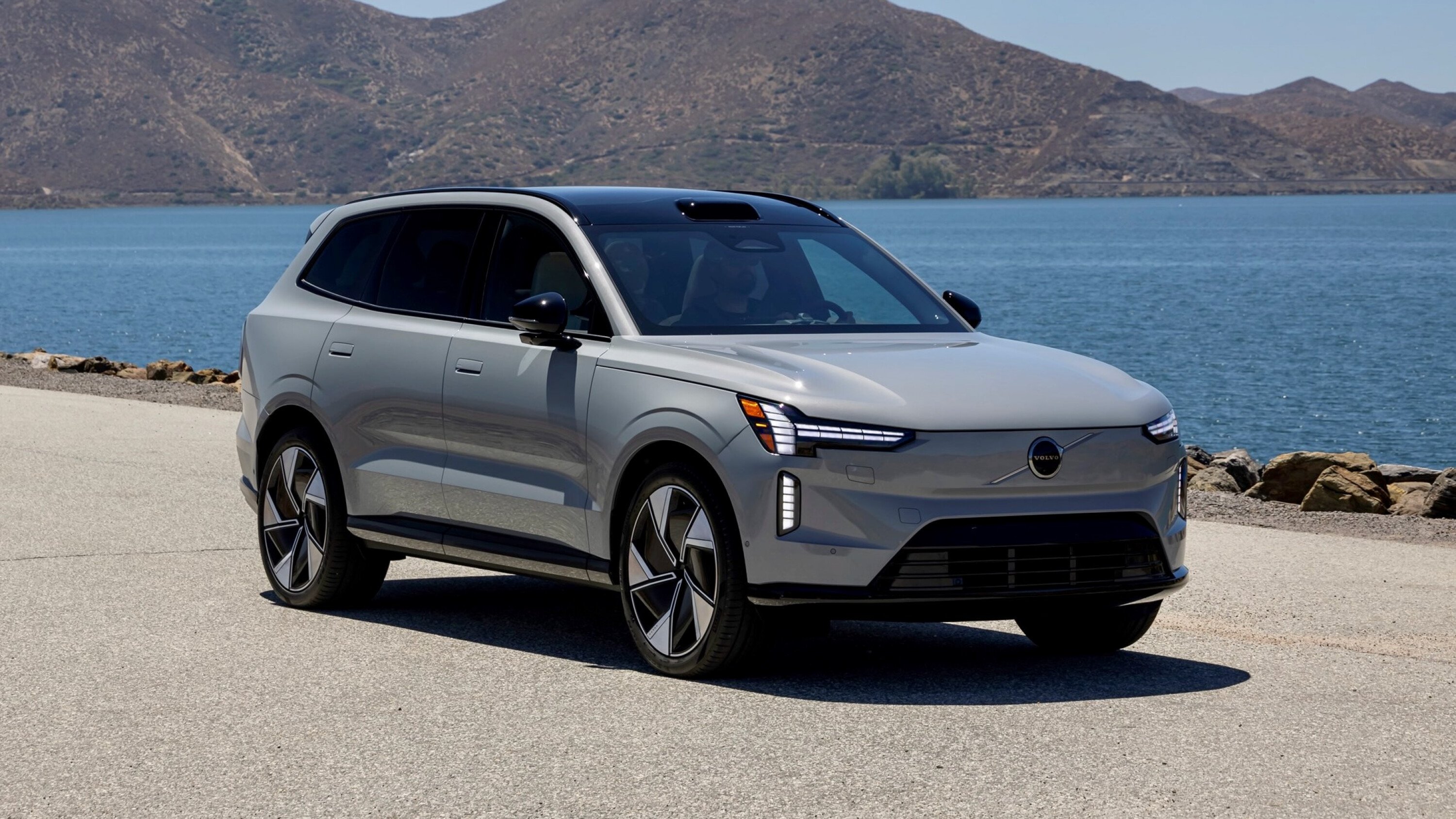
Price: From $124,990 plus on-road costs
Battery size/claimed range: 111kWh/570km (NEDC)
Drivetrain: Dual-motor electric, 300kW/770Nm (Twin) 380kW/910Nm (Performance)
Dimensions (length/width/height/wheelbase): 5037/1964/1747/2985mm
Bootspace: 324L (third row up), 697L (third row folded), 2135L (third + second row folded) + 46L
front boot
Warranty/roadside assistance/service intervals: Five-year/unlimited km, five years (extendable up
to eight years in total), annually/every 15,000km
Five-year service cost: included in the cost of the car
| Driving | |
| Interior | |
| Practicality | |
| Overall value | |
Things we like
- Interesting cabin and materials
- Very practical, as you’d expect for a Volvo
- Competitive performance and range
Not so much
- XC90 offers a cleverer and richer-feeling interior
- Not cheap to buy
- Too much functionality controlled through the central screen
For a brand that was once only known for its boxy wagons, Volvo is doing big business from its
SUV range nowadays. In fact, in Australia at least, it now only offers SUVs, its S60 and V60
Cross Country models now no longer available to order. The EX90 is the latest Volvo SUV offering
in Australia, one that’s quite similar to the popular XC90 but with a crucial detail: it’s electric.
Available in two models with a single 111kWh battery for the moment, the EX90 provides the
XC90’s excellent performance but with a silent drivetrain. A dual-motor set up is standard, with either
300kW/770Nm outputs in the entry-level Twin or an even stronger 380kW/910Nm in the upper-
spec Performance. Range? That’s up to a claimed 570km (NEDC), or more than enough to quell
any range anxiety, plus the EX90 is capable of handling up to 250kW DC charging for a claimed 10-
80 per cent charge time of 30 minutes.
With its standard adaptive dual-chamber air springs and adaptive damping – at least in Ultra
Performance guise – the EX90 proves surprisingly adept at tackling whatever the road conditions
throw at it, even when riding on 22-inch wheels. The dampers offer soft and firm settings, but even
in firm mode, the EX90 is still quite comfortable. The EX90’s cabin quality is elevated in quality,
with tactile finishes, slick digital screens that control everything to do with the car, subtle light-
coloured wood inlays and synthetic leather upholstery, neatly combined with classy tech and textural
warmth.
As you’d expect for a Volvo product, the EX90 is extremely practical and capable of holding seven
adults with more than enough space in each row, though not quite as much as an XC90. Still, that’s
a high standard to try and match because the XC90 is one of the best seven-seaters on the market
and behind the third row lies 342 litres of bootspace, which opens up to a massive 2135 litres with
both the second and third rows folded. We love the electric lowering and raising third row too, and
the integrated child seat in the middle rear seat.
All in all the EX90 is an impressive package, from its huge interior, lovely driving experience and keen
performance, to its above average charging capability and impressive interior finishes. There is way too much functionality controlled through the touchscreen and some of the interior finishes aren’t up to the high standard of the XC90 but overall, Volvo’s first electric large SUV is well engineered and well priced.
Genesis GV80/GV80 Coupe
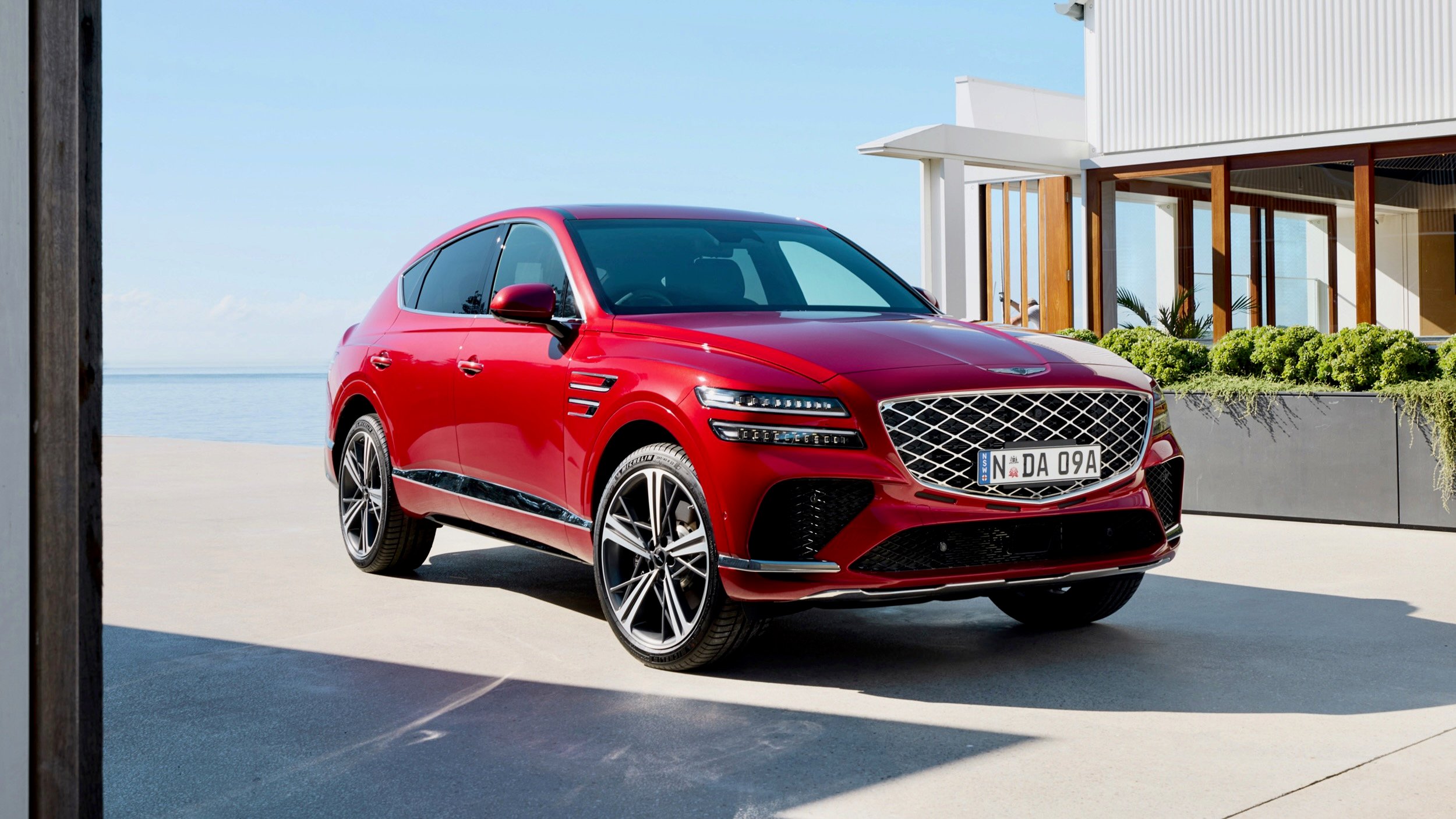
Price: From $129,114 plus on-road costs
Drivetrains/fuel economy/CO2 emissions: 3.5-litre twin-turbo petrol V6, 8-speed auto,
279kW/530Nm, 11.9L/100km, 272g/km
Dimensions (length/width/height/wheelbase): 4940/1975/1710-1715/2955mm
Bootspace: 735L (seats up), 2147L (seats folded), Coupe: 644-1033L
Warranty/roadside assistance/service intervals: Five-year/unlimited km, five years, annual/every
10,000km
Five-year service cost: Included in the price
| Driving | |
| Interior | |
| Practicality | |
| Overall value | |
Things we like
- Absolutely loaded with standard equipment
- Handsome and blingy exterior styling
- Superb interior quality, many trim colours available
Not so much
- Third row of seats is very small
- Very thirsty petrol engine, no hybrid option
- Diesel six no longer offered
Genesis is slowing growing in Australia, measured by product line-up, dealership locations and word-of-mouth reputation. Its GV70 mid-sizer SUV is its best-selling model, with the GV80 large SUV sitting in second place. The GV80 was recently given a mid-life update, adding appeal in this segment.
As we’ve seen with other Genesis products, the GV80’s cabin quality is fabulous – at higher-end
BMW and Mercedes-Benz levels of fabulous. In the GV80’s case, there are plenty of expensive-
feeling materials everywhere you look, from the sumptuous Nappa leather upholstery to the
damped switchgear, the GV80 looks and feels expensive inside. The facelifted model’s huge new
OLED 27-inch display with a touchscreen portion for the infotainment looks and feels impressive,
with its calmly minimalist layout, long list of features and general ease of use.
As it should, for a car starting at almost $130,000 plus on-road costs, right? There’s no question
that the GV80 is not cheap, but in this company, it is good value for money and offers a lot of
luxury feel throughout. Unlike its German competition, the GV80 offers only three optional extras:
matte paint, a six-seat layout (wagon only, not the coupe) and a rear-seat entertainment system.
Everything else is standard equipment.
For the mid-life update, only one engine choice remains for the GV80 range: a 279kW twin-
turbocharged 3.5-litre V6 petrol engine, mated to an eight-speed automatic transmission and all-
wheel drive. It’s a lovely unit with creamy power delivery and excellent refinement, but it’s quite
thirsty and there’s no hybrid drivetrain available yet. The former smaller 2.5-litre four-cylinder and
3.0-litre V6 turbo-diesel powerplants are no longer available.
The GV80 wafts comfortably down the road with barely any road noise, and a well-judged
suspension set up that was revised for the updated model with better body control than before. It’s
not as sporty as an X5, but it is more relaxing to drive. Add in Genesis’ free five-year servicing plan
and while the GV80 isn’t cheap, it is good value for money and as a large SUV, it’s an excellent
product that should make you think twice about an X5 or GLE.
Mercedes-Benz G-Class
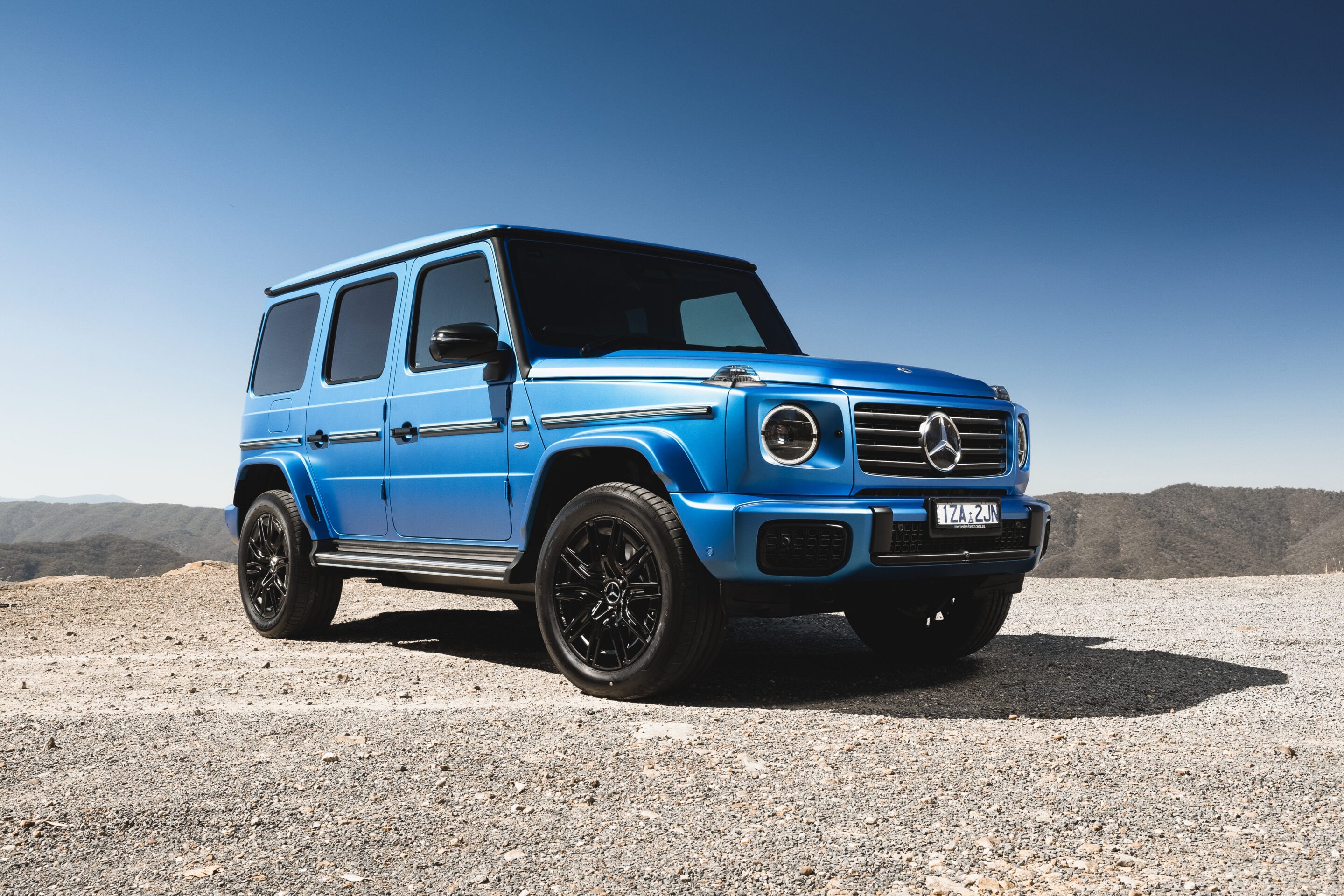
Price: From $249,900 plus on-road costs
Drivetrains/fuel economy/CO2 emissions: 4.0L twin-turbo petrol V8, 9-speed auto, 430kW/850Nm, 15.3L/100km, 350g/km (AMG G 63); Dual motor AWD, 432kW/1164Nm, 116kWh battery, 473km range (WLTP) (G 580 with EQ Technology)
Dimensions (length/width/height/wheelbase): 4873/1984/1979/2890mm
Bootspace: 640L (seats up), 2010L (seats folded)
Warranty/roadside assistance/service intervals: Five-year/unlimited km, five years, annual/every
20,000km
Five-year service cost: $4670, $8260 (AMG G63)
| Driving | |
| Interior | |
| Practicality | |
| Overall value | |
Things we like
- Iconic G Wagen styling but with an available silent twist
- Excellent performance on and off the road
- Impressive drivetrains with stonking performance
Not so much
- Not cheap to buy or service
- Not very efficient with either petrol or electric power
- Slow AC charging for the EV variant
It was inevitable that the iconic Mercedes-Benz G Wagen would feature in the luxury section of the
Wheels Best Large SUVs as it’s been an icon of style, design and prestige for its almost-60 year production run. While it’s been brought further into the 21st century thanks to the addition of a new electric variant, the G Wagen’s traits are clear: go anywhere capability, massive performance and comfort, and a tech-filled luxurious cabin experience.
Two G Wagen models are available in Australia: the twin-turbo V8 AMG G 63 making 430kW of
power and the new electric G 580 with EQ Technology that uses a quad-motor set up making 432kW of power and massive 1164Nm of torque. For performance, the G 63 hits 100km/h in just 4 seconds, and the electric variant is not far behind at 4.7 seconds – not bad for something that weighs over three tonnes.
The two G Wagen variants are almost identical from the outside with their distinctive boxy shape.
But while the exterior appears business as usual, the G 580 is very different mechanically: there’s
a massive 124kWh battery under the floor (116kWh is useable) for a claimed 473km of range
(WLTP). You get independent suspension up front and a solid rear axle, and four independently
controlled electric motors and a low-range gearset for each one.
It’s this quad-motor set up that gives the G 580 the excellent off-road capability that you’d expect
from the G Wagen, but adds new features such as the G-Turn (this rotates the vehicle by 720
degrees on the spot on unpaved surfaces) and G-Steer (this reduces the turning circle at up to
25km/h). But both have excellent off-road ability, as you’d expect from a G Wagen.
Inside is typical of the class: plenty of leather, a masculine feeling and a lot of tech thanks to dual
12.3-inch displays. As you’d expect for a Mercedes product, it’s very comfortable with very
supportive seats and plentiful storage as well – its boot measures 640L with the seats up and a
huge 2010L with them folded. The ‘G-Roar’ artificial sound gives a digital V8 burble, adding more
to the G 580 experience if you want it, while the G 63 features it naturally from its wonderful V8.
Overall, the latest Mercedes-Benz G-Class presents a curious and appealing chapter in the story
of the iconic G Wagen. Not only is the G 63 typically powerful, torquey and capable off-road, but
the new electric G 580 adds even more torque and clever new off-road tricks for its own take on
the classic. The Mercedes-Benz G-Class is just as appealing and luxurious as ever, but
now with available electric power.
BMW iX
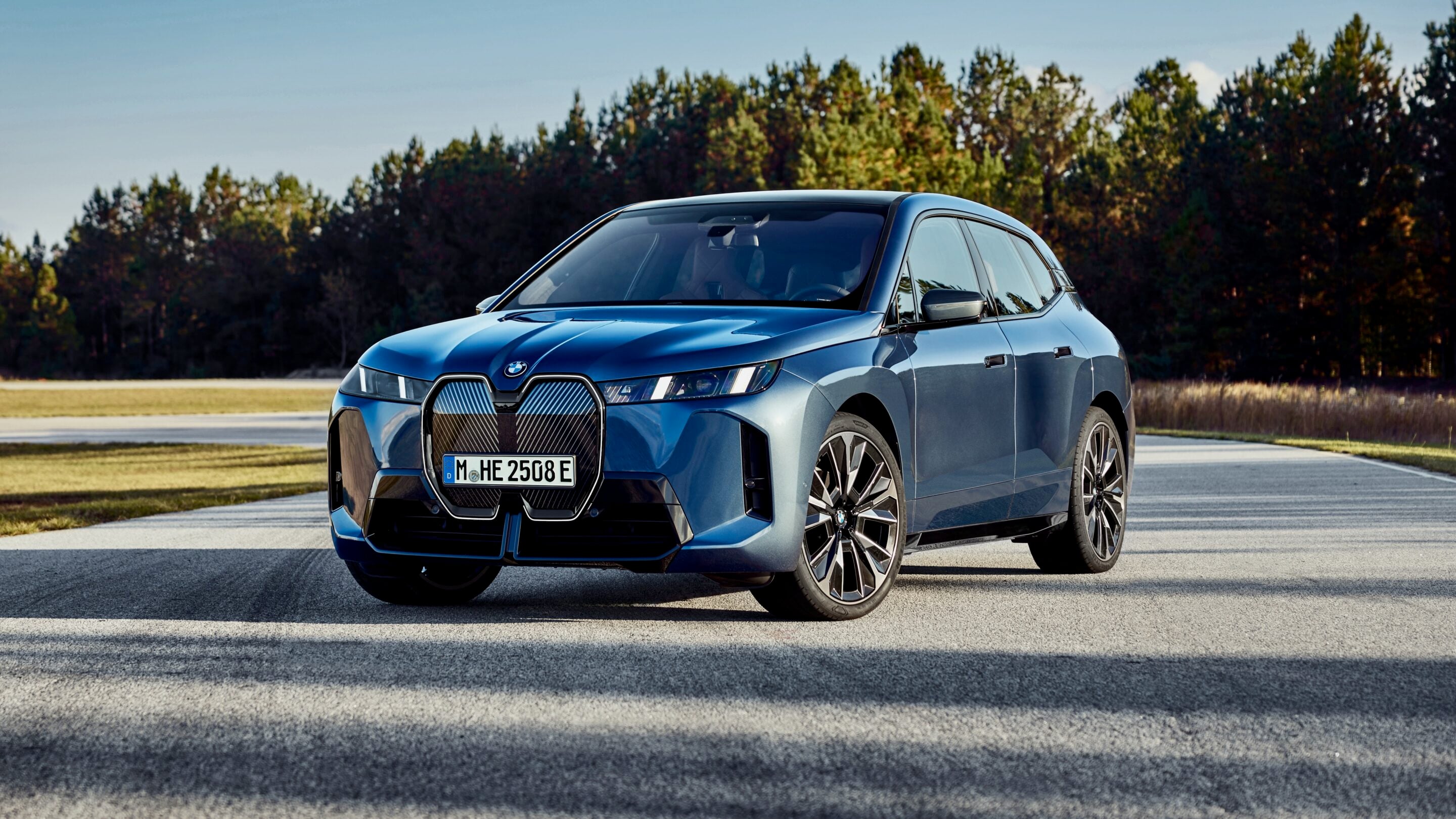
Price: From $142,900 plus on-road costs
Battery size/claimed range: 94.8kWh/602km (WLTP)
Drivetrain: Dual-motor AWD, 300kW/700Nm
Dimensions (length/width/height/wheelbase): 4965/1970/1695/3000mm
Bootspace: 500L (seats up), 1750L (seats folded)
Warranty/roadside assistance/service intervals: 5-year/unlimited km, three-years, annual/every
15,000km
Six-year service cost: $3475
| Driving | |
| Interior | |
| Practicality | |
| Overall value | |
Things we like
- Excellent comfort and refinement
- Loaded with tech that works well
- Stonking performance, awesome claimed range
Not so much
- Minimalist interior may look cheap to some
- Average charging speed
- Only one model available currently
It’s been on sale in Australia for almost four years now, but we’re still not used to the BMW iX’s look. Certainly divisive, the iX has been the subject of many unkind online comments but those of us who look beyond a car’s stying will be pleased, as the iX is an accomplished electric large SUV.
Recently updated with more range and power, the only iX model to be offered in Australia for now is the xDrive45, which is priced from $142,900 plus on-road costs. It features a 94.8kWh battery for a claimed WLTP range of 602km, which feeds a dual-motor all-wheel drive drivetrain making 300kW of power and 700Nm of torque. Peak charging speed is an average 150kW, however, and a 10 to 80 per cent charge takes as little as 34 minutes, according to BMW.
On the road, the BMW iX impresses with a soothing and relaxing driving experience, and it can also handle well for a vehicle this size. With 300kW on tap, the iX xDrive45 offers performance that’s more potent than you’d expect for its entry level status, while its claimed 600km range is healthy as well.
The cabin of the iX is the epitome of minimalist, with its lack of hard buttons and big open space on the dashboard, but the quality is excellent with high quality leather trims and switchgear used throughout. BMW’s latest iDrive system is fully featured and can take a while to get used to, but is easy to use once you’ve learned its quirks. Rear seat space is impressive – especially given that there’s no third row of seating – while the 500-litre boot is reasonable, but could be larger.
The BMW iX is an impressive car, especially thanks to its mid-life facelift that gave it a lot more power and more driving range. Its interior may look cheap, but its materials are rich in quality, and it’s both comfortable and quite practical. On the road, it impresses with an excellent ride quality and strong performance, though its charging speeds could be improved to back up that long range.
Land Rover Range Rover Sport
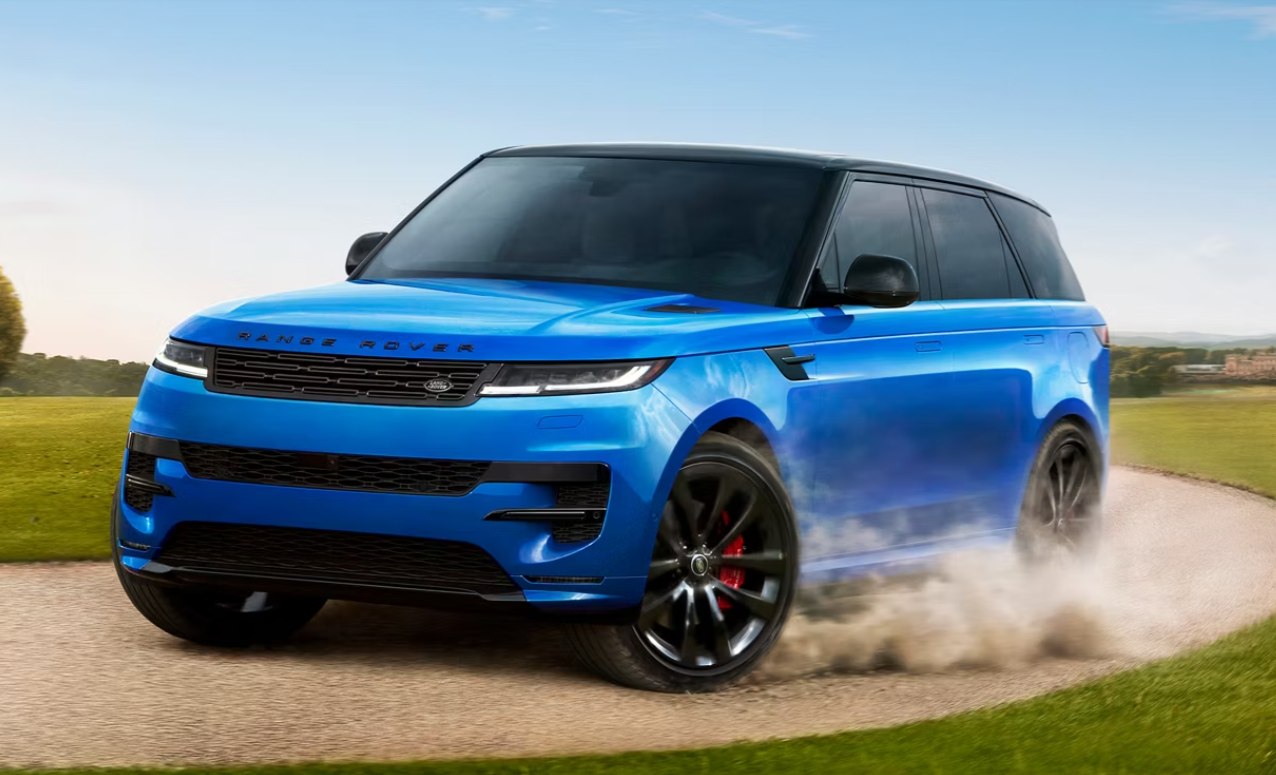
Price: From $140,807 plus on-road costs
Drivetrains/fuel economy/CO2 emissions: 3.0L inline six turbo-petrol, 8-speed auto, 265kW/500Nm, 9.6L/100km, 224g/km (P360); 3.0L inline six turbo-petrol, 8-speed auto, 294kW/550Nm, 9.6L/100km, 224g/km (P400); 3.0L inline six turbo-diesel, 8-speed auto, 183kW/600Nm, 7.3L/100km, 192g/km (D250); 3.0L inline six turbo-diesel, 8-speed auto, 221kW/650Nm, 7.3L/100km, 224g/km (D300); 3.0L inline six turbo-diesel, 8-speed auto, 258kW/700Nm, 9.6L/100km, 224g/km (D350); 3.0L turbo inline six PHEV, 8-speed auto, 338kW/660Nm, 1.6L/100km, 38g/km (P460e); 4.4L V8 turbo-petrol, 8-speed auto, 390kW/750Nm, 11.1L/100km, 258g/km (P530); 4.4L V8 turbo-petrol, 8-speed auto, 467kW/750Nm, 11.7L/100km, 258g/km (P635)
Dimensions (length/width/height/wheelbase): 4970/2025/1814/2998mm
Bootspace: 647L (seats up), 1860L (seats folded)
Warranty/roadside assistance/service intervals: Five-year/unlimited km, five years, annual/every
20,400km (diesel)/30,000km (petrol)
Five-year service cost: $3900 (petrol + PHEV), $4900 (V8 petrol), $3900 (diesel)
| Driving | |
| Interior | |
| Practicality | |
| Overall value | |
Things we like
- Luxury feel inside, amazingly comfortable
- PHEV’s solid EV range
- Very capable on and off-road
Not so much
- Seven seat option no longer available
- Not cheap and options push the price even higher
- 2.7-tonne weight can be felt when driving
With over two million sales to date, the Range Rover Sport has been a sales phenomenon for its maker and the third generation is the most talented version yet. There’s a wide range of engine choices, from the entry-level 3.0-litre turbo-diesel to the high-performance V8 in the SV models, but the P360e plug-in hybrid is the only drivetrain that offers zero emissions driving capability.
Pairing a turbocharged 3.0-litre inline six petrol engine with a 160kW electric motor, the drivetrain makes 338kW/660Nm outputs for a claimed 5.4-second 0-100km/h sprint. Yet thanks to its 38.2kWh battery, the Range Rover Sport P360e is capable of a claimed 126km of electric driving range (WLTP), and it can be DC fast charged up to 50kW for a full charge in under an hour.
On the road, the Range Rover Sport P360e displays a good dual personality: it can waft along in typical Range Rover fashion, but thanks to its adaptive air suspension, can hunker down to become something much sportier for a backroad blast. Choose the optional Stormer Handling Package and rear-wheel steering is added for even sportier handling. Yet, again as you’d expect for a Range Rover, its off-road capability is awesome and it can go pretty much anywhere.
The interior of the Range Rover Sport is sumptuous and leather-lined. Its new 13.1-inch ‘Pivi Pro’ is fully featured, even with live services and inbuilt apps such as Spotify, and its screen quality is very high resolution. The front seats are insanely comfortable and 22-way electric adjustment, while rear seat and boot space is impressive at 835 litres with the rear seats up, and 1860 litres with the rear seats folded. Those upgrading from the previous Range Rover Sport will note that there’s unfortunately no longer a seven-seat option.
If you’re after a vehicle that can quite literally do it all with a luxurious and practical cabin, the Range Rover Sport P360e is a great option – for a price. It provides 126km (WLTP) of electric driving range, quick charging, strong performance, a luxurious driving experience that can turn sporty or insanely off-road capable at the touch of a button and handsome styling. It’s not cheap, nor is it a lightweight, but that’s no surprise given just how much it can do.
Audi Q8
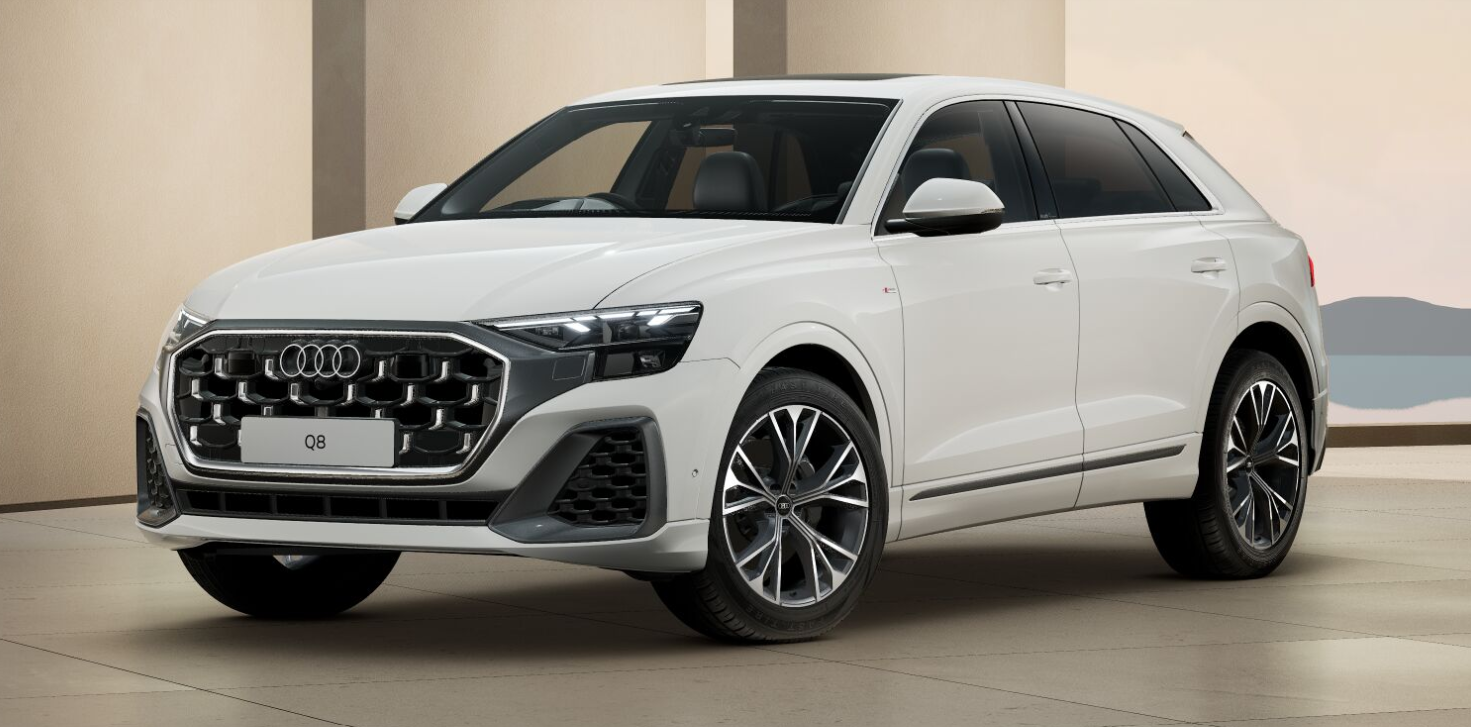
Price: From $143,415 plus on-road costs
Drivetrains/fuel economy/CO2 emissions: 3.0-litre V6 turbo-petrol, 8-speed auto, 250kW/500Nm, 9.2L/100km, 210g/km (55 TFSI); 3.0-litre V6 turbo-diesel, 8-speed auto, 210kW/600Nm, 7.1L/100km, 188g/km (50 TDI); 3.0-litre V6 turbo-petrol plug-in hybrid, 360kW/700Nm, 1.8L/100km, 40g/km (60 TFSI e); 4.0-litre twin-turbo petrol V8, 8-speed auto, 373kW/770Nm, 11.9L/100km, 272g/km (SQ8); 4.0-litre twin-turbo petrol V8, 8-speed auto, 471kW/850Nm, 12.2L/100km, 277g/km (RS Q8)
Dimensions (length/width/height/wheelbase): 5006/1995/1691/3005mm
Bootspace: 605L (seats up), 1755L (seats down)
Warranty/roadside assistance/service intervals: Five-year/unlimited km, five years, annual/every
15,000km.
Five-year service cost: $3570 (Q8), $4600 (SQ8), $4690 (RS Q8)
| Driving | |
| Interior | |
| Practicality | |
| Overall value | |
Things we like
- Great performance, no matter which engine is chosen
- Handsome styling, lovely interior
- Spacious despite coupe-like styling
Not so much
- PHEV’s electric range could be longer
- Feels heavy from behind the wheel
- No seven-seat option available
If you’re searching for a large German SUV, Audi currently has two to offer you: the seven-seat Q7, or its sexier more coupe-like five-seater Q8 sibling. The Q8 launched globally in 2018 as Audi’s take on the coupe SUV segment, but unlike competitors such as the BMW X6, it went for a more hatchback-like roofline and not the coupe roof we’d become used to, giving the Q8 superior practicality. Its styling also gave it a more sporting character than the Q7 that it shares so much with.
Under the bonnet of the Audi Q8 is a range of turbocharged engines: a 3.0-litre V6 in either petrol or diesel forms, a plug-in hybrid using the petrol V6 and an electric motor and a 4.0-litre V8 in both the performance SQ8 and high-performance RS Q8 variants. All Q8 models feel heavy from behind the wheel, but still give a luxurious driving experience. The performance of the SQ8 is excellent, while the RS Q8 is positively bonkers.
The cabin of the Q8 is lovely. Quality is excellent thanks to rich leather trimmings all over the dashboard and doors, as well as tactile switchgear and high-resolution displays. The front seats are quite comfortable and feature a lot of adjustment, while visibility is good despite the high belt line. The 12.3-inch touchscreen uses the brand’s MMI operating system, which isn’t the latest in the Audi line-up, but still looks good and is easy to use.
Thanks the use of the Q7’s platform, the Q8 is spacious for four adults and five will be fine as well. Three adults will be fit comfortably across the Q8’s wide rear bench, and both leg- and headroom is good despite the Q8’s lowered roofline compared with the Q7. The boot of the Q8 measures a large 605 litres with the seats up and a massive 1755L with them folded, and the rear seats fold almost flat for trips to furniture stores and the tip.
The Audi Q8 range presents a tempting luxury large SUV thanks to its excellent performance, lovely cabin, ample practicality and handsome styling. Counting against it are a heavy driving feel, it’s price and that it’s not available with seven seats, which some buyers might expect for the price. But style isn’t meant to be cheap and the Q8 is a rich-feeling luxury SUV.
BMW X7
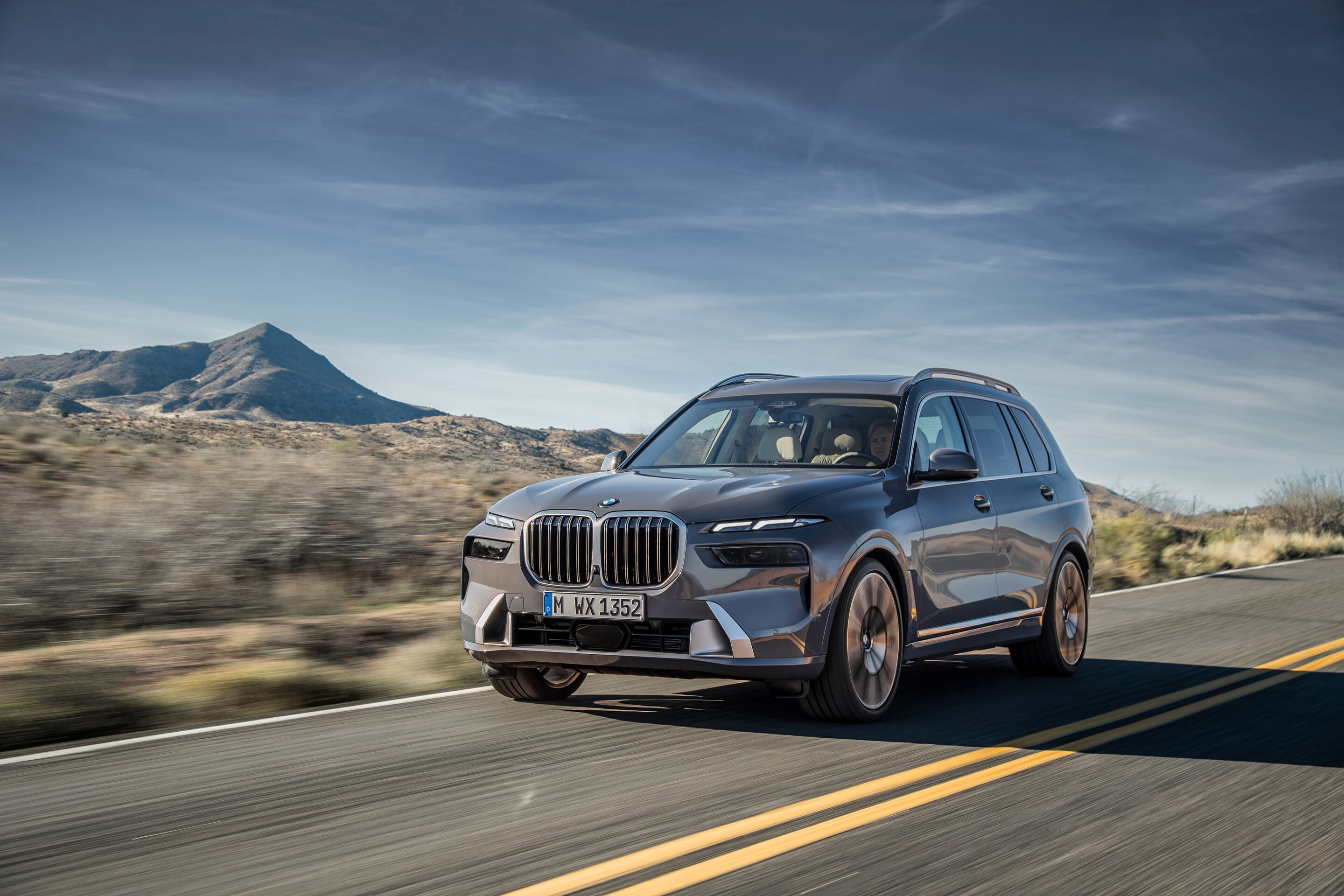
Price: From $172,500 plus on-road costs
Drivetrains/fuel economy/CO2 emissions: 3.0L six-cylinder turbo-petrol, 8-speed auto, 280kW/520Nm, 9.7L/100km, 221g/km (40i); 3.0L six-cylinder turbo-diesel, 8-speed auto, 259kW/720Nm, 8.0L/100km, 210g/km (40d); 4.4L twin-turbo petrol V8, 8-speed auto, 390kW/750Nm, 12.2L/100km, 277g/km (M60i)
Dimensions (length/width/height/wheelbase): 5181/2000/1835/3105mm
Bootspace: 300L (third row up), 2120L (third + second rows folded)
Warranty/roadside assistance/service intervals: 5-year/unlimited km, three-years, annual/every
15,000km
Five-year service cost: $4075
| Driving | |
| Interior | |
| Practicality | |
| Overall value | |
Things we like
- Huge interior space
- Excellent quality
- Grunty engines across the range
Not so much
- No proper hybrid drivetrain options
- Not cheap to buy, noticeably more expensive than pre-updated model
- Firm low-speed ride on standard 22-inch wheels
Several car companies have been busy over the past decade adding more and more SUVs to their
line-ups, with BMW now offering seven for buyers to choose from. The largest on offer is the X7, which debuted in 2018 as a plus-size X5 with seven full sized seats and even higher quality finishes inside to help justify its more expensive pricetag.
In the current X7 range, three drivetrains are available in Australia: the 280kW/520Nm 3.0-litre inline six turbo-petrol 40i, the 259kW/720Nm 3.0-litre inline six turbo-diesel 40d or the 390kW/750Nm 4.4-litre twin-turbo petrol V8 M60. Each offers strong grunt but reasonable fuel efficiency for its size. The X7 is generally quite good to drive with handling that’s way better than you’d expect for such a large vehicle, though its low speed ride is quite firm thanks to huge 22-inch wheels – and 23s are optional too.
Inside the X7 is a luxurious and well made cabin that’s full of the latest BMW in-car technology, such as its latest dual-screen infotainment and driver display layout. The quality is impressive, with plenty of soft touch leather surfaces surrounding occupants. In a lot of ways, the X7 is a match for the 7 Series limo, such is its use of lovely materials throughout its cabin.
Moving rearwards, the X7 offers a huge cabin that can easily accomodate seven adults. Row two offers impressive headroom and legroom, while the feeling of space is further enhanced by the optional captain’s chairs in the second row. In the third row, legroom isn’t as plentiful, but headroom is still impressive and the amenities on offer are impressive with air vents, charging ports and cup holders. Lowering and raising the seats is easy thanks to electric power, and once the third row is folded, 750 litres of space is on offer – that opens up to 2120L with the middle row folded too, which is easily large enough for a trip to Ikea.
The BMW X7 justifies its existence with its huge interior space, lovely cabin quality, long list of standard equipment, gutsy drivetrains and engaging handling. It could be more comfortable at lower speeds, and there’s no proper hybrid or plug-in hybrid option yet, but the X7 is a great halo SUV product for the BMW brand.
Lexus LX
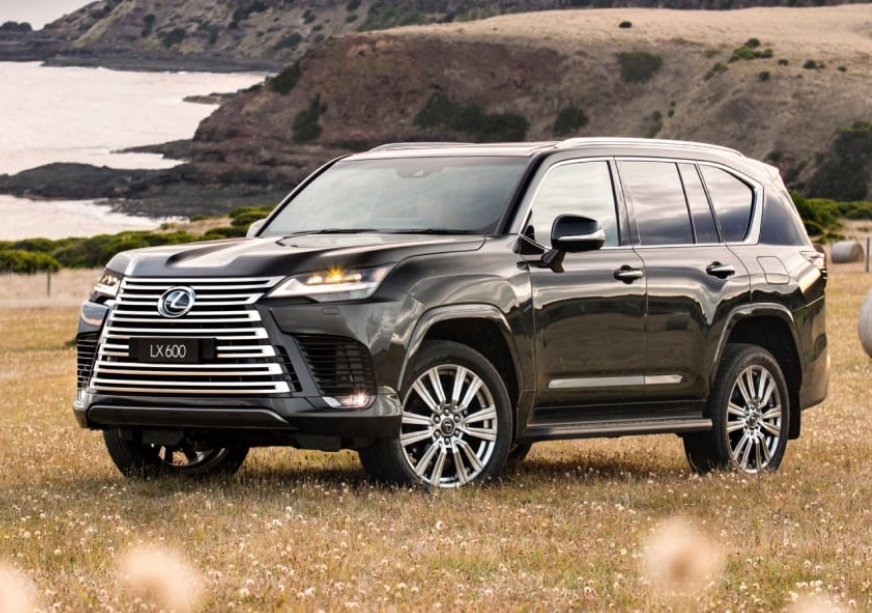
Price: From $155,976 plus on-road costs
Drivetrains/fuel economy/CO2 emissions: 3.3-litre V6 turbo-diesel, 10-speed auto, 227kW/700Nm, 8.9L/100km, 235g/km (500d); 3.4-litre V6 turbo-petrol, 10-speed auto, 305kW/650Nm, 12.1L/100km, 275g/km (600)
Dimensions (length/width/height/wheelbase): 5100/1990/1885/2850mm
Bootspace: 174L (third row up), 710L (third row folded), 1871L (third + second rows folded)
Warranty/roadside assistance/service intervals: Five-year/unlimited km, three years, every six
months/10,000km
Five-year service cost: $5950
| Driving | |
| Interior | |
| Practicality | |
| Overall value | |
Things we like
- Typically excellent Lexus refinement
- Fabulous cabin quality
- Extremely comfortable
Not so much
- Hybrid model not yet sold locally
- Thirsty petrol engine
- LandCruiser 300 Series twin is cheaper
The Toyota LandCruiser is arguably the most legendary off-roader the world has ever seen, especially when it comes to longevity. Luxury? Not so much, but that’s where Toyota’s luxury brand Lexus comes in with the LX, which is its version of the LandCruiser. Manufactured since 1995 but sold in Australia from 1998, the LX has successfully carved its own niche as a luxury go-anywhere off-road SUV.
There are two engine options for the Lexus LX in Australia, both turbocharged V6s: a 227kW/700Nm 3.3-litre diesel and a 305kW/650Nm 3.4-litre petrol, with both using a 10-spee automatic transmission with power being sent to all four wheels. A hybrid version of the petrol engine is offered in some markets overseas, but is yet to be confirmed for Australia. The LX is excellent off-road, and relaxing to drive on it thanks to its height-adjustable air suspension and plethora of off-road features designed to keep it going in tough terrain.
Inside the LX is a clear step up in materials compared to the LandCruiser, and it feels subtle, refined and luxurious. Infotainment is handled by a 12.3-inch touchscreen with Apple CarPlay and Android Auto, as well as sat-nav and live services – plus, there’s a smaller 7.0-inch touchscreen below for the HVAC controls. The 2400-watt 25-speaker Mark Levinson sound system is excellent as well, with a lot of both clarity and punch.
Depending on model chosen, both five- and seven-seat layouts are available – or, somewhat uniquely, a four-seat model called the Ultra Luxury with a limo-like rear seat layout. Regardless of layout, the LX is spacious in all rows of seating and extremely comfortable as well. It’s also practical: behind the second row of seats is a huge 710 litres of space, which expands to 1871 litres with the second row folded.
Like the LandCruiser, the LX is covered by a five-year/unlimited km warranty and also must be serviced every 10,000km or six months (whichever comes first). The short service schedule and thirsty petrol engine with no hybrid model yet available are the biggest downsides to the Lexus LX as it continues its reputation of a luxurious go-anywhere off-roader. Its quality is excellent, its drivetrains are punchy, it’s very comfortable and even though it’s not cheap, it’s very well equipped across the range. While it’s more expensive than its LandCruiser 300 Series twin, it’s more luxurious enough to warrant the extra spend.
Porsche Cayenne + Cayenne Coupe
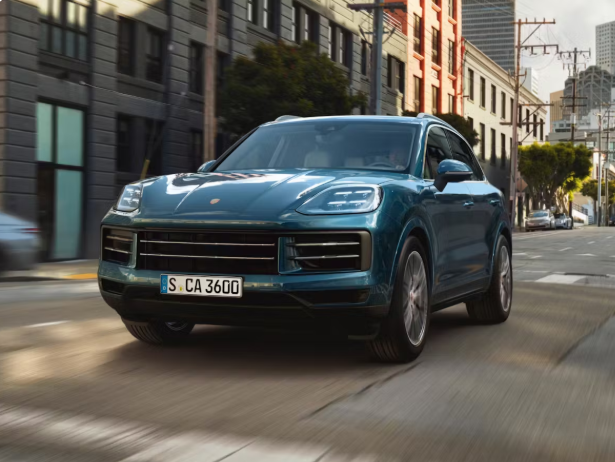
Price: From $144,900 plus on-road costs
Drivetrains/fuel economy/CO2 emissions: 3.0-litre V6 turbo-petrol, 8-speed auto, 260kW/500Nm, 10.4L/100km, 238g/km; 3.0-litre V6 turbo-petrol plug-in hybrid, 8-speed auto, 346kW/650Nm, 1.9L/100km, 44g/km; 4.0-litre V8 turbo-petrol, 8-speed auto, 349kW/600Nm, 12.3L/100km, 281g/km (S); 3.0-litre V6 turbo-petrol plug-in hybrid, 8-speed auto, 382kW/750Nm, 2.0L/100km, 43g/km (E-
Hybrid); 4.0-litre V8 turbo-petrol, 8-speed auto, 368kW/660Nm, 12.3L/100km, 280g/km (GTS); 4.0-litre V8 turbo-petrol plug-in hybrid, 8-speed auto, 544kW/950Nm, 2.5L/100km, 57g/km (Turbo
E-Hybrid); 4.0-litre V8 turbo-petrol, 8-speed auto, 485kW/850Nm, 12.5L/100km, 285g/km (Turbo GT)
Dimensions (length/width/height/wheelbase): 4930/1983/1698 (1678 for the coupe)/2895mm
Bootspace: 772L (seats up), 1708L (seats folded), coupe: 621L/1502L
Warranty/roadside assistance/service intervals: 3-year/unlimited km, three years, annual/every
15,000km
Five-year service cost: No capped price servicing
| Driving | |
| Interior | |
| Practicality | |
| Overall value | |
Things we like
- Strong performance across the range
- Handsome styling, lovely interior
- Wonderful to drive in any spec for a large SUV
Not so much
- Huge model range can be confusing
- Options make the price skyrocket
- Lacklustre service and warranty
With almost 1.5 million sold since its inception in 2002, the Porsche Cayenne is the best-selling model the company has ever produced. It shocked the world upon its reveal, but the reality is that if you’re after a large SUV that drives like a sports car, the Porsche Cayenne is the best choice – as it has been since it went on sale. The third generation currently in showrooms is arguably the best Cayenne yet, thanks to its wider range of drivetrains – including no less than three plug-in hybrid options – that all offer strong performance, while both traditional SUV and coupe bodystyles are also available.
Porsche offers a wide range of drivetrains with the Cayenne range, with 3.0-litre V6 and 4.0-litre V8 petrol engines the core units available. Buyers can then add extra power or plug-in hybrid power – or, in the case of the Turbo E-Hybrid, both – but all use an eight-speed automatic transmission and all-wheel drive system.
The pick of the range for us would be the Cayenne S, with its 349kW/600Nm outputs and drivetrain character that warrants the extra spend over the base Cayenne. Regardless of the model chosen however, Cayenne’s ride and handling balance is superb for a large SUV, even in the entry-level model, while the Turbo GT is one of the fastest and most dynamic SUVs around.
Inside the Cayenne boasts a revamped interior that debuted in 2024, with new screens, higher quality
materials and redesigned HVAC and gear selector controls that make the cabin easier to interact with. The screens are razor sharp and quick to use, while buyers can also choose an optional passenger side screen for entertainment that the driver can’t see from behind the wheel.
Quality inside the Cayenne is excellent, while both rows of seating are comfortable and practical, though the coupe bodystyle features less headroom. The boot of the Cayenne measures from 772 litres (coupe: 621L) with the seats up, which is quite large, and folding them down unlocks over 1700 litres of space (1500L in the coupe).
Porsche’s best-selling model continues to sell well thanks to its sporty dynamics, big range of engines, quality cabin with sharp tech and a lot more practicality than you’d expect from the brand. Sure, its entry pricing isn’t cheap, and nor are its options – you can easily add $50,000 to the price – and the service and warranty package is lacking too, but the Cayenne manages to easily uphold its reputation as the Porsche of SUVs.
GWM Australia has announced local pricing and specifications for the Ora electric hatchback, which is now built in a former General Motors factory in Thailand that used to build the Holden Colorado. All 2026 GWM Ora models now use a new 57.7kWh LFP battery, the former mid-spec Ultra has been re-added to the lineup and new equipment is now standard across the range.
Priced from an unchanged $35,990 drive away, the 2026 GWM Ora Lux and limited edition Ultra can now deliver a WLTP-rated range of 400km, which is 90km more than the previous Ora Standard Range, and only 20km less than the former Extended Range model.
The new 57.7kWh battery was developed in-house by GWM and replaced the former 48kWh Standard Range and larger 62kWh Extended Range batteries.
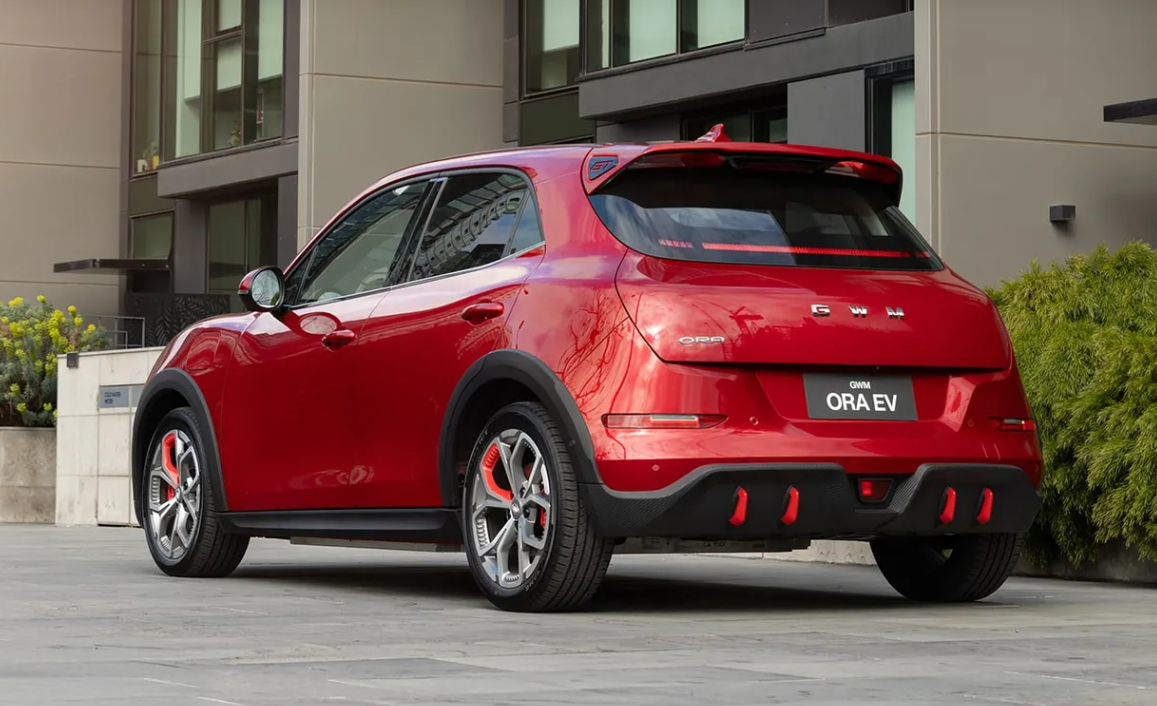
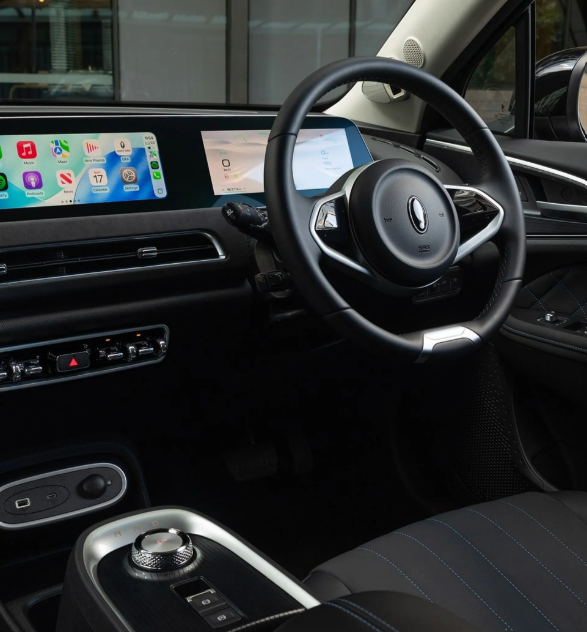
Range-wide changes include new live services capability with scheduled charging support, vehicle-to-load functionality (V2L) at up to 6kW, a heat pump air-conditioning system and a USB-C charging port.
All Ora models use a 125kW/250Nm front electric motor, which gives it a claimed 9.0-second 0-100km/h time. GWM is yet to announce charging specs, though the pre-updated model could charge at up to 80kW for a 10 to 80 per cent charge time of around 50 minutes.
2026 GWM Ora pricing (drive away)
| Lux | $35,990 |
|---|---|
| Ultra limited edition | $37,990 |
| GT | $38,990 |
GWM Ora Lux standard features:
- 18-inch alloy wheels
- Automatic dusk-sensing LED lighting
- Rear privacy glass
- Keyless entry with push button start
- Single-zone automatic climate control
- Synthetic leather steering wheel
- Synthetic leather upholstery
- Six-way driver/four-way front passenger electric seat adjustment
- 10.25-inch digital driver’s display
- 10.25-inch touchscreen
- AM/FM radio
- Apple CarPlay and Android Auto
- GWM Connected Services
- 7x airbags
- Autonomous emergency braking (AEB) with pedestrian, cyclist and intersection detection
- Adaptive cruise control with stop and go functionality
- Traffic jam assist
- Lane keeping assistance with lane departure warning
- Blind-spot monitoring with rear cross-traffic alert
- Traffic sign recognition
- Driver attention monitoring
- Rear collision warning
- 360-degree camera
- Rear parking sensors
Ora Ultra model adds:
- Front parking sensors
- Hands-free electric tailgate
- Panoramic roof
- Memory for the driver’s seat
- Automatic parking
- Auto-folding mirrors
- Heated, ventilated and massaging front seats
- Heated steering wheel
Ora GT model adds over Ultra:
- Sportier exterior styling
- GT 18-inch wheels
- Red brake callipers
- Launch control
The updated Ora range is now in local GWM dealerships, with deliveries to commence soon.
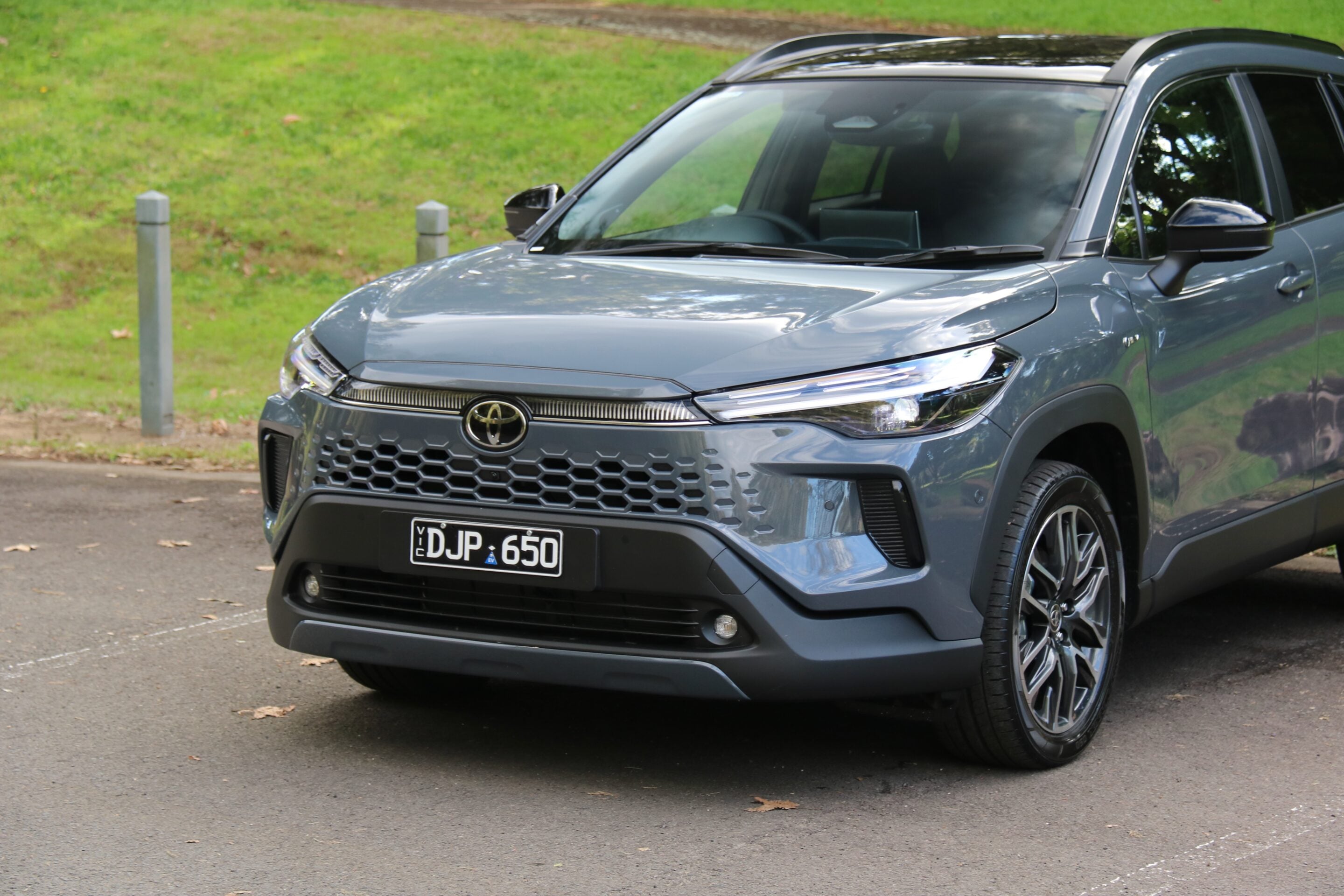
The third and final member of Toyota’s small SUV line-up in Australia, the Corolla Cross, was launched locally in late 2022. Joining its Yaris Cross and C-HR siblings, the Corolla Cross is the largest and most practical of the trio, though its sales haven’t exactly lit up the charts with the regular Corolla almost outselling it two to one this year so far.
Trying to increase those sales, Toyota recently launched the mid-life update for the Corolla Cross with new styling details, redesigned interior parts and more standard features across the range. The price has also increased by almost $1000, though it’s still considerably cheaper than the C-HR. Is the Toyota Corolla Cross the small SUV to buy?
Price and equipment
The facelifted Toyota Corolla Cross still offers three model grades: base GX, mid-spec GXL and
top-spec Atmos, with the GXL earning the most new features with the update. But the company
has also added a sportier new GR Sport variant, which is due to land soon, with lowered
suspension, 19-inch wheels and sports seats. We tested the upper-spec Atmos in 2WD form,
priced from $47,990 plus on-road costs, for this review.
Toyota Corolla Cross pricing (plus on-road costs):
| GX 2WD | $37,440 |
|---|---|
| GXL 2WD | $41,190 |
| GXL AWD | $44,190 |
| Atmos 2WD | $47,990 |
| Atmos AWD | $50,990 |
| GR Sport AWD | $50,990 |
Toyota Corolla Cross Atmos standard features
- 18-inch alloy wheels with a space-saver spare
- Dusk-sensing all-LED exterior lighting
- LED front fog and grille lights
- Rain-sensing automatic wipers
- Keyless entry with push button start
- Heated and auto-folding mirrors
- Rear privacy glass
- Roof rails
- Panoramic glass roof
- Electric tailgate with kick-to-open functionality
- Dual-zone automatic climate control with rear air vents
- Leather and cloth upholstery
- 10-way electric driver’s seat
- Heated and ventilated front seats
- Heated leather steering wheel
- 12.3-inch digital driver’s display
- 10.5-inch touchscreen
- Wireless Apple CarPlay and Android Auto
- FM/AM/FAB+ digital radio
- Satellite navigation with live traffic
- Nine-speaker JBL sound system
- Wireless phone charger
- 3x USB-C charging ports
- Normal, eco, power and snow driving modes
- Toyota Connected Services (12-month subscription) with safety and security features, multimedia
connect, driving insights and remote connectivity through the MyToyota smartphone app - Auto-dimming rear mirror
- Interior ambient lighting
Safety features
- 8x airbags
- Autonomous emergency braking with pedestrian, daytime cyclist and intersection turning
assistance - Emergency steering assistance
- Automatic low-speed rear braking with object, vehicle and pedestrian detection
- Adaptive cruise control with traffic jam assist
- Lane keeping assistance with adaptive lane guidance
- Blind-spot monitoring with rear cross-traffic alert
- Safe exit assist
- Adaptive high beam
- Speed sign recognition
- Driver attention monitoring
- Emergency driving stop system
- 360-degree camera with ‘see-through’ mode
- Front, side and rear parking sensors
- Low-speed auto emergency braking (forward and reverse)
- Automatic parking
- Alarm
The Corolla Cross earned a five-star ANCAP rating in 2022 and that continues for all variants, bar
the GR Sport. It scored 85 per cent in adult protection, 88 per cent in child protection, 87 per cent
in vulnerable road user protection and 83 per cent for safety assistance.
Interior, practicality and bootspace
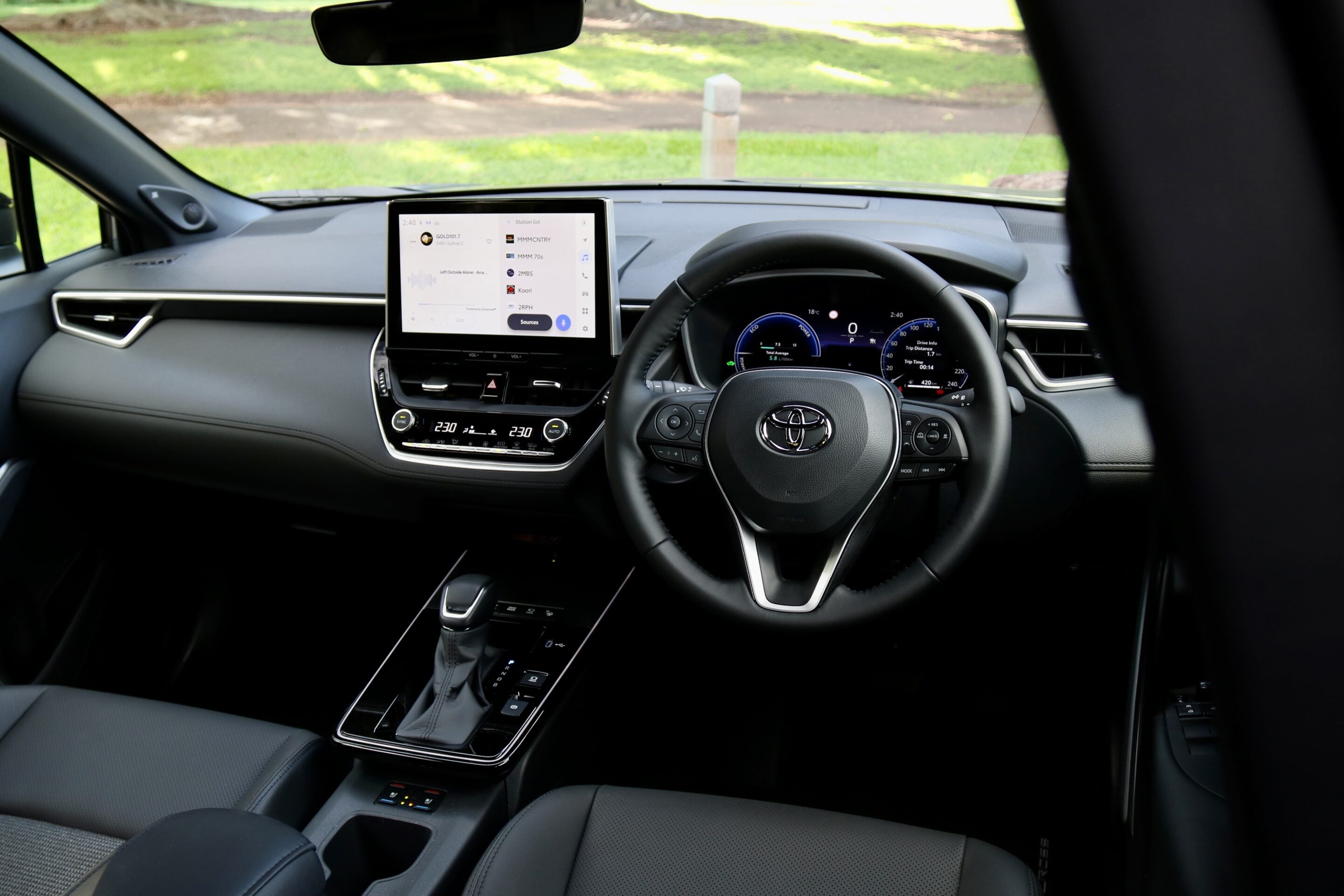
Most attention has been paid to the interior in this Corolla Cross facelift, which has seen
revised trims, a new centre console and more features added across the range. Quality is identical
to before, so not as plush as the C-HR or Nissan Qashqai, but with more soft touch materials than
the cheaper Yaris Cross, such as the door tops and dashboard fascia. The new centre console
features ambient lighting on the sides and looks great at night.
As before, the Corolla Cross Atmos features a 10.5-inch touchscreen with a 12.3-inch digital
driver’s display, with both using high-resolution graphics. The touchscreen is well featured with
wireless smartphone mirroring, sat-nav with live traffic and DAB+ digital radio, though not the extra
live services such as the weather displays in the Kona. The nine-speaker JBL sound system
sounds fine, though we expect more from a name-branded system.
The Corolla Cross’ driving position is excellent and easy to set up thanks to the ample adjustment
for the driver’s seat and steering wheel. Visibility is great as well thanks to the big windows and
boxy shape, and the panoramic roof adds light into an otherwise dark cabin. The driver’s seat
features 10 ways of adjustment, though not the memory functionality that we’d expect for the price,
plus the front passenger seat is manual and isn’t even height adjustable. For warmer climates, the
front seats are now ventilated.
Storage inside the Corolla Cross has improved with the facelift, thanks to the new centre console
design that’s both more capacious and ergonomic than before. A big tray with a wireless charger
now sits below the dashboard, and the cup holders have been made larger as well – plus, the box
underneath the central armrest is reasonably big (it also has a sliding armrest) and the door
pockets will hold a big bottle and more as well.
Two adults will be more than comfortable in the rear seat of the Corolla Cross, with fine legroom
and excellent headroom, despite the panoramic roof that eats into space a bit. Amenities include
one map pocket, bottle holders in the doors, a centre armrest with cup holders, air vents and two
USB-C ports – though no heated seats or proper door pockets, unlike the Kona. The quality
downgrade is noticeable in the rear seat, especially the hard plastic doors with naff fake stitching.
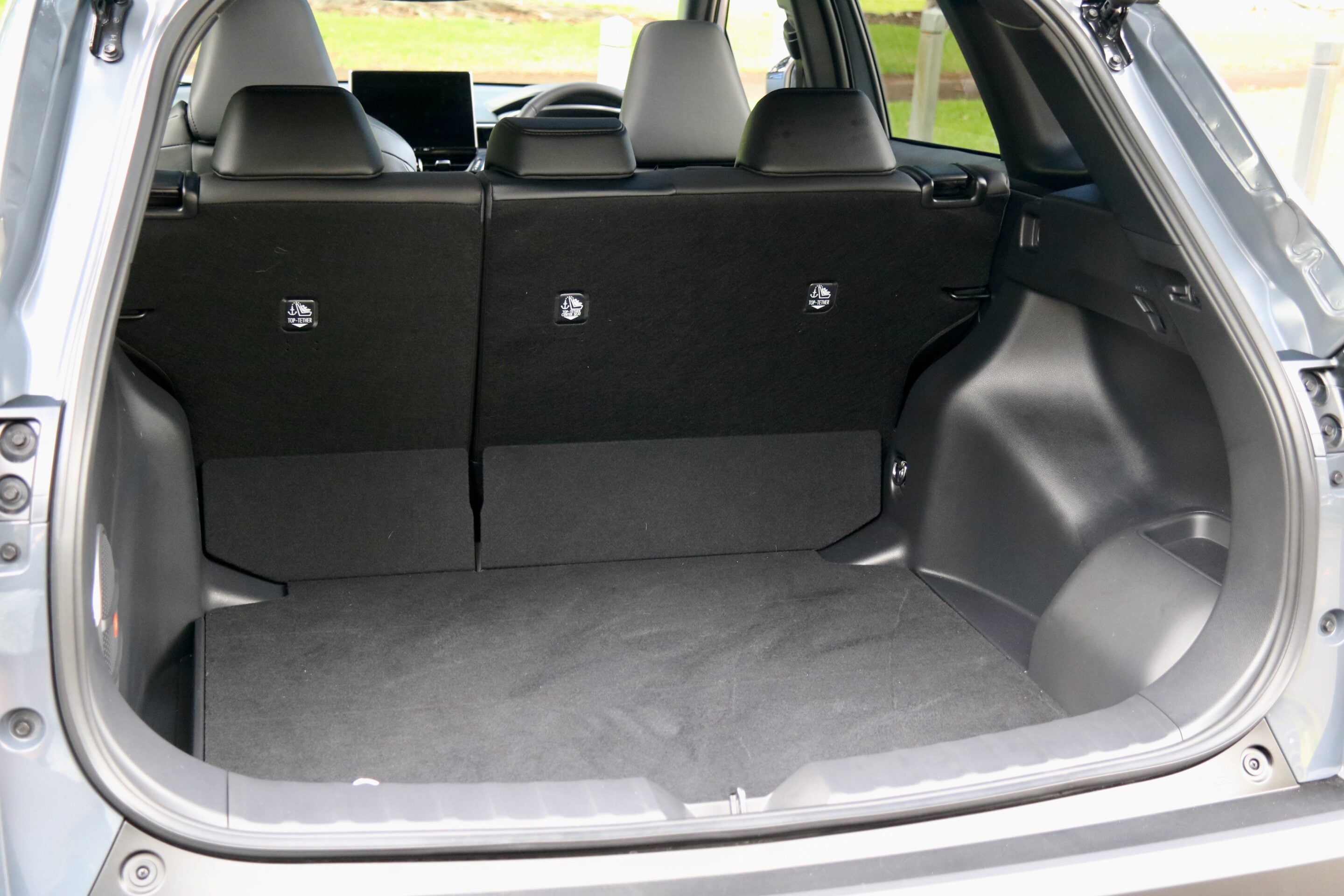
The boot size depends on which Corolla Cross model is chosen, but in the Atmos 2WD it
measures 414 litres with the seats up (Toyota doesn’t quote a figure with the seats folded), but in
other models it ranges from 390L to 425L. It features include a few bag hooks and tie down points,
but a dual-level boot floor would be a great addition as it would make it easier to lift items into the
boot and give a flat floor with the rear seats folded.
Performance and fuel economy
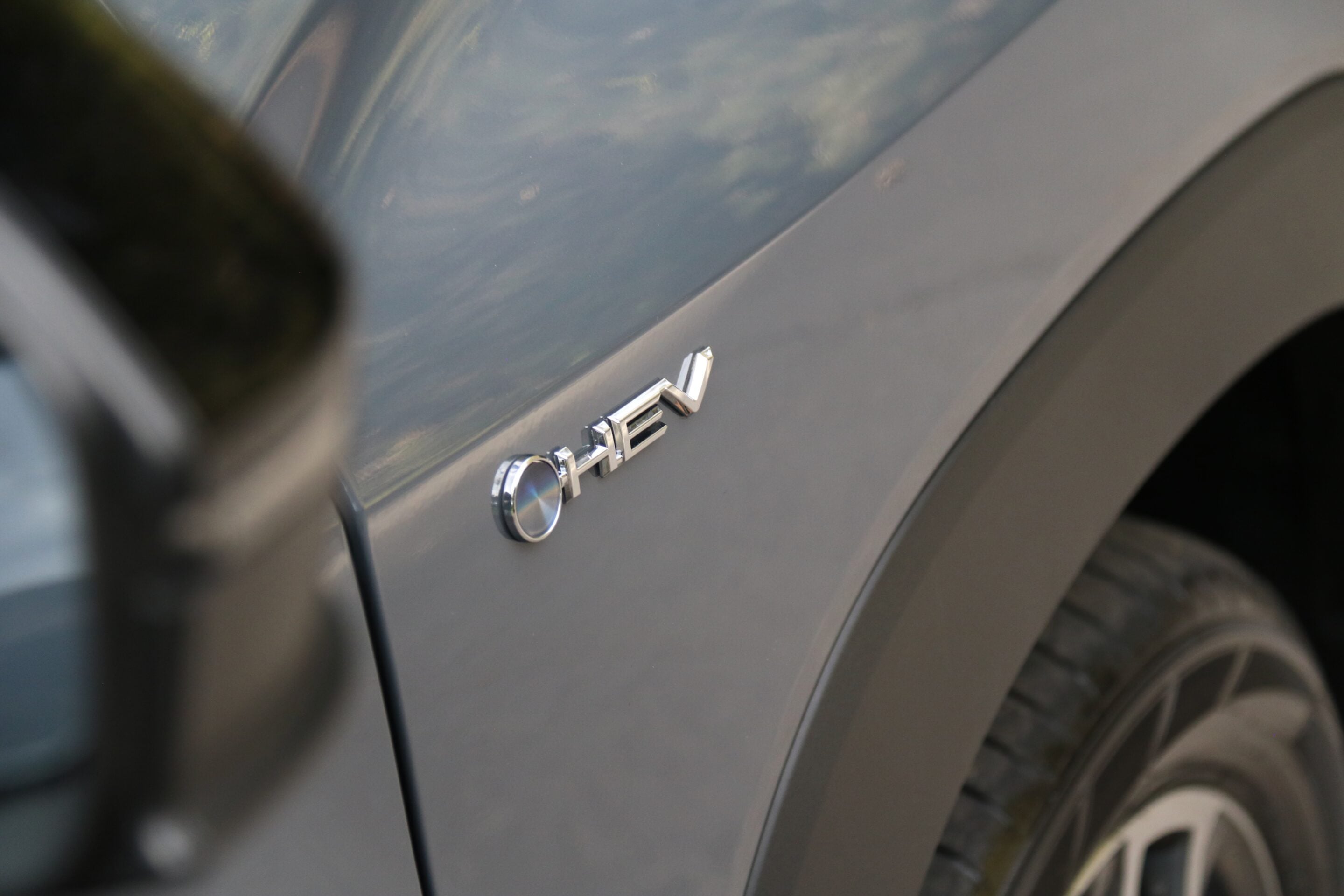
The Corolla Cross range uses a 2.0-litre four-cylinder hybrid drivetrain with an e-CVT gearbox sending power to the front wheels, or in some models, all four wheels have drive. The petrol engine alone makes 112kW of power and 188Nm of torque, while in total, the system makes a healthy 146kW (Toyota doesn’t quote a combined torque figure), which is 42kW more than a Kona Hybrid and 6kW more than a Qashqai e-Power.
The Corolla Cross Atmos 2WD is one of the most fuel efficient cars on the market, rated at just 4.2L/100km with claimed CO2 emissions of just 96g/km – we achieved slightly higher at 4.6L/100km, though our test car was brand new so that should improve further with more distance.
It uses 91RON regular unleaded and its fuel tank is a small 36 litres, though a range of more than 800km is possible based on our consumption score.
On the road
The Corolla Cross hasn’t seen many changes under the skin, but that’s largely a good thing as it
has always been one of the better small SUVs to drive. Toyota has made it quieter than before with
improved refinement at all speeds, and the typical hybrid drone at full acceleration is now quieter
than before, though still more noticeable than the geared system in the Kona.
The drivetrain in the Corolla Cross is great: punchy when you need it, very efficient and talented
with switching between electric and petrol propulsion, most times when you don’t even realise it.
There is a selectable EV mode if there’s enough charge in the battery, but even without it, it’s very
eager to switch the engine off to help fuel consumption. Even on moderate throttle, most starts are
done on EV power, and any coasting or braking is generally done with the engine switched off.
As before, the chassis of the Corolla Cross makes it enjoyable to drive. It’s very comfortable, with a
compliant and well-judged ride quality, as well as quick steering and a nimble feeling from behind
the wheel. We’re keen to drive the sportier GR Sport model and its retuned steering and
suspension, but for a wide range of tastes, the Atmos is great.
The Corolla Cross’ active safety features continue to be well tuned and don’t annoy. The hyper-
sensitive driver monitor of the C-HR isn’t fitted, making any drive more relaxing, and everything
works well. The adaptive lane guidance is some of the best we’ve seen, providing accurate and
reliable steering assistance, while the traffic jam assist is excellent too.
Service and warranty
The Corolla Cross is backed by a five-year/unlimited warranty, with mechanical coverage extended
up to seven years and battery coverage up to 10 years with dealer servicing/an annual battery
check for that time. There’s no roadside assistance, but it can be purchased for an annual cost
starting at $99.
The Corolla Cross’ service intervals are once-yearly/every 15,000km (whichever comes first) and
five years/75,000km of servicing costs $1250 ($250 per service).
Verdict: Should I buy a Toyota Corolla Cross Atmos?
There’s no doubt that the facelifted Toyota Corolla Cross has been improved thanks to its overhauled
interior design and standard equipment, making it feel more modern. It’s still the perfect size for many buyers with more space than you’d expect, it’s lovely to drive and its hybrid drivetrain is powerful enough for most, yet capable of excellent fuel consumption.
Counting against the Corolla Cross is that it’s even more expensive than before, its interior quality could be better and that it could also be more practical if a dual-level boot floor was fitted. But in the small SUV segment, all-round excellence is the name of the game and the Toyota Corolla Cross Atmos scores well.
Corolla Cross Atmos rivals
Specs
| Model | Toyota Corolla Cross Atmos 2WD |
|---|---|
| Price | From $47,990 plus on-road costs |
| Drivetrain | 1987cc 4-cylinder hybrid |
| Peak engine power | 112kW (@ 6600rpm) |
| Peak engine torque | 188Nm (@ 4400rpm – 5200rpm) |
| Peak drivetrain power | 146kW |
| 0-100km/h | 7.5 seconds (est.) |
| Top speed | 180km/h |
| Transmission | e-CVT auto, front wheel drive |
| Combined fuel economy (claimed/as tested) | 4.2L/100km, 4.6L/100km |
| CO2 emissions/fuel type | 96g/k |
| Fuel type/tank size | 91RON regular unleaded, 36 litres |
| Dimensions (l/w/h/wb) | 4460/1825/1620/2640mm |
| Boot size | 414 litres (seats up – unknown seats folded) |
| Kerb weight | 1480kg |
| Warranty | Five-year/unlimited km |
| Five-year service cost | $1250 ($250 per service) |
| On sale | Now |
Contenders
- Toyota LandCruiser 300 Series
- Volvo XC90
- Hyundai Palisade Calligraphy
- BMW X5
- Land Rover Defender
- Genesis GV80
- Lexus RX
- Mercedes-Benz GLE
- Mazda CX-90
- Toyota LandCruiser Prado
Winner – Toyota LandCruiser 300 Series
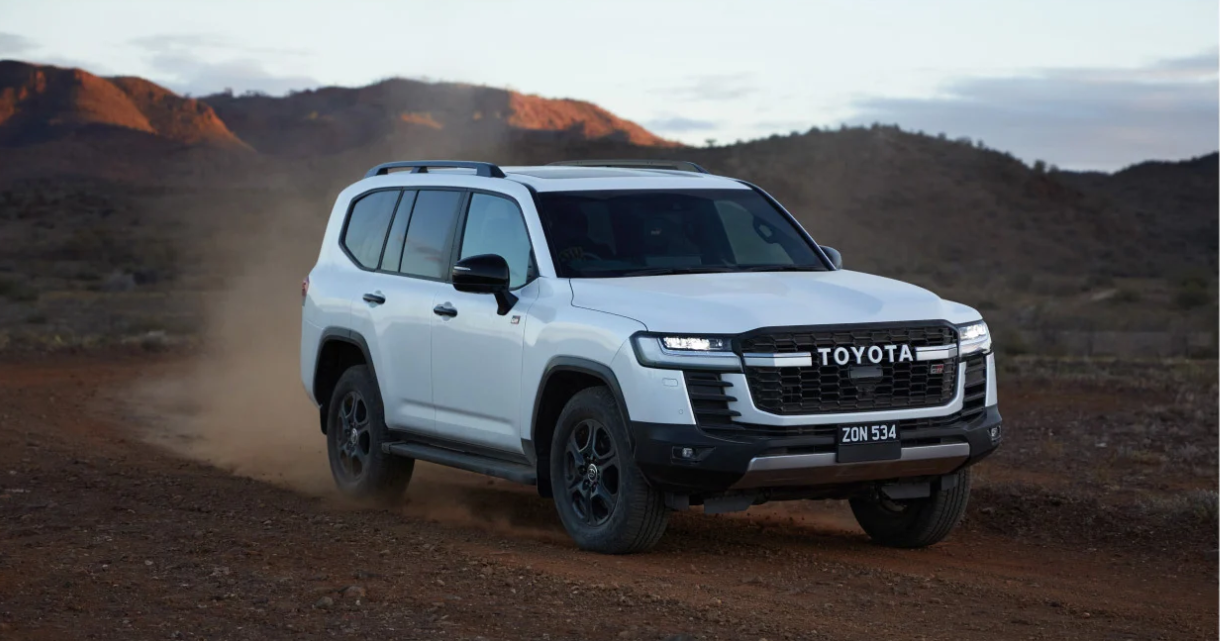
Price: From $97,990 plus on-road costs
Drivetrains/fuel economy/CO2 emissions: 3.3-litre V6 turbo-diesel, 10-speed auto, 227kW/700Nm, 8.9L/100km, 235g/km
Dimensions (length/width/height/wheelbase): 4980/2000/1955/2850mm
Bootspace: 1131L (seats up), 2052L (seats folded)
Warranty/roadside assistance/service intervals: Five-year/unlimited km, no roadside assistance, six-monthly/every 10,000km
Five-year service cost: $4200
| Driving | |
| Interior | |
| Practicality | |
| Overall value | |
Things we like
- Awesome on- and off-road ability
- Superb V6 diesel engine
- Wide range of models to suit different budgets
Not so much
- No hybrid powertrain yet
- Gets quite expensive at the top of the range
- Six-monthly service intervals add cost
The icon in this segment is undoubtedly the Toyota LandCruiser, which will tackle anything you throw at it. From desert landscapes to city streets, the LandCruiser has it all covered with extreme comfort. Driving the LandCruiser is a pleasurable experience thanks to its refinement and excellent ride quality, with a solid feeling from behind the wheel giving instant assurance about any terrain.
The cabin of the LandCruiser 300 Series is designed for comfort with big seats and plenty of features, including a large 12.3-inch touchscreen from the VX and upwards. Material quality is reasonable, though could be better in the most expensive models. The rear seat is spacious and even includes features such as climate control on upper models, while the third row that’s available on some models is also useful.
For the moment, there’s only one drivetrain available in the Australian-spec LandCruiser: a 227kW 3.3-litre V6 turbo-diesel that’s mated to a 10-speed automatic transmission and a full-time four-wheel drive system with various off-road features to get you anywhere. Sometime in 2026, a petrol-hybrid drivetrain used in the Tundra truck will also join the LandCruiser range, promising even more grunt than the diesel version.
Annoyingly, the LandCruiser must be serviced every six months, which adds to the cost, and while no model is cheap to buy, the upper-spec Sahara VX and GR Sport specs are quite expensive. But some would say that’s a small price to pay for such all-round ability. If you want a car that can do literally everything – and likely for decades to come – the LandCruiser is probably your best choice.
Volvo XC90
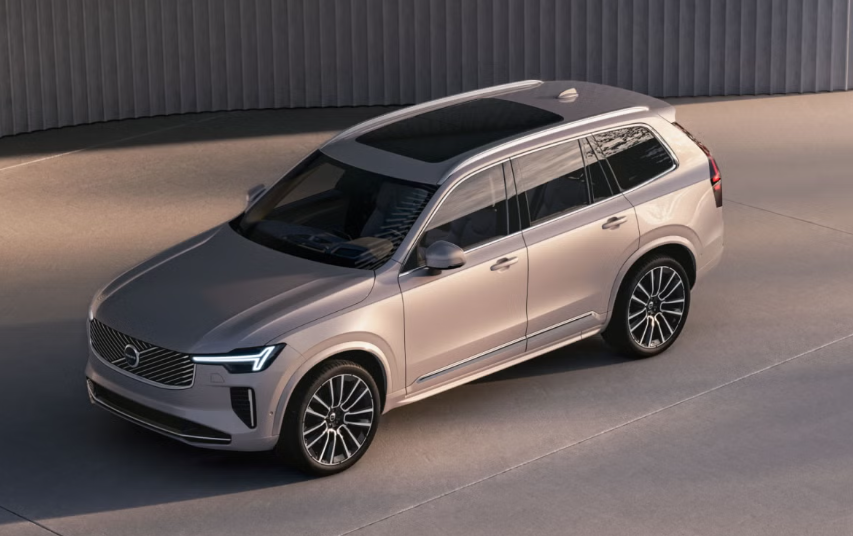
Price: From $104,990 plus on-road costs
Drivetrains/fuel economy/CO2 emissions: 2.0-litre four-cylinder turbo-petrol, 8-speed auto, 183kW/350Nm, 8.1L/100km, 185g/km; 2.0-litre four-cylinder turbo-petrol plug-in hybrid, 8-speed auto, 340kW/709Nm, 1.8L/100km, 40g/km
Dimensions (length/width/height/wheelbase): 4953/2008/1776/2984mm
Bootspace: 302L (third row up), 680L (third row folded), 1874L (third + second rows folded)
Warranty/roadside assistance/service intervals: Five-year/unlimited km, five years (extendable up to eight years in total), annually/every 15,000km
Five-year service cost: $3870
| Driving | |
| Interior | |
| Practicality | |
| Overall value | |
Things we like
- Excellent cabin quality and spaciousness
- Relaxing to drive
- Punchy drivetrains
Not so much
- Only two drivetrain options
- Not cheap to service
- New infotainment system hides features in menus
Launched way back in 2015, it’s easy to forget that the Volvo XC90 was the first modern-era Volvo in what was a product revolution for the brand. It launched on a new modular platform and was the trailblazer for the brand’s sales boom, with every Volvo released since then only building on its excellence.
The XC90 was – and still is in a lot of ways – the daddy of the large SUV segment and even though it’s now past 10 years old, is ageing gracefully. In fact, it just had an update with a new infotainment system and lightly revised styling to keep it fresh against newer rivals. But the XC90’s basics were so insanely well covered that it barely needed an update: its cabin still feels great, while all of its rows of seating are quite spacious and carrying seven adults is easy for it.
Just two engine options remain for the Australian XC90: the 183kW 2.0-litre turbo-petrol B5 or the 340kW T8 plug-in hybrid that adds a supercharger and electric motor to the B5’s drivetrain, for a claimed 77km travel on a single charge. Both use an eight-speed automatic transmission, and while the XC90 is not sporty, it is very comfortable, even on its large wheels.
Pricing for the XC90 range starts at $104,990 plus on-road costs for the B5 Bright, and $130,990 +ORC for the T8 PHEV, with both models quite well equipped, including a panoramic sunroof, new Google infotainment system with Google Maps navigation, Matrix LED headlights with adaptive high beam and a full suite of active safety features.
The Volvo XC90 remains a wonderful choice in the seven-seat large SUV segment. It’s practical, excellent quality, lovely to drive, well featured and just a delight to experience. There are now only two remaining drivetrains and it’s not cheap to service, but if you’re after a large luxurious SUV, we think the XC90 should be your first test drive.
Hyundai Palisade Calligraphy
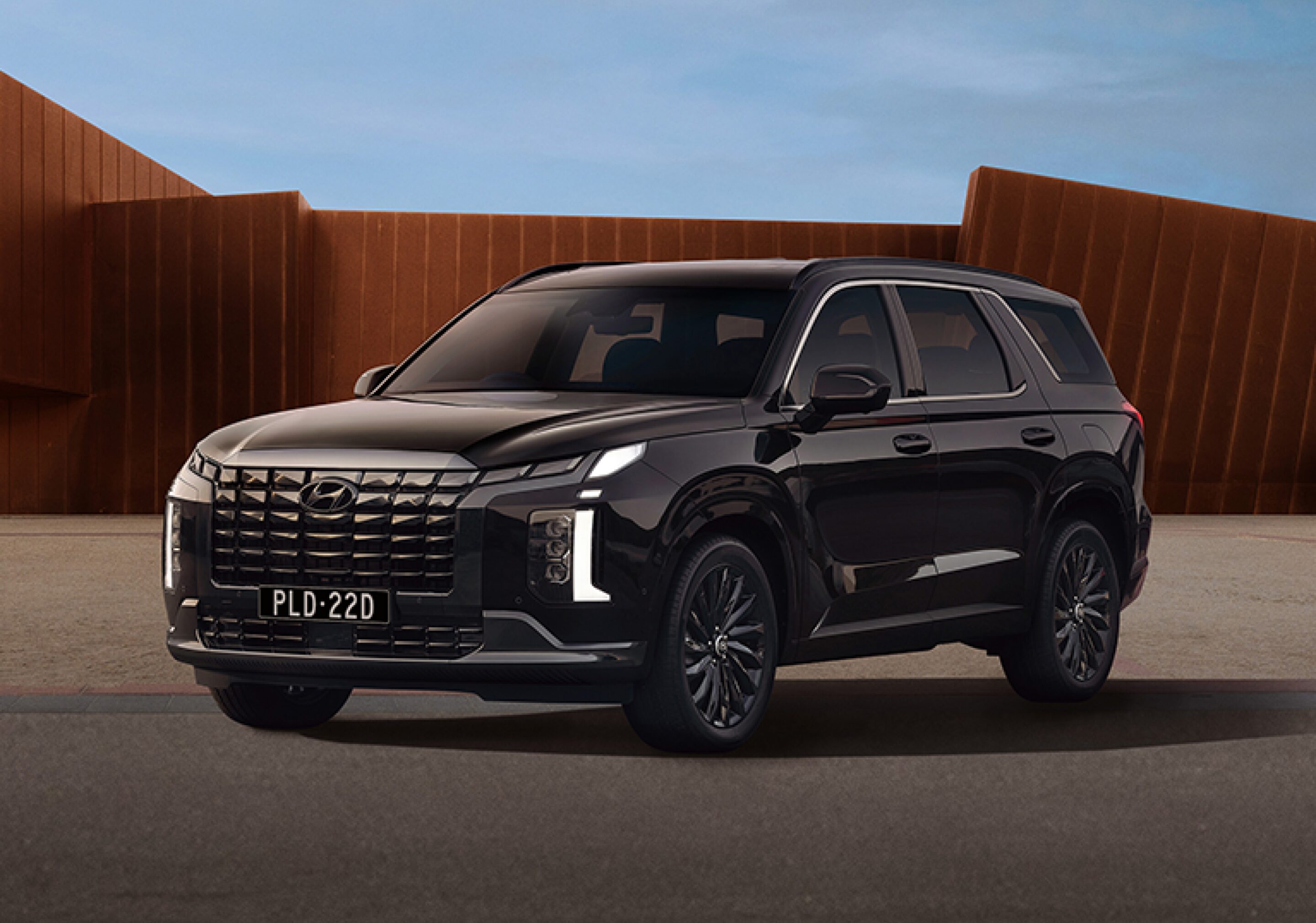
Price: From $75,900 plus on-road costs
Drivetrains/fuel economy/CO2 emissions: 3.8-litre petrol V6, 8-speed auto, 217kW/355Nm, 10.7L/100km, 251g/km; 2.2-litre four-cylinder turbo-diesel, 145kW/440Nm, 7.3L/100km, 193g/km
Dimensions (length/width/height/wheelbase): 4995/1975/1750/2900mm
Bootspace: 311L (third row up)/704L (third row folded)/1297L (third + second row folded, to belt line)
Warranty/roadside assistance/service intervals: Five-year/unlimited km, service-activated, annual/every 15,000km
Five-year service cost: $2414 (V6), $2622 (diesel)
| Driving | |
| Interior | |
| Practicality | |
| Overall value | |
Things we like
- Massive interior space
- Excellent drivetrain options
- Pleasant to drive
Not so much
- New model about to launch
- Thirsty petrol V6
- Interior tech not as up to date as other Hyundais
Though it’s about to be replaced by an all-new model, the Hyundai Palisade is a great choice for a $70,000+ large SUV thanks to its good value for money, huge interior space and pleasant driving experience. Pricing starts at under $70,000 for the entry-level Elite, but we strongly recommend the upper-spec Calligraphy because it’s even better equipped and feels more luxurious inside.
There are two drivetrain choices for the Palisade range: a 217kW 3.8-litre petrol V6 that’s front-wheel drive only or a 145kW 2.2-litre four-cylinder turbo-diesel that drives all four wheels. The former will drink quite a lot of fuel and easily overpowers the front wheels that do its gripping, so we think the far more efficient, refined and punchy diesel is the pick for Palisade buyers.
The Palisade’s driving experience is enjoyable thanks to a well-tuned ride quality, accurate and well-weighted steering and even though it’s a large vehicle, it doesn’t feel quite so big thanks to excellent visibility.
Even though the Palisade uses a lot of old-tech Hyundai features such as the infotainment software and digital driver’s display. they still work quite well. It would be nice to see wireless smartphone mirroring. Besides that, the Palisade’s cabin is noteworthy for being absolutely huge inside, with room for adults even in the third row, and with ample amenities on offer in each row as well.
The Hyundai Palisade is an excellent large SUV thanks to its range of talents: it’s very practical, well priced, very well equipped, drives well and is covered by a solid service and warranty program. Sure, later Hyundai models are more modern and the petrol V6 engine is thirsty and only drives the front wheels, but the Palisade still holds its own.
BMW X5
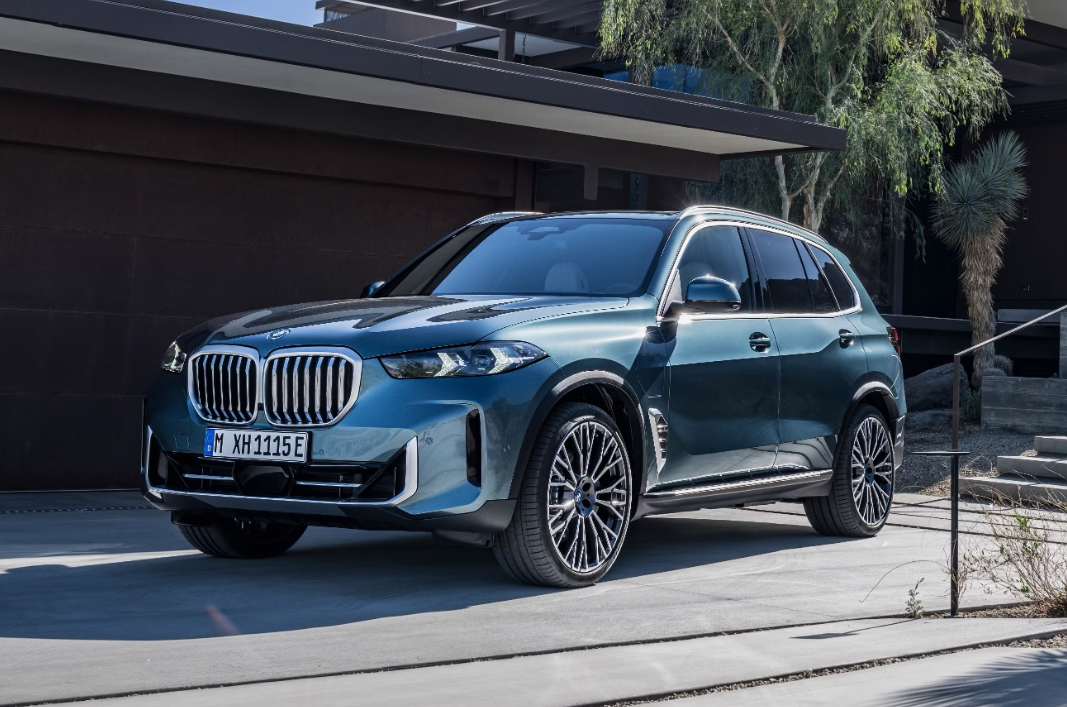
Price: From $138,600 plus on-road costs
Drivetrains/fuel economy/CO2 emissions: 3.0L six-cylinder turbo-diesel, 8-speed auto, 210kW/650Nm, 7.8L/100km, 206g/km (30d); 3.0L six-cylinder turbo-petrol, 8-speed auto, 280kW/520Nm, 9.3L/100km, 211g/km (40i); 3.0L six-cylinder turbo plug-in hybrid, 8-speed auto, 360kW/700Nm, 1.9L/100km, 41g/km (50e); 4.4L twin-turbo petrol V8, 8-speed auto, 390kW/750Nm, 11.9L/100km, 269g/km (M60i); 4.4L twin-turbo petrol V8, 8-speed auto, 460kW/750Nm, 12.5L/100km, 285g/km (M Competition)
Dimensions (length/width/height/wheelbase): 4935/2004/1755/2975mm
Bootspace: 500L (seats up), 1720L (seats folded)
Warranty/roadside assistance/service intervals: 5-year/unlimited km, three-years, annual/every 15,000km
Five-year service cost: $3275
| Driving | |
| Interior | |
| Practicality | |
| Overall value | |
Things we like
- The regular SUV dynamic benchmark
- Wide range of powertrains
- Excellent refinement
Not so much
- Third row of seats an expensive option
- Much more expensive than it used to be
- Ordinary steering feel
If you want the definition of a sales success, the BMW X5 is a good place to start. Since its debut in 1999, the company has sold over three million of them, including 75,000 in Australia. In some places, X5s are very common, and that’s easy to see why: for many buyers, it was the default large premium SUV and until the Porsche Cayenne came along, it was the only SUV that real drivers would want to go near.
Nowadays, the smaller X3 is the most popular BMW product worldwide – and that’s no surprise given that it’s larger than the first X5 was – but there’s still plenty to like in its larger sibling. If you’re looking for a driver’s SUV, the X5 is one of the best; even the entry-level 30d just handles in a way that so many competitors cannot match. The BMW of SUVs, if you will.
The range of engines is great as well, with the entry-level petrol and diesel sixes refined and punchy, the plug-in hybrid can cover a long 94km on electric power (WLTP) and the V8 used in both the M60i and full fat M Competition is very fast. All use an eight-speed automatic transmission and BMW’s ‘xDrive’ all-wheel drive system.
The cabin of the X5 is excellent quality, with expensive-feeling materials used throughout. The central touchscreen dominates the cabin experience and while it could be easier to use, screen quality is excellent and it’s very well featured with the usual wireless smartphone mirroring, sat-nav with live traffic and live services such as weather and an app store.
If you’re searching for a large SUV that’ll leave you smiling with every drive, the BMW X5 is a great option. Its driving dynamics are excellent in the segment, and its performance – regardless of model chosen – is impressive. The cabin quality is superb and filled with useable tech, though it doesn’t have a third row of seating as standard. If you can afford it, the BMW X5 is still one of the best large SUVs, just as it was all those years ago.
Land Rover Defender 110/130
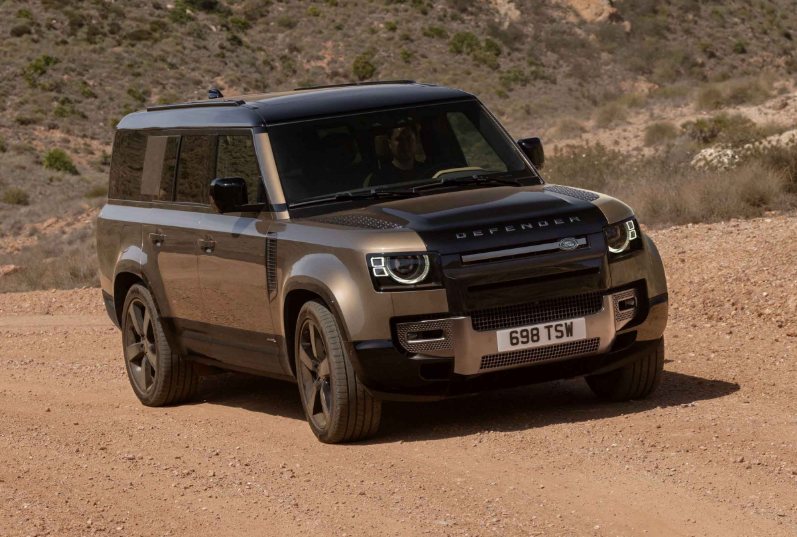
Price: From $99,500 plus on-road costs
Drivetrains/fuel economy/CO2 emissions: 3.0L inline six turbo-diesel, 8-speed auto, 258kW/700Nm, 8.1L/100km, 214g/km (D350); 2.0L turbo four-cylinder PHEV, 8-speed auto, 221kW/625Nm, 3.4L/100km, 78g/km (P300e); 5.0L supercharged V8 petrol, 8-speed auto, 313kW/550Nm, 12.7L/100km, 289g/km (P425); 5.0L supercharged V8 petrol, 8-speed auto, 368kW/610Nm, 12.7L/100km, 289g/km (P500); 4.4L V8 turbo-petrol, 8-speed auto, 467kW/750Nm, 13.1L/100km, 298g/km (P635)
Dimensions (length/width/height/wheelbase): 5035/1996/1970/3022mm (110); 5377/1996/1970/3022mm (130)
Bootspace: 1075L (seats up), 2380L (seats folded) (110); 389L (third row up), 1232L (third row folded), 2291L (third + second row folded) (130)
Warranty/roadside assistance/service intervals: Five-year/unlimited km, five years, annual/every 20,400km (diesel)/26,000km (V8)
Five-year service cost: $3300 (PHEV), $3500 (diesel), $3900 (V8 petrol)
| Driving | |
| Interior | |
| Practicality | |
| Overall value | |
Things we like
- Fashionable handsome design
- Spacious and practical cabin
- Wide range of powerplants
Not so much
- Optional third row of seating is not huge
- Gets quite expensive at the top of the range
- Tailgate opens sideways and not upwards
With almost 2000 sold this year alone in Australia to the end of June, the Land Rover Defender range has given a big boost to the brand’s fortunes globally and it’s easy to see why: it’s very in vogue. Just look at it: it’s funky, stylish and very fashion-forward. Yet, unlike a lot of cars aimed at the more fashionable among us, there’s significant depth to the Defender’s abilities. Which is no doubt part of the reason as to why it’s so popular.
The Defender’s off-road ability is one of the best on the new car market with plenty of off-road features to help once the going gets tough, including multiple driving modes and a low-range transfer case. Yet on the road, the Defender is impressive to drive and even in the least powerful models, the drivetrains are silky smooth – or quite rapid, in the case of the V8 models like the wild P635 Octa.
The interior of the Defender is a bit more utilitarian than the flashy exterior might suggest, but it’s very practical: witness the huge centre console area with plenty of storage options. The central touchscreen features the brand’s latest ‘Pivi Pro’ software and is easy to use. Rear seat space is impressive, though less so if the third row is optioned – if you’re likely to carry passengers back there often, we’d suggest the longer Defender 130 or its Discovery sibling.
Land Rover covers the Defender range with a five-year/unlimited km warranty and a five-year/102,000km service plan cost ranges from $3300 to $3900, depending on the drivetrain. It’s easy to see why the Land Rover Defender is just so popular globally: in addition to being a fashion statement, it’s got a broad range of talents from its refined driving experience, practical cabin, excellent off-road ability and wide range of drivetrains. It’s not cheap to buy in any form – let alone the higher-end models – but that doesn’t appear to have dented their popularity.
Genesis GV80/GV80 Coupe
Price: From $129,114 plus on-road costs
Drivetrains/fuel economy/CO2 emissions: 3.5-litre twin-turbo petrol V6, 8-speed auto, 279kW/530Nm, 11.9L/100km, 272g/km
Dimensions (length/width/height/wheelbase): 4940/1975/1710-1715/2955mm
Bootspace: 735L (seats up), 2147L (seats folded), Coupe: 644-1033L
Warranty/roadside assistance/service intervals: Five-year/unlimited km, five years, annual/every 10,000km
Five-year service cost: Included in the price
| Driving | |
| Interior | |
| Practicality | |
| Overall value | |
Things we like
- Absolutely loaded with standard equipment
- Handsome and blingy exterior styling
- Superb interior quality, many trim colours available
Not so much
- Third row of seats is very small
- Very thirsty petrol engine, no hybrid option
- Diesel six no longer offered
Genesis is slowing growing in Australia, judging by dealership locations and reputation. Its GV70 mid-sizer SUV is its best-selling model, with the GV80 large SUV sitting in second place. Making the GV80 more of a consideration is the fact it was recently given a mid-life update.
As we’ve seen with other Genesis products, the GV80’s cabin quality is fabulous – pretty much at BMW and Mercedes-Benz levels of fabulous. In the GV80’s case, there are plenty of expensive-feeling materials everywhere you look, from the sumptuous Nappa leather upholstery to the damped switchgear. The GV80 looks and feels expensive inside.
And it should, for a car starting at almost $130,000 plus on-road costs. There’s no question that the GV80 is not cheap, but in this company, it is good value for money. Unlike its German competition, the GV80 offers only three optional extras: matte paint, a six-seat layout (wagon only, not the coupe) and a rear-seat entertainment system. Everything else is standard equipment.
For the mid-life update, only one engine choice remains for the GV80 range: a 279kW twin-turbocharged 3.5-litre V6 petrol engine, mated to an eight-speed automatic transmission and all-wheel drive. It’s a lovely unit with creamy power delivery and excellent refinement, but it’s quite thirsty and there’s no hybrid drivetrain available yet. The former smaller 2.5-litre four-cylinder and 3.0-litre V6 turbo-diesel powerplants are no longer available.
The GV80 wafts comfortably down the road with barely any road noise, and a well-judged suspension set up that was revised for the updated model with better body control than before. It’s not as sporty as an X5, but it is more relaxing to drive. Add in Genesis’ free five-year servicing plan and the GV80 seems a better value proposition. It’s an excellent product that would make you think twice about an X5 or GLE.
Lexus RX
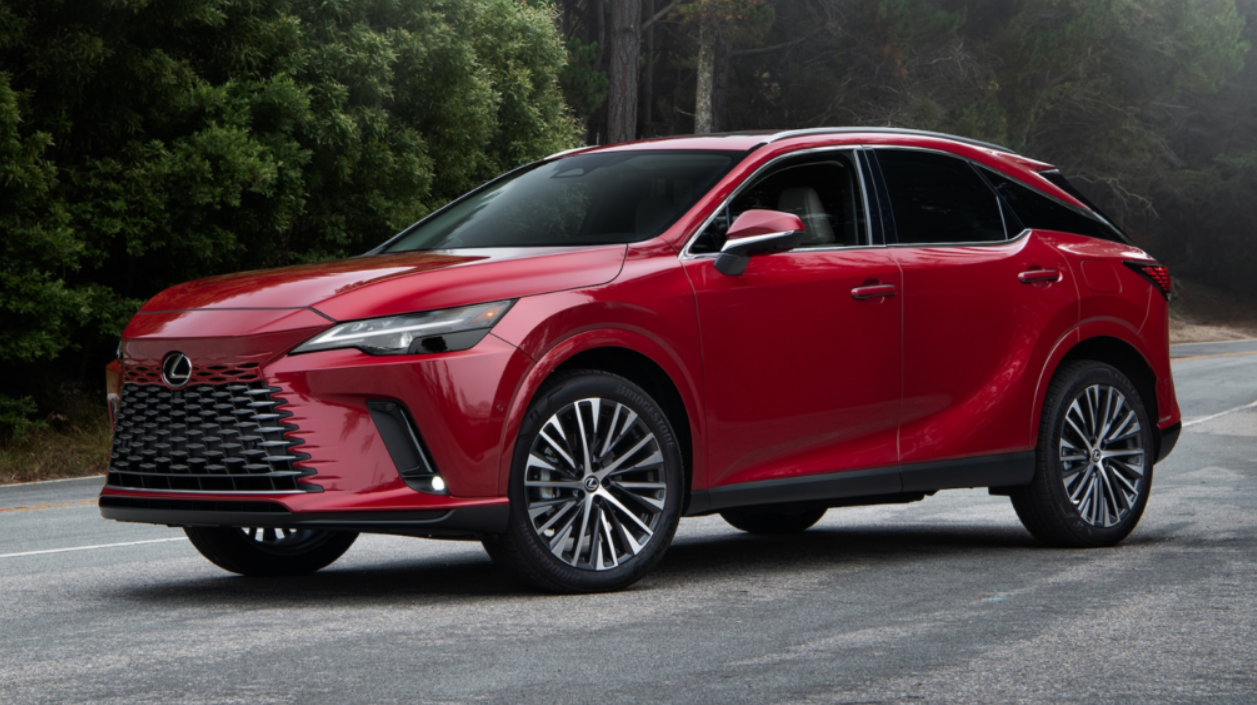
Price: From $93,285 plus on-road costs
Drivetrains/fuel economy/CO2 emissions: 2.5-litre four-cylinder hybrid, CVT, 184kW, 5.0L/100km, 114g/km (RX350h); 2.4-litre four-cylinder turbo-petrol, 8-speed auto, 205kW/430Nm, 8.7L/100km, 197g/km (RX350); 2.5-litre four-cylinder PHEV, CVT, 227kW, 1.3L/100km, 29g/km (RX450h+); 2.4-litre four-cylinder turbo hybrid, 273kW, 6.5L/100km, 148g/km (RX500h)
Dimensions (length/width/height/wheelbase): 4890/1920/1695/2850mm
Bootspace: 612L (seats up), 1678L (seats folded)
Warranty/roadside assistance/service intervals: Five-year/unlimited km, three years, annual/every 15,000km
Five-year service cost: $3475
| Driving | |
| Interior | |
| Practicality | |
| Overall value | |
Things we like
- Relaxing to drive, very comfortable
- Fabulous seats
- Excellent refinement
Not so much
- Interior design and quality could be better
- Vague steering feel
- Big model range can confuse
The Lexus RX, originally launched globally in 1998, is the brand’s most popular model ever with over 3.5 million produced. Signficantly, the first RX was less expensive to buy than the German competition, yet loaded with standard equipment – an MO that has made Lexus very popular globally.
The current shape RX is the fifth generation of the badge, and is the biggest model yet. Longer, wider and lower than the previous model, the RX offers four drivetrains, with hybrid (RX350h and RX500h), plug-in hybrid (RX450h+) and turbo-petrol (RX350) variants all on offer. Prices start at $93,285 plus on-road costs for the entry-level RX350h Luxury, rising to $130,950 +ORC for the top-spec RX500h F Sport Performance, which are all quite a lot less than the BMW X5 or Mercedes-Benz GLE.
Like parent company Toyota, hybrids are a big focus with Lexus and in the RX range, regular hybrid, turbocharged hybrid and new plug-in hybrid drivetrains are available. Most buyers will choose the 184kW RX350h, with its combined fuel consumption of just 5.0L/100km, but even the powerful 273kW RX500h uses just 6.5L/100km on the combined cycle.
On the road, the RX range is relaxing to drive, with excellent refinement and a comfortable ride, even with the 21-inch wheels on more expensive models. The RX’s cabin is also very refined, and makes for a strong first impression with lovely seats and excellent quality, though search further and you’ll find some cheaper plastics on the doors and lower centre console. Screen quality, however, is excellent and easy to use, and the two-row RX is spacious.
Good value for money, refined driving experience, spacious cabin and wide range of powerplants, including lots of in-vogue hybrid choice – it’s easy to see why it’s a popular model. Add in the service, reliability and resale value that the brand is known for, and the Lexus RX remains a solid large SUV choice.
Mercedes-Benz GLE/GLE Coupe
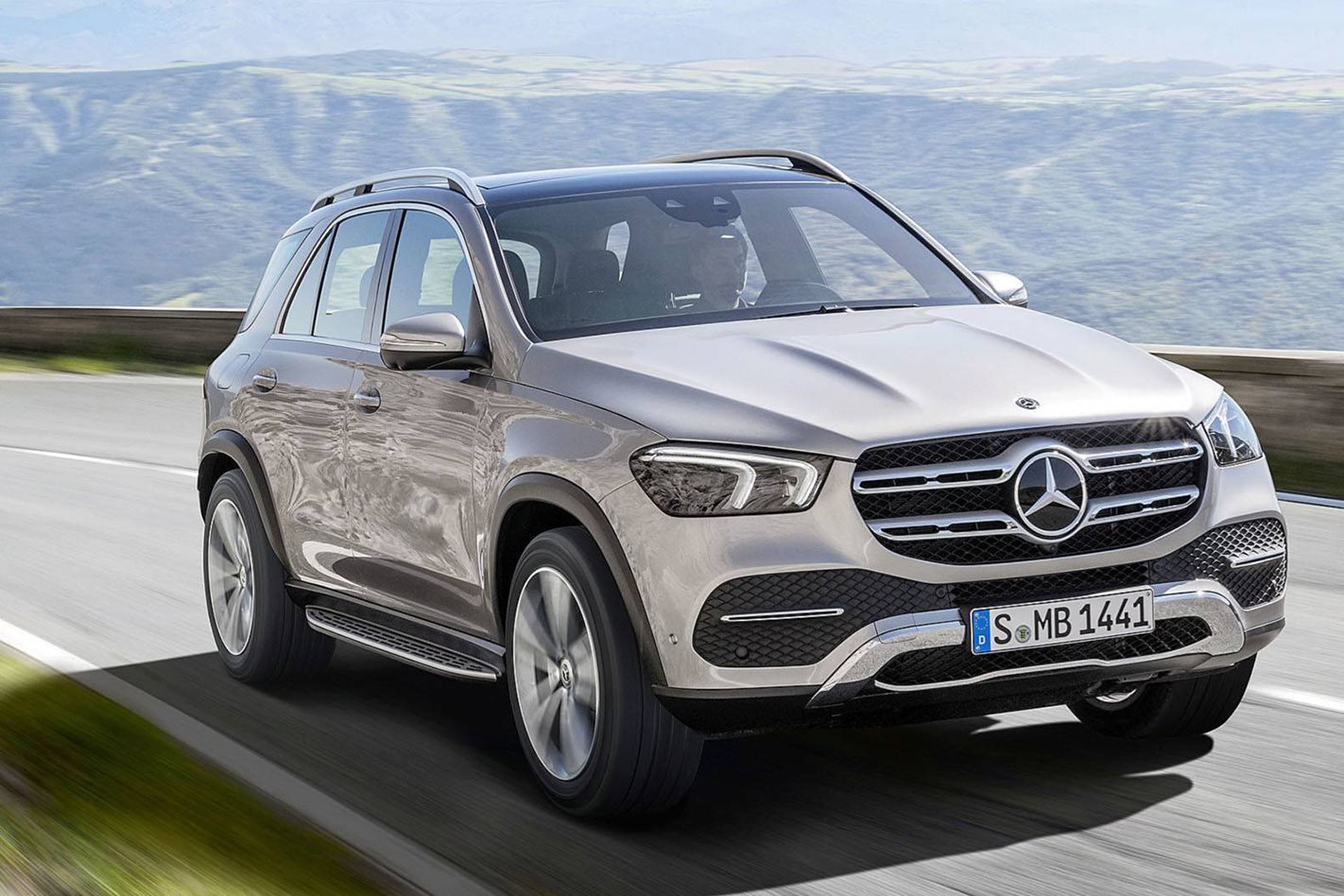
Price: From $136,600 plus on-road costs
Drivetrains/fuel economy/CO2 emissions: 2.0L four-cylinder turbo-diesel, 9-speed auto, 198kW/550Nm, 6.6L/100km, 173g/km (300d); 3.0L six-cylinder turbo-diesel, 9-speed auto, 270kW/750Nm, 7.4L/100km, 194g/km (450d); 3.0L six-cylinder turbo-petrol, 9-speed auto, 280kW/500Nm, 9.5L/100km, 217g/km (450 coupe); 3.0L six-cylinder turbo-petrol, 9-speed auto, 320kW/560Nm, 10.1L/100km, 231g/km (AMG 53);
4.0L twin-turbo V8 petrol, 9-speed auto, 450kW/850Nm, 13.0L/100km, 296g/km (AMG 63S)
Dimensions (length/width/height/wheelbase): 4947/2015/1782/2995mm
Bootspace: 630L (seats up), 2055L (seats folded) (coupe: 655L – 1790L)
Warranty/roadside assistance/service intervals: Five-year/unlimited km, five years, annual/every 20,000km (AMG) or 25,000km (other variants)
Five-year service cost: $7060 (AMG) – $8055
| Driving | |
| Interior | |
| Practicality | |
| Overall value | |
Things we like
- Spacious interior
- Loaded with standard features
- Wide drivetrain range, including stonking AMG models
Not so much
- Very expensive to service
- Base four-pot diesel not as refined as six-cylinder competition
- Air suspension should be standard on base cars
The Mercedes-Benz ML-Class was the product that started the whole luxury crossover movement, way back in 1997. Although it’s different these days with GLE as its name and a more road-focused feel, it’s still a well-sized and luxurious large SUV that’s available with seven seats in some models. Like the Genesis GV80 and BMW X5 (badged as X6), the GLE is also available in a more stylish but less practical coupe bodystyle.
No less than five drivetrains are available in the Australian GLE range. From the entry-level 198kW four-cylinder turbo-diesel in the GLE 300d to the 450kW twin-turbo V8 in the AMG GLE 63 S, there’s a drivetrain for a wide range of tastes – though no full-hybrid model at the moment.
The cabin of the GLE is tech-filled and appropriately luxurious, with rich material choices, even in the entry-level models. The MBUX infotainment system is one of the best on the market thanks to its ease-of-use and integration of wireless smartphone mirroring, as well as sat-nav with live traffic. The second row of seating in the GLE is huge, with ample space for three adults, while the optional third row of seating is small but useful.
On the road, the GLE impresses with its excellent refinement, with little road noise, and impressive ride comfort – but we think that the optional air suspension should be standard for an even better driving experience. The four-cylinder diesel in the GLE 300d could be more refined, however, but it is still quite punchy. The six-cylinder drivetrains – let alone the V8 in the 63 S – sound great, and go quite well too.
The GLE range is very expensive to service, with a five-year service plan cost ranging from $7060 to $8055 (up to $1611 per year), though at least the service intervals are a long annual/every 25,000km for non-AMG variants. Overall, the Mercedes-Benz GLE maintains excellence in the luxury large crossover SUV segment it started, with a luxurious feel throughout, a wide range of engines to suit a wide range of buyers, and a refined driving experience that you’d expect from the brand.
Mazda CX-90 GT
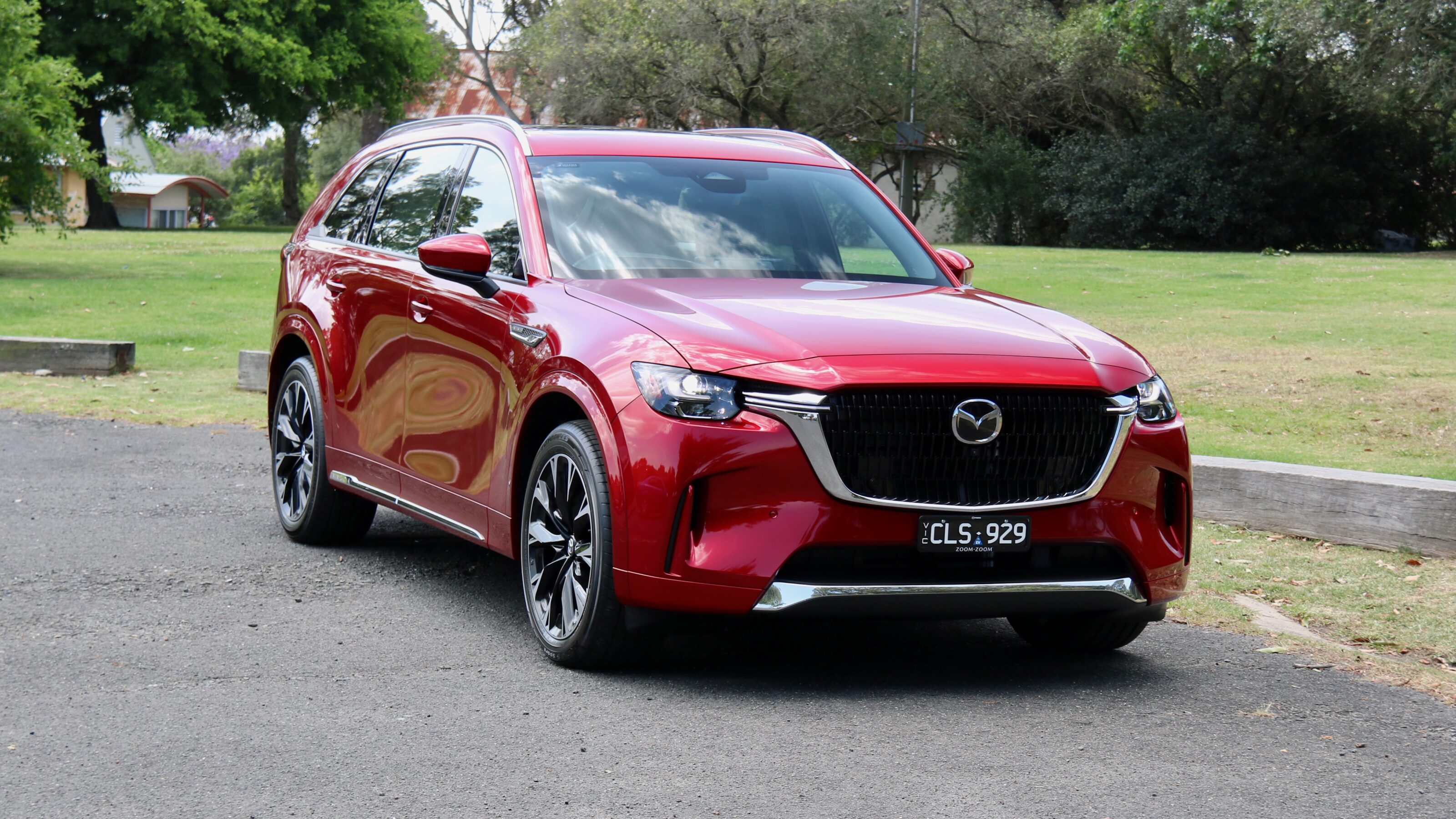
Price: From $78,795 plus on-road costs
Drivetrains/fuel economy/CO2 emissions: 3.3-litre inline six turbo-petrol, 8-speed auto, 254kW/500Nm, 8.2L/100km, 189g/km (G50e); 3.3-litre inline six turbo-diesel, 8-speed auto, 187kW/550Nm, 5.4L/100km, 143g/km (D50e)
Dimensions (length/width/height/wheelbase): 5120/1994/1745/3120mm
Bootspace: 257L (third row up), 608L (third row folded), 2025L (third + second row folded)
Warranty/roadside assistance/service intervals: Five-year/unlimited km, five years, annual/every 10,000km (diesel) – 15,000km (petrol)
Five-year service cost: $3367 (diesel) – $3544 (petrol)
| Driving | |
| Interior | |
| Practicality | |
| Overall value | |
Things we like
- Engaging handling
- Huge interior space
- Excellent quality
Not so much
- Jerky gearbox
- No PHEV option yet
- Too-firm ride
Replacing the popular and lovely CX-9, the Mazda CX-90 was launched as Mazda’s largest and most expensive product ever in 2024. Now priced from $69,795 plus on-road costs in base Touring form – it was almost $75,000 +ORC when it launched before Mazda cut prices – we think the best model in the range is the mid-spec GT, which is priced at $78,795 +ORC.
The CX-90 GT is well equipped and feels luxurious enough inside to make moving up to the top-spec Azami unnecessary, with leather trim everywhere and large 12.3-inch displays covering in-car tech nicely. Front seat comfort is good without being excellent – more adjustment would be appreciated – while the second and third rows of seating are spacious for adults.
On the road, the CX-90 is a mixed bag. Negatives first: the gearbox and suspension tuning needs refinement for a more luxurious vibe, as they’re just too noticeable currently. But aside from that, there’s a lot of positives, such as the refined and punchy drivetrains and engaging handling. We love both the ‘G50e’ petrol and ‘D50e’ drivetrains, with the petrol capable of strong performance and the diesel providing excellent fuel economy in the real world.
Regardless of drivetrain chosen, the CX-90 is expensive to service, and there’s no plug-in hybrid drivetrain option yet (it exists in other markets but just not in Australia yet). But otherwise, there’s a lot to like about the Mazda CX-90, especially when it comes to driving dynamics, performance, cabin space and standard equipment. In our opinion, spend the extra for the mid-range GT as, importantly when you’re spending this much on a car, it looks and feels expensive.
Toyota LandCruiser Prado
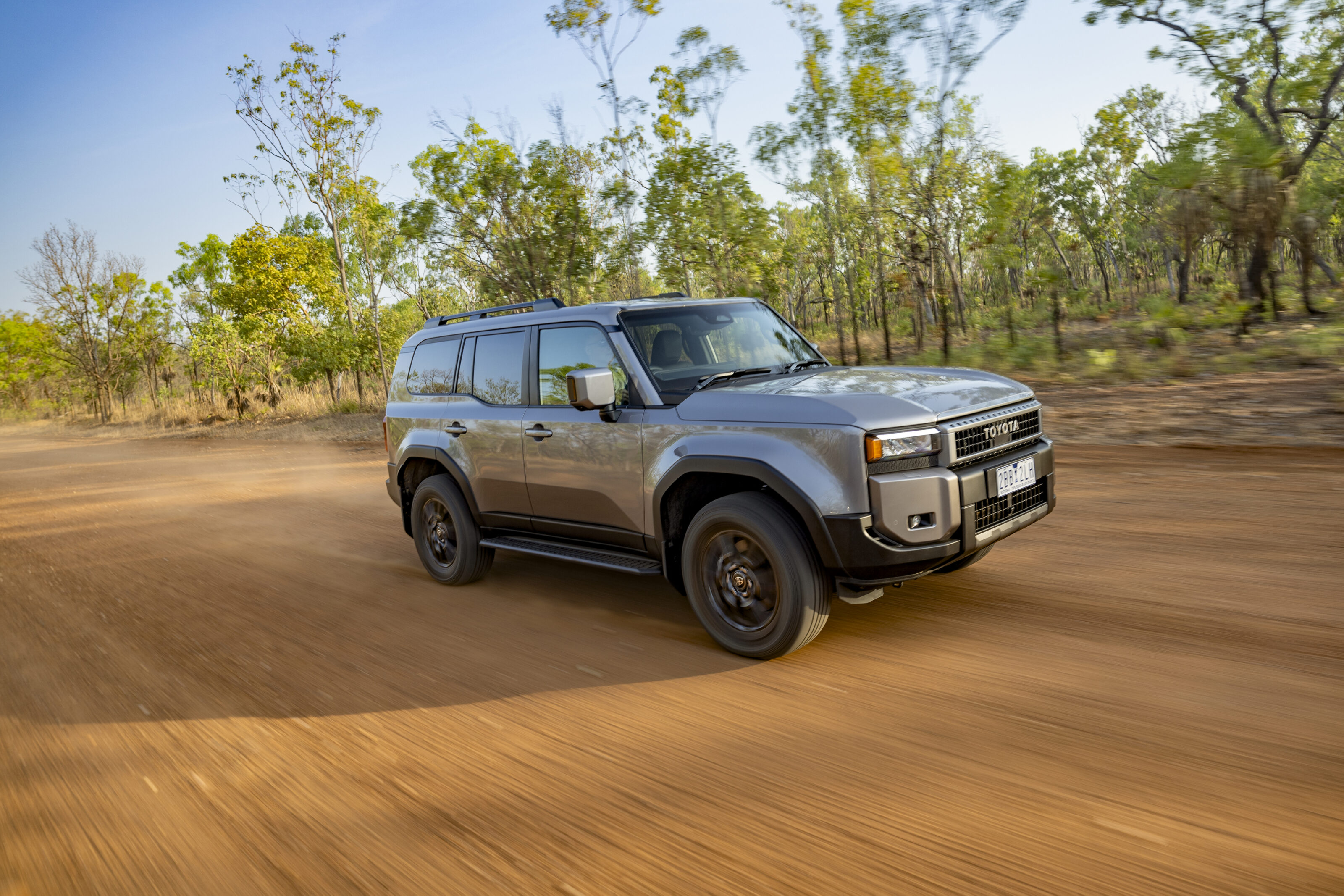
Price: From $72,500 plus on-road costs
Drivetrains/fuel economy/CO2 emissions: 2.8-litre four-cylinder turbo-diesel, 8-speed auto, 7.6L/100km, 200g/km
Dimensions (length/width/height/wheelbase): 4990/1980/1925/2850mm
Bootspace: 954L (seats up), 1895L (seats down) (seven-seater: 182/906/1829|L)
Warranty/roadside assistance/service intervals: Five-year/unlimited km, no roadside assistance, six-monthly/every 10,000km
Five-year service cost: $3900
| Driving | |
| Interior | |
| Practicality | |
| Overall value | |
Things we like
- Go-anywhere ability
- Refined and modern cabin
- Big improvement in driving experience over the previous model
Not so much
- Agricultural engine
- Expensive
- Seven-seat version’s boot is compromised
If you’re searching for the most popular large SUV, this would be it. With almost 16,000 sales under its belt to the end of June 2025, the Toyota LandCruiser Prado is one of the most popular vehicles in Australia. Even though it’s more expensive by up to $12,000 than the model it replaced, the new Prado is better equipped, better to drive, much better looking and still very practical and capable.
Pricing starts at $72,500 plus on-road costs for the entry-level GX and tops out at $99,990 for the top-spec Kakadu, which adds a whole host of luxury features over lesser Prado models. But even the entry-level Prado GX is well equipped, especially where safety features are concerned and the mid-spec GXL – which is expected to be the most popular Prado model by far – is equipped with features such as synthetic leather upholstery, electric driver’s seat adjustment and heated and ventilated front seats.
The whole Prado range uses the same 2.8-litre four-cylinder turbo-diesel engine and eight-speed automatic transmission with a 48V mild hybrid system – a turbo-petrol hybrid exists in some markets, but isn’t yet sold in Australia. That’s a shame because even though it saw noise reductions compared to the old model, the diesel is still loud and unrefined. We wish the more expensive LandCruiser 300 Series’ V6 diesel was used in the Prado.
While the engine is largely the same as before, Toyota has improved the driving experience of the new Prado significantly with a more refined feel from behind the wheel. The ride quality is far better damped than previously, and it can now tow a 3500kg braked trailer, which is a 500kg improvement on the old Prado. There are also new off-road features so that it ventures even further afield than before, and it concedes little to the LC300.
The new Prado’s cabin is also far more upmarket than the previous version, with higher-quality materials and much newer infotainment and digital driver’s displays that make it feel more expensive inside. Seat comfort is excellent, and all rows of seating have ample room for passengers – though the packaging of the third row of seating and 48-volt mild-hybrid system could be improved.
A big improvement on the previous model, it’s clear why the new Toyota LandCruiser Prado is so popular. It’s more refined in every way, better equipped, easier and more satisfying to drive and even more practical with even better off-road ability than before. The unrefined engine could be improved however, and no model is cheap, but there’s no doubt that Toyota will continue to sell every Prado it can make.
Contenders
- Toyota LandCruiser 70
- Ford Everest
- Toyota LandCruiser Prado
- Isuzu MU-X
- Nissan Patrol Warrior
- Toyota LandCruiser 300 GR Sport
- GWM Tank 300
- Land Rover Defender 110 D350
- Lexus GX550 Overtrail
Winner – Toyota LandCruiser 70 wagon
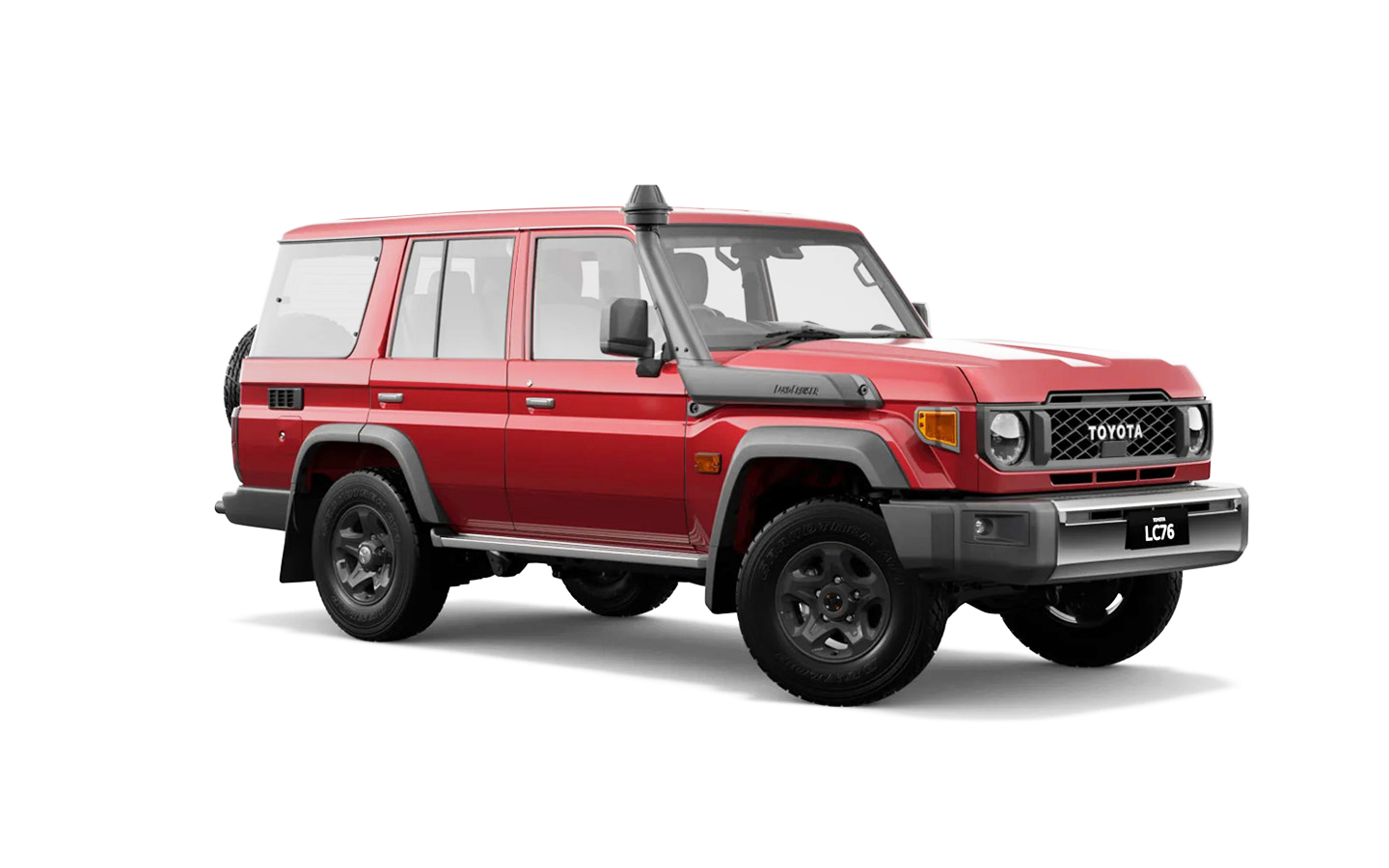
Price: From $77,800 plus on-road costs
Drivetrain/fuel economy/CO2 emissions: 2.8-litre four-cylinder turbo-diesel, 5-speed manual or 6-speed auto, 150kW/500Nm, 9.6L/100km (auto), 253g/km (auto)
Dimensions (length/width/height/wheelbase): 4910/1870/1940/2730mm
Bootspace: Over 1000L (seats folded)
Warranty/roadside assistance/service intervals: Five years, unlimited km / $99 per year / 10,000km or every 6 months
Five-year service cost: $5450
| Driving | |
| Interior | |
| Practicality | |
| Overall value | |
Things we like
- Feels indestructible
- 2.8-litre engine performs decently
- Huge aftermarket support
Not so much
- Sparse equipment
- Still feels ancient, despite update
- Short service intervals
What is the true mark of a great off-roader for Australia? Simple. It’s a combination of capability and dependability, and when you take a completely objective view of the vehicles available in the market, there’s one that stands head and shoulders above the rest – the Toyota LandCruiser 70.
At this point, we can feel the seething wrath of suburbanites whose idea of a great off-roader is one that’s festooned with cameras and touchscreen-activated assistance modes. There’s a place for those sorts of vehicles. But there’s also a point where those sorts of vehicles run out of ideas, run out of fuel or just flat out run out of durability, and it’s there that you’ll see the unprepossessing rear end of a LandCruiser 70 disappearing into the red dust. Or, if we’re being pedantic, a Land Cruiser 76 (the actual Toyota nomenclature for this version of the 70 series wagon).
Still grieving for the old 4.5-litre V8? We understand. When tuned correctly, that was a serious piece of kit. But times change and the 2.8-litre turbodiesel, with its six-speed auto makes a great combination. It’s quicker, quieter, more economical and more tractable than the old V8 in standard tune, although some of that is down to lower diff gearing. Make of that what you will.
If you still love old-school features, the 70 Series has plenty to keep you occupied. It’s the only vehicle left with manually locking hubs, so you can wield a lug wrench and make your mates look a bit metro. With ground clearance of a whopping 316mm, you’ll be hard pushed to find much that can stand in the way of a 70, especially as you also have the backup of twin lockers, knobby Dunlop Grandtreks and a low-range transfer case (obviously).
Yes, the ride is bouncy and after a long expedition you’ll develop neck muscles like a prime Mike Tyson, but that’s almost part of the appeal. Equipment levels are utilitarian, with the GXL adding such refinements as LED fog lights, chrome bumper, drip rails, aluminium steps and carpets. Plus you get to choose from a palette of six colours: French Vanilla, Sandy Pearl, Eclipse Black, Graphite, Merlot Red, Sandy Taupe and Midnight Blue. But remember, the standard vehicle is your blank canvas. The aftermarket exists for you to go nuts with.
There’s no official ANCAP rating for the LandCruiser 70. The single-cab version was first tested in 2016, so its rating has officially expired. Knowing what we know about the way the criteria for a five-star rating become tougher over time, we wouldn’t expect great things if it was retested today. You also get no ISOFIX or top tethers on the rear seats, so it’s not a primo pick for the young ‘uns. Horses for courses and all that.
If all you want is peace of mind that you’re going to get from A to B on a map of Australia without anything standing in your way, the Toyota LandCruiser 70 is the best tool for the job. Long may it last.
Ford Everest
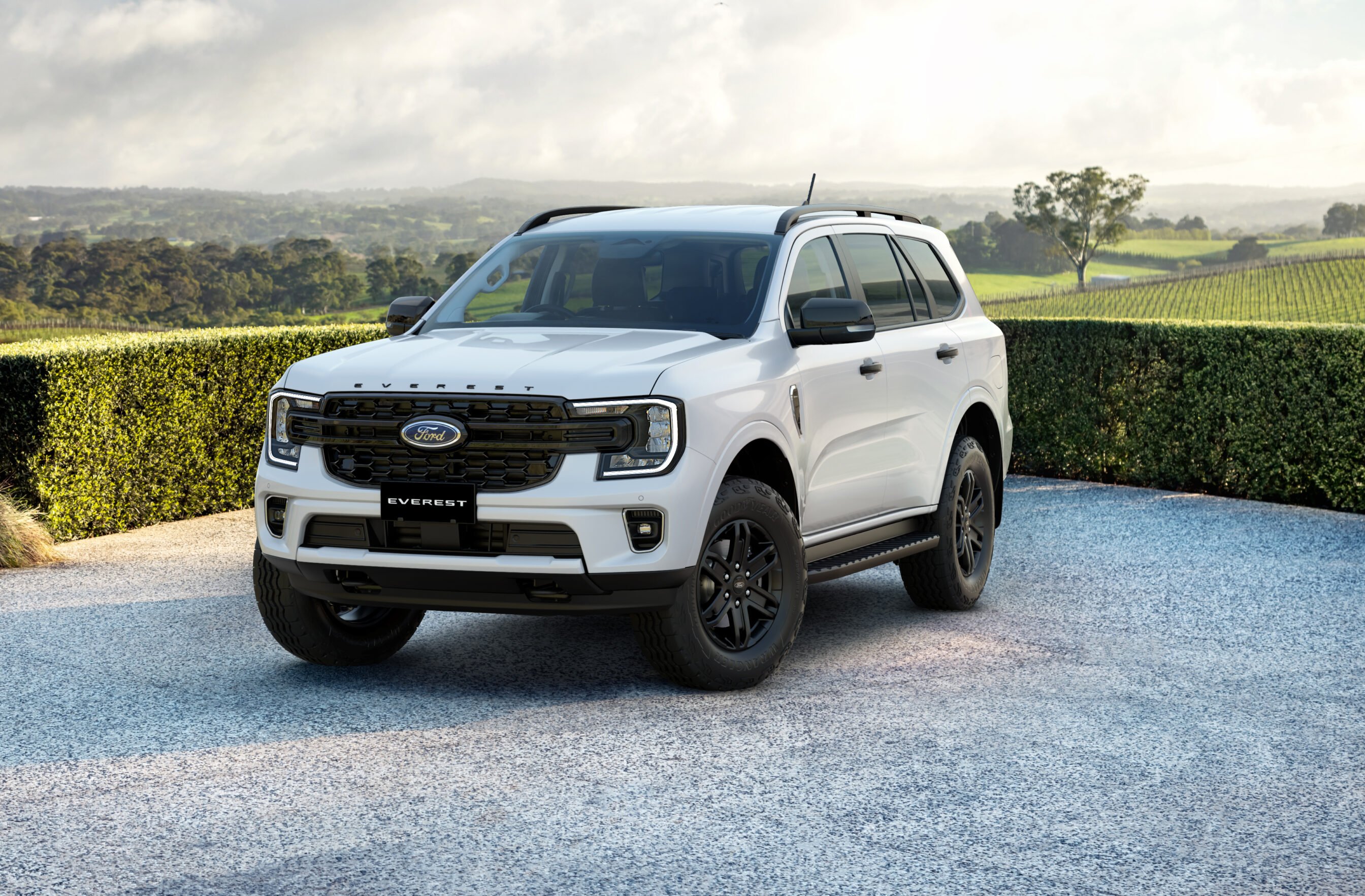
Price: from $59,240 (4WD variants)
Drivetrains/fuel economy/CO2 emissions: 2.0-litre 4cyl twin-turbo diesel, 10-speed auto, 154kW/500Nm, 7.2L/100km, 187g/km; 3.0-litre V6 turbo diesel, 10-speed auto, 184kW/600Nm, 8.5L/100km, 224g/km
Dimensions (length/width/height/wheelbase): 4914/1923/1837/2900mm
Bootspace: 259L (third row up)/ 898L (third row folded)/ 1818L (third + second row folded)
Warranty/roadside assistance/service intervals: Five-year, unlimited km/ 12 months / 12 months or 15,000km
Five-year service cost: $1895 ($1516 pre-paid)
| Driving | |
| Interior | |
| Practicality | |
| Overall value | |
Things we like
- Comprehensive off-road feature set
- Drives better on-road with the A/T tyres
- Grunty V6 turbodiesel
Not so much
- Some off-roaders are still wary of the 10-speed automatic
- Traction control not the sharpest
- Need to activate off-road screen to then engage rear diff lock
The numbers don’t lie: last year, the Ford Everest toppled Toyota’s Prado from its long-held throne as Australia’s favourite midsize 4×4. And, truth be told, it wasn’t a smash-and-grab fluke. Wheels‘ COTY 2024 champ certainly has the chops to put one over on Prado.
Yes, Toyota was in the awkward twilight of running out the old Prado, but when we tested the Everest V6 Sport against the ‘new’ Prado VXL back in January, the Ford emerged victorious. But there’s a catch. That test didn’t include anything in the way of arduous off-road driving. What if getting properly muddy is up there on your list of priorities?
As tested at COTY, the $73,740 Sport V6 variant remains the sweet spot in the Everest line up for most purposes and undercuts everything in the incoming 250 Series line-up bar the bargain-bin GX. Step up to the off-road focused Tremor V6 and that’ll run you $76,590 – still significantly cheaper than the off-road specialist in the Prado line up, the $92700 Altitude. That’ll be enough to give the Ford the edge with bargain conscious buyers.
Inside, the Sport doesn’t skimp. Leather seats, a giant portrait touchscreen, the full suite of safety acronyms and a proper dual-range transfer case with a rear locker. Opt for the Tremor and you get a 29mm lift in ride height over the standard Everest’s 226mm, and a toughened-up look. It’s also equipped with new Bilstein position-sensitive dampers and big 285/65 R17 General Grabber AT3 rubber.
But the Everest’s party piece is that 3.0-litre V6 turbo-diesel. It’s no fresh-faced upstart. Heck, you can trace the origins of that engine back to 2004 Peugeots, but it delivers the sort of refined shove and low-rev authority you usually need LC300 money to experience. Yes, it drinks a bit harder than the four-pots, but when you’ve got a 100Nm torque advantage over the 2,.0-litre engines, you tend to forgive.
Out in the dirt, though, Ford’s still not quite on a par with the Prado’s seemingly uncanny ability to sniff out grip. The traction control system often allows a little too much slip – and therefore momentum loss – than we’d like, but engaging the rear diff is a very welcome back-up plan. It also helps to take control of the drive modes yourself, as the Auto setting can be somewhat lazy.
The Sand and Slippery modes are both well judged, and Mud/Ruts will get you out of most lumpy scenarios, reducing the amount of time you spend fruitlessly spinning away grip. You should certainly seek out the Tremor if ground clearance looks as if it could be an issue, and this model also features a specific Rock Crawl drive mode while tyre pressure monitoring is something that comes in very handy when airing up and down.
For other Everest variants, you get the choice of standard road tyres or A/T rubber. Always choose the latter. Not only will your vehicle be far better off road, naturally, but the more forgiving sidewalls also mean that it’ll ride better on the blacktop too.
It may be a familiar face on (and off) Aussie roads years old now, but the Everest’s well judged and well priced blend of qualities still stand up to scrutiny. It’s a class act.
Toyota LandCruiser Prado
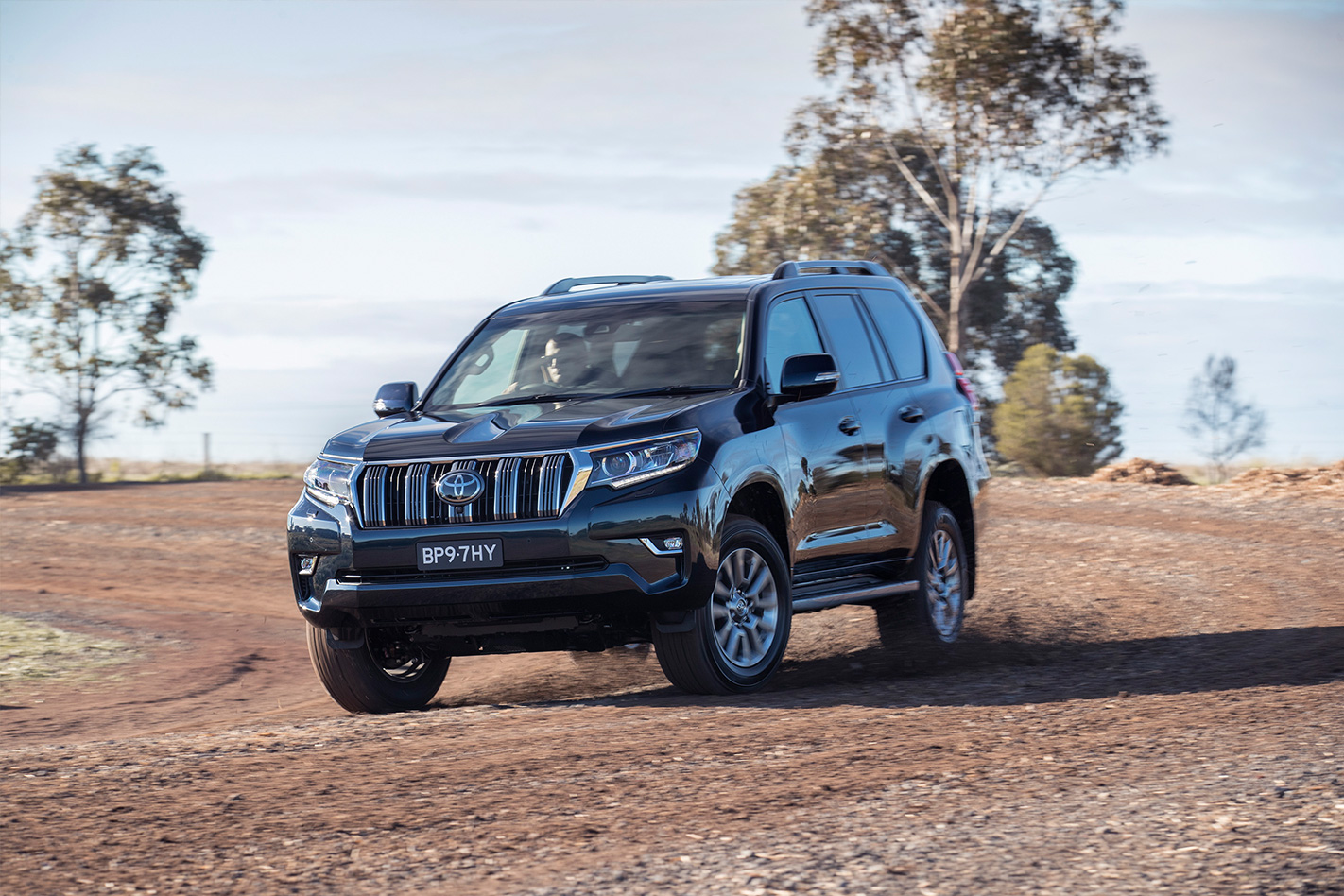
Price: From $72,500 plus on-road costs
Drivetrains/fuel economy/CO2 emissions: 2.8-litre 4cyl turbo-diesel, 8-speed auto, 150kW/500Nm, 7.6L/100km, 200g/km
Dimensions (length/width/height/wheelbase): 4990/1980/1935/2850mm
Bootspace: 182L (third row up), 906L (third row folded), 1829L (third + second rows folded)
Warranty/roadside assistance/service intervals: Five-years, unlimited km / one year / annual/six months or 10,000km
Five-year service cost: $3900
| Driving | |
| Interior | |
| Practicality | |
| Overall value | |
Things we like
- Big 110-litre fuel tank
- Drive modes are smart – and work well
- Disconnecting front sway bar on Altitude
Not so much
- Compromised luggage bay due to 48v battery
- Can’t fit an auxiliary tank under the back
- No getting away from the price: it’s expensive, as is servicing
If you wanted proof that Aussies will queue for the right 4×4, the Toyota Prado 250 Series is it. For most 4×4 enthusiasts, this was the big-ticket launch of last year, and Toyota’s order bank has been backed up since. For decades the Prado’s been the default choice for families with a taste for red dirt and a healthy respect for resale values.
If you’re serious about off-roading, you’ll want the $92,700 Altitude spec. It features some specific kit inclusions that are available nowhere else on the Prado range, and they might just come to your rescue when you’re out bush. It’s also one of just two Prado variants, alongside the entry-level GX, that are standard five-seaters. These are the ones that deliver enough space in the back for serious off-road excursions.
The Toyo Open Country all-terrain rubber on 18-inch alloys is a good start, but the Latitude also weighs in with a locking rear diff, and a party trick disconnecting front sway bar. It does without adaptive suspension as a result, but we’ll take that trade if we’re heading into arduous terrain. It buys you next level front wheel articulation.
The rear locker and sway bar disconnect are backed by a dual-range transfer case and Toyota’s multi-terrain selector, giving you modes for rock, sand, snow and more. Crawl Control is almost a ‘fire and forget’ solution to get you out of trouble. It seems almost telepathic in the way it can meter out as little torque as it thinks you’ll need to just idle your way out of trouble. It quickly senses which tyre tread has the most grip and does so without any drama. That’s what off-roading’s all about, isn’t it? Making it look easy?
Under the bonnet, Toyota’s familiar 2.8-litre turbo-diesel soldiers on, now paired with an eight-speed auto. With 500Nm on tap, it’s got the grunt for highway hauling and low-range lugging, but don’t expect Everest V6 sparkle. Performance is competent, refinement is acceptable, and that signature diesel thrum is ever-present. The new 48-volt mild-hybrid system? We’re not sure it adds more than it detracts and there have been grumbles about its performance in deep water.
The hybrid gubbins do create packaging headaches. There’s now no room for an auxiliary fuel tank, and the rear cargo area cops a subtle hit, with a stepped rear luggage bay.
On-road, it’s still Toyota-pragmatic: compliant ride, confident steering, and a no-nonsense vibe that makes long days behind the wheel easy. Off it, the combination of hardware and software gives you the confidence to tackle as much as most owners would sensibly attempt.
Verdict? The 250 Series isn’t perfect — the price creep and mild-hybrid compromises will ruffle a few feathers — but as an all-round package, it’s a masterclass in knowing your market. Toyota hasn’t reinvented the Prado. It’s just made it bigger, better specced, and better suited to the way Australians actually use them. Which is exactly why it’s proving so popular.
Isuzu MU-X
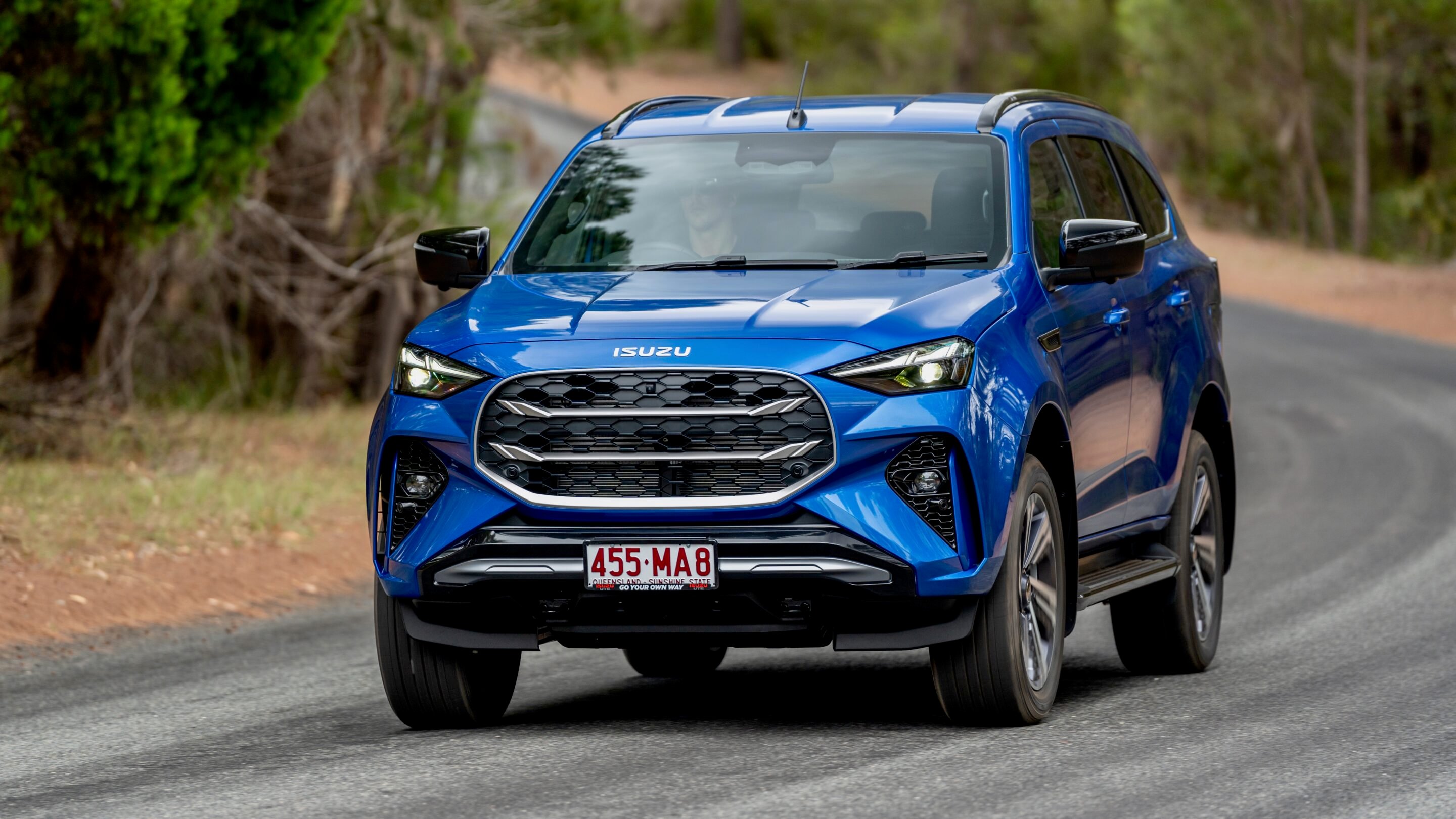
Price: from $54,400 (4×4 models)
Drivetrains/fuel economy/CO2 emissions: 1.9-litre four-cylinder turbo-diesel, 6-speed auto, 110kW/350Nm, 7.4L/100km, 196g/km; 3.0-litre four-cylinder turbo-diesel, 6-speed auto, 140kW/450Nm, 8.3L/100km, 220g/km
Dimensions (length/width/height/wheelbase): 1870/1815/2855mm
Bootspace: 311L (third row up) / 1119L (third row folded) / 2138L (third + second row folded)
Warranty/roadside assistance/service intervals: Six-year/150,000km, seven years, annual/every 15,000km
Five-year service cost: $2245
| Driving | |
| Interior | |
| Practicality | |
| Overall value | |
Things we like
- Simplicity can be a good thing off-road
- Bulletproof running gear
- Interior feels rugged
Not so much
- Diesel engine noisy when extended
- Getting a bit expensive these days
- Cap of 150,000km on warranty
If you’re going to buy an Isuzu MU-X with the aim of taking it off-road, then do yourself a favour. Skip the weedy 110kW 1.9-litre engine and pony up instead for the far superior 3.0-litre turbodiesel four. The difference in price, on the LS-U spec, is a mere $2000 and it’ll be the best $2000 you ever spent, on an Isuzu at least. It nets you another 30kW and an extra 100Nm, lifting the totals to 140kW and 450Nm which while still nowhere near class leading, are enough for the big MU-X to get out of its own way.
It’s a vehicle that’s well suited to Australian conditions. It’s as tough as old boots, it’s capable when conditions turn for the worse and there’s enough of a support network for it that even in the unlikely event of something does go clunk, you’ll probably be able to fix it and get going again in no time.
The range has come in for a bit of a refresh, with the addition of the off-road specific X-Terrain model making it the standout in the line up. The latest MU-Xs have been treated to a tweaked chassis, a new suspension set up and new driver assist technology including Rough Terrain Mode. For some reason, Isuzu has specced the X-Terrain with road-biased tyres and 20-inch alloys. It’s a better vehicle with 18-inch wheels and all-terrain rubber.
The old jitter and nervousness that the MU-X could exhibit on dirt roads has largely been ironed out with the latest model. It’s still not what you’d call limo-like, but it requires considerably worse washboard than before in order to start to feel a bit of a handful. As before, the hill descent control is simple but effective and the side steps are perhaps a little too low. Some will view them as sacrificial parts.
The new Rough Terrain mode is a worthwhile addition. It operates almost as an e-diff lock, and helps send traction to the wheel with the most grip, smoothing out the throttle map in the process. It feels natural in use, and doesn’t suddenly cut power like an overzealous traction control system. That’s on top of the mechanically locking rear diff and low range transfer case. So the MU-X gives you a multi-level range of solutions to most conceivable off-road obstacles.
Yes, you can now get nice-to-haves like cameras and sensors on your MU-X, but the most reassuring thing about this Isuzu is that its bones are from good stock. And that’s something that should never be overlooked.
Nissan Patrol Warrior
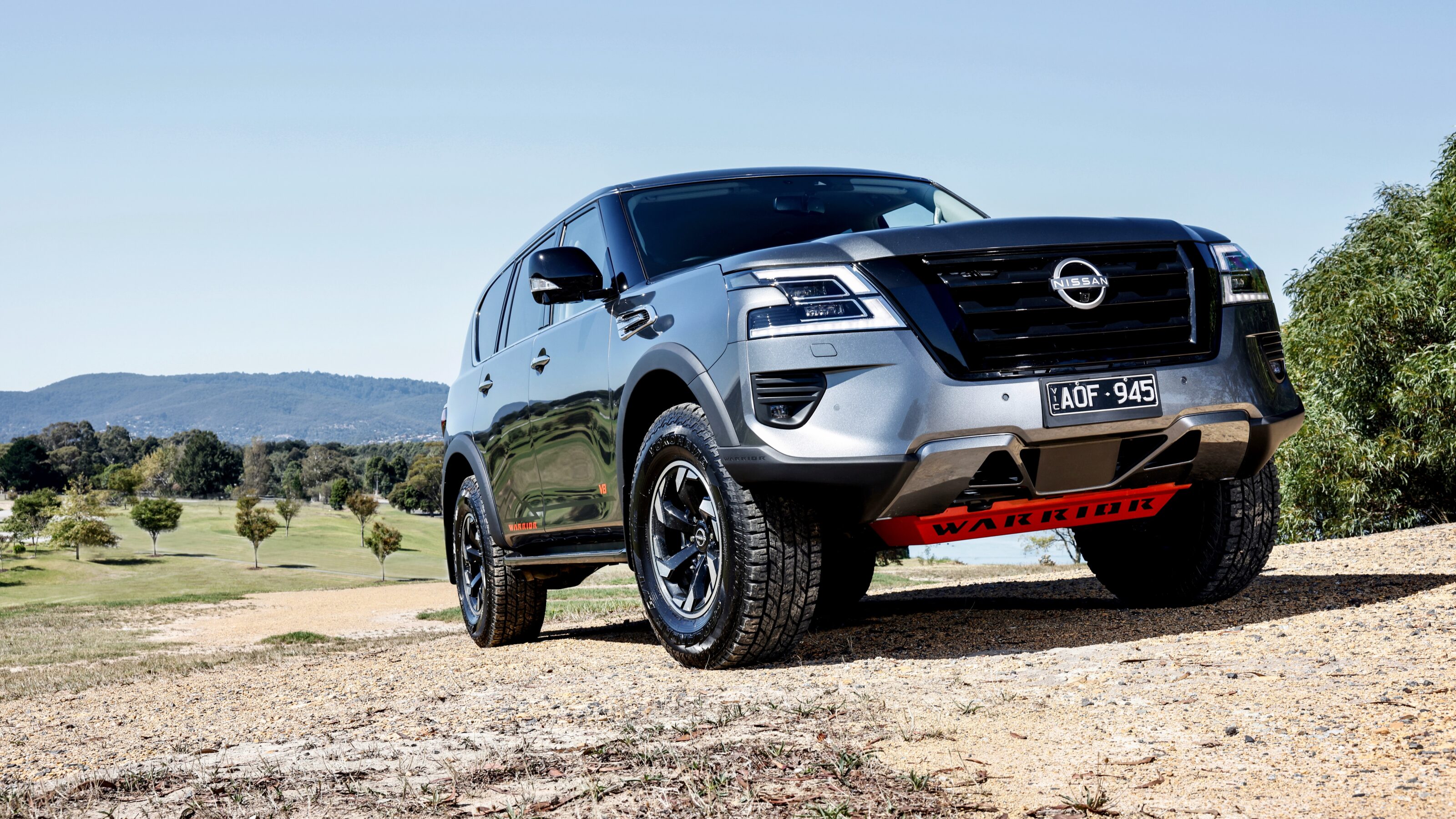
Price: from $105,660 plus on-road costs
Drivetrains/fuel economy/CO2 emissions: 5.6-litre V8 petrol, 7-speed auto, 298kW/560Nm, 7.3L/100km, 334g/km
Dimensions (length/width/height/wheelbase): 5269/2079/1990/3075mm
Bootspace: 467L (third row up) / 1413L (third row folded) / 2623L (third + second row folded)
Warranty/roadside assistance/service intervals: Five-year, unlimited km / – / annual or every 10,000km
Five-year service cost: $2495
| Driving | |
| Interior | |
| Practicality | |
| Overall value | |
Things we like
- Improved suspension gives huge off road ability
- Huge interior space
- Ride comfort
Not so much
- Interior feels ancient
- Prodigious fuel thirst
- Y62 model to be replaced soon
The Y62 Patrol has been ageing like a heavyweight champ in retirement — still burly, still punchy, but starting to wear its dressing gown a little too often. Enter Melbourne-based engineering outfit Premcar, with a mission to toughen it up for one last bout. The result? The Patrol Warrior.
Premcar’s upgrades aren’t a random grab-bag of bolt-ons. The key drawcard is a Warrior-specific suspension that lifts the original Patrol Ti by 29mm, with another 21mm of elevation coming courtesy of the 295/70R18 Yokohama Geolandars. That extra 50mm of ride height transforms the Patrol off road, and it was already pretty decent to begin with. What’s more, it retains the clever hydraulic body motion control (HBMC) system.
Naturally, Premcar’s had a tinker with that too. The control units managing the clever hydraulically linked dampers have been revalved to cater for the different dynamics of this taller vehicle. That’s a level of engineering finesse you won’t see in aftermarket lifts. And just in case the extra clearance wasn’t enough, Premcar’s fitted a 2mm steel bash plate under the snout. Buyers also get beefier all-terrain rubber, genuine body armour, a bi-modal exhaust and some welcome cabin refinements — all tested, signed-off and warrantied by Nissan.
The 5.6-litre VK56 V8? Untouched mechanically, because why mess with one of the best-sounding petrol donks in the game. Instead, Premcar’s given it a split personality exhaust: under light throttle, gases meander politely through the rear mufflers. Lean on it — or nudge the shifter across into Sport — and waste gases take a side-exit from the exhaust tips, unleashing some yammering V8 theatricals.
That all comes at a cost, however, as the Patrol Warrior will have you packing in extra jerry cans. We saw an average of just over 20L/100km when testing in some fairly rough country, although the standard 140L fuel tank is some recompense. The long rear overhang gives a departure angle of just 23 degrees, compared to 40 degrees on a LandCruiser 300, so you’ll need to bear that in mind when you’re nudging down a steep incline.
Still, the price is around $40k cheaper than its Toyota equivalent, so putting a front locker on this one and budgeting for fuel bills may well see you able to justify the cost. Just remember to factor depreciation into your equations, as consumer tastes could well shift quickly away from such profligate powerplants.
Toyota LandCruiser 300 GR Sport
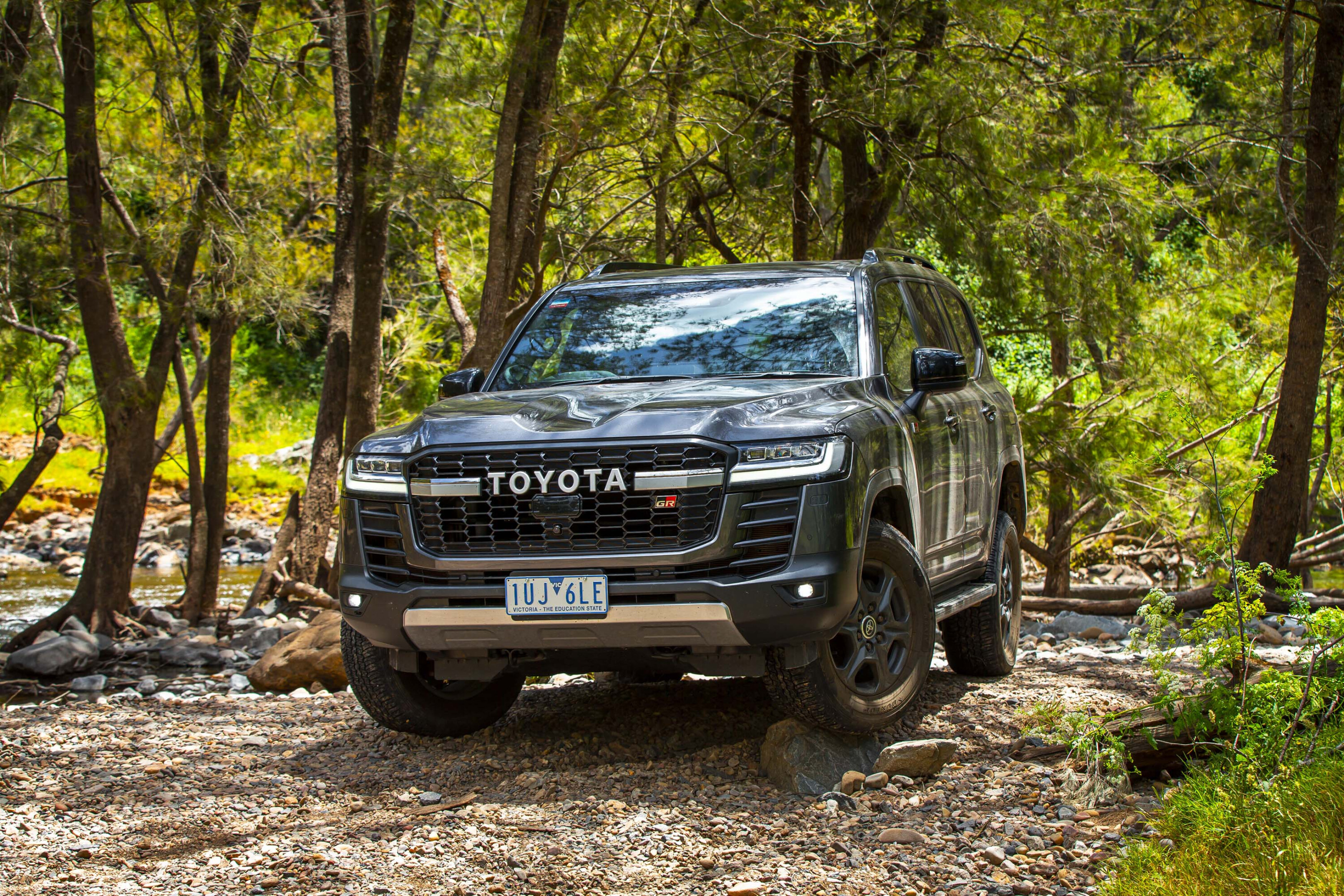
Price: From $145,876 plus on-road costs
Drivetrains/fuel economy/CO2 emissions: 3.3-litre twin-turbo diesel V6, 10-speed auto, 227kW/700Nm / 8.9L/100km, 235g/km
Dimensions (length/width/height/wheelbase): 4995/1990/1950/2850mm
Bootspace: 1131 (second row up) / 2052L (second row folded)
Warranty/roadside assistance/service intervals: Five-year, unlimited km / one year / annual/every 15,000km
Five-year service cost: $3750
| Driving | |
| Interior | |
| Practicality | |
| Overall value | |
Things we like
- Both front and rear locking diffs
- Clever e-KDSS system gives great wheel articulation
- Huge dealer network eases spares availability
Not so much
- Very expensive
- Road-biased tyres on the off-road special
- Body control on road isn’t great
If the LC300 range was a family photo, the GR Sport would be the one turning up in muddy boots and a mischievous grin. It’s not the priciest LandCruiser you can buy, but it’s the one Toyota built for those who’d rather be airing down tyres than arguing about wine lists. Unique grille with the TOYOTA name spelt out loud and proud? Check. Front and rear locking diffs? Check. Trick e-KDSS managing the anti-roll bars so that the 300 can clamber over rough terrain like a mountain goat? Double check.
The Toyota’s 3.3-litre twin-turbo diesel V6 punches out 227kW and a stout 700Nm, running through a slick 10-speed auto and a full-time dual-range transfer case. It’s as modern as diesel gets: smooth, responsive, and largely free from the gruff old-school clatter. It won’t get you excited like a Patrol’s petrol V8, but it will haul you and your kit up anything you’re brave enough to point it at.
Toyota doesn’t stop at the hardware. Crawl control, terrain modes, variable dampers and even a tank-turn trick are part of its repertoire. But it’s the holy trinity of ETC calibration, twin lockers and e-KDSS that put the Cruiser at the pointy end of any off-road face-off. The GR Sport’s five-seat layout is deliberate, too — ditch the third row and you get more space for your off-road fit-out.
It’s hard to overstate the amount of capability this thing has in the dirt. Most obstacles require precisely zero brainpower to overcome. Traction control does the job. When things get a little more arduous, the diff locks are available. Then there’s e-KDSS. Each circuit controls hydraulic pistons that either hold the sway bars in place to function normally, or allow them to hinge with the axle movement, thereby letting each wheel swing freely. In normal driving, it functions very similarly to hydraulic KDSS, but unlike the old system, it allows the front and rear tyres to operate independently of each other, offering more flexibility and an additional 78mm of extra wheel travel.
There are some small caveats. The diff lock controls are scattered around the dash like afterthoughts, and on the blacktop the body roll and pitch can be extreme. Plus there’s the fact that the GR Sport comes as standard with tyres that are fairly limited in the rough stuff. You’ll want to swap them out pronto if you’re heading any distance off-piste.
Nevertheless, it’s a compelling thing. The drive modes are well calibrated, the interior’s a beaut and the safety systems are top drawer. Does that make it worth over $145k? The wait list suggests it just might.
GWM Tank 300
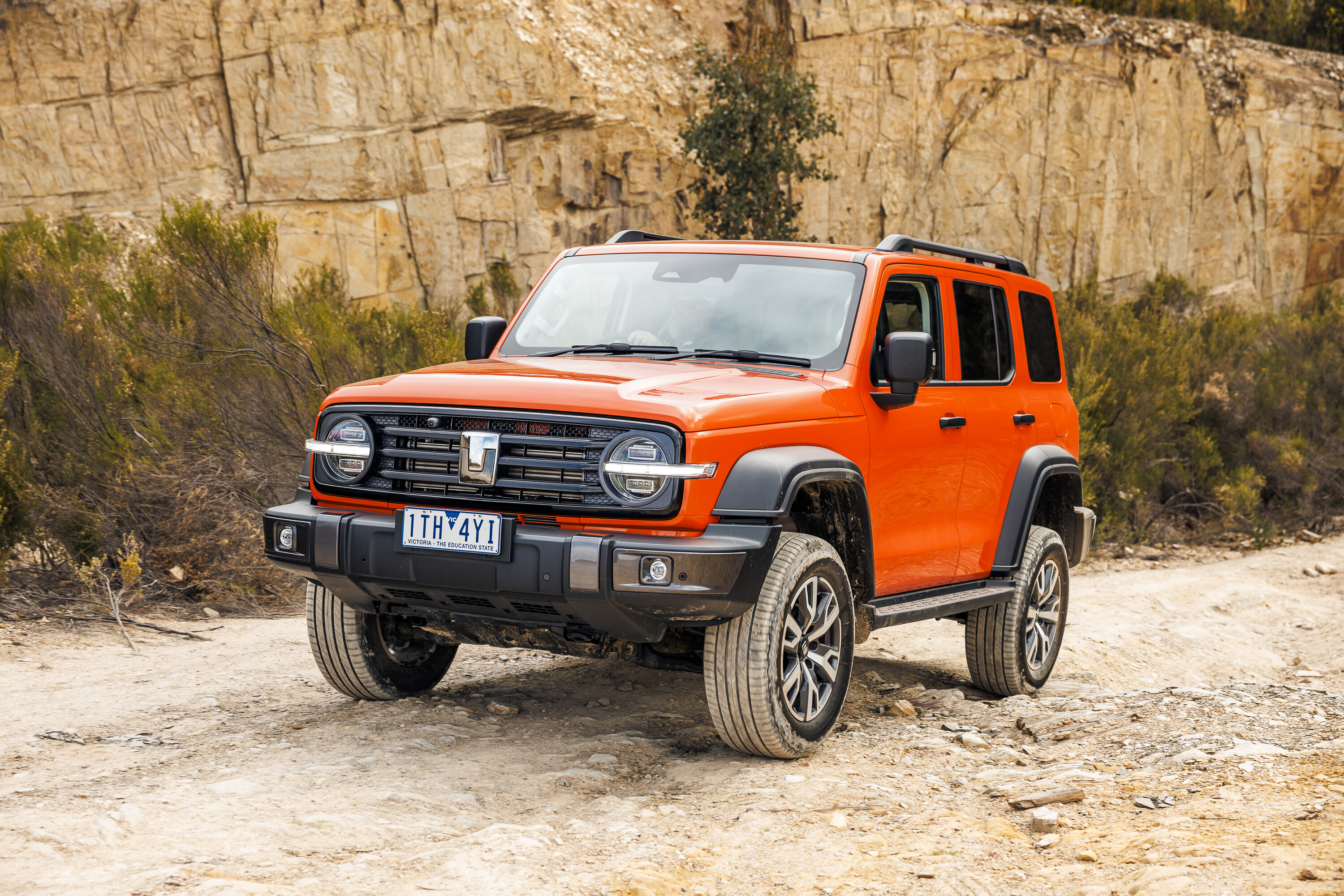
Price: From $46,990 drive away
Drivetrains/fuel economy/CO2 emissions: 2.4-litre four-cylinder turbo-diesel, 9-speed auto, 135kW/480Nm, 7.8L/100km, 205g/km; 2.0-litre four-cylinder turbo-petrol, 8-speed auto, 162kW/380Nm, 9.5L/100km, 218g/km; 2.0-litre four-cylinder turbo-petrol hybrid, 9-speed auto, 255kW/648Nm, 8.4L/100km, 196g/km
Dimensions (length/width/height/wheelbase): 4760/1930/1903/2750mm
Bootspace: 400L (seats up)/1635L (seats folded)
Warranty/roadside assistance/service intervals: Seven-year/unlimited km, five years, annual/10,000km in the first 12 months and then every 15,000km afterwards
Five-year service cost: $2305 (2.0T), $2685 (diesel), $2885 (hybrid)
| Driving | |
| Interior | |
| Practicality | |
| Overall value | |
Things we like
- Decent off-road ability
- Twin lockers and low-range
- Needs more aggressive tyres
Not so much
- Confusing line up for off-road purposes
- Constant bleeping
- Diesel engine is unrefined
Okay – let’s cut to the chase. You know that the GWM Tank 300 exists, right? You’ve probably seen enough of them on Australian roads by now. And yes, it’s offered with an array of drivetrain options. What’s the best one to pick for serious off-roading?
Although most will choose the turbo petrol or the turbo petrol hybrid for urban expeditions, it’s the diesel that seems the natural fit for getting out and about in the rough stuff. Not only does it boast a 100Nm advantage over its petrol sibling, it’s also markedly less complicated than the hybrid option.
It’s not a great engine per se, purloined from the GWM Cannon and managing a peak power output of just 135kW, when 15 more kilowatts would have eased it into the ‘adequate’ category. The Tank diesel’s nevertheless priced from just $46,990 drive away for the entry-level diesel, so that’s still around $20k cheaper than the most affordable Jeep Wrangler, whose style the Tank shamelessly cribs.
There are some notable upsides though. The Tank is right-sized for a lot of off-road tasks, it features locking differentials front and rear, which is a rarity at this price point, and the approach and departure angles are short. It has the hardware to shine. The nine-speed automatic gearbox works a charm with the low-range gearing and only on really steep inclines does the engine’s lack of shove become apparent. There’s a really nice feeling of old-school off-roading about the Tank 300, insofar as it feels as if wading into the tough stuff is what it was born to do.
The driver aids are maddening, and you’ll need to switch them off every time you start the vehicle unless you have every leaf frond and twig on the trail giving your sensor suite a conniption. GWM needs to learn from Renault and have a simple button that switches the default ADAS settings to your custom preferences. If that can be sorted, then all the Tank 300 needs is a bit more grunt from its 2.4-litre lump and some chunkier tyres and you’d be a very happy camper.
Land Rover Defender 110 D350
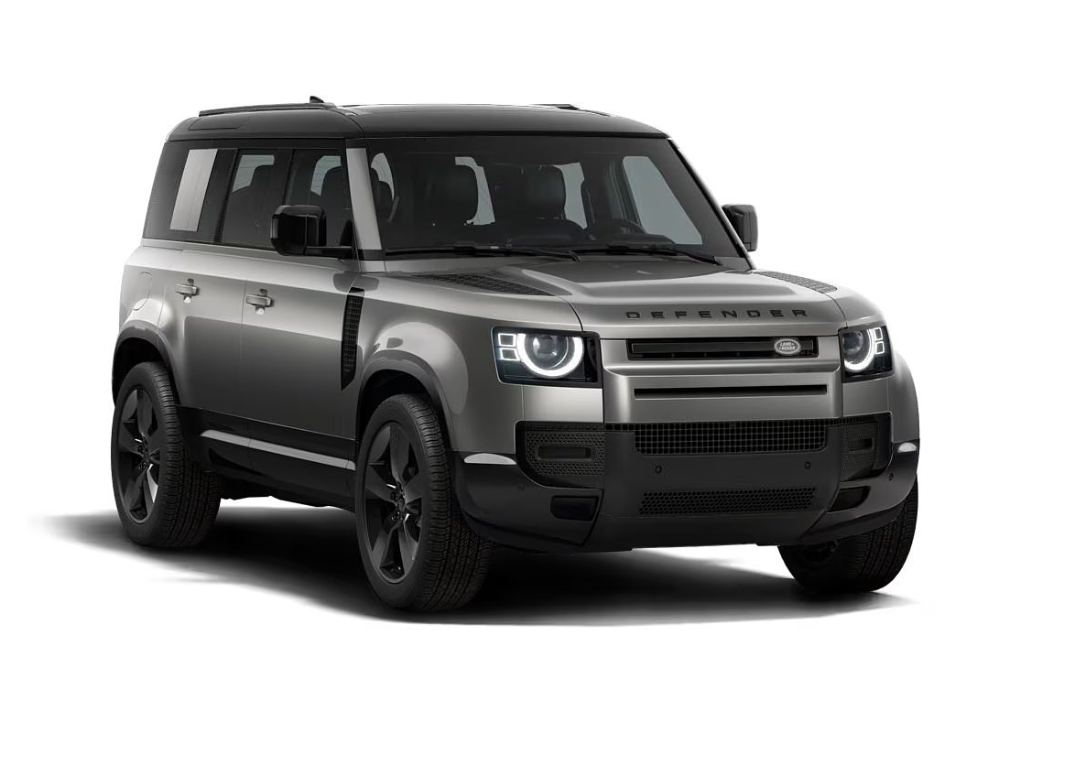
Price: From $108,795 plus on-road costs
Drivetrain/fuel economy/CO2 emissions: 3.0-litre six-cylinder twin-turbo diesel, 8-speed auto, 257kW/700Nm, 8.1L/100km, 205g/km
Dimensions (length/width/height/wheelbase): 5035/1996/1970/3022mm
Bootspace: 1075L (seats up) / 2380L (seats folded)
Warranty/roadside assistance/service intervals: Five tears, unlimited km / five years / Condition-based
Five-year service cost: $2650
| Driving | |
| Interior | |
| Practicality | |
| Overall value | |
Things we like
- Stonking powertrain
- As impressive as you’d expect off-road
- Looks great while doing it
Not so much
- The price tag (and options pricing)
- You might need to fork out for an off-road wheel/tyre set
- Not as big in the Aussie aftermarket as some rivals
If you’re the sort who likes their off-roading effortless, then have we got a vehicle for you. The Land Rover Defender 110 D350 breezes through the sorts of obstacles that would have most 4x4s wilting in their boots. Put that down to over 77 years of know-how distilled into making the difficult look ridiculously easy.
Mind you, all of that expertise doesn’t come cheaply, and nor should it. The mild-hybrid D350 replaced the old Ingenium-based D300 engine and instantly bumped torque up from a healthy 500Nm to a honking 700Nm. In other words, this thing has some serious shove, getting to 100km/h in just 6.4 seconds on the blacktop. All of that grunt certainly helps off-road, and given that peak torque arrives at just 1500rpm and lasts to 3000rpm, you have a decent window for the eight-speed auto to keep you plugged into.
It’s hard not to get sucked in by the multitude of option packs when configuring your Defender though. Of course you’ll want the Capability Plus Pack to get the Terrain Response 2 system. Then there’s the Air Suspension pack that’ll lift your body out of the way of anything implacable. And why wouldn’t you want the Off Road Pack if you’re intent on going off-roading. Start ticking the boxes for bull bar, underbody shield, roof ladder, integrated air compressor, tow hitch receiver and hitch, wheel arch protectors, and mudflaps and you can easily add $40k to your sticker price.
Land Rover aficionados will point out that you’d then have all that for the base price of a LandCruiser 300 GR Sport, and it’d be a more capable car. Toyota owners would probably mumble something about reliability and exit the conversation.
The Terrain Response system in the Defender has been copied by almost every rival but never bettered, reaching deep into the car’s control systems to optimise grip. The 20-inch wheels you’ll get on the entry level D350 X Dynamic SE are an aesthetic compromise, and you can source aftermarket 18s if you want a much beefier off-road optimised tyre.
If you reckon that life’s tough enough as it is and you’re not intent on making it any tougher, congratulations. You’ve just found your ride.
Lexus GX 550 Overtrail
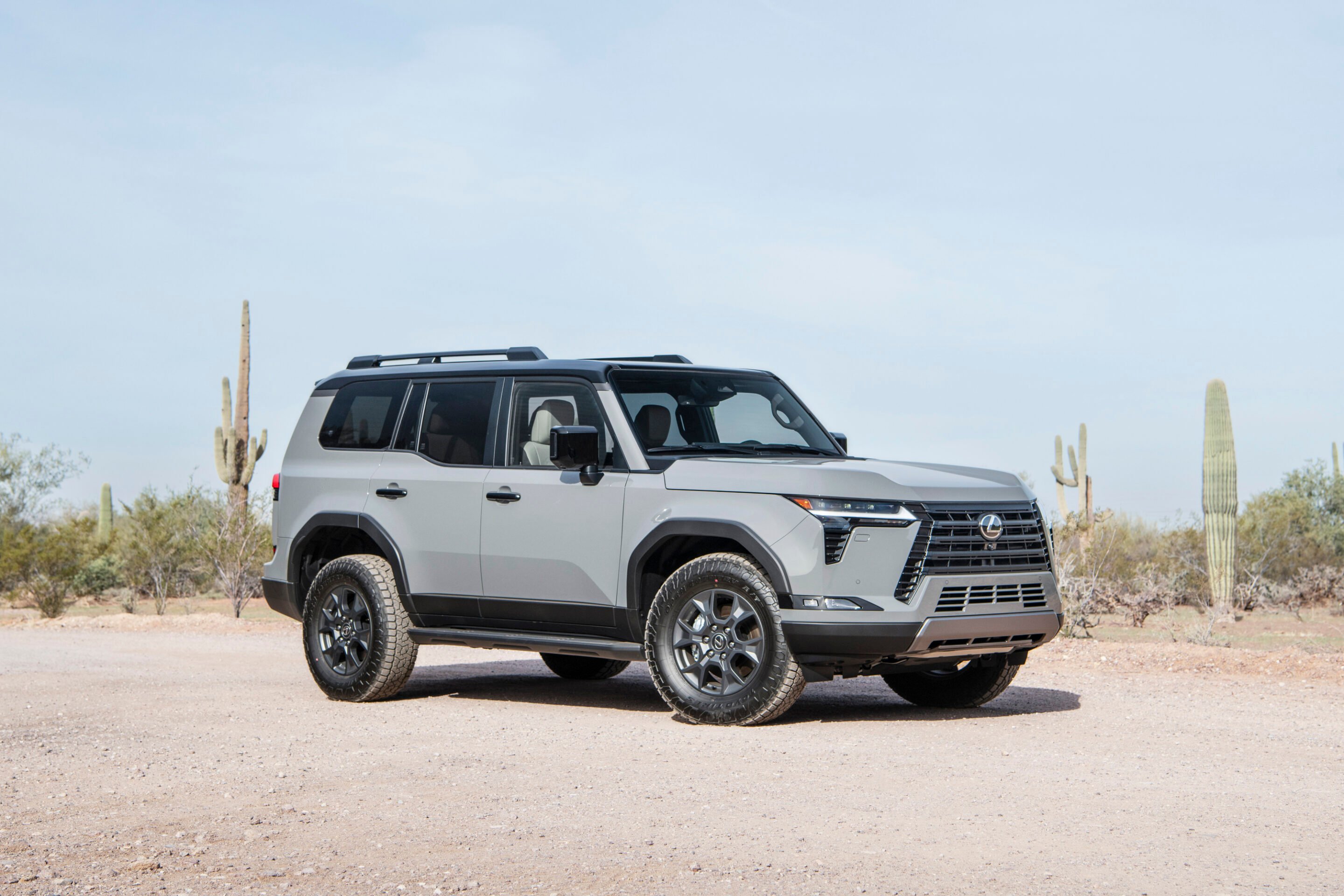
Price: $122.250 plus on-road costs
Drivetrain/fuel economy/CO2 emissions: 3.4-litre six-cylinder twin-turbo petrol, 10-speed auto, 260kW/650Nm, 12.3L/100km, 205g/km
Dimensions (length/width/height/wheelbase): 5035/1996/1970/3022mm
Bootspace: 1075L (seats up) / 2380L (seats folded)
Warranty/roadside assistance/service intervals: Five years, unlimited km / five years / Condition-based
Five-year service cost: $2650
| Driving | |
| Interior | |
| Practicality | |
| Overall value | |
Things we like
- Capable off-road, despite the ritzy badge
- Twin-turbo petrol V6 isn’t short of muscle
- Overtrail model comes on decent rubber
Not so much
- Servicing can be a chore
- 80L fuel tank is a borderline undersized for a vehicle this big
- You might have a long wait for one
Look, we know that there’s an ascetic streak among many off-road enthusiasts. They like doing it tough, getting some dirt under the fingernails and sporting beards that still contain ingredients from their last fireside dinner negotiating the French Line. But for every yin there’s a yang, and to that end, we present the Lexus GX, a 4×4 with all the tough stuff but wrapped in a decent air of civility.
You might associate Lexus with luxury sedans and clever hybrid SUVs, but don’t underestimate the GX 550. Underneath the bluff and handsome styling are the bones of the latest Prado 250. Unlike the Prado, you’re not compromised by the mild-hybrid diesel engine. Instead there’s a monster 3.4-litre twin-turbo petrol engine good for a hefty 260kW and 650Nm. In other words, this appears to be a Prado where everything has been dialled up to 11.
Everything, that is, apart from the fuel tank, which shrinks from a useful 110 litres in the Prado down to 80 litres in the far thirstier GX. That’s a bit of an oversight and hamstrings its touring capabilities somewhat.
The Overtrail spec is the one you want if you want to venture out in the boondocks. It’s the only GX which does without the almost useless third row of seats and is fitted with 18-inch alloys shod with 265/70 R18 Toyo Open Country A/T tyres, gets the e-KDSS suspension, a low-range transfer case, multi-stage Crawl Control, a full-sized underslung spare, a locking centre diff and rear diff, and adaptive variable suspension. No, there’s no front locker but you can’t have everything. As it stands, it’s a decently capable package.
It’s not right up there with the best in terms of off-road stats though. An air-suspended Defender will boast 290mm of ground clearance. The Overtrail’s 225mm just about beats a new Subaru Forester. Likewise, wading depth is, at 700mm, about 100mm shy of class standard. Approach, departure and breakover angles? 26, 22 and 24 degrees respectively. Again, good but not amazing.
Watch out when choosing your colours though. Graphite Black paint is standard but Sonic Quartz commands a chunky $1750 premium and theTitanium Carbide, Titanium, Khaki Metal and Moon Desert all add a huge $4200 to your final bill and are contrasted with a black roof.
So if you want to have some fun off-trail but don’t want to pay for it by hating the journey home, there’s a lot to recommend the Lexus GX550 Overtrail.
More than half of Australian drivers would consider making the switch to an electric vehicle in the next five years, but hybrids are likely to lead the transition, according to new research from Money.com.au.
The nationally representative survey of more than 1,000 drivers found that 52 per cent are open to moving away from petrol and diesel cars by 2030. However, only 17 per cent would choose a fully battery electric vehicle (BEV), while 35 per cent say they would prefer a plug-in hybrid. Just three per cent of respondents already own an EV or hybrid today.
Money.com.au finance expert Sean Callery said the findings suggest hybrids will serve as the “stepping stone” for many Australians before going fully electric.
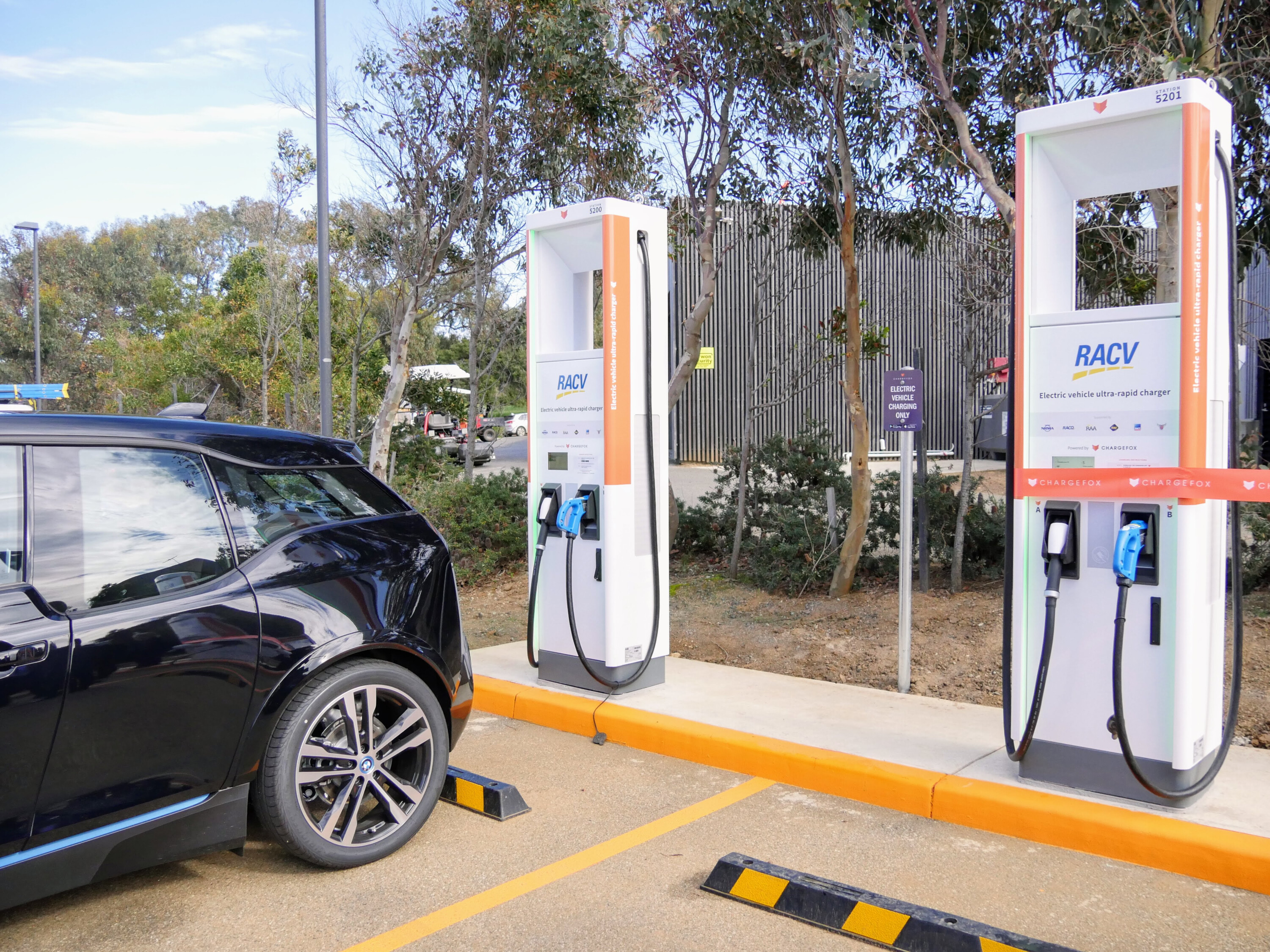
“While the majority of drivers may be in an EV by 2030, most will take an interim step with a hybrid, particularly until prices fall and confidence in battery performance improves,” Callery said. “Hybrids also provide more model choice across familiar brands, making them more accessible than BEVs for now.”
Generational differences were also highlighted. Gen Z drivers were the most likely to consider an EV in the next five years (58 per cent), but 42 per cent of them would opt for a hybrid over a BEV. By contrast, Gen X were the most likely to favour a fully electric car (23 per cent), followed by Millennials (20 per cent).
Despite rising interest, almost half of drivers (45 per cent) say they will stick with petrol or diesel. The main barriers to EV uptake include distrust in battery performance or longevity (21 per cent), high upfront costs (21 per cent), and limited charging infrastructure (18 per cent).
Other concerns raised were battery replacement costs, insurance premiums, resale value, and limited model choice.
Contenders
- Toyota LandCruiser 300 Series
- Ford Everest
- Toyota LandCruiser 70 Series
- GMC Yukon Denali
- Isuzu MU-X
- Nissan Patrol
- Land Rover Discovery
- Lexus GX
Winner – Toyota LandCruiser 300 Series
Price: From $98,076 plus on-road costs
Drivetrains/fuel economy/CO2 emissions: 3.3-litre twin-turbo diesel V6, 10-speed auto, 227kW/700Nm / 8.9L/100km, 235g/km
Dimensions (length/width/height/wheelbase): 4995/1990/1950/2850mm
Bootspace: 1131 (second row up) / 2052L (second row folded)
Warranty/roadside assistance/service intervals: Five-year, unlimited km / one year / annual/every 15,000km
Five-year service cost: $3750
| Driving | |
| Interior | |
| Practicality | |
| Overall value | |
Things we like
- 700Nm makes towing effortless
- Trailer Sway Control works and works well
- Hefty 6750kg GCM
Not so much
- Gets thirsty when towing a big load
- No towing brake controller as standard
- Needs GVM upgrade if you’re kitting the vehicle out with extras
A reassuring excess of capability. That’s what you’re buying when you hand over your hard-earned for a Toyota LandCruiser 300. A top performing tow vehicle needs that element of over-engineering baked into it, because towing up to 3500kg puts additional strain on components, so you want to know your vehicle is good for it.
The 300’s fresh underpinnings are a full 20 per cent stiffer than the old 200, yet despite this, on some grades it’s up to 160kg lighter. The chassis gets chunkier cross-members and a diet of super-high-tensile steel to keep it rigid, while a beefed-up rear cross-member integrates a proper tow hitch rated for the full-fat 3500kg braked haul.
Hooking up is made easier with a suite of tow-friendly toys: trailer wiring as standard, both ends bristling with parking sensors, a back-guide monitor, and trailer sway control to keep things on the straight and narrow. Every 300 Series now also packs Toyota’s Connected Services system — meaning if things go pear-shaped, you’ve got auto crash alerts, an SOS button, and even stolen vehicle tracking to help recover your investment.
Some may want to fit an aftermarket trailer brake controller to help out the LandCruiser’s standard four-wheel disc braking system, but the standard suite of software in the 300 does a great job of keeping heavy loads in check. The 6750kg GCM means you can hitch up a serious van and still throw some gear inside, and that’ll leave you with a 350kg payload. The GVM of the 300 is 3280kg, but there’s plenty of easy aftermarket solutions to lift that to around 3900kg which will help if you’re planning on adding a bull bar, winch, lighting or roof mount system.
The 3.3-litre twin-turbo diesel V6 feels far livelier than the old bent-eight. It’s smooth, responsive, and happy to rev, and it’s a good deal more refined than the old V8 when you get into the throttle to attack a hill. The 10-speed auto keeps the V6 planted in its fat torque band, swapping cogs with barely a ripple. Unladen, it can be a bit eager to downshift when you’re braking, which makes for the occasional lurch if you’re not delicate with the middle pedal.
With a load hitched, stability is solid, helped by the widened tracks front and rear, but it pays to keep an eye on the fuel gauge. Toyota quotes a wholly virtuous 8.9L/100km combined fuel economy figure for the LandCruiser 300, but hitch a decent sized caravan to the back and you’ll be lucky if you see much less than 22L/100km. Not that the engine or transmission ever feels in any way strained, it’s just simple physics.
As a hauler, there’s not a lot that comes close to the 300’s combination of low effort, huge torque and ease of use. Indeed, there’s a lot to be said for a reassuring excess of capability.
Ford Everest
Price: from $59,240 (4WD variants)
Drivetrains/fuel economy/CO2 emissions: 2.0-litre 4cyl twin-turbo diesel, 10-speed auto, 154kW/500Nm, 7.2L/100km, 187g/km; 3.0-litre V6 turbo diesel, 10-speed auto, 184kW/600Nm, 8.5L/100km, 224g/km
Dimensions (length/width/height/wheelbase): 4914/1923/1837/2900mm
Bootspace: 259L (third row up)/ 898L (third row folded)/ 1818L (third + second row folded)
Warranty/roadside assistance/service intervals: Five-year, unlimited km/ 12 months / 12 months or 15,000km
Five-year service cost: $1895 ($1516 pre-paid)
| Driving | |
| Interior | |
| Practicality | |
| Overall value | |
Things we like
- Blind Spot Monitoring takes into account trailer
- Clever towing checklist and lighting check features
- Torque of the V6 turbodiesel
Not so much
- 2.0-litre biturbo gets very thirsty when towing
- Trailer brake controller an option
- Wet timing belt of 2.0-litre its Achilles heel
If you’re not particularly experienced at towing, the Ford Everest is the vehicle we’d be pointing you towards, and the 3.0-litre V6 models in particular. The reason? Firstly, all other things being equal, there’s no replacement for displacement. Also they make towing as easy as possible, with a series of idiot-proof checklists, a neat way to check the trailer’s lighting without having to rely on a friend to prod the brakes and such like, plus the torque of the V6 means that towing feels far from a chore.
The Everest is equipped with a special Tow/Haul drive mode which optimises gear shifts to get the most out of the power delivery and engine braking in hilly terrain, and increasing the weighting of the steering to dampen the reaction forces experienced by your trailer.
An integrated trailer brake controller is available as part of the $1950 Towing Pack, which also includes fitment of the tow bar itself. Alternatively, you can opt for the $2950 Touring Pack (on Trend Sport and Tremor models) which adds Pro Trailer Backup Assist and a 360-degree camera. You can pay exactly the same $2900 for the Premium Towing Pack on the Platinum model which is exactly the same gear minus the 360-degree camera, which that model already has.
The GCM for all Everest models is rated at 6250kg and, as you ascend the range, the vehicles tend to get heavier and therefore the payload decreases. So while you’d have 733kg on a 2.0-litre Ambiente, move to the other extreme of the range and you’d get 658kg on a 3.0 V6 Platinum. If you’re looking to fit items such as a bull bar, roof towing etc, a GVM upgrade is recommended.
All will tow 3500kg (braked), and the greater torque of the 3.0-litre engine means that you’ll typically return better fuel economy than the 2.0-litre Biturbo if you’re lugging a heavy trailer. The poor batch of camshaft pulleys that afflicted the V6 has now been fixed via recall.
The Everest would be our pick if you’re just getting into towing and want to learn with an unintimidating vehicle. If it’s for you, there are then other options that you might prefer to graduate to.
Toyota LandCruiser 70 Series
Price: From $77,800 plus on-road costs
Drivetrain/fuel economy/CO2 emissions: 2.8-litre four-cylinder turbo-diesel, 5-speed manual or 6-speed auto, 150kW/500Nm, 9.6L/100km (auto), 253g/km (auto)
Dimensions (length/width/height/wheelbase): 4910/1870/1940/2730mm
Bootspace: Over 1000L (seats folded)
Warranty/roadside assistance/service intervals: Five years, unlimited km / $99 per year / 10,000km or every 6 months
Five-year service cost: $5450
| Driving | |
| Interior | |
| Practicality | |
| Overall value | |
Things we like
- Will keep going and going
- Plenty of aftermarket accessories
- 130-litre fuel capacity
Not so much
- Sparse equipment
- Short service intervals
- 2.8 doesn’t have the lazy gearing of old V8
We talk about a vehicle’s payload quite a bit when we get into these towing discussions, and it’s a number that often surprises people. Take the Toyota LandCruiser 70 GXL wagon as an example. Crunch the numbers here and you get a huge 1115kg payload after you’ve subtracted the vehicle’s 2395kg kerb weight from its 3510kg Gross Vehicle Mass.
That allows you plenty of leeway for people, luggage and accessories, but what then if you want to tow a 3500kg trailer? Easy. With a 7010kg Gross Combination Mass, you can run nearly 800kg of payload while towing the maximum 3500kg. That’s impressive.
Hitching a trailer to the back of the 70 Series isn’t as easy as with some other SUVs in this list, as the tow ball is tucked under the rear a bit, so you might require a little bit of manoeuvring before you become accustomed to it. With a heavy caravan on the back, you do need to work the 150kW/500Nm four-cylinder engine a bit, but it feels adequate. Toyota has fiddled with the gearing of this 2.8-litre version compared to the old 4.5 V8, but the net result is still a relatively relaxed 2100rpm at a steady 100km/h.
There’s a Power/Haul mode available if required and this should probably be engaged if you’re looking at serious inclines. On flat and level roads it’s not really necessary. The steering of the 70 Series has always been a little vague about the straight ahead and you’ll feel it when a big B-double blows by if you’re towing something high-sided. Proper load distribution is your friend here.
One thing worth bearing in mind is that the ANCAP rating for the LandCruiser 70 is opaque. Officially, the single-cab version scored a five-star rating back in 2016, but that rating has expired. So, in effect, it’s unrated, and knowing how much stricter testing has become over the past decade, it perhaps speaks volumes that Toyota has never submitted another vehicle for testing. On the GXL Wagon, you get driver and passenger airbags, a reversing camera, brake assist, AEB, lane departure warning, and pre-collision safety with pedestrian and (daytime) cyclist detection, so there are some meaningful nods to modern safety.
The great thing about the LandCruiser 70 is that it feels so indestructible. If you’re looking at towing an off-road caravan to one of the more remote parts of the Aussie map, you can’t buy a lot better.
GMC Yukon Denali
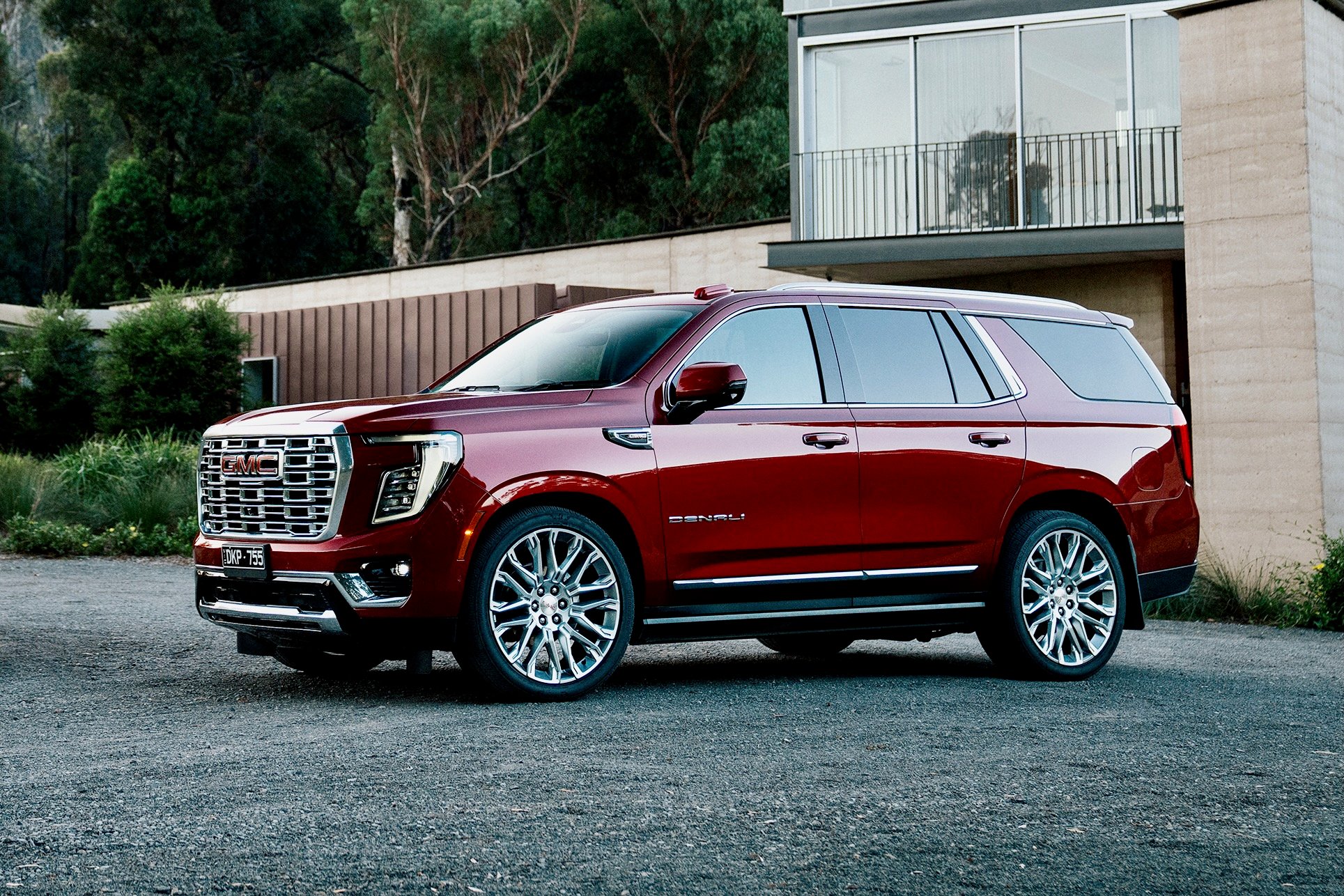
Price: From $174,990 plus on-road costs
Drivetrains/fuel economy/CO2 emissions: 6.2-litre V8 petrol, 10-speed auto, 313kW/624Nm, 14.7L/100km, 350g/km
Dimensions (length/width/height/wheelbase): 5338/2058/1941/3071mm
Bootspace: 722L (third row up), 2035L (third row folded), 3480L (third + second rows folded)
Warranty/roadside assistance/service intervals: Three years, unlimited km / – / 12 months or 12,000km
Five-year service cost: No quoted rates, no capped scheme
| Driving | |
| Interior | |
| Practicality | |
| Overall value | |
Things we like
- Highest towing rating of any SUV in Australia
- Loads of room inside for gear
- V8 powerplant is a party piece all by itself
Not so much
- Price will be a hurdle to most
- Three-year warranty is not up to industry standards
- No capped price servicing
Size matters, especially if you’re looking at heavy-duty towing. If you need an SUV that makes all the right numbers, and you’re not on a particularly tight budget, then you may well find the GMC Yukon Denali‘s blend of attributes intriguing.
There’s no getting around the fact that it’s huge, and just looking at its 24-inch alloy wheels will let you know that despite its outdoorsman badging, it’s certainly not going to be venturing very far off the blacktop.
What the Yukon is best suited for is hitching a big trailer, a boat, a horse float or a caravan to the back of and setting off at a gentle cruise, burbling along and relying on the torque of the 6.2-litre V8 engine. The ride can feel a little firmish, but body control is excellent. It’s all very reassuring. With 624Nm of torque to call upon, the Yukon can tow a braked trailer of up to 3628kg, the highest of any SUV sold in Australia.
If you’re going all-out for that figure, you’ll need to use a weight distribution hitch and a heavy duty 70mm diameter towball, but you will enjoy the benefits of adaptive air suspension with a self-levelling function to keep rear squat in check. There’s also a standard integrated trailer brake controller.
This standard length Yukon shares its bones with its sister vehicle, the US-market Chevy Tahoe. GMSV were confident that the GMC brand would resonate with Aussie customers looking for a huge SUV. There’s also a Yukon XL sold in the US that’s twinned with the Chevy Escalade, but the eight-seater vehicle that we get is, at more than 5.3m long, big enough for most purposes. That size also brings benefits in the amount of gear you can fit into the vehicle, with a decent amount of space even when all three rows are occupied. That’s rare.
Fuel economy is, for the most part, surprisingly good if you don’t get too enthusiastic with the loud pedal. There’s a cylinder deactivation function that can see the big Yukon noodle along the freeway at 100km/h registering just 1500rpm and recording around 10L/100km. On flat roads and with a large caravan on the back, you’re more likely to be looking at high 20s. The fuel tank is a 91L item, so you’ll still have some range.
For the time being, the GMC Yukon Denali occupies its own niche in Australia and, as such, might be the only show in town for a certain constituency of customers. It’s a mighty thing, and specialism sometimes pays.
Isuzu MU-X
Price: from $54,400 (4×4 models)
Drivetrains/fuel economy/CO2 emissions: 1.9-litre four-cylinder turbo-diesel, 6-speed auto, 110kW/350Nm, 7.4L/100km, 196g/km; 3.0-litre four-cylinder turbo-diesel, 6-speed auto, 140kW/450Nm, 8.3L/100km, 220g/km
Dimensions (length/width/height/wheelbase): 1870/1815/2855mm
Bootspace: 311L (third row up) / 1119L (third row folded) / 2138L (third + second row folded)
Warranty/roadside assistance/service intervals: Six-year/150,000km, seven years, annual/every 15,000km
Five-year service cost: $2245
| Driving | |
| Interior | |
| Practicality | |
| Overall value | |
Things we like
- Bulletproof running gear
- Interior feels rugged
- Six-year warranty
Not so much
- Diesel engine noisy when extended
- Cap of 150,000km on warranty
- Not particularly rapid
One of the most popular SUVs for towing in all of the country, the Isuzu MU-X appeals on the basis of no-nonsense ruggedness. Isuzu knows that MU-X buyers are a singular lot: eminently practical, with a keen eye for value and who want something that will last without much in the way of fuss.
If you’re set on towing, the torque benefits of the 3.0-litre will pay dividends over the weaker 1.9-litre turbodiesel powerplant, and given that the cost to upgrade to the beefier engine is a mere $2k, the decision almost makes itself. That investment nets you another 30kW and an extra 100Nm, lifting the totals to 140kW and 450Nm. It also lifts the braked towing capacity from 3000kg to the full-fat 3500kg figure.
The 3.0-litre 4JJ3 four-cylinder turbodiesel is one of the toughest engines built at any price, with peak power arriving at 3600rpm and peak torque available between 1600 and 2600rpm. It’s not the most melodic engine you’ll have ever heard, especially when extended, but then you can’t have everything.
If you’re set on towing, you’ll need to spend around $2500 on the optional tow bar kit, 12-pin plug and the electronic brake controller. It appears that the clever Clearview extendable door mirrors that were a must on the old car have been deleted after the latest facelift. That’s a bit of a shame.
The gearbox can be a bit slow to kick down when towing uphill and when it does, will often jump a couple of gears and get into a zone of sub-optimal torque delivery in the process. You’ll soon learn to take control of the gear lever yourself as it’s fairly predictable when the transmission logic will perform this block shift.
With a GVM of 2800kg, a GCM of 5900kg and payload of 665kg for the 3.0 4×4 LS-M model, the MU-X acquits itself reasonably well for touring. There’s an 80-litre fuel tank fitted, which is about par for this size of vehicle. You also get a reversing camera with tow hitch guide, which makes hitching up your trailer that little bit easier. Trailer sway control is also part of the big Isuzu’s safety suite.
The six-year warranty looks attractive, but it caps at 150,000km, which is 25,000km per year. If you think you’ll exceed that in six years, then perhaps it’s not the attraction it at first appears. Otherwise, it’s a good deal.
Nissan Patrol
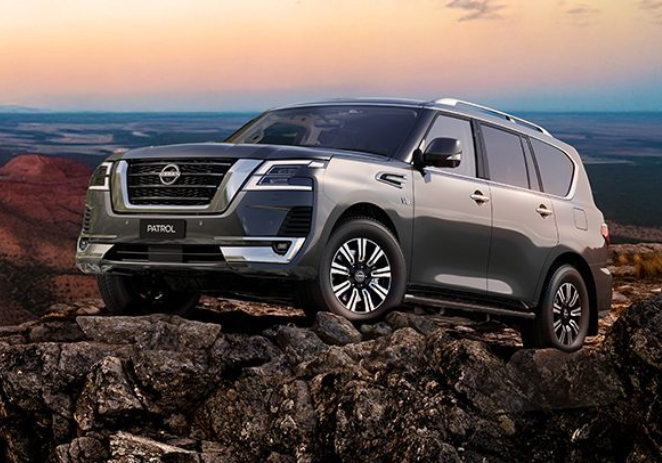
Price: from $90,600 plus on-road costs
Drivetrains/fuel economy/CO2 emissions: 5.6-litre V8 petrol, 7-speed auto, 298kW/560Nm, 7.3L/100km, 334g/km
Dimensions (length/width/height/wheelbase): 5269/2079/1990/3075mm
Bootspace: 467L (third row up) / 1413L (third row folded) / 2623L (third + second row folded)
Warranty/roadside assistance/service intervals: Five-year, unlimited km / – / annual or every 10,000km
Five-year service cost: $2495
| Driving | |
| Interior | |
| Practicality | |
| Overall value | |
Things we like
- Huge interior space
- Ride comfort
- Strong value for money
Not so much
- Interior feels ancient
- Prodigious fuel thirst
- Y62 model to be replaced soon
The appeal of the Y62 Nissan Patrol? Easy. There’s no SUV available at this price that still sports a bent-eight up front. It’s gone in the Jeep Grand Cherokee and has been erased from existence in any LandCruiser, but even if you look beyond the charms of the VK56VD powerplant, the Patrol still has a few aces up its sleeve.
Yes, it’s an old platform. The Y62 first appeared in 2010, and was then facelifted first in 2014 and then in 2019, but it acquits itself pretty well as a tow tug. With a 3500kg braked towing capacity it seems a primo pick, but there are some other considerations that come into the equation. Taking downball weight and such like into consideration, you end up with a 386kg payload when towing at the full 3500kg limit.
Unlike a big capacity turbodiesel, the petrol-powered V8 likes a few revs on the board to do its thing, with that peak torque figure arriving at a comparatively nosebleed 4000rpm. The seven-speed automatic does a decent job of keeping you plugged into the meat of the torque curve. At freeway speeds, an unladen Patrol will typically be tickling along at 100km/h with around 1250rpm showing on the tachometer. Tow a decent-sized trailer and the ‘box will frequently drop a cog to maintain progress, raising the revs to around 2200rpm.
A reversing camera is about the only thing that could be described as towing tech. The Patrol doesn’t really major on tech. The relatively soft, long-travel suspension on the big Nissan does mean that it squats a little at the rear when its loaded, lightening the feel of the steering.
With fuel use when towing standing up at around 20L/100km, and 95RON fuel required, you might well be wincing each time you stop to fill the 140L fuel tank, but that’s the price you pay for the Nissan’s V8 engine.
Land Rover Discovery
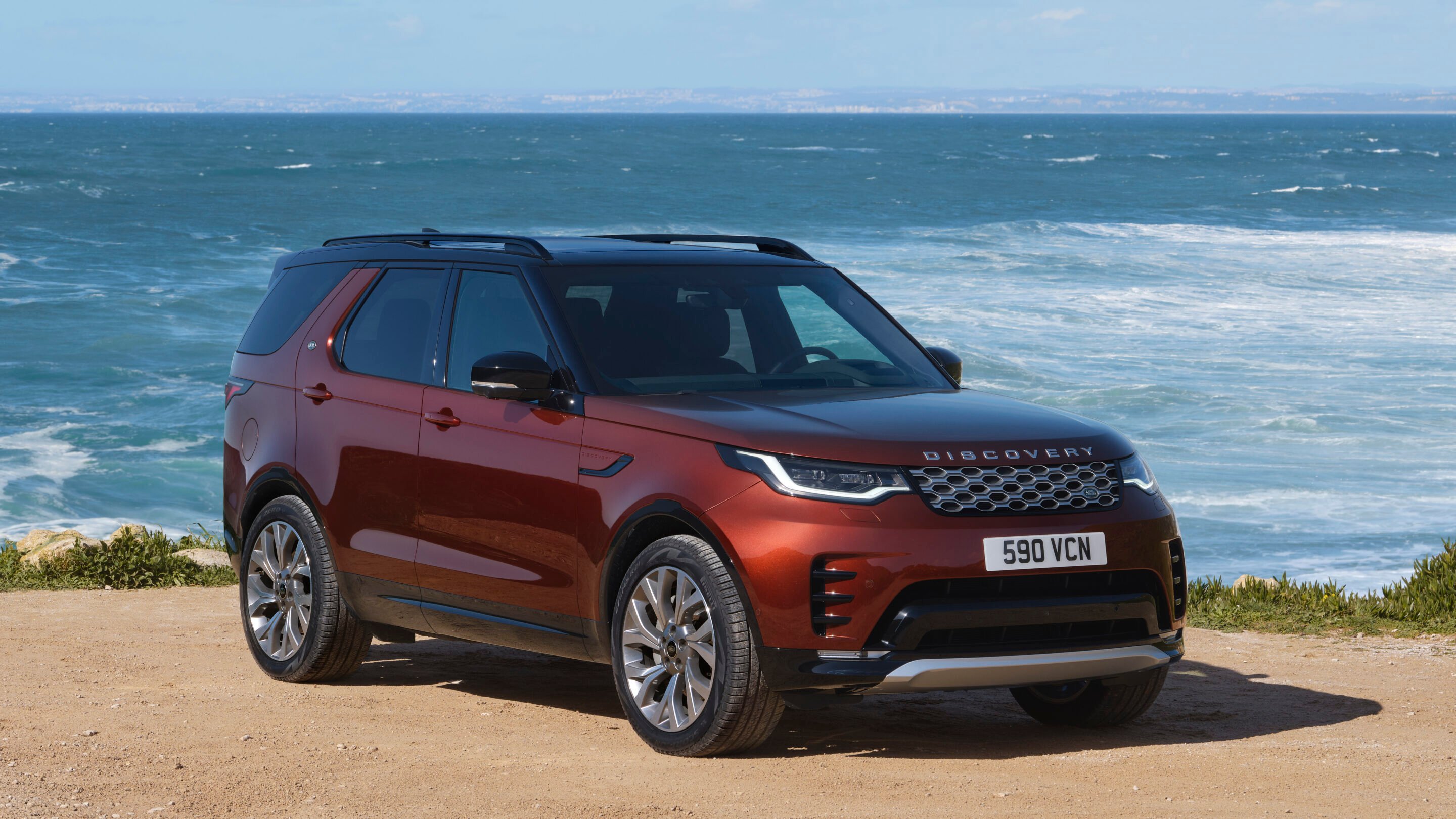
Price: From $117,219 plus on-road costs
Drivetrain/fuel economy/CO2 emissions: 3.0-litre six-cylinder twin-turbo diesel, 8-speed auto, 258kW/700Nm, 7.8L/100km, 206g/km;
Dimensions (length/width/height/wheelbase): 4956/2073/1888/2923mm
Bootspace: 258L (third row up) / 1137L (third row folded) / 2391L (third + second row folded)
Warranty/roadside assistance/service intervals: Five years, unlimited km / five years / Condition-based
Five-year service cost: $2250
| Driving | |
| Interior | |
| Practicality | |
| Overall value | |
Things we like
- Heaps of torque from twin-turbocharged diesel
- Capable both on road and off
Not so much
- Fifth gen platform is now 10 years old
- Options pricing will make you wince
Such has been the fanfare surrounding both Range Rover and the latest land Rover Defender that it’s easy to overlook the Discovery, now the oldest model in JLR’s line up. The fact remains that there’s a lot more room inside the Disco than there is in the Defender 110, which means that it’s fundamentally a better vehicle for family trips, the third row being useable by even taller teens.
It tows well too, with a 3500kg braked towing capacity and electronic air suspension which keeps everything on the straight and level. But let’s do some maths. Land Rover quotes a kerb weight of 2367kg for each of the four models in the new look range structure – ascending through S, Dynamic SE, Gemini and Tempest. It also quotes a GCM for the Discovery of 6745kg. Given that GCM is equal to kerb weight, plus absolute trailer mass plus vehicle payload, we can see that when towing a 3500kg trailer and adding on the 350kg downball weight, we arrive at a figure of 6217kg. That leaves 528kg of payload which, given the standards of this class, is a decent showing.
It still means you’d need to think carefully if heading off on a jaunt with four adults and their gear. Start loading the vehicle with weighty accessories and even a Discovery can fall foul of GCM limitations. The local weighbridge is your friend.
The Discovery’s Towing Pack adds around $2000 to the asking price and includes the tow hitch receiver and the Advanced Tow Assist. The latter helps in reversing a trailer, displaying trajectory lines to guide the driver, and includes semi-autonomous functionality to steer the trailer on the desired path while the driver takes care of the pedals.
The Discovery emerges as a decent towing option, although such is the Aussie brand loyalty to Toyota, it faces a tough task achieving significant cut-through. It’s also less of a glamorous option than its Defender sibling, but if you’re in the market for something with British style, it more than holds its own.
Lexus GX 550
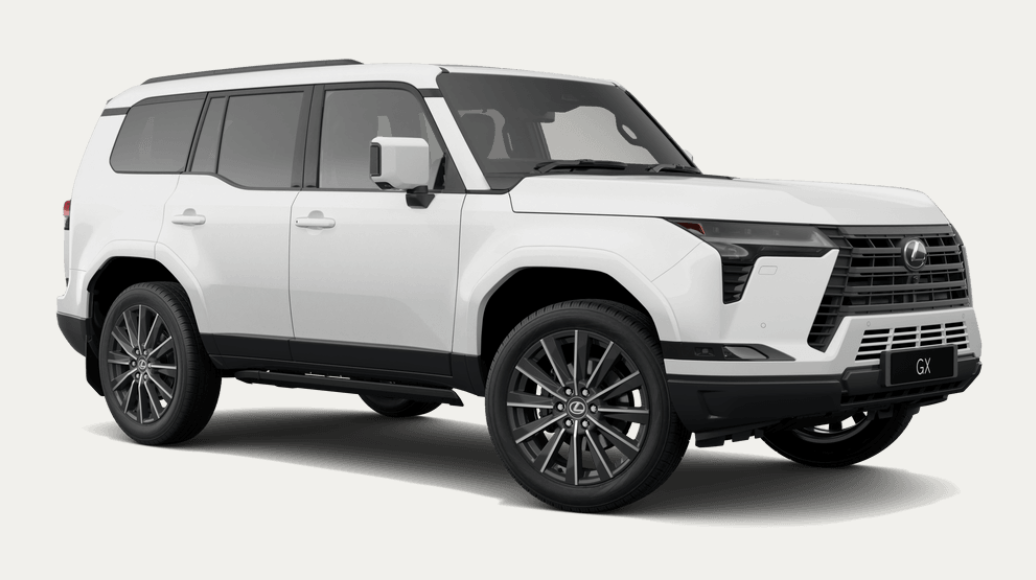
Price: from $116,000 plus on-road costs
Drivetrain/fuel economy/CO2 emissions: 3.4-litre six-cylinder twin-turbo petrol, 10-speed auto, 260kW/650Nm, 12.3L/100km, 205g/km;
Dimensions (length/width/height/wheelbase): 5035/1996/1970/3022mm
Bootspace: 1075L (seats up) / 2380L (seats folded)
Warranty/roadside assistance/service intervals: Five tears, unlimited km / five years / Condition-based
Five-year service cost: $2650
| Driving | |
| Interior | |
| Practicality | |
| Overall value | |
Things we like
- Clever engine calibrations for towing
- Twin-turbo petrol V6 isn’t short of muscle
- Overtrail model comes on decent rubber
Not so much
- Uncovering the tow hitch is a bit fiddly
- 80L fuel tank is a borderline undersized for a vehicle this big
- Rear AEB doesn’t automatically disengage in Tow Mode
Have we been sleeping on the Lexus GX as a tow vehicle? It certainly has some decent attributes. It’s easy to think of this one as a Toyota Prado that’s raided the dressing-up box, but that sells the differences between the two vehicles very short. Whereas the Prado makes do with a 150kW 2.8-litre turbodiesel, the third-gen GX packs a 260kW twin-turbo 3.4-litre petrol engine. Yes, it is a detuned version of the engine that’s fitted to the monster Toyota Tundra ute with its 4500kg towing capacity.
You don’t get as much torque in this instance, the Lexus managing a creditable 650Nm at just 2000rpm, so this isn’t one of those petrol engines that you need to wring out when towing. In fact, the engine and transmission have some serious smarts when you’re dragging a big trailer. Instead of sitting in a zone of high boost and crucifying fuel economy, the turbochargers typically give a quick boost up to around 15psi, level back to 5psi to ensure that you’ve got the torque to maintain speed and then gradually taper back until the twin huffers are no longer required.
Engaging Tow Mode also tends to lock out the top two long-legged gears to reduce the likelihood of you finding yourself in too high a gear on an unexpected incline. What this mode doesn’t do – and it really should – is disable the rear autonomous emergency braking. You have to disengage it manually via a button, but should you key the vehicle off and forget to disengage it again, it can throw the brakes on when you start reversing, thinking there’s another vehicle right up its behind. That comes as a shock if you have someone in a boat on a trailer that you’re about to reverse down a boat ramp.
The receiver can be a bit fiddly to use, as its covered by a blanking plate with two plastic pins that need to be removed using a key or a flathead screwdriver. You then remove two separate plastic trims and then you’ll need to locate the plug for the trailer lights, as it’s tucked up under the bumper. It’s not something you’re going to relish doing in mud or on wet grass.
Nevertheless, once you’re all hooked up, the GX is a joy to tow with. It’ll drag up to 3500kg (braked) and do so comfortably. The Trailer Sway Control system works and works well, applying individual brake pressure to any of the four wheels, stabilising the vehicle’s posture and helping facilitate safe towing.
It’s still a rare sight on Aussie roads, given the asking price, but with the bones of a Prado and that powerhouse petrol engine, it’s got an appeal all of its own.
MG Motor Australia has revealed a major engineering development for its soon-to-launch MGU9 dual-cab ute, confirming that it will debut with a unique multi-link rear suspension system designed specifically for Australian conditions.
The model will officially launch in mid-September, with first showroom arrivals to follow shortly after.
Unlike the rear leaf-spring setup found on the LDV T60 Max and its Chinese-market twin, the LDV Terron 9, MG has opted to fit Australian-delivered versions of the MGU9 with a more advanced suspension arrangement.
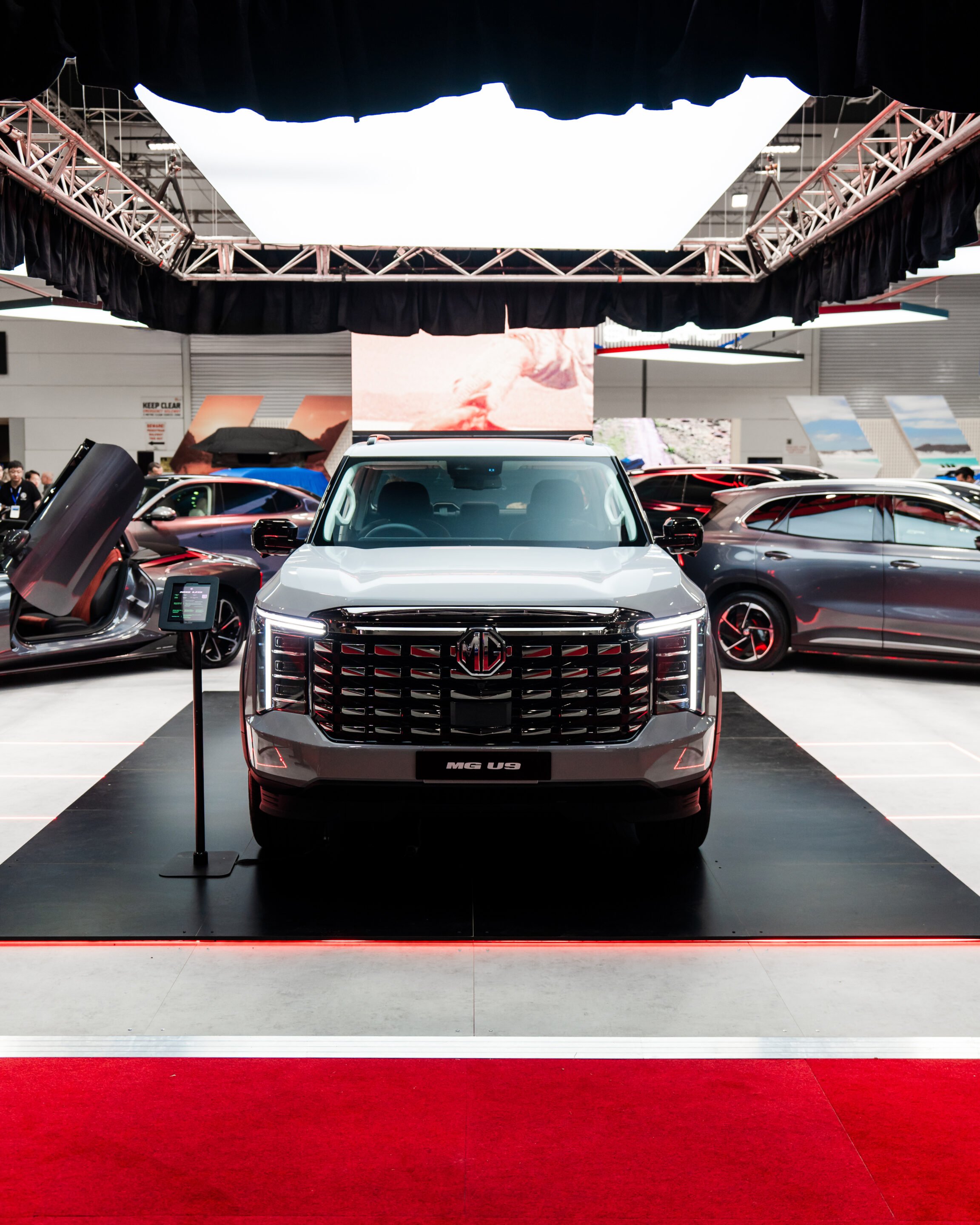
Multi-link systems are typically reserved for performance cars and premium SUVs, allowing each rear wheel to move independently for reduced noise and vibration, better grip and improved cornering stability.
MG says the locally developed suspension has been benchmarked and tested extensively across highways, regional roads, construction sites and off-road trails to ensure it can meet the demands of Australian drivers. The brand believes this feature will set the MGU9 apart in the competitive ute market by balancing payload stability with ride comfort.
Peter Ciao, CEO of MG Motor Australia and New Zealand, said the project was driven by an understanding of local expectations. “We researched the Australian market significantly for our MGU9 product, and we share Australia’s love for the outdoor, sport and adventure lifestyle. But often the utes they drive just don’t offer the comfort they want or deserve,” he said. “I wanted to offer a ute with no compromise on driving comfort or capability, and we’ve done this by engineering our multi-link rear suspension platform specifically for the demands of our local drivers.”
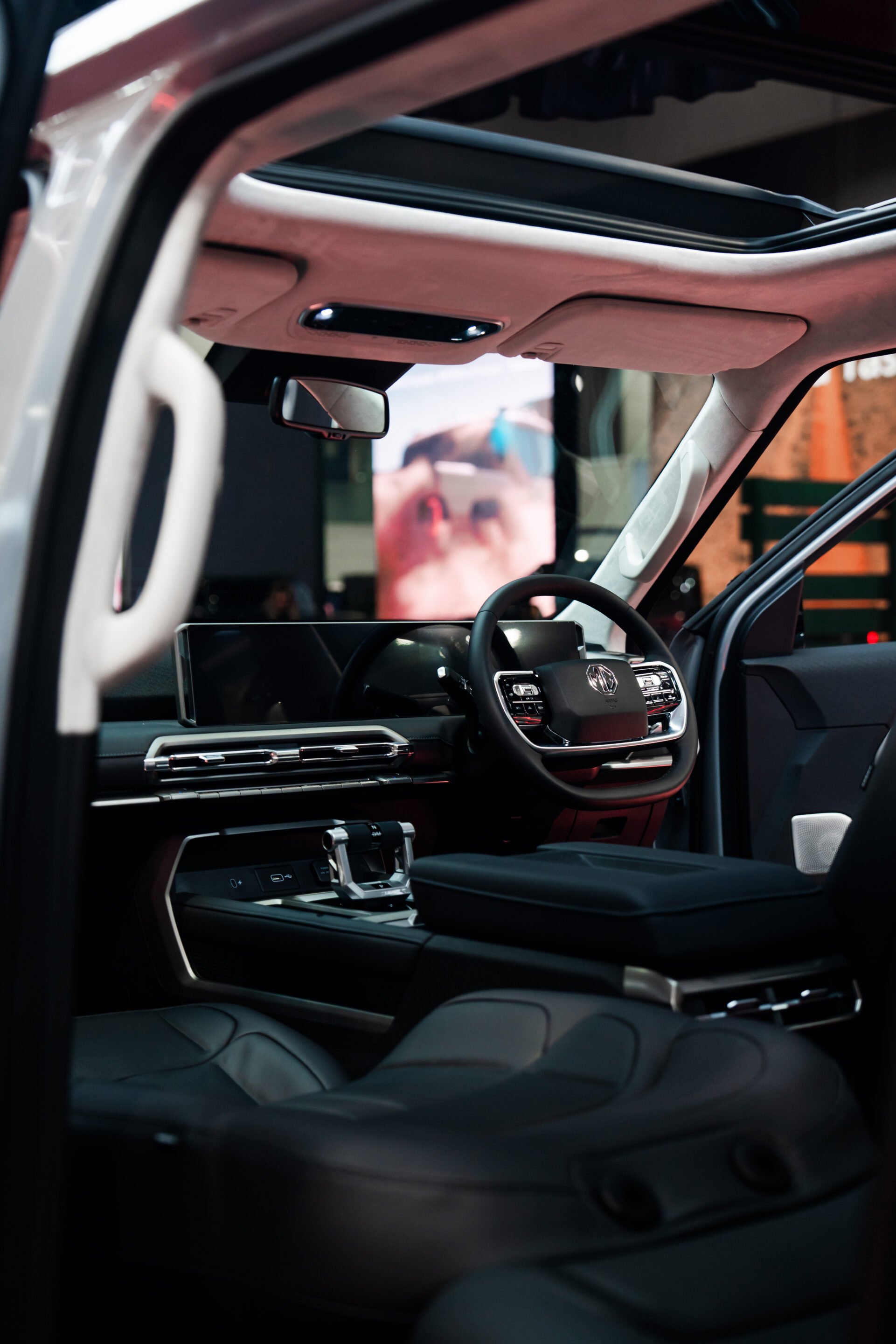
The key benefits, according to MG, include enhanced comfort through better absorption of bumps, greater cornering stability and reduced body roll, improved traction under all conditions, and a versatile balance between on-road refinement and off-road toughness.
The MGU9 will also arrive with a robust chassis and powerful drivetrain, designed to provide both work-ready durability and passenger-friendly comfort. MG says the ute’s arrival underlines its ambition to break into Australia’s top five automotive brands in the near term.
Contenders
- Hyundai Santa Fe
- Mazda CX-80
- Skoda Kodiaq
- Subaru Outback
- Kia Sorento
- Isuzu MU-X
- Chery Tiggo 8 Pro Max
- Ford Everest
- GWM Tank 300
- MG QS
Winner – Hyundai Santa Fe
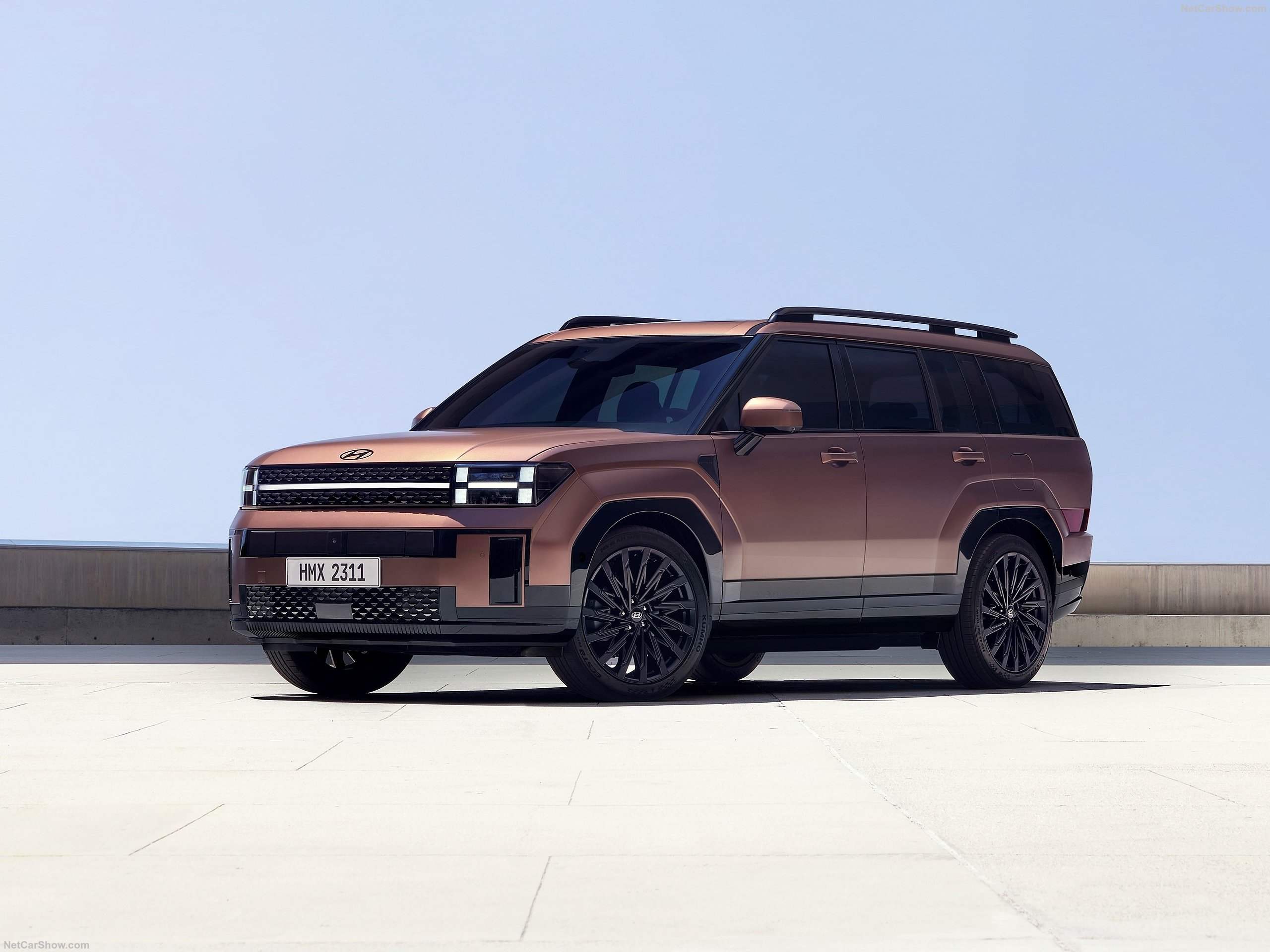
Price: from $53,000 plus on-road costs
Drivetrains/fuel economy/CO2 emissions: 2.5-litre four-cylinder turbo-four, 8-speed DCT, 213kW/420Nm, 9.1L/100km, 212g/km; 1.6-litre four-cylinder turbo-hybrid, 6-speed auto, 173kW/367Nm, 5.6L/100km, 128g/km
Dimensions (length/width/height/wheelbase): 4830/1900/1770/2815mm
Bootspace: Unknown (third row up)/628L (third row folded)/1949L (third + second row folded)
Warranty/roadside assistance/service intervals: Five-year/unlimited km, service-activated, annual/every 10,000km
Five-year service cost: $2425 (2.5T), $2439 (hybrid)
| Driving | |
| Interior | |
| Practicality | |
| Overall value | |
Things we like
- Distinctive styling
- Spacious and practical cabin
- Loaded with kit across the range
Not so much
- Calligraphy model’s pricing is getting up there
- Lazy response in eco mode
- 2.5T’s dozy transmission
If you’re searching for a bold and distinctive-looking family SUV, look no further than the Hyundai Santa Fe. While the previous four generations were some of Hyundai’s best products over the years, none of them could be called especially interesting to look at. Enter generation five and its boxy, funky shape, which is certainly one of the most instantly recognisable large SUVs on the market.
Inside, the Santa Fe offers a spacious and practical cabin that feels well thought out by its designers. Each row has more than enough space for adults, with the third row a noticeable improvement on the previous Santa Fe and more spacious than key rivals such as the Kia Sorento. The cabin also features thoughtful details such as the dual wireless smartphone charger in the centre console, ample storage throughout and easy-to-use technology.
There are two available drivetrains in Australia: a turbocharged petrol 2.5-litre four-cylinder unit making 213kW of power, or a 173kW 1.6-litre turbo-petrol hybrid. Both engines are available as front-drivers in the base model but are otherwise paired to all-wheel drive throughout the range, and every Santa Fe model is quite comfortable and relaxing to drive, with a well tuned ride quality and light steering. The boxy styling helps with visibility as well.
Hyundai’s five-year/unlimited km warranty covers the Santa Fe, and its service costs are reasonable at a maximum of $2439 for five years/75,000km, though its warranty looks short against some other manufacturers on the market. Counting against the Santa Fe is that it’s not cheap at the higher end of the model range, the drivetrain response in eco mode is sluggish, and the 2.5T’s lazy dual-clutch transmission can stumble a bit in low-speed driving.
But otherwise, the Hyundai Santa Fe proves to be a very worthy large SUV thanks to its insanely practical cabin, value for money, long list of equipment, comfortable driving experience and reasonable running costs. That it also looks unique and characterful is only a bonus for those wanting a more distinctive family chariot to keep ahead of the Joneses.
Mazda CX-80
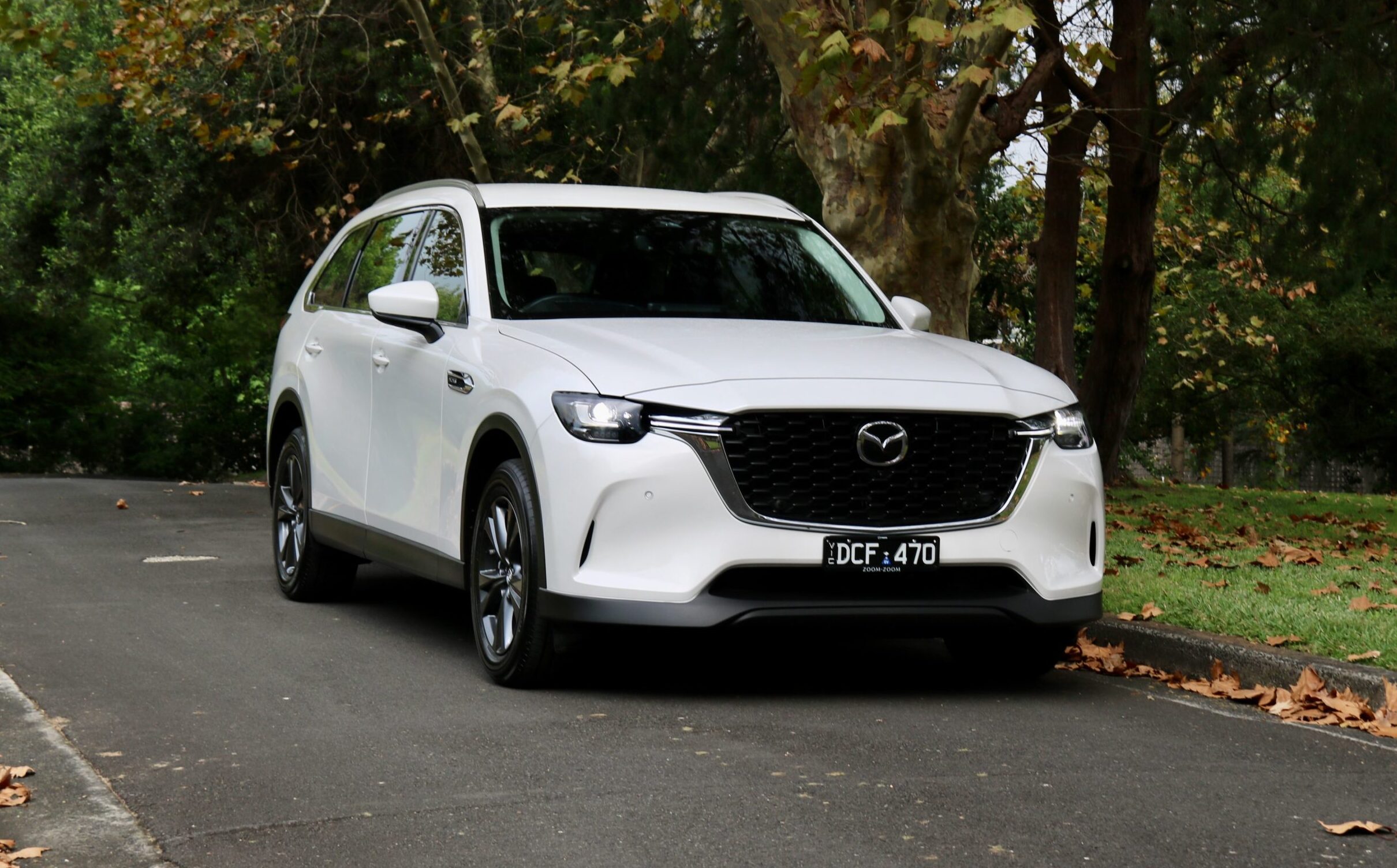
Price: From $56,195 plus on-road costs
Drivetrains/fuel economy/CO2 emissions: 3.3-litre inline six turbo-petrol, 8-speed auto, 209kW/450Nm, 8.4L/100km, 197g/km (G40e); 3.3-litre inline six turbo-diesel, 8-speed auto, 187kW/550Nm, 5.2L/100km, 137g/km (D50e); 2.5-litre four-cylinder PHEV, 8-speed auto, 245kW/500Nm, 2.7L/100km, 64g/km (P50e PHEV)
Dimensions (length/width/height/wheelbase): 4990/1890/1710/3120mm
Bootspace: 258L (third row up), 566L (third row folded), 1971L (third + second rows folded)
Warranty/roadside assistance/service intervals: Five-year/unlimited km, five years, annual/every 10,000km (diesel) – 15,000km (petrol)
Five-year service cost: $2686 (PHEV), $3299 (diesel) – $3469 (petrol)
| Driving | |
| Interior | |
| Practicality | |
| Overall value | |
Things we like
- Punchy range of powerplants
- Good value for money
- Excellent cabin quality
Not so much
- Powertrain and ride quality need further refinement
- Expensive service costs
- No spare wheel across the range
Mazda’s new quartet of large SUVs – the CX-60, CX-70, CX-80 and CX-90 – has produced some worthy products, but we think that the CX-80 is the best so far. That’s largely thanks to its value equation – a punchy turbo-six seven-seater large SUV with Mazda build quality priced from under $60,000 has got to be a winner – but also its improved ride quality and refinement over its siblings, which were developed earlier.
Inside the cabin is a carbon copy design of its siblings, with good quality across the range and large displays that are easy to use. Comfort is quite good, even in the base model with cloth upholstery and manually adjustable seats. Ergonomics are great thanks to liberal use of physical buttons throughout the cabin. The base model Pure’s hard cabin plastics are disappointing, however, and buyers must step up to the Touring model to receive soft ones.
The CX-80’s long wheelbase has produced great results: the second row of seating is huge, and the third row can seats adults comfortably, further helped by amenities there such as air vents, charging ports and cup holders. The boot is also large, even with the third row of seats in place – though there’s disappointingly no spare wheel in any CX-80 model.
Mazda is offering three different powertrains for the CX-80: a four-cylinder plug-in hybrid and two mild-hybrid inline sixes, one petrol and one diesel. Just the petrol ‘G40e’ is offered in the base CX-80 Pure, but every model above that offers all three drivetrains. It’s difficult to choose between them, so best leave that up to your needs – the petrol six goes well and sounds good, the diesel can be very efficient – we’re talking under 5L/100km in highway driving – and the plug-in hybrid may be more cost effective for you thanks to its claimed 65km EV driving range.
The driving experience is more positive than its siblings, though the ride quality is a bit too sharp and the gearbox could be more refined as well. Still, at highway speeds it’s very quiet, especially with road noise levels. Mazda’s five-year warranty could be improved in length though, plus it’s not cheap to service, but the Mazda CX-80 is a solid choice in the large SUV arena thanks to its sharp value for money, practical cabin that can seat seven adults comfortably, punchy drivetrains that can also be quite fuel efficient and keen handling for a seven-seat SUV.
Skoda Kodiaq
Price: from $56,990 drive away (Select)
Drivetrains/fuel economy/CO2 emissions: 2.0-litre turbo-petrol, 7-speed DCT, 140kW/320Nm, 9.2L/100km, 209g/km
Dimensions (length/width/height/wheelbase): 4758/1864/1659/2791mm
Bootspace: 289L (third row up), 704L (third row folded), 2035L (third + second rows folded)
Warranty/roadside assistance/service intervals: seven-year/unlimited km, 12 months and then service-activated, annual/15,000km
Five-year service cost: $3000 (service pack)
| Driving | |
| Interior | |
| Practicality | |
| Overall value | |
Things we like
- Quite well equipped across the range
- Plenty of practical touches throughout the cabin
- Lovely to drive, quick enough
Not so much
- No hybrid or hot RS version yet
- Third row is not big
- Not cheap to service
The first-generation Skoda Kodiaq earned a reputation for a clever family SUV that could comfortably carry a family with plenty of clever touches and a great driving experience. Generation two has now arrived, promising a roomier cabin, more features and better value for money than before thanks to only a small price rise, yet a big boost in standard equipment.
Pricing for Kodiaq generation two starts at $56,990 drive away for the entry-level Style, yet it’s featured with equipment such as leather upholstery, a powered driver’s seat with memory, 19-inch alloy wheels, a 13-inch touchscreen with wireless phone mirroring, an electric tailgate, a wireless phone charger and even metallic paintwork. Move up the range to the Sportline and sportier styling with larger wheels is added, along with Matrix adaptive high beam and sports seats.
Like the last Kodiaq, the new model’s cabin is cleverly packaged with plenty of storage options and enough room for a family and their gear. While some competitors offer a larger third row of seating, two adults will be fine for short trips and kids will be happy – plus, the second row is spacious.
Under the bonnet of the Kodiaq range for now in Australia is a 140kW 2.0-litre turbo-petrol engine, which featured in the previous Kodiaq, albeit with less power than now. While 140kW is on the lower side in the segment, the Kodiaq is also one of the physically smallest in the class so it moves well. For those wanting more power, the 195kW Kodiaq RS is due in Australia soon.
Overall, the second-generation Skoda Kodiaq is one of the cleverest options in the large SUV segment. While its exterior isn’t huge, the interior is quite practical for its size and offers plenty of storage options for modern family life. Plus, it features plenty of Skoda’s ‘simply clever’ features such as a bin and umbrella in the driver’s door, teeth in the cup holders to easily open bottles while driving, and a funnel so that water doesn’t spill when filling the windshield washer tank.
The 140kW powertrain could be more fuel efficient but provides more than adequate performance and its lovely driving experience is more refined than a lot of its competition. Its service pricing could be lower as well, but it’s also covered by the only seven-year warranty in Australia for a European manufacturer. There’s quite a lot to like about the Skoda Kodiaq – just make sure that its size works for your family.
Subaru Outback
Price: from $44,190 plus on-road costs
Drivetrains/fuel economy/CO2 emissions: 2.5-litre four-cylinder petrol, CVT, 138kW/245Nm, 7.3L/100km, 168g/km; 2.4-litre four-cylinder turbo-petrol, CVT, 183kW/350Nm, 9.0L/100km, 204g/km
Dimensions (length/width/height/wheelbase): 4870/1875/1670/2745mm
Bootspace: 522L (seats up), 1783L (seats down)
Warranty/roadside assistance/service intervals: five-year/unlimited km, 12 months,
Five-year service cost: $2678 (2.4L turbo) – $2716 (2.5L)
| Driving | |
| Interior | |
| Practicality | |
| Overall value | |
Things we like
- A wagon in an SUV’s world
- Huge interior space, comfortable seating
- Car-like driving dynamics
Not so much
- Thirsty drivetrain options with no hybrid
- Not cheap to service
- Fiddly touchscreen feels old
In this competition of large SUVs, we have a traitor. But don’t worry, it’s a traitor of a good kind because while the Subaru Outback may be classified as a large SUV, it’s actually a lifted wagon and that’s good news. Being a car and not an SUV pays dividends when it comes to the driving experience: the Outback drives like a car and yet, it’s still insanely practical and possesses that important added ride height that draws so many buyers to SUVs.
The Outback’s cabin is practical, comfortable, well finished and loaded with features, even on the entry-level $44,190 plus on-road costs base model. Centre of the cabin is a huge 11.6-inch portrait touchscreen with features such as sat-nav and wireless smartphone mirroring, which is easy to use, though it feels a bit dated with its basic layout and slow functionality.
The rear seat of the Outback is large, as is the 522-litre boot, which expands to a huge 1783L with the rear seats folded. Impressively, the floor is flat when doing so, and underneath the boot floor lies a full-size alloy spare and extra storage space.
Two drivetrains are offered in the Outback, both four cylinders and both with Subaru’s famed ‘boxer’ horizontal layout: a 138kW naturally aspirated 2.5-litre unit and a turbocharged 2.4-litre, both paired with a CVT auto and both with the company’s ‘symmetrical’ all-wheel drive system for respectable off-road capability. Both drivetrains aren’t particularly fuel efficient – especially the 2.4-litre turbo, which can easily push into the teens if you aren’t careful – and there’s no hybrid option either.
On the road, the Outback displays a good balance of ride and handling. Because it’s not as tall as other large SUVs, its body roll is less and thanks to its soft suspension set up, it’s very comfortable in everyday driving – much more so than many large SUV rivals that need more energy in turning, braking and accelerating to comfortably exist.
Subaru covers the Outback with a five-year/unlimited km warranty, which could be longer in today’s market. Its service pricing isn’t especially cheap either. However, the Subaru Outback is a great large SUV because it isn’t one. Instead, it’s a large wagon that’s lifted with ample ground clearance, the band’s excellent all-wheel drive system, a large and practical interior and a long list of standard equipment. There’s unfortunately no hybrid drivetrain, and some interior elements such as the touchscreen feel a bit dated, but there’s no denying that it’s a great overall product.
Kia Sorento
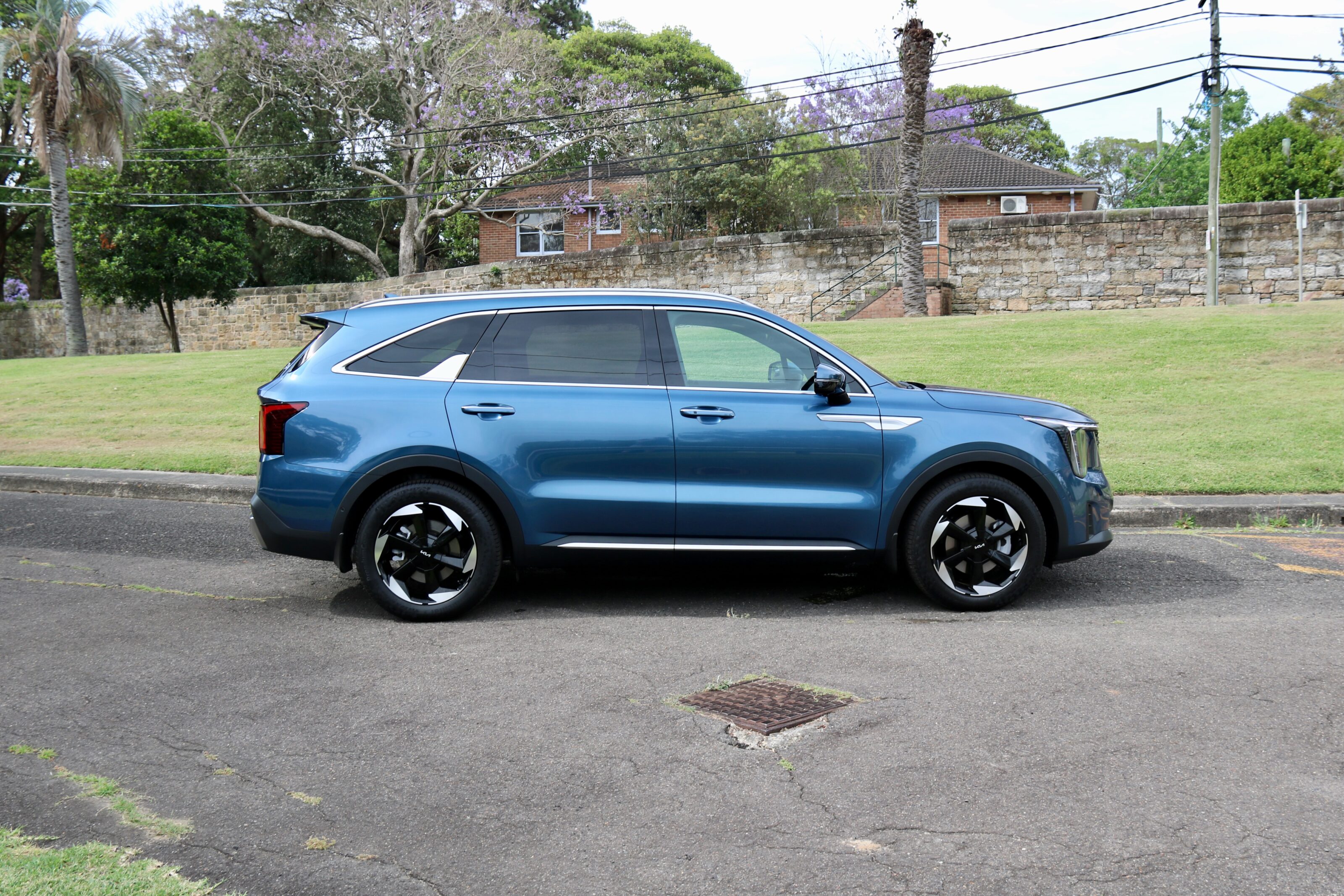
Price: From $50,880 plus on-road costs
Drivetrains/fuel economy/CO2 emissions: 3.5-litre petrol V6, 8-speed auto, 200kW/332Nm, 9.8L/100km, 222g/km; 2.2-litre four-cylinder turbo-diesel, 8-speed DCT, 148kW/440Nm, 6.0L/100km, 158g.km; 1.6-litre turbo four-cylinder hybrid, 6-speed auto, 169kW/350Nm, 5.4L/100km, 122g/km; 1.6-litre turbo four-cylinder PHEV, 6-speed auto, 195kW/350Nm, 1.6L/100km, 36g/km
Dimensions (length/width/height/wheelbase): 4815/1900/1695/2815mm
Bootspace: 179L (third row up)/608L (third row folded)/1996L (third + second row folded)
Warranty/roadside assistance/service intervals: Seven-year/unlimited, up to eight years, annual/every 15,000km
Five-year service cost: $2580 (V6), $2637 (diesel), $3009 (hybrid), $3409 (PHEV)
| Driving | |
| Interior | |
| Practicality | |
| Overall value | |
Things we like
- Wide range of drivetrains to suit a wide range of buyers
- Great value for money across the range
- Lovely to drive thanks to local tuning
Not so much
- V6 petrol is quite thirsty in the real world
- PHEV is expensive to buy and service
- Hybrids only at the top of the range
Kia is absolutely killing it at the moment with an impressive line-up that is – deservedly – winning it big sales in Australia. While products such as the new Tasman ute and EV9 electric upper large SUV take all the headlines, the Sorento seven-seat SUV does a lot of heavy lifting in sales – so far this year, it’s Kia’s third-best selling vehicle with over 5000 sold to the end of June. So what’s so good about the Sorento?
Starting at $50,880 plus on-road costs for the entry-level Sorento S with a 3.5-litre petrol V6 and a front-wheel drive drivetrain, the Sorento range offers strong value for money. But we still think that top-spec models are solid value for money thanks to their very long lists of standard kit. While a GT-Line hybrid is around $80,000 drive away, it’s also absolutely loaded with features.
Four drivetrains are available with the Sorento: the aforementioned V6, a 2.2-litre turbo-diesel and two 1.6-litre hybrid options, one a regular hybrid and one a plug-in unit with up to 68km of electric driving range (WLTP). About 80 per cent of buyers in Australia choose the diesel, as it’s punchy, fuel efficient and unlike the V6, is mated to an all-wheel drive system. More would choose the hybrid if it were offered in lower grades, but alas, it’s limited to the top-spec GT-Line for now.
Thanks to Kia’s local ride and handling tuning, the Sorento drives very well for the segment. Its ride quality is tuned well with a taut but comfortable feeling, especially at higher speeds – plus, it handles well for a big seven-seater SUV. Even enthusiasts will be happy from behind the wheel.
The Sorento’s cabin is good quality, with its new infotainment screens – introduced with the mid-life facelift – impressively slick to use and well-featured. Storage space in the front cabin is excellent, with plenty of spots to hide trinkets, and it’s a similarly positive story moving rearward with ample space in the second row and enough space for kids in the third row.
It’s easy to see why the Kia Sorento has become one of the brand’s best selling cars in Australia. It’s covered by a long warranty, it’s great to drive, has a range of models and drivetrains, a lot of standard equipment and a practical interior. More hybrid availability would be great as the petrol V6 is thirsty and diesel fuel isn’t suited to everybody, and the PHEV is expensive. Nevertheless, the Sorento is a great product worthy of strong consideration in this segment.
Isuzu MU-X
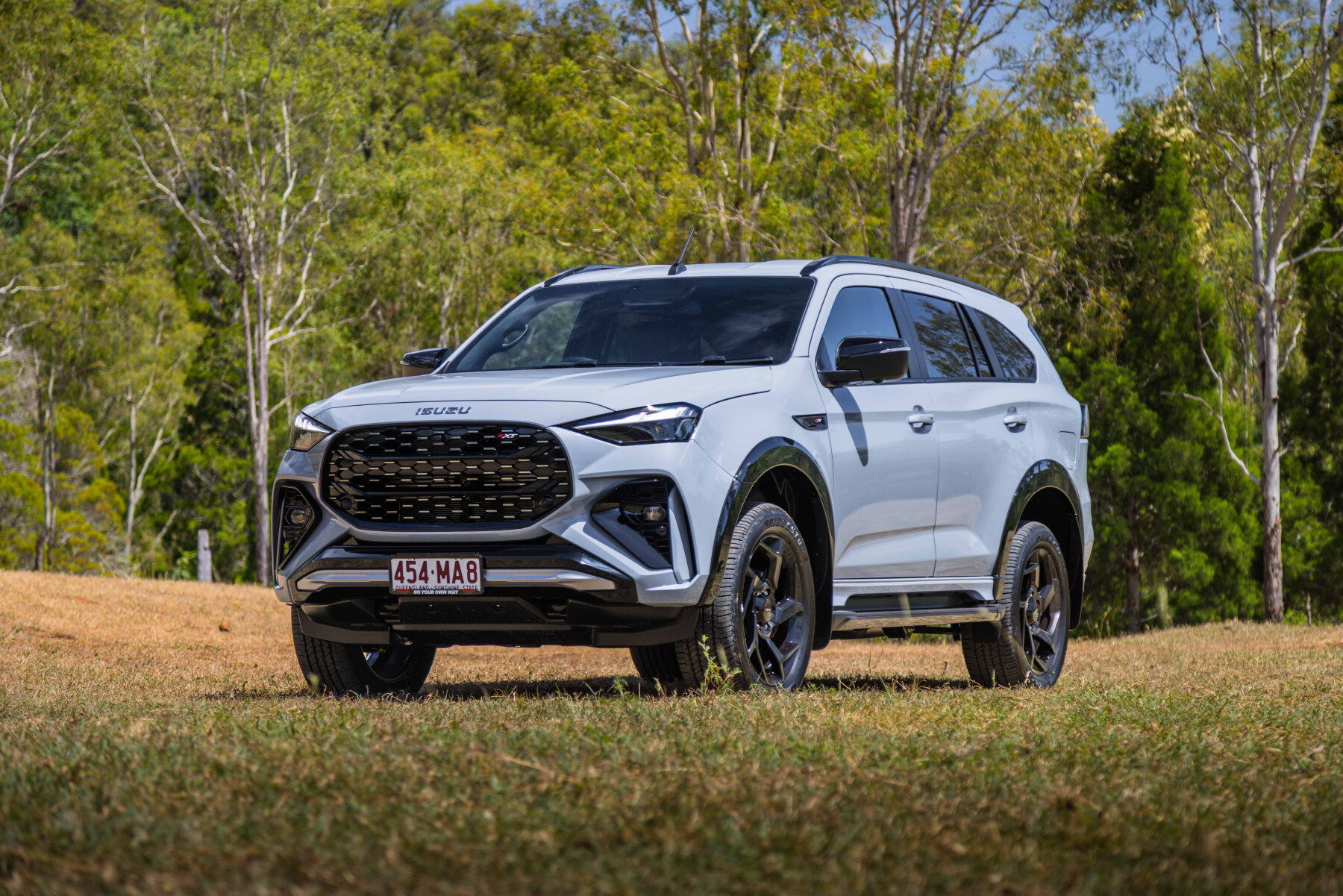
Price: From $48,400 plus on-road costs
Drivetrains/fuel economy/CO2 emissions: 1.9-litre four-cylinder turbo-diesel, 6-speed auto, 110kW/350Nm, 7.4L/100km, 196g/km; 3.0-litre four-cylinder turbo-diesel, 6-speed auto, 140kW/450Nm, 8.3L/100km, 220g/km (3.0L 4×2: 7.8L/100km, 206g/km)
Dimensions (length/width/height/wheelbase): 1870/1815/2855mm
Bootspace: 311L (third row up)/1119L (third row folded)/2138L (third + second row folded)
Warranty/roadside assistance/service intervals: Six-year/150,000km, seven years, annual/every 15,000km
Five-year service cost: $2245
| Driving | |
| Interior | |
| Practicality | |
| Overall value | |
Things we like
- Very capable off-road, comfortable on it
- Mid-life update improved the ADAS and infotainment systems
- Huge interior carries seven with ease
Not so much
- No more powerful or hybrid options
- Engines could be quieter
- Top-spec cars missing luxury features such as ventilated seats
While there are many large SUVs that can go properly off-roading, the Isuzu MU-X is arguably the best value and one of the most capable of them all. Prices for the MU-X start at $48,400 plus on-road costs for the two-wheel drive base model, ranging to a special price of $73,990 drive away for the new top-spec X-Terrain. Each model offers a long list of kit, especially with safety features. We would like to see top-spec models offer more, however, such as a premium sound system, sunroof and front seat ventilation.
Inside the MU-X is a comfortable cabin that’s practical for seven people. Isuzu revamped the available touchscreens in its mid-life update and the new system is easier to use and still well equipped with features such as wireless smartphone mirroring across the range. The software is still a bit slow, however.
Isuzu offers two four-cylinder turbo-diesel engine choices for the MU-X: a 110kW/350Nm 1.9-litre or a 140kW/450Nm 3.0-litre, both tied to a six-speed automatic as standard. While the gearbox can be a bit slow at times, it’s otherwise fine – we just wish the engine options were a bit more powerful and more refined. There’s also no hybrid option available for those wanting to save at the bowser, but the diesel options can be reasonably fuel efficient in combined driving.
On the road, the MU-X is not especially dynamic but it is quite comfortable and easy to drive, thanks to its ample rear vision and wide range of safety features. Off-road, the MU-X is excellent, with strong four-wheel drive ability and features such as a rough terrain mode, which independently controls front wheel grip and transfers power to the opposite wheel to help traction.
Isuzu Ute’s six-year/150,000km warranty is one of the longer ones in the industry – especially for an off-road product – and the first five years of servicing costs just $449 each. So the MU-X is cheap to maintain, drives well especially off the road, is practical, well equipped and good value for money. It’s no wonder that the MU-X is so popular in Australia as it does quite a lot right.
Chery Tiggo 8 Pro Max
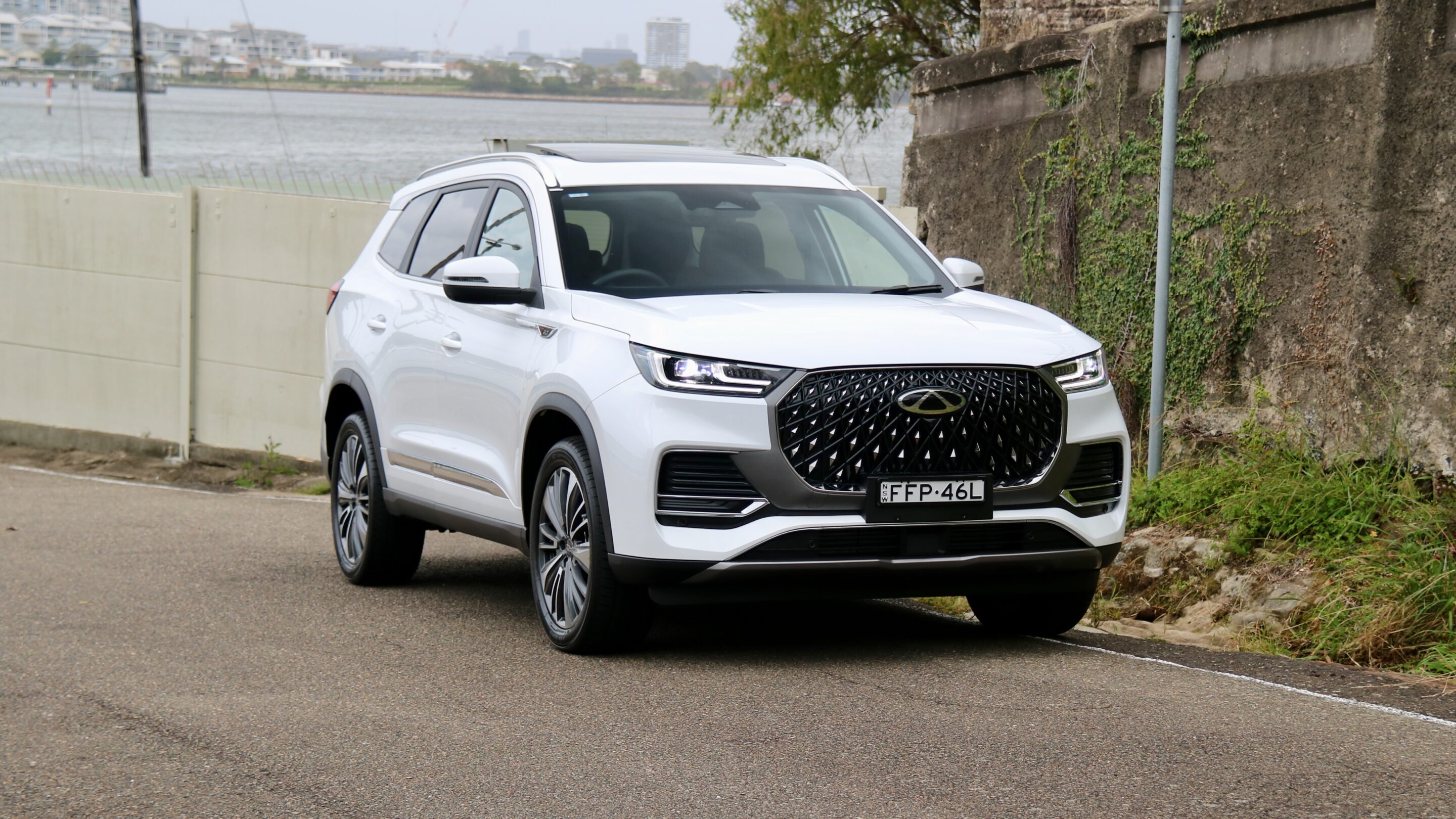
Price: From $41,990 drive away
Drivetrains/fuel economy/CO2 emissions: 2.0L turbo four-cylinder petrol, 7-speed DCT, 180kW/375Nm, 8.1L/100km, 191g/km; 1.5-litre turbo four-cylinder plug-in hybrid, 255kW/525Nm, CVT, 1.3L/100km, 30g/km
Dimensions (length/width/height/wheelbase): 4724/1865/1718/2694mm
Bootspace: 117L (third row up), 479L (third row folded), 739L (third + second row folded)
Warranty/roadside assistance/service intervals: Seven-year/unlimited km, 12 months (renewed with each service up to seven years in total), annual/every 15,000km
Five-year service cost: $1495
| Driving | |
| Interior | |
| Practicality | |
| Overall value | |
Things we like
- Very sharply priced and well equipped
- Two drivetrain choices, both with good performance
- PHEV gives 95km of claimed EV range
Not so much
- Boot and third row aren’t huge
- Suspension and driver aids need finessing
- Petrol engine is thirsty, dual-clutch auto dozy
If you’re looking for the ultimate bargain seven-seater large SUV in Australia, look no further than the Chery Tiggo 8 Pro Max. Priced from just $41,990 drive away (or, thanks to a manufacturer’s special, currently $38,990 drive away) the Tiggo 8 Pro Max is excellent value for money and even the entry-level Urban features equipment such as heated and ventilated front seats, a 360-degree camera and a full suite of active safety features.
But there’s more to the Tiggo 8 Pro Max than its low pricing, with a well finished cabin that is comfortable and well featured with tech. A dual 12.3-inch screen set up is easy to use and looks impressive – especially for the price – and the physical buttons located underneath the screen and on the centre console make it easier to use. The Tiggo 8 Pro Max’s cabin is also practical, with ample space in the first and second rows of seating, though the third row is small, as is the boot with all the seats in place. However, with them all folded, it’s quite large.
The Tiggo 8 Pro Max offers two drivetrains in Australia: a 183kW 2.0-litre turbo-petrol or a 255kW 1.5-litre turbo plug-in hybrid, with both providing more than ample performance. The PHEV also offers an impressive 95km of electric driving range before the petrol engine even switches on, and a claimed overall range of more than 1200km. The 2.0-litre turbo-petrol engine sounds good and provides more than enough performance, though the dual-clutch transmission suffers from indecisive low-speed behaviour, much like many others of the breed.
On the road, the Tiggo 8 Pro Max is quite refined with low road noise levels, though its suspension and active safety features need some finessing. The ADAS systems are over sensitive and the suspension needs more refined damping to better deal with low speed bumps. The steering also lacks feel, but it is perfectly light for urban driving. The 360-degree camera that’s standard across the range is impressively high definition for the price as well.
There’s definitely more to the Chery Tiggo 8 Pro Max than just its excellent value equation thanks to its good quality interior finishes and tech, strong powertrains and refined driving experience. The new plug-in hybrid drivetrain also provides a healthy EV driving range, and over 1200km of total driving range too. It’s not perfect thanks to its small boot and third row, need for finessing of the driver assistance systems and suspension, and thirsty petrol engine. But if you’re after a bargain large SUV, just be assured that there’s much more to the Chery Tiggo 8 Pro Max than just its low pricing and healthy equipment levels.
Ford Everest
Price: From $54,490 plus on-road costs
Drivetrains/fuel economy/CO2 emissions: 2.0L twin-turbo four-cylinder diesel, 10-speed auto, 154kW/500Nm, 7.2L/100km, 174g/km; 3.0L V6 turbo-diesel, 184kW/600Nm, 10-speed auto, 8.5L/100km, 224g/km
Dimensions (length/width/height/wheelbase): 4940/1923/1841/2900mm
Bootspace: 259L (third row up), 898L (third row folded), 1823L (third + second row folded)
Warranty/roadside assistance/service intervals: Five-year/unlimited km, 12 months (service extendable up to seven years), annually/every 15,000km
Five-year service cost: $1895 ($1516 pre-paid)
| Driving | |
| Interior | |
| Practicality | |
| Overall value | |
Things we like
- An automotive Swiss army knife: it does it all
- Wide range of variants
- Very comfortable to drive – on or off the road
Not so much
- No hybrid drivetrain
- Fiddly gear selector
- Top-spec models start to get expensive
As these awards prove, the large SUV segment is bustling with options with many different types: smaller or larger, five or seven seaters and car- or ute-based. But it’s the Ford Everest that most treads a path through a lot of different sub sectors among large SUVs: it’s available with five or seven seats, it’s not small nor large in this company, it’s quite capable for off-roading, and its wide range of models make it suitable for multiple budget levels. It competes as well with a Toyota LandCruiser as it does a Hyundai Santa Fe, and it’s this Jack-of-all-trades ability that has won it a lot of fans.
Pricing for the Everest range starts at $59,490 plus on-road costs for the entry-level Ambiente RWD – the cheapest four-wheel drive model is $59,490 +ORC – which is excellent value for money. Even the Ambiente is loaded with safety features in particular, but also important kit such as LED headlights, a 10.1-inch touchscreen with wireless smartphone mirroring, sat-nav and keyless entry with push button start. The mid-spec Trend and Sport are where buyers are rewarded with features such as leather upholstery, but even the Ambiente is well featured.
Two turbo-diesel drivetrains are available in the Everest lineup: a 154kW/500Nm 2.0-litre bi-turbo option or – from the Sport upwards – a larger 3.0-litre V6 making 184kW/600Nm. Both use a 10-speed automatic transmission and those who can’t reach to the V6 shouldn’t feel shortchanged as the 2.0-litre unit provides more than adequate performance and can be quite efficient – the V6 is more refined and gutsier, though not massively so. Granted towing will be more effortless in the V6, though both are rated for the same 3,500kg braked capacity.
On the road, the Everest impresses with a pleasant driving experience that’s surprisingly refined for a body-on-frame vehicle. Ford knows how to develop a vehicle that’s good to drive and the Everest is no exception, proving engaging for such a large product. Off-road, the Everest impresses with excellent low-range performance and wheel travel and articulation, and its active safety features are quite well tuned as well.
What also makes the Everest an excellent large SUV option is its practical cabin, which can hold seven occupants comfortably. Granted, the third row is more of a kids’ zone, but it’s still got enough room for adults to take shorter trips and the second row is palatial. Add in tech such as the central touchscreen that’s quite easy to use and plenty of storage and the Everest is great for larger families.
GWM Tank 300
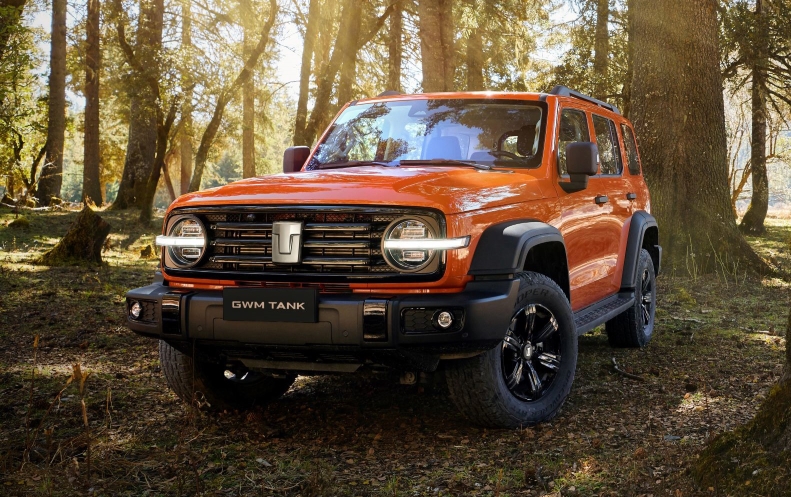
Price: From $46,990 drive away
Drivetrains/fuel economy/CO2 emissions: 2.4-litre four-cylinder turbo-diesel, 9-speed auto, 135kW/480Nm, 7.8L/100km, 205g/km; 2.0-litre four-cylinder turbo-petrol, 8-speed auto, 162kW/380Nm, 9.5L/100km, 218g/km; 2.0-litre four-cylinder turbo-petrol hybrid, 9-speed auto, 255kW/648Nm, 8.4L/100km, 196g/km
Dimensions (length/width/height/wheelbase): 4760/1930/1903/2750mm
Bootspace: 400L (seats up)/1635L (seats folded)
Warranty/roadside assistance/service intervals: Seven-year/unlimited km, five years, annual/10,000km in the first 12 months and then every 15,000km afterwards
Five-year service cost: $2305 (2.0T), $2685 (diesel), $2885 (hybrid)
| Driving | |
| Interior | |
| Practicality | |
| Overall value | |
Things we like
- Variety of drivetrain options
- Great off-road ability
- Well finished and practical cabin
Not so much
- Small boot limits practicality
- Frustrating touchscreen menus
- Ride quality needs finessing
The GWM Tank 300 arrived in Australia in 2023, first as a turbo-petrol, then as a hybrid around a year later and then earlier this year with diesel power, which has so far made up the biggest portion of sales. In fact, Tank 300 sales have increased by over 10 per cent so far this year, with the new diesel option credited for the boost. Priced from just $46,990 drive away for the entry-level diesel, the Tank 300’s value equation is strong and it’s well equipped across the range.
Inside the GWM Tank 300 is a surprisingly upmarket-feeling cabin with plenty of soft touch plastics and leather-like trim used throughout. There are also some funky details such as the wave pattern stitching on the doors, circular air vents and physical HVAC controls in the centre of the dashboard where you expect the central air vent to be. The dual 12.3-inch screens are high resolution and are well featured, though can be confusing to use. Thankfully, the buttons dotted around the cabin – such as the drive mode selectors – help with functionality.
The Tank 300 is quite comfortable as well, with supportive seating and a roomy cabin for occupants to enjoy. The square design helps with visibility as well, with big windows affording a great view out, though the rear-mounted spare wheel can impede a little bit on the view out the rear window. You’d imagine that the external-mounted spare would help bootspace, but at just 400 litres, it’s one of the smallest in the large SUV segment, and the boot floor is quite high as well. Blame the off-road hardware located underneath.
The three drivetrains available on the Tank 300 are punchy and refined, with the hybrid offering stonking performance but reasonable efficiency. However, for now, we suspect that most buyers will choose the diesel and while its 135kW peak power is reasonable, the peak 480Nm torque torque figure is more impressive, even though it only lasts from 1500rpm to 2500rpm. However, the nine-speed automatic keeps the engine in the sweet spot and it will be much more frugal in the real world than the petrol model.
On the road, the Tank 300’s ride quality can be a bit too firm, with harder hits from bumps quite noticeable in the cabin. Its steering is also a bit light, but it’s otherwise pleasant from behind the wheel with excellent refinement and strong off-road ability. There’s plenty of appeal in the GWM Tank 300 thanks to its high quality cabin, wide range of drivetrains and excellent value for money – plus, it’s got more character than most of its rivals.
MG QS
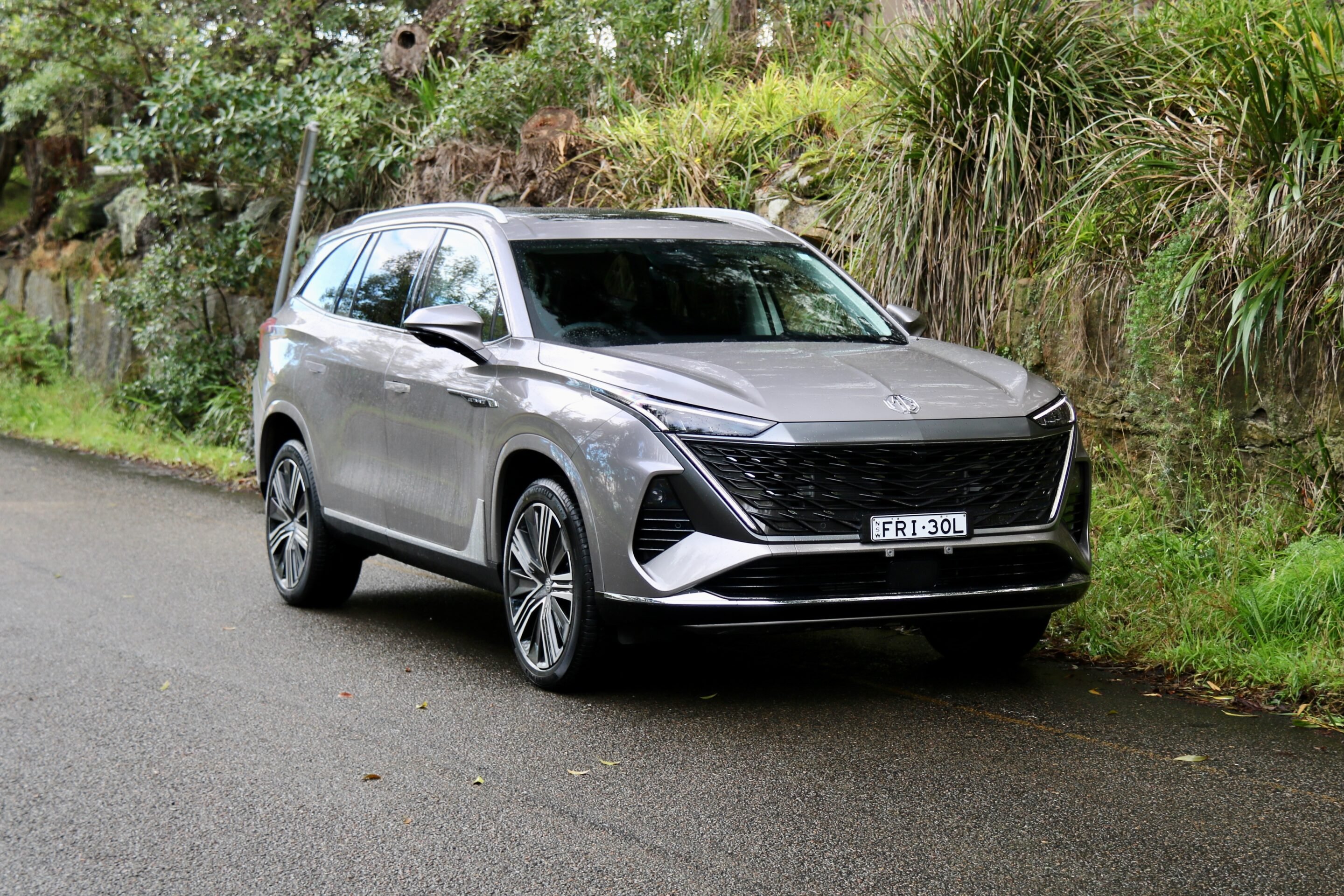
Price: From $46,990 drive away
Drivetrains/fuel economy/CO2 emissions: 2.0-litre four-cylinder turbo-petrol, 9-speed auto, 153kW/360Nm, 8.8L/100km, 198g/km
Dimensions (length/width/height/wheelbase): 4983/1967/1778/2915mm
Bootspace: 203 litres (third row up)/517L (third row folded)/1052L (third + second row folded)
Warranty/roadside assistance/service intervals: 7-year/unlimited km (extendable to 10 years/250,000km if serviced at MG), 7 years, annual/every 15,000km
Five-year service cost: $3442 (Excite), $3618 (Essence)
| Driving | |
|---|---|
| Interior | |
| Practicality | |
| Overall value | |
Things we like
- A lot of metal for the money
- High quality and spacious cabin
- Lovely ride quality
Not so much
- Very expensive to service
- Can be thirsty, no hybrid powertrain
- Dozy response from a standstill
MG is on a huge product expansion in Australia, entering segments it’s not previously played in. The QS, the brand’s new large SUV, is the biggest product to ever wear the MG badge and its first seven seater too. But as you’d expect for an MG, its value equation is sharp and it’s priced from just $46,990 drive away for the entry-level Excite.
Measuring 4983mm long, the MG QS is one of the largest seven-seat SUVs, and it’s even 118mm longer than the Toyota Kluger. Its big sizing makes it one of the roomiest seven-seat SUVs on the market, with adult-carrying capacity for the third row. The second row is vast as well, while front seat occupants will find a modern space with high-quality materials.
For now, only one engine is available in the QS: a 153kW/360Nm 2.0-litre turbo-petrol, mated to a nine-speed automatic transmission. The base Excite is a front-driver, with the upper-spec Essence adding drive to the rear wheels as well. While it’s strong at speed, it feels sluggish off the line thanks to odd tuning, can also be thirsty, especially in urban driving – a hybrid drivetrain would solve both issues, though the QS is yet to offer one.
Otherwise, the driving experience of the QS is pleasant, with a well-controlled ride quality – despite the huge 20-inch wheels on the Excite and 21s on the Essence – and excellent refinement, with little in the way of road noise. Its active safety features are big improvements on earlier MG models, though accessing their settings in the touchscreen still takes too many presses.
MG covers the QS with a seven-year/unlimited km warranty that can be extended to 10 years/250,000km if serviced through an MG dealership, however, its service pricing is quite expensive at a minimum of $3442 for the Excite and $3618 for the Essence. That’s on average between $688 and $723 annually for the first five years, which compares unfavorably when the Chery Tiggo 8 Pro Max, also with a 2.0-litre turbo-petrol engine, asks just $1495 for its first five services or less than half that of the MG.
Overall however, MG has played the large SUV game well with the QS. It gives large SUV shoppers yet another option to consider, one that presents quite well with a spacious cabin with quality materials, a pleasant driving experience with little electronic nannying to annoy, and excellent value for money from its low asking price to its long list of equipment.
Toyota Australia has confirmed that the fifth-generation Supra sports coupe will soon be taken off sale with the last orders to be taken later this month.
First launched locally in 2019, the Toyota GR Supra has sold over 1400 units since then, according to Toyota Australia. Production for the GR Supra will reportedly end in early 2026.
Toyota Australia Vice President Sales, Marketing and Franchise Operations Sean Hanley said the current GR Supra will leave a lasting legacy in the automotive industry.
“The GR Supra already had a sterling legacy when the current generation launched in 2019, and we’re pleased to say it has exceeded the expectations set by its predecessors,” Mr Hanley said.
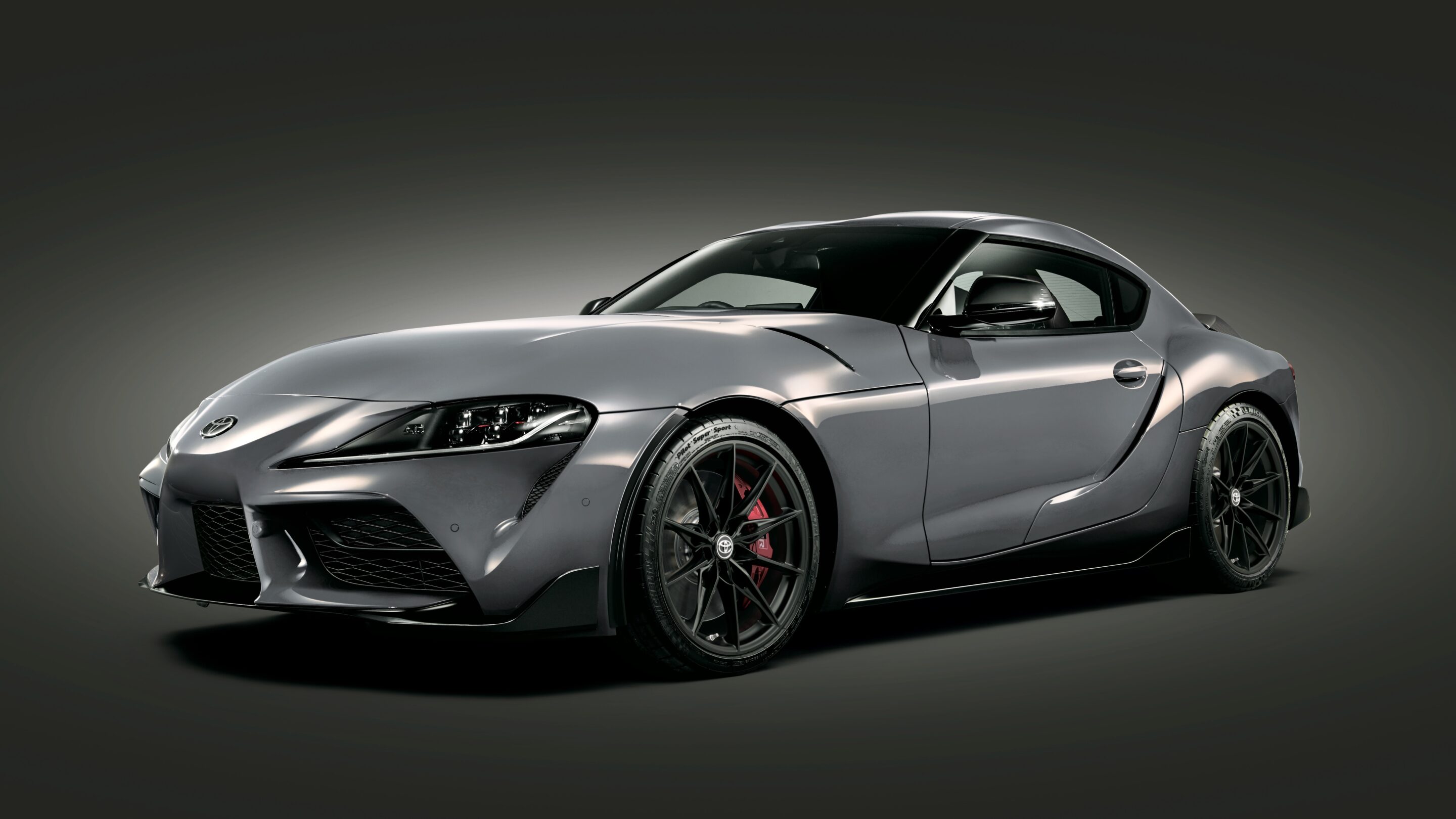
Yet despite it being axed from showrooms, the GR Supra will live on in racing form in the 2026 Supercars race series using a V8 engine against the Chevrolet Camaro and Ford Mustang.
“While customers will no longer be able to purchase their own GR Supra by the end of August, fans of the GR Supra will be able to follow its story when it lines up on the Supercars Championship grid in 2026 and beyond.”
The current shape Supra launched in Australia in 2019 using a BMW platform and drivetrain, and was developed with the latest BMW Z4. In current form, it makes 285kW of power and 500Nm of torque, using either a six-speed manual or eight-speed automatic transmission. It’s available in entry-level GT, mid-spec GTS and top-spec Track Edition forms.
Details about the next generation Supra, expected to debut in 2027 using a new 2.0-litre turbo-petrol engine making above 298kW of power, remain scant. Toyota is yet to officially confirm it for production.
Toyota Australia will stop taking orders for the GR Supra later this month, with potential customers advised to get their orders in as soon as possible to not miss out.
