
General Motors Australia and New Zealand has confirmed that the Chevrolet Corvette Z06 is finally going on sale in Australia, with orders open from today. Sitting at the top of the local Corvette range, the Z06 is priced from $299,990 plus on-road costs, making it $36,000 less expensive than the model it replaces.
Only available through an official build-to-order program where buyers will spec their cars to their liking, the Z06 will be offered in top-spec ‘3LZ’ form, with other specs available in North America.
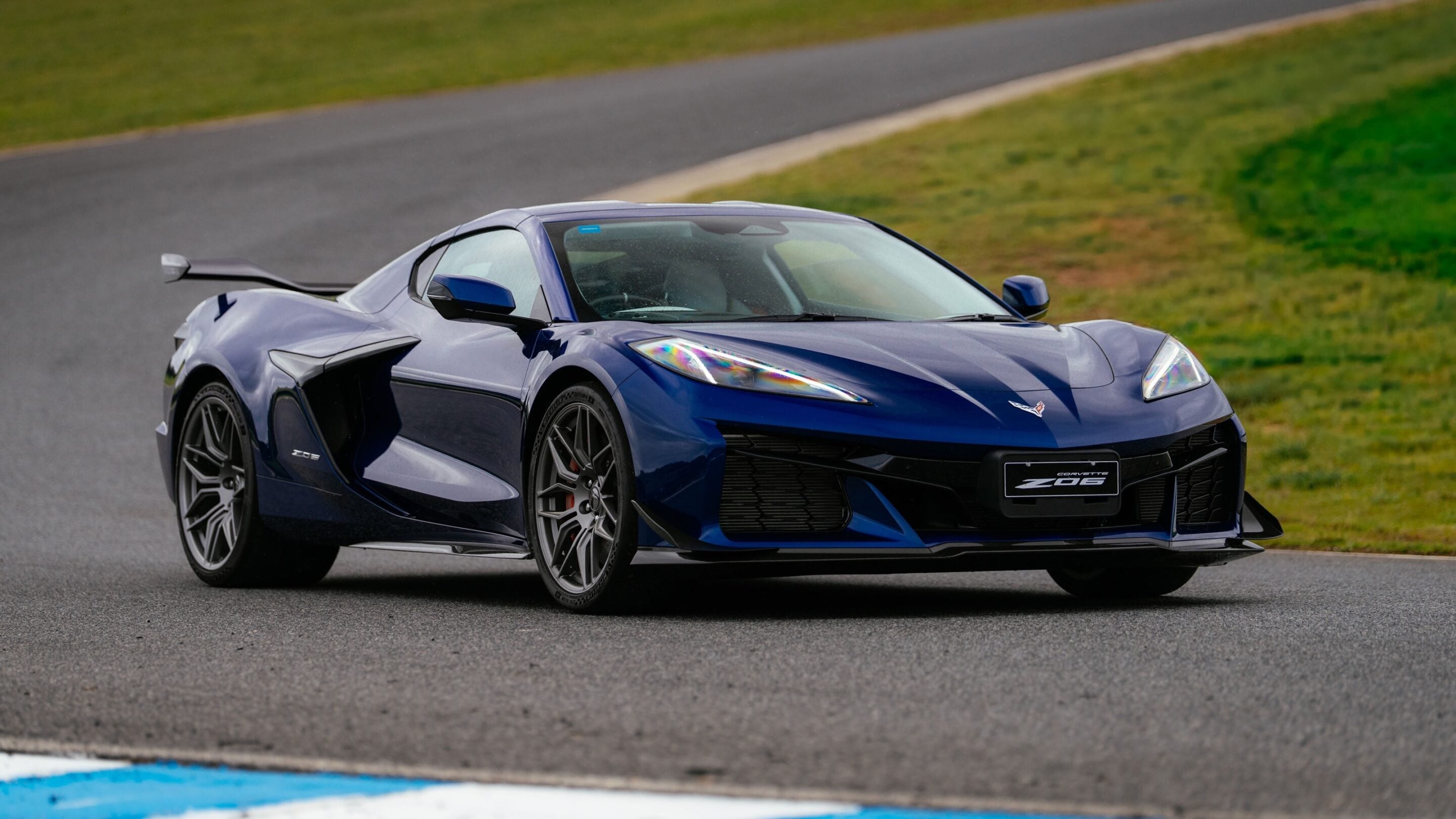
Under the bonnet is a naturally aspirated 5.5-litre V8 engine with an 8600rpm redline making 475kW of power and 595Nm of torque. That’s mated to an eight-speed dual-clutch transmission, while other track-focused features include adaptive dampers, six-piston front Brembo brakes, an electronic limited-slip differential and forged aluminium wheels.
Corvette Z06 customers can also choose a Z07 Performance Package to give their cars even more track ability. It adds a carbon fibre high-wing rear spoiler, carbon fibre aerodynamic components, upgraded brakes and Michelin Pilot Sport Cup 2 R tyres, with Brembo carbon-ceramic anchors also available. Other options include carbon fibre body pieces, a carbon fibre or transparent removable roof, racing stripes and an engine appearance package.
Features for the 3LZ grade include GT2 bucket seats trimmed in Nappa leather upholstery, carbon fibre interior detailing, steering wheel and paddles, a 14-inch digital driver’s display, a 12.7-inch touchscreen with Apple CarPlay and Android Auto, Google Built-in services such as Google Maps, a head-up display and a 14-speaker Bose audio system.
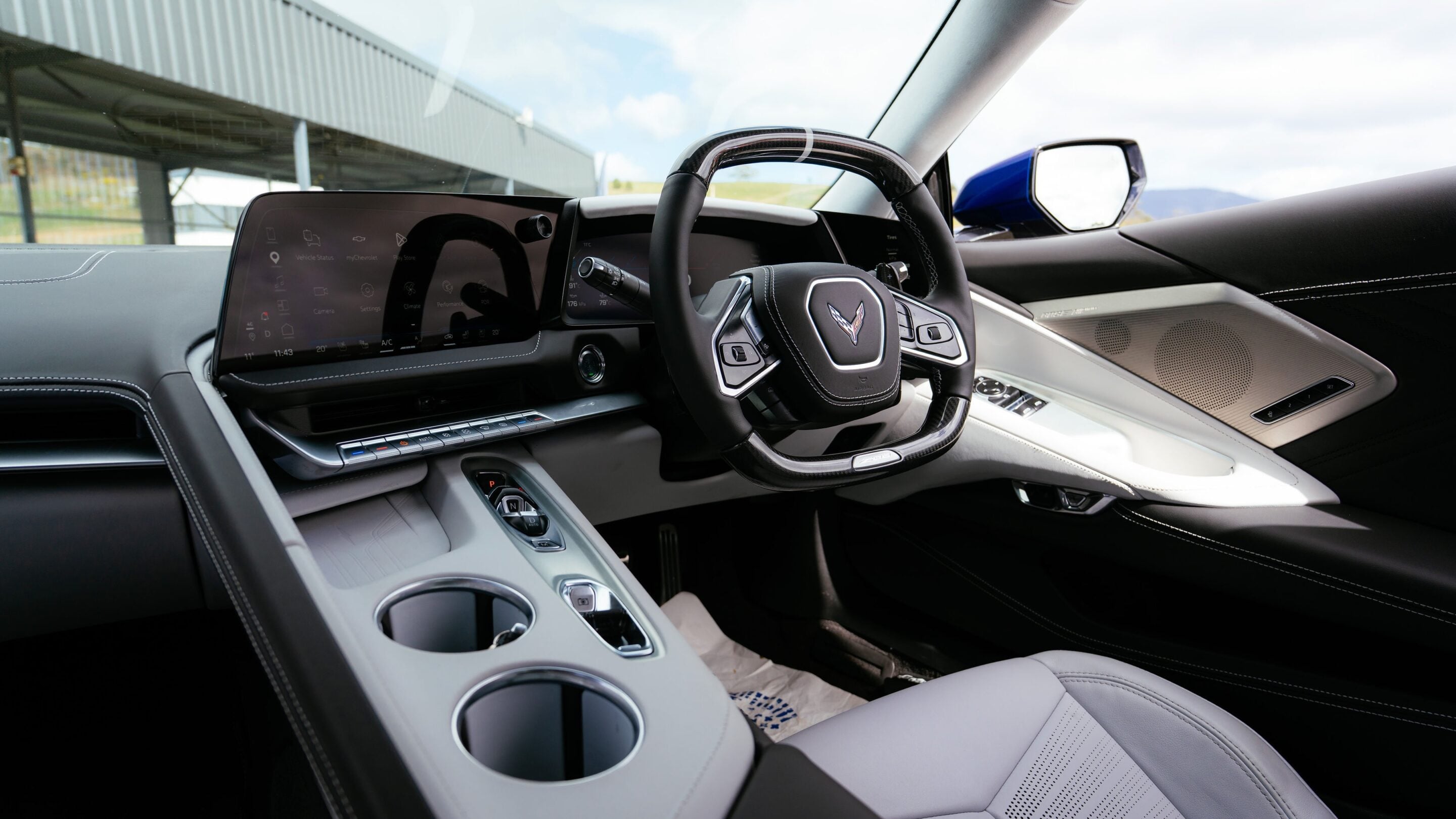
10 exterior colour options are available, including three new colours for MY27: Pitch Grey Metallic, Admiral Blue Metallic and Roswell Green Metallic, while buyers can also choose from a range of 20-inch front and 21-inch rear wheels.
The first deliveries for the 2027 Chevrolet Corvette Z06 are due to commence in the first quarter of 2027, with production of the model scheduled to commence in the USA in January.
Chery Australia has officially opened reservations for its upcoming Stockman plug-in hybrid ute, with the first examples now confirmed to reach customers from February 1, 2027. Customers who reserve a Stockman online from October 1 will receive a $2000 Bunnings gift card and three years or 45,000km of complimentary scheduled servicing.
Pricing and full specifications for the Stockman are yet to be released, with Chery saying further details and an official sales launch date will be announced closer to its showroom arrival. However, plenty is already known about the brand’s first ute for Australia.
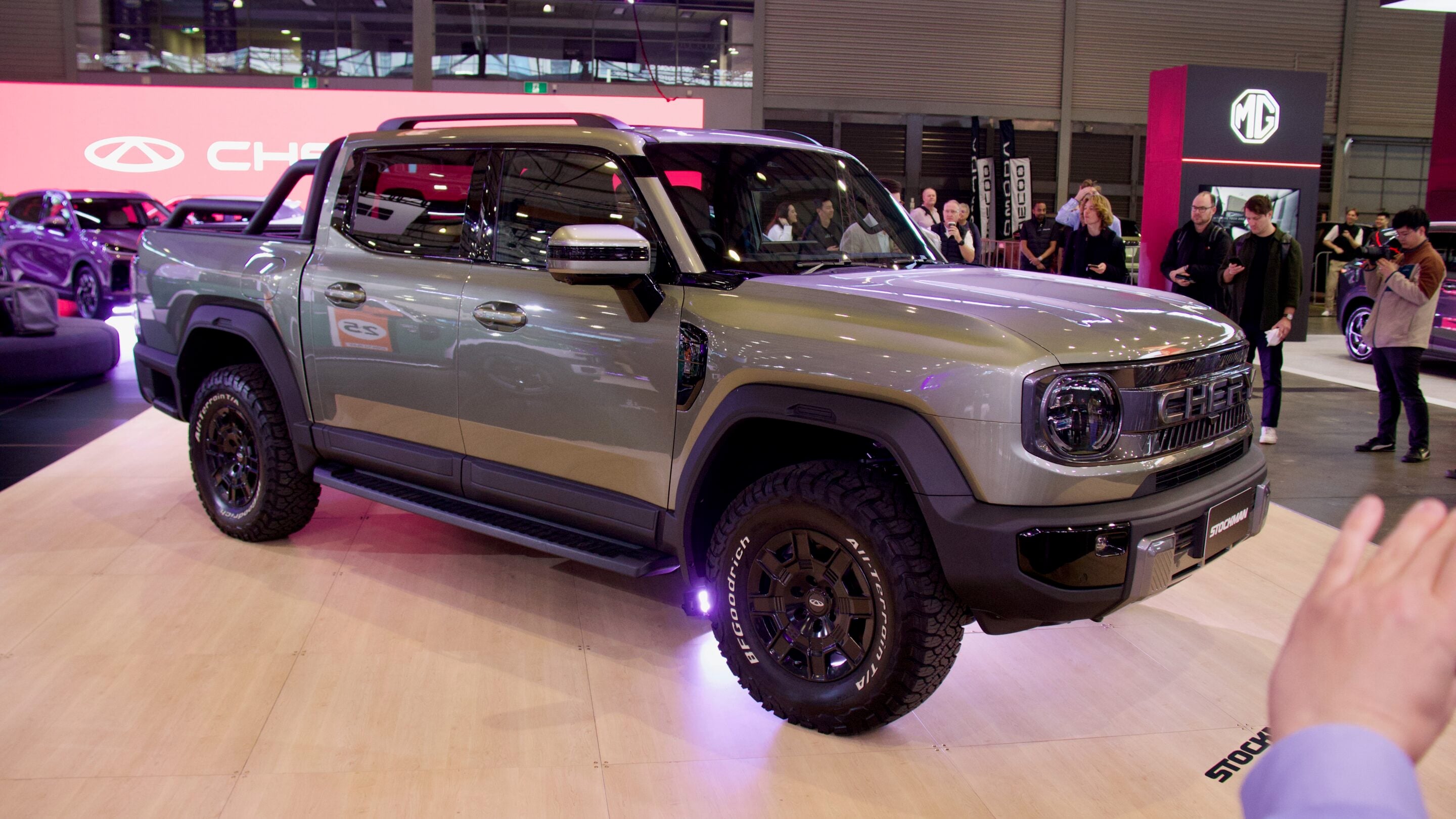
Previously going by its internal ‘KP31’ name, the Stockman will use a 2.5-litre four-cylinder turbo-diesel plug-in hybrid powertrain producing combined outputs of 350kW and 800Nm. The battery size is yet to be announced, but Chery claims up to 100km of electric-only driving range on the more lenient NEDC test cycle, while its 3500kg braked towing capacity puts it in line with many of Australia’s established dual-cab utes.
The Stockman measures 5450mm long, 2010mm wide and 1890mm tall, making it a sizeable vehicle, even in the ever-growing ute segment. Off-road equipment will include three differential locks, all-terrain tyres, crawl control and a tight-turn assist function. Chery has also previously confirmed other equipment, including a head-up display, leather upholstery, heated and ventilated front seats, wireless phone charging and a premium audio system.
“Opening reservations for the Stockman marks an important milestone for Chery in Australia,” said Chery Australia chief operating officer Lucas Harris. “We’ve had a phenomenal response to the Stockman since the first announcement, and the reservation program gives customers the opportunity to secure their place ahead of the official sales launch, while also receiving a valuable pre-launch offer.”
Australian pricing and full specifications for the Chery Stockman will be announced closer to launch, with customer deliveries commencing from February 1, 2027.
Tesla Australia has announced a series of upgrades for its Model 3 medium sedan and Model Y medium SUV for the 2027 model year. There’s a range of changes for both, adding new capability, new finishes and for some models, extra performance and range while also improving the value equation.
The biggest change to the Model Y is that the top-spec Performance is now being produced at the same Shanghai factory as other Model Y variants, instead of being manufactured in Berlin. That has led to its price falling from $89,400 to $84,900 plus on-road costs. However, that means paints are now a cost option, and there are also new ‘Glacier Blue’ paint and ‘Zen Grey’ interior choices.
The Model Y Premium Long Range All-Wheel drive also now accelerates to 100km/h in just 4.3 seconds, with the Model Y L Premium All-Wheel Drive getting through the sprint in 4.5 seconds, which are improvements of 0.5 and 0.3 seconds respectively.
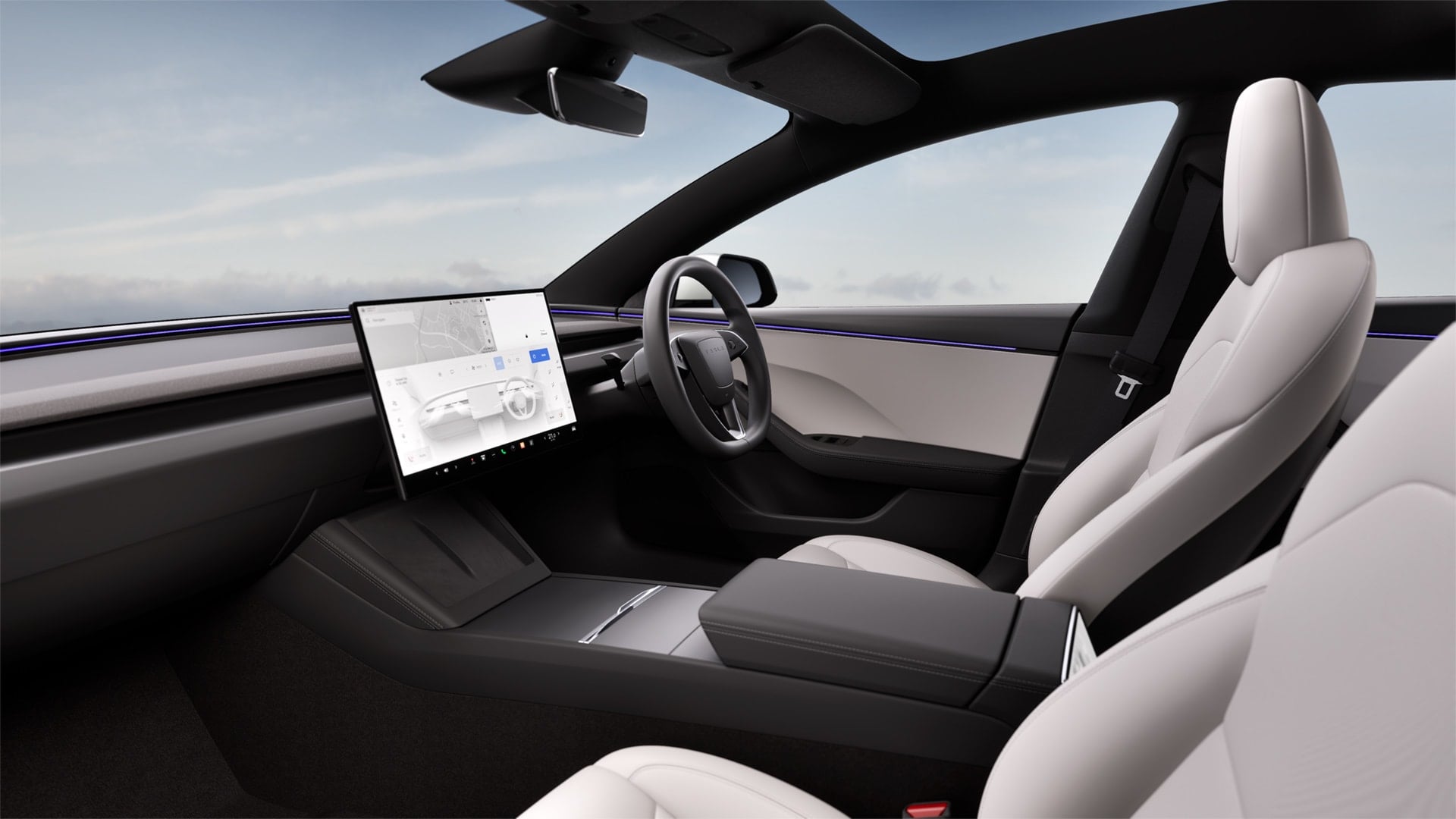
As for the Model 3, aside from the new entry-level Rear-Wheel Drive model, it now features a larger 16-inch touchscreen up from 15.4-inches, a dark headliner and the same ‘Zen Grey’ interior option as the Model Y. The Model 3 is also available with new 19-inch ‘Dark Nova’ alloy wheels, while the top-spec Model 3 Performance has seen a range increase from 571km to 600km on the WLTP cycle.
Finally, both the Model 3 and Model Y are now available with Power Share, which is Tesla’s bidirectional charging technology that lets your electric vehicle’s high-voltage battery store, share, and export electricity to run external appliances, back up your house, or feed energy back into the grid.
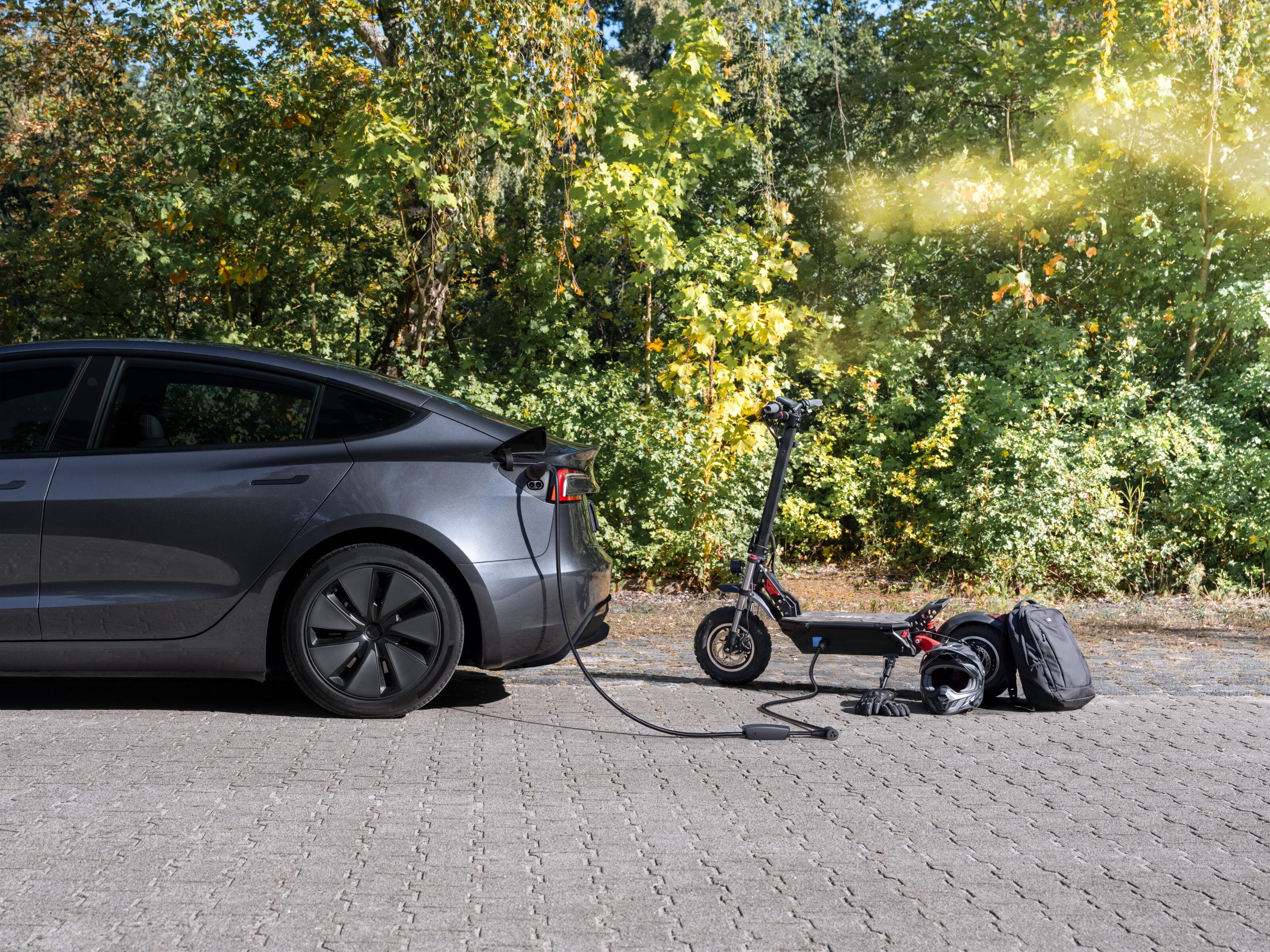
Power Share requires the $145 Tesla Outlet Adapter, which is available from the Tesla Shop and it cannot be retrofitted to vehicles earlier than MY27. The updated Tesla Model 3 and Model Y ranges are available to order now ahead of deliveries commencing from later this month.
MY27 Tesla Model 3 and Model Y pricing (excluding on-road costs):
- Model 3 Rear-Wheel Drive: $45,900
- Model 3 Premium Rear-Wheel Drive: $54,900
- Model 3 Premium Long-Range All-Wheel Drive: $61,900
- Model 3 Performance All-Wheel Drive: $80,900
- Model Y Premium Rear-Wheel Drive: $58,900
- Model Y Premium Long-Range All-Wheel Drive: $68,900
- Model Y L Premium All-Wheel Drive: $74,900
- Model Y Performance All-Wheel Drive: $84,900
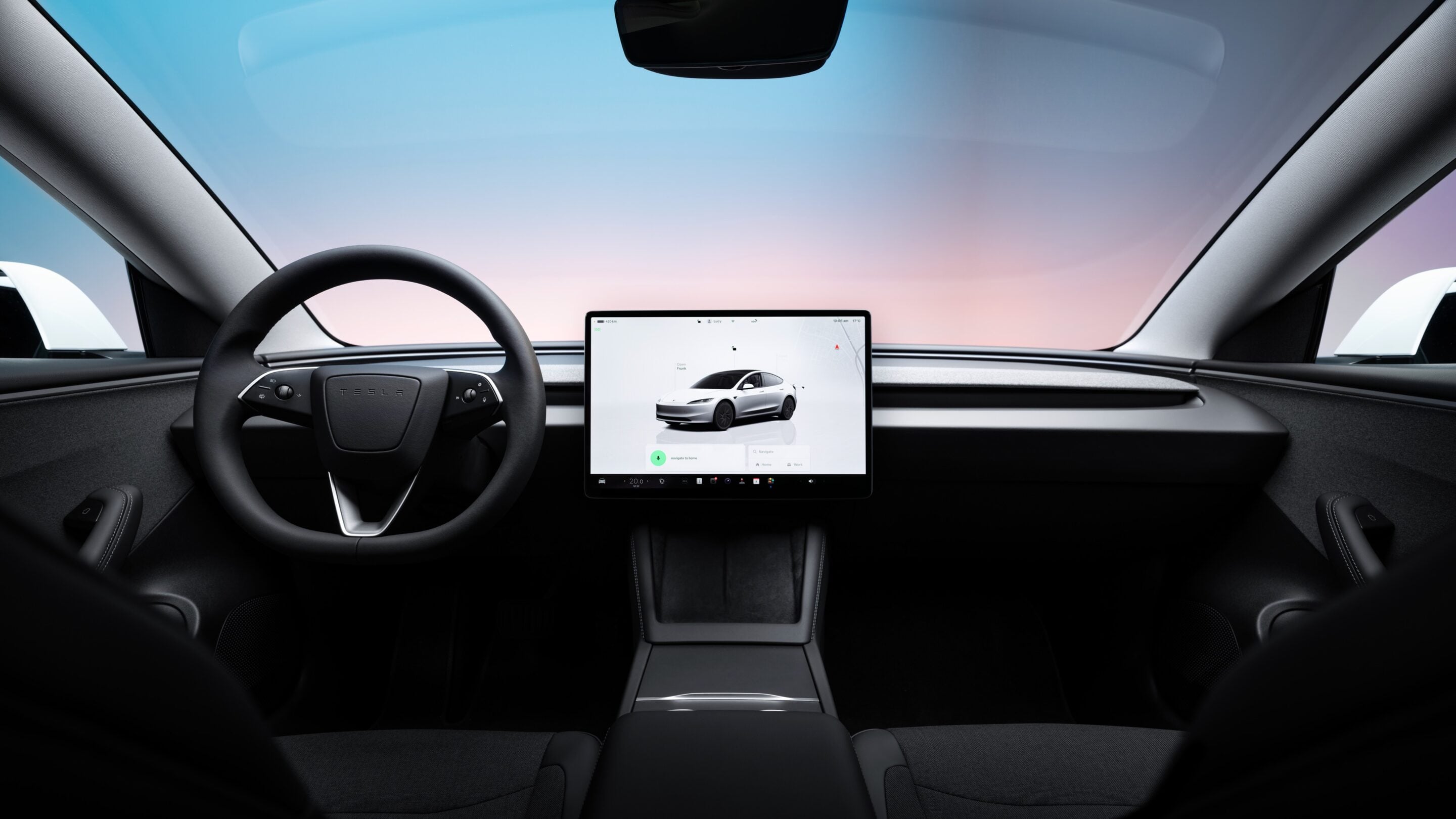
Tesla has announced that a new entry-level grade has joined its Model 3 medium sedan lineup, which is priced from just $45,900 plus on-road costs and the first local deliveries are due to commence later this month. The new Model 3 grade is simply called the Rear-Wheel Drive and will sit below the current Premium and Performance models.
On the outside, the new Model 3 Rear-Wheel Drive is identified by new 18-inch ‘Prismata’ wheels, while it keeps the Premium’s other features like the panoramic glass roof, Matrix LED headlights, auto-folding mirrors and hands-free bootlid. The Model 3 Rear-Wheel Drive is available in three colours only: Pearl White, Diamond Black (+$1500) and Stealth Grey (+$1500).
On the inside, the rear console screen no longer features, the nine-speaker audio has been downgraded to seven speakers, the dual wireless phone chargers is now single and the fully synthetic leather trim has been swapped for a part-textile trim instead.
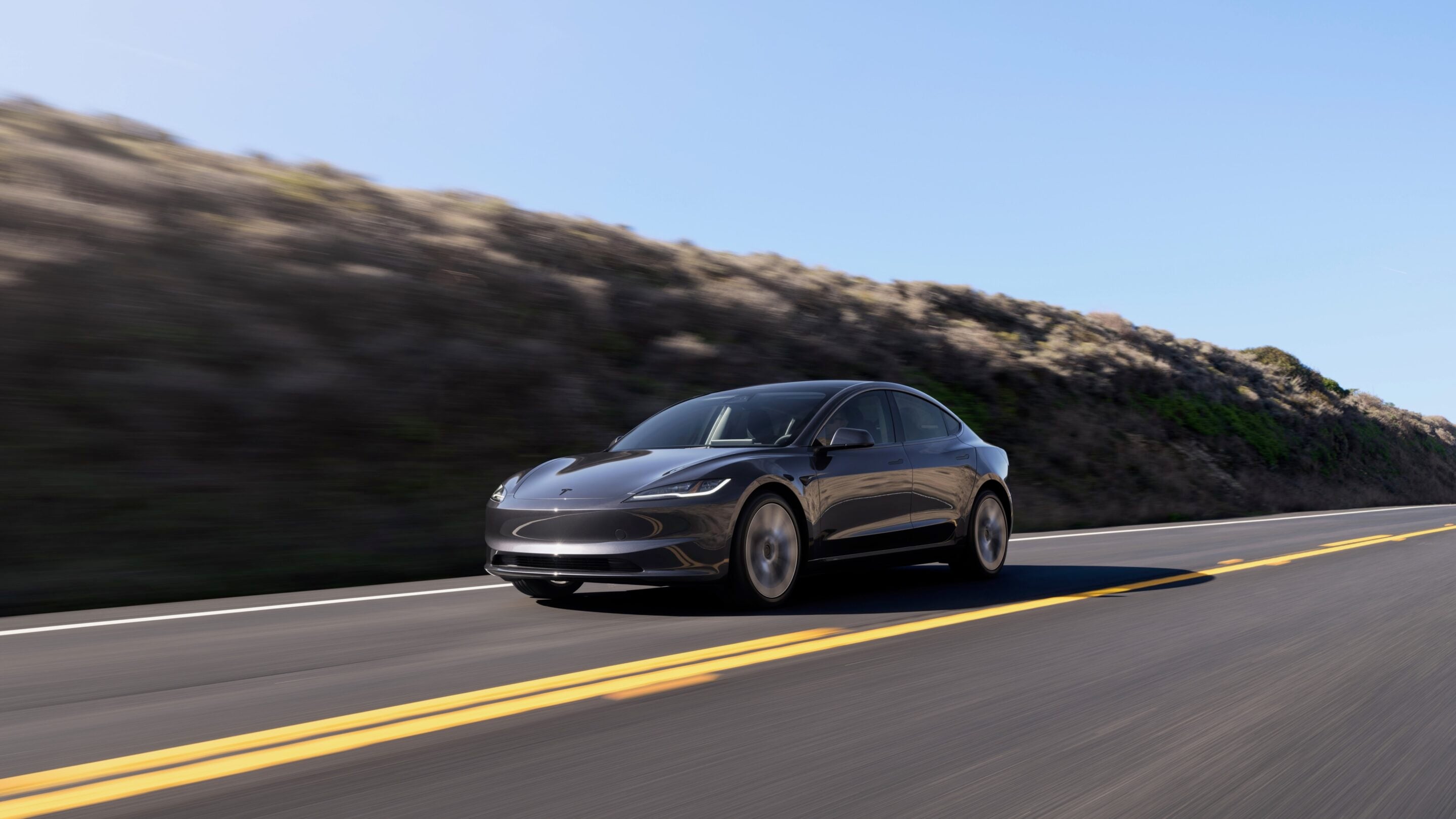
However, heated electrically adjustable front seats with driver’s memory, a heated steering wheel, heat pump, 16-inch touchscreen with online services, three USB-C chargers and footwell ambient lighting still feature as standard.
Safety features also include autonomous emergency braking, forward collision warning, blind-spot monitoring, a live blind-spot camera feed and a 360-degree parking camera.
Tesla is yet to confirm battery and motor figures for the Model 3 Rear-Wheel Drive, but it’s rated at 572km for WLTP driving range and hits 100km/h in just 6.2 seconds. For reference, the Premium Rear-Wheel Drive is rated at 520km and 6.1 seconds.
“Model 3 Rear-Wheel Drive is the most affordable way for Australians and New Zealanders to own a Tesla, and the most accessible way to experience Full Self-Driving (Supervised),” said Thom Drew, Tesla’s country director for Australia and New Zealand.
“Customers get the Model 3 they know, the silhouette, panoramic glass roof, ride comfort, over-the-air updates and Supercharger network access, at a price point that makes Tesla ownership a straightforward decision.”
2027 Tesla Model 3 pricing (excluding on-road costs):
- Rear-Wheel Drive: $45,900
- Premium Rear-Wheel Drive: $54,900
- Premium Long-Range All-Wheel Drive: $61,900
- Performance All-Wheel Drive: $80,900
The new Tesla Model 3 Rear-Wheel Drive is due in showrooms from later this month.
Contenders
Winner: Geely EX2
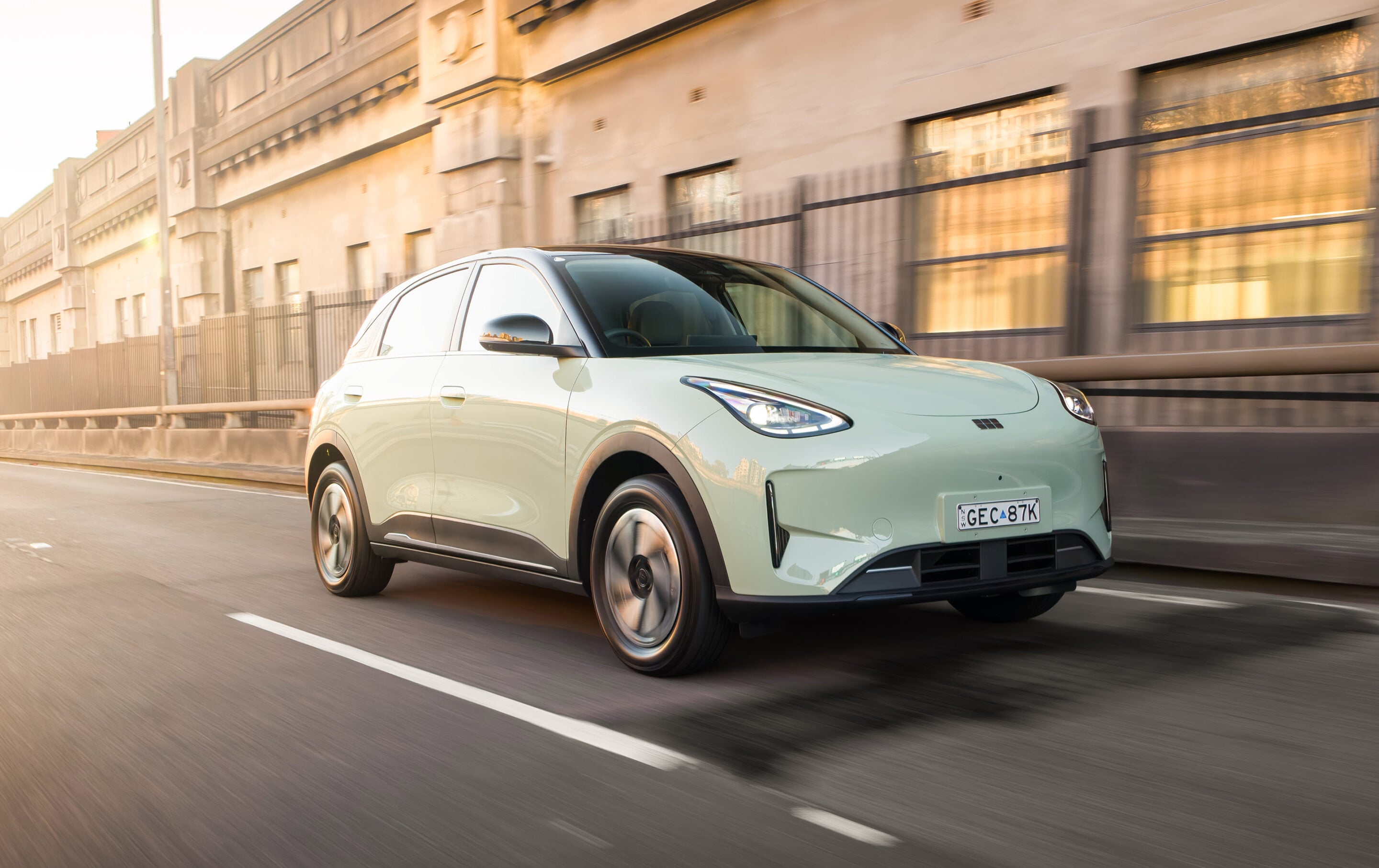
Price: From $26,490 plus on-road costs (Complete)
Drivetrain: Single-motor electric, single-speed transmission, rear-wheel drive, 35.3kWh (Complete)
or 47.1kWh (Inspire) battery
Outputs: 60kW/150Nm (Complete), 85kW/150Nm (Inspire)
Claimed range (WLTP): 252km (Complete), 345km (Inspire)
Warranty: Seven-year/unlimited km
Five-year service cost: $1487
| Driving | |
| Interior | |
| Practicality | |
| Overall value | |
Strengths
- Sharply priced and well equipped
- Surprisingly spacious cabin
- Refined driving experience
Weaknesses
- Tech interface can take a bit to get used to
- No spare wheel in either model
- Could be a bit more powerful
Thanks to the continued onslaught of SUVs down under, the attraction of being small is getting lost in the new-car market. Even supposedly “compact” models continue to grow in size,
weight and price to appeal to those who want a larger SUV. The Geely EX2 is a refreshing
counterpoint to that movement, and it’s the winner of Wheels Best Compact Car 2026.
What impressed us most about the EX2 is just how much car Geely has squeezed into such a
compact package. At a little over 4.1 metres long, it occupies a small footprint that makes sense in
the city, yet its clever packaging means it doesn’t feel particularly small once you open the door.
There’s great passenger space, particularly in the rear, plenty of useful cabin storage and
enough practicality for the EX2 to comfortably serve as an everyday driver.
Then there’s the pricing. Starting from $26,490 plus on-road costs for the entry-level Complete, the
EX2 is one of Australia’s most affordable EVs and one of Australia’s cheapest new cars, while the
$30,990 +ORC Inspire remains compelling value for money thanks to its extra range, performance
and standard equipment.
Standard features on the Complete include dusk-sensing automatic LED lighting, synthetic leather
trim, an electric driver’s seat, a 14.6-inch touchscreen with wireless Apple CarPlay and Android
Auto and a long list of safety features. Above that, the Inspire then adds alloy wheels, heating for
the front seats and steering wheel, rain-sensing wipers, a 360-degree camera and even an electric
tailgate.
The Complete combines a 35.4kWh battery with a 60kW/150Nm rear-mounted motor to offer
252km of WLTP range and spending extra to jump up to the Inspire increases those figures to
47.1kWh, 85kW/150Nm and 345km respectively. Performance is fine, particularly the instant
torque of the e-motor, though we’d love to see a more powerful variant.
The Complete is a solid package, but we think that it’s the Inspire that really broadens the EX2’s
appeal. A 345km range means this doesn’t have to be a car confined to short urban journeys, yet it
retains all the benefits of an EV when used around town. Smooth, quiet performance, immediate
response and low running costs suit stop-start traffic perfectly, while its compact dimensions and
light controls make it exceptionally easy to place.
Despite its price, the EX2’s cabin presents as thoroughly modern and good quality, while technology is plentiful and the overall experience feels more polished than its price might suggest.
Minor drawbacks are light steering and there’s no spare wheel – but neither undermine the whole package with this car.
The EX2’s impressive achievement is managing to be affordable without feeling bargain-basement, small without being impractical and electric without demanding an enormous price premium or providing a small driving range. It works brilliantly in the environment where compact cars spend most of their lives – around town – yet has enough space, range and maturity to venture beyond it.
The EX2 also makes a strong argument for the compact car itself as it proves that you don’t
necessarily need something bigger, heavier and more expensive to get a great all-round product.
That’s why it’s the clear winner of Wheels Best Compact Car for 2026.
BYD Atto 1

Price: From $19,990 driveaway (Essential – $23,990 plus on-road costs after December 15)
Drivetrain: Single-motor electric, single-speed transmission, front-wheel drive, 31kWh (Essential)
or 43.2kWh (Premium) battery
Outputs: 65kW/175Nm (Essential), 115kW/220Nm (Premium)
Claimed range (WLTP): 220km (Essential), 310km (Premium)
Warranty: Six-year/150,000km
Five-year service cost: $1391
| Driving | |
| Interior | |
| Practicality | |
| Overall value | |
Strengths
- It made EV tech and low running costs even more affordable
- Mature to drive and surprisingly punchy
- Spacious inside, despite tiny exterior dimensions
Weaknesses
- Base model Essential could be better equipped
- No blind-spot monitoring, rear cross-traffic alert or even a rear wiper
- Touchscreen is difficult to use at speed
Say what you want about it, but the BYD Atto 1 has changed the conversation around electric
vehicles in Australia. As the country’s cheapest new EV, it proves buyers no longer need to spend
well over $40,000 to ditch internal combustion. Better still, its combination of electric power and
genuinely compact dimensions makes plenty of sense for urban buyers.
Affordability is the key point as it’s currently priced from just $19,990 driveaway in entry-level Essential form (until December 15) but the Atto 1 offers more than a low purchase cost. Even the entry-level Essential features a sharp 10.1-inch infotainment touchscreen with live services and wireless smartphone mirroring, while the cabin feels modern, offers plenty of storage and makes clever use of the car’s tiny footprint.
There’s enough space for four occupants – and only four seatbelts – while the 308-litre boot
features useful under-floor storage. Larger rivals are obviously more practical, but its diminutive dimensions make it easy to squeeze into tight parking spaces, manoeuvre through crowded streets
and generally live with in the city.
That’s also where its electric drivetrain feels most at home. Instant torque makes the Atto 1
responsive in traffic, while light controls and a comfortable ride make urban driving effortless. The
Essential’s 65kW/175Nm motor provides adequate performance, but the Premium’s punchier
115kW/220Nm output makes it surprisingly brisk.
The Essential offers 220km of WLTP range, which should be plenty for many urban drivers, while
the Premium increases that to 310km for greater versatility. Its ride and handling balance is also
surprisingly mature, ensuring the Atto 1 is a good car to drive.
Five years of servicing costs just $1391, or $278 annually, while BYD provides a six-
year/150,000km vehicle warranty, which is short of the best in the industry.
There are compromises. Blind-spot monitoring and rear cross-traffic alert remain unavailable,
there’s bizarrely no rear wiper and the touchscreen can be fiddly on the move. Larger EVs such as
the MG 4 Urban also don’t cost dramatically more, either.
Yet as a compact car, the Atto 1 is very charming. It’s small, inexpensive, cheap to run and perfectly suited to urban driving. Most importantly, it isn’t just cheap for an electric car, it’s cheap for a new car, full stop. All of that makes this tiny BYD easy to justify.
Kia Picanto
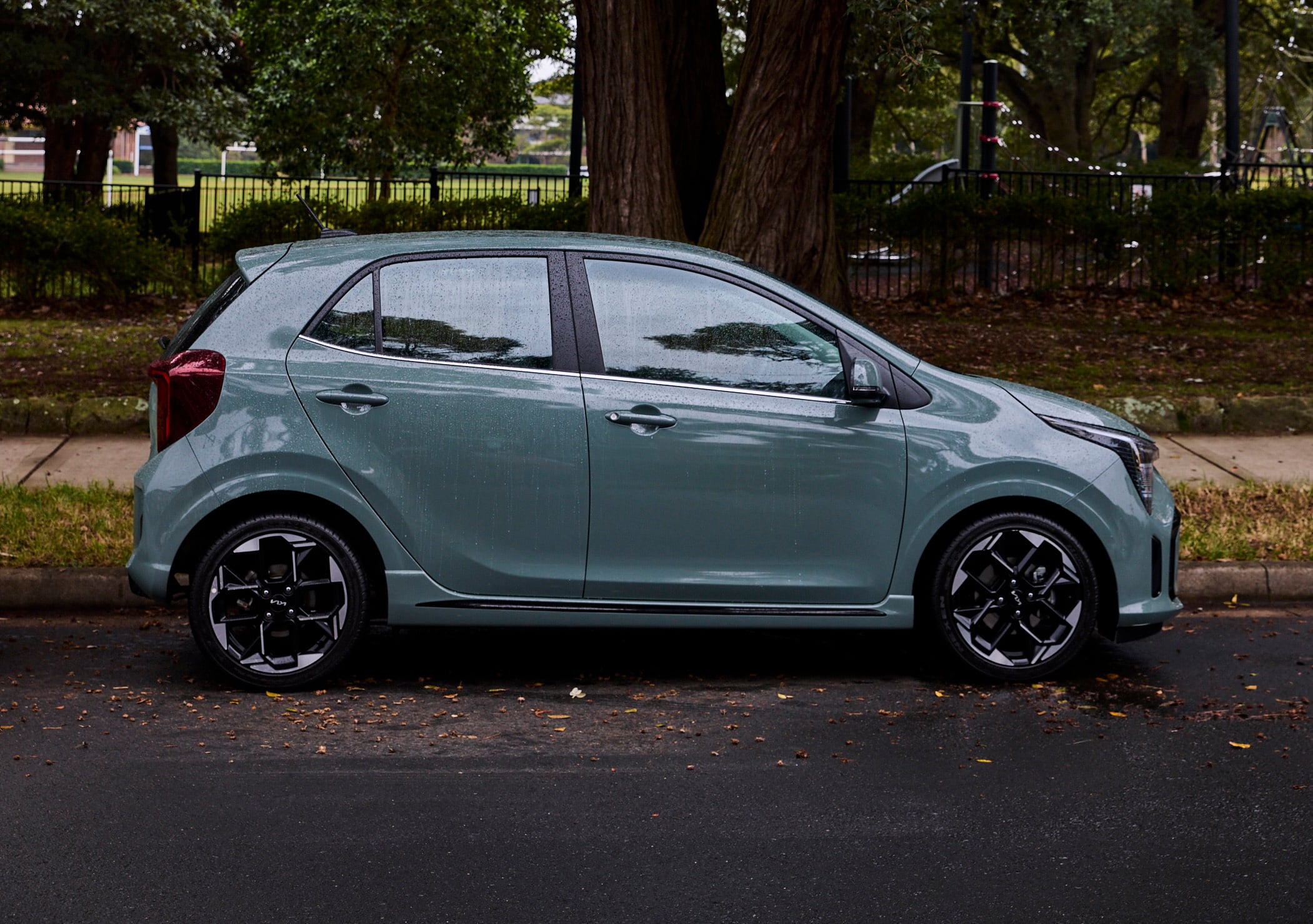
Price: From $19,190 plus on-road costs (Sport manual)
Drivetrain: 1.25-litre naturally aspirated four-cylinder petrol, five-speed manual or four-speed
automatic, front-wheel drive
Outputs: 62kW/121Nm
Claimed combined fuel consumption: 5.4L/100km (manual) – 6.0L/100km (auto)
Warranty: Seven-year/unlimited km
Five-year service cost: $2079
| Driving | |
| Interior | |
| Practicality | |
| Overall value | |
Strengths
- Despite price rises, still a cheap car
- Easy to use cabin tech
- Perfect sizing for the city
Weaknesses
- Dated and inefficient drivetrain
- Stiff ride quality in GT-Line spec
- Overseas models get more features
In a market where new cars keep getting bigger and more expensive, the Kia Picanto feels almost
refreshingly old-school. It’s genuinely tiny, genuinely affordable and, priced from below $20,000 in
entry-level Sport manual form, remains one of the most accessible new cars in Australia. Better
still, its compact dimensions make it particularly well suited to life in the city.
Pricing starts at $19,190 plus on-road costs for the Sport manual, with respectable standard
equipment including automatic headlights, air-conditioning, an 8.0-inch touchscreen with wireless
Apple CarPlay and Android Auto, autonomous emergency braking, blind-spot monitoring, rear
cross-traffic alert and a reversing camera.
The automatic-only GT-Line climbs to $22,590 +ORC and adds LED lighting, synthetic leather
upholstery, sportier styling and 16-inch alloy wheels. We’d still like Kia Australia to raid the
overseas options list, however, where features such as newer infotainment, a digital driver’s
display, climate control and heated seats are available.
At just under 3.6 metres long, the Picanto is a properly compact car, and that makes it perfect in
urban environments. It’s easy to thread through narrow streets, requires very little space to park
and offers good visibility, yet its small exterior doesn’t result in an unusably cramped cabin. Two
adults can fit in the rear, while the 255-litre boot expands to a useful 1010 litres with the back seats
folded.
Its locally tuned suspension also gives the Picanto a level of maturity you might not expect from
something so small and inexpensive, with a generally composed ride. The GT-Line is less
convincing, though, as its larger wheels introduce an unnecessary firmness.
The 62kW/122Nm 1.25-litre petrol engine is perfectly adequate for urban duties, but performance
feels modest once speeds rise. The four-speed automatic is also showing its age, while its 6.0L/100km claimed consumption is disappointing when the larger mild-hybrid Suzuki Swift uses around 2.0L/100km less.
Kia’s seven-year/unlimited-kilometre warranty is another strength, although five-year servicing
costs of $2079 are surprisingly high for such a simple, affordable car.
The Picanto isn’t perfect, but as a compact car it gets the fundamentals right. It occupies little road
space without sacrificing everyday usability, is easy to drive and park, comes well equipped and
remains quite affordable. For city dwellers who don’t need an SUV-sized footprint, the Picanto is a
convincing reminder that sometimes smaller really is better.
Mazda2
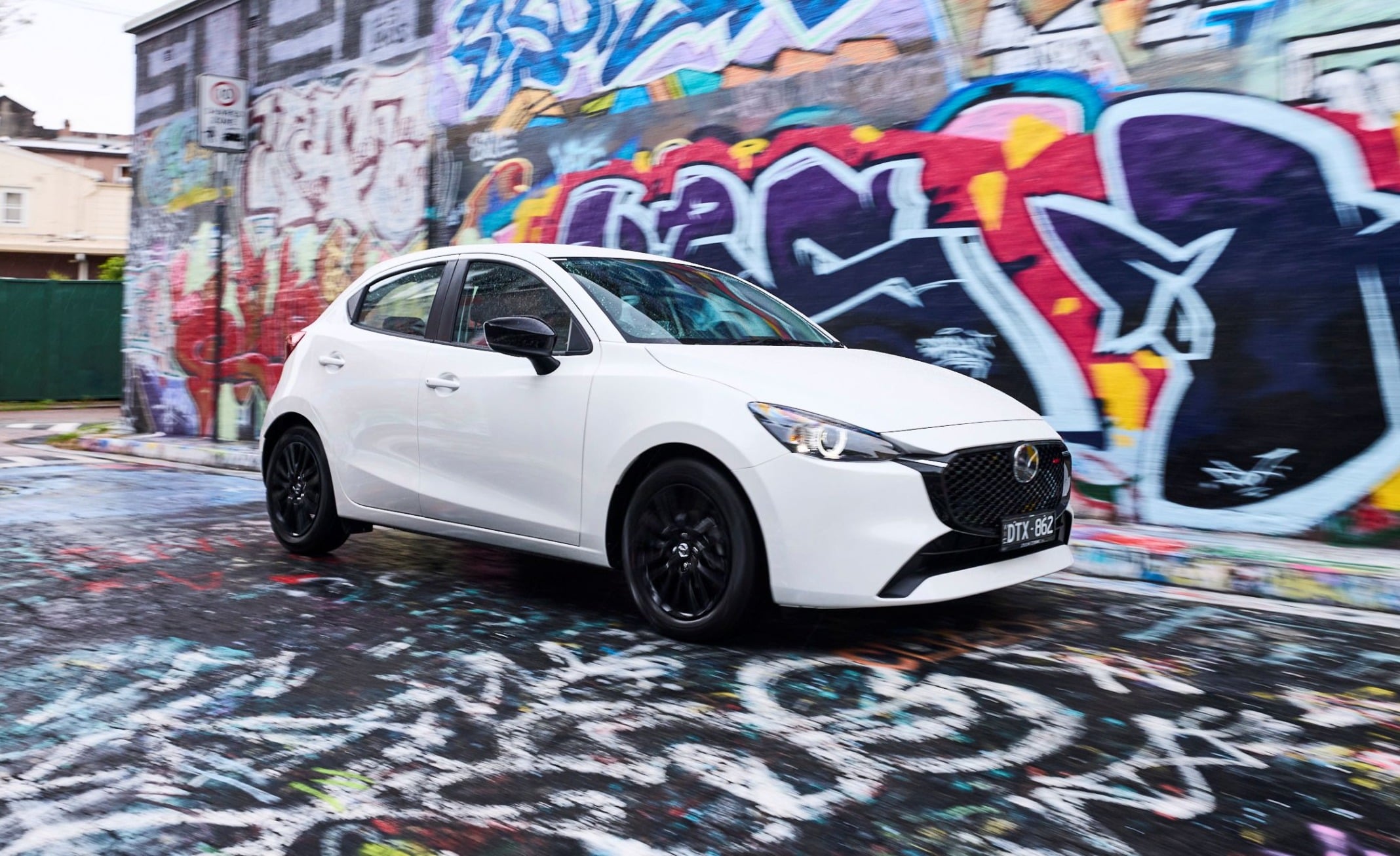
Price: From $27,290 plus on-road costs (G15 Evolve)
Drivetrain: 1.5-litre four-cylinder naturally aspirated petrol, six-speed automatic, front-wheel drive
Outputs: 81kW/142Nm
Claimed combined fuel consumption: 5.0L/100km
Warranty: Five-year/unlimited km
Five-year service cost: $2290
| Driving | |
| Interior | |
| Practicality | |
| Overall value | |
Strengths
- Fun but comfortable driving experience
- Two well equipped model grades and available sedan in GT form
- Well equipped across the range
Weaknesses
- Getting on in age with dated tech
- Far more expensive than it used to be
- Warranty length is average in today’s market
The Mazda2 might be one of the oldest cars in this year’s field – and indeed one of the oldest new
cars still on sale – but there’s something refreshing about its compact, uncomplicated approach.
Continual refinement since its 2014 launch has kept Mazda’s smallest hatchback competitive, even
if newer rivals offer more technology and cleverer packaging.
One of the Mazda2’s greatest strengths is its feeling of solidity. Cabin materials and expensive-
feeling switchgear remain a cut above what you’d normally expect from a small, relatively
affordable hatchback, although age is catching up with its technology. The small and grainy 7.0-
inch touchscreen looks particularly dated in 2026.
Nor does the Mazda2 perform any packaging miracles. Rear-seat room is tight for average-sized
adults and its 250-litre boot is modest, but its compact exterior dimensions are a major advantage
in the city. It’s easy to manoeuvre through tight streets, simple to park and occupies far less space
than the small SUVs increasingly chosen by urban buyers.
At $27,290 plus on-road costs, the entry-level Evolve is considerably more expensive than
Mazda2s once were, although standard equipment is generous. Dusk-sensing automatic LED
headlights, automatic climate control, a head-up display, wired Apple CarPlay and Android Auto, autonomous emergency braking, adaptive cruise control, blind-spot monitoring, rear cross-traffic
alert and a reversing camera are all included.
The Mazda2 also proves that compact cars don’t need to be boring. Its naturally aspirated 1.5-litre
four-cylinder petrol engine isn’t particularly powerful, but it’s smooth and dependable, while
accurate, well-weighted steering and taut yet compliant suspension make the Mazda one of the
more enjoyable cars in its class. It’s agile enough to dart through city traffic but polished enough to
remain entertaining on a winding country road.
Running costs are reasonable rather than outstanding. Five years of servicing costs $2290, while
claimed fuel consumption of 5.0L/100km can’t match a hybrid but remains relatively low. Mazda’s
five-year/unlimited-kilometre warranty is merely average by current standards, though.
The Mazda2 can’t disguise its age, nor can it match newer rivals for interior space or technology.
Yet its compact footprint, quality cabin, generous equipment and enjoyable driving experience
remain compelling. In an era of increasingly large and complicated cars, the Mazda2 is a reminder
of how satisfying a simple, genuinely compact hatchback can be.
MG 3
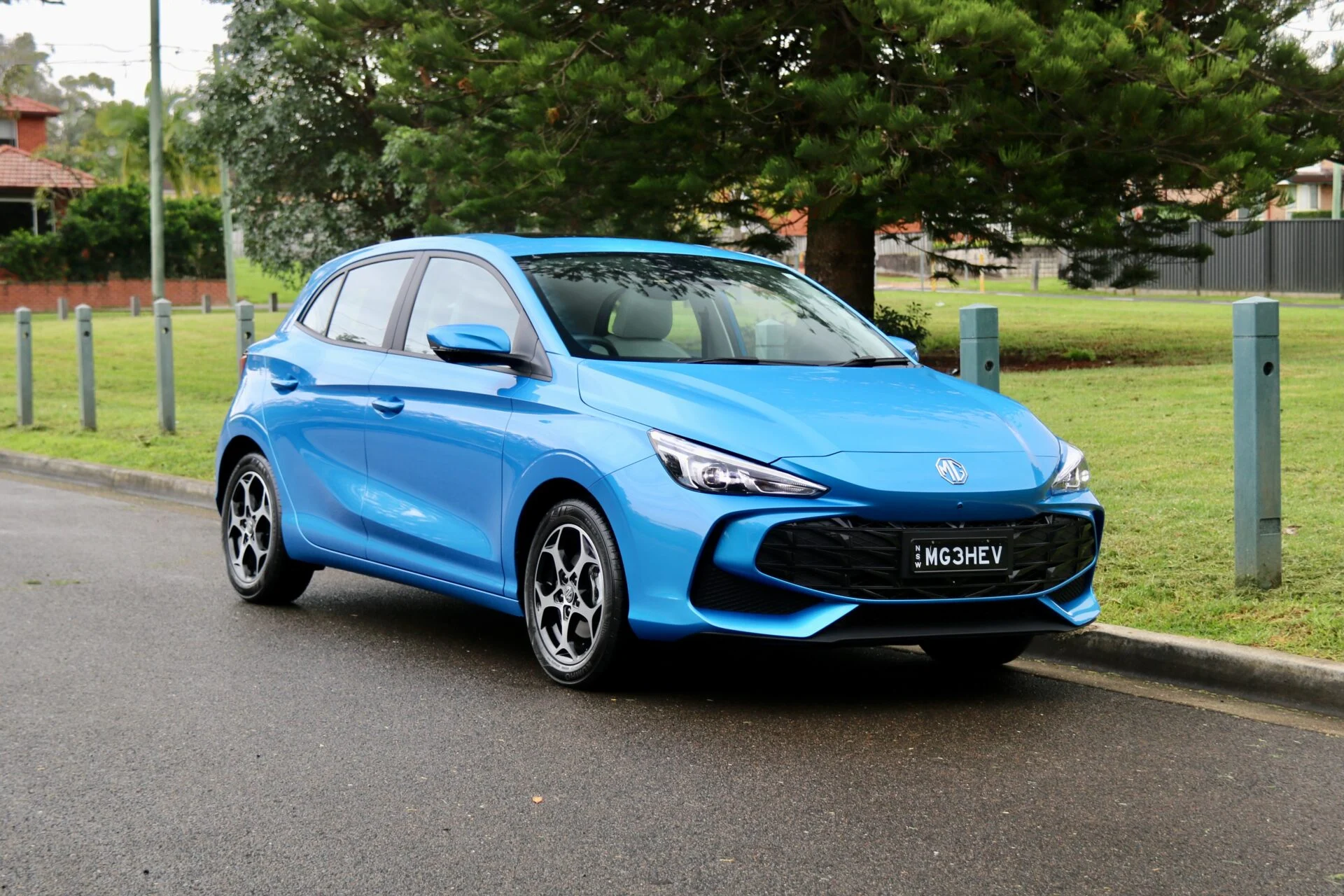
Price: From $19,990 driveaway (Vibe petrol – $20,990 driveaway after September 30)
Drivetrain: 1.5-litre four-cylinder petrol or hybrid, CVT (petrol) or three-speed hybrid (hybrid)
transmission, front-wheel drive
Outputs: 81kW/142Nm (petrol), 155kW/425Nm (hybrid)
Claimed combined fuel consumption: 4.3L/100km (hybrid) – 6.0L/100km (petrol)
Warranty: Seven-year/unlimited km (extendable to 10 years/250,000km with dealer servicing)
Five-year service cost: $1827 (petrol) – $2064 (hybrid)
| Driving | |
| Interior | |
| Practicality | |
| Overall value | |
Strengths
- Well equipped and well priced relative to other hybrids
- Surprisingly punchy hybrid system
- Long standard warranty extendable to 10 years
Weaknesses
- Hybrid+ drivetrain is expensive
- Cabin quality could be better
- No spare wheel in Hybrid+ models
Modern MG’s transformation from maker of bargain-basement specials to competitive cars is
neatly demonstrated by the MG 3. The previous generation was cheap but difficult to recommend;
thankfully, today’s car is vastly more accomplished, while retaining its compact dimensions and
keen pricing that make it appealing to so many buyers.
There’s also more choice, with both petrol and hybrid drivetrains available. The petrol MG 3 is the
more affordable way into the range, using a 1.5-litre four-cylinder engine making 81kW/142Nm
outputs and paired with a CVT. It lacks the punch and efficiency of the hybrid, but its lower
purchase price makes plenty of sense for buyers simply wanting an affordable city runabout.
Pricing for that starts at just $20,990 driveaway, though it’s currently on special from $19,990
driveaway until September 30, making it Australia’s cheapest new car once on-road costs are included.
The Hybrid+ is definitely the more impressive drivetrain. Pricing for that starts at $28,990
driveaway for the Excite and $30,990 driveaway for the Essence, making it one of Australia’s most
affordable hybrids but more expensive than the petrol models. Its 1.5-litre petrol engine and electric
motor produce a substantial 155kW combined, delivering punchy in-gear acceleration while only
using a claimed 4.3L/100km.
Regardless of drivetrain, the MG 3 makes good use of its compact footprint. There’s a reasonable
amount of storage throughout the cabin, comfortable front seats and surprisingly generous rear
accommodation for a light hatchback. Boot capacity is a respectable 293 litres, expanding to 938
litres with the rear seats folded.
Technology is another positive point, with a 10.25-inch touchscreen and 7.0-inch digital instrument
display standard equipment. The Excite also includes automatic climate control, rear parking
sensors, adaptive cruise control and lane-keeping assistance, while the Essence adds LED
headlights, a 360-degree camera, keyless entry, a sunroof and leather-like upholstery.
On the road, the MG 3 feels much more mature than its predecessor, with a planted, solid
character, although its steering could provide more feedback. Its small dimensions make it easy to
manoeuvre and park around town, while the Hybrid+ adds the effortless response that suits stop-
start urban driving particularly well.
Ownership credentials are strong, too. MG’s seven-year/unlimited-kilometre warranty can extend to
10 years/250,000km with eligible dealer servicing, although five-year servicing costs of $1827 for
the petrol and $2064 for the hybrid are higher than expected.
The MG 3 isn’t quite the bargain it once was, but it’s now a far better car. Spacious for its compact
dimensions, well equipped and easy to live with, it offers affordable petrol motoring or a punchy,
efficient hybrid drivetrain. That breadth makes the MG 3 an impressively complete compact-car
proposition.
Toyota Yaris
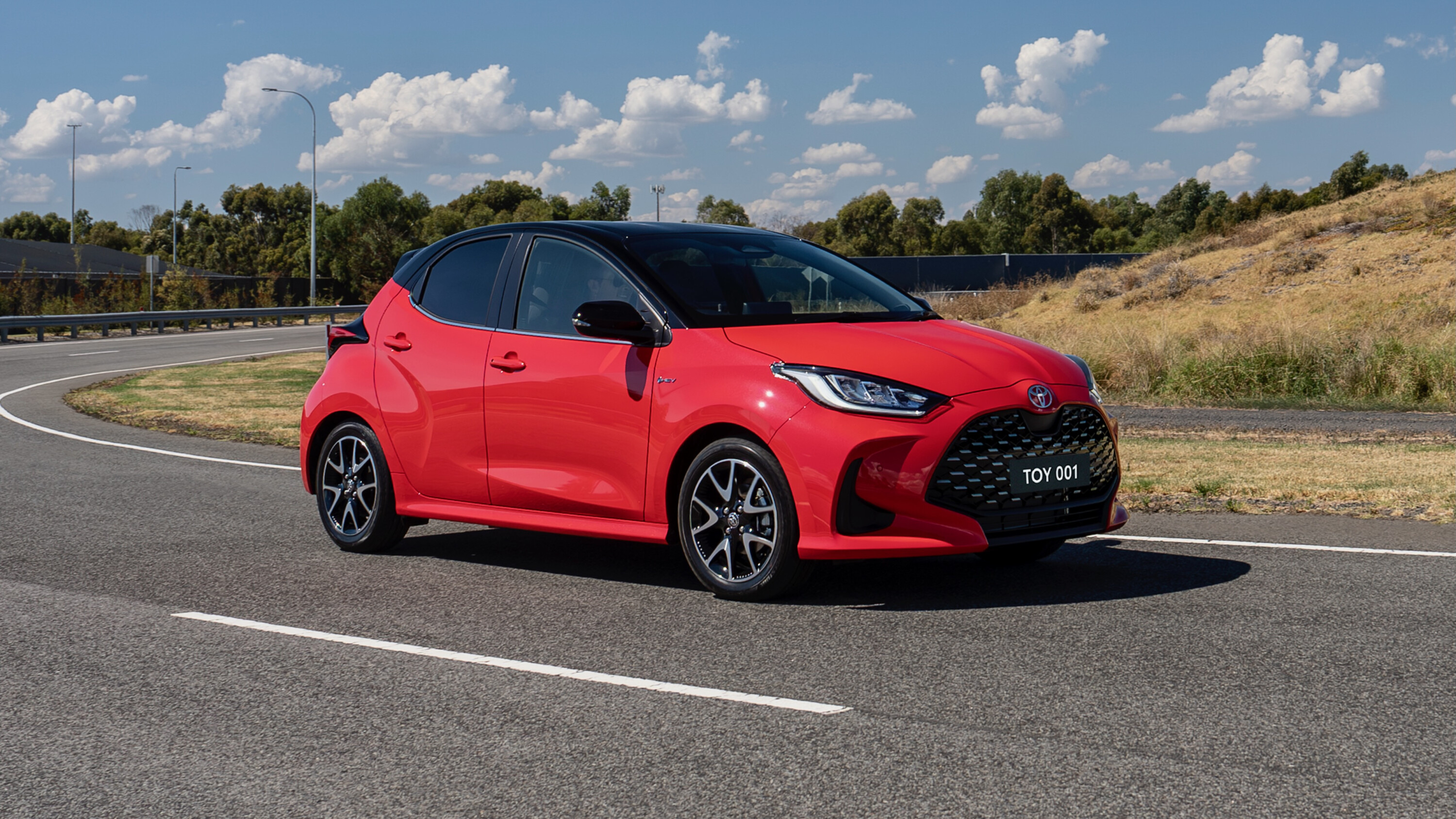
Price: From $29,190 plus on-road costs (Ascent Sport)
Drivetrain: 1.5-litre three-cylinder hybrid, e-CVT transmission, front-wheel drive
Outputs: 85kW (no peak torque figure available)
Claimed combined fuel consumption: 3.5L/100km
Warranty: Five-year/unlimited km
Five-year service cost: $1325
| Driving | |
| Interior | |
| Practicality | |
| Overall value | |
Strengths
- Good to drive and comfortable
- Insanely fuel efficient
- Reasonably well equipped
Weaknesses
- Tight interior space
- A lot more expensive than previous Yaris models
- Only the top-spec ZR gets kit like blind-spot monitoring
If you’re looking for the most fuel-efficient plugless car on the Australian market, here it is. The all-
hybrid Toyota Yaris uses just 3.5L/100km on the combined cycle, and combines that remarkable
efficiency with the tiny dimensions, easy manoeuvrability and low running costs that make a
compact car so appealing.
Its hybrid system pairs a 1.5-litre three-cylinder petrol engine with an electric motor for a combined
85kW. That’s more than enough for a car of this size, with the electric motor providing instant
response from a standstill and making the Yaris particularly pleasant in stop-start traffic.
The city is its natural habitat. Compact dimensions, light steering and good visibility make
squeezing through tight streets and into small parking spaces effortless, while the hybrid system
frequently shuts down the petrol engine at low speeds. Toyota’s claimed 3.5L/100km is
outstanding, and sub-4.0L/100km figures are easily achievable in urban driving. Despite a tiny 36-
litre fuel tank, more than 1000km between fills is theoretically possible.
There is a catch, though: price. The range starts at $29,190 before on-road costs for the Ascent
Sport Hybrid, meaning the Yaris is no longer the affordable entry point it once was.
Standard equipment includes keyless entry and start, an 8.0-inch touchscreen with wireless Apple
CarPlay and Android Auto, adaptive cruise control, autonomous emergency braking and adaptive
lane guidance. The SX adds equipment including LED headlights and a 7.0-inch digital driver’s
display, while the flagship ZR gains a head-up display, sports seats, blind-spot monitoring and rear
cross-traffic alert.
But having to buy the almost-$40,000-driveaway ZR to access those latter safety features is
difficult to justify, particularly given the Yaris is already so expensive for such a small car.
Ownership costs claw back some ground. Five years/75,000km of servicing costs just $1325, or
$265 annually, while Toyota’s five-year/unlimited-kilometre warranty can extend to seven years for
the engine and 10 years for the hybrid battery with dealer servicing.
The Toyota Yaris isn’t the bargain it once was, nor the roomiest compact hatchback. But its
diminutive footprint, polished driving experience and exceptional fuel efficiency make it perfectly
suited to city life. For urban buyers willing to pay the premium, the Yaris makes a lot of sense.
Having the best of both worlds just got easier and cheaper thanks to BYD flicking the switch on Australia’s most affordable plug-in hybrid car as the stablemate to its battery-electric Atto 2. The Atto 2 DM-i Dual-Mode 2.0 is part of a giant product push by BYD that has already seen it run Toyota close for market leadership in June, as well as offer sharp deals that position it as Australia’s cheapest new-car brand thanks to a $19,990 drive-away deal on the Atto 1 EV that lasts until December.
Things have not been entirely positive for BYD in 2026, though, as the brand has faced its first major safety recall, questions over cybersecurity, and a three-star slap by the Australasian New-Car Assessment Program for failing to make the expected five-star grade with its Sealion 5.
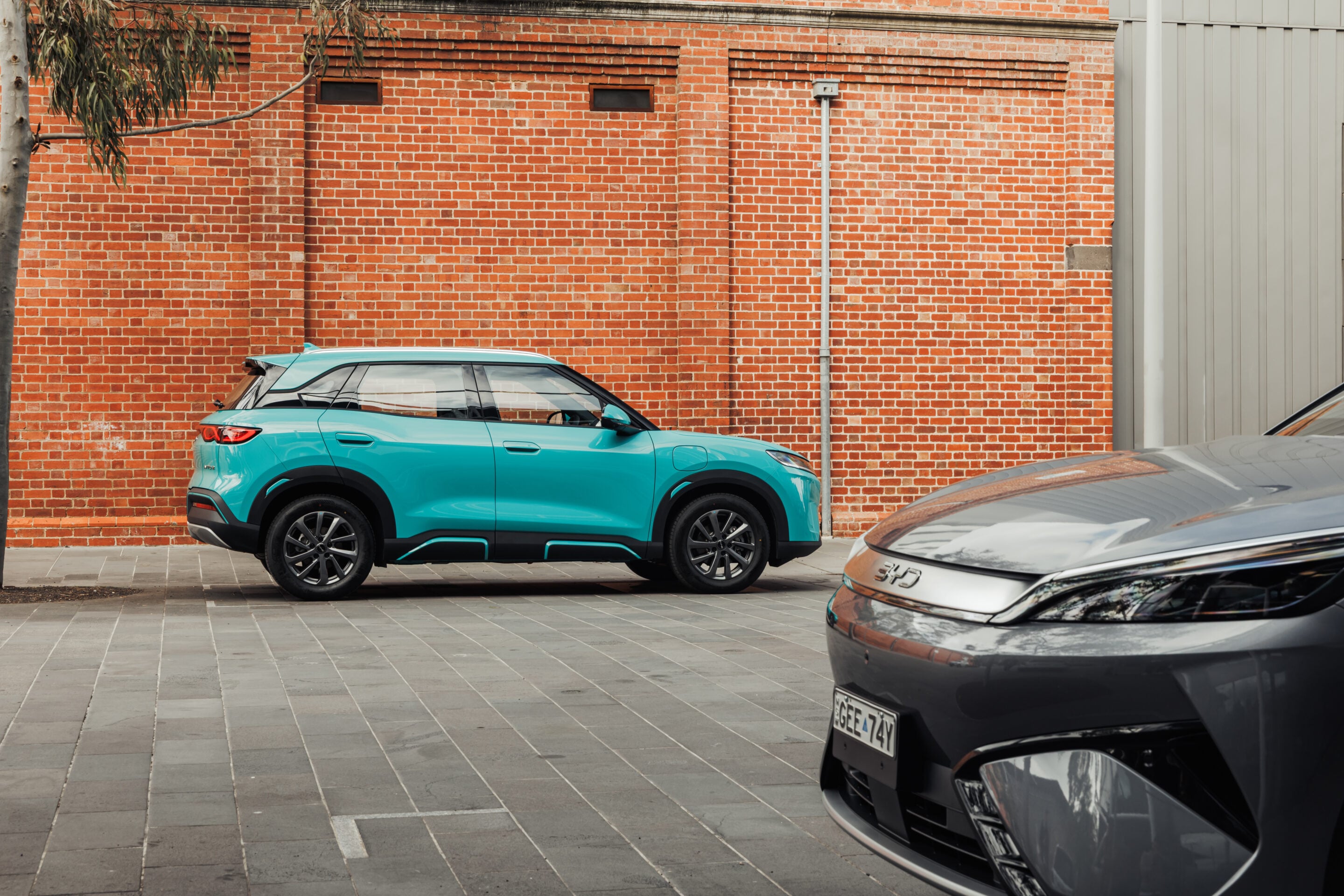
How much does the Atto 2 DM-i Dual-Mode 2.0 cost?
The newcomer hits showrooms priced from $24,990 and will take to the road with an impressive package for a small SUV, even more so on value, and it has some of the better driving manners in anything yet to emerge from China.
It’s not a match for a Corolla Cross for overall refinement or driving enjoyment, but it massively undercuts the Toyota’s starting price of $37,440 and comes with the next-generation hybrid development that Chinese brands insist on calling ’Super Hybrid’.
The Atto 2 first landed in Australia as a full battery-electric car, with prices from $31,990 to $35,990, in a super-crowded small SUV field that runs alphabetically from the Alfa Romeo Tonale to the Zeekr X. The full EV model continues as BYD chases buyers and simultaneously tests the appetite for a small plug-in hybrid. “Not everyone wants to make the full leap to EV. It’s a good solution,” the chief operating officer of BYD Australia-New Zealand, Stephen Collins, told WhichCar by Wheels.
So BYD is promising plenty from the PHEV model, even if the only obvious visual change is a real grille to feed the combustion engine, and the brand sees plenty of opportunities for conquest sales.
“We’re using PHEV to appeal to people who would have traditionally only purchased a full ICE (Internal Combustion Engine) vehicle,” the chief product officer for BYD ANZ, Sajid Hasan, told us.
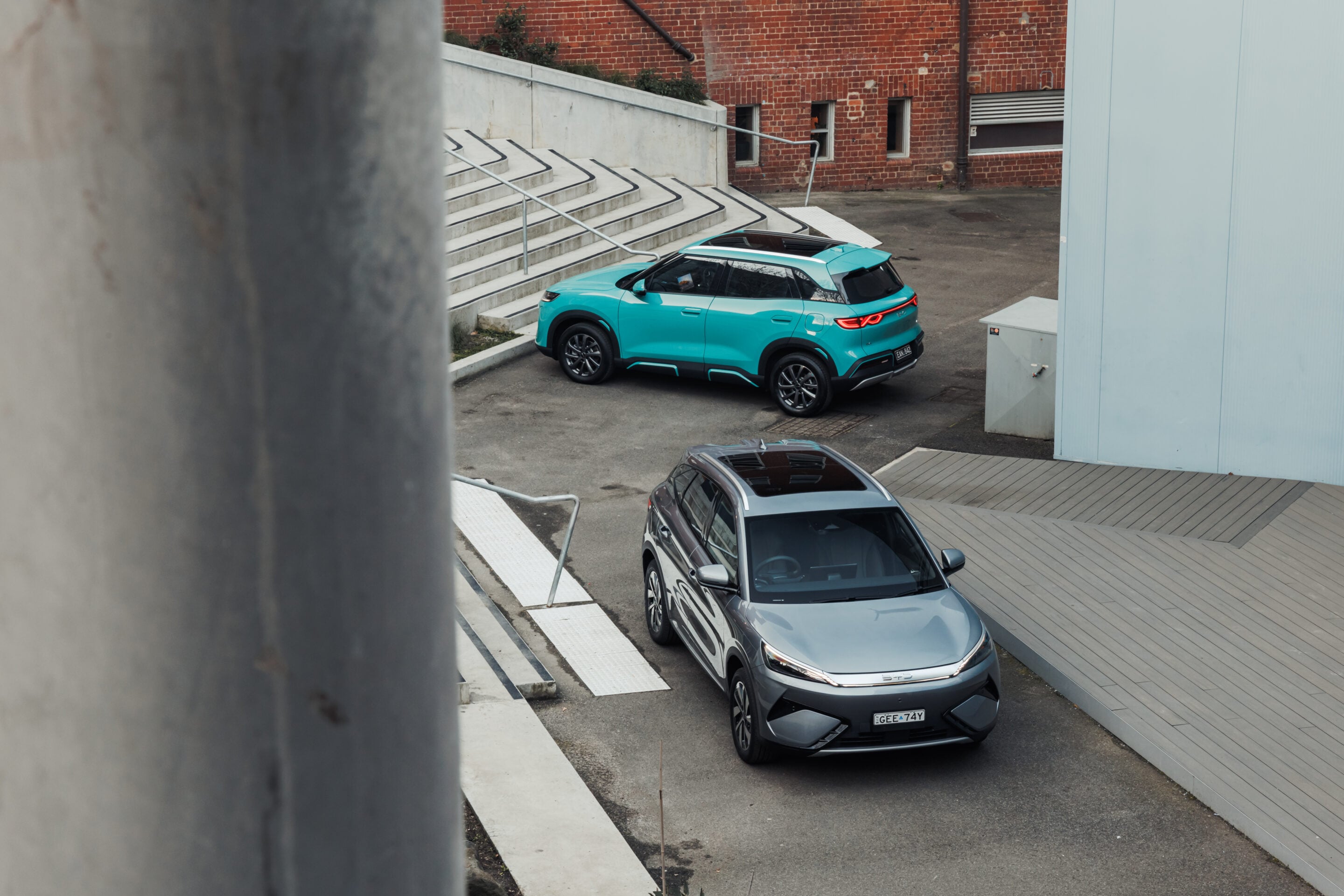
How far can the Atto 2 DM-i Dual-Mode travel on a full tank and battery?
The new mechanical package in the Atto 2 picks up a 1.5-litre naturally aspirated engine making 72kW and 122Nm for the front-wheel drive package. It has a 400-volt architecture. Then things split, as the Essential grade gets an extra 122kW from a permanent magnet synchronous electric motor and the Premium bumps that up to 156kW. Both e-motors have 300Nm of torque.
The grade split also affects the battery, as the base model gets a 7.85kWh Blade battery with 39 kilometres of pure EV range and the Premium scores an 18.03kWh unit with 90 kilometres. In both cases the chemistry is lithium-iron phosphate, claimed to be more thermally stable and, as BYD said, “far less prone to thermal runaway, the chain reaction that can lead to battery fires”.
So the all-up numbers – on the WLTP test cycle – are 845 kilometres of total range for the Essential and 895 for the Premium. Total power is 145 or 156kW depending on the variant.
For people who want more technical detail, BYD said energy consumption is rated at 14.70kWh for the Essential DM-i and 15.00kWh for the Premium on the WLTP test cycle, with combined fuel consumption (above 25 per cent state of charge) measured at 1.8L/100km for Essential and 0.7L/100km for Premium. Both Essential and Premium have a 3.3kW on-board AC charging port, with the 15-100 per cent charging time claimed at 2.7 and 6.1 hours respectively.
Away from the electrics and electronics, there is little visual change to the PHEV. The front bumper is tweaked to provide extra cooling for the combustion action and there is a new alloy wheel design and the Premium gets a roof rails and a sunroof.
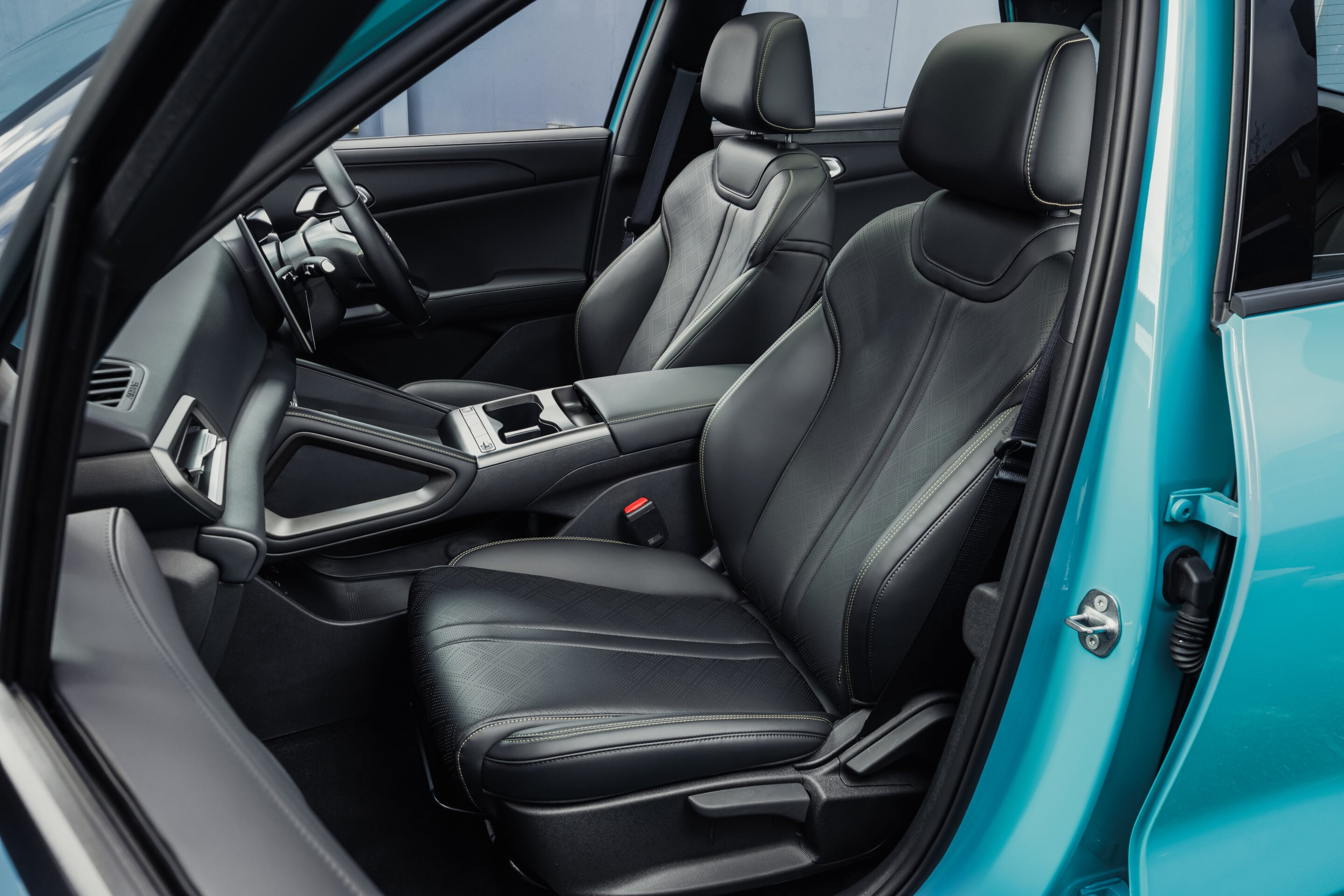
What sort of features and warranty does the Atto 2 DM-i Dual-Mode bring?
Inside, the PHEV continues with an 8.8-inch LCD instrument display, with a 10.1-inch central touchscreen that grows to 12.8 inches in the Premium. It has both wired and wireless connectivity, 60:40 split back seat, and 425 litres of luggage space, expanding to 1335 with the backrest folded down.
Premium buyers will also get synthetic leather seats with a six-way powered driver’s seat, heated front seats, ‘ambient’ lighting, six-speaker sound and a smartphone charger – with cooling.
But the car comes with a six-year/150,000 kilometre warranty, with eight years/160,000 for the high-voltage battery and eight years/150,000 for the drive unit. The first service is free with the most costly at $930 after 4 years/80,000.
There is no ANCAP safety score for the PHEV but BYD points to a full suite of active and passive equipment, from six airbags and reminders for front and rear seatbelts to a 360-degree camera, adaptive cruise control, traffic sign recognition, rear cross-traffic braking and lane-keeping assist.
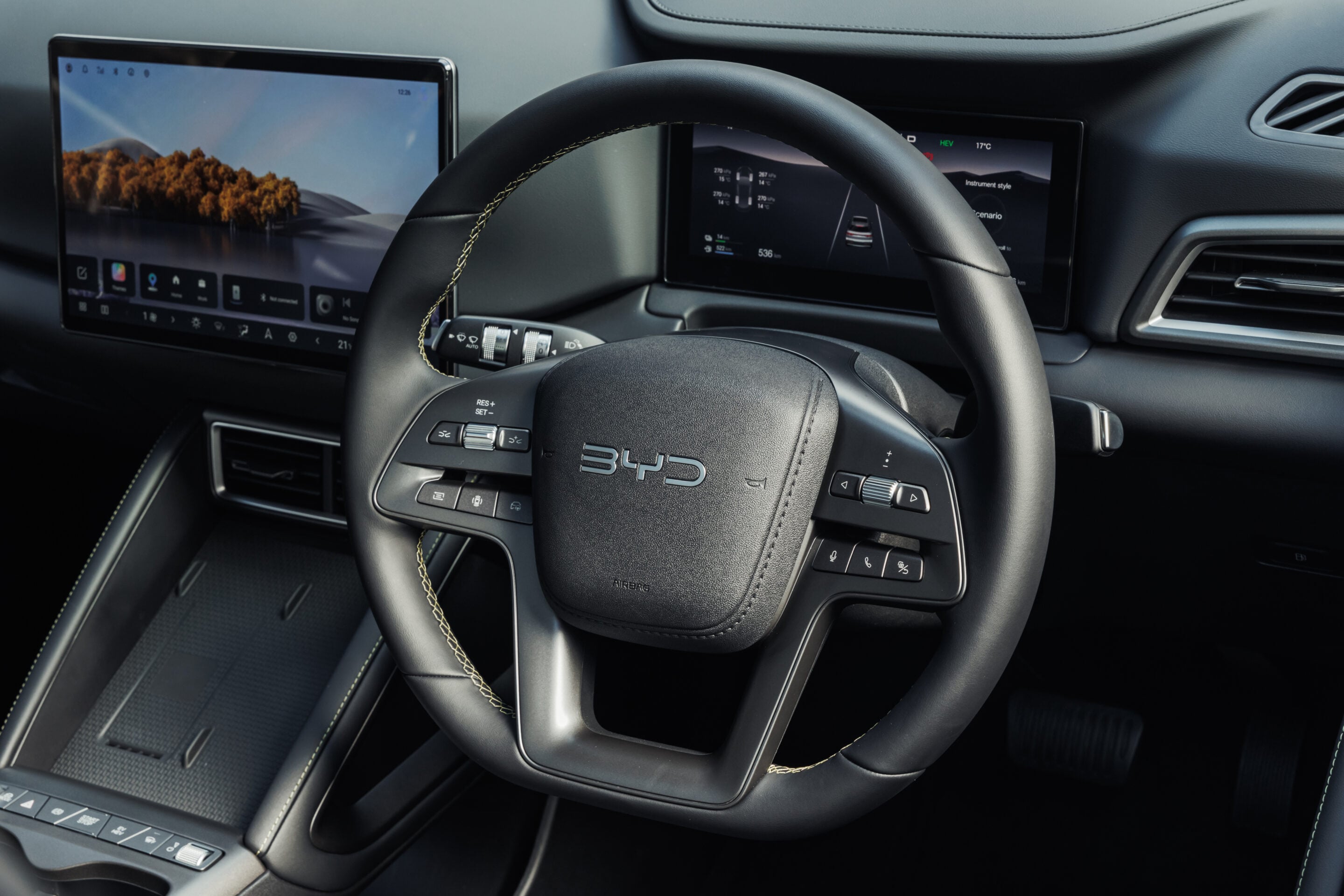
What is the Atto 2 DM-i Dual-Mode like to drive?
Switching to the driving side, there are three modes – electric, series mode and parallel mode. A lot of work has gone into BYD’s latest arrivals, with Collins highlighting the presence of 36 Chinese engineers in Australia at the time of the Atto event. So, what’s it like on the road?
Firstly, a disclaimer. Unusual but true. The technical team from BYD muddled the tyre pressures for the Atto launch event – which combined inner-city running in Sydney and then a loop out into the countryside – by over-inflation. So it’s impossible to be accurate on the ride-and-handling front.
One of the PHEVs felt good on the city run, but another had a brittle feel over small bumps in the country. So the Wheels jury is still out, and that affects the launch-event scoring. It rates highly for value – where it sets the PHEV bar at a new high as a genuine price leader – and could be better than experienced, so we’re starting low at a 7.3 with plenty of room to improve. It could easily settle in the 8/10 range.
BYD naturally provided the Premium model for the preview, and the sunroof and 17-inch alloys are nice. The cabin is roomy, well designed and inoffensive. Materials and finishing are good for the price, but perhaps a bit below the GWM Ora we drove recently.
The technology side is easy to use, although one pairing attempt with the infotainment took a couple of goes, and the advanced driver assist package was good-ish with room for local improvement. The controls are simple and easy to use. But there was no need for the heated seats.
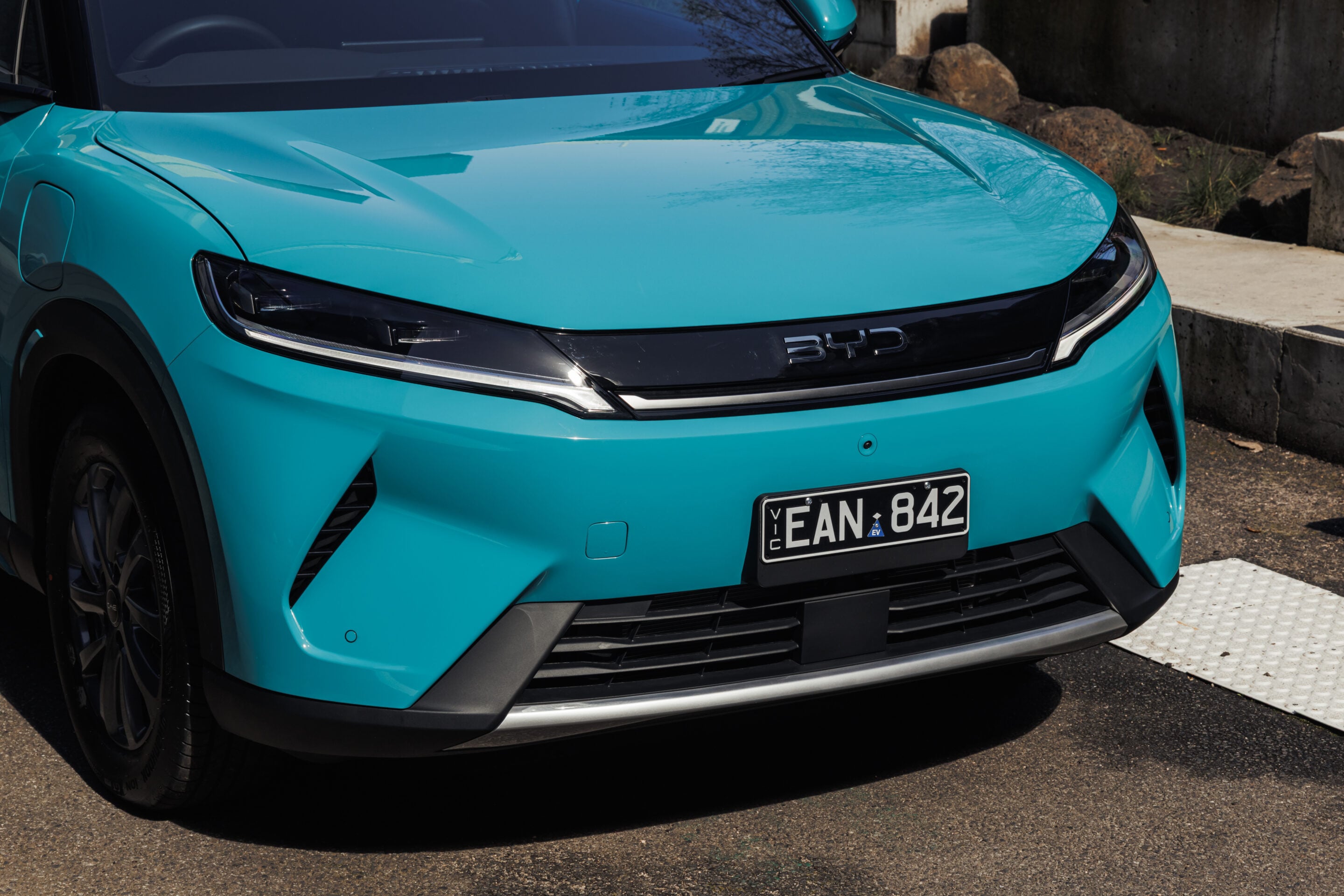
The step-off in traffic is not particularly spritely, even with the full 156kW, but that’s also judged against other BEV runners. It’s quiet, as expected, and moves along easily with city traffic. Further into the drive, with the hybrid system doing its work in the background, the only hint of the various powertrain modes was some distant grumble from the combustion engine. But there was no giant kick-in or surge of power.
The handling is secure, but there was no need for a sports car attack, with decent feel through the steering and brakes more than adequate for the job.
So, all-in-all, it’s a nice little runabout that is properly excellent value and could be the ideal solution for people who want a compact SUV and like the idea of electrification, but are not ready to go all-in on battery power.
Overall rating: 7.3
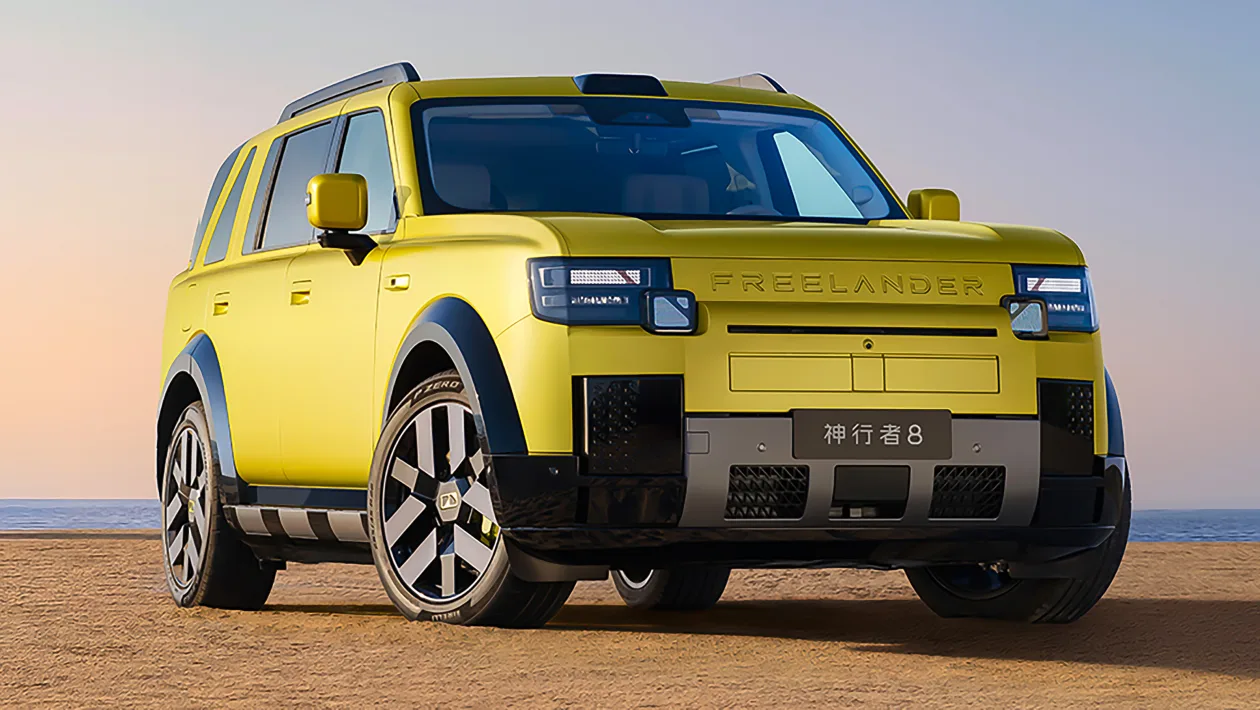
Australia’s wave of new brands keeps rolling in with the news that Freelander, the joint venture between Chery and Jaguar Land Rover, will be in Aussie and Kiwi showrooms from next year, with the premium Freelander 8 SUV leading the sales charge.
The announcement, made at the vehicle’s international launch in the United Arab Emirates, didn’t offer a timeframe or pricing for the vehicle, which is being targeted at “families and adventurers” and will compete with rivals like the Mercedes-Benz GLE and BMW iX and X5.
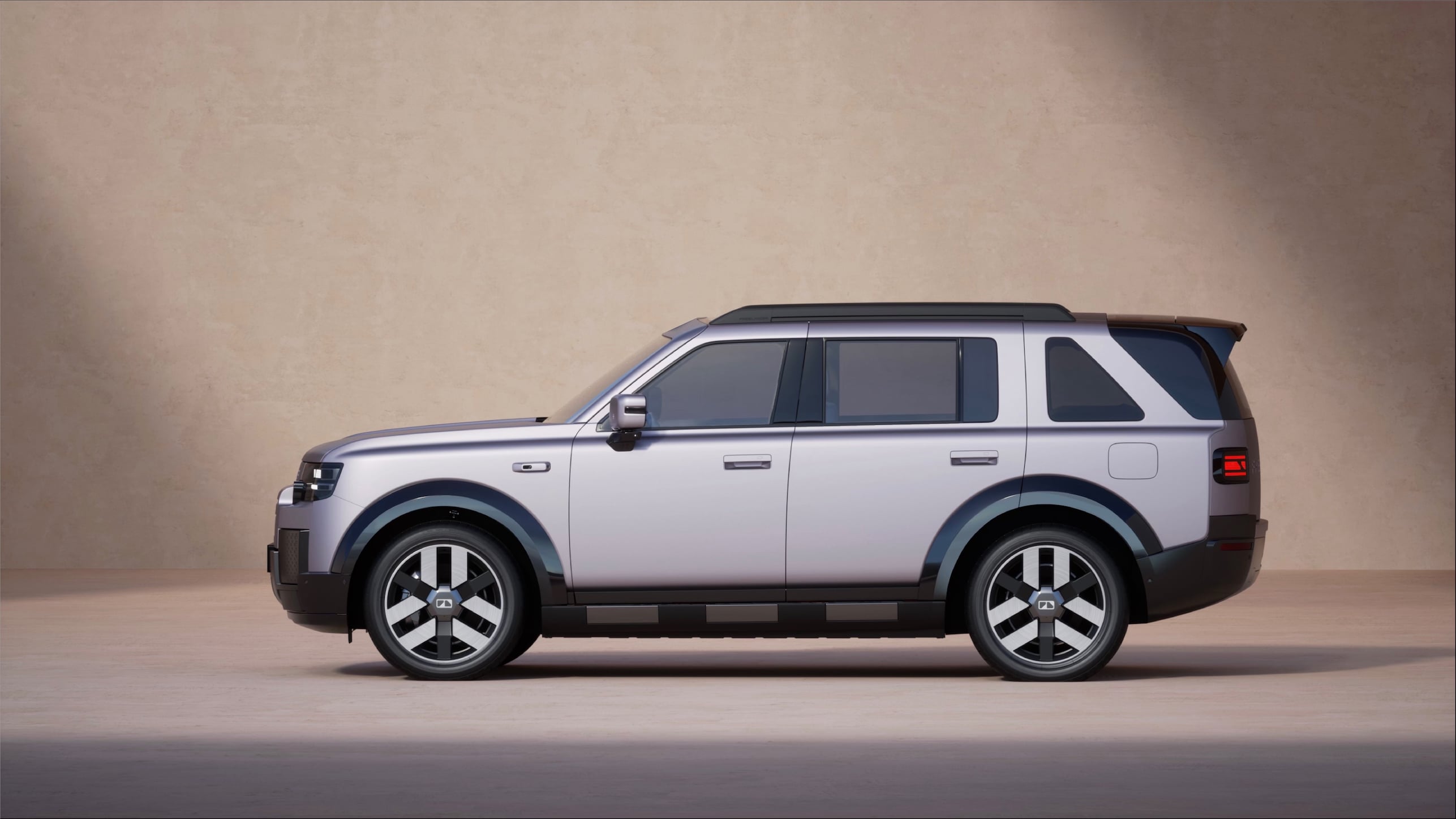
Clocking in at a huge 5185mm long, 2050mm wide and 1989mm tall with a 3040mm wheelbase and five- or six-seat configurations, the Freelander 8 attracted more than 10,000 pre-orders within 48 hours of first going on sale in China early this month.
Filings to regulatory bodies in China show the flagship will have an 800-volt architecture and be offered in battery-electric, plug-in hybrid and extended-range variants. The latter features a 1.5-litre petrol engine good for 105kW and 220Nm. All of that is used solely to power up the 60.3kWh battery, which supports DC fast charging up to 350kW.
Two e-motors send 610kW to all four wheels, making for a claimed 0-100km/h time of under five seconds despite the SUV’s massive 2980kg kerb weight. The Freelander 8 also gets a front differential lock, 4H and 4L driving modes, and the ability to raise the ride height by 70mm to deal with difficult bush tracks, or drop it by 50mm for ease of access.
Inside, the 8 is all about luxury, with captain’s chairs in the second row, a 46.3-inch display that runs across the width of the vehicle, a 17.3-inch screen for the passengers in the back, and a 15.6-inch touchscreen up front.
“For Australians, Freelander has always been an invitation to explore more of this country,” said Freelander Australia and New Zealand boss Kym Mellow. “We’re reimagining it as a premium, technology-led brand built for gravel tracks and city streets alike, and we’re investing in the dealer partnership and local team to make every part of ownership live up to that promise.”
Freelander will release full specs, pricing and timing closer to the 8’s arrival in showrooms down under.
In my opinion, the past decade or so hasn’t exactly been a golden era for the global automotive industry. The shift towards SUVs, the lack of physical buttons and same-same styling across the market are some of the biggest offenders, but at the top of the list for me is the loss of fun. Most car manufacturers have gone boring and, sure, that’s where the money is, but hey, us enthusiasts are still here, strict emissions laws or not.
Appeasing emissions laws is easy to do with EVs, and many of them are entertaining in an insane-acceleration sort of way, but after you’ve recovered from the initial stomach-churning novelty, there’s generally little engagement left. Thankfully, Honda – a brand with a storied history of making fun-to-drive products – has decided the industry needs a little more entertainment. Enter the Super-One.
Surprisingly given the current new car market where seemingly every brand offers an EV, the Super-One is Honda’s first EV to be sold in Australia. Because it’s only produced in right-hand drive, it’s only available in select markets globally such as ours, New Zealand, the UK and, of course, Japan. Its donor car is the N-One e, but it’s been pumped up with a 50mm-wider track and more aggressive styling. Yet it’s still undeniably cute. I mean, just look at it. If I owned one, I’d grin every time I walked out to it.
How much does the Super-One cost to buy?
Just a single spec of Super-One is available in Australia: the, uh, Super-One, and it’s priced from $36,900 drive-away nationwide or $37,400 if you want the purple and black two-tone paint. Chances are that you do want the two-tone option because, according to Honda Australia, that colour combination is sold out for the next 12 months. A purple car sold out in 2026’s sea of grey? Maybe the Super-One really is the return of fun motoring.
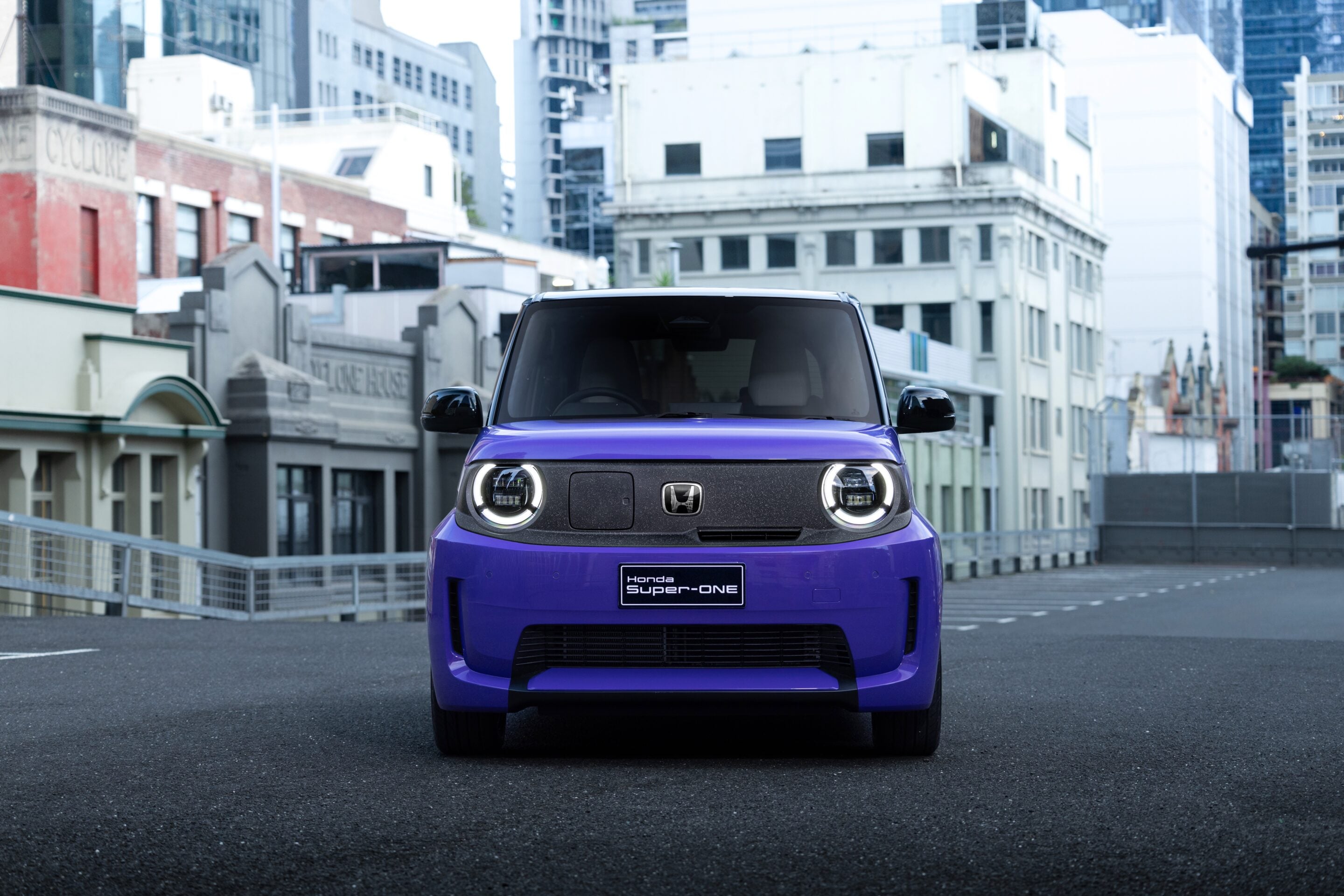
Yep, that pricing makes the Super-One seem expensive compared with rivals like the BYD Atto 1, but it does offer a reasonable amount of standard equipment. Highlights include 15-inch alloy wheels, heated sports front seats, a 7.0-inch digital driver’s display, 9.0-inch touchscreen, wireless Apple CarPlay and Android Auto and eight-speaker Bose audio. Safety equipment includes autonomous emergency braking, adaptive cruise control and adaptive lane guidance.
How far can the Super-One travel on a charge?
Well, it’s rated at just 202km on the WLTP cycle, which is the shortest quoted range of any EV currently sold in Australia. It uses a 29.6kWh NMC lithium-ion battery that can be charged at up to 50kW, which sounds slow in 2026, but a 15-80 per cent charge takes only 30 minutes… because the battery is so small. A great road-tripper the Super-One ain’t, but its limited range matters less because it will likely be used solely in town.
The local launch was based in Melbourne’s CBD, giving us the perfect opportunity to sample just how well it copes in tight areas. Naturally, being based on a kei car, it excelled. Its tiny dimensions – just 3582mm long and 1573mm wide – make it easy to slide through Melbourne’s tight laneways, squeeze into small parking spaces and dart through traffic. Its boxy dimensions and big windows give great visibility as well, though no blind-spot monitoring or rear cross-traffic alert are odd omissions for a city-focused car.
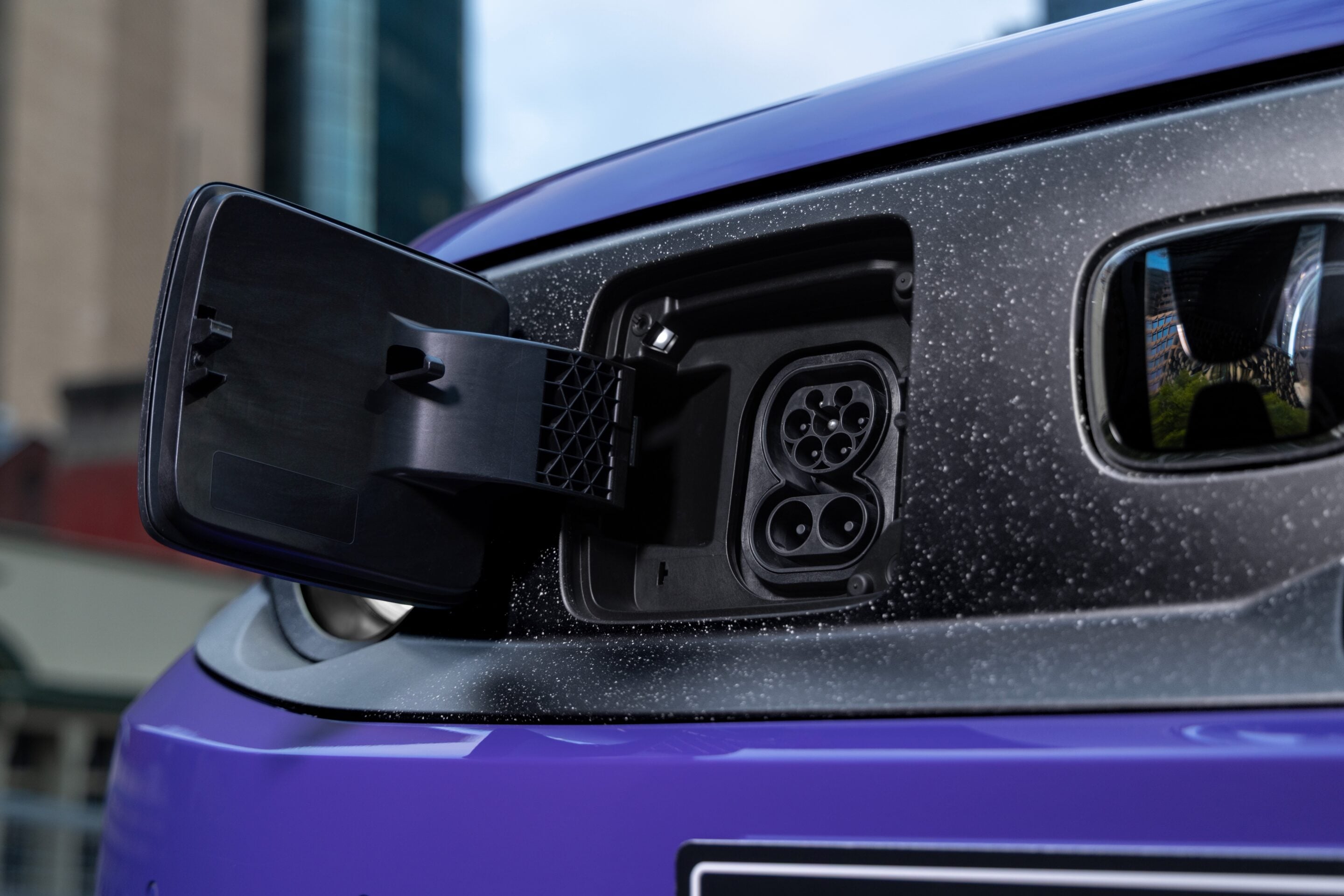
Grunt comes from a single front-mounted electric motor that makes just 47kW of power but a healthier 162Nm of torque, both of which feel perfectly adequate in an urban environment thanks to the Super-One’s low 1093kg kerb weight. The instant response means it steps away from traffic lights with more enthusiasm than 47kW might suggest, and there’s enough punch to dart into gaps around town. Honda Australia doesn’t quote a 0-100km/h time, but overseas figures suggest around 14.5 seconds.
However, push the purple Boost Mode button on the steering wheel and things become considerably more interesting. Power jumps to 70kW, the 0-100km/h time drops to around 10 seconds and a seven-speed synthetic gearbox is activated, with the paddle shifters – otherwise used to adjust regenerative braking – controlling the fake ratios. It’s more subtle than the same sort of system used in cars like the Hyundai Ioniq 5 N, but it’s still remarkably effective and adds genuine driver engagement to an EV.
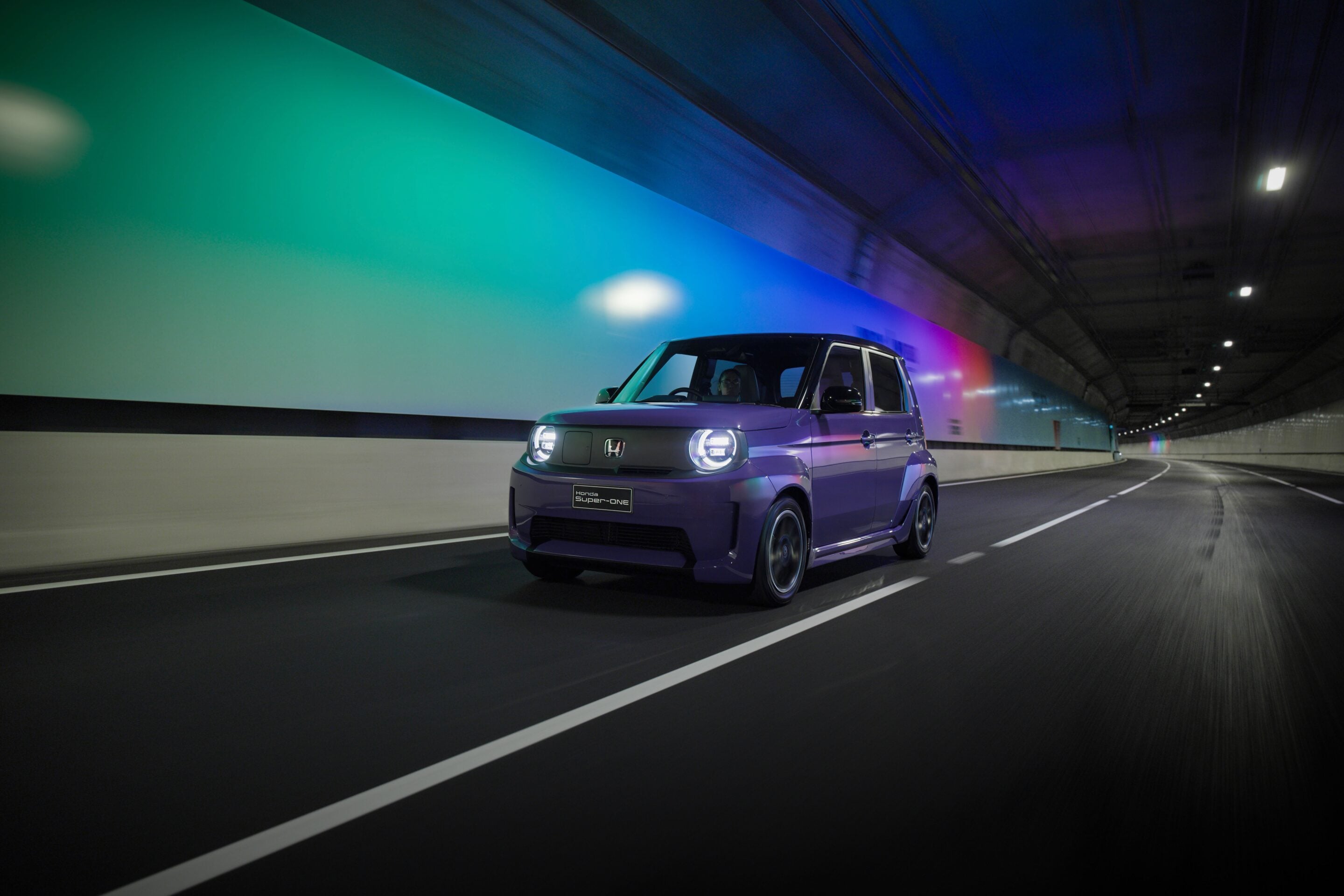
The chassis is equally entertaining. The quick steering offers real feel – something I thought had died years ago in new cars – while the chassis is wonderfully chuckable and the Yokohama Advan tyres provide plenty of grip. Importantly, the Super-One doesn’t need enormous power or ridiculous speeds to be entertaining.
Its low weight, tiny footprint and modest performance mean you can actually exploit what it has on a public road, and there’s something refreshing about that in an era of absurdly powerful EVs. Yet despite the small 15-inch wheels, it can be surprisingly firm over even smaller bumps and around Melbourne CBD’s tram lines and broken surfaces, we got a sense of what it’s like to ride a pogo stick. Still, it’s a riot from behind the wheel.
How practical is the Super-One?
Based on the Honda N-One e: kei car, the Super-One is not what you’d call massive on the outside, but it’s surprisingly spacious inside. Honda’s packaging smarts are on show yet again because even as a six-footer I can comfortably sit behind myself. The cabin feels surprisingly airy and thanks to Honda’s excellent Magic Seats system, you can carry an unexpectedly high amount of cargo.
The rear seat bases fold up against the backrests so you can carry taller items and the rear doors open almost 90 degrees, so I was able to literally walk through the car. Importantly for trips to Ikea, the seat bases also drop into the floor with the backrests folded, unlocking an almost entirely flat load area.
With the seats up, cargo capacity is 162 litres, with a deep underfloor section, expanding to 967 litres with the rear seats folded. For something barely 3.6 metres long, that’s impressive.
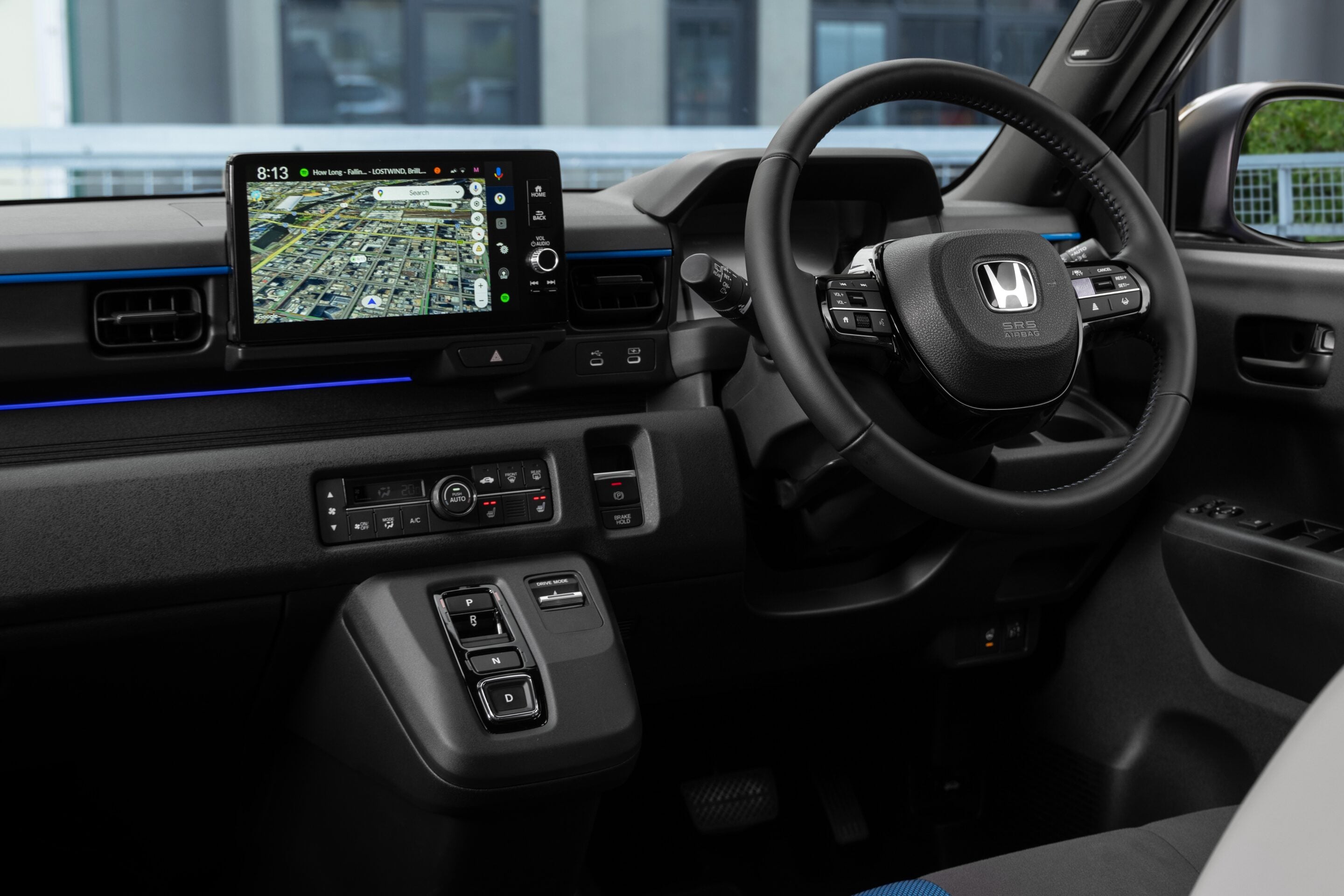
The front cabin is loaded with switchgear from other current Honda models, including the 9.0-inch touchscreen with Honda Connect live services, and although all the plastics are hard to the touch, the switchgear feels good quality.
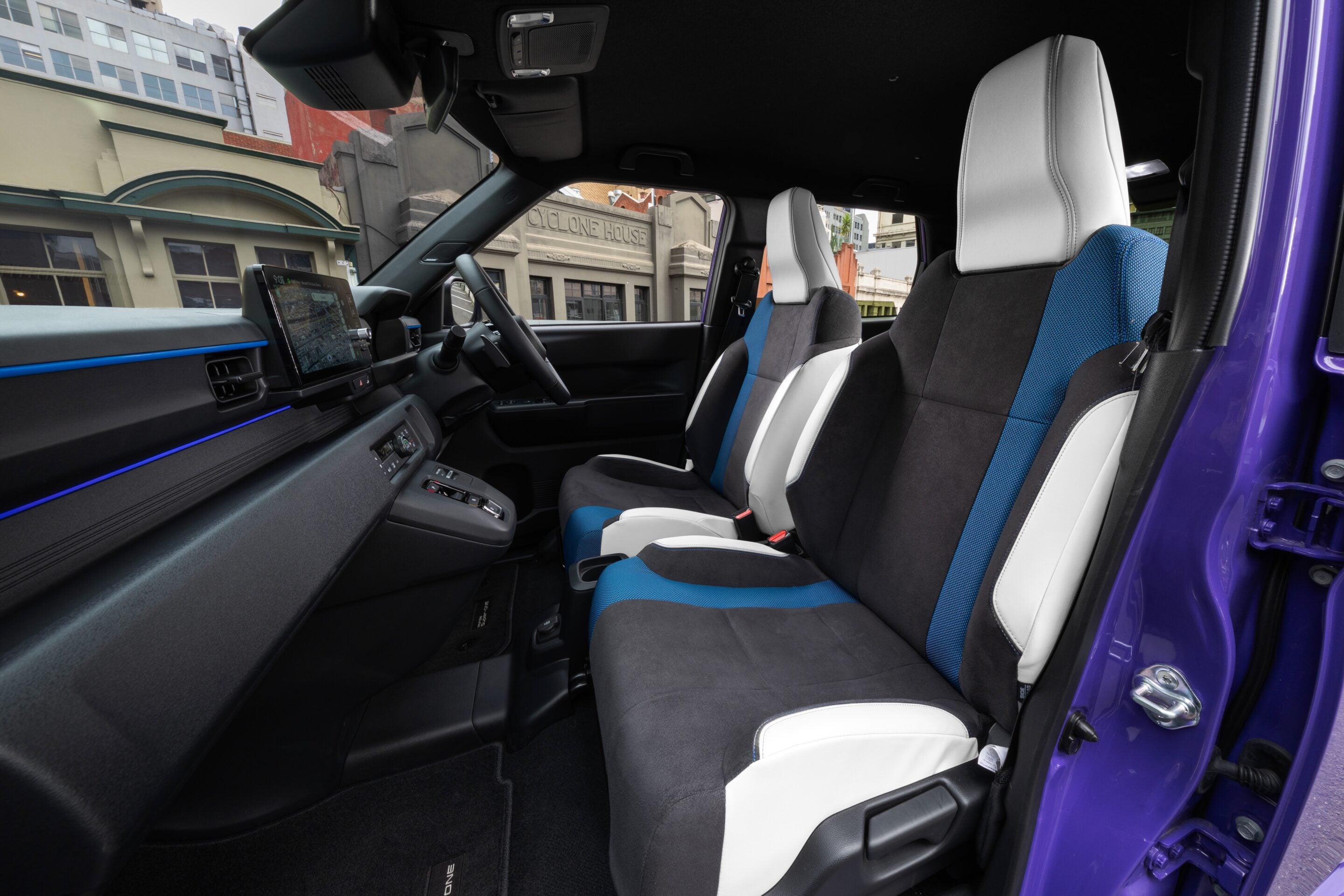
The front sports seats hold you in place well and the Bose audio is appropriately punchy. Annoyingly, there’s no covered storage anywhere, with unlined open sections between the seats and on the dashboard fascia, so whatever is stored there goes flying as you’re having fun through the bends. Ask me how I know…
How much does the Super-One cost to service?
Honda covers the Super-One with a standard five-year/unlimited km car warranty with a separate eight-year/160,000km warranty for the EV battery, plus five years of roadside assistance as well.
If you service your Super-One at a Honda dealership for the first five years – and with pricing set at just $199 per year for that period, why wouldn’t you? – you can unlock up to eight years of vehicle warranty coverage.
Should I buy a Honda Super-One?
So sure, the Honda Super-One isn’t cheap, it can’t travel very far on a charge, it isn’t amazingly well equipped and it’s not the most comfortable car ever made either. Judged purely by the numbers, plenty of EVs offer more range, equipment and metal for your money.
But I can’t remember the last time I had this much fun behind the wheel of a relatively affordable new car. At a time when EVs are becoming increasingly powerful, heavy and large, it’s so refreshing to see a tiny Honda that doesn’t need 500kW or a sub-four-second 0-100km/h time to put a smile on your face.
Enthusiasts have been crying out for a new vehicle with genuine personality, and Honda has delivered exactly that with the Super-One. No wonder the 2026 allocation is already sold out.
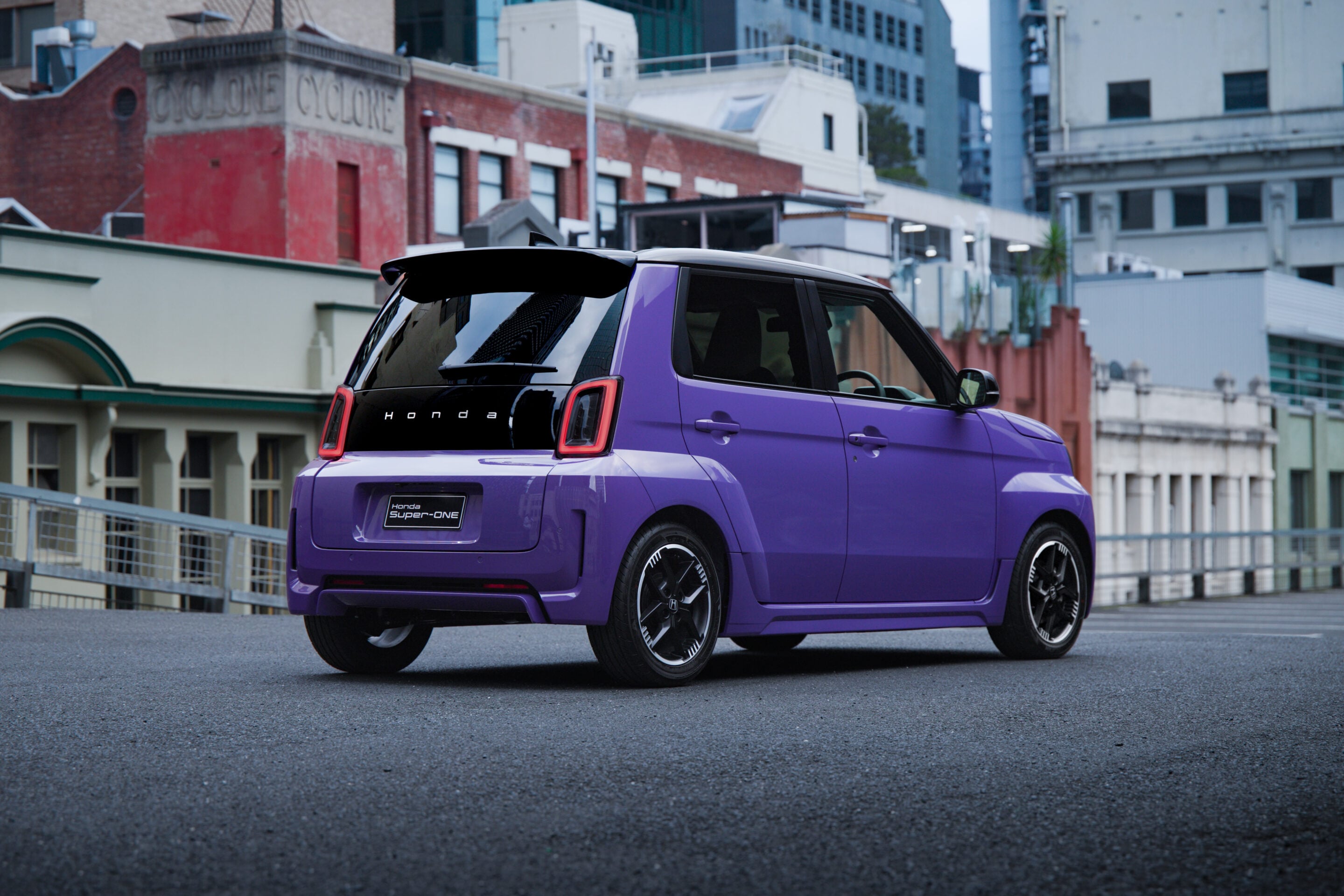
Honda Super-One standard features:
- 15-inch alloy wheels (with tyre repair kit)
- Dusk- and rain-activated LED exterior lighting
- Intermittent manual wipers
- Keyless entry with push button start
- Auto-folding mirrors
- Single-zone automatic climate control
- Leather-wrapped steering wheel with paddle shifters
- Heated sports front seats
- Cloth, suede and synthetic leather upholstery
- 7.0-inch digital driver’s display
- 9.0-inch touchscreen
- Honda Connect live services
- Google In-Built, including Google Maps sat-nav and access to the Google Play Store to download apps such as Spotify and Amazon Prime
- Wireless Apple CarPlay and Android Auto smartphone mirroring
- Eight-speaker Bose sound system (including 13.1-litre subwoofer)
- AM/FM/DAB+ digital radio
- Bluetooth phone and audio streaming
- 2x USB ports
- Interior ambient lighting
- Econ, city, normal, sport and boost driving
- 6x airbags
- Autonomous emergency braking
- Adaptive cruise control with low-speed following
- Traffic jam assist
- Lane keeping assistance with adaptive lane guidance
- Post-collision automatic braking
- Front and rear parking sensors
- Reversing camera
Super-One specifications:
| Price | From $36,900 driveaway |
|---|---|
| Powertrain | Single e-motor + 29.6kWh NMC battery |
| Power | 47kW (70kW in Boost Mode) |
| Torque | 162Nm |
| Transmission | Single-speed automatic with seven synthetic stepped ratios in Boost Mode, front-wheel drive |
| Claimed WLTP range | 202km |
| Peak DC fast charging speed | 50kW |
| Claimed 15-80% fast charge time | 30 minutes |
| Dimensions (L/W/H/WB) | 3582/1573/1616/2520mm |
| Kerb weight | 1093kg |
| Boot capacity | 162 litres (rear seats up), 967 litres (rear seats folded) |
| Warranty | 5-year/unlimited km (car – extendable to eight years with dealer servicing), 8-year/160,000km (EV battery) |
| Five-year service cost | $995 |
| On sale | Now |
Australian motorists are being reminded to watch their speed and put their phones away as another double demerit period gets underway this weekend. The licence danger period will apply across NSW and the Australian Capital Territory over the Labour Day long weekend, starting on Friday, October 2 and continuing until the end of Monday, October 5.
The four-day period means motorists caught committing certain offences can accumulate twice the usual number of demerit points, which potentially puts some drivers within a single offence of losing their licence.
In NSW, double demerits apply to speeding, illegal mobile phone use, seatbelt offences and riding a motorcycle without an approved helmet. Mobile phone usage is potentially the biggest points drawer as a NSW motorist caught illegally using a phone during the double demerit period can receive 10 demerit points instead of the usual five.
That is particularly significant given an unrestricted NSW licence holder generally has a 13-point threshold before their licence is suspended. Fines themselves aren’t doubled during the period, just the demerits added from offences.
Motorists also need to be mindful of their passengers. Drivers can be penalised if a passenger isn’t wearing their seatbelt correctly, meaning something as simple as a passenger putting the belt underneath their arm could potentially have serious consequences for the driver’s licence.
The rules aren’t uniform across Australia, however. While Queensland and South Australia also observe public holidays on October 5, neither uses a holiday period double demerit system like NSW and the ACT. Western Australia also operates double demerit periods around designated long weekends and holidays. Its most recent period ran from Friday, September 25 until Monday, September 28 for the King’s Birthday long weekend, meaning it will have finished before the NSW and ACT period begins.
Queensland instead applies double demerit points throughout the year for certain repeat offences committed within a 12-month period and Victoria, Tasmania and the Northern Territory don’t operate general holiday double-demerit schemes.
The October long weekend runs from Saturday, October 3 to Monday, October 5 in NSW, the ACT, Queensland and South Australia. For NSW and ACT motorists, however, the tougher penalties start a day earlier and come into effect on Friday, October 2 and remain in place through to 11:59pm on Monday, October 5.
Isuzu Ute Australia has officially cancelled plans to launch the all-electric D-Max ute in down under, despite previously confirming our market as one of the first destinations for its first battery-powered ute. While that may be a surprise to some, the reasoning is simple: Australian ute buyers apparently aren’t showing enough interest in going fully electric.
The D-Max EV was originally destined for an Australian introduction later this year as part of Isuzu Ute’s global electric rollout, with Australia specifically named in 2024 alongside markets including the UK and Thailand.
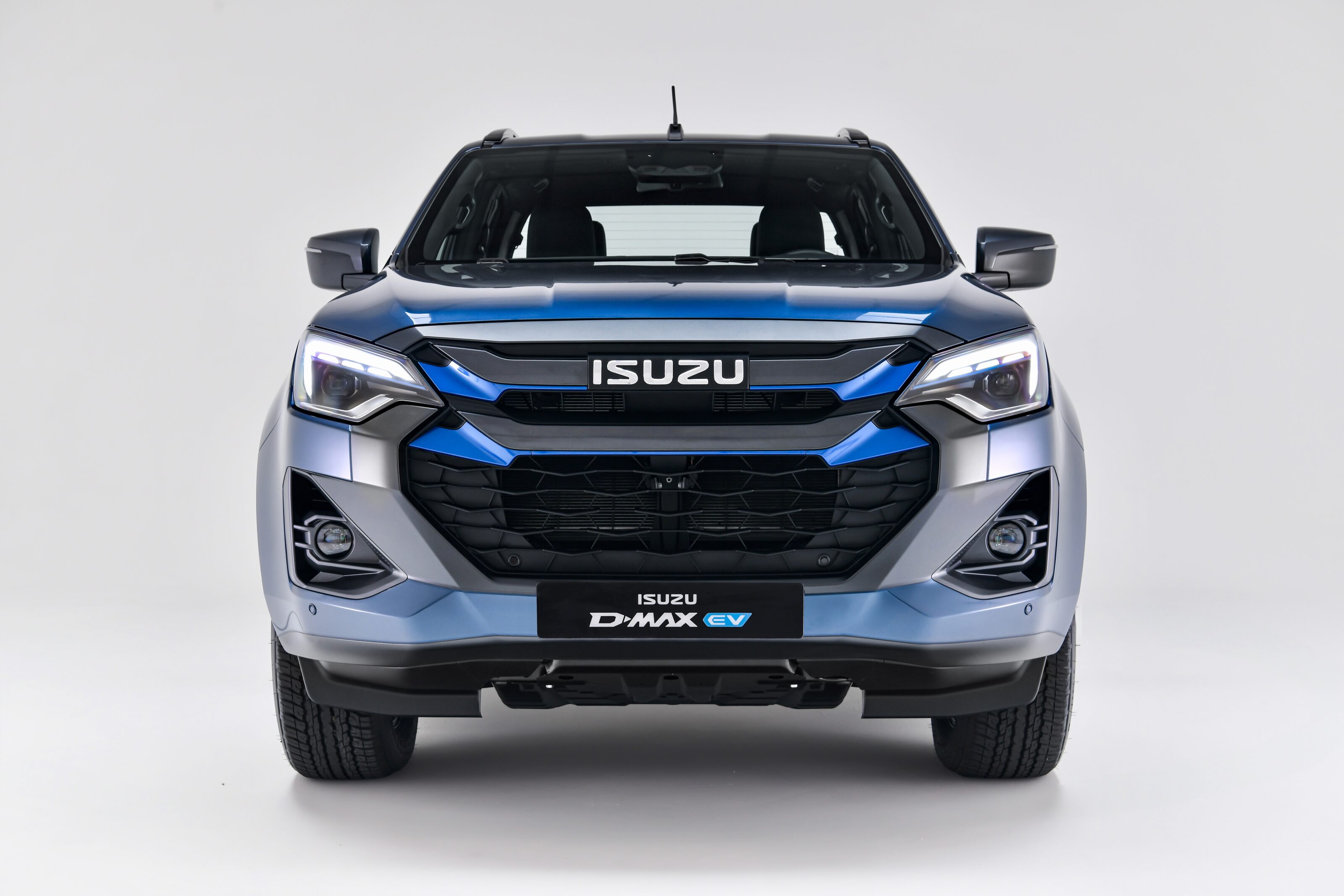
Those plans have now been abandoned, with Isuzu confirming it has decided not to export the battery-electric D-Max down under in order to prioritise customer demand. Isuzu Ute Australia general manager Rod Caldwell pointed to the relatively slow sales of the recently introduced Toyota HiLux BEV as evidence of limited local demand for fully electric workhorse utes.
“We’ve got a competitor out there, a big competitor, who’s got a BEV ute and it’s selling about 30 a month,” Caldwell said. “And so probably we think we’d get a third of that. The customers are not looking for that.”
Isuzu says diesel fuel still accounts for 84 per cent of Australian light commercial vehicle sales year-to-date, and the company will instead concentrate on its existing diesel-powered D-Max range.
That includes the newer 2.2-litre four-cylinder turbo-diesel introduced in 2025, which produces 120kW and 400Nm and is rated from 6.3L/100km on the combined fuel consumption cycle, with emissions from 174g/km. Isuzu says the more efficient engine is part of its strategy to reduce fleet emissions under the NVES.
The decision means Australians will miss out on a D-Max EV that has some surprisingly serious workhorse credentials. Already available in overseas markets such as the UK and Thailand, it features a 66.9kWh lithium-ion battery that feeds two electric motors for combined outputs of 140kW and 325Nm.
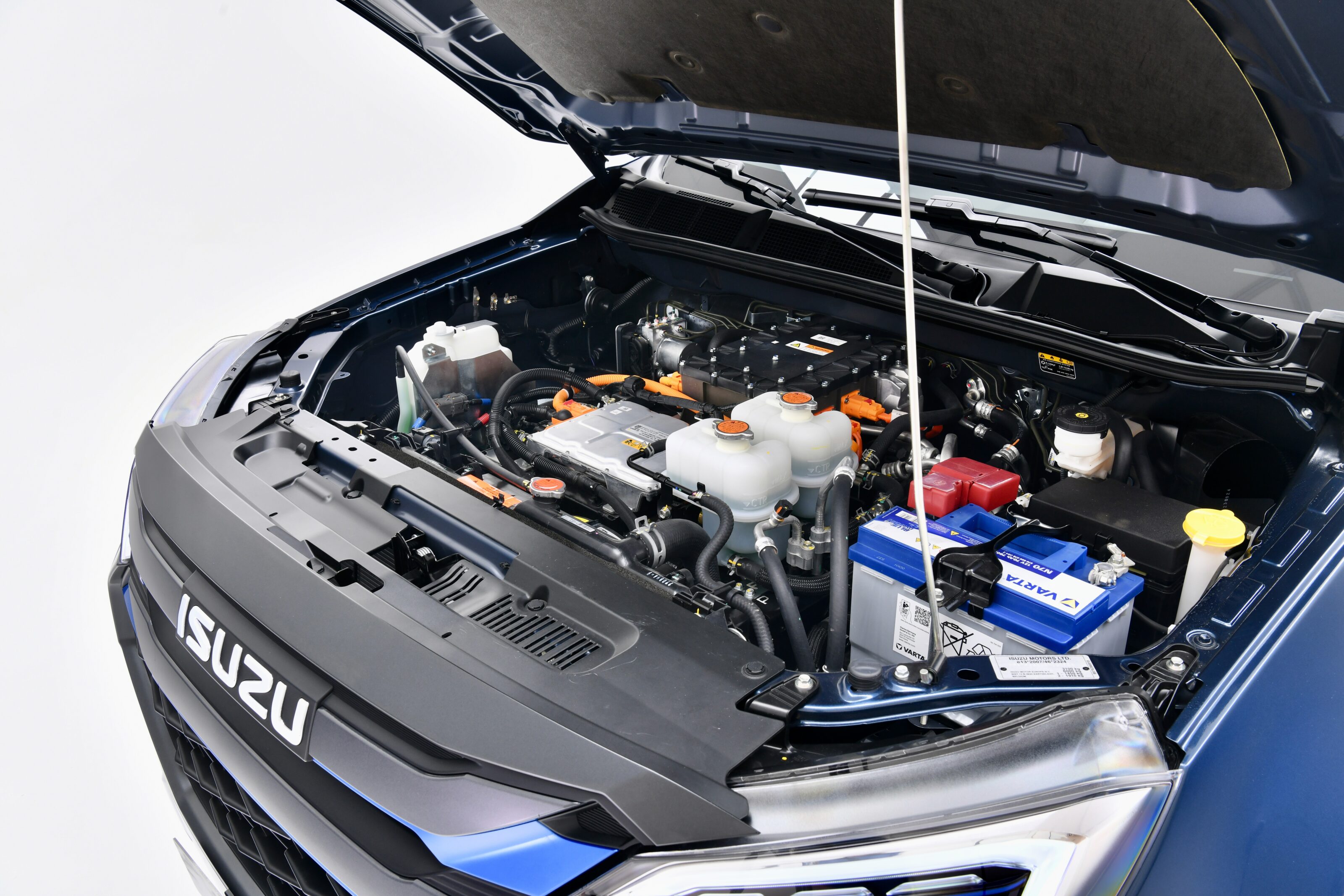
Importantly, the EV has a 3500kg braked towing capacity and a payload of around 1000kg, which matches the key capabilities of the diesel D-Max. It also comfortably exceeds the 2000kg towing capacity and 835kg payload of the electric Toyota HiLux BEV.
However, like the HiLux BEV, there are compromises. The electric D-Max is rated at just 263km on the WLTP cycle for driving range, while DC charging is limited to just 50kW for a claimed 20-80 per cent fast-charge time of around an hour, or around four times slower than the quickest-charging EVs in Australia.
Pricing is another potential issue for the D-Max EV. Converting the UK cost directly to Australian dollars gives a figure of around $100,000, which is likely a bit higher than what it would’ve been listed for, but it still would’ve asked significantly more than a diesel-powered model. For now, Isuzu remains one of the few major ute manufacturers without an electrified offering in Australia, like Mitsubishi, Mazda and Volkswagen.
