
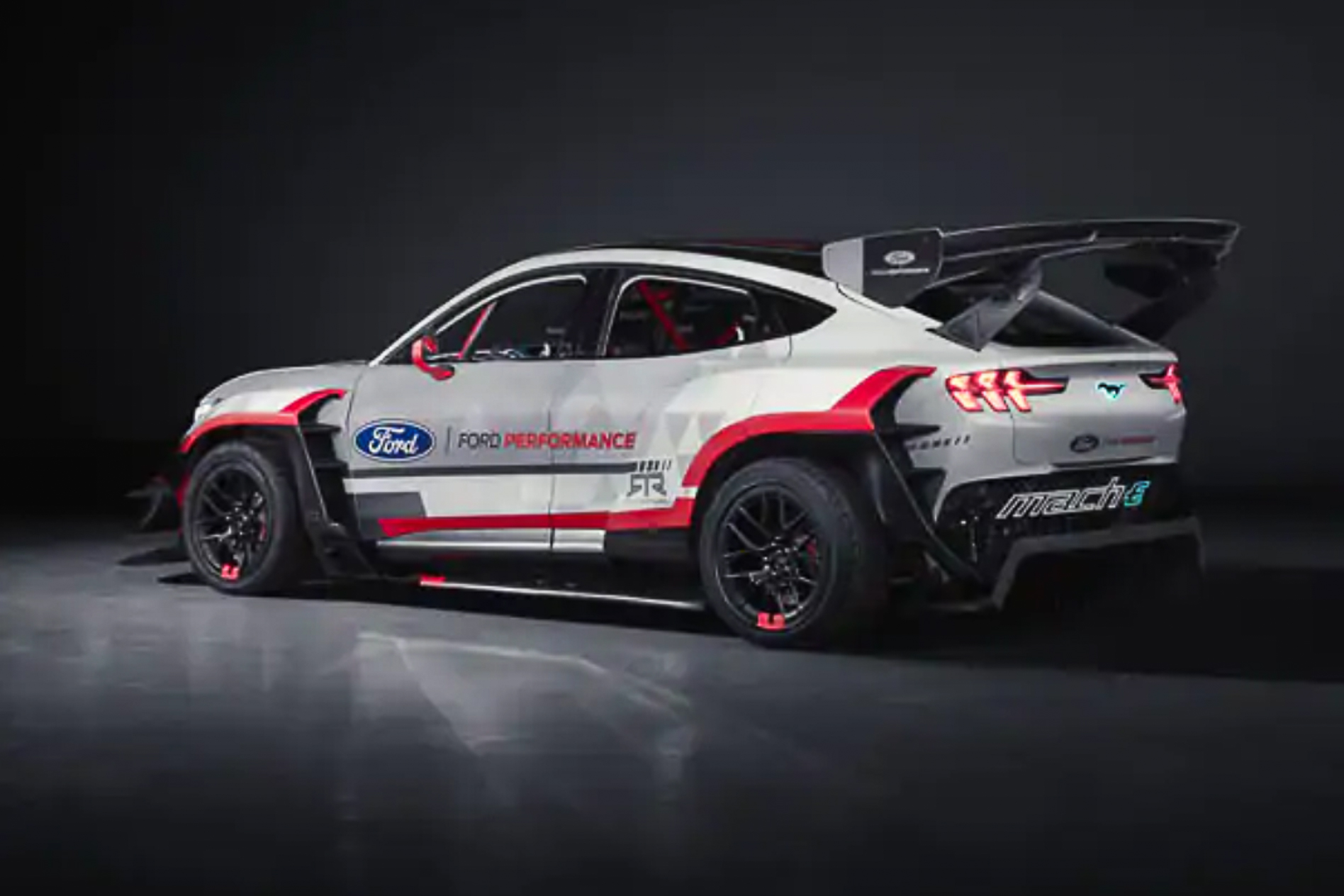
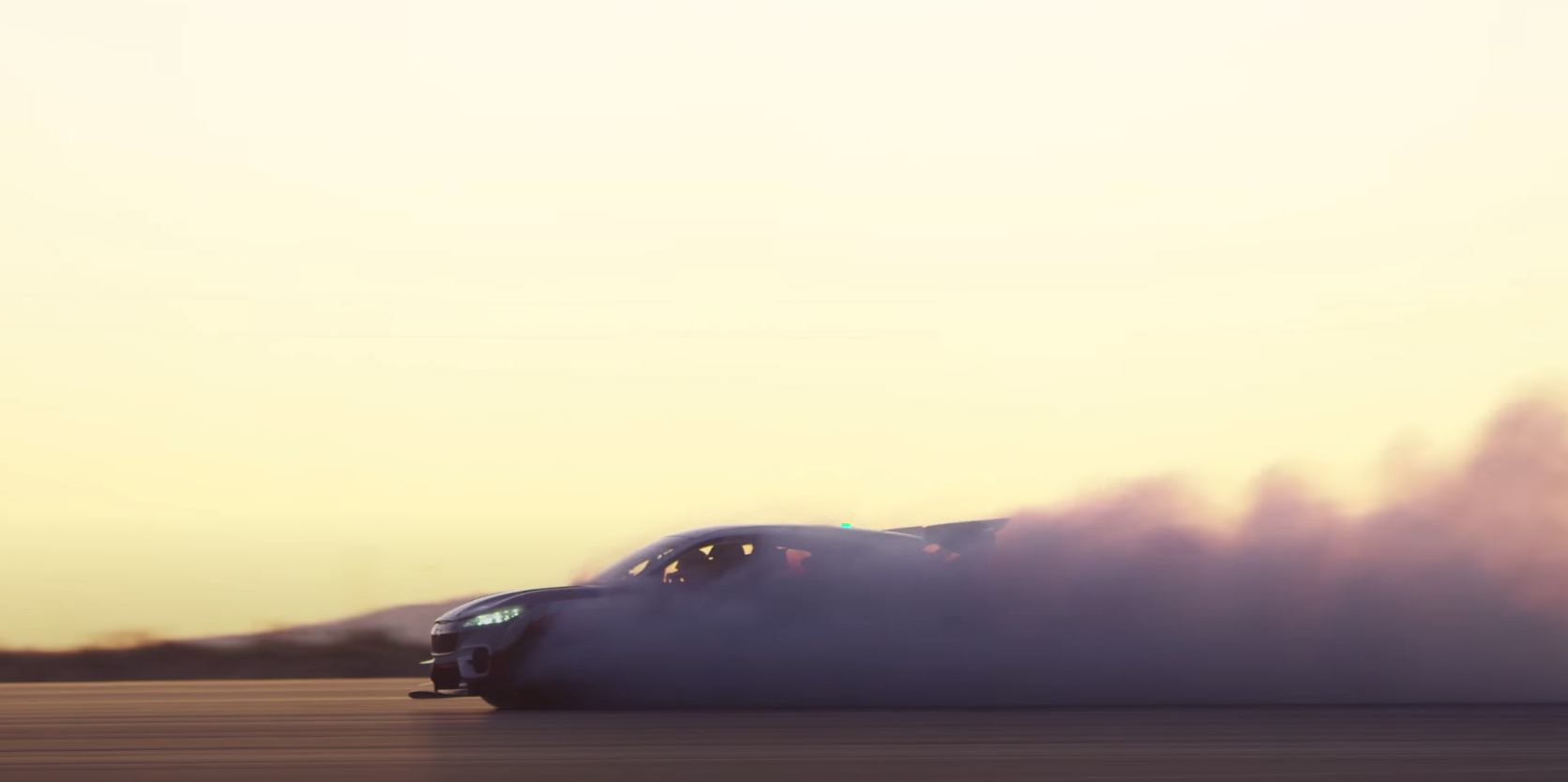
We called it last week… Ford has built a one-off version of its forthcoming Mustang Mach-E electric SUV, debuting the 1000kW beast in a spectacular video release that featured the bulk of its racing stable.
With a claimed 10,000 hours of development time, and driven by drift ace Vaughn Gittin Jr, the bodykitted Mach-E is set up to emaciate tyres at a prodigious rate, with Gittin shown putting the car through a variety of tests.
While elements of the video are demonstrably staged and polished for mass consumption, the drift shots with Ken Block and Hailie Deegan are true, and they are spectacular… as is the banshee wail of the twin-motor electric drivetrain.
A two-motor GT-badged version of the Mach-E is slated to pump up 346kW when released… but this one – known as the Mustang Mach-E 1400 – pumps in excess of 1000kW from SEVEN motors. Wow.
Three motors are attached to the front diff and four to the rear, with a single driveshaft connecting them in a row to their respective diffs.
That power can be sent in its entirety to the front or rear of the car, or any combination in between. It’s even possible to have both axles turning in opposite directions!
Temperatures are kept under control by two separate cooling systems, one for each motor array. Those systems use oil and water cooling circuits in tandem, while air is directed to the motors via aerodynamic devices under the car.
There’s an inverter for each motor, and they’re housed under a plaxiglass shield – nicknamed the flux capacitor – between the driver and passenger seats.
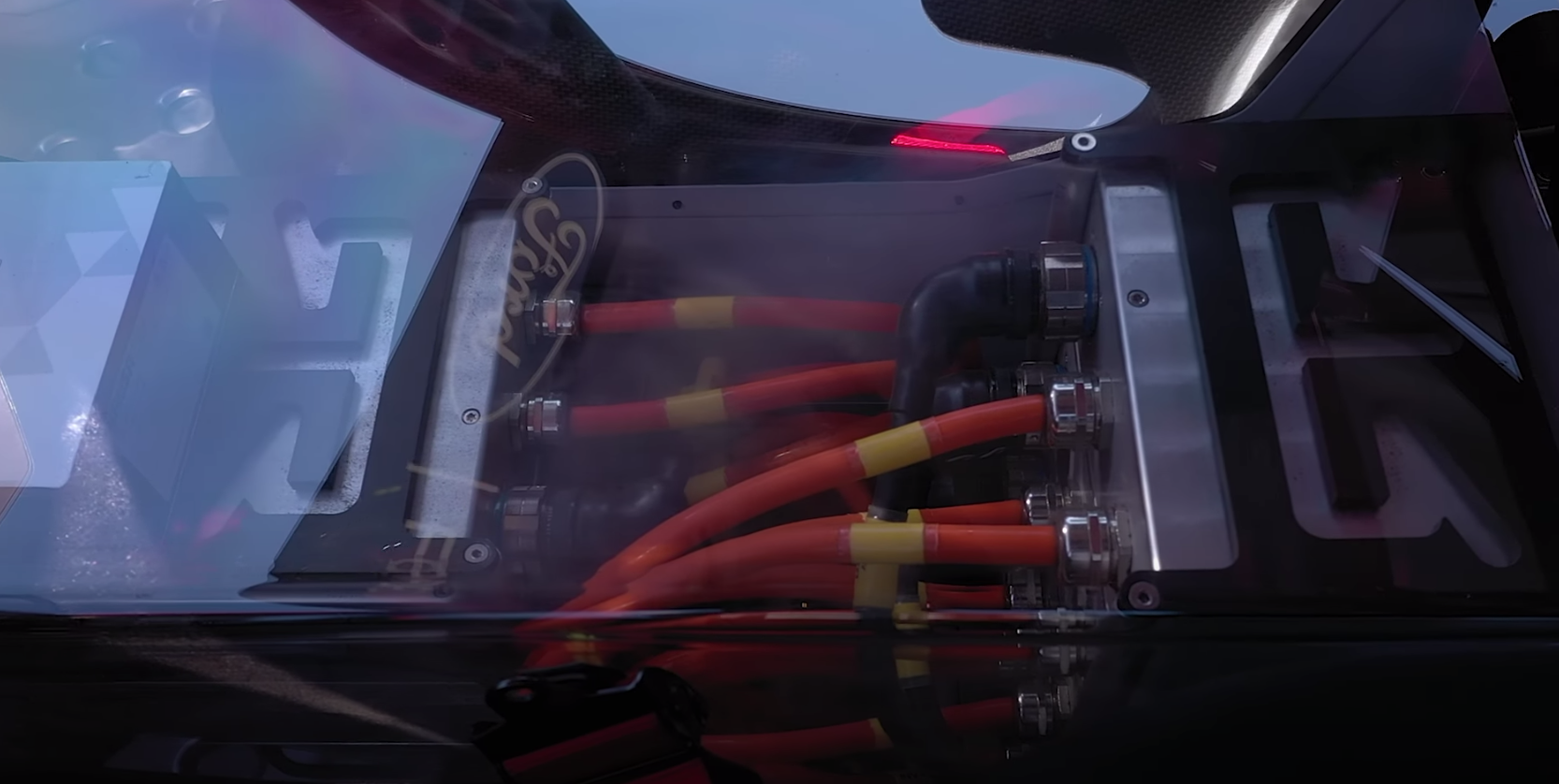
Torque, according to Gittin, is around 2000Nm before the diffs, which means that real total torque output is a large multiple of that.
The 56.8kWh battery weighs around 680kg, and is made of nickel manganese cobalt pouch cells, and it’s cooled during charging to allow quicker ‘refills’.
Gittin reckons it’s good for 45min of run time and can be charged back up in the same timeframe.
Everything that dresses the Mustang Mach-E body-in-white is styled for proper aerodynamics and made of carbon fibre – except for the experimental organic composite bonnet – while its customised cantilever-action multi-link suspension is widely adjustable to suit an array of motorsports.
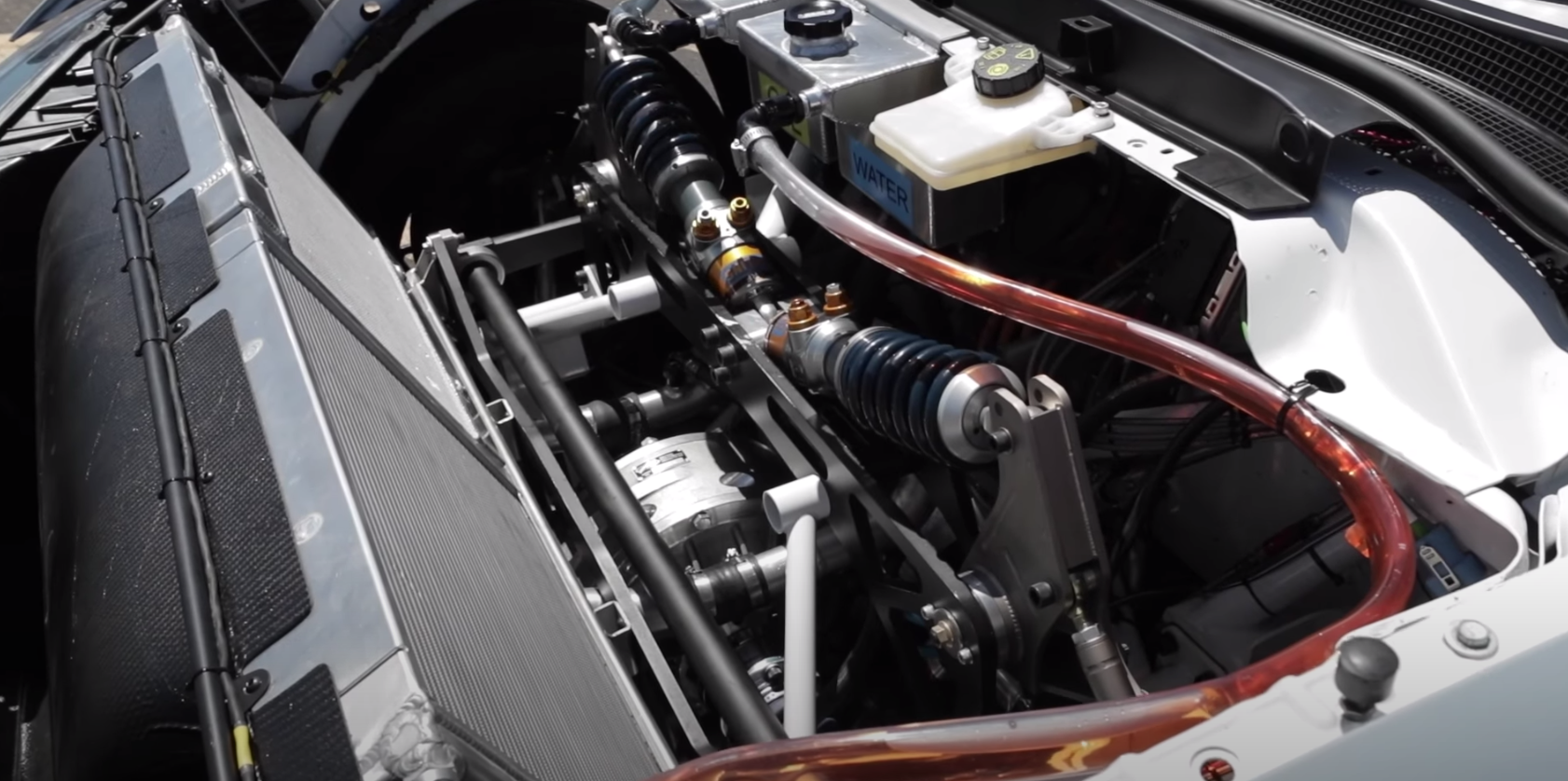
Braking is handled by hydraulics, with Brembo calipers complemented by a hydraulic handbrake.
The whole shooting match weighs around 2270kg, which does dull that power-to-weight figure a bit. According to Gittin, though, the handling balance is great, thanks to the low centre of gravity afforded by the battery’s mass being mounted on the floor between the axles.
“It handles like an IndyCar,” he said.
“Now is the perfect time to leverage electric technology, learn from it, and apply it to our portfolio,” said Ron Heiser the chief program engineer, of the Mustang Mach-E.
“Mustang Mach-E is going to be fun to drive, just like every other Mustang before it, but Mustang Mach-E 1400 is completely insane, thanks to the efforts of Ford Performance and [Gittin’s comapny] RTR.
“The Mustang Mach-E 1400 is the result of 10,000 hours of collaboration by Ford Performance and RTR aimed at bridging the gap between what an electric vehicle can do and what customers tend to believe it can do.”
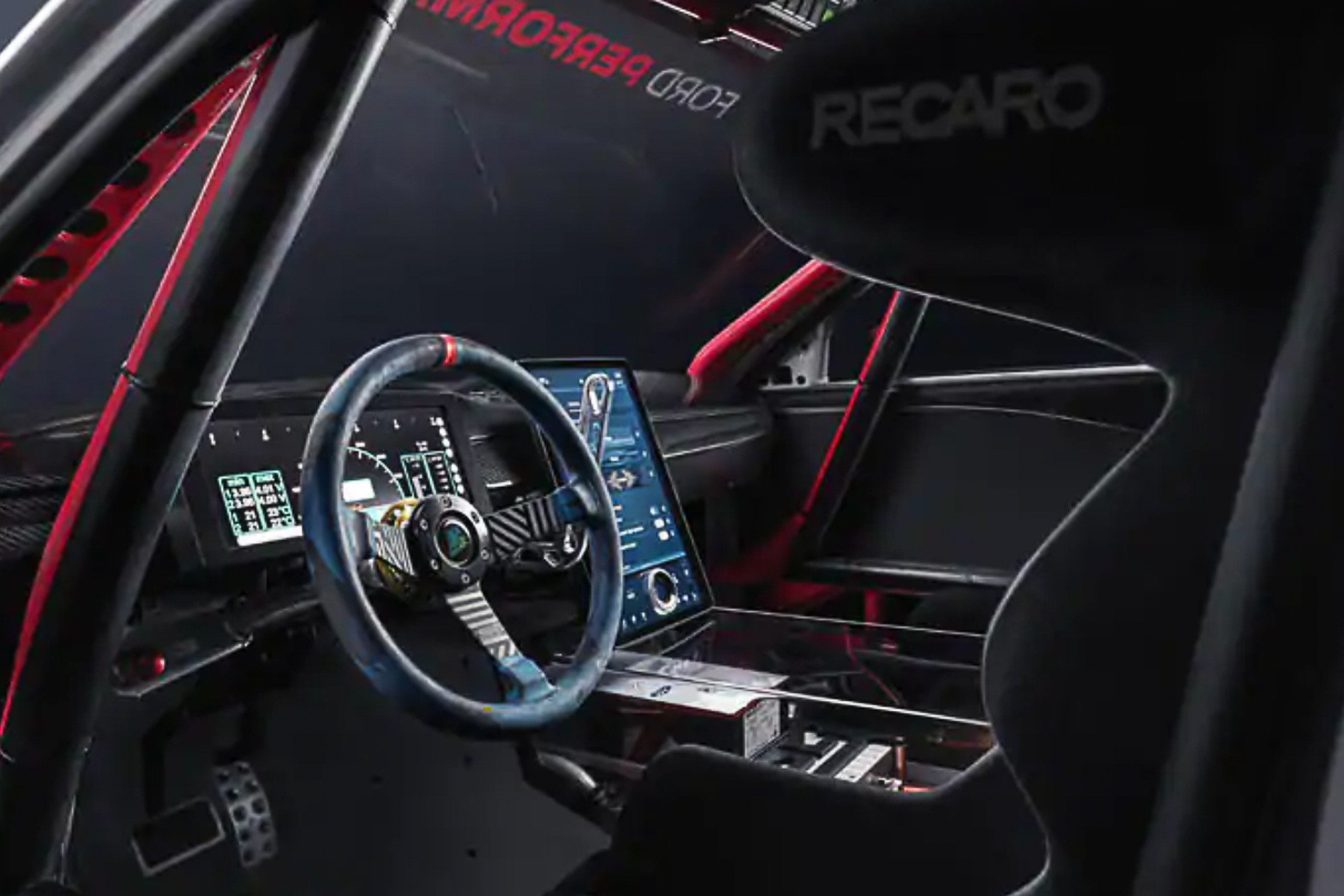
A stripped interior, racing pedal box and seats and a huge roll cage frame a production dash stack and centre console screen, from which Gittin selects something called Unbridled mode.
“Getting behind the wheel of this car has completely changed my perspective on what power and torque can be,” said Gittin. “This experience is like nothing you’ve ever imagined, except for maybe a magnetic roller coaster.”
The Mach-E 1400 will now go on tour, as Ford looks to change the hearts and minds of consumers about the electric vehicles it’s spending almost $20 billion on in the next decade.
The Mexican-built Mustang Mach-E launches in the US later this year and will likely make it to Australia – when, though, no one’s saying.
“Some stories are better the second time ‘round.” That’s what former Jaguar design boss Ian Callum says about the Aston Martin Callum Vanquish 25 by R-Reforged.
Okay, so the name’s not as beautiful as the car… but the car is damned beautiful.
Ian Callum is responsible for that, almost entirely. He was working for Aston Martin before his time at Jag, and the Vanquish of the early 2000s is one of his creations.
Career Highlights: Ian Callum’s best work
This, then, is his revisitation. And it’s got Aston Martin’s tick of approval.
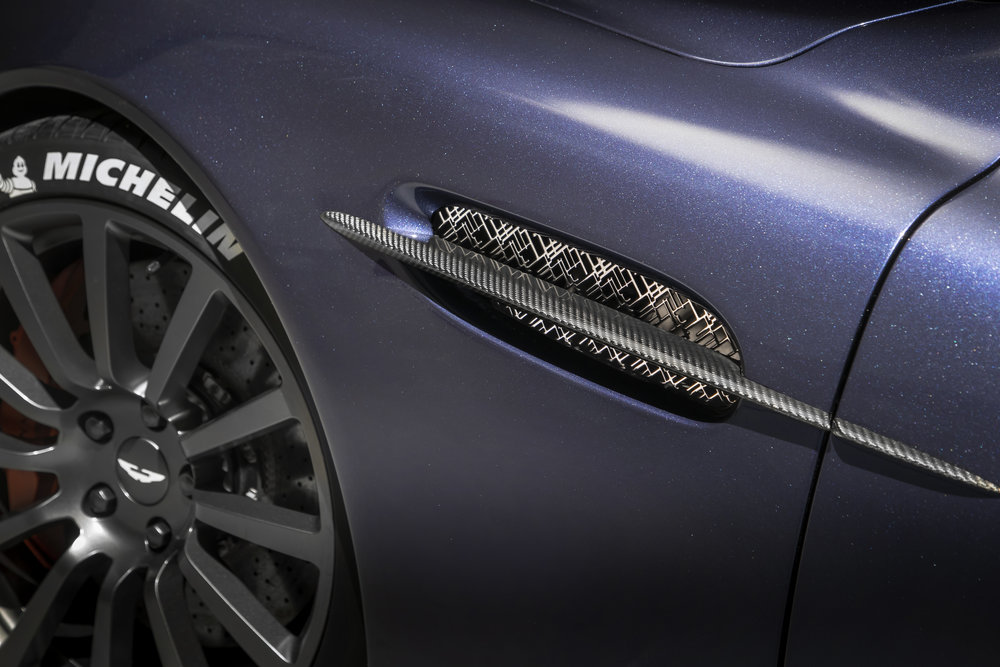
Not only has the car been visually altered and given a refresh for 2020, but the materials and processes involved have also been updated.
“An example of this is the 20:20 vision window surrounds which be will newly reformed using modern technology.
“In the 1990s, limitations in the manufacturing processes were compromised. Today, we can do it with a seamless, one-piece carbon fibre surround… so, we have.”
Under all the restyling is also a series of upgrades and improvements that Callum and his team have seen fit to alter for 2020, including retuned dampers, larger anti-roll bars, and a set of larger, stiffer bearings from the brand’s race cars that Callum says address the “Achilles’ heel of the original,” its steering.
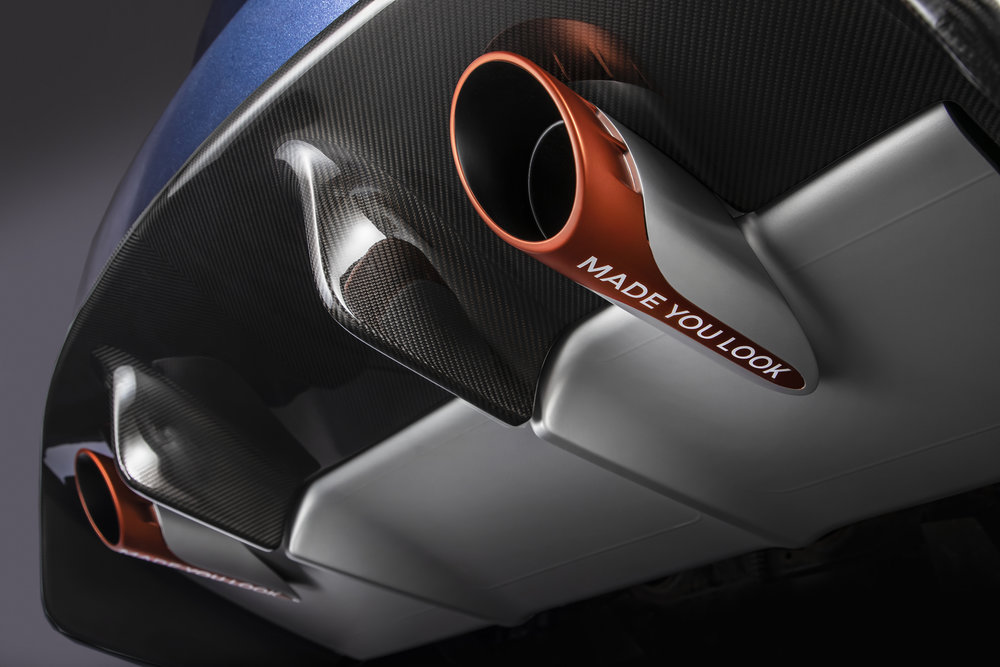
Under the bonnet, of course, the 5.9-litre has had some attention. Not only is it sporting “a new sculpted carbon airbox, valley brace and new engine cover,” it’s also good for an additional 45kW or so, on top of the 336kW it made in 2001. There’s also a new diffuser-integrated exhaust system that, along with the airbox, Callum says makes the Vanquish “sing”.
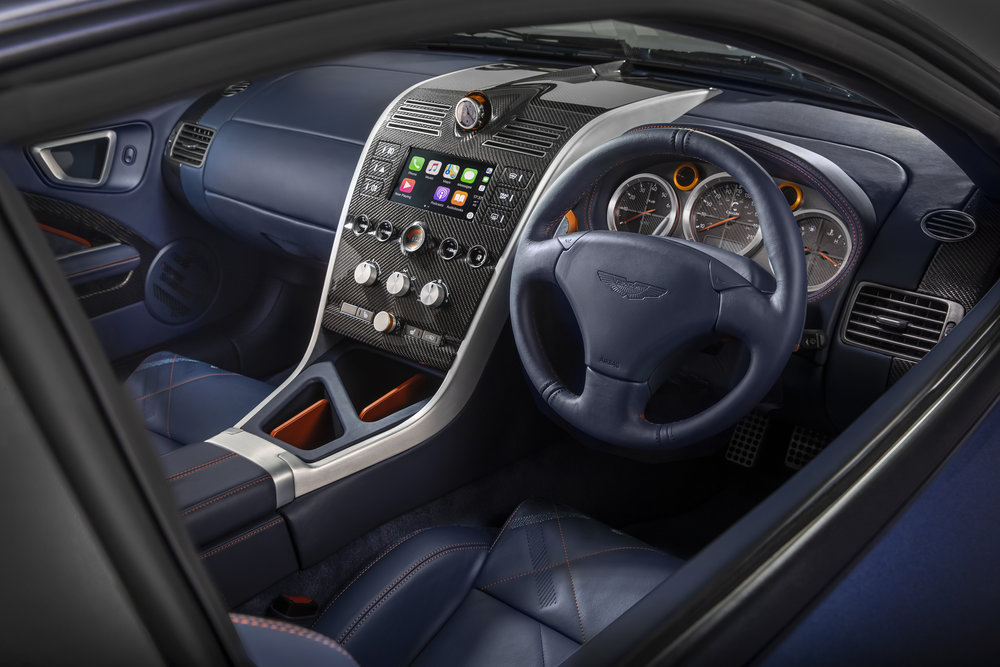
Finally, inside there’s plenty of opportunity in the way of customisation for customers. Lower, updated seats and a ‘finer’ steering wheel and paddle shifters will provide a new driving feeling, while a new carbon fibre console includes an infotainment system with CarPlay or Android Auto for its eight-inch display.
You’re perhaps wondering why the Vanquish 25 is called ’25’, given it’s only been 19 years since the car was first available. That’s because only 25 of these updated versions will be built.
Reportedly, pricing for the upgraded Vanquish is £450,000… if you provide the donor car. Otherwise, £550,000, which is roughly AU$980,000. Production begins later this year.
See a full gallery of the car at the top of this page, and let us know what you think in the comments below!
Get your free weekly MOTOR report!
What stands out?
The most striking feature of the Navara ute from Nissan is how well the better-equipped versions combine high power with low fuel use. The Navara also offers a very comfortable cabin and is smaller, and easier to park, than most utes. The Navara now rides and handles much better than its immediate predecessors, including the NP300. There are rear-wheel drive and four-wheel drive versions.
What might bug me?
That friends with other dual-cab 4WD utes can go further off road. In very rough going, the Navara is a bit short on clearance.You may also get complaints if you try to fit three adults across the rear seat of a Navara Dual Cab.Noise from the more powerful of the two diesel engines, when you’re working it hard.
What body styles are there?
Dual Cab, King Cab and Single Cab. Dual Cab Navaras have four doors and seat five, and in pick-up form ride on coil springs at the rear.King Cab Navaras have two small seats behind the front seats, where you can carry luggage, animals, or (for short trips) human passengers. Access is via two small rear-hinged doors, which can be opened only if the corresponding front door is open. Single Cab Navaras are available in cab-chassis form only – you specify your own tray. All King Cabs and Single Cabs use leaf springs at the rear.The less expensive Navara at each equipment level comes with rear-wheel drive only. The more expensive version has part-time, dual-range four-wheel drive. (These drive only the rear wheels on normal roads, but you can select 4WD, or low-range 4WD, when driving off-road.)The Navara is classified as a light commercial pick-up.
What features do all Navaras have?
An audio with at least four speakers (six in dual-cabs), and auxiliary, USB and iPod inputs. It can be controlled from the steering wheel.Bluetooth phone connectivity and audio streaming.Cruise control, operated from buttons on the steering wheel.Daytime running lamps, which make the car more visible on overcast days.Headlamps that switch on automatically when it gets dark.Tinted side windows.A security alarm and remote locking via a keyfob.12-volt outlet in the rear tubElectronic Traction Control, which helps the car maintain drive on slippery surfaces. This is especially helpful with the four-wheel-drive models in difficult going.Seven airbags. Electronic stability control, which can help control a skid or a slide. (For the placement of airbags, and more on Navara safety systems, please open the Safety section below.)The warranty is five years with no limit on kilometres driven.
Which engine uses least fuel, and why wouldn’t I choose it?
The most powerful engine in a Navara, a 2.3-litre turbo-diesel, uses the least fuel, consuming no more than 7.0 litres/100km in automatic form on the official test (city and country combined). There is little difference for fuel use between two-wheel drive and 4WD versions. Manual gearbox models use half a litre less.In real-world driving, the consumption is about 11 litres/100km with the automatic gearbox, and 10.5 with the manual – still good figures for this sort of vehicle, and especially for one with such lively performance.This diesel is the first in a Japanese dual-cab ute to use two turbochargers – one to enhance accelerator response at low speeds, and the other to maximise power when you hold your foot down. A similar layout is used on most Volkswagen Amaroks.The only good reason not to choose this engine is its price: it comes only in the more expensive Navaras – the SL, ST and ST-X variants.However, while the diesel supplied with the less costly Navara RX is less powerful, it uses marginally more fuel. (This too is a 2.3 litre engine, but it has only a single turbo.)The third engine available is a 2.5-litre four-cylinder petrol that comes only with the Navara DX, the basic work model. It offers less power than either diesel in most driving conditions, and it uses the most fuel.All engines come with a six-speed manual gearbox or an optional seven-speed automatic. (The more work-oriented Single and King cabs do not offer the automatic option.)
What key features do I get if I spend more?
The DX cab-chassis comes the less powerful of the two diesel engines and is the most spartan version of the Navara, coming with 15-inch steel wheels, vinyl floor covering, and less fancy door and exterior trims.Go for the Navara RX and you get 16-inch steel wheels. You also get tinted rear and side windows, CD-player, a rear-window demister, fancier external mirrors and door handles, and an interior fuel-flap release. The RX is available with two-wheel-drive which makes its starting price cheaper than the two-wheel-drive-only DX.Spending more for a Navara SL 4WD Dual Cab gets you the more powerful, twin-turbo, diesel engine in a package that retains rugged steel wheels and a work-friendly vinyl floor. The SL also has an 8.0-inch multi-function screen on the dashboard, with Android Auto/Apple CarPlay smartphone integration, and a reversing camera, but you lose the CD player.For more comfort and style in a Navara, you can opt for the more expensive Navara ST. That brings you fancier-looking 16-inch wheels (King Cab) made from an aluminium alloy, carpets on the floor, and satellite navigation. The steering wheel, gear change lever and handbrake lever are trimmed in leather, and there is a trip computer. Headlamps are a more effective, projector, design. Signature running lights give the car a more distinctive look. And the ST has foglights, side steps (which help you get in and out of the cabin), and a chrome sports bar for the tub (which can be handy for carrying long items).The ST Dual Cab gains tougher ‘Black styling’ as featured with the Navara N-TREK and bigger 18-inch wheels that increase ground clearance for better off-road capability.Navara STs with four-wheel drive gain a locking rear differential, which gives you better drive in slippery or very rough off-road conditions.Pay more again for a Navara ST-X and you gain partial-leather seats, heating for the front seats, and power adjustment for the driver’s seat. Power-folding door mirrors are heated, for demisting in wet and cold weather. There are also four cameras to create a virtual overhead view. The sporty-looking 18-inch alloy wheels are accompanied by an alloy spare. (Other models have steel spare wheels.)The ST-X also has an intelligent key allows you to unlock the car simply by touching a front door handle, provided the key is nearby (say, in a pocket or bag). There are moveable tie-down points in the rear tub and a heavy-duty plastic liner, and also roof rails, which make it easier to mount luggage systems.On ST-X Dual Cabs, a power-operated sunroof or full leather seats are extra-cost options.Four-wheel drive versions of the ST-X have Hill Start Control, which prevents them from rolling backwards on steep hills, and Hill Descent Control, which prevents the vehicle from running away on steep off-road descents.The Navara N-TREK is based on ST-X Dual Cab and gains a host of exterior enhancements a black alloy sports bar, partial leather-accented seat trim with orange fabric seat inserts and orange accent stitch, N-TREK decals, and black and orange accents.The most expensive Navara, the N-TREK Warrior is the most rugged Navara model yet and has been modified here in Australia. It gains chunky 32.2-inch all-terrain tyres on 17-inch rims and locally tuned suspension, distinctive body-coloured steel bullbar, with integrated LED light bar, unique N-TREK Warrior exterior styling and stainless-steel front underbody protection plate.
Does any upgrade have a down side?
Models with more features and equipment are heavier, which reduces the load they can carry.The lower-profile tyres that come with the 18-inch wheels on the Navara ST Dual Cab, ST-X and N-TREK are less suitable for off-road use than the tyres on other models.White, red and black are all standard colours. Other paint colours come at extra cost.
How comfortable is the Navara?
The cabin of the Navara looks and feels more like a passenger car cabin than a commercial vehicle cabin. That is more so in the Navara ST and N-TREK and the very luxurious dual-cab ST-X with its optional sunroof.Front seats are car-like and comfortable but the steering wheel adjusts only for height and not for reach.The Navara is also very car-like to drive and is not as big as some utes, which is handy in car parks and the like.Revisions to the steering for this latest update make it much easier to manoeuvre around town, requiring less effort.On the road, the Navara is generally comfortable, although the rear suspension jolts you over bumps when there isn’t a load in the tub – a usual ute shortcoming.Nissan improved NVH (noise, vibration and harshness) in dual-cab versions for the 2020 model year that included adding a new acoustic windscreen that reduces wind and road noise entering the cabin, while new sound-absorbing material was added to the centre console, firewall, bonnet and transmission tunnel further reduces noise.Both diesel engines provide good response and effortless driving characteristics, especially with the seven-speed auto gearbox. The manual gearbox and the clutch that comes with it are both light and easy to use however, a positive given that driving in traffic requires plenty of gear changes.Out on the highway, very little gear-changing is required. The Navara has enough power to hold the higher gears even on hills.
What about safety in a Nissan Navara?
Every Navara has stability control and seven airbags – even the Single Cabs. That adds up to very good safety basics for a ute.There are two airbags directly in front of the driver and front passenger; one alongside each front occupant to protect the upper body from side impacts; a curtain airbag along each side to protect the heads of front and (where applicable) rear outside occupants; and an airbag in front of the driver’s knee to help prevent leg injuries.Not all utes offer comprehensive airbag coverage in the smaller cabs, and some – notably the Volkswagen Amarok – don’t protect rear passengers with airbags even in dual-cabs.Electronic Stability control, which can help you control a skidding vehicle, is mandatory on new passenger cars.Navara SL, ST and ST-X variants come with a rear-view camera, improving safety for others when you are reversing the vehicle. The ST-X adds to that rear camera with three additional cameras to provide full vision around the car, including a virtual overhead 360-degree view.Navaras sold from March, 2018 include two Isofix child seat mounting points in the rear; they allow the fitment of Isofix seats, which are claimed to be easier to clip in to the metal brackets.The absence of a headrest for the rear-seat centre passenger in Dual Cabs is a safety negative.The Australasian New Car Assessment Program (ANCAP) awarded the Navara NP300 five stars for safety, its maximum, in July 2015. That rating carries over to newer models. It applies to Dual Cab, King Cab, and Single Cab body styles.
I like driving – will I enjoy this car?
Like all utes, the Navara is a relatively big, tall and heavy vehicle. So it won’t feel as nimble as most passenger cars, which are smaller, lower and lighter, and have suspension that is tuned for comfort rather than for supporting heavy loads.The Navara feels as enjoyable to steer as any ute but the exceptional Volkswagen Amarok.Nissan reduced the steering ratio with this updated version, so you need to make fewer turns to achieve the same result.Combined with retuning of the power steering it makes for more relaxed driving, both around town and on the open road.Dual-cab versions of the Navara are unusual among utes in riding on coil springs rather than leaf springs at the rear. (The one exception is the basic RX Cab-Chassis, which like all King Cab and Single Cab models has leaves.) They don’t ride any less harshly than other utes, but they do feel more stable than most when you’re accelerating through bumpy corners.With the latest Navara update (from March 2018) the rear springs have a dual pitch. That means the lower half of the spring has twists that are closer together than the upper part of the spring.Those dual-pitch springs are designed to give the best of both worlds – comfortable riding when there is no weight in the tray but good resistance to heavy loads.Unladen, the new suspension isn’t wildly different to the Series 2 Navara that was sold from early 2017.However, there is now a better balance between the front and rear suspension, so the car reacts to bumps more uniformly for a more stable ride.The more powerful of the two diesels allows the relatively light Navara to match or exceed the performance of most other utes (the Volkswagen Amarok V6 being the notable exception).Off road, the Navara’s small size helps too, as does the locking rear differential that is standard on ST and ST-X and N-TREK versions.However the Navara does not have as much ground clearance as most other 4WD utes, and it also comes up short for grip on very rough tracks (because its shorter-travel suspension is less effective at keeping its tyres on the ground).The Navara also is less suited to deep water crossings than most alternatives, as its engine air intake is located more vulnerably – unless you fit an accessory air snorkel. (The previous generation Navara, the D40, was better in this respect than the current model.)The N-TREK Warrior is a different beast to the rest of the range, with Aussie vehicle engineering firm Premcar adding suspension dampers and softer springs that have further improved the Navara’s on-road nature.It feels more stable at speed, turns in with more obedience and the tail is now not jarringly stiff. The 32-inch Cooper Discoverer all-terrain tyres are surprisingly quiet and smooth on-road.The deft suspension tuning continues to deliver off road too. Despite the smaller 17-inch rims, the chunky all-terrain tyres contribute to an extra 40mm ride height that significantly improves approach and departure angles. The overall sense of off-road control and capability is notable and brings a renewed sense of confidence to push harder and go further.
How is life in the rear seats?
The rear seat in Navara Dual Cabs is not as roomy or as comfortable for three adults as that in the Amarok, Ranger or BT-50, but it is fine for two adults and a smaller child in the middle. There is no headrest for the middle passenger.
How is it for carrying stuff, and for towing?
It’s good, of course – it’s a ute. And the Navara can also be used for towing.How much you can carry depends on which Navara you get. Fewer seats in the cab means more length in the tray and more weight you can put in the tray (because there’s less weight in the cab).Legally, a Navara carries less than most other utes. Even so, the best-equipped Navara – the ST-X Dual-Cab four-wheel drive – can legally carry 770kg in the tray (38 bags of cement) and a driver and passenger. All other variants can legally carry more.The aforementioned dual-pitch springs fitted to the rear of this latest Navara update are all about better preparing the car for a load in its tray.We tested it with 750kg in the tray back-to-back with the outgoing Series 2 model and there was a marked difference.Before you take off there is a lot less sag in the rear suspension of the latest car; it sits flatter and is less stressed by the load on board.The level of control is also significantly improved once under way. Revised shock absorbers and less bouncing the rear means the tail is better controlled.The flatter stance also teams with the revised steering to deliver better feel through the wheel to the driver. Overall there is more confidence to the way the car reacts to bumps and corners.When towing, too, the Navara is much improved, as we discovered when towing the maximum 3500kg load.The additional control in the rear suspension means movements are better controlled, the car settling quicker after large bumps, something particularly noticeable if those bumps are in the middle of a corner.One Dual-cab Navara, the RX cab-chassis 4WD, has leaf springs at the rear, which have not been changed for this update. It is also adept at carrying heavy loads. But this is the farm ute of the range and comes with the less powerful diesel engine.All of the Single Cab and King Cab Navaras have leaf springs at the rear.
Where does Nissan make the Navara?
The Navara is made in Thailand.
What might I miss that similar cars have?
A four-wheel drive system that works on normal roads and not just off-road. More expensive versions of the Mitsubishi Triton and all automatic Volkswagen Amaroks with 4WD have this feature. It makes them safer and more convenient in marginal driving conditions than the Navara.Reach adjustment for the steering wheel (the Navara wheel adjusts only for height), which could bring some drivers more comfort. The Triton, Amarok and Toyota HiLux offer this, for example.Autonomous emergency braking as available in the Ford Ranger, Amarok, Hilux and Mitsubishi Triton.Other cars you might look at include the Isuzu D-Max and Mazda BT-50.
I like this car, but I can’t choose which version. Can you help?
The Navara ST 4×4 Dual Cab is the pick of the range for a family car. It has the more powerful and efficient twin-turbo diesel engine, and important equipment upgrades such as the reversing camera, rear differential lock, and some cool exterior trim features.
Are there plans to update the Navara soon?
The Navara D23 NP300 was a new-generation ute as of mid-2015, replacing the Navara D40. About November 2016 Nissan announced a revised D23 that it called the Series 2, with vehicles arriving about March 2017. The Series 2 introduced the SL variant, extended satellite navigation to the ST, and deleted the standard sunroof from the ST-X, making it optional. Coil-sprung Series 2 Dual Cabs received suspension changes that improved the ride and handling over the NP300.In February 2018 Nissan again revised the Navara, dropping the Series 2 tag to simply refer to it as Navara. The update focused on suspension upgrades and steering revisions for the dual-cab off-road versions, each of which made it a much nicer vehicle to drive.Nissan added the N-TREK and N-TREK Warrior versions in 2019 and updated the infotainment system all but the RX to include an 8.0-inch screen and Android Auto/Apple CarPlay.In March 2020 Nissan gave the ST Dual Cab a series of exterior enhancements and improved NVH levels across the range.If previous lifecycles are anything to go by, the D23 Navara will be around until about 2025. Expect at least one minor styling upgrade – accompanied by additional equipment and other tweaks – around 2021.
What’s on WhichCar TV this week?
Australia’s favourite cars!
This week we’re having a look at how Australian car tastes have changed over time.
40 years of the Mazda hatchback
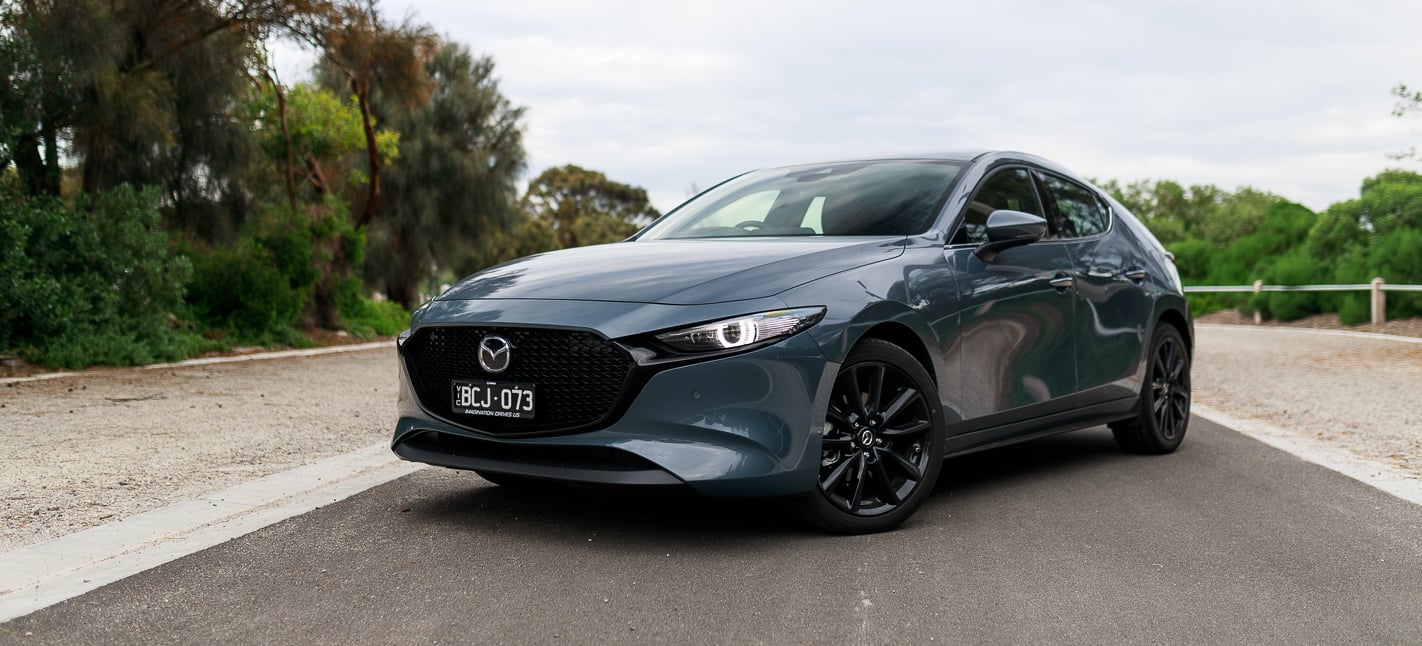
Hatchbacks have long been a consistent presence in the Australian market since the 80s. But put a 1980 Mazda 323 and a current generation 2020 Mazda 3 back to back and you can truly see how far we’ve come.
From Aussie muscle to import
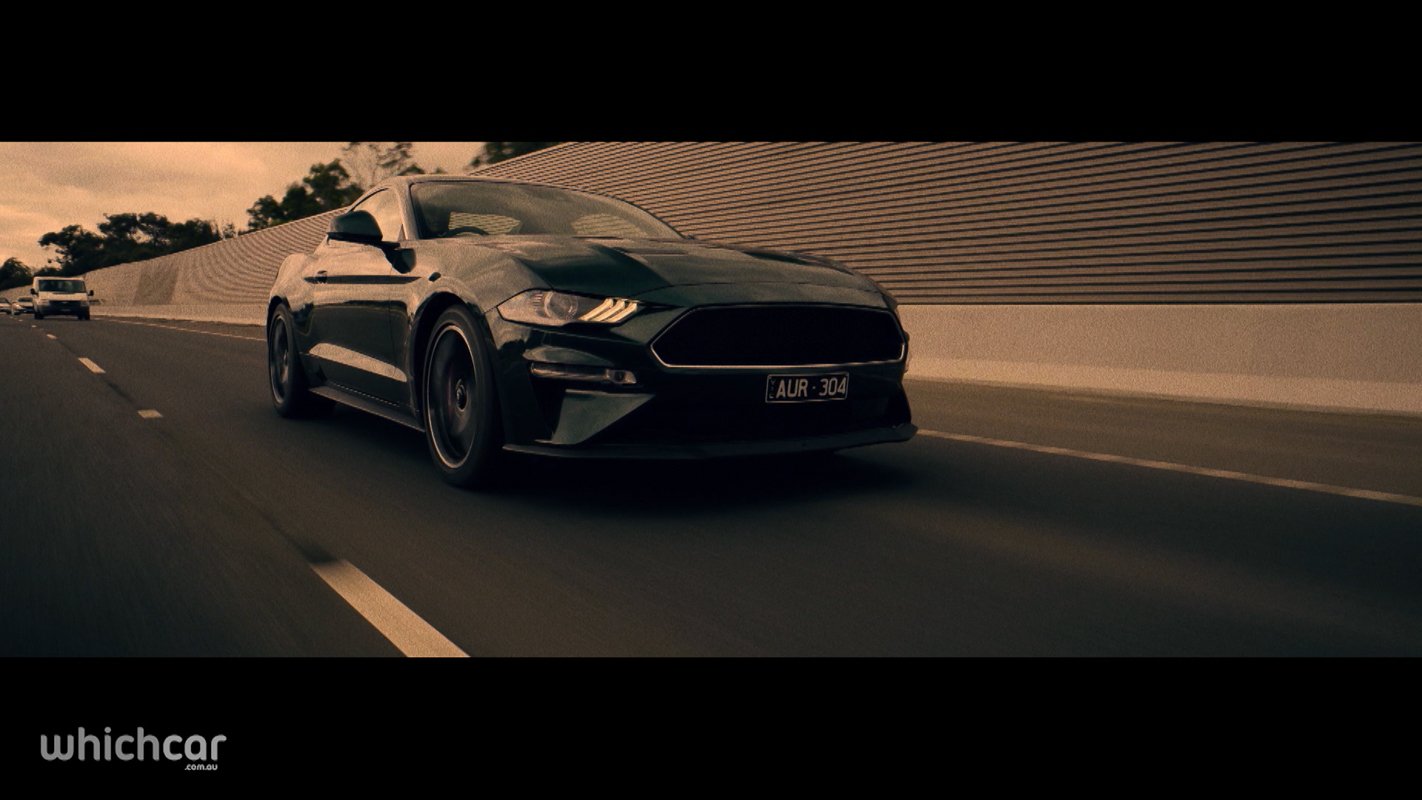
While we’ve often been transported by the humble hatchback, the Aussie muscle car is the one we really lusted after. Let’s take a look at one of the greatest Aussie cars of all time, the Ford XY Falcon GTHO Phase III, and compare it to the current performance favourite, the Ford Mustang.
The ute over time
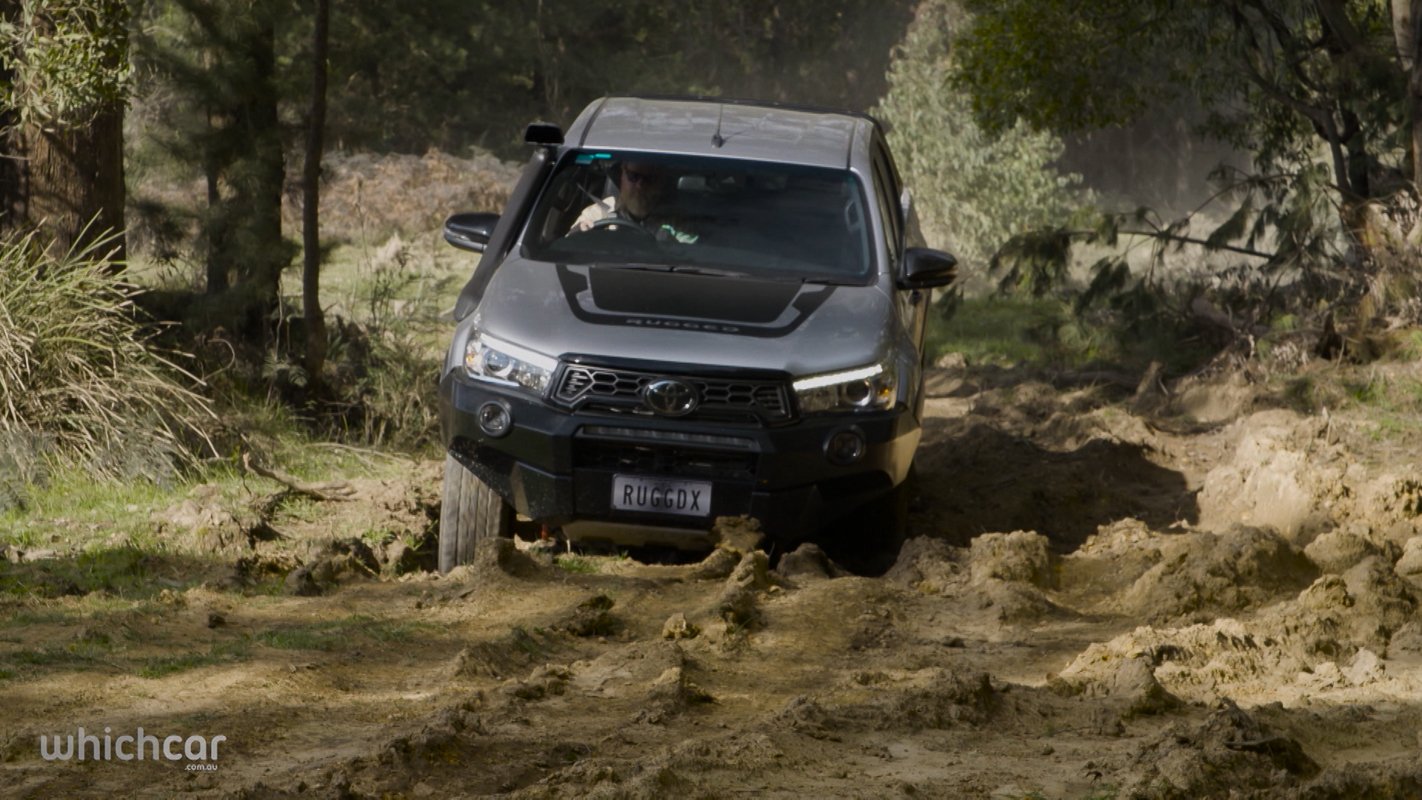
Even the utility vehicle hasn’t escaped drastic changes over time. From workhorse beginnings, we take a look at how the meaning of ‘ute’ has expanded over time to encompass adventure, off-road and even performance connotations.
The current favourite…
The Toyota RAV4 can count itself as one of the founding fathers of the SUV craze, which has now become the most important style of car in the world. The Mitsubishi ASX and Kia Seltos are two cars vying for attention in the same space – so which is the better of the two?
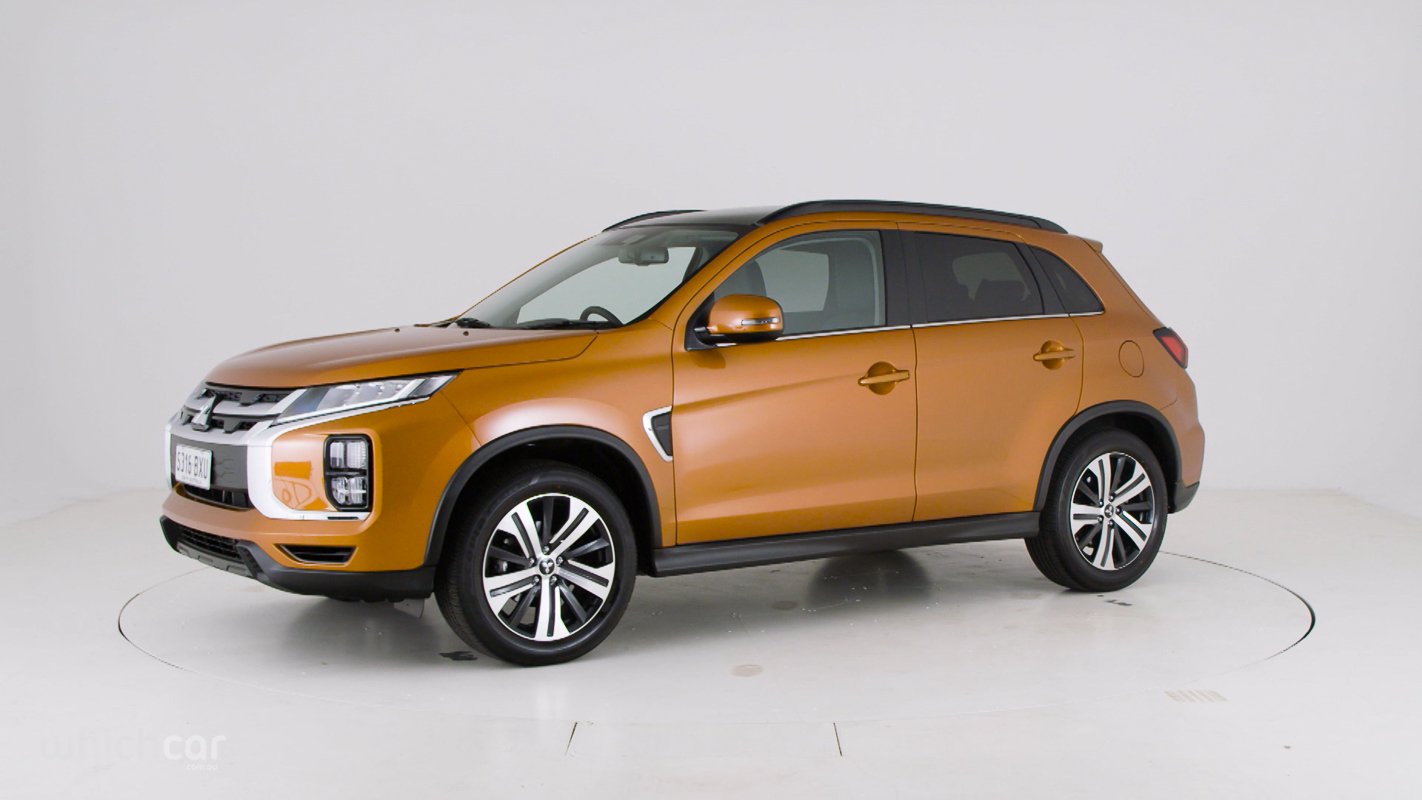
WhichCar TV Season Two Episode 23
4:00pm Sunday July 23, Channel 10
FIND THE HOSTS ON INSTAGRAM
Daniel Gardner @octanedan
Tony O’Kane @tony2000gtx
Tom Fraser @tommyfraser
WIN A TRIP TO THE MALDIVES WITH WHICHCAR
For season two, we’re also offering an amazing prize for our viewers. How does a trip to the Maldives sound? Pretty awesome, right?
The competition is open NOW so make sure you tune into WhichCar TV on Channel Ten at 4pm Sunday AEDT.
And, if for some reason you can’t (and it had better be a good reason!) then there’s a host of ways to catch up on the show, check out behind-the-scenes stuff and find out more about the cars Aussies want to buy.
For example, our weekly podcast, our Facebook page and our YouTube channel are standing by 24/7.
MISSED THE SHOW? Catch up at Ten Play
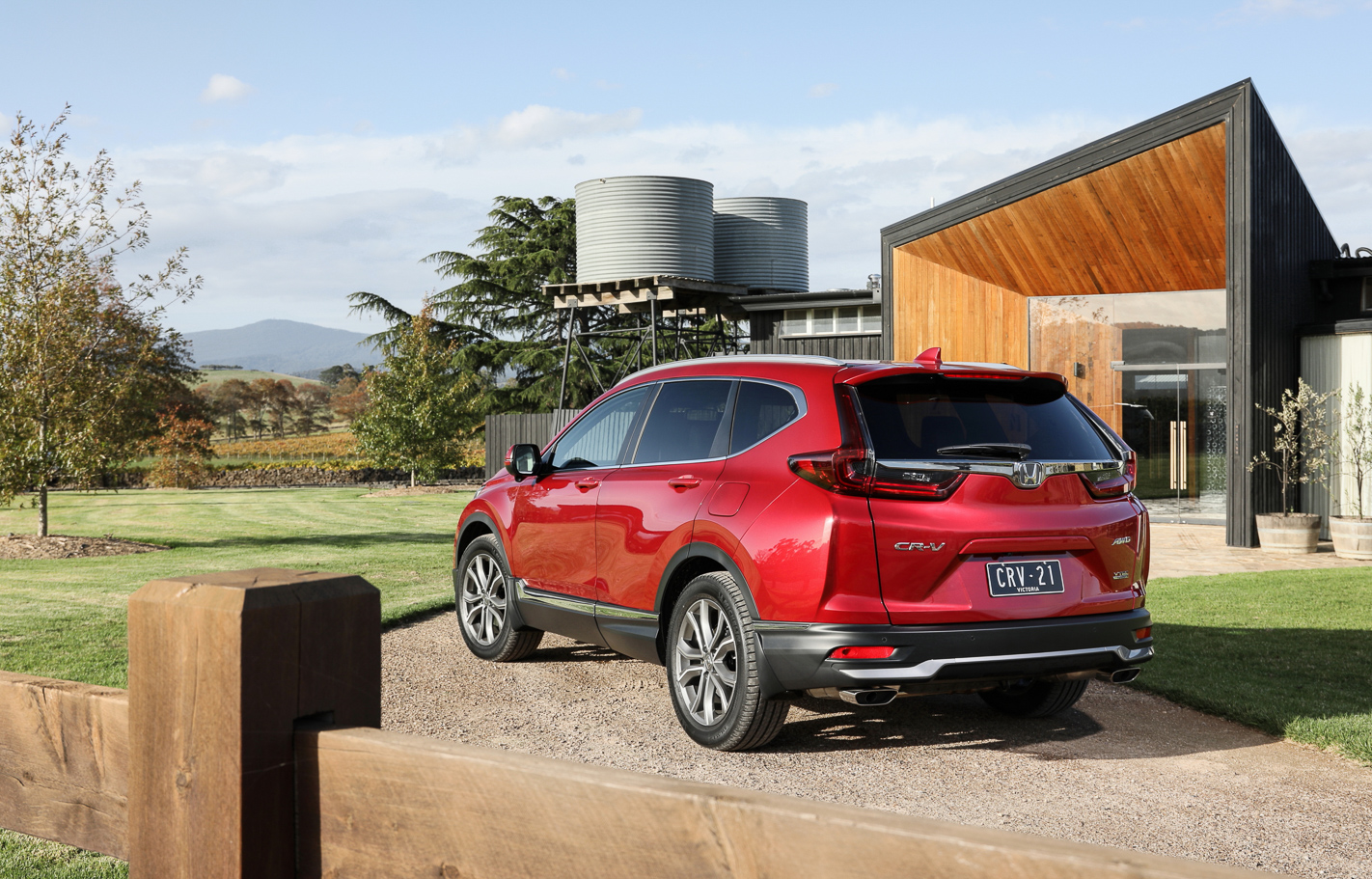
Honda has made running changes to the 2021 CR-V medium SUV range which sees it become more expensive, yet with more standard equipment than the outgoing model.
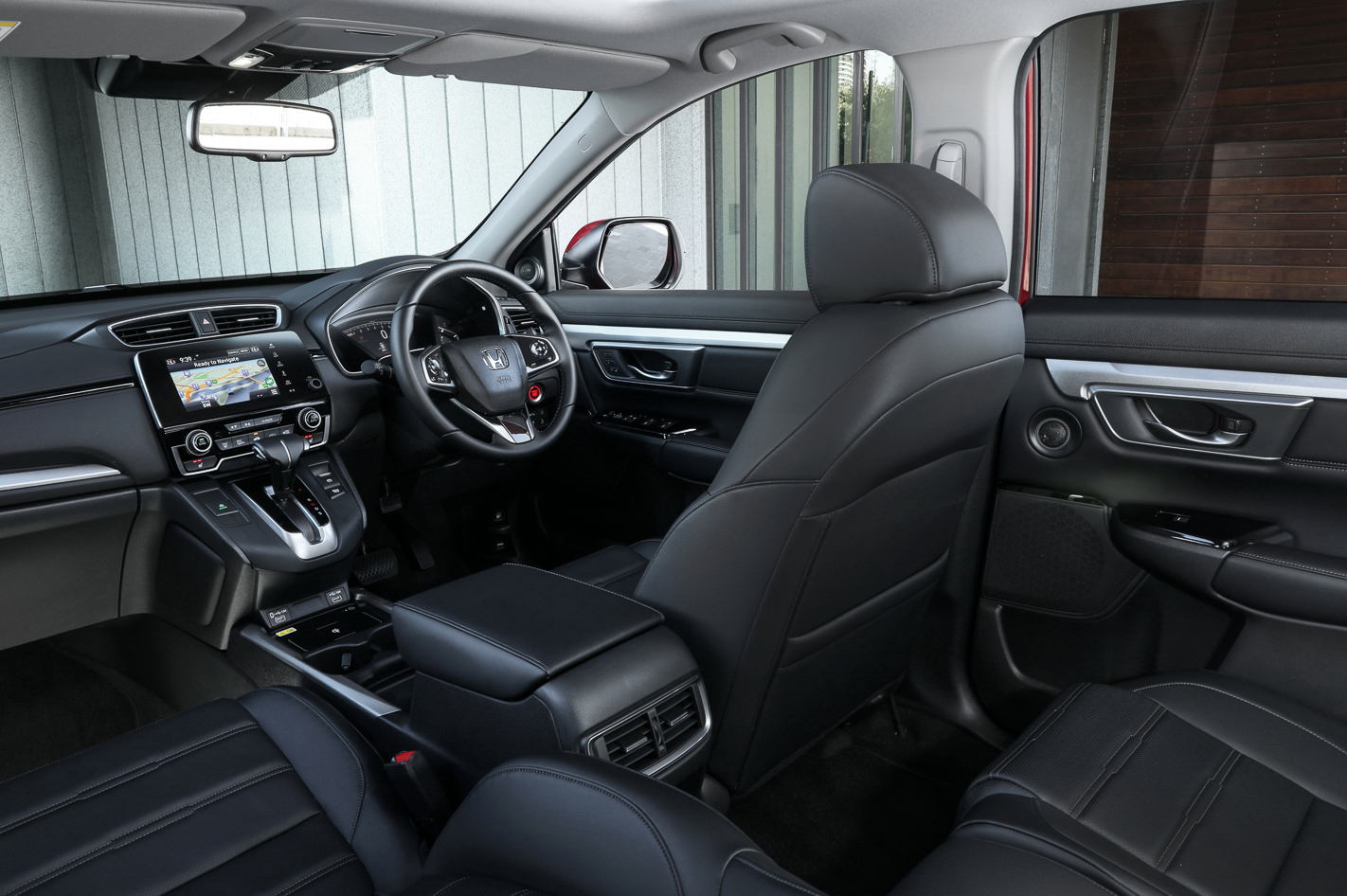
It also receives some refreshed styling (if you’ll believe Honda), while wireless charging and a hands-free power tailgate are now standard on select variants.
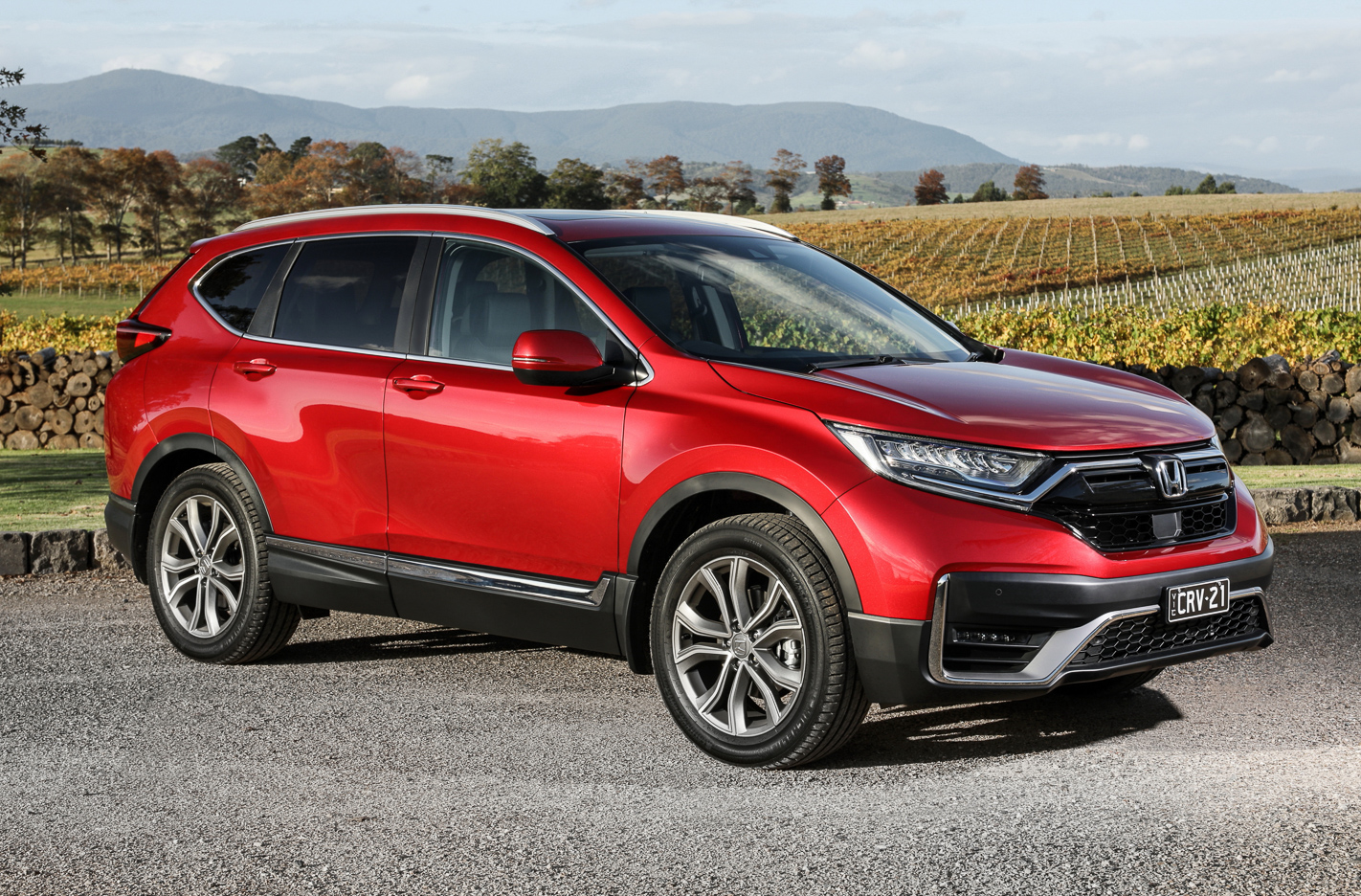
Honda has also made its Honda Sensing active safety package available across a wider band of variants, now standard on all VTi cars powered by the 1.5-litre turbocharged engine.
However, only a single variant is not powered by that engine; the entry-level Vi and its 2.0-litre four-cylinder engine.
Power outputs stay the same across the range. The 2.0-litre four-cylinder naturally-aspirated engine produces 113kW/189Nm and the 1.5-litre turbocharged engine outputs 140kW/240Nm. All cars are equipped with a continuously variable transmission (CVT).
A new naming scheme is also in use. Vi (non-turbo) and VTi (turbo) now refers to whether the car is turbocharged; X, L and LX refers to trim level; a ‘7’ denotes a seven-seat version; and an AWD suffix refers to the drivetrain.
Honda has blamed currency fluctuations and extra standard equipment as reasons for the price rises, with the base model Vi car now $2200 more expensive than before at $30,490. Price rises continue as you go up through rest of the range as well.
Standard across all cars now is a dual-zone climate control system and a 7.0-inch infotainment screen with Android Auto and Apple CarPlay.
Bumper redesigns, trim enhancements and blacked-out taillights are among some of the styling differences, while new wheel designs also feature dependent on model grade.
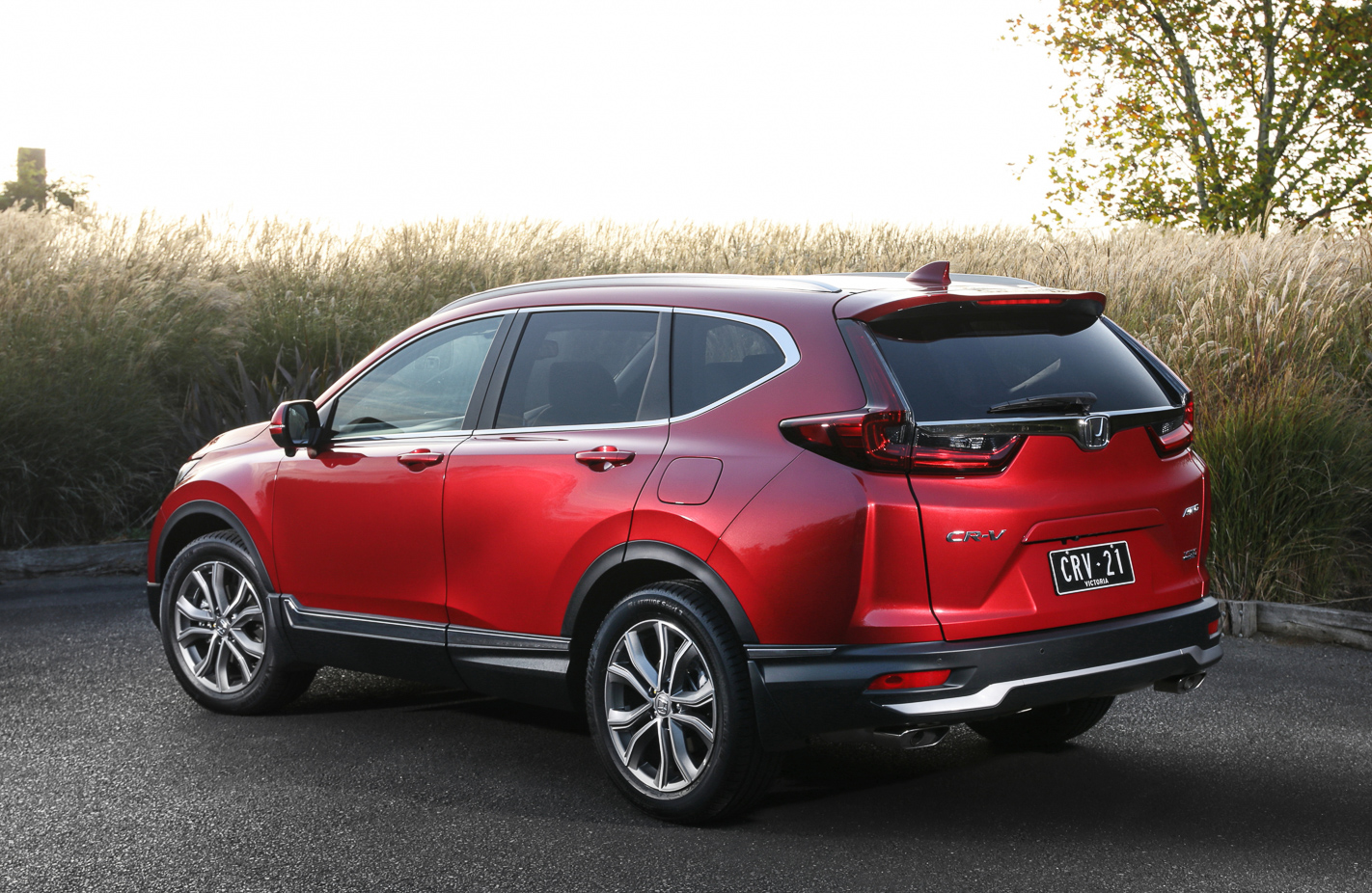
Two new colours (Ignite Red and Cosmic Blue metallics) join the existing palette and Honda says no additional charge for pearlescent or metallic effects.
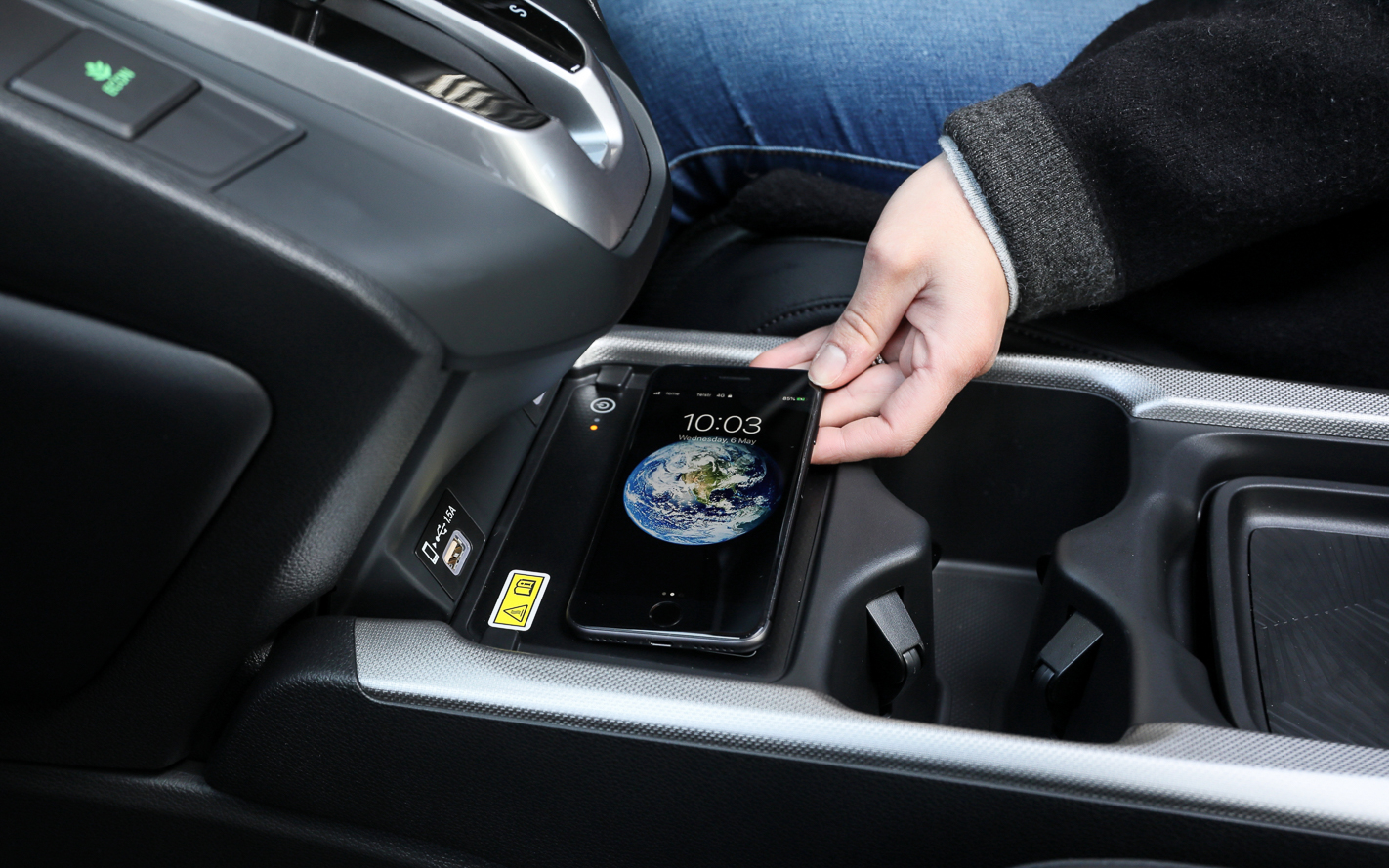
All variants benefit from a redesigned centre console which Honda says now features improved storage space and easier access to ports. The new ‘affordable luxury’ VTi L AWD grade features leather-appointed seats, power-adjustable driver’s seat and heated front seats.
The first cars of the updated 2021 CR-V range will start arriving in August, ahead of an ‘official’ on-sale date of September 1.
2021 Honda CR-V Australian pricing
- Honda CR-V Vi – $30,490
- Honda CR-V VTi – $33,490
- Honda CR-V VTi 7 – $35,490
- Honda CR-V VTi X – $35,990
- Honda CR-V VTi L AWD – $40,490
- Honda CR-V VTi L7 – $43,490
- Honda CR-V VTi LX AWD – $47,490
Alfred Büchi had designed something he knew he couldn’t build. Frustrated by the feeble thermal efficiency of internal combustion engines, the Swiss engineer proposed in a 1905 patent a design for a “highly supercharged compound engine” utilising an axial compressor, radial piston engine and axial turbine on a common shaft. The problem was, he couldn’t make it reliable. Great theory, lousy in practise.
Due to a number of setbacks and rejections, Büchi took another two decades before he demonstrated a viable turbocharger prototype which boosted the efficiency of a diesel engine by 40 percent. By then, the lead in turbocharging technology had passed to America, where, in 1918, Dr Sanford Moss of General Electric hauled a Liberty V12 aircraft engine up the gravel road to the top of Pikes Peak in Colorado to demonstrate that at altitude, a turbo could boost power, in this case from 221hp to 356hp.
Several aircraft of World War II featured turbochargers, including the Boeing B-17 Flying Fortress, the Lockheed P-38 Lightning and – on the other side – the prototype Focke-Wulf Fw 190 with a forced-induction BMW V12.
The first production cars to feature turbocharging appeared at the start of the next decade. The Chevrolet Corvair Monza Spyder and the Oldsmobile Jetfire made their debuts in 1962. The turbocharged 215ci engine featured a Garrett turbocharger that lifted power to 215hp (an impressive one horsepower per cubic inch) but required a ‘Turbo Rocket Fluid’ tank, containing a mix of distilled water, methanol and a corrosion inhibitor to cool the combustion chamber and to prevent detonation in the 10.25:1 compression ratio engine.
It wouldn’t be too much of an exaggeration to describe the technology as a disaster. Although sales and reviews were initially favourable, the engine was plagued with problems. The F85 lump ran hot before a turbo was introduced, and the added heat and complexity of another 50 hoses and connections made it a liability. Owners complained that they had lost power, not realising that the turbo would be bypassed when the Turbo Rocket Fluid tank ran dry. More timid owners didn’t drive the car hard enough to generate boost (and thus lubricate the turbo’s compressor shaft), leading to frozen turbocharger assemblies over time.
In response to these problems, in 1965 General Motors offered Jetfire customers a no-cost turbo removal, replacing it with a vanilla four-barrel carburettor and conventional intake and exhaust manifolds, solving the reliability and performance issues that had plagued it. Most owners took up GM’s offer. An original turbo Jetfire is now a rare beast.
That debacle chastened manufacturers, but American brands were again keen to embrace the technology in competition, an Offenhauser V8 winning the Indy 500 in 1968 using a Garrett AiResearch blower. Porsche’s 917/10K became the first turbocharged car to win CanAm in 1972.
At the Frankfurt motorshow in 1973, right at the start of the first oil crisis, the BMW 2002 Turbo was presented. With 127kW/240Nm it offered serious performance for such a compact car but it was a case of the right tech at the wrong time. It was withdrawn within two years after only 1672 sales.
Porsche finally succeeded in realising the turbocharger’s potential in a production car. Its 930-series 911 Turbo of 1975 was initially a homologation exercise to legitimise its turbocharged Group 4 and Group 5 racers, but the 191kW/329Nm 911 Turbo rapidly became popular among enthusiasts, despite its notoriously tricky handling. Ernst Fuhrmann’s adaptation of the 917/30 CanAm car’s turbo technology, with a single KKK puffer, created a flagship road-going 911 that has persisted for more than four decades. So prestigious is the ‘turbo’ designation within Porsche that it even appears on the back of hot versions of Taycan electric vehicles; cars which clearly have no such hardware.
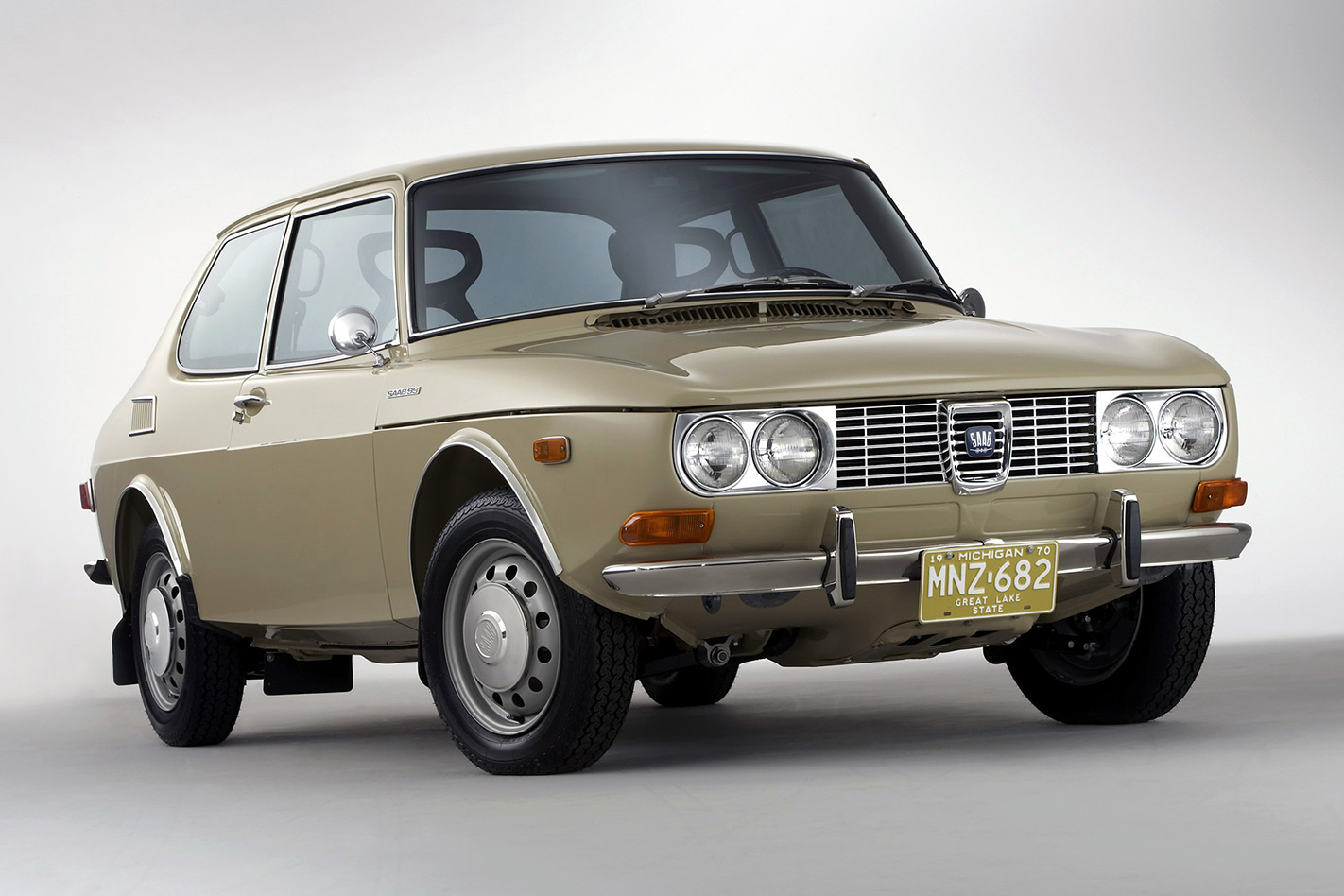
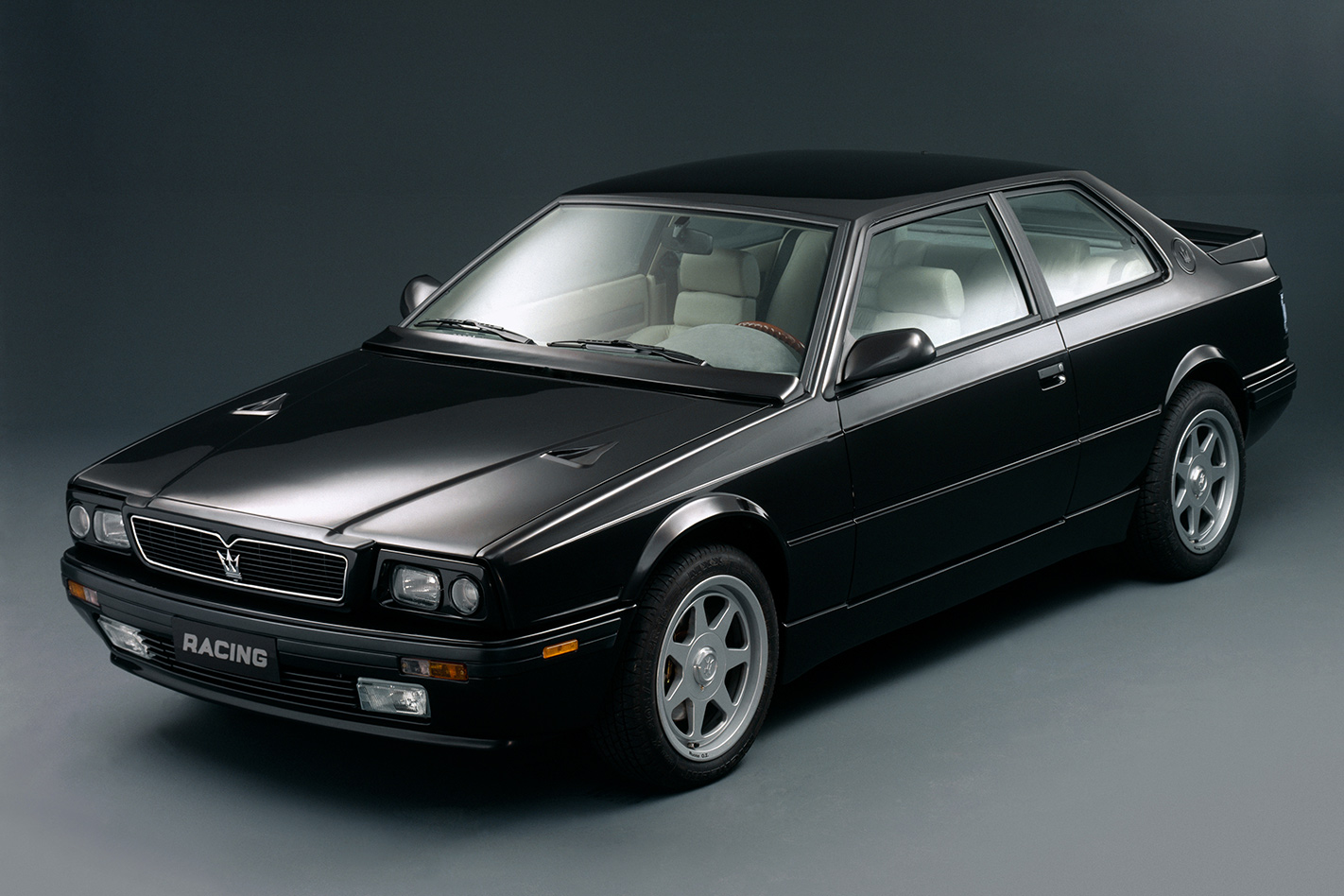
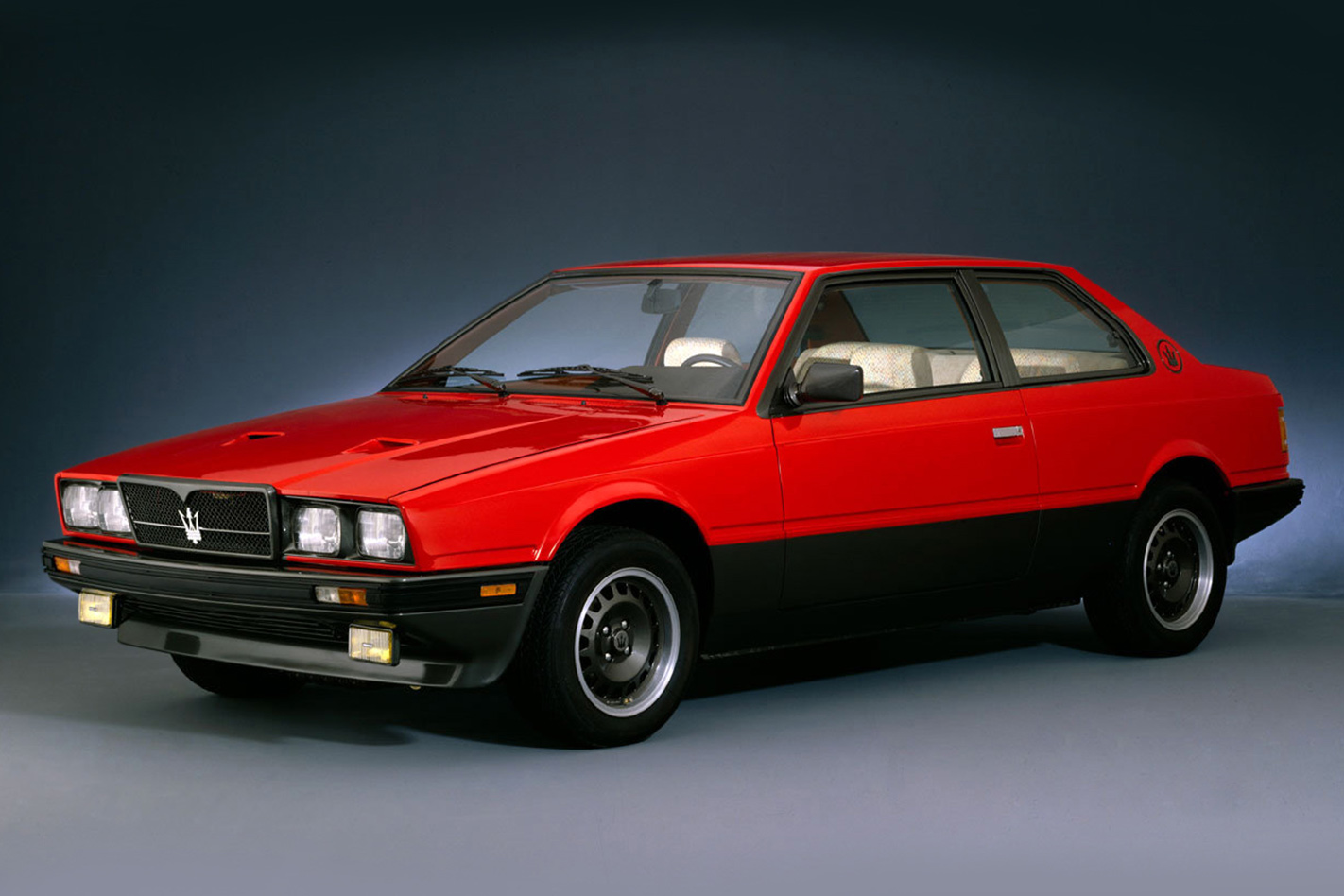
Saab can claim credit for democratising forced induction with its 99 Turbo of 1978, and Mercedes-Benz introduced the first production turbodiesel with the 1978 300SD. Maserati pioneered twin turbos in the 1981 Biturbo, although in ‘81 Legend Industries developed a twin-turbo set-up for the Delorean DMC-12’s asthmatic 2.8-litre lump. Thus equipped it would make 60mph (97km) in 5.8 seconds.
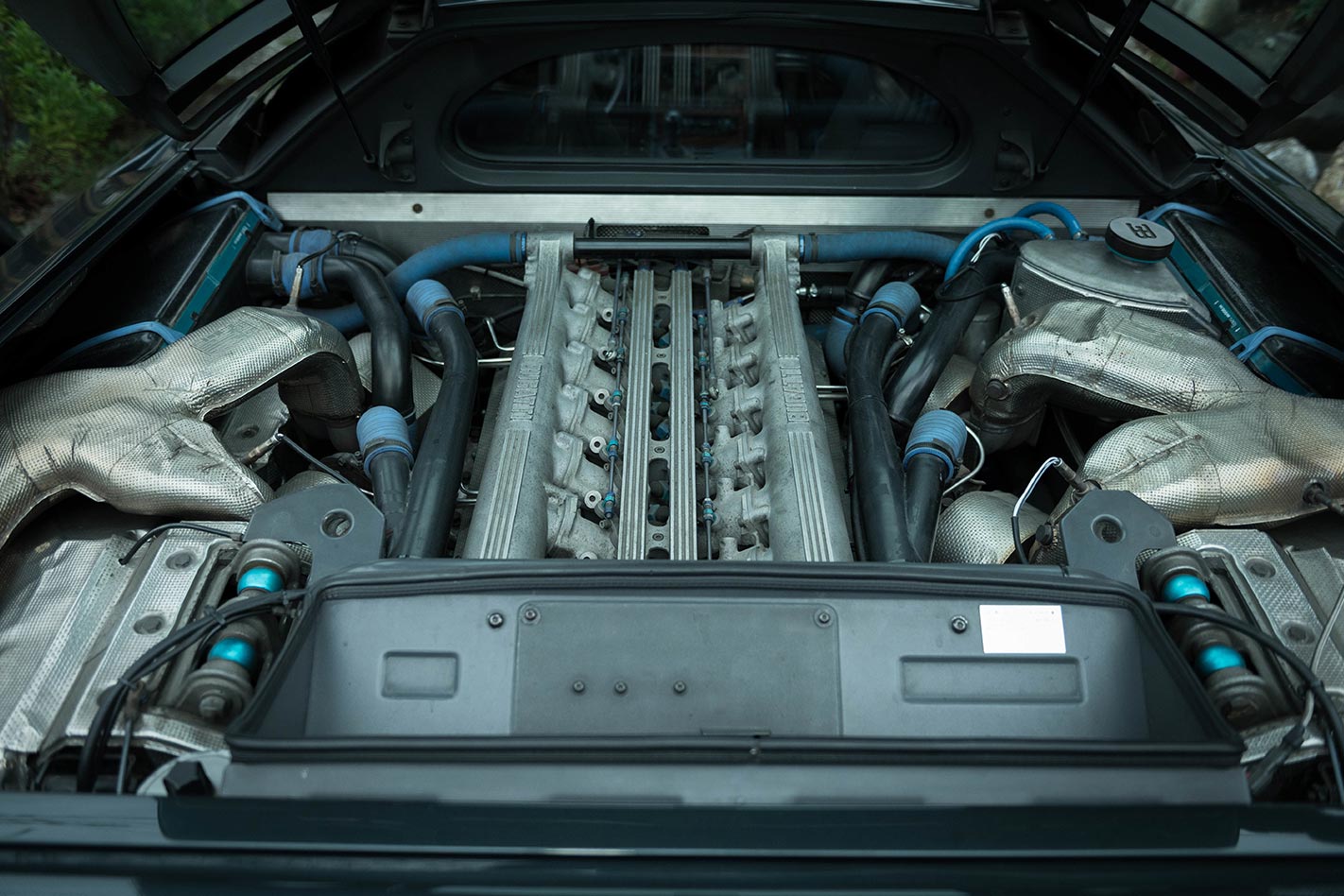
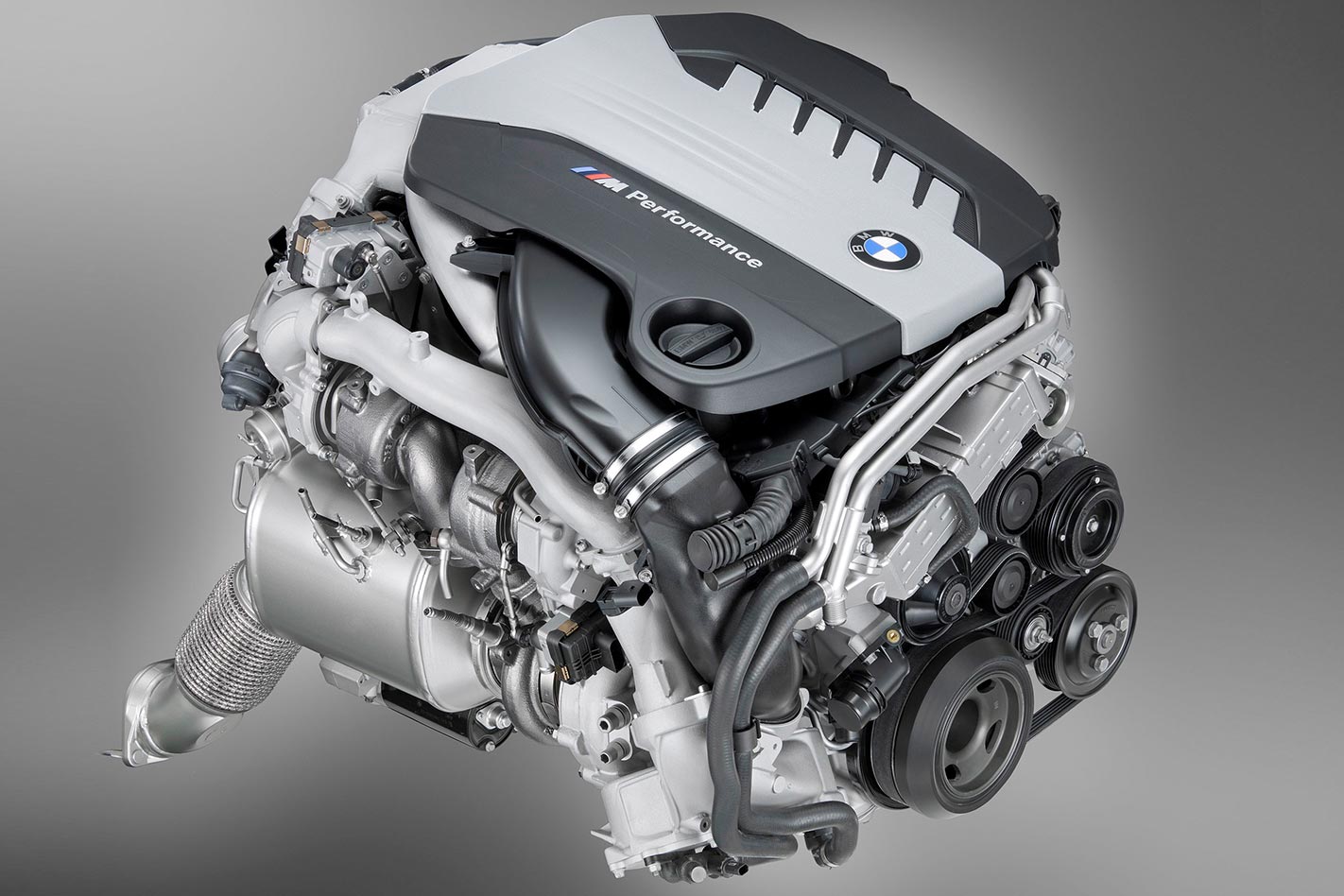
Since then, it’s been a case of refining the technology. Honda’s Legend Wing Turbo introduced the variable-geometry turbo in 1988, and in 1991 Bugatti was the first to develop a quad-turbo installation, the carbon-chassis EB110 being the recipient of that piece of perfect plumbing. Three sequential turbos then made an appearance in 2012 beneath the bonnet of BMW’s M550d xDrive.
Such is the acceptance of the technology that a naturally aspirated car now seems a quirk, an outlier. We’re a population grown accustomed to the rush of boost and while we don’t tend to thank the Swiss for much in the motoring world, in this regard Alfred Büchi, and a tiny alpine nation, have conquered the world.
A TIMELINE OF TURBO DEVELOPMENT
1905: Swiss engineer Alfred Büchi visualises the turbo concept. Can’t build it reliably
1918: Altitude tests of turbo tech atop Pikes Peak, Colorado a success
1942: US-built P-38 Lightning’s pair of turbo and superchargers made it stealthily quiet and high altitude capable
1962: Oldsmobile Jetfire first production turbo car. It’s a disaster plagued by issues
1968: First Indianapolis 500 win for a turbo car. Next 28 Indy victories all come with forced induction
1975: Porsche launches 911 Turbo. Became the quickest car of the 1970s, getting to 60mph in 4.9sec
1978: Saab’s 99 Turbo makes turbo power more affordable. Wheels described it as “brilliant, exciting and thrilling”
1981: First twin-turbo production car, the Maserati Biturbo appears, heralding a decade when the turbo captured the performance-car zeitgeist
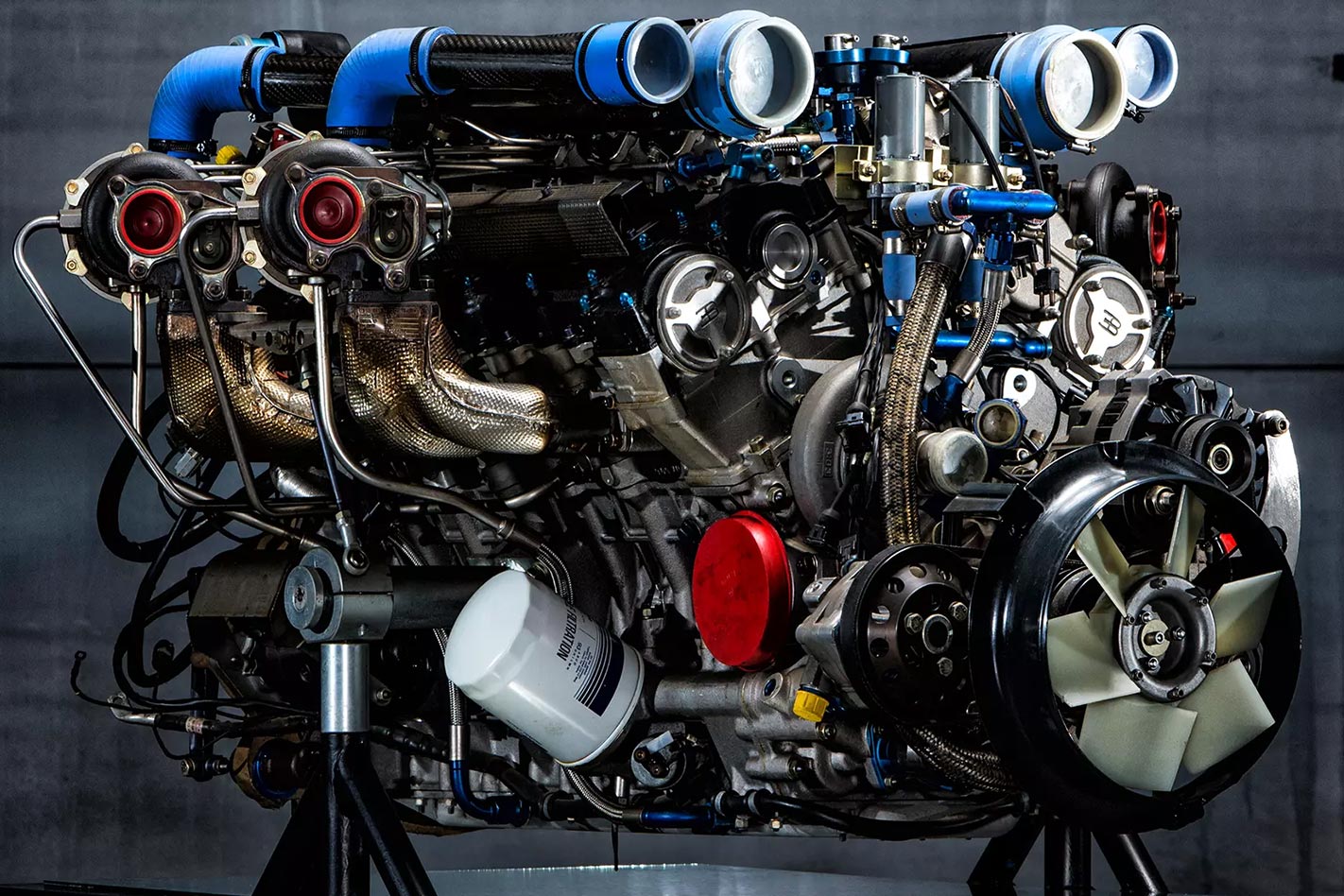
1991: Four turbos? Why not. Bugatti’s EB110 engine (above) was an astonishing technical achievement. 60-valves and 12 ITBs? Go on, then
2013: BMW manages to make three turbochargers work sequentially
2020: AMG reinvents the science of boost with a new style of e-turbo
 Turbo Titans
Everything you’ve ever wanted to know about the humble turbocharger and its miraculous power-boosting abilities.
After lagging behind the SUV pack for the early part of this decade, Hyundai is making up for lost time by throwing new products into the space at a rate of knots.
With a lineup that now includes the baby Venue, small Kona, medium Tucson and large Santa Fe, the big Palisade will go up against cars like the Mazda CX-9 and Toyota Kluger as it chases private family buyers with a combination of cool tech, bold looks and (hopefully) good value.
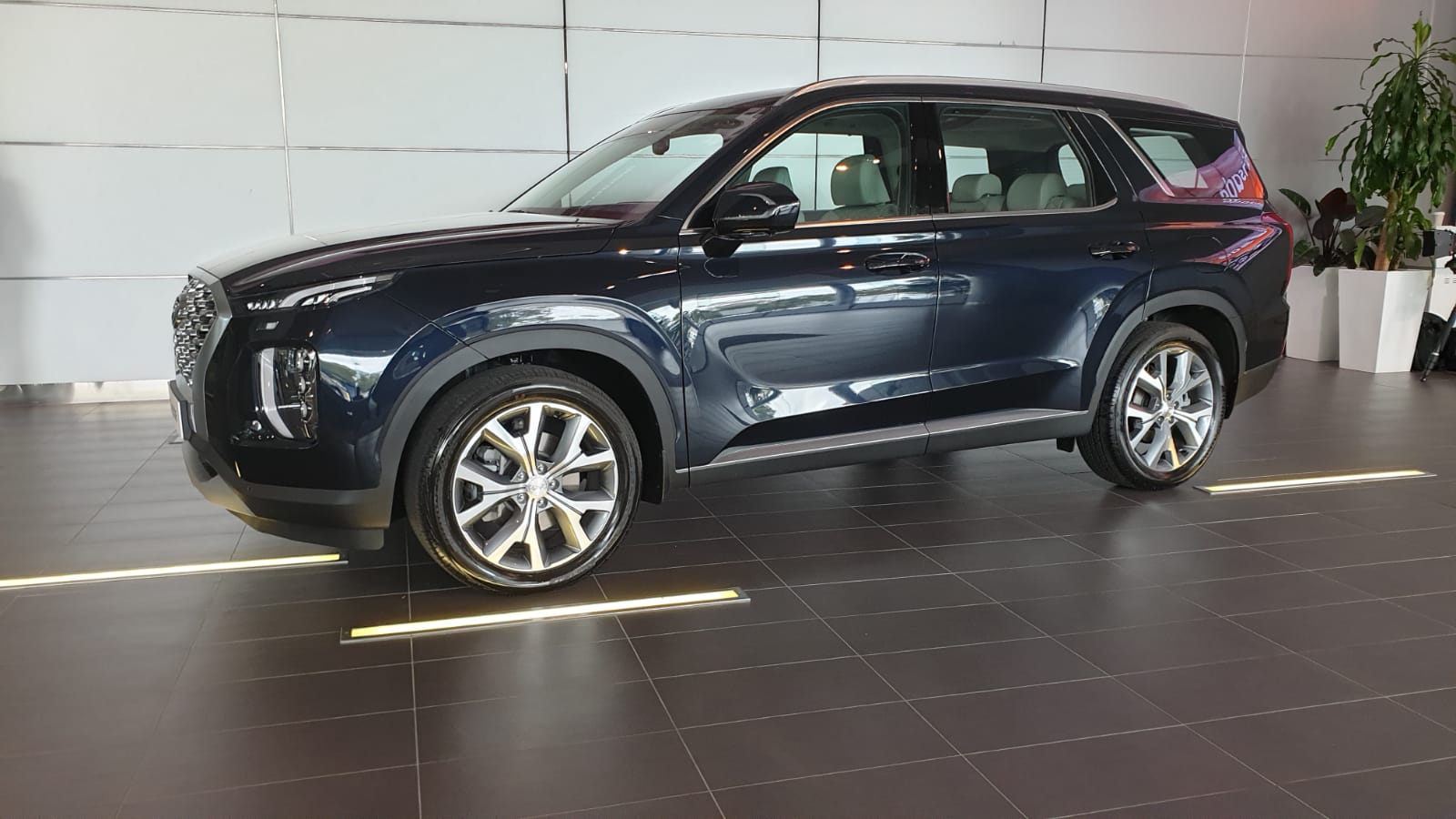
The large Palisade will not only become the biggest SUV that Hyundai has ever sold here, but it’ll also take up a role as a flagship model for the brand.
Pricing and specs for the Palisade are yet to drop, but it’ll easily be the most expensive Hyundai on sale in Australia when it arrives next year.
Let’s have a bit of a closer look.
1) It has a V6 option
Turbocharged engines have a number of advantages for car companies. They pack a punch for their size, they can help reduce emissions – important as Euro regulations become tighter and tighter – and a surprisingly small engine can be used to move a big car.
However, the silken, silent delivery of a sizable six-cylinder is nothing to be sneezed at – and the Palisade will offer a 3.8-litre petrol-powered V6 as part of its repertoire.
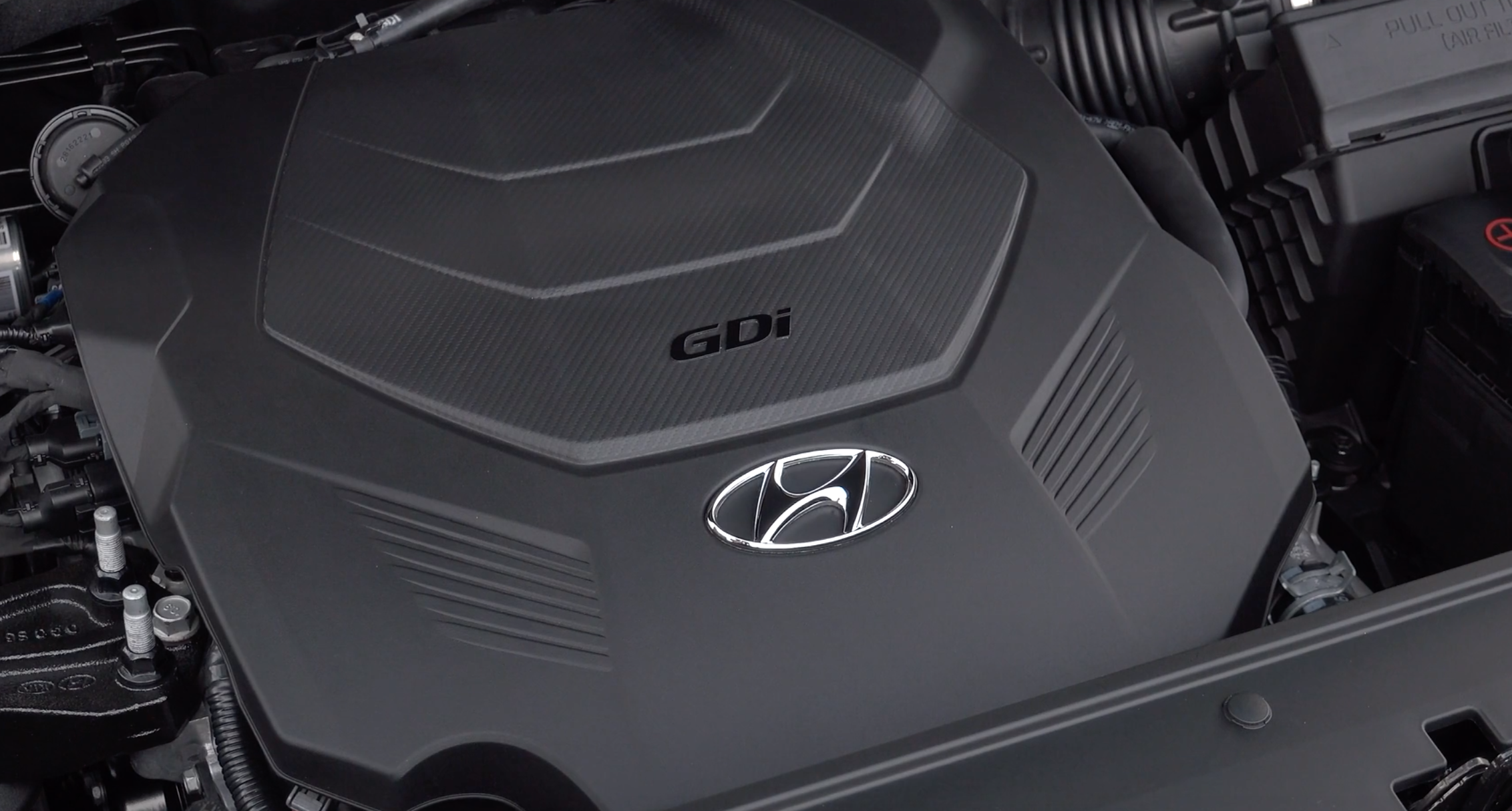
Used in the Genesis range to great effect, the all-alloy direct-injection engine will drive the front wheels via an in-house eight-speed automatic. With 213kW and 355Nm on tap, it will give the Palisade effortless oomph.
2) It has ALL of the USB ports
How many USB charging points does your car have? Is everyone constantly squabbling over one or maybe two ports? The Palisade has seven – and that doesn’t even include the 230v socket or the three cigarette lighter-style charge ports.
The centre console’s forward bin offers Apple CarPlay connectivity via a data port, while there’s a charging point under the console. Cleverly, you can pass the cable up through the bottom of the bin so you can stash your phone out of sight.
There’s another charge point in the rearward console bin, one each in the sides of the front seats for second-row passengers and yet two more in the third row.
And don’t forget the wireless charging pad for compatible phones!
3) It has a suede roof lining
I’ve never wanted to put my feet on the roof of a car more… the Palisade pictured here features a sumptuous, soft and super luxurious deep-pile suede that looks and fees a million bucks. No cream-coloured industrial cloth here, folks.
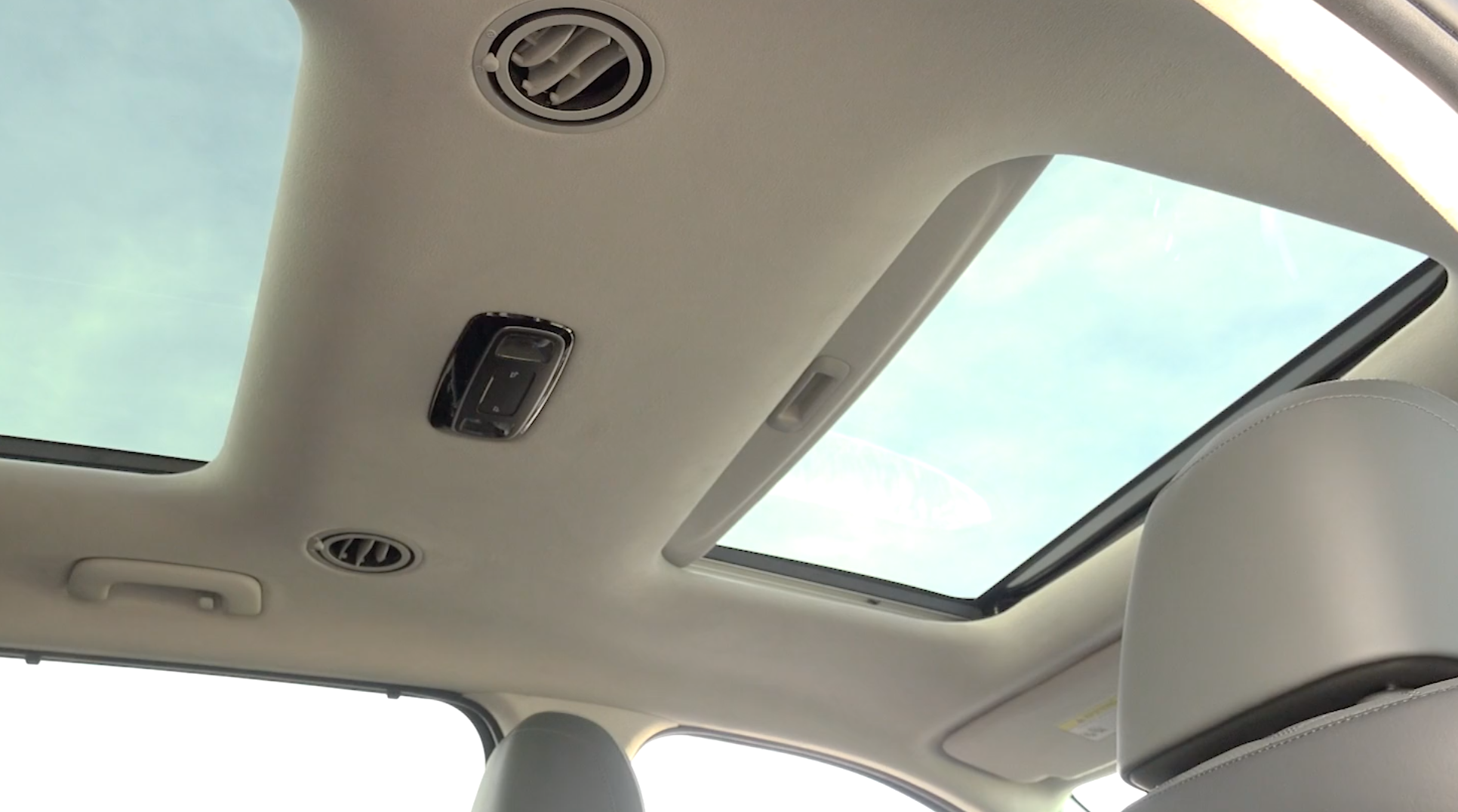
It’s one of the touches that will make the Palisade stand out in a crowded field, and it ties in perfectly with other upmarket materials like the quilted leather seat and door trim inserts.
4) It makes rearview mirrors redundant
We’ve seen rear-view camera tech before, and even this exact technology, but the Palisade brings it to a more accessible level.
When the driver indicates to change lanes (left or right), a camera mounted under the side mirror will project an image that’s twice as wide as the mirror’s field of view onto a colour screen in the centre of the dashboard.
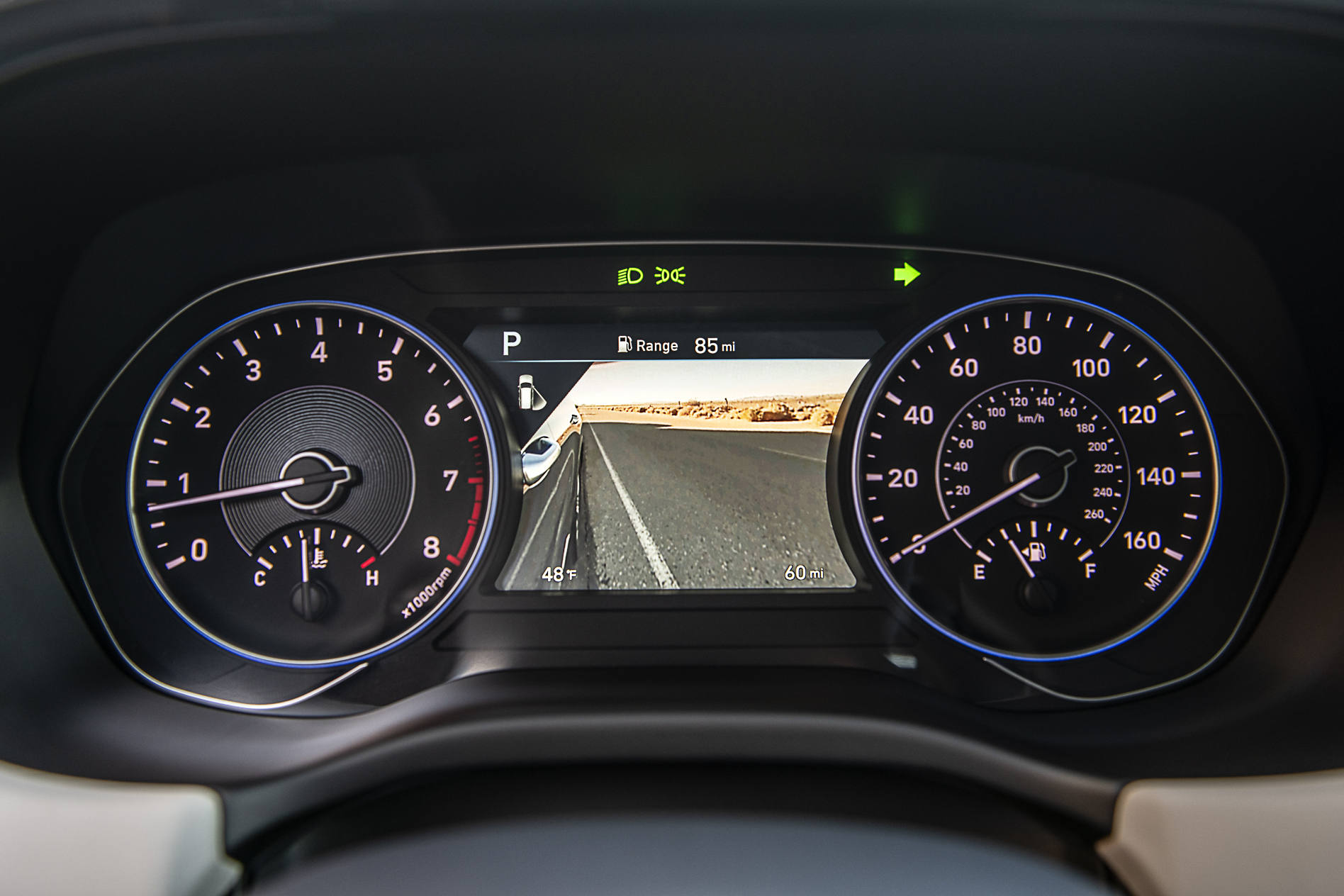
The FOV is so wide, too, that it can spot traffic two lanes over.
5) You can yell at your kids without turning around
Again, this isn’t new tech, but it’s still a sign that Hyundai took the notion of building a family car seriously.
Via a button on the centre console multimedia screen, it’s possible to activate a microphone that allows the driver’s voice to be amplified into the rearmost seats of the car.
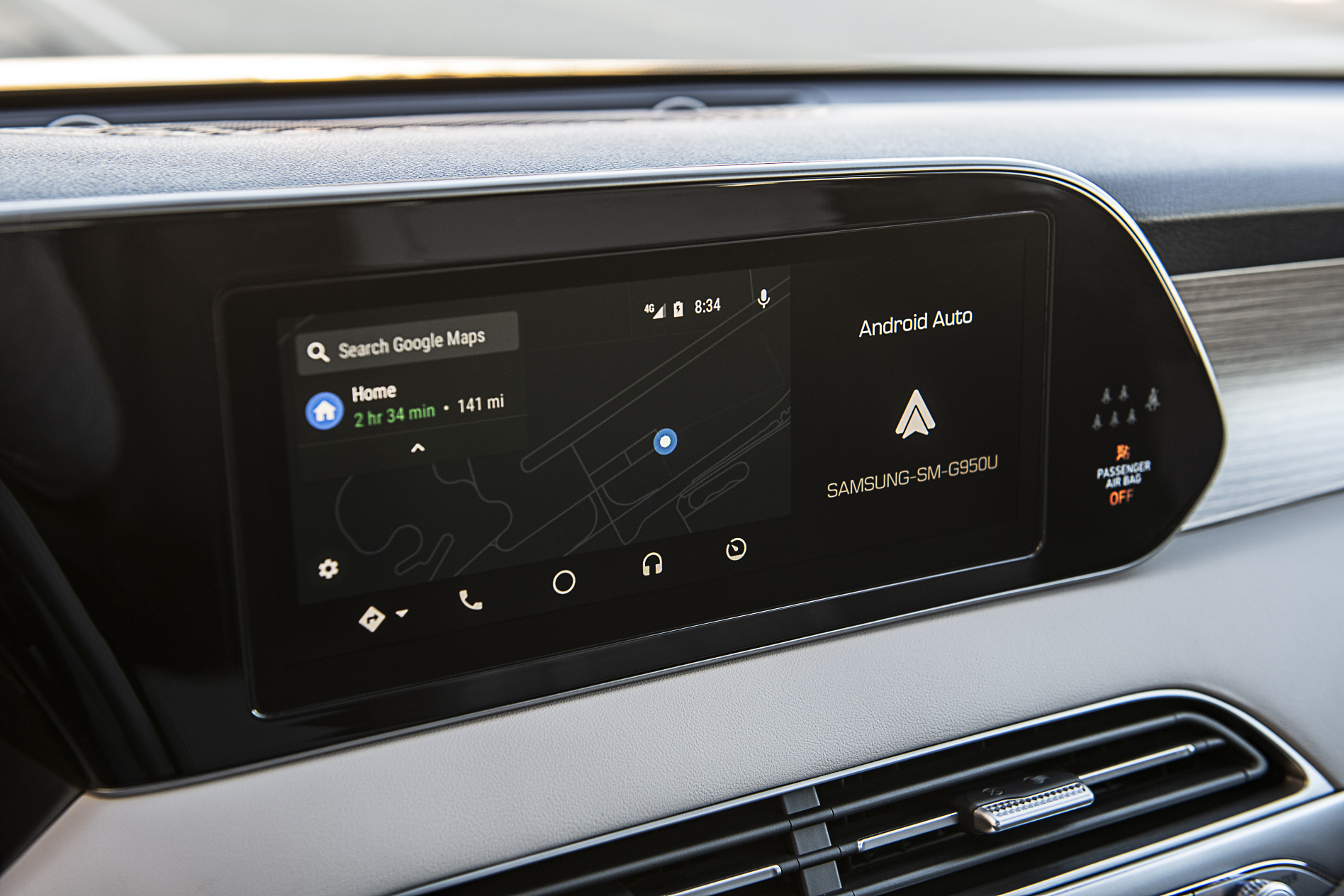
Why is this clever? It means the driver or front-seat passenger can be heard without needing to turn around in their seats to settle disputes.
The menu also allows for the rearmost speakers to be muted easily if there are kids sleeping in the back… though arguably the fader control within the stereo system does the same thing.
6) It steals stuff from Genesis
The Genesis brand is to Hyundai what Lexus is to Toyota; a luxury line-topper that shares parts and technologies both ways with its donor brand.
So it is with the Palisade, which – like the new Sonata – is festooned with small touches used in the Genesis range that serve to lift the Palisade’s general demeanour.
Take, for example, the knurled metal edges on the control dials, the aforementioned use of high-quality materials in key touchpoints and the decision to share key powertrains across the two outfits.
The Palisade could have easily been specced for Australia with Hyundai’s 3.5-litre V6, but the new 3.8-litre is a better, quieter, cleaner and stronger engine for a car that will, after all, top the Hyundai tree here in Oz.
7) It does away with a T-bar auto
If you’ve seen the Hyundai Imax Drift Bus, then you might have already seen that it does away with the traditional auto shifter in favour of a shift-by-wire system.
The Palisade has taken that notion a step further, with designers grabbing the opportunity to break with a long-held tradition to give something back.
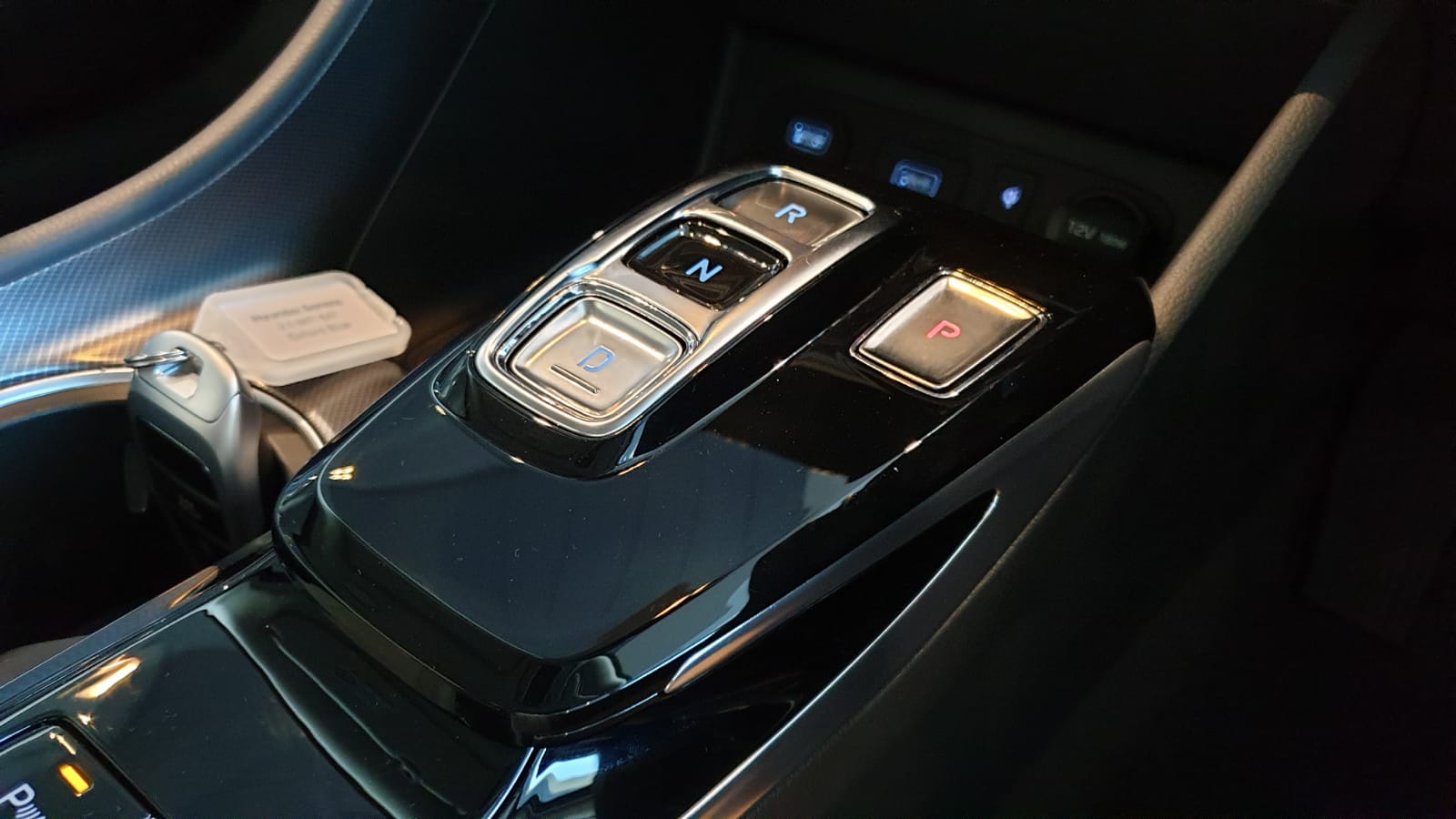
A simple array of buttons is mounted on the centre console – in reality, they could actually be mounted anywhere, given it’s just a button array and some wires.
The buttons themselves are large and easy to read, while the transmission’s brain will cover the act of turning the car off without engaging park.
The space that the deletion of the T-bar frees up is quite astonishing, with two large centre console bins complemented by a space underneath the console that’s half styling exercise and half storage extender.
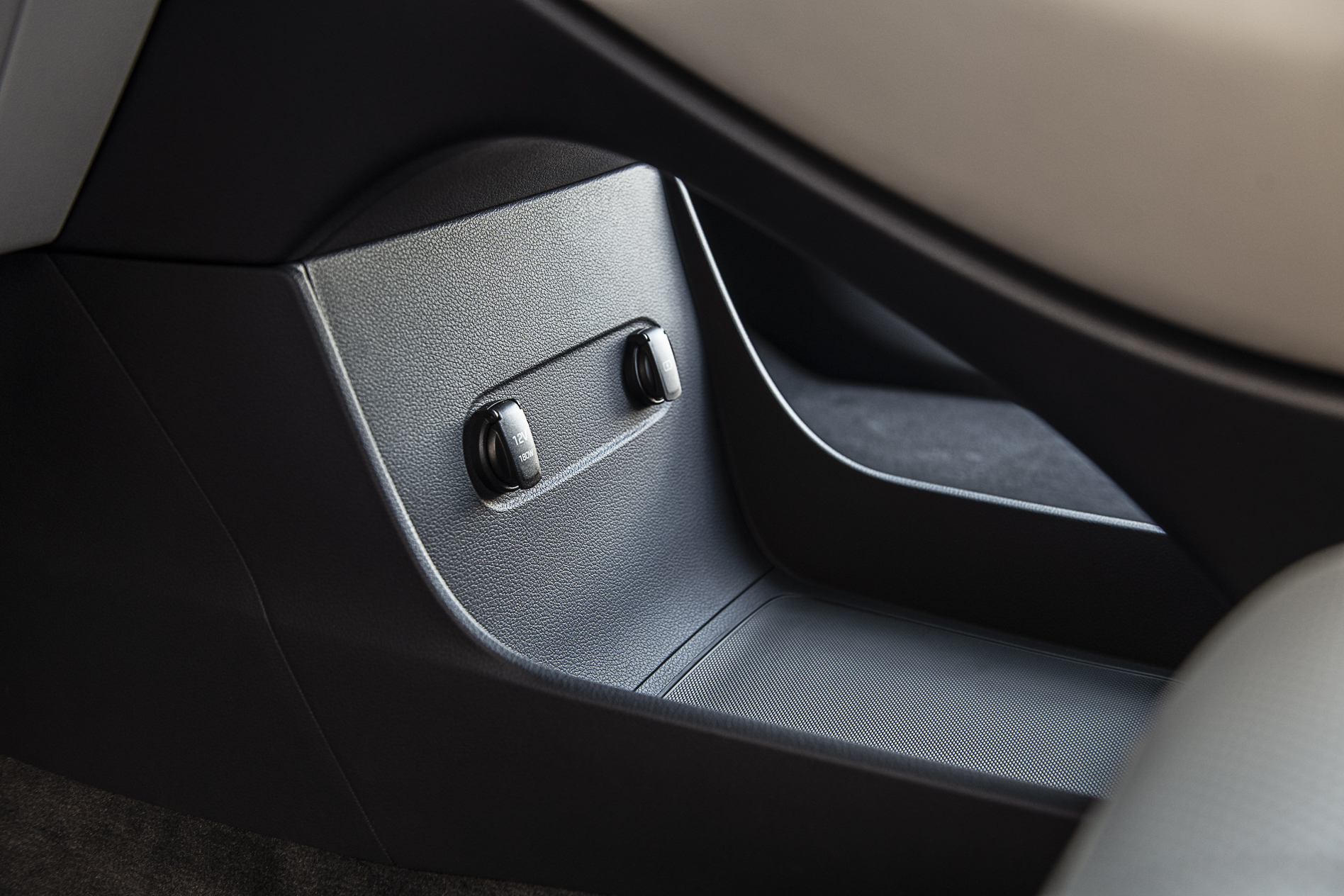
I reckon, though, that the exposed area could be better served being walled in, which would prevent errant objects placed in that lower tray from potentially falling into the driver’s footwell.
8) It already handles really well
Hyundai’s Australian product planners have helped to turn chassis engineering across the wider group on its head, thanks to a tenacious attitude towards suspension tunes for locally delivered cars… but for the Palisade, they reckon there’s nothing left to do.
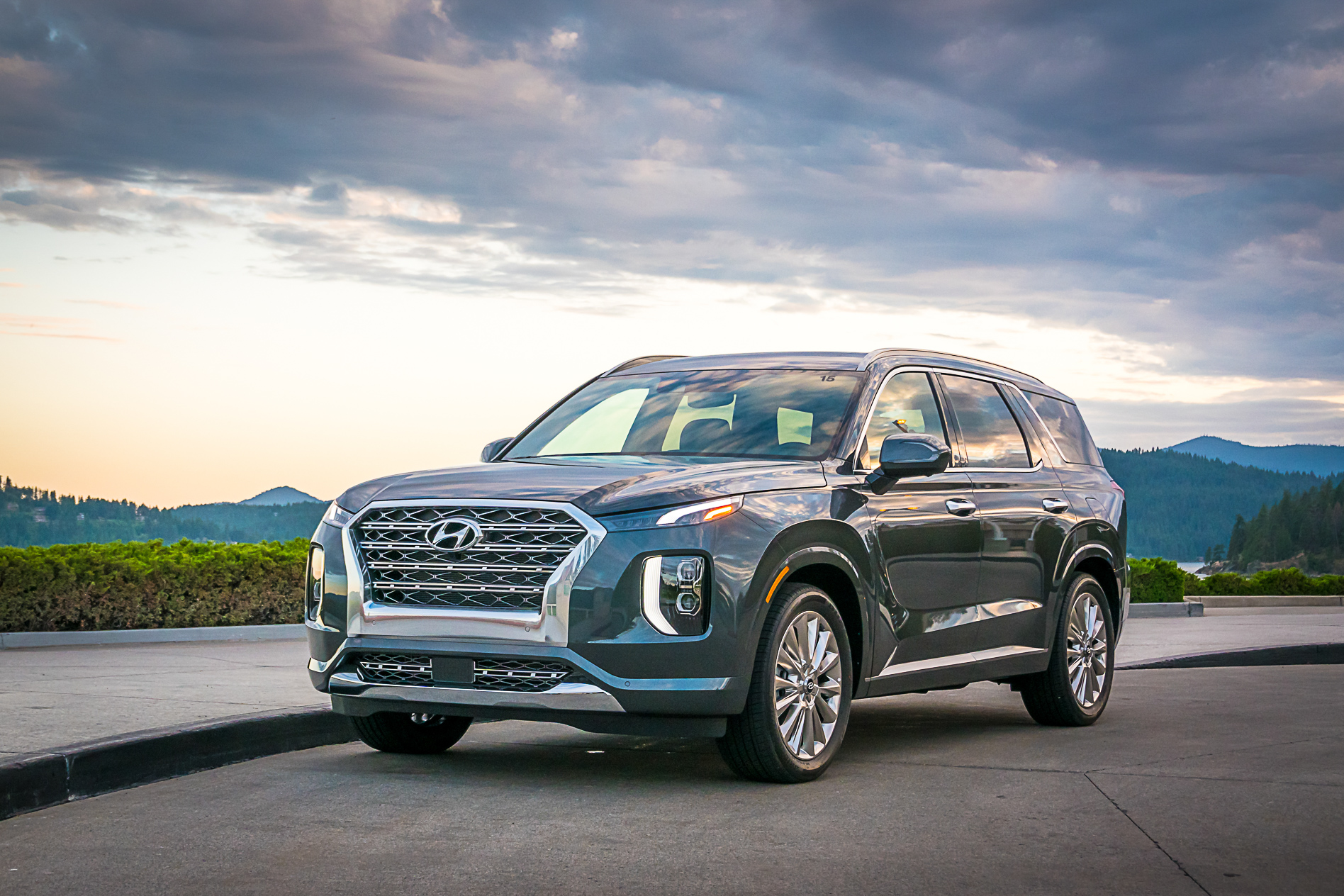
“We’re actually really impressed with the stock tune [of the springs and shocks],” one of them told WhichCar. “We might have a play with the steering tune, which we can do with software, but it’s already pretty close.”
The Palisade will come with a diesel-powered all-wheel-drive option, but in no way could it be construed as a Toyota LandCruiser rival in the off-roading stakes… but that’s not what the Palisade is about.
Bonus: The third row is genuinely impressive
Usually, we just write off the third row of seats in any car as a mere token effort that’s only meant for kids, but the Palisade’s designers have gone the extra mile to make sure that it’s more than a place to banish naughty children.
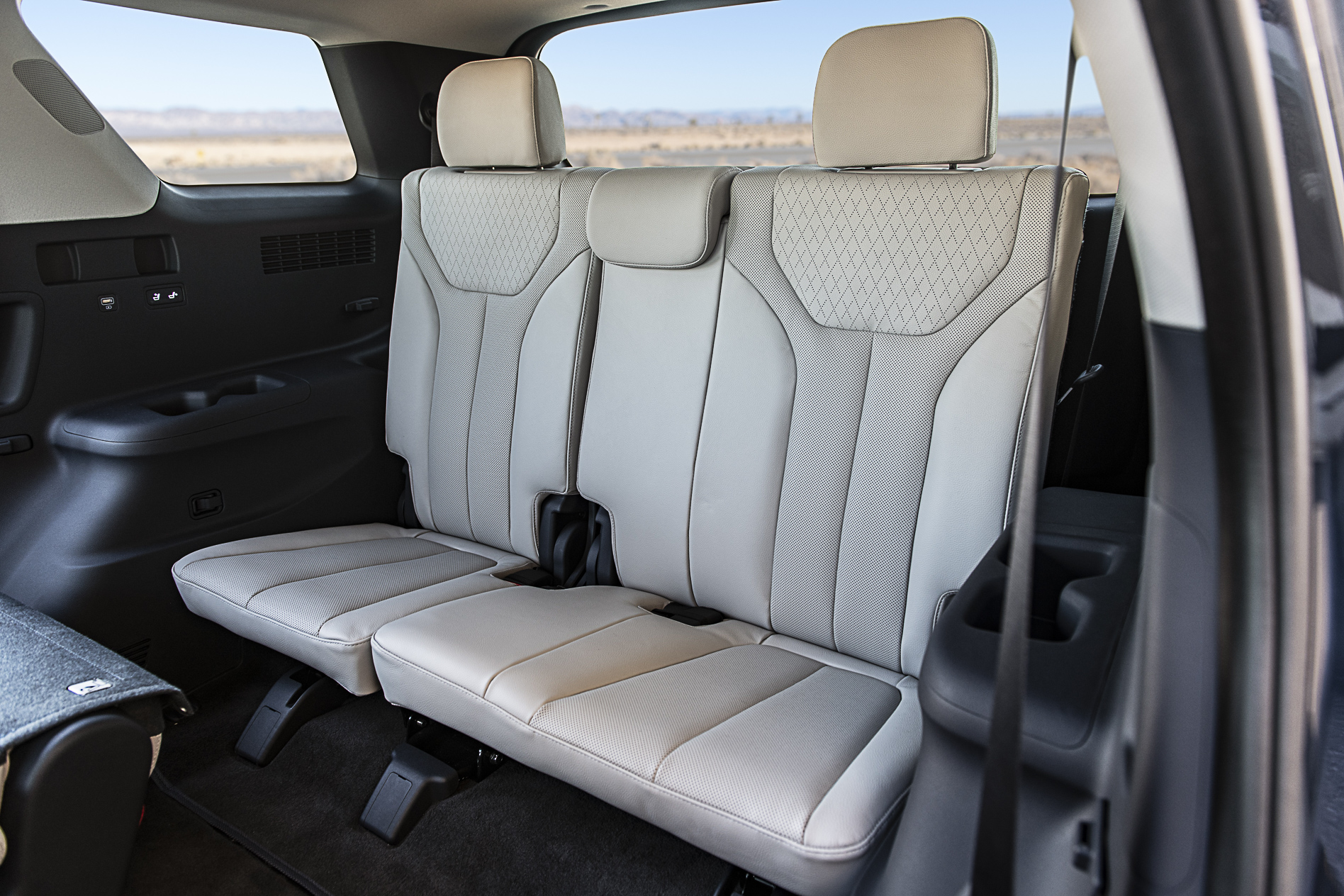
Access is made easier by having electrically operated seatbacks on the second row, which can be operated via one of two buttons. Cleverly, one of those buttons is mounted low enough for smaller humans to reach, while integrated handles also make life easy for those climbing in.
Once in there, the headlining is scalloped upwards to provide as many millimetres of headroom clearance as possible, while the seatbacks themselves can be reclined electrically by the occupant.
Throw in USB points, cupholders, full-length curtain airbags and even a third ISOFIX baby seat mount to complement the two on the second row, and the rearmost seats in the Palisade are ready for action.
The new Roush Stage 3 Mustang pack is on its way for 2020 Ford Mustang GTs, with Australians set to be able to get their hands on the performance it offers.
With 559kW and 908Nm via a supercharging upgrade, the Roush Stage 3 (or RS3… sorry, Audi) kit will have enough grunt to rival the Ford Mustang Shelby GT500 (with its 567kW and 847Nm).
Mustang Motorsport is also looking locally, with the aim of taking on Ford Australia’s hero car, the 522kW Herrod-developed Mustang R-Spec.
The Roush RS3’s claimed performance figures are nothing to scoff at, with 0-97km/h (0-60mph) said to be a 3.6sec exercise and the quarter mile to be dispatched in 11.2sec.
At an expected price point of $126,000 (the RS3 package is around $58,000 and a base Mustang for $68,000 if auto), Mustang Motorsport will be able to bestow the supercharged pack upon any colour and transmission combination.
For comparison, an R-Spec from Ford will cost you $99,980 before on-roads.
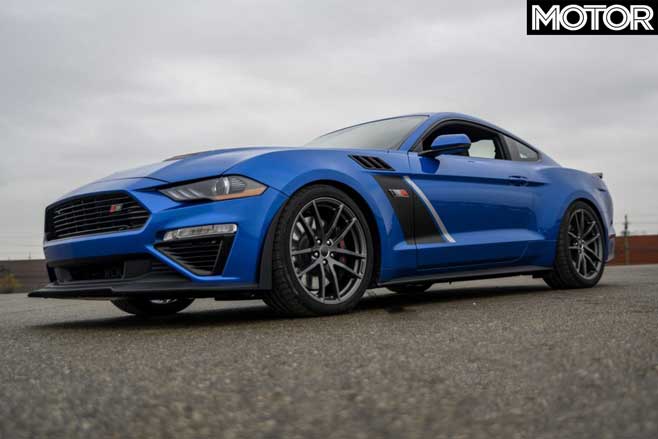
With the pack also comes better cooling in the form of a functional front bar that directs air to six upgraded intercoolers and vented quarter panels to let hot air escape, plus recalibrated Magneride suspension with Mustang Motorsport says provides “improved comfort in Normal mode, increased grip in Track mode and better weight transfer for hard launches in Drag mode.”
Cooling is something most Mustangs, stock or supercharged, have struggled with, so more intercoolers can’t hurt, right?
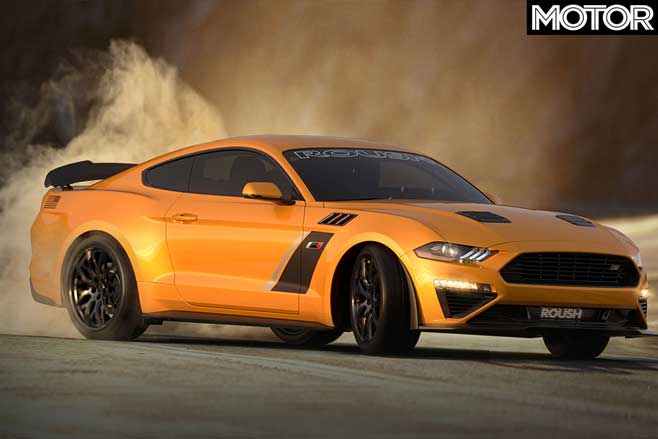
An active carbon fibre wing is also part of the RS3 pack, as is a set of new wheel designs, plus a Roush styling design with additional trim and a redesigned interior with a boost gauge, billet paddle shifter for autos, and Roush key fobs.
Mustang Motorsport is also set to offer a warranty on the drivetrain upgrades for 60,000km or five years, whichever arrives first.
Ferrari F40 (1987-1992)
The F40 wasn’t Ferrari’s first turbo car and nor was it Maranello’s best.
It’s neither as light nor as beautiful as its predecessor, the 288 GTO, but its appeal lay in its aggression and its undiluted charisma.
While Porsche was building complexity into its 959, Ferrari was paring it back to deliver a visceral driving experience.
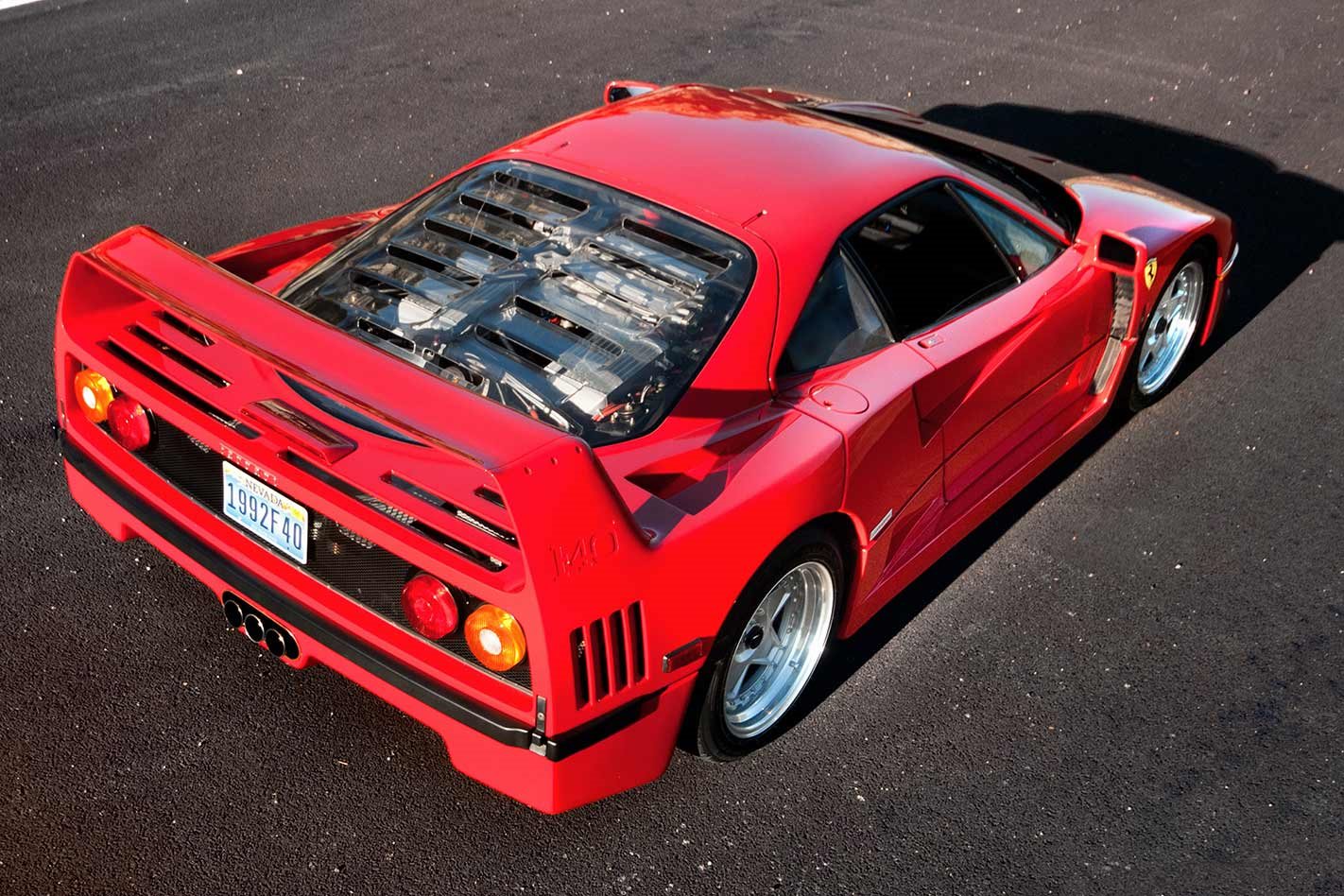
McLaren designer Gordon Murray criticised its 1950s chassis tech and ‘marketing Kevlar’ but to drive one is to be awed by the savagery of its turbo power delivery.
That’s why, for many, it remains the most desirable Ferrari of all.
Porsche 930 Turbo (1975-1989)
Consider this: In 1975 a Porsche 911 Carrera 3.0 made 147kW. Add a single KKK turbo and suddenly a fast car turned into a 191kW rocket.
This had swollen to 243kW in 1983, by which point the 911 Turbo’s quirky handling showed that engine technology had outpaced contemporary means of harnessing it.
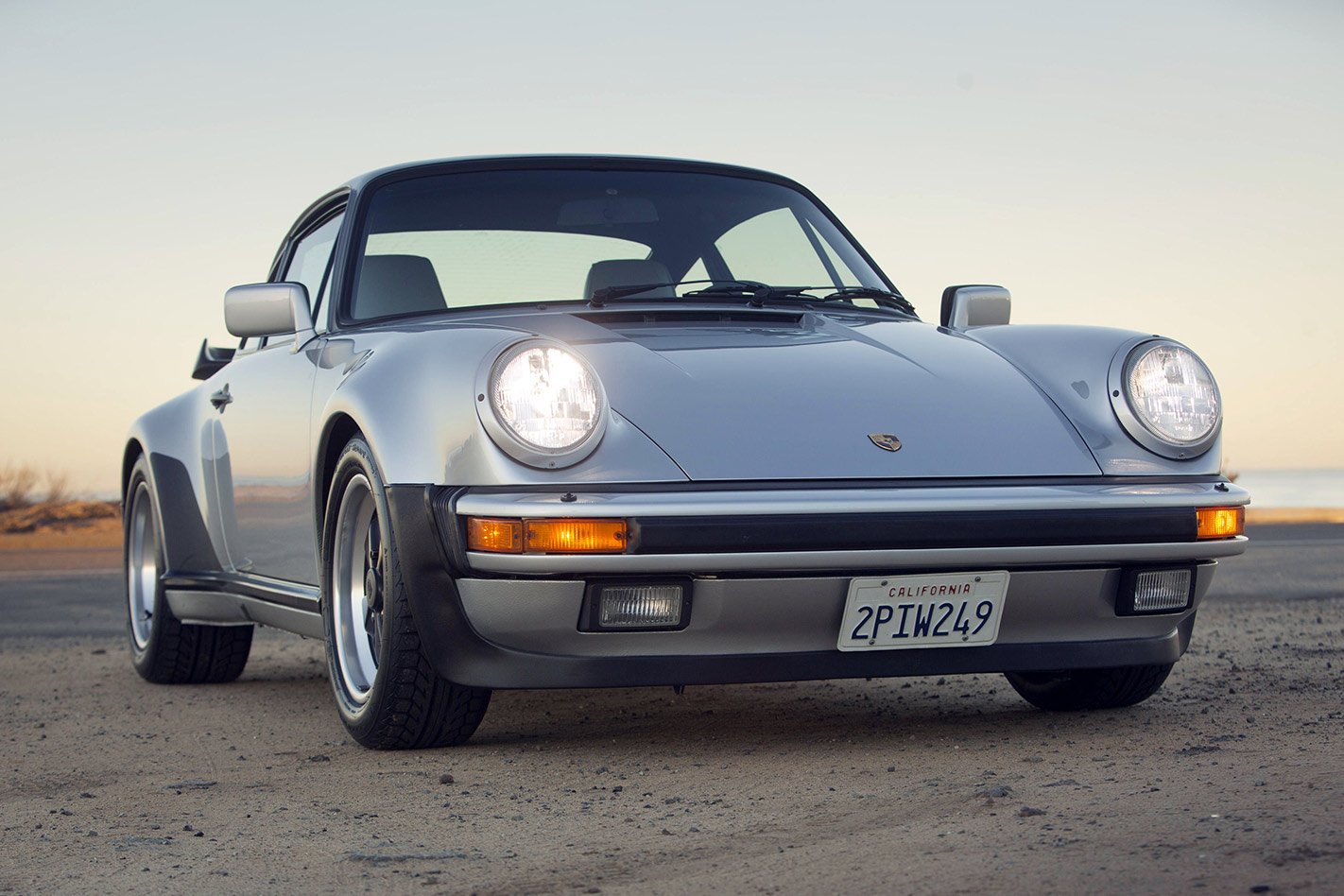
Independent tests found it quicker than Ferrari and Lambo’s V12 flagships.
Most valuable are the 948 Flachbau (flatnose) versions produced under the special order scheme which now change hands at $1m.
Nissan Skyline GT-R (1989-1994)
Nissan can’t claim any great originality in mating a turbo lump with all-wheel drive – Audi’s quattro did that a decade earlier – but few did it better than the Skyline GT-R.
Arguably at its purest and most desirable in its lightest R32 body, the GT-R legend also includes Jim Richards infamous “pack of arseholes” at Bathurst in ’92.
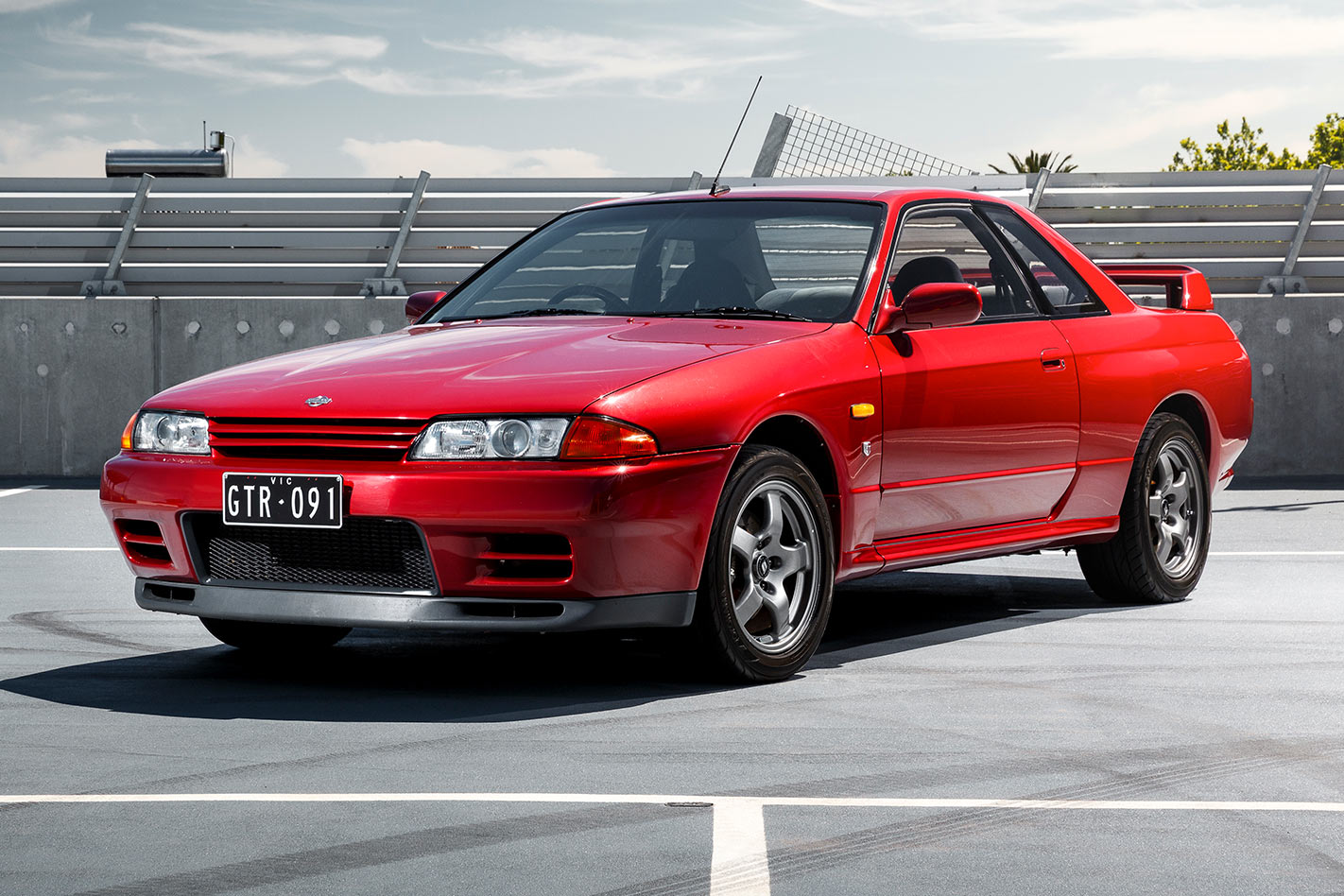
We tend to think of the twin-turbo RB26DETT powerplant as a heavy lump but N1 models weighed just 1400kg or, if you prefer, usefully lighter than a modern hot hatch like a Hyundai i30 N.
Mercedes-AMG M177 (2015-)
We all thought the 6208cc naturally aspirated M156 engine that appeared in the 2008 C63 AMG was one for the ages.
Then the 3982cc twin-turbo M177 unit appeared and made us all eat our words.
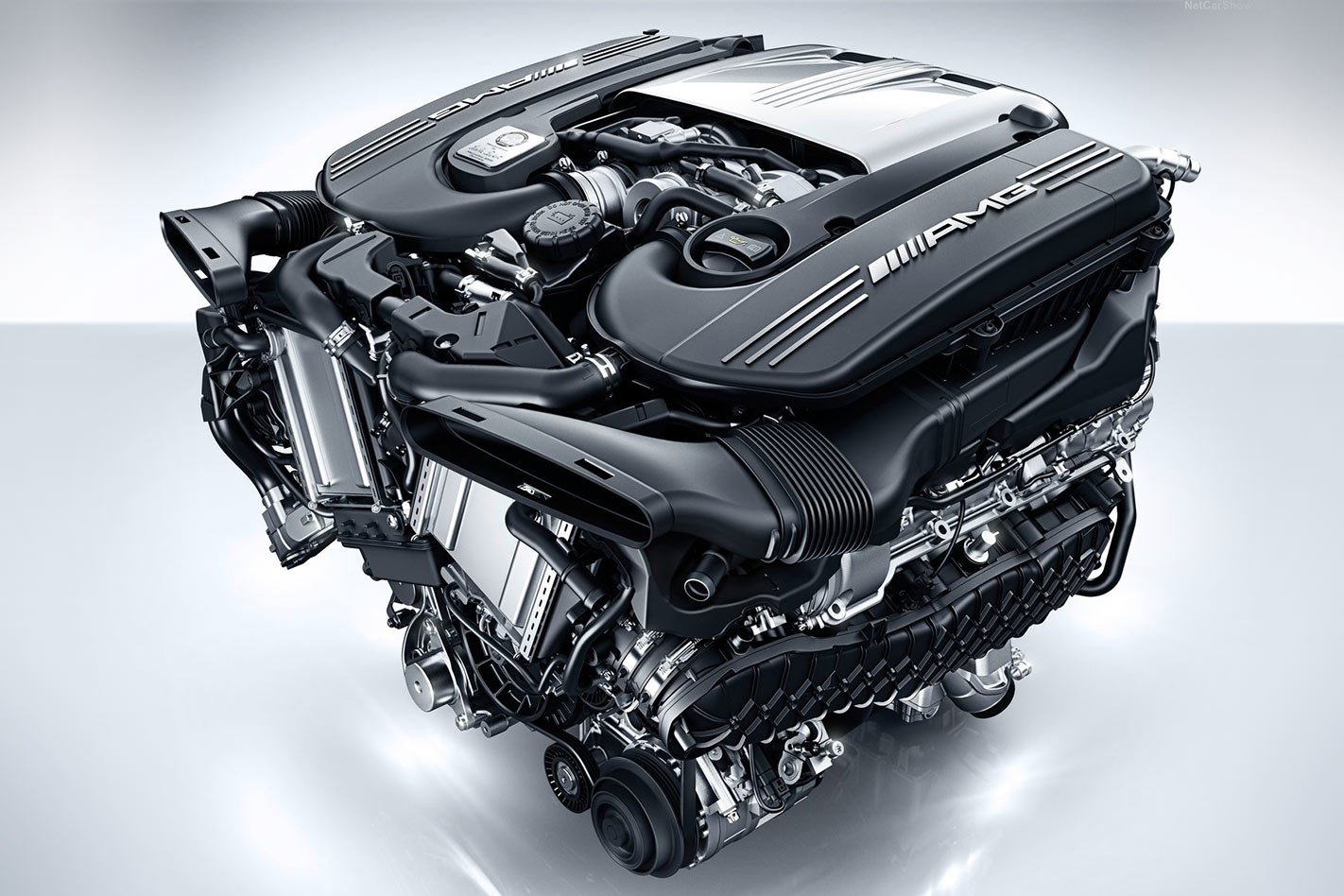
Quicker, cleaner, more tractable and with the low-end torque to propel big AMG bodies as well as compact ones, it made downsizing more than respectable.
The forthcoming AMG GT 73 EQ Power+ 4-Door will have the ultimate iteration of this engine. How does the prospect of 597kW grab you?
Saab 99 Turbo (1978-1985)
Donning some of the coolest wheels of the 1970s, the 99 Turbo democratised turbocharging and gave a decade-old model a new lease of life.
Add turbo badging and a spoiler kit and you have a ready-made template for 1980s turbo cool.
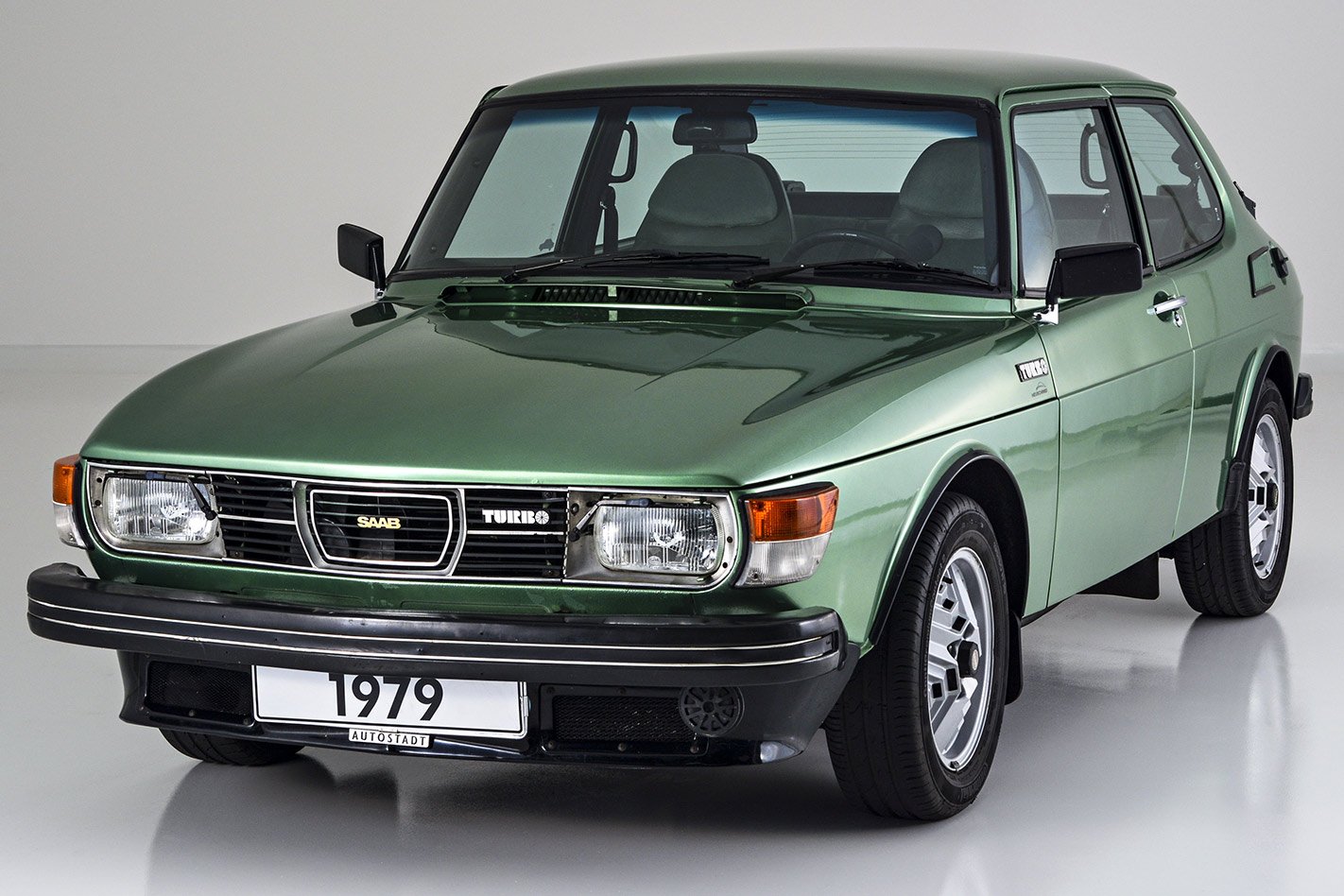
Peter Robinson tells a delightful story of Bill Tuckey crashing a Wheels test in 1978, sampling the 99 Turbo, and then trying to wrangle an exchange with his Torana test car for it.
We called the Turbo brilliant, exciting, thrilling and went so far as to say it “ranks as one of the great cars”.
HONOURABLE MENTIONS
Subaru Impreza Turbo
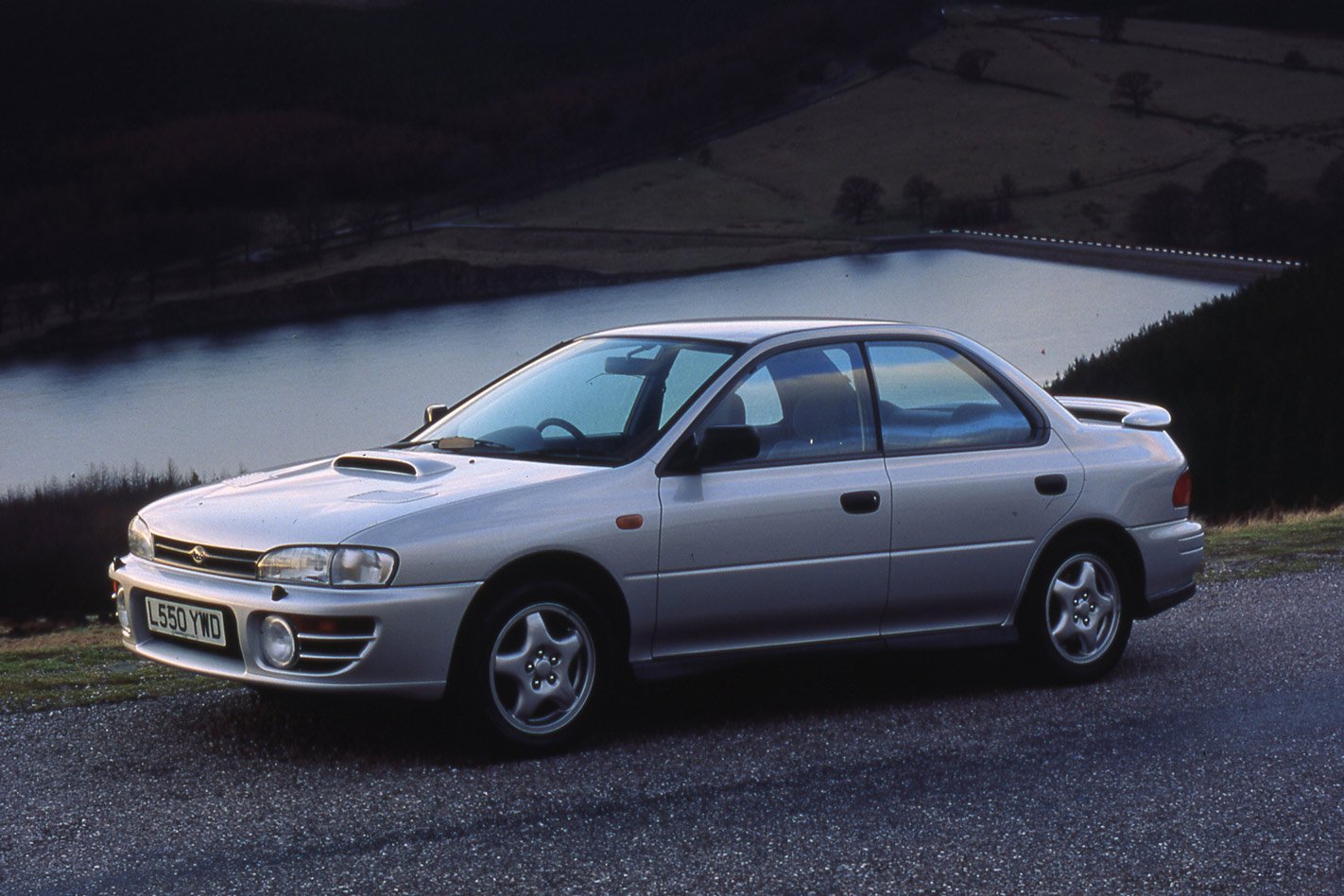
Made two litres, a turbo and all-wheel drive a classic formula. Still the most accessible of all the rally-reps, the Impreza is destined for Modern Classic status
BMW 2002 Turbo
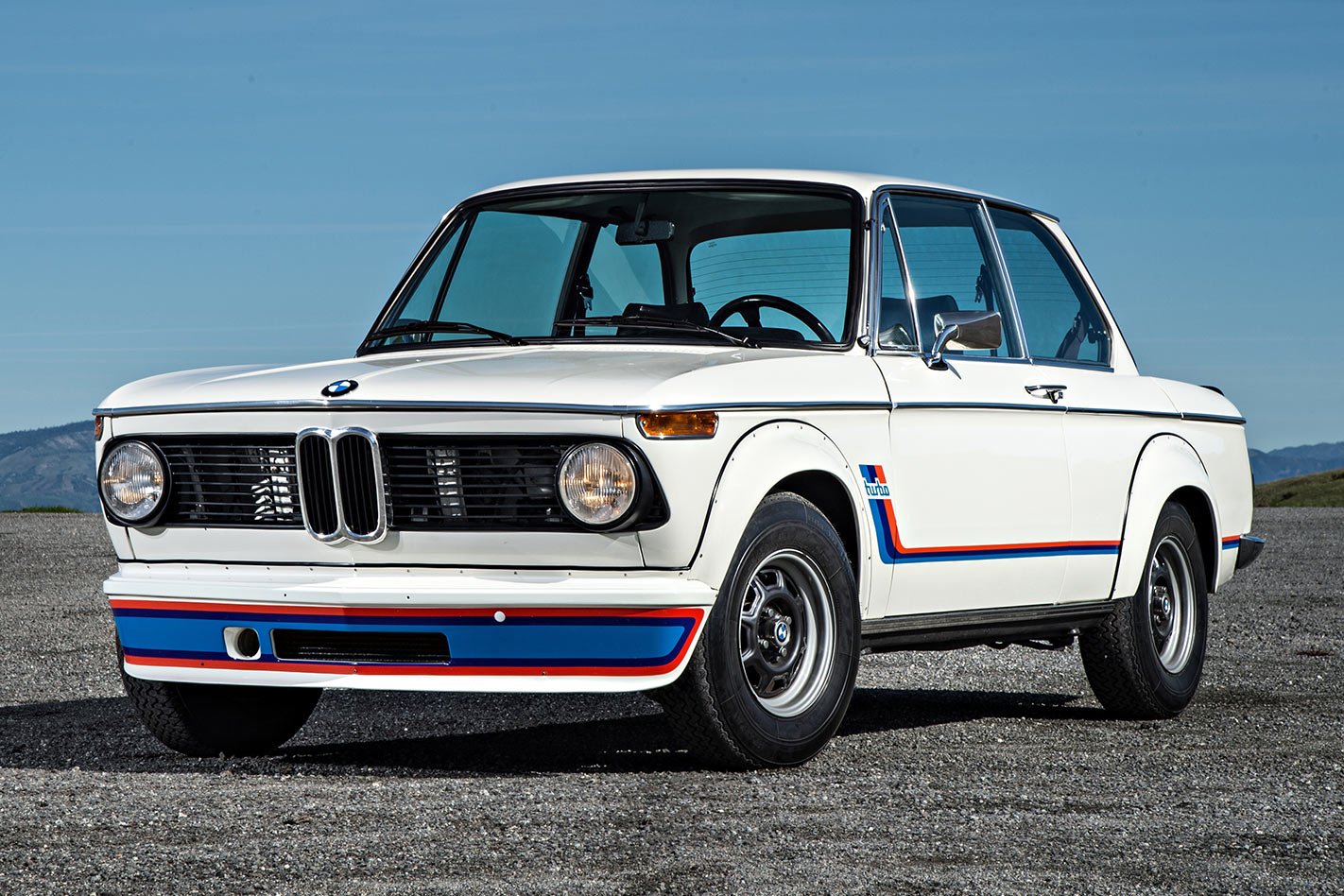
The original turbo sports sedan undone by geopolitics. German press criticised its “provoking aggression” but its 127kW was limited by the gearbox, not turbo tech
Jaguar XJ220
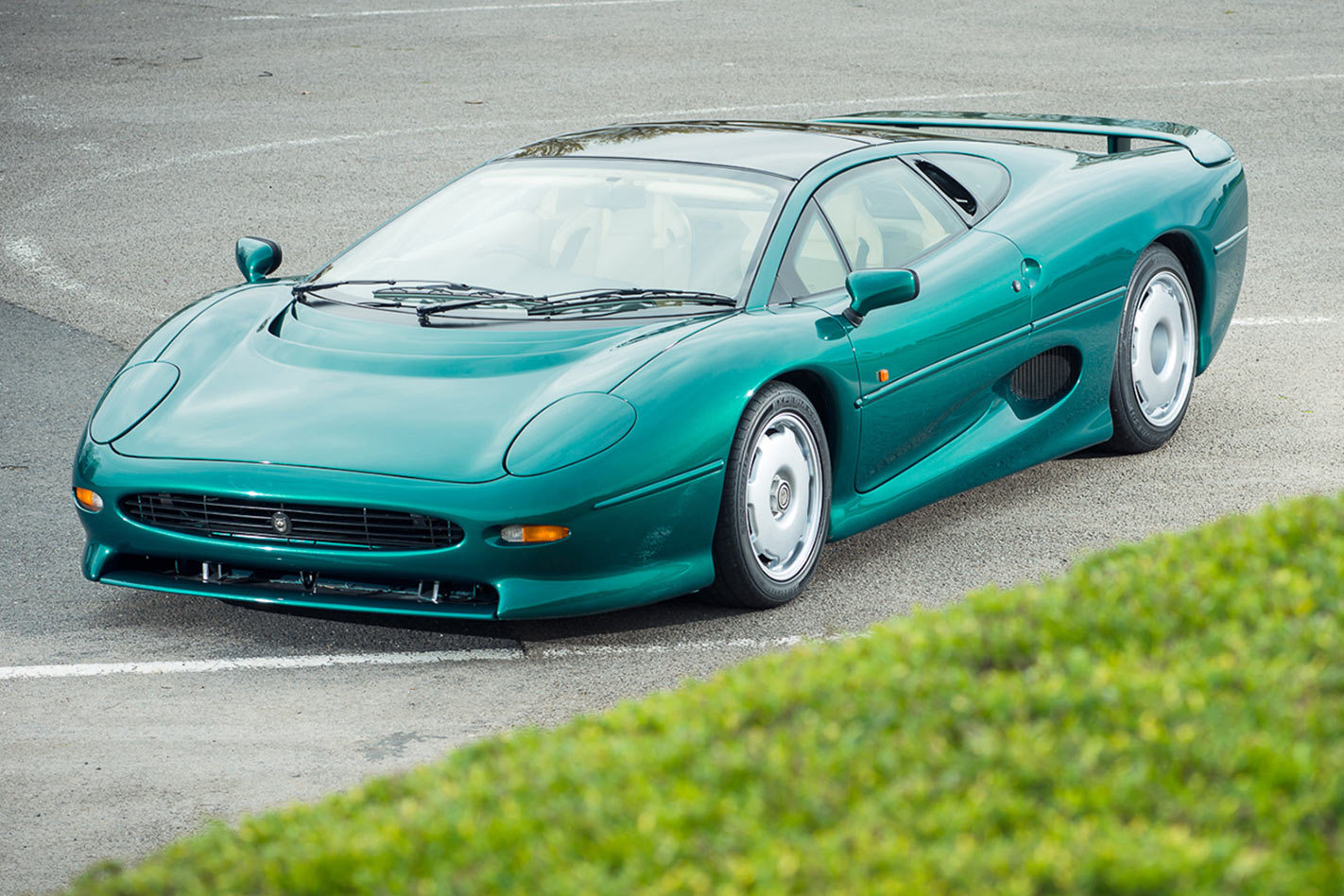
A turbo icon, but was originally slated to have an atmo V12. Managed a 7m46s lap of the ’Ring in ’91. Jaguar didn’t find that noteworthy and told nobody
Mitsubishi Cordia Turbo
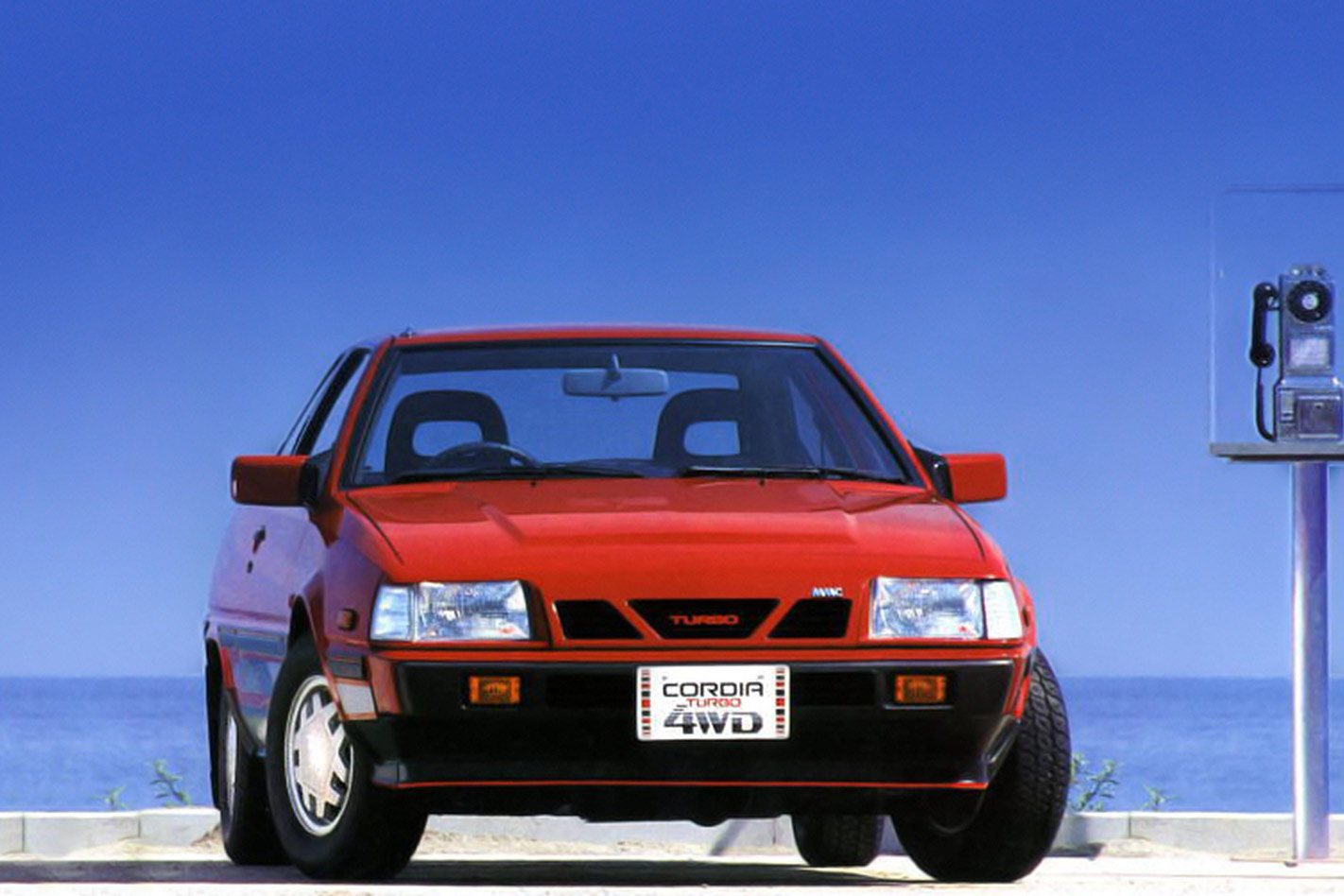
Surprised? Don’t be. Did more than most to move the meter on the power Aussies expected from a turbo hatch. Hit 400m in 15.9s in ’84, rewriting bang-for-buck
Turbo Titans
Everything you’ve ever wanted to know about the humble turbocharger and its miraculous power-boosting abilities.
It wasn’t too long ago that if you heard someone talking about ‘social distancing’ you’d assume they were taking a break from Facebook.
Now it’s the primary step in the effort to prevent the spread of the coronavirus in Australia, more specifically known as COVID-19, which has swept the globe.

Social distancing is key
Social distancing simply means keeping a safe distance away from other people if you’re not in self-isolation or quarantine and includes measures such as not shaking hands, and staying about 1.5 metres away from other people.
A car is a good way to maintain social distance compared to public transport if you’re by yourself, but it’s a different story if you have to drive other people around or need to ride with someone else.
How to share a ride safely
If you have to be in a car with other people it is advised to do what is recommended for anywhere else. Avoid physical contact with other occupants such as shaking hands, and if you have to sneeze or cough do it into a tissue or into your arm behind the elbow and away from anyone else.
And remember to follow any directions or rules related to driving at this time. For example, depending on social distancing measures in your state you may be restricted to driving around only the people you live with.
STAY HOME Travel restrictions by state
If you’re catching a taxi or ride-sharing service, sit in the back seat for better separation from the driver – for their protection as well as yours. Services that use an app for payment are good as it requires no physical interaction between driver and passenger.
Where possible pay by touching your card. If you have to handle an EFTPOS machine or cash, use hand sanitiser when you get out of the car or wash your hands at the first available opportunity. Be sure to avoid touching your face directly after being inside.
And, it goes without saying, don’t drive if you’re feeling sick and avoid ferrying anyone who you believe who may have been exposed to the virus or is showing coronavirus symptoms.
Similar hygiene steps should be used at petrol stations. Wash or sanitise your hands after handling fuel pumps, tyre inflators, and after handling touching cash or EFT terminals and any other public surfaces during the transaction.
Cleaning your car is important
If you’re driving people around or simply using your car after visiting public areas it’s a good idea to regularly sanitise your vehicle’s surfaces to prevent your car from becoming a petri dish.
However, German car care and cleaning authority Sonax has some expert advice to offer on the subject and warns that even the best cleansing is no substitute for physical and social distancing.
“It would be irresponsible to give motorists the idea that this dangerous pathogen can be rendered harmless with vehicle care products,” said the head of research and development at the Hoffmann Group and Sonax executive board member Dr Christian Seeger.
“However, just as people need to wash their hands thoroughly, we also believe it is important to clean surfaces in the home and in the car for the sake of general good health.
“Nevertheless, the general rules for infection prevention, such as distance from other people and thorough hand-washing, remain the number one priority.”
In conjunction with good social distancing and hygiene practices, the right car cleaning regime can reduce the spread of the virus without harming your car’s cabin.
According to the company, car cleaning with harsh chemicals that could be harmful to yourself and the environment or damage your interior, and bleach, hydrogen peroxide or alcohol-based agents are simply not necessary.
Instead, gentler detergents are proven to kill the virus while claimed anti-bacterial products are unnecessary and can be ineffective against viruses.
Sonax’s specialist car cleaning tips
- Avoid alcohol-based and other harsh cleaning products. These can cause interior materials to become stained, faded or brittle.
- Water-based detergents and warm water are effective when used correctly.
- Pay particular attention to frequently-touched surfaces including seats, armrests, steering wheel and gear selector.
- ideally, it’s also worth cleaning the entire dashboard, all door handles, the rear-view mirror, boot latch, the lever to release the bonnet, and the petrol cap and its cover.
- Don’t use a clean car as a reason to relax physical distancing regulations or hygiene best practices.
- Regardless of the product, give it time to take full effect – for reference, Sonax products require about a minute of application.
- Remove residue with a clean, soft microfibre cloth to avoid damaging surfaces.
- Where fitted, replace your ventilation system filter, especially if it is a microfilter or HEPA type as these are more effective at trapping airborne pathogens.
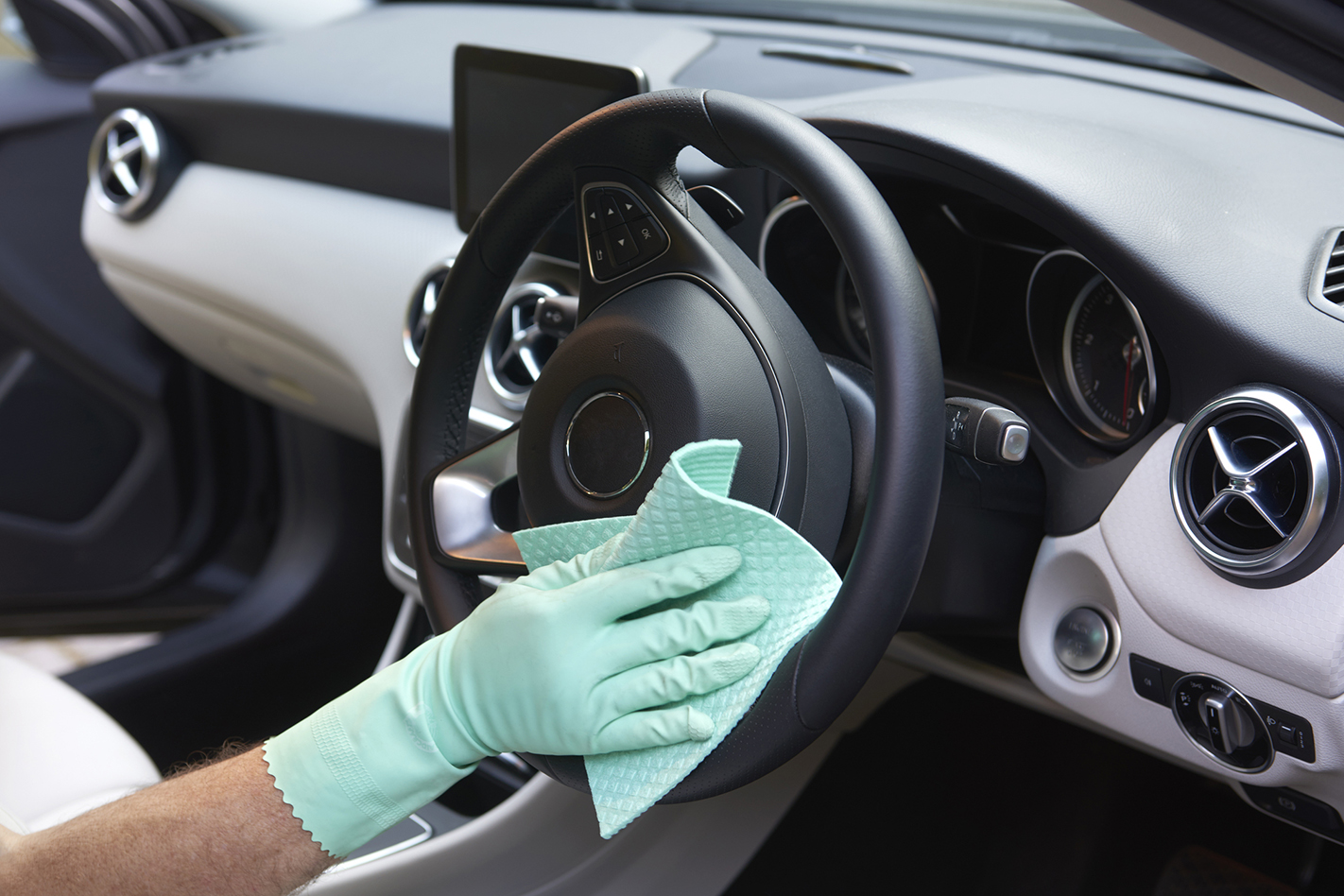
More tips for sanitising your car
- Don’t forget the infotainment touchscreen, and buttons and switches. Wipes are probably the best option here to avoid any water getting into the electrics. Your car’s owner’s manual will probably suggest any materials to avoid when cleaning the screen.
- Clean those surfaces that would be in the line of fire for anyone coughing or sneezing.
- Child restraints should so be cleaned thoroughly, as should any toys or books you keep in the car to keep them entertained as well as other loose items like USB cables.
- Have a rubbish bag handy for tissues or any disposable items like food wrappers that anyone in the car has handled.
- Wear gloves when cleaning and/or wash your hands thoroughly before and after.
“As social distancing measures limit transportation options, Australians are looking to their cars as a more isolated means to conduct essential travel, and in some cases are even receiving vital infection screening from their vehicle.
“Maintaining hygiene can assist in preventing transmission. It is just as important as cleaning any other surface. Cars should be sanitised every time they are entered or exited.”
Of course, while these measures are important, the best way to avoid catching or spreading COVID-19 is to just stay at home and only drive your car when necessary.
