
What’s on WhichCar TV this week?
Around the world in eight cars
While most of the content we bring you on WhichCar TV is filmed right here in Australia, there are some experiences you just have to travel for.
We’ve gathered up a number of clips in order to take you on an automotive adventure around the world this week. Here’s the places and experiences you can expect from this week’s episode.
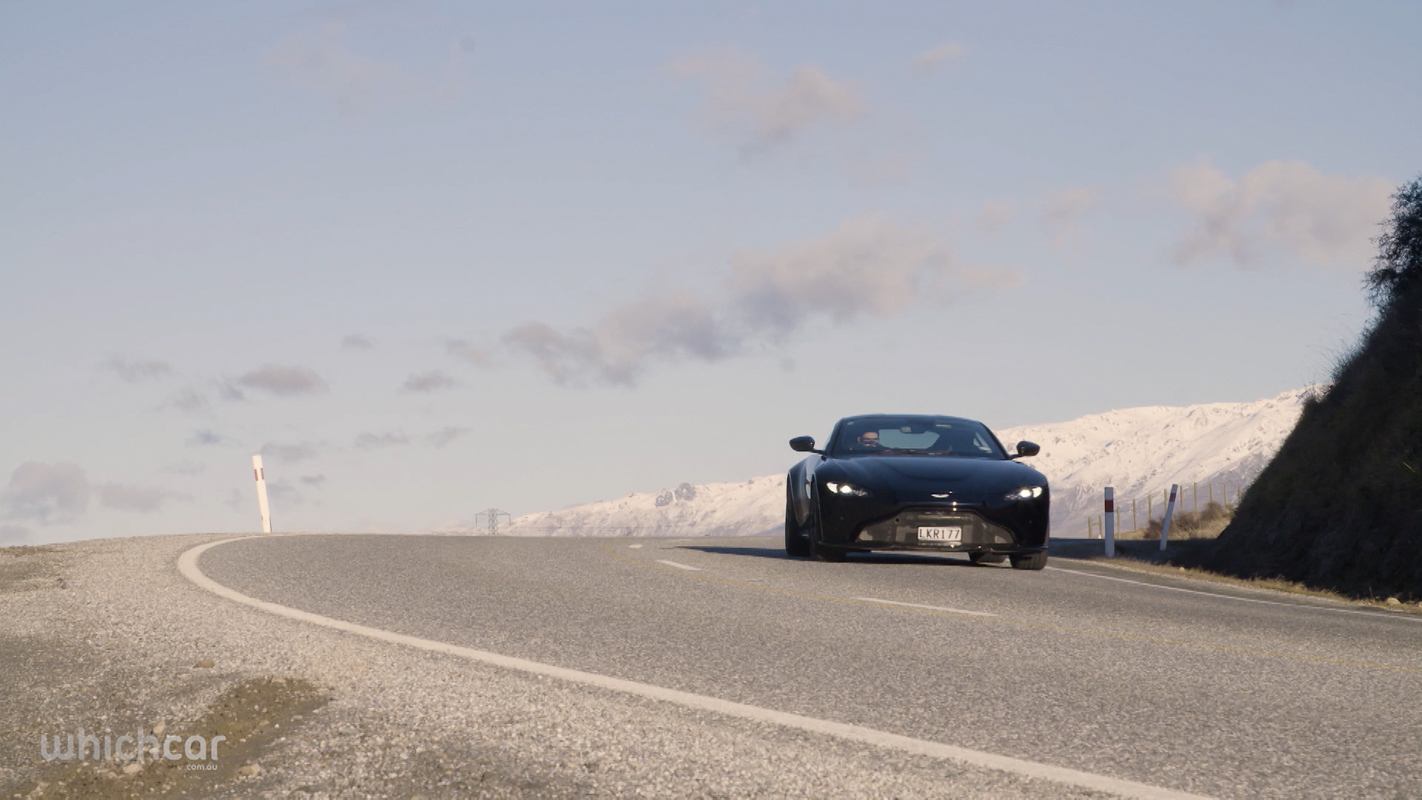
Aston Martin Vantage on ice in New Zealand
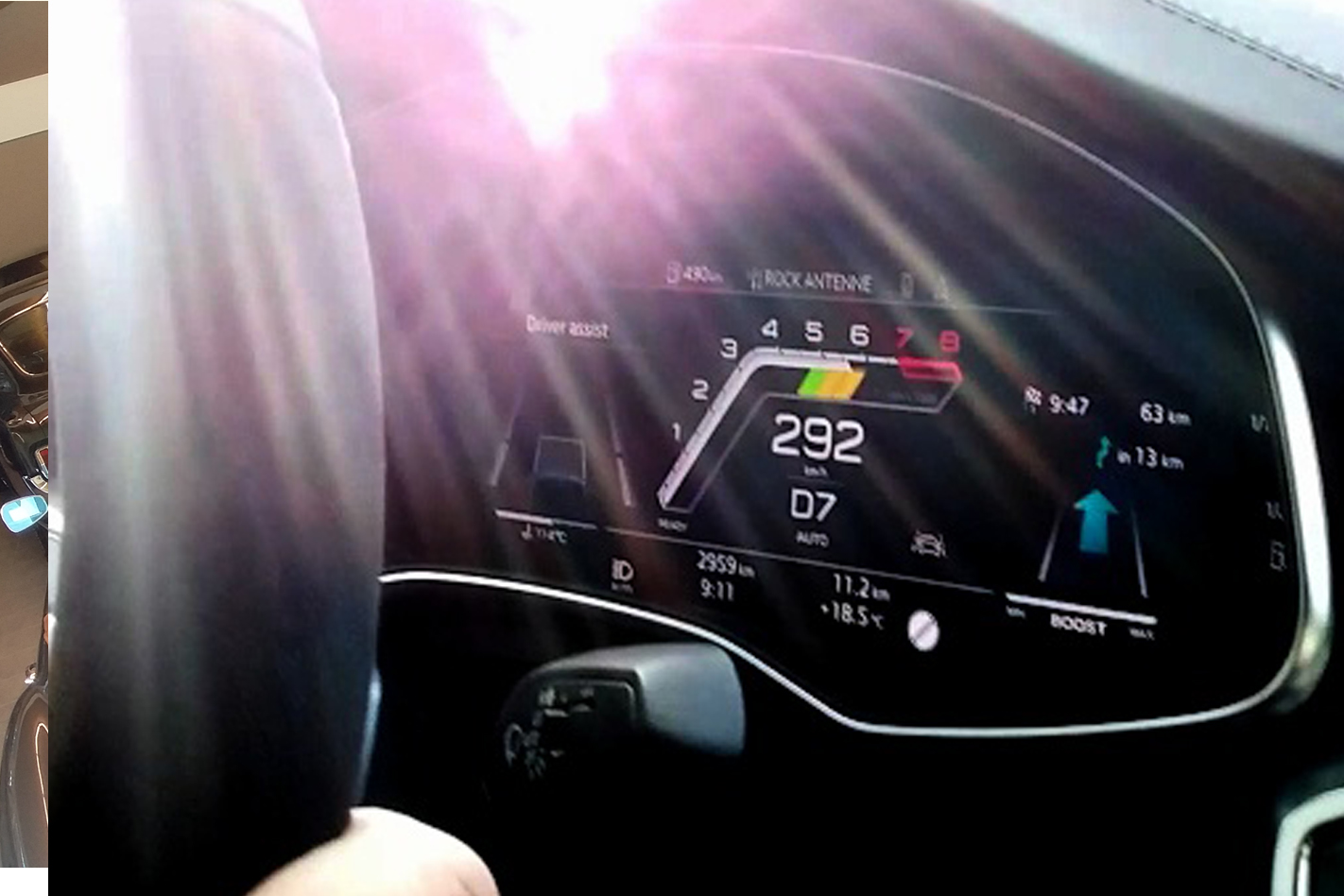
Audi RS7 hits Vmax in Germany
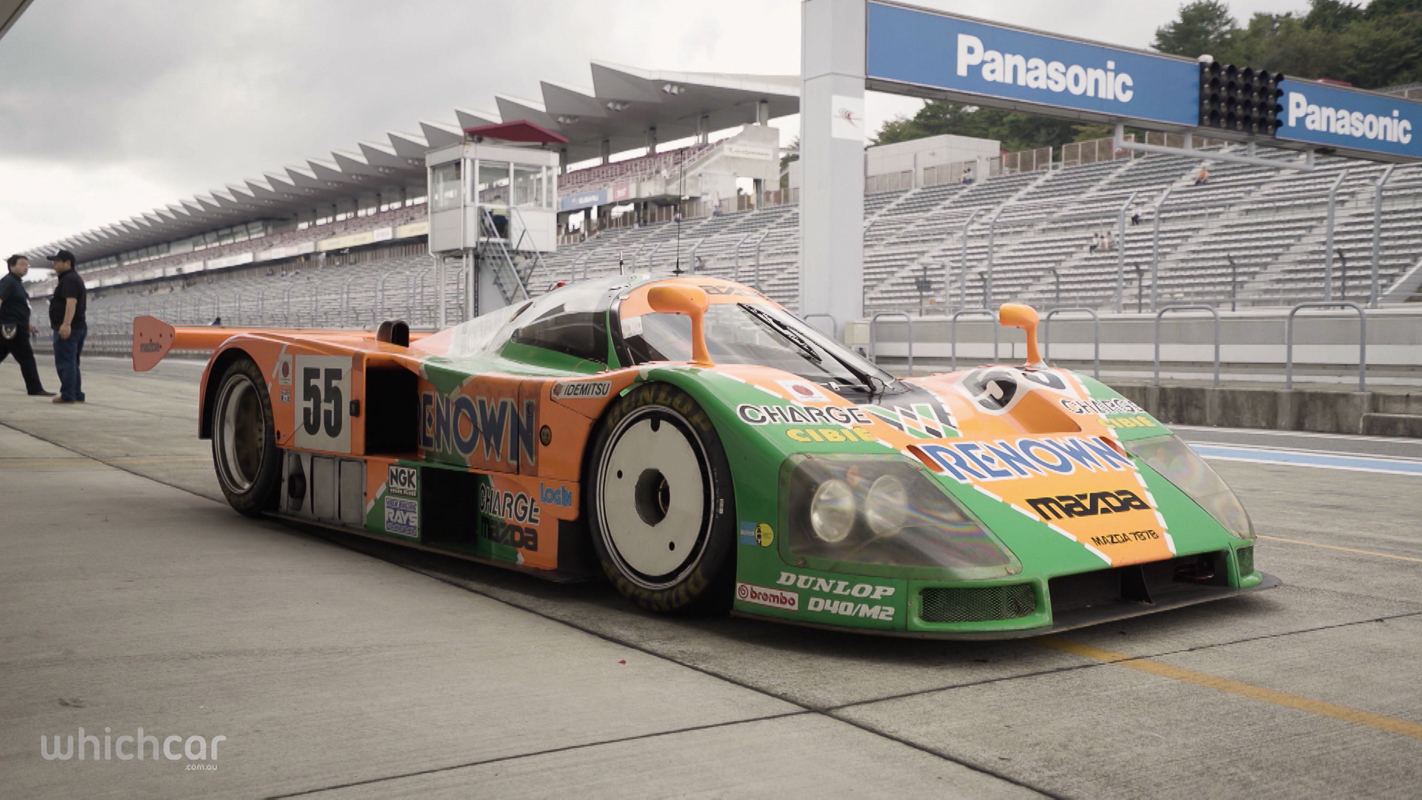
Happy Birthday to the rotary engine in Japan
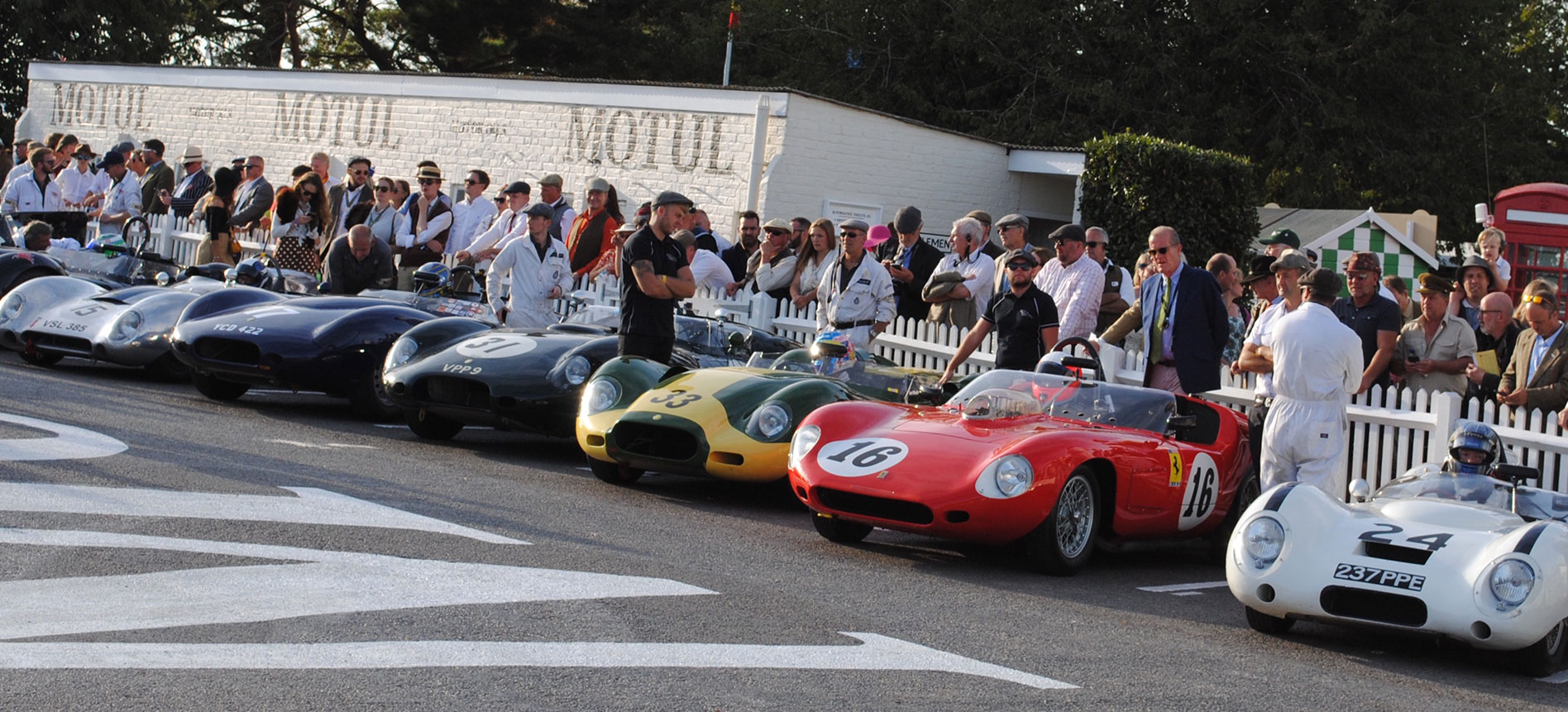
Attending Goodwood Revival in the UK
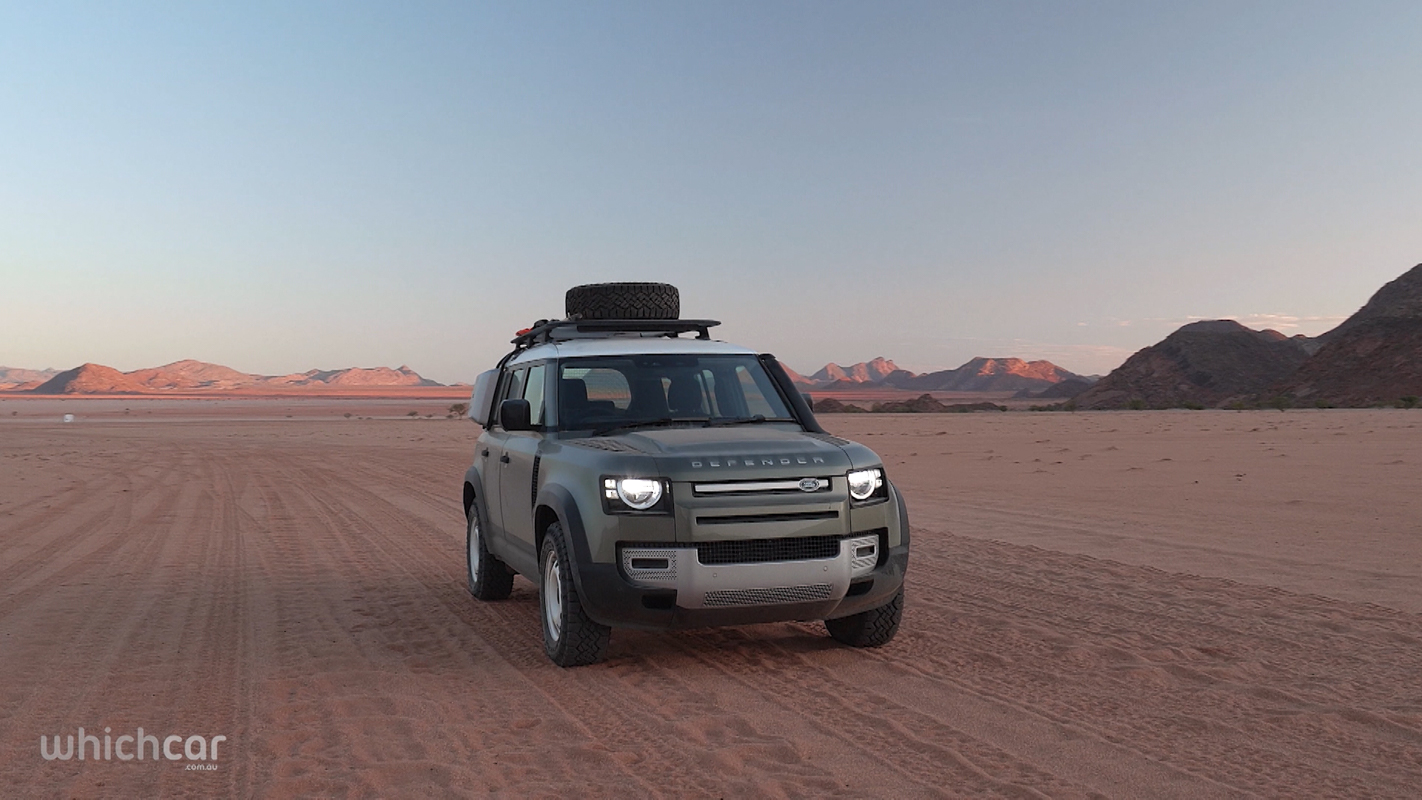
Land Rover Defender in Namibia
Hitting the dunes with the Volkswagen Touareg in Morocco

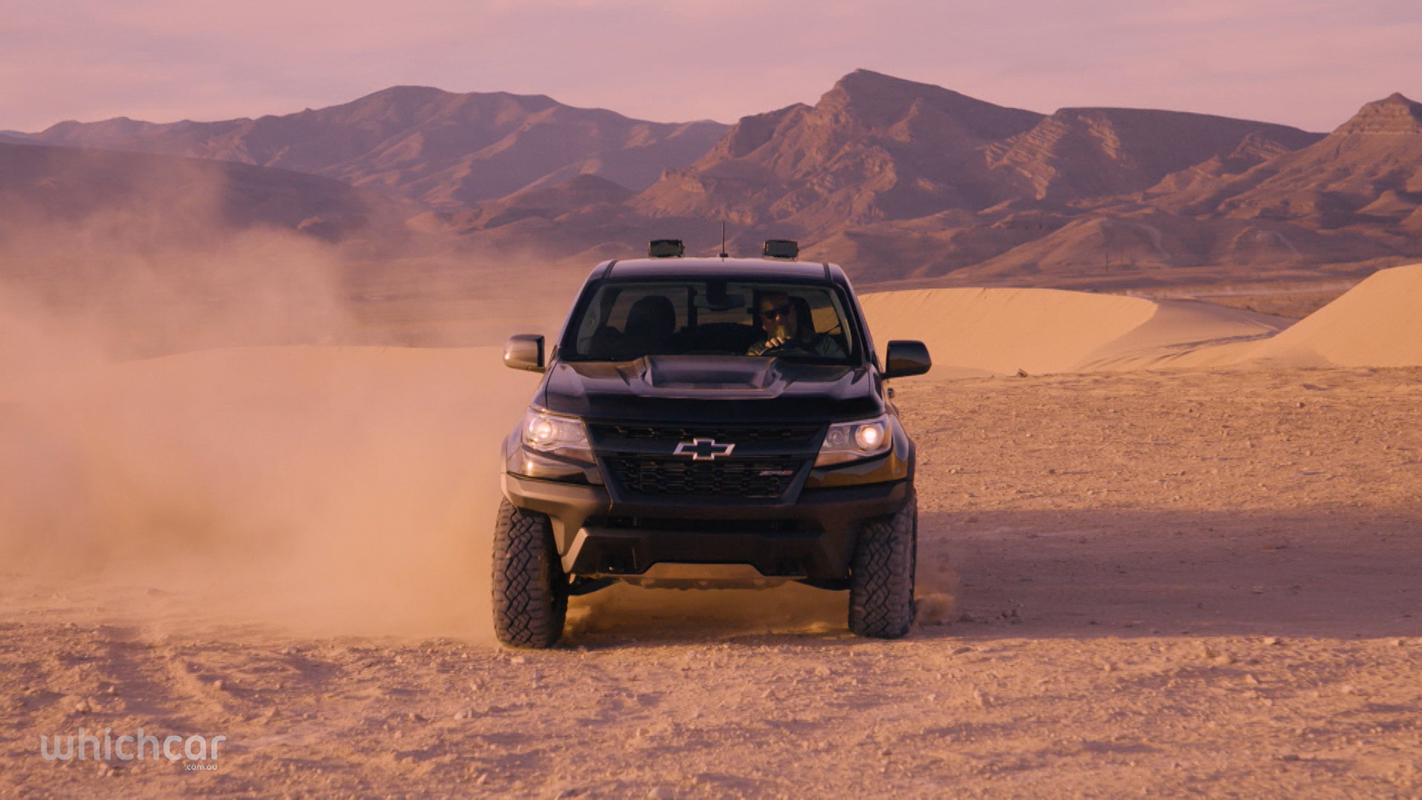
Surviving an American desert in the Chevrolet Colorado ZR2
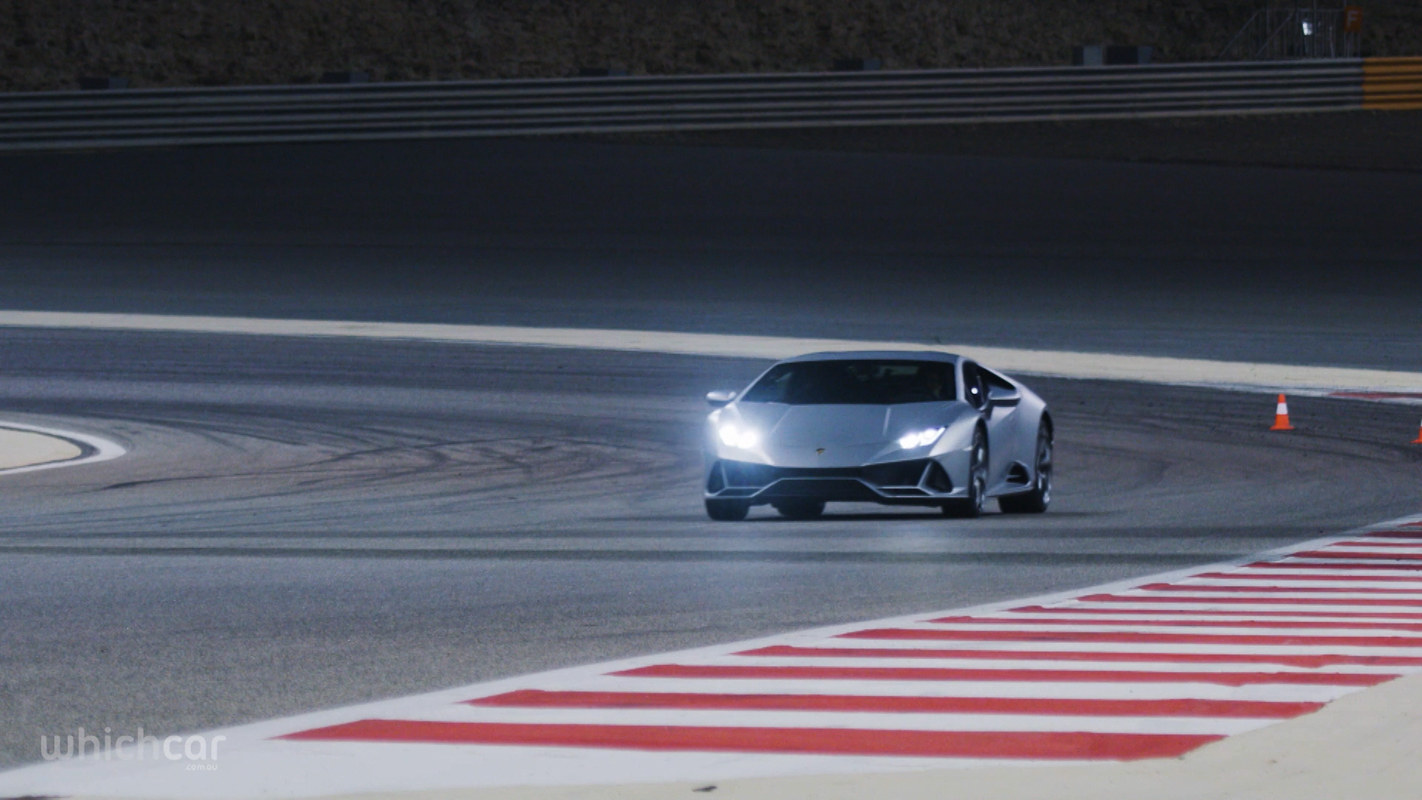
Some seriously hot laps of Bahrain’s International Circuit in a Lamborghini Huracan
Continental Car Lab
Which version of navigating traffic is faster in the long run? Is it quicker to you chop and change lanes as soon as you find an open gap or are you better off keeping calm and going with the flow… We find the definitive answer.
WhichCar TV Season Two Episode 21
4:00pm Sunday July 12, Channel 10
FIND THE HOSTS ON INSTAGRAM
Daniel Gardner @octanedan
Tony O’Kane @tony2000gtx
Tom Fraser @tommyfraser
WIN A TRIP TO THE MALDIVES WITH WHICHCAR
For season two, we’re also offering an amazing prize for our viewers. How does a trip to the Maldives sound? Pretty awesome, right?
The competition is open NOW so make sure you tune into WhichCar TV on Channel Ten at 4pm Sunday AEDT.
And, if for some reason you can’t (and it had better be a good reason!) then there’s a host of ways to catch up on the show, check out behind-the-scenes stuff and find out more about the cars Aussies want to buy.
For example, our weekly podcast, our Facebook page and our YouTube channel are standing by 24/7.
MISSED THE SHOW? Catch up at Ten Play
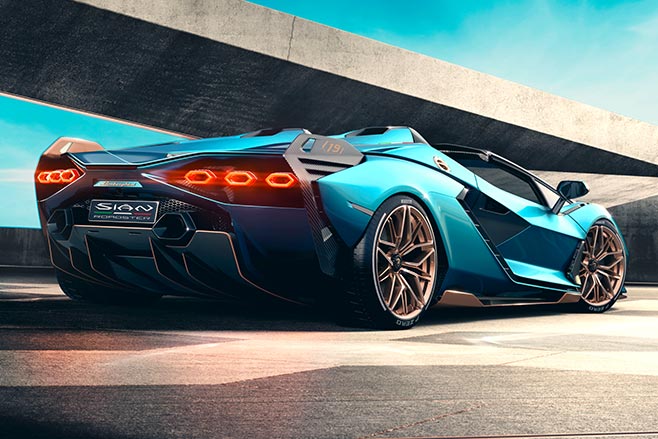
Here it is, the car “unlike anything the world may have seen before.” Except it does look an awful lot like an open-top version of the Lamborghini Sian, a car we very much have seen before. That’s because it is.
The Lamborghini Sian Roadster is the latest rare beast to roll out of Sant’Agata Bolognese, with only 19 to be built compared to the 63 Sian FKP 37 coupes.
All of them are already sold. Sorry.
With the same 602kW drivetrain as the FKP 37, featuring a naturally aspirated V12 and a supercapacitor hybrid system for a total 602kW output, the Sian Roadster will hit 100km/h in just 2.9 seconds, Lambo says. Its top speed is higher than 350km/h.
The way its hybrid system works is that the capacitors serve as a lighter alternative to batteries used by most hybrid cars, and they can charge and use energy much faster.
The Sian can use the 48-volt electric motor, linked to its gearbox, to drive entirely on electric power for a (very) short distance at (also very) low speeds or to provide a power boost under acceleration. It can also fill the drop in torque which causes clunky movements during gearchanges.
The Lego Technic Lamborghini Sian
Charging occurs in a similar way to Formula 1 cars, with a regenerative braking system that “fully charges the Sián’s energy storage system every time the vehicle brakes.”
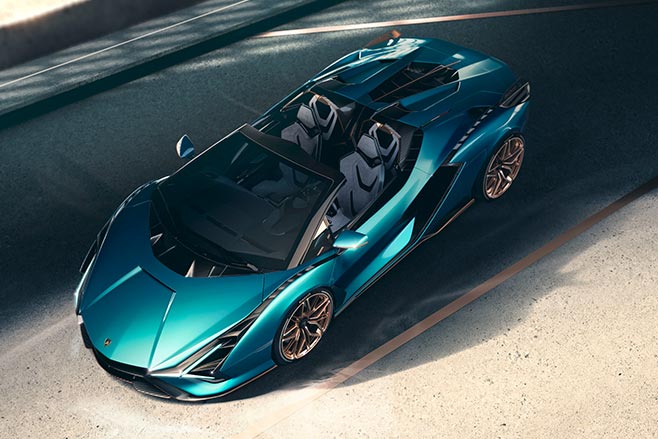
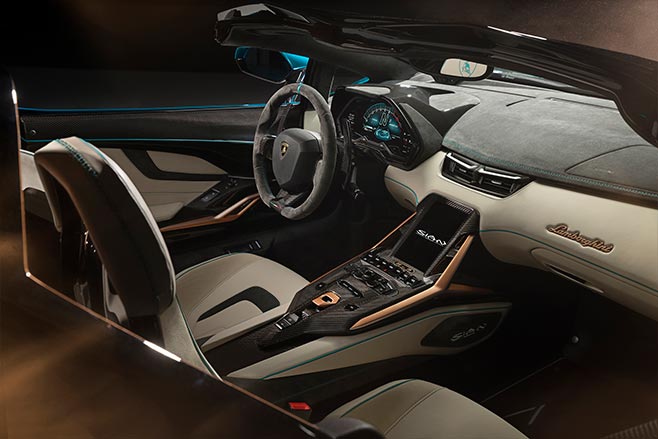
Customers of the 19 Sian Roadsters will be able to create their own specification alongside the Ad Personam customisation team from Lamborghini, the one pictured finished in a hue called Blu Uranus, chosen by the Centro Stile team. Its wheels are in Oro Electrum while the white interior is highlighted with the same colour on its aluminium elements alongside Blu Glauco.
Lamborghini CEO Stefano Domenicali says the Roadster is the latest step in Lamborghini’s route to future hybridization.
“The Sián Roadster encapsulates the spirit of Lamborghini,” says Domenicali.
“It is the expression of breathtaking design and extraordinary performance, but most importantly embodies important future technologies.
“The Sián’s innovative hybrid powertrain heralds the direction for Lamborghini super sports cars, and the open-top Sián Roadster affirms a desire for the ultimate lifestyle Lamborghini as we move towards a tomorrow demanding new solutions.”
The shock passing of snowboard legend Alex ‘Chumpy’ Pullin in a diving accident this week was marked by his good mate Toby Price in a touching Instagram post.
https://www.instagram.com/p/CCXrCLSpSsR/?utm_source=ig_embed&utm_campaign=loading
We thought it would be a nice tribute to a lovely bloke, multiple Olympic medallist and friend of the automotive industry through his links with Mazda to re-share the story of Price’s Cracked video, which features Pullin in a cameo role.

WhichCar extends its very best wishes to Alex’s family, friends and partners./Tim Robson
Toby Price lives his best life. If he’s not winning the brutal Dakar Rally with a busted wrist, he’s doing double-duty at Australia’s toughest off-road race on the Finke, smashing across lethal Mexican countryside on the Baja 1000 or tearing it up in Australia’s new racing ute category.
The laconic Price, who was born in the tiny town of Hillston in NSW, is the most easy-going bloke you’ll ever run into… right up to the point where he pulls on a motorcycle or motorsport helmet.
Then he turns into an absolute winning machine. Toby Price’s Dakar 2019 win, in particular, is the stuff of legend. He broke a scaphoid in a pre-event test, but pressed on regardless.
“There were a couple of points where I was very, very close to hanging up the helmet,” he admitted afterwards. “The end of Day 6, the end of Day 8… I was ready to jump on a plane. But once I’d suffered through an hour or so of getting the swelling down, my brain would switch and say, ‘All right, let’s just get through one more day.’”
What drove him on?
“I knew I’d never been happy if I went home. I knew I was going to need surgery to fix it either way. The wrist was destroyed, so I thought I may as well finish it off,” he shrugged.
Read more: Toby Price’s Mitsubishi Triton
And he was right – a screw holding the bone together had essentially ‘windscreen-wiped’ itself across Toby’s scaphoid. Owwwwwwwwwww…
His other passion is Trophy Truck racing, and it’s something that ranks right up there for Toby. “I’d trade all my Christmases to drive this thing every day,” he beamed on the set of Cracked, a short film shot in NSW for Red Bull.
Check out the film below
A loose storyline disguises a brace of epic driving aboard his Geiser Brothers truck, and the outtakes at the end are a bonus highlight well worth watching.
Finally! After weeks of leaks and teasing, Mazda has now confirmed that it is putting a turbocharged version of its small hatch into production.
But here’s the rub. It’s not confirmed that the 186kW all-wheel drive Mazda 3 is even coming to Australia.
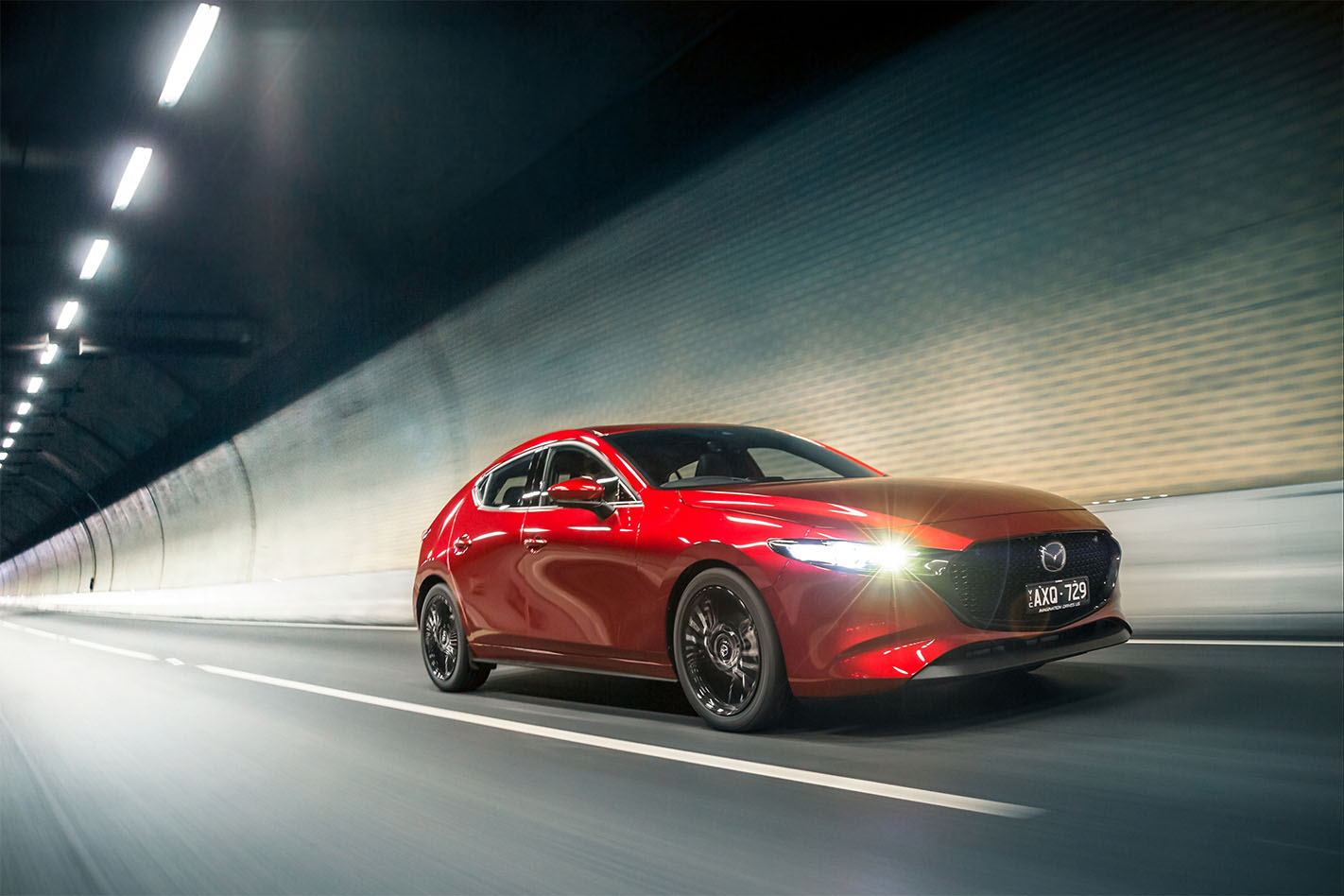
The local importer is being uncharacteristically coy about the car, perhaps unwilling to divert the limelight away from the launch of the Mazda 3 Skyactiv-X model, which is the current hot news item.
There are all sorts of reasons why the turbocharged car needs to come to Australia, and the most obvious is that in the push further upmarket, Mazda can’t be seen to be coming into the sector half-cocked.
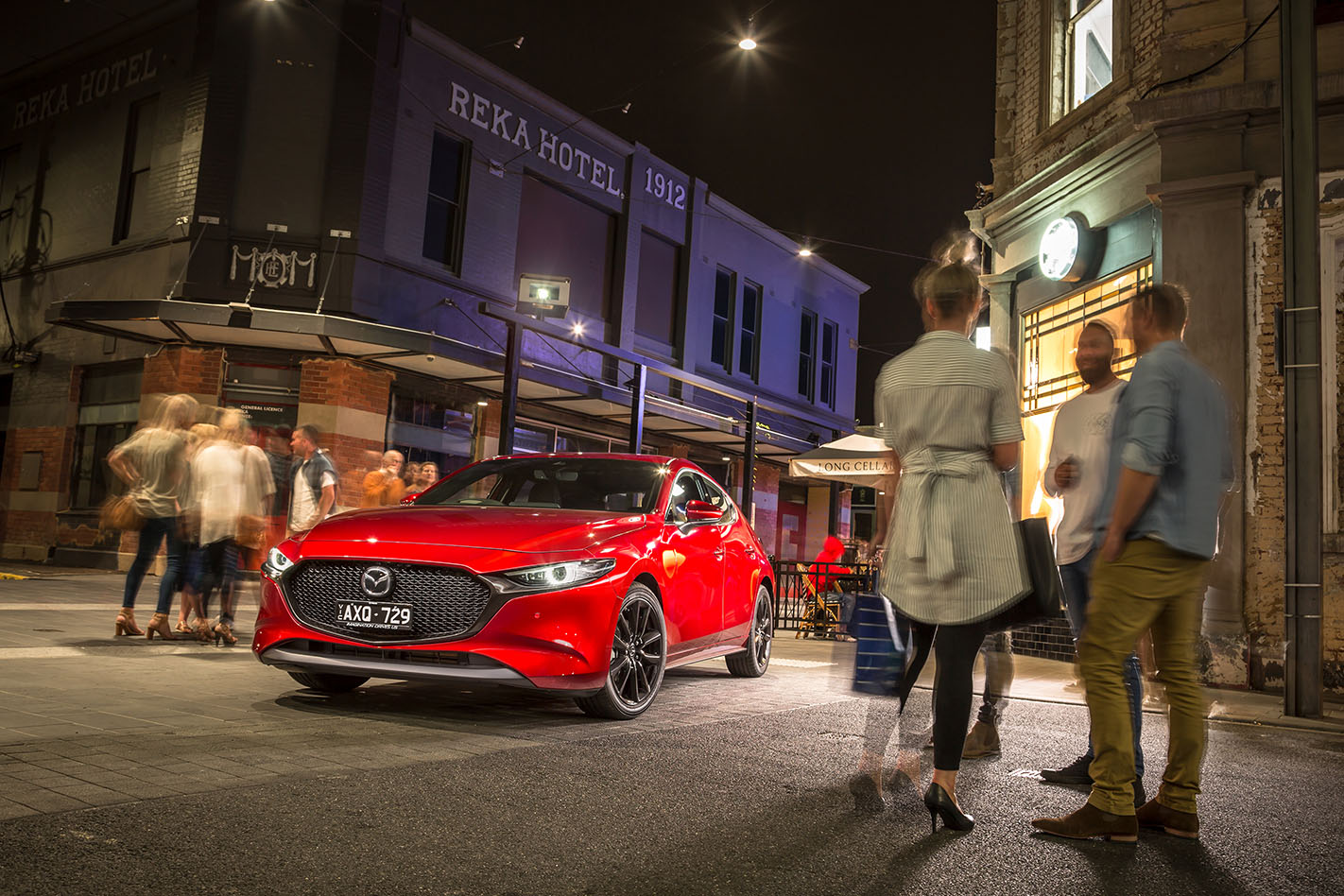
At present, the 3 hatch runs out of puff at the top end with the 139kW G25, whereas you can buy a 213kW Volkswagen Golf R hatch, with powerful models from Mini, Audi and BMW also on offer. In other words, at the moment, the 3 doesn’t look equipped to play in the near-premium sector.
That could change with a 186kW/434Nm Mazda 3 hatch. That figure comes from the US on their 93-octane fuel, roughly equivalent to 98-octane locally.
That’s considerably more torque than any of the hot hatch triumvirate of Civic Type R, Hyundai i30 N and Ford Focus ST, but the Mazda would be a very different, dare we say, more mature kind of car.
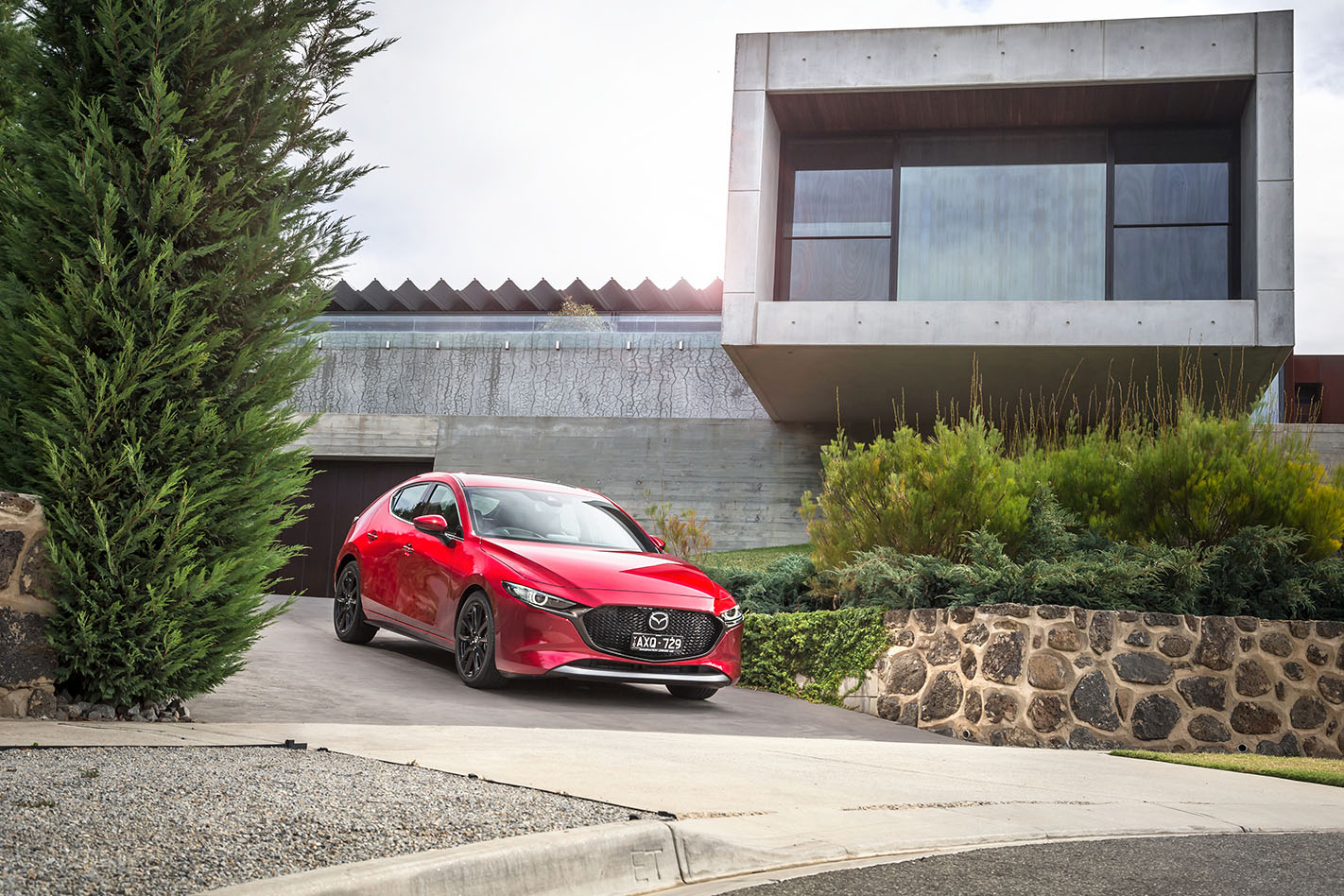
There’s a space for a quick, discreet hatch that doesn’t always need to be driven at ten-tenths to get the best from it. You might have grown out of huge wings and fake vents all over your car and just want something quick and rewarding, akin to how Volkswagen pitched the original Golf VR6, despite Wolfsburg botching the execution.
That sector of the market has been overlooked of late, and a $45K asking price for the Mazda would see it slot in more affordably than the feeble 103kW BMW 118i ($45,990) and would also give adequate clearance to the 165kW/350Nm Mercedes-Benz A250 4Matic, priced at $56,900. Neither Alfa, Audi, Lexus, Peugeot nor Volvo offer anything comparable. A cerebral alternative to a Golf GTI, it sounds as if a combination of all wheel drive, massive torque and a six-speed automatic transmission would make it effortlessly brisk across country.
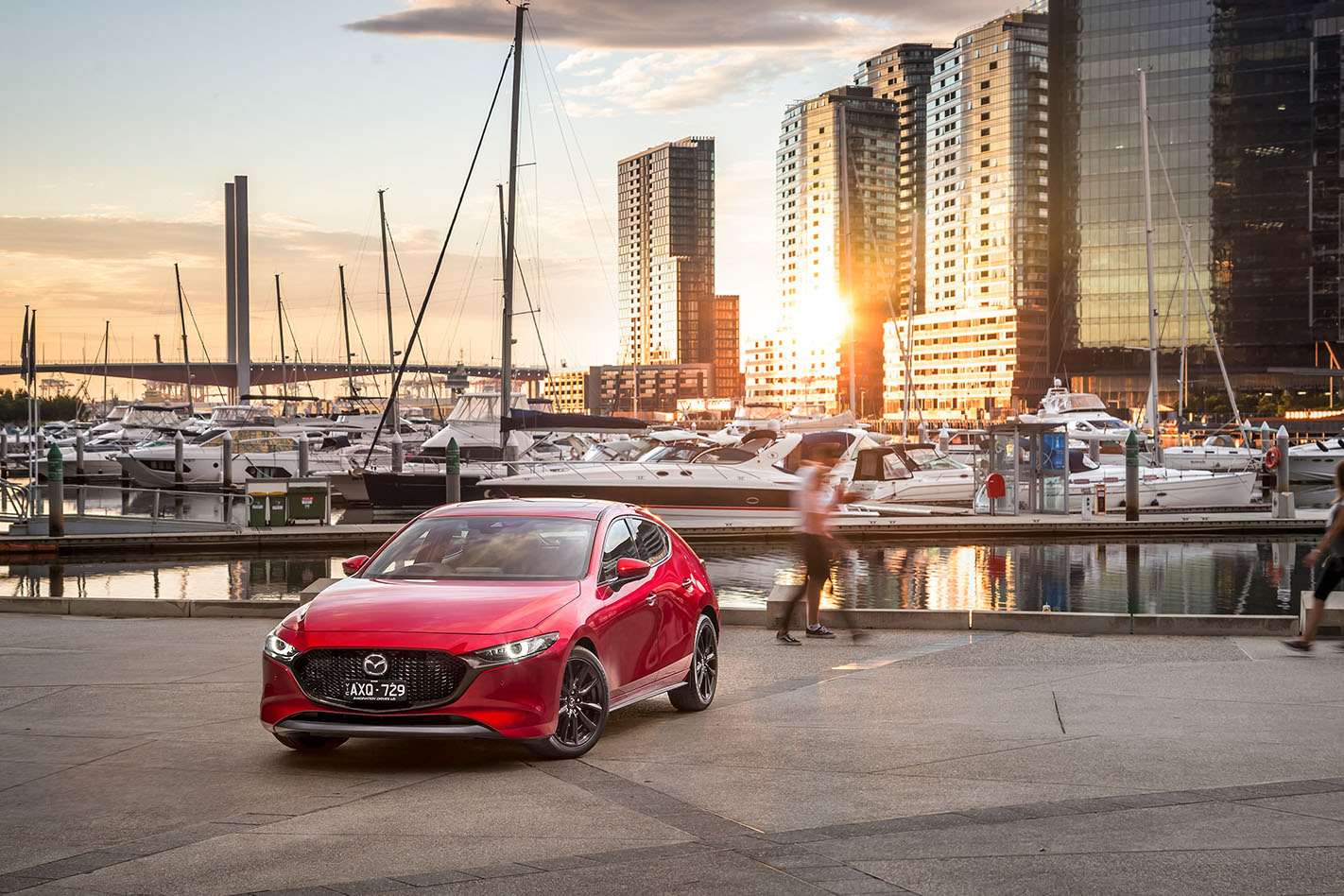
Mazda has long been about offering considered, pragmatic cars. It has no intention to bring back the Mazdaspeed hot rods that often never quite made the grade as true performance cars. Delivering something smarter and more subtle is actually a very Mazda move. Now we just need Mazda Australia to agree.
 Turbo Titans
Everything you’ve ever wanted to know about the humble turbocharger and its miraculous power-boosting abilities.
This is the story of how an engine that was meant to save Cadillac and make it a genuine threat to high-performance brands like AMG became one of GM’s biggest lost opportunities.
Developed at a cost of roughly $23 million, Cadillac was given the green light by General Motors to build an all-new clean sheet V8, dubbed the Blackwing.
The end result was mightily impressive – a 4.2-litre DOHC 90-degree V8 that was the antithesis to the old-school pushrod designs that GM was renowned for.
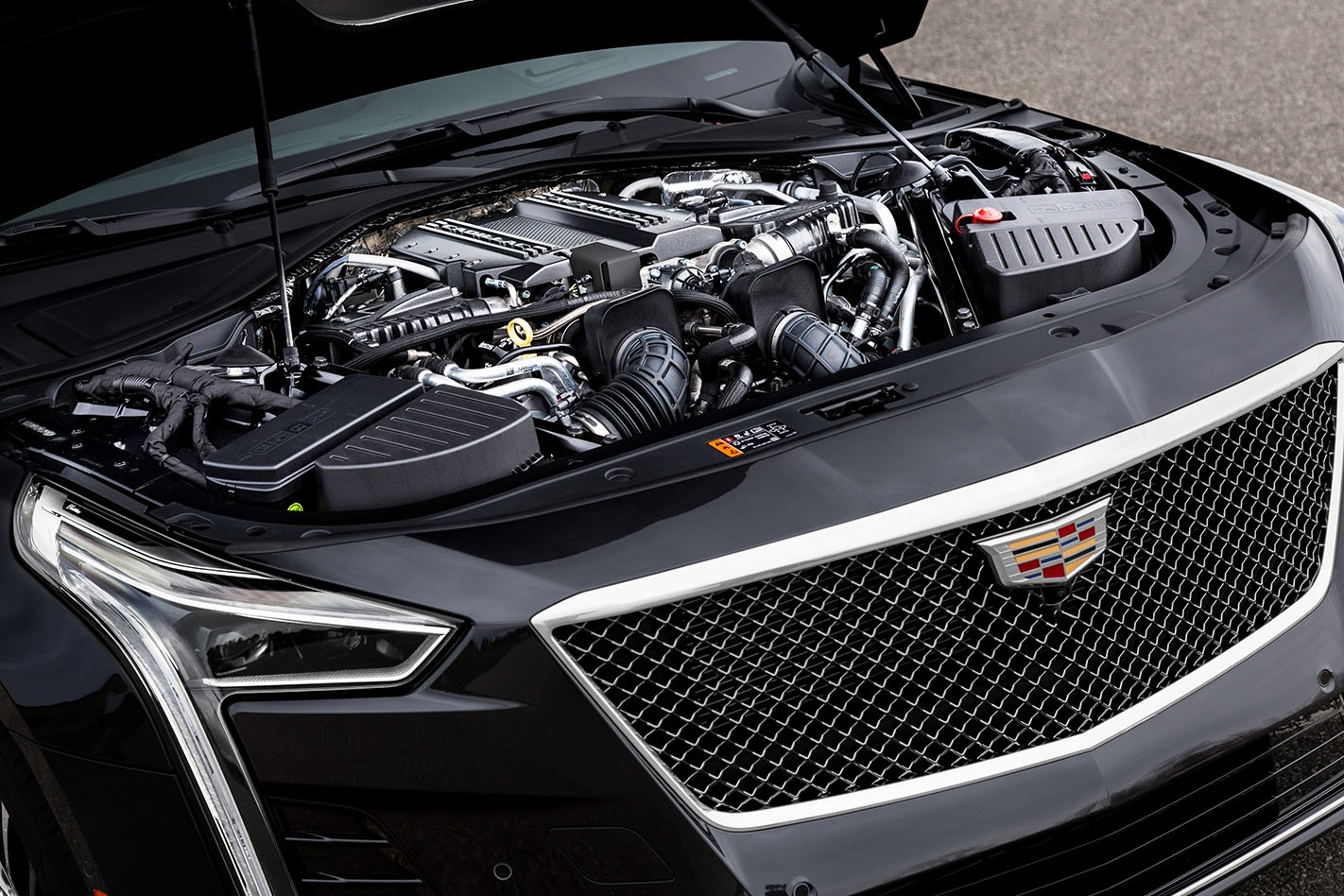
When it debuted in 2018, the Blackwing V8 was the first twin-turbo V8 built by GM, along with being the first with an aluminium block and head.
The new technology didn’t stop there, introducing GM’s first dual throttle bodies, water-to-air charge coolers, and electronic wastegates.
Twin scroll turbos running at 20psi were nestled between the cylinder banks in a hot-V configuration, while the internal components included forged steel crankshafts and connecting rods, and high strength aluminium pistons.
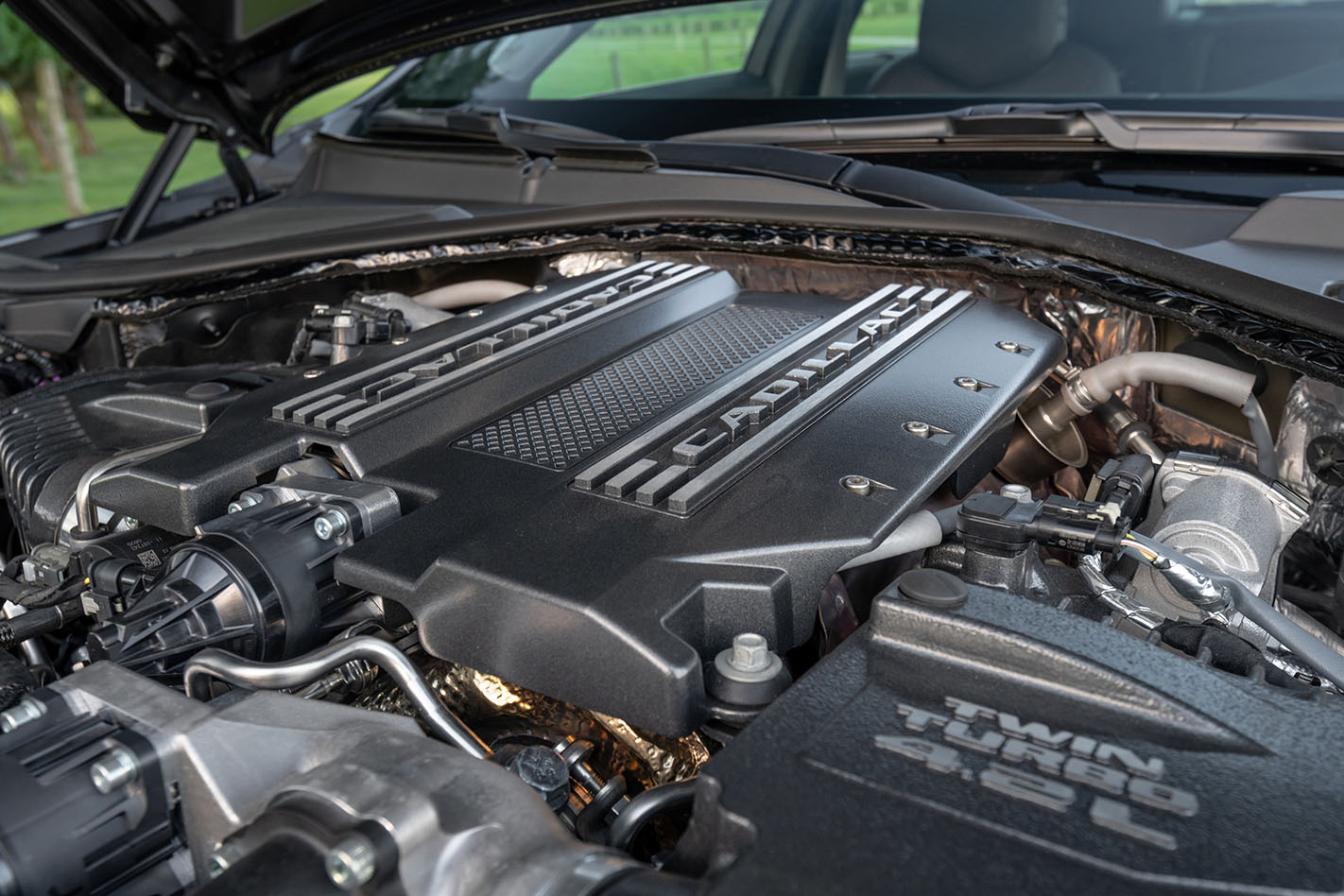
In its highest output form, the Blackwing V8 produced 410kW @5700rpm and 868Nm @ 3200-4000rpm, with 90 percent of peak torque available between 2000rpm and 5200rpm. With a specific output of 97.8kW per litre it was one of the most power dense engines in GM history.
A lower tune of 373kW/778Nm was also produced, with all versions of the engine paired with a 10-speed automatic transmission sending power to all four wheels.
It sounds fantastic right? The Blackwing was set to bring GM’s luxury arm into the 21st century, and be the vanguard for a new era of success for Cadillac.
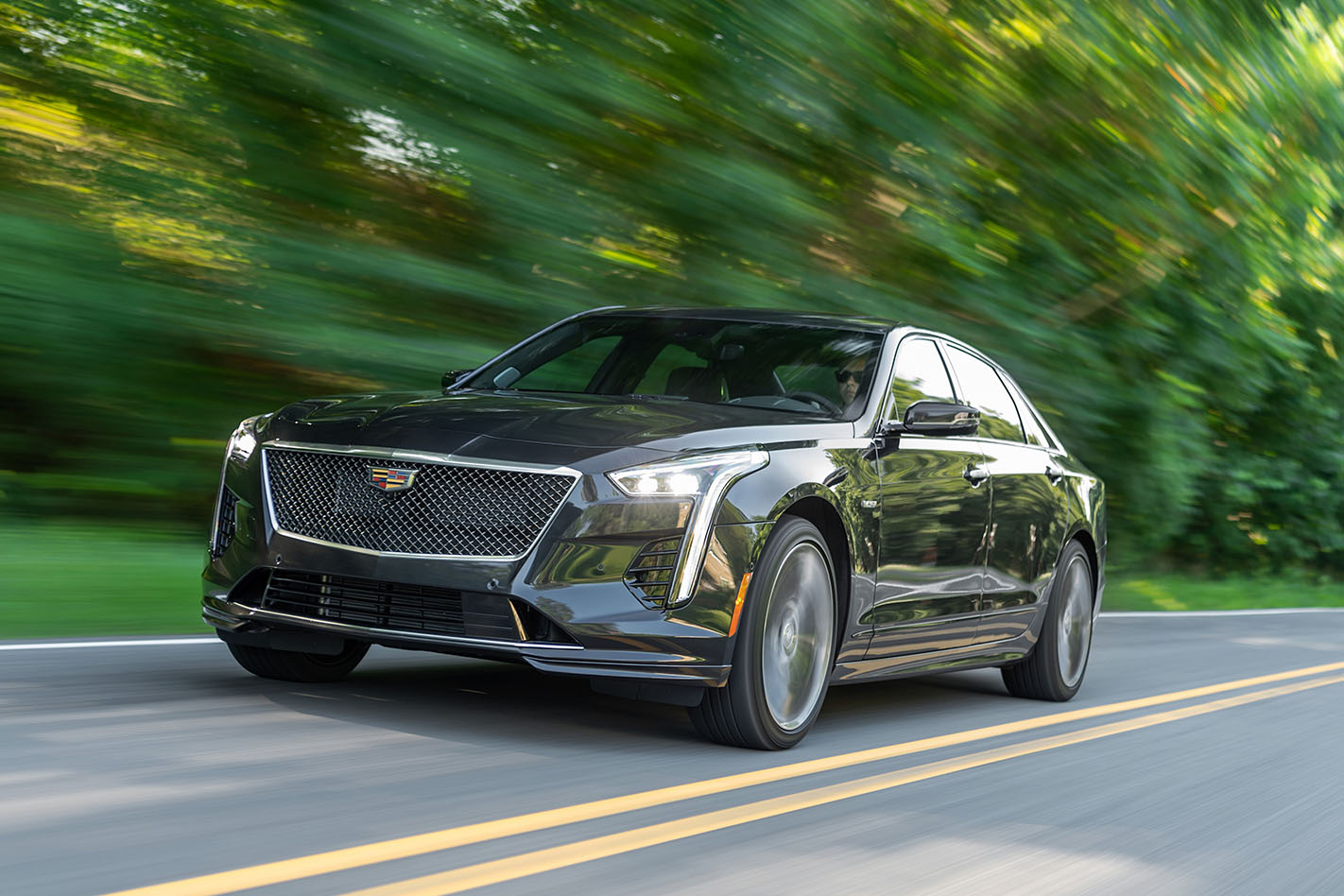
However, the Blackwing ultimately fell victim to a changing motoring landscape and GM infighting, with just 800 examples ever built, and its lofty potential was never achieved.
Road & Track has published an in-depth autopsy on the Blackwing, looking at the factors that resulted in its ultimate, unfortunate demise.
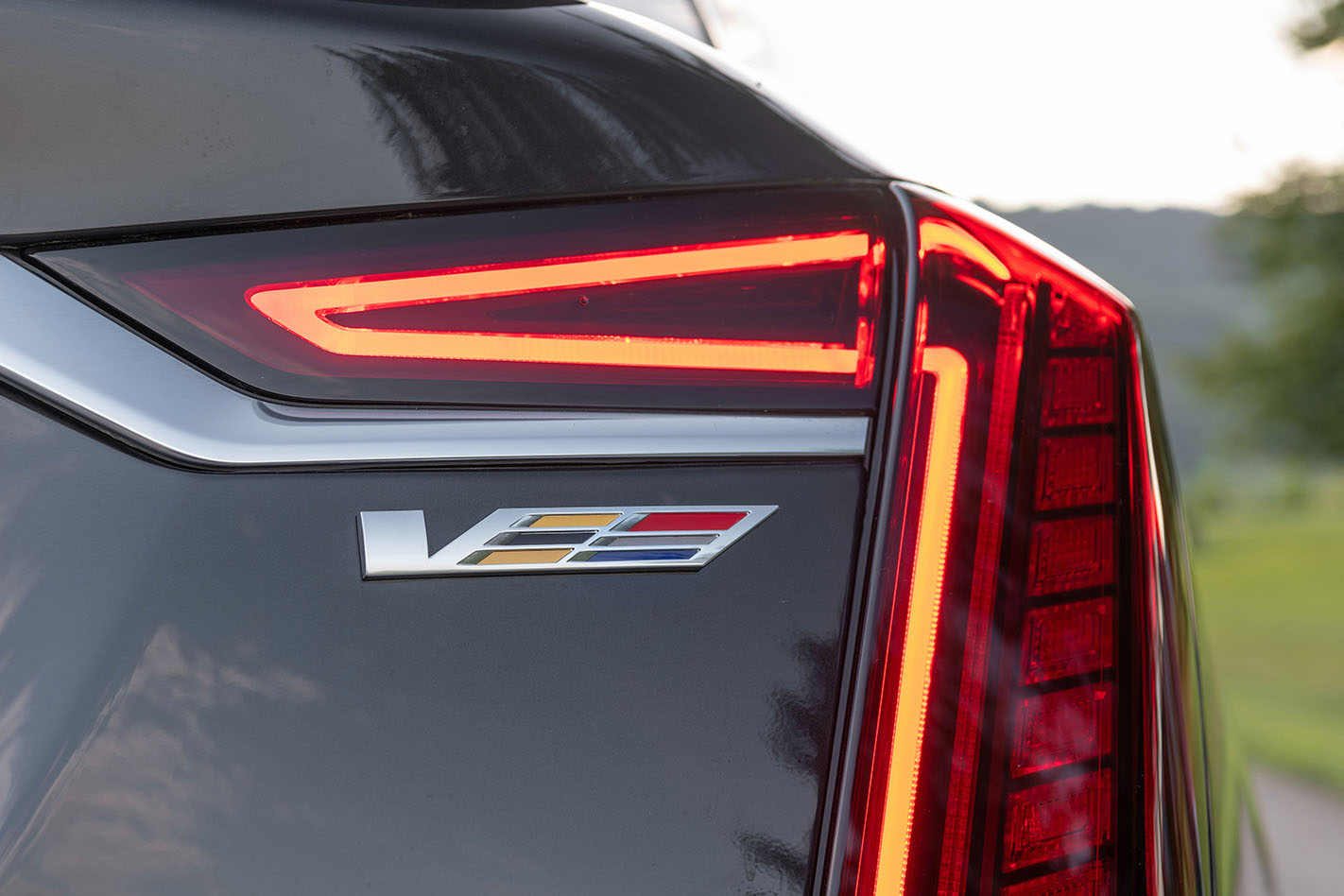
Debuting in Cadillac’s CT6 – a rival to the Mercedes-Benz E-Class and BMW 5 Series – the Blackwing was meant to proliferate across the brand’s other models.
This hit a roadblock when development of the CT6’s Omega platform stagnated. You see, Cadillac relied heavily on the wider GM family when it came to the development process.
GM’s focus on developing the next generation of body-on-frame pick-ups and SUVs that form the backbone of the company’s sales meant the Omega platform wasn’t a priority.
Left to wilt in the sun, the CT6 shuffled off its mortal coil earlier this year, and with it the Blackwing became a very expensive orphan, and production was ceased.
The official line from Cadillac is that the brand currently has “no plans” for its flagship V8.
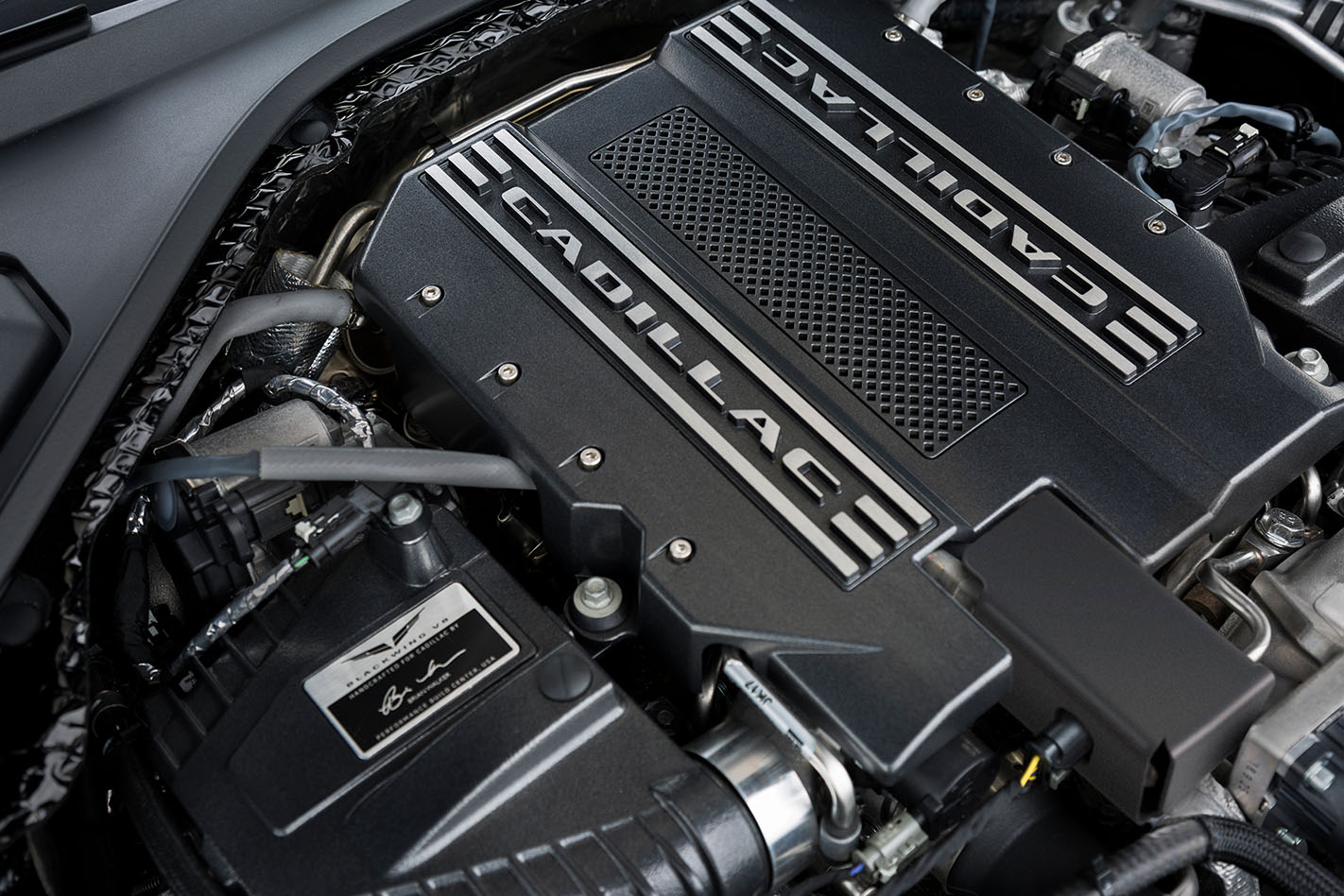
R&T estimates development of the Blackwing cost GM US$16 million (A$23 million). Part of that high cost is the fact that each of the 4.2-litre V8s were built by hand.
Each engine was constructed at GM’s Bowling Green facility in Kentucky – the same location where the Corvette is bolted together.
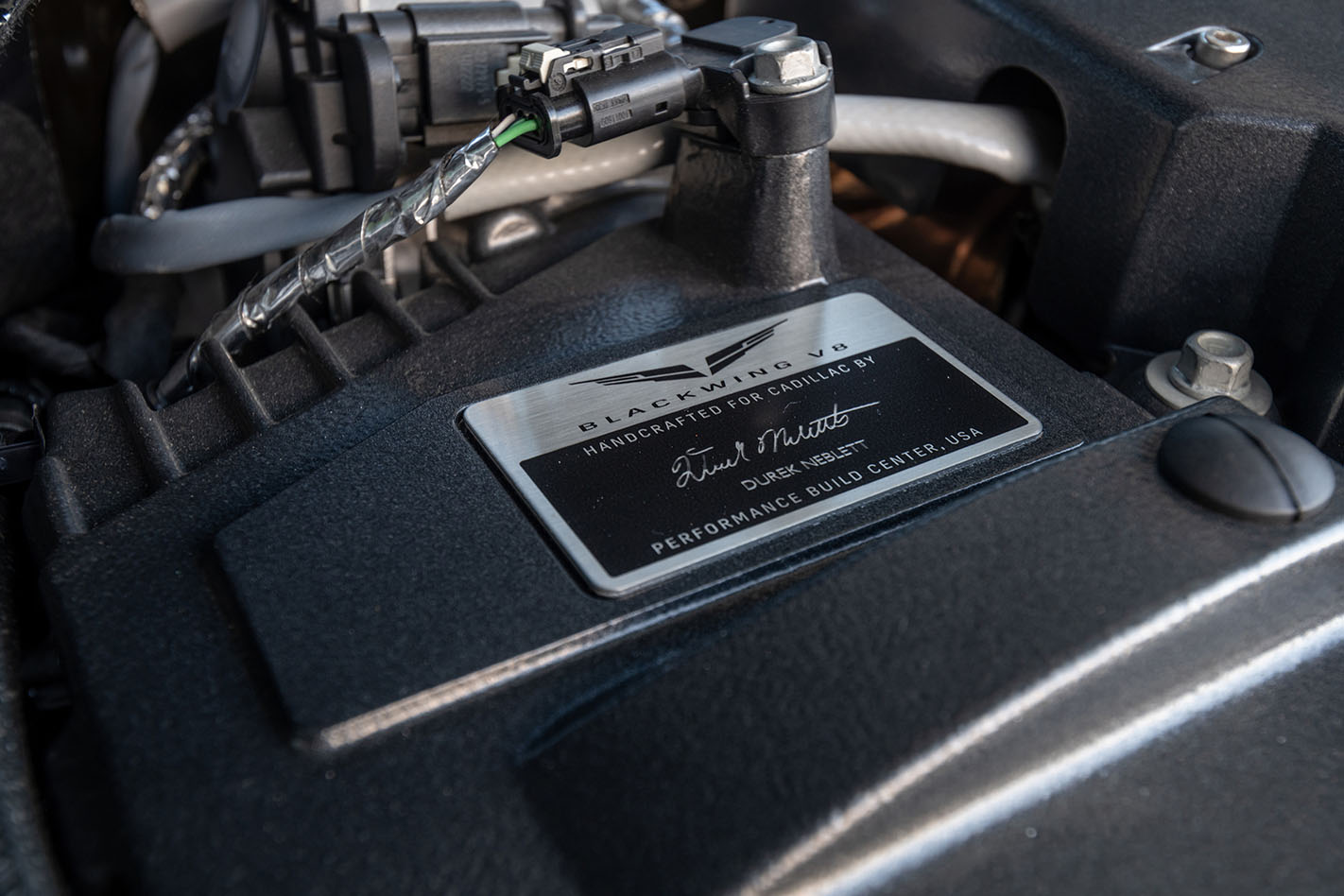
Like an AMG engine, just one person was responsible for the construction for any given Blackwing from start to finish. And there are just six people within GM capable of completing the process.
Spread across the 800 units that were eventually built, that development cost for the Blackwing comes in at roughly $28,750 per engine. Rough.
There have been a handful of times the Blackwing could have lived on, but GM infighting has nixed any plans, as Cadillac executives have become ultra-protective of the engine’s exclusivity.
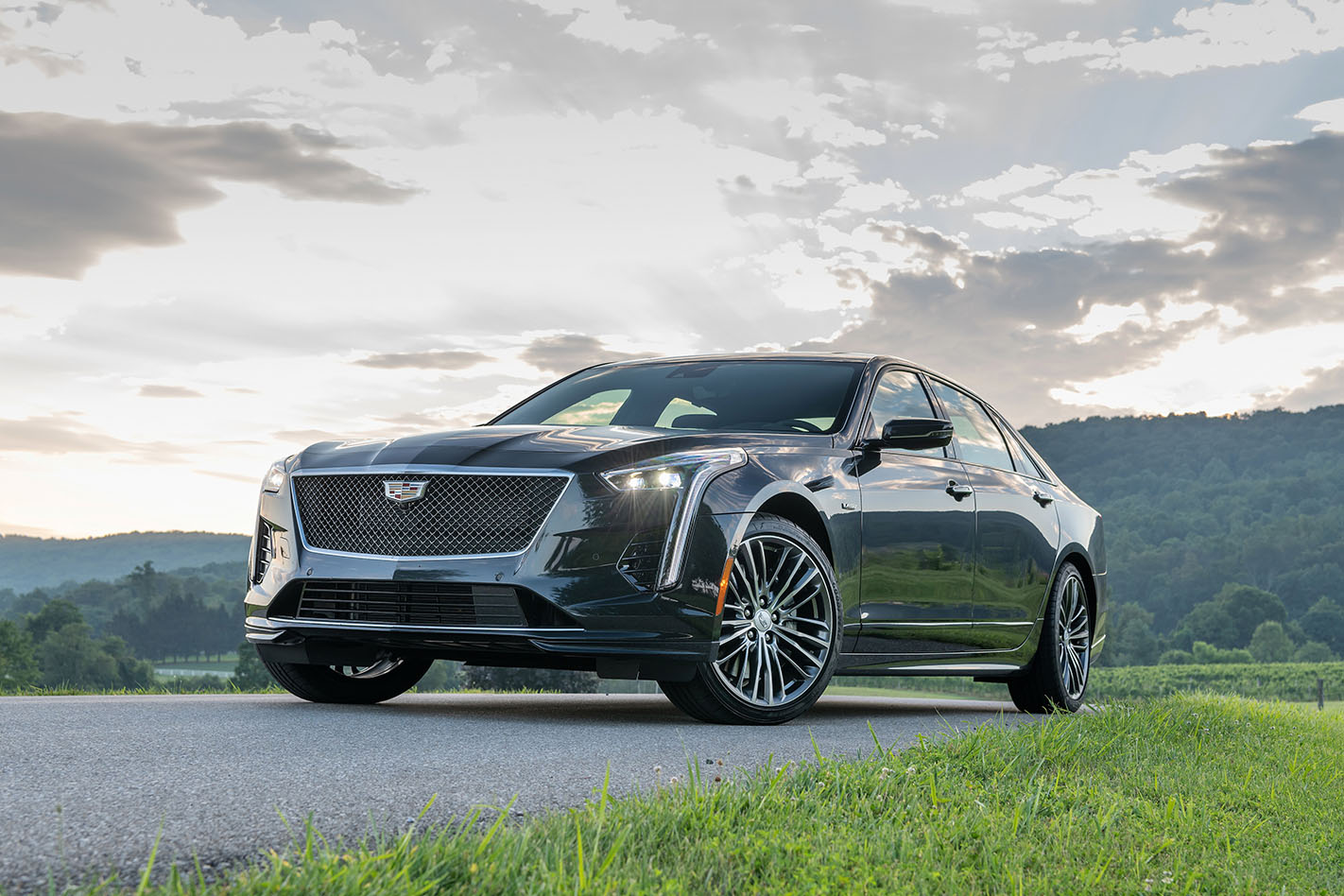
In 2019 there were rumours the twin-turbo V8 could be fitted to the mid-engined C8 Corvette. However, Cadillac stomped its feet at having its flagship engine placed into Chevrolet’s hero car and the plan was axed.
Sharing development costs across GM’s portfolio could have helped the Blackwing make better economic sense. Think of the success AMG has enjoyed by proliferating the twin-turbo 4.0-litre M177/178 engine across its range of vehicles.
It’s also understood that the initial 410kW/868Nm figures weren’t the end of the Blackwing’s performance potential.
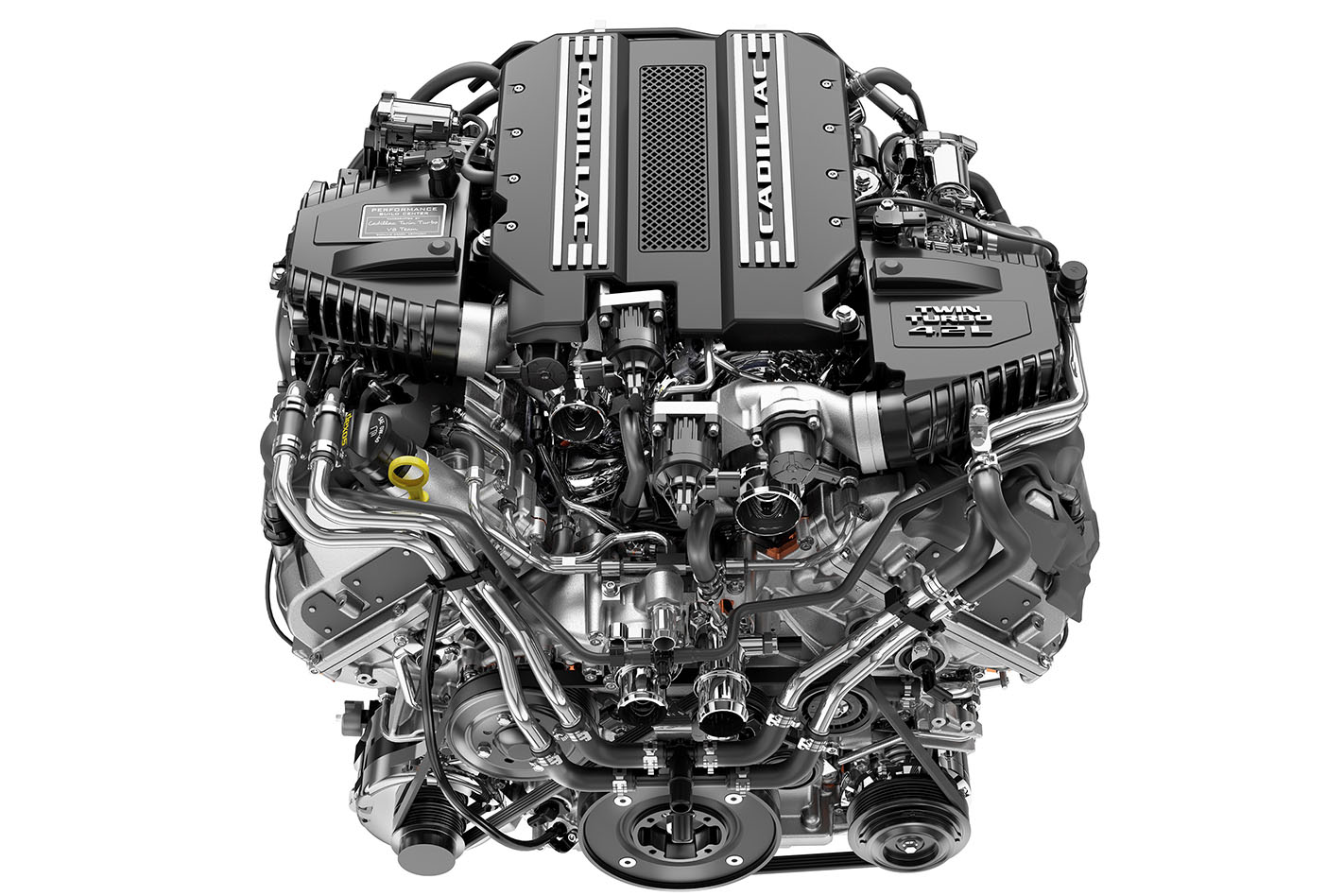
According to R&T, there was more power to be found in the engine, but the compact engine bay of the CT6 made heat management a challenge, resulting in capped power outputs.
Cadillac will continue to use the Blackwing badge, slapping it onto performance variants of the CT4 and CT5, but neither of those vehicles will be powered by the Blackwing engine.
Ultimately, we’ll never know exactly how good we could have had it, with Cadillac’s performance V8 dead and buried.
R.I.P Blackwing.
Turbo Titans
Everything you’ve ever wanted to know about the humble turbocharger and its miraculous power-boosting abilities.
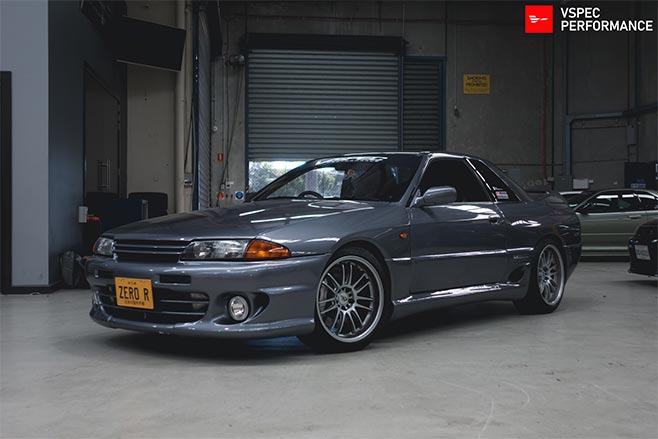
There’s rare, and then there’s rare. Versions of the Nissan R32 Skyline GT-R such as the R-Tune or R400 are the former, but the HKS Zero-R is most certainly the latter. With only four in the whole world, the tuning company’s ultimate vision for the BNR32 platform is considered by many to be the holy grail of Skyline. Even though it’s not ‘officially’ a Skyline anymore.
When HKS tore down four of Nissan’s BNR32s, only to build them back up again in its own vision, HKS changed just about everything, even if only slightly in some cases. There’s not a Nissan badge in sight. Because of this HKS would have to crash test the cars, which were set to cost more than 10 million yen each. Today, 10 million yen is roughly AU$135,000.
Skyline Royalty: R33 400R and R34 R-Tune driven!
The project was abandoned and the Zero-Rs sat unregistrable and neglected, except for one which was sold to the Sultan of Brunei to become part of his collection… and likely remain unregistrable and neglected.
In the mid-2000s, however, HKS realised the cars were more easily able to be made road-legal though the eyes of the law, and set to work rebuilding the three cars it had left to be even better.
More Royalty! Nismo 400R and Mine’s ‘Ultimate Response’ R34
Obviously, this being HKS, the engine is where we should start. After years of tuning Nissan engines and helping the brand become a motorsport dominator, HKS was in a perfect position to create an epic powerplant using Nissan’s RB26DETT as a basis.
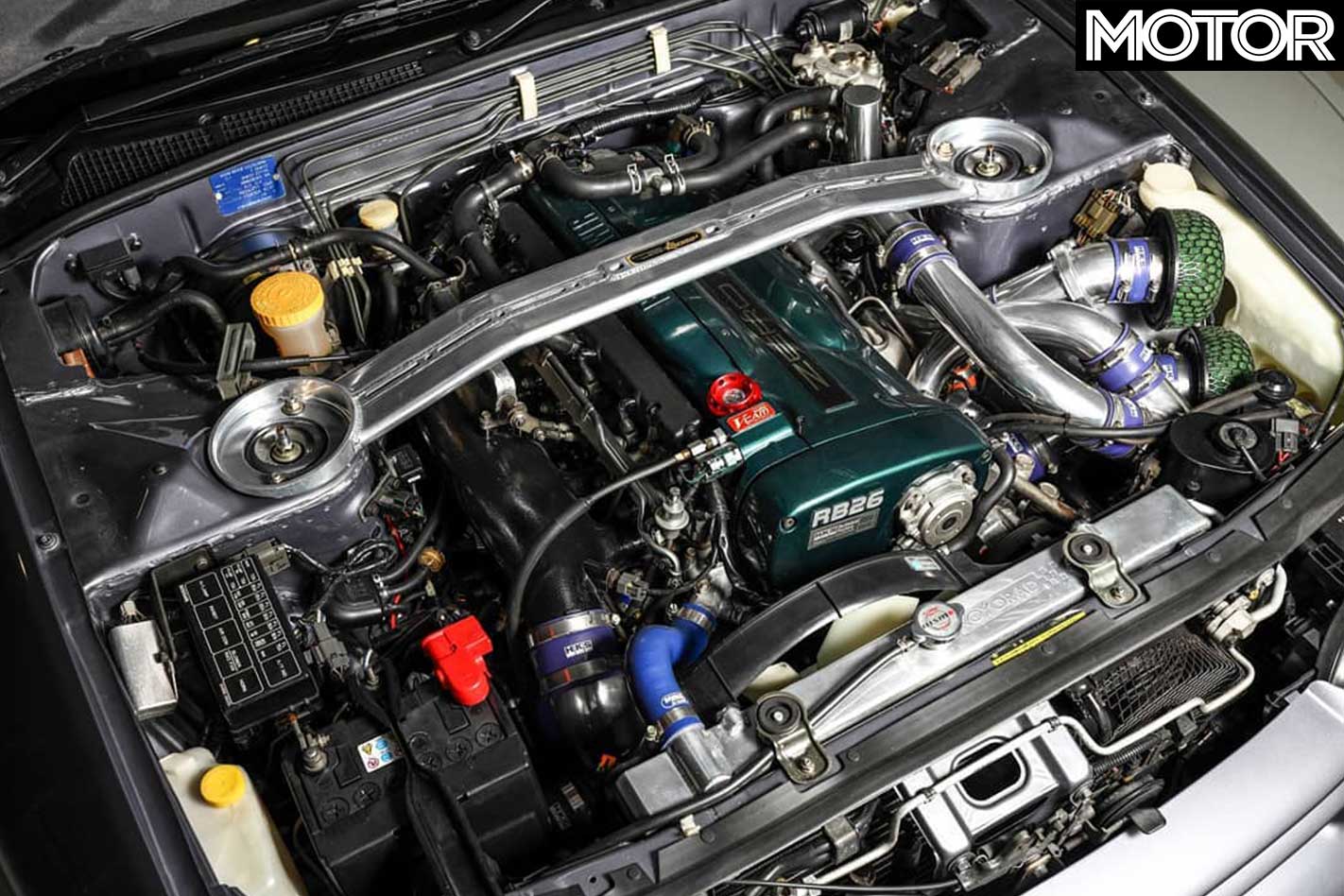
Now 2.8-litres and pumping out upwards of 441kW thanks to a HKS-developed turbo upgrade, as well as the block itself being of proper Nismo motorsport pedigree, the engine is hooked up to a six-speed manual from an R32.
Plenty of Nismo parts also found their way into the suspension, but the shocks themselves are HKS’s own, tuned specifically to the Zero-R.
The world’s best Nissan GT-R collection
On the outside, its reworked panels are clearly R32, but with subtle changes that mean they can’t just be switched out for stock parts if damaged. Perhaps its most notable difference is the twin-exhaust setup at the rear. Although, the ‘Zero-R’ moulded into the rear bar gives it away a tad.
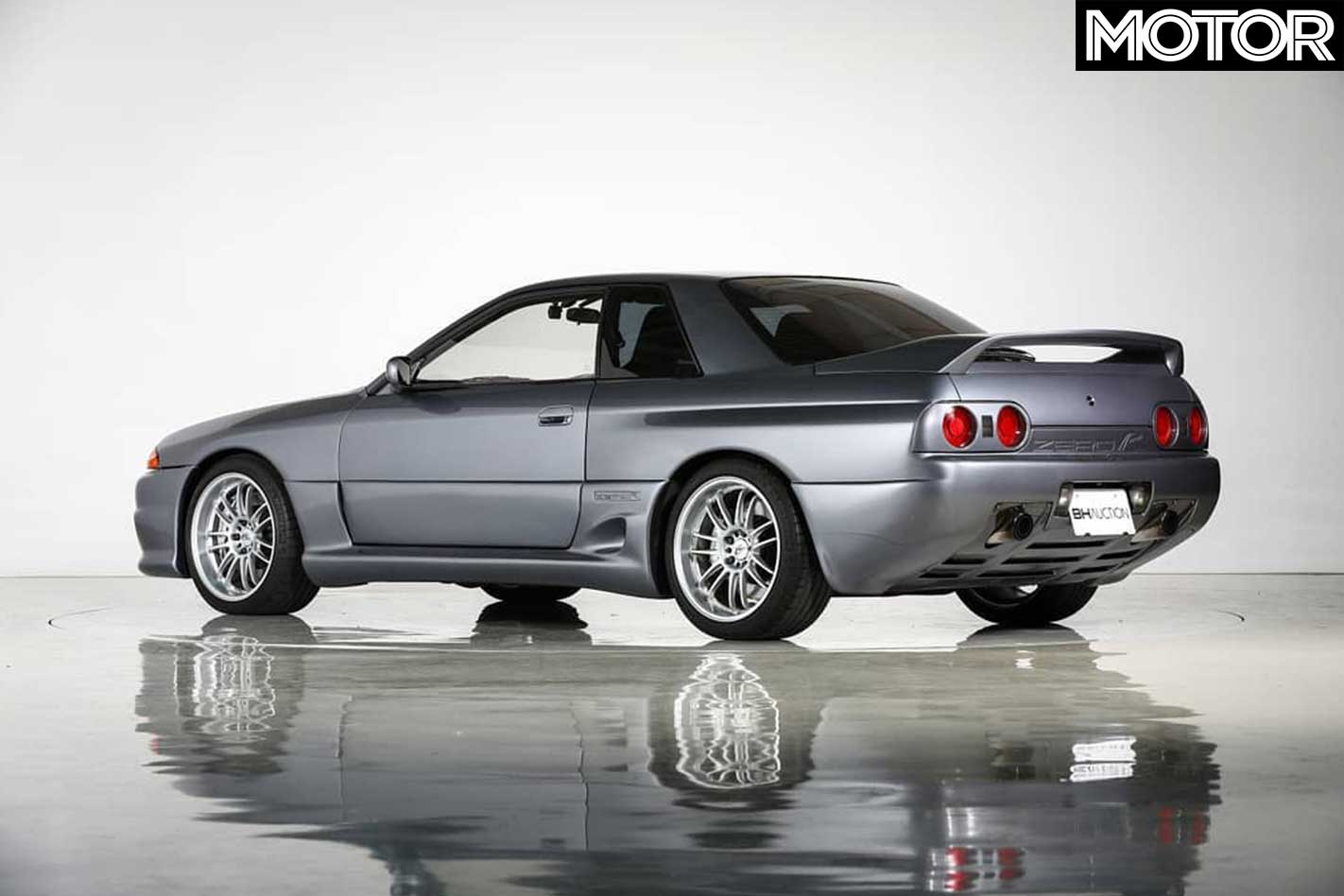
Inside the R32 Zero-R are two seats, with the fuel tank located where the rear seats were. The front of the cabin is a custom interior.
If you’re in Melbourne and want to see for yourself, the team at V-Spec Performance are the custodians of the pictured Zero-R, after having purchased it for a reasonable AU$212,000 at the BH Auction sale during the 2019 Tokyo Auto Salon.
The Wheels Verdict: This plug-in hybrid is a welcome addition to the XC40 range. It will save you around 30 percent in fuel costs during regular driving and could slash your fuel bill altogether if you use it only for short journeys (around 40km) and keep it plugged in regularly. Powertrain performance is stronger than the on-paper numbers suggest, too, and the rest of the package is typical XC40 (which is to say, class leading) with a roomy cabin, a big boot and well-sorted dynamics. Only its high price, wooden brake pedal and sometimes clunky handover from battery to internal combustion propulsion blot the XC40 Recharge’s copy book.
WHAT IS THE VOLVO XC40 RECHARGE?
For now it’s the most fuel efficient, but also the most expensive, XC40 you can buy. Volvo is adding two electrified XC40s to its Australian range and this plug-in hybrid is the first to reach our shores. The biggest change is the powertrain. Where other XC40s use 2.0-litre four-cylinder petrol power, this one is propelled by a 1.5-litre three-cylinder petrol engine paired with a small battery pack and electric motor.
WHY WE’RE TESTING IT
To see if the Recharge’s circa-$8000 price premium over its conventionally powered stablemates is worth it. We’re also keen to test the performance and integration of the hybrid system. Volvo has added hybrid-power to other model ranges with great success, but will it work just as well in a smaller package?
THE VOLVO XC40 RECHARGE REVIEW
VOLVO has added a new flagship variant to its COTY-winning XC40 range. Dubbed ‘Recharge’ this plug-in hybrid is the first of two electrified XC40s heading our way and will be followed by an all-electric version in early 2021 that will usurp it both for price and performance. For now, though, this is the most expensive XC40 of the lot courtesy of a $64,990 sticker. That’s a chunky $8000 more expensive than the previous T5 range-topper and, initially at least, the cost-benefit analysis seems a little skew-whiff.
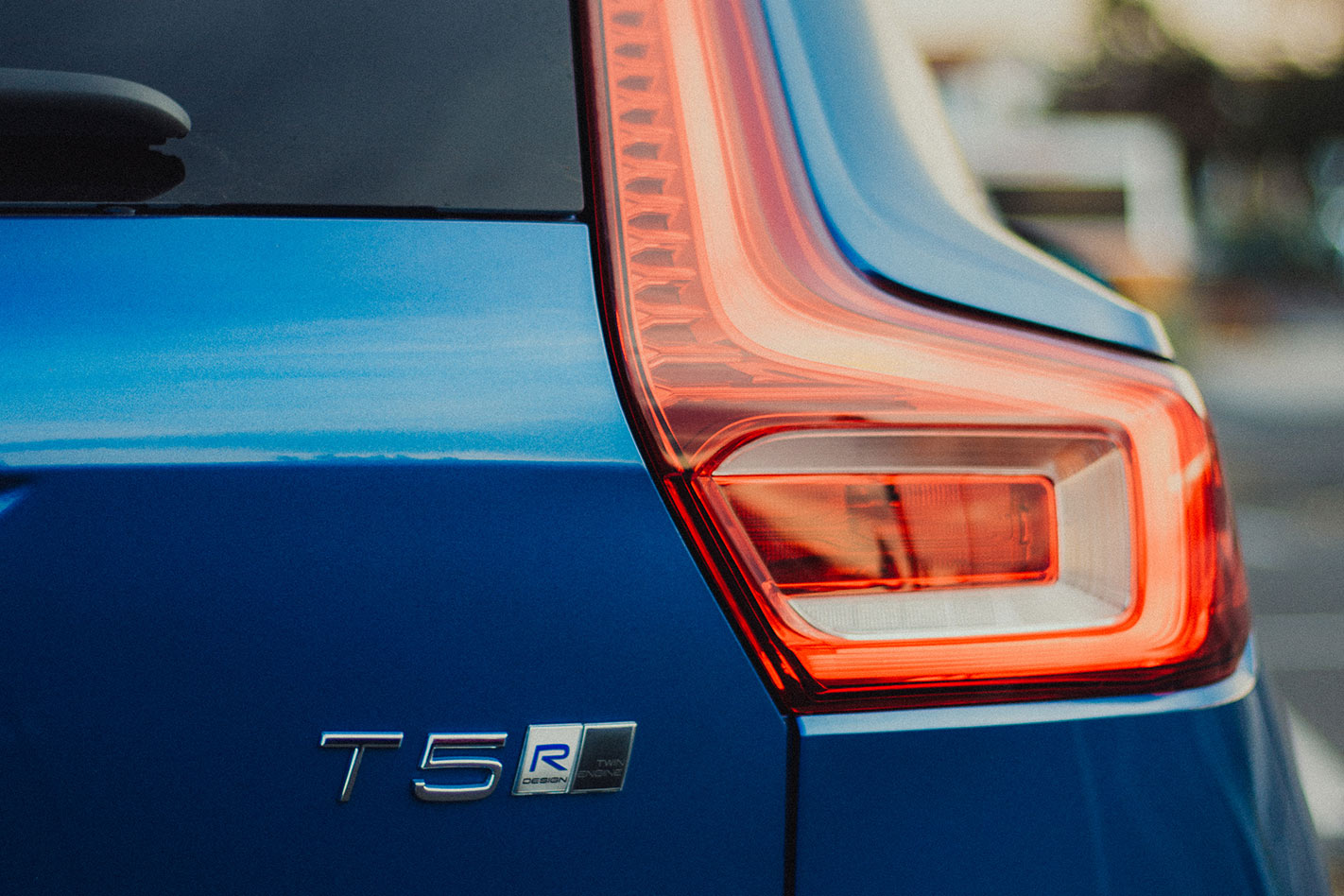
Equipment levels are on-par with the already very well equipped T5 R-Design, and the T5 is almost a second quicker to 100km/h, is lighter and has the benefit of all-wheel drive. The plug-in Recharge is front-drive only.
So why buy the hybrid? Saving fuel is the primary attraction. The Recharge combines a punchy 132kW/265Nm 1.5-litre three cylinder turbo petrol with a 10.7kWh battery pack and single electric motor good for 60kW/160Nm. Electric-only range is 45km (we managed 42km in urban conditions) and exactly how efficient your car is will depend on how often you plug it in. It’ll do up to 125km/h on battery-only propulsion so if you keep it fully charged and drive mostly short distances – say to the office and back – it’s possible you’ll get close to Volvo’s official 2.2L/100km.
Deplete the battery and you’ll rely mostly on the petrol engine, though electric propulsion is always there under light loads and to assist with sharp step-off from the lights. Without topping up the battery we recorded 7.5L/100km over 400km of urban driving, which is a healthy 30 percent improvement on the T5 long-termer Wheels ran last year in the same location and conditions.
Real-world performance is better than the on-paper numbers suggest, too. Slotting into gaps in traffic is a cinch thanks the electric motor’s instant shove, though the hand-off from battery to petrol motor isn’t always the smoothest. It’s fine under light throttle openings but suddenly asking for max power results in a pause, then a jolt, as the ICE component of the powertrain wakes up.
The brakes can take some getting used to as well. Like a lot of hybrids they lack progression and are plagued by a wooden pedal that’s difficult to modulate. The initial slowing phase is nicely calibrated, but things become difficult to judge when you need to bring the car to a stop.
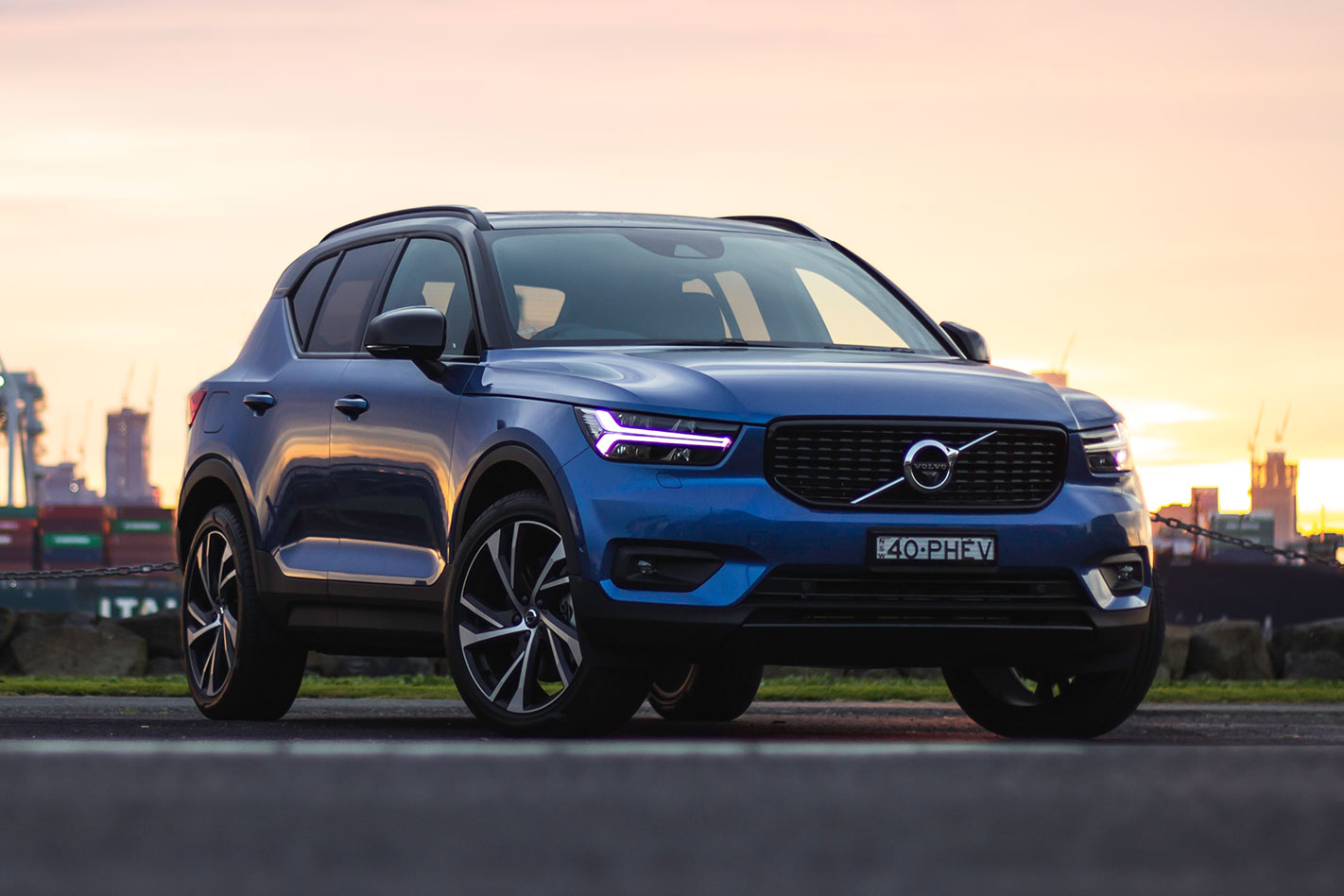
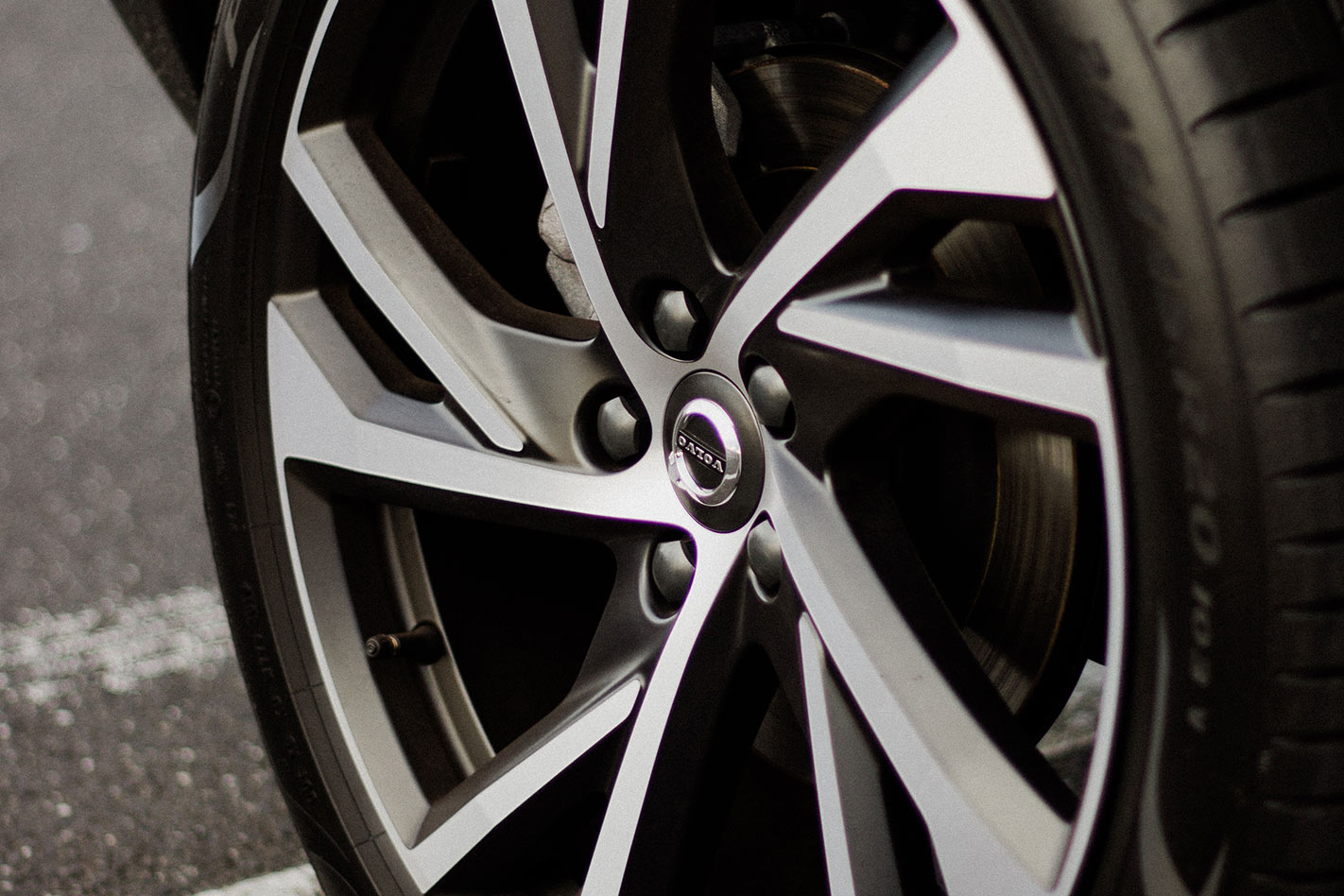
The rest of the package is typical XC40, which is to say class-leading. The cabin is unexpectedly roomy and beautifully screwed together, the boost is a useful 460L, the steering is light and accurate (if a little too remote) and there a high levels of equipment and safety gear. One key dynamic variable to consider is ride quality. Aussie Recharge variants come standard with Volvo’s R-Design pack which adds gloss-black exterior detailing and, notably, stiffer springs and 20-inch wheels. While the primary ride is well judged, the Recharge does suffer from some impact harshness over smaller bumps and sharp edges. If ride quality is a high priority, you can also opt for 19-inch wheels with chubbier sidewalls as a no cost option. Frustratingly, Volvo no longer offers adaptive dampers for 2021-model year XC40s.
Still, spec it correctly and the XC40 Recharge is one of those rare cars that’s more than the sum of its parts. It makes more sense in the real world than it does on paper, providing you’re willing to pay for the privilege.
Volvo XC40 Recharge specs
- Model: Volvo XC40 Recharge
- Engine: 1477cc 3cyl, dohc, 12v, turbo
- Motor: Single (front axle)
- Battery: 10.7kWh lithium-ion
- Power: 195kW (combined)
- Torque: 265Nm (engine) + 160Nm (motor)
- Transmission: seven-speed dual-clutch
- Kerb weight: 1760kg
- 0-100km/h: 7.3sec (claimed)
- Economy: 2.2L/100km
- Price: $64,990
- On sale: Now
The third round of the decimated 2020 Supercars season will go ahead after five Victorian-based racing teams made a frantic dash for the border of NSW to beat the reinstated COVID-19 lockdowns in that state.
Originally set down for the rural town of Winton in northern Victoria, the third round will once again be held at Sydney Motorsport Park, which hosted the de-facto round two event last weekend.
Tickford Racing, Erebus Motorsport, Team 18 and Walkinshaw Andretti United packed up and fled from their Melbourne home bases in record time, while the fifth team, Kelly Racing, has decamped to Mildura.
The decision to close the border caught a few of the teams on the hop, with cars in pieces and crews forced to leave families and friends for a potentially extended stay in NSW.
“I left Western Sydney 18 years ago… found out today that I will be living back there again for the near future,” said Team 18 driver Mark Winterbottom on social media, whose wife Renee recently gave birth to a third child.
“Not sure when I’ll be back to see my wife and the kids, could be months. Tough times,” he said. “A big thank you to the families of team members, allowing your partners to keep this sport alive. It’s a huge sacrifice that is really appreciated.”
The Kelly team was forced to partially reassemble its Ford Mustangs before decamping to a property in Mildura, NSW, owned by the Kelly family.
“When we got the call yesterday, all of the engines were actually out of the cars in the engine shop getting serviced and everything,” team owner Todd Kelly told supercars.com. “The cars were completely in bits, so it was a pretty decent panic to try to get all of that back in the truck. We only got over the border at 11:30 last night, so it was a late night.”
Kelly (below, at the property) paid tribute to his team, who were forced at short notice to make a decision to head north for an indefinite period.
“It was pretty hard on all of the staff to make that call, but every single person that we had at Eastern Creek for the last round was on the coach at 5pm last night,” Kelly said. “We didn’t miss anyone so that’s a massive thing for the crew to do that for our sport and team.”
The Penrite Racing squad will base themselves at a farm owned by Erebus team principle Betty Klimenko in the NSW Southern Highlands. Lead driver David Reynolds has even relocated to his mother’s house in Albury to ensure his availability.
Now that the teams have avoided the spectre of COVID-19 lockdown, senior figures in the sport are urging Supercars organisers to use the opportunity to complete as many rounds as possible by any means.
“Get it done!” exhorted renowned motorsport scion Brett Murray on speedcafe.com. “As proven with the exodus of Victorian teams overnight, everyone has to adapt to reach a common goal of survival.”
Double-header events, an additional Bathurst sprint round and a return to Queensland Raceway are possibilities, he wrote, adding that the Victorian lockdown has “squeezed the financial handcuffs even tighter.”
Murray also suggested that the “writing was on the wall” for a state border lockdown last week – but the fact that each Supercars team is required to foot the bill for its staff and transport costs (unlike the AFL, for example, which has already decamped to Queensland) adds more strain to a system already under pressure.
“The reality is that no one in the sport has signed up for what they are currently facing,” said Murray, “but the job has to be done. There is no alternative if everyone is to come out the other side.”
Round three will be held at Sydney Motorsport Park on July 17-18, with limited crowd attendance permitted on both days.
The legacy of the James Bond franchise and the iconic nature of the Aston Martin DB5 have led to this, the Goldfinger Continuation.
A limited run of 25 ‘new’ Aston Martin DB5s will be built in the Aston Martin Works at Newport Pagnell, with the first having been completed already.
It marks the first time a new DB5 has rolled off an Aston Martin production line in 55 years.
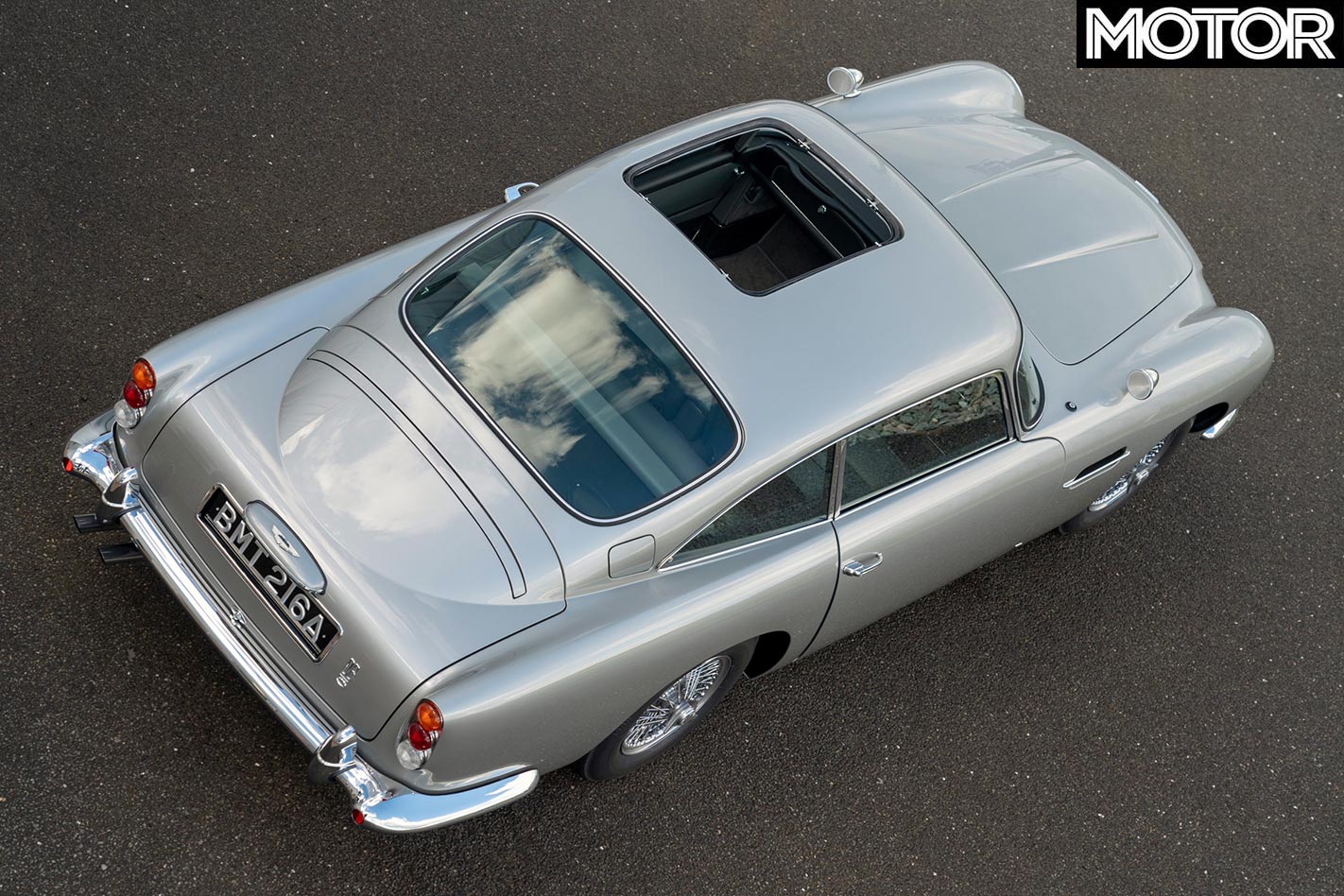
The cars are all built essentially to original specification, though “with some sympathetic modifications and enhancements to ensure the highest levels of build quality and reliability.”
Oh, and the gadgets. Yes, there are gadgets.
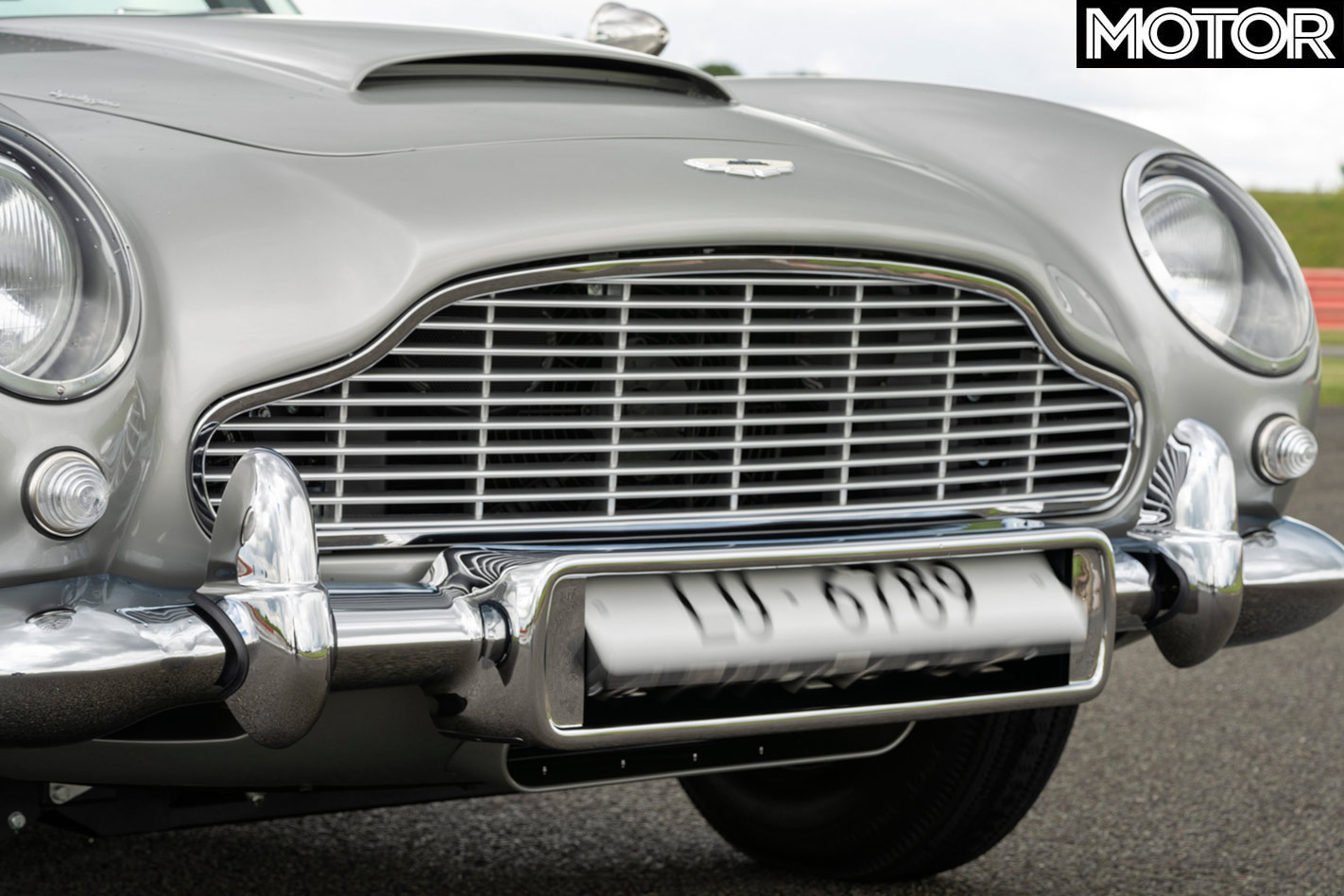
Aston Martin has taken the opportunity, working with Bond producers Eon Productions, to build the 25 new DB5s as proper Bond cars, with gadgets to mimic those of the franchise’s most famous car.
Included in the Goldfinger DB5 is a rear smoke screen system and simulated oil slick delivery, with revolving number plates at each end, as well as a pop-up pane of bulletproof glass at the rear, and faux tyre-slashers.
Inside, it even has the radar screen, gear knob button, armrest switches, and the remote control to activate the gadgets.
And, of course, the machine guns are mounted in the front, though they’re not real and will only simulate firing as those in the film do.
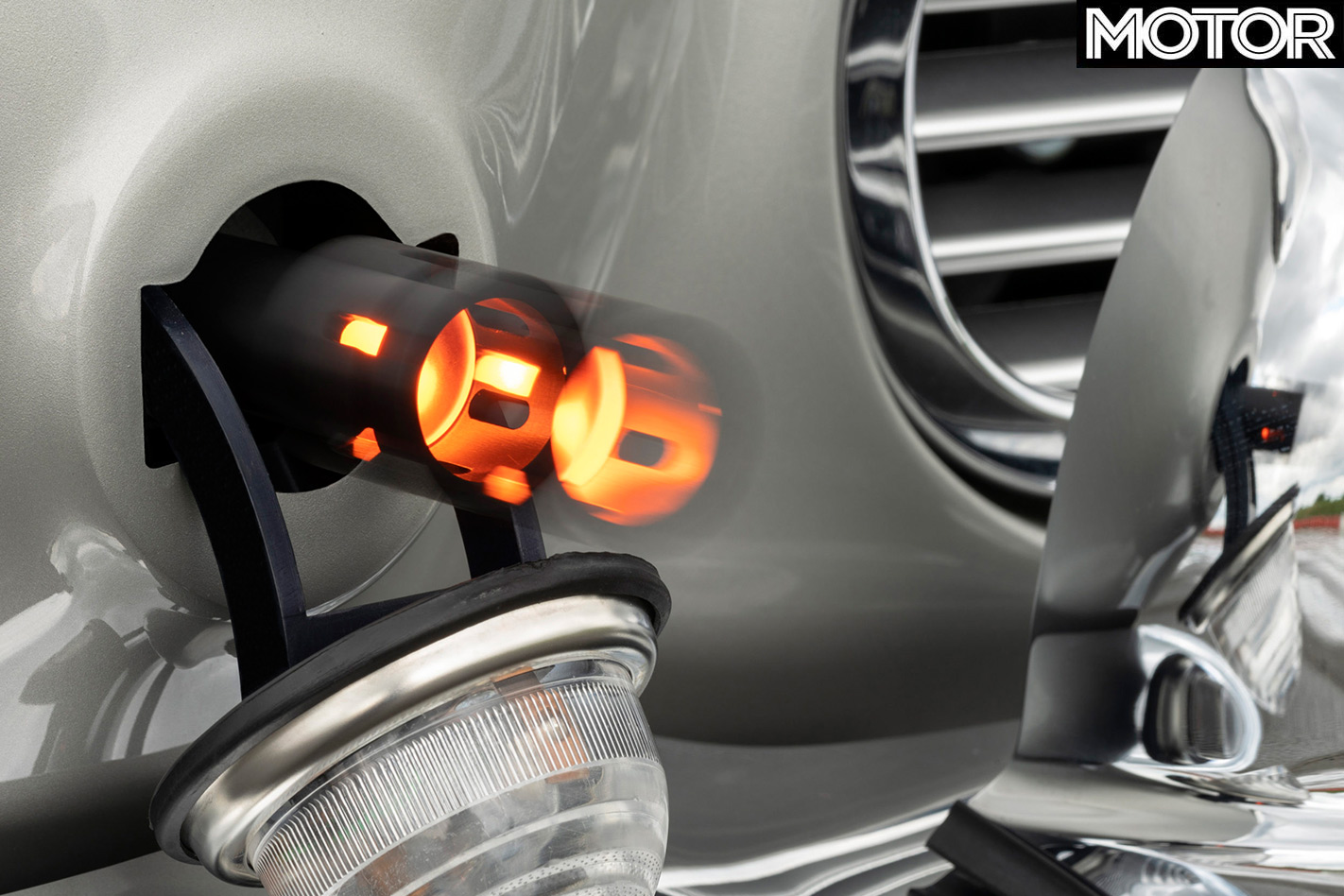
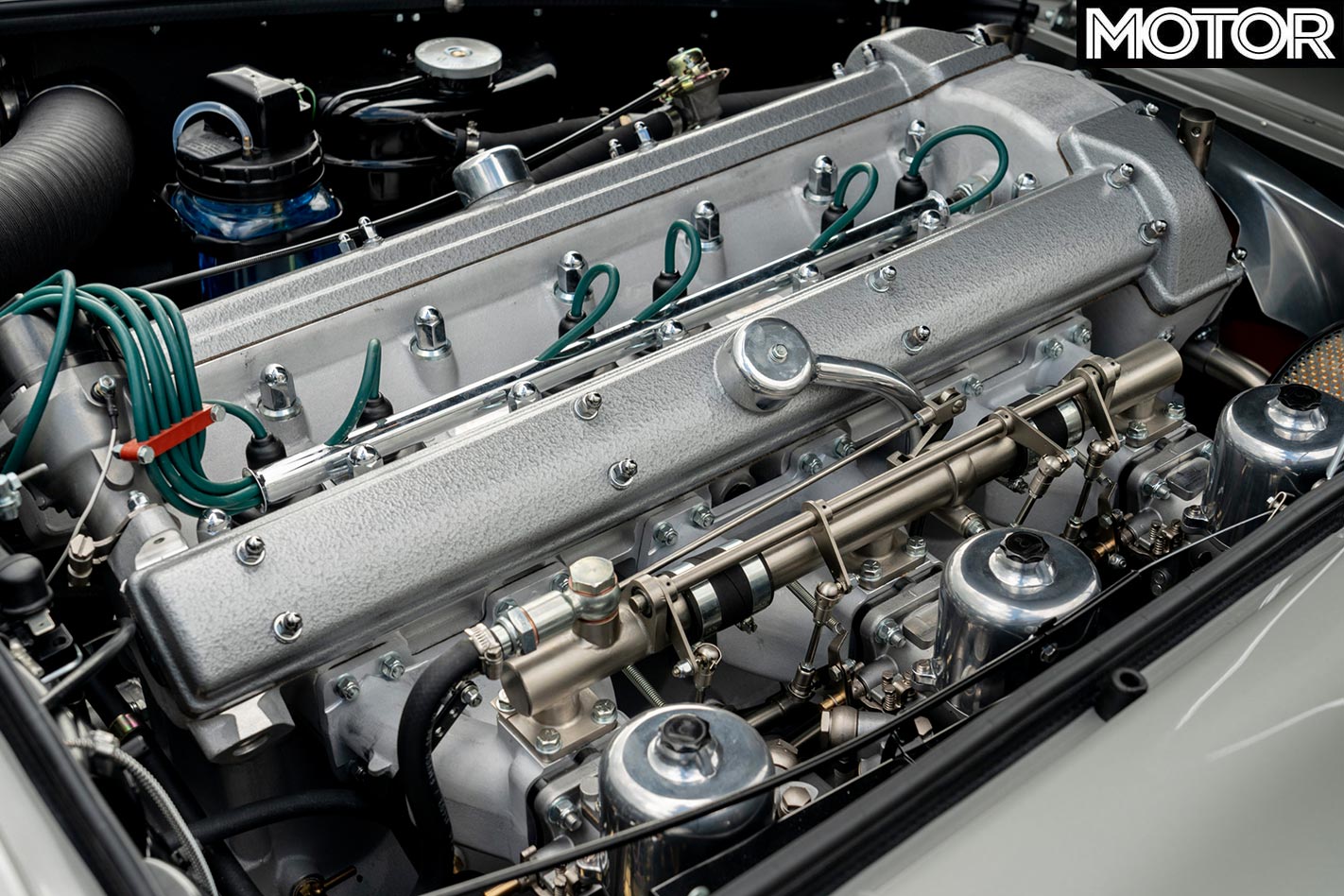
In terms of running gear and mechanicals, it’s pretty much as close to original as it can be while being safe enough to be considered a responsible car to build in 2020. The engine is still a 4.0-litre straight six, with roughly 215kW, but the brakes are discs with likely modern stopping power. The steering remains unassisted, with a traditional rack and pinion.
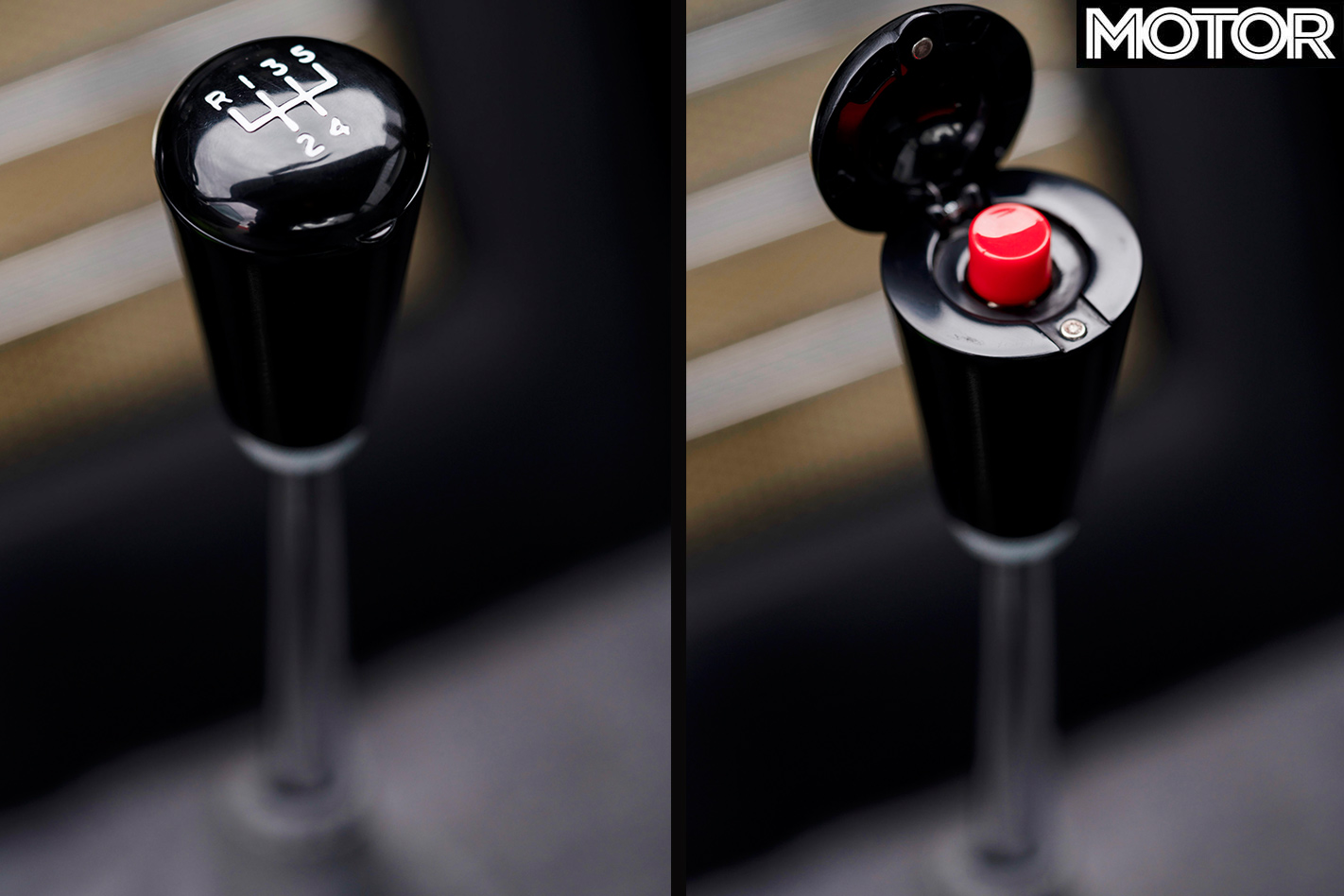
The gearbox is a ZF five-speed manual, linked to the (live) rear axle with an LSD. Suspension is a set of coil-overs with a front anti-roll bar and radius arms with Watt’s linkage at the rear.
Though no pricing for the cars has been revealed (likely a private agreement with each of the 25 owners), Aston’s chief creative officer Marek Reichman says the importance of the cars to the company and its people is infinitely valuable.
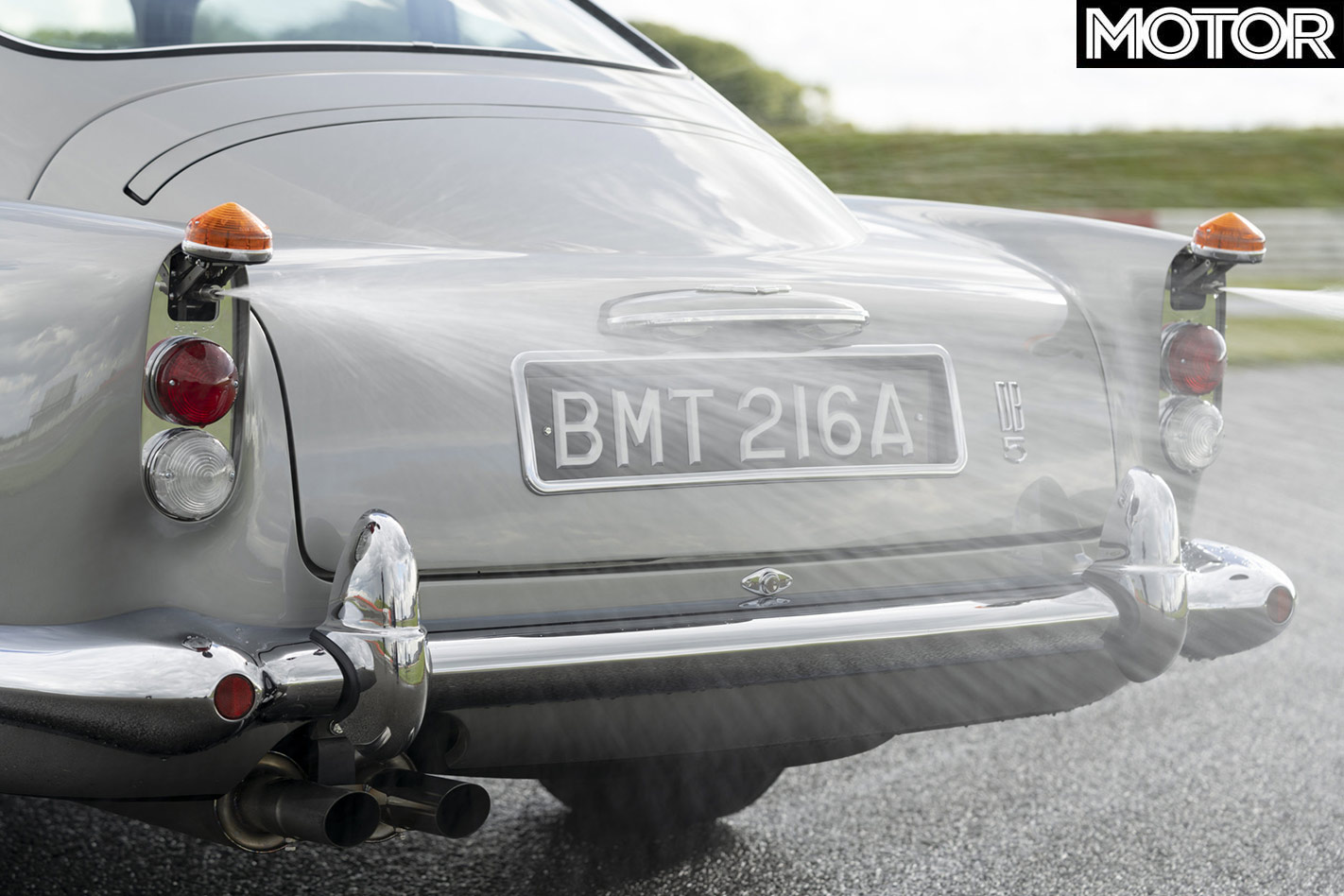
“The DB5 is, without question, the most famous car in the world by virtue of its 50-plus year association with James Bond. To see the first customer car finished and realise that this is the first new DB5 we have built in more than half a century, really is quite a moment.
“It is a genuine privilege, and significant responsibility, to have been involved in the shaping of this new DB5 and to be helping to lead the creation of new versions of this automotive icon.
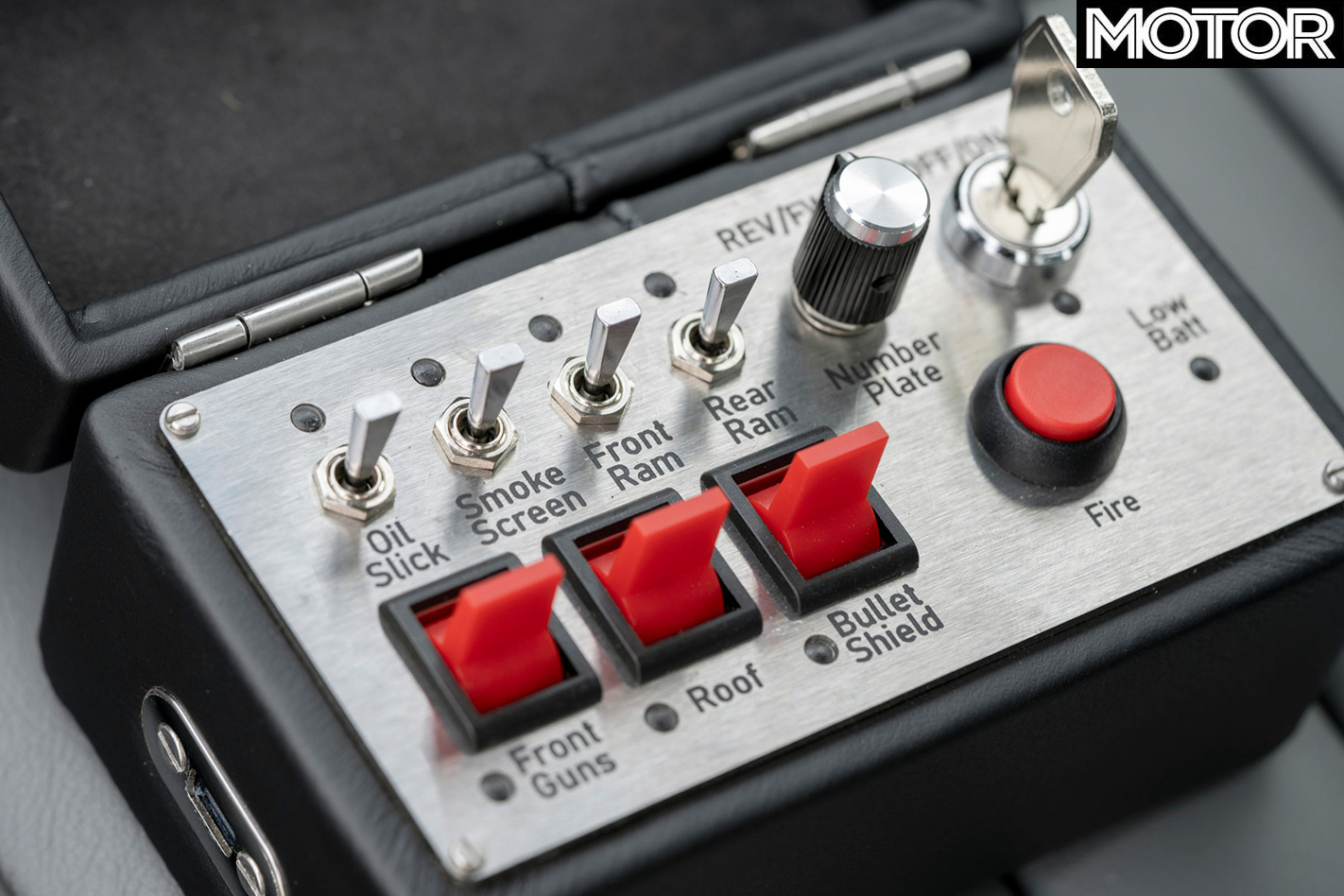
“I’m absolutely certain that the 25 lucky owners who are beginning to take delivery of these cars will be thrilled with them.”
Aston Martin says the cars will be continued to be built and delivered to customers though the second half of 2020.
Getting the chance to own a racing icon is not something that comes up very often, and it’s what most of us dreamed of as kids glued to TV sets watching our hero’s belt around in dream machines.
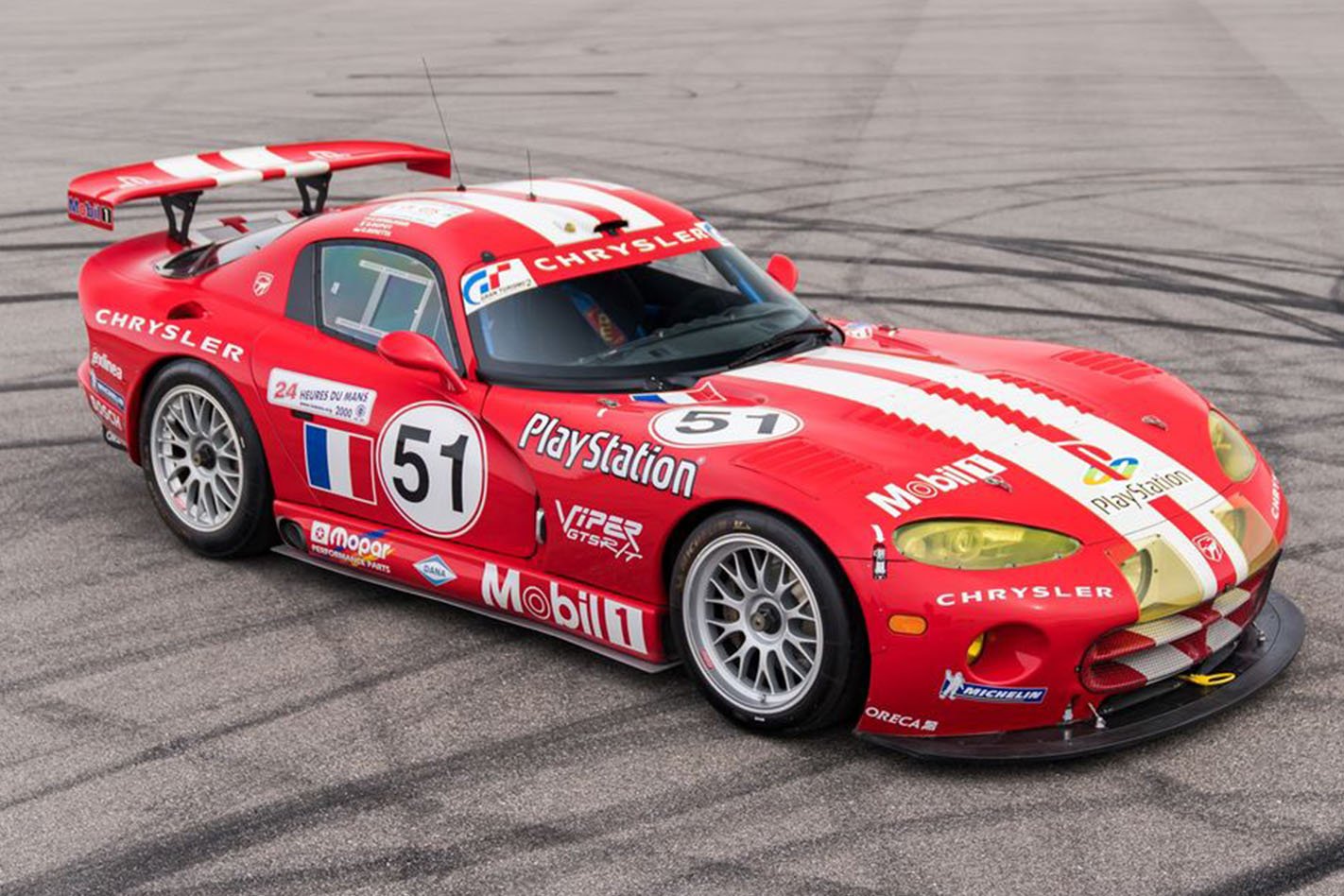
Now, one of the most recognisable and accomplished sports cars from the Chrysler stable is up for grabs, the white-striped Chrysler Viper GTS-R built by ORECA, and made famous by the Gran Turismo game series.
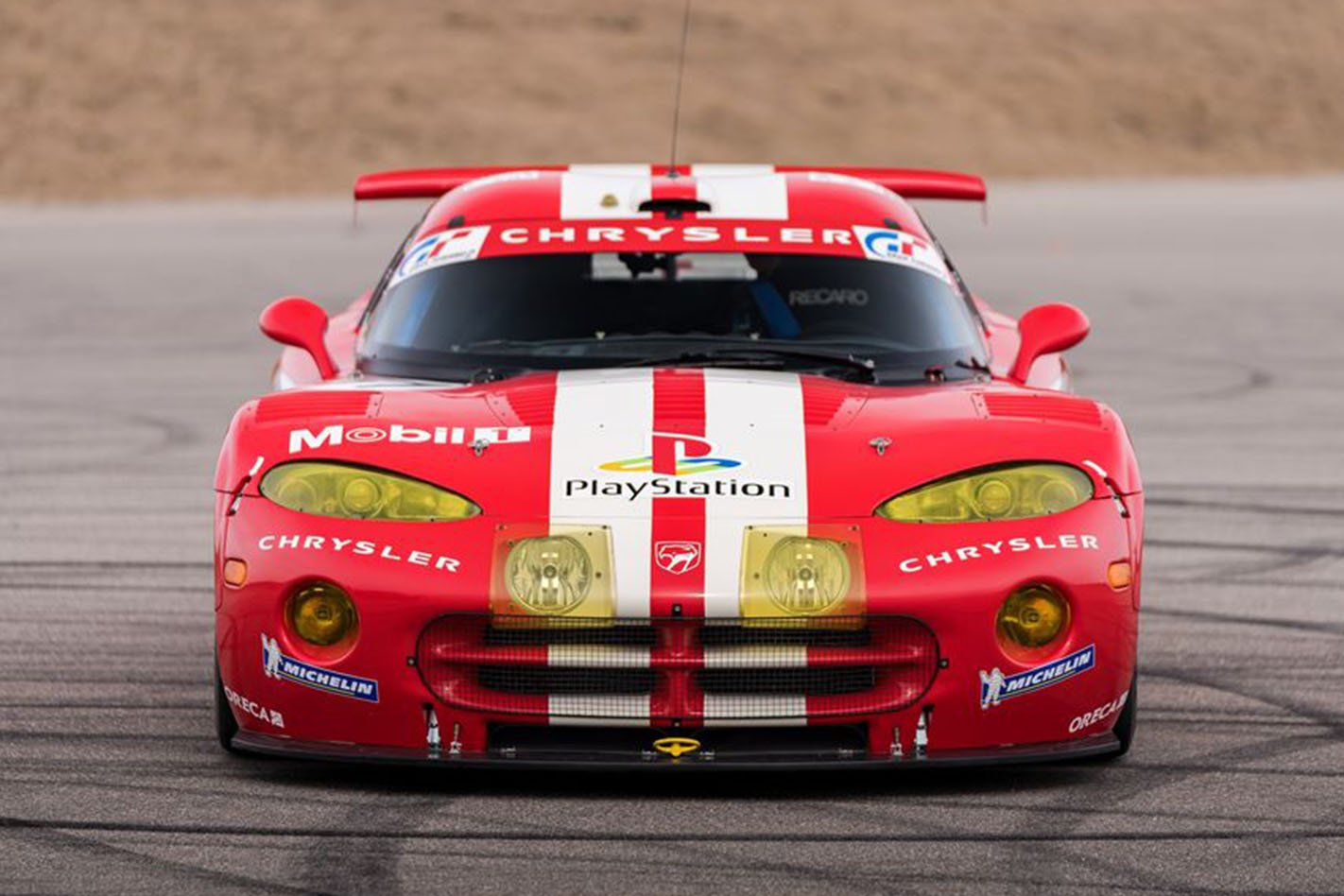
This particular car is one of the most successful Viper racing chassis in history. Built by factory-backed ORECA in France in early 1999, chassis number #C31 had a swag of success racing in the American Le Mans Series in 2000, taking GTS class wins in seven of the 10 races; which included the 12 Hours of Sebring.
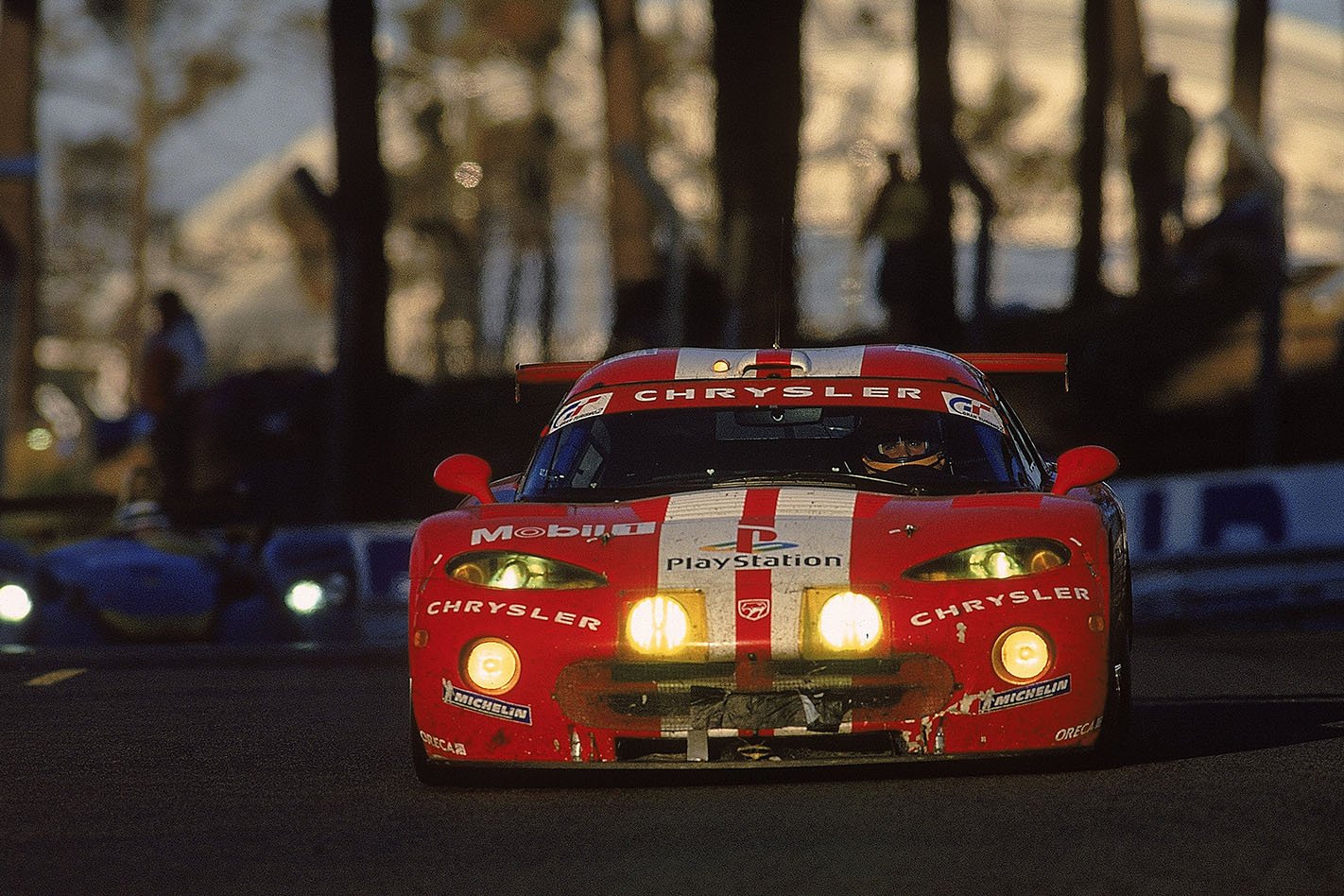
Its biggest achievement though was at the 24 Hours of Le Mans in the same year, taking out the LMGTS class in the hands of Dominique Dupuy, Olivier Beretta, and Karl Wendlinger, fending off a charge from another Viper and a freshly debuted Corvette C5-R.
While the on-track success is part of this cars legacy, one key thing to its memorable status is its poster boy roles in both the Le Mans racing game and cameos in the Gran Turismo franchise. If you wanted to make a car memorable during the early 2000s, that was one way to do it. Think of the BMW E46 M3 GTR from Need for Speed: Most Wanted as another example.
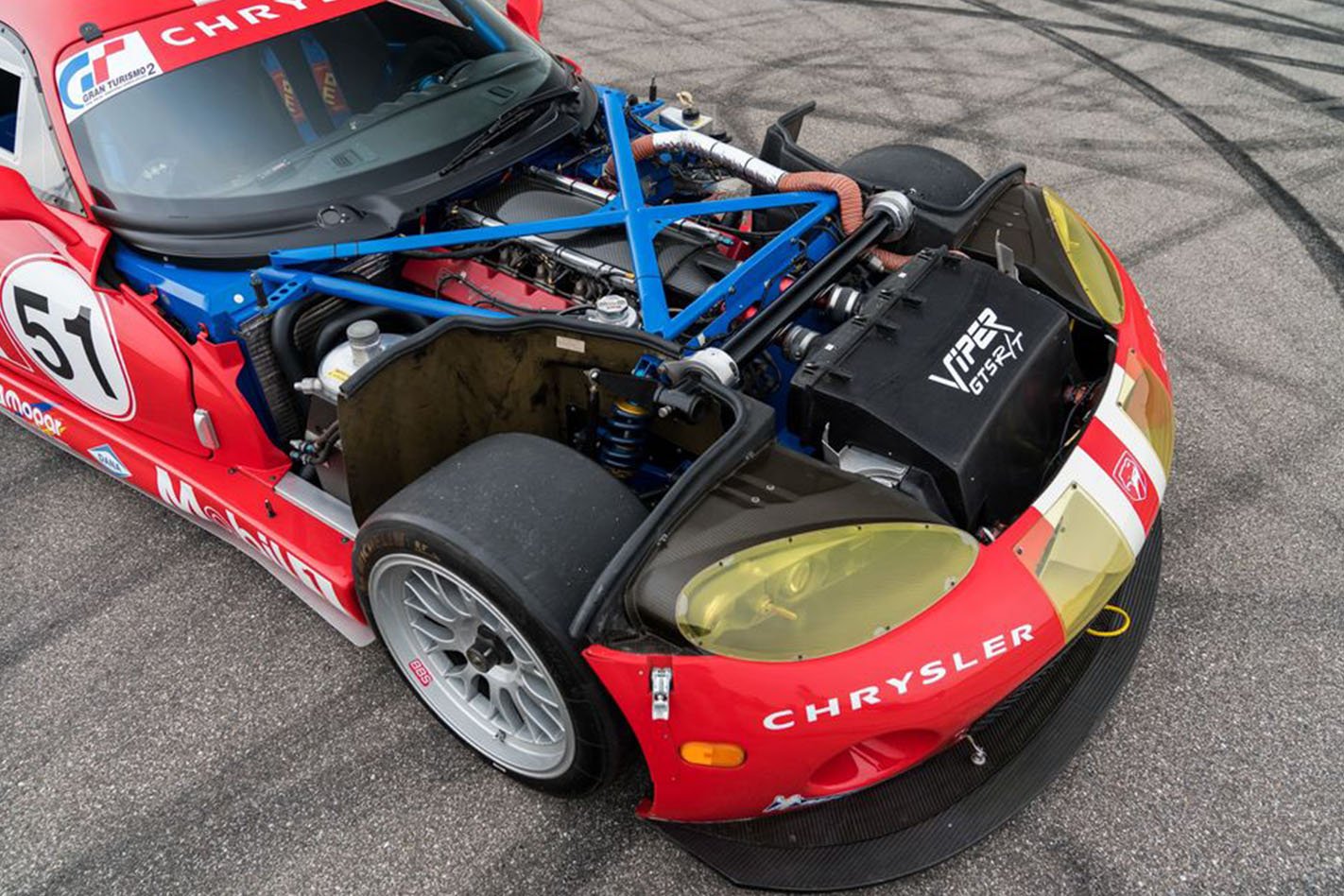
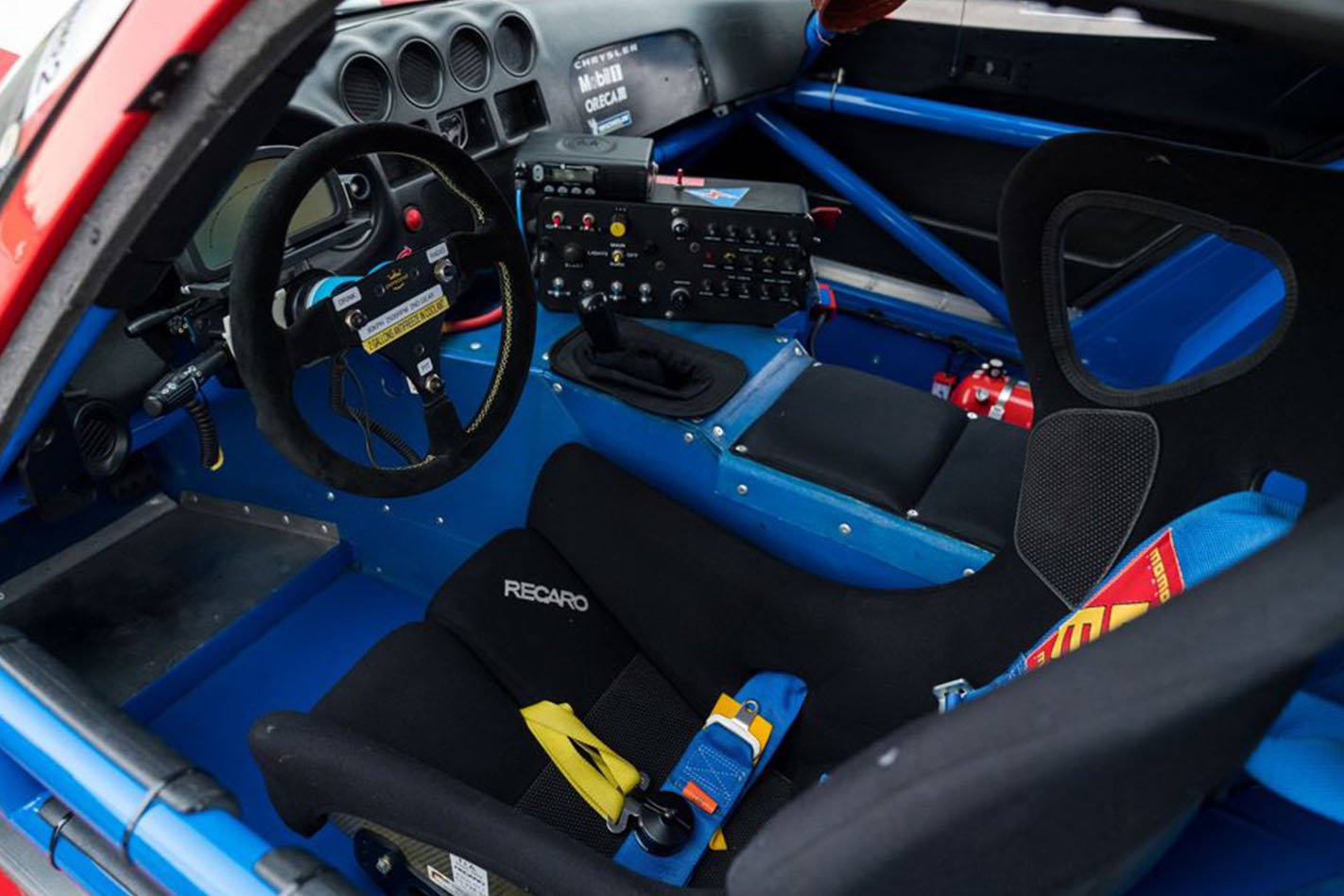
The biggest difference here is that this car actually exists, complete with its 8.0-litre, 447kW+ naturally aspirated V10 engine. After being sold to private hands at the end of 2000, chassis C31 raced on and off until 2005. It eventually underwent a full restoration to its original 2000 Le Mans winning spec, allegedly to the tune of US$500,000 (A$718,000).
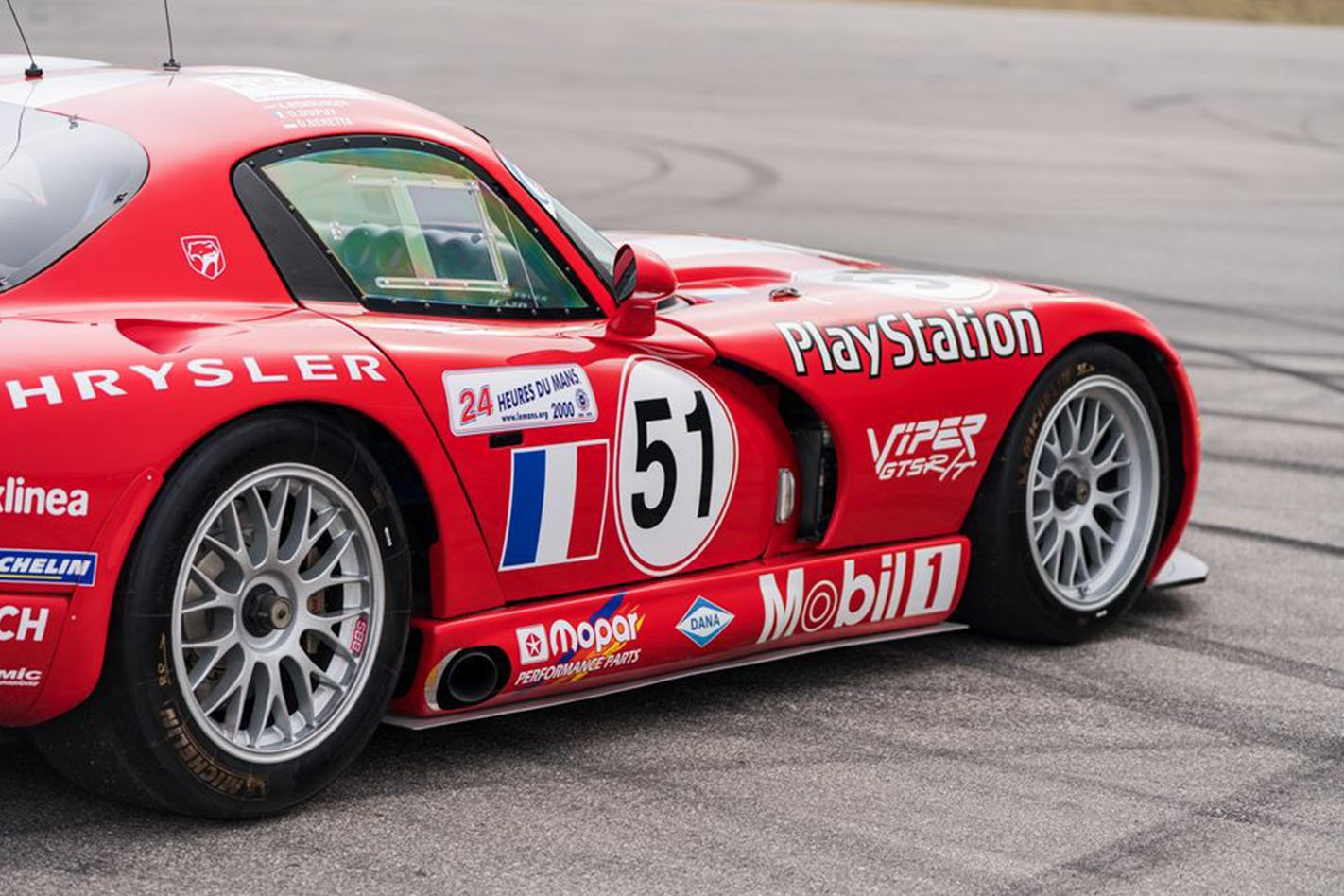
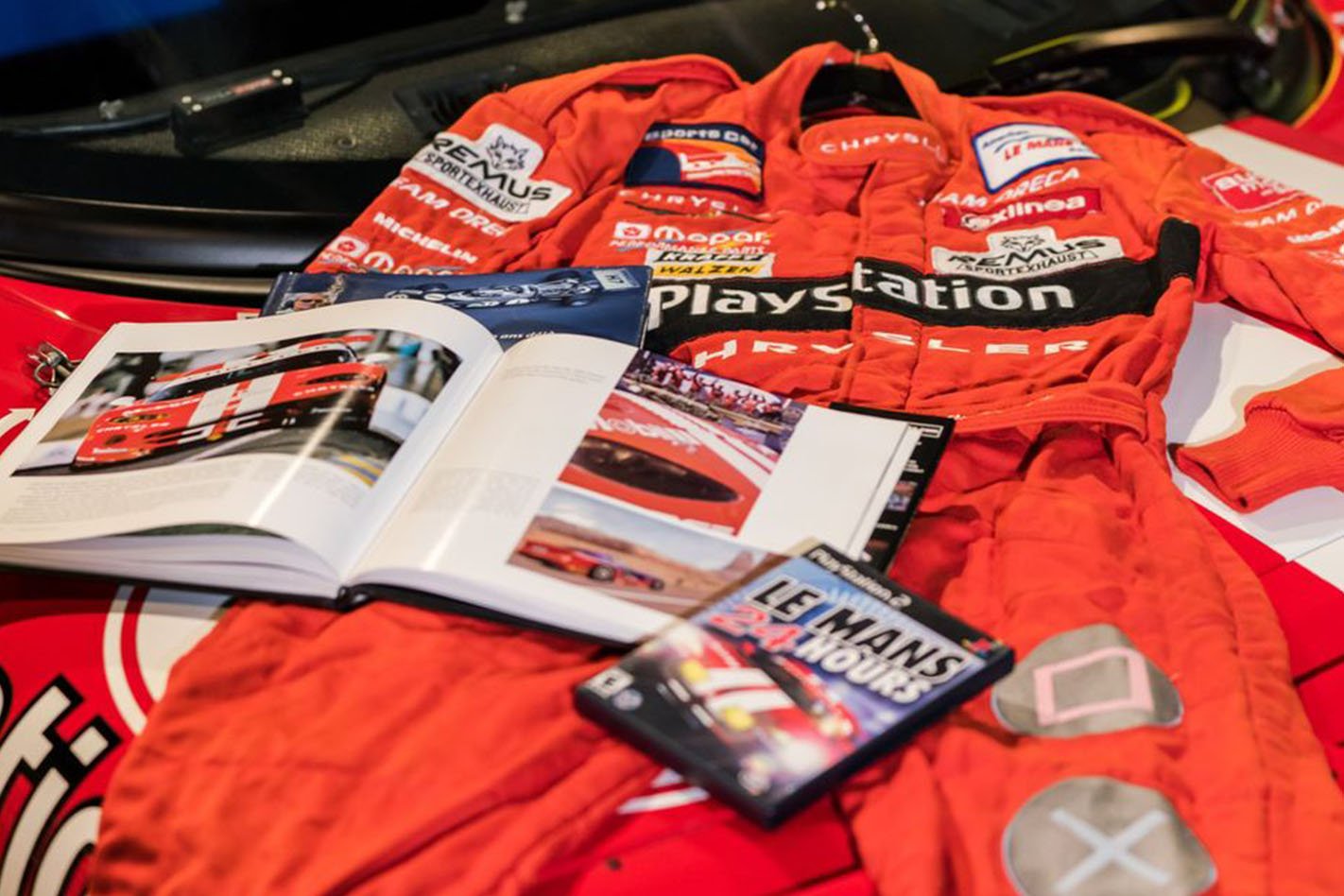
LBI Limited are the lucky ducks tasked with selling the car, speculating this is probably the only chance anyone will have to privately acquire a Le Mans winning Viper. It also comes with a few spares and Wendlinger’s Le Mans race suit for the man cave.
We’re crossing our fingers that such an iconic car isn’t wasted away in a museum for the rest of its life, and hope we see it at events like the Goodwood Festival of Speed in the future.
