
Just like the RS7, German performance brand ABT Sportsline has gone to work on Audi’s ultimate Avant to create what it calls the RS6-R. Only 125 of these will be made but, fortunately, the upgrade list is a pretty long one.
First and foremost, ABT has managed to turn the 4.0-litre twin-turbo V8 up to 544kW and 920Nm (compared to the regular car’s 441kW and 800Nm) due to new turbochargers and a more powerful intercooler.
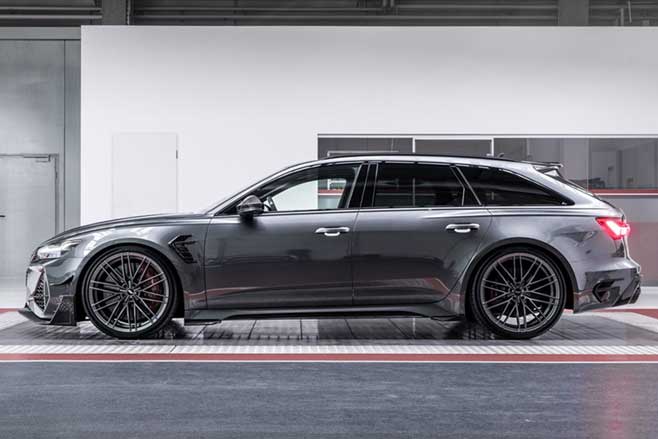
Performance specs haven’t been revealed but the 0-100km/h sprint will undoubtedly be significantly quicker than the regular RS6, and ABT offers to up the top speed to 320km/h. ABT’s sports exhaust system is also included, with carbon-tipped tailpipes.
Along with the significant power hike, carbon aero parts like a front splitter and grille modification, side skirts and wheelarch details are all thrown in. ABT’s own coilovers and anti-roll bars are buried under the skin, and the hyper-Avant sits on 22-inch ‘weight-optimised’ alloys.
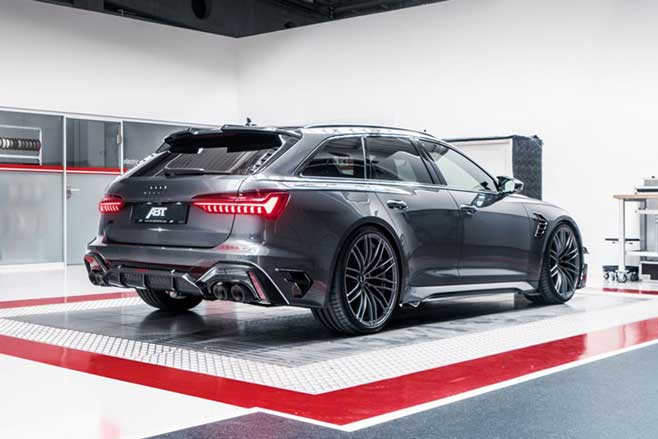
If you want to trick out the RS6-R even more, ABT offers carbonfibre detailing for the cockpit and another wheel design. Each car will get a ‘1 of 125’ marking on the door sills.
How much? Quite a lot. ABT is asking for just under €70,000 (AUD$124,000) in Europe for the upgrade, before the cost of actually buying an RS6 (complete with the Dynamic Plus pack, RS Suspension and carbon black pack) to be fettled with. That’s a whole lot of dosh.
This story first appeared on our sister site Car Magazine UK.
Forza Motorsport 7
The Forza Motorsport franchise has long been a cornerstone exclusive title for both the Xbox platform, and the Microsoft brand at large. It’s the best-selling simulation-grade racing game on the Xbox platform and, for the most part, is remarkably successful in remaining a challenge for new players to the genre and more experienced racers alike. It might not be the ultra-realistic in its car handling model, but it sure comes pretty close.
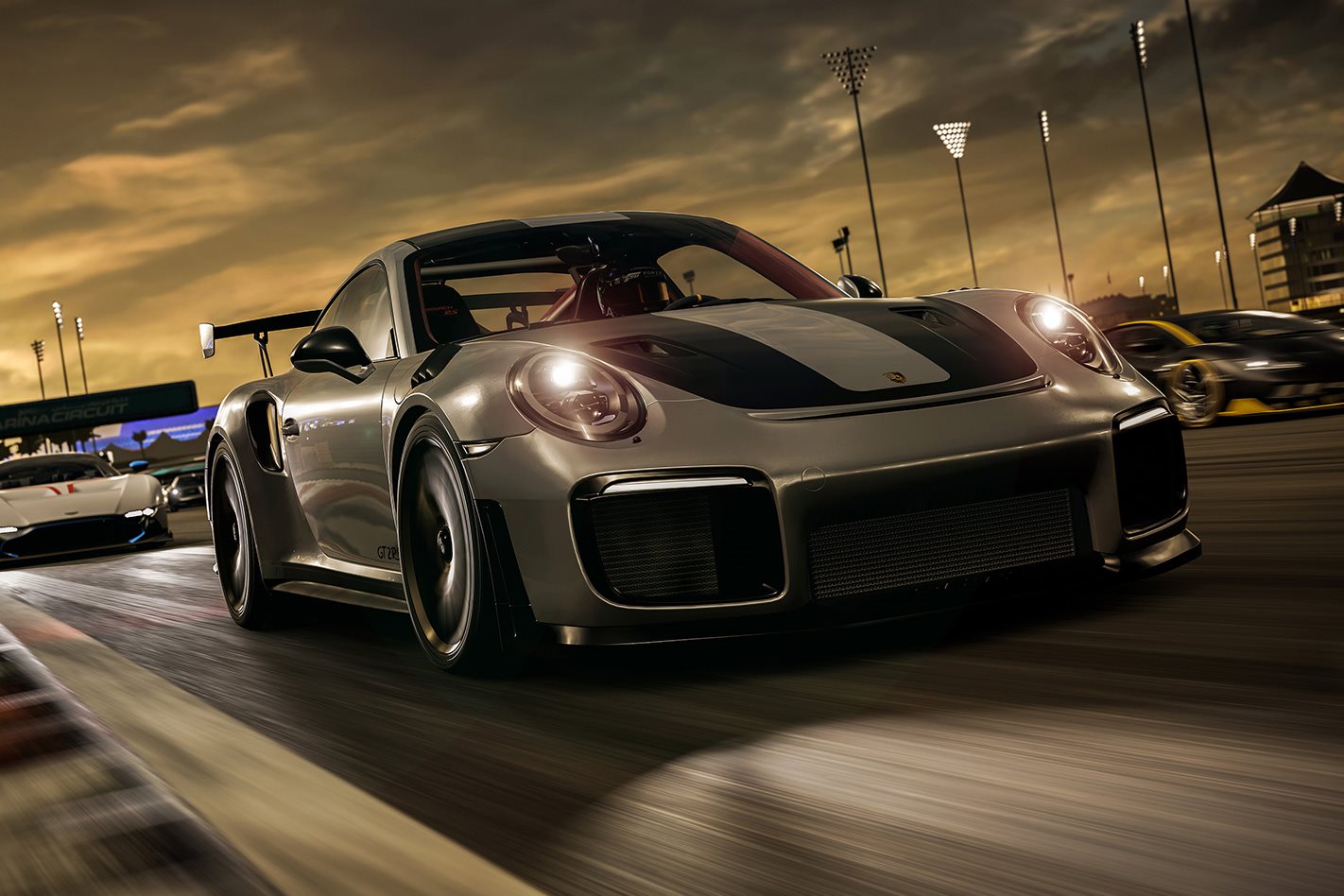
Topped off with a truly expansive list of cars and tracks, dynamic weather, and vastly improved graphics and lighting – this is truly an essential game to have for the Xbox-owning serious car-nut. As a Microsoft Exclusive the Xbox is the only console out there that’ll give you that Forza Motorsport 7 experience.
Forza Horizon 4
Forza Motorsport’s open-world offshoot, Horizon, steps away from real-world circuits and instead offers a more mainstream arcade-like street racing experience. But before you fret, this is open-world racing done right!
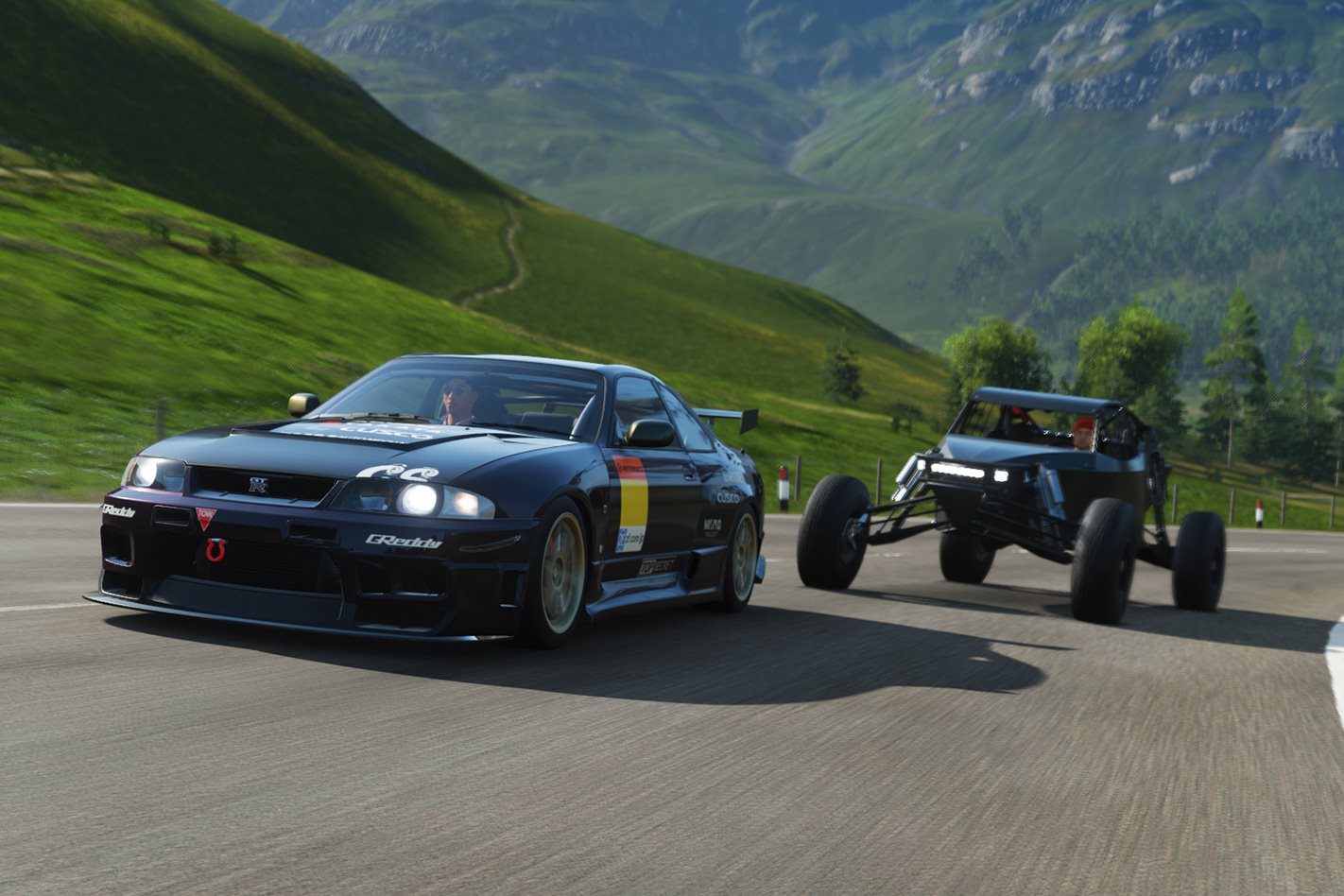
The fourth instalment is back-dropped by the expansive Welsh countryside and, while the car list isn’t quite as incredible as Forza Motorsport 7, there are still around 650 cars (with more being added constantly) to choose from. And your choice to race them either on and off the tarmac, give Forza Horizon 4 a truely broad appeal. It’s good arcadey fun, but avoids being cartoonishly unrealistic as well. Regular updates are constantly adding more cars and game modes too, so there’s heaps of longevity in this one.
Project Cars 2
If you’re an absolute track-rat wanting something more serious than Forza Motorsport, Project Cars 2 may be what you’re looking for. Launched in late 2017 as the dreaded ‘second album’ to the much-loved crowd-funded debut for the Project Cars franchise; PC2 was bugged by “weird handling quirks”, as described by dep-Ed of Motor Magazine, and our IRL oversteer expert, Scott Newman.
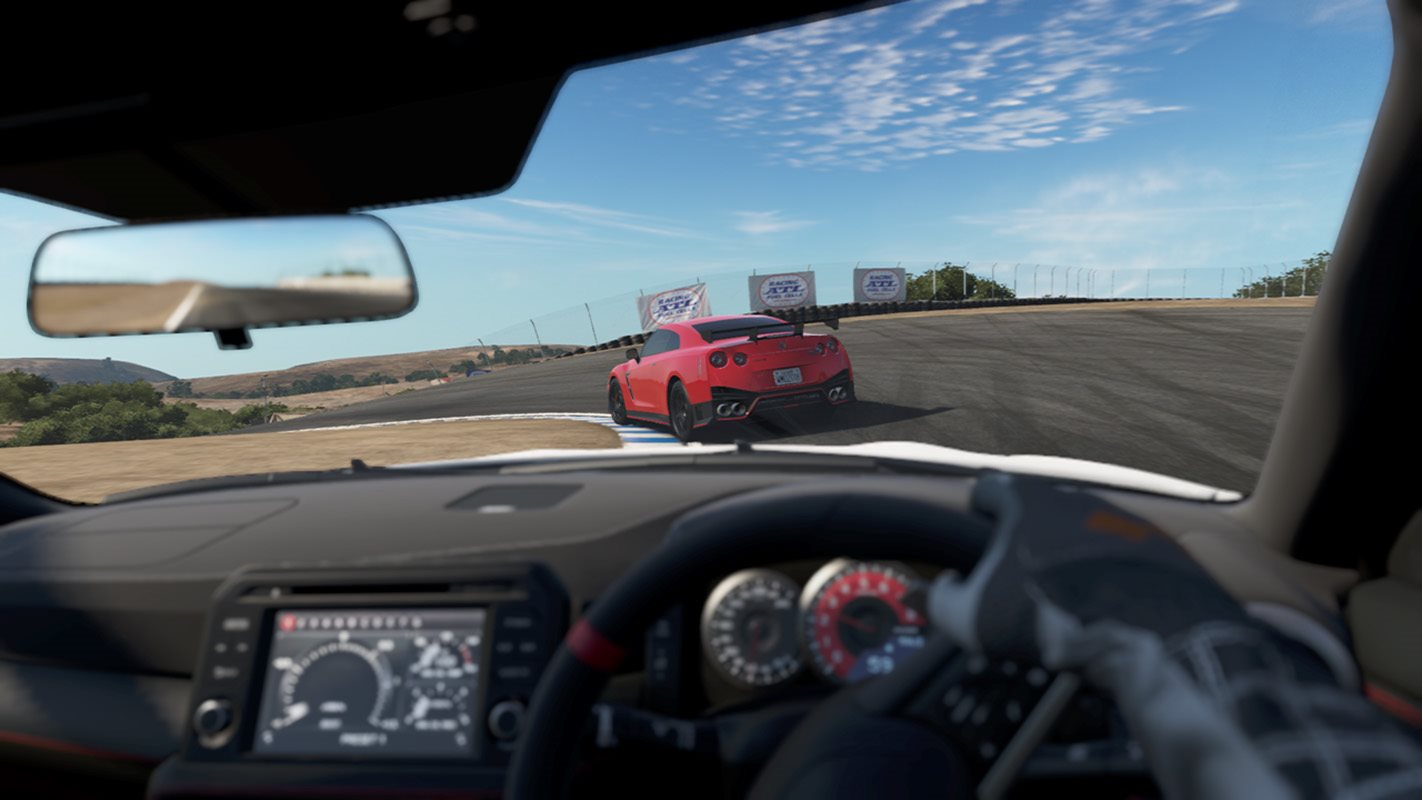
A 60GB update later and PC2 has become a top-shelf sim-racer that offers a level of depth to satisfy the most serious of motorsport nerds; as well as a vast array of tracks and racing codes from historic F1 to modern day LMP Prototypes.
Dirt 4
Codemaster’s DiRT 4 is the modern archetype of beloved bygone games like Colin McRae’s rally series or the old WRC games. It brings an improved array of track sections and stages – even utilising AI to auto-generate a virtually endless selection of configurations – as well as contemporary lighting and graphics that hold their own amongst the current generation of racing games.
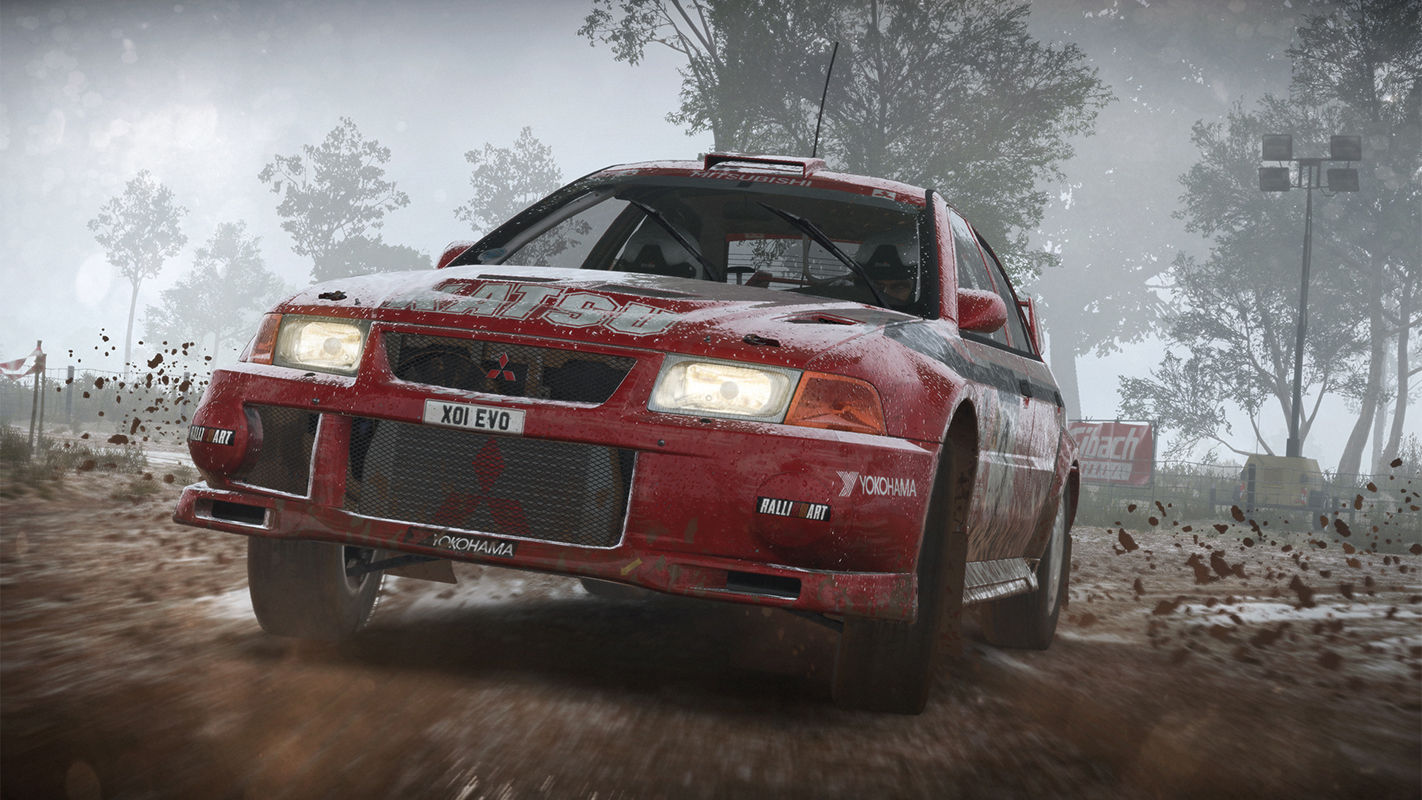
Gameplay wise, it’s still angled at mainstream approachability with the option of two physics modes: ‘simulation’ and ‘gamer’, but offers an expansive career mode and a car list that is suitably varied between beloved historic racers, and more modern machinery.
Dirt Rally 2.0
If you’re a dyed-in-the-wool rally-nut; you may find the mainstream Dirt series a little watered down for you. Dirt Rally 2.0 offers a far more white-knuckled and unforgiving experience aimed at more proficient (or ambitious) rally simulator players. There’s no in-game training school like Dirt 4; you’re thrown straight in the deep end here. And you’ll likely be crashing big when you first start, but with a steeper learning curve comes greater satisfaction.
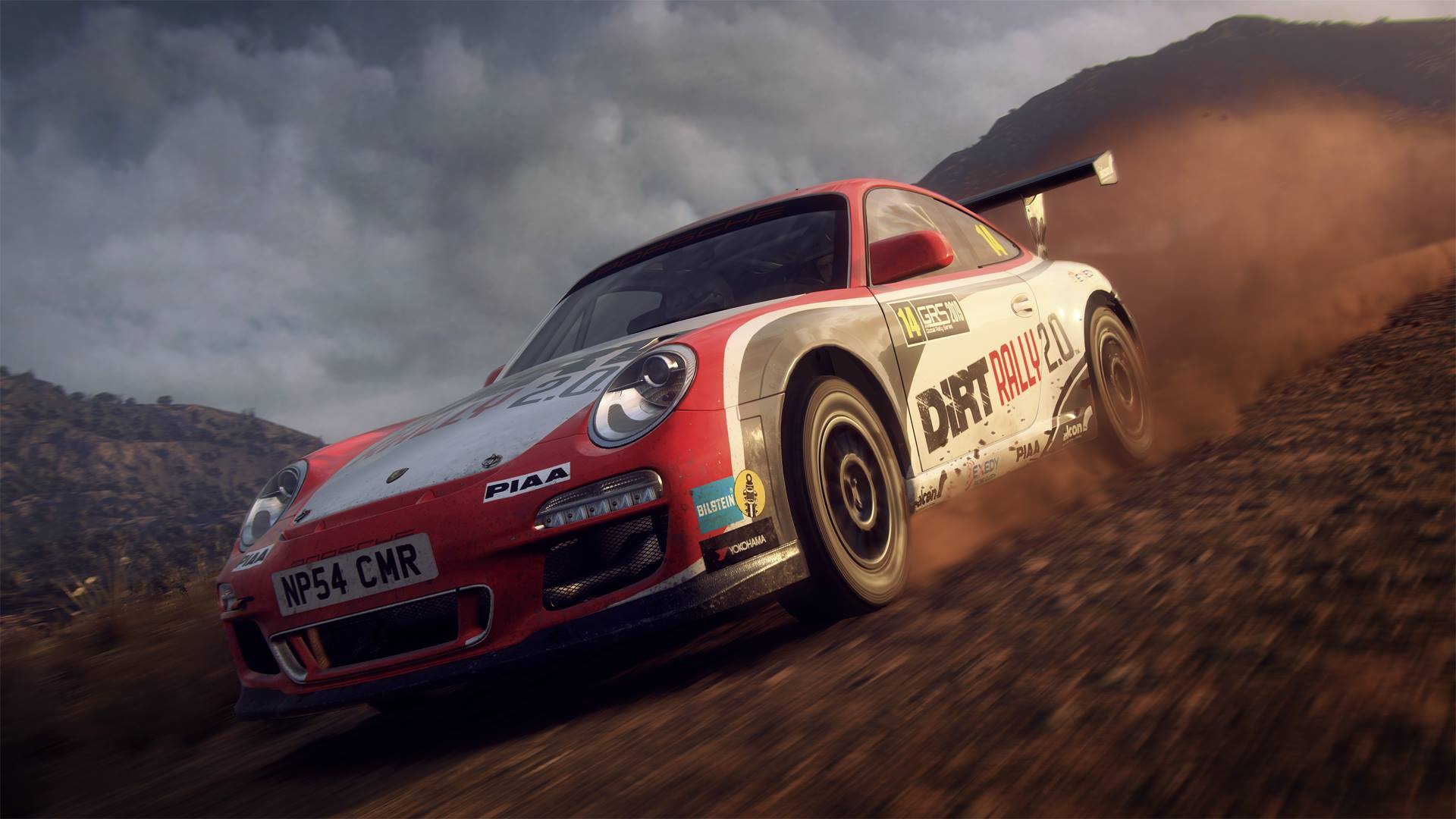
The career mode isn’t as extensive or fleshed out, but the driving mechanics are significantly more detailed and realistic, nuanced down to how well you weight up nose the car on corner entry. If you’re serious about going fast off road, this is your game.
F1 2019
F1 2019 arrived ten years after Codemasters formally acquired the F1 licence and launched its first foray into Formula 1 with F1 2009. There have been highs and lows, but the current installment of F1 2019 is undoubtedly its most polished and best yet.
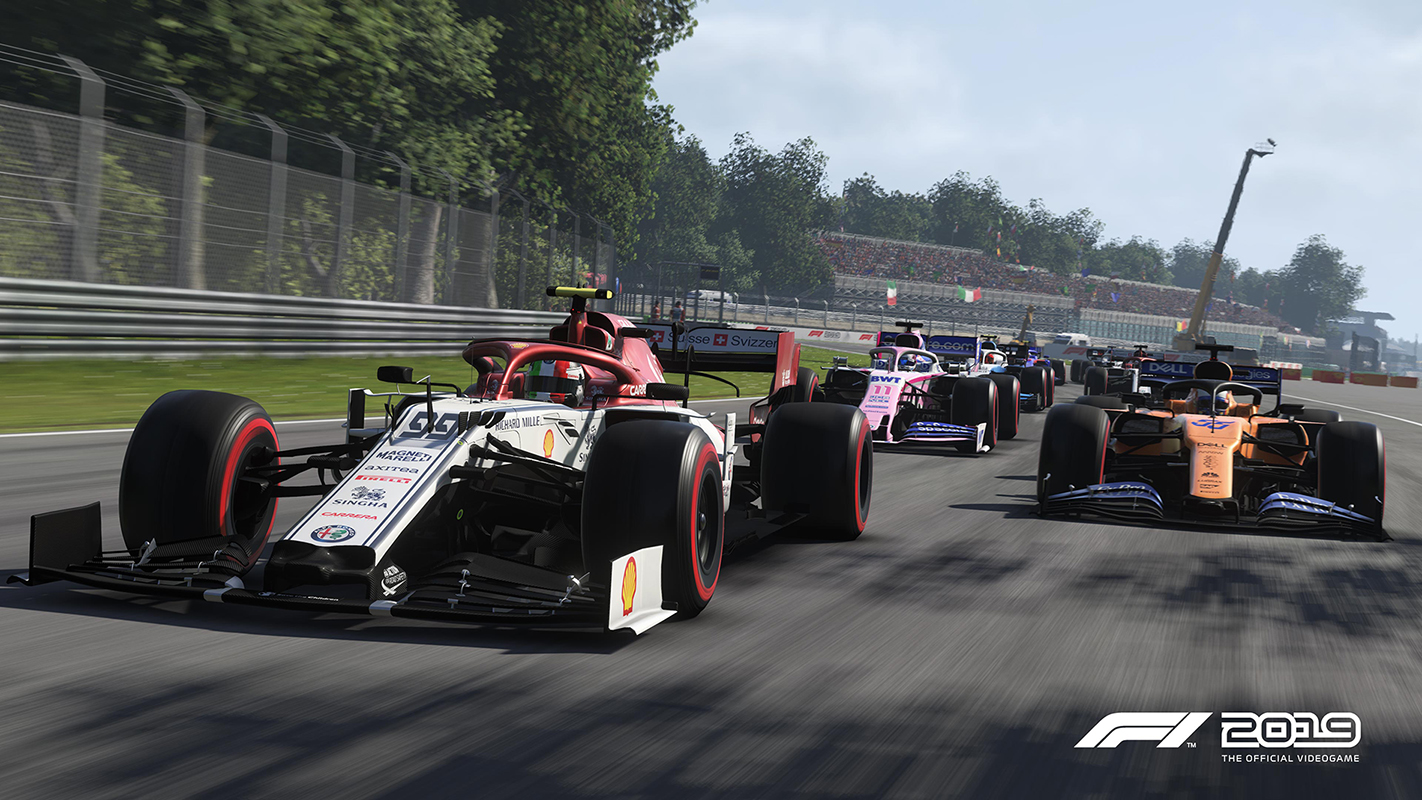
The big news was the inclusion of F2 for this game, which can either be played in isolation, or as a tie in to the mammoth ten-season career mode. It’s the most accurate representation of the F1 circus, and the racing is equally as intense. It’s also currently the simulator-of-choice for the official F1 Virtual Grand Prix which, given the current state of the global Coronavirus pandemic, has essentially replaced the actual F1 Grand Prix season.
Need for Speed: Heat
The latest rendition of your favourite outlaw racing game is like a cross between the old NFS Underground series (still not as good though), and Most Wanted’s thrilling police chase system.
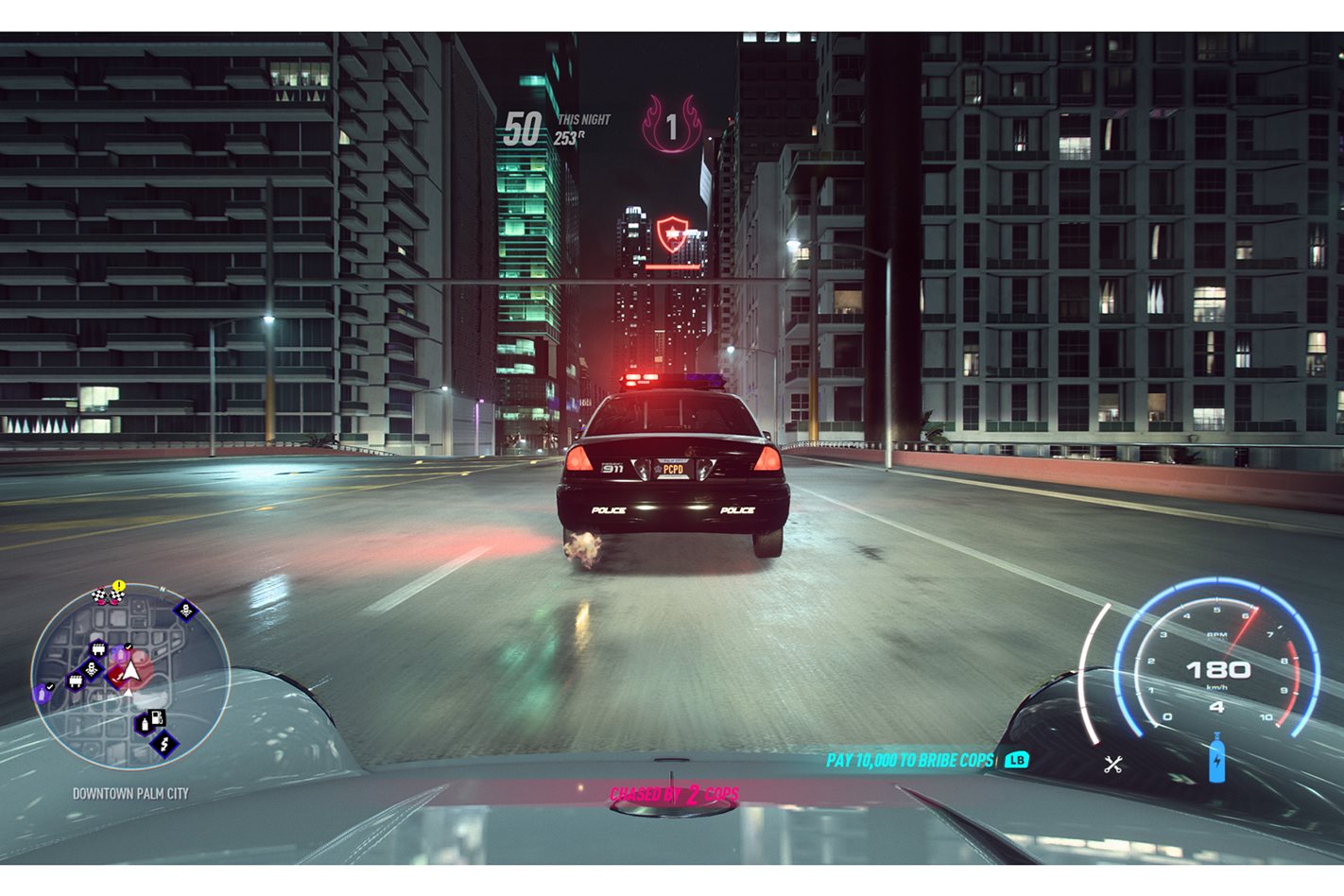
It’s definitely the most cohesive game since the franchise’s controversial 2015 reboot, and the car customisation is unrivalled for those who enjoy creating unique virtual vehicles. It’s not without its quirks, and the thoroughly arcade-like physics may not be for everyone; but until another game lets you put Voltex aero and Car Shop Glow taillights on an FD-series RX-7, this is still the game to have for you late-model ‘tuners’ out there.
Assetto Corsa
Assetto Corsa was released on Xbox back in 2016 after numerous delays. It’s more online-competition-focused stablemate, Assetto Corsa Competizione is due to hit consoles in June of this year, so is the celebrated sim still worth looking at?
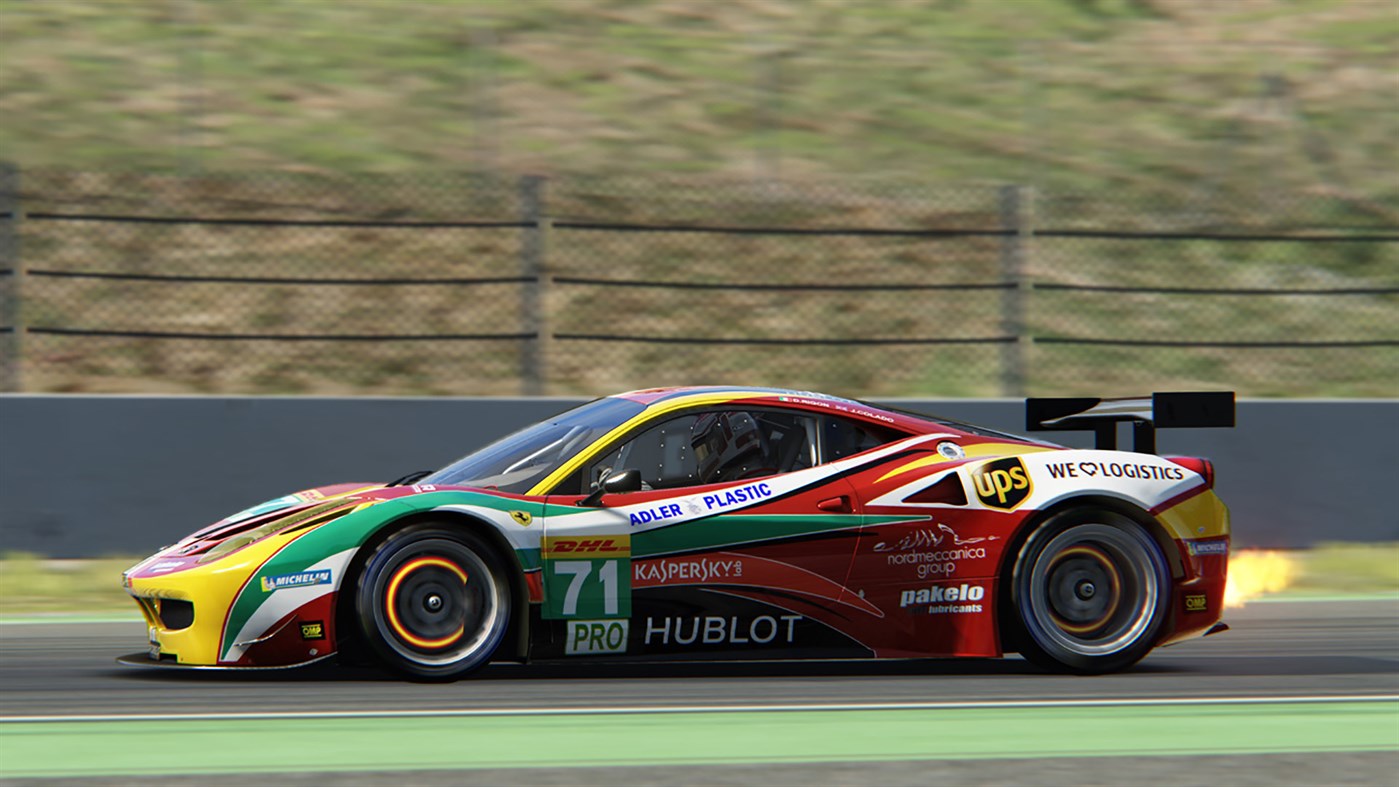
For serious sim-seekers; yes! Assetto Corsa continues to offer one of the most realistic and true-to-life driving experiences available on the platform, and if you’re a fan of PC2, this is certainly one to add to the collection. The opponent AI have their moments, and the track selection isn’t huge – but the game is something to be commended for a relatively small indie game house without the backing of triple-A developers. This is a game that knows (and listens) to their players; and whose magic is felt most in the pure heat of door-to-door racing.
Want more gaming news? Head here
There’s a lot of consternation and gnashing of teeth in certain sectors of the car community regarding the government’s heavy-handed treatment of recreational drives at the moment.
As a performance car publication dedicated to the joy of driving, you might expect MOTOR to be sharpening its pitchfork and charging to the front of the picket line. No. We’re all at home.
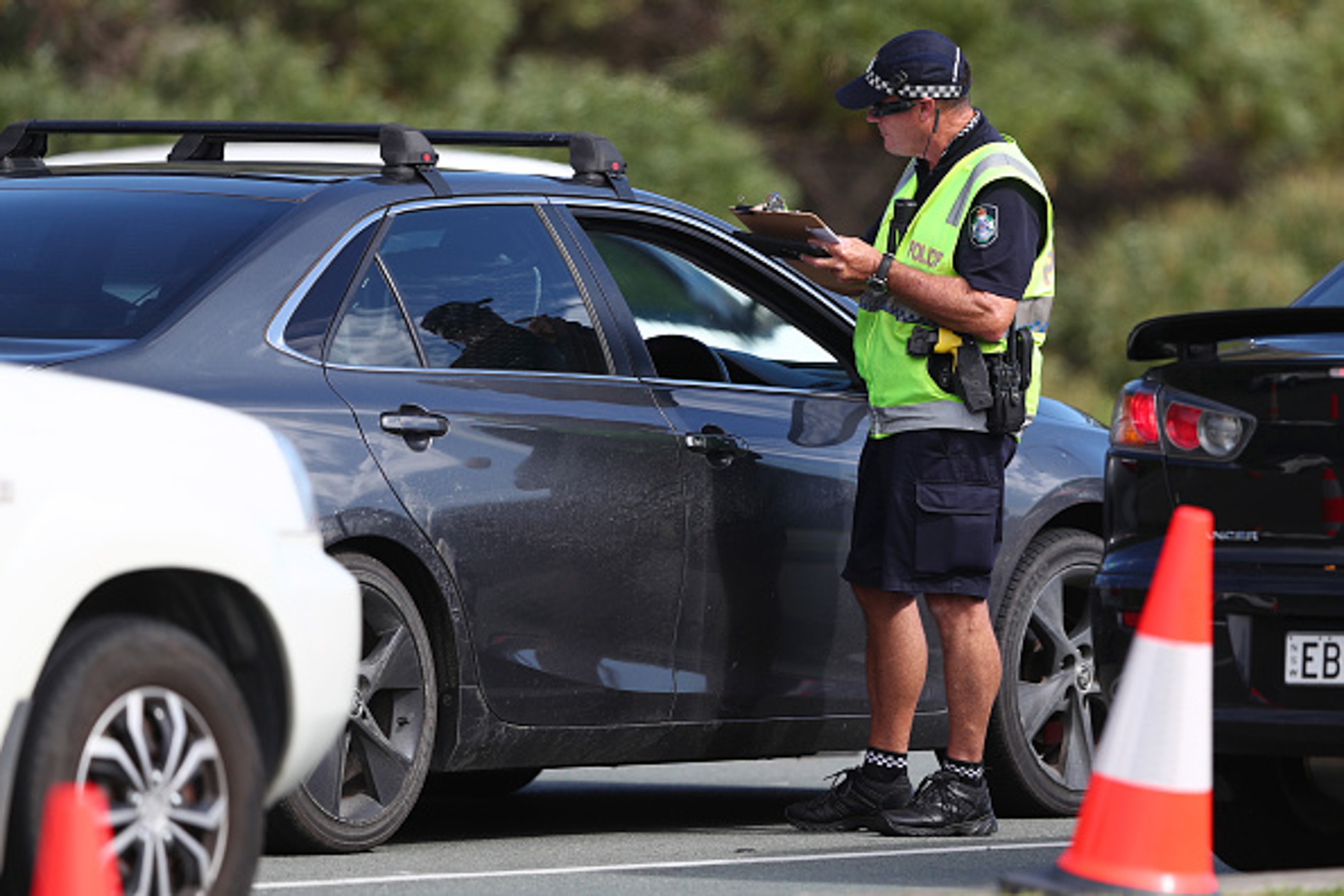
Granted, the $1652 fine given to a Victorian L-plater is overzealous (surely being stopped by police and ordered home would’ve been a sufficient deterrent?) but its vital travel restrictions are taken seriously and that includes recreational driving.
Hopefully, we’re doing our part. Last week, MOTOR ceased all road-testing; not a decision taken lightly given that’s essentially what we do for a living, but we have a reasonable amount of content in the can and swapping in and out of cars weekly felt to be putting both ourselves and the people who prepare these cars at unnecessary risk.
“Fine,” you might say, “but I’m not swapping in and out of cars, I’m in my own car.” On the face of it being alone in your car seems a low-risk scenario, but it’s all too easy for a controlled situation to quickly spiral out of control.
For example, one of the contributing factors to our decision was a shoot conducted last week, during which a mechanical problem necessitated the use of a tow truck. All of a sudden our carefully planned social distancing went out the window.
What happens if on your drive you get a flat tyre (if you have a modern car chances are you’ll need a tow) or a breakdown? Worse still, if you have an accident or, more likely, are crashed into by someone who isn’t concentrating, tying up badly needed emergency and medical response teams? Not to mention the petri dish that is the petrol station.
I get it, you want to go for a drive. So do I.
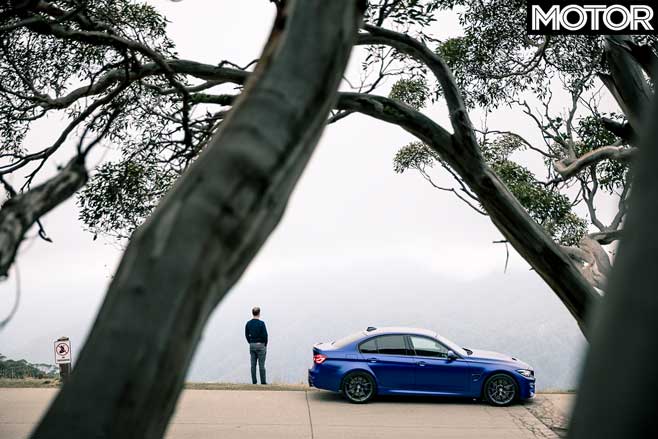
Everyone here at MOTOR misses the excitement of trying the latest machinery and passing on what it’s like to you the readers, not to mention the freedom of being able to go wherever we want whenever we want. But it’s not about what we want.
Every time someone flouts the current restrictions they risk extending them; annoying for those of us that can’t indulge in our favourite pastime, devastating for those who currently lack income due to being stood down or the brave and stressed healthcare workers that are currently occupying the front line against this insidious virus.
The more disciplined and responsible we are, the sooner life can return to some semblance of normalcy. Until then, get planning your next adventure and join our sister outlet Wheels’ #driveafteriso campaign but, more importantly, stay home.
UPDATED Victorian deputy police commissioner Shane Patton has announced that the fine issued to Ms Reynolds would be withdrawn but insisted that the ticket was legally issued.
He also suggested that while the issue may not have been clearly understood by the public, there is no excuse going forward for others.
“It has highlighted a significant issue in terms of something that needed clarity,” Patton said on Melbourne radio station 3AW on Tuesday.
“Undertaking a driving lesson by itself, to simply go off and drive out somewhere … with your parent, you’re not able to do it. t doesn’t sit neatly with any of those permitted exemptions.”
Reports emerged on Monday from Victoria that a learner driver has been fined $1652 for COVID-19 non-compliance.
The learner driver teen, named in the media as Ms Hunter Reynolds, was stopped in the Melbourne suburb of Frankston with her mother in the passenger seat and issued with the infringement for breaking level-three COVID-19 travel restrictions.
Ms Reynolds, who said she was practising in the rain, told media that she believed she had been complying with the restrictions, which deems all unnecessary travel as illegal.
There are arguments around whether the pair had broken the rules of essential travel via travelling an excessive distance (it’s suggested that the fine was issued five suburbs away from Ms Reynold’s home address), and whether learning to drive comes under the provision of ‘attending work or education (where you can’t do those things remotely).’
It’s since emerged that senior Victorian police will review the fine.
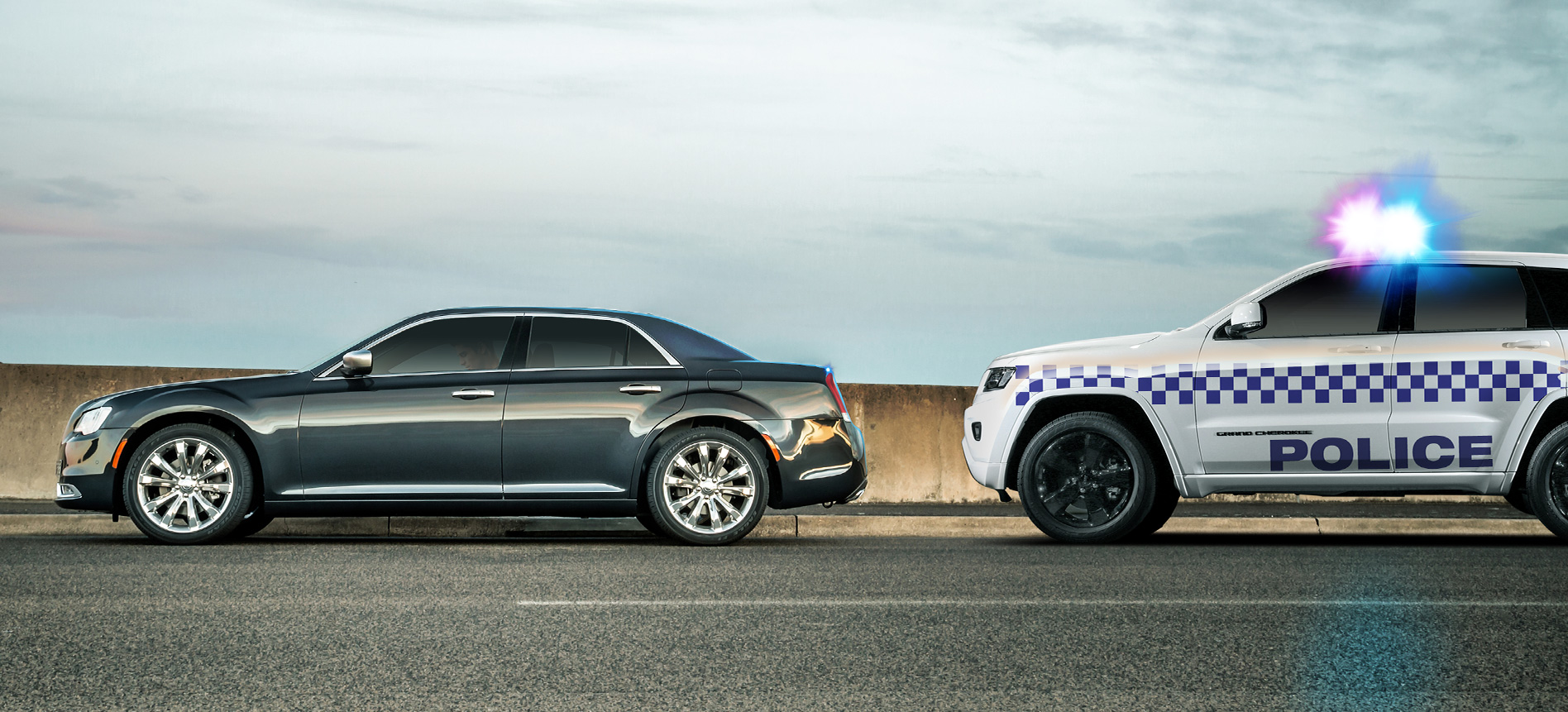
Travel restrictions vary from state to state in response to the COVID-19 crisis, but the central tenant is a requirement for people to stay in place and not travel.
It’s these variances that are presenting confusion, however.
For example, the NSW Police Force has a different take on the notion of learner-driving.
“Under the Public Health Orders, a person cannot leave their place of residence without a reasonable excuse,” reads a post in reply to a question about learner driving on the NSW Police Force’s Facebook page.
“A reasonable excuse includes travelling for the purposes of work where you cannot work from home, so driving instructors can leave their house for their work – to teach people how to drive.”

The post went on to suggest that it would be a “reasonable excuse” for a person to leave the house to receive driving lessons from an instructor or family member, “given that this is a learning activity that cannot be done from home and is akin to the listed reasonable excuse of travelling to attend an educational institution where you cannot learn from home.”
“Learner drivers could also continue to drive with a supervising family member for any of the listed reasonable excuses for leaving the house – for example, driving to the supermarket,” concluded the statement.
While learning to drive may still be permitted in the state, Service NSW – the office charged with issuing licenses in NSW – has banned all physical driver testing for two months, which prevent learner drivers from graduating from their Ls. Online-based testing is not affected.
“Driver Testing across NSW has been postponed for a minimum period of two months. The change comes into effect today in response to the latest health advice and risks associated with COVID-19. It applies to all practical driver assessments conducted by Service NSW,” read a statement from Service NSW.
Victorian police said that they issued 108 fines on Sunday after spot-checking more than 900 homes, businesses and non-essential services.
The commotion, bustle and buzz of a massive crowd is part of the magic of a motorshow and you won’t find many larger and more vibrant than the hoard that attends the IAA (Internationale Automobil-Ausstellung) Frankfurt show every other year.
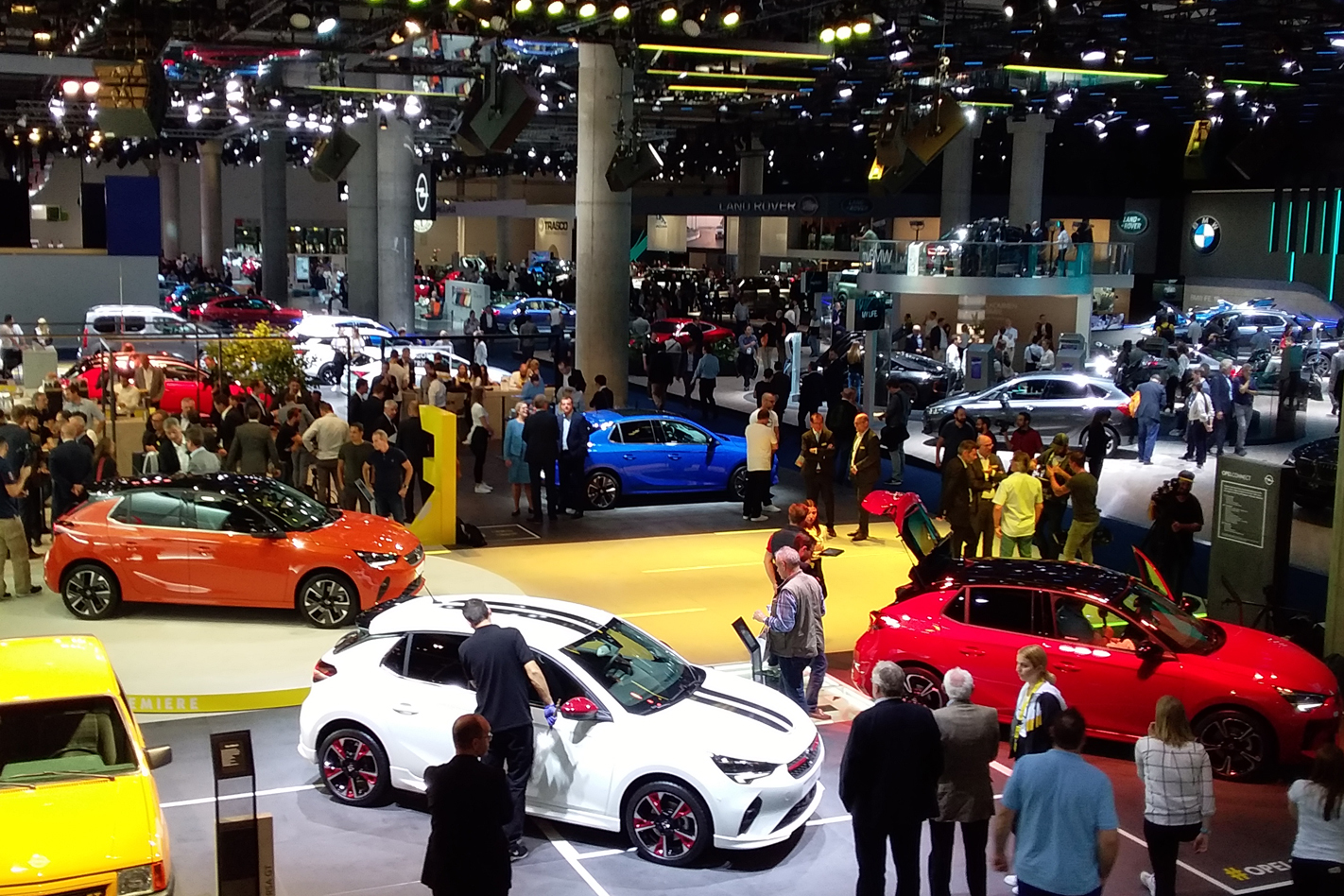
But when you have a job to do – covering the numerous reveals, launches and presentations that are scheduled back-to-back over two days, fighting crowds can be an unwelcome impediment.
That’s why all the major events open their doors a day or two early to allow the world’s media in and immerse itself in the incredible automotive wonderland. Last year, we were lucky enough to have several journalists on the ground in Frankfurt and that meant we could give you a little glimpse of what it’s like on an exclusive Frankfurt media day.
Actually, the festivities had already swung into motion the evening before when Volkswagen Group had laid on a party for a few lucky invitees including Glenn and I.
This was the night a few hundred people got to see the first official unveiling of the new ID3 electric hatchback.
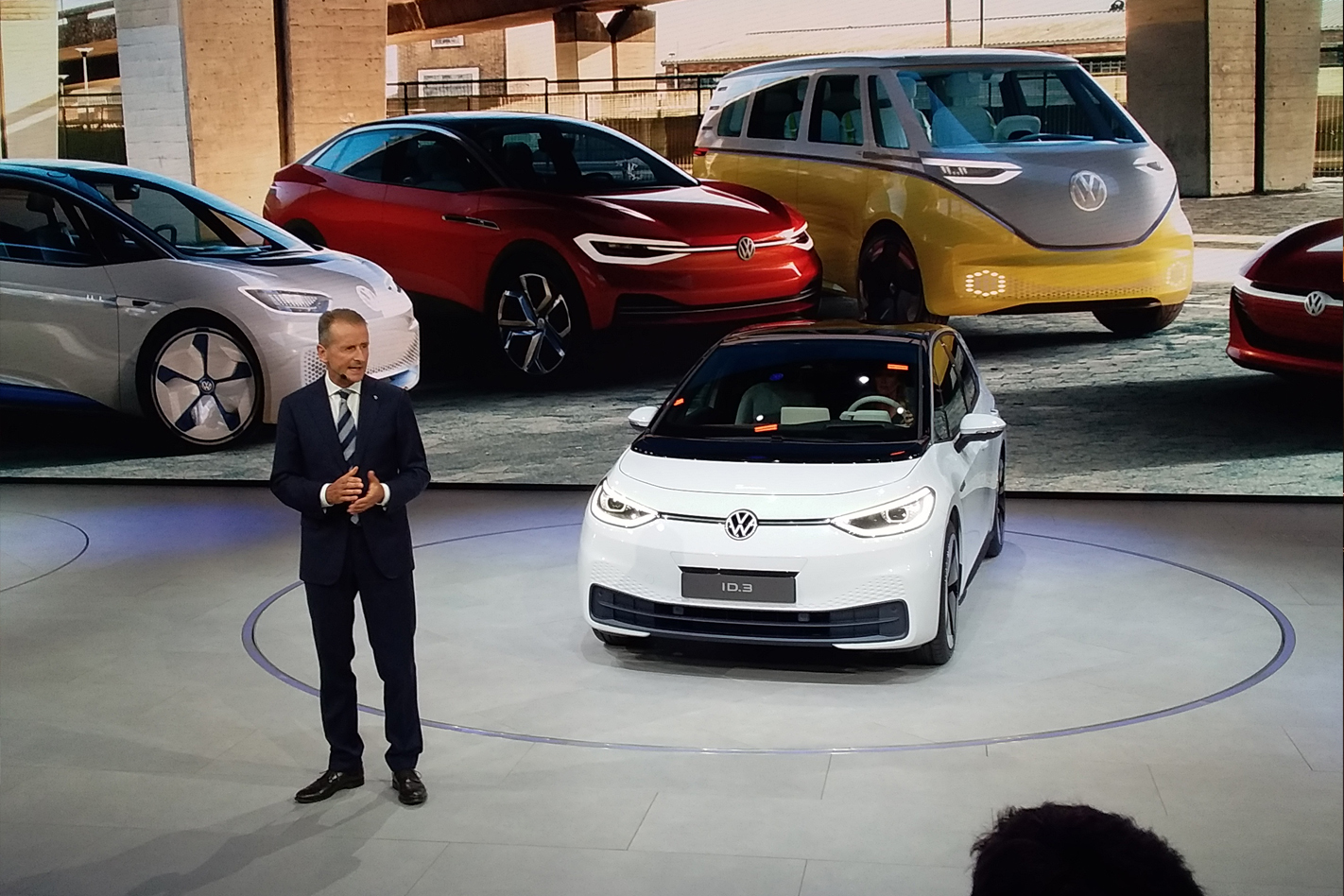
But, as all the German giant’s brands were all housed in the same vast hall, we also had a first peek at all the incredible machines due to be rolled out over the coming days. Audi RS7, Lamborghini Sian and a brace of new Skodas to name but a few.
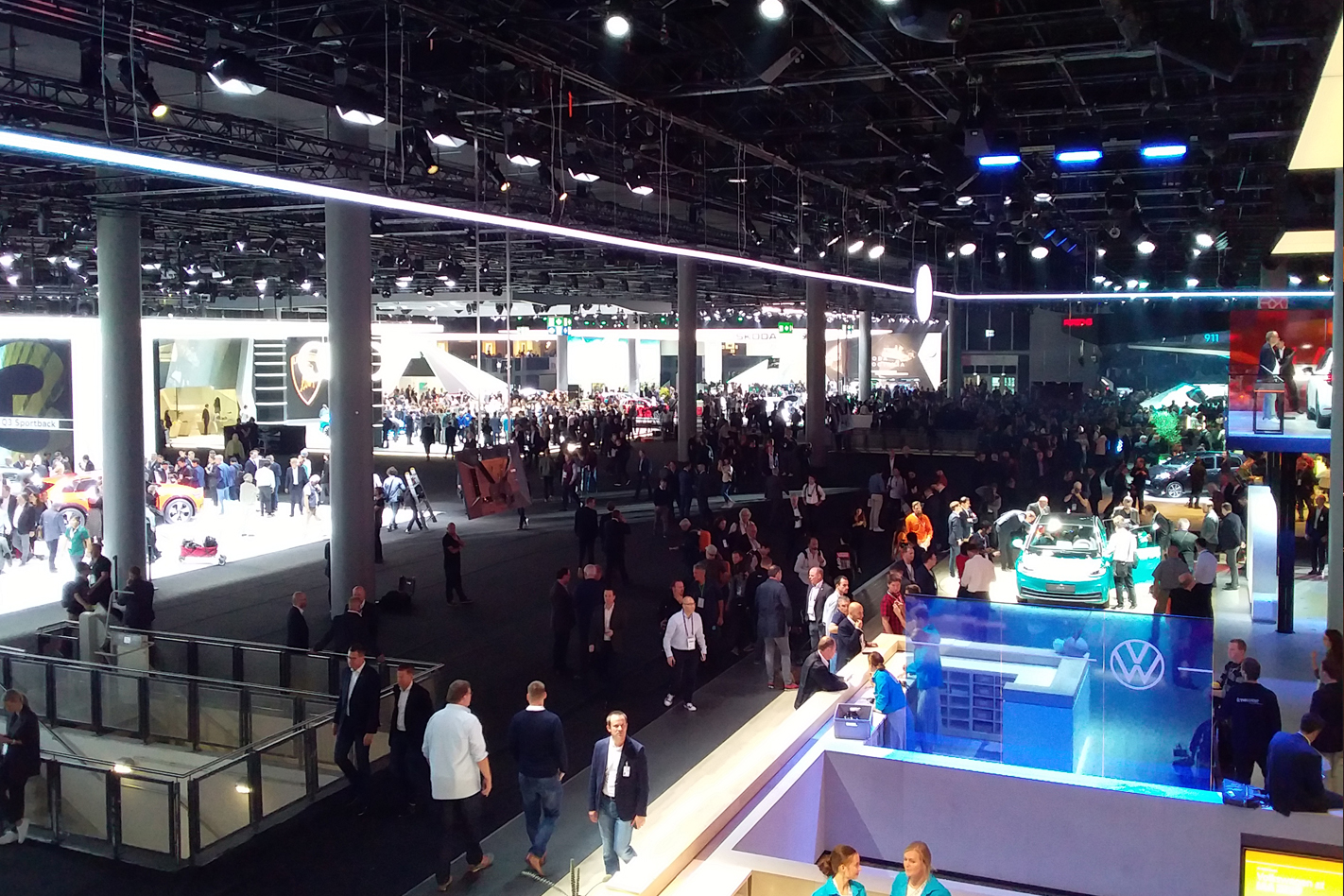
Over at the other side of the sprawling IAA showgrounds, Trent was enjoying Mercedes hospitality in its own entire festival hall and it was the same for Cam in the JLR quarters. That’s the sheer scale of the operation.
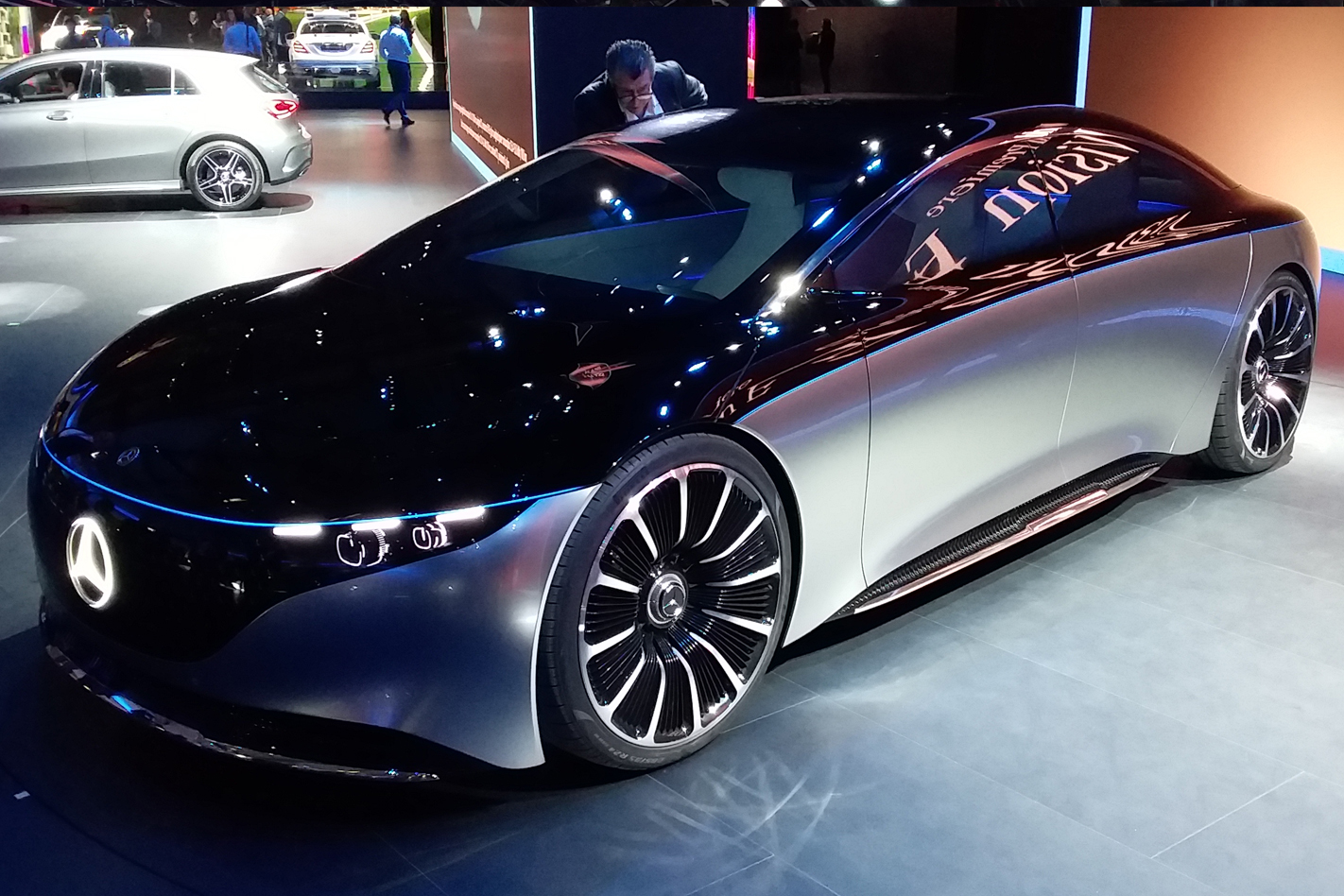
Still having trouble fathoming the size of the world’s biggest car show? 12 buildings are needed to house the many brands, suppliers and presentations on show covering a total of 400,000 square meters or about 75 football fields.
The site is so large, many of the manufacturers offer shuttles in their various models to get attendees from one end to the other and this year, I clocked up 12 kilometres on foot just trying to see everything on the main media day. Some smarter journalists even turned up on folding scooters.
Of course, climbing inside concept cars, chatting to global executives and swanning around show-stands with a camera crew requires even more special treatment and we were especially lucky to get access to all the action behind the scenes.
The one-off Audi Aicon concept I was fortunate enough to sit in wasn’t revealed for the first time at Frankfurt 2019 (that happened two years before), but as a unique and irreplaceable part of four-ringed history, it did come with its own guard to make sure I was behaving myself.
Audi’s installation was impossibly smart and decked out like an interior design magazine. While some interviews were conducted in very businesslike pristine white rooms, another chat took place in incredible lounge situated above the show floor and contained a bright green R8 V10 Plus.
The car was invisible to all attending the show except those select few who were ushered through into Audi’s inner sanctum.
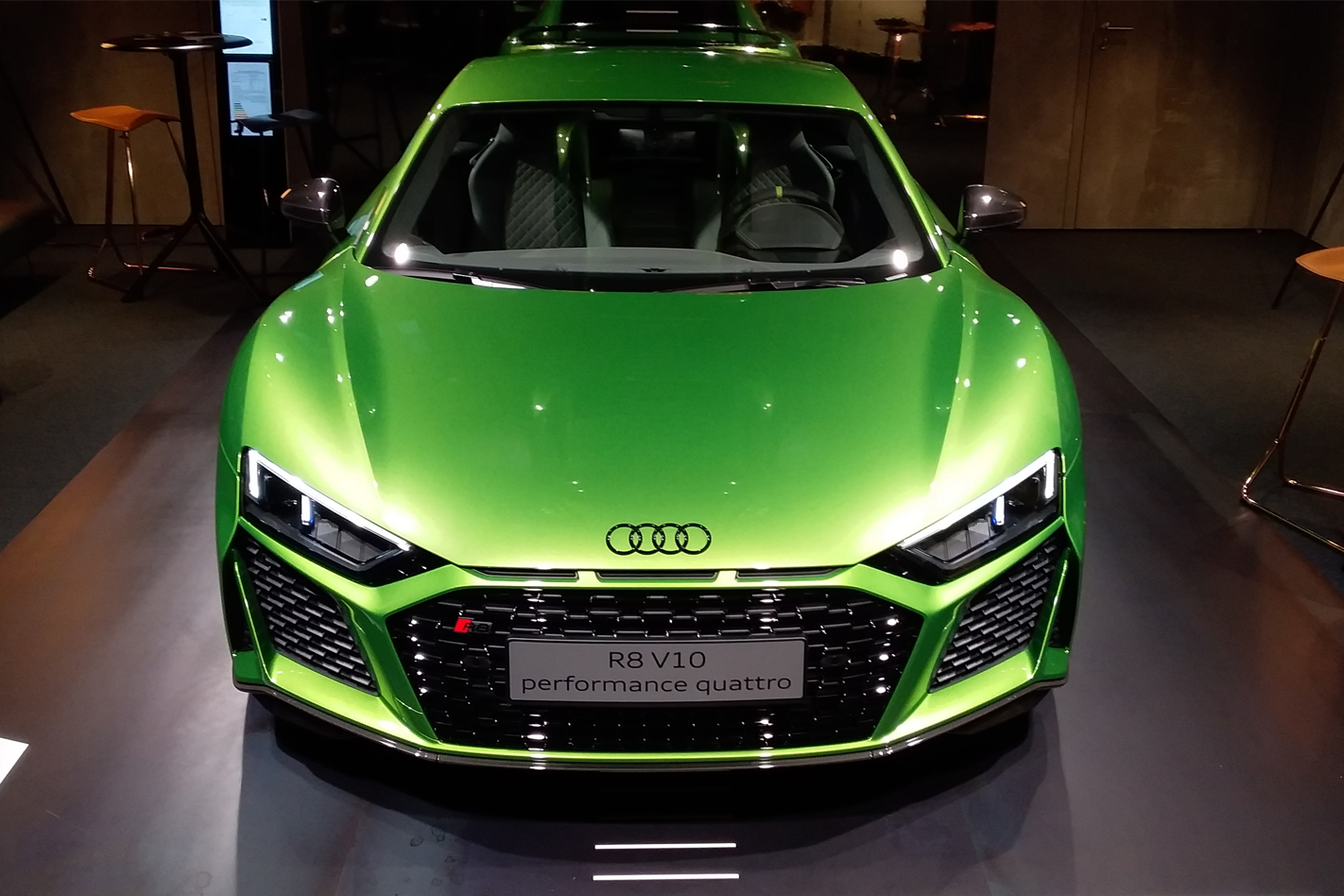
Among motor journalists, the Frankfurt show is revered as one of the toughest and most exhausting – you don’t get to see the hours of sitting in a hotel room writing the stories from the day until the early hours – but it’s also one of the most enjoyable and exciting.
So it was with sadness that only a few weeks after this year’s event that we heard it had been put into stasis. The news also kind of ruined my closing line.
Cancelled, postponed, moving cities, a hiatus or gone for good, only time will tell. What’s for certain, though, is that anyone who ever stepped through the doors into Frankfurt’s motoring mecca can say they were part of something truly special.
There’s something to be said about symmetry and even numbers. They’re easy to understand, easy to divide, and to the human brain they appear whole. Which is why oddball configurations like a three-cylinder engine just seem plain weird.
But now is the three-pot’s time to shine.
As far as odd numbers of cylinders go, the three-piston format has been looked down upon for too long in the world of cars. Having five cylinders has always been considered sexy (mainly because Audi RS has championed that particular format and it happens to sound like a combat robot’s orgasm), while the only one-pot we can think of is the range-extender version of the BMW i3.
Put simply, if the cylinder count is a prime number, it’s rare.
Yet that’s changing. Once derided for being low on grunt and high on vibration, three-cylinder engines are showing up in more cars these days for a variety of very good reasons. Some of them happen to be more than just adequate – in fact, some of them happen to be preferable to the four-piston alternatives.
Here’s how three-cylinder engines manage to do more with less.
Three-cylinder engines can make big performance numbers
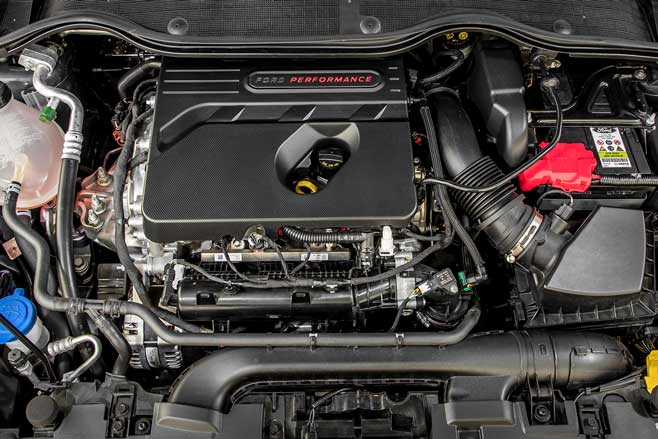
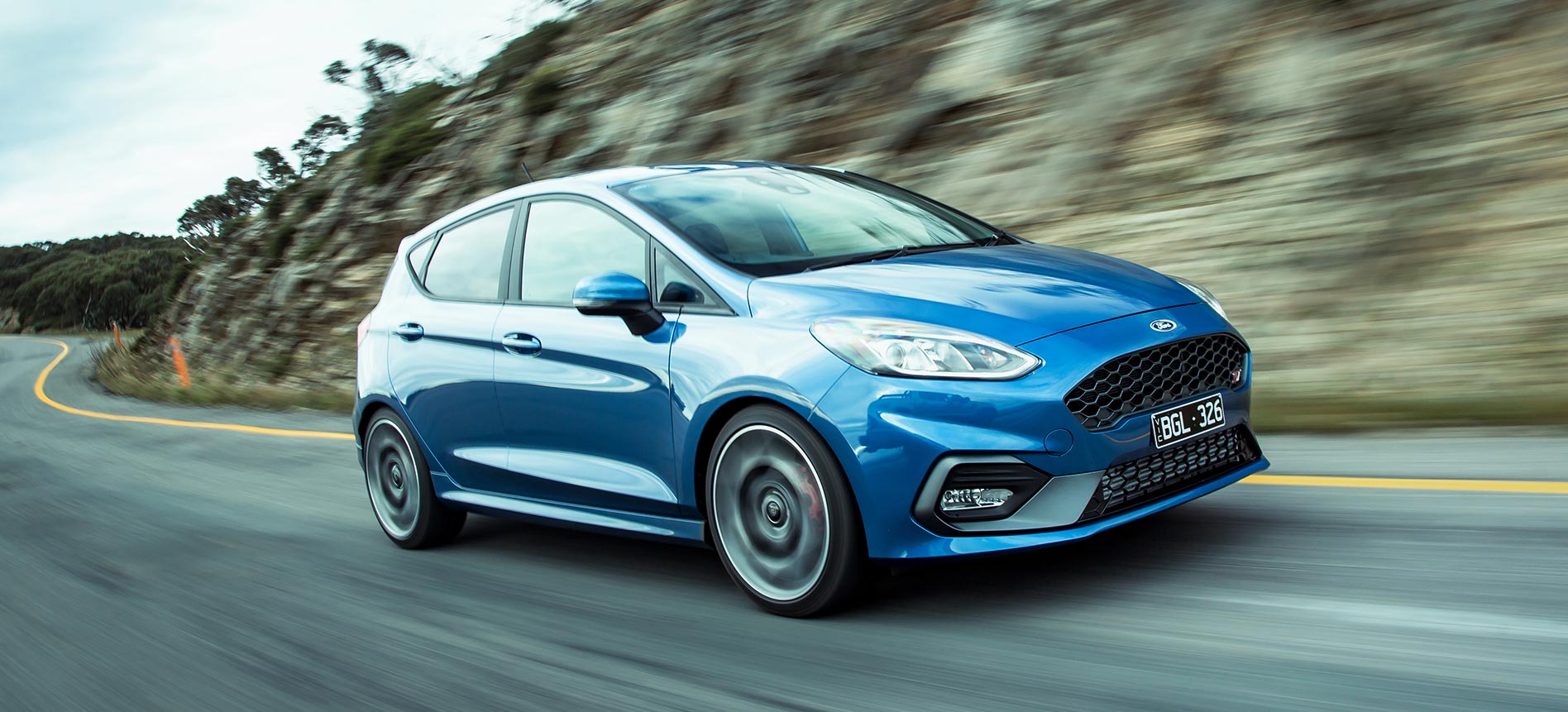
The latest generation Ford Fiesta ST is finally in Australia, and contained within its snout is arguably the world’s best three-cylinder engine. It’s physically tiny and displaces just 1.5 litres, but thanks to plenty of turbo boost pressure it manages a stout 147kW and 290Nm.
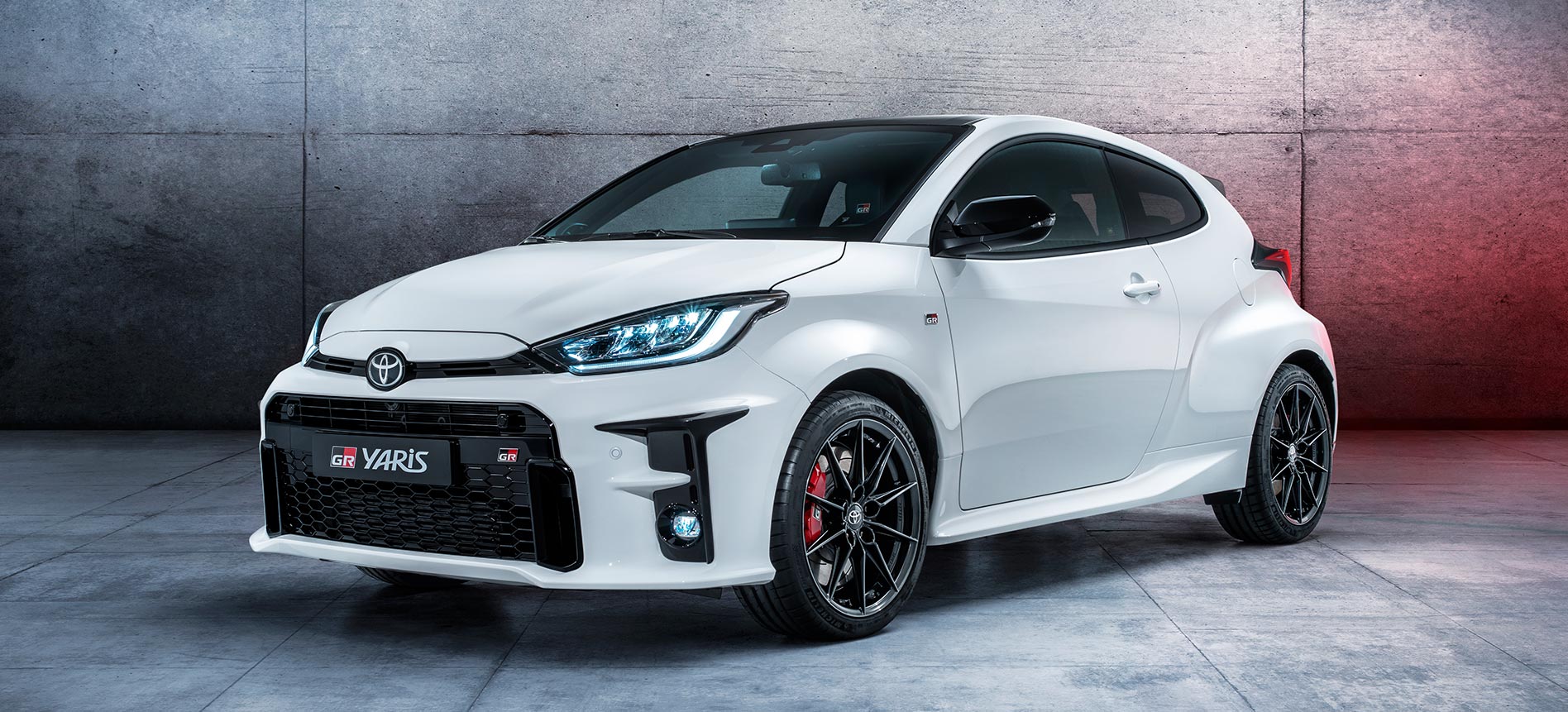
Soon enough, we’ll have another turbo triple bearing down on us in the form of the Toyota GR Yaris, which makes use of a 1.6-litre three-pot that huffs even more boost to produce around 185kW/350Nm.
It wasn’t long ago that we’d expect to see those numbers from a three-litre V6, not something that’s literally half the size.
The secret here is turbocharging. Turbo technology has advanced greatly to the extent that an engine’s displacement and cylinder count doesn’t necessarily dictate how powerful it can be.
Turbos are essentially air pumps that increase the volume of air an engine can ingest, and a modern three-cylinder engine can now be engineered to take enough boost to bring their output up to four-cylinder levels.
But why not just use a bigger four-cylinder in the first place and forgo the complexity of a high-boost engine? Well…
Three-cylinder engines are lightweight and compact
This one should be obvious. Having fewer cylinders results in an engine that’s physically smaller and takes up less room in a car. That means they’re easier to package in hatchbacks from the small and light segments, even when you add in the extra mass and plumbing for a turbocharged inline-three.
Why is that desirable? Well, a few reasons. Firstly, space is already at a premium in small cars, and the less of a car’s footprint that needs to be taken up by the powertrain, the more can be liberated for the passengers. Secondly, reducing the weight of the engine – normally the heaviest single component in a car – means there’s less mass to motivate and thus a reduced demand for power.
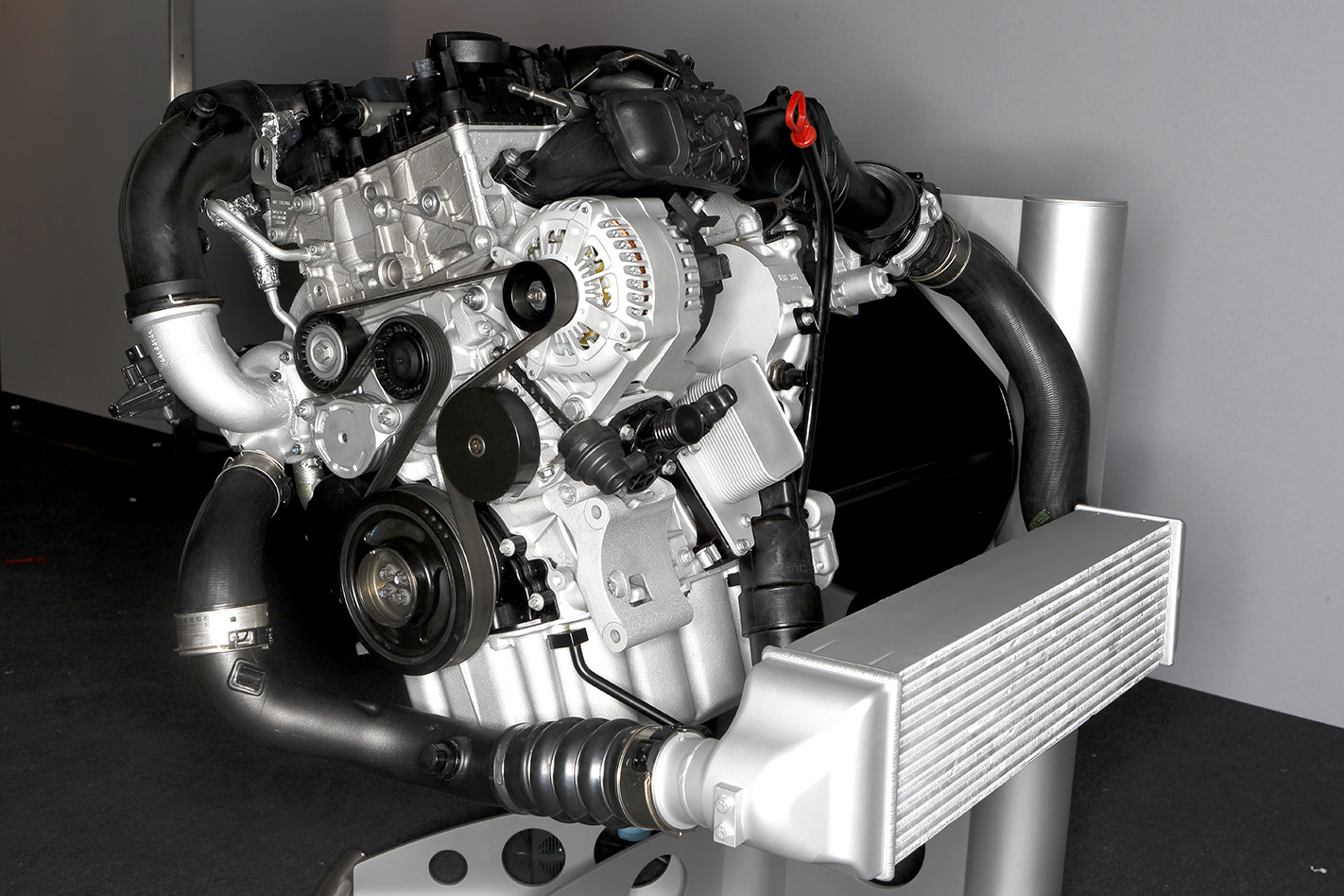
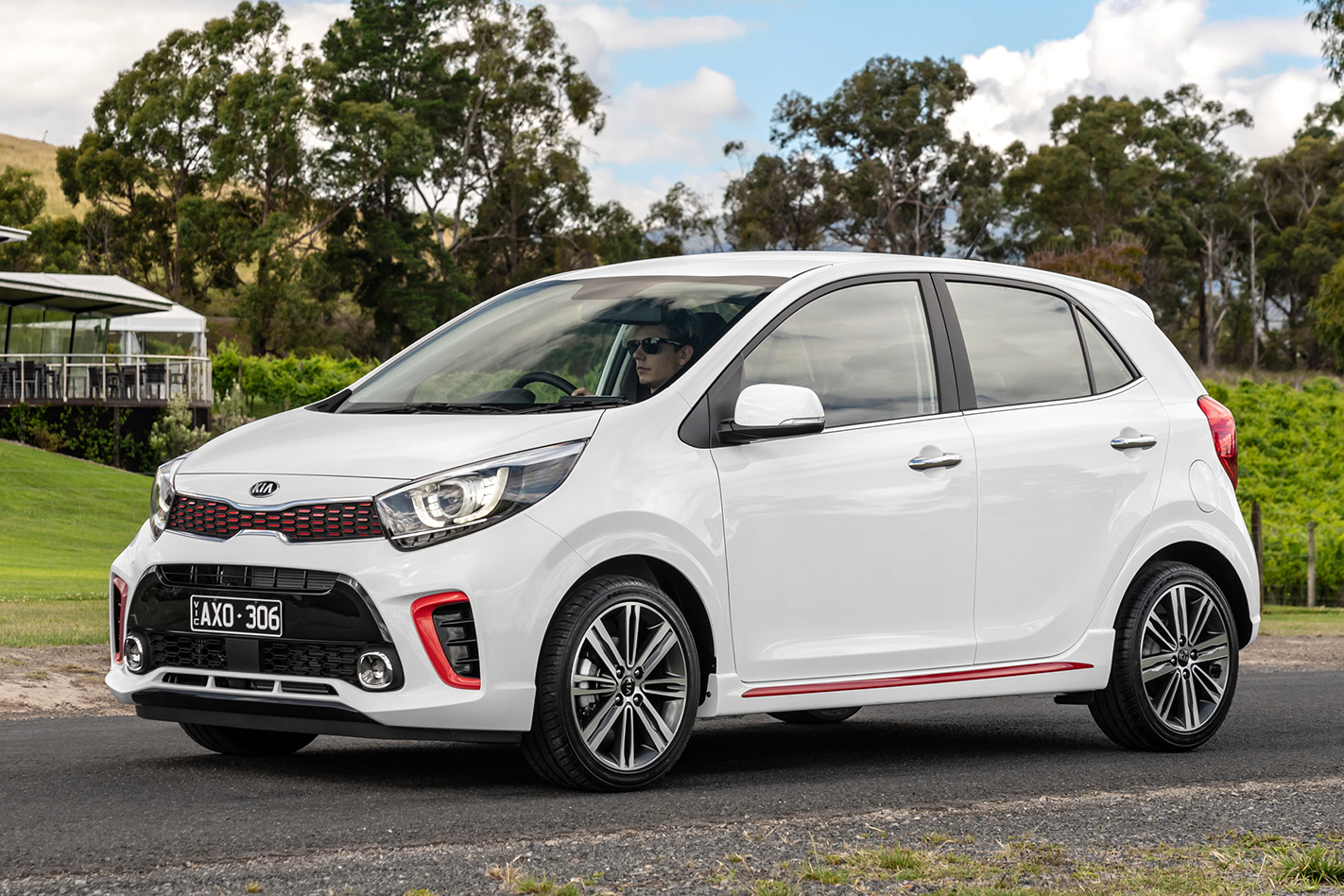
A lighter car with a smaller engine can feel just as swift as a heavier car with a bigger engine, essentially. It’s why compact cars like the Kia Picanto GT and Suzuki Swift GLX Turbo feel so perky.
Lastly, a more compact engine makes it easier for engineers to comply with crash safety regulations. These days cars need a certain amount of crush space ahead and above the engine to make it safe enough in a collision, so a small engine delivers an advantage there.
Three-cylinder engines are cheaper to manufacture
It’s a no-brainer. Having three-quarters the pistons, conrods and valves as a four-cylinder engine mean there’s a proportionate reduction in the cost needed to manufacture a three-cylinder powertrain.
The saving doesn’t just come from the reduced amount of metal either. It comes more from the reduced number of operations required to make and install those components, both in machine time and human labour, and when you’re building cars by the hundreds of thousands even a saving of a few seconds per engine adds up to a considerable amount over a full production run.
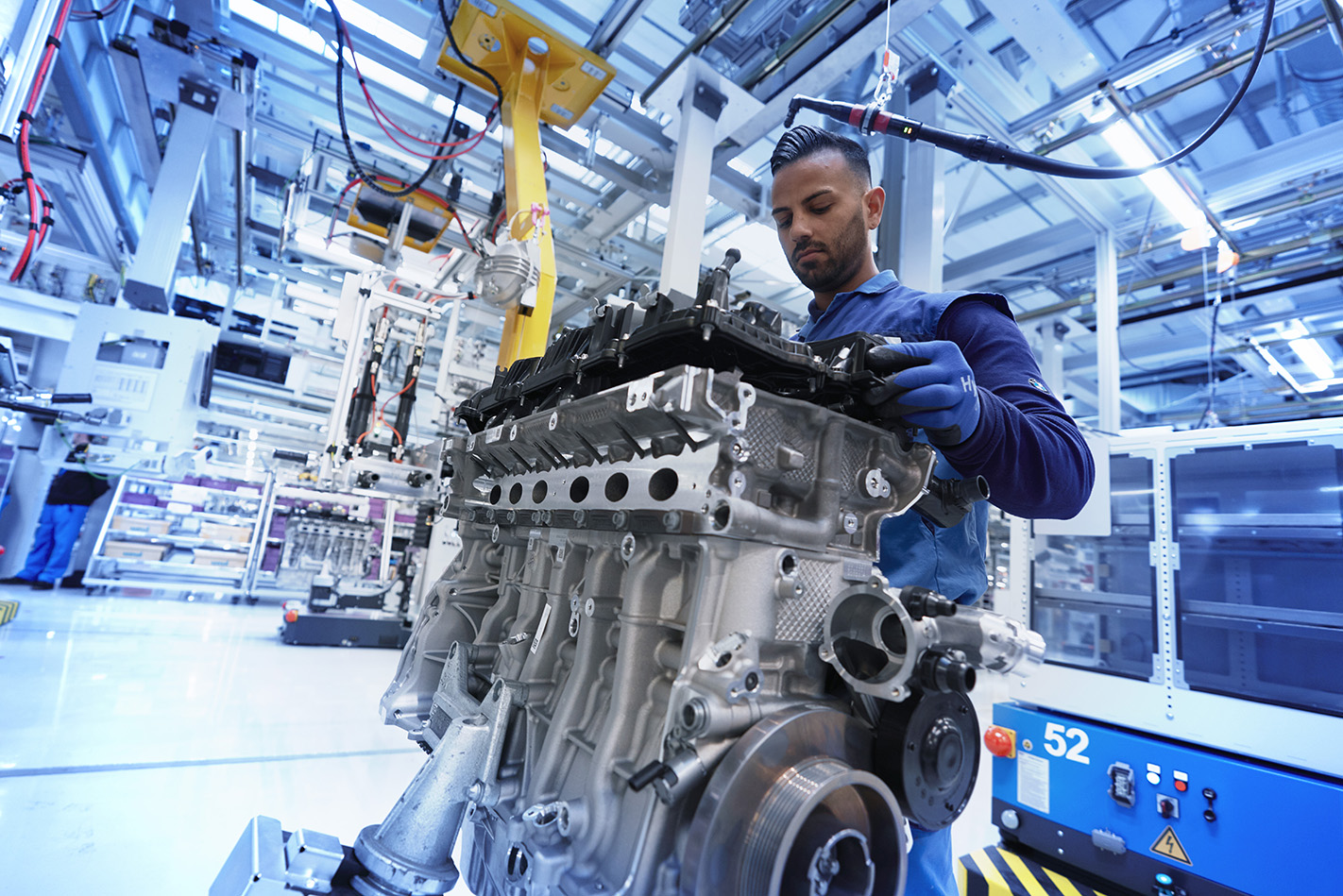
As the old adage goes, time is money. That either frees up capital to put more technology into the car, use more expensive materials, or simply build the car for less cost and deliver a more price-competitive product.
Three-cylinder engines are efficient
Another benefit of having fewer moving parts and less weight is that three-cylinder engines are generally more efficient than a four-cylinder of an equivalent size. Less internal friction is generated because there are fewer things rotating and sliding inside the crankcase, and the lighter weight of the engine means less energy needs to be expended to move the same distance. It’s a win-win.
You know what we didn’t think we’d be publishing today? Yep, a story about a Toyota Mk3 Supra drift ute.
No, this isn’t something we found during our isolation-fuelled attempts to clock the entire internet. We accidentally found this.
A video (with not much detail) caught our attention on Instagram recently which set us on the path to find out exactly how this Supra came to be, and to see if we might be able to find out exactly where it is now.
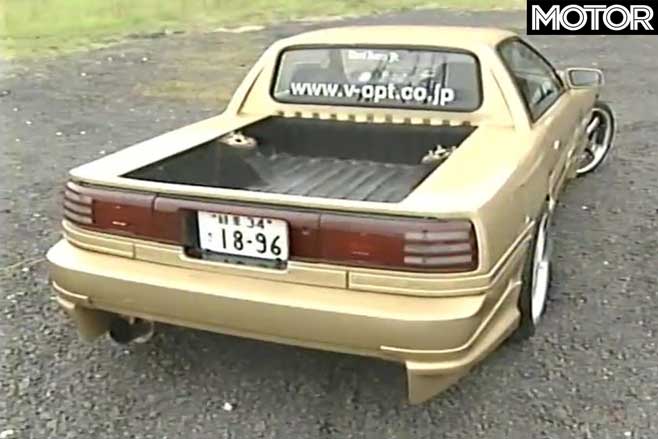
Unfortunately, it seems to be primarily lost to history. But YouTube exists, and we can still tell you what we’ve managed to find.
It seems the Mk3 Drift Supra Ute Thing was filmed for an episode of Drift Tengoku’s video series (the first, if the internet is correct) from November 2000.
It was the last feature on the hour-long episode which also includes some segments that… have not aged particularly well in the last two decades.
But the short clip segment with the ‘El Camino-inspired’ (as the owner appears to point out) Mk3 Supra doesn’t fail to deliver.
After speaking about his car and walking around it for a short while, most of which is unfortunately lost on MOTOR’s primarily English-speaking staff, the owner lets rip around the small track serving as the filming location.
If you haven’t yet watched it, scroll up and check out the video.
What is the Skoda Kodiaq RS?
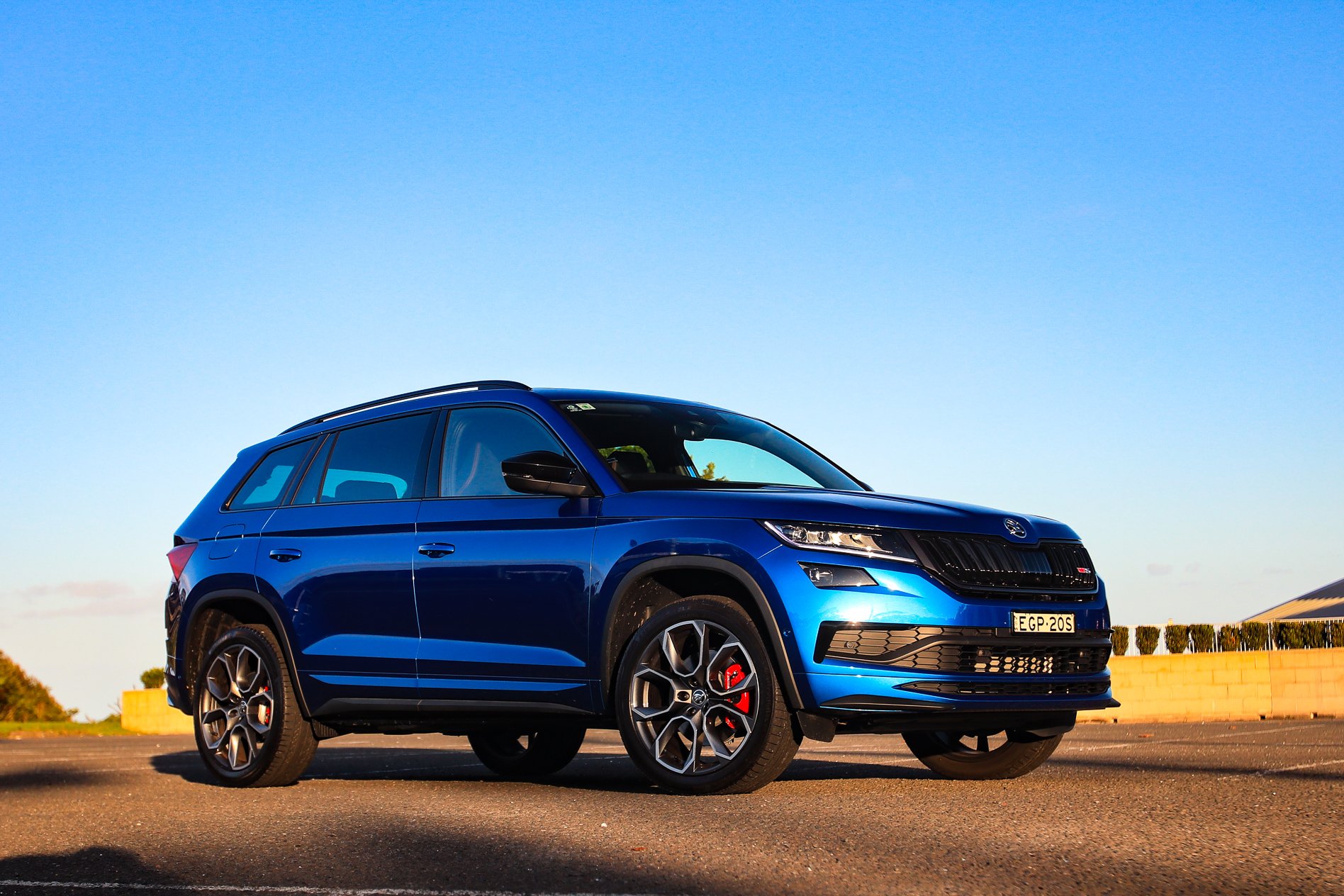
On face value, the Skoda Kodiaq RS a perfectly well sorted mid-sized seven-seat SUV, based on the bones of the VW Group’s MQB underpinnings and rammed full of valid spec.
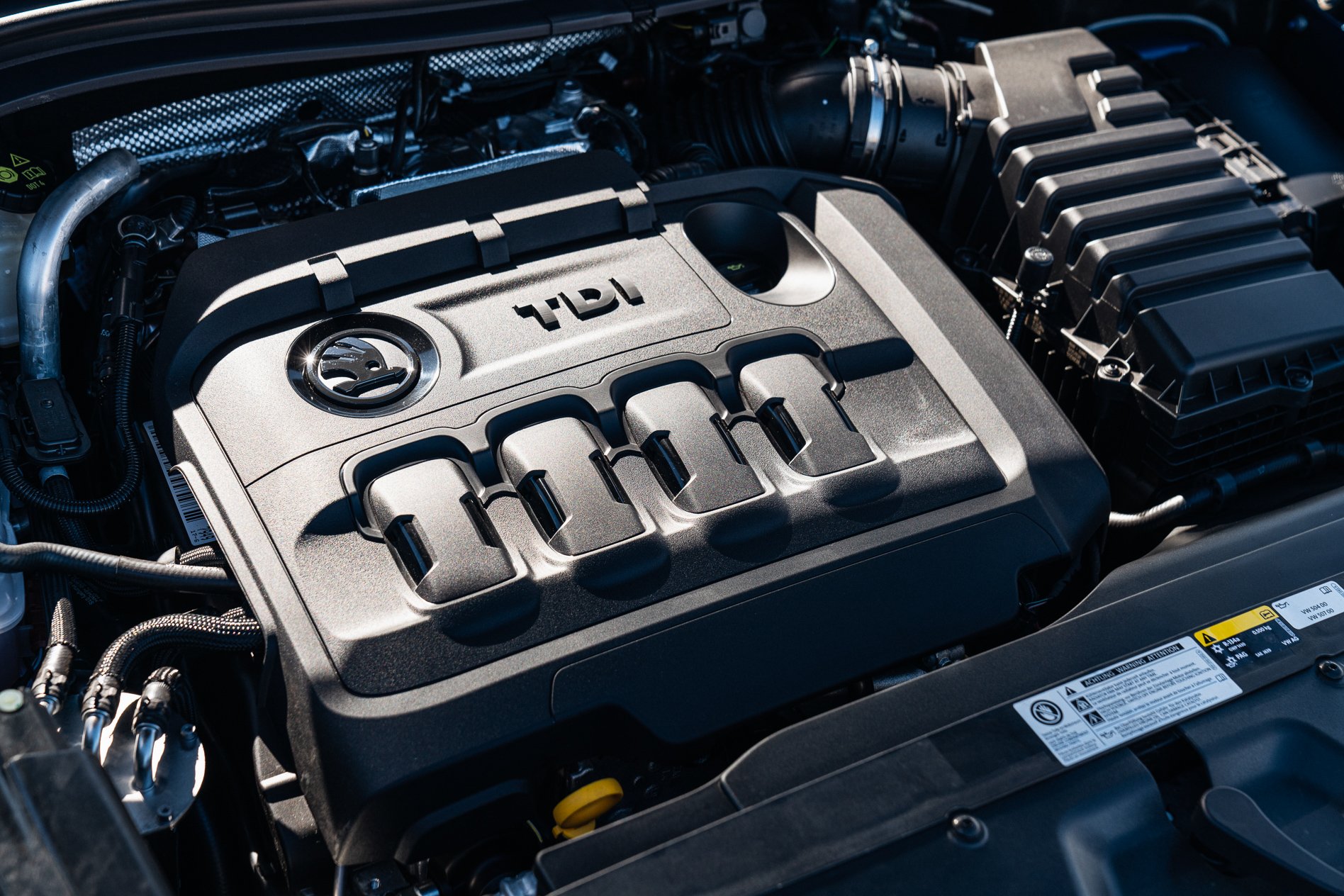
It breaks the mould by dint of its diesel-drinking powerplant, with its 2.0-litre twin-turbocharged four-pot oiler grunting out 176kW and a healthy 500Nm.
It’ll push the 1858kg (tare) seven-seater to 100km/h from rest in a claimed 6.9 seconds, and it’ll do it sipping a claimed 6.6L/100km of the devil’s brew on the combined fuel economy cycle.
What is the Skoda Kodiaq RS like to drive?
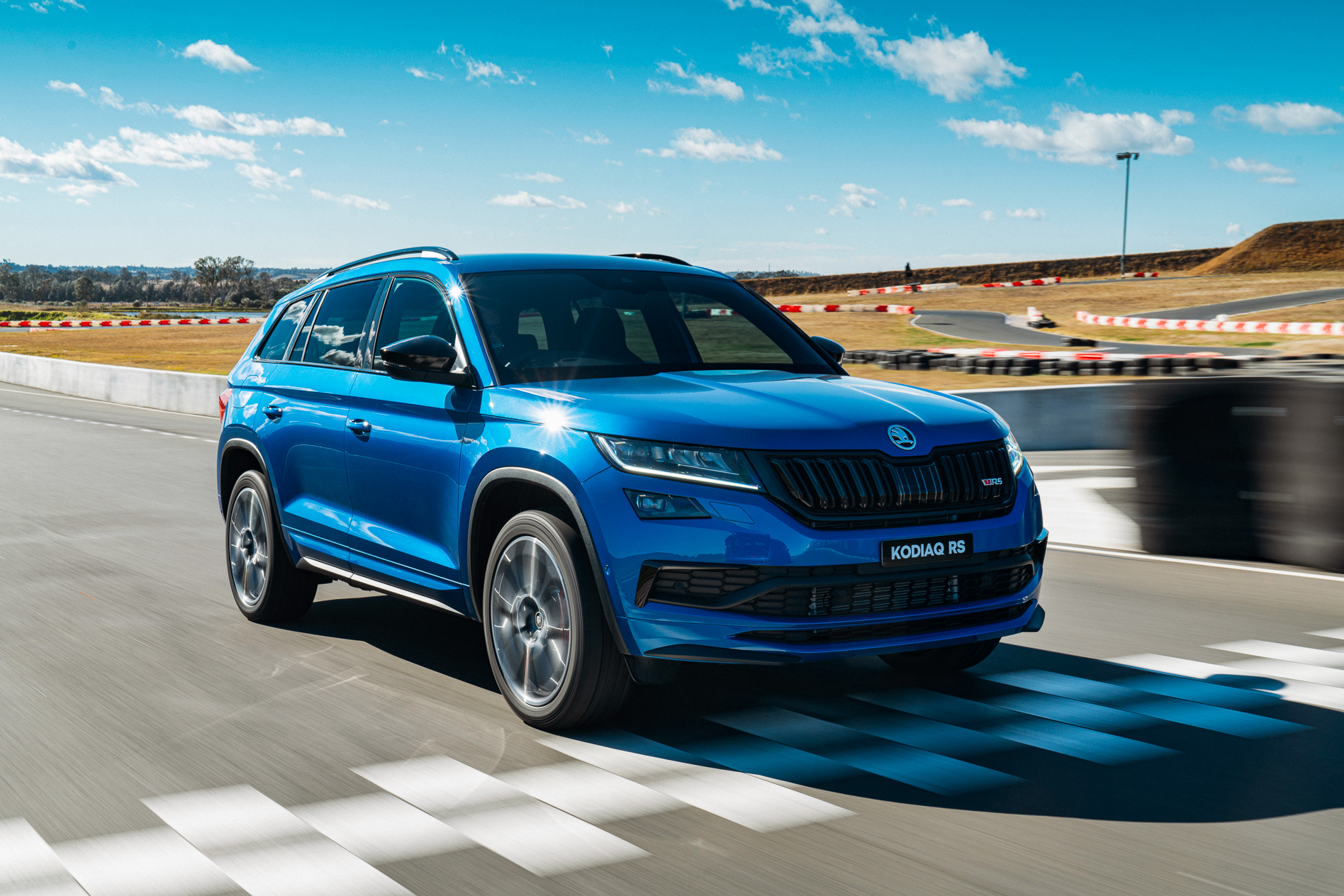
All four wheels benefit from the engine’s output, divvied up via a seven-speed dual-clutch gearbox and an electronically assisted front diff and put to the ground through 20-inch rims and 235/45 R20 ContiSportContact 5s.
The suspension is steel-sprung and adaptive, while the brakes are… well, red.
In flight, the Kodiaq is composed and quick rather than rorty and fun, even though an overly-augmented exhaust noise tries desperately to convince you otherwise.
It’s odd, actually – the diesel clatter from the front doesn’t really match the macho note from the rear, but thankfully it can be muted via the selective drive modes page.
Its MQB platform provides its usual combo of sturdy composure and numb yet precise steering feel with loads of grip, but the engine spec is a strange ‘un.
Fulsome rather than feelsome, it feels like there’s not enough throttle travel to tap into its latent charms. Once you’re rolling, it’s got plenty of loping pace… but is it RS enough? Not sure about that. It feels a bit R or S, but perhaps not both.
What’s the Skoda Kodiaq RS like to live with?

The $65,990 Kodiaq RS has all the gear, from LED lighting all ’round, advanced driver aids, a model-specific digital dash, seven seats with a sliding second row and wireless charging up front. Inside is a nice place to be, too, with terrific-looking (and feeling) front buckets and a sombre, stylish vibe throughout.
The second row offers heated seats and climate control, but bring a USB adapter for the 12v socket if the kids need to charge their devices.
Clambering into the third row is best left to the little tykes, too; it’s a squeeze back there, but thankfully the pair of rearmost jumpseats fold away flat.
Skoda’s typical niceties abound, too, from umbrellas in the rear doors and pop-out door guards to little bins and parking car holders in the right places.
The multimedia system is crystal clear and fully featured, spoiled only by the left-hand-drive orientation of the main controls on the screen.
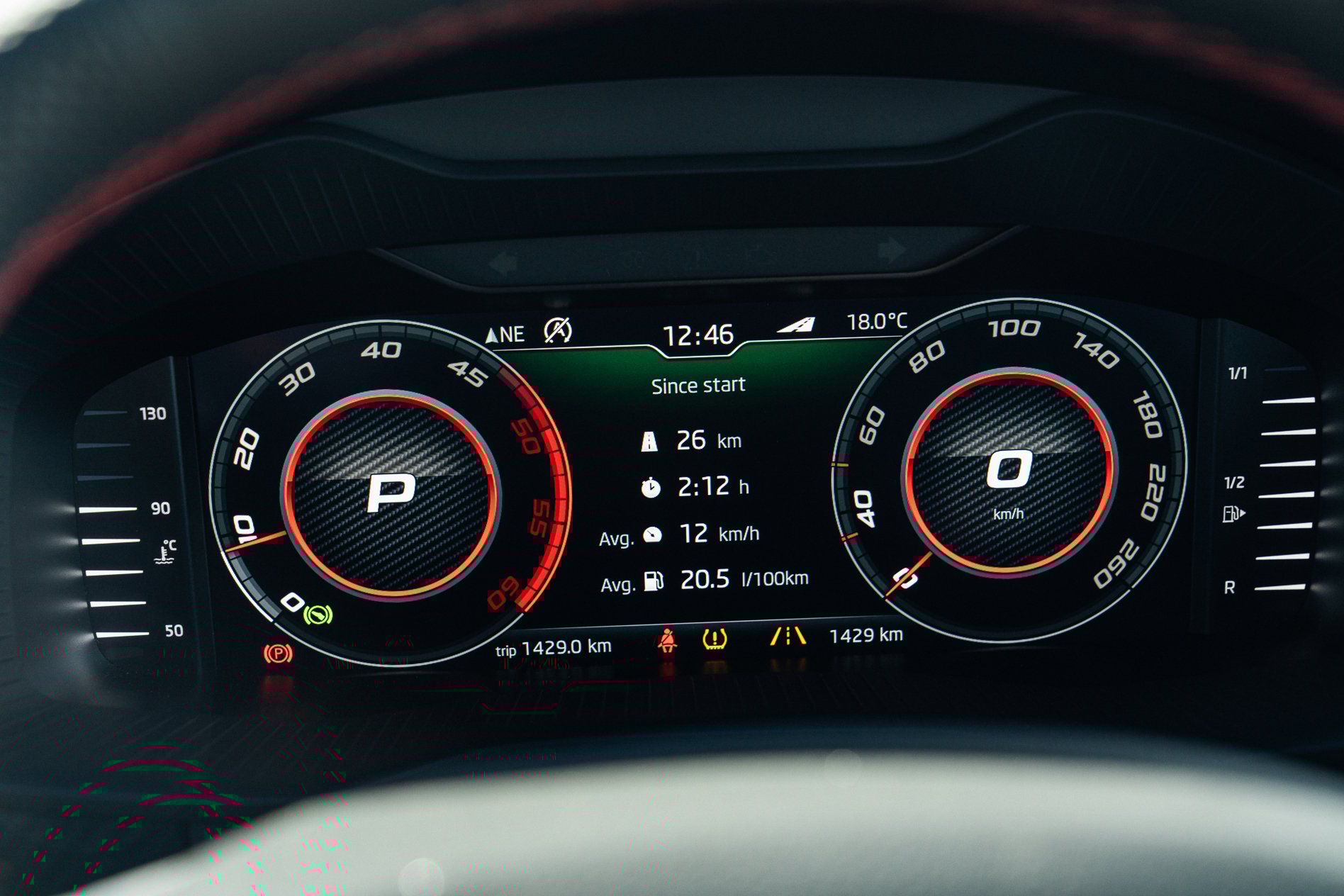
The redesigned digital dash screen is clear and well laid out, too.
It sits in an interesting sport market-wise – Skoda’s assertion that it’ll be cross-shopped with seven-seaters like the Ford Everest is wide of the mark, but it’s cheaper than others from Volvo and Audi.
Is the Skoda Kodiaq RS worth the money?
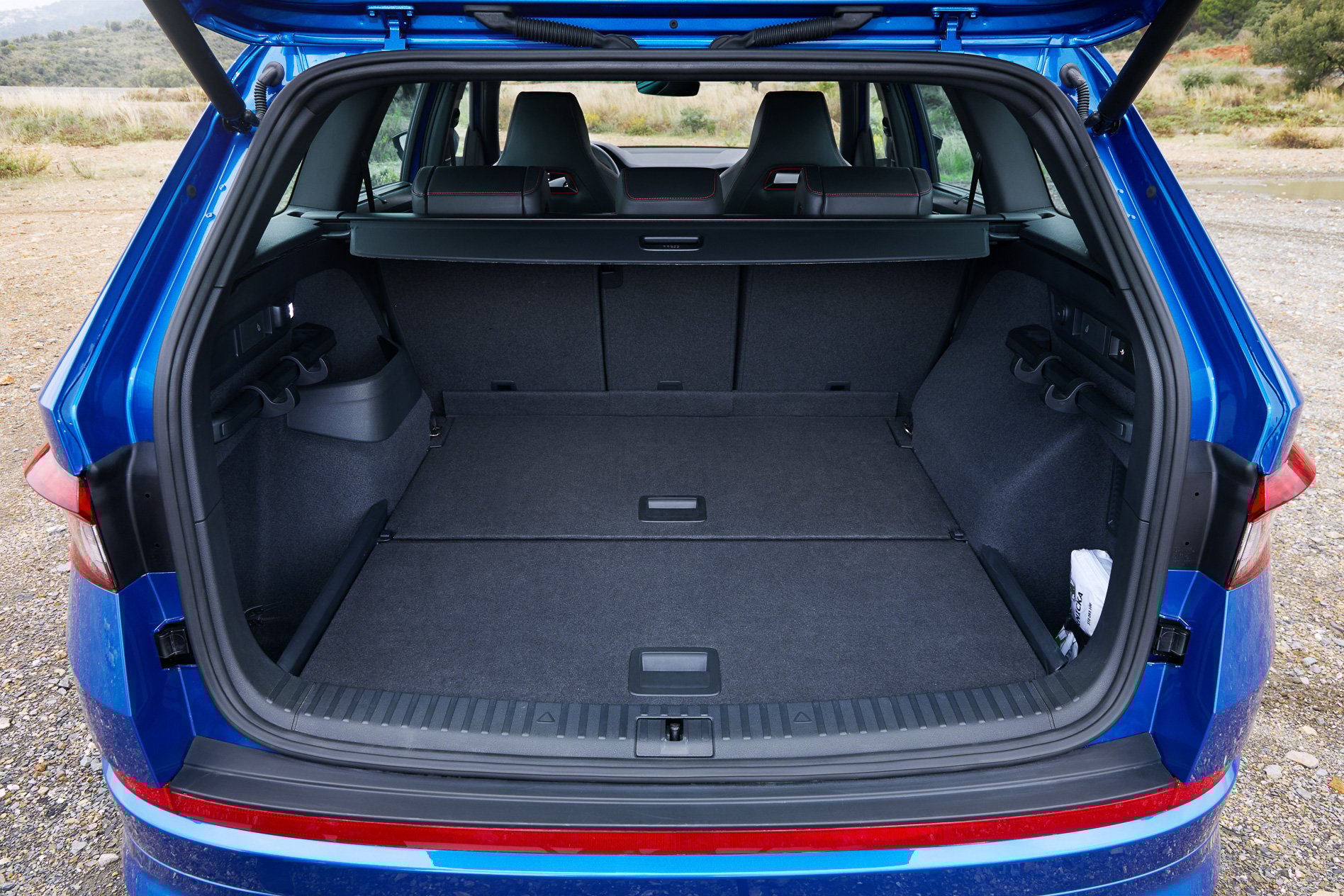
The Kodiaq RS will also have to live in the shadow of its smaller, older brother, the Octavia RS wagon which, for mine, is the pick of the Skoda range. It’s cheaper, faster, carries almost as much stuff (588/1718L seats up/down for the Octavia and 630/2005L for the Kodiaq) and for me, it wears the RS badge more convincingly.
Still, if you need seven seats and mile-eating comfort in a handsome jigger that sways to a different beat, Skoda’s Kodiaq RS is a worthy alternative to similarly-specced diesel rivals – if the pricing equation works out in your favour, of course.
Pros: Nice, unusual, different, plenty of spec, swift and frugal over a distance
Cons: Steep pricing, the very existence of the Octavia RS
Rating: 3.5/5
Skoda Kodiaq RS specs
Model Skoda Kodiaq RS
Engine 1968cc 4cyl, dohc, 16v, twin-turbo
Max power 176kW @ 4000rpm
Max torque 500Nm @ 1750-2500rpm
Transmission 7-speed DSG
Weight 1858kg (tare)
0-100km/h 6.9sec (claimed)
Economy 6.6L/100km
Price $65,990
On sale now
Volkswagen has taken the Touareg upmarket and it’s now playing with its fellow German rivals in the premium SUV stakes. So we wanted to test its mettle up against one of the best SUVs in the business, the BMW X5. Both are diesel and have a $100K-plus price tag. Let’s see what’s what.
EQUIPMENT AND VALUE
The Touareg packs in all the things you need for its $85K ask, registering an imperious score on standard safety equipment. What it lacks is a bit of showroom glitz that only comes when ladling on expensive options. We’d find it hard to resist the Sound and Comfort pack, the R-Line pack, and the Innovision pack that brings the must-have 15-inch colour touchscreen. Problem is, that little lot adds $24K to the bill, taking the edge off the VW’s inherent price advantage.
Sit down, breathe in and get over the initial $117K sticker shock for the X5 xDrive 30d and you’ll realise there’s not a lot you need to option. It’s beautifully finished inside but you’d probably want the $900 wireless charger, and third-row seating is a hefty $3700. If you want to carry a big tribe in comfort, spring for the bigger X7. Do bear in mind that it’ll cost you an extra $1814 to lift the X5’s three-year warranty to match the Touareg’s five-year deal.
WINNER: VOLKSWAGEN TOUAREG
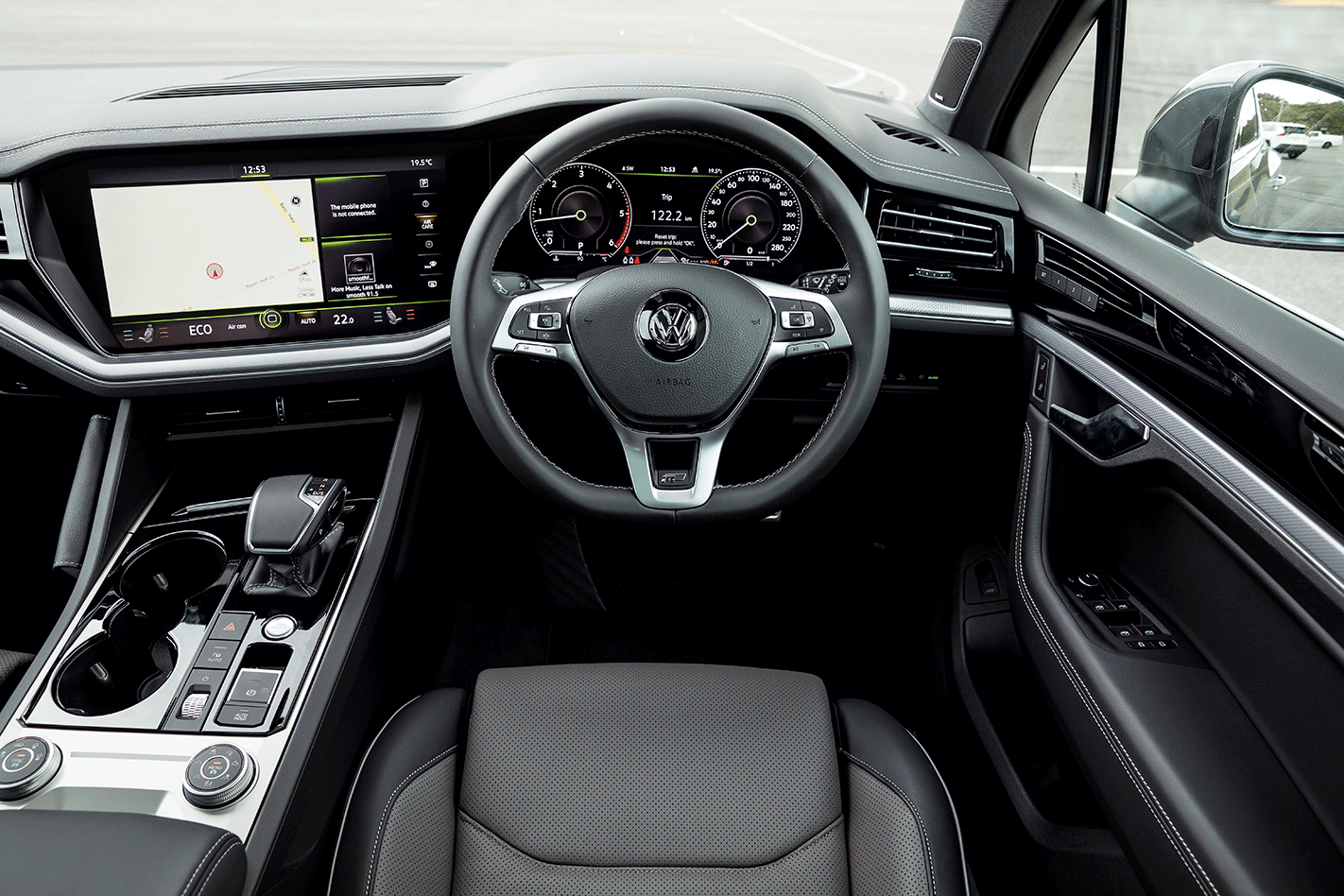
SPACE AND COMFORT
The Touareg’s cabin feels spacious and airy, thanks to this generation being 77mm longer and 44mm wider than its predecessor. It doesn’t even attempt to seat seven, which means there’s stacks of rear-seat flexibility, with the rear bench sliding fore and aft by 160mm to prioritise either boot space or legroom. It’ll even recline by up to 21 degrees. Have trouble packing light? A full 810 litres of load space behind the seats should see you right.
The X5’s split tailgate is a neat touch, with both sections now electrically operated. The boot measures 645 litres. Rear-seat accommodation is boosted by a low, flat floor which makes the central seat not such a short straw. The bench also splits 40/20/40, so you can carry long items inside as well as a pair of rear passengers. Special mention must go to the X5’s exemplary head-up display which is clear, concise and keeps eyes on the road.
WINNER: VOLKSWAGEN TOUAREG
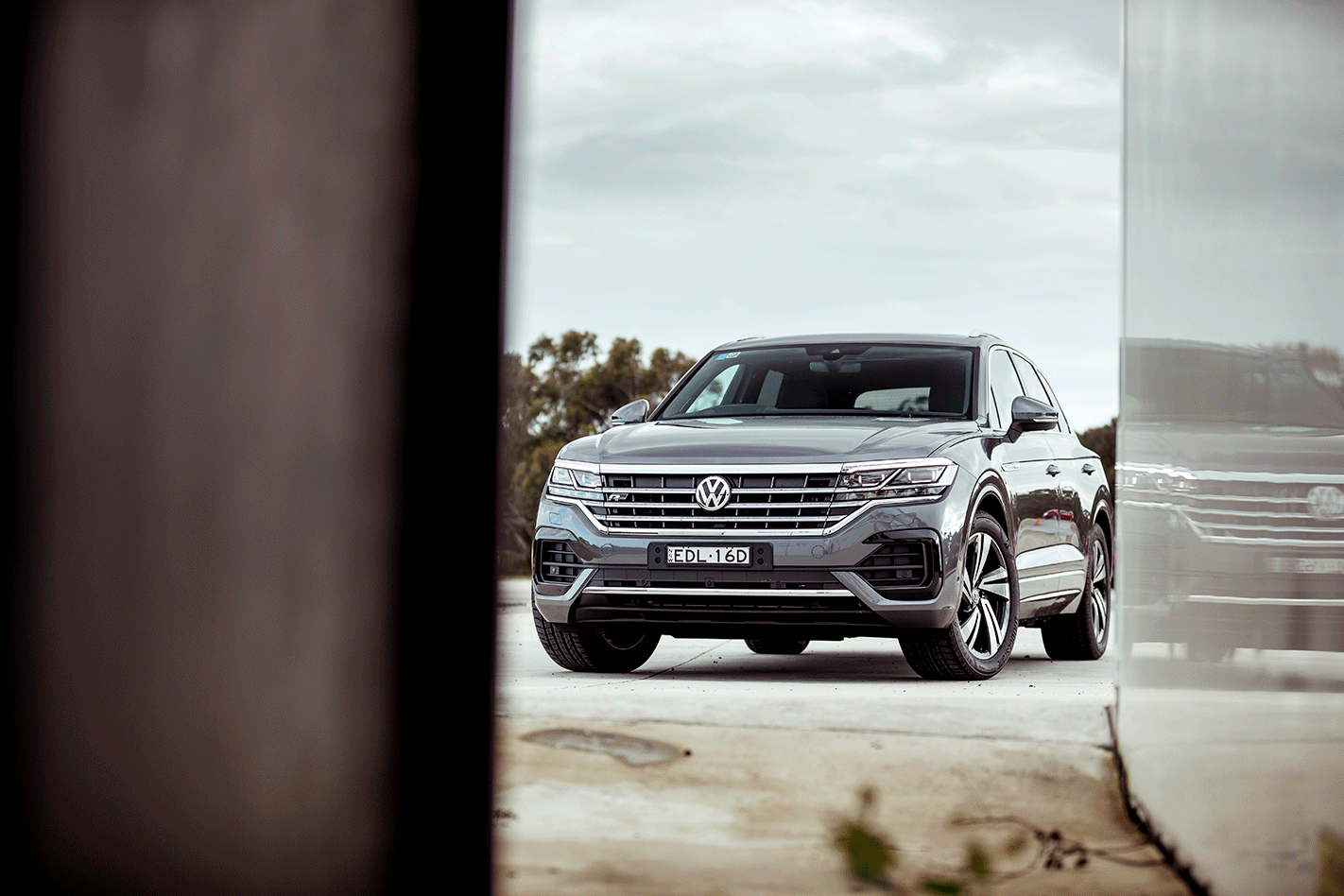
RIDE AND HANDLING
It’s seriously refined in the Touareg. Despite a diesel engine up front, noise levels at freeway speeds are lower than many EVs. The inconveniently sited drive-mode controller allows you to access a Sport mode as well as a dedicated Off Road setting. There’s 1mm of ground clearance between these two rivals. Our test car featured optional Active Roll Stabilisation, which delivers spooky composure, but we’d like to try a Touareg minus this expensive option.
The X5 is mystifyingly nimble for a vehicle that weighs well over two tonnes. It has no right to feel this light on its feet on standard steel springs. Should you want to improve the ride still further, there’s the $2300 option of dual-axle air suspension. Unless you’re driving on genuinely horrible surfaces on huge optional alloys, the standard springs are well up to the job. The steering isn’t the most feelsome, but electronic driver aids are customisable for the keen steerer.
WINNER: BMW X5
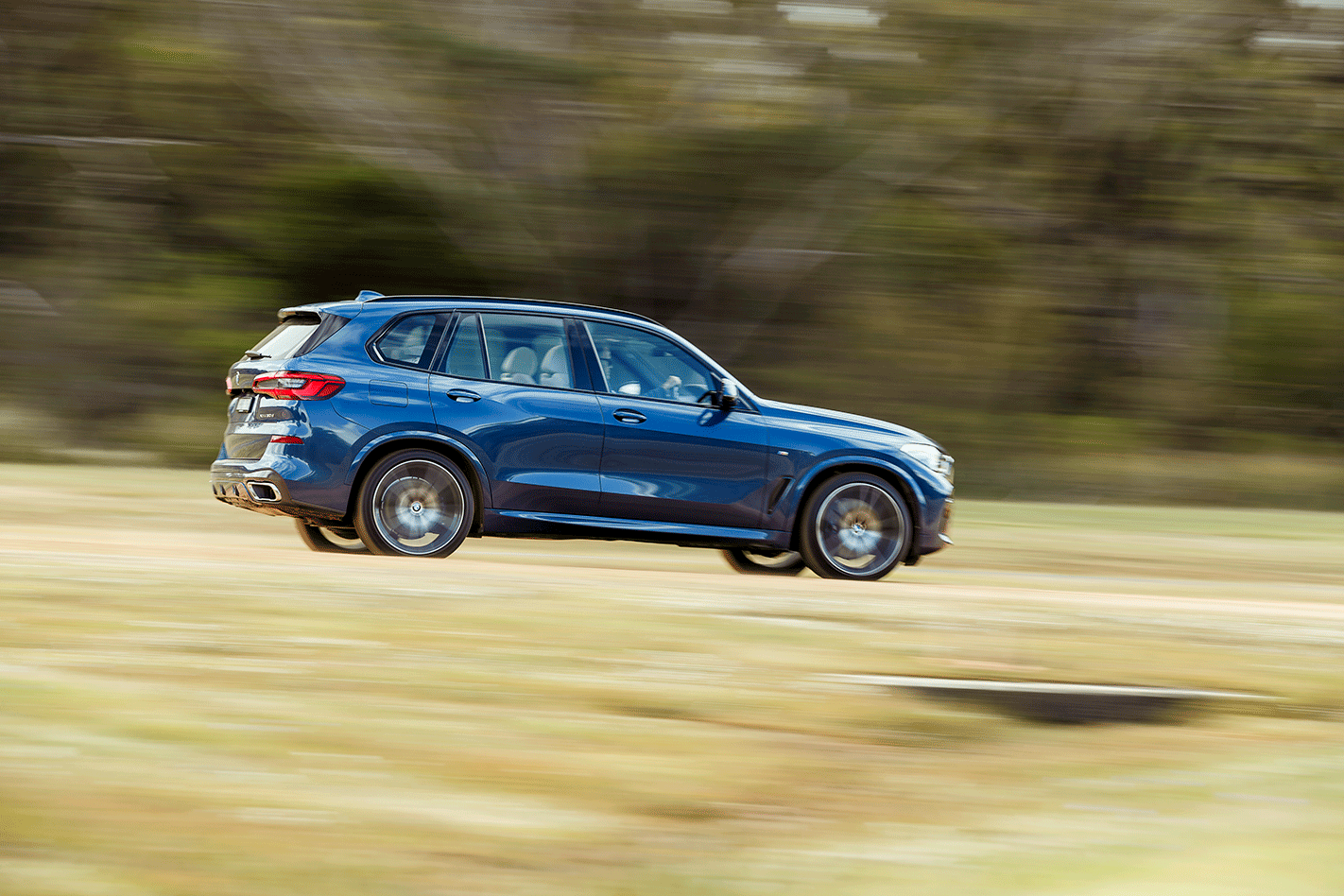
PERFORMANCE AND ECONOMY
Okay, so we couldn’t quite match Volkswagen’s claimed 6.5sec sprint to 100km/h, coming up a second shy, but the 190kW/600Nm Touareg feels pretty punchy. Its turning circle is, at 11.0m, a full 1.7metres tighter than that of the X5 which helps when you’re ducking and diving in town. The optional Sound and Comfort package also delivers a 90L fuel tank which, with 7.4L/100km consumption, lifts the Volkswagen’s crusing range to over 1200km.
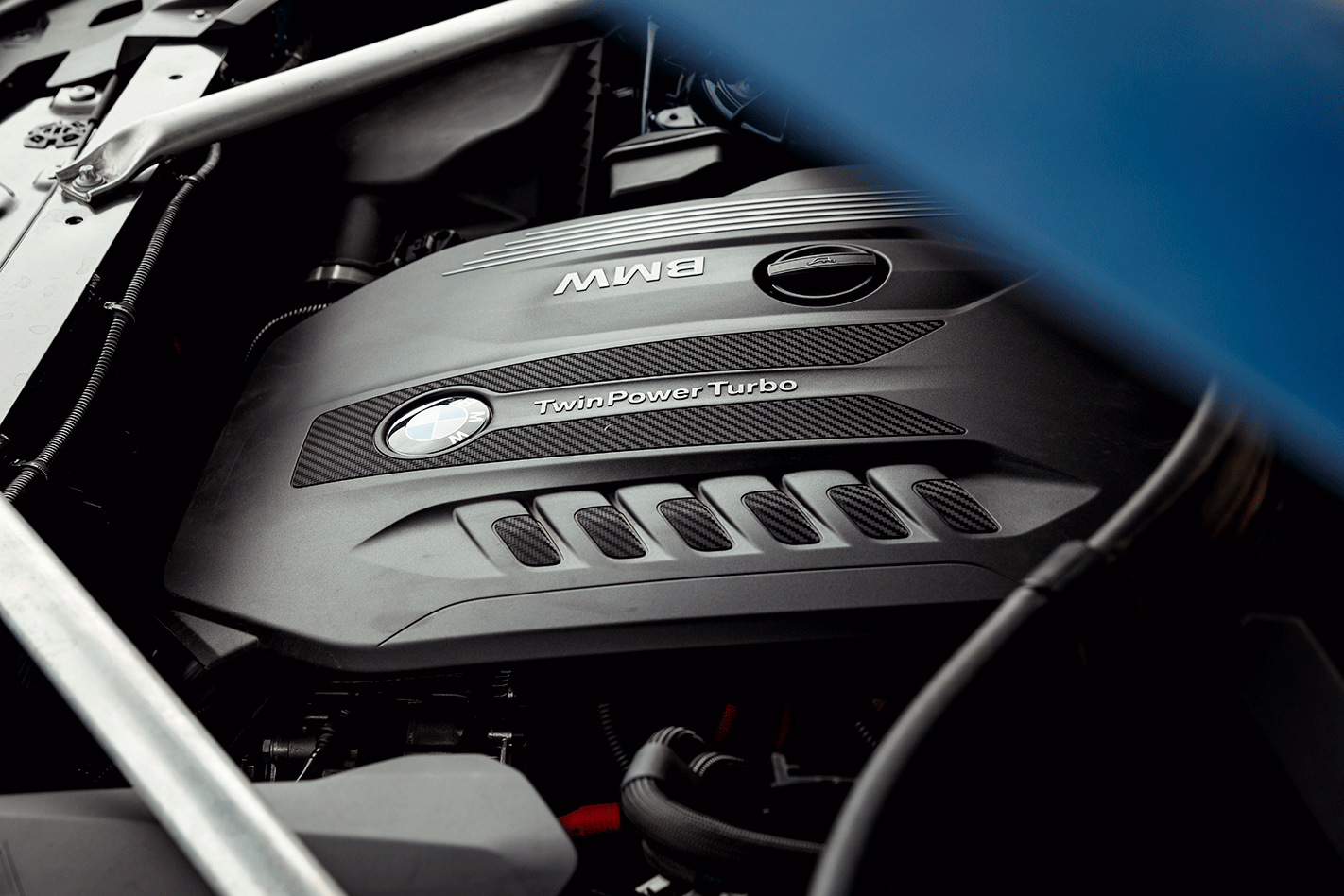
We were almost bang on the numbers against the clock for the X5, registering 6.6sec to 100km/h against a 6.5sec claim. It feels that bit more responsive than the Touareg, and its 195kW/620Nm edges the Volkswagen in both outright numbers, as well as power- and torque-to-weight. It’s also a little more economical at 6.8L/100km and emissions are pitched at 178 versus 194g/km for the VW. The Bavarians roar to a win here, then.
WINNER: BMW X5
VERDICT
This being Wheels, we tend to prioritise cars that drive well. We always have and don’t make any great apology for the fact. In this instance, however, its possible to make a solid case for both vehicles here. As a proposition for the family, the Touareg is probably a better bet. If you’re going to be the one doing all the driving and the rear seats aren’t perpetually occupied, we’d gravitate to the car from Spartanburg, North Carolina. BMW’s X5 xDrive 30d is just too polished not to get the nod from us this time round, despite the final scores being almost too close to call.
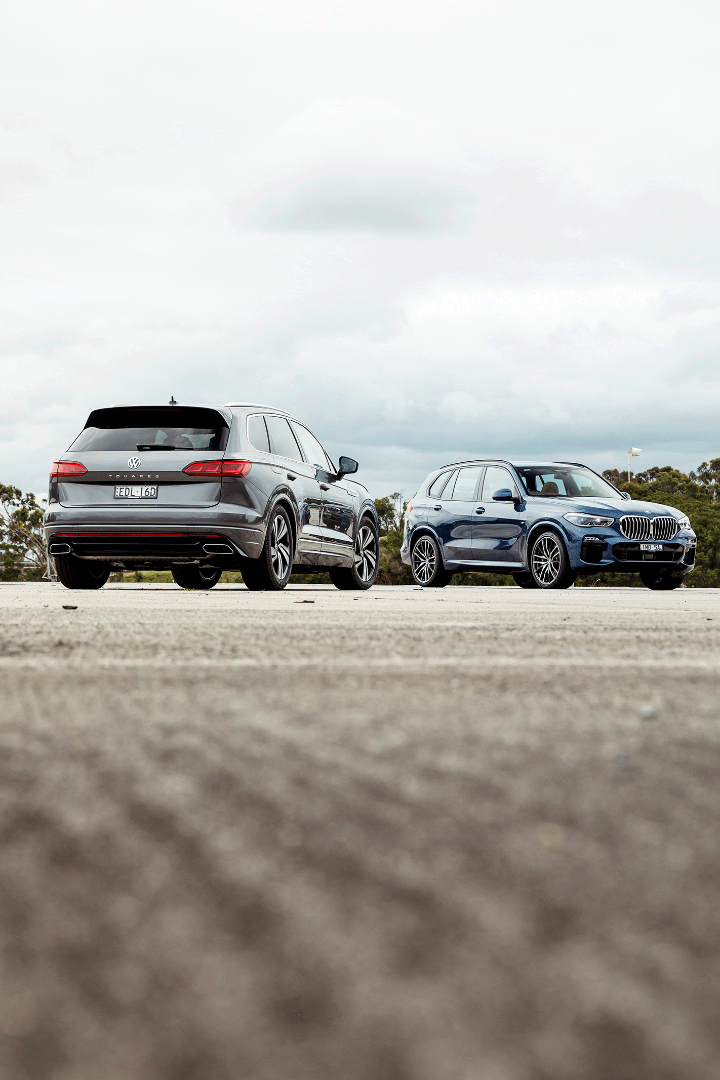
SPECS
Model: VW Touareg 190TDI Premium
Engine: 2967cc V6, dohc, 24v, TD
Max power: 190kW @ 4000rpm
Max torque: 600Nm @ 2250rpm
Transmission: 8-speed automatic
Weight: 2070kg
0-100km/h: 7.5sec (tested)
Consumption: 7.4L/100km
Price: $85,490
On sale: Now
Model: BMW X5 xDrive 30d
Engine: 2993cc inline 6cyl, dohc, 24v, TD
Max power: 195kW @ 4000rpm
Max torque: 620Nm @ 2000-2500rpm
Transmission: 8-speed automatic
Weight: 2110kg
0-100km/h: 6.6sec (tested)
Consumption: 6.8L/100km
Price: $117,900
On sale: Now
Elise has been a journalist across the trifecta of TV, radio and print for more than twenty-five years. When not shackled to her computer or beloved kid, you’ll find this working mum indulging her other passions — skiing powder off-piste or trying to catch a wave on her 8’ Mini Mal.
IT’S AN extraordinary experience driving a 1974 Citroën D Spécial. Its futuristic body shape is something to behold; the old-school column shift transmission seems novel today; the seats are couch-comfy; and the suspension is superlative.
The fact I’m driving such an iconic car while enjoying a little tête-à-tête with Citroën’s global CEO, Linda Jackson, adds a certain frisson to proceedings.
“You do feel like you’re sitting in an armchair. And that amazing suspension gives what I like to call the magic carpet effect,” says an incredibly calm Jackson. She’s neither ruffled by jetlag, nor the fact I’m chauffeuring her in a 45-year-old car.
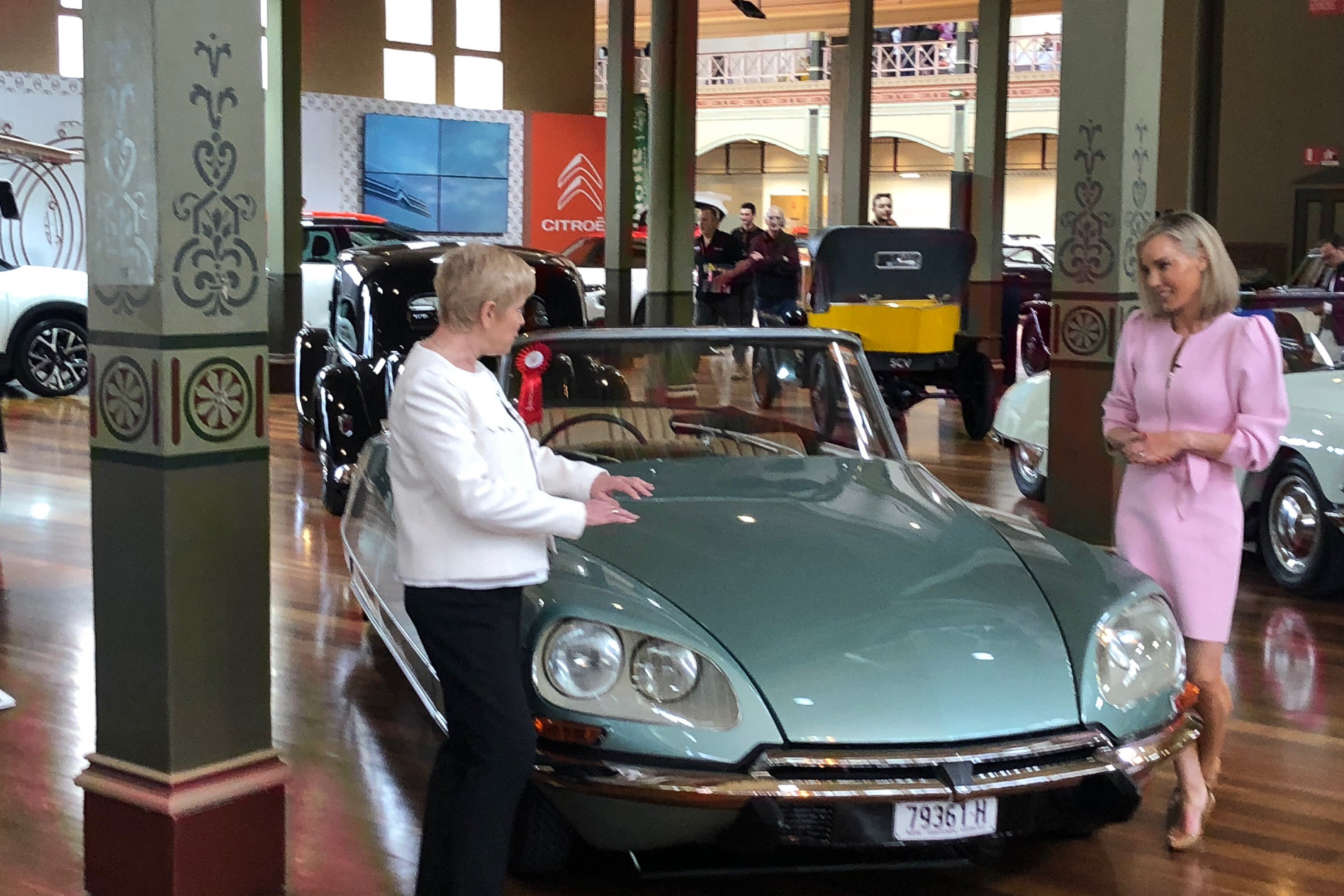
The French have a word for it: sangfroid. It translates as ‘cold-blood’ but really means composure and self-possession. This Brit has it in spades and it’s probably what’s kept Jackson at the helm of Citroen since 2014.
That, and the fact she eschews working weekends or meetings before 8am or after 6pm.
“It’s important people can find that time to have a work-life balance. We also encourage staff to work from home because we all know it’s easier to manage your life that way. You need to be flexible. We call it the ‘feel-good rules’,” Jackson says.
Speaking of feel-good, the D Spécial garners plenty of attention cruising through Melbourne’s streets. Despite the intrigue, Citroën is somewhat of an enigma in Australia; it’s an unusual brand that’s yet to find traction here.
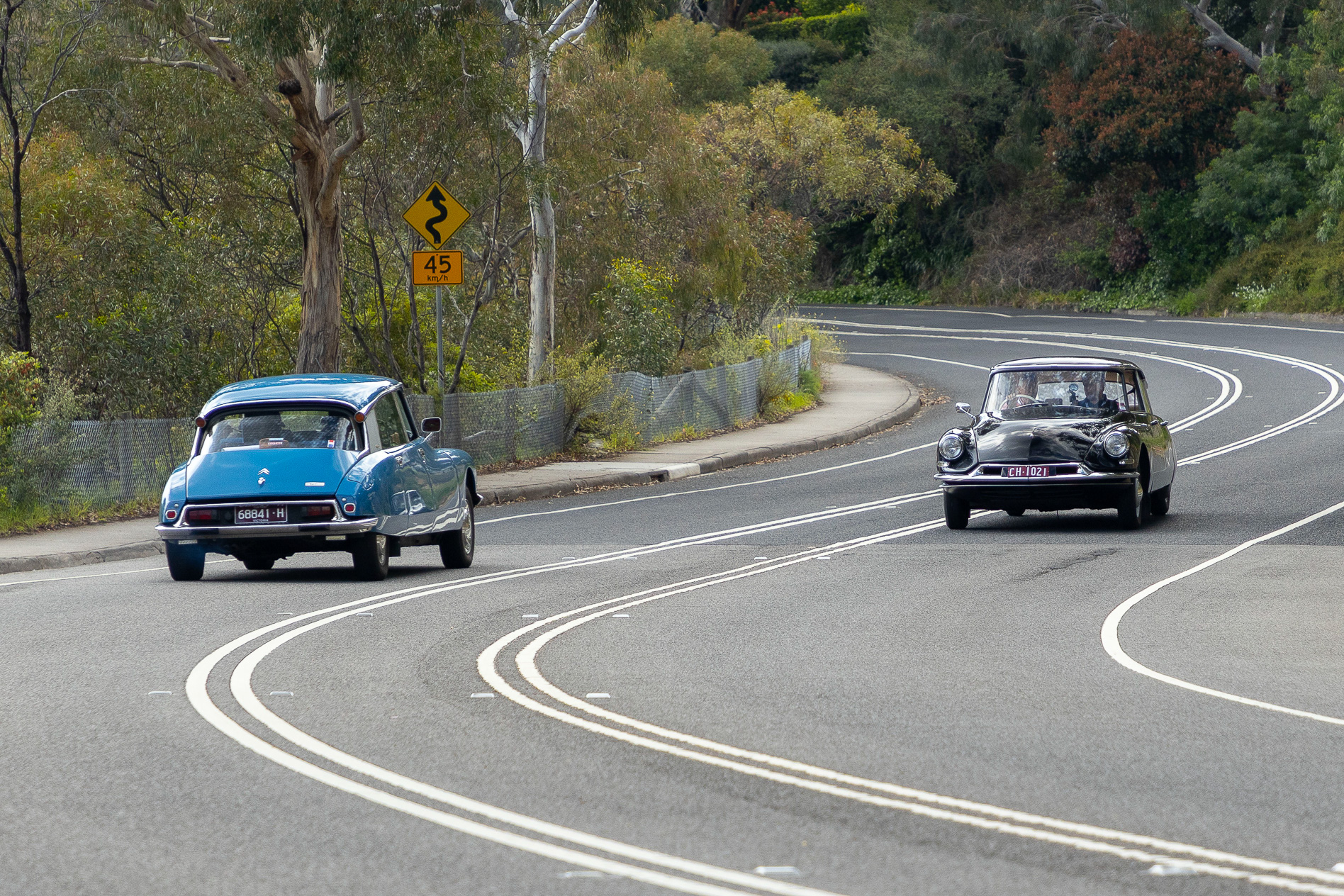
“You’re right and we need to change that. We are very strong in Europe obviously, but we want to be more international,” Jackson says.
How does Citroën intend to do that?
“We’re hitting the market with two SUVs. I hear they are very popular here,” Jackson says.
Indeed. Almost 50 per cent of car sales come from the SUV segment. Thing is, it’s an overcrowded market. How can Citroën stand out?
“We’re making comfort the new cool,” she says. “In the past, it was about suspension and seats. We need to take it further with a more modern approach; now it’s about connectivity, big screens, storage spaces, light in the car and air quality.”
Citroën believes three innovations will ensure a smooth ride: All new suspension with progressive hydraulic cushions; the use of a special structural body bonding; and shape memory seats that adapt perfectly to the physique of each passenger.
I’m not yet convinced by Jackson’s sales pitch, though. I’m also concerned Citroēn has shed its quirkiness — something that made the innovative French brand famous.
After all, a yellow Citroën 2CV helped James Bond escape in the movie For Your Eyes Only. And a DS (affectionately known as Déesse — or, goddess) has been praised for saving French President Charles de Gaulle’s life after a failed assassination attempt.
They’re big tyres to fill.
Jackson and I float in the D Spécial to our destination – the classic and collector car exhibition, Motorclassica – where Citroën’s latest trifecta of vehicles is on show. Despite my earlier fears, the three models look impressive.
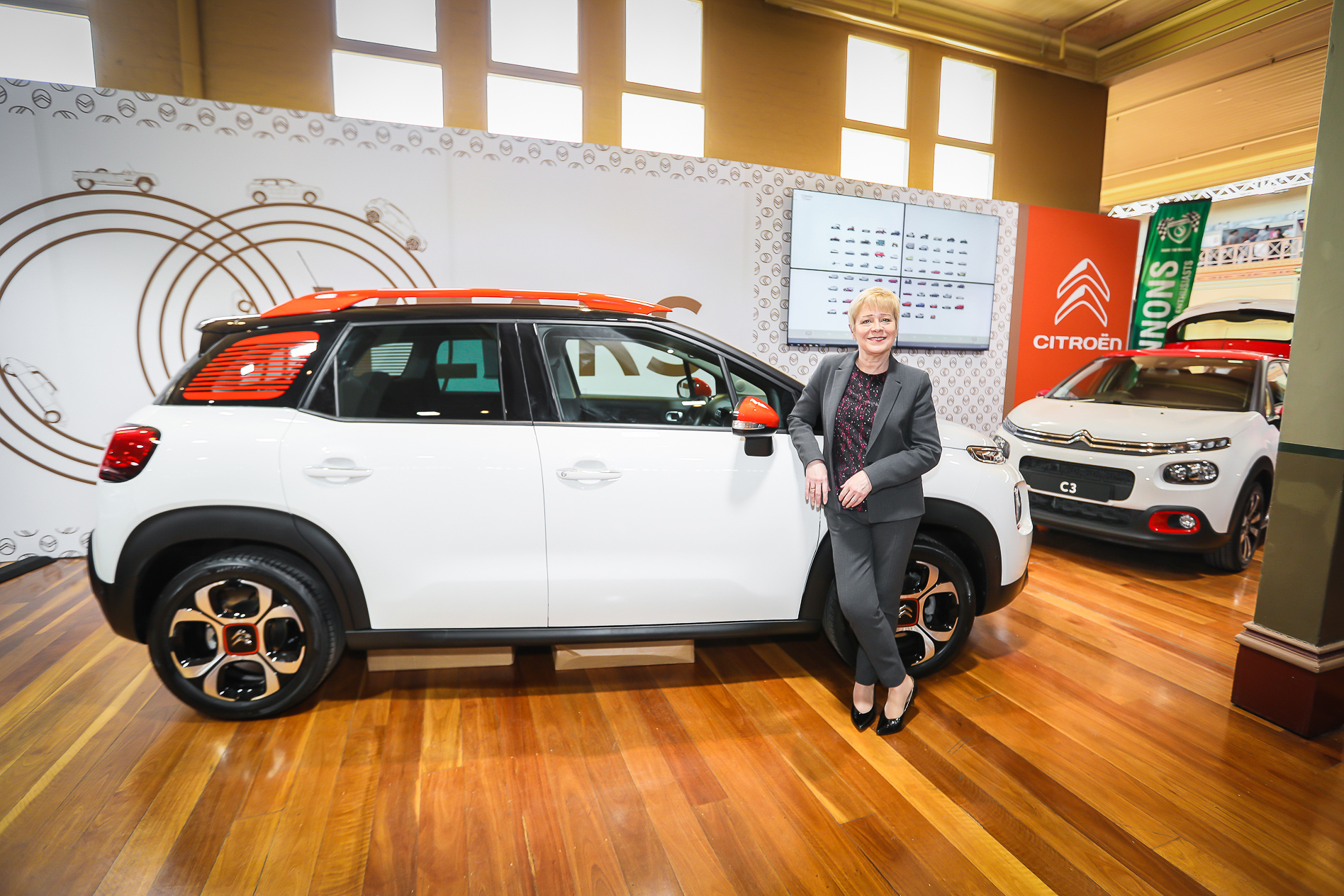
There is the diminutive C3 hatch costing $26,990 (plus on-road costs). In the compact SUV segment, the C3 Aircross is offered in one variant costing $32,990 (plus on-road costs).
The marque’s flagship vehicle, meanwhile, is the C5 Aircross SUV (above). Powered by a small but handy 1.6-litre turbocharged petrol engine, its patented suspension system promises both comfort and handling. It’s priced from $39,990 for the Feel and $43,990 for the Shine. It has a massive 580-litre boot and impressive safety tech, too.
While perhaps not as avant-garde as a DS, Citroën’s SUV offerings look unique; an important selling point. Drivers can further personalise their car by choosing from a base palette of seven colours, then pairing it with a highlight pack of silver or red.
Jackson surveys with satisfaction the three models on offer.
“We have taken our unique design into the future,” she says. “Coupled with our commitment to comfort, I feel we have been true to the past and true to the future, as well.”
Watch out for the full interview on WhichCar TV, which kicks off again for season two on Channel Ten from January 26!
