
A real artisan of a wheelman, piloting a potent rear-driver like, say a Merc-AMG C63 S or an Alfa Giulia QV, could sure unleash a noisy, flamboyant flourish on a road like this. The climb to the summit of Mount Buffalo in the Victorian Alps is only 21km long, and the gradient never kicks much harder than around eight percent, but plenty of the tight turns have good sightlines, and the road, built in 1908 and still in excellent health, offers an intuitive rhythm in which to find a fast groove. Get up early, mid-week, as we have, and you’ll beat the slow-grinding lycra-ites and have the place to yourself.
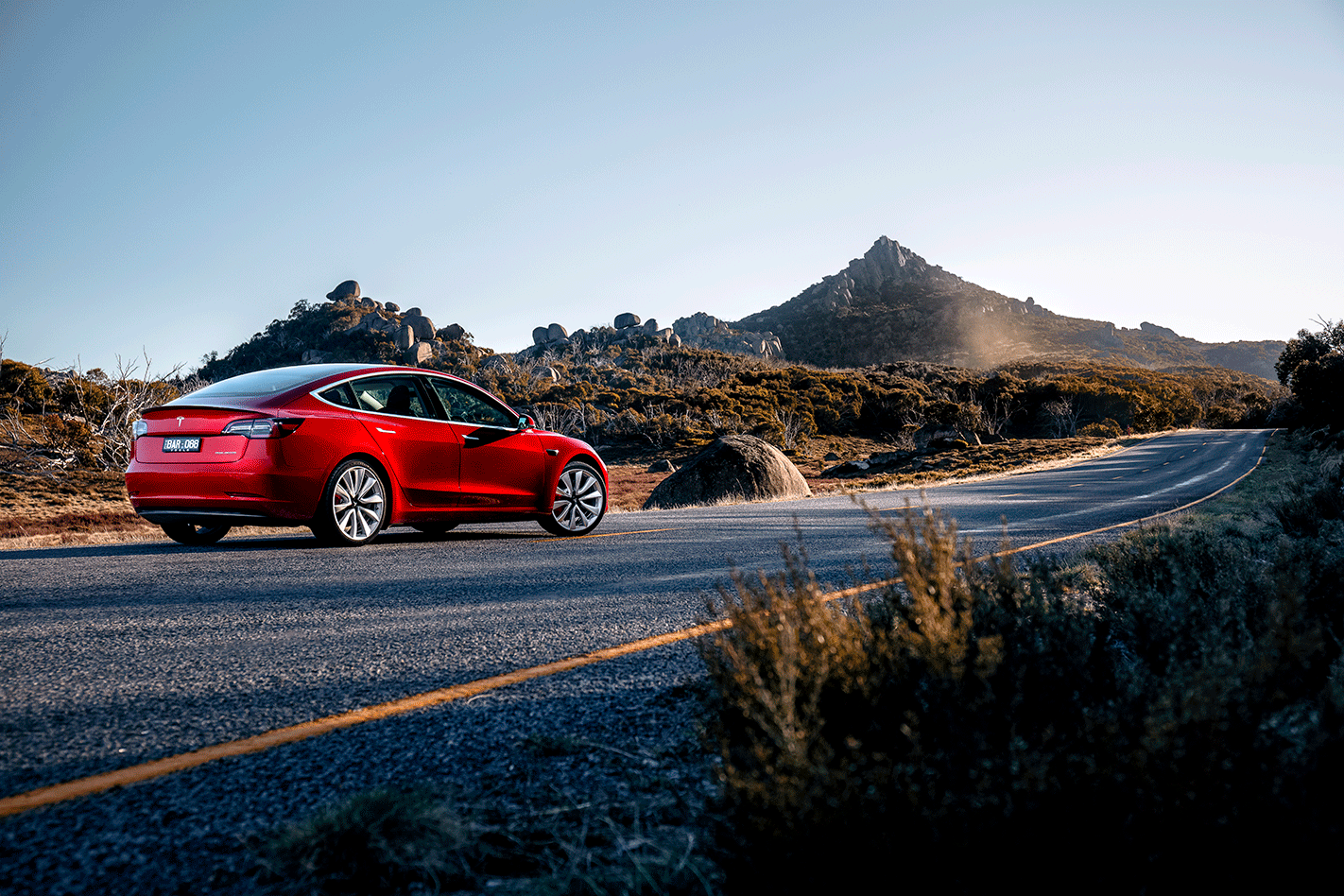
I’m about as artistic as Mr Squiggle with a skinful, so my first run in this American-built EV disruptor is less of an expression session; instead this car reveals itself a glinting, tempered steel blade, enabling you to slash, clean and clinical, like a near-silent ninja. Holy crap, it is fast.
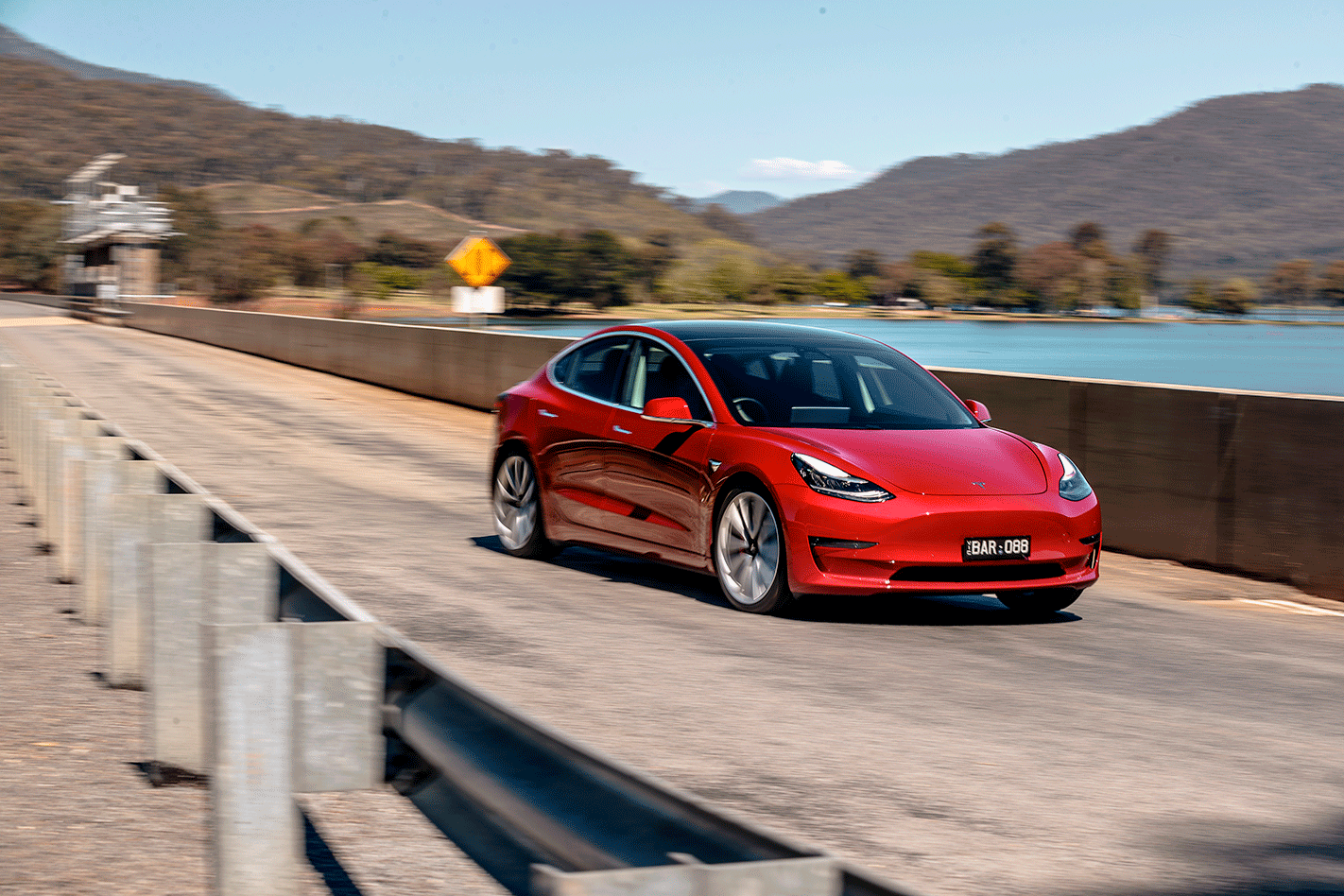
We’re in the top-spec Model 3 Performance, claiming outputs of 353kW and 639Nm, but the torque feels like much more. We know that twisting force from an electric motor is delivered differently to that of an internal-combustion engine, and this thing is giving me a graphic demonstration of that. With no ratios to shuffle through, and no boost to keep on the boil, the acceleration feels instantaneous and relentless. We’re firing uphill, but even with a claimed 1847kg to haul, this $92,900 mid-sizer seems energised by the task of soundlessly inhaling the ribbon of twisting bitumen like a class-A narcotic.
I brake as late and hard as I dare for the first hairpin at about the 4.5km mark, cautious that the bitumen is still cool from the crisp dawn and the shade of the snow gums. There’s virtually zero dive, just belt-straining retardation from the combination of big Brembos and adhesive Michelin Pilot Sport 4s. The steering is ultra-quick at 2.0 turns lock-to-lock, so no need to shuffle hands, just quickly roll the wrists over, glance for the exit, and feed the throttle in hard from somewhere approximating an early apex. There’s a chirp of understeer, but then just a borderline brutal unleashing of torque, so searingly delivered it would make even a twin-turbo V8 feel fleshy. It’s enough to make the rear end wriggle and squeal in protest, but the brain has barely registered this before the torrent of acceleration demands full concentration for the next bend that’s being sucked towards us like we’re in some kind of hyperloop vacuum.
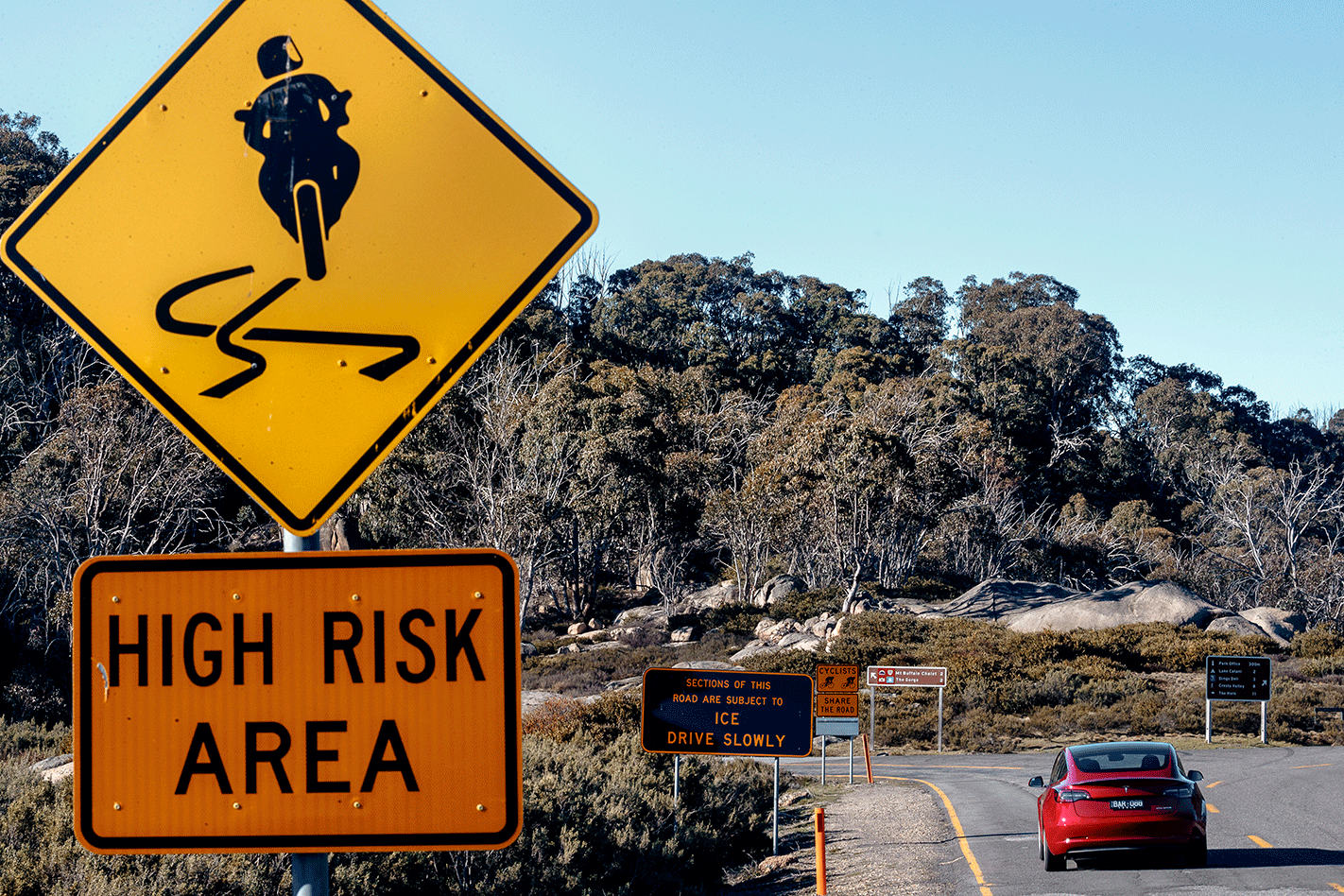
Can this slightly dumpy-looking four-door really be so stunningly quick? Is the lack of any mechanical soundtrack messing with my mind, distorting the sensation of speed? Isn’t it supposed to be the other way around? Don’t loud cars feel faster? I thought I had a basic handle on EV performance, but this is the future, after all, so maybe it’s okay to be just a little confused.
But not on all levels. The drive along the Hume from Melbourne to the foothills of the Victorian Alps is a chance to really try and connect with this car in a touring role, and it does require some familiarisation. Before I attempt to get to grips with the does-everything touchscreen, I notice how the seats feel a bit squishy for a performance car, and there’s little under-thigh support. The tinted, fixed-glass roof is great at night, but punishingly hot under an Aussie sun, forcing the air-con to work harder. Whoever insisted that no blind be fitted needs a slap with a hot thong, especially as the vast black dash-top section also acts like a heat sink. Trim materials, too, are dour-looking and feel cheap. On the upside, storage is generous, and the audio system stunningly punchy and detailed. Just a shame it has to contend with a fair degree of coarse-chip noise from the 20-inch Michelins, which largely negates the electric NVH advantages over ICE when cruising. Where’s the in-cabin active noise cancelling, Elon?
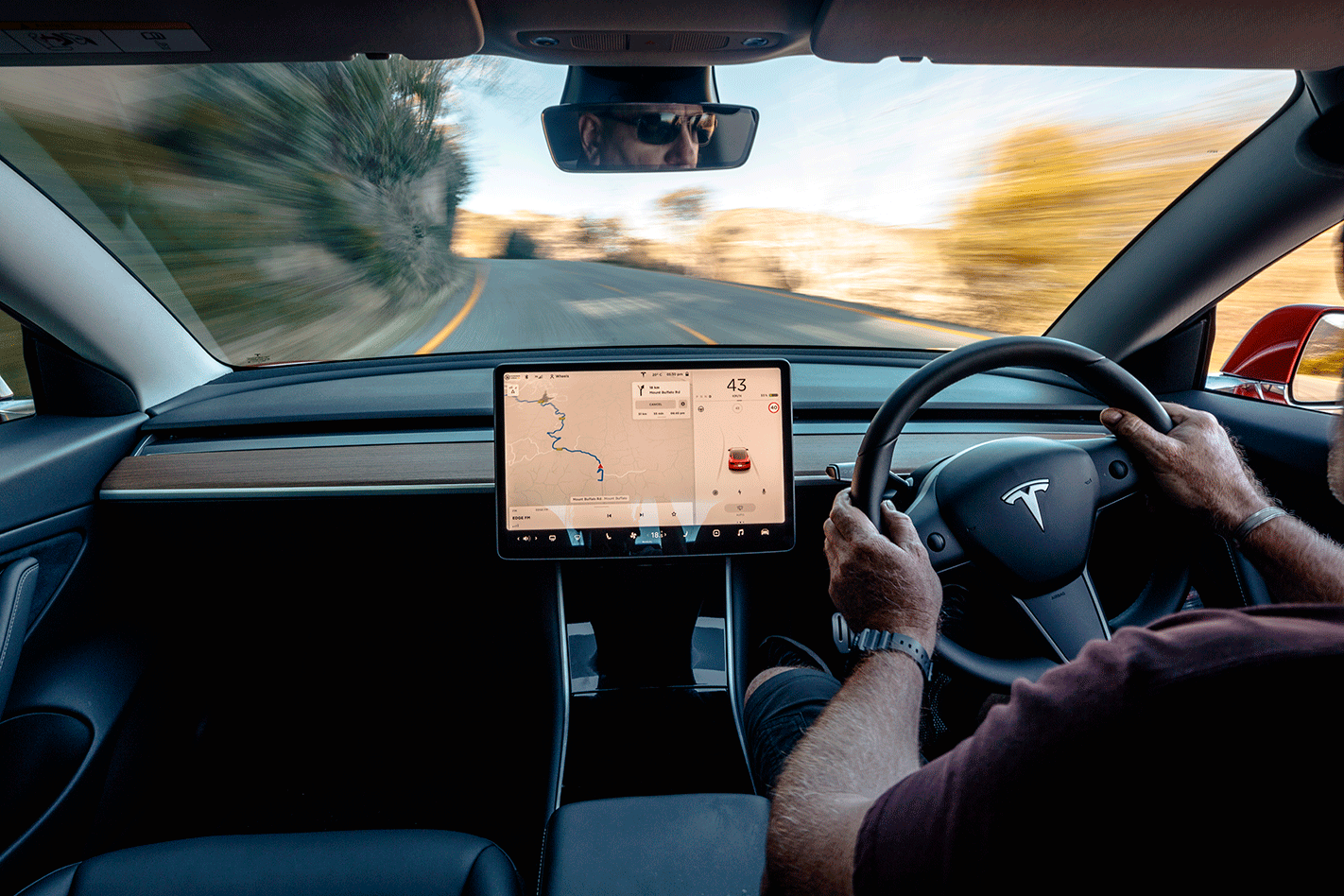
The banishing of all buttons and switches except for the two multi-function controllers on the wheel won’t be to everyone’s taste, but you have to acknowledge that at least the design team had a clear vision as to what they wanted to achieve, in terms of a full rethink of how a customer interacts with their car.
The NEDC range for the 3 Performance is 560km, but we’re on track for more like 390km when we make it to the four Tesla Superchargers in the car park of our accommodation at the Happy Valley pub in the tiny town of Ovens. Our car has a charging account applied to it, and we’ve downloaded the app, so it’s a simple case of plugging in then going for a coffee while the electrons flow – 20 minutes if we’d been happy to take it to 80 percent, but we wait 40 minutes to brim the batteries to 95 percent, which is the new 100 percent, if you’re fast-charging. Yeah, ‘the future’, and all that.
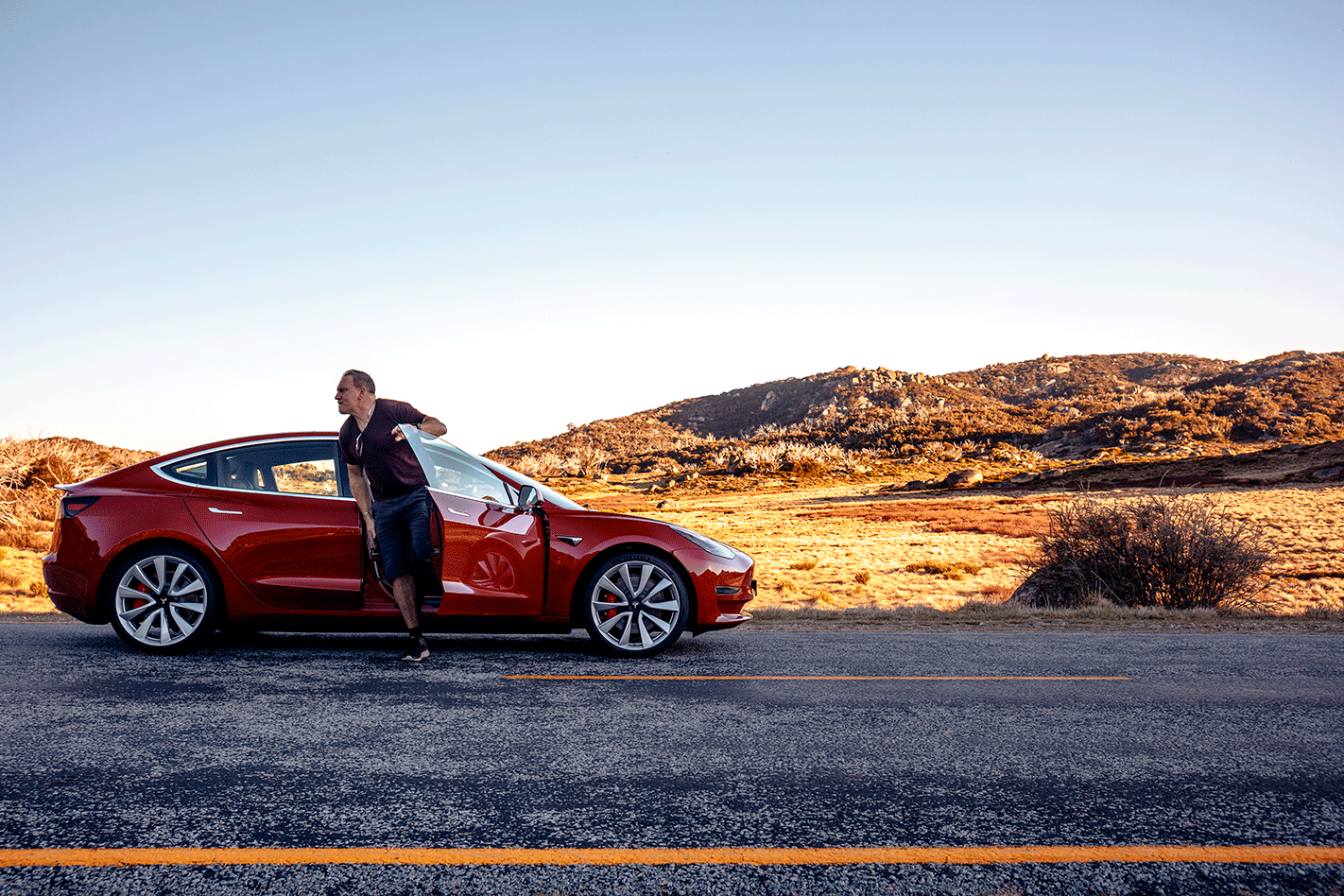
RECENT SPRING RAIN HAS given this region a bucolic postcard quality, and any of the roads leading to either Mount Beauty, or to the ski resorts of Mount Hotham or Falls Creek, will sate the keen driver. But the hot tip is that Mount Buffalo is quieter at this time of year, and so it proves.
The climb starts at the now-defunct toll booth at the entrance of the Mount Buffalo National Park just a few kays from the town of Porepunkah. Flatten the throttle from standstill and 100km/h whips past in a claimed 3.4sec, though it’s the rolling response that’s just as startling – try 80-120km/h in a whisper over 2.0sec.
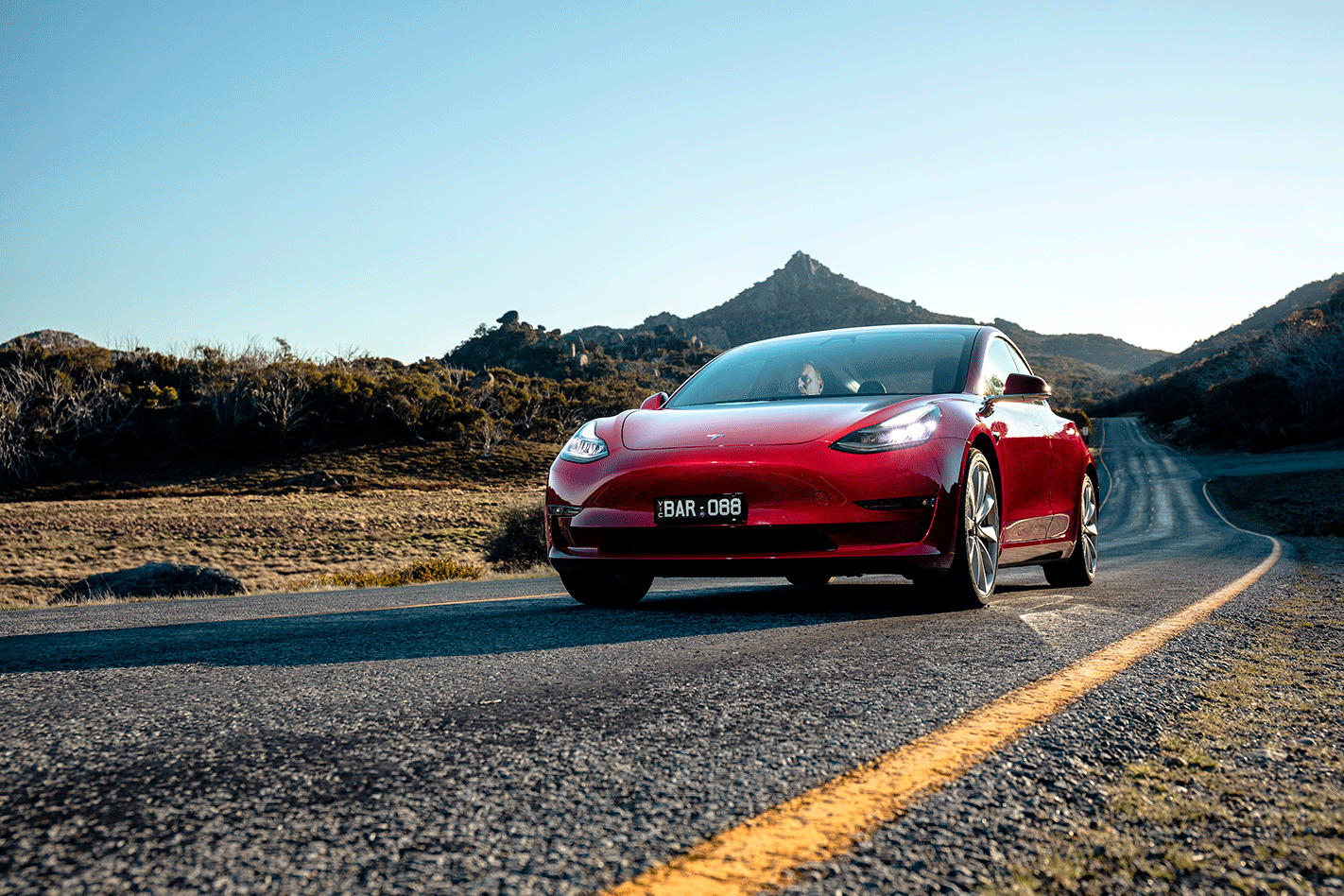
But the chassis composure will also get your attention. The fixed-rate dampers aren’t ultra-stiff, but the low, centralised mass makes the car feel super-planted and predictable. Unless Track mode is selected, it’s not what you’d call playful; there’s just so much traction from the incredible power-down ability of the dual-motor set-up. More steering feel would be nice, but the speed and sensitivity of the rack is brilliant, and with so little roll, and the lack of dive or squat, your hard-driving confidence rises to the next level. Eventually the raw speed at which you arrive into braking zones will start to soften the stopper pedal, but otherwise this thing is happy to be ragged like a Doberman’s soft toy.
We pause to give ourselves and the brakes a breather at the Mount Buffalo chalet, perched on the top of Bents Lookout. Constructed back in 1910 with public works funding, the vast timber building was Australia’s first ski resort, and once buzzed as a winter playground. It closed in 2007, so I wander across the road for a moment of reflection from the Echo Point lookout, which takes in the mountain’s plunging granite cliffs and the lush, fertile Ovens Valley below.
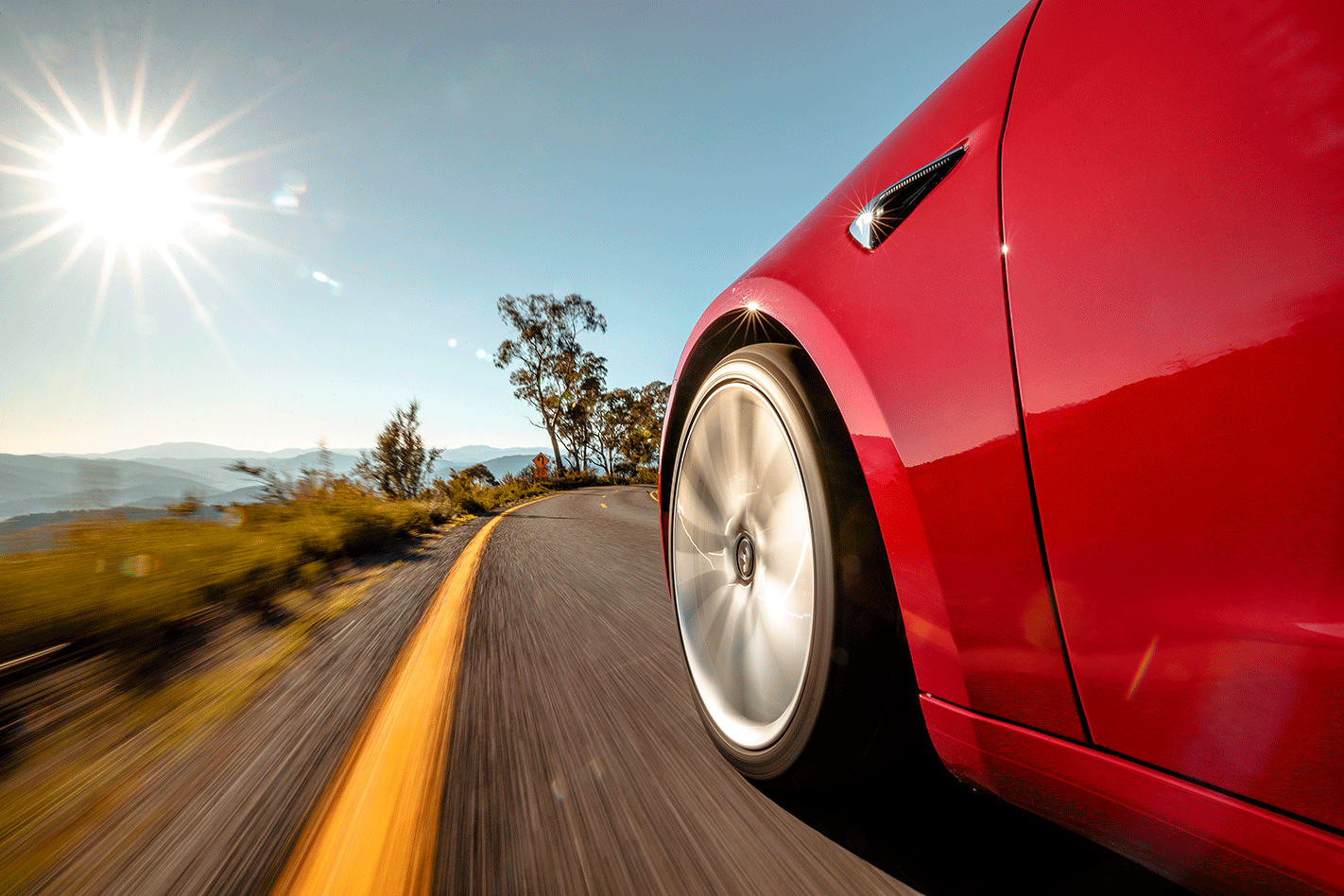
I’m frankly a bit head-scrambled by this car, wrestling to rank it for driving thrills and satisfaction against vaguely comparable ICE sports sedans. Is a crucial element – the aural thrill and stimulation of engine and exhaust – missing? Yes. Does the lack of a soundtrack detract from the pleasure? Yeah, for me it does. Then there’s the lack of a conventional gearbox, yet another typical prerequisite of ‘involvement’. Yet somehow the absence of these things does seem to tighten the focus wheel on the other elements of driving fast. Maybe it’s like the blind guy who develops a heightened sense of smell and hearing. You become even more deeply immersed in the process of car placement; of nailing braking points, of loading the outside tyres, and chasing the throttle ever earlier.
As car enthusiasts, I reckon we can all agree that nothing will ever replace the full-senses immersion of wicking a truly analogue performance car on a favourite road. Glorious noise, stick shifts and feelsome steering is immune to obsolescence. So I’m sure plenty of you will look at the Model 3 Performance and not care how quick and capable it is; you’ll dismiss it as some kind of digitised facsimile of true sports driving; a 1:1 Scalextric experience.
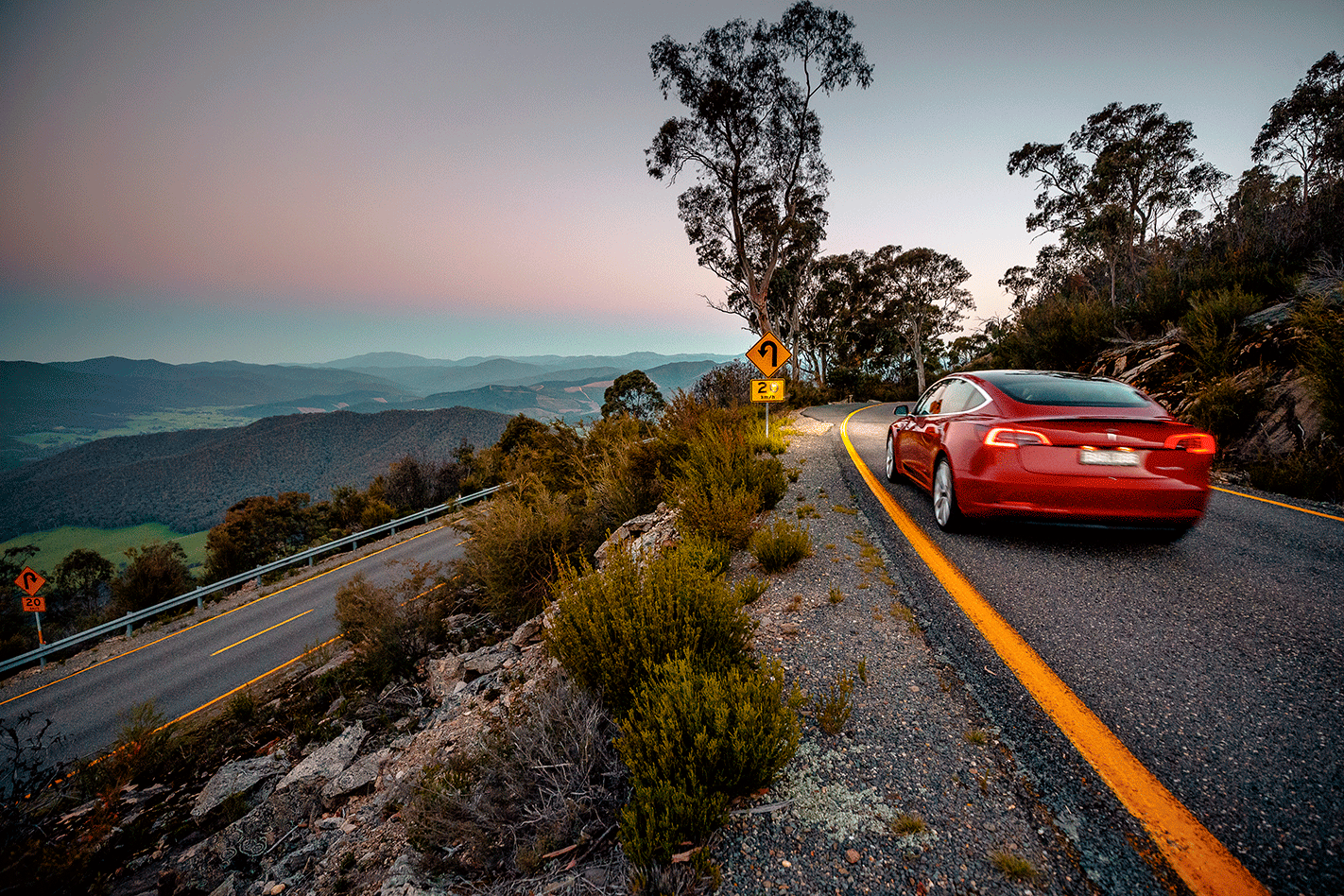
And that’s okay. I’m still trying to fully reconcile how I feel about it on an emotive level. But on a rational level, my overriding take-out is one of admiration for how this car nails its brief. Tesla has copped plenty of disdain, and with the Elon on Twitter sideshow, often with ample justification. However, use this car as intended – as a seamless, quiet five-seater that rides with reasonable compliance as it glides around the suburbs, then as a backroad demolition machine, theoretically powered by green renewable energy – and, well, you’re a tough critic if you can’t bow to its achievement.
We pause for more photography in the fold of the Cresta Valley, the idle ski-lift infrastructure looking dinky and dated. Towering above us, catching the last of the afternoon light, are the spectacular granite formations of the summit known as The Horn. These huge ancient boulders, many the size of a VW Transporter, seem knitted together by the stonemasons of the gods. They’ve sat like this for hundreds of millions of years, from when a rupturing mantle pushed them out of the Earth’s crust. They’re a reminder of the awesome potency of heat and compression and force; the very same formula engineers have harnessed for over 150 years to create internal combustion.
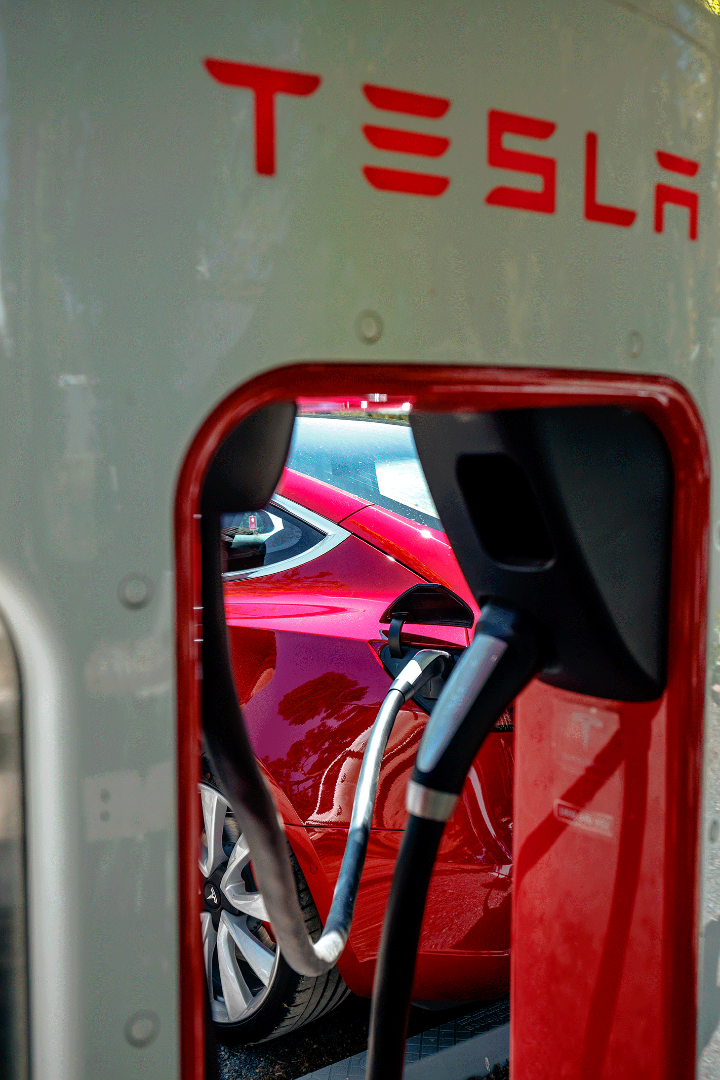
Fittingly, the Tesla Model 3 points in the opposite direction as the shutter clicks.
-BREAKOUT-
Your inbox contains Kilowatts
Expect to hear more about ‘over-the-air’ upgrades as the EV revolution advances. Tesla boasts that it is constantly improving not just functionality but also performance. The company’s VP of Technology, Drew Baglino, says: “We’re continuing to learn how to optimise the motor control systems in our vehicles. Thanks to an upgrade to firmware, Model 3 customers can soon expect a five percent performance improvement, and about three percent for S and X models.”
A good test of a car’s comfort is the ease with which you can fall asleep in it. As a passenger, of course. The Alpina B5 Touring is a very easy car to sleep in.Its ample dimensions provide plenty of space, the large front seats recline almost flat and its pillowy-soft suspension serenely irons out bumps. With photographer Alastair Brook manning the helm and the soothing sounds of Pink Floyd’s amazing Pulse album emanating from the speakers, I quickly drift into the land of nod. It’s been a long day.
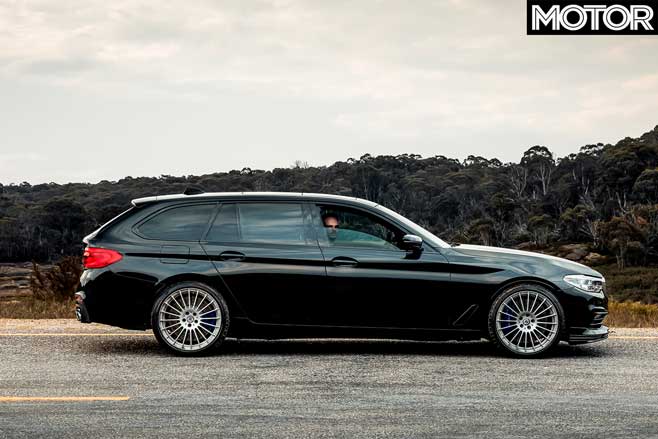
We don’t often discuss comfort here at MOTOR, unless it’s the amount that’s acceptable to sacrifice in the pursuit of performance, but an appreciation of comfort is key to understanding the Alpina B5. A glance at the technical data suggests that Burkard Bovensiepen and his crew in Buchloe, Germany, have created a subtler version of the BMW M5.
After all, both use the 5-Series as a base, possess stunningly powerful 4.4-litre twin-turbo V8s, eight-speed automatic gearboxes, and all-wheel drive. BMW’s M5 Competition offers 460kW/750Nm, 0-100km/h in 3.2sec and a 305km/h top speed for $229,900; Alpina’s B5 counters with 447kW/800Nm, 0-100km/h in 3.5sec and a 330km/h V-max for $210,000. Horses for courses, surely?
Unsurprisingly, Alpina hasn’t spent valuable time and money developing exactly the same car. Just as all cakes are made with eggs, flour and… other stuff (I’m not a baker) but a carrot cake tastes vastly different to a mud cake, so too the M5 and B5 are vastly different propositions despite starting with the same raw ingredients.
To truly understand the benefits of Alpina’s sports-luxury – as opposed to outright high-performance – approach, we need to go for a drive. A really, really long drive.
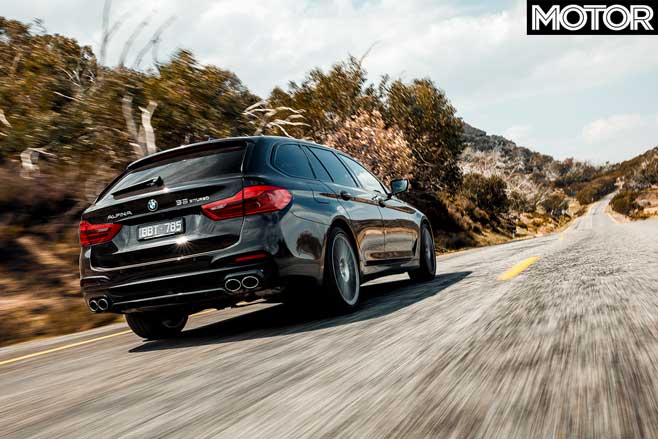
Victoria’s Alpine region seems as good a destination as any, with plenty of highway to traverse en route, stunning scenery to photograph and more corners than you can throw a Lotus Elise at, let alone a two-tonne wagon. Alpina now offers an SUV, the twin-turbo diesel XD3, but remains a staunch advocate of the low-riding liftback form.
Choosing the B5 Touring drops the top speed to 322km/h, shaves 10mm from the rear tyre width (now 285mm), installs air springs for the rear suspension, lifts the kerb weight to 2075kg (105kg more than the sedan), the 0-100km/h claim to 3.7sec, the price to $217,000 and the cool factor by roughly a million.
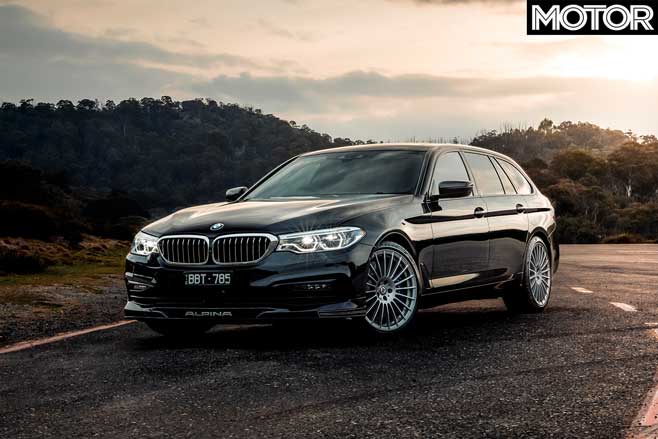
No one suspects this unassuming black family hauler is packing 600bhp; our test car lacks even the svelte silver stripes that usually easily identify an Alpina. Before we head north to higher altitudes, Heathcote Dragway beckons. Being automatic, all-wheel drive and immensely powerful, it takes little skill to extract impressive numbers from the B5 Touring.
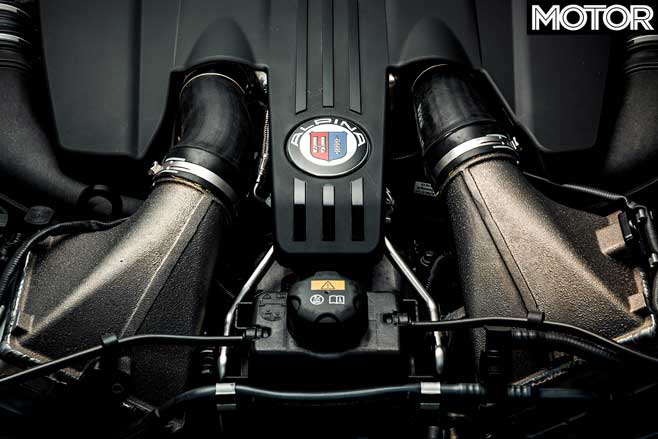
Load the engine against the brakes, release and hold on; 3.9sec to 100km/h quickly becomes a consistent 3.7sec, before some optimisation of launch revs and shift points drops the final figures to a fairly stunning 3.60sec to 100km/h and an 11.53sec quarter mile at 198.92km/h, having passed 160km/h in 7.53sec. To provide some historical context a Ferrari F40 took 8.0sec, a Porsche 959 8.2sec. The B5 is seriously quick.
And seriously comfortable. Alpina uniquely offers a Comfort Plus suspension mode, endowing the adaptive dampers with the absorbency of Sorbent triple-ply. Sharp, sudden impacts can be felt – presumably a consequence of the low-profile rubber – but in general the B5 Touring has a lovely loping ride quality that allows highway miles to melt away effortlessly. The steering is quite mute but there’s tremendous stability at high speed, any overtakes swiftly dispatched thanks to an 80-120km/h time of just 2.1sec.
Sadly, in stop-start driving the B5 fails to display the same level of insouciance that impresses on the open road. The monstrously powerful engine and ZF eight-speed automatic are both well-behaved in their own right, but the marriage clearly has communication issues.
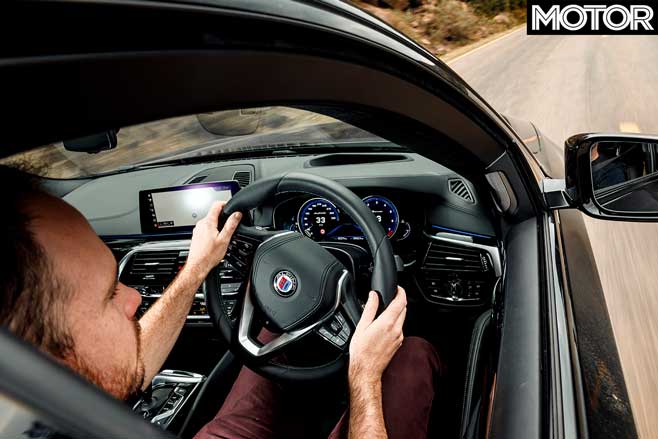
There’s the occasional driveline shunt and tip-in from rest can be abrupt, annoying when the component parts suggest syrupy smoothness will be the order of the day. Thankfully, the ride remains excellent, even in Sport which can occasionally be preferable thanks to the greater wheel control.
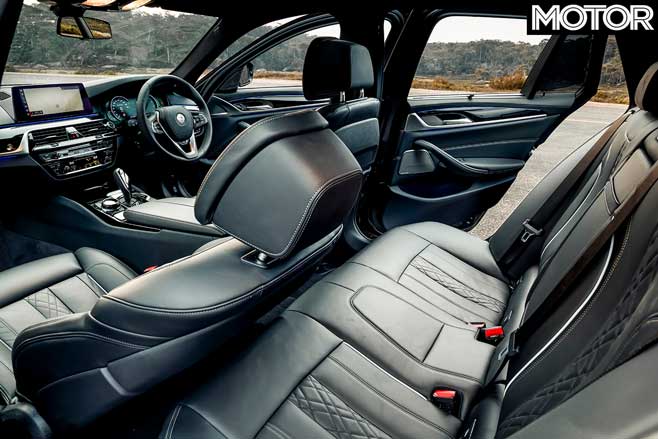
Our test car’s interior is very similar to a standard 5 Series, the couple of Alpina-specific touches ranging from excellent (the digital instruments are much nicer than the BMW ones) to questionable (the gearshift buttons on the back of the steering wheel, which always creepily bring to mind nipples).
The good news is that if you want something different, Alpina is happy to oblige. Multiple grades of leather in any colour you can think of and a variety of trim finishes (various woods, aluminium, piano black and more) offer a level of customisation that this overwhelmingly black press demonstrator fails to take advantage of. Even better, you can even opt for the standard BMW shift paddles.
These would come in handy with 30km of serpentine mountain road ahead. As the name suggests, Mount Buffalo Road scales Mount Buffalo, a 1723m peak with stunning scenery and an incredibly diverse ecological environment. Its access road is an extreme test of any performance car.
Narrow and consisting of an unrelenting barrage of corners, the alpine tarmac also prioritises extreme-weather hardiness over grip. Theoretically, the all-wheel drive Alpina should have no issues, but the B5 seems to periodically forget it has front driveshafts.
You might read this next passage and think me mad, but the Alpina seems to need to ‘learn’ the surface grip each time you start the engine. The behaviour first appears when snapper Alastair requests some cornering shots. No problem – fire up the engine, relax the stability control and off we go. The steering is typical modern BMW: uncommunicative and poorly weighted, Comfort offering too little resistance and Sport requiring greater effort for no reward.
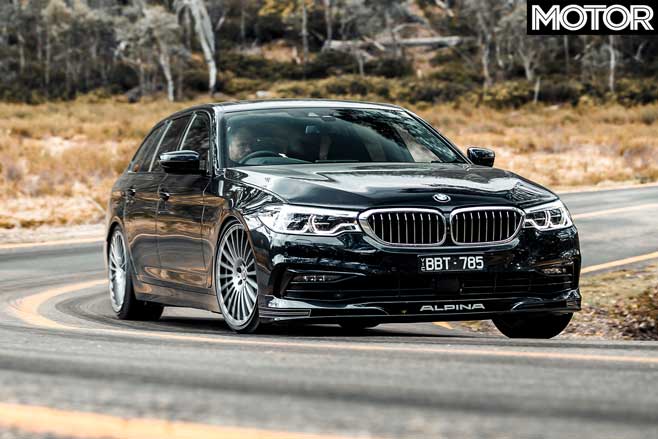
It is accurate enough to place the Alpina’s nose on the apex, but applying the throttle leads to the inside-rear wheel spinning furiously as it’s attacked by 800 rampaging newton metres. Whoa – what the hell was that? A rear limited-slip differential is an option and clearly not fitted, but isn’t this thing meant to be all-wheel drive?
The next run results in power oversteer but from then on the Alpina displays remarkable poise and outstanding traction. I put it down to a glitch in the matrix, but the same thing happens again when we shift locations. Engine on, first corner, furious wheelspin; second run, great traction. It’s one of the strangest things I’ve come across as a motoring journalist. The good news is, once it’s figured out what-wheel drive it is the B5 Touring is an entertaining beast, albeit one that, again, is very different to an M5.
It starts with the engine. Both Alpina and BMW use a 4395cc V8 with a pair of turbochargers and very similar ultimate outputs, but the way each delivers its grunt is unique. The M5’s S63B44T4 revs higher, has a more linear power curve and faster throttle response, as you’d expect for a car developed with circuit use in mind.
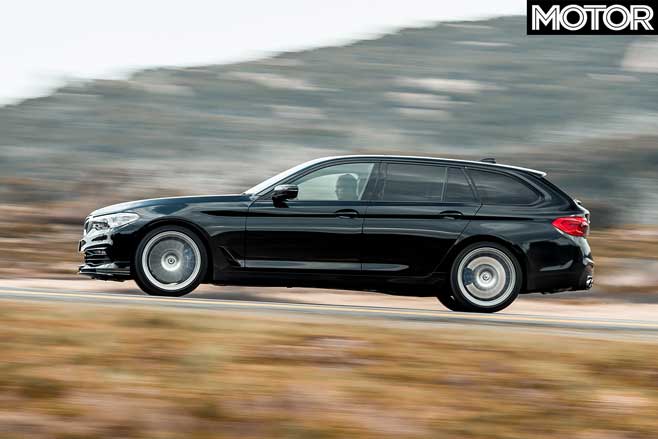
In contrast, the Alpina’s N63B44-based unit majors on mid-range. The turbos take a little longer to spool up, forcing the driver to pre-empt the power delivery somewhat by accelerating early; likewise, power plateaus from 5500rpm to 6500rpm so it feels more effective to change up early and surf that tsunami of torque available from 2000-5000rpm. Click a gear higher in turns and you’ll be catapulted from corners with those quad-exit exhausts bellowing a deep bent-eight baritone.
A certain rhythm is required to keep the Alpina happy. Attempts to hustle it and use every ounce of grip are unsatisfying as the softer suspension tune and substantial 2075kg kerb weight overwhelm the Pirelli P Zero tyres (255/35 front; 285/30 rear).
Back off slightly, adopt a more point-and-shoot mentality and the B5 is not only more enjoyable but devastatingly capable. The brakes resist punishment well – and deliver an excellent 34.5m stop from 100km/h – the steering is accurate enough for confident car placement and the rear-wheel steer works brilliantly to reduce the load on the front tyres and help mid-corner rotation in these tight mountain hairpins.
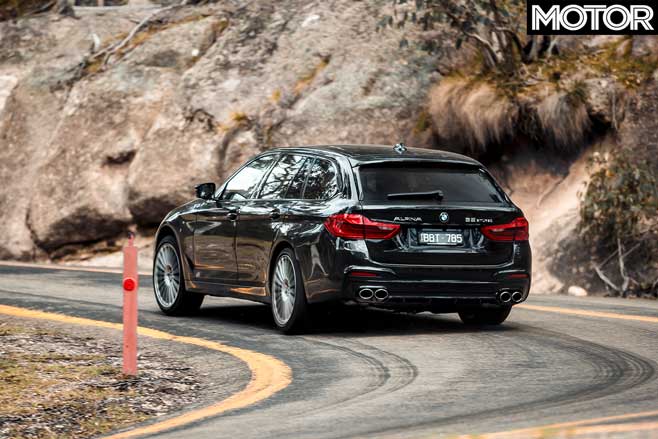
However, while eminently able, it’s obvious this sort of terrain isn’t the Alpina’s preferred environment. It’s built for the autobahn, to confidently crush large distances at super-high speed. When you’re cruising at 250km/h-plus, stability is far more important than granular feedback and keeping occupants relaxed a higher priority than ruthless body control.
After almost 18 hours and 1000km, it’s clear the Alpina B5 Touring isn’t a BMW M5 wagon, nor is it trying to be. Its sole purpose is to be a road car specialising in everyday comfort and crushing straight-line performance – that it happens to be reasonably handy in the bends is a bonus.
It’s like a big, cuddly teddy bear with really sharp teeth. BMW’s forthcoming M550i sings a very similar tune, but there’s still room for the Alpina for those who place a premium on exclusivity, personalisation and a wagon bodyshell. It’s comfortable in its own skin; the ultimate sleeper in every sense of the word.
2020 Alpina B5 Touring Specs BODY: 5-door, 5-seat wagon DRIVE: all-wheel ENGINE: 4395cc V8, DOHC, 32v, twin-turbo BORE/STROKE: 89.0 x 88.3mm COMPRESSION: 10.5:1 POWER: 447kW @ 5500-6500rpm TORQUE: 800Nm @ 2000-5000rpm WEIGHT: 2075kg POWER-TO- WEIGHT: 215kW/tonne TRANSMISSION: 6-speed manual SUSPENSION: struts, coil springs, adaptive dampers, anti-roll bar (f); multi-links, air springs, adaptive dampers, anti-roll bar (r) L/W/h: 4956/1868/1466mm WHEELBASE: 2975mm TRACKS: 1611/1596mm (f/r) STEERING: electrically assisted rack-and-pinion, rear-steering BRAKES: 395mm ventilated discs, 4-piston calipers (f); 398mm ventilated discs, single-piston calipers (r) WHEELS: 20.0 x 8.5-inch (f); 20.0 x 10.0-inch (r) TYRES: 255/40 ZR20 (f); 285/40 ZR20 (r); Pirelli P Zero PRICE: $217,000
PROS: Monstrous performance; lush ride; personalisation CONS: Heavy; mute steering; drivetrain stumbles RATING: 4 out of 5 stars
The Strip
| Alpina B5 Touring | |
| 0-10km/h | 0.22sec |
| 0-20km/h | 0.56sec |
| 0-30km/h | 0.92sec |
| 0-40km/h | 1.26sec |
| 0-50km/h | 1.60sec |
| 0-60km/h | 1.98sec |
| 0-70km/h | 2.28sec |
| 0-80km/h | 2.68sec |
| 0-90km/h | 3.16sec |
| 0-100km/h | 3.60sec |
| 0-110km/h | 4.14sec |
| 0-120km/h | 4.71sec |
| 0-130km/h | 5.31sec |
| 0-140km/h | 6.02sec |
| 0-150km/h | 6.75sec |
| 0-160km/h | 7.53sec |
| 0-170km/h | 8.40sec |
| 0-180km/h | 9.40sec |
| 0-190km/h | 10.47sec |
| 0-200km/h | 11.62sec |
| 0-400m | 11.53sec @ 198.92km/h |
| 80-120km/h | 2.1sec |
| 100-0km/h | 34.5m |
| Speed in gears | |
| 1st | 59km/h @ 6500rpm |
| 2nd | 93km/h @ 6500rpm |
| 3rd | 138km/h @ 6500rpm |
| 4th | 172km/h @ 6500rpm |
| 5th | 226km/h @ 6500rpm |
| 6th | 296km/h @u00a06500rpm |
| 7th | 322km/h @ 5890rpm* |
| 8th | 322km/h @ 4520rpm* |
*Manufacturer’s claim. Heathcote, 21˚C, dry. No rollout applied Driver: Scott Newman Official timing supplier: www.vboxaustralia.com.au
What is the coolest touring car of all time? It was an innocuous question that sparked a fierce debate between the Wheels team.
So, like any good family, we’ve decided to air our dirty laundry in public to let you, the reader, decide.
Everyone in the team was given the opportunity to put forward their suggestion, and some of our friends from WhichCar even got in on the action.
So, here are the pitches:
Audi 90 quattro IMSA GT
Unbelievably, it seems no one has picked the BMW 3.0-litre CSL to be included on this list. Even more unbelievably, I’m not either, though the mighty Batmobile deserves at least an honourable mention. That image of it taking off with considerable air at the Nurburgring helped capture an entire generation of touring car fans. Still, even the BMW can’t hold a flame to the IMSA Audi quattro.
This is one of the more fearsome looking racing cars ever constructed. Concocted on a tubular steel spaceframe and draped in a flexed and stretched body that only just resembled a 90 quattro, it was effectively Walter Rohrl’s 1987 Pikes Peak car shoehorned into a silhouette touring car. The numbers are huge: nearly 550kW from 2.2-litres of five cylinder madness with an enormous KKK turbocharger bolted to it. The side exhaust is legendary, as is that impossibly wide bodywork/narrow glasshouse, but it’s those aero wheels that get it over the line for me. – Alex Inwood

Volvo 850 Estate
How can I possibly justify nominating a touring car that never won a championship? Heck, Volvo’s 850 Estate never even won a race and its total of pole positions is a big, fat zero. I can because this is about the coolest touring cars, not the most successful ones and when the British Touring Car Championship kicked off in 1994, Walkinshaw’s wagons attracted all the interest, driven by Jan Lammers and Rickard Rydell.
The concept came about by accident. Volvo approached Stefansson Automotive (SAM) to develop a race version of the 850. By the time the concept was agreed, the production 850 had been facelifted, and the factory was only initially turning out the more popular wagon shells. Luckily, wind tunnel testing showed that the long roof offered more downforce than the sedan for the wingless BTCC rules. Walkinshaw confirmed this, the company shaving weight down to 975kg.
Even today, few remember that Gabriele Tarquini aced the championship in his Alfa 155 TS. Everyone recalls those Swedish tanks that came 15th and 16th, leaping over kerbs and scoring best finishes of fifth place at Oulton and Brands. That’s the thing with cool. It’s hard to define. You just know it when you see it. – Andy Enright

Ian ‘Pete’ Geoghegan’s Ford Mustang GTA
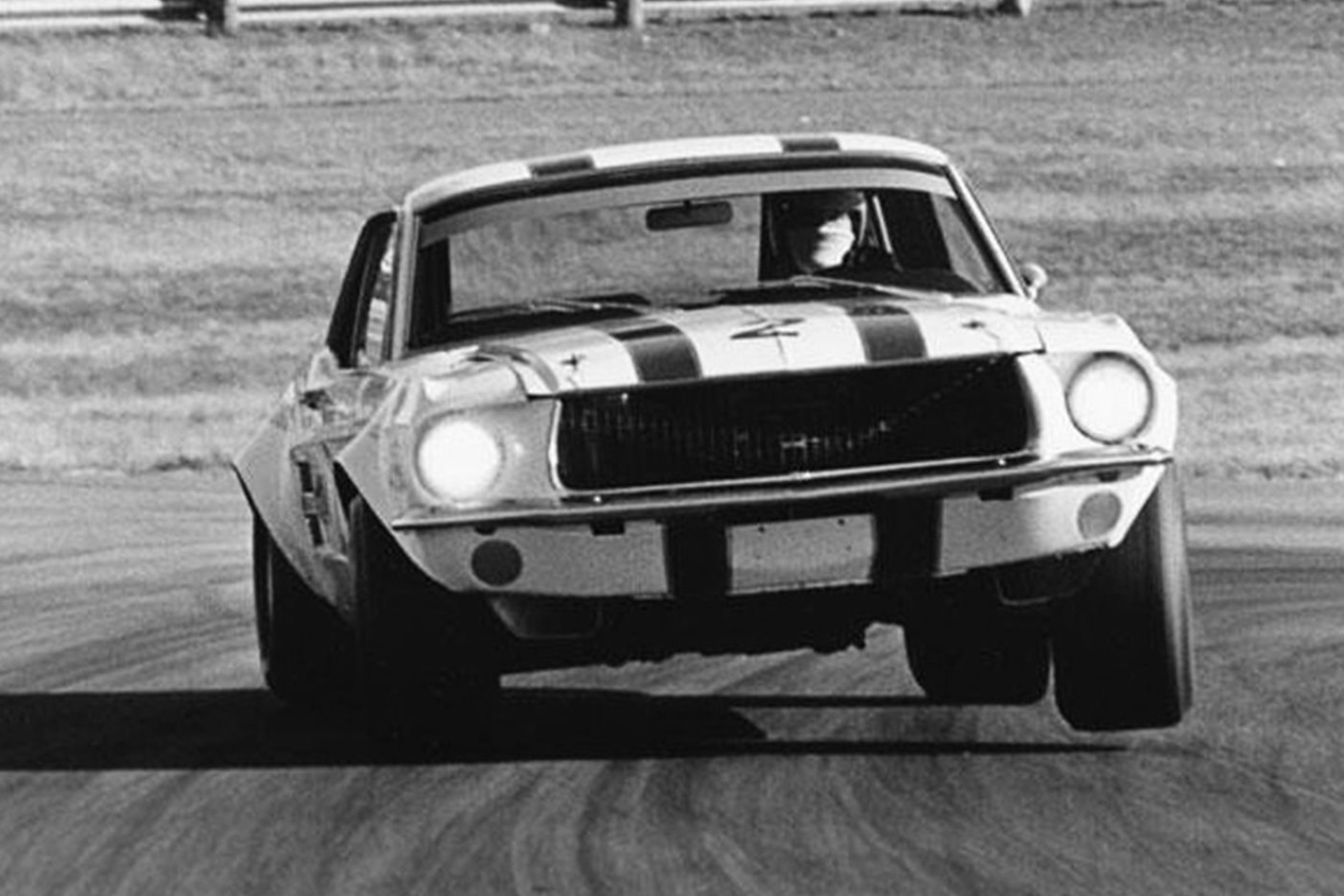
‘Big Pete’ Geoghegan and his wild ’67 GTA notchback Mustang are one of the most competitive combos in ATCC history, sweeping three consecutive championships (1967, ’68 and ’69). But, it’s not the racing success that makes this the coolest touring car. No, it’s the driving style used by Geoghegan in the process of destroying the competition; his Mustang was often seen sliding around the track with the inside front wheel wagging in the air.
Geoghegan’s engineer, John Sheppard, was responsible for tuning and maintaining the GTA, which was fitted with a four-speed gearbox and 302-cubic-inch engine from a ’67 fastback. The engine was hotted up with four Weber carburettors, before eventually being converted to fuel injection.
But the GTA’s three-wheel cornering style was due to a modified suspension geometry.
“We were limited to standard bodywork and 8.0-inch rims, but there was nothing to govern the rim offset,” Sheppard told Unique Cars.
In order to widen the track, and fit fat rubber under the flared arches, the top wishbones were shortened by an inch to allow the unladen wheel to lean in and clear the mudguard.
Fast, wild, and loud: exactly what a cool touring car should be. – Cameron Kirby
Ford Sierra RS500
I think the Ford Sierra often gains a bad rap down under simply because it isn’t a V8. But I have a massive soft spot for the racing RS500 Cosworth and how it utterly dominated world touring cars in the late ‘80s and early ‘90s.
Hilariously, it’s been documented that the 2.0-litre four-pot produced a meek 67kW naturally aspirated, but when the big turbo kicked hard with 2.4 bar (35psi) of boost, it developed a staggering 507kW. Dick Johnson sticking it to the Eggenberger Sierra’s (putting his car on pole by half a second) at Silverstone for the 1988 RAC Tourist Trophy is also a special highlight. – Trent Giunco

BMW E30 M3
Start discussing the greatest touring car of all time and it’s not long before the BMW E30 M3 is mentioned. First rolling to the start line in 1986, the E30 M3 is the most successful BMW in motorsport worldwide and shines on as a hallmark of touring car racing to this day.
Racing widely throughout Europe and even making its way to our own Australian Touring Car Championship, the E30 M3 not only holds countless wins around the world but can also claim to be a true race car for the road. That’s thanks to its BMW Motorsport-derived high-revving four-cylinder S14 engine and wild bodywork – most of which makes its way on to the homologation road car. – Tom Fraser

JZA80 Toyota Supra GT500
The Castrol TOM’S Supra is an icon of a time when the Japanese auto industry was asserting its dominance in a big way, both in showrooms and on circuits. What are its coolness credentials? Well just look at it – the classic Castrol livery is worn well by the Supra’s big curves, and its long-bonnet proportions telegraph its athletic potency.
However, this particular Supra wasn’t just cool, it was smart: instead of plonking the factory-issue iron block 2JZ boat anchor up front, TRD grafted in the much lighter and motorsport-tested 3S-GTE four-pot to give the racing Supra even better dynamics than its road-going brethren, while big boost sidestepped the loss of two cylinders and 1.0 litre of displacement. – Tony O’Kane

Which touring car do you think is coolest? Let us know below in the comments!
YES, WE KNOW, this looks familiar. It was just over a year ago that we assembled the finest front-drivers going and unleashed them on the fresh, third-generation Renault Megane RS. When all was said and done, the Honda Civic Type R bowled over its opponents, including the plucky Frenchie. So that turns this comparison into a foregone conclusion, right? Not quite.
Dieppe has been slowly turning up the heat on its Megane RS and has finally revealed its ultimate forms. One take is the no-holds-barred, Nürburgring record-chaser (and holder) RS Trophy-R that we had along at Performance Car of The Year 2020. We would have loved to see the lightweight, carbonfibre-clad warrior take on Honda after dethroning it as the fastest front-drive car at the ’Ring, but the Trophy-R’s astronomical price ($74,990) unbalances the match-up.
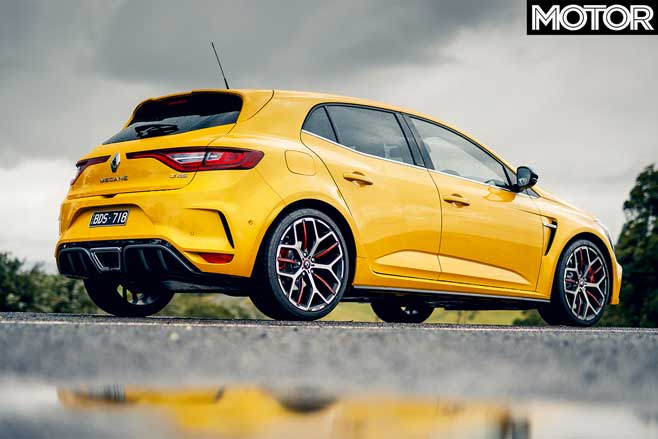
That’s fine because that mega-Megane shares some DNA with the less potent RS Trophy 300 EDC we have here. Sure, it looks as if it has only gained some new alloys, but under the bulging bodywork, Renault Sport’s crew has tweaked its arsenal for a more involving, heart-thumping drive. That 1.8-litre engine, for instance, gets the ceramic ball-bearing turbocharger from the Trophy-R, so it’s good for 221kW. And that six-speed dual-clutch transmission, or Efficient Dual Clutch (EDC), isn’t held back by the manual’s torque limit, so you get the full 420Nm, or 20Nm more than any other Megane.
Underpinning the Trophy is Renault’s Megane Cup chassis, bumping up the spring, damper and anti-roll bar stiffness rates to match broad Bridgestone rubber at each corner. Oh, and a Torsen LSD sits between its fancy dual-axis front hubs.
While we’re here, it’s worth mentioning that Renault Australia sadly doesn’t offer the optional Trophy lightweight 19s and higher-grip Bridgestone S007 tyres like other markets do, so it comes with regular S001 tyres.
Renault’s 4Control rear-steering system persists at the back, while there’s a pair of new slotted brake discs that shed 1.8kg per corner on the front-end.
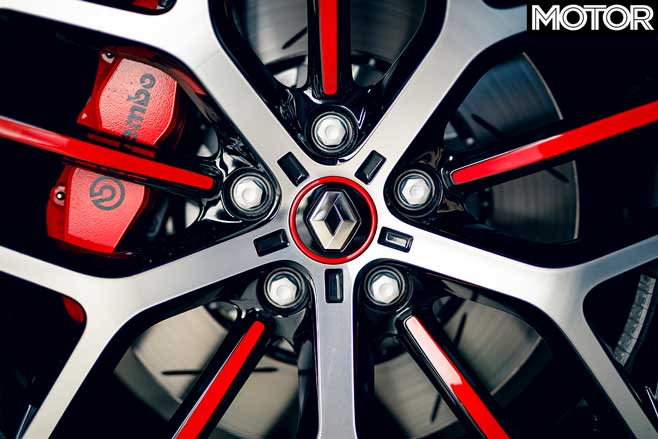
Climbing aboard, the driver’s pew has dropped 20mm – enhancing the ergonomics when matched with the EDC’s twin-pedal setup. Again, it hurts that we miss out on the optional Recaro buckets available overseas, as they’re achingly gorgeous, but the deep standard seats mean you’re still front row to hear the Trophy’s new electronically controlled exhaust.
On top of that, the Trophy adds Bose audio, and a lightweight lithium battery to help cancel out the amp and subwoofer’s extra weight, while Alcantara wraps the steering wheel and seats. All up this tacks $4000 onto the price of a Megane RS Cup manual or EDC variant, so you’re looking at $55,900 for Trophy EDC before on-roads. And that might make our next contestant look unusually cheap.
Honda originally injected the Civic Type R into the market with one specification and only released a range of optional accessories since – including a $14K set of forged wheels – and today the only true factory option for the Honda continues to be pearlescent paint. That’s fine, since it has been a winning formula so far in standard trim.
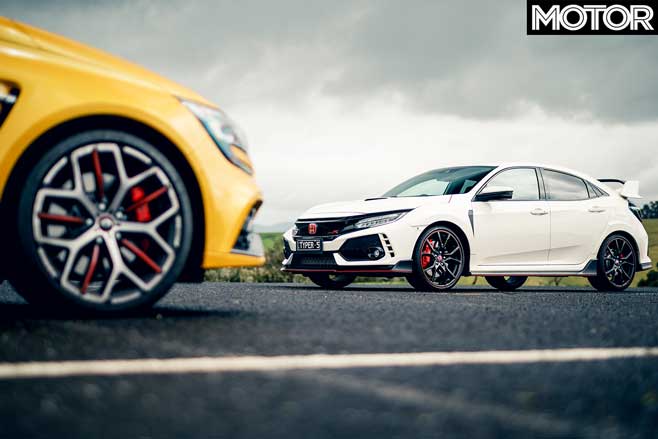
Up front is the same 2.0-litre turbo four, mated to a six-speed manual gearbox, that produces 228kW and 400Nm, which is in the same ballpark as the Renault. But the two share more than just similar outputs.
Honda slots between its front axles a helical LSD that, like a Torsen, relies on a set of mechanical gears to transfer torque between the front tyres (which measure the same 245mm as the Renault). Dual-axis front hubs feature as well. They split steering and suspension duties across two separate systems within the front knuckle design. Inside, the interior remains unchanged and there are still only four seatbelts. As far as price goes, the Honda undercuts the Renault at $51,990 plus on-roads. But it’s still nowhere as value-focused as our third contender.
We’ve met the Hyundai i30 Fastback N before. The sleek-bodied version of the popular hatch landed early last year to diversify the N range while Hyundai toils away on the long-promised dual-clutch variant. But this is not just an i30 N in a new tracksuit.
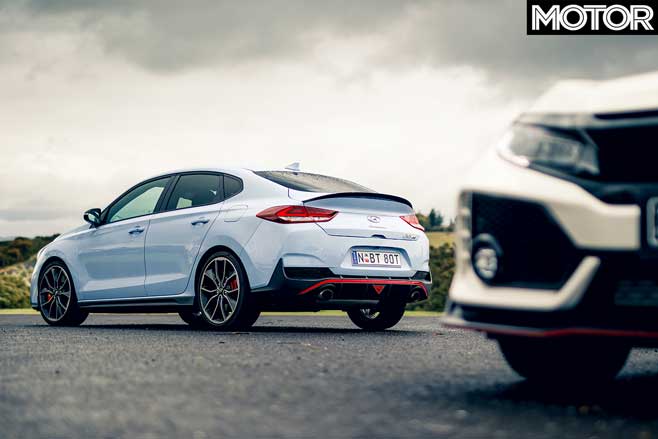
The engineers in Seoul changed a few things to wrought the i30 N into its Fastback shape. The ducktail extends the boot 120mm, and they also spot-weld its body an extra 29 times to retain handling crispness. The softer front suspension features new helper springs and stiffer mounts, while tubular rear camber arms promise more consistent alignment settings when you’re bouncing off kerbs.
Other than that, the 2.0-litre turbo four uses the same 202kW and 353Nm (378Nm briefly on overboost) to shift the Fastback’s extra 12kg over the hatch. It also includes the i30 N’s regular weapons – a six-speed manual, electronically controlled LSD, adaptive dampers, beefier brakes and a sport-tuned ESP.
This amounts to a modest $1500 price increase on the hatch, pegging the Fastback N at $41,990 before options and on-roads. Our test car also comes with the Luxury Pack option, which adds a fair bit to its equipment list, and $3000 to the bill, for a total as-tested price of $44,990.
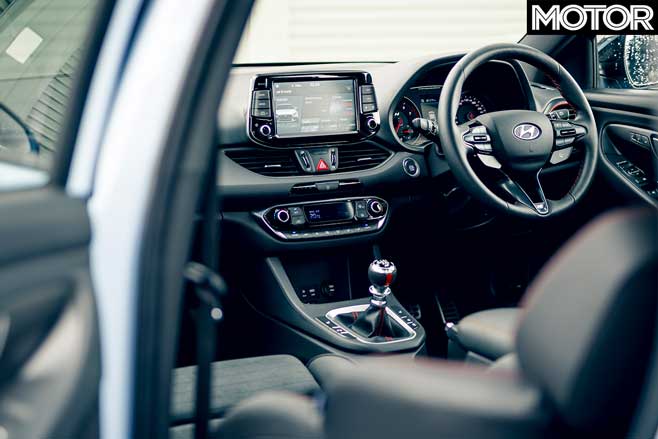
While the Hyundai comes in at a much lower price point, this actually helps it at the drag strip since it’s the sole car here with a traditional handbrake lever. Loading up the handbrake with some revs on helps spool the turbo when launching from a standstill. The added resistance also pulls the comparatively skinny Pirellis into the tarmac for more grip, so with a bit of luck you’ll avoid waking the undefeatable traction control.
Rowing through its gearbox reveals a direct and free shift action, but the upshift into third at 98km/h prevents the Hyundai recording a sub-six 0-100km/h time. Beyond that, the Hyundai needs every Newton-metre to keep its mass hustling down the chute. It carries a decent 162.51km/h across the end line and stops the watch at 14.28sec but doesn’t feel particularly fast – even though times like these would munch late-’90s muscle cars.
No handbrake tricks lie in the Honda’s arsenal since moving to an electric version, so launching it effectively requires balancing revs with unavoidable wheelspin. And of that there is much. The K20C1 VTEC unit piles on torque ferociously as the revs charge towards its 7000rpm redline, which can make timing the shifts particularly hard.
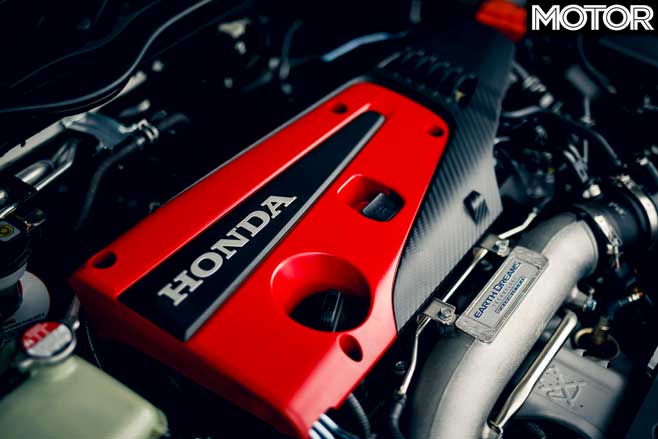
Execute them right – especially from second to third gear, where some crucial momentum might carry you past 100km/h – and you’ll extract good times. After plenty of launches we managed 0-100km/h in 5.81sec before crossing the finish in 13.77sec almost 10km/h faster the Hyundai. You can thank the Type R’s dominant 164kW/tonne power-to-weight ratio for that. There’s no doubting a front-drive manual format improves this number, but you’ll face tricky launches as a trade-off.
On the other hand, a dual-clutch transmission like the Renault’s makes the launch process a relative breeze, with the increased traction off the line helping justify its 30kg weight penalty. How does it work? Engage RS mode, relax the ESC and pull back on both paddles until three flashing green lights appear on the dash. Hold the brake, plant the throttle, then lift the brake.
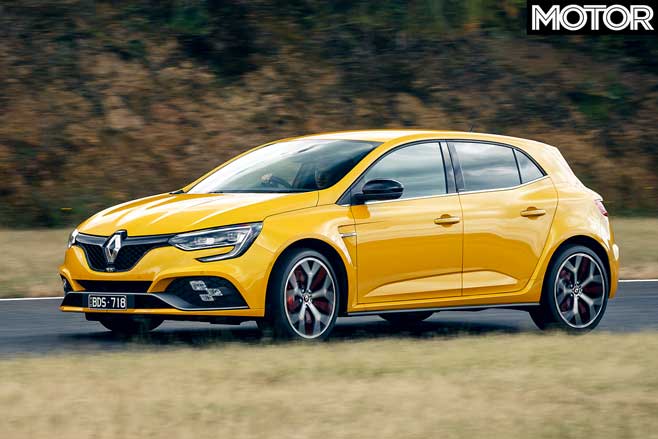
Traction control smooths out the Renault’s strong mid-range in first gear, but when the taps open the front tyres start to struggle. Quick, efficient shifts keep traction decent and reap a 5.83sec 0-100km/h time in three attempts, though a relatively tubby kerb weight means the Renault loses a few clicks on trap speed. Still, its 13.89sec 0-400m time with 170.85km/h on board is respectable. Especially considering how easily it’s achieved.
A change of scenery to the Haunted Hills circuit resets the scoreboard. But, while the Renault’s torque-rich engine seems suited to what is more of an undulating motorkhana with kerbs than a traditional racetrack, things play out differently.
Renault has geared the EDC shorter than the manual, which effectively multiplies the applied torque to the front wheels. You therefore have to be careful booting the Trophy EDC out of corners or it feels like it could torque-steer itself out of track limits. Even with dual-axis hubs.
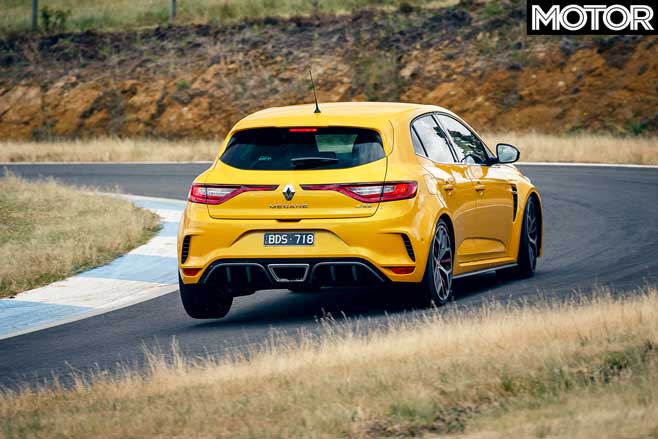
The Trophy is a remarkably precise gadget in other areas though. The steering remains pin-sharp and the off-centre accuracy is sublime. Its firm damping ensures ninja-like reflexes and extracts ridiculous amounts of cornering grip from the Bridgestone rubber.
Then there’s the controversial rear-steer system. We know what it’s meant to do – steer in the opposite direction for agility at lower speeds, and then the same direction for stability at higher speeds – but it’s never clear how much it’s helping.
Luckily, the paddleshifts give your brain some much-needed mental capacity to learn how the system behaves. It’s not a problem when chucking the Renault into hairpins on three wheels because the suspension’s doing all the work here. It’s more when you’re nudging it through long radius bends and it steers into the bend more than you’re expecting. The trickery conceals the car’s true limits.
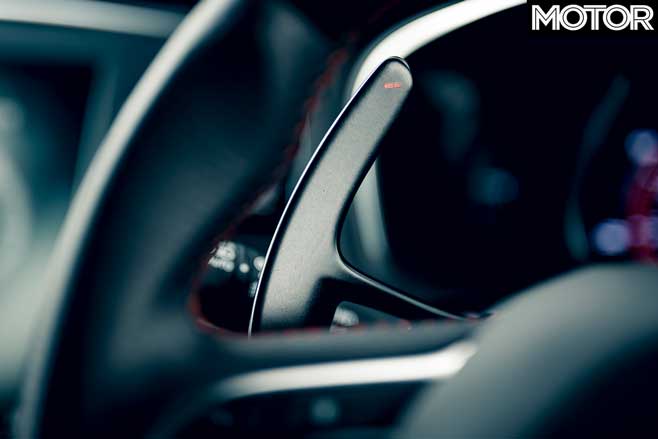
There’s no such mystery with the Hyundai. In fact, its handling characteristics are more of the opposite. Although the controls are nowhere near as positive as the Renault’s at low speeds, since the steering is heavier and the pedals are softer, they come alive with feedback when you start to push on. It all feels set up to give you as much information as possible. The brakes are solid too.
Push the Hyundai to its limit, as it will encourage, and the front Pirellis will chatter in protest when you’ve piled into a corner with too much lock or speed, which is a known characteristic with i30 Ns. But the Fastback’s front-end at least feels like it finds a fraction more grip when you’re setting it up on corner exit. Mash the throttle and that electronic diff will deploy the turbo engine’s generous torque.
The Honda isn’t so well behaved. Give it too much clog with some steering lock and the wheel will try to pull itself straight before you’re out of the corner. But that’s all you can really fault its dynamics for. The moment you nestle into the car’s deep-set pews you can sense how much lower it sits. It feels hunkered down, like the bulk of its weight is far underneath you, and this means you can feel any yaw movements sooner through the seat of your pants.
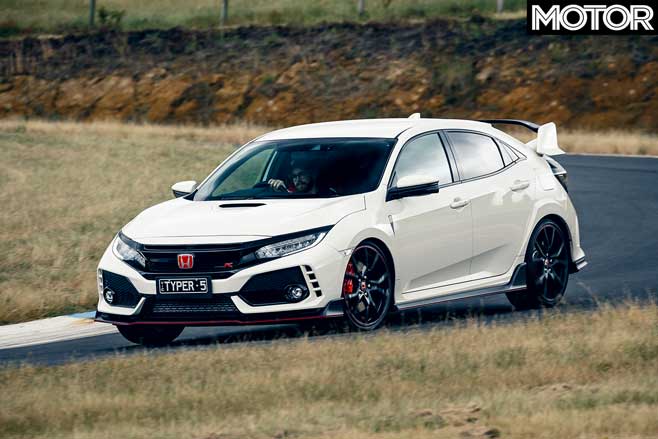
Yes, the steering is slightly more elastic than the Renault’s, but the dual-pinion set-up is brilliantly responsive and direct. The brakes are firm and powerful, and the gearshift is slick, sharp and positive. The lower centre of gravity, combined with adjustable adaptive damping, also let Honda dial down the roll stiffness in the suspension hardware.
The Type R’s chassis brilliance continues when we break out onto the craggy roads surrounding the track. As we bomb through corners signposted at 100km/h, it’s calm and collected. Potholes pose no problem; you brace for impact but glide over them with suppleness and stability. Its ride and handling mix is almost perfect. We’d only wish you could unlock the dampers from the overall drive-mode system. Or, perhaps, for an edgier exhaust note.
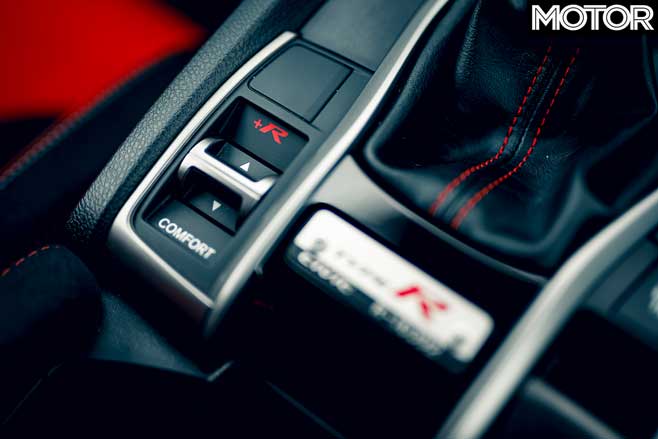
We’d happily settle for something like Renault’s exhaust system, which helps the Megane’s 1.8-litre belt out a gravelly noise while burping explosively on the upshifts. It’s a downright cackle.
But while that’s an assault on the senses, over these pockmarked roads the Trophy can be bit exhausting when you consider everything that’s going on. While the lighter front brake discs calm its sharp ride ever so slightly, you still pogo about in the front seat as the suspension struggles to settle. Sure, the hydraulic bump-stops absorb the worst hits and let you bully the road into submission if you’re up for it, but ultimately the handling experience is just not as enjoyable as it is on track.
The Hyundai, meanwhile, with adaptive damping and independent suspension all round, goes some way to filtering out large frequency bumps. But corrugated surfaces and big lumps expose the limits of its ride comfort. Ultimately, since there is an evident compromise, it sacrifices comfort for ultimate control.
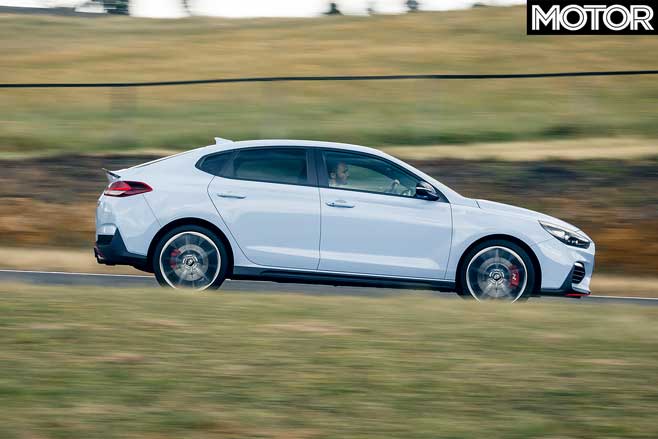
Still, the Hyundai feels cohesive no matter what mode combination you choose for its components. On the open road we settle on: sport diff, normal damping, normal steering and Sport Plus engine tune. And the exhaust is always set to its loudest mode in hope the Honda might imitate it. But more often the Hyundai is outshone here.
There’s still plenty to like about the Fastback N. It’s an accessible performance car with enough character and talent to entertain you on road and track, just like the hatch. It’s not that compromised either, since luggage space is actually greater than with the hatch as well.
But does it improve the core package? Not really. At least not to the level of the Honda or the Renault. Maybe we shouldn’t expect it to at this price. The i30 Fastback N is fantastic value, even if its $7K advantage can’t stop us from looking past it for the Honda.
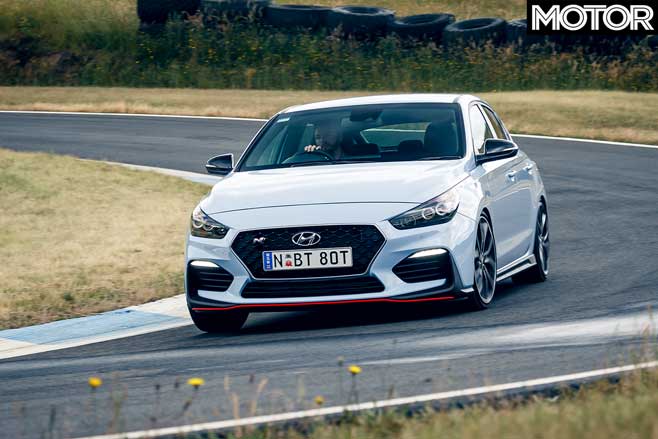
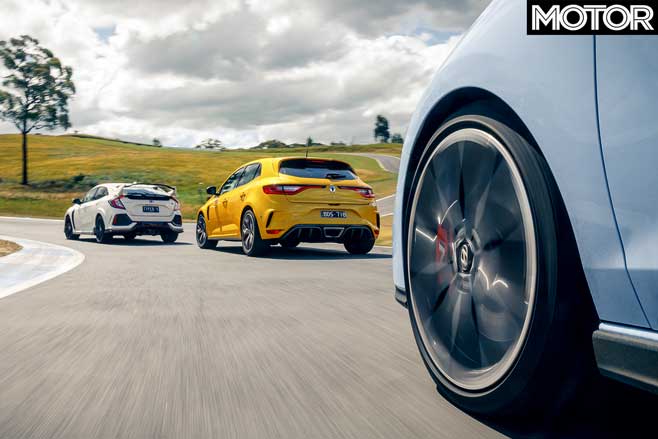
The Civic Type R is so accomplished we’re lucky Honda doesn’t charge more for the pleasure. Yes, it has flaws, but you forget them by simply driving it, at any speed. For instance, the cosseting ride comfort and great front seats have a way of helping it feel more premium than its interior and finicky infotainment program suggest. Two years on from its PCOTY win, it still blows us away with how fast, involving and friendly it is. Do whatever you need to drive one. From its shift and power delivery to its grip and poise, it’s a hot hatch masterclass and a clear winner.
That leaves the Megane RS to grapple with the Fastback N for second place. Don’t get us wrong, the Trophy is a capable car with stupendous grip and quick reflexes. Those Alcantara seats are a nice place to sit too, especially with the Bose stereo cranked up. The EDC gearbox might cost more than a manual, but it’s worth every penny for the added aural drama and more resolved ergonomics.
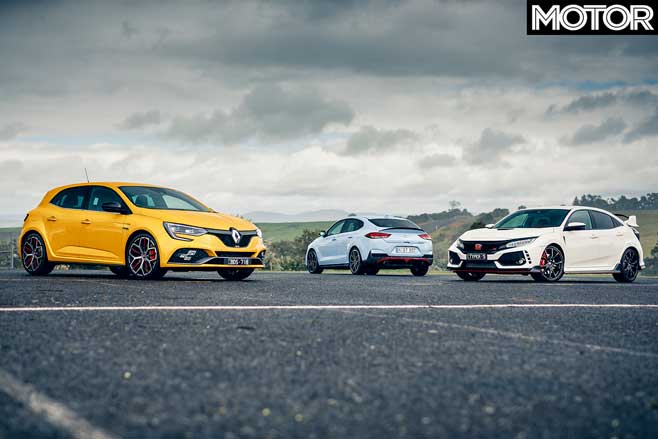
Unfortunately, the car’s overall package isn’t as cohesive or as communicative at its limit as we’d hope. And since that’s what you would expect from a chassis this firm, we’re going to blame the rear-wheel steering. If it was our money – and a choice between a Megane and the Hyundai – then the cheaper Megane RS Cup, with the same chassis but 205kW/390Nm, would be a more attractive alternative.
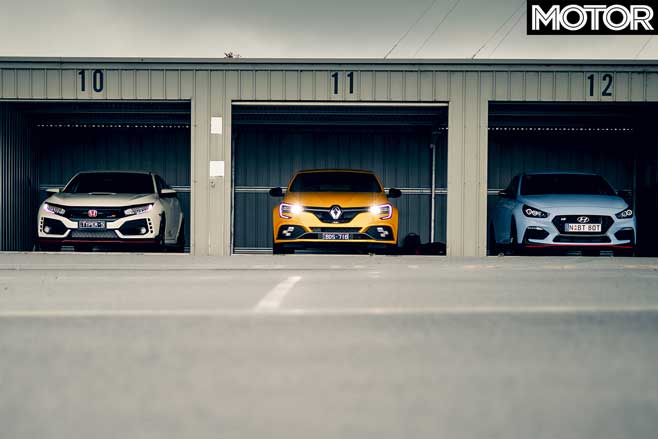
So the Honda finishes first, Hyundai second and Renault comes in a very close third. We know it’s hardly a shock result, but there’s every chance it might change soon. Honda has confirmed a tweaked Civic Type R is on the way, with new brakes and suspension settings, Renault HQ has reshuffled the Megane RS range around, making the Trophy more exclusive, and Hyundai is due to transfer the Fastback’s suspension settings to the i30 N hatch. Stay tuned.
Fast Facts
| u00a0 | Honda Civic Type R | Renault Megane RS Trophy 300 | Hyundai i30 Fastback N |
| Body | 5-door, 4-seat hatch | 5-door, 5-seat hatch | |
| Drive | front-wheel | ||
| Engine | 1996cc inline-4, DOHC, 16v, turbo | 1798cc inline-4, DOHC, 16v, turbo | 1998cc inline-4, DOHC, 16v, turbo |
| Bore x Stroke | 86.0 x 85.9mm | 79.7 x 90.1mm | 86.0 x 86.0mm |
| Compression | 9.8:1 | 9.9:1 | 9.5:1 |
| Power | 228kW @ 6500rpm | 221kW @ 6000rpm | 202kW @ 6000rpm |
| Torque | 400Nm @ 2500-4500rpm | 420Nm @ 2400-4800rpm | 353Nm @ 1450-4700rpm (378Nm on overboost) |
| Power/Weight | 164kW/tonne | 145kW/tonne | 141kW/tonne |
| Transmission | 6-speed manual | 6-speed dual-clutch | 6-speed manual |
| Weight | 1393kg | 1452kg | 1441kg |
| Suspension (f) | struts, coils, adaptive dampers, anti-roll bar | struts, coil springs, anti-roll bar | struts, coils, adaptive dampers, anti-roll bar |
| Suspension (r) | multi-links, coils, adaptive dampers, anti-roll bar | torsion beam, coil springs, anti-roll bar | multi-links, coils, adaptive dampers, anti-roll bar |
| L/W/h | 4557/1877/1421mm | 4364/1875/1428mm | 4335/1795/1447mm |
| Wheelbase | 2700mm | 2669mm | 2650mm |
| Tracks | 1599/1593mm (f/r) | 1615/1596mm (f/r) | 1556/1564mm (f/r) |
| Steering | electrically assisted rack-and-pinion | electrically assisted rack-and-pinion, rear-wheel steer | electrically assisted rack-and-pinion |
| Brakes (f) | 350mm ventilated/drilled discs, 4-piston calipers | 355mm ventilated discs, 4-piston calipers | 345mm ventilated discs, 4-piston calipers |
| Brakes (r) | 305mm solid discs, single-piston calipers | 290mm solid discs, single-piston calipers | 314mm ventilated discs, single-piston calipers |
| Wheels | 20.0 x 8.5-inch (f/r) | 19.0 x 9.0-inch (f/r) | 19.0 x 8.0-inch (f/r) |
| Tyre Sizes | 245/30 R20 (f/r) | 245/35 R19 (f/r) | 235/35 R19 (f/r) |
| Tyres | Continental SportContact6 | Bridgestone S001 | Pirelli P Zero |
| Price | $51,990 ($52,565 as tested) | $55,990 | $41,990 ($44,990 as tested) |
| Pros | Sublime handling; slick gearshift; unbelievable ride quality; strong engine delivery; front seats | Huge grip; steering weight; strong engine; full-fruit appeal; musical shifts; soon-to-be exclusive chassis | Mid-range grunt; hilarious WRC-spec exhaust bangs/pops; customisable hardware; engaging chassis |
| Cons | Tacky styling; infotainment; rubbery steering weight; torque steer | Unnatural rear steering; stiff ride; no optional wheel/tyre pack; the new one is more powerful; torque-steer | Low cornering limits; understeer; notchy shift; awkward looks |
| Rating | 4.5 out of 5 stars | 3.5 out of 5 stars | 4 out of 5 stars |
The Strip
| u00a0 | Honda Civic Type R | Renault Megane RS Trophy 300 | Hyundai i30 Fastback N |
| 0-10km/h | 0.44sec | 0.55sec | 0.42sec |
| 0-20km/h | 0.94sec | 1.10sec | 0.93sec |
| 0-30km/h | 1.42sec | 1.65sec | 1.45sec |
| 0-40km/h | 1.91sec | 2.14sec | 1.93sec |
| 0-50km/h | 2.62sec | 2.68sec | 2.43sec |
| 0-60km/h | 3.11sec | 3.21sec | 3.18sec |
| 0-70km/h | 3.64sec | 3.76sec | 3.79sec |
| 0-80km/h | 4.21sec | 4.34sec | 4.43sec |
| 0-90km/h | 4.80sec | 5.00sec | 5.12sec |
| 0-100km/h | 5.81sec | 5.83sec | u00a06.22sec |
| 0-110km/h | 6.57sec | 6.61sec | 7.25sec |
| 0-120km/h | 7.39sec | 7.45sec | 8.26sec |
| 0-130km/h | 8.28sec | 8.45sec | 9.32sec |
| 0-140km/h | 9.61sec | 9.61sec | 10.58sec |
| 0-150km/h | 10.75sec | 10.80sec | 12.34sec |
| 0-160km/h | 11.99sec | 12.18sec | 13.88sec |
| 0-170km/h | 13.40sec | 13.77sec | n/a |
| 0-400m | 13.77sec @ 172.38km/h | 13.89sec @ 170.85km/h | 14.28@ 162.51km/h |
| 80-120km/h | 3.18sec | 3.10sec | 3.83 |
| 100-0km/h | 35.8m | 36.23m | 40.3m |
| Speed in Gears | |||
| 1st | 58km/h @ 7000rpm | 59km/h @ 6875rpm | 62km/h @ 6750rpm |
| 2nd | 99km/h @ 7000rpm | 94km/h @u00a06875rpm | 98km/h @ 6750rpm |
| 3rd | 137km/h @ 7000rpm | 136km/h @u00a06875rpm | 149km/h @ 6750rpm |
| 4th | 187km/h @ 7000rpm | 186km/h @u00a06875rpm | 199km/h @ 6750rpm |
| 5th | 231km/h @ 7000rpm* | 242km/h @ 6875rpm* | 247km/h @ 6750rpm* |
| 6th | 272km/h @ 6650rpm* | 265km/h @ 6165rpm* | 250km/h @ 5700rpm* |
Heathcote Raceway, 20.0˚C, dry. Driver: Louis Cordony/Scott Newman *Manufacturer’s claim Official timing supplier: www.vboxaustralia.com.au
Cinema has given us some incredibly iconic cars, but not every car that features in film is set to be an icon – just ask some of the latter instalments of the Fast and the Furious franchise. So what makes an iconic car in film? No one really knows what pushes car cameos over the divide toward stardom, but maybe we can take a look back to some vehicular heroes for inspiration.
In no particular order, here are 10 of the most unforgettable machines from Hollywood that are now forever part of popular culture.
1. 1981 DELOREAN DMC-12 IN BACK TO THE FUTURE
Is there a cooler way to go back in time? We don’t think so.
2. 1963 FORD ECONOLINE CUSTOM VAN IN SCOOBY DOO
The Mystery Machine is the ultimate hippy car. It didn’t do anything particularly special – except it seemed to have more room than Mary Poppins’ handbag – but its psychedelic paint job is enough to get it a mention.
3. 1963 ASTON MARTIN DB5 IN GOLDFINGER
James Bond is no stranger to cool cars. But with a cool set of gadgets attached to this car, it’s got to be one of the most iconic – smoke screen, oil slick, rear bullet-proof screen, machine guns, ejector seat and more. This car is the ultimate spy-mobile.
4. 1962 VOLKSWAGEN BEETLE IN THE LOVE BUG
The little car with a big personality won the hearts of people in the 1960s and ’70s. What kid didn’t love the idea of a car with its own mind?
5. 1975 FORD GRAND TORINO IN STARSKY AND HUTCH
Let’s be honest, a beautiful red, cool white stripe and a car that seems to have more lives than Superman. Apparently about ten cars were destroyed during the filming of the 2004 movie, but hey, it keeps on keeping on.
6. 1969 DODGE CHARGER IN DUKES OF HAZZARD
Some argue that the car made this show and movie. Nicknamed The General Lee, the Dodge Charger won the title of ‘cool car’ thanks to its ability to jump and its signature horn. Let’s not mention its lack of functioning doors – Bo and Luke make climbing out a window cool.
7. 1959 CADILLAC MILLER-METEOR IN GHOSTBUSTERS
“If there’s something strange, in your neighbourhood, who ya gonna call? GHOSTBUSTERS!” The Ecto-1 old ambulance needed a bit of work, but boy did it serve the Ghostbusters. So, who are you going to call?
8. 1970 DODGE CHARGER IN FAST AND THE FURIOUS
This car is particularly famous for its record of driving 400m in nine seconds. With 900hp – and cool looks – we couldn’t leave it off the list.
9. 1970 JAGUAR E-TYPE IN AUSTIN POWERS: INTERNATIONAL MAN OF MYSTERY
If you want to take a page from the ‘how to pick up’ book by Austin Powers, all you need to do is paint a Jaguar into the Union Jack. Shaguar, yeah baby!
10. 1967 AUSTIN MINI COOPER S IN THE ITALIAN JOB
The cars in the movie were so popular it inspired Mini to release Mini Italian Job in 1992. Based on the Minis in the film, it came in Flame Red, Diamond White, British Racing Green and Electric Blue.
What is it?
The Trafic is Renault’s answer to the Toyota Hiace, and the variant we have here is pitched as the most versatile variant in the range. With a second row of seats giving it a six-person capacity and a long wheelbase endowing it with plenty of cargo capacity, it’s perfect for getting your crew to the worksite – or for hauling your family on weekends.
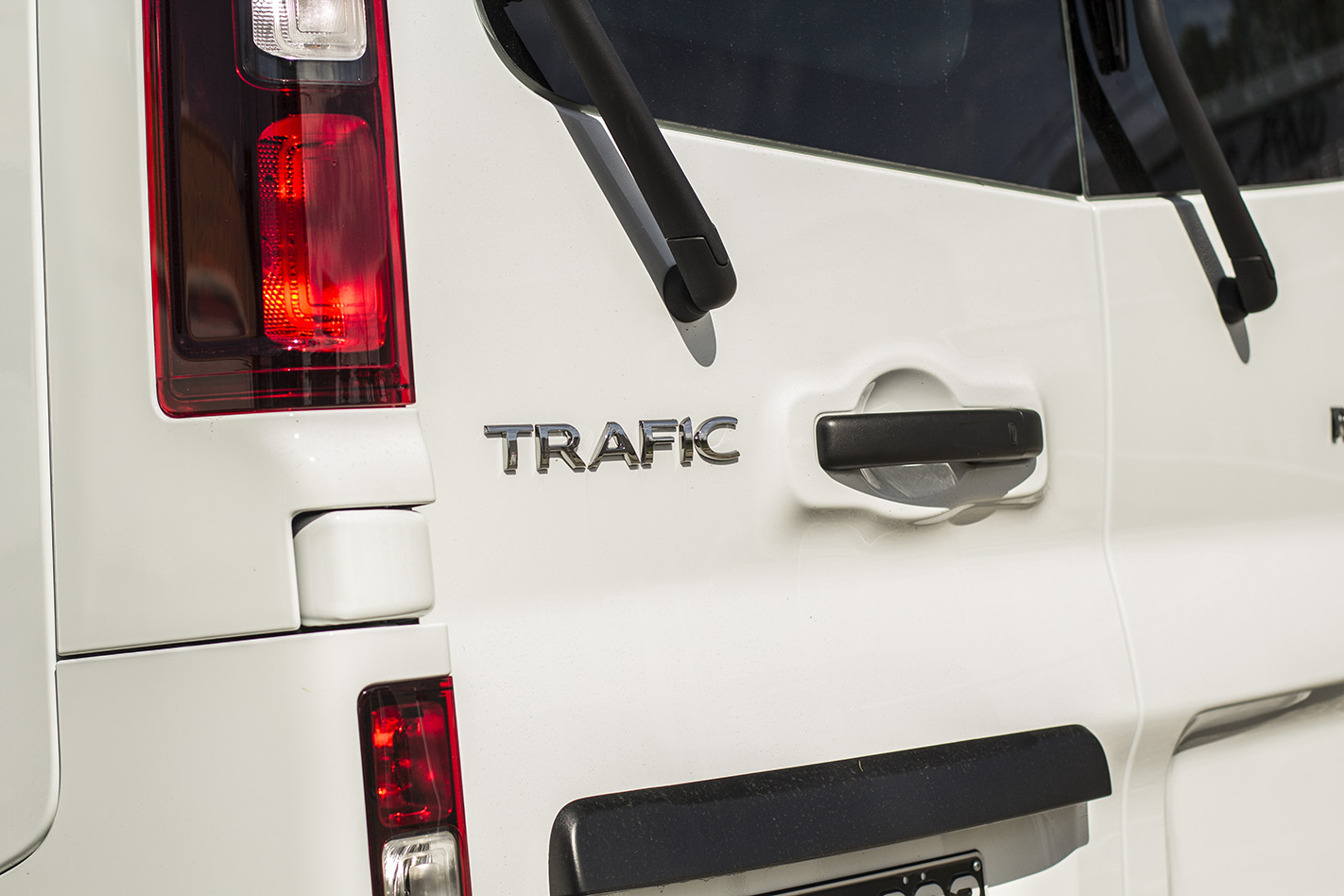
This is also a new addition to the local Renault Trafic lineup, introduced at the end of last year and bringing with it a long-awaited automatic transmission option as well as a more powerful 125kW 2.0-litre turbo-diesel engine.
What’s the Renault Trafic Crew like to live with?
Practicality is obviously job number one with a commercial van, and the Trafic Crew scores highly. Sure, you lose the ability to carry outsize cargo if you opt for the Crew variant and its second-row seating, which isn’t easily removable and features an integrated bulkhead behind your passengers, but it’s more versatile as a result.
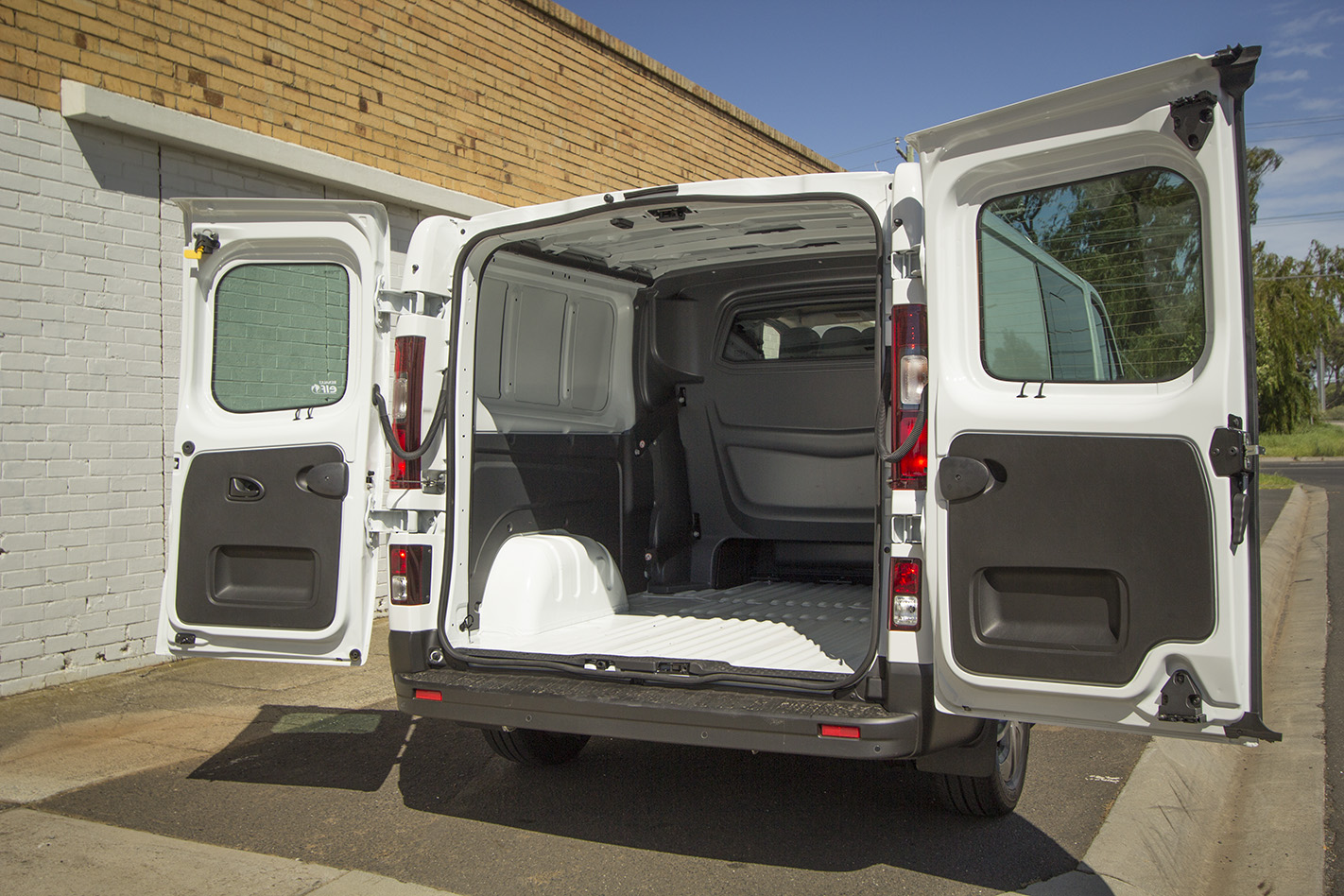
Even with the rear compartment divided between passenger and cargo space, you still end up with up to 2.42m of cargo bed length (if you utilise the space under the rear seats – there’s just 1.74m from the rear doors to the bulkhead itself) and enough room between the rear wheelarches to slide a pallet. Rear barn doors are standard on the Trafic Crew as well, so bringing a forklift right up to the rear is easily done.
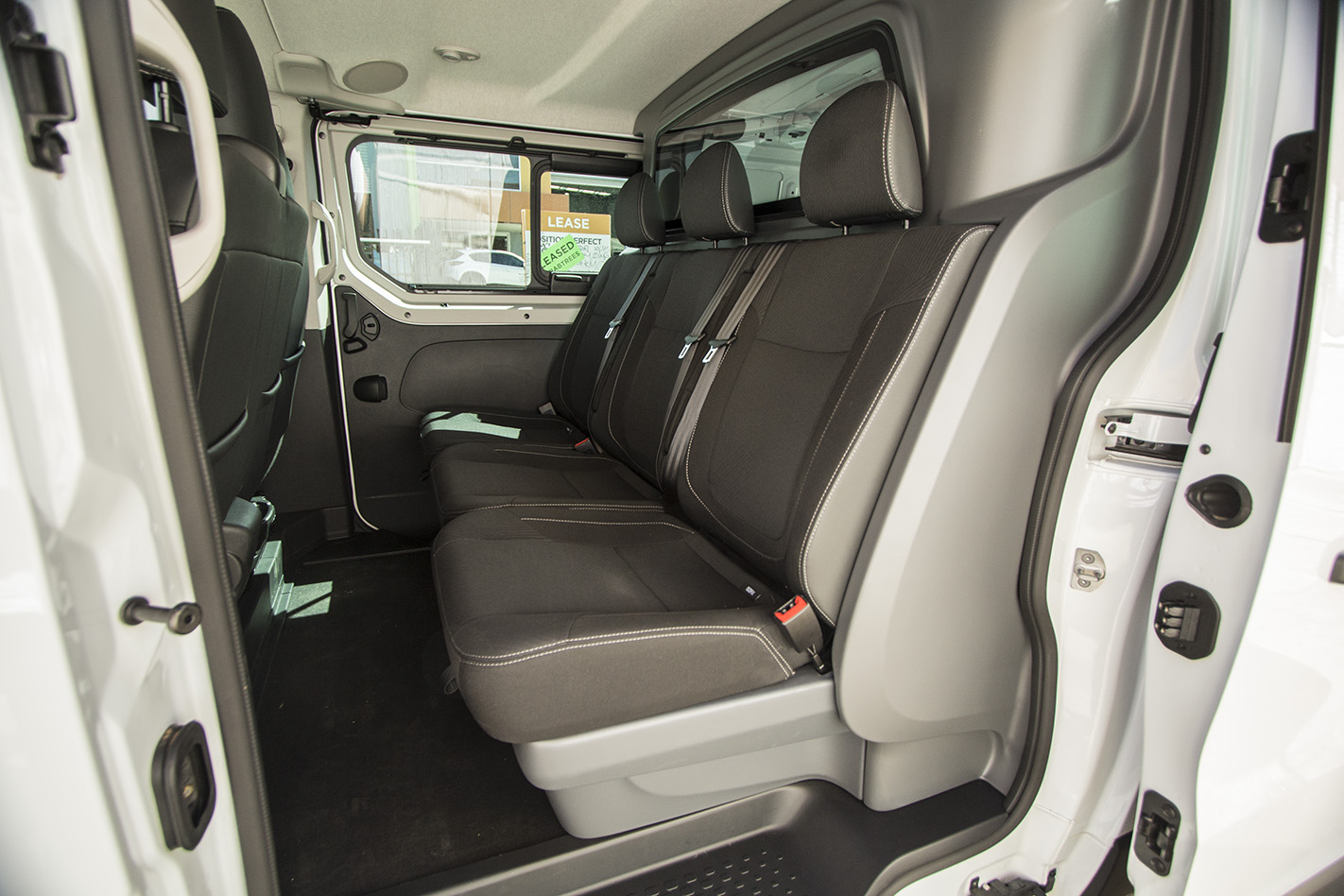
Plenty of tie-downs keep it easy to secure loads to the bare steel floor, but it’s really up front where the Trafic sets itself further apart from the rest of its rivals. For a boxy workhorse, it’s actually pretty nice to be in. The front seats are comfortable and supportive enough for long drives, while the three seats in the rear are nicely spaced apart, equal in size, equipped with fold-down armrests AND are adjustable for recline.
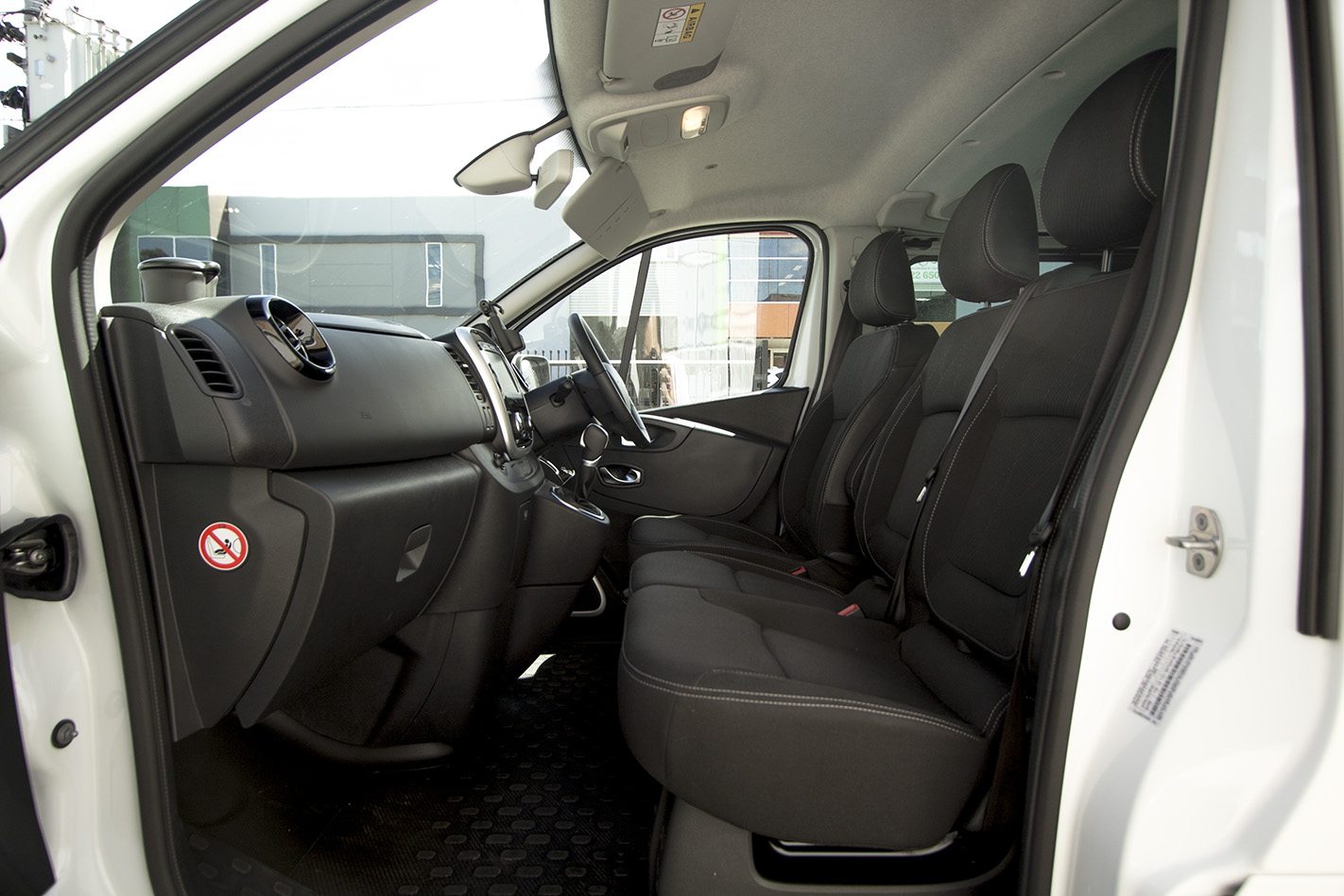
A pair of sliding windows in the rear doors (left and right sliding doors are standard on the Trafic Crew) with retractable sunblinds enhance passenger comfort further, and the roof lining and cabin plastics don’t make it feel as though you’re sitting in a big steel box. It’s all very nicely finished and very civilised, while also taking care of the utility considerations that every work van needs.
A heated driver’s seat and climate control are standard on the Crew, and though the infotainment suite is a little old the touchscreen is easy to get around and there’s Apple CarPlay and Android Auto support as well.
In-cabin stowage is good too, with under-seat cubbies alongside the usual trays, gloveboxes and door bins. Our only major complaint from a getting-work-done point of view would be the shortage of USB power outlets, with just one on the dashboard and none for the rear seats. There’s a 12-volt outlet in the cargo area and up front, but a 230V power point would be a great thing to recharge tool batteries on trips between jobs.
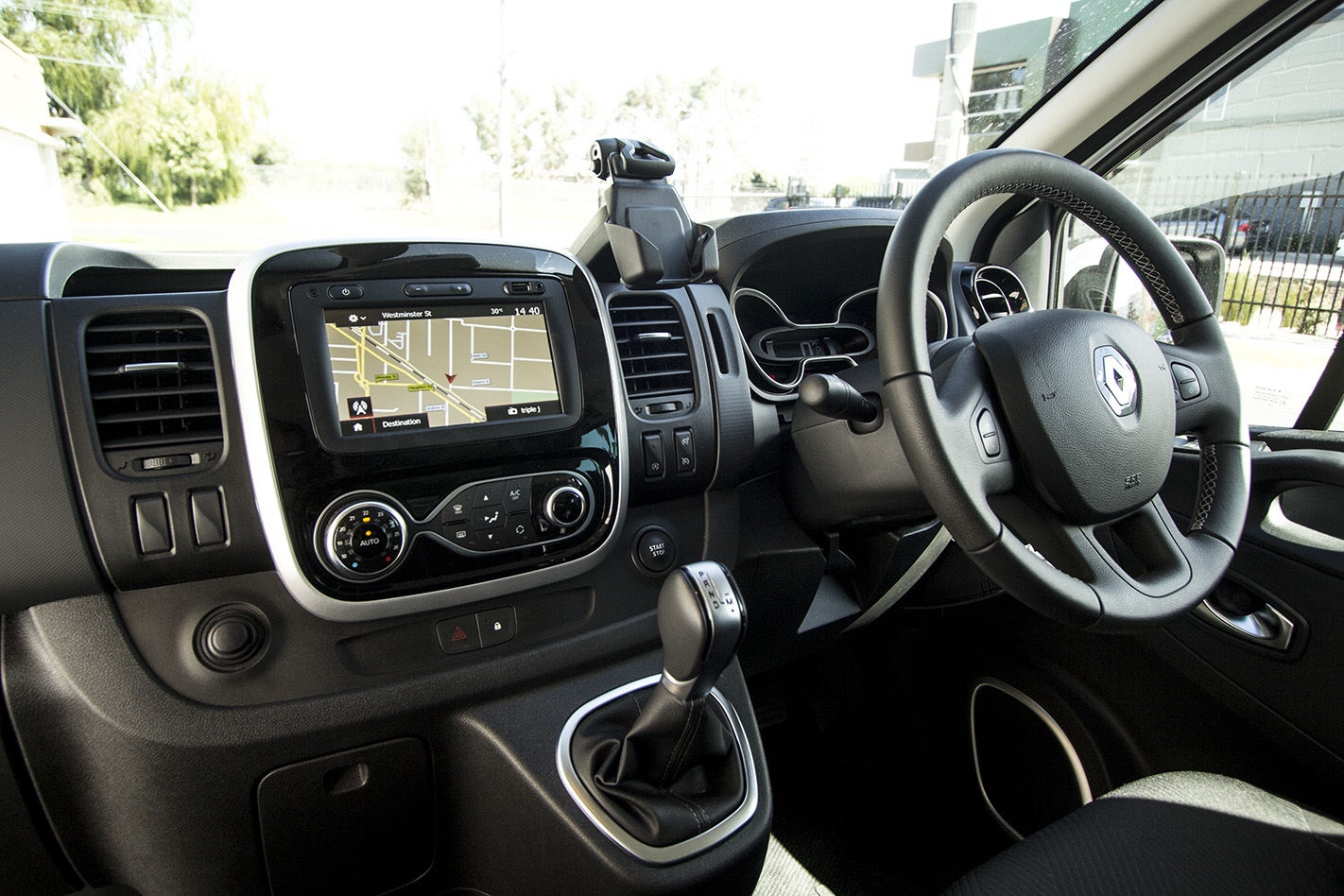
What’s the Renault Trafic Crew like to drive?
At 5.4 metres long and tipping the scales at just over 2 tonne empty, the Renault Trafic Crew is a big unit. Thankfully, it’s an easy thing to wield.
That 125kW/380Nm 2.0-litre turbo diesel four-cylinder only drives the front wheels, but it’s tractable, smooth and feels less overburdened by weight than, say, the 300kg fatter Toyota Hiace. However, the Hiace’s six-speed conventional automatic is a little easier to live with than the Trafic’s newfound auto.
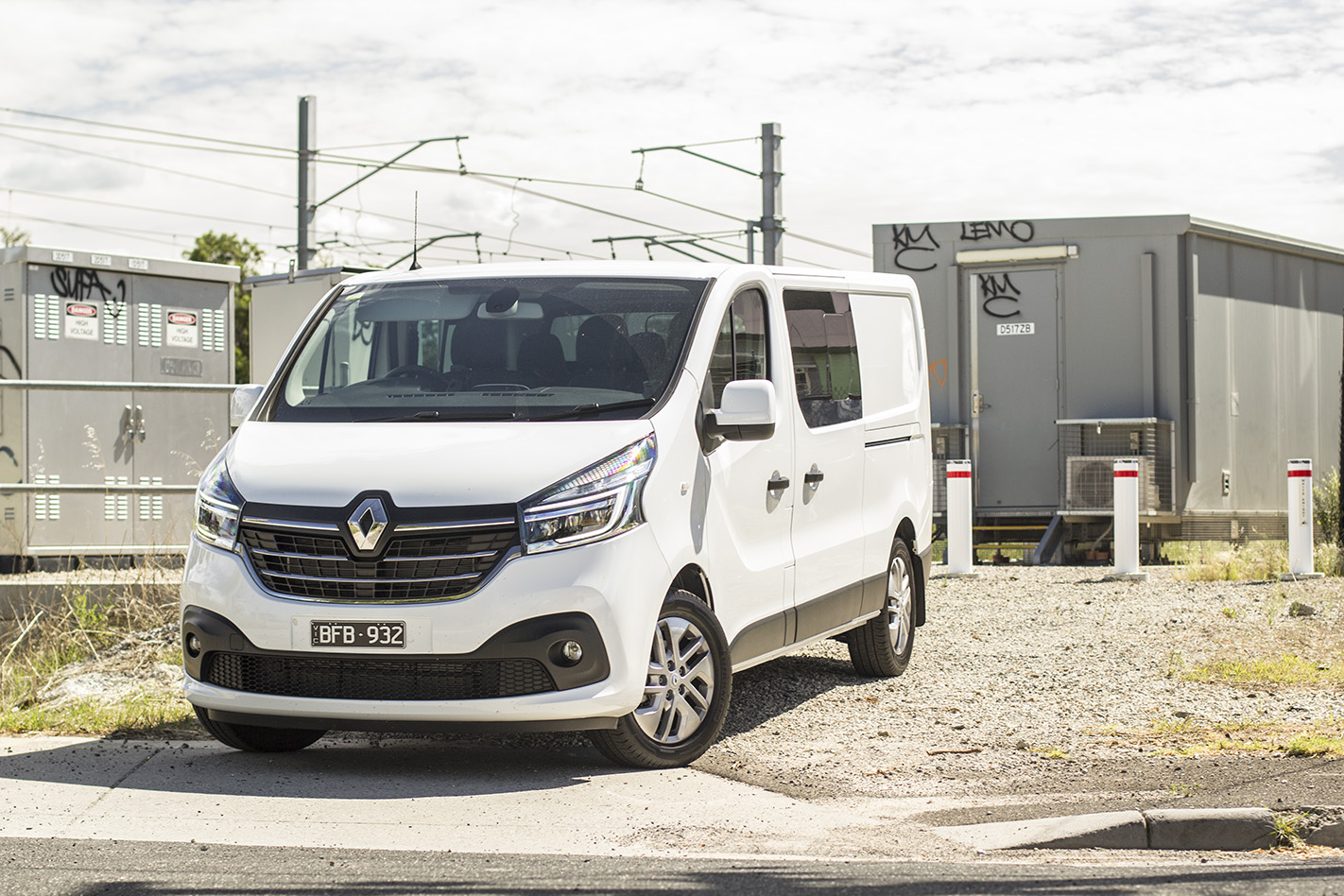
Being a dual-clutch automatic, the take-up from standstill isn’t quite as seamless and progressive in the Trafic than it is in vans like the Hiace. Gearshifts while rolling aren’t super-quick either, which is usually a dual-clutch forte, so the decision to use a dual-clutch is a little puzzling from our perspective. It makes doing those low-speed crawl movements (such as pulling up into a loading dock) more jerky than they should be.
The engine start-stop system can be a little slow to wake up – particularly if you’ve just come to a halt and the light ahead has turned green – which exacerbates the auto’s reluctant nature. It is, however, far more likeable than the single-clutch automated manuals that French commercial vehicles have favoured in the past, and infinitely preferable to rowing a manual all day.
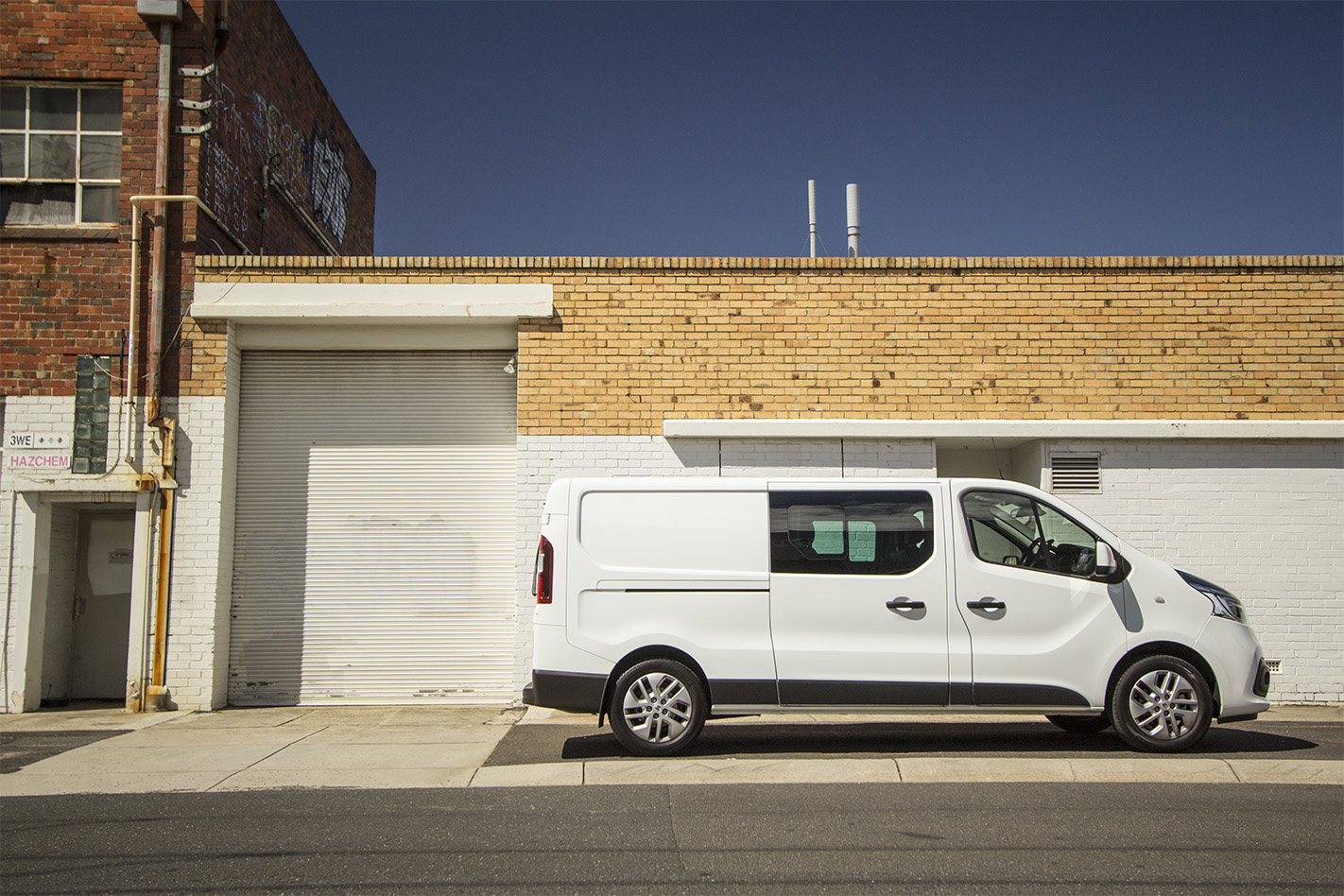
Underway, the Trafic’s 2.0-litre feels strong and gutsy, and copes well when there’s a few hundred kilos of luggage and people aboard. The ride is much better with some weight on the rear axle too, as it usually is for commercial vans, and it feels settled and well-damped. The steering is light but not completely wooden, though the 13.2 metre turning circle of the long-wheelbase Trafic naturally necessitates greater thought when turning in tight city streets.
The wing mirrors are nice and big, augmented by smaller and more convex kerb-watchers underneath and a somewhat unusual blind-spot mirror hidden in the passenger’s sunvisor. A reversing camera is also standard, and essential.
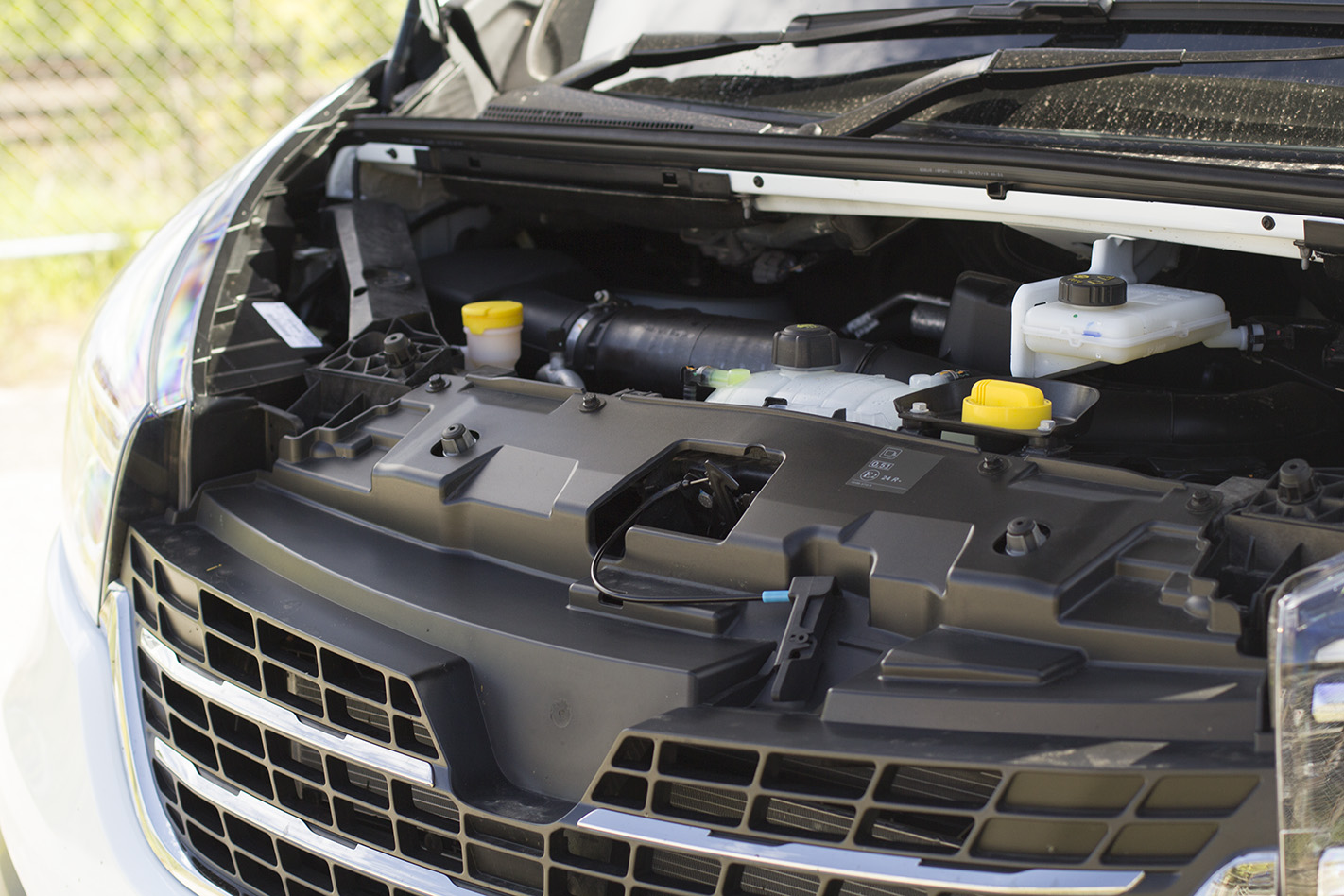
On a fairly even mix of urban and highway driving, we saw a combined fuel economy of 7.3L/100km – just 0.1L/100km above Renualt’s claimed figure and an admirable number for a two-tonne-plus van.
There are a few compromises as a result of being so big, however. The Trafic Crew can only accept a maximum payload of 1118kg, and its tow capacity of 1630kg on a braked trailer isn’t really the best for, say, a decent-sized boat or large caravan. Fine for lighter trades, but not so good for hauling heavy equipment.
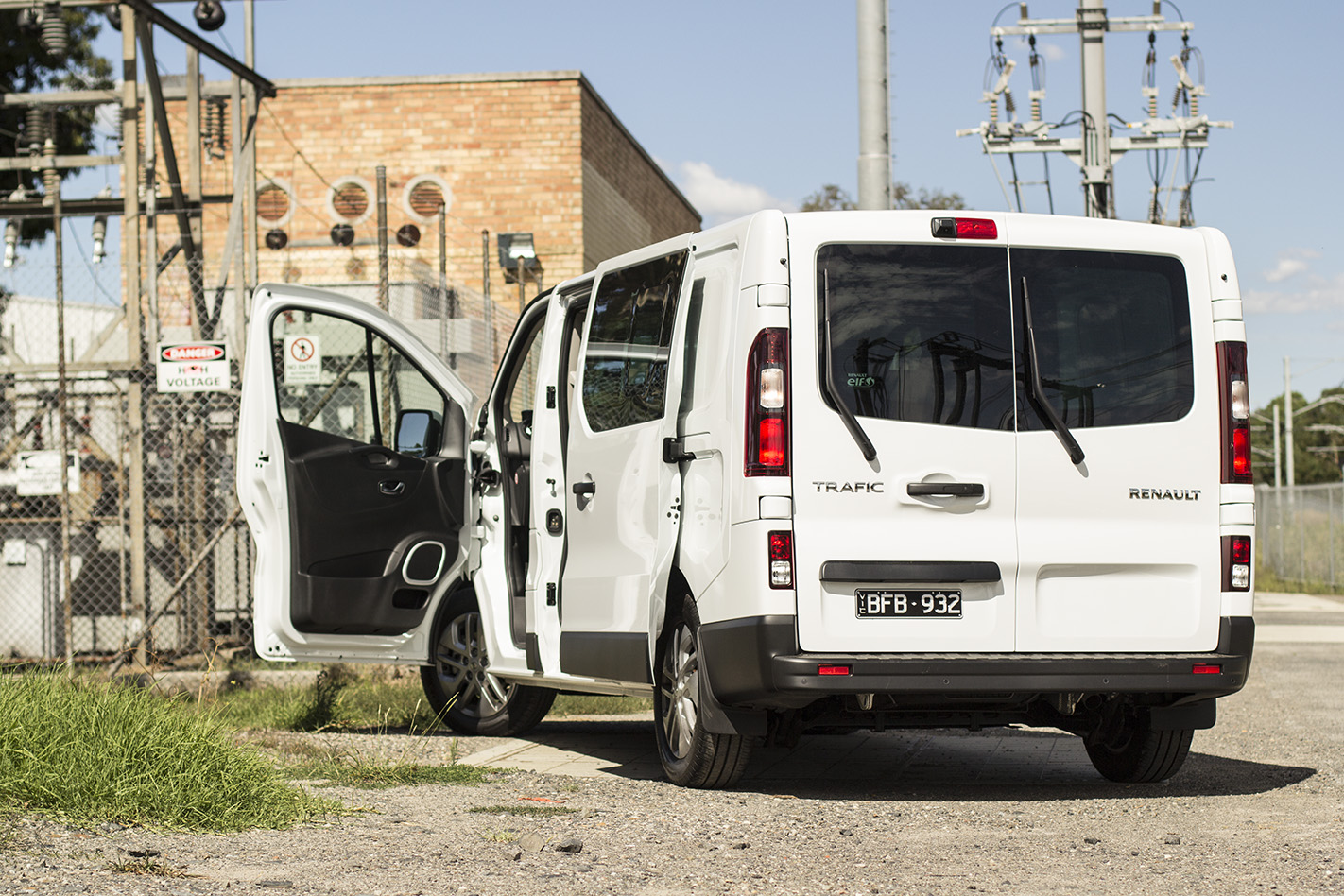
Is the Renault Trafic Crew worth the money?
The Renault Trafic Crew is one of the best-balanced and most civilised midsize commercials on the market, and the combination of an automatic transmission and a gruntier diesel powertrain just makes it even better. If you need to carry some people along with you, it also stands out for not stuffing your backseaters into third-world accommodation.
At $52,490 before on-roads it’s on the high side of its segment, cheaper than only the Mercedes-Benz Vito Crew van. It could use a bit more in the safety department too, with blind spot monitoring, AEB and side airbags for the rear passengers not available.
However, for a big six-seater with plenty of space to get the job done, it’s pretty hard to go past.
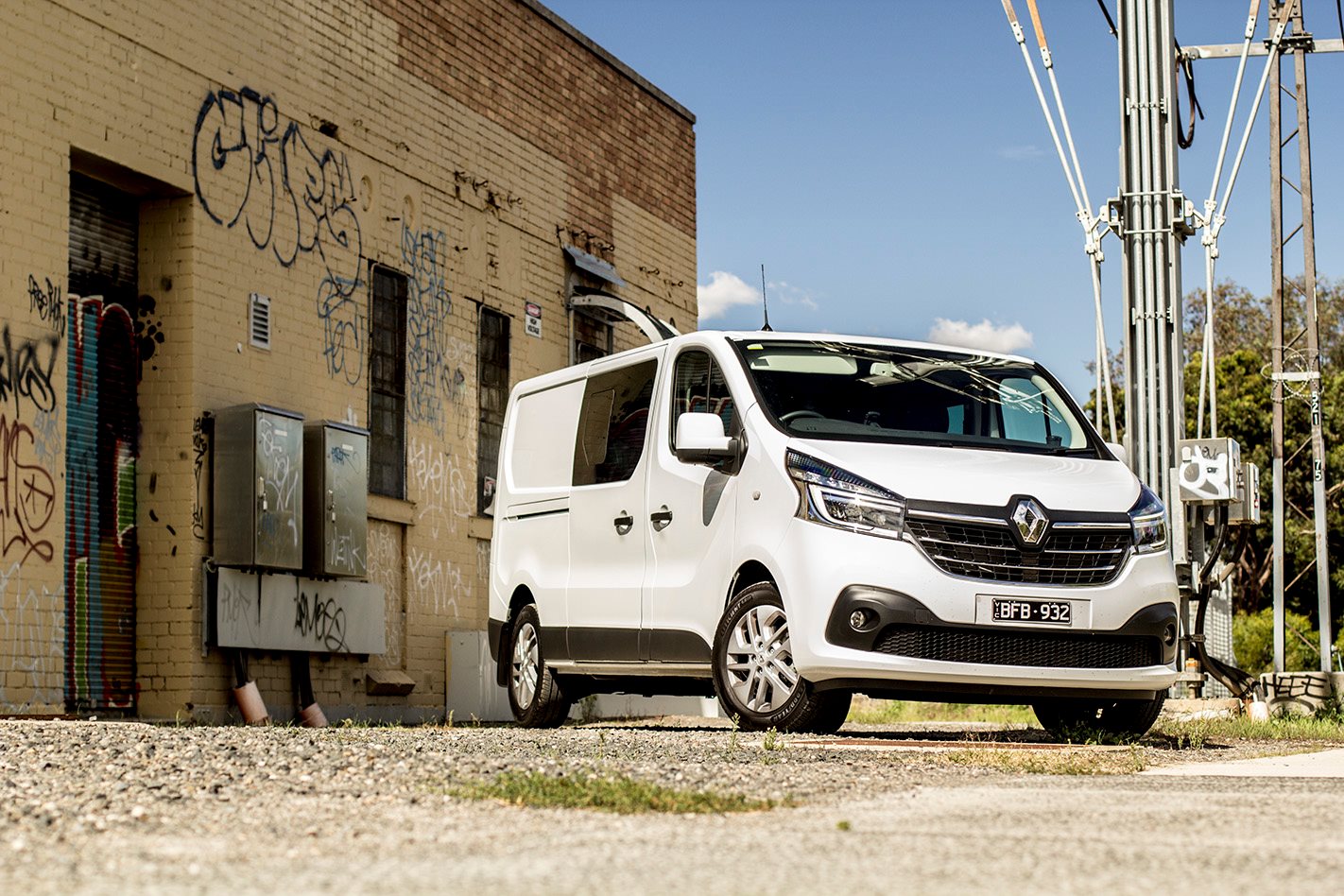
Pros: Great fit-out; practical interior; rides great; fuel efficient Cons: No AEB or rear side airbags; dual-clutch jerk at low speeds; low tow capacity Rating: 3.5/5
The homologation special is an interesting phenomenon. A rare breed of vehicle, sold to be driven on the road, but with its design and function dictated by a motorsport rulebook, and a manufacturer building it to exploit as many loopholes as possible.
This year marks the 30th anniversary of one of the coolest homologation special road cars in history – the Mercedes-Benz 190E 2.5-16 Evolution II. Despite having one of the longest names in motoring history, it’s also a supremely impressive piece of kit.
Revealed at the Geneva motor show in 1990, Benz’s fastest 190E dominated German touring car racing of the era, and became an instant icon.
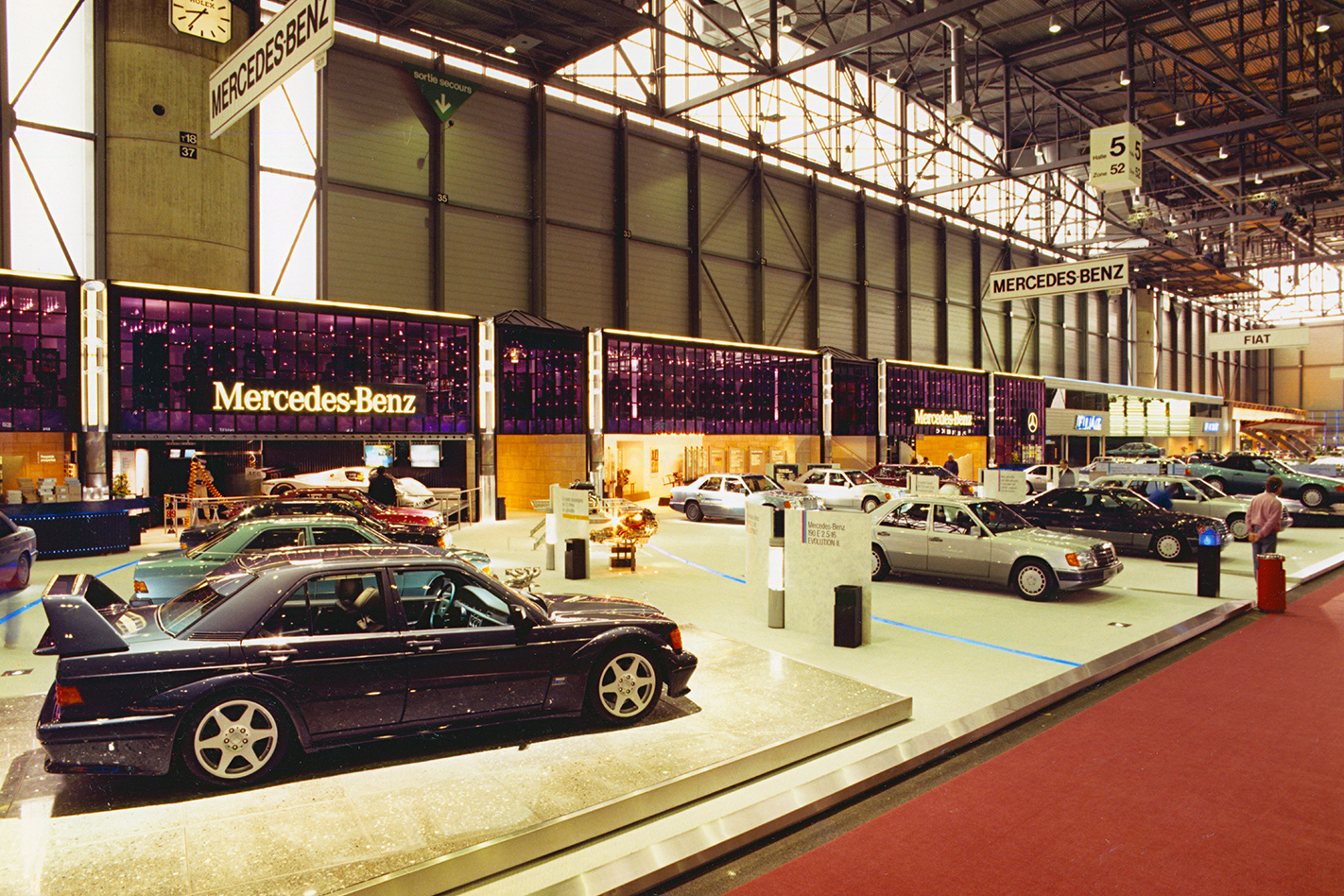
Just 502 examples were ever built, all painted in the same blue-black metallic hue. They are most easily identified by that sizeable rear wing.
As is usually the case with homologation specials, the aero wasn’t just a visual addition. Mercedes-Benz designed the Evo II’s bodywork with the aid of a wind tunnel, resulting in more than 50kg of downforce on the rear axle, and upwards of 20kg on the front.
Famously, upon seeing the 190E Evo II, BMW’s head of research and development at the time, Wolfgang Reitzle, said: ‘‘The laws of aerodynamics must be different between Munich and Stuttgart; if that rear wing works, we’ll have to redesign our wind tunnel.’’
Turns out BMW did redesign its wind tunnel, as the DTM racer the 190E Evo II was transformed into was an absolute monster, filling Mercedes’ trophy cabinets with ease.
Powered by the M102 four-cylinder, the Evo II produced 173kW/245Nm (sizeable for the period). In order to produce the extra power compared to the engine in the standard 190E 2.5-16, which produced 101kW, the engine had a shorter stroke and larger bore.
The rev limit was raised to 7700rpm by reducing the connecting rod weight, cutting crankshaft counterweights from four to eight, and changing the camshaft from a duplex to simplex roller chain. Two metal catalytic converters were added.
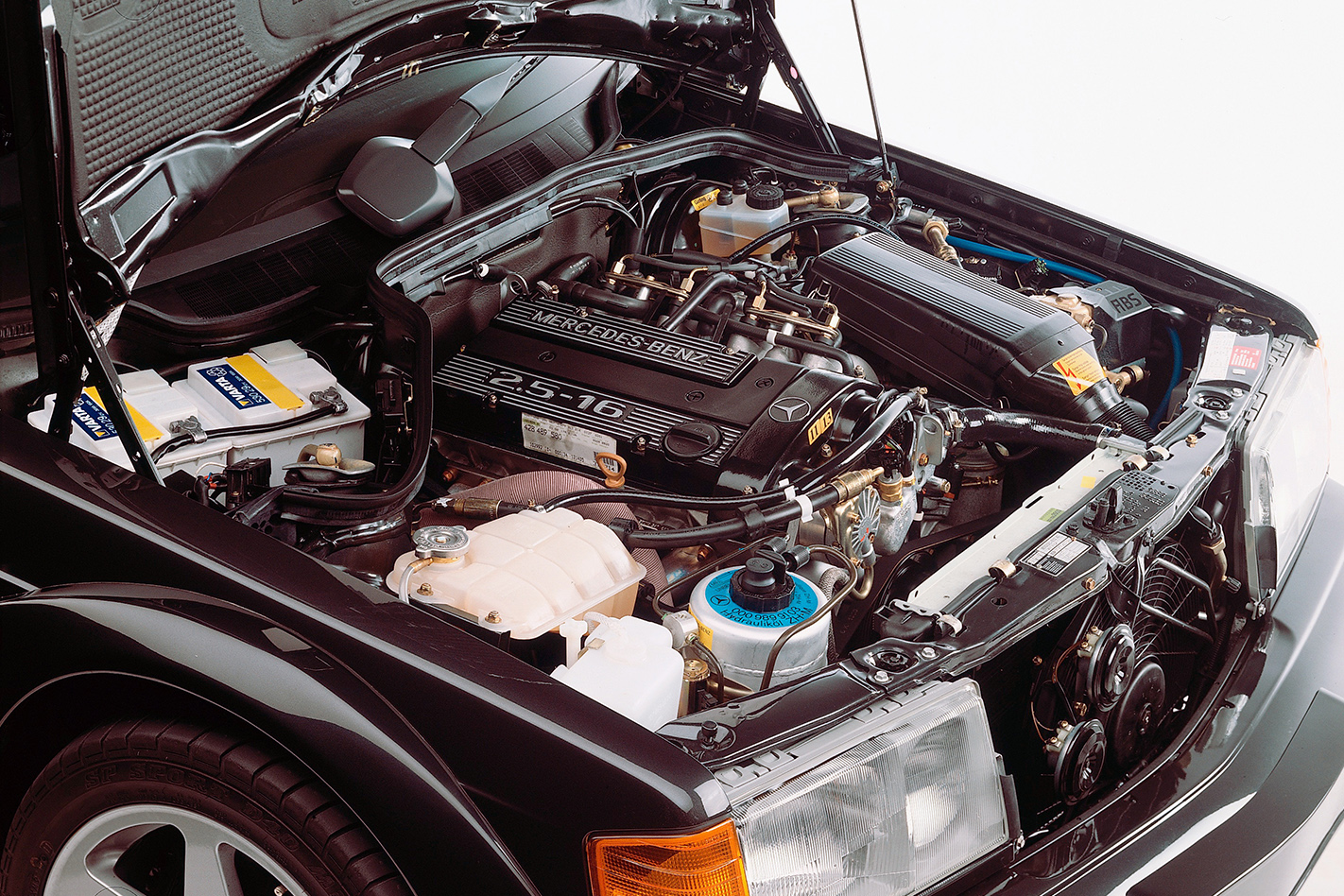
Racing versions of the engine took things even further, upping outputs to 274kW. This would be the last competitive motorsport engine Mercedes-Benz would build in-house, with that responsibility passing to AMG, where it has remained since.
Getting your hands on an Evo II wasn’t cheap at the time, with the homologation special priced at DM115,259 – about A$87,000 at the time, or A$175,000 in today’s money. The ‘regular’ sporty 190E 1.8 of the same era was half as powerful as the Evo II, and cost less than a third of that.
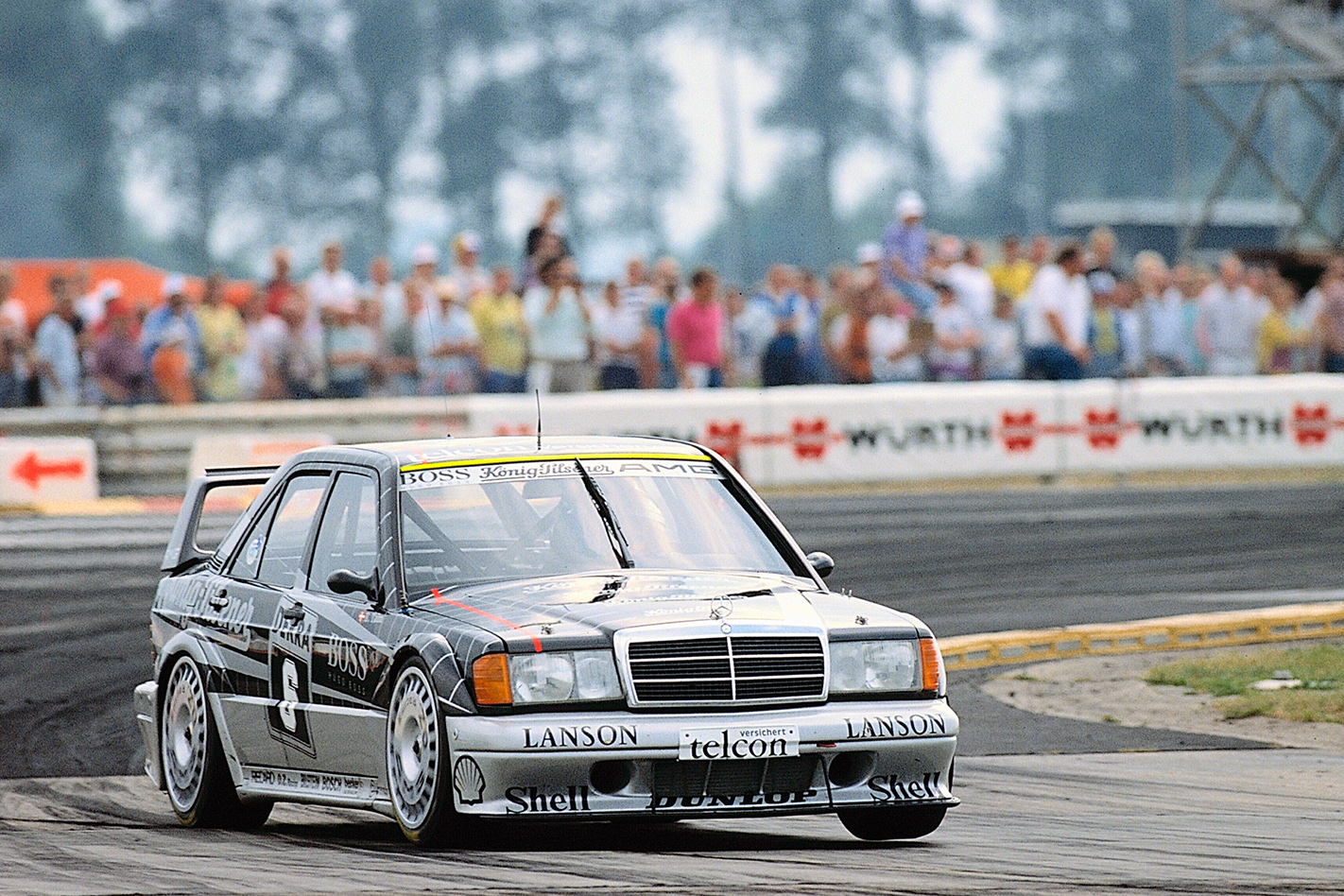
But the road car was just a gateway for the DTM touring cars that would be built from the same platform. Mercedes-Benz’s hard work refining the Evo II netted impressive results. By 1992, the DTM car had been refined to such a point that it won 16 of that season’s 24 races.
What is your favourite homologation special? Let us know in the comments below!
The Audi RS7 is a properly powerful car, there’s no denying that. So when ABT Sportsline decides to make Audi’s muscle-limo even more potent, you know you’re in for some hefty figures.
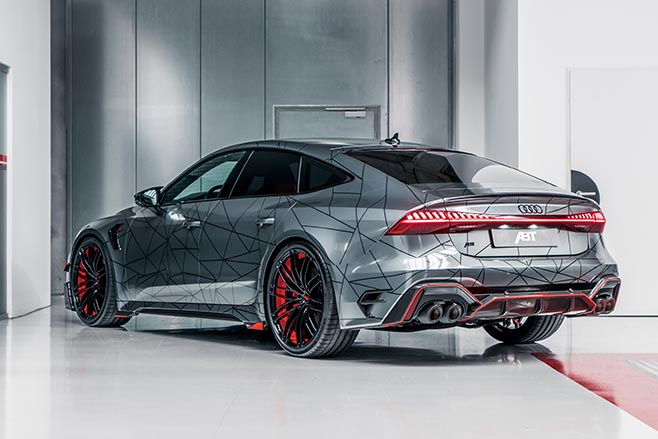
The ABT Sportsline Audi RS7-R, a limited edition tuned version of the RS7, does indeed boast hefty figures. Topping the RS7’s original 441kW and 800Nm, ABT has drawn 544kW and 920Nm from the RS7’s twin-turbo 4.0-litre V8.
ABT also includes suspension, anti-roll bars, plus ABT’s own redesigned bodywork elements such as the subtle rear spoiler and aggro… well, everything else.
Sign-up here for your free weekly MOTOR report
“At the end of 2019, a true high-performance car appeared in the form of the Audi RS7 Sportback,” ABT says.
“If you own one, you can upgrade it into an ABT RS7-R exclusively at ABT Sportsline. The special edition is limited to a total of 125.
“At the heart of the RS7-R package lies the performance upgrade ABT Power R, which boosts the performance of the standard model… and of course, includes a 2-year guarantee in the scope of the manufacturer’s guarantee.”
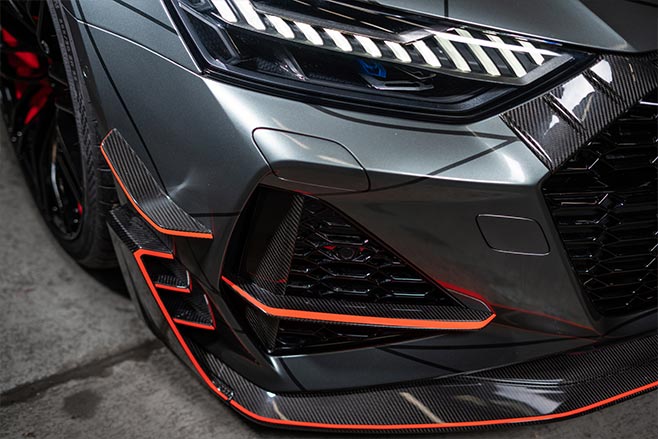
The car pictured is the first numbered car in the series of 125, which is owned by Formula E racing driver Daniel Abt (also the son of the Johann Abt, who founded ABT in its current form). This version of the car is called the ‘ALLTHEWAYABT RS7-R’. Really.
That version is also shown off in the video embedded below, with Daniel conducting a walkaround in German. Time to brush up on your Deutsch.
The big news? The latest VFACTS sales figures for March weren’t the unmitigated disaster we were all expecting. Yes, the new vehicle market sank for the 24th month in a row, but not by a huge amount.
Hidden among the serious players shifting over a thousand units a month was a standout. It seems that when the chips are down a Chinese SUV is the way to go. MG sales have skyrocketed. Why?
Those numbers first. The overall market is down by 17.9 percent year-on-year. Kia’s sales overtook Hyundai for the very first time in Australia and even Holden belatedly came good, registrations stepping up by over 30 percent this month on the back of some ultra-aggressive price promos.
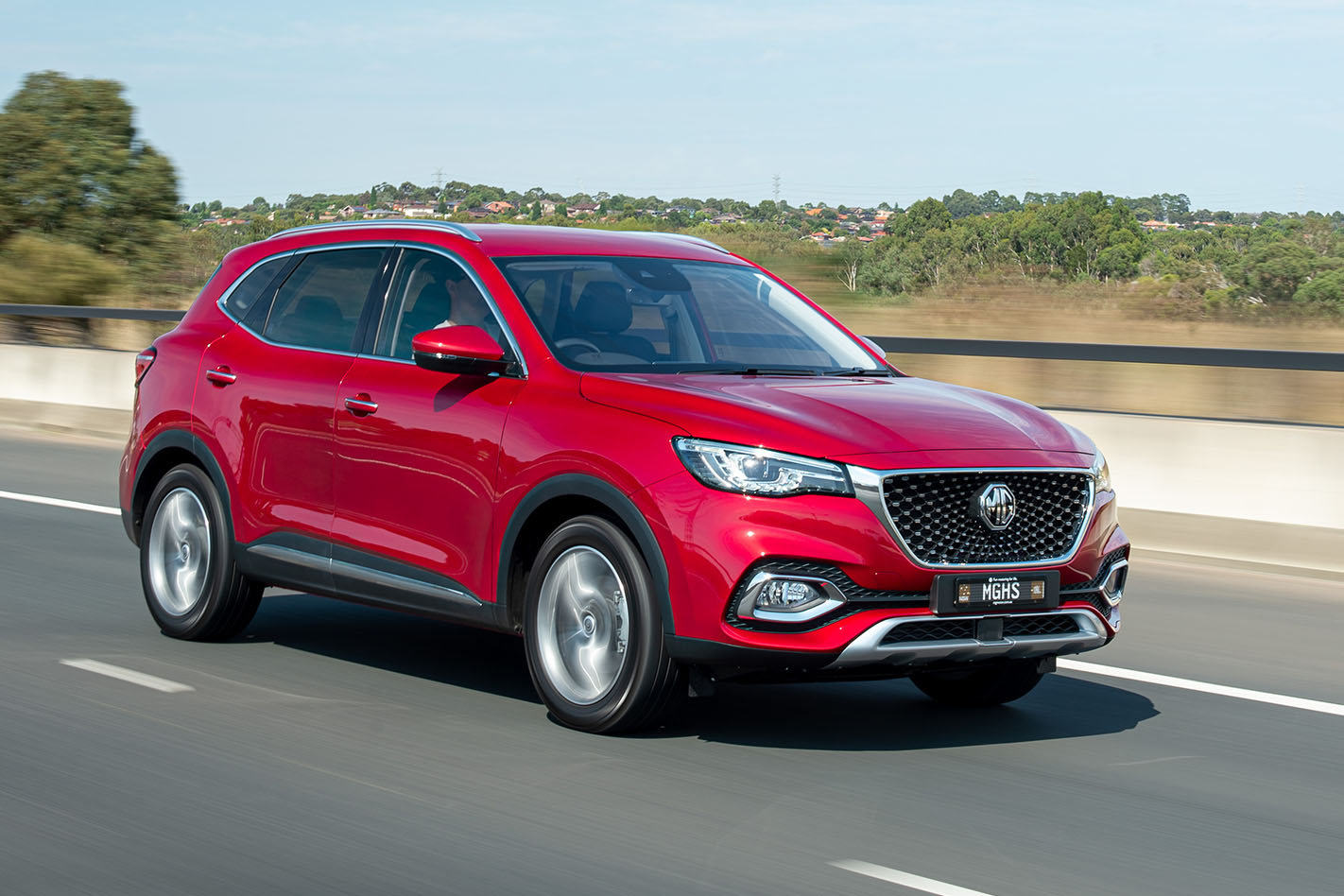
But it was MG that really seems to have tapped a vein. It recorded 1234 sales, an uptick of 75.5 percent over last month and a whopping 93.2 percent over the year-to-date figures for last year.
Drill down a little further and the data reveals some interesting tell-tales.
Launching the very well-received HS SUV just when people were starting to hide away indoors and wonder whether they’d emerge with a job didn’t seem the ideal way to gain a strong market foothold.
Nevertheless, the HS, along with the MG3, has bolstered sales to such an extent that it’s clear there’s an underlying trend here.
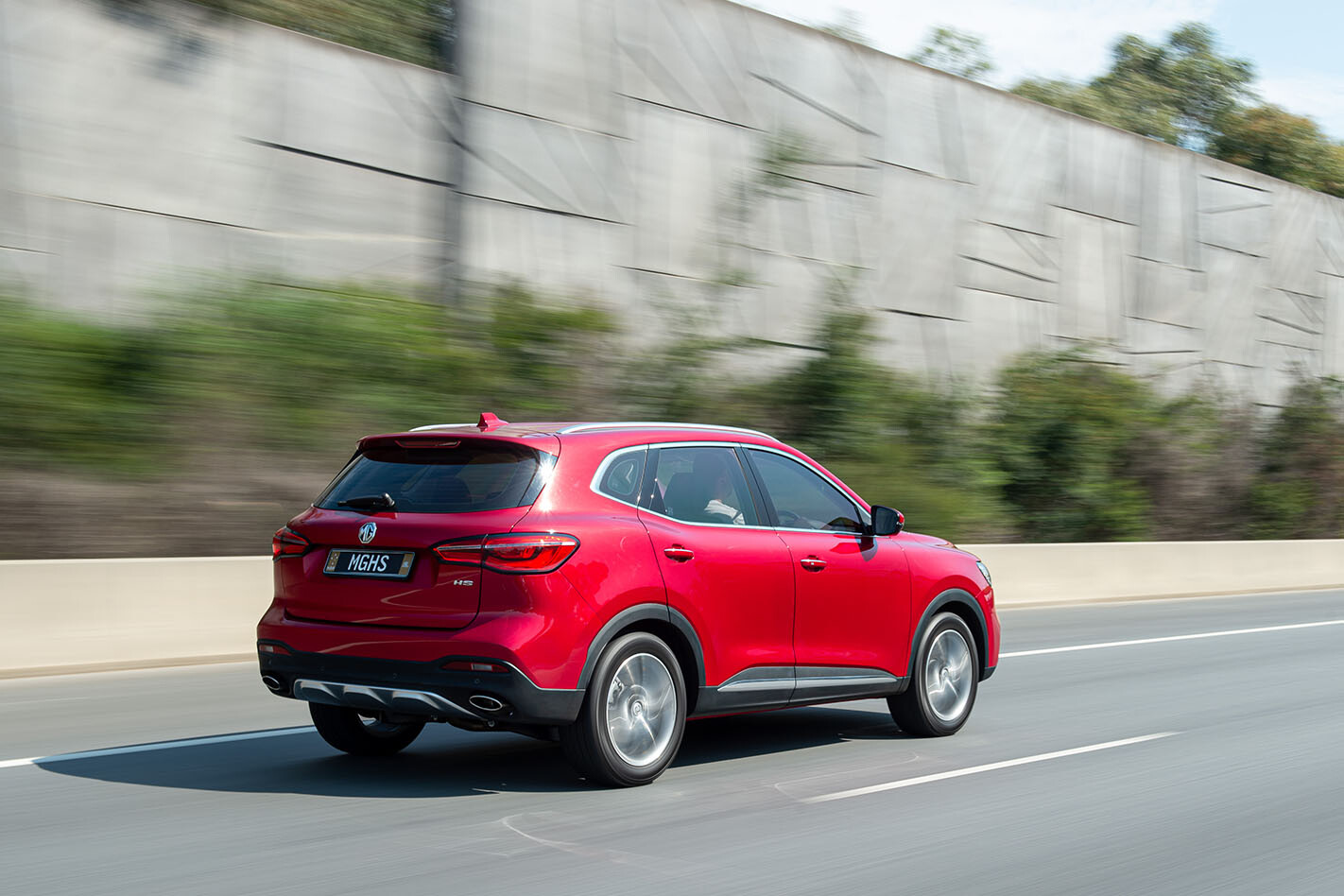
Kia sales are up. Great Wall is up. Haval is up. The entire medium SUV segment sagged and the light SUV class firmed slightly.
In other words, people are doing something entirely logical. They’re spending less.
You’ve only got to look at the 130 percent month-on-month sales growth of the Holden Trax to see that. If the rumours are true, some cash-hungry Holden dealers are letting these out of the door from $13K.
For the longer term at least, it’s hard to bet against MG. A box-fresh, well rated family SUV with a seven-year warranty for somewhere in the region of thirty grand? That’ll be part of the reason why Mitsubishi Eclipse Cross sales collapsed by 42 percent and Nissan Qashqai by 44 percent.
It seems some Chinese imports are more welcome than others.
- New Ssangyong EV SUV spied in the NT
- First pics of new Korando on Aussie soil
- New SUV due next year
WhichCar reader Darren recently snapped these images what appears to be the SsangYong Korando E100, which the Korean carmaker revealed last year.
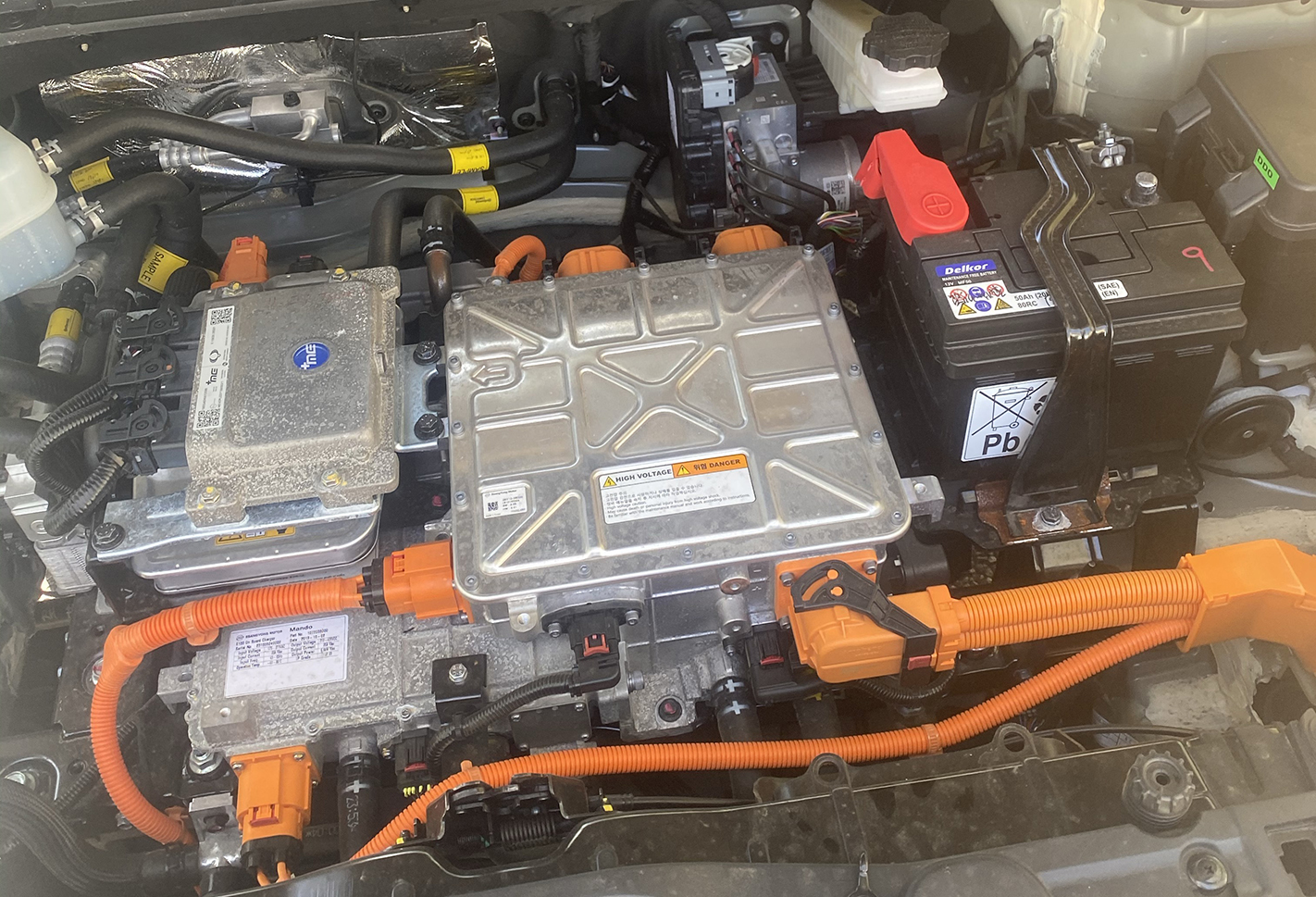
Based on the Korando medium SUV, the E100 is powered by a single 140kW motor connected to a 61.5kWh battery pack.
According to SsangYong the E100 will have a 420km range and class-leading acceleration. It also reckons it will be able to tow a caravan, though at this stage has not revealed its towing capacity or range.
Clues to how it looks underneath the cladding can be found with the 2018 SsangYong e-SIV EV Concept (below) that shares the Korando’s profile and distinctive crease lines but has a more futuristic front end, with the standard grille being surplus to requirements.
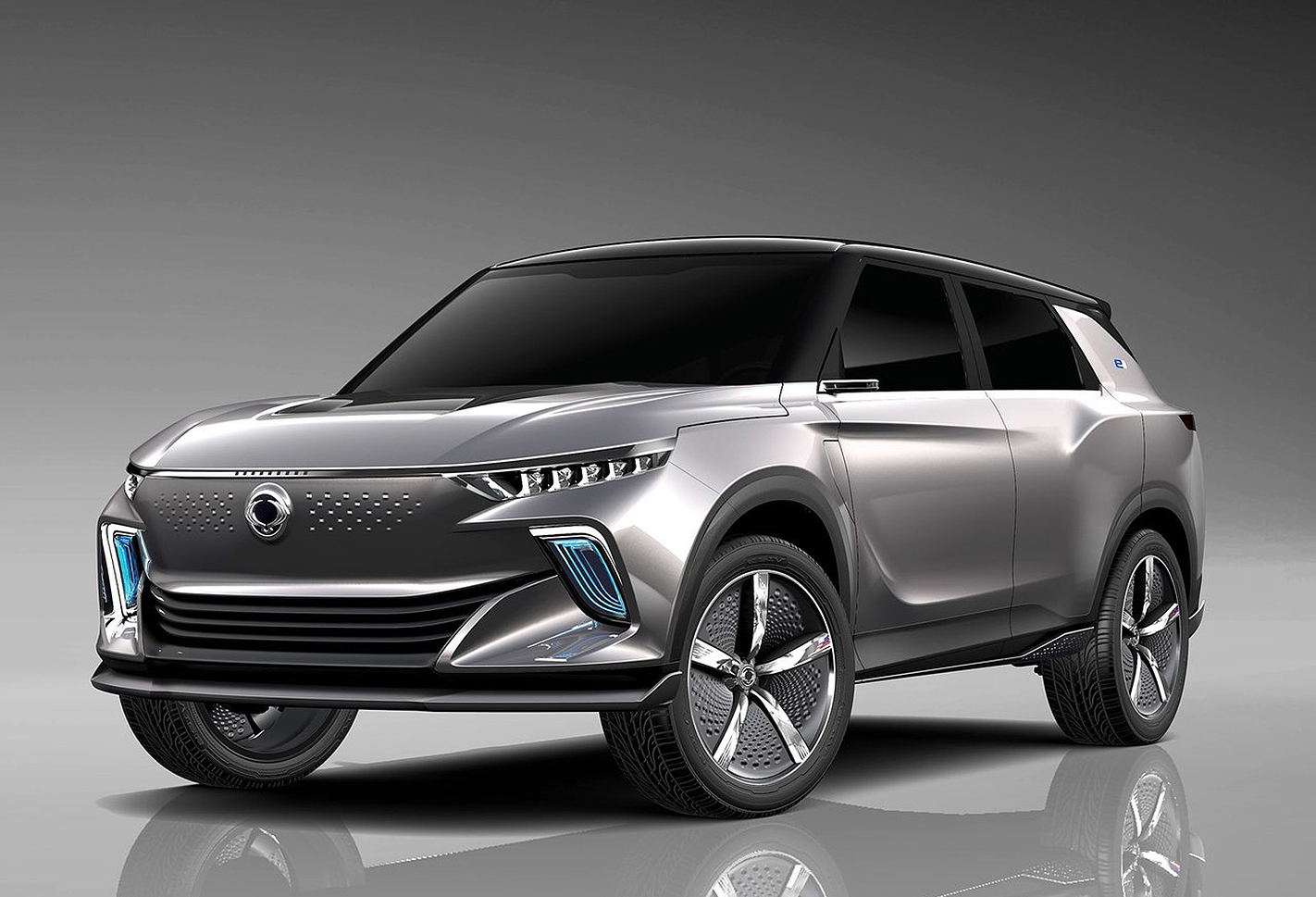
The Korando is also expected to gain a 48V mild-hybrid system later next year to help meet the SsangYong range meet emissions targets.
WhichCar has contacted SsangYong Australia to find out if the Korando E100, which was slated to enter production in mid-2021, will be joining its revamped line-up which includes the Rexton seven-seat SUV and Musso dual-cab ute.
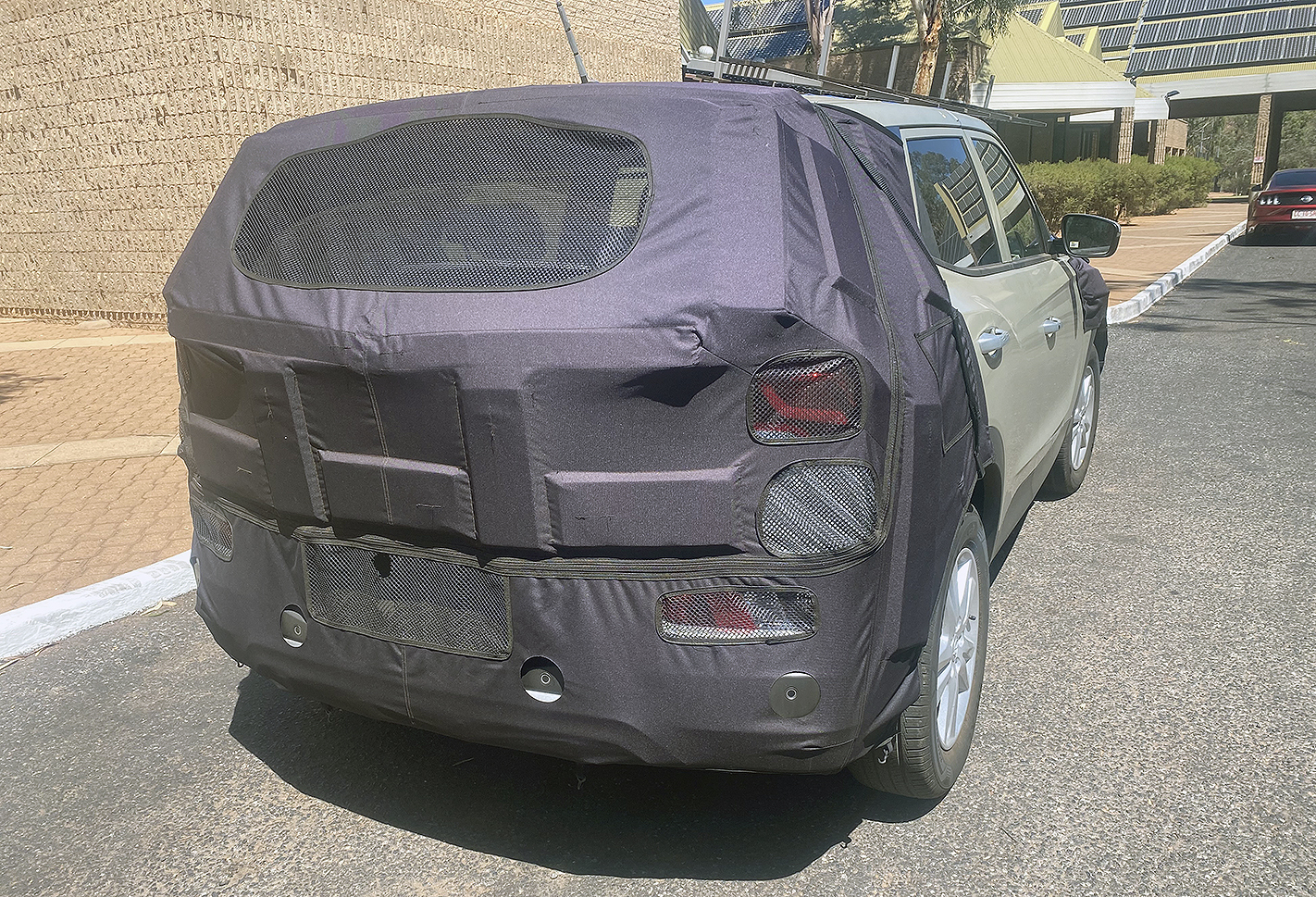
Seeing the cars being evaluated in Australia isn’t exactly confirmation of this. The fact they were spotted in Alice Springs could mean SsangYong has brought them here for warm weather testing as the Northern Hemisphere still emerges from winter.
But SsangYong Australia, which relaunched here in 2018 with full factory backing, has expressed that it would be very keen to see electrified versions become available Down Under.
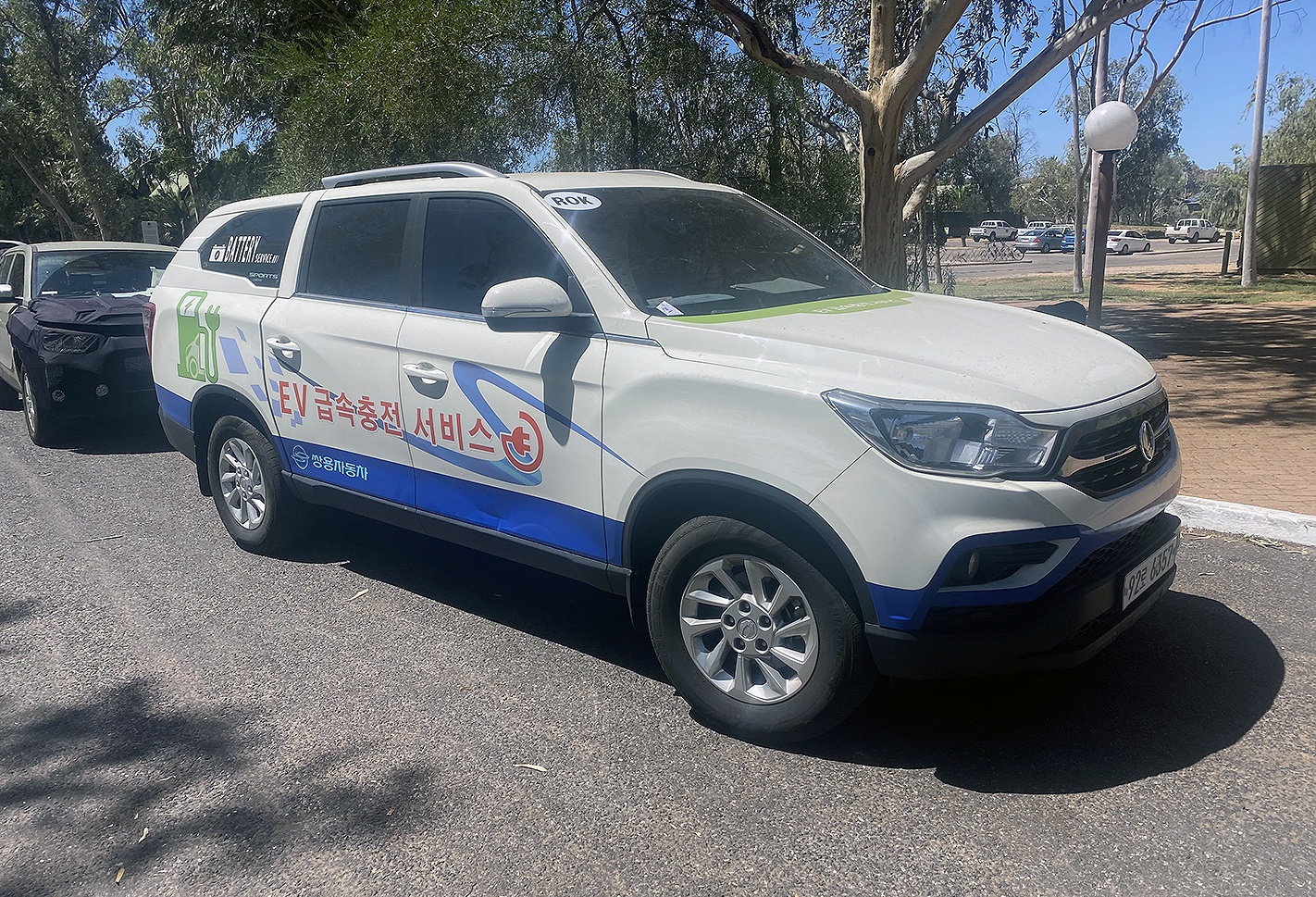
Being one of the first carmakers to offer a relatively affordable medium SUV to the Australian market would boost SsangYong’s here.
If it does come to Australia, the SsangYong Korando E100 would provide a more practical option than the Hyundai Kona Electric while being more affordable than the Mercedes-Benz EQC and Tesla Model X.
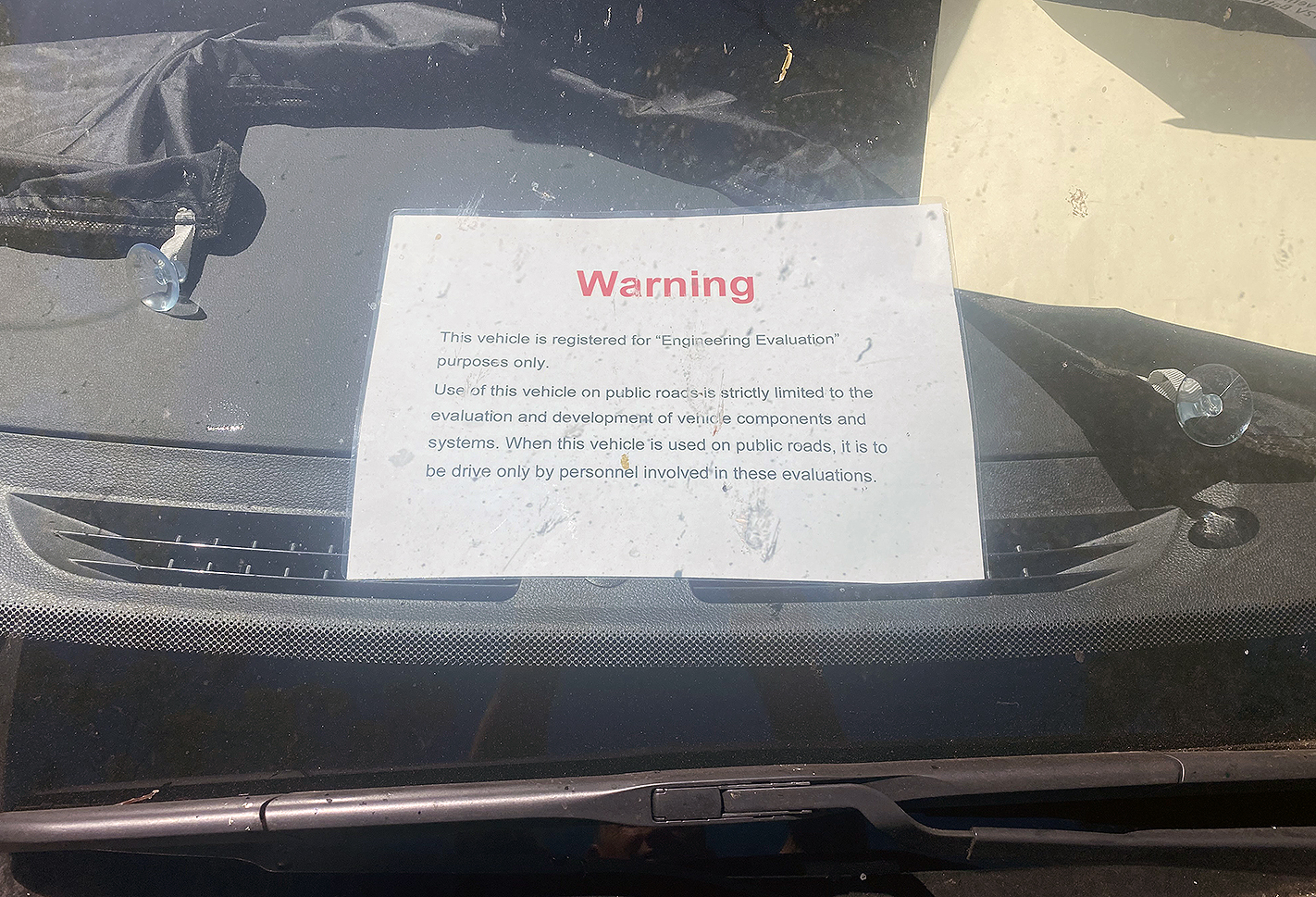
SsangYong hasn’t revealed pricing yet, even for its European target market, but, using the Kona Electric as a guide, expect to pay from around the high-$50k mark.
Snapped something special? Let us know in the comments below and we’ll chase it up!
