
A transportation phenomenon I do not understand is the resentment towards the bicycle-sharing schemes that have, well, littered our cities for the past few years. Fleets of bicycles of various bright colours have been regularly vandalised and hurled into lakes and rivers and all manner of other imaginative locations.
What’s really strange is that this seems usually to be the work of younger, inner-city, self-proclaimed ‘progressive’ types. I’d have thought that hating not only bicycles, but shared bicycles – non-polluting, planet-saving, introducing you to other people’s butt-sweat – is an unforgivable deviation from their script. The punishment is death by social media.
I may be wrong, and it’s actually 55-year-old managing directors pulling up in 5 Series and SUV-driving mums detouring from the private school pick-up to sling a few orange treadlies into a tree. But I don’t think so.
Anyway, I’ve been reading about similar problems that are blighting Paris, where shared mobility has been a part of the culture since the Vélib’ bicycle scheme (with its triggering apostrophe) was introduced in 2007. In 2011, it extended to Autolib’, a fleet of 4000 stainless-steel-bodied EVs that smelled (and even looked) like public pissoirs. Both these schemes were run by private operators, backed by the City of Paris.
Autolib’ went bust in 2018, the scheme being sadly under-utilised, and with detractors claiming that they merely added to the traffic. The collapse came just a few months after Vélib’ narrowly survived a death-wobble during a change in operators.
Vélib’ is already being superseded to some extent by electric scooters – the stand-up, kick-along kind – of which there are said to be more than 15,000 in Paris. These privately run scooter schemes are app based, like the bicycle schemes here, which means the scooters can be collected (or left) pretty much anywhere.
That’s not always a good thing, but even the Vélib’s docking-station model has inherent parking problems, with peak-hour tidal movements often leaving either no bikes, or no parking.
France, Germany and Switzerland are among the countries that have embraced the electric scooters. But with some of the devices capable of better than 50km/h, and after some fatal collisions with vehicles and pedestrians, France has finally decided to mettre le holà and introduce a bunch of restrictions on their use.
These measures include banning them from footpaths, except in designated areas; using cycle paths where available, and when on roads, travelling only in the direction of traffic; and prohibiting riders from wearing headphones, using mobile phones … or carrying passengers! From July 2020, their speed will be capped at 25km/h.
What I most love about all this is just witnessing the evolution of personal mobility. I lived in Paris from 2000 to 2004 and the experience changed the way I look at getting around. In the space of a typical week, I’d drive a car, catch the Metro, walk, ride a push-scooter, ride my motor scooter, and probably catch a taxi. You use whatever meets your mobility needs for that day.
I’d come from a country where nobody thought twice about firing up a 4.0-litre, four-speed auto family wagon to drive 800 metres.
I was in Paris when the Segway was announced. I thought (hoped) it would revolutionise our cities, in the way the automobile had done. And I was no less excited (until I rode one) about the BMW C1, the motor scooter with a roof and seatbelts. I first drove a smart car in Paris at around the same time, and quickly learned that, when a delivery van stops to unload in front of you, you’re no smarter than any other car.
So I’m excitedly watching this whole, no-holds-barred freakshow of electric-powered personal mobility devices as it rolls out: egg-shaped leaning trikes, enclosed semi-standing wheelchairs, streamlined Segways, whatever. I’m all in favour of them spreading to the roads. And for anyone who might think it completely irresponsible to advocate road vehicles that are slow, vulnerable and entirely lacking in passive-safety protection, I invite you to throw some bicycles into a river.
Zero to 100km/h in a claimed 3.9 seconds. That’s the first stat from the 2020 Mercedes-AMG A45 S that really makes you stand up and take notice. Then there is the 310kW and 500Nm outputs from a 2.0-litre four-cylinder engine – thanks to a rather sizeable turbocharger.
The Mercedes-AMG A45 S 4Matic is $93,600-worth of five-door hot-hatch fun; and arguably genesis for the 300kW+ hyper-hatch category.
Wheels has driven it overseas and we’re soon to slide into the driver’s seat down under. However, until then, what other options are out there for around the same coin?
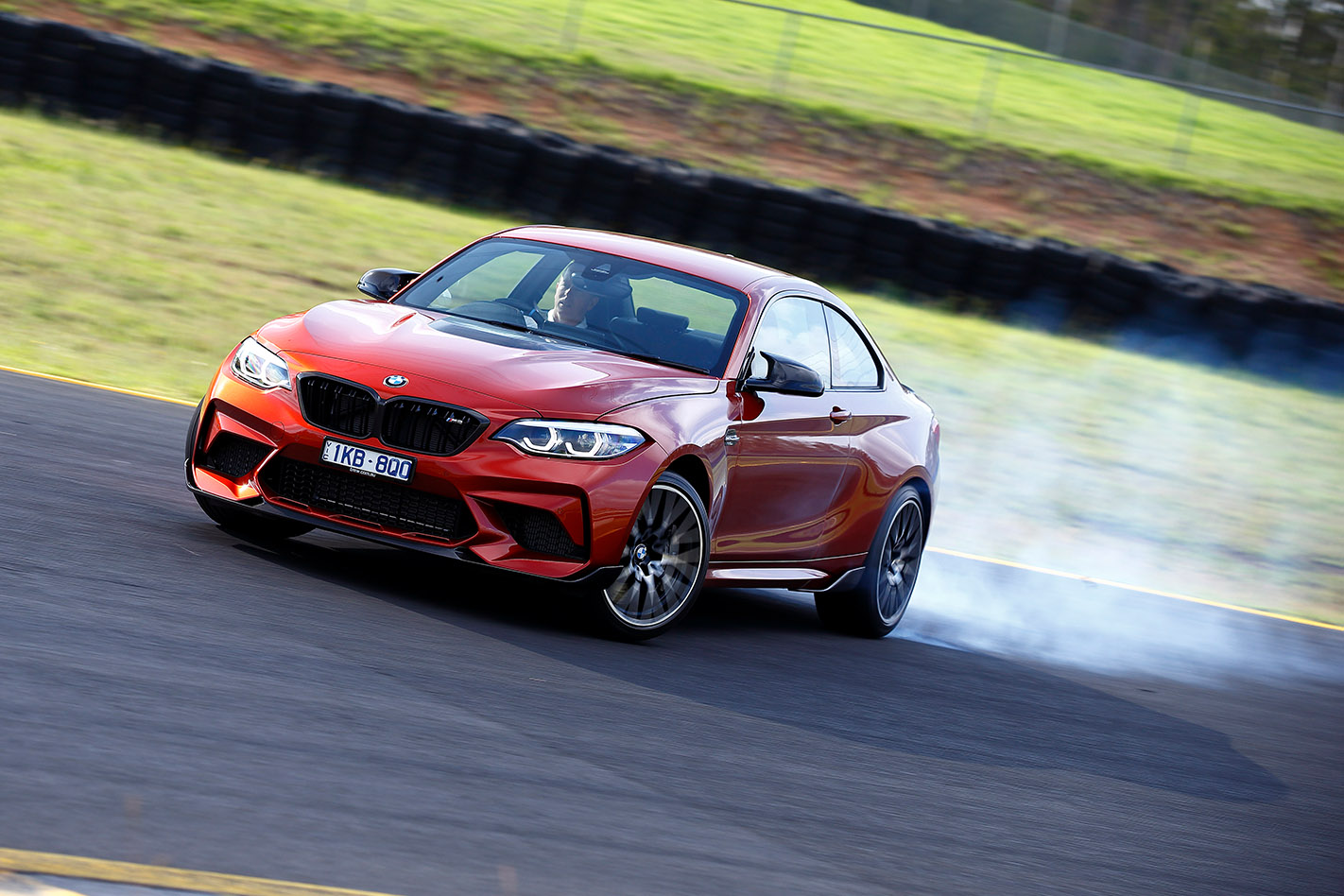
2019 BMW M2 COMPETITION
Rear-wheel drive, a twin-turbo inline six up front and a two-door coupe body. If that isn’t isn’t a recipe for M-car perfection, then we don’t know what is.
The BMW M2 Competition is becoming a rare delight given that the 1 Series has gone front-wheel drive. With 302kW and 550Nm from the S55 3.0-litre inline six, it certainly fulfils the straight-line-performance quotient.
When Wheels performance tested M2 it returned a stout 4.4 second sprint to 100km/h (AMG claims the A45 S is half a second quicker).
However, the BWM is a very different proposition to the grippy all-wheel drive A45, and will also hang the tail out and produce more smoke than a burnt bratwurst. Fun, manageable and engaging, the M2 Comp is well worth stretching the budget to for the best $100,000 sports car currently on sale.
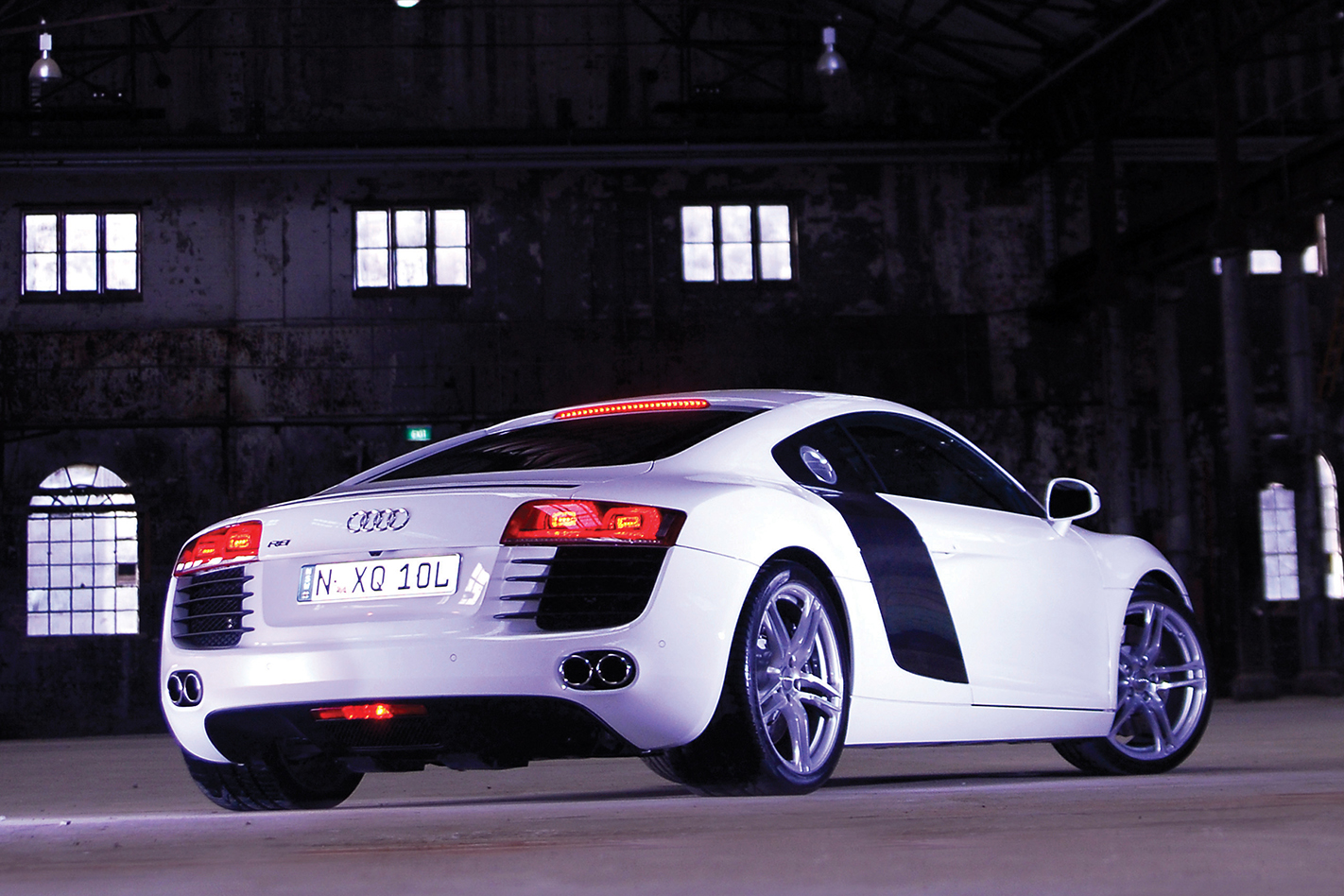
2006 AUDI R8 V8 MANUAL
Yes, the naturally aspirated V10 versions are faster and imbued with a symphonic sound like little else, but it isn’t the only R8 to play a gripping tune.
The 4.2-litre V8 found in the original Audi R8 is glorious, especially when accessing its 8250rpm redline. And it’s right behind your head! At 309kW and 430Nm, the second-hand R8’s raw data is behind the mega Merc, yet the two-door coupe with supercar looks is hardly a slouch with a claimed 4.3 second 0-100km/h sprint.
Then, of course, there is the gated six-speed manual. It’s slightly stretching the budget here with most examples asking for around $110,000… but what a thing. It’s probably a nice investment as well, with original manual V8s likely to become a future modern classic.
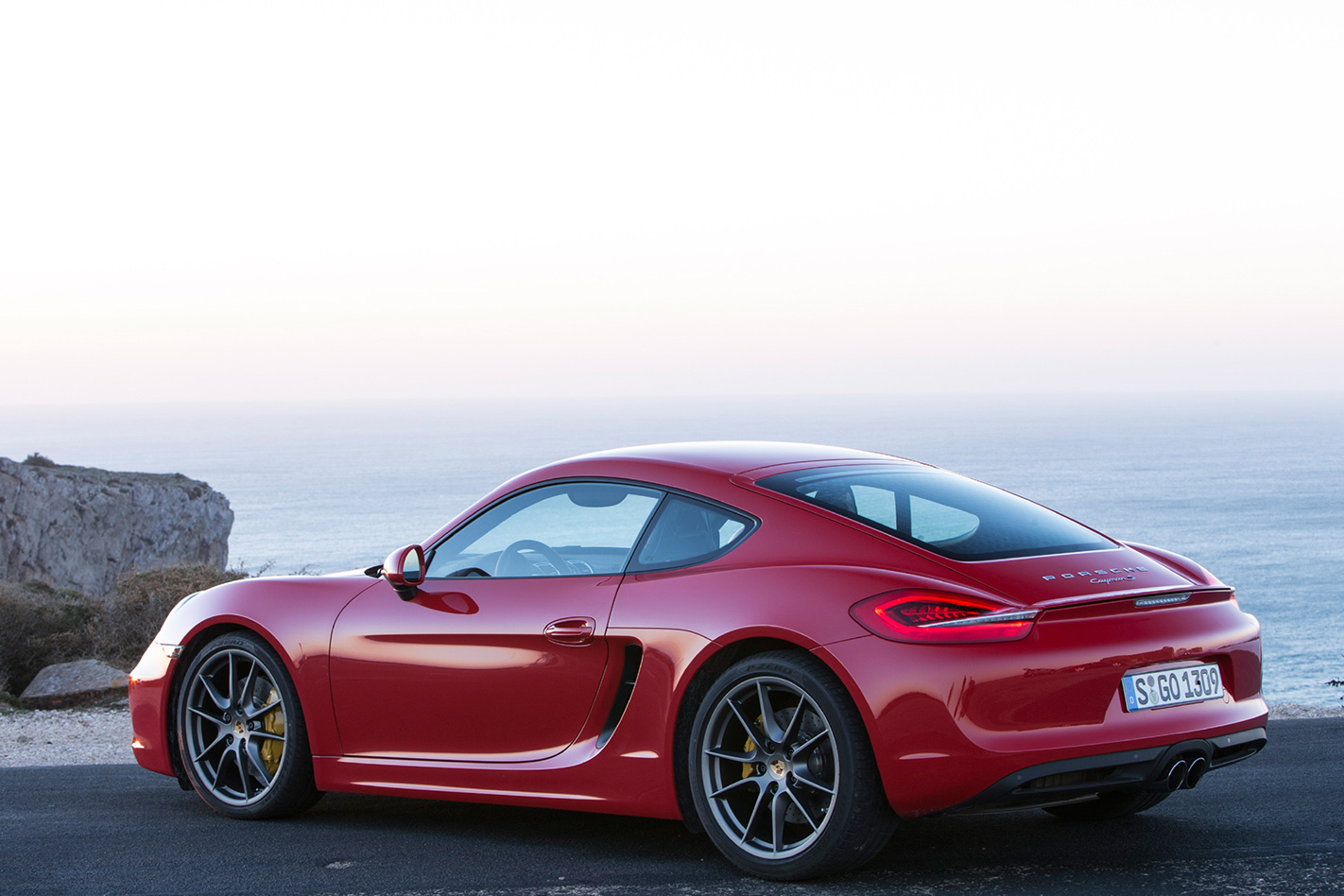
2012 PORSCHE CAYMAN S 981
There is a reason Porsche is reverting back to a flat six for its hot Caymans. And it is memories of cars like this, the 981, that make the four-cylinder 718 a hard pill to swallow.
It might ‘only’ shove you along to 100km/h in 4.9 seconds, but the 239kW/370Nm 3.4-litre flat six makes a glorious sound.
And you can have it in a six-speed manual or seven-speed PDK. Both options are within the price range, too, with a clean example setting you back between $90-100K. It’s a very hard option to bypass.
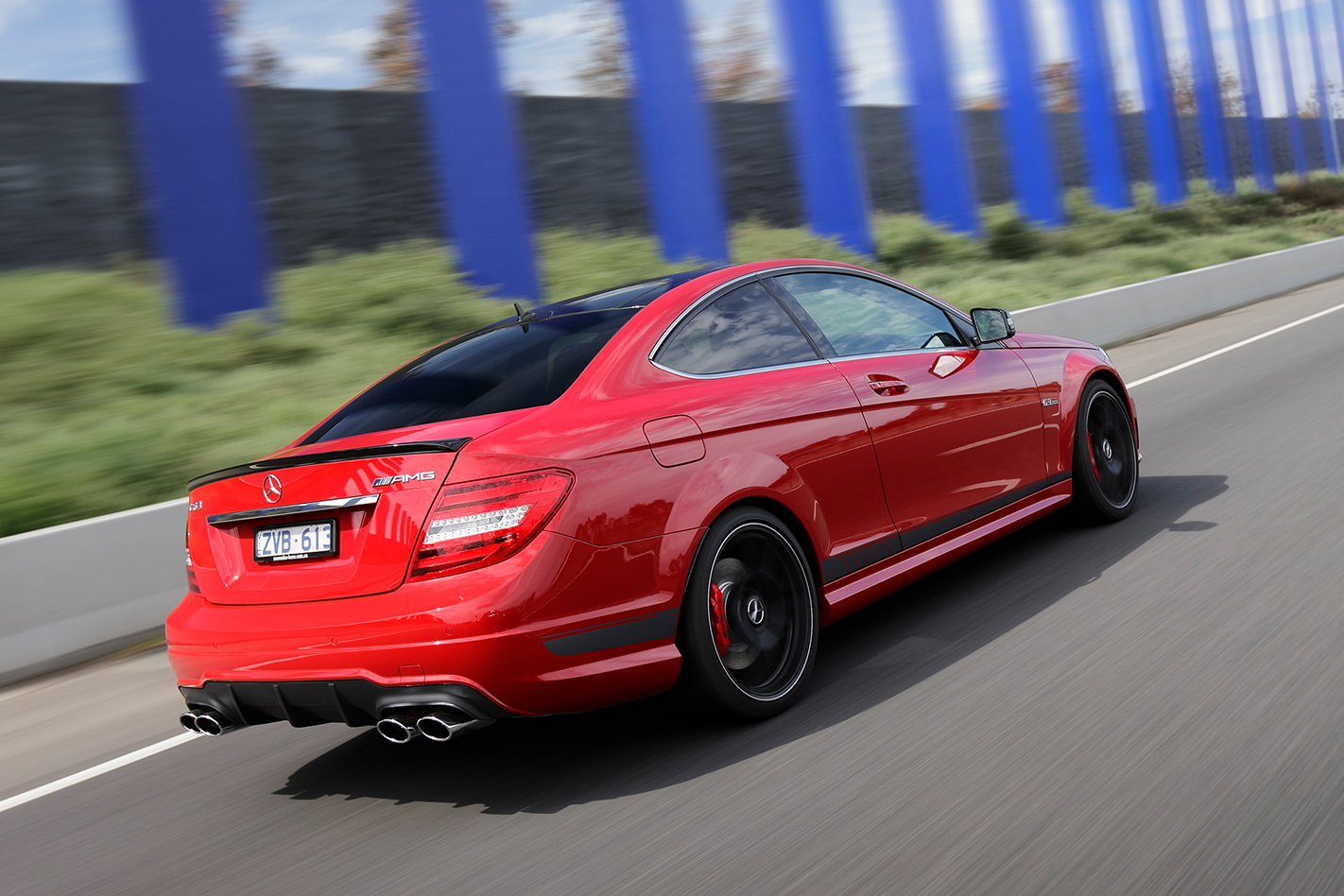
2013 MERCEDES-BENZ C63 AMG EDITION 507
As one of the most iconic and brutish naturally aspirated C63s around, the crowning glory of the W204 C-Class has to be the 507 Edition (denoting its 507 horsepower).
The M156 6.2-litre V8 produces 373kW and 610Nm and AMG slotted it into the coupe, sedan and wagon body styles.
Its nature juxtaposes the diminutive A45 S, with the 507 being dominated by the V8 grunt and menacing baritones.
It’ll reach 100km/h three tenths slower than the hyper hatch, but as something to cruise in, the 507 Editions makes a lot of sense
That’s not to say it isn’t still seriously quick, and a pretty good bargain at circa $90K.
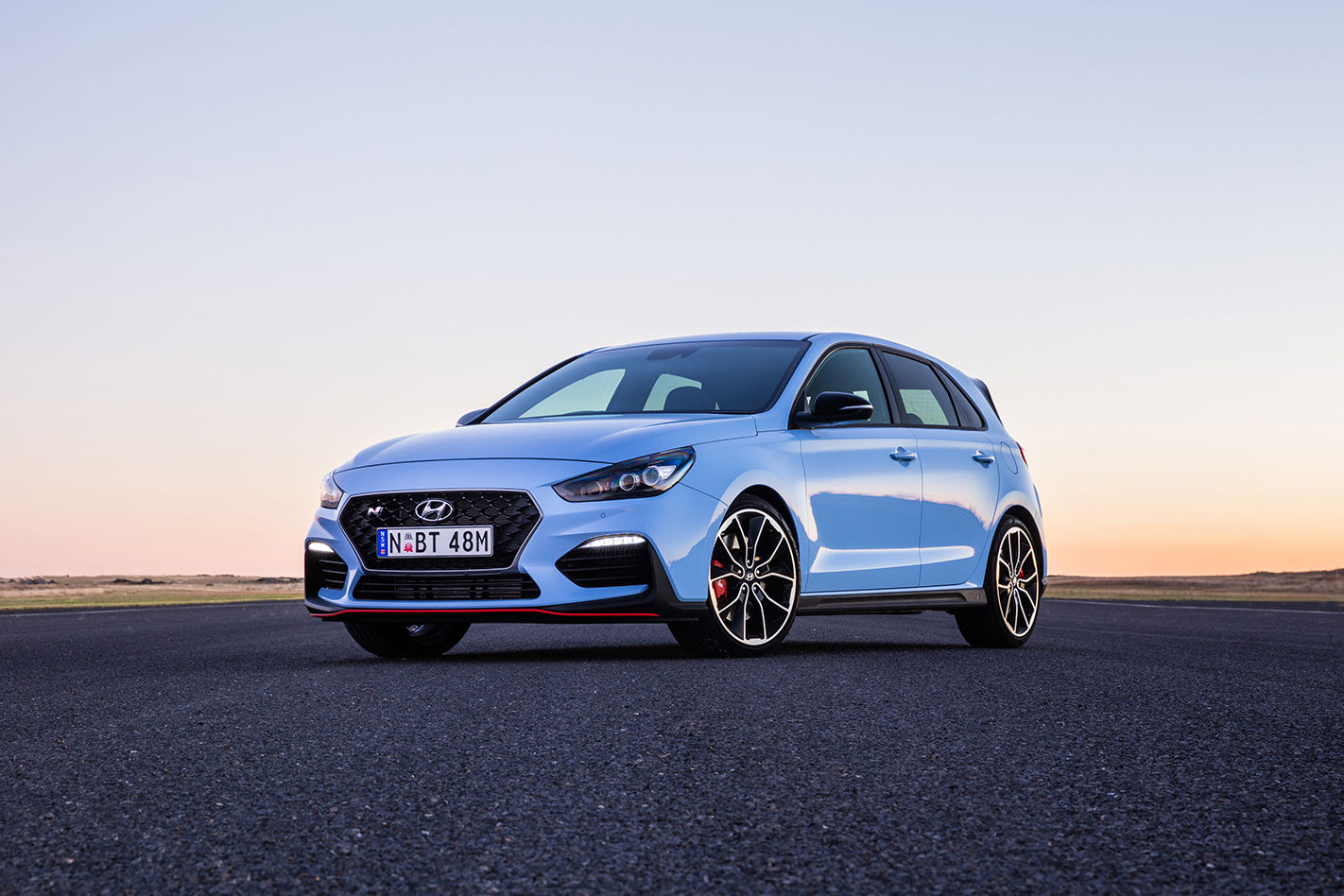
2019 HYUNDAI i30 N / FORD RANGER XLT
Time to throw in some creative curve balls! With the i30 N coming in slightly less than $40K and the Ranger asking $58,840, you could feasibly stretch the budget to these two for twice the amusement.
Considering the i30 N comes with a track warranty from the manufacturer, it’d be a great weekend stress relief either on a circuit or a twisty road.
Plus, not that you can’t drive the Hyundai to and from the track, but the trusty 3.2-litre five-cylinder turbo diesel (with six-speed auto) makes the Ranger a great tow car. What a way to get the best of both worlds.
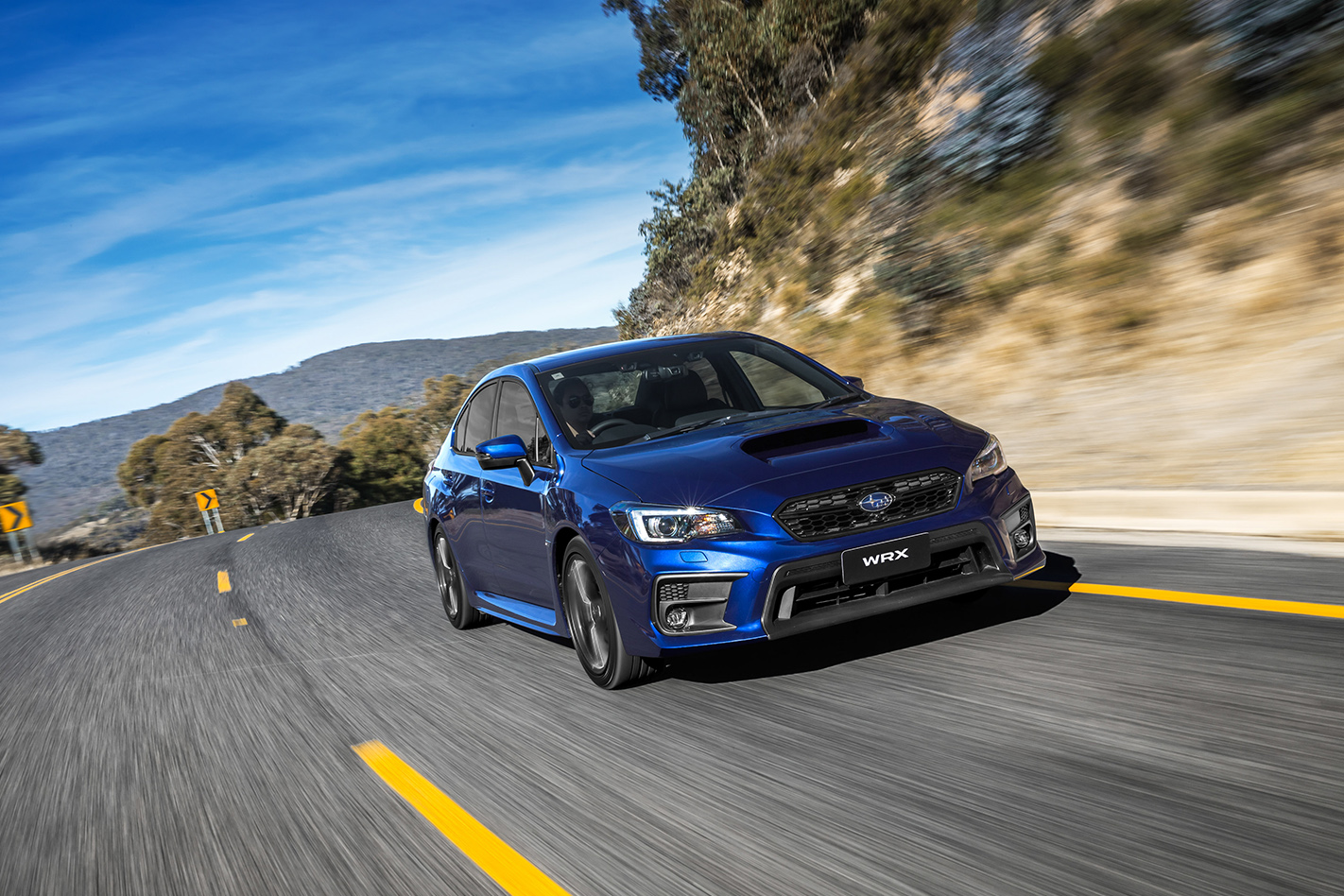
2019 SUBARU WRX / VOLKSWAGEN AMAROK TDI550 CORE
You already know where we’re going with this, don’t you? With a long history in rallying, the base $39,340 WRX manual would make a great Khanacross weapon.
Admittedly, given it’s a new car, you might not want to go too hardcore on unsealed surfaces, but with the 197kW/350Nm boxer sending grunt to all fours, it’d be a handy tool for light-hearted competition.
After the fun antics, you might want to tow it to a car wash with a $52,590 VW Amarok TDI550 Core. As the name suggests, it offers 550Nm of muscle from its 3.0-litre V6 turbo diesel, perfect for lugging the Subie.
The Amarok is a Wheels favourite, having won our last two ute megatests. This was thanks to its superb refinement for the class, and ‘car-like’ dynamics (though it is missing some safety kit). Very tempting.
Volvo is on a charge, so to speak, to turn its internal performance arm, Polestar, into a green brand.
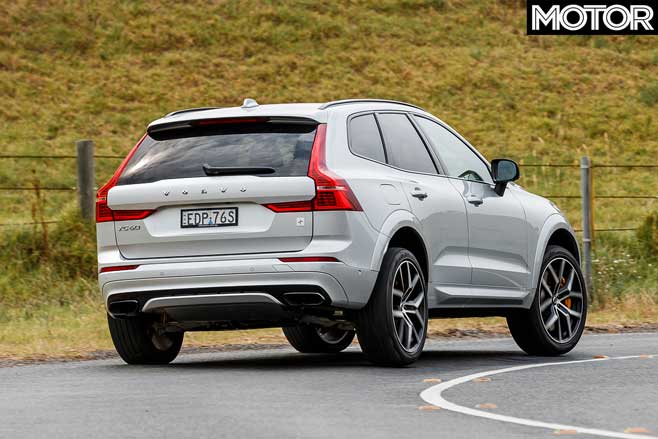
That goes some way to explaining why the Volvo XC60 T8 Polestar Engineered wears a ‘fuel’ flap on both sides, since it’s a plug-in hybrid. But get this, it’s also fitted with huge Akebono front brakes, a front strut brace and adjustable Ohlins dampers to show it doesn’t want to make friends with your Toyota Prius. It also has some nice yellow seatbelts for extra identification.
The ride is nice and comfortable. The Ohlins dampers never actually deliver an insane firmness, as you would expect from a club-level damper; even when you turn the adjustment dial clockwise all the way, they’re far from rattle-yer-teeth-out firm. In fact, the adjustment doesn’t change the handling balance all that much or cancel out roll. The XC60 is fairly benign through corners.
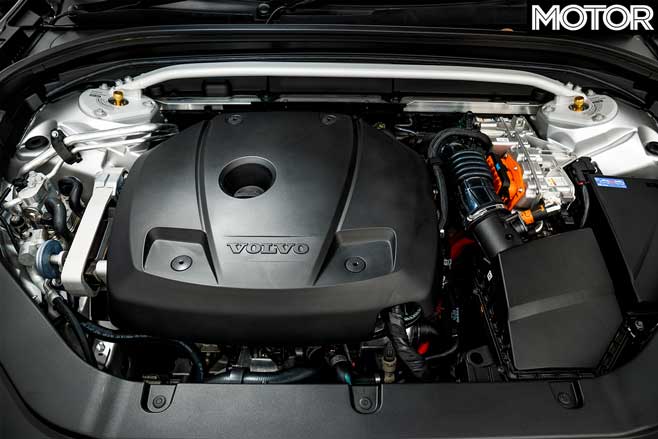
However, that might be the better outcome when you consider how much extra flab is packed into its powertain. That inline-four is twin-charged, so it employs both a supercharger and turbocharger, and the hybrid system adds an electric motor (which exclusively drives the rear axle) as well as battery cells in the transmission tunnel.
Petrol powers only the front wheels, where the four-banger produces 246kW and 430Nm on its own. Thrumming along without much drama in the way it delivers its power, the XC60 moves at a decent pace, but it’s only potent when the electric motor can lather on an extra 65kW at 7000rpm and 240Nm at 3000rpm.
Since the motor can make as much as 56 per cent of the petrol engine’s torque, compared to 26 per cent of its power, you feel its shove down low more than up top. Unfortunately due to time constraints we were unable to fully charge the batteries prior to our test and had to rely on the hybrid system’s regeneration smarts to keep it charged during our drive – something it does pretty well.
An eight-speed auto transmission mediates the engine and front-axle without much fuss. It will shift cleanly but can feel rushed when you’re up it.
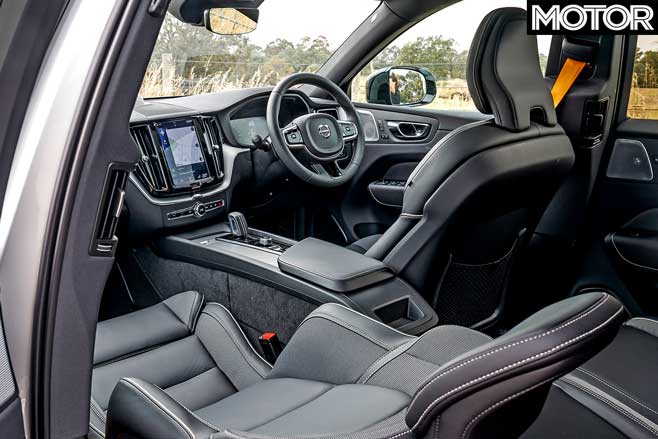
Overall, those big 21-inch wheels with low-profile Pirelli tyres declare serious performance intentions, but in reality the package never feels sharp or fast enough to deliver on them.
We admire Volvo’s attempt at trying to make hybrid SUVs fun, but there’s a sense this XC60 is trying to do too much to excel in one area.
2020 VOLVO XC60 T8 POLESTAR ENGINEERED SPECS Engine: 1969cc I4, 16v, twin-charged, hybrid Power: 246kW @ 6000rpm (engine only) Torque: 430Nm @ 4500rpm (engine only) Weight: 2118kg 0-100km/h: 5.2sec (claimed) Price: $98,990
Likes: Sharp looks; interior finish; solid brakes; decent fuel consumption when you’re up it Dislikes: Can’t handle its weight; numb steering; a bit slow without battery charge
Rating: 3.5 out of 5 stars
Remember the TOCA series? The classic touring car franchise was one of the finest racing games of the late 1990s and early noughties, and under the steady hand of developers Codemasters eventually evolved into the series we know today as Grid.
There’s now a fourth game in the series, somewhat confusingly called just “Grid”, and it promises the same track-focused action we know and love but with updated visuals, a few gameplay additions, new cars and new tracks.
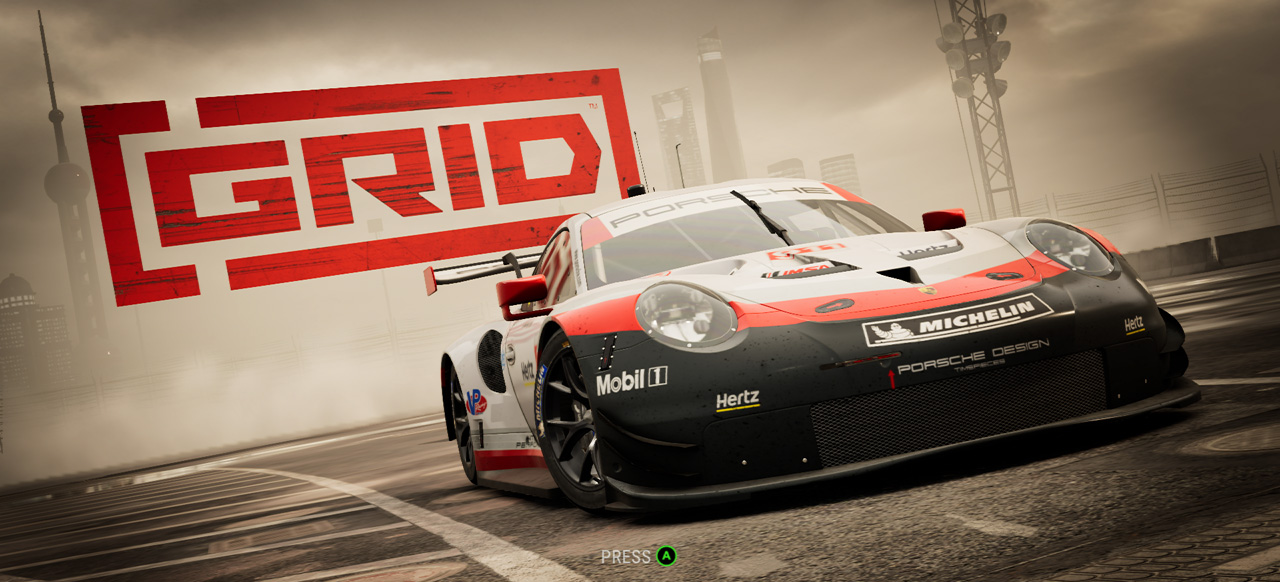
However, being neither a hardcore sim nor an outright arcade title, Grid runs the risk of being either not realistic enough or not fun enough – does it manage to thread the needle and deliver a experience that’s worth the price of entry?
What do you need to play Grid?
Grid is playable on the Xbox One, Playstation 4 and PC, and can be enjoyed with the standard gamepad or even a computer keyboard. There’s support for gaming wheels and pedals, however they’re not strictly necessary to enjoy Grid.
How much does Grid cost?
Grid currently retails for $69.95 for Playstation, $39.99 on Xbox and $56.95 for PC via Steam
What’s it like to play Grid?
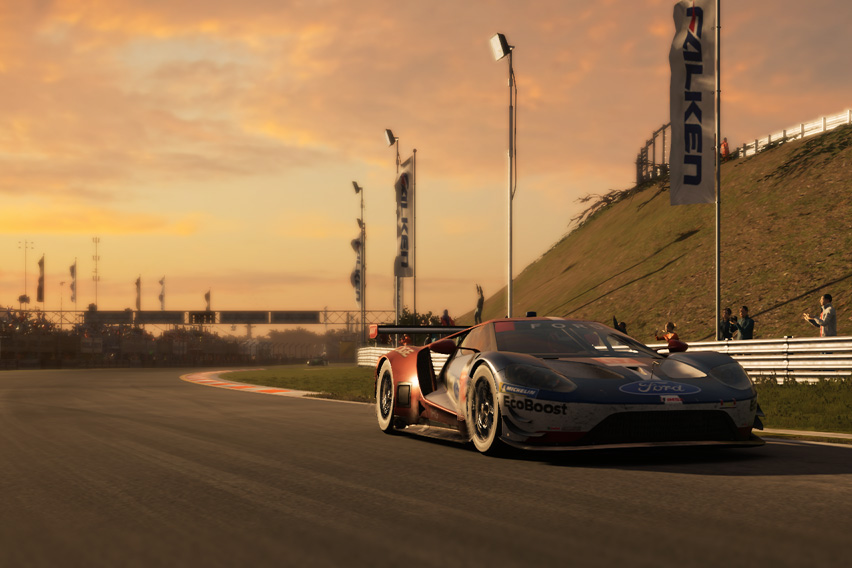
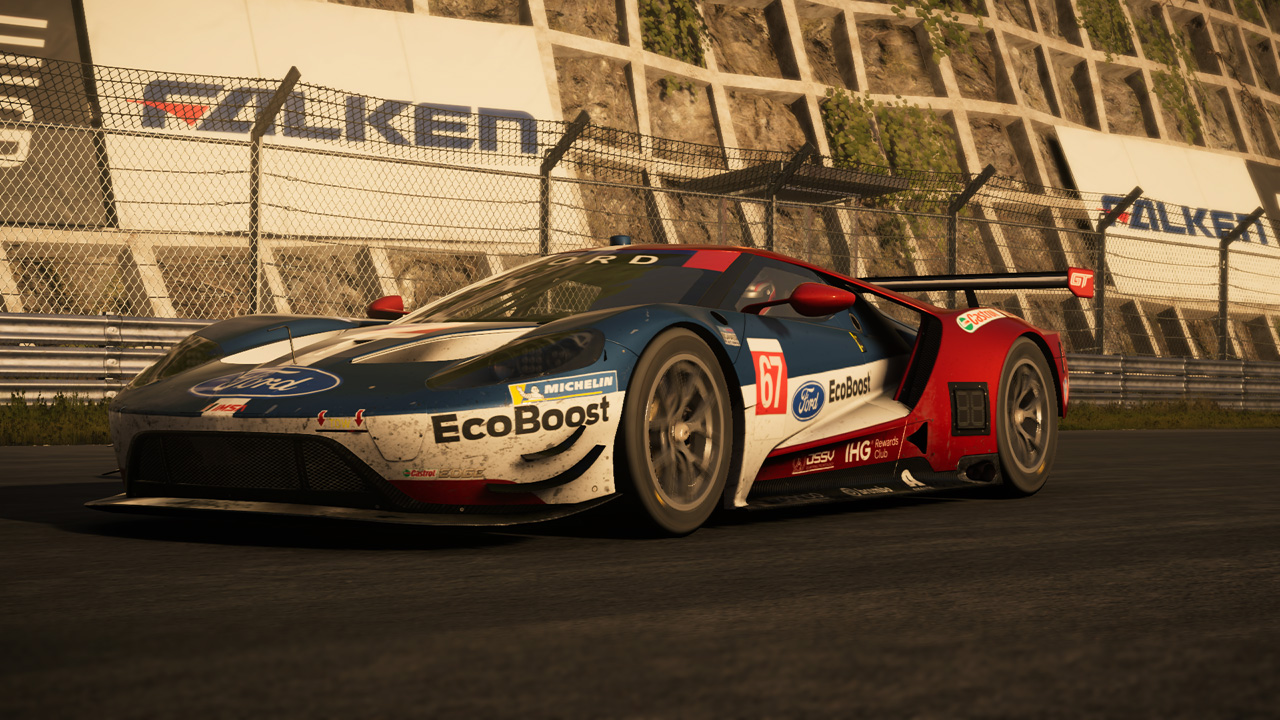
The juicy screenshots of Grid’s GT racecars, Le Mans prototypes and TCR metal are misleading. Scope those cars, and the reasonable assumption would be that Grid is pitched squarely at motorsport enthusiasts seeking a high-def racing sim to whet their appetite for full-fidelity friction modelling, dynamic damage models and pit strategy planning.
If you’re one of those anoraks, you’re bound to be disappointed.
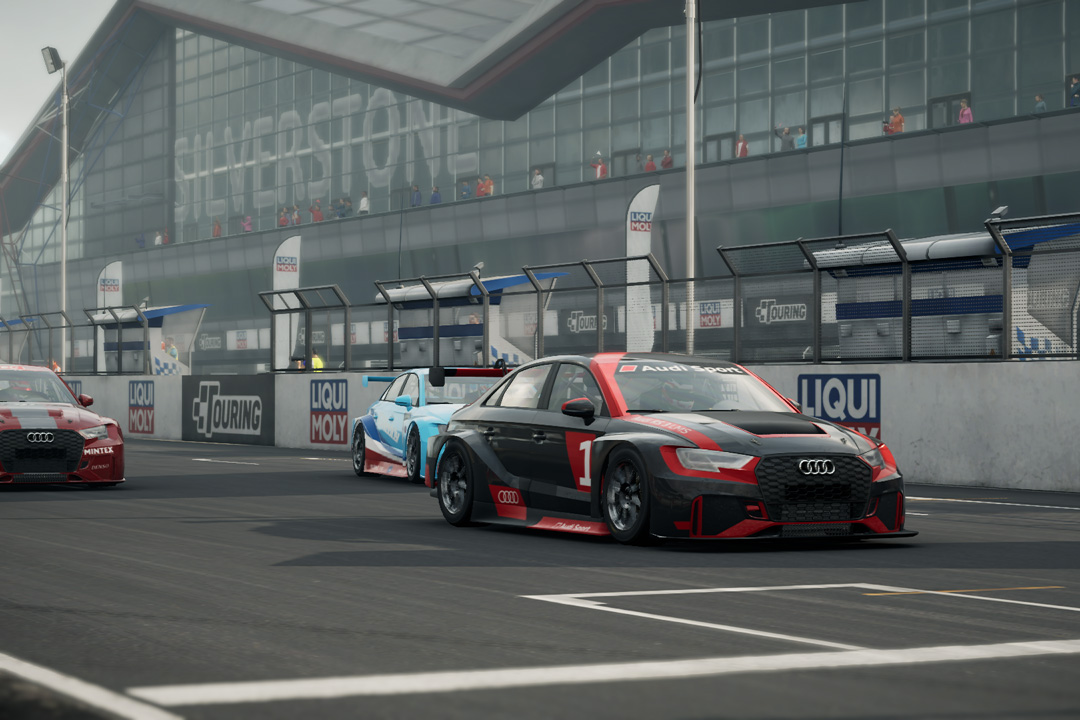
The good news is that everyone else is in for a good time, because although the expectations set by Grid’s car line-up might not match the reality of its driving experience, the gameplay on offer is just plain ol’ fun.
This is not a racing simulator, and it’s not a fluffy arcade game either. Grid aims to walk the line between being accessible for beginners while still being engaging enough even for seasoned sim-racers, and it somehow manages to achieve precisely that.
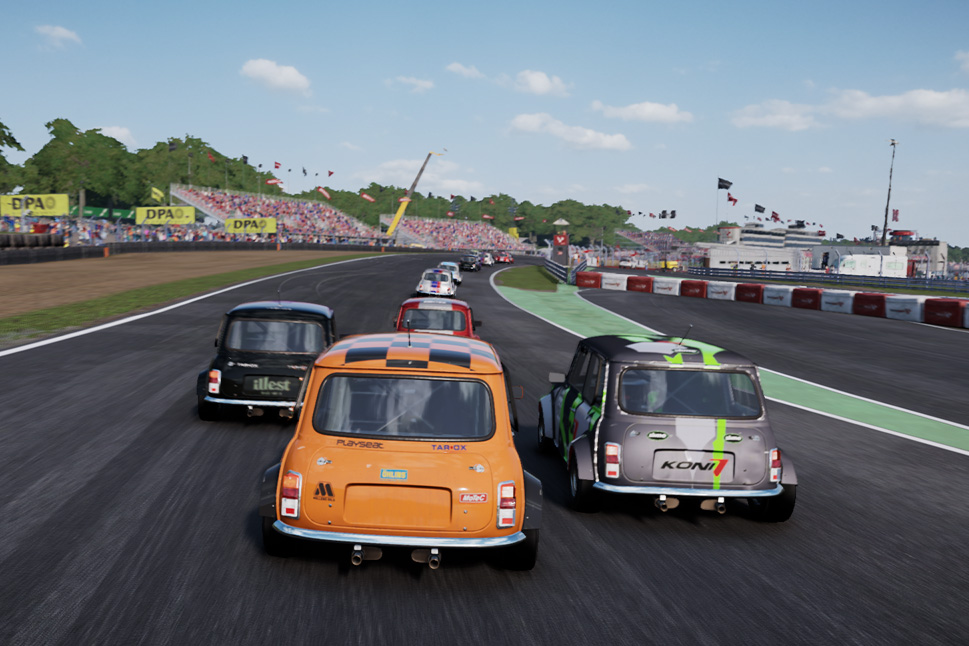
Let’s start with the core of the game – wheel-to-wheel racing against AI drivers in career mode.
The racing against AI drivers can be super-tight, especially with the difficulty turned way up. But that said, it’s not like the AI try and aggressively squeeze you out, or drive as if they simply can’t see you. If you get an advantageous line and are side-by-side in a braking zone, the AI will eventually relent if you clearly have the advantage – in other games, they’d simply slam into your door in an attempt to stay on the racing line.
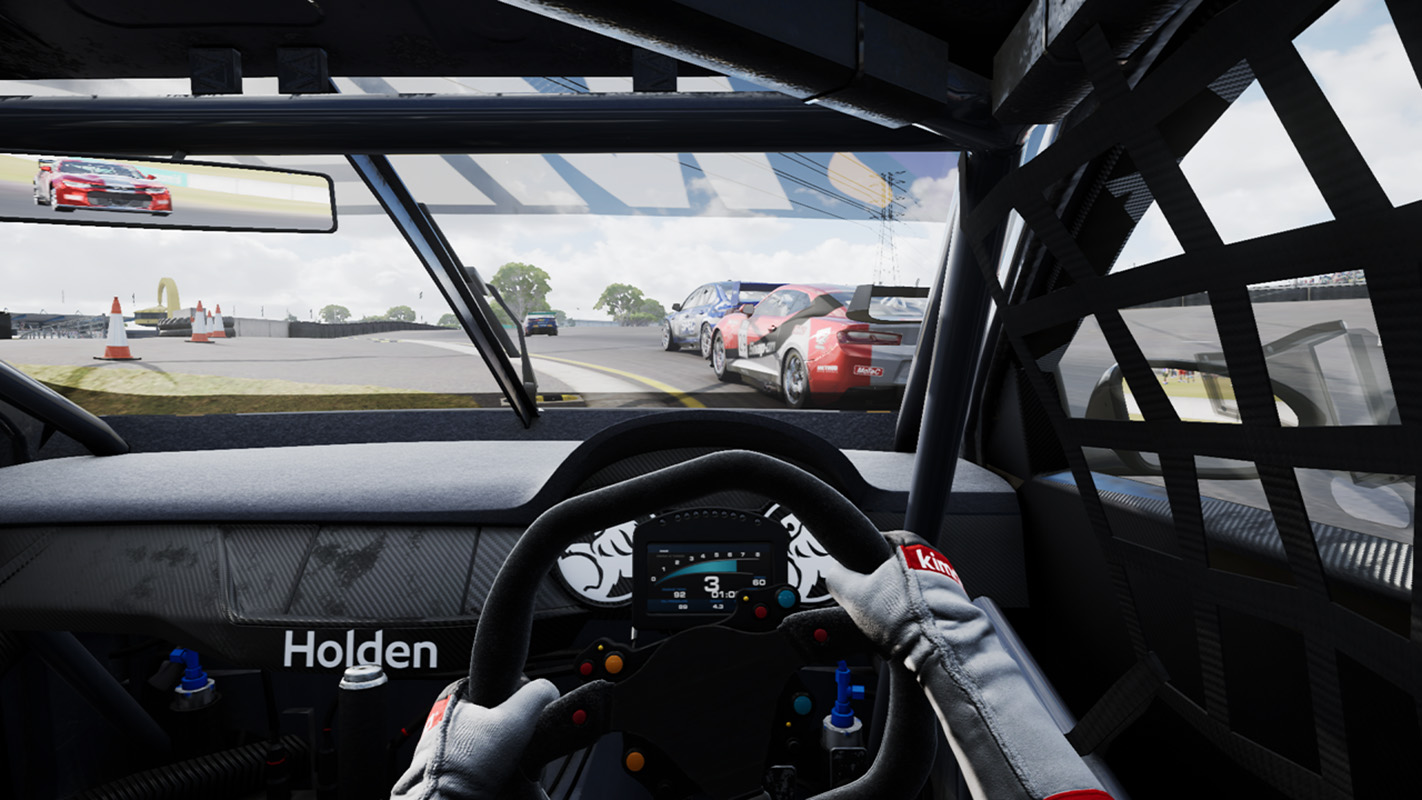
However, make contact enough times with a particular opponent and that driver will see the red mist descend, declaring themselves your ‘Nemesis’ and becoming far more hostile around you. They’ll brake-check you if you’re following them, slam into your sides if you attempt to overtake and generally do the best they can to punt you off the circuit.
It’s an interesting way to liven up races – and discourage players from pinballing off other cars – but it doesn’t seem to go far enough. We’d like to see drivers holding grudges over several rounds of the same championship, rather than forgiving your sins once the chequered flag drops.
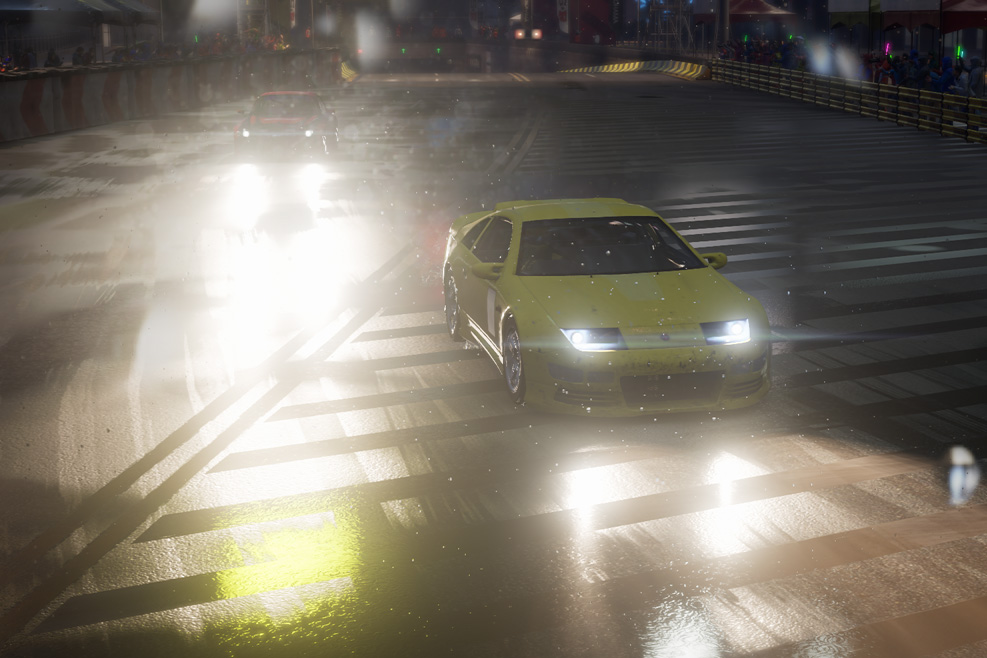
Crank the difficulty right up, and the AI gives you a pretty decent challenge. It’s a surprisingly engaging racing game, and while it’s not a super-nerdy sim, there’s still a basic handling model that provides a modest challenge even for keen drivers. Grid will educate you on the advantages gained from taking a good line through a corner, from hitting the right apex point and being adventurous in the braking zone, and though it’s not simulation-grade you’ll still learn a fair bit about basic racecraft from playing.
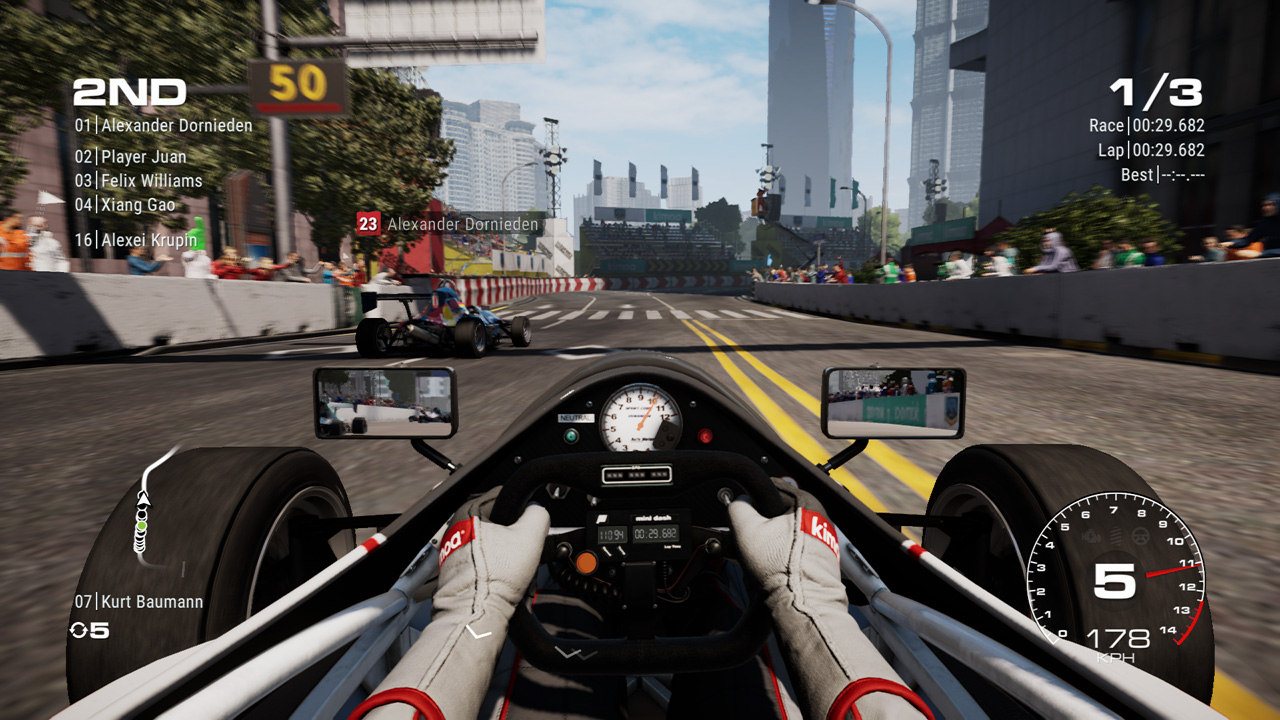
There’s damage modelling, and for an extra challenge you can have it dramatically affect your car’s ability to be driven. Races are too short to really require pit stops, but if you smash into a wall hard enough you can tear tyres off their rims, destroy your suspension and rip bumpers off your race car. Better keep off the walls if you want to cross the finish line, though the cars do seem able to absorb quite a bit of punishment before things get terminal.
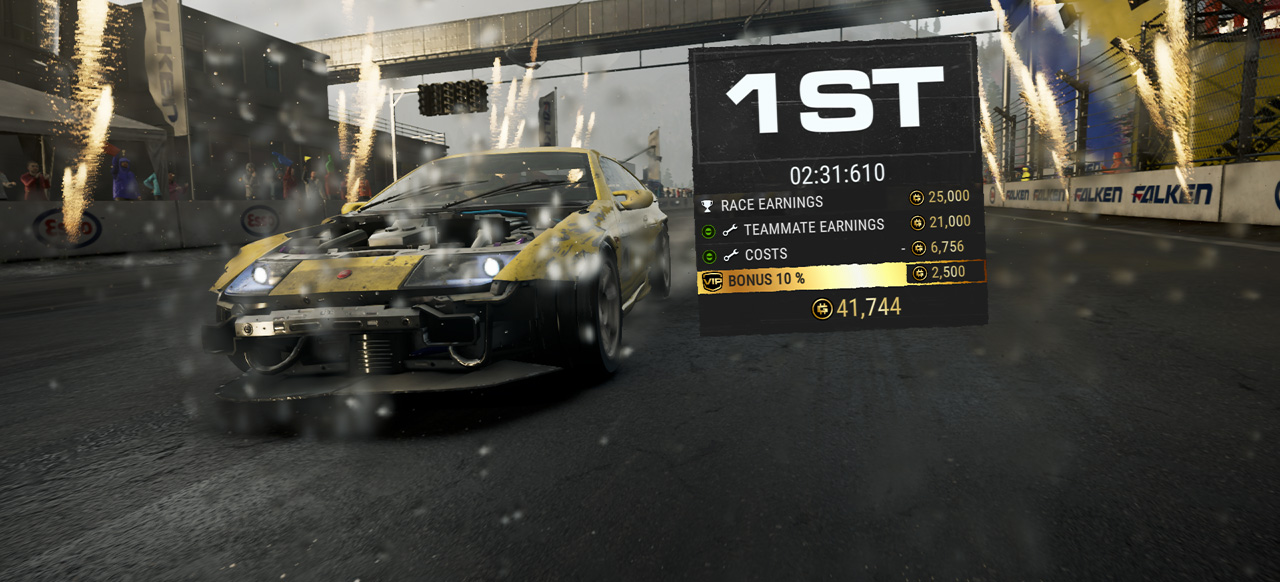
A rewind system is present should you wish to hit ctrl-z on a fluffed corner, however Grid’s method of giving you just five rewinds per race encourages you to drive cleaner in the first place. We like that.
Are there any downsides to Grid?
If you’re a tinkerer, then Grid might frustrate. Customising your car isn’t really a thing in Grid, whether it’s cosmetic changes to bodykits and wheels, or mechanical upgrades to your engine, suspension or driveline.
It’s obviously a deliberate effort to limit complexity and also keep every car on a fairly even pegging with their class competitors, but we’d like more than just basic adjustments to suspension, gearing and vehicle livery.
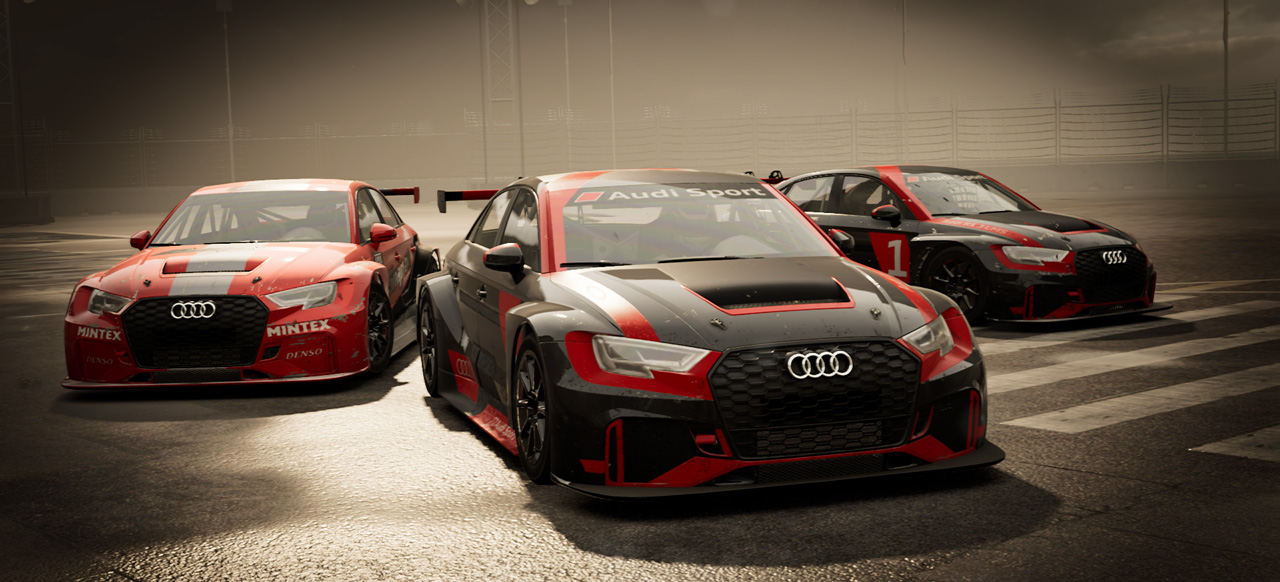
Coupled with the fairly limited selection of cars within each vehicle class, it feels as though that Grid’s vehicular menu isn’t really diverse enough to maintain long-term interest – especially as you simply aren’t allowed to put cars from one category up against cars from another. A TCR-versus-Super Modified battle would be entertaining, we think, but you just can’t do it.
There’s only a handful of tracks too, and the race roster can start to feel mighty repetitive real quick. Grid attempts to inject some variety by mixing things up with reverse configurations and short/long versions of the same track, but that just means it takes you forever to actually come to grips with a single circuit.

Codemasters promises more cars and tracks in DLC and running updates, but right now it’s a bit sparse in there.
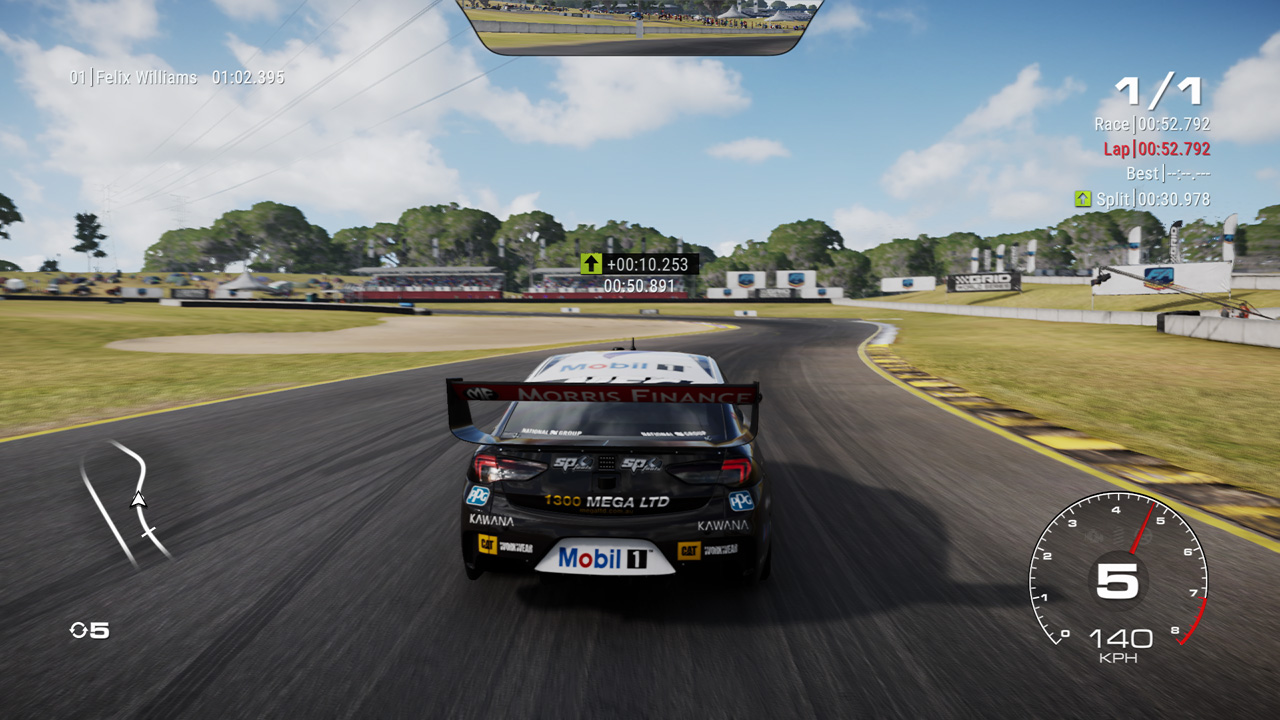
Graphics aren’t what we’d call cutting-edge, at least not on the Xbox One S version we tested. Texture quality and vehicle model detail levels are generally on the low side, and dynamic shadows and other lighting effects aren’t employed to any great extent.
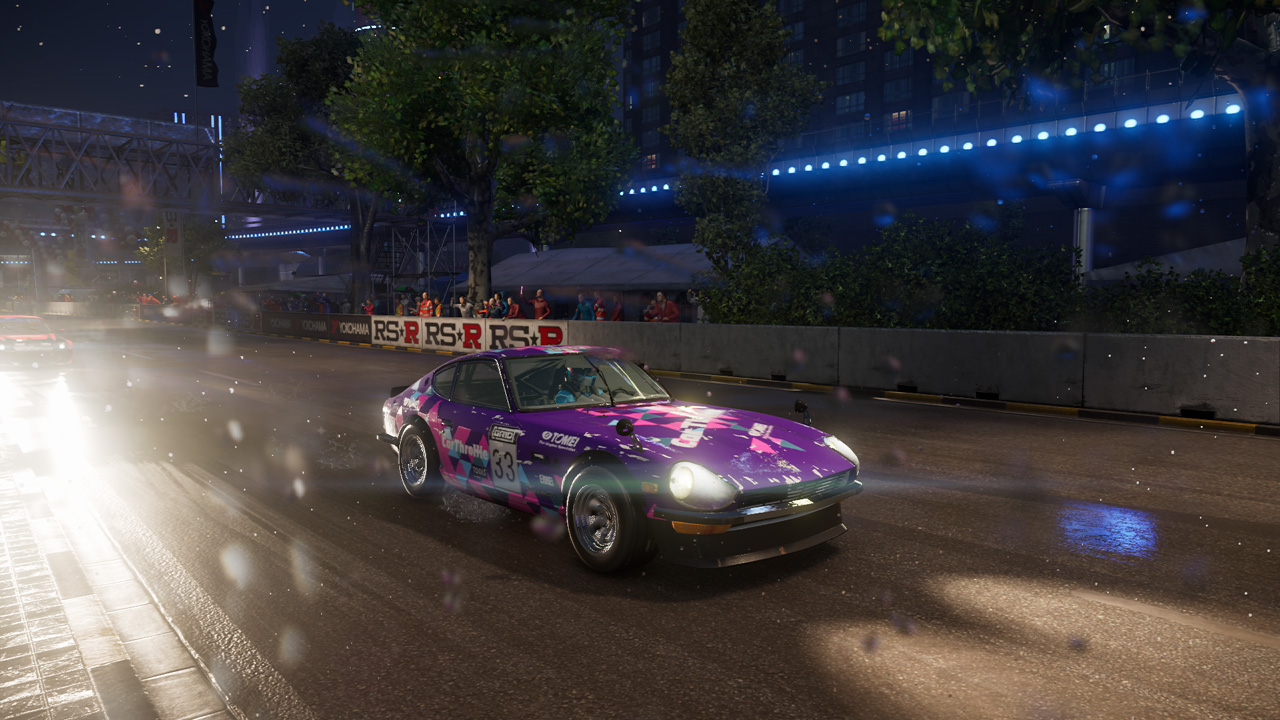
That said, the game looks pretty cool at night or at dusk, with rich colours and plenty of environmental animations (such as fireworks in Shanghai, or crashing waves on the Havana seafront) to distract you from your racing line. All cars also get fairly detailed in-car views as well, something that isn’t common in the sub-simulator racing game category, and cars accumulate scratches, road grime and paint chips over time though, which is a cool detail.
There’s no real scope to fine-tune the feel of a gaming wheel, neither for force feedback levels or rotation limits or wheel sensitivity. Once again, if you came to Grid expecting a high degree of customisability and fidelity, you’re going to be disappointed.

Less forgivable is the poor multiplayer experience. We tried multiple times to join a multiplayer game, but the server browser never showed us any open matches that we could hop into and the quick match option gave us nothing either.
Even starting our own public match and keeping it active for a full half-hour didn’t see any takers. We’re not sure if that’s just an issue with Australian local servers, but for now it seems that Grid’s multiplayer arena is full of tumbleweeds and little else.
Verdict
One thing is abundantly clear – despite dwelling in the weird no-man’s land between ‘arcade fun’ and ‘gritty sim realism’, Codemasters’ Grid delivers an exceptional pick-up-and-play racing experience. It’s fun, it’s easy to jump in and get going, and it’s accessible – getting the best out of it doesn’t require heaps of fiddling in menus and pre-race planning, or heaps of practice.
However, at times it can come across as a bit of a hollow experience. The menu music is elevator-grade, the playlist of tracks is too small, the performance differences between cars are too subtle (though that does ensure close competition) and there’s no real sense that you’re ascending up through the tiers as you go through the career mode.
With the limited tracks on hand, it eventually starts to feel like Groundhog Day. After a while our willingness to keep playing just evaporated, as we felt we’d “seen it all”. Plus, given that the car lineup is largely centered around real-world racecars there’s a confusing over-reliance on fictional street circuits.
That may change over time, though. Codemasters says there will be additional content coming – and they’ve already added the Red Bull Ring, the Ferrari FXX, Aston Martin Vulcan AMR Pro, Brabham BT62, and Pagani Zonda Revolución, and we hope that means a bevy of cars and tracks to inject some more longevity into what is otherwise a super fun and reasonably challenging racing game.

Rating: 3/5 Plus – Easy to get to grips with, great AI coding, challenging racing Minus – Nonexistent multiplayer, tiny track list, decent car variety, but split into too many sub-categories
ABT Sportsline has been on fire lately, rolling out a plethora of upgrades for fast Audis, the latest being the ‘ABT Power S’ upgrade for the Audi RS4.
Previously only rated up to an output of 375kW by ABT, the RS4 is now capable of nudging 400kW thanks to the tuner.
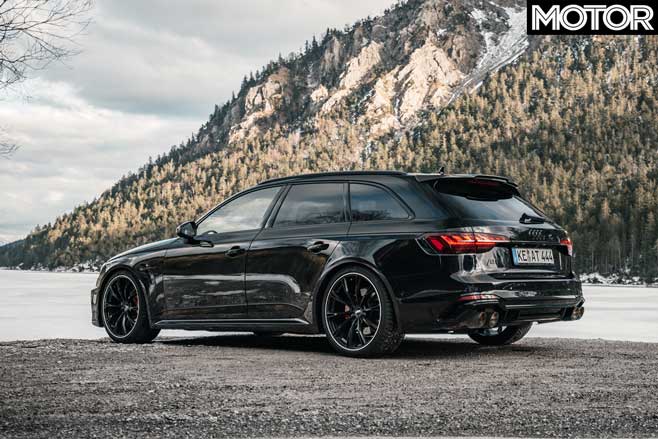
With an upgraded engine control computer by ABT, plus an additional water cooler kit and an air intake, the ABT-tuned Audi RS4 is now able to produce 390kW and 680Nm. This is 59kW and 80Nm more than the RS4 makes from factory.
Given a stock RS4 hit 100km/h in just 3.87sec and runs a 12.02 quarter mile, according to MOTOR testing, the ABT RS4 should be a proper weapon.
It’ll also look the part, with a list of aerodynamic upgrades from the ABT Aero Components list. Items like wheel cavity ventilation and air-channelling carbon fins, as well as a carbon fibre reinforced plastic rear spoiler can be added to the RS4 to deliver the visual aggression to match its performance.
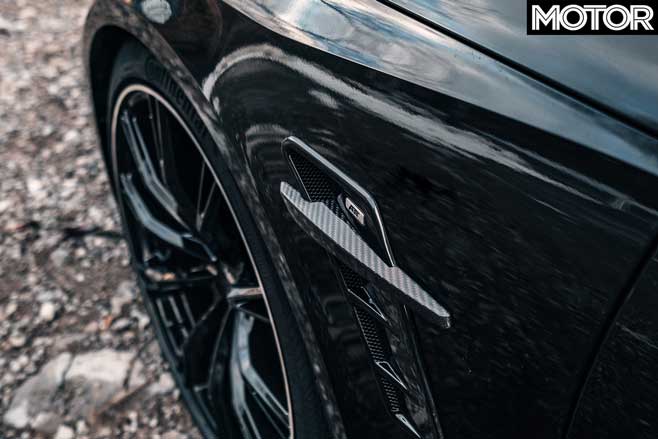
Acoustics are sorted by a new stainless-steel exhaust system, which ends with four 102mm carbon fibre end pipes.
Items like height adjustable suspension and ABT anti-roll bars are also optional, alongside style choices like wheels and interior trim parts.
The RS4 joins other Audi RS models like the new V8-powered RS6, RS7, and RS Q8 in the list of ABT-fettled cars. When customers in Australia can get their hands on these cars, a number of Australian outlets are able to supply ABT parts for local use.
Continental has developed a unique instrument cluster that can present information to the driver in three dimensional images.
The new technology will make its debut in the Genesis GV80 large luxury SUV and allows for certain alerts to be displayed in 3D form to the driver, including stop-sign alerts or navigation instructions.
Using a complicated mix of dimensional scales, pointers and objects, the system can segment pictures onto different planes to make them appear three-dimensional without the need for 3D glasses.
It’s complicated but essentially, angled plates separate images for the driver using two different, and slightly offset pictures. These are individually projected to the right and left eye resulting in the illusion of a three-dimensional image.
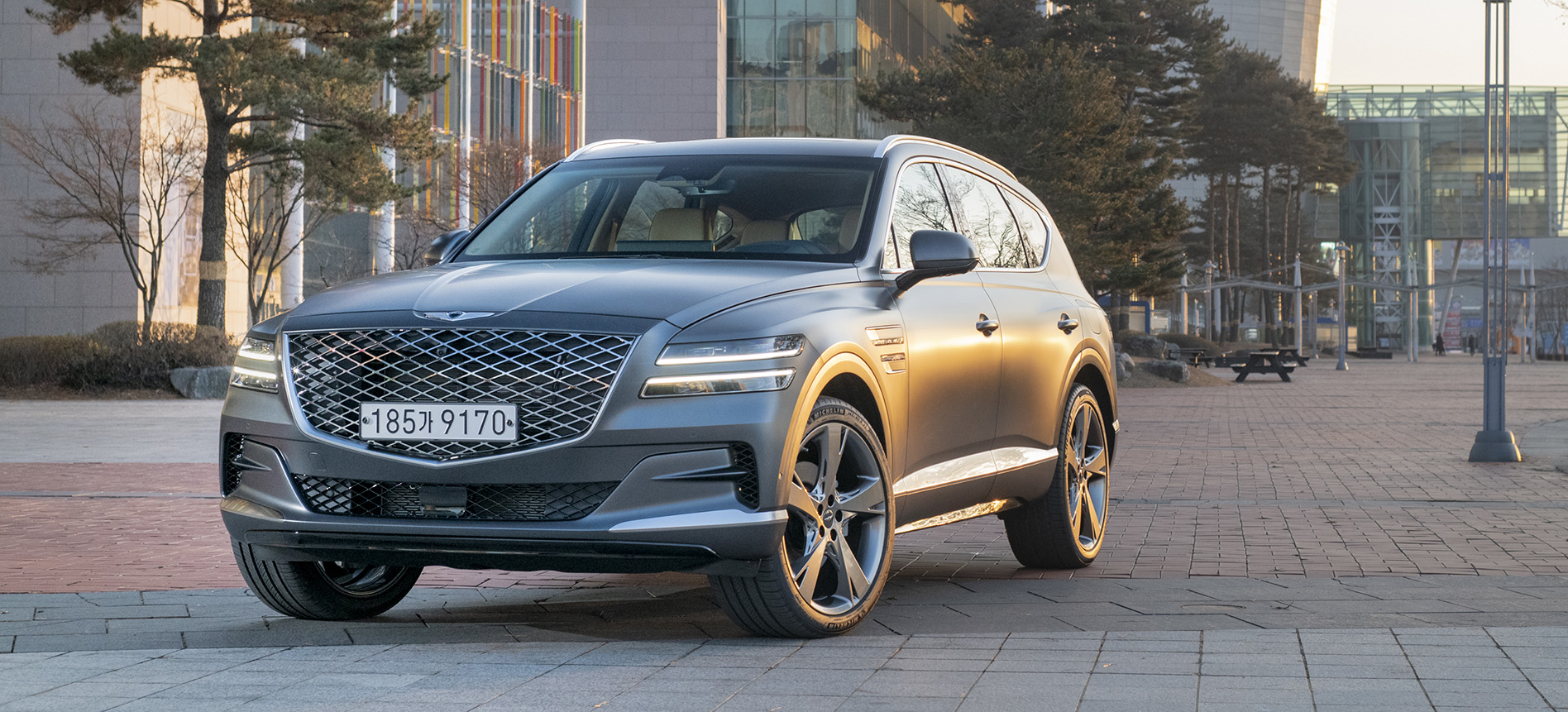
The 3D cluster pairs with high tech cameras to track the driver’s line of sight to accurately display 3D images in thin air. The cameras also check to see whether adequate attention is being paid to the road ahead, rather than the images displayed by the system.
The goal of the 3D instrument cluster is to offer vital information to the driver, that would ordinarily be displayed on the central infotainment screen and instrument cluster, right in the field of view in order to minimise eyes-off-the-road time.
Genesis previously experimented with 3D imaging in the G70 – albeit only for Korean market cars – which received an earlier version of the system in late 2018.
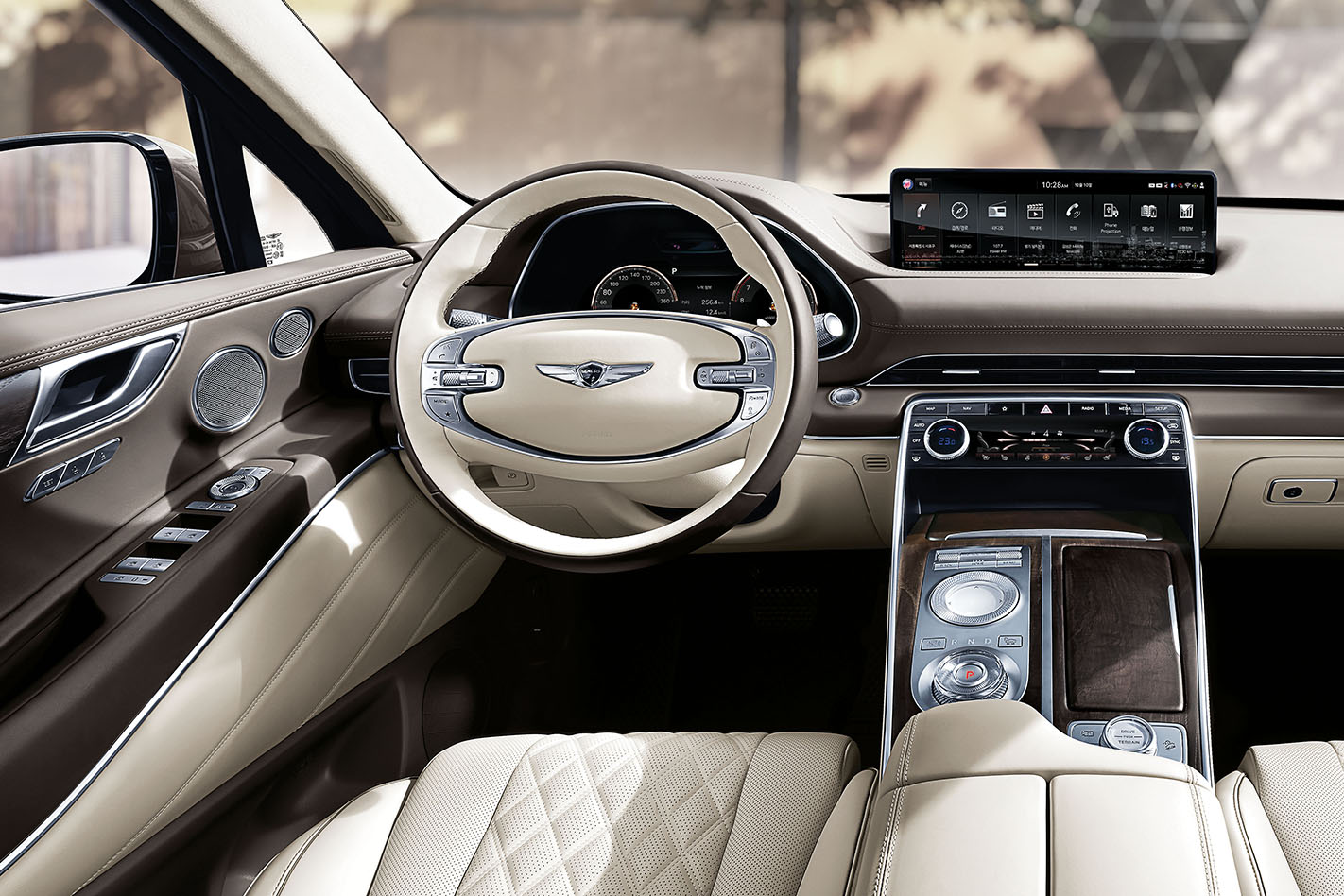
Continental hopes the Cross Domain Hub tech, which underpins the 3D imaging technology in the Genesis GV80, can take more of a front line role in in-car infotainment. This could result in the 3D imaging tech able to move images around the cabin (between displays) with gesture control swipes, for example.
Two decades before Ford ever released the go-anywhere Ranger Raptor dual-cab ute it was working on a concept that previewed the future of go-anywhere utes.
In fact, despite the concepts having since been largely forgotten, Ford played with the idea of a sporty off-road utility not once, but twice, with two design studies.
The blue oval first dabbled in the idea with a concept based on the XH Falcon ute that was developed in partnership with RMIT design students, and made its debut at the Melbourne motor show in 1997.
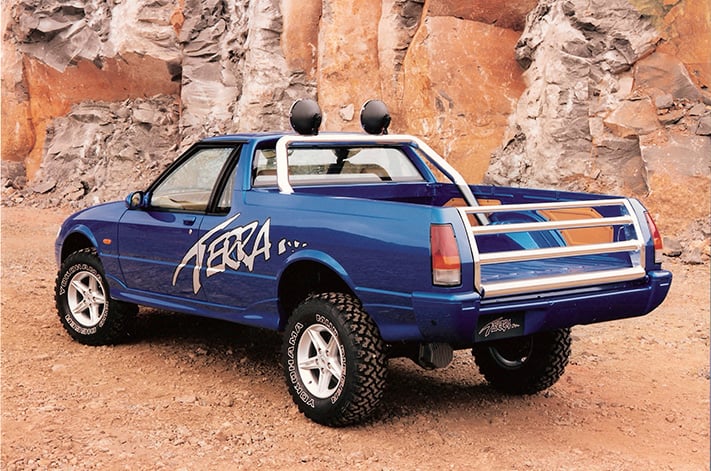
Using a standard 4.0-litre six-cylinder ute as a blank canvas, the Terra had its suspension raised by 40mm and was given a set of 15-inch alloy wheels dressed in massive Yokohama mud tyres.
It might have had the looks, ground clearance, and rubber for some serious off-road action but, like the ute on which it was based, the Terra was rear-drive only, which limited just how far into the bush Ford’s all-terrain tradie would actually be able to go.
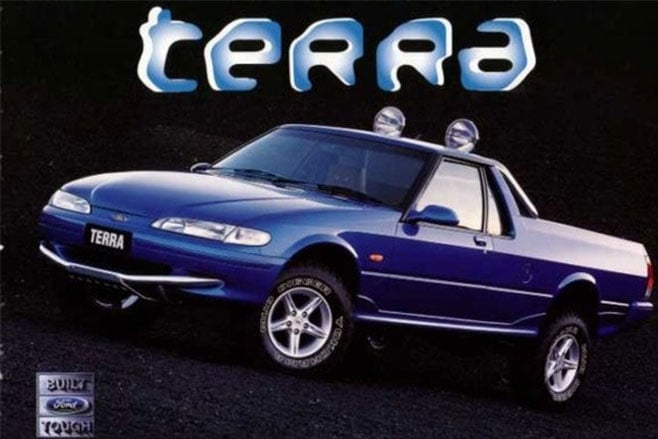
Up front was a chrome-plated nudge bar with incorporated underbody bash plate for ungainly wildlife and ill-placed rocks, while the skeleton tailgate mimicked the construction with more bar work.
Overhead, a sports bar, also in chrome, supported massive driving lamps that look decidedly dated in today’s world of slim LED light bars, but on the inside, its sat-nav was front-line tech.
Debuting at the 2000 Sydney motor show, the Ford R5 again used the underpinnings of the Falcon as its basis (this time the AU XR8 sedan – not the ute) but added more significant changes, including a completely new body from the B-pillar back to accommodate a second row of seating as well as a tray.
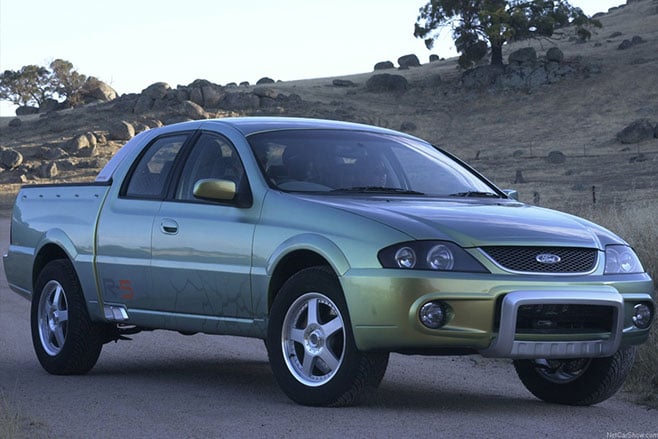
A dual-cab ute with off-road promise – sound familiar? For its second ute concept, Ford was even closer to the recipe that would go on to make the Ranger such a hit with Australian customers.
Like the XH Terra, the R5 was also rear-drive with a raised ride height and knobbly tyres, but boosted its all-terrain ability with an electronic traction control system that was tailored for loose surfaces rather than asphalt. It also had its 5.0 litres of V8 power sent through a manual gearbox for maximum grunt.
At the time of its launch, Ford Australia’s chief designer Rob Strong said the tough truck was far more than a show pony, and wasn’t far from production, if given the green light.
“It’s not out there to just titillate show-goers,” he said. “It’s a credible idea.”
Race car side-exit exhausts would never have made it from show floor to show room, but there were other features that showed real promise, including the 240-volt charge socket built into the rear bumper, as was a 50-litre water tank and an electric winch at the front – items that are prized by hardcore off-road enthusiasts today.
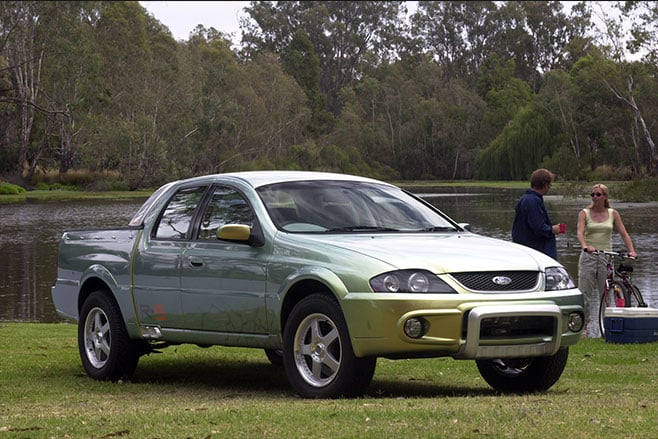
The concept’s development cost of $250,000 was minimised, in part, by poaching components from other models such as the air vents from a Ka, a steering wheel sourced from the Mondeo, and tailgate hinges from an F150 truck.
There were glimpses of future design however, including the faired-in quad headlights that would feature later in the Falcon’s lifecycle.
But more importantly, both the Terra and R5 were prophetically close to the blue oval we know today with the Ranger sitting at the top of Ford’s sales pile and as Australia’s second favourite car overall, while the Falcon, which offered the basis for both concepts, has been put out to pasture.
What’s the weirdest car you can imagine swapping a V8 into? Something like a city hatchback or a family van? How about a V8-swapped Mini Moke?
Okay, you knew that was coming because you’ve read this article’s headline and seen the photo, but now we’re guessing you want to know more.
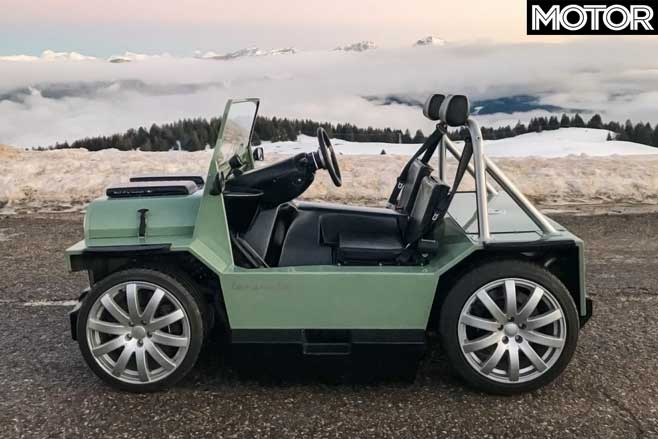
The company that built this wee beastie, Lazareth, is a French outfit that has built amphibious Mokes in the past, to the tune of about 10 per year.
But its founder, Ludovic Lazareth, later decided to take one of the Aluminium Moke-replica bodies and plonk it onto some 17-linch wheels, while giving it an engine that’s a “little bigger.”
So, with a vehicle weighing around 850kg empty, Lazareth decided to grab a Ferrari-derived F136 V8 from a Maserati and see if it could fit into the front of the Moke.
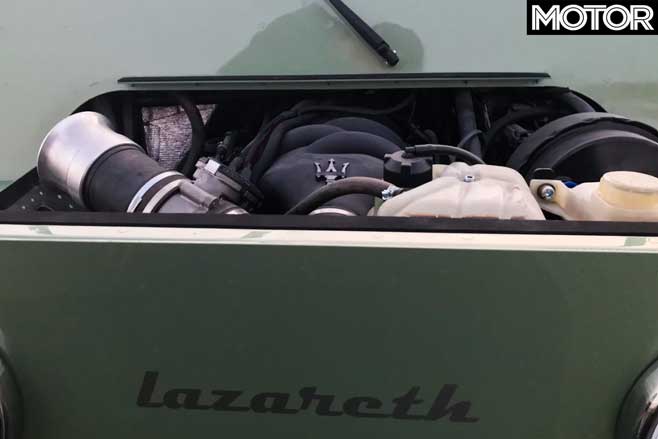
The 4.7-litre engine needed a little extra space to fit up front, thus the modifications to the bonnet, but the engine and its 6-speed sequential gearbox (with paddles) both fit into the diminutive vehicle.
In the Mini V8 M, the F136 engine makes 343kW and 520Nm, which seems a bit much for a car with essentially no crash protection and a kerb weight below a tonne. Which is why it makes sense the V8 M is not road registerable, with Lazareth saying it’ll only be driven on track.
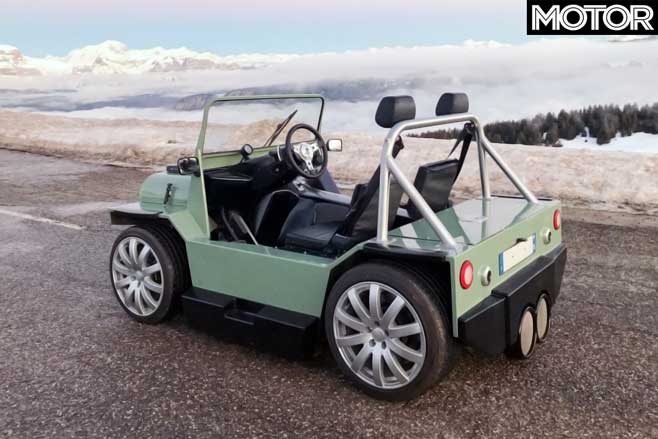
Oh, and it’s quick to point out that, unlike its other Moke builds, this one is not amphibious.
Lazareth says anyone interested is able to buy a Mini V8 M, with the price available on request.
Ford’s new Focus range now has a proper performance hero, with the arrival of the 2020 Ford Focus ST.
Touted as “the most Jekyll and Hyde” Focus ST yet, the new hot hatch employs the 2.3-litre turbocharged four-cylinder engine from the outgoing Focus RS, albeit with more front-wheel-drive-friendly 206kW and 420Nm outputs.
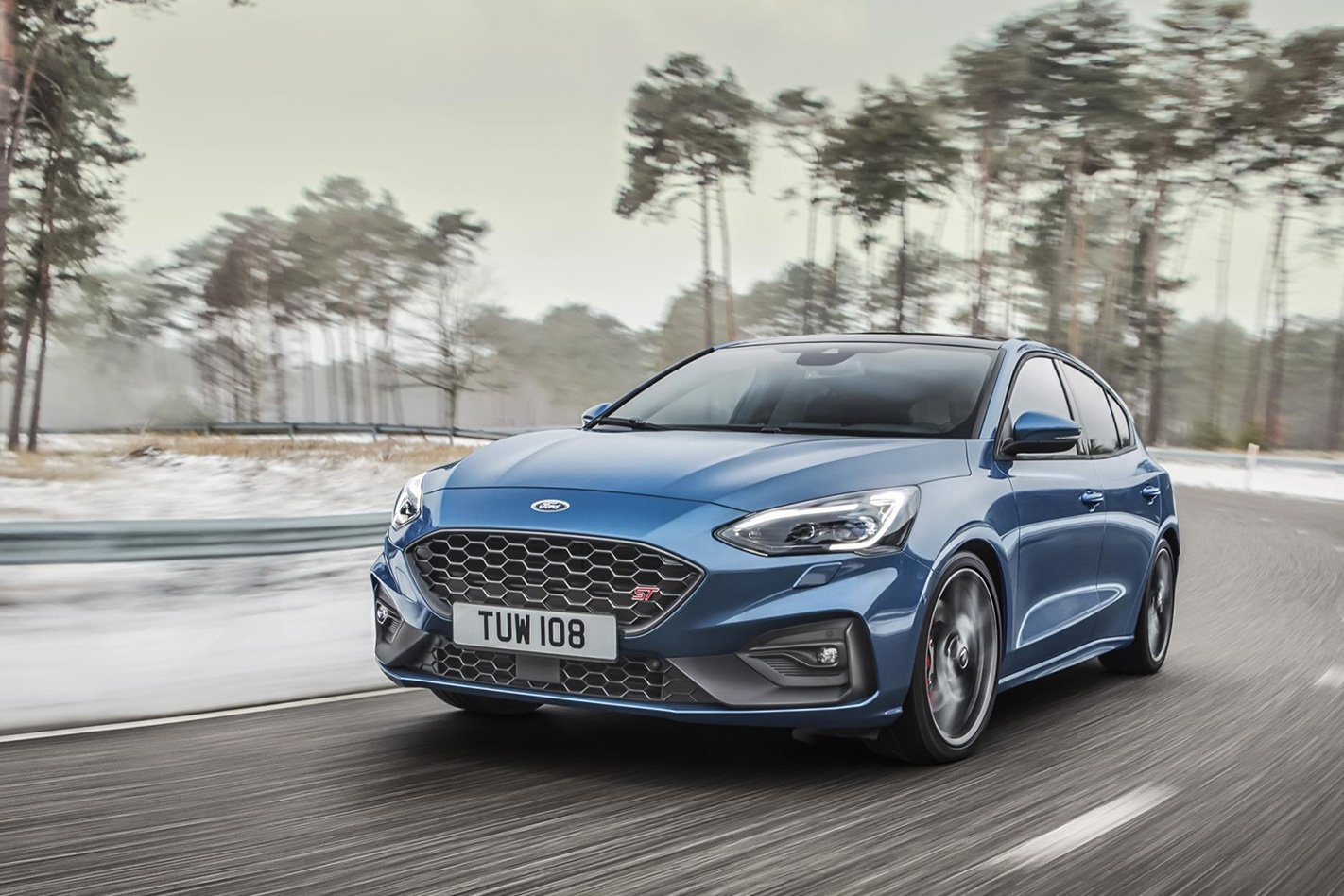
Those figures got us thinking.
In our most recent hot hatch megatest, the current-gen Focus ST mustered a fairly plain 7th place in the running order.
But with a 22kW power bump over last time, and the long overdue addition of an electronic limited-slip diff, we think this new Focus ST is thrust right back into the thick of the competition.
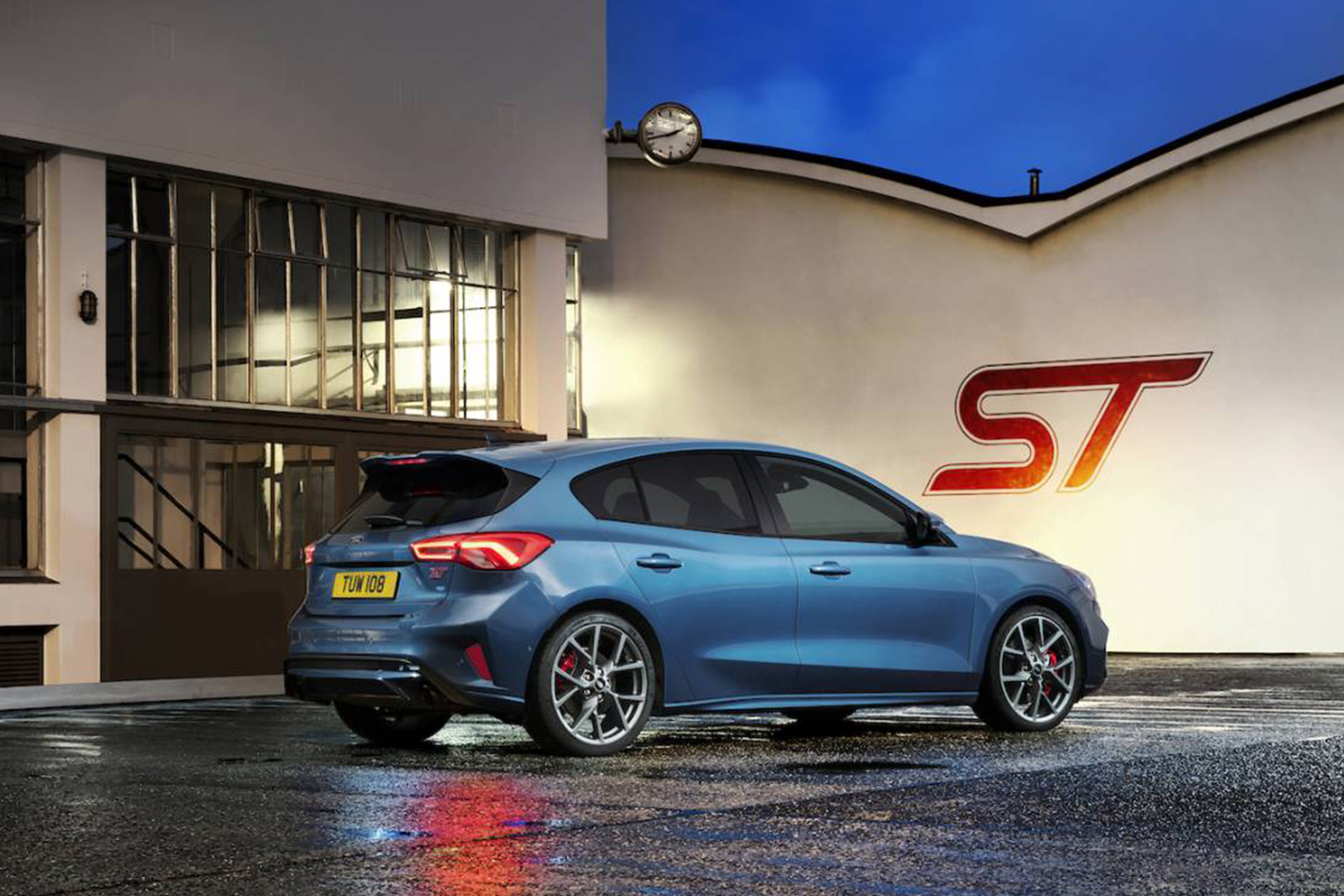
So let’s take a look at the hot hatch rivals it will face once it arrives locally, and determine whether the new Focus ST has what it takes to lead the pack.
HYUNDAI i30 N – 202kW/363Nm
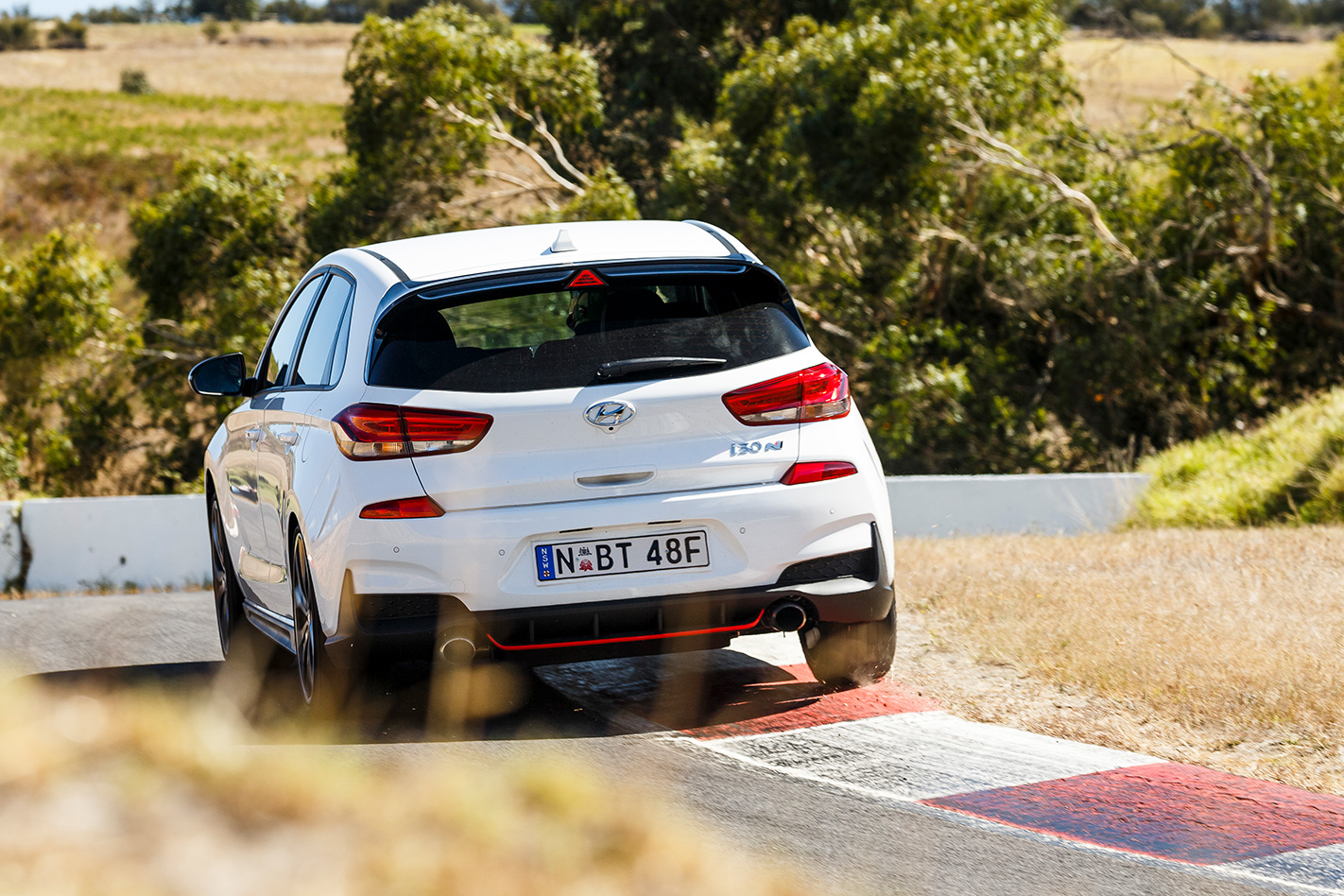
Chief among all, the supremely capable Hyundai i30 N is the big one to beat. In fact, the introduction of the Hyundai i30 N spawned the idea for our first hot hatch megatest, and even ended up being the champion, with the team praising its zero-to-hero debut. It netted the fastest time around the Haunted Hills circuit and its all-round ability and sharp price point were major factors of its first place finish.
HONDA CIVIC TYPE R – 228kW/400Nm
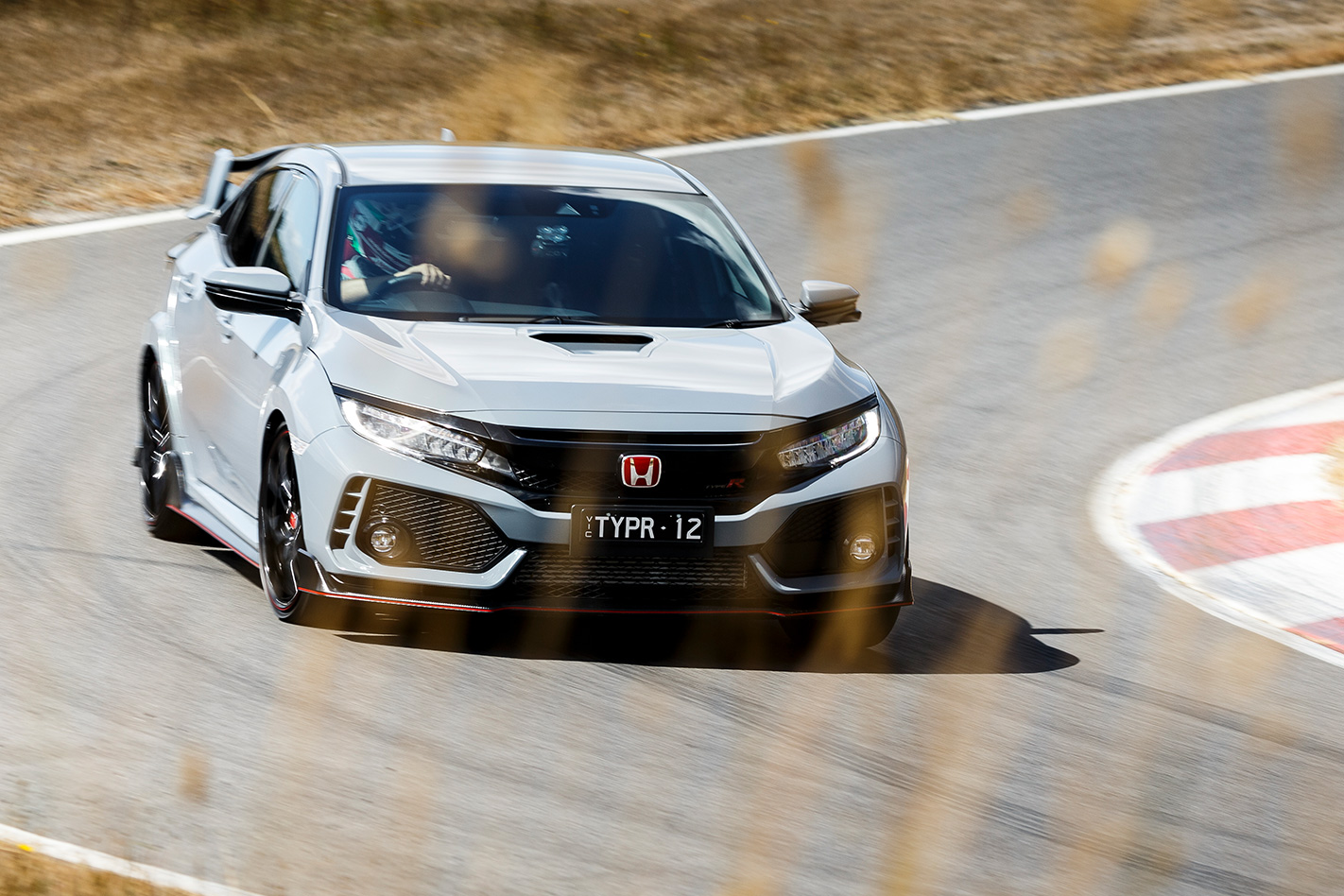
If driving for the sake of driving was the aim of the game, the razor-sharp Honda Civic Type R should be at the top of the hot hatch tree. Our testers revelled in how the Honda lights up no matter where the tacho needle is pointing; how the chassis “is so hooked up in the rear”; and finally, how planted and non-floaty it feels for a front-driver. But this deft performance does come at a cost, with the entry price north of $50k leaving a great big hole for the Focus ST to fit under with its $44,690 pricetag.
Peugeot 308 GTi 270 – 200kW/330Nm
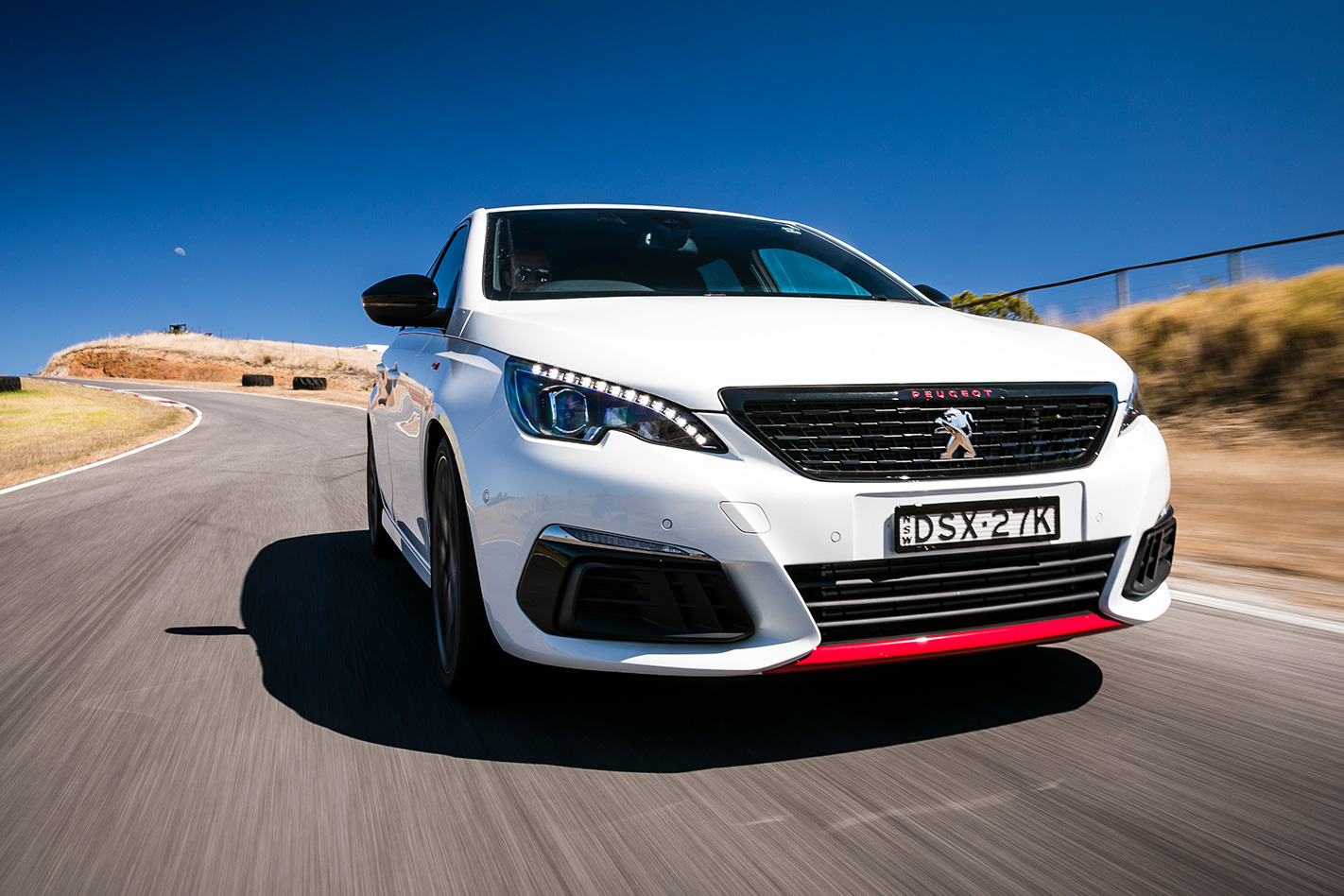
While the Peugeot 308 GTi may present as a bit of an underdog among some of the hot hatch giants, our megatest proved it was still well worthy of being at the pointy-end of the group. The lightweight package was praised for its beautiful ride and braking ability, and even managed to best the all-wheel drive Volkswagen Golf R and Subaru WRX STI’s times around the hill climb. Where it was let down was its innate French-ness, in its occasional ergonomic glitches and annoying trim rattles.
RENAULT MEGANE RS – 205kW/390Nm

The much applauded previous generation was a cult-hero, and this generation ushers in some big changes for the Gallic-brand. Having similar performance numbers to the incoming Focus ST, we wonder whether Megane RS’s time has passed, making way for a new king of the hot hatches.
VOLKSWAGEN GOLF GTI – 180kW/370Nm
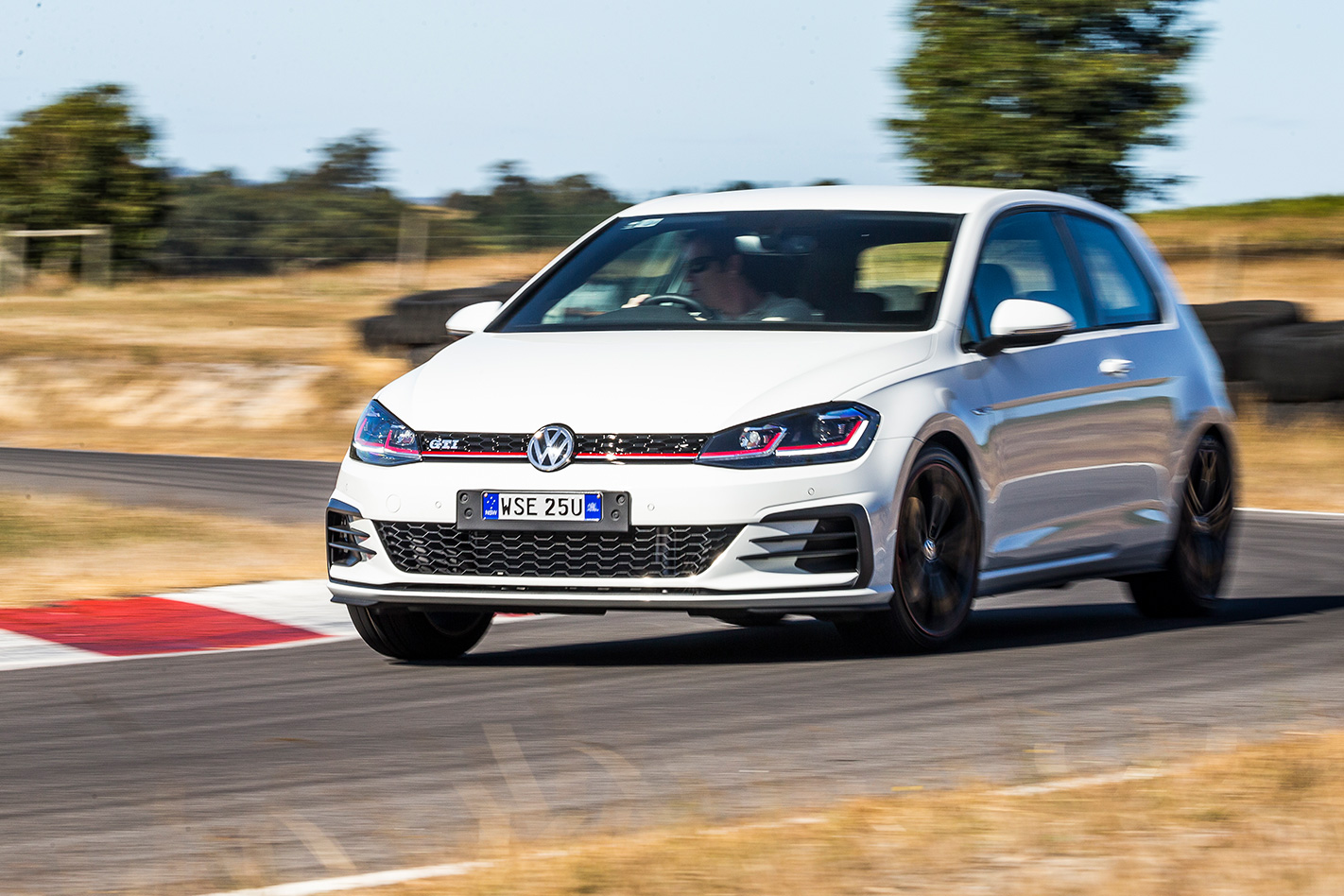
Mentioning hot hatches without a reference to the Volkswagen Golf GTI will never fly. A tried-and-tested go-to for so many, it’s the designated benchmark for the entire segment. Testers during our Megatest regarded the Mk7.5 GTI as “thrillingly quick yet incredibly composed and arrestingly refined when it needs to be, a more complete hot-hatch for the money just doesn’t exist right now.”
Accolades don’t come much higher than that. Power figures have been bumped to 180kW/370Nm for 2020 (up from 167kW/350Nm during our megatest) to see out the Mk7 Golf’s final days, ahead of the Mk8’s arrival in the near future. If the new Focus ST can at least match the Golf in all-round competence, it’s sure to be a good car.
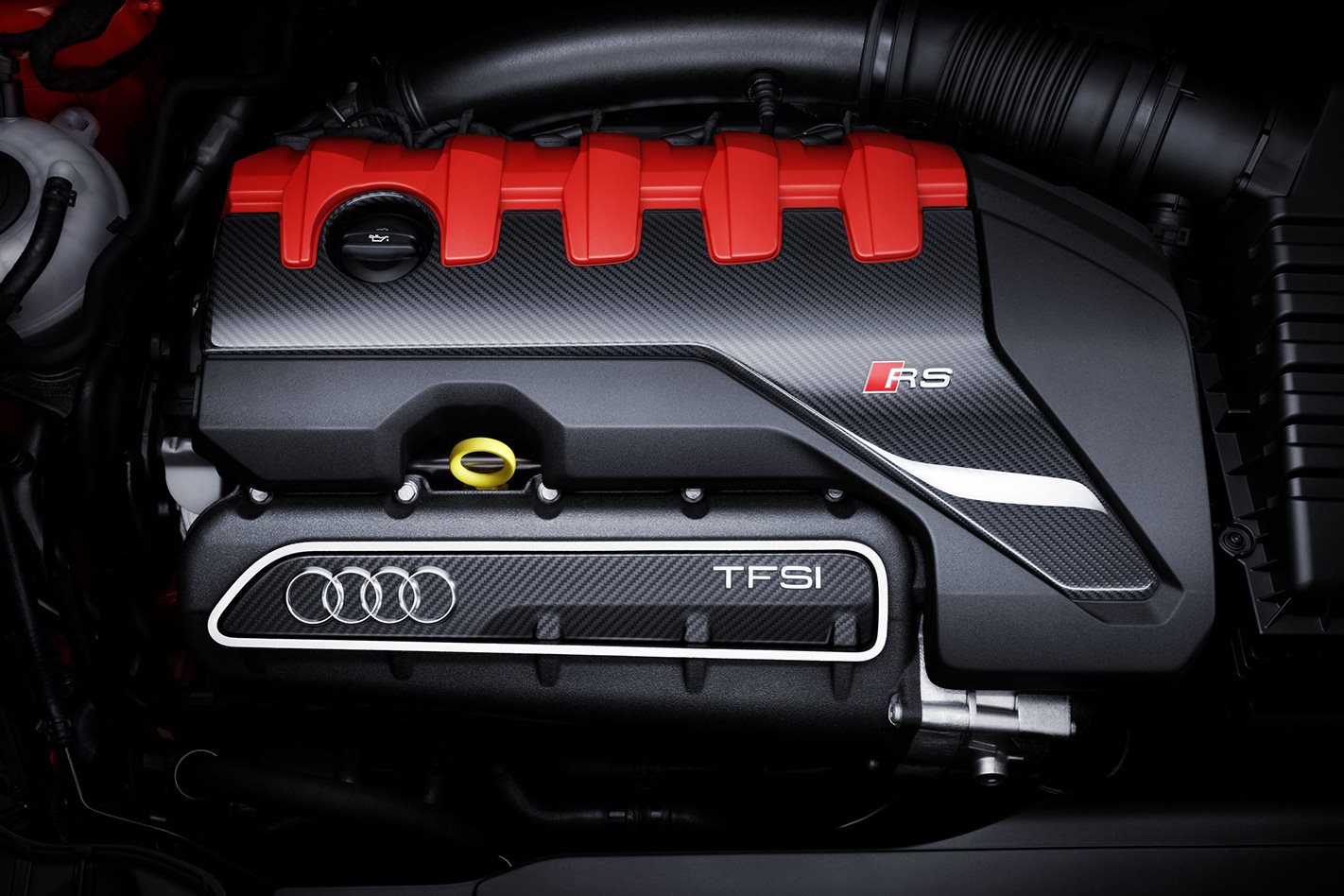
UPDATED Sources at Audi have poured cold water on the notion of the next Volkswagen Golf R scoring the five-cylinder from Audi’s RS3.
Despite lots of evidence to the contrary – including VW test mules running what sound suspiciously like a five-potter – an Audi source told German site Autovisie that the family connection wasn’t enough reason for Ingolstadt to share one of the family jewels.
“The Golf R is simply a direct competitor to Audi Sport. We will not let that happen that it will have the same power source,” said the Audi snout, who added that the 2.5-litre five-cylinder engine’s more hands-on manufacturing process meant that Audi’s Gyor plant in Hungary wouldn’t have been able to supply sufficient quantity.
Audi is in the midst of a product wash-through that will produce its youngest model line-up in recent history, including a raft of new SUVs – including the RS Q3 – and Audi Sport models that will drop in the next 12 to 18 months.
Volkswagen, meanwhile, is charging at lightning speed towards electrification, with the new ID range scheduled for release next year, and its important new Golf Mk8 on track for a late 2020 debut in Australia.
But it’s the news that Audi is backing the future of its five-cylinder turbocharged petrol engine that left us pondering about the future of the Golf R.
The Golf Mk8 launch was delayed as VW reportedly struggled to make sure all of the complex electronics across a range of new systems play nicely together, but we also know that the time between the release of the garden variety Golfs and the spicier GTI and R variants will be much shorter than previously.
This left us pondering the question; could the Golf R go five-cylinder? Err, no.
In 2002, Volkswagen launched the Golf R32 – the spiritual predecessor to the current Golf R – and it used a 3.2-litre narrow-angle V6 naturally aspirated engine and AWD to differentiate it from the four-cylinder, front-drive Golf GTI.
Arguably, its predecessor – the VR6 Synchro, which had a 2.9-litre V6 and all-paw transmission – was the true origin of the R.
Both were heavy and a prone to understeer, but had pep and personality that redeemed blunted talents.
The Mk 7.5 version of the R, meanwhile, has morphed into a supremely refined, comfortable and quick cruiser bruiser, but has been accused of having a little too much starch in the collar.
As anyone who has driven – or even heard – a five-pot Audi of late, that’s not an accusation you can level at it.
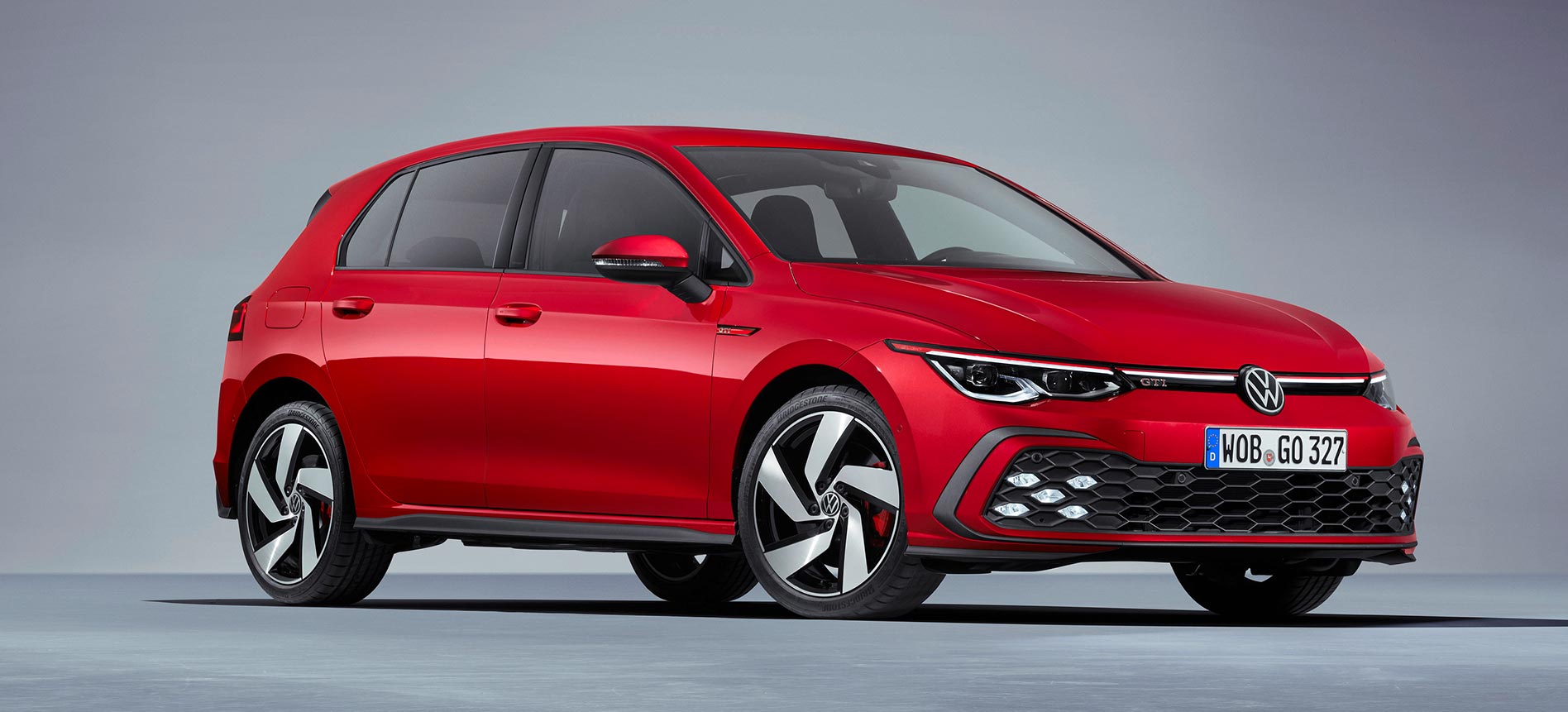
The new VW Golf GTI Mk8
Golf production mules have been papped in Germany using what appears to be a five-cylinder powertrain instead of its ubiquitous EA888 four-cylinder turbocharged engine.
While it’s possible the MQB-platformed Golf mule could simply be a great place to put verification kilometres on emissions-tweaked five-potters for Audi’s future use, it’s not beyond the realms of possibility that VW would look at giving the GTI and the R separate IPs for the next generation.
On the engineering side, the MQB chassis has already had all the hard work done to it to enable the fitment of the bigger engine. It’s a tight fit under the bonnet of the similarly-sized RS3, but the two cars already share what are known as ‘hard points’ or fixed positions for key structural elements like suspension mountings, firewalls and ancillary equipment.
As well, we know that Audi worked hard on preparing the five-potter to meet ever-tightening emissions regulations… and this doesn’t come cheap. It’s likely to score a version of the mild hybrid set-up currently being rolled out across the Audi group to ensure it can live on into the next decade.
The question of whether the Golf R got the RS3 engine was always going to be one of brand philosophy, though. The five-pot RS3 is hot property for Audi, and despite working for the same parent company, the prospect giving way a perceived advantage to its across-town rival ultimately wasn’t an easy sell.
The legacy of the five-cylinder engine is tightly interwoven into the Audi storyline, and it’s a storyline that the company is tapping into more as it expands its Audi Sport brand to tackle the likes of Mercedes-AMG and BMW M head on.
