
If you wanted an F40 brand new from Ferrari’s Maranello factory in the ’80s and ’90s, three key factors couldn’t be changed. Corsa Red was the only paint allowed, the seats had to be covered in red cloth and, significantly, it was a left-hand-drive-only proposition.

Those three features were set in stone – unless you’re the Sultan of Brunei. In that case you get a special dispensation from the Prancing Horse to customise your dream F40 with the help of none other than Pininfarina.
We don’t wish to glorify an infamous dictator, however, the Sultan’s car list, which is funded by oil wealth and reportedly runs in excess of 2500 vehicles, is remarkable.
While we’ve been privy to the insane collection in the past , one that includes the likes of Zonda-powered Mercedes S Class wagons, four-door Ferraris, Jaguar XJ220s, myriad Bentleys and McLaren F1s to name but a few, the F40 count has been a mystery.
Car Throttle have created an excellent animated video detailing the back story to the Sultan’s 11 Ferrari F40s.
In the video we find out that Paolo Garella, a man who penned the reborn Stratos and Ferrari P4/5, was given the all-clear to customise the iconic F40s. However, Ferrari didn’t entrust the manipulation to just anyone, with Garella being the prototype manager at Pininfarina.

Garella detailed the fact he was responsible for seven of the 11 F40s, with five being converted to right-hand drive and two being Michelotto F40 LMs.
All sported visible manipulation, with exterior hues ranging from Gloss Black to Emerald Green, Forest Green, Gloss White, matte black and grey. The interior leathers were also changed, with the most adventurous colour being green leather.
Out of the entire fleet, two F40s never made it to Brunei, with the royal family opting to have supercars dotted around the globe in times of travel.
Although, according to Car Throttle’s interview with Garella, the requests didn’t stop at visual changes, with some of the F40s gaining freer flowing exhausts and flash tunes for the ECU – the latter resulting in significant torque gains.

Interestingly, the cars were also never allowed to be ‘down for maintenance’, meaning the Sultan had a constant stock pile of spares that remained static.
And that is the cruel irony because it’s believed that almost all the F40s have little-to-no kilometres on the clock.
The sadder news is that all but three of the F40s failing to escape the fate of eternal storage, with most of the rare Ferrari collection remaining dormant and unseen by prying eyes.
Sign-up here to get the weekly Wheels highlights
The flow-on effect of the Covid-19 Coronavirus is causing havoc for the Chinese new-car market, with registrations equalling just 8 percent compared to the same period in 2019.
According to figures published by Reuters from China Passenger Car Association (CPCA), just 4909 units were shifted in the first 16 days of February when 59,930 cars were sold in the same timeframe last year.
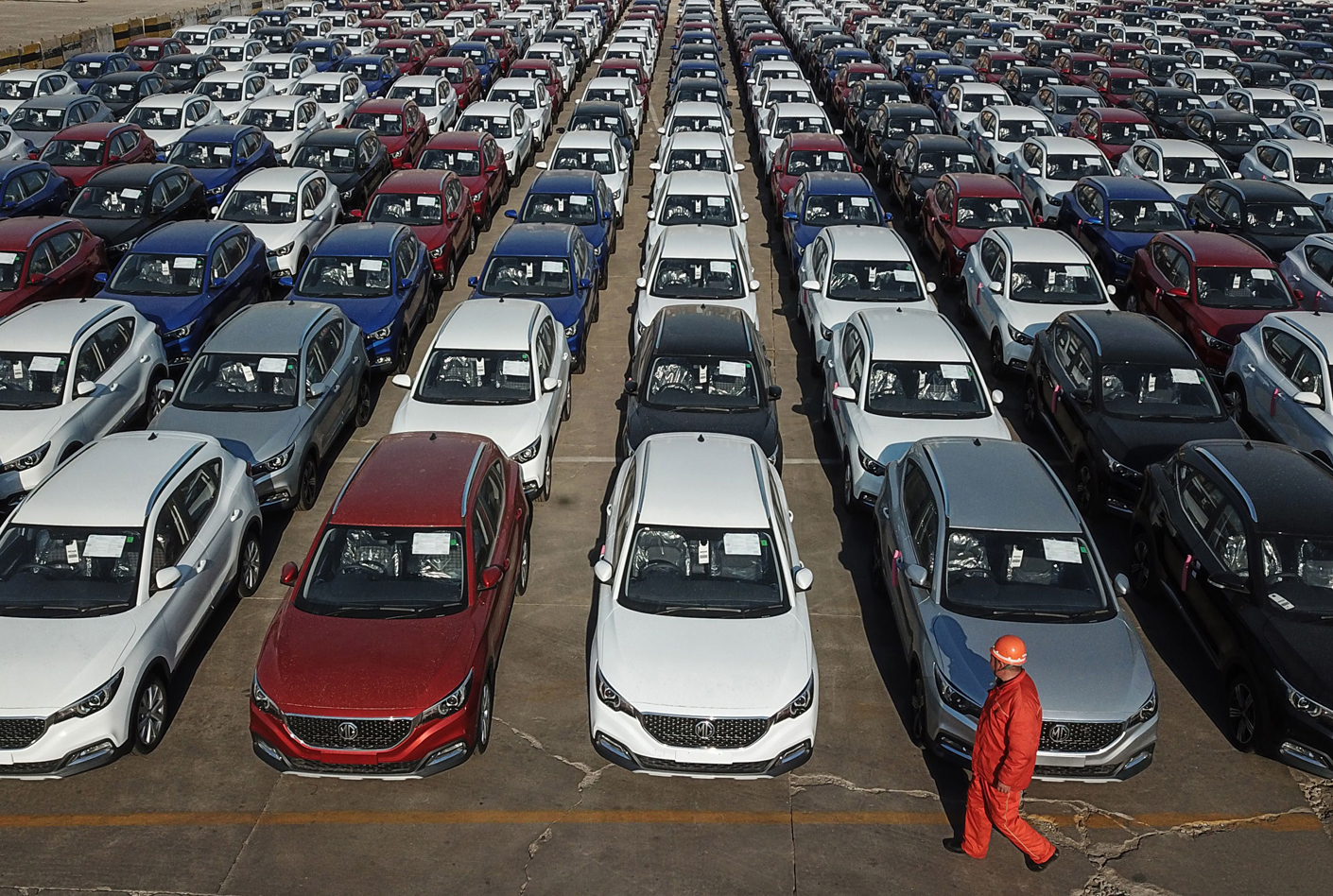
That equates to sales plummeting a staggering 92 percent, with the CPCA stating that dealerships remain bereft of foot traffic with customers staying behind closed doors.
“Very few dealerships opened in the first weeks of February, and they have had very little customer traffic,” the CPCA said.
To help alleviate the downturn in a market that sold 25 million vehicles in 2019, car makers are turning to the internet to generate an upturn and get customers buying cars again.
Reuters reports that Chinese manufacturer Geely has opened up a system where customers can order and buy cars through its website and have the car delivered to their driveway.
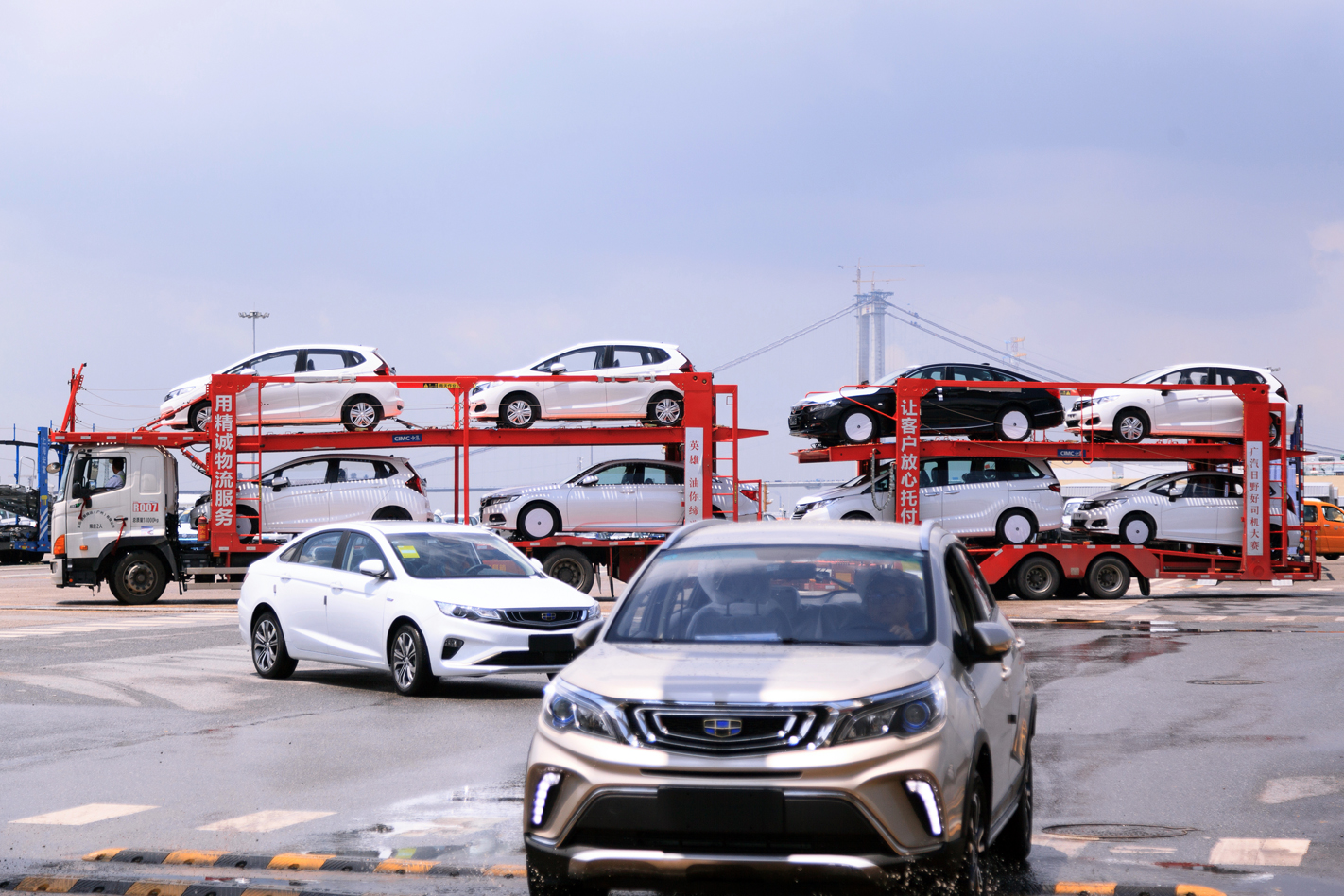
What’s more, according to Geely, potential customers can spec their cars via an online configurator, while test drives can be arranged through a local dealer, with the route starting from home addresses.
Other manufacturers are moving to this stay-at-home process as Chinese authorities increase warnings to stay away from public places.
The impact of the Coronavirus is already showing globally, with the Geneva motor show organisers observing the spread and potential ramifications to the iconic event which is said to go ahead as planned on March 2. The 2020 Beijing motor show has been postponed.
The 2020 Chinese Formula 1 Grand Prix, scheduled for April 17-19, has already been axed, with organisers keeping options open for a switch to a later date this year.
However, MotoGP will head to Thailand as planned.
Sign-up here to get the weekly Wheels highlights
Elise Bennetts holds down two full-time jobs: She’s a mother to three kids, has a dog and a husband, all of whom are highly active and demanding. She also works full-time in a social enterprise looking after disadvantaged young people. It is a full life – one that she wouldn’t ever trade.
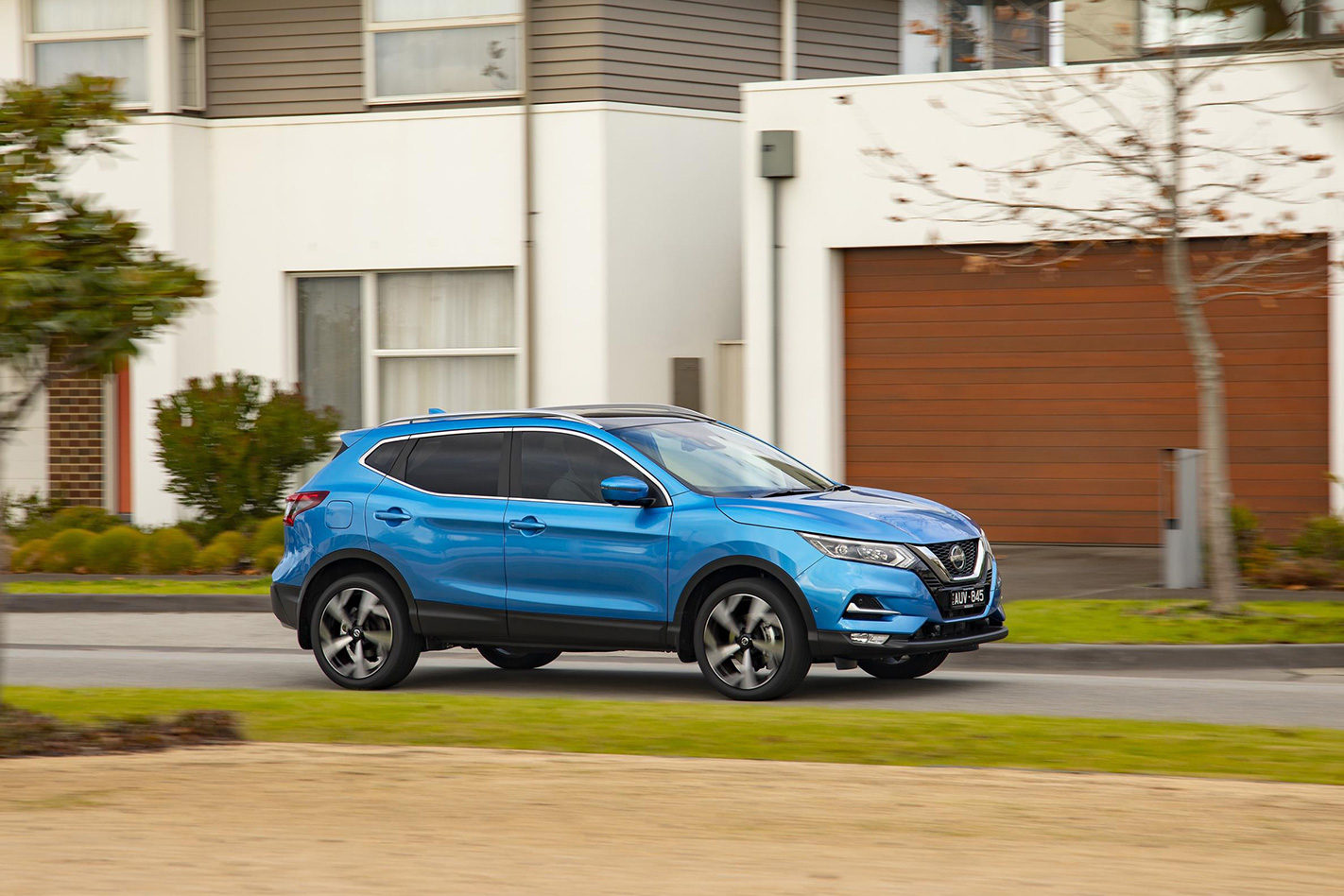
What is it?
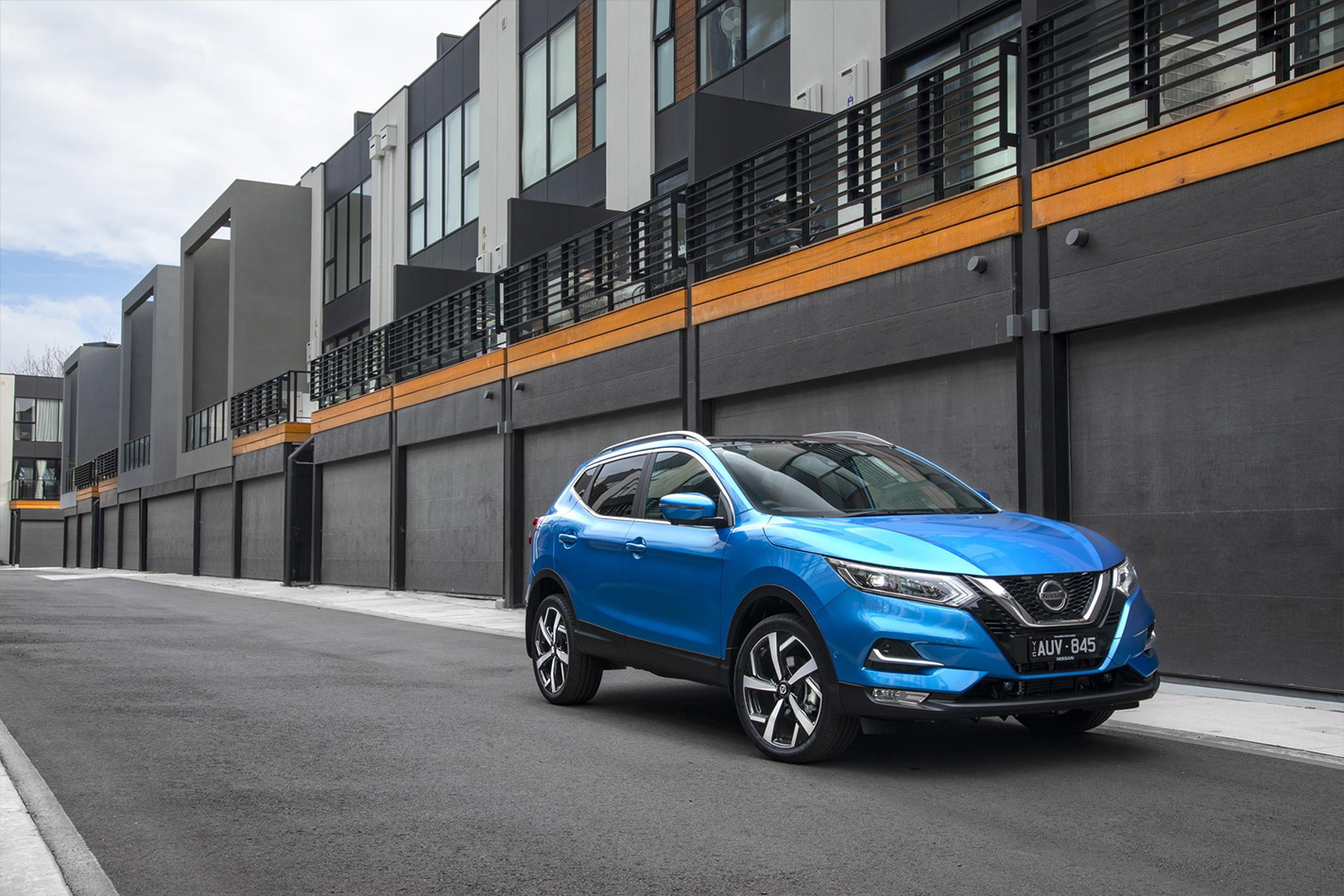
The Nissan Qashqai (I did ask 10 people how to say it and no one got it right – ‘Cash-Kye’ – so we instead introduced it as ‘this is our Nissan’) is a five-seat small SUV aimed at young singles or those with up to two young children. I’m struggling to see how it’d fit more than two car seats and a pram plus shopping, but thinking back a decade… at roughly $38,000 for the Qashqai Ti I’m testing… it would have been perfect for us when we had our first child.
What’s it like to drive?
The Qashqai’s keyless entry and push-button start was a nice surprise as I eased into the large and comfortable leather driver’s seat. I have to say, it’s what I didn’t hear that makes it a joy to drive – it’s so quiet compared to my Volvo XC90 that a couple of times I forgot to turn it off before exiting the car. The Qashqai did feel a tad slow at take-off but once it gets going the acceleration is smooth and when I did put my foot down on the freeway the required speed uplift was there.
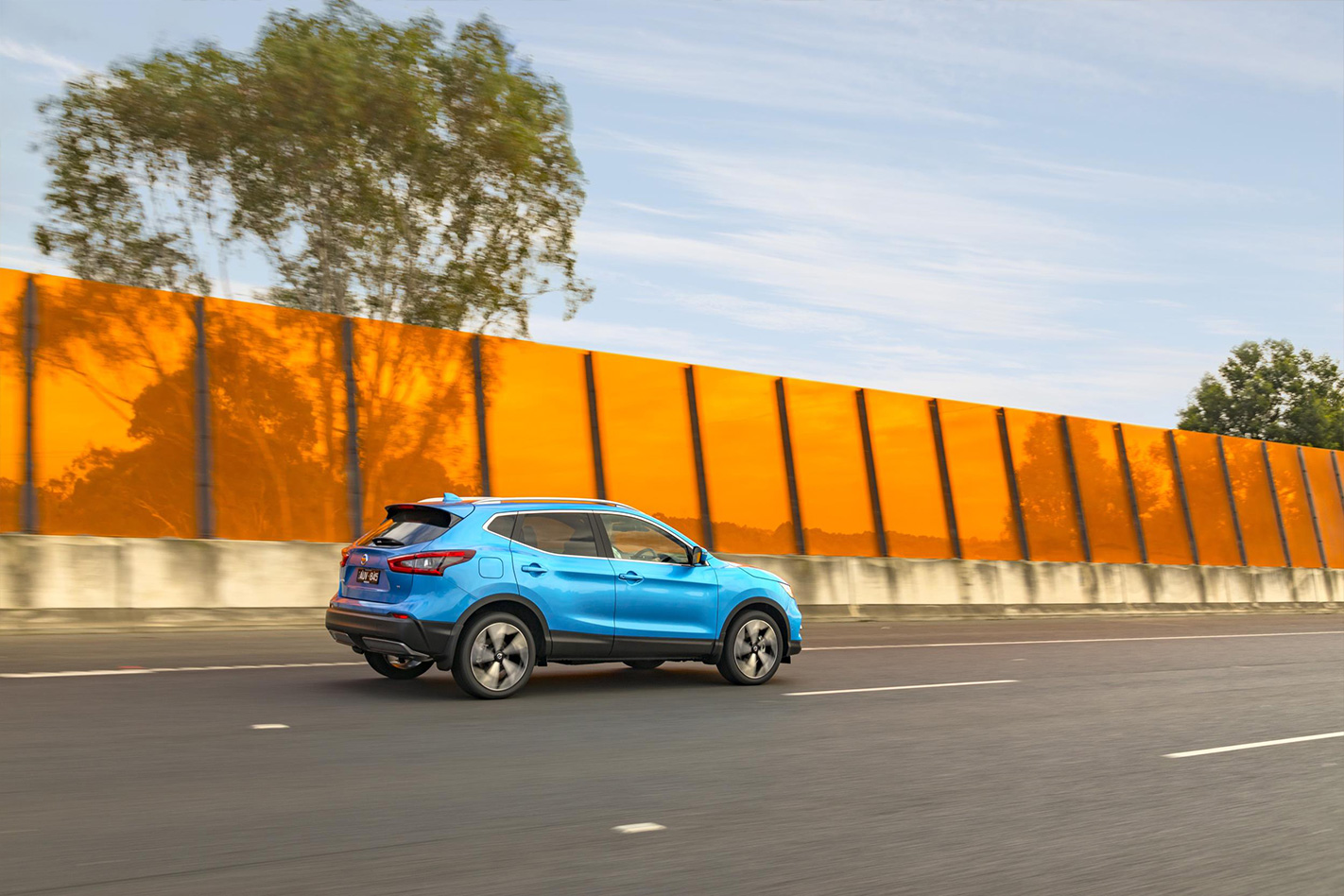
The Qashqai’s small footprint makes it a breeze in the shopping centres. It’s small enough to fit into the smallest of car spots and I fear not about hitting anything. There are sensors on every corner of this car – it feels like you have invisible cushions back and front. The reversing camera is great for the view and the angles, which makes it very easy to park – and I love the overhead view!
For the week I had the Nissan, Melbourne decided to put together a combination of bitterly cold weather and torrential rain. The front seat warmers were therefore possibly the week’s best feature – the high setting was as warm as one would require, but perfect after standing out in the cold watching three club footy games.
What’s it like to live with?
My initial impression was that it would never suit my family – with a six-foot 16-yo boy, a 14-yo girl and a 10-yo boy. I was concerned about the interior and how we would possibly fit everybody plus three school bags, two sports bags, a trumpet and my work stuff for morning drop offs. The interior is surprisingly spacious; legroom in the back did not require my teenagers to perform yoga moves, and the boot, whilst small – with Tetris-like manoeuvring we soon mastered drops offs with ease.
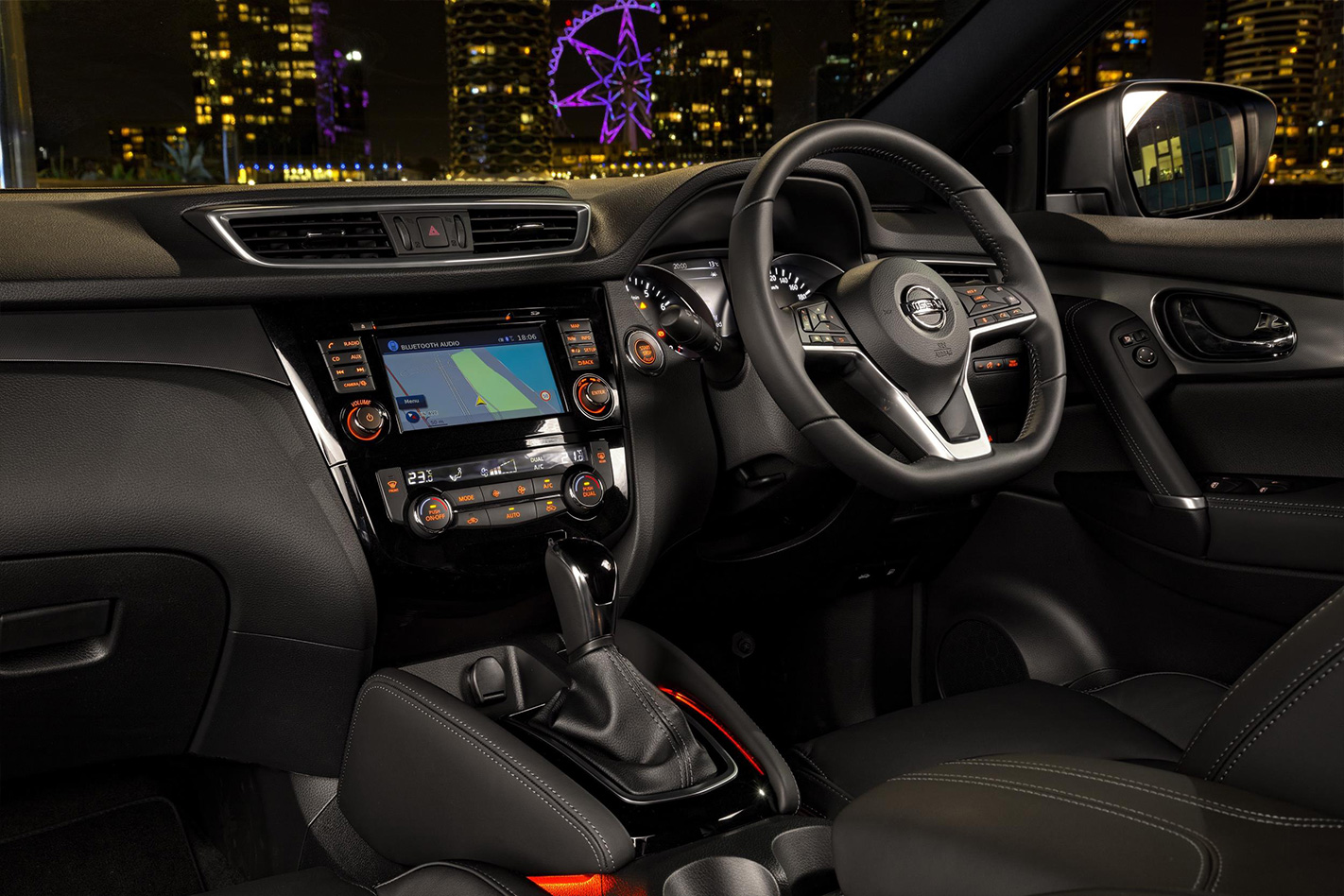
The first thing I do when I get into a new car is connect my phone, and the Bluetooth functioning on the colour touch screen took me all of 2 minutes to master. A sigh of relief came over quickly when I also opened the console to find a USB connection for phone charging – yes, my life is on my phone! Even better the 2020 Qashqai has Apple CarPlay and Android Auto so it’s easier to make calls, receive texts and use mapping and music apps.
The radio did not have my station of choice as a pre-saved selection but a quick automatic tune had my songs up and going, and the teens squealed with delight when they discovered that song titles and album art are displayed on the touchscreen.
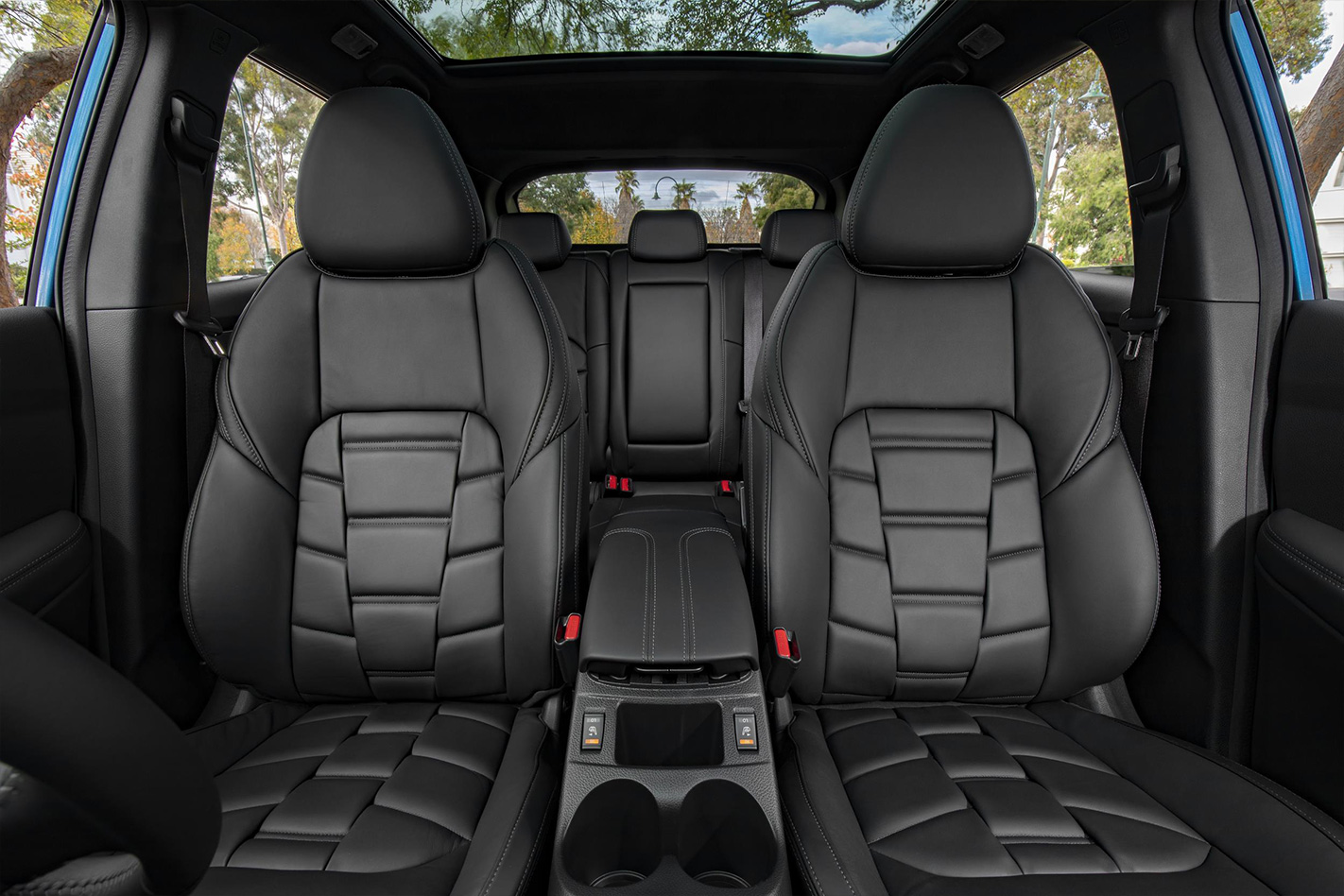
I have to mention that the ‘gold class cinema’ sunroof spanning from the front window to back seats was a definite highlight for passengers and driver alike. Not only did it provide an enormous amount of interior light, but it also sparked many conversations about cloud formations and aircraft flyovers – great for keeping kids entertained on longer trips. I did think, however, that if a flock of seagulls took aim the view would not have been so incredible and the automatic cover would have had to be deployed immediately.
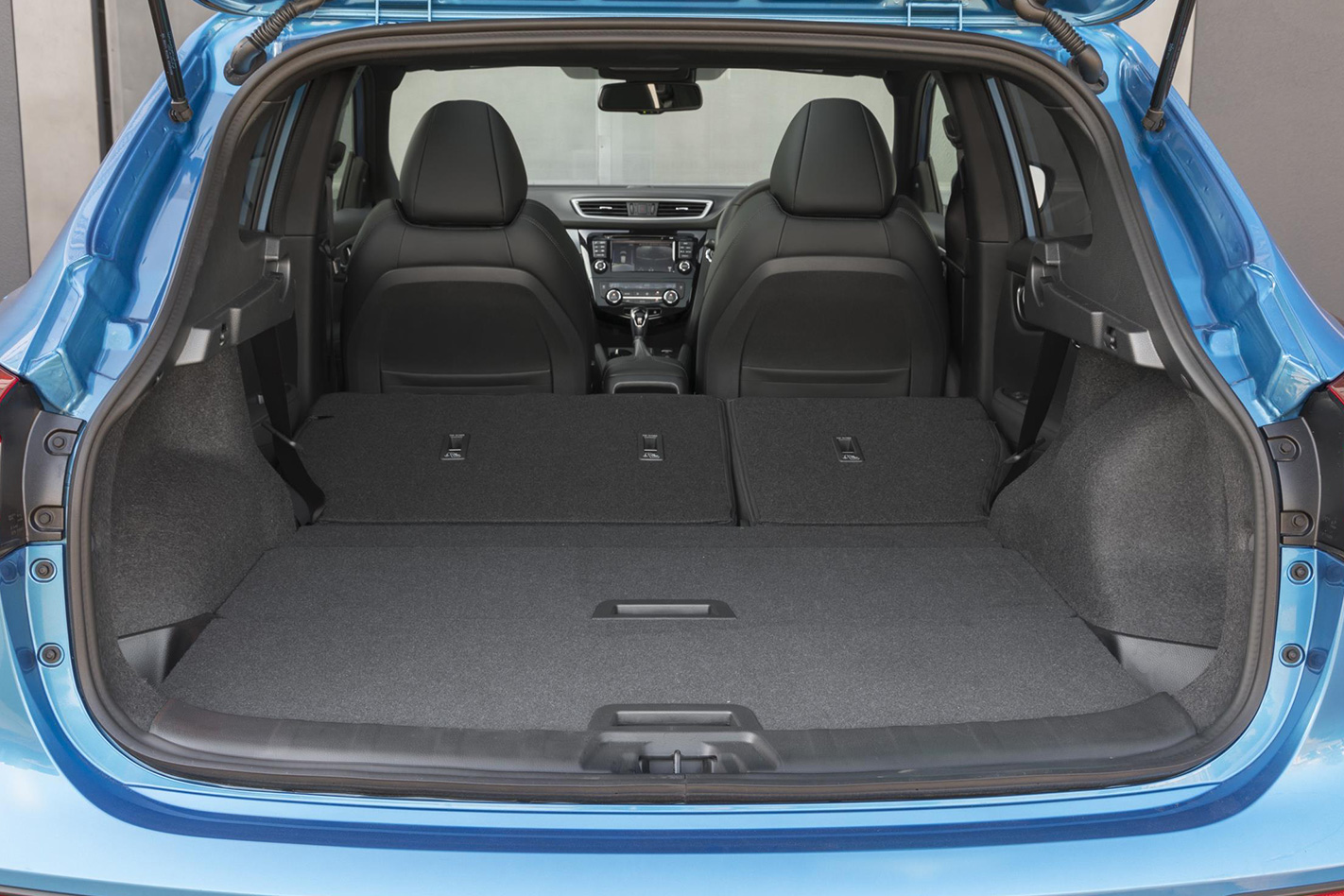
At night, the interior lighting and display panel are easy to navigate, the side safety lights were easily sighted – especially on the freeway in torrential rain in the dark. When picking up kids in said torrential rain, one feature, which is missing is an automatic boot – maybe we have been spoilt with this feature in previous cars we have driven, but it does save a lot of hassle.
Is it worth the money?
At around $38,000 this car is a comfortable small SUV. It certainly has most of the latest safety technology – airbags, sensors, and for a low to mid-range SUV I think if you were a single or family of up to four the Nissan Qashqai is a sensible purchase.
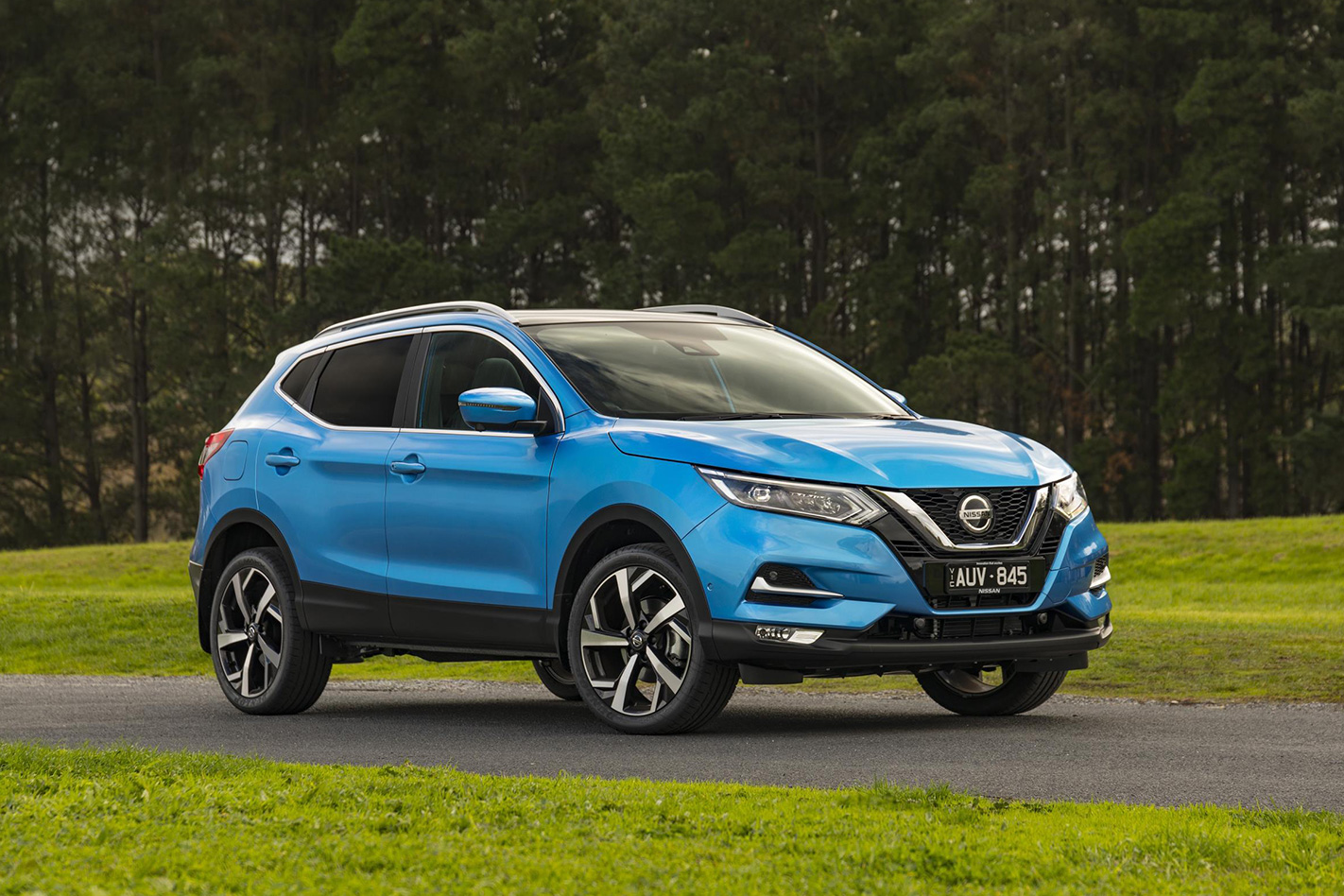
Pros: Good value, connectivity is easy, roomy for its size, quiet, great dashboard display Cons: a little slow off the mark, too many alerts when parking, Bali motorbike sounding horn!
Rating: 3.5 out of 5 stars – Not quite perfect for my big family, but easy to see how a smaller family or singles would love it.
PS: Every car needs a song and the Nissan Qashqai review is brought to you by “It’s a Beautiful Day”, by Michael Buble. It’s a bit of a daggy song but gets your foot tapping, and whilst a little slow at the start the song picks up as it goes along….that’s the Cash-Kye!
The wait is over. We finally know how much dosh Australian buyers will need to shell out for a 2020 Mercedes-AMG A45 S hot hatch.
The record-breakingly powerful 310kW hatchback is set to land at a MRLP of $93,600. This sits it more than $25K higher on the pricing ladder than the lesser A35, but the A45 S boasts a specs sheet to put plenty more expensive metal to shame.
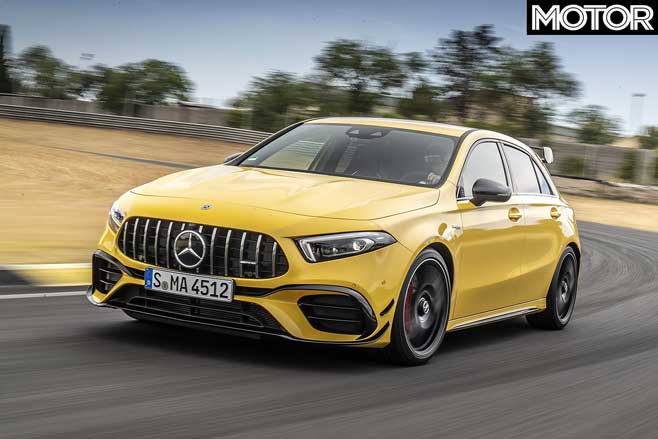
Of course, the turbo 2.0-litre four produces 310kW and 500Nm, the highest outputs for a factory, road-going four-cylinder. Though it weighs 1550kg, a power-to-weight ratio of 185kW-per-tonne is nothing to be scoffed at. 0-100km/h comes along in 3.9 seconds – the same as a near-$400K V12 Aston Martin DB11.
The new A45 S also brings with it a drift mode not unlike that of the recent Ford Focus RS, and a clever new diff system with proper torque vectoring.
As an added bonus, Mercedes-Benz Australia has also released pricing for the fastback Mercedes-AMG CLA45 S.
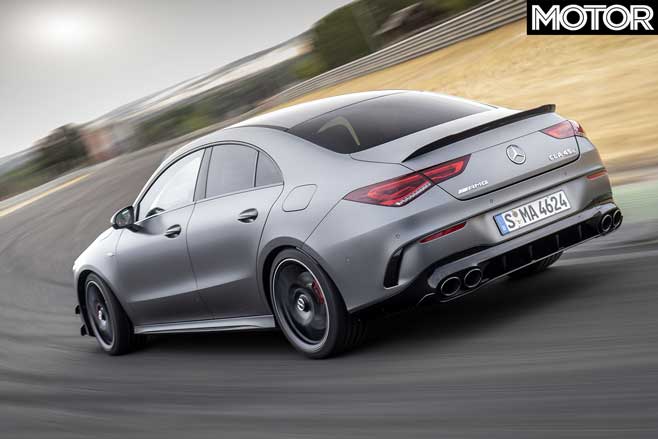
The swoopy, more style-oriented sibling to the A45 S is also a little harder on the wallet, blasting past the six-figure barrier to set buyers back something along the lines of Benz’s $111,200 MRLP.
Though slightly less-focussed (it’s slightly heavier and 0-100km/h takes 4.0 seconds), the CLA45 S still features the same wild drivetrain, drift mode, and torque vectoring as the A45 S.
While both models are now ‘on-sale’ in Australia, Mercedes-Benz Australia says availability is still ramping up but expects cars to be readily available in dealers in early March, or within a couple of weeks from time of publish.
There are always good discounts to be had when car dealers need to get rid of stock to make way for a new model. This not only happens when manufacturers introduce all-new or updated versions of a particular nameplate, but at the start of the calendar year when they want to move as much previous-year stock as possible.
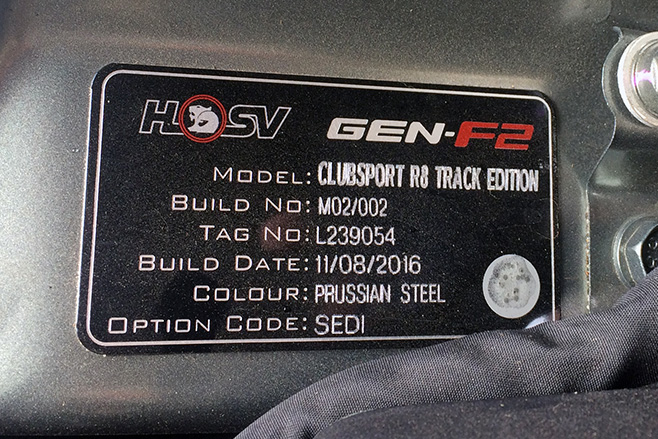
The latter is called a plate clearance, which relates to the date stamped on the car’s build plate.
Among other things, the build date tells you when the car rolled off the production line and shouldn’t be confused with the registration date, or compliance date which relates to when a car was certified for sale in Australia.
The compliance date is usually later than the build date, and while it determines the model year of a car when new, it is the build date that a car will always be valued by.
Why is the build date important?
Quite often there will be no difference between cars built either side of New Year’s Day. For example, a Hyundai i30 built in October 2019 might sell on the same day as an identical car built in February 2020, however, it will always be defined as an older car because of its build date.
This will often have an impact on depreciation and resale value, though the money saved at a plate clearance sale could negate these especially if the car is well looked after.
Even so, new car buyers generally want a car built in the same year they’re forking out their hard-earned, so it’s the car dealer’s job to clear stock from about December. That often means discounts or other incentives such as cash-back deals, extra equipment or covering on-road costs for free.
This carries over into the New Year where the older build plates are even less appealing, which is why you’ll often see sales in February just before the first ships arrive with current-year stock.
Checking the build date
Regardless of the time of year you’re buying in, it’s worth checking a car’s build plate so you’re aware of its model year. That info could give you leverage when the time comes to negotiate with the dealer.
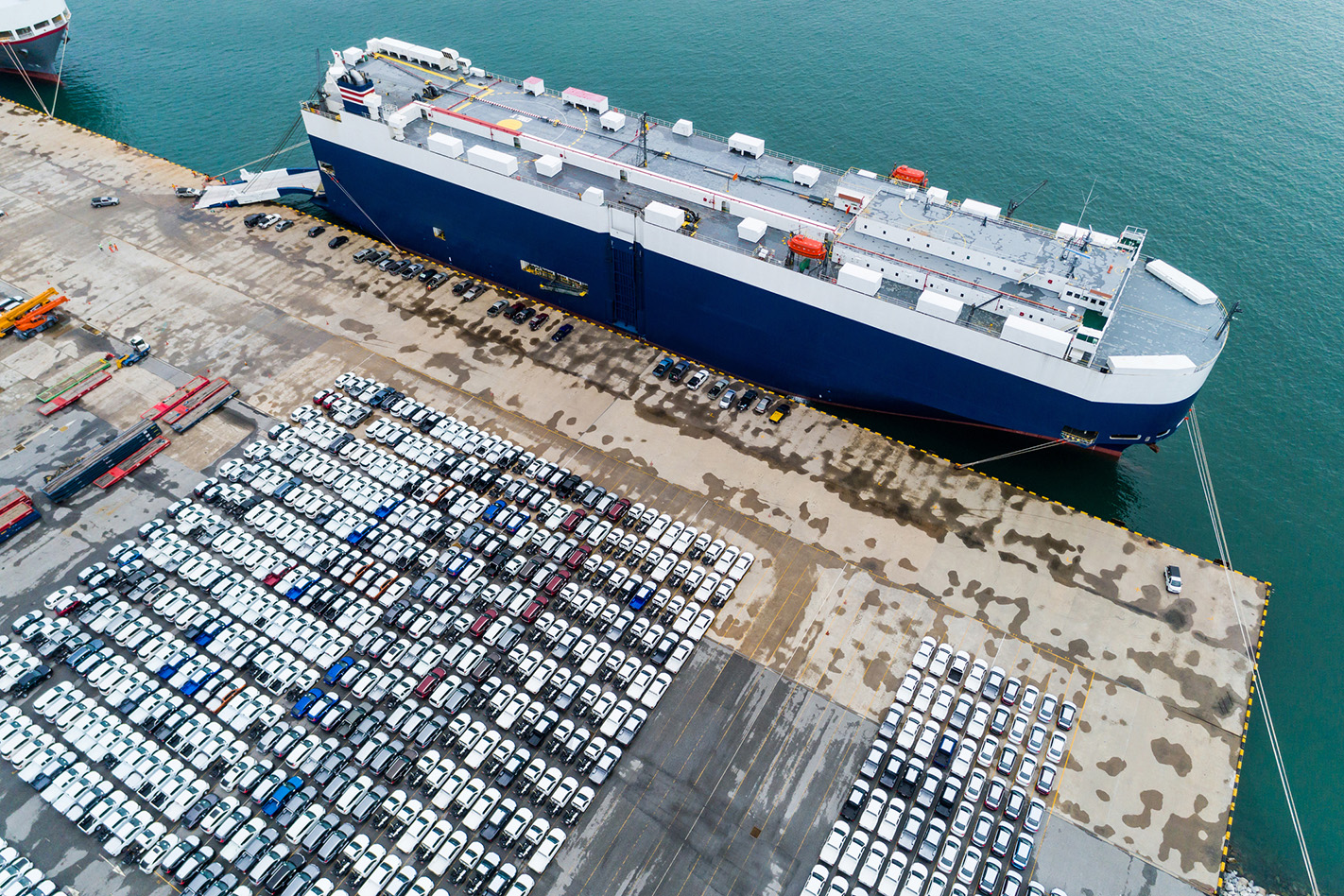
Remember, some imported cars spend up to a month on a ship before getting here so a car built in Europe late last year might not even make it to an Australian showroom until well into this year. And there could be further delays this year with issues such as stink bugs and even the coronavirus.
If the car you want was built last year you may choose to look for something newer or negotiate a better price – about four percent off is reasonable.
The build plate is typically found under the bonnet of the car and has information stamped into it such as the paint code, build or body number as well as the build date. Can’t see it? You might find it inside one of the door openings.
Angry Holden dealers have met today with Prime Minister Scott Morrison after an initial round of compensation offers from General Motors were slammed as being inadequate.
However, Holden has denied the claims, suggesting it is “disappointed’ that dealers are choosing to air their issues in public.
A meeting took place in Canberra between the prime minister and members of Holden’s dealer council and the Australian Automotive Dealer Council to discuss the offers, which are, according to reports, set to be rejected as being inadequate.
Some 26 dealers from 203 have received offers of compensation, according to Holden, which claims that the notion of offer rejections is incorrect.
“Any claim of unanimous rejection is untrue,” Holden said in a statement sent to WhichCar. “Further, many dealers we have met with so far have expressed thanks for the professional approach Holden has taken in the discussions.”
There are claims that the compensation offers already tabled – reportedly based on an equation that looks at a dealer’s previous year’s sales against the balance of time left on the agreement, which is then multiplied by a dollar figure that represents the average profit margin on a new car sale – provide a clear indication of what the remaining offers will be.
However, Holden maintains that the process is ongoing.
“Different dealers will take different approaches to their commercial negotiations around compensation,” read the statement. “We also acknowledge that responses can be emotional as we work through an amicable solution to a difficult situation for all.”
Holden also insists that any offers tabled are in the best interests of the dealers.
“We believe the compensation to be fair. We are disappointed a small number of dealers are choosing to raise their issues in the public domain, rather than raising them with us.”
The potential compensation payouts for the US company could spiral into the hundreds of millions of dollars, with at least 203 Holden dealerships in line for compensation.
GM has already admitted that retreating from Australia will cost it at least US$1 billion.
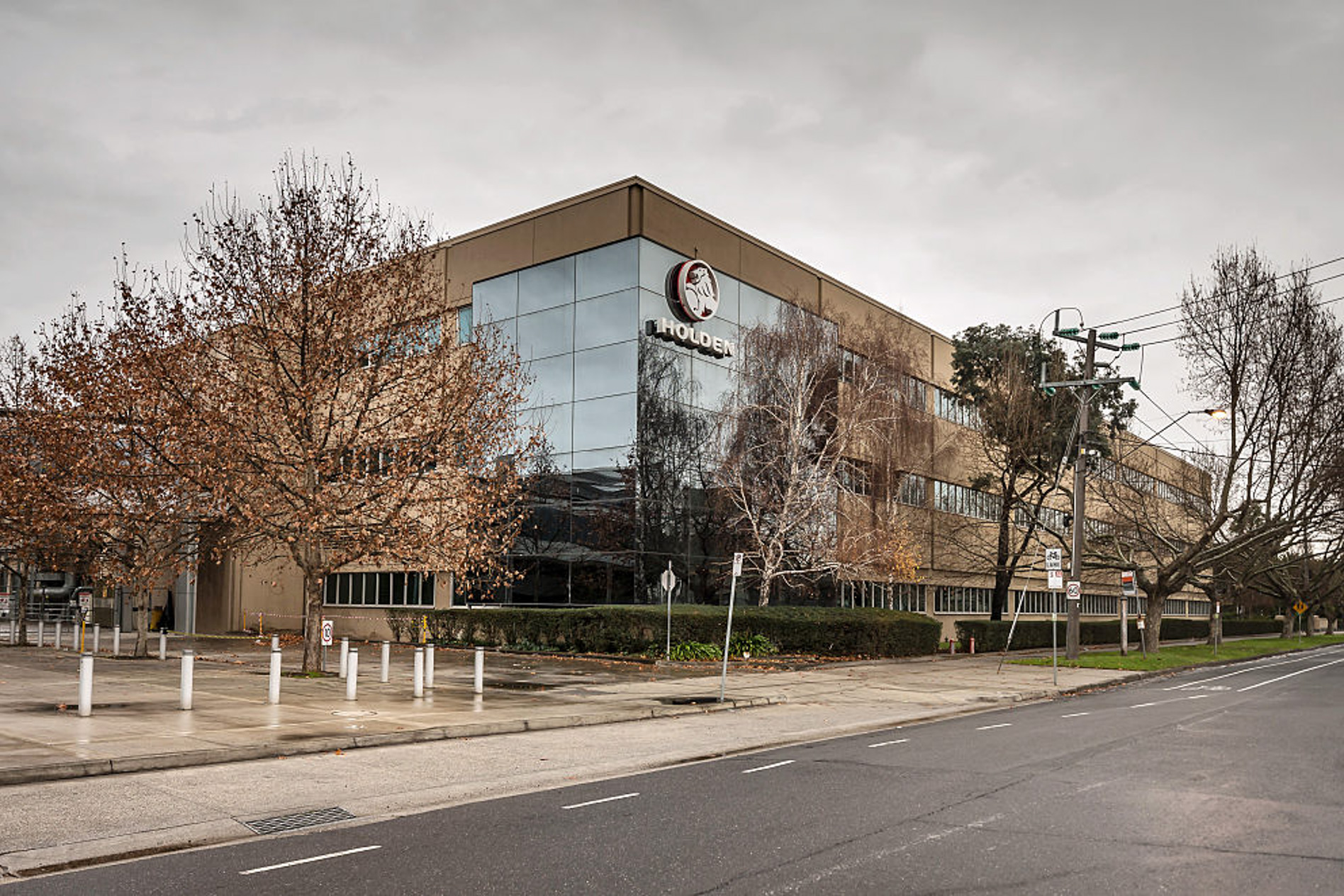
Holden’s head office in Melbourne
Holden dealer franchise agreements were originally meant to extend through to the end of 2022 before last week’s shock announcement.
General Motors is in the midst of a worldwide cost-cutting spree as it seeks to future-proof against an impending turndown in the industry, and well as seeking to fund research and development into electrification.
It has closed operations in Russia, the UK and Germany over the last three years, as well as shuttering plants and laying off more than 4000 staff in the US.
The Australian federal government revealed last week it was not consulted about General Motor’s decision to axe the iconic Australian brand and cease sales and operations in Australia and New Zealand.
An angry Morrison (below) said Australians will be fuming after Holden allowed its business to “wither away” after years of receiving taxpayer-funded subsidies.
“I’m disappointed, but not surprised, but I am angry like I think many Australians would be. Australian taxpayers put billions into this, into this multinational company and they let the brand just wither away on their watch,” he told reporters last week.
“And now they’re leaving it behind. And I think that’s very disappointing, that over many years, more than $2 billion, I understand, was directly provided to General Motors for the Holden operations.”
The prime minister committed his government to ensure the welfare of the 600 workers who will lose their jobs at Holden.
“I’ll tell you what we’ll do, though,” he said. “We’ll look after the workers who have been left behind, and will work with them to ensure that they can be able to move into new industries.”
READ MORE
- Holden’s factory closure statement
- Dealer’s new $6.5m Holden showroom that will never open
- Holden’s lost heroes: the cars that could have saved the company
- What Holden’s axing means for customers
- Holden VE ute mule shown at Corvette launch
AMG has brought the GLA45 back, this time with more power donated from the new 310kW four-pot developed in Affalterbach.
Now as the 2020 Mercedes-AMG GLA45 S, the crossover SUV is, according to AMG, the “master of a multitude of disciplines.”
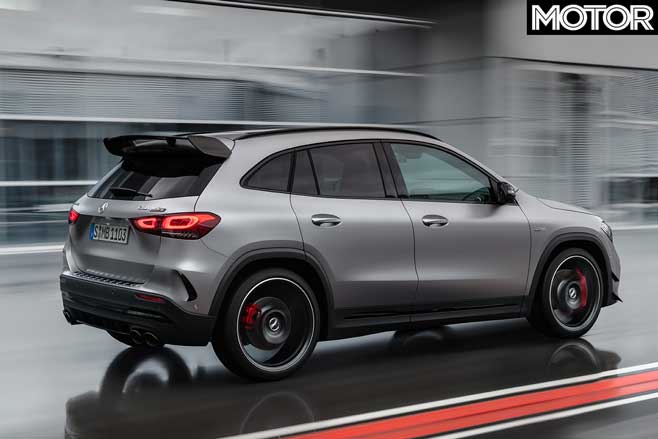
Striking a balance between hot hatch dynamics and SUV practicality (or at least aiming to), the GLA45 S features, as mentioned, the 310kW/500Nm ’45 S’ which is now proliferating across the AMG ‘A’ range.
For the GLA45 S, 0-100km/h is claimed to take just 4.3 seconds, which is four tenths slower than the A45 S hatch. The GLA is, however, likely to be much heavier than the 1550kg hatch. The GLA will also share the 8-speed automatic.
Stopping power is provided by 6-piston fixed front callipers on 360mm discs at the front, and single-piston floating callipers on 330mm discs at the rear.
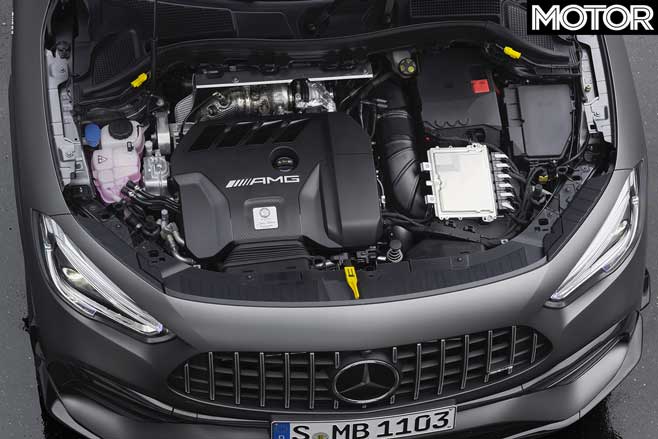
A non-S GLA45 is available overseas, however a brief statement from Mercedes-Benz Australia states “local showrooms will offer flagship S variants exclusively.”
“At this stage we expect vehicles to begin arriving in the last quarter of this year. Pricing and local specifications will be available closer to that time.”
AMG chair Tobias Moers says the GLA’s practical nature lends itself to buyers who might not otherwise consider a ’45 S’ model.
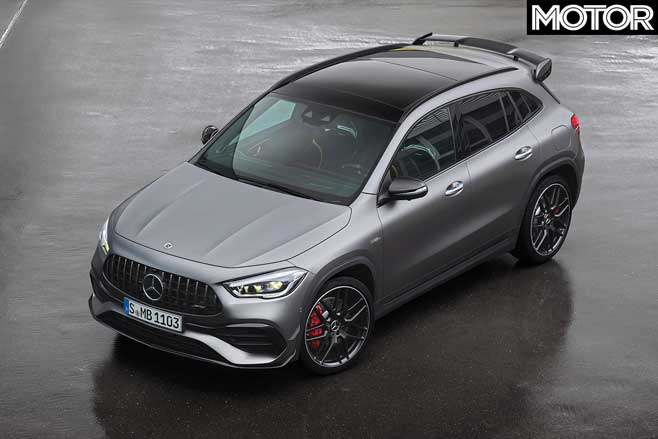
“The second generation of our very successful compact sports model is now complete,” says Moers.
“The GLA portfolio, in the form of the Mercedes-AMG GLA45 and GLA45 S, now also includes our innovative four-cylinder turbo engine, so setting the benchmark in this segment.
“In addition, the new GLA45 is not only significantly more dynamic, but also more practical in everyday use than its predecessor, thereby ensuring its appeal to a dynamic, lifestyle-oriented target group.”
Most people think the Type-R badge didn’t appear on a four-door Honda until the late 2000s, when the third-gen Civic Type-R came along. Most people are wrong.
Yep, there was a Honda Integra Type-R four-door, closely related to the DC2, but given the designation ‘DB8’.
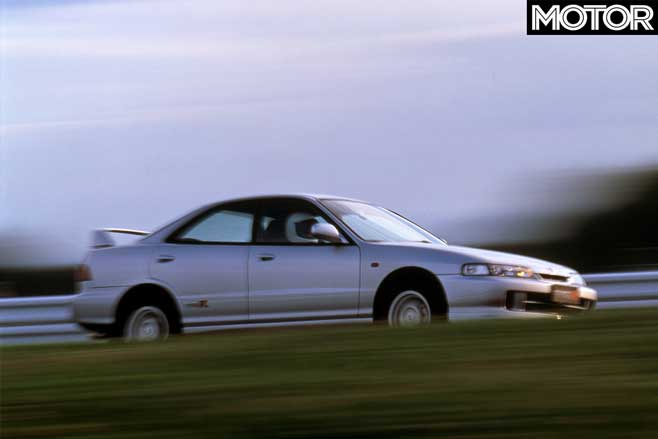
Mechanically, the four-door was the same as the coupe, though since it was a JDM-only model it was more powerful than the DC2 Australians were given access to… by 6kW.
It being Japan-only also dictated its front end, the major difference between our own DC 2, with its quad-light setup, and the Japanese model with a far more conventional (or conservative) style.
So, an atmo four-pot coming in at 1.8-litres and peaking for 147kW at 8000rpm. VTEC, yo. It obviously weighed more than the coupe, 1120kg to the coupe’s 1080kg in Japan, so we reckon it’d struggle to top 100km/h in any less than 7 seconds on a normal day.
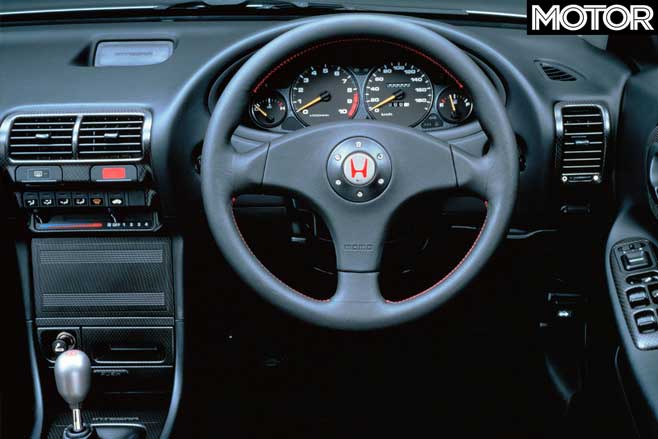
However, given its similarities with the two-door, it should by all means be an excellent steer – its brother is often regarded the best front-driver of all time.
The only account of any production numbers we could find was a Japanese importer blog that claimed just more than 5000 were built, though Honda’ s own archive actually reveal plenty of info about the car and its place within the Honda range when it was released.
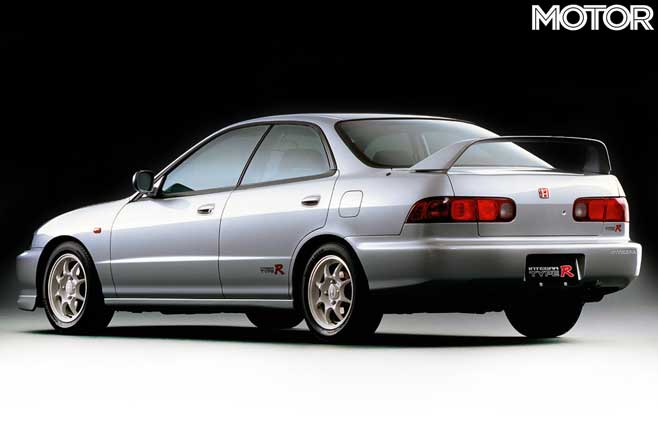
For between 2,200,000 and 2,300,000 yen back in the latter half on the 1990s, depending on your province, you could pick up a three-door ITR. Or, for 40,000 more, you could opt for the four-door DB8.
Of course, with DC2 prices well on their way upward, any DB8 Type-R you stumble across for sale (good luck) for less than its showroom price would be well worth the investment.
The trends don’t lie: the last time passenger cars outsold SUVs was in 2016 and the contraction seemingly has no end in sight. Manufacturers are trimming their showroom content as a result, and the logical endgame is dealerships full of SUVs, utes… and not much else.
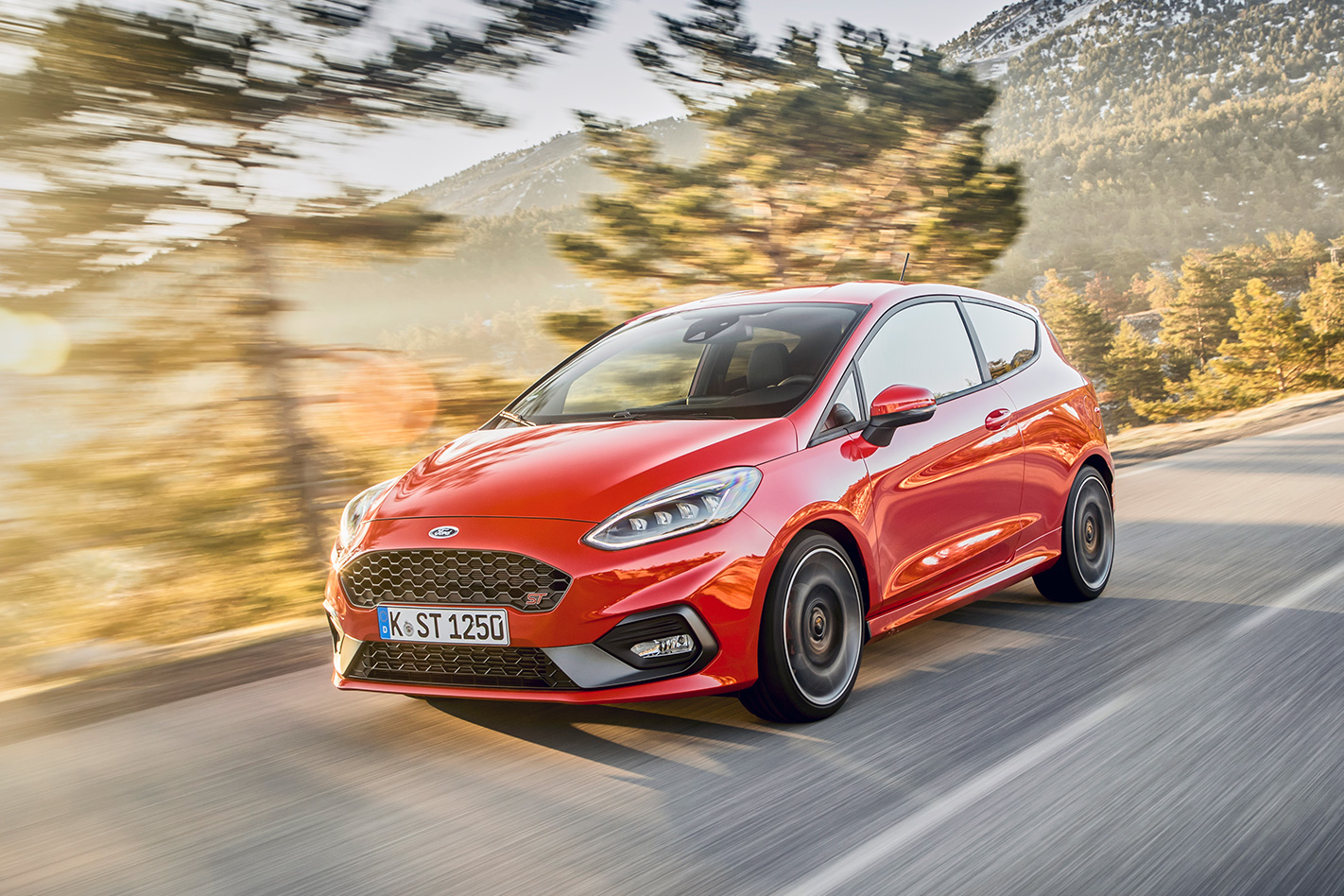
Ford is one of the most recent to act on the migration, confirming that it’s running out what few Mondeos remain in Australian inventory and that it has no desire to bring in a new generation of Fiesta light hatches besides the performance-oriented Fiesta ST, due here by mid-year.
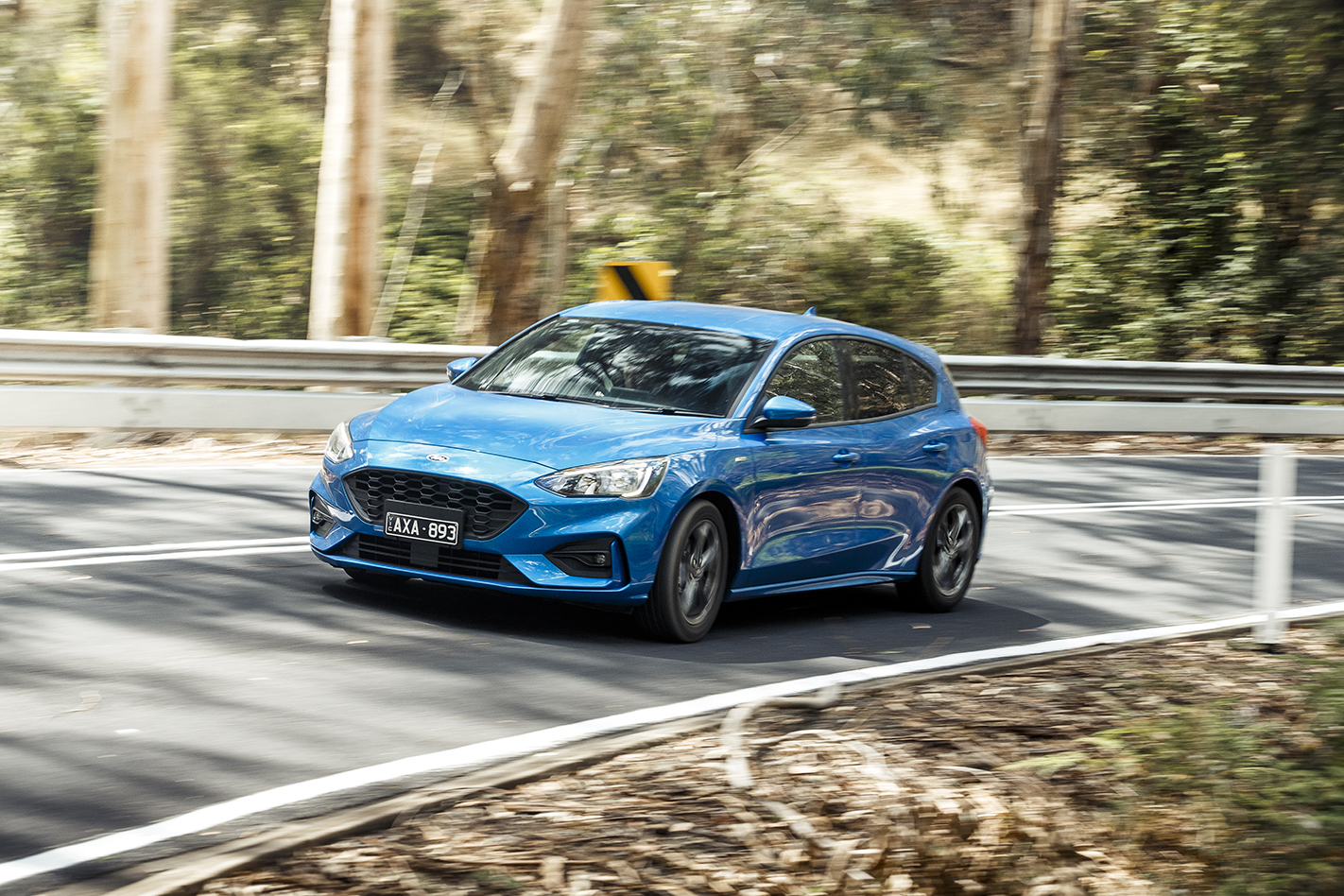
The Ford Focus is safe for now, but if you subtract performance cars like the Mustang and Fiesta ST it will be the last conventional passenger car in Ford’s local showrooms by the end of 2020.
“I think the industry as a whole is going through a big transition, and customers too in terms of what it is they use their vehicles for, and you can clearly see the move from passenger to SUV – and even to truck – in terms of the type of vehicle that customers are driving,” said Ford Australia boss Kay Hart.
“The Mondeo was a great vehicle, as was Fiesta, but they’re in too small a segment at the moment and customers are moving into the SUV versions of those and that’s where we’re best to invest. We have a few [Mondeos] left, but we’re transitioning out of it. ”
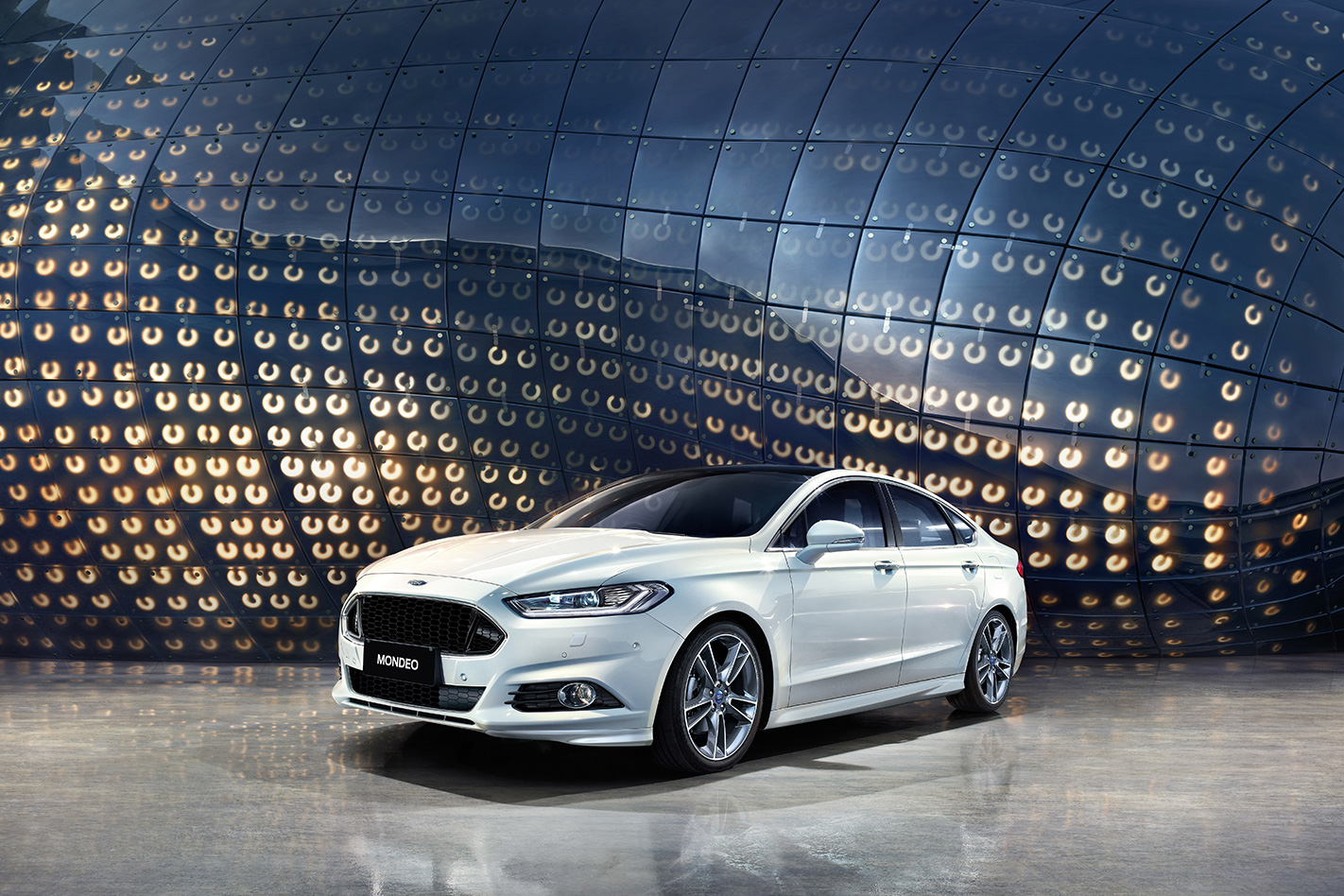
Asked whether Ford Australia would take the next-generation Mondeo/Fusion, Hart shook her head.
“We still believe right now there is a place for Focus here in Australia and we believe there’s a strong place for performance vehicles – passenger performance vehicles. But we’re closely monitoring if that’s the right play, and if that’s what the customers are looking for. Customers will tell us whether or not that is, or whether they are transitioning into a C-SUV or B-SUV.”
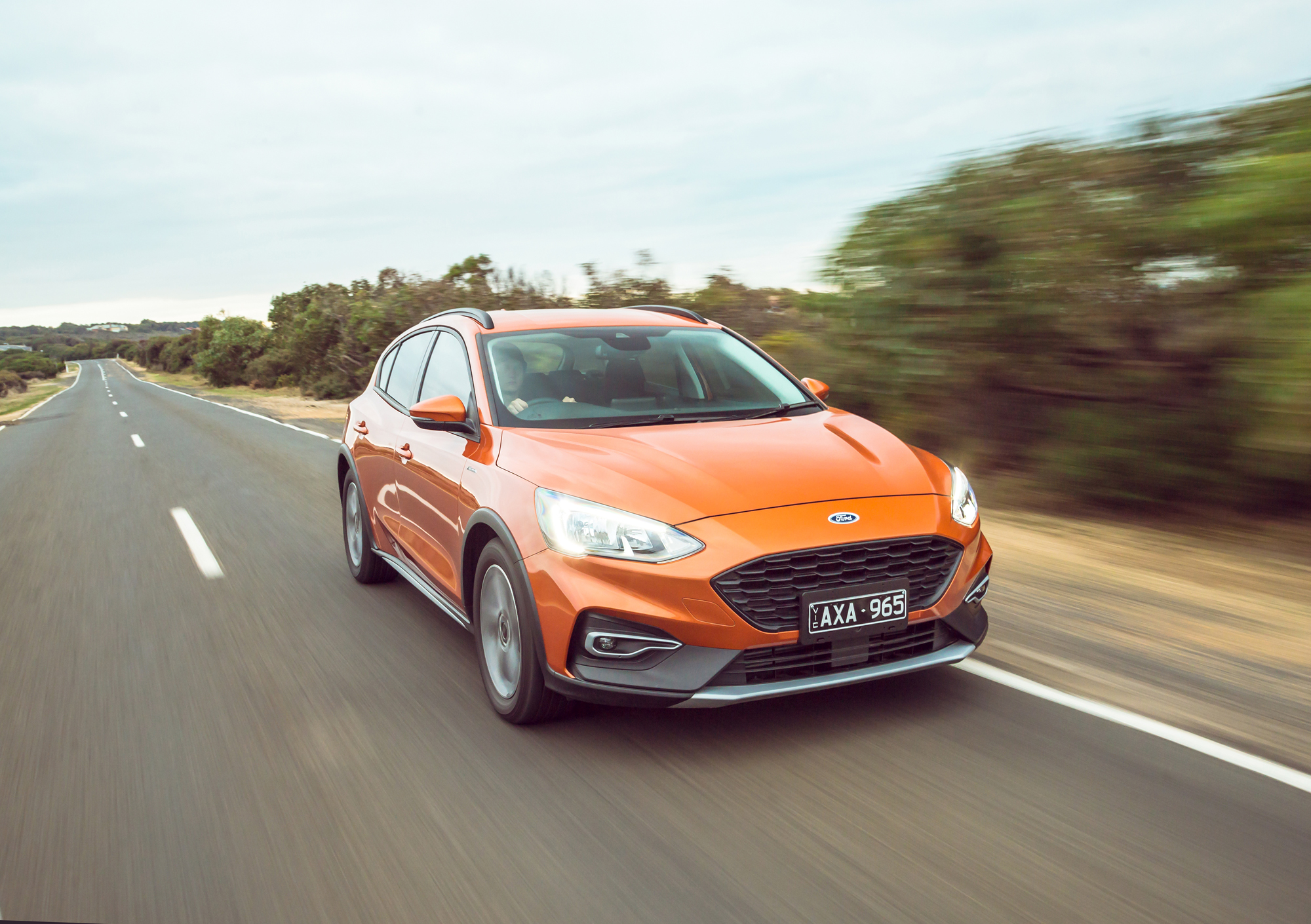
Ford also has the ability to play it both ways with the Focus, with the conventional five-door hatch being offered alongside the jacked-up Focus Active, which wears crossover styling yet retains a road-biased front-drive layout. Subaru is another manufacturer with a similar strategy in its Impreza hatch and XV crossover, the latter of which sells more than double the units as its nearly mechanically-identical hatchback sibling.
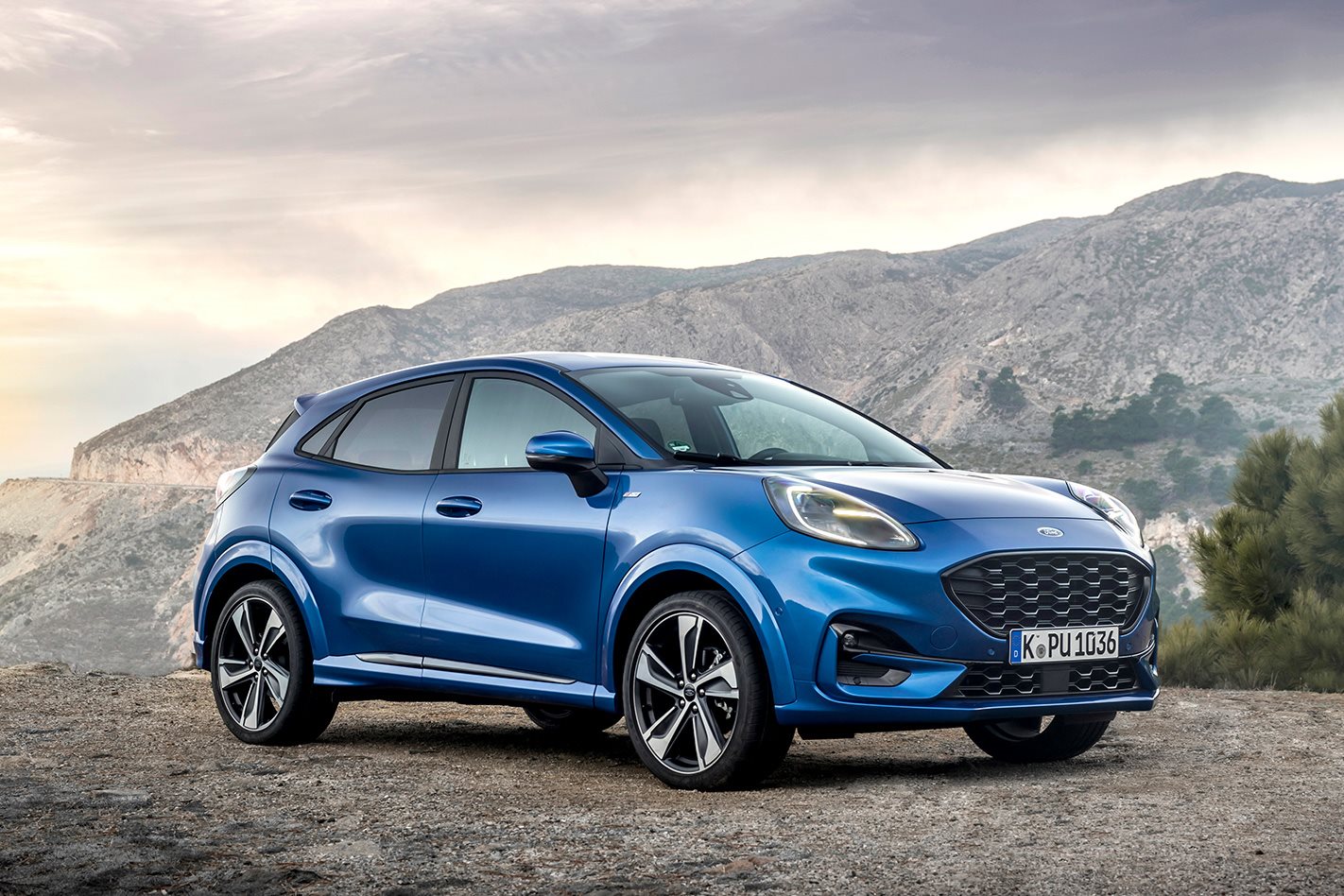
Ford will lift its presence in the small SUV space even further with the incoming Ford Puma, due here in late 2020 as a more overtly SUV-styled compact softroader. Based on the new Fiesta’s platform it’ll effectively take over from the departed EcoSport, and in the absence of the Fiesta will become Ford’s most compact local offering.
“At the moment we’re committed to Focus, but we’re definitely evaluating whether or not there is that continued shift out of passenger,” said Hart.
But as much as Ford says it’s following consumer demand – and we don’t doubt the validity of that – there’s also the question of profitability. It’s no small secret that light hatchbacks and small cars have slim profit margins (the former especially so), and stories abound of dealers actually making a loss on some light hatches at the cheaper end of the price spectrum in the hope that income can be clawed back through servicing and accessories.
But why sell cars that can’t deliver a profit on their own?
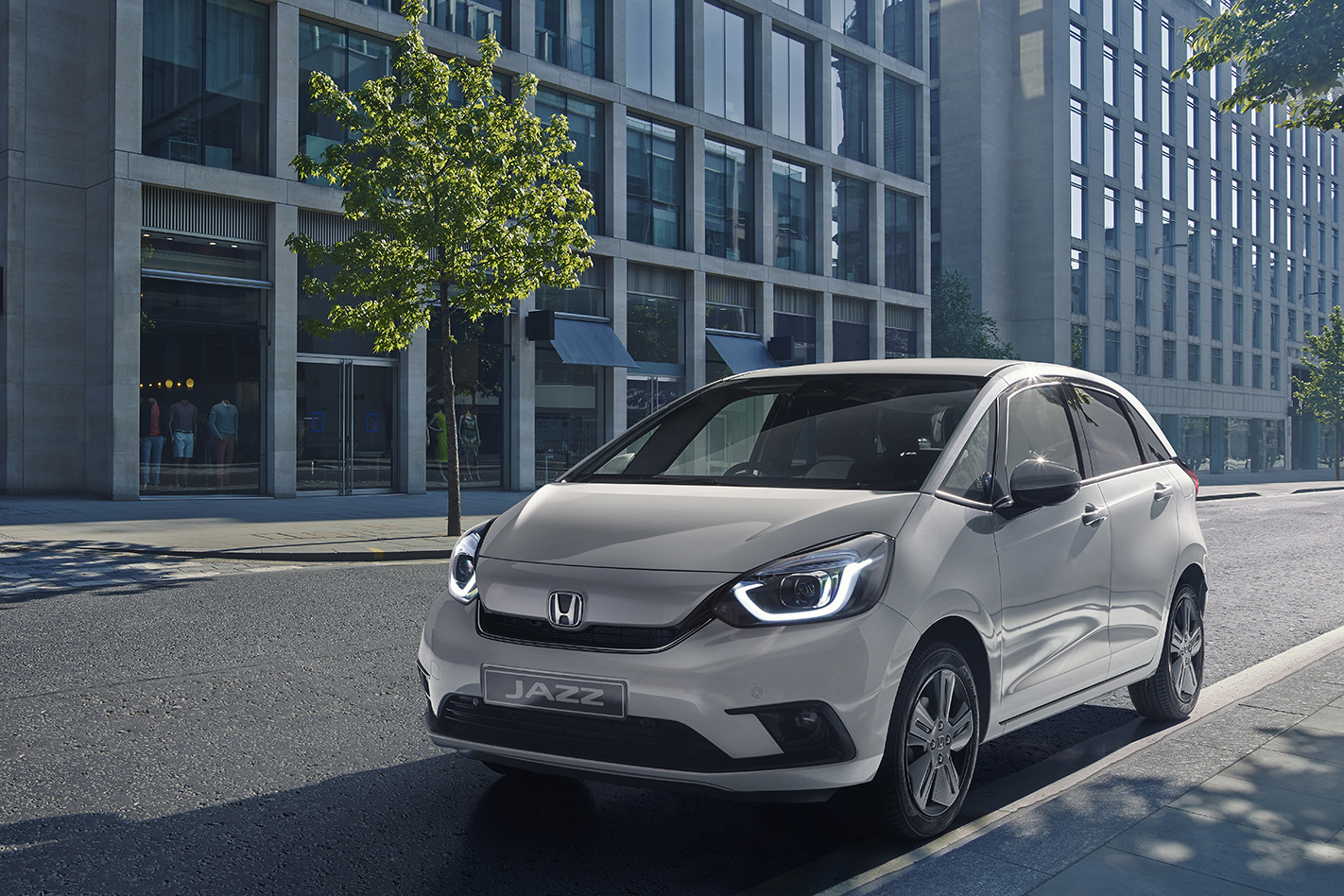
It’s a question that Honda is wrestling with right now, as it tries to formulate a business case for the next-generation Jazz.
“That segment is very, very challenging,” said Honda Australia managing director Stephen Collins at the launch of the new Accord late last year.
“It’s possible (it will be discontinued) because it’s a very challenging segment. It’s a full business model issue: it’s the cost of the car, where the segment’s at, where we can position the car. That’s what we’re juggling at the moment.”
For Honda, currency pressure is a major factor. With the bulk of its vehicles now sourced from Thailand (with the exception of the Odyssey that’s built in Japan, the NSX that’s built in the USA, and the Civic Type R that comes from the UK), the devaluing of the Australian dollar against the Thai Baht is reducing Honda Australia’s purchasing power with the factories that supply its volume-selling cars.
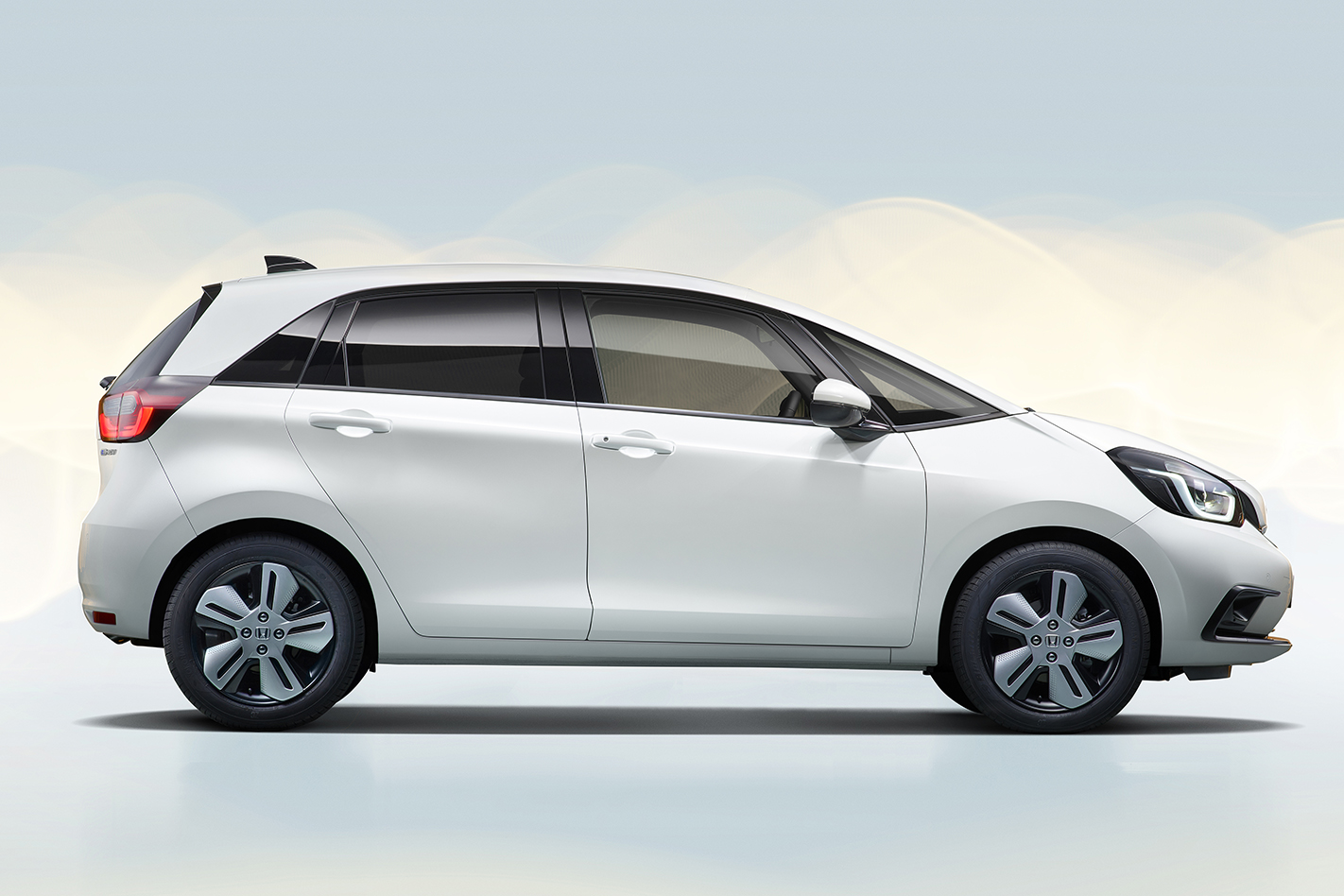
“It depends on your long-term assumption of where the Aussie dollar sits, but if it’s sitting where it sits today, I think those days [of $15K light cars] are gone,”
“I think the trend is clear that a lot of manufacturers are moving away from base grades and recognising that the light [car] segment is very challenging. For us when we’re buying 21 Baht to the Aussie dollar – whereas six years ago it was 30, a 35 percent deterioration – we think those days are gone unless it bounces back – and we don’t think it will bounce back.”
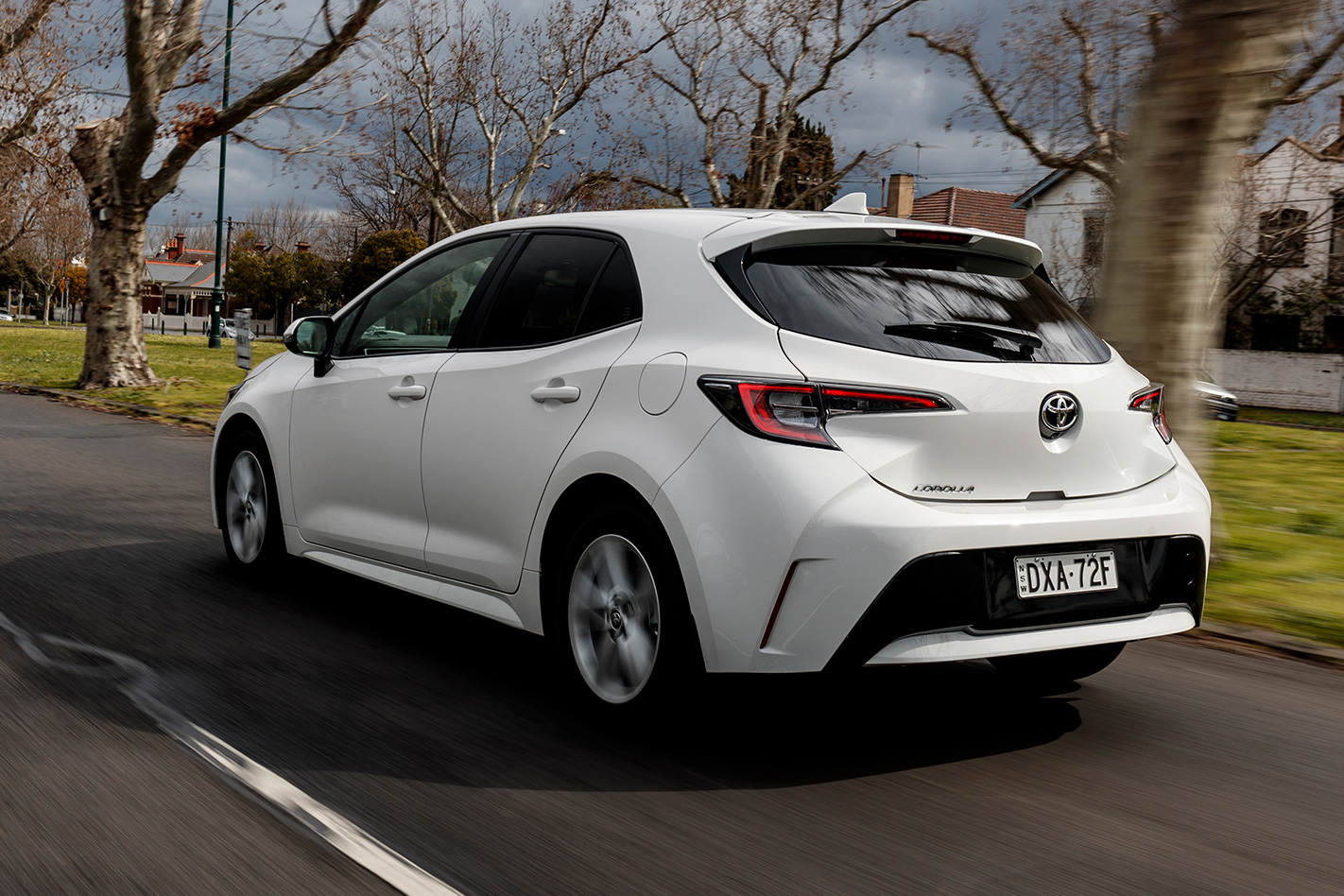
Japan-sourced product tends to have a similar problem. Toyota eliminated the base Ascent grade from the Corolla lineup when it launched the current generation, making the entry point the $23,335 Ascent Sport instead. Meanwhile Mazda introduced the all-new Mazda 3 last year with the base model represented by the $24,990 G20 Pure. Both say the higher-specced cars are what private buyers actually want, which is likely however, it’s also a convenient way to drop base models with poor profit margins.
Mazda also culled low-spec variants from the Mazda 2 light hatch range last year, boosting the price of entry beyond $20K for that model. This time last year, a base model Mazda 2 cost around $5000 less than that. Is Mazda gouging? We doubt it. Rather, those are the kinds of tough calls that need to be made for slim profit margin cars to be tenable.
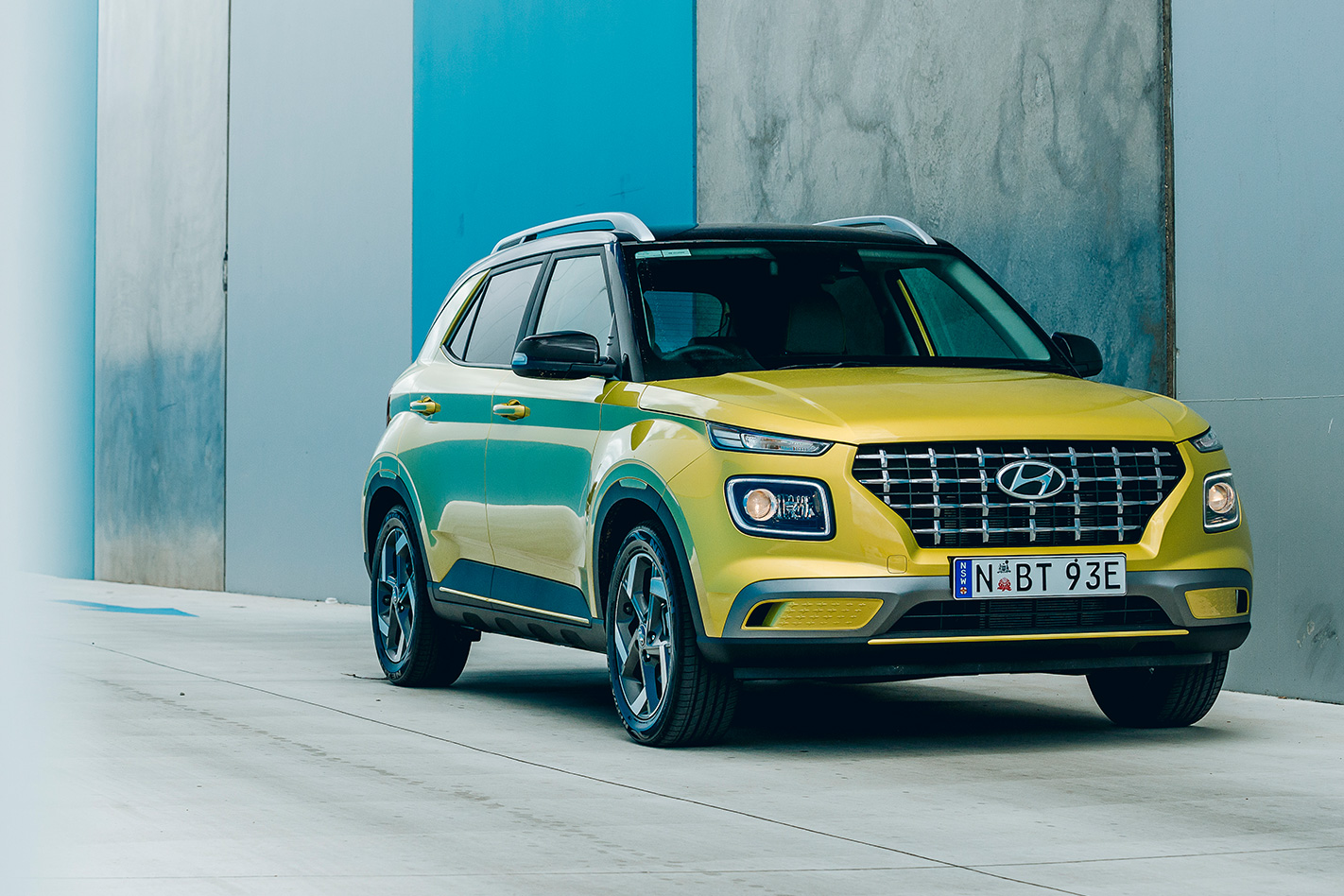
The only real exception, it seems, is with the Korean duo of Kia and Hyundai. Both retain a small car offering around the $20K mark, and Kia even has two cars in the light car category with pricing in the teens – the compact Rio, and the ultra-petite Picanto. Even so, Hyundai has eliminated the Accent light hatch in favour of the Venue compact SUV – a similarly-sized alternative that isn’t as cheap as the Accent that came before it, but offers up a more desirable SUV form to justify its pricetag.
And that’s likely why we’re going to see more SUVs in the future. Though generally carrying a premium over similarly-specified passenger cars with an equivalent ‘footprint’ (the area they occupy on the road), SUVs typically don’t cost much more to manufacture but can command a higher transaction price, and thus healthier profit margins. To use Honda as an example, the Jazz may be under threat, but the HR-V’s place in Honda showrooms is rock-solid.
It’s also a big reason why Ford is only bothering with the ST variant of the Euro-built Fiesta, which will arrive with a $31,990 sticker.
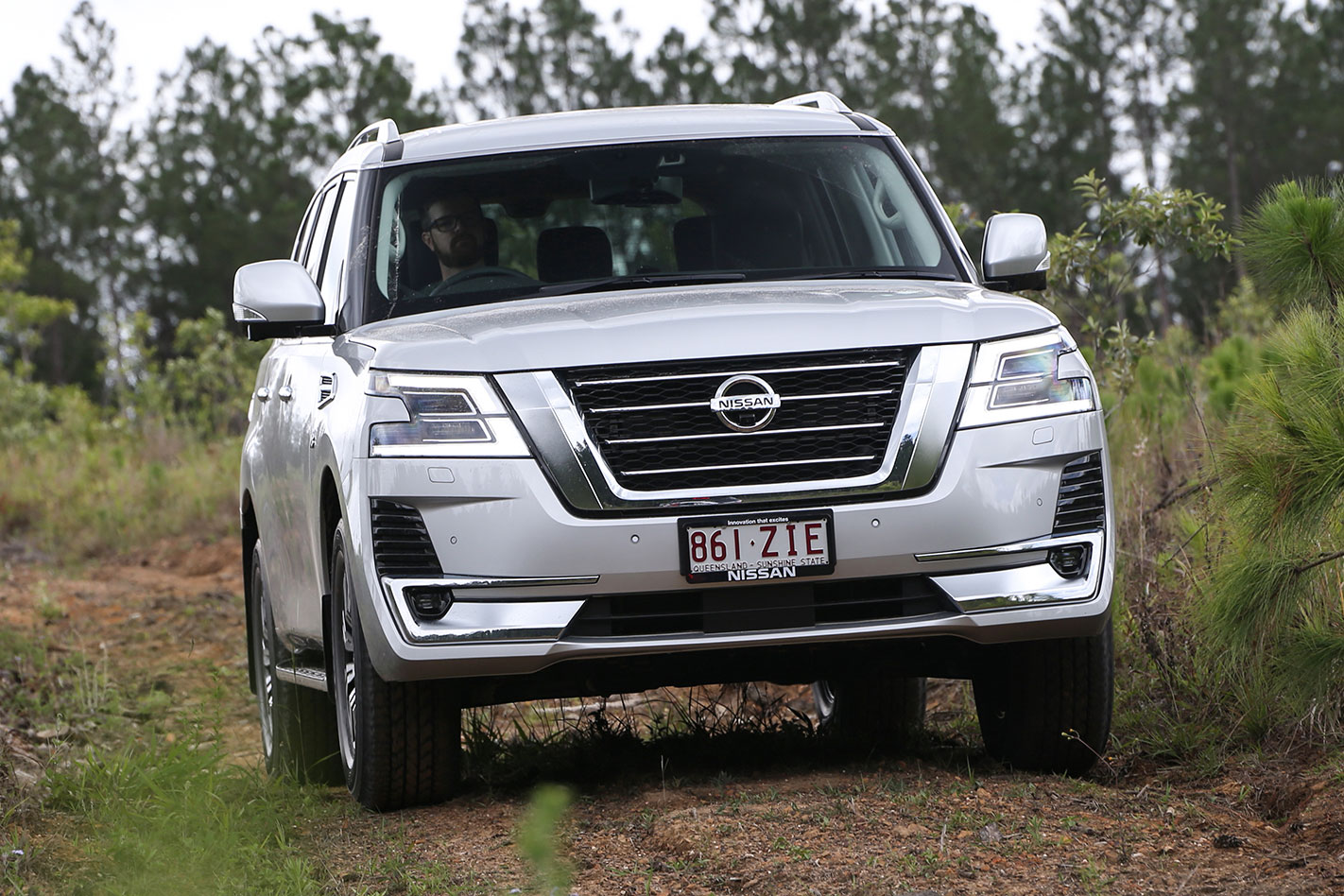
Another manufacturer that’s turned its back on passenger cars is Nissan, which waved goodbye to the Maxima, Altima, Pulsar and Micra long ago to focus on SUVs, the Navara ute, and sportscars. It hasn’t looked back since, and while the addition of the new-generation Leaf could be seen as a limited return to passenger cars, it’s far too niche to be a volume vehicle.
“Australia’s love affair with utes and SUVs has grown significantly in the past few years, and Nissan’s product line-up is well suited to this meet this demand,” said Nissan Australia spokesperson Karla Leach.
Will passenger cars ever make a comeback? Even if the buying public decided to vacate SUVs in droves, the critical question of profit is another hurdle that must be overcome. Premium sedans, wagons and hatchbacks have enough profitability to play with, but when it comes to the mainstream, it looks like the clock is ticking for cheap small cars. Get ‘em while you still can.
When Peugeot debut the Concept 508 Peugeot Sport Engineered at Geneva last year, there was a hint that there was serious production intent from the amount of technical details released.
One year on and Peugeot has released the first solid indication of a production version with a set of images of a liveried Peugeot 508 that is tagged with the “Peugeot Sport Engineered” hashtag.
While little else is revealed about the 508 in question, the tweet describes the car as “Intelligent electrified neo-performance” that is “Born in the Peugeot Sport laboratory”, which indicates that it will be a proper performance sedan with some form of hybrid power.
Not only that, some of the aerodynamic features from the concept, such as the side aero blades that protrude out of the lower front and rear bars seem to be present on the liveried car.
It still yet to be seen if the performance 508 will sport anything as ambitious as the concept’s 294kW hybrid drivetrain, which pairs a turbocharged petrol engine with a pair of electric motors, 91kW for the front axle and 147kW for the rear.

Considering that the European 508 Hybrid boasts a 165kW hybrid powertrain that combines a 132kW petrol donk with an 81kW front electric motor, putting a performance version into production that is close to the 294kW mark with a higher-tune and an extra electric motor is realistically possible.
One thing is for certain is that Peugeot won’t be at the 2020 Geneva Motor Show, so for now the timing of the car’s reveal would be at Peugeot Sport’s discretion. But we will certainly bring the latest updates on the car when it comes to light.
