
The Hyundai Venue has a lot to offer a small SUV at an attractive price point. But is that enough to sway customers away from the popular CX-3? Let’s find out.
Equipment and Value
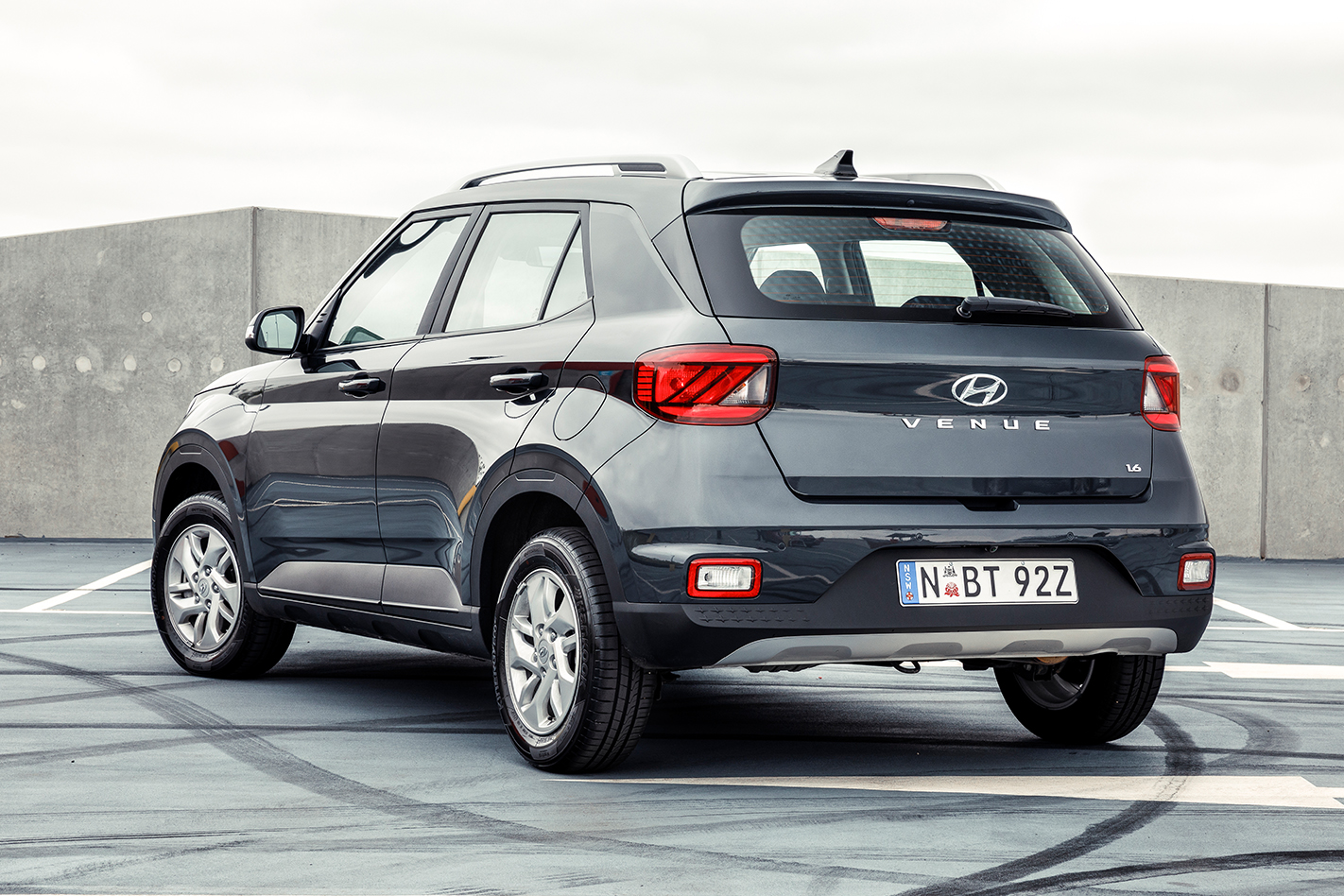
Hyundai offers three FWD variants (Go, Active and Elite), with prices starting at $19,990 and topping out at $25,490. We’re driving the mid-spec Active, which is $23,490 when optioned with the $2000 auto. In a big tick for the price point, all Venues come with AEB, high-beam assist and lane-keeping assist as standard. The Elite adds aesthetic upgrades like 17-inch alloys and a ‘funky’ two-tone colour option. Hyundai is offering a seven-year warranty over the usual five.
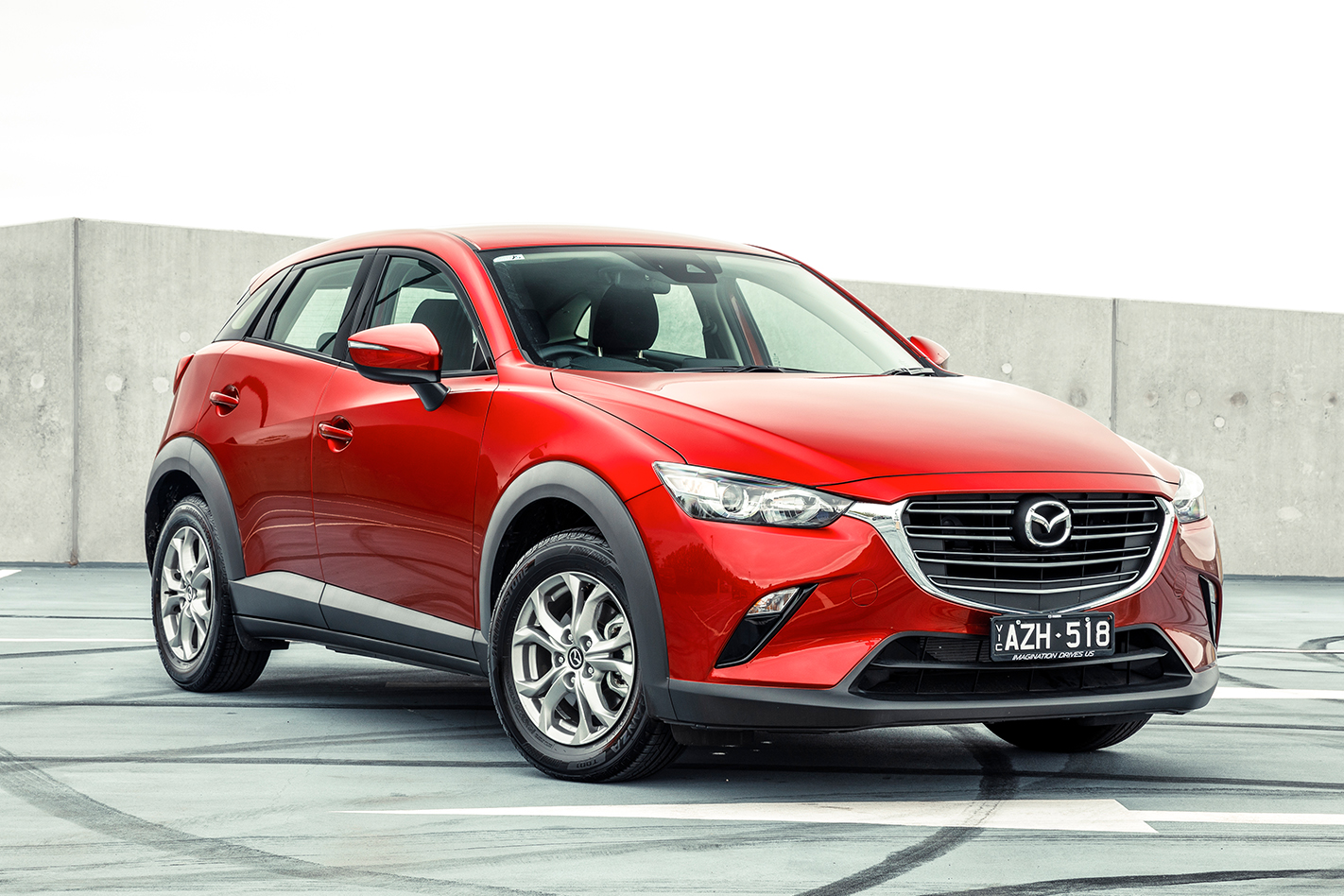
Four model grades are available (Neo Sport, Maxx Sport, sTouring and Akari). Prices kick off at $23,990 and rise to a lofty $40,490. Unlike the Venue, the CX-3 can be had with all-wheel drive (the Venue has three traction modes). Blindspot monitoring and sat-nav are standard on the Maxx Sport AWD tested, while both cars have tilt and reach adjustment for the steering wheel. The CX-3 is covered by a five-year, unlimited-kilometre warranty.
WINNER: Hyundai Venue
Space and comfort
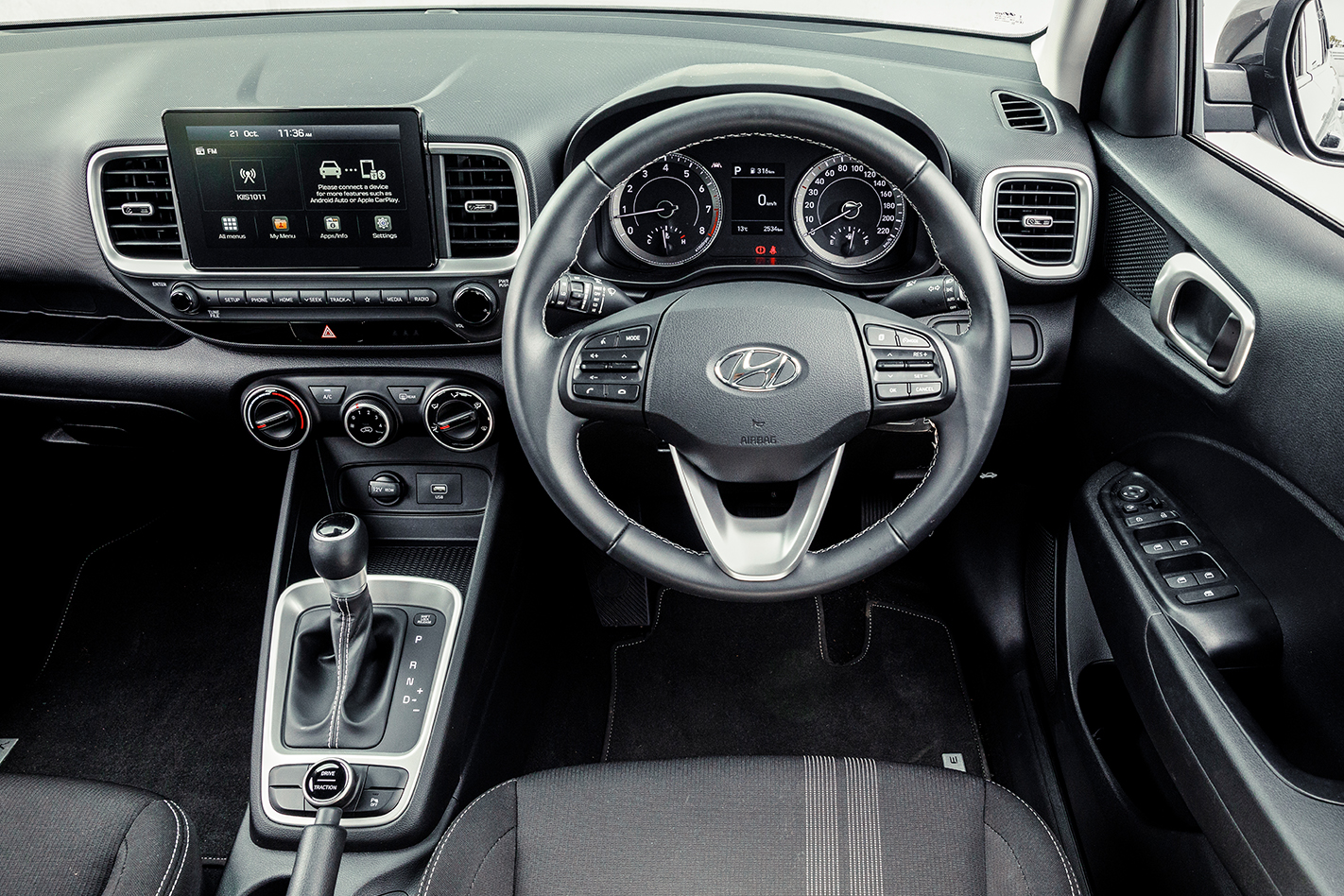
With a sub-$20K starting price, corners have clearly been cut inside yet the Venue’s cheap and cheerful nature delivers, with a clean design highlighted by the 8.0-inch touchscreen for the infotainment. Hard plastics abound, but the fit and finish is generally solid. Headroom is generous thanks to the tall body. Outward vision is refreshingly abundant and the 355L boot is big for a small SUV. Rear legroom is tightish and there are no rear air vents.
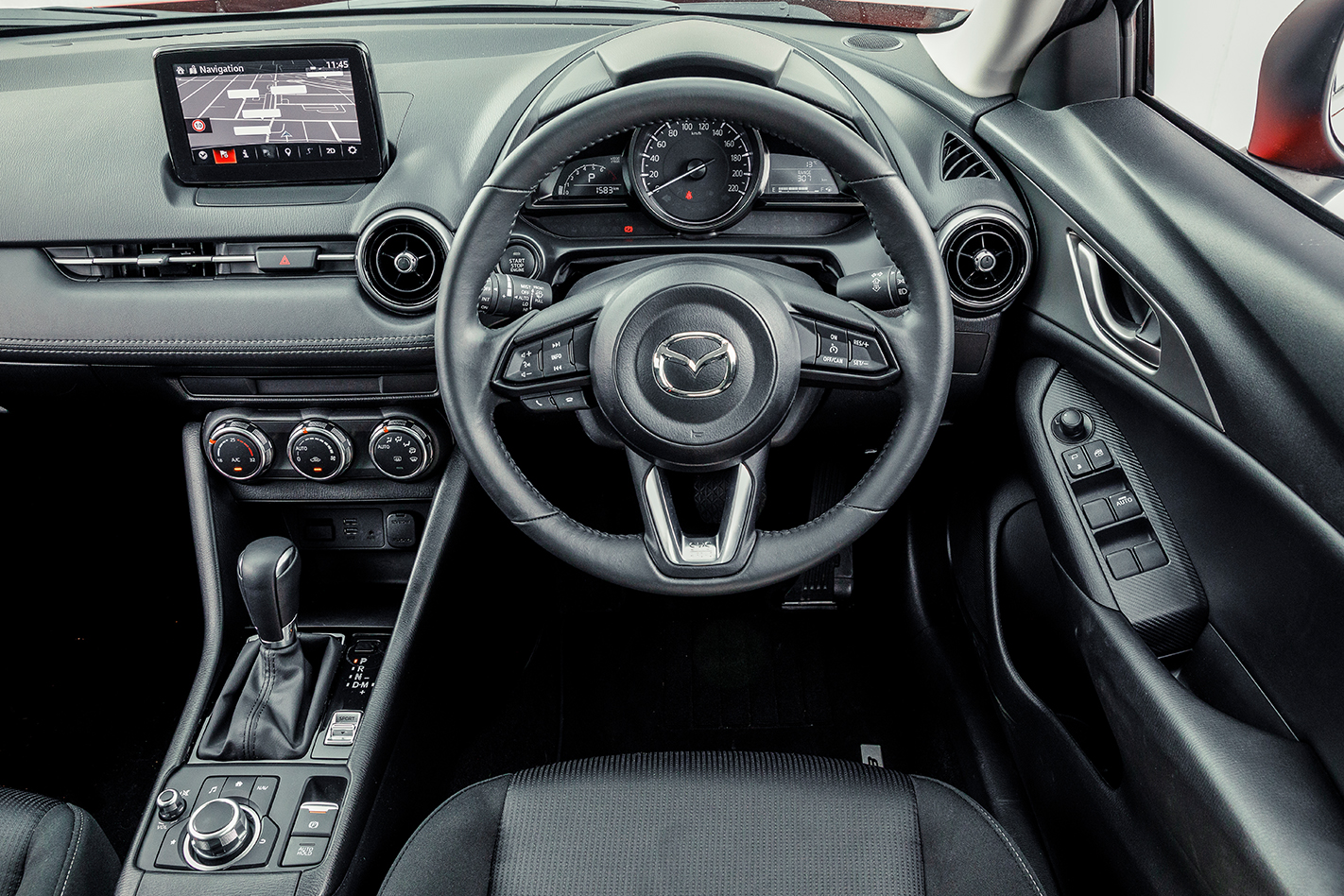
Yes, the CX-3 is the more expensive, but it looks and feels it in design and material quality. The only area in which the Mazda is let down compared to the Hyundai is its older MZD Connect infotainment system and 7.0-inch (non touchscreen) display. While the Mazda has a tad more rear legroom, it feels more hemmed in with its lower roofline and slot rear windows. The AWD CX-3 has a significantly smaller boot at 264L, and it too lacks rear air vents.
WINNER: Hyundai Venue
Ride and Handling
Thanks to an Aussie-specific suspension tune (MacPherson struts front, torsion beam rear), the Venue’s ride quality is comfortable and composed. The chunky sidewalls of the 15-inch alloys no doubt help (and return little road noise). Dynamically the Venue’s a bit of a surprise packet, although you’re never going overly fast as the six-speed auto hunts for grunt the 1.6-litre engine doesn’t have. The steering is engaging and NVH levels well suppressed.
The CX-3 has the edge in overall agility with its lower centre of gravity providing a distinct advantage in regards to pitch and roll. It also uses MacPherson struts up front and a torsion beam rear-end, but Mazda has gone for a slightly firmer set-up with a greater emphasis on dynamics. The steering is sharp and nicely weighted, while the six-speed auto ties in well with the 2.0-litre engine. Tyre roar from the 16-inch hoops and NVH levels are on par with the Venue.
WINNER: Mazda CX-3
Performance and Economy
The naturally aspirated 1.6-litre four-cylinder is the Venue’s weakest link. It’s not the seemingly meagre outputs of 90kW/151Nm (the Active weighs 1225kg), because the tiny SUV shifts along well enough at commuter speeds. No, it’s the coarse nature of the engine under provocation that is off-putting. And it’s slow – 0-100km/h in 11.4 seconds slow. It’s also less fuel efficient than the CX-3 at 7.2L/100km. A small-capacity turbo engine would work a treat here.
The benefits of the Mazda’s almost half-a-litre advantage over the Hyundai are particularly clear when overtaking. That’s not to say the 110kW/195Nm 2.0-litre four-pot is a cracker, because it isn’t. And given it also develops its power high in the rev range, it too can sound and act strained. Overall, the CX-3’s engine feels less stressed, mainly due to its extra torque, and it isn’t as frenzied when asked to perform. At 6.3L/100km, it’s also more fuel efficient.
WINNER: Mazda CX-3
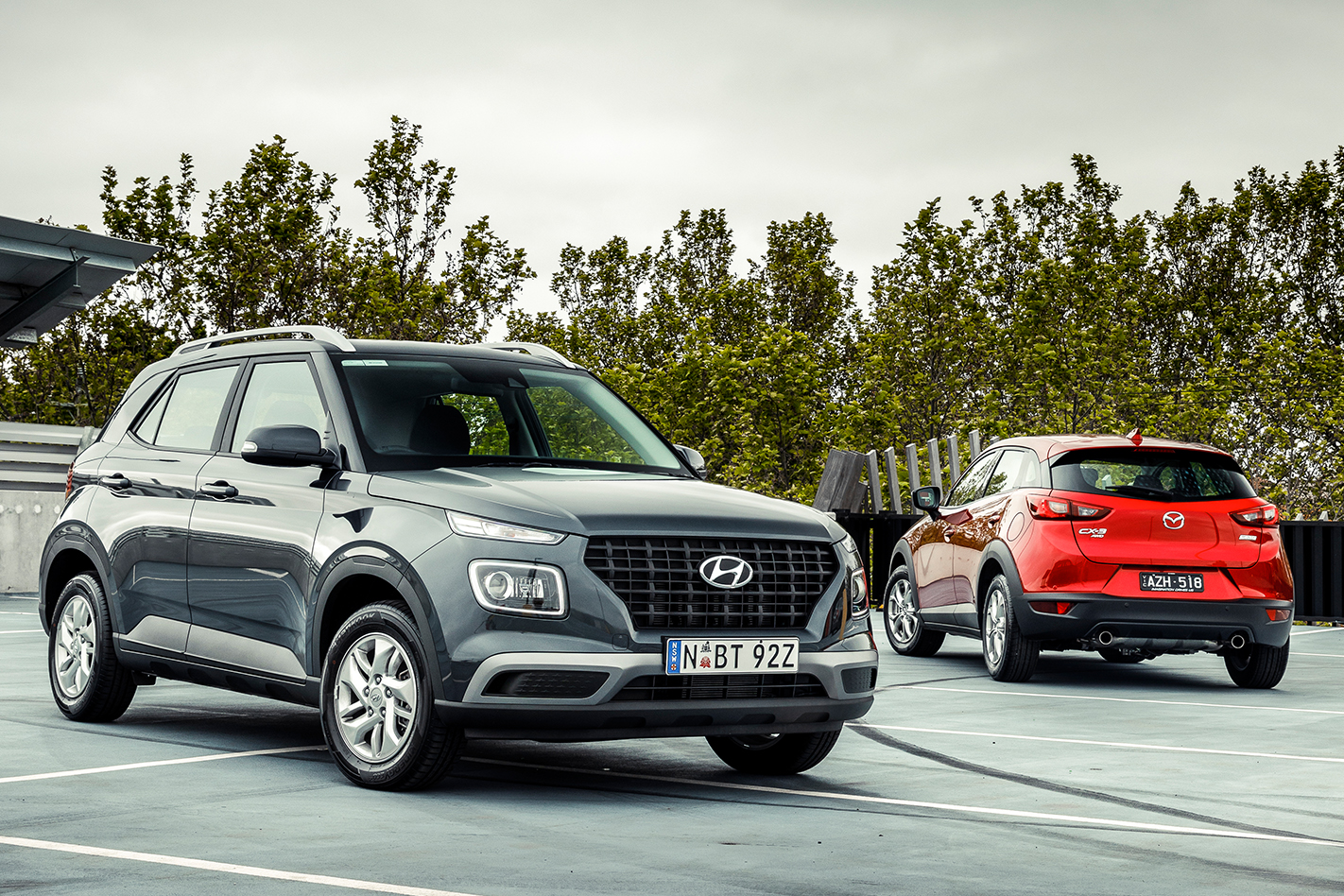
Verdict: Mazda’s CX-3 arrives at a happy place
There’s an honesty about the Hyundai Venue that you have to admire – it does exactly what it says on the packet. In pure metal for money, it stacks up very well here. However, the Mazda CX-3 endears itself more as an ownership proposition with solidity and class. Yes, it comes with a premium price in this shootout by a $6000 margin, but the Mazda would still have won if the requested $25,990 Neo Sport FWD had been the variant on test. Is it heart over head? Not quite. The Venue’s positive attributes extend further than just being cheap, but it’s outclassed by a fancier establishment…
Holden ute-based Corvette prototype
First-ever C8 mule survives the crusher
On display at Corvette US launch
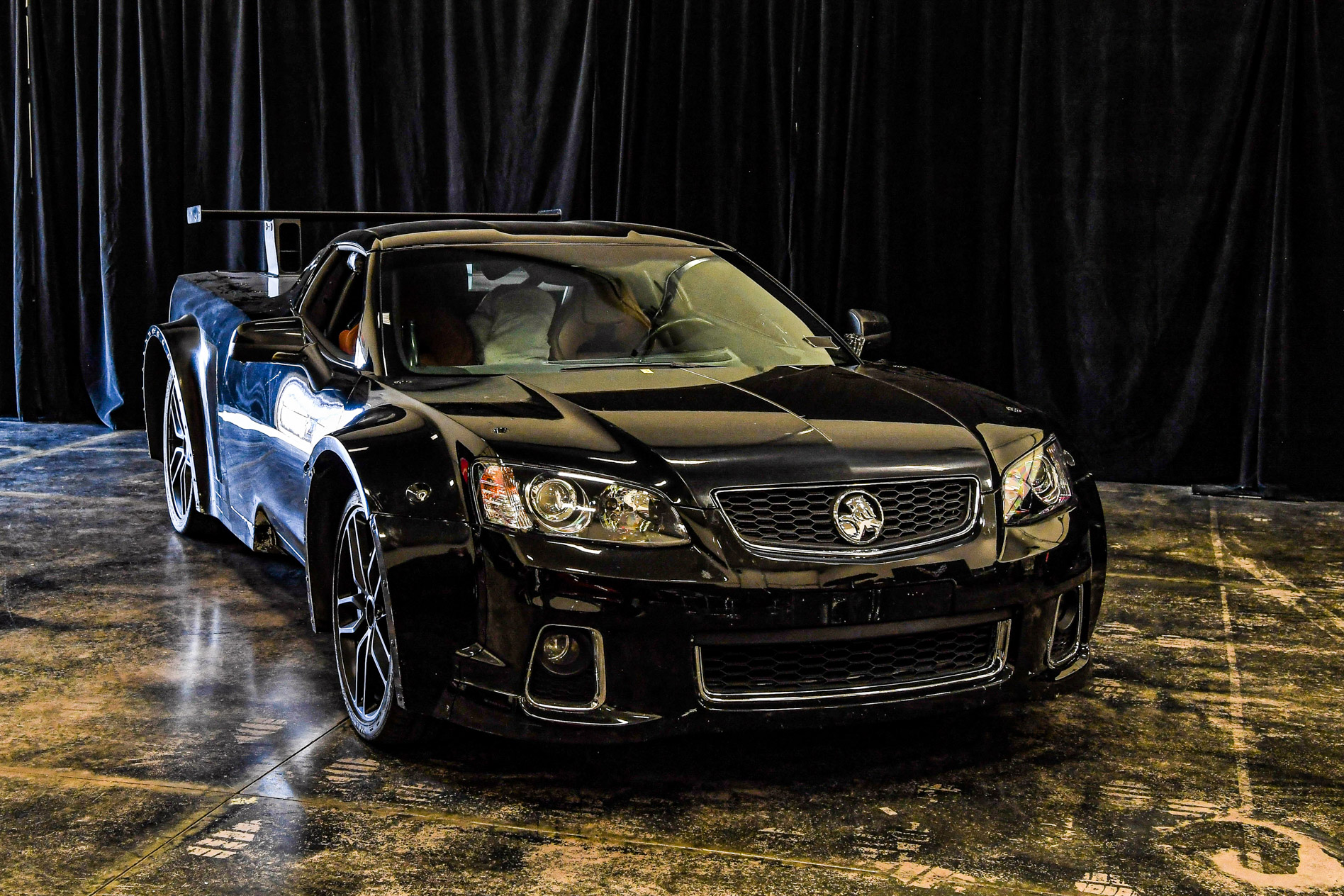
There’s irony, and there’s a sad irony. The fact that Chevrolet has rolled out Blackjack, the mutated lovechild of a Corvette C7 and a Holden VE ute, at the C8 launch in the US this weekend, is definitely the latter.
Australian journalists were invited to a C8 launch in Las Vegas right up until halfway through this week when news that General Motors had turned off Holden’s lights took centre stage.
Flying a cadre of scribblers across the other side of the world to drive an expensive sports car became about the last thing that the local arm could countenance, and the trip was duly cancelled – at some expense, we’d imagine.
According to reports in overseas publications, though, it appears that a singularly special guest awaited the Antipodean hordes.
Meet Blackjack, the original Corvette C8 mule
Blackjack, the first prototype that was used to test the veracity of the mid-engined concept for arguably the world’s best-known sports car, had been dusted down and trucked out from Michigan to take its place on a parquetry floor as part of a wider engineering display.
All pics: Chevrolet
The notion of a ute was chosen to try and mask the fact that the engine had moved to behind the driver’s cabin, but the Frankenstein proportions of the car – a VE front clip mated to a C7 Corvette cabin and a pick-up bed, topped with an inverted two-post wing and enormous wheel arches – led many (including Wheels) to speculate as to its true origins – Chevrolet’s first-ever mid-engined Corvette.
Underneath the glossy black paint, CNC-milled aluminium rails and mounts allowed engineers to fit a GM V8 – but Blackjack wasn’t designed to test engines or transmissions. Its function was to test the basics of the chassis layout; suspension hard points, engine location, centre of gravity and the like.
Besides the relocation of the engine from in front to behind the driver, the C8 also runs conventional coil spring-based suspension, rather than the oddball composite transverse components fitted to the C7.
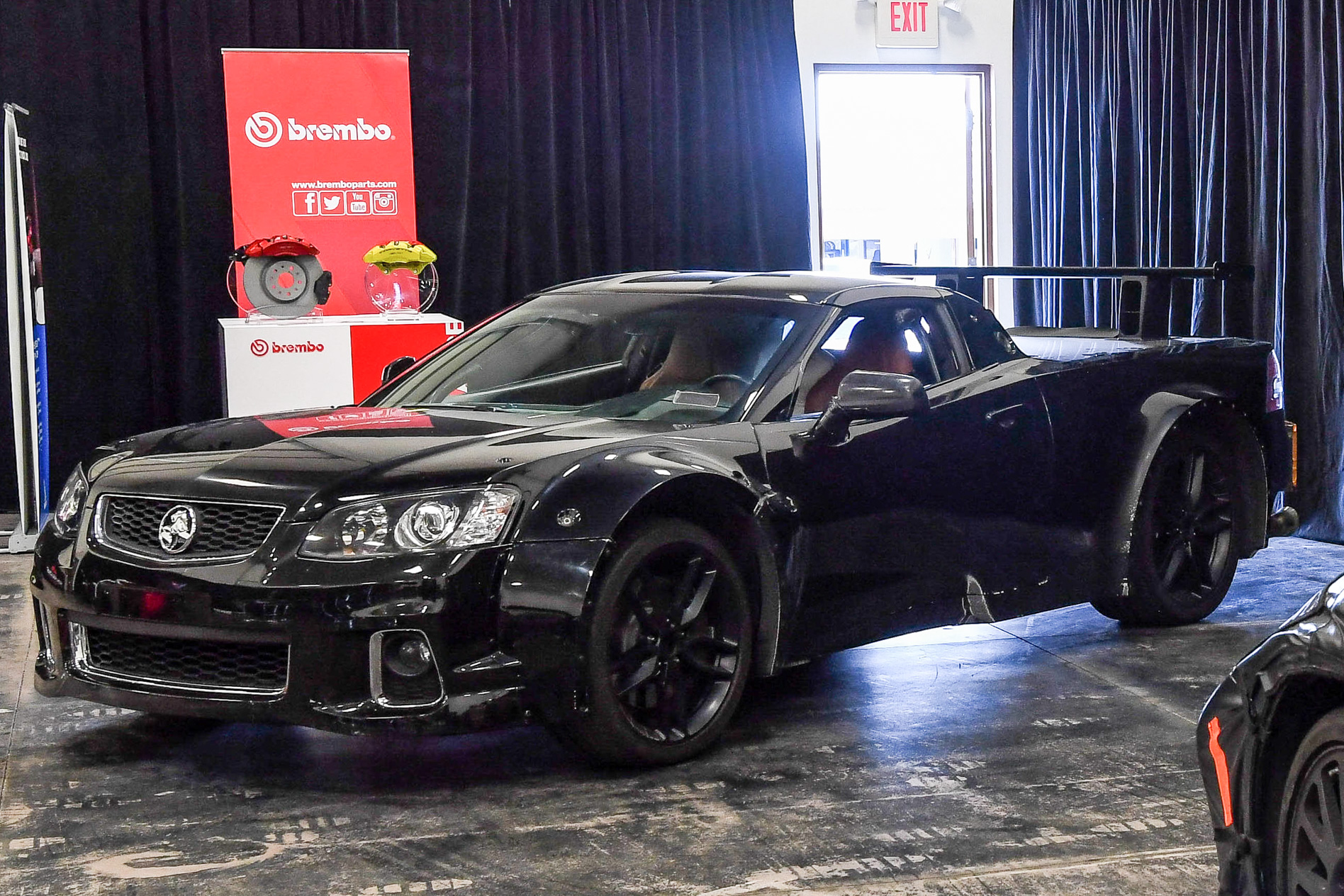
Blackjack is basically Genesis – the first of the first for the Corvette C8.
Blackjack: the unlikely prototype survivor
Born almost seven years ago, the cost to make Blackjack is almost impossible to estimate. The rails and engine mounts, for example, were CNC-milled from huge blocks of aluminium, and the data recording equipment it carries in its Spartan cabin is worth millions.
It lived a life of secrecy, too, hidden away in a swipecard-protected warehouse in Warren, Michigan, while its drive team could stop the car, whip out a tarpaulin and cover the car in about five seconds in case an errant snapper was lurking nearby.
It’s remarkable that the mule has survived so long. Engineers by nature are not especially sentimental, and Blackjack’s job as platform verification prototype was pretty demanding. Once the job is done, a mule is usually sent to the crusher, living only as petabytes of data in an engineering database.
GM, however, saw fit to keep Blackjack, along with three other mules, to show off the development path that took the better part of a decade to complete.
Blackjack will hopefully spend the balance of its days at a museum, but there’s also every chance it will be returned to its secure warehouse in Michigan, stowed away under a tarp in the corner until it ends its days under a crushing press.
Blackjack is a snapshot of Holden’s talent
The fact that Aussie journos were so close to seeing it in the metal and fibreglass is a poignant and stinging reminder of what we’ve lost with the closure of Holden.
The automotive world is moving apace to an anodyne existence of modular platforms and shared drivetrains, but the engineering and design teams at Holden did things with that sameness that they really weren’t supposed to – and the fact that our Holden ute would form the id of its parent company’s fastest ever production car is both fitting and sobering.
The Corvette C8 is, at time of writing, still slated for sale in Australia, but isn’t likely to arrive this year – or even especially early in 2021.
READ MORE
- Holden’s factory closure statement
- Why did Australia fall out of love with Holden?
- Holden’s lost heroes: the cars that could have saved the company
- What Holden’s axing means for customers
- How Holden shaped a nation
Did you see it coming? Did you predict that Holden would end its own life? Maybe you had a hunch, or maybe like me you thought it was possible… but not probable.
I definitely didn’t think it would happen so quickly, or with such finality. I thought Holden would fight to survive, because I believed that the Lion still had a heart. History shows I was wrong.
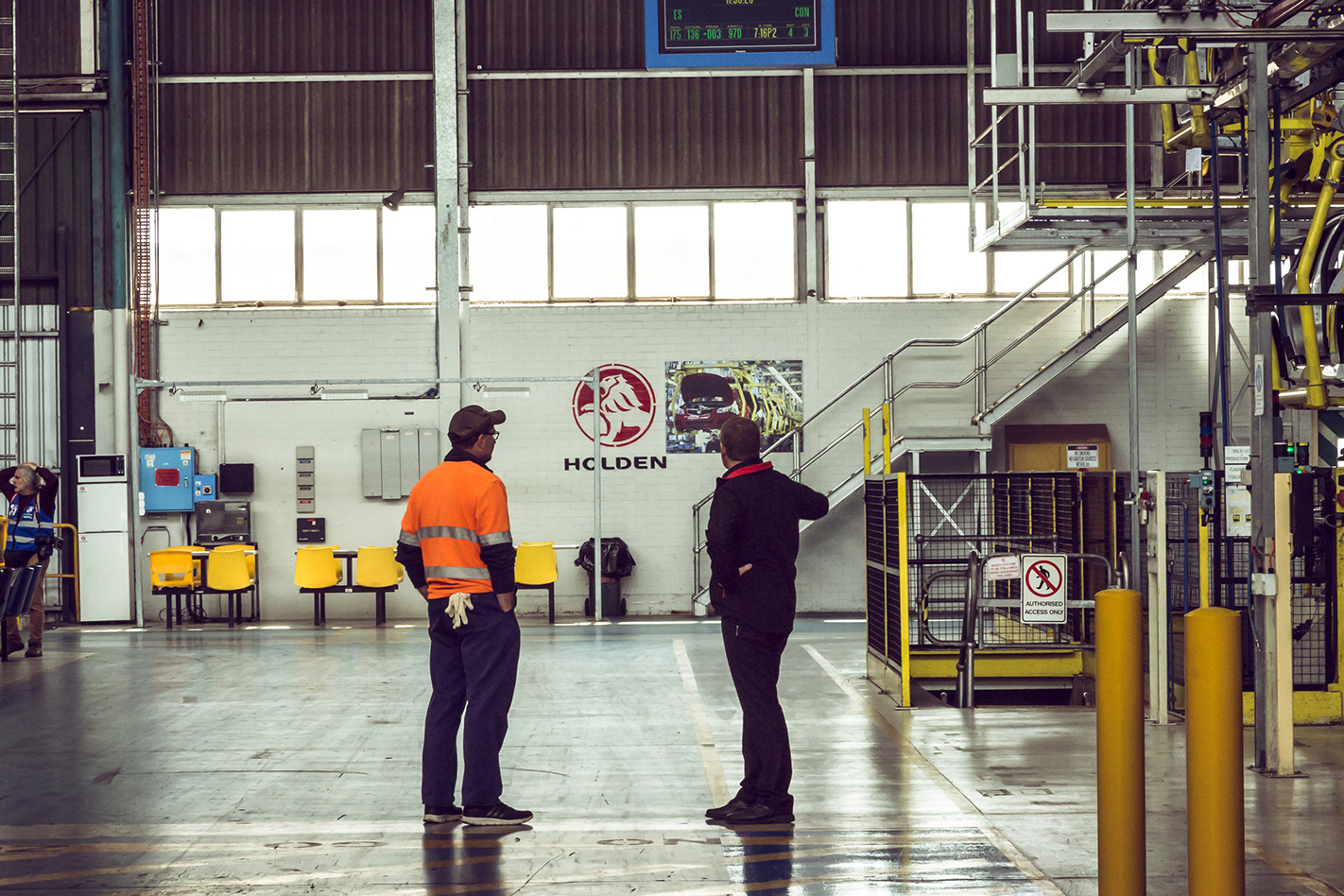
History also shows that Holden ultimately did not have control over its own existence when it mattered most. This is the same brand that was the darling of the General Motors world in the early 2000s.
Its Zeta platform would be built on two continents for five brands and underpin 500,000+ rear-drive sedans and coupes across the globe.
Fast-forward 15 years and that same GM who once saw the potential for a little Aussie battler to take on the world decided to stop right-hand-drive production altogether, effectively killing Holden in Australia and New Zealand.
In Australia Holden was struggling, sales down 30 percent year on year on year, a decline we can now label a death spiral. But in New Zealand, Holden was one of the top four new car brands. It was doing well. But New Zealand is far too small a market to make a difference.

In recent years, GM had started withdrawing from other RHD markets like Japan, the UK and South Africa, so perhaps we should have seen this coming sooner. No doubt many industry ‘experts’ will write their obit Op Eds thus as the corpse of ‘Australia’s Own’ is picked apart in the coming days, weeks and months.
Some scribes will posit that the end began with the Button Plan in the mid-1980s, and I agree in part. For me, that plan’s overarching ambition for Australia to build cars to take on the world was right.
Its flaw was focusing on Australian ingenuity to cost-effectively match existing international standards when the real threat was Asia’s nascent capability to mass-produce anything for less than more mature markets.
Lowering tariffs did make Australian cars more competitive in the short term, but it also brought war to our shores. Australia was invaded by cheaper rivals built-in countries whose workers weren’t paid as much and didn’t enjoy the same high standards of living.

But we can’t lay all the blame at Senator Button’s feet, because Mitsubishi, Toyota and Ford all faced the same challenges as Holden and they’re all still alive. Should we blame Holden’s excessive reliance on – and billion-dollar investment into – VE Commodore in the 2000s, a time when consumer tastes were changing radically?
Holden wasn’t alone in underestimating the SUV threat. Around the time Ford launched the Territory SUV in 2004, charismatic Ford Australia MD Geoff Polites gave me his market forecast for the decade ahead: SUVs, small cars and large cars would each hold 25 percent of the market, and all other types would fight for the rest.
Today, Australians buy more SUVs than all other vehicle types combined. Three-quarters of all new vehicles sold are SUVs and LCVs. Passenger cars squabble for leftovers, and as for the large car category which once dominated this country – the battleground of Commodore and Falcon – it is insignificant.
But again, Ford, Toyota and Mitsubishi weathered the market’s large-scale defection to SUVs from large cars, whereas Holden didn’t. Why?
What else can we blame for Holden’s demise? Everyday Australians like you and I must take some responsibility. Instead of spending our hard-earned money supporting our nation’s car building industry we took our cash to import brands that gave better value for money or understood what we really wanted. This is not fickle consumerism, it’s consumerism.
Should we blame our political leaders who didn’t do enough to save Australian jobs or fight hard enough for fairer free trade agreements with Thailand, China, USA and other potentially lucrative markets?

Scott Morrison, Karen Andrews and others certainly haven’t wasted any time slinging arrows at Holden and GM in the wake of Tuesday’s announcement, all but accusing General Motors of stealing $2 billion of taxpayers’ money in recent years.
Perhaps they’re feeling betrayed on behalf of a nation, but I wonder if they are also trying to divert blamestorming focusing on their own complicity and inaction. Attack is the best form of defence after all.
Wherever you point the finger, it’s a sad end for a once proud brand that gave Australia so much since it began as a saddlery almost 130 years ago. A brand whose modern-day rebirth in 1948 was the poster-child for an optimistic nation post-WWII. And a brand whose highs and lows have carried a nation and which is etched into our national identity.
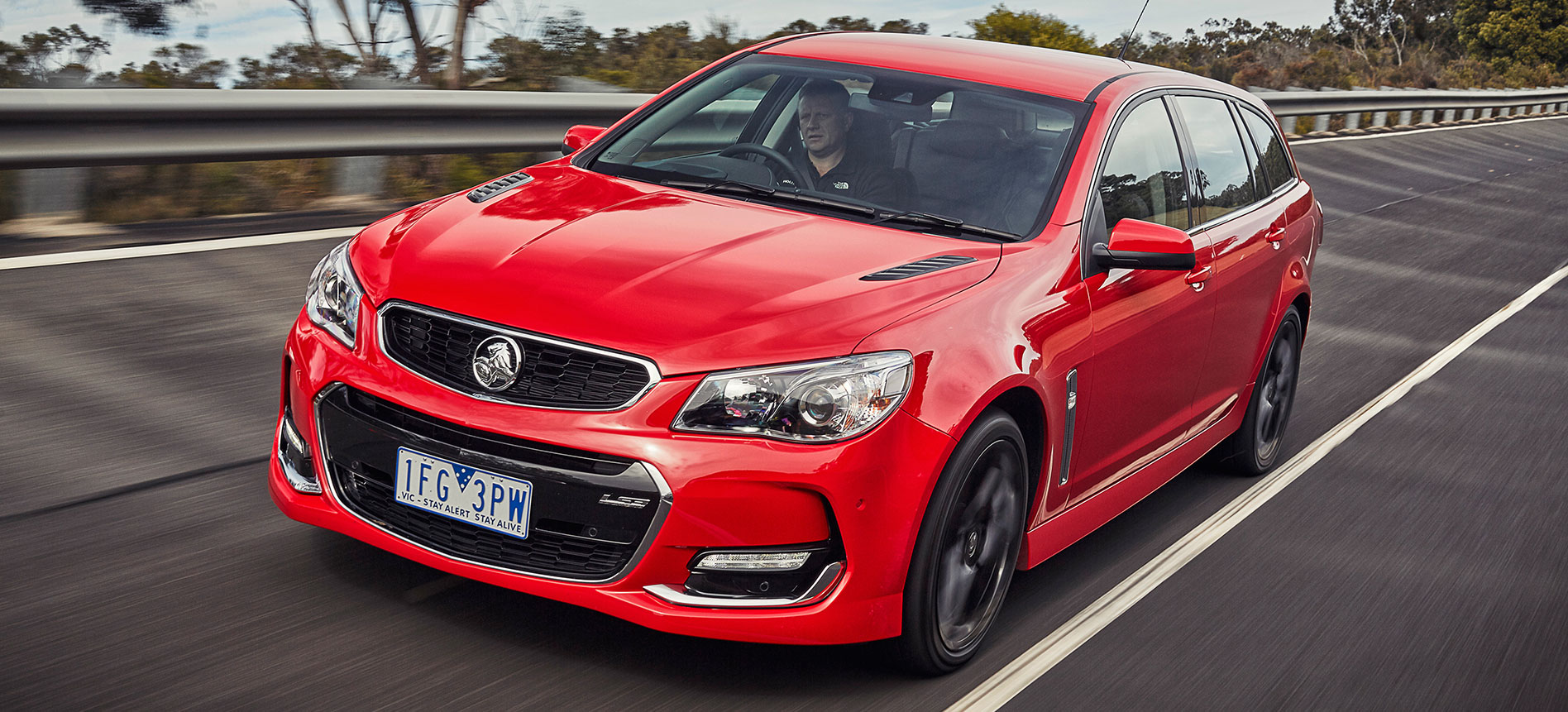
Holden is gone. Australia has lost an icon.
Never give a bunch of journos, photographers and videographers a two-way radio. It only brings out the even-worse in them. Dad jokes, live fart transmissions, dodgy celebrity impersonations, you name it. In fact, every form of lame humour from puns right up to ‘Houston, we have a fly on the lens’. Laugh? I nearly started…
But here’s where Performance Car of the Year 2020 is different. The moment we started our hillclimb loop, the radio chatter just stopped. Dead. No more. Radio silence. After the constant, crackly barrage of pre-pubescent nonsense, this was almost like a temporary armistice to bury the dead jokes and cart the wounded gags back to the trenches.
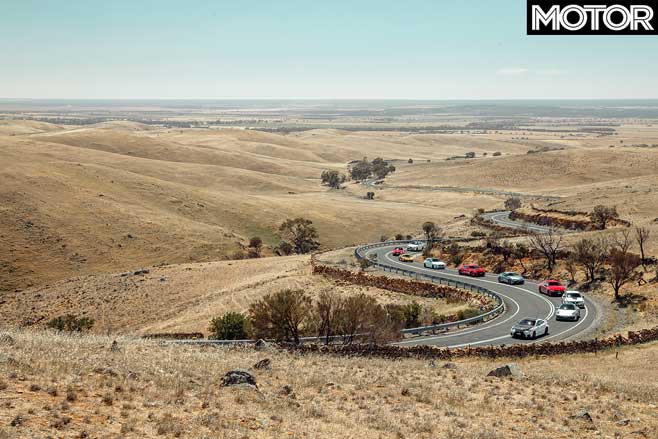
It’s not that the MOTOR army had suddenly discovered the awful truth about man-boob jokes or that the anti-pun lobby had intervened with firearms. Instead, the reality of the cars we were now punting up and down a sinuous piece of hotmix laid up a hill almost steep enough to be called an escarpment had dawned. And we weren’t going to miss a millisecond of it for all the crap jokes in all the Christmas bon-bons ever made.
And so it began; a remarkable, wonderful afternoon of punching this year’s pick of the crop across several kliks of swishing corners and enough elevation to test Newton-metres going up and brakes coming down.
After decades of PCOTYs, I reckon that very reaction to the world’s best cars all in one place and all there for our delectation is the defining mood at this event. It doesn’t matter where the cars are from or who made them; if they’re at PCOTY, it’s only because they’re brilliant. And that inspires everything from reverence to awe. Not to mention hooliganism.
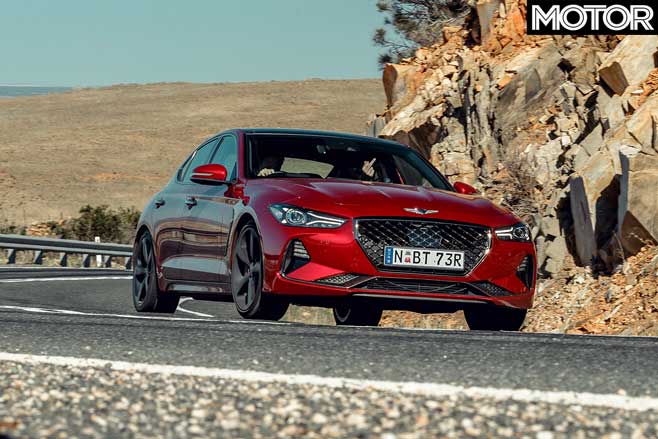
However, I’d be lying if I said that PCOTY was simply an endless stream of good times and sweet vibes. Nope, there’s a bit more to it than that. And while I know I won’t be engendering any emotions of sympathy among you lot (who would give your eye teeth to join us, and rightly so) it’s equally true that both beer and skittles can be found wanting at times during PCOTY. Often at the same time.
The privations started early this year when I arrived at MOTOR HQ to grab a car to drive from Melbourne to The Bend (our base for much if this year’s event). Now, I’d be prepared to drive a 30-year-old Mighty Boy to Tailem Bend if it was going to get me a day on the brilliant new racetrack that lies about an hour east of Adelaide. Which is lucky because, instead of one of this year’s contenders to punt westward, I discovered I was one of a gang down to travel the 700km in a HiAce bus. Naturally, I grabbed the keys (experience has taught me that the farther forward you sit in these things, the comfier).
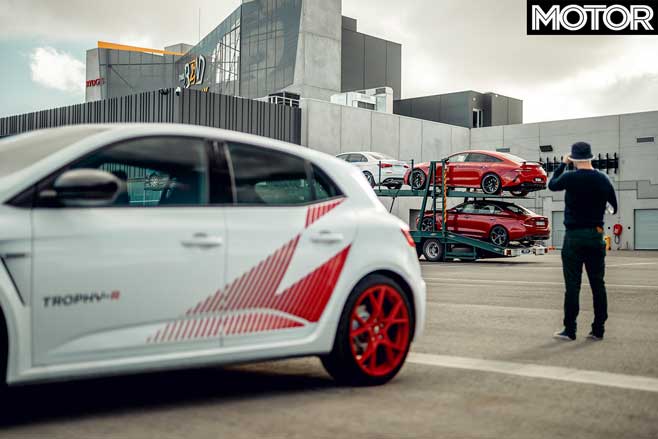
The other non-competitive vehicle we dragged across to The Bend this year was an enclosed trailer for the shooters to hurl all their video crap inside. Yep, while the crew itself is a compact one (on so many levels), the sheer amount of cabling, computers, monitors, drones, cameras, tripods, dollies and gawd-knows what else requires not just a Ford Escape but also a trailer to transport it. And I’m not sure where they got the trailer from, but if it wasn’t a decommissioned port-a-loo (a two-holer, I’d say) then I don’t know my demountable dunnies.
Not that that was any of my concern, but I still had to get half-a-dozen bodies across State lines and I had to do it in a HiAce. Okay, so the trip to Tailem Bend isn’t a taxing one (I think there’s one corner) and, to be fair, the all-new Toyota school bus is a big, big improvement over the old cab-forward dunger. But somehow I was having trouble getting my PCOTY groove on. Till we got to the track.
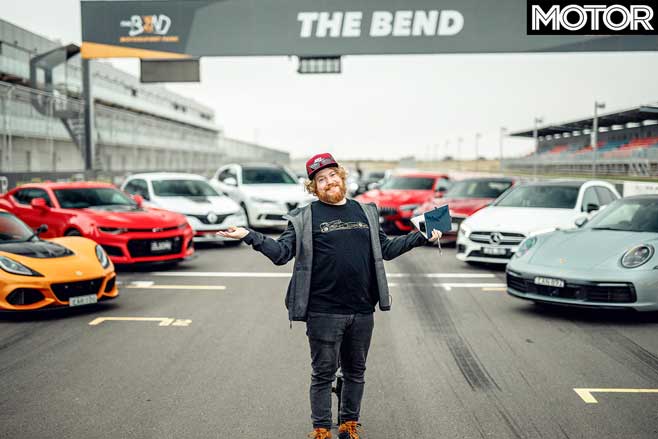
Just the sight of the Tailem Bend circuit is enough to give folks like us the giggles. Fast, flowing and brand-spankers, the surface is grippy, the corners inventive and the whole place is set up to make tappet-heads smile, right down to a foyer stuffed with every kind of four-wheeled marvel ever to belch flames or leak oil. Or both. If you’re ever passing The Bend, visit the foyer for five minutes and leave an hour later. The food and coffee are pretty good too.
Day One ended with art being committed by the side of a rural road in the middle of nowhere. How the snappers find these spots suggests one of two things: either they’re navigational geniuses, or (my own personal theory) they roam around in a constant state of lostness. But it was still fun doing the tracking shots behind the Lotus and, thanks to the recently slashed paddocks leaving grass all over the road, watching how the rear diffuser did its thing.
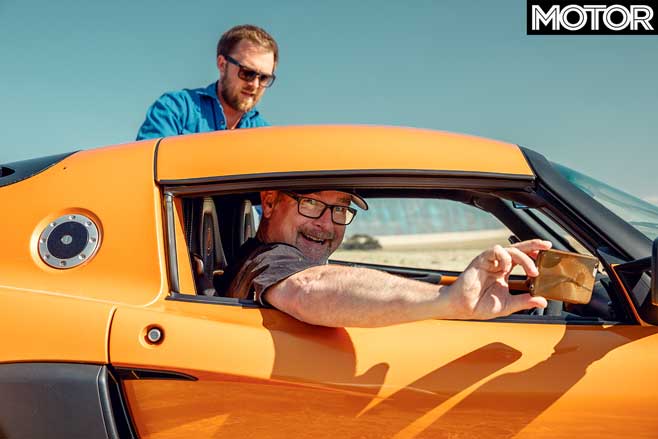
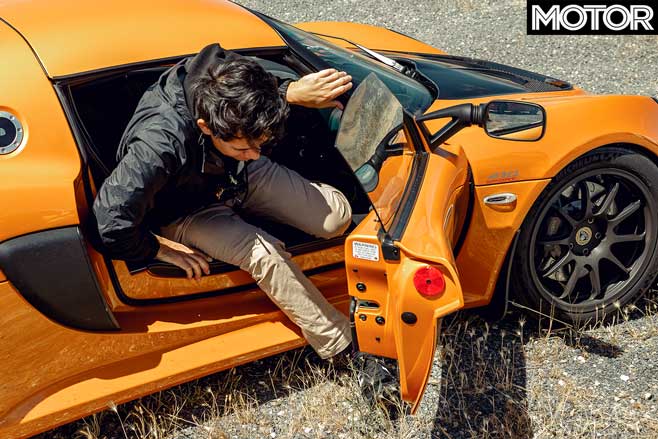
Actually, the only thing more fun than watching the Exige blast through nature’s wind-tunnel was watching Robbo getting in or – even funnier – out of the thing. The heat haze from underneath the Camaro was pretty amazing too, and a reminder not to park it in any of those paddocks.
Of course, some PCOTY things never change. That started with the weather. Despite being the worst drought in recorded history, PCOTY continues to be a superior rain-maker to any cloud-seeding enterprise. I’m not sure how we pull this off so consistently, but if your farm needs thunderstorms and a couple of nights of solid rain, consider building a racetrack in the north paddock and inviting MOTOR for some laps.
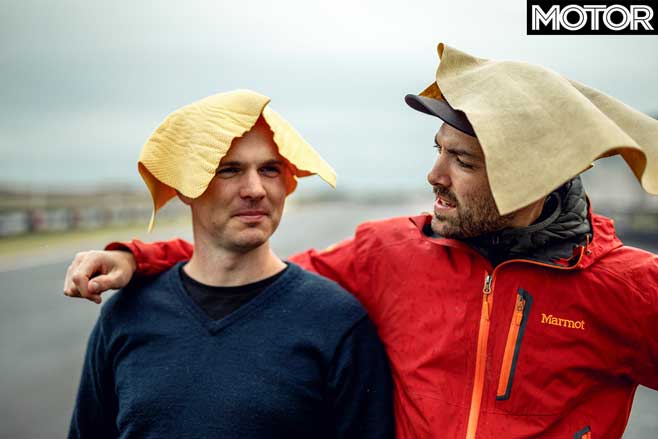
Another PCOTY staple is the repeated crushed sternum suffered by myself and Robbo as we quickly dive into a car recently vacated by any of the microbial Motor staffers. Why can’t they learn to click the seat back a couple of notches as they leave? And why are they all such runts? Louis and Scotty aren’t even that short (Dylan’s another story), but Scotty seems intent on sitting on top of the tiller (nearer my God to thee, or sumpin’) and Louis races billy-carts, so he’s well accustomed to being contorted while going way too fast.
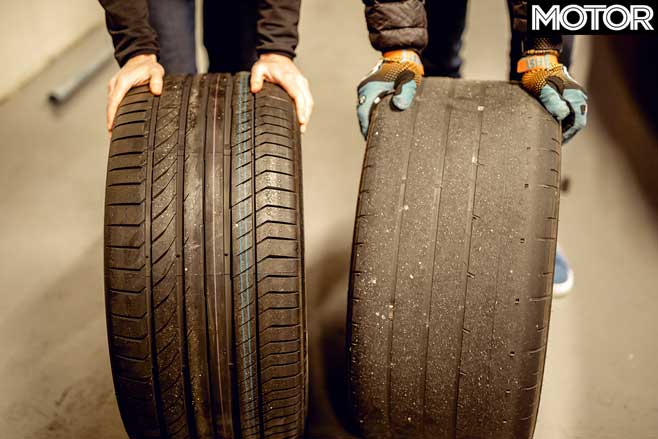
Oh, and there was another PCOTY tradition that was paid full respect: We killed some tyres. But, just to prove that we’re still idiots, even though we had spares for some of the grunters, we didn’t have a jack that would go under the Camaro. And then the rear bags on the Hyundai decided it was a good day to delaminate, so we ended up at a local tyre shop anyway. Glad we hauled that trolley-jack 1500km.
For the last night we propped in lovely downtown Nuriootpa, though not before standing in yet another paddock all afternoon and into the evening for golden light to descend of course. Chalk up our fourth straight 14-hour day. I was so baked by the end of it, I honestly don’t recall what car I drove back to the motel (but knowing me, it was probably the Porsche). I swear, it was all I could do to eat pizza and drink beer.
So, double-shifts, sunburn, petrol fumes and exploding tyres: Just another PCOTY then? No, not really. See, for a bloke my age, there’s something missing that not even all the US-made thunder-coupes, high-end Euros and J-spec ninjas can completely replace. I speak, of course, of the home-grown big-hitters that were once such a big part of PCOTY.
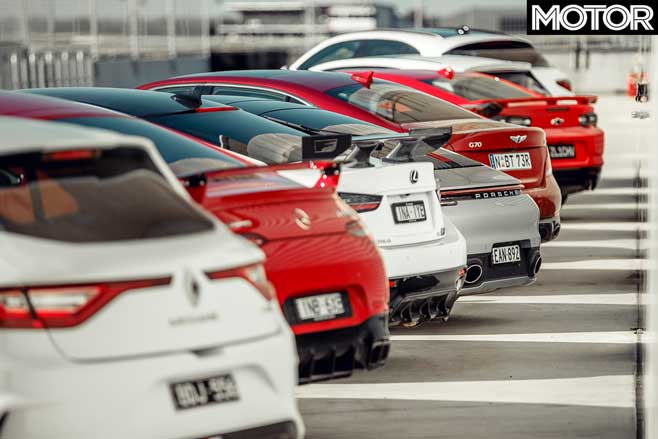
This is the second year we haven’t had at least one home-grown hero for this annual smack-fest. The HSV W1 was the last of them, back in 2017, but they’re all history now. I’m still not entirely sure how I feel about that, but whatever the emotion it’s not one I’m keen on.
Okay, so not everybody reading this, nor even everybody at PCOTY, would agree this is a loss. And I’ll admit, the world has moved on. It’s just that I’m not sure all forward movement equals actual progress.
Aspects of PCOTY2020 finalists that made Robbo happy
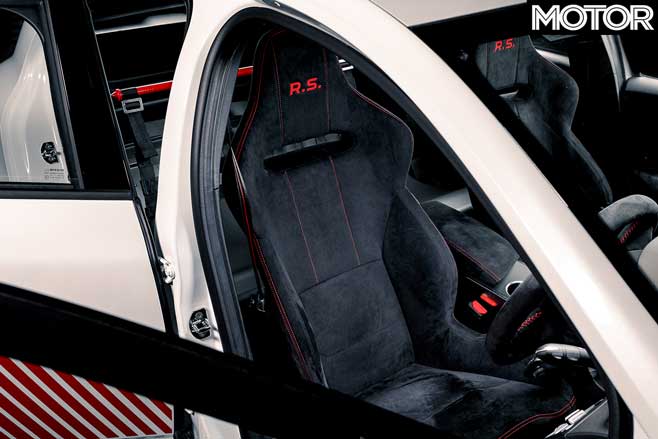
01 – Renault front seats Comfortable, supportive, gorgeous
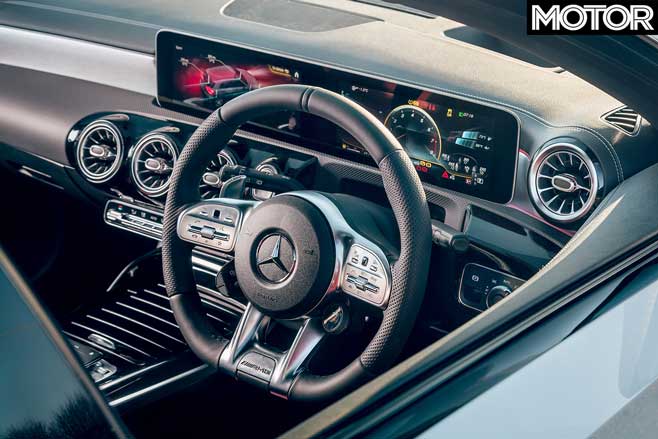
02 – AMG A35 double dash Looks schmick and all the info you’d ever want
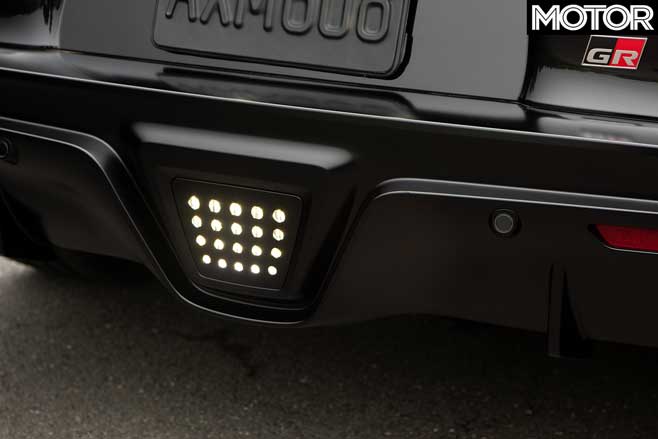
03 – Supra reverse light Such a thing has never looked cooler
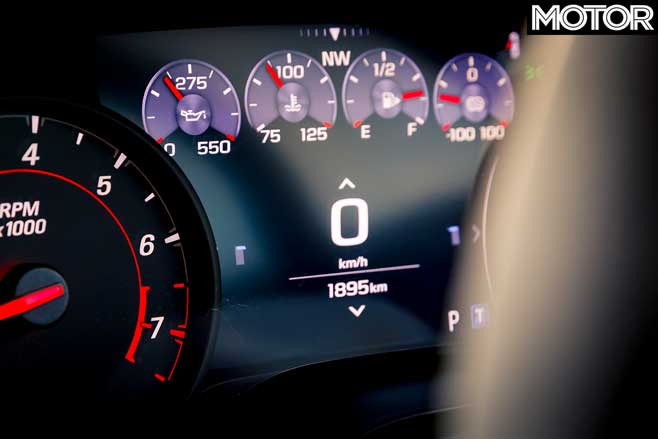
04 – Camaro temp dials Desirable info, neatly positioned and look ace
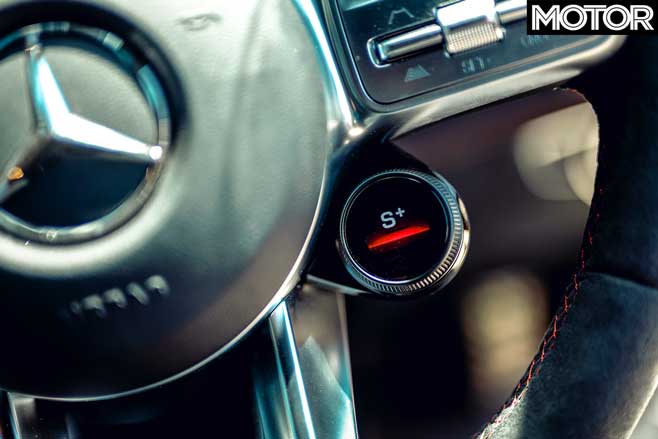
05 – GT63 S steering wheel Cruise to radio to TC, with beautiful tactility
Aspects of PCOTY2020 finalists that made Robbo angry
01 – Lotus door reflector Like there was a sale at Bunnings. Really?
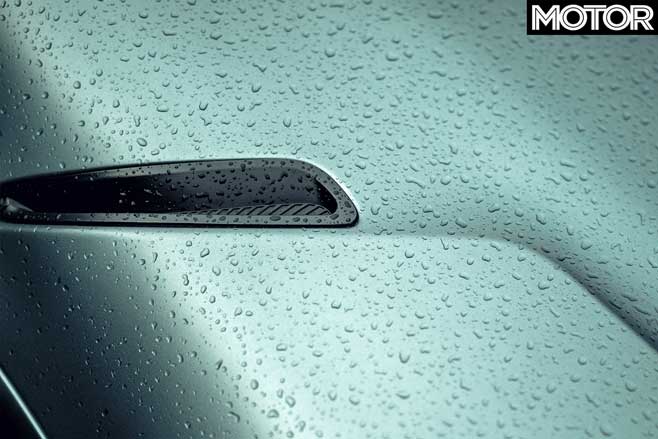
02 – Supra’s 10 fake vents Orrite, we get it, you’re all sporty and stuff
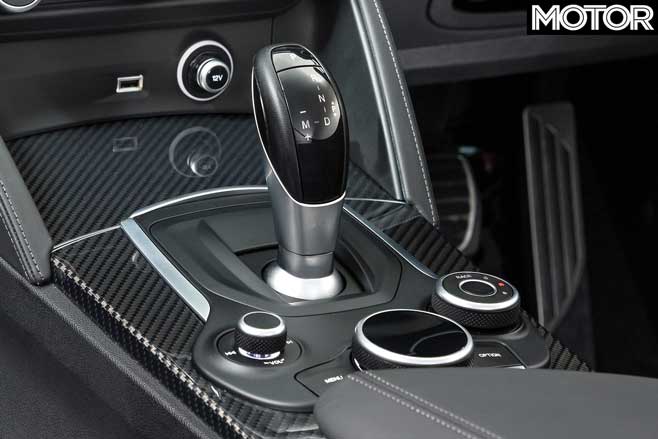
03 – Gearshifter in Stelvio Fiddly and cheap; feels too plasticky
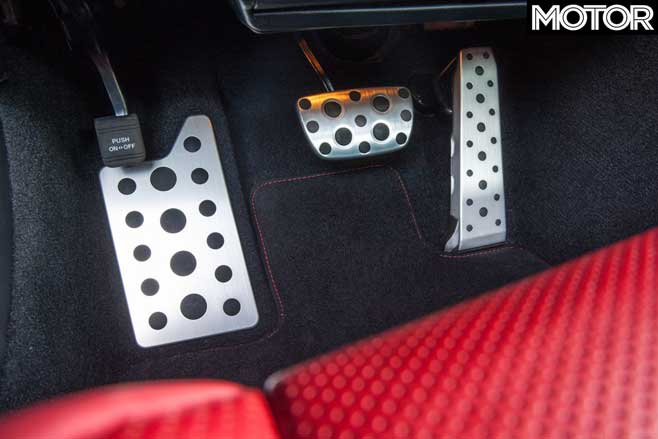
04 – Foot brake in Lexus Straight out of a Camry, though Morley likes it
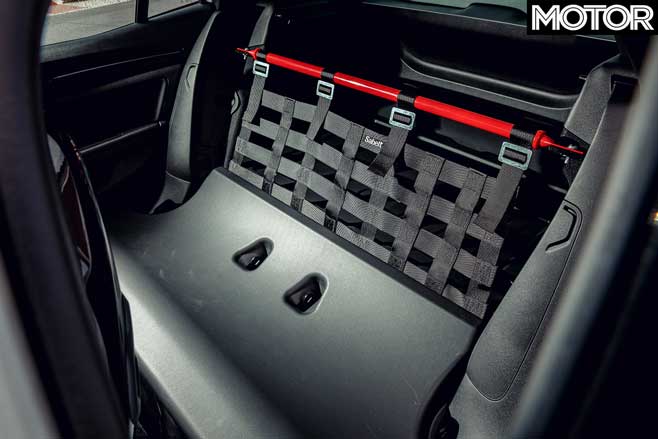
05 – Rear ‘seat’ in Renault Put a half cage in there and be done with it
MOTOR first drive review
Is this soon? It feels soon. The Renault Mégane RS only arrived last September and yet here, already, is the Trophy version – generally the go-to variant of RS models for those who like their hot hatches flaming.
New to the Renault Mégane RS Trophy is more power, and more ‘stuff’. Output from the 1.8 turbo petrol is 220kW, up 15kW over the regular RS, and if you spec the dual-clutch gearbox, torque is up from 390Nm to 420Nm. Spec the standard six-speed manual and torque is limited to 400Nm because that’s all the gearbox can handle.
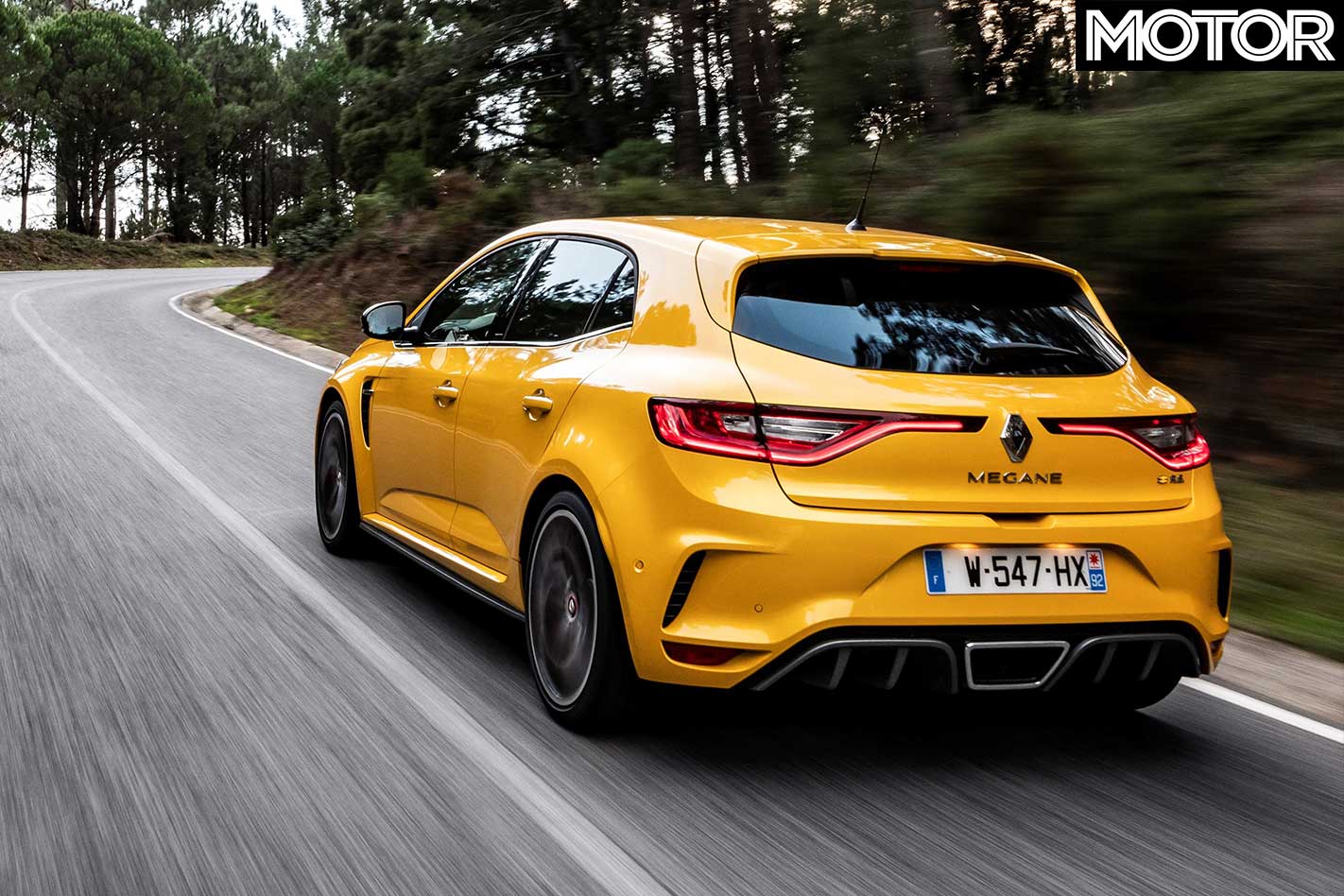
Throttle response is quicker either way, owing to the adoption of a ceramic turbo bearing, while there is a freer-breathing exhaust that has an active flap in it, which Renault says offers ‘two tones’. With it shut it’s ‘easy on the ears’ and with it open ‘the full sporty potential can be expressed’. In other words, quiet or loud.
There are 19-inch wheels whose design is inspired by the RS01 concept car (very cool too), shod with Bridgestone Potenza S001 tyres, and there will be the upcoming option of S007s, as soon as they’re homologated, which are better for dry use and on a circuit. You can spec a lighter wheel too, which mightn’t look as good but saves 2kg a corner. All of this stuff is Trophy-specific.
You get the Cup chassis as standard, which brings a series of nice, round numbers – 25 per cent stiffer dampers, 30 per cent stiffer springs and 10 per cent stiffer anti-roll bars – as well as a Torsen limited-slip diff and bi-material front brake discs, which are 1.8kg a corner lighter than the regular RS’s.
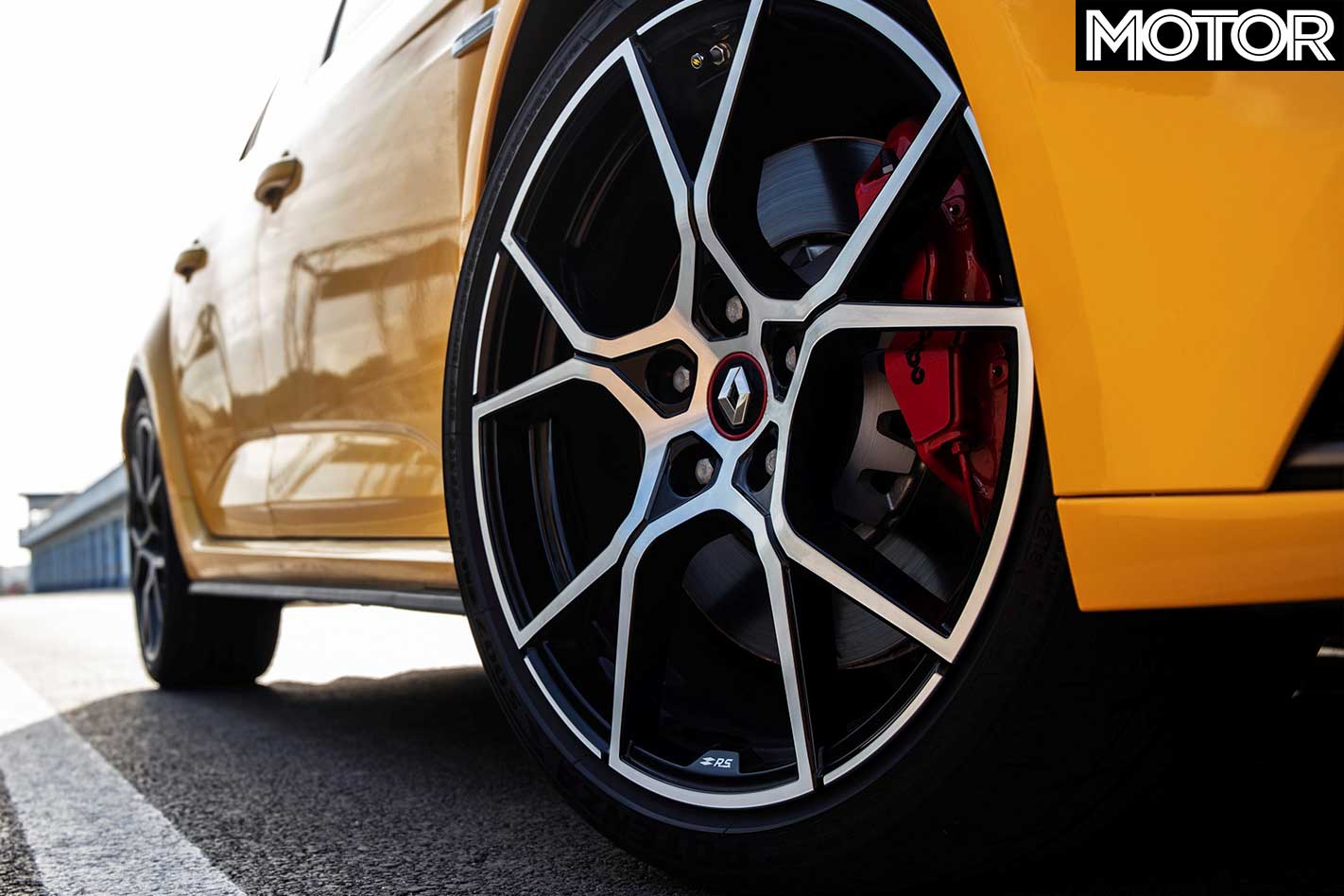
To denote it’s a Trophy there’s a bit of badging on the outside, but it’s a pretty subtle transformation. Inside, meanwhile, there’s the option of a new seat – an Alcantara-shod Recaro that sits you 20mm lower than normal.
The new seat is great, lending the Trophy a good driving position, if ultimately one less adjustable than a Volkswagen Golf GTI’s. The interior feels solid and the Mégane generally feels a large car.
It is also a quick one. Throttle response is good for a heavily blown turbo, and there’s a degree of induction noise, but most of the soundtrack comes from the exhaust’s melodramatic pops and crackles on the overrun. The Trophy we tried was a six-speed manual, whose shift is notchier than you’d hope, but positive enough.
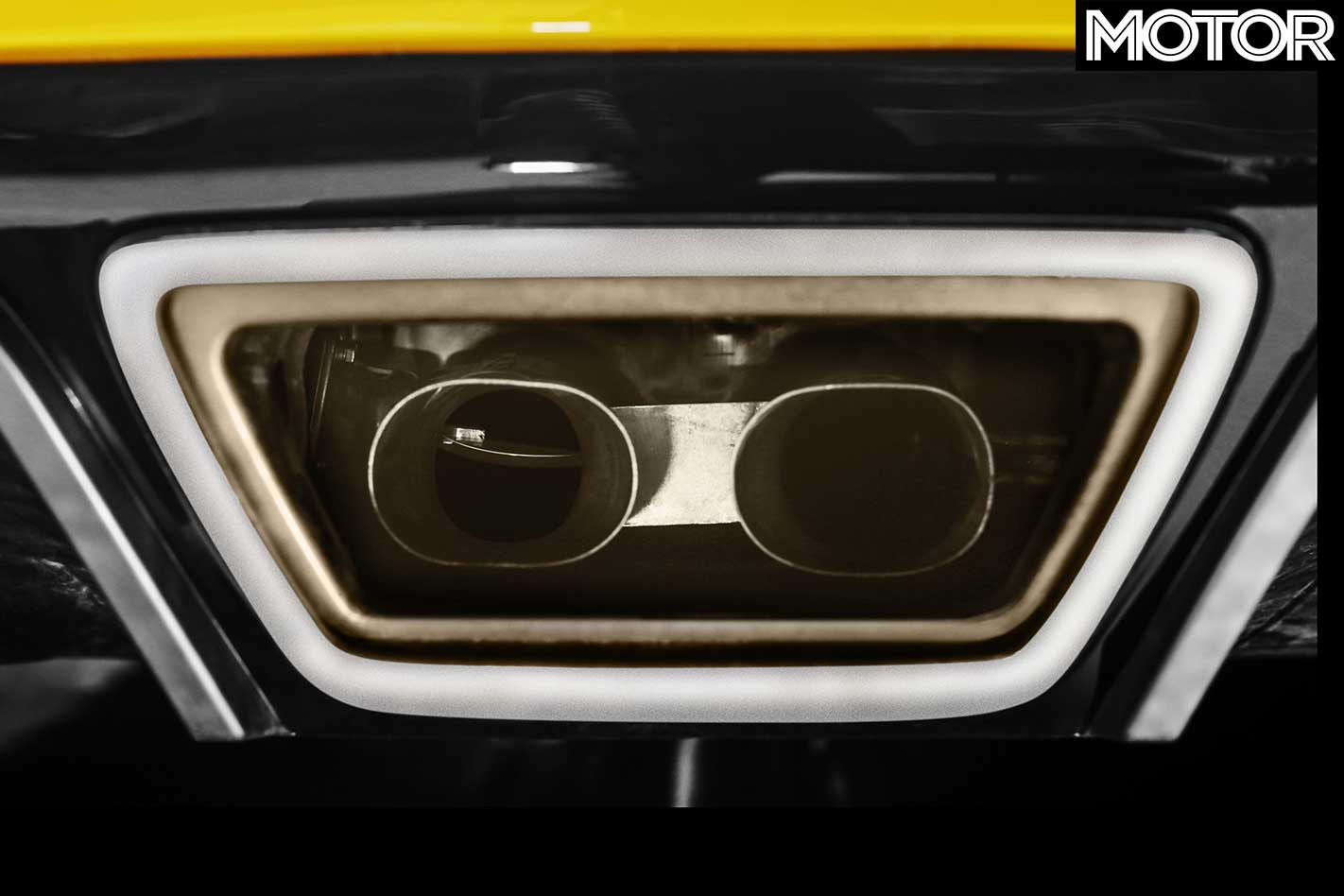
The Trophy drives the same way, to my feel, as an RS with Cup settings. The balance, then, is good, and engaging but still curious. There was a time when a Mégane would be the clear driver’s choice over a Honda or Volkswagen or Hyundai, but that time isn’t now.
The Mégane is arguably still the most agile of these, and almost certainly the most willing to engage the rear wheels in a corner, because it adopted four-wheel steer to help do it.
This electronically controlled assistance to the back wheels steers them in the opposite direction to the fronts at anything below 100km/h, and more markedly if you choose Race on the drive mode selector than if you’re in the Normal or Sport settings. Renault reckons Race might be a bit bitey, too aggressive, for the road.
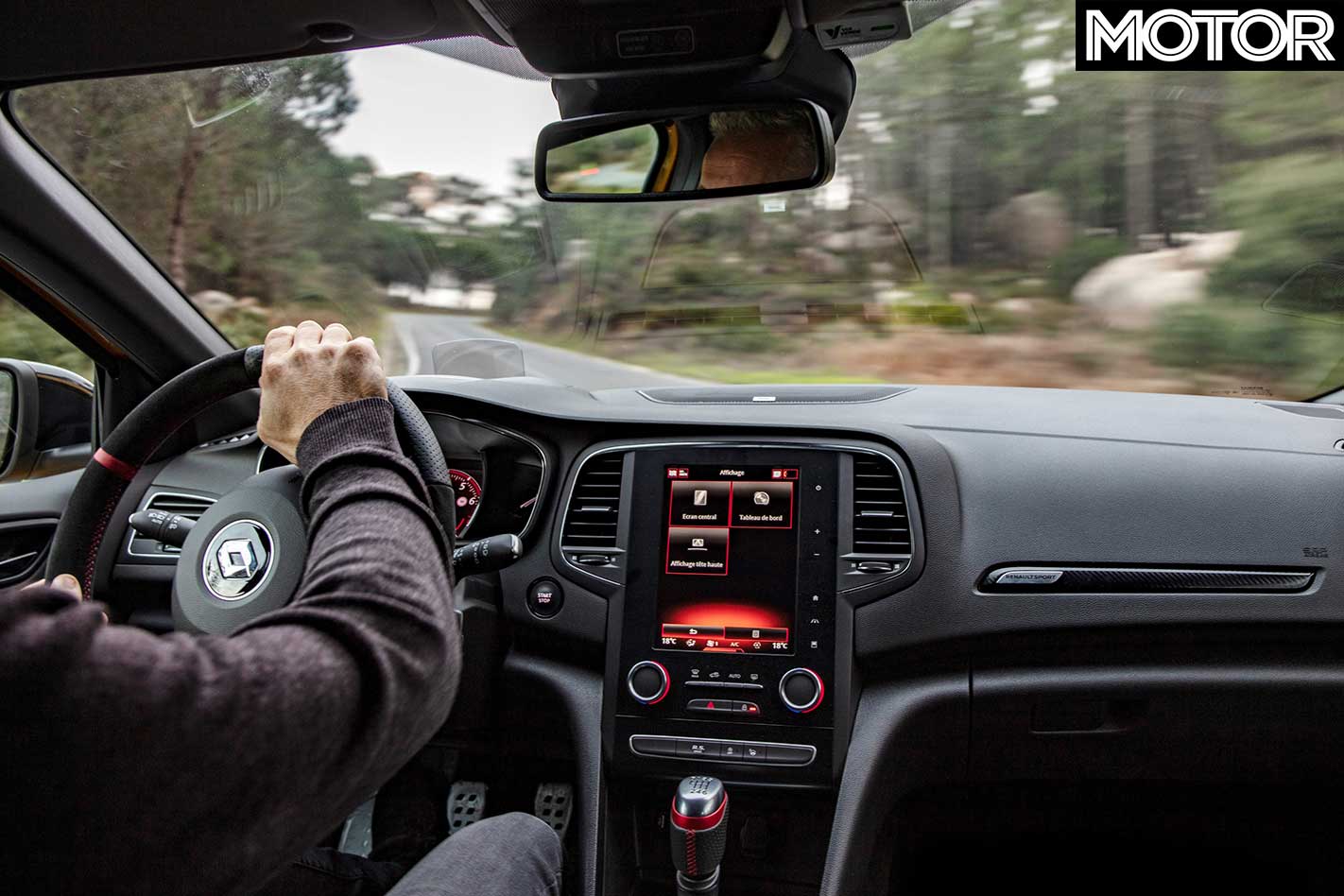
There is no doubt that it’s willing to go plenty sideways, plenty quickly, if you turn in to a corner on anything other than throttle. Lift and it will tuck in; trail the brakes and it will tuck in; just turn and it will tuck in.
The Mégane is as lairy as front-drivers currently get, and if you then get back on the power, it pulls itself straight again. There’s a degree of torque-steer – manageable but evident – and good steering feel, but the balance you experience is usually one of managing understeer or managing oversteer, rather than just playing with a hint of either.
In the old Renaultsport Mégane, especially in Trophy specification, you felt you were in charge of the most precise, scything, accurate hot hatch in the world. Now I don’t think that is true. A Golf GTI is more passive, true, but it’s very accurate, and a Hyundai i30 N has a more pleasing and, crucially, more natural chassis balance too, while a Honda Civic Type R feels more precise (if less exciting).
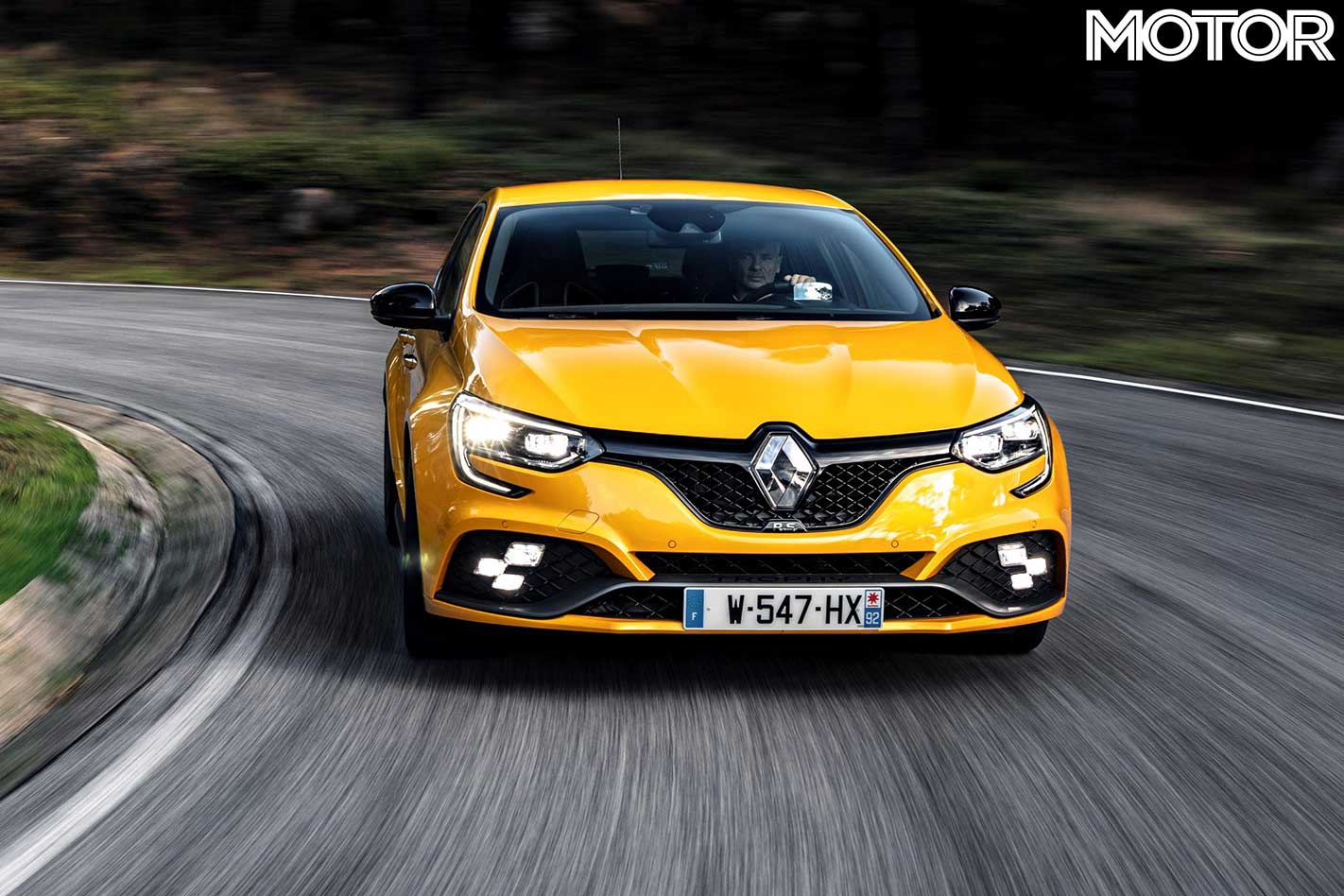
The Mégane feels like it is artificially helping you out, noticing you turning the wheel and deciding you want to turn loads, right now. I wonder if active rear-steer is the automotive equivalent of 3D cinema: an unnecessary addenda, put on to increase the perceived drama and enthusiasm to something that didn’t really need it in the first place.
I think the Trophy is good on the road, mind. Body control is tight, but ride comfort is relatively pliant despite the increase in stiffness over the regular chassis, because there are hydraulic bump stops to round off the worst of things.
Its cornering stance feels more natural on the road too, with the drive mode and therefore rear-steer’s aggressiveness knocked back, although it’s still towards the upper end of the agility scale. Unusually, though, on the customisable drive modes I found myself doing the opposite to usual and upping the steering weight and lowering the engine (and therefore exhaust) shoutiness.
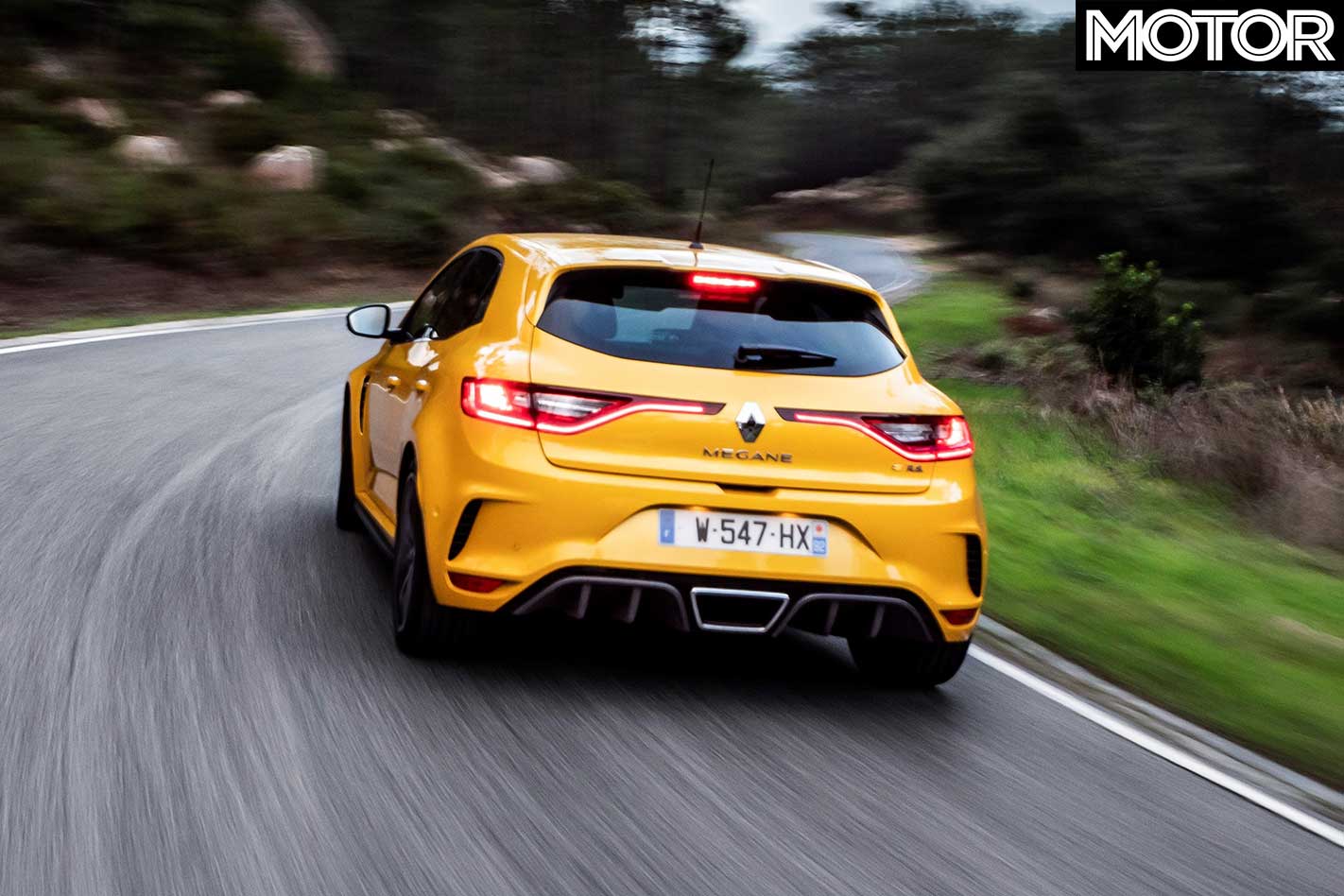
The Trophy is a fine hot hatchback, with a character and agility that in previous years would have been rewarding enough to make it the best car in the class. But with a feel of artificiality to the way it shifts its corner balance that, most notably, a Hyundai i30 N feels entirely natural doing, the Mégane feels like it’s trying too hard to please these days.
The Trophy will come in at around $50,000, a $5000 increase over the standard car. That’s pretty good value if you work out the cost of the optional kit like 19-inch wheels, the Cup chassis and bi-material brakes, making the Trophy financially quite appealing, especially given it will be the easier version to resell later. I like it. I like driving it a lot, and some people will like it more than all the rivals. But to me it feels like a good and competitive hot hatch among many and not, as it once was, the obvious boss of them all.
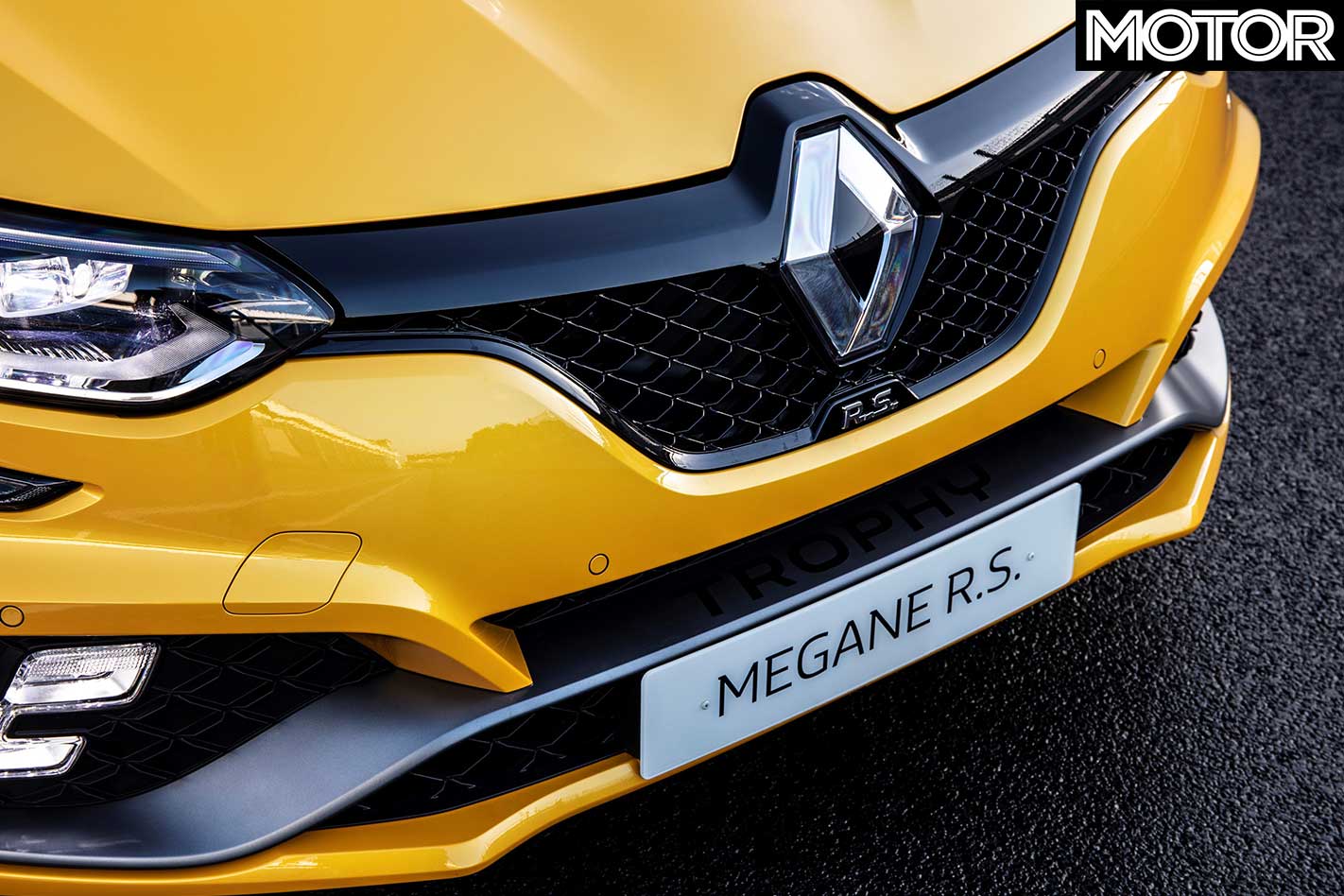
2019 RENAULT MÉGANE RS 300 TROPHY SPECS: Engine: 1798cc inline 4, turbo, DOHC, 16v Power: 220kW @ 6000rpm Torque: 420Nm @ 2400rpm Weight: 1419kg 0-100km/h: 5.7 sec (w/manual, claimed) Price: $50,000 (est)
Like: Decent jump in engine performance; throttle response; chassis balance; value equation Dislike: Lower torque with the manual gearbox; notchy gear shift; artificial-feeling handling
Rating: 4.0 out of 5 stars
The Nemesis
2019 Honda Civic Type R 2.0-litre turbo four; FWD; 228kW/400Nm; 0-100km/h: 5.7sec; 1380kg; $51,990
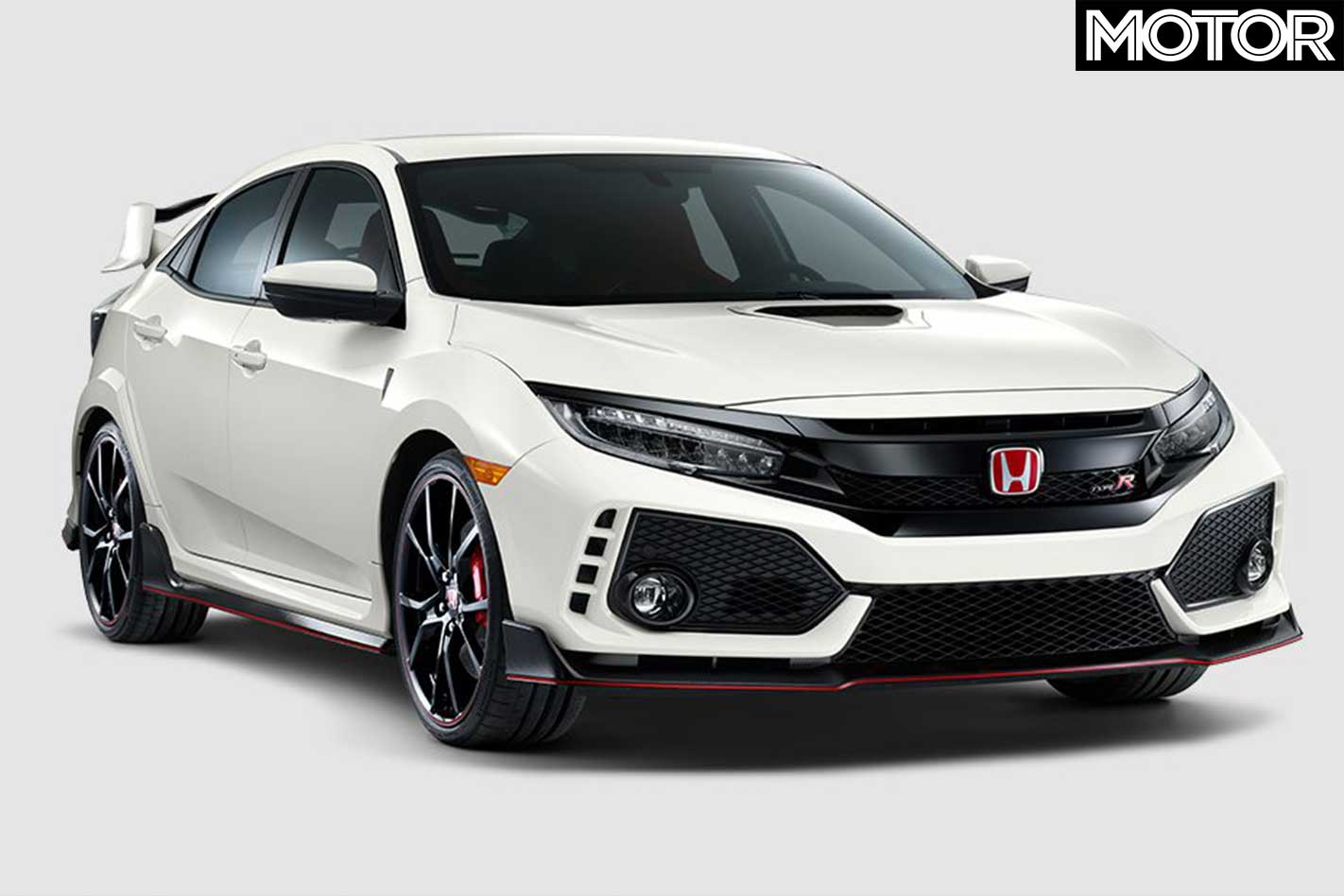
The Honda now reigns over the hot-hatch kingdom. Its title as the greatest front-drive car is no exaggeration and that, with its price, puts it in the Trophy’s crosshairs
MOTOR first Australian drive review
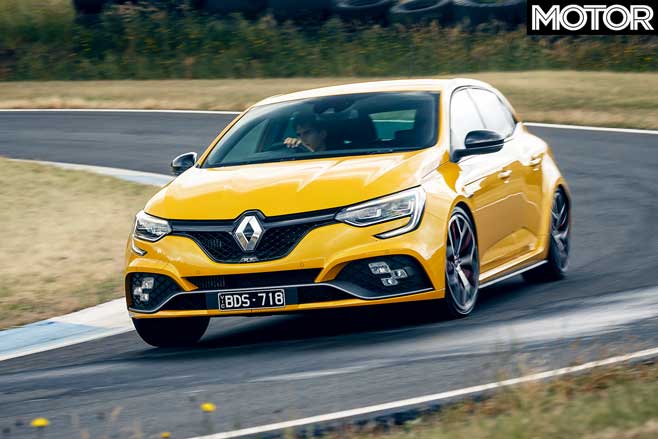
Not as mental as the Trophy-R, but with a DCT and still $22,000 cheaper By: Louis Cordony | Photos: Nathan Jacobs
There’s a moment in the new Renault Megane RS Trophy, after hooking a descending right-hander five klicks too fast, my mind scans back to the last-generation car and memories of its hyper-active rear-end.
Said memories suggest my mistake in this new car should see me off in the weeds. But as I slowly wind on opposite lock, something strange happens. The car’s polar movement disappears and it arrests the slide before it really gets a chance to begin.
The whole action happens smoother than any stability system could hope or any race driver could correct. And that leaves only one explanation: the 4Control system.
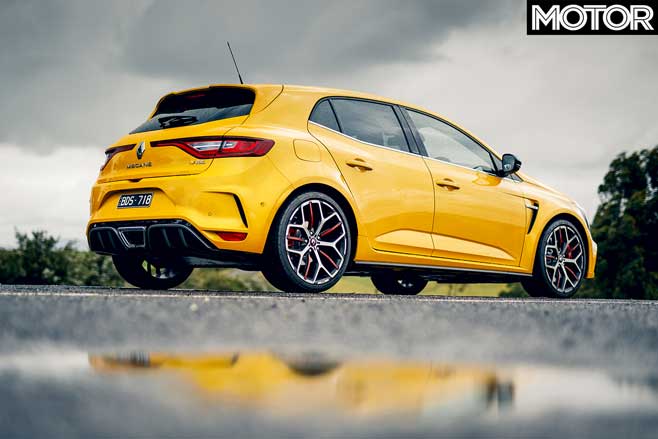
Rear steering has defined the fourth-generation Megane RS and, although it has proved divisive since debut, this Trophy looks to offer the most honed package with it yet.
For instance, its turbocharged 1.8-litre four relies on the same ceramic ball-bearing turbocharger as the limited-edition Trophy-R to produce 221kW and 400Nm, or 15kW and 10Nm more than the RS Cup and Sport versions.
And it’s here the regular Trophy can take things one step further. Tick the box for the six-speed dual-clutch transmission and the torque output lifts to 420Nm. The transmission is not hamstrung by the six-speed manual’s torque limit and is able to bear another 20Nm.
That makes the new bi-material brake discs all the more appropriate since they’re claimed to shed 1.8kg per corner, even though they look remarkably similar to the items on the Megane RS Cup, save for some new slots on their faces.
Overseas, Renault offers customers the option to upgrade the Trophy’s rolling stock further with Bridgestone S007 tyres. They’re the same as what’s on the Trophy-R and they helped Renault reclaim its Nurburgring record from Honda. They also come with lightweight wheels to match the extra grip, but unfortunately they’re not available Down Under.
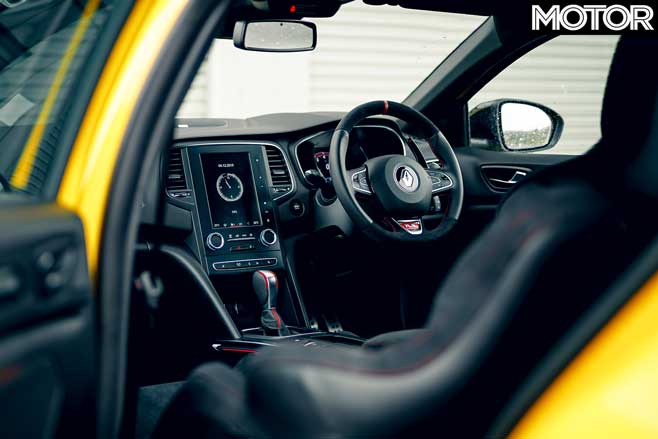
There’s also a 20mm-lower seating position, which might not sound like a lot but there’s something aggressive about how you sink lower in the car – as if it gets you in the mood, especially when the seats are deeply bucketed and finished in Alcantara.
Renault Sport has also finely tweaked the exhaust for a more sophisticated growl, thanks to a mechanical valve that opens and shuts depending on what drive mode you select. When open, it sounds like it has unlocked a harder edge in the upper rev range. That could be just us, but it also could come down to the EDC powertrain’s mapping.
Find yourself on a racetrack like I did and you’ll enjoy the EDC transmission interrupting with a spark-cut on each upshift, firing out a pop behind you as it launches forward out of corners with more punch than a regular RS280. It’s super-responsive.
Launch control, as well as a Torsen LSD, effectively grounds its power from standstill. And besides some wheelspin in the top of first gear, it offers huge grip off the line and will easily reel off 5.8sec sprints to 100km/h from rest without much fuss (the claim is 5.7sec).
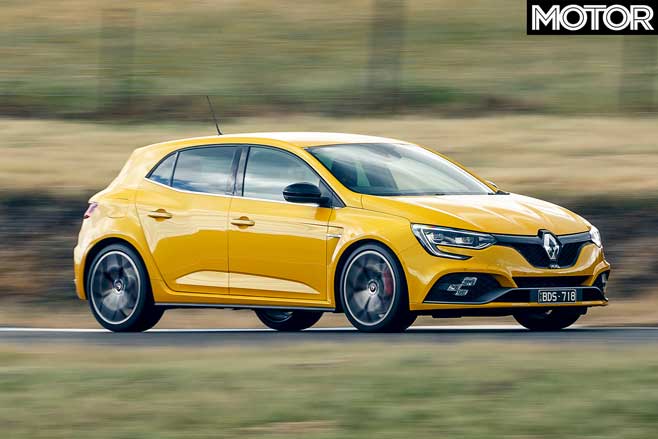
Stiffened suspension extracts the huge cornering speeds you would expect from the 235mm-wide tyres fitted to the RS, and the incredibly light steering gives the Trophy an agile feel that is now default among the RS family.
The lighter brake discs sharpen its responses and soothe the firm ride ever so slightly, and the 4Control system means the Trophy’s dynamic package remains very familiar to the RS Cup with which it shares its suspension hardware.
You never quite grasp what the rear wheels are going to do because sometimes it helps rotate the car, as you might like, but then it will interfere with linear inputs on longer bends. The Trophy-R’s static rear axle proves much more cohesive.
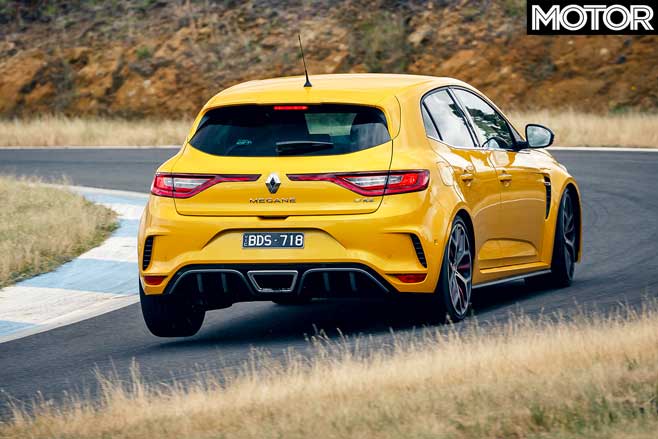
Where the Megane RS Trophy makes sense is if you had eyes on an RS Cup EDC and planned a chip upgrade, brake discs, lower seat rails and adjustable exhaust muffler. Then the extra $4K is easily justified.
But that missing special tyre and wheel pack would really help clarify the Trophy’s place in an already busy Megane RS range and solidify its link to the mental Trophy-R.
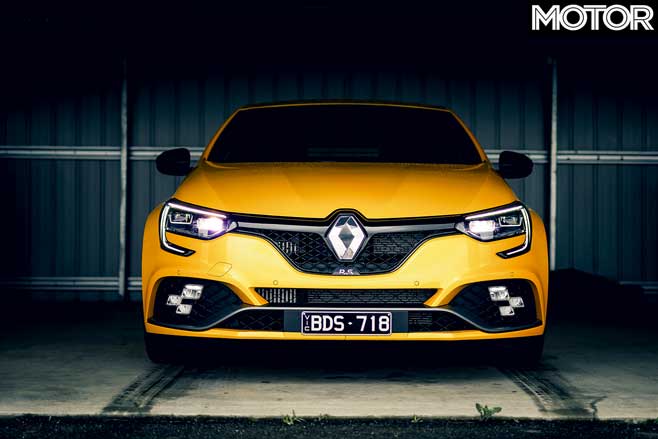
2020 RENAULT MÉGANE RS 300 TROPHY SPECS: Engine: 1798cc inline 4, turbo, DOHC, 16v Power: 221kW @ 6000rpm Torque: 420Nm @ 3200rpm Weight: 1419kg 0-100km/h: 5.8 sec (tested) Price: $55,990
Like: Excellent driving position; sharp steering; rorty and responsive powertrain Dislike: Firm ride; rear-steering; sticky tyre option not available here
Rating: 3.5 out of 5 stars
Just like that, the 2020 Virgin Australia Supercars Championship is here again! After a thrilling and sometimes bruising 2019, the field is leaner, lots of drivers are wearing new race suits and the cars are harder to drive, thanks to a raft of technical changes.
Gone are stalwarts like Garry Rogers Motorsport, replaced by new outfits like Team Sydney. Names like James Courtney and Chaz Mostert have changed camps, while a new generation of young and hungry racer is banging down the door.
They will all, of course, need to climb over the likes of Scott McLaughlin and DJR Team Penske, as well as Red Bull Holden Racing – who, of course, now carry the weight of the world on their shoulders after the stunning news that Holden will leave Australia at the end of 2020.
Let’s have a look at the class of 2020, and we’ll go through and pick our favourites for this season.
Technical changes to Supercars for 2020
The field continues to move towards cost cutting, and this year, all teams will be required to use the same set of shock absorbers from a central supplier. Known as a ‘control’ damper, the move is designed to strip tens of thousands of dollars of costs out of the running costs of each car – but there is a downside.
After first practice in Adelaide, drivers up and down the lane are verbally frustrated with the move to control dampers, but it will take teams a couple of rounds to find their feet.
Both the Ford Mustang and the Holden Commodore have lost some aerodynamic downforce, which will mean that, in conjunction with the new shocks, the cars will be trickier to drive.
Offsetting that is the fact that Supercars will finally give teams greater access to tyres, rather than insisting that they use banks of old tyres that make it hard to set cars up properly.
I’ve been given the task to review the teams before we kick off the season and I’ve also ranked them accordingly in true WhichCar fashion.
Team
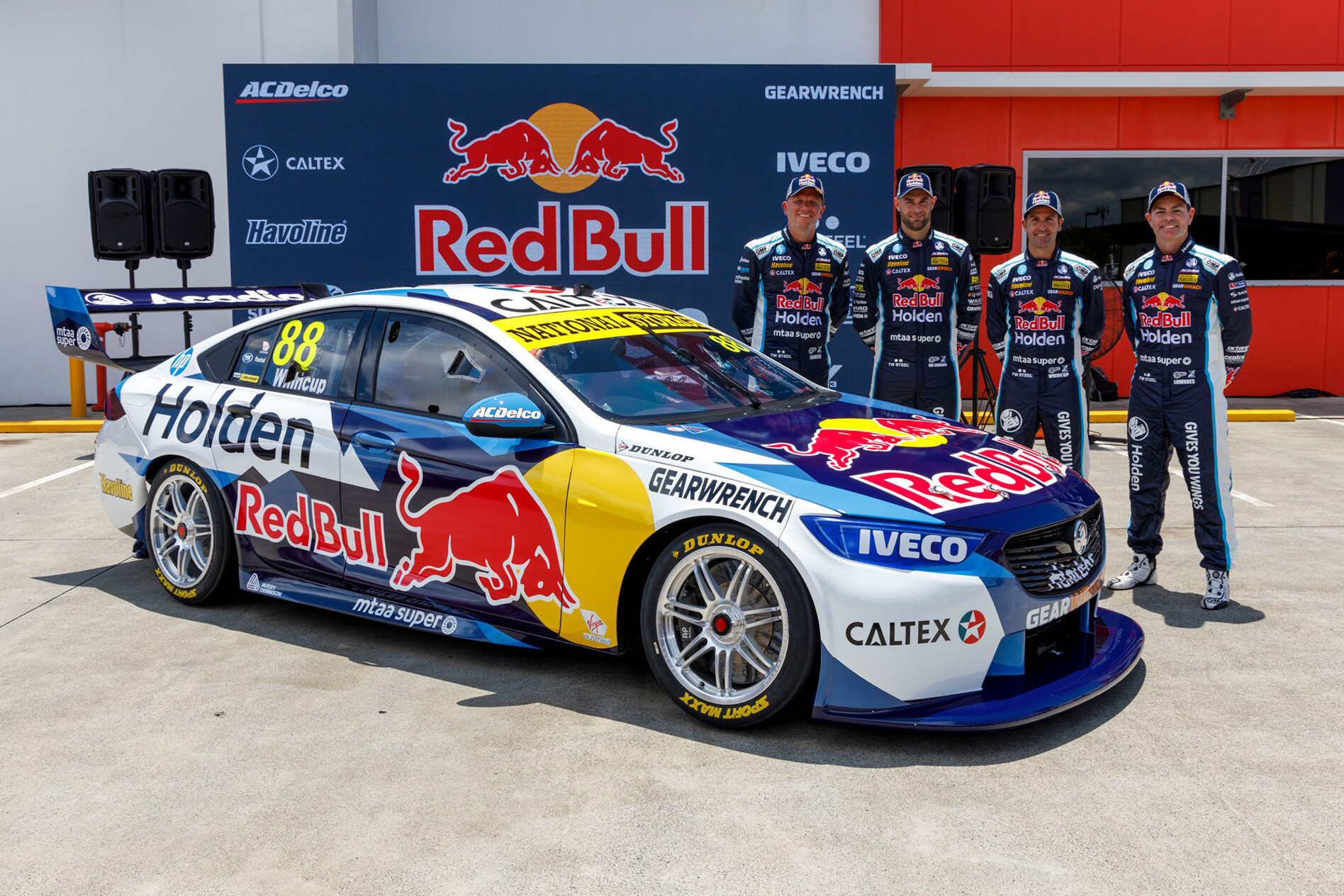
Red Bull Holden Racing Team
Drivers
Jamie Whincup (88)
Shane Van Gisbergen (97)
Car
Holden Commodore ZB
WhichCar rating
13/13
The Red Bull Holden Racing Team started 2019 behind the eight-ball coming to terms with suspension and aerodynamic tweaks. This year could kick off in similar fashion with further aero changes and the move to controlled dampers.
Having said that, both superstars will be extra motivated by the recent departure of Holden from the Australian market. The aero parity will be an interesting factor here. We may not see it in the opening round and perhaps not even until we reach Tassie but the big question is can the Commodore close that gap in 2020?
Which Driver?
Shane Van Gisbergen
While this might be Jamie’s last year racing and he’ll want to go out on a high, Shane will be even more motivated to not be bridesmaid three years running. He’s won one championship… but the racer’s racer wants more.
Team
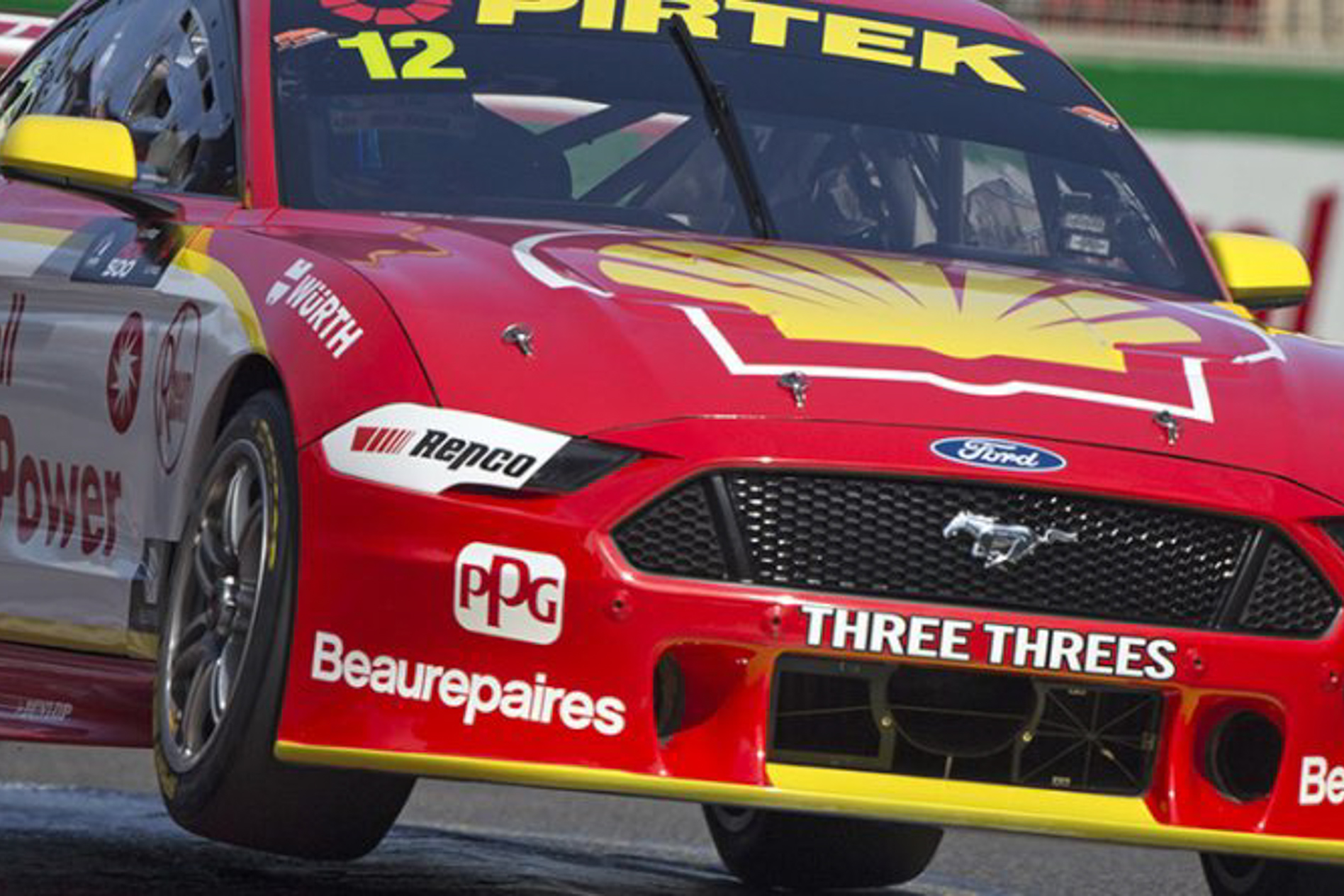
Shell V-Power Racing Team
Drivers
Scott McLaughlin (17)
Fabian Coulthard (12)
Car
Ford Mustang
WhichCar rating
12/13
The Shell V-Power Racing Team has all the right tools in their transporter for another thrilling season in 2020. As a powerhouse of this sport they blazed through last year in a very quick Ford Mustang, winning the drivers and team championship along with the manufacturers’ championship for Ford. Scotty scored his very first Bathurst 1000 win and in total, they won a record 18 races.
There’s no doubt they’ll have great success again – but what can Fabian Coulthard do this time around? He has the driving capability and has had great results ending the year in Newcastle with a double podium, but he’ got to be frustrated by living in Scott’s shadow.
Perhaps the pressure and talks of young talent stepping into his seat will push him that little bit further this year.
Which Driver?
Scott McLaughlin
Even with his recent success in the Indy test and therefore, possible distractions for this season, I still think this youngster has it in him to be the fourth driver in history to three-peat. But I don’t think it’ll be as easy as it’s been for him in previous years. Bring on some good old Holden v Ford last lap battles.
Team
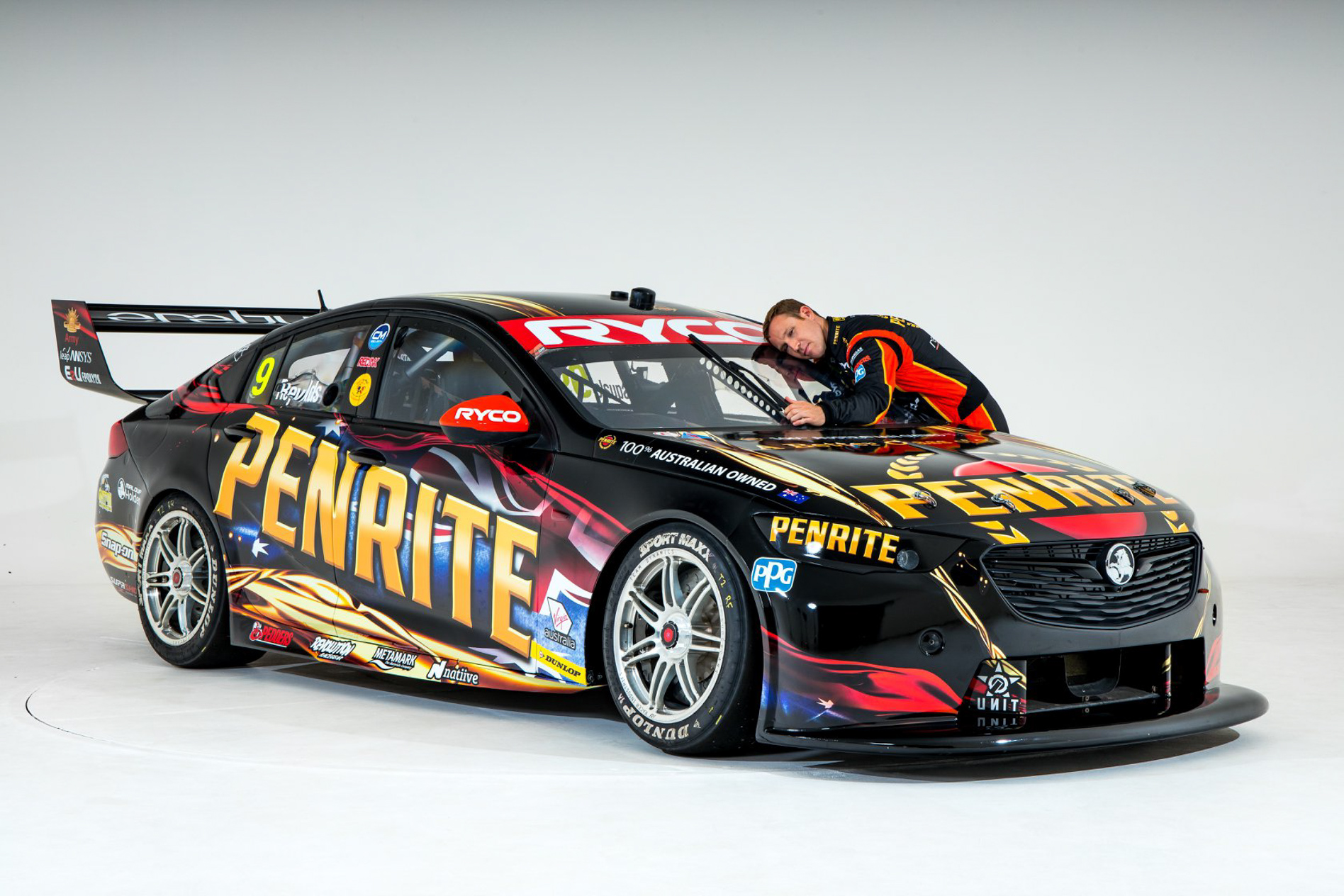
Penrite Racing
Drivers
David Reynolds (9)
Anton De Pasquale (99)
Car
Holden Commodore ZB
WhichCar rating
11/13
While this team didn’t rack up the race wins last year, they did have some solid results with nine podiums between them landing them a fourth spot overall in the championship. With a decade long contract offered to Reynolds they’ve obviously invested a lot in his racing career and why wouldn’t they; this guy is the real deal.
His teammate is in fine form too especially after collecting a pair of podiums at Phillip Island and the Bend and he was the fastest Holden runner at the recent test. He’ll be pushing hard to get result especially with whispers that he could be next in line for a Triple Eight or Penske seat.
Which Driver?
Dave Reynolds
This guy is my one to watch closely for the 2020 season. With his stellar qualifying results last year really we should have seen him finishing a lot higher than sixth.
Team
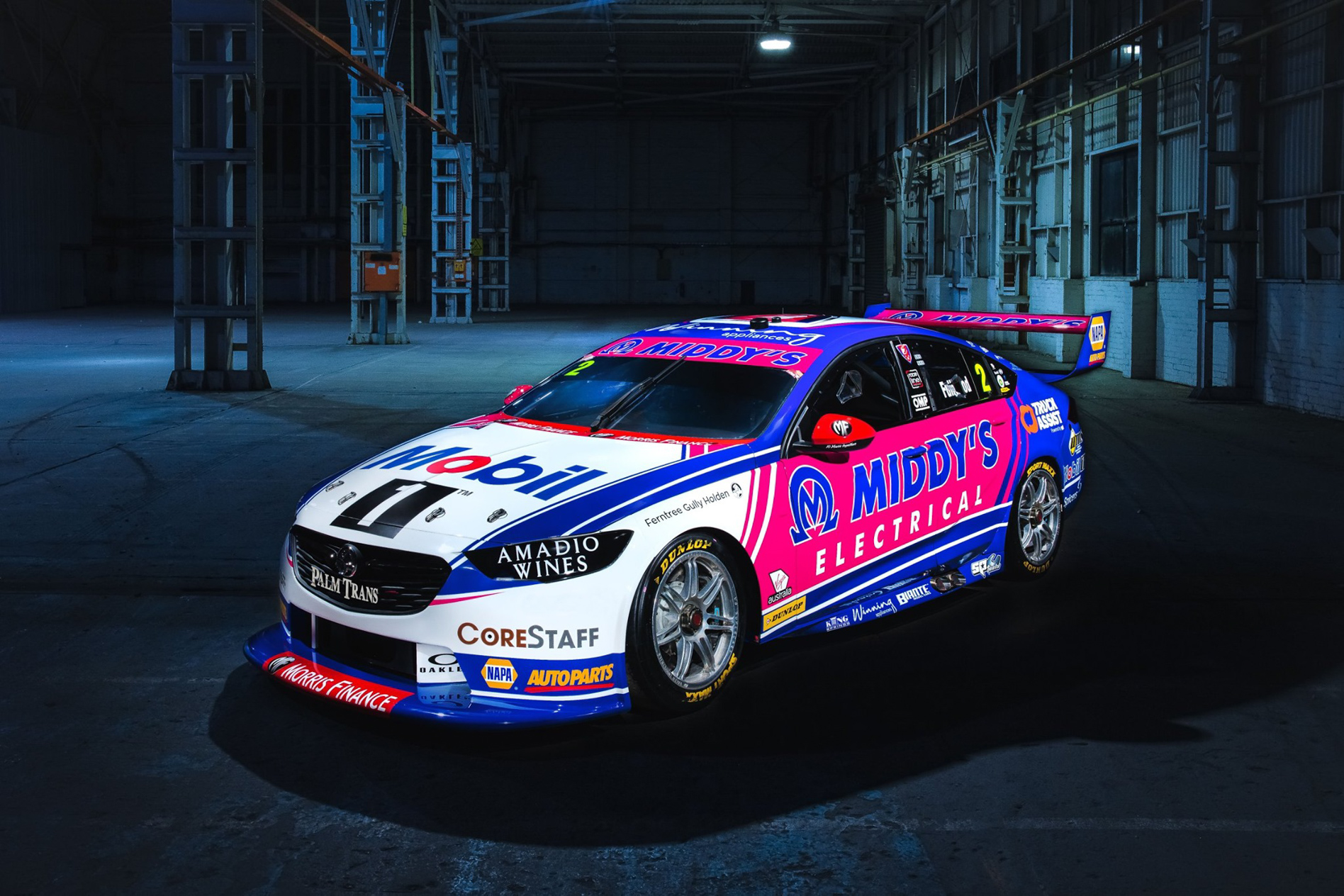
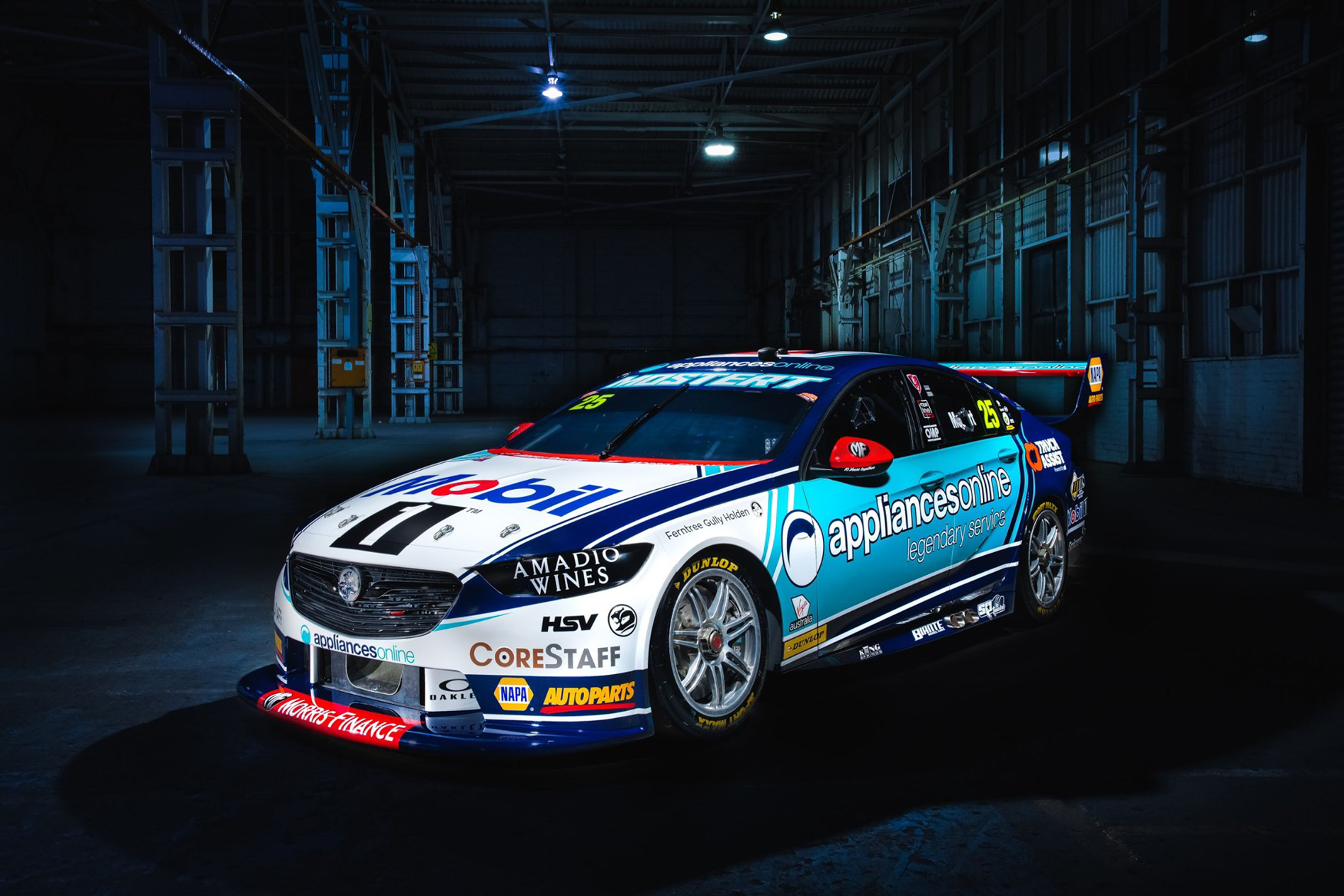
Mobil 1 Appliances Online Racing & Mobil 1 Middy’s Racing
Drivers
Bryce Fulwood (2)
Chaz Mostert (25)
Car
Holden Commodore ZB
WhichCar rating
10/13
This is the real ultimate clean slate for a team. New name, new drivers and the big winner is the signing one of the best in the field in Chaz Mostert. Zac Brown will be expecting podiums if not wins in 2020 so can these young guys deliver? It’s no secret that WAU had a tumultuous 2019 with below bar results so this year will be the true test. Was it the drivers or was it the cars?
Can this be the fresh start they’ve been looking for? Hopefully, they can get some stability and they certainly have the right recruits to get the job done. Bryce has earned his right for that seat and I look forward to seeing what he’ll do in this team.
Which Driver?
Chaz Mostert
Put this guy behind the wheel of any car and he can drive it. This Bathurst 1000 winner already has a tonne of success just recently clinching a class win at the Daytona 24h. He’s fit and hungry and after making one of the most talked-about moves down the paddock he’ll be driving hard for results.
Team
Castrol Racing & Ned Racing
Drivers
Andre Heimgartner (7)
Rick Kelly (15)
Car
Ford Mustang
WhichCar rating
9/13
This team will be fun to watch. The big switch for Kelly to the Mustang is exciting first up and what an effort getting that car to the track in time. I think the big reinvigoration will give Rick a tonne of motivation this year and team morale will be high. Let’s also keep in mind that the Kellys have thrown all their resources at these cars so they could be onto a real winner here.
Which Driver?
Andre Heimgartner
This driver is a gun. He’s just been doing some racing over in New Zealand and prior to the first round any seat time is valuable. He had a positive day in testing and I think we’ll see him up there this season.
Team
Irwin Racing & Dewalt Racing
Drivers
Scott Pye (20)
Mark Winterbottom (18)
Car
Holden Commodore ZB
WhichCar rating
8/13
It’s an exciting time for Irwin Racing and Dewalt Racing with the expansion to a two-car team. They recruited Scott Pye and acquired another ex-Triple Eight Holden. Both Winterbottom and Pye can still drive, that’s one thing for sure. Consistency will be key here with Mark having mixed results in 2019, but there were flashes of genius. It was his first year making the switch from Ford to Holden so now that he’s feeling more comfortable it should be a better season for him.
Which Driver?
Scott Pye
A big move for Scott Pye and one to keep an eye on as he begins a new chapter for this season. He’s got different machinery to work with, but he’s got something to prove so I think he’ll be on a serious mission.
Team
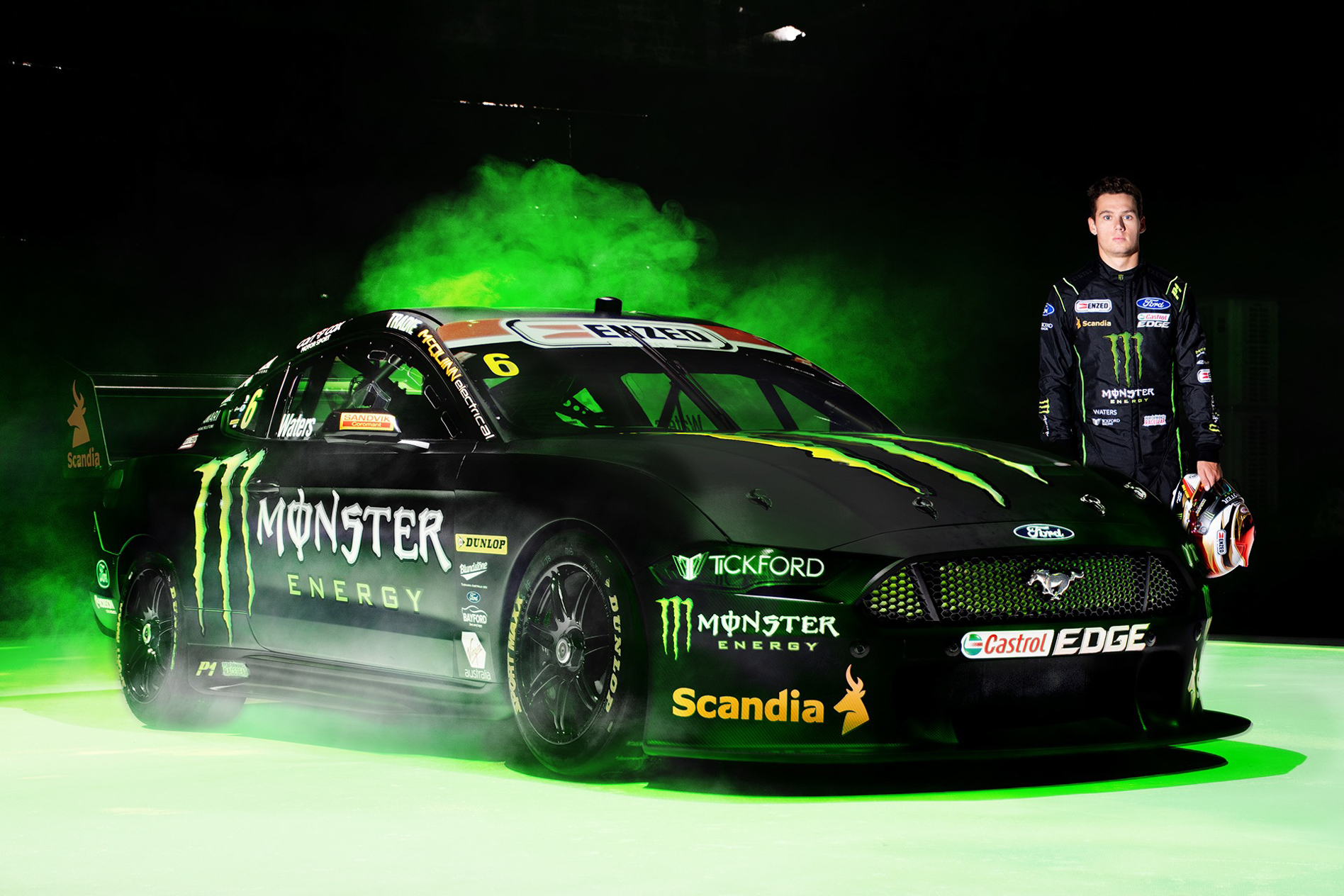
Monster Energy & Supercheap Auto Racing
Drivers
Cameron Waters (6)
Jack Le Brocq (55)
Car
Ford Mustang
WhichCar rating
7/13
Cameron Waters has proved that he has what it takes to be a true title contender in this series but is often hampered by the hardware. Consistency from the team will go a long way but whether Tickford has what it takes is the real question. As for his teammate Le Brocq, who’s had the taste of success in the Super 2 series, I’m expecting to see some top ten results from this guy at his new home.
Which Driver?
Cam Waters
From teen rookie to team leader this guy is fit, focused, has a great work ethic and speed. I have no doubt we’ll see him on the podium this year if the car is right.
Team
Milwaukee Racing
Drivers
Will Davison (23)
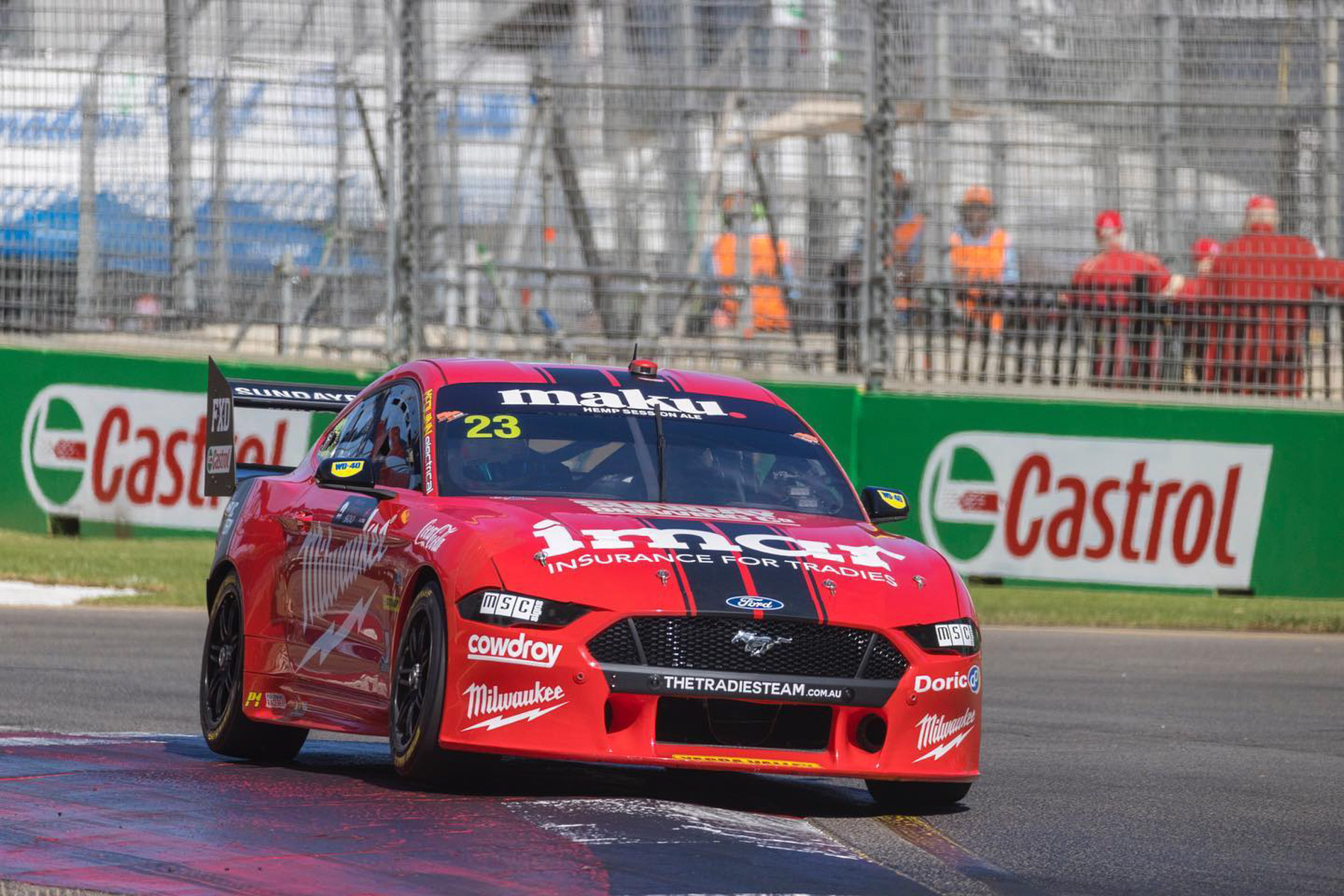
Ford Mustang
WhichCar rating
6/13
Will was super quick in testing and it all sounds pretty positive from his camp. While he came out of it claiming there’s a lot of relearning to do, really everyone is in the same boat. Looking in from the outside he’s Mr Focused and Fit and he’s coming out of the off-season on a real personal high having just married longtime girlfriend, Riana. All in all, I don’t see why we won’t see this guy on the podium this year.
Team
Brad Jones Racing
Drivers
Todd Hazelwood (14)
Nick Percat (8)
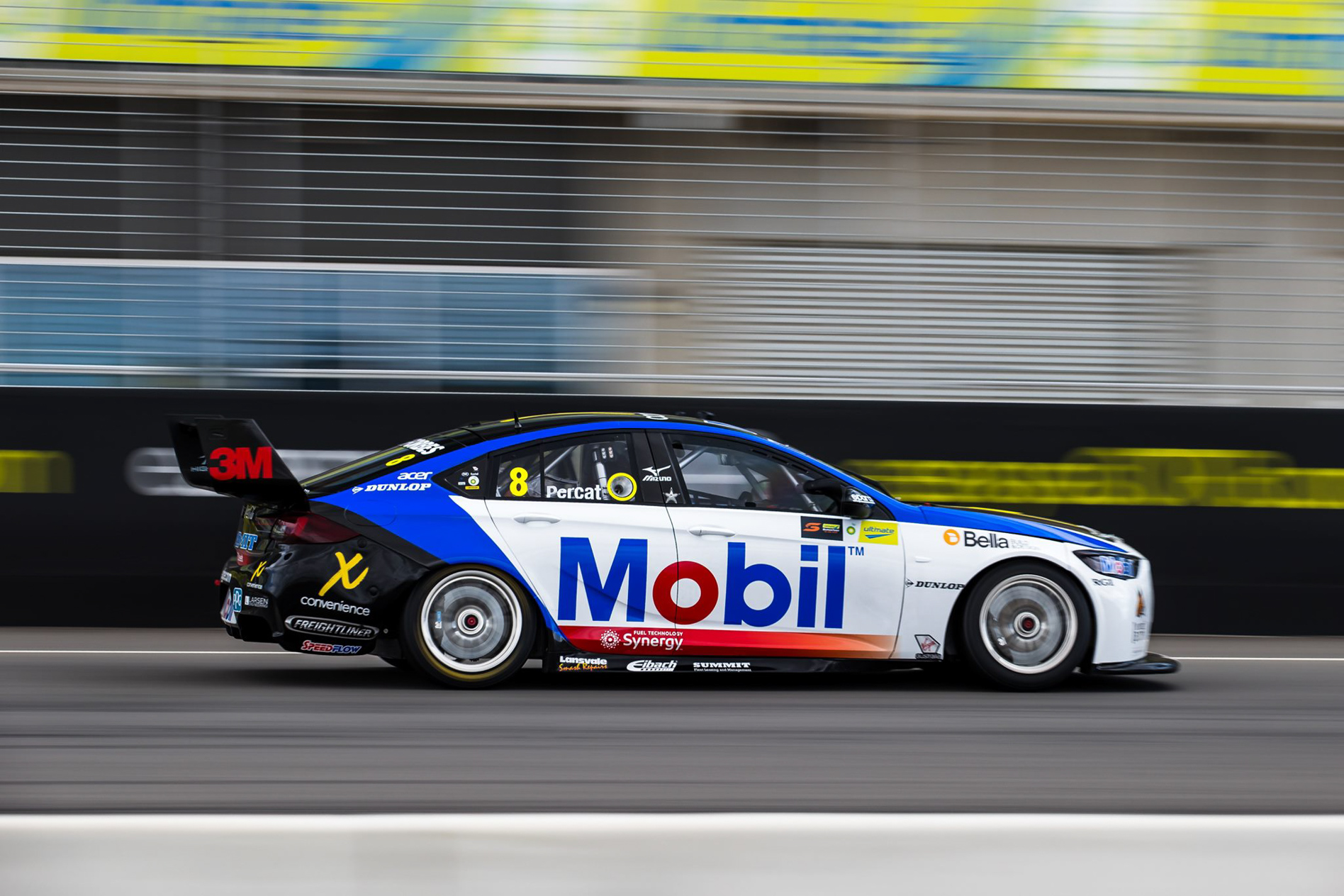
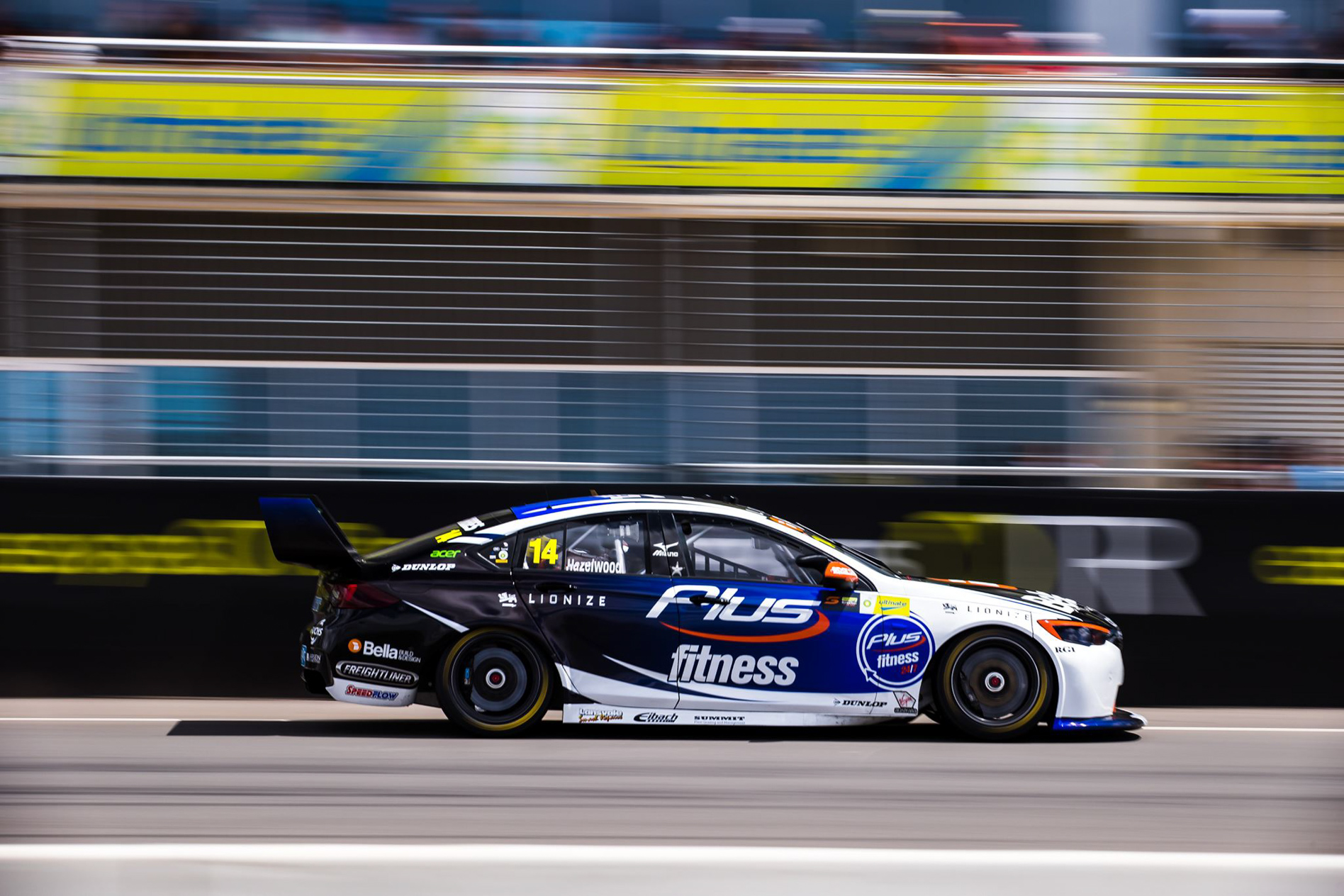
Car
Holden Commodore ZB
WhichCar rating
5/13
This team is always the underdog but more than capable of results and when you least expect it. BJR has produced some of the best drivers in the field over the years and their current lineup is no exception.
They’re known for nurturing young talent like their newest recruit in Todd Hazelwood. The former Super 2 champion has two years in the main game under his belt and took positive steps last year including three top ten results along with a best of fifth in Pukekohe. Nick Percat will no doubt be a great mentor for the youngster as he heads into his fourth season with the team.
Which Driver?
Nick Percat
After just signing a two-year deal this guy will have extra motivation heading into the season. He finished ninth in the championship last year and will no doubt be pushing hard to get the results. They just need to find a little something extra… pace.
Team
Matt Stone Racing
Drivers
Garry Jacobson (35)
Jake Kostecki (34)
Zane Goddard (34)
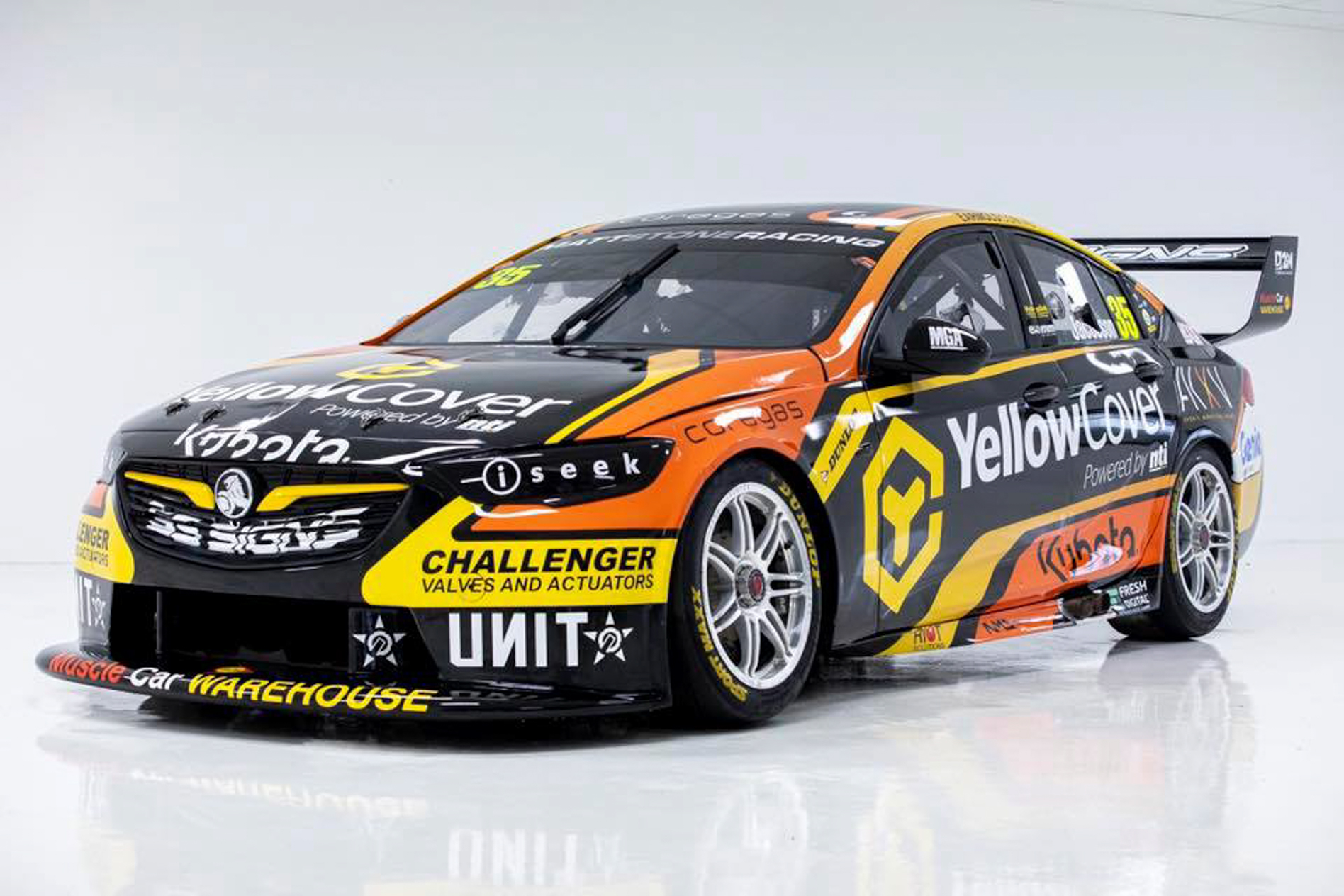
Car
Holden Commodore ZB
WhichCar rating
4/13
MRS takes a step up this year expanding to a two-car program and introducing its Superlite initiative. Rookies Zane Goddard and Jake Kostecki will split the entry having five rounds each, combining for the Pirtek Enduro Cup and then flipping a coin for the finale in Newcastle.
But really, this could be interesting and may cause a bit of tension in the garage. Sharing throughout the year has its positives in that you choose the tracks that work for you, however, when it does come to that final round it could get awkward.
Which Driver?
Garry Jacobson
Garry will be a great mentor for these young guys and the switch from a Nissan to the Commodore will surely be a positive.
Team
Truck Assist Racing
Drivers
Lee Holdsworth (5)
Car
Ford Mustang
WhichCar rating
3/13
You’re looking at a bit of a rejuvenated Lee Holdsworth for 2020 with a new team and a second year in a Ford. He ended last season on a high with a podium at the Sandown 500 and with the support of Truck Assist for this season we should hopefully see him feature in the top ten.
Team
Team Sydney
Drivers
Chris Pither (22)
James Courtney (19)
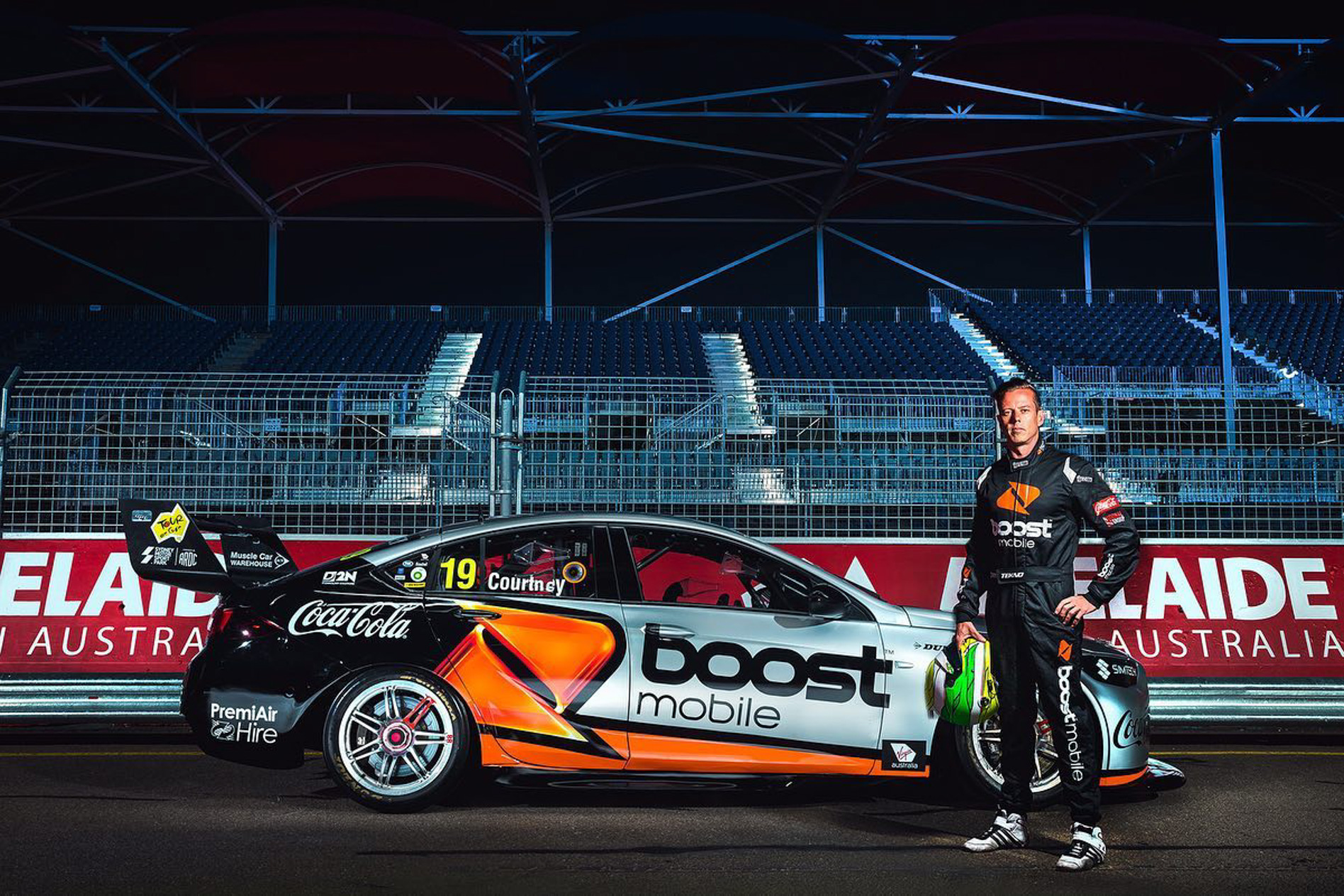
Car
Holden Commodore ZB
WhichCar rating
2/13
Let’s start with some positives here. Courtney at least is in his hometown and in a team essentially built around him. He’s a seasoned veteran and is always up for a challenge and indeed a challenge this will be.
There are already a lot of questions surrounding the much-anticipated team after almost not making it to the grid for the first round and with the last-minute signing of 2019 Super 2 Champion, Chris Pither. I’m interested to see where they’ll sit in the pack in 2020.
Which Driver?
James Courtney
After nine years with WAU, Courtney makes the big move, which could really make or break his career. He’s going up against a lot of young talent in the field, but he’s been in the game for a long time now, I’m sure he’ll give it a red-hot crack.
Team
Team Cooldrive and SCT Logistics Racing
Drivers
Macauley Jones (3)
Jack Smith (4)
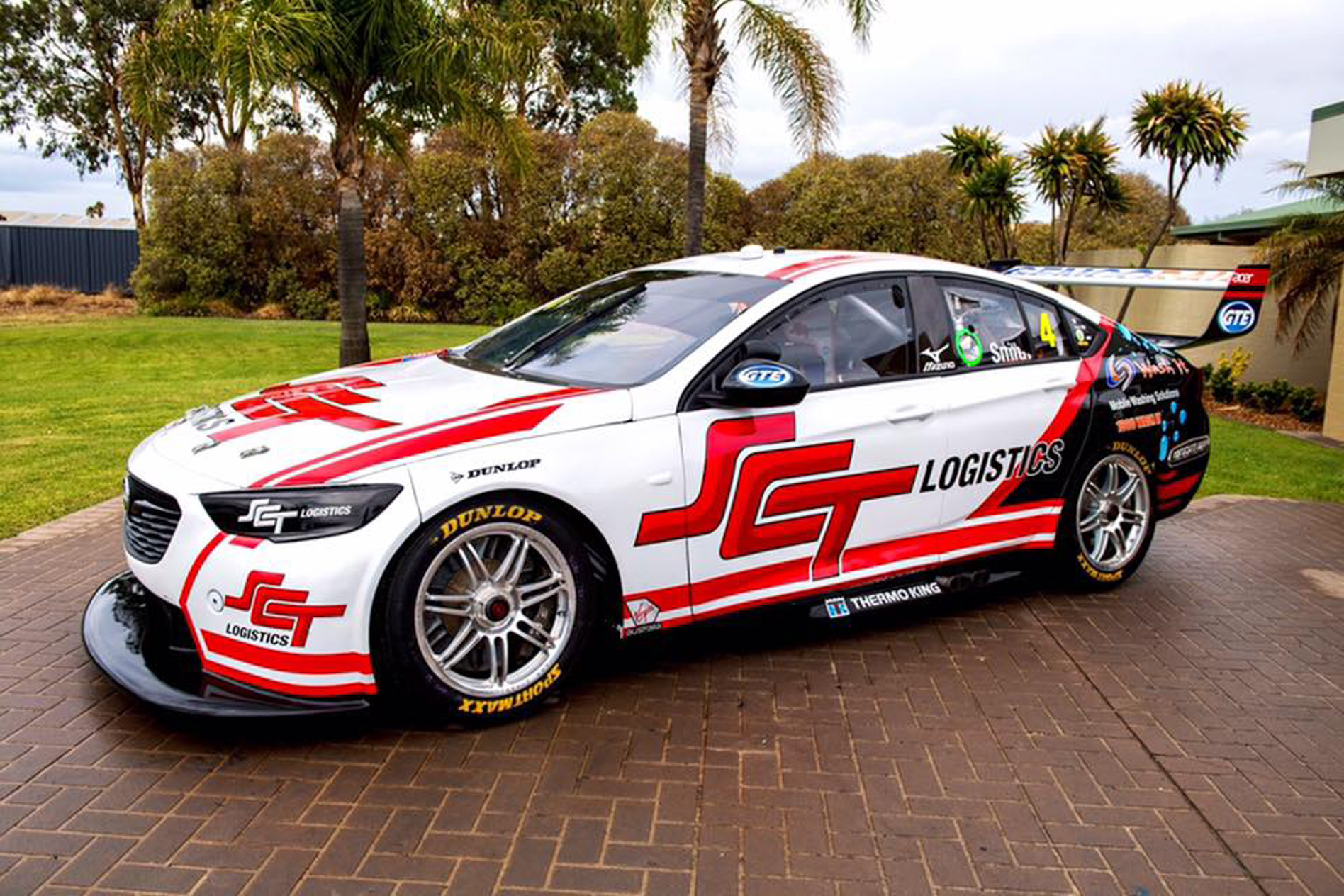
Car
Holden Commodore ZB
WhichCar rating
1/13
BJR is one of two teams running four cars for the season, in order to accommodate youngster Jack Smith. It’s always great to see teams take a bit of a gamble and recruit young, fresh talent. Here are two great drivers with a lot of potential and while they have a big task ahead of them I’m keen to see what they can put on the board for 2020.
Which Driver?
Jack Smith
First joining BJR in 2017, this 20-year-old steps up to the main game. He’s certainly driven after balancing numerous commitments last year and I think this youngster has a long driving career ahead of him.
2020 Supercars
CALENDAR
Adelaide | Adelaide | 22 Feb |
Adelaide | Adelaide | 23 Feb |
Melbourne | Melbourne | 13 Mar |
Melbourne | Melbourne | 14 Mar |
Melbourne | Melbourne | 14 Mar |
Melbourne | Melbourne | 15 Mar |
Symmons Plains | Symmons Plains | 4 Apr |
Symmons Plains | Symmons Plains | 5 Apr |
Hampton Downs | Hampton Downs | 25 Apr |
Hampton Downs | Hampton Downs | 26 Apr |
Barbagallo | Barbagallo | 16 May |
Barbagallo | Barbagallo | 17 May |
Winton | Winton | 6 Jun |
Winton | Winton | 7 Jun |
Townsville | Townsville | 27 Jun |
Townsville | Townsville | 28 Jun |
Hidden Valley | Hidden Valley | 18 Jul |
Hidden Valley | Hidden Valley | 19 Jul |
Sydney | Eastern Creek | 29 Aug |
Sydney | Eastern Creek | 30 Aug |
The Bend | The Bend | 19 Sep |
Bathurst | Mount Panorama | 11 Oct |
Gold Coast | Gold Coast | 31 Oct |
Gold Coast | Gold Coast | 1 Nov |
Sandown | Sandown | 21 Nov |
Sandown | Sandown | 22 Nov |
Newcastle | Newcastle | 5 Dec |
Newcastle | Newcastle | 6 Dec |
For the new Bond film, No Time to Die, no less than eight replica Aston Martin DB5 stunt cars were built to be shot at, thrashed, and generally treated in a manner that’d make you ill if it were a genuine classic Aston.
But these cars had been rumoured to be just about the ultimate stunt cars – a set of BMW M3-powered Aston Martin DB5s. And it turns out they’re real.
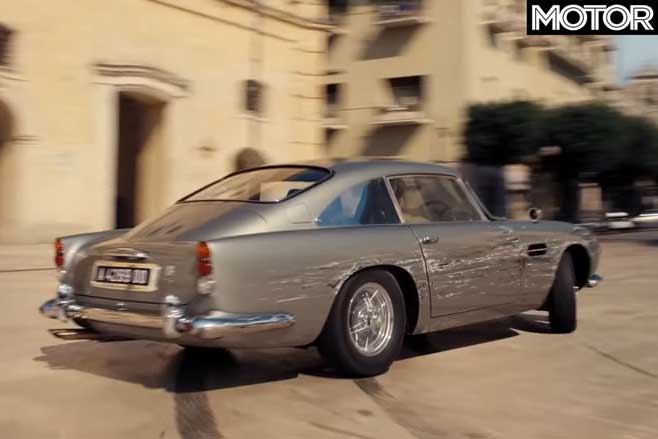
A couple of media outlets, primarily Evo, Car and Driver and Esquire were invited to drive some of the cars featured in the upcoming film, with Evo’s Richard Meaden having spilled the beans on the makeup and mechanicals under the bonnet.
https://www.instagram.com/p/B8zM_rSlD65/?utm_source=ig_embed&utm_campaign=loading
“Bespoke spaceframe with BMW E46 motor and transmission. Weighs 1000kg and runs on skinny Avon historic racing rubber. No stupid electronics. Just about perfect.”
Other outlets were told the cars were given ‘modern, 300bhp-ish straight-six engines’ and modern suspension.
The trailer shows off some of the particularly dynamic driving performed during filming, but only small snippets. Seems we’ll have to wait for the full film to see just what the M3-DB5 can do.
In the meantime, another British brand has used its presence in the film to show off a bit of rugged engineering.
The new Land Rover Defender’s looking rather tough…
The follow-up to the well-received hardcore racing simulator Project Cars, a product of Slightly Mad Studios, Project Cars 2 picks up the baton and takes the franchise into a new age. While its predecessor was born of a crowd-funding campaign, for PC2 the title takes on a more professional sheen with gorgeous visuals, plenty of diversity in racing codes and a physics engine that promises one of the most accurate virtual racing experiences you can buy.
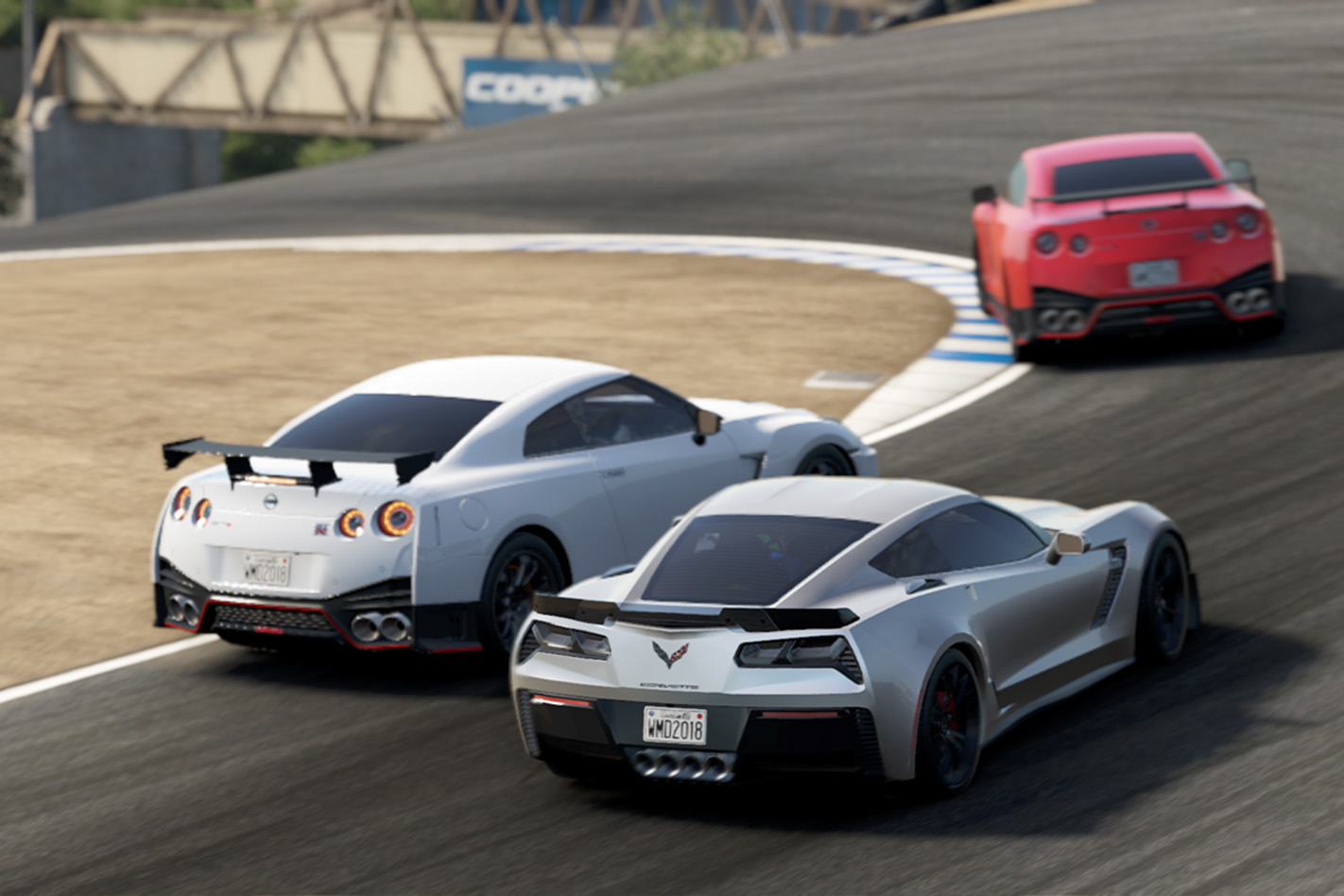
PC2 has been released for around 2.5 years now, but thanks to running updates it’s still a cutting-edge racing sim that’s a perfect stepping stone for gamers looking for something a little more serious than Gran Turismo Sport or Forza Motorsport 7.
What do you need for Project Cars 2?
Project Cars 2 is compatible with Microsoft Windows, Xbox One and Playstation 4. Virtual reality is supported with HTC Vive and Oculus Rift and triple-screen is also supported for PC users. Visit the Project Cars website (www.projectcarsgame.com) for the required PC specs. Wheels are supported and, to be frank, are a must.
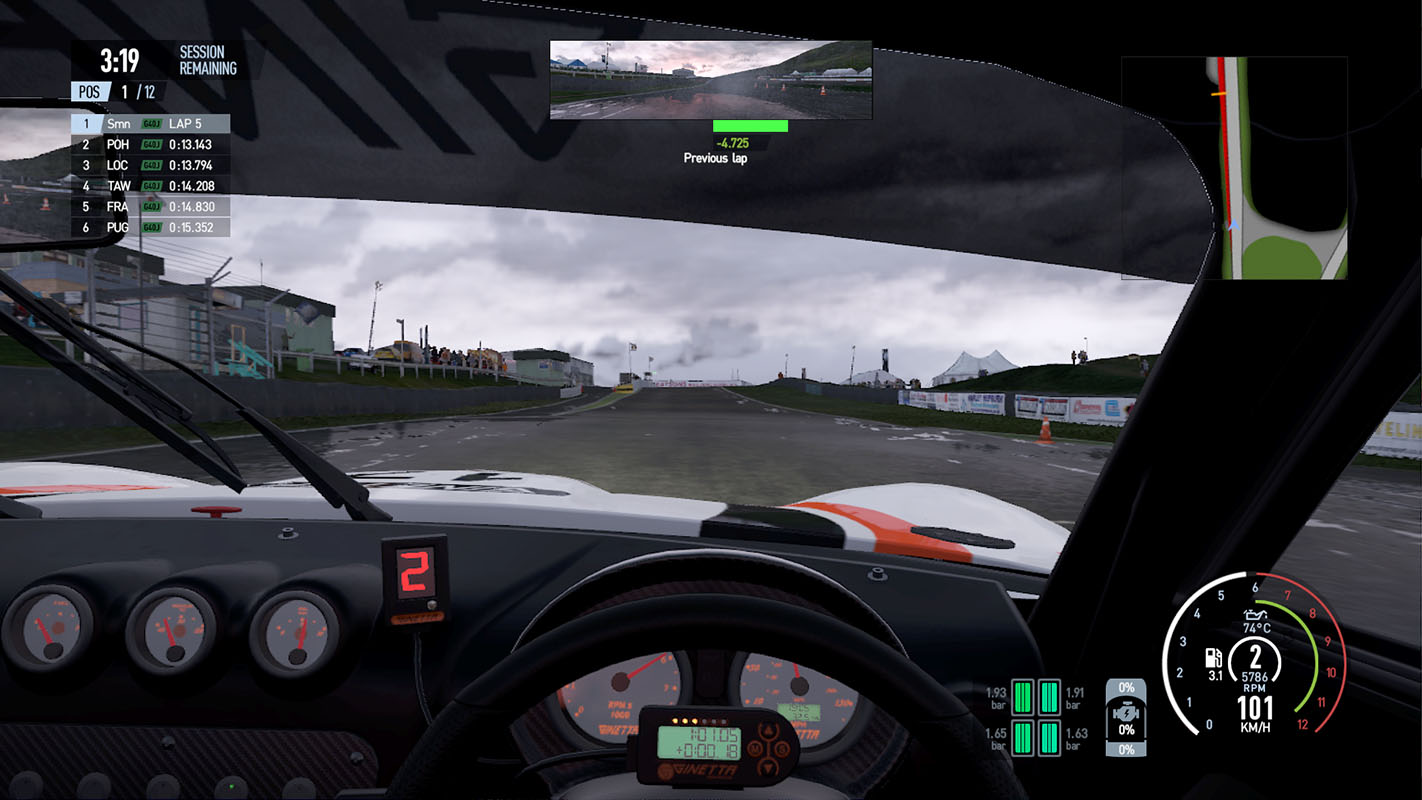
How much does Project Cars 2 cost?
You can find pre-owned copies for as little as $29. At the other end of the spectrum you can buy the game from the Microsoft Store for $99.95 or from Steam for $84.95. Downloadable content packs are available for $14.95 each or grab them all with a Season Pass for $44.95 ($42.95 on Steam).
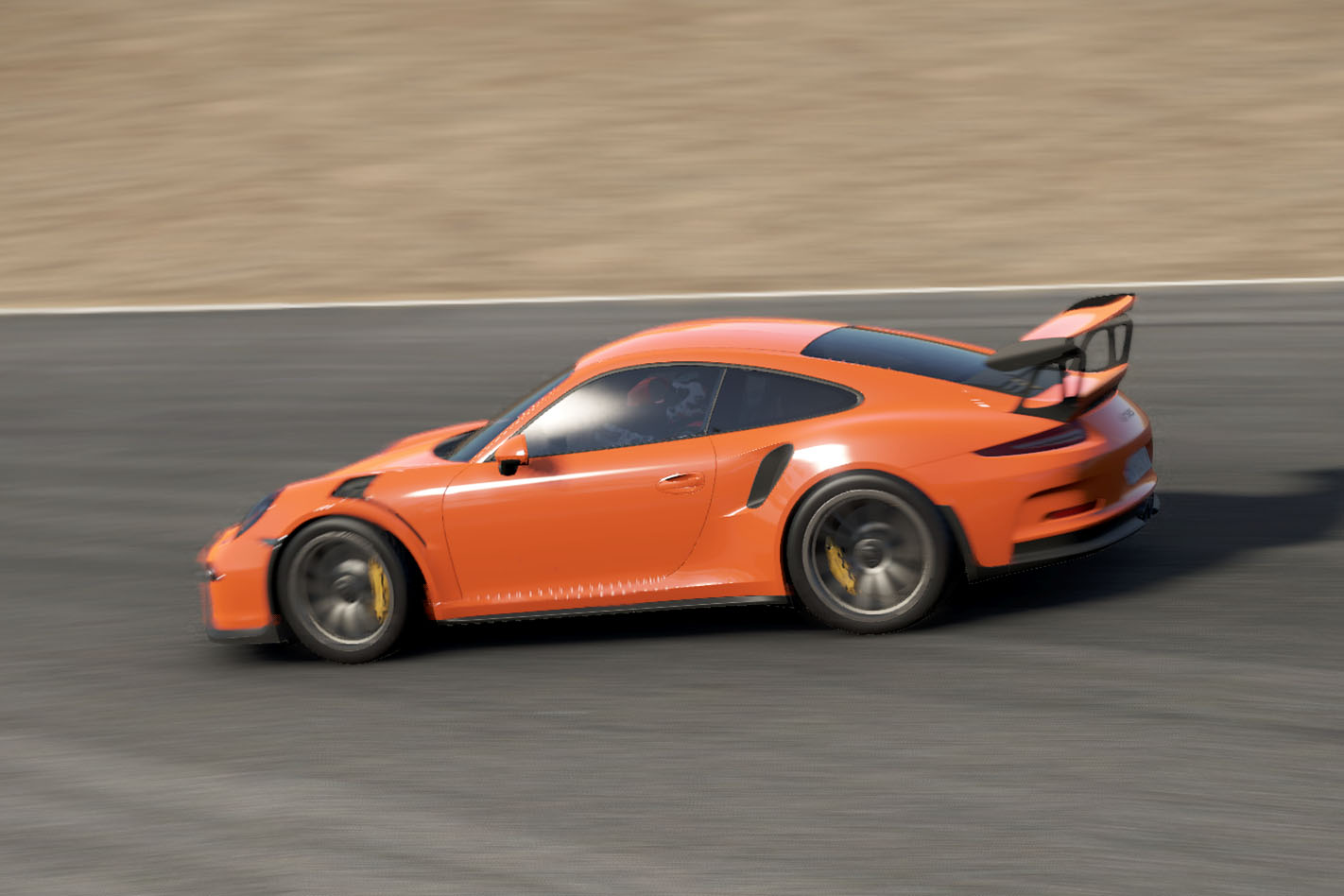
What’s Project Cars 2 like to play?
Now? Awesome. My initial experience wasn’t so pleasant. As an avid fan of the original Project Cars I bought the sequel as soon as it came out only to be left disheartened by weird handling quirks: the Lamborghini Huracan would power oversteer wildly and uncontrollably in every gear and the GT3 race cars would spear off the road at high speed, just when you’d expect downforce to stick them to the road.
Messages of concern to Simply Mad Studio on social media were not responded to but clearly taken to heart, as upon re-installation (along with a colossal 60GB of updates) Project Cars 2 is the racing sim it should’ve been from the start. Even without the DLC there is an incredible array of machinery available to sample; it’s far too extensive to list here, but think of a racing category (IndyCar, Group C, Group A, historic F1, production cars, Rallycross, LMP1/2/3 and much, much more) and it’s likely to be represented here.
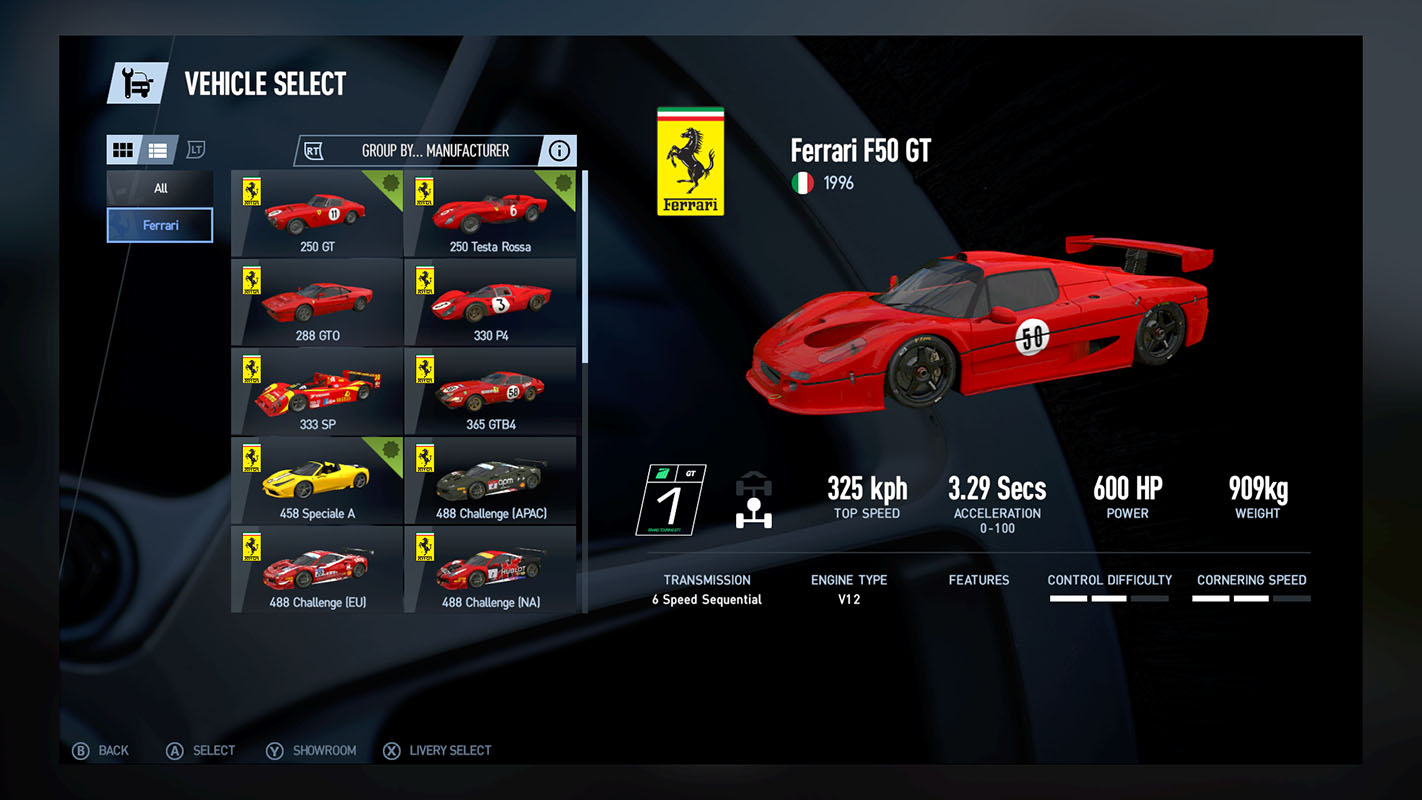
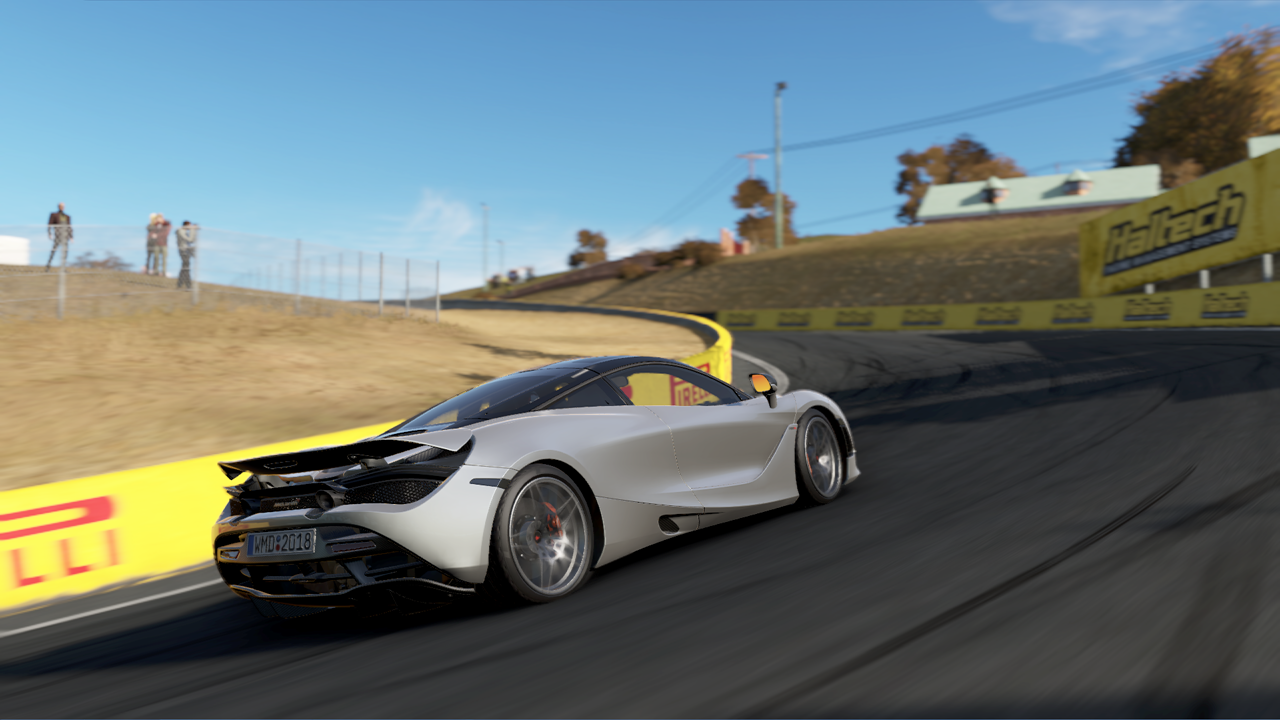
Likewise, the variety of tracks is massive. Again, think of a track you’d want to drive and it’s almost certain to be here: Bathurst, Nurburgring, Spa, Le Mans (old and new configurations), Hockenheim (ditto), Laguna Seca, Indianapolis, Daytona, Monaco just to name a few. There are also cool point-to-point road courses, mixed-surface rallycross venues, ice-covered proving grounds, go kart tracks and a number of club-level circuits like Cadwell Park in the UK and Ruapuna Park in New Zealand.
One caveat to the enjoyment of Project Cars 2 is you have to use a wheel. You have to. There are gamers out there who play it with a controller very successfully but they’re missing the point of one of the best driving sims around. The biggest compliment I can pay PC2 – or any driving sim – is that skills are transferable; if it would’ve worked in real life it’ll work in the game and vice versa. As such, get a wheel. I tested PC2 using a Logitech G29.
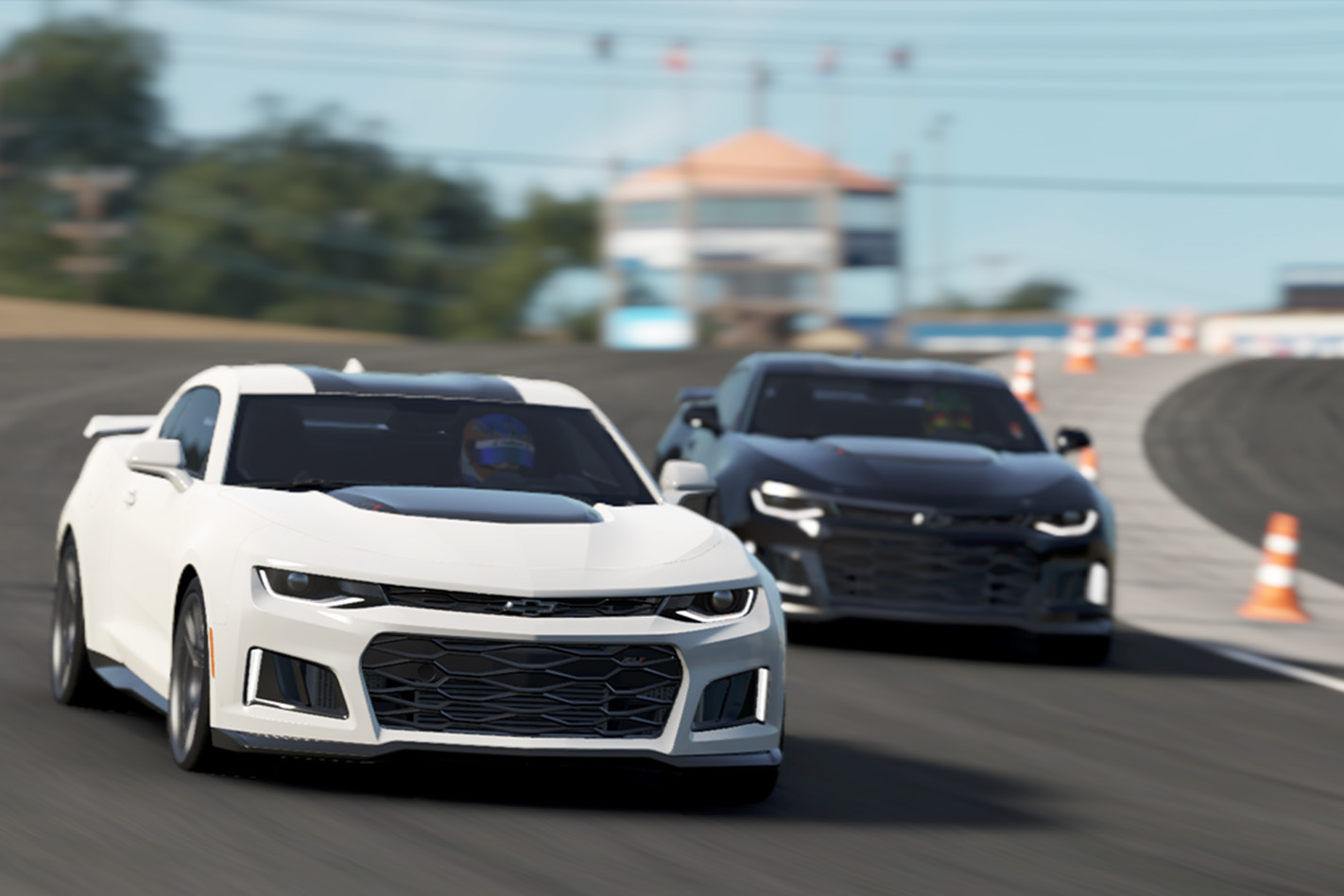
It’s easy to identify the unique handling characteristics of various cars and having been lucky enough to drive some of those in the game, it feels pretty accurate. Active weather is a challenge and if the rain starts coming down you’re going to want to be on the right tyres as the track slowly gets slipperier and slipperier. You can even drive in the snow if you really want to.
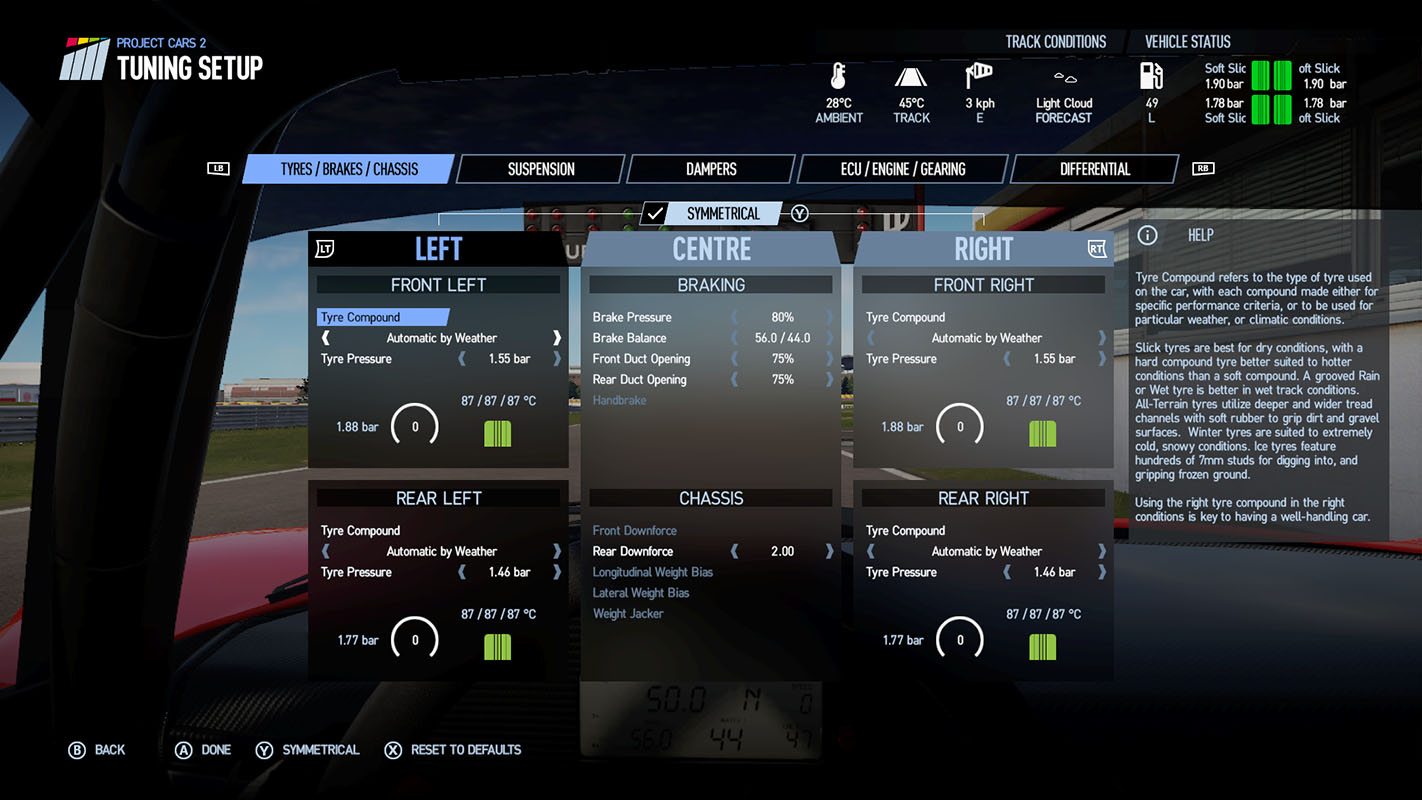
For car setup geeks every possible parameter is available to tweak, but for those who don’t want to dive in each car has a ‘loose’ and ‘stable’ default setup as well as ‘OEM’ for road cars. Furthermore, you can talk to a ‘race engineer’ and by answering a number of questions – e.g. “car isn’t turning” “car has no traction” – have the setup fixed for you. It’s a good solution.
There are so many cars and tracks that simply sampling them all in free practice or custom races should keep you occupied, but dive into the Career mode and you have the chance to progress up the motorsport ladder. Clear improvements have been made from the first Project Cars, which was quite linear in how it made you progress.
Now you can choose to start at the top and jump into prototypes if you so wish, or you can elect to start in go karts, sports car or touring cars and progress along a different career pathway. There are a number of side events that quickly open up as you go along that provide access to different cars and tracks to give you a taste of more exciting machinery.
Are there any downsides to Project Cars 2?
As good as PC2 is, it’s not perfect, but mainly just needs a bit of care. As far as I can tell the vast majority of bugs have been eradicated, though some of the AI driving can be a bit wobbly, but usually just makes them easier to pass. For some reason, most cars are set to ‘loose’ for their default setups, which you may prefer but doesn’t help the learning curve.
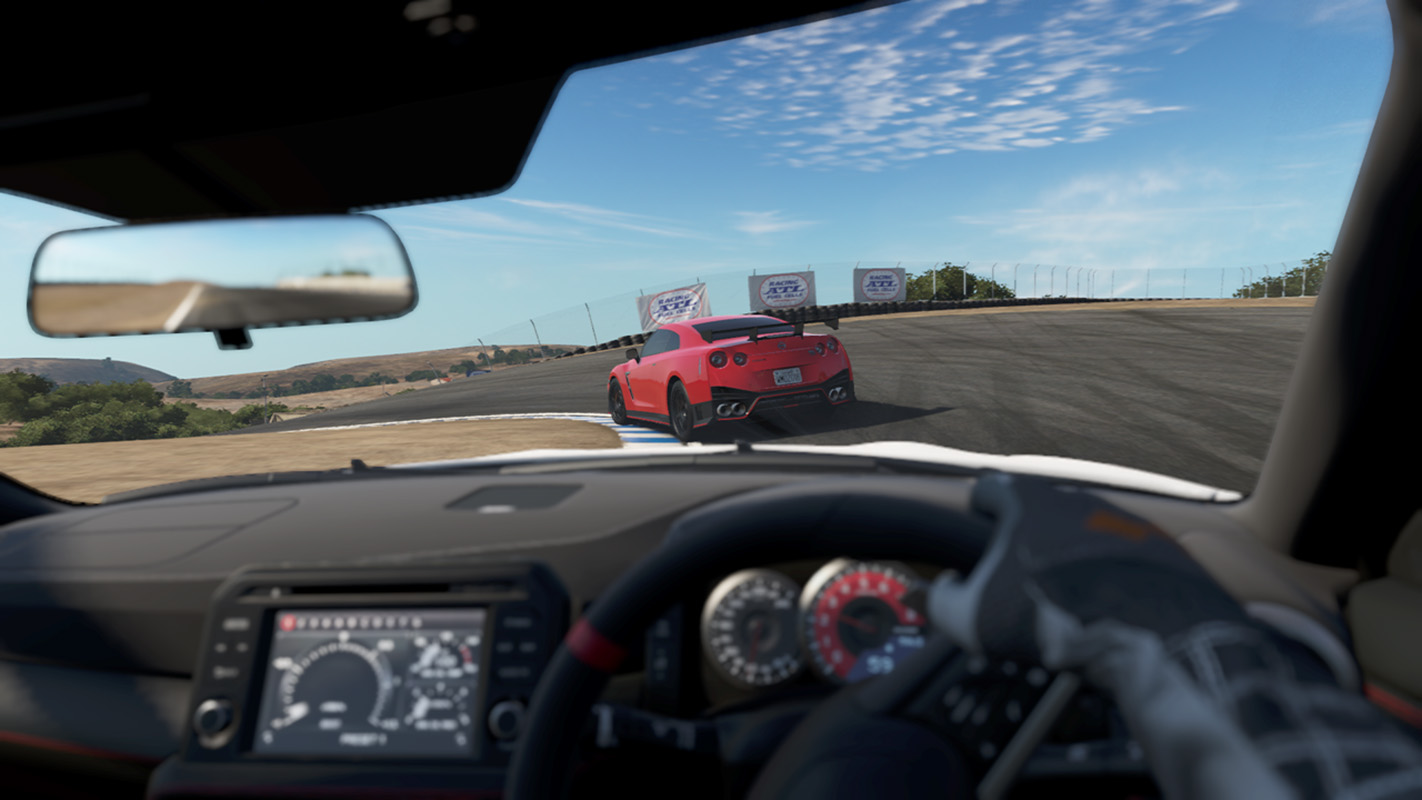
It always pays to check which setup is selected before starting a race, too. On a number of occasions the competition has disappeared into the distance only to check and find out my car is on hard slicks instead of soft, or road tyres instead of track tyres. Other than that, the only thing to note is that this is a simulation and can be quite difficult, but stick with it and make use of the driver aids to help the process if you need them.
The learning curve is brutally steep, but the rewards are great.
Verdict
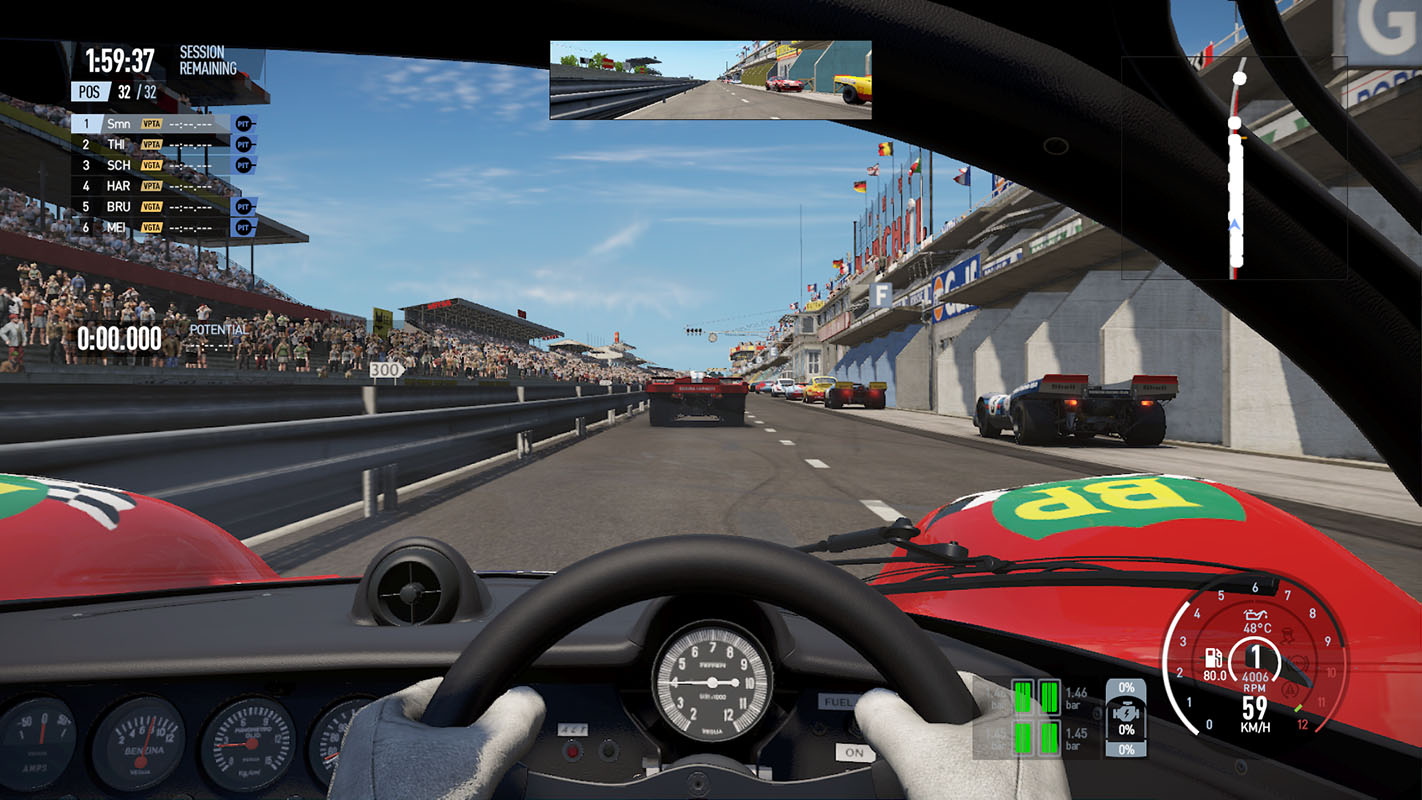
After a shaky start, the continued hard work of Simply Mad Studios to iron out the bugs and improve Project Cars 2 has paid off with a top-flight racing sim. It’s much more accessible than the likes of iRacing yet realistic enough to be a legitimate simulator. Whether you’re slithering a C63 Coupe around a sodden Silverstone, in the middle of a GT3 battle pack at Spa or topping 370km/h down the old Mulsanne Straight in a 1970s prototype, Project Cars 2 is guaranteed to provide driving thrills.
RATING: 4.5/5
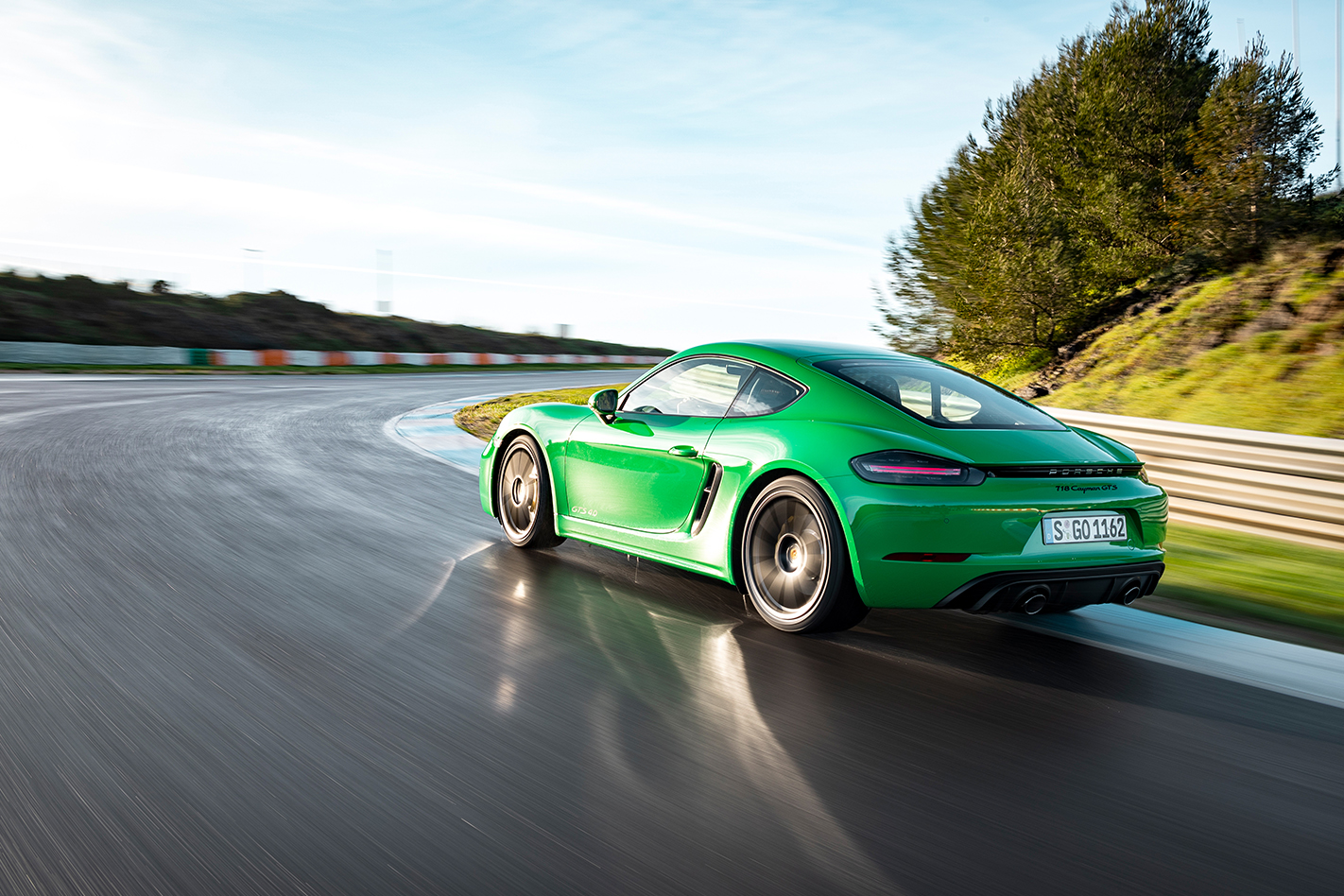
The Wheels Verdict: The new Cayman GTS is a win for enthusiasts. Now more capable than ever, it’s also fitted with the kind of rev-hungry engine that real drivers crave. Oh, and trust us, buy the manual version. The dual-clutch option might be fractionally quicker (and more popular) but you’ll be robbing yourself of one of the most tactile driving experiences around.

WHAT IS THE PORSCHE CAYMAN GTS?
Crikey, it’s another six-cylinder Cayman! After debuting its fresh 4.0-litre flat six in the Cayman GT4, Porsche has plonked the same donk in this revamped GTS. It’s easiest to think of the GTS as the pinnacle of the regular 718 Cayman range: sharper and faster than a Cayman S, but less frenzied and hung up on lap times as the track-focused GT4. Oh, and in another boon, this new GTS is actually fractionally cheaper than the car it replaces.
WHY WE’RE TESTING IT
The GTS has long been our Cayman of choice. Balanced, precise and fitted with all the options you’d want as standard, it makes a compelling case as the best everyday sports car on sale. We flew to Portugal to see if this new version continues the trend.
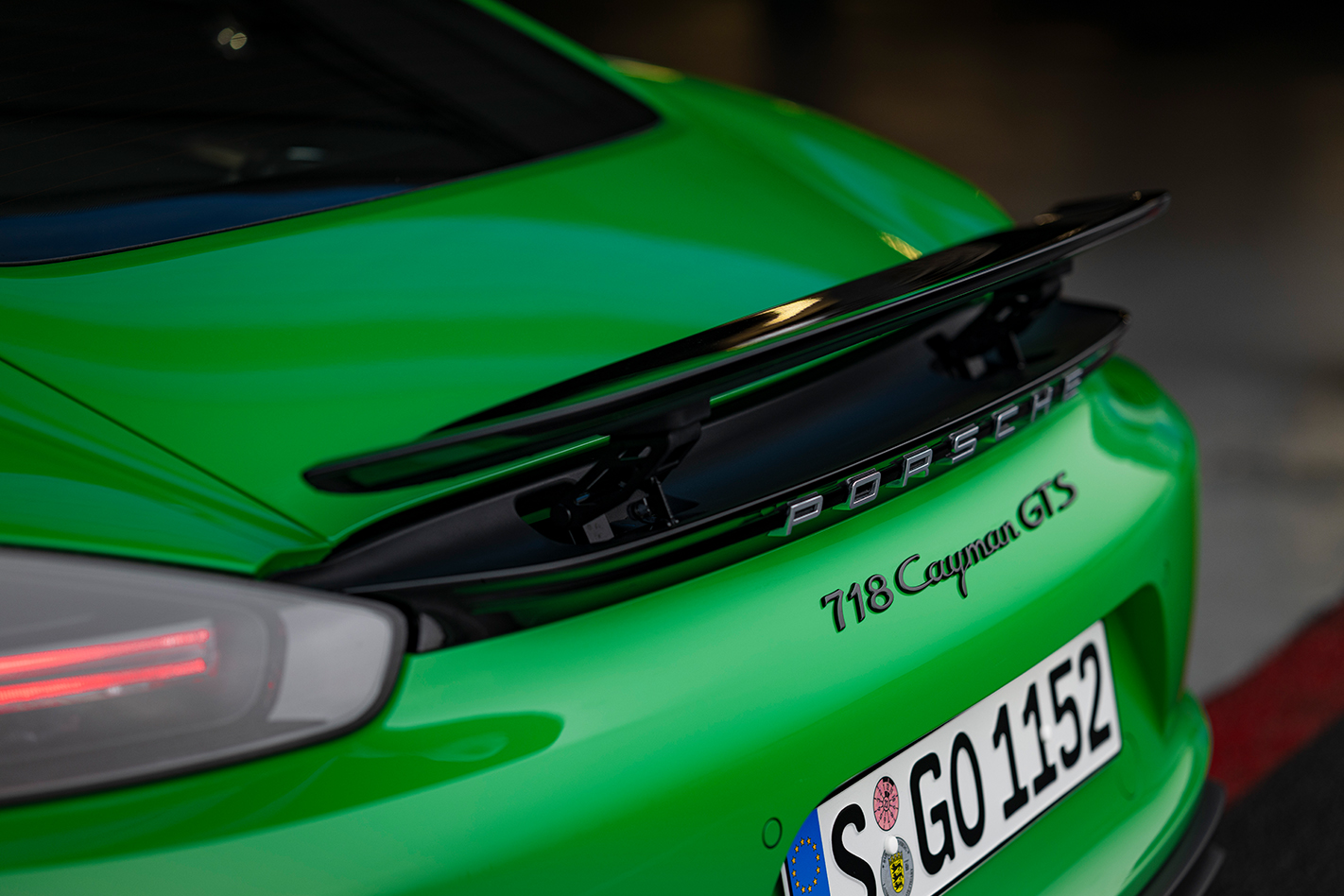
PORSCHE CAYMAN GTS REVIEW
Rarely have admissions of wrongdoing been so emphatic. Or sounded so good. Three years after controversially dumping the Cayman’s aspirated six-pot engine in favour of turbocharged flat-fours, Porsche has unashamedly raised its hand and reverted to its original recipe.
Welcome, dear readers, to the new Cayman GTS, a near-perfect sports car that takes the howling 4.0-litre flax-six first seen in the Cayman GT4 and plonks it into a package that’s more comfortable, almost as capable and costs close to 20 percent less.
The centrepiece of this car is, as you’d expect, the engine. It’s mechanically identical to the unit found in the Cayman GT4, meaning it’s a stroked and bored development of the 911 Carrera’s 9A2 3.0-litre with the turbos removed. Peak torque is the same as the GT4, at a healthy 420Nm between 5000-6500rpm, with the GTS’s only powertrain concession coming via a slightly different ECU that sees it produce 15kW less than the GT4. Still, a peak power figure of 294kW at 7000rpm is hardly limp-wristed in a car weighing 1405kg. Porsche claims 0-100km/h in 4.5sec, which is a tenth quicker than the outgoing model, and a top speed of 293km/h. Completing the refreshingly old-school recipe is a sweet-shifting six speed manual which is currently the only transmission available. A version with a seven-speed dual-clutch will start production at the end of 2020.
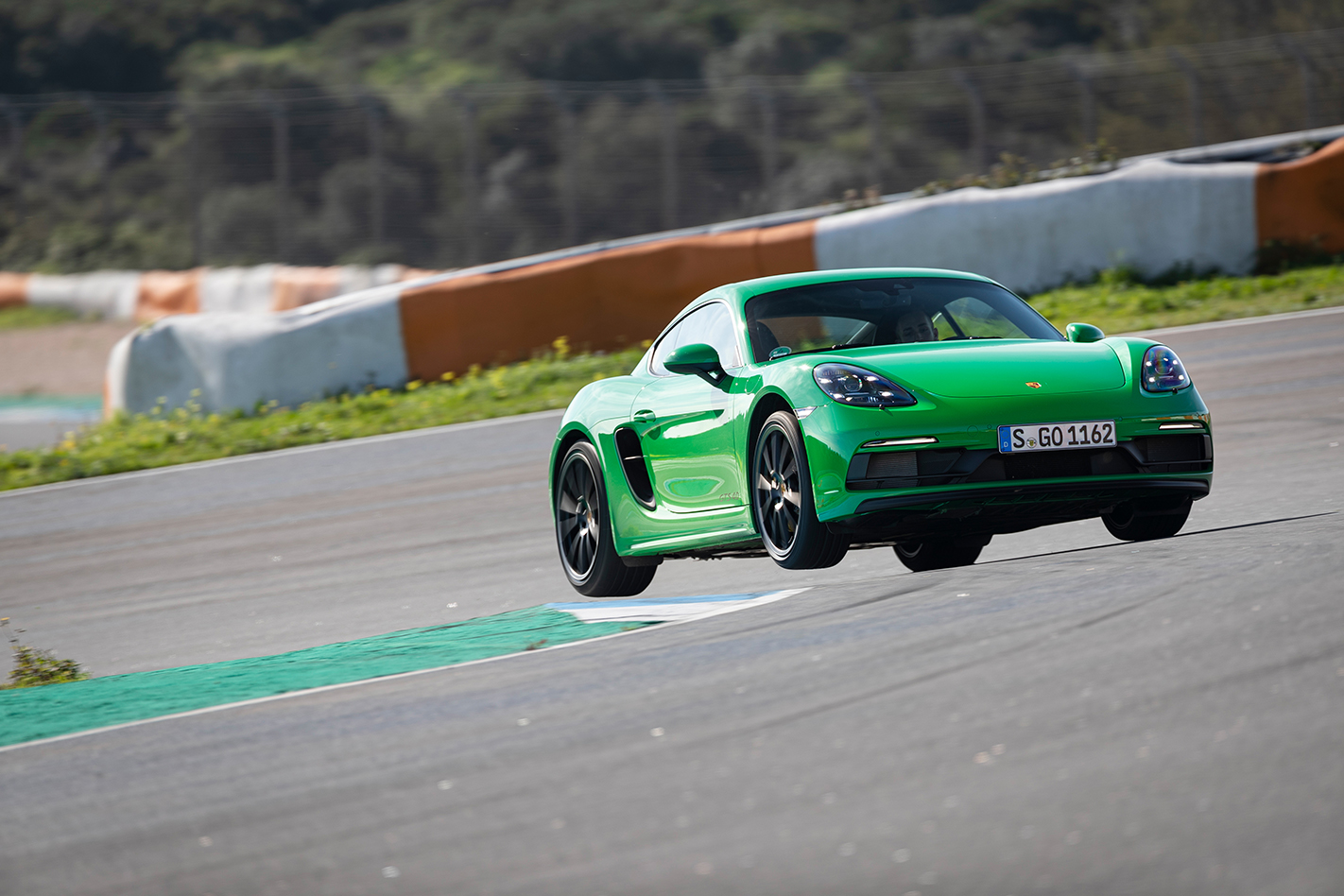
The burning question, of course, is whether we’ll see this engine proliferate the rest of the Cayman range? “No, the regular Cayman and Boxster will keep the turbo engines,” says the man in charge of Porsche’s boxer engines, Markus Baumann. “There are a lot of customers that want a turbo because of the torque. They still sell very well.”
Many of those customers are new to the Porsche brand too, which has helped cement the future of the turbo engines, as does their popularity in China. Real enthusiasts, however, will want the 4.0-litre. While it mightn’t have the low-end muscle of the force-fed unit it replaces, it takes two corners of Estoril at the international launch in Portugal to confirm that this is a better sports car engine. It sounds purposeful at idle, revs cleanly and eagerly to the 7800rpm cut out, is surprisingly tractable, and delivers a level of response and tactility that’s been missing from the regular Cayman range for years.
Sounds good too. GTS models score the same twin-exit sports exhaust as the GT4 and the way the timbre transforms from a guttural growl to a hard-edged howl will have you chasing every last rev. And don’t get us started on the linearity of the power delivery; delayed gratification is a GTS calling card. Plus, where euro cars are fitted with exhaust particulate filters, Aussies cars aren’t, so you can expect our GTS models to deliver an even fruiter soundtrack.
It’s also a powertrain that’s in perfect lock-step with the chassis. GTS variants sit 20mm lower than standard 718s and run spring and damper rates that are five percent stiffer. Roll bars are beefier front and rear compared to lesser Caymans too, though they aren’t adjustable like you get in the GT4. Three-way adjustable adaptive dampers, unique 20-inch alloys shod with Pirelli P Zeros measuring 235/35R20 up front and 265/35R30 out back, and beefier brakes (more on these later) complete the chassis changes.
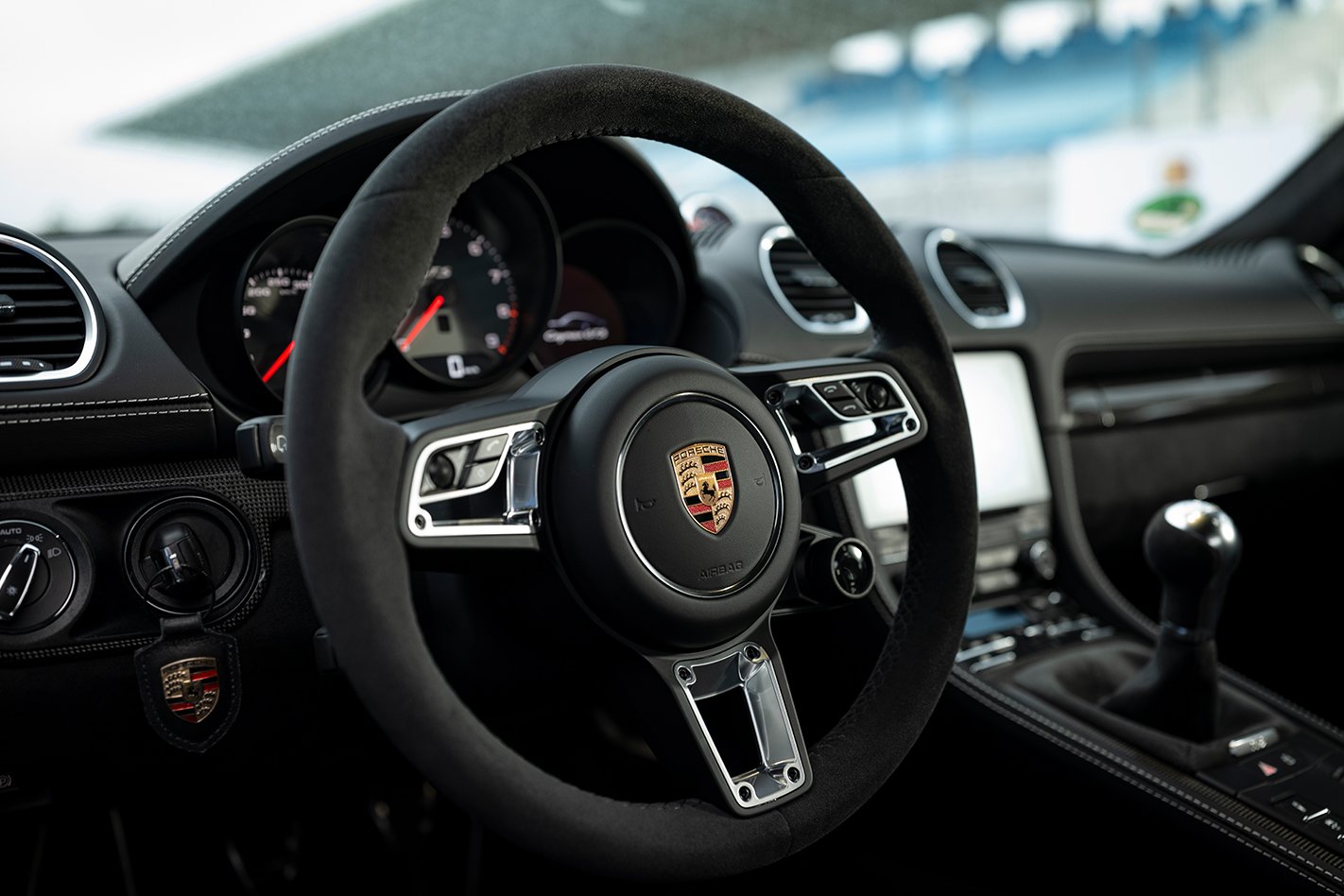
Drive the GTS hard and the overriding sensation is one of balance and forgiveness. This isn’t a car where you’ll suddenly find yourself backwards wondering what happened as you rush towards the barriers. If you get it wrong here, it’s entirely your fault. Not that you’re likely too. While it relishes smooth inputs, the GTS is equally tolerant of sloppy ones. Get too greedy with the throttle or too quick with the wheel (steering is relatively fast at 2.5 turns lock-to-lock) and it’ll push into benign under- or oversteer, all the while clearly telegraphing that you, as the driver, have let the team down.
Provoke it deliberately and there’s ample on-throttle adjustability to be had, but the real joy here is in being smooth and chasing mid-corner speed. And in shifting gears. This is one of the sweetest and slickest manual ’boxes around, which makes the realisation that the majority of GTS sales will be the PDK kind of a bummer. In fact, our only criticism of the gearbox is that the ratios are still too long but don’t expect that to change any time soon. ‘We need them to meet emissions standards” says Porsche GT boss Andreas Preuninger. Still, we can’t help but dream of how punchier ratios would transform the car.
Torque vectoring and a mechanical limited slip differential are standard, as is a rev-matching function that activates automatically in Sport and Sport Plus. Diehard heel-and-toers can turn the system off, but it’s so good and smooth that it’s actually easier to keep it on and to focus on your braking.
Stopping power has taken a significant step forward compared to the old GTS. Where that car ran 4-piston front brakes with 330mm front discs, the new GTS uses 6-piston monobloc callipers with 350mm cross-drilled discs as standard. Carbon ceramics are also available, if you’re willing to part with an additional $15,370.
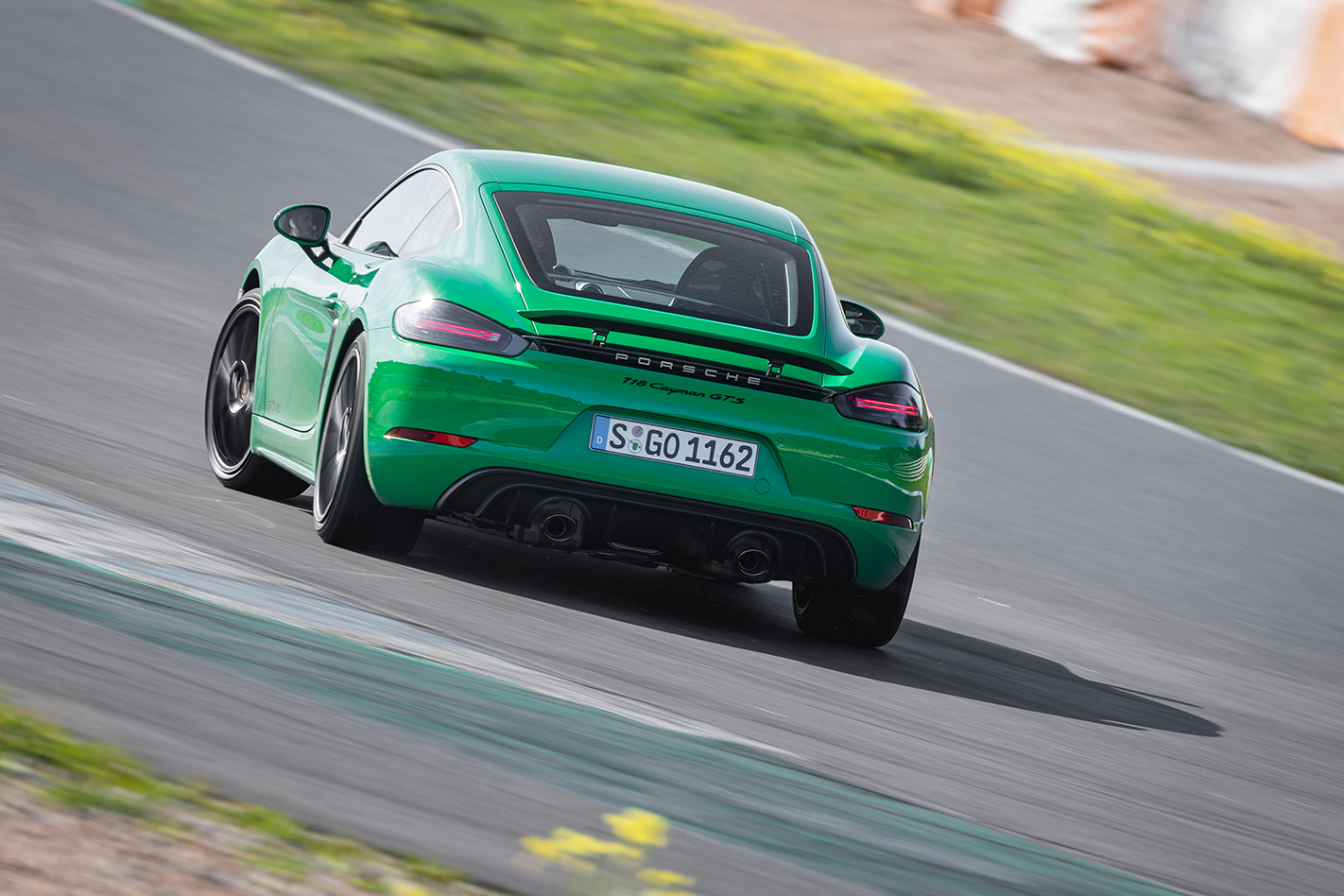
The only other option worth considering is a softer suspension set-up, which drops the ride-height by 10mm rather than 20 and brings the promise of greater on-road compliance. Unlike the carbon brakes, ticking this box won’t cost you any extra, though whether it’s for you will depend on your priorities as it does introduce a noticeable level of roll and doesn’t feel as sharp as the standard set-up on track.
Inside, GTS owners are ensconced in a cabin trimmed with a rich mix of leather and alcantara, but the genius is in the ergonomics. The driver’s hip-point, the placement of the pedals, the adjustment of the steering wheel, the positioning of the shifter … everything is exactly where you want it to be. Porsche’s Track Precision app, which logs real time data and video, is standard too, plus Aussie cars also score a rear camera, reverse parking sensors and cruise control. A pity the warranty is still only three years.
The Cayman GTS is predictably brilliant, then. And unusually it’s fractionally cheaper than the car it replaces ($172,400 vs $173,800). Think of it as a sports car that delivers 90 percent of the GT4’s brilliance for $35K less and you’re most of the way there. Throw in the realisation that this will likely be the better road car thanks to its greater refinement and ride, and it might be the best admission Porsche has ever made.
RIVALS
BMW M2 CS, Jaguar F-Type, Audi TT RS, Alpine A110 S
PORSCHE CAYMAN GTS PRICE & SPECS
- Engine: 3995cc 6cyl, DOHC, 32v
- Max power: 294kW @ 7000rpm
- Max torque: 420Nm @5000-6500rpm
- Transmission: six-speed manual
- Weight: 1405kg
- 0-100km/h: 4.5sec (claimed)
- Economy: 10.8L/100km
- Price: $172,400
A company with strong links to Ford, Premcar Engineering, has been picked to take care of the engineering for the upcoming V8 Ranger Raptor project.
Wheels refrained from naming the external engineering firm when we first broke the news about the V8 Ranger Raptor program in January.
However, we can now reveal that Premcar has been chosen to lead the project, and put in the hard work engineering and building the highly-anticipated model for Ford Australia. With a proven track record in building vehicles to OEM standards, Premcar is well suited to the V8 Ranger project.
Having garnered plenty of attention, Wheels understands the V8 Ranger project remains a work-in-progress, with the program not yet fully signed-off by Ford officially.
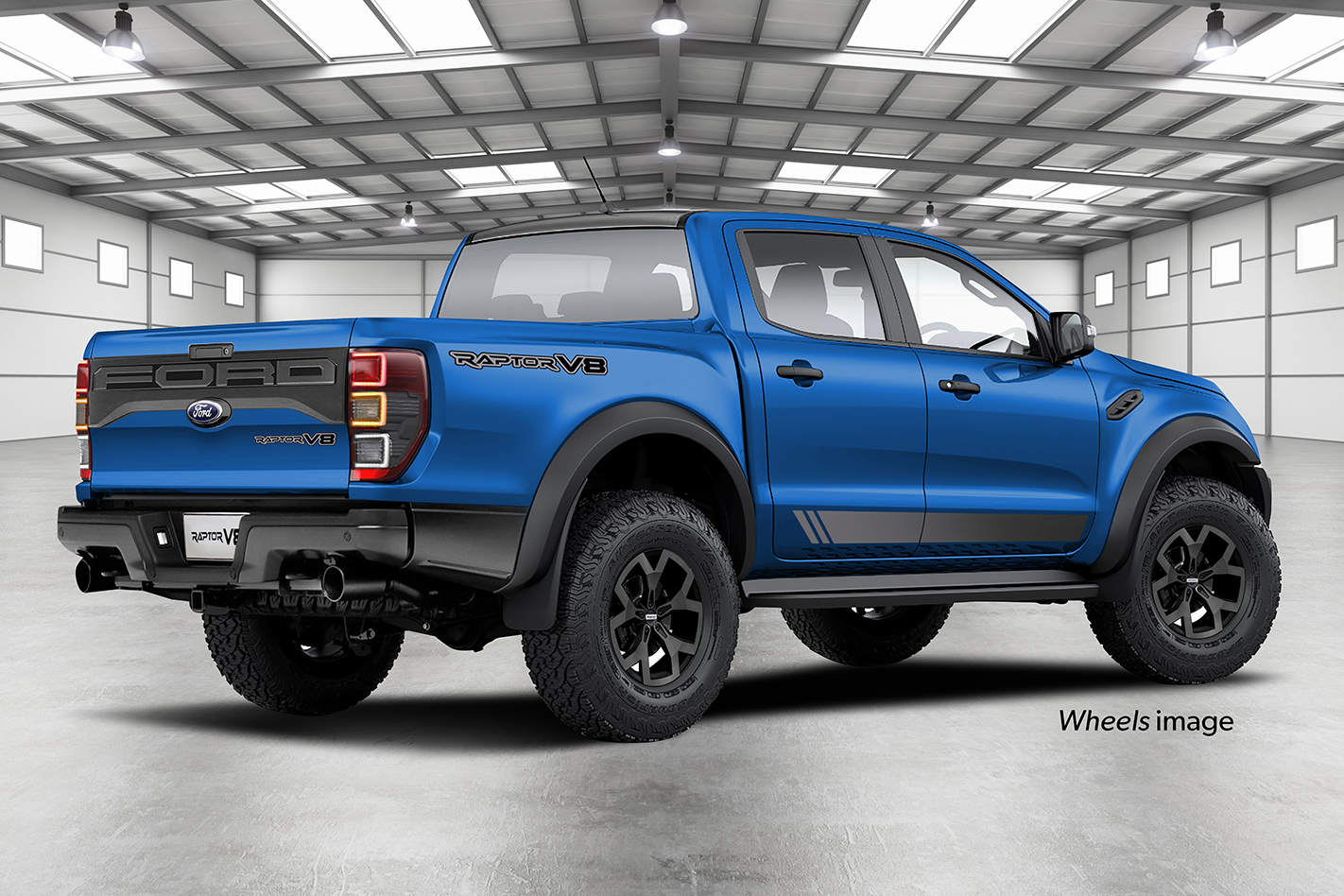
Premcar was created following a management buyout of Prodrive Engineering in 2012, and is manned by many of the same people that developed the Miami supercharged V8 that powered the fastest Falcons in existence.
However, it’s the Coyote engine, which forms the base of the Miami, which is the focus of this latest project, with the Mustang GT engine replacing the 2.0-litre diesel in the Ranger Raptor for a high-performance halo.
The V8 Ranger Raptor will be the second of Ford Australia’s local special products, following the 500kW supercharged Mustang R-Spec project.
Herrod Performance has begun production of the R-Spec at a Ford-owned facility in Campbellfield. Housed within the old site where Ford Falcons once rolled off a bustling production line, the facility has been maintained with special low-volume projects in mind.
Premcar actually had a hand in the Mustang R-Spec, helping Herrod Performance and Ford Australia’s Special Vehicles Engineering department finalise the production process for the supercharged beast.
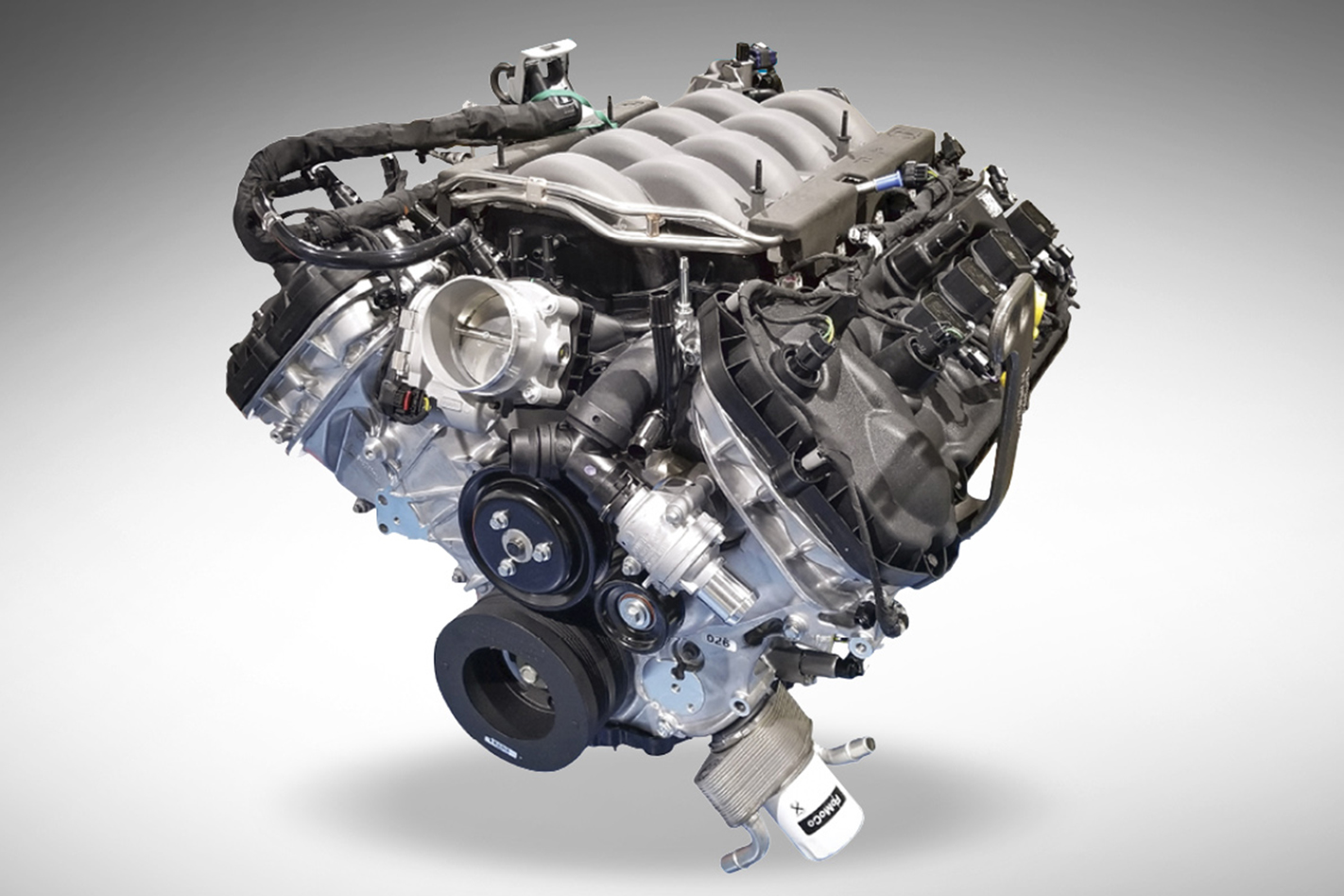
Wheels understands that production of the V8 Ranger Raptor could take place in the same facility being used to build the R-Spec once the sold-out Mustang’s 500-car run finishes later in the year.
Building the V8 Ranger will be a more involved process compared to the R-Spec, with the 4×4 undergoing a complete engine transplant.
The Ranger Raptor isn’t the only V8 ute project that Premcar has in the works. It was reported late last year that the firm is in talks with Nissan about converting the Titan pick-up to right-hand drive.
Powered by a 5.6-litre petrol V8, the Titan would compete with the RAM 1500 which is enjoying great sales success, and the Chevrolet Silverado 1500 which is due to be imported and converted by HSV in the first half of this year.
Premcar were central to the development of Nissan’s beefy Navara N-Trek Warrior model which was released last year.
The independent engineering firm does have the ability to build cars at its Epping facility, and is currently doing so with the Navara N-Trek Warrior. The facility has capacity to expand to include an additional vehicle line.
This could be either the Titan project if it can be approved by Nissan’s head office in Japan, or an N-Trek Warrior version of the recently refreshed Patrol, in the same vein as the Navara special edition.
