
This is the maddest, baddest and fastest Maserati Levante SUV a (not inconsiderable) sum of money can buy.
With the thirst for high-end, high-performance off-roaders showing no sign of being slaked, it was only a matter of time before Maserati, already late to the SUV party, jumped on the bandwagon with a rival to the likes of the Porsche Cayenne Coupe Turbo and Range Rover Sport SVR.
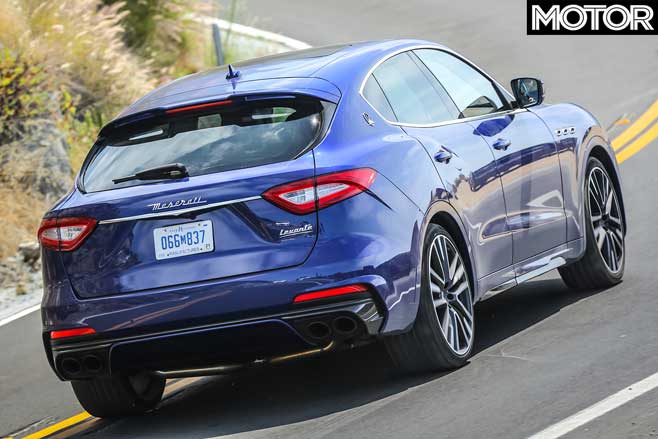
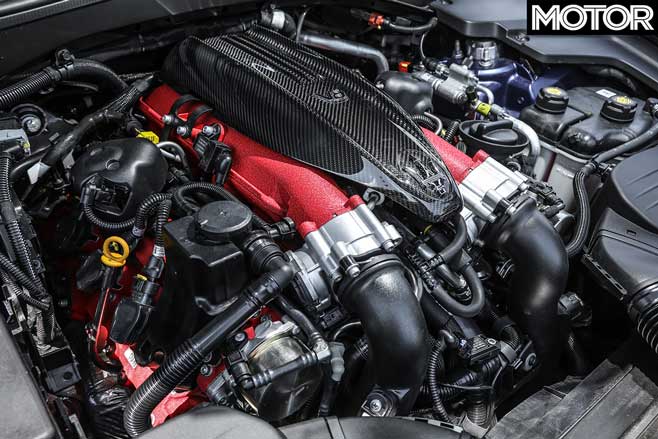
In what promises to be one of the quickest four-by-fours around when it lobs early next year, the Levante Trofeo gets a Ferrari-built 3.8-litre twin-turbo V8 with some Maserati extras – new camshafts and valves, redesigned cylinder heads, pistons and rods, a tweaked ECU and a pair of twin-scroll turbochargers. It’s the same engine as in the Levante GTS, and it produces a healthy 441kW and 730Nm. To cope with the extra power, the chassis gets a new ‘Aero 2’ mode for the air suspension that lowers the ride height 35mm.
There’s also a new Corsa driving mode that stiffens the springs and dampers, as well as loosening the ESP’s grip a little, sharpening the throttle and putting the eight-speed automatic gearbox on high alert. As with the GTS, the Q4 four-wheel drive essentially runs in rear-wheel drive most of the time, only sending torque forward when it senses slip. Maximum torque split front to rear is 50/50.
Adding to the Trofeo’s credentials as a ‘proper driver’s car’ is a mechanical limited-slip differential for the rear axle.
Our test car also came with vast 22-inch forged alloy wheels wrapped in specially developed Continental rubber, 265s at the front and steamroller 295s at the rear.
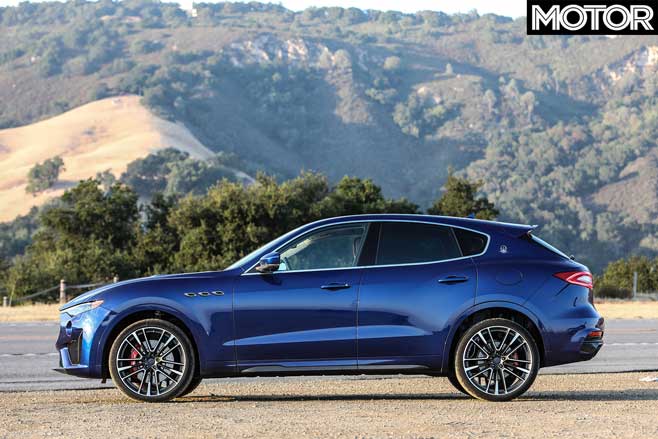
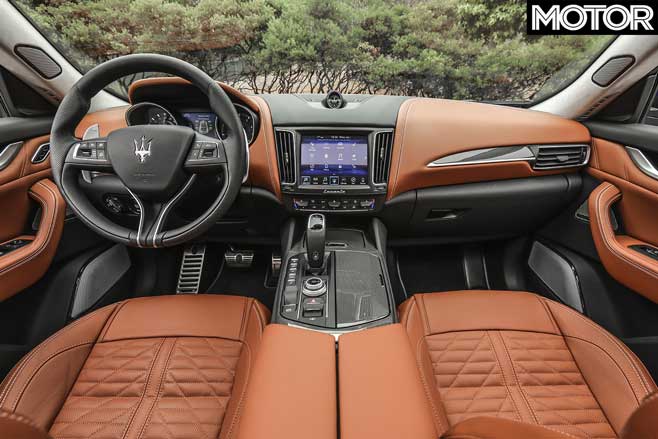
Externally, the Trofeo is marked out by those huge wheels and some bonnet vents, plus a smattering of carbonfibre aerodynamic additions, while inside you’ll find a pair of high-backed sports seats and yet more carbonfibre, this time finished in a tasteful naked weave. The soft leather on the seats and dashboard is first-rate, so it’s a shame some of the plastics and switchgear aren’t quite up to the $330K price tag.
Frankly, the Levante Trofeo could handle like it had two left feet, but you would be willing to forgive it because of that Ferrari-built engine. Of course it delivers plenty of performance, but it’s the noise that really smears a grin across your face.
This is a classic Italian engine, filled to its crackle-red cam covers with character. Yes, there’s a sports exhaust with an active valve that opens in Sport mode for the full operatic effect, but even then the sound is cultured and on just the right side of noisy. It snarls and howls under load, then cracks, pops and burbles on the overrun. Its glorious tenor is never more than a right-foot flex away.
Peak torque comes in at just 2500rpm, but there’s a decent chunk below that, so the Trofeo feels easily as fast as a Porsche Cayenne Coupe Turbo. It’s the sort of effortless, lag-free urge you expect from turbocharged engines these days, but while the torque curve is flat, the V8’s performance still builds excitingly, crescendoing with a snarling rush of revs over the last 1000rpm or so.
Happily, the engine is mated to the familiar eight-speed ZF auto, which delivers smooth and crisp shifts in auto mode, yet reacts quickly to the long steering column-mounted paddles.
Even in its firmest Corsa configuration, the Levante copes well with torn and ragged tarmac. The car’s mass eventually tells, but it’s surprisingly entertaining. The algorithm-enhanced ESP imperceptibly brakes individual wheels to rotate the car into a corner and quell understeer, while adaptive dampers give the Levante the feeling it’s breathing with the road, rather than pummelling it into submission.
Push really hard and it gets a touch floaty over big bumps and rolls onto its outside rear, but generally it simply digs in and goes. Arguably the weakest link is the steering, which feels more natural in Comfort. That’s when the Levante becomes a composed and comfortable cruiser, those air springs adding just the right amount of waft to proceedings.
The Levante continues to trail the Germans for overall quality, yet it still feels a bit special. In terms of outright ability and true premium appeal, the Trofeo is just shaded by the Cayenne Turbo – but then what isn’t in this class?
Be mindful of the car’s mass and size and you can cover ground at an alarming rate. And then there’s that glorious masterpiece of an engine, which is almost worth the price of entry alone. It may be flawed, but it has a charm and personality that’s rare in this type of car.
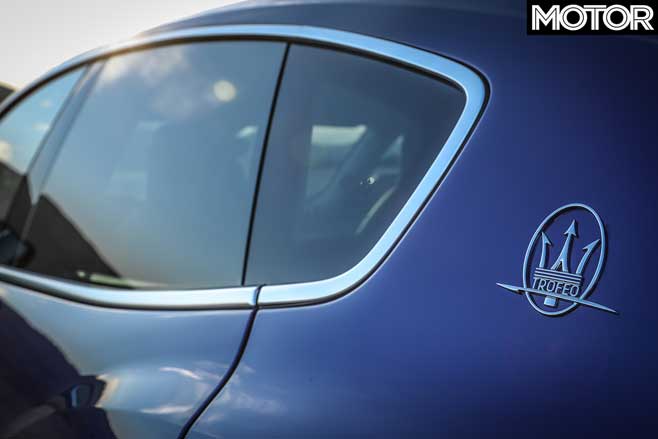
2019 MASERATI LEVANTE TROFEO SPECS Engine: 3799cc V8, DOHC, 32v, twin-turbo Power: 441kW @ 6250rpm Torque: 730Nm @ 2500-5000rpm Weight: 2170kg 0-100km/h: 3.9sec (claimed) Price: $330,000
Mitsubishi is set to add muscle to its best-selling small SUV, the ASX.
At a recent media event in South Australia, Mitsubishi Motors Australia (MMA) head of corporate communications & government relations Karl Gehling told WhichCar that the company’s popular ASX SUV will soon be available with the same 2.4-litre engine used in the brand’s larger Outlander model.
The MY19 ASX is currently powered exclusively by Mitsubishi’s 2.0-litre DOHC 16V MIVEC four-cylinder engine, which makes a claimed 110kW of power at 6000rpm and 197Nm of torque at 4200rpm.
A diesel-powered version of the diminutive five-seat five-door was dropped a year or so ago in favour of the 2.0-litre petrol engine lineup.
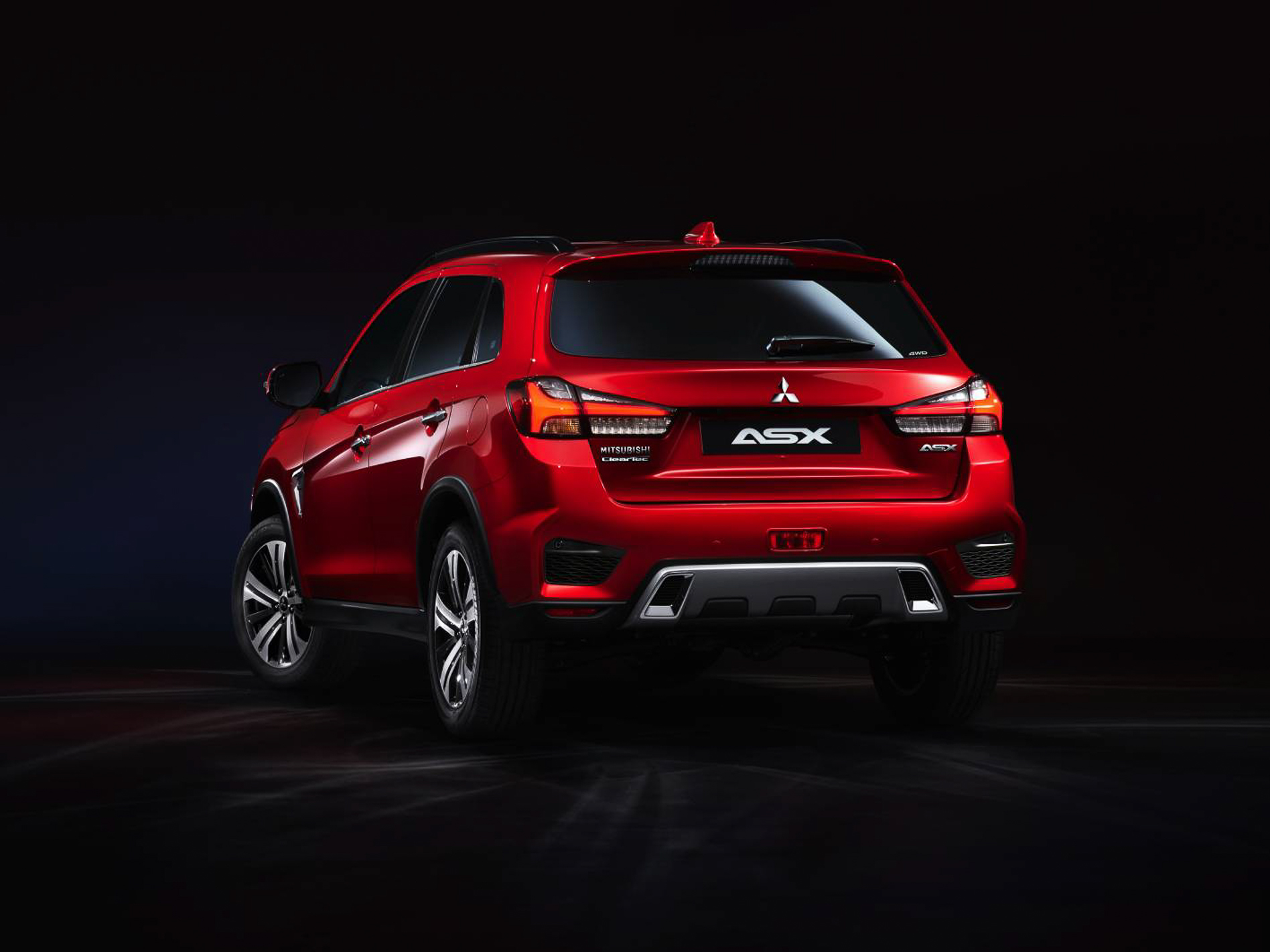
2020 Mitsubishi ASX
The larger capacity 2.4-litre S-MIVEC four should provide the lightweight ASX with a significant performance boost, producing 13 per cent more power (124kW) and 12 per cent more torque (220Nm) than the 2.0-litre engine.
No more specs have been confirmed, but it would be reasonable to assume the 2.4-litre engine would be partnered with a CVT automatic gearbox than sends power to the front wheels.
While an all-wheel-drive version is possible, it may push the price of the ASX up too close to that of the larger Outlander (below).
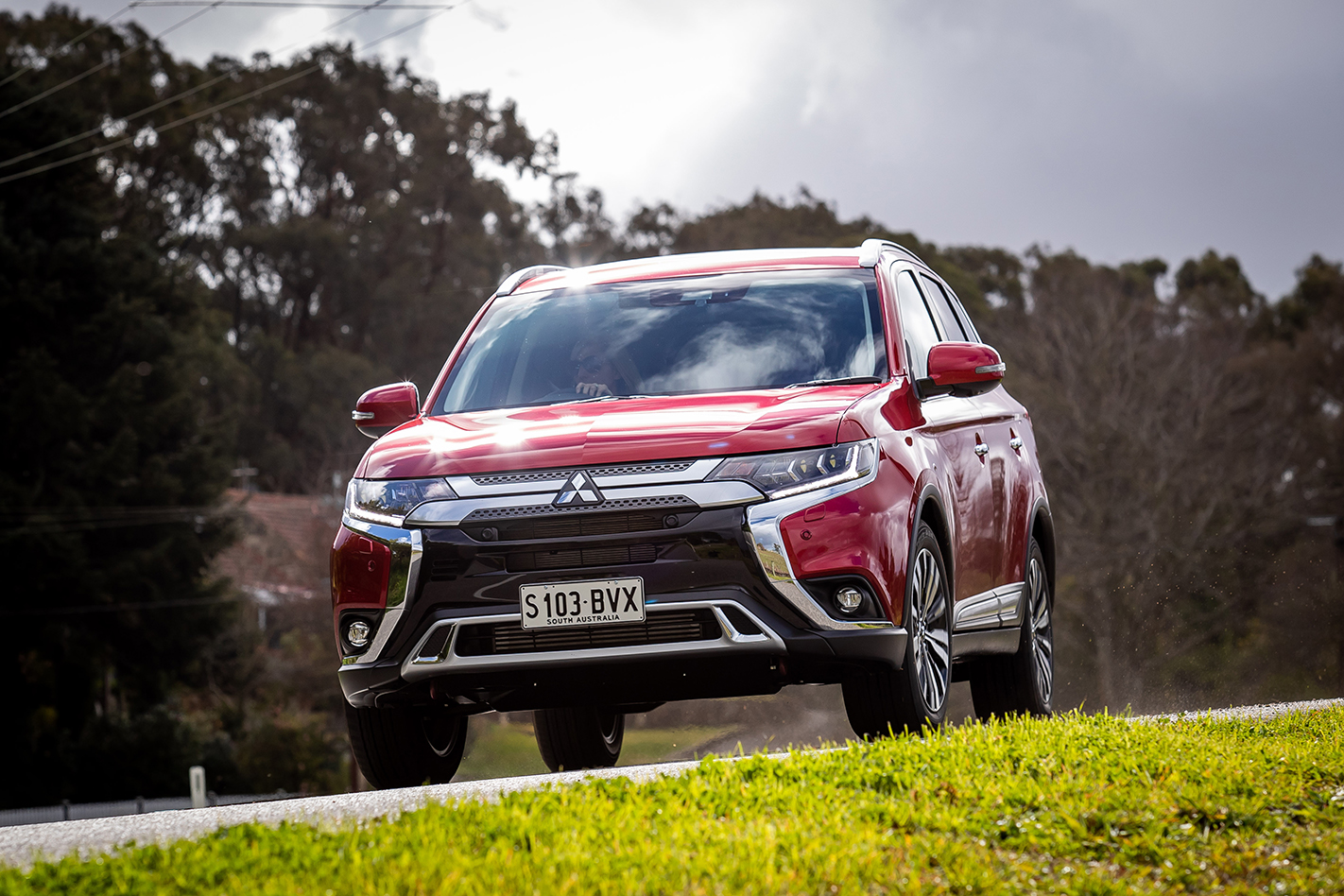
The current 2WD-only Mitsubishi ASX is now almost 10 years old, yet it remains the most popular small SUV in Australia with a whopping 17.1 per cent share of the small SUV market segment (to the end of August 2019)*, easily outselling newer competitors such as Mazda CX-3 (12.6 per cent) and Hyundai Kona (10.5 per cent), no doubt partly due to its sharp pricing and generous standard equipment levels.
The current ASX 2.0-litre range starts at $23,490 and moves through to $30,990.
While there’s no word yet on what the price premium would be for a 2.4-litre ASX, the fact that this engine will be the largest displacement in class can only help ASX retain its top-dog status in the small SUV segment.
However, the news also means that Mitsubishi will be sticking with the ageing ASX – itself derived from the previous generation Outlander – for the next couple of years at least. The company has updated the car several times over the last decade, but the base model ES, for example, still misses out on basics like autonomous emergency braking.
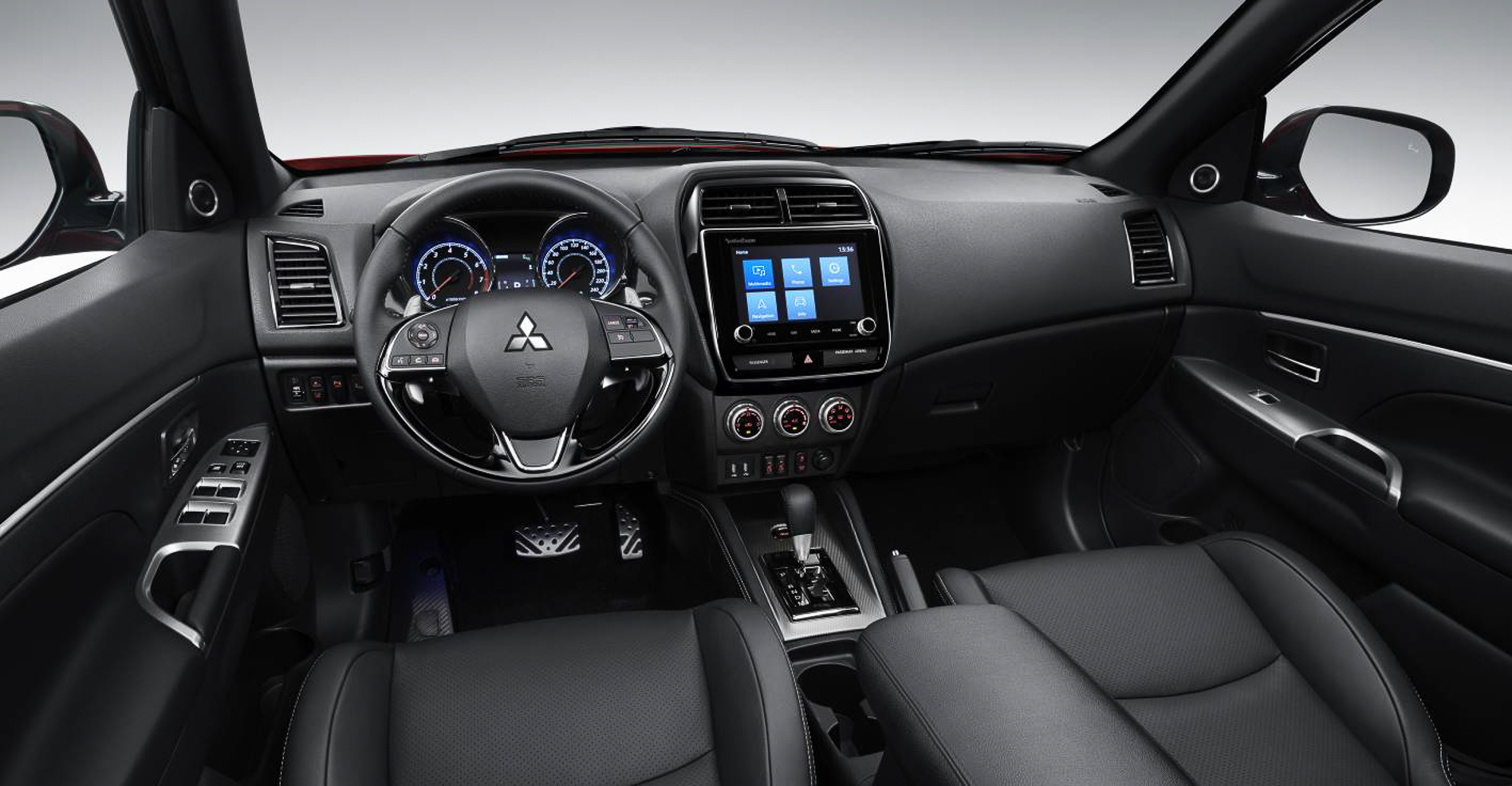
Mitsubishi ASX interior
Mitsubishi Motors deputy director for marketing and operations, Derek McIlroy, added that a request has been put to Japan to add a digital speedometer to the ASX’s multi-information display.
The updated MY20 ASX is expected to be revealed in October 2019.
*Source: FCAI VFACTS August 2019
What is the Hyundai Veloster?
The most astonishing thing about the second-generation Veloster is that it was even built at all. There isn’t a single other market in the entire world for a right-oriented version of this quirky little car, which makes its existence even more unusual.
It’s not that swapping a steering wheel to the other side is difficult for a company that size of Hyundai, or that that Veloster doesn’t fit into the company’s current roster, either; it’s those doors.
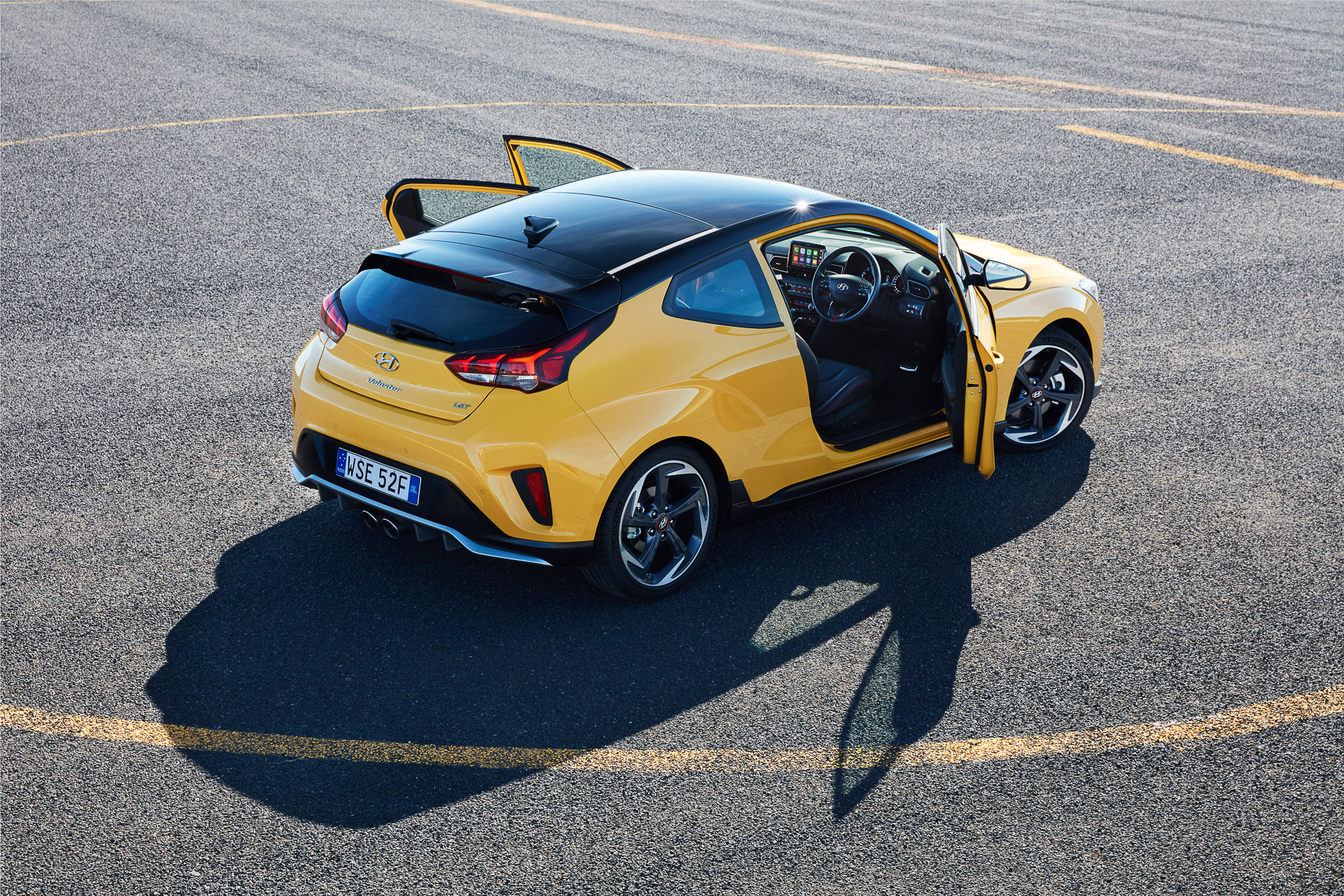
Revealed as Hyundai’s quasi-performance c-segment player in 2012, the Veloster joined only the Mini Clubman in offering non-mirroring doors on either side.
In the Veloster’s case, it looked after its occupants by running two doors on the left side and a single door for the driver, giving (supposedly) easier access to the rear bench.
That quirky design was complemented by equally unusual external elements, including a rear render that succeeded in looking both different and unfinished in equal measure.
It has moderate success, branded as ac sports car despite its, erm, lack of credentials in the space.
Some 19,000 Velosters were sold until the car faded from view last year, its performance KPI adopted by cars like the i30 N-Line nee SR.
Now, though, against the odds, it’s back, adopting the same DNA of daring to be different but for a new age.
What is the Hyundai Veloster like to drive?
Based on the same underpinnings as the i30 hatchback family, the Veloster gets a leg-up in a couple of areas. Its multi-link independent rear suspension arrangement gives it a leg up in the ride quality, handling prowess and tunability stakes, while the fact that the entire car is, on average, 100kg lighter than the equivalent i30 also bodes well for its overall abilities.
Once again, Hyundai’s suspension skunkworks team has waved its shock dynos and vernier calipers over the car – but in the case of the Veloster, the job was already half-done, thanks to the common i30 platform, which allowed the team to get to the good stuff right out of the box.
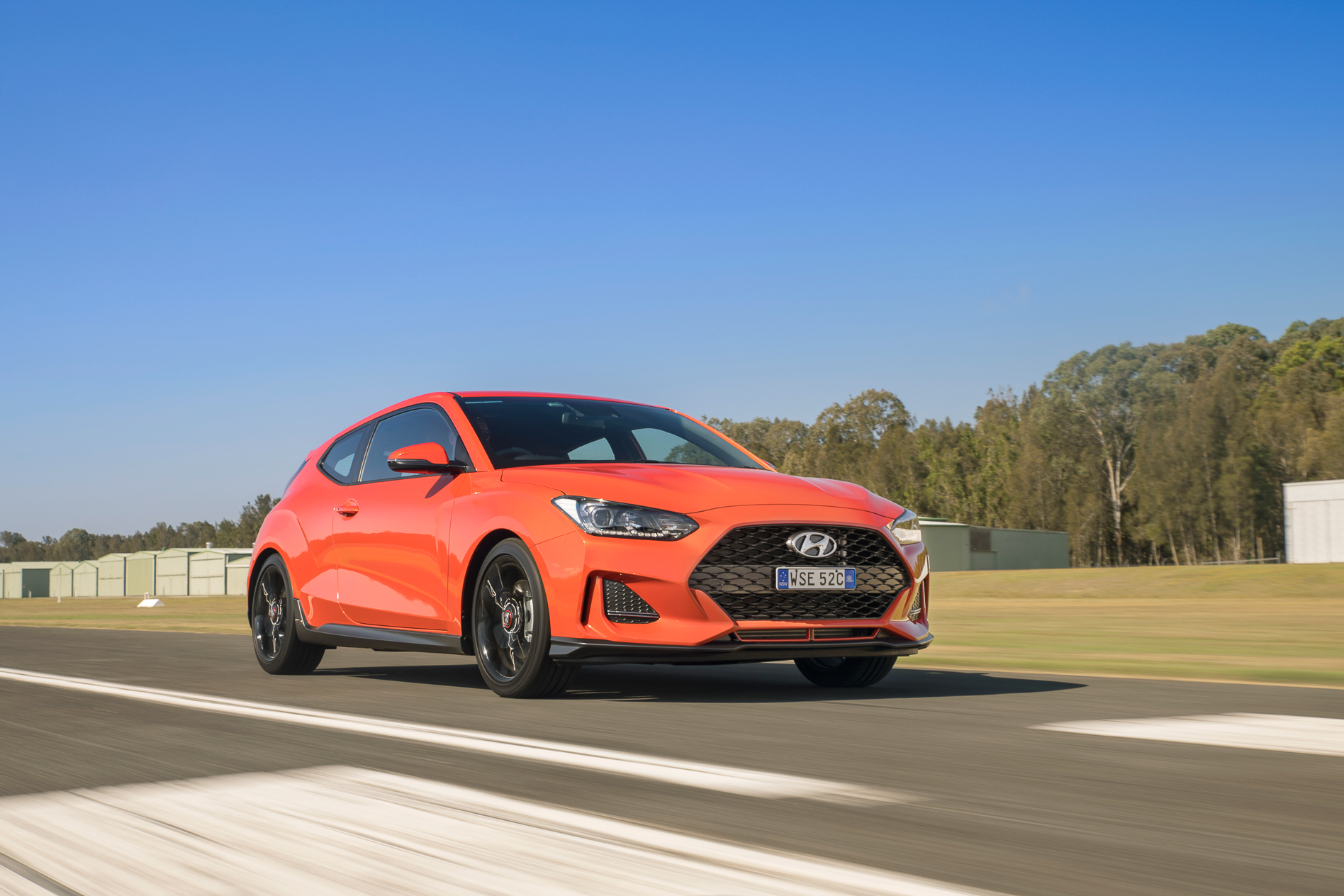
Tuned with an eye towards a sporty demeanour, the Veloster – which comes in both 2.0-litre naturally aspirated petrol and 1.6-litre turbocharged petrol guises – is a keen, engaging tool to punt on a winding country road. It turns into a bend with alacrity and vim, with a surprising amount of front-end grip on offer.
The compliant rear end, meanwhile, does its part by keeping the Veloster well settled and gripped up, while the body and chassis itself – 28 percent stiffer in twist, according to the Hyundai boffins – means that the well-fettled suspension can actually do its work.
Big tick, too, for the standard Michelin Pilot Sport tyres, which tie the whole shooting match together beautifully – though be aware they won’t be especially cheap to replace when the time comes.
The 110kw, 180Nm 2.0-litre petrol engine is linear and useful, if not especially inspiring, and the gearing in both the six-speed manual or dual-clutch auto transmission sets feels abnormally long; great for fuel economy but not that sporty under the pump.
The spritely 150kW, 265Nm 1.6-litre turbocharged unit is a gem we’ve come across in many other Hyundais, and it spins up freely and punches on with enthusiasm. Its damp squib, though, is its soundtrack – it’s just not that nice inside the car or from the outside. Kudos for the return of the centrally-mounted twin exhausts, though.
That sporty suspension translates to a ride quality around town that is firm but not brittle, with the Veloster’s stiff base allowing the suspension to do its work to soak up the worst of our urban jungle without falling in a heap.
What’s the Hyundai Veloster like to live with?
It’s not a coupe and it’s not a hatch, and as a result, the Veloster picks up both good and bad traits from both.
Up front, there’s next to no difference between sitting in the Veloster as an i30. The floating multimedia screen, twin-tube dash, simple button arrangement… it’s straight from the i30 playbook.
The Veloster, though, misses out on some of the finer fit and finish items of the i30. There’s a lot more rigid plastic in key areas like the tops of the doors, for example, while even the auto models come with a manual handbrake.
The seats – cloth on the entry-level Veloster, cloth/leather on the second-tier Turbo, and leather on the top-rung Turbo Premium – up front are comfortable and decently size, but it’s a different story out back.
Down the left side of the car are two doors, compared to the right side’s one. Hyundai says it’s increased the rear door aperture (below) when compared to the last one… but it’s a bloody tight fit for an adult, let alone a 187cm-sized one. Headroom has been improved, but it’s not sufficient for even moderately tall people, and there’s not a lot of room behind the front seats.
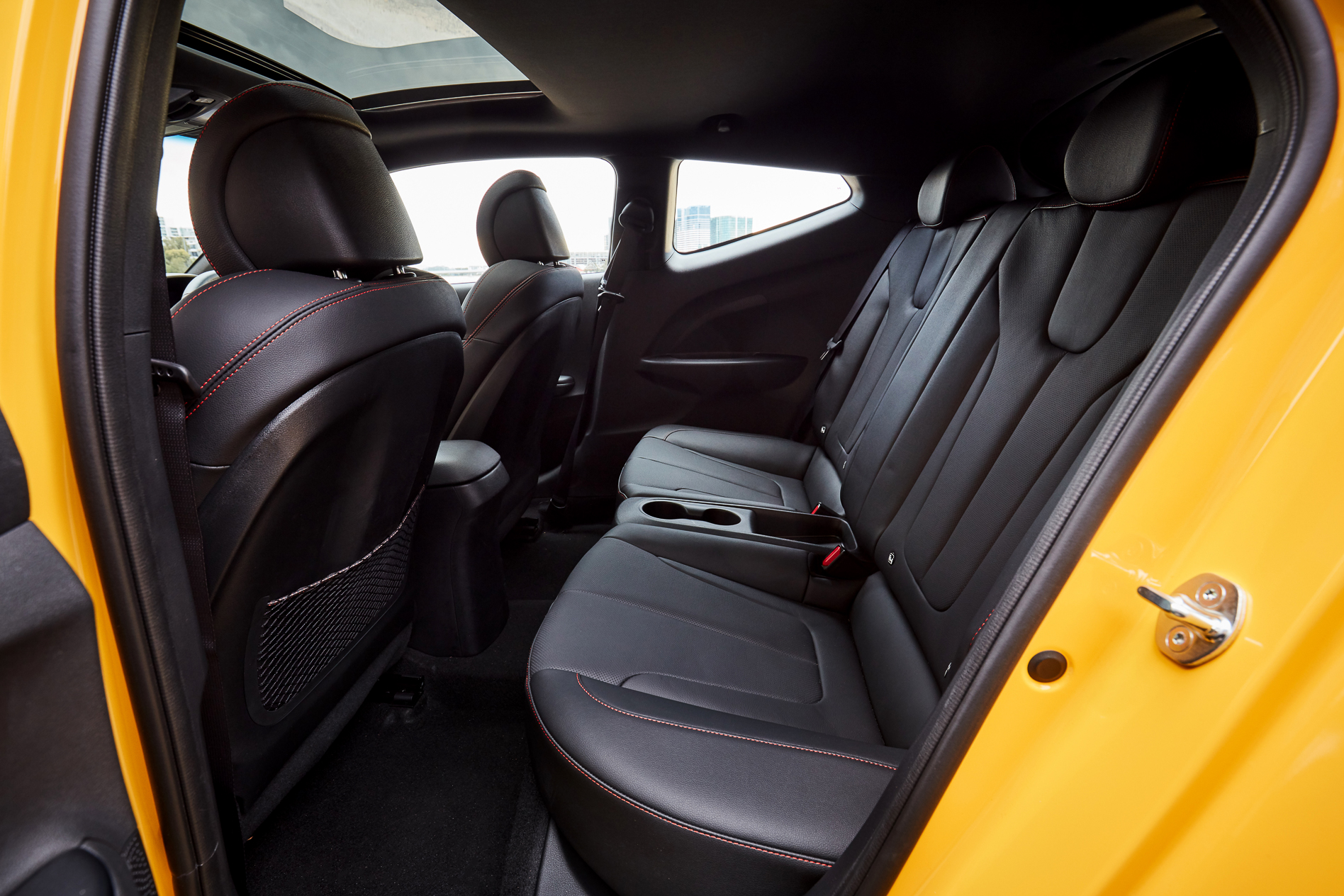
As well, the curvature of the roof over the rear door opening makes access quite difficult.
How small is the rear seat in the Hyundai Veloster? I pulled a favour from a friend to snag the front passenger seat in his Veloster for an hour-long commute, rather than do the same amount of time in the rear seat of another Veloster.
The novel design also impacts on luggage space, with just 303 litres of awkwardly proportioned room for cargo available with the seats up.
Hyundai argues that the Veloster is aimed at families looking to supplement an SUV, or a couple sans kids. I can imagine youngish kids digging the back seat, but strapping in under-7s into a baby seat would get old really quickly, given the necessary stoop needed to get into that rear door.
In terms of kit, all Velosters come with AEB and lane-keep assist, while blind-spot collision warning, high-beam assist, rear cross-traffic alert, forward collision-avoidance assist with camera and radar (auto only), and adaptive cruise control (auto only) come on the Turbo variants.
The base Veloster gets 18-inch alloy wheels and Michelin Pilot Sport 3 tyres, automatic headlights, LED daytime running lights, cloth seats and a 7.0-inch touchscreen display with Apple CarPlay/Android Auto.
The Turbo gets LED headlights and taillights, Pilot Sport 4 tyres, alloy pedals, cloth/leather-appointed seats, digital performance gauges within the 8.0-inch multimedia screen, paddle shifters for the auto, keyless entry and start, DAB+ digital radio and satellite navigation.
Is the Hyundai Veloster worth the money?
The Veloster kicks off at a nick under $30,000 before on-roads for a manual gearbox-equipped 2.0-litre version and tops out at just under $42,000 for the full-fat Turbo Premium with a six-speed auto.
Our pick, though, is the mid-grade Turbo auto (below). At $38,990, it gets you the best engine in the range and all of the available active safety gear available on the Veloster.
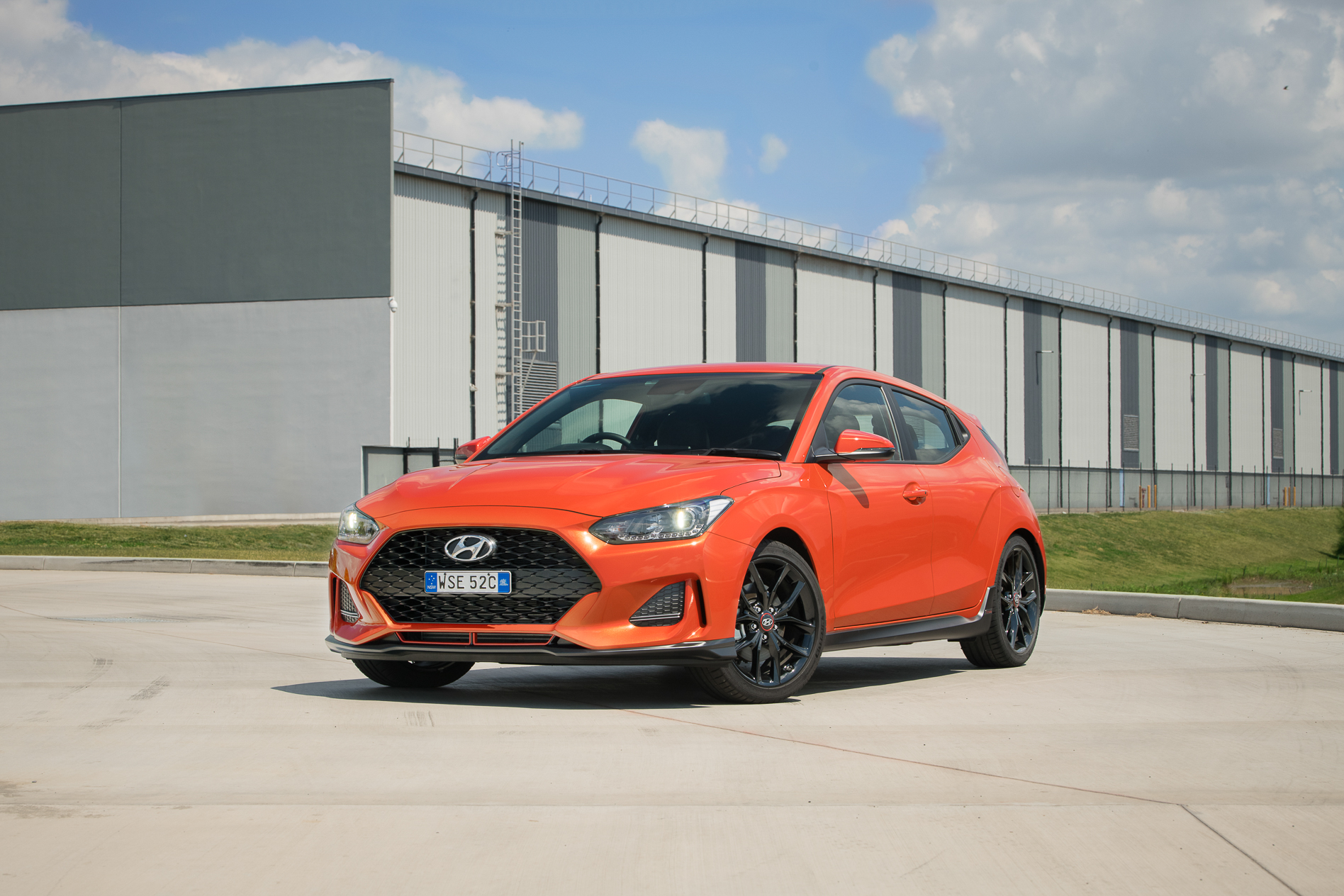
We’d be remiss, though, not to point out that it would only take a few more thousand dollars to get into the equally quirky but much, much more accomplished i30N Fastback (albeit in manual only).
Other rivals in the space – if you’re looking strictly at the Veloster’s like-for-like rivals in the sports car category – include the Toyota 86 and Subaru BRZ twins and Holden’s three-door Astra hatch.
Verdict
For me, it feels like the game has moved on apace since the original Veloster dropped in 2012. A greater array of cute-yet-practical compact crossovers are taking care of the desire for something unusual, while Hyundai’s own excellent i30 has moved up in equipment and premium feel terms over the same period.
Still, the Veloster is a handsome, unusual jigger that will absolutely appeal to a sub-set of buyers who know what they like when they see it. Hyundai’s five-year warranty and a pretty impeccable reputation for reliability don’t hurt, either.
More Hyundai Veloster news and reviews
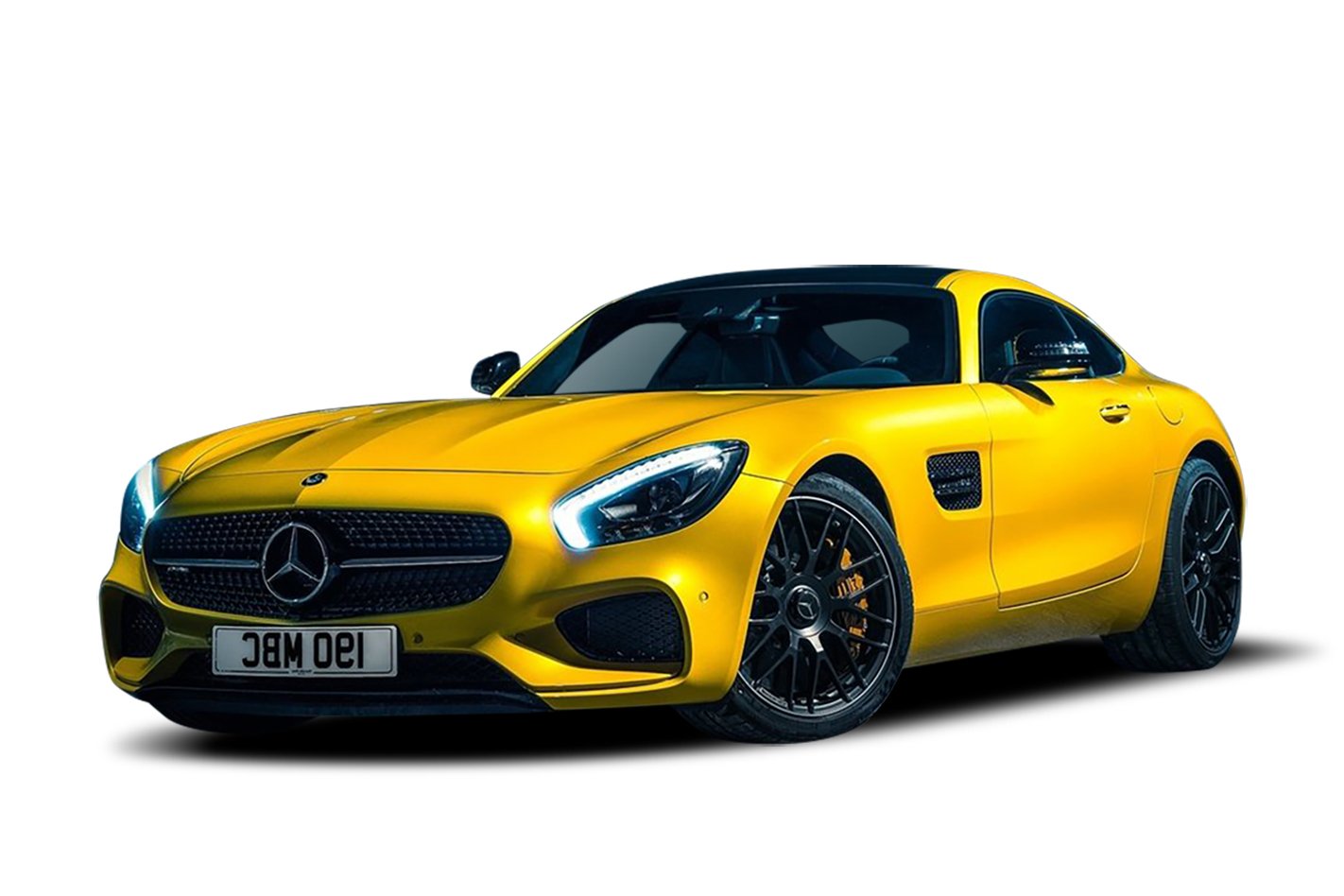
AMG GT
“We must not forget that driving is fun. I love driving my GT, and it makes my day. I love the sound of a V8 more than anything else. The car to me is like a beautiful woman. It has that sexiness the Jaguar E-Type had in the 1960s, the lightness, the long hood when you sit inside. The car is just 100 percent pure emotion, pure beauty.”
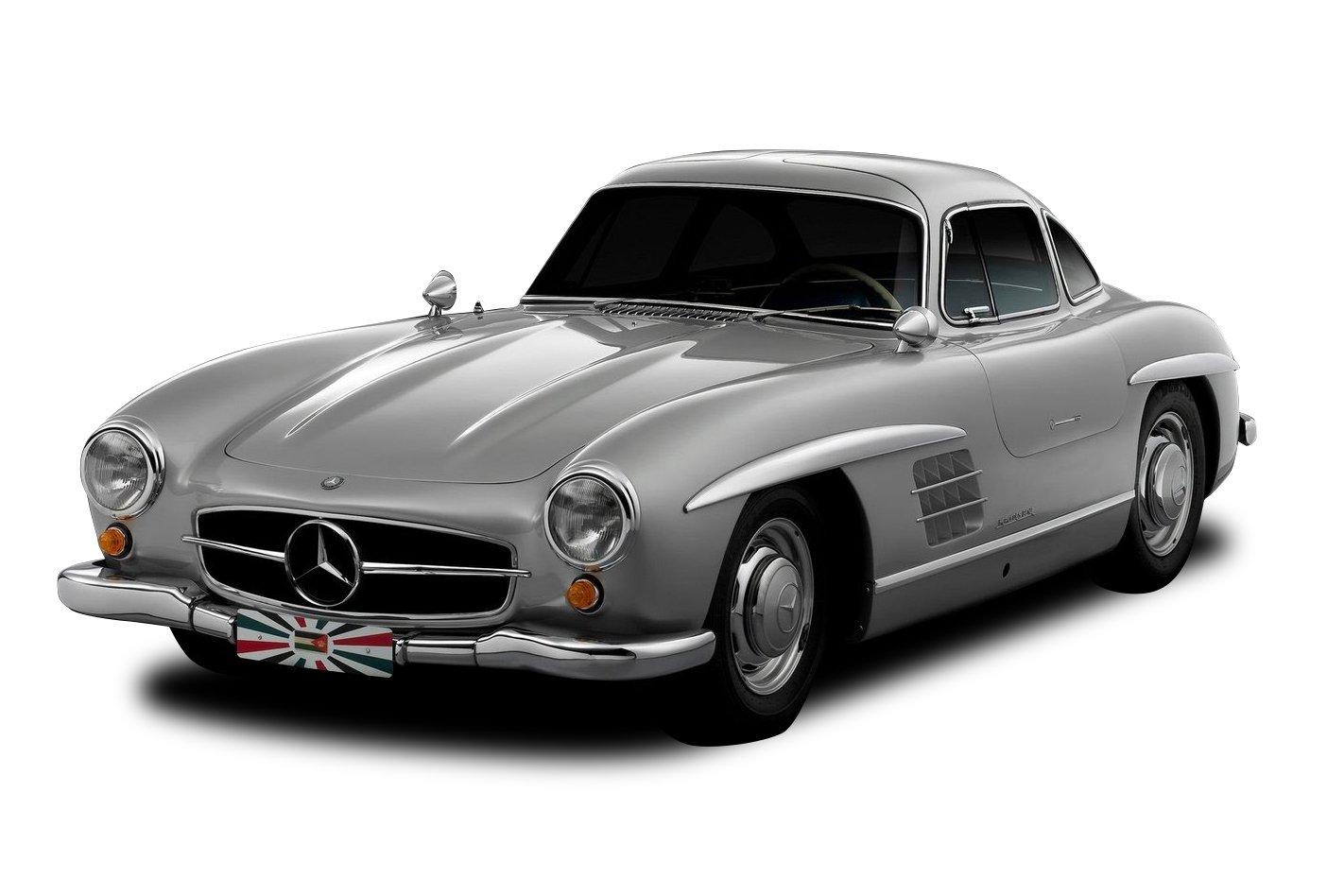
Mercedes 300SL
“The attraction of the Gullwing is, of course, the timeless shape, but also when you drive events like Mille Miglia, it shows just how superior that car is. And back in those days, it was like a UFO. That car cost around $8000 and the most expensive Cadillac at the time was around $4000. That was a price of a decent home back in those days.”
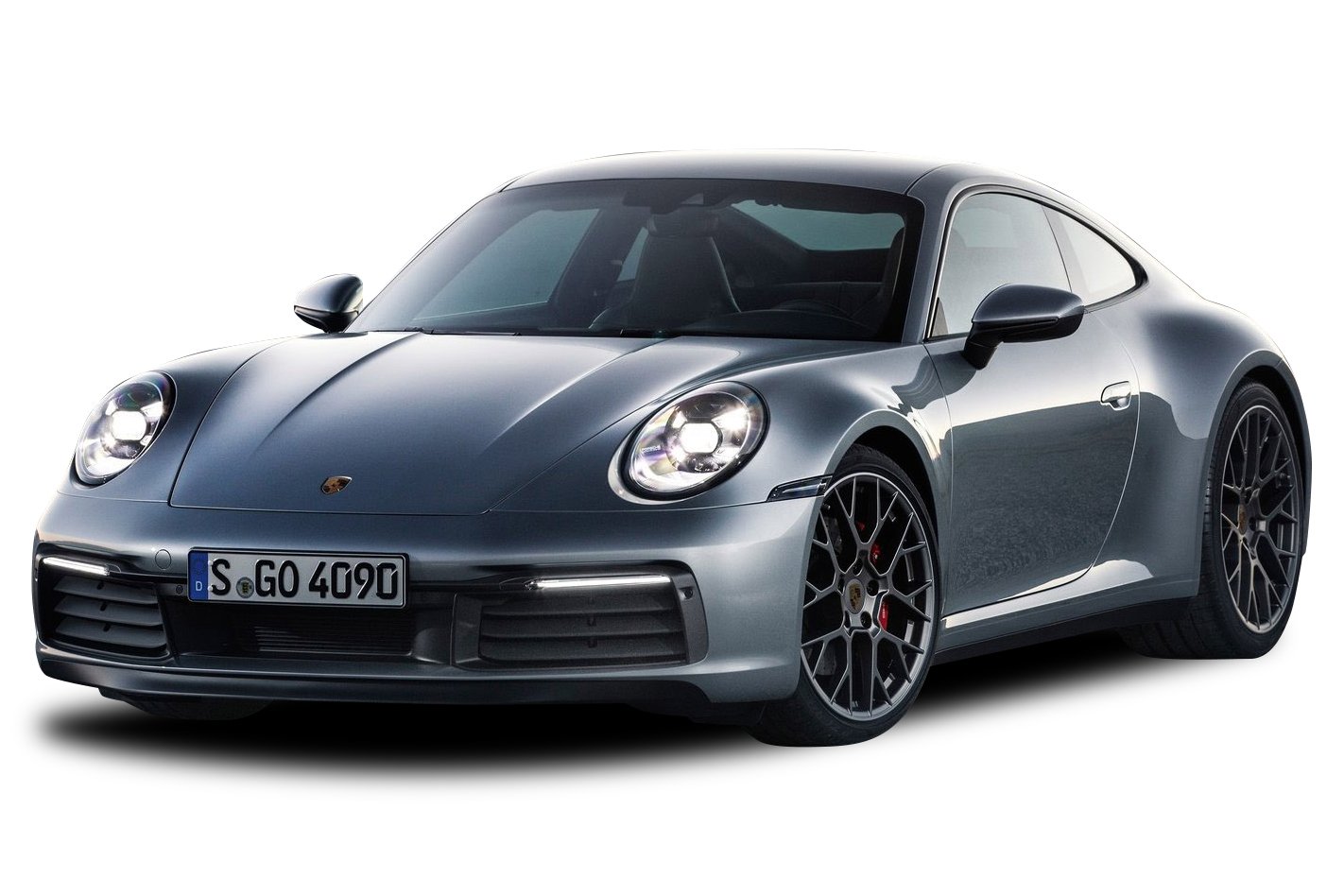
Porsche 911
“The 911’s a classic shape that evolves over time, and Porsche always manages to update that. You can’t really change it, because then it wouldn’t be a 911. But the general architecture of the car, the hips and the rear, and of course the rear engine, which allows the front end to dive and the fenders to be exposed … this is a classic.”
IT’S FAIR to say that a few eyebrows were raised when Porsche announced that its long-awaited 718 Cayman GT4 would retail at $218,800 before on-roads.
Even by Porsche’s standards that is a fat stack of cash and it nets you a lithe two-door coupe that is pretty much lineball on pace with a $100k Alpine A110.
Despite the big ask, everybody who has driven the Cayman GT4 has beaten up as many superlatives as their vocabulary permits and then looked for a dotted line to sign on. It’s that good.
But, we wondered, what if we lined it up against something with an overwhelming firepower advantage? Something akin to burbling out in your beautiful Riva powerboat only to find the USS Iowa levelling a broadside at you.
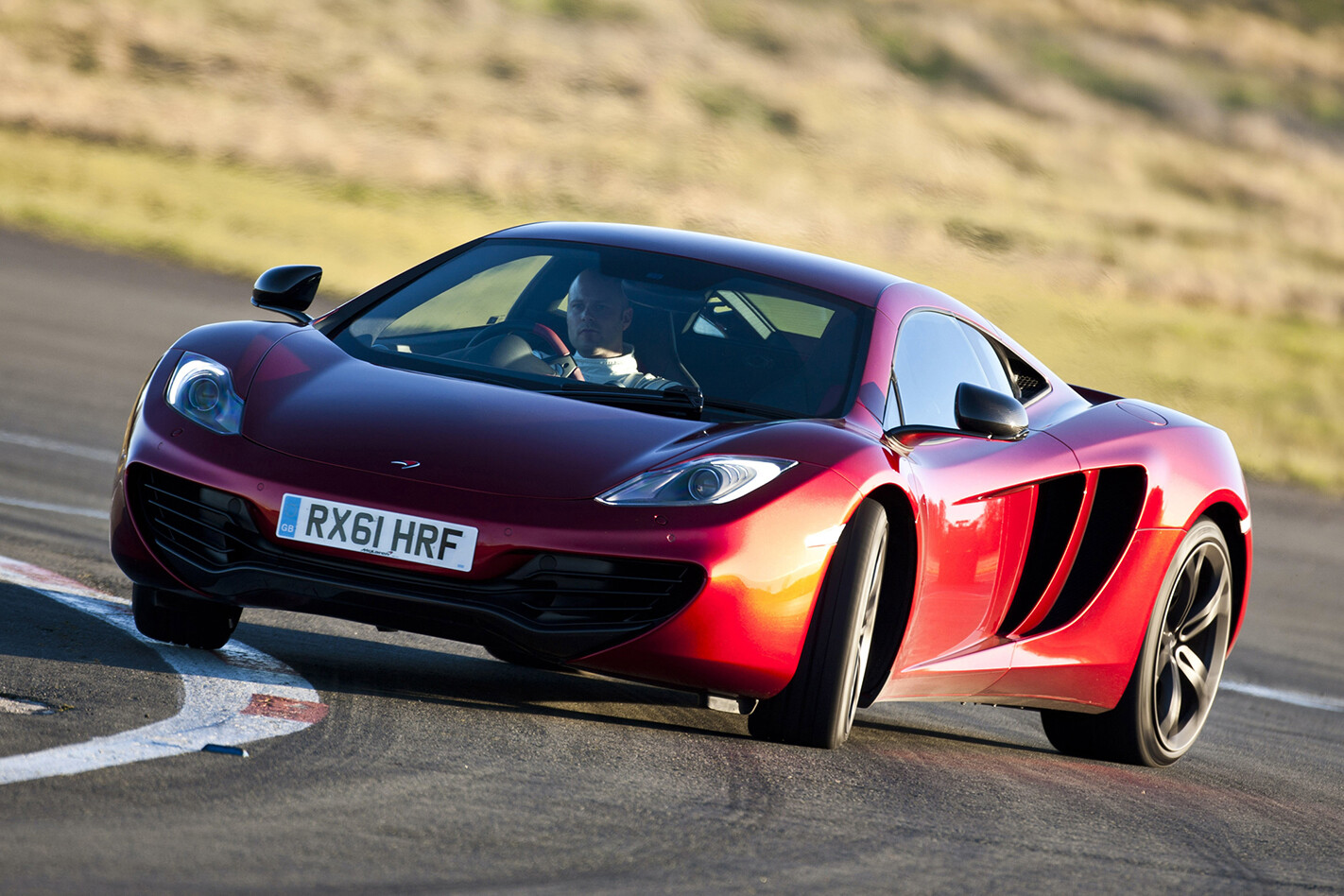
Facing down the new Cayman GT4 needed something with that intimidation factor, so we see your 309kW Porsche and raise you a 441kW McLaren MP4-12C. Game over? Not so fast…
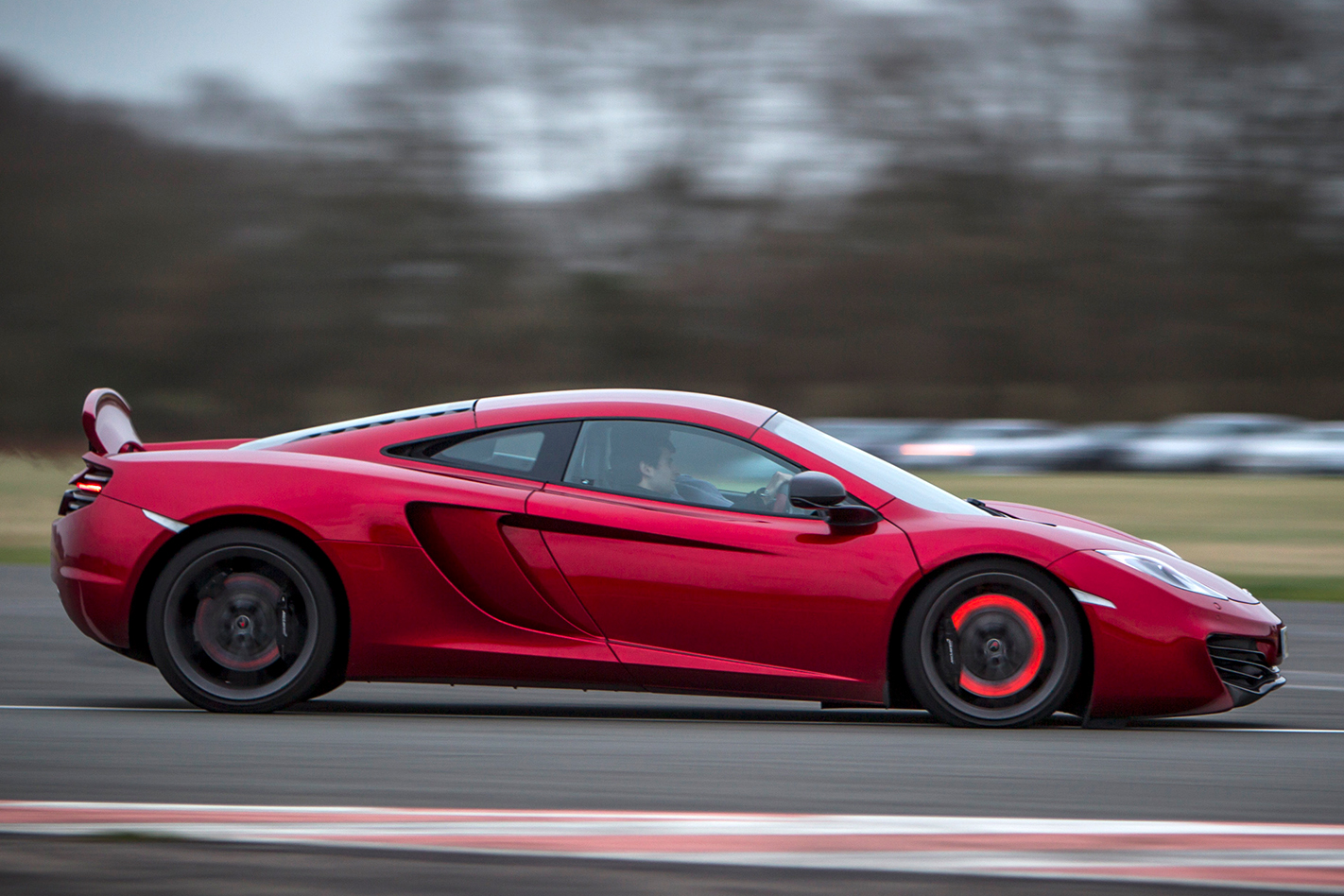
McLAREN MP4-12C
TIME WAS initially unkind to the McLaren MP4-12C. Just three years after it was released, it was treated to a hefty facelift and re-released as the 650S. That’s about as overt an admission of ‘we got that wrong’ as you’re likely to get out of Woking. But here’s the thing. Eight years have passed since we first saw the 12C in showrooms and it could just be that Frank Stephenson’s design has aged more gracefully than its immediate successor.
There’s a subtlety and maturity about its line that we miss with many of today’s overwrought, overstyled and overhyped supercars. Walk round it and there’s not a bad angle. What’s more, certain elements of its design language hark back to its very special forebear, the McLaren F1. So it’s a car that, after the initial disappointment, has grown on us.
It’s also a car that, for the time being at least, is one heck of a used bargain. We’ve seen tidy examples changing hands at less than $200K and, for the $220K ballpark that eyeballs the 718 Cayman GT4, there’s no shortage of immaculate cars for sale.
The intervening years have done little to dull the shock of the 3.8-litre twin-turbo V8’s savagery. An MP4-12C lapped Sport Auto’s Hockenheim test track quicker than a current Lamborghini Aventador S. It’s no slouch. It accelerates to 100km/h in 3.0s compared to the Cayman’s 4.4s. In other words it’s 32 percent quicker. That’s not even close. In terms of acceleration, the McLaren is to the Porsche what the Porsche is to a Hyundai i30 N hatchback.
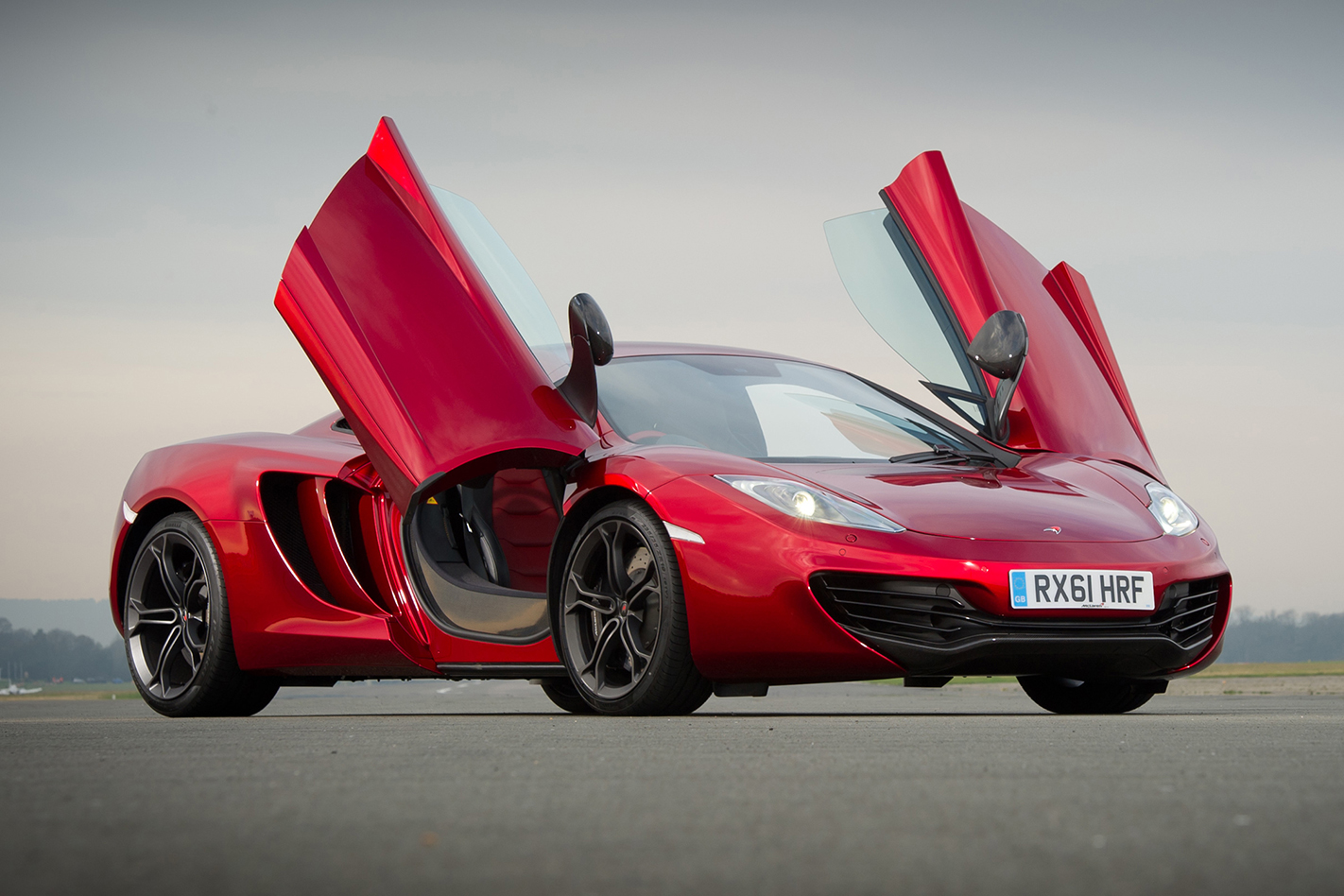
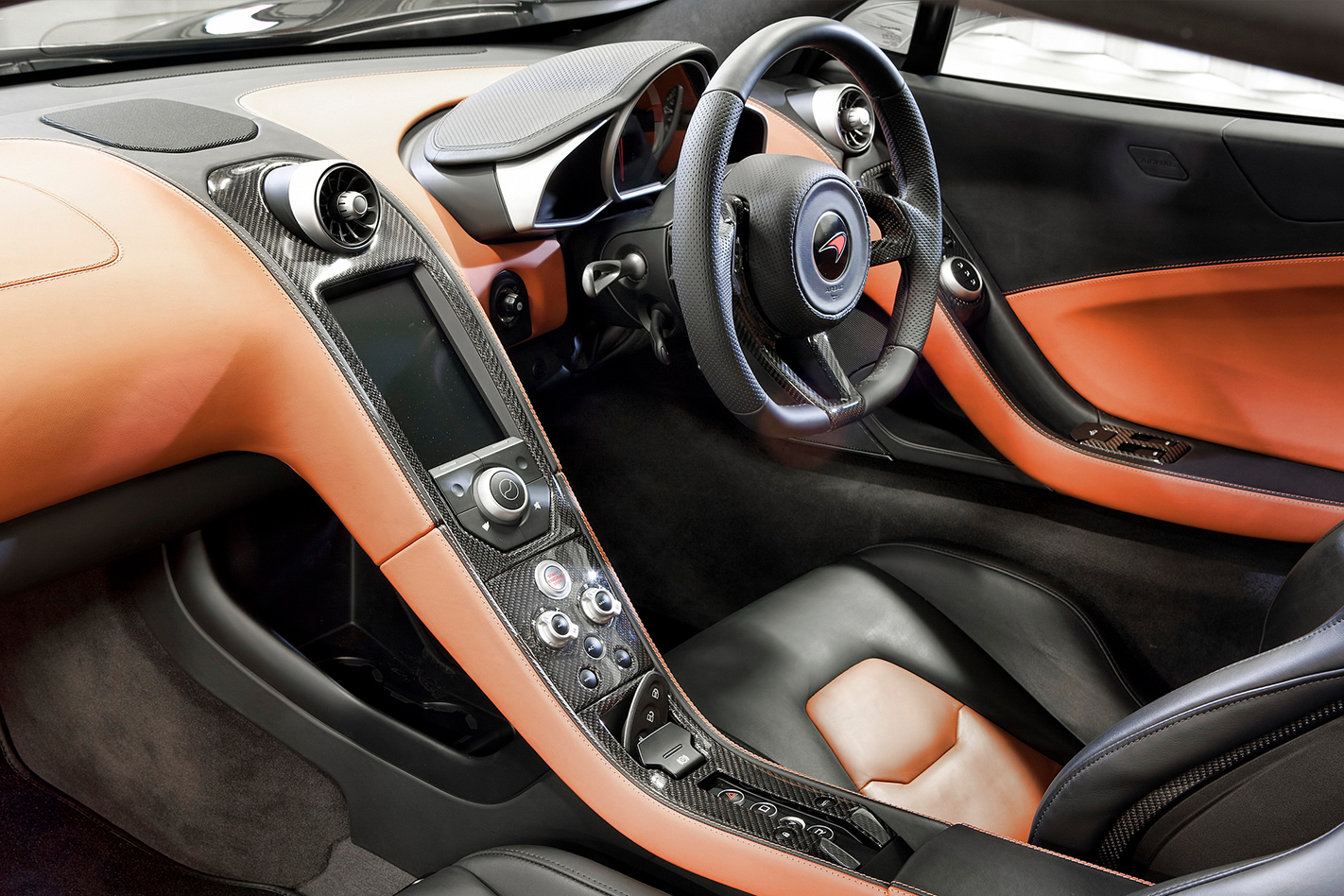
Subtlety of styling aside, the McLaren also brings a certain supercar sense of occasion. The dihedral doors are a lovely piece of street theatre and you drop in across rigid carbon fibre sills. The cabin still looks fresh and cleanly styled, with a beautiful unadorned steering wheel with exposed carbon spokes. The IRIS infotainment system is probably the MP4’s Achilles heel, being buggy and unfinished when the car was launched. Since then, it has received a series of updates and is at least functional, but don’t expect niceties like smartphone mirroring.
Where the McLaren has yet to be surpassed is in terms of ride quality. Switch the adaptive dampers into their most cossetting mode and the MP4-12C’s ride isn’t dissimilar to that of a Camry. It makes the car genuinely liveable and explains why McLaren owners frequently use their cars a good deal more frequently than owners of rival Italian exotics. That helps take some of the sting off depreciation.
In summary, the McLaren is a car that has ridden out the steep part of its depreciation curve yet still offers blistering dynamic abilities and proper supercar appeal. Granted $200K isn’t the sort of change most of us can rustle up with a determined dig down the back of the sofa, but against comparatively priced rivals, it’s a steal.
PORSCHE 718 CAYMAN GT4
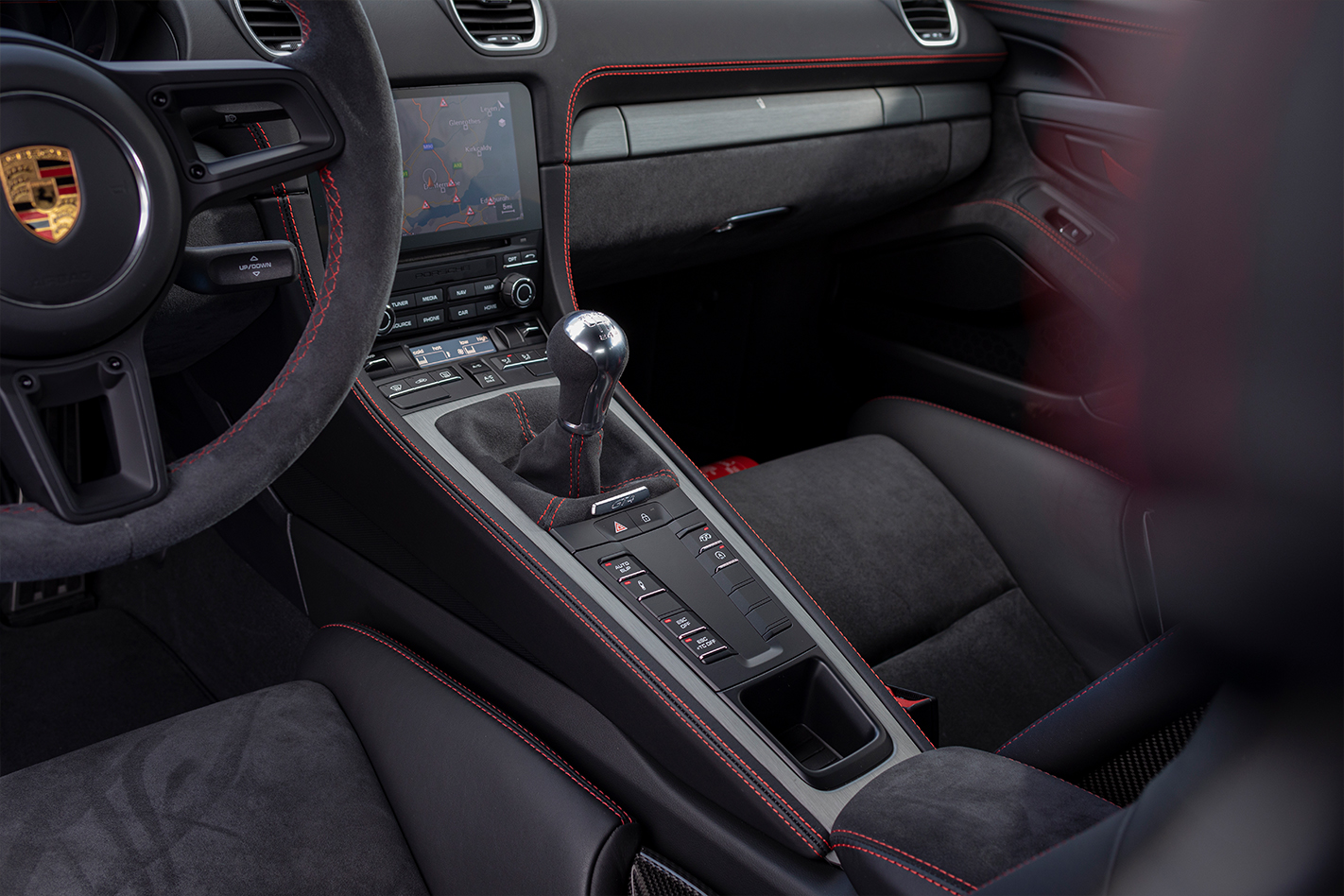
IT HAS a manual transmission. For the three-pedal purists out there, that’ll be the end of this little tête-à-tête. The Porsche 718 Cayman GT4 is an unashamed appeal to the fundamentalists, all tactile-emotional feedback loops, atmo rectitude and obsessively curated control consistency. In short, there’s nothing quite like a Porsche GT car and this Cayman just happens to be an extremely good one.
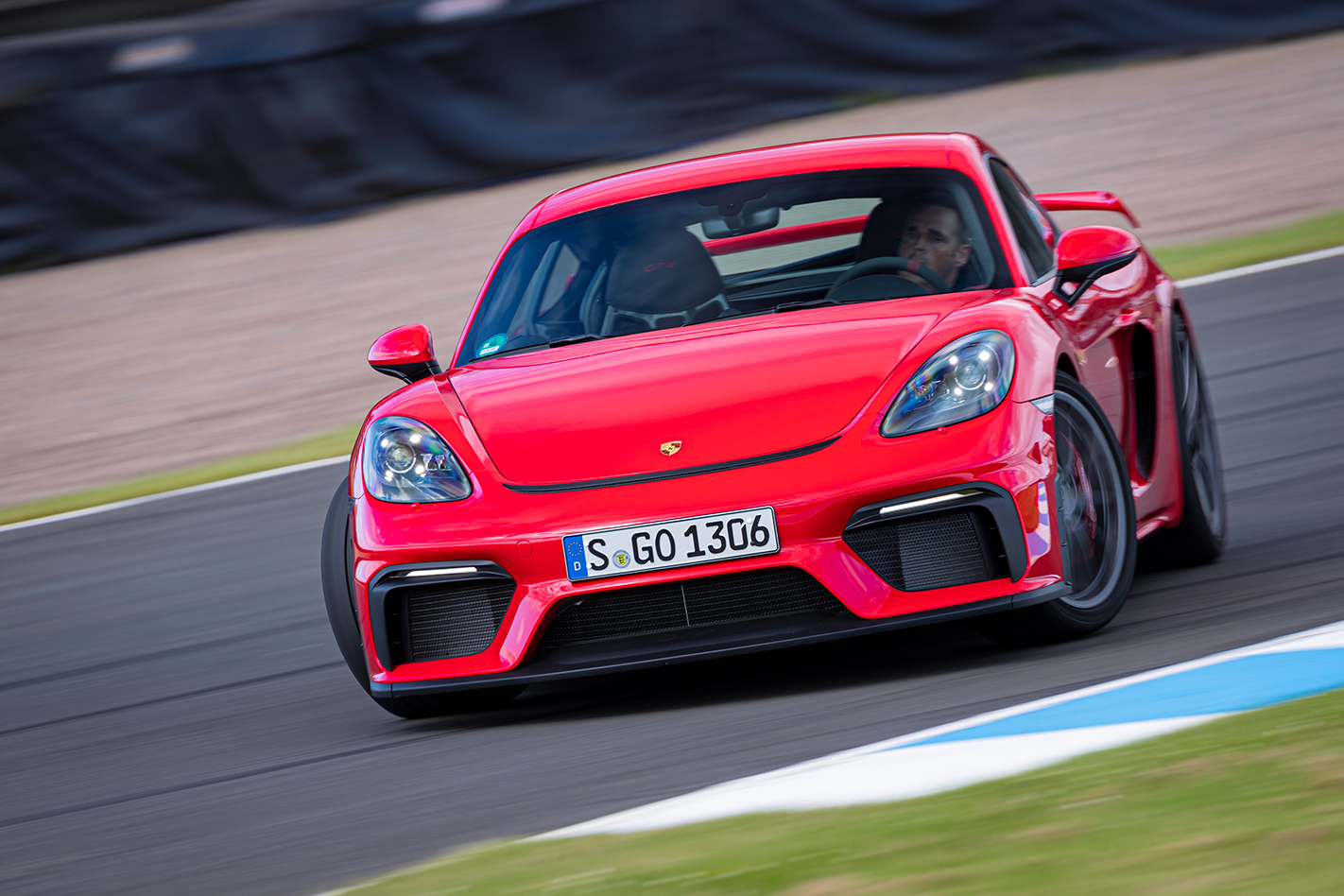
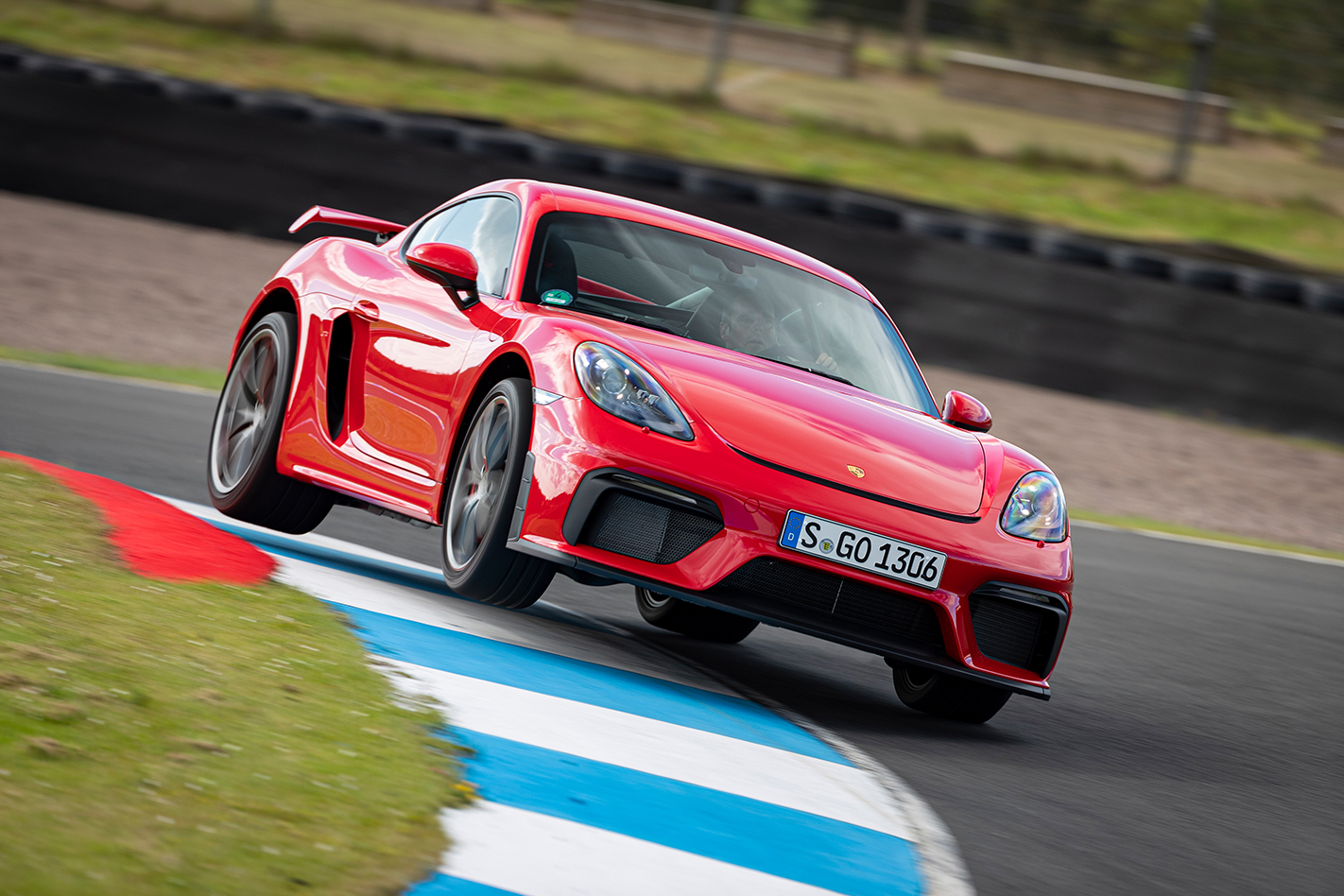
Forget about lap times or other stats. Fixate on those and you miss the point of the Cayman GT4. This is a car that is built to reward good drivers and which possesses layers of talent exploitable by those that are a bit better than good. Wheels editor Alex Inwood travelled all the way to Scotland, risking thrombosis via deep-fried kebab in order to get behind the wheel of the GT4 for as first steer.
The gear ratios are still too long, but the new 4.0-litre six pulls through them more aggressively. Inwood describes the shift action as perfect, and reckons the car flows beautifully on track with impressive high-speed refinement on road too. I can’t help but detect a certain equanimity in his conclusion though, describing the GT4 as “remarkably polished” but never as raw or visceral as a GT3. And if you’re paying this sort of money, wouldn’t you want something a bit more exciting than ‘polished’? Something that’s completely removed from the norm?
Naturally, if you’re shopping new, you get full control over how your Cayman GT4 turns out. You get the opportunity to lose hours in Porsche’s configurator, agonising over whether you’d spend $8250 on the Clubsport pack or whether you’d spring for ceramic brakes or a chrono stopwatch or LED lights or a Bose stereo or the model designation in high gloss black. Before you know it, you’ve spiralled above the price of a new 992 Carrera and you begin to question whether that would be a simpler and better option. Then you start researching the prices of used 997 GT3s and you’re back to square one.
Wheels staff picks

Trent Giunco
Staff Journalist

Andy Enright
Deputy Editor

Cameron Kirby
Staff Journalist
Reckon we’ve got it right? Or are we way off the money (literally)? Find your best and let us know in the comments what you’d buy.
I used to think jacked-up SUV coupes like the BMW X6 and Mercedes GLE were about the most inexplicable (to me) vehicles I’d ever seen. I still do, as it happens, but one thing has changed.
Mind you, a lot of things haven’t changed. Stuff like wondering what sort of dude wakes up one morning and decides that the black hole of hopelessness in his meaningless life can only be filled with an SUV that doesn’t fit any gear inside it. Or his barbecue buddy who decides that a coupe on stilts and compromised tyres is just the sort of non-sporting sports car for him (yes, it’ll be a him; possibly a Russian oligarch). Different what-the; same lost-on-me. Nothing new there.
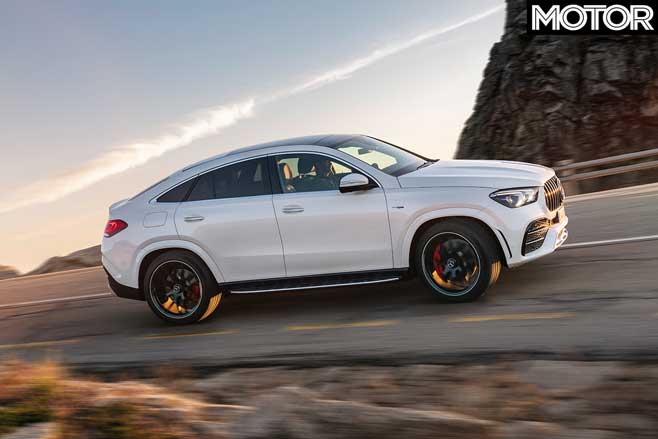
So what has changed? Well, I’ve stopped blaming ze Chermans for the whole CoupeUV phenomenon. Turns out we can now all blame – drum roll, please – the Mercans. Yep, the race that brought you the Oldsmobile Toronado (optional 455-inch plant, front-drive and crossplies), the civilian version of the Hummer (and the war that went with it), and an Oval Office where the portrait of Honest Abe now weeps real tears.
Thing is, the car that I now blame for this modern plague of Bloke-usts isn’t actually very new at all. Oh, sure, it sticks to the puzzling notion of a swept-back coupe plonked on a four-be-four chassis. And, yes, it is just as compromised in every regard as the modern stuff. But get this: The car in question was launched in 1981! And its name? The AMC Eagle SX/4.
The SX/4 was based on the AMC Spirit – a compact two-door that was remarkable only for its use of a liftback design that, like a police black-and-white passing a doughnut store, was still a bit out of the box in the US at the time.
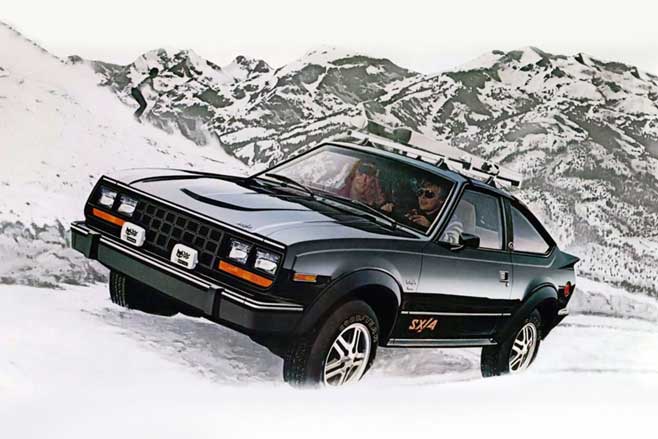
Technically, the Eagle SX/4 was a bit interesting. Yes, even ahead of its time. It used a permanent all-wheel drive system and lots and lots of ground clearance. Billed as ‘the sports car that doesn’t always need a road’, AMC’s design vision was for a car that could handle light-duty off-road work as well as offering two-door functionality (fnarf) to those attempting to survive a Minnesota January. But it was the ‘sport machine’ line that had ’em guffawing as they walked out, heading for a Chevy showroom.
You could have your SX/4 with the basic 2.5-litre cast-iron four-banger (built by Pontiac) and a heady 67kW, or you could really get in touch with your inner redneck and tick the box for the 4.2-litre straight-six. Either way, fuel consumption was so crapola that midway through 1981 AMC re-engineered the driveline to allow it to be switched to two-wheel drive as a fuel-saving measure.
The extra driveline added almost 150 kegs to the weighbridge ticket and, especially with the four-potter, performance was, um, leisurely and braking, er, relaxed. If you’ve ever flung an X6 or similar around a racetrack, back to back with an M5, this will be ringing a bell.
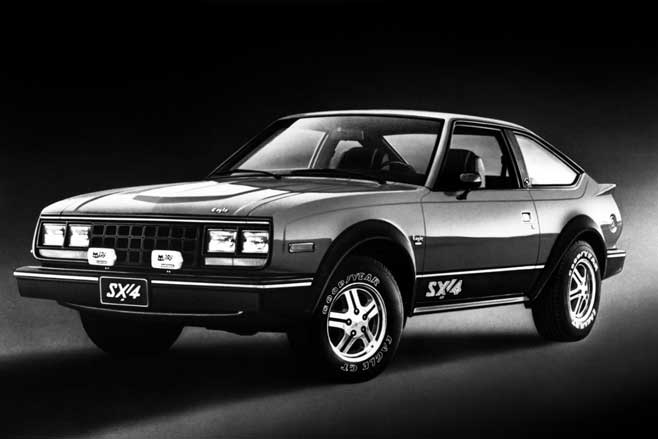
But Billy-Joe Jim-Bob didn’t stop there. There was a second two-door model dubbed the Kammback (even uglier) and, wonder of wonders, a convertible version. Just when you thought the Range Rover Evoque was about as stupid a thing as you’d ever clapped eyes on, you learn that the Yanks had been drinking from the same well of crazy. Just 35 years earlier.
But, believe it or not, there was an AMC Eagle model that made a bit of sense. The same platform, but topped with the four-door wagon body from the AMC Concord, suddenly gave the concept a bit of cred and remains widely hailed as the first US-made cross-over.
Think of it as a Stateside Subaru wagon and you’re probably getting the idea. Of course it didn’t sell. Meantime, is it any wonder AMC is better known for the Gremlin? Oh, and stop picking on the Germans.
Regular listeners to the WhichCar Weekly podcast will know, all too well, that Andy is normally the one finding himself inadvertently placed in the mortal danger, often with hilarious consequences. But this week it is Dan that’s laughing in the face of danger.
Not only has he encountered the perils of mixing public transport and monster trucks, but he also pushed a high-end German car close to its maximum speed on a public road. Did the entire world implode in a blinding flash of twisted metal and broken headlights, or was everyone completely fine? Tune in to find out.
The WCW team welcomes back Nathan to discuss whether Australia could ever revise its draconian speed limits and the nation’s attitude towards speed, and Dan thinks he has a solution.
Later, the conversation turns to electric vehicles and a milestone deal with American manufacturer Rivian. With global heavyweight Amazon climbing on the zero-emissions bandwagon, is this the tipping point for EVs?
And as if that wasn’t exciting enough, another electric car might just have finally convinced Scott that EVs can work for performance enthusiasts as well as day-to-day commuters looking to reduce their dependence on fossil fuels.
If you’re on the go, you can find WhichCar Weekly on all manner of podcast apps including iTunes and Podbean. Please rate, subscribe and leave a review! You can also follow the day-to-day happenings of the WhichCar team on Facebook, Twitter and Instagram @whichcarau.
Listened to the show? Help us out:
- Leave a note in the comment section below.
- Leave a review on Apple Podcasts/iTunes
- Subscribe to our podcast
It’s customary to introduce the WhichCar weekly recap with a reference to the news story or event that you simply couldn’t have missed unless you had been under a Martian rock for the last seven days. Curiously though, we couldn’t think of a single thing this week. Weird.
All the free world’s political leaders appear to be doing the right thing and, for the life of us, we can’t find a single sporting event that’s about to conclude anywhere on the planet. So let’s get straight into the most important stuff and what’s been happening in the motoring world.
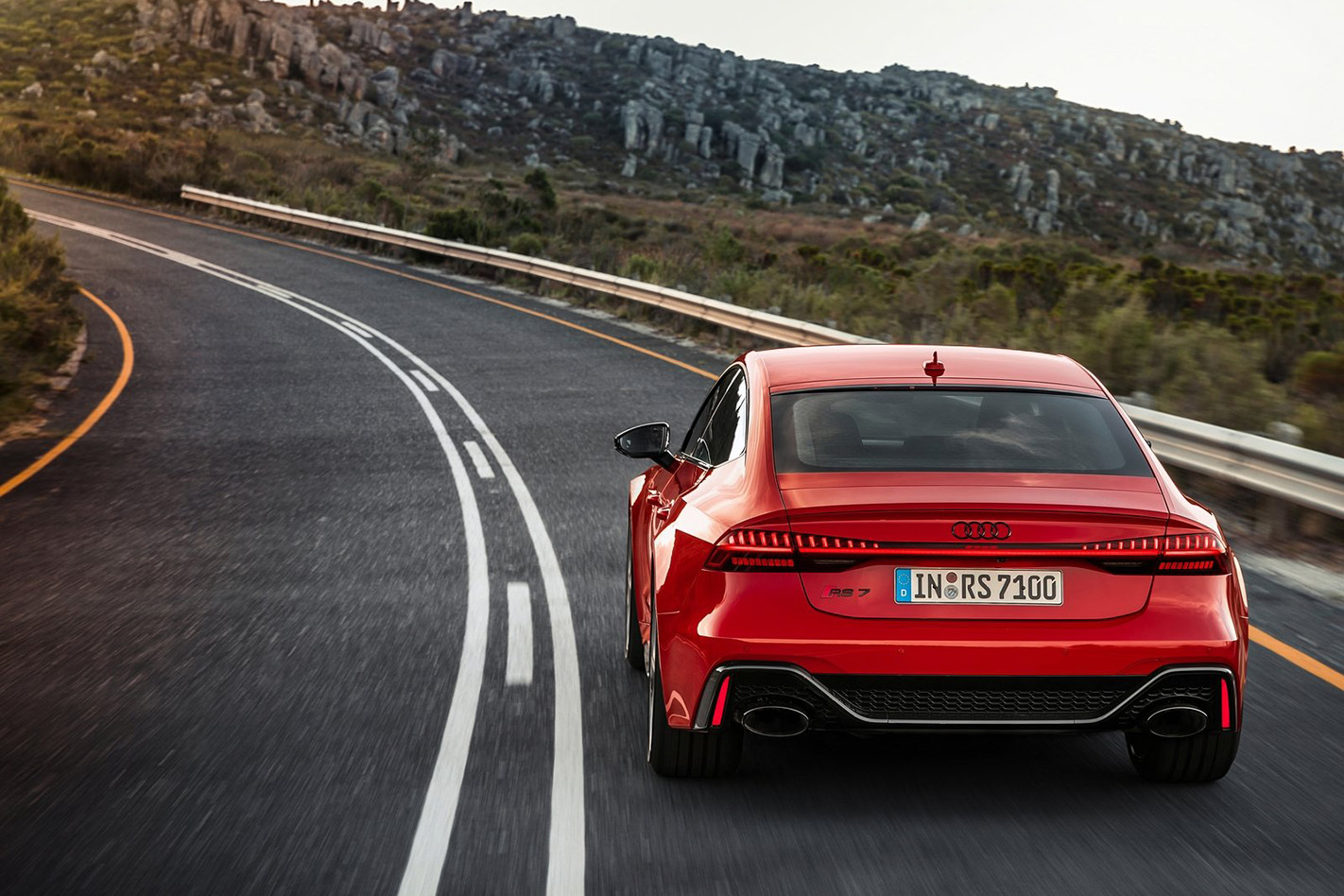
Following on from our first drive of the new Audi Q3 Sportback in Germany last week, the Ingolstadt icon has revealed a version that will keep the petrolheads happy, with a mighty RS Q3 Sportback due to arrive at a point after the standard version’s debut mid next year.
And if you’re a fan of Audi Sport machinery then you’ll love the new RS7 which we also got our hands on for a first blast Germany’s unlimited Autobahns.
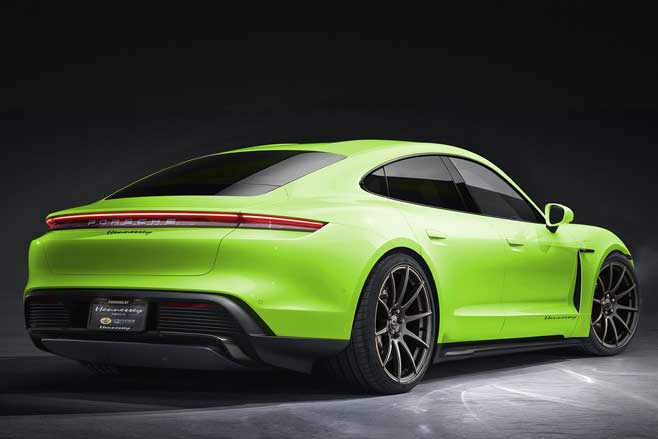
Speaking of the ultimate performance sedan, would you go Audi’s twin-turbo V8 or perhaps the zero-emissions electric route? Our first spin in the incredible Porsche Taycan Turbo S might change your mind because it sure has us looking at electric vehicles differently.
Not once did anyone think Porsche’s newest model is a little lacking in the trouser department, apart from American mega modifier Hennessey, which has already taken the Taycan and given it a boost just days after it was officially launched at the Frankfurt Motor Show.
We also put another eagerly anticipated EV to the test this week with the Tesla Model 3 hitting the drag strip to see if it’s as fast as its maker claims. There’s no doubt it’s fast, but when we say it’s still a very polarising car, we’re not just taking the opportunity to make a great pun.
It’s not all good news for the inevitable EV future, with a very different Tesla – this time the larger Model S – which is currently (another pun, thank you) serving in the Californian police service almost losing a fleeing crim because its battery was about to go flat.
Let’s hope the same fate doesn’t hit a massive fleet of Rivian electric vans on Amazon’s order books, or your delivery definitely isn’t going to be on time.

Does combustion power still have a place in the looming shadow of electrification? It seems BorgWarner thinks so and has invested big in a brilliant turbo innovation.
Too much high-performance hardware making you break a sweat? Relax, it’s been a big week for off-roaders and SUVs too.
At the top of the pile, Hyundai Australia has finally gone on the record and confirmed its forthcoming ute will be a proper red-blooded one-tonner with the capability to equal any other competing in the fierce local battle. If you need to get up to speed on all the latest dual-cab ute safety features, look no further.
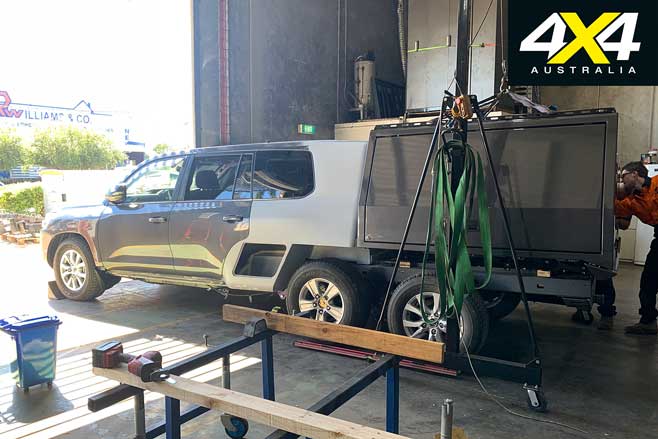
Away from the beaten trail, we followed a big-budget film crew as they shoot the next Supercheap advert in a quarry using a Porsche as a camera rig! A monstrous six-wheeled Toyota proves that you can’t go too big for touring Australia and if you need any help planning your next adventure, Instagram might be the best place to start.
As if that wasn’t enough action, we got behind the wheel and kept the steady stream of reviews coming including the Renault Megane RS Trophy R (It could do with a longer name), the gorgeous Porsche 718 Spyder, Something even faster that you’re not allowed to drive on the road, Citroen C5 Aircross, a seriously quick Range Rover, Volkswagen T-Cross, Ferrari 488 Tributo, Alpina XD3, Mercedes GLC, Subaru WRX and even a Peugeot Expert van.
Finally if you’re really keen to test your automotive knowledge, check out our new weekly automotive quiz. Competition is already fierce amongst our teams here at WhichCar HQ!
UPDATE: New, more comprehensive story available
Since the story below was published in 2019, we’ve published a new, in-depth guide to all of the confusing words you’ll hear or read when buying a new car. You’re welcome to continue reading this story, or you can head to the new guide at the link below.
Story continues…
Stamp duty, dealer delivery, registration; we all know these costs exist, but when faced with the excitement of car shopping it’s easy to forget that these costs can add significantly to the bottom line of your new car purchase.
Add in the fact that some extra costs are factored into the retail price and some aren’t – the umbrella term ‘on-road costs’ can quickly become confusing.

On-road costs generally account for charges like stamp duty, registration, compulsory third party insurance and dealer delivery charges that are all charged individually in a new car contract. Annoyingly, all these costs vary depending on state and territory, dealer location and car manufacturer.
Stamp Duty
This is charged in addition to a new car price and applies whenever the ownership of a car changes. That means it’s charged on used cars too. The tax covers the cost of transferring the ownership of the vehicle and can vary from state to state – it also increases as the vehicle price does (check out how to calculate stamp duty here).
Dealer Delivery
Dealer delivery is a cost charged by the dealership that represents their effort in getting the new car to you. It involves things like pre-delivery inspections, paperwork with relative authorities, tests and a wash or detail when the car is first presented at the dealership. Again, costs vary between dealerships and manufacturers so it’s a bit of an unknown quantity until you start negotiating.
Of all on-road costs, dealer delivery is the one that you may be able to negotiate on, depending on the the car and dealership. It’s worth a shot if you want to knock that price down some more.

Registration
It goes without saying that this is needed for every car on Australian roads and is charged at the point of sale between dealership and customer.
Compulsory third party insurance
Here’s one for NSW and Queensland buyers. CTP covers victims of transport accidents, and compulsory in all states. In most states CTP is included in the cosy of your registration renewal, but if you’re in NSW or Queensland you to need to choose your CTP insurer when buying a new car, so look out for this item in your invoice if buying a car.

Luckily, costs like GST and luxury car tax (if applicable) are accounted for in the retail price which means you won’t have to worry about them being charged in addition.
Go into the dealership armed with knowledge ensuring you don’t get caught off-guard in regards to on-road costs and give yourself the best chance of a good deal.
UPDATE: New, more comprehensive story available
Since the story below was published in 2019, we’ve published a new, in-depth guide to all of the confusing words you’ll hear or read when buying a new car. You can head to the new guide at the link below.
Other useful links for new-car buyers
Kanagawa, Japan. I’m deep in the bowels of a Tokyo Police Station, wondering quite what the hell I’m doing here. It’s taken 45 minutes, so far, to pay a parking fine that took all of five minutes to receive. And as I sit here, alone, in some random quiet corridor in this labyrinthine building, I can’t help but wonder if I’m about to become a diplomatic incident.
It’s somewhat ironic, too, that I should find myself in trouble with the law for this most minor of indiscretions, given the last 24 hours I’ve had. I’ve been hot on the tail of the mysterious Mid Night Club, the exclusive and secret clique of street racers that streaked across Tokyo’s public expressways at speeds of more than 300km/h, in the ’80s and ’90s.
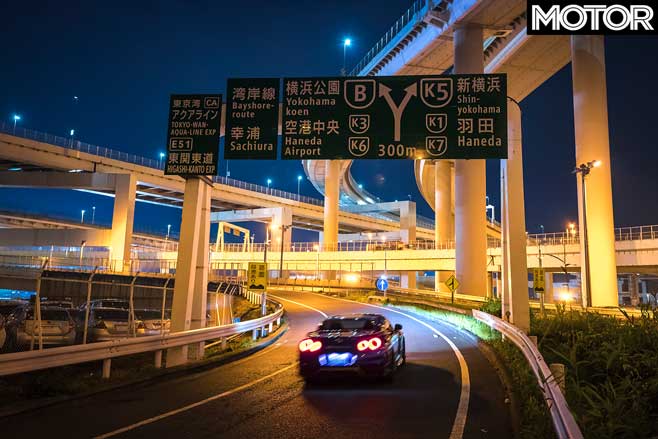
No retelling of the story of Nissan GT-R would be complete without delving into its starring role in this most infamous of underground street racing scenes. Formed in 1982, the Mid Night Club, or Mid Night Racing Team, would meet, as its name suggests, in the middle of the night, and host full-blown races up the multi-lane expressways that skirt Tokyo’s Bay Area. While other underground clubs focused on street drifting or point-to-point time trials, the Mid Night Club was all about top speed.
It was difficult to join and there was only ever an average of 30 members at any given time. It legendarily attracted a well-to-do membership of accomplished businessmen in their thirties and forties, and was governed by a strict honour code.
No members were to share details of their private lives, and you weren’t to ask. And no member was to ever needlessly endanger the safety of another racer or, crucially, a member of the public. Break this rule and expulsion was swift.
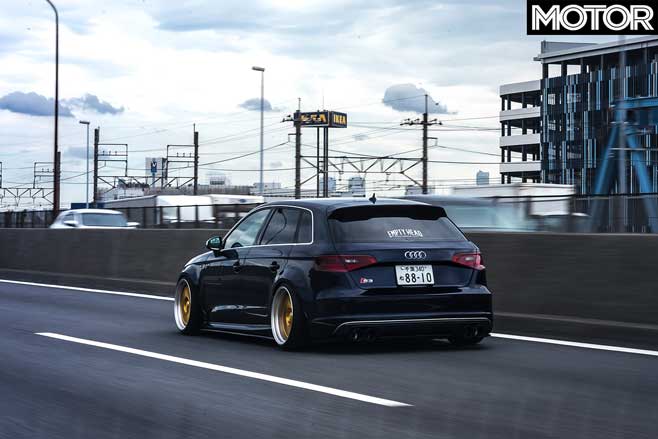
The club was also known for its clever means of clandestine organisation. In the times before mobile phones (remember those?) members were told to grab a certain newspaper, in which details of the next meet-up would be communicated via a cryptic classifieds ad. ‘Interested in discounted leather handbags? Meet at the Daikoku rest stop between 11pm and 2am’ read one ad. All to keep things on the down-low, you understand.
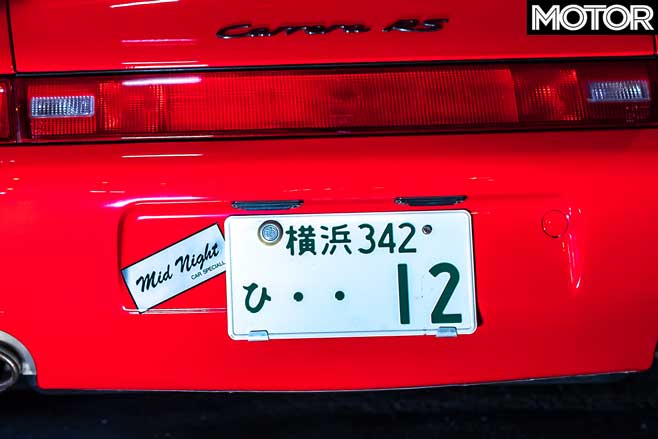
Despite the secrecy, Mid Night Club members would wear their high-speed penchants on their sleeve – or their front bumper to be precise. Members would identifiable by way of a small, rectangular sticker on the front bumper that read “Mid Night Car Speciall”, sometimes complimented by “Mid Night” in a scripted font across the top of the windscreen. But apply this trademark insignia to your own car with no membership, and you could find the decals torn off. Or worse.
On the streets themselves, races were won and lost based on whether you could ‘lose’ your rival, or reach a certain point on the expressway first. Quite how this all managed to go on for nearly 20 years sort of says something about the effectiveness of the local Tokyo police at the time (and now – have you ever paid a parking fine in Tokyo?).
Although supposedly, despite being a chronic nuisance, the Mid Night Club kept things clean and maybe, just maybe, earned a modicum of begrudging respect from some of the police that were trying to catch them.
That was until 1999 when the brakes for the Mid Night Club were jammed on hard. Two members of the outlaw motorcycle gang, the Bosozoku, taunted the Mid Night Club into a high-speed race that would end in tragedy.
Chancing upon slow traffic, there was a monumental smash in which the two Bosozoku motorcyclists were killed and eight drivers hospitalised, six of them members of the public. In the midst of a media storm, the Mid Night Club, having forgotten its own honour, and in the most Japanese way possible, promptly disbanded.
Of course, it was always the cars that made the Mid Night Club. To be eligible for entry, your machine must have been capable of at least 250km/h, not just because the races took part in the realm of 300km/h but also because local police cars were limited to 180km/h (as are all new Japanese cars). And so the Mid Night Club attracted everything from Ferraris to highly modified, late-model Toyota Supras and Mazda RX-7s, and countless Porsches.
The most infamous of all Mid Night Club cars was the maroon, ‘Yoshida Specials’ Porsche 911, also known as Black Bird, a 460kW turbocharged-to-within-an-inch-of-its-headgasket 930 Turbo, built to eclipse the v-max of German tuner RUF’s own infamous CTR Yellowbird. That benchmark? 347km/h. Supposedly Black Bird – on the public expressways in Tokyo, recall – never quite got there.
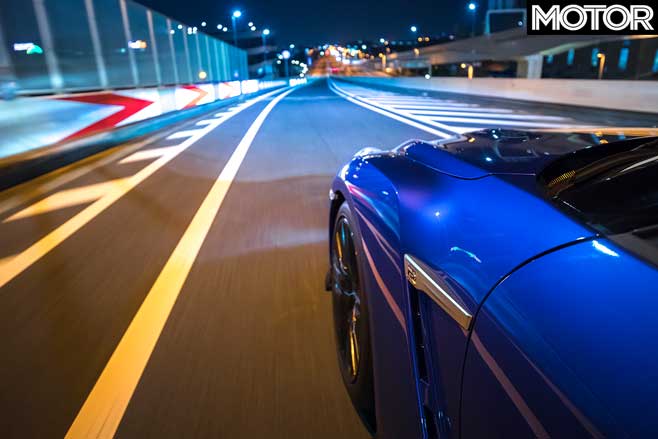
There was another car popular amongst the Mid Night Club crowd for its high-speed stability, availability, and ease with which huge power (and top speed potential) could be unwound from its 2.6-litre twin-turbocharged inline-six: the Nissan Skyline GT-R.
Curiously, the current head of GT-R at Nissan, Hiroshi Tamura, owns a heavily modified R32 GT-R. Only a few years ago, he was interviewed with his car, which sported a not-particularly-discreet “Mid Night Car Speciall” sticker on the front bumper. Naughty.
In 2019, 20 years after the Mid Night Club unceremoniously dissolved, MOTOR hears remnants of its bad boy culture still remain to this day. And so myself and photographer Ellen Dewar crank ourselves up to 900km/h and jet the 8185km from Melbourne to Tokyo, in what must be the most useless envoy Australia has ever sent to Japan, to see what we can find.
Of course, with a chance we might actually meet some old Mid Night Club members – we do have it on good authority where to find them – we’re not going to risk showing up in a hired Daihatsu Mira. So we’ve organised something a bit spesh.
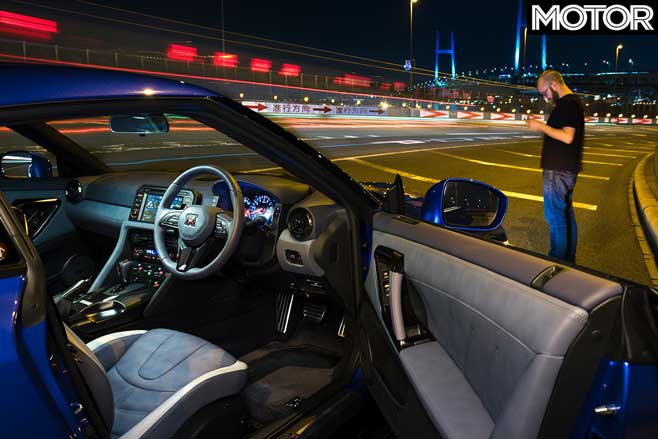
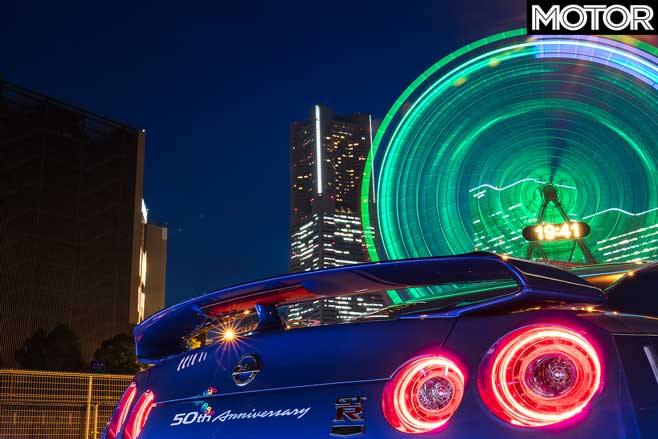
Our own Nissan GT-R is the 2020 reheat, the 50th Anniversary Edition, no less. For the latest minor update, Nissan has built off the relatively-large 2017 facelift. The 2020 entry-level GT-Rs, on which our Anniversary Edition is based, now get bigger turbochargers contributing to 2kW/1Nm more grunt (but it was hardly feeling underpowered to begin with).
It now has 421kW and 633Nm, good for 0-100km/h in three-point-something-low seconds (Nissan no longer claims 0-100km/h times for GT-R, apparently). There’s a new titanium exhaust supposedly improving the bark of the R35’s 3.8-litre twin-turbo V6.
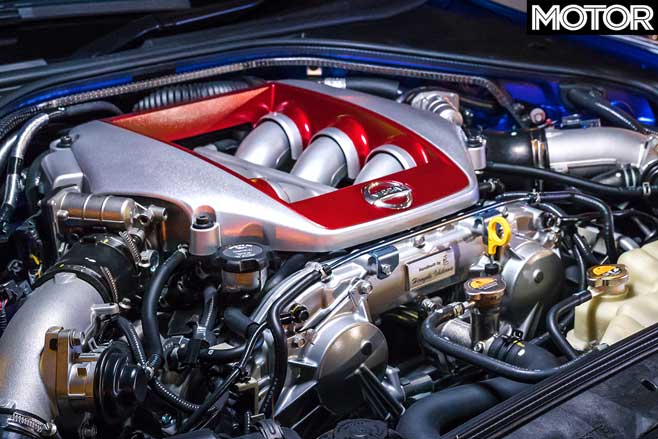
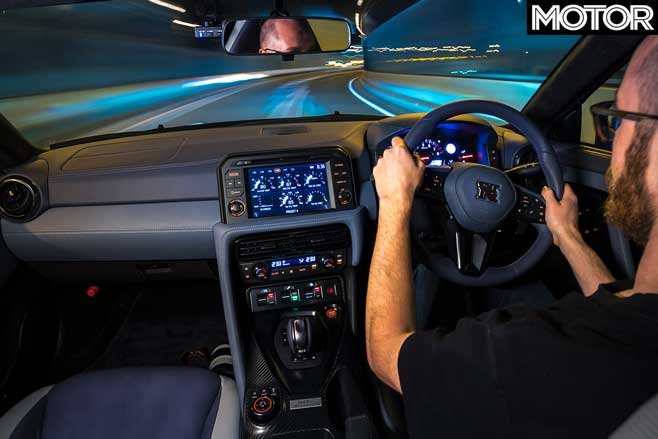
The electric steering is newly programmed for better feel, weight and refinement; as are the adaptive dampers, now promising an itty bitty better mix of ride comfort and body control. There’s a bigger brake booster for better pedal feel. And the twin-clutch auto has had its brain replaced yet again, now smoother than ever, and with more aggressive manual downchanges in R-mode; and a new R-mode automatic program for those who like to leave it in D when they have a Dig.
All these minor changes represent yet another minor step in the evolution of this generation GT-R. This isn’t a road test so don’t think you’re about to read how all these tweaks have ‘transformed’ this into the ‘best’ GT-R ever, although that probably would be the case. We can only say, it still whirs and whines like some military-grade machine at low speeds, although it’s as smooth and clunk-free as ever.
And unhinged-fast. It does sound a little angrier, although the exhaust is not noticeably louder than before. Largely, if you drove a 2007 R35 against a 2019 R35, refinement would be the biggest difference.
There isn’t much special about our 50th Anniversary Edition, either, it must be said. The dazzling blue-and-white paint is where it’s at, applied in four layers and called Bayside “Wangan” Blue, named, incidentally, after the very freeway the Mid Night Club used to use as its own Nardo. Even more coincidentally again, 2019 marks the 50th anniversary since the first sections of this iconic freeway were opened.
Upon bolting ourselves into our blue-and-white, computer-ised beast, a warm Tokyo day turns quickly to a warm Tokyo night and we make a beeline straight for a car park off the freeway. But Daikoku Futo is not just any car park.
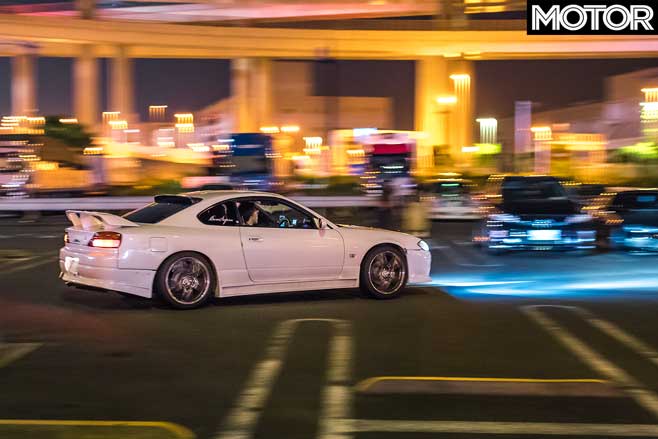
Nestled low in like a bird’s nest of swirling concrete on- and off-ramps, it’s about as big as a soccer field and flanked at one end by the bright lights of a yet another Japanese convenience store. But this is holy ground for Tokyo car lovers.
Show up about 8.30pm on any given night and, if you’re lucky – there is no guarantees – you might be treated to a Cars & Coffee-esque feast of classic Japanese cars, Italian exotics and everything in between. Beware, however – it’s not easy to get to, or to get out of, and not just because of the incredible cars coming and going.
That was our experience the night we arrived. I am overjoyed, and relieved it must be said, that I’ve not brought photographer Ellen to a dark car park with nothing but Japanese truck drivers scratching their nether-regions. There are 720Ss, Aventadors, RX-7s of every vintage, countless 180SXs and Silvias, Subaru WRXs and, delightfully, a white, replica ‘Hakosuka’ 1970s GT-R and a white R34 GT-R.
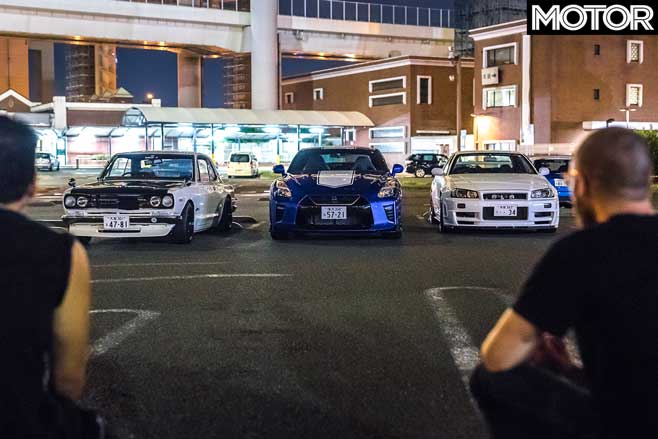
Despite the language barrier we take advantage of the well-known Japanese friendliness and generosity and manage to cajole both into flanking our brilliant blue R35 for a shot. Both owners know what it is and are visibly excited as they poke about it. Although the teenage son of the R34 thinks I’m referring to Mid Night Club, the computer game, when I ask, rather than the real thing. Concerning.
For the next three hours, cars blare in and out of the car park, their loud exhausts heard but not seen on the high-rising concrete ramps all round. It’s a great atmosphere, very relaxed. As a Japanese car lover who’s wanted to come here for many a year, it’s an overwhelming place to be.
And then we spot them.
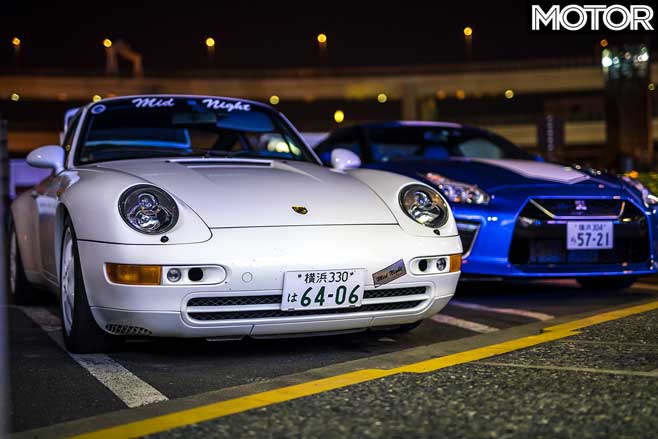
In a far-off corner of the giant, shadowy car park, in the light of the convenience store, is a red Ferrari F430 Scuderia and white Porsche 993 Carrera, both with engine covers up. On the front of the Porsche is a sticker reading “Mid Night Car Speciall”.
Two well-dressed Japanese men in their forties loiter by the cars. They speak good English, too. Tak and Shin tell us the engine covers are up to let the cars cool down faster.
I cut to the chase as quickly as I can. “Were you members of the Mid Night Club?” Yes, they say, making no effort to hide it. They tell us the high speed races aren’t a thing anymore, but many of them remain friends regardless. “What’s your top speed record?” I have to ask. With a smirk, Tak pulls out his phone and shows us a blurry, shaky video of a Porsche speedometer nudging 300km/h. I note that it was taken in 2015…
Another car pulls up and I have to calm myself down. It’s a red Porsche 964 911 Carrera RS, the early ’90s precursor to the modern day GT3 RS. It has a “Mid Night Car Speciall” sticker on the rear bumper.
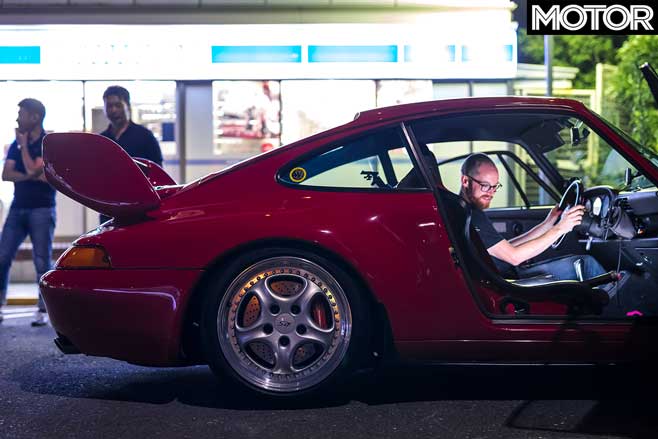
Another business-looking man in his forties, the three men know each other. This man’s record is 285km/h. “There are no speed cameras in the tunnels,” he smiles. Generously, he lets myself and Ellen take whatever photo we need in the car. Sitting in it, I notice a photo of a small girl on his keyring. And that the tachometer has been rotated so that 300km/h is at the very top.
Fortunately they all speak decent English and effectively tell us these cars still get around. And that they still meet at Daikoku Futo, late at night, which is now obvious. It’s brilliant to see.

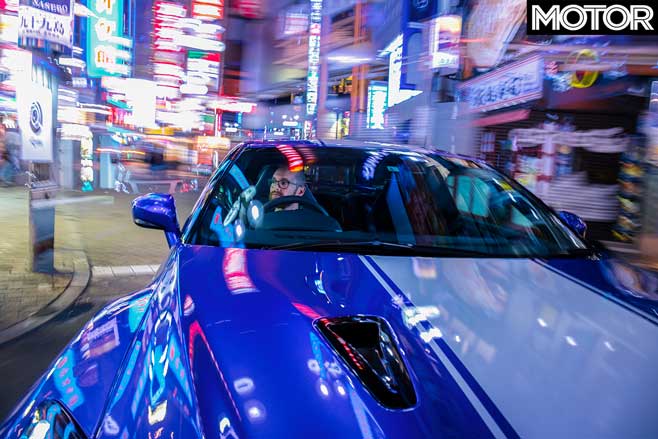
Myself and Ellen ourselves have to hit the freeway to continue photography. The next few hours are honestly a blur as myself and the GT-R are at Ellen’s beck and call. At one point I’m stopped right in the middle of the famous Shibuya ‘Scramble Crossing’ as pedestrians swarm the car, and the wisdom of doing such a thing just to get a photo, in the age of terrorism, occurs to me right in the middle of doing so.
Later, at about 3.30am, we are getting a photo on the side of the freeway (which remains busy all through the night) when a Toyota 86, with a loud exhaust, tears past at what must surely be more than 200km/h.
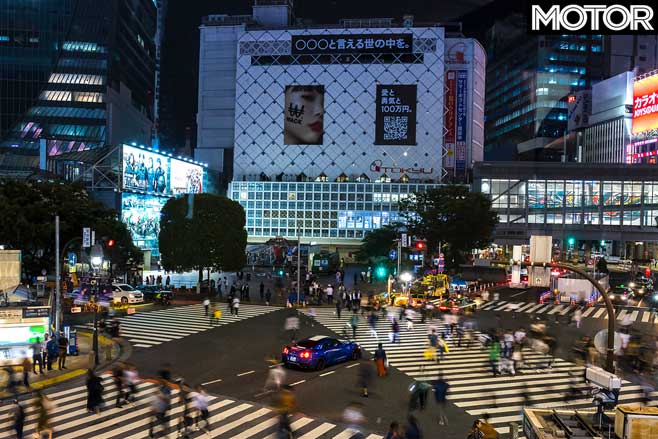
It seems while the Mid Night Club and yesteryear’s high speed antics are gone, the outlaw, high-speed spirit, from what we saw, lives on late at night on the expressways of Tokyo, just in the most discreet of ways.
Our story was supposed to end here, but at a loose end the next day we decide to drive north to Top Secret, the famed Japanese GT-R tuner, to see if we can meet its founder, a man called Kazuhiko “Smokey” Nagata.
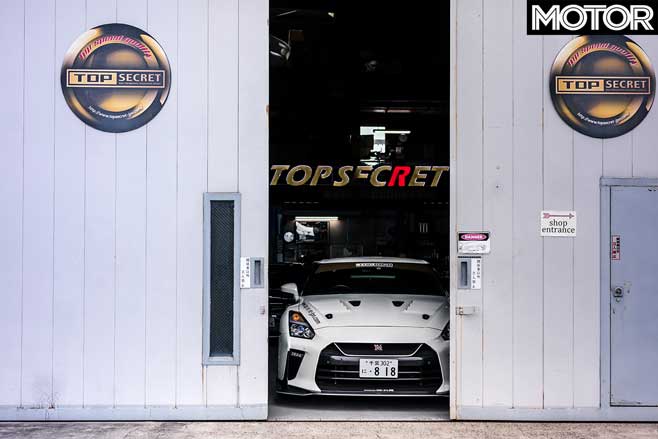
Top Secret’s building lives up to its name. Like an aircraft hangar, the big vertical front door is ajar when we arrive, through which we spy a bewinged, white R35. Smokey, coming over to greet us with a smile, is just one of two people present, and he’s tinkering away under the bonnet of an old Bluebird.
Having to weave through a bunch of dusty GT-Rs of every vintage, packed in like sardines, sadly the language barrier is very real and the Google Translate app can only get us so far. But we are able to glean a few important things.
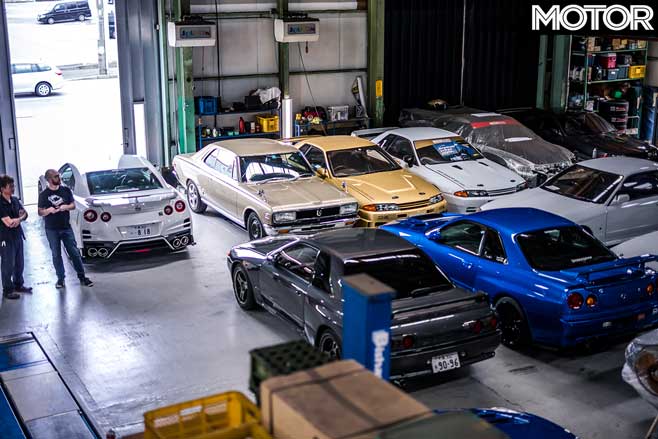
Those being, he plans on doing more high-speed runs at some point. That business is going well. He knows Hiroshi Tamura, the current boss of GT-R at Nissan. And that he was not a member of the Mid Night Club. Curiously. His friends were.
We have to cut our time sadly short (this could be a whole feature on its own) and head back to the hotel. As I’m driving down the Wangan Freeway in our own near-600 horsepower GT-R, though daylight, a clear stretch opens up and the temptation, after all this talk of speed and ignoring the law, is strong to offer a MOTOR-style tribute in honour of the Mid Night Club.
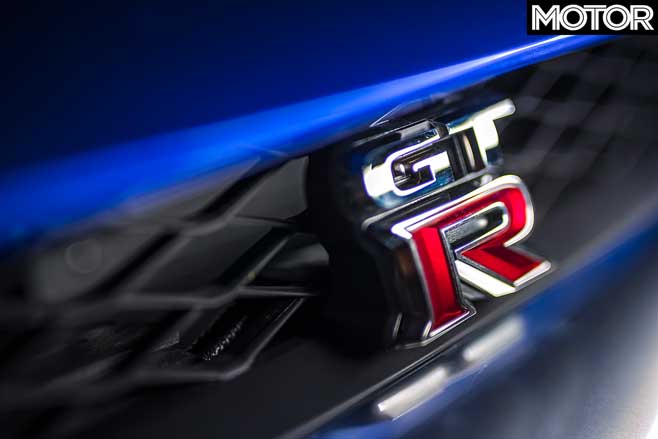
But the fear of speed cameras is strong, as there are apparently many, and the motorway speed limits even by Australian standards are farcically low (and almost universally ignored). We’re not going to end up in a Tokyo police station today – well, not for speeding anyway.
The Wangan Freeway
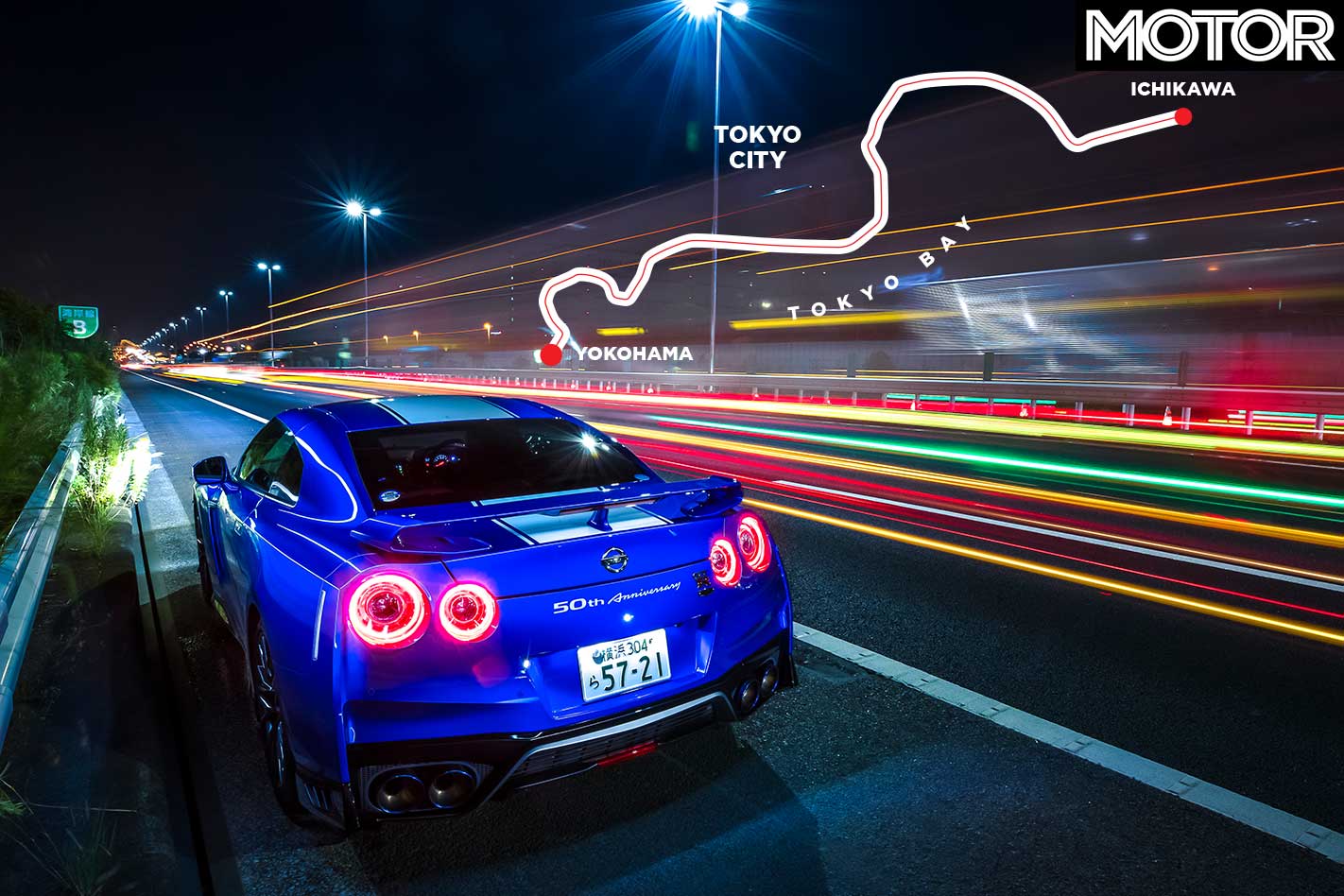
IT’S NOT often the road we’re profiling is just a freeway, but that’s exactly what played backdrop to the high-speed Tokyo street racers of the ’80s and ’90s. The “Wangan” is a multi-lane motorway stretching 70km along Tokyo bay and frankly we can see the appeal of going as fast as possible on what is otherwise a dull and featureless motorway.
Who is Smokey Nagata?
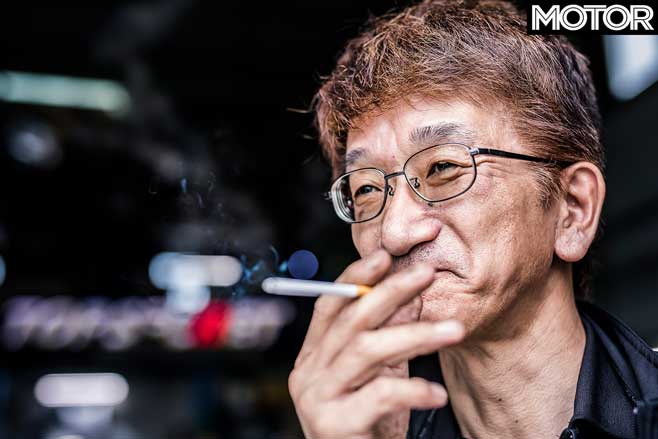
Kazuhiko “Smokey” Nagata is the founder of legendary Japanese tuning house Top Secret. A small, quiet man looking to be in his forties, he is friendly, has a love of cigarettes and has a cheeky attitude. You’d never guess he also loves horsepower as much as any Street Machiner, enormous burnouts and flipping the bird at the law.
Infamous for high-speed, late-night freeway antics of his own, there is a video on YouTube of him in a mega-horsepower R33 GT-R, doing the most enormous burnout in the middle of the motorway before clocking 328km/h in a Tokyo tunnel. Another video depicts him doing 317km/h in the UK, late at night, in a highly modified Toyota Supra. He was caught and deported.
He’s also been at it in New Zealand. We invited him to Victoria.
