
A brand-new never-registered Honda S2000 has appeared for sale on eBay with just 153km on the clock and a whooping USD$98,888 asking price, or 145,800 Dollarydoos.
For comparison, in The States, a brand new 992 911 Carrera coupe can be had for USD$97,400, or in local context, AUD145,800 is just a smidgen under the Porsche 718 Cayman S’ asking price. Tempting metal.
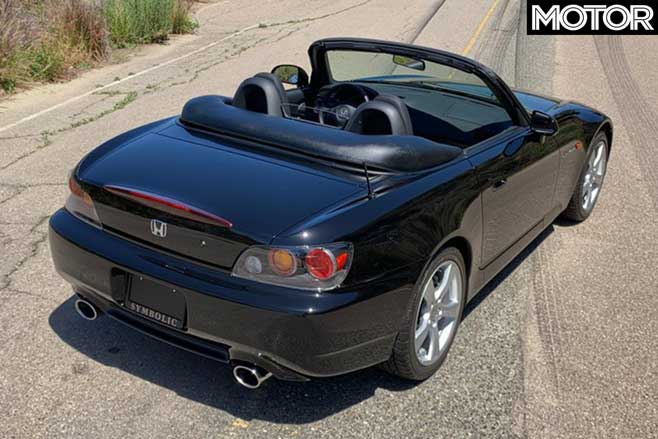
That being said, the S2000 is one of the best examples of atmo-engined sports cars around, with the US-spec 2.2-litre naturally-aspirated inline-four in this example serving up 177kW at 7800rpm with a stratospheric 8000rpm redline.
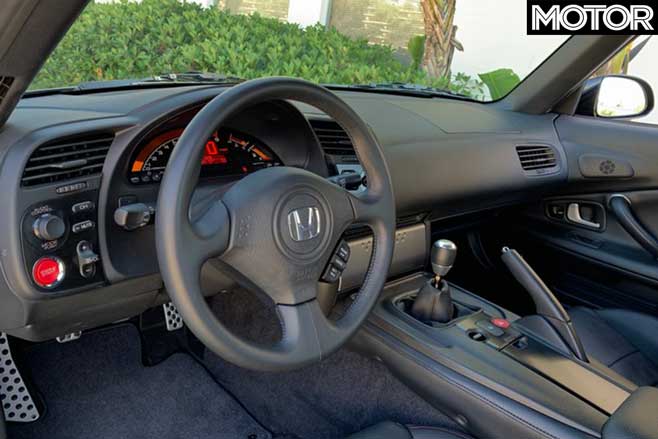
Coupled to a slick six-speed manual, rear-wheel drive, 1295kg weight, minimalist interior, and Honda’s reputation for bulletproof reliability, the S2000 is widely considered to be one of the best driver’s cars around.
According to the California-based seller’s listing, the S2000 is as showroom pristine as it can get, mechanically unmolested, and even comes with the original USD$35,645 showroom sticker price tag.
While some may baulk at its USD$99k price tag, this same car was previously sold at the end of February for a not-too-insignificant amount of USD$70,000. Whether the USD$29k premium it has accumulated in the span of seven months is justified is for prospective buyers to decide.
In retrospect, the USD$99k seems like a bit of a bargain considering that a “brand new” 2006 Mitsubishi Evo IX MR with just 14.5km on the odometer was sold on eBay for USD$137,954 in 2017.
Like the S2000, the Evo IX MR was one of the best iteration of its lineage which never saw a worthy successor.
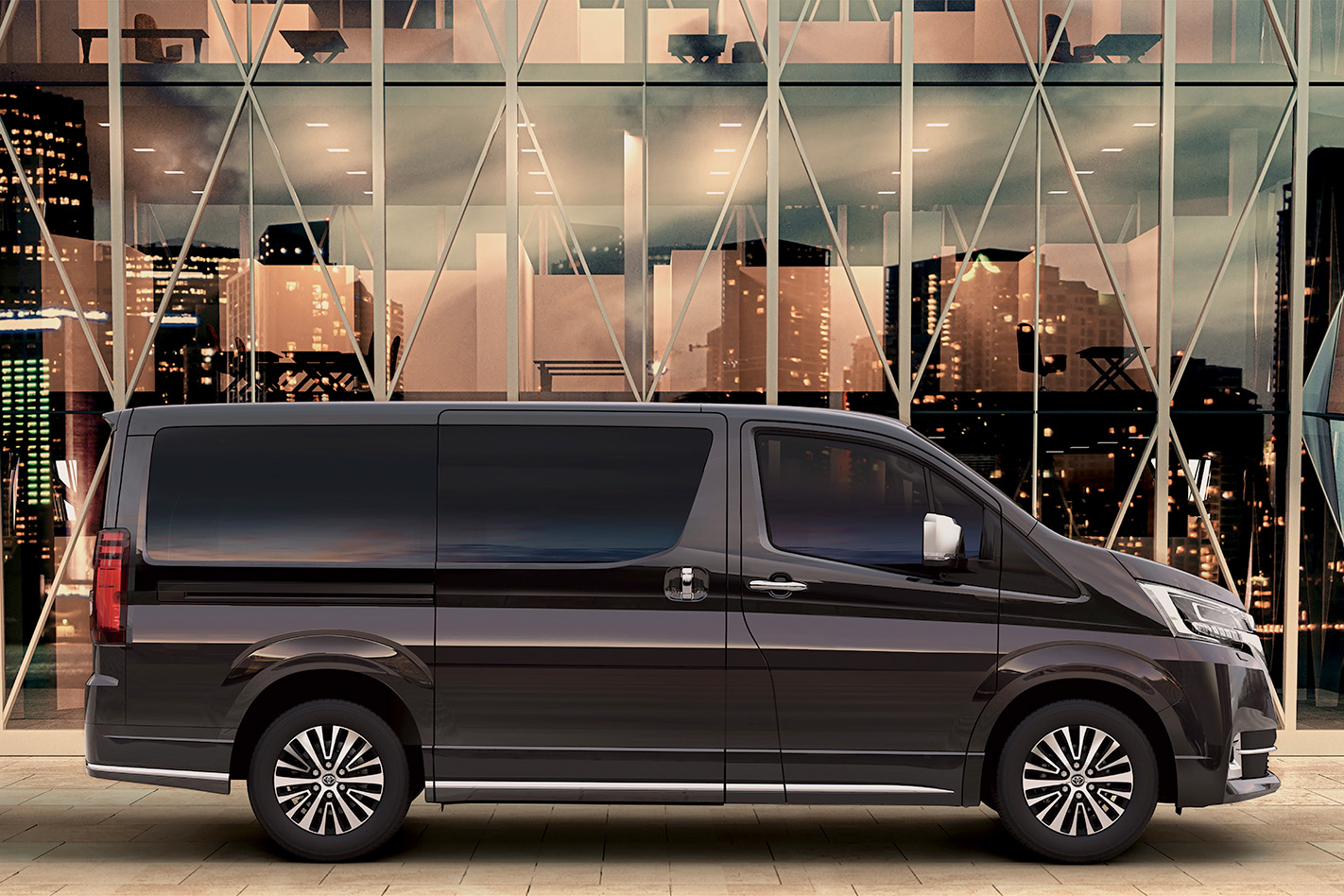
Toyota Australia has announced more details of its upcoming Granvia, a premium people mover that will eventually replace the venerable Tarago as the company’s big-box personnel carrier.
The Toyota Granvia range will start at $62,990 (before on-road costs) when it goes on sale from mid-October.
Based on the underpinnings and 130kW 2.8-litre turbo diesel of the new-generation Toyota Hiace light commercial van, the Toyota Granvia will be offered in two grades – base Granvia or top-tier Granvia VX – with two interior configurations, for a total of four models.
The entry level people mover, simply named Granvia will cost $62,990 with a six seat configuration, while the more commodious eight seat will cost $2000 more at $64,990.
Step up a level to the Granvia VX and you’ll be paying $74,990 for both the six seat and eight seat versions.
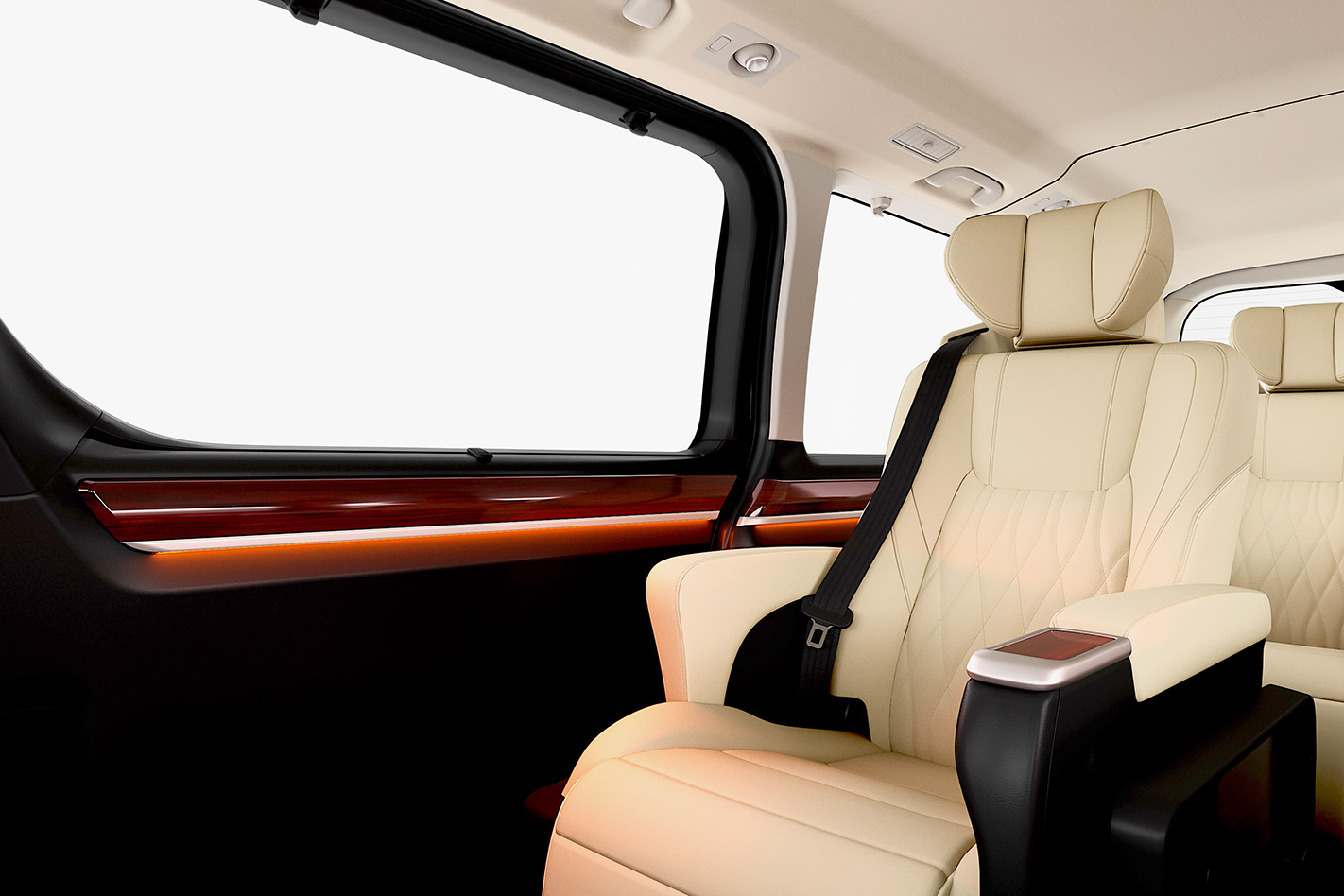
Both the Granvia and Granvia VX will come standard in a six-seat layout, with four individual captain’s chairs in the second and fourth row.
An eight-seat layout can also be optioned in either grade, which inserts a two-person bench seat behind the third row, with a 40/60 split backrest. All models get a sliding rear door on both sides as standard, enabling both kerbside and roadside access.
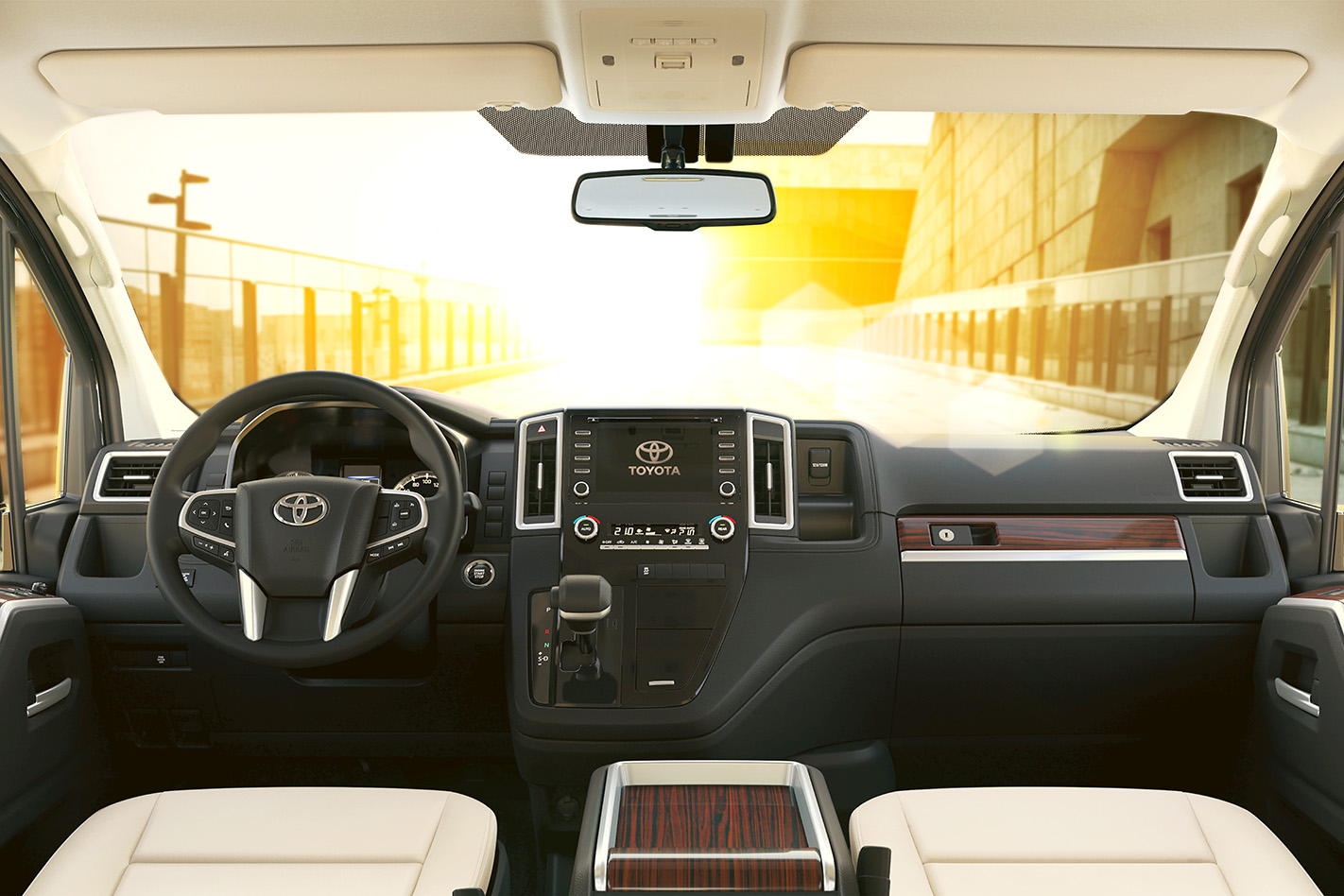
The standard equipment fit-out is generous, with Toyota focusing on safety and driver assistance systems for its big people mover. All models get an anti-collision warning system, autonomous emergency braking (with pedestrian and cyclist detection), active cruise control, automatic highbeam, front and rear parking sensors, blind spot monitoring, a reversing camera, nine airbags and lane departure warning with lane keep assistance as standard.
That’s on top of mod-cons like separate climate controls for the front and rear cabins, keyless entry and ignition, and a modern infotainment unit with integrated Apple CarPlay and Android Auto smartphone mirroring.
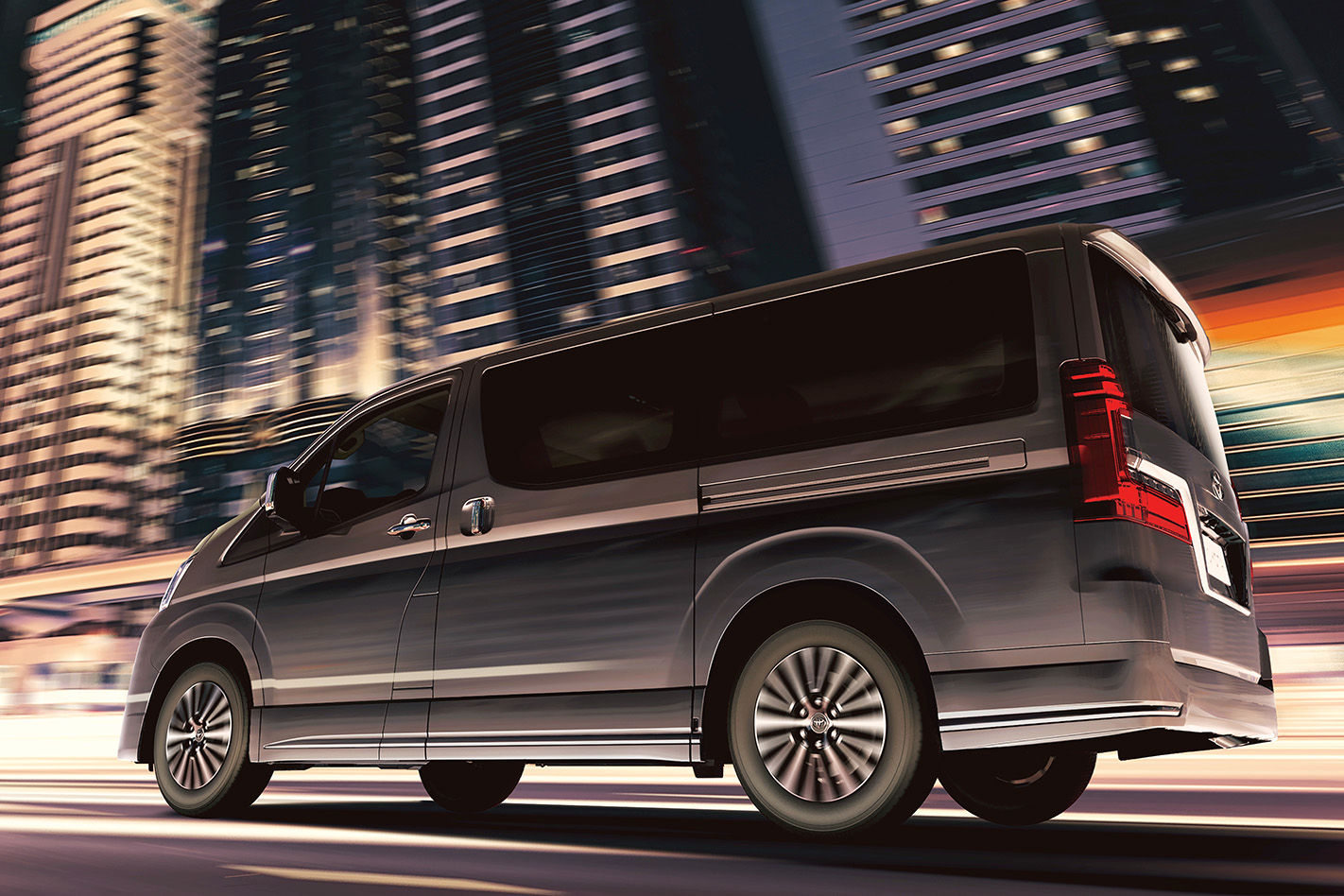
Moving up to the VX grade brings a dash of luxury, with quilted leather upholstery throughout, power-operated sliding doors and power-adjustable backrests and ottoman leg-rests for the four rear captain’s chairs. Note, however, that speccing an eight-seat config in the VX means just the second-row captain’s chairs gain power adjustability, with the third row remaining manually-adjusted.
Further technical specifications and pricing will be announced closer to the Granvia’s local arrival in the fourth quarter of this year.
2020 Toyota Granvia pricing:
- Granvia 6-seat ($62,990)
- Granvia 8-seat ($64,990)
- Granvia VX 6-seat ($74,990)
- Granvia VX 8-seat ($74,990)
As any of us who has a driver’s licence knows, the real learning started when we slapped the P-plates on the car and went solo.
Getting through that initial period unscathed was usually more a matter of luck than design, which makes being the parent of a new driver a stressful experience now that you’re not required to sit in the left seat.
If your kid still listens to you, you might want to sign them up for Ford Australia’s Driving Skills for Life (DSFL) program. The free course offers new and young drivers hands-on training delivered by professional instructors at various locations around NSW, South Australia and Victoria. If they don’t normally listen try mentioning that there’s some skid pan action involved.
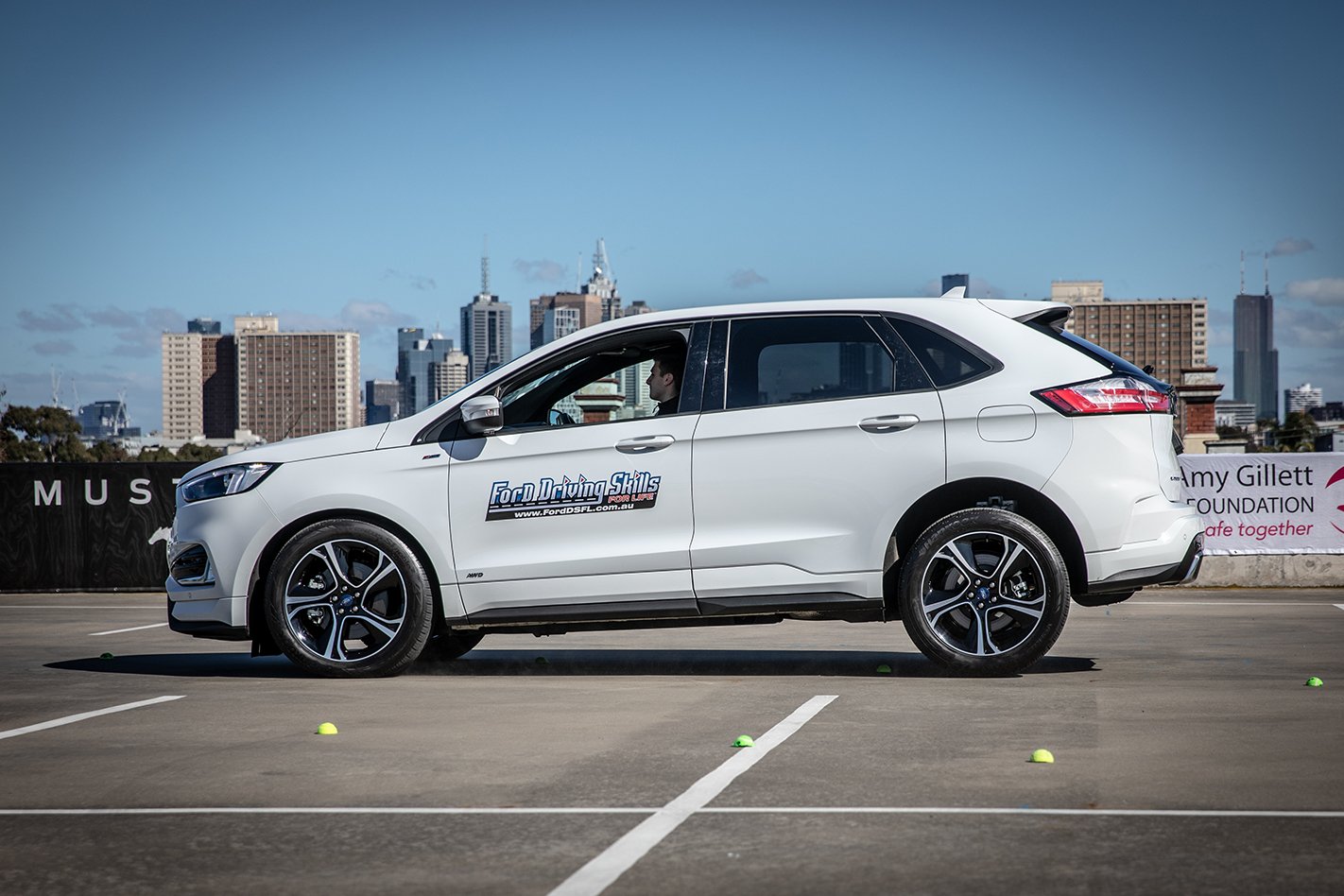
Now in its fifth year, DSFL focuses on techniques not taught during L-plate driver instruction and aims to increase the use of safe, calm driving as well as teach handling techniques. Participants are taught about the dangers of distraction, and how to share the road with other vehicles and cyclists.
Safe driving around cyclists is a central theme of this year’s event, with Ford teaming up with the Amy Gillett Foundation to help participants respect and share the road with cyclists safely and confidently.
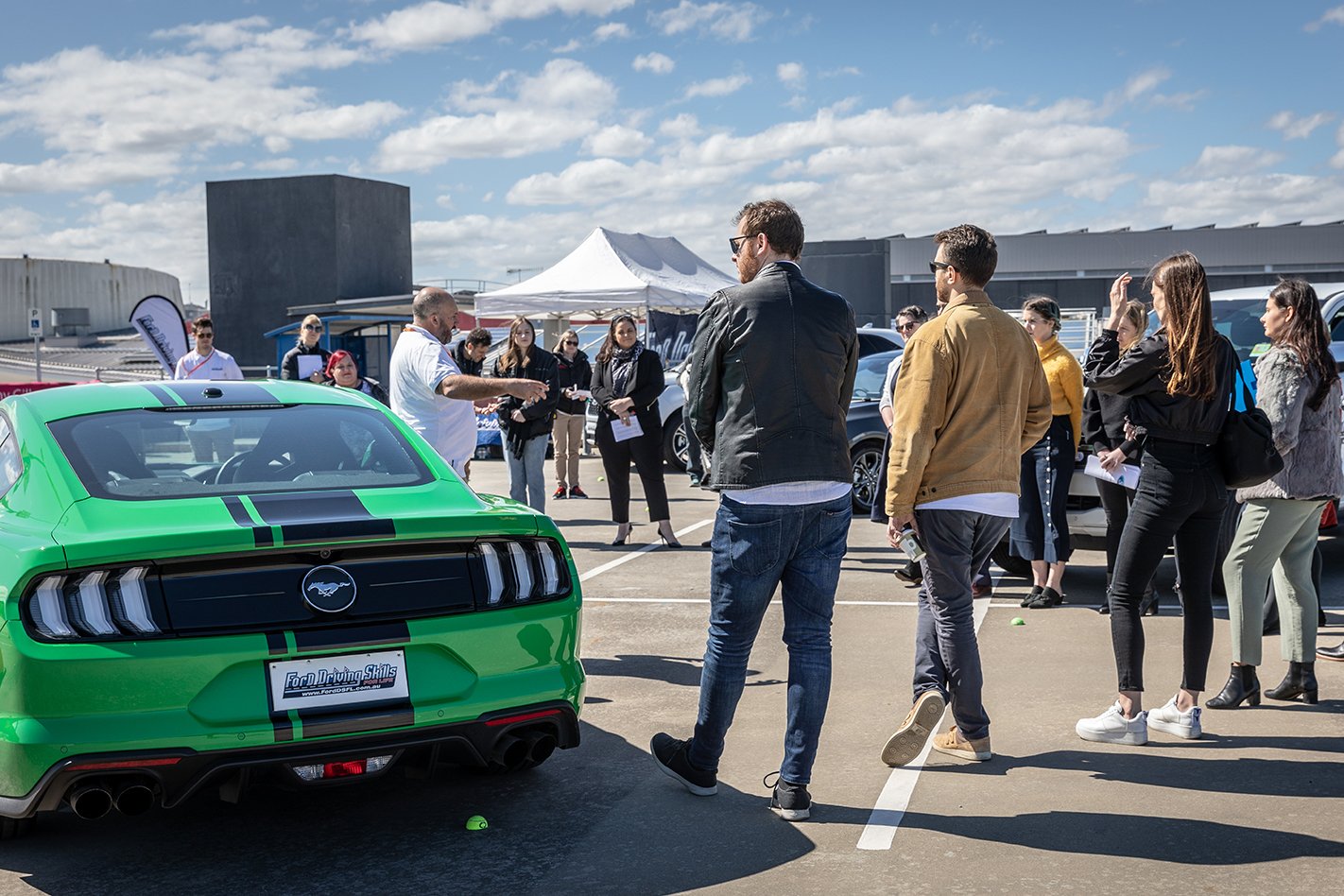
DSFL combines hands-on cycling with VR simulations and tests the limits with ABS and Stability Control in a controlled environment using vehicles supplied by Ford.
The program also includes the Ford Impairment Suit which mimics the effects alcohol has on our bodies and how it contributes to 30 percent of fatal road accidents.
“By helping new and young drivers to develop safe driving techniques, we’re hoping to make the road safer for everyone and give participants the best possible start to a lifetime of driving,” said Ford Australia CEO Kay Hart. “While each year cars get safer and safer, Australia’s road toll has increased over recent years, which indicates the importance of teaching safe driving techniques to the next generation of drivers.”
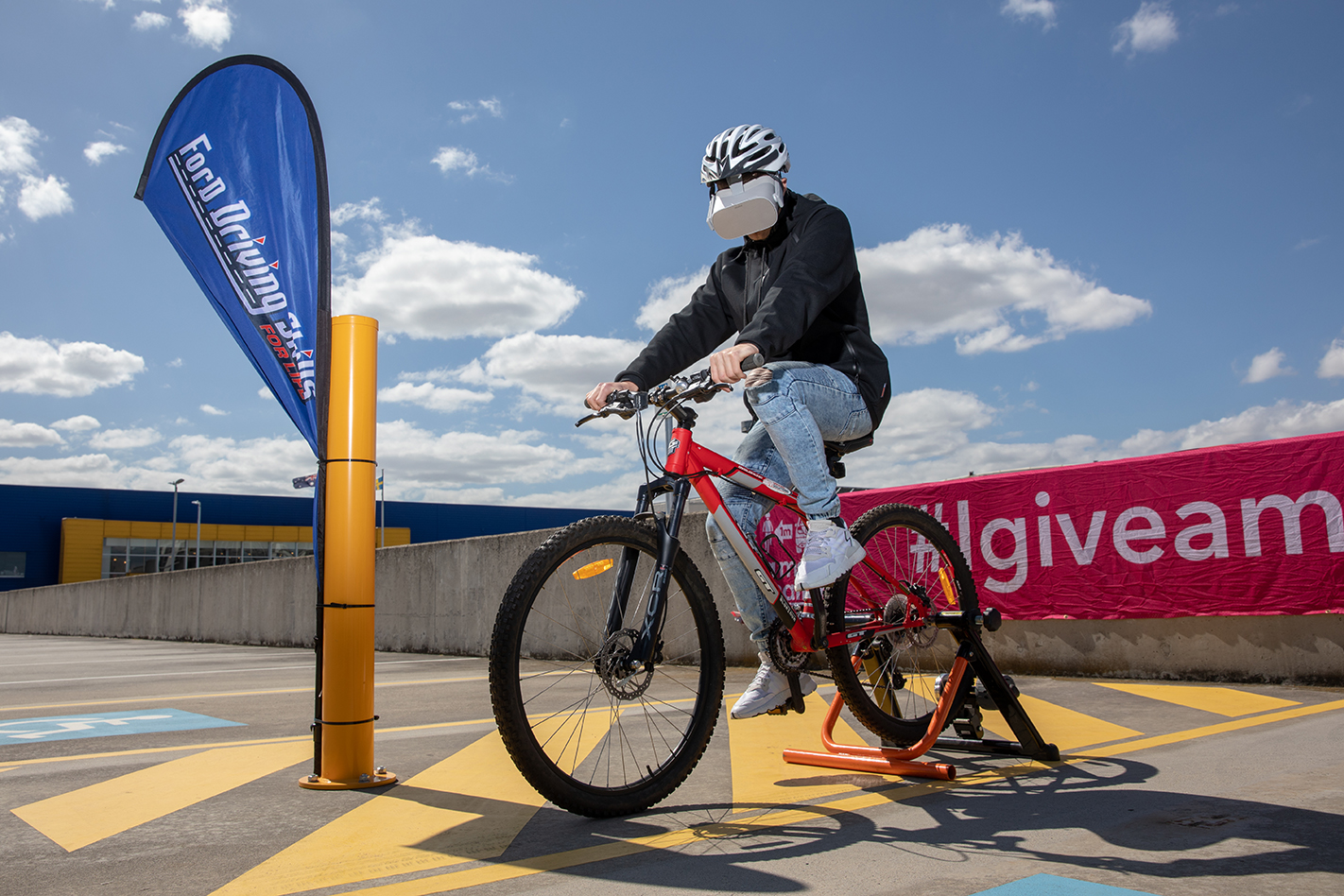
Driving Skills for Life is a free course funded by Ford and provided by professional driving instructors in Ford vehicles at seven locations around Australia. The course is open to Learner (with at least 40 hours in logbook), provisional and fully licensed drivers.
Registrations are now open at FordDSFL.com.au.
Driving Skills for Life 2019 locations
- Saturday, September 21 – Geelong at Geelong Go Kart Track
- Sunday, September 22 – Melbourne at Todd Road Go Kart Track
- Sunday, October27 – Adelaide at Adelaide International Raceway
- Saturday, November 9 – Newcastle at Newcastle Showgrounds
- Sunday, November 10 – Sydney at Sydney Motorsport Park
- Sunday, November 24 – Orange at Orange Go Kart Track
General Motors workers have been arrested on picket lines as a strike by 46,000 United Automobile Workers (UAW) members enters its fourth day.
The strike comes after the most recent contract between the union and General Motors – owners of Holden – came to an end on Sunday without a new deal in place, against a backdrop of a growing embezzlement scandal at the top of the UAW movement.
Several high-ranking union officials, including a former and a current president, have been arrested on fraud charges relating to the misuse of union funds.
More Holden News
- Opel to still supply Holden, says PSA
- GM winds back Equinox production
- Holden Acadia Car of the Year review
- Holden drops Commodore, Astra
Elsewhere, the new Corvette C8 engine production line in Tonawanda, New York, is being picketed, which is likely to put the C8 build program behind schedule.
GM says it’s holding enough stock of its most popular models to last it around three weeks, although parts shortages are already affecting GM plants in Canada.
It’s the first major strike for GM since 2007.

Locally, only the Acadia has the potential to be affected at present. The Equinox, for example, comes from one of GM’s Mexican plants, the Commodore and Astra are imported from Germany and the Colorado hails from Thailand.
Initial discussion between the company and the union saw GM pledge US$7b (A$13b) in investments in new projects and refiring shuttered plants, more than 5,400 new jobs and increased pay.
However, the company is looking to slash its contribution to medical expenses of its workforce, which costs it more than US$1b a year at present.
The average UAW worker pays just three percent of their own medical expenses, while the national average is more like 28 per cent. GM has proposed a figure of 15 percent, which the union has rejected.
Wages are also on the table, with the union rejecting a two per cent per-year offer over four years.
WHAT IS IT?
It’s Volvo’s new generation mid-sized sedan.
The Volvo S60 comes with two different engines and three different levels of specification: the entry-level T5 Momentum, the T5 Inscription, the T5 R-Design and the more dynamic T8 R-Design.
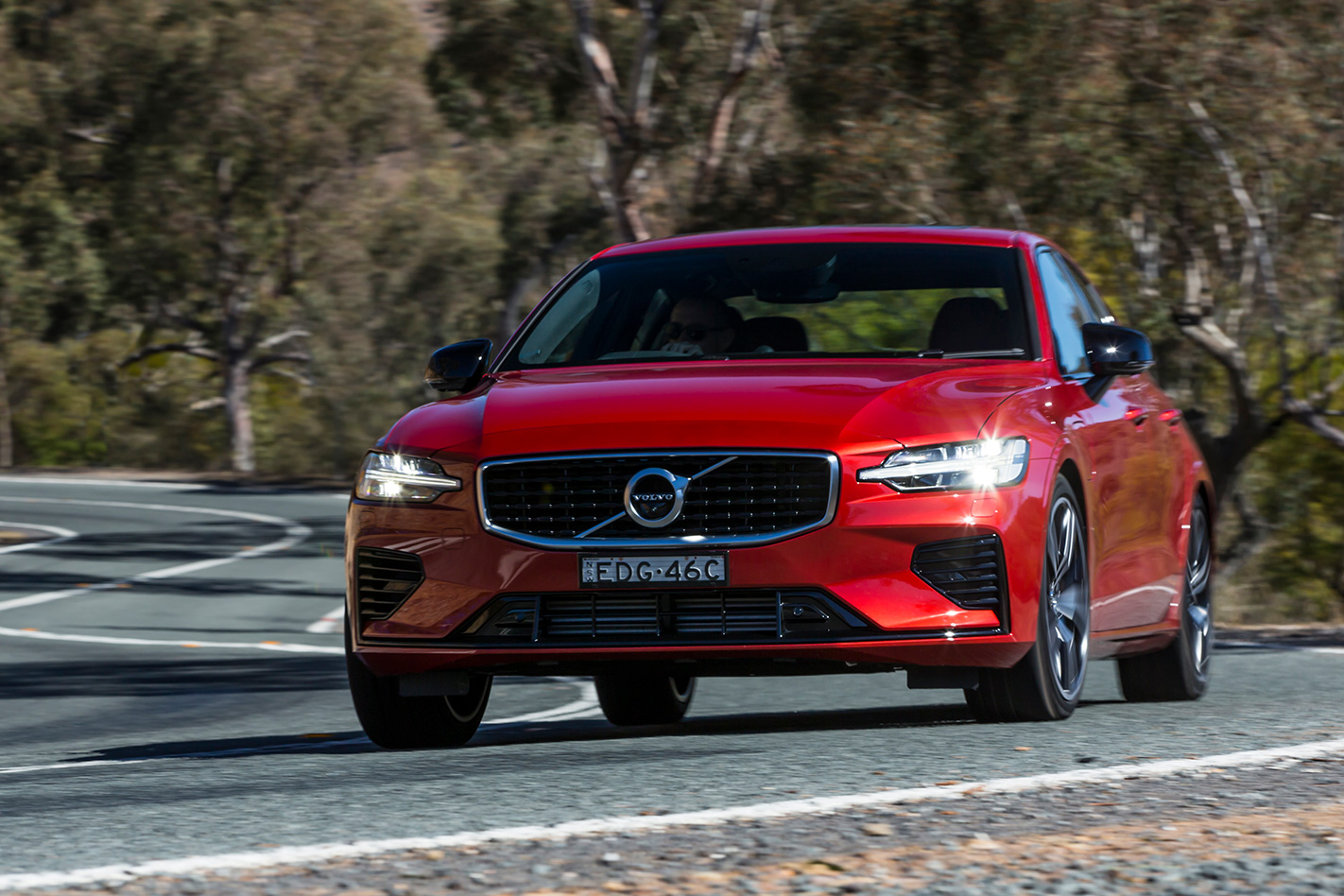
I tested the top-spec T8 R-Design plug-in hybrid, which uses a 2.0-litre four-cylinder turbo- and supercharged petrol engine, coupled with an electric motor.
I confess I wasn’t overly excited about meeting my S60 date at Adelaide airport and driving to the Barossa Valley for lunch.
When I think of the Swedish car manufacturer I think of safety. Sexy? No.
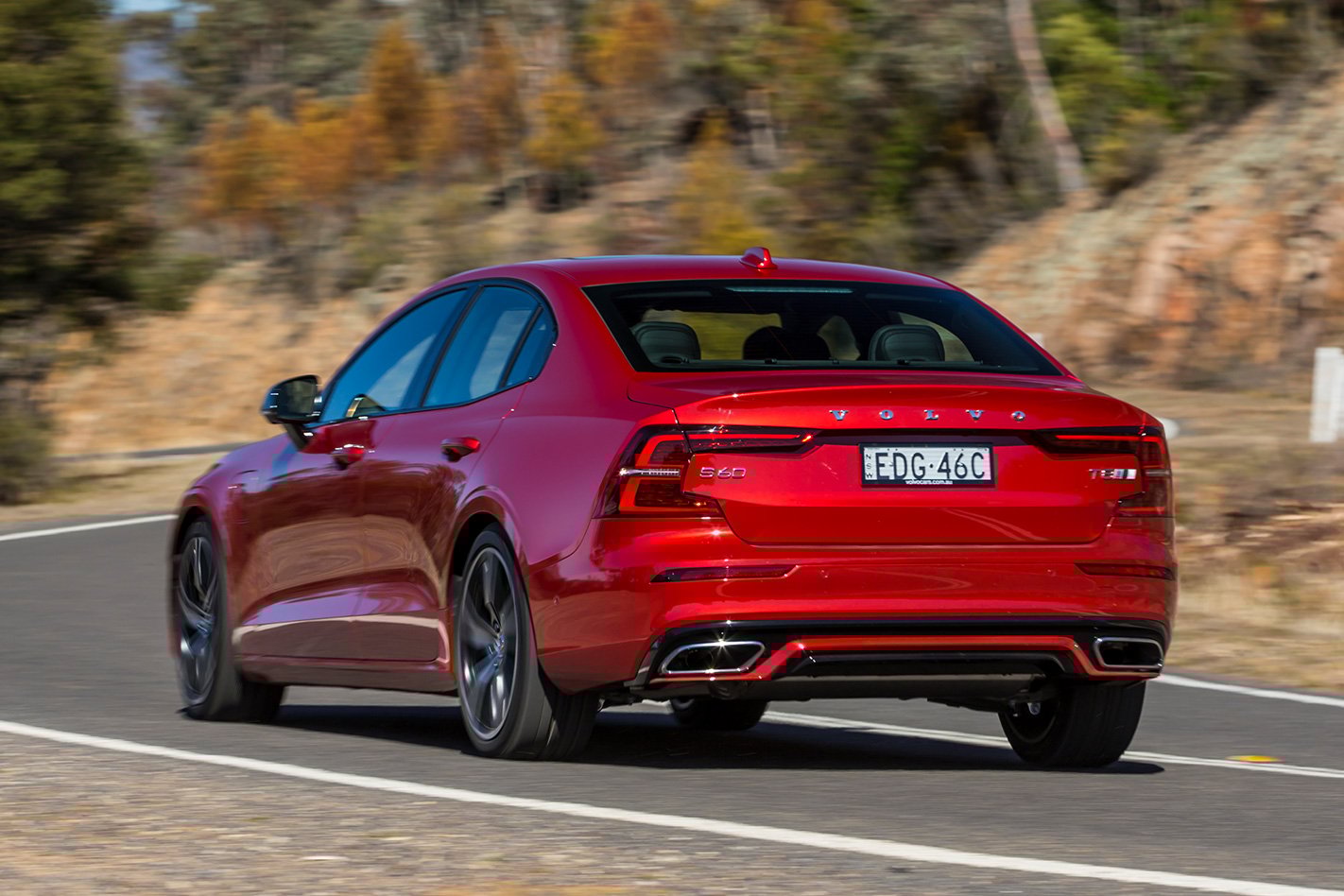
After all, the Volvo 240 was our family wagon throughout the 1970s. It was a brick on wheels. In addition to the Volvo Factor, sedans seem somehow spiritless in a world where SUVs and hatchbacks reign supreme.
Volvo, however, wants to reinvigorate that body style.
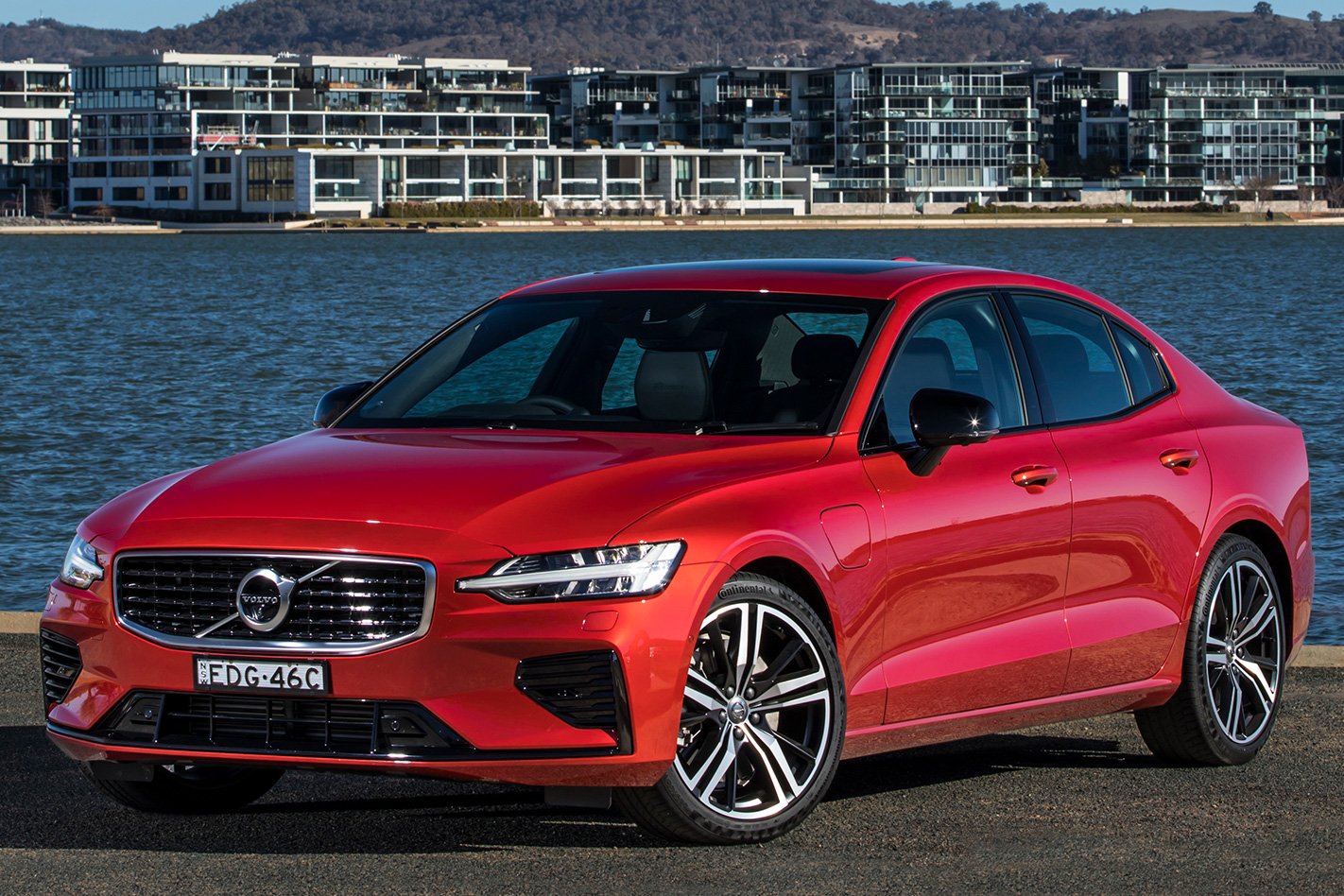
And to be honest, I was delightfully surprised to meet the muscular, dynamic, yet elegant S60 waiting for me at the valet parking lot. Perhaps it’s not a dull date after all…
WHAT’S IT LIKE TO DRIVE?
The T8 is a powerful beast. Athletically hunched on those 19-inch alloy wheels it sports a grrr-looking grille and dual integrated tail pipes. Once out of the stop-start stultifying suburbs, the T8 feels smooth meandering through the Adelaide Hills.
What’s exciting is the claim of 0-100km/h in just 4.3 seconds. I put this to the test and floored it while slicing through the golden canola fields and wineries; yep, it’s damn quick.
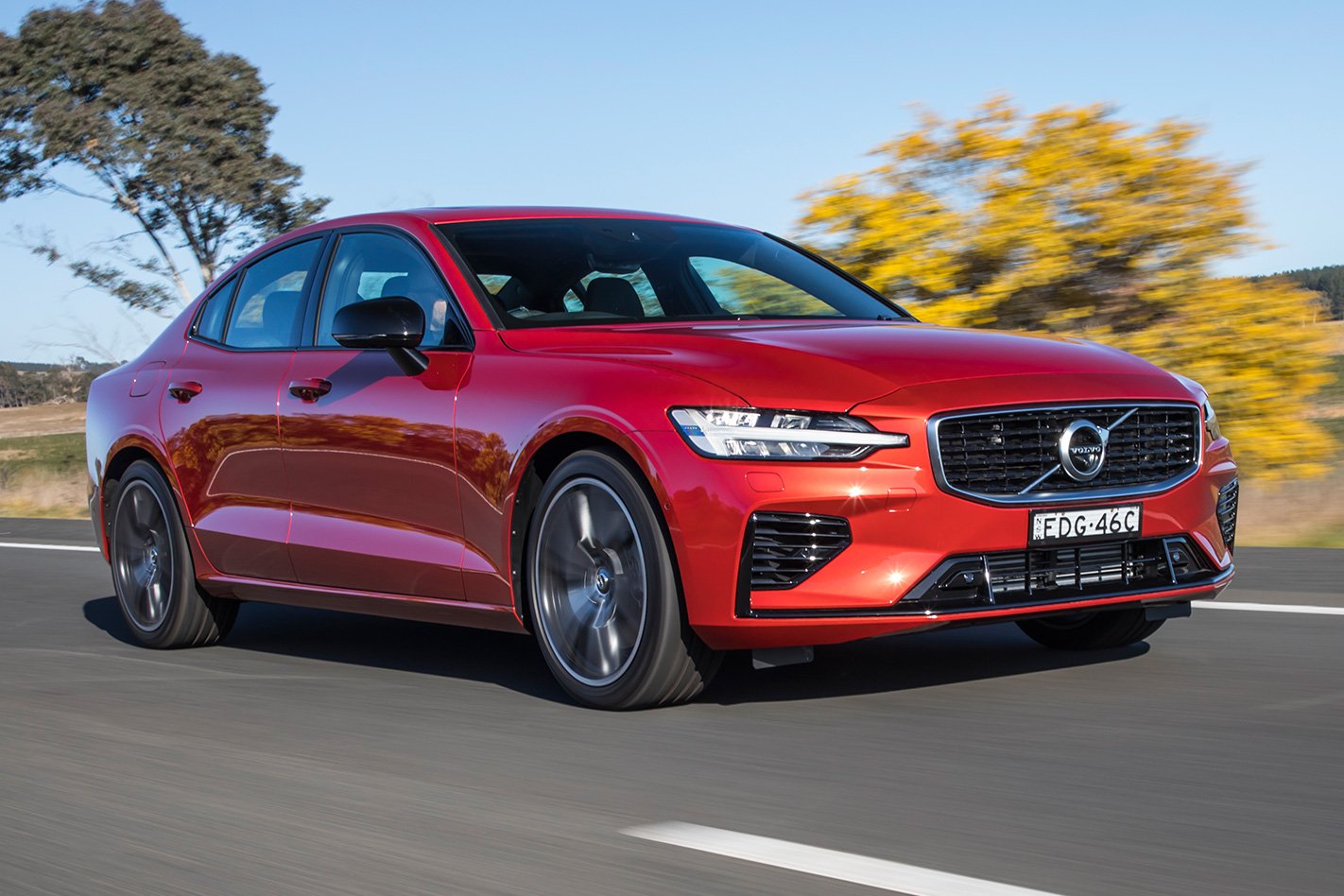
As expected with a Volvo, the safety gear is top shelf and includes auto emergency braking, blind spot monitoring, head-up display and 360-degree parking camera. Adaptive cruise control is a breeze to set. Unfortunately, though, wrestling with the overly burly lane-keeping assistant is exhausting.
WHAT’S IT LIKE TO LIVE WITH?
The interior doesn’t disappoint. I appreciate the luxe look of the leather trim used on the seats, steering wheel and stubby gear knob. Metal mesh inlays top off the sophisticated feel.
Keyless entry and hands-free tailgate opening are a bonus.
The 9.0-inch multimedia touchscreen is orientated vertically, which initially I found unsettling. There is a lot of swiping side-to-side, too — a pet irritation of mine. Annoyingly, ventilation controls are run through this system as well.
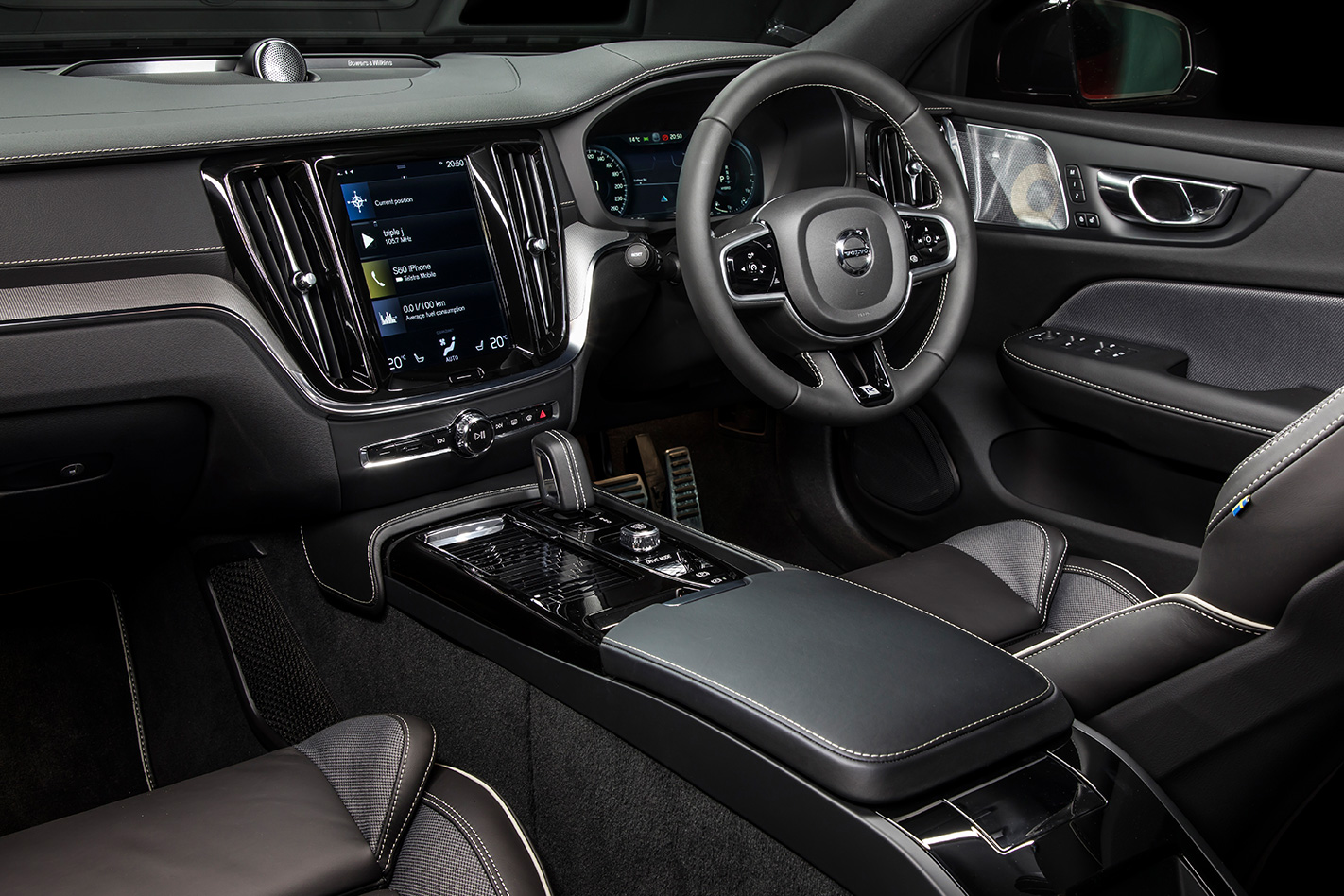
Mercifully, there is still a good old-fashioned volume knob and the dash isn’t too busy. The entertainment system supports both Apple CarPlay and Android Auto.
I think Volvo is smart enough to know drivers prefer bringing their own tech to the party. I am a creature of habit and run Google Maps through the system to make sure I don’t veer off the beaten track on my way to St Hugo’s winery.
The boot is a so-so 390 litres, thanks to the intrusion of the electric engine’s battery. Staring into this less-than-cavernous cargo space, and contemplating the general lack of storage, it occurs to me the S60 isn’t the ultimate family car.
The back seat isn’t overly roomy, either. This car better suits cool couples whose kids have flown the nest.
IS IT WORTH THE MONEY?
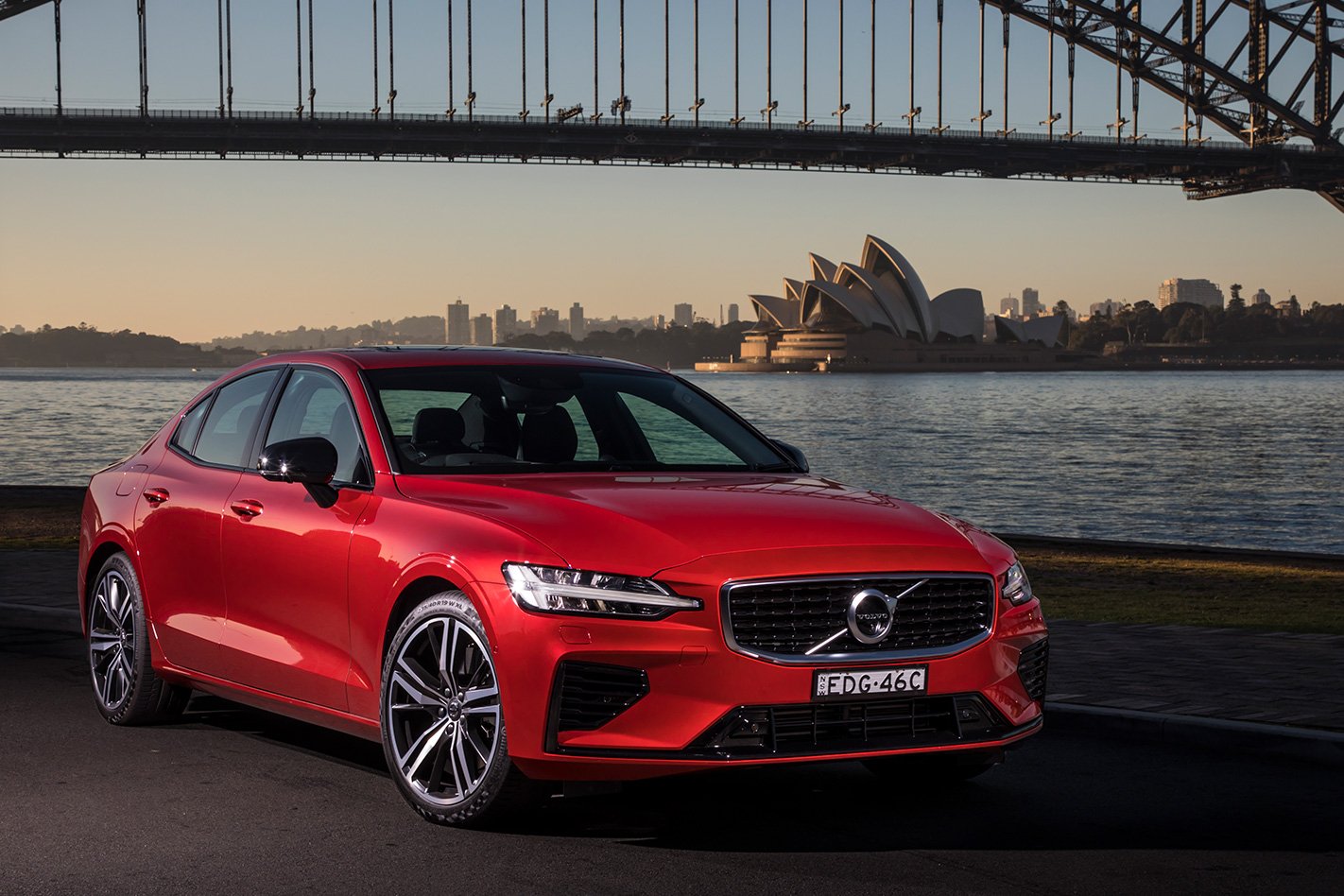
The S60 range kicks off at a very competitive $54,990 (plus on-road costs) for the entry-level T5 Momentum. This is cheaper than German competitors like the Mercedes-Benz C200 ($64,500), Audi’s A4 35 TFSI ($56,100) and BMW’s 320i ($64,900).
The T8, however, is a pricier $85,990 (plus on road costs).
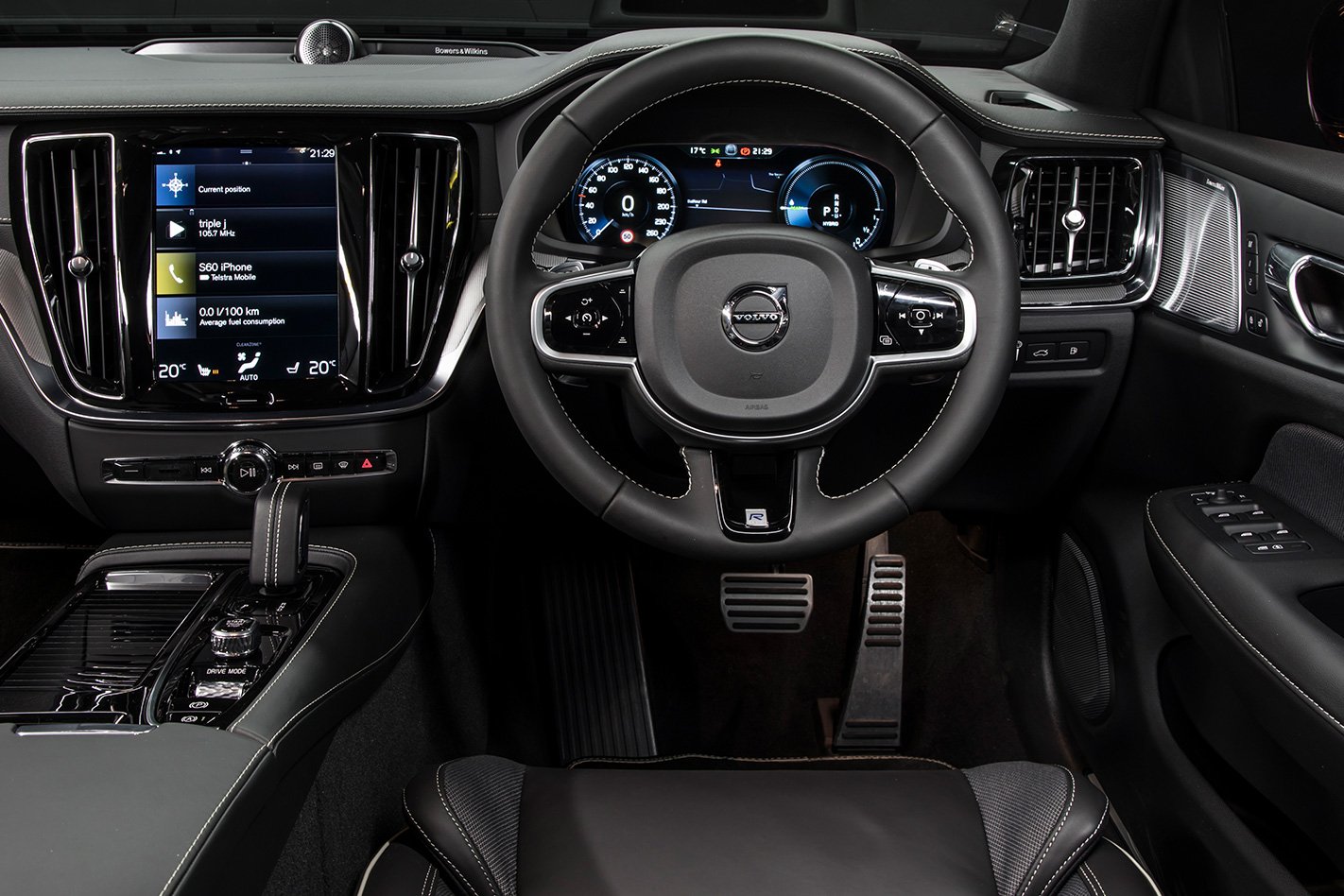
If you desire the premium pack — which includes panoramic sunroof, rear window sun curtain, a big-sounding Bowers and Wilkins premium sound system and metallic paint — the T8 will set you back $92,490 (plus on-road costs). That’s getting up there in terms of pricing.
Thanks to electric power that can run the car for around 40 kilometres, claimed fuel consumption is a staggeringly — and almost questionably — low 2.1L/100km. Guaranteed, once you’ve exhausted the battery’s reserves and you’re exclusively sipping premium unleaded, the consumption will jump to a figure that’s closer to eight or nine litres per 100km.
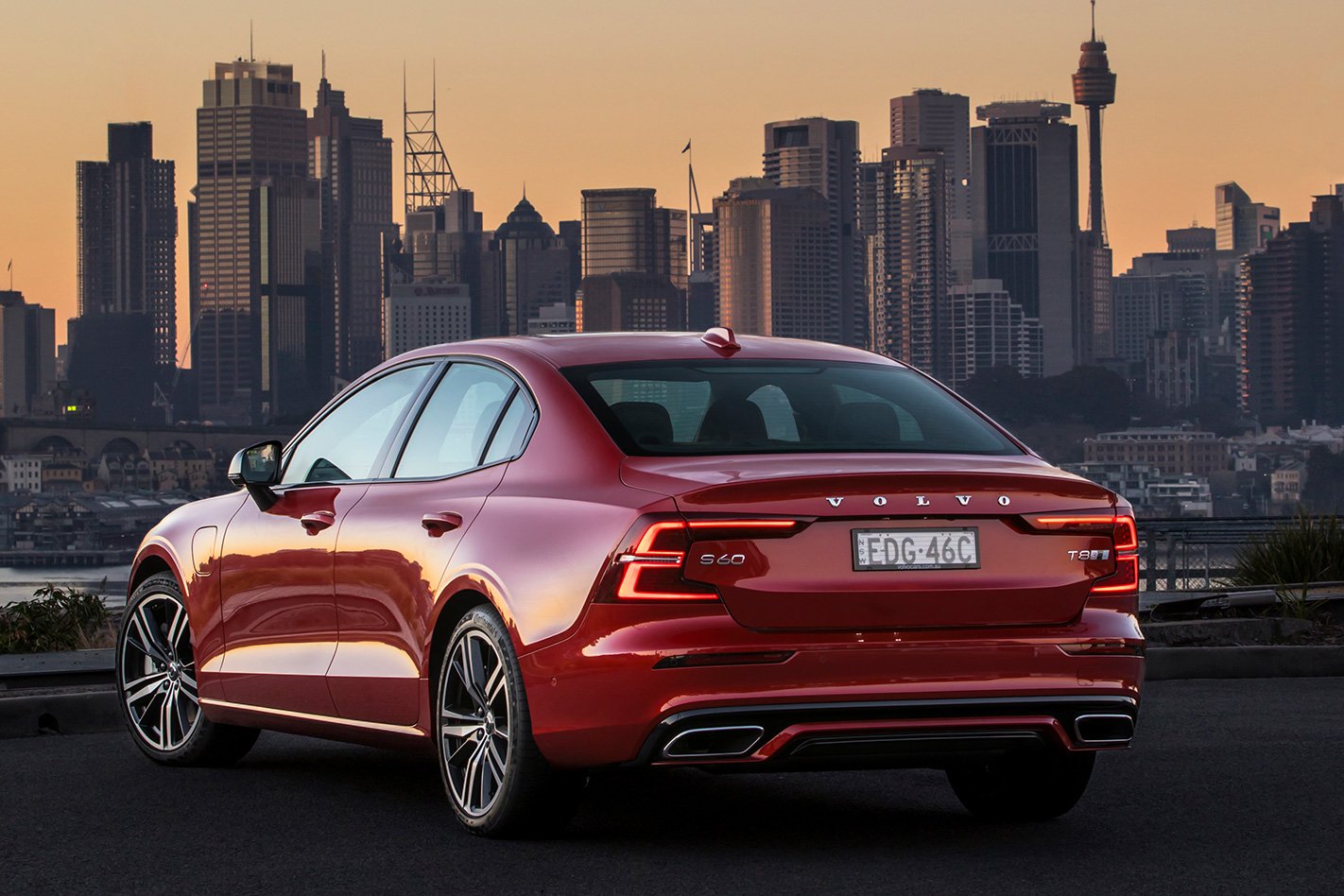
Volvo is committed to electrifying its entire product line-up. While I wouldn’t gush about my car date in such terms, the S60 is definitely a sporty, seductive ride. I feel we have arrived at the winery in style.
Indeed, the Swede has delivered an oxymoron: a sexy Volvo sedan.
PROS: Fuel-efficient; fast as; sleek, muscular design
CONS: It’s a sedan; short on storage; pricing not as competitive at the top of the scale
RATING 3.5/5
Elise has been a journalist across the trifecta of TV, radio and print for more than twenty-five years. When not shackled to her computer or beloved kid, you’ll find this working mum indulging her other passions — skiing powder off piste or trying to catch a wave on her 8’ Mini Mal.
Lamborghini is developing more ways to customise its range of high-performance vehicles with the goal to one day offer its customers a car that is completely like any other on the road – even those of the same model and variant.
While the iconic Italian car maker already offers extensive personalisation options through its Ad Personam suite, the company is planning to extend the range of options beyond simple colour and material choices, to individually designed parts.
More Lamborghini goodness
- Scientist prints his own Lambo
- Amazing road trip with the Lamborghini Huracan Evo
- Lamborghini Huracan Sterrato off-roader revealed
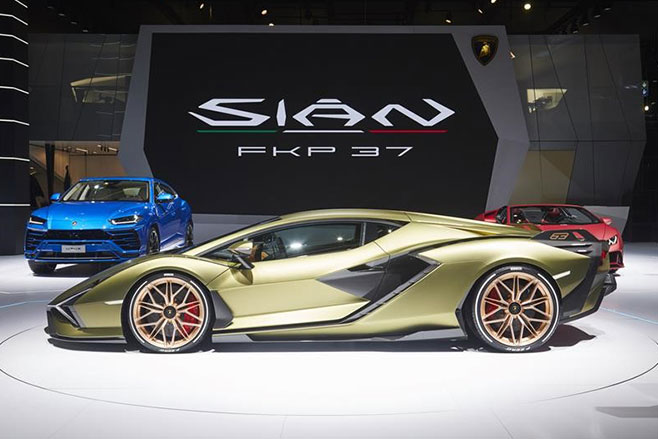
“The Sian is the first step into the total individualisation of our cars,” he said. “My dream as a designer is that we are only creating unique cars.”
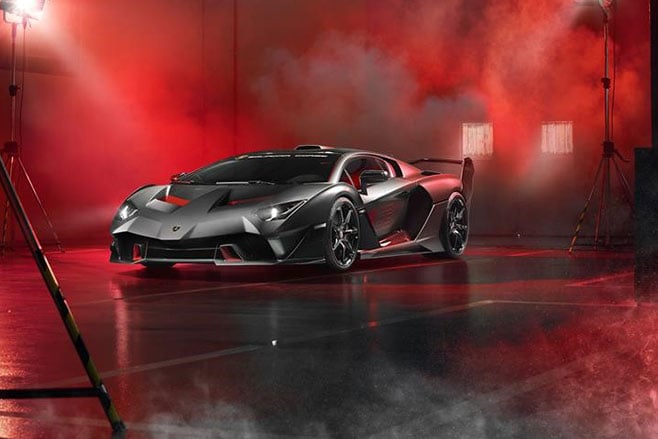
With vehicles like the one-off SC18 Alston, Lamborghini is already an authority in unique vehicles, but Borkert said the plan was to eventually roll out the same processes and possibilities to its highest volume models as well.
“My best fantasy is that we have even the all Huracans and Uruses to be different. Everything is possible.”
Lamborghini’s most exclusive production vehicles:
2007 Reventon (21) 2011 Sesto Elemento (20) 2013 Veneno (14) 2016 Centenario (40) 2018 SC18 Alston (1) 2019 Aventador SVJ 63 Roadster (63) 2019 Sian (63)
For the interior of the Sian, Lamborghini adapted its interior from the Aventador donor vehicle more than any other vehicle before it by using 3D printed parts – a world first, said Borkert. According to the design chief, the emergning technology will be key to completely unique Lamborghinis.
“For me, the next trend will be 3D printing. People want character and something special and this demand will never be finished,” he said. “Maybe in five to ten years, it’s possible we are able to create bespoke fenders because they are coming out of the 3D printer.”
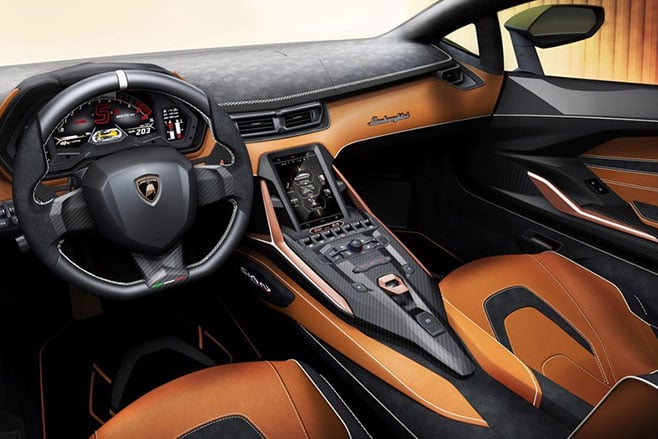
With additive manufacturing, the cost of producing single pieces is drastically reduced and Borkert said customers could actually be involved in the design stage to directly influence the way their car looks.
Watch Next: Lamborghini Huracan Evo hits the track at night!
Beyond that, the company is continuing to develop new paint material and colour options. Lamborghini was among the first to offer matte, satin and ‘flip’ colours, and its newest offerings are going to be just as incredible.
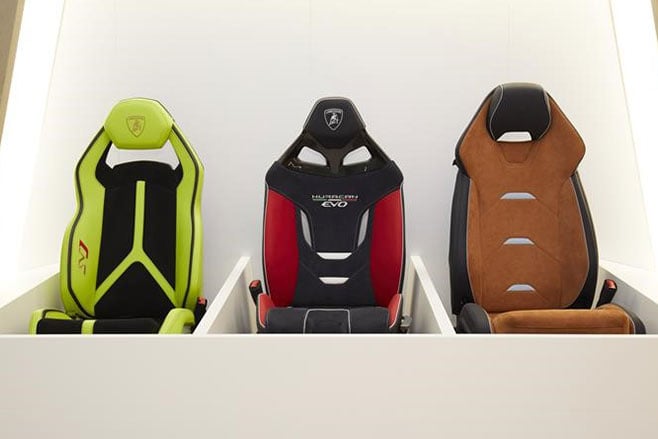
“We will use fluorescent colours like when you switch off the lights and you still see your watch,” said Borkert. “It will be very bespoke. It’s a question of developing the colour and then we have it.”
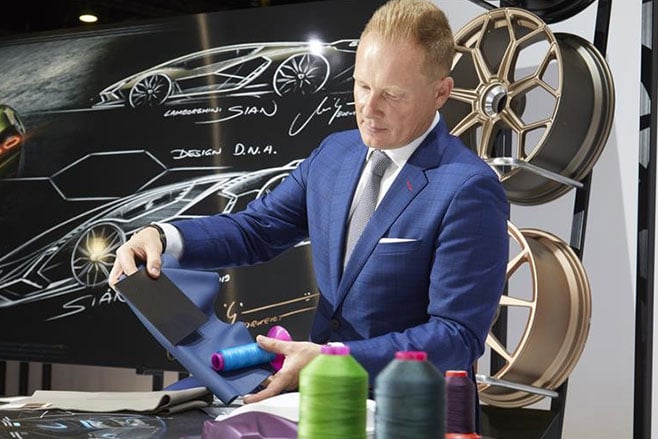
The new luminous colour was developed for one of the already sold Sians, but Borkert said the colour will ultimately be offered to other customers who are willing to pay.
Not only will it continue to glow after being exposed to light, but the new colour will also appear more fluorescent than any colour before it when exposed to light frequencies at the UV end of the spectrum, such as at twilight and dusk.
And if a highly customised glow-in-the-dark, 3D printed Lambo still isn’t exclusive enough, the company will be exploring more one-off unique models to follow the SC18.
“That is also another niche and door that we are taking,” said Borkert.
“To talk about stuff is one thing and then to actually do it is another. At Lamborghini we do it”.
The Tesla Model 3 Performance is finally here, and we’ve been testing it for the last few days.
Given the interest in this car and its features, we’ve put together a studio walkaround of Elon Musk’s newest car in Performance-spec.
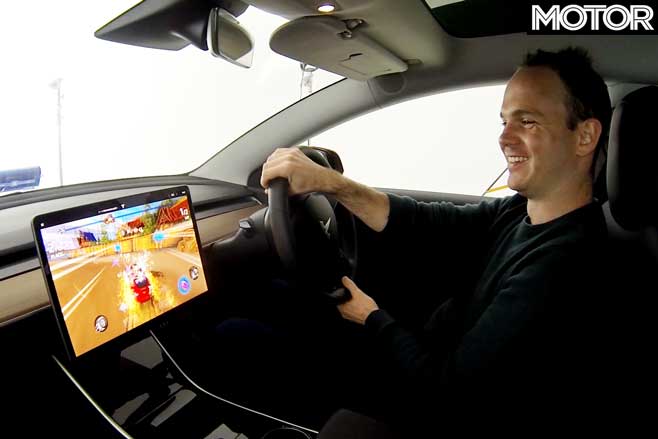
In addition to this, a full review will be coming to MOTOR Magazine, our section of the WhichCar website (where you are right now), and we’ve even got a segment coming to season 2 of the WhichCar TV show.
Keep an eye out for those, but until then, enjoy this proper look at the Model 3!
World oil prices have spiked this week following drone attacks on Saudi Arabia’s oil production facilities, which could mean the price of fuel is about to follow the same path.
It potentially marks the top of a slippery slope should the situation in the Middle East deteriorate further.
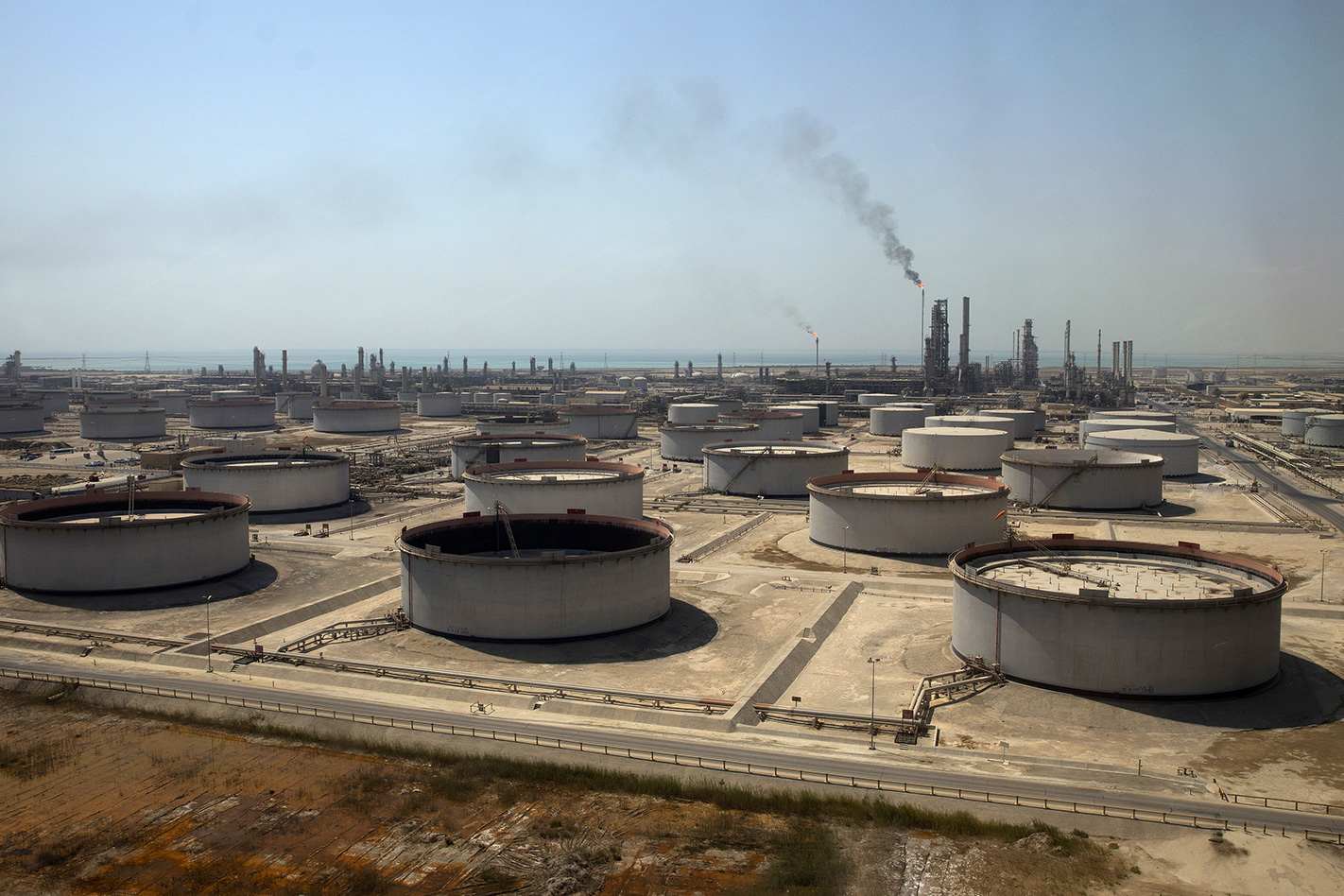
Roughly 5.7 million barrels of oil a day, or six percent of global oil production, has been affected, according to AMP chief economist Shane Oliver.
So far, prices haven’t appreciably changed for Australian motorists, but a number of caveats linger over whether we’ll see prices rise to new highs over the coming weeks.
It usually takes a few weeks for Australians to bear the brunt of an oil barrel price rise at the bowser, and while there’s no cause for concern just yet, economists like Oliver are closely watching what eventuates between Saudi Arabia, the United States and Iran.
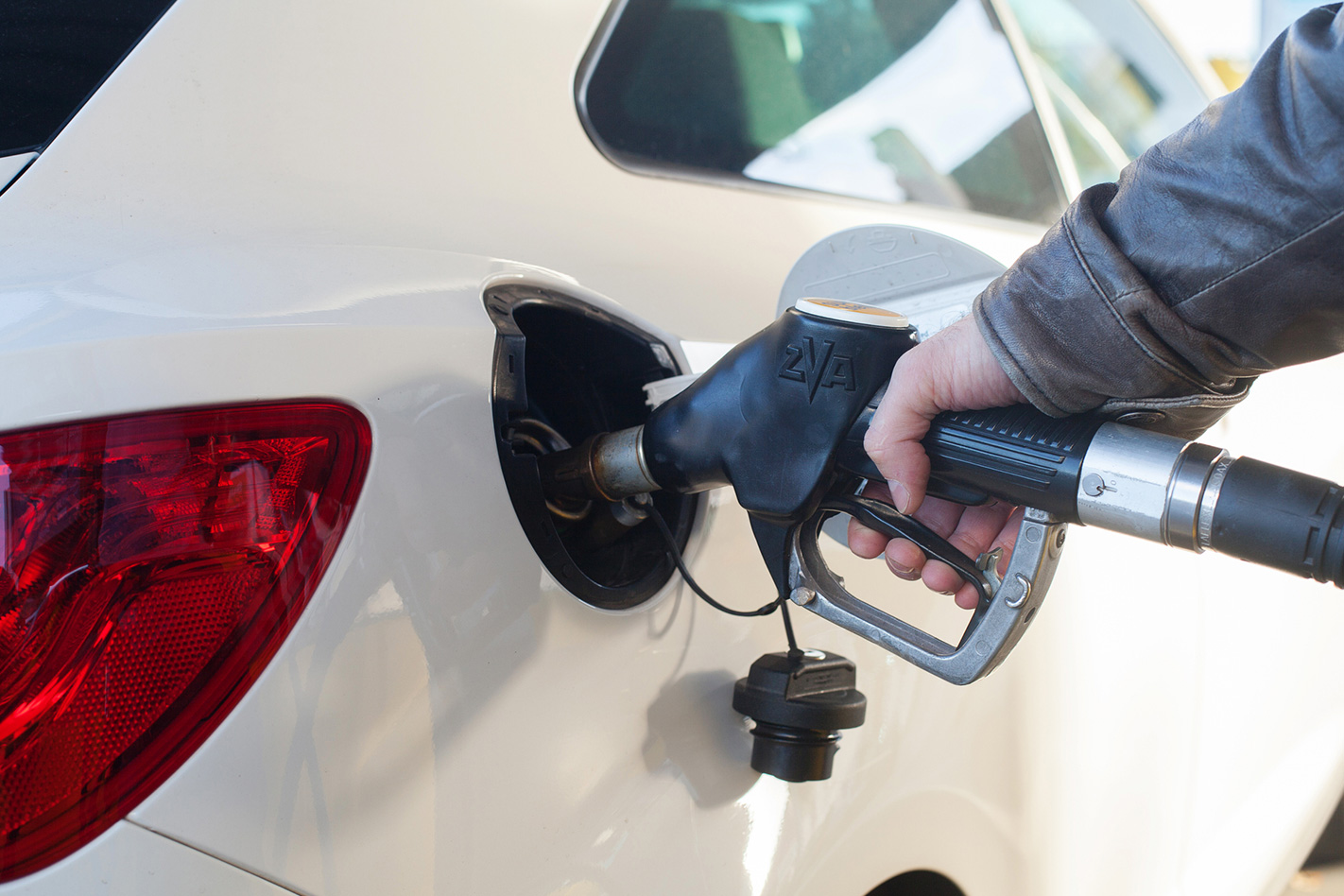
Key uncertainties concern how long it will take Saudi production to return to normal, the extent that oil stockpiles can cover outages, whether similar attacks continue and the relationship between President Trump (who has said the US is “locked and loaded”) and Iran, according to a report by Dr Oliver.
But for Australians, “the real issue would come if world oil prices double as in past major Middle East crises.”
The average cost of a barrel of crude oil has jumped about US$10 a barrel in the last week, and currently stands at around US$60 a barrel. Industry estimates suggest that a 10 per cent reduction in supply equates to a 250 per cent increase in the cost.
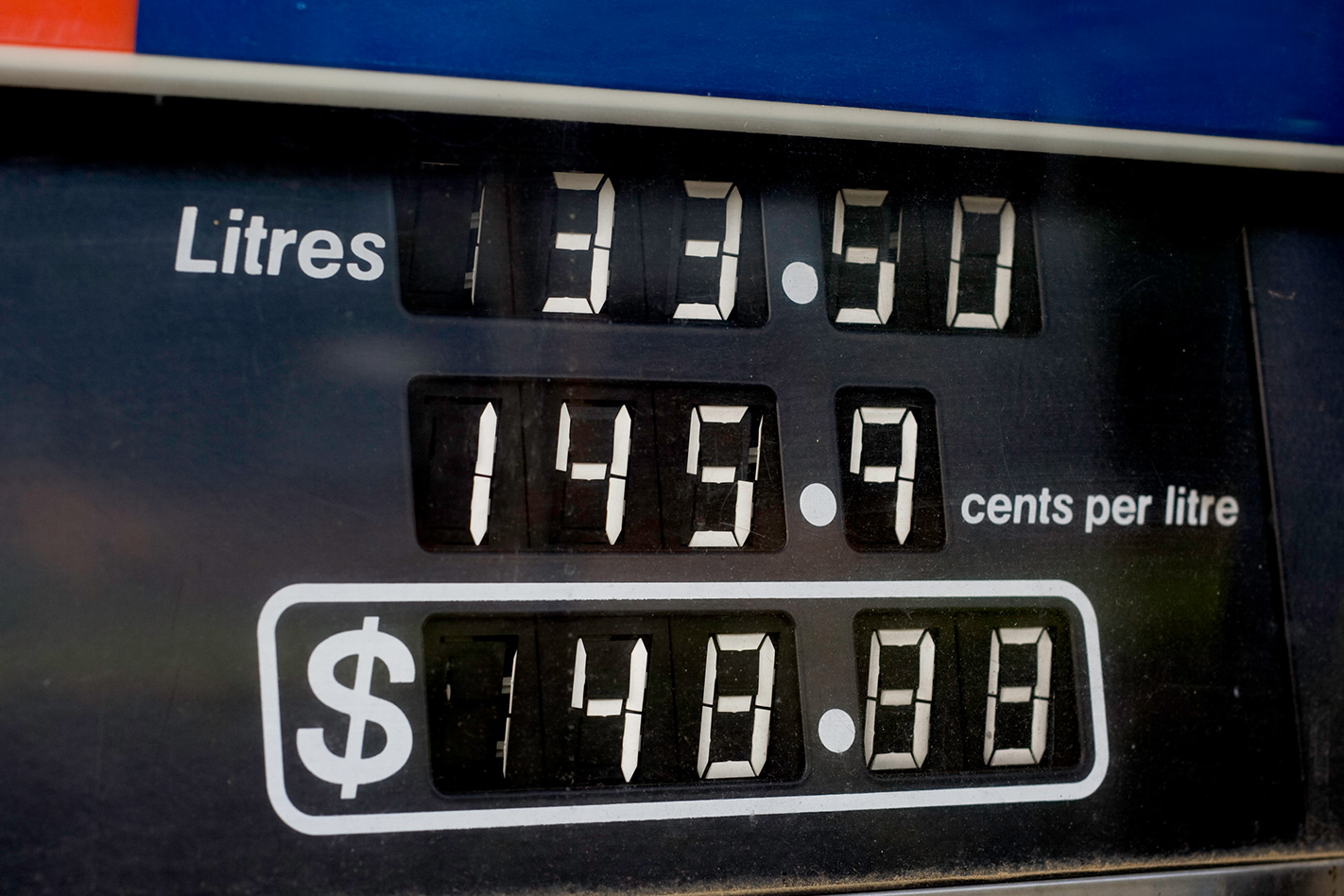
Based on the average weekly price of petrol across five Australian capitals, petrol currently sits at around $1.44 a litre. If prices were pushed to $1.95 a litre, “it would push the typical Australian family’s weekly petrol bill up to around $68, compared to $49 last month,” said Oliver.
Rising petrol prices spark calls for reduced retail margins and tax reductions
Not helping the cause is Australia’s low fuel reserve level which is well under the recommended threshold of 90 days. Meant to safeguard us against industrial sabotage, war and situations like those in the Middle East, the government has asked the US – which produces 10 million barrels a day – for extra rations to boost our 28 days’ worth, but even that isn’t a sure bet.
Petrol prices remain lower than this time last year, but add in Australia’s less-than-desirable fuel reserve situation and the chance of Middle East tensions escalating, we could be in for a rough ride at the fuel pump.
Toyota’s claimed 0-100km/h time for the new Supra is 4.3 seconds. That’s seriously quick. It’s identical to a Ferrari F40 or, if you want something a little more contemporary, a tenth quicker than a $218,800 Porsche Cayman GT4, the cover star of our August issue and, if certain other outlets are concerned, the greatest sports car ever conceived.
The dyno plots for the A90 Supra also suggest that Toyota’s flagship coupe makes considerably more than its published 250kW and 500Nm.
But how does it fare when subjected to the unblinking eye of the VBOX on a dragstrip? That’s what we were at Heathcote Park to find out. In near perfect weather conditions (9 degrees, clear, dry and sunny with very little wind) we took one Supra GTS, engaged launch control and sidestepped the brakes.
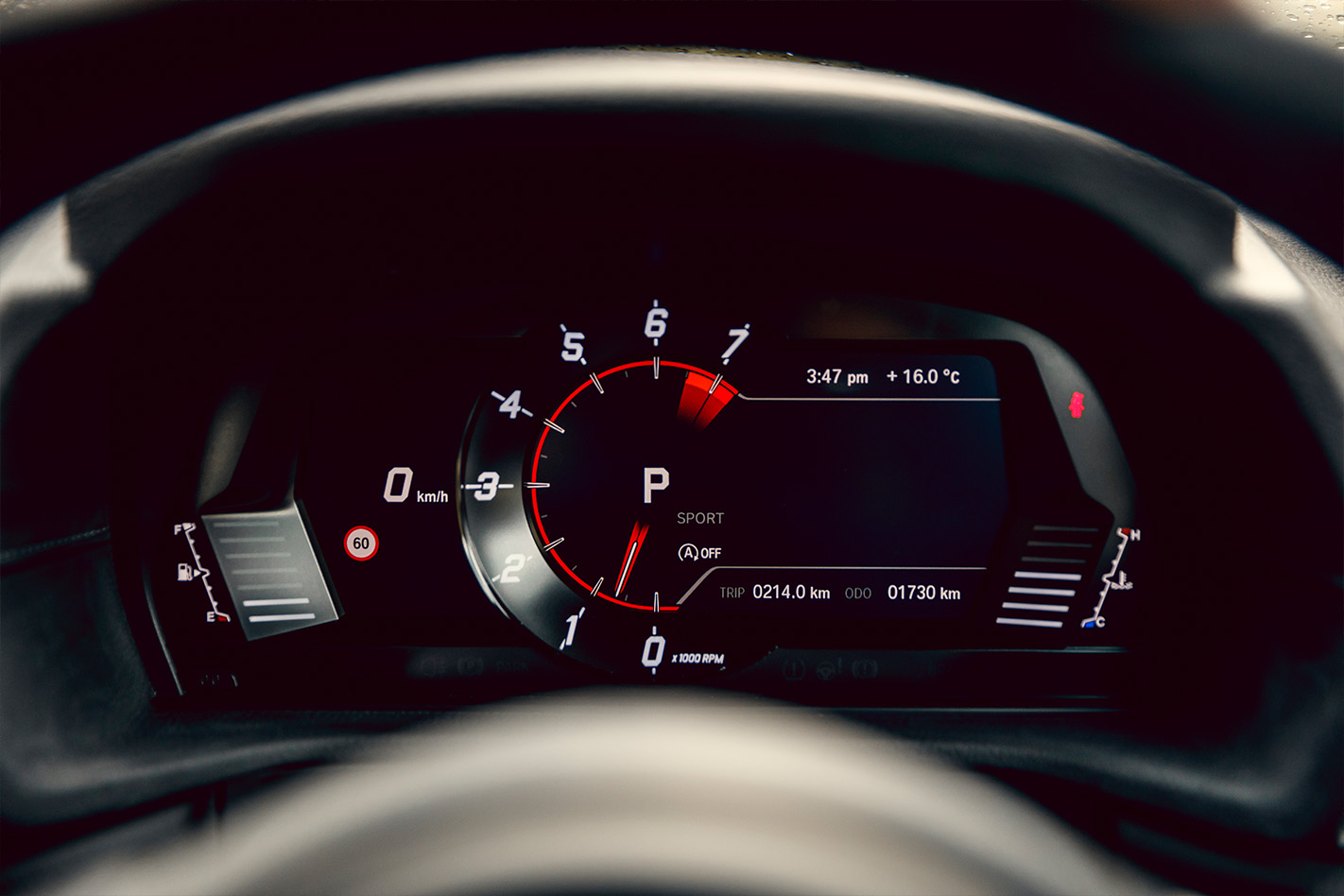
The result was, to not put too fine a point on it, hopeless. Keep it pinned and it’ll wheelspin crazily, yawing down the strip and stopping the clock at 5.9 seconds to 100km/h. In other words, the launch control system is functionally useless.
Fortunately, the ZF eight-speed auto doesn’t mind being leant on a little at the start, making the Supra squat onto its haunches. Heathcote doesn’t have the grippiest start line, yet via a bit of trial and error, we were able to record a best 0-100km/h time of 4.6 seconds.
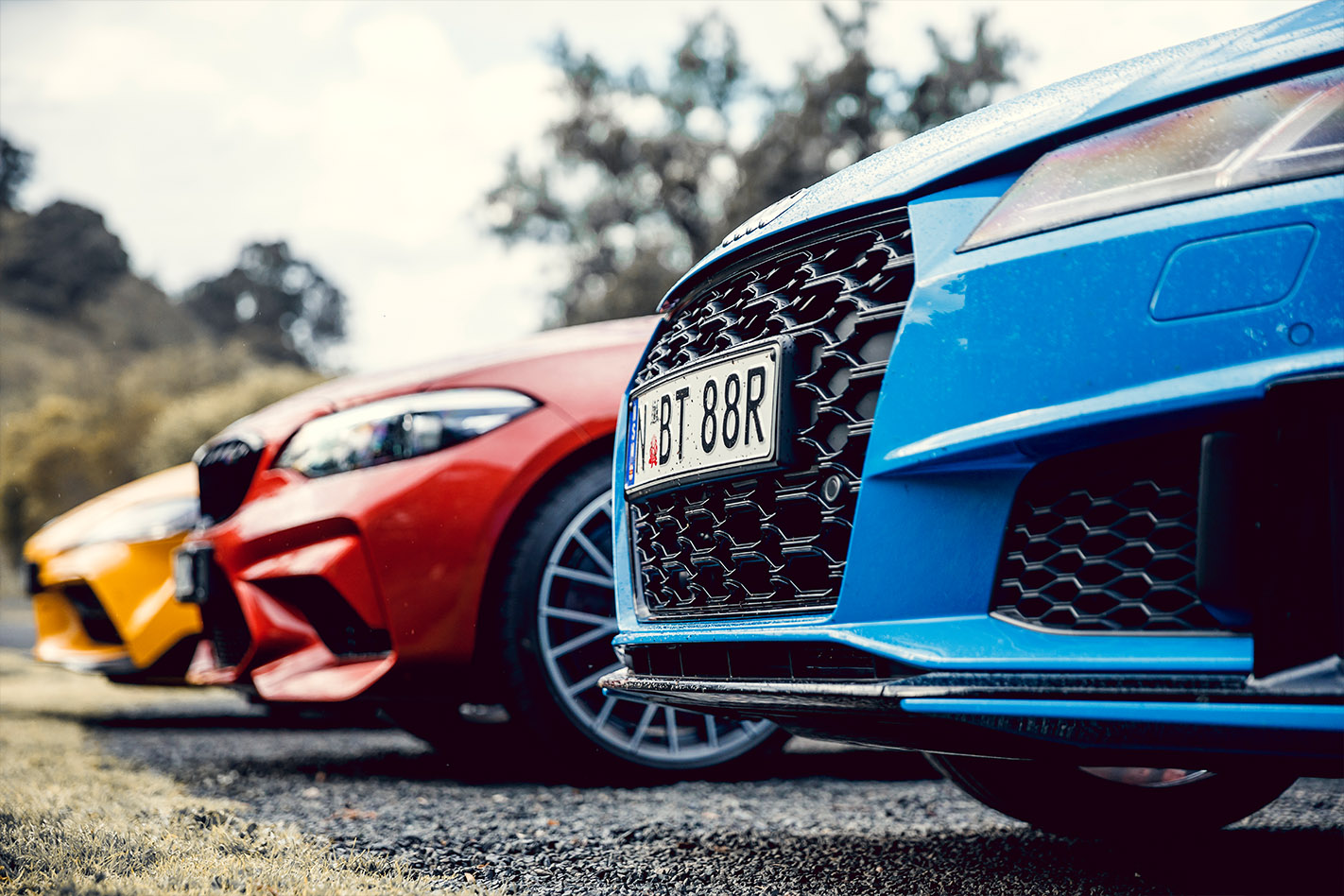
We had two other cars along for reference. The BMW M2 Competition managed a best of 4.4 seconds to 100km/h using launch control, 0.2sec down on its factory claim, while the Audi TT S quattro split the pair, recording 4.5 seconds, all-wheel drive and launch control combining to devastating effect to better its 4.7 second claim.
Once the Supra got into its stride, it really motored. It went from 80-120km/h in a mere 2.6 seconds and covered 400m in 12.6 seconds with a terminal speed of 180.8km/h. It’s time to 200km/h was 16.3 seconds, the car’s (purported) 50kW power advantage over the Audi beating the TT S by 2.3 seconds. However, It still had to play second fiddle to the M2 Competition at the end of the strip, the BMW taking 14.8 seconds to notch the double ton.
Every one of the Supra’s performance metrics on the day was better than Porsche’s 718 Cayman with PDK transmission. The Porker beat the Toyota’s braking distance from 100km/h by a mere ten centimetres. As performance benchmarks go, the Cayman isn’t a bad one to knock over. Colour us impressed.
Elon Musk might not be able to have Nico Rosberg drive an officially-timed lap of the Nürburgring in a Tesla Model S, but that hasn’t stopped trackside viewers from hand-timing a lap of the modified S.
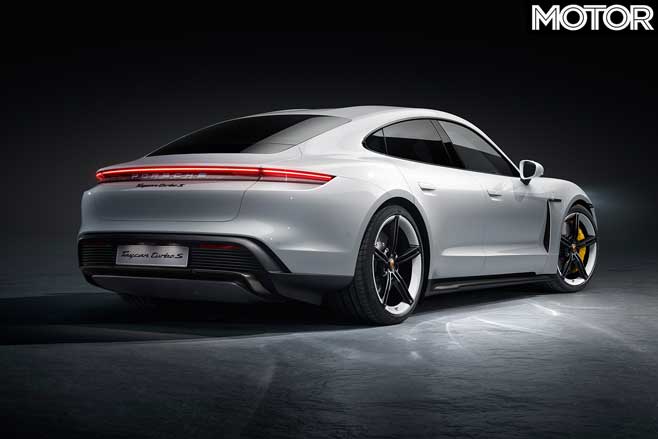
According to reports from Germany, the Tesla (which, again, is heavily modified) is faster than Porsche’s impressive electric Taycan by a wide margin.
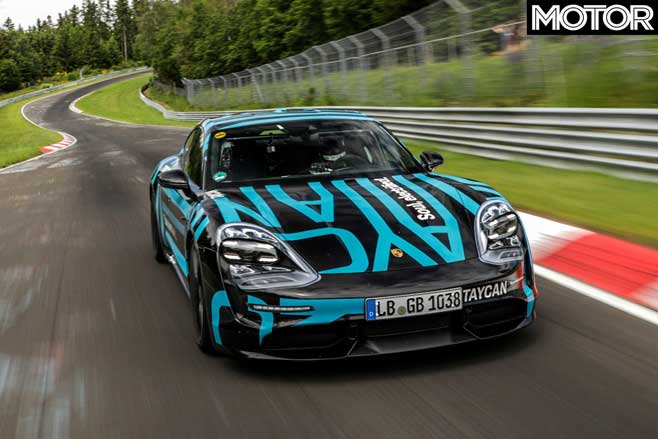
The modified Model S, dubbed ‘Plaid’, has three motors instead of two, a feature which is expected to become part of Tesla’s production car arsenal. It’s also reportedly sporting a distinct lack on interior fitout and is wearing rather sticky Goodyear Eagle F1 Supersport RS tyres.
The name is a reference to the same film as Tesla’s ‘Ludicrous Mode’ – Mel Brooks’ cult sci-fi parody Spaceballs – in which ludicrous speed is faster than light speed, but can result in a ship ‘going to plaid’.
So, with Elon’s faster Model S on track, spectators were bound to show up. According to a report from Auto Motor und Sport,they showed up with the intention of timing the Tesla despite it not being production-spec or running during a sanctioned lap-timing session.
The result? A lap time of roughly 7 minutes and 23 seconds, according Auto Motor und Sport, putting it almost 20 seconds ahead of the Porsche Taycan.
Now, as previously reported by MOTOR, it’s unlikely Tesla will be able to lay down an official lap time soon, with the American brand not having booked a specific day to do so, and the calendar for the Nürburgring “fully booked through the season.”
Furthermore, despite a casual agreement to do so, Nico Rosberg is unlikely to be able to help with a lap time in the near future due to his current unaccredited status at the ‘Ring, which requires a three-day course to change.
