
You probably know the feeling. You arrive in the US about to kick off your drive vacation and rather than the vaguely sporty hire car you originally booked, the desk agent informs you that they’re booked out and you’ve been ‘upgraded’ to a front-drive Chevrolet Malibu Hybrid that smells of desperation, sun-wrecked thermoplastics and top notes of Taco Bell 99c menu. Well, help is at hand, courtesy of Shelby and Sixt.
While Shelby has a historic association with Hertz, with the classic ’66 Shelby GT350H rent-a-racer, this time the crew from North Las Vegas has jumped into bed with Sixt, the German-based hire car outfit that will now offer discerning renters 447kW worth of supercharged 5.0-litre V8 awesomeness in the form of the Mustang Shelby GT-S.
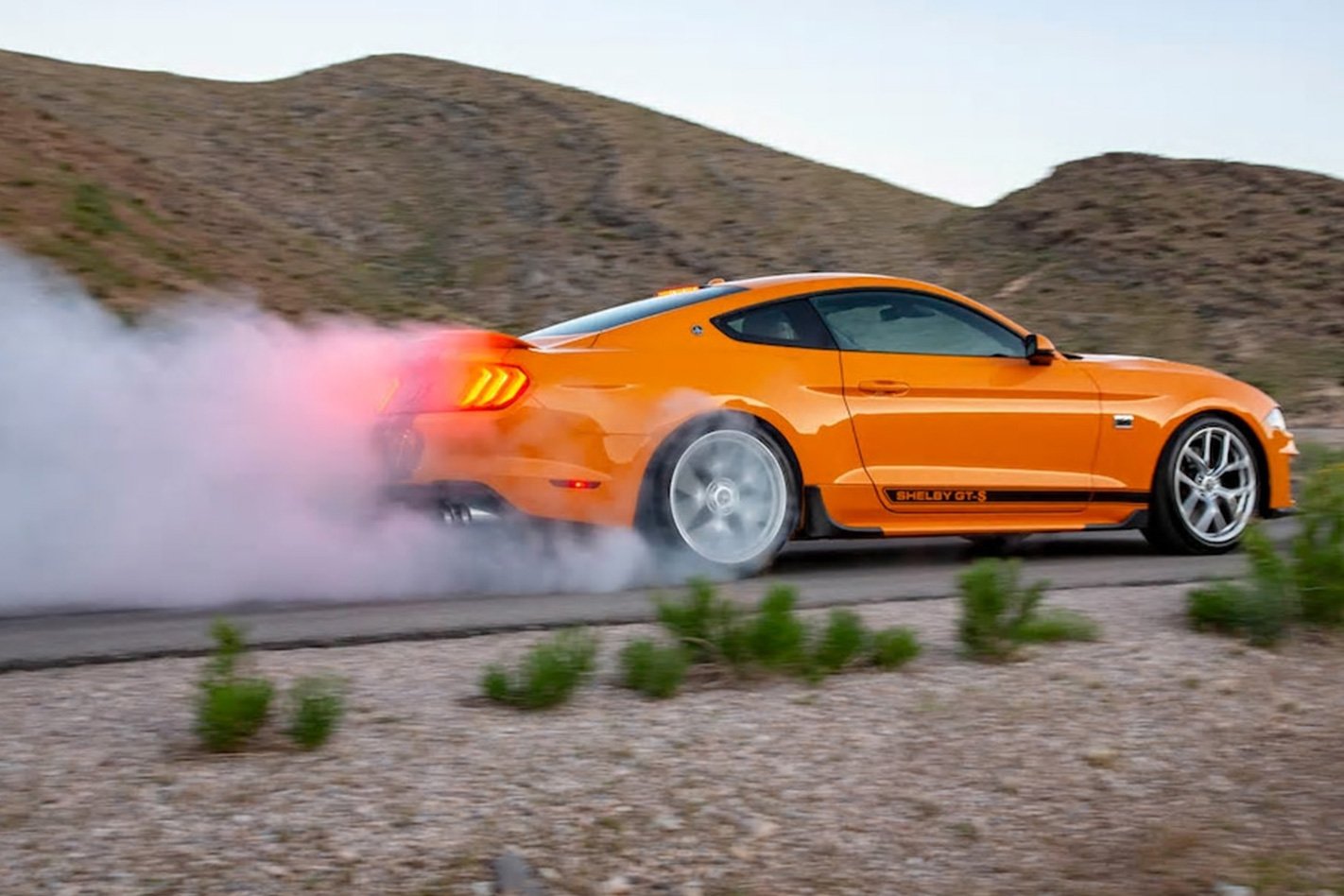
Yep, that’s right, you can walk into one of the selected hire locations in the US, plonk your licence on the desk and drive off in something with more power than Mount Pinatubo. I may have made that last bit up, because I’m not wholly certain of what figure a volcano makes at the crank. But 447kW? Damn.
That figure drives via the crisp 10-speed auto, and is garnished with some agreeable extras like Brembo stoppers, a cat-back exhaust, and a revised suspension set-up which plunders the Ford Performance catalogue for uprated anti-roll bars and springs.
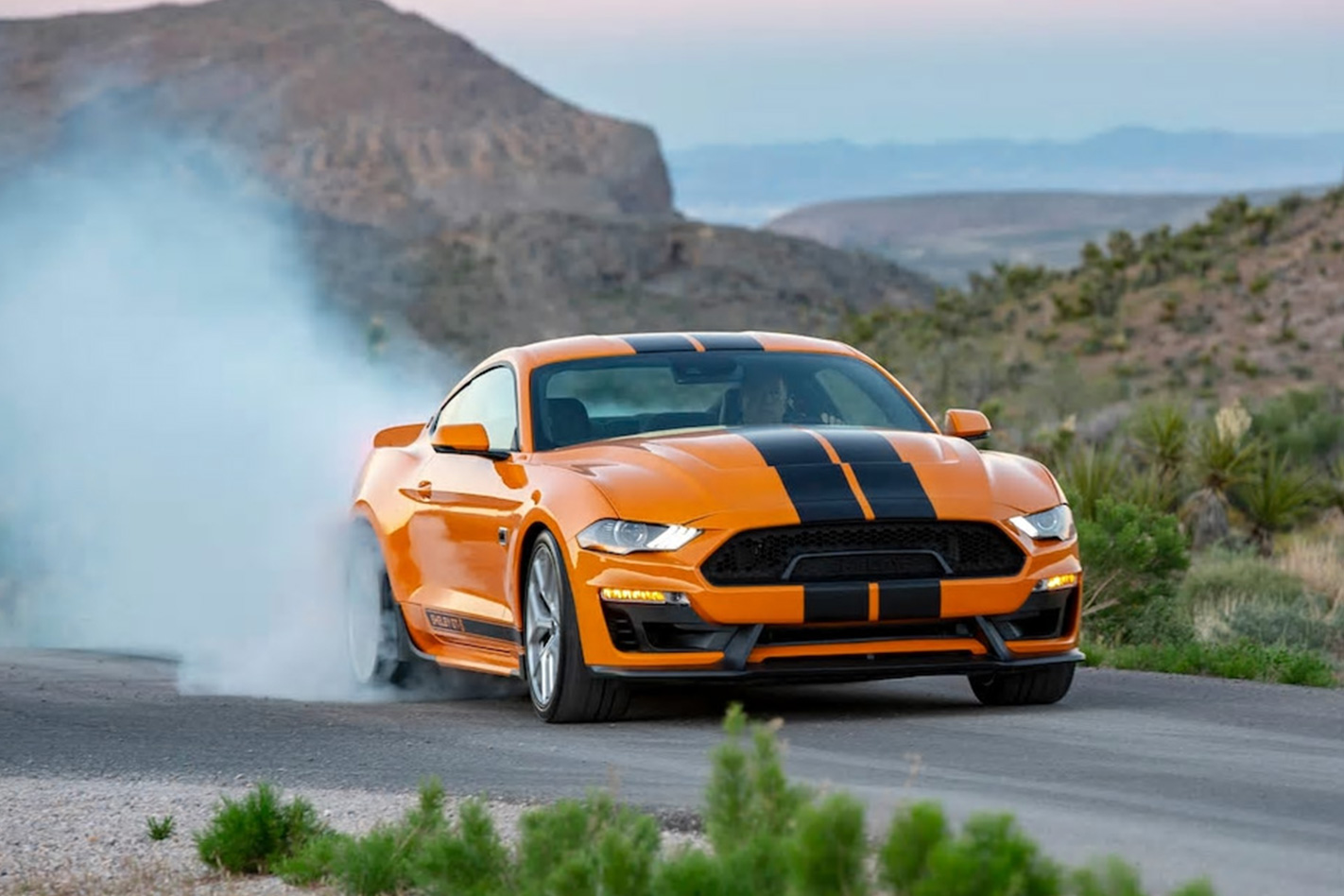
It’ll be fairly hard to keep your potency on the down-low as you cruise past the local constabulary, though. The cars are all finished in an orange and black livery that apparently draws inspiration from the Sixt corporate colours. The ventilated bonnet, side skirts, stripes, 20-inch alloys, rear spoiler and Sixt Supercharged badging are also a little conspicuous. Still, it ought to give even the doziest cars ’n’ coffee spectators ample warning.
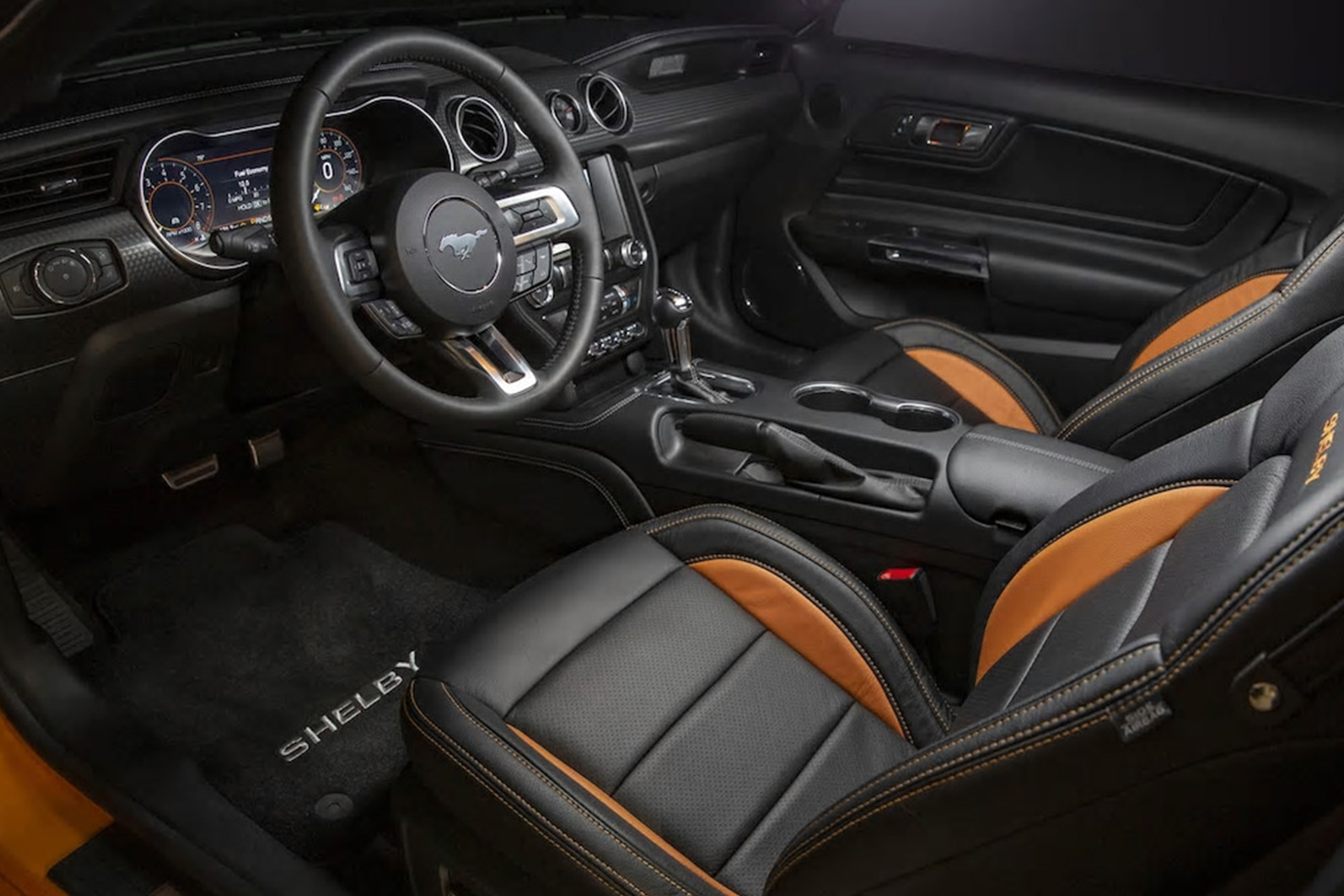
But you’ll need to be pretty quick on the draw. Just 20 cars are set to be released into the Sixt network, and they’ll be available from this (northern hemisphere) summer at a handful of rental outlets in Southern California, Southern Florida and Las Vegas. Fancy the Pacific Coast Highway with 447kW under your right boot? You know what to do.
GM has announced a facelift for the 2020 Chevrolet Camaro, which sees the bowtie badge placed back on the grille.
As of the 2019 update, Chevrolet has moved the badge to the black front bar, in the form of a cutout in the bodywork in the bowtie shape. It was called the ‘flow tie’, and the feedback was generally less than positive.

At SEMA in 2018, a concept called the ‘Shock’ featured a body-coloured front bar and the badge back on the grille.
Whether it was a test to gauge feedback is unclear, but director of Chevrolet passenger car and crossover marketing Steve Majoros used the Shock’s more traditional design and the feedback it received as a justification for the company’s design backflip.
“Customers spoke, and we listened,” Majoros says in a statement.
“The overwhelmingly positive reaction to the Shock’s stylized design helped prompt its transition from concept to production.”
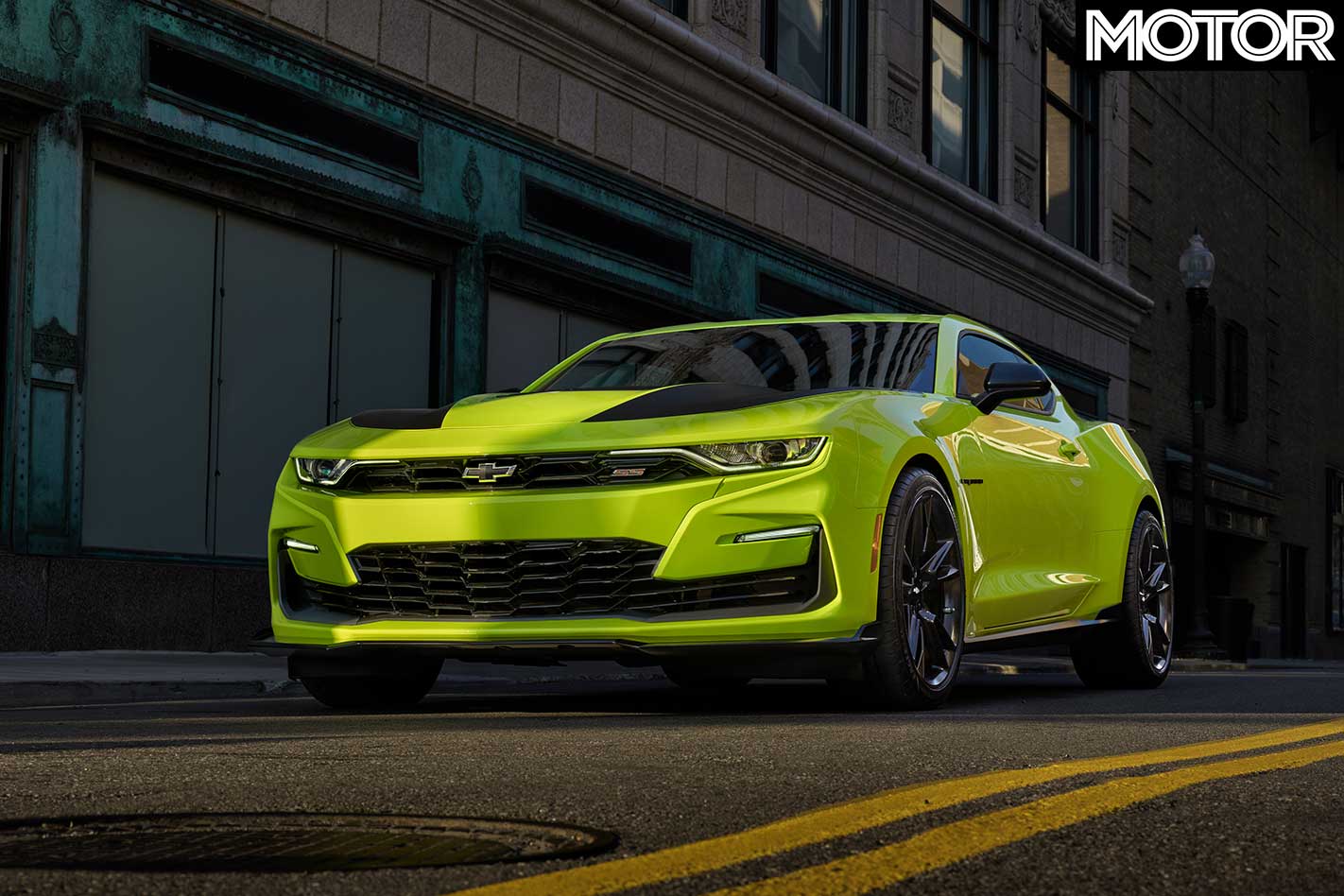
The facelift won’t feature any performance changes, or any other fundamental changes at all for that matter. It’s limited to colour options and interior material treatments, though Australians won’t likely have the chance to spec cars as in the US.
In the US, a new entry level has been added to the range in the form of the Camaro LT1, using the trim from the inline four-powered 1LT and the running gear from the 339kW V8 SS.
Locally, HSV won’t confirm when the updated model will show up on Aussie shores, or indeed if it will, but it would be a surprise if it didn’t.
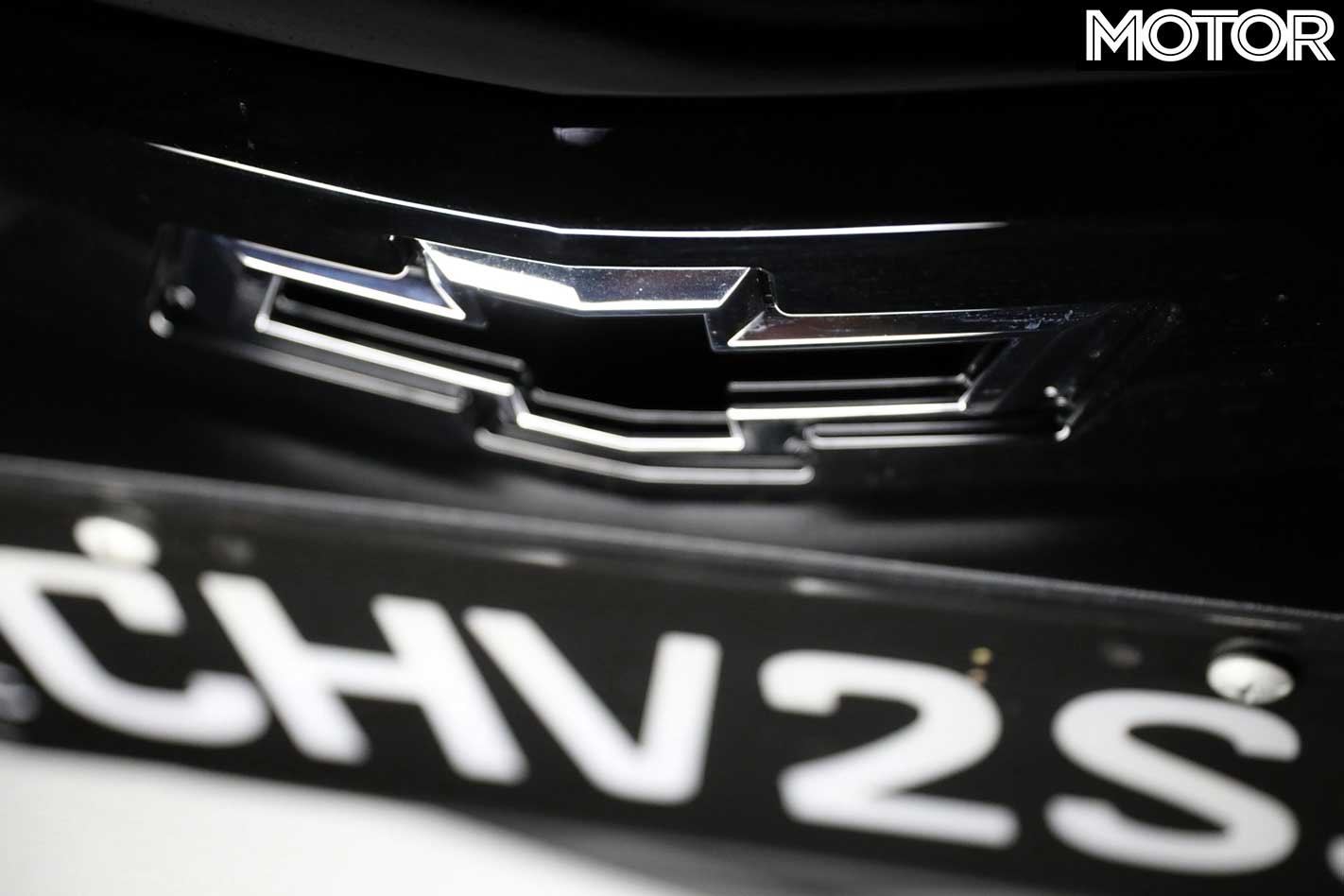
Currently, HSV is rolling out the 2019 range for Australia, which consists of the 2SS with flow tie badge, and the higher-spec ZL1 with a supercharged 6.2-litre LT4 good for a yet-to-be-confirmed 480kW and 860Nm.
It’s likely Australia will see the 2020 update once HSV’s current allocation of 2019 models runs out.
New to Wheels Car of the Year?
Read the COTY 101.
TO SAY hopes sat in the mid-highs for the CX-8 in this year’s COTY would be playing it down. Mazda has more COTY trophies in its pool room than most other manufacturers to date, having most recently taken out the gong with the MX-5 in 2016 and CX-9 in 2017, as well as landing a spot in the final five last year with the CX-5.
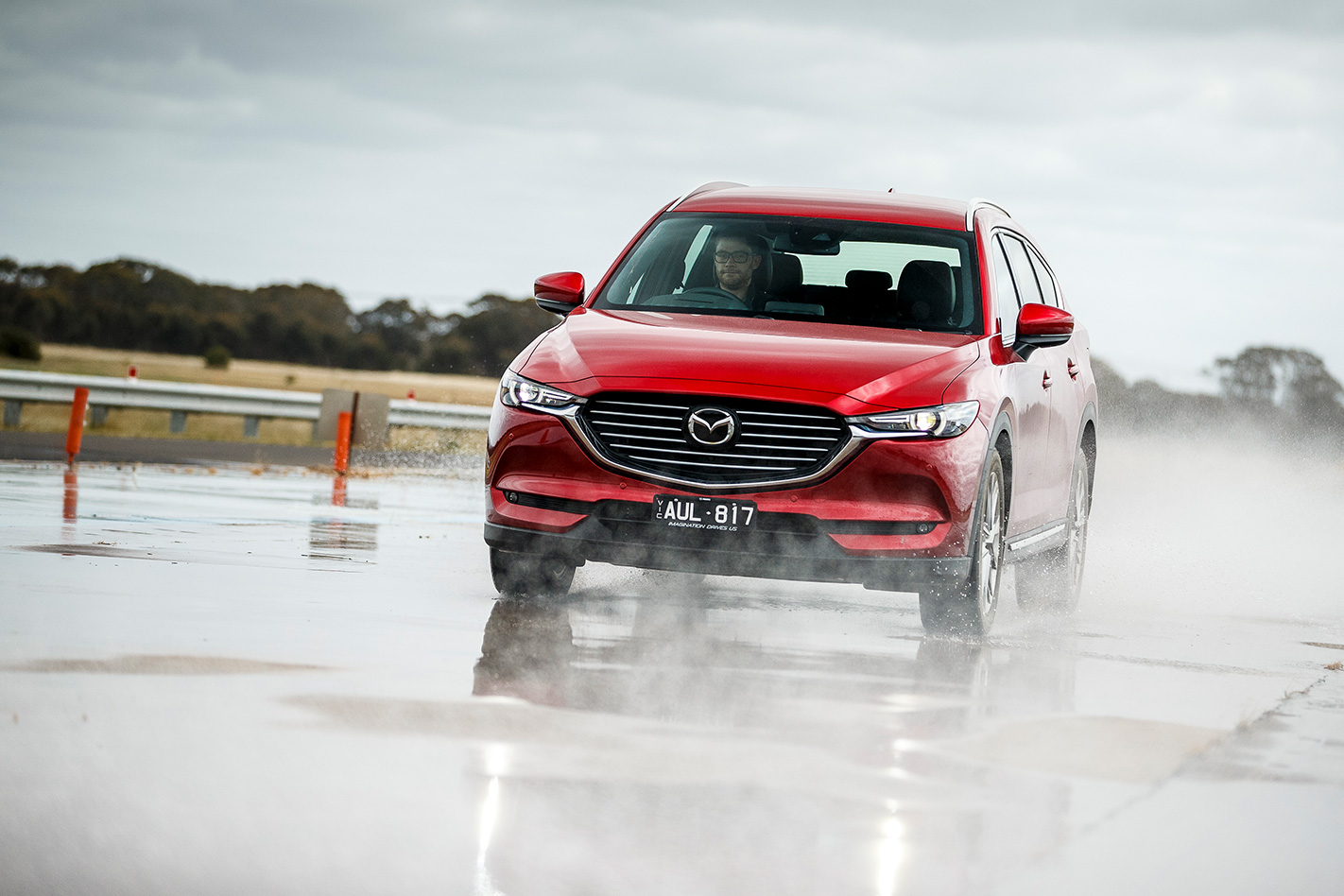
So, being an amalgamation of the latter two CXs by blood as well as proxy, the CX-8 should have a legitimate claim for the throne, right? Alas, if we’ve learned anything, it’s that COTY is not so predictable.
Think of the CX-8 as the offspring of the flagship CX-9 and the CX-5 mid-sizer, sharing the wheelbase of the former and the somewhat narrower platform of the latter, while borrowing design cues from both.From the A-pillar forwards and also in width, it’s pure CX-5. In the rear? The burlier CX-9 shines through.
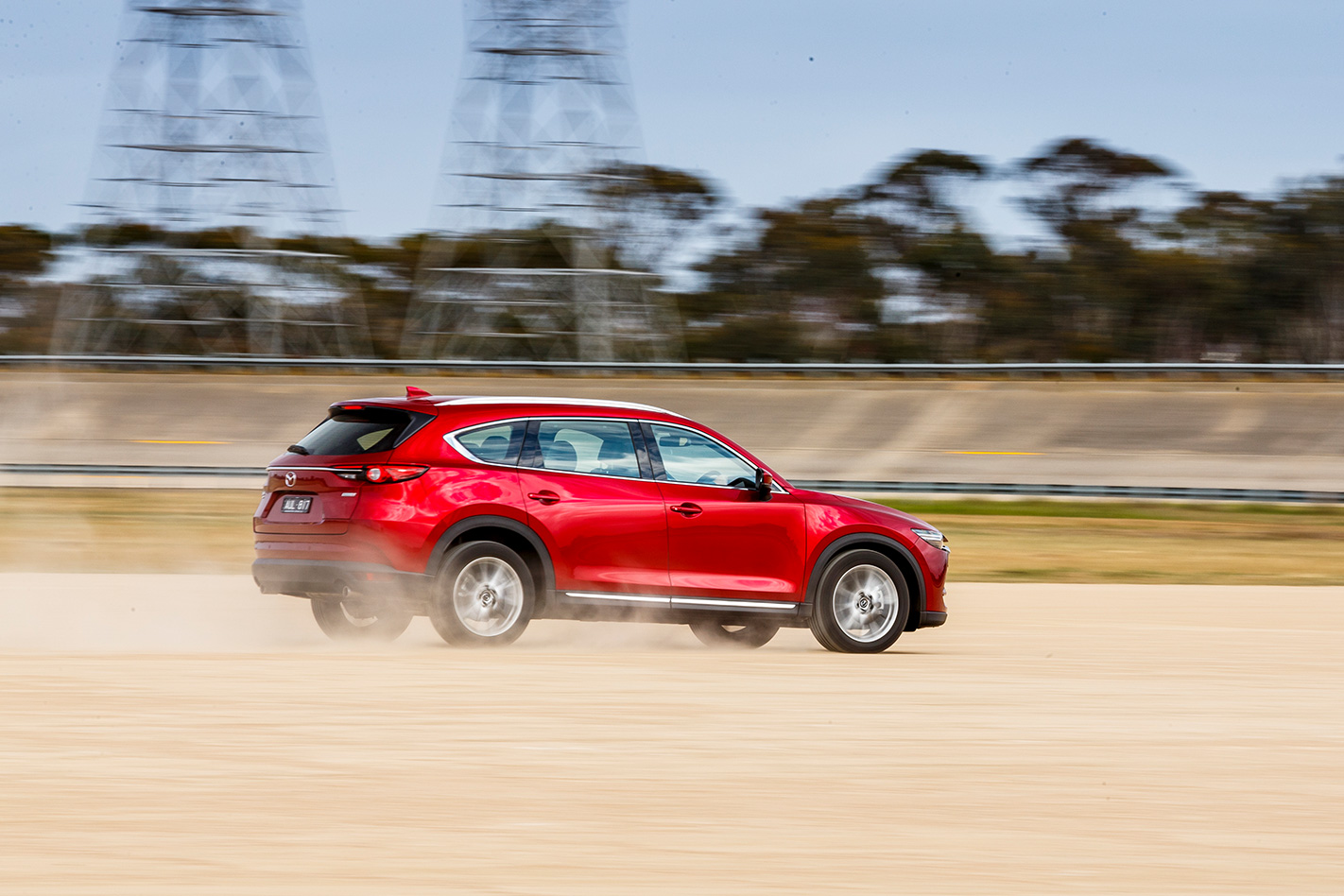
Cleverly, this makes for some well-hidden size, multi-purpose functionality and a stamp that fills a gap that wouldn’t have existed just a few years ago: the “three-row crossover”. However, as our leggier judges found out, the rear seats are best thought of as an occasional, or kids-only, two-plus-two. One man’s three-row crossover is another’s in-case-of-a-party option.
Adding to the CX-8’s appeal, all three variants have a 2.2-litre four-cylinder twin-turbo diesel that pumps out 140kW and 450Nm – just like a CX-5. Unsurprisingly, this darling of a diesel thrilled the judges, earning praise for its saccharine-like refinement. More than once “this is a diesel?” was muttered. When it came to the stars of the line-up, the AWD models earned points for a nimbleness synonymous with a much smaller car. “You can drive this like a sedan, it’s so confident,” said Byron Mathioudakis. Overall, as the finessed ride, clever ESC, minor bodyroll and low road noise ticked our panel’s boxes, the resounding “Mazda has done it again” was not so much a surprise as a relief.
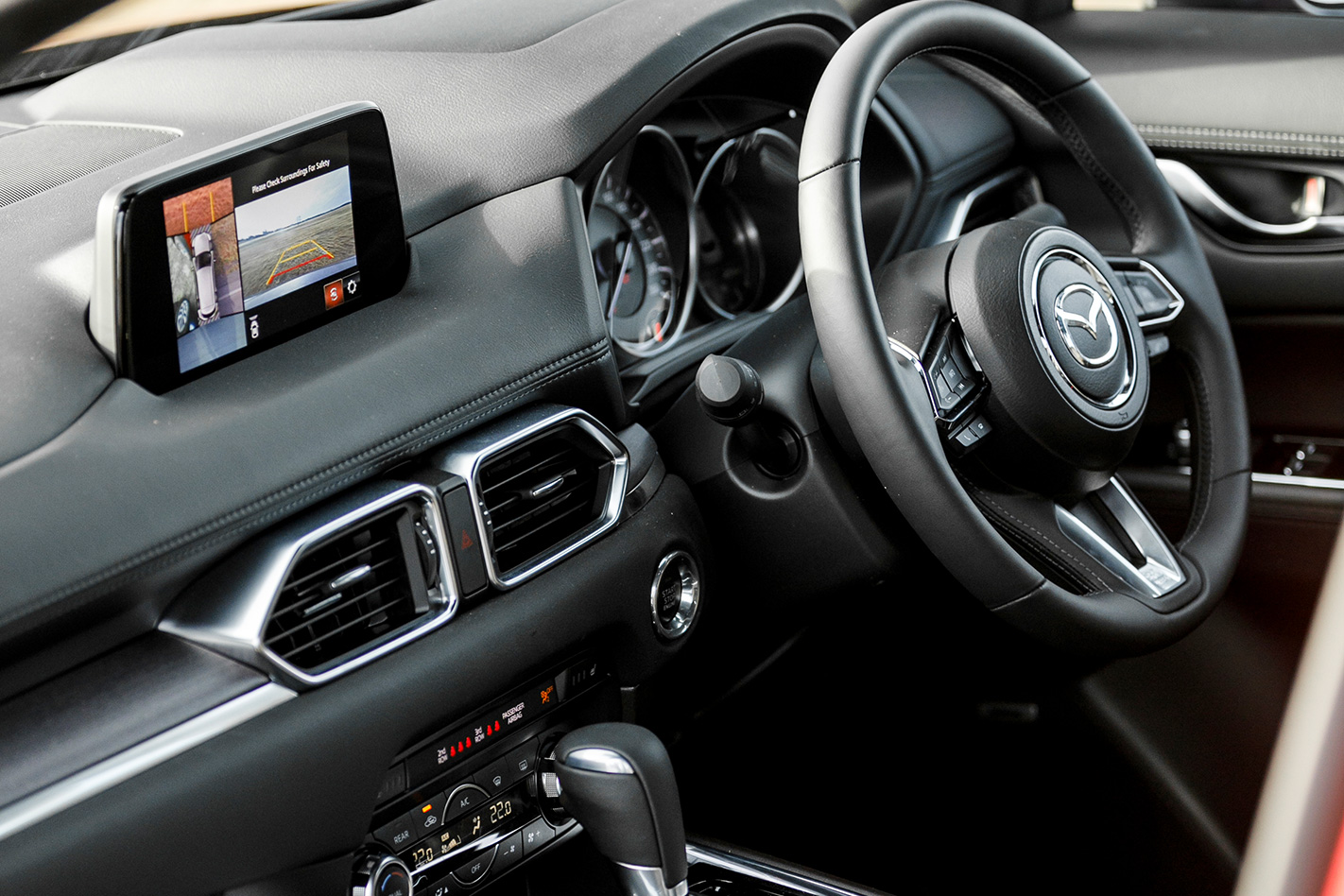
Plus, on paper, with the Japanese brand’s proficient safety features as-standard, like AEB, blind-spot monitoring, driver-attention alert, lane-keep assist and traffic-sign recognition, the CX-8 puts up quite a fight.
Sadly, in a field with plenty of crossovers crossing swords, the CX-8 feels a little flat. Like a well-performed pub band cover of your favourite tune, for all its satisfaction, that COTY-winning wow factor is just … missing. Sure, the CX-8 is capable, refined and a strong contender, but the panel found it less cohesive than a CX-9, and not as honed as a CX-5. Somehow, the CX-8 just didn’t shine brightly enough to step out of the shadows of its superior siblings. As Alex Inwood said, it’s like an attempt at a ‘Greatest Hits’ mash-up of the CX-5 and CX-9, but it doesn’t quite succeed.
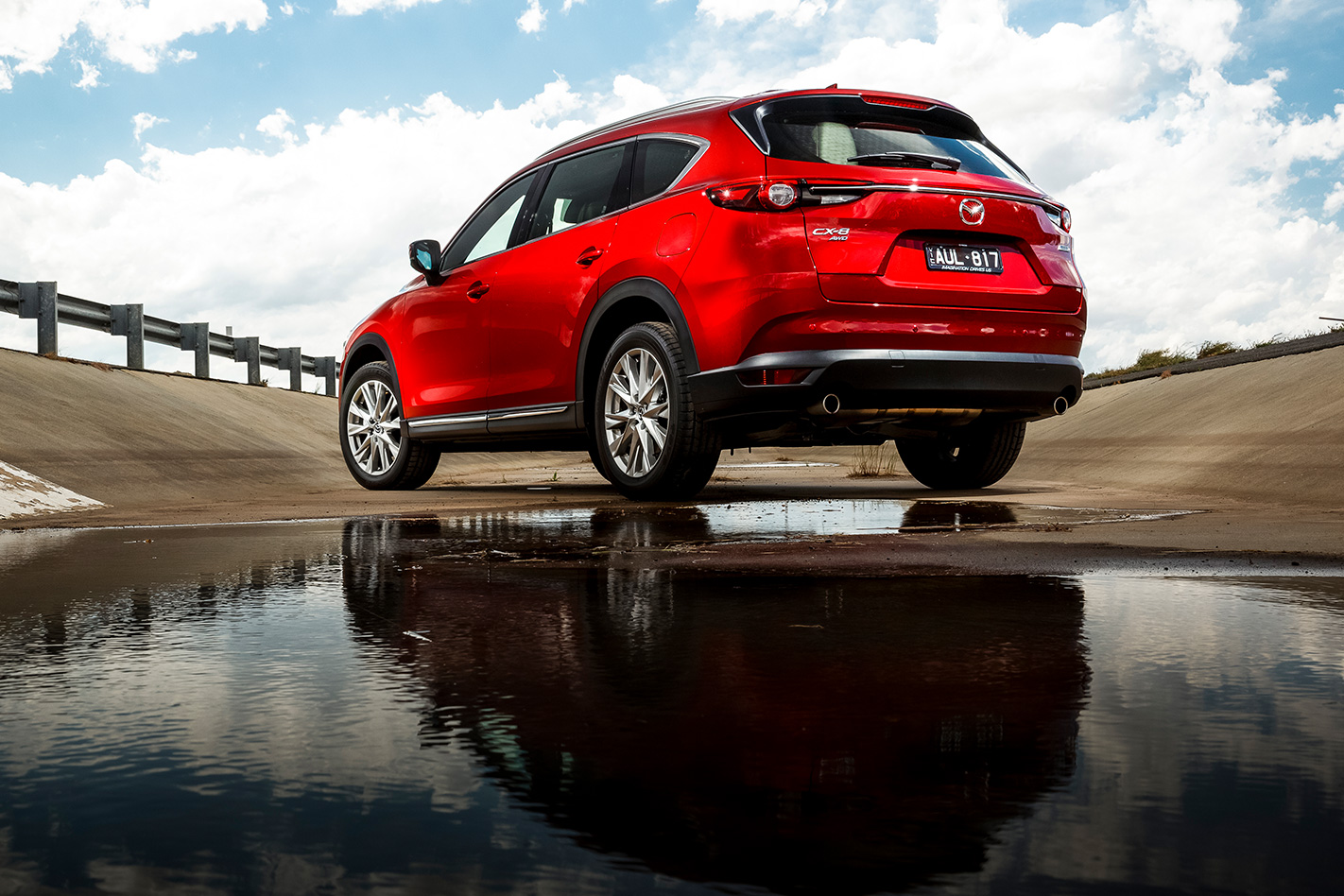
Ultimately, the question was, does this seven-seater move the genre on the way the CX-9 did so effortlessly two years ago? If there’s any doubt, you know what the answer is…
Classic car collectors the world over know the value of a factory-issued owner manual. It’s an invaluable guide to everyday maintenance, factory recommended tyre pressures and a treasure trove of information largely unable to be gleaned from the great unwashed on the internet. Especially so if the manual’s from a delightfully OCD German manufacturer like Porsche.
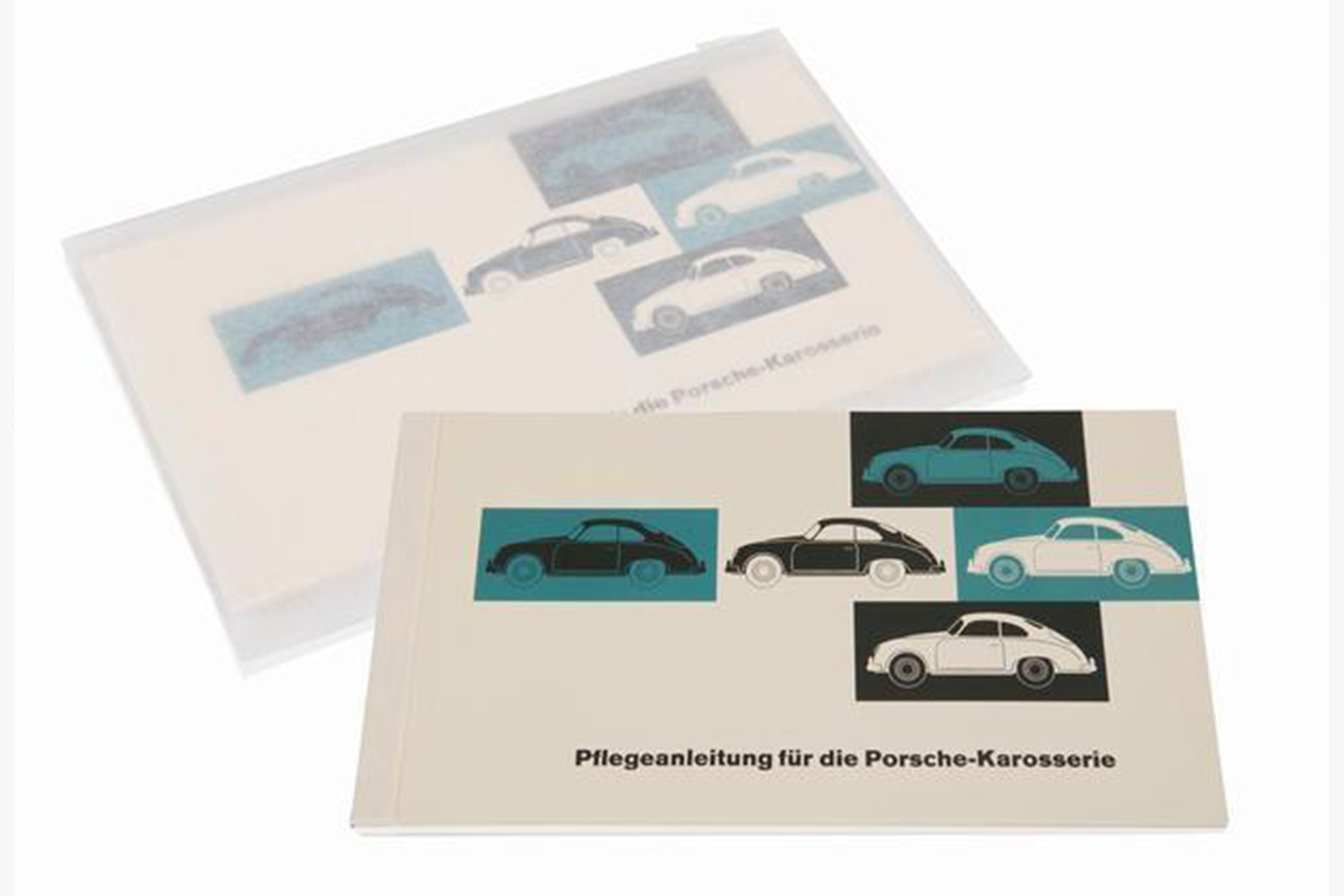
The team from Zuffenhausen have recently unleashed a torrent of factory-sanctioned nerdiness in print, covering everything from the 1952 Porsche 356 through to the turn of the century Porsche 996.
Available through the Porsche Classics online shop, more than 700 user manuals have been reissued along with a slew of technical documents, recommended settings, warranty documents, and maintenance booklets.
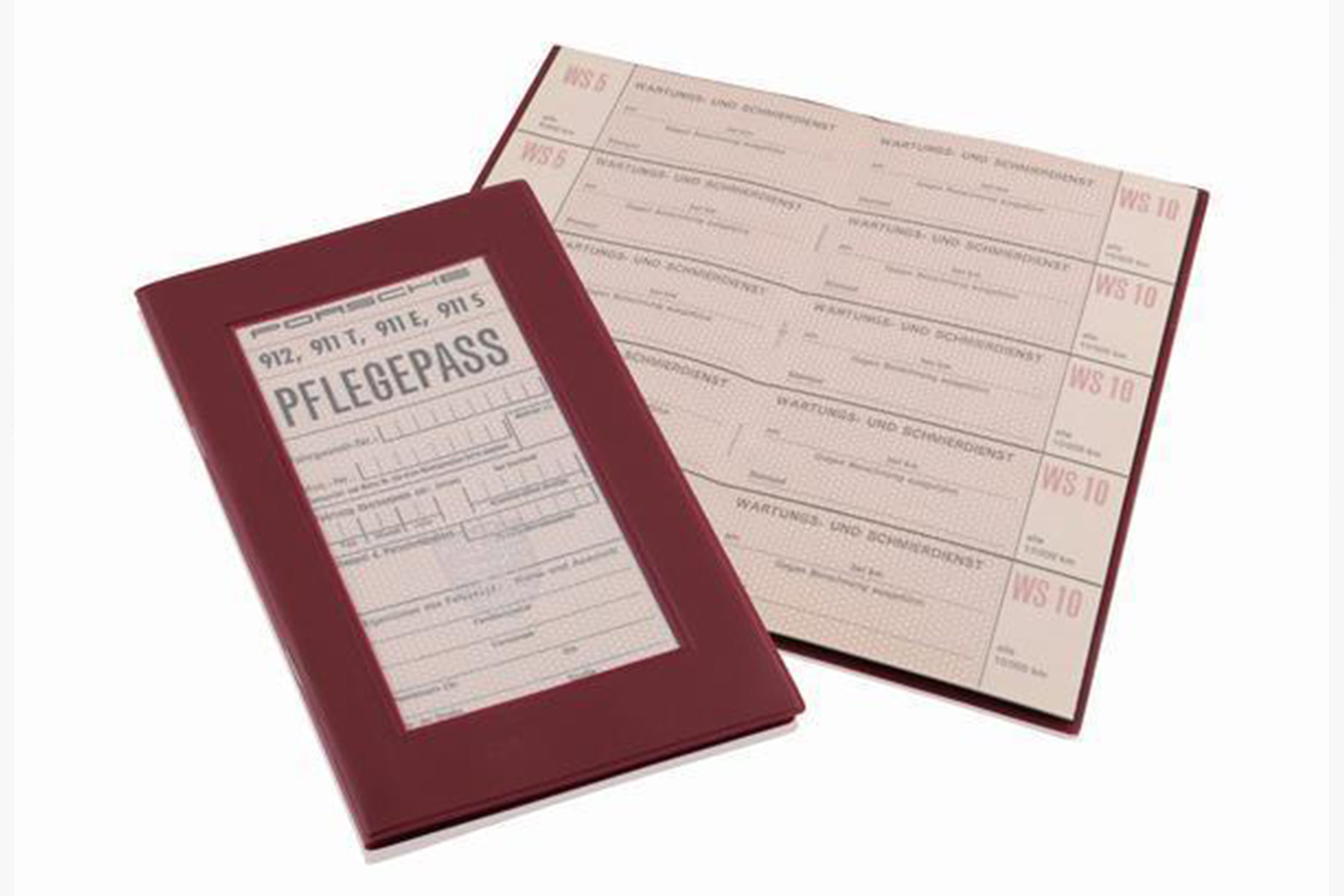
The company claims that over 70 percent of all Porsche vehicles ever built are still on the road today and the aim of this document released is to ensure that this figure grows over time.
Owners of more obscure Porsche models are aware of the difficulty of separating fact from hearsay online.
While forums can be a valuable source of practical information, assessing the veracity of claims can prove difficult.
The reissue of factory manuals now gives voice to Porsche’s word on radio unit numbers, vehicle data carriers, the type plate or paint data plate through to the engine number.
Porsche Classic began the project to digitise the original documents a number of years ago and the physical reprints are claimed to match the original versions in terms of the printing, look and quality. Prices start at around €50 and top out at just over €100.
The place
South Australia is a great driving destination with plenty of beautiful natural attractions, many of which fly under the broader tourism radar.
One of these is the Coorong, a series of lakes and lagoons that stretch from the eastward from the Murray River mouth near Goolwa and are shielded from the Southern Ocean by more than 130kms of giant sand dunes.
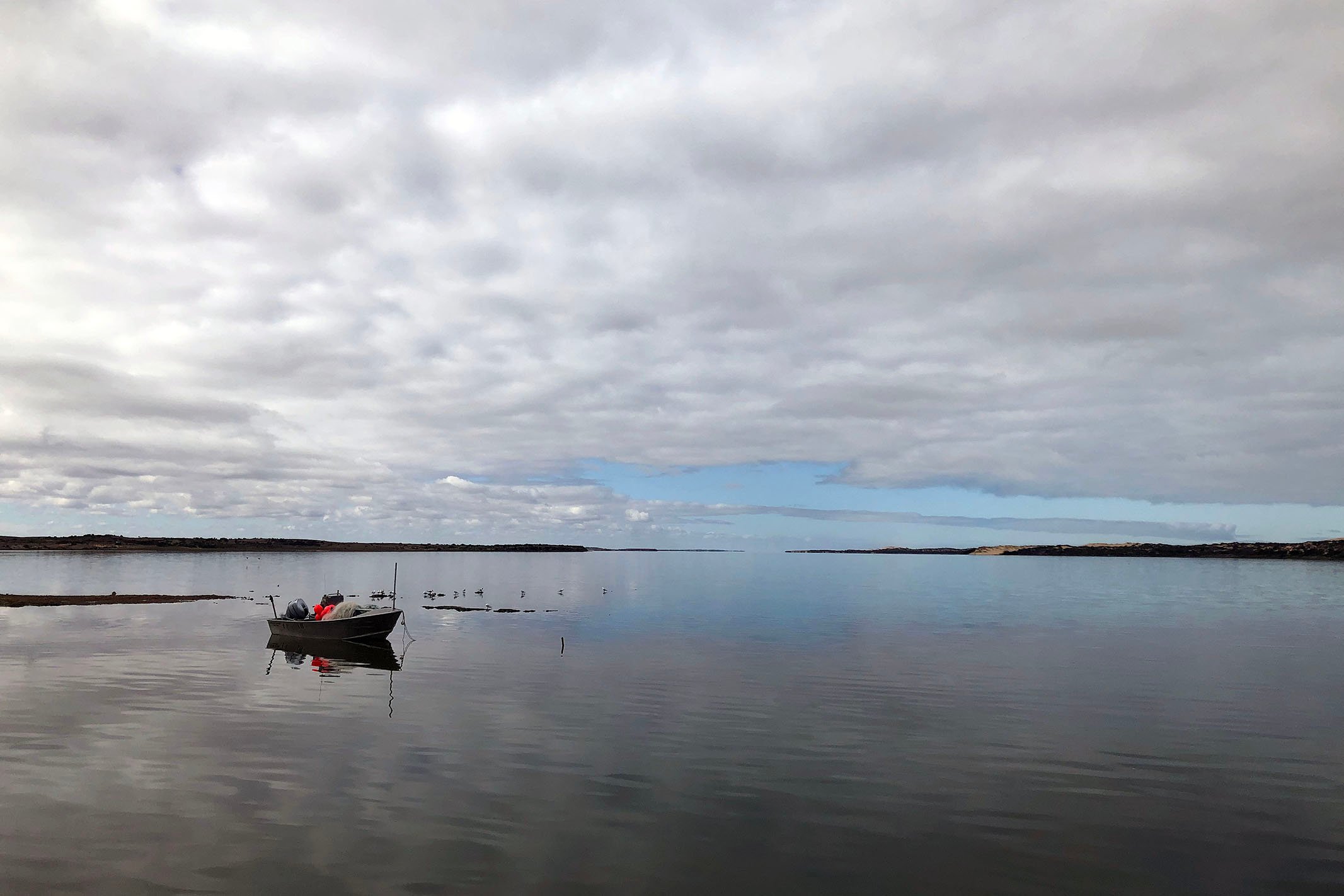
This camping, angling, kayaking, birdwatching, sky-watching and touring paradise is less than two hour’s drive from Adelaide and less than seven hours from Melbourne. We ventured out from the latter, albeit with a detour to one of Victoria’s premier gourmet-destinations, the Royal Mail Hotel in Dunkeld.
The car
Our ride for this trip is WhichCar’s Nissan X-Trail Ti long-term review car, which until now has mostly been consigned to urban duties. The X-Trail is one of the world’s biggest-selling SUVs, and Nissan’s biggest-selling model in Australia thanks to its family-friendly practicality and reputation for reliability.
And it’s one of the few popular medium SUVs with genuine all-wheel-drive capability.
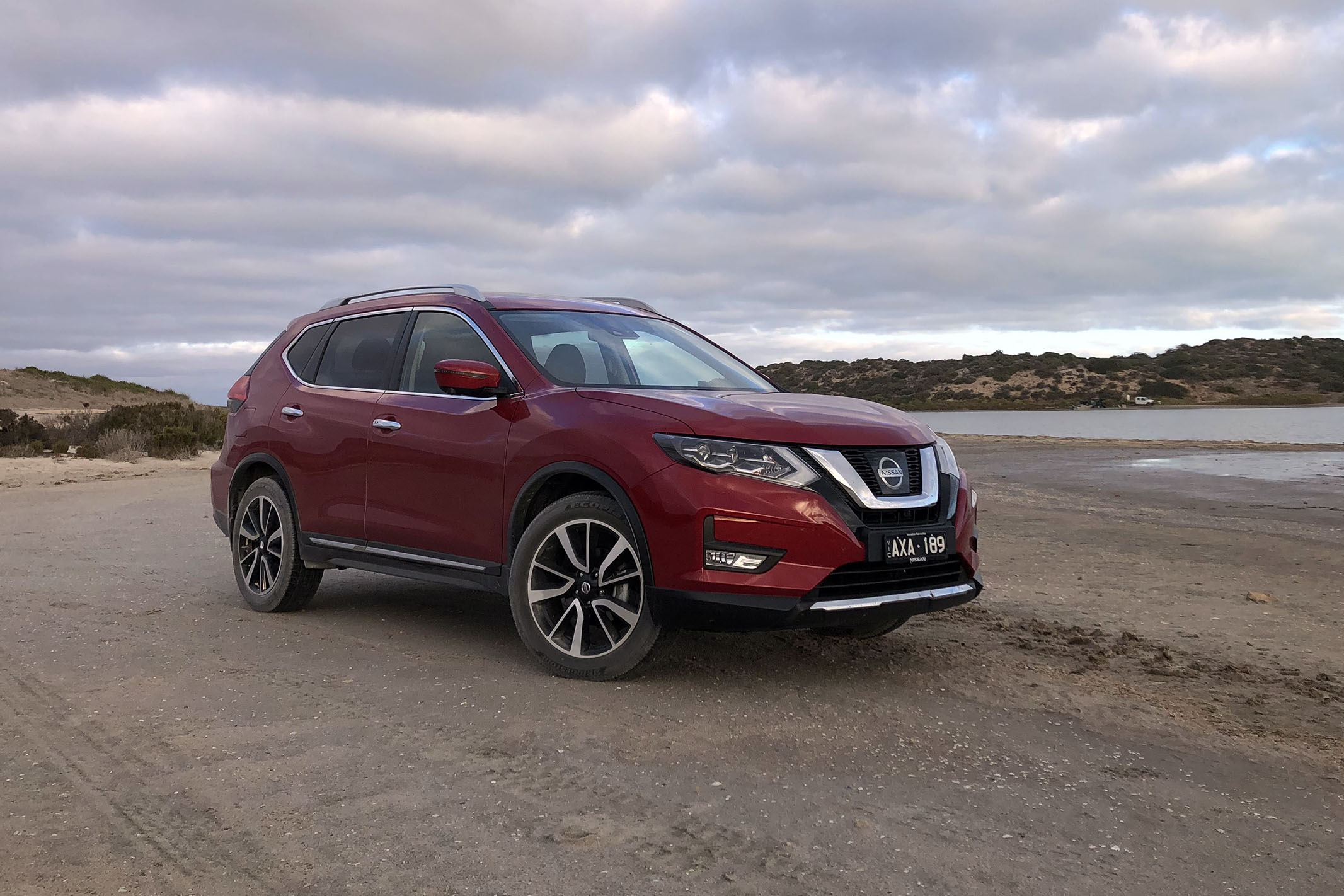
Priced at $44,790, the top-spec Ti variant has extra active safety including active cruise control and auto braking with pedestrian detection, and a revised and more elegant interior featuring leather-accented trim, Bose premium audio system, heated steering wheel, heated front and rear seats and a panoramic sunroof. All nice things to have when you’re spending hours behind the wheel.
The X-Trail Ti is available with a choice of petrol or turbodiesel powertrains, each with a CVT gearbox. Our car has the punchy 2.5-litre petrol and all-wheel drive
With 126kW/226Nm on tap, it has more than enough grunt for such a trip, but its official 8.5-litre/100km combined fuel economy is a little greedier than the 130kW/380Nm 2.0-litre diesel’s 6.0 litres/100kms.
The journey
One of my least favourite things about the Nissan X-Trail actually helped make the drive from Melbourne to Dunkeld a more pleasant one.
The antiquated satellite navigation system told me to bypass Ballarat, which seemed a little odd as the last time I went out that way I turned left on to the Glenelg Highway before reaching town.
But there are plenty of exits into Victoria’s biggest inland city, so I indulged the technology for a while before asking my road-trip buddy/wife Jacqui to check the route on Google Maps via her phone as the X-Trail isn’t equipped with Apple CarPlay or Android Auto.
With both systems running, a digital argument between the Google and the in-built sat-nav ensued that sounded like a passive-aggressive catfight between Kylie and Helen Mirren.
Ignoring both, we turned off the freeway and mystery-toured it until seeing a sign pointing to Skipton, which I knew was on the Glenelg Highway (B160) that takes you out to the southern end of the Grampian Ranges where Dunkeld is nestled.
This meant experiencing fun-driving roads and scenery that you’d otherwise miss and gave us an opportunity to try out the X-Trail on less than perfect roads, where it actually felt better-suited versus the Western Freeway’s smoother blacktop.
On the motorway, the top-spec X-Trail Ti’s 19-inch wheels generated considerable road noise on coarser surfaces and its active cruise control had trouble settling on the selected speed, which I reckon was due to it sensing cars in adjoining lanes on gentle curves.
But on the meandering C296 heading south-west of Ballarat, Nissan’s popular mid-sized sports utility seemed to be in its happy place. The 2.5-litre petrol engine was more than adequate for negotiating hills or overtaking, and the suspension handled road imperfections well and lapped up bends through charmingly named localities such as Snake Valley (where we dared not stop) and Mount Emu.
For something to take a route that’s a little off the beaten track (whether intentionally or by accident), the X-Trail got off to a very good start.
Dunkeld
This was by no means the most direct way to South Australia’s Coorong region, located in the state’s south-east, but we had decided to book a night at Dunkeld’s Royal Mail Hotel, one of Australia’s premiere gourmet travel destinations.
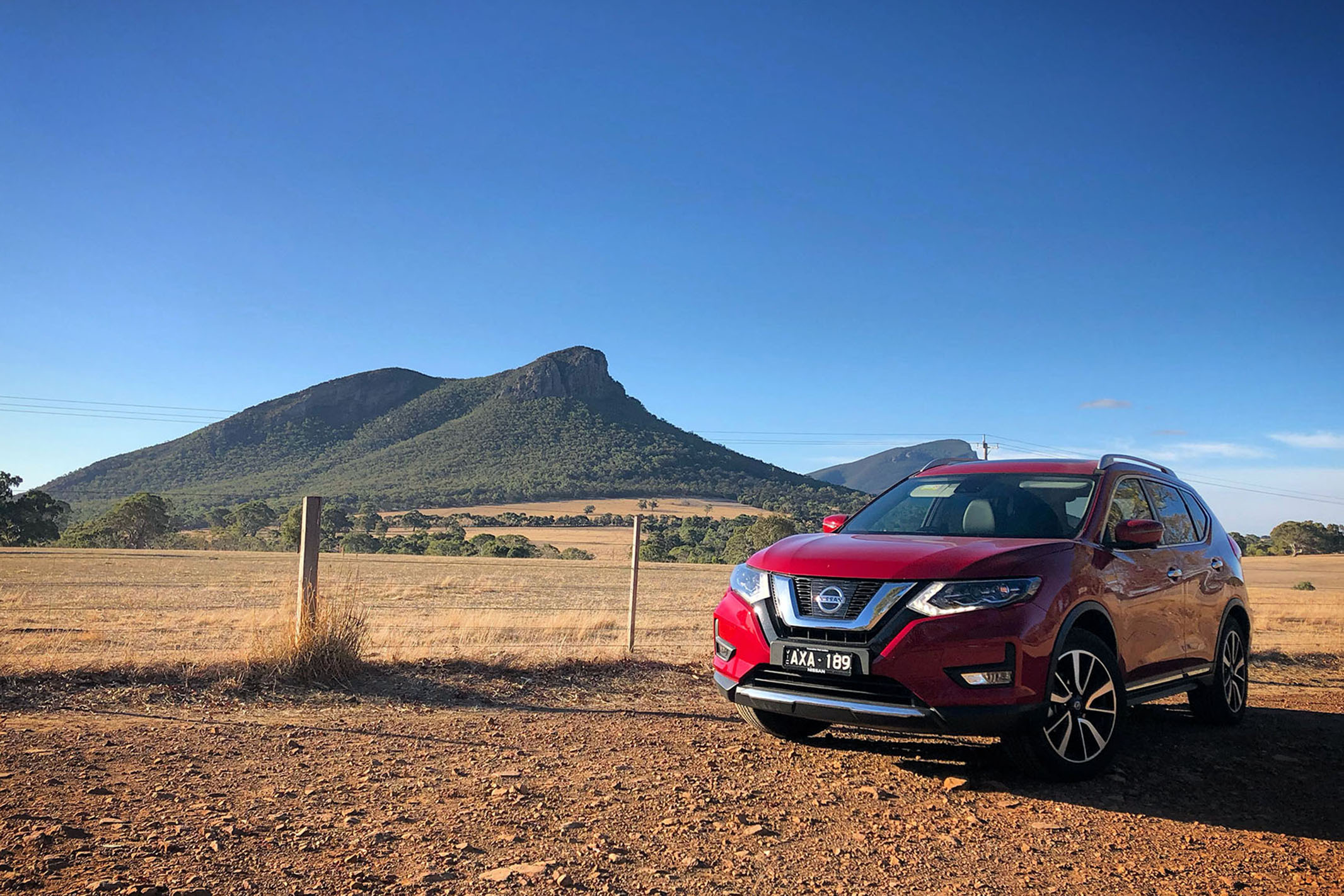
On a perfect April afternoon, we arrived at the small town in Victoria’s Western District in the shadow of Mt Sturgeon, which stands guard over the town’s 700 or so inhabitants.
We’d chosen the Parker Street Project Package that included a night in a Deluxe Mountain View Room and a six-course set-menu ‘Feed Me’ dinner for two, which all up cost $375 for the two of us.
The ground-level room was excellent, with a nice view out through native gardens bustling with indigenous birdlife to Mt Sturgeon that, by the time we checked in, was morphing into silhouette with the setting sun behind it.
The room was everything you’d expect of contemporary five-star accommodation, not least the massive king-sized bed that was Goldilocks perfect and complemented by a good choice of quality pillows. Fussy sleepers, rejoice.
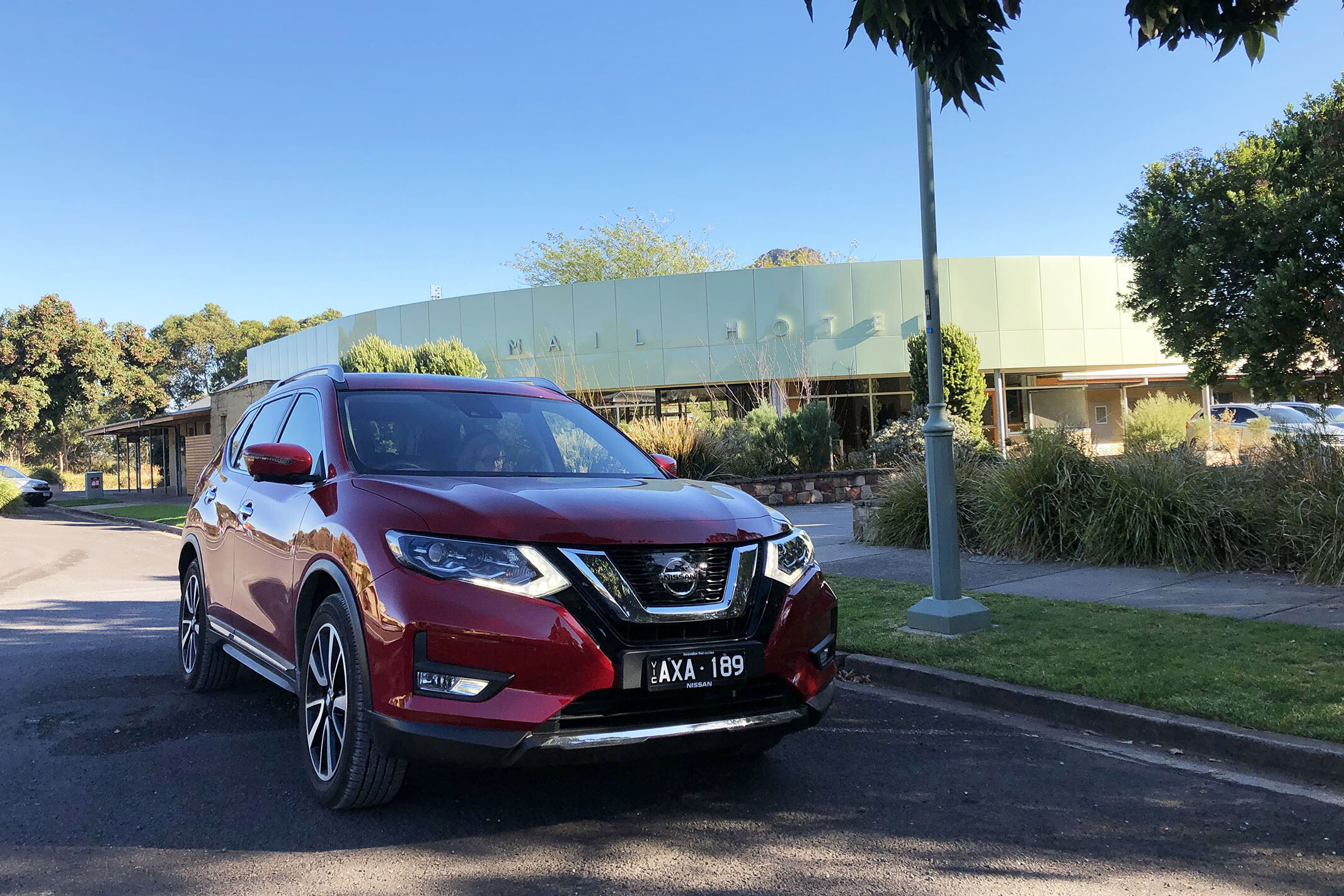
Dinner at the Parker Street Project, the name given to the more casual alternative to the high-end Wickens at Royal Mail restaurant, also lived up to repute. This included a series of magnificently presented small but numerous dishes served by knowledgeable and friendly waiters, with many ingredients sourced locally including from the hotel’s own kitchen garden.
Bound for South Australia
As with a suitcase, you can never repack a car as neatly as before you departed. That said, our luggage and extras including folding chairs and shopping bags filled with supplies were easily swallowed by the X-Trail’s capacious 565-litre boot. Being able to slide the rear seats forward to eke a few extra litres of stowage can definitely be an advantage.
All packed, we head west, but not before doing an interesting tour the Royal Mail’s vast kitchen gardens, which is part of the accommodation package.
We stop again to get fuel in nearby Hamilton – the X-Trail is averaging about 9.0 litres/100km by this point. We push on, staying on the Glenelg Highway, which ultimately ends up at Mount Gambier, but turn on to the C198 at Casterton, whose claim to fame is being the birthplace of the Kelpie dog, though the folk of Ardlethan in NSW will tell you otherwise.
DRIVING IN JAPAN: From megacities to ancient villages in a Honda Civic
The dispute comes down to the fact the mother of the breed’s first pup, which was born in Ardlethan, came from Casterton – meaning the bloodline started in Victoria.
But it was the Coorong and not cattle dogs we are heading westward to see, and the undulating landscape of Victoria’s far west flattened out as we cross the border heading towards the South Australian coast from Penola.
One good thing about South Australian rural highways is the 110km/h speed, limit even on single lane roads. The terrain is pretty featureless, though, as we head toward Kingston SE on the coast, via the Princes Highway which meant bypassing Robe.
The active cruise control works better here, co-operating well with the CVT gearbox that manages to find the right revs when negotiating the odd hill or slowing down behind slower traffic – which isn’t always the case in city traffic.
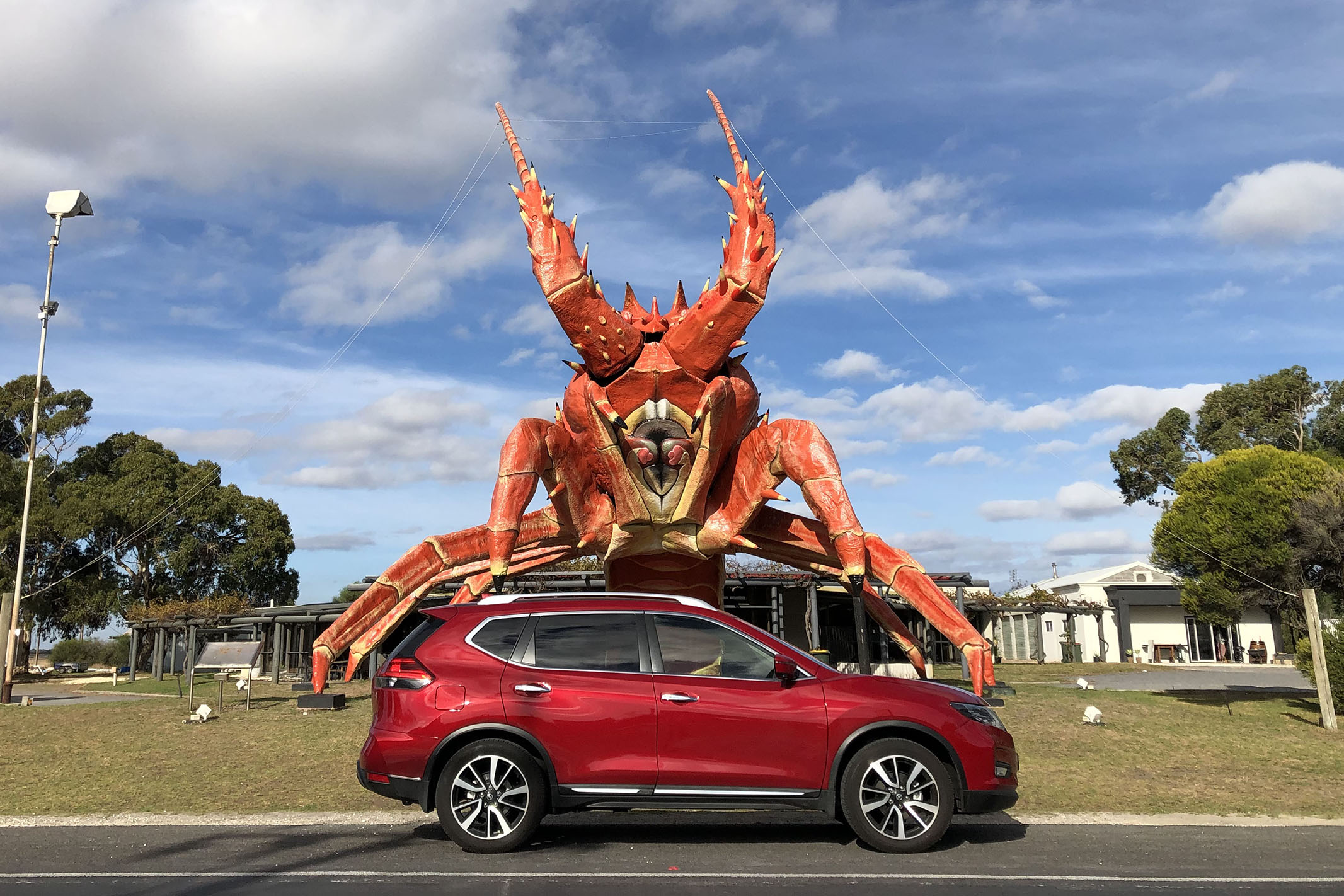
Kingston SE (the SE stands for South East, which is kinda weird because that would mean Kingston proper would be in the ocean) is a sleepy coastal town even during the school holidays. It does have a tourist attraction though, in the form of the Big Lobster that’s the coolest of Australia’s iconic ‘Big Things’ and makes Ballina’s Big Prawn look like a shrimp.
Too early for lobster dinner, we stop for a bite at the local bakery that must be the only such establishment in regional Australia that doesn’t have an award-winning pie or vanilla slice. That said, its sausage rolls should be entered into a national competition.
The Coorong
Jumping back in the X-Trail after a few hours in the saddle feels good. The Ti’s heated, power-adjustable and leather upholstered seats aren’t plush, but they’re comfortable, supportive and afford a good driving position.
We head further north along the Princes Highway, finally capturing a glimpse of the lagoons of the stunning Coorong National Park, which are separated from the Southern Ocean by a 130km strip of sand dunes.

In good times the water flows into the Coorong from the Murray River via Lake Alexandrina, but when the river isn’t flowing strongly, which thanks to drought and irrigation further upstream is pretty much always, saltwater ingress does become an issue.
It’s still incredibly stunning, though, and I wonder why this place isn’t mentioned in the same breath as other great Australian natural wonders such as the Great Barrier Reef, Grampians and Kimberley.
We are soon at our ultimate destination, Meningie on the eastern shore on Lake Albert that, like the lagoons, is also fed from Lake Alexandrina and is at the mercy of the Murray River’s fortunes and flows.
Meningie’s a nice little town that’s more of a passing point for tourists rather than a destination, but it services a vast rural community making it reasonably self-sufficient.
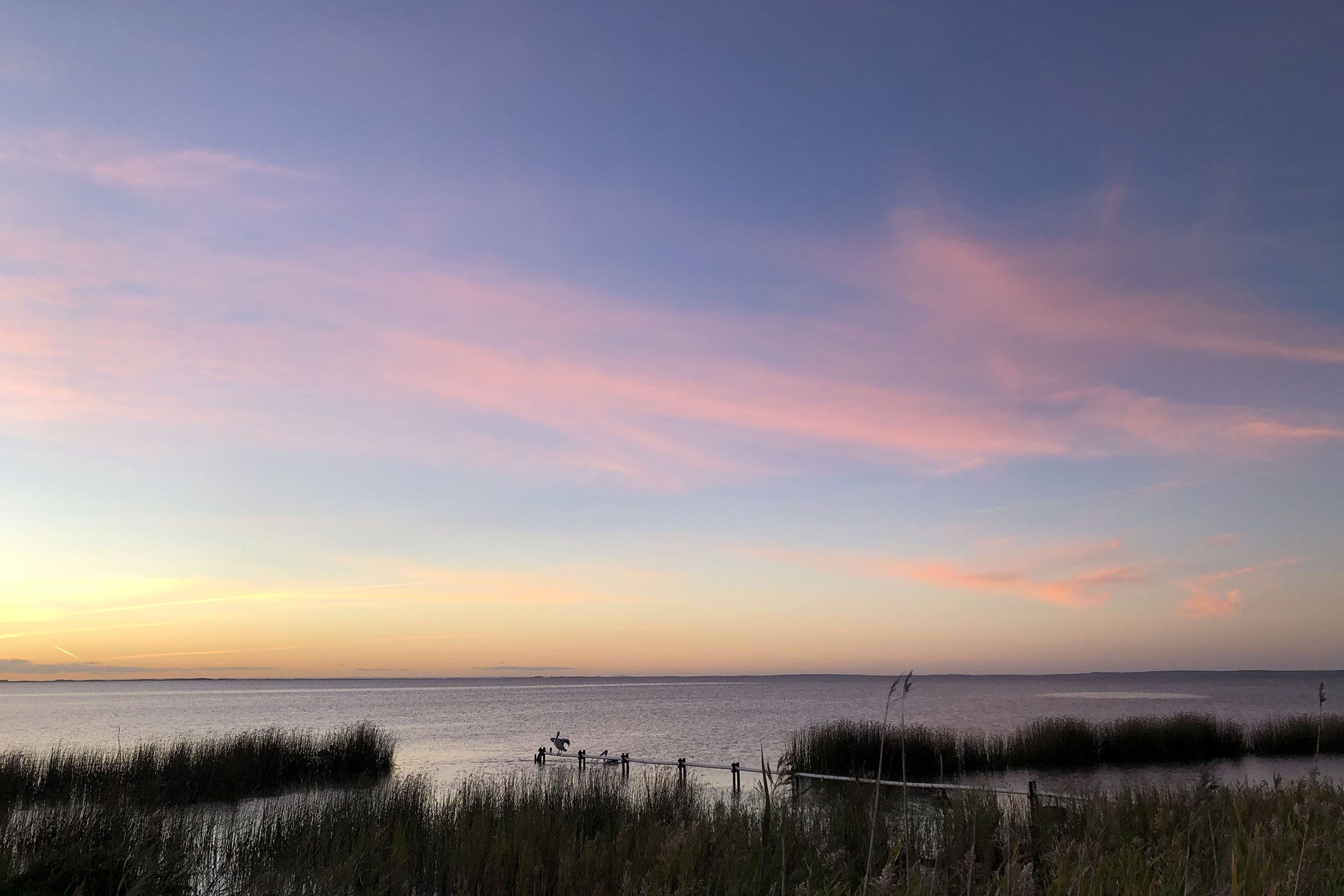
Its west-facing position on the Lake Albert makes for stunning over-water sunsets made all the more alluring by birdlife, including the pelicans that are synonymous with the region – this is Storm Boy country, after all. Squawking corellas do their bit to ruin the ambience, though, especially in the morning.
We stay at the Lake Albert Motel across the road from the lakeside park. It’s fair to say this isn’t as salubrious as the Royal Mail, with a bathroom and fittings from about the same era as ABBA’s last album, but it’s very clean and a bargain for under $100 per night considering the location.
In the evening there aren’t too many dining options still open, so we head to the Meningie Hotel bistro. It’s pretty busy here, but you get served quickly and with a smile. They do great pub grub, particularly the local delicacy, Coorong mullet, which tastes great fried in breadcrumbs.
Woken early by the pesky corellas, we headed along Nurrung Road that encircles all but the north eastern end of Lake Albert and ended up a Long Point, which juts into the glassy lagoon close enough to the dunes to hear the surf pounding on the other side.
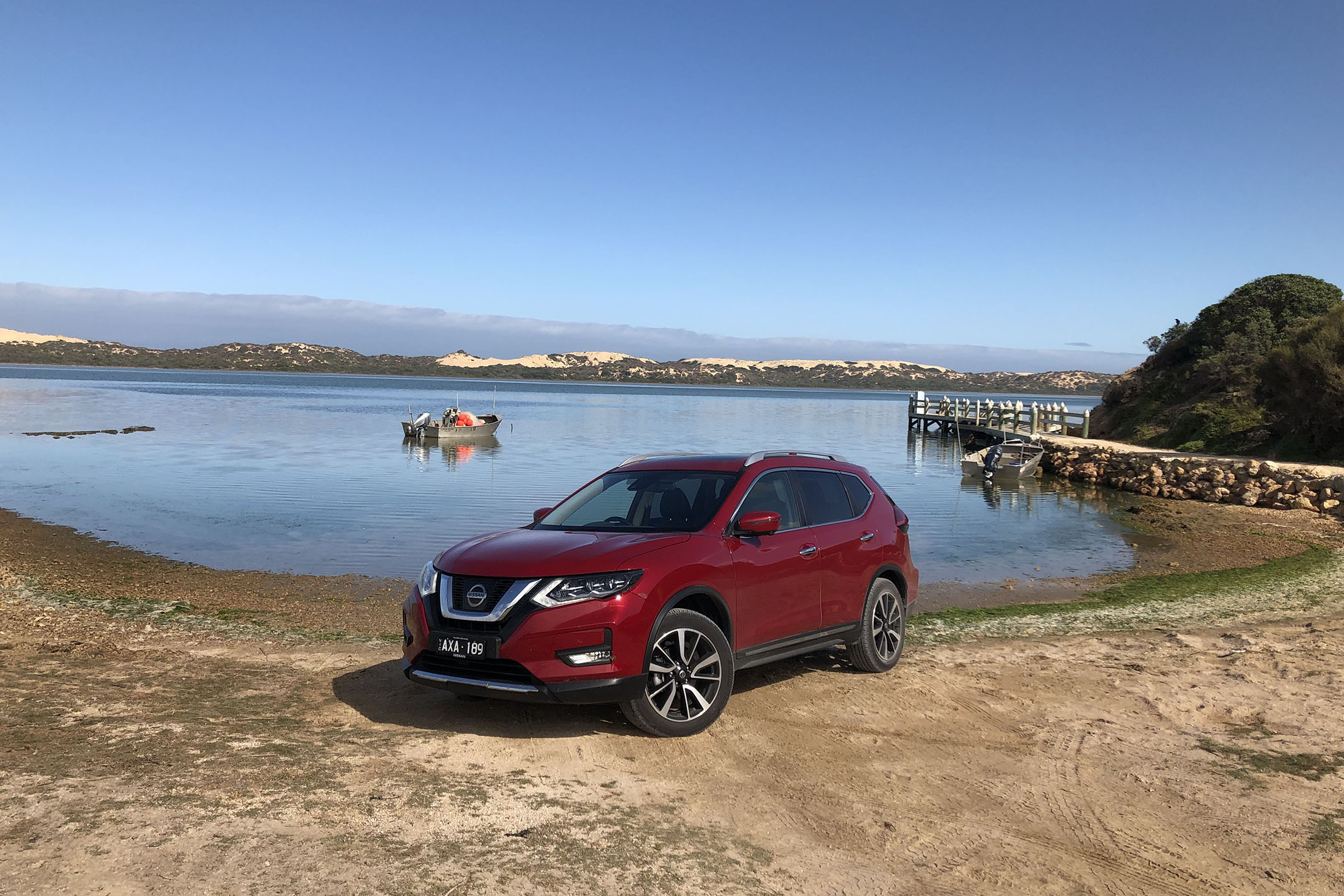
The X-Trail is in its element on the white limestone dirt road that leads to the Point, which we had to ourselves for most of the time, apart from the fur seals that use the little jetty to nap and dry off.
Wishing we’d brought fishing rods, we hang around for ages taking in the serenity, before venturing back to the main road and on to Raukkan. This community on Ngarrindjeri land is known for being the birthplace of David Unaipon, a preacher, inventor and author who was featured on the first polymer $50 note along with the town’s sandstone chapel.
It’s a quiet but welcoming town where you’ll spend much of your time waving back to friendly local tradies in their utes.
Back on the road, we continue in a clockwise direction toward the Princes Highway, which required taking a ferry across the narrows linking Lakes Alexandrina and Albert.
There are a few of these in the area, including along the Murray River at Wellington and Tailem Bend. The short wait would be irritating to locals, but for us tourists it was a quaint way to get across to the other side.
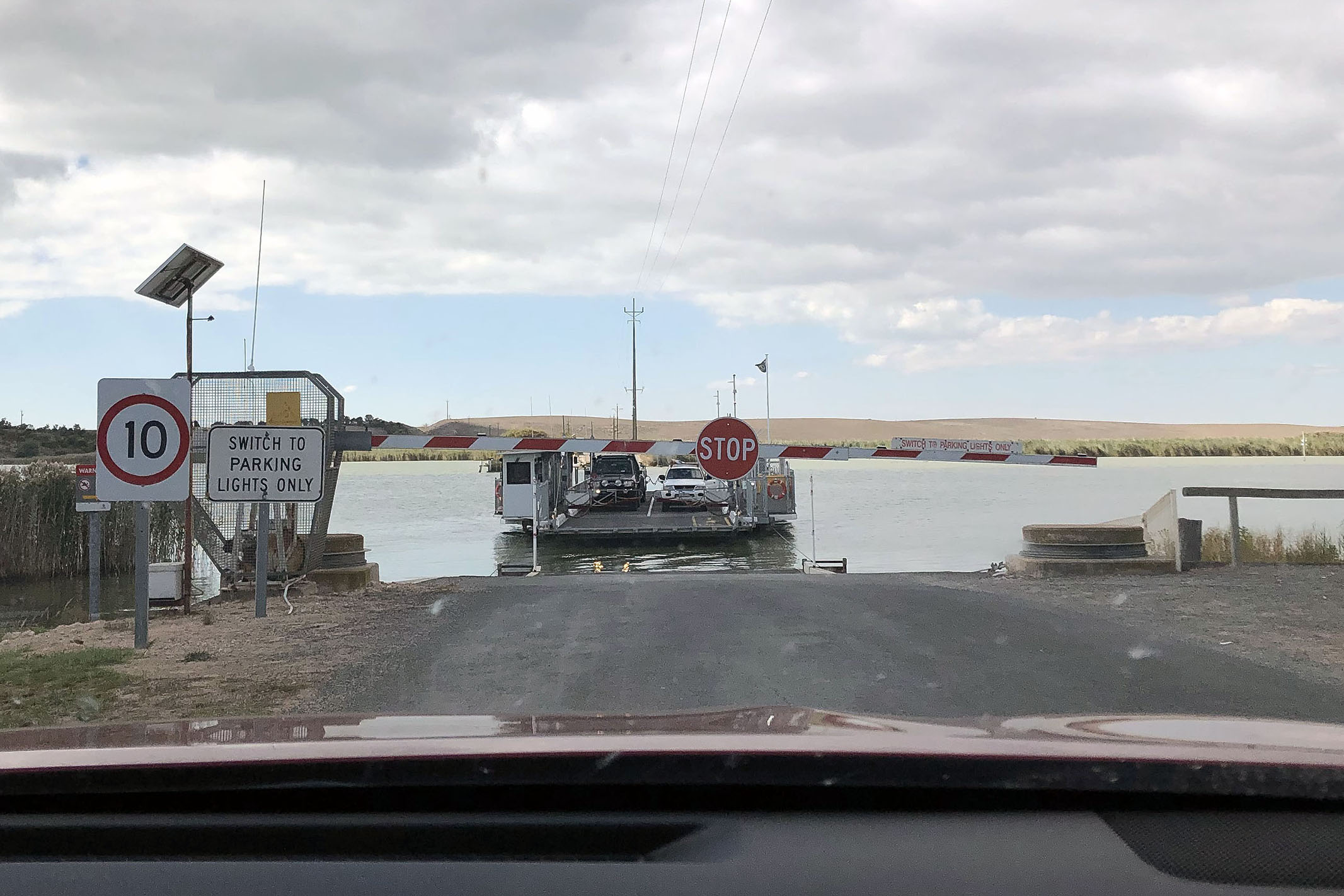
This provides an opportunity to see the bigger Lake Alexandrina, which is vast enough to disappear beyond the horizon.
That evening, we head south a short distance from Meningie to McCallum Point, which has access to the lagoon beaches. The X-Trail’s AWD system (that distributes up to 50 percent of power to the rear wheels) allows for moderate off-roading that is sufficient enough to negotiate the wet sand with a bit more confidence than more road-focused SUVs.
The Coorong is a mecca for serious off-roaders, with great fishing and plenty of campsites, but most of the dirt roads in the area are negotiable by normal cars in dry conditions, making it the perfect place for those who like driving around to discover spectacular views.
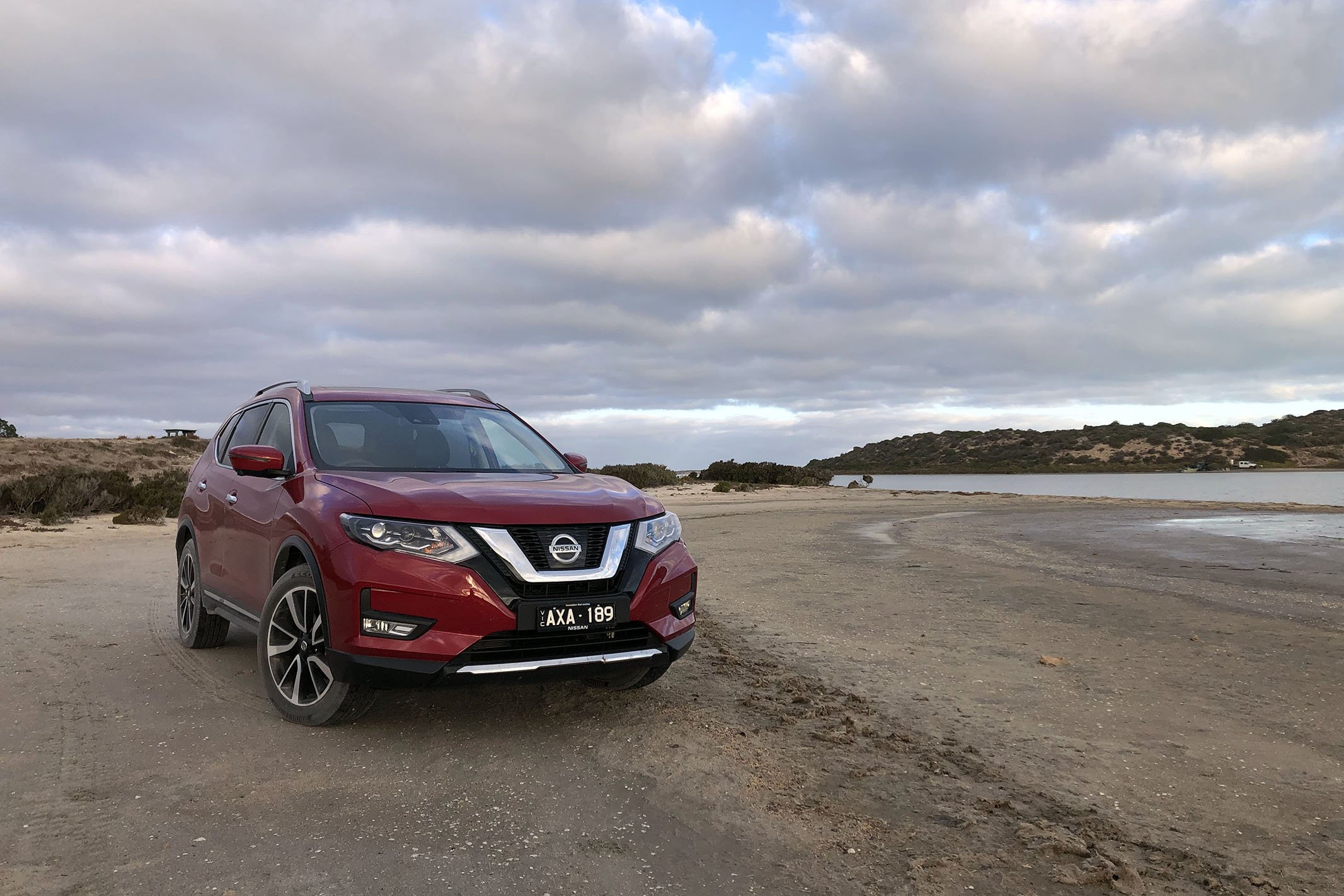
And the X-Trail proves a great ride to do all this in. It’s probably not my first choice of urban SUV, but it’s a great open-road tourer with enough power, space and off-road capability to let you get to places many of its mid-sized rivals can’t.
If all this talk about electrification and autonomous technology has gotten you down, the May 2019 issue of MOTOR Magazine will administer a healthy dose of automotive hedonism for you.
From MOTOR’s exclusive on BMW’s secret 331kW M2 CS, a detailed deep-dive into Koenigsegg’s latest 1195kW hypercar, and a comparison with five sub-5sec 0-100km/h performance sedans, this month’s issue is certainly to be a power trip!
You can find our gorgeous mags at retailers around Australia. Or you can subscribe and save yourself some cash, there’s even a digital subscription.
Subscribers often receive their mags earlier, so you’ll get to see what MOTOR has to offer before anyone else.
Follow us on Facebook, Twitter, and Instagram to interact with us, give us feedback, and get a peek behind the scenes.
Beastly Heart, Baby Spice – BMW M2 CS Scooped!
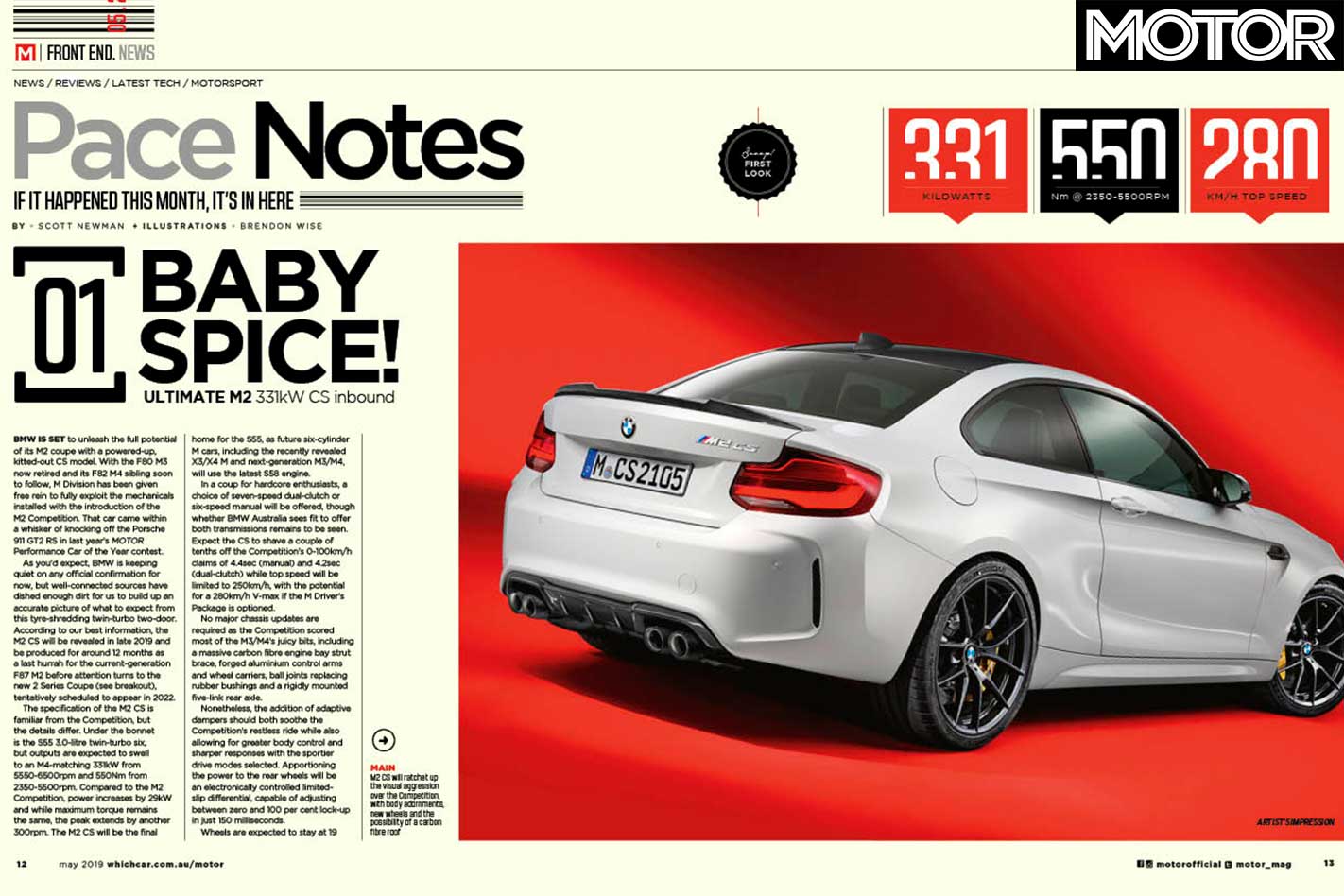
We get the low-down on BMW’s secret plan to give the M2 what we’ve always wanted – full M4 power in a CS variant.
Physics Fighter – Lexus RC F Track Edition fanged!
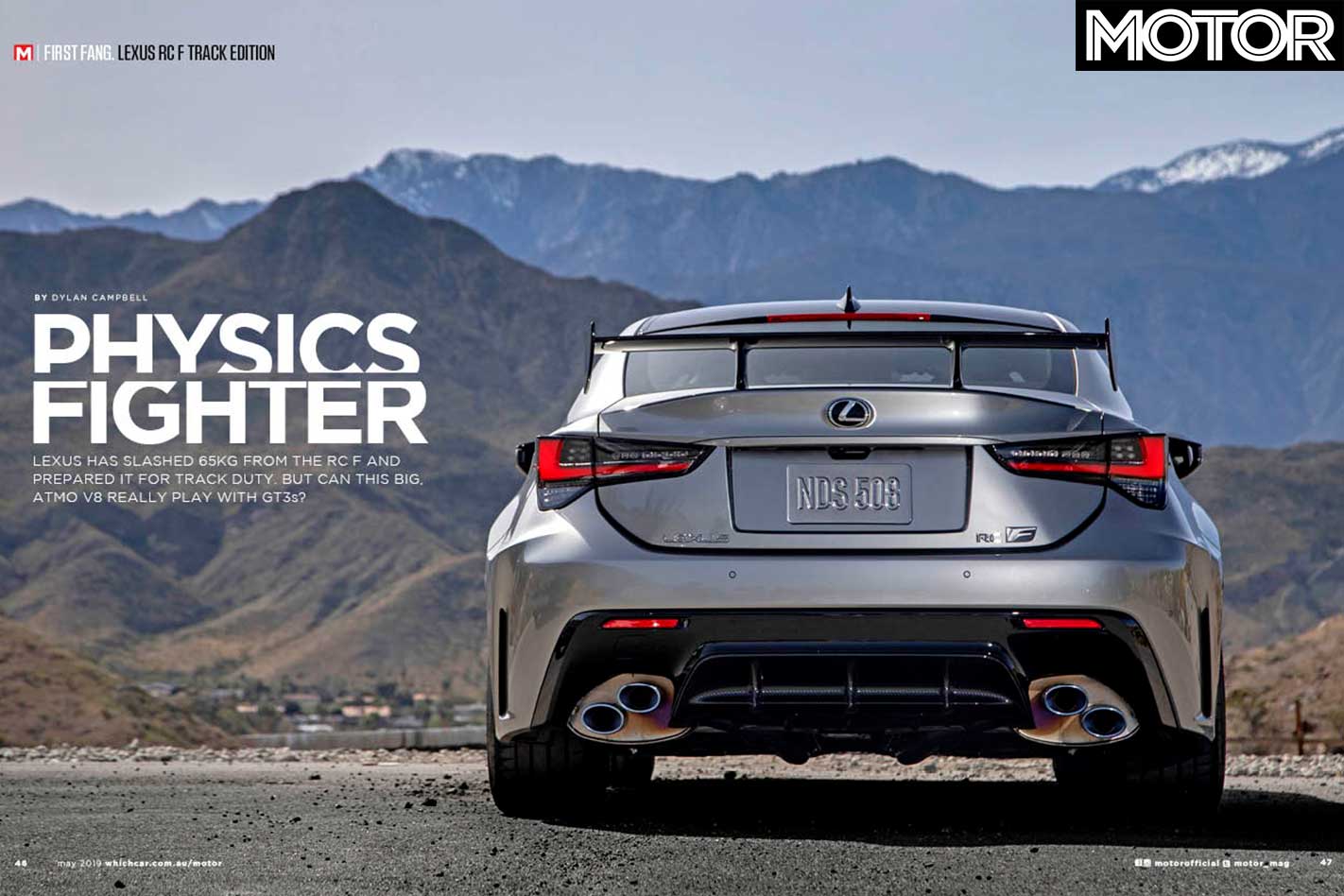
Lexus’ M4-challenger gets its weight slashed and aero added for track duties. Is this the RC F that can play with GT3s?
Born to be Wild – Koenigsegg Jesko exclusive
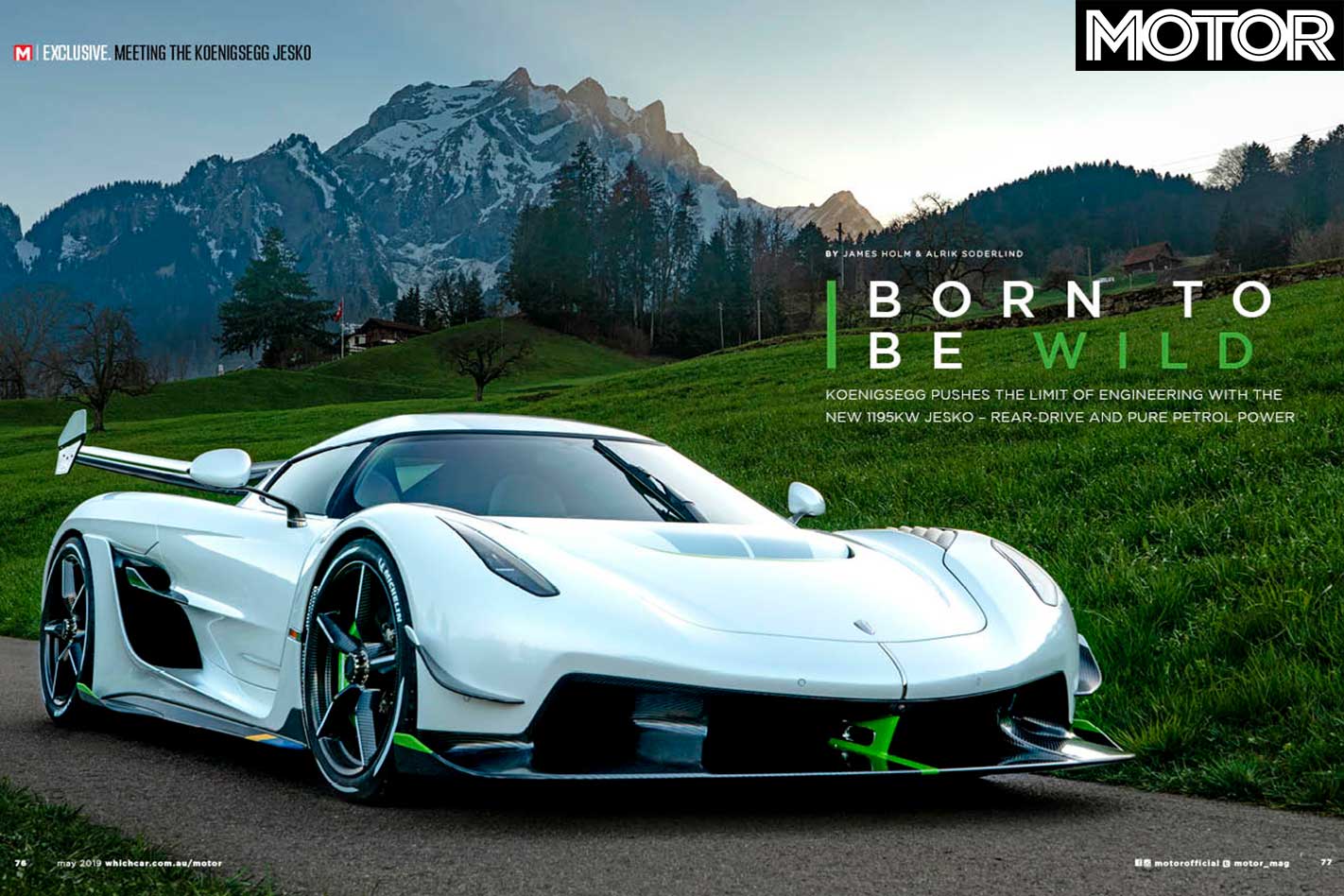
1195kW/1500Nm twin-turbo V8 imbues Koenigsegg’s latest hypercar with an unbelievable 842kW/tonne figure, we peek beneath its skin to plumb its secrets.
Master Class – AMG C63 S v M3 Pure v RS5 v Giulia Q v Alpina B3 S
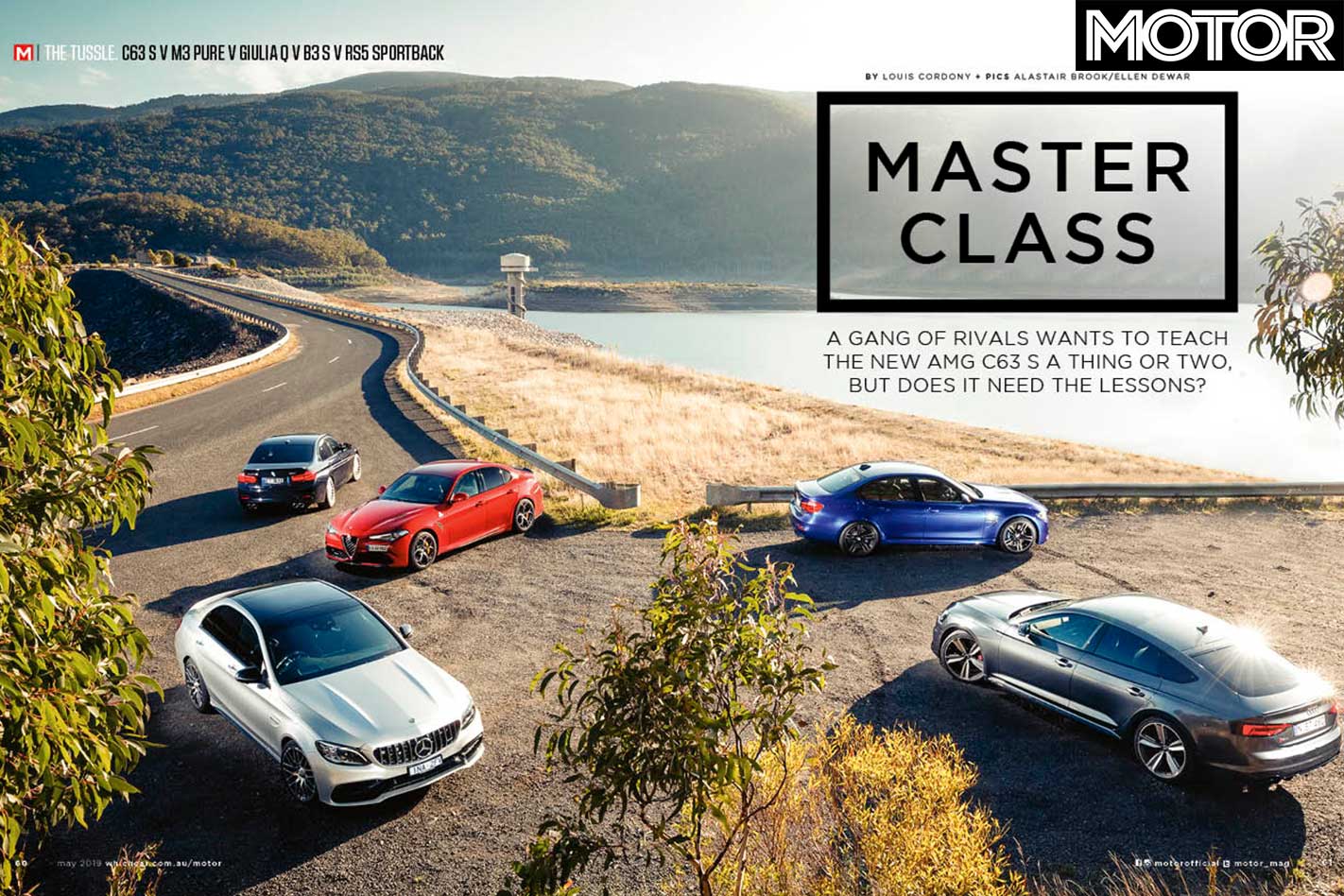
Five differing flavours go head-to-head in a bid for super-sedan supremacy. Which offers the tastiest recipe?
First Encounter – Ferrari F8 Tributo detailed
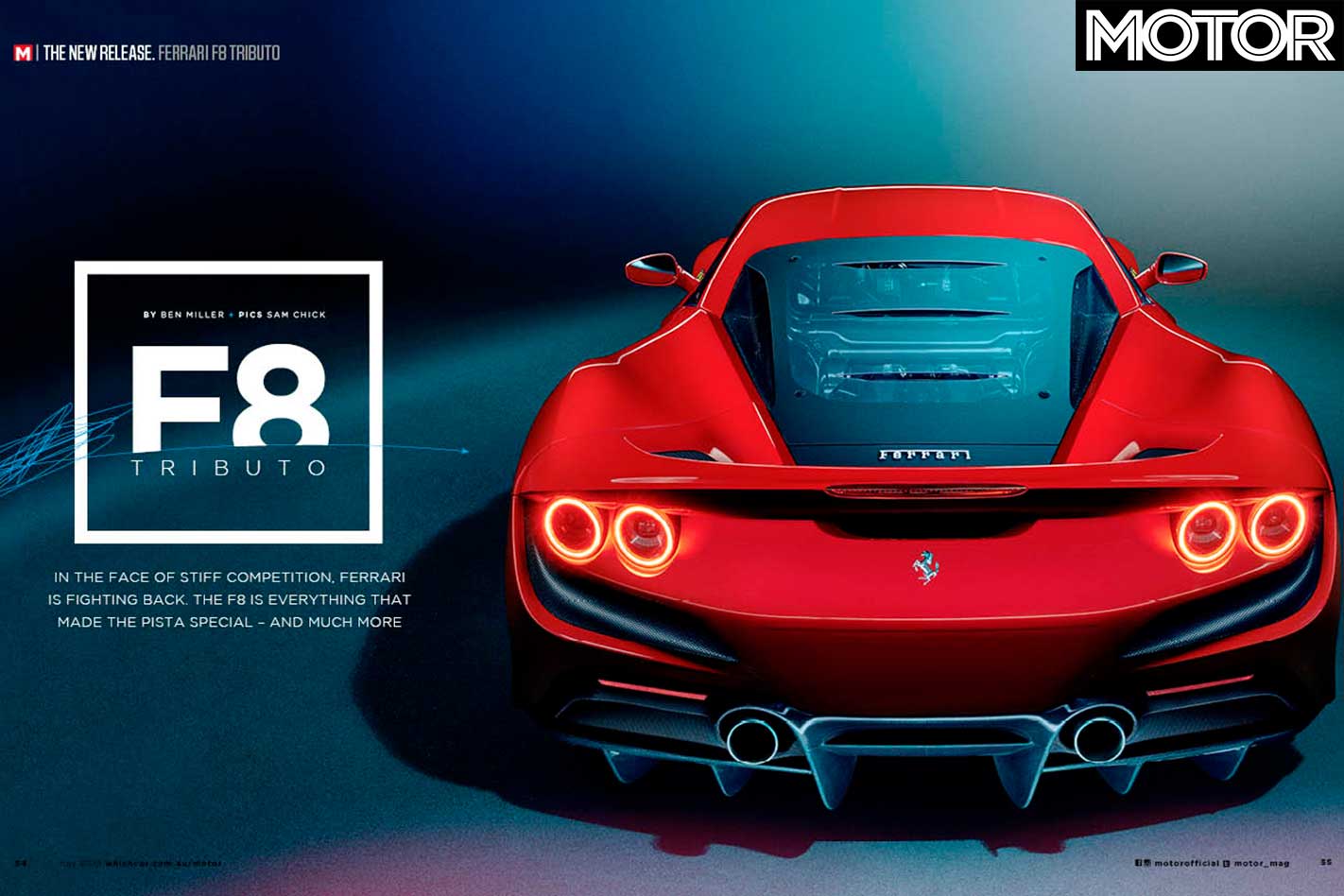
With its back against the wall in the face of stiff competition, Maranello has crammed everything that made the 488 Pista special – and much more – into the F8 Tributo.
Toy Story – Toyota Yaris AP4 rally, 86 Racing Series, and 86 Drift Car feature
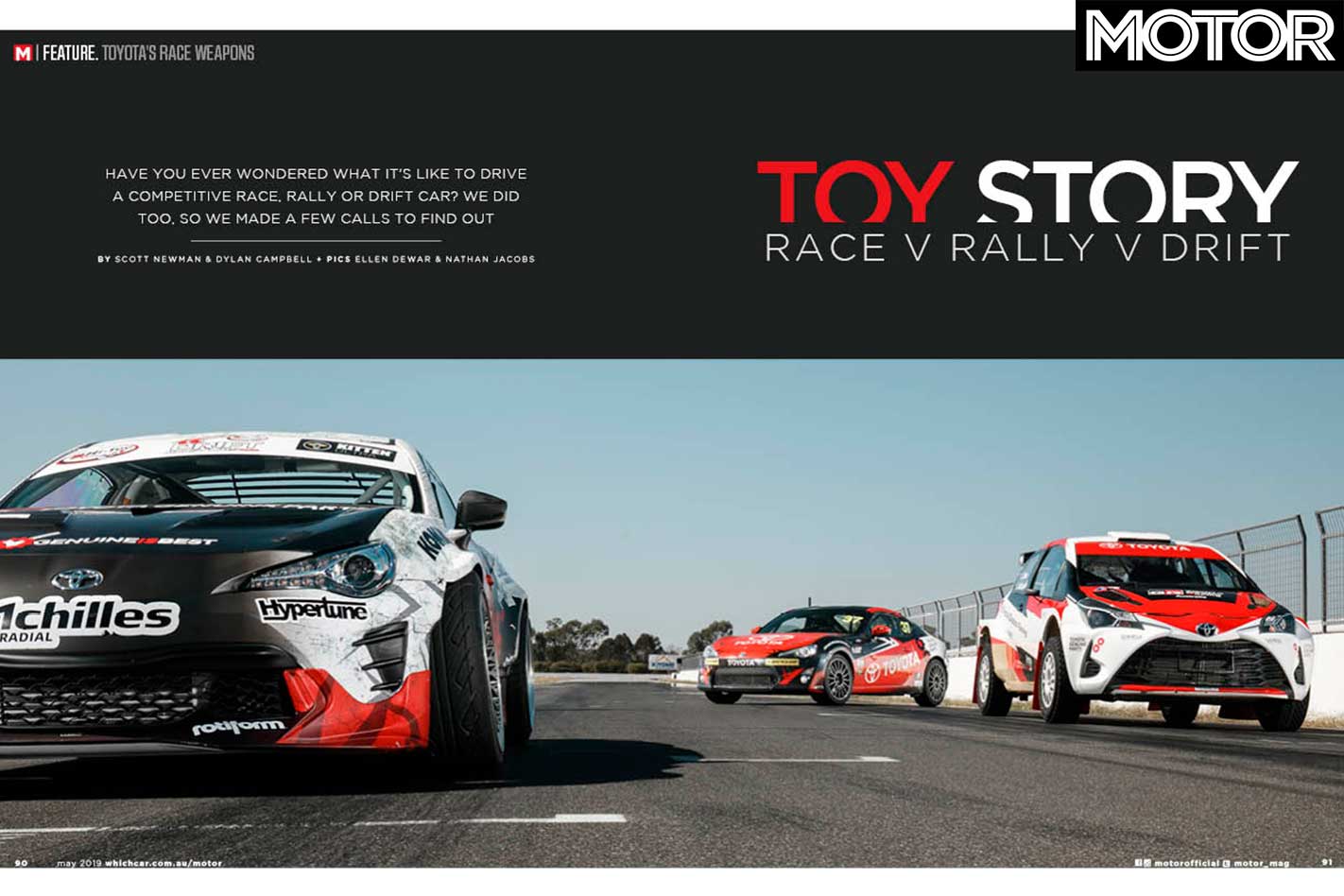
Think Toyota is boring? We delve into Toyota Australia’s racing roots before taking a spin in its track and rally weapons.
30 Years of MX-5 – We get Bob Hall’s thoughts on the MX-5
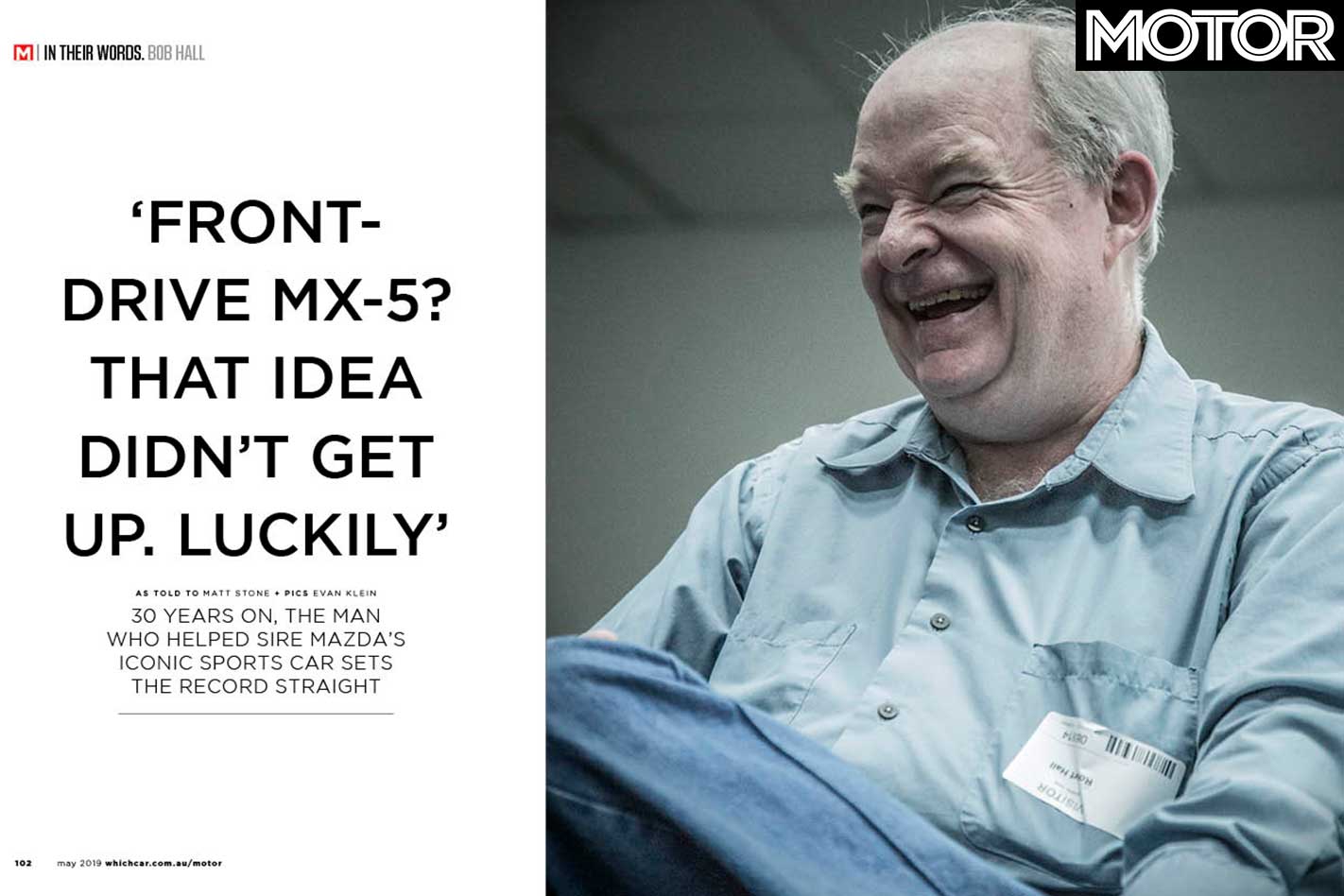
Who better to set the record straight on the world’s best-selling sports car than Bob Hall, the man who helped create the NA Mazda MX-5?
Past Blast – BMW Z3 M Roadster revisited
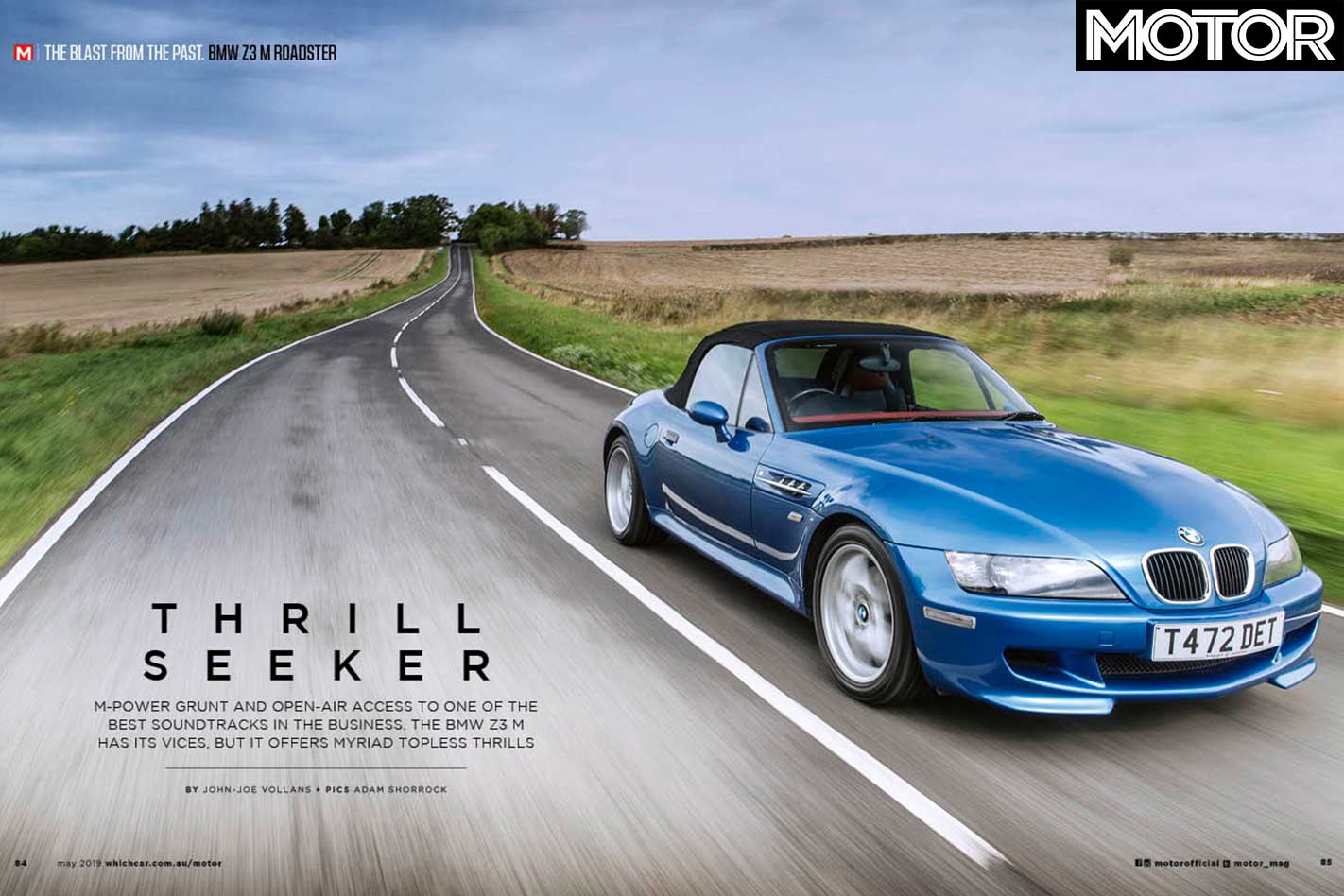
Removing the roof aided access to the glorious 236kW straight-six, but at what cost to the BMW Z3 M Roadster’s dynamics?
Icon Buyer – Ford Falcon TS50 buyer’s guide
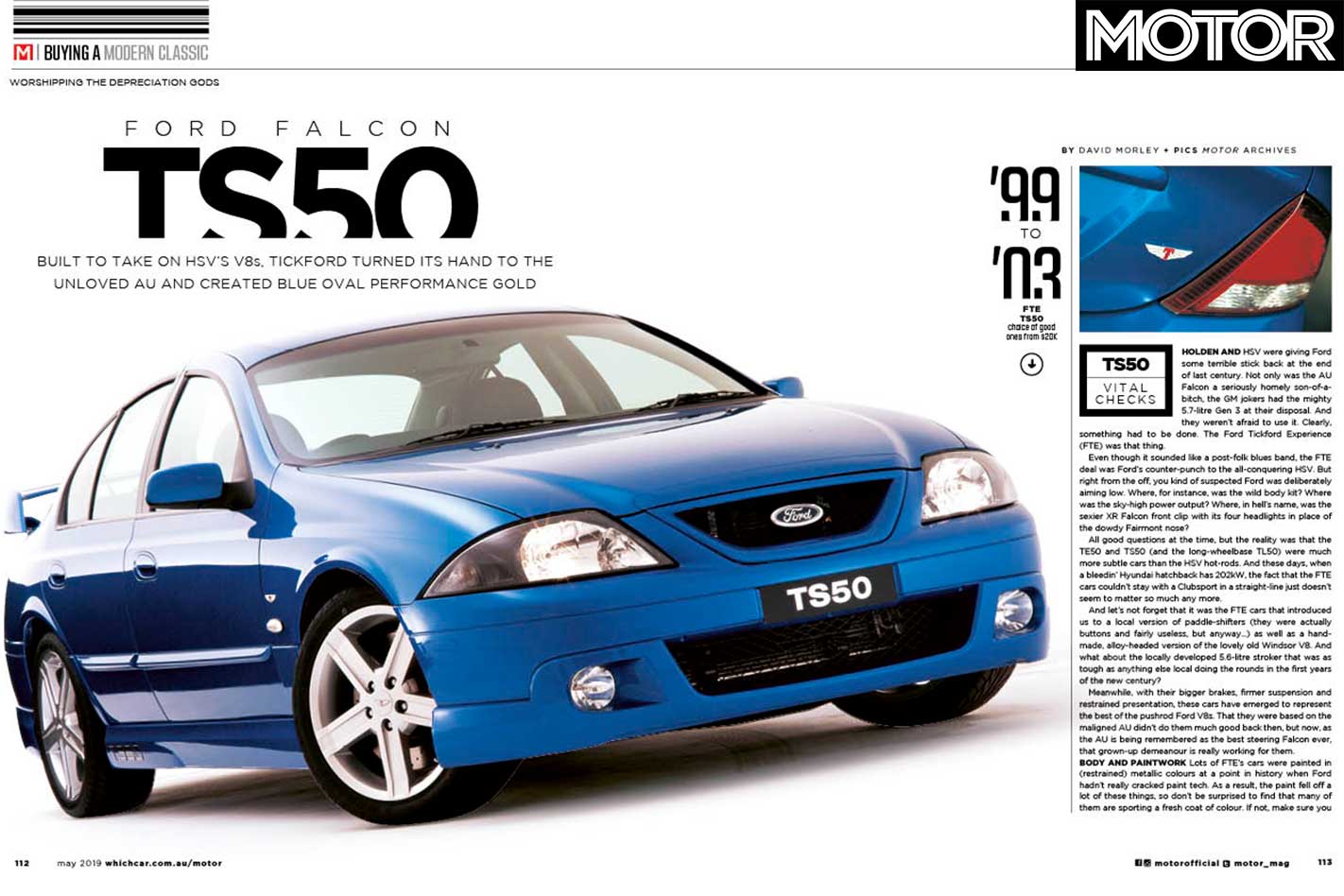
There’s lots to love about the T-Series – the pinnacle of AU Ford Falcon V8s
First Fangs, News, Opinions, and all the regulars!
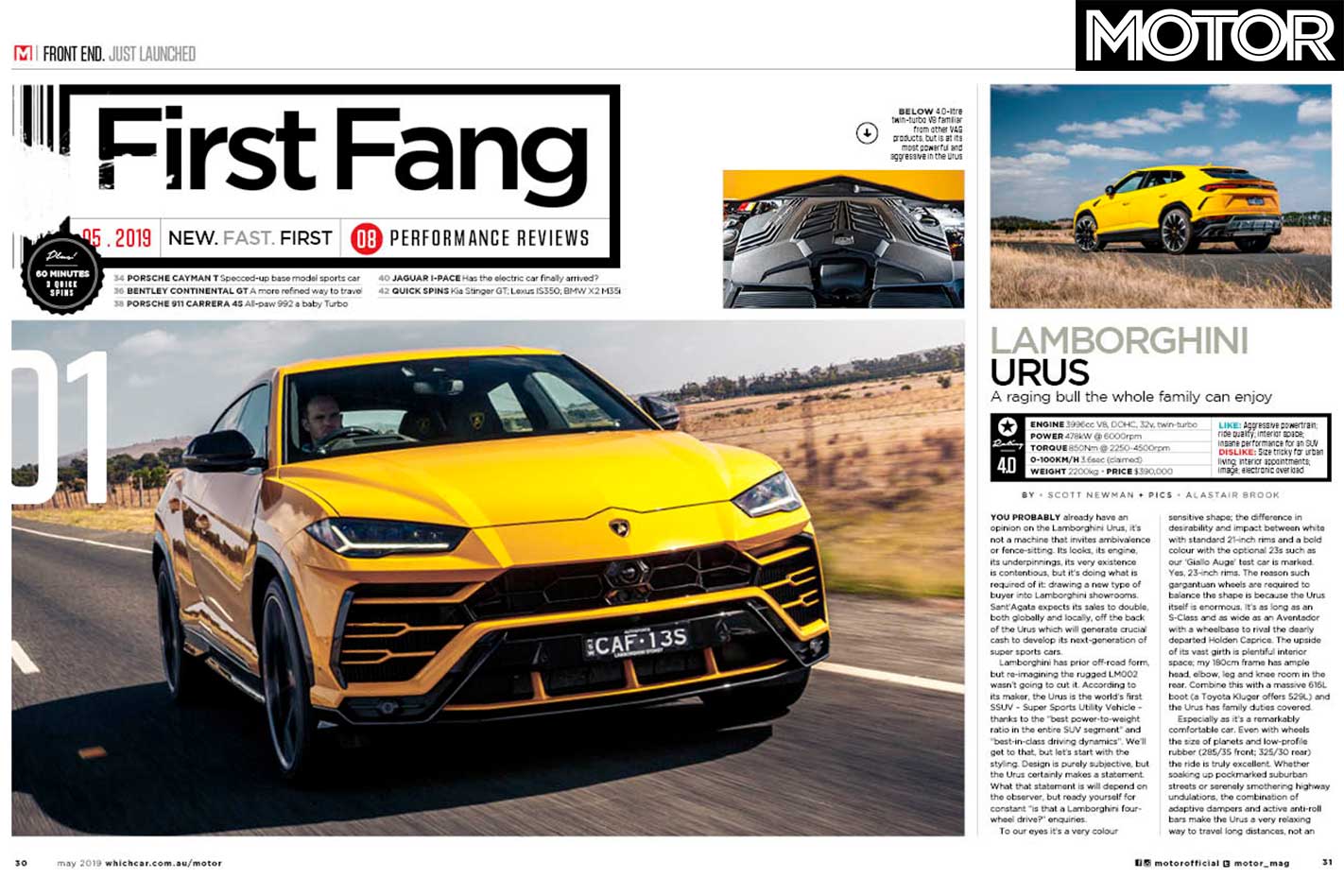
We get behind the wheel of Lambo’s new SUV, Bentley’s Continental GT the Third, and examine Aston Martin’s new supercar plan of attack.
A unique coachbuilt car called the Alfa Romeo Mole Costruzione Artigianale 001, designed by Mole Automobile (under Umberto Palermo), has surfaced in the upcoming RM Sotheby’s Villa Erba auction.
Based on the Alfa Romeo 4C, the Mole CA (as we’ll call it for short) is still identifiable as such, but has been reimagined using more updated Alfa Romeo styling elements such as the ‘face’ which more closely represents a Guilia than a 4C.
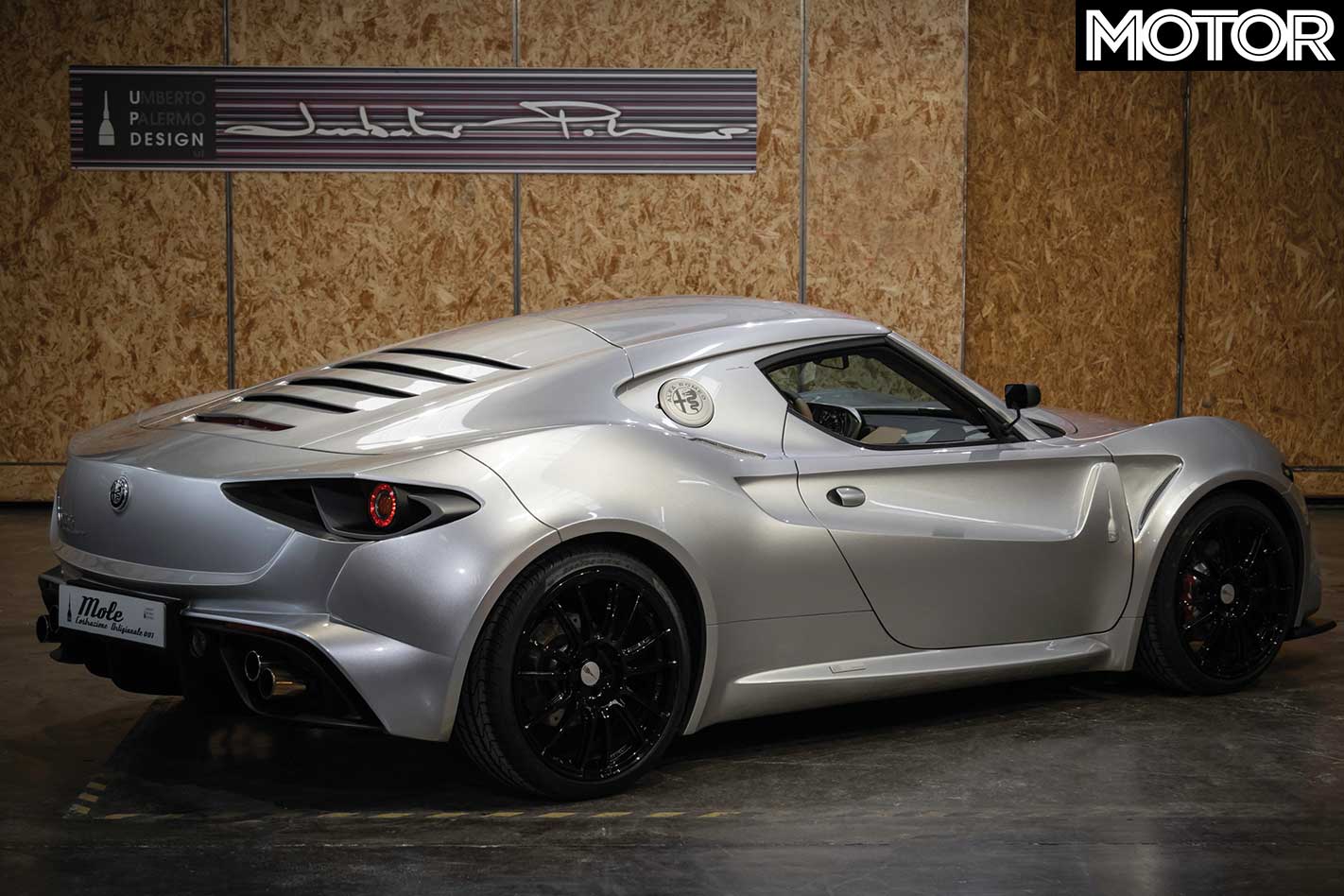
Remarkably, while its headlights appear to mimic those of a Giulia or Stelvio, the actual lights are only a small part of the shape, with the rest appearing to be an intake.
At the rear, a sleek vented panel covers the engine and where the rear window would otherwise be, and inset taillights are small, round, and simple.
While changes in design such as this are often more subjective than performance upgrades which can be quantified, it’s clear that the interior treatment is a step up from the otherwise Spartan cabin normally found in the 4C.
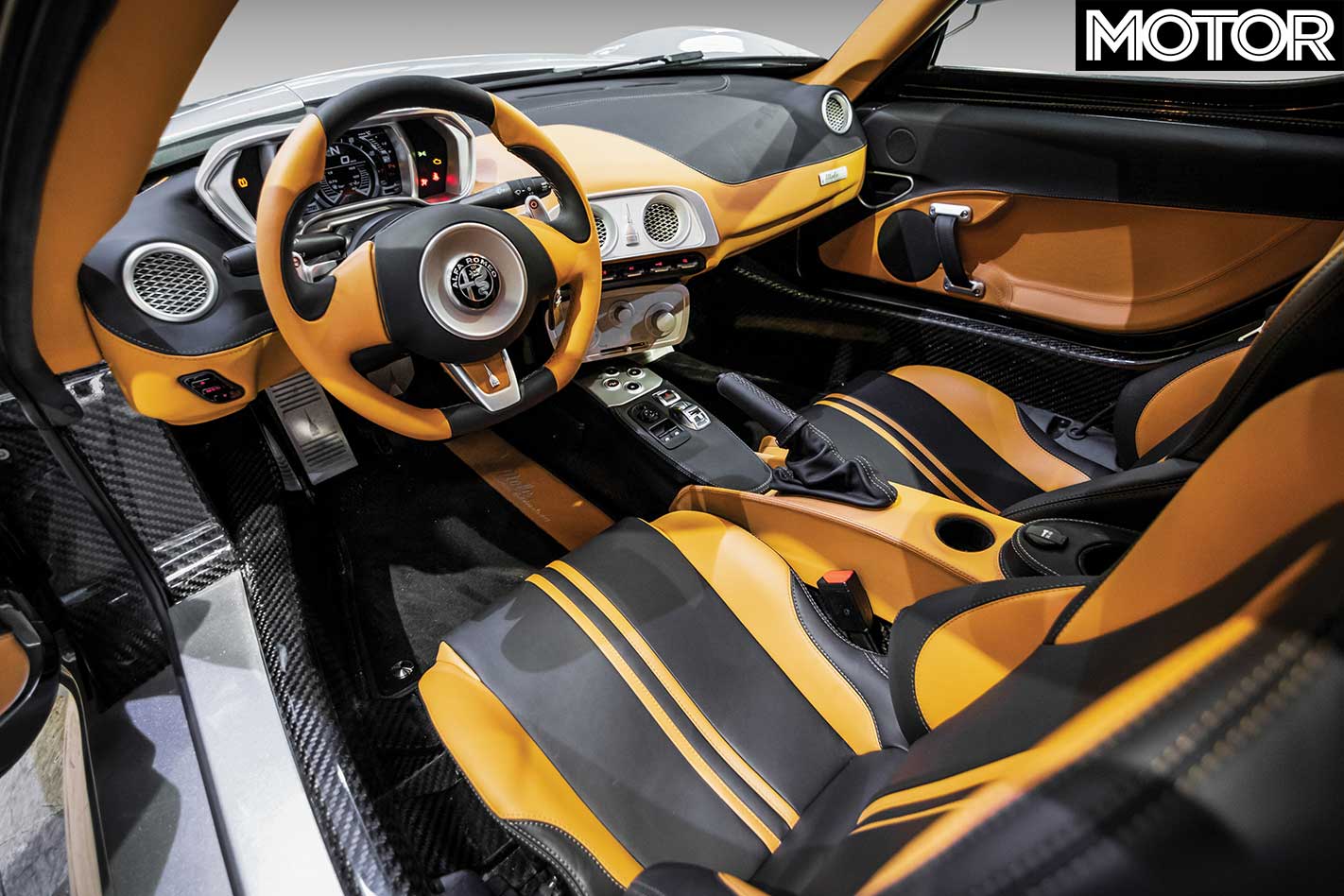
While maintaining the driver focus of the original cabin, a new leather treatment in caramel and black, as well as brushed aluminium adorn the seats, dash, steering wheel, and doorcards.
Elements such as the digital dash, the shape of the steering wheel, and the controls on the centre console all remain as Alfa Romeo intended.
RM Sotheby’s says the donor car had only been driven 40,000km before work begun, but hasn’t yet listed a bidding estimate for the lot, which is set to go under the hammer on May 25.
John Hennessey is back at his usual antics, turning his power-crazed focus on the Australian-developed Ford Ranger.

His latest creation is evocatively named the VelociRaptor Ranger, and is based on the US-spec dual-cab, which is fitted with a turbocharged four-cylinder petrol, not diesel, engine.
Much to the disappointment of our American friends, Ford does not sell the off-road performance focused Ranger Raptor in the US. However, Hennessey’s VelociRaptor Ranger appears to fill that performance-focused hole, with a price tag of US$64,950 (A$92,495 at current conversion rates).
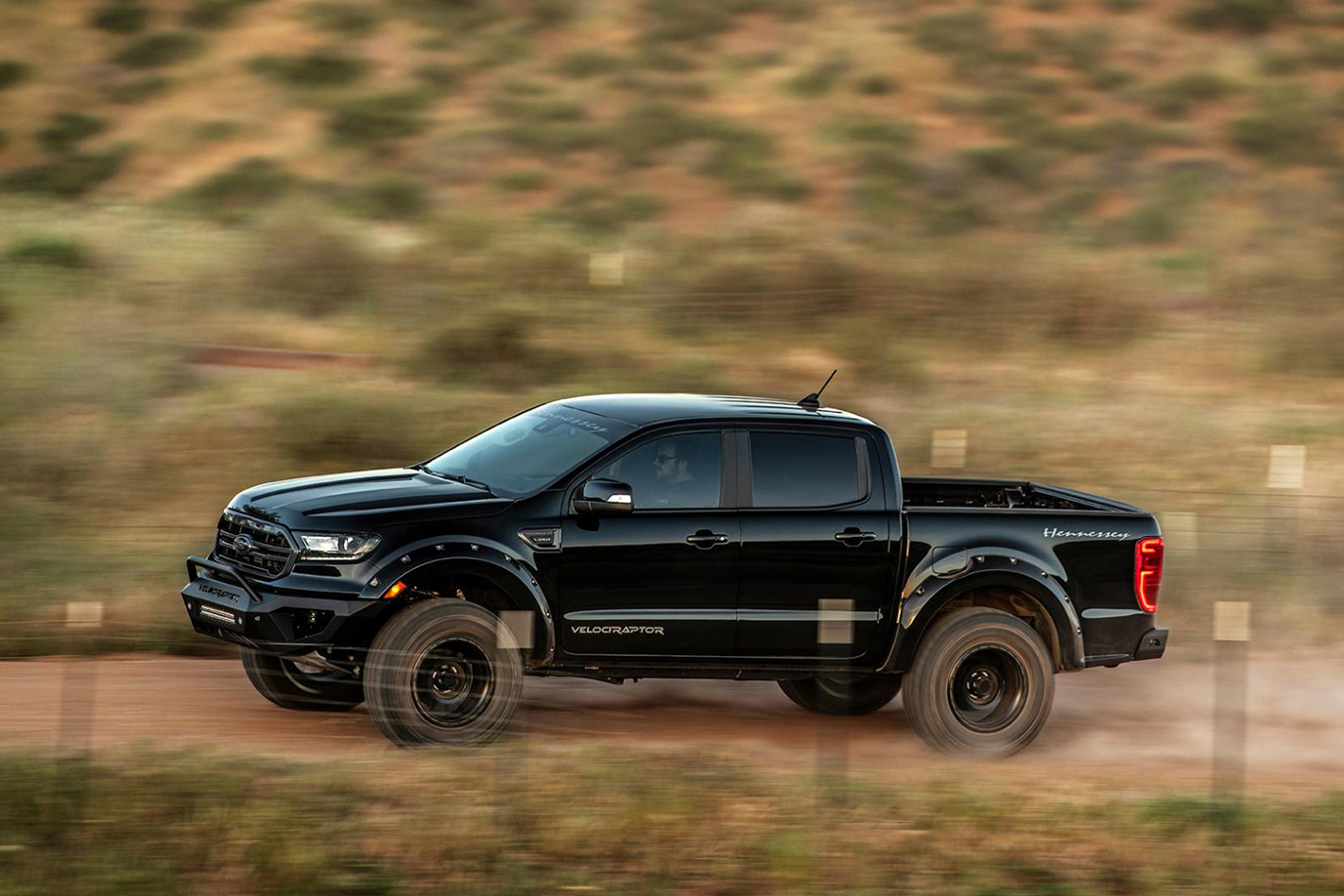
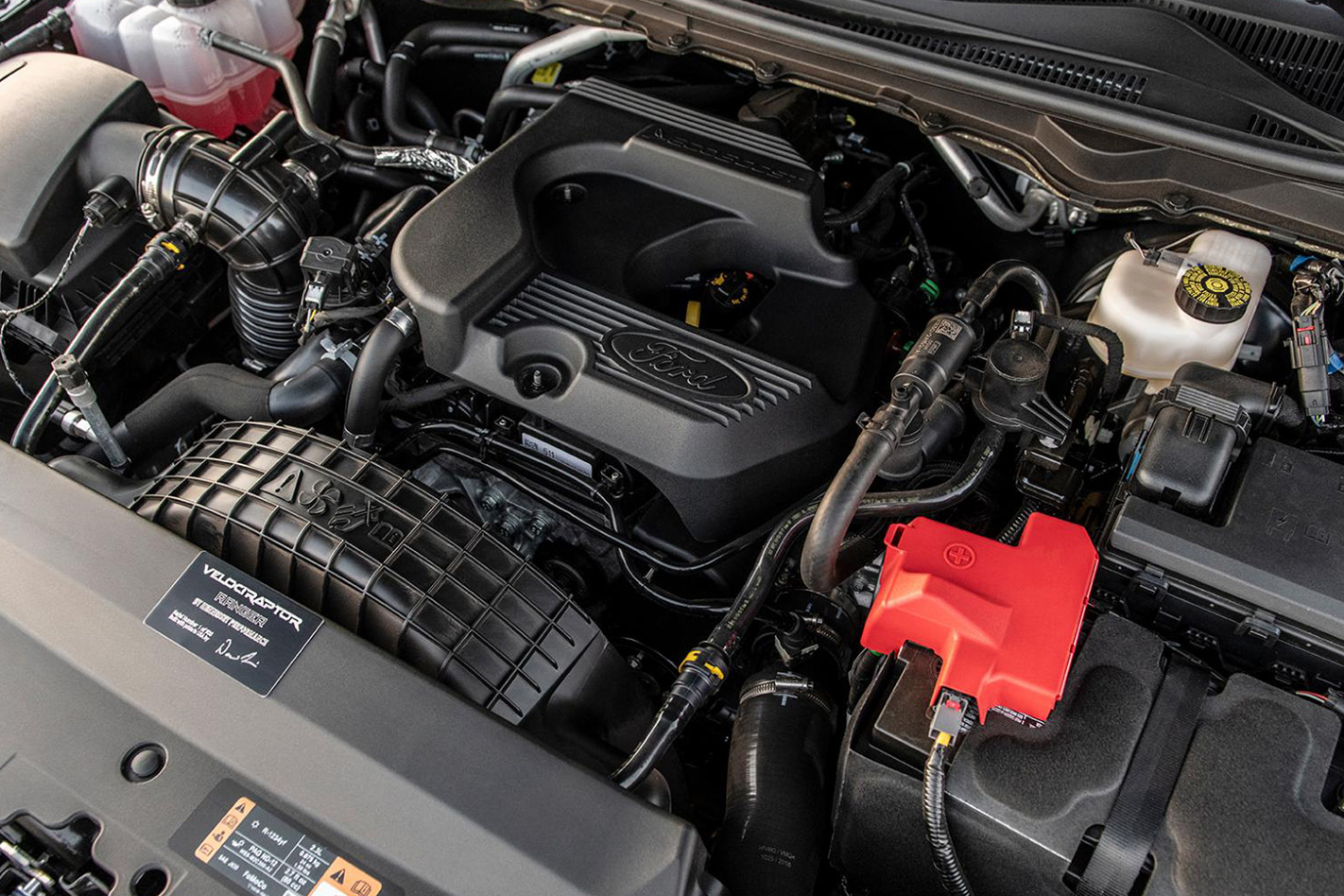
The Texan tuner has increased the 2.3-litre EcoBoost petrol engine’s outputs from 201kW and 420Nm to 260kW at 6000rpm and 521Nm at 3800Nm.
Increased power comes thanks to a retuned ECU, new high-flow air induction system, and a steel catback exhaust system.
6×6 Hennessey VelociRaptor F-Series lands in Australia
Hennessey claims the VelociRaptor will sprint to 60mph (97km/h) in 4.9 seconds. That’s a significant improvement over the stock US-spec Ranger. American outlet MotorTrend independently performance tested the EcoBoost-powered dual-cab, recording a 6.8-second 0-97km/h time.

If Hennessey’s Ranger can match its claimed acceleration times – and that is a big if – then it’ll be knocking on the door of some fairly serious sports cars. Porsche claims a 5.1 second 0-100km/h for a manual 718 Cayman and 4.9s for the PDK version. Or, if you prefer, the Hennessey creation will be just a nose behind a Porsche 996 GT3 off the mark (0-100km/h in 4.8s).
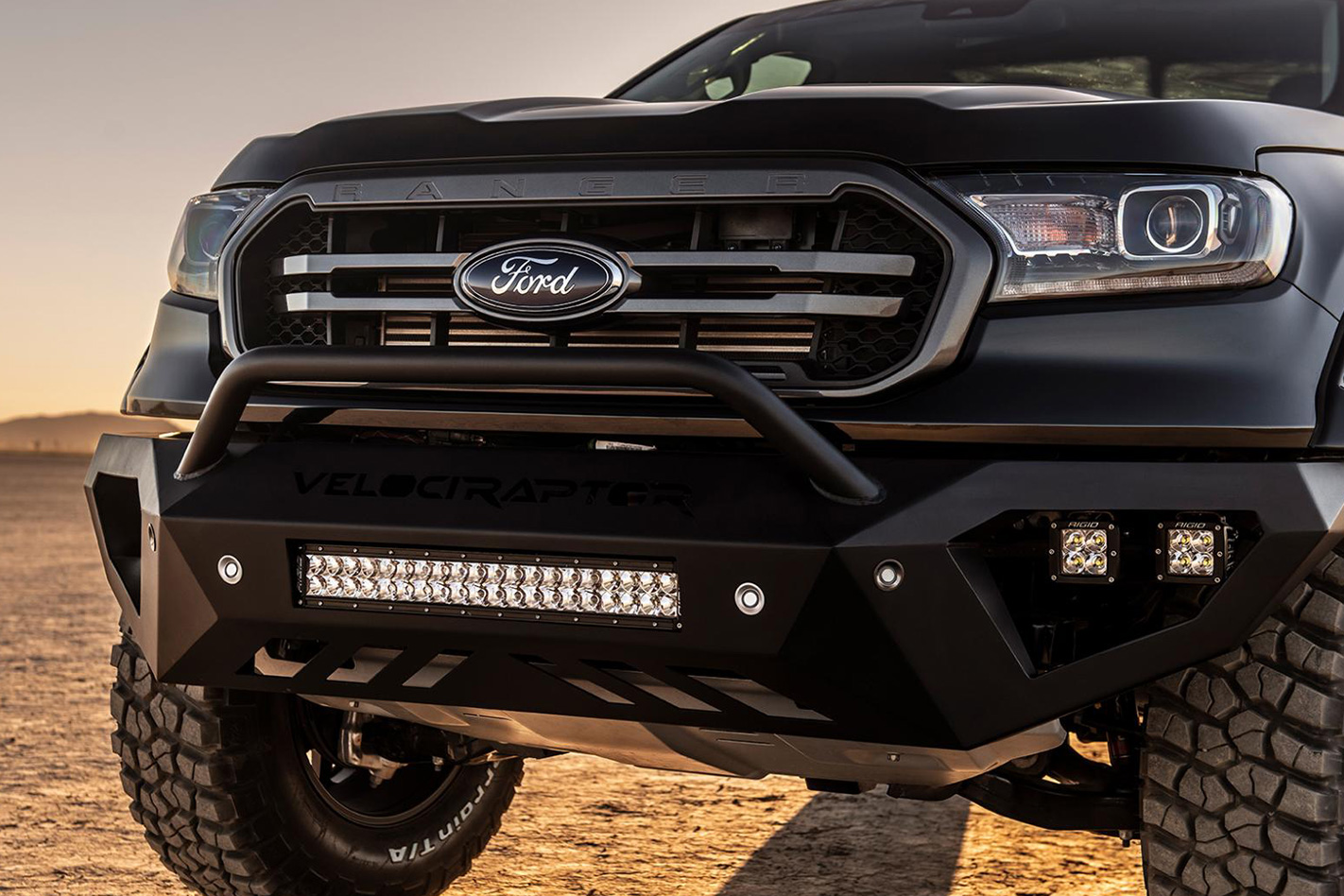
Just 500 VelociRaptor Rangers will be built, with Hennessey also tweaking the exterior styling with the addition of LEDs to the front-end, a roof-mounted LED light bar, flared fenders, and a four-inch lift kit.
Looking for something under $20K that boasts a bit of sporty appeal and a bit of pep in its step? Normally those criteria were completely incompatible, but Kia Australia has given Australia the budget-friendly performance hatch some have been waiting patiently for.
What is it?
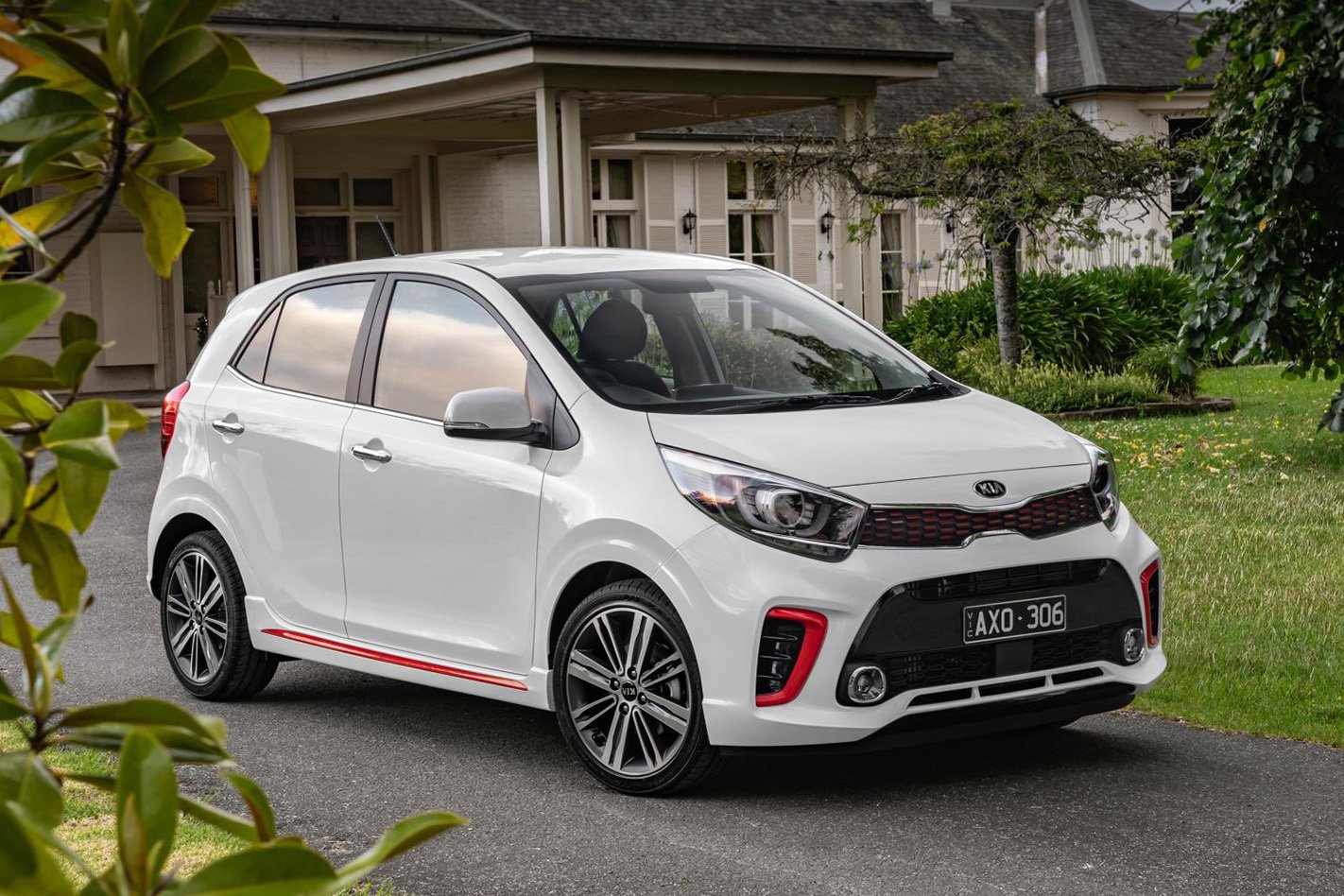
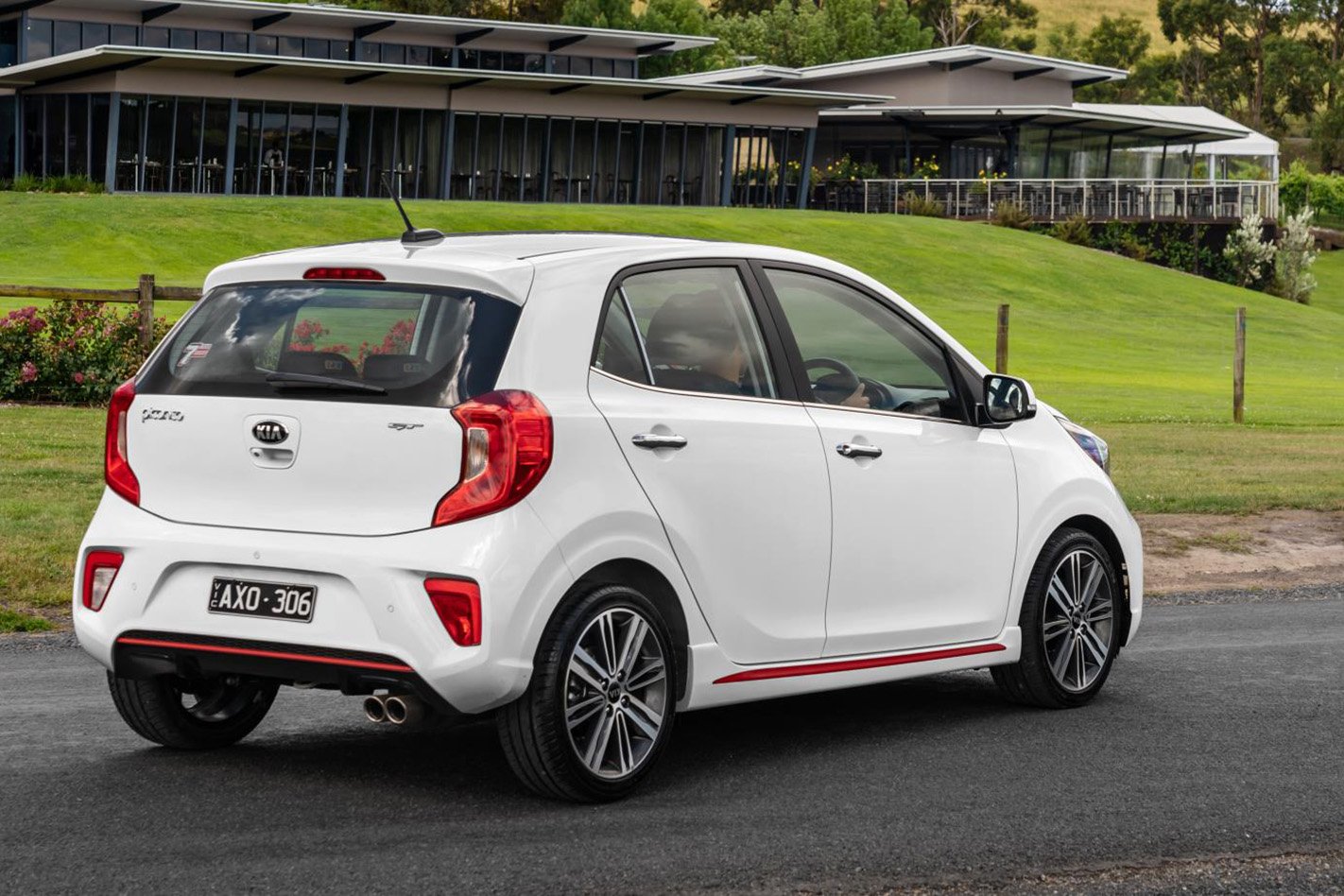
This is the 2019 Kia Picanto GT, a sporty spin on the South Korean Brand’s smallest hatchback, powered by a turbocharged 1.0-litre three-cylinder engine and tweaked for more joy-inducing handling.
It’s been in Australia since January 2019 and sits atop the Picanto range, being the only turbocharged variant – and indeed the only performance-oriented vehicle in the sub-compact hatchback segment overall.
How much is the Kia Picanto GT?
The Picanto GT costs just $17,990 driveaway, which in terms of cars designed to be fun to drive, makes it the cheapest one in Australia.
For some context, the Suzuki Swift Sport might offer significantly more power and a sit in a size class above the Picanto, but its $25,490 retail sticker is well above that of the more modest Picanto GT. There are no other sporty options between the Picanto GT and Swift Sport either, so the Kia claims the title of “most affordable performance car” by a generous margin.
Within the Picanto range, the GT isn’t an enormous step up in pricing with the base Picanto S manual starting at $14,190. And while other light hatchbacks at a similar price point like the Mazda 2 Maxx, Holden Barina LS, Honda Jazz VTi, Hyundai Accent and Toyota Yaris SX all have more power and space, none are intended as sporty options.
Who is it for?
If you’re looking for a small city car that’s not going to break the budget, but has a bit of sporty character, then the Picanto GT is worth adding to the list of potentials.
Students who enjoy driving and can afford to buy new, or inner-suburbanites who don’t need to venture out of town often should consider this car.
Is the Kia Picanto GT easy to live with?
As a city car, the Picanto GT makes a strong case for itself with plenty of kit for the price and a conveniently diminutive size. Parallel parking, for example, is incredibly easy in the Picanto. The reversing camera provides a clear image and even on-screen guides for steering, so piloting it through tight streets is never a challenge.
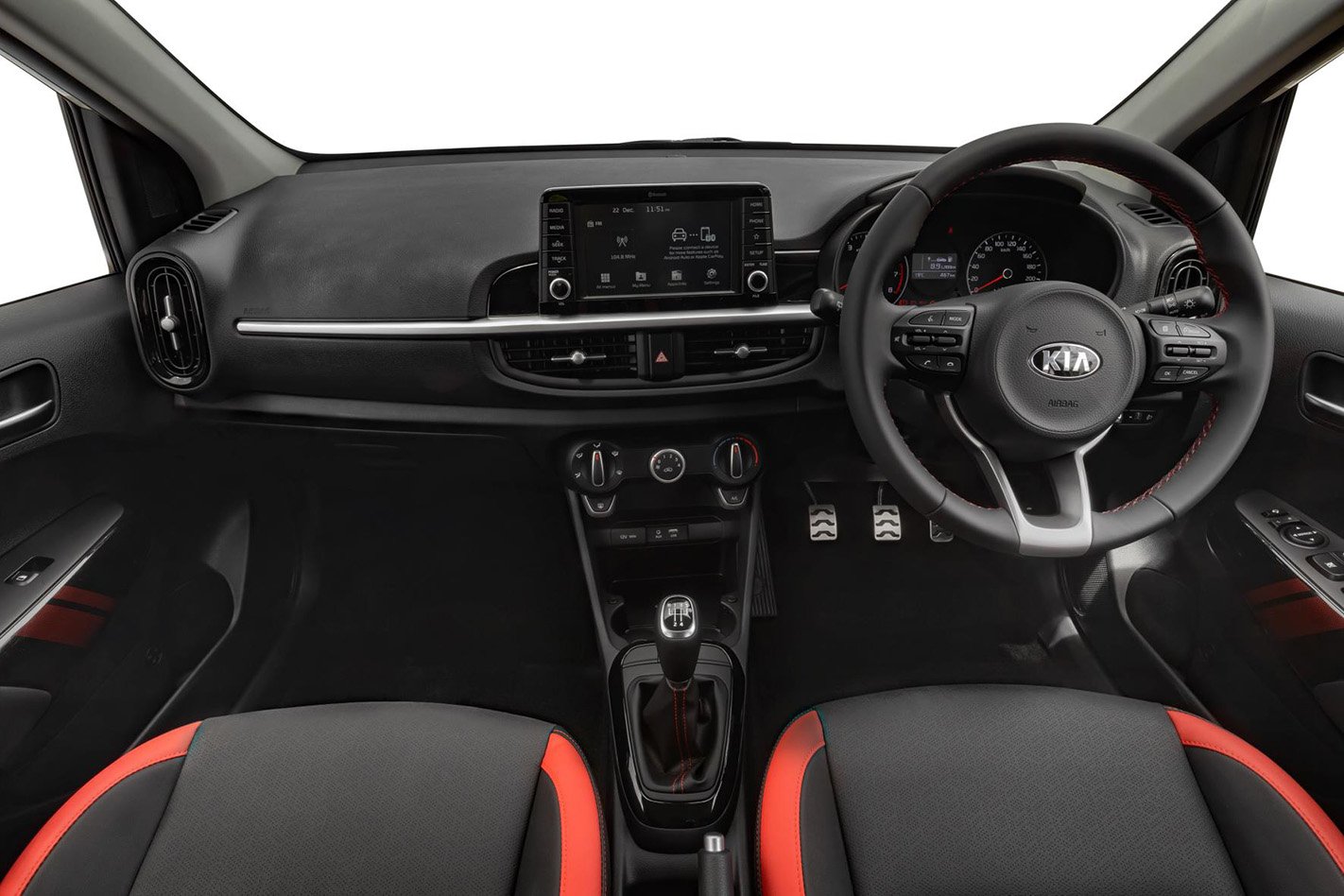
However there’s one big caveat: the GT is a manual-only offering, so dealing with stop-start city traffic might become tiresome for one’s left leg after operating the clutch pedal on a long commute.
Inside, two front passengers will find themselves with a generous amount of space for a compact hatchback, and during our test a taller (6’2”) adult found the rear seat comfortable enough on a 30-minute drive through city traffic.
For the driver, the seating position isn’t perfect but rates better than some hatches which can feel a little upright and ‘van-like’.
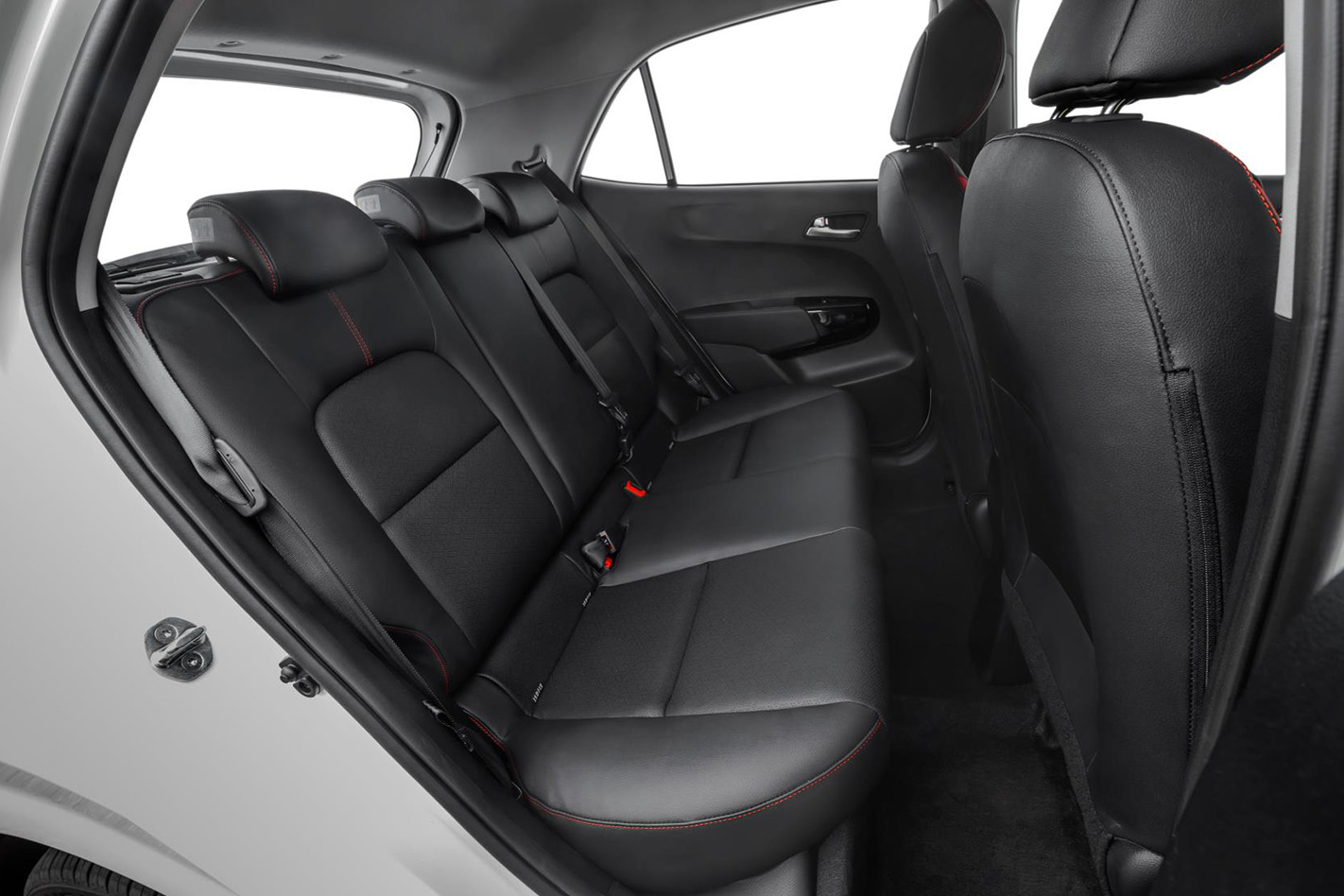
The seats are comfortable enough, but given the GT’s stiffer suspension the road surface itself has a more direct influence on comfort levels. We’ll cover that in the next section of this review.
The design and materials in the cabin are relatively spartan, though the build quality seems more than acceptable for the low price-point. Faux leather seats are a nice thought, but there’s no mistaking their synthetic feel and we can’t help feel that a decent cloth or microfibre upholstery would impart a more premium feel and change the cabin ambience for the better.
Infotainment features a digital radio tuner and Bluetooth phone/media streaming, but no built-in sat-nav. For that you need to utilise Apple CarPlay or Android Auto smartphone mirroring, which thankfully is standard-issue in the Picanto and makes the big touchscreen interface very easy to use.
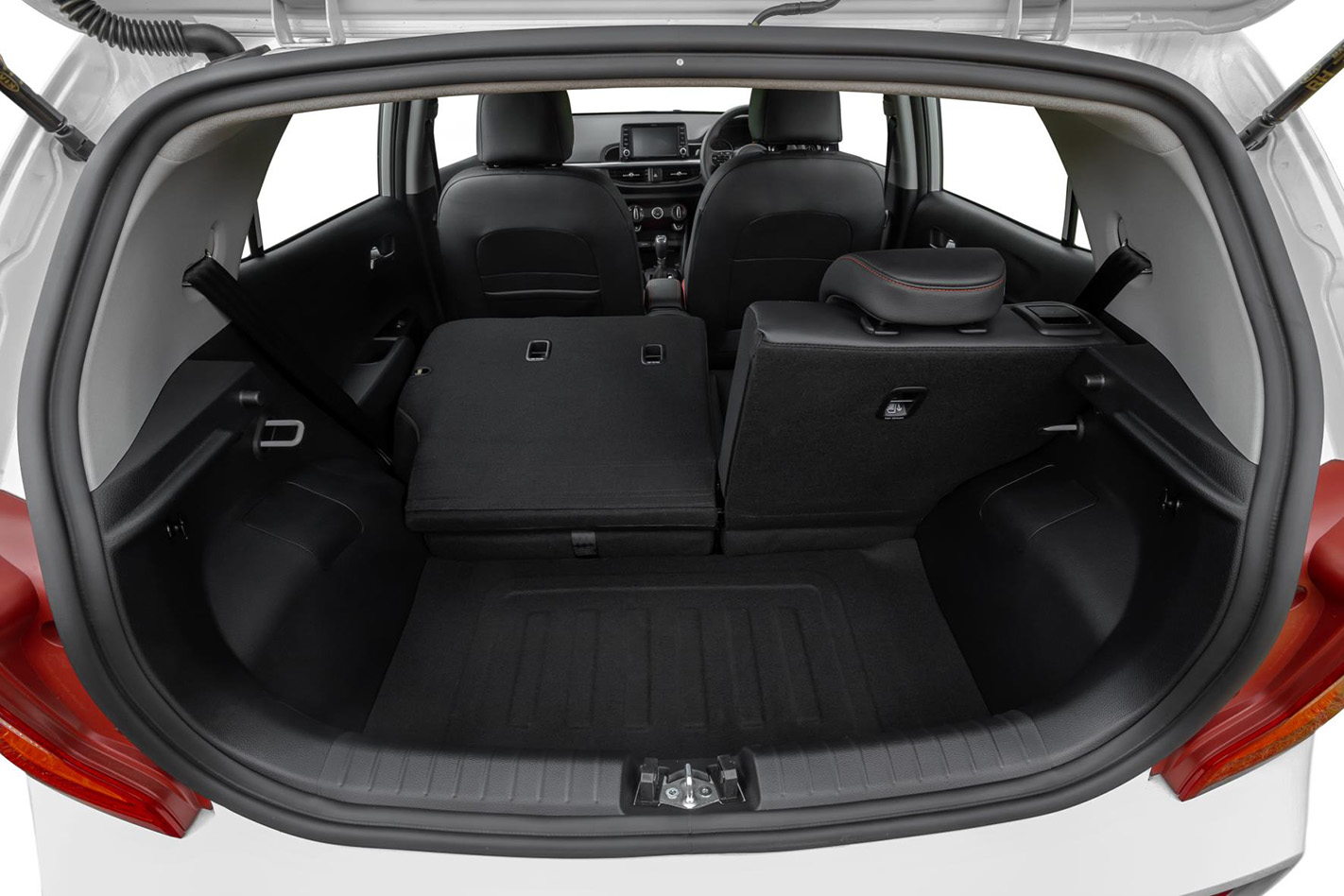
In terms of storage, the Picanto’s 225-litre boot is rather remarkable for the car’s overall size. With the rear seats folded down, it becomes spacious enough for several reasonably sized items of luggage, and can even fit a bicycle with some clever manoeuvring.
Thanks to its small turbocharged engine, the GT boasts a lower fuel consumption claim than its stablemates, an impressive 4.8 L/100km. Unfortunately we didn’t have the opportunity to verify this, as the tank didn’t run empty for its stay with us. However even on a lively drive out of the city, the fuel gauge’s needle barely dropped.
How well does the Kia Picanto GT drive?
Around town, the Kia Picanto GT provides a fun drive without the risk of licence-jeopardising acceleration, and even though its suspension is stiffer, it still rides well enough for a car in its pricepoint.
It’s also rather manoeuvrable, thanks to a 2.4-metre wheelbase, without detracting from its stability while driving around town.
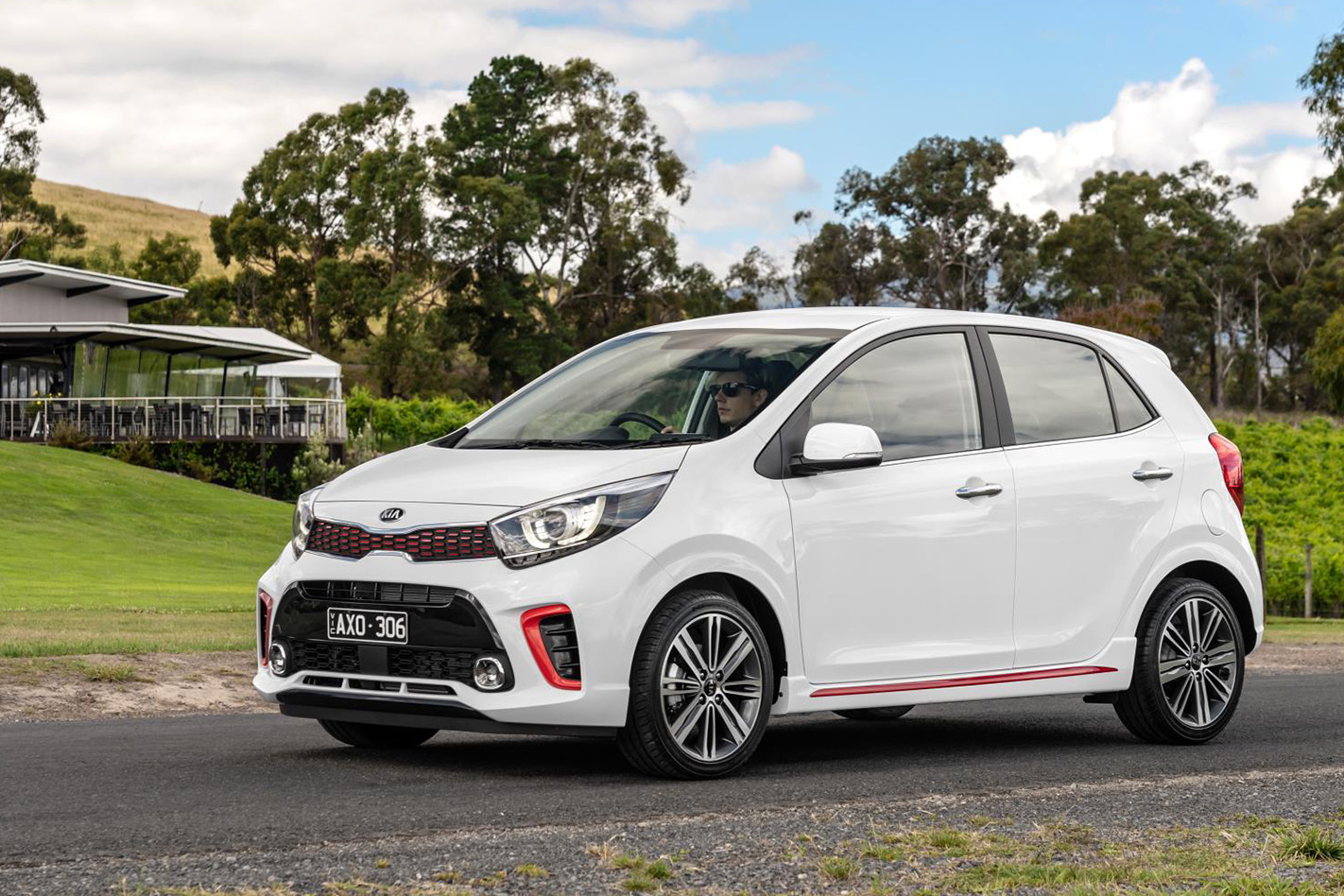
As long as you’re not attempting to hook into corners like a rally driver, the Picanto can be fun to steer, but it’s not a hot hatch that can be grabbed by the scruff of the neck and manhandled – smooth inputs achieve better results when hustling the Picanto hard. Having said that, the Picanto GT feels competent and stable in urban driving.
Once the Picanto GT ventures out of city limits, its lack of power and chassis talent starts to become more obvious, with acceleration up to 100km/h taking in excess of 10 seconds (Kia has published no claimed time) and tyre noise becoming intrusive.
On a long, open, and winding road, the Picanto GT can be fun when able to keep up to speed, but sharp corners can’t be taken quickly without understeering, which means rowing back through the gears.
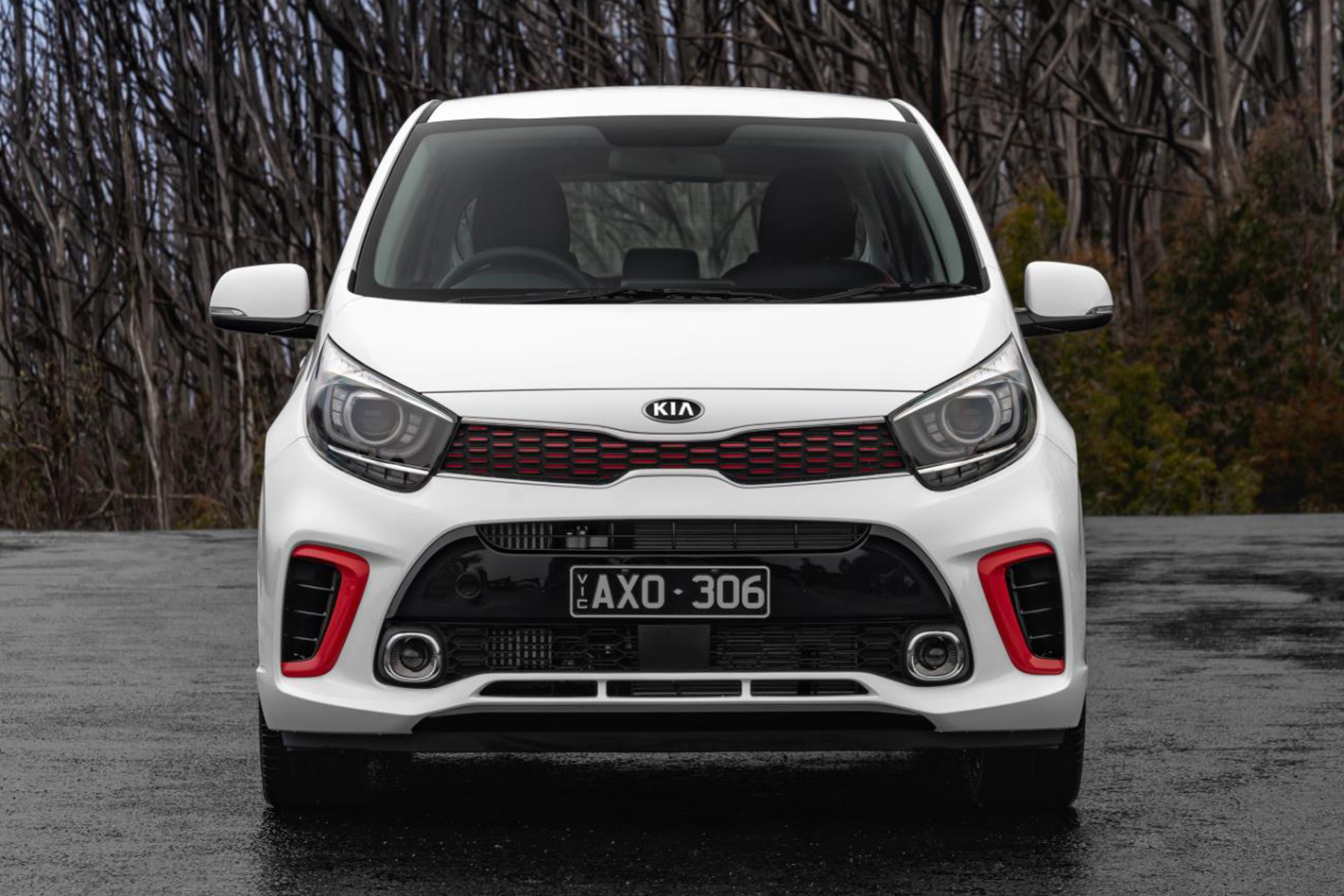
Speaking of which, the first two gears are quite short followed by a long third gear – that ratio gap sees the engine drop out of its power band, delaying progress. The Picanto GT’s turbo engine may have class-leading torque, but sadly the gearing doesn’t exploit that.
Luckily, the Picanto GT only weighs 1041kg, so it’s not too harsh on perishables like brakes or tyres, even though its standard tyres are more focused on economy than performance. Best not to think of this one as a proper hot hatch, then.
VERDICT
As a small city hatchback focused on providing a little bit of edgy style and extra pep on a budget, the Picanto GT hits the mark pretty darn well. But start treating the GT like a performance car or a hot hatch, and the facade starts to fall apart. Perhaps Kia should’ve left its GT badge for the likes of its big brawny Stinger GT, or the genuinely capable Kia Cerato GT.
In its own right, and forgetting the badge, there’s a lot of fun to be had in the sportiest Picanto, and its three-cylinder engine has potential… if only the rest of the car was tuned with performance in mind.
Smooth roads and long bends seem to suit the Picanto GT more than tight windy roads, which can make the GT feel underpowered – especially on an incline.
At this price you might also consider a funkier Fiat 500, a more spacious Suzuki Swift, or even a Renault Clio, but the advantage of the Picanto is a seven year warranty and a deliberately athletic aesthetic. That and knowing you’ve bought from the top of the range and still have plenty of change from $20K.
New to Wheels Car of the Year?
Read the COTY 101.
THE LEGACY of late-’80s Japanese heroes, such as the COTY-conquering Mazda MX-5, Honda NSX and Lexus LS400, continues. But three decades on, is this fifth-generation LS sufficiently bold, progressive and luxurious to make the perception-changing original proud?
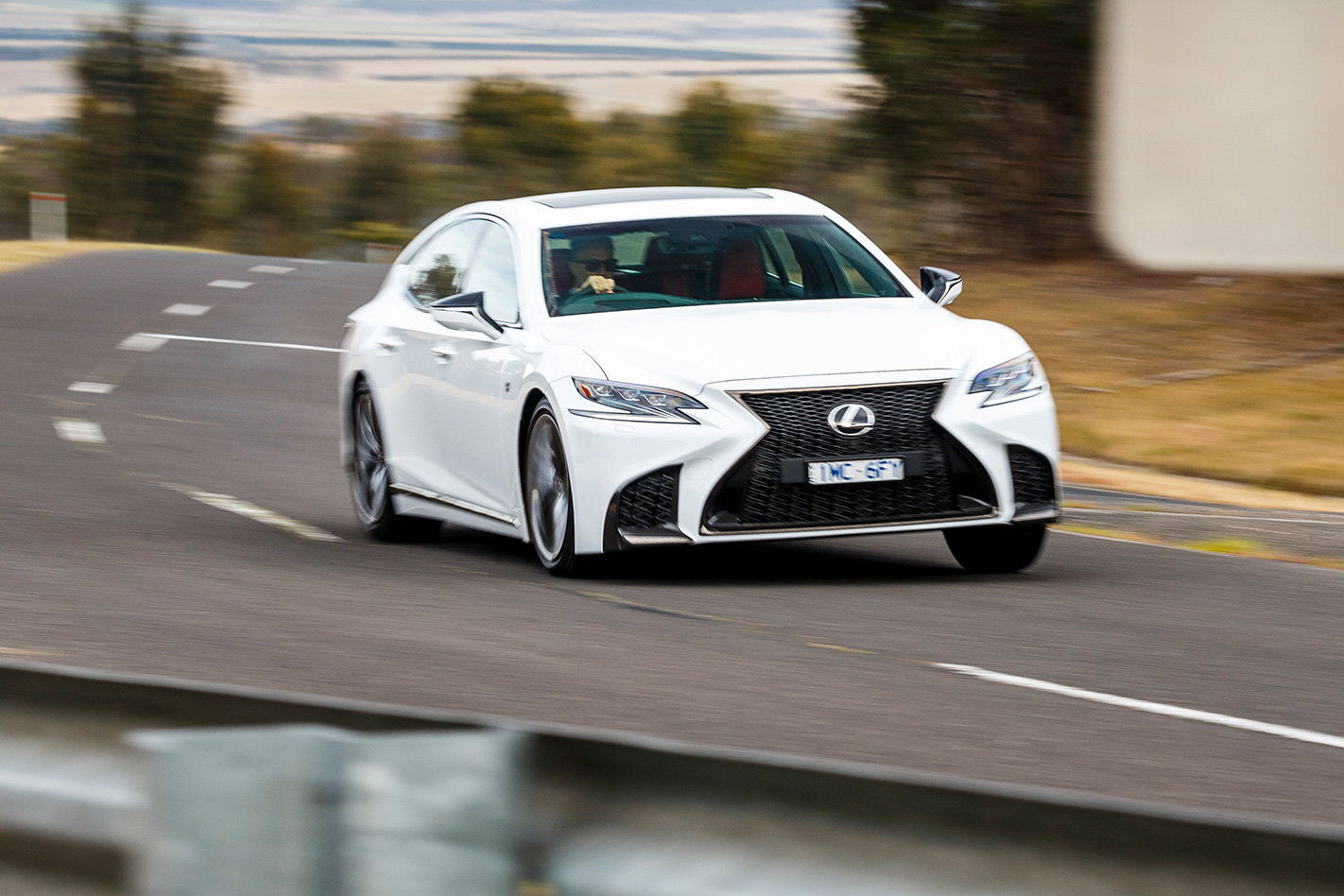
Longer and wider, yet lower and sleeker than ever before, the Lexus limo flagship returns in single-wheelbase guise, joining its LC coupe cousin in adopting the ‘GAL’ global longitudinal-drive ‘luxury’ version of the Toyota New Global Architecture. That means a switch to an all-new, far more rigid yet lighter aluminium/steel structure, offering a lower centre of gravity, better front/rear weight distribution and improved packaging.
With no V8s in sight, the 310kW LS500 introduces a fresh twin-turbo V6 and 10-speed auto to boost performance (0-100km/h in 5.0sec) yet slash consumption, while the 264kW LS500h pairs an atmo V6 and four-speed auto/CVT combo (true!) with an electric motor. Though 0.4s tardier to 100, it averages 6.6L/100km. In a 2.2-tonne limo.
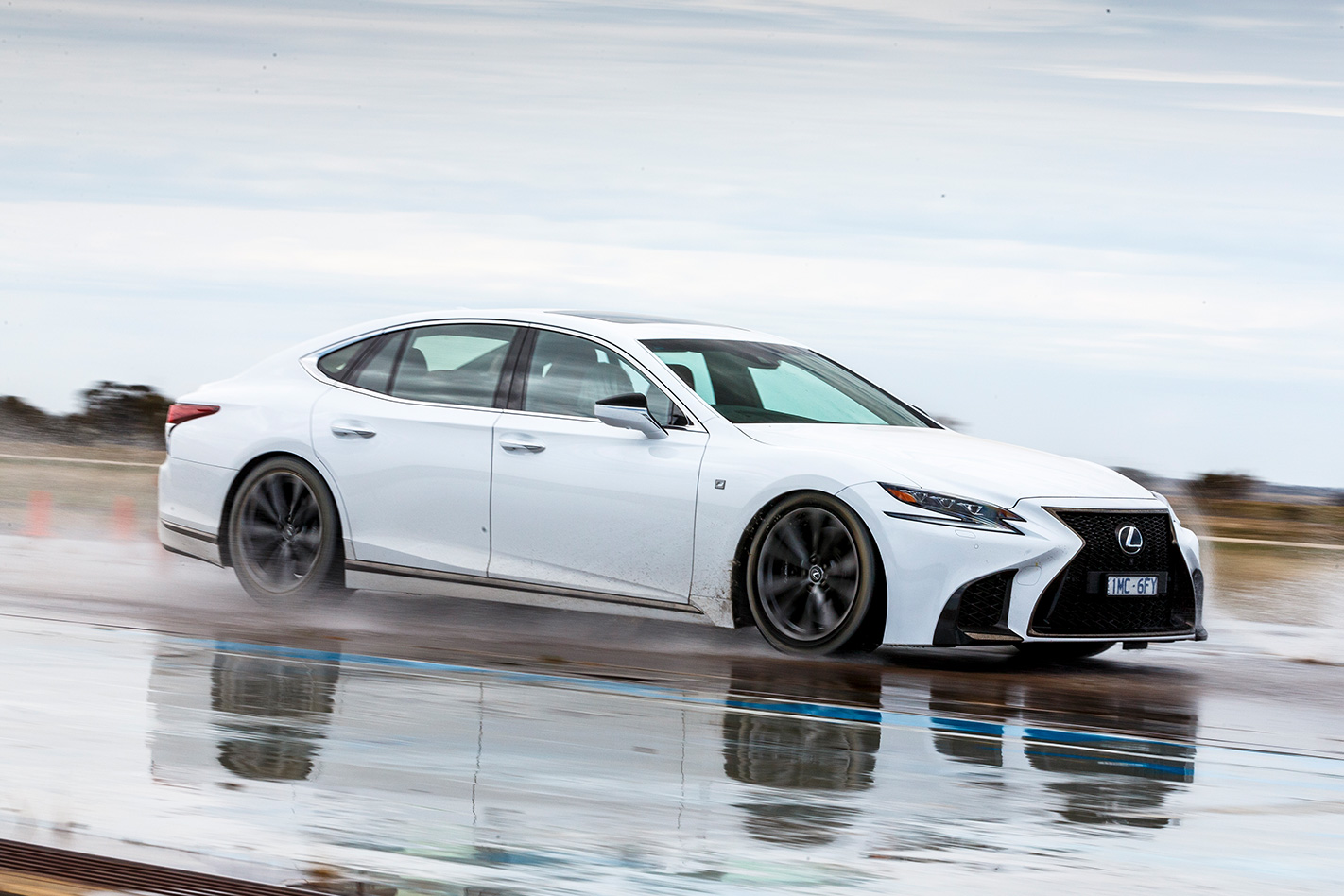
The better-selling LS500 continues with the peerless refinement the series is renowned for, but lacks the gnarly exhaust growl of old. Such serenity might be an issue, as the twin-turbo V6 leaps off the line and into triple-digits almost imperceptibly; your chauffeur better have a clean licence handy. Sadly, Lexus couldn’t lend us the hybrid for scrutiny.
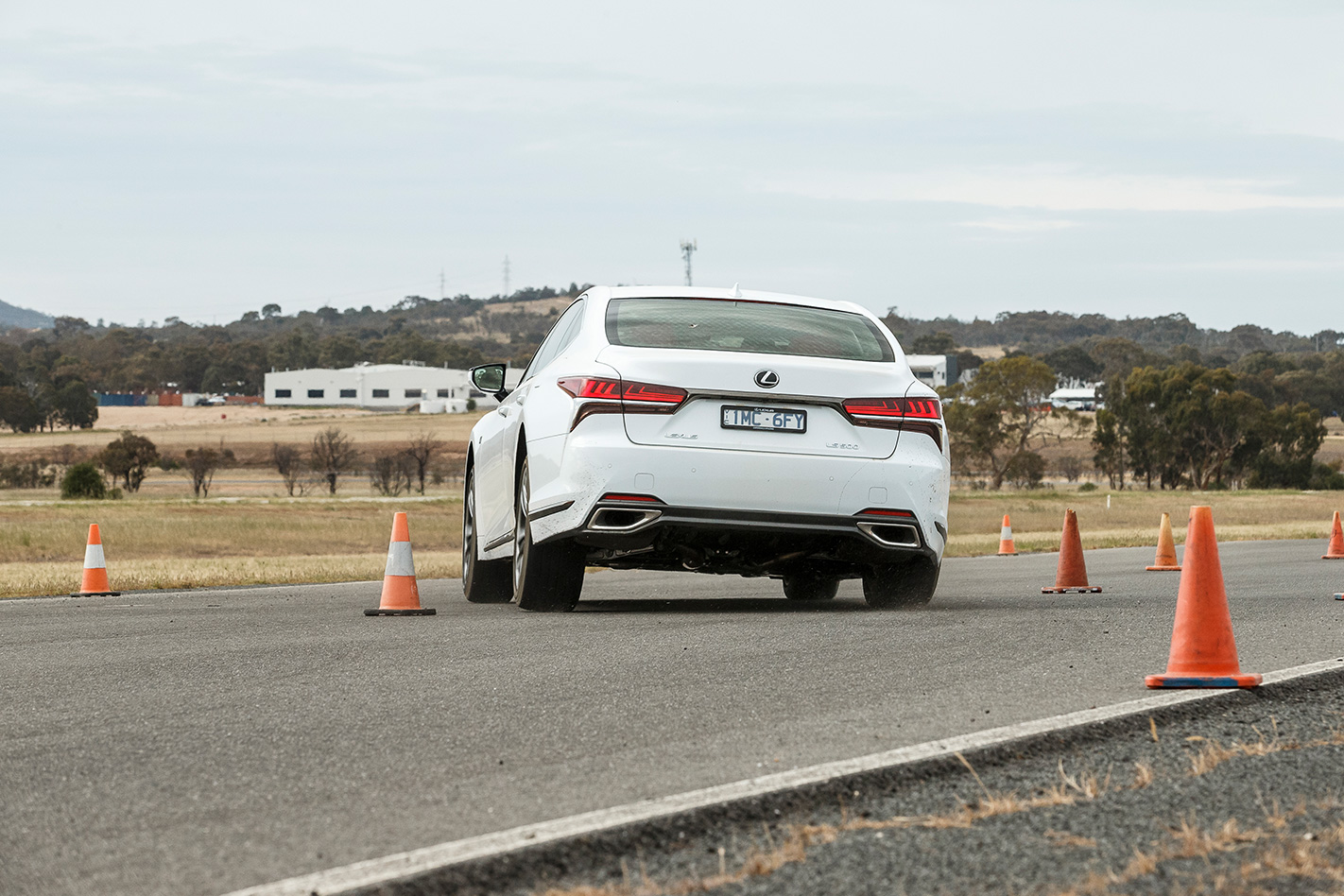
With multi-links at each corner and standard air suspension running on 20s, the Lexus’s ride also meets expectations, providing a cushy, rolly softness in Comfort, and planted, poised control in Sport+, revealing an unexpected bandwidth.
Unfortunately, the first corner brings a letdown. While measured and responsive, with pleasingly accurate handling and imperturbable roadholding, there’s zero steering feel, eroding the LS’s dynamic appeal. Even with our base F-Sport’s variable-gear-ratio helm, well-calibrated four-wheel steering and active anti-roll bars, feedback is limited.
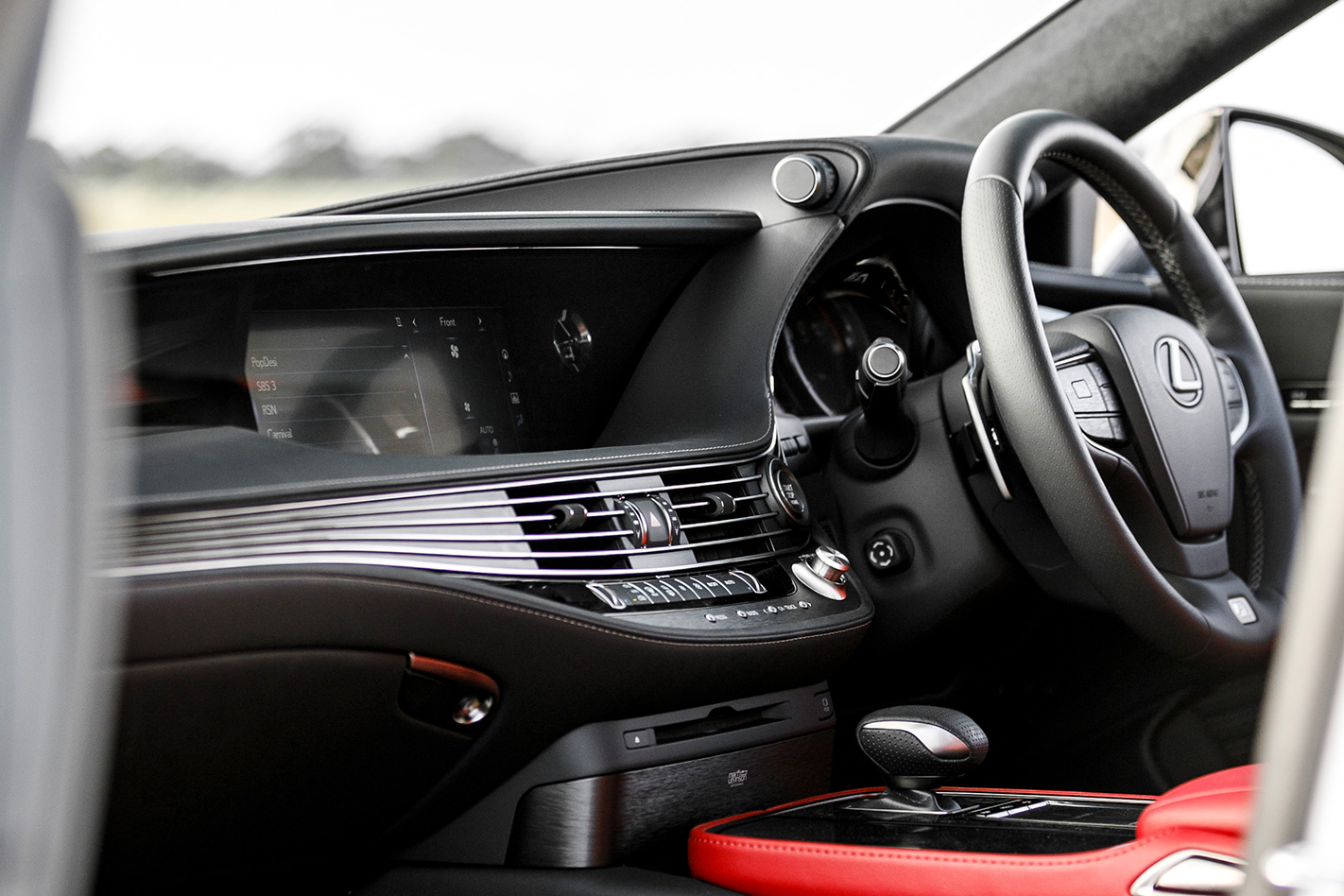
Oh well. There’s always the gorgeous, distinctive interior – arguably Lexus’s best yet – with daring, flowing shapes, extensive, exquisite detailing, bank-vault build, and gadgets galore. It’s spacious too, even with that lower roofline.
Needless to say, the cabin is a micro-climate of opulence and solitude from the outside world. And the $5K optional Sport Luxury ushers in a Shiatsu massage function and spot heaters, as part of the 22-way airliner-style rear recliners with ottomans. Rock-star spec!
Conversely, the multimedia graphics look dated, and some of the latest semi-autonomous tech isn’t available (yet). But the LS500h is $50K cheaper than the previous hybrid, as well as costing appreciably less than most rivals, spec-for-spec.

While 2019’s LS can’t boast the E-Class-eclipsing obsessive quality, cabin hush or kit of the silken V8-powered original, European manufacturers of full-sized luxury sedans need to sleep with their eyes wide open once more.
