
Car companies will normally renew their models after a few years to keep their ranges fresh, but sometimes cars stick around past the usual seven-or-so years.
Some cars are the equivalent of those 120-year-old monks who’ve lived a simple and healthy life. Other cars age less gracefully, and end up in more of a ‘pull the plug and end its misery’ kind of state.
This list features cars from both sides of the coin, but you might be able to guess which is more prominent.
Nissan R35 GT-R (entered production 2007)
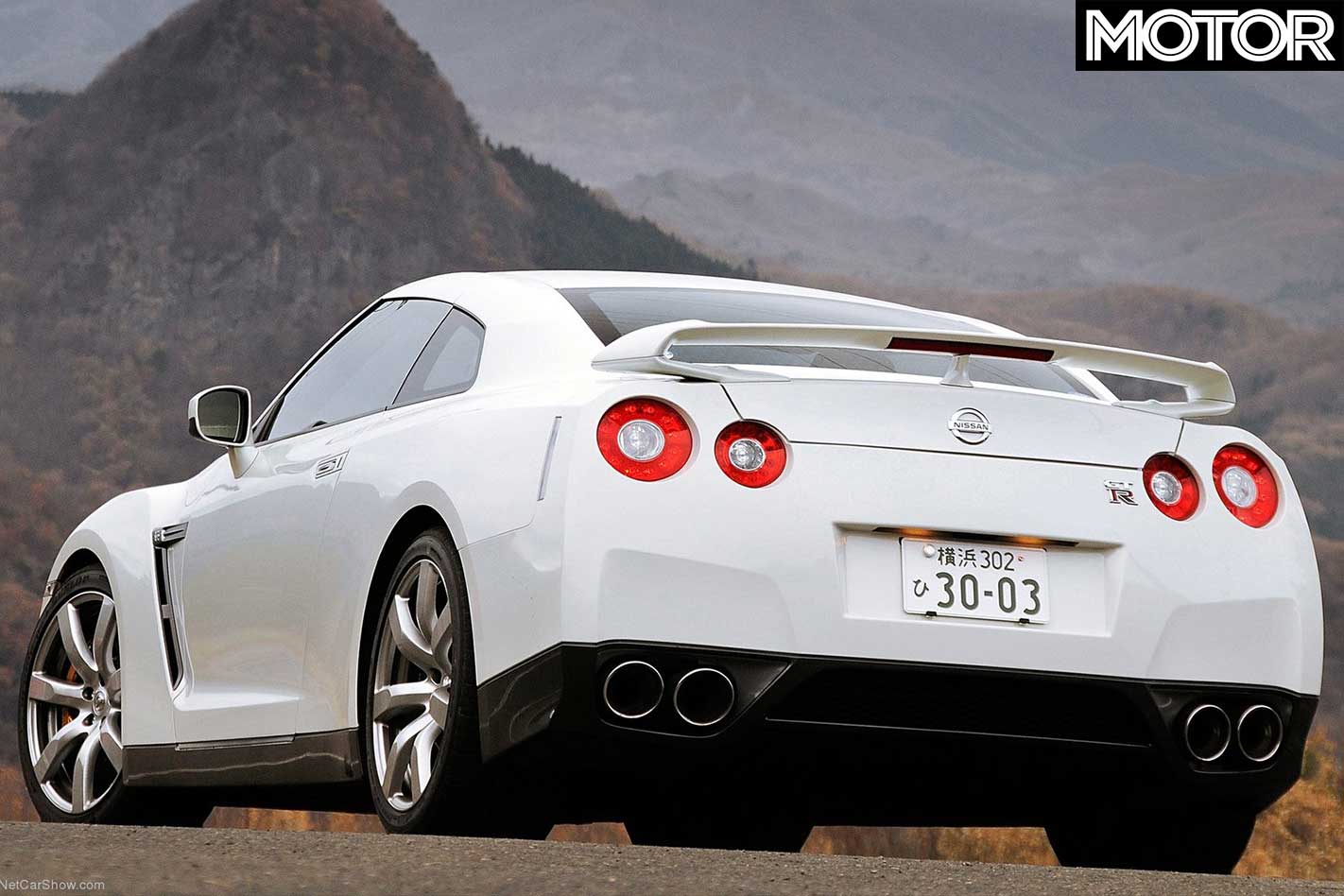
Since 2007, the GT-R has had minor updates and upgrades, but never an entirely new generation – it’s been called the R35 for more than a decade.
It’s aged incredibly gracefully in both exterior design and performance, but its interior still feels old despite a 2017 update.
The NISMO version of the GT-R placed fourth overall at PCOTY 2018, which does speak to the incredible engineering implemented into the car back at the start of its life.
Toyota 86/Subaru BRZ (2012)
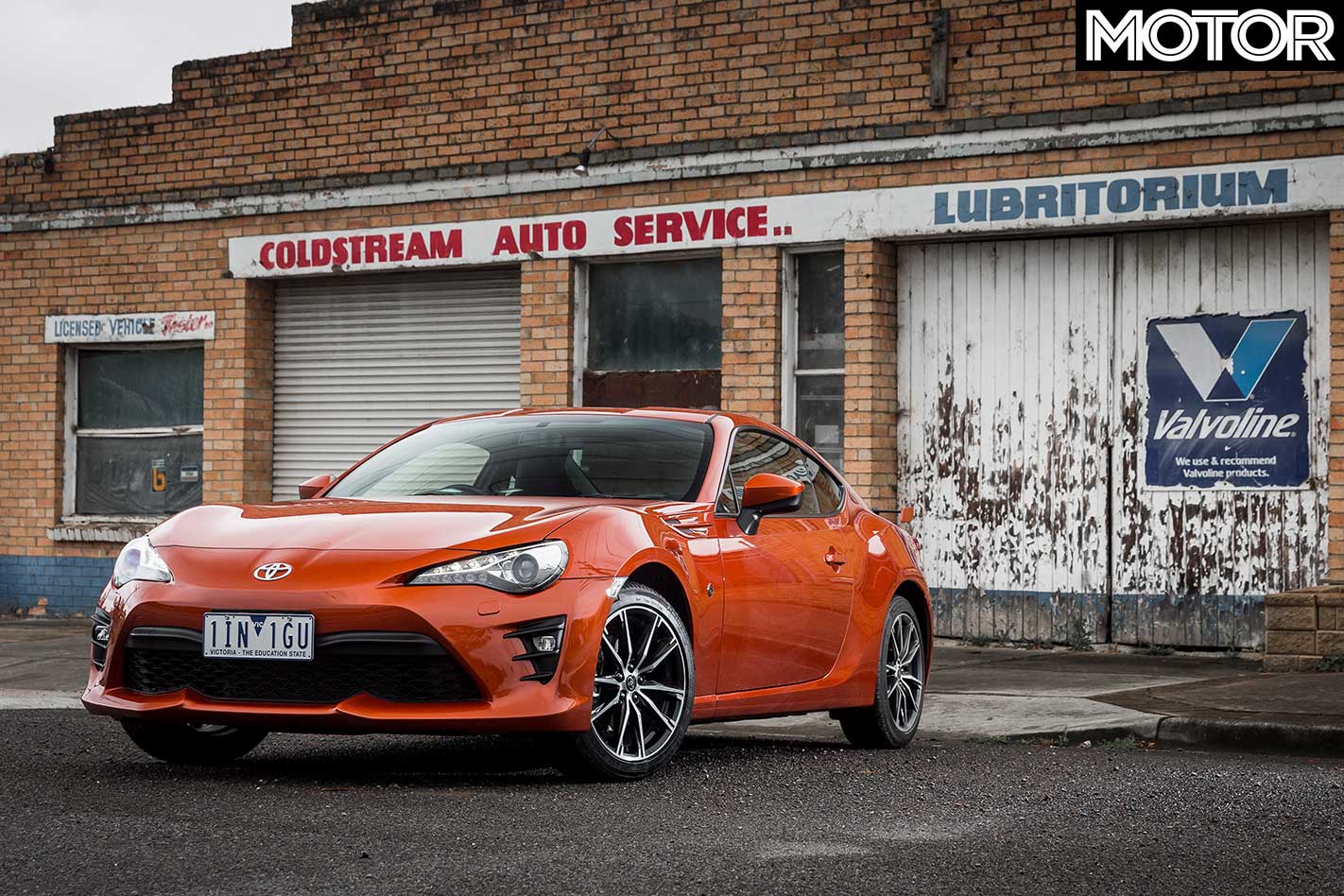
This is one of the younger cars on this list, but would normally be due for an update at this stage.
With production having kicked off in very early 2012, and with no end in sight (according to Toyota Australia), the modern ‘Hachi Roku’ has been an excellent entry point into the sports car market for young (or more casual) buyers.
We see no problem with it continuing that way, but we wonder if a new generation might be able to plug that rather large dip in the Subaru engine’s torque curve.
Chrysler 300 SRT (2011)
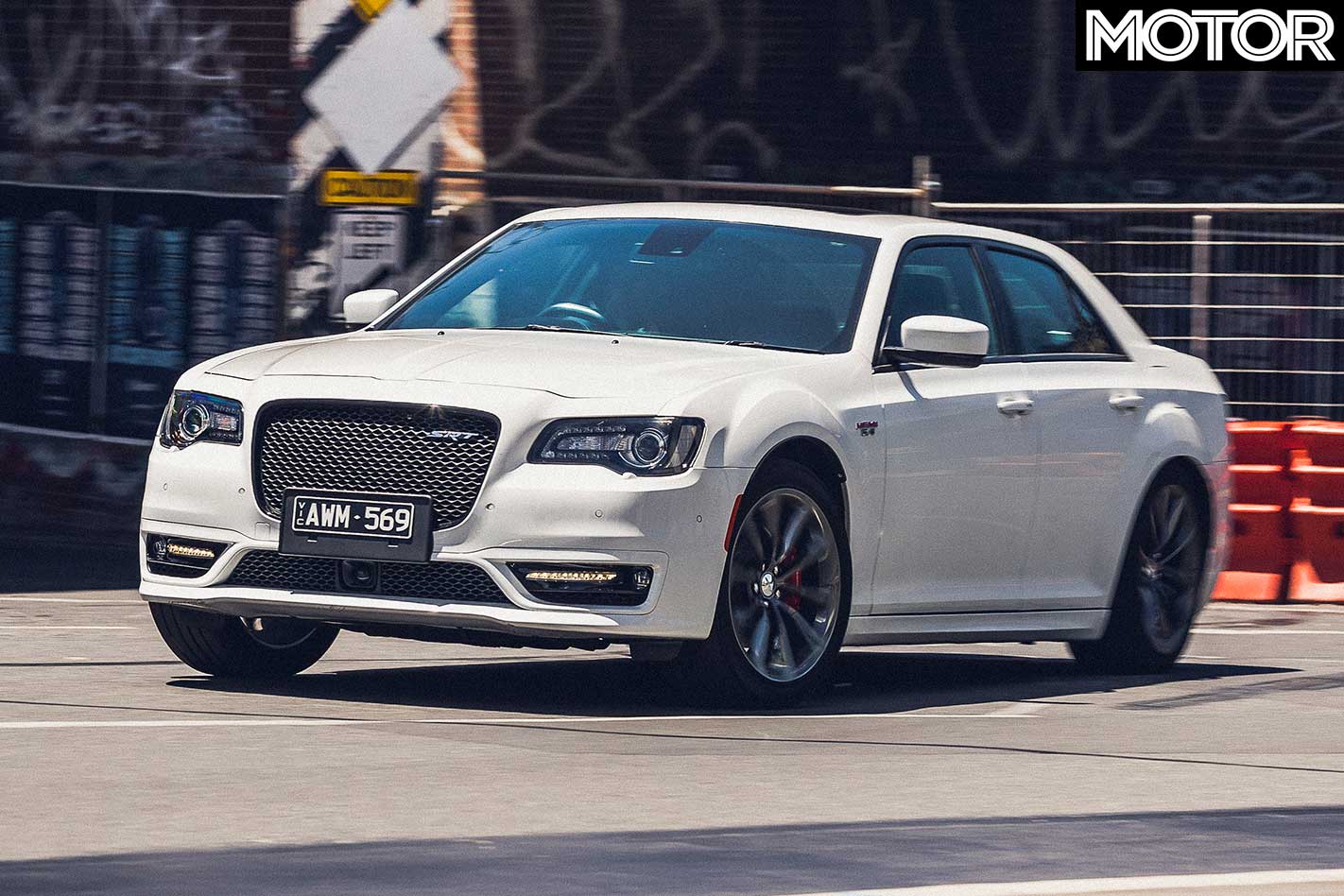
This one’s tricky. Not in that we’re doubtful of how old the 300 is, but that it’s difficult to decide which way to classify how old the current one is.
We’ll give it the benefit of the doubt and go by its newest generation, starting in 2011, but the basis for this car is essentially the same as its initial mid-2000s model. It did receive a facelift in 2015, but Chrysler goes by the same generation.
Fortunately, it’s still quick, comfy, and has all the presence you’ll need – audibly and visually.
Caterham 7 (1973)
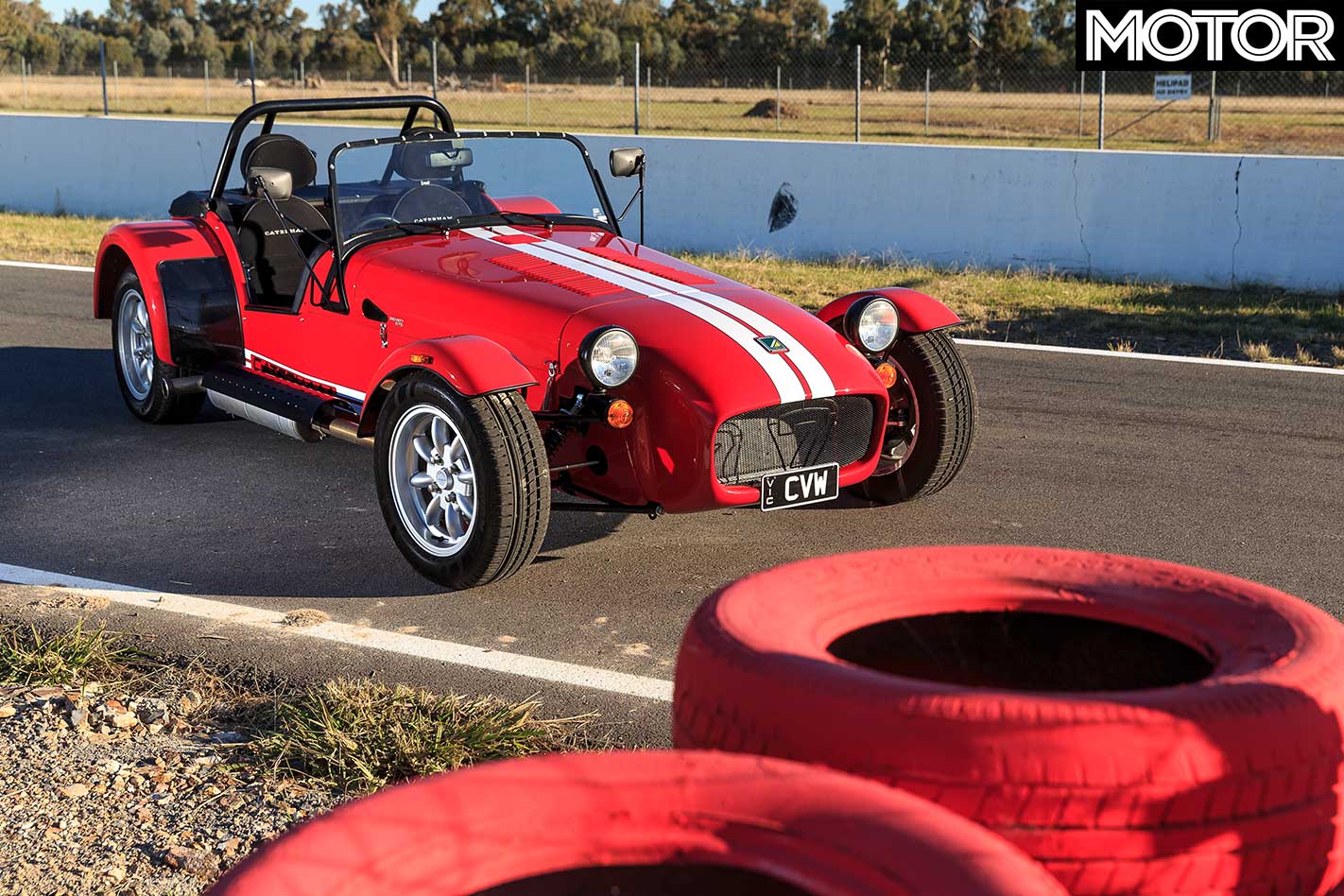
Not much has changed since the first of its kind was built by Lotus in the 1950s, but in the ‘70s the Caterham company was born to carry on the car in production form, rather than as Lotus kit cars.
The Caterham 7 still has no doors, no roof, and no electronic assistance. It does have an airbag now, though.
Engine providers have also changed. Where a mix of Ford and Rover engines once were used, the former now prevails.
Nissan 370Z (2009)
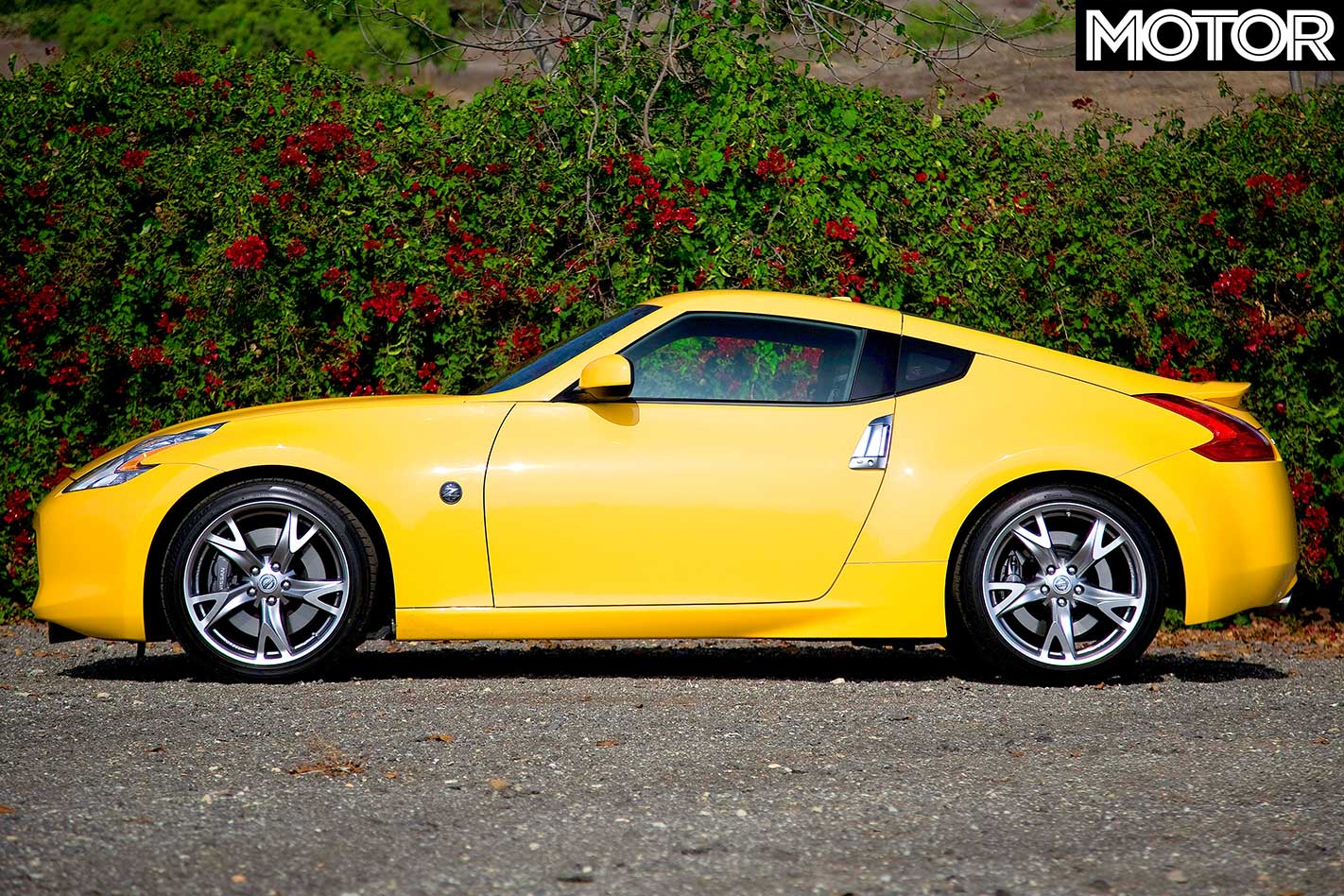
Nissan’s second entry into the list has aged perhaps less well than its supercar sibling, but still provides plenty of fun.
Though the Japanese Fairlady Z went on sale in 2008, Australia was treated to the 350Z’s successor in 2009. We wouldn’t see the Nismo version here for almost a decade, however.
A slightly agricultural engine and dated interior are the Zed’s major drawbacks, but it’s still a blast for those who can handle a little bit of old school.
Abarth 595 (2011)
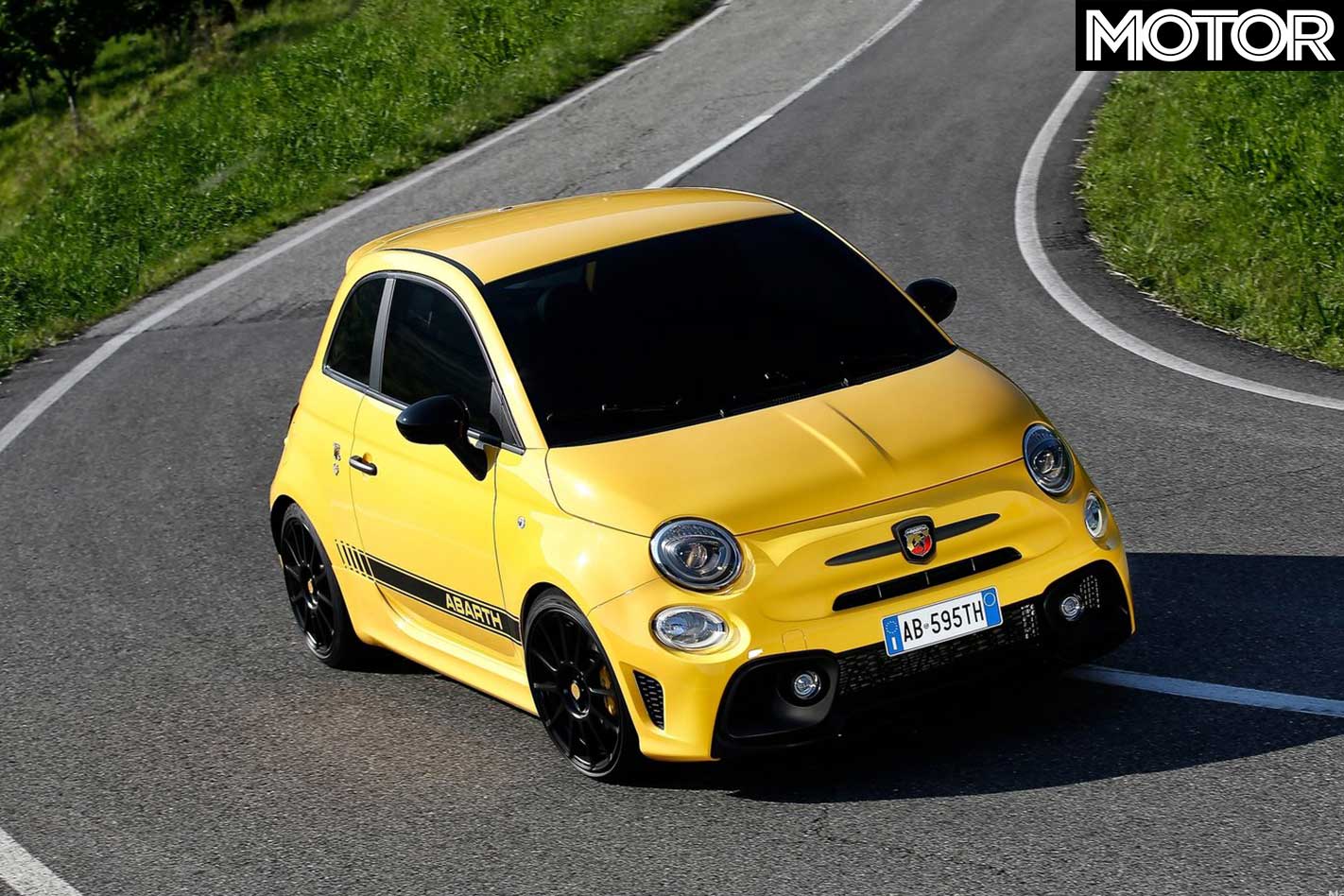
Speaking of old school….
A hot hatch based on the ancient (by modern standards) 2007 Fiat 500. It’s dynamically bizarre and too visually quirky to be a real volume seller, but like all cars it has its fans.
Recently, a 595 made its way through the MOTOR garage. It sounded amazing, but an optional racing seat reminded some staffers just how tall they are, and the rest felt taller than we are.
Swings and roundabouts, as they say.
Maserati GranTurismo (2007)
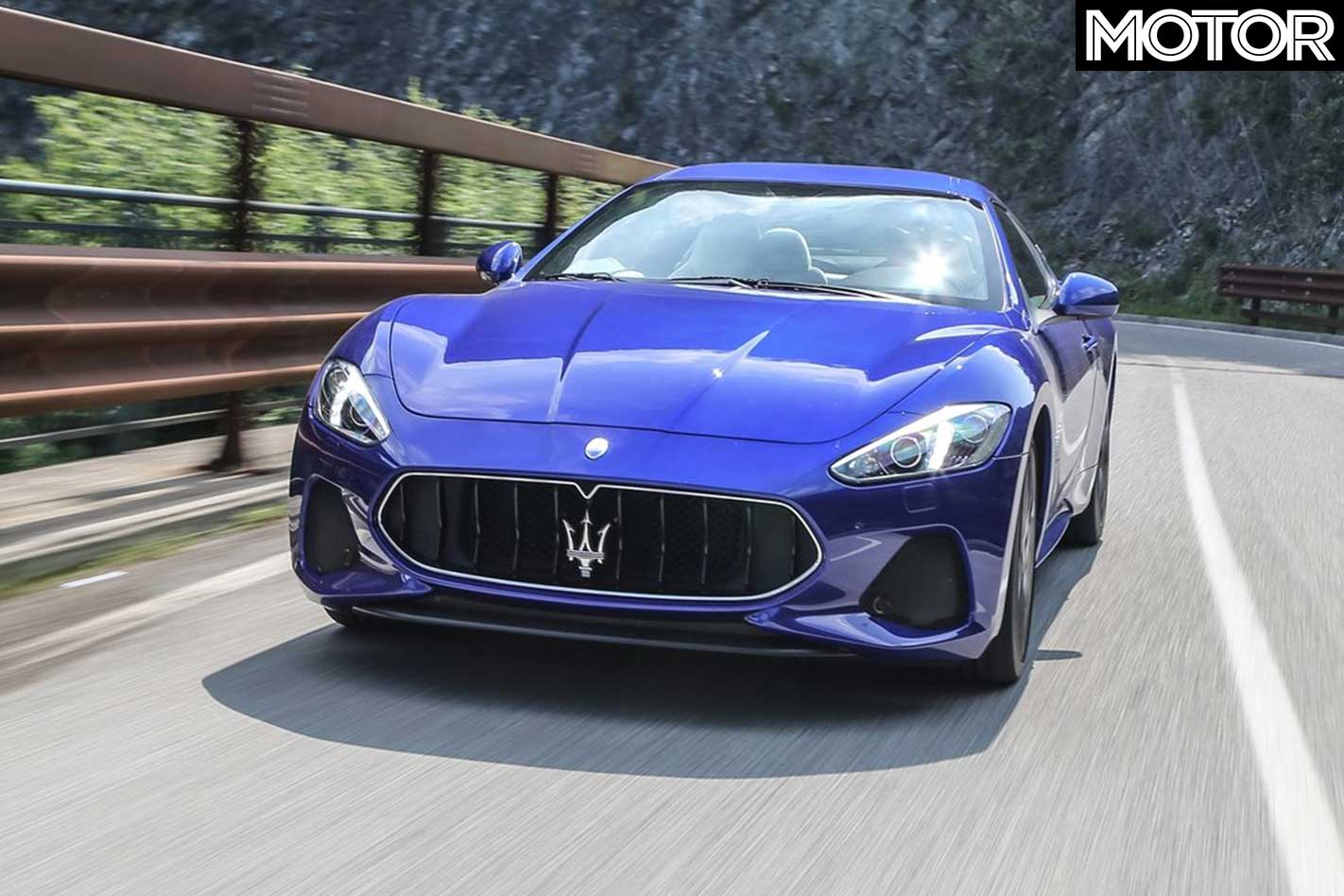
From a car that sounds like a supercar to one that’s loosely related to one.
A Ferrari V8 makes the ‘Maser’ sound incredible, but it doesn’t do wonders for performance figures. The Maserati GranTurismo makes more of a style statement than one of speed.
Sure, an AWD hot hatch would beat it to 100km/h, even with 338kW from a 3.7-litre V8, but a Golf R won’t sound as good doing it.
Lotus Elise (2001)
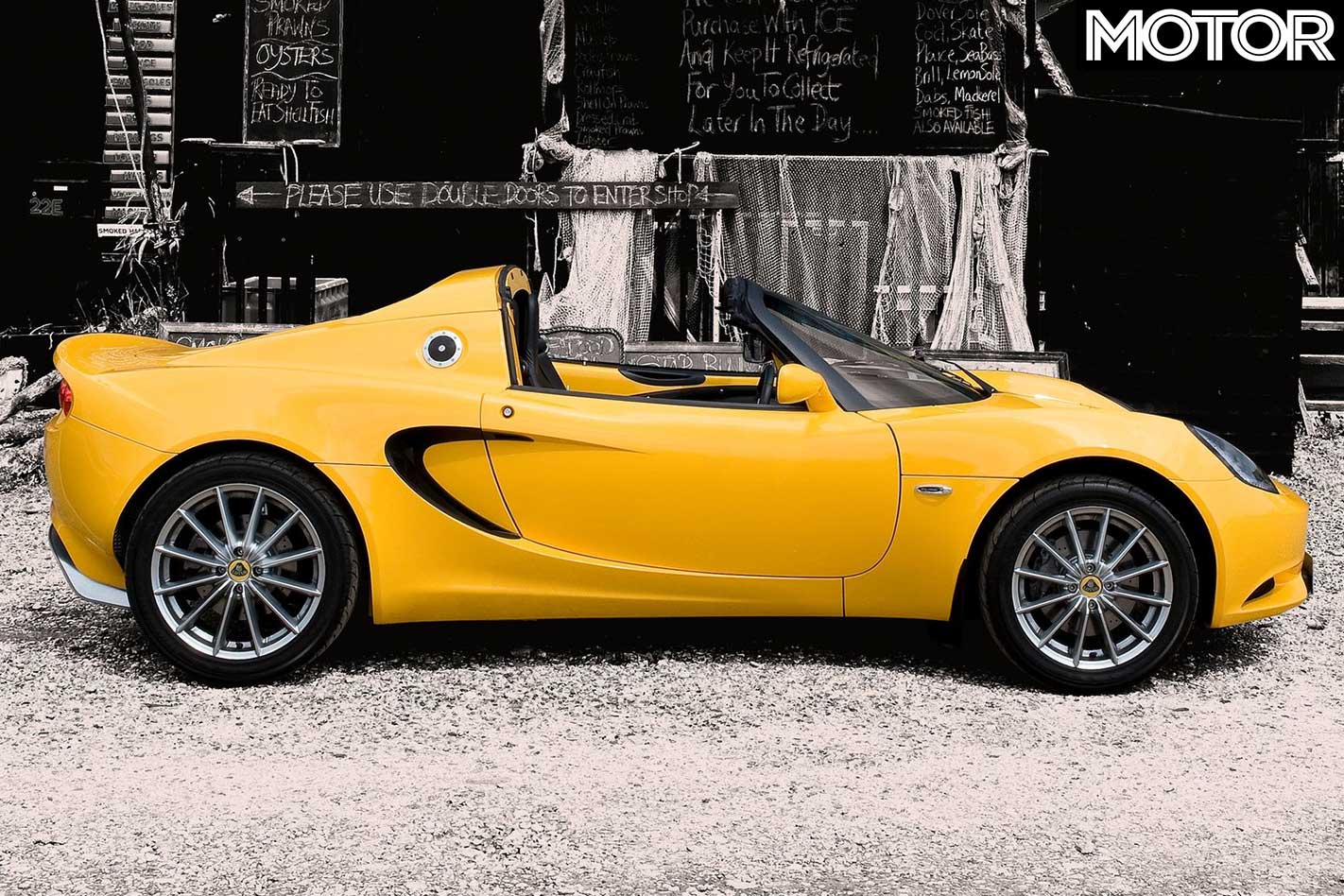
Another example of British simplicity ageing gracefully, the Elise’s chassis hasn’t changed much since its inception in 1996, but we’ll call it 2001 given a few changes to the car made its second series a little better.
Sure a third series has come along since (in 2011), but it was mainly a facelift, and most of the car’s performance-affecting aspects remained the same – including the chassis.
However, that’s not a bad thing, as it provides a unique driving experience unhindered by assistance and lacking in weight. It’s not often 162kW results in a sub-5 second 0-100km/h sprint, but a 904kg kerb weight certainly helps.
- New electric supercar concept from BYD
- Ex-Audi designer-led design team
- BYD’s E-Seed GT signals new ‘dragon face’
The most accomplished result since then is surely the classically proportioned gullwing supercar concept shown in China this week. The E-Seed GT is, of course, a little removed from BYD’s more workaday electric SUVs and crossovers, but it certainly shows ambition.

BYD E-Seed: made with a little help from ex-Ferrari and Merc men too
Yep, ex-Ferrari man JuanMa Lopez has become BYD’s global exterior design director and Michele Jauch-Paganetti – who formerly ran the specialist interior studio of Mercedes in Lake Como, Italy, before it shut down – has appropriately become BYD’s global interior design director.
Sounds like a veritable supergroup, and in many ways it is. Certainly, BYD is promoting the new team hard through multiple prints in hero mode on various walls of its very large exhibition show stand.
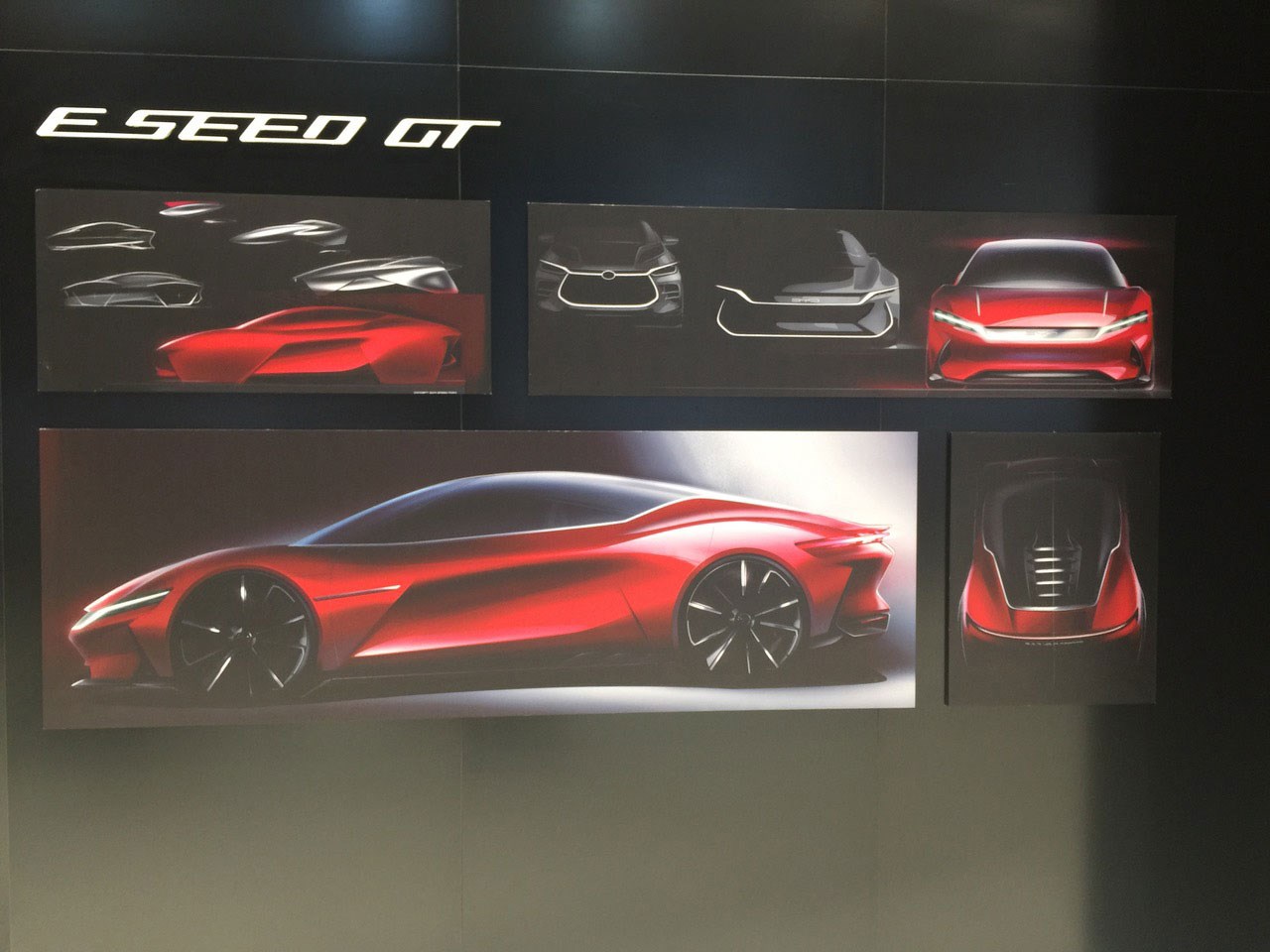
Okay, so what is the ‘dragon face’ connection?
Believe BYD’s hype machine and it will tell you the E-Seed GT has various dragon-influenced details from ‘headlights resembling “dragon whiskers”, a “dragon ridge” on its roof, tail and seats and “dragon-scale” features on its door panels.’ In summary, it’s very dragon-y.
To the more casual observer, it looks like a very smart supercar with great proportions and maturity in the surfacing you don’t always see from Chinese carmakers.
Judging by the sketches – the car was roped off when we visited so we couldn’t see inside, or know if indeed anything was inside on the full-scale model – the interior also looked on point, with three screens, a floating centre console and a retractable steering wheel.
It’s easy to like a gullwing supercar, but what’s its point?
That we’re less clear about, although BYD’s chairman did mention something about ‘China’s new energy vehicles having entered the “fast lane,”’ so it’s probably a symbol of that. We did see Egger briefly but he was being whisked between interviews so we didn’t get to find out more.
What we do know is that BYD claims to have been the top-selling global EV maker for the last four consecutive years, that it is also a big deal in trains and an even bigger one in battery making and that it helps creates fully-electric buses too, some of which have been on Transport for London’s fleet for some time.
The Wheels Verdict: It might not be the popular kid on the block, but Britain’s premium mid-size sedan is one of the best value propositions in the segment, despite some minor flaws.
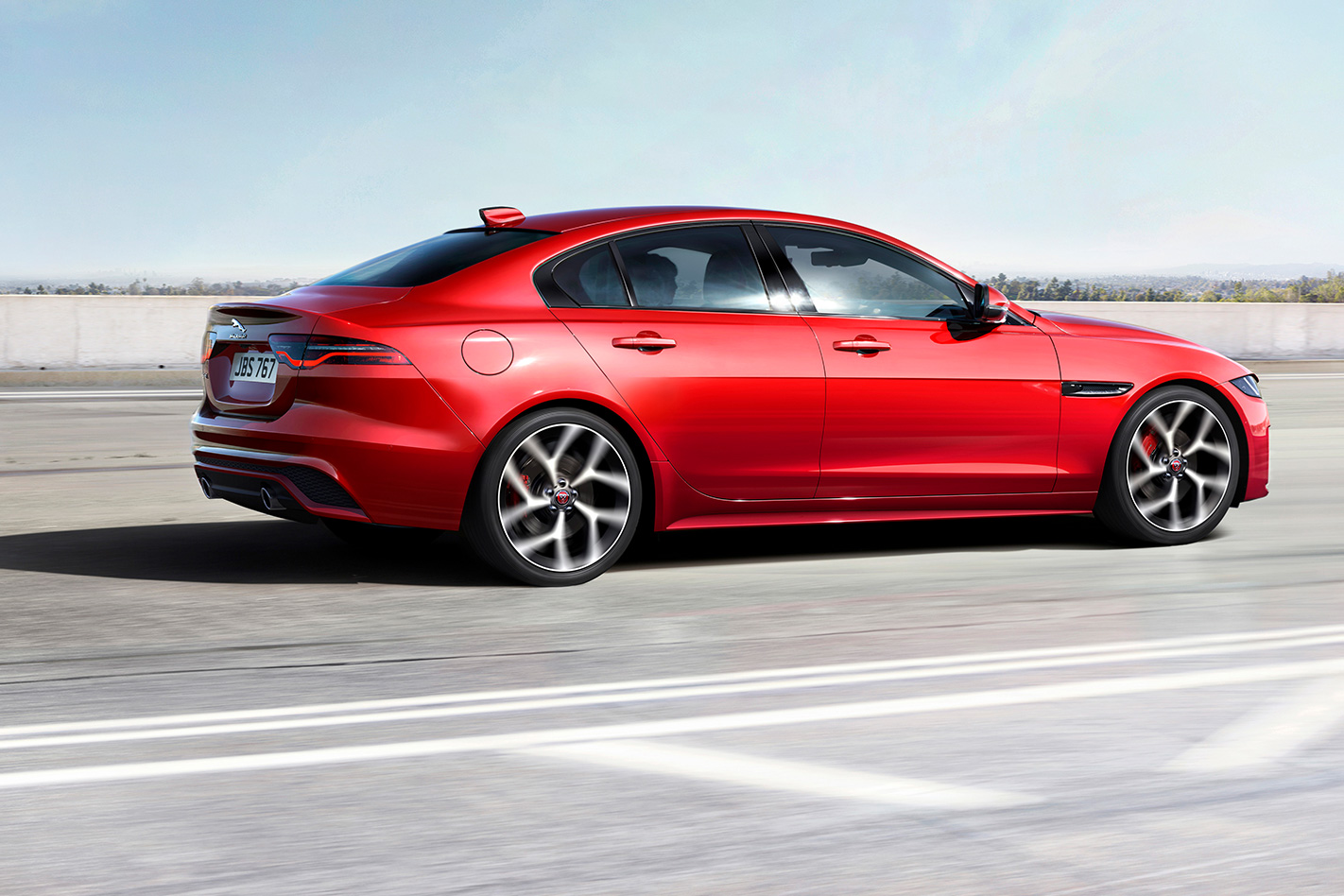
WHAT IS THE JAGUAR XE?
A British antidote to the German midsize sedan status quo, the XE follows the segment formula of a longitudinally-arranged engine up front, a five-seat cabin in the middle, and driven wheels at the rear.
WHY WE’RE TESTING IT
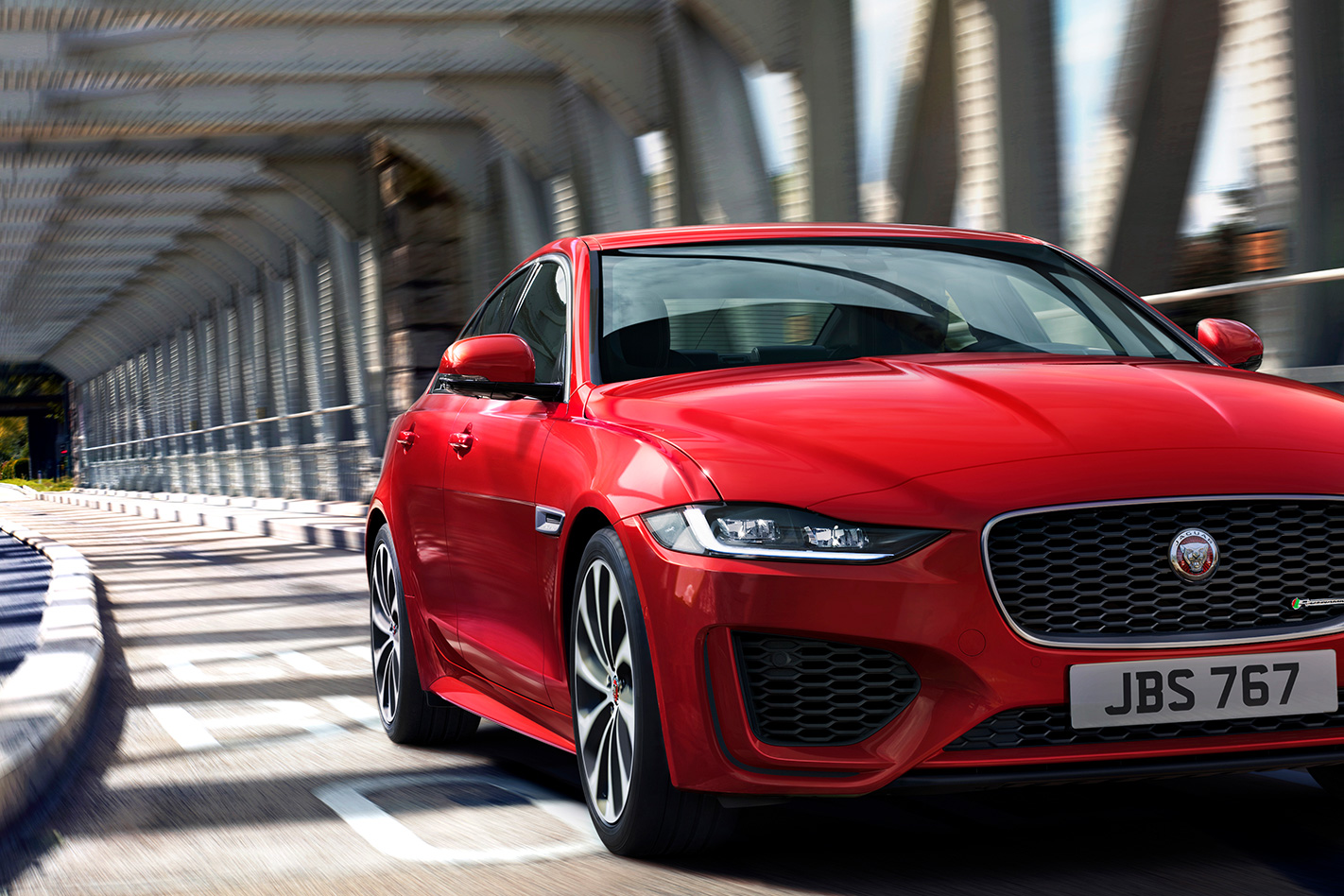
The XE has received its first major facelift, with a sharper and more aggressive exterior treatment on the outside and an extensive cabin re-fit on the inside. Mechanicals don’t see many alterations at all, but there’s more tech to play with and a nicer environment to sit in.
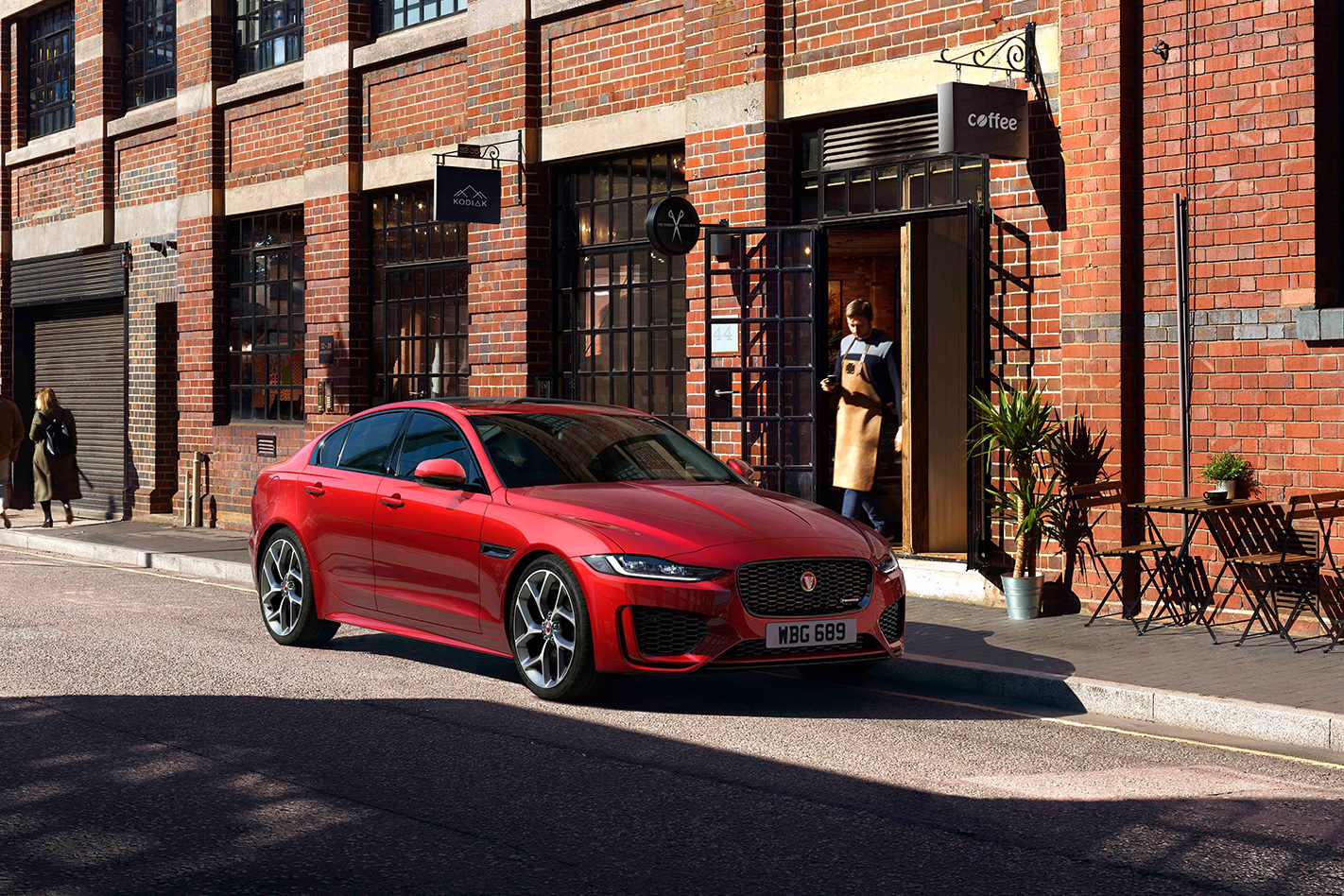
THE WHEELS REVIEW
There was never really anything wrong with the way the Jaguar XE drove – in fact, praise for its handling was almost universal. Good thing, then, that Jaguar has done precisely nothing to the mechanical package and suspension of its facelifted midsize sedan.
But while compliments for its on-road nous were plentiful, there was less love for what was on the inside – namely a cabin that lagged behind the competition for design and ergonomics. A crowded model lineup didn’t help its cause either, what with five grades spread across five powertrains making for a complex shopping experience.
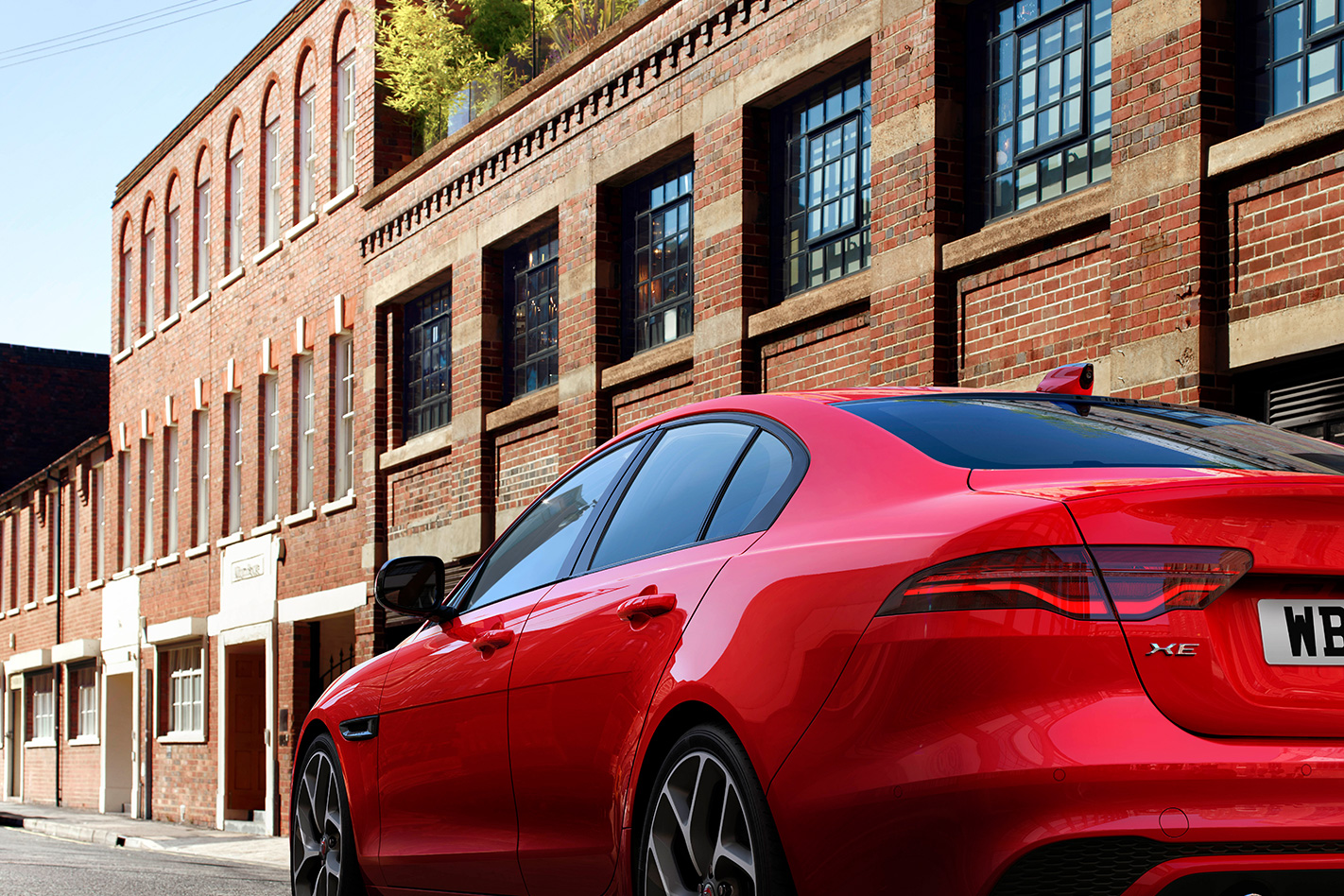
That’ll all be in the past come August, though, when the reworked XE arrives in Australia in a super-simple two-model lineup, bringing with it a cosmetically-enhanced snout and bum and a modernised cabin fit-out. Only one powertrain will be on offer too, the 221kW/400Nm 2.0-litre turbo four formerly known as the ’30t’ engine, now rechristened the ‘P300’. Yep, the lower-output petrols, diesels and, sadly, the yowling supercharged 3.0-litre V6 have all been shelved for our market.
Sad news for six-pot lovers, but the value offering should make up for it. The sporty-looking R-Dynamic trim is standard-issue now, and just two spec grades simplify the decision making process: choose either from the entry-level XE P300 R-Dynamic SE at $65,670, or the top-shelf XE P300 R-Dynamic HSE at $71,940. Australia opted not to take the boggo-spec S model that’ll open the range in Europe.
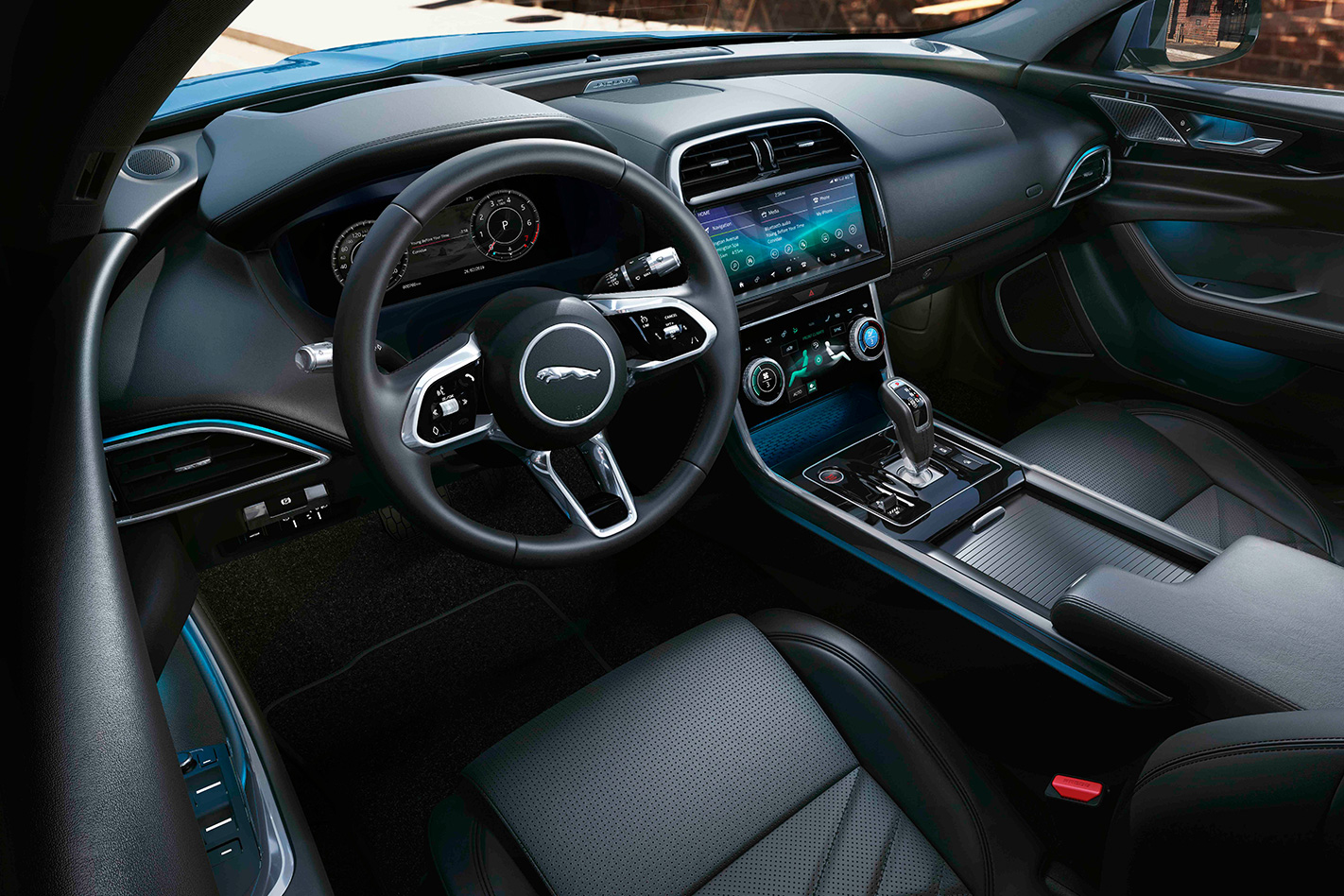
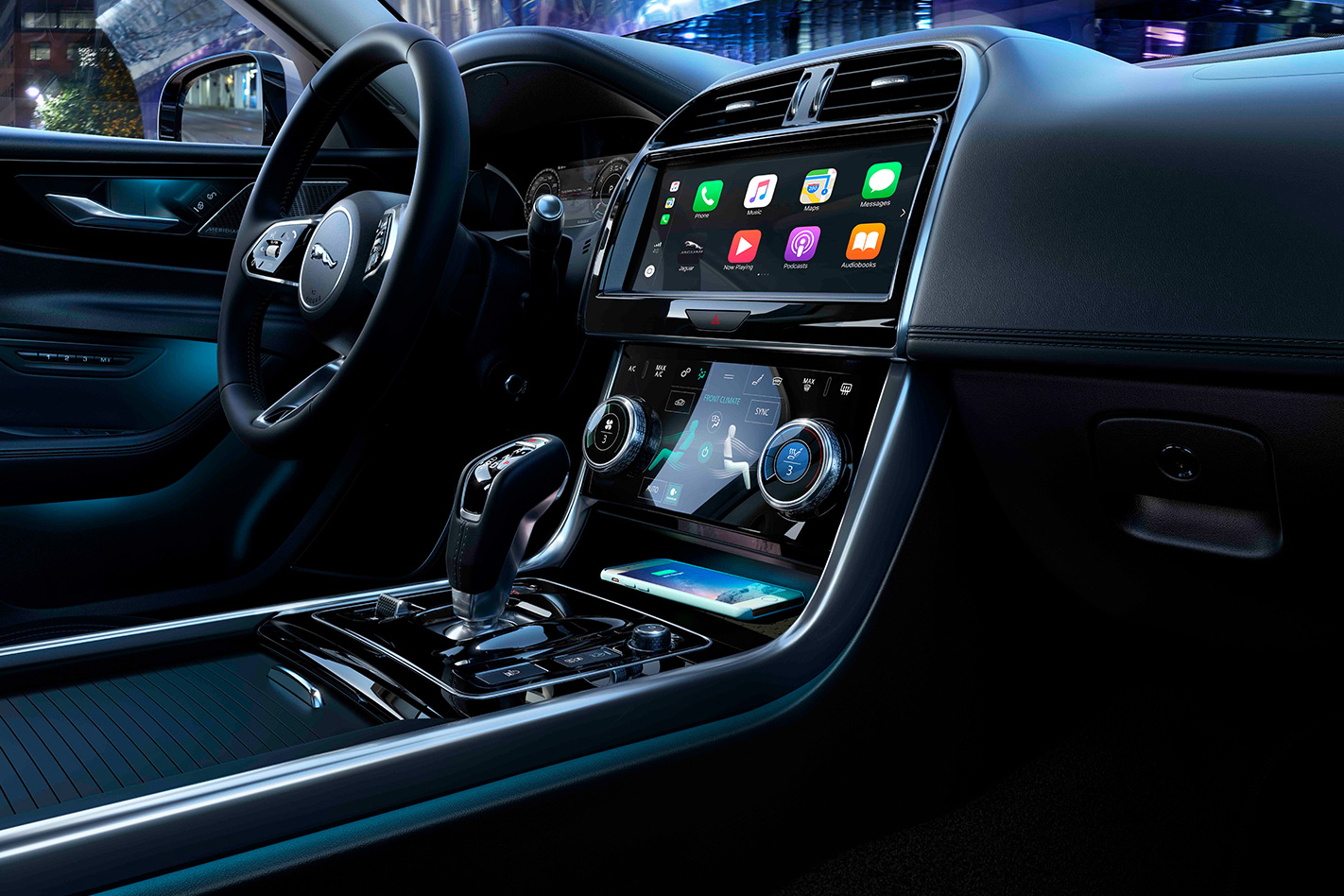
Is the step-up to HSE grade worth it? For your extra spend you get greater choice of upholstery and seating, plus niceties like an electrically-adjustable steering column, 16-way adjustable heated front seats (versus 12-way in the SE), and 19-inch alloys as standard in lieu of the SE’s 18s. An 11-speaker sound system is also standard on HSE, and comes coupled to Jaguar’s snazzy Touch Pro Duo infotainment system, which stacks two 10-inch screens on the centre console. The SE gets the same software, but just a single 10-inch screen.
The HSE also brings a safety advantage, with blind spot assist, adaptive cruise control and high-speed AEB becoming standard.
But does the facelift move the XE along far enough to keep pace with new arrivals, namely BMW’s impressive new 3 Series?
Dynamically and mechanically there’s little to report – the updated XE drives just as well as the pre-update did, with sharp and incisive steering and an authoritative front-end that makes it one of the better corner-carvers in the segment. Ride quality, even on the 20-inch wheels of the cars we tested in France, is also surprisingly good, though predictably brittle on urban speed bumps and the like.
It’s definitely easier to live with, however. Those troublesome double-decker door cards have been binned in favour of a more conventional arrangement of grab handles and switch blocks, the pistol-grip gear selector replaces the nonsensical rotary dial, and the infotainment upgrade definitely modernises the XE’s interior by a great deal – though not by the amount necessary to put it on even pegging with BMW or Audi rivals.
Rather, the freshened-up XE’s most compelling attribute is value for money. For the money paid, the power, drive and equipment delivered by the P300 XE range is hard to equal.
JAGUAR XE PRICE AND SPECS AUSTRALIA
- Model: Jaguar XE P300 R-Dynamic SE
- Engine: 1997cc four-cyl dohc turbo petrol
- Max power: 221kW @ 5500rpm
- Max torque: 400Nm @ 1500-4500rpm
- Transmission: 8-speed automatic
- Weight: 1523kg
- 0-100km/h: 5.9 seconds (claimed)
- Economy: 6.7L/100km (claimed)
- Price: $65,670
- On sale: TBA
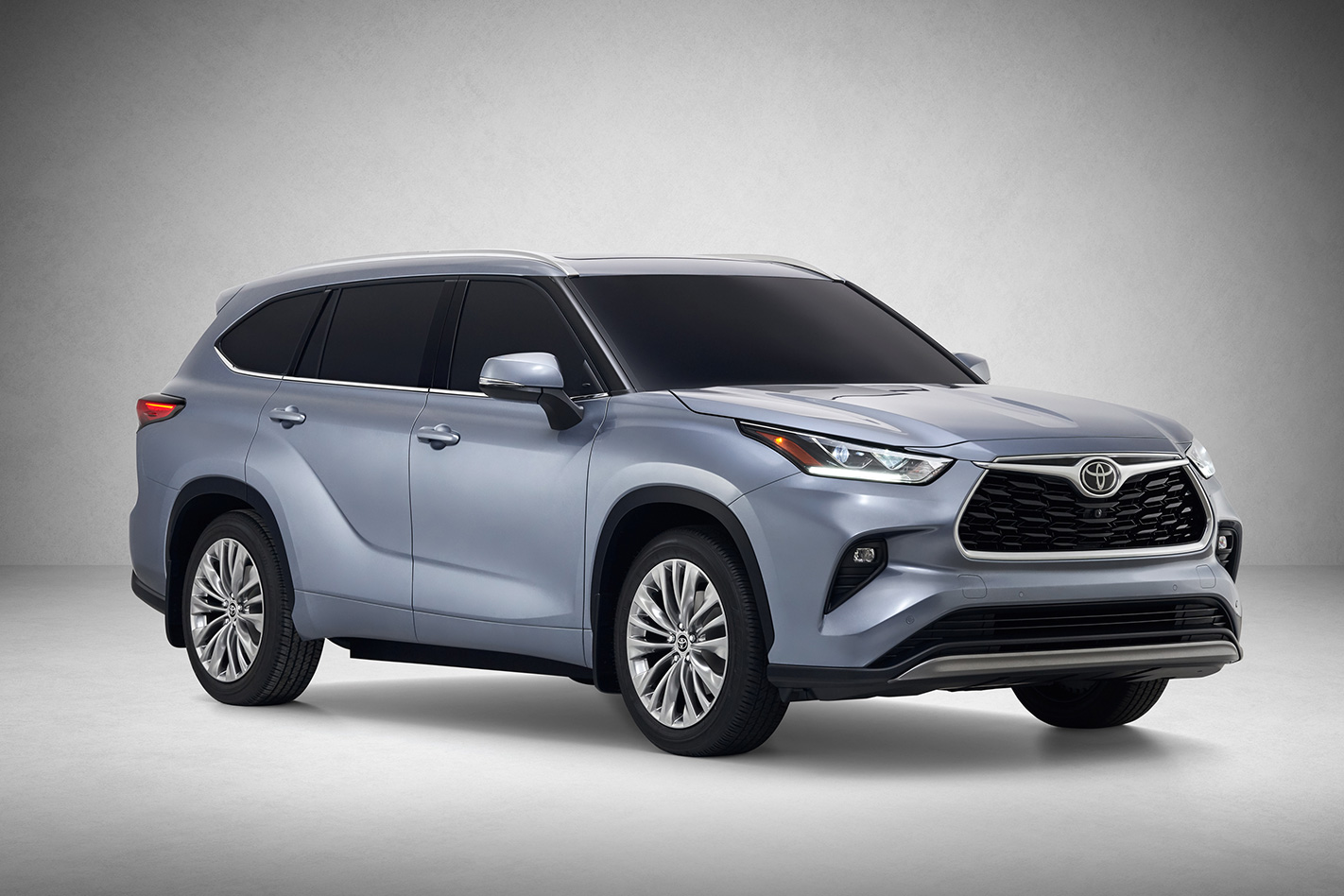
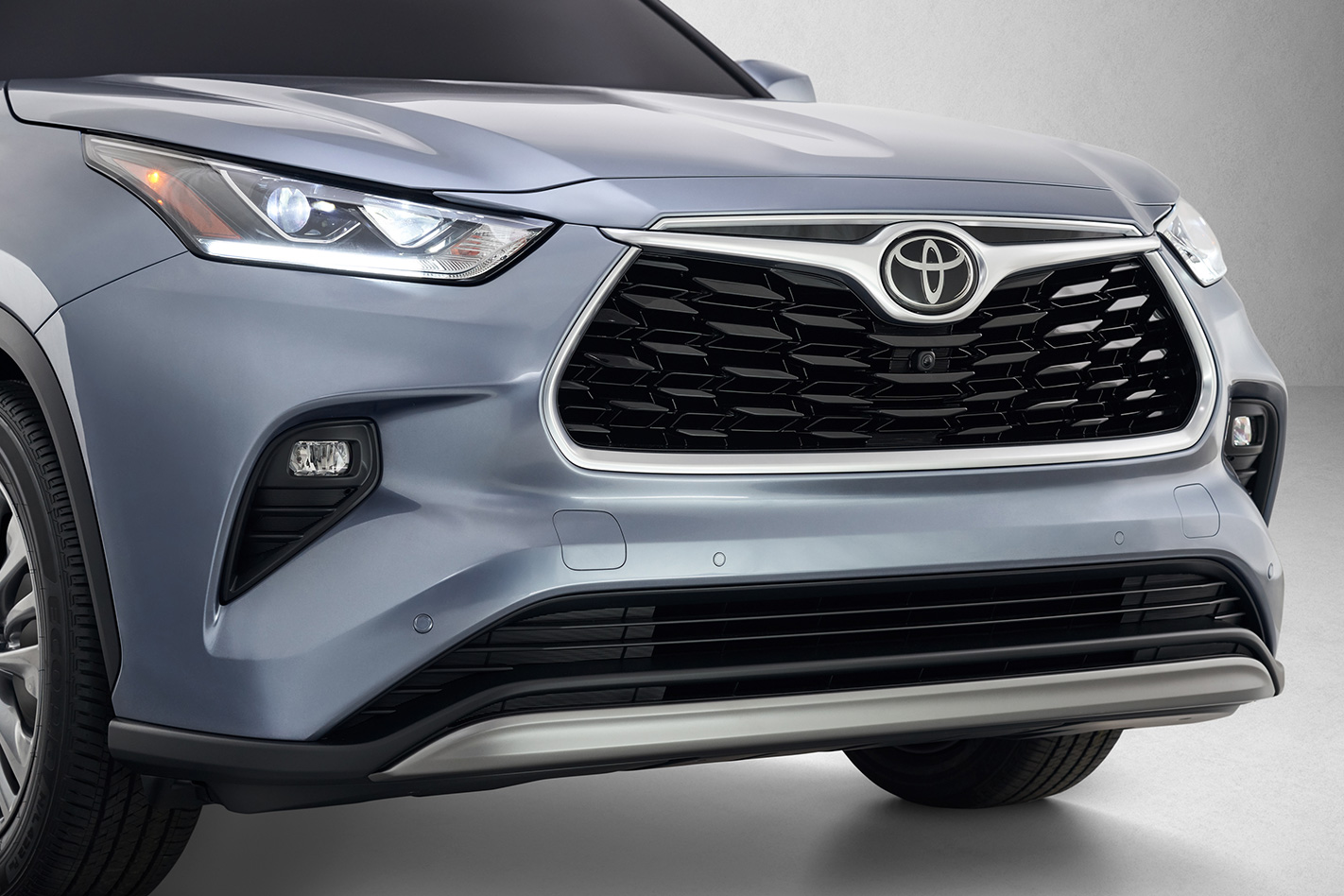
THE TOYOTA Kluger has long been one of Australia’s unsung heroes. The seven-seater is one of the biggest selling family SUVs, registering over 170,000 sales here since 2003 and those sales have steadily trended upwards, the Kluger claiming top spot among large SUVs in 2018, when it shifted 14,743 units. Toyota has whipped the hanky off the latest fourth-generation model at the New York motor show and it’s fair to say that the changes are all-encompassing.
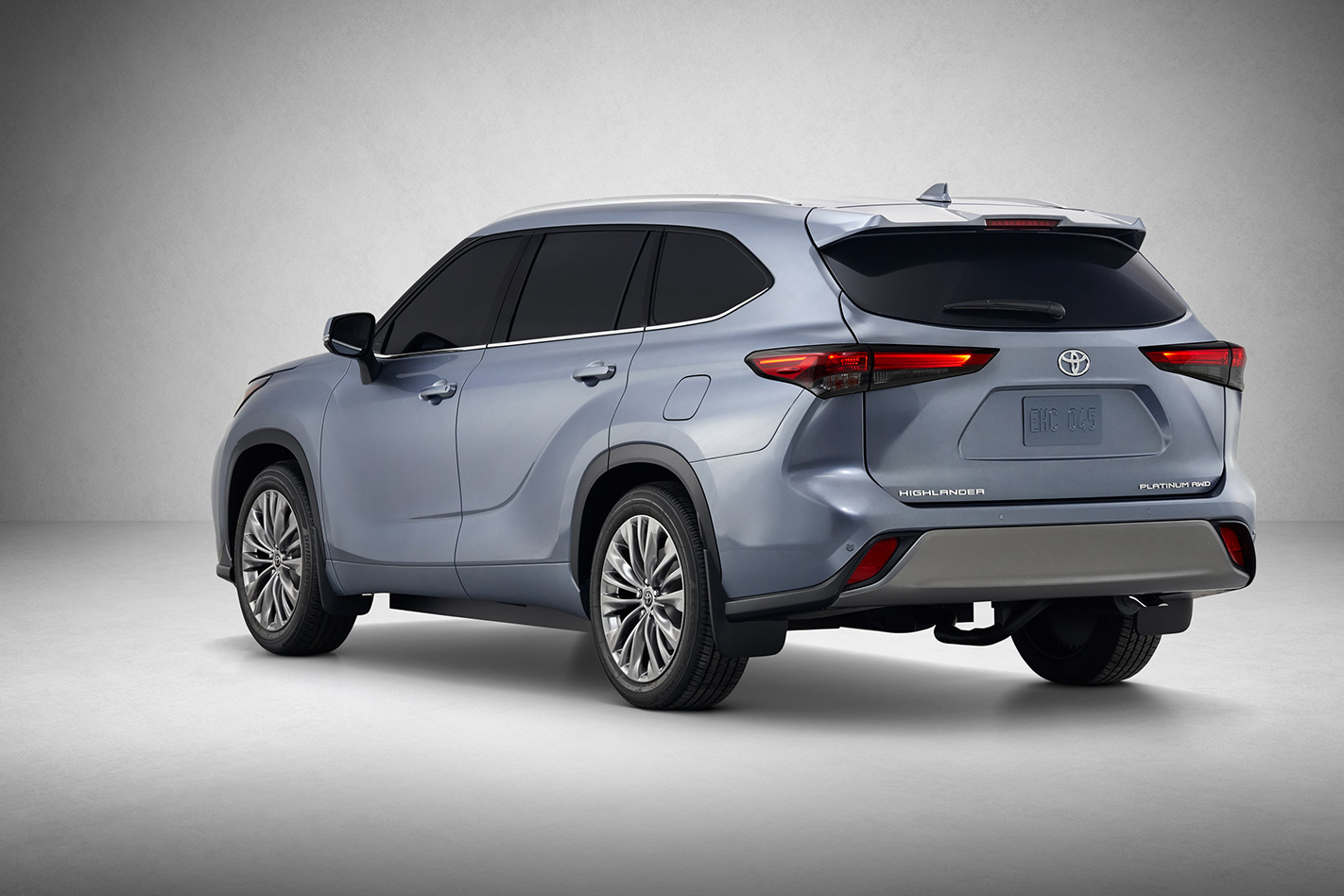
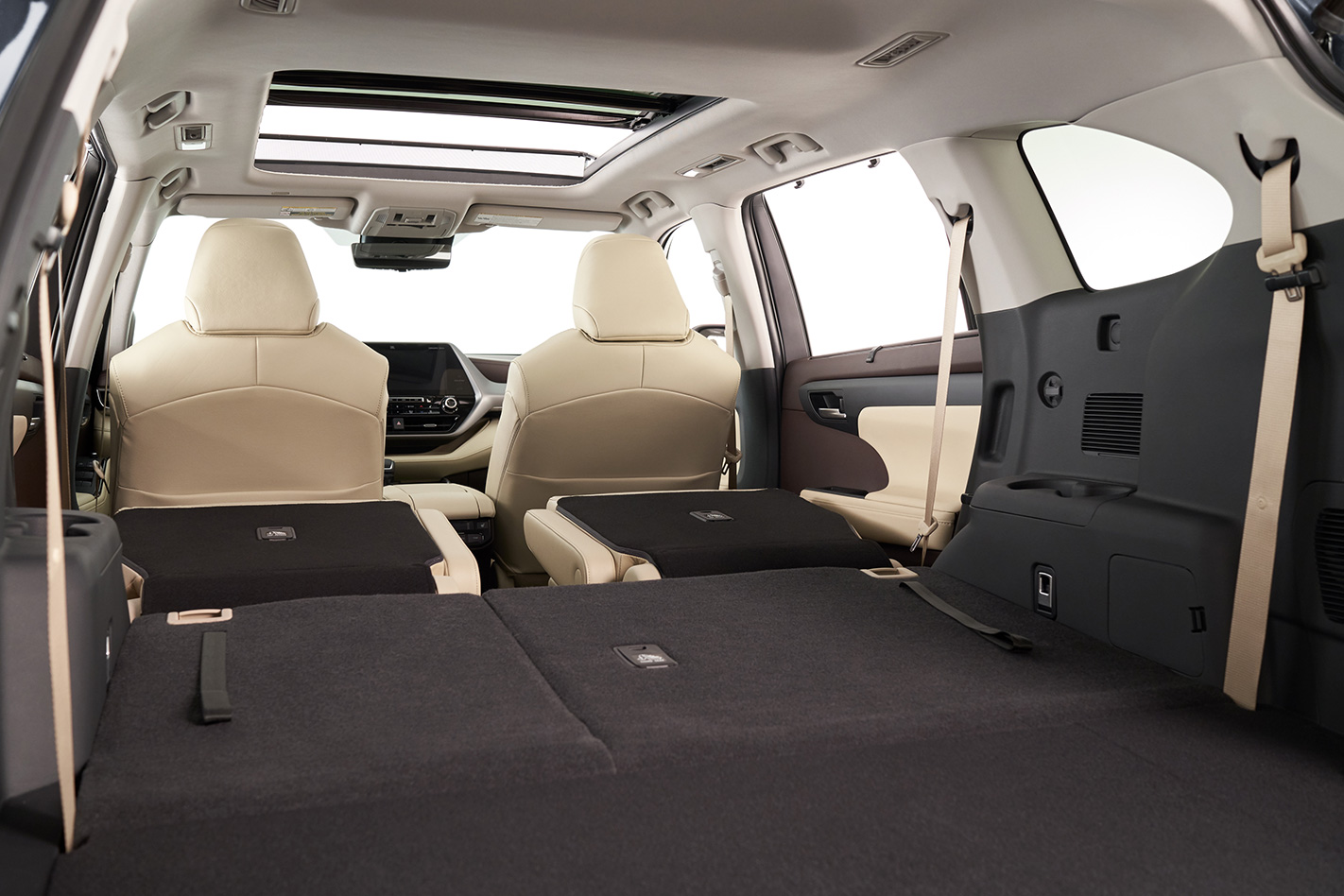
The US-built model will arrive here in 2020 and runs on a version of the clever modular TNGA-K chassis that underpins the latest RAV4. In this stretched guise, the Highlander offers 30mm of additional interior length compared to its predecessor, with legroom in the second and third rows prioritised. A longer rear overhang helps contribute to a 60mm growth in overall length and 455 litres of luggage space. In other words, you might need to measure your garage before signing on the dotted line.
More importantly, the Kluger will be offered not only with a V6 petrol powerplant, but will also receive a petrol-electric hybrid powertrain so that buyers can have the smoothness and efficiency of a petrol engine with the sort of economy that would once have had them turning to diesel power. It’s part of a hybrid product assault that sees the Prius-inspired tech roll out further across the range. Expect to see the hybrid version of the new RAV4 for Australia as well as battery-assisted versions of the C-HR compact SUV, the Corolla sedan, and the facelifted Yaris city car.
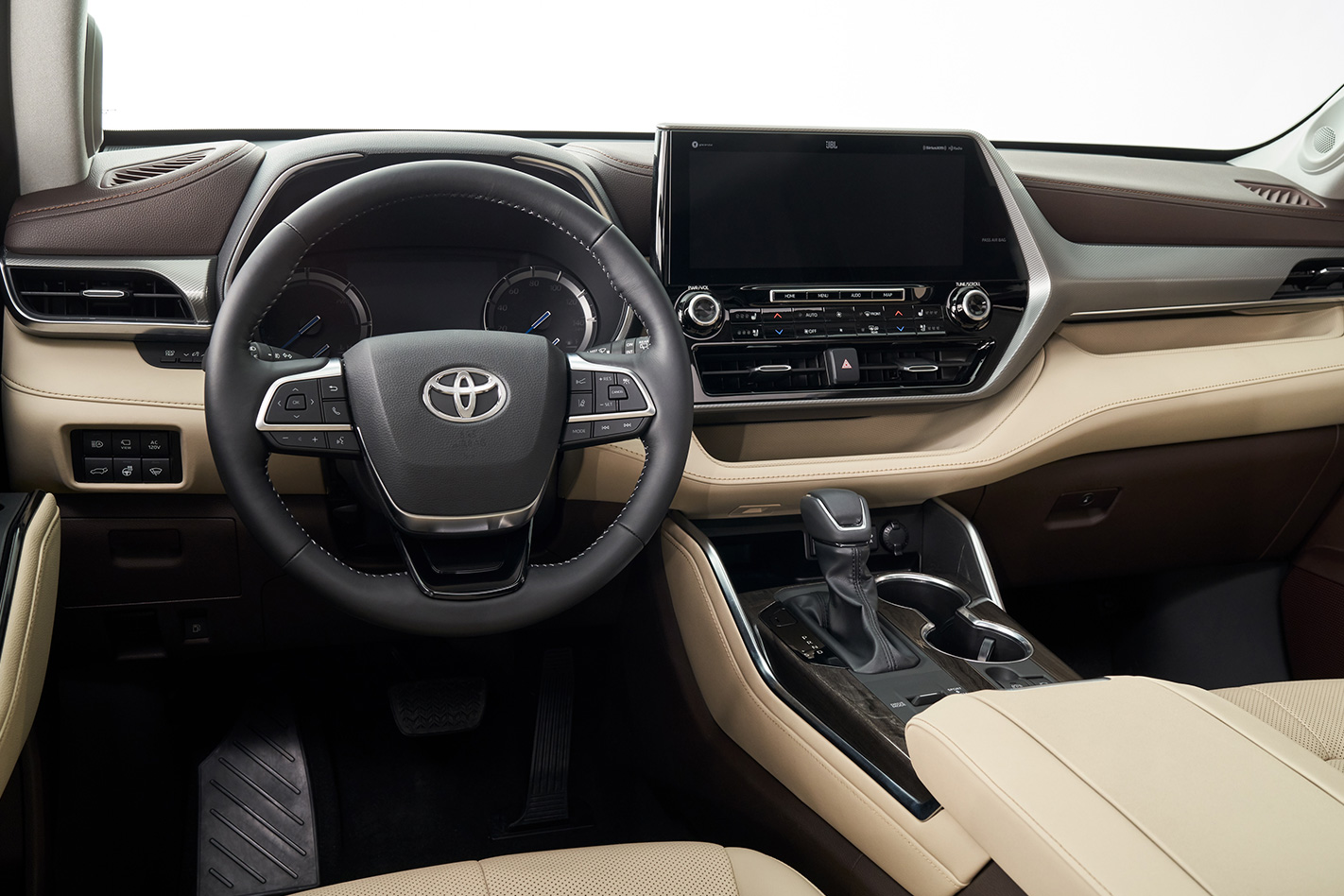
Toyota has been a little behind the curve with smartphone mirroring, but the Kluger’s top-spec 12.3-inch infotainment system now allows you to port both Apple CarPlay and Android Auto. Should you go for an entry-level car, that screen will probably measure eight inches from corner to corner. That said, Toyota hasn’t exactly skimped on equipment for the entry level car. While Australian specifications have yet to be finalised, the lowest grade model shown at New York included gear like three-zone climate control, LED head- and tail-lights, eight-way electric adjustment for the driver’s seat, not to mention the latest Toyota Safety Sense 2.0 electronic suite.
This includes the obligatory autonomous emergency braking with pedestrian detection and also packages in adaptive cruise control, blind-spot monitoring, high-beam assist, lane departure warning with steering assist, a reversing camera, lane trace assist and road sign assist features.
The 3.5-litre D-4S V6 petrol engine has been given a shot in the arm, now making a healthy 220kW, while an eight-speed automatic transmission helps eke out each of those kilowatts when you’re in a hurry. The hybrid powerplant is even more fascinating. Toyota has been selling hybrids for 22 years now, so it’s reasonable to assume they’ve ironed out teething issues.
The Kluger hybrid sees a 2.5-litre four-cylinder petrol engine plumbed under the big bonnet, with a pair of electric motors joining the fray to develop a system output of 180kW. The bigger draw will doubtless be fuel economy that’s pegged at a mere 6.9L/100km. Both the petrol version and hybrid have been shown in both front- and all-wheel drive, although Toyota will need to make a decision on which of the four drivetrain /engine combos it will bring to Australia.
While Aston Martin has plans to produce electric cars under its Lagonda brand, it hasn’t stopped them from rolling out the brand’s first all-electric production car, the 2020 Aston Martin Rapide E, at the Shanghai motor show.
Developed in collaboration with Williams Advanced Engineering, the Rapide E features a pack of 5600 lithium-ion cells, installed in place of the Rapide’s V12 engine, gearbox, and fuel tank. The carbon-fibre-kevlar encased battery pack is said to have a total energy capacity of 65kWh.
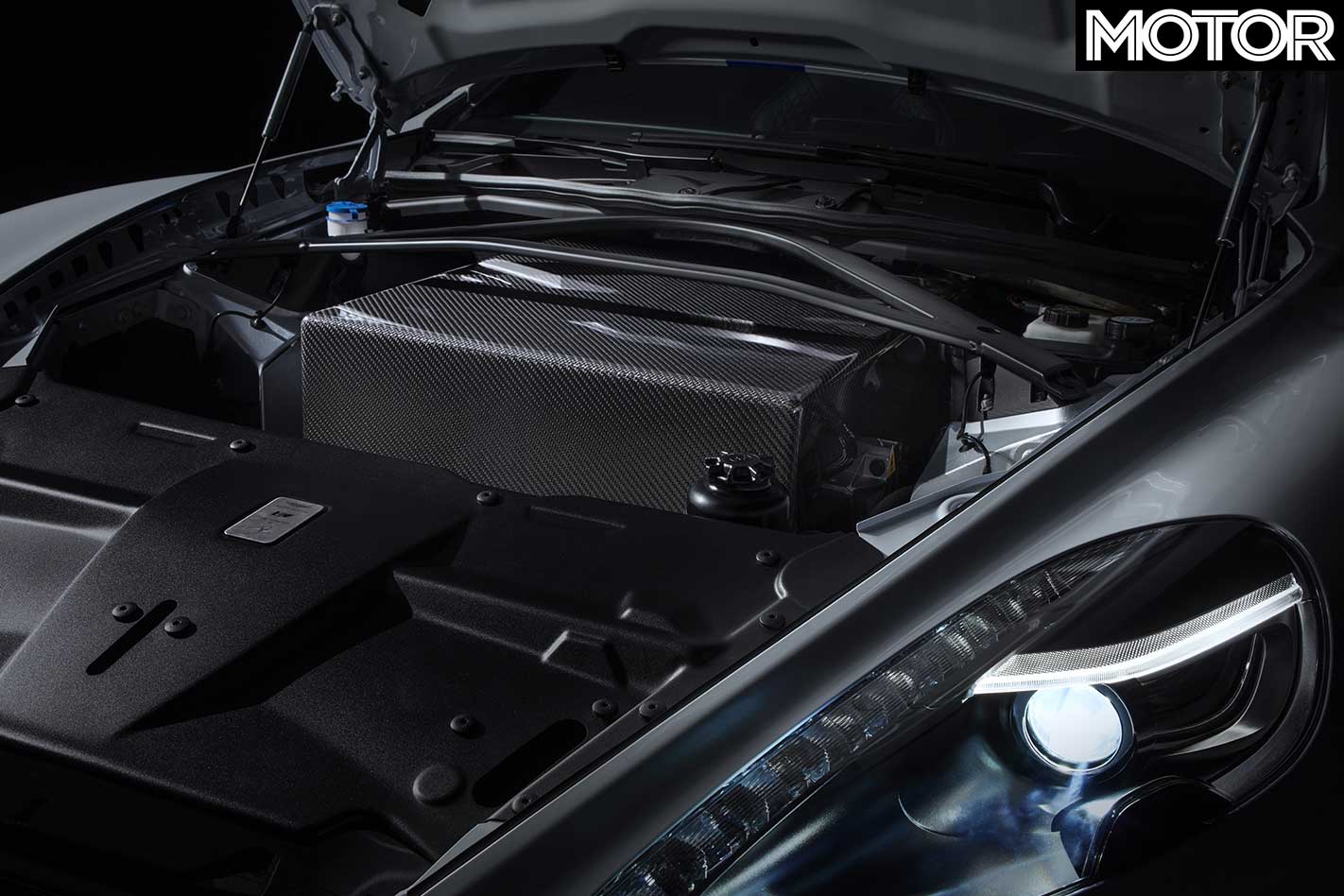
Power is dealt through a pair of rear mounted electric motors, which Aston says would be able to deliver a combined “target output” of 449kW and 950Nm of torque – 6kW and 320Nm more than the Rapide AMR.
According to Aston, the Rapide E is able to deliver a sub-4sec 0-60mph (0-97km/h) time and a 50-70mph (80-110km/h) time of just 1.5sec, which is quicker than the Rapide AMR’s 0-100km/h time of 4.4sec. That being said, the Rapide E tops out at 250km/h, far from the AMR’s 330km/h Vmax claim.
When it comes to range, Aston says the Rapide E will have a range of over 320km on the WLTP cycle, and thanks to its 800V electrical architecture, it would be able to fill up its charge in around an hour from a suitable 800V/100kW outlet.
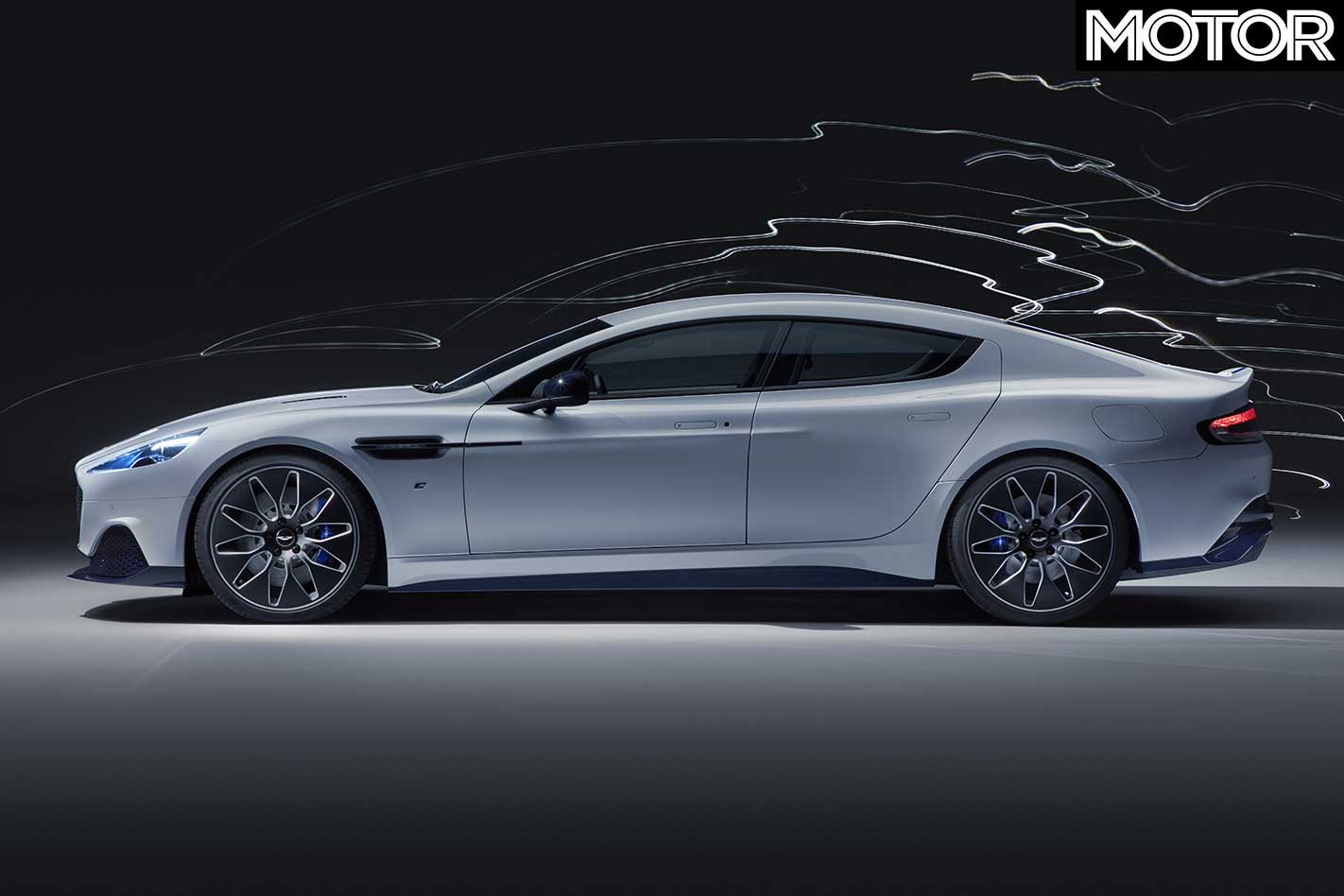
Compared to Porsche’s upcoming Taycan electric sedan, the Rapide E won’t be able to match its claimed 500km range or sub-3.5sec 0-100km/h time, though the Taycan benefits from being developed from the ground-up on a brand-new platform for electric vehicles.
With the removal of the engine, Aston’s engineers have redesigned the frontal area, redirecting the airflow over the car’s body instead of through it, now that there is no engine to feed or cool.
Likewise, with no exhaust system in the way, engineers redesigned the Rapide E’s underfloor to incorporate a larger rear diffuser. Coupled with the use of forged aluminium aerodynamic wheels, these tweaks give the Rapide E an 8 per cent improvement in aerodynamics over the standard Rapide.
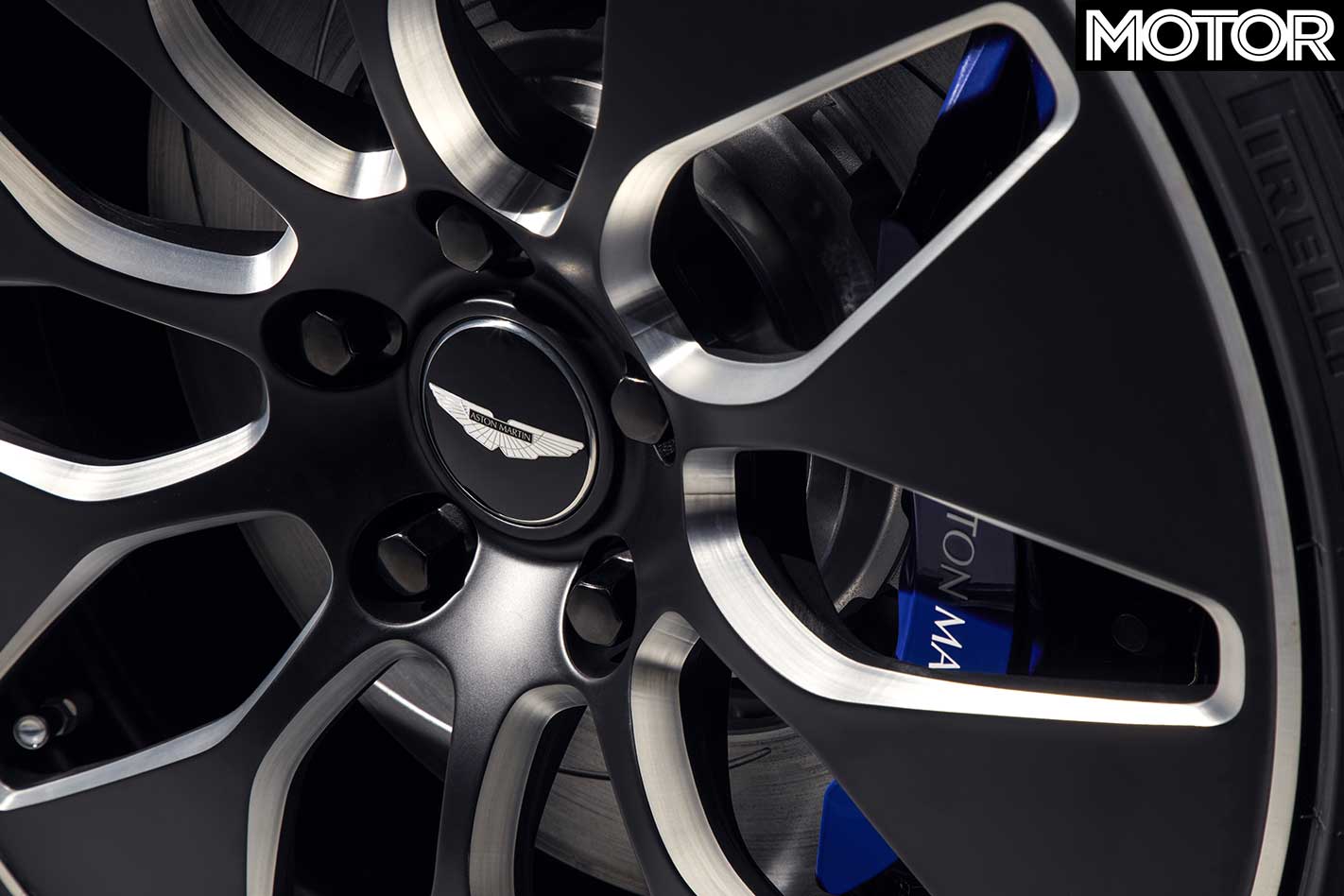
Despite being an electric car, Aston claims that the Rapide E would be able to “enhance the feel, character, and delivery” of the Rapide AMR thanks to the use of a LSD, and revised spring and damper rates.
Aston even assures us that the Rapide E would be able to drive a full lap of the Nürburgring with no decline in performance from the battery or its motors.
Aston Martin plans on building 155 examples of the Rapide E from the company’s St Athan factory where all-electric Lagonda models will originate from.
The Rapide E is available for order in Australia with deliveries set to take place at the end of the year.
Subaru’s new Outback has hit the stage at the New York auto show, showing off a leap in technology and even smarter packaging.
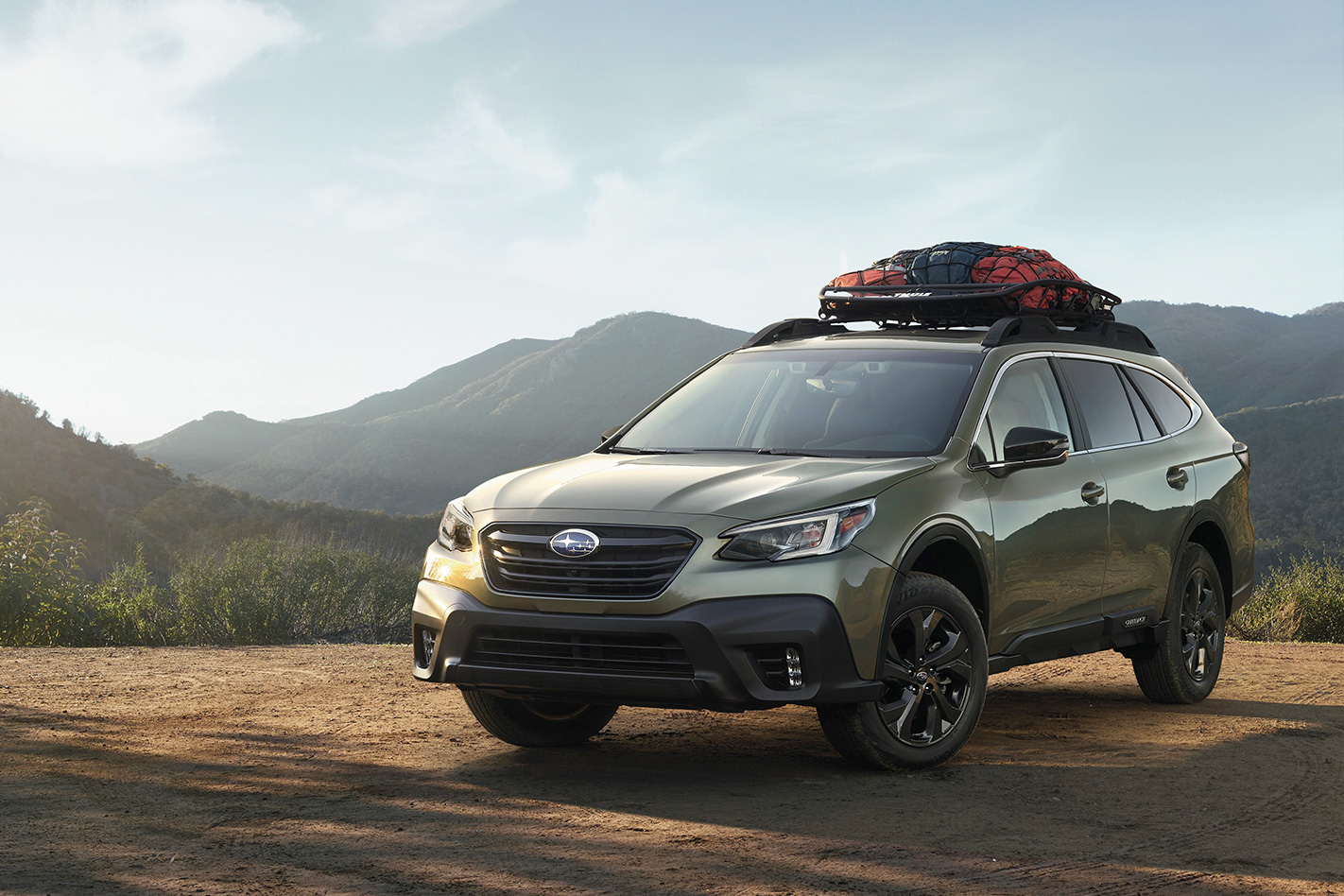
Built on the Japanese brand’s Subaru Global Platform which first debuted in the Impreza before underpinning the new XV and Forester, the Outback, like those models, should benefit from improvements to NVH, ride and handling, and all-round refinement. Standing taller, with 220mm of ground clearance, the Outback will also be even better equipped to tackle off-road tracks.
Under the bonnet, the Outback will see petrol turbocharged induction for the first time in ten years, in the form of a 2.4-litre boxer turbo producing 194kW at 5600rpm and 375Nm from 2000rpm. It’s reserved for top-spec XT models in the US, and Australia will likely adopt the same model hierarchy when it arrives here by 2020. Other models are powered by an updated 2.5-litre four pot that likely spells to end the six-cylinder petrol and diesel engines. Both new engines are mated to a CVT transmission and all-wheel-drive system.
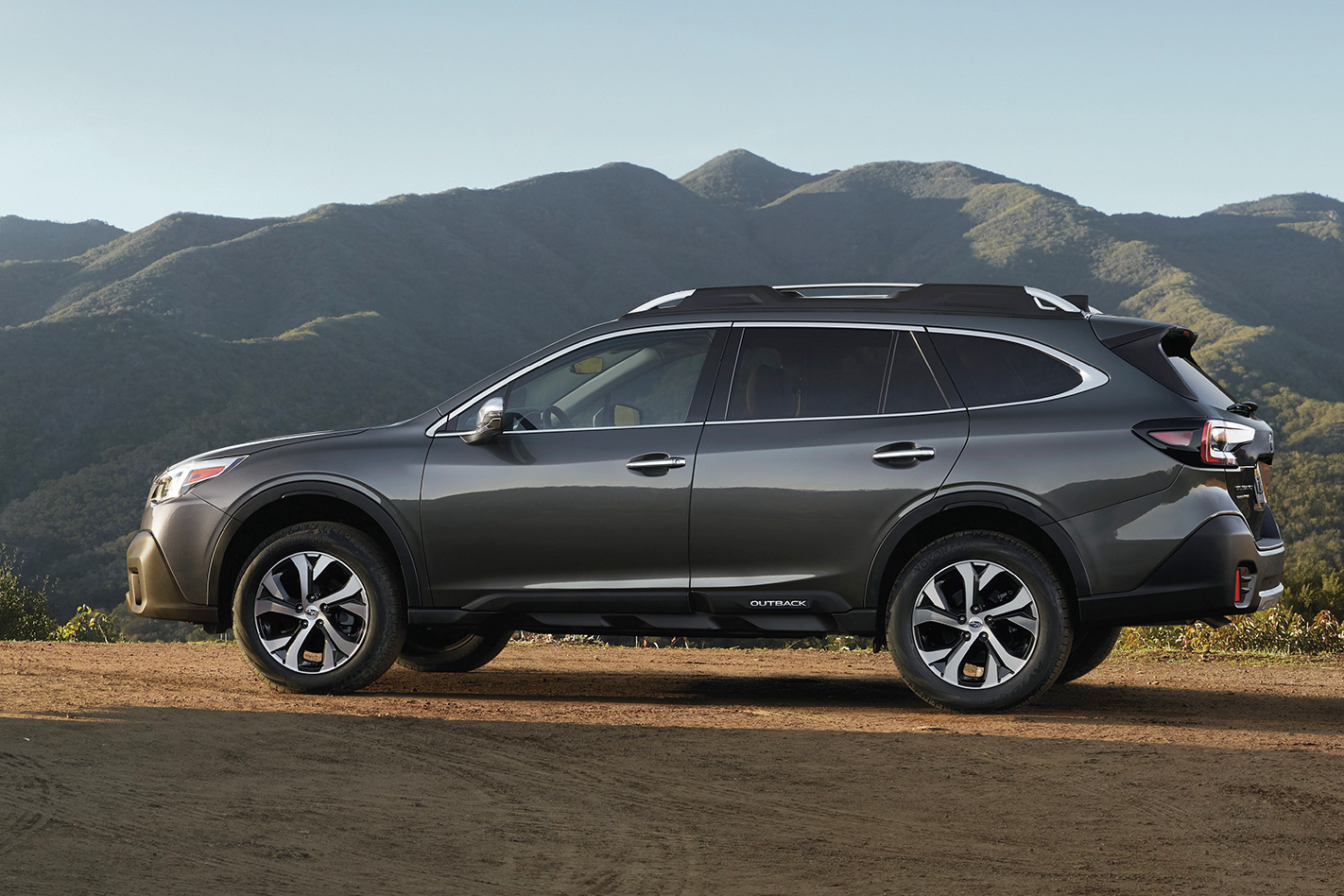
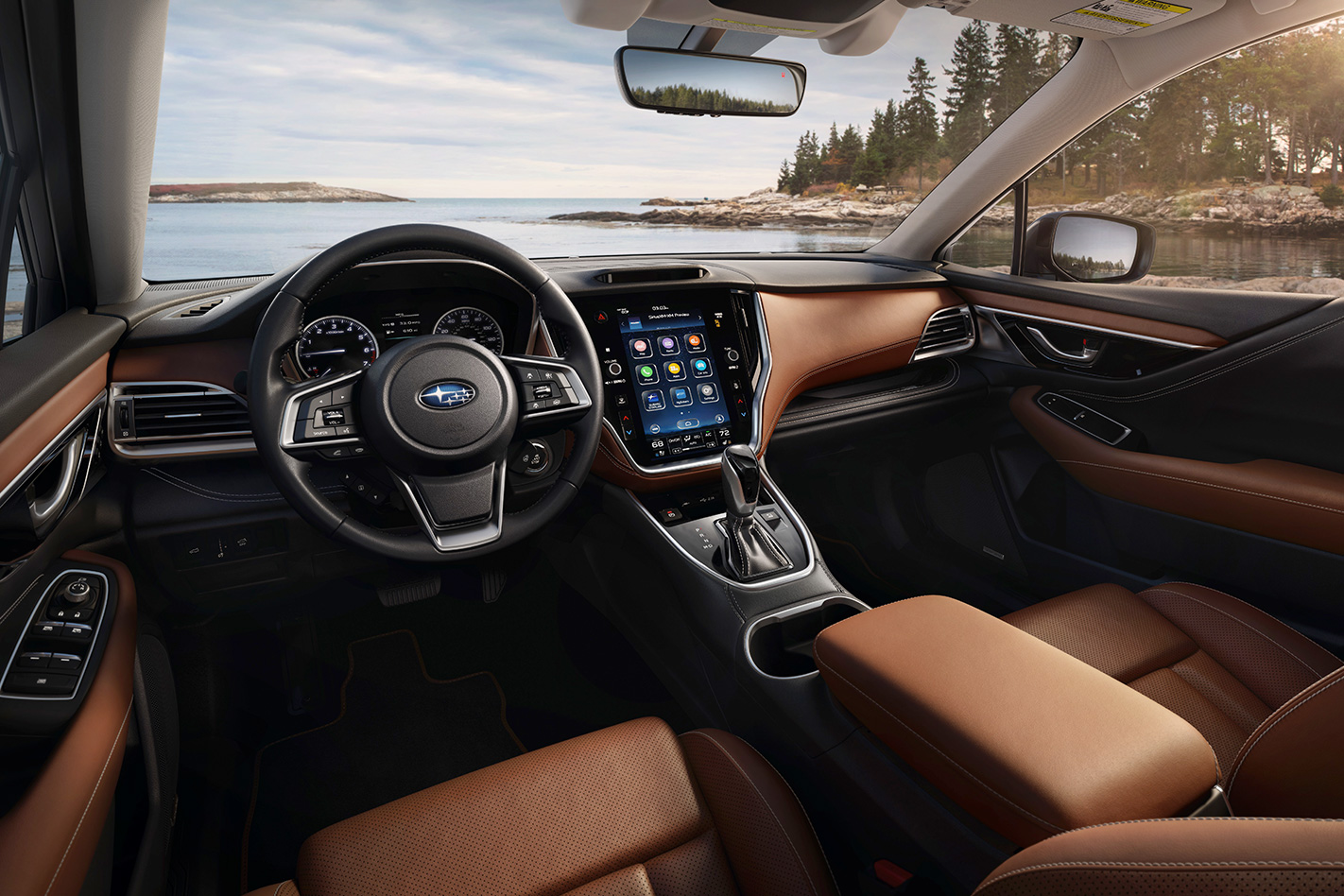
Dimensionally, the new Outback has grown larger and features a roomier cabin with greater cargo capacity, able to swallow over two cubic metres volume with the rear seats folded flat. The front of cabin is much more spectacular than the current-gen model, with a large 11.3-inch portrait touchscreen a feature of the dash, and technology further bolstered by the latest Subaru EyeSight automated safety technology, including adaptive cruise control, lane keeping assist and driver distraction and drowsiness monitoring.
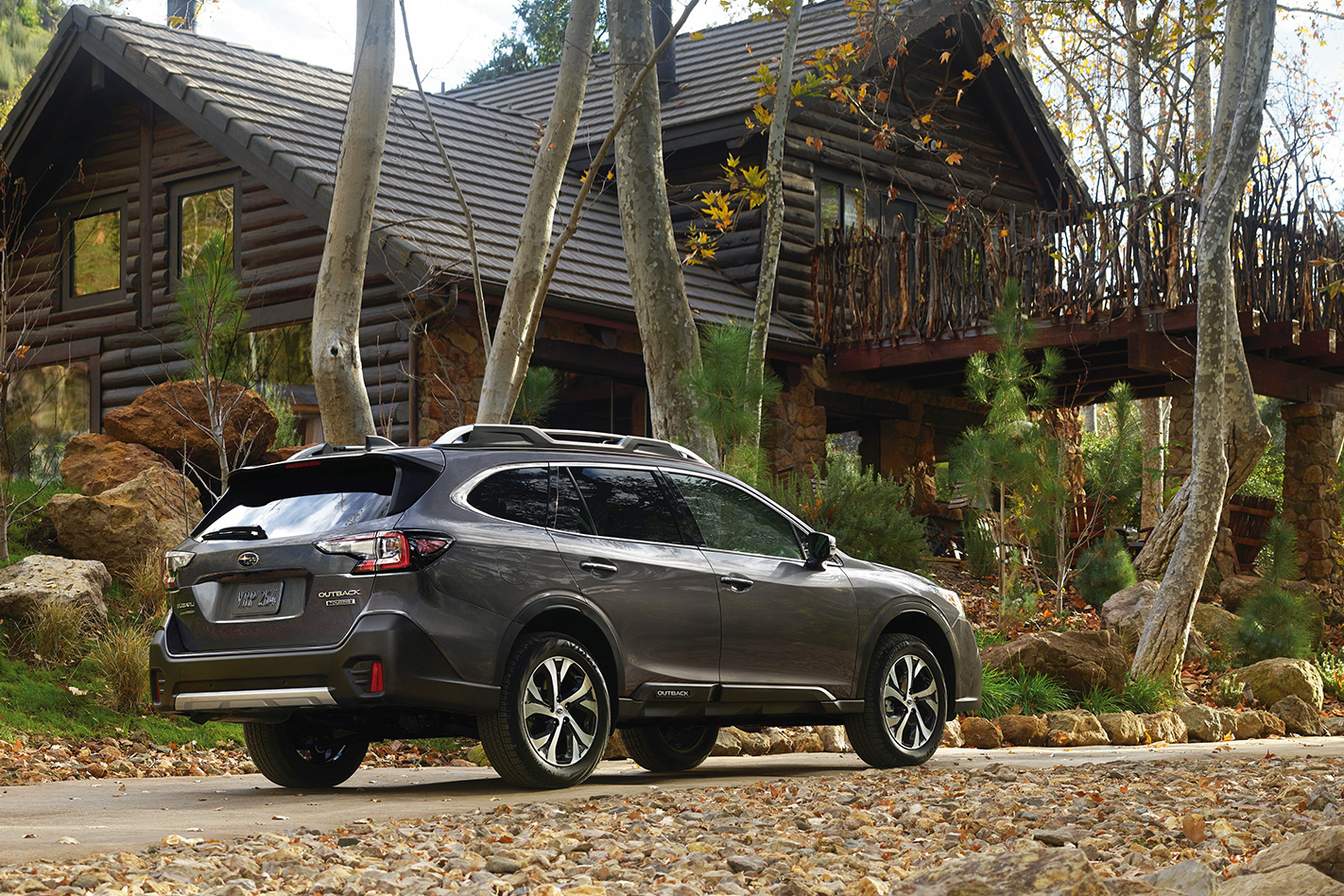
Beyond a slightly taller stance and the show car’s black pack styling, the Outback remains a familiar looking model. Subaru Australia has not confirmed timing and specifications for the local market, but expect an on-sale date near the tail end of this year.
Addictions are all-consuming – a sensation that fills you with an insatiable need to live through an experience with endless repetition. The satanic acceleration of a performance-orientated electric vehicle (EV), like Jaguar’s I-Pace EV400, gives you that.
You know it’s going to hurt your overall range, but the hunger to be thrown back into the seat needs to be satiated. And with 100 per cent of the 696Nm of torque arriving from standstill, the urge is too great.
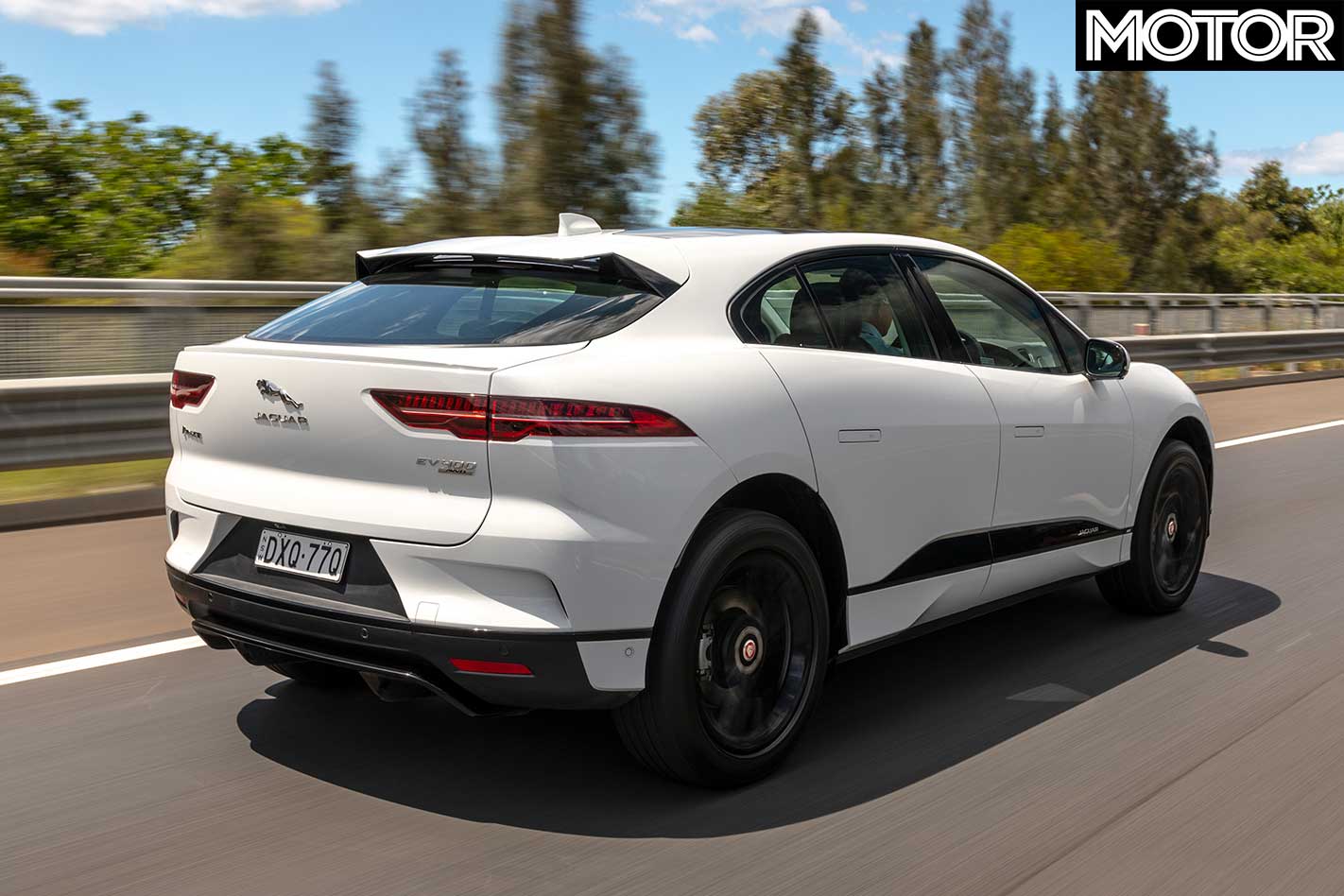
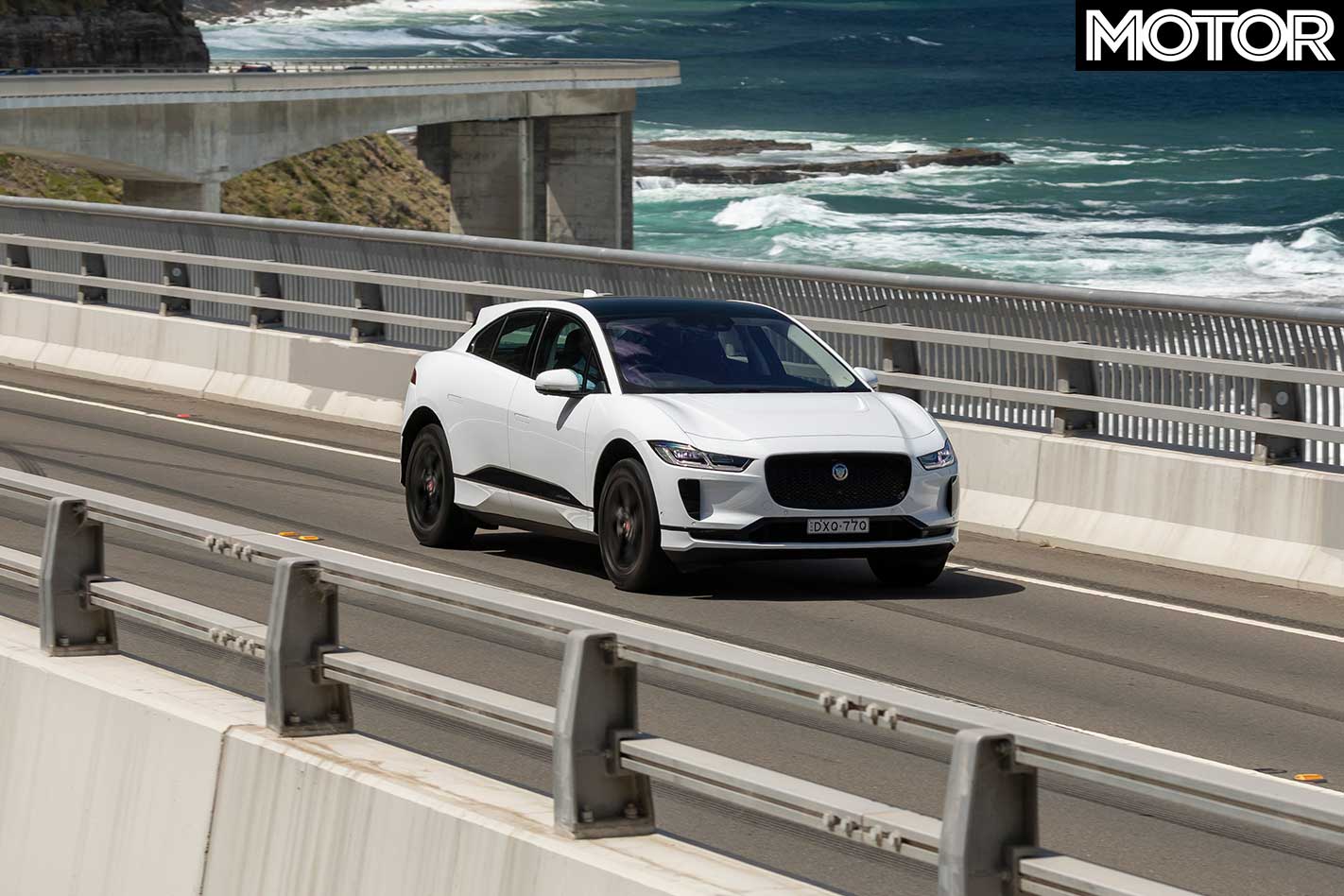
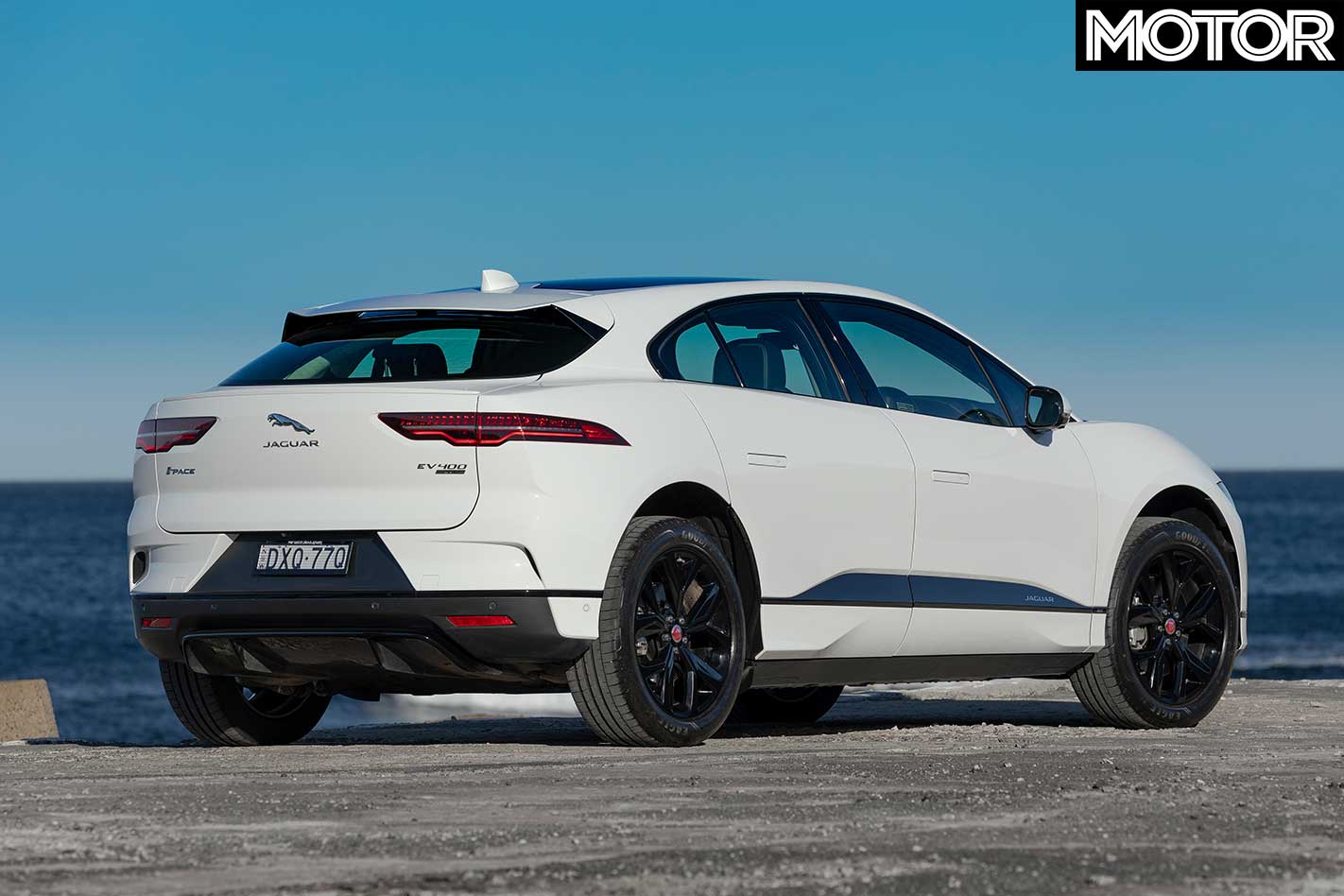
The theory behind something like the I-Pace (or a Tesla) is becoming sound. But the fact that the first true Elon Musk fighter, a somewhat ‘normal’ SUV-thing, has come from the usually conservative Brits seems anything but commonplace. Its cabin-forward design, said to emulate the C-X75 supercar concept, is striking, filled with concept-car touches and is cloaked in an SUV-cum-coupe silhouette.
However, normal is an adjective often befitting the I-Pace. The interior features a host of knobs and controls pilfered from the JLR family as well as the fancy Touch Pro Duo infotainment system. The middle-spec SE we’re testing here is positively upmarket and justifies its $130,200 price tag.
Premium materials abound and the sound deadening has been amped up to cancel road noise given this cat is sans an internal-combustion engine. There’s a Meridian stereo if your track isn’t The Sound of Silence.
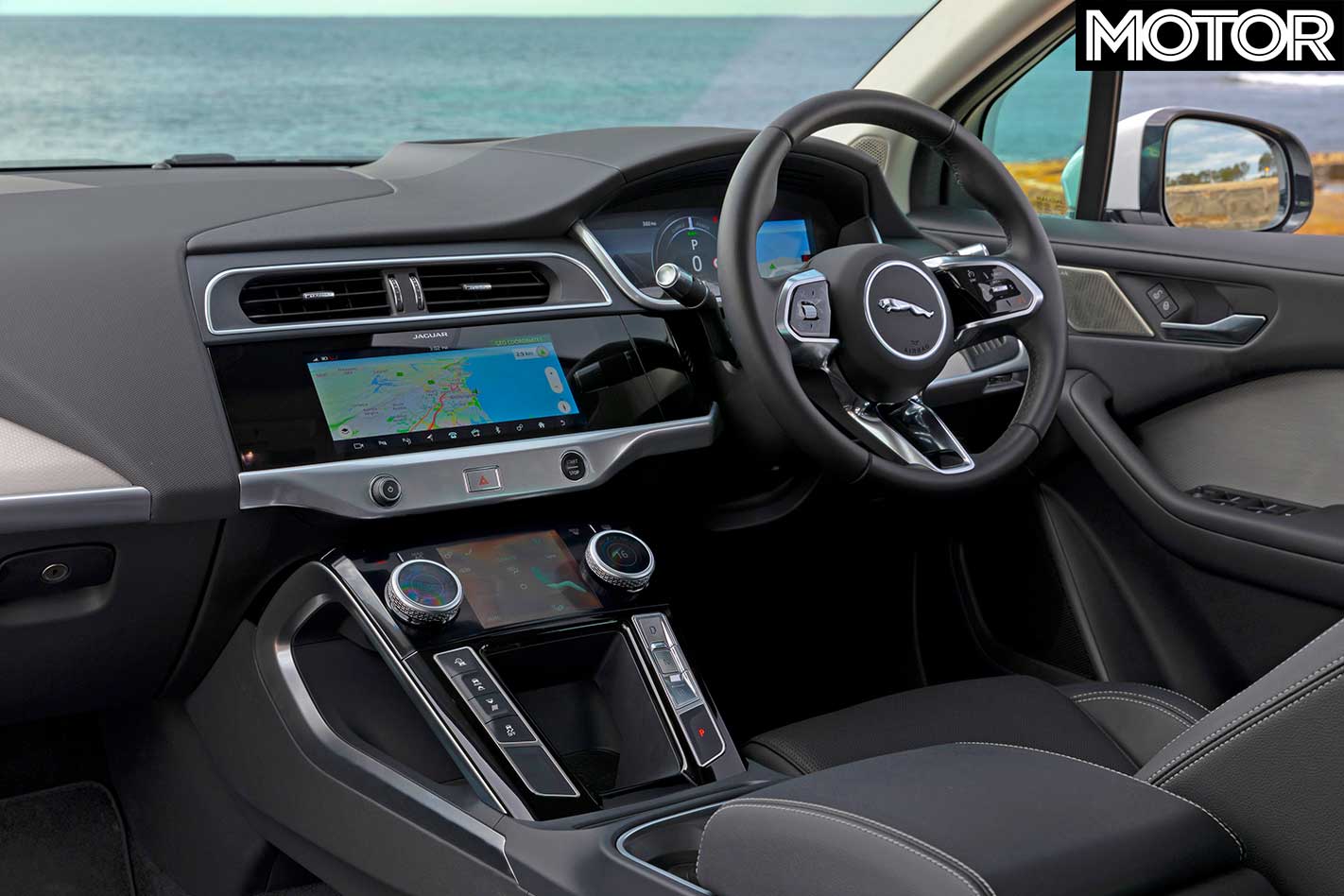
The thing is, you don’t get addicted to normal. And with a combined output of 294kW and 696Nm from the synchronous permanent magnet electric motors (one for each axle creating all-wheel drive), it is bloody quick. It feels every bit as fast as the performance claims.
And it’s not just off the line, with the Jag tackling 80km/h-plus overtaking manoeuvres with vigour – although the rate of progress drops significantly the closer you get to its 200km/h top speed. Activate Dynamic mode for heightened responses and the I-Pace emits a very ‘cool’ Jetsons-esque tone.
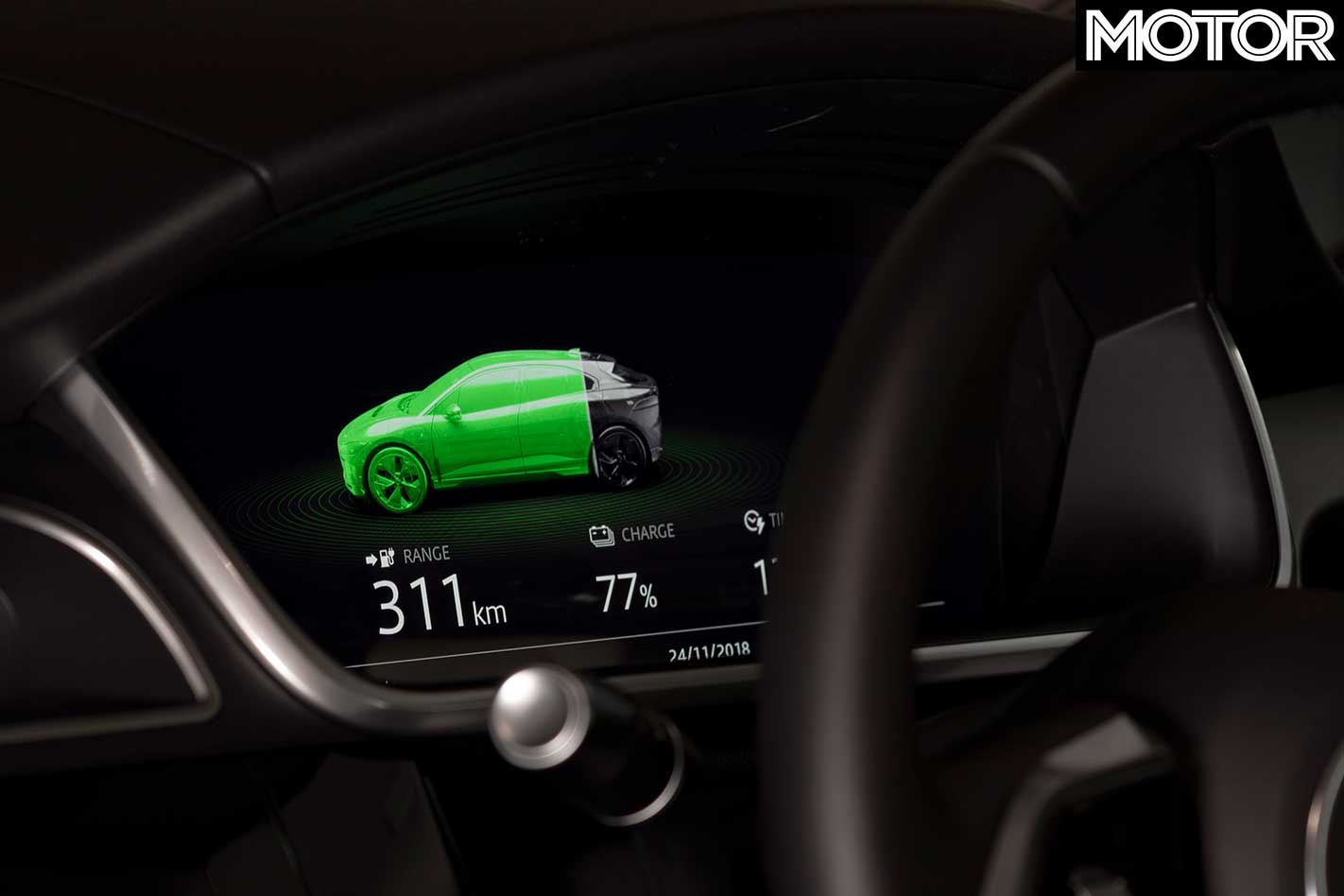
Storing the energy to propel the I-Pace is the 90kWh lithium-ion battery stowed in the chassis floor to create a low centre of gravity and a perfect 50:50 weight distribution. Its construction is also 94 per cent aluminium despite tipping the scales at 2133kg.
That weight is dealt with amicably, too, with roll impressively quelled, if not overt body movements. And despite torque vectoring, the overzealous stability control can become tiresome.
Rolling on the smaller 20-inch wheels and with the $2002 optional adaptive electronic air suspension, the SE’s ride quality is cosseting and confidence inspiring no matter what the speed.
While there’s no price to pay at a traditional service station, there is in terms of liveability. Exercise your right foot too much and the range plummets. Those unfortunate enough to err on the nervous side beware – range anxiety is real.
Take liberties with the fact the I-Pace can reach 100km/h in 4.8sec and the claimed range of 480km quickly becomes comical. Put the shoe on the other foot and you’ll hardly need the left pedal given the aggressive regenerative braking, which is predominately taken care of by the front motor as it harvests as much dissipating kinetic energy as possible.
Finding a public, specialised 100kW charging station is vital as you’re treated to an 80 per cent ‘refill’ in ‘just’ 40 minutes.
As good as the Jaguar’s I-Pace is in terms of normalising EVs, it’s hamstrung in a performance context despite having reserves of it within its battery-packed floor.
The reality is that you can never get far enough away from the CBD to truly exploit its inherent dynamic abilities. It means that you’re confined to city limits and end up dragging unsuspecting HSVs at traffic lights to get your kicks.
Ultimately it’s an addiction without enough convenience to fuel it.
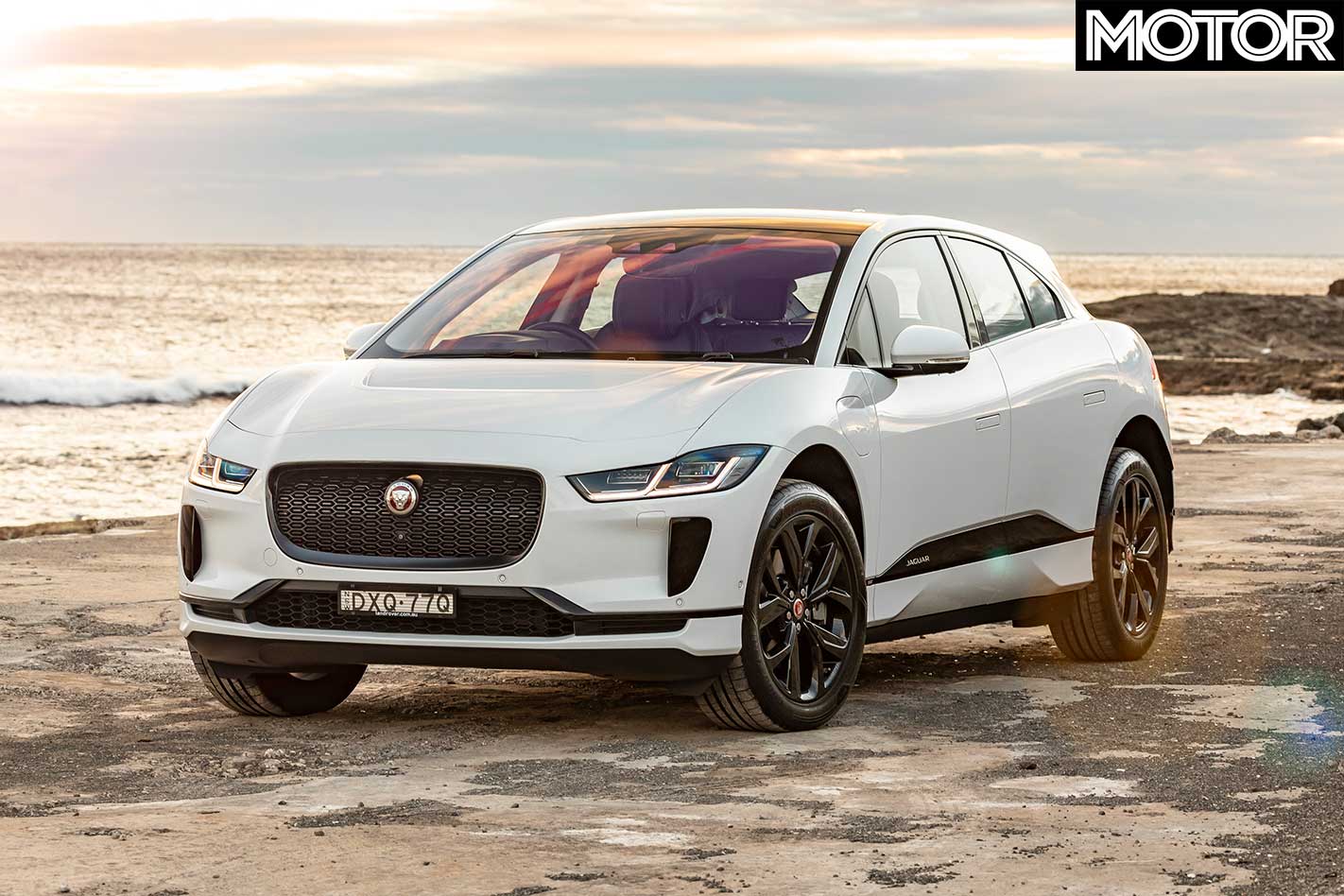
2019 JAGUAR I-PACE EV400 SE SPECS Motor: Twin synchronous permanent magnet Power: 294Kw (combined) Torque: 696Nm (combined) Weight: 2133kg 0-100km/h: 4.8sec (claimed) Price: $119,900 ($145,757 as tested)
Like: Addictive surge of power; keen, car-like handling for a heavy EV; ‘normalness’ Dislike: Range anxiety is real; lack of infrastructure; not overtly engaging; exxy options
RATING: 4.0 out of 5.0
FROM April 12 every Tesla model built has Autopilot fitted as standard. That’s the good news. The bad is that a number of features from Autopilot, and its smarter relation Enhanced Autopilot, have been migrated to what Tesla calls its Full Self-Driving (FSD) pack. That’s not cheap. In the US, this tech will set you back an additional USD$5000.
What’s more, the prices of many Tesla models in the US had already crept up to incorporate the standard Autopilot fitment. For example, a Model 3 Standard Plus was $37,500 with Autopilot on the options list at $3,000. The car now costs $39,500, with Autopilot included. But the price of the technology looks set to increase dramatically. Don’t say you weren’t warned. CEO Elon Musk tweeted on Saturday, April 13, “Please note that the price of the Tesla Full Self-Driving option will increase substantially over time.”
US customers ordering Teslas with Autopilot included will, as it stands, be charged an additional $5000 for FSD. But that won’t last for long. Tesla’s own Hardware 3 chipset is so much more powerful than the old Nvidia architecture that Musk is developing a whole new suite of autonomous tech. Traffic lights and stop sign recognition are in the pipeline for this year, with some commentators predicting that full urban self-driving capability is the company’s aim for this calendar year.
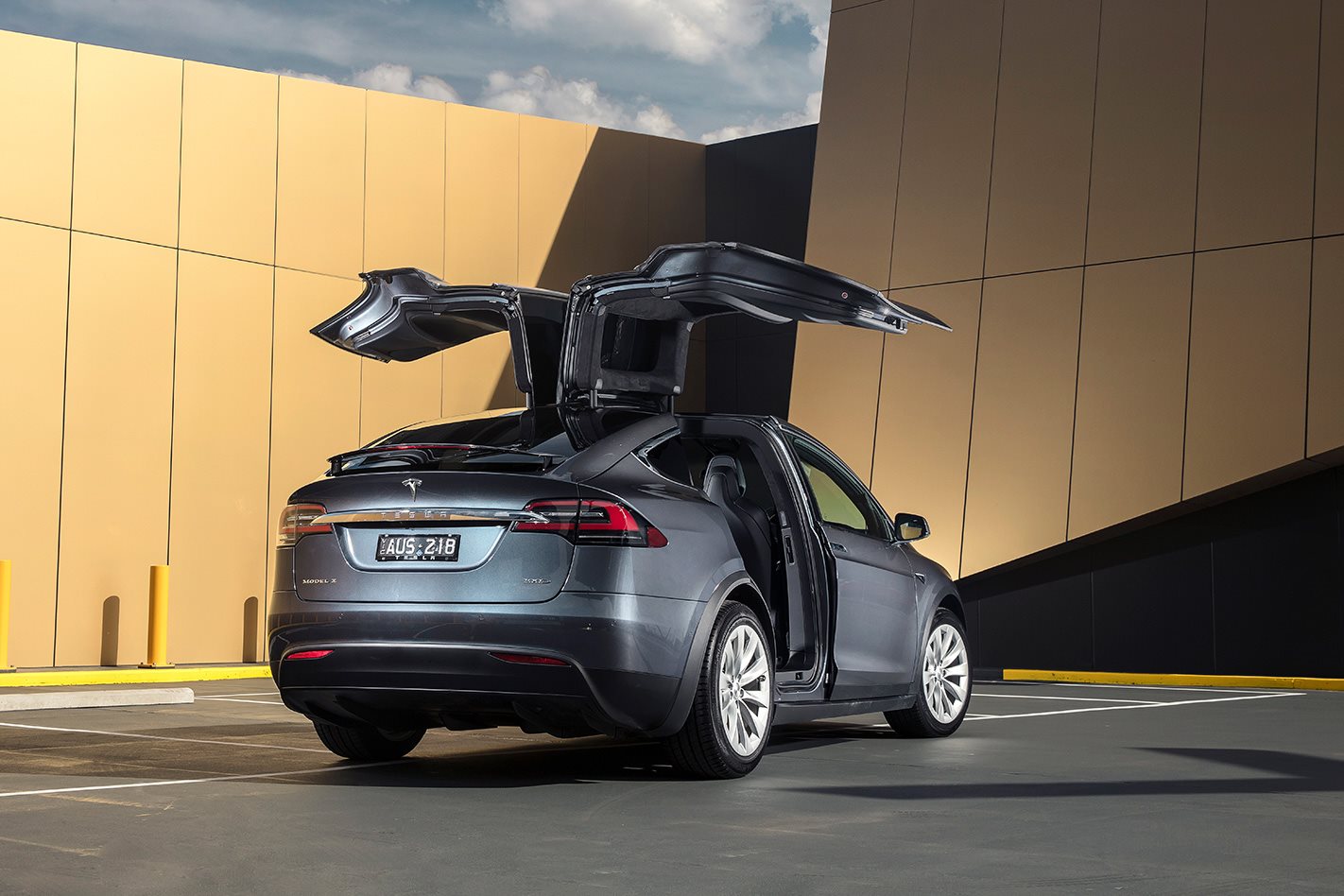
Expect prices of FSD to jump dramatically at the start of May when more features are built into it. There are rumours of an additional $3000 price bump to include many of the functions that look set to make the option pack really live up to its name.
The endgame for Tesla is the launch of the Tesla Network, where the company’s cars will operate as autonomous ride-sharing vehicles that can generate income without intervention from their owners. Tesla plans to use vehicles that are ex-lease for the autonomous ride-sharing service, and gain an advantage not only on ‘traditional’ ride-sharing schemes like Uber and Lyft, but also to challenge autonomous future services like Waymo, owned by Google.
Such is the appetite for autonomous tech that Waymo is valued by Morgan Stanley at $175 billion, more than three times Tesla’s market capitalisation. Should Musk be able to disrupt the market with his implementation of self-driving tech, the financial implications for a company that has often struggled to turn a profit are obvious. In the short term, however, Elon’s not giving anything away for free.
It’s that time of the year again, and it’s road trip time!
But as we get busier and busier, we overlook things that we know we need to do – and when it comes to our car, we can overlook simple things that not only might impact on our safety, but on our hip pockets as well.
Click HERE to get your free weekly WhichCar eNewsletter
Don’t eat these foods on a road trip
Here are three quick yet vital jobs you need to do before you pet the dog, lock the door and head away for the weekend – and you’ll be glad you did.
It’s been 50 years since the introduction of the legendary Nissan GT-R badge, so we’ve put together a gallery of some of the most iconic cars Nissan has ever built to celebrate.
Check out the gallery above for more pictures and highlights on Nissan’s GT-R heritage
1969 Nissan Skyline 2000GT-R (PGC10)
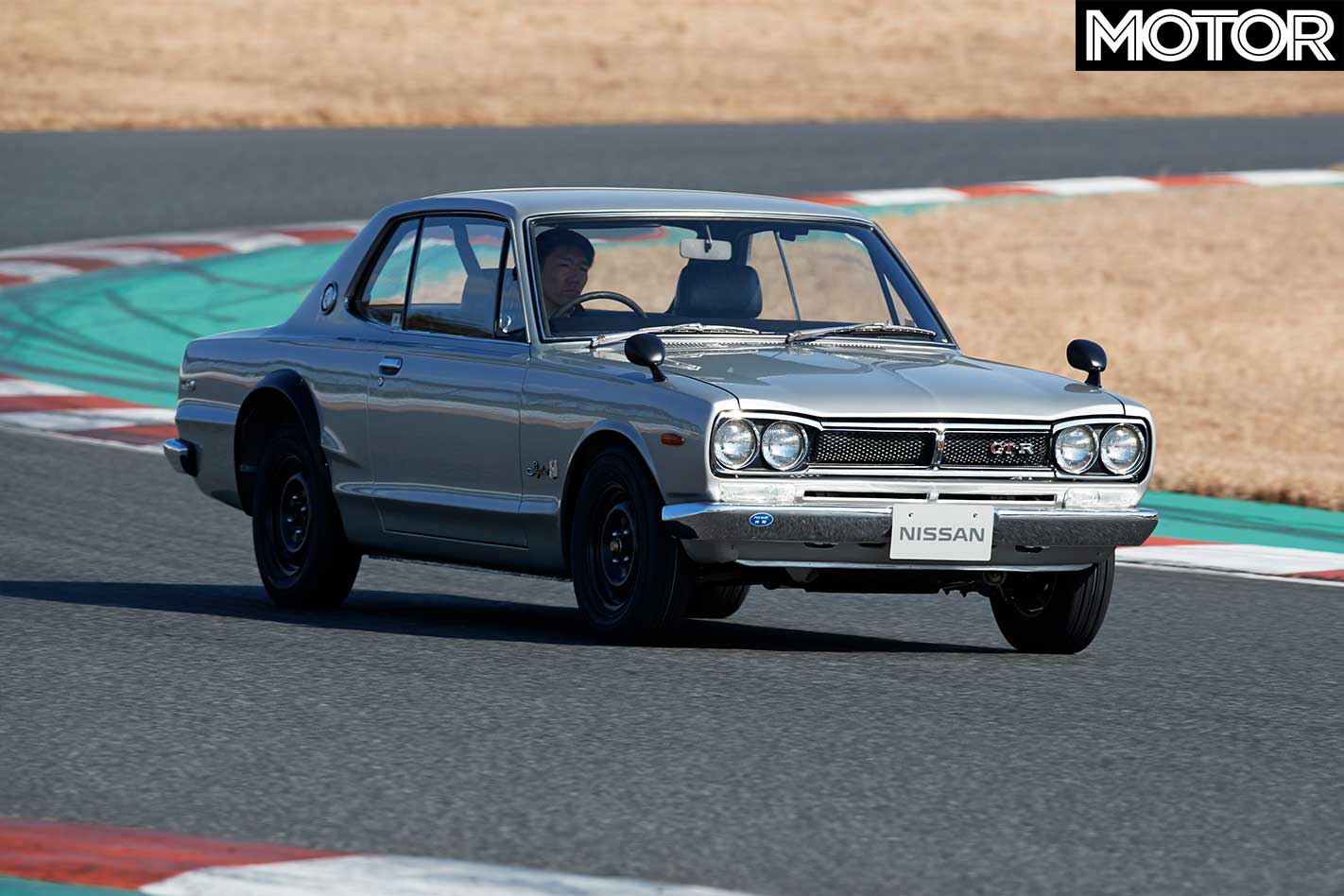
In 1969, after more than a decade of the Skyline being produced under Nissan and Prince (which merged with Nissan in 1966), the first GT-R was produced during the third generation Skyline’s run.
Nicknamed ‘Hakosuka’ (‘hako’ for ‘box’, suka for ‘skyline’), the ‘PGC10’ Skyline GT-R marked the beginning of the GT-R legend with a 2.0-litre inline six-pot producing 118kW and 177Nm.
With only 1120kg to haul, the first GT-R stacked up in terms of performance for its day.
1973 Nissan Skyline 2000GT-R (KPGC110)
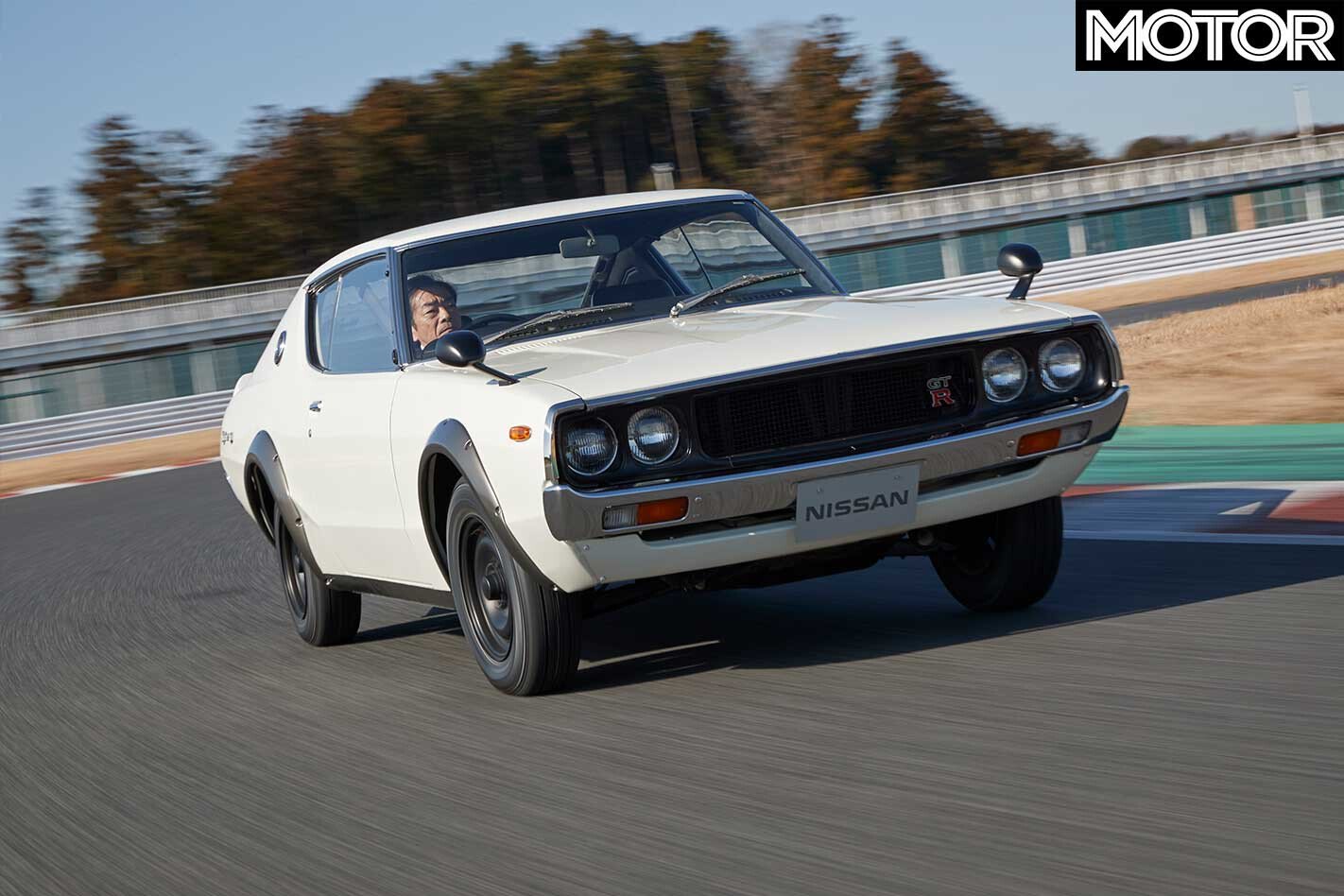
Fewer than 200 of the second generation Skyline 2000GT-R were built, according to Nissan, due to tightening emissions laws in the 1970s. The more things change, the more they stay the same.
With the same engine as its predecessor, and the same outputs, the slightly heavier (1445kg) KPGC110 was sometimes called ‘Kenmeri’ after an advertising slogan called this ‘Skyline for Ken and Mary’.
1989 Nissan R32 Skyline GT-R
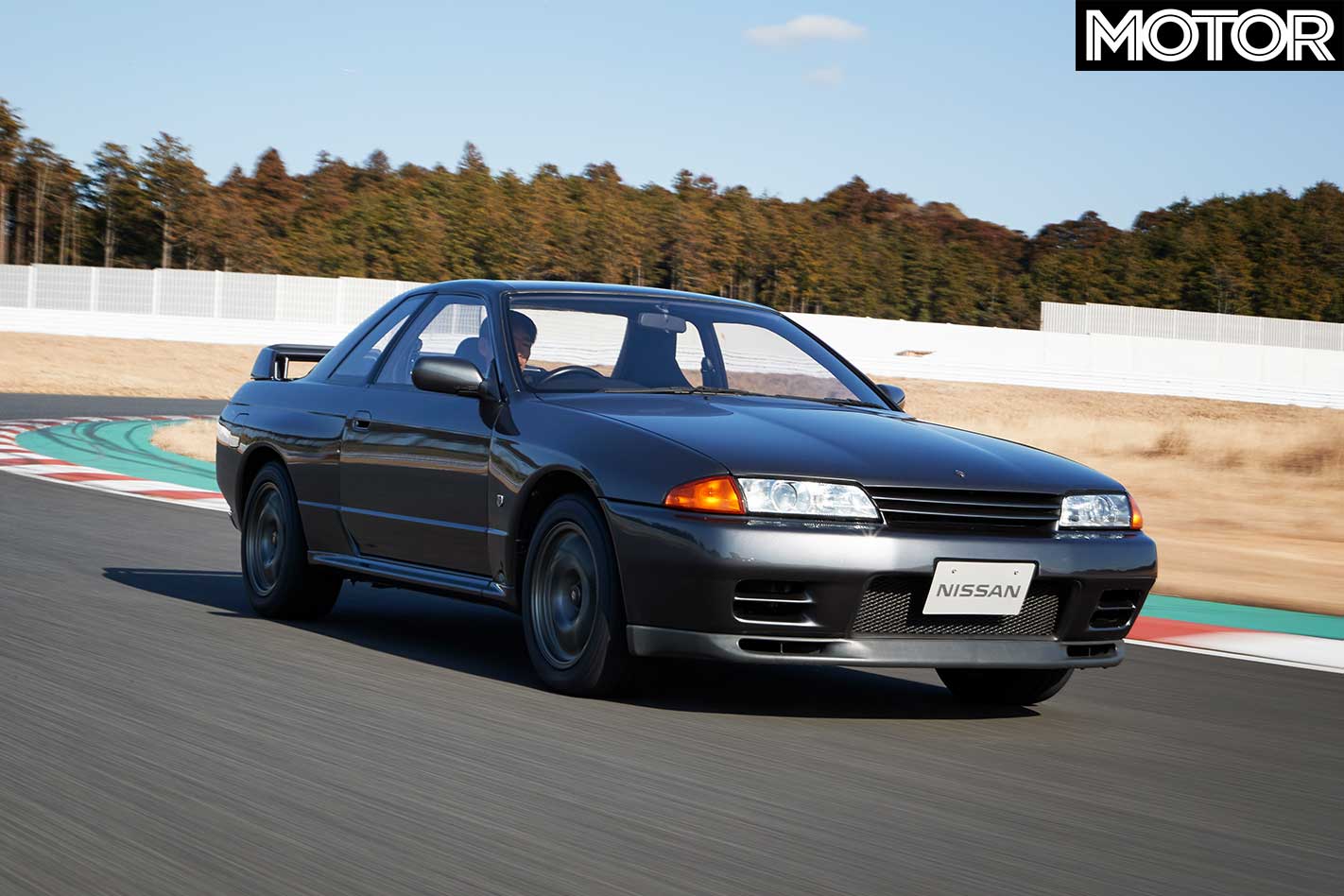
Skipping a few generations of Skyline, the R32 quickly became a formidable opponent in the world of motorsport, and was even officially voted the best Nissan race car by Nissan fans.
With a claimed (but often thought to be conservative) 206kW and 353Nm from the venerable RB26DETT, a twin-turbo 2.6-litre straight-six, the AWD coupe earned the nickname ‘Godzilla’ from Wheels Magazine, a nickname which stuck and entered worldwide usage.
1995 Nissan R33 Skyline GT-R
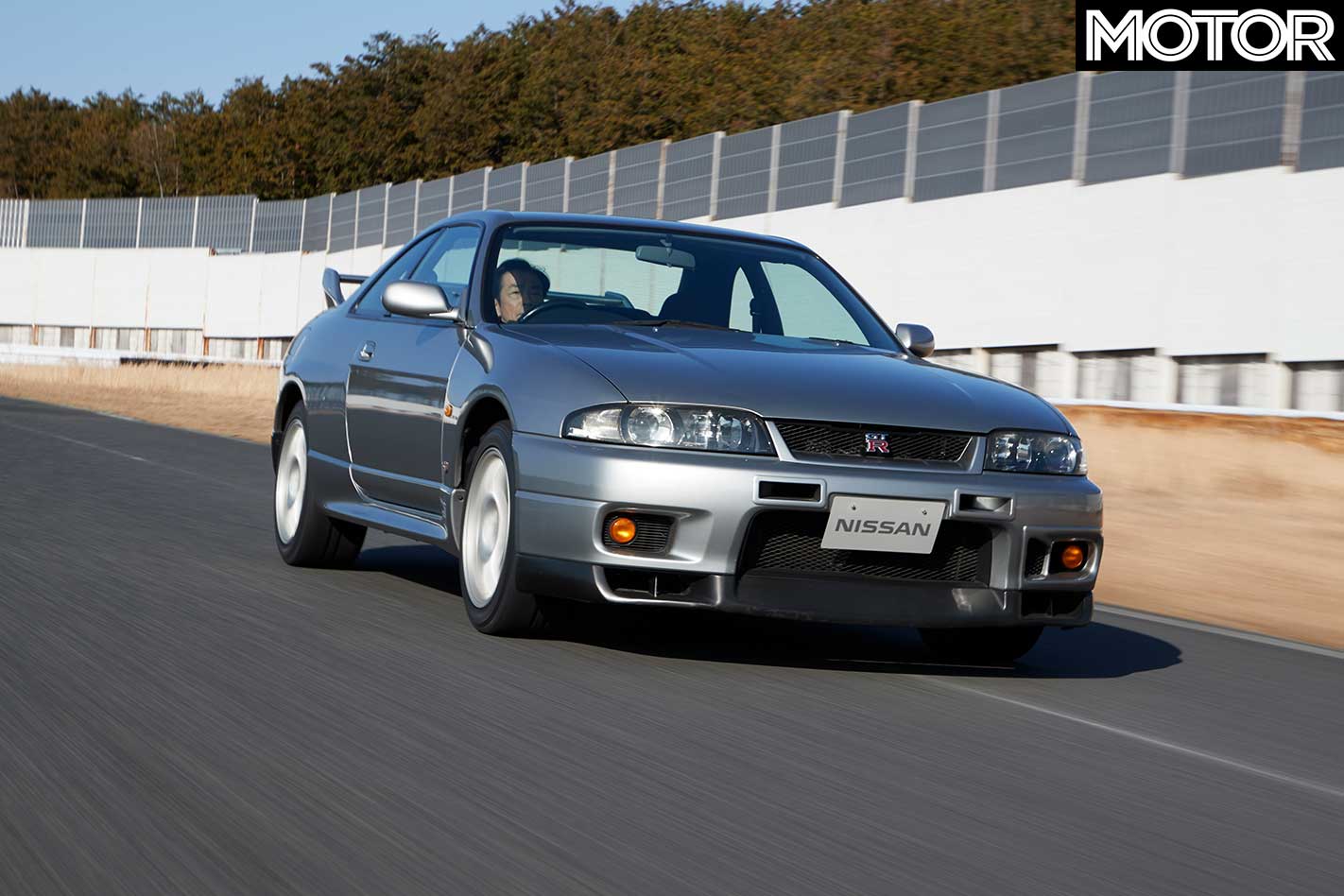
The R33 tends to get the short end of the stick these days, as people seem to think it’s the least classically attractive of the Skylines. Just search ‘R33 boat meme’ and you’ll see.
However, a marginally higher kerb weight, same official power output of 206kW, and with some mechanical upgrades, the R33 has been given a bit of an unfair rap.
Towards the end of its life, the R33 spawned the Skyline GT-R 400R, a 300kW version of the GT-R with a 2.8-litre version of the RB engine. It could hit 100km/h in about 4 seconds, but only a few dozen were built.
1999 Nissan R34 Skyline GT-R
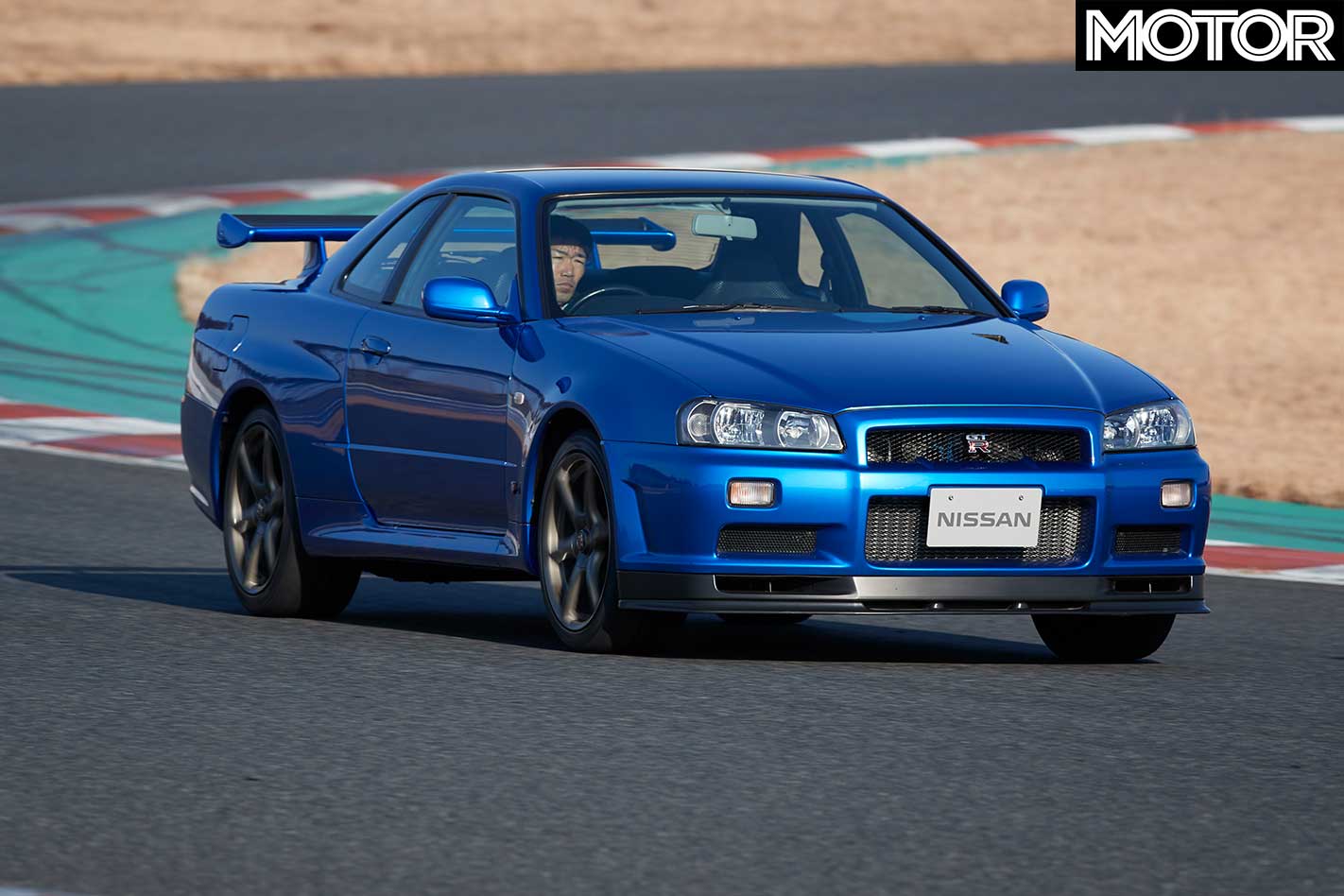
The last of the Skyline GT-Rs took styling to an edgier place, and its torque figure to almost 400Nm. At 206kW and 392Nm (Nissan still wouldn’t say whether the R34 had more power than its predecessors), the R34 Skyline GT-R’s outputs were needed to haul 1560kg.
And haul it did. Its lap time at the Nürburgring, unofficially during testing, was 7:52 – seven seconds quicker than the R33.
Upon its demise in 2002, it took half a decade for Nissan to find a new home for the GT-R badge, but it wasn’t on a Skyline, strictly speaking.
2007 Nissan R35 GT-R
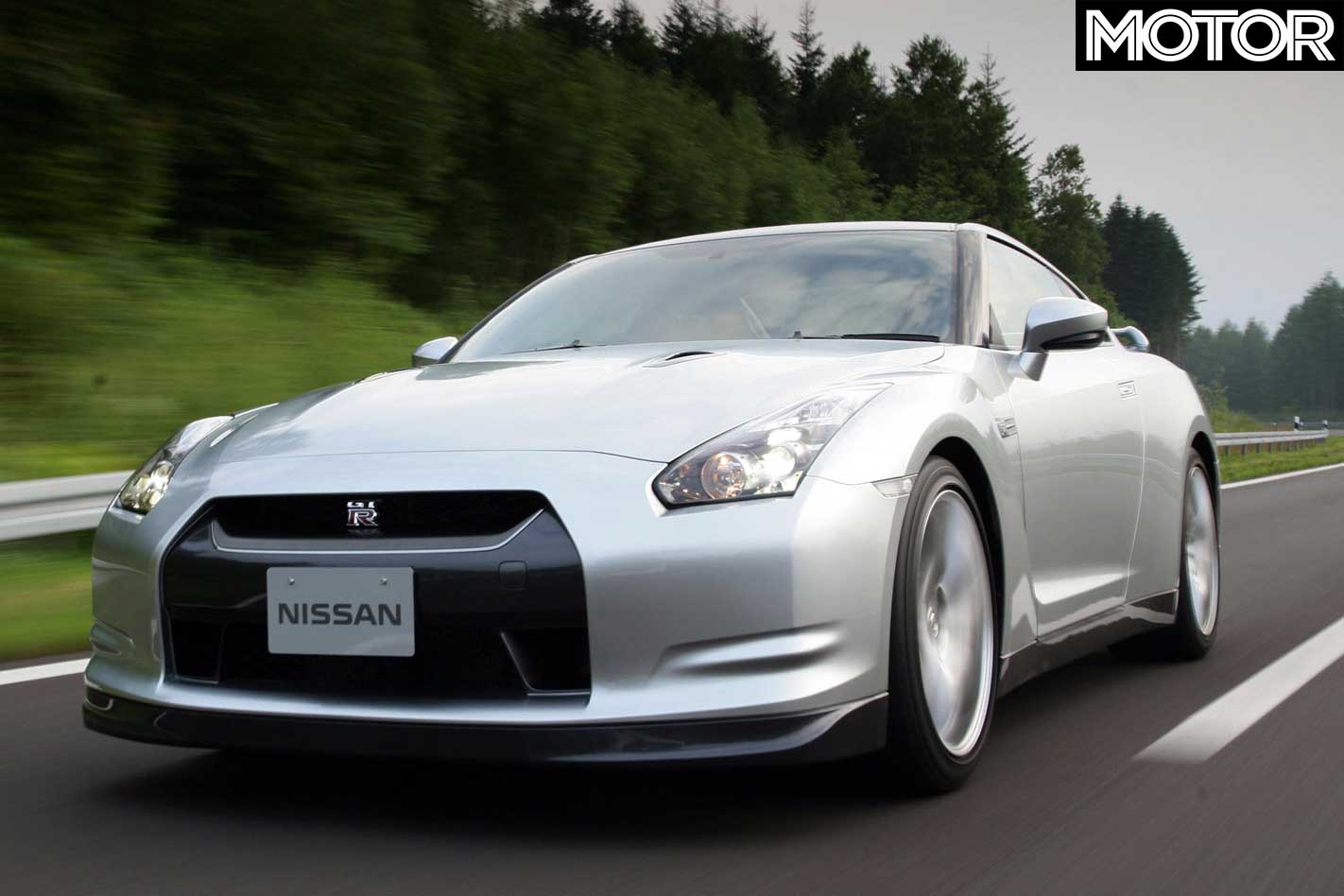
Still with us today, most recently updated for 2020, the Nissan ‘R35’ GT-R follows the same principle as the Skylines of the 1990s, but with a lot more power.
Rather than modest figures like 206kW, the R35 wasn’t shy to admit to its 357kW and 588Nm, thanks to a twin-turbo 3.8-litre V6.
As a proper supercar, The GT-R was put up against the Porsche 911 GT2 of the day back in 2009 for a MOTOR comparison.
It didn’t win, but it did come damn close. It also cost less than half the price.
