
So safety bodies and car companies reckon that the world will be populated by speed restricted cars by sometime halfway through the next decade, do they? Do they believe that by restricting traffic to signposted maximums by dint of technology, they will be reducing injury and death counts?
Tell ‘em they’re dreaming.
As technological pipe dreams go, this is right up there with internet fridges and 3D television; sounds great on paper, but guaranteed to fail the ultimate test; the one at the cash register.

To quickly recap; car companies in conjunction with safety bodies like Euro NCAP and even the United Nations are working towards legislation that will force car makers to limit the speeds of cars produced from 2022 to what’s displayed on roadside signage.
See previous line about dreaming.
Let me go on the record and state that one road death is too many, and the fact that people are still dying on our roads in 2019 is as baffling as it is tragic. Is technology – in particular, technology that’s currently in use and just around the corner in the automotive space – the answer? In my opinion, nope.
Much of the stuff being talked about in terms of tech to manage this supposed roll-out already exists. A twenty-grand Citroen C3, for example, can read a speed sign with surprising accuracy, and it’ll even prompt the driver to set the speed limiter of the car to the speed on the sign.
Adaptive cruise control systems on humble Volkswagen Golfs, too, can do an astonishing job of keeping the car rolling through traffic and steering itself between painted lines.
So where’s the problem? Well, there’s 400,000km of roads in Australia standing between an effective, meaningful roll-out, for a start, with eight state and territory governments all controlling different elements of the network.
There is no single road sign standard, no cooperation on speed zone standards, no uniformity of line marking… all elements that this technology will need to actually work.
For example, drive through a school zone on a Saturday morning, and the Citroen will tell you to travel 40km/h. That’s what the sign says, right? I tried to tally up the speed zone changes on my 70km commute and gave up at 25. Rolling waves of commuter traffic, all changing speeds at short intervals… it simply won’t work.

And as for country road and outback driving…
A senior BMW engineering chief once told me, too, that he ‘only’ needs five million kilometres of testing to develop a regular car like a 5 Series. A self-driving car needs more like 500 million, so figure on speed limitation tech needing around 100 million, to be generous. All within a handful of years.
Current on-car tech, too, is fallible. Subaru’s EyeSight safety system can be stymied by direct sunlight and dirty windscreens, for example, while radar and LIDAR detectors on front grilles can be disabled by bug guts. What happens if the tech fails in the midst of a conga line of controlled cars?
Of course, the tech is improving, but it’s still an outdoors technology that’s ultimately cost-limited. A Merc S-Class’s camera tech will be brilliant, but you’ll pay for it.
And then there’s the soft, squishy nut behind the wheel to consider. If, by some miracle, every single car in Australia converted to speed-restricted operation on January 1, 2024, great!
Assuming every speed sign in existence was up to code, every road marker was redone and every road itself was in tip-top shape – and laws were in place to ensure compliance – then we are good to go.

Doesn’t sound especially feasible, does it? If there is even just one 2019 non-compliant Toyota Corolla in the mix, then the system is flawed at an operational level.
What is also pretty disturbing about all this, too, is the assumption that everyone will just happily go along with buying cars that are effectively nobbled by law. You could buy a 2024 Audi S4, for example, or look at a really nice second-hand version from 2018… new car dealers will love that.
And even if you did buy a restricted car, it wouldn’t take much to re-flash the on-board computer and remove the limiters.
There are a vast number of reasons behind injuries and deaths on our roads, including inadequate training for young drivers, mobile device distraction, drink and drug-affected drivers and – in this era of more work for static pay – fatigue.
Our governments will also tell you that speed is a huge factor, and they have the $1.5 billion a year in consolidated… sorry, prevention revenue to show for it.
Which government in their right mind is going to vote away that kind of windfall? Don’t forget, it’ll have to find the money to update and upgrade our road infrastructure to suit the new speedless utopia, as well.
There is an easy way around all of it, though, and companies like Volvo are most of the way there in their thinking around limiting their cars to 180km/h.
Why not take that notion a step further and simply mechanically limit every car to, say, 125km/h? No infrastructure changes needed, no radars, no GPS.
It won’t solve the speeding problem outright, and stupid/drunk/drugged people will still find ways to screw up, but it’s a uniform rule that’s easy to enforce. No one NEEDS to do more than 110km/h, right?
I might sound like a jaded, cynical old bastard, but this really is a flawed pipe dream at best. Can it happen? Sure, but it won’t be in the next decade.
Love to hear your thoughts in the comments section below.
If you ever wanted a succinct summary of what Zagato is, you couldn’t find a better time than this week, which saw Aston Martin releasing design sketches of the upcoming DBS GT Zagato but also the emergence of a rare Autech Zagato Stelvio AZ1 on eBay.
If you are wondering how something worthy of entry to Concours d’Elegance and an eBay bid could share the same name? Welcome to Zagato. It turns 100 this year, by the way.
Credit where it is due, the Milan-based coachbuilder has remained independent in a world where famous coachbuilders like Pininfarina has been absorbed by the Indian Mahindra Group, Italdesign Giugiaro becoming part of the Volkswagen collective, and Bertone has bitten the dust.
Its independence has given the company an untamed freedom to pursue its own distinct creative license resulting in some truly breathtakingly beautiful – and some rather esoteric – creations.
To celebrate the styling house’s centenary we have compiled a list of what we believe are the best and worst of Zagato. Being a car design studio, Zagato has a number of concept cars under its belt, but we will be focusing our attention on coachbuilt examples built on existing production cars or for production that people actually paid money for.
The Best of Zagato
1960 Aston Martin DB4 Zagato
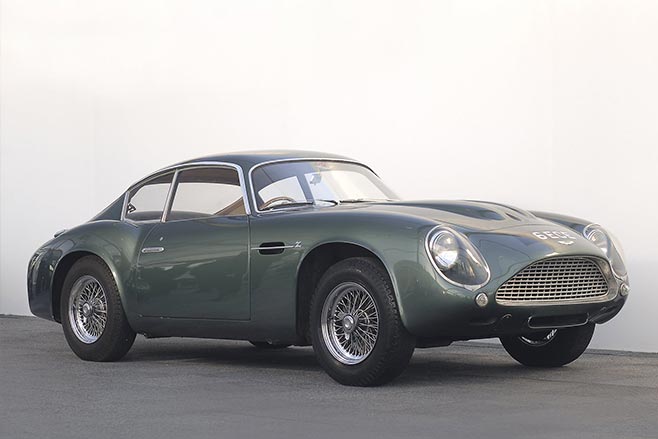
We will begin this list with the car the DBS GT Zagato takes after, the 1960 DB4 Zagato, Zagato’s first collaboration with Aston Martin, and arguably one of the prettiest cars in Aston’s long history, which says a lot.
Based on the already handsome DB4 and built with racing in mind, Zagato not only added a Latin touch to its shape, the car was lighter and more aerodynamic than the car it was based on. Despite being fitted with a more powerful 234kW straight-six than the DB4, the Zagato failed to score any significant race victories, and of the 25 examples planned, Aston could only move 19.
Over the next 59 years Aston Martin and Zagato would collaborate to produce a long line of special editions like the DB7 Zagato, Vantage V12 Zagato, and the new Vanquish Zagato, but none could supersede the DB4 Zagato in the hearts and minds of enthusiasts. Little wonder why company is planning to produce 19 ‘continuation’ models, each to be accompanied by a DBS GT Zagato.
1989 Alfa Romeo SZ
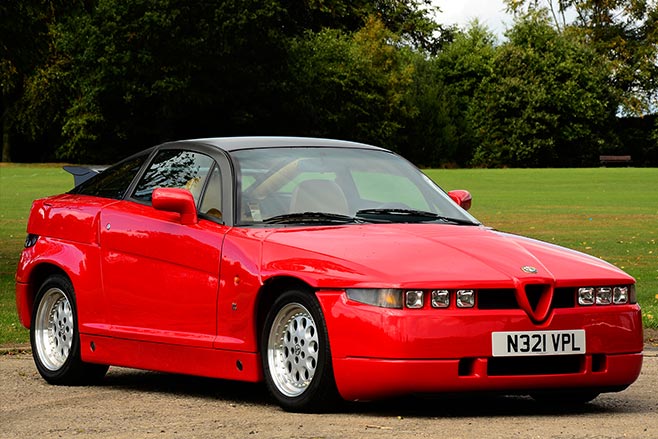
Like Aston Martin, Alfa Romeo too had a long and fortuitous relationship with Zagato, with collaborations on pre-WW1 cars right up to the present day. Alfa’s catalogue of Zagato creations is extensive with such beauties as the graceful Giulietta SVZ and the race-winning Giulia TZ, but none dominates any conversation on Alfa Romeo and Zagato quite like the 1989 Alfa Romeo SZ.
Its brutalist styling, which pushed the limits of what was possible in designing with a set of rulers, might not have been for everyone, as evident with its ‘Il Mostro’ (The Monster) nickname. However there was no denying that it packed some tasty hardware. Its chassis hailed from Alfa’s 75 Group A touring cars, its composite body kept the kilos away, and Alfa’s sonorous 3.0-litre ‘Busso’ V6 supplied the vocals. Despite its divisive looks and premium over its contemporary, the E30 M3, Alfa Romeo managed to build 1036 examples, with another limited run of 278 roadsters.
1992 Lancia Hyena
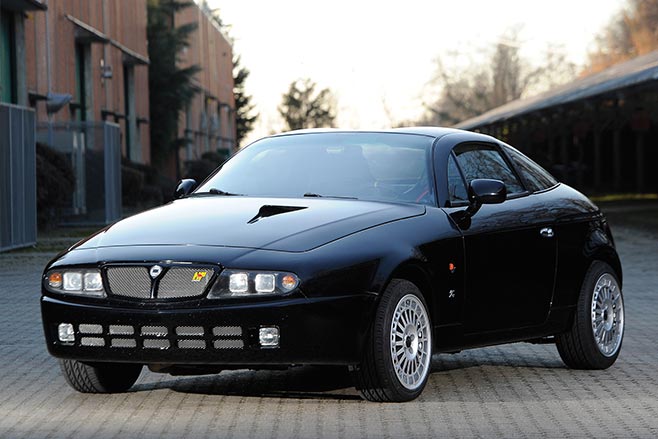
You’d think that Lancia would know better than naming a car after a shoo-in for the title of “nature’s least honourable mammal”, but the Lancia Hyena was remarkably elegant considering that it was based on the boxy Delta HF Integrale.
Taking inspiration from the Zagato-designed Fulvia Sport Zagato, the Hyena sported features an aluminium handmade body with a new dashboard and trim pieces made from carbon fibre. The extensive body work not only made the two-door coupe light (200kg lighter than the Delta Integrale), it made it rather pricey, with a price tag that stood in 911 Carrera territory.
Unfortunately for Paul Koot, the Dutch Lancia importer who financed the Hyena, its original production run of 500 was cut short to just 24.
2006 Ferrari 575 GTZ by Zagato
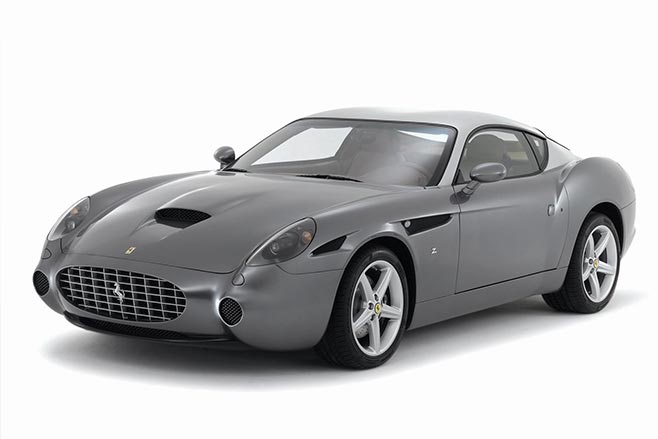
If you need an example of what the signature Zagato design cues looks like, look no further than the Ferrari 575 GTZ by Zagato. Based on the conservative-looking Ferrari 575 Maranello, the 575 GTZ has all of Zagato’s cues, double bubble roof, a curvaceous body, and sharply styled rear flanks, in exaggerated form.
Aesthetically reminiscent of a pre-war luxury grand-tourer from some angles and Ferrari’s early grand prix racers from others, the 575 GTZ was as divisive as expected of a Zagato creation. Commissioned by a wealthy Japanese collector, Zagato built six coupe examples and later followed up with a Barchetta version one-off that was based on the 575M Superamerica. Zagato also built a run of rebodied 599GTBs, though it lacked the 575 GTZ’s purity.
2009 Perana Z-One
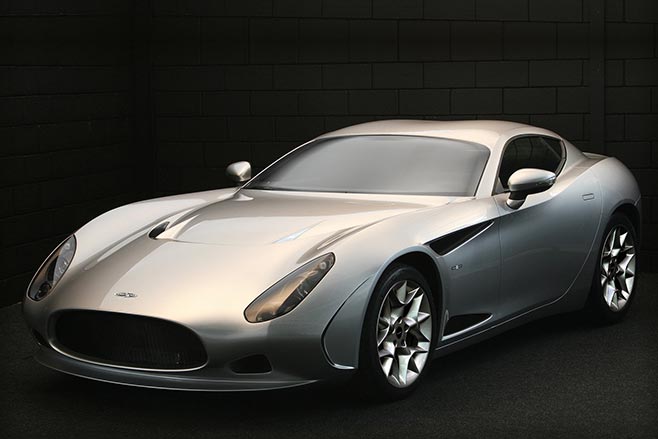
An unfamiliar name tagged onto a classically exotic body with extravagant proportions, the Perana Z-One has all the ingredients of a concept car, but it isn’t. Built by South African Hi-Tech Automotive, famed for GT40 and Shelby Cobra recreations, the Perana Z-One was planned to be built in a limited run of 999.
However as the 2009 global economy went down the toilet it was reported that only 11 bodies were built and customers were left to fit in their own engines, most of whom opted for an LS V8. Purportedly seven cars retained the Perana name, while another four were finished by AC Cars and rechristened as the AC378GT Zagato.
The Worst of Zagato
Toyota Harrier Zagato
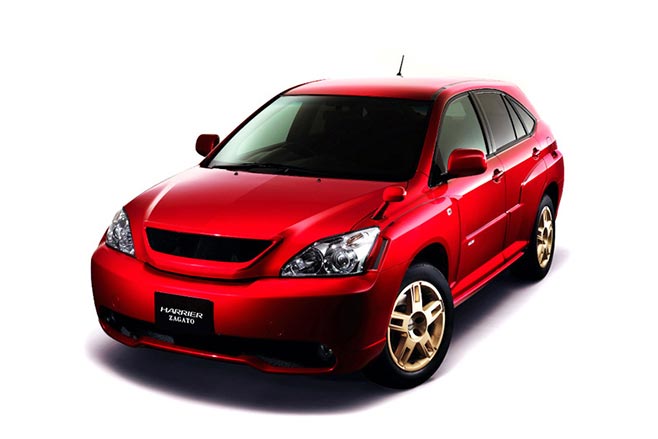
The Autech Stelvio AZ1 might not be to everyone’s tastes, however no one can hold it against Zagato for putting maximum effort into their Japanese commission. The same however can’t be said about the Toyota Harrier Zagato.
Unlike the Stelvio, Zagato’s influence here is only in the form of bodykits that gave the second-generation Harrier SUV (sold here as the Lexus RX) a racy touch that could only have originated from the 1990s.
Introduced in 2006 to celebrate the 50th anniversary of Toyopet dealerships (a prominent Toyota dealership chain in Japan), Toyota only built 250 examples. On the other hand, we should count ourselves lucky that the world was never graced by a full-coachbuilt Harrier Zagato.
Lamborghini 5-95 Zagato
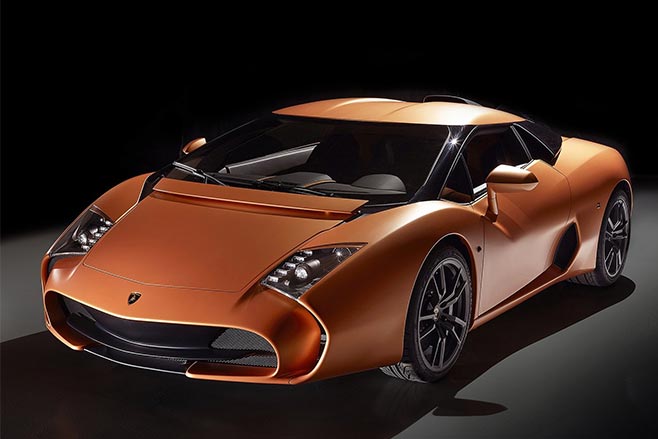
The Lamborghini Gallardo might not be the prettiest Lamborghini, or the most outrageous, but even with room for improvement in the styling department, Zagato’s own tribute to their own 95th anniversary was by most metrics, a little over the top.
Commissioned by car collector Albert Spiess, the Lamborghini 5-95 Zagato removes all of donor car’s subtle edgy styling and draped it with the bulbous curves of an amphibian while finishing it off in an odd shade of orange that screams nothing.
Considering that Spiess paid an undisclosed but substantial fund for the honour of making it “a fundamental piece” of his collection – and that Zagato later built three more for customers – the 5-95 truly is one for the esoteric of tastes.
Zagato Zele
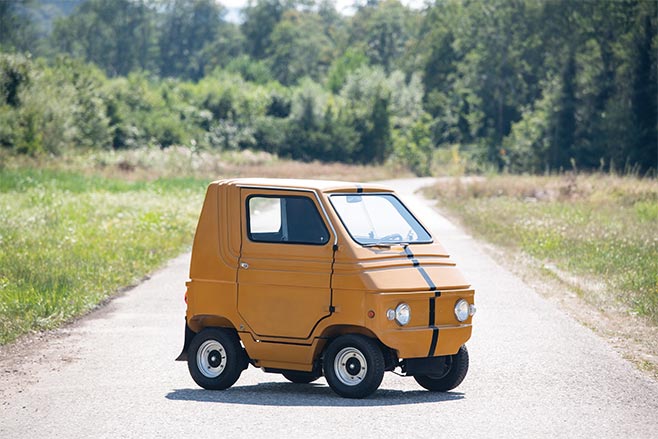
There is a general rule in car design that the smaller the dimensions of the car is, the harder it is to come up with something classically beautiful. With the Zagato Zele electric car, it almost seemed as though its designers really didn’t bother once they strapped four wheels to a brick shithouse. The closest link to Zagato the Zele has is probably the two grooves that wraps around the glasshouse, which can be seen as an interpretation of the double-bubble roof, if you squinted.
Amazingly, Zagato produced 500 of these tiny electric boxes that could hit a top speed of 40km/h with a maximum range of 80km. Zagato had another go at a nippy electric city commuter in 2013 with the Volpe. Though it looked like a Smart fortwo that was laid on its side and fed through a press, you can at least say it was styled.
Welcome to the latest episode of the WhichCar Weekly podcast. Glad you could join us.
This week regular host Daniel Gardner is sadly unwell so MOTOR Associate Editor Scott Newman has taken his place and is joined by a terrible twosome from Wheels, Deputy Editor Andy Enright and Staff Writer Cameron Kirby.
The trio kick off by examining the new Porsche 992 911, the launch of which both Scott and Andy attended in Adelaide recently. Andy runs us through the main technical highlights and delivers a verdict on the latest version of the iconic sports car.
Stinkbugs are causing havoc in Australian motoring at the moment and Cam explains why these critters are such a big deal. Scott then gets his rant on at the paranoia of supercar manufacturers who keep turning down requests to performance test their vehicles.
Speaking of supercars, Andy is both happy and sad having returned his McLaren 570GT long-termer and reveals what it’s like to live with a supercar day-in, day-out, which leads to a discussion of what the ideal long-term vehicle would be.
If you’re on the go you can catch WhichCar Weekly on iTunes or Podbean, please rate and subscribe! You can also follow WhichCar on Twitter, Instagram and Facebook @whichcarau.
Listened to the show? Help us out:
- Leave a note in the comment section below.
- Leave a review on Apple Podcasts/iTunes
- Subscribe to our podcast
A one-off 2003 Holden Monaro built for ex-general manager of GM’s local arm Peter Hanenberger has appeared for sale online.
In the ‘HSV & HDT Enthusiasts’ Facebook group, the car appeared for sale with its Callaway-tuned ‘C4B’ LS-based engine from a HSV GTS ‘300’.
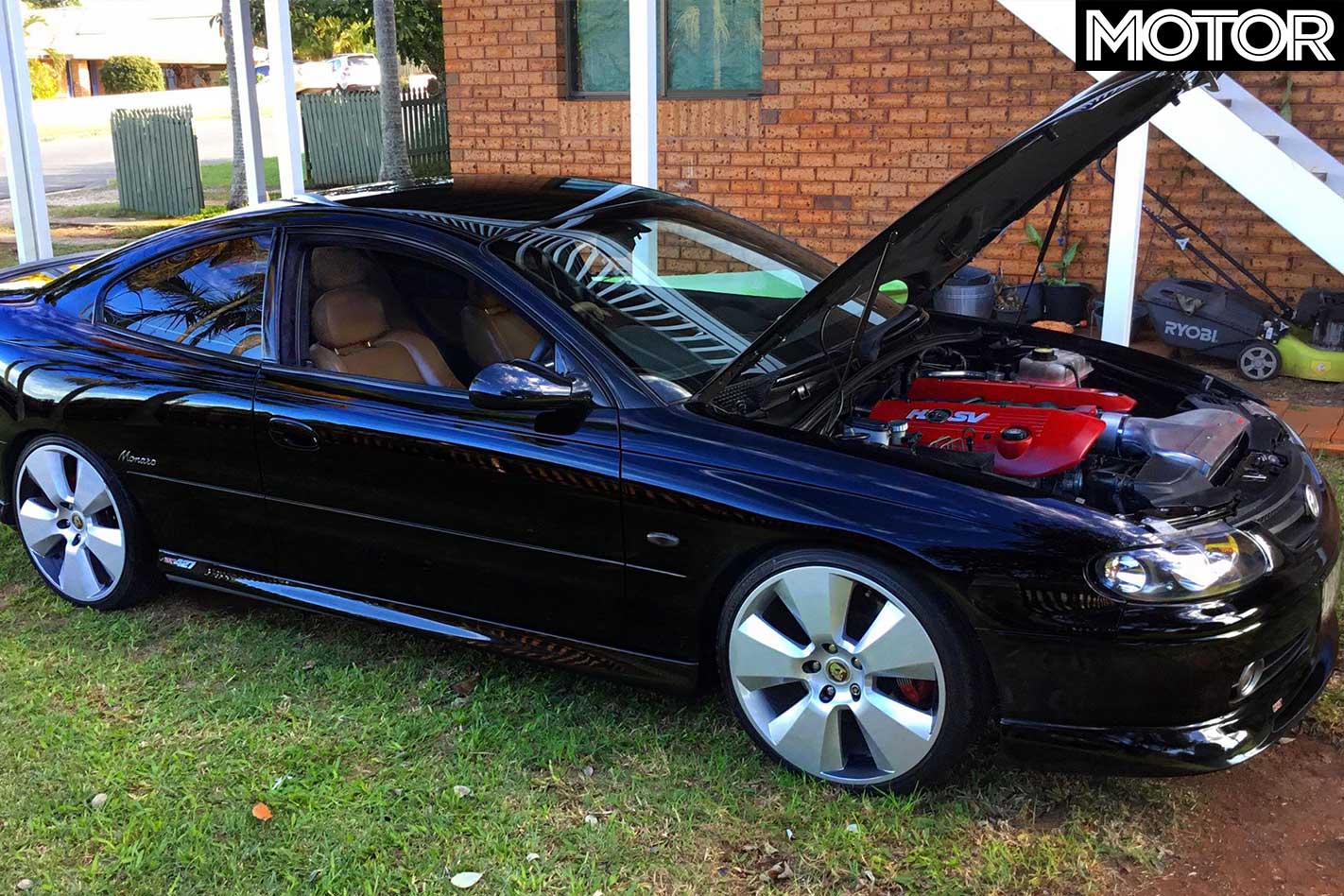
We contacted the seller to confirm that this was in fact a Hanenberger Monaro (there was another, more on that later), and were supplied with a brief history of the car.
Its VIN appears to check out, and a document supplied in part by the seller lists Peter Hanenberger as the driver with the ‘date of purschase’ in February 2003. He would retire at the end of that year, thus likely having driven this car for less than 12 months.
Its HSV LS1 engine, with 300kW stock thanks to Callaway’s tune, has now seen the car through more than 150,000km and has been modified with new valve springs and a cam by the seller.
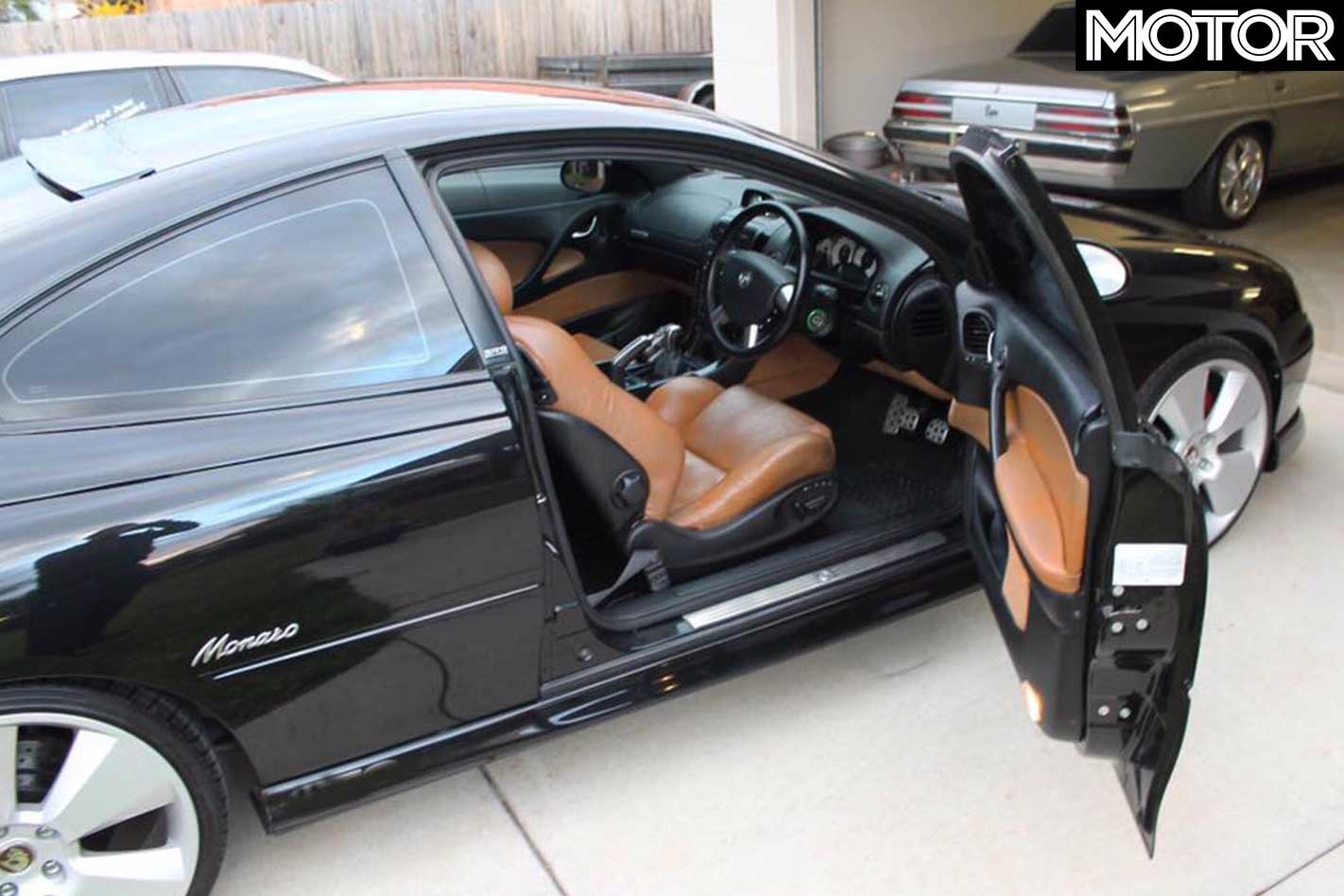
Optioned by Hanenberger were sat-nav, a HSV interior with tan leather, and several exterior trim components by HRT. The seller has since added a ‘HRT427’ badge on the side skirt.
The seller is asking what seems like a reasonable $50,000, given there’s no other way to get hold of a car like this without building it from parts.
The other one: Hanenberger’s retirement Monaro
When Peter Hanenberger retired at the end of 2003 (literally, on the last day), Holden gifted him another Monaro with C4B running gear as a thanks for his time with the company.
In the more-than four decades Hanenberger, originally from Germany, spent with GM there were a couple of stints with Holden, one being in the 1970s during his earlier career, and then again as its head.
The car given to Hanenberger upon his retirement was left-hand drive so he could take it back to Germany where he is still believed to have it.
Inconsistent panel gaps are unsightly things. It’s a bit like colouring in over the line – once you know it’s there it can’t be unseen. Tesla has been a bit of a regular panel-gap culprit in the motoring world, not quite up to the tightly-toleranced standard you’d expect from most of the well-oiled machines from Germany and Japan.
And it’s something we at Wheels have noticed, even on the usually meticulously inspected press car. But apparently there’s a fix in the works.
In the meantime, all is not rosy when it comes to Tesla repairs. Speaking to Wheels, a certified auto body repair specialist with an arsenal of expensive OEM repair tools, including manufacturer provided repair rigs and specifications for every part and panel, claims that Teslas can be an absolute nightmare in the shop.
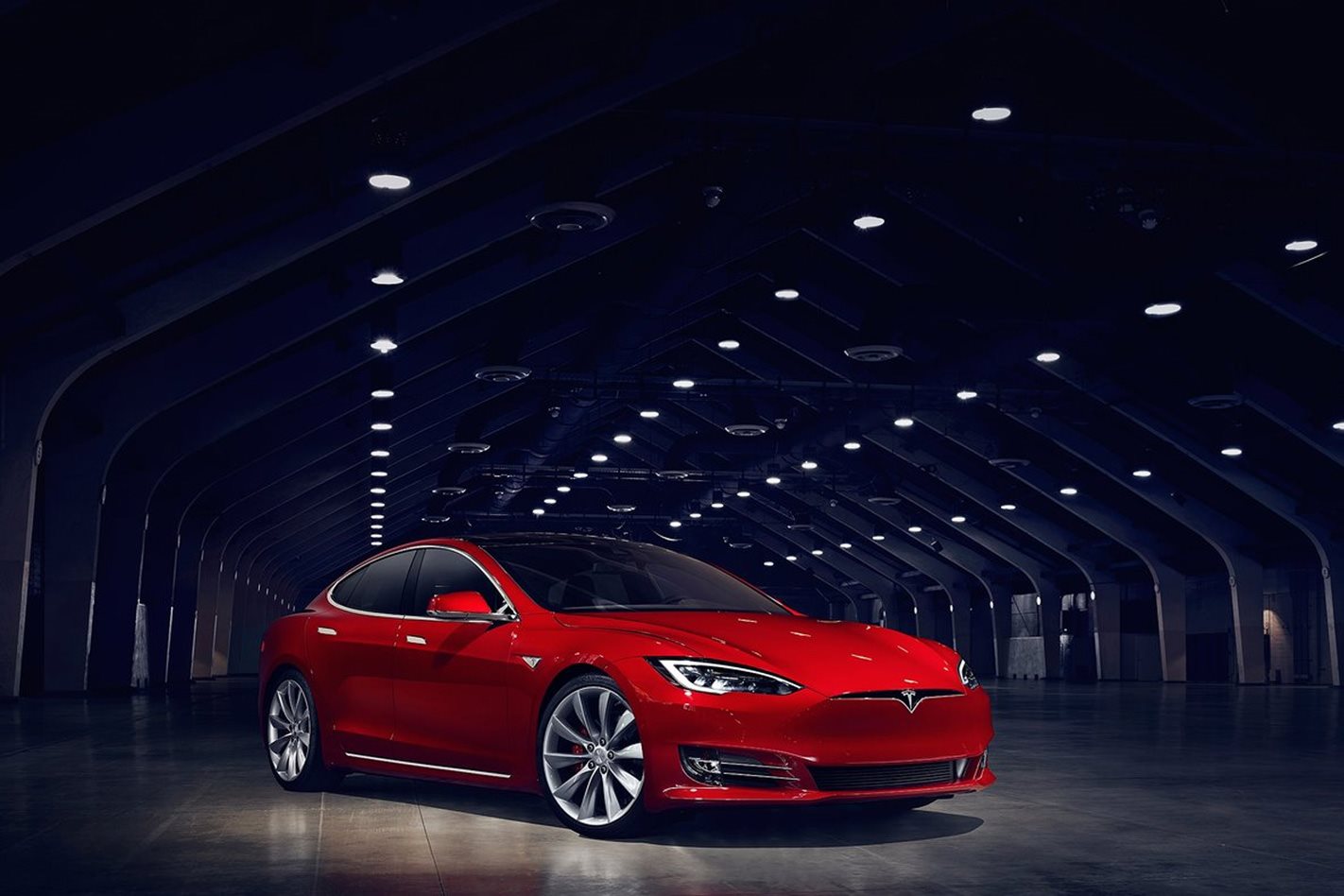
Training across the globe to learn special techniques required by each manufacture to work on that car, the technician says that panel gaps – in particular on the Model X – can be so far out of whack that properly repaired sections (repaired to exact methods) can be a challenge to align when the factory job is outside of the supplied spec.
“Yes, they [precise tolerances and specifications] are all in the methods, when you get the methods, you can get any gap you want,” they said.
“Of course, they are all completely different. If you look at a Model X here [in the workshop] and a Model X we’ve got downstairs or anything like that, the gaps are very different.
“A [training] course I’ve been on, there were a couple of people from California, and they’ve had nothing but trouble with them because they are all different and you can’t really go off [what’s there]. Obviously the customer hasn’t picked that up before it has gone in for repair.
“Basically we would then just refer to the methods and the methods say this is 4mm, that’s 4mm.
“So that’s what we’re working with already you know, a car comes in and it’s already wrong from factory and we’ve got to, you know, make it work.”
However, Tesla has recognised it requires better methods to fix inconsistencies in production, vowing to fix its Model 3 to be ten times better than any other car in the world.
“Most of the design tolerances of the Model 3 are already better than any other car in the world,” Tesla CEO Elon Musk said in an email to staff.
“Soon, they will all be better. This is not enough. We will keep going until the Model 3 build precision is a factor of ten better than any other car in the world. I am not kidding. Our car needs to be designed and built with such accuracy and precision that, if an owner measures dimensions, panel gaps, and flushness, and their measurements don’t match the Model 3 specs, it just means that their measuring tape is wrong.”
In a patent published late last year, Tesla cites issues with traditional panel clamping assembly that did not work with its unique design philosophy. It has created a new type of flexible clamp that will allow adjustment of panels to be consistent from the factory. Tesla explains in the patent that, “Attempting to use a traditional clamp to secure two parts that must have some play between them may introduce unsightly gaps and/or overlaps between the parts, reducing the aesthetic appearance upon assembly.”
The surging start-up US electric car maker changed the automotive industry in the short 15 years it has been in existence. But as brilliant as its electrification of the automobile has been, the ability to produce cars has so far been its Achilles heel. That may well be about to change.
UPDATE:Price, power figures, and engine heritage have finally been revealed for Lanzante’s F1-powered Porsche 930 Turbo.
A report from Piston Heads has confirmed power figures for 1.5-litre V6 will be 375kW and 420Nm – a dip from the 634kW and 719kW available for race and qualifying tunes respectively.
The 9000rpm redline makes this the highest-revving turbocharged engine to be fitted to a ‘producton’ vehicle. When fitted to McLaren’s F1 cars the engines would spin to 11,200rpm.
Further ensuring the engine’s longevity is a reduced boost of three bar, or 43psi, to ease stress on the former racing units. Power is delivered through a newer Porsche G50/20 six-speed transmission, allowing for a 321km/h top speed.
All bar two of the 11 cars Lanzante intends to sell will feature engines which propelled the likes of Niki Lauda, Alain Prost, and Keke Rosberg to grand prix podium finishes. One will have a grand prix winning engine. Mercedes-AMG One, who?
Price? You’ll need £1,095,000 (A2,019,000) … plus taxes.
A detailed look at the history of both the secret test mule, and the TAG engine, read on:
IMAGINE the cross-bred offspring of a Singer 911 and a Mercedes-AMG Project One hypercar, and it might look something like this: the Lanzante 930.
The long-term McLaren affiliate is in the process of resto-modding early Porsche 911 Turbos and powering them with actual Formula 1 race engines from the big-boost turbo era of the mid-1980s.
The project was confirmed in an Instagram post by Lanzante, who attended Laguna Seca earlier in the month to display an F1-engined 930 at a Porsche gathering called Rennsport Reunion.
Anoraks among you will be aware that such a car has existed for several decades – a Porsche 930 911 was used to secretly develop the TAG-branded McLaren F1 engine in period – but Lanzante has now announced that unicorn is about to spawn 11 brethren.
https://www.instagram.com/p/BoUX6_bB-L0/?utm_source=ig_embed&utm_medium=loading
And it appears the program is well under way, with Lanzante having already purchased a small number of ex-race engines from McLaren according to a report by Engine Swap Depot.
Each of the 11 Lanzante 930s will feature a plaque acknowledging the chassis the engine comes from, along with the engine number, a list of events it took part in, and where it finished in each.
While the 1.5-litre twin-turbo V6 engine – codenamed TTE PO1 – was branded otherwise, it was in fact developed and built by Porsche, hence the 911 test mule at the time.
It first appeared at the 1983 Dutch Grand Prix, and went on to help McLaren score 26 victories from 68 races between ’84 and ’87, along with the 1984 and 1985 constructor championships and 1984, ’85 and ’86 driver championships.
One of the most staggering things about the original mule and the Lanzante recreations, is their outward appearance, which barely differs from that of a regular 930 911 Turbo fitted with classic five-spoke RUF wheels. There’s no widened bodywork, mutilated arches, or obscene rubber to give the game away, making these 911s perhaps the ultimate sleepers.
The story behind the original F1-powered 911 is a fascinating one.

Porsche developed the TTE PO1 engine in secret, using the 930 body to hide it from prying and unsuspecting eyes while gathering valuable data.
This sort of production car-based mule wasn’t uncommon in the espionage-laden times of 1980s motorsport, but most were crushed once development was completed. Thankfully, McLaren and Porsche opted to squirrel the 930 away in a warehouse, waiting years before eventually putting it on display at the Woking team’s Technology Centre.
What trim the 1.5-litre V6s will be in when fitted to the 11 road cars is unknown, as the twin-turbo unit was significantly upgraded over its three seasons in Formula 1.
Initially, the TAG-McLaren engine had an 11,200rpm redline and produced 485kW in race trim, which increased to 597kW for qualifying.
In 1985 the engine was refined and improved. A lowered limit of 11,000rpm didn’t stop it sending 634kW to the rear wheels during races, and 719kW at its peak. Or at least they’re the numbers on the most powerful tune officially reported by McLaren, however some ex team members have claimed the engine could produce 820kW if needed. Engine designer Hanz Mezger also hinted as much as 790kW was wrung out from the six-pot.

In 1987 new regulations meant the TAG-McLaren engine was restricted to 4.0-bar (58psi) of boost (F1 previously allowed unlimited boost pressures), reducing power to 590kW in race trim, and 630kW for qualifying. However, the rev-limit was lifted to a stratospheric 13,000rpm. In 1988 boost was further reduced to 2.5 bar (36psi), restricting power to around 480kW.
Lanzante is yet to reveal any specific details about the 11 cars, so we’ll have to wait to learn more about what gearboxes will be mated to the twin-turbo V6s, and how many driven wheels each car will have. Oh, and what the inevitable, eye-watering cost will be.
When the engine was placed in the rear of Niki Lauda’s MP4/2 it was mated to a 5-speed manual gearbox co-developed by McLaren and Hewland, while the MP4/3 paired it with a Getrag 5-speed.
It’d be safe to wager the 930s will also be worked over in the suspension and braking departments in order to cope with the turn of speed a Formula 1 engine will provide.
The mid-‘80s was a period of excess in Formula 1, with turbo technology prompting sky-high power levels in relatively primitive chassis. Teams often ran special qualifying tunes with unique fuel mixtures and boost levels.
At the time McLaren was the only team not using disposable engines for qualifying, with the TTE PO1 reliable enough to receive extra boost for Saturday’s running and survive through to race day… and still exist today to be transplanted into Lanzante’s monsters.
Lanzante is a British outfit that came to prominence as a motorsport team in the 1990s. Its primary business today is the restoration and servicing of classic McLarens, though it also specialises in road-legal conversions of track-only vehicles. A Lanzante McLaren P1 LM (nee GTR) is the fastest road-legal car (not production vehicle) to lap the Nordschliefe.
With that sort of expertise in the mix, this limited run of 11 units, all with actual Formula 1 race engines in the rear, could make the Lanzante 930 recreations both the fastest, and rarest, 911s money can buy.
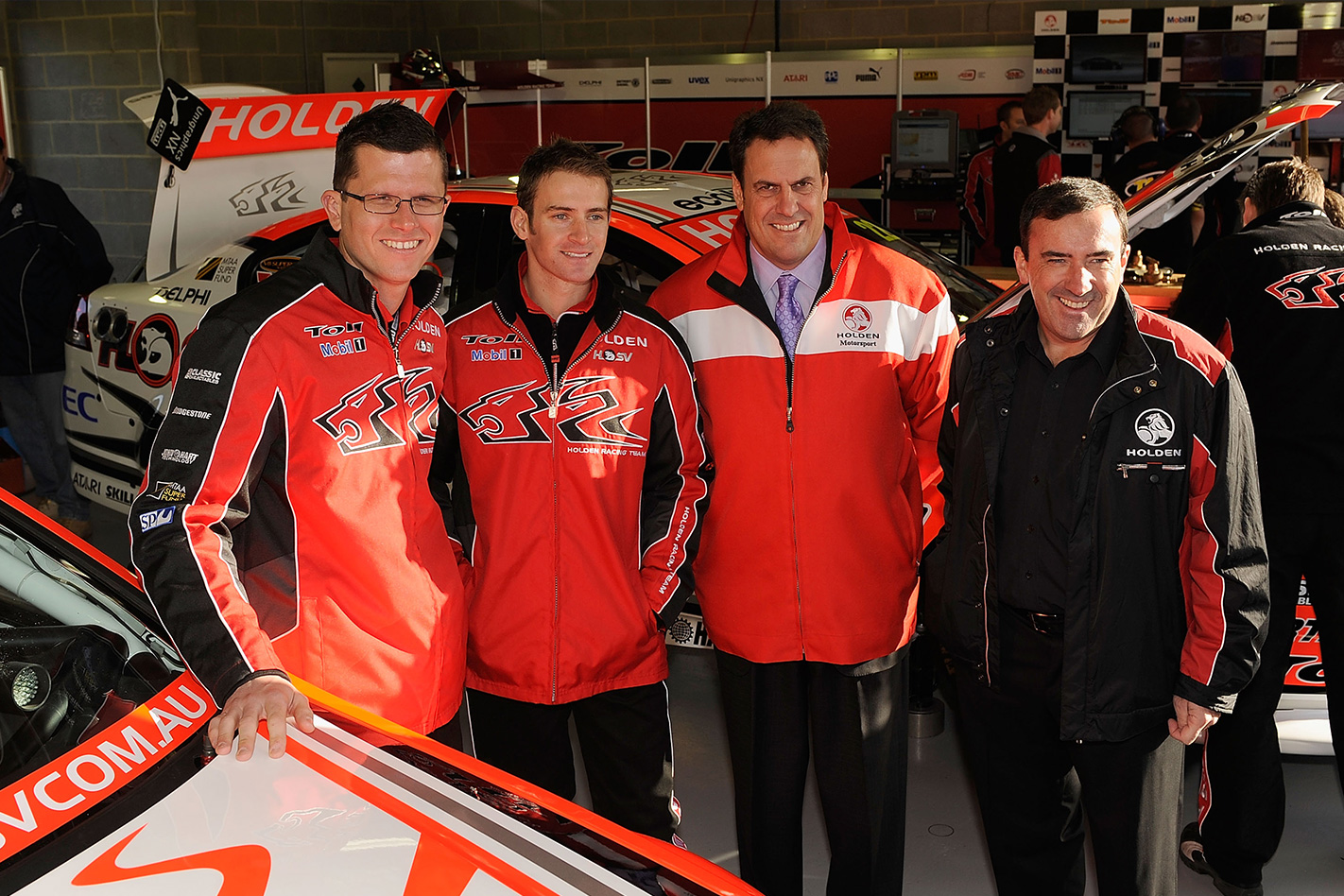
WHILE it can be easy to feel like Holden is the forgotten child of the General Motors family, sitting at the opposite end of the world from Detroit, it has an all-important defender at the global head office.
Now working closely alongside GM’s CEO and chairwoman, Mary Barra, Reuss is Detroit royalty, and maintains a soft spot for the company’s Australian offshoot.
Having held the top job at Holden for 18 months from February 2008 to the end of August 2009, he understands its unique needs intimately.
“Holden will always be special to me,” he told Wheels.
“It was dynamic, exciting and, at times, we were living on the edge.”
It’s a time of flux in the motoring industry as a whole, and while Holden has many question marks over its future, loyalists can be assured it has a strong voice defending the brand at the most important table within GM.
During his time Down Under, Reuss was a staunch supporter of Holden, extending local manufacturing and international exports beyond GM’s deadline.
To better paint a picture of Reuss, he is one of just 30 engineers within GM who are certified development drivers for the Nurburgring. He’s the kind of bloke who keeps a racing helmet and HANS device on his office bookshelf.
His father, Lloyd Reuss, was also the president of GM in the 90s, and Mark joined the company in 1983 as a mechanical intern.
A vocal supporter of Reuss’ credentials is former car executive titan Bob Lutz.
You can read an in-depth profile of The Holden defender at the top of GM, written by Paul Gover, in our April edition, which is out now.
What is it?
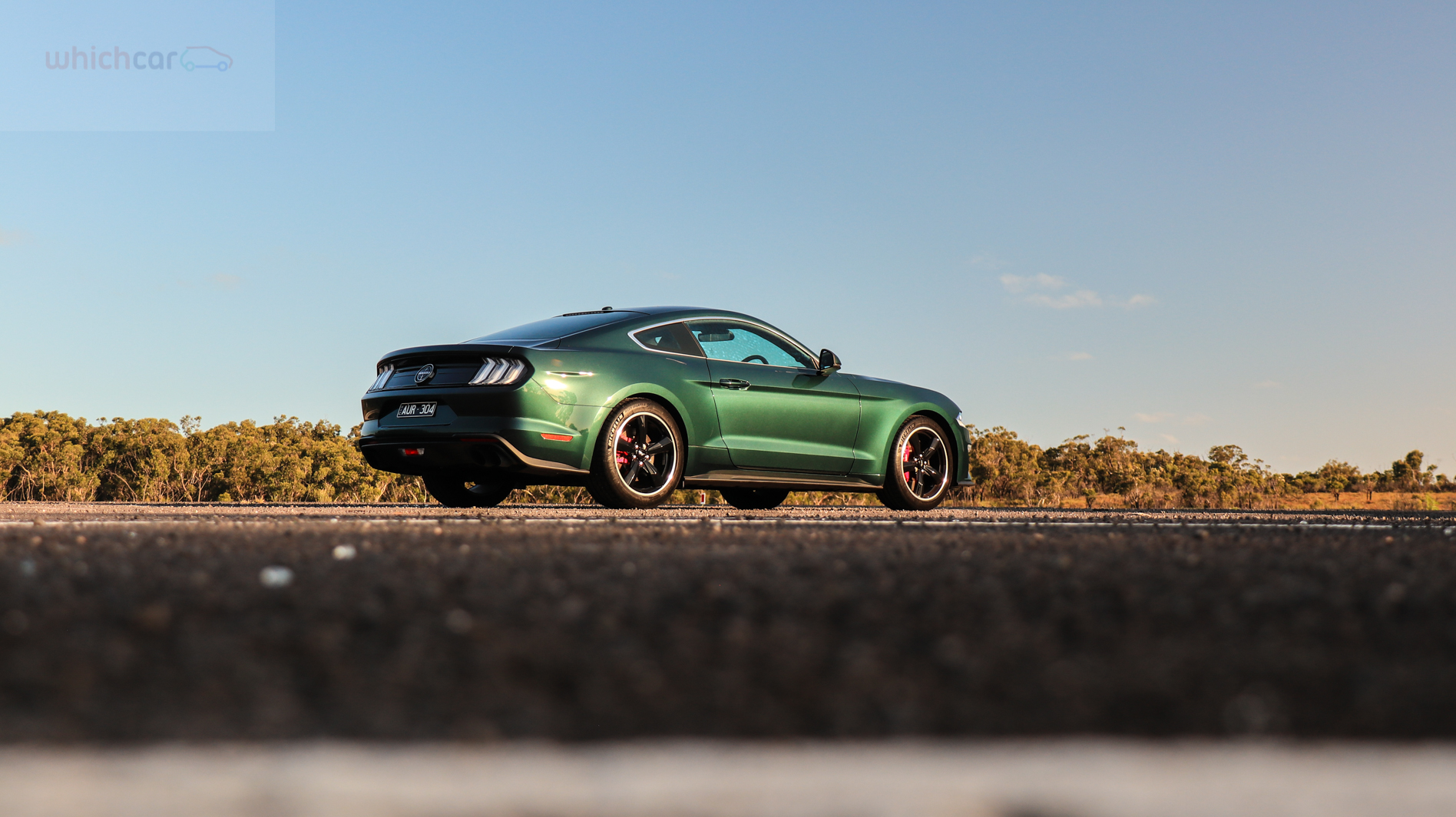
The Ford Mustang Bullitt pays homage to the 1968 movie of the same name, starring the iconic actor and racer Steve McQueen and featuring one of the most famous car chase scenes in cinematic history.
Based on the V8-powered Ford Mustang GT, it’s easy to dismiss the Bullitt as a loosely conceived marketing gimmick designed to give the Mustang a mid-life kick-along… but that is selling it short. Very short indeed.
How much is the Ford Mustang Bullitt?
The manual gearbox-only Bullitt commands a $10,698 premium over the manual Mustang GT upon which it’s based, making it a $73,688 proposition. Just 700 Highland Green examples have been imported, and all have been allocated to dealers around Australia.
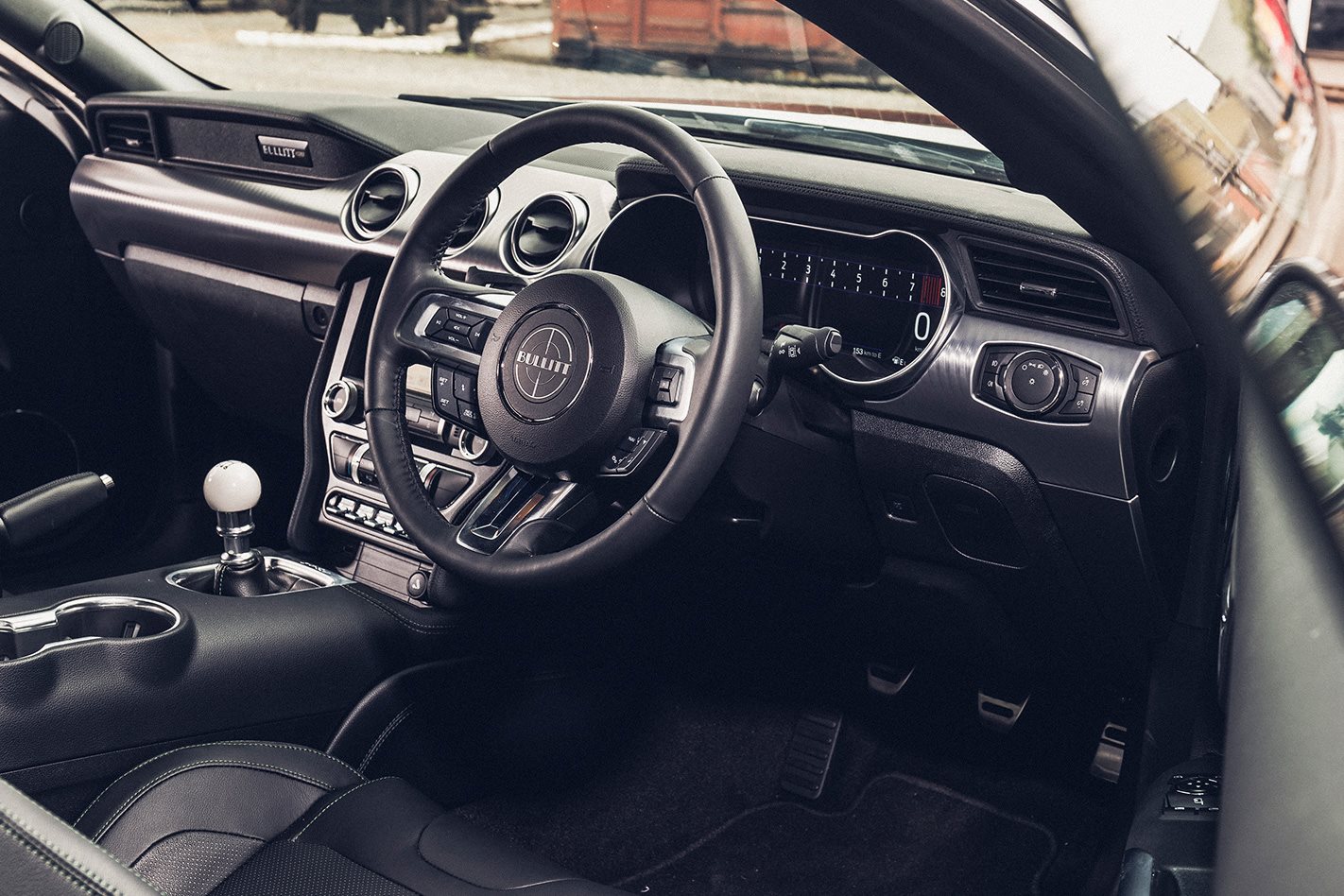
Out of the box, you get an upgraded version of the Mustang’s 5.0-litre naturally aspirated V8 petrol engine, a six-speed manual gearbox – topped with a movie-mimicking white cue-ball-top gearknob – along with Recaro front buckets in leather, Ford’s Sync 3 multimedia system with Apple CarPlay and Android Auto, a digital dashboard, AEB and more.
Fuel-cost wise, Ford says the Bullitt consumes 12.5 litres per 100km on a combined fuel economy cycle… but good luck sticking with that number. A 60-litre tank of 95 octane fuel might get you 480km. I say ‘might’, because keeping the right foot under control is the key here.
Who is the Ford Mustang Bullitt for?
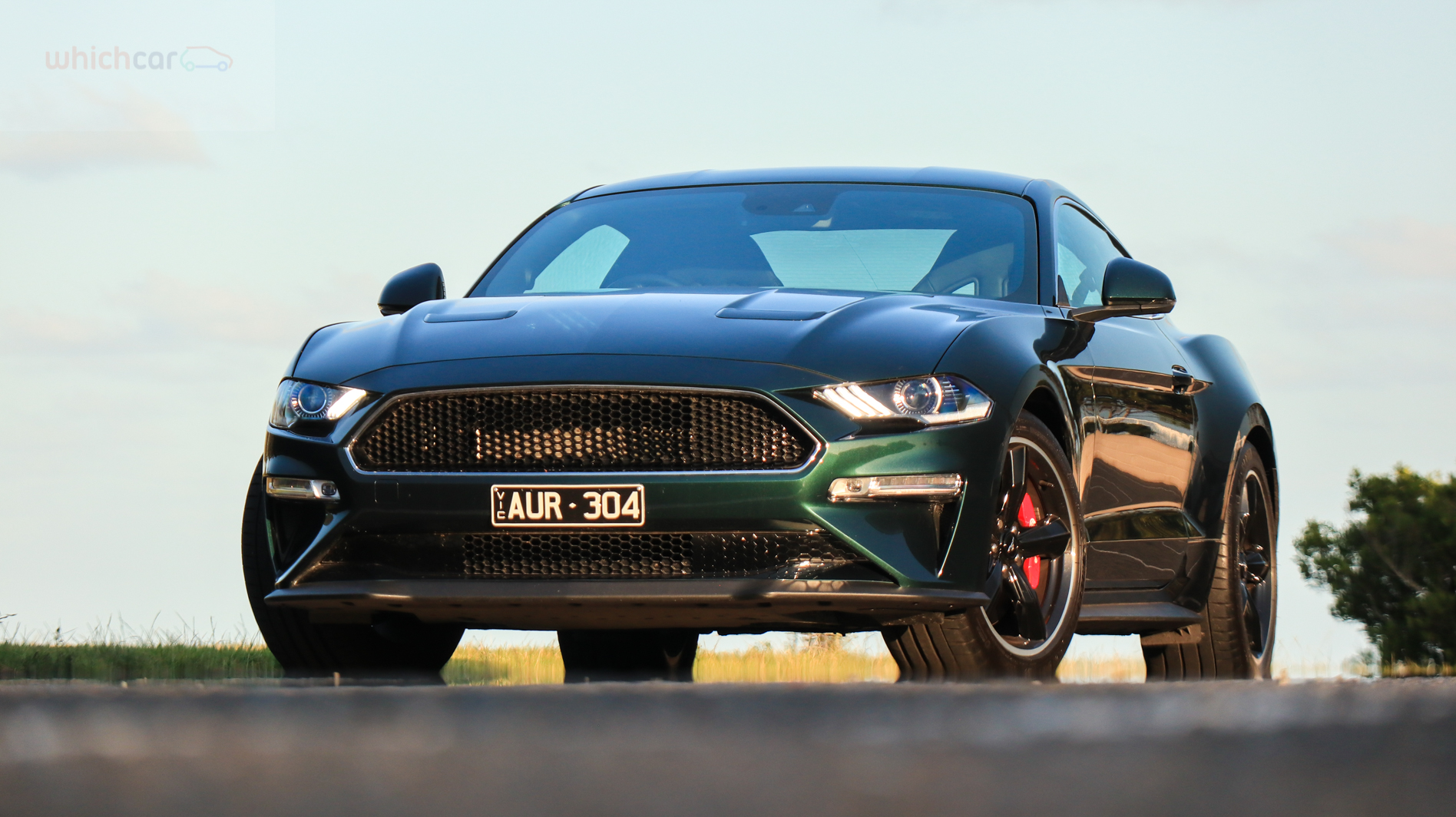
The Mustang continues to defy sales chart logic, continuing to sell strongly four years after its launch. While the 2018 facelift added a veneer of quality and sophistication, the Bullitt is arguably the most cohesive version the company has made.
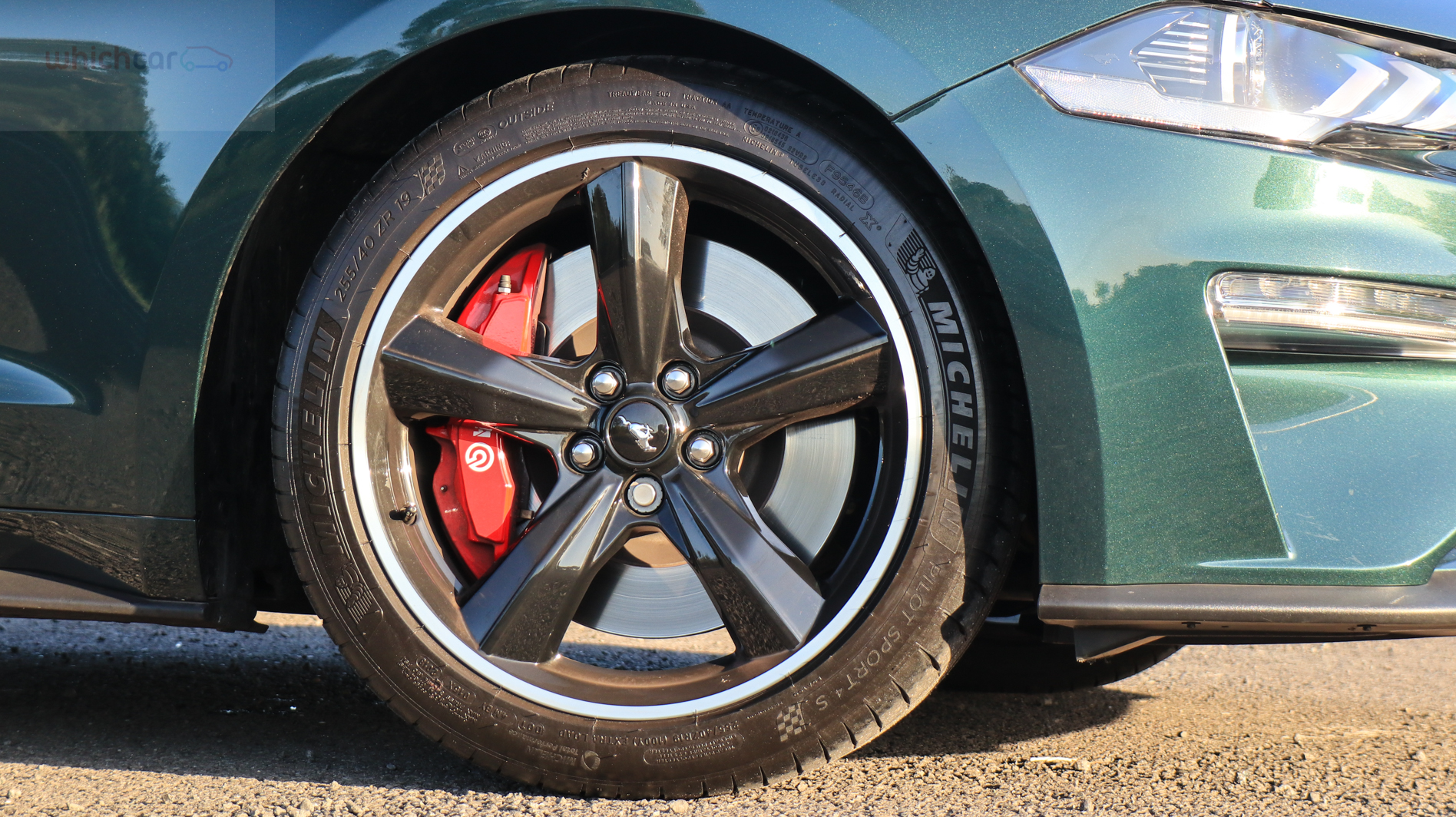
You won’t find a Ford badge on It – even the pony on the grille is missing – and the ‘Bullitt’ rondel on the boot is a bit garish, but the five-spoke 19-inch rims, the dark green hue and the Mustang’s classic yet contemporary coupe swoop combine to present a modern sports car with a suitably subtle retro twist.
Movie buffs may like it, but fans of proper V8-powered GT cars will absolutely love it.
Is the Ford Mustang Bullitt easy to live with?
The Mustang is a two-door coupe slash sports car slash grand tourer, and as such, it’s best suited to two people. Its lamentable rear occupant safety standards and resultant three-star ANCAP score mean it’s not an ideal daily driver for family duties… but from the driver’s seat, it’s a different story.
The 2018 upgrades added items like a digital dashboard and improved cabin ergonomics to the mix, and combined with those lovely Recaros, the Bullitt is comfortable and easy to live with.
The exhaust system can be electronically altered to be whisper quiet, utterly offensive or somewhere between the two, while the gear shifter and clutch combo are as good as anything I’ve ever driven.
The boot isn’t huge, though, the doors are big, the turning circle ain’t great, and the digital dash can be awkward to tweak at times, but on the whole, the new and improved Mustang is easy enough to live with.
How well does the Ford Mustang Bullitt drive?
The only thing that the Bullitt brings to the Mustang GT is a tiny bit more mumbo thanks to a cool semi-open air filter, intake manifold and ECU tweak, but the way it delivers that 345kW (up six) and 556Nm (up 115) is key to the experience.
The long-legged manual gearing means you can hit the national limit in first gear if you wanted to, but that amazing gearbox interface means you’re shifting more often than you’re not.
The chassis balance, too, is right on point, thanks to the slightly bulbous 19-inch Michelin tyres on the movie car-mimicking Torq Thrust 19-inch alloys providing ride pliancy that the adaptive dampers can take away.
There isn’t a wide range of variance between soft and firm within the damper curve, though; a slightly softer Comfort tune would be welcomed by some.
The Bullitt, in essence, makes short work of the longest trips, proving to be both relaxing and invigorating in equal measure. I constantly looked for excuses to drive it, which is a rare experience for this jaded old hack.
Verdict
I flat out loved the Mustang Bullitt. The Mustang per se hasn’t really registered with me as a driving machine up til now – the long gearing and slightly cheap interior bugged me a bit, as did its laisse faire attitude to rear occupant safety.
And sure, it’s pretty useless as a family hack, the ten grand ask over and above the GT is a bit rich, and the actual movie itself wasn’t even that good… but peel off the Bullitt badge on the back, and you’ve got yourself a beautifully composed, subtly alluring and highly addictive grand tourer that appeals to both the enthusiast and the everyday driver.
Whatever fairy dust Dearborn has blown over the Bullitt has resulted in a rare beauty.
2019 FORD MUSTANG BULLITT SPECS
Engine: 5038cc V8, DOHC, 32v Power: 345kW Torque: 556Nm Price: $73,688
There was no technical briefing and no press release during our first ever taste of the new Porsche Taycan, but nevertheless after two days of conversation, the clearest picture yet of the car’s technical content is now becoming apparent.
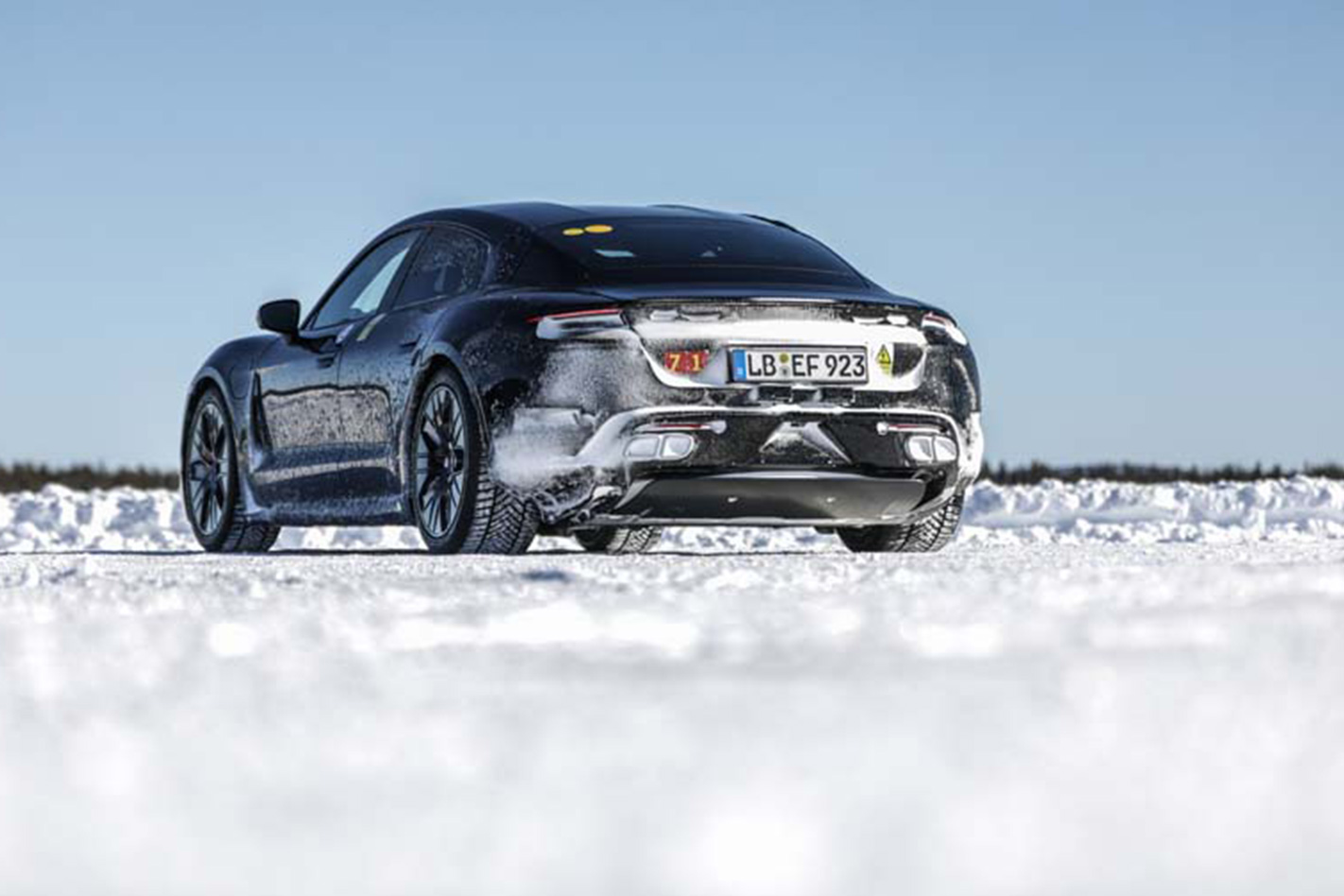
The car will be formally launched at the Frankfurt show in September with two power outputs, with customer deliveries taking place before the end of the year. It seems the most powerful will now have rather more than the 447kW originally suggested for it – perhaps as much as 470kW – with the less powerful model around 75kW behind. At least one more model will be introduced thereafter, likely to have an output near 300kW.
There is also a fourth model that has been fully engineered, but may or may not go on sale. This car has a single electric motor and rear-wheel drive alone, so will likely have just over 224kW but come with a substantial weight saving. ‘The decision to make it is not technical but financial,’ Wheels was told by a Porsche spokesperson during the ride along event. ‘If the market wants it, we will make it.’ There is no two door Taycan anywhere in the product plan, nor any ultra-sporting GT model.”
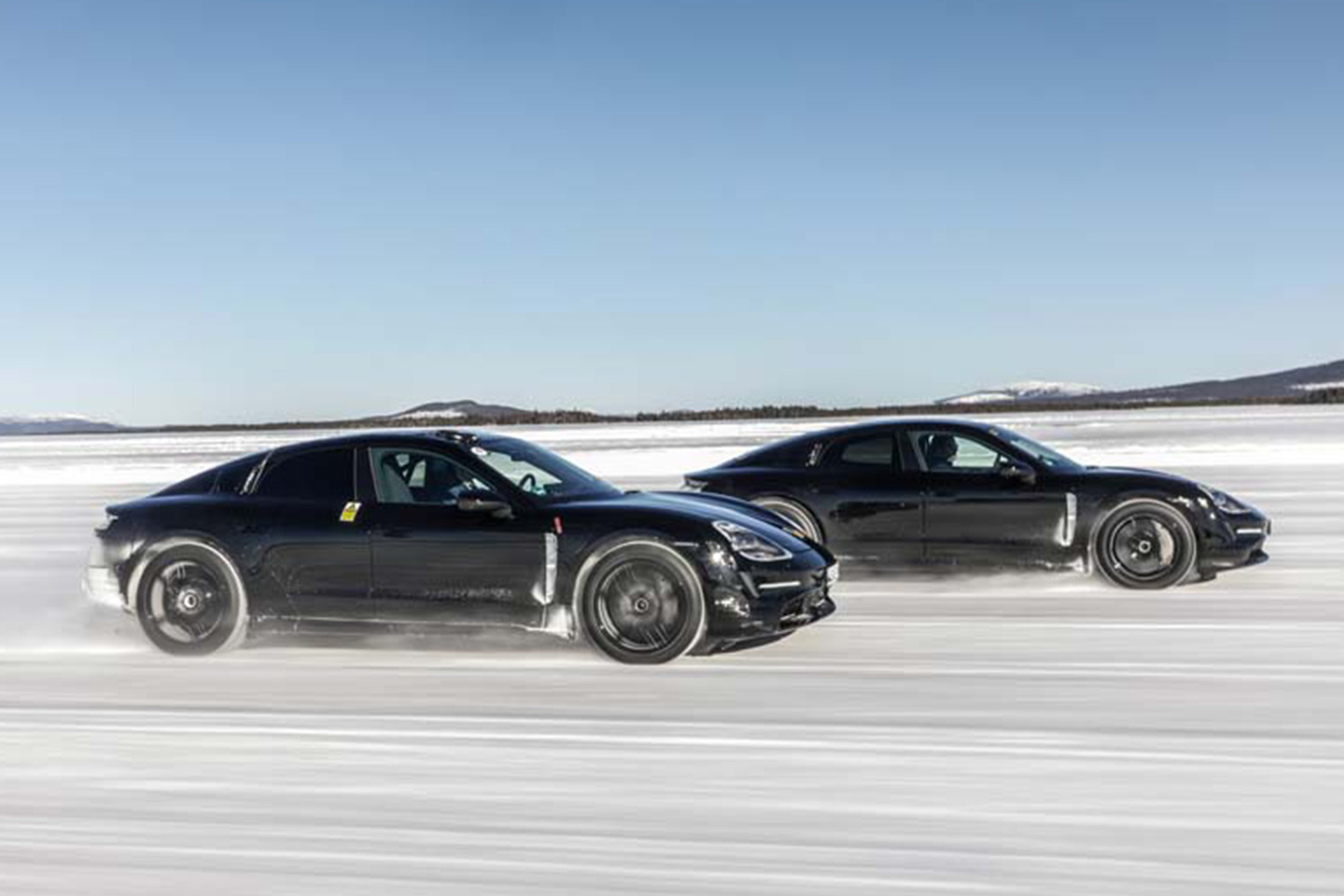
The naming strategy for the car will be interesting as Porsche is keen to make it feel as familiar as possible. So expect a conventional approach with the range-topper called a Taycan Turbo, with GTS, S and standard Taycan badging also to be used.
Much speculation has surrounded the weight of the Taycan, but I was told it was ‘in the range of the Panamera hybrid’, which means around 2250kg, making it a touch heavier than a Jaguar I-Pace and on a par with a Tesla Model S. Acceleration for the top model is now informally referred to as ‘way below’ the 3.5sec 0-100km/h sprint originally claimed for the Mission E concept car on which the Taycan is directly derived. Interestingly, all Taycans will also be capable of at least 250km/h, a function not only of their power, but the two speed gearbox that, like that in the BMW i8, allows prolonged use of full electric power at sustained high velocity.
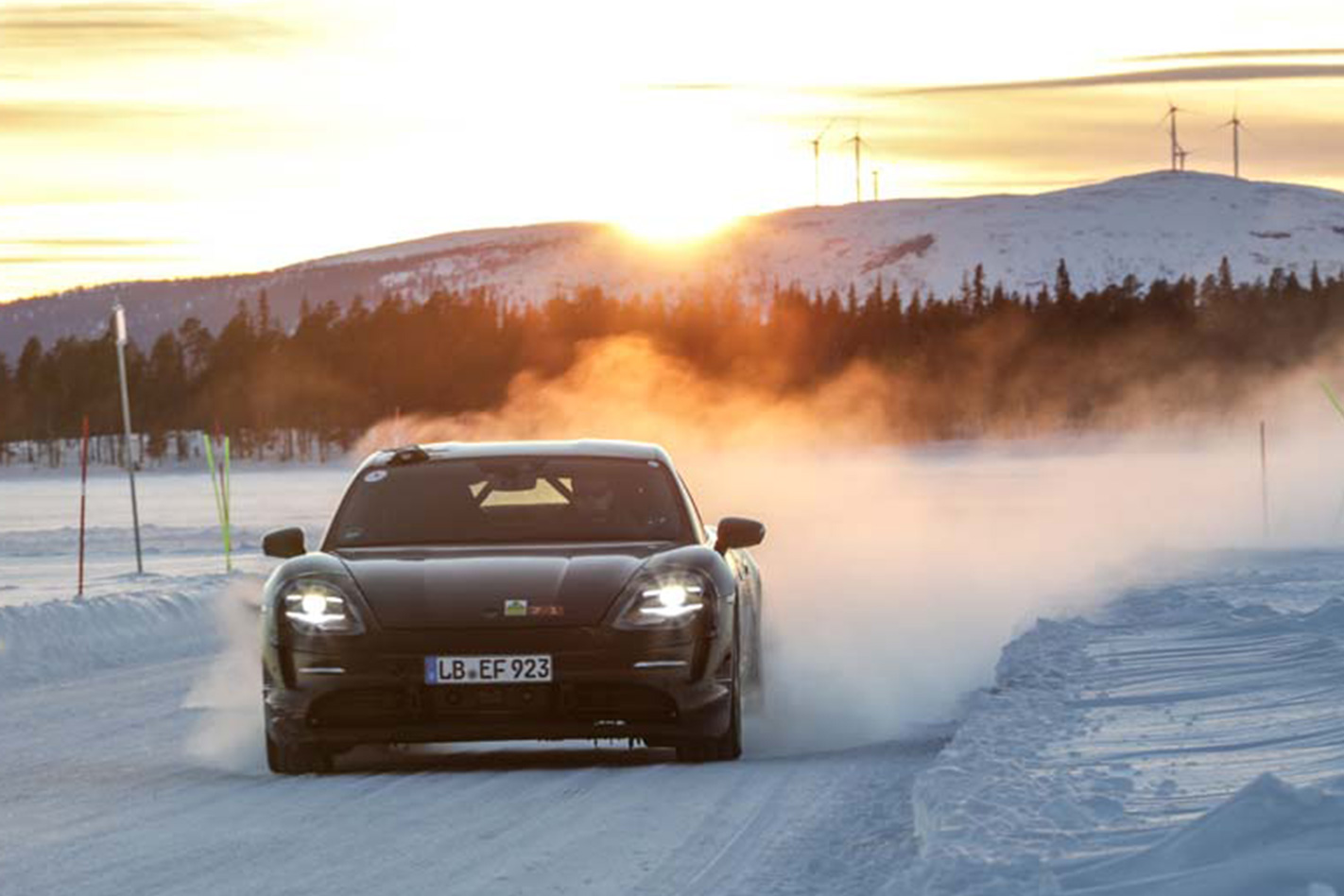
Porsche has also been improving the repeatability of the car’s performance. It can now do at more than a dozen 0-100km/h standing starts with no fall off in power (earlier talk was around 10) and at least four 0-200km/h runs without degradation, which is doubtless at least four more than most owners will attempt. It will maintain its top speed, ‘for longer than you could drive at that speed on any public road’.
The range is still 500km, but measured on the old NEDC scale it will be lower on the new, and more realistic, WLTP measure – probably around 430km.
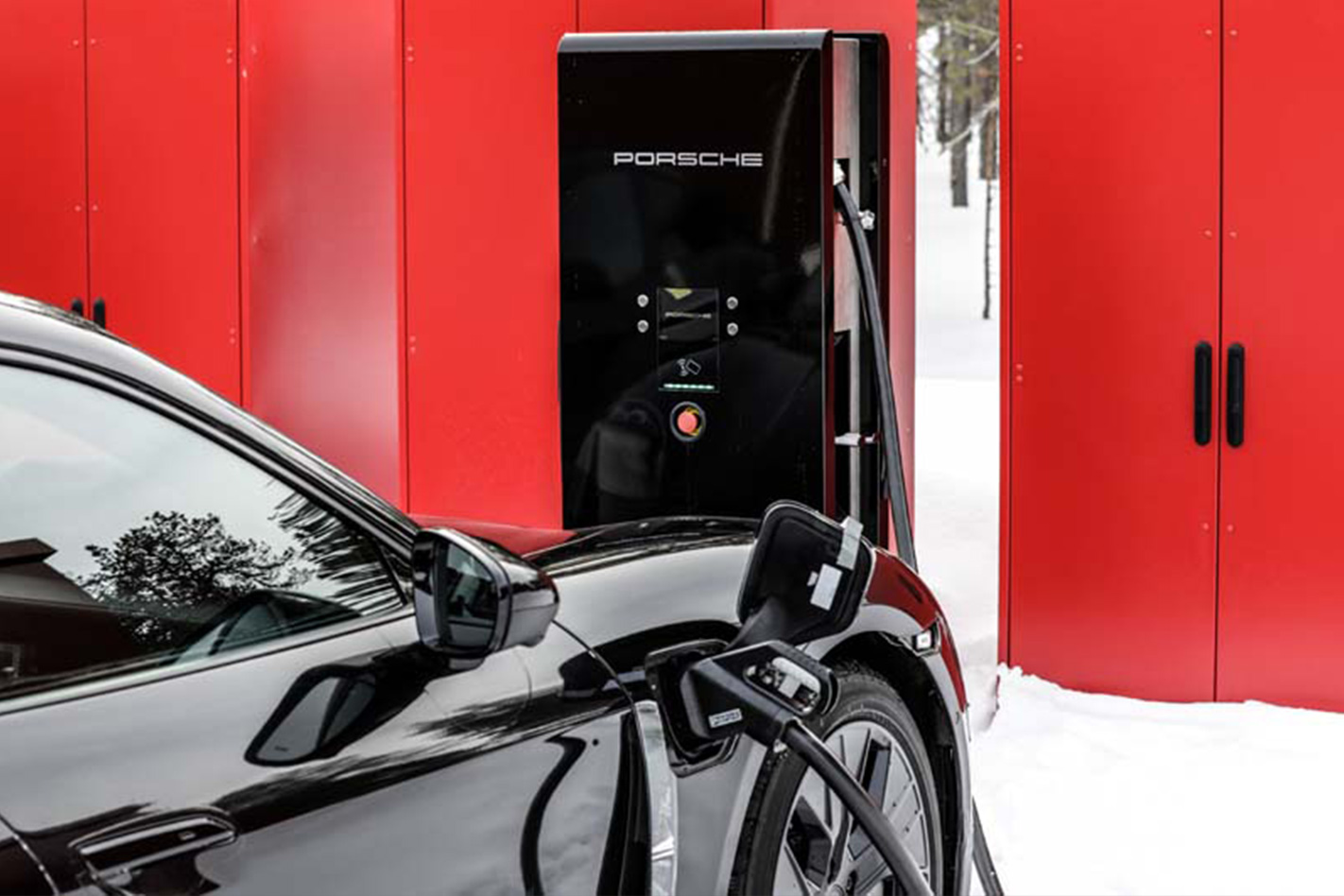
The charging times now talked about for the Taycan appear genuinely game-changing, with Porsche engineers freely quoting an additional 100km of range for every four minutes of charge, and a charge from 10 to 80 per cent of less than 20 minutes. Key to this is the Taycan’s 800 volt charging apparatus (which also halves the weight of the wiring loom). The 350kW charging infrastructure that facilitates such rapid charging is very much in its infancy, though Chargefox is installing the technology across Australia.
Our local review of the 2019 Porsche 992 911 Carrera S has finally landed, which means the car is now in Australia, and you can get spotting.
But first, you’ll need to see as much detail as you can, so we’ve compiled all the imagery of the car we drove to help you keep an eye out for the newest generation of Porsche’s icon.
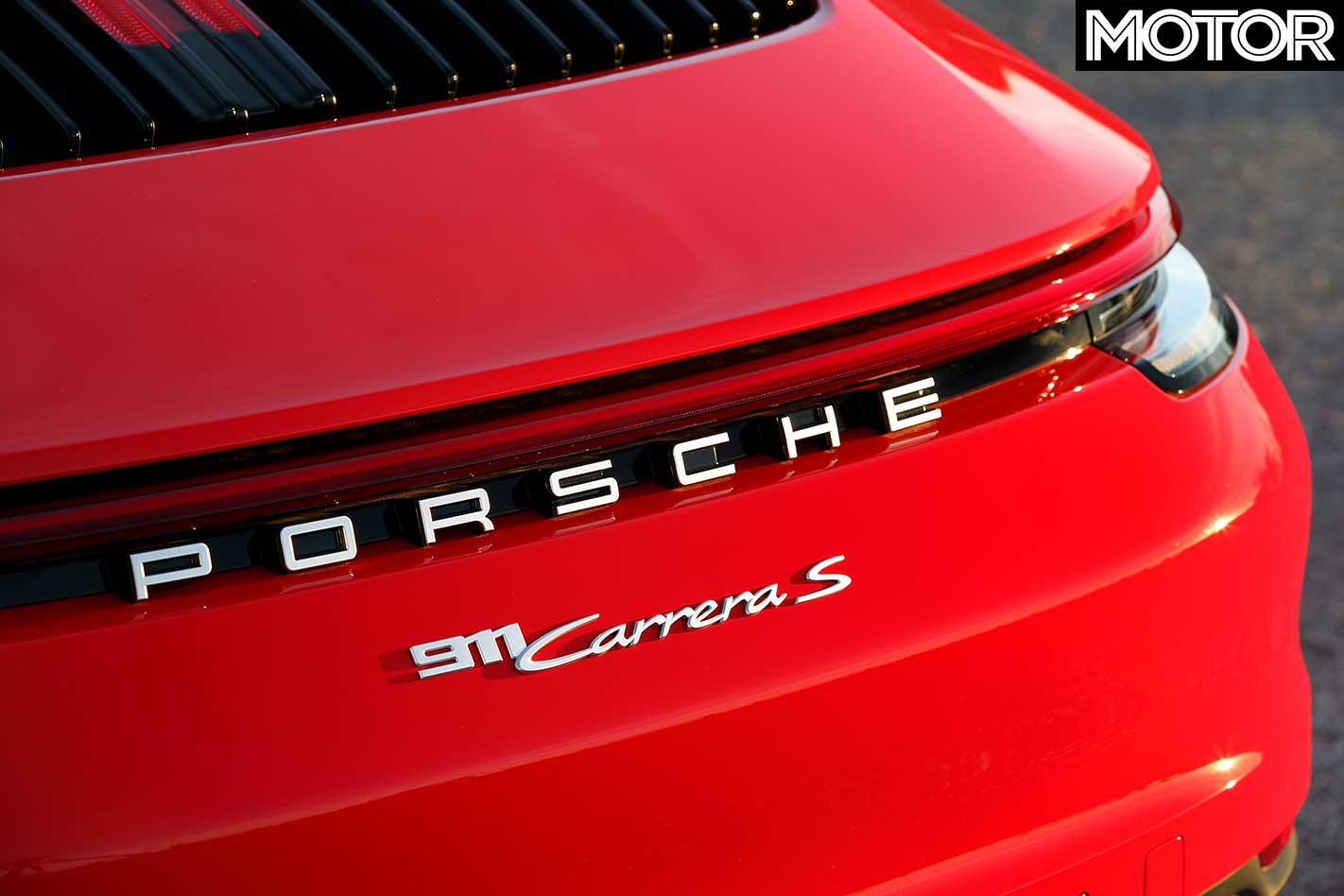
Check out the gallery at the top of the page!
While the 992 generation is an all-new 911, it might be tough for casual observers to spot more than a couple of major differences with the new 911’s shape. But, as they say, if it ain’t broke… well, you know the rest.
The clearest way for a 992 to be spotted is arguably its taillight, which now spans the width of the car via a red strip above the badges.
From there, it might be possible to see how wide the new 911 is – in fact all models of the 992 will essentially be ‘wide-bodied’.
As MOTOR’s associate editor Scott Newman points out in his video review (below), if someone didn’t know better you might be able to convince them this is the new 911 Turbo.
The visual changes are most easily noticeable from the interior of the 992 911.
A digital dash now surrounds the central tachometer, with the main infotainment screen equally sleek.
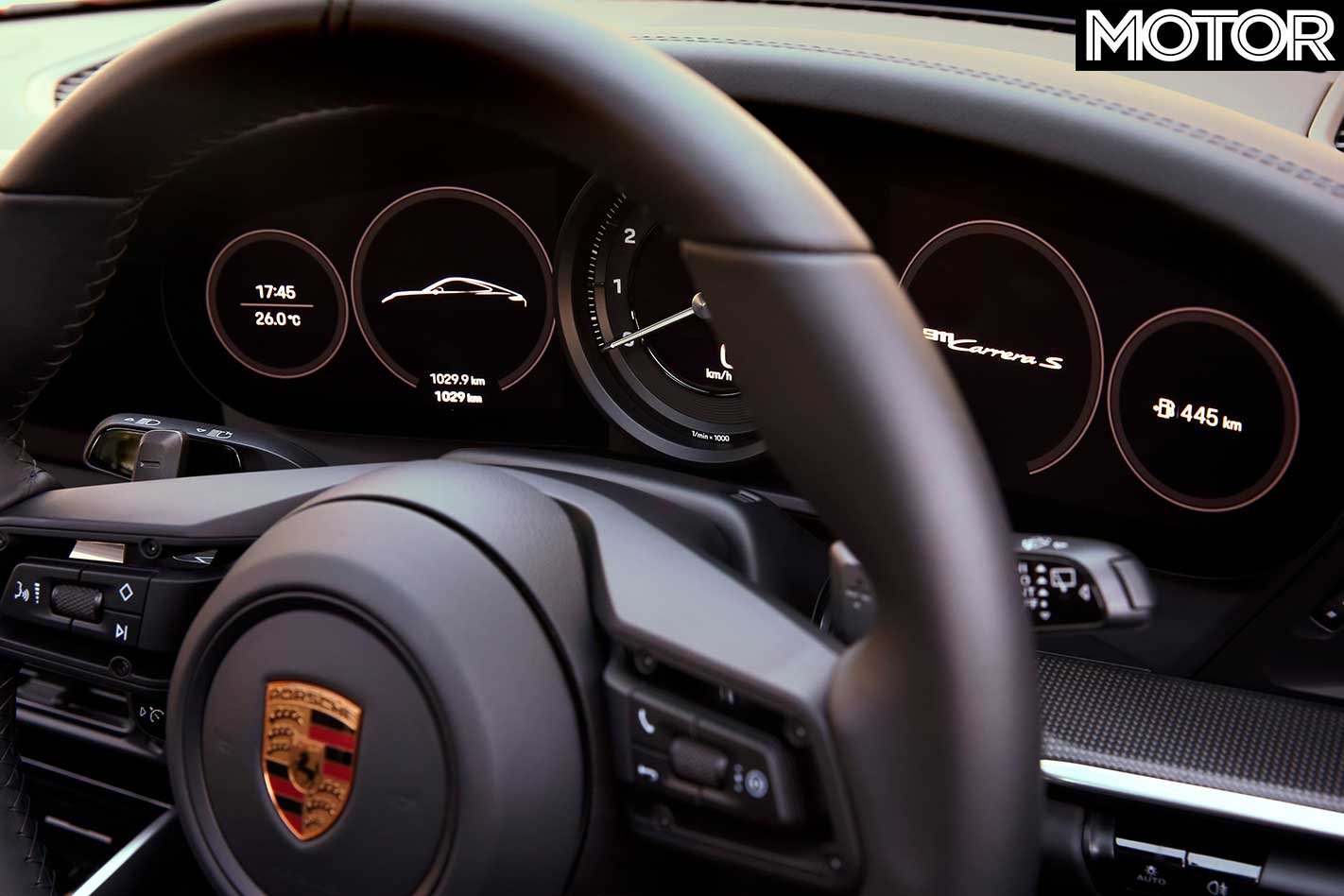
The centre console has also been simplified, with a new shifter and set of switches replacing the old buttons and traditional gear selector.
Of course, this is just the Carerra S. Things will change and be tweaked with each new 992 that comes along.
