
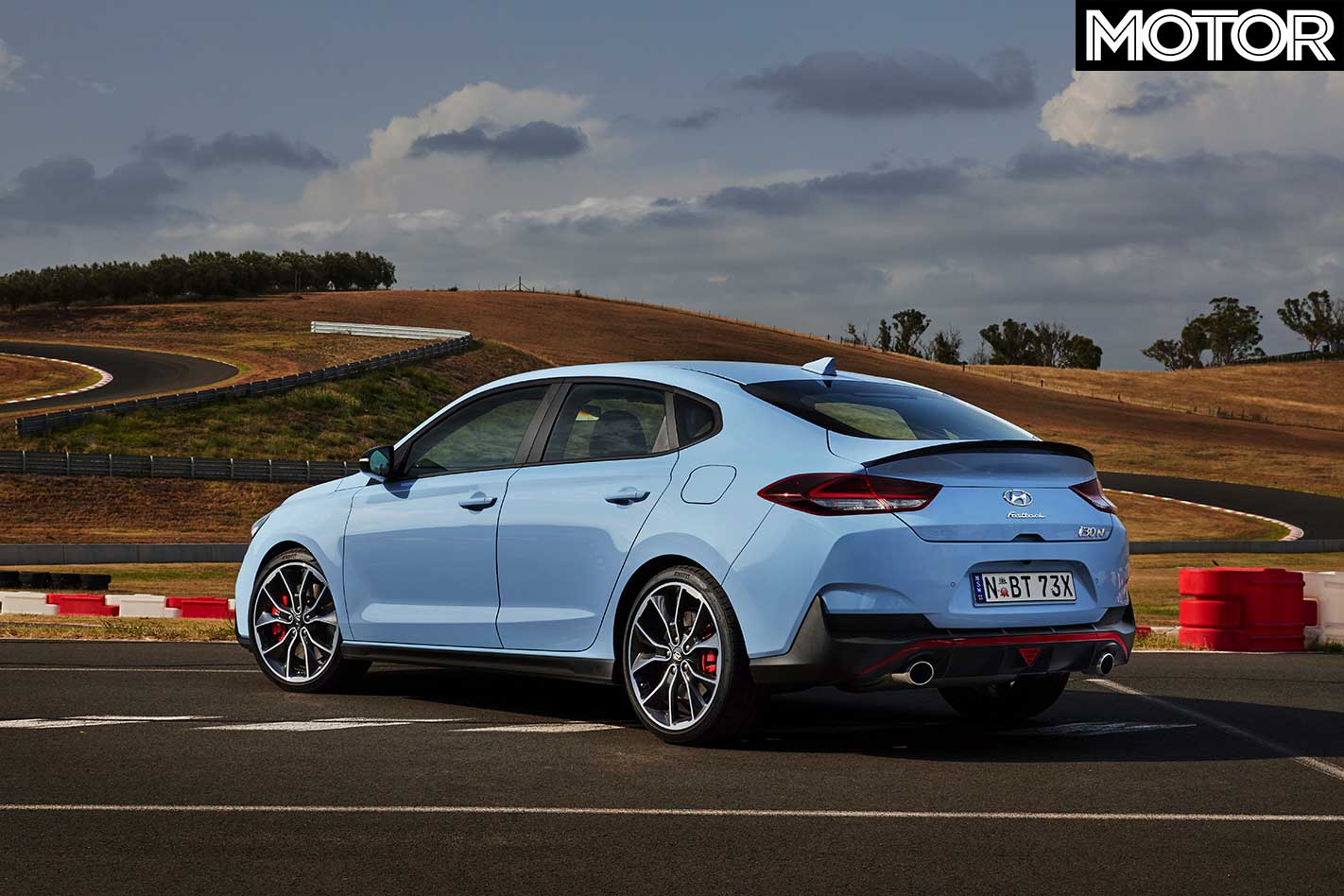
This, folks, is the 2019 Hyundai i30 Fastback N. No, not the Hyundai i30N Fastback. Yeah, I know, I know… Begat from the much-praised loins of the nine-month-old (already?!) i30N hatchback, the Fastback is all but identical, apart from the obvious differences from the c-pillar back.
It’s an odd ’un in a few ways, the Fastback. First, it represents the one and only fastback – think coupe-esque four-door with a big hatch for a bootlid, basically – that will ever appear in the local i30 line-up, thanks to the expense for Hyundai of sourcing them out of its European plant.
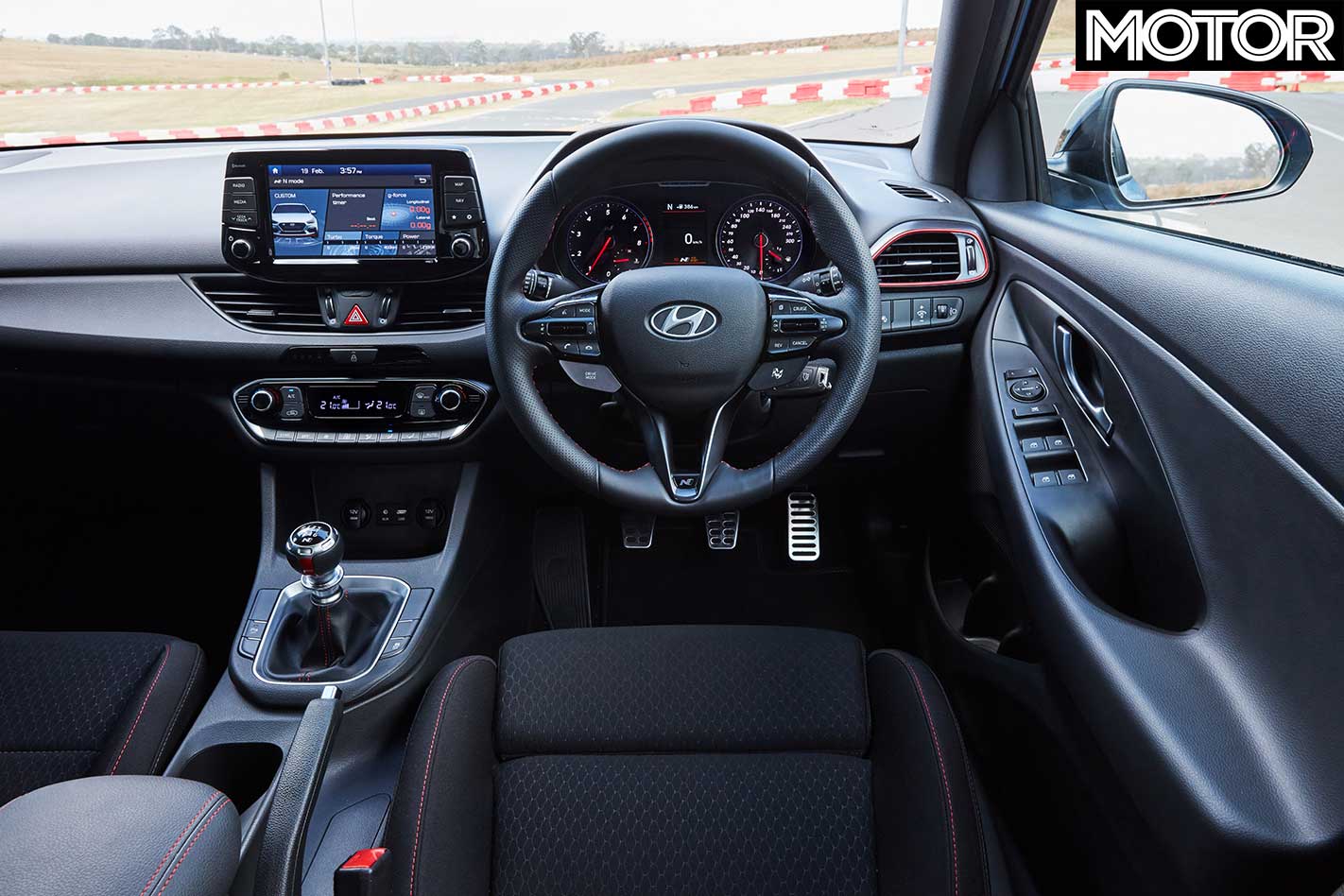
Secondly, while you’d reasonably think that it would be a shoo-in for some sort of self-shifting transmission, no dice… it’s manual only. “The dual-clutch gearbox is coming this year,” smiles Hyundai through clenched teeth, but it knows it’s handing away plenty of sales by not offering a two-pedal version of either this or the i30N hatch.
Speaking of, those two cars are all but the same every area you’d care to name except, of course, in size. The Fastback is 120mm longer (it’s all in the rear overhang) and its 28mm lower in overall height. It also gets more luggage space – 436 litres with the seats up – and it’s 12kg heavier.
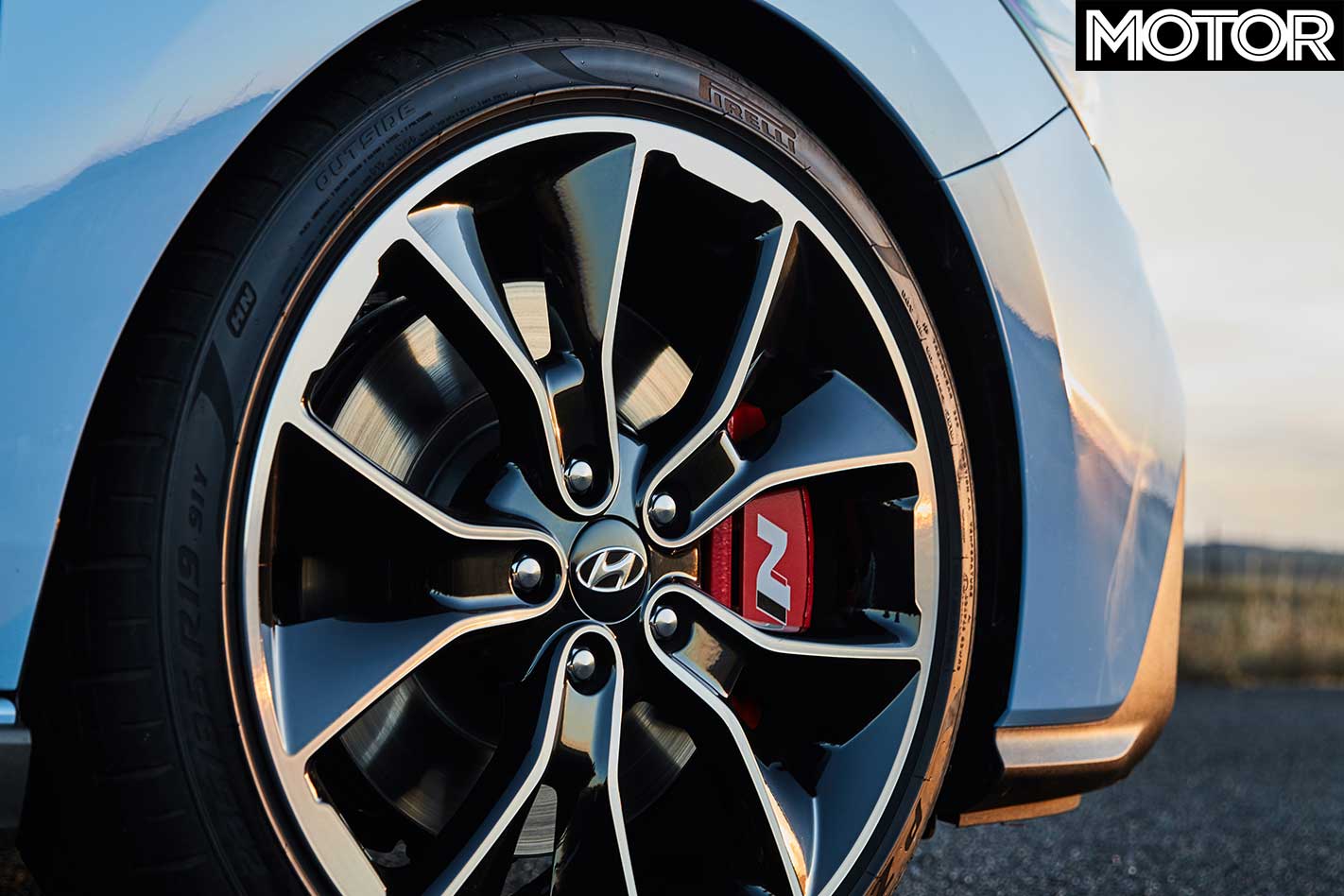
The front end is a straight lift from the hatch, while the rear end gets a bespoke bobtail spoiler for the tailgate, a triangular foggie and a diffuser to go with the N-esque bumper. The 19-inch rims are the same, the bespoke Pirelli P-Zero tyres, the rear multilink/front MacPherson suspension layout with adaptive damping is the same, the electronically locking front diff is the same, and the 202kW, 353Nm turbocharged two-litre four-potter is the same.
The body-in-white has been tweaked, too, with stronger front shock mounts and 29 extra spot welds to give it a little bit of extra stiffness where it counts. Front to rear weight balance is a little better in the Fastback thanks to that extra 12kg hanging over the rear end, too.
The suspension set-up has been refined again, too, with a softer front tune via longer, softer bump stops and small helper springs above the main spring at the front. The main springs themselves are slightly softer, and the front anti-roll bar is also slightly thinner.
A new tubular steel rear camber arm is designed to ensure the rear wheels hold their camber measurements more accurately under load, and both the suspension and steering electronics have been thoroughly made over. And the nice thing? The i30N hatch will score all these tweaks later this year.
Now, we’re not all that fussed on rear seat room usually, but it’s worth mentioning that while toe room isn’t terrific, head room is surprisingly decent – at least without a sunroof fitted. No vents or device chargers, though. As with the hatch, the Fastback has a removable brace across the cargo area, but the high suspension towers create a narrow aperture for the stowage of stuff like trackday wheels.
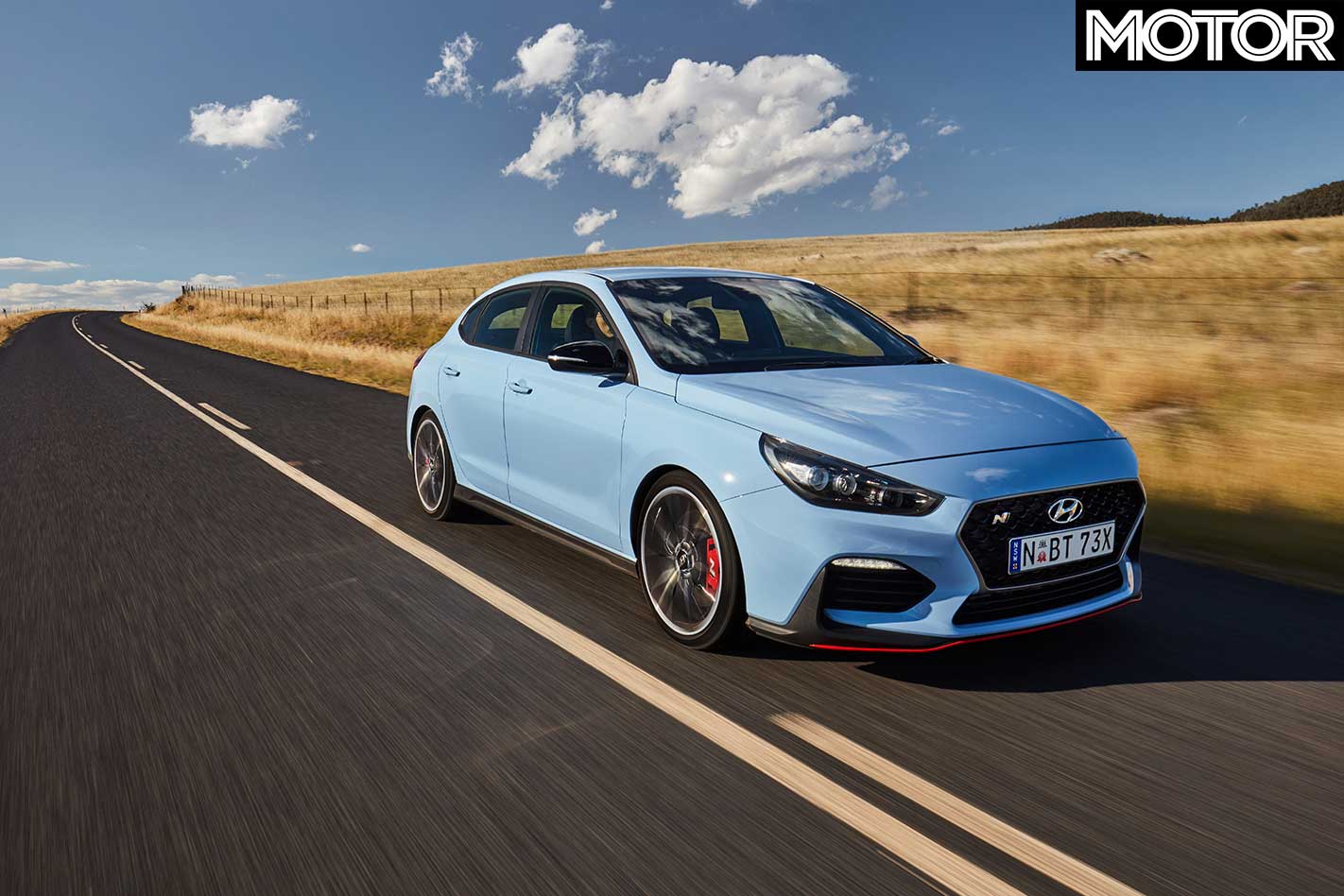
Dynamically speaking, you’re not going to be surprised to read that the Fastback and the hatch are not a million miles apart in feel or pace… but there certainly are subtle differences between the two. The new front end rejig, too, means that the current hatch and the new Fastback will feel different underhand.
Different how? Well, the local suspension team felt that the front end feel on the hatch – already softer than the original Albert Biermann-approved tune – could be made a little softer again to give it a little more bite. To me, ‘softer’ isn’t quite the right word… it feels more fluid and active over repeated small-frequency stuff, like it’s been polished with Mr Sheen.
The difference between the adaptive damper’s softest and firmest modes is still very discernable, and it’s still my preference to leave them in their softest setting via the unchanged N mode setting screen while turning everything (except that silly throttle blip management) up to 11.
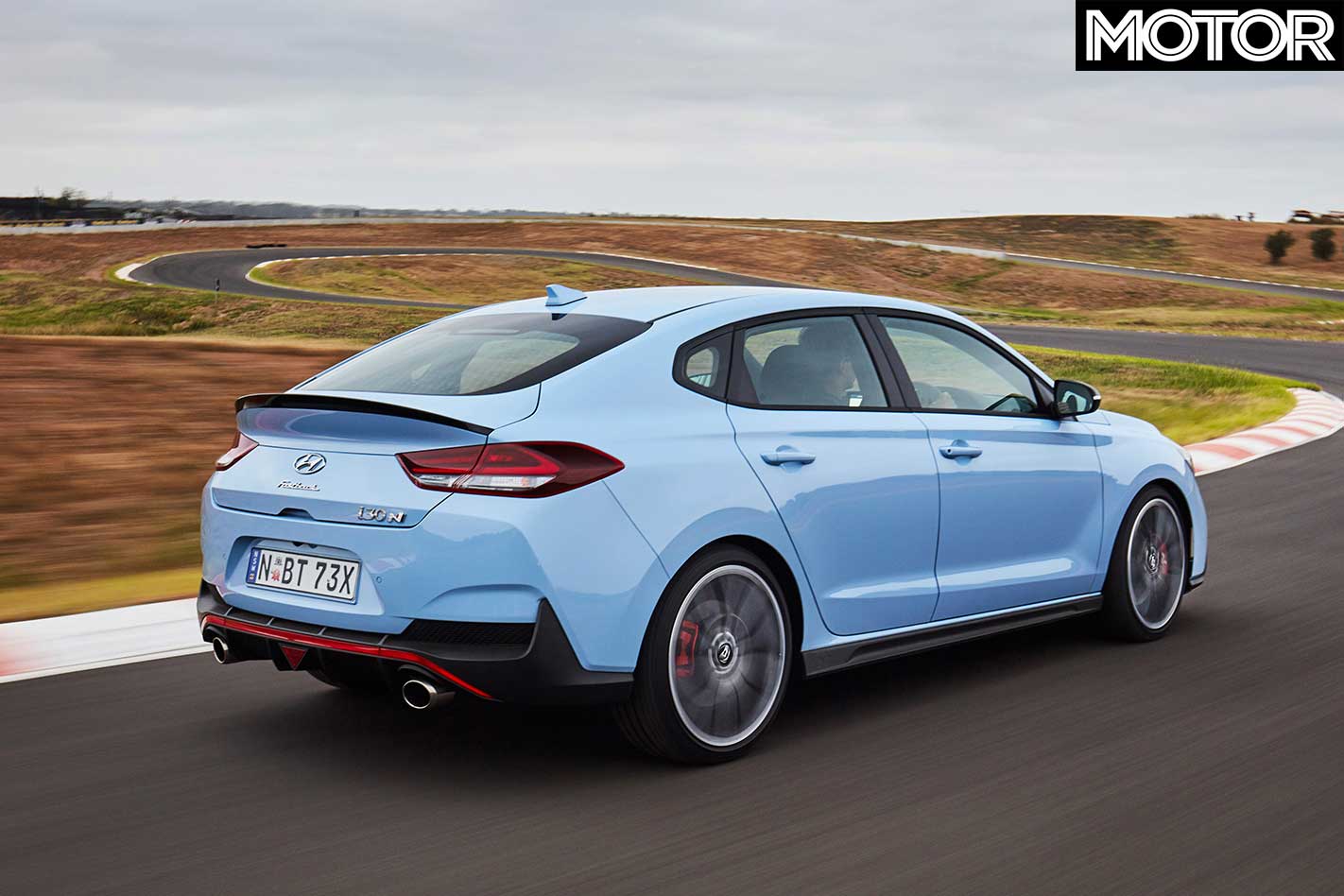
The Fastback feels keener to load up its outside tyre than the hatch, but it doesn’t come at the expense of grip on the other side of the car. It’s also possible to feel the electromechanical diff doing its thang in longer sweepers such is the level of interaction through your fingertips, while I reckon there’s a bit more brake feel there, too.
Overall, the Fastback feels more lithe and sinuous than the hatch in the ‘old’ tune, but there’s a playfulness and brightness to the current hatch that these front-end changes – as dialled and as effective as they are – may have taken away. Sure, we all have to grow up and some point, but the larrikin spirit of the i30N hatch is a large part of its appeal – to this old-school hot hatch fan, at least.
So what does the Fastback N bring to the party? More critical mass for the N brand, of course, but it also opens up Hyundai’s hot front driver to a wider, more discerning audience… but boy, I bet they’re missing that dual-clutch box.
2019 HYUNDAI i30 FASTBACK N SPECS Engine: 1998cc inline-4, turbo, DOHC, 16v Drivetrain: six-speed manual, front-wheel drive Power: 202kW @ 6000rpm Torque: 353Nm @ 1450-4700rpm (overboost 378Nm @ 1750-4200rpm) Weight: 1441kg (dry) 0-100km/h: 6.1sec (claimed) Top speed: 250km/h (claimed) Price: $41,990
Rating: 4 out of 5 stars
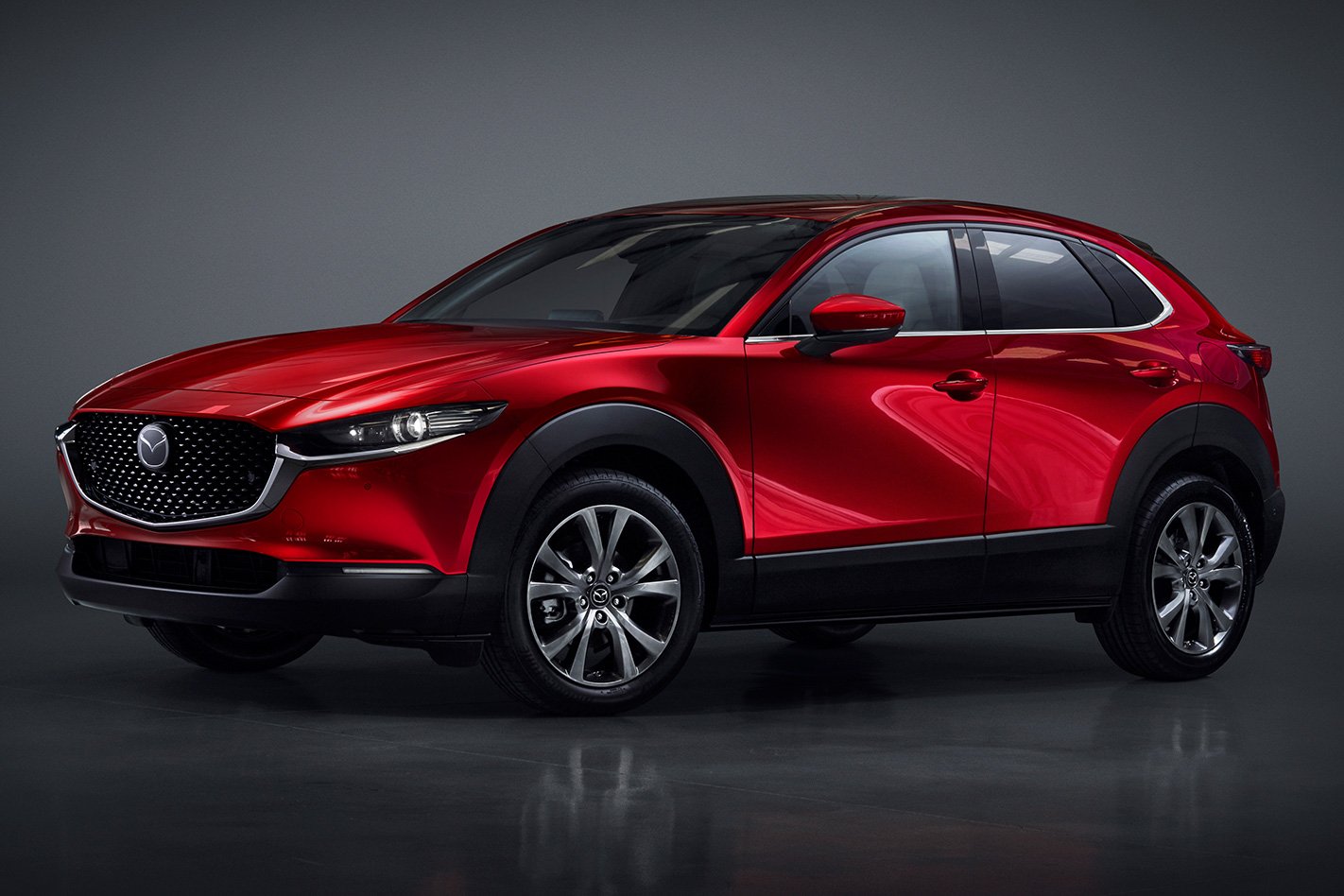
Vinesh Bhindi is all about offering choice. Mazda Australia’s CEO sits back and smiles when asked why the CX-30 is here.
“It fits in very nicely with our strategy which is to offer as broad a choice as we can in Australia. If you look at what’s happened in the past few years, it’s clear that consumers enjoy choice,” he says.
“Australia has the most comprehensive SUV choice of any Mazda market.”
“It’s still too early to talk pricing and specification but it will embrace Mazda’s premium direction,” notes Bhindi, so it’s fair to say that pricing will likely mirror that of the latest Mazda 3, which took a significant step upmarket with the latest generation car.
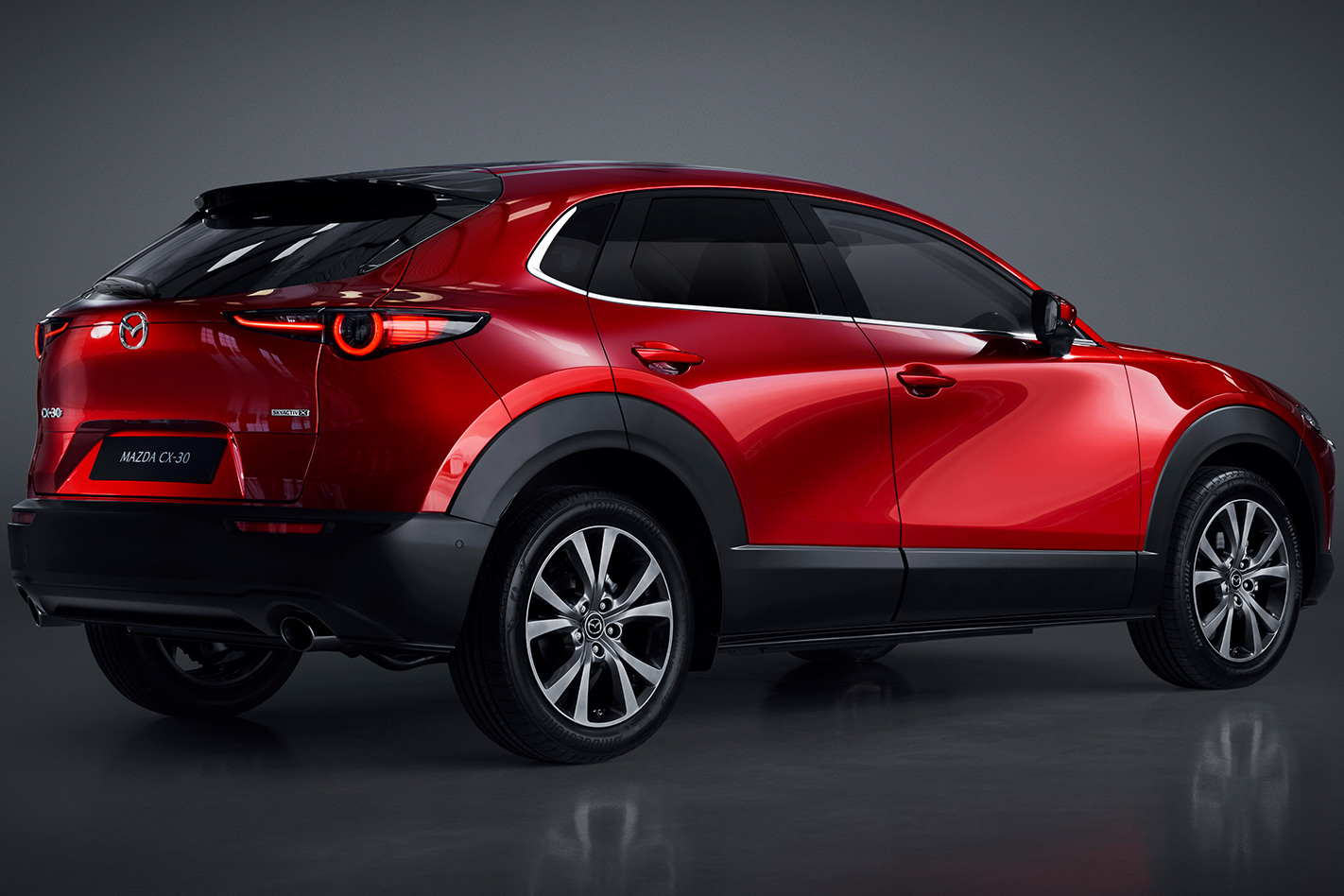
Indeed, the CX-30 marks a break with the old, and embraces many of the 3’s design cues and build philosophy. Bhindi himself refers to it as ‘the second product in the next generation.’
“We see the next stage of the SUV as a proliferation within the traditional segments,” adds Alastair Doak, Mazda’s Australia’s marketing boss.
“So you currently have small, medium and large and have done for some years but because of demand those definitions are already starting to fragment and offer more choice. We need to be right there, ready to satisfy that demand. In terms of the small SUV sector, we have CX-3, which is small-small and now CX-30 which is large-small.”

Indeed, the success of Mitsubishi’s ASX has been attributed in no small part due to the fact that it offers a decent amount of space for a small SUV.
The CX-30 is notably bigger than the CX-3. Its boot, at 430 litres, is 80 litres bigger and its wheelbase is a mere 45mm shorter than the much larger CX-5.
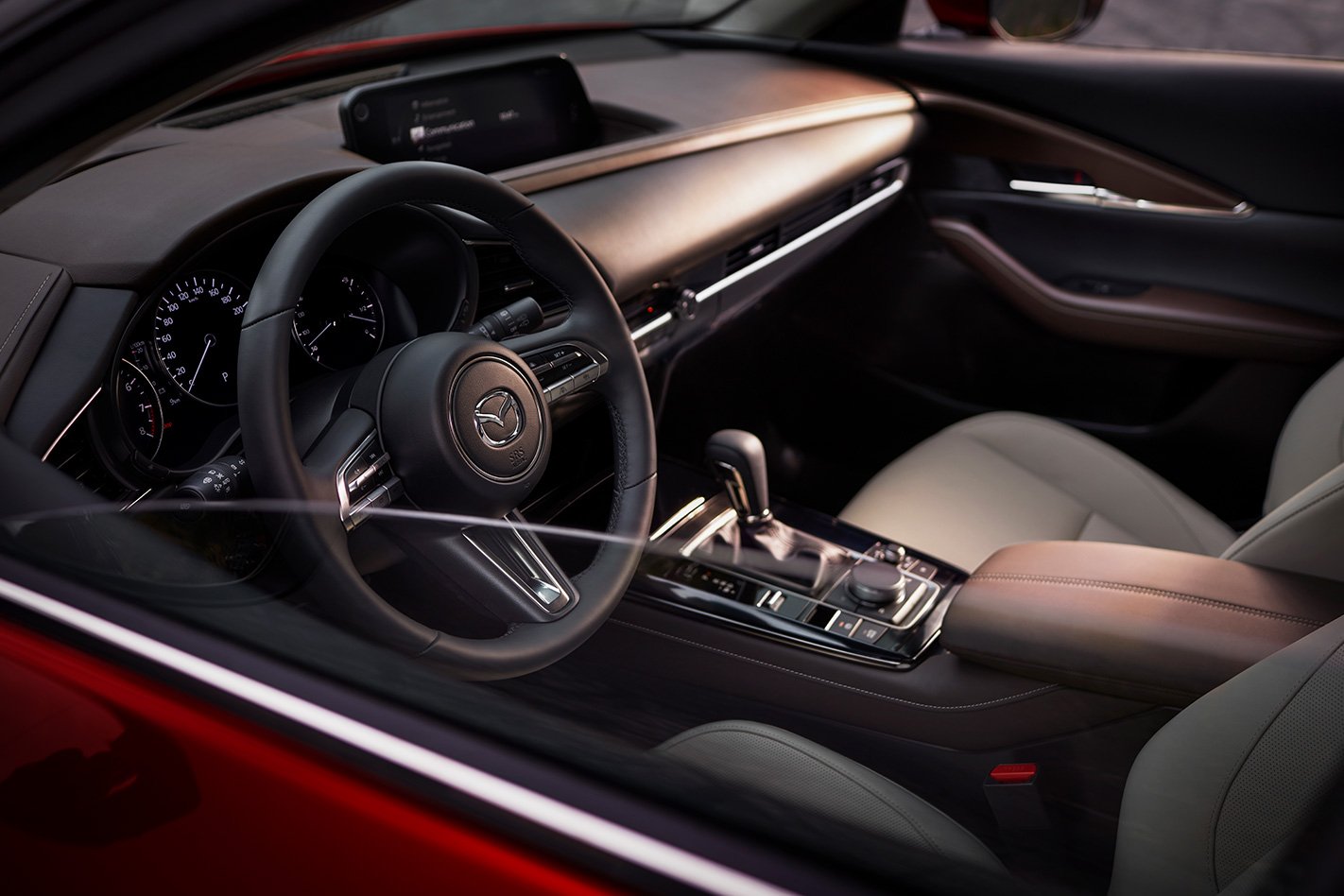
A six-footer will easily fit into the back, and there is in fact more headroom in the back than the front due to the fitment of a sunroof. It feels markedly more premium than the CX-3, so it’s easy to see how buyers intending to purchase a CX-3 could be swayed when they spot the CX-30 in a showroom, price notwithstanding.
The name was also a bit of a headscratcher to some. It should be called a CX-4, but Mazda already sells such a car to the Chinese market so a different badge was required. The 30 badge also gives a nominal link to the Mazda 3, the car upon which the CX-30 draws significant influence.
So while the CX-30 might be niche-within-a-niche, it’s expected to pick up some significant sales. Last month we reported on Mazda Australia expecting Mazda 3 sales to soften.

What they couldn’t say then but can say now is that the CX-30 will be the reason for people switching from the hatch. It’s expected to more than take up the slack in terms of units sold and having had an initial look around the vehicle, it’s easy to see why.
Clearly much will depend on pricing and specification. Mazda will need to give the CX-5 adequate breathing space, but if it can do that, the CX-30 will, by 2020, be a very familiar sight to Aussie motorists.
Mitsubishi has silently wheeled out a plug-in hybrid concept dubbed the Engelberg Tourer at the Geneva motor show, which hints at an evolution of the Outlander PHEV mid-size SUV with extended range and boosted customer appeal.
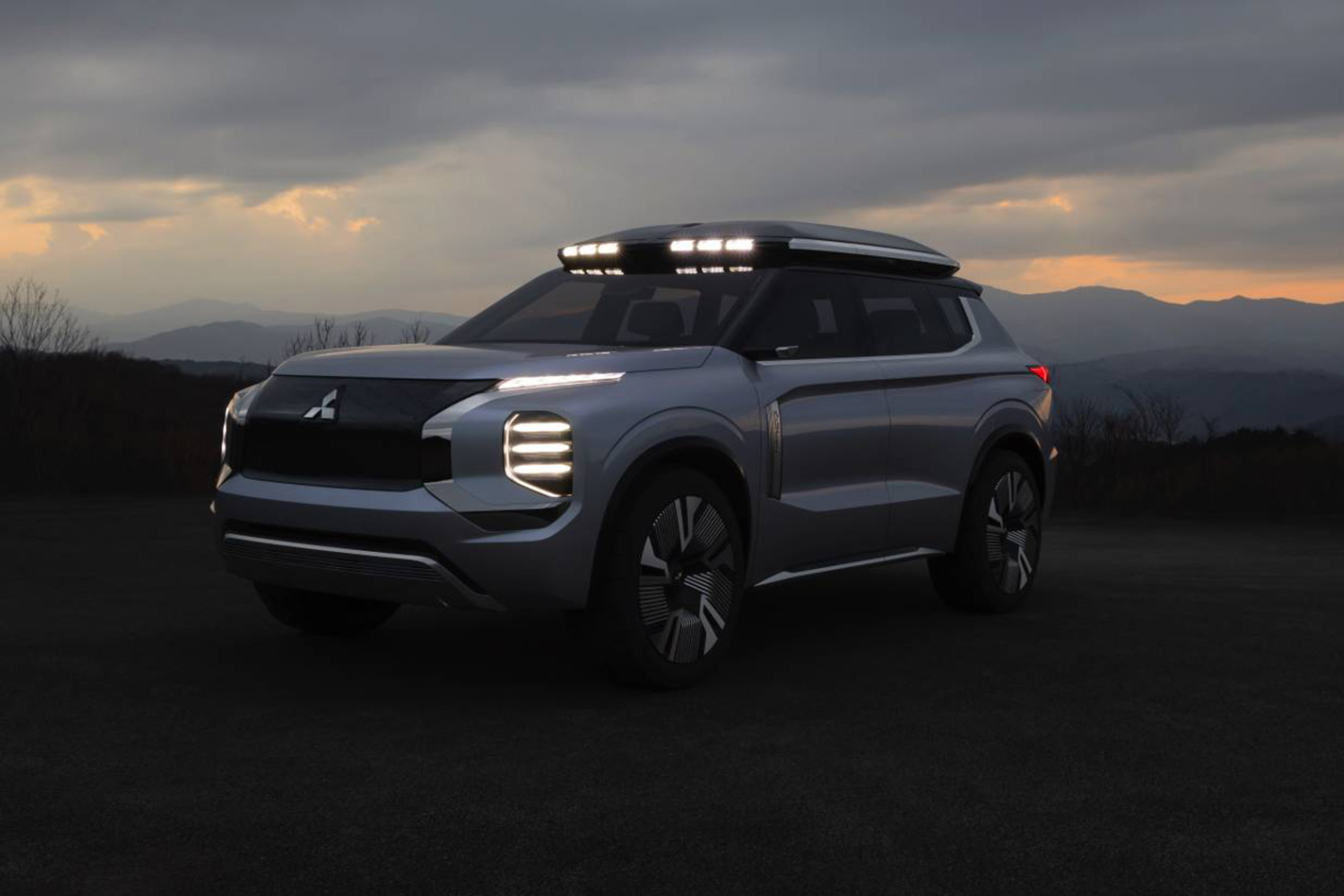
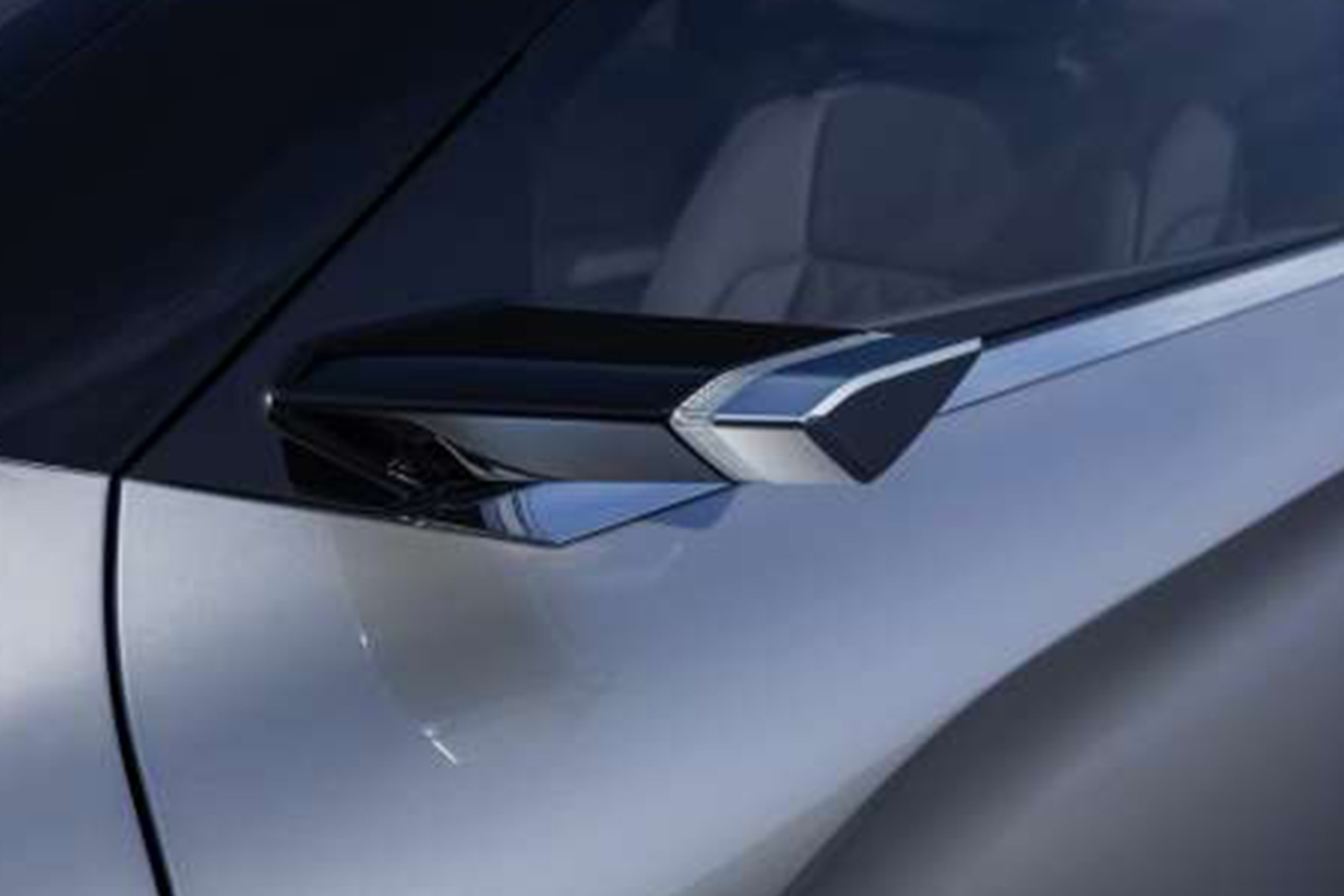
Named after the Engelberg Swiss ski resort, the concept adopts an unashamedly show car version of the company’s ‘dynamic shield’ design language, along with the now-obligatory dispensable design touches, including cameras for door mirrors and heavily stylised tyres.
But this design study also showcases technology that is less ostentatious and which is much more likely to reach showrooms – although a production version of any form is yet to be confirmed.
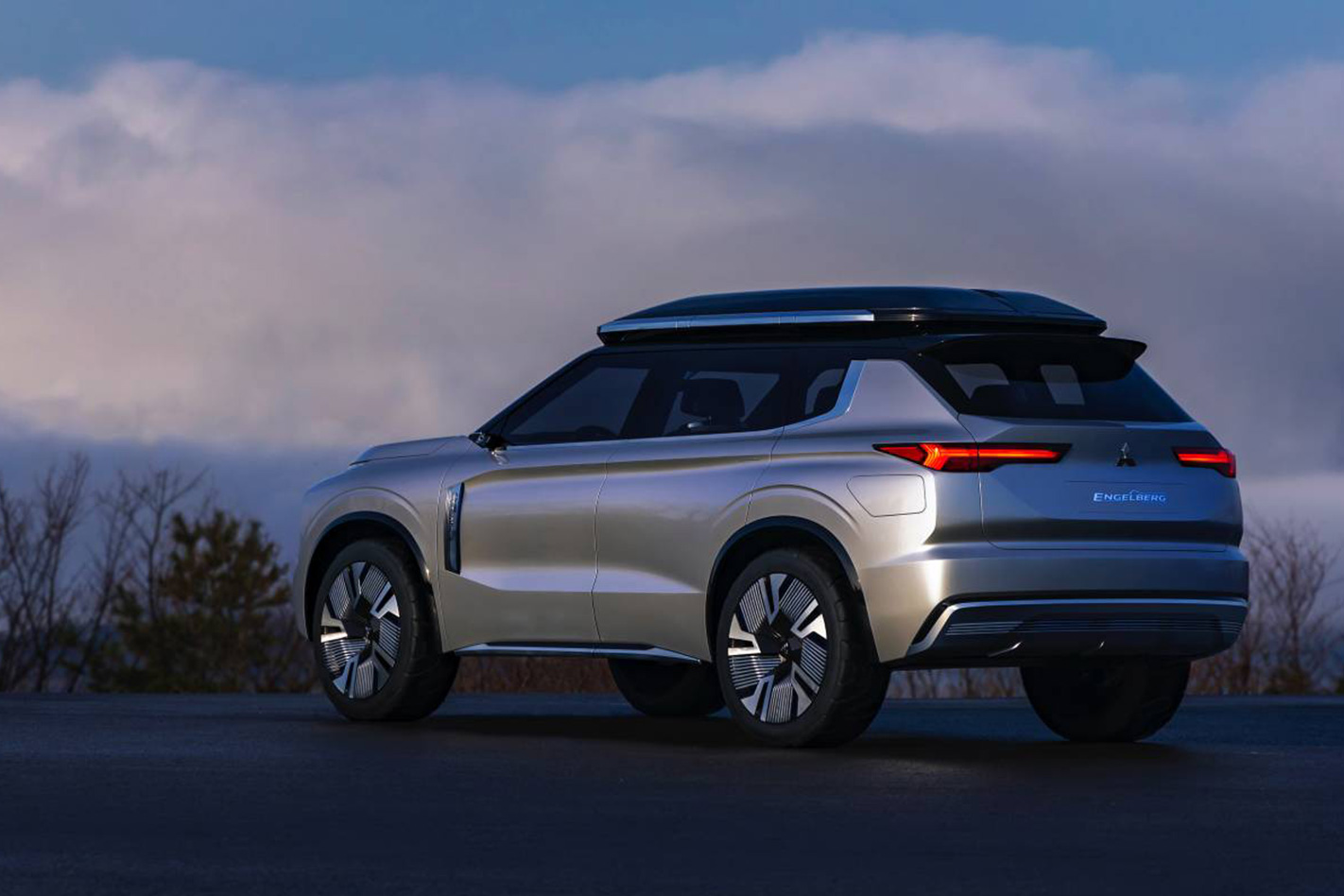
Like the current Outlander PHEV, the Engelberg’s twin-motor electric drivetrain sends drive to all four wheels for “high levels of performance in the most challenging weather conditions and on all surfaces,” according to Mitsubishi. It’s backed up by a 2.4-litre petrol engine. The Australian-spec Outlander PHEV has a 2.0-litre four-cylinder naturally aspirated petrol engine.
When fully charged, the Engelberg’s battery offers up to 70km of pure electric driving, which exceeds the current Outlander’s range by 26km. When combined with petrol power, the concept has a claimed 700km range – perfect for adventures to regions without widespread charging infrastructure such as the snow, says Mitsubishi.
Underneath its conspicuous styling, the Engelberg has a sophisticated Super All-Wheel Control torque distribution system with yaw control that was developed using the rally-conquering Lancer Evolution system as a baseline.
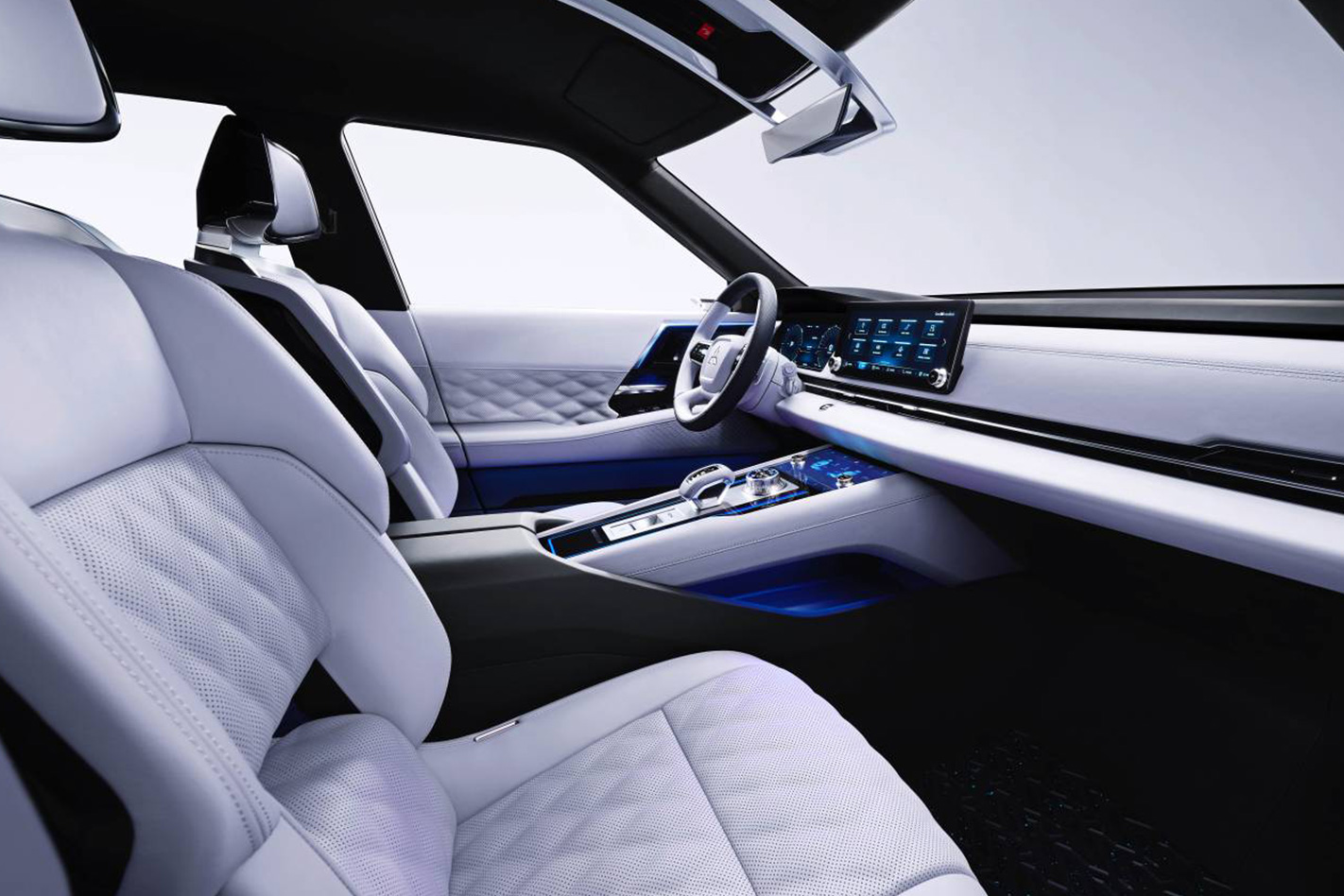
The concept’s design incorporates sharp design features that are also functional, including slender LED lighting which extends to the leading edge of an aerodynamic roof storage pod and a bold radiator grille with active shutters for reduced drag.
Mitsubishi says the vehicle is the embodiment of its ‘drive your ambition’ global catchphrase and previews a more desirable SUV with the promise of advanced technology and more possibilities for the adventurous.
If the show car does herald a new generation of Outlander, the added style and technological appeal will help correct the balance of private to fleet sales, which currently sits at about 90 percent to the latter in the Australian market.
The Japanese car maker also used Geneva as the stage to premiere a new Dendo Drive House home-charging infrastructure package – DDH.
Dendo – the Japanese word for electricity – will offer customers in Japan and ultimately other global regions the ability to more closely manage their power requirements for both vehicle and home use.
The package includes solar panels, a home storage battery and a bi-directional charger enabling customers to generate free electricity from the sun, store it, and use the energy to either charge an electric vehicle, sell it into the national grid or use in the home.
The number of other manufacturers that offer so-called ‘power wall’ home power storage is increasing, joining early adopters Mercedes-Benz and Tesla. Mitsubishi is, however, the first to offer a complete infrastructure solution that includes solar cells.
It’s a statement of intent by Mitsubishi and an indication of the growing electric car momentum in certain parts of the world, which also serves to highlight how far behind Australia lags in the alternative energy stakes.
MORE: Mitsubishi Outlander Range ReviewMORE: Mitsubishi Outlander Specs, Range & Price
The 2020 Hyundai Sonata mid-sized sedan has been revealed, and it’s clearly been given the Cinderella treatment with a sexy new four-door coupe skin.
The new look is a result of the Korean brand’s new ‘Sensuous Sportiness’ design language that first appeared on the Hyundai’s Le Fil Rouge concept unveiled at the 2018 Geneva motor show.
The result is a much sportier look than the outgoing model, with a bold front-end design, and an athletic stance thanks to the 30mm lower ride height, slightly broader exterior dimensions, and a 35mm longer wheelbase.
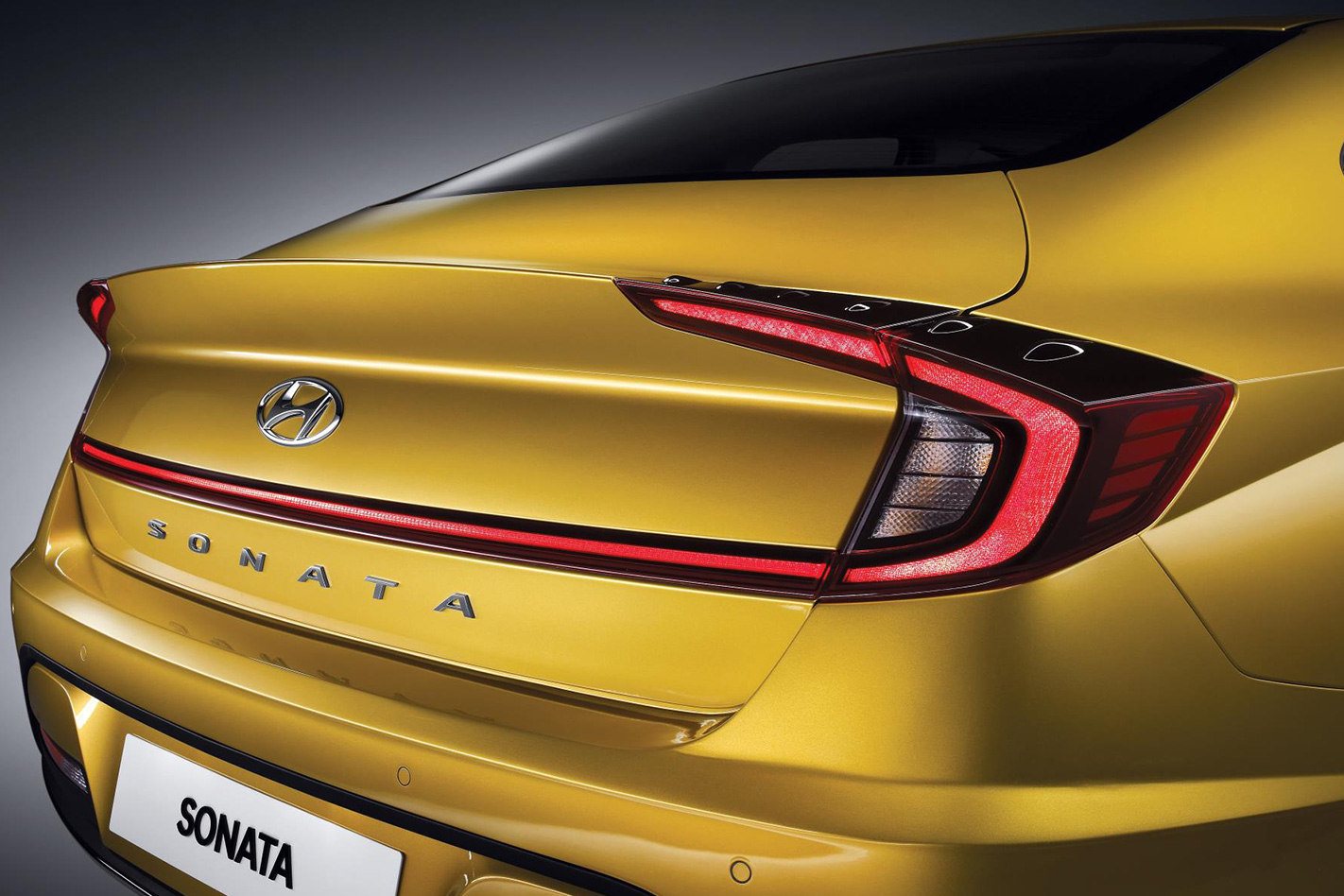
The 2020 Hyundai Sonata will be the first to feature ‘Hidden Lighting Lamps’ that blend into the exterior finish when off and dramatically reveal themselves when turned on.
Other notable exterior elements include the long layered bonnet and ultra-wide tail-lights that accentuate its wide stance.
Interior illumination includes ambient mood lighting drawing attention to the doors and dashboard, with the latter invoking a ‘floating’ winged shape that’s apparently inspired by stealth aircraft.
The sleek design carries through the airy cabin highlighted by a digital instrument cluster and central touch-screen operated by capacitive touch buttons.
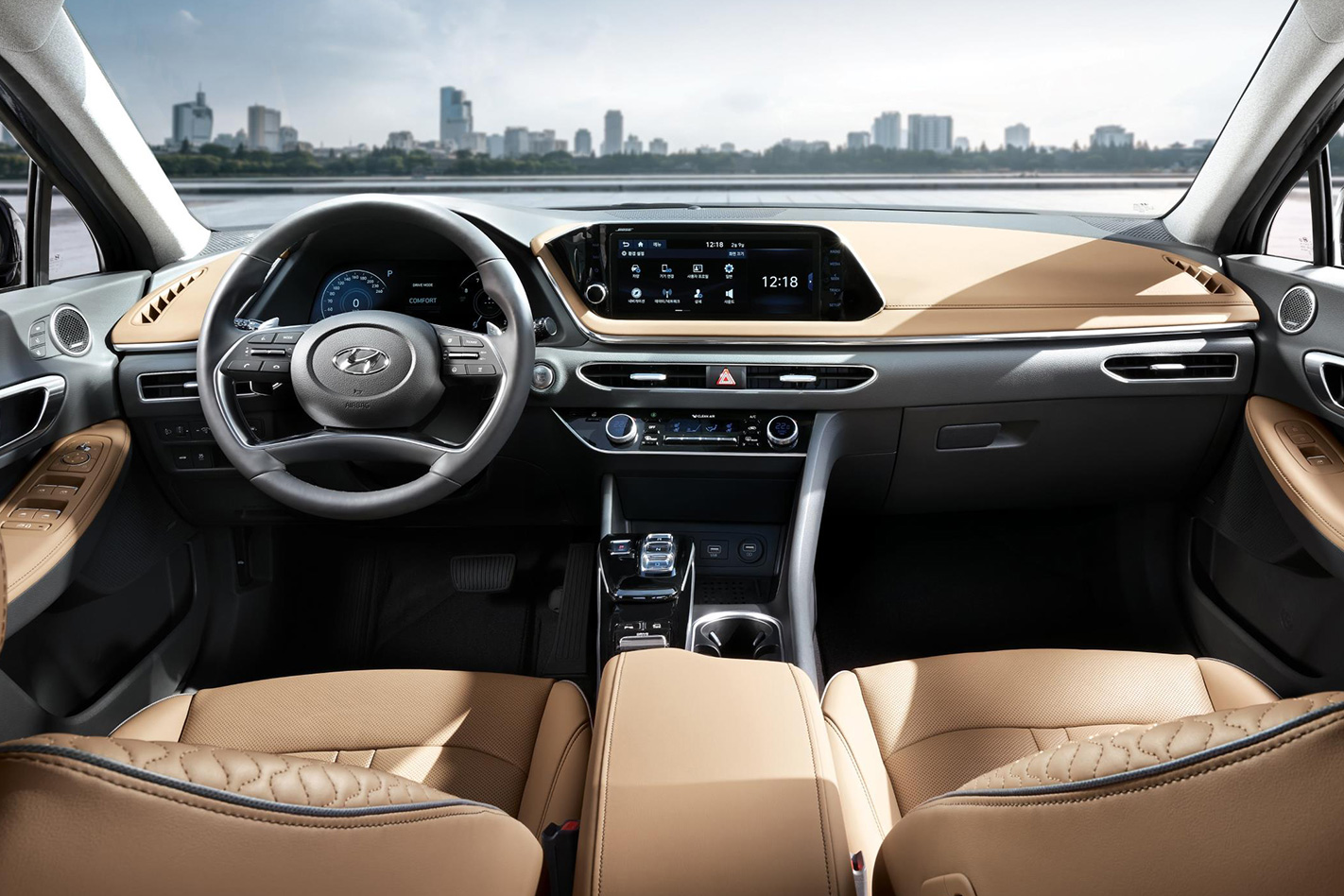
The steering wheel also provides a striking focal point, with satin chrome accent designed to make it look like an aircraft yoke, while push-button transmission controls eliminate the need for a traditional gear shifter to free up storage space.
The Toyota Camry, Holden Commodore and Mazda 6 and Kia Optima rival will arrive in Australian in the second half of 2019.
Local pricing and specifications will be revealed closer to launch.
March is nothing short of a power trip for MOTOR!
If you thought that the FG X Falcon wasn’t a fitting enough send-off, we strap ourselves into Premcar’s 483kW equipped Falcon Holy Grail that promises to be Ford’s forbidden modern GT-HO.
Then we attempt to tame Tickford’s 530kW supercharged Mustang, spend a whole 24 hours in the 1103kW Bugatti Chiron, and roll-out the red carpet for a very special 449kW visitor to the MOTOR Garage.
You can find our gorgeous mags at retailers around Australia. Or you can subscribe and save yourself some cash, there’s even a digital subscription.
Subscribers often receive their mags earlier, depending on the postal system, so you’ll get to see what MOTOR has to offer before anyone else.
Or, if you want to give us feedback and see behind the scenes, you can follow us on Facebook, Twitter, and Instagram where we interact with our followers regularly.
Enjoy!
PREMCAR’S HOLY GRAIL
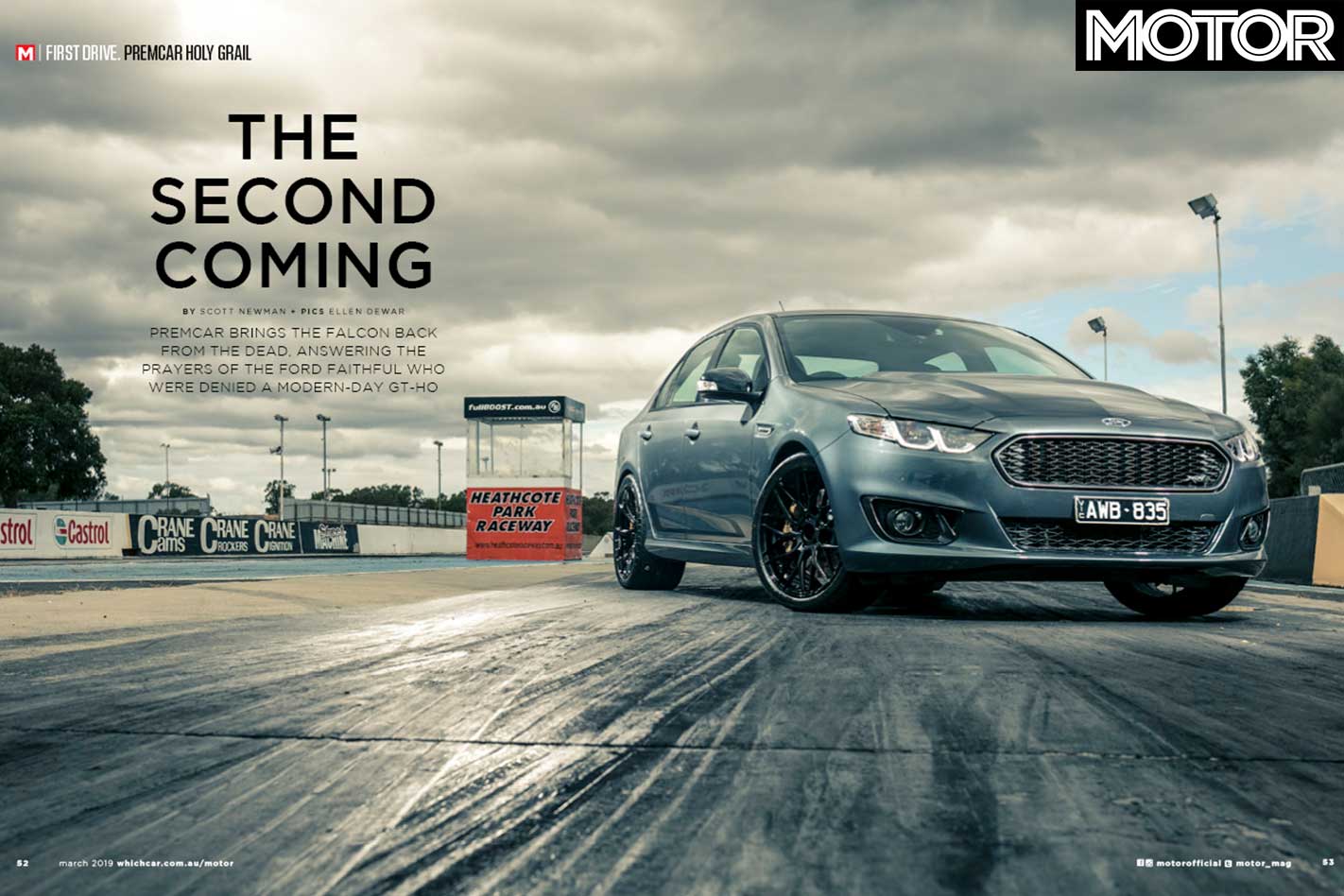
The architects behind the Miami V8 engine show us what the FG X Falcon could have really been with the Premcar Holy Grail. So we put the fruit of their labour to the test on the road and on the strip.
24 HOURS IN A BUGATTI CHIRON
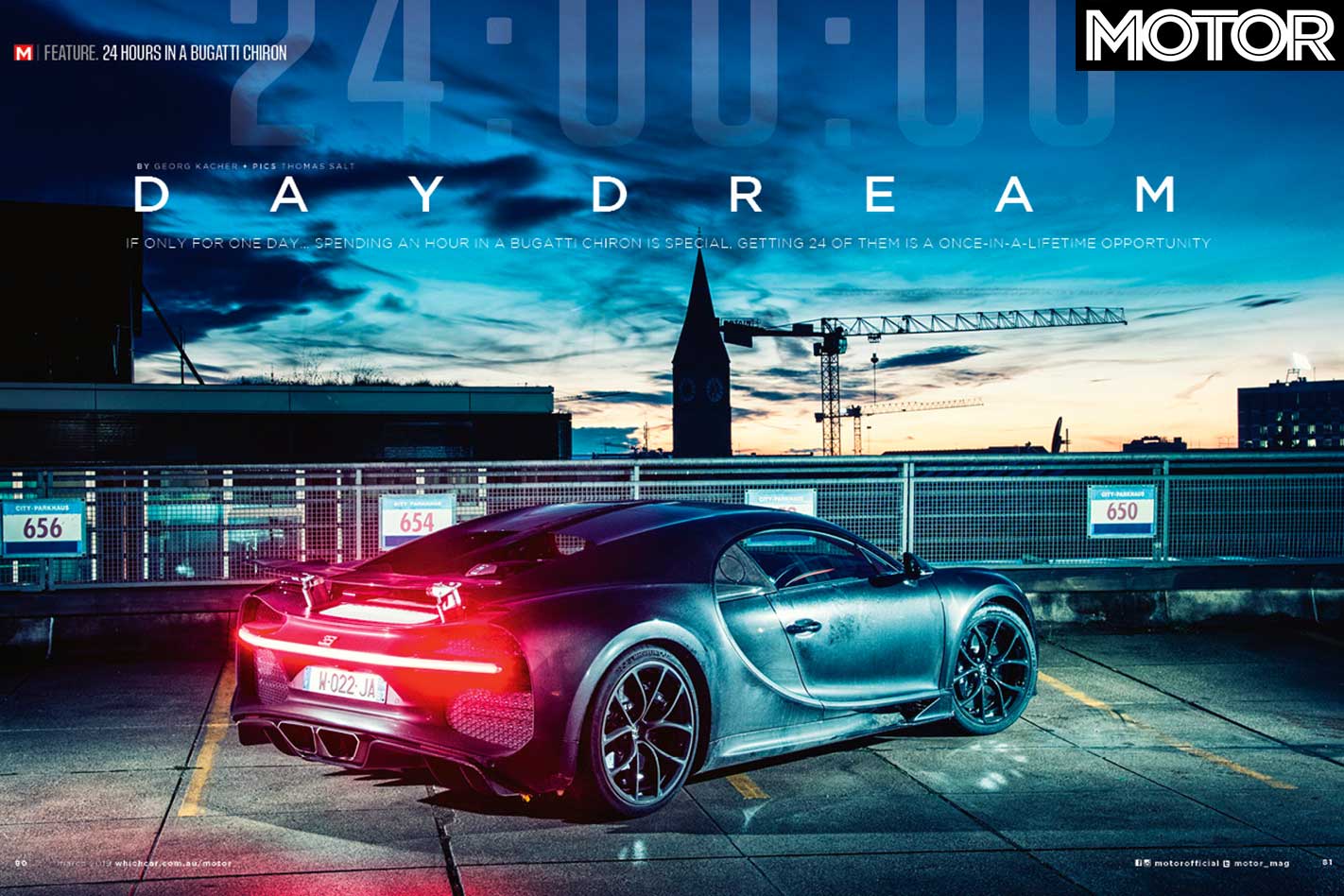
What is it like to be given the keys to Bugatti’s 1103kW quad-turbo big daddy for a whole day? How about doing 0-100km/h in 2.5 seconds at a whim, hitting 365km/h on the autobahn, and living with $200 fuel bills. There’s no better way to spend 24 hours.
BLACK MAGIC: TICKFORD MUSTANG DRIVEN
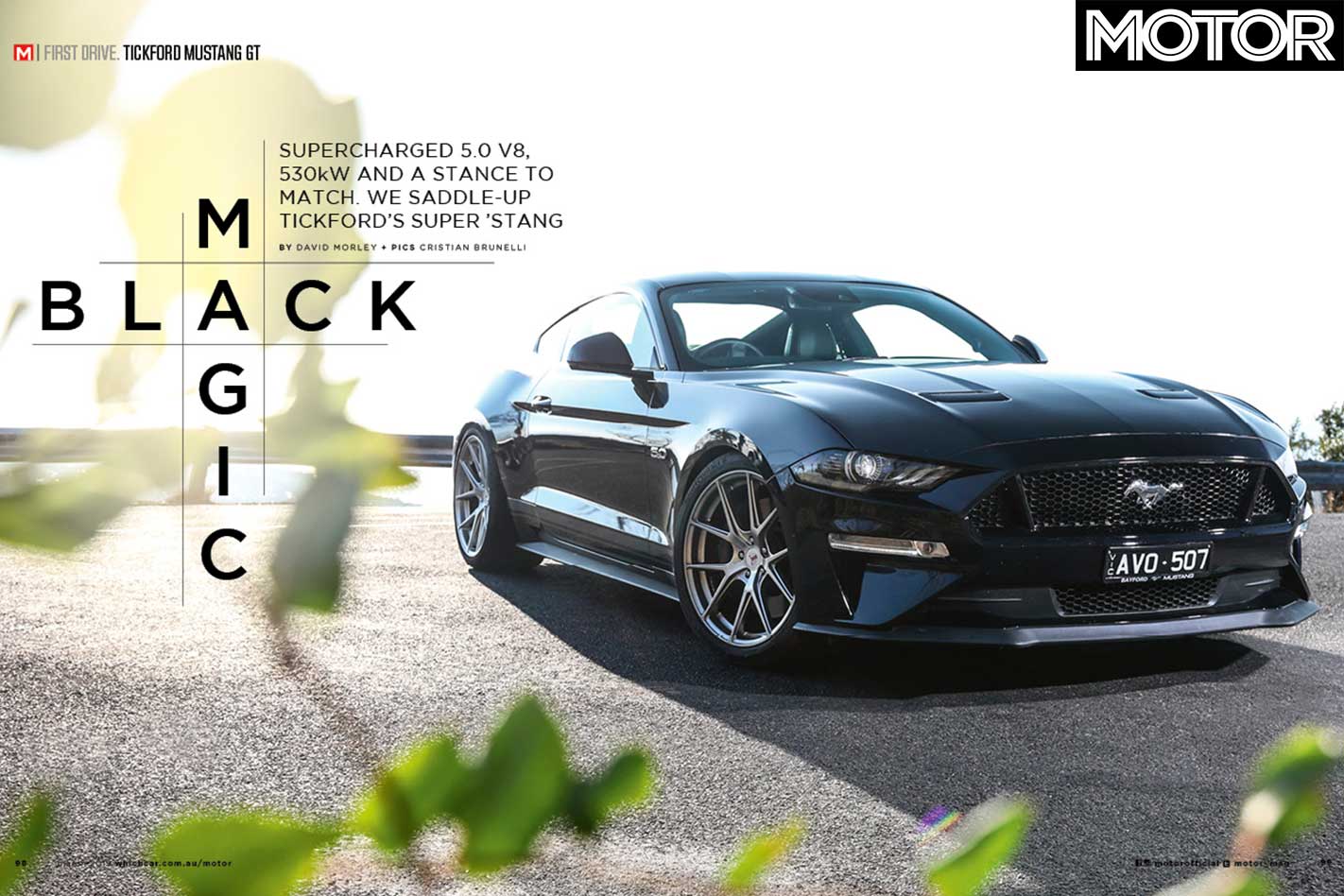
Supercar racers Tickford strap a supercharger to the Mustang GT to awaken a 530kW V8 monster, and we take it for a ride.
DESERT STORM: 2019 LAMBORGHINI HURACAN EVO FANGED
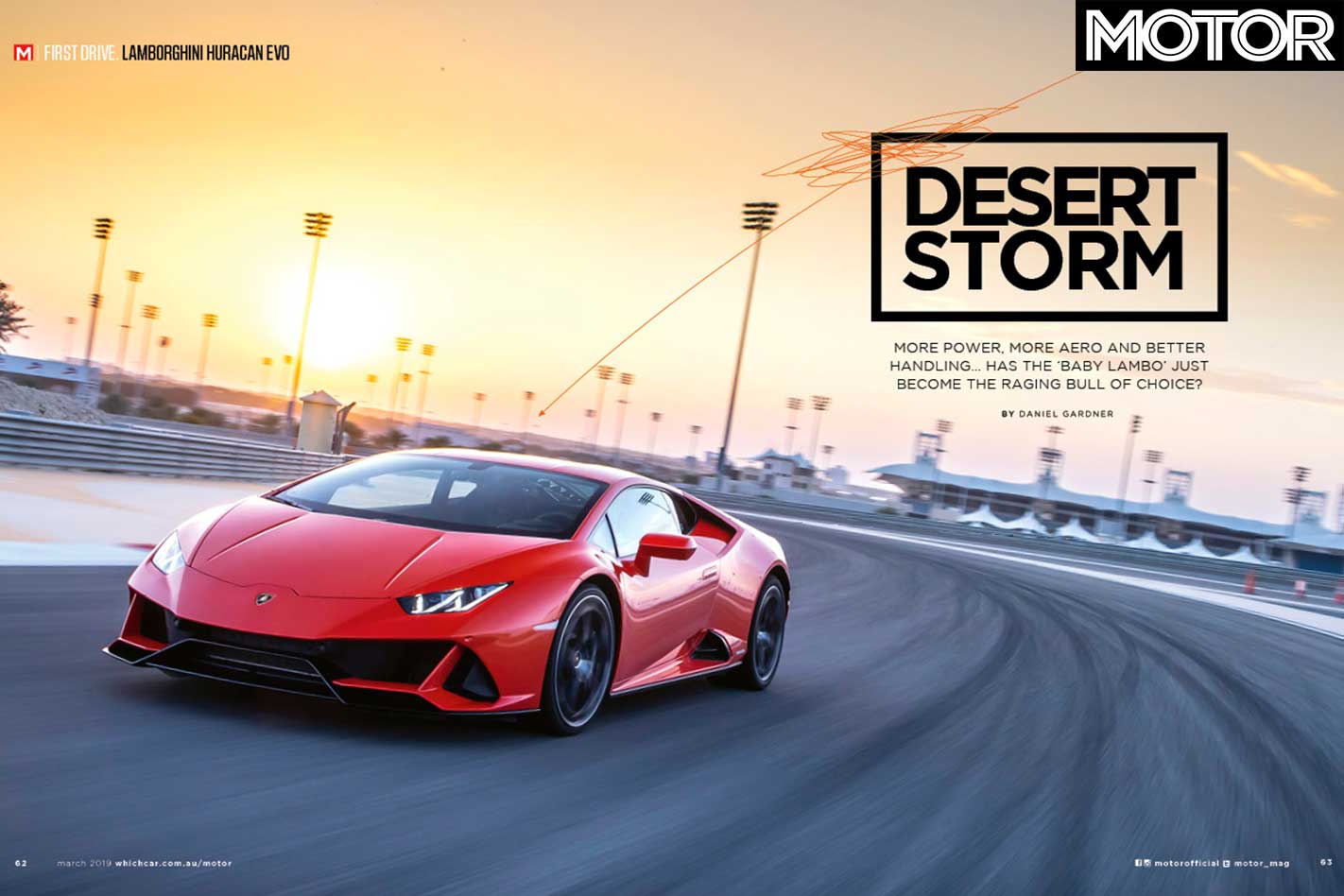
Bahrain’s F1 circuit gets a visit from Lamborghini’s new steroid-injected Huracan Evo that now boasts Performante power and pace.
MERCURY RISING: PORSCHE 992 911 CARRERA S DRIVEN
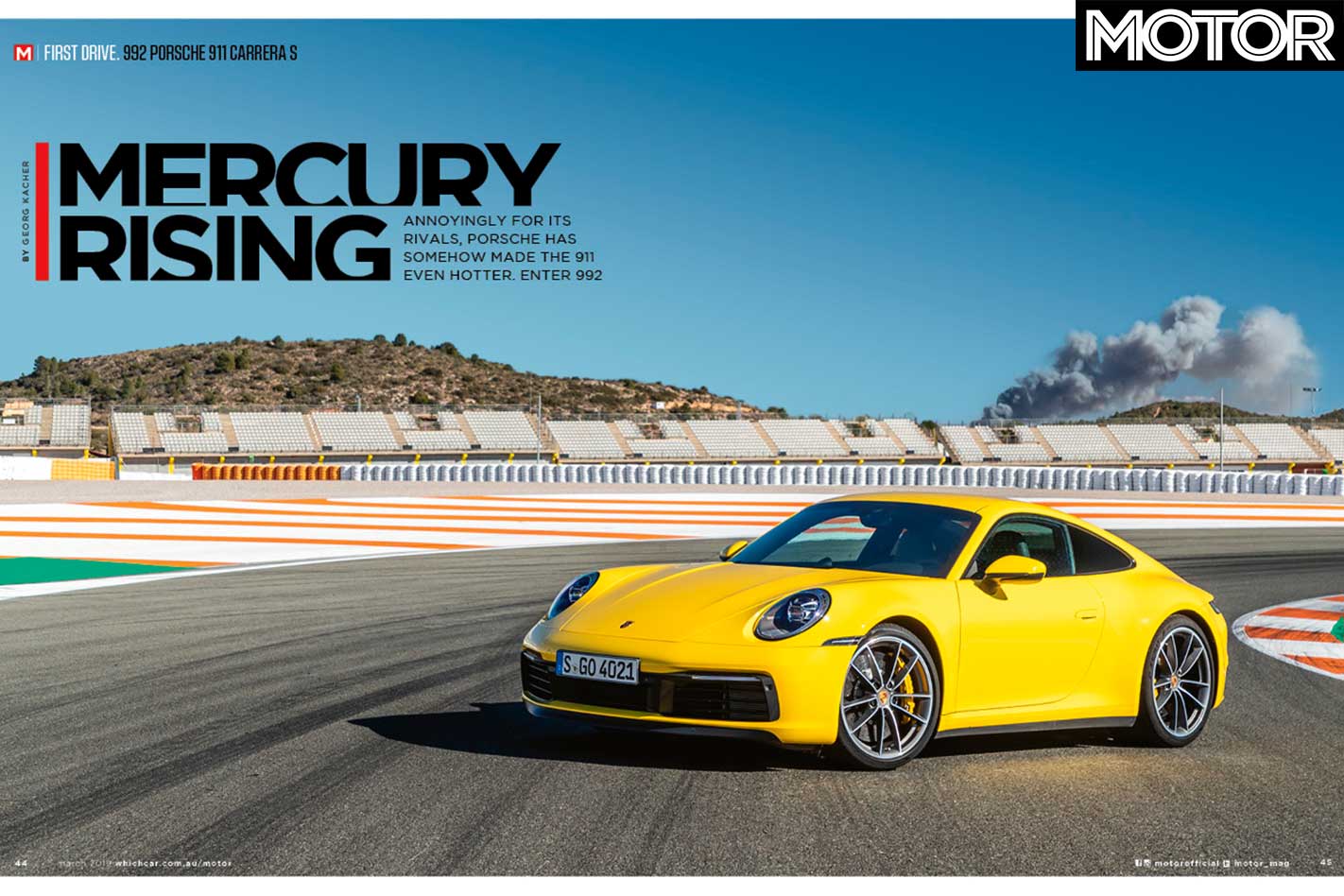
With the competition heating up, Porsche has made the eighth iteration of their seminal rear-engine sports car even hotter.
GREAT DANE: TOM KRISTENSEN INTERVIEW
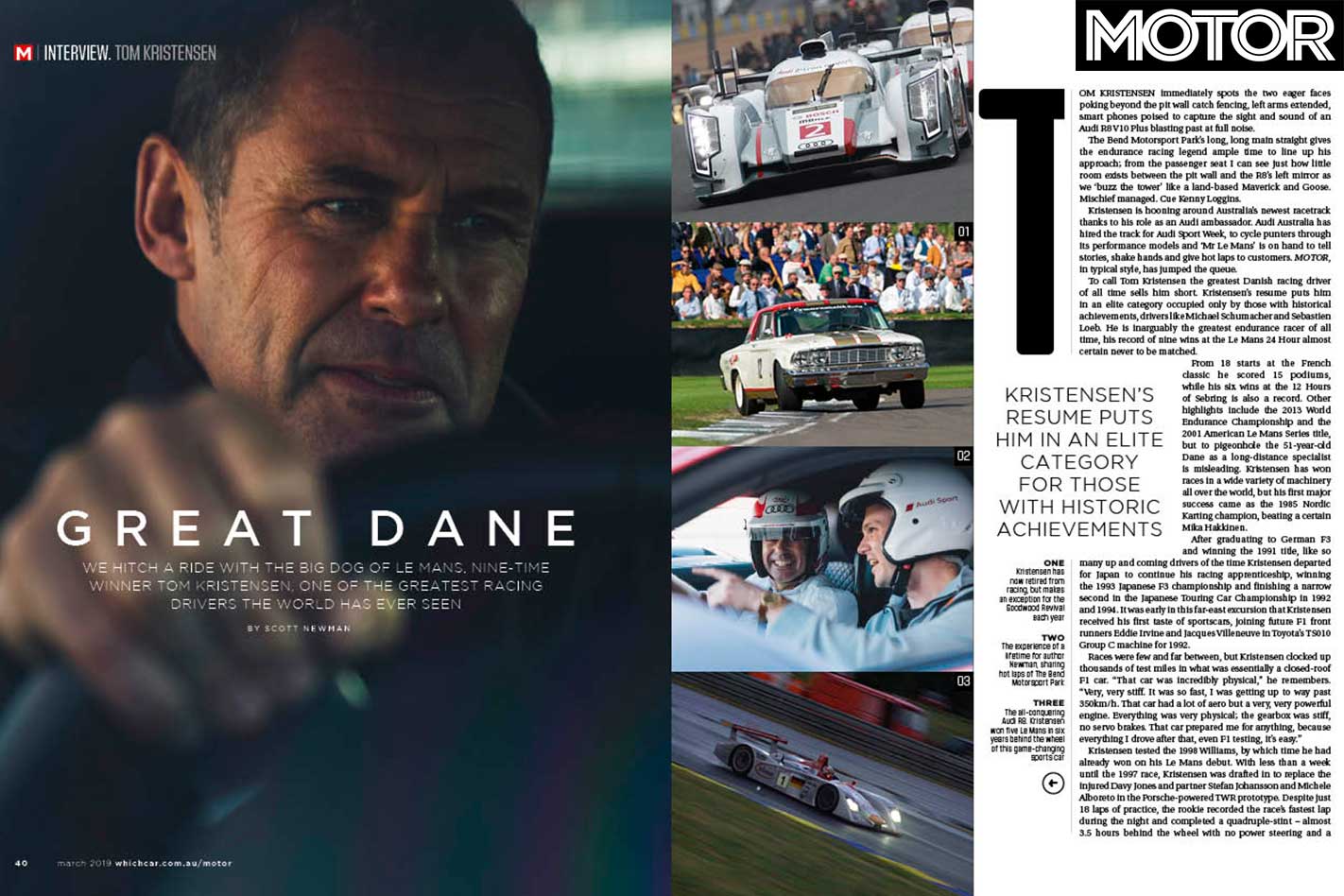
With nine Le Mans 24 Hour wins under his belt, Tom Kristensen is one of the world’s greatest racing drivers, we sit down to have a chat with him – from the passenger seat of a supercar.
RUBBER STAMP: TRACK TYRE TEST
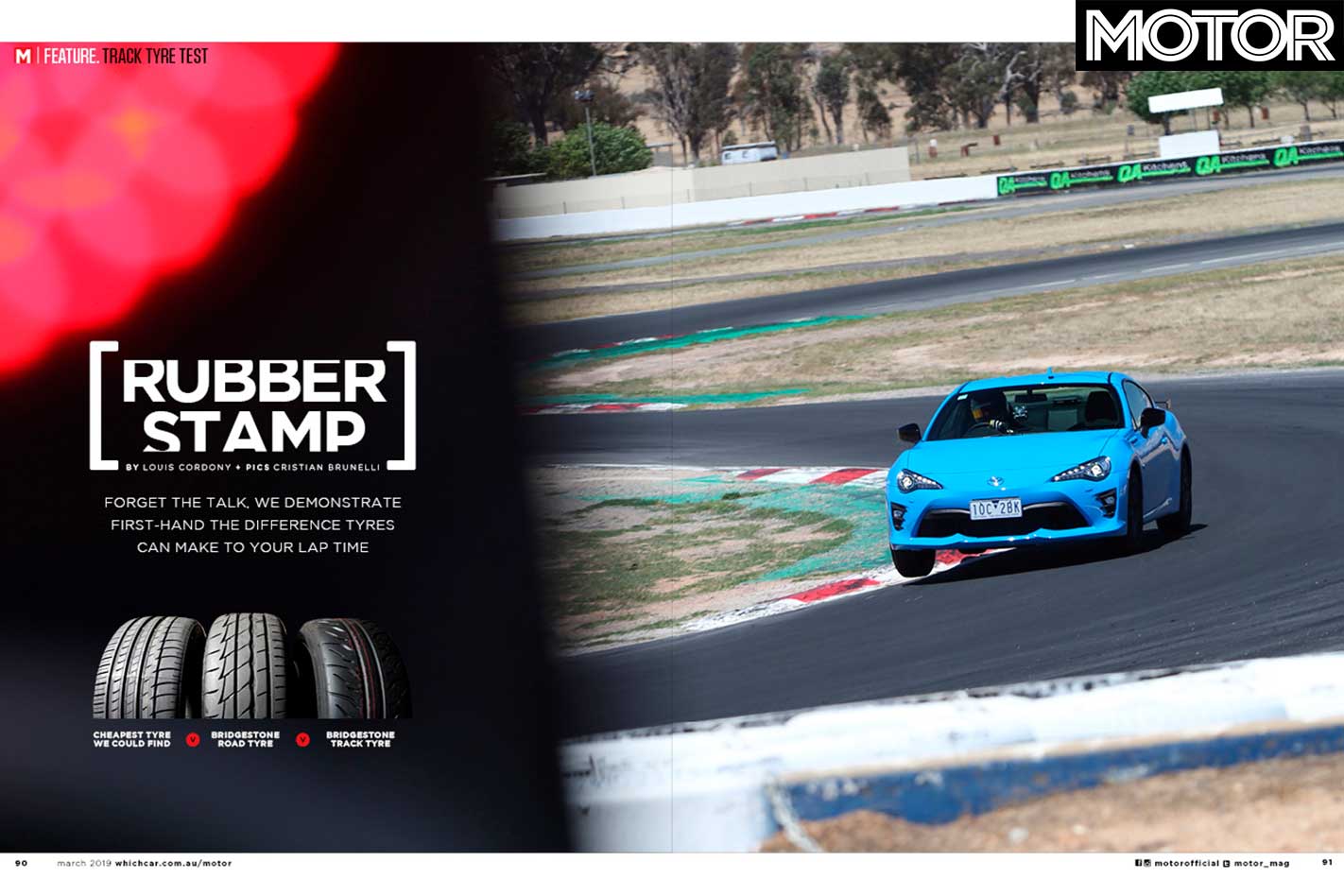
Tyres can make or break a car’s performance, to show you what we mean we pelt around Winton on three very different tyres to reveal the difference they make on lap times.
DANGER ZONE: 2019 RENAULT MEGANE RS vs VOLKSWAGEN GOLF GTI
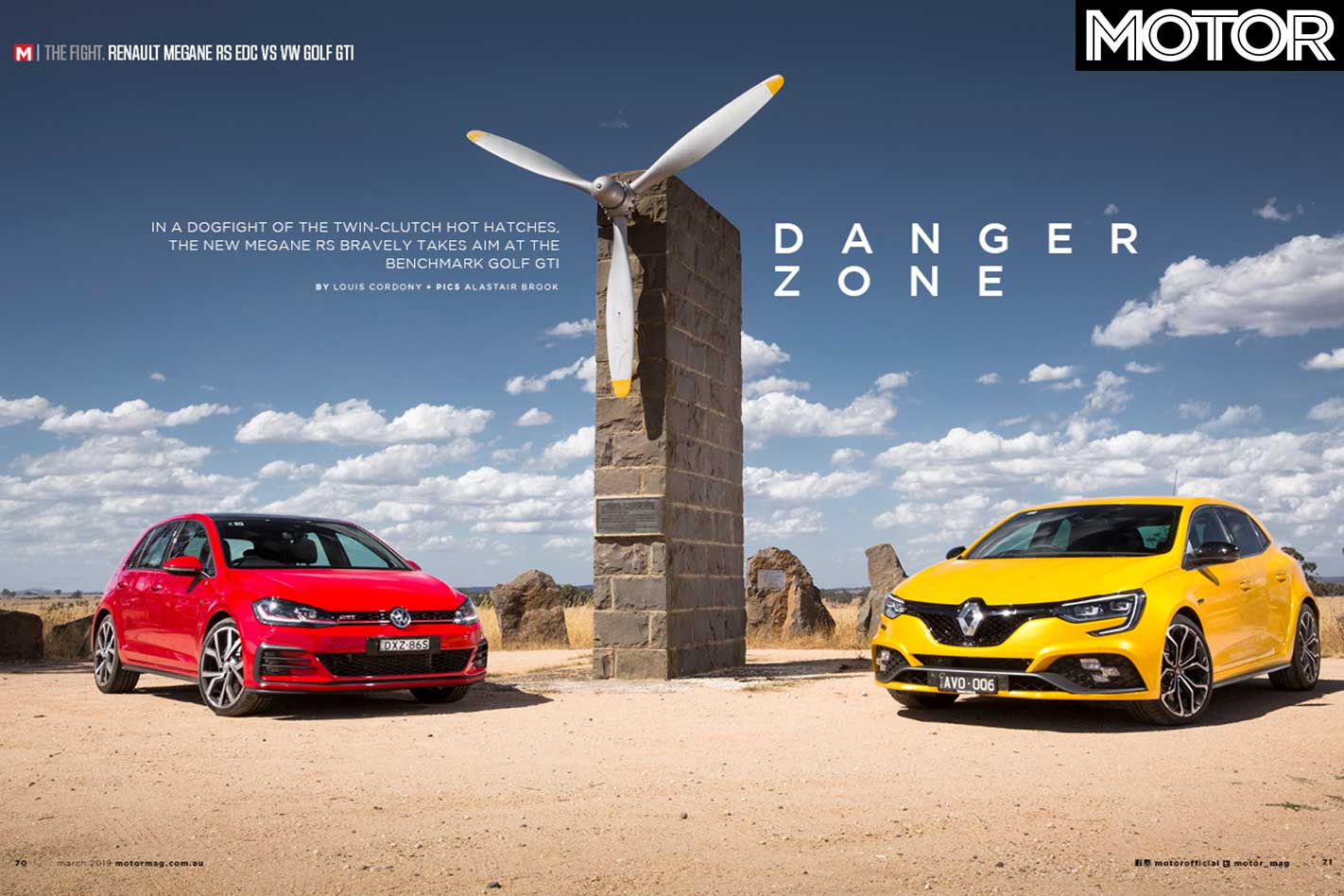
With the new Renault Megane RS taking on a more “everyday performance” role, it now has to go toe-to-toe with the “everyday performance” hot hatch benchmark, the 2019-updated Volkswagen Golf GTI.
NEWS, OPINIONS, AND REGULAR FEATURES
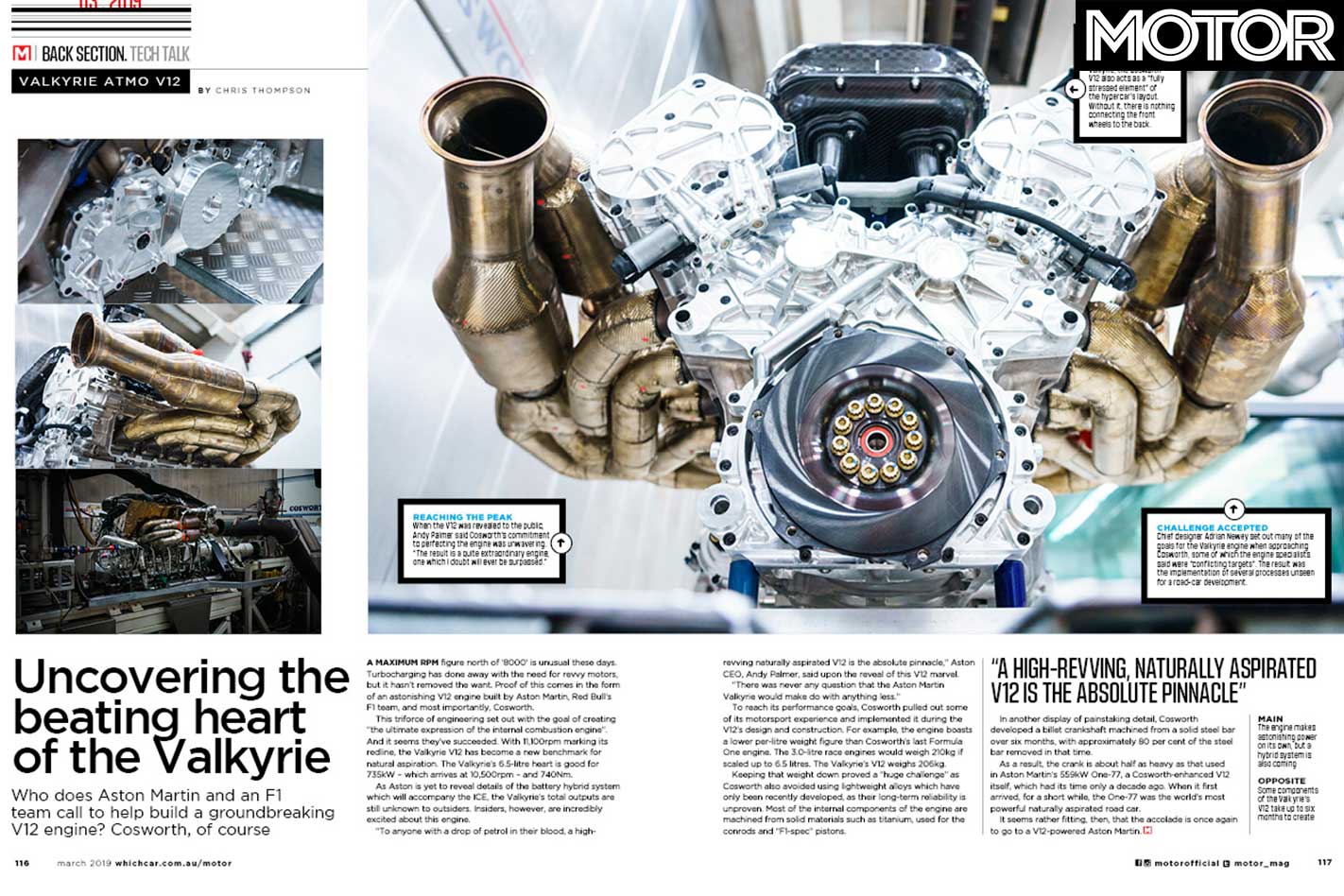
All the usual fun stuff sticks around, including the silly stuff we want to spend money on, the numbers behind every fast or fun car on sale, Morley’s rant, Tim Keen’s tongue-in-cheek musings, and our breakdown of everything happening in the world of fast cars right now.
There have been motor shows where there are one or two significant car launches. At Geneva this year we’ve been buried in an avalanche of new models.
So much so that some key cars seem to have been lost in the maelstrom of new metal. Alfa Romeo Tonale anyone? But amid all the launch fanfare, it’s been a show that signifies a changing of the guard in many respects.
Here’s why:
If you’re not going electric, you’re going out of business
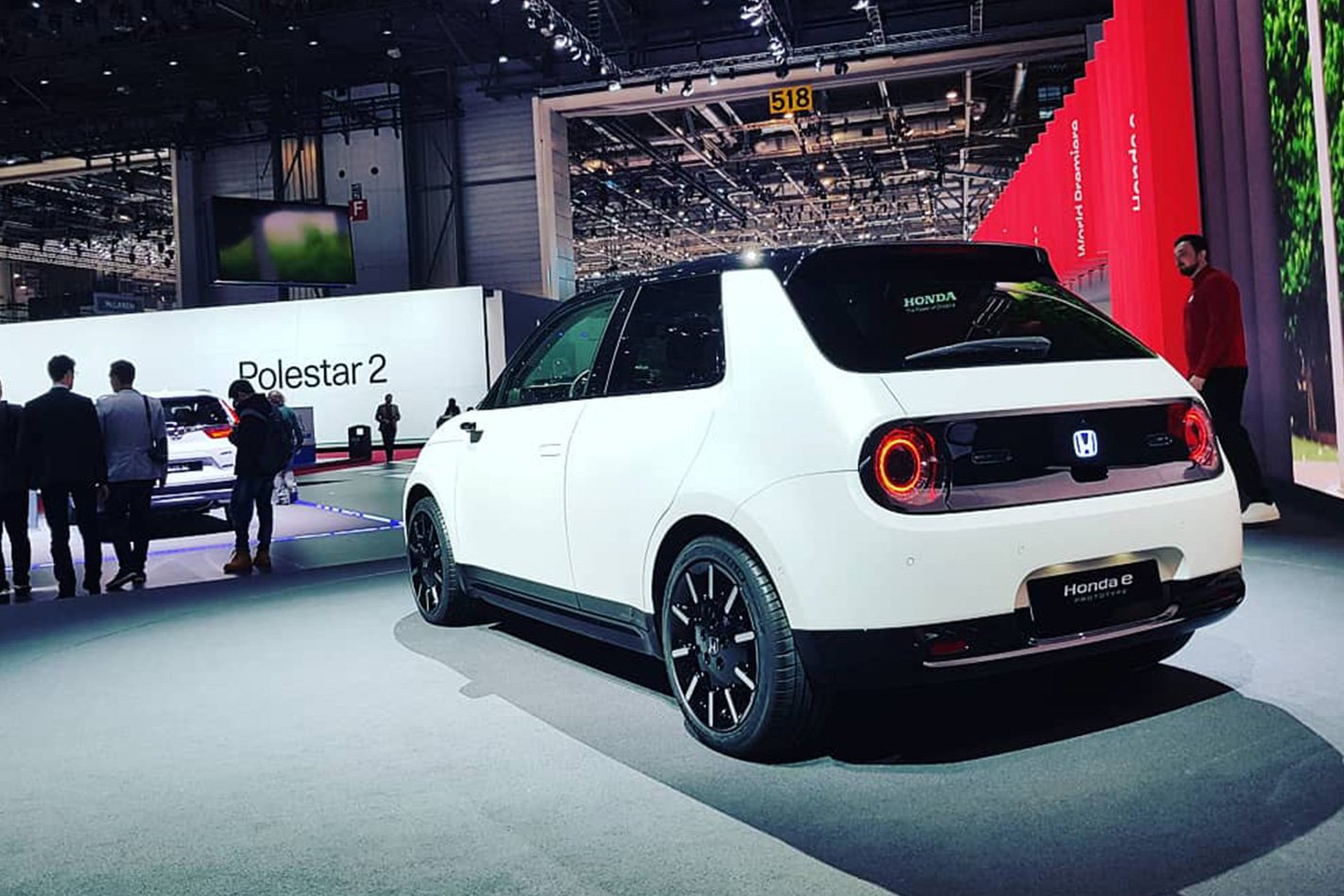
That may sound like a bold prediction in fossil-fuelled Australia, but it’s an inescapable fact. Some manufacturers who have been slow to adopt change are set to find themselves going the way of Kodak. The GFC demonstrated that no manufacturer is too big to fail and the coming shakeout will see some big names crumble.
A Croatian hypercar manufacturer is playing kingmaker
Rimac is the company that currently holds all the aces. Not Tesla, not Toyota. You might recall that Porsche has bought a 10 percent share in Mate Rimac’s business and Pininfarina, Koenigsegg and also Aston Martin in its Valkyrie use Rimac’s battery technology. Rimac managed to develop a 9,27kWh battery-pack consisting of over 3000 individual parts that can deliver 4.35kW per kilogram in a package that weighs 115kg and occupies only 67 litres of volume in the middle of the vehicle. No other manufacturer gets close to this, so it’s not just about hypercars. On the electric car battlefield, Rimac is currently the force multiplier.
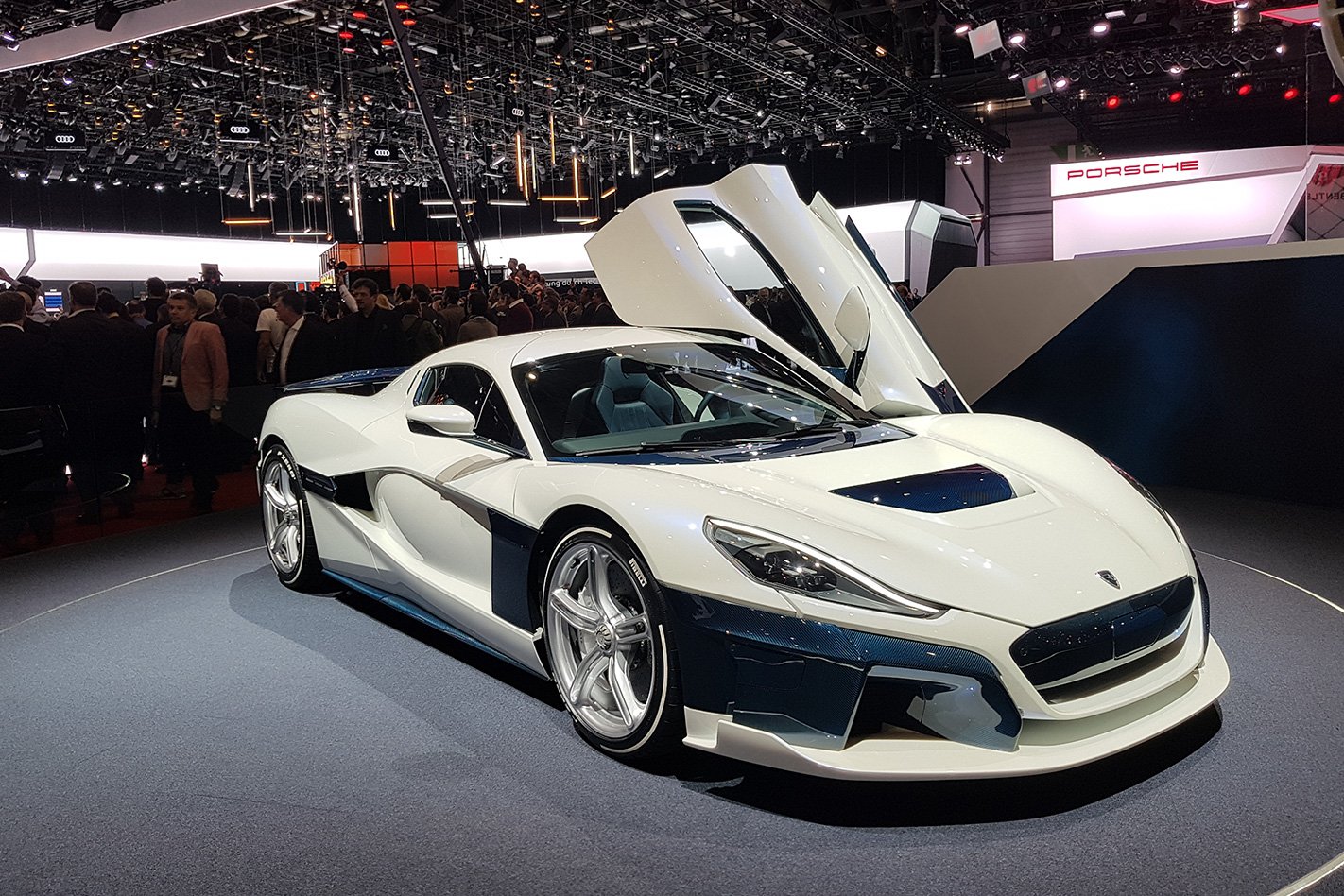
Supercars are back. Loads of them.
You couldn’t move for supercars at this year’s show. The Bugatti La Voiture Noire, the Koenigsegg Jesko, the Aston Martin Vanquish concept, the Pininfarina Battista and the Rimac C-Two, the Lamborghini Aventador SVJ Roadster; the list goes on. Ferrari’s F8 Tributo would be a headliner most years but here it didn’t even get a sniff. Supercars were popping up from all corners. Chinese manufacturer Arcfox appeared, seemingly fully formed with its quad electric motor GT. Next door, a more illustrious name, Piech, was displaying its electric Mark Zero and claiming an 80 percent charge in 4 minutes and 40 seconds. Full charge was good for 500km WLTP. It seems that the birth of the electric supercar has given supercars as a whole a new respectability. Even if they happen to be powered by an atmo V12.
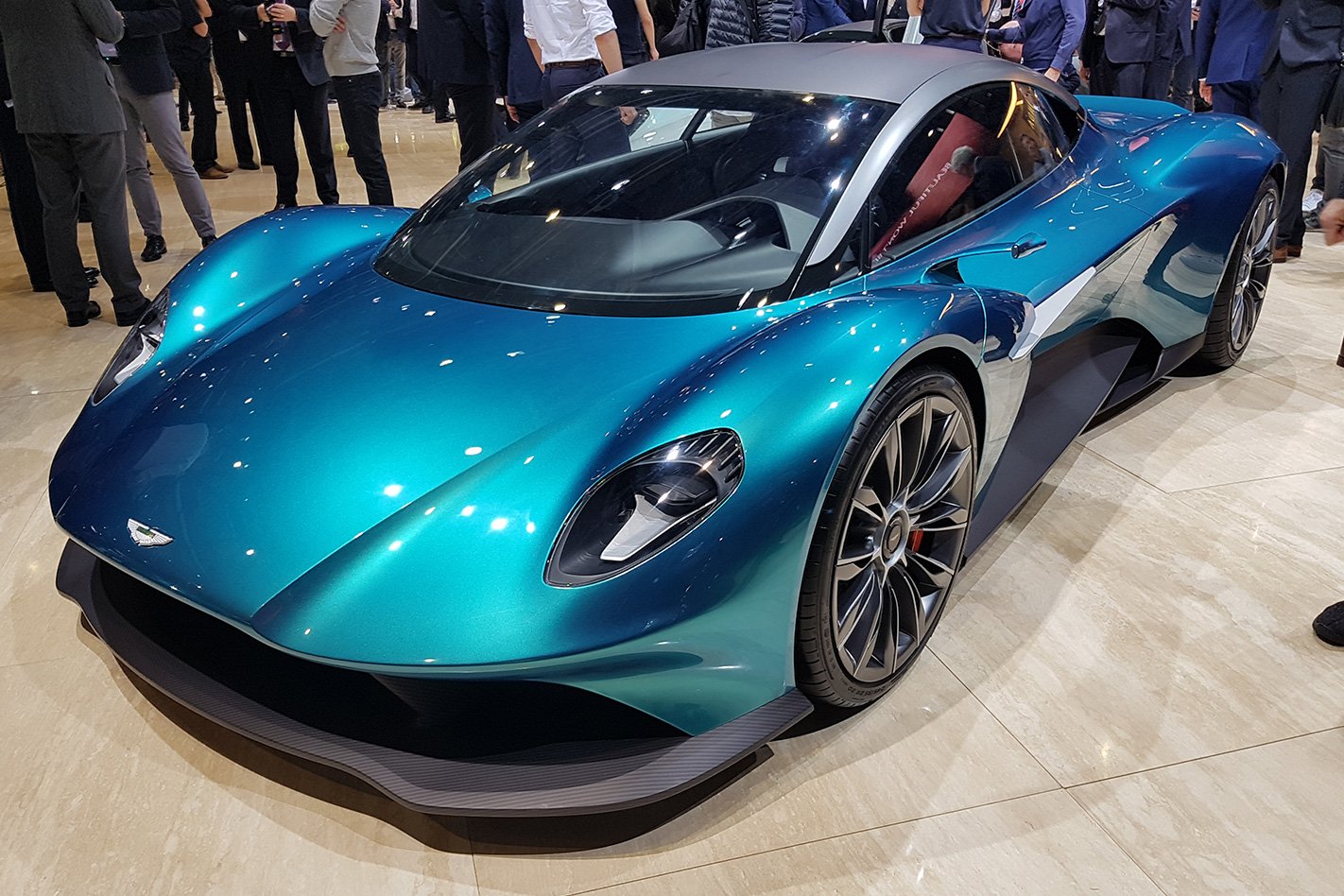
Aston Martin AM-RB003 debuts hybrid V6
Aston Martin is the most exciting car company in the world right now
There was once a time that Aston Martin was still building a car based on Jaguar XJ-S underpinnings while Tesla was already building electric cars. Under Andy Palmer, the company has been transformed into arguably the most dynamic manufacturer bar none. A series of great hires, some inspired product choices and the simple expedient of listening to customers could well see Aston propel itself into the big leagues. The trio of Valkyrie, AM RB-003, and Vanquish concept, unveiled on the stand at Geneva brought the house down.
There’s still plenty to point and laugh at
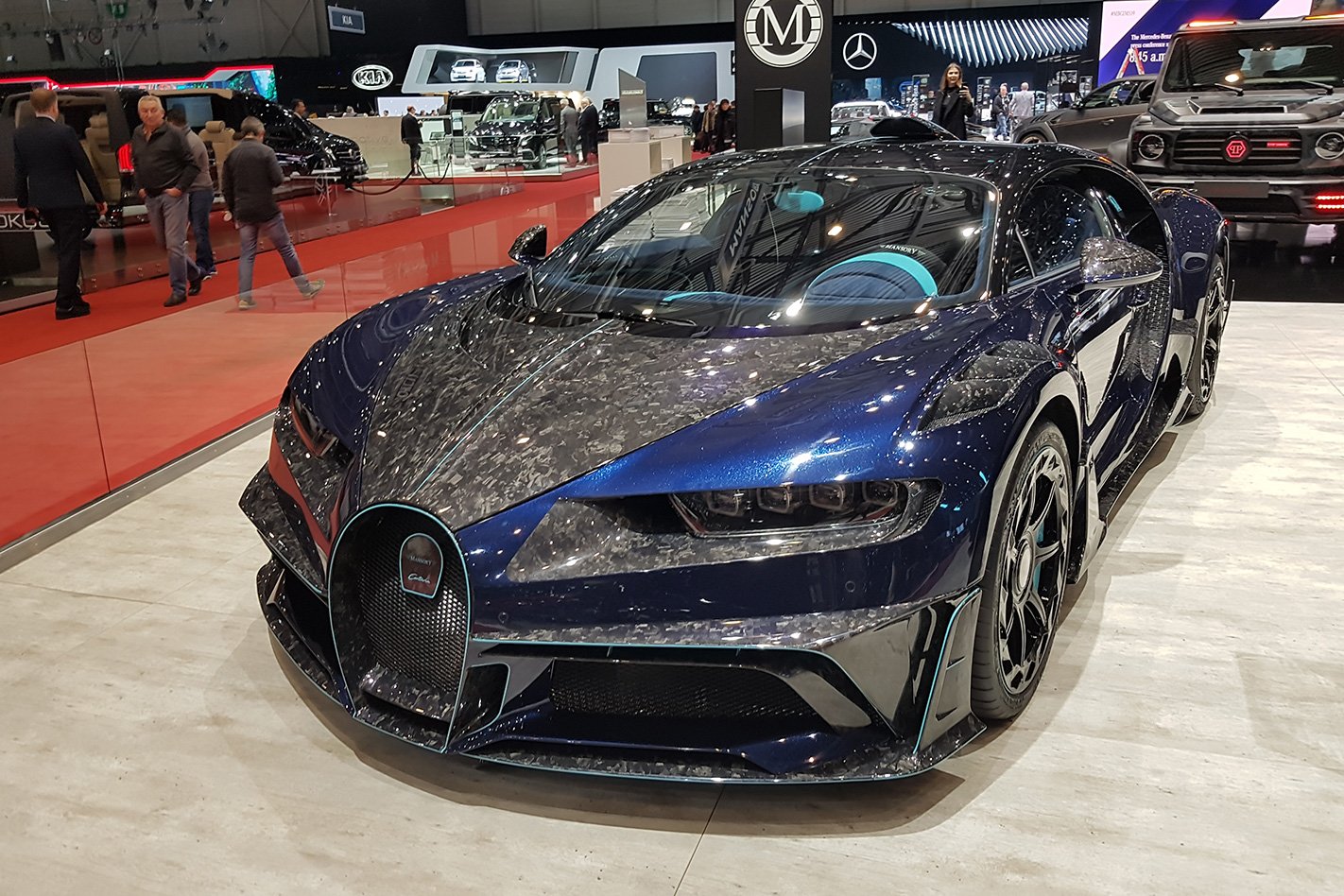
Whether it’s the forged-carbon gaudiness on the Mansory stand, prancing peacocks in check suits with mullets, everyone with a selfie stick deciding they’re important social media influencers, or the fact that flying cars still haven’t taken off, the Geneva Show always has a lighter side. Rinspeed had their usual display of wacky ideas that will never see the light of production. How does this company stay in business? It’s like Sauber, one of those Swiss businesses that just seems to magic funding out of thin air. Answers on a postcard that converts into a hat stand please.
THE MERCEDES-Benz E350e isn’t an obvious choice for customers wanting to transition from burning hydrocarbons to consuming electrons.
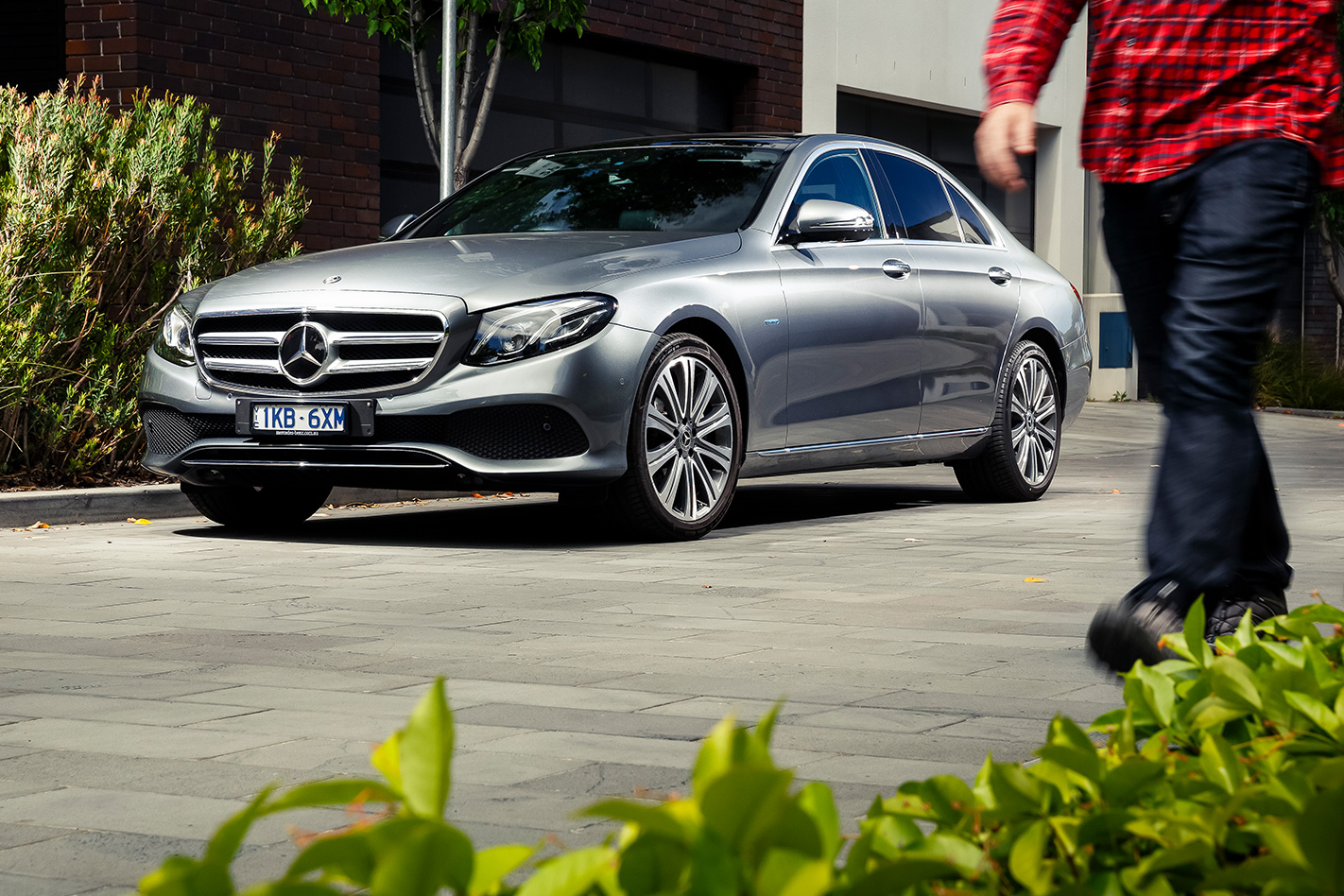
The problem lies with its battery pack. Of this group, it has the smallest capacity and the lowest claimed EV range, meaning it struggles to excel as a genuine halfway house between conventional internal combustion power and electric propulsion, despite the motor’s impressive 60kW and 440Nm outputs.
Perhaps, then, its best to think of it as a vehicle that caters to established Mercedes-Benz buyers looking to slash their fuel bills.
The E350e is the most fuel-efficient E-Class available, with a claimed consumption of just 2.4L/100km. It achieves this with a combination of a 155kW/350Nm 2.0-litre four-pot turbo-petrol, and the aforementioned electric motor and battery. With combined outputs of 210kW and 550Nm, the E350e is capable of 0-100km/h of 6.2 seconds.
Mercedes claims the E350e can travel 30km on battery power alone, but during our testing, the trip computer estimated we would achieve only 23 kilometres of fully electric travel. Driving predominantly on the highway at 100km/h, while using climate control, we achieved just that, almost to the metre.
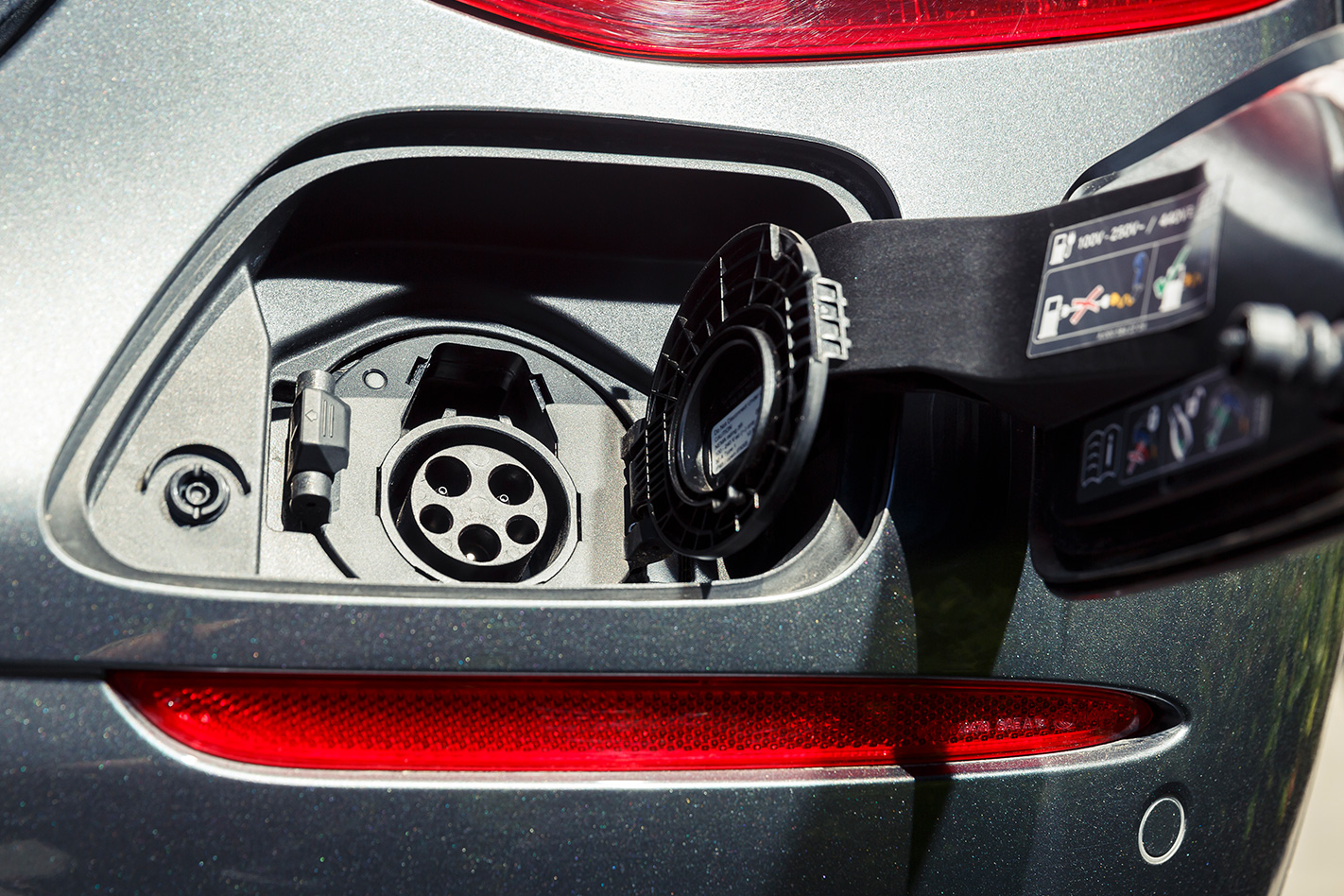
According to the ABS, the average Australian has a commute of 16km from home to work. Using this as a guide, and our real-world experience, a typical Aussie with an E350e will hear the Merc’s 2.0-litre turbo fire roughly nine kilometres from home.
With a $132,500 sticker price, the E350e isn’t cheap; that’s about $40K more than the entry E200 and $8K short of the twin-turbo V6 E400. If its main task is preparing customers for more electrified models, it’s a clever pricing strategy from Mercedes-Benz Australia.
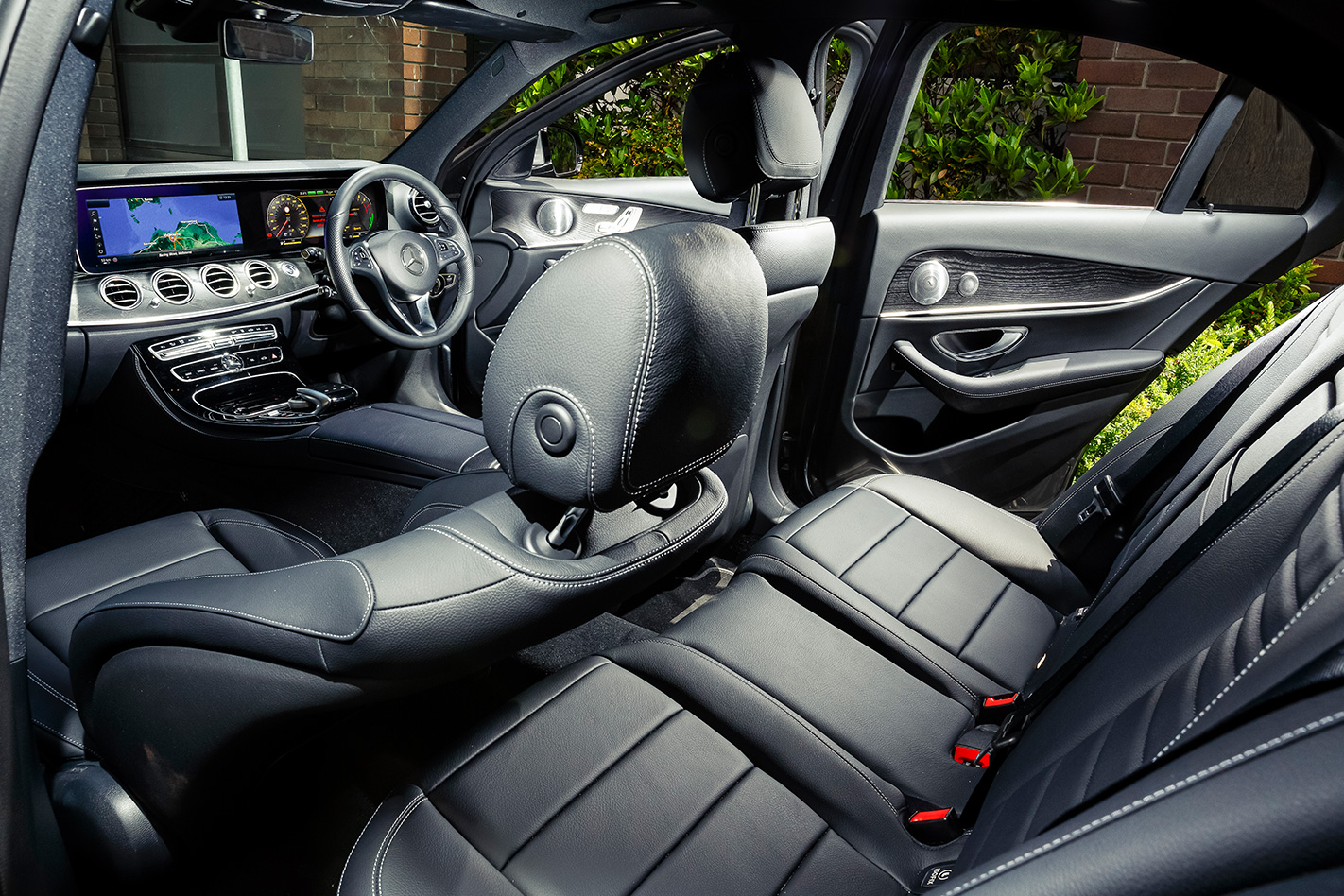
Other than the boot space reduction to 400 litres (from 540L in non-hybrid variants) due to the lithium-ion battery, the E350e operates much in the same way as a regular E-Class sedan.
The nine-speed torque-converter auto sends power exclusively to the rear wheels, and is silky smooth on upshifts in both electric and conventional drive modes. However, the system can be puzzlingly abrupt on downshifts when using regenerative braking alone to scrub off speed.
With air suspension as standard, the ride in the E350e is composed and cosseting, and with the battery fully charged, highway driving is a comfortable, wafting experience.
The E350e is a fine way for Mercedes-Benz customers to dip their toes in the electrified pool without getting a shock. One that, with some bigger batteries from the EQ parts bin, could only become more compelling.
7/10
The Formula 1 Rolex Australian Grand Prix 2019 official program is now available at your local newsagent and in selected Coles Express, Caltex, Seven 11, Newslink, WH Smith stores and Woolworths supermarkets.
Inside you can read about:
- How Aussie Daniel Ricciardo has rolled the dice on his career, leaving the might of Red Bull to join Renault.
- SportPesa Racing Point F1 show us how an F1 car goes from the drawing board to race track
- The Iceman Kimi Räikkönen returns to where his F1 career began in Australia in 2001
- At 21 most people get the key to the door. Max Verstappen gets to lead an F1 team. Read about the Max Factor.
- Rich Energy Haas was the rising star of 2018, can they climb even higher this year.
- We go behind the scenes and see how Albert Park transforms into a Grand Prix circuit.
- Webber’s faves, Aussie F1 legend Mark Webber tells us about his favourite F1 cars
PLUS
- 2019 F1 Season preview
- Full team and driver rundowns
- The Ford Mustang is set to spice up Supercars
- Plus all there is to see and do at the Formula 1 Rolex Australian Grand Prix 2019
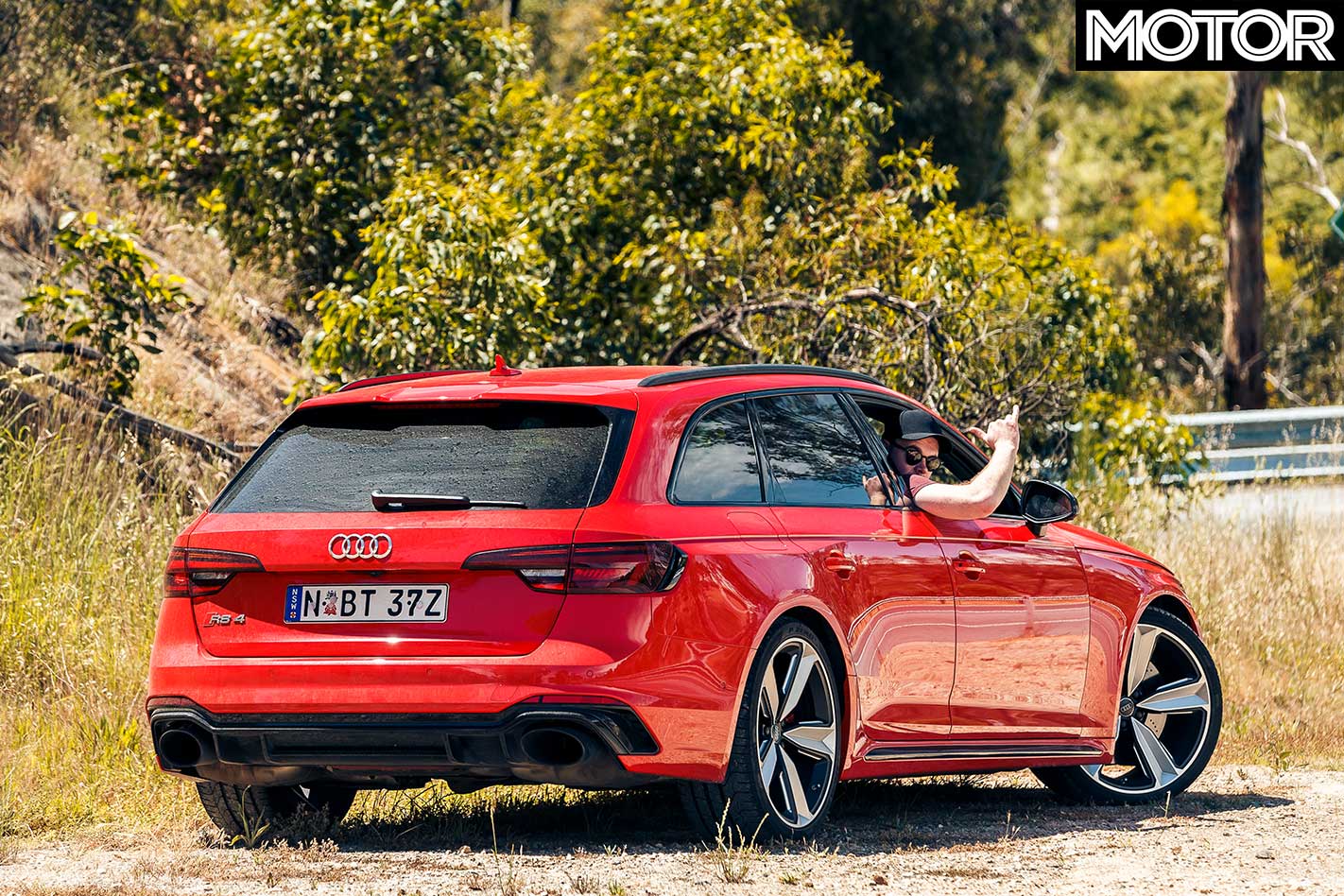
If PCOTY was held purely on-road, the RS4 Avant might have made the podium. Time and time again during the judges’ chat Audi’s super wagon was described as “a road car”. But it wasn’t damning with faint praise, as this was usually prefaced with “brilliant”.
Audi has changed tack dramatically with the latest RS4, abandoning the high-revving atmo V8 for a twin-turbo V6 and ditching the stiff-riding, handling-first model for compliance and comfort.
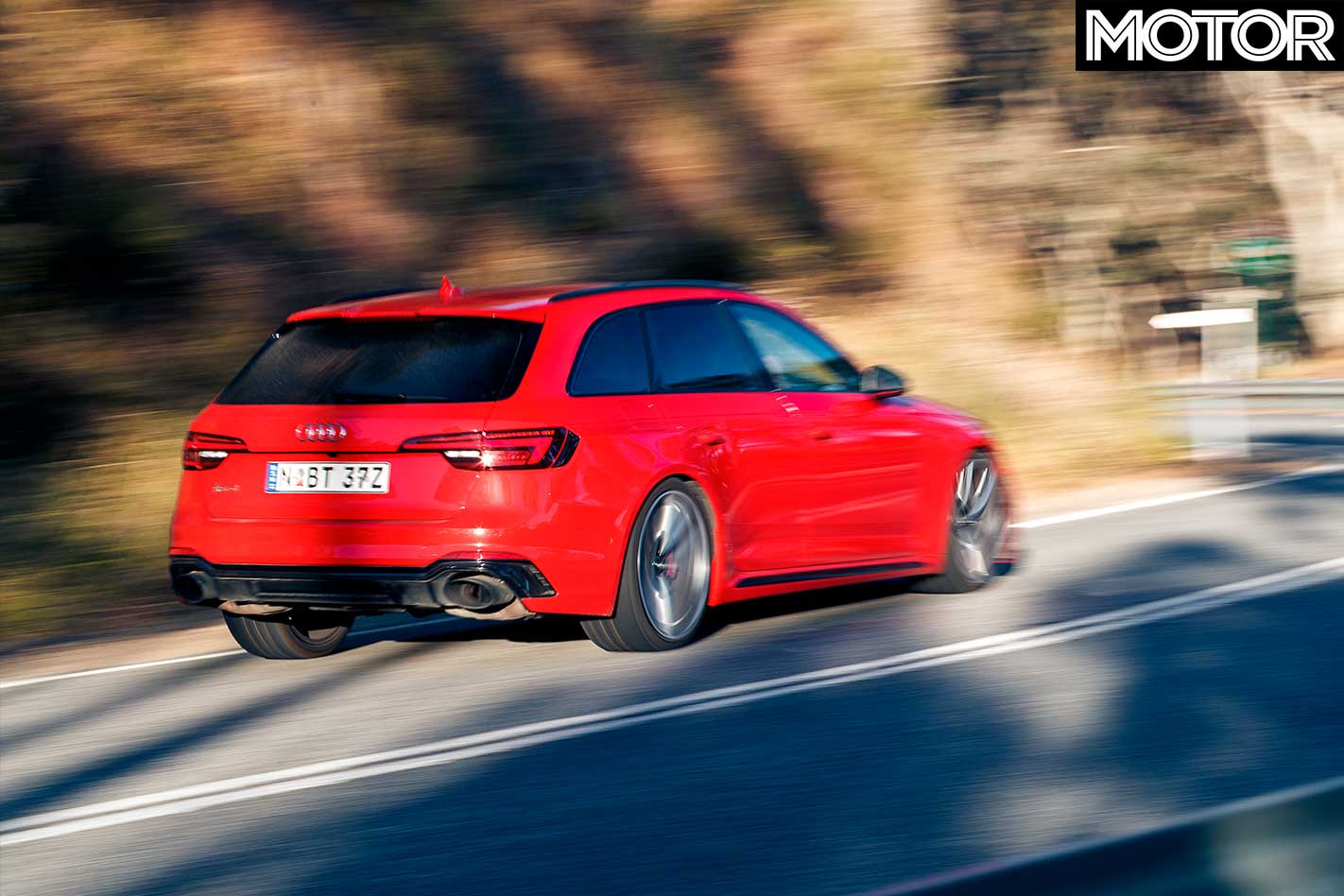
In doing so, the RS4 returns to its roots and is all the better for it. The new engine is magnificent, with huge power (0-100km/h in 3.87sec!), great response and a stirring howl under heavy load. Switching to an eight-speed auto ensures no dual-clutch stumbles, while there is now genuine ride comfort. For long road sections the RS4 was the pick of the PCOTY litter and even switching the dampers to Dynamic didn’t destroy its composure.
This softer setup results in plenty of body roll when cornering hard and the RS4 can feel heavier than its 1715kg suggests, but the extra movement makes it easy to judge the limits. What truly brings this Audi alive, though, is the diff setup. Trail brake into a corner, use the weight shift to help pin the front to the ground then simply step hard on the throttle; power is shuffled exactly where it needs go with ruthless efficiency.
There is none of the dreaded on-throttle understeer that afflicted Haldex-equipped Audis of old and combined with the enormous grunt under the bonnet, the RS4 is capable of covering ground – in all weathers – at a pace that would make a few supercars sweat. It now works with the road surface rather than fighting against it.
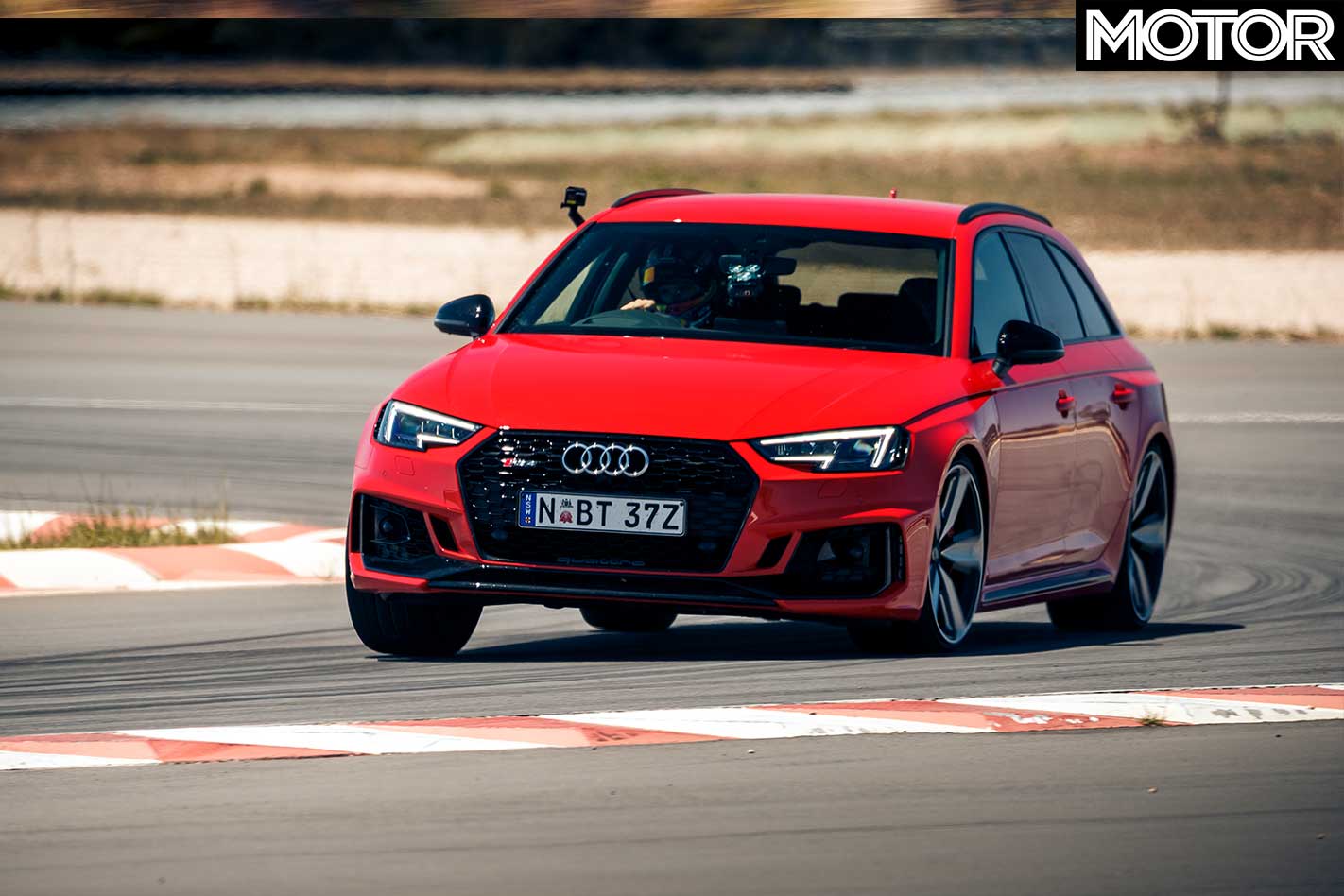
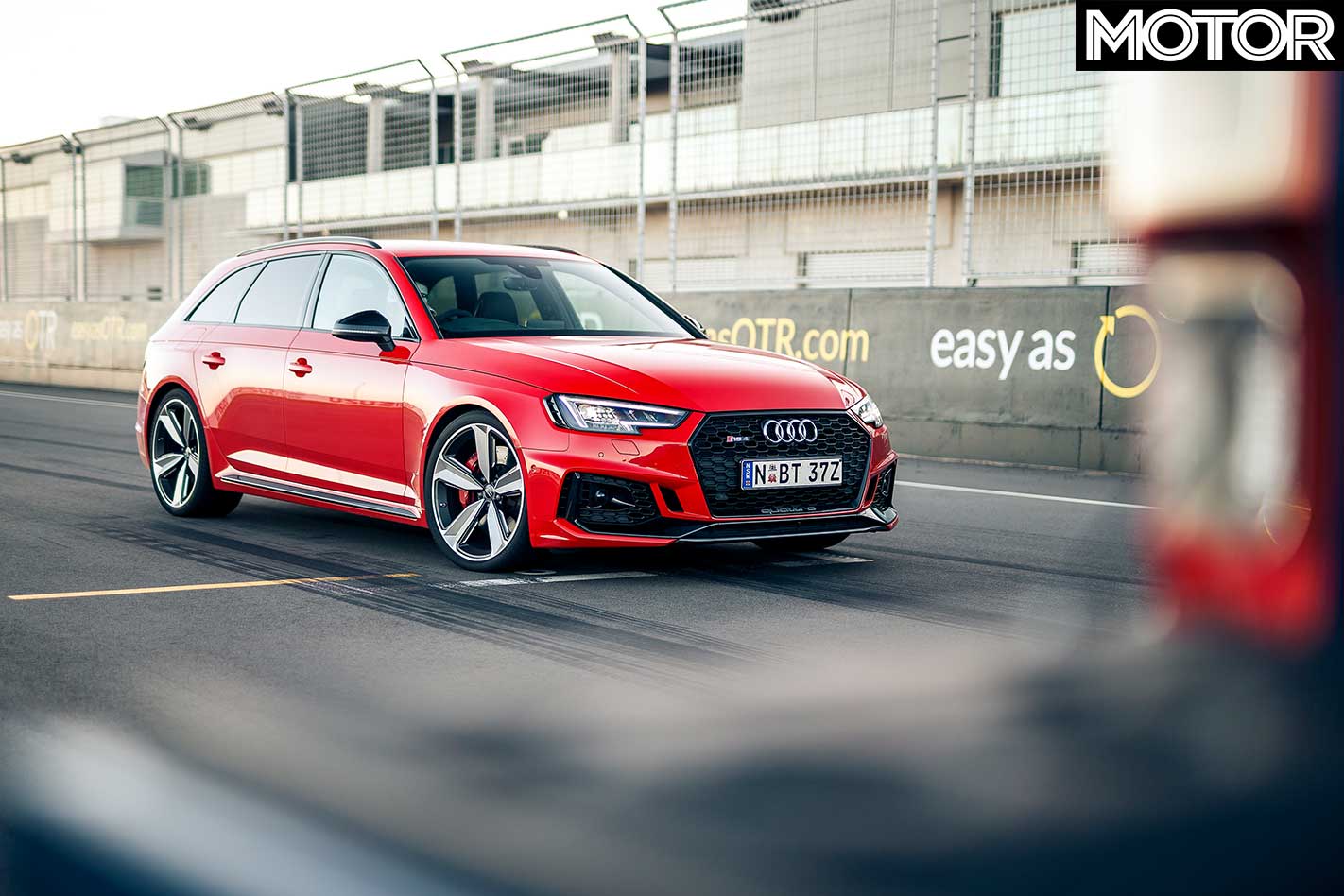
Unfortunately, a lot of what makes the RS4 Avant so brilliant on the road handicaps it on the track. It might seem churlish to mark a car down for its circuit ability when it’s clearly not designed for it, but we’re looking for the ultimate performance car and every car ahead on the list works to a very high standard in both environments.
There is enjoyment to be found, as long as you don’t push too hard. The RS4 is obviously very quick in a straight line, but it’s also surprisingly adjustable and, again, those diffs work their magic in keeping more than 1.7 tonnes pointing in the right direction.
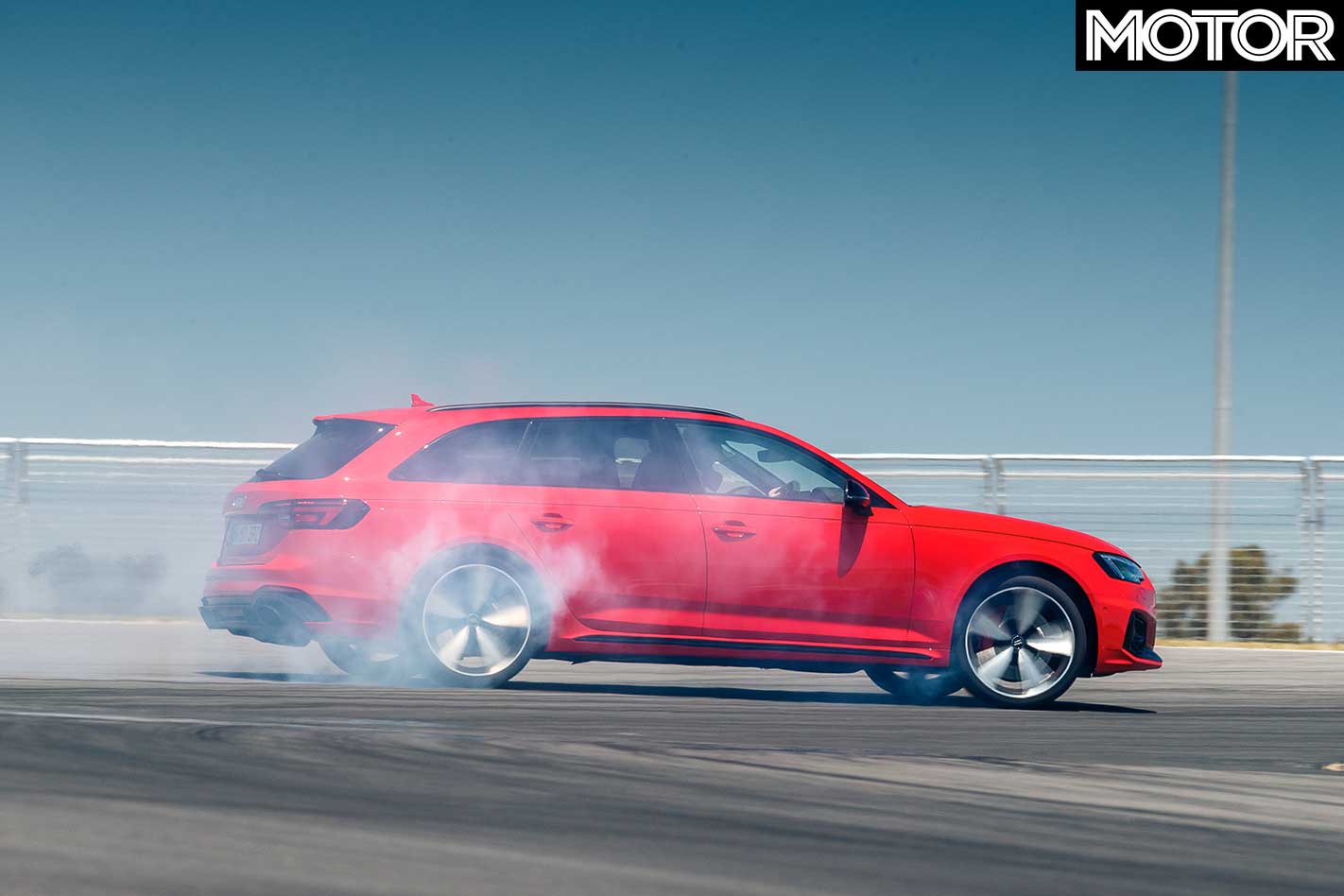
However, beyond eight-tenths the engine feels 500rpm short of true excellence and there just isn’t enough tyre, body control or brakes to make the RS4 fun. Nonetheless, as a fast family hauler it’s fantastic.
The Numbers
2019 AUDI RS4 AVANT SPECS: Engine: 2894cc V6, DOHC, 24v, twin-turbo Power: 331kW @ 5700-6700rpm Torque: 600Nm @ 1900-5000rpm Weight: 1715kg 0-100km/h: 3.87sec 0-400m: 12.02sec @ 187.25km/h The Bend lap time: 1min 34.0sec Price: $165,546
Judge’s Rank
Dylan Campbell – 5th “Seriously good. V6 is ace but can I still wish it got a twin-turbo V8? “
Louis Cordony – 6th “So much car. And those looks. But an S4 makes more sense.”
David Morley – 7th “This is the daily you’ll take out of the shed. Even on a Sunday.”
Scott Newman – 6th “Audi Sport discovers compliance and adjustability. Nice.”
Rick Kelly – 8th “A smart, comfortable everyday car that packs a punch.”
PCOTY 2019 Scoring
| Judges | DC | LC | RK | DM | SN | Total |
| Performance | 17 | 14 | 16 | 17 | 16 | 80 |
| Dynamics | 17 | 10 | 12 | 15 | 15 | 69 |
| Accessibility | 7.5 | 6.5 | 8 | 9 | 9 | 40 |
| Liveability | 9 | 9.5 | 10 | 10 | 9 | 47.5 |
| Value | 7 | 6 | 7 | 6 | 7 | 33 |
| X Factor | 8 | 7 | 4 | 5 | 7 | 31 |
| Total | 65.5 | 53 | 57 | 61 | 63 | 300.5 |
It has been 20 years since Pagani debuted its first car, the Zonda C12, at Geneva, which makes the 2019 Geneva Motor Show the perfect setting for the very first Zonda C12 to make a return to the stage.
Known as “chassis 001”, this particular Zonda C12 served as a development mule and was eventually used for homologation and crash testing. Fortunately Pagani says much of the car’s original parts were recovered, which enabled the restoration works to be carried out.
The restoration work on “chassis 001” also serves to highlight Pagani’s newly formed restoration and certification programme, Pagani Rinascimento, which managed to renovate existing components and fully rebuild copies of the original in order to return the car back to its exact configuration at the 1999 Geneva Motor Show.
“Today we pay homage to the Zonda, the car that allowed us to grow up, confirm our initial gambles and, above all, share our great passion with the whole world,” says Pagani founder and chief designer, Horacio Pagani.
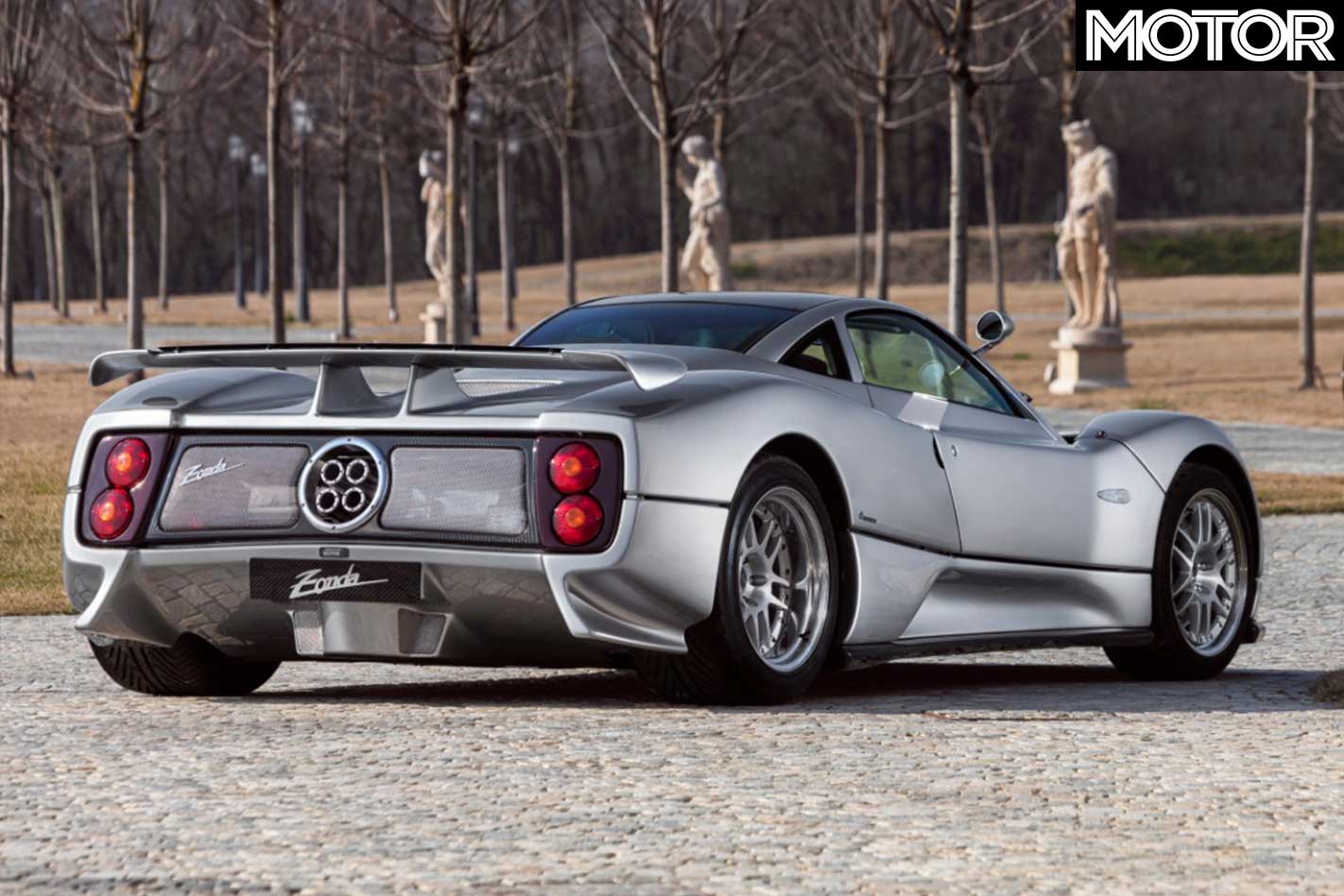
While Pagani is famous for building a minute number of cars along with plenty of one-off highly customised versions for their affluent clientele, the Zonda C12 with its 331kW Mercedes-Benz derived 6-litre V12 and five-speed manual, is considered to be the rarest of the Zonda lineage with only five examples being built from 1999, one of which being “chassis 001”.
By 2002, the C12 was replaced by the C12 S with a 405kW 7-litre V12, which really got the ball rolling for Pagani in the supercar fraternity, and the rest they say is history. Little wonder why “chassis 001” is worthy of such reverence.
