
As we reported last year, global giants Volkswagen and Ford will join forces to build mid-sized pick-ups (single- and dual-cab utes to you and us) from 2022.
The plans, announced at the Detroit Motor Show, will see the next VW Amarok based on the next generation Ford Ranger, while Volkswagen will also use Ford’s Transit van as the basis for its next line of large commercial vehicles.
VW, in return, will develop a city-sized van, likely based on the next-generation Transporter.
Volkswagen CEO Herbert Diess and Ford CEO Jim Hackett confirmed the plans to develop commercial vans and medium-sized pick-ups for global markets beginning as early as 2022.
“The alliance will drive significant scale and efficiencies and enable both companies to share investments in vehicle architectures that deliver distinct capabilities and technologies,” read a statement.
The agreement is a far-reaching one, with the companies announcing that they would also collaborate on electric vehicle, autonomous and mobility tech.
Both companies said they were also open to considering additional vehicle programs in the future, as well, though the bosses stressed that there was no cross-ownership deals on the table.
The alliance, according to the release, will be governed by a joint committee. This committee will be led by Hackett and Diess and will include senior executives from both companies.
The announcement all but assures that the current Amarok will be sold all the way to the early part of the next decade, making it the oldest dual-cab in the space by the time it goes off sale.
The Ranger will only be slightly younger, but its sheer volume of sales worldwide means it’s enjoyed more development and updates over its model cycle.
Platform sharing is not new in the world of dual-cab utes. Isuzu and Holden shared the Colorado ute until 2015, when Isuzu took it back and named it the D-Max. Holden’s current Colorado is still based on heavily made-over underpinnings.
Ford partnered with Mazda to co-develop the BT-50 with Ranger underpinnings and engines, but Mazda will partner with Isuzu for the next generation of its ute.
Nissan’s D23 Navara chassis, meanwhile. has also been shared with both Mercedes-Benz for the X-Class and with Renault for the forthcoming Alaskan; and now that Mitsubishi is part of the Nissan/Renault alliance, expect to see the next Triton go in the same way.
About the only brand that doesn’t share its platform, in fact, is Toyota, which prefers to keep its Hilux all to itself.
Mustang Motorsport has today confirmed it will be bringing Ford Mustang Shelby GT500s to Australia, after it was expected none would be seen locally.
With Ford Australia saying it wouldn’t be able to supply RHD versions of the car locally, Mustang Motorsport managing director Craig Dean told MOTOR incoming legislation would allow cars to be imported and converted locally.
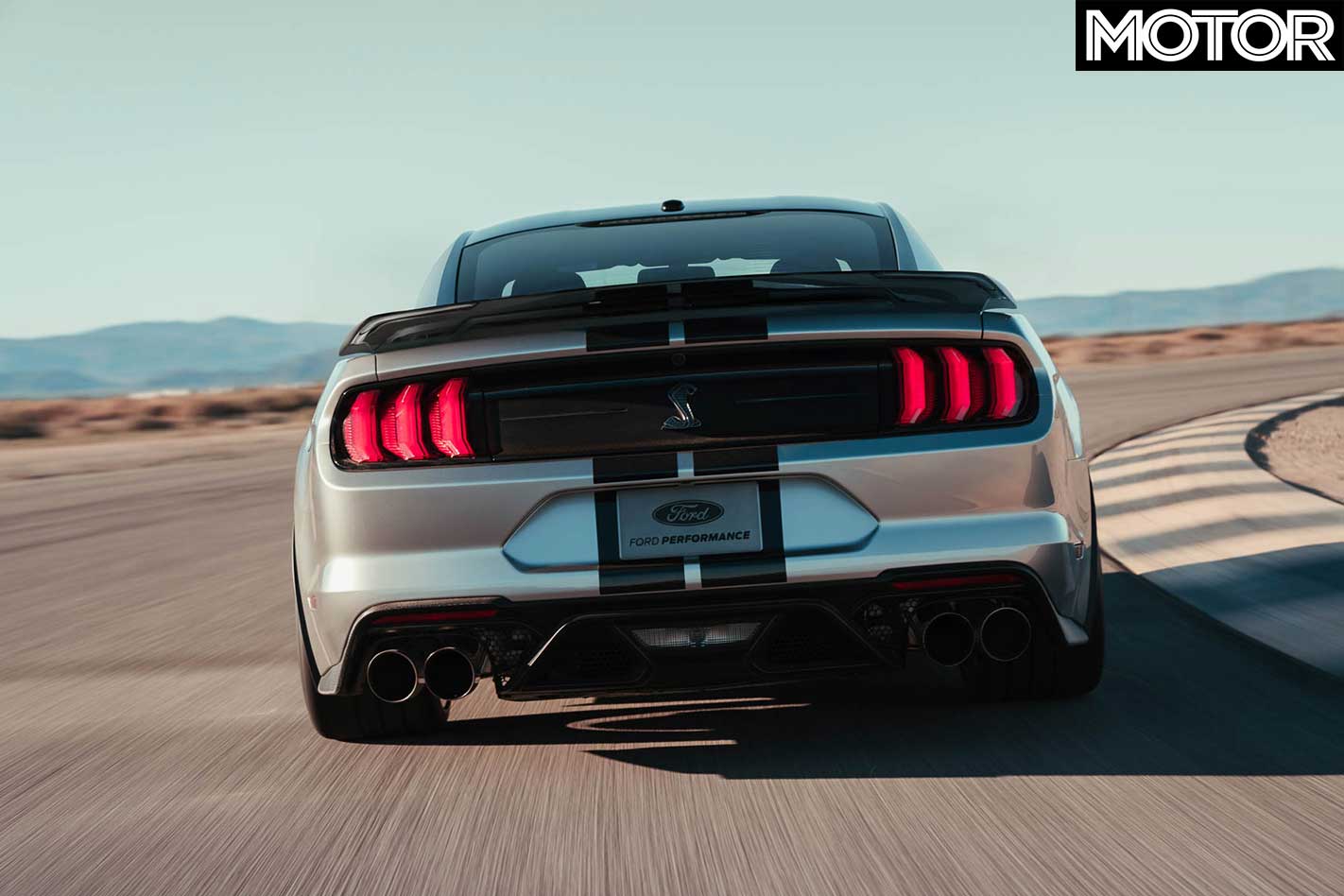
Dean says “December 11, 2019 is when the new system will start.”
“The new legislation is called the ‘Road Vehicle Standards Act,’ it was voted through parliament November late last year.
“The new compliance regime allows [importation of] any variant that is not imported by full volume manufacturers after 3 months of its release elsewhere in the world.”
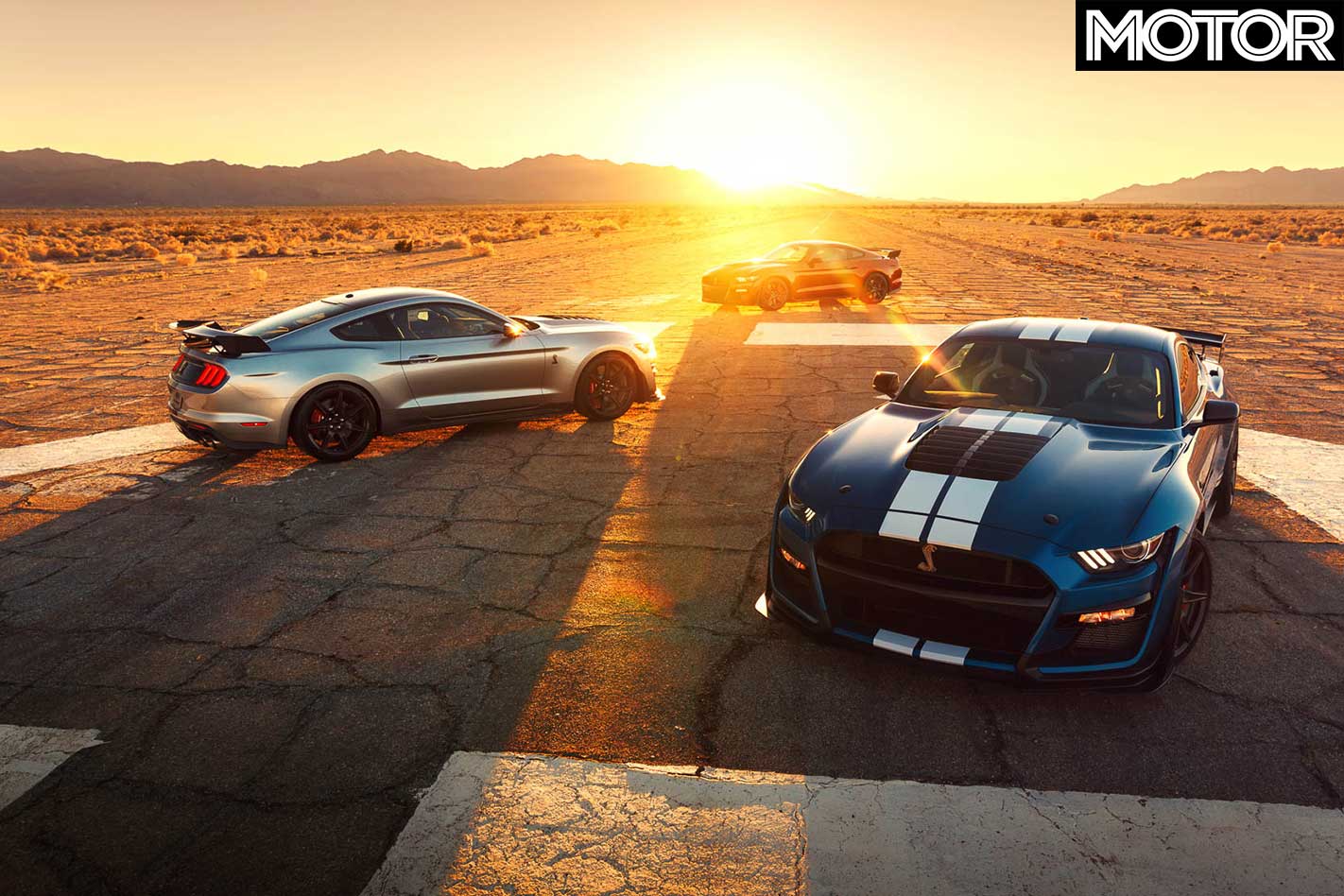
He says the GT500 will be joined by the more affordable GT350, though hasn’t confirmed a price for either yet.
“Mustang Motorsport will be importing and converting Shelby GT350s and GT500s. Pricing on GT350s is affordable and but the GT500 will be sold as a premium and we are predicting five or six.
“I have sent inquiries to Vehicle safety Standards to see when importation can be organised, I suspect after December 11 2019.”
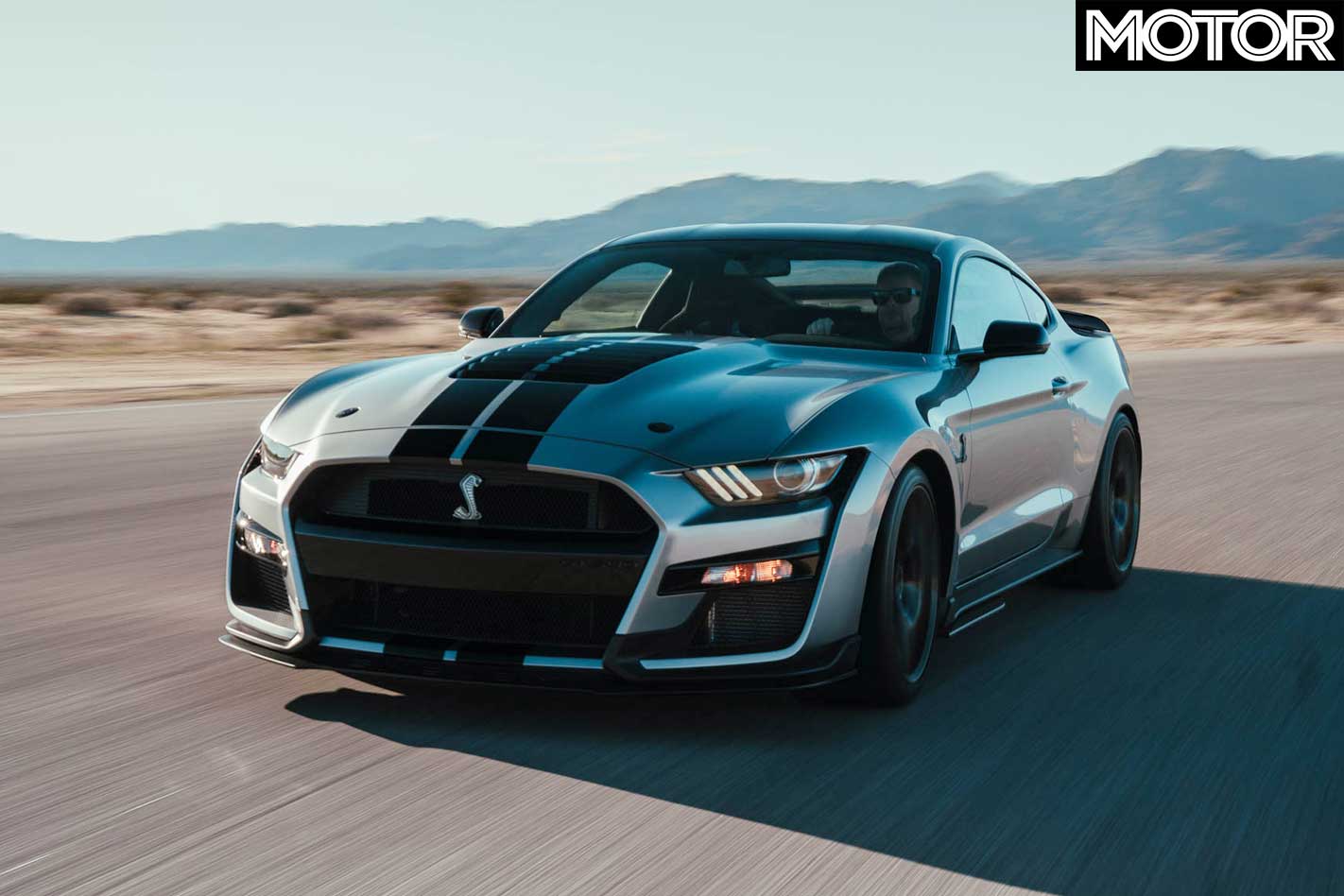
He adds that while he expects conversions to take around three weeks, it depends when it’s commercially viable to begin the importation process under the new legislation.
Dean adds that specifications for the car will remain the same except where they need to be altered for the right hand drive conversion and for ADR approval.
As Ford still hasn’t put a specific figure on the GT500’s “700hp+” or 522kW+ output, we don’t know where it will sit.
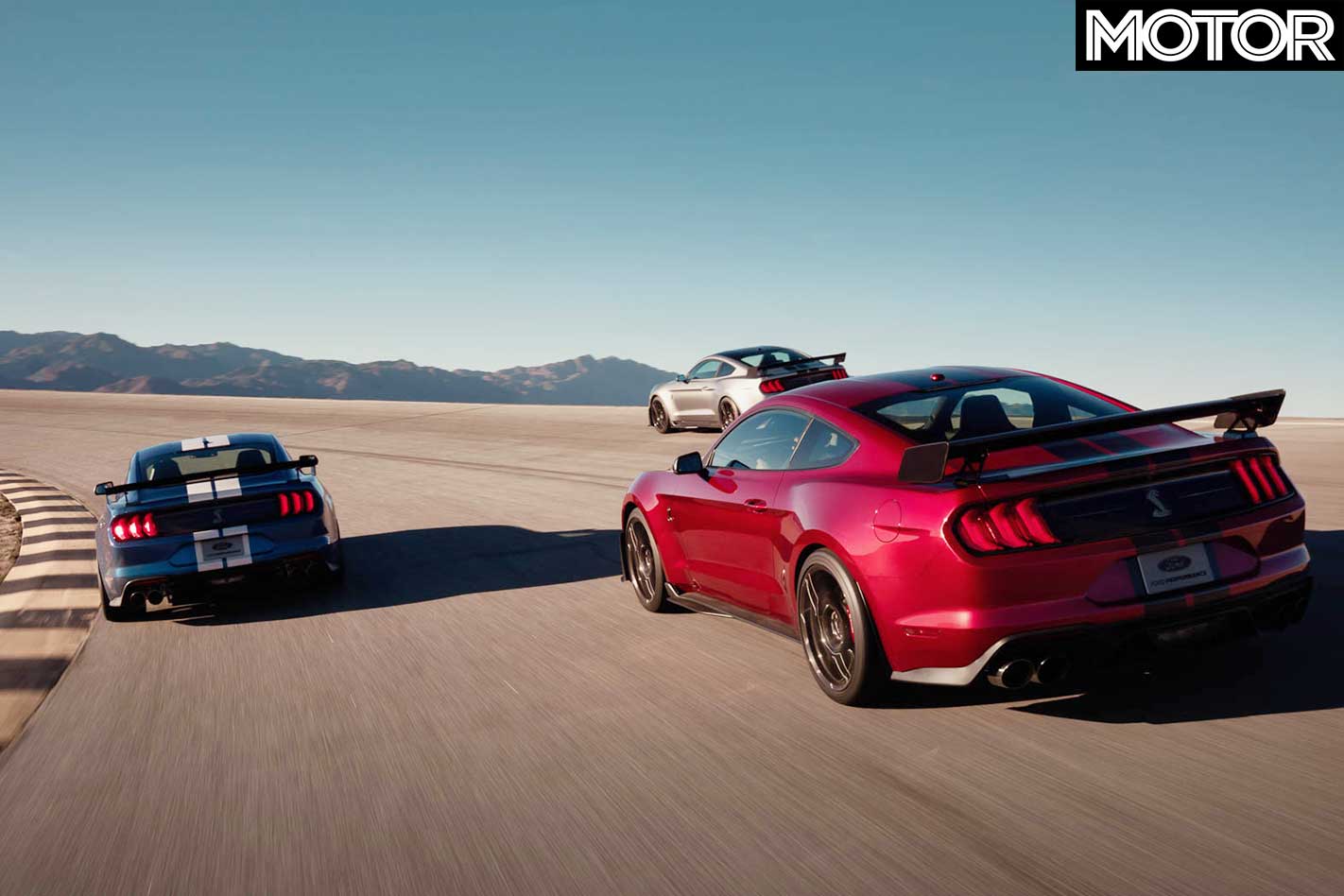
In terms of the authenticity of work performed during a Mustang Motorsport conversion, Dean says past experience and already-acquired equipment means Mustangs are always completed to factory spec.
“Our conversions are always factory style fit and finish. With Mustangs in the past there were no official right hand drives, so we had to make everything for the reengineering to right hand drive.
“Now the Mustang is built in right hand drive for the S550 platform it will be easier as we can source the parts needed.”
Mustang Motorsport is taking expressions of interest for Shelby GT350 and GT500, and contact details can be found at the Mustang Motorsport website.
UPDATE (25th June 2019) : Ford has confirmed that the GT500’s 5.2-litre supercharged V8 will produce 567kW and 847NM of torque, and claims that the GT500 will be the most powerful Ford road car ever.
With a specific output of 109kW per litre, the GT500 outguns the Dodge Challenger Demon‘s 626kW engine of 101kW per litre.
A spokesperson for Toyota’s local arm today confirmed to MOTOR that there’s no set plans to bring the two specifications of four-cylinder Toyota Supra to Australia, with the headline six-cylinder car being the only one available from launch.
While it’s something Toyota may consider once there’s a clearer indication of demand, there’s another underlying reason the four-pot Supra would, in theory, be a success: a four-cylinder Supra addresses many of the complaints often directed at the Toyota 86.
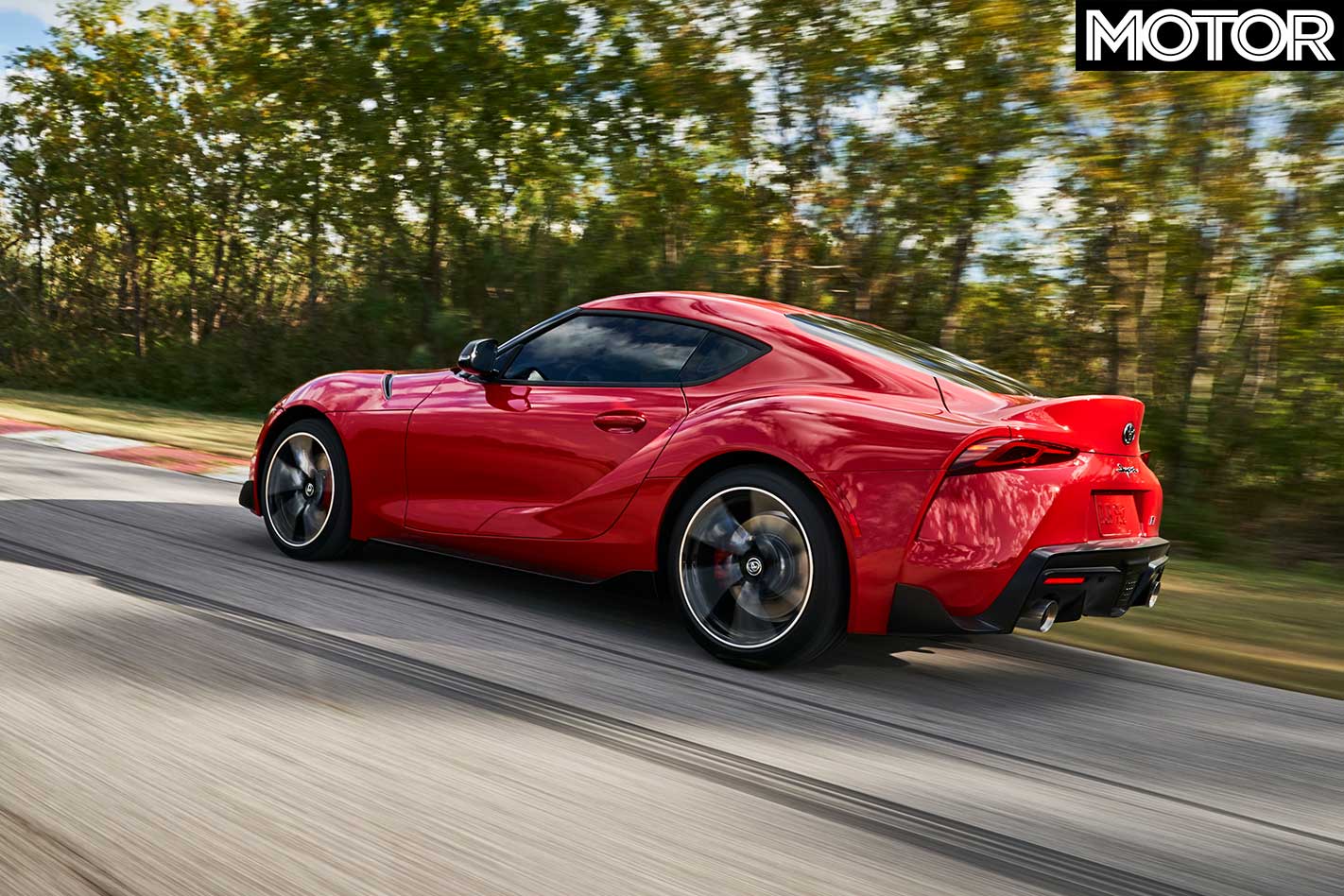
With the higher of the two four-pot variants producing 190kW and 400Nm from its turbo 2.0-litre BMW inline engine, those who want something faster than an 86 (0-100km/h takes 5.1sec vs the 86’s 7+ secs) albeit without the manual gearbox, would have the answer to their question.
Even the lowest specification of 145kW/320Nm is capable of a 6.5 second run to 100km/h thanks to the extra torque a turbocharger provides over Subaru’s N/A flat four (as well as much more linear delivery). And that’s with 7kW fewer than the 152kW/212Nm 86.
Of course, four-cylinder Supras would cost more than an 86, as well as being around 200kg heavier at an estimated 1410-1450kg, but a heavy sportscar selling well isn’t anything new (looking at you, Mustang GT).
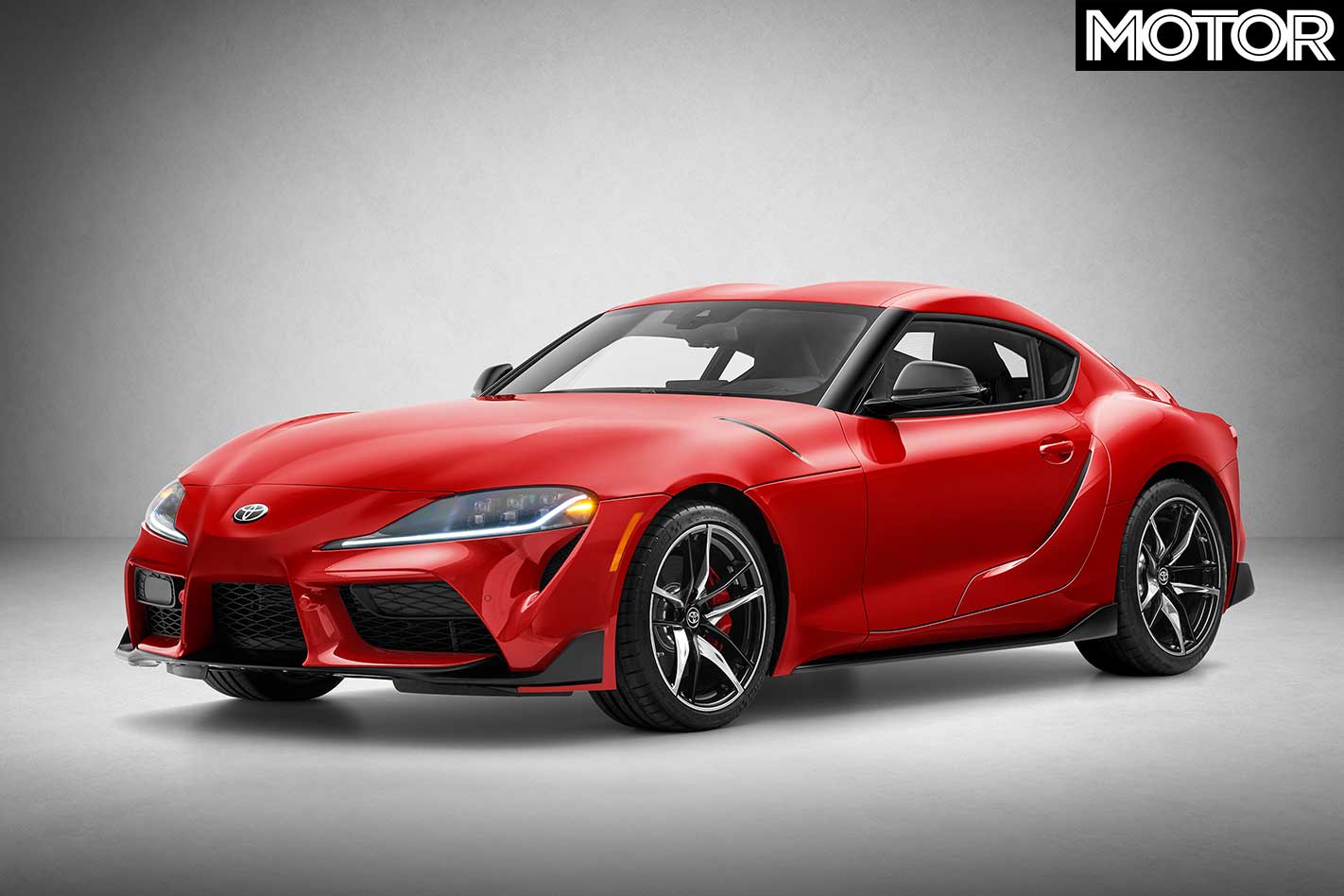
In the meantime, Toyota Australia has said it’s not taking deposits yet, rather waiting to confirm specific details, including a price, for the six-cylinder variant and keeping those who’ve expressed interest updated.
Toyota says it’s bringing fewer than 500 units of the Supra to Australia for the first 12 months.
Ford has pulled the sheets from its 2019 Explorer SUV adding a sixth generation to the bloodline of America’s best-selling SUV. The blue oval chose the North American International Auto Show (NAIAS) in Detroit as the venue for its ultra-popular SUV to make its debut.
Amid increasing numbers of manufacturers that favour other international launch and show calendar events over the frosty Detroit event, the new Explorer was one of the headline acts this year, with a packed auditorium for the big reveal.
Take a good look at our photo gallery above and let us know what you think.
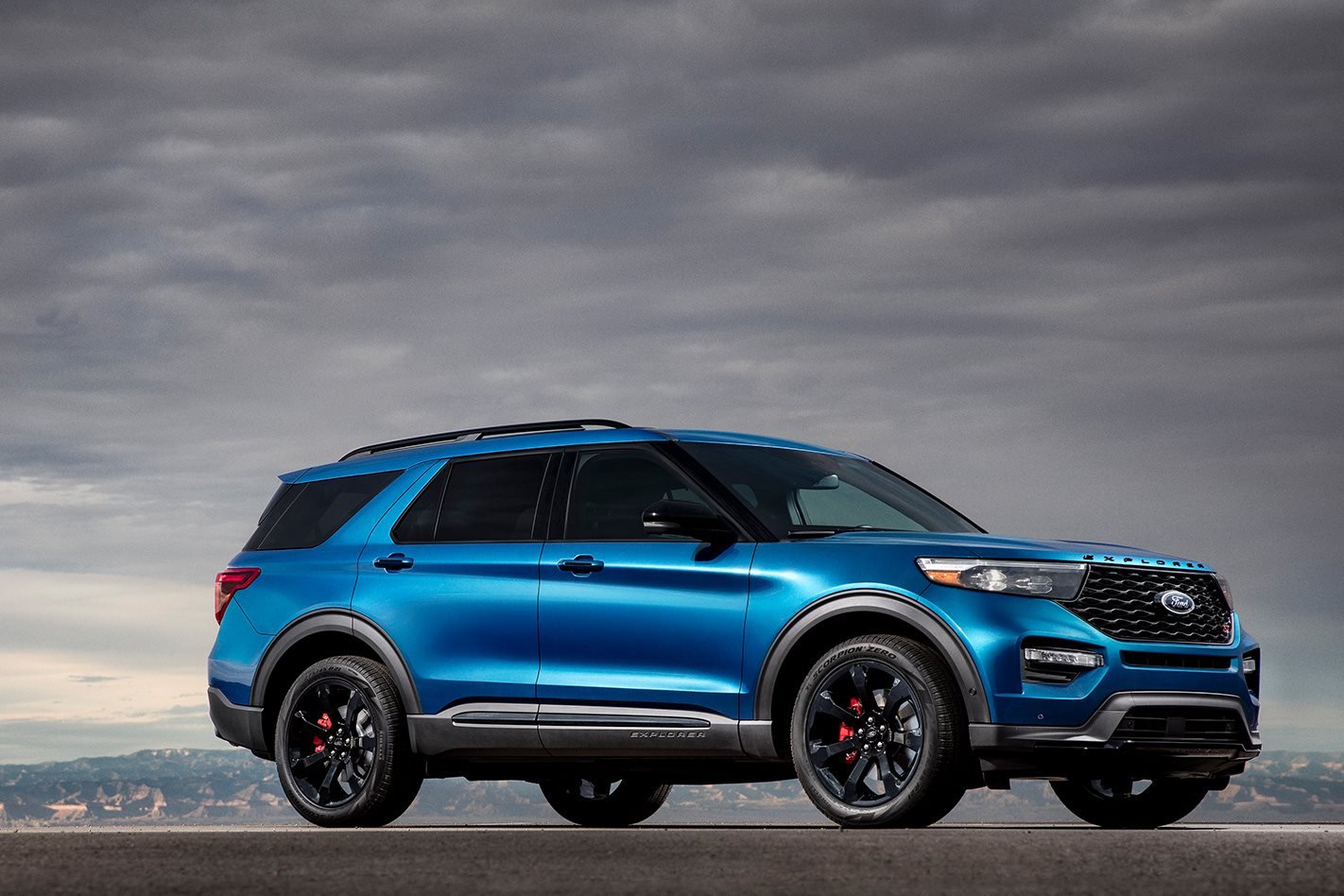
There’s no plan to bring the left-hand drive-only model Down Under at this stage, says Ford Australia, but with a local demand for large affordable family wagons that like to leave the asphalt behind, we’re sure the Explorer would be a big hit here.
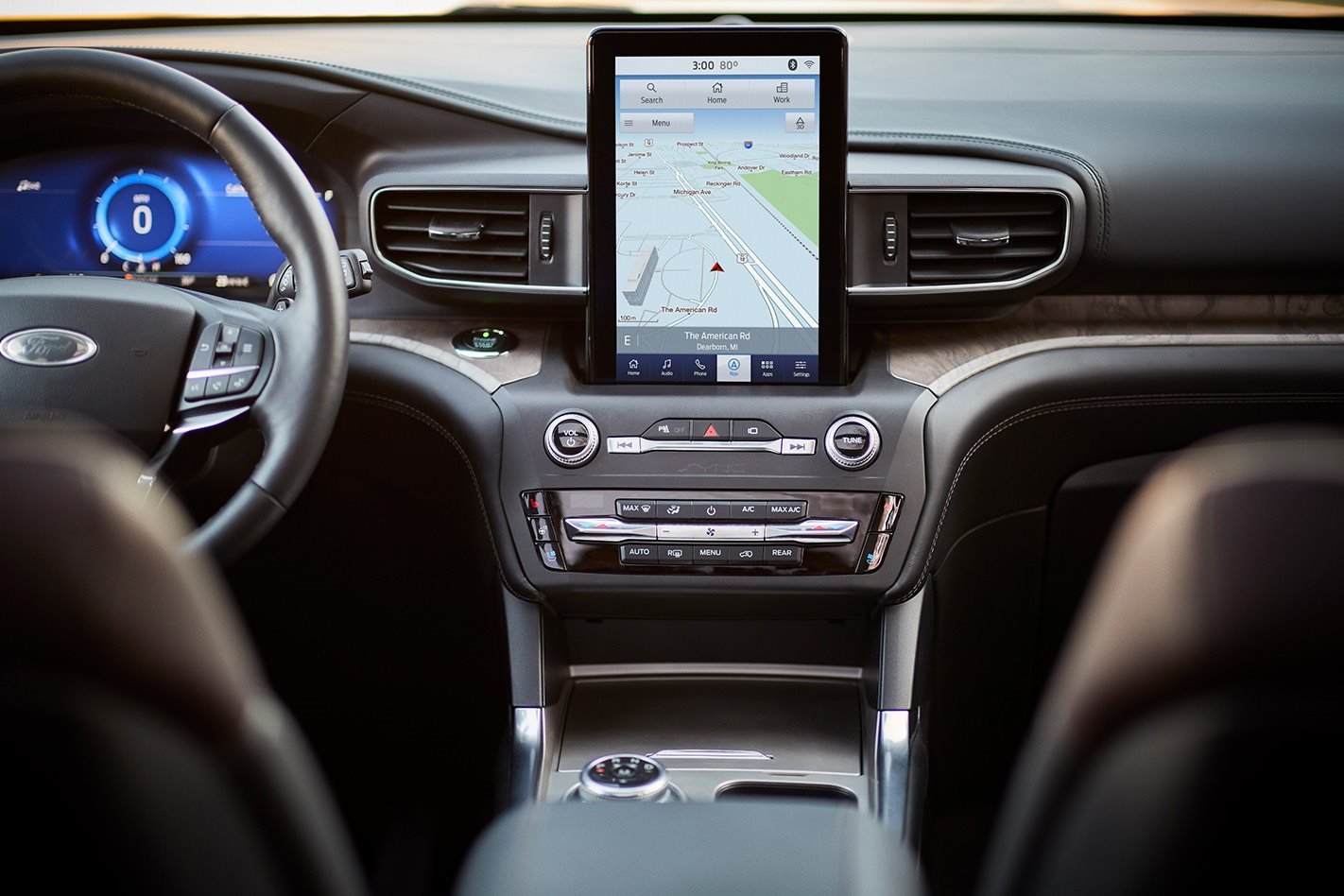
Three variants were revealed in Motown this week including a four-cylinder, a V6 and a hybrid.
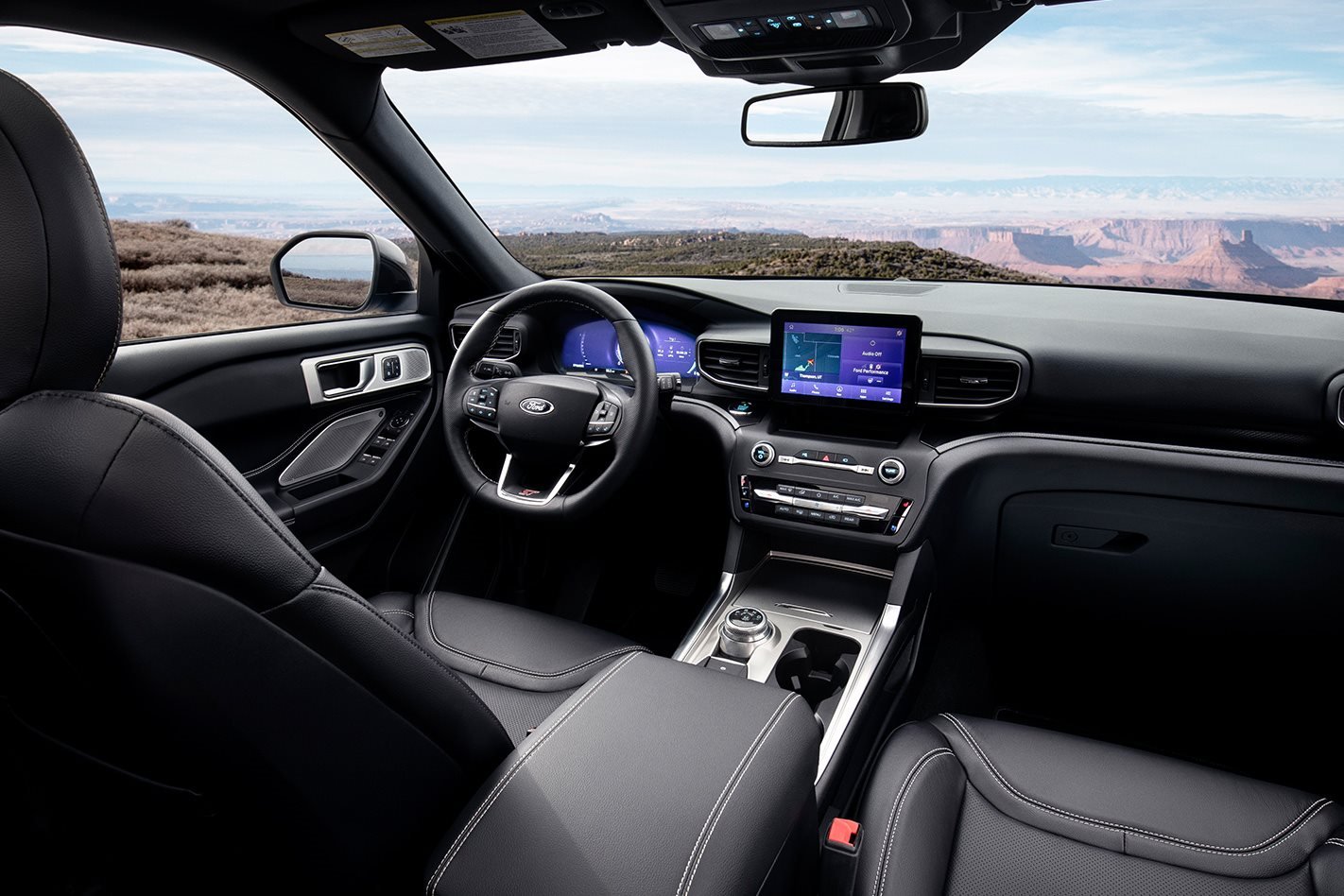
What’s your pick and can you imagine the Explorer lined up in local showrooms alongside an Everest, Endura and Mustang?
DESPITE failing to reveal any technical details – or even provide a name and release date – Cadillac has one of the most exciting cars of this year’s Detroit Motor Show.
Impressive, considering this year’s North American extravaganza also includes highly anticipated reveals of the Toyota Supra and Ford Mustang GT500.
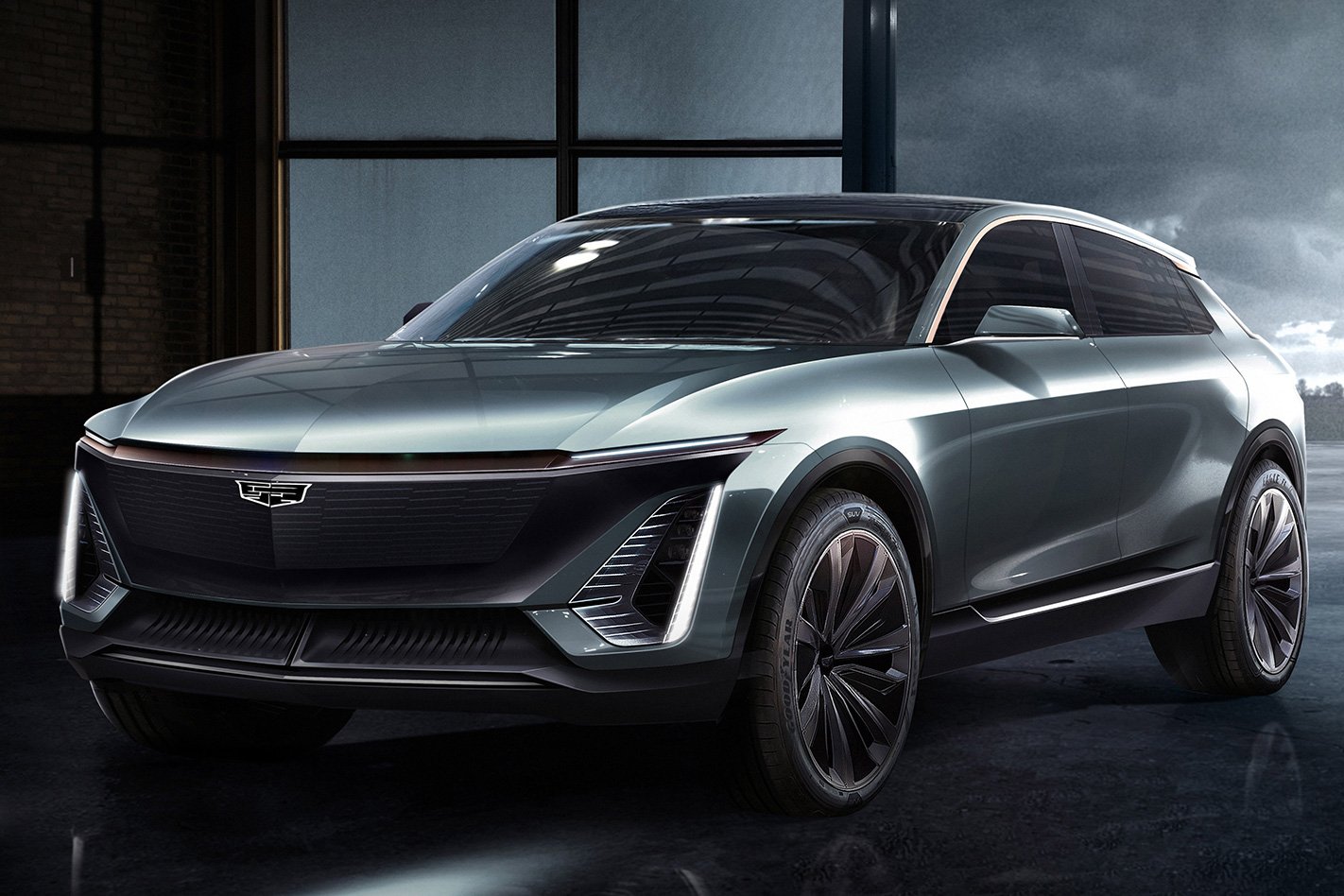
While it’s easy to understand the excitement around those enthusiast-focused models, it may not be immediately apparent why Cadillac’s reveal is such a big deal.
The new car was a teased off the back of the reveal of the XT6 large SUV, with name and technical details to be disclosed closer to an unspecified launch date.
What we do know is the EV crossover will be the first of its kind for Cadillac. It will usher in a new era for GM’s premium brand, being built on the company’s next-gen BEV3 electric vehicle platform. BEV3 is slated to be a flexible platform which can be used for multiple different vehicle types, and can accommodate front-, rear-, and all-wheel-drive configurations.
Australians should start paying attention, as Holden is in a good position to cherry-pick the best of GM’s portfolios. With the current line-up locally lacking any electrification, Cadillac’s EV could be the perfect spearhead for electrified Holdens.
If you turned your nose up at the SUV body style, don’t fret, as Cadillac says its “portfolio will eventually benefit from a variety of body styles that can be spun off this architecture” indicating there will be multiple EVs in varying shapes and sizes on their way.
Increasing the car’s chances of arriving in Aussie showrooms is the lack of a traditional combustion engine, and the packaging complications that come with it. This means right-hand-drive engineering, and production, will be much more likely for the Caddy EV, unlike other vehicles the brand currently produces.
This isn’t just another forgettable electric SUV teaser, but a sign of what could be coming to a Holden showroom near you.
IT SEEMS as though Hyundai America is a little jealous of all the success the Europeans are enjoying with the i30 N TCR, as they’ve gone ahead and developed a 260kW Veloster N to compete in the American version of the new touring car series.

Designed by the same Hyundai Motorsport Customer Racing Team that developed the championship-winning i30 N TCR, the Veloster N racer will compete in the IMSA Michelin Pilot Challenge alongside other TCR favourites like the Honda Civic Type R, Volkswagen Golf GTI and Audi RS3 LMS.
The Veloster N has been on sale in the US since late 2018, and acts as a stand-in for the i30 N which isn’t offered in in America – hence Hyundai’s North American arm opting for the coupe-styled hatch body.
Like the i30 N TCR racer, the Veloster N will be manufactured at Hyundai Motorsport Headquarters in Germany, and the duo share as much as 85 percent of their components with each other. We suspect the majority of that 15 percent difference will be made up by the new bodywork.
That means the Veloster N TCR will receive the same 260kW 2.0-litre turbocharged four-cylinder engine and will produce 450Nm at 3500rpm, sending power to the front wheels only. An upgraded sequential gearbox, twin-disc clutch, adjustable suspension and six-piston Brembo brakes add to the fun too.
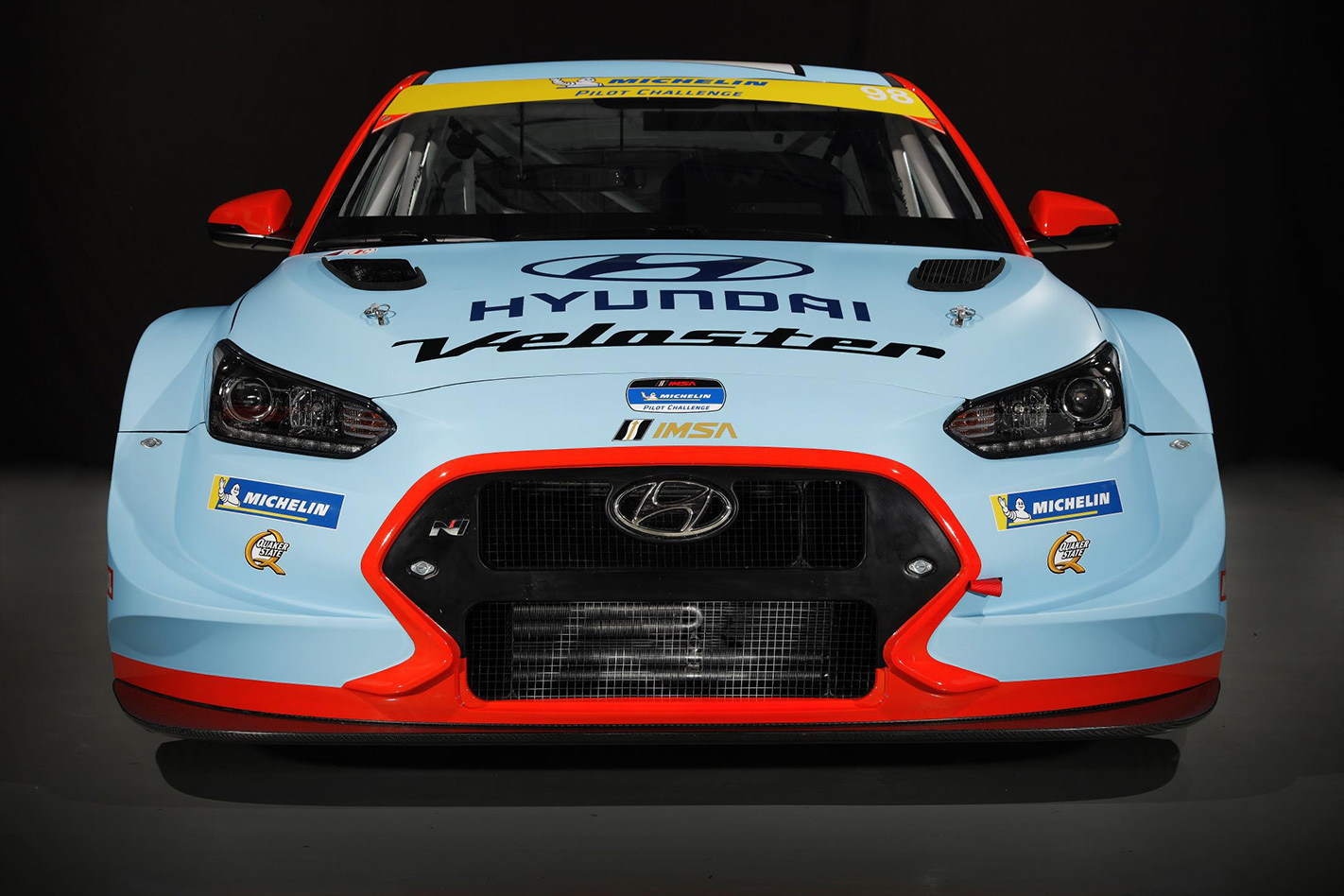
Two cars will be run in the championship by Brian Herta Autosport which are closely affiliated with Hyundai’s motorsports program, with one car fielded by Hyundai TCR veterans Michael Lewis and Mark Wilkins and the team’s second entry driven by newcomers Mason Filippi, and Harry Gottsacker.
“The success we had last year with the i30 N TCR inspired us to expand Hyundai’s motorsports program and bring the Veloster N TCR into a tougher series with longer races and more experienced drivers,” said Brian Herta, CEO of Brian Herta Autosport.
It’s unlikely we’ll see the Hyundai Veloster N TCR down here in Australia for the inaugural Australian TCR series which starts in May, but the Veloster N road car remains firmly on Hyundai Australia’s wish list.
A trio of i30 N TCR cars are already in the country, with two slated to take to the grid in 2019.
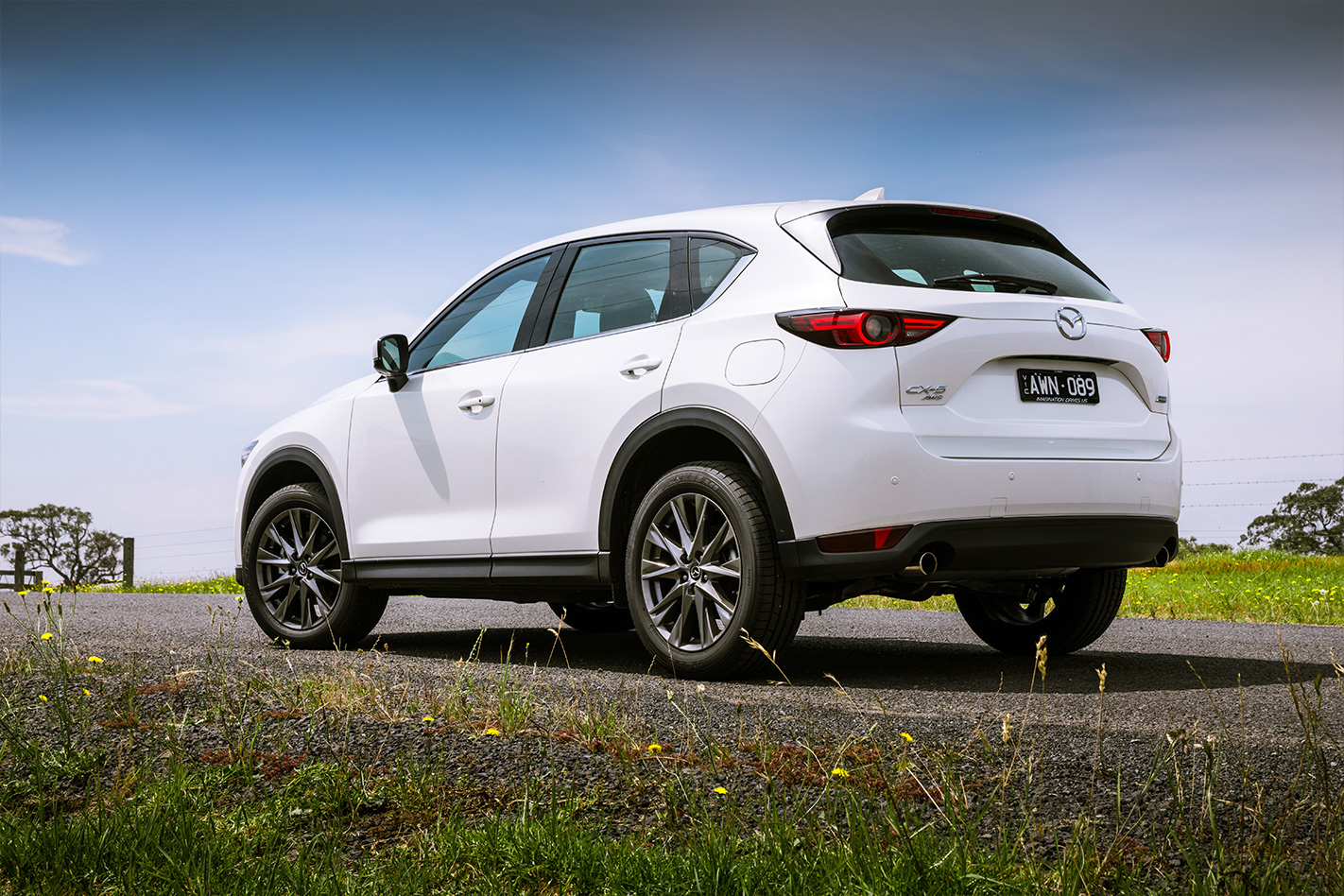
Hand-me-downs ordinarily have a negative connotation, but not so in the CX-5’s case. Mazda’s popular medium SUV has gained the same 2.5-litre turbocharged petrol inline four as the much larger Mazda CX-9, following in the footsteps of the Mazda 6 that received the same upgrade last year. With a stout 170kW and 420Nm on hand, that engine adds a great deal more mechanical oomph to the CX-5 equation.
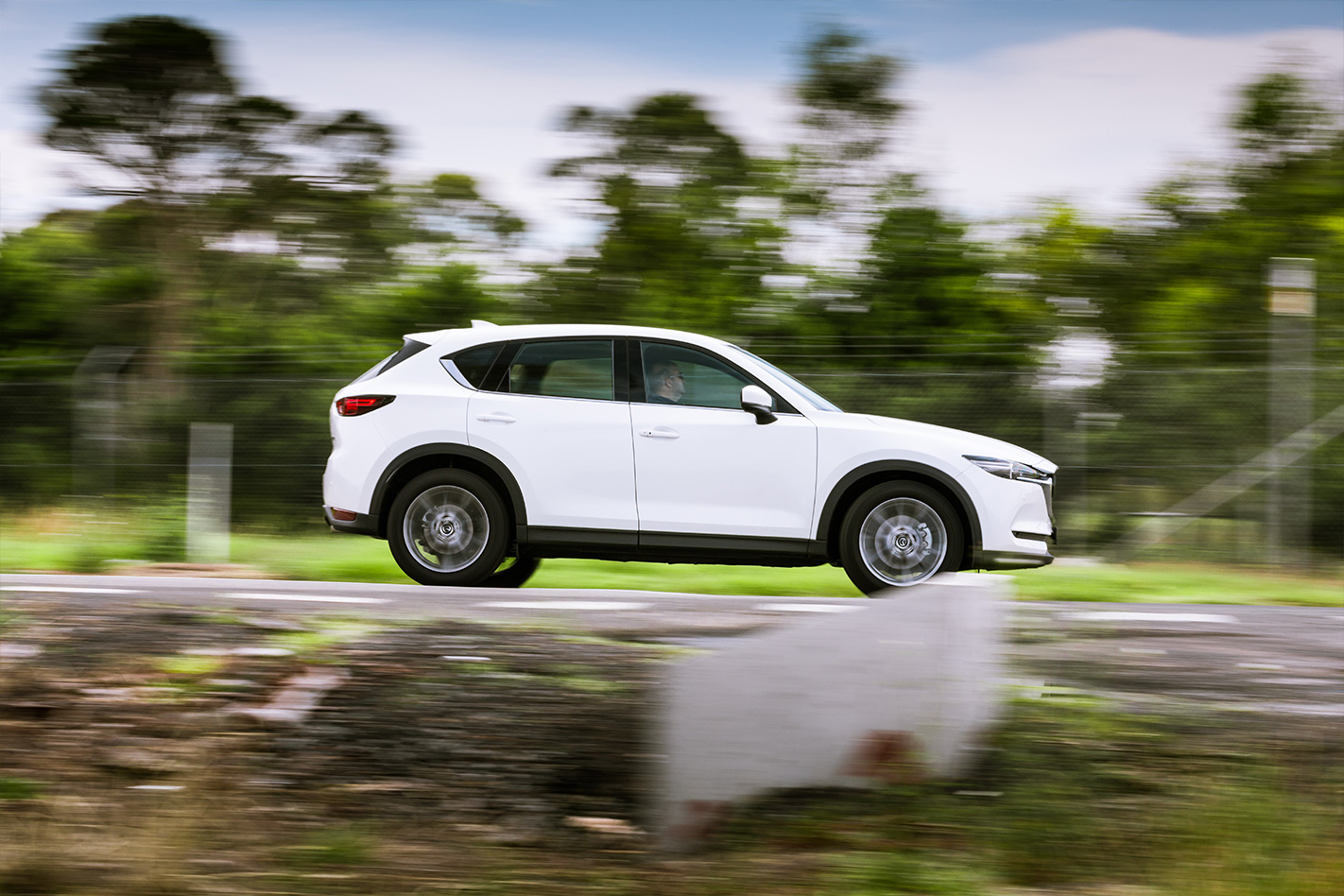
However, it’s not a replacement for the 140kW naturally-aspirated 2.5-litre petrol that was previously the most powerful in the range (alongside the 140kW/450Nm 2.2-litre twin-turbo diesel option). That engine carries over, with the new turbo petrol only available in the higher-grade CX-5 GT and CX-5 Akera. We’re testing the latter here.
VALUE
At $49,170, the turbo petrol version of the Mazda CX-5 Akera is the second-most expensive model in the range, eclipsed only by the turbo diesel variant of the same model. When compared with segment rivals it’s certainly at the upper end of the spectrum, with alternatives at a similar specification and power level (such as the Jeep Cherokee Trailhawk, Holden Equinox LTZ and Ford Escape Titanium) priced just below the Mazda.
With fuel consumption of 8.2 L/100km the ability to run on regular unleaded and a capped-price servicing scheme, the CX-5’s running costs should still be quite reasonable despite its power output and turbocharged nature.
STANDARD FEATURES
As the CX-5 flagship, the Akera is positively bulging with luxury features as standard – as you’d hope, given its comparatively high retail price.
From the factory, all CX-5 Akeras receive LED headlamps, power-adjustable heated and ventilated front seats, heated outer second-row seats, more supple Nappa leather upholstery, a power-operated tailgate, sunroof, adaptive cruise control, dual-zone climate control, and a 10-speaker Bose premium audio system.
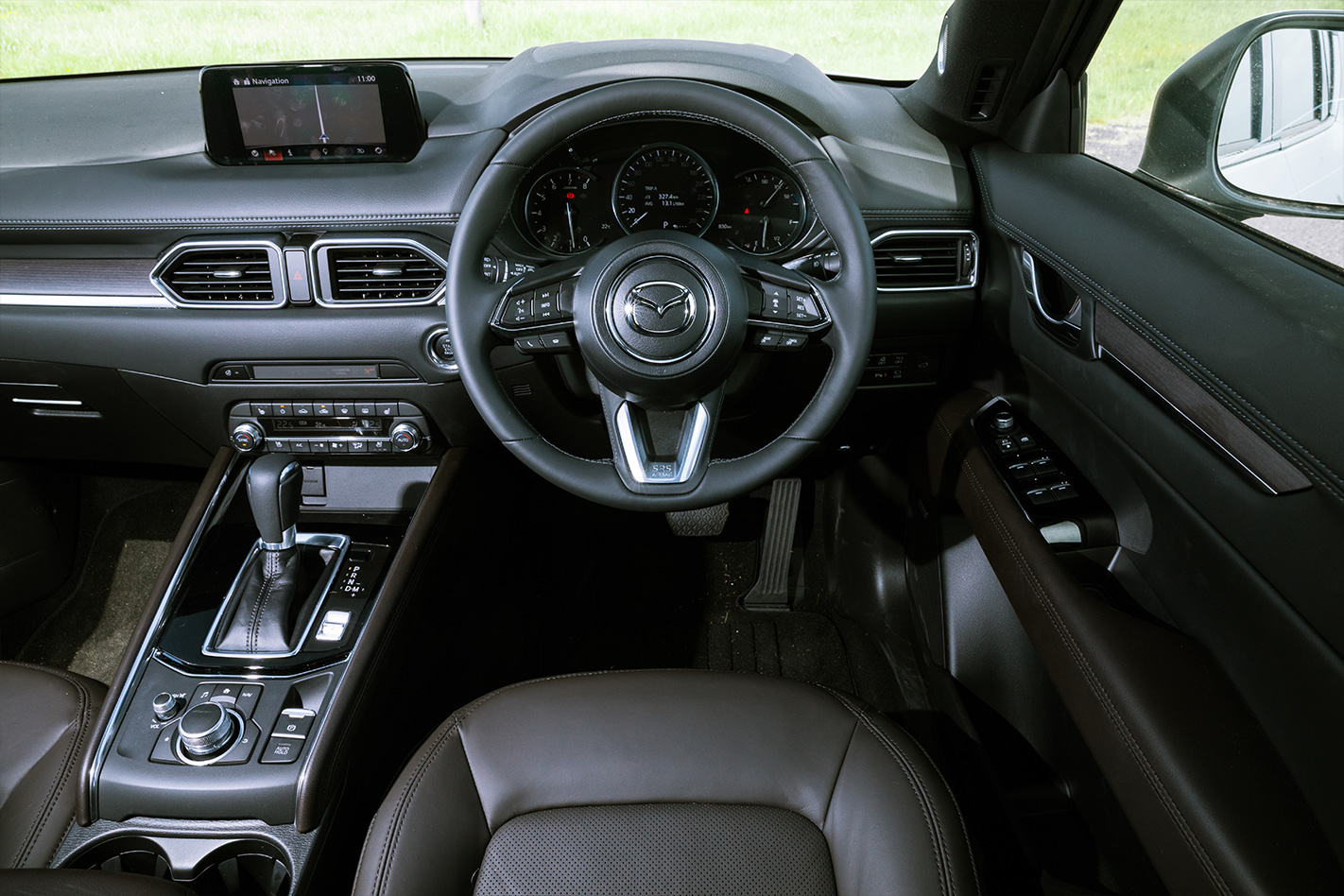
A 7-inch colour infotainment display is perhaps the only equipment-related lowlight, given many rivals are adopting 8-inch screens as their new minimum. But it is controlled through a slick rotary controller on the centre console and also features Apple CarPlay and Android Auto smartphone mirroring as well, in case Mazda’s standard sat-nav infotainment isn’t to your liking.
SIZE
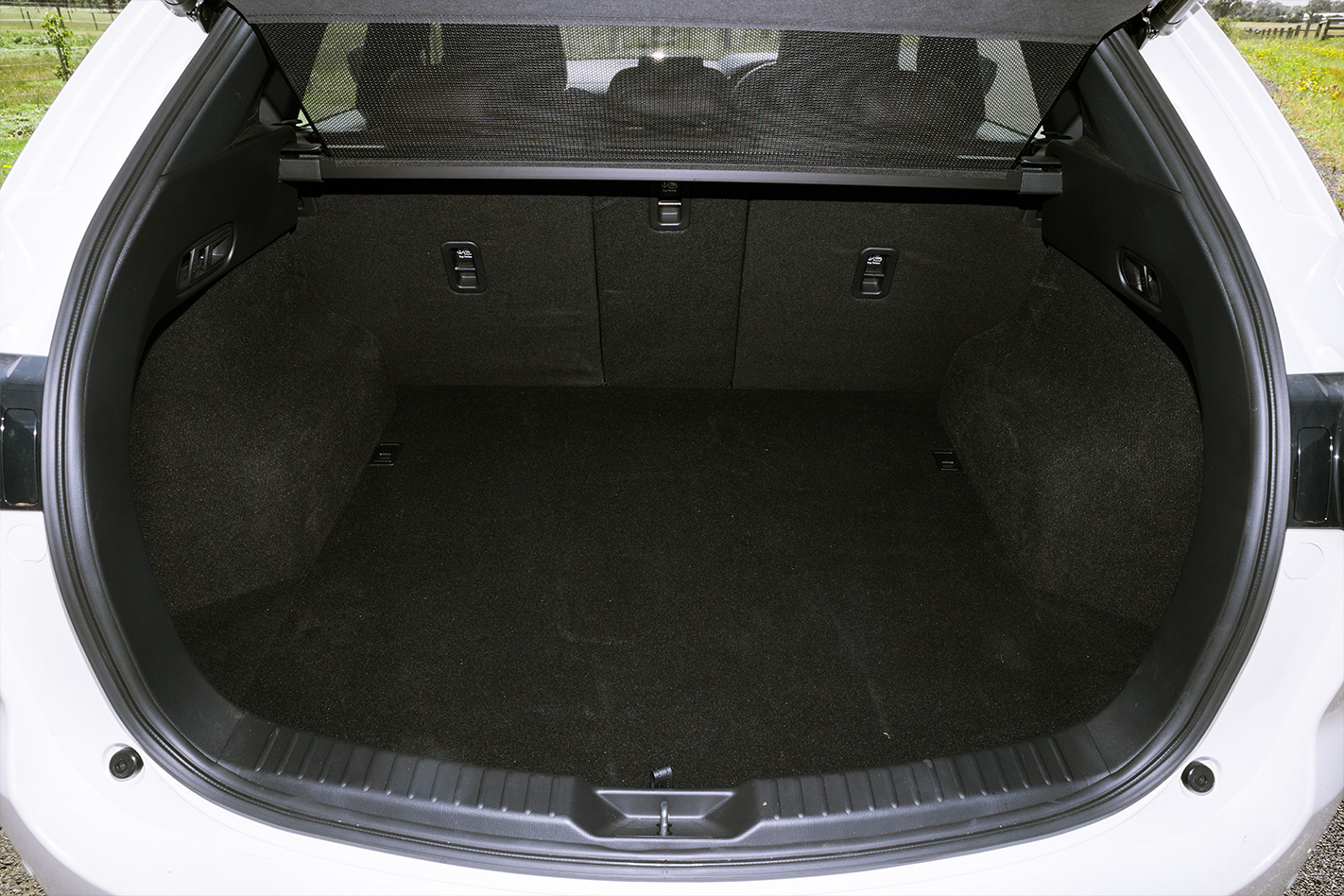
For many Australian car buyers right now, the CX-5 exists right in the Goldilocks zone. Measuring 4.55 metres long, 1.68 metres tall, 1.84 metres wide and offering space for five across two rows of seats, the CX-5 is typical for a midsize SUV in terms of its sizing. Its wagon body can also accommodate up to 442 litres of luggage with the rear seats raised, making the CX-5 a versatile machine.
SAFETY
All CX-5 variants receive autonomous emergency braking, radar cruise control, lane departure warning, lane keep assist, blind spot monitoring, a reversing camera, parking sensors, and a full suite of six airbags as standard. Crash safety has also been awarded a full 5-star rating by ANCAP.
COMFORT
The Akera’s plush Nappa leather and the near-premium aura offered by the CX-5’s cabin design does a neat job of fooling most people into thinking they’re in something a lot more sophisticated than a mere Japanese mass-market SUV. In many respects, that’s the flagship CX-5’s core point-of-difference – its ability to make its owners feel special every time they slip behind the wheel.
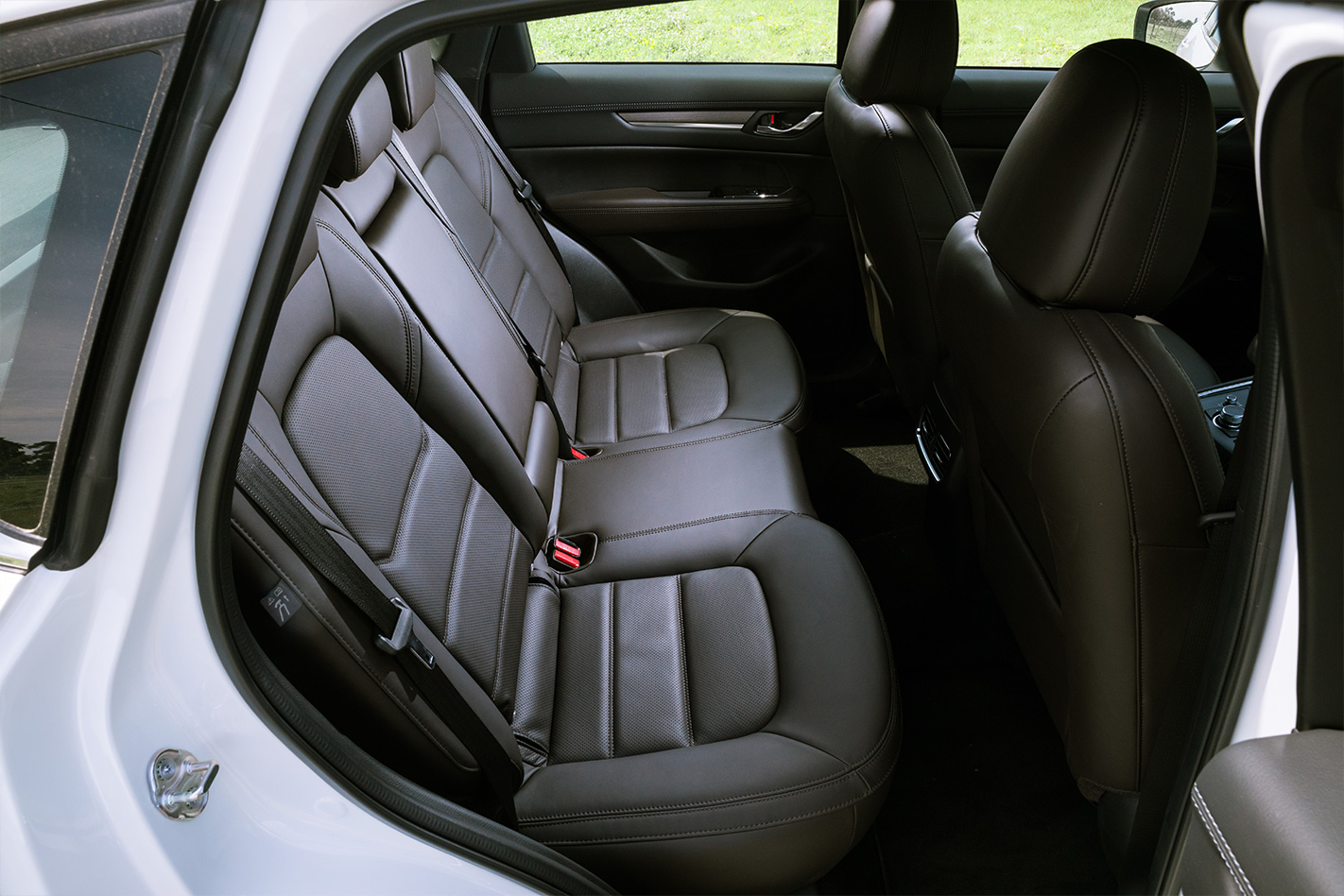
That upmarket ambience is matched with commendable comfort. The front seats have a huge range of adjustment that should see any occupant feel well-supported, vision through the front glass is superb and the controls are clear and easy to navigate by touch.
It’s a somewhat cosy cabin, in that the roof runs closer to the top of your head than the segment norm and rear seat legroom isn’t especially generous, but there’s enough room for two parents and three kids to stay comfortable during a road trip. Rear air vents, ventilated front seats and the fact the only seat that doesn’t offer electric heating for your bum and back is the rear centre position, means you and your passengers should want for little.
ON THE ROAD
Those who consider more power to equate to a better driving experience will no doubt like the idea of a turbocharged CX-5. After all, with 170kW and 420Nm being generated by its 2.5 litre petrol turbo, it delivers diesel-like torque with the smoothness and refinement of a petrol engine – what’s not to love?
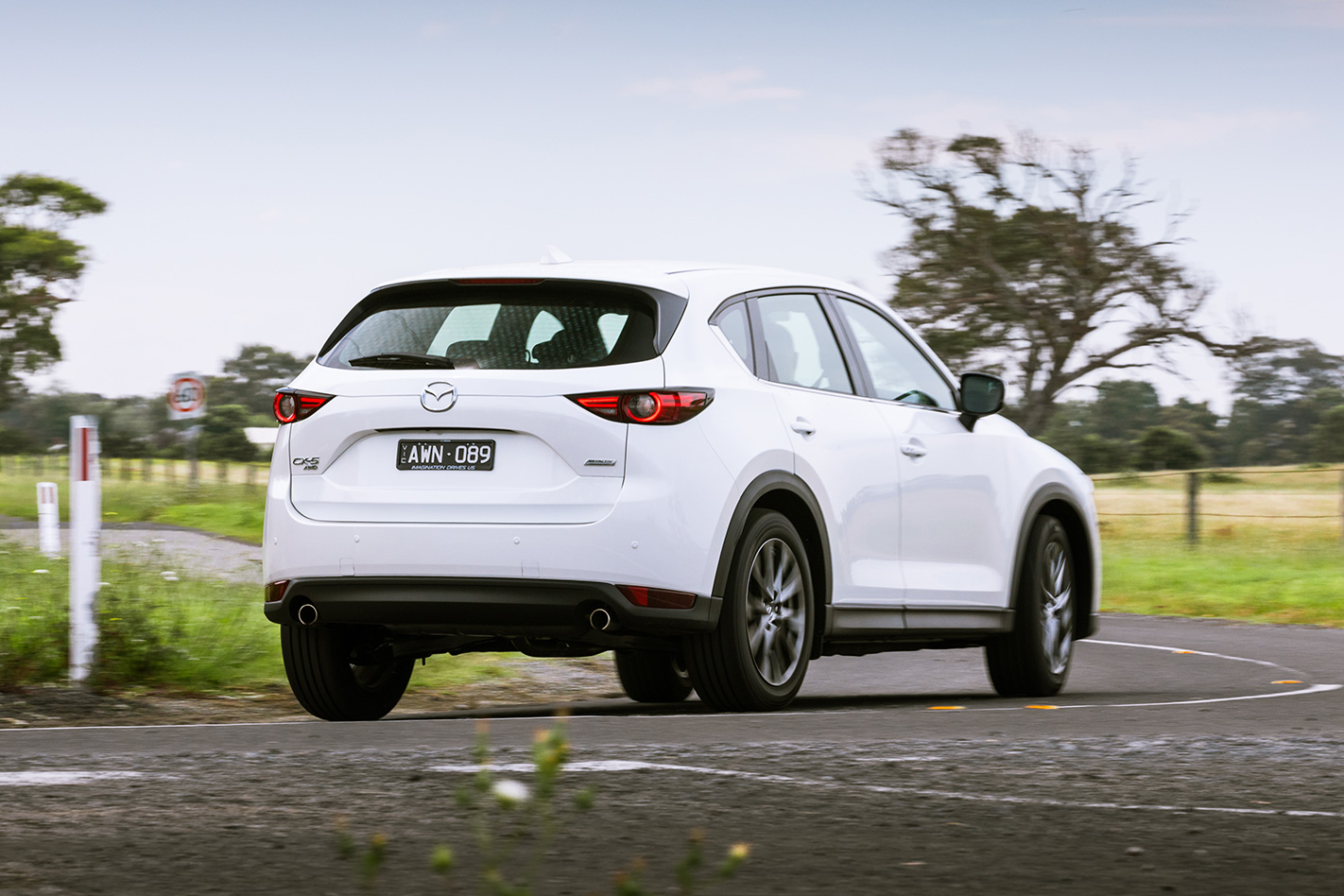
And for the most part, the addition of that engine into the CX-5 does indeed work wonders. The naturally-aspirated 2.5 may occasionally feel breathless, but the 2.5 turbo never suffers from that ailment. It’s always willing and always ready, with plenty of thrust just a flex of your ankle away. If you regularly drive with a full load of passengers and perhaps a trailer too, the 2.5 turbo is well and truly transformational to the CX-5 driving experience.
The standard six-speed automatic gearbox doesn’t seem to maximise that low-end torque advantage though, instead shifting down a gear at times when it seems that staying in a taller gear would suffice. That, along with a suspension that’s a little too sensitive to small-amplitude bumps (and thus a little restless at highway speeds) are the only real complaints on what is otherwise an impressive report card.
VERDICT
It’s certainly a pricey option as far as mainstream midsize SUVs go, however that’s not to say that the new turbo petrol flagship CX-5 Akera doesn’t adequately justify its existence. If the well-worn maxim “you get what you pay for” resonates with you, then the CX-5 Akera 2.5 turbo will certainly validate that phrase.
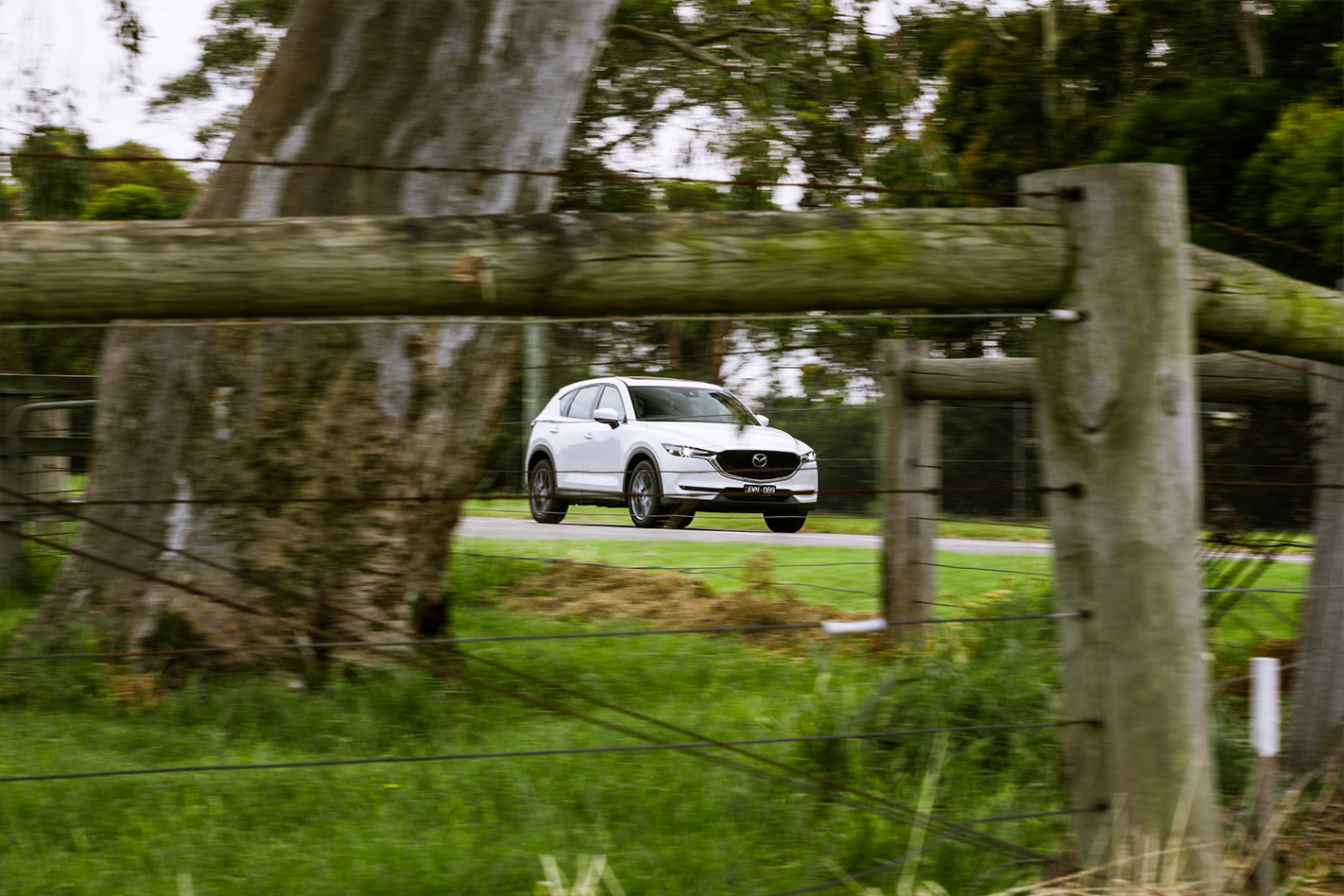
It’s borderline premium in the way it’s finished, with handsome design inside and out matched by materials that would give quite a few luxury manufacturers a run for their money. If all you’re looking for is a capable family SUV then there are certainly more budget-friendly options – including the identically-engined CX-5 GT for $46,970 – but if you can stomach the cost the CX-5 Akera turbo offers something that’s a cut above.
French manufacturer Renault has undercut other leading van contenders with the Trafic Trader Life in a bid to offer penny-pinching small business owners a low-cost delivery solution. What constitutes ‘low cost’? Try an ultra-keen $29,990 drive-away.
Based off the proven short wheelbase Trafic chassis but featuring an older generation 1.6-litre turbo-diesel engine, this budget offering naturally provides only the base requirements for an urban delivery vehicle.
The little 1.6-litre may be down on power at 66kW/260Nm, but it’s a light sipper with a claimed class-leading combined economy of 6.2L/100km.
Meanwhile standard tech is somewhat rudimentary in the Trader Life, hardly surprising for a commercial vehicle focused primarily around offering a low price point. You’ll snag cruise control, Bluetooth connectivity, ESC and hill start assist as standard, as well as seating for three adults.
As is the case with the entire Trafic range, you only get the option of a manual and this variant is also only offered in Glacier White with single spec LH side door access and lift-up tailgate. An automatic Trafic option is expected to arrive in Australia later this year, however it’s unclear whether that will extend to the 1.6-litre powertrain of the Trader Life.
In terms of safety, the Trader Life loses out on reverse parking camera and sensors, as well as offering only two airbags over the five- and six-airbag systems in higher-spec Trafics.
What it does deliver, however, is an all-important 1,235kg payload, 5.2 cubic metres of cargo space, two-tonne towing capacity, capped-price servicing and road-side assist.
Renault offers a three year/unlimited-kilometre warranty with three capped price services at $549 each, as well as up to four years of roadside assistance coverage.
Of course, a perk of commercial vehicles is the extended service internals and in the case of the Trader Life you’ll only be visiting the dealership every 12 months or 30,000kms.
With the last-mile freight task growing at an alarming rate down under, Renault looks to be vying for top spot by undercutting the current crop of medium-duty market leaders.
The new Trader Life variant comes in well under the rest of the Trafic line-up, with pricing as follows:
VARIANT | MSRP |
SWB Trader Life 66kW Manual | $32,990 |
SWB Single Turbo 85kW Manual | $35,490 |
SWB Twin Turbo 103kW Manual | $38,490 |
LWB Twin Turbo 103kW Manual | $39,990 |
LWB Crew 103kW Manual | $43,490 |
Lexus has pulled the covers off the 2020 Lexus RC F Track Edition, based on and appearing alongside the updated standard RC F.
At the Detroit Auto Show, Lexus revealed the slight tweaks it had made to the standard RC F, and elaborated upon how the Track Edition is even sharper.
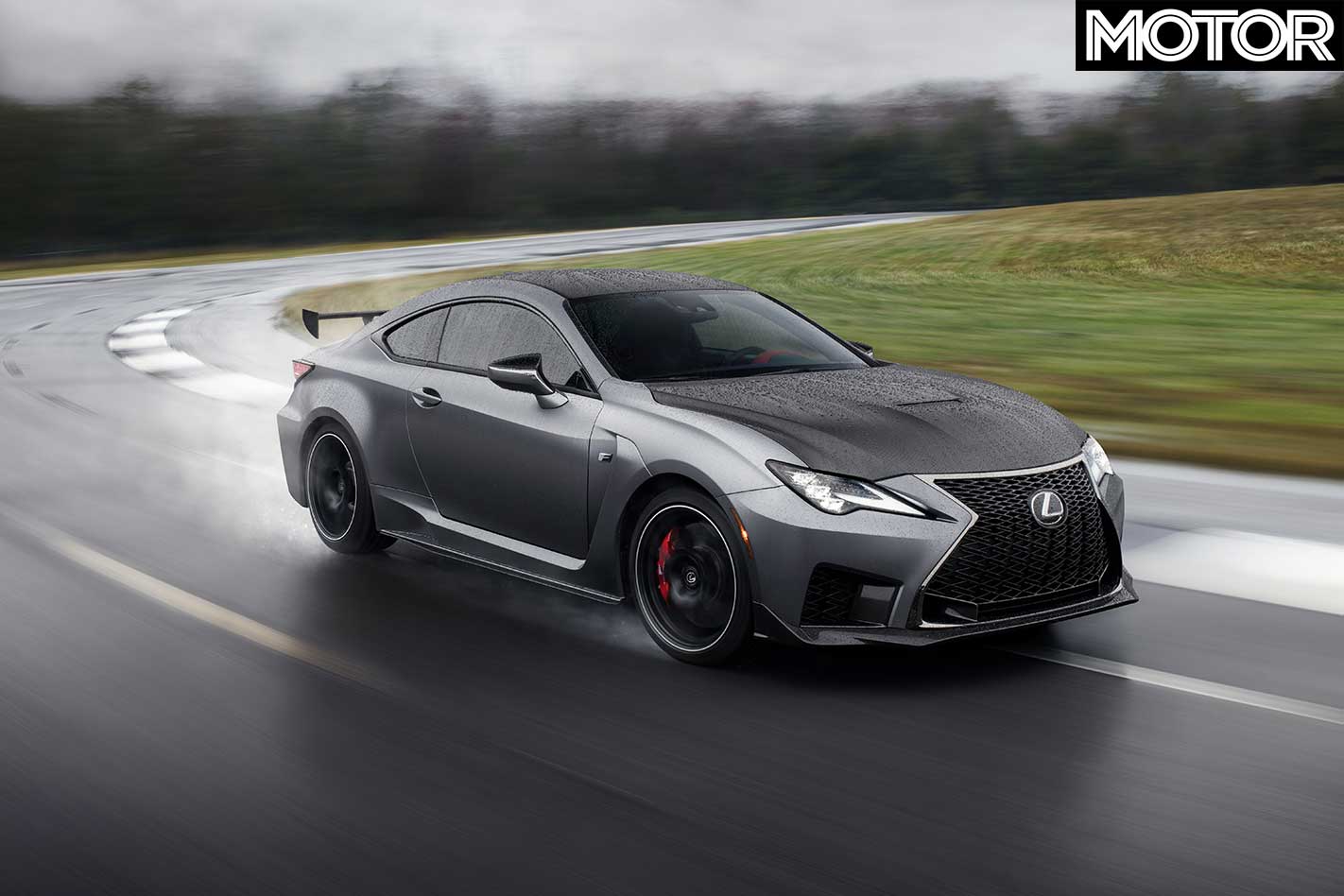
The primary focus of the Track Edition is that it’s lighter than the standard RC F, with a carbon fibre transformation removing an estimated 65kg according to Lexus.
A carbon front air dam aims to increase downforce, while a carbon fibre fixed rear wing does the same while reducing drag.
The roof and bonnet are carbon fibre as has been available as an optional extra on RC Fs, while the partition behind the rear seats and reinforcement for the bumpers are also now carbon.
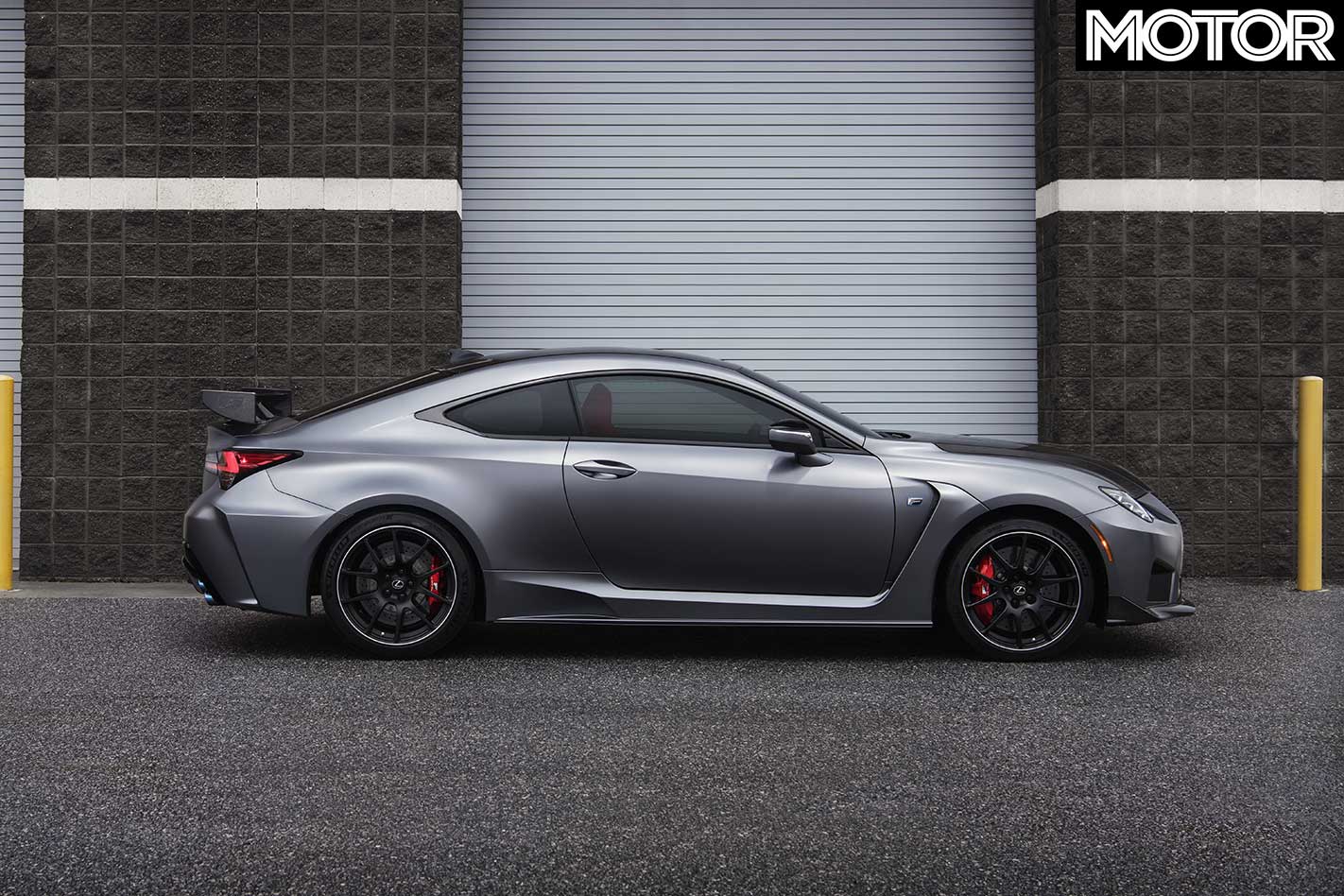
Track Editions are also granted titanium mufflers and tail pipes for less weight and to differentiate the exhaust note from a standard RC F.
Stopping power comes via a set of Brembo’s carbon-ceramic brake rotors, again saving more weight and claimed to withstand heat cycling more effectively than standard steel.
A set of 19-inch BBS alloys, which are designed after the RC F GT3 racer, are also lighter than standard and in conjunction with the brakes and lighter callipers reduce unspring mass by 25kg.
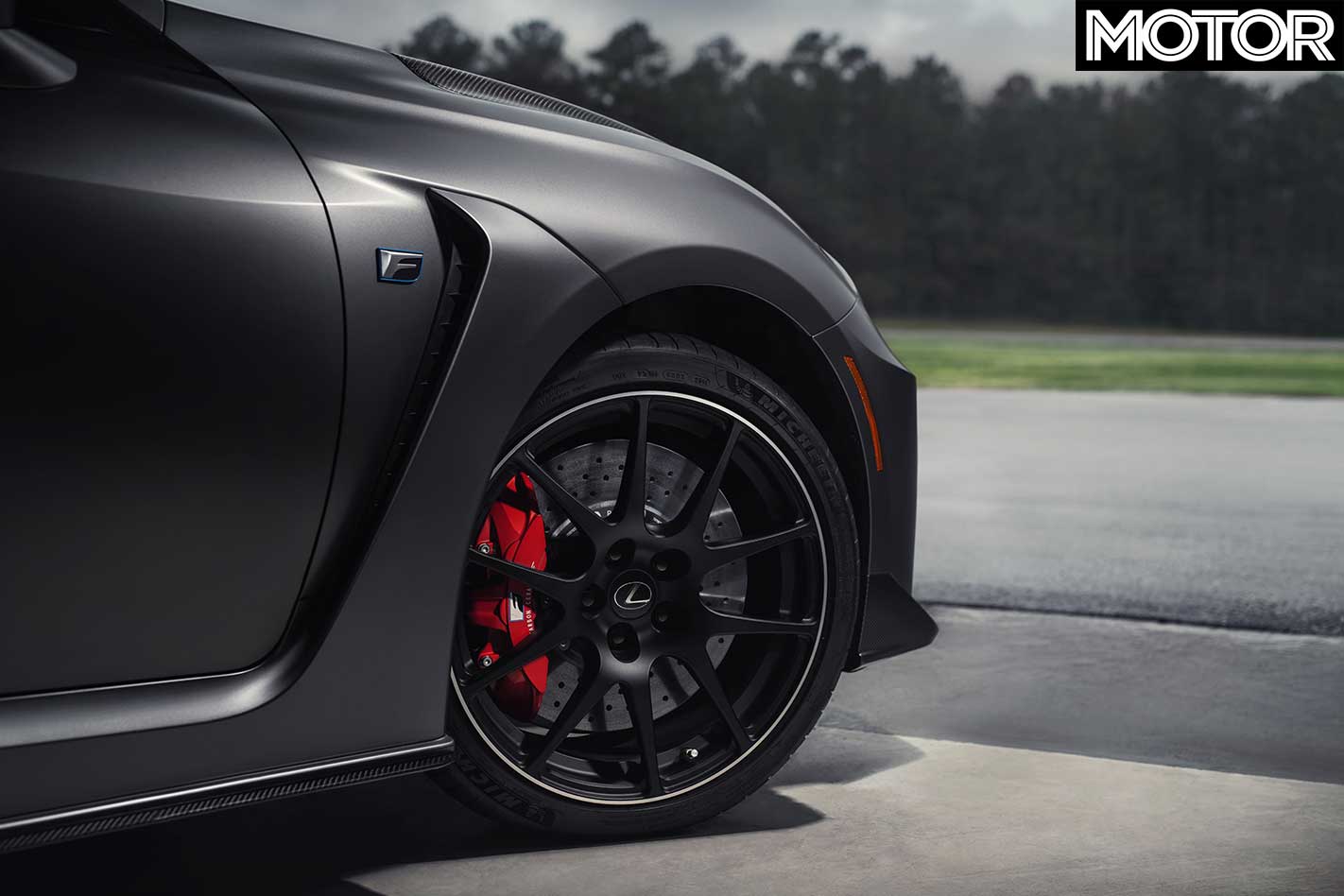
Under the bonnet, Lexus’ 351kW/530Nm 5.0-litre naturally aspirated V8 remains unchanged from the standard car, though its fresh update means it now opens its secondary air intake earlier in the rev-range, and the addition of launch control should allow a 0-100km/h sprint in “around four seconds,” Lexus says.
It launches in May 2019 in Australia alongside the updated RC F, with pricing yet to be announced.
While the new RC F Track Edition is capturing the majority of the spotlight, Lexus has announced small but worthwhile improvements to the regular RC F coupe.
Happily, engineers have attempted to reduce some of the RC F’s substantial bulk, which can be up to 1860kg depending on the variant. New hollow driveshafts, a smaller intake manifold and air-conditioning compressor and the use of aluminium for the toe-control and upper suspension support brackets all shed kilos, though Lexus hasn’t quoted a figure.
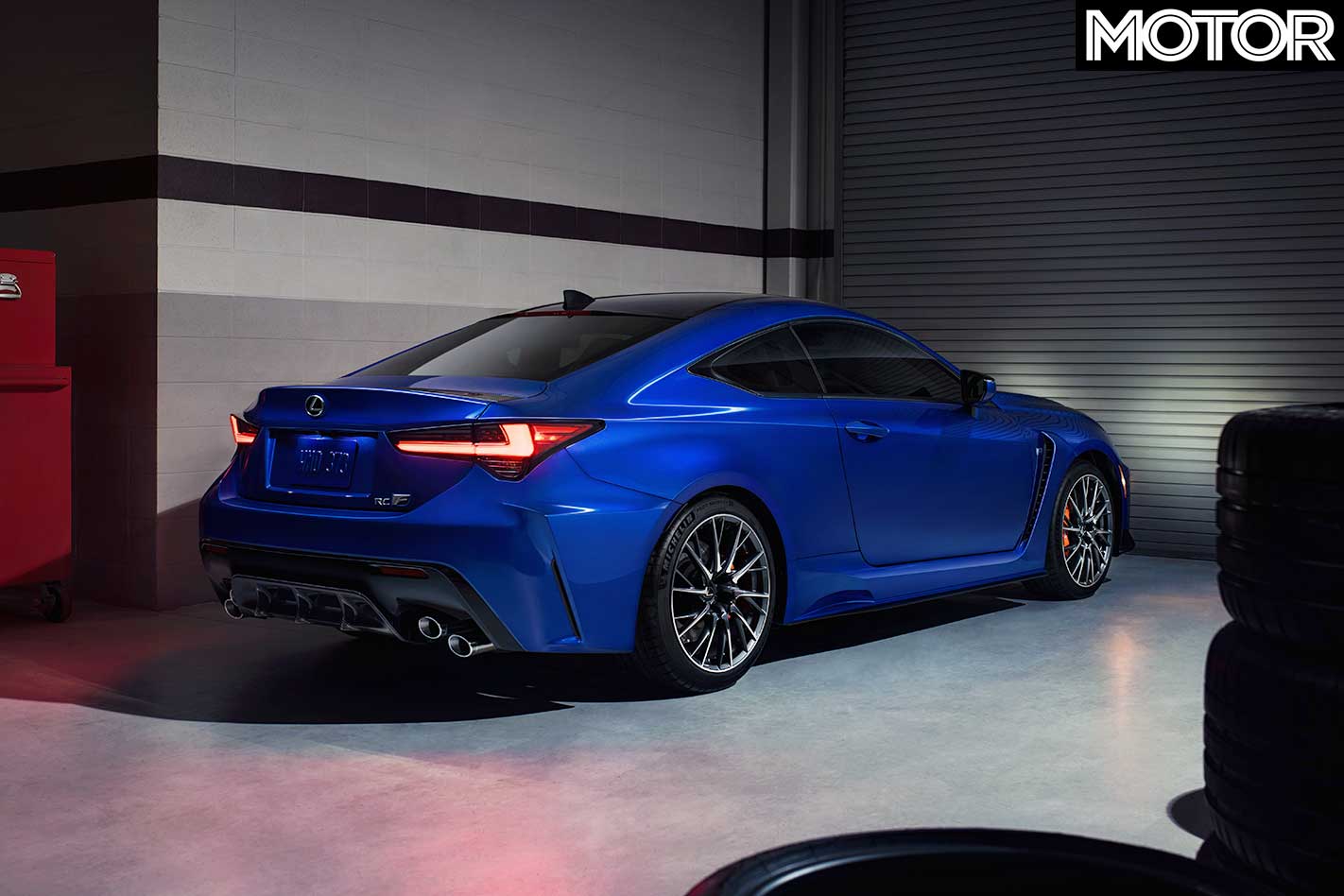
Stiffer rear suspension bushings, steering rack mounts and engine mounts, along with Michelin Pilot Sport 4S tyres developed specifically for the RC F, also aim to improve handling, the changes “specifically designed to reduce understeer, improve overall lateral grip and increase durability under extreme conditions” according to Lexus.
In conjunction with the new rubber, an electronic launch control system drops the claimed 0-100km/h time from 4.5sec (optimistic based on our testing) to “just over four seconds”. The system is operated by holding the brake, pressing the launch control button on the centre console then flooring the accelerator.
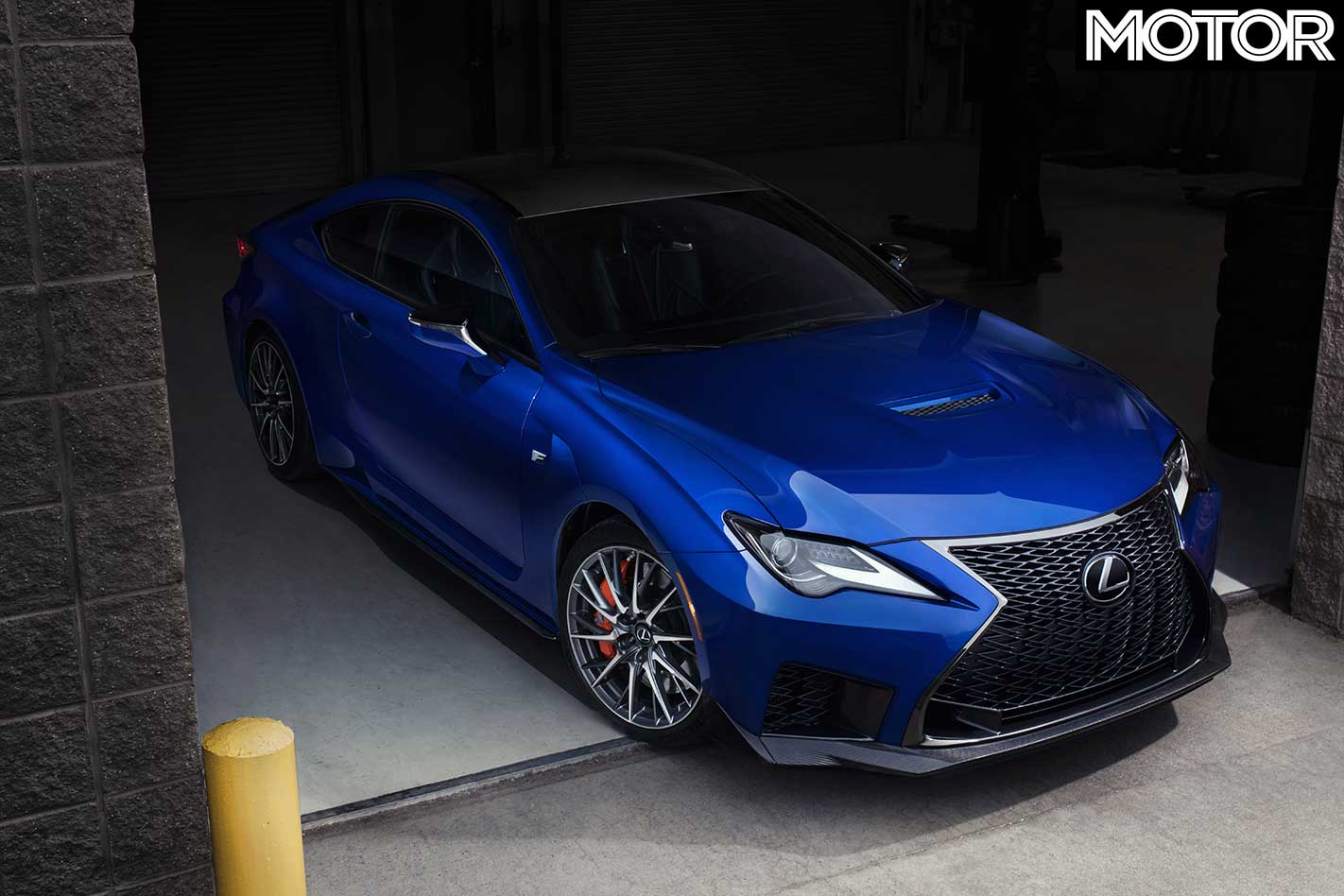
The naturally-aspirated 5.0-litre V8 remains at 351kW/530Nm but there is revised intake routing and the trigger point for the secondary intake opening has been lowered from 3600rpm to 2800rpm for easier access to that V8 roar.
Styling change amount to stacked LED headlights and integrated DRLs, a new lower lip opening at the base of that enormous grille and new taillights with a reshaped bumper. Pricing has not yet been announced, but the updated RC F will reach Australia alongside its Track Edition sibling in May 2019.
