
AUDI has unveiled its facelifted TT S to the world in coupe and roadster forms.
Heralded as a more powerful, better equipped and quicker car than its predecessor, the new TT S sports a new look and will include a new special ‘Competition’ model in the line-up.
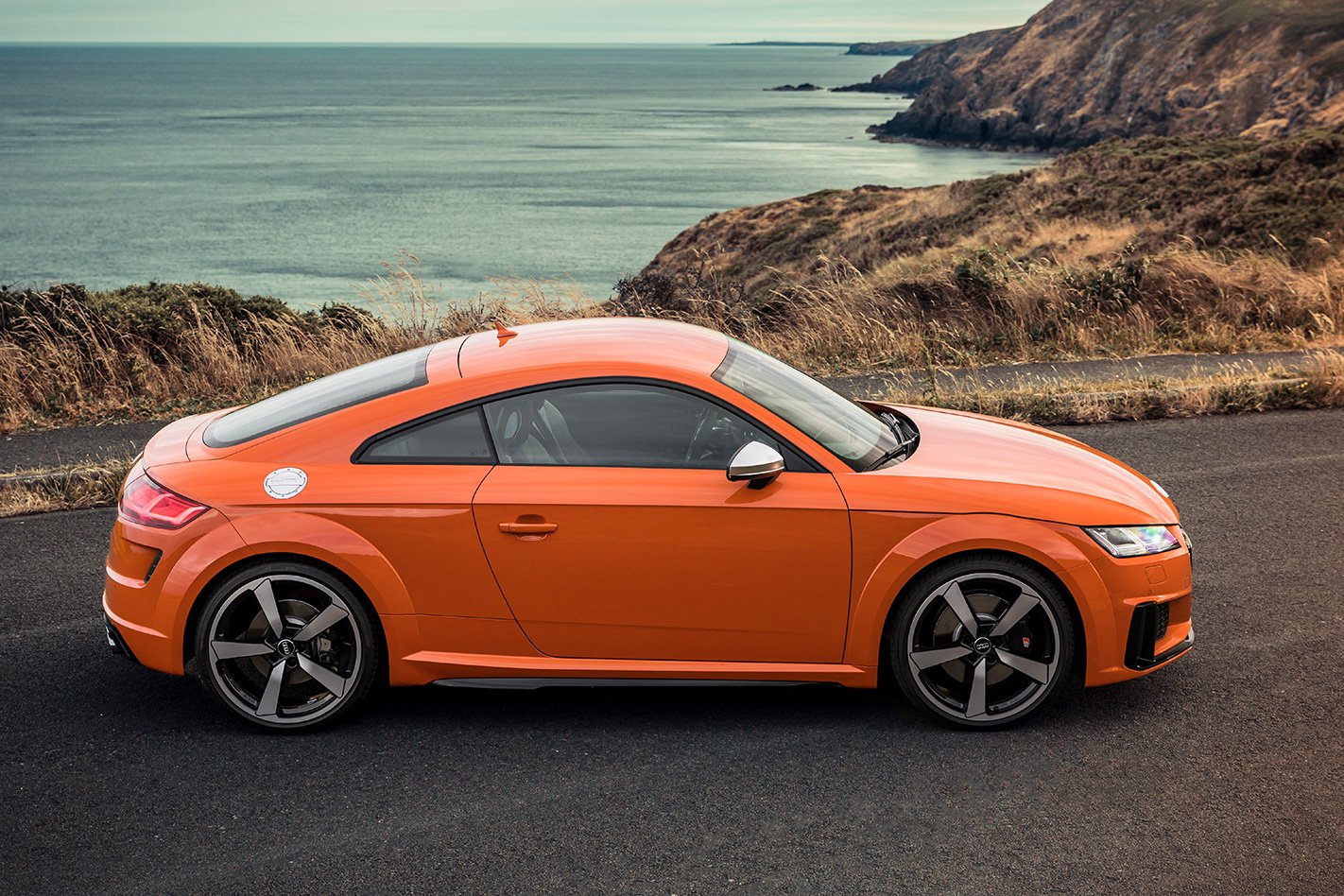
Much of the angular front fascia design which debuted on the 2015 car remains, however the updated looks will include new aerodynamic blades in the bumper and a new full-width front splitter. The back of the car gets the same treatment, with horizontal vents featuring underneath the tail lights and a more pronounced rear diffuser.
The iconic sports coupe will retain its turbocharged 2.0-litre four-cylinder engine, but it’ll produce 225kW and 400Nm, which represents a healthy 15kW and 20Nm bump-up from last time.
Aiding its one-tenth quicker 0-100km/h time of 4.5 seconds (Roadster: 4.8 seconds) is a new seven-speed dual-clutch gearbox.
Audi’s quattro permanent all-wheel drive system and a magnetic ride control shock absorber system come as standard.
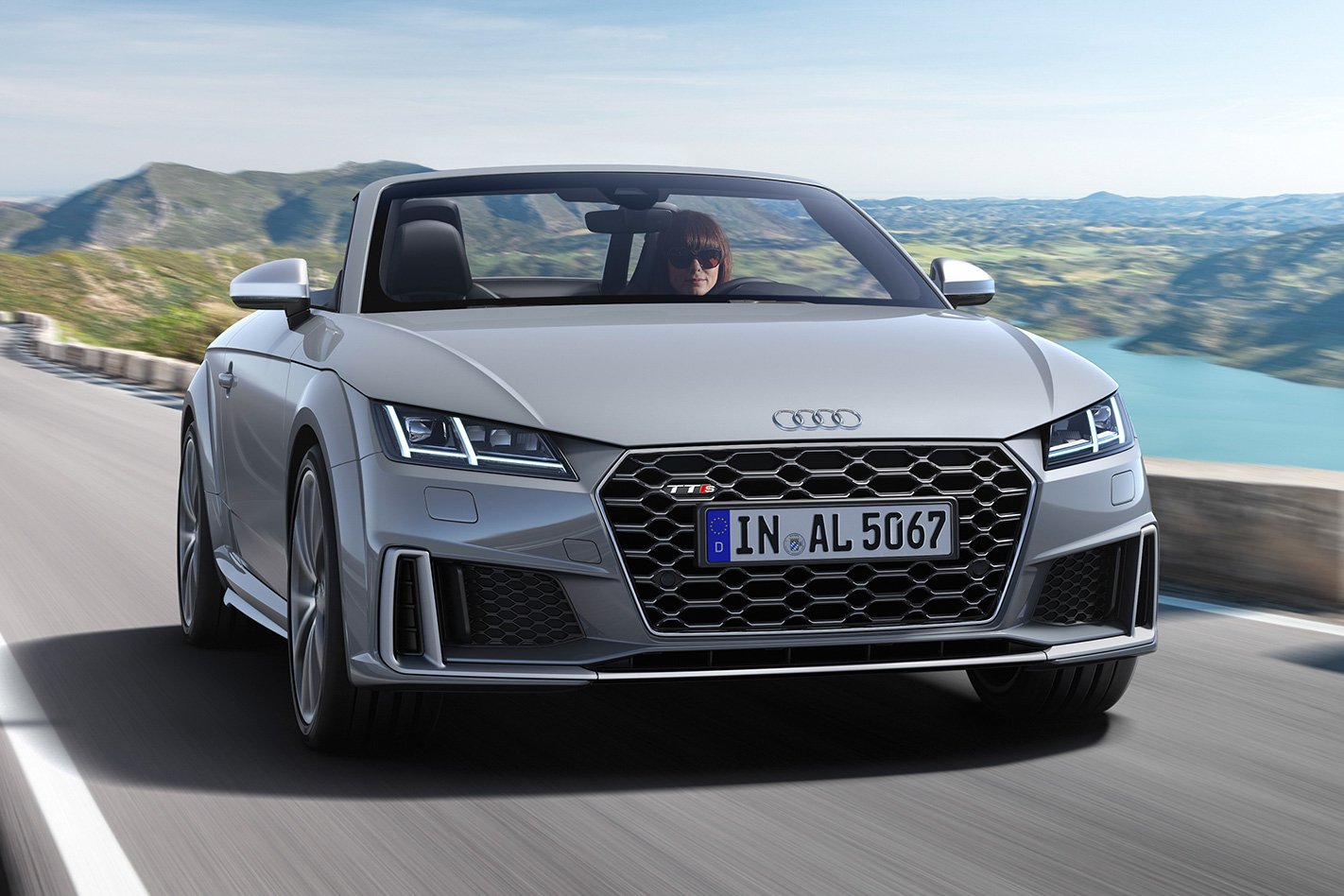
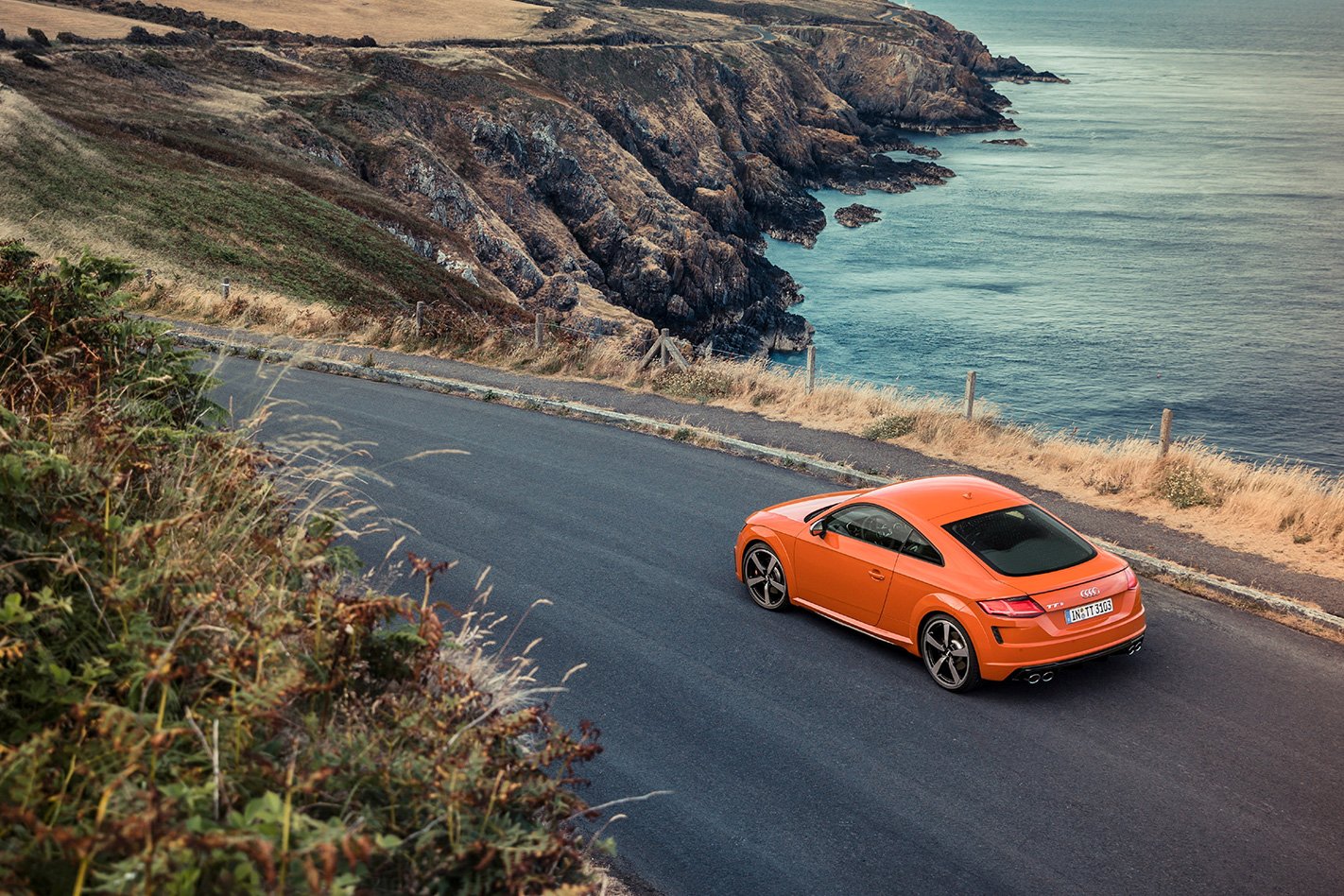
In terms of equipment, Audi supplies 18-inch wheels as a base, while you can upgrade to 19- or 20-inch wheels at an extra cost. Two new paint colours are on offer too, with pulse orange and turbo blue joining the range.
The TT S Competition is a new model line for 2019, and the pack adds attributes that double-down on the TT S’s sporty nature.
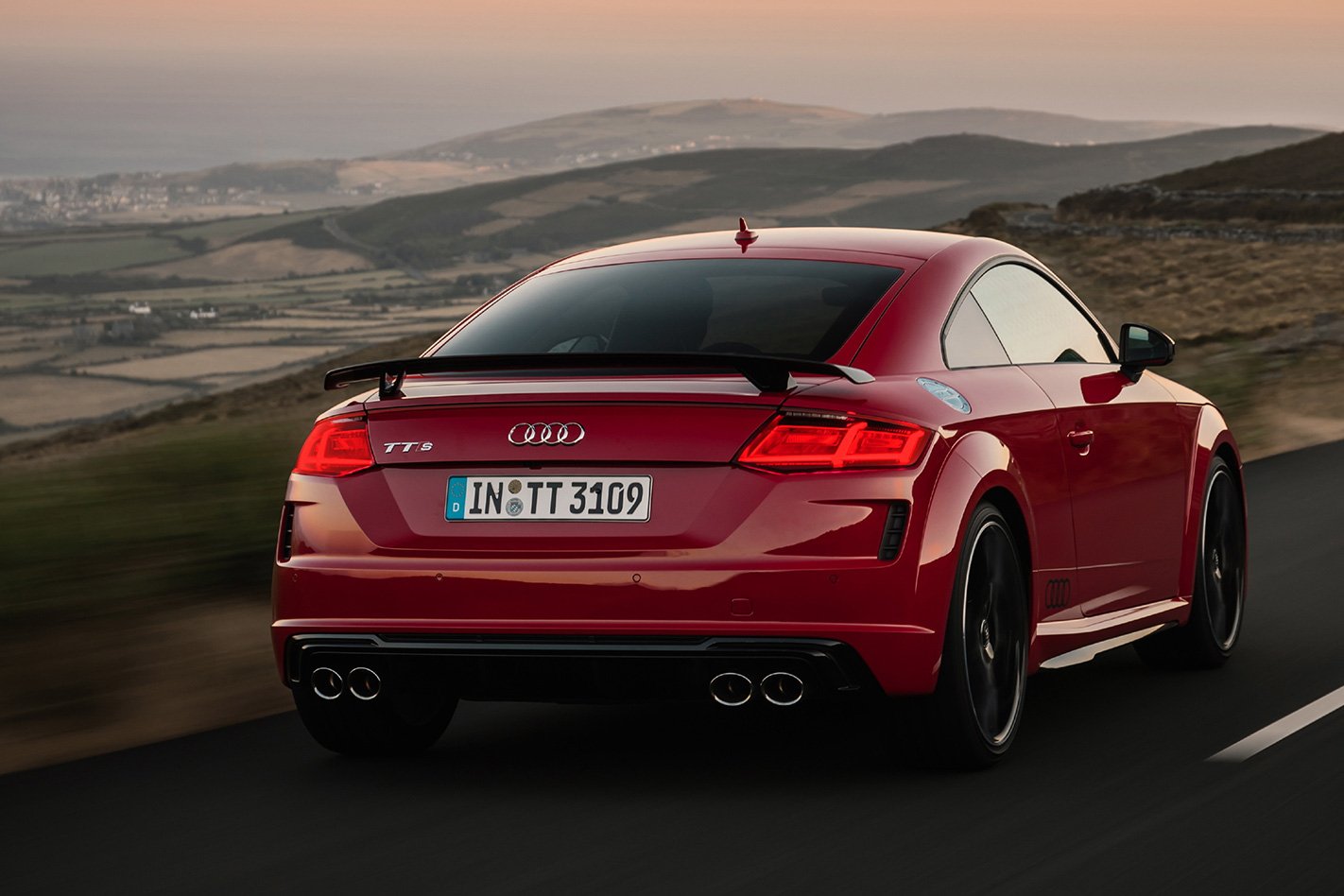
A fixed rear wing is the most outlandish addition for the Competition, also joined by LED headlights, Audi rings sticker set along the side sills, red brake calipers and an extensive array of black-painted exterior details.
Inside, you can choose from either red or ebony-coloured leather upholstery with contrasting stitching.
Red-painted air vents combine with judicious use of Alcantara around the steering wheel and gear shifter to continue the sporty theme on the inside. Carbonfibre inlays join the party as standard too.
Audi hasn’t supplied any information on pricing as yet, with that information to coincide with the arrival of the model on Australian soil in Q2 of 2019.
WHILE we don’t condone damaging property, we can’t deny that we let a slip a wry smile reading the news of protesters destroying much of France’s speed camera network.
Fighting back against what many see as a blatant revenue raising, the group of protesters known as the ‘Yellow Vests’ – or gilets jaunes in French – have “neutralised, attacked, or destroyed” much of France’s speed camera infrastructure.
The destruction comes as part of the ongoing protests that have gripped the nation since the end of last year.
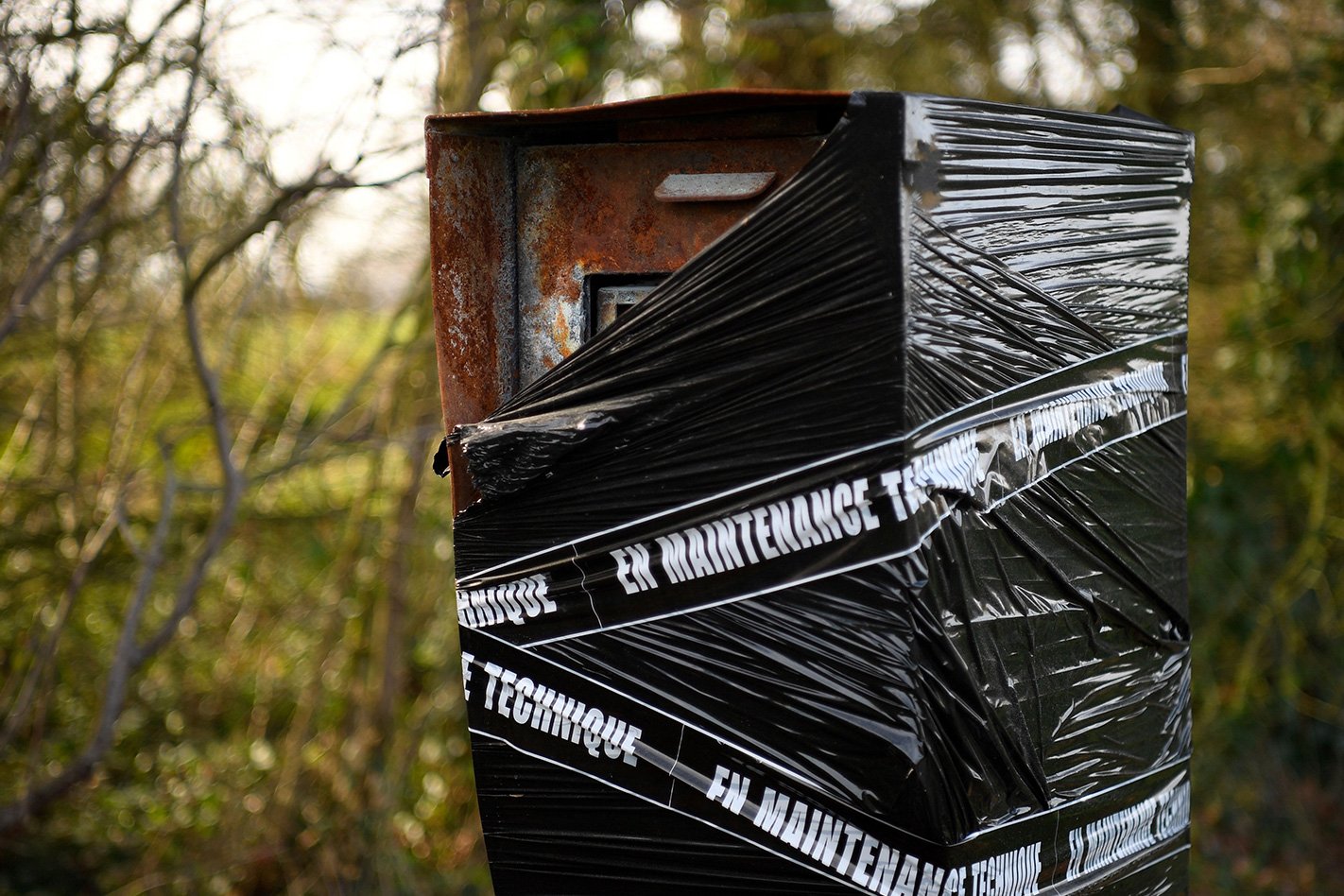
Protestors are mainly using paint or black tape to prevent the speed cameras from working properly.
It’s believed the damage now extends to over half of the country’s 3200 speed cameras, with an estimated 60 percent of the total number no longer functioning.
Speed cameras have become a controversial topic in France, following the reduction of many main roads’ limits from 90km/h to 80km/h in early 2018.
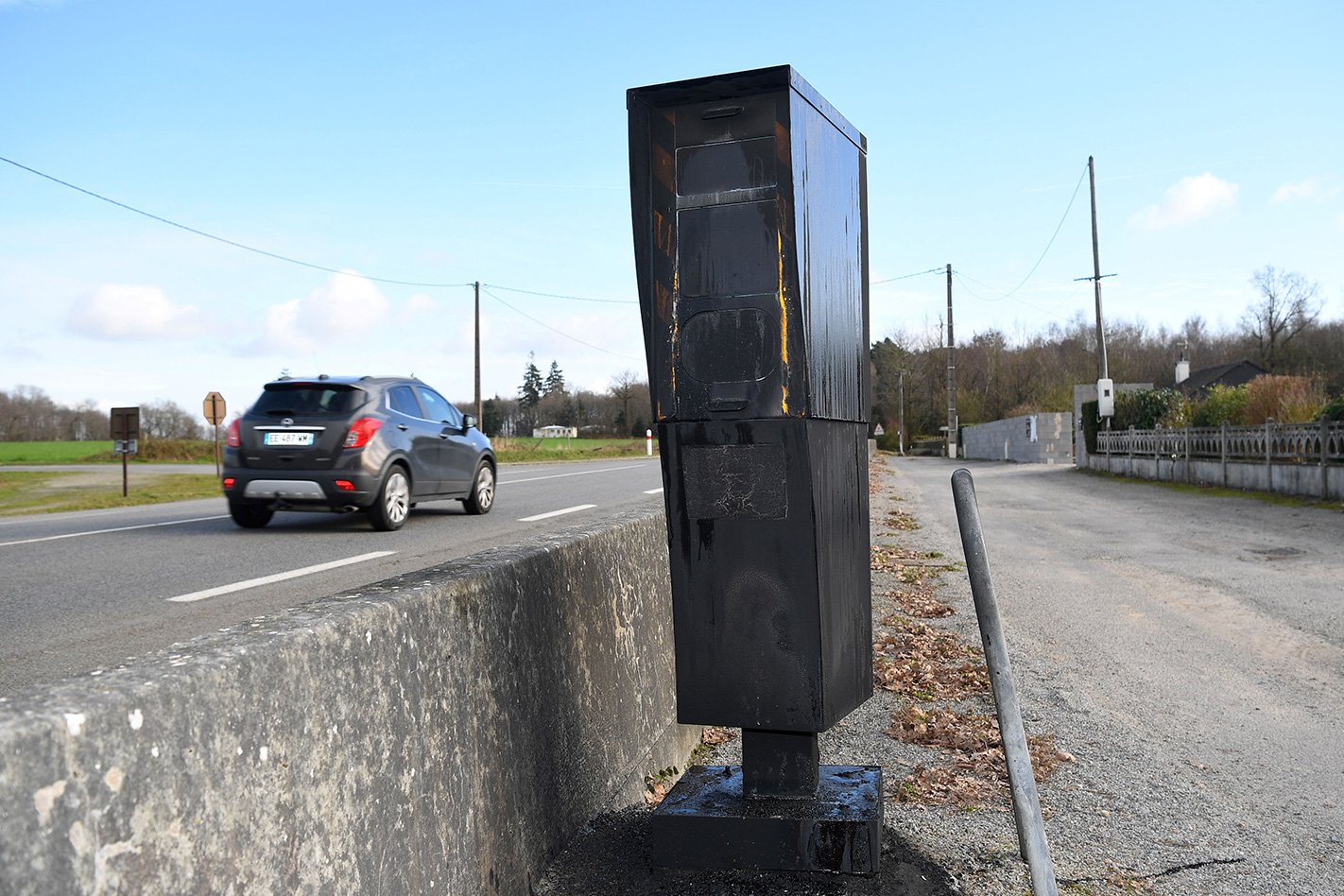
The Yellow Vests initially started protesting in response to an increase in fuel taxes, angered by the rising costs of living for those priced out of urban areas.
Topics such as toll roads and speed cameras have been co-opted by the movement, which claims poorer members of the community are unfairly and disproportionately affected.
France’s interior minister, Christophe Castaner, says the damage to the speed camera network is a threat to road safety and puts lives in danger.
It’s difficult to predict what a similar reduction in operating speed cameras in Australia would mean for revenue collected by state governments.

This is because of the disparity between revenue collected by each individual camera. For example a single camera in Melbourne raked in $8.4 million for Victoria’s coffers in a 12 month period.
A 60 percent reduction in Victoria’s fixed speed camera revenue would slash the amount of fines given in 2017/18 to $135.2 million (down from $338 million).
A similar reduction in NSW would slash its fixed speed camera revenue from $105million to just $42 million.
JAGUAR LAND ROVER (JLR) has confirmed overnight it will slash 4500 jobs from its UK workforce to ensure the company’s long-term profitable growth.
The cuts mean around 10 percent of the Tata-owned company will be out of a job, with plants in Castle Bromwich, Solihull, and Halewood affected.
This latest round of job losses follows the 1500 workers who were cut last year. The most recent cuts are part of what JLR calls a “turnaround and transformation programme” as it transitions away from diesel and towards electric, and hopes to save $A4.4 billion over the next 18 months.
JLR has not yet announced how many jobs will be lost at each specific location. However, JLR CEO Dr Ralf Speth told media that “all locations” within the UK were likely to see some form of job losses.
Dr Speth added the focus will mainly be on “the management and leadership areas of our facilities”, with employees initially reduced through a voluntary redundancy programme, or early retirement packages.
“We are taking decisive action to help deliver long-term growth, in the face of multiple geopolitical and regulatory disruptions as well as technology challenges facing the automotive industry,” Dr Speth said.
JLR is the UK’s largest car manufacturer but demand for its sedans and diesel engines has declined sharply while sales in the world’s largest new car market, China, fell 21.6 percent last year. Those figures look particularly bad when that market contracted by 6 percent overall.
As a result, the company posted a A$159 million loss in the third-quarter of 2018.
Last year JLR shut down its Solihull plant for two weeks in October due to reduced demand, while the Castle Bromwich site which manufactures the XE and XF operated on a three-day week during December.
While JLR has refrained from confirming any immediate factory closures, with Dr Speth stating, “we have to wait for politics – what will happen after 29th March?” in reference to the deadline for a hard Brexit as the UK leaves the European Union.
Amid the cut announcements, JLR confirmed further investment in electric vehicles, with electric drive units to be built at a Wolverhampton factory from 2020, and a new battery assembly centre at Hams Hall to be built.
It’s easy to make an SUV fast in a straight line – just add more power. But can it be engineered to be fun? That’s the real question. Hence the burgeoning M Performance moniker is now attached to an X3, a variant that up until now has run without the haloed M badge on its rump.
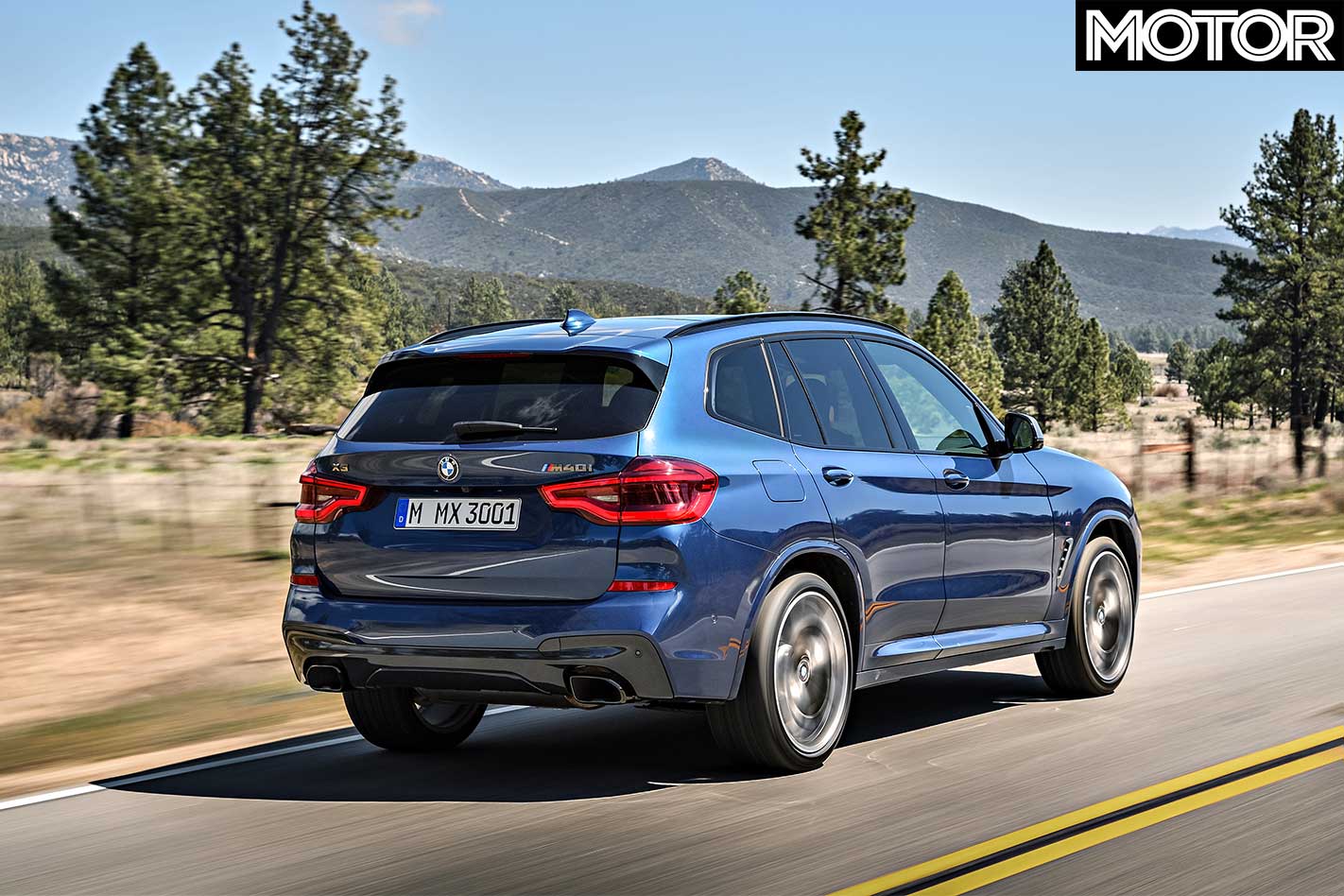
What do you get for your $99,529? Impressive B58 powertrain aside, the M40i gains the M Sport Package, adaptive M xDrive all-wheel drive, adaptive M suspension, M Sport differential, eight-speed ZF automatic, bespoke M Sport exhaust system and 21-inch M light alloy wheels.
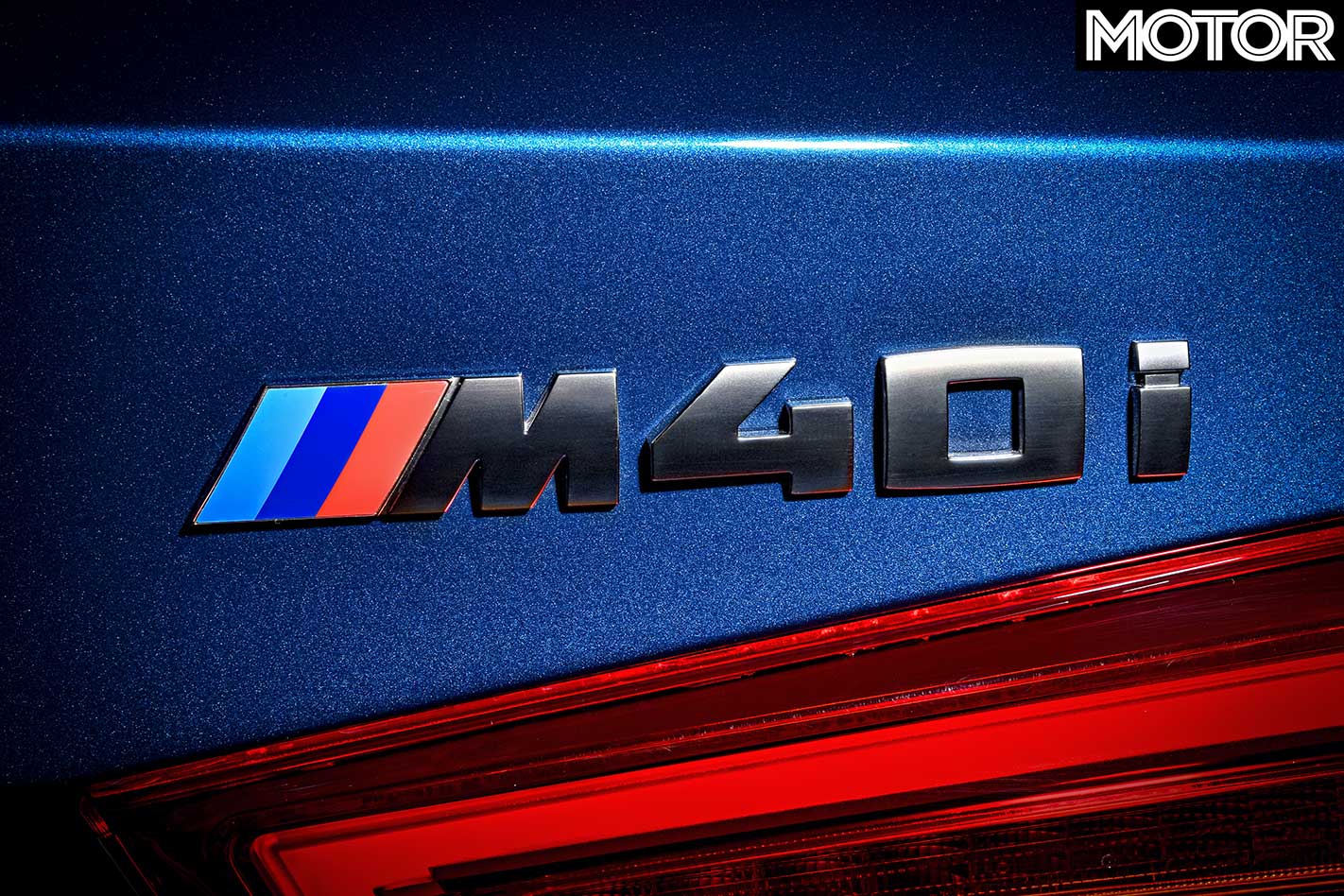
It’s safe to say that current X3 flagship (until the X3M arrives) isn’t whispering the involvement of the M Division when it comes to the nuts and bolts.
The interior and exterior styling also gains the M treatment. However, it’s not as in your face. The cabin is more luxury-focused, while the bodywork changes merely hint at what lurks beneath. When removed from the spec sheet, subtle is the X3 M40i’s middle name. It’s a very unassuming car and it blends into the crowd like any other BMW SUV.
Addressing the fast part of the X3 M40i equation is fairly straightforward. It is damn quick for an 1810kg, full-bodied SUV with a 550-litre boot. Actually, it’s so big boned that the X3 has now outgrown the original X5. The boosted 3.0-litre straight six is unquestionably effective, hence the M40i gets to 100km/h in a launch-control assisted 4.8 seconds with 265kW and a meaty 500Nm at its disposal.
However, to simply call the B58 ‘effective’ is selling it short. With a fat torque range coming on from as low as 1520rpm, you’re never short of pulling power. There’s a genuine reward for staying in a higher gear and working the mid-range, yet it’ll happily rev out with purpose to redline. The boosted six never feels laggy or off the boil – you just plant your right foot and it takes off.
The guttural sound the M40i makes while doing so, albeit slightly synthesised, is also in complete contrast to the image and presence of the X3. The pops and cracks on the overrun (in conjunction with blurts on upshifts) give real theatre to the experience. The M Sport exhaust, tied to the already visceral B58’s acoustics, means that this the best sounding sub-M six-pot BMW makes. It will have everyone chortling on the way home from soccer practice…
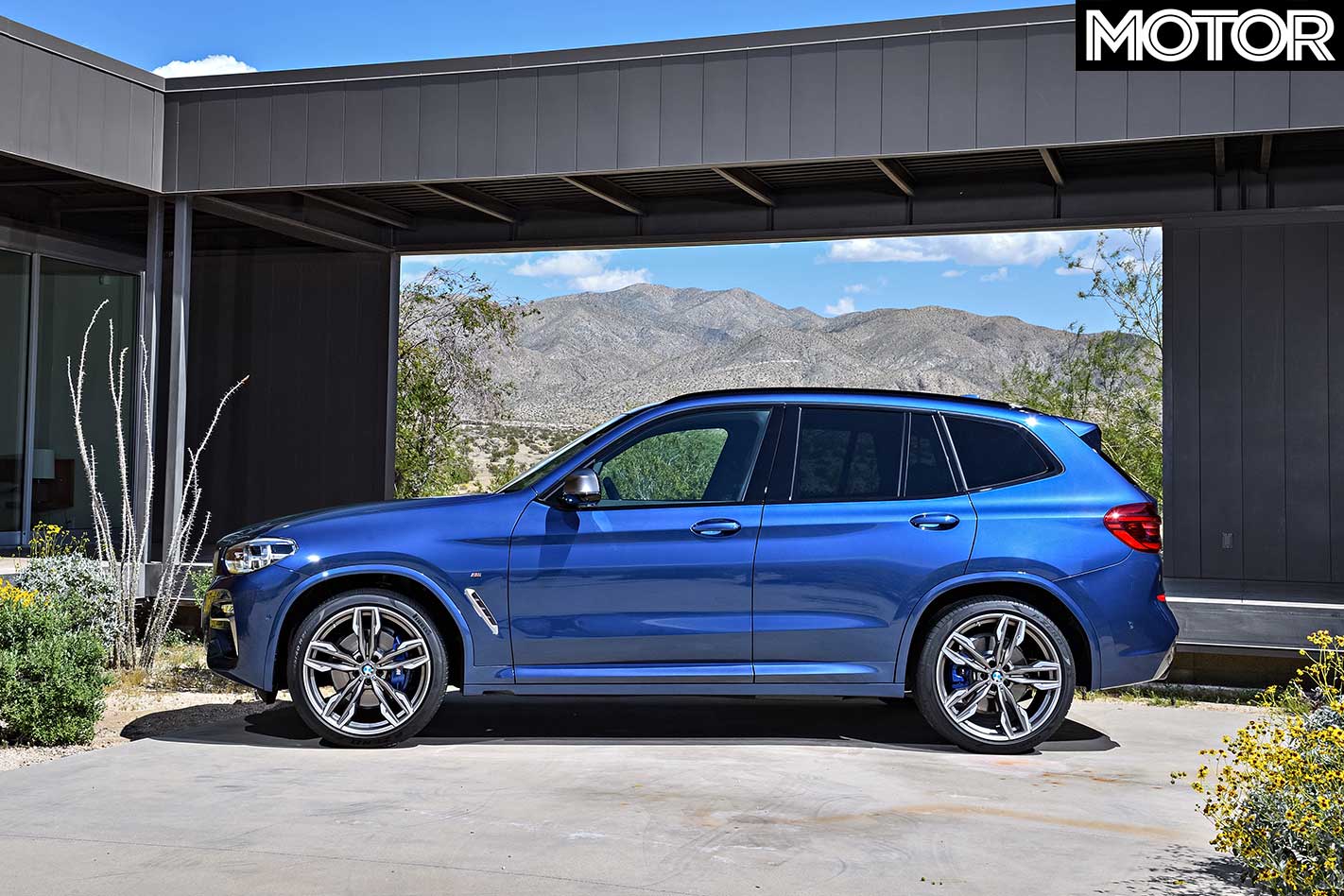
So, that’s job done by the M Division in terms of straight-line prowess, but the M40i doesn’t kick an own goal when it comes to handling. There’s an underlying rear-drive BMW-ness about the way it hurls itself through a twisty section of road and the adaptive dampers afford a compliant ride quality at speed. The brakes stand up to the task as well, however, the steering is rather nondescript.
The ubiquitous drive modes come into play, too, with Sport Plus being the pick for spirited blasts. In the loosened dynamic setting you can get some controlled movement from the rear on corner entry. And thanks to the variable torque split and rear diff apportioning grunt to the wheel with the most grip, firing out past the apex is a fuss-free affair.
Letting the side down is the Bridgestone Alenza run-flat rubber. For an SUV with this performance level, a tyre with more bite – like the P Zeros fitted to the X4 M40i – is preferable as the X3 feels like it has more mechanical grip from the chassis than the tyres.
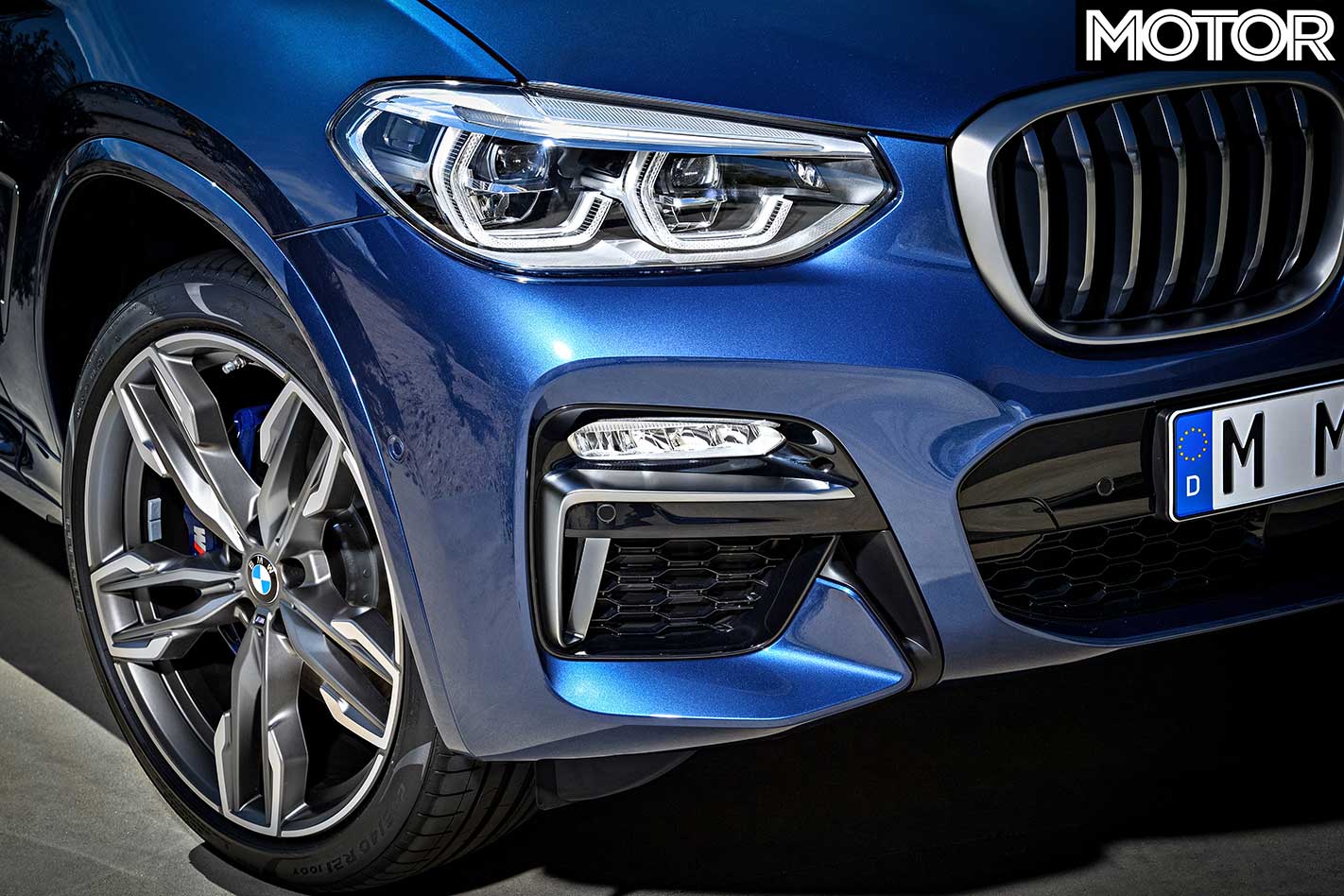
Understeer can be induced and some of the M40i’s movement under braking and load is down to the lack of tyre grip rather than a distinctly playful platform. However, the SUV part of the equation can’t be forgotten here. Its dynamic abilities (and deficiencies) must always be kept in perspective with the genre it plays to.
The added appeal for buyers is that for all the performance on offer, the M40i is still an X3. It’ll lug the family and doggo around in supreme comfort. And given the aforementioned X5-esque dimensions, there’s plenty of room for all.
Loads of standard kit (radar cruise control, active lane keeping, blind-sport monitoring and a 12.3-inch digital dash) keeps the value equation in check, while iDrive6 infotainment, a 10.25-inch touchscreen display and a 16-speak Harman/Kardon surround sound system ticks off the gadget checklist.
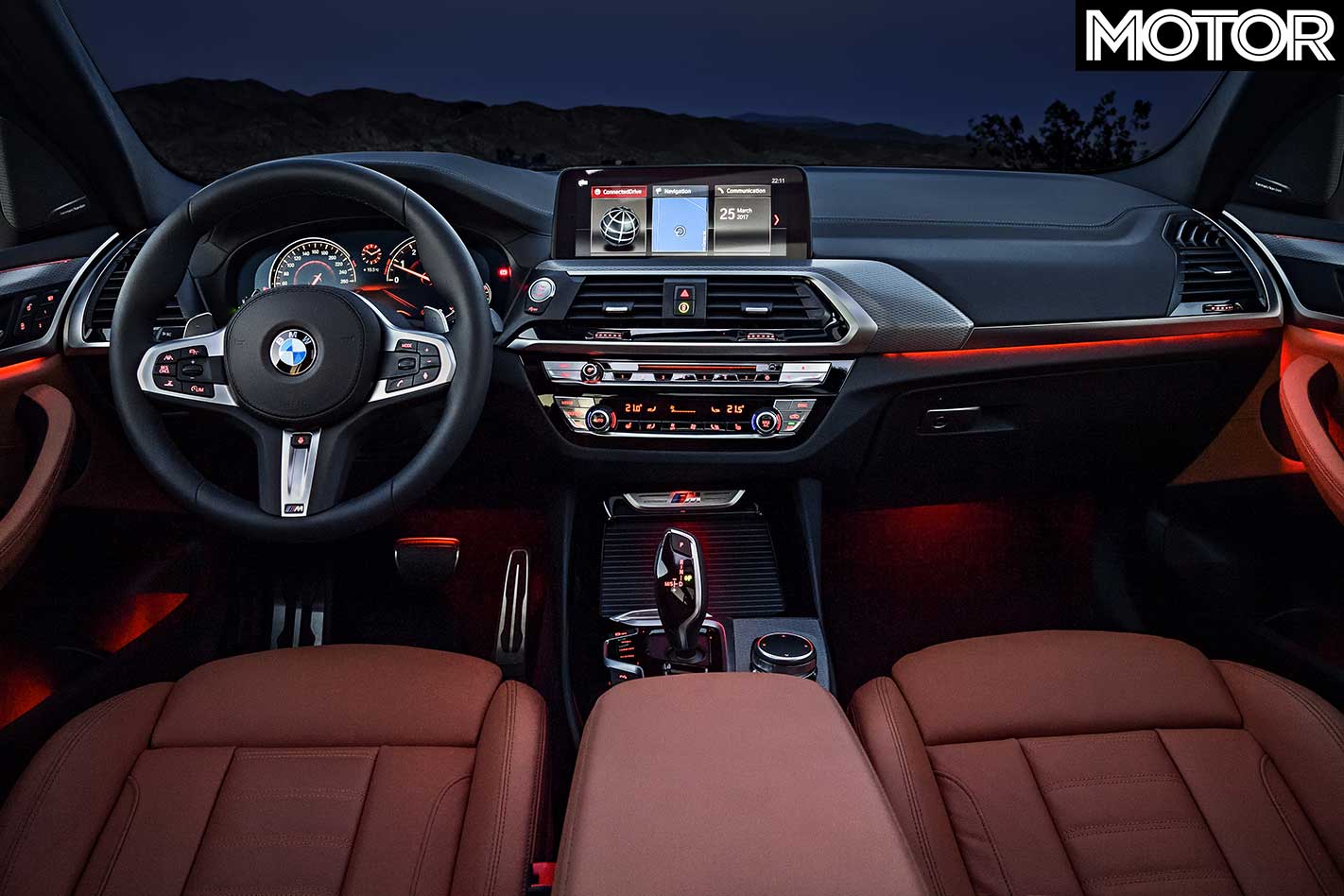
If you’re after tangible performance, yet still can’t help but be pragmatic, then something like an Audi S4 Avant or Mercedes-AMG C43 Estate is going to tickle your fancy more of the time.
However, the X3 isn’t without charm, convenience or character. And it certainly isn’t lacking dynamic talent. If this is supposed to be the performance sub-brand, then the upcoming X3M is a very tempting prospect. So is the X3 M40i fun? Somewhat surprisingly, yes.
2019 BMW X3 M40i SPECS Engine: 2998cc in-line 6, DOHC, 24v, turbo Power: 265kW @ 5500-6500rpm Torque: 500Nm @ 1520-4800rpm 0-100km/h: 4.8sec Kerb Weight: 1810kg Price: $99,529
Hyundai has followed up some ground-breaking future tech ideas at the Consumer Electronics Show in Las Vegas by revealing fascinating technology to help hearing impaired drivers.
The system uses Audio-Visual Conversion (AVC) and Audio-Tactile Conversion (ATC), to help hearing-impaired drivers by drawing on their sense of touch sight.
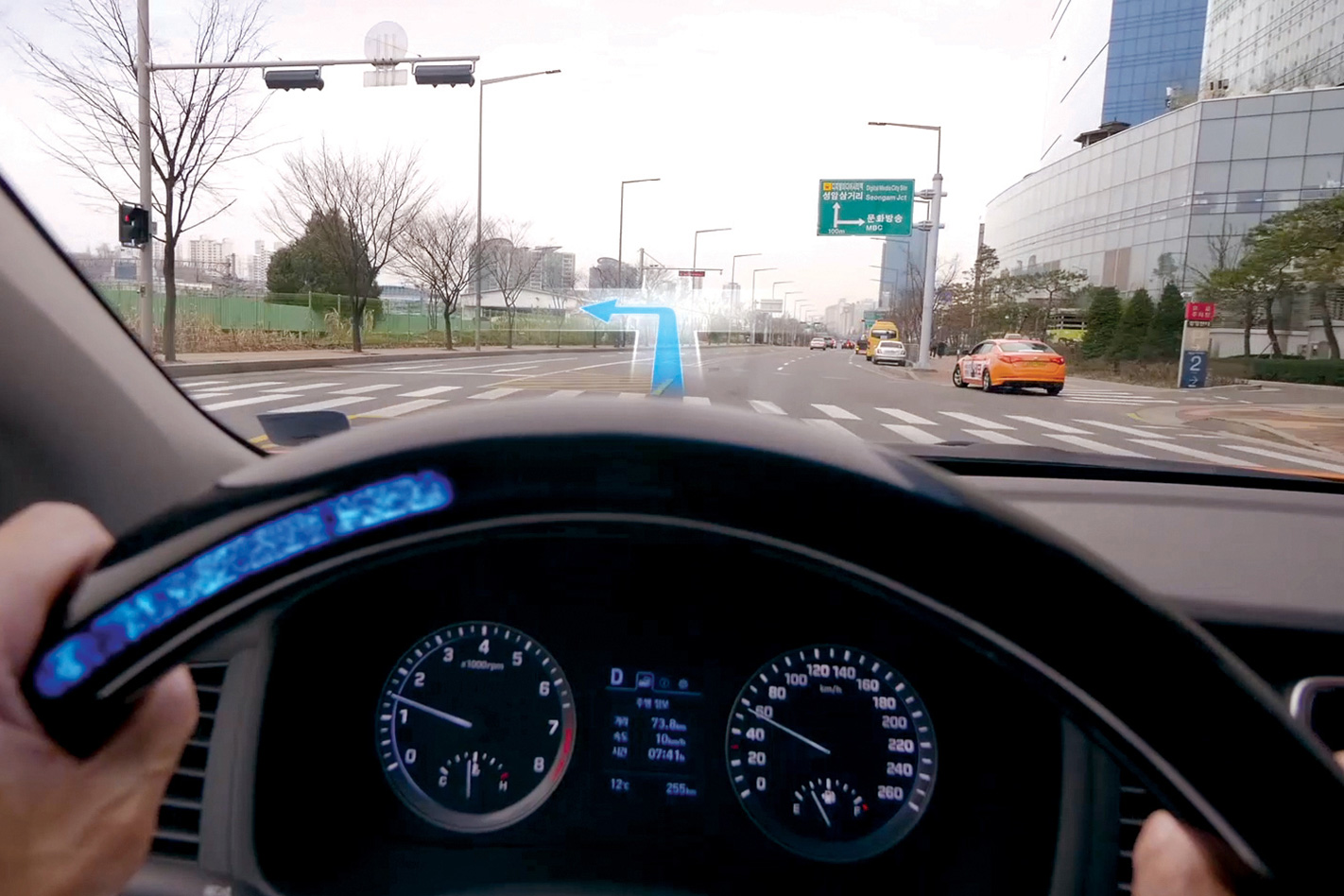
The AVC system picks up and differentiates between various sounds from outside the vehicle, such as horns and emergency vehicle sirens. It communicates them with the driver using pictograms on the head-up display (HUD) that show what is making the sound.
The ATC transfers the same sound data into vibrations through the steering wheel, notifying the driver of information about external environments such as distance from obstacles.
The steering wheel also has multi-coloured LEDs that provide navigational information in place of audible instructions.
Hyundai has demonstrated the technology in the above video called ‘Quiet Taxi’ that aspires to give hope to drivers with a hearing impairment.
The short clip features Seoul’s first designated hearing-impaired taxi driver Daeho Lee, who had to rely mainly on his sight that, apart from the obvious limitations, also causes fatigue due to of the additional concentration required.
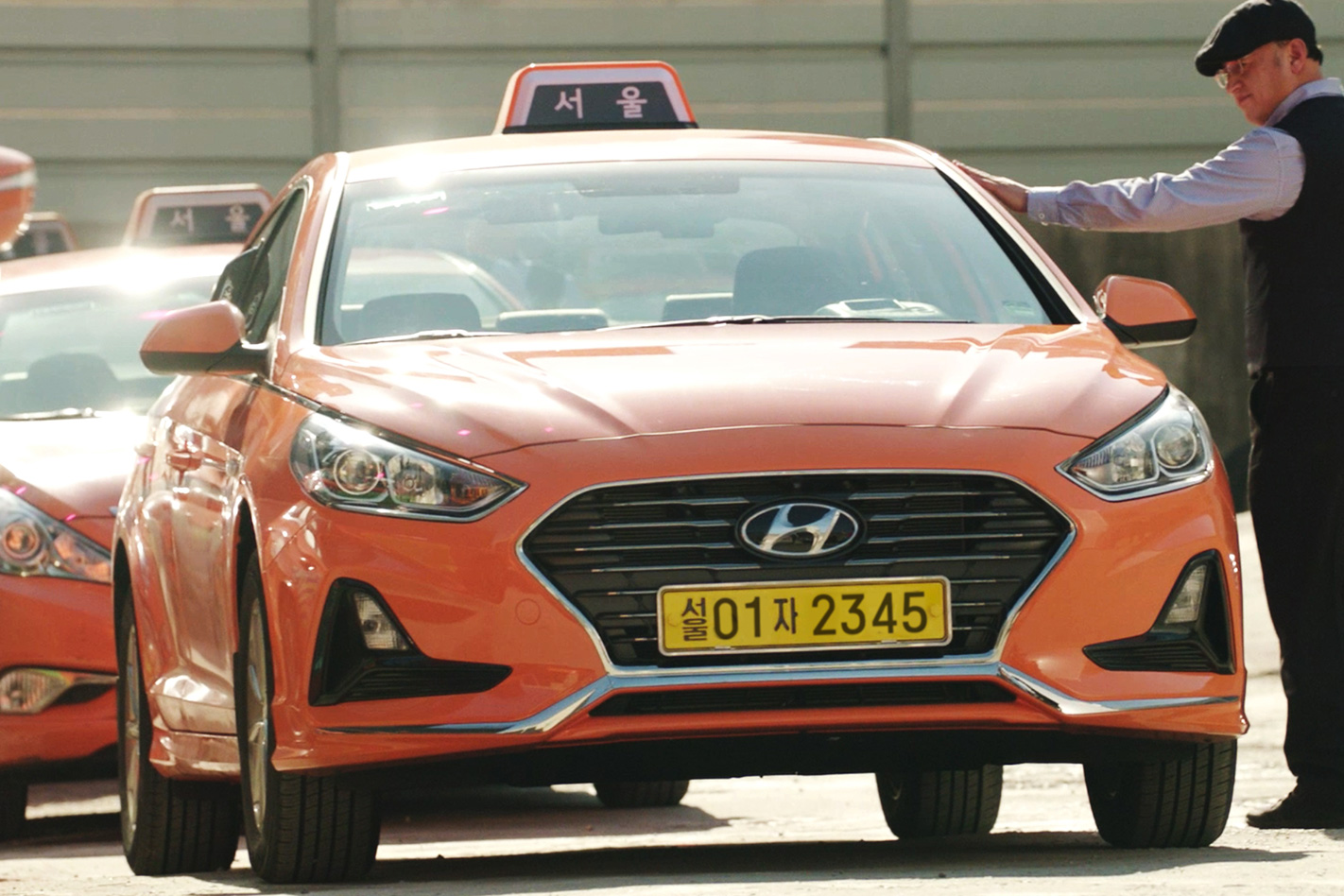
As you’ll see in the video, Hyundai also developed an application that enables communication between passengers and hearing-impaired drivers.
Hyundai hasn’t declared if or when its hearing aid technology will be become available in its production vehicles. It certainly is seems feasible for the near future, however, and some elements could even prove handy for all drivers – such as the early sensing of emergency vehicle sirens, for example.
FIAT CHRYSLER AUTOMOBILES (FCA) has agreed to pay around US$800 million (A$1.1billion) in a raft of fines, recalls and customer compensation settlements after its Grand Cherokee and RAM 1500 vehicles fitted with 3.0-litre V6 EcoDiesel engines were alleged to have violated clean air rules.
German components-maker Robert Bosch GmbH also got dragged into the melee. The US Justice department found that Bosch had supplied the engine control devices that were rigged to pass EPA emission tests and will pay USD$27.5m (A$38m) as part of the settlement with consumers.
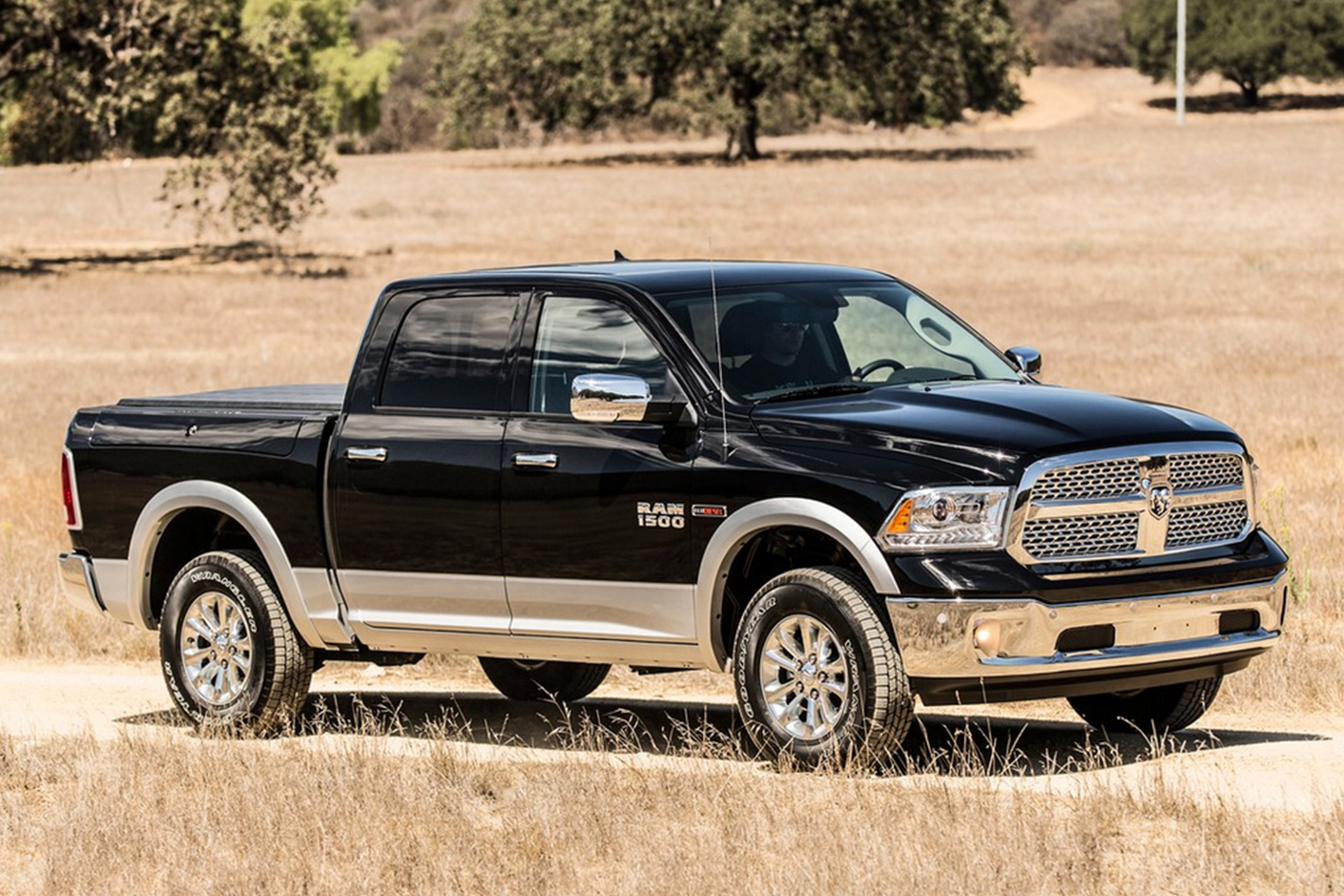
In addition, Bosch agreed to hand over USD $103.7million (A$144m) to 50 jurisdictions, according to Maryland Attorney General Brian Frosh.
“A multinational corporate bad actor seriously violated American emissions laws to the detriment of the health and welfare of the people of the United States,” said Jeffrey Bossert Clark, assistant attorney general for the Justice Department’s Environment and Natural Resources Division.
“That is a very serious offense.”
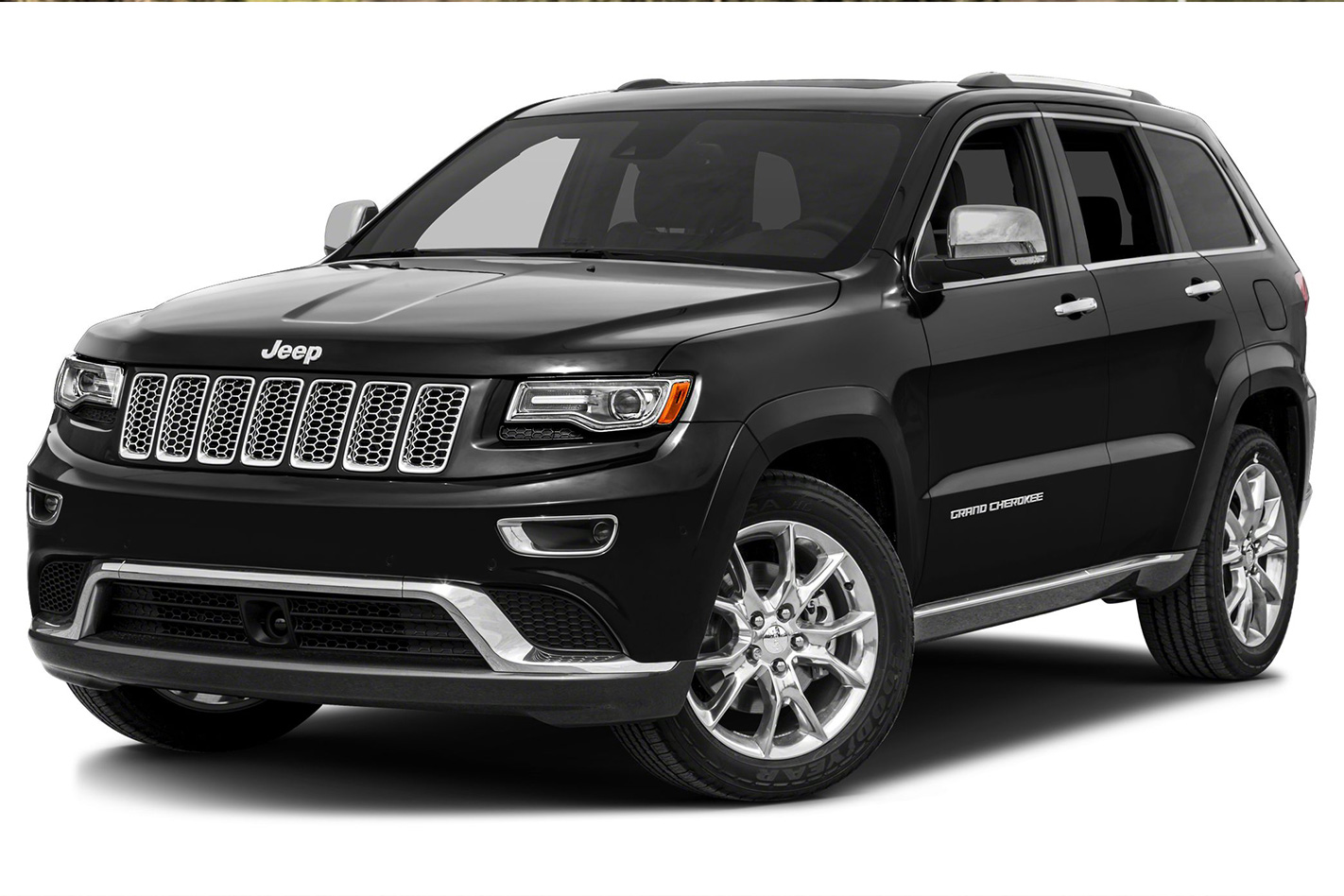
During the course of its investigations, the Environmental Protection Agency has reportedly found no fewer than eight auxiliary emissions control devices (AECD) in 2014-2016 Grand Cherokee and RAM 1500 models fitted with the VM Motori-sourced engine.
These software elements either shut down or seriously handicapped the engine’s emissions reduction.
In addition to the fines levied against it, FCA will also have to recall offending vehicles.
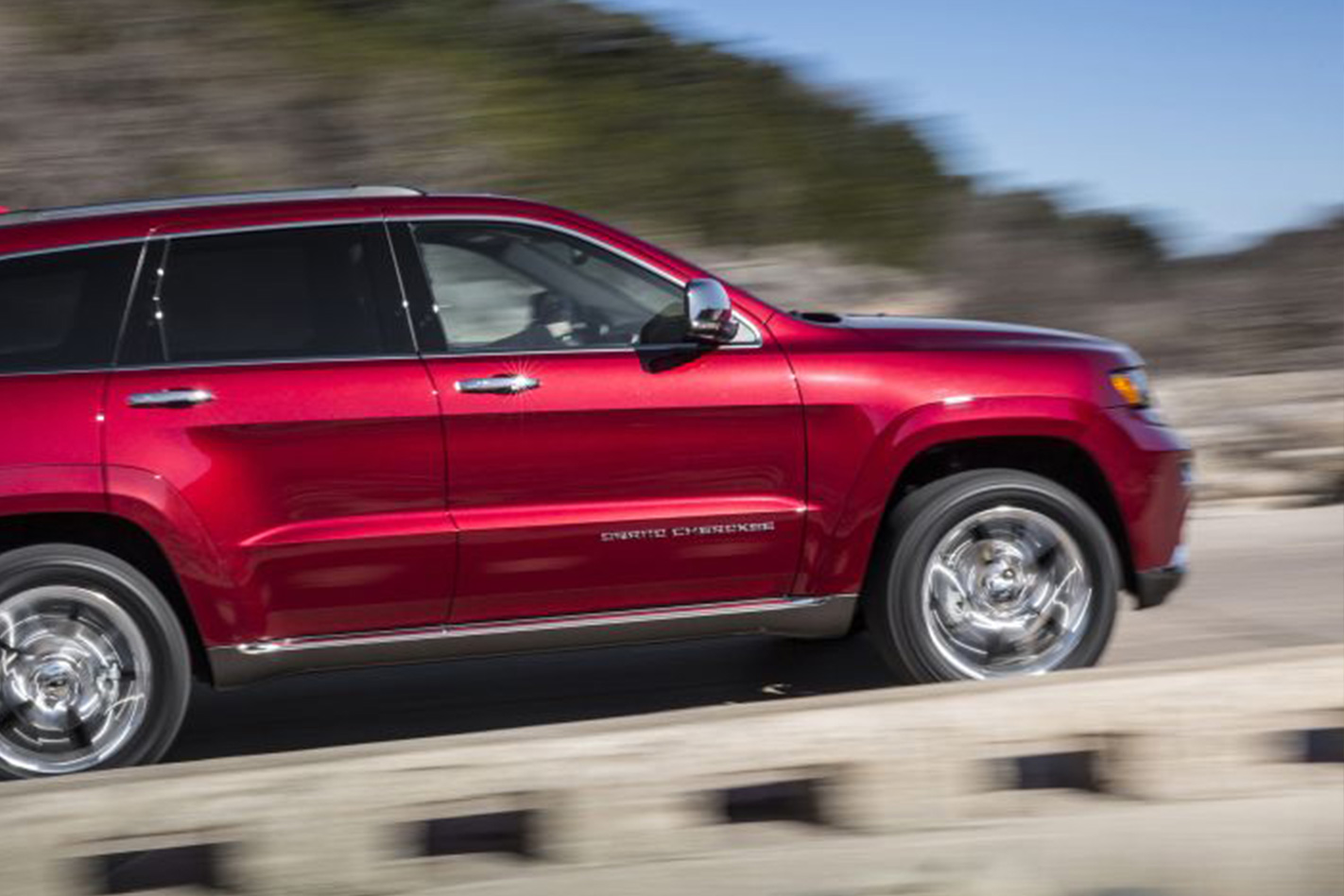
The owners of over 100,000 diesel-powered Jeep Grand Cherokee and Ram 1500 models with 3.0-litre EcoDiesel V6 engines will be required to have the emissions control software of their vehicles updated.
The work will be carried out for free, owners will receive, on average, USD$2800 (A$3900) per vehicle and extended warranty arrangements, and the company will be additionally fined should the recall not update at least 85 percent of affected vehicles in two years.
Fiat Chrysler claims that it “did not engage in any deliberate scheme to install defeat devices to cheat emissions tests”, and its settlements “contain no finding or admission with regard to any alleged violations of vehicle emissions rules”.
New Year, more MOTOR.
Our first issue of the year is on sale now, and that means you can pick up a shiny new magazine full of high-performance heroes and the cars we’ve tested to help you decide what to buy.
You can find our gorgeous mags at retailers around Australia. Or you can subscribe and save yourself some cash, there’s even a digital subscription.
Subscribers often receive their mags earlier, depending on the postal system, so you’ll get to see what MOTOR has to offer before anyone else.
Or, if you want to give us feedback and see behind the scenes, you can follow us on Facebook, Twitter, and Instagram where we interact with our followers regularly.
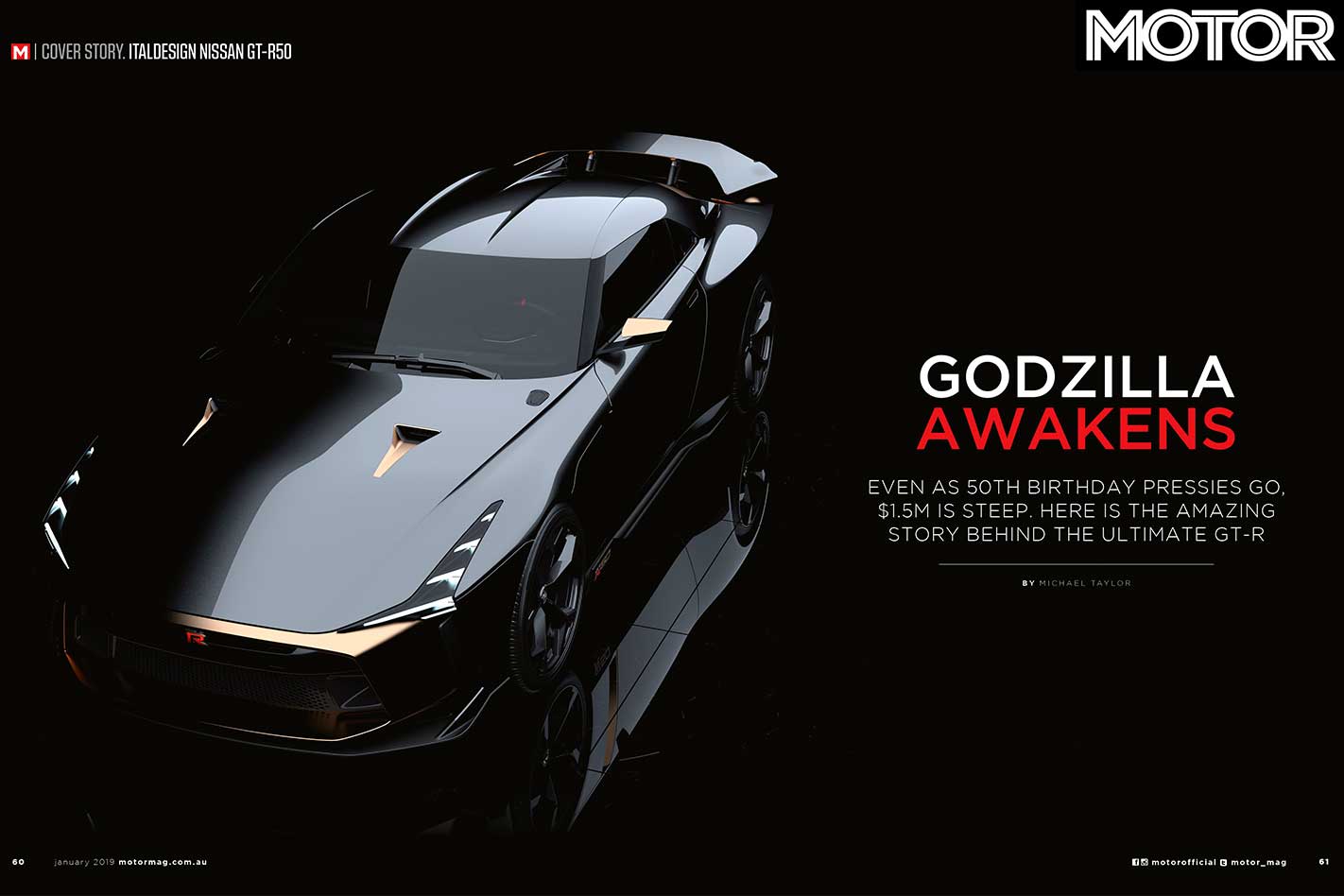
GODZILLA AWAKENS – Nissan GT-R50 by Italdesign Even as 50th Birthday presents go, $1.5 million is steep. This is the amazing story behind the ultimate version of the R35 GT-R.
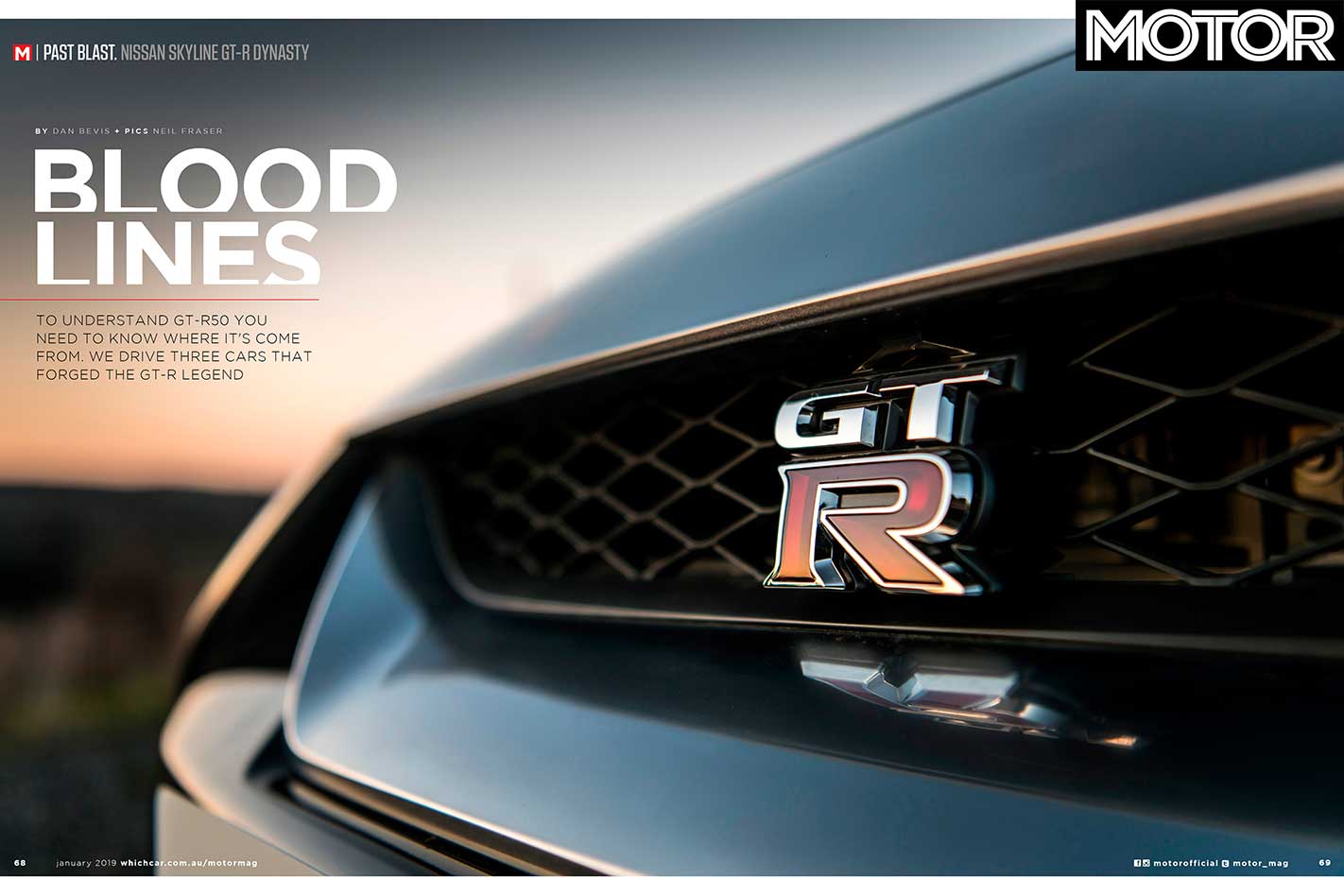
BLOOD LINES – Nissan’s Skyline GT-R Dynasty To understand the significance of the GT-R50, you need to know where it’s come from. We drive three cars that forged the GT-R legend.
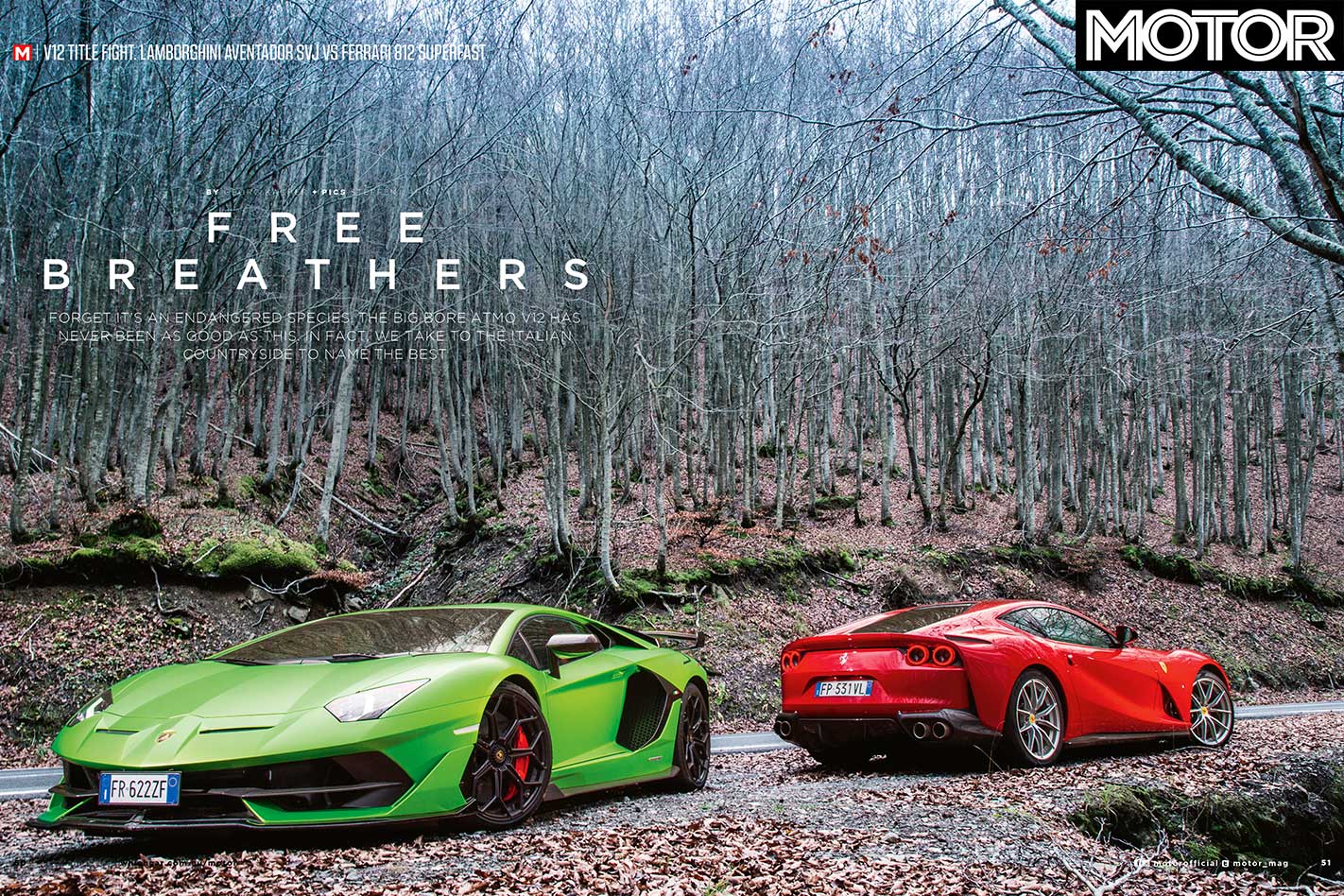
FREE BREATHERS – Lamborghini Aventador SVJ vs Ferrari 812 Superfast Forget it’s an endangered species with us for a moment. The big bore atmo V12 has never been as good as this. We take to the Italian countryside to name the ultimate N/A bent 12.
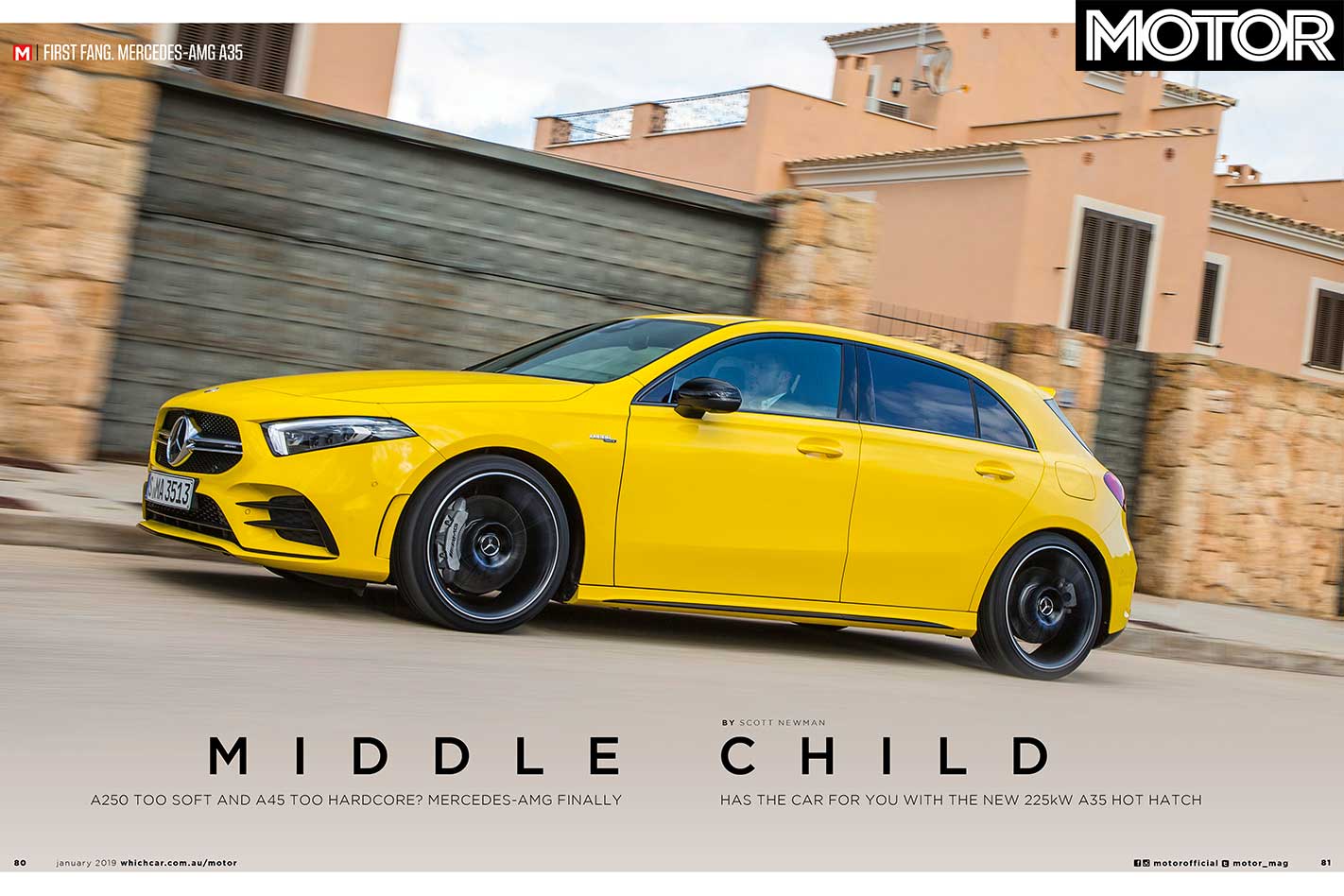
MIDDLE CHILD – Mercedes-AMG A35 driven If the A250 is too soft and the A45 is too hardcore for you, Mercedes has found the ‘Goldilocks Zone’ with the new 225kW A35 hot hatch.
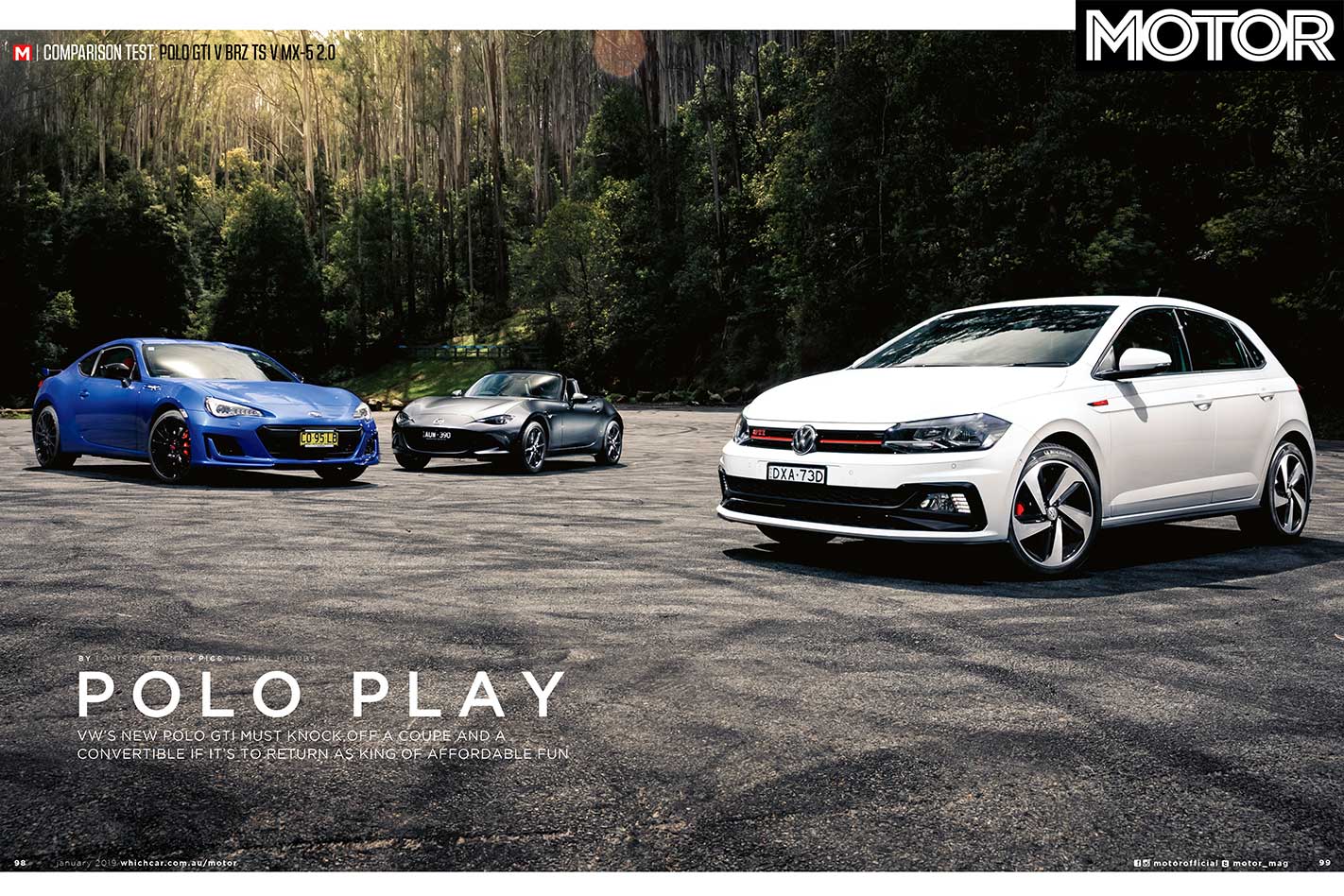
POLO PLAY – VW Polo GTI vs Subaru BRZ tS vs Mazda MX-5 2.0 VW’s new Polo GTI must knock off a coupe and a convertible if it’s to return as the king of affordable fun.
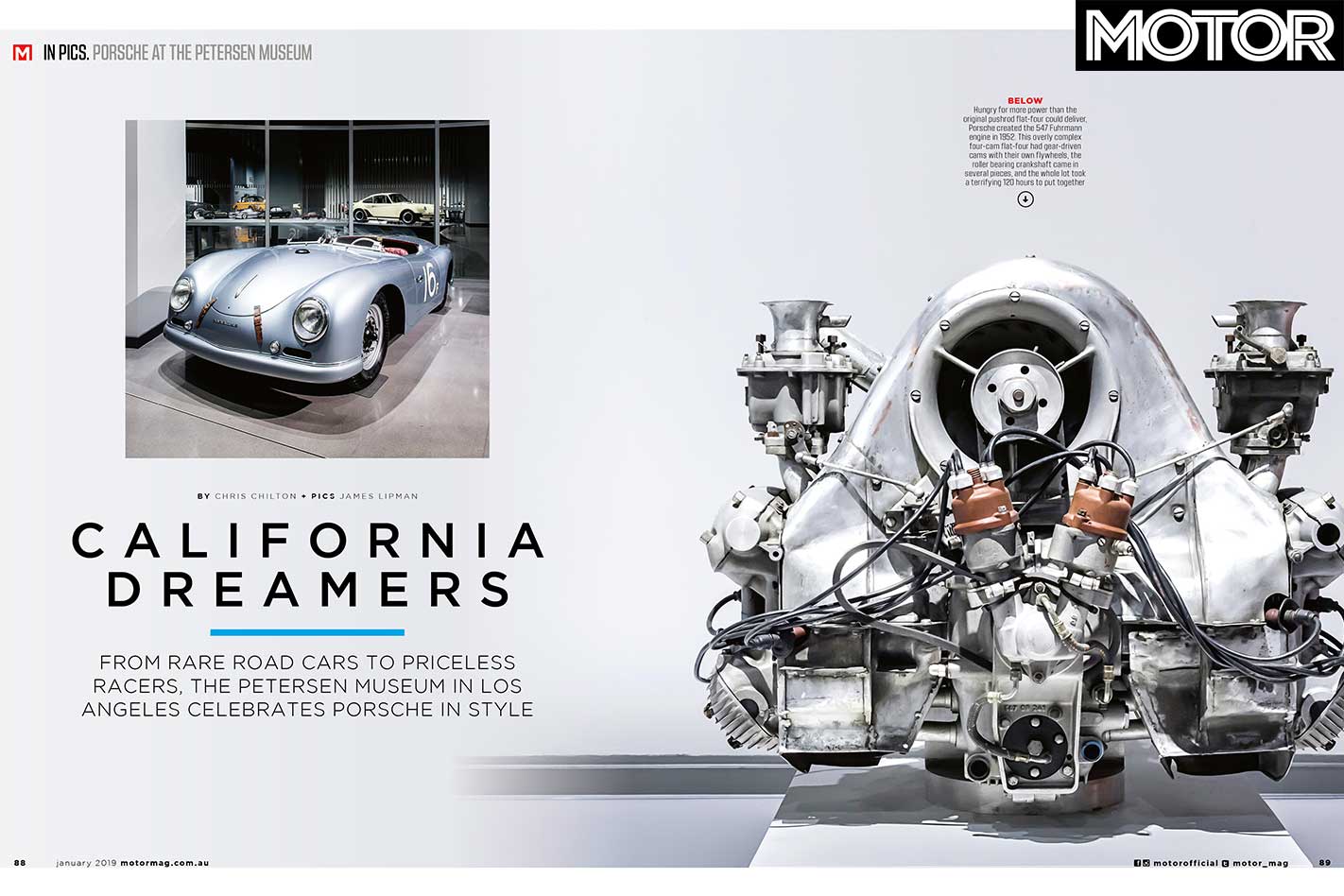
CALIFORNIA DREAMS – Porsche at the Petersen Museum From rare road cars to priceless racers, the Petersen Museum in LA celebrates Porsche in style.
AND THE USUALS – First Drives, MOTOR Garage, Cool Kit, New vs Used and more
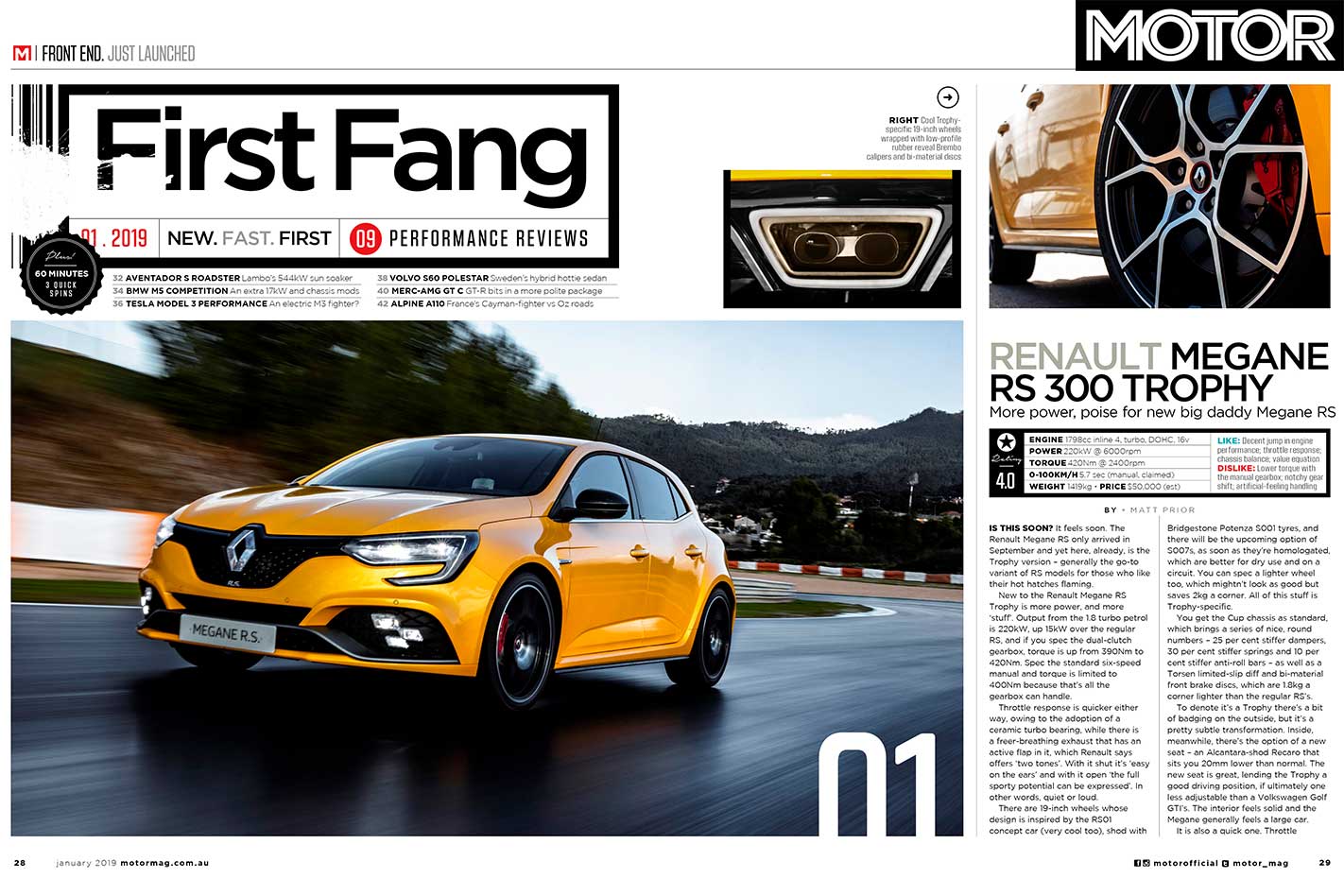
This month we’ve steered no less than nine other cars for our regular review section, including the new Mégane RS Trophy and the Aventador S Roadster (two Lambo V12s in one issue!).
We also check in on Newman’s i30 N, dive into what the WLTP means for new performance cars, and list the things we really wanted for Christmas.
Head out to the shops or pick up a subscription to get your copy – enjoy!
LIKE most things from Elon Musk, the news came out of the blue via a tweet.
“Starting on Monday, Tesla will no longer be taking orders for the 75 kWh version of the Model S & X. If you’d like that version, please order by Sunday night at Tesla.com,” Musk said.
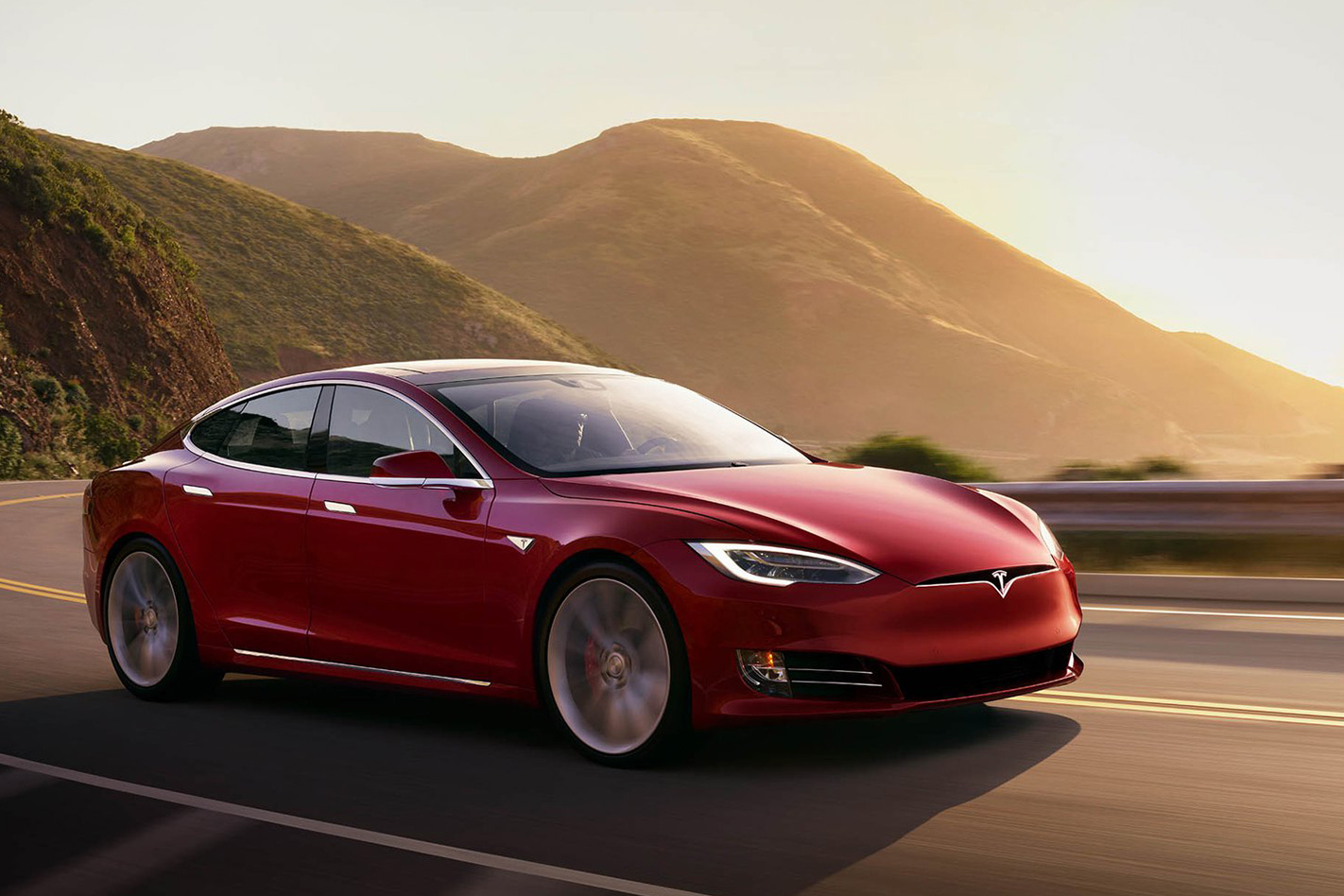
In lieu of any more official correspondence from Tesla, that’s all the detail we have.
In real terms, it means that unless Australian customers lob in an order on Saturday, the price for an entry level Model S, which now becomes the P100, jumped by $27,450 to $139,500, and the first rung on the Model X ladder rocketed by $23,900 to $142,900.
In the case of the Model S, that $27,450 buys you 66 additional kilowatts, which is pretty reasonable bang for your buck. Mercedes will charge you $35k to step up 65kW from an E300 coupe to an E400 version.
Of course, Tesla has history with culling the stragglers. Back in 2017, Tesla discontinued the previous base rear-wheel-drive 75 trim levels, and before that it axed the 60kWh entry-level cars.
It would appear that the company is buying headroom in the market for more profitable versions of its Model 3.
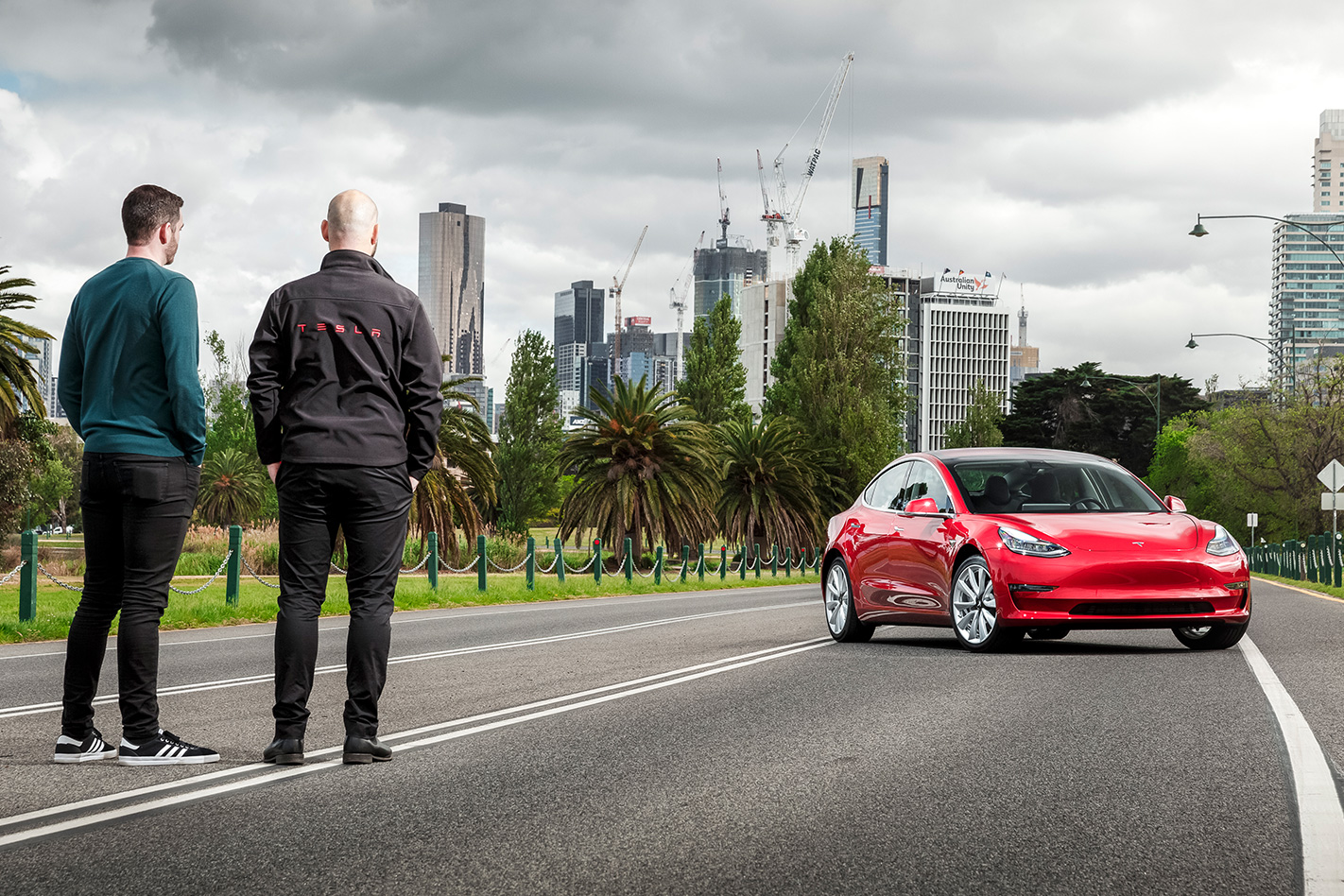
When fully fleshed out, the range in the US will sell for between $US35,000 and $US78,000 ($A47,598-$106,075), and while no Australian pricing has yet been announced, Musk stated in 2017 that Tesla will charge “$US price in $AUD plus import duties and sales tax”.
Therefore the more expensive dual motor models in the Model 3 range would have overlapped Models S 75D anyway.
Mini has released a special Millbrook Edition of its three-door hatchback model, which takes the high-performance mechanicals of the Mini Cooper John Cooper Works halo variant as its basis, and adds a host of luxury and styling extras for a more exclusive package.
And it sure will be exclusive. Available to order now, customers will be asked $57,275 for their own little Millbrook, which represents an extra $7375 over the cost of a standard JCW hatch. The Millbrook price includes a number of deal sweeteners starting with a sport automatic transmission with launch control – ordinarily a $2950 option – but interested parties will still need to be quick, given only 20 cars will be offered in Australia.
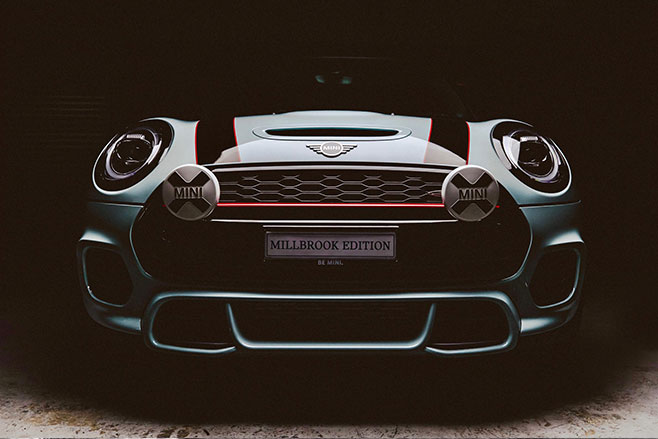
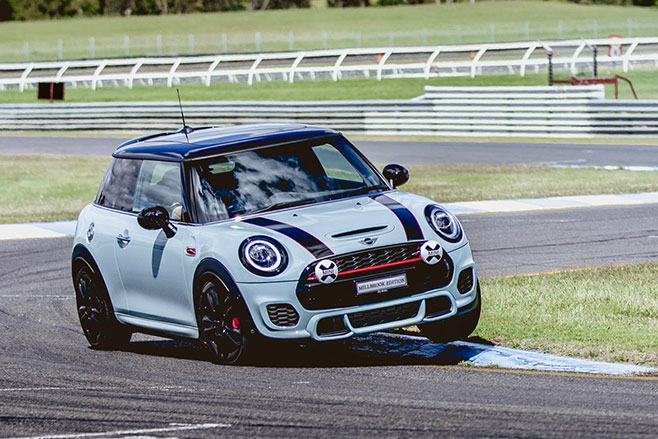
Beyond the gearbox, the Mini Millbrook gets 17-inch black wheels shod with a more pliable performance tyre rather than the more rigid run-flat rubber of the standard JCW.
The Millbrook Editions will stand out courtesy of their unique Ice Blue paint jobs complemented by black highlights including the bonnet stripes, mirror caps and roof. But perhaps the most recognisable and historic touch are the standard driving lamps with black-cross covers, which hark back to Mini’s early history in European rallying.
There’s also tinted window glass and a sunroof as standard – both normally cost options on the regular Mini John Cooper Works.
Embellishments continue on the inside with high-grade Lounge leather upholstery and heated front seats, while gloss ‘piano’ black cabin trims continue the exterior theme.
Beyond that, it’s familiar JCW fare. Power is courtesy of a 2.0-litre turbo four-cylinder petrol engine with 170kW and 320Nm, which is sent to the front wheels via the eight-speed auto transmission.
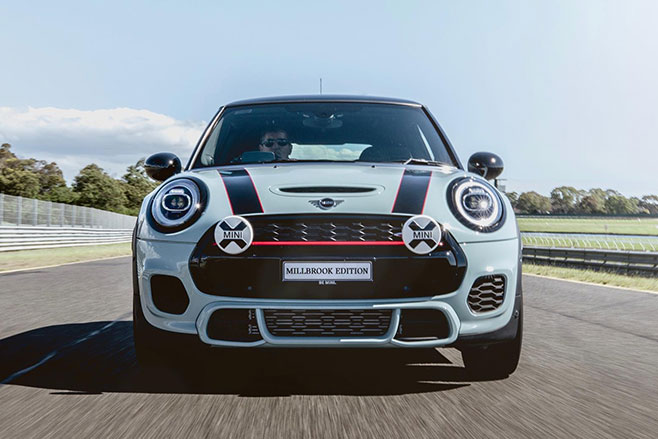
Performance figures are not detailed for the Millbrook Edition but are likely to be similar to the standard JCW, which does the zero to 100km/h dash in 6.1 seconds when fitted with an automatic transmission. No manual is on offer for the Millbrook.
A top-shelf Harman Kardon stereo with 12 speakers, 8.8-inch touchscreen with Apple CarPlay compatibility and digital radio are all included. As are Mini’s most premium ‘professional’ grade navigation, cordless device charging and adaptive suspension for altering the driving characteristics according to driving conditions.
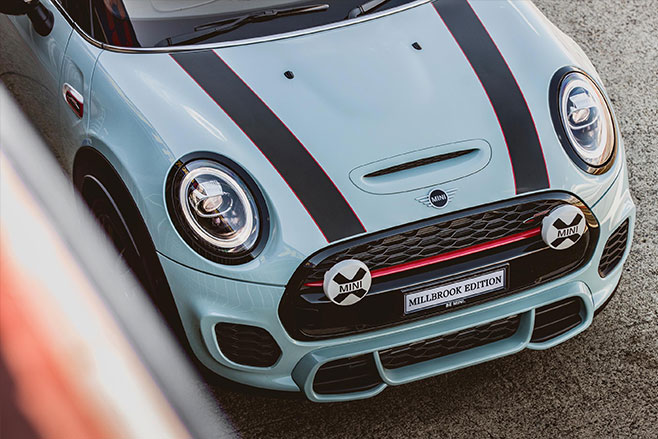
The British car maker makes no specific mention where the Millbrook takes its name, but we presume it’s a nod to the iconic proving ground in central England, where vehicles have been honed and perfected since 1970.
Other possibilities include the Victorian rural district of Millbrook near Geelong, which has little to no automotive heritage, or a luxury golfing resort on the south island of New Zealand which would appear to be an equally tenuous connection.
THE NURBURGRING production car lap record has become a joke.
Perhaps it always was. Even in 1996, when the Nissan Skyline GT-R’s sub-8 minute lap punted this metric into the broader public conscience, Dirk Schoysman’s car was some way removed from showroom specification.
Car manufacturers have been testing at the Green Hell a long time. According to Karl Ludwigsen in his book ‘Excellence Was Expected’, Porsche was timing its production cars at the ‘Ring way back in the 1950s.
At that time, ten minutes was a dementedly rapid mark for a street-legal car and only very focused models like the 550 Spyder could dip under that mark.
It took Nissan to understand the marketing capital in a Nurburgring laptime and the corrupting effect of filthy lucre has tainted the concept of a ‘definitive’ time ever since.
Jamal Hameedi, the former chief engineer of Ford’s Global Performance Vehicles who now works at Jaguar Land Rover’s SVO division, explained why the Blue Oval never timed the Mustang GT500 around the circuit.

“Ring times? Oh man, don’t even get me started on this topic,” Hameedi said.
“These times being posted by many manufacturers are, in my humble opinion, akin to qualifying times being set at a race with no pre or post inspection.
“In order for us to set an official time, corner weights would have to be taken, calibrations check sums need to be verified, engine power verified, a hoist inspection, and probably a fuel sample taken by an independent third party.”
“The reason we test at the Ring is because it is a fantastic venue for doing vehicle dynamics work,” he says.
4 Nürburgring record setters you can afford
“You get so much different content in terms of turns, elevation, etc that you would need to visit five different tracks to duplicate it.”
It’s just the lap times with which Ford has a problem. “Our view is that there is no such thing as an official manufacturer ‘Ring time.”
Hameedi reckons the comparisons between different performance cars “need to be done on the same day by a professional driver, too.”
Porsche’s GT boss Andreas Preuninger, a man whose department has turned out several cars that trumpet their prowess on a certain ribbon of Eifel bitumen, is unconvinced that Ring records result in better road cars.

“There are a lot of people who aren’t looking at the stopwatch when they’re on the track and they just want the interaction and they want a driver’s car,” he said.
“This is the reason why we left the route of being the quickest on the Nurburgring and only thinking about lap times. I don’t care that the competition is a little bit faster around the ‘Ring…to be honest with you, if you have a car with the perfect setup for the Nurburgring, it will be a dog on the street and everywhere else.”
Even if you can set a new mark, it’s often tinged with suspicion. Just ask Lamborghini, whose Huracan Performante video was attacked by online commentators as a fake.
Sant’Agata was forced to release the raw telemetry data days later to prove its innocence.
Even with hard data, there are so many variables a manufacturer has to contend with. Are the tyres legal and available for the car, were they shaved down to remove tread, does it use a roll cage, is the back seat removed, is it one standard springs and dampers, is the engine boosting harder than usual? Without any kind of independent oversight, there’s no way to tell. And that’s why Nurburgring records are the stuff of nonsense.
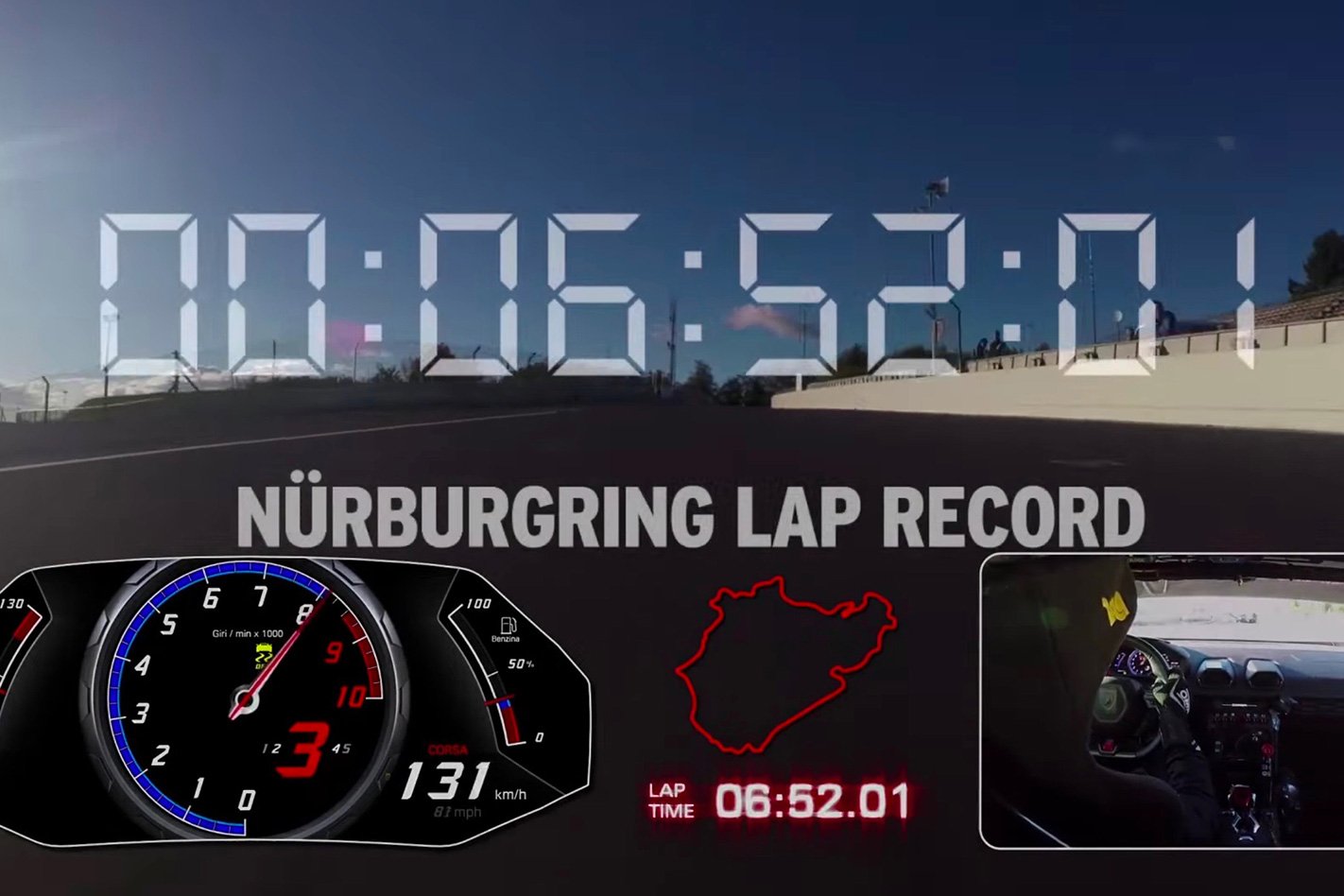
The Nurburgring is a brilliant place for sensible vehicle development. It’s a road, with a crown, cambers and variable surfacing/elevation. As such those who claim that the Nurburgring, in and of itself, is ruining road cars are making a strange point.
Nurburgring lap record beefs and controversies: A brief history
They’re arguing, in effect, that a road ruins road cars. Ill-advised marketing and chasing a setup for the sort of driving that none of us will likely ever do ruins road cars. It’s time for the data loggers to be retired before a test driver is killed at the Green Hell trying to generate fictional bragging rights.
Perhaps the answer is either an independent overseeing body – and German magazine Sport Auto would probably already claim to be it – or more transparency around Nurburgring record attempts.
As it stands, there’s a lot of risk for ever decreasing rewards. Punters have wised up and aren’t buying it any longer. We’d relish a manufacturer to really come clean about the full nuts and bolts behind a Ring lap but we’re not optimistic on that particular score.
HAVE YOUR SAY BELOW: Have Nurburgring lap records become a joke?
