
MAZDA is a company that doesn’t think in straight lines. That much is evident with the unveiling of the Mazda 3 at this year’s Los Angeles motor show. Now that the dust has settled post-reveal, it’s as good a time as any to take stock and draw together all those disparate threads into one place to figure out what Australia will get when the 3 arrives here in mid-2019.
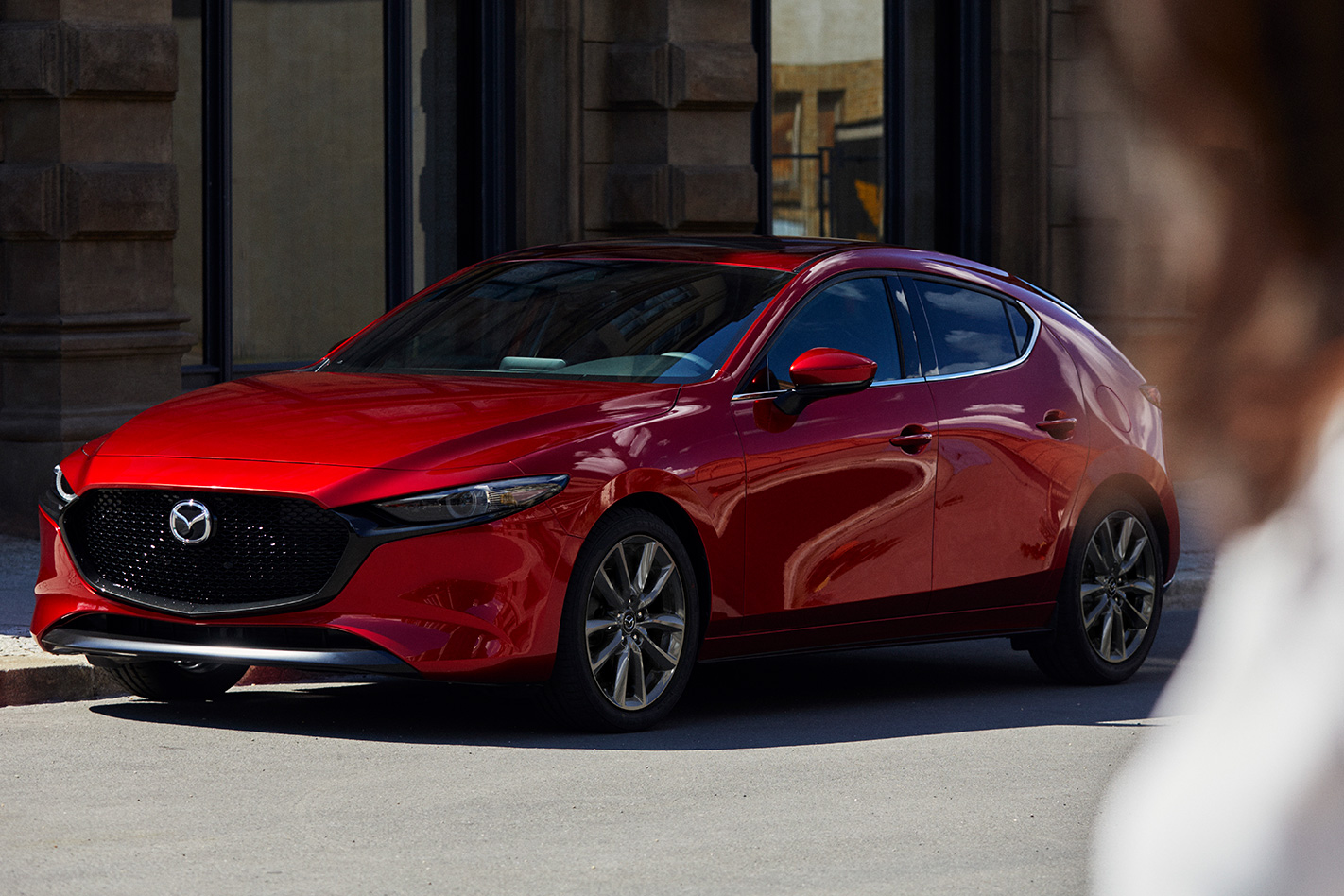
The 3 can’t come a moment too soon for Mazda Australia. The company is expecting to post its worst full year sales figures here since 2014, with MD Vinesh Bhindi expecting around 112,000 sales. He blames an industry-wide contraction for the slackening of orders, but supply issues in Japan also contributed to the fact that the nation’s second favourite car brand drops 3.8 percent against an industry average sales slump of 1.9 percent. Part of that will also be due to the fact that this generation Mazda 3, one of its most popular models, is now over five years old. That changes with the bold new shape of the fourth generation model, styled by Yasutake Tsuchida.
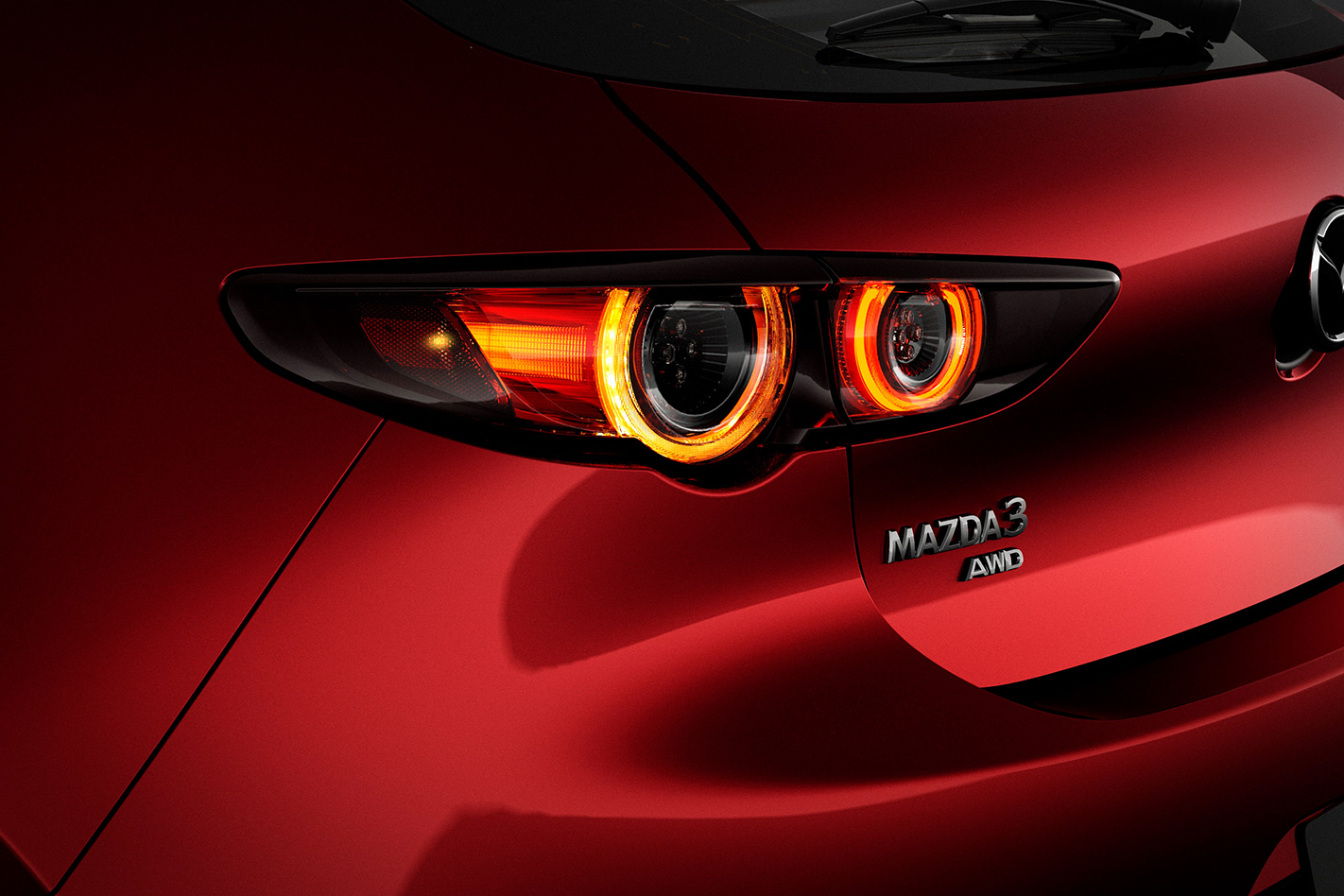
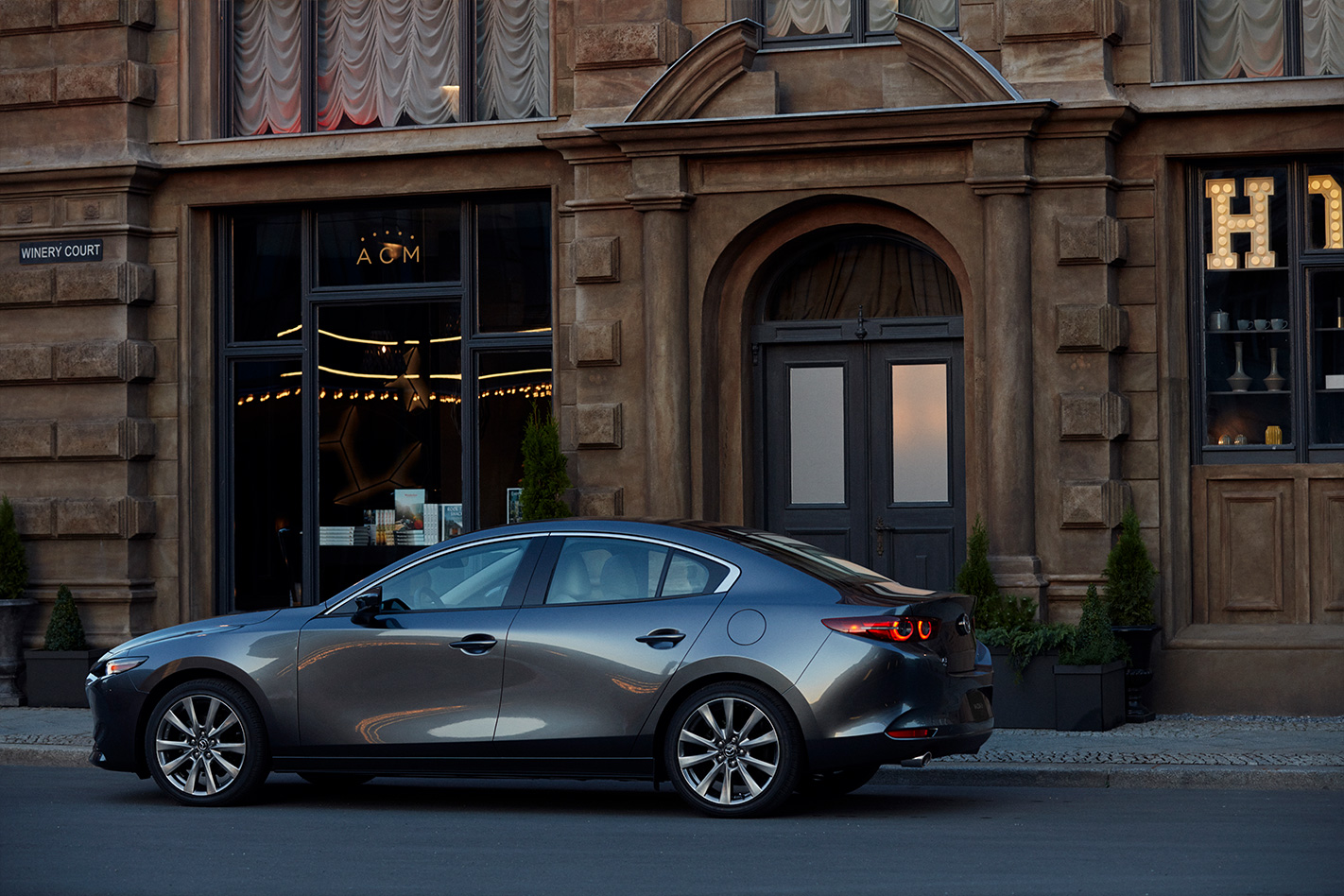
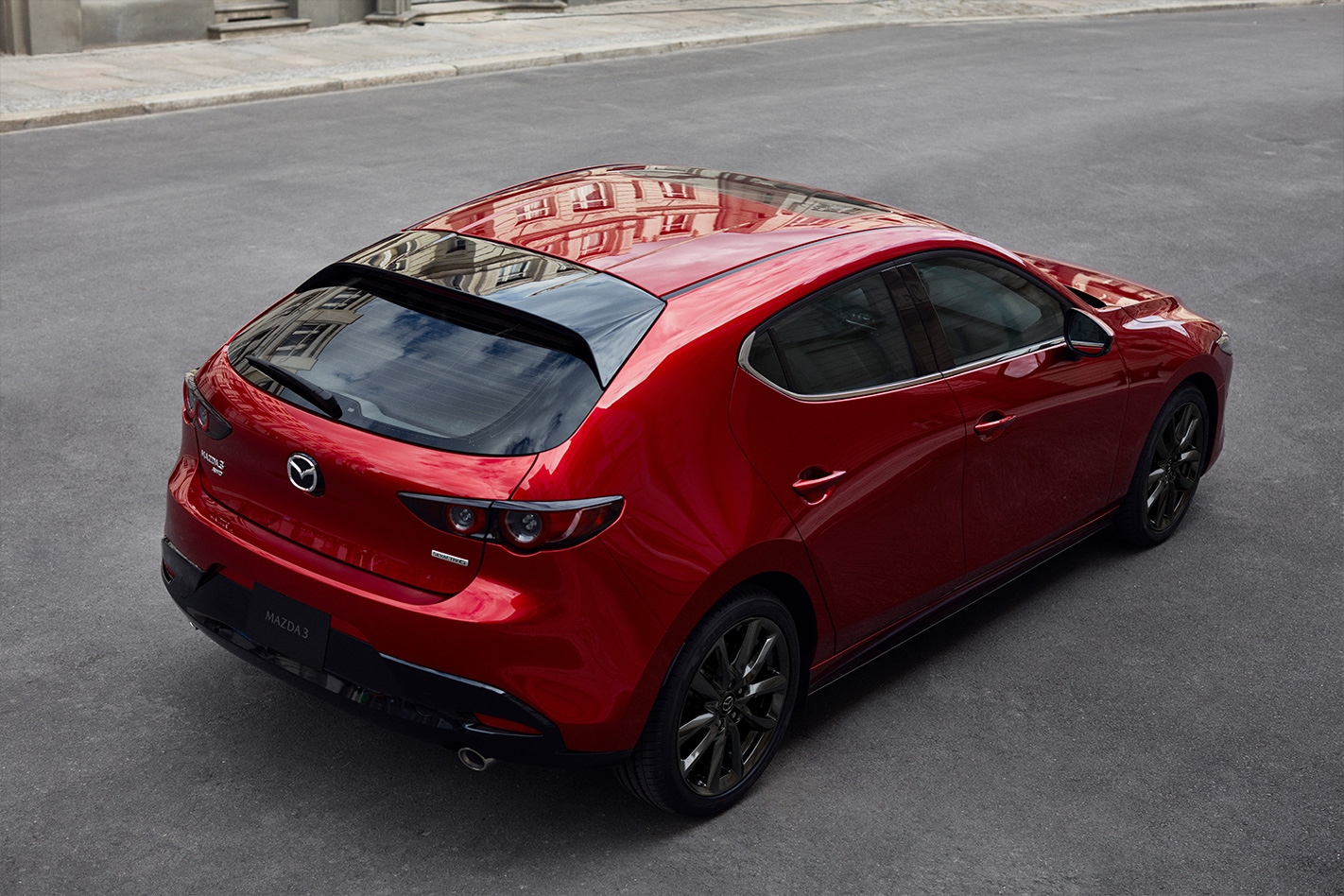
Both hatch and sedan variants are incoming, both wearing Kodo design language inspired sheetmetal, but they’ll differ quite markedly in their basic dimensions. With only windscreen and bonnet shared between the two body styles, the hatchback is now slightly longer, narrower and taller than before, whereas the sedan is significantly longer, having grown by more than 80mm. A 25mm stretch in wheelbase is integrated between the rear seats and the rear axle line, which means that rear seat packaging will be much the same as before but luggage space increases.
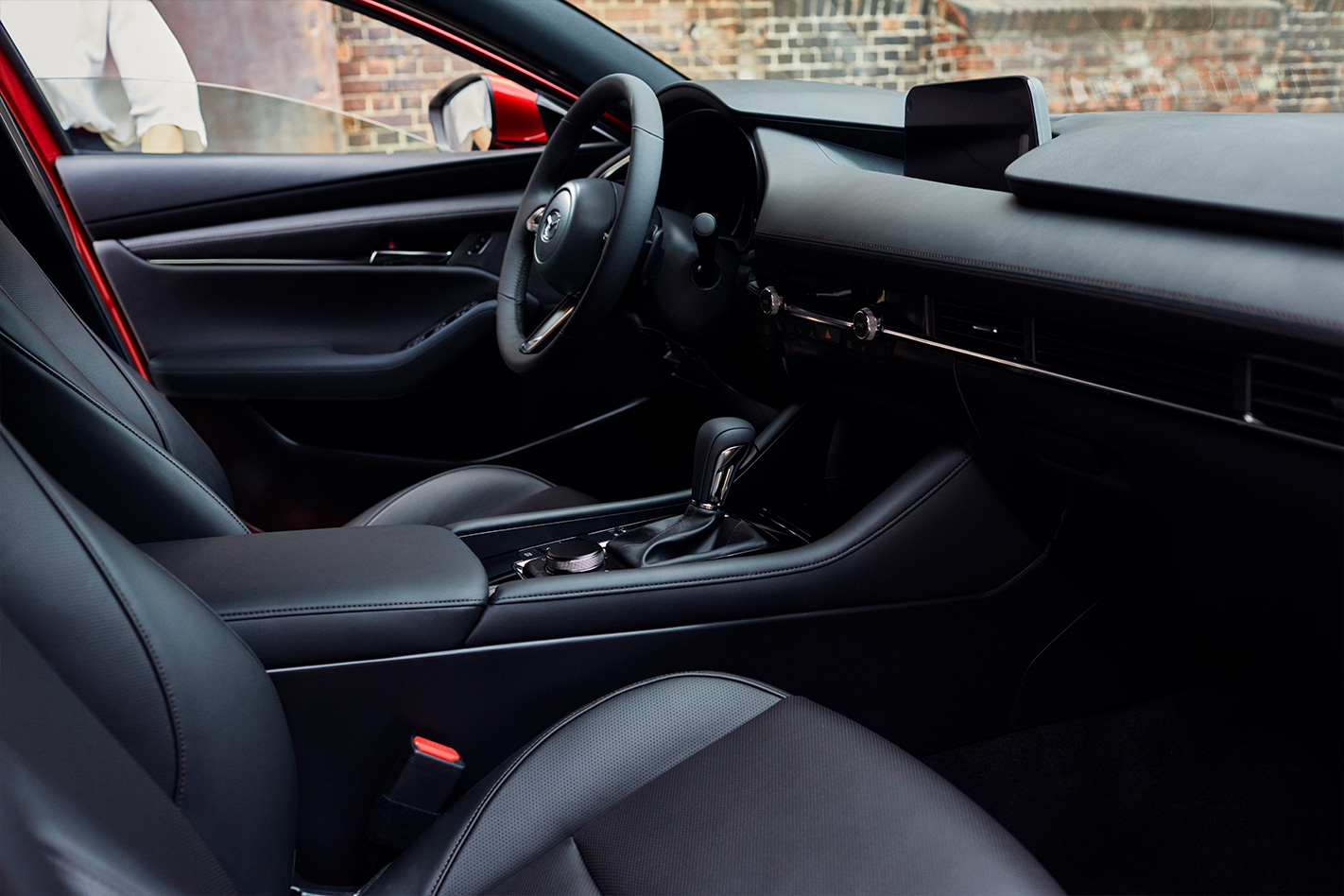
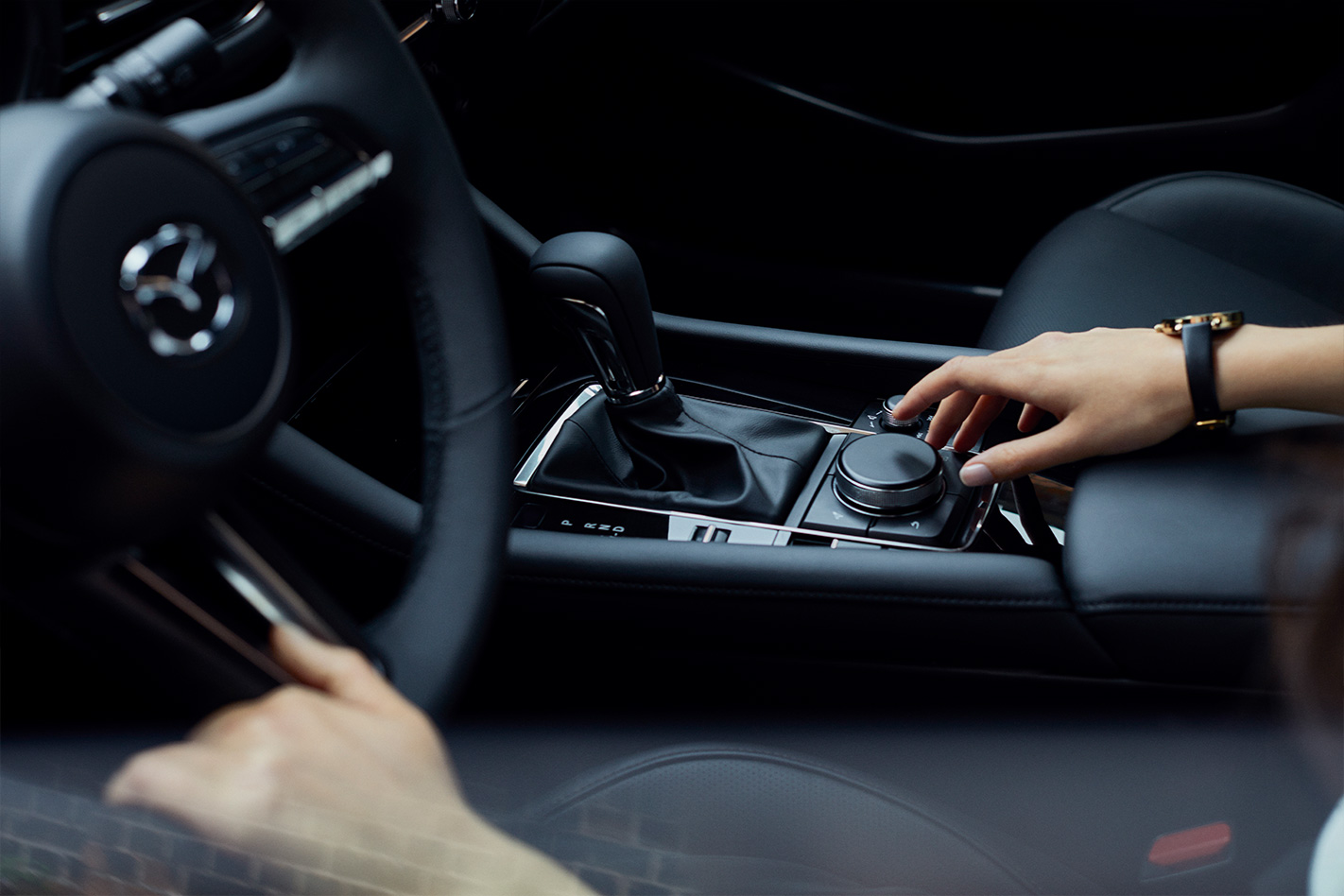
The cabin has also been tidied quite significantly, with every element angled to face the driver’s seat. A long horizontal plane across the dashboard incorporates climate controls for a clean, minimalist appearance. New materials and colours have been added for this generation to widen its appeal.
Mazda has already gone on record stating that there will be no MPS flagship sports version of this generation 3, but the launch offering will comprise at least five Skyactiv engines are engineered to fit within the fourth-gen Mazda 3 so far, including three conventional Skyactiv-G petrol engines (1.5-, 2.0- and 2.5-litre four-cylinders), a 1.8-litre Skyactiv-D diesel, and a single 2.0-litre Skyactiv-X unit for the range-topper.
By most accepted measures, the internal combustion engine is a dead man walking. Legislation appears almost every week from one country or another putting an end date to sales of ICE engines.Investing in a technology with such an explicit sell-by date seems foolhardy at best but Mazda is playing a long game. Its latest Skyactiv-X petrol engine delivers something that many manufacturers have poured huge R&D funds into but have never been able to master – compression ignition.
Squashing a fuel/air mixture until it spontaneously combusts has, until now, been the preserve of diesel engines. Mazda had been trying for quite some time to develop a ‘true’ HCCI powerplant, but it too was defeated by the technical challenges. Rather than try to pursue a technical challenge it perceived as impossible, Mazda instead took a new tack. Reintroducing spark plugs would at first appear to be a capitulation in the quest for sparkless ignition, but the Hiroshima company’s masterstroke was to use the spark plugs as a control mechanism in the combustion process.
In order for any of this to work, a radical approach to fuelling was first required. The SkyActiv-X engine has a hefty Rootes-type supercharger bolted to its front end and its job is to throw huge quantities of air into the combustion chamber. Normally, this is matched by a commensurately stiff measure of fuel, thus developing plenty of power, but Mazda realised that in order for compression ignition to occur, the fuel/air mix had to be incredibly lean.
Try to ignite fuel at an ultra-lean ratio and the flame inside the combustion chamber won’t propagate very far and the engine would develop a wholly feeble power output. The genius of the SkyActiv-X powerplant is that it uses that small fireball as a sort of secondary piston, effectively raising pressure in the rest of the chamber such that compression ignition can occur. The calibration required to control this process is dizzyingly complex, Mazda wheeling out a series of charts demonstrating at which points in the rev range ‘true’ compression ignition was occurring and where more traditional spark ignition was doing much of the heavy lifting.
We drove prototypes of this engine. It doesn’t sound clattery like a diesel and it makes decent power and torque, some 142kW and 230Nm, with Mazda promising the performance of a 2.0-litre MX-5 with the economy of a 1.5-litre Mazda 2 diesel. Driven with a fairly light right foot, I managed 5.3L/100km on an 86km test route. That’s remarkable for an engine with that power output. Couple that tech with a mild hybrid system and it’d make a rapid hatch, if not a fire-breathing hot hatch in the mould of the old MPS.
One thing that Aussies may not be treated to is a Mazda’s i-Activ AWD system, which works in conjunction with G-Vectoring Plus (GVC Plus) to control torque distribution for more efficient and responsive progress. Cold weather markets are set to be Mazda’s priority for that chassis tech.
Mazda often prioritises lightness in its vehicles to benefit fuel economy, emissions, agility and performance, but the downside of making a car light is that it often makes it noisy. The old Mazda 3 was a little more sibilant than many of its rivals, especially when the engines were extended, and this had a marked effect on perceived quality. New methods of sound absorption and dampening promise ‘high-quality quietness’ without increased vehicle weight. The Audi A3 and Mercedes-Benz A-Class were said to be the NVH benchmarks for the program, which Mazda is confident they’ve been able to meet.
The only issue that causes some concern is the ditching of the old model’s multi-link suspension in favour of a cheaper and more rudimentary torsion beam setup in the front-wheel drive variants headed Down Under. Refinement is the cited reason, though the added space ahead of the rear axle build space for a hybrid battery pack, effectively future-proofing the platform. Whether Mazda has managed to maintain the 3’s dynamic capability with a torsion beam remains to be seen, though Peugeot and Renault – amongst others – have demonstrated that a well-tuned torsion beam is no impediment to great handling.
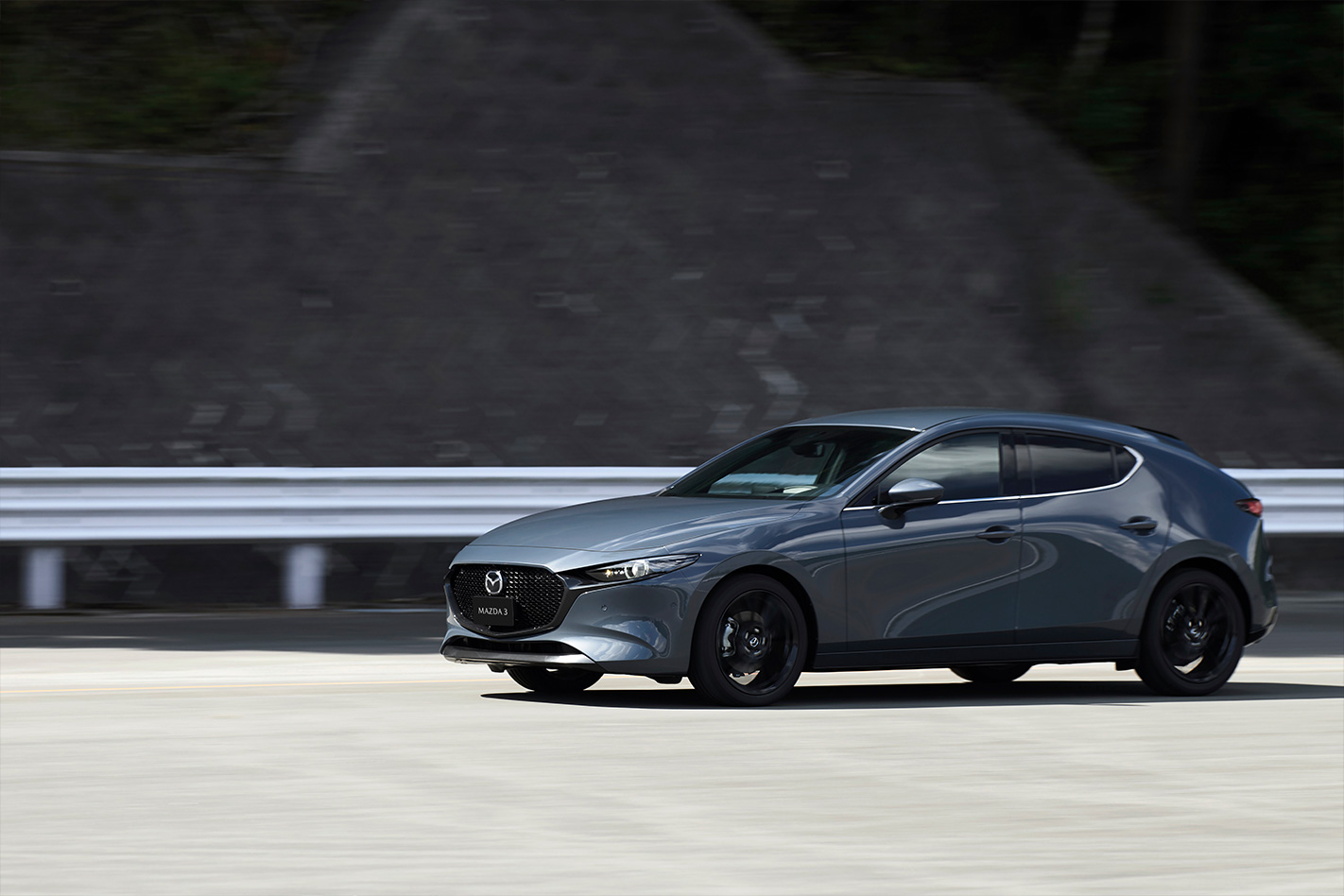
Our market will receive both the hatch and sedan body styles, though specifics of the local model range are yet to be revealed by Mazda Australia. Further details will begin to roll out closer to its arrival, which is slated for the end of Q2, 2019.
Gymkhana Ten is finally here, and it’s proven worth the wait.
Ken Block’s latest tyre-frying escapade is a 19 minute, five car, five location production that should have fans glued to the screen and tyres fleeing in fear.
It begins in Luleå, Sweden, with Block flicking snow in his 2018 Ford Fiesta WRC. A special guest even appears relatively early on in the form of 17-year-old Oliver Solberg, son of Petter, and rally driver in his own right.
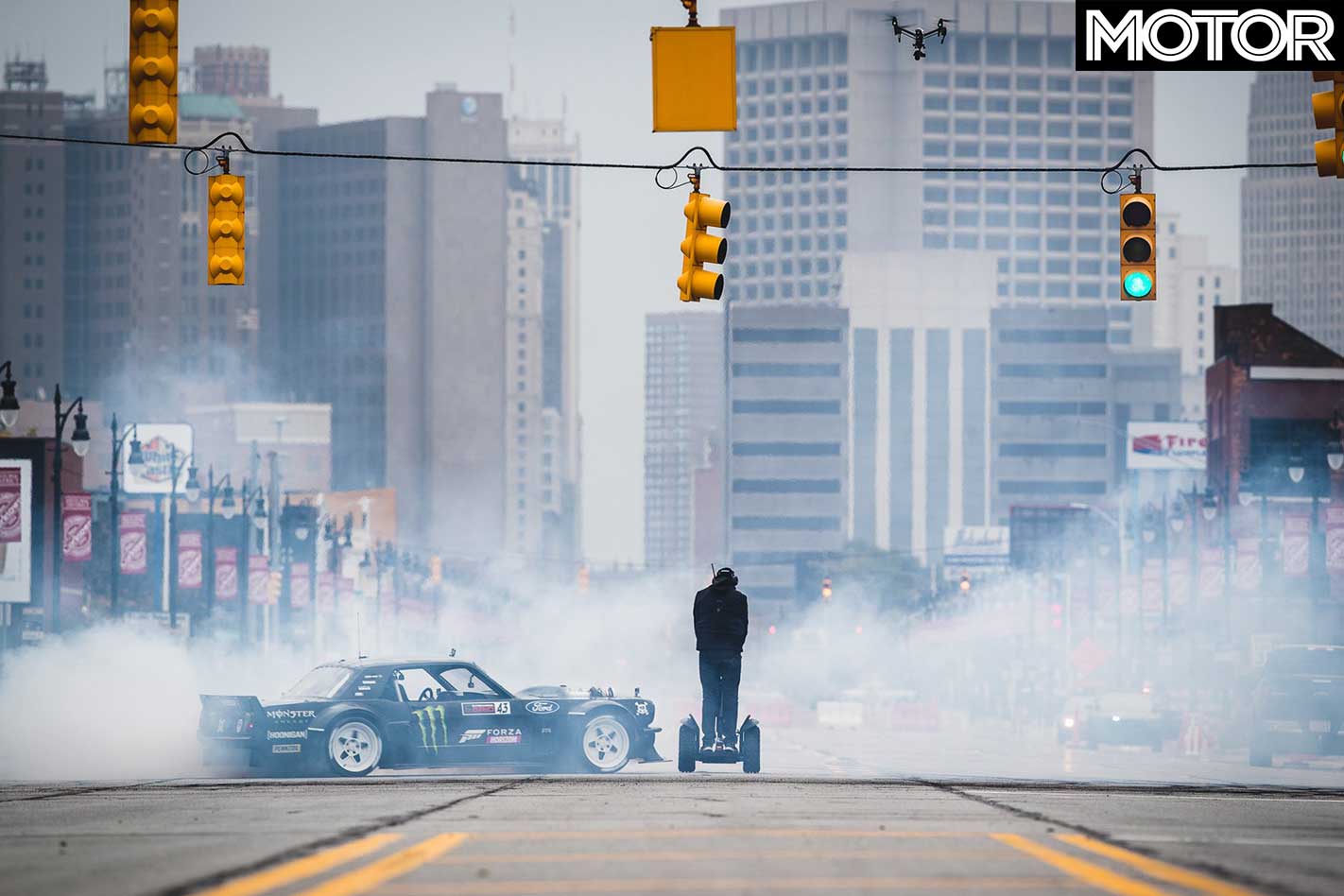
A mid-tunnel cut teleports us to North America where the rest of Gymkhana Ten takes place, with Detroit first up on the list. Here, block pilots his ‘65 Mustang Hoonicorn V2 through closed streets.
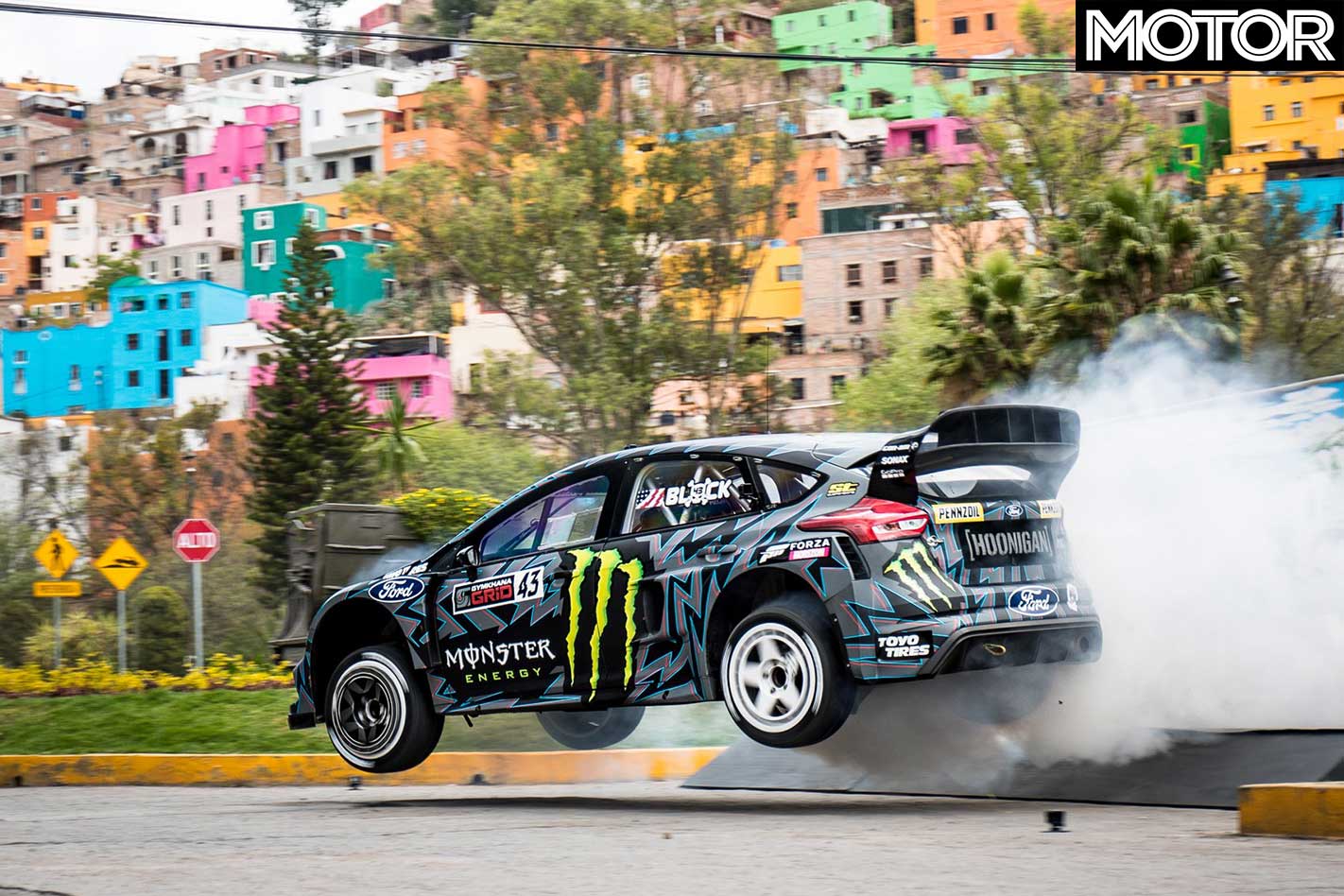
Next, Block heads south of the border to Guanajuato, Mexico in his 2017 Ford Focus RS RX rallycross racer, giving some piñatas something to think about along the way.
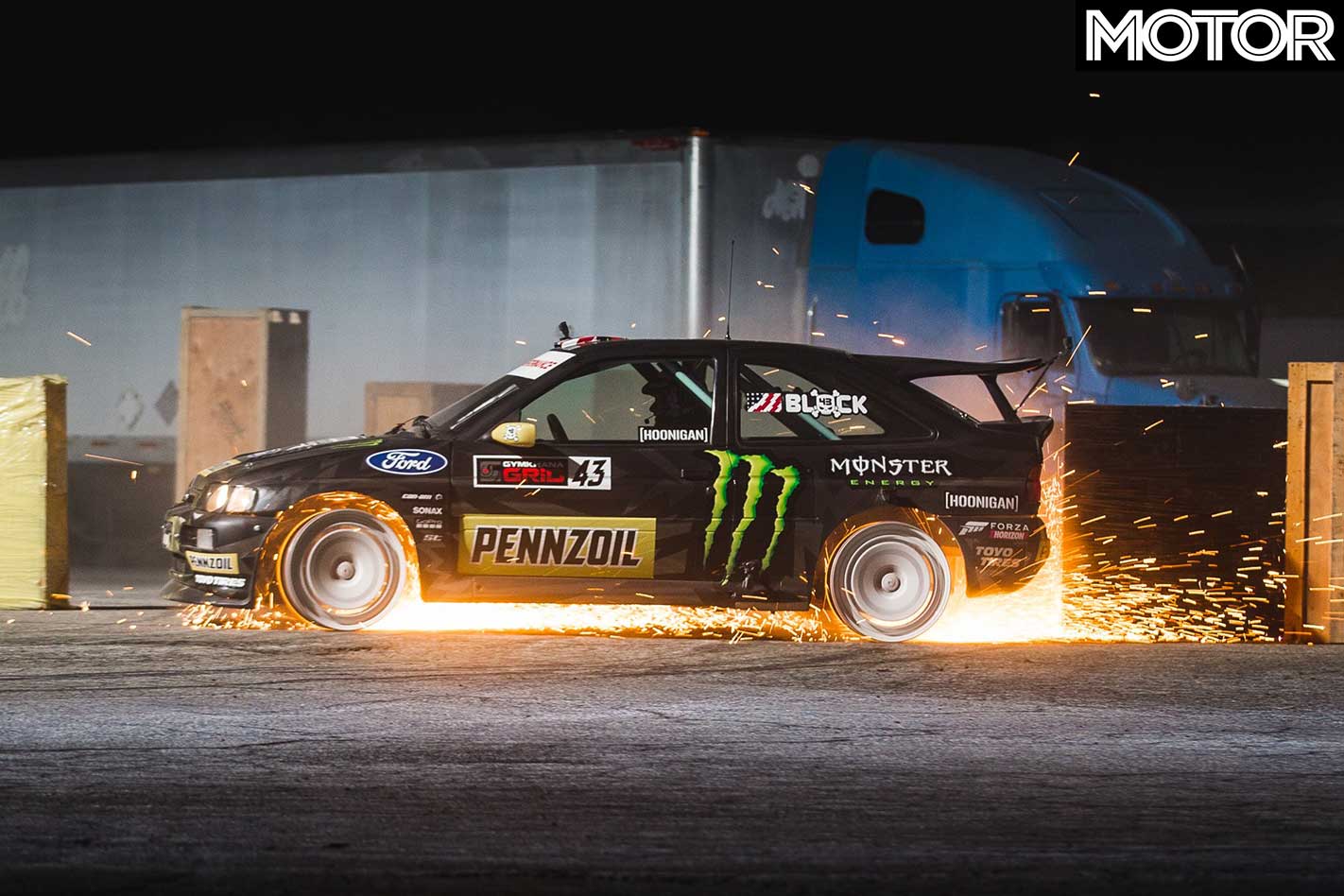
His 1991 Escort Cosworth Group A comes into play when we’re brought to LA, watching Block grind sparks up from the floors of empty warehouses.
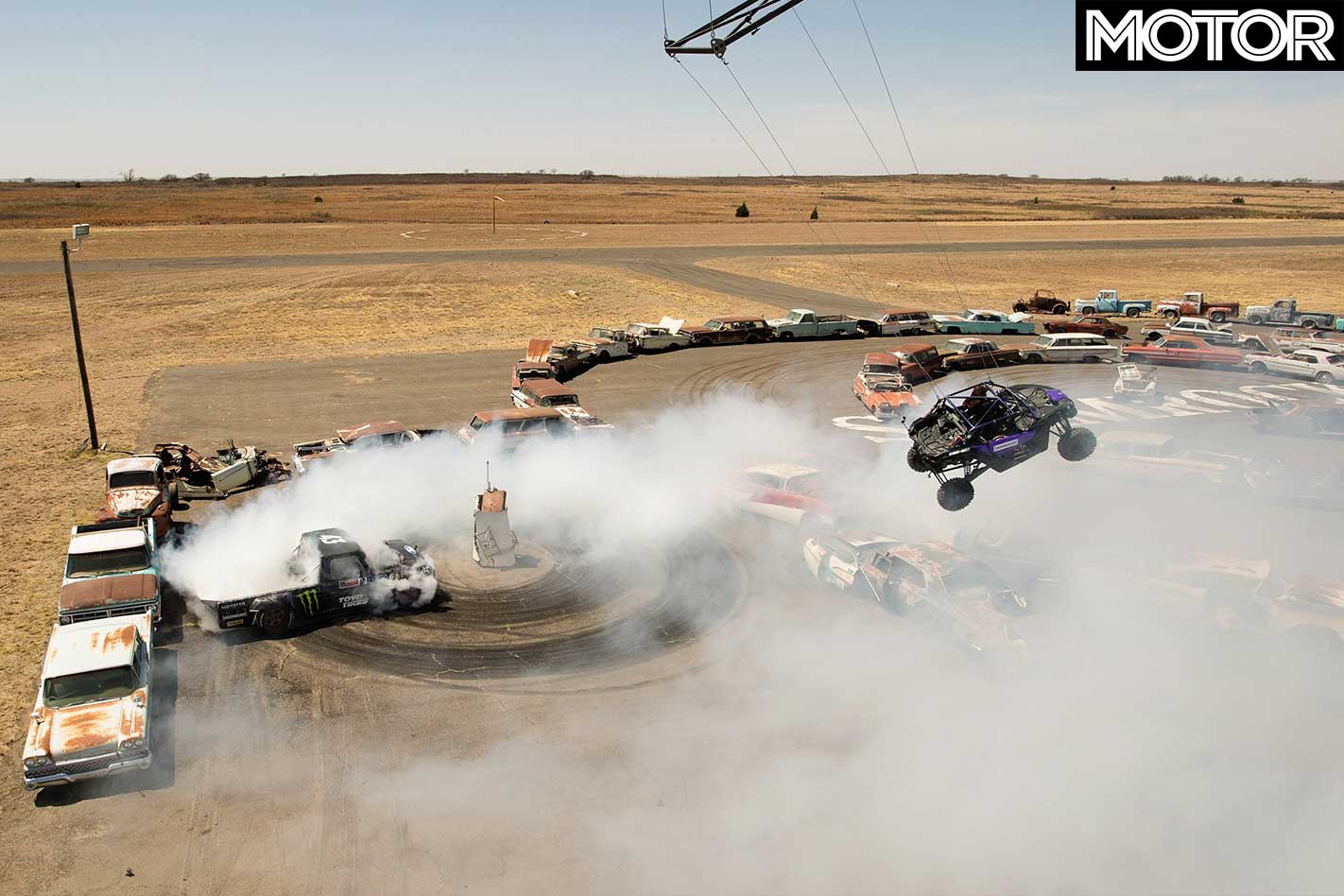
Finally, along Route 66 in Shamrock, Texas, we’re introduced to the new Ford F-150 Hoonitruck, block’s latest mental creation.
“I can’t believe it has been ten years of making these Gymkhana videos,” says Block.
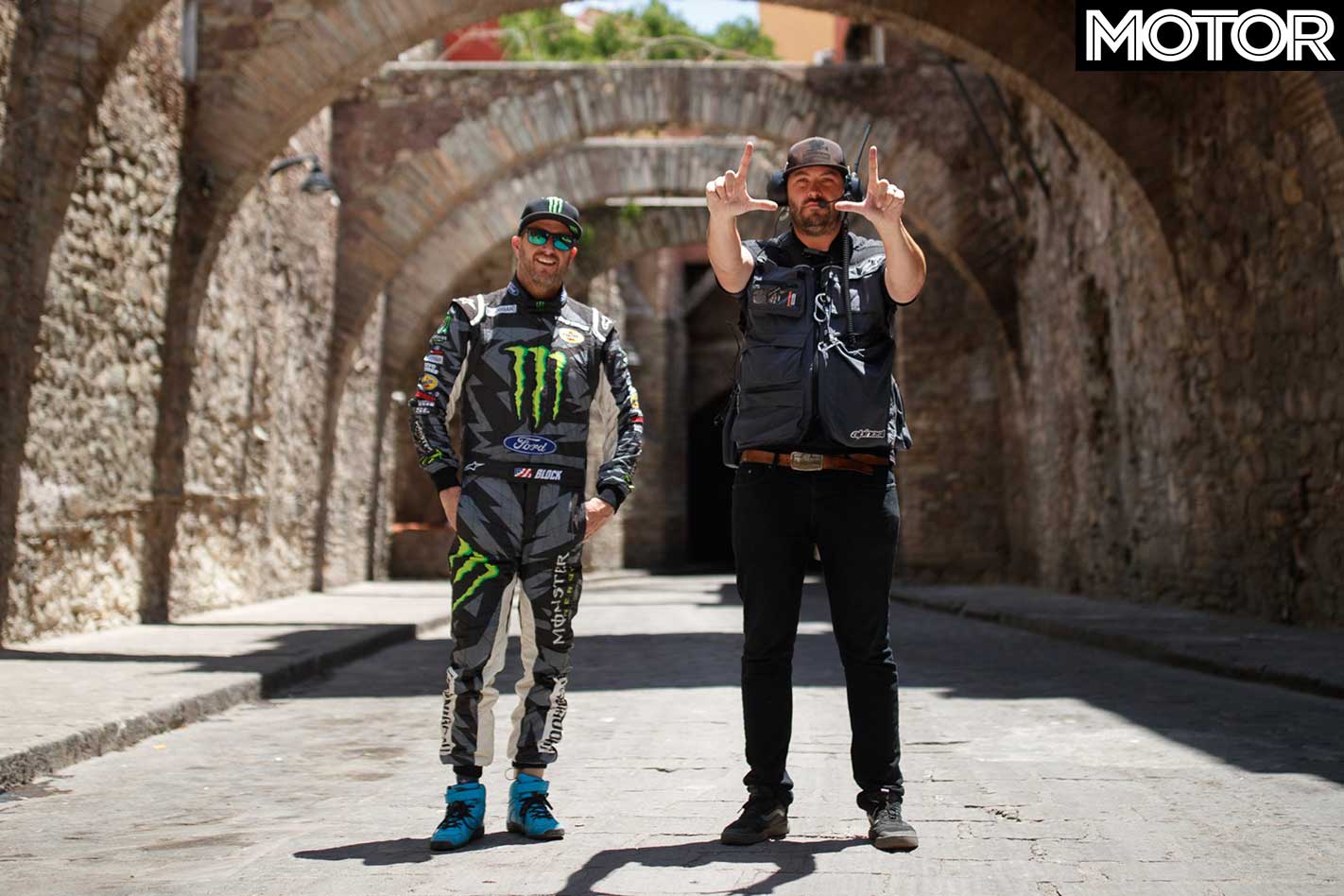
“That’s wild! So, for number ten, we tried to make it the biggest and best. It was two years in the making — from initial ideation to the launch in The Gymkhana Files on Amazon Prime.
“It’s insane the effort that went into this one, and I couldn’t be happier with the end result.”
“It was rad making The Gymkhana Files and featuring the Gymkhana TEN there for the first time—but, I’m also really happy that we’re now able to make it publically available on YouTube to everyone worldwide that may not have Amazon Prime.
“I think viewers across the globe are going to be stoked when they see all of the tire slaying action we’ve jammed into this one.”
“Also, I’d like to take a moment to thank all of my partners on this project, it has been a massive undertaking and I couldn’t have done it without Ford, Forza, Toyo Tires, Pennzoil, Monster Energy, Can-Am and of course my team at Hoonigan. Thank you, everyone!”
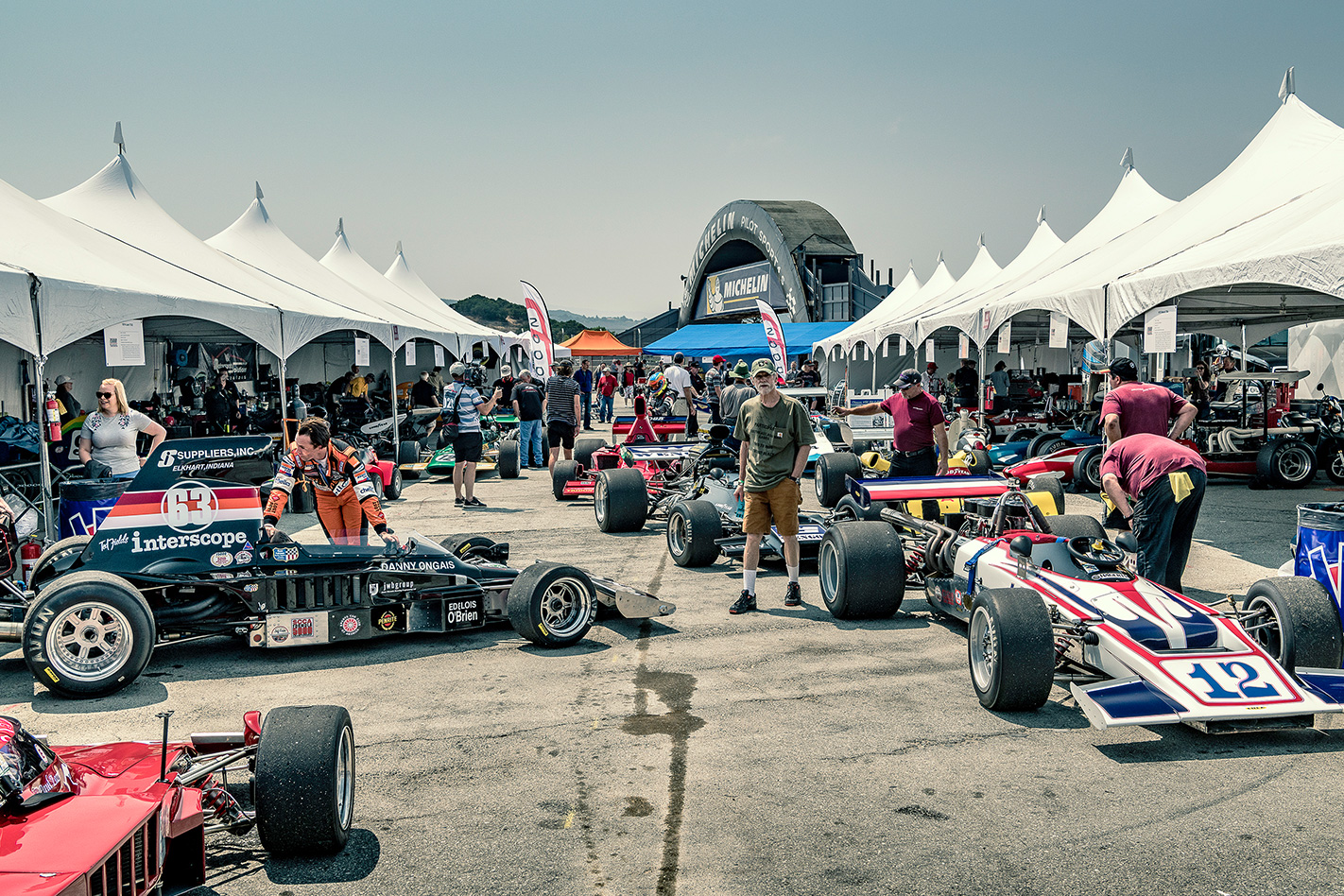
THERE is nowhere like Laguna Seca. First, you are in California. A pile of contradictions: desert and verdant, rich and poor, large and empty or small and crowded, depending on where you look. Laguna itself lives in a dry lake atop a scrub-covered mountain, perched in the hills of Monterey county, 190km south of San Francisco. On a clear day, the place feels like a sandy snow globe, the ocean shimmering in the distance.
And in the middle, there is tarmac.
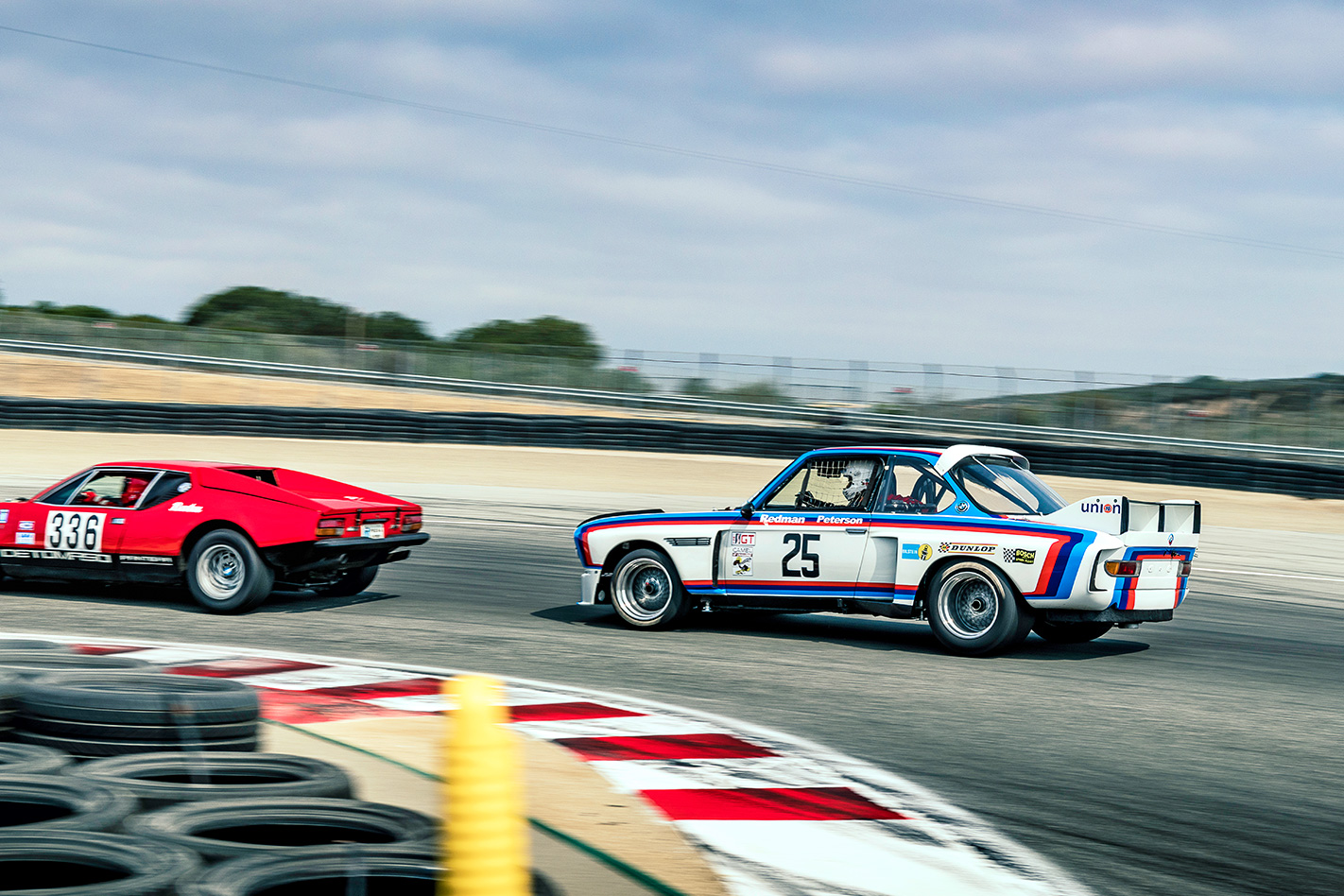
Laguna is a microcosm of California’s variance: alternately fast and slow, pretty and ugly, forgiving and not. So naturally, when I go there to race a 320kW 1975 Group 4 BMW 3.0 CSL works car, at the 2018 running of the Monterey Rolex Motorsports Reunion, America’s most prestigious historic race weekend, a team miscommunication sees me gridded on fresh front slicks but rear tyres nearly dead.
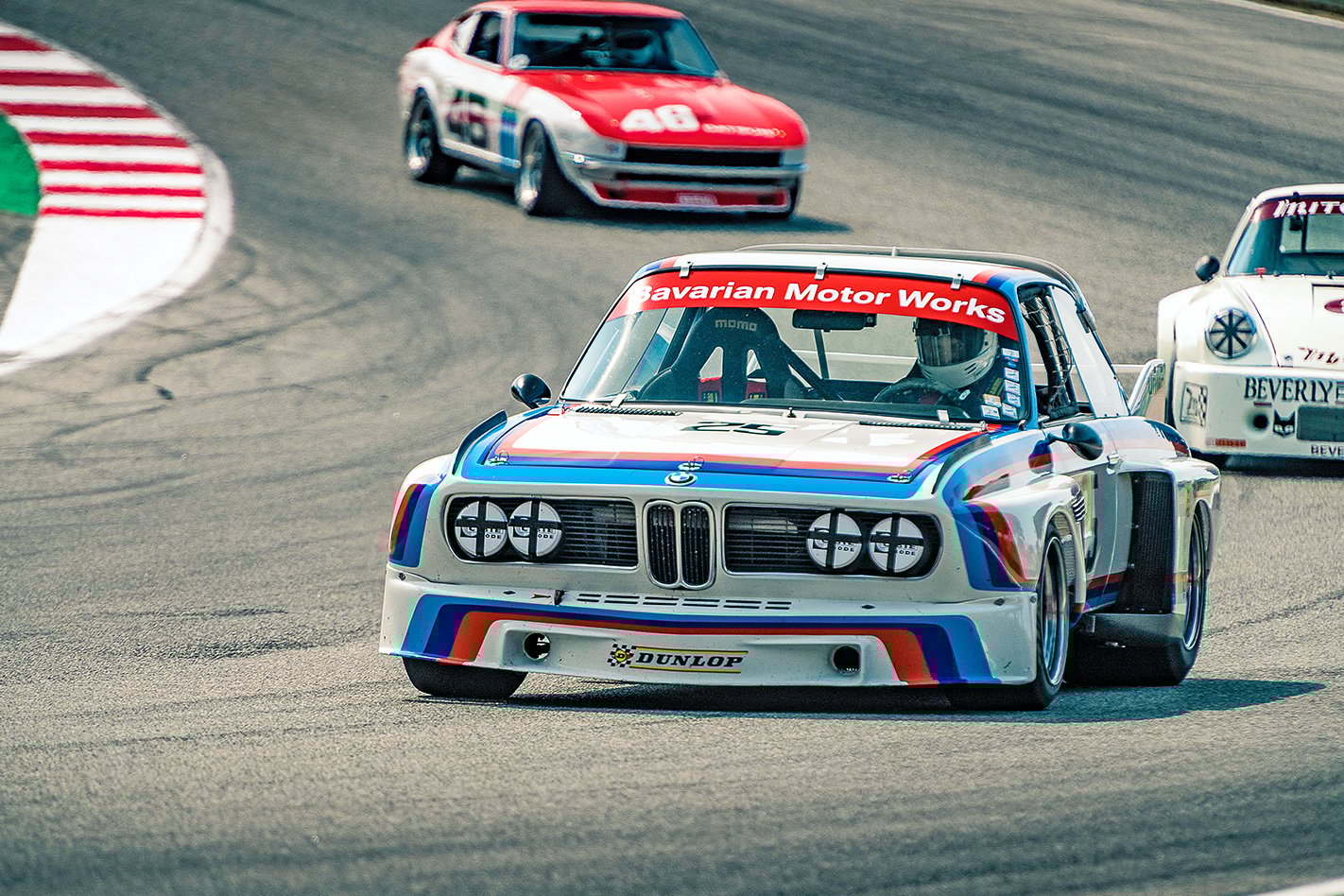
More duality: you’d think this would be terrible. It is not.
The CSL is owned by BMW of North America. The Reunion is part exhibition, a BMW employee tells me. Be safe, he says, and mind the car’s value, but if you can, put on a show.
So I sit on the false grid before qualifying and look around the cockpit. Long wheelbase, miles of belt-line, seat mounted so high I can see the next county. A lap of feel-out shows the car to be friendly, so I drive it for sideshow grins. Bags of throttle, tidy hands, early corners and long, slidey apexes. It’s dramatic and glorious and loud as a bomb, opera on the hoof. I figure lap times will be large and embarrassing, but the car is absurdly forgiving, and CSLs look great in a slide, and I’m not taking even a hint of a risk with it, so hey, I think, why not?
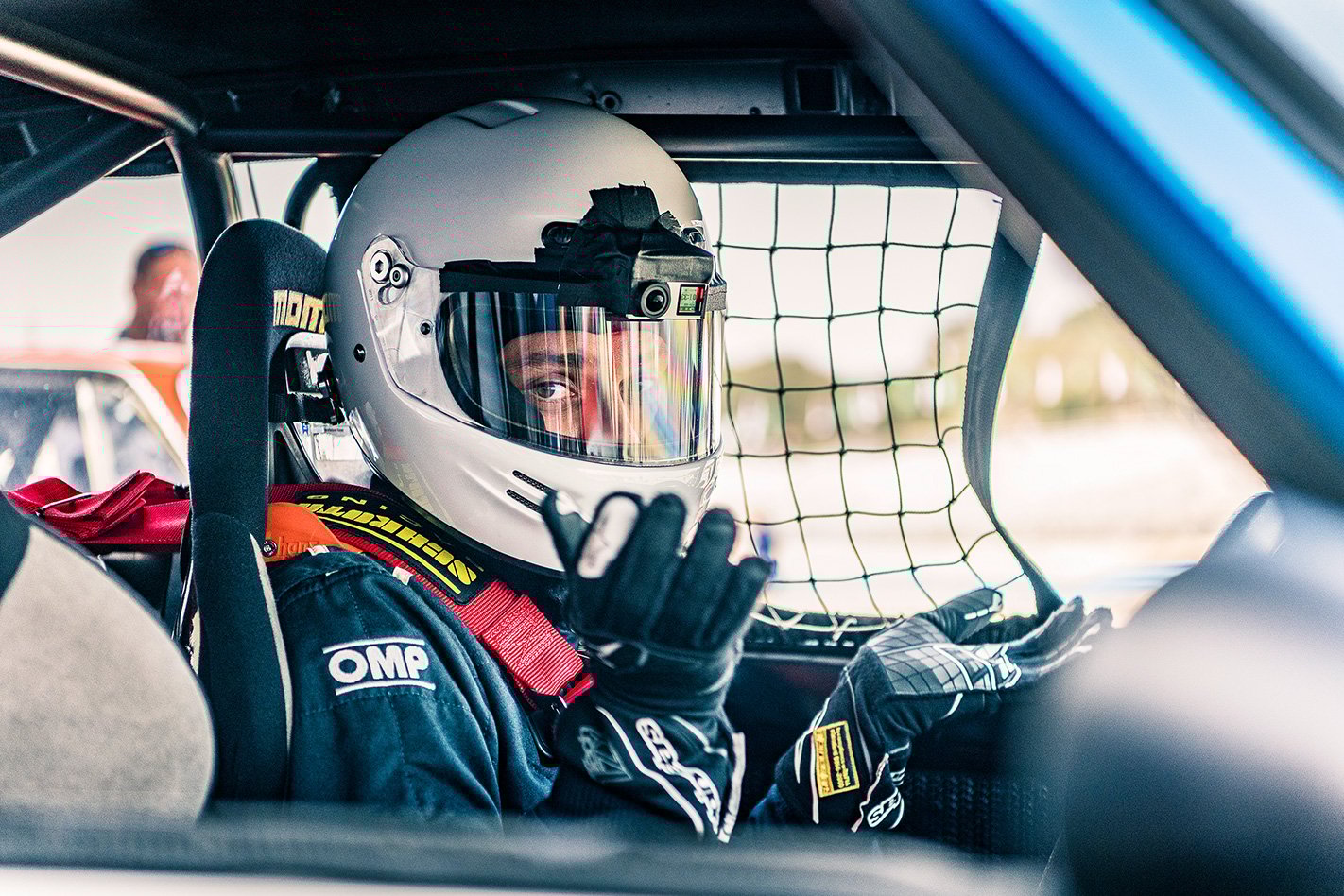
Thirty minutes later, someone hands me the times. The BMW is gridded sixth overall. Fastest of the non-turbo cars in the Reunion’s 50-car IMSA race group, behind four 935s and a Dekon Monza. It turns out that a Group 4 CSL doesn’t really mind losing rear grip, because you can’t miss what you didn’t have much of to begin with. CSL tubs, noticeably flexy, were built by Karmann, a company whose ’70s attention to detail mirrored that of a herd of cats. The springs seem to have been borrowed from a particularly chipper mattress. Goofy fun, glacially slow steering, chassis a bit compromised but not so much as to get in the way, plus a bonkers engine; old BMW writ large.
Which fits. The 1972-’75 3.0 CSL was the first machine to be developed under BMW’s Motorsport GmbH M subsidiary. The name stood for Coupe Sport Leicht and signified a lightweight, aluminium-lidded version of the 1968-1975 CS (E9) coupe. Spec varied with option, market and year, but in peak form the cars got reduced trim and plexi windows, around 200kg of diet under a regular 3.0 CS, and a homologation package that included a roof spoiler and a sweeping, buttressed rear wing in the boot, to be fitted at a later date. Some inspired race fan or journalist dubbed them Batmobiles, and the name stuck.
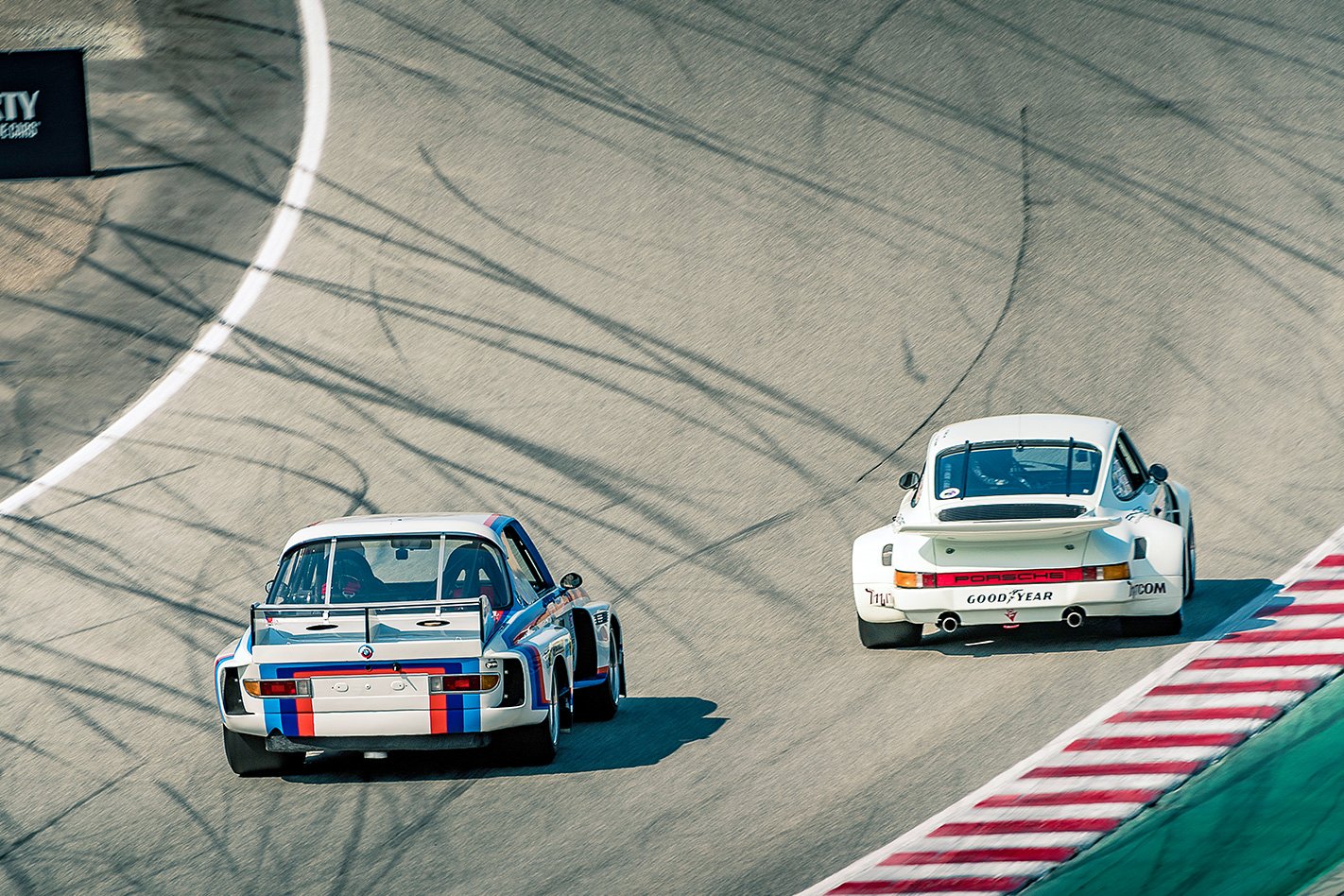
Applied to FIA touring-car racing, this weapon helped build a dynasty. Racing CSLs were 1970s motorsport in flagrante: enormous flares, fat tyres, aerodynamic bits of limited effectiveness but aesthetic genius. Power came from a version of the road car’s single-cam M30 straight-six: 250kW initially, then 320kW in late works trim. Early reliability troubles – chiefly broken crankshafts above 7000rpm – gave way to a rock-solid, 9000rpm configuration sporting twin cams and four valves, plus exotic alloys, a slide throttle and 3.5 litres of displacement. It sounded like fire and was brutally effective. In American IMSA competition, CSLs won overall at the 12 Hours of Sebring and the 24 Hours of Daytona. Across the Atlantic, they landed the 1973 European Touring Car Championship and a class victory at Le Mans the same year, plus every ETCC title from 1975 to 1979.
Five decades on, the showroom E9 remains a lithe style icon. The Leicht comp car is an inarguable peak in BMW firmament, the marque’s 2.7 RS or 250 GTO, and early proof that Munich engineering was among the best in the world. And no big BMW two-door since has made as much of a dent in the culture. Not that they haven’t tried.
Legend-following is rarely easy. The E9’s successor, the 1976-1989 6 Series, wasn’t a racing landmark but was nevertheless applauded. It was elegant, it sold well and it retains a large following. Less so BMW’s next big coupe, the tech-heavy E31 8 Series. That machine was divisive even among loyalists – the BMW Car Club of America’s glossy print monthly, Roundel, panned the thing. (If the E31 was intended to be ‘a crown jewel,’ the editor later wrote, ‘then it’s cubic zirconium’.)
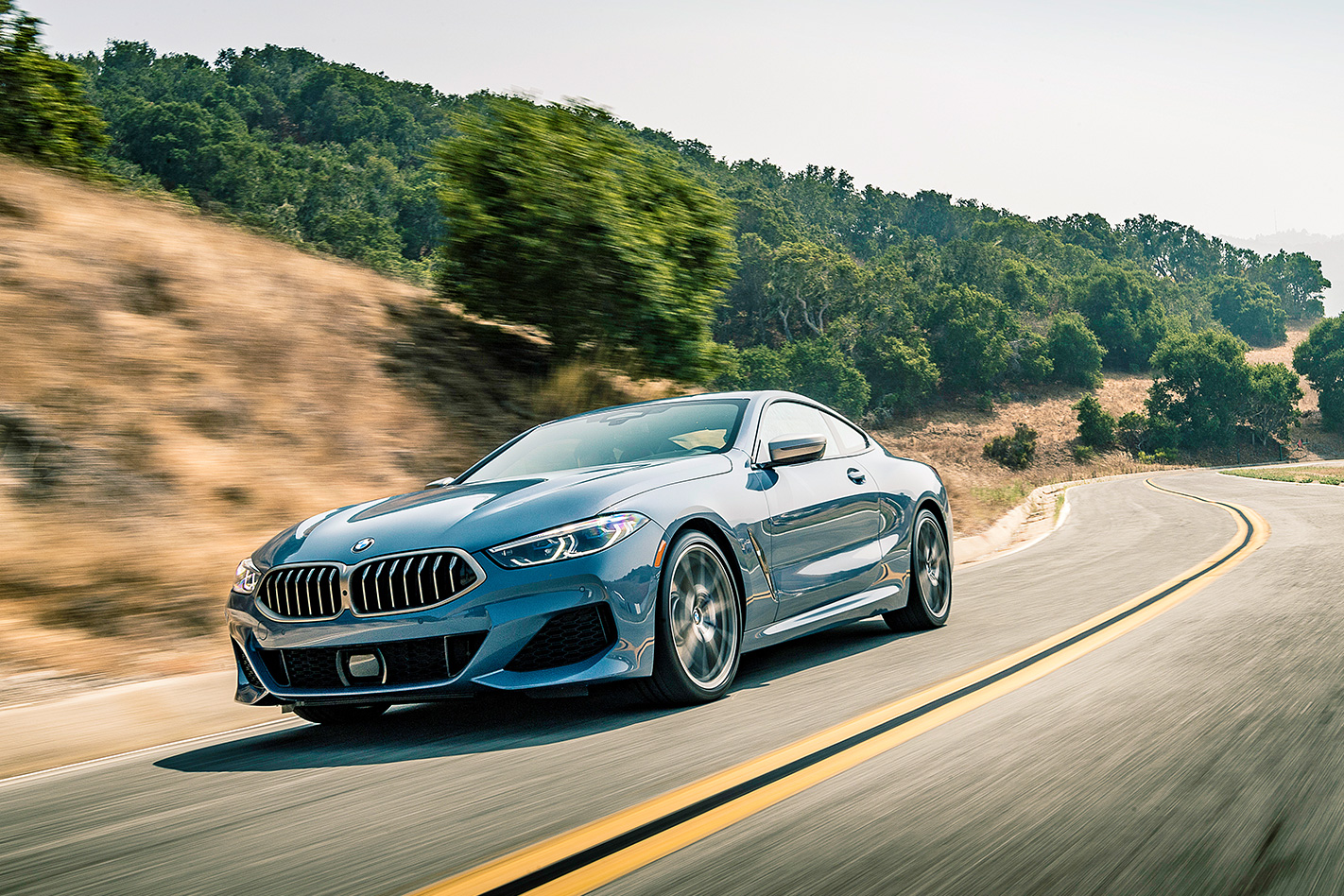
BMW subsequently built two generations of two-door range-toppers. Both were badged 6 Series, and neither was that memorable. It’s enough to make you wonder if the marque’s modern engineering verve is simply limited to a handful of blueprints. Which is why I’m also driving a 2019 M850i xDrive development car on Monterey blacktop, albeit highway tarmac. According to BMW, the car’s largely representative of the finished article, if awaiting final calibration. The truth is that big coupes no longer sell in big numbers but they still matter for brand image, and I’m curious whether the new car mirrors the old one’s soul.
The 2019 8 Series debuted as a concept in 2017, at the Villa d’Este concours. The production car is less elegant, the same rear-drive silhouette plus a few styling fillips. Few of those appear necessary or functional, though a design team in Germany would undoubtedly tell you otherwise. In M850i form, with BMW’s xDrive all-wheel drive – Australia will get this model, and the rear-drive, six-cylinder 840i in March – the car can look oddly disjointed from certain angles. You see Ford Mustang and Aston Martin in the rear quarters, E31 in the trunk, Lexus in the front. A thousand other coupes in those silly front-guard vents.
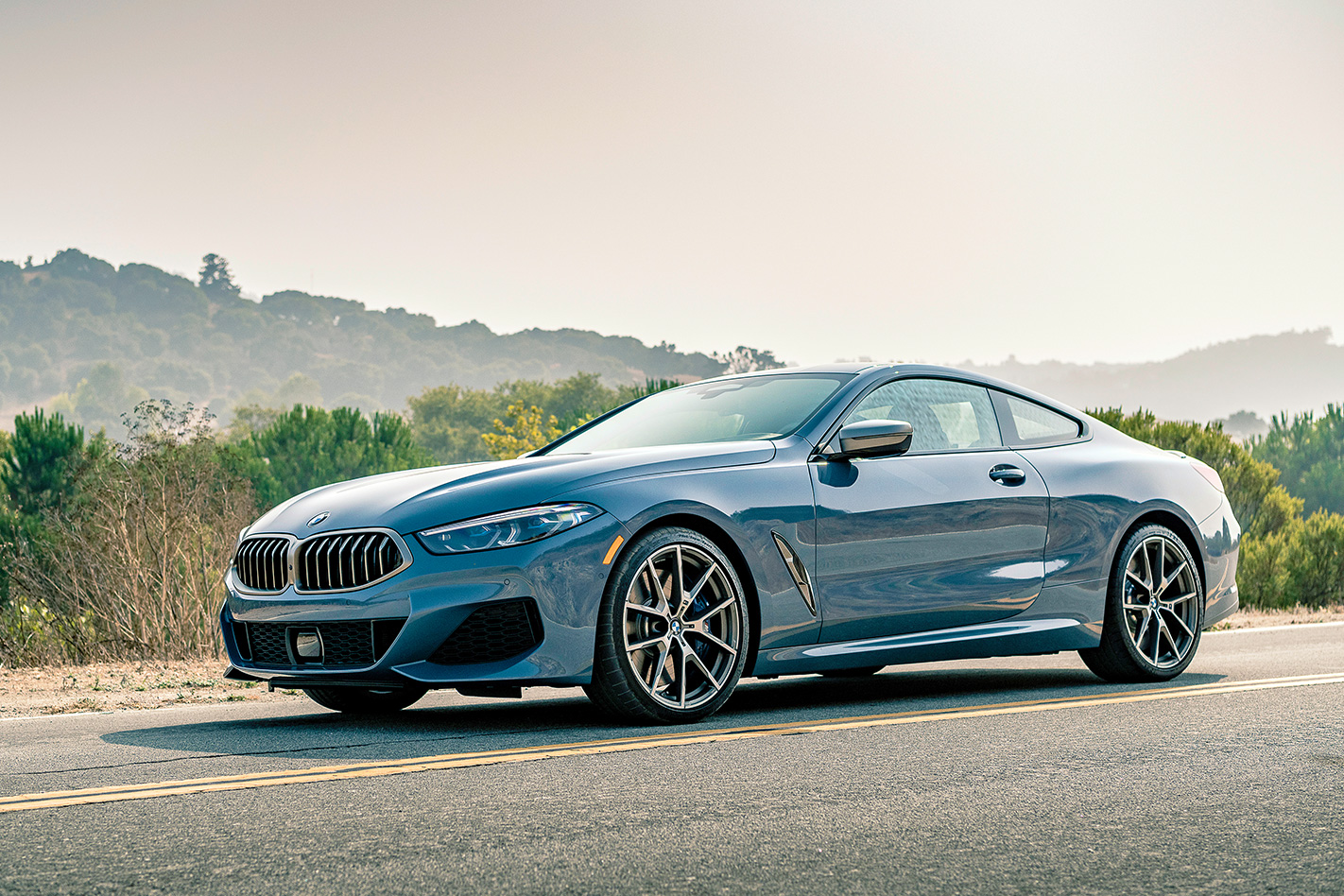
The proportions are fitting, however, because the 8’s centre differential was designed to behave like the one in the current M5: all grunt to the rear wheels, all the time, unless traction gets hinky. Power comes from a twin-turbo, 4.4-litre V8 good for 390kW and 750Nm. The engine is a heavy rework of the reverse-flow 4.4 in the outgoing 650i, with larger turbos between its cylinder banks, plus other updates like a new crank and pistons.
It is, predictably, a honker. Peak torque wallops in at 1800rpm and sticks around until 4600rpm. It translates into all the shove you could ever want on a B-road, which is nice, because the chassis actually works in tight confines. So on a weekday afternoon, I weave down to Monterey’s Carmel Valley Road, a quiet gem in a region chock with amazing pavement.
CVR heads east from the ocean, four lanes and a dividing median, past a few shopping centres and petrol stations, before necking down into a two-lane. The valley narrows a bit, past farms and a few small wineries. Shortly after, the road dives into a run of narrow canyons, tunnelling under oaks and eucalyptus. The lane markings disappear, along with the oncoming lane, and then the road climbs again, popping out of the trees to crest golden ridges. It ends to the south-west, in flat commercial farmland. The whole run takes just over an hour if you’re hustling and is mostly empty during the week.
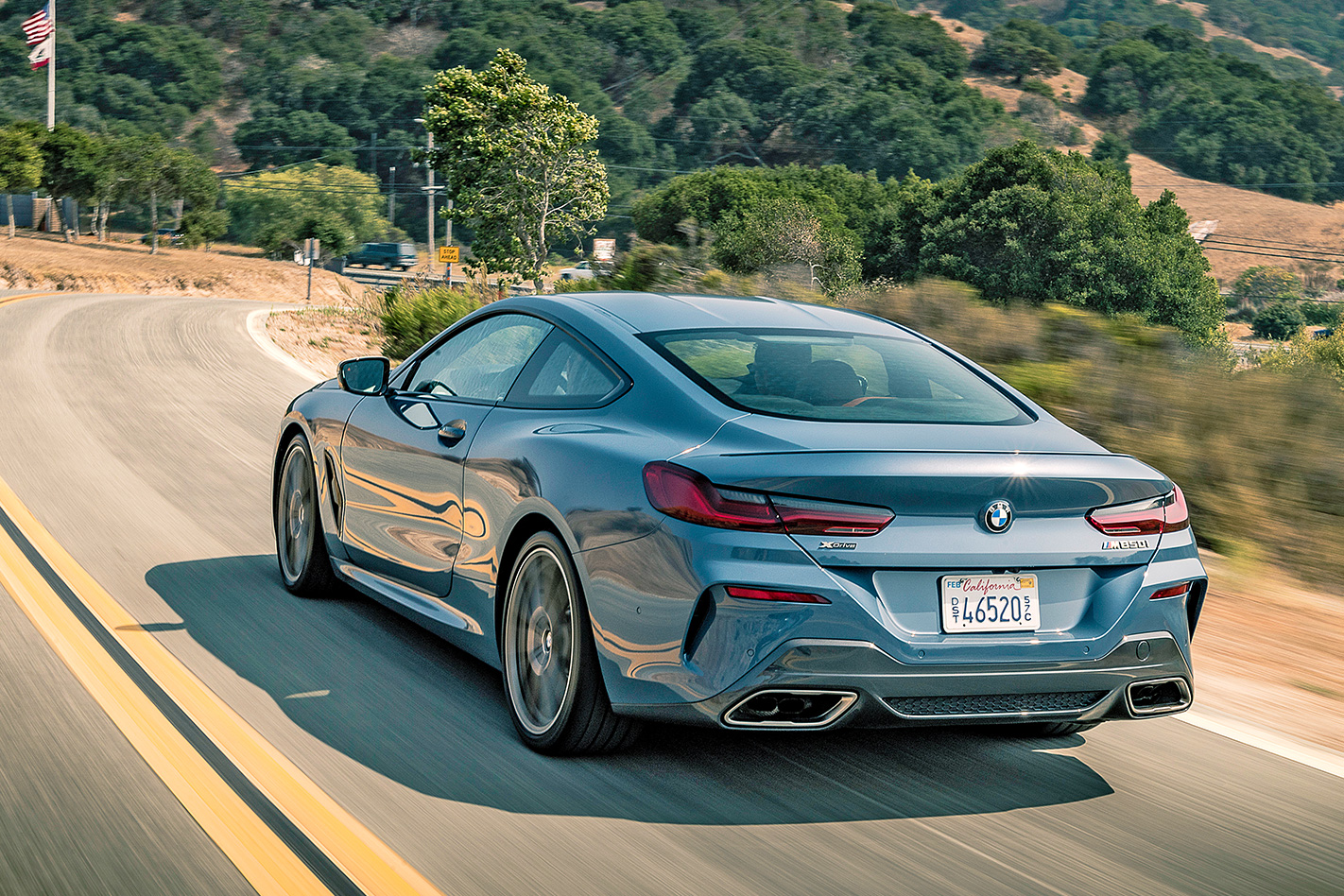
A landscape like this can make an E9 or most modern GT cars feel long of foot. The 8 Series feels smaller than it should, oddly at home. Partly because our test car is equipped with rear-wheel steering and the optional active anti-roll bars. And partly because it reacts quickly to mid-corner changes without beating my kidneys to pieces.
The tuning philosophy is a sea change – unlike most sporting BMWs of the last 10 years, the M850i errs on the side of usable suspension travel and moderate damper rebound, regardless of chassis mode. (Four are available: Eco Pro, Comfort, Sport and Sport Plus.) In Sport Plus, the active anti-roll bars will stiffen the rear on turn-in, helping the car pivot into a corner before releasing. At anything short of a murderous pace, the 8 feels entirely rear-drive, more interested in the rear tyres than the fronts. The electronically locking diff, the all-wheel-drive system’s torque-vectoring abilities; when you’re not cranking, it all goes soft-focus in the background. Even the gearbox, ZF’s excellent eight-speed automatic, does a decent impression, in Sport Plus, of the gear-guessing in Porsche’s amazing PDK dual-clutch. Braking or a lift can trigger a snap downshift, and gears are held when you want. It might be the best tune of the best traditional automatic on the planet.
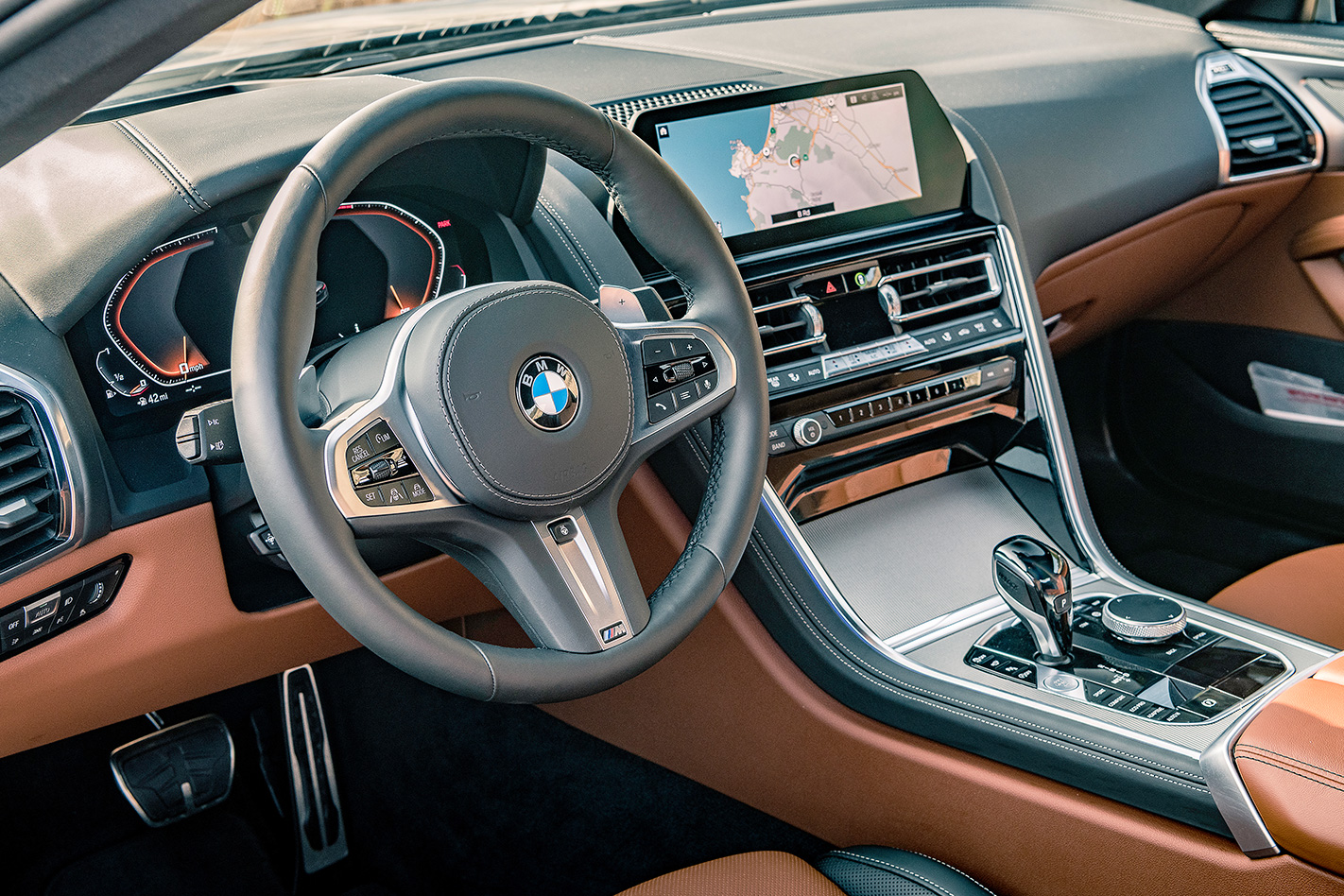
As I drive, my head circles around why a person buys a fast coupe with a huge footprint. And what might make a car like that feel special. By way of illustration, consider this: at a claimed 1890kg, partly thanks to clever touches like a carbonfibre transmission tunnel, the all-wheel-drive 8 is around 200kg lighter than its most obvious foil, the Mercedes-Benz S560 4Matic coupe. The Mercedes looks more liquid, but the BMW makes more power and torque. The 8 is less obviously elegant and lacks the Benz’s ravishing interior, but it feels sparkier on a back road.
Which of these qualities are critical for a large GT car is a separate discussion, but either way, one of these cars seems sure of what it needs to be, and the other seems the product of a company trying to rectify its past with what it wants to be next.
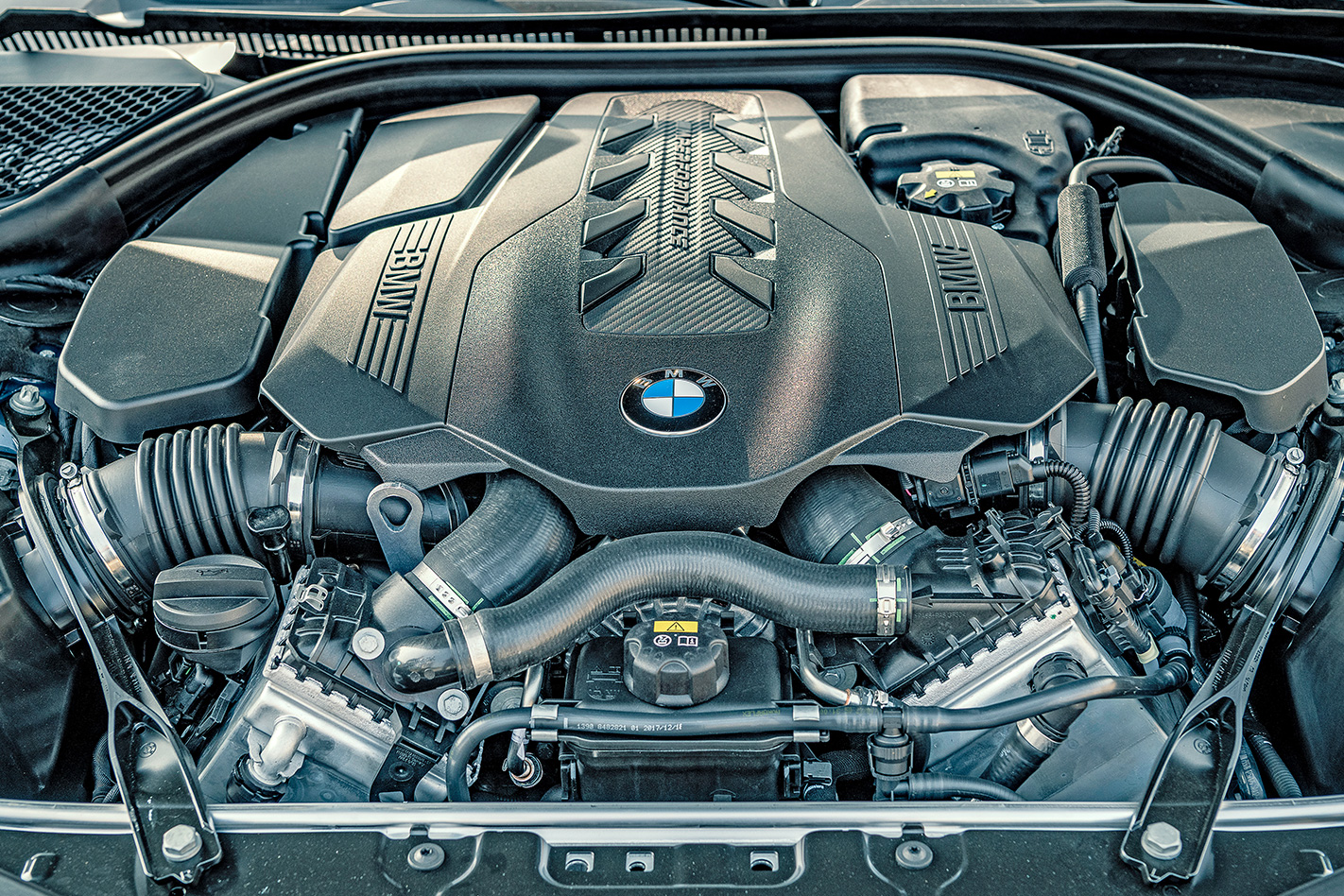
Our development tester, still a work in progress, offers a few glaring drawbacks: greasily numb steering no matter the chassis setting, plus a brake pedal grabby at the top of its travel. The engine sounds like nothing in particular, anonymous V8 gurgle, even in the chassis modes where the exhaust bypass valves are open and the stereo plays a synthesised, engine-ish noise. For the record, the latter practice is ferociously lame. Just because car makers keep on doing it does not make it any less lame, especially given that the majority of the world now views authenticity as fashionable.
The rest, however, is food for thought. It makes me think about what makes up the personality of a marque. And it reminds me of the current M5, in that it hints at how BMWs haven’t behaved in far too long.
“THEY were squishy,” race driver Sam Posey told me, over the phone. “Really designed to be driven by Hans Stuck. He initiated slides well before the turn – you could just about read the writing on the side of the car, he was so far out of shape. It was really something.”
There are worse philosophies around which to tune a ’70s racing weapon. Months before my trip to Monterey, I rang Posey to ask about the CSL. An American driver and broadcaster, he raced the cars, in period, for BMW of North America. As did Hans Stuck, Brian Redman and Ronnie Peterson, among others.
Redman once told me that the pillarless CSL was ‘a big wiggly piece of steel with a hole in the middle’.
His eyes twinkled and then he winked, allowing that he loved the car.
I think of his words at the start of my first race at Laguna, looking at the spindly period rollcage. I’m in chassis #2275985 – the last of five IMSA works examples. One of its four sisters later became BMW’s Alexander Calder Art Car. Nine-eight-five has a dog-leg five-speed and 16-inch-wide rear slicks. Redman and Posey both drove this chassis, as did Stuck. Like all E9s and most BMWs before the early ’90s, it uses struts up front and semi-trailing arms in the rear.
The engine, a rare four-valve M49, is rev-limited to 8000rpm for longevity. It shrieks at idle but bellows under load, a raspy tenor that fire-hoses torque on every shift. I want to be buried in its noise, ripping through the gearbox for the rest of my life.
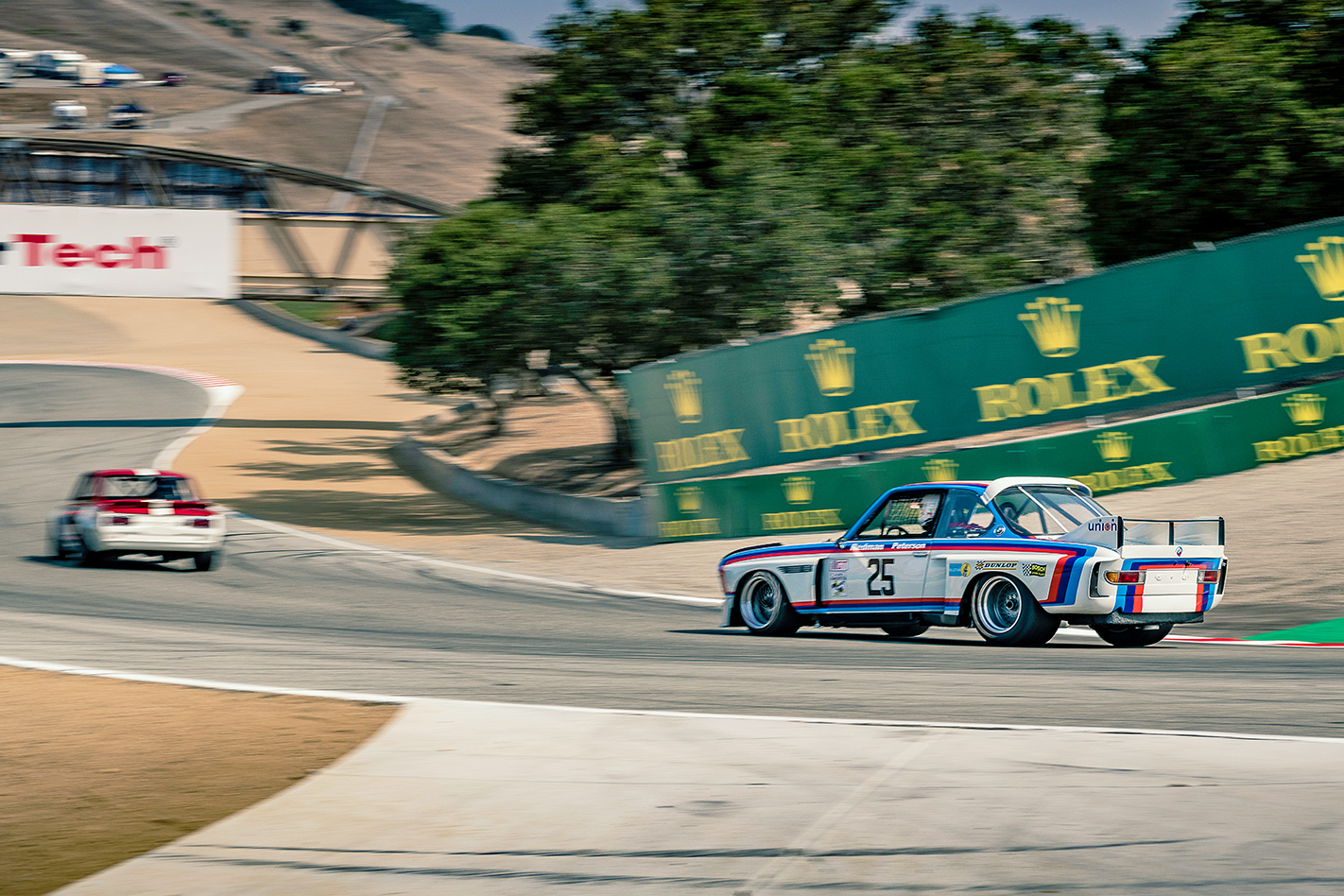
I run two races. In the first, after starting sixth, the brakes go soft and I fall to eighth, behind a 911 RSR. Each corner takes two early pumps of the pedal but it never feels dicey, and the car always stops. (Blame a lack of brake ducts; the BMW ran with them in period but somehow arrived at Laguna without.) So I carry on, skating around in a blissful trance, in awe of the romance of the thing, trying to make up what the brakes lose, watching that long white nose vector off the tail lights. I start eighth in the second race, caught in an elastic fight between two other RSRs, and finish seventh.
My results are telling of the car but ultimately immaterial. Historic racing is a modern moment never as important as when its hardware was contemporary; by the same token, contemporary racing perpetually hinges on what happens in the next moment. Which is part of what makes motorsport so interesting.
“BMW was first and foremost an engine-building company,” Posey explained to me. We discussed how a small group of Bavarians were sent across the Atlantic with a handful of CSLs and told to go racing. The Germans called them ‘cowboys’.
“Penske and Ferrari, the other big teams I had driven for – Ferrari was very casual; with NART, hardly a team at all. With BMW, it felt like we were frontiersmen. There were executives holding signs in the pits. They wanted the publicity, to get people to understand that BMW didn’t stand for British Motor Works. They’d taken a survey in the US and found that people thought that, and they were appalled.”
A factory-backed BMW M8 GTE racing car debuted at this year’s Le Mans; I suspect that it’s fairly good. But unlike the CSL, any competition success it sees is unlikely to sway the fate of the company. The world just doesn’t work like that any more, and car makers no longer pivot around noise and speed. The new M850i isn’t perfect but it is a very encouraging sign of life. Maybe the full-house production M8, due next year, will riff on the old CSL’s lessons; evocative and timeless, more than the sum of its parts. The Bavarians went there once – here’s hoping they go there again soon.
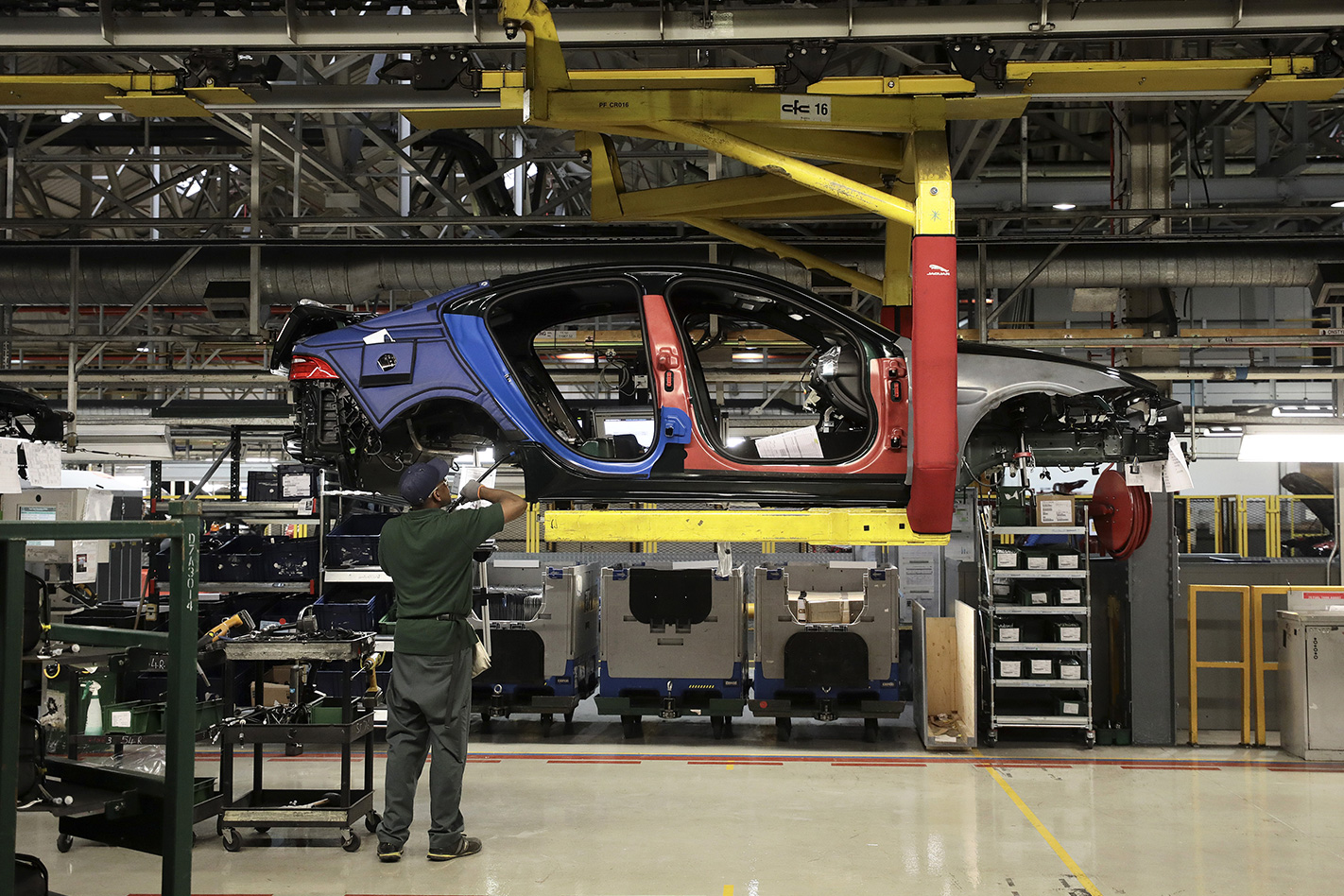
Reports from the United Kingdom overnight suggest that Jaguar Land Rover (JLR) is set to shed around 5000 workers across its factories early in 2019, as continued poor sales and Brexit uncertainty bite into the British company’s fortunes.
The brand, which is owned by Indian giant Tata, builds Jaguar, Ranger Rover and Land Rover models across the UK. Sales of products including the Jaguar XE and XF sedans have all but stalled, while a European about-face on diesel-powered cars has also caught the group out.
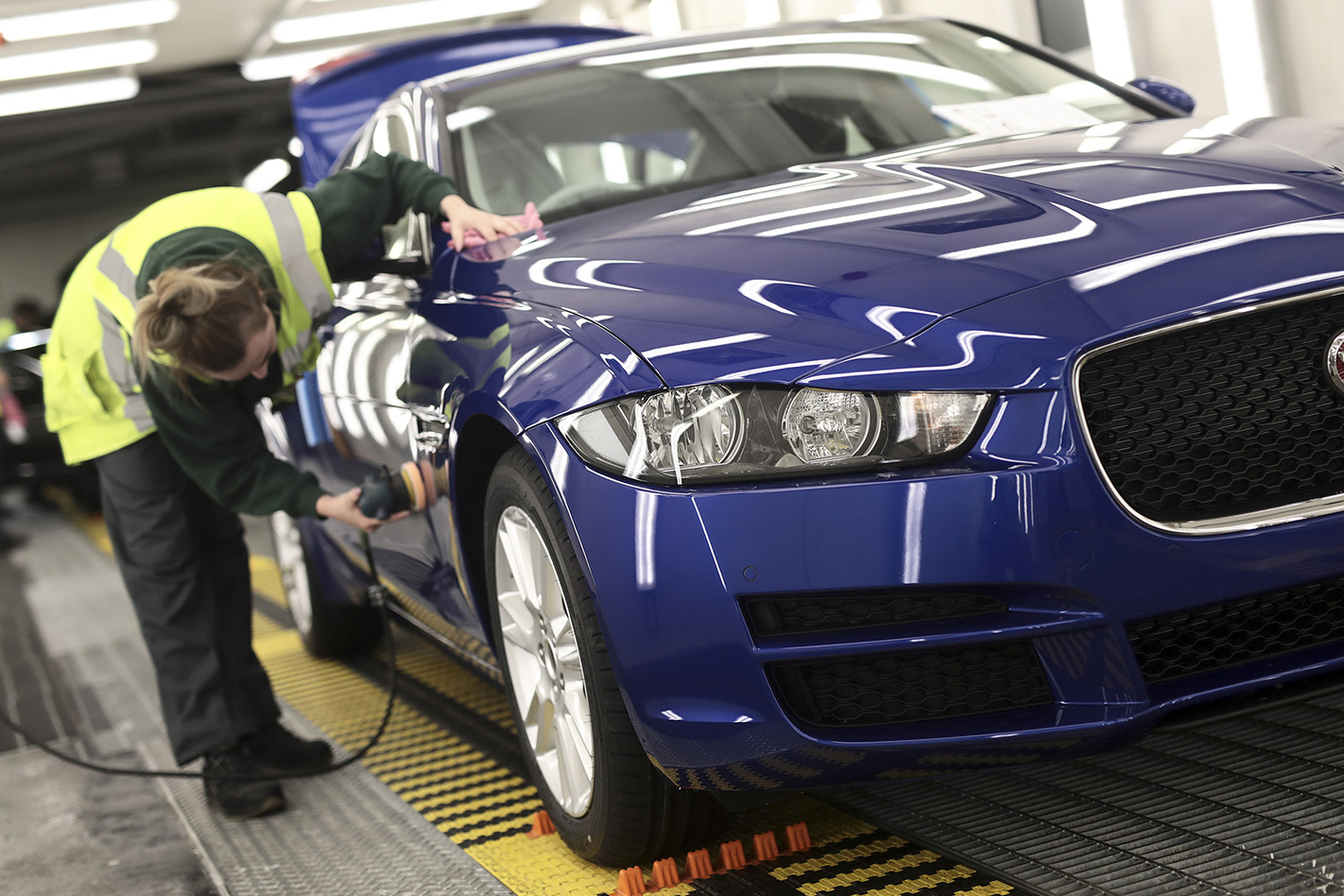
As well, sales of Range Rover and Land Rover Discovery have slowed across the world.
JLR currently employs 40,000 people in the UK and has already cut 1000 part-time jobs at its Solihull plant. Worker’s hours have also been reduced at other facilities in the run up to the Christmas break, and a three-day week has been implemented at another factory in the West Midlands.
The company has previously said that Brexit – the United Kingdom leaving the European Union – will cost it up to $2 billion a year, as it will need to pay more for car parts. Its UK-made cars, too, would be subject to taxes and tariffs once exported, increasing prices.
For example, a Jaguar seat frame may be made of German steel in a Czech plant before being sent to the UK for final assembly; under a Brexit deal, it would add costs and complexity along the whole production path.
Sales in one of its brightest markets, China, have also declined markedly, adding to the group’s woes.
The company has announced that it’s seeking almost $4 billion in savings over the next two years. Part of those savings will come in the form of $1.8b in cost cutting in recruitment and ‘non-essential travel’, while all JLR brands will concentrate on reducing stock levels of completed cars.
Locally, the fortunes of the JLR brands have been up and down in 2018. The Jaguar brand is running at almost the same sales figures as it did in 2017, but the Land Rover/Range Rover pairing is some 20 per cent down overall year-on-year.
Korea’s third-largest automaker SsangYong is back for another crack at the overheated, oversized and price-sensitive Australian market – this time as a factory-owned importer.
One of the tines of its three-pronged launch strategy is the small Tivoli SUV, which will be brought in with both diesel and petrol engines, manual and automatic gearboxes and front- or all-wheel-drive.
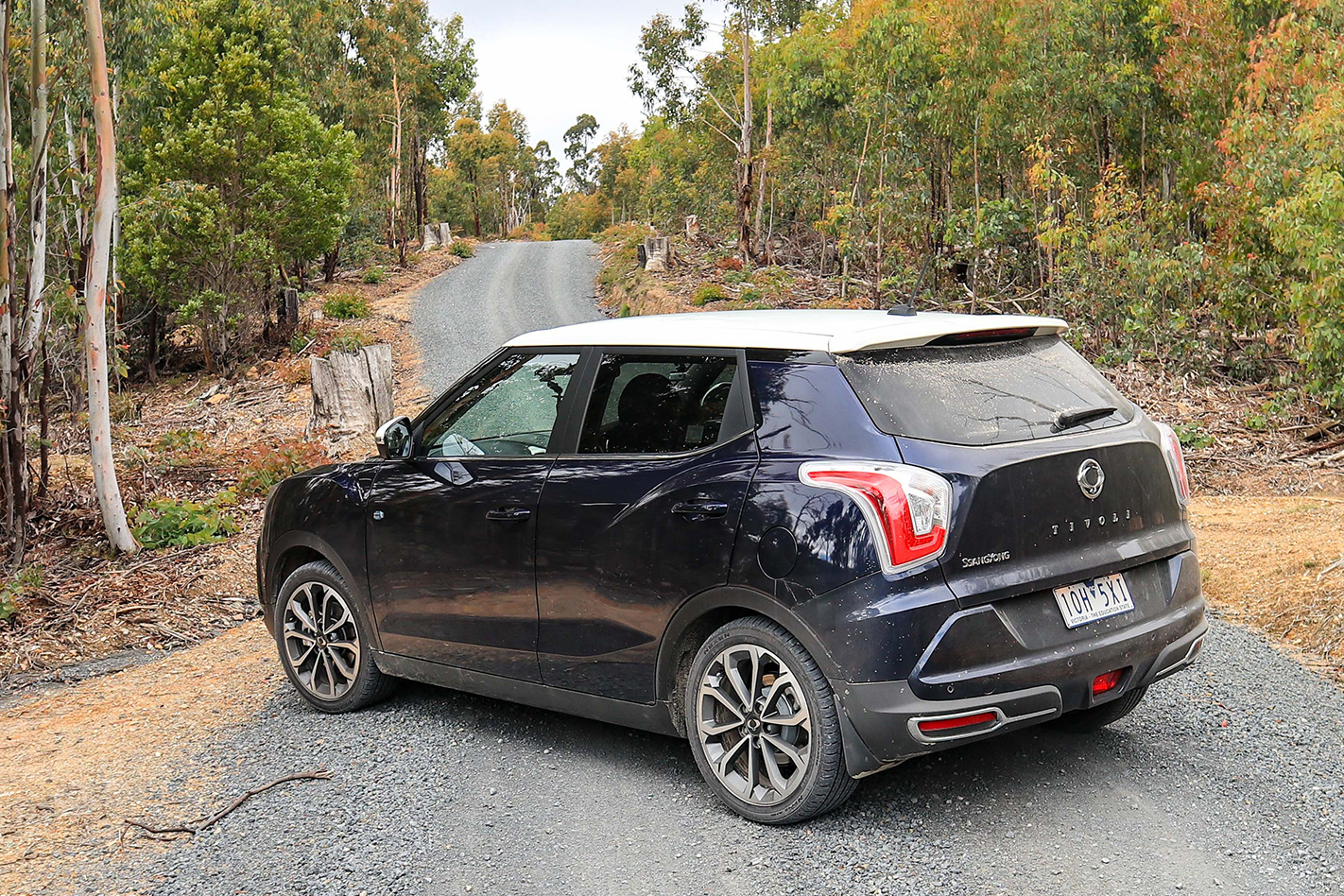
However, this car is already a few years old, and somewhat inexplicably, there’s a facelifted version on the very near horizon. Still, this version is coming to one of 32 SsangYong showrooms potentially near you, so let’s have a look.
VALUE
The five-seat, five-door Tivoli kicks off at $23,490 drive-away – and that’s national drive-away pricing, too – for a six-speed manual-equipped 1.6-litre petrol-powered variant known as the EX. Add $2000 and you’ll get a six-speed auto version. Both are front-wheel-drive, as well.
This undercuts pretty much every player in the small SUV segment, including the Mazda CX-3, Mitsubishi ASX and Hyundai Kona.
If Sir or Madam would like the mid-range ELX, you can have a petrol-powered auto front-driver for $27,490, or a 1.6-litre diesel powered auto front-driver for $29,990.
The top-spec Ultimate is available only as an all-wheel-drive diesel for $33,990.
STANDARD FEATURES
Not only is the Tivoli cheap, but by all measurement it’s pretty well equipped, especially the base model.
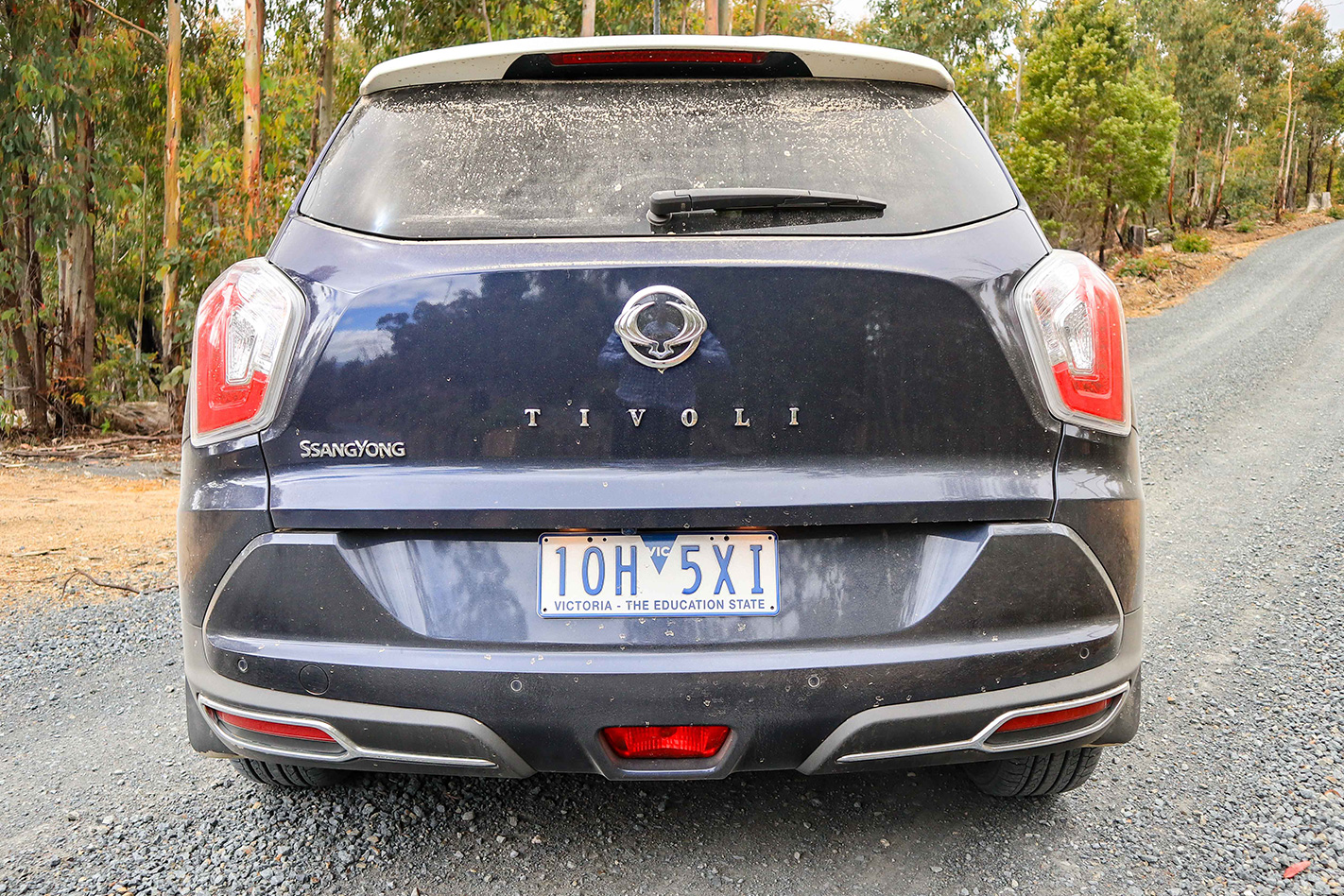
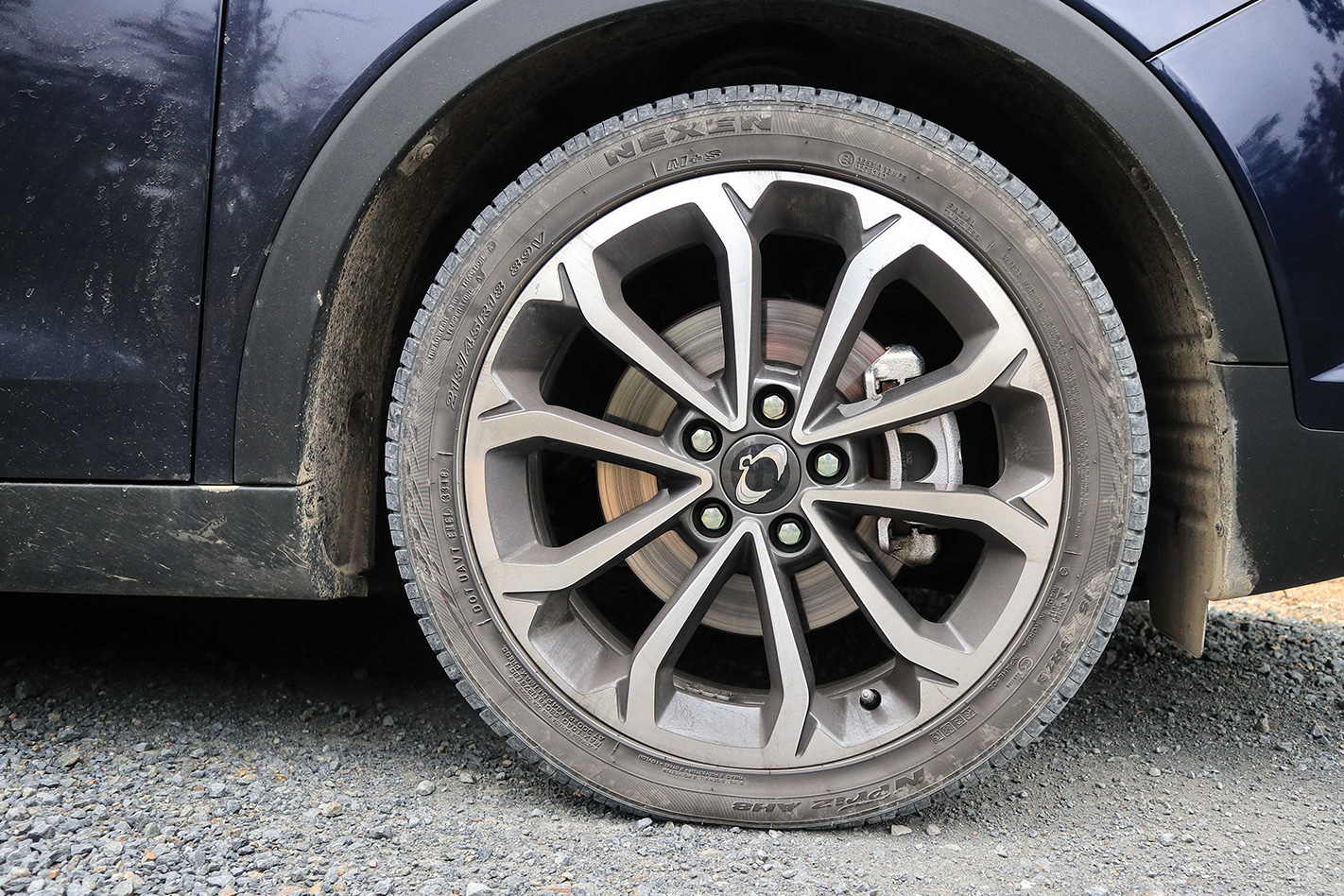
Standard kit for the entry-level model EX includes AEB, six airbags, cloth trim and a leather-wrapped steering wheel, 16-inch alloys, front and rear parking sensors, lane-keep assist, Apple CarPlay and Android Auto and a 7.0-inch multimedia system.
The ELX variant only gets a little more stuff, though, including dual-zone air and tinted glass.
The Ultimate, meanwhile, gets a full-size spare, sunroof, heated, vented and powered front seats, leather upholstery and 18-inch alloys.
SIZE
At 4202m long, the Tivoli is about 140mm shorter than the category-leading Mitsubishi ASX.
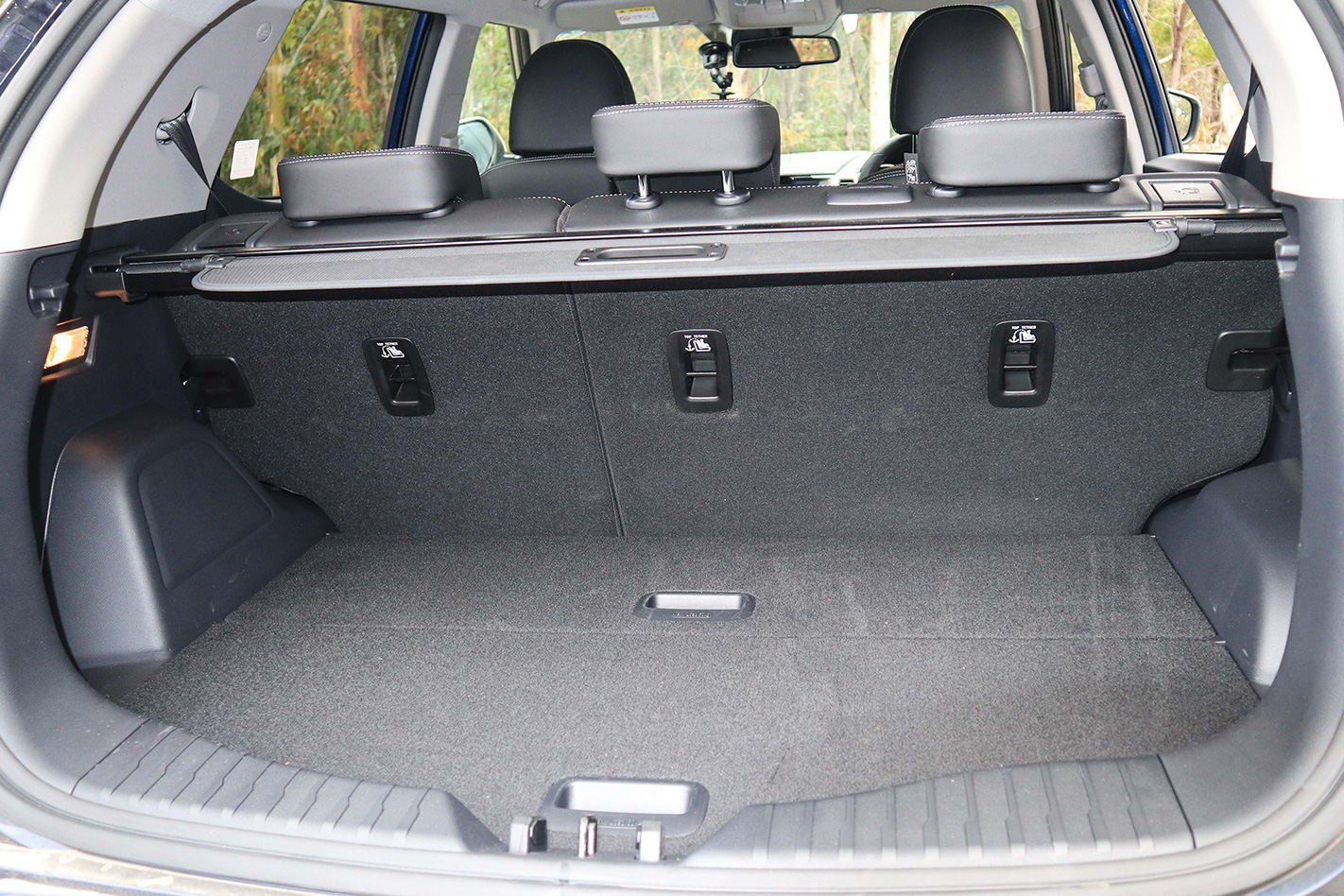
One of the issues in the small SUV space is finding one with half-decent boot capacity. The category leaders are the ASX at 393 litres VDA with the seats up, while the Honda HR-V claims 437 litres. The Tivoli claims a seat-up figure of 423 litres, while its squared-off roofline makes for a practical space.
SAFETY
SsangYong boasts that more than 70 per cent of the Tivoli’s construction is comprised of high-strength steel, while 40 per cent of that mix is made up of even stronger advanced high-strength steel. Every model in the Tivoli range also comes with AEB, forward collision warning, lane departure warning, lane keep assist and high beam assist, as well as six airbags including a driver’s knee bag.
However, this version of the Tivoli only scored four out of five stars under Euro NCAP – and consequently ANCAP – crash testing, thanks to a poor performance for rear passenger safety.
WARRANTY AND RUNNING COSTS
SsangYong has hit the ground running with its after-sales offering, with a seven-year, unlimited-kilometre warranty that’s matched with seven years’ worth of fixed price servicing and seven years of roadside assistance.
Service intervals of 12 months or 15,000km are suggested, though service costs for the SsangYong range are yet to be released.
Both the petrol and the diesel versions share a 47-litre fuel tank, while fuel economy ranges from a best of 5.5 litres per 100km on the combined cycle for the diesel manual and 5.9L/100km for the FWD diesel auto to 6.6 and 7.2L/100km respectively for the petrol manual and auto.
COMFORT
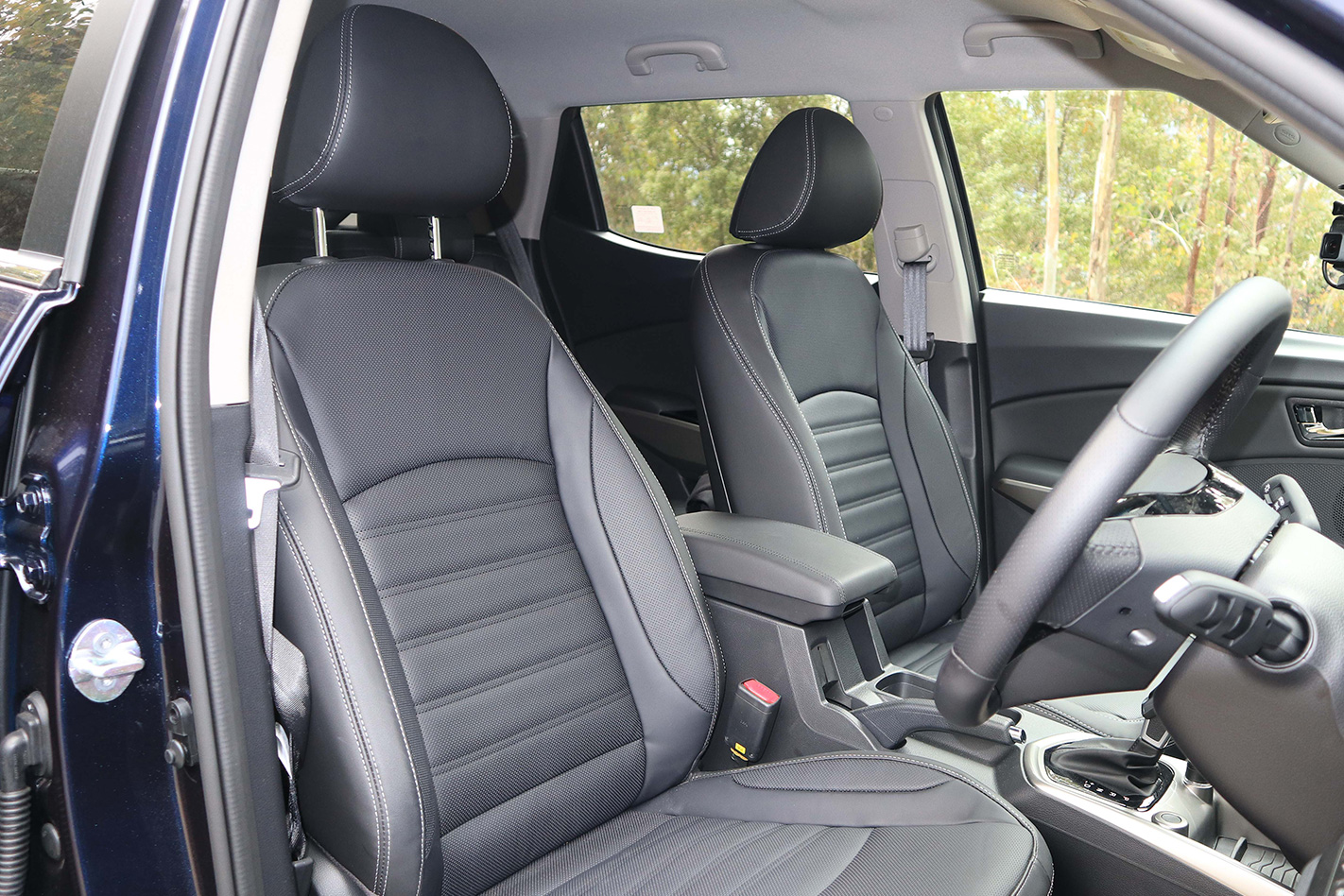
The Tivoli’s front seats are reasonably well placed, though there’s not enough adjustment in the steering column to get perfectly comfortable for my 185cm.
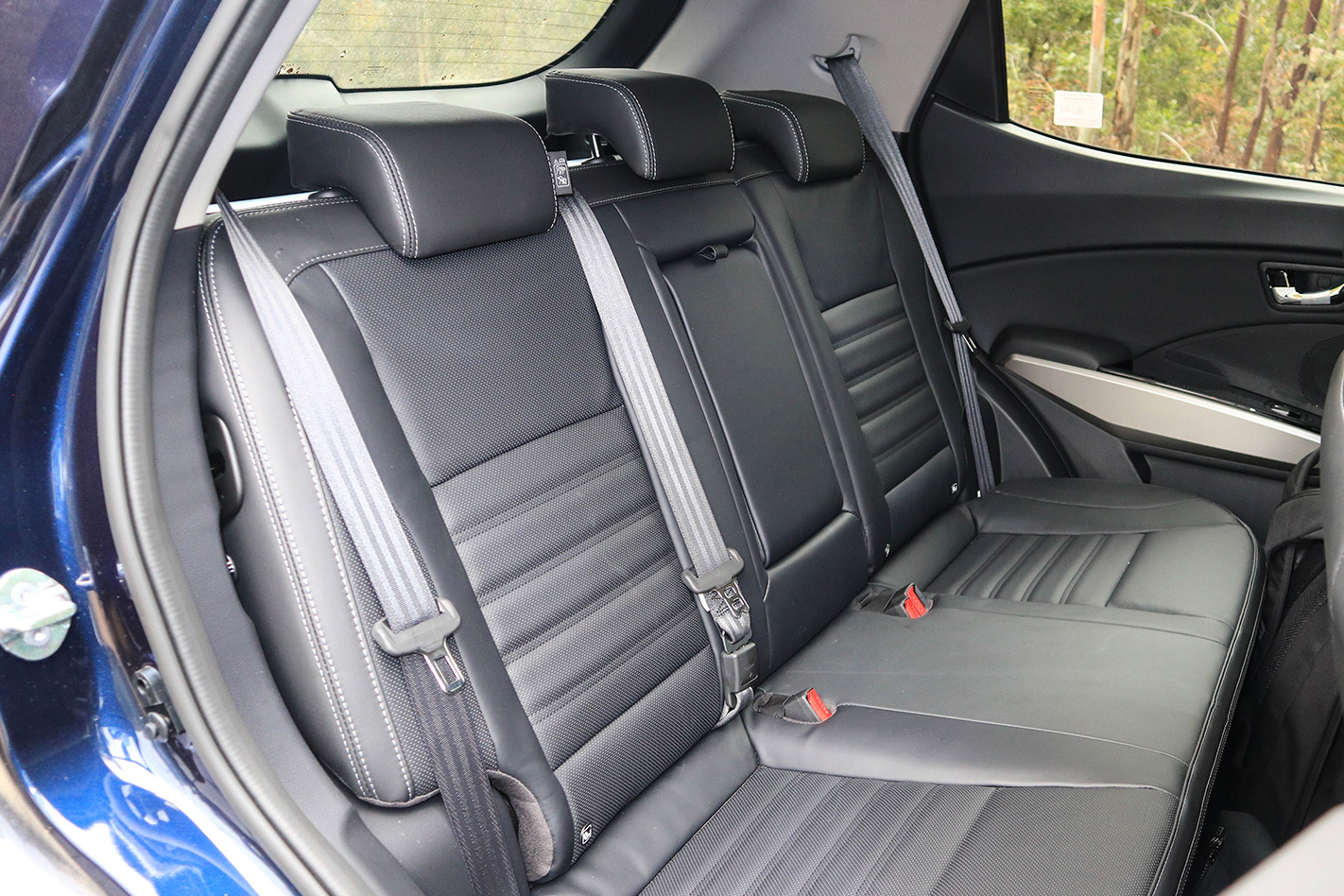
Rear seats are spacious enough, and the door aperture is wide enough for easy access. Rear headroom is good – though the Ultimate’s sunroof stole a bit away – and knee room is average-to-good for a small SUV. You’ll find a pair of ISOFIX baby seat mounts in the rear, as well.
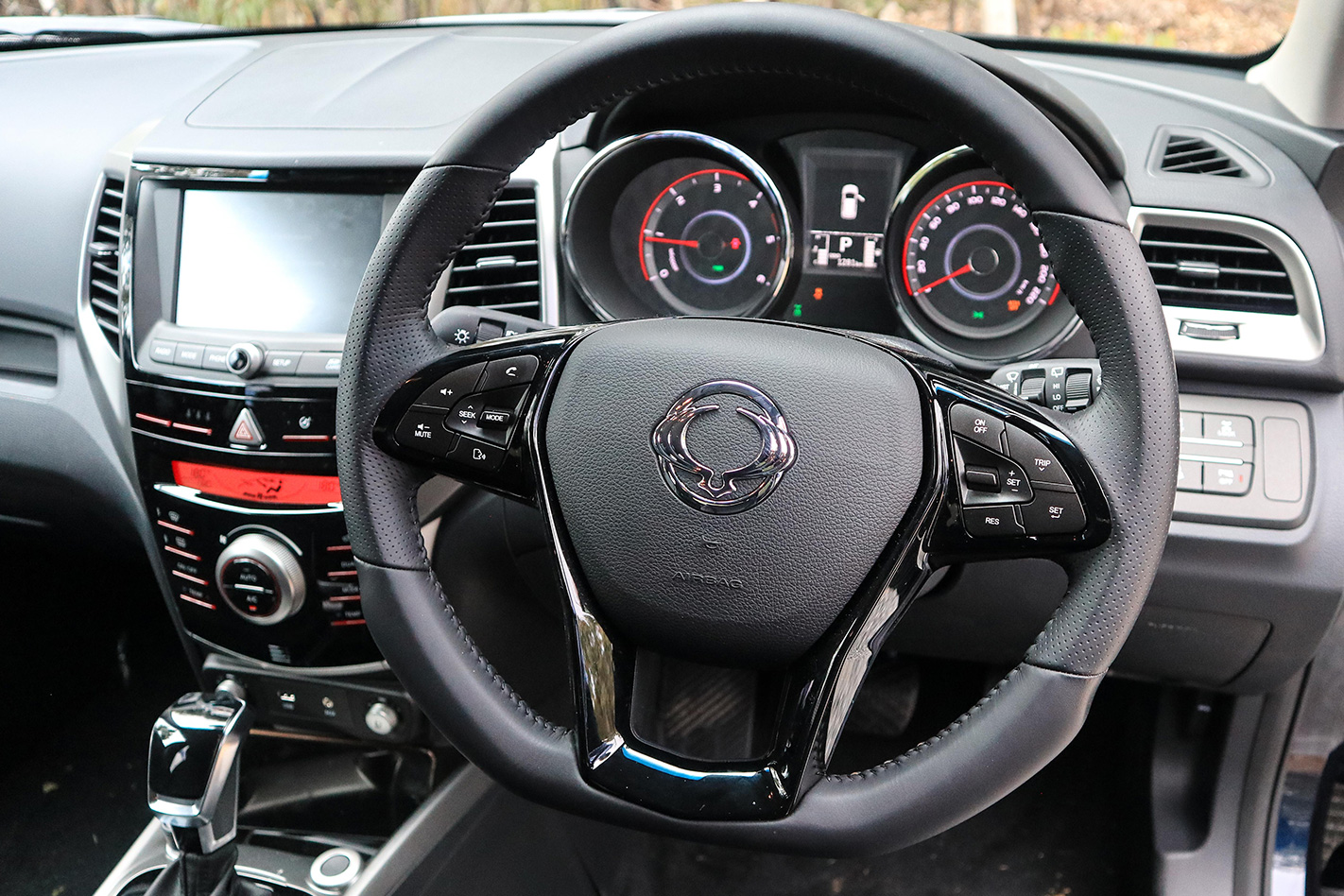
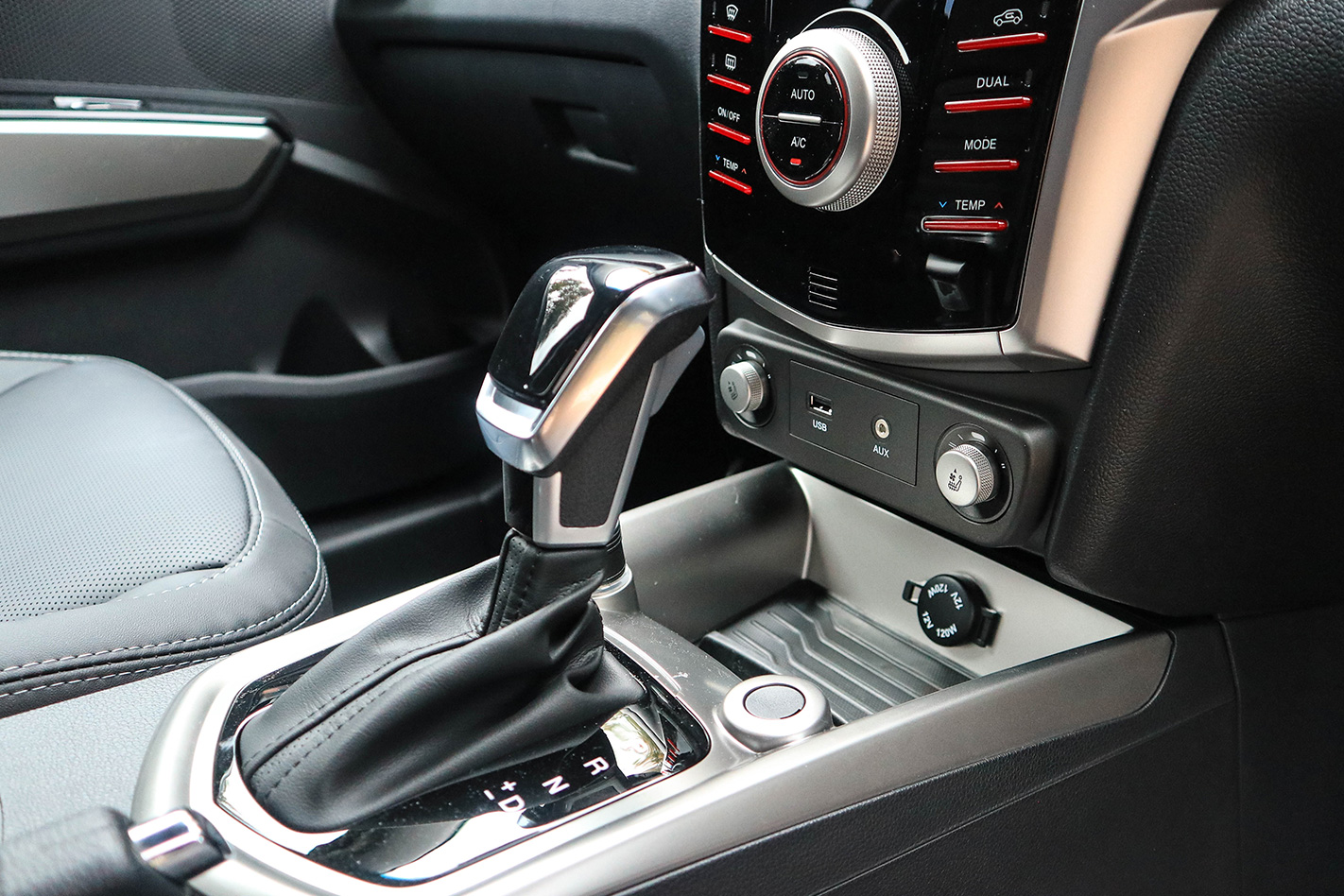
The interior is pretty nicely executed, with decent-sized door pockets, nice use of materials and understated yet stylish instrumentation.
ON THE ROAD
This is, unfortunately, where we are left wondering if SsangYong should have just waited until the arrival of the significantly facelifted version of the Tivoli later in 2019… because this one as it sits is pretty badly underdone.
My key issue with the car is just how early and savagely the Tivoli’s traction control and stability control systems cut in to kill power to the car. I’ve never felt anything quite like it, in fact. Even at moderate pace into a pretty open bend, the Tivoli’s electronics overreact and viciously power from the engine to prevent traction loss, resulting in a feeling as if you’ve jumped on the brakes from a great height.
To me, it felt like an issue with the actual example of the car, but every car I tried was the same, and a senior official told me that’s how it’s supposed to be. And I’m not talking about race track hero stuff, either, just a moderately brisk pace well within speed limits.
As well, SsangYong Australia will soon embark on a program of suspension localisation for the car, which kind of renders our observations irrelevant. For the record, it’s not bad in its stock form, if a bit wooden and numb, with decent enough steering feel and good manners in loose conditions… when the electronics are turned off.
There’s a decent little chassis, but the overly high levels of electronic intervention are not really acceptable to this tester.
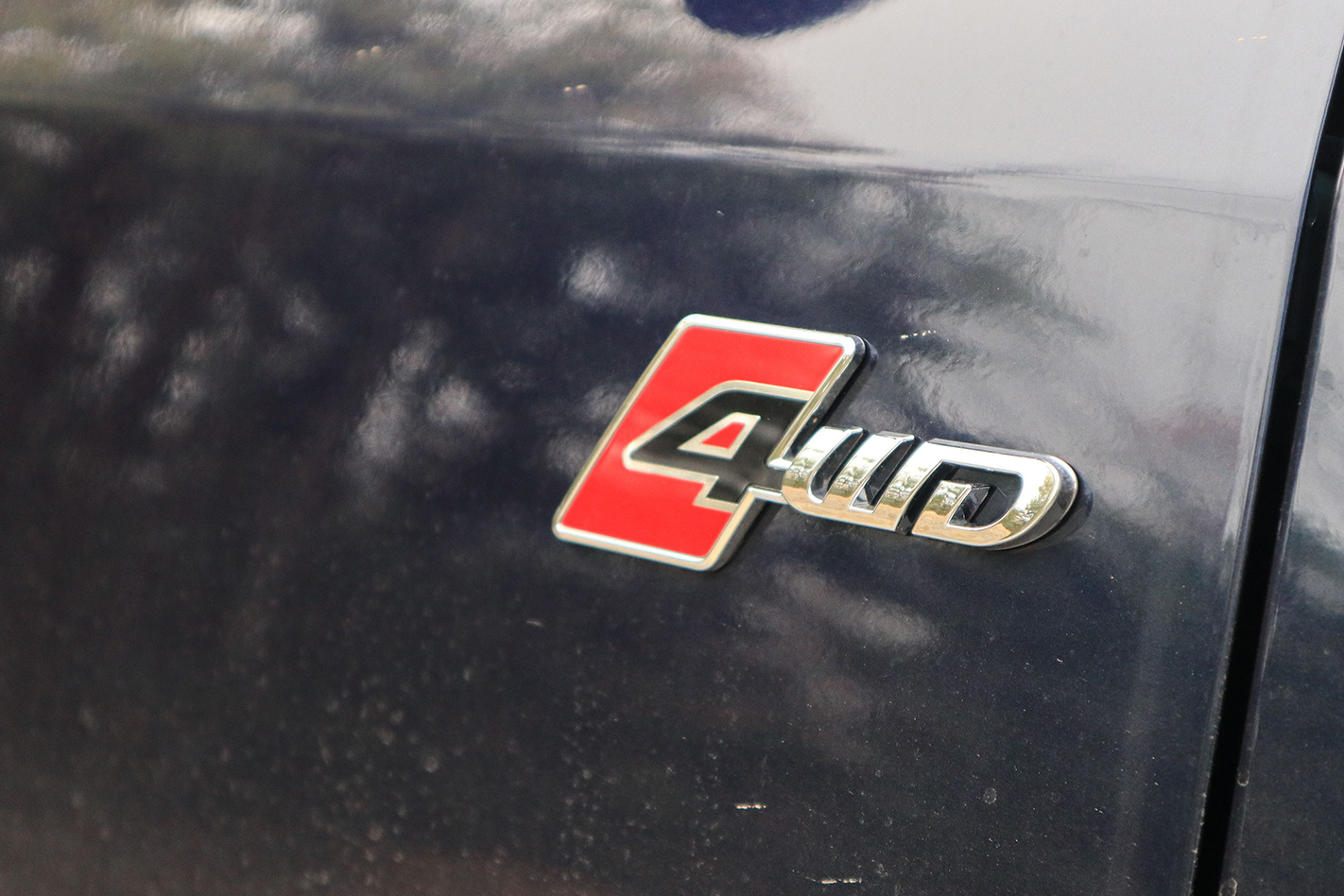
When it comes to the AWD version, SsangYong actually fits it with a locking rear differential which, when combined with deactivated driver aids, allows it to negotiate gravel roads with ease. However, its relatively low 167mm ride height (compared to the 205mm of an ASX) restricts its ability in rougher stuff.
The 85kW/300Nm diesel engine was the only one available for testing, and while it’s a little gruff, it’s more than willing to lope along at the highway limit. It also plays well with the six-speed Aisin auto, which is a benchmark product in the industry.
VERDICT
The SsangYong Tivoli is a real head-scratcher for me. On the one hand, it offers dirt cheap motoring, a well-executed interior package, excellent basic safety credentials and decent practicality of packaging.
On the other, there will be an all-but-new version of this exact car – engine, suspension, safety, exterior AND interior- by the middle of 2019, and the one we tried was simply not at all calibrated to local conditions or tastes.
It’s pretty clear-cut; if you’re looking something with a bit of room at a good price, and with industry-leading warranty coverage to boot, wait for the facelifted version of the Tivoli which lands half-way through 2019.
You might be getting excited counting the days to Christmas, but add an extra 20 days to your advent calendar because you’re not going to want to miss the first episode of WhichCar when it hits Channel Ten on January 13.
Season one is locked and loaded, ready to blast into homes around the country in a kaleidoscope of automotive colour with something for every four-wheel fan.
WhichCar TV will present a broad cross section of cars and the best hardware in every segment. Flick on your set on Sunday afternoon and you’ll see everything from vicious supercars destroying tyres, the toughest four-wheel drives scaling seemingly impossible trails and the very latest new models for every budget.
We’ve been to Australia’s highest peaks, iciest snow fields and driest deserts, we’ve searched for Japan’s ultimate driving roads, and hunted down the most extraordinary vehicles from almost every manufacturer. If it’s a car worth talking about, it’ll be on WhichCar TV, but putting it all together hasn’t been an easy process. It’s taken months of traveling Australia and the world to take these incredible adventures, advice, reviews and stories, from behind the wheel to your living room.
Tired of the same old boring car videos? Make sure you’re tuned in and ready to watch on Sunday January 13 for a car show like no other, and come along with us for the ride of a lifetime.
Mazda’s CX-3 crossover is the latest model to gain a new LE spec, which adds more premium features to the range-topping Akari variant.
The addition of the Akari LE takes Mazda’s best-selling rival to cars like the Hyundai Kona, Mitsubishi ASX, Subaru XV and Toyota C-HR from 14 to 16 variants. It’s priced from $21,790 before on-road costs right through to $39,190, with the Akari AWD diesel still topping the range.
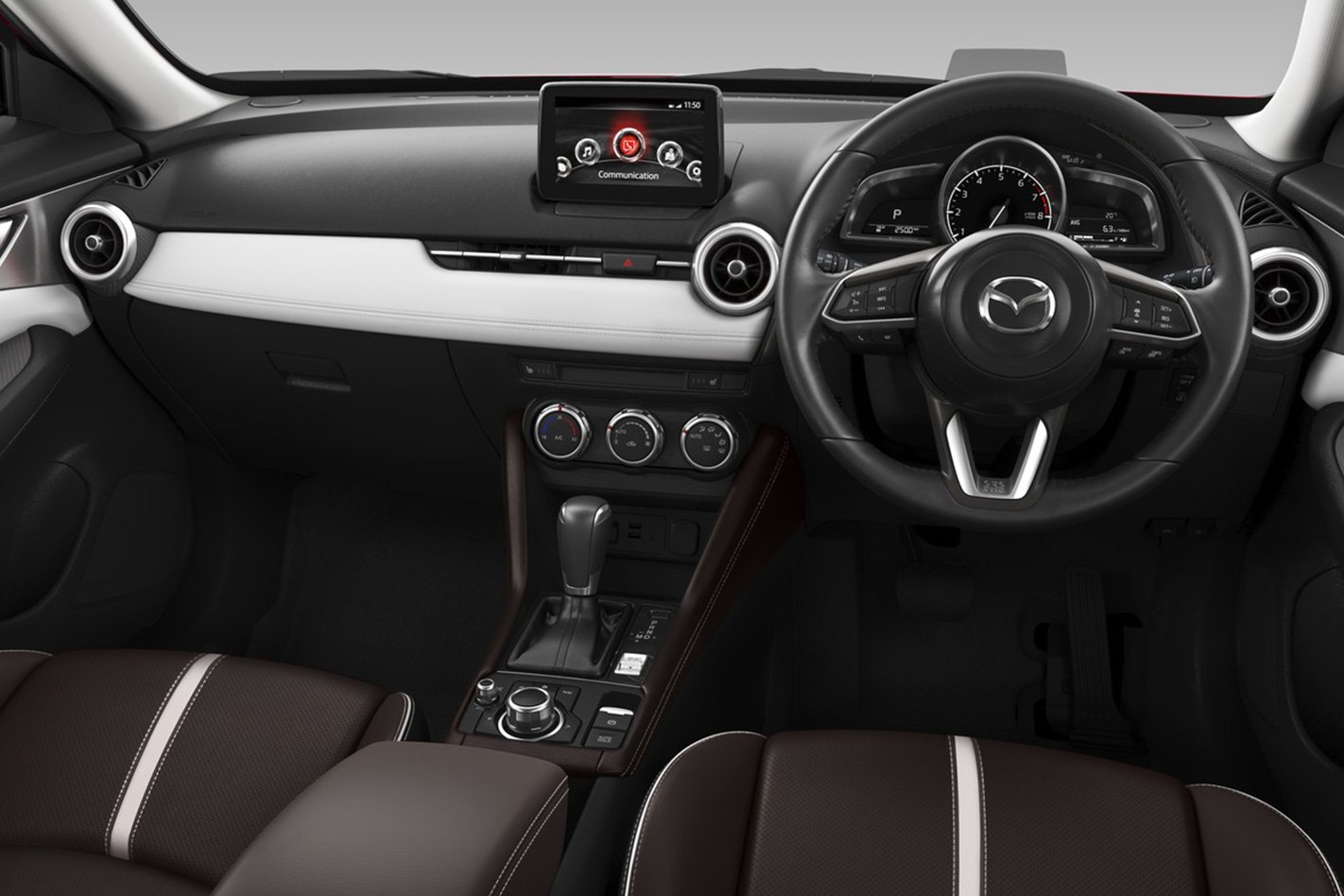
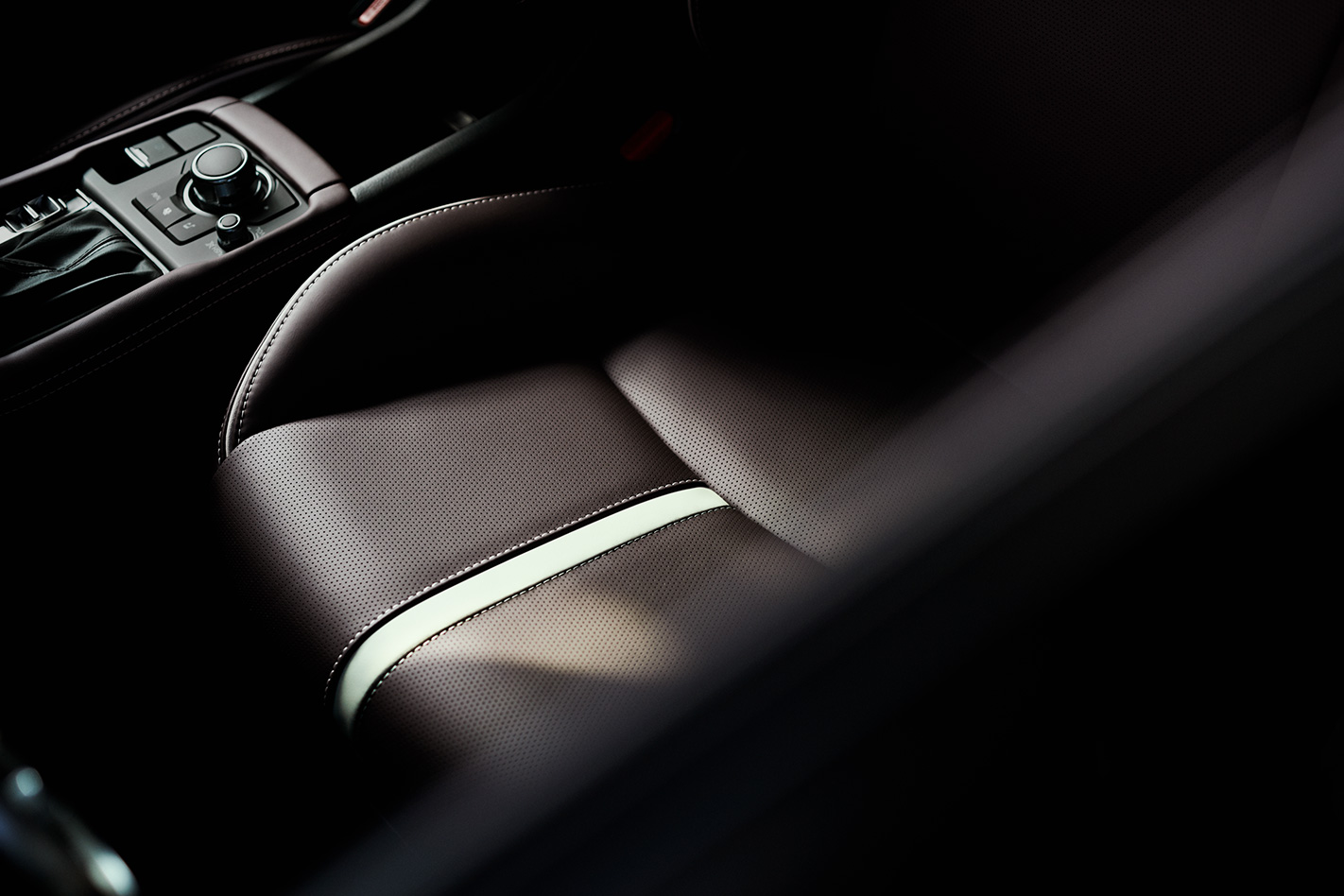
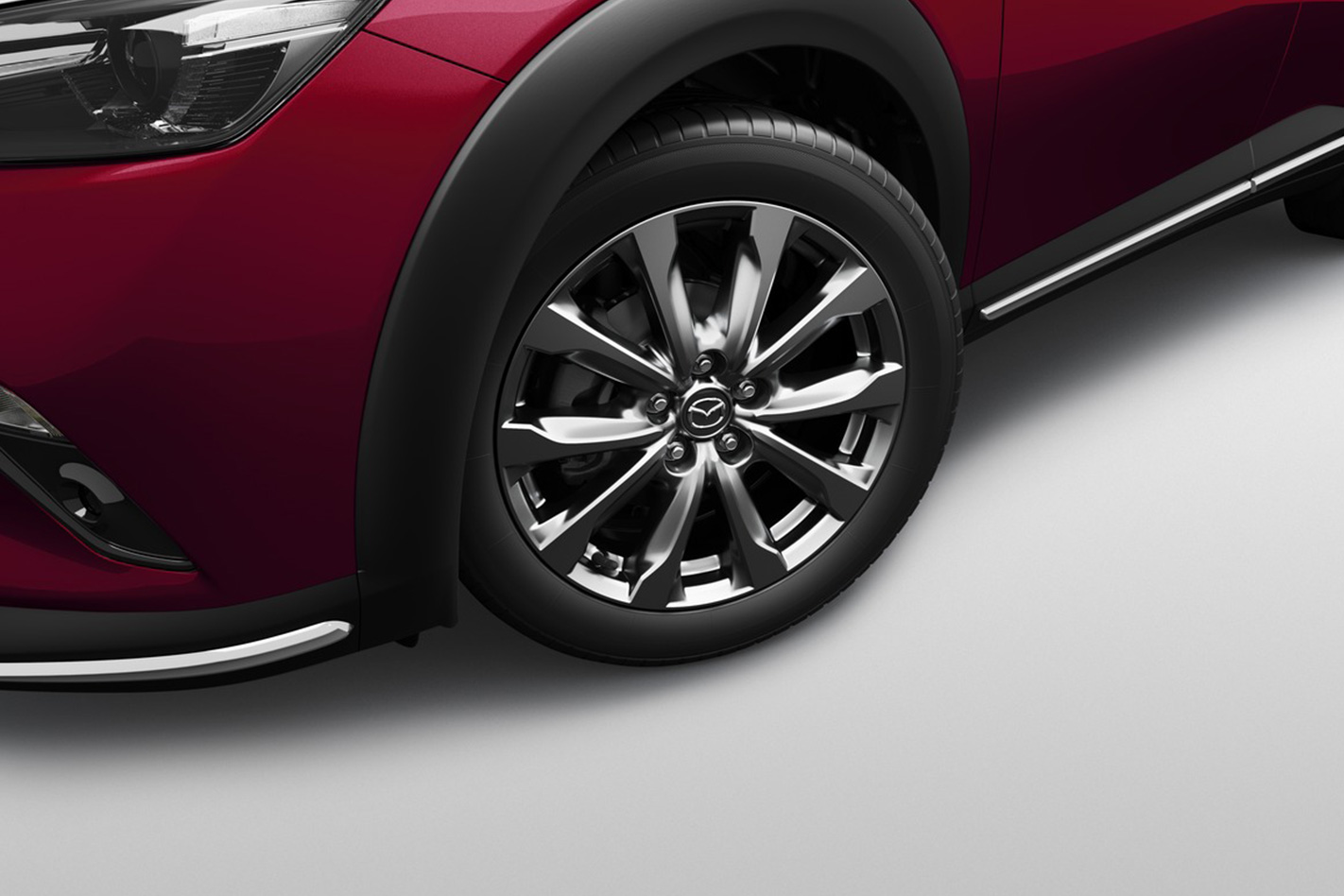
Like the large CX-9 Azami LE, the five-seat, five-door CX-3 Akari LE SUV ups the luxury levels with Nappa leather upholstery, which is dyed in a Dark Russet brown hue with contrasting white accents including stitching, air vent surrounds, and synthetic leather panelling on the seats, doors and dash.
Externally, the Akari LE stands out from the standard Akari with brighter-look 18-inch alloy wheels that provide contrast to the five available exterior colours, including Snowflake White Pearl Mica, Jet Black Mica, Machine Grey Metallic, Soul Red Crystal Metallic and Ceramic Metallic.
Available only with the CX-3’s 2.0-litre petrol engine (sorry, no diesel) with six-speed automatic transmission with either front- or all-wheel-drive, the Akari LE’s additional features add $1500 to the standard Akari spec, with the FWD and AWD variants priced at $35,290 and $37,290 respectively.
The CX-3 trails Mitsubishi’s ASX in the sales race by a couple of thousand units as the year winds down, but the two are by far the most popular cars in the small SUV segment.
2019 Mazda CX-3 pricing:
- CX-3 Neo Sport FWD, petrol, manual – $21,790
- CX-3 Neo Sport FWD, petrol, auto- $23,790
- CX-3 Maxx Sport FWD, petrol, manual – $23,690
- CX-3 Maxx Sport FWD, petrol, auto – $25,690
- CX-3 Maxx Sport AWD, petrol, auto – $27,690
- CX-3 Maxx Sport AWD, diesel, auto- $28,090
- CX-3 sTouring FWD, petrol, manual – $27,790
- CX-3 sTouring FWD, petrol, auto – $29,790
- CX-3 sTouring AWD, petrol, auto – $31,790
- CX-3 sTouring AWD, diesel, auto – $34,190
- CX-3 Akari FWD, petrol, manual – $32,790
- CX-3 Akari FWD, petrol, auto – $34,790
- CX-3 Akari AWD, petrol, auto – $36,790
- CX-3 Akari AWD, diesel, auto – $39,190
- CX-3 Akari LE FWD, petrol, auto – $35,290
- CX-3 Akari LE AWD, petrol, auto – $37,290
Ford has announced the first production Mustang Shelby GT500 will be sold at auction to raise funds for charity.
We’ll first see the Mustang Shelby GT500 officially undisguised at the North American International Auto Show in Detroit on January 14.
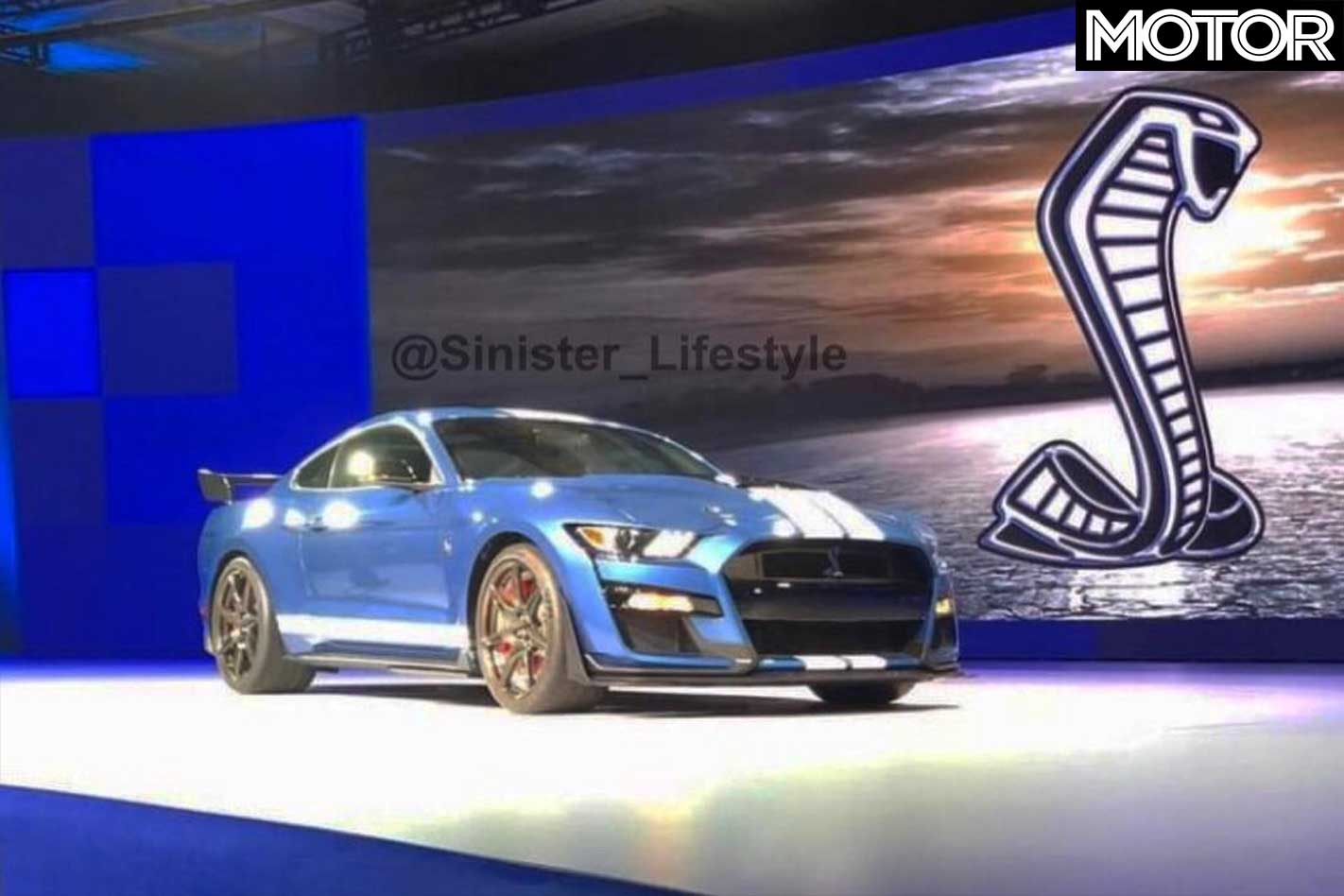
But only four days later ‘VIN 001’ will sell at Barrett-Jackson’s auction house in Arizona on January 18.
Currently, Ford has only confirmed the mega Mustang will use a supercharged V8, that it projects will punch out over 522kW, but it remains quiet on full details.
What we know beyond that comes from the above video that hints what this car will sound like, along with a series of leaks that reveal the car in full and key powertrain details.
As for how it will drive, it should take the Mustang to levels well above the already vicious GT350.
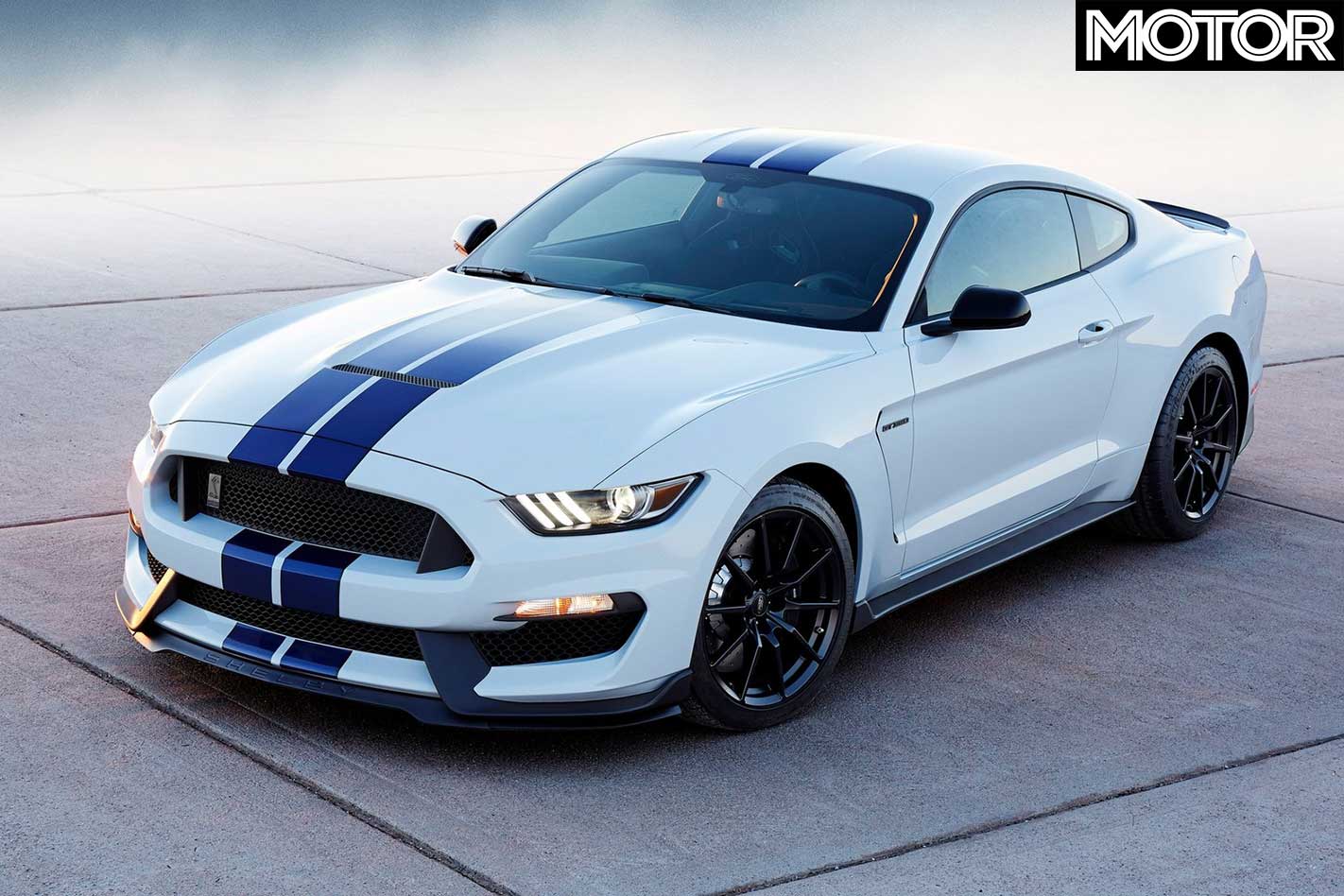
Production for the GT500 will be limited, and only completed in left-hand drive, so if you’re keen to own your own slice of American muscle history then this is your chance.
As for what that might cost you, Ford and Barrett-Jackson partnered on the sale of the first production GT350 which went for US$1m.
The proceeds from Lot No.3008, as the GT500 sale will be known on January 18, will go to the Juvenile Diabetes Research Foundation in America.
The winning bidder won’t be driving away in their GT500 on the day, however, as sales of the car will begin in September. Ford says they’ll be able to choose from all “available” colours and options.
On the day both the Shelby and Ford families will be represented by Aaron Shelby, Carroll Shelby’s grandson, and Edsel Ford II, Henry Ford’s great grandson, on stage where they will be filmed live by Motor Trend.
Ford isn’t the only one capitalising on the hype of the NAIAS, though, as Toyota will auction off its first production Toyota Supra on January 19 at the same location.
That sale’s proceeds will go to the American Heart Association and Bob Woodruff Foundation that supports veterans.
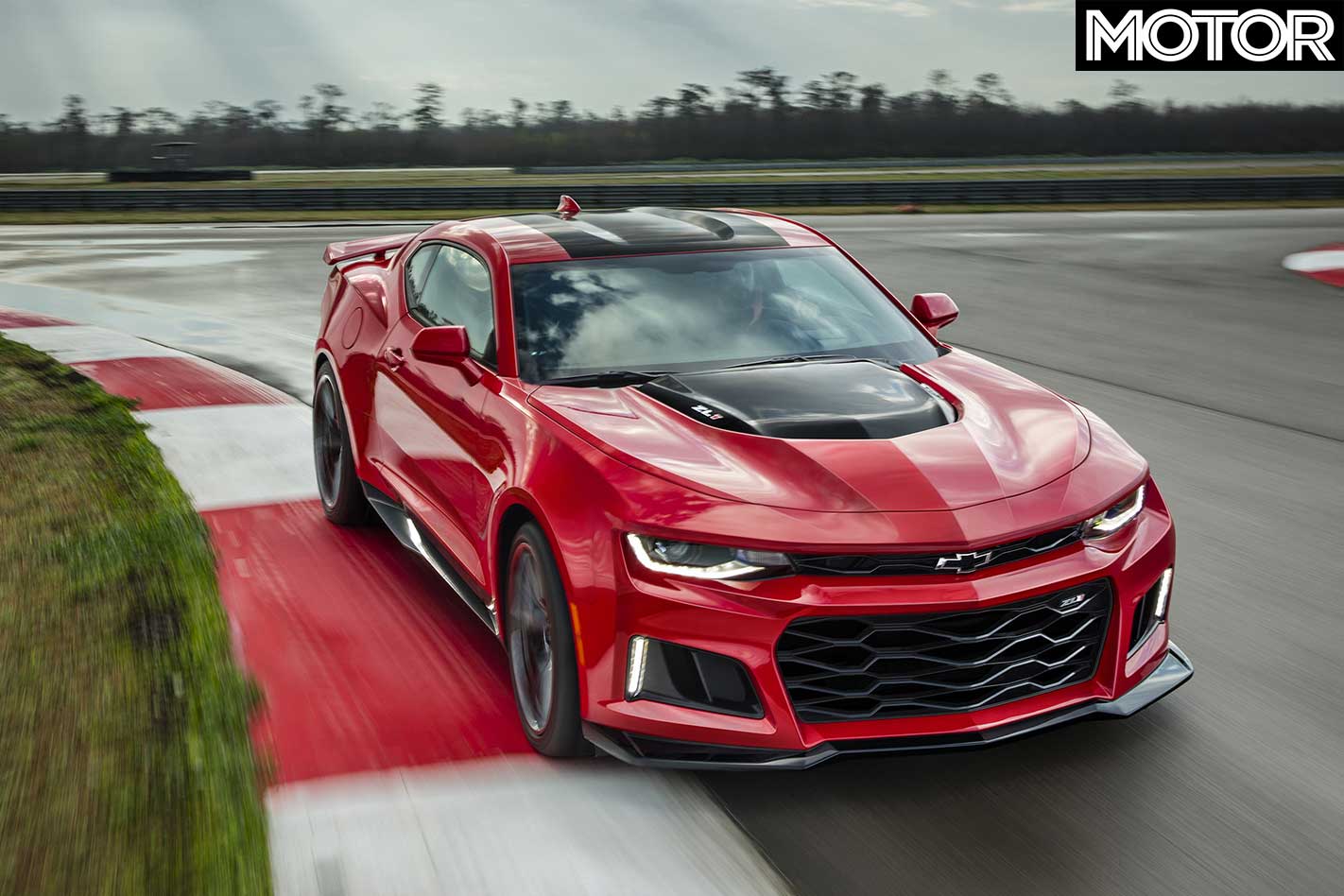
A Chevrolet Camaro ZL1 has been spotted on the back of a flatbed truck in Melbourne.
Despite camouflage on the body and wheels, the clear giveaways are the aero canards behind the rear wheels and the giant rear wing. The ZL1 is Chevrolet’s angriest Camaro, packing 485kW/881 from its supercharged 6.2-litre LT4 V8, as well as a 10-speed automatic, MagneRide adaptive dampers and an electronically controlled limited-slip diff.
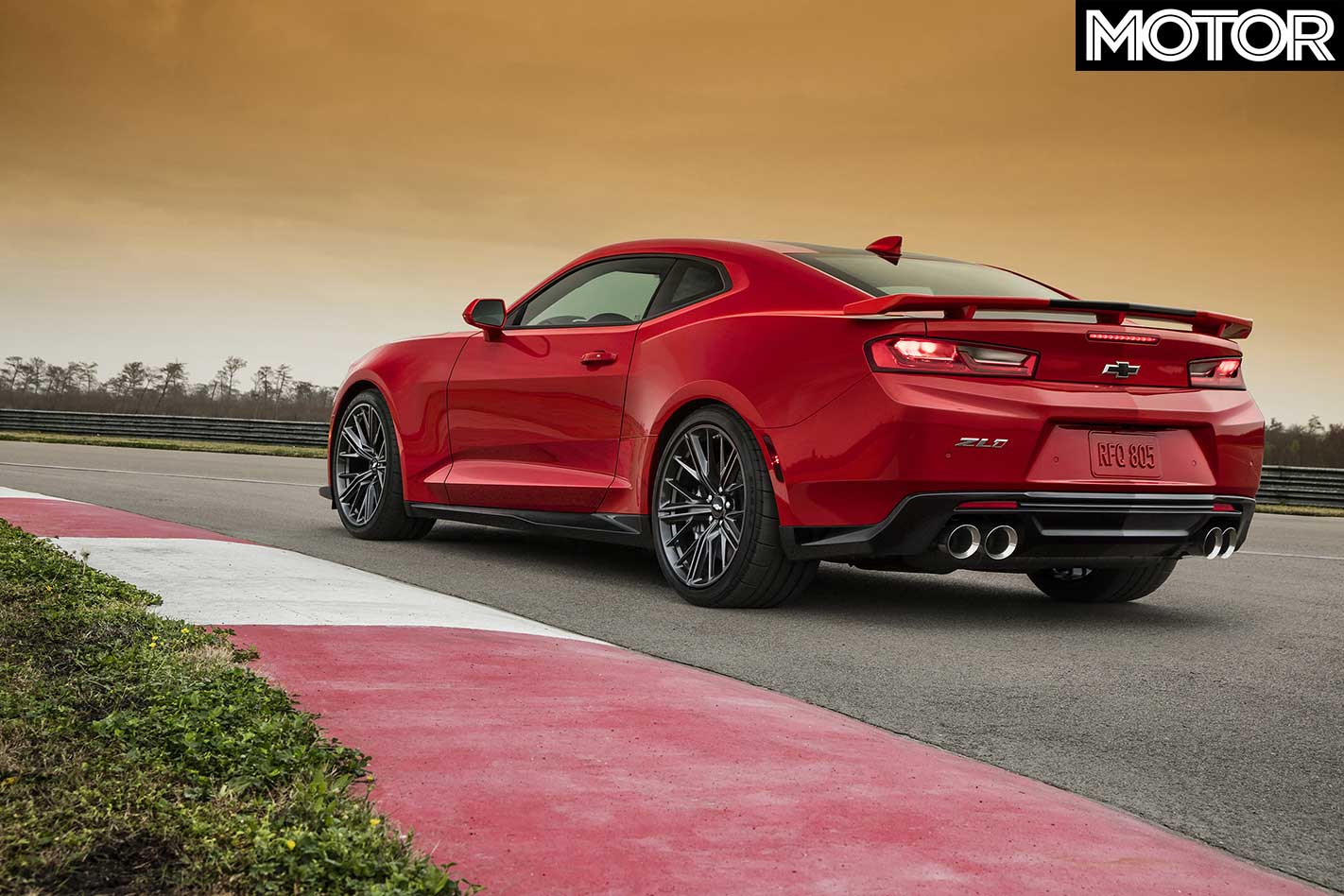
HSV has publically stated it would look at offering the ZL1, as a lot of the work that’s gone into creating right-hand drive versions of the Camaro 2SS will carry over into its faster, angrier brother, simplifying the development process.
Nonetheless, significant challenges remain, as the ZL1’s LT4 V8 means it will require its own emissions and crash testing, both hugely expensive undertakings. If the ZL1 is offered – and whispers from those close to HSV are that it will be – expect a sizeable price tag.
The car spotted looks to be an MY17 ZL1 judging by the rear styling, with the MY19 featuring larger ‘squircle’ taillights. The two models are mechanically identical, but the newer car has revised styling, more infotainment features and forward collision alert.
HSV spent the majority of 2018 establishing the production lines for its three core products, Colorado SportsCat, Silverado and Camaro, but will now turn its attention of expanding it offering, an HSV source stating that by mid-2020 it will have an “attractive portfolio” comprising converted models and enhanced models.
Will the 485kW Camaro ZL1 form part of that portfolio? All the signs are positive.
WHAT IS IT?
Audi’s foray into large coupe-profiled SUVs. Not only is the Q8 an all-new model to join the four-ring fellowship, it accepts the mantle from the Q7 as the flagship of the SUV line-up.
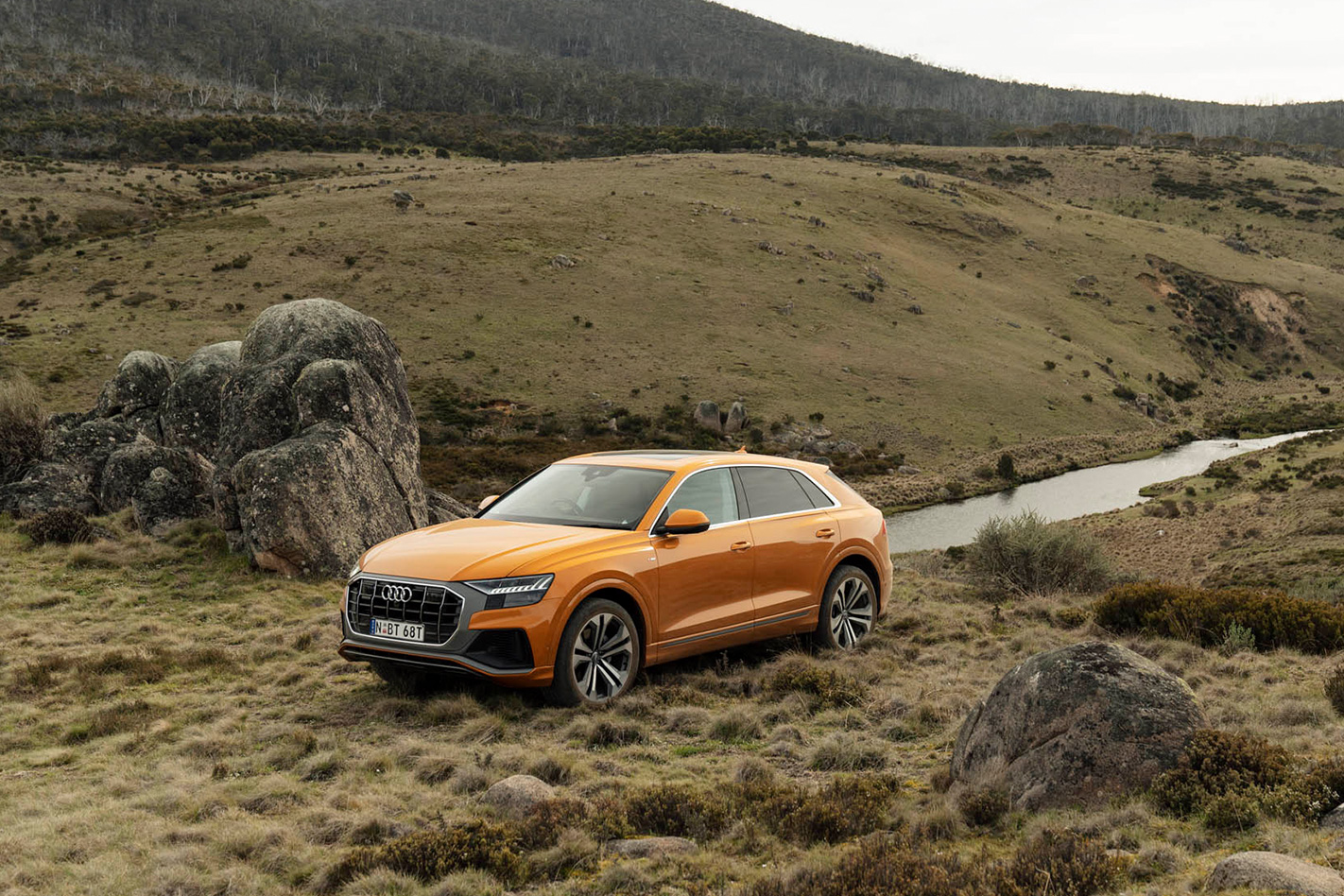
Audi is attempting to plug as many gaps in its high-rider range (and nomenclature) to avoid losing sales to the rapidly burgeoning portfolios on offer wearing BMW and Mercedes badges.
WHY WE’RE TESTING IT
In this weirdly popular segment, Audi is late to the party and it has been awkwardly observing the success other coupe SUVs enjoy the attention largely without opposition. For the Audi to catch up to its established rivals, it needs to bring a complete package of equipment, performance and looks – the defining feature of this segment.
More variants are on the way, but the Q8 launches with a single offering – the 55 TFSI – which lands with a compelling price.
MAIN RIVALS
BMW X6, Mercedes-Benz GLE Coupe
THE WHEELS REVIEW
IT SHOULDN’T come as a dramatic surprise that, in an age of sliding sedan sales offset by an inverse boom in SUV registrations, Audi’s new halo model is a stilted, all-paw wagon that’s pinched most of its A8 sibling’s toys – the four-ring flagship since 1994 – and swaps out the A for a Q.
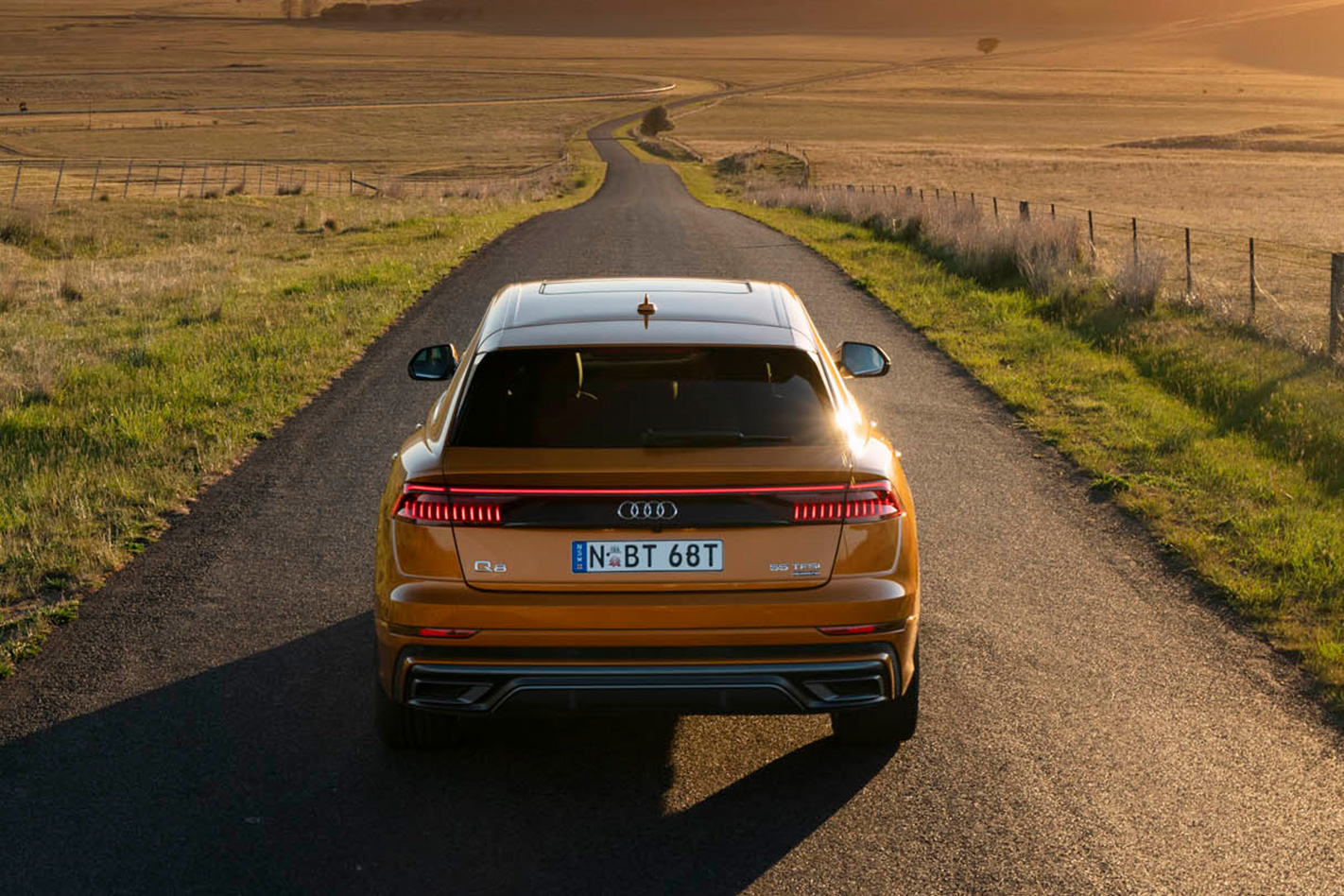
Squint at the horizon and you’ll see a 50 TDI diesel Q8 on its way, due to arrive mid-2019. Gaze even further into the future and you’ll see a 500kW RS Q8 with the potential to embarrass a Lamborghini Urus. For now though, the Q8 arrives with a single petrol powertrain, a 55 TFSI boot badge and a $128,900 price tag.
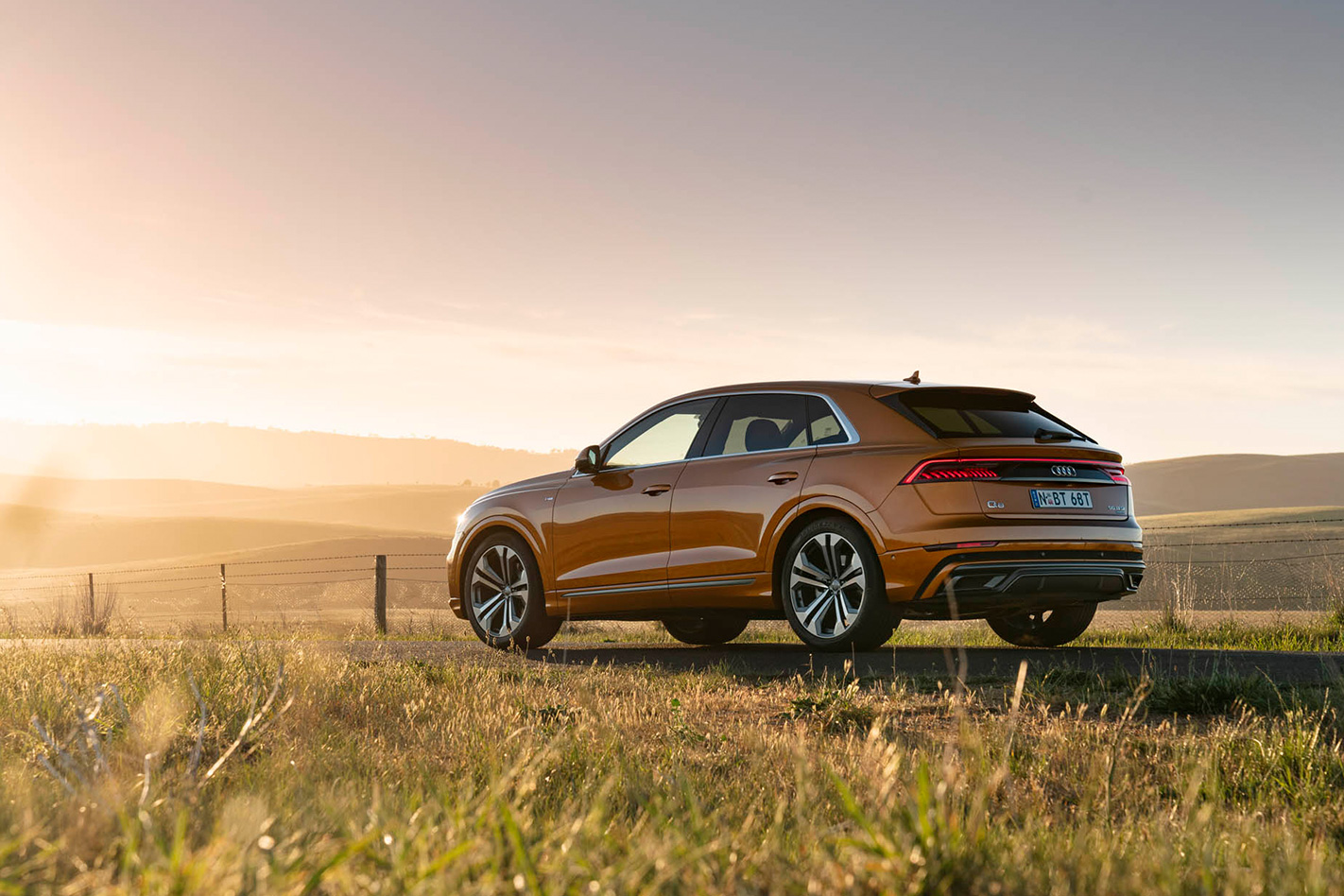
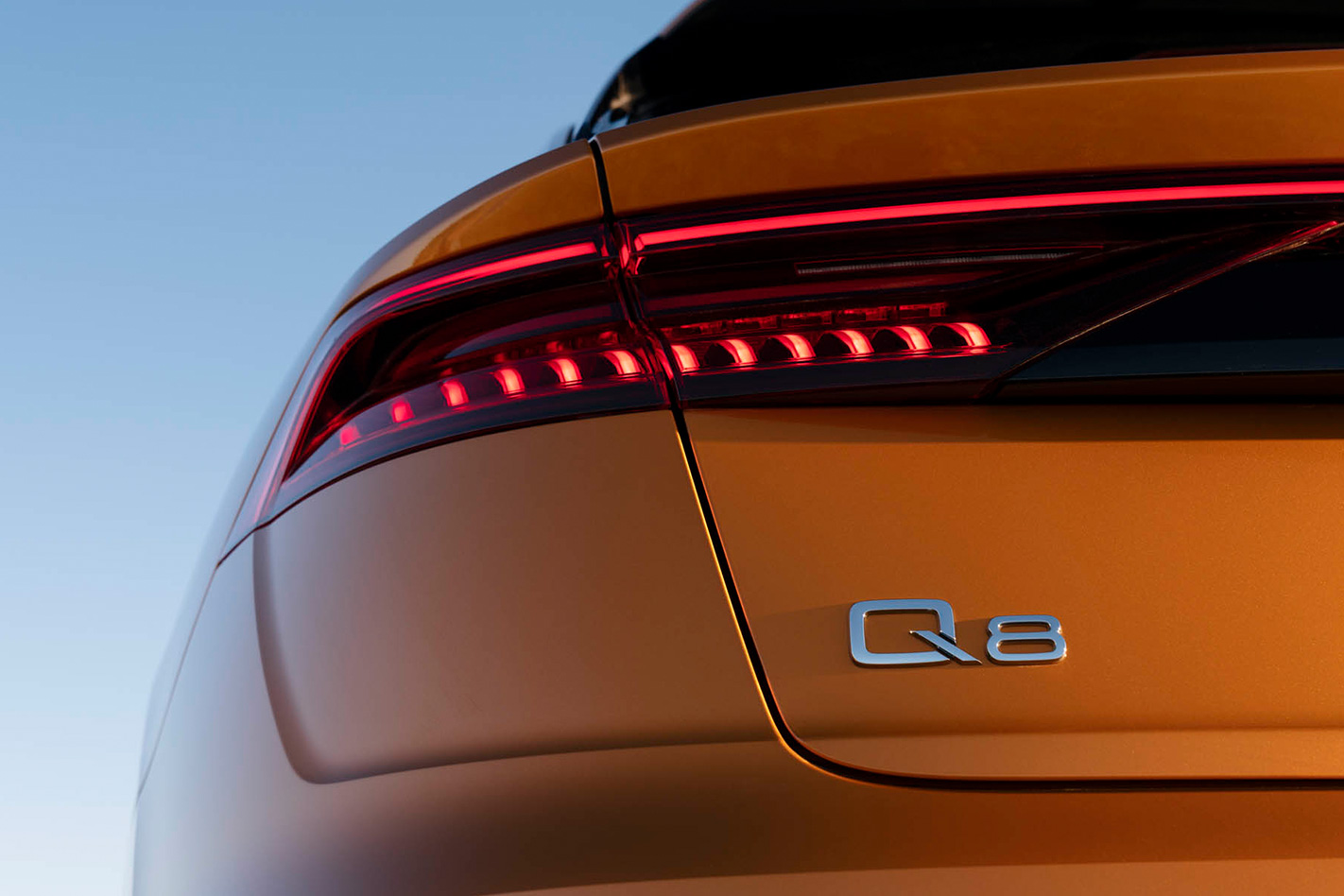
For that cash you get a compelling kit list that includes smart 21-inch wheels, an S line styling pack that’s usually an expensive Audi extra, an electric tailgate with hands-free opening and full LED headlights. The softest Valcona leather with maximum front seat adjustment is also thrown in for no additional cost – something Q7 customers have to shell out for.
Unsurprisingly, the Q8 features the company’s fully digital Virtual Cockpit instrument cluster, but the expansive high-res screen is complemented by another pair of displays in the centre of the cabin. Both feature the same touchscreen tech pioneered by Porsche which requires a good prod to select functions and responds with satisfying haptic feedback. Not only does this approach remove switch clutter but it enhances the typically understated and beautifully stylish interior design.
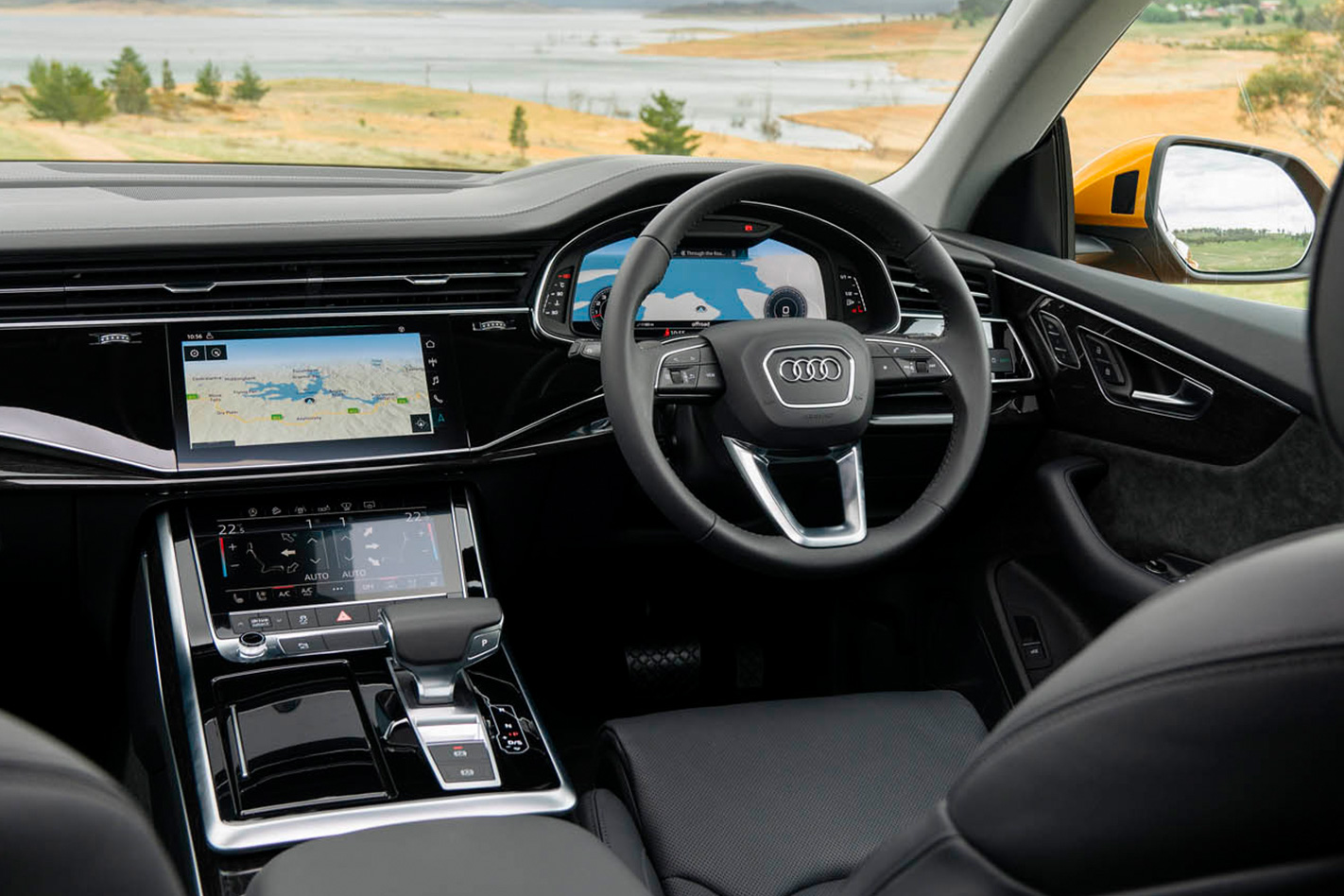
As usual, there’s the irresistible Audi options list and our test car had been upgraded to the tune of $40,000, most of which you could live without, but if you had to pick just one extra it would have to be the adaptive air suspension.
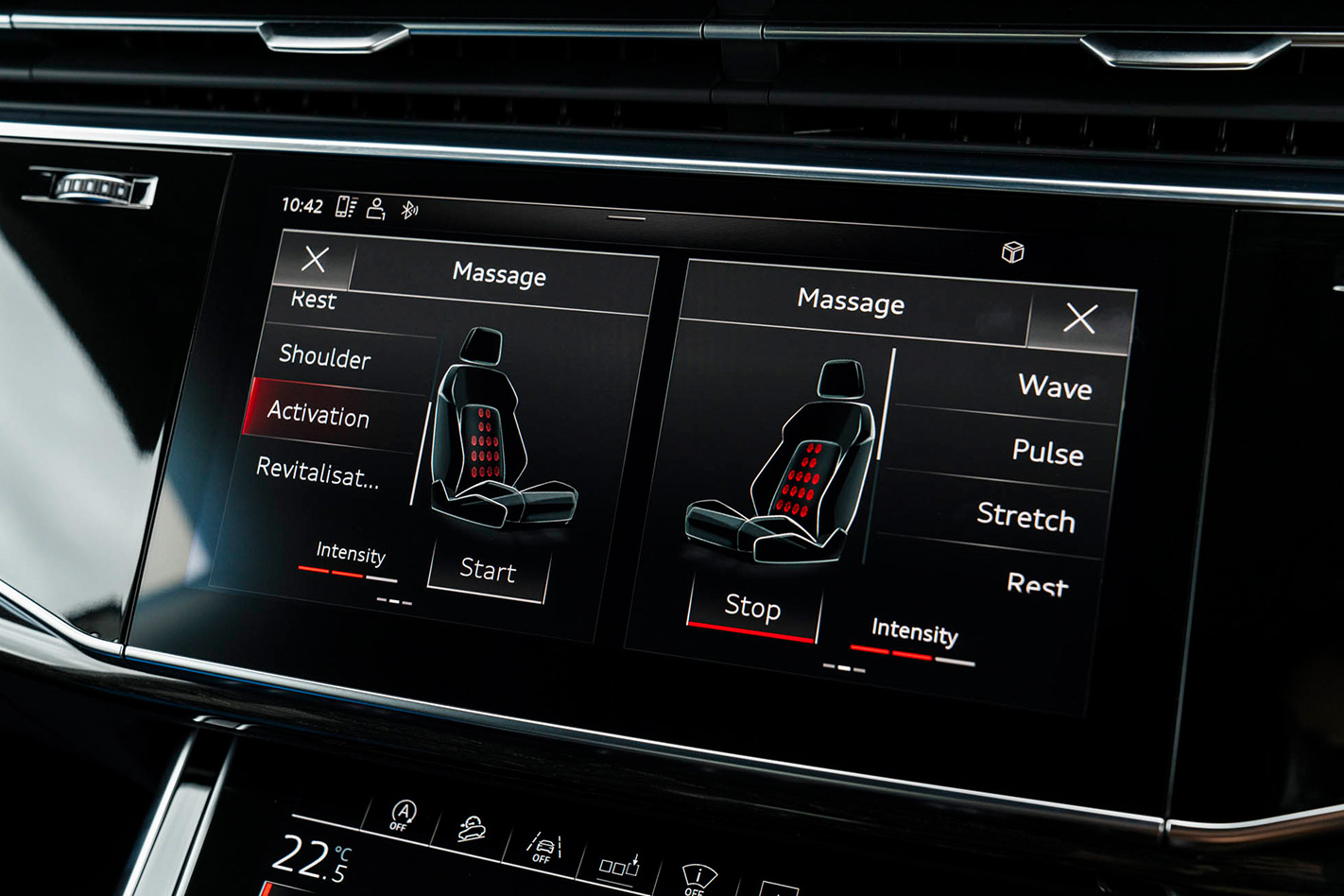
Unfortunately, the more sophisticated chassis setup is only available as part of an eye-watering $11,000 Premium plus package, which bundles a heap of other goodies including 22-inch wheels, dynamic indicators and headlights, four-zone climate and lovely mood lighting. It’s good value if you want all that, but if you’re only after the better suspension system, it’s a bitter pill to swallow.
The Q8’s 3.0-litre turbo V6 powertrain is a cracker. Some 250kW and 500Nm will see it step off the line cleanly for a 5.9s sprint to 100km/h and the effect of its very mild hybrid belt-driven starter/alternator is subtle but welcome. Audi says it saves 0.7L/100km for a combined efficiency figure of 9.2L/100km. The eight-speed auto connected to continuously variable quattro four wheel drive is similarly notable for its seamless sophistication.
But let’s not forget that unlike some fire-breathing RS Audis that adopt all-wheel drive just to stay out of a hedge, the Q8 is actually supposed to leave the road occasionally and even has an Off Road setting. Sadly, we didn’t have a chance to test its all-terrain ability to the limit but a blast on unsealed roads hinted at a confidence we would like to revisit and explore at a later date. Off Road was perhaps overkill for a little light gravel with excessively light steering and an unnecessarily increased ground clearance but we can see the benefit for more challenging surfaces.
The Q8 is not the most inspiring driver’s Audi when back on the road either. Yes, its body control is commendable even on standard steel coil springs with adaptive dampers and, when floating on air the resistance to body roll is good but the Q8 certainly is at its most impressive when cosseting all occupants in quiet comfort. Best wait for S and RS badged versions for a true tarmac tearer.
But therein lies the Q8’s real selling point.
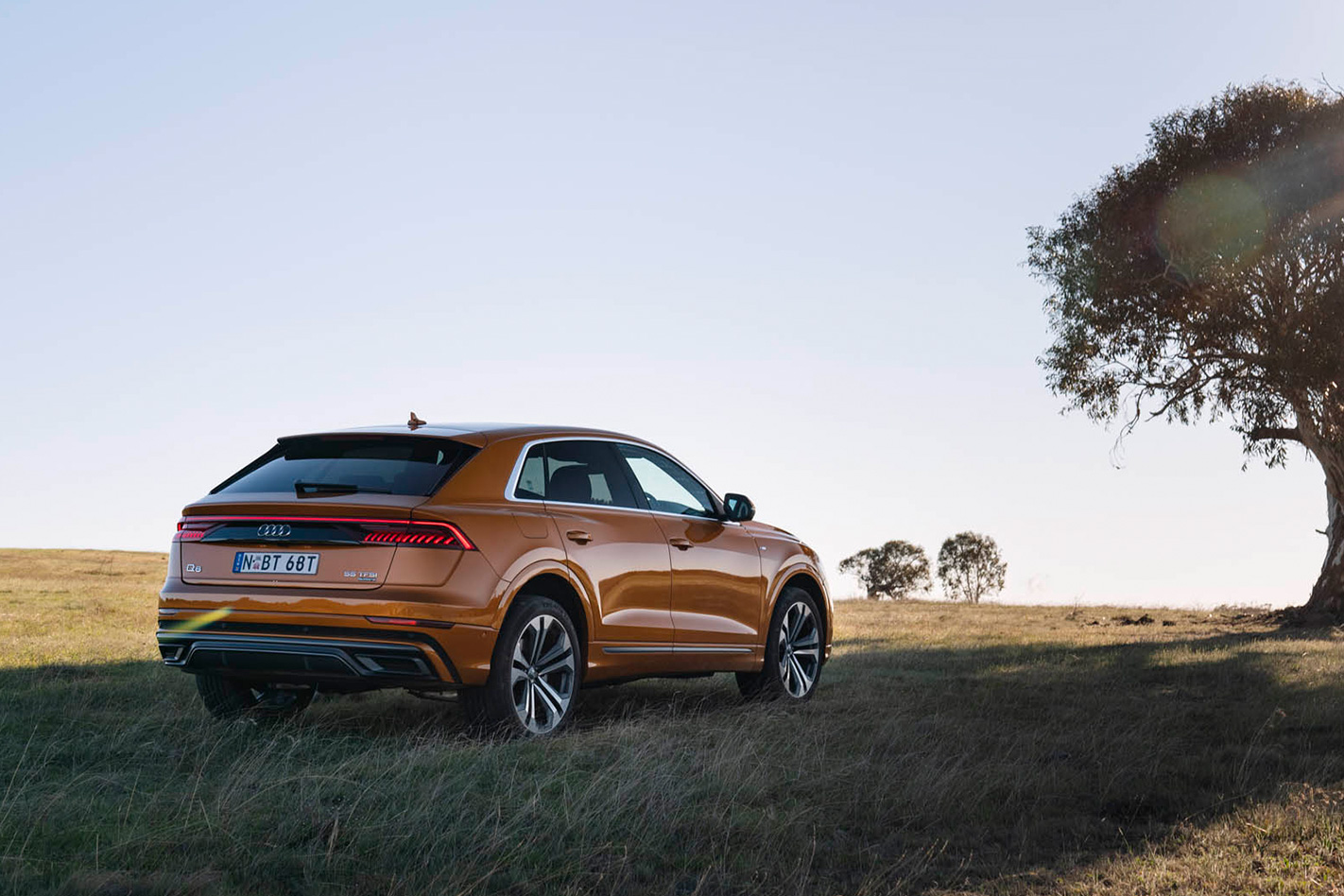
It combines handsome styling with a certain presence like no other Audi SUV before it, it packs A8 class, comfort and kit but with added all-terrain ability, and for a price that’s a massive $63,000 more affordable than the cheapest A8. Ingolstadt says the Q8 is the new high-riding flag-bearer, but it may also be the value hero of the entire Audi line-up.
THE WHEELS VERDICT
Love or hate the notion of a large SUV that’s trying to be a sports car, these curios are causing a stir and are here to stay. But Audi’s fresh proposition is perhaps the best ambassador to date and the easiest to warm to.
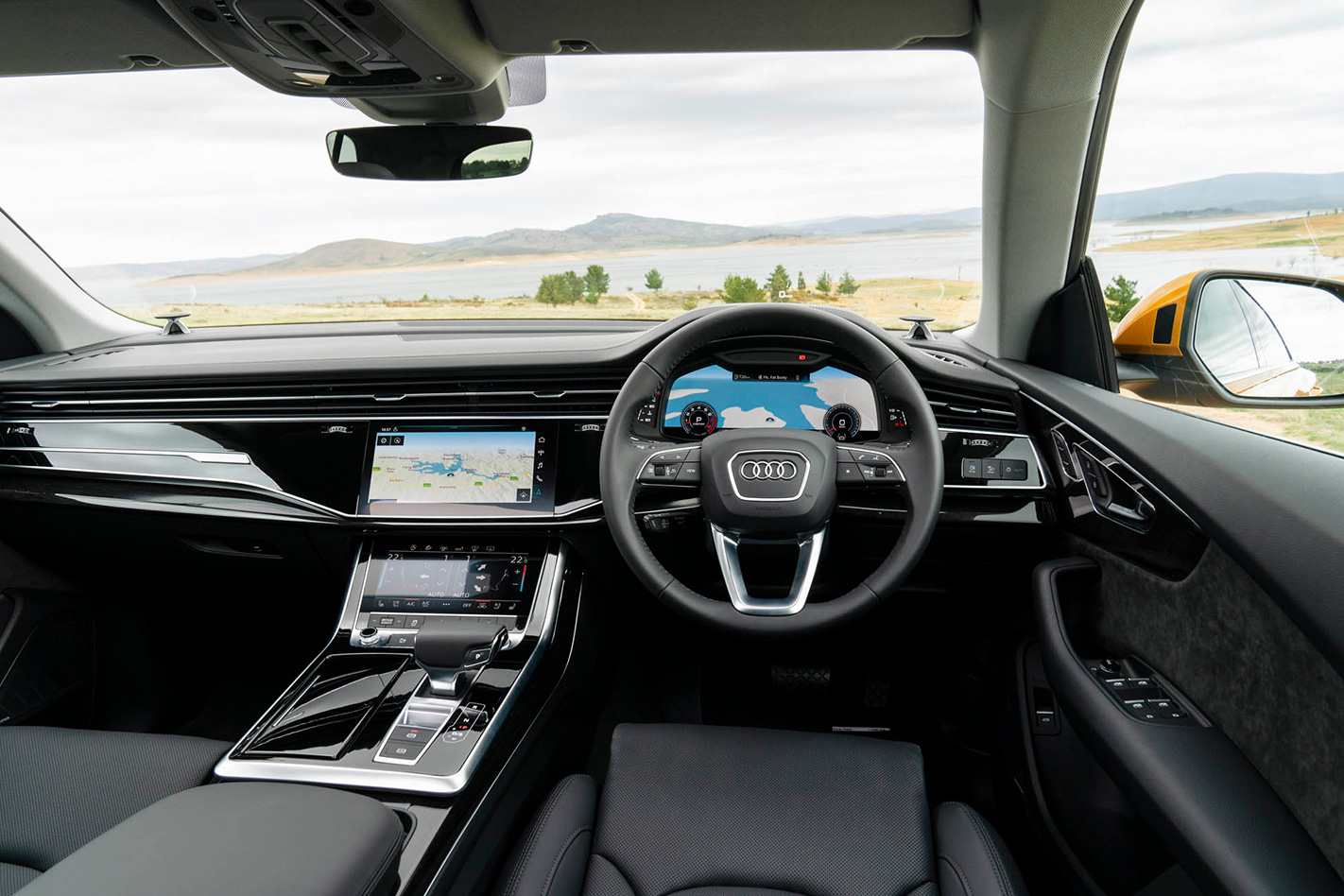
Pricing is spot on and includes a lot for the cash, its design is hard to dislike from any angle and, while it isn’t the driving holy grail its looks suggest, future variants could well go some way to addressing that.
You could argue that its rivals have loosened the jar lid ready for Audi to easily unscrew it. Or maybe it’s simply the best package.
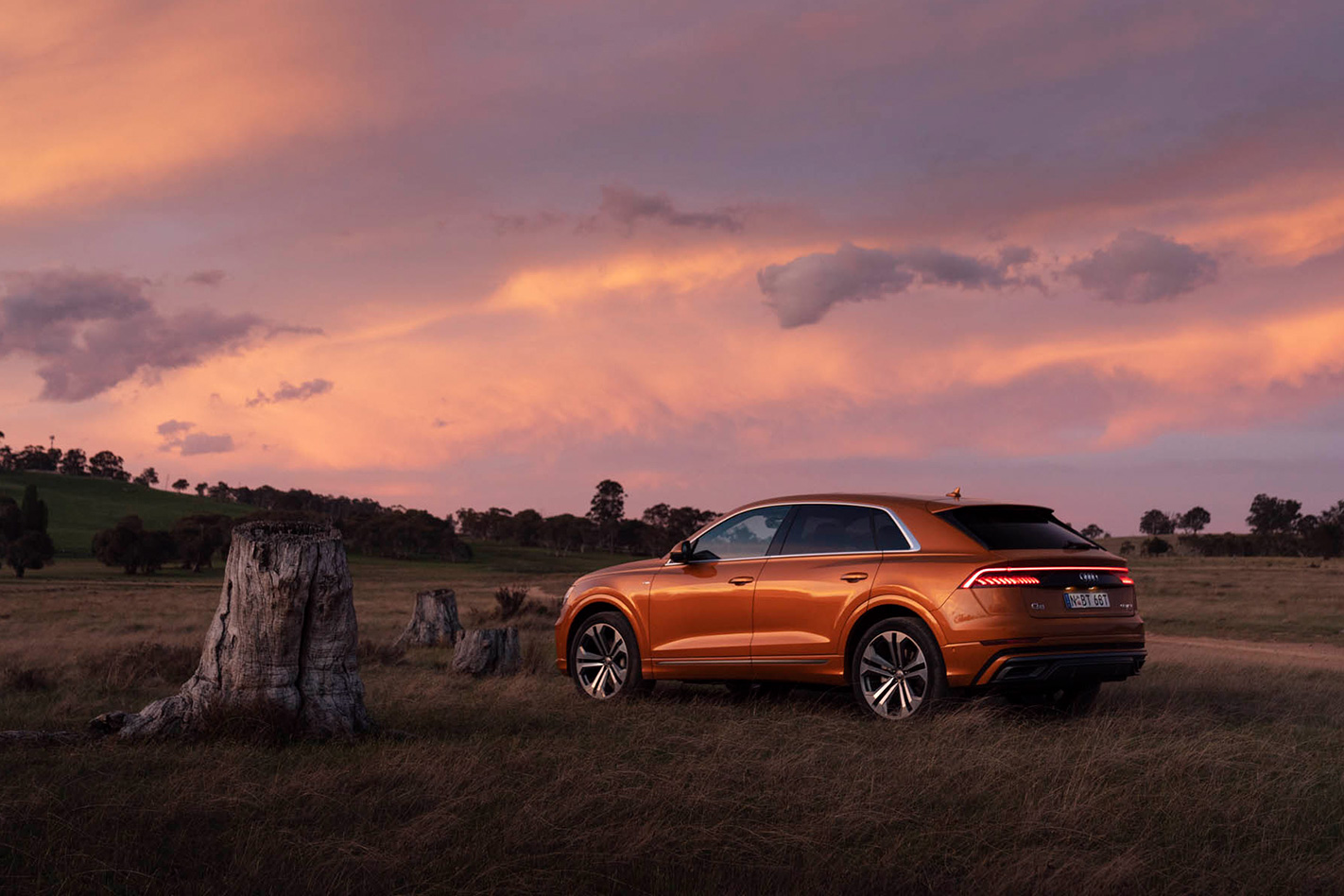
PLUS: Dashing looks; impressive standard equipment; relaxing ride and cabin MINUS: No standalone air suspension option; no seven-seat option
SPECS
Model: Audi Q8 55 TFSI Engine: 2995cc 90-degree V6 turbo Max power: 250kW @ 5500rpm Max torque: 500Nm @ 2900 – 5300rpm Transmission: 8-speed automatic Weight: 2145kg 0-100km: /h5.9sec Economy: 9.2L/100km Price: $128,900 On sale: Now
