
ON NOVEMBER 11, 2008, automotive videos were changed forever.
That was the day a then relatively unknown Ken Block uploaded a video titled Gymkhana Practice to his Youtube channel.
In the decade following, the video has racked up almost 16 million views, set a new bar for automotive entertainment, created a media empire, and spawned a series which has churned out some serious water-cooler content.
Block’s Gymkhana series, and its ongoing success, is akin to an unknown team rocking up to a grand prix weekend, winning on debut, and then continuing to crush the opposition for a decade.
The original Gymkhana harks back to Block’s skateboarding roots, with a lo-fi production feel. While the driving isn’t as outlandish as more recent additions to the series, the genesis of Block’s flamboyant style is clearly present, along with copious amount of tyre smoke.
It would be easy to deride the videos that followed as more of the same, but that ignores the way each effortlessly plugs into contemporary zeitgeist, and endows Gymkhana with repeated viral traction.
KEN BLOCK’S HOONICORN MUSTANG IN DETAIL
Each iteration continues to raise the bar, with wilder stunts, more brazen locations, and all underscored with Block’s relentless destruction of tyres.
While the concept has remained a common theme, each Gymkhana has a new flavour, with unique stunts and locations. A littering of easter eggs throughout each video ensures re-watchability.
During Gymkhana’s procession, the cars Block throws around assorted locations have evolved to become co-stars to the man himself, sprouting fire-breathing turbos and stretched bodywork.
Block and the Hoonigan Media Machine gave viewers an inside look at what goes into making the largest and most extreme car video on the internet in a new Amazon Prime show, the Gymkhana Files.
The shows give the viewer an insight into the consternation felt by both Block and director Brian Scotto when things go awry, like they did so spectacularly while filming in Los Angeles when the internals of Block’s Ford Escort went from singing a sonorous song on the rev limiter to being smoking shards of oily detritus bouncing across a warehouse floor.
Viewers of the series are also given a peek behind the curtain, to see the level of logistics and planning required to create something with the production values to make a Hollywood exec jealous.
Multiple brands and enthusiasts have since glommed onto Block’s original concept, to varying degrees of success. But none have quite captured the magic, and escalating extremes, of the Gymkhana series.
Gymkhana 10 continues what Block started a decade ago, and is the most daring and entertaining episode in the series yet. Enjoy.
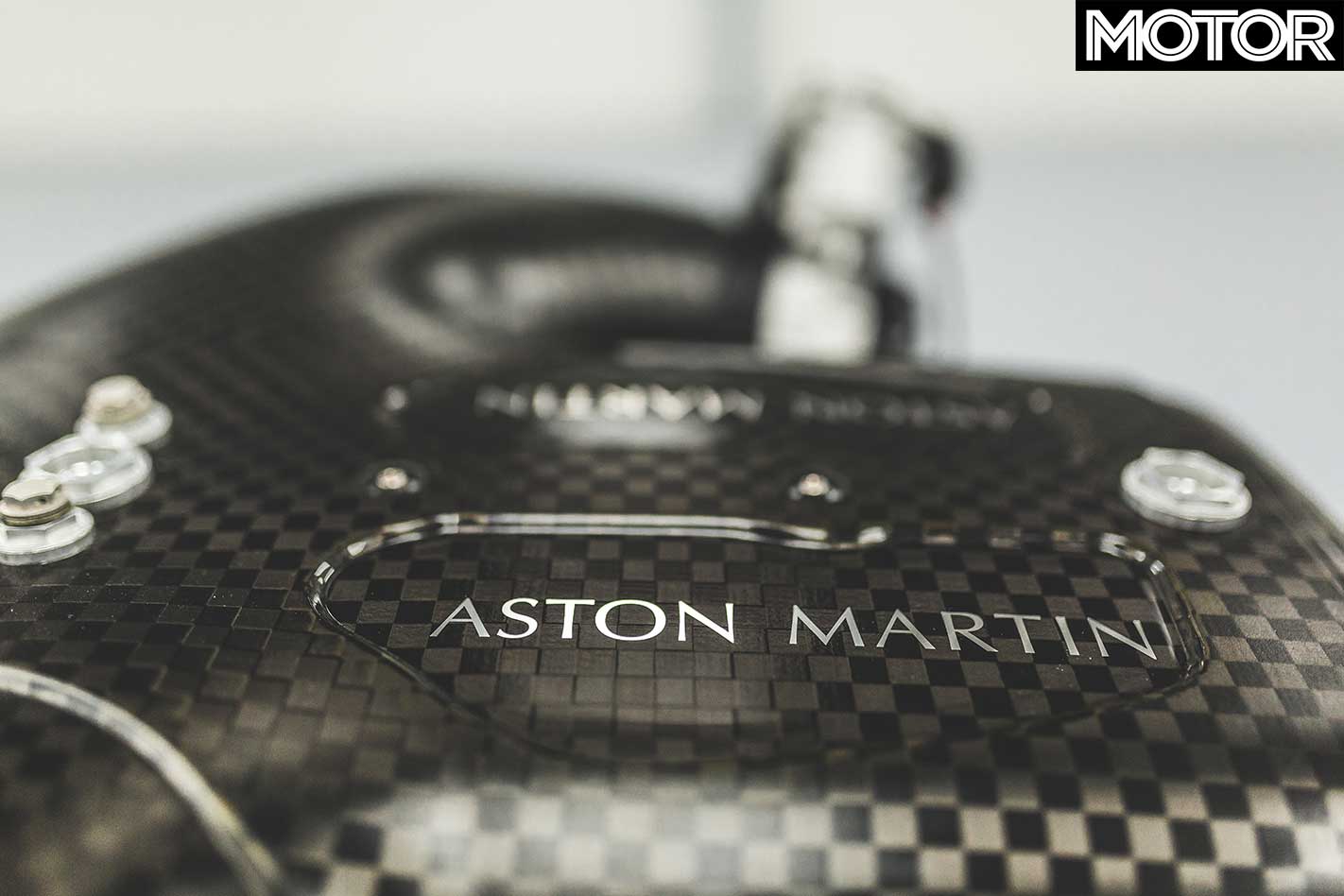
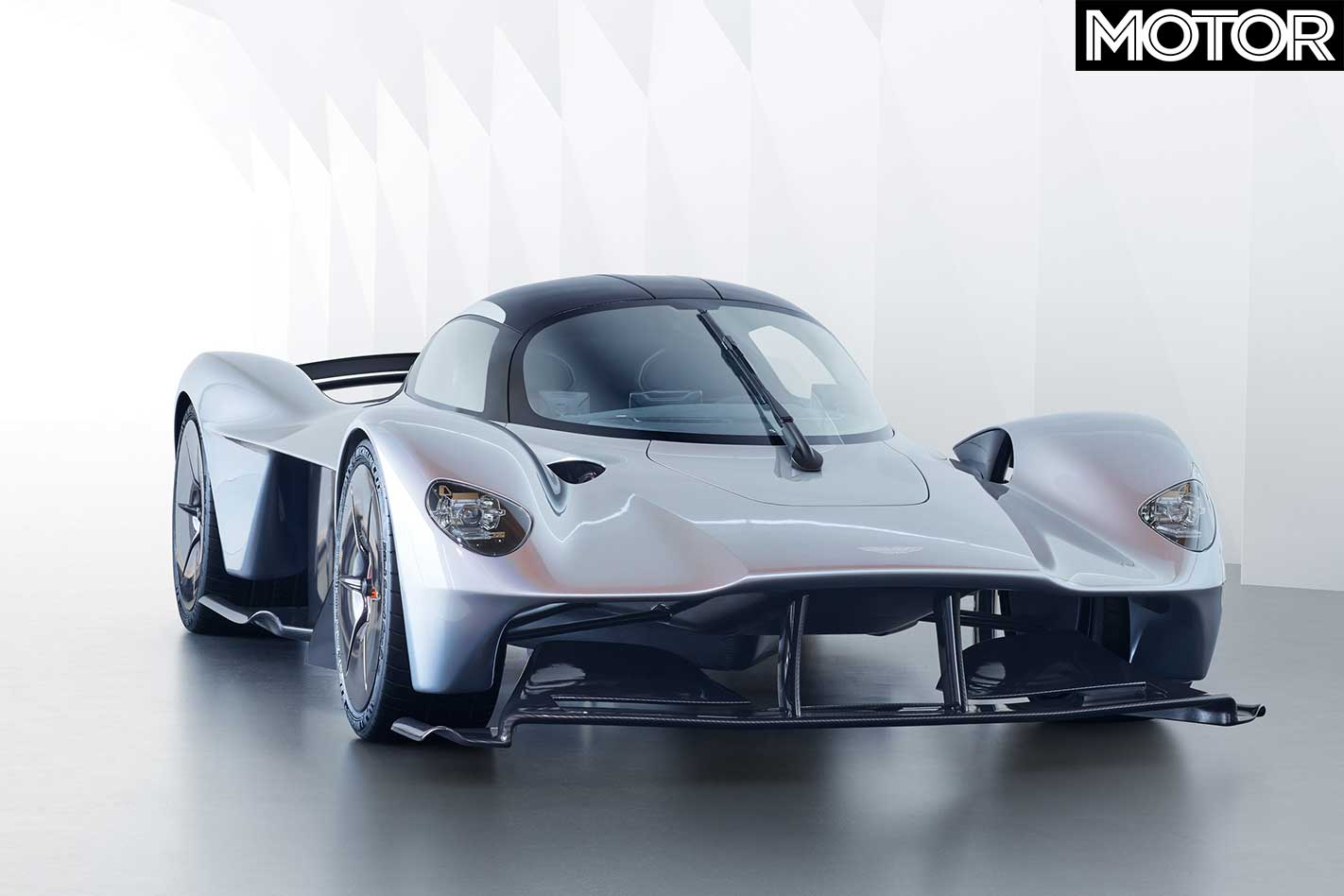
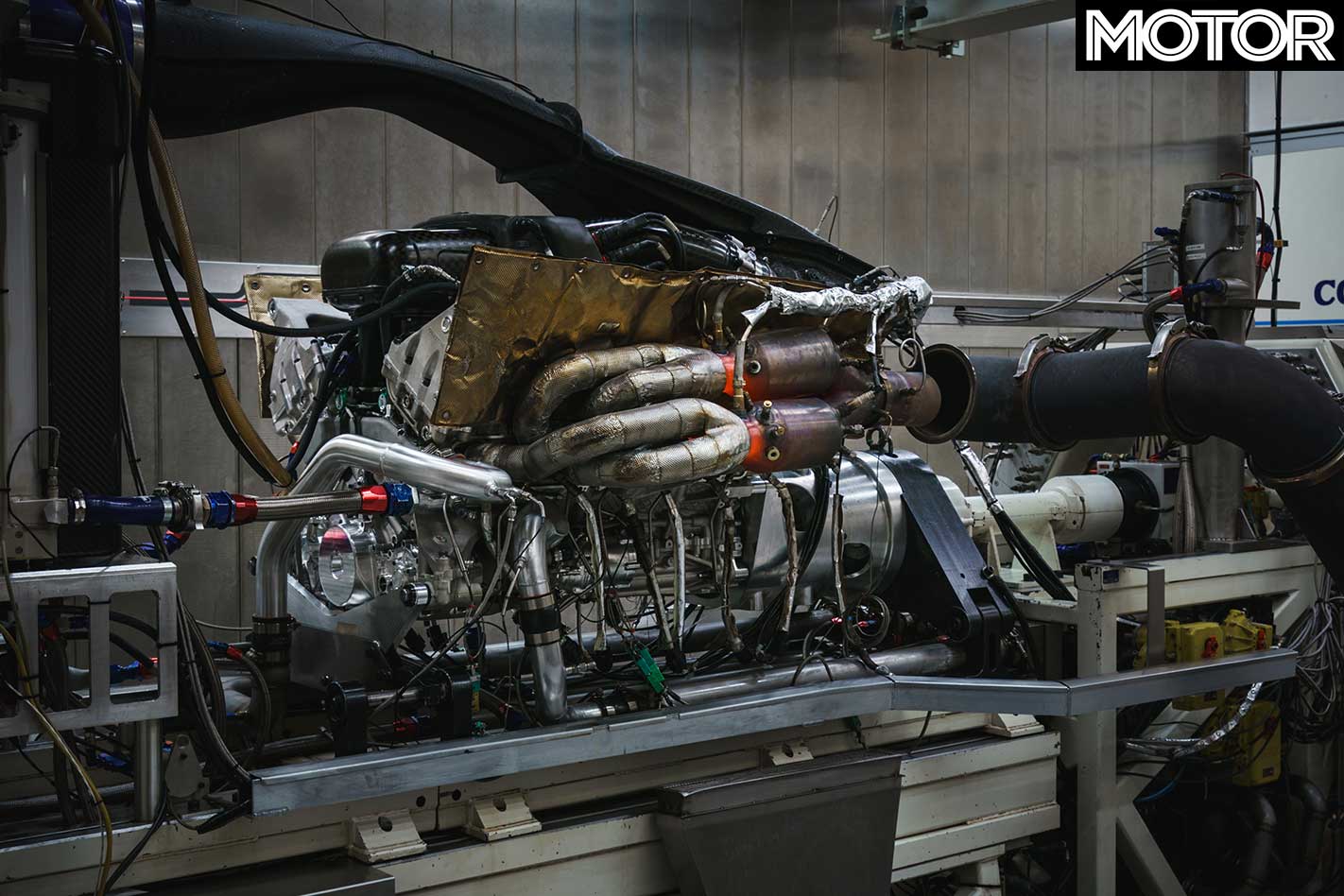
Aston Martin, in conjunction with Cosworth, has created a truly astonishing engine.
Destined for the Aston Martin Valkyrie, the new naturally-aspirated 6.5-litre V12 engine is capable of producing 735kW, and revs to 11,100rpm. It achieves peak torque of 740Nm at 7000rpm, a figure which is above redline for most other road cars.
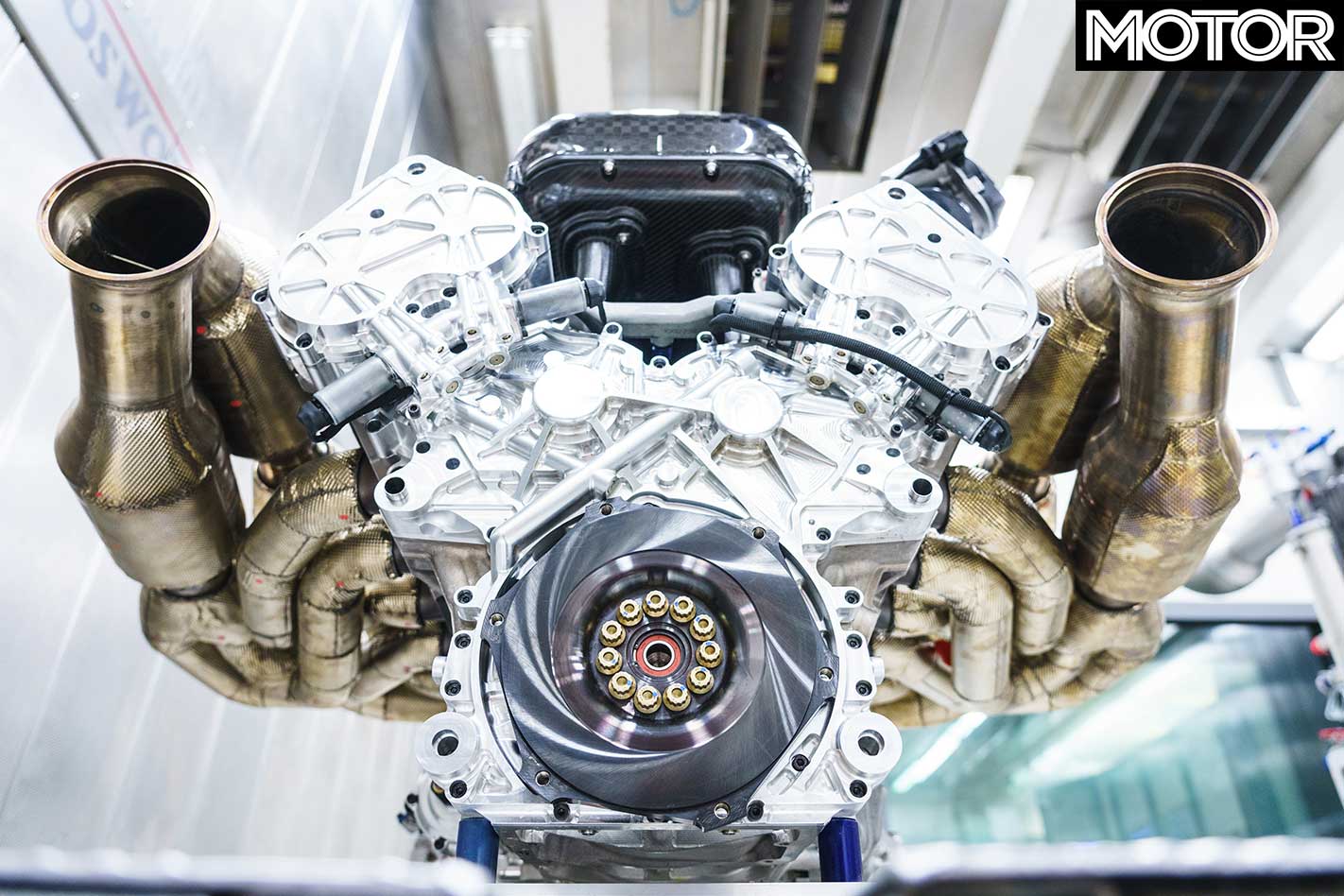
Cosworth’s F1 experience, as well as Red Bull Racing engineer Adrian Newey’s expertise and Aston’s vision for the hypercar, has allowed the goal of creating ‘the ultimate expression of the internal combustion engine’ to be realised.
The Valkyrie’s V12 will also be working in tandem with a hybrid system which Aston Martin is yet to detail, so the hypercar’s total output is yet to be revealed.
Cosworth’s engine building history is further evidenced in the V12’s low weight of 206kg. The engine is part of the chassis, so it was vital that a balance between lightness and strength was found in the materials used.
In addition, Aston Martin has release a video (above) of the engine’s sound, invoking memories of the pre-hybrid F1 era.
Aston Martin CEO and revhead himself Andy Palmer says a naturally aspirated V12 was the only way to go for the Valkyrie – no matter what.
“To anyone with a drop of petrol in their blood, a high-revving naturally aspirated V12 is the absolute pinnacle,” Palmer says.
“Nothing sounds better or encapsulates the emotion and excitement of the internal combustion engine more completely.
“Despite the apparently insurmountable challenges it presented, there was never any question that the Aston Martin Valkyrie would make do with anything less.
“From the outset the team at Cosworth were unflinching in their commitment to achieving benchmarks which pushed the boundaries of the possible.
“The result is a quite extraordinary engine. One which I doubt will ever be surpassed.”
Cosworth managing director Bruce Wood says Cosworth is proud to have joined with Aston and Red Bull F1 to have such a significant input into the engine’s final design.
“Decades in F1 taught us to expect a pretty demanding specification from someone with Adrian Newey’s unsurpassed track record, but when we started talking about specifics of power, weight, emissions compliance and durability combined with ever harder and sometimes conflicting targets, we knew this would be a challenge like no other.
“It’s been a fantastic partnership between Aston Martin, Red Bull and Cosworth with each party bringing a distinct clarity of vision that has proved essential in delivering an internal combustion engine way beyond anything previously seen in a road car application.”
Automobili Pininfarina has named its first car, as well as revealing most of the primary details aside from how it looks.
The Italian coachbuilder-turned-carmaker says the car is to be called the Pininfarina Battista, after company founder Battista ‘Pinin’ Farina.
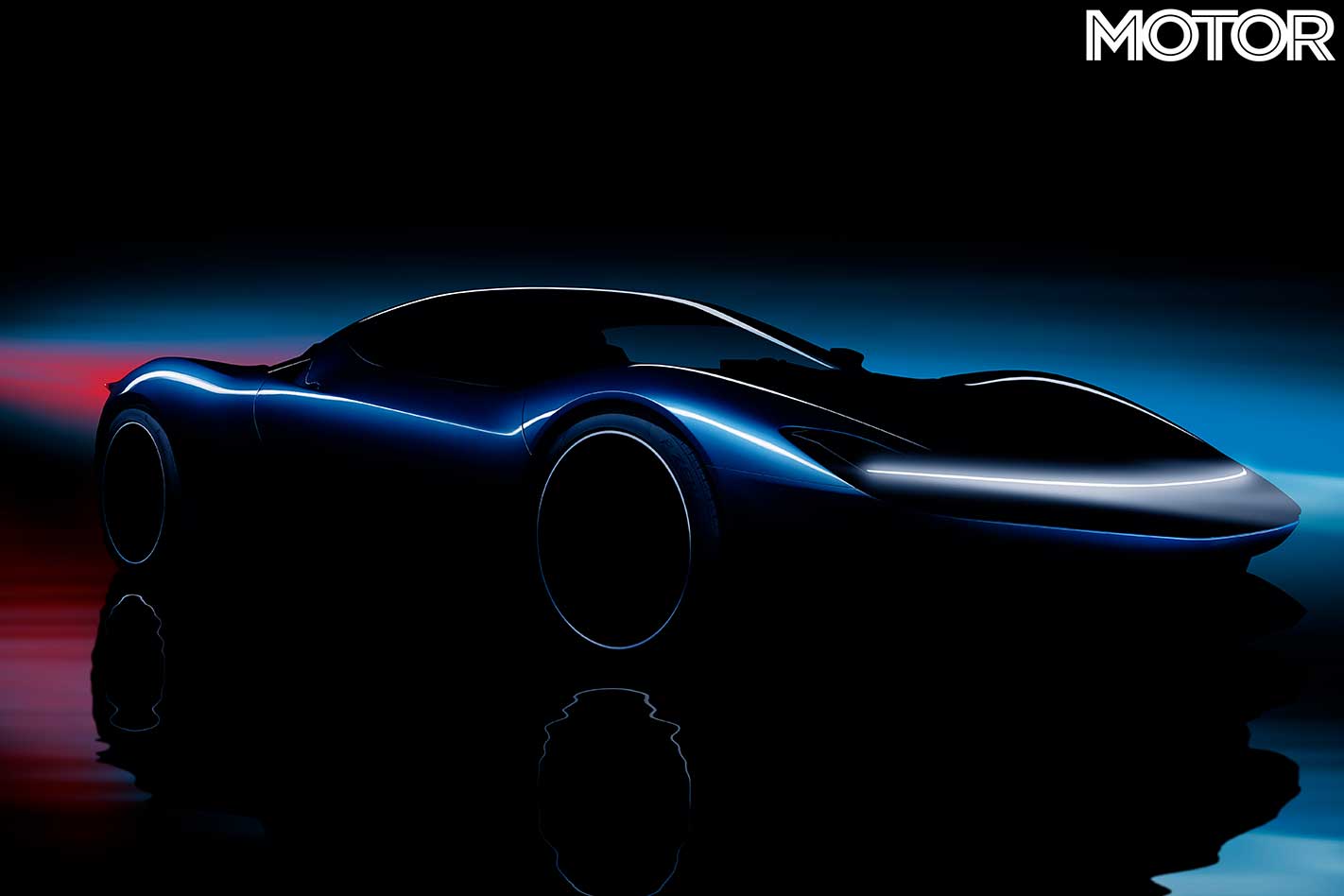
With an all-electric powertrain, the Battista is to boast a total output of 1397kW and 2300Nm, those almost unfathomable numbers allowing the car to hit 100km/h in less than 2 seconds, and top over 400km/h.
150 of the luxury hypercars are to be built, with a base price estimated to land between USD$2m and $2.5m. That converts directly to between AUD$2.77m and $3.46m.
50 of those units are US-bound, while 50 will be sold in Europe and 50 are allocated to the Middle East and Asia. Whether this includes Australia is yet to be confirmed.
Paolo Pininfarina, chairman of Pininfarina and grandson to Battista says naming the car after his relative, the company’s founder, was the obvious course.
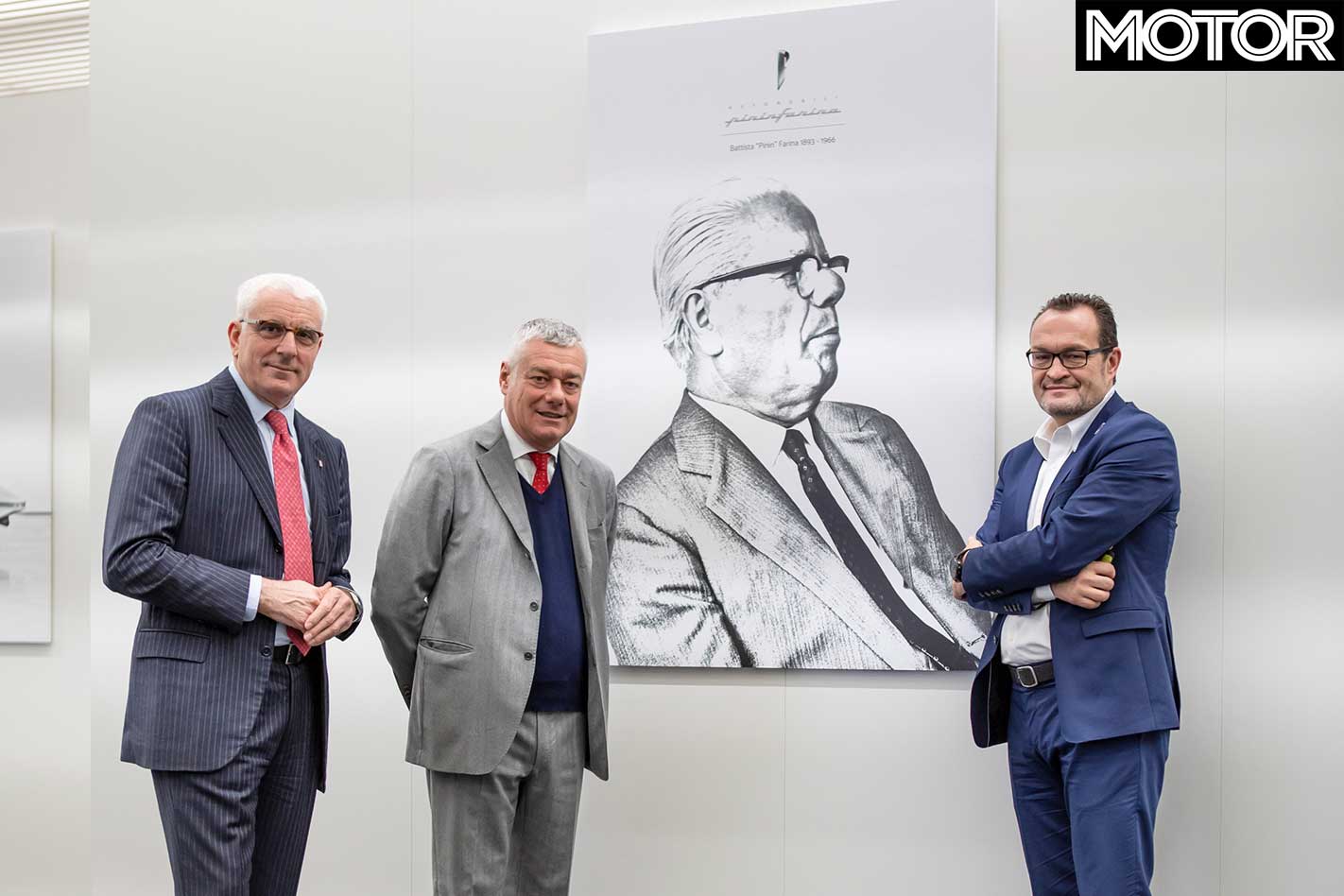
“This is genuinely a dream come true. My grandfather always had the vision that one day there would be a stand-alone range of Pininfarina-branded cars.
“This hypercar will boast world-beating performance, technological innovation and of course elegant styling. For me, we simply had to call it Battista.
“His dream becomes reality today as we link our glorious past with the future of motoring.”
The Battista is expected to be produced from 2020, with units available that same year.
The Mercedes-AMG A45 rewrote the hot hatch rulebook upon its release in 2013, so it’s a mark of how quickly the automotive game works that it provided the benchmark for AMG’s new ‘entry-level’ hot hatch, the A35.
The man in charge of AMG’s small cars, Andreas Meyer, told MOTOR at the A35’s international launch in Majorca that the primary development goal was to match the dynamic ability of AMG’s first hot hatch.
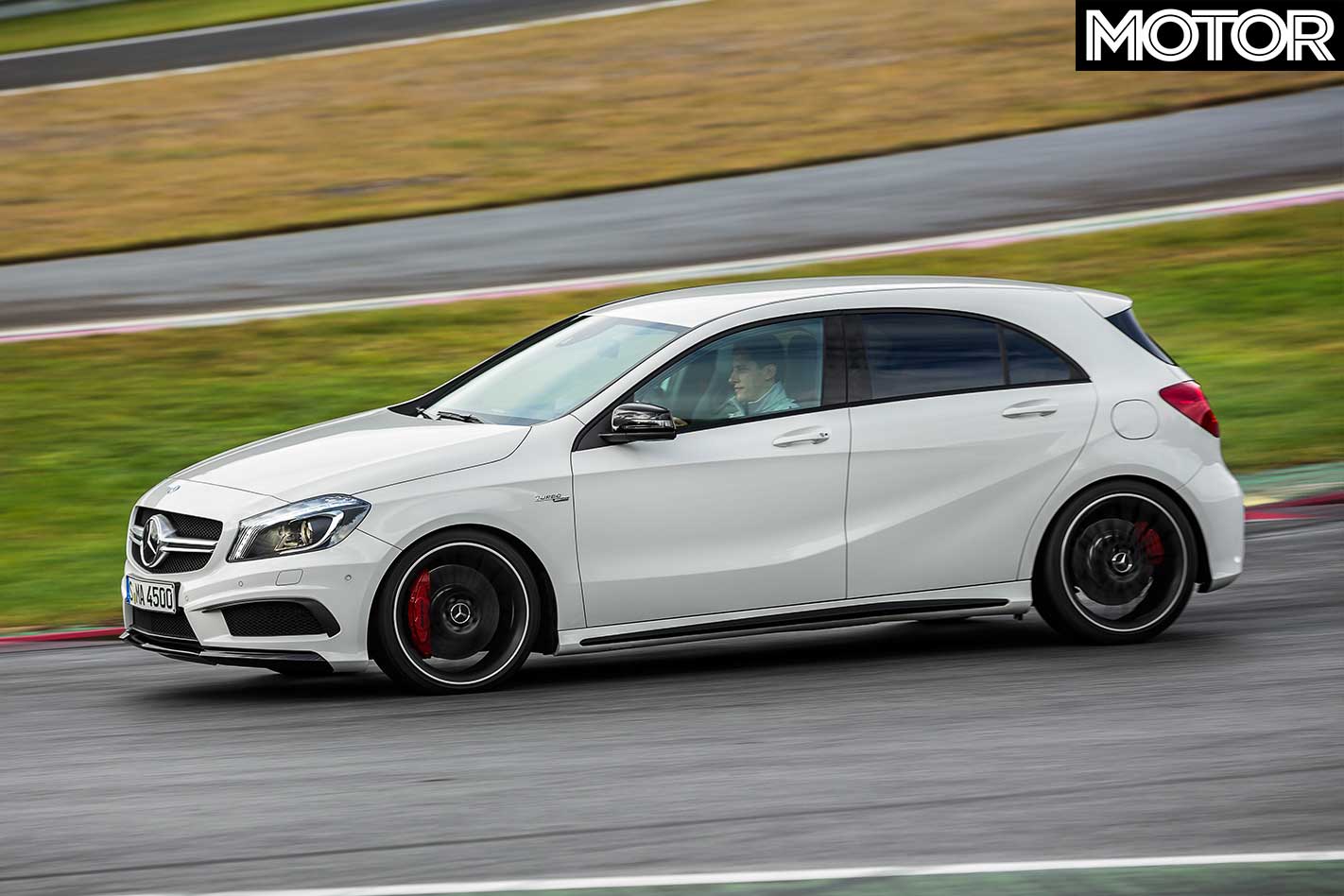
It almost matches it in a straight line, too. With a 0-100km/h claim of 4.7sec, the 225kW/400Nm A35 is just 0.1sec slower than the original 265kW/450Nm A45. It makes up for its power shortfall with a smarter drivetrain, including gear ratios from the facelifted A45 and electro-mechanical operation of the rear multi-disc clutch pack that apportions a maximum of 50 per cent of drive to the rear.
The A45 used electro-hydraulic operation, which required front wheelspin – if only slight – to build up sufficient pressure to engage the rear wheels. By using inputs from a vast multitude of sensors, the A35’s electro-mechanical unit is able to effectively pre-empt when power needs to be sent to the rear.
In addition, AMG has gone to every effort to stiffen the A35 bodyshell to provide a stable platform for the suspension to do its work. The four-link rear end is the same as the A250, but like in the A45 the subframe is rigidly mounted to the bodyshell and every single bushing was changed.
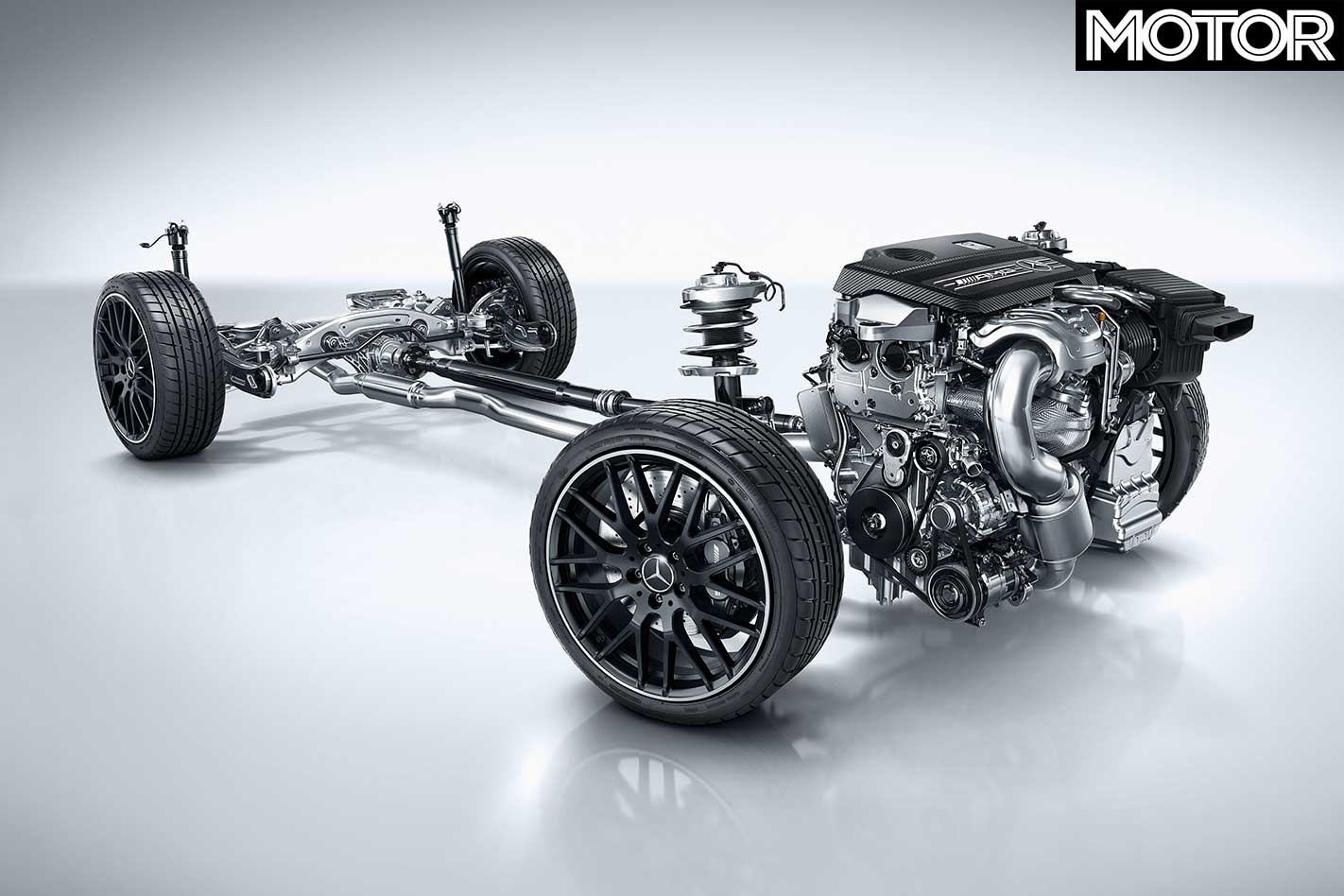
Up front, the front subframe is stiffened by an aluminium ‘shear panel’ and attached to the bodyshell by a pair of diagonal braces. The steering rack is then rigidly mounted to the subframe rather than with rubber bushings like in the A250.
The brakes are lifted from the A45 (though are different part numbers) with radially mounted calipers, there are bespoke hubs with a hole in the bottom to help brake cooling, stiffer top mounts and uniball joints, all designed to remove any flex during hard cornering.
Did AMG achieve its goal and match its original hot hatch? Read our first drive review to find out.
The new Mercedes-AMG A35 could well be called the Goldilocks. Not because it has a penchant for breaking and entering, but because it’s ‘just right’.
It’s been carefully engineered to inhabit the sweet spot between the 165kW A250 and forthcoming 300kW A45, appealing to those who find the former a bit docile and the latter too raucous. Particularly as early information suggests the new A45 will be slightly berserk.
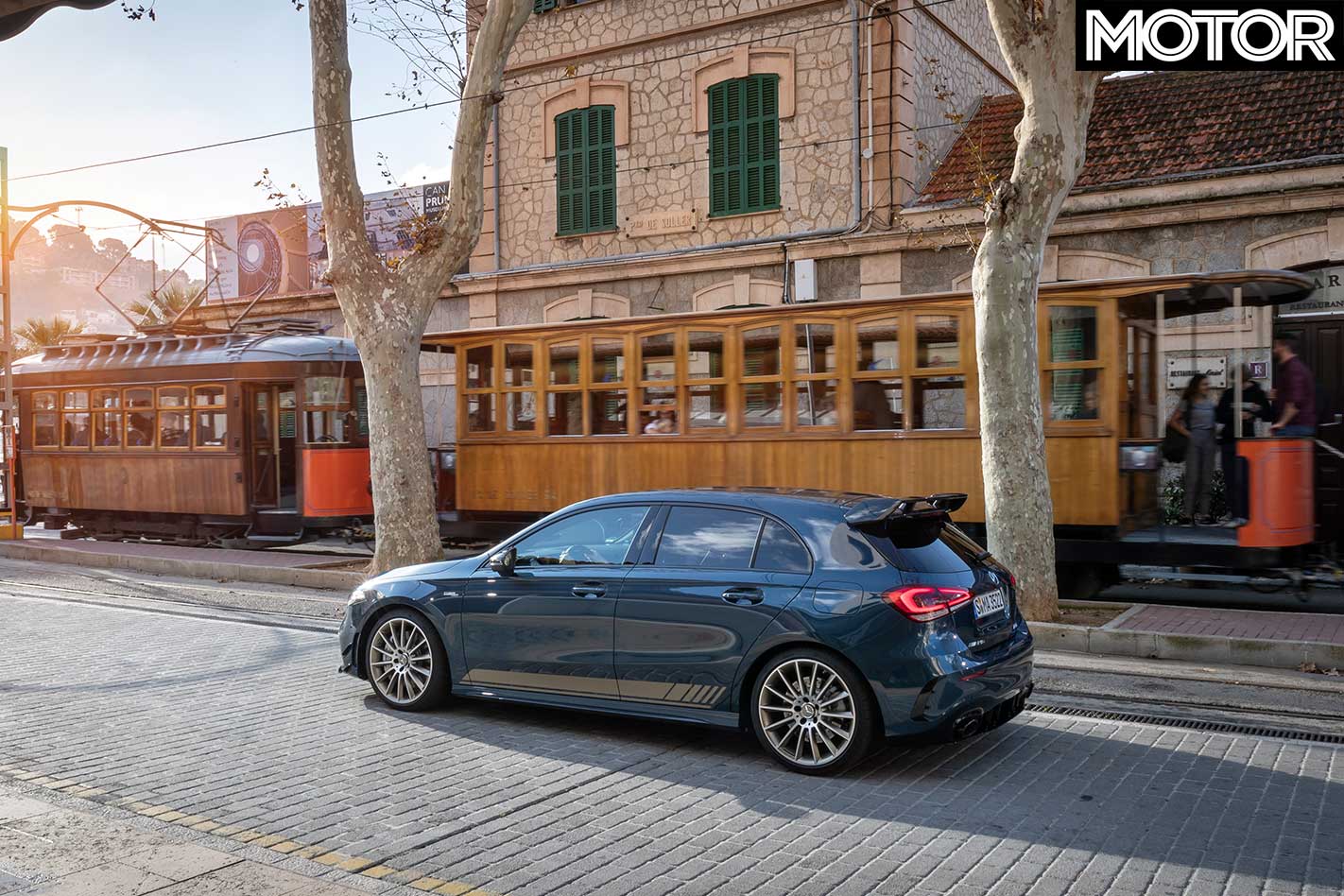
Then again, it’ll need to be, as the development target for the A35 was to match the original A45, a car that didn’t so much rewrite the hot hatch rulebook as invent a completely different game. In some areas AMG has exceeded its target, in others it’s come up a little short, the most notable of which is outright speed.
This is unsurprising, as the A35 has just 225kW/400Nm to play with compared to the 265kW/450Nm of the original A45. Nevertheless, on paper it’s very close, the newer car’s 4.7sec 0-100km/h claim just 0.1sec slower than its more powerful older brother.
Key to the A35’s jack-rabbit-like acceleration is the efficacy of its launch control system, which incorporates lessons learned during A45 development. The first three gears are extremely short, running to 50km/h, 79km/h and 115km/h respectively, while the new electro-mechanically controlled rear multi-disc clutch (previously electro-hydraulic in the A45) is much quicker in its reactions.
Front wheelspin is no longer required to send drive (a maximum of 50 per cent) to the rear; thanks to a multitude of sensors examining everything from individual wheel speed and accelerator position to lateral and longitudinal g force (to name just a few) the 4MATIC system is able to effectively pre-empt the required torque distribution.
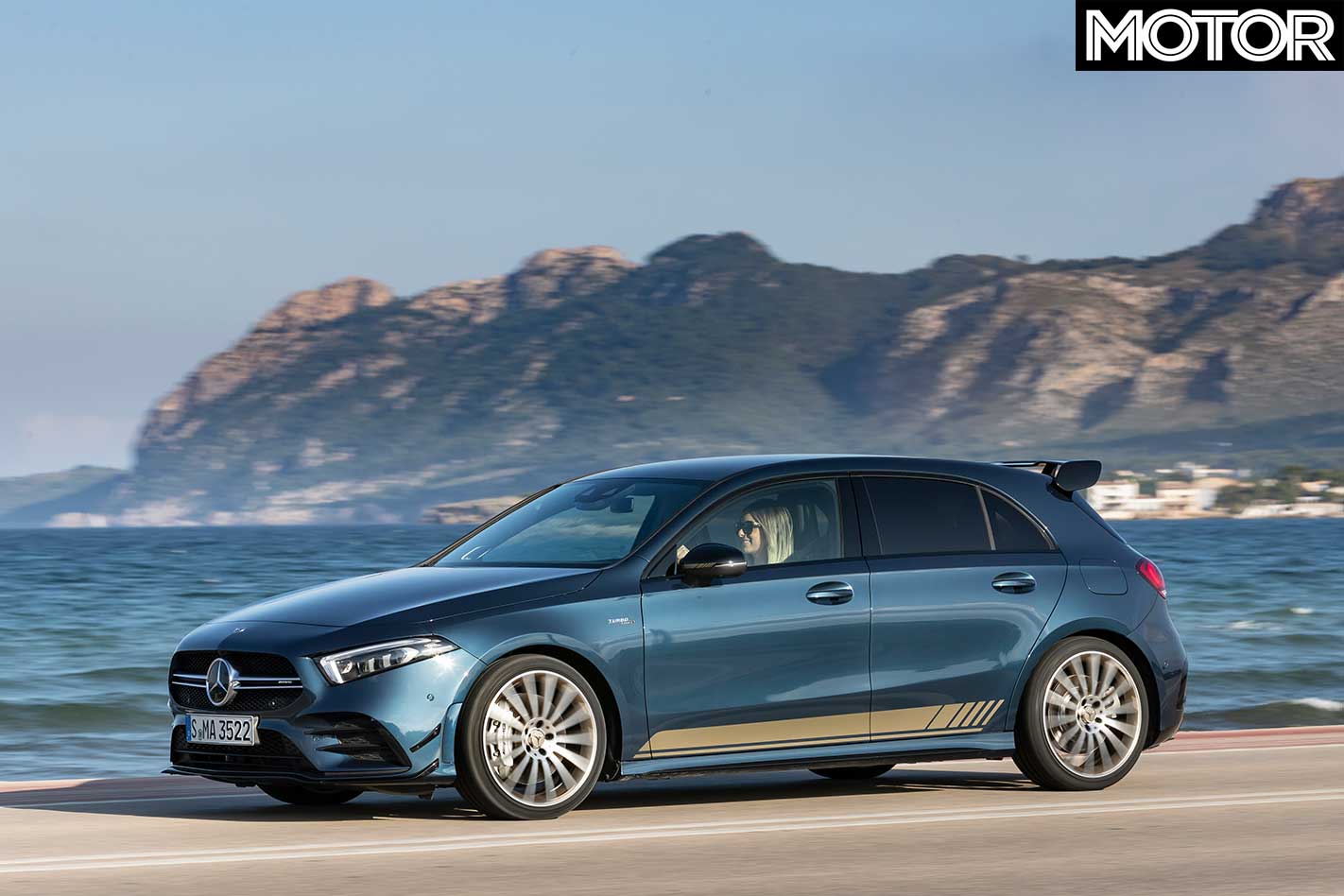
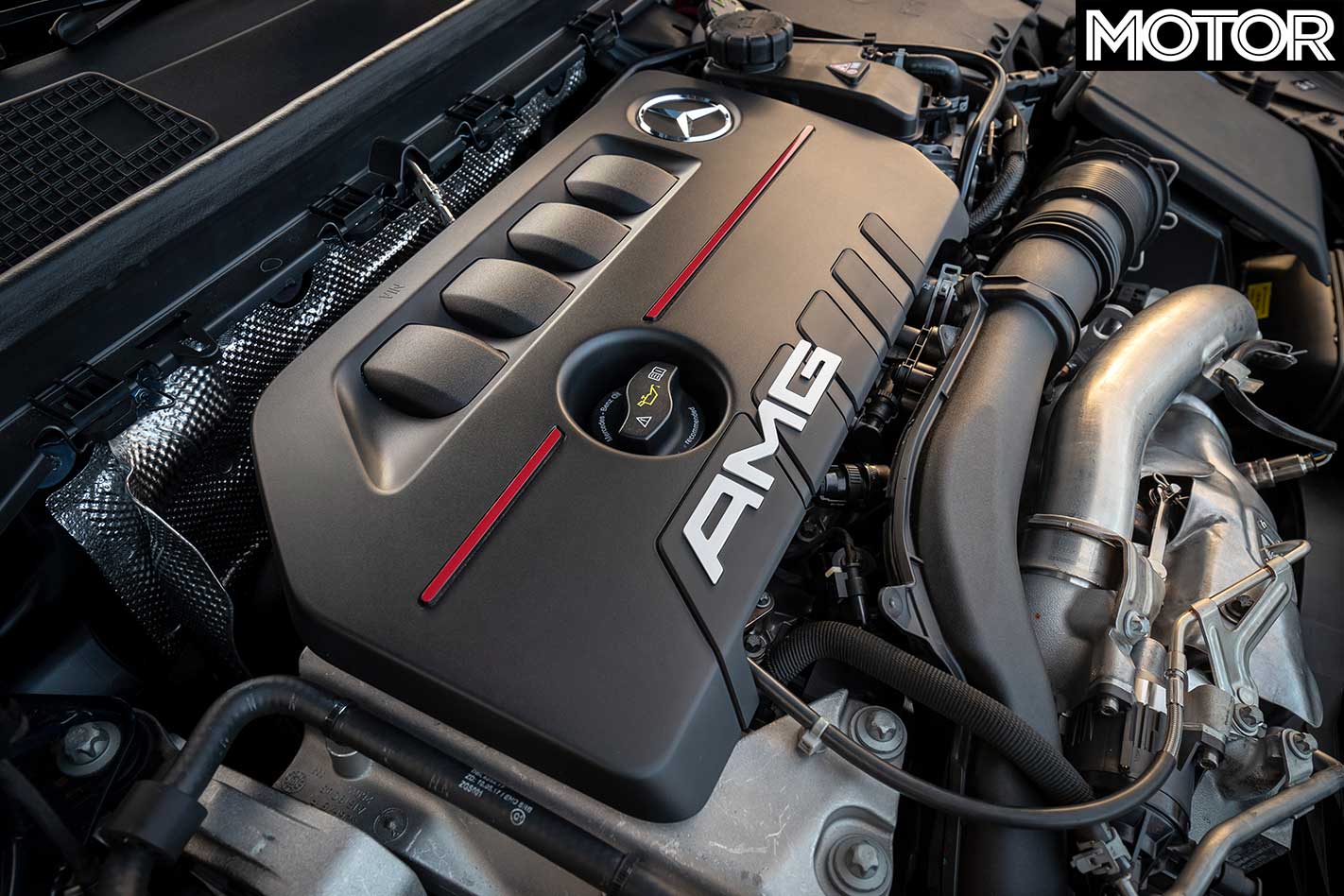
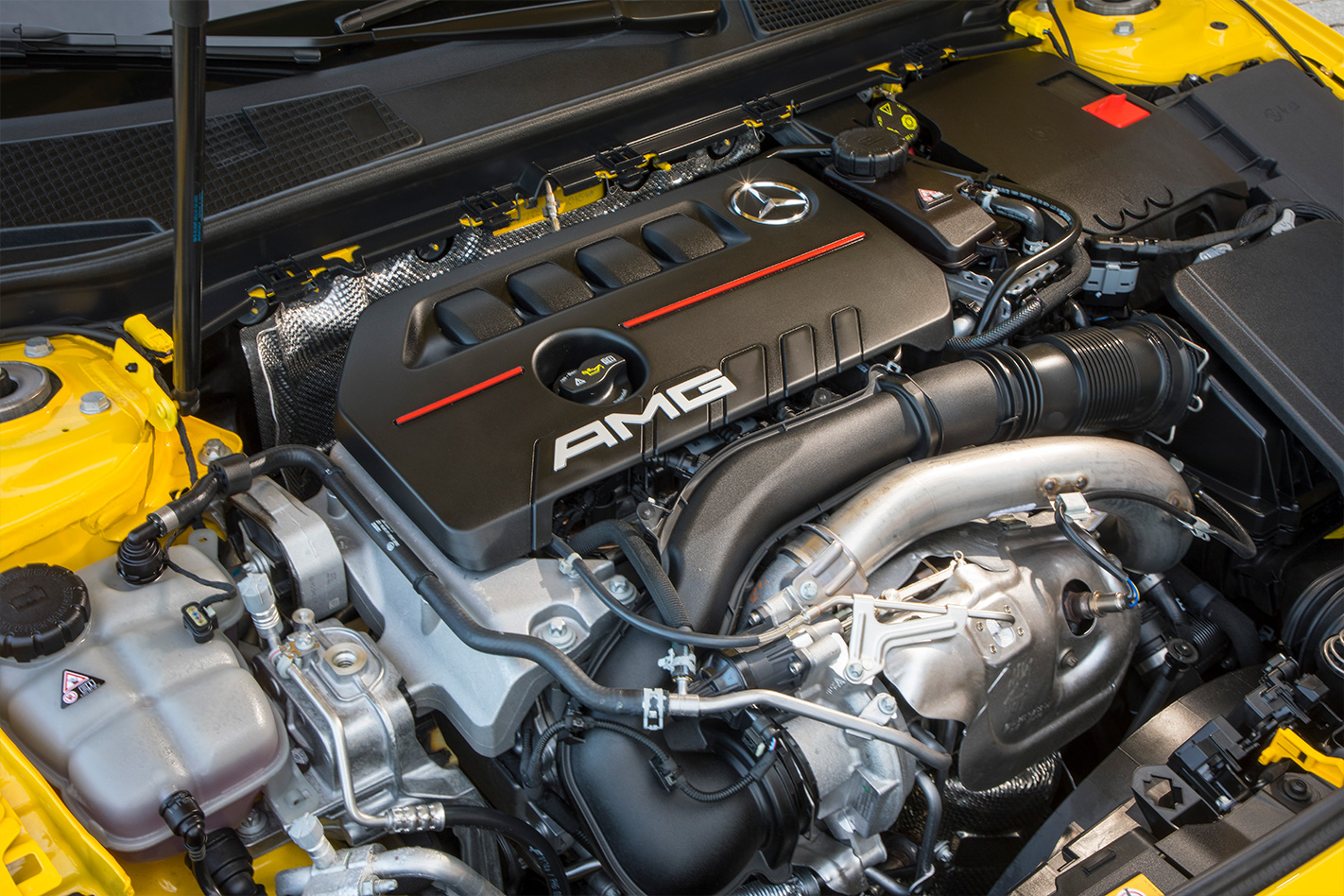
All very impressive, but the A35 doesn’t feel as quick as the headline figure suggests. It’s certainly potent, but its acceleration will be familiar to anyone with experience of a VW Golf R or Ford Focus RS. The A35 shares its 1991cc turbocharged four-cylinder with the A250, but AMG hasn’t simply added a bit more boost and called it a day.
The block and internals are the same, but the turbo is now a twin-scroll unit, there are bigger valves, water-to-air intercooling and less restrictive exhaust. The latter is particularly important as the inclusion of a petrol particulate filter, required to pass the new Worldwide Harmonised Light Vehicles Test Procedure (WLTP), creates a lot of back pressure as well as strangling sound at higher rpm.
Not too much, thankfully. Select Sport+ and the A35 growls and crackles like an AMG should. A few more revs would be nice – the show’s over by about 6000rpm – but the power curve is incredibly linear. Maximum torque is spread from 3000-4000rpm but around 95 per cent is available from 2000-5000rpm.
After a number of frustratingly futile attempts at downchanging into second gear approaching a corner you’ll realise that third is ideal for all but the very tightest bends. Upshifts are crisp and mechanical, sending a shock through the entire bodyshell, a process that was both deliberate and very difficult to get right, according to AMG’s Overall Vehicle Development Manager, Andreas Meyer.
Around town there’s the occasional dual-clutch lurch but with the drivetrain set to its most subtle mode you’d be hard-pressed to separate the A35 from its more sensible siblings. AMG even claims a combined fuel figure of just 7.4L/100km. Happily, the chassis is capable of similar subtlety.
The facelifted A45’s inclusion of adaptive dampers transformed its everyday useability and the A35 will also include AMG’s Ride Control suspension as standard. But there’s more to it. Even accidentally traversing a town with the dampers set to Sport+ didn’t necessitate a visit to the chiropractor; the suspension is able to retain its compliance in part thanks to the stiffness of the bodyshell.
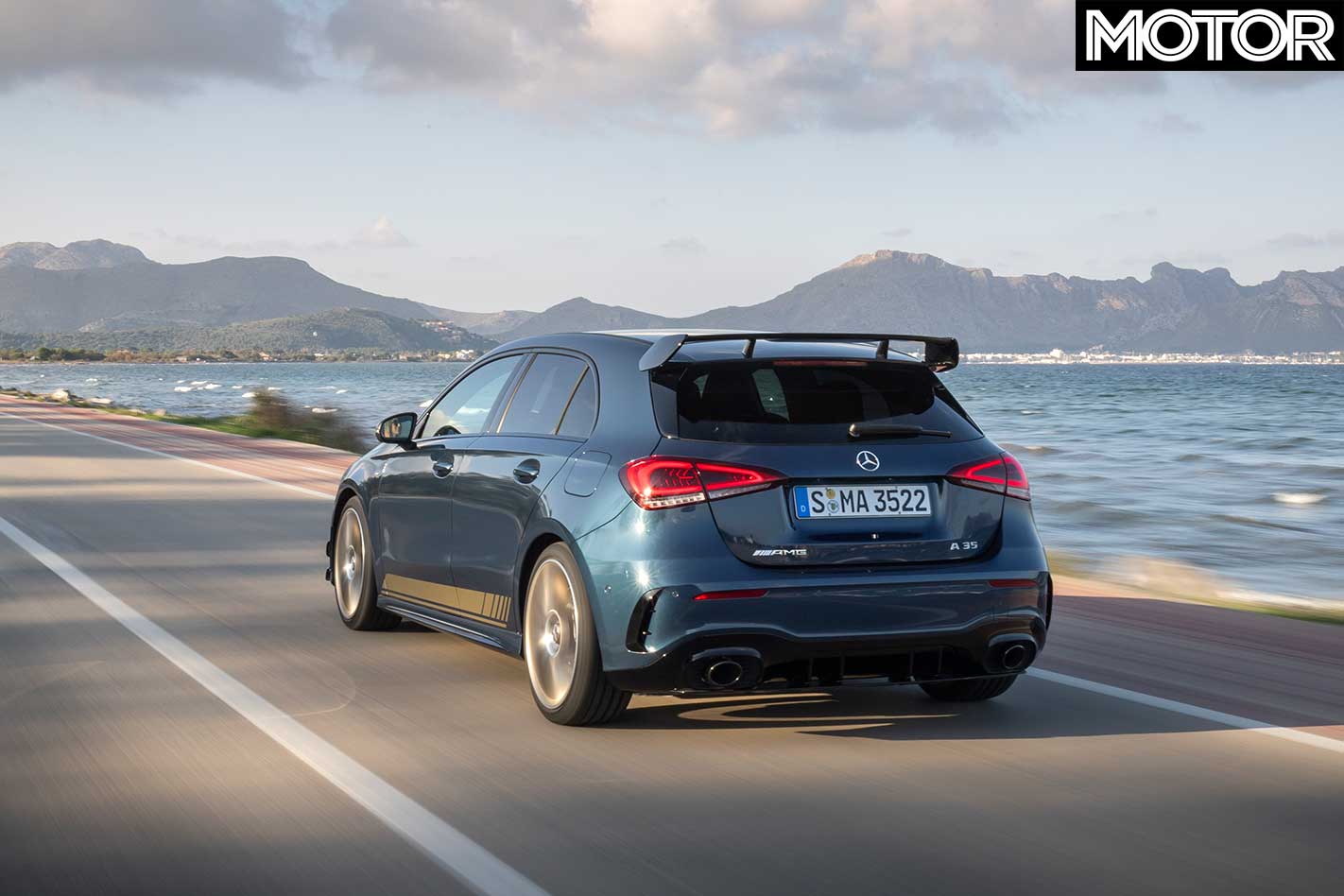
Every effort has been made to eliminate flex and provide the suspension with as stable a platform as possible. The only front-end parts to carry over from the A250 are the lower wishbone and the front subframe.
According to AMG’s Driver Dynamics guru Rene Szczepek (nope, no idea how to pronounce it either) the regular A-class’s front subframe is very stiff but AMG added an aluminium shear panel to its underside as well as solid-mounting it to the body with a pair of diagonal braces.
In addition, stiffer strut top mounts, radially-mounted brake calipers, new steering knuckles and uniball joints are all designed to improve camber and toe stability under heavy cornering loads.
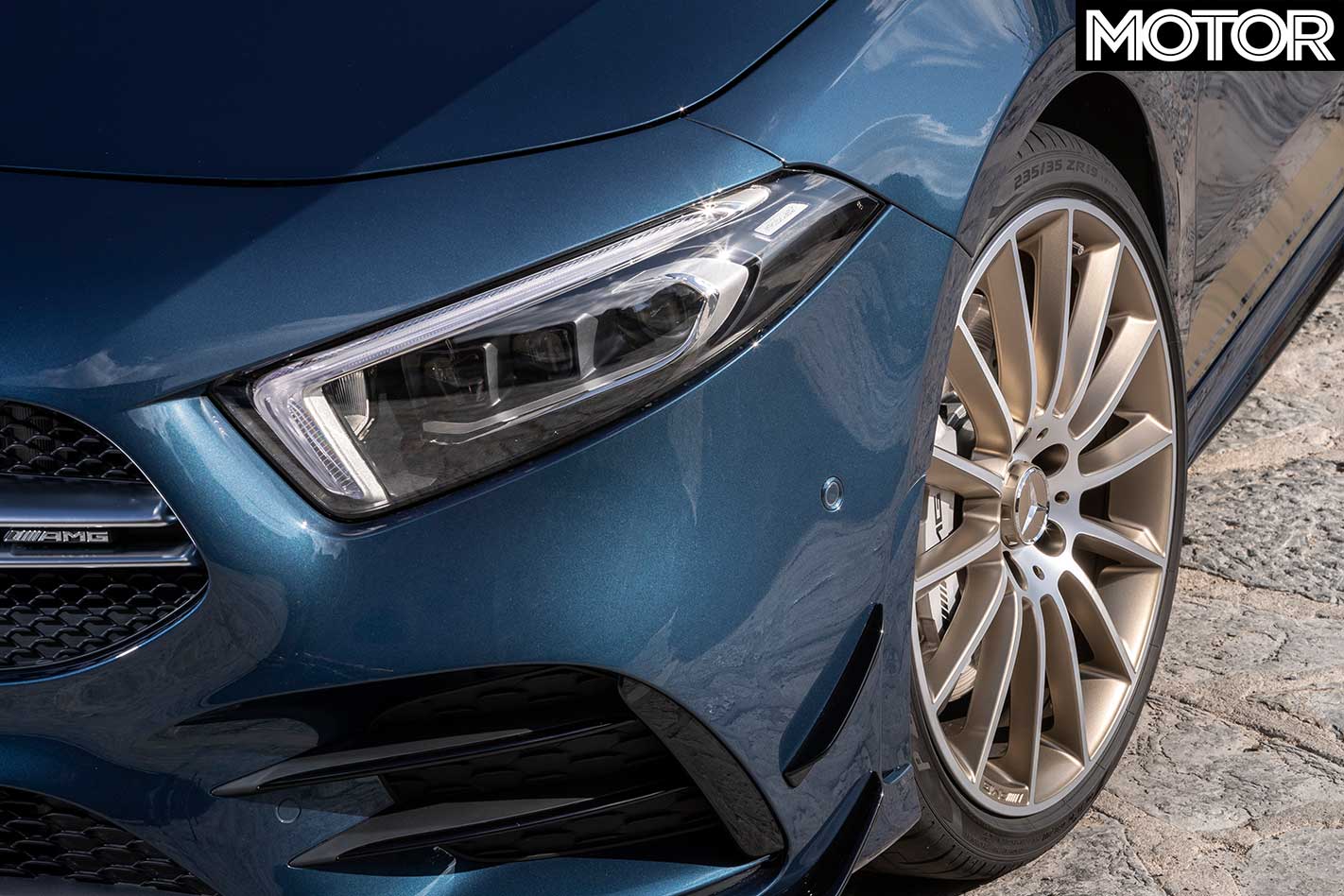
Every rear suspension bush was changed, the rear subframe is also bolted directly to the body while back at the front, the revised steering rack (2.5 turns lock-to-lock) is attached directly to the subframe. It’s fair to say Szczepek and his team aren’t big fans of feedback-sapping, response-dulling rubber bushings.
Nonetheless, rubber does a great job of absorbing vibrations and Szczepek admits “for sure we do some serious development” to avoid the refinement issues inherent with solid mounts. The thuds that reverberate through the bodyshell of AMG’s own E63 S are a perfect example of the cost associated with chasing ultimate handling response.
Thankfully, the A35 avoids any such issues and the benefit of all this work is a front end that is nailed to the road and offers plenty of communication through the steering wheel. If your A35 is understeering on the road, you’ve done something seriously wrong.
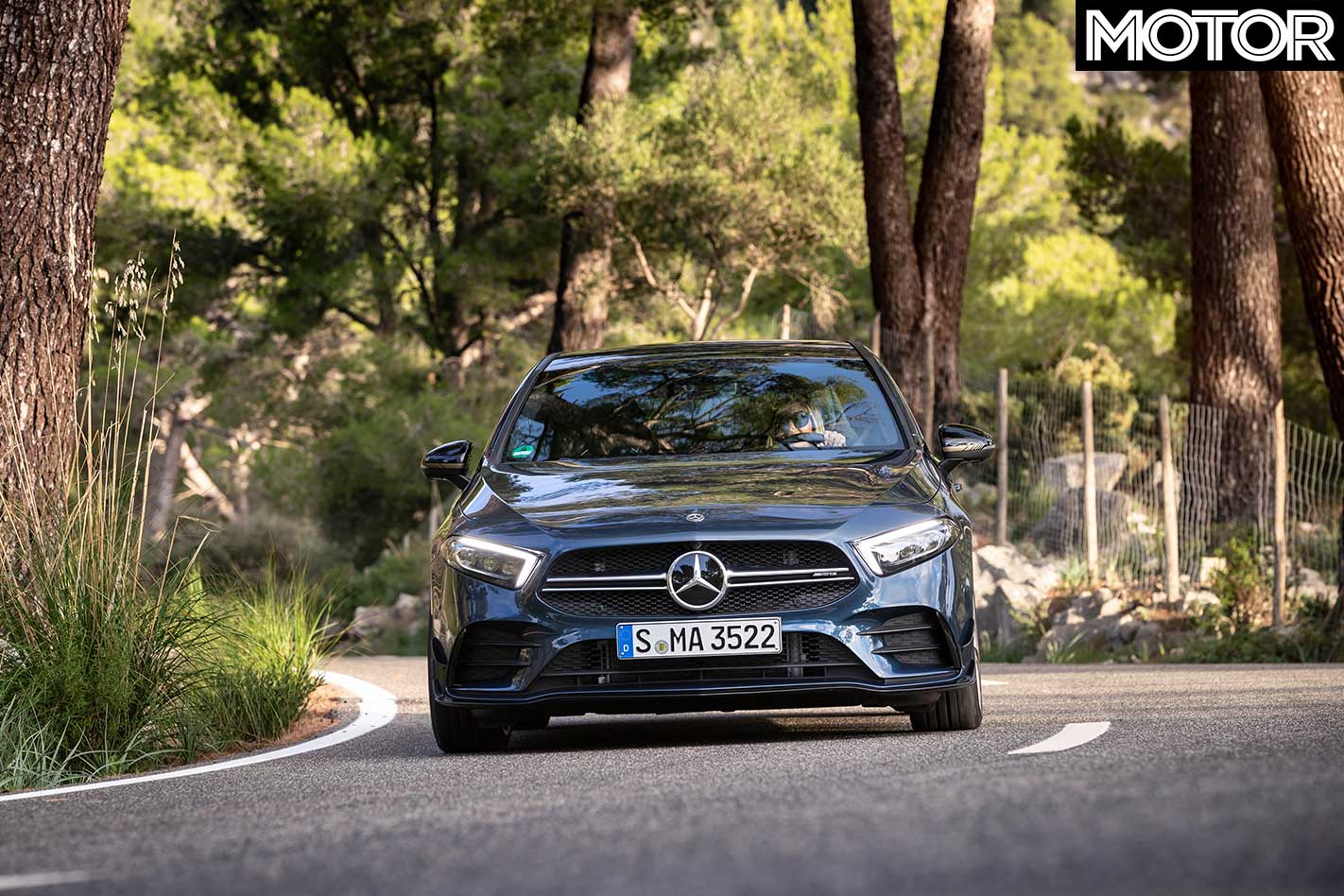
On cold tyres this sharp response can induce oversteer, easily mopped up by the ESC, but with temperature the A35 becomes grippy and neutral. A little more Focus RS-style playfulness wouldn’t go astray, as in tighter corners Merc’s new baby is a bit one-dimensional, but when quizzed Szczepek explains: “We want to achieve some younger target groups with the car, so it was very important to have a very safe and stable car, but to give them all the agility an AMG is able to give to them.”
To this end, in addition to the Dynamic Select programs (Slippery, Comfort, Sport, Sport+ and the customisable Individual) the A35 offers a pair of AMG Dynamics programs – Basic and Advanced – which control the all-wheel drive response.
With all its systems set to maximum attack, the A35 becomes an entertaining hot hatch that relishes being driven hard. It won’t power oversteer, but the quicker-acting rear drive unit avoids the ‘pulled-by-the-nose’ sensation that made the previous A45 effective but not particularly entertaining. Full throttle can be applied very early in corners without any fear of the front end pushing wide, which makes this hot hatch very easy to drive quickly.
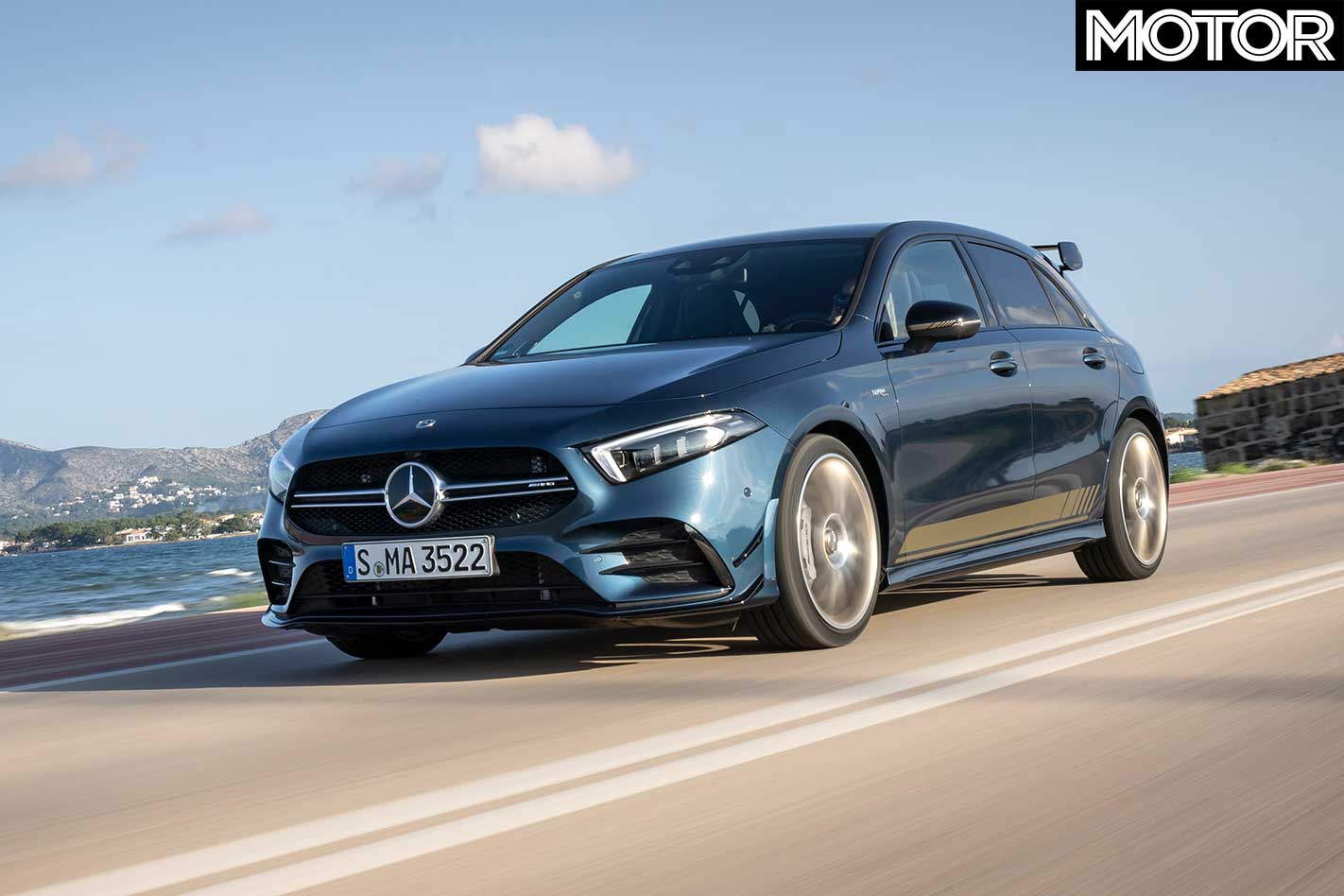
On quicker, more open roads, softening the dampers to Sport proves the sweet spot, not because Sport+ struggles to absorb the bumps, but because the extra body movement introduces an element of entertainment. It’s never truly playful, but nor is it a tied-down automaton.
The biggest question mark regards the brakes. The hardware is identical to the current A45 (350mm discs and four-piston calipers at the front mated to 330mm discs and single-piston calipers at the rear), but a spongy pedal after repeated hard road use doesn’t inspire a huge amount of confidence in their stamina. The jury remains out.
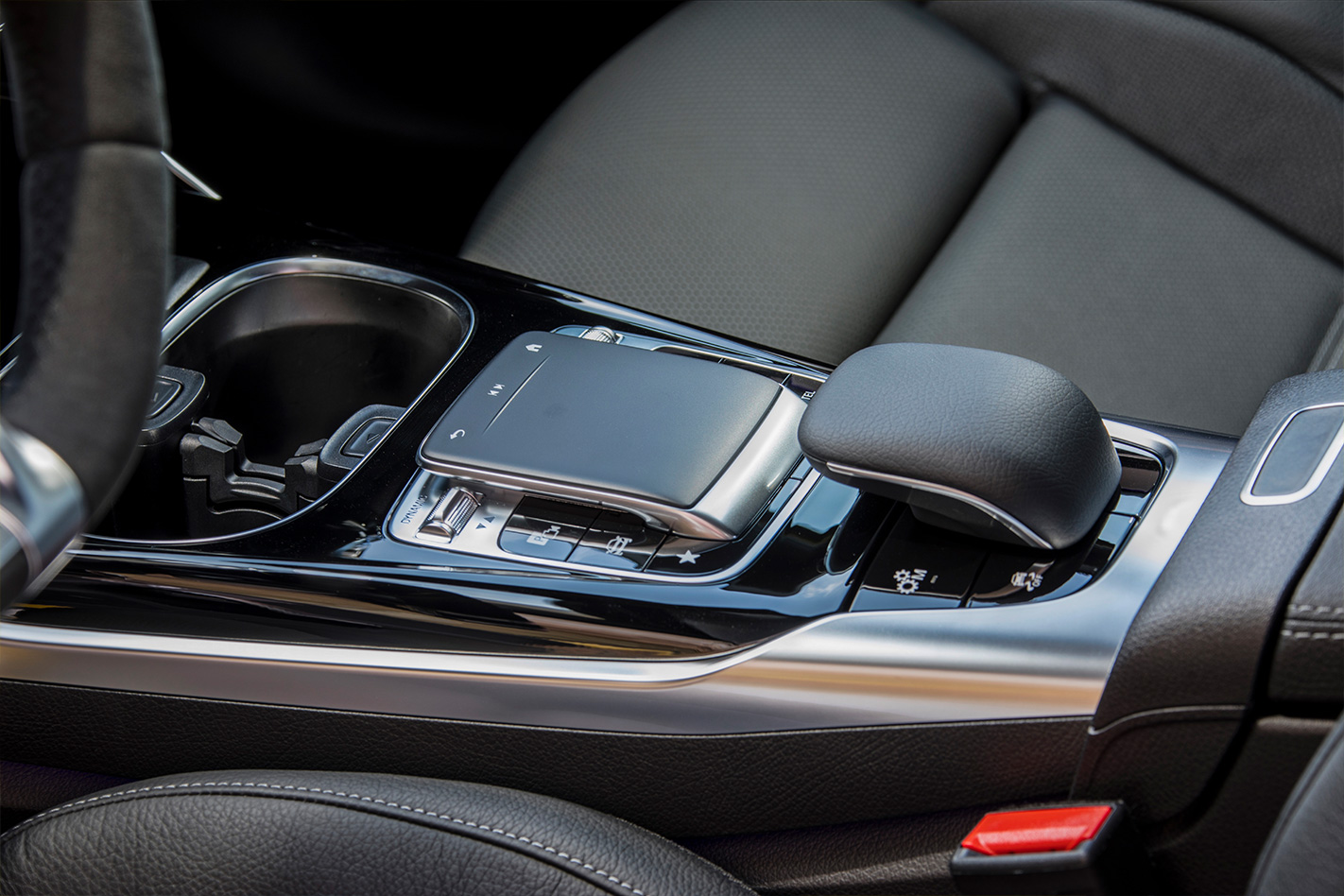
Switching drive modes on the fly is a piece of cake using either the toggle on the centre console or the giant touchscreen. Option the AMG Performance steering wheel, though, and a dial sprouts beneath each spoke, the right one cycling through the drive modes (push for Individual) and the left altering damper stiffness, ESP setting or transmission mode (manual or auto).
It works brilliantly, allowing the driver to effectively dial up an Individual mode in moments. The only slight issue is that steering weight is linked to engine mode rather than chassis setup, so while you can match an angry engine with supple suspension, the steering can’t be altered independently.
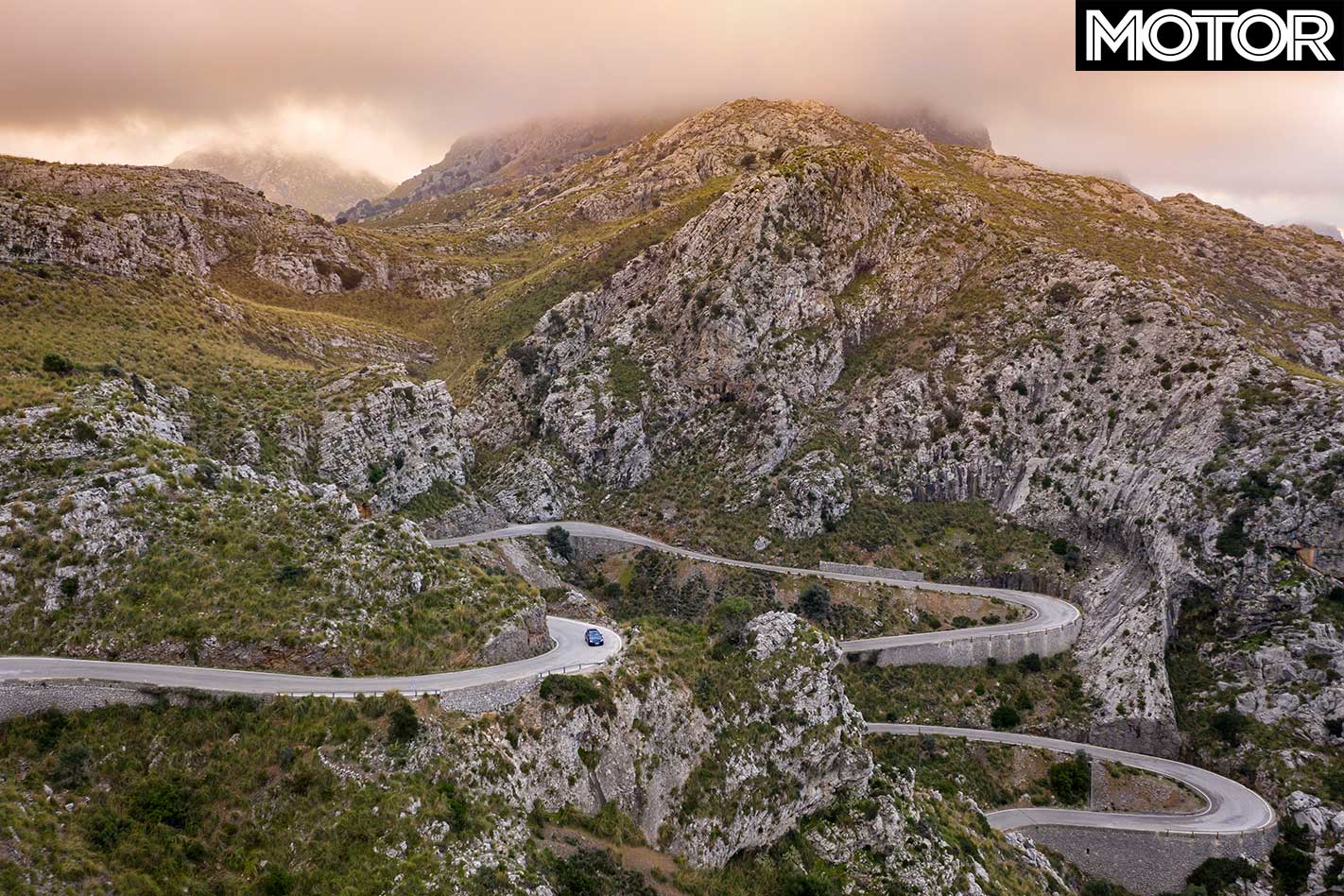
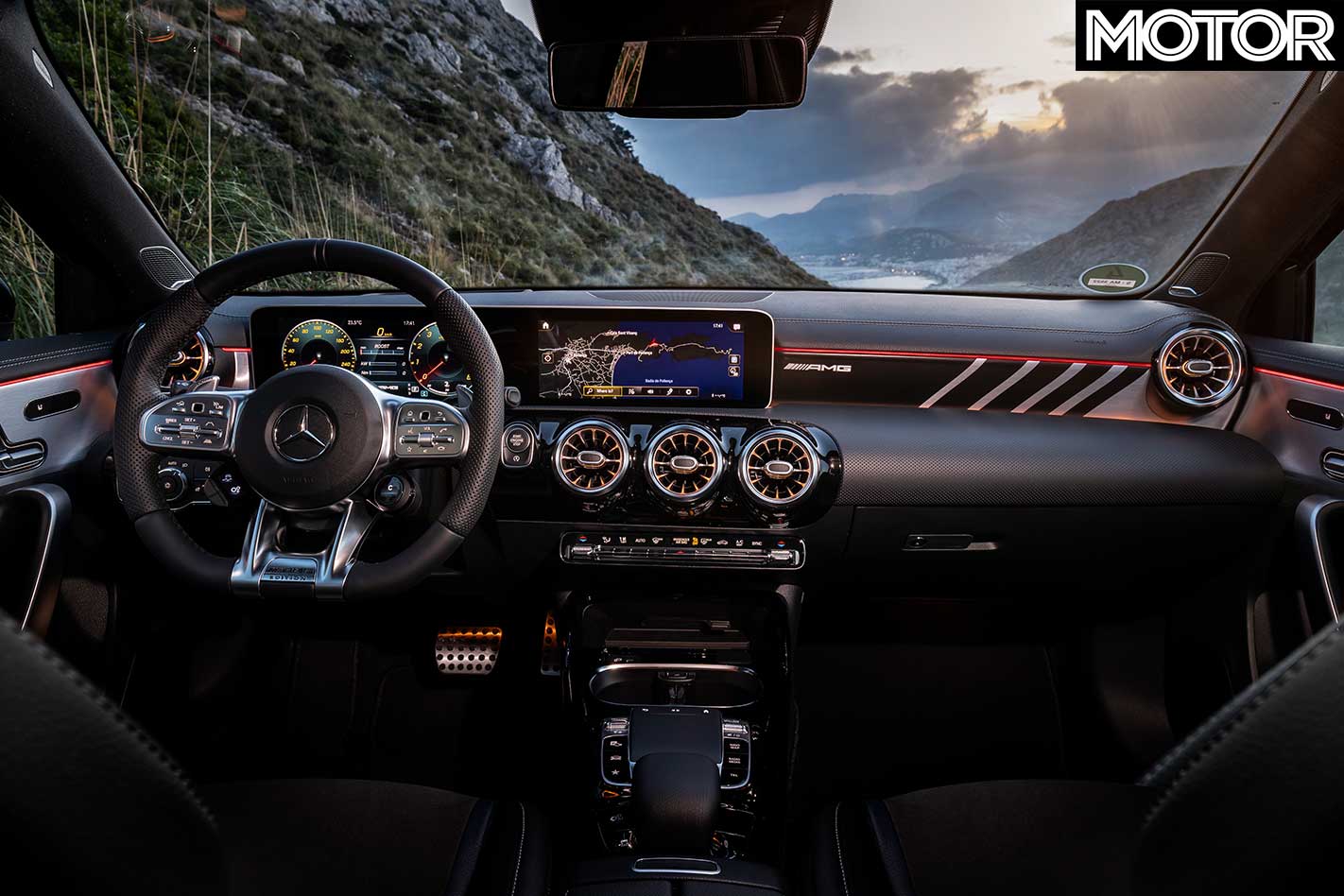
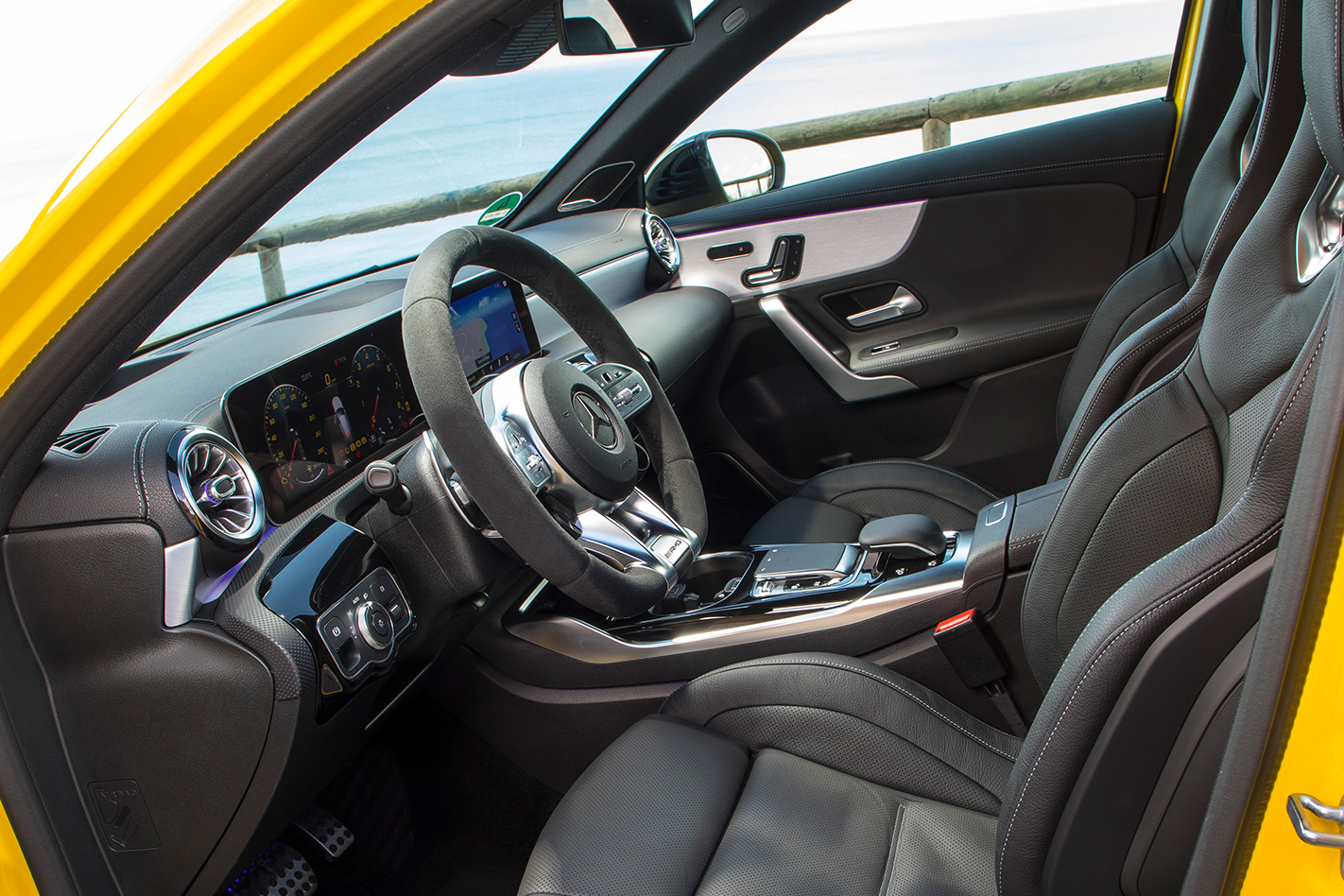
The interior is, in general superb – it’s not difficult to imagine A35s walking out of the showroom before a test drive has even taken place. The cheap, scratchy plastics around the centre console and lower dash are disappointing, but everything you look at and interact with is top notch.
Whether clad in leather or Alcantara, the steering wheel feels great, the AMG Performance seats are superbly supportive and the widescreen cockpit, consisting of twin 10.25-inch digital displays, never fails to impress.
Mercedes’ latest MBUX infotainment system is a huge improvement over the previous COMAND system; if anything, there are too many control options, with the choice of the central touchpad, touchscreen, touch-sensitive steering wheel buttons or ‘Hey Mercedes’ voice commands.
Equally impressive are the small touches, like the ambient lighting and the beautifully styled air vents which light up red or blue when the temperature is increased or decreased respectively.
So the A35 slots perfectly into the new A-Class lineup. It’s neither too fast nor too slow, nor too hard or too soft. The only question mark is whether the price will be equally spot on. Currently, Mercedes will only say that the A35 will sit halfway between the A250 and A45, but given we don’t know how much the A45 will cost there’s still some room for conjecture.
At $65K it’s a quick, classy premium hot hatch, whereas at $70K it starts to look a little pricey given more performance is available elsewhere for less. Patience will also be required, as the A35 isn’t due to land locally until Q4 2019 alongside the new A45, but all good things come to those who wait.
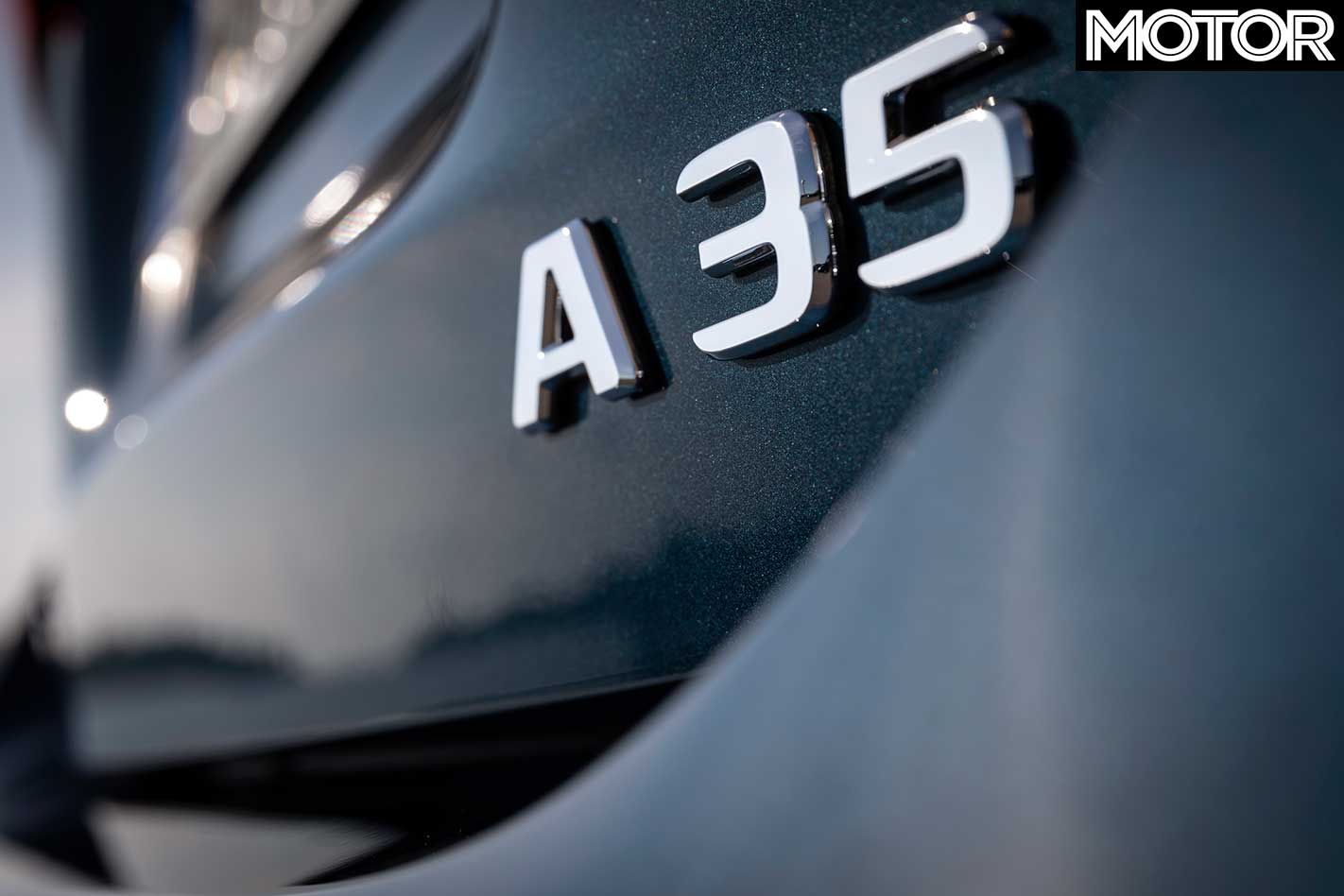
2018 MERCEDES-AMG A35 SPECS: Engine: 1991cc inline-4cyl, DOHC, 16v, turbo Power: 225kW @ 5800rpm Torque: 400Nm @ 3000-4000rpm Weight: 1480kg 0-100km/h: 4.7sec (claimed) Price: $65,000-70,000
Rating: 4 out of 5 stars
WHAT IS IT?
Hot all-wheel-drive hatch that’s less powerful, but also less costly, than the outgoing A45. Mercedes-AMG is working on a new A45, but until it launches the A35 is the hottest A-Class of all.
WHY WE’RE TESTING IT
Does the A35 really deserve to wear a Mercedes-AMG badge? The international media launch, ahead of the car’s January on-sale date in Europe, provided a chance to answer this crucial question almost a year out from its arrival in Australia.
MAIN RIVALS
Volkswagen Golf R, Renault Megane RS, Honda Civic Type R, BMW M140i, Audi S3
THE WHEELS REVIEW
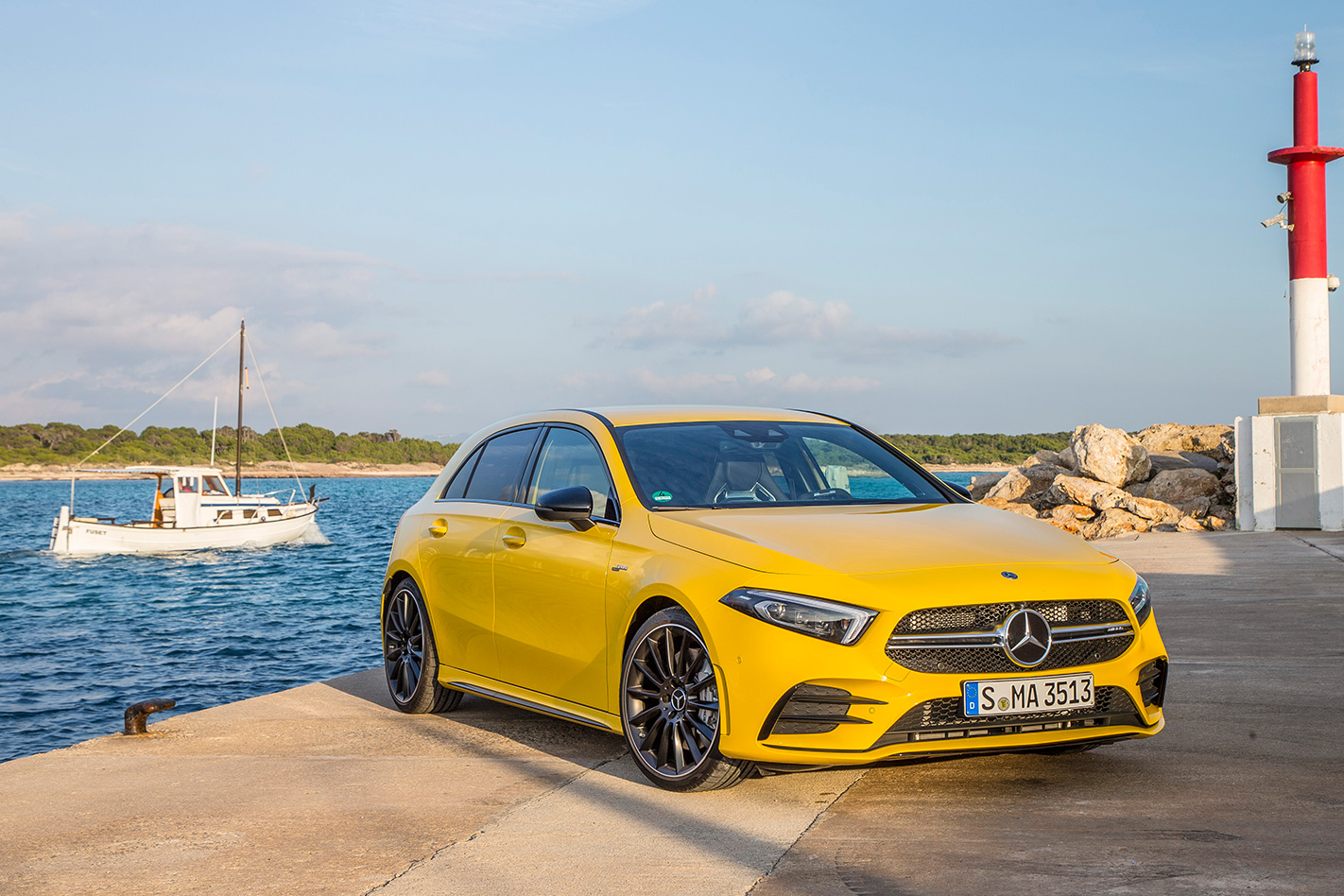
EVERY crackling corner entry and every blaring corner exit is audible long before the A35 can be seen, a fleeting flash of yellow far below. We’ve parked our Mercedes-AMG at the top of the pass, right where the road makes a sharp left to enter a tunnel that punches arrow-straight through the rocky ridge.
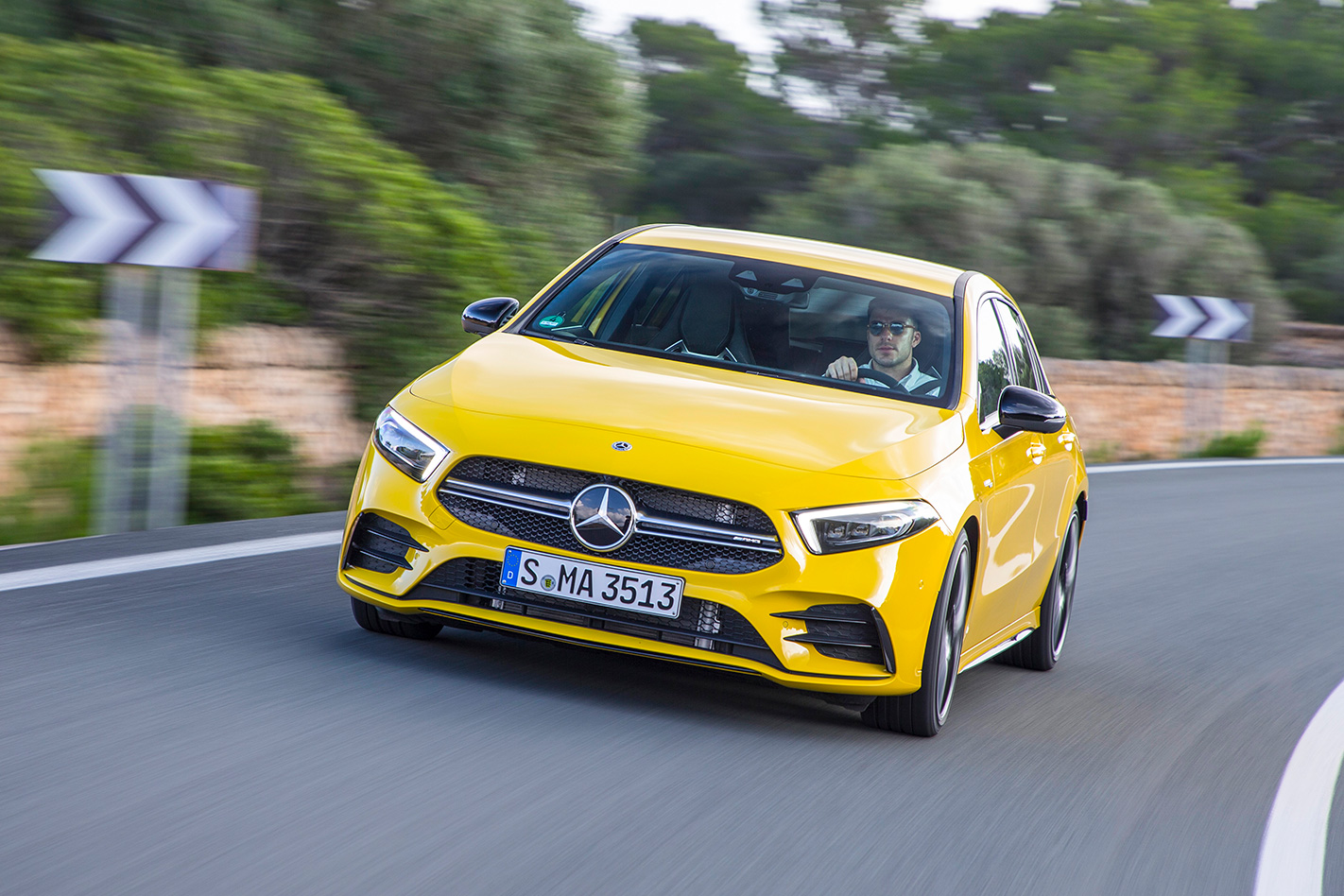
The view here is worth a pause. Nearby looms the bare peak called Puig Major, while in the distance the sea beyond the resort town of Port de Sóller glistens in slanting morning light.
Drivers in Majorca, one of Spain’s islands in the Mediterranean sun, don’t hit the road early, so the driver of the A35 is enjoying a clear run up the serpentine ribbon of smooth bitumen. Judging by volume of exhaust expression, the driver has chosen muffler-valve-open Sport+ mode.
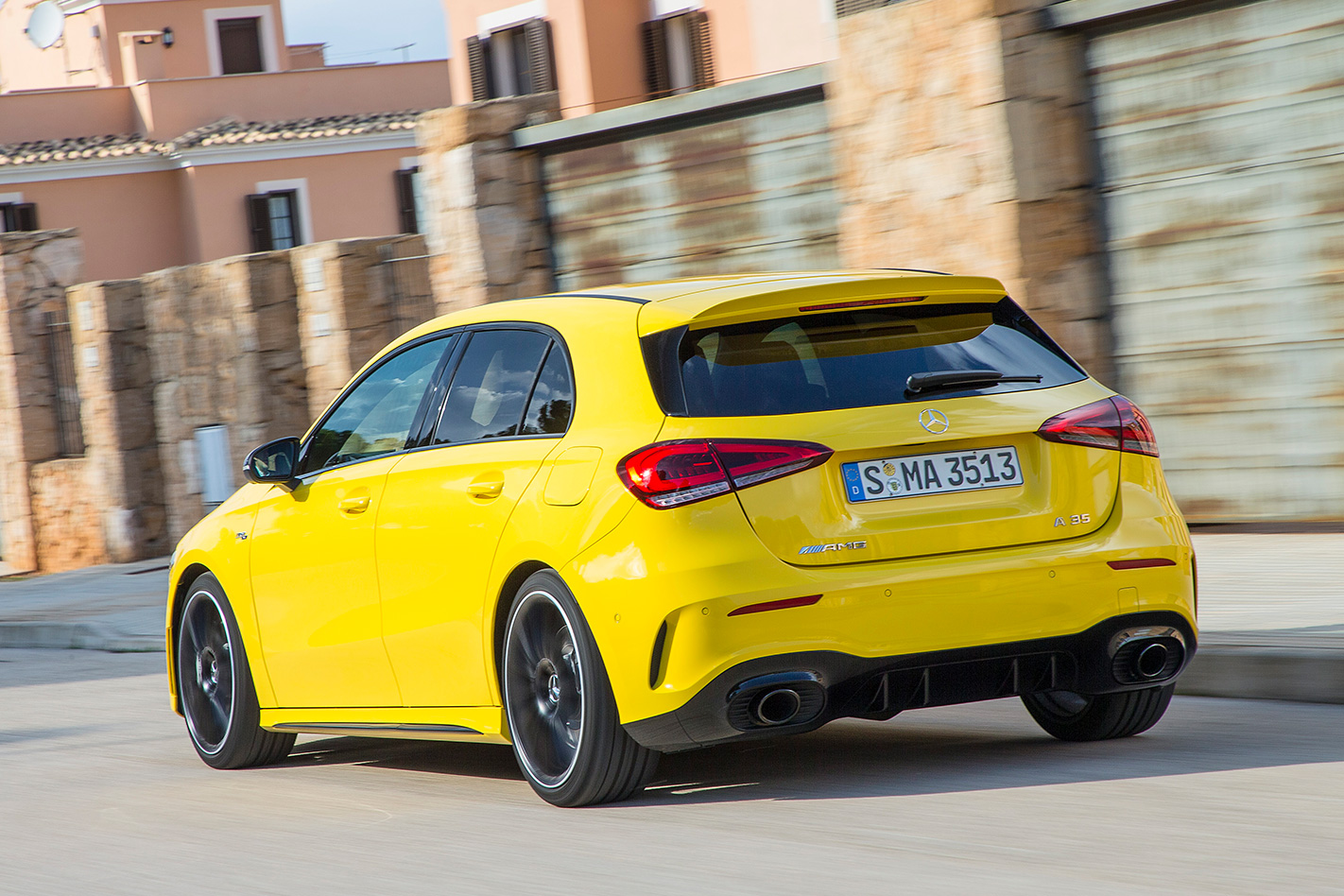
The level of sonic intensity increases. Here they come. Braking hard for the turn into the tunnel, the driver taps a series of phlegmy, spitting downshifts. The A35 blurs by, then accelerates hard. Rock-bounced echoes briefly amplify its brassy boom, then it’s into the light at the far end of the tunnel and gone.
Mercedes-AMG chose wisely, and confidently, when it selected the test route for the international introduction of the A35. The winding roads of northern Majorca are hot-hatch heaven. If the brand’s most affordable model ever has weaknesses, they are sure to be exposed here.
The A35’s ‘entry-level model’ mission means aiming for a price point well below the outgoing A45. That car cost near enough to $80,000 by the end of its life. With the local launch of the new A35 scheduled for very late in 2019, Mercedes-Benz Australia is still many months away from finalising pricing. In Europe, where deliveries begin in January, prices are thousands of euros and pounds below the old A45. Even though Australian spec will include as standard some items that are optional extras in Europe, like adaptive damping and 19-inch wheels and tyres, it’s likely to come in below $70,000. Maybe quite some way under.
So where have the savings been made? Nowhere obvious is the answer…
Rene Szczepek, AMG driving dynamics engineer, knows every tiny detail of the changes made to the chassis of the A-Class hatch to turn it into the A35. It takes some time to work through the list with him. Here are the main points…
Structural stiffness is increased with the addition of a sturdy sheet-steel stamping to the bottom of the engine bay. As well as this shear panel, a pair of small diagonal braces between body and front suspension subframe are added down there. The rear suspension subframe is rigidly mounted to the body, where the regular A-Class has bushings. There are new knuckles for the rear multilink, and stiffer bushings throughout. The front strut suspension features a new A-arm with a rigid uniball joint, a new knuckle design and more rigid top mount. As for the steering, the A35 has a more direct rack that’s more rigidly mounted.
Handily, all of the A35’s shipped to Majorca for the launch seem to be fitted with AMG Ride Control adaptive dampers and the 19-inch wheel and tyre package. This means they’re more or less exactly Australia-market specification. And brilliant…
The A35 has a broad and very impressive spread of dynamic talent. There are three different levels of damping available with Ride Control, and none of them is bad. Sport+ is good for smooth public roads, not just hot laps, while Sport is a useful step up in firmness from Comfort, which is surprisingly and very pleasantly pliant.
Mercedes to spin eight different A-Class based models
Suspension firmness varies according to which AMG Dynamic Select mode is chosen. This now offers a Slippery mode in addition to Comfort, Sport, Sport+ and pick’n’mix Individual set-ups. These affect engine responsiveness, transmission shifting behaviour, steering assist levels and exhaust volume, plus the dampers. Crucially for picky types, the new menu logic of the A35 gives a broader range of set-up choice than in other AMGs.
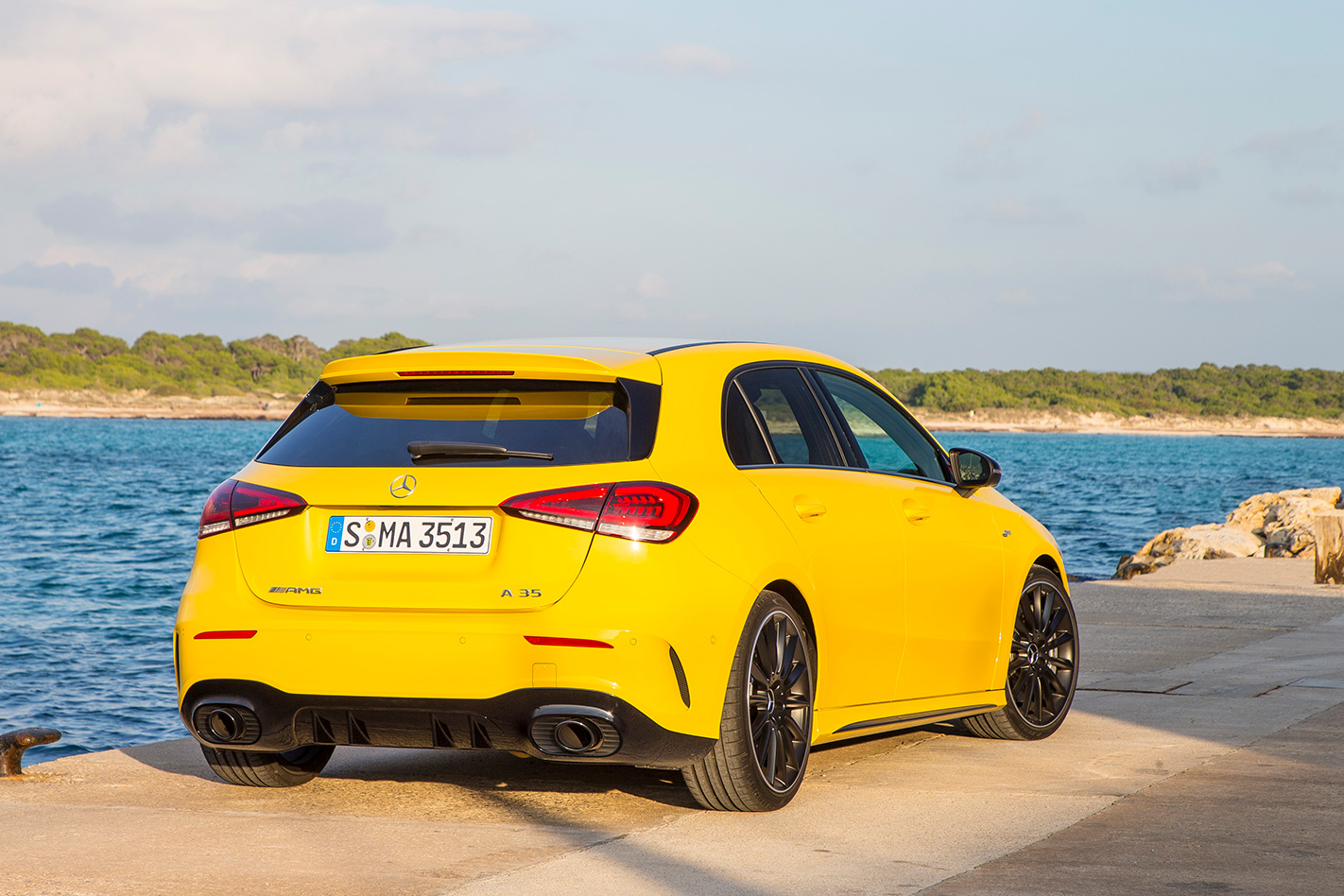
The drive program wasn’t all magically memorable mountain passes. There was also plenty of motorway, plus some arterial roads and urban streets. It was as though the drive had been carefully plotted to showcase the wonderful width of the A35’s comfort zone.
Comfort mode delivers discreetly disciplined damping, early upshifting, light-ish steering and quiet exhaust. In this mode the A35 is just right for short-run commuting or long-distance cruising. The only thing that disturbs the calm confidence is too-high levels of tyre noise on coarse road surfaces. Otherwise, the A35 seems as smooth and quiet as an ordinary A-Class.
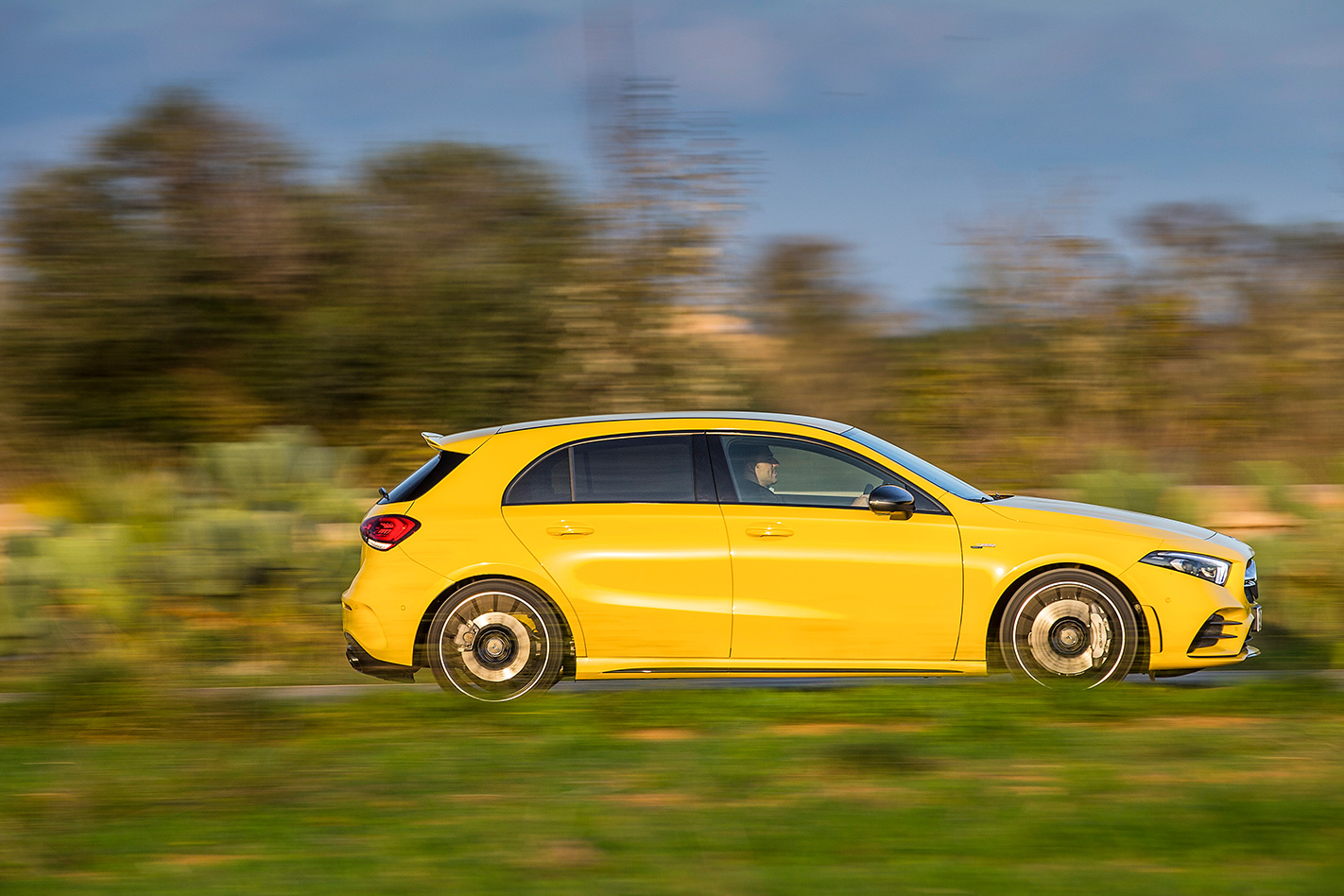
Sport, which sharpens the drivetrain and adds a little steering weight, is fine for brisk driving. Sport+, which racks all these up a notch, at the same time as opening the exhaust, is perfect for max-attack driving on mountain roads in Majorca and elsewhere.
Underpinning the Mercedes-AMG’s broad-spectrum usability is a chassis that’s endowed with great equilibrium. Front-end grip feels almost inexhaustible, partly because the rear end of the car deals with its fair share of the cornering workload. The steering is beautifully direct and nicely weighted. The wilt-free brake system of the A35 combines discs from the old A45 with a big new front caliper.
Mercedes switches to ‘MBUX’ operating system
This is a very different kind of Mercedes-AMG hot hatch. Frantic, jittery and ferociously fast, the A45 constantly nagged its driver to use all it had, all of the time. It could be tiresome. The A35, on the other hand, is happy to chill but ever-ready to thrill.
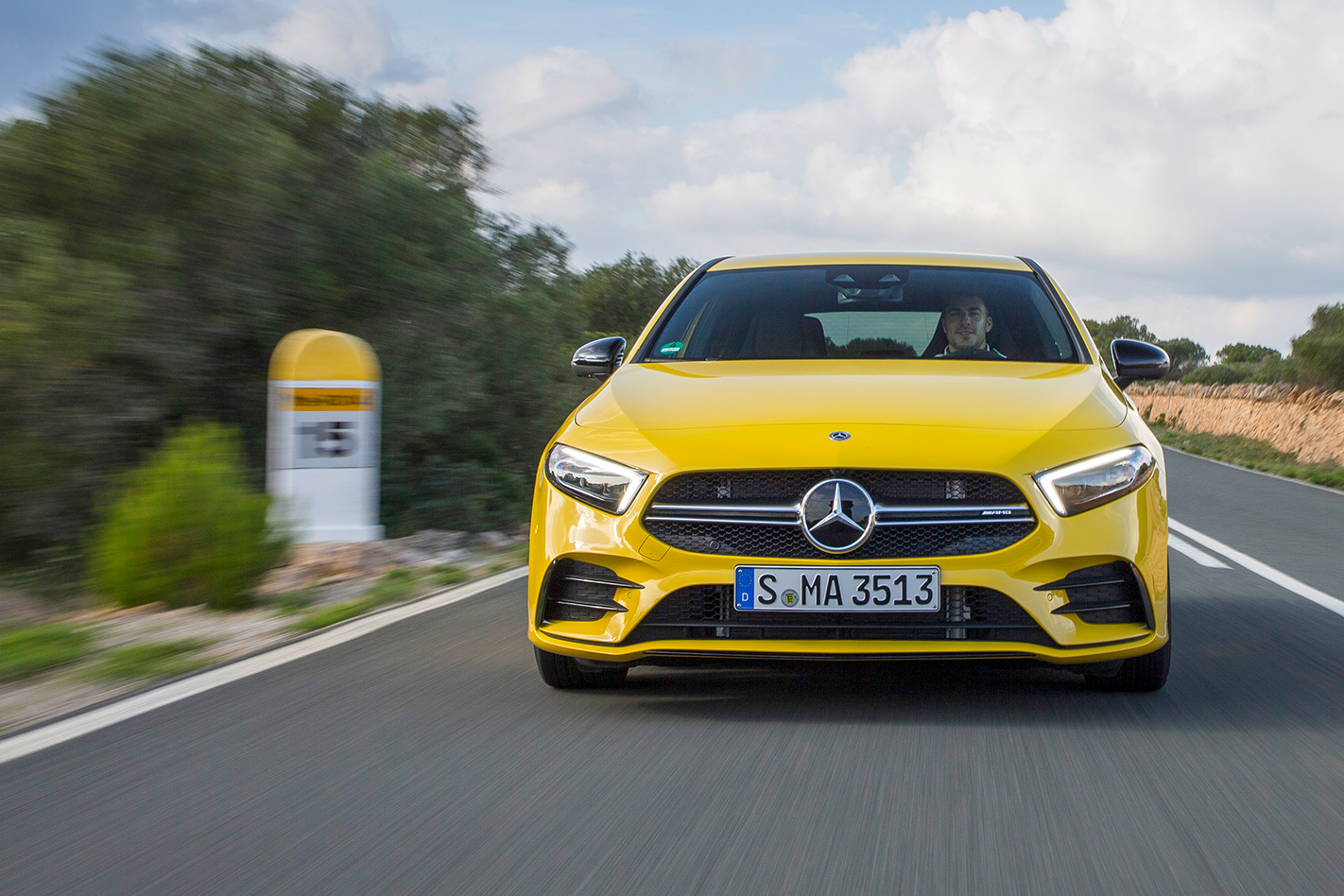
The A35’s engine is an AMG-improved version of the updated turbo 2.0-litre four in the new A250. Its power and torque maximums are 225kW and 400Nm, not high enough to lift it to the elite level of the old A45, current Audi RS3, or even the Ford Focus RS. Drive is delivered via an AMG-modified seven-speed dual-clutch auto, and AMG-specific software controls the clutch at the heart of the car’s on-demand 4Matic all-wheel-drive system. It spends a lot of time open in normal driving, but the wilder modes direct an increasing proportion of output aft.
Result? A claimed 4.7-second 0-100km/h time, around half a second slower than the old A45. The A35’s rolling responsiveness is lively and largely lag-free, especially in the upper half of its usable rev range. The problem is the car’s terrifically capable chassis, which whispers insistently that it could cope easily with more.
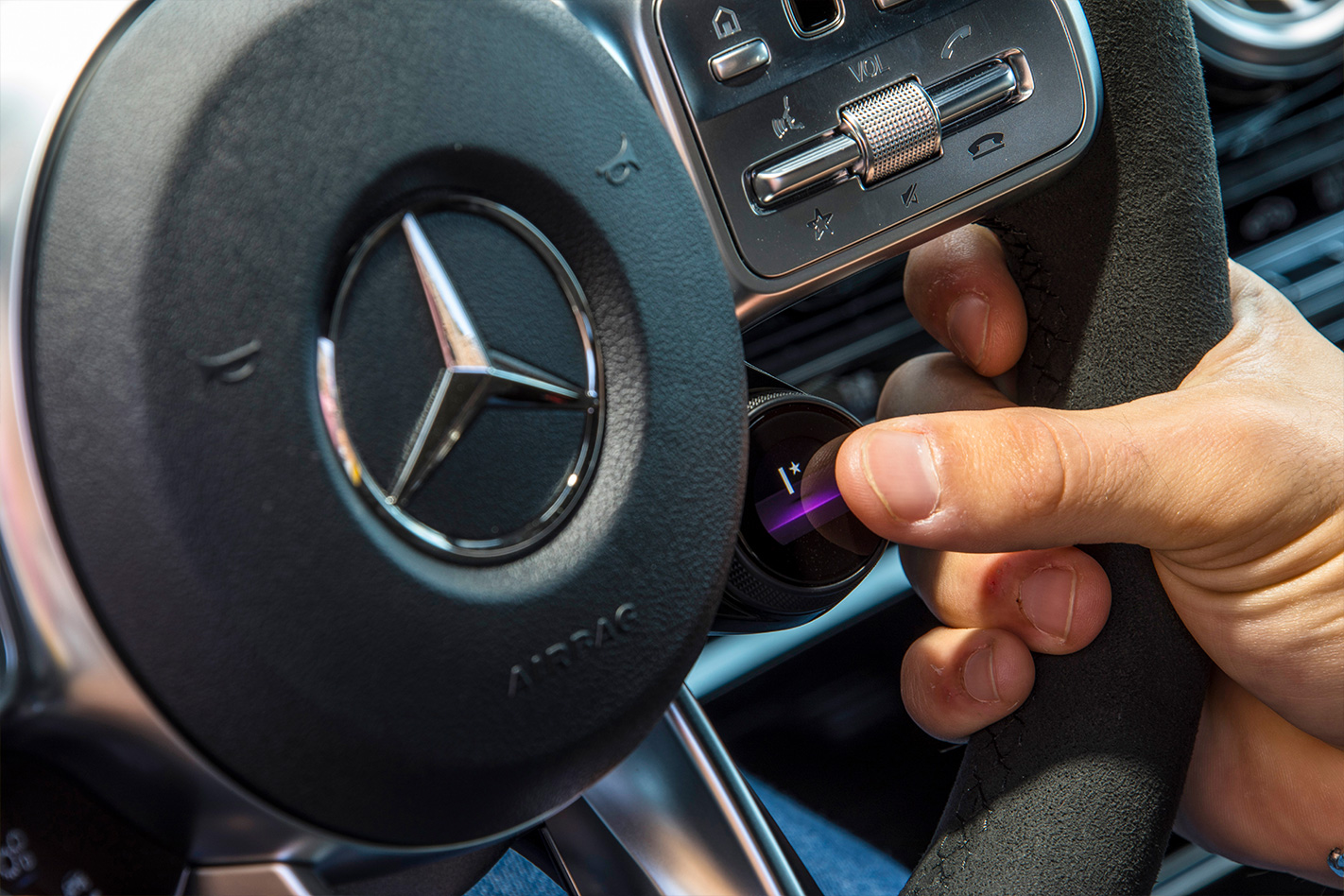
The A35 also benefits from all the changes that make the new A-Class so much better than its predecessor; more space, better all-round vision, beautiful interior design, and an unrivalled arsenal of infotainment, driver-aid and safety technology.
Even when the new A45 arrives, with 300kW or so promised from its all-new engine, it won’t make the A35 irrelevant. Mercedes-AMG’s forthcoming top-dog A-Class is likely to be as manic and focused as the old A45, and much more costly. The new entry-level A35, in contrast, will continue to attract those who appreciate serenity as well as speed…
THE WHEELS VERDICT
The new A35 entry-level model from Mercedes-AMG is a very fine hot hatch. Quick but not crazy-fast, it has a chassis with a breadth of ride and handling talent rarely seen in the class.
PLUS: Handling and ride; interior design and tech; drama-on-demand exhaust MINUS: Can feel underpowered; noisy on coarse-chip surfaces
SPECS
Model: Mercedes-AMG A35 Engine: 1991cc 4cyl, dohc, 16v, turbo Max power: 225kW @ 5800rpm Max torque: 400Nm @ 3000-4000rpm Transmission: 7-speed dual-clutch auto Weight: 1555kg 0-100km/h: 4.7sec (claimed) Economy: 7.4L/100km (EU) Price: $70,000 (estimated) On sale: November 2019
IT’S IMPOSSIBLE to have a conversation about the future of cars without talking about Tesla. The American brand’s disruptive, come-from-nothing emergence as an influential player in the global automotive sphere lit a fire under the industry at large to which many car makers are still scrambling to respond.
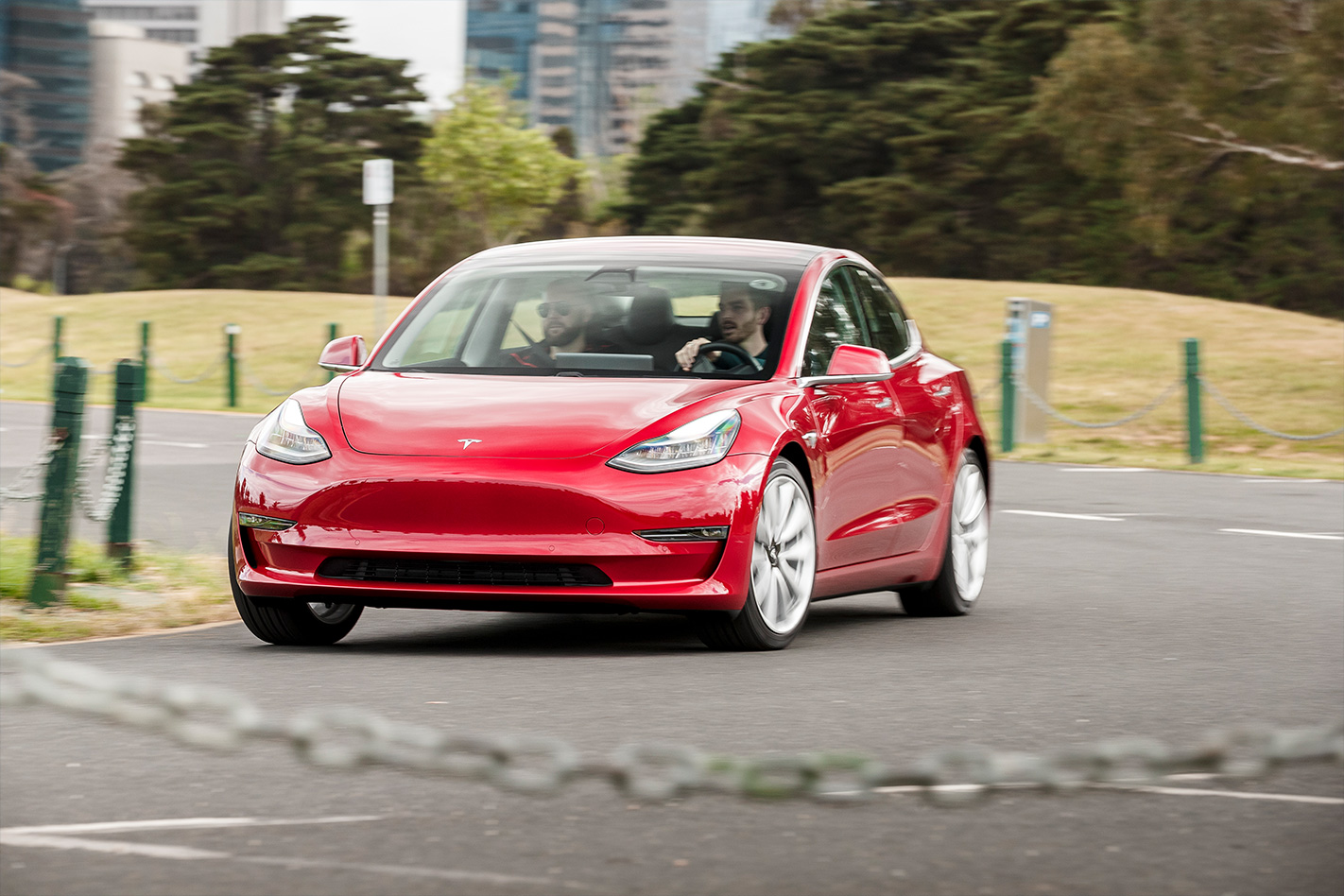
Australia is still scaling the foothills of EV adoption in the mainstream, and the prospect of ownership in this country is arguably at its most compelling when considering the service offered by Tesla’s expansive charging network. Its relatively resolved version of future mobility is already on offer here, if you’re a particularly well-heeled early adopter, that is. The most affordable Model S variant costs $112,050 (at time of writing, more on that later), while the Model X SUV is even pricier.
But that is set to change in 2019 with the much anticipated arrival of the Tesla Model 3. This relatively affordable EV is the tech company’s strike on volume-selling executive cars such as the Mercedes-Benz C-Class, BMW 3 Series and Audi A4.
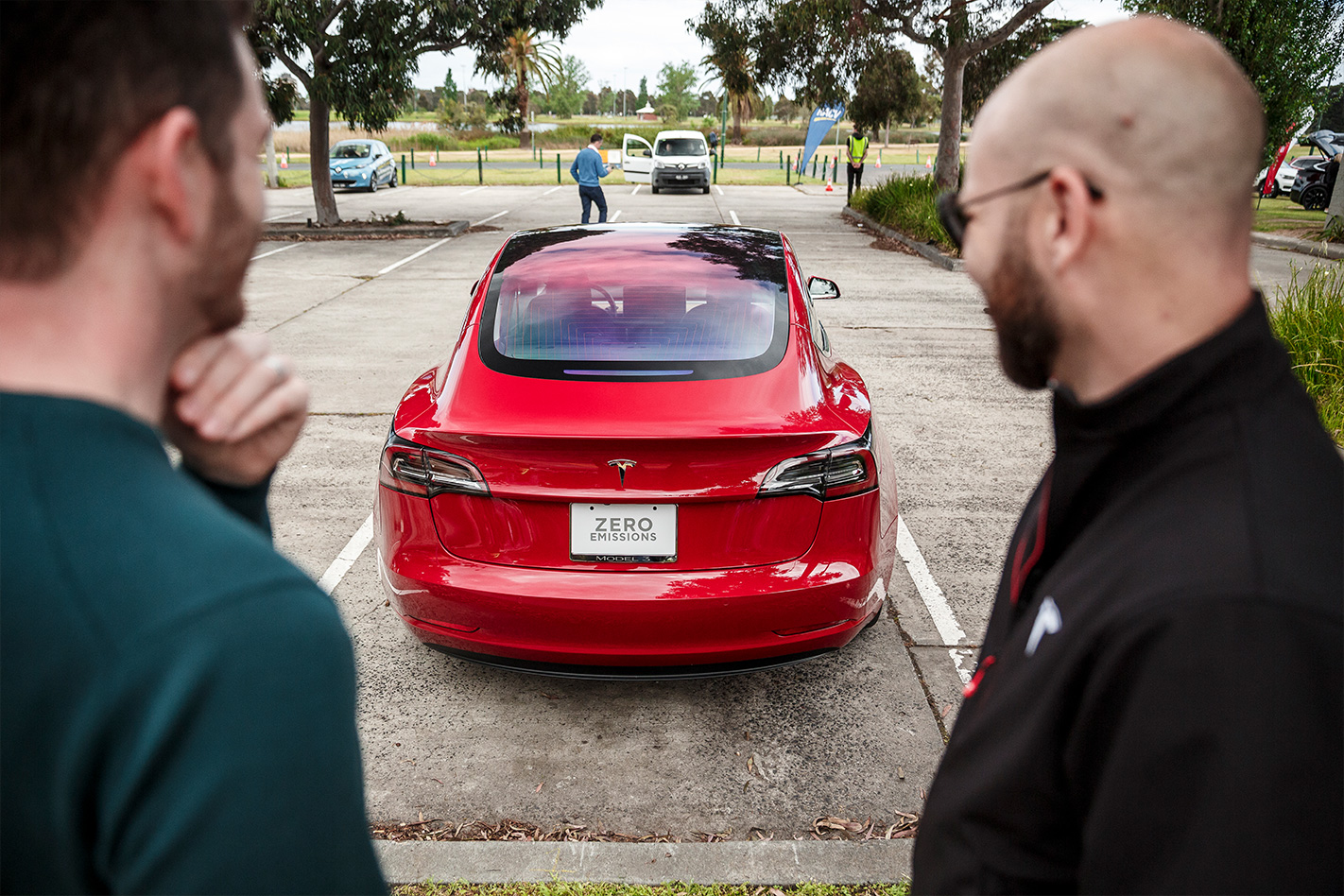
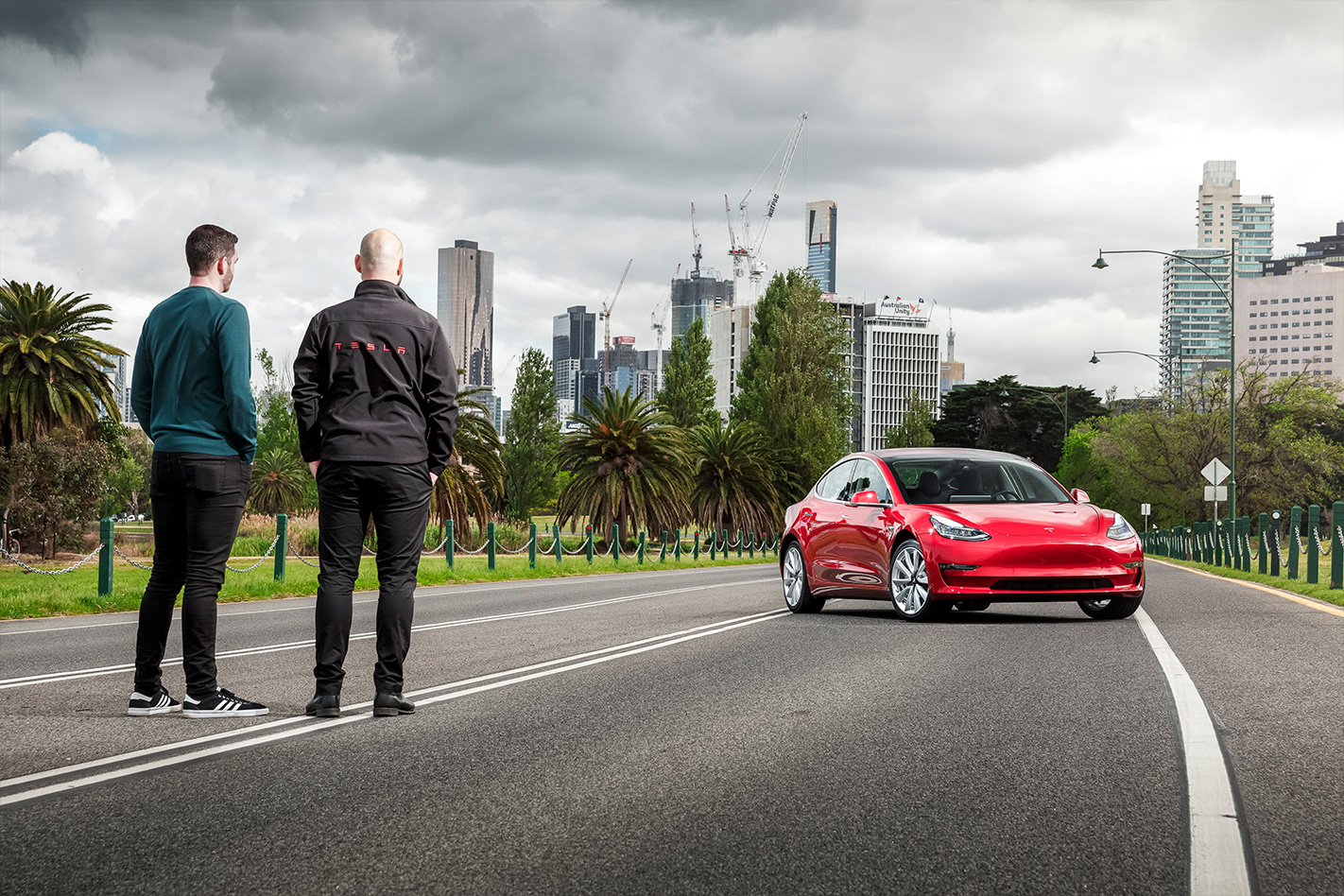
Right-hand-drive production isn’t slated to begin until the middle of 2019, but Tesla has covertly slipped three US-market vehicles into Australia for promotional and evaluation purposes, and Wheels was the only local media outlet invited to drive one. An industry event in Melbourne provided the opportunity, where Tesla was canvassing for potential fleet customers alongside every other manufacturer with an electrified vehicle in market.
Dozens of EVs, PHEVs and even FCVs were on hand, but all eyes were on the Tesla. It’s been almost three years since Elon Musk wheeled the production-ready Model 3 before the world, but constant delays have made it seem like a myth out here. More than 100,000 people placed deposits on the day of its unveiling, including a large number of Australians who continue to wait to take delivery. Even though certain spec details are still secret, for now local enthusiasm remains strong.
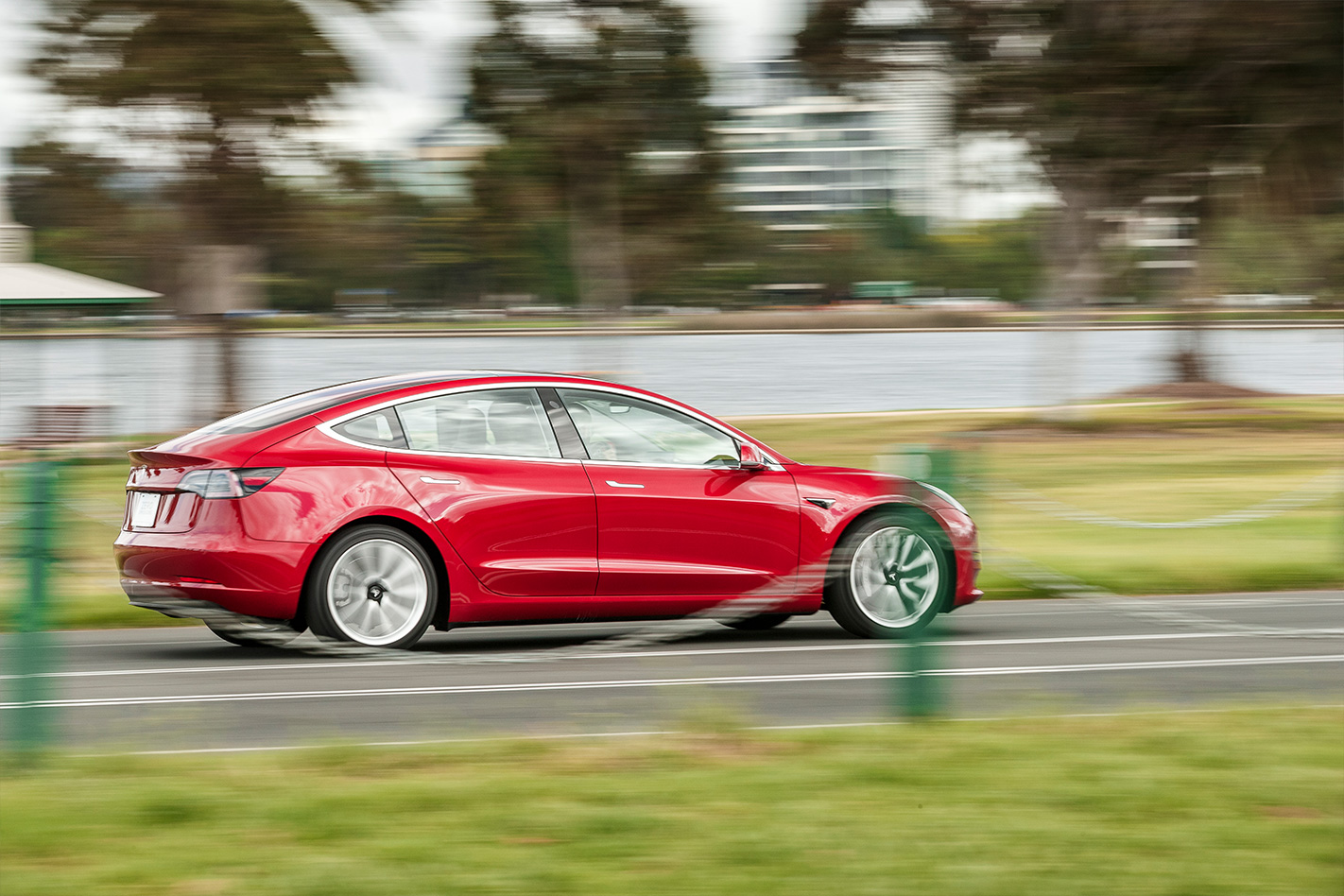
The link between Model S and Model 3 is easy to follow when looking at the two in profile. The latter is essentially a simplified, scaled-down version of the former, and the two share near identical glasshouses even though the Model 3 is almost 30cm shorter at 4694mm. Wheelbases are much closer, separated by a mere 85mm, meaning compact overhangs for the Model 3 with a similarly accommodating interior.
Electric vehicle architecture is expensive, so cost cutting has taken place elsewhere. The Model 3’s boot lid is now manual, though combined cargo space is reasonable at 425 litres including a ‘frunk’ big enough for a carry-on suitcase. Smarter execution sees the 60/40 rear seats lay flat when folded, with no stepped floor like the Model S. There’s more storage underneath without a spare tyre taking space. Get a flat and roadside assistance has to come and swap it, then call you when the old one is repaired.
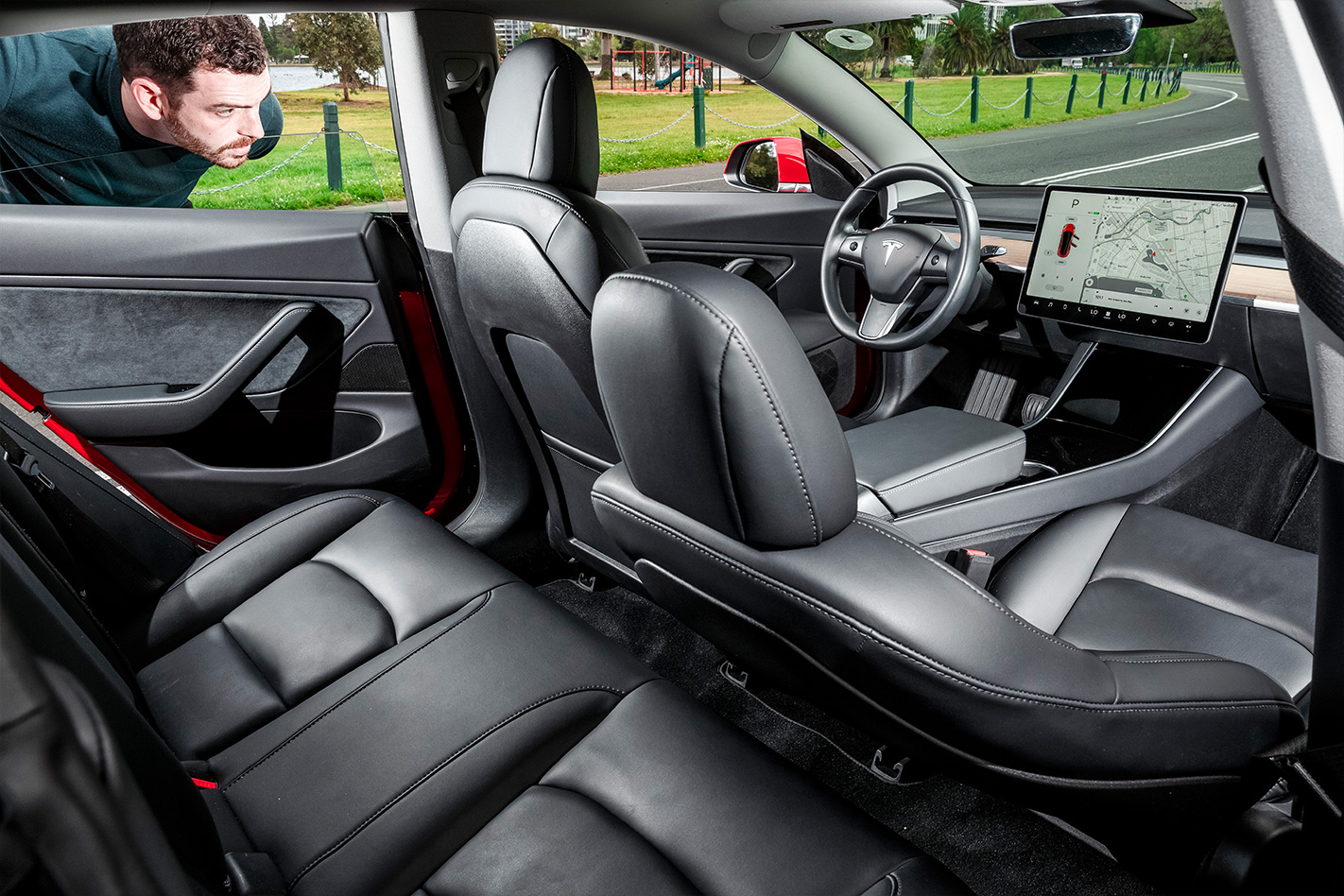
The Model 3 also gains a fully glass roof, including a huge rear panel that stretches from above the front seats over the top of rear occupants to the boot lid much like the Model X’s fishbowl windscreen in reverse. Tesla says it’s the largest in a production car of any kind, and serves two purposes: keeping the roofline low for aesthetics, while maintaining headroom.
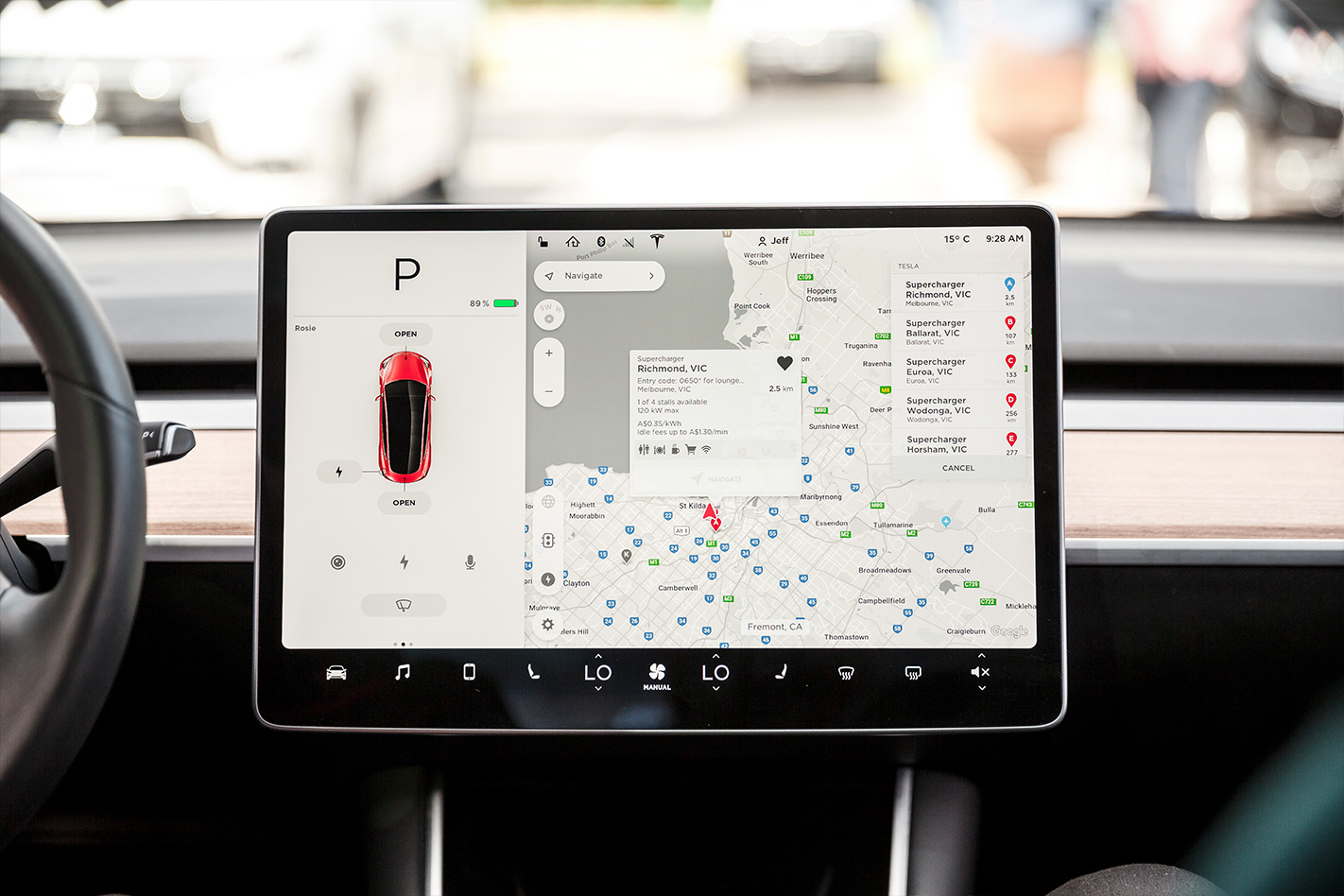
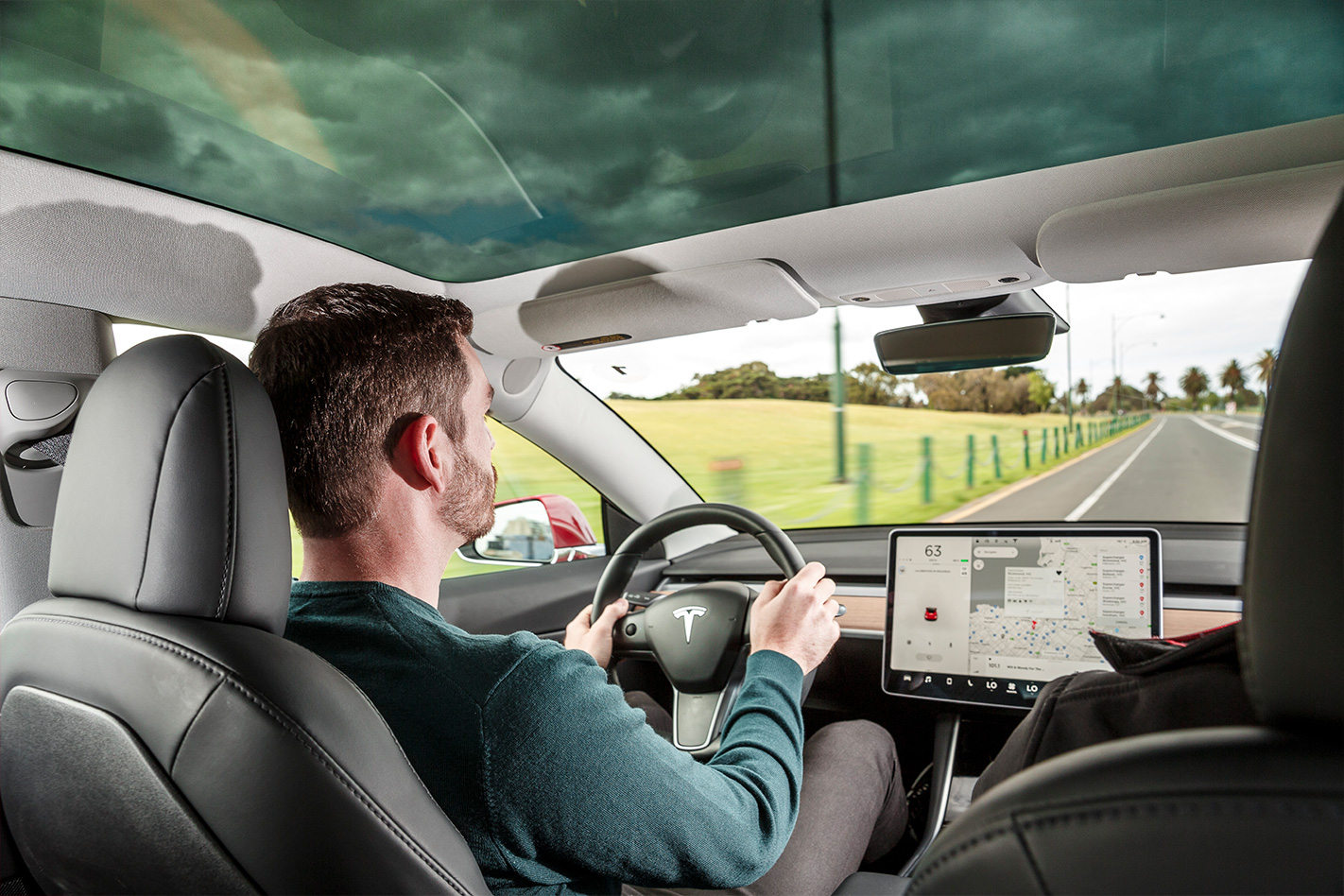
Inside, the uncluttered Model 3 looks like it was modelled off a Norwegian kitchen. All of its functionality is controlled from a single 15-inch touchscreen placed centrally in the slick, albeit extremely minimalist environment. Two multi-directional scroll-wheels mounted on the steering wheel – the only physical buttons in the cabin – have no labels on them, because their jobs may change with future iterations of the car’s software. One left-hand stalk controls indicators and wipers, while one on the right selects drive or reverse. And that’s it. The drive select stalk also activates cruise control and Autopilot with a double click.
Elon Musk might really be from the future
The rest is left to the massive touchscreen, which is somewhat overwhelming given the volume of information represented. Even the glovebox is opened via an on-screen menu. Tesla is now up to Version 9 of its software, which includes more functionality and interface revisions based on customer feedback. Third-party applications are also neatly integrated; say “play Pearl Jam”, and an appropriate playlist will stream via Spotify.
Tesla’s sat-nav software maps journeys based on how much energy is available and where charging stations are. The system can identify the number of empty charging bays before you drive there, as well as display the cost of the charge in advance and Google ratings for cafes nearby.
Tesla has placed a lot of emphasis on relaxation inside the Model 3. The soft seats have heaters as standard (though using them is kryptonite for an EV’s range), and noise suppression is impressive. “One of the things that’s premium in cars of this size is interior space,” says a local Tesla spokesman, before explaining that more room was created by moving the front seats and bulkhead forward, as there’s no combustion engine in the way.
How close the driver sits to the front axle is immediately apparent when you get into the car and turn a corner. It’s an unusual sensation. The shorter wheelbase assists with agility, though the perception of that is heightened by the driving position. Car setup is heavily customisable. There are Comfort, Standard and Sport drive modes, Low and High settings for its regenerative braking force, Chill and Standard modes for take-off speed, and two levels of steering assistance called Comfort and Normal.
Comfort steering is only really useful for tight manoeuvres within car parks, while the Chill take-off mode works when creeping forward in stop-start traffic by smoothing out inputs and saving a bit of range. High regeneration turns the Model 3 into a single-pedal car while feeding the most energy back into the battery.
For now its suspension is passive dampers with coil springs, though an air set-up is in the company’s future. The Model 3’s on-road behaviour is geared towards comfort rather than dynamics. It’s quite soft and spongy, with significant bodyroll through corners even though much of its weight resides in floor-mounted battery packs.
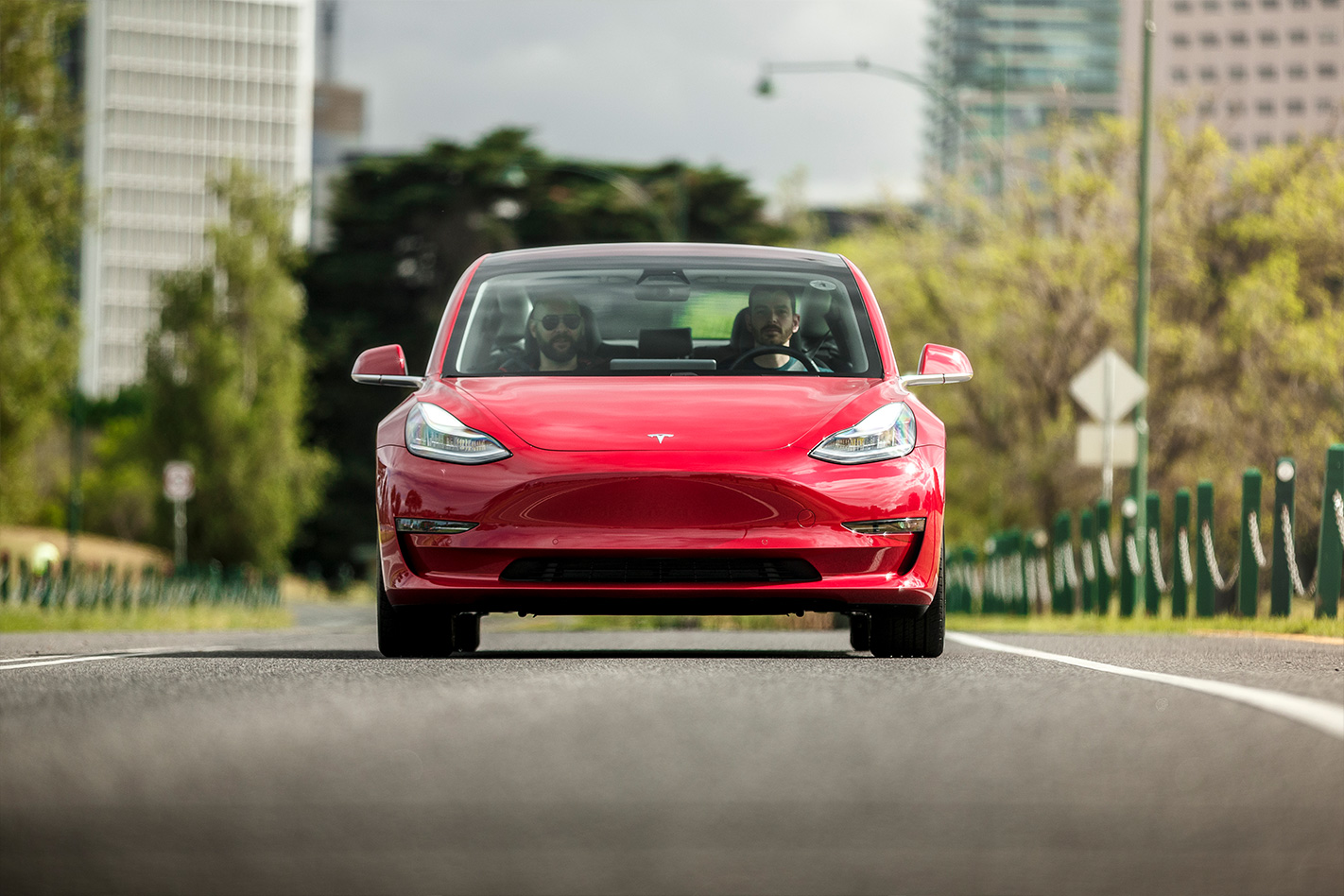
Anybody who has experienced a dual-motor Model S or X will find the rear-wheel-drive Model 3’s modest launch performance much less heart-stopping in ferocity, though more than adequate at 5.6sec to 100km/h for this car’s intended function. Exact outputs in kW and Nm are somewhat cryptic to decode, but should be made clear when the car arrives for real. Sportier Long Range and Performance variants with dual motors and 500km range are available, though the two cheaper versions with less battery capacity are the ones most people with deposits down are waiting on. The most affordable of which (called Standard) will have a 50kWh battery with 350km range, and is promised to come in at the US$35,000 mark brand founder Elon Musk promoted way back at the beginning.
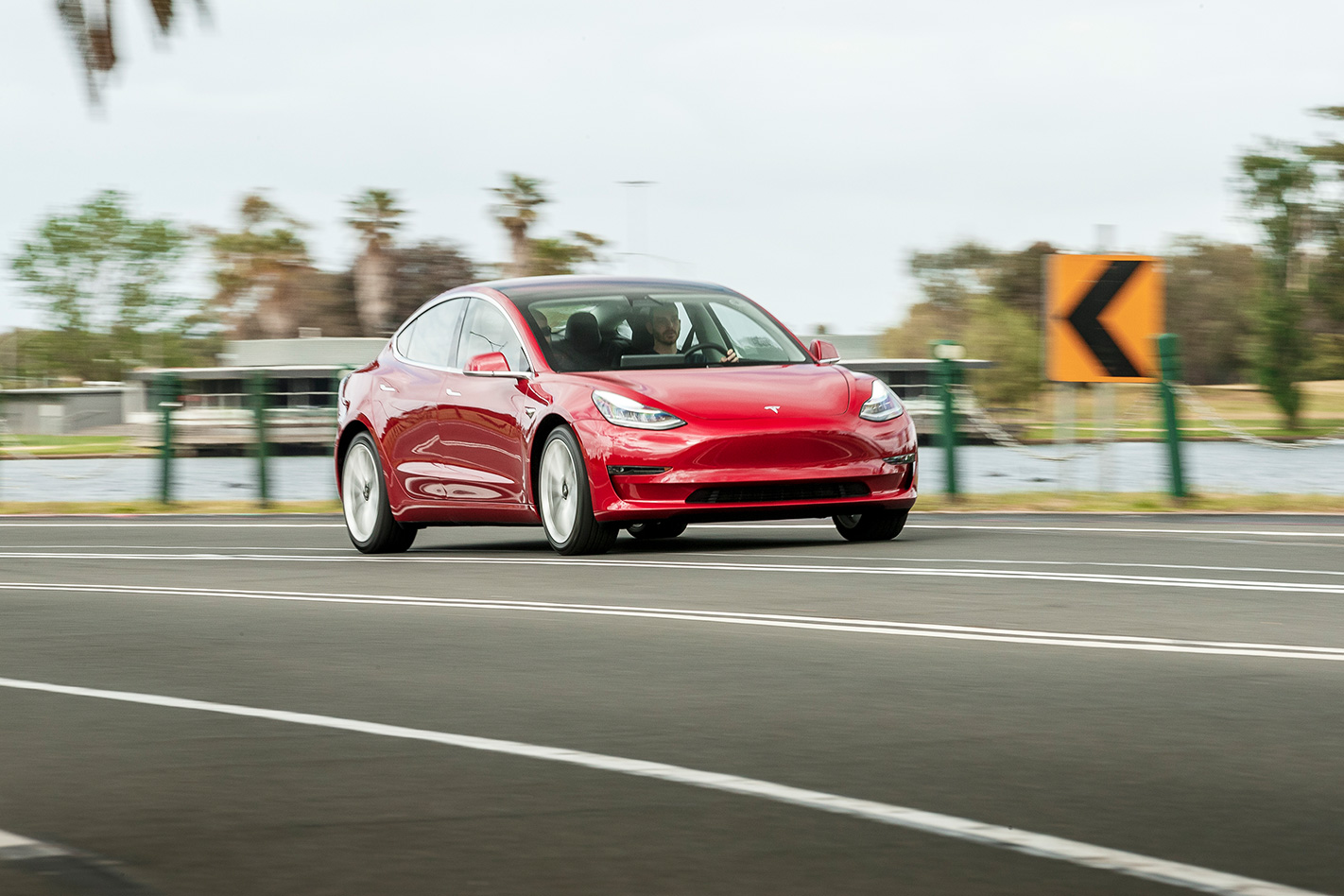
For now the line-up includes Model 3 Mid Range RWD at US$46,000 with a 62kWh pack, followed by Long Range and Performance AWD variants with 75kWh packs at US$53,000 and US$64,000 respectively, the latter with a 3.5sec sprint to 100km/h. Tesla aims to maintain price parity around the world, meaning a US$46,000 Mid Range Model 3 with 420km range should cost the same in Australia, plus local taxes, on-roads and delivery. That puts it at under $70K after currency exchange, and the Standard Model 3 at under $60K, if/when it comes to pass.
Mainstream premium manufacturers are only now dipping their toes into the EV waters with big, expensive vehicles that will ideally set them up to build more affordable EVs in the near future. That’s a process Tesla has already been through with Model S and X before moving onto Model 3, though it has not been without difficulty or delay. Australia has been identified as one of the first markets to get right-hand-drive Model 3s when production starts, though whether that is around mid-2019 remains to be seen.
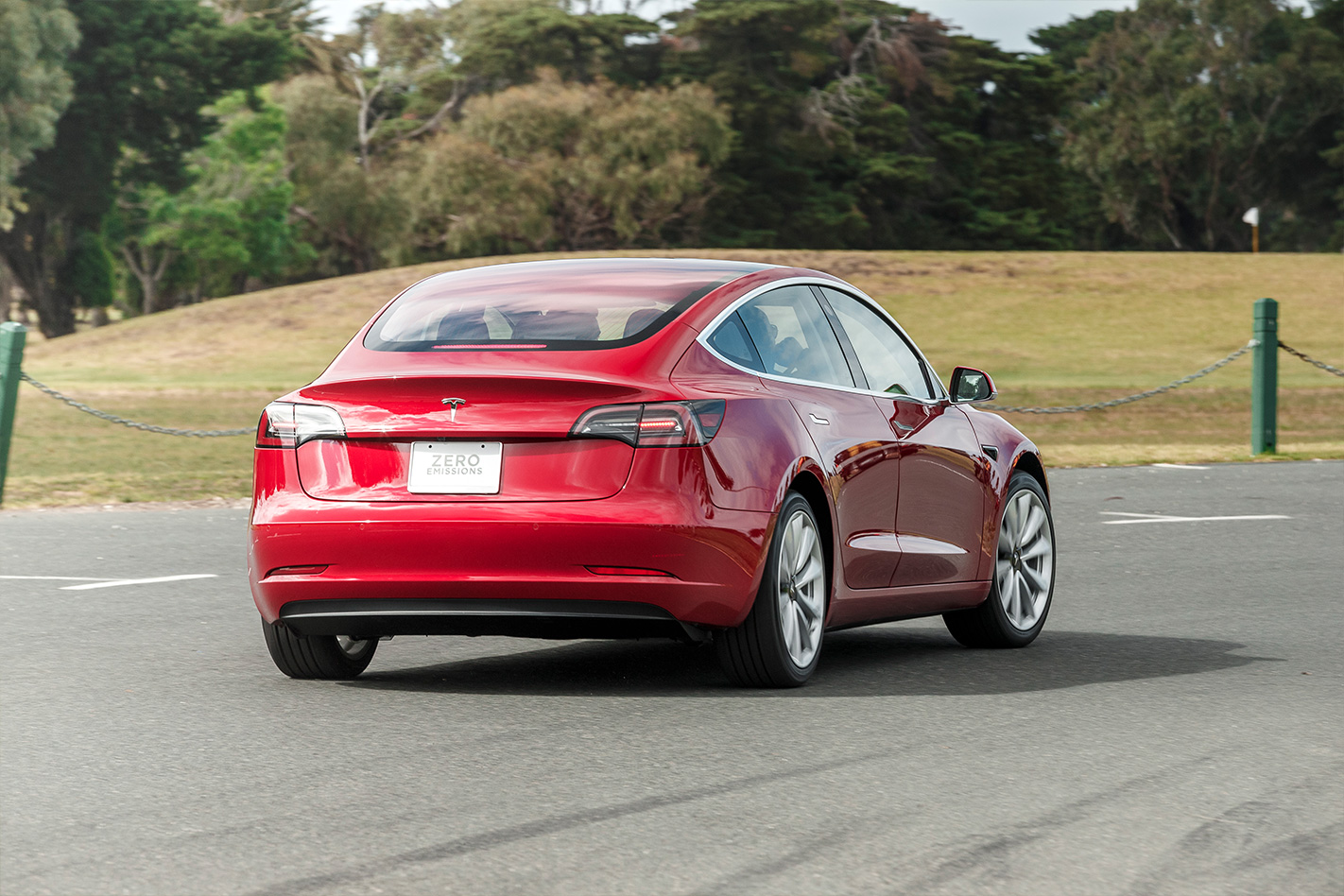
Time is not on Tesla’s side. The potential is there for Model 3 to springboard off the extensive groundwork it has already done and seal the brand’s long-term success, but it needs to arrive sooner rather than later. Those who signed up to Elon’s vision are ready to part with their cash now, but the rest of the industry is quickly chasing down the brand’s head start. The question is: how long can Tesla outrun them?
In 2018 Australians bought more SUVs than passenger cars. And the rise and rise of the mighty SUV shows no sign of abating in 2019, if the plethora of exciting new models headed our way is any indication.
Much of the attention has been on popular compact and mid-size SUVs, however luxury high-riders are also big business. This upper segment is set for the biggest shake up in 2019 with all-new models dripping with luxury and new technology including electrified powertrains.
But don’t for a minute think that affordable SUVs will stagnate. Far from it! There’s plenty for budget-conscious SUV shoppers to get excited about in 2019.
Do any of these all-new 2019 SUVs cars have your attention? Let us know in the comments below.
Alfa Romeo Stelvio Quadrifoglio
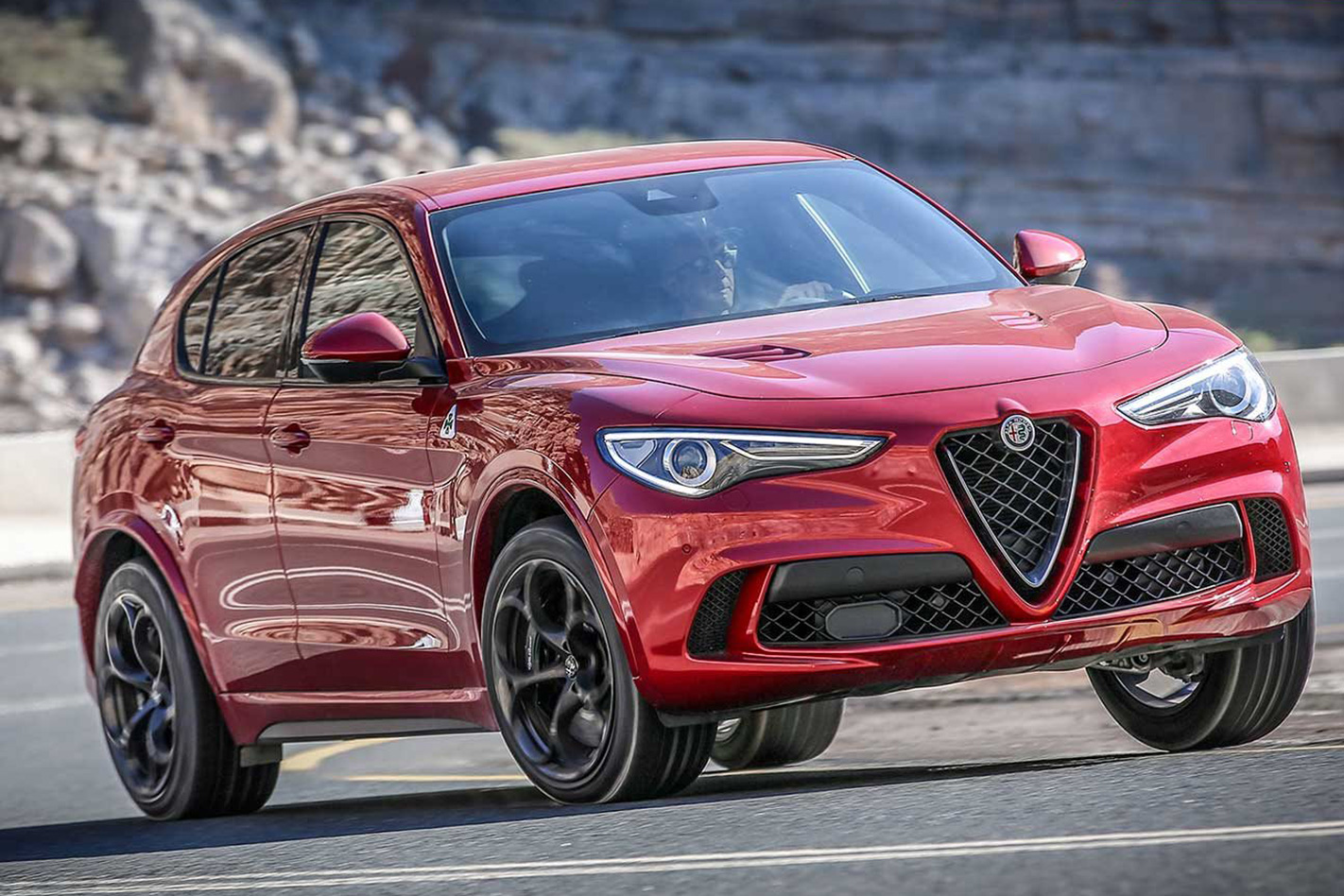
Significance: The high-performance Stelvio range topper will be the fastest SUV in its class
Price: $149,000
Rivals: BMW X3 M40I, Mercedes-AMG GLC43, Jaguar F-Pace 35t S
Due date: January 2019
The twin-turbo V6-powered Stelvio Quadrifoglio – known as the Stelvio Q in Australia – has a 283km/h top speed and a 0-100km/h time of just 3.8 seconds. The Q adds all-wheel-drive underpinnings to the Giulia Quadrifoglio’s 2.9-litre twin-turbo V6 and eight-speed automatic transmission. It also shares much of the sports sedan’s equipment levels. Apart from a significant power boost over other Stelvio models, new Stelvio flagship differs from the rest of the line-up via a more aggressive body kit and tweaks to improve aerodynamics, performance and handling.
Audi Q3
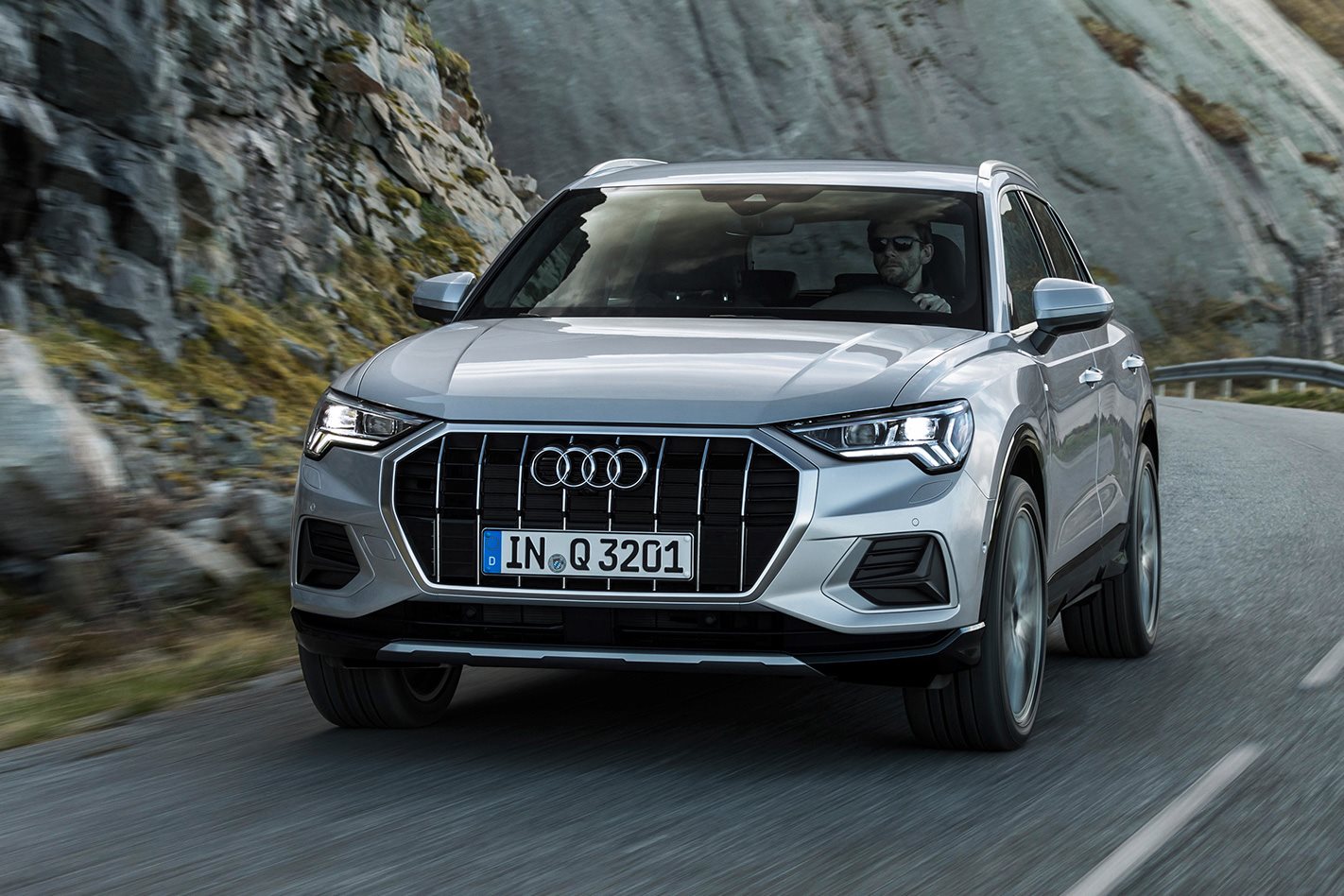
Significance: Audi’s original small SUV gains a mature new look and more equipment to separate it from the similarly sized Q2.
Price range: $45,000-$85,000 (estimated)
Rivals: BMW X2, Jaguar E-Pace, Mercedes-Benz GLA, Volvo XC40
Due date: June 2019
The all-new 2019 Audi Q3 features bold design cues taken from its bigger sibling, the Q5, to give it a more mature and attractive appearance than its predecessor. The new Q3 should also be more family-friendly and practical than before, and will benefit from a raft of infotainment, connectivity and driver assist upgrades.
Audi Q7 e-tron quattro
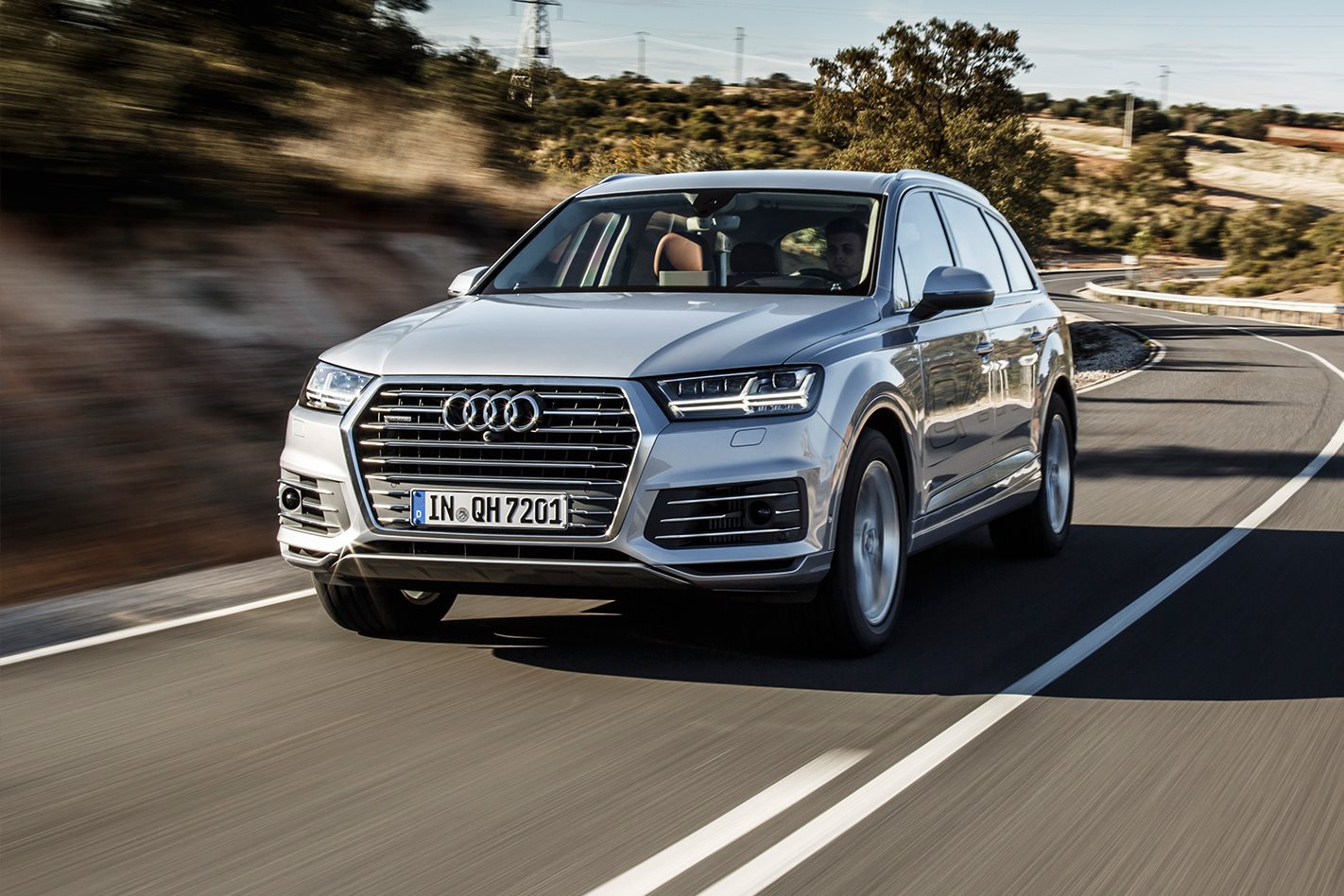
Significance: Audi’s first plug-in hybrid will be the first diesel/electric SUV on the Aussie market.
Price: $139,000
Rivals: Mercedes-Benz GLE500e, Mercedes-Benz EQC, Porsche Cayenne E-Hybrid, Volvo XC90 T8
Due date: January 2019
Using the Audi Q7’s 3.0-litre V6 synced to an electric motor fed by a plug-in chargable 17.3kWh battery, the new Q7 e-tron large SUV has a pure electric range of up to 56km and a combined fuel efficiency of just 1.9L/100km. Beyond the plug-in hybrid system, the Q7 e-tron shares the same specification as the Q7 3.0 TDI quattro, and the driver assistance and safety systems of the entire range.
Audi Q8
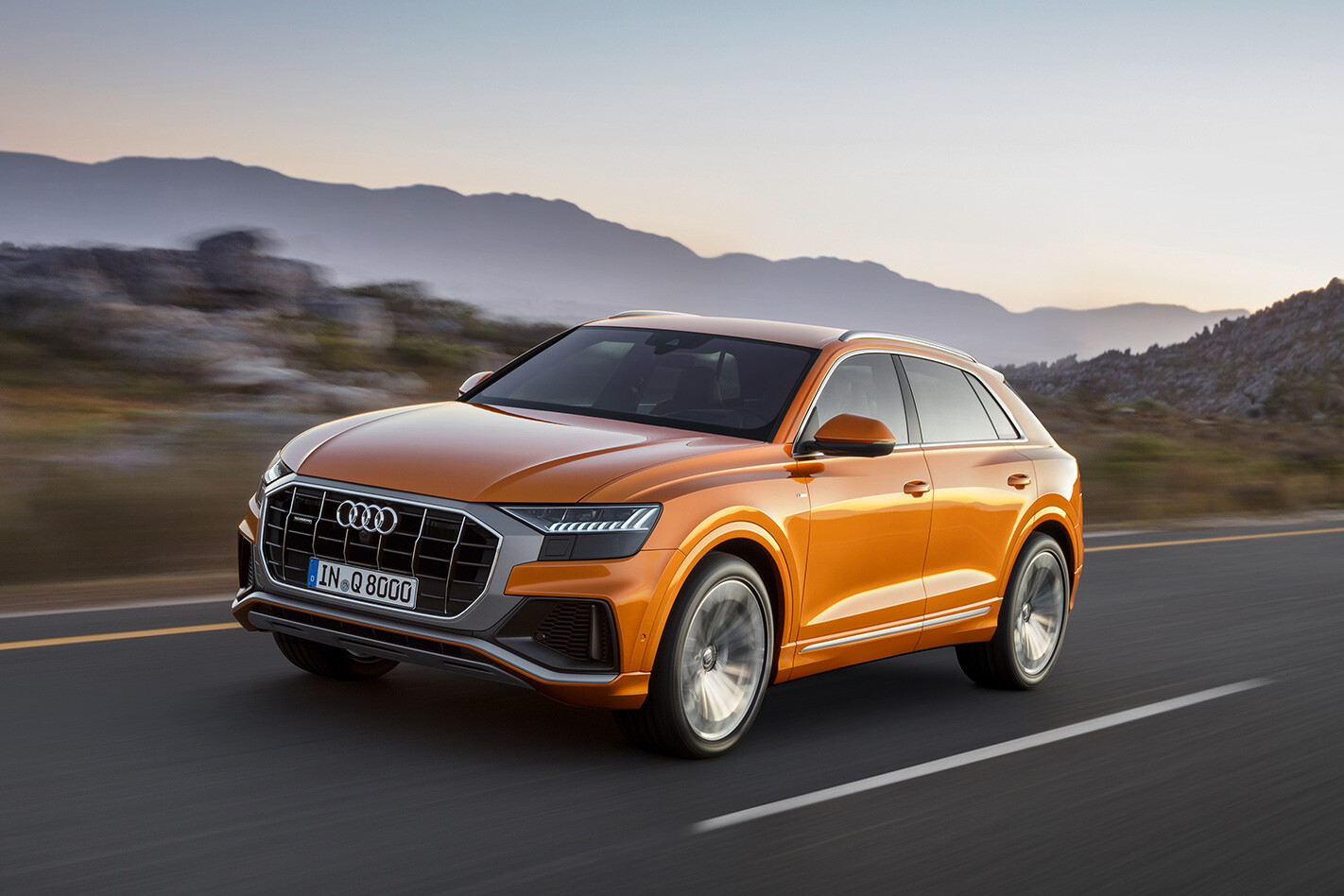
Significance: Audi’s new SUV flagship is a big coupe-like alternative to the Q7
Price range: $128,900
Rivals: BMW X6, Mercedes-Benz GLE-Coupe, Porsche Cayenne, Range Rover Sport
Due date: January 2019
Closely following the design cues teased in the Audi Q8 Sport Concept unveiled at the 2017 Geneva Motor Show, the Q8 is a sportier, more luxurious sibling to the Q7 large SUV. It will be one of the most technically advanced Audis ever and is even able to park itself while you wait outside, although this may not be offered on Australian models. WhichCar understands Australia will get a 3.0-litre turbo petrol variant initially, possibly followed by a turbodiesel.
BMW X7
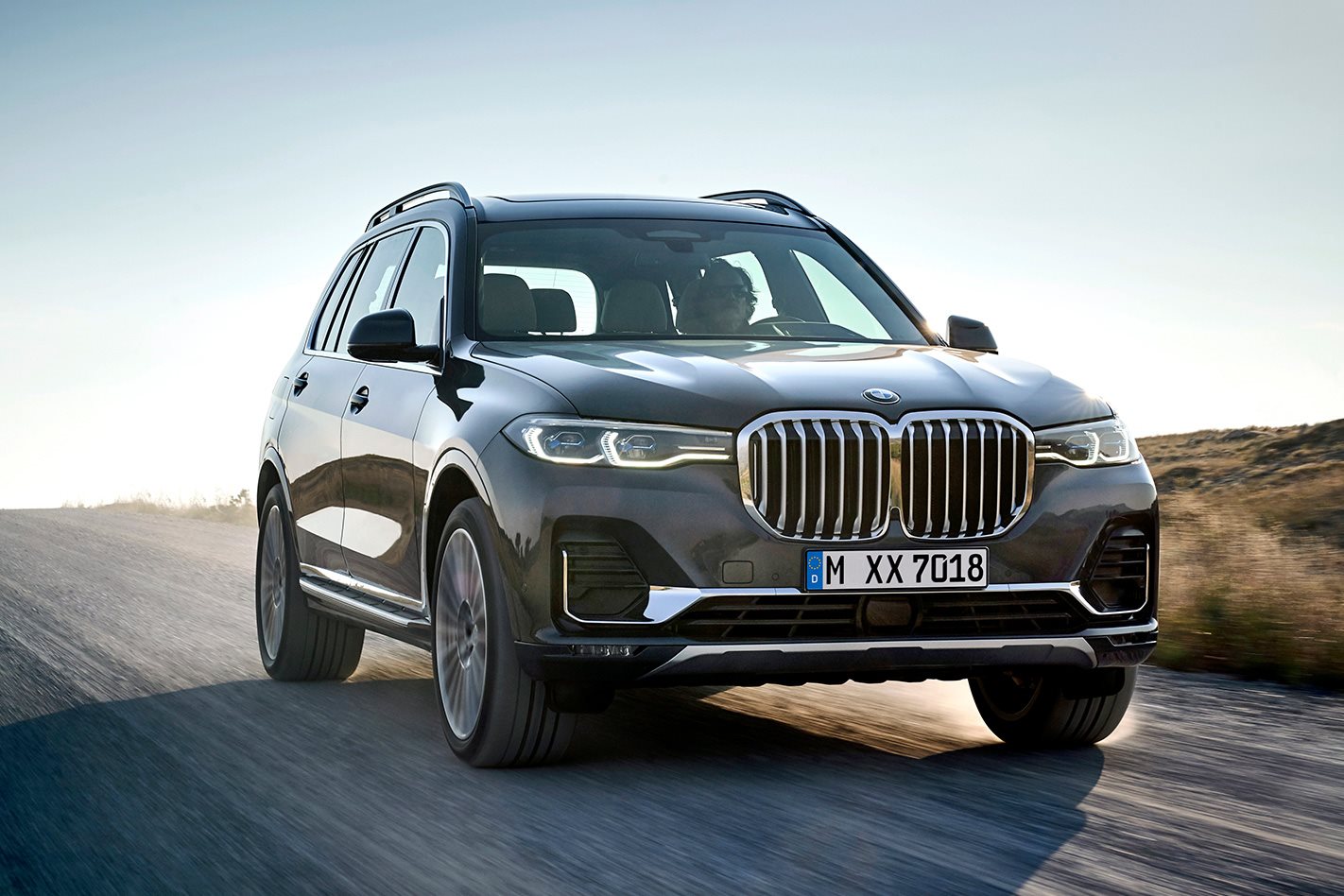
Significance: The biggest member of the BMW line-up will head Down Under with a twin-turbo V8 version that won’t be available in Europe
Price range: $150K-plus
Rivals: Bentley Bentayga, Mercedes-Benz GLS-Class
Due date: June 2019?
The BMW X7 is huge. Its 5.2m overall length is one the longest in BMW’s range, exceeded only by the 7 Series limousine, which cannot match the X7 SUV’s 1.8m height, 2.0m width and 3.1m wheelbase. BMW says the luxurious seven-seat X7 will feature an ‘intelligent personal assistant’ who responds to voice control, and can activate ‘in-car experiences’ including satellite navigation. A BMW digital key also allows X7 owners to unlock and start the vehicle using their smartphone.
Citroen C5 Aircross
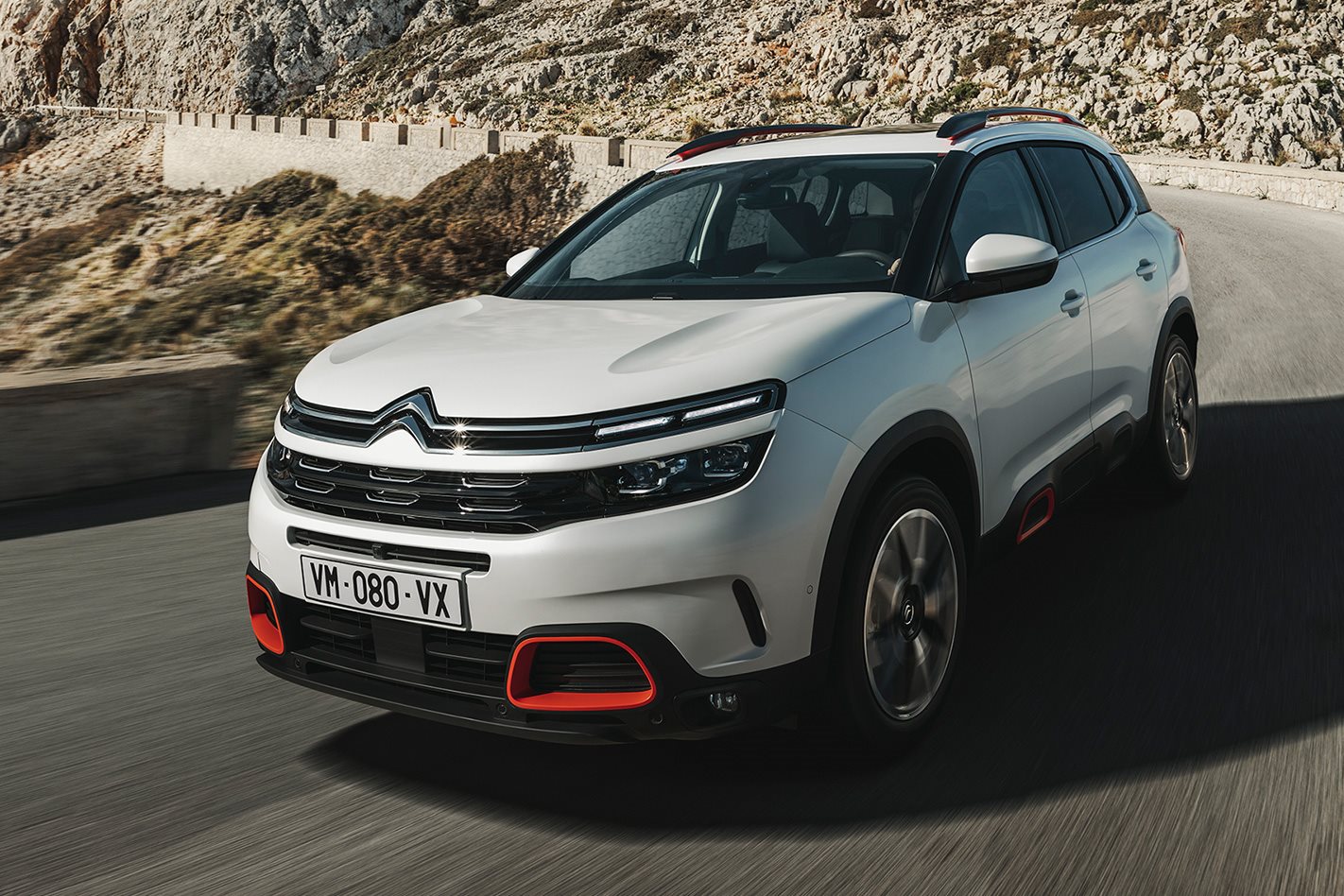
Significance: The C5 Aircross has morphed into an SUV that harks back to comfortable Citroen’s of old.
Price range: $38,000 -$55,000 (estimated)
Due date: Mid-2019
Rivals: Mazda CX-5, Subaru Forester, Peugeot 3008, Renault Koleos
Citroen says the new C5 Aircross will be the ‘most comfortable and modular SUV in its segment’ by drawing on its predecessor’s plush hydro-pneumatic suspension with tech that it calls “Progressive Hydraulic Cushions”. Ride comfort will be further enhanced by ‘Advanced Comfort’ seats that filter out road disturbances. The 4.5-metre-long C5 Aircross will make the most of its spacious interior by offering a wide centre console and flexible rear seating that can expand boot space from 580 to 720 litres.
Jeep Wrangler
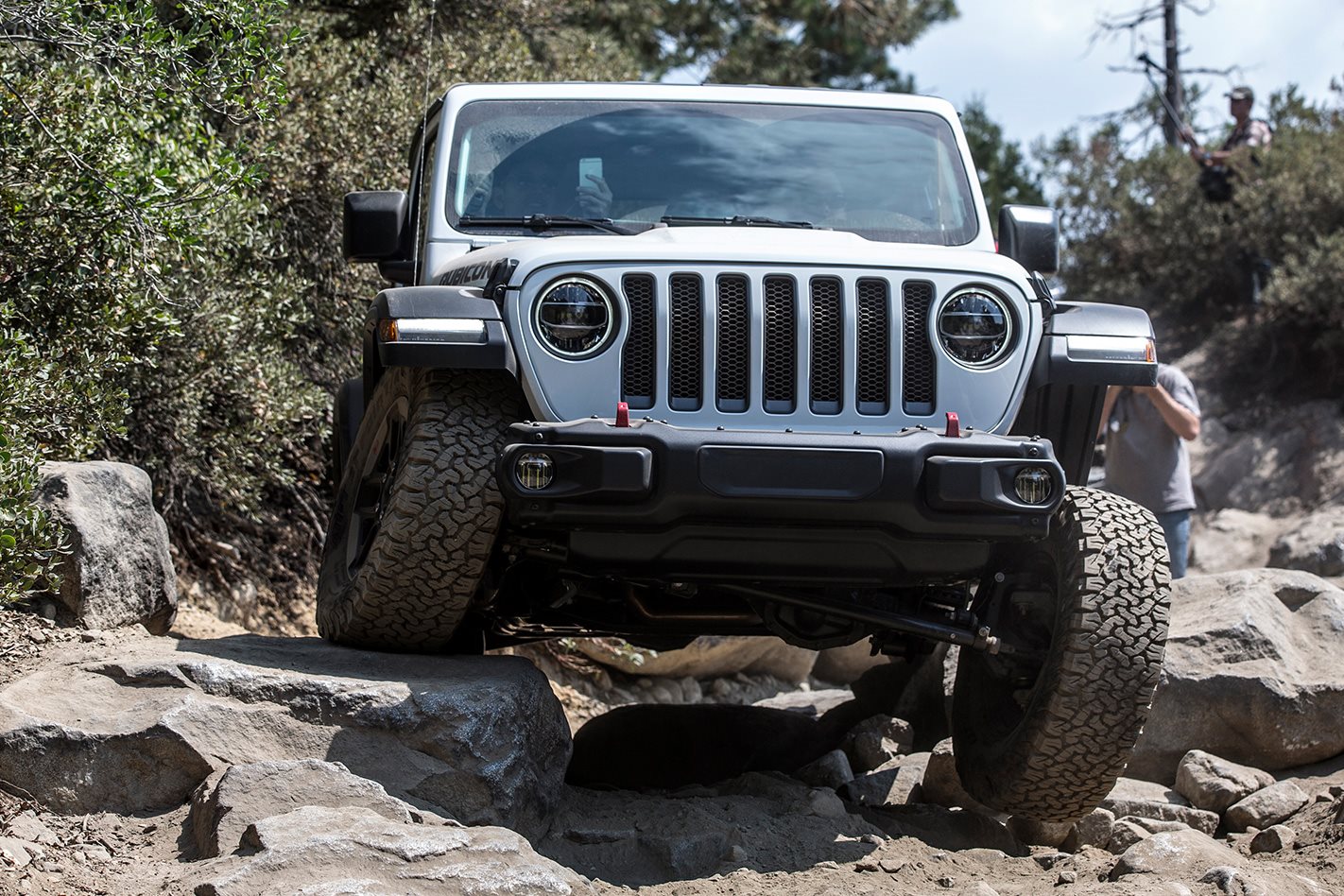
An all-new version of the archetypal Jeep arrives early next year with looks that still hark back to its 1940s origins.
Price range: $40K-$70K
Due date: January 2019
Rivals: Ford Everest, Suzuki Jimny, Toyota 76 Series Wagon
The all-new Wrangler will have plenty of 21st-century technology under its familiar looking skin including a new 2.2-litre turbo-diesel engine, eight-speed auto, and a huge leap in interior presentation and equipment. Jeep is touting even greater off-road ability, but with suspension retuning aimed at improving road manners and ride comfort to overcome the current model’s weaker points. One weak point it seemingly can’t overcome is safety – with EuroNCAP deeming it worthy of just one star out of five during independent crash testing. The 2019 Wrangler range includes the entry-level Sport, the Overland and the more off-road focused Rubicon.
Kia e-Niro
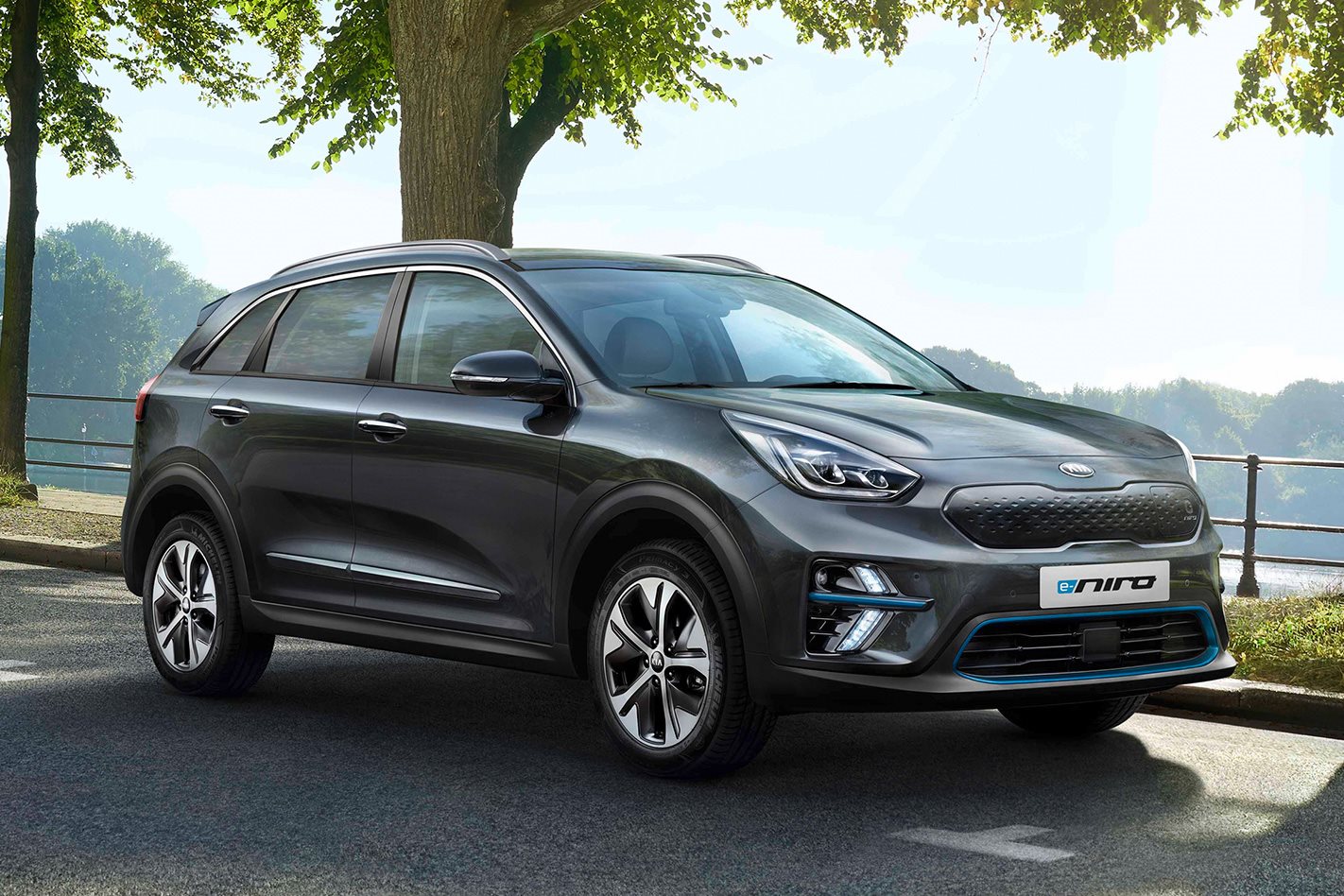
Significance: Kia’s first all-electric crossover promises a 600km urban range between charges.
Price range: From $55,000 (estimated)
Due date: November 2019
Rivals: Hyundai Kona Electric, Nissan Leaf
Kia Australia has all but confirmed its Sportage-sized e-Niro will arrive toward the end of 2019, boasting a range between charges of up to 615km that will leave more expensive European models such as the Jaguar i-Pace and Mercedes-Benz EQC in its wake. The e-Niro will also feature independent rear suspension, advanced regenerative braking technology, battery heating for cold climates, LED lighting inside and out, a 451-litre cargo area and Kia’s seven-year warranty.
Mercedes-Benz EQC
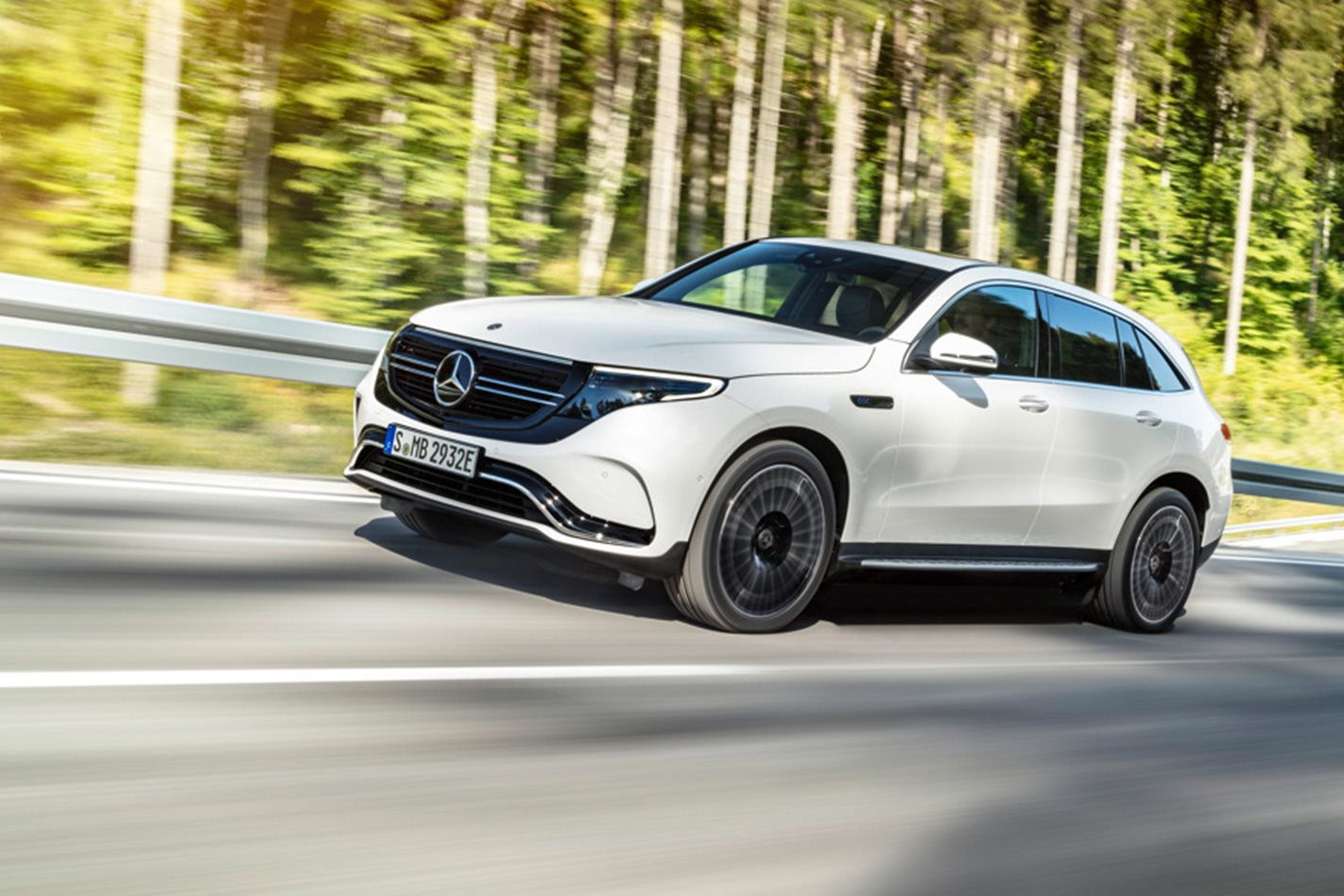
Significance: Benz’s luxurious all-electric SUV will arrive in Oz boasting a 450km range and plenty of performance.
Price range: $125,000 (estimated)
Due date: September 2019
Rivals: Audi Q7 e-tron quattro, Jaguar i-Pace S, Tesla Model X
Seven things you need to know about the Mercedes-Benz EQC
The EQC kicks off Mercedes-Benz’s electric future with an emphasis on performance as well as environmental sustainability. It packs an 80kWh lithium-ion battery capable of producing enough power to propel it from 0-100km/h in 5.1seconds via two electric motors turning each axle. The EQC is very similar to the current GLC mid-size SUV in terms of size and equipment levels.
Mercedes-Benz GLE
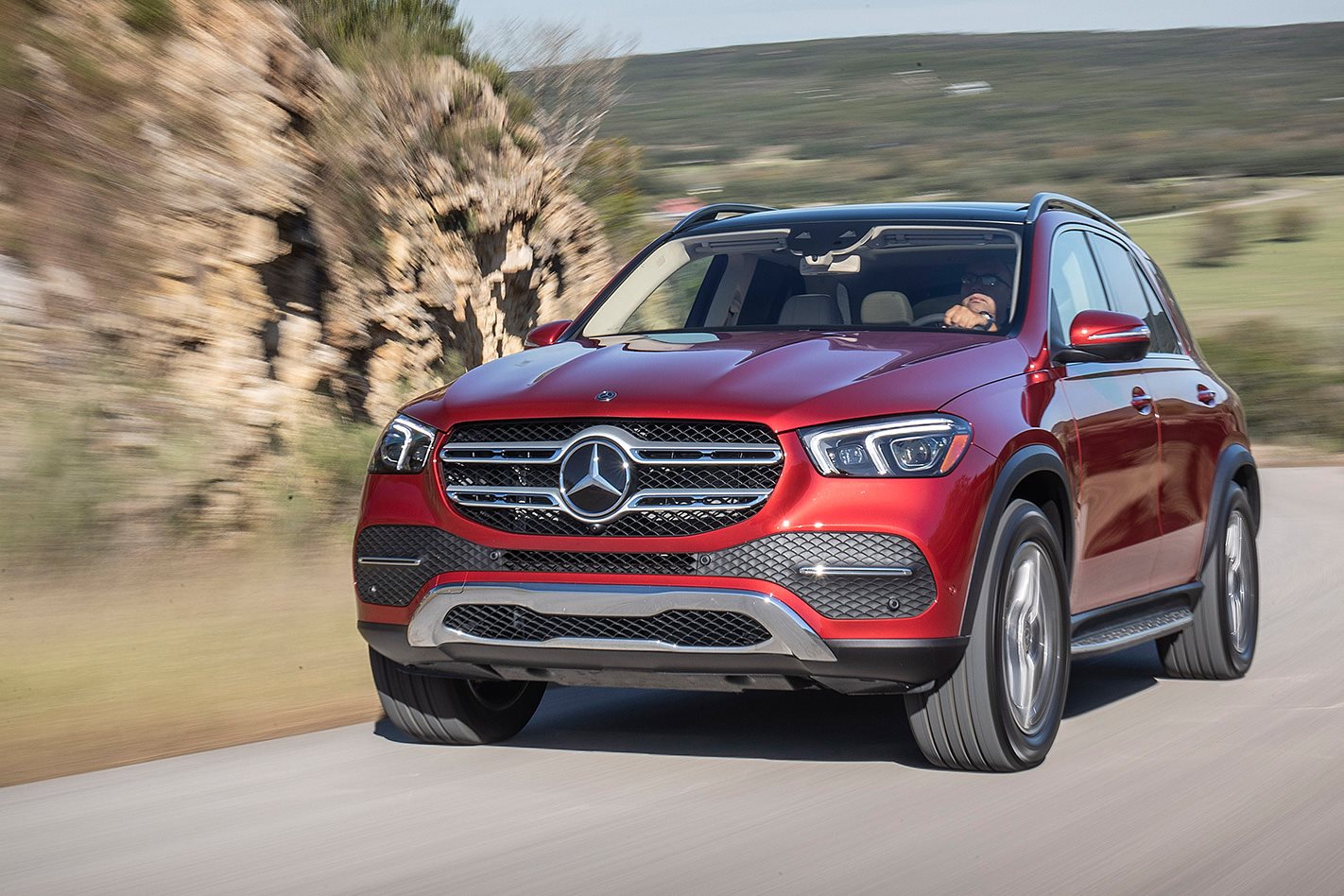
Significance: The second-generation GLE premium large SUV will be the German carmaker’s most advanced model
Price range: $100,000 – $200,000 (depending on model)
Due date: April 2019
Rivals: Audi Q7, BMW X5, Range Rover
Sporting design features that originated with the 1997 M-Class from which it descends, the new GLE-Class is set to leap-frog competitors with technology making it even more advanced than Benz’s flagship S-Class sedan. This will include 48-volt ‘E-Active Body Control’ air suspension with the ability to control pitch and squat movements as well as roll, and Active Tailback Assist’ that used live traffic data to recognise traffic jams ahead and react accordingly before the driver even sees them.
MG HS
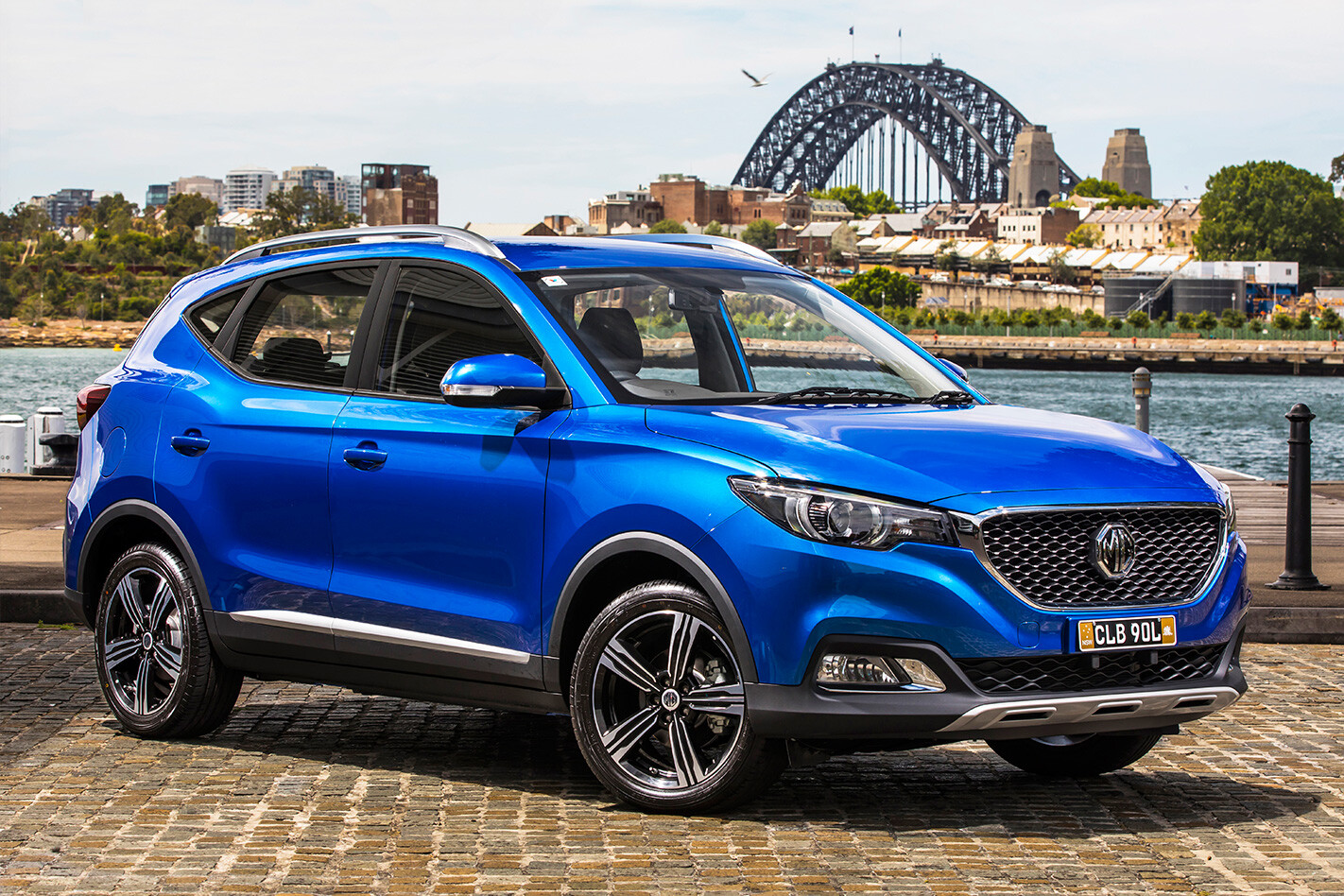
Significance: MG hopes to boost sales in Australia with its premium-equipped new-generation medium SUV.
Price range: $27,000 – $37,000 (estimated)
Due date: Late 2019
Rivals: Mazda CX-5, Toyota RAV-4, Hyundai Tucson
Based on the X-Motion concept revealed at the 2018 Beijing Motor Show, the MG HS’s attractive lines appear to have been penned to directly take on the Mazda CX-5, with state-of-the-art driver assistance tech and German-rivalling upmarket cabin appointments to sweeten the deal. The latter includes a 12.3-inch digital instrument cluster, 10.1-inch infotainment screen, soft-touch surfaces and eight-speaker Bose sound system. A gutsy 2.0-litre turbocharged petrol engine will be one of the engine options, with all-wheel-drive also available.
Range Rover Evoque
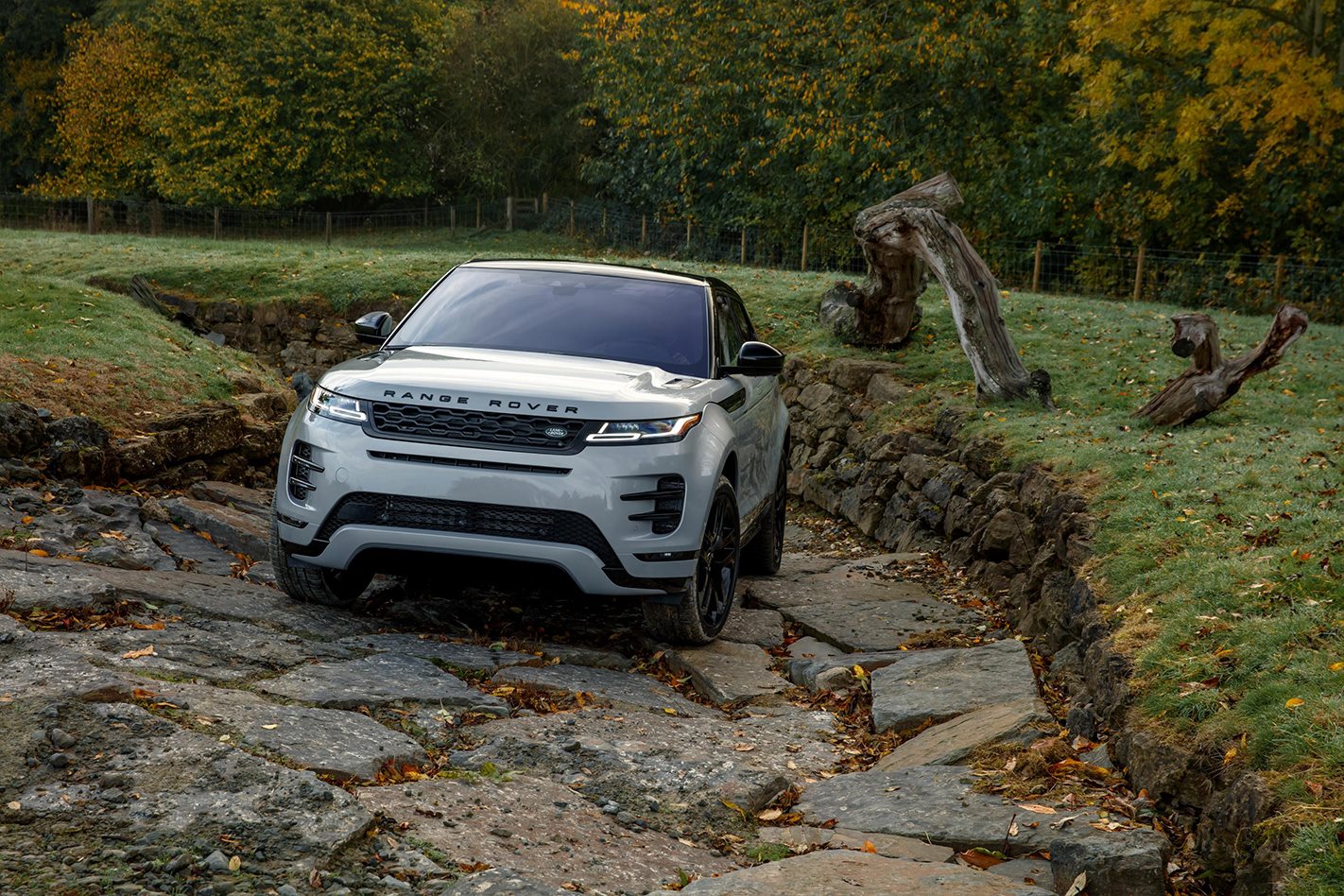
Significance: The baby Range Rover will mature to reflect its bigger siblings while offering more interior space
Price range: $64,000 – $105,000 (estimated)
Due date: May 2019
Rivals: BMW X4, Jaguar F-Pace, Mercedes-Benz GLC, Porsche Macan
Land Rover Australia is yet to detail the full 2019 Evoque line-up, but has confirmed that three diesel four-cylinder engines and three turbo petrols will be available with 48-volt mild hybrid technology. It’s 10mm wider and has a 20mm longer wheel base to provide more leg and elbow room, with boot space also increasing, by 10 percent, to 591 litres. The roof is 11mm lower though, resulting in a sportier coupe aesthetic resembling the Velar.
Suzuki Jimny
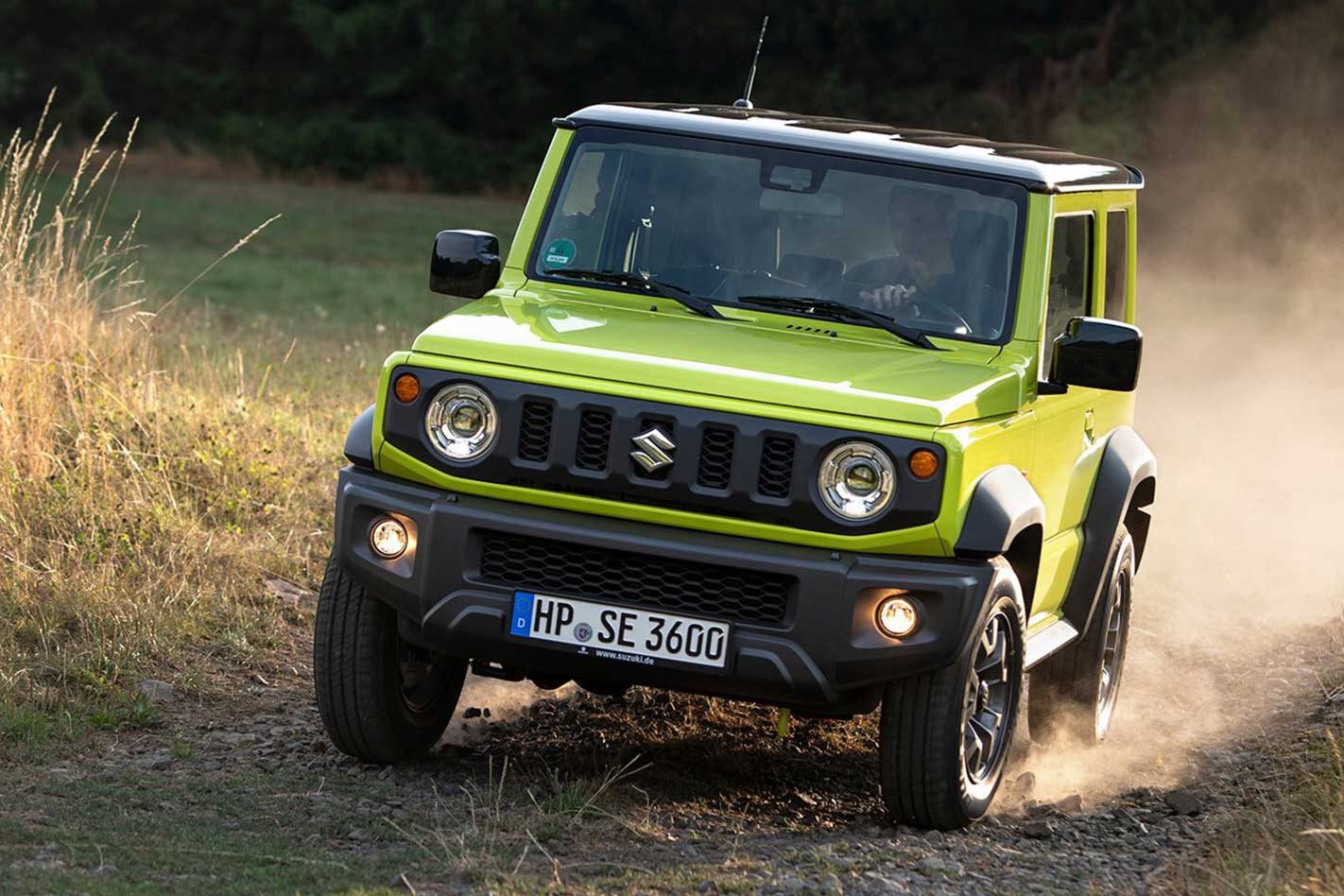
Significance: Suzuki goes back to the future to revive its mini 4×4’s iconic styling and serious off-road cred.
Price range: $27,000 – $29,500 (estimated)
Due date: February 2018
Rivals: Jeep Compass Trailhawk, Jeep Wrangler
2019 Suzuki Jimny to be sub-$30k, high-spec off-roader
It has questionable road manners and safety, but if initial reaction is any guide the new Jimny will be one of the most popular releases of 2019. The boxy fourth-generation Jimny retains its ladder-frame chassis, live front and rear axles and dual-range transmission that’s still activated by a proper lever. But there a few modern touches including a large infotainment screen with Apple CarPlay and Android auto connectivity. It will also come with a more powerful 1.5-litre petrol engine (up from 1.3L) petrol four-cylinder engine with a choice of five-speed manual or four-speed automatic transmissions.
Toyota RAV4
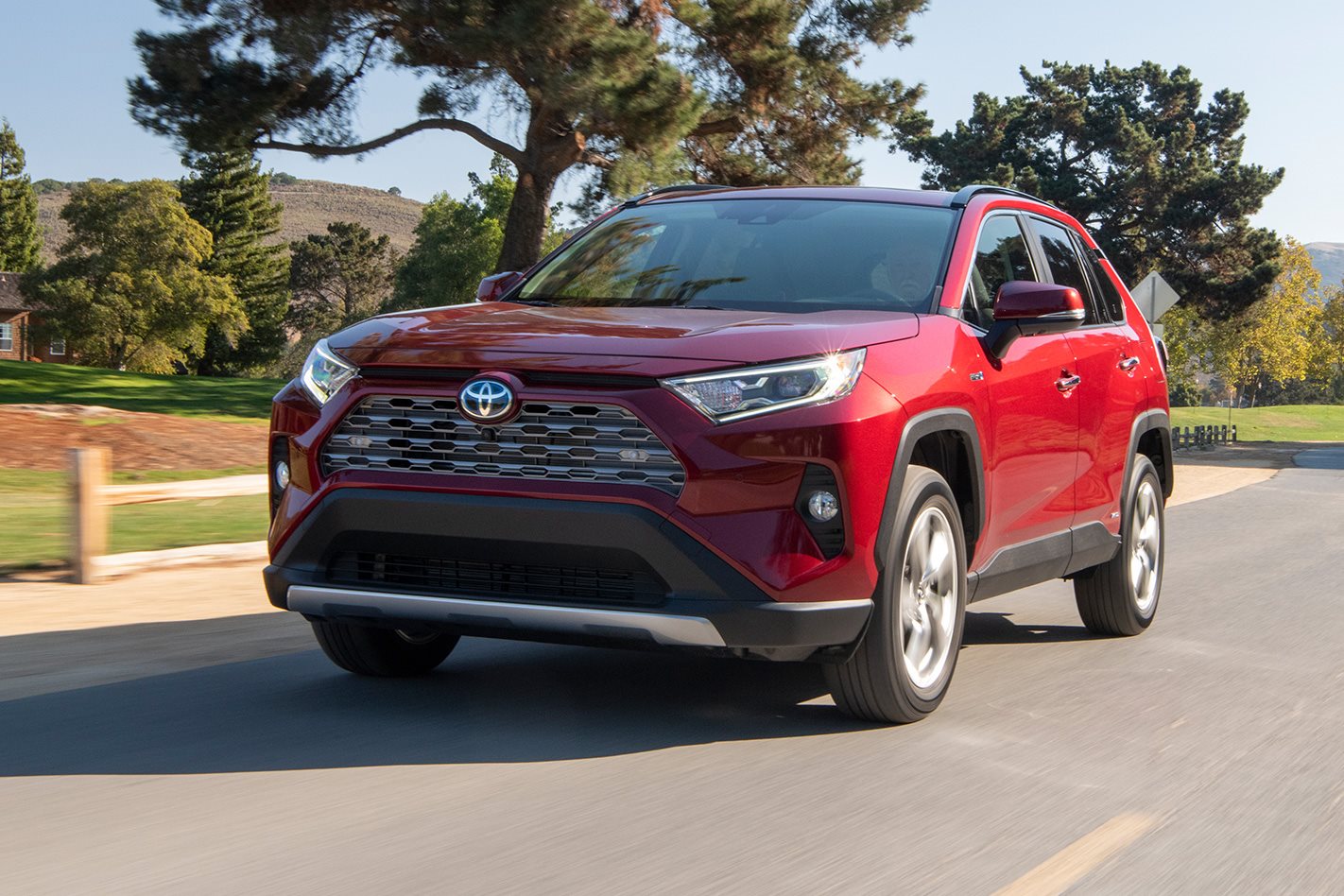
Significance: Toyota’s mainstay medium SUV has been totally redesigned and offers more comfort and technology than ever before
Price range: $30,000 – $55,000 (estimated)
Due date: April 2019
Rivals: Mazda CX-5, Subaru Forester, Jeep Cherokee
One of the most significant new cars for 2019, the all-new Toyota RAV4 promises to shake up the highly competitive medium SUV market by setting new benchmarks in terms of standard features and modern powertrains, including a petrol/electric hybrid. It will have the option of torque-vectoring AWD and multi-terrain drive modes to help it grip, lending itself to a more off-road focused version called the ‘RAV4 Adventure’. The new RAV4’s bigger exterior dimensions will result in significantly more interior space and comfort, while the interior designs will be more upscale than the current model.
Volkswagen Touareg
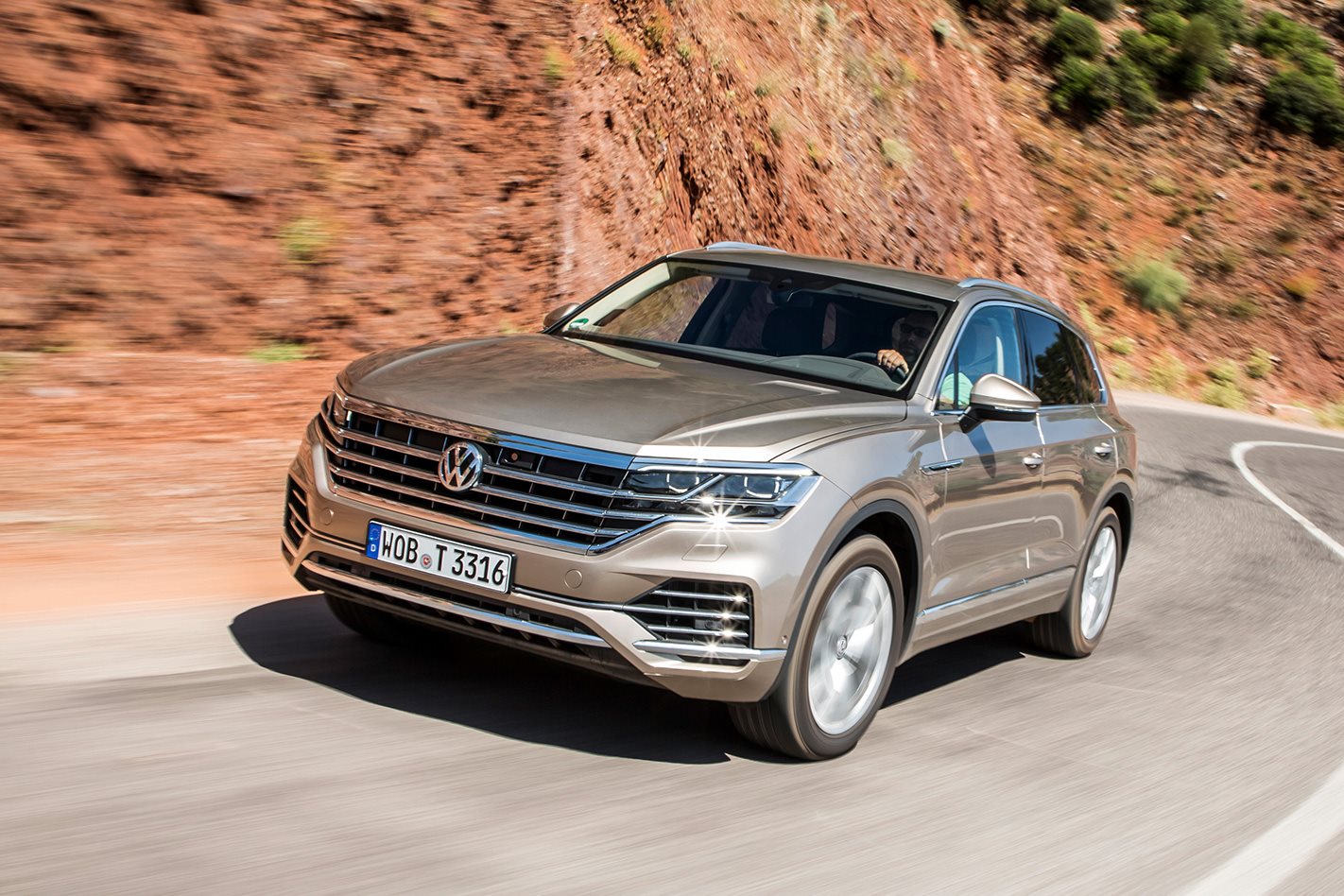
Significance: VW’s large SUV is now a truly premium offering that’s dripping with comfort and technology that rivals its Audi Q7 cousin
Price range: $83,000 – $120,000 (estimated)
Due date: May 2019
Rivals: Audi Q7, BMW X5, Lexus RX, Mercedes-Benz GLE
The first all-new Touareg since 2010 is the most luxurious and technologically advanced Volkswagen SUV yet and is built on the same platform as some of the world’s most luxurious high-riders including the Bentley Bentayga, Porsche Cayenne and Lamborghini Urus. Featuring interior trim levels that range from lounge-like to the sporty R-line, creature comforts will include VW’s biggest panoramic sunroof yet, 18-way electronically adjustable seats with high-quality leather detailing.
Do any of these all-new 2019 SUVs cars have your attention? Let us know in the comments below.
The updated 2019 Porsche Macan S has broken cover, featuring a single-turbo V6, shared with VW Group vehicles like the Audi S4.
With 3.0-litres of that V6 providing 260kW and 480Nm, the Macan S is set to live just below the GTS in the Porsche SUV hierarchy.
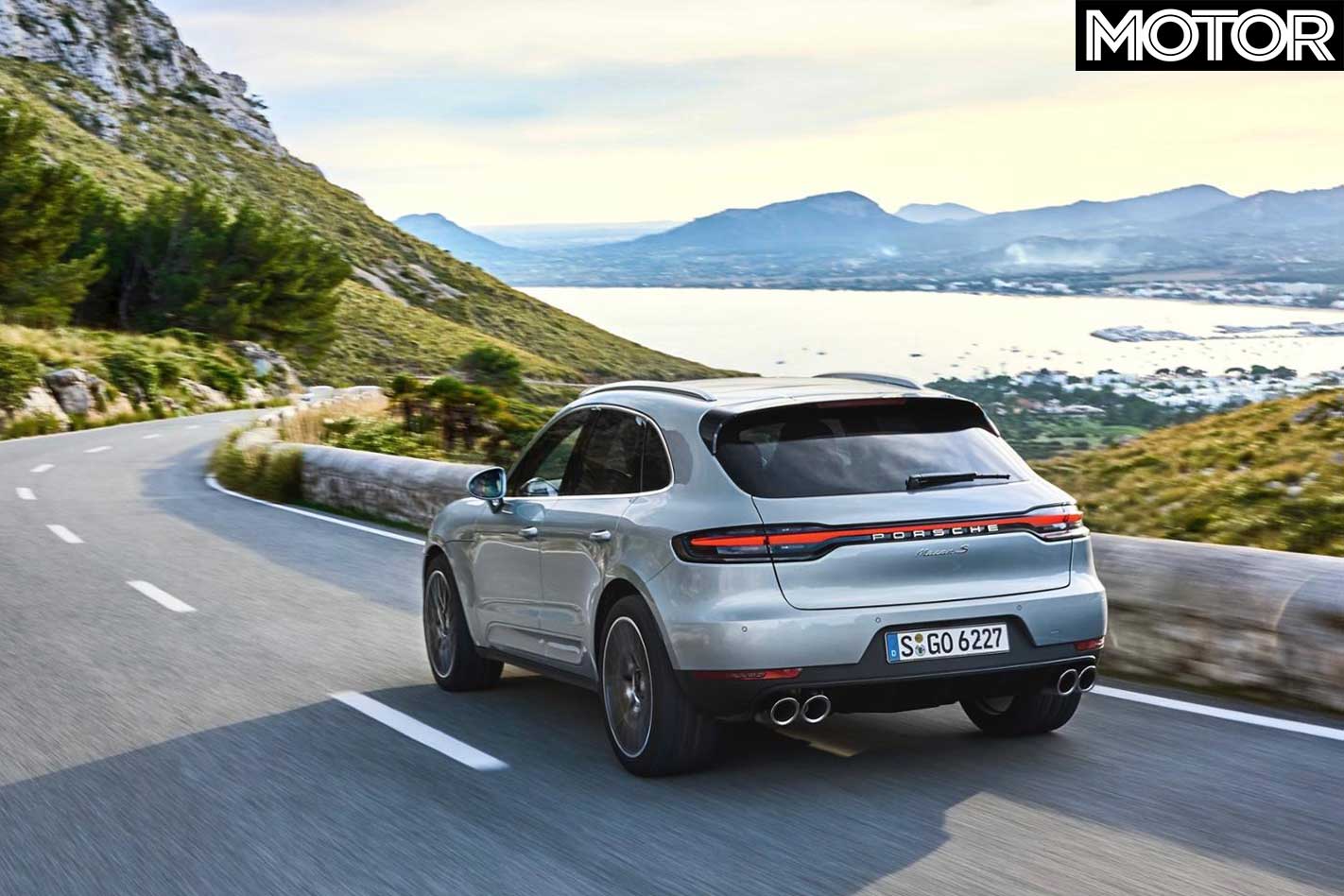
Porsche says this is possible in part thanks to the turbocharger placement. Rather than being located outside the ‘vee’ the turbocharger is between the two cylinder banks to retain more heat, respond faster, and be more efficient.
Because of the Macan S’s newfound power and responsiveness, 100km/h arrives in 5.1 seconds, a tenth sooner than for its predecessor, and only a tenth off the pace of the current-gen GTS, a facelift of which is still a while away.
Porsche Traction Management (PTM) four-wheel drive and aluminium front axle forks in place of steel forks are claimed to improve steering accuracy and ride quality, while optional Porsche Active Stability Management (PASM), adjustable air suspension, and shock absorber hydraulics are available to create a more sporting Macan.
Porsche even says it’s altered the brake pedal to, it hopes, improve feeling and responsiveness for the driver.
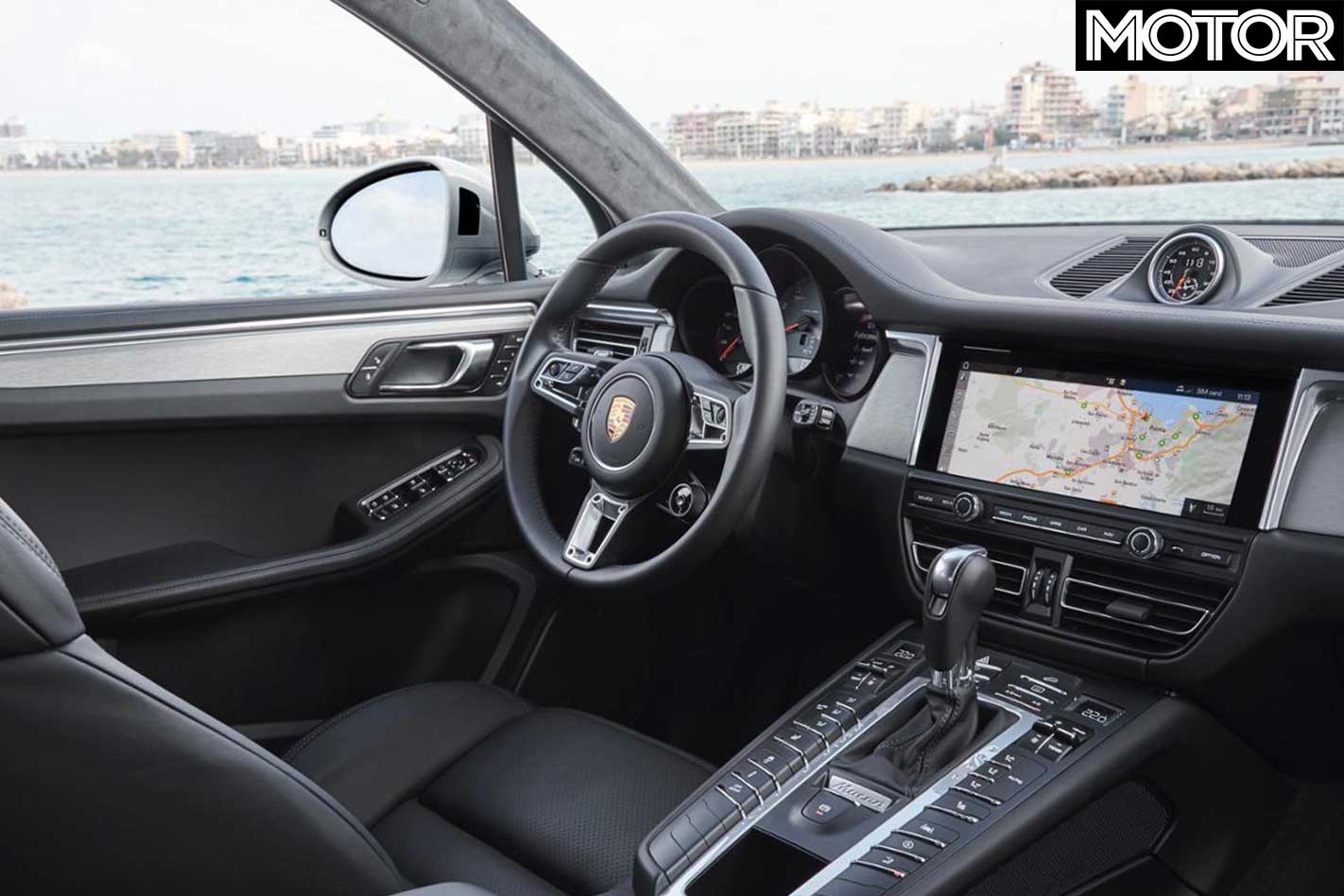
“The pedal in question weighs around 300g less than the previous steel part, and acts on the brake master cylinder via a shortened lever arm.
“This results in a more immediate brake response, and the driver can also feel a very precise pressure point because of the firm connection.”
Porsche Australia says the Macan S is available to order and expected to arrive locally in Q1 2019, starting at $97,500.
As is now customary for any new Mercedes-AMG product, the A35 hot hatch will be available as a special ‘Edition 1’ variant when it launches in Australia in Q4 2019.
It will arrive in concert with the new A45, with the long delay simply due to production logistics. The Edition 1 isn’t a limited edition per se, but will only be produced for 18 months, with Australia’s allocation likely to depend on demand.
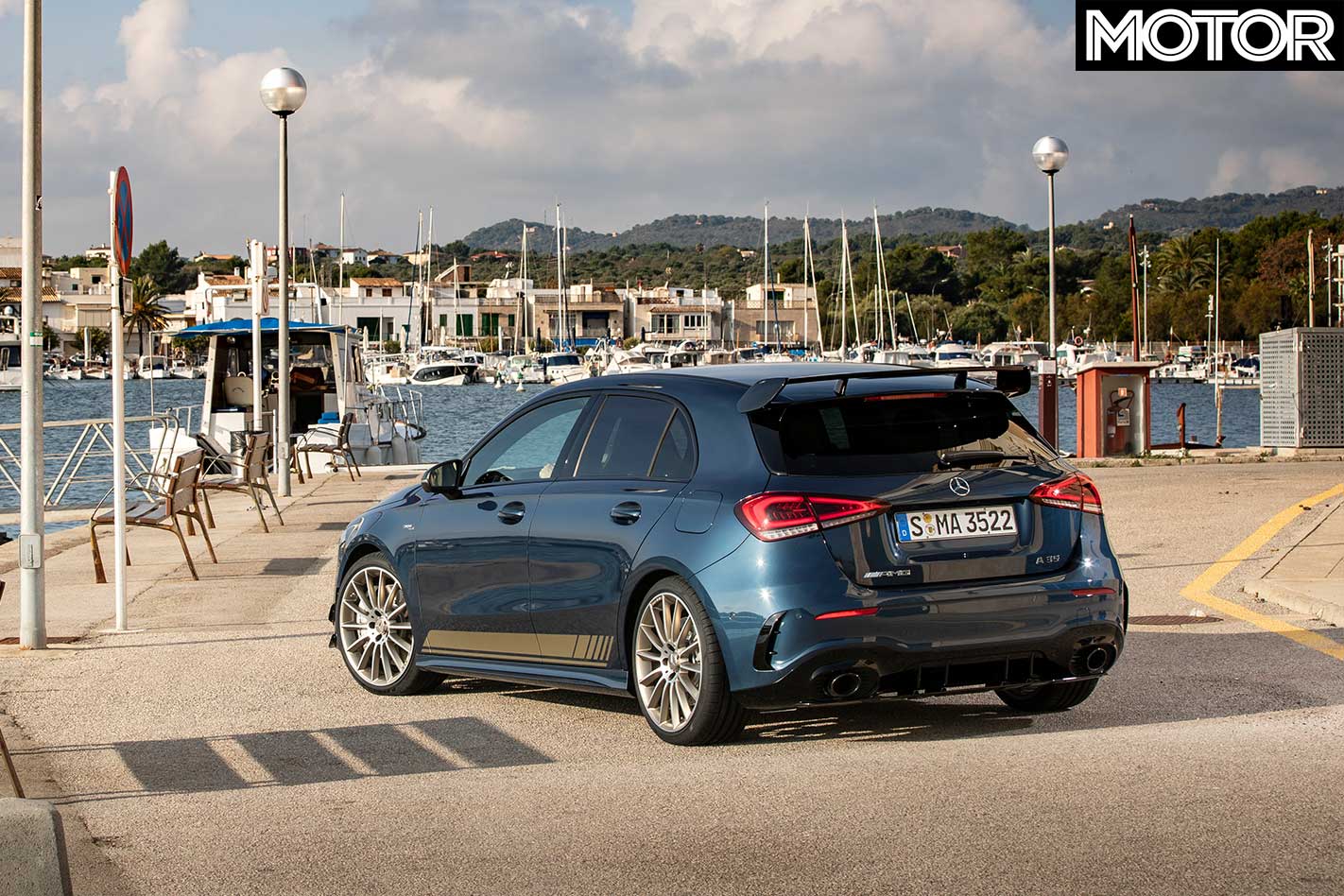
Pricing is not yet set for either the standard car or the Edition 1 bar Mercedes saying the A35 will land halfway between the current $49,500 A250 and the as-yet unannounced A45. Expect a price tag between $65,000-70,000 with the Edition 1 commanding roughly a 10 per cent premium.
For that you’ll receive a unique denim blue paint finish with gold accents on the mirrors, lower door decals and 19-inch Livorno wheels. Other external options include the Night Package and Aerodynamic Package, the former consisting of tinted rear windows, black chrome exhaust tips and a black splitter and side sills, the latter adding a larger front splitter, front flics and a rear wing.
Inside, there are heated AMG Performance Seats with blue accents and grey stitching, aluminium trim elements and the AMG Performance steering wheel with an ‘Edition’ badge.
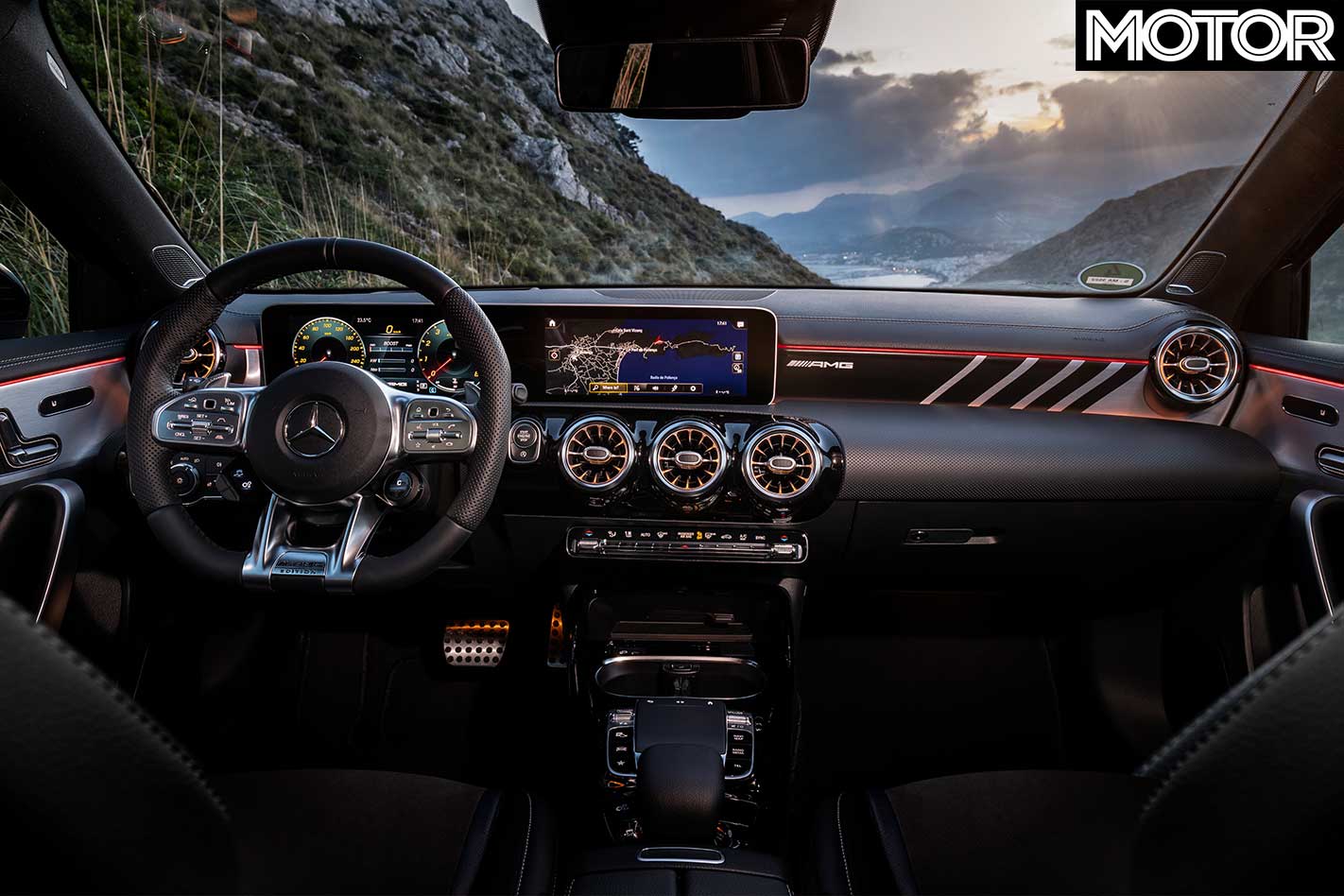
This is in addition to the A35’s healthy standard specification. The exact details have yet to be locked down, but we know local cars will receive the Widescreen Cockpit with AMG Supersport display mode, MBUX infotainment, adaptive dampers, AMG exhaust and 19-inch wheels.
For more, you can read our review of the Mercedes-AMG A35 here.
