
WHAT IS IT?
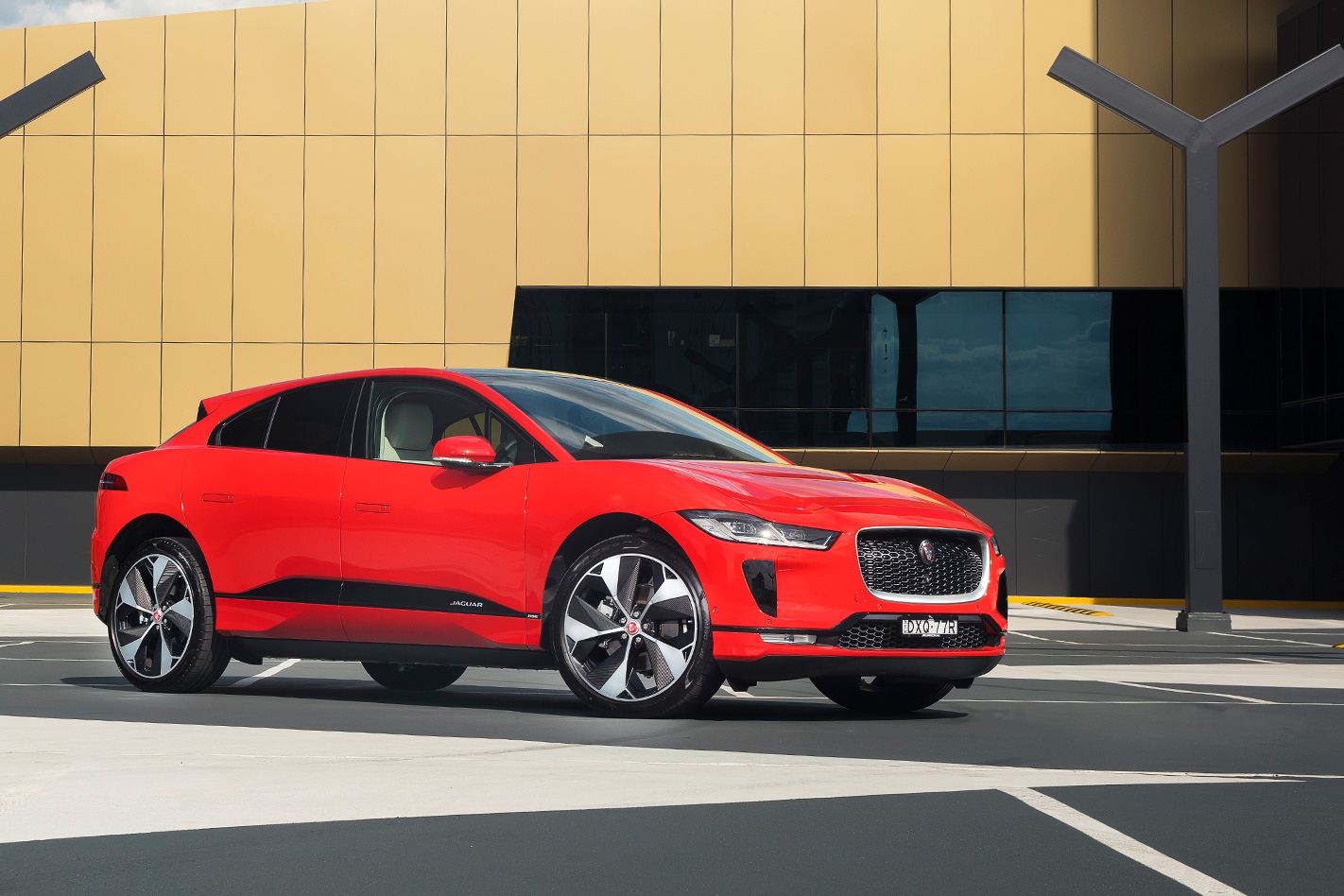
Jaguar’s first electric car and an all-new, all-electric luxury SUV built on a bespoke platform that places a bank of lithium-ion batteries along its floor.
WHY WE’RE TESTING IT
The I-Pace has just gone on sale locally and is the first all-electric SUV from a traditional luxury car maker, giving the British brand a big head start on its predominantly German rivals. Built on a ground-up electric architecture, the I-Pace ditches the traditional long bonnet, low-slung stance of classic Jags in favour of a long wheelbase, short bonnet form that packages twin electric motors at either end of a spacious cabin.
MAIN RIVALS
Tesla Model X and (from 2019) Audi E-Tron and Mercedes-Benz EQC.
THE WHEELS REVIEW
LONG bonnet, big engine and lashings of tradition: the latest newcomer from Jaguar – the I-Pace – has none of those classic attributes from one of the world’s oldest car makers. Instead, it’s a bold leap into an electrified future. And, following a year of hype, the brand’s first electric car has arrived in Australia, priced from $119,000, plus on-road costs.
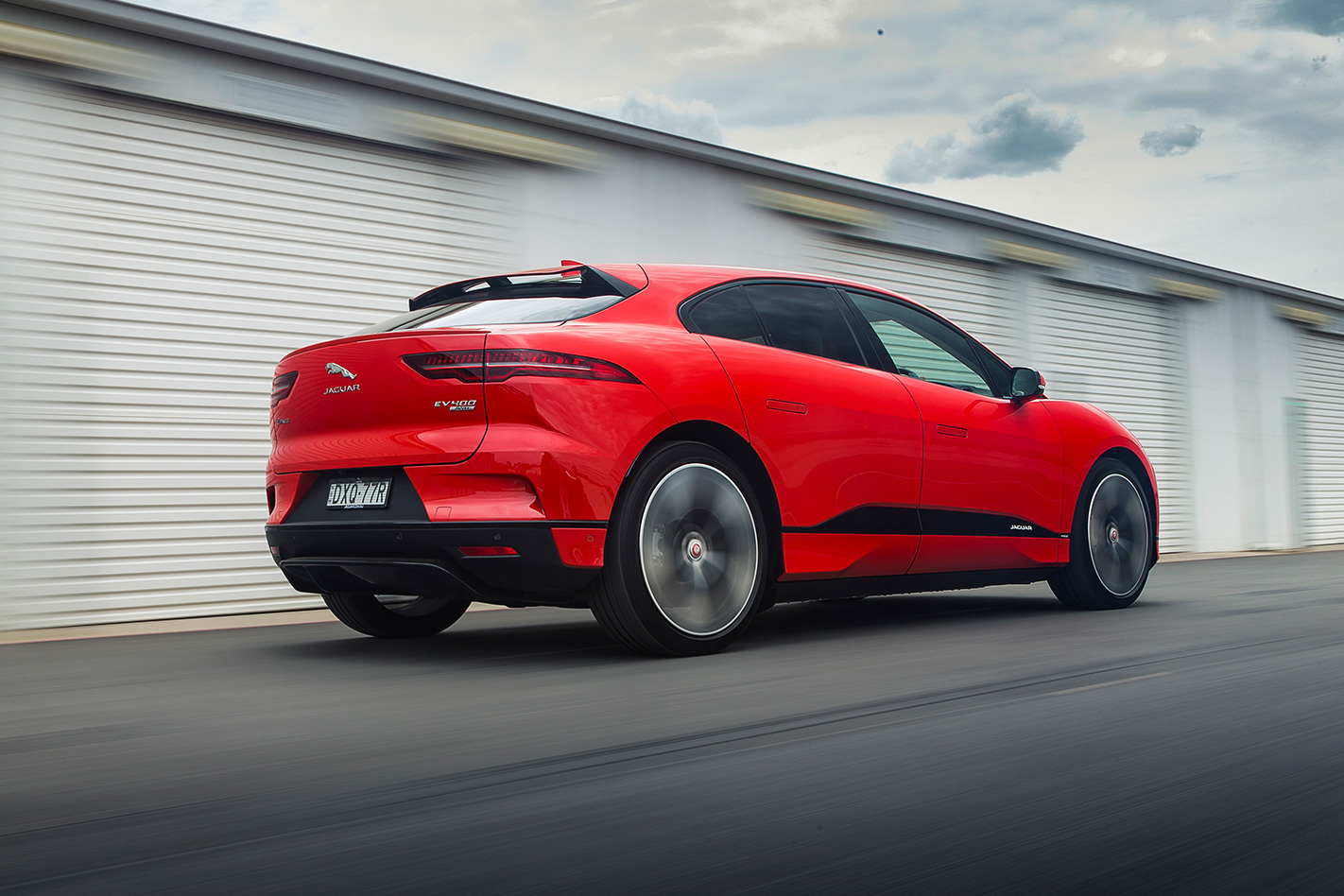
There are catches. For that outlay you don’t get leather trim, heated seats, digital radio tuning or high-speed emergency braking – four things you would rightfully expect on a six-figure luxury machine.
Some of those features, and more, come with the step up to the SE ($130,200), HSE ($140,800) or limited run First Edition ($159,700), the latter plumped with ambient lighting, panoramic sunroof, activity key and quad-zone ventilation.
The sticker shock is partially offset by the futuristic interior with its trio of digital displays blending beautifully with traditional materials. It’s an impressive spread that works well with the spacious interior created by the limousine-like 2990mm wheelbase.
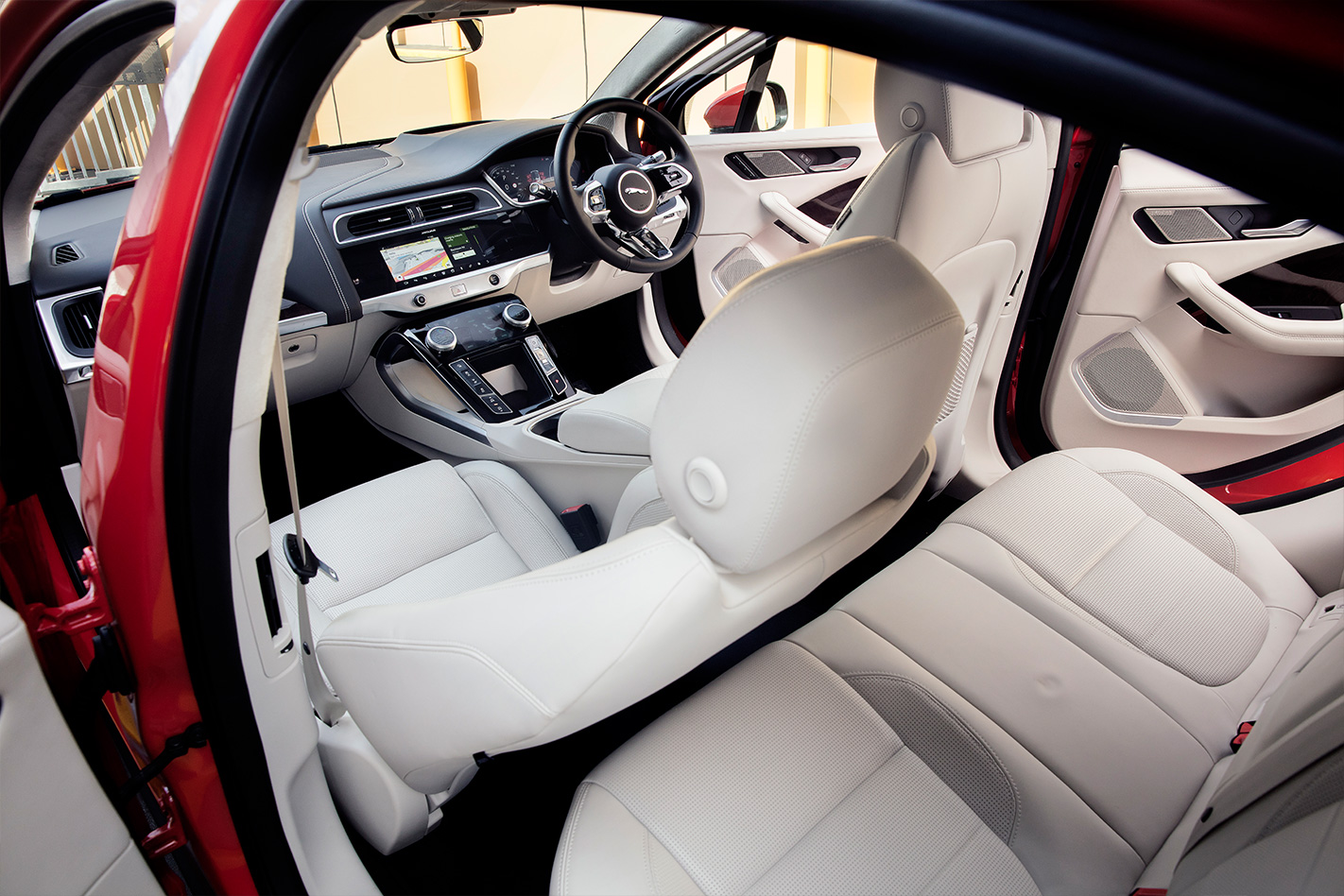
Not that the crossover-cum-SUV is about to smother the sedan space, its rear headroom ultimately compromised by the high-ish battery-packed floor. But it’s what’s beneath the aluminium skin that is the drawcard for the I.
Dab the throttle and the full 696Nm makes itself instantly known, the sizeable cat leaping with intoxicating intent. Only mild electrical whirring accompanies the thrust, although you can dial up a Doctor Who-like soundtrack as part of the customisation options that extend to regenerative braking.
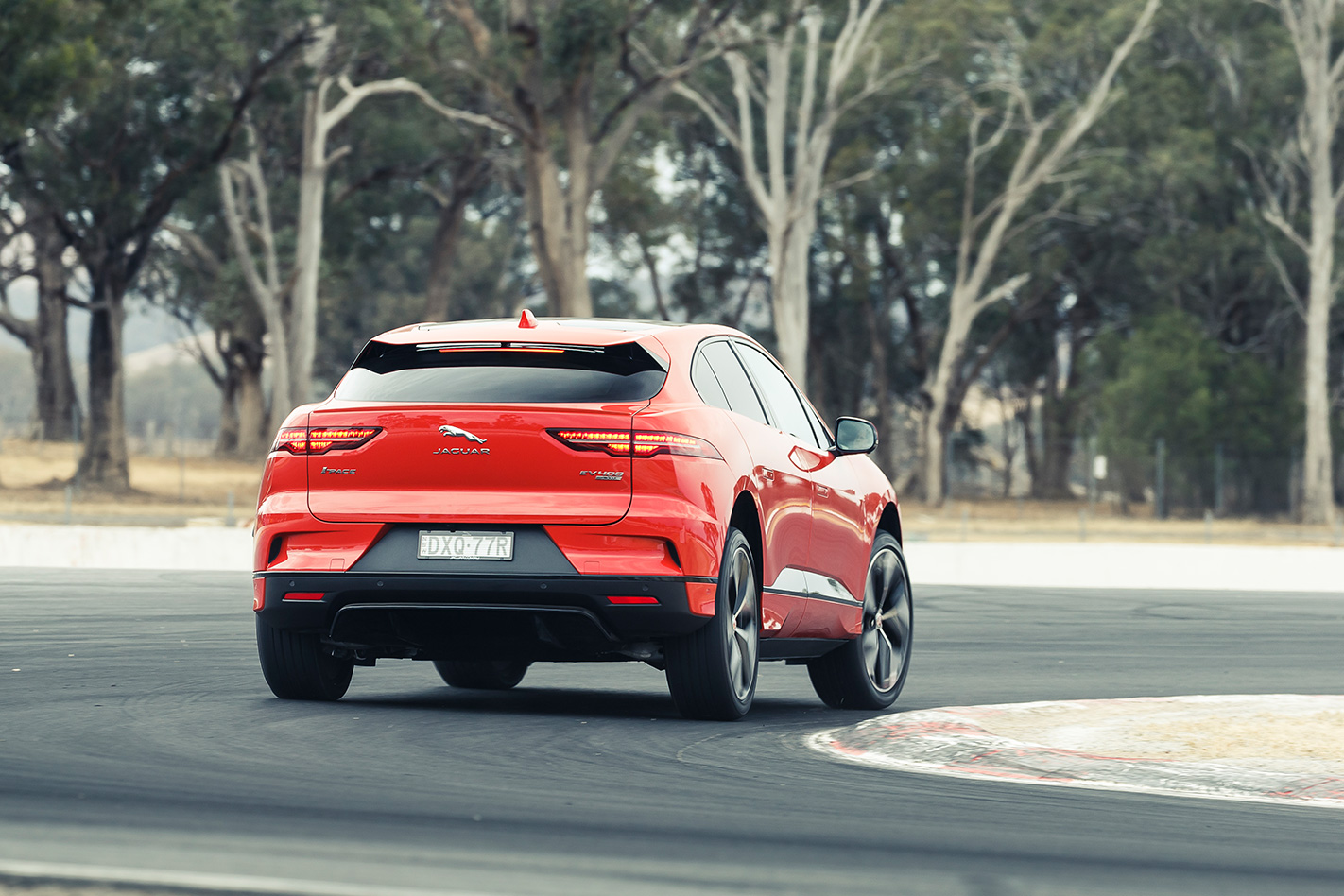
As the motors spin towards their 13,000rpm maximum there’s 294kW, too, none of which threatens to break the all-paw traction on the broad 20-inch tyres of our SE. While it’s a radical departure from the V12s and V8s Jag has become known for, the silky sledgehammer surge is thoroughly in keeping with the brand’s heritage.
It’s fed by a 90kWh battery, of which only 84.7kWh is usable. Jaguar boasts of average energy consumption of 21.2kWh/100km globally, though the local website claims between 22.0 and 24.8kWh/100km. The difference accounts for options and tyres, the latter accounting for up to 10 percent more energy consumption if you go for stickier, broader 22-inch hoops.
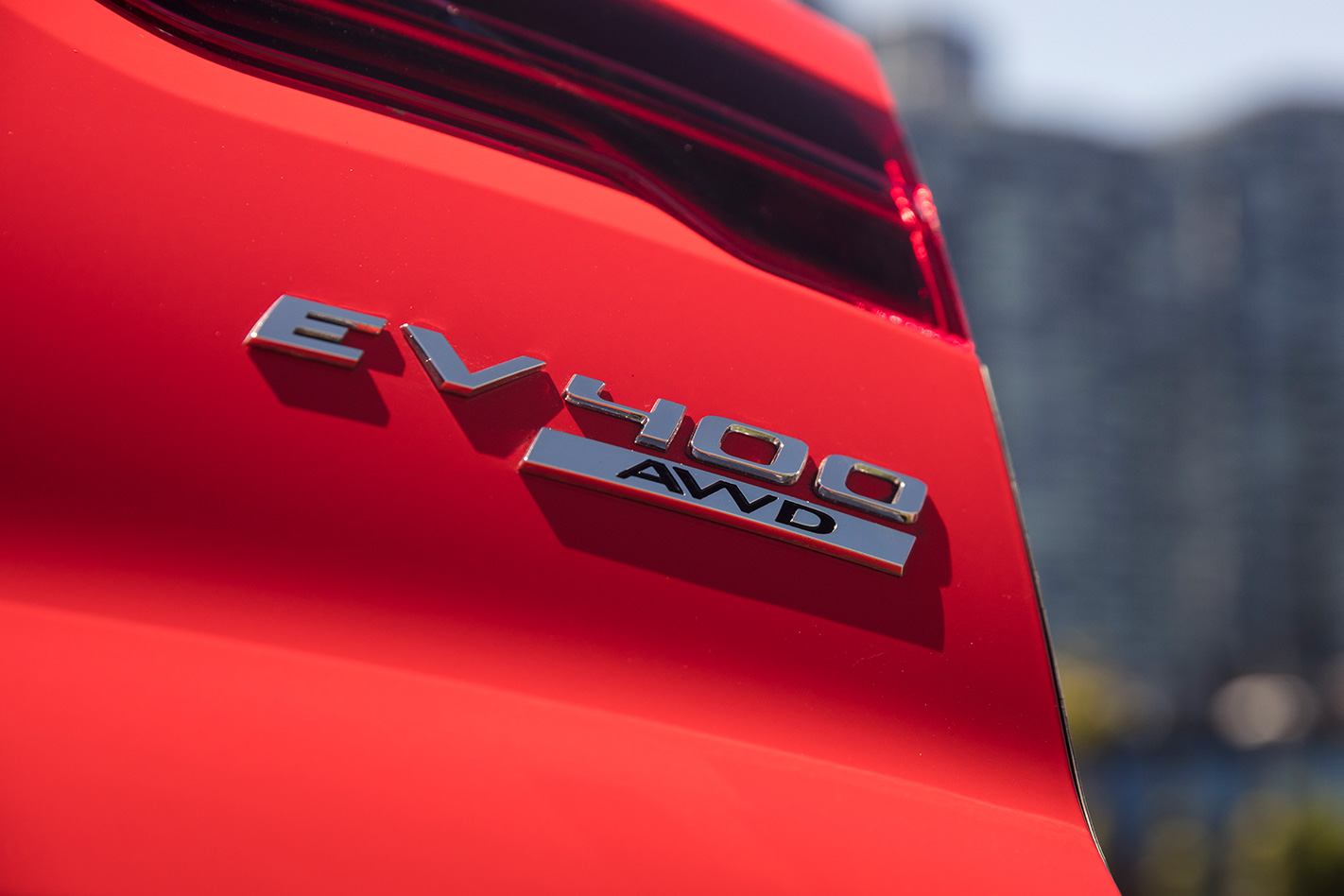
Do the maths and the best you’re likely to venture is between 341km and 385km from a charge – assuming you can achieve those averages. It’s a big call. Hypermile for economy you may get near those claims, but more likely it’ll be in the high-20s or early-30s. Usable real world range, then, is 250-300km.
Good, but still short of petrol alternatives.
Ours also hit a snag when charging, refusing to shift until it had recovered for an hour. Perhaps an early glitch indicative of the rush to market?
Still, at around $7-8 per 100km, the I is far cheaper to feed than anything short of a hybrid – positively bargain basement once you factor in the performance. More impressive is that it’s shifting 2.2 tonnes, 600kg of which lies low in the floor in the form of a battery pack housing 432 pouch cells.
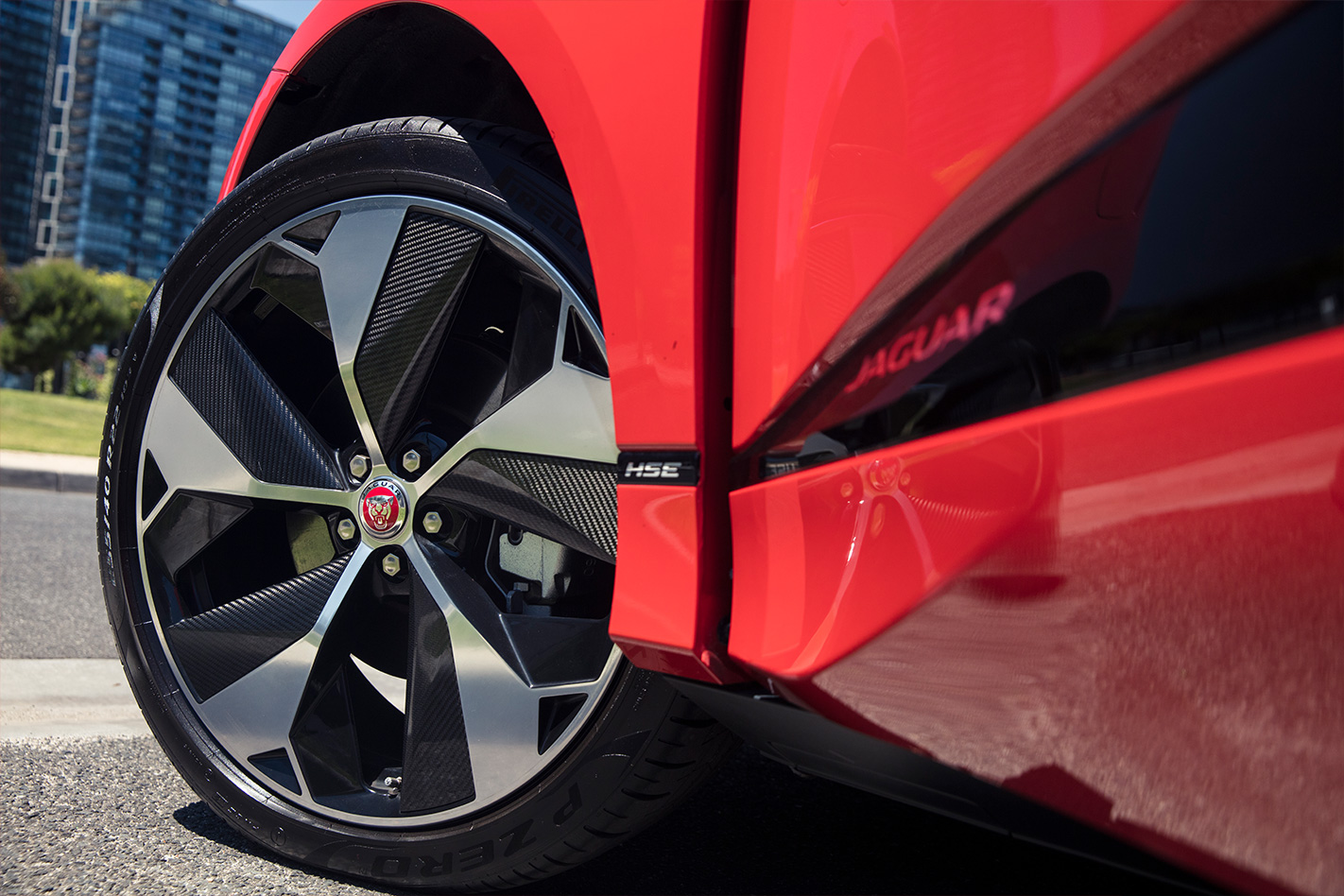
Having that much weight down low stifles any tendency to rollick around, the stiff body beautifully behaved as the pace increases. Somehow those low-profile tyres don’t destroy the ride, although the extra $2002 for air suspension is a no brainer given the additional compliance. That serene ride is helped by the space between the front and rear wheels.
All of which adds up to a convincing Tesla-smashing luxury car, provided you’re prepared to tick a few option boxes.
THE WHEELS VERDICT
The I-Pace is an impressive bolt into the future from a brand with a rich heritage. It demonstrates how traditional car company thinking leveraging the freedoms of a ground-up design can successfully teleport a brand into a new space. Superb performance and dynamics characterise a car that also delivers on the wow factor. Only charging glitches sour an otherwise excellent Jaguar experience.
PLUS: Performance and refinement; cornering nous; design inside and out MINUS: Heavy; rear seat packaging compromised; charging glitches; base S lacking luxury features
SPECS
Model: Jaguar I-Pace EV400 Motors: 2 x electric motors Max power: 294kW Max torque: 696Nm @ 0rpm Transmission: single-speed Weight: 2200kg (approx.) 0-100km/h: 4.8 sec (claimed) Economy: 22.0-24.8kWh/100km Price: From $119,000 On sale: Now
Nissan has announced the pricing for its collaboration with Italdesign, the GT-R50, at AUD$1.55m. It’s opened the order books for the 50 units which are to be built and delivered from 2019.
The project coincides with both the 50th anniversary of the GT-R badge and 50 years of Italdesign, thus the name.
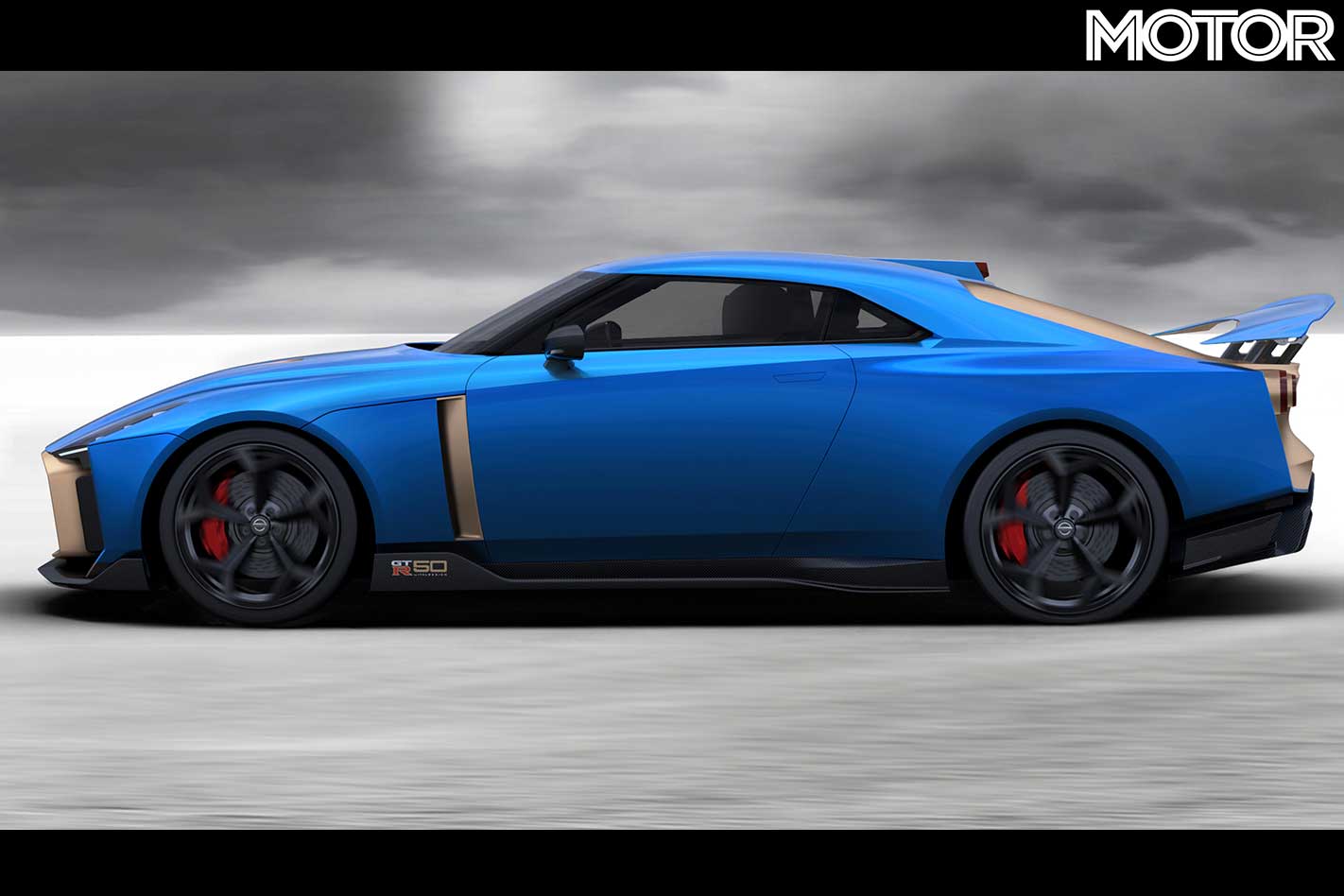
The final design, seen here in blue, seems to have little departures from the concept, aside from minor functional elements like the wing mirrors being slightly larger.
This means we can hope to see these cars, each individualised to its owners’ wishes, on the streets at some point.
Thanks to a power boost of 88kW, the GT-R50’s twin-turbo 3.8-litre V6 makes 529kW/780Nm. The GT-R50 also sports chassis upgrades such as revised Bilstein suspension, and drivetrain improvements to cope with the extra power.
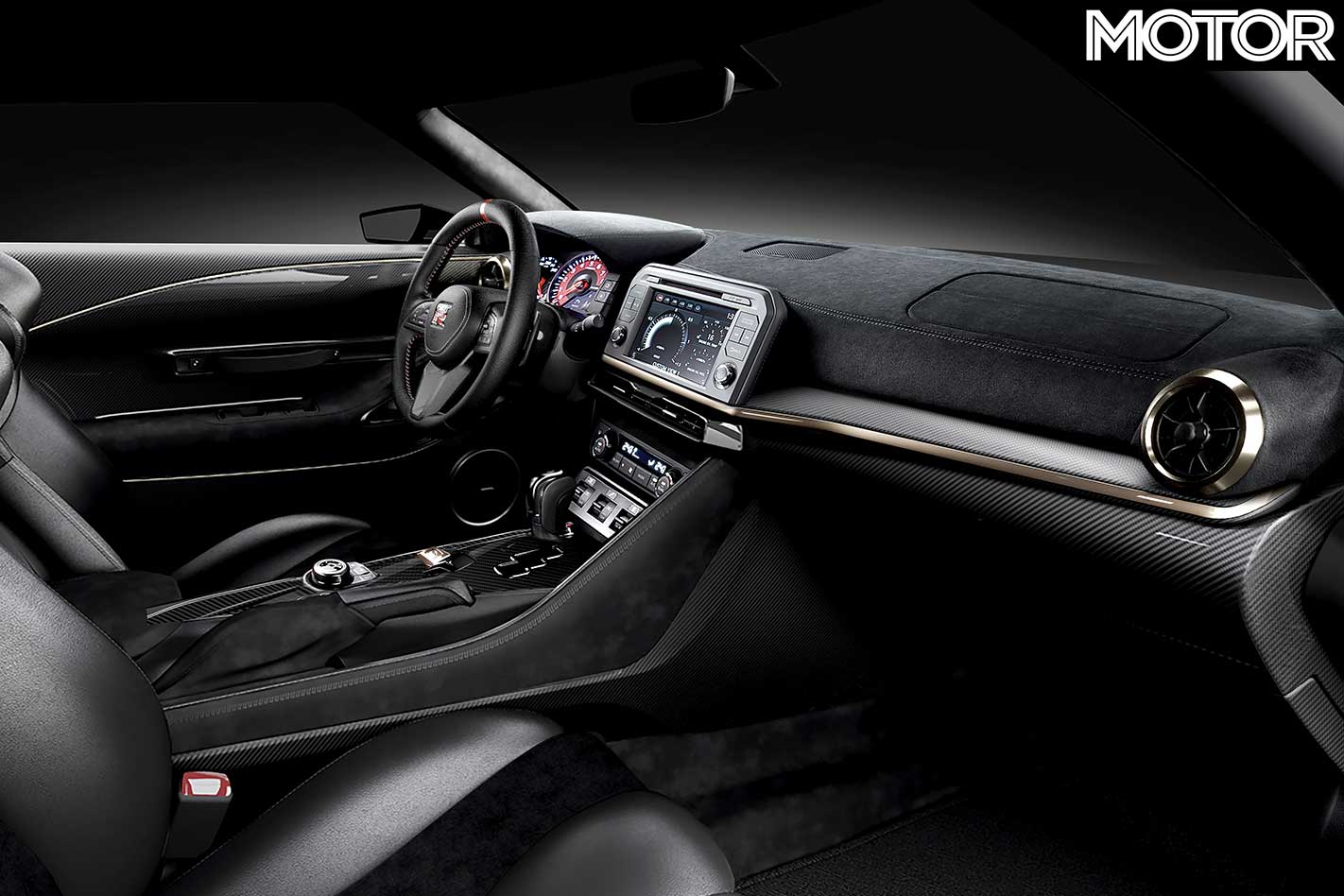
Also recently released is a video which documents Italdesign’s involvement with the project, and shows some of the hand-crafted work which is undertaken by the Italian studio. You’ll want to put English subtitles on if your Italian is a little rusty.
Nissan’s global sports car program director Bob Laishley says he didn’t expect interest in the GT-R50 to reach the heights it has.
“The reaction from Nissan fans around the world – and potential customers of the GT-R50 – has greatly exceeded our expectations,” he Laishley.
“These 50 cars, which celebrate 50 years of the GT-R as well as 50 years of Italdesign, will be rolling tributes to Nissan’s engineering leadership and rich sports car heritage for a long time to come.”
HYUNDAI has revamped its i30 hatchback line-up, ditching the SR and SR Premium pair and replacing them with N Line and N Line Premium variants.
The N Line models start from $26,490, and mirror the standard features of the outgoing SR variants. The changes are stylistic, with the N Line differing from regular i30 models thanks to more aggressive front and rear bumper treatments, 18-inch alloy wheels shod in Michelin Pilot Sport 4 rubber, and N Line badging.
Inside the cabin there are sportier seats and a steering wheel and gear knob exclusive to the N Line, along with red highlights and contrasting black headlining.
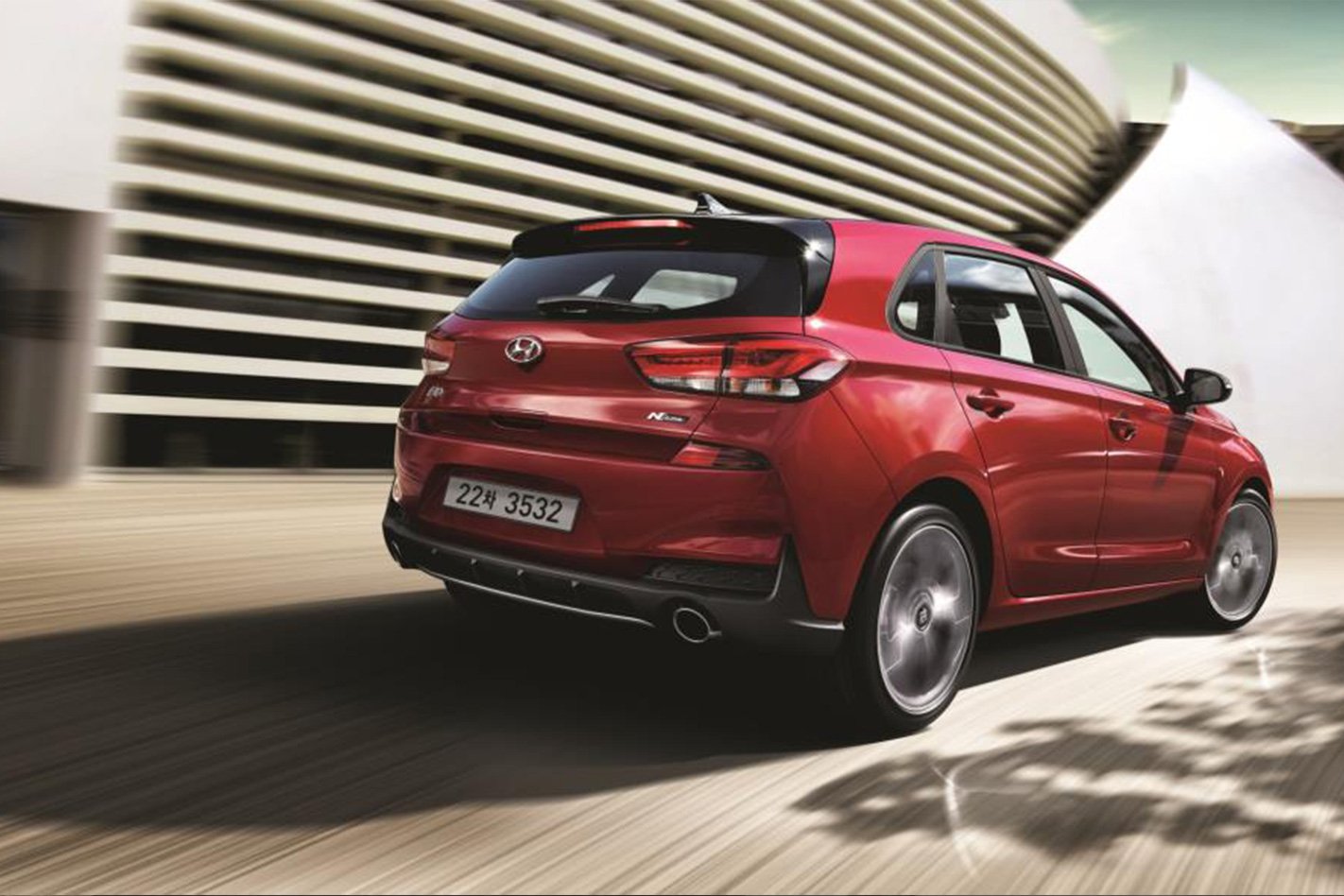
N Line models are fitted with Hyundai’s 150kW/265Nm 1.6-litre turbo engine, mated to either a six-speed manual or a seven-speed dual-clutch automatic transmission.
Sitting above the regular N Line is the N Line Premium, which replaces the SR Premium as the sports flagship of the sub-i30N range. The N Line Premium has the same engine as the regular N Line, but is only available with a dual-clutch gearbox.
Both the N Line and N Line Premium benefit from a locally tuned suspension, with engineers in Australia working their magic on the car’s ride and handling to suit our unique road conditions.
“The new 2019 i30 N Line models build on the sporty appeal of the previous i30 SR to make our award-winning small car an even more compelling proposition,” said Hyundai Motor Company Australia chief executive officer, JW Lee.
“With the N Line, owners can have an i30 N-derived performance package combined with the everyday practicability of our core Hyundai models.”
Hyundai i30 pricing:
- i30 Go
o 1.6-litre diesel: $22,490/$24,990 (manual/automatic)
- i30 Active
o 1.6-litre diesel: $23,590/$26,090 (manual/automatic)
- i30 N Line
- i30 Elite
o 1.6-litre diesel: $30,490 (automatic)
- i30 N Line Premium
- i30 Premium
o 1.6-litre diesel: $35,490 (automatic)
- i30 N
Nissan’s stylish 350Z was always a hot prospect on the road. It looked the part, steered well and had the power to jump from zero to 100km/h in under six seconds. Such packaging helped keep the 37-year-old Z legend alive, with more than 200,000 global owners happy to park a 350 in their driveway.
This review was originally published in MOTOR’s May 2007 issue
What’s more, its VQ 3.5-litre V6 keeps racking up awards, winning a Wards ‘10 Best Engines’ gong every year for the last 13 years. But having just planted the next-generation VQ35HR 3.5-litre under the bonnets of the new Skyline and Infiniti G35, Nissan thought it was high time that the 350Z got the new donk, too. And good on ’em.
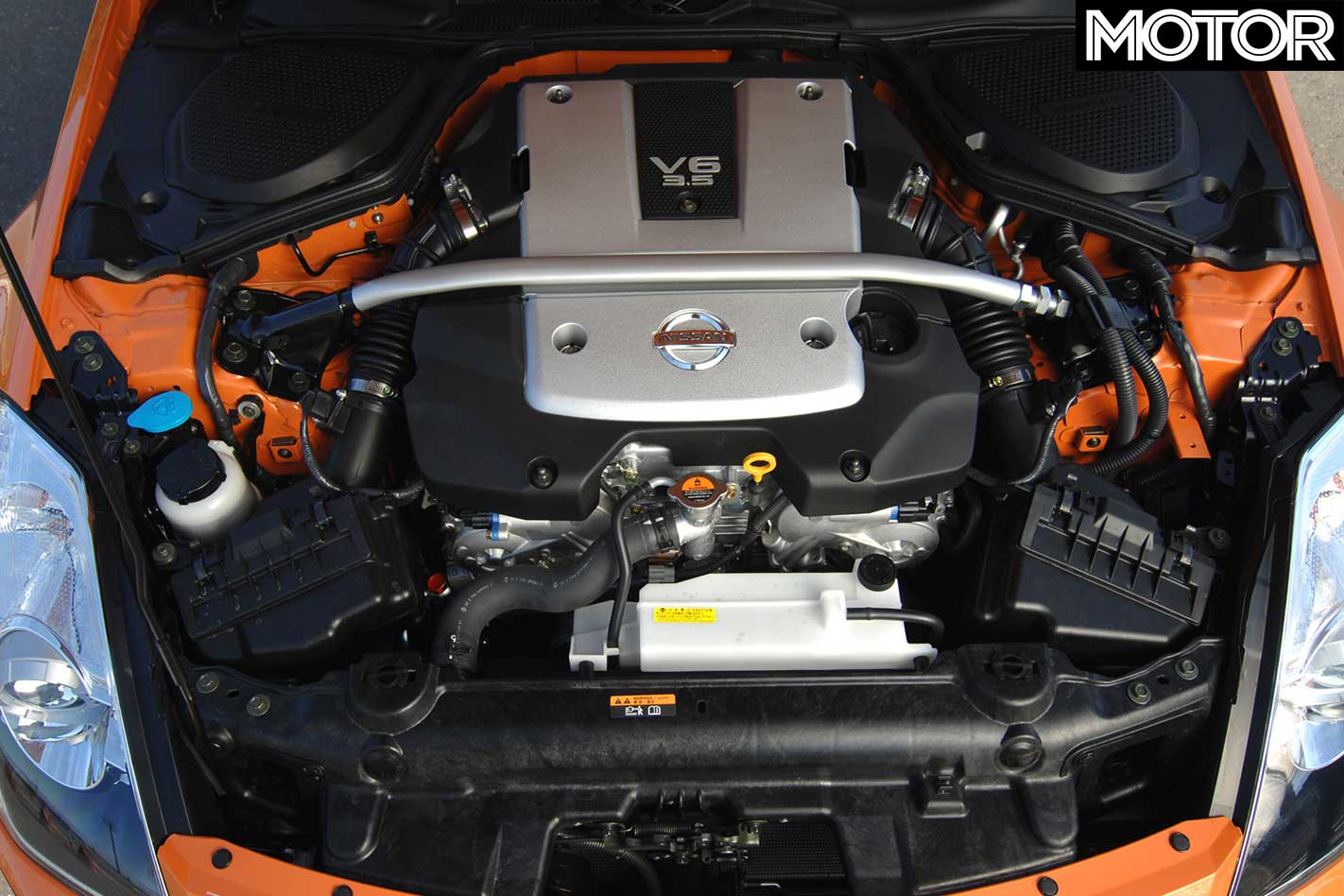
Thanks to its 80 percent-new component list, including a revised engine block and air cleaner, some 15mm was added to the height of the engine. That’s the reasoning behind that raunchy-looking bonnet bulge that actually takes its inspiration from the original 240Z of the late ’60s.
And it seems only fitting that all attention should be drawn to the coupe’s new engine via that contoured bulge, because that’s what lifts the Z’s driving experience an extra notch.
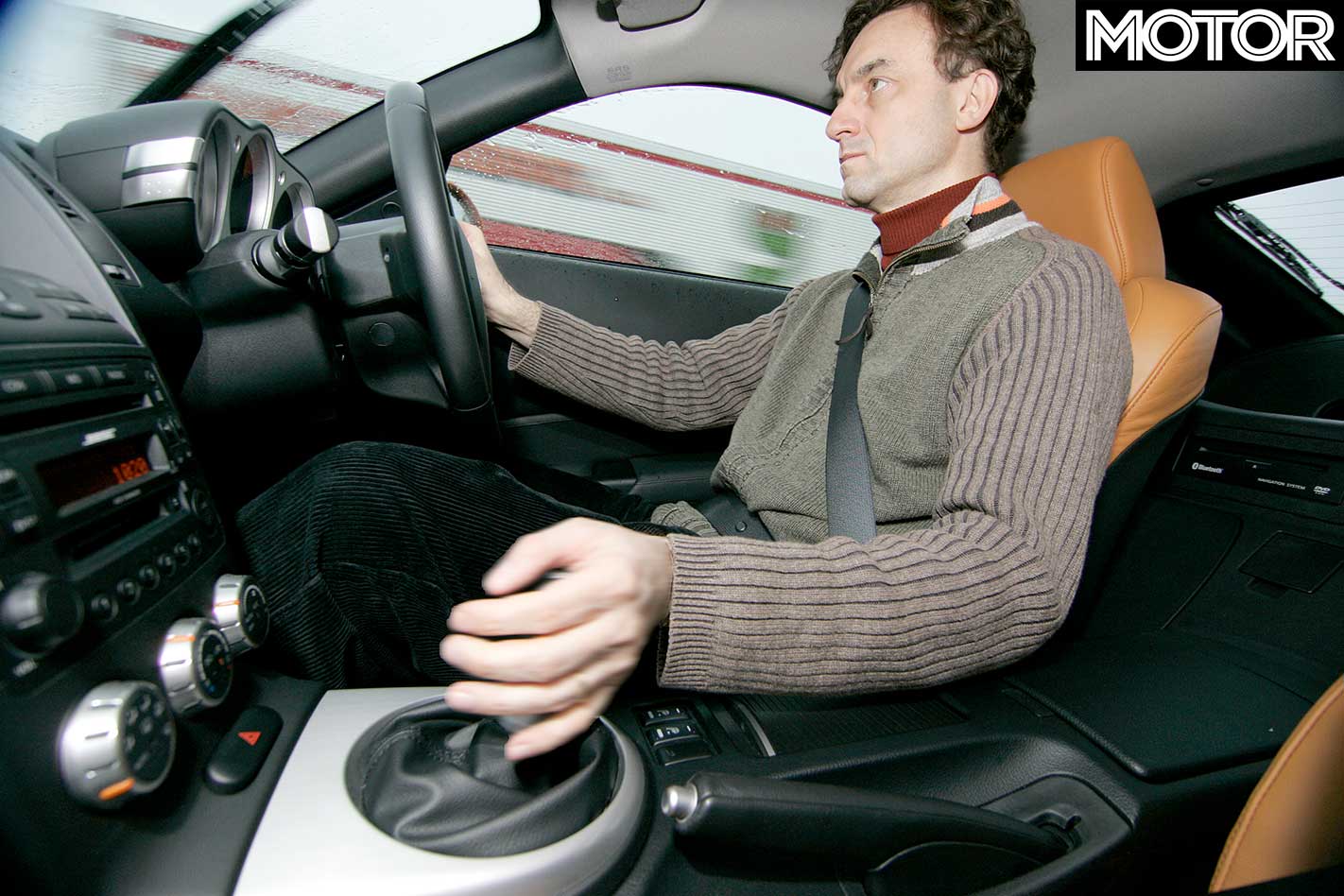
Behind the wheel at Japan’s ace Tsukuba Circuit, we immediately noticed how much freer the new VQ-HR unit spins to the 7500rpm redline. The outgoing engine was strong in the lower to mid-ranges, but lacked staying power through the top end. The HR sorts that.
Boasting a drier but beefier exhaust note that takes on an addictive roar above 5000rpm, the HR’s torque is especially inviting between 2000 and 3000rpm, stays on the boil through 5000, and then takes off again right up to 7500rpm.
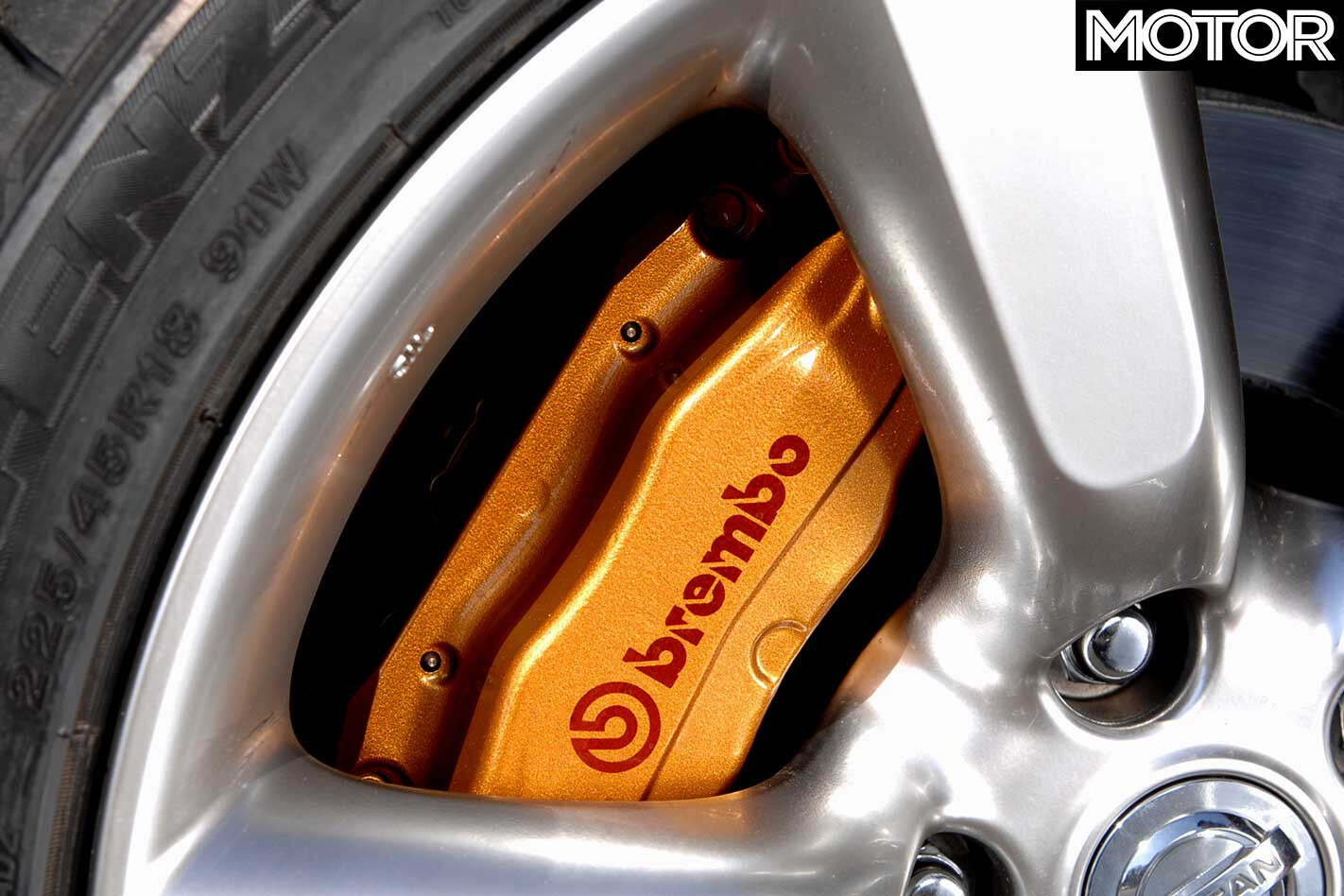
At normal speeds, the Z’s steering is as precise and turn-in as sharp as it’s always been. If anything, the newly fitted Potenza RE050 tyres add more grip in the cornering and braking departments, lower noise levels and improve ride. Obviously, those four-pot Brembos still work their magic.
Push the Z as we did through the track’s long left-hand sweeper, and it will understeer at first, but feather the throttle and understeer soon turns to neutral steer before you can use the Z’s extra torque to control the car’s attitude on-throttle more progressively than before. The new Z makes you want to hold higher gears just so you can feast on the power and sound rush.
As well as the engine transplant, the ’07 spec 350Z also gets three new paint colours – Solar Orange, Carbon Silver, San Marino Blue – while on the inside, there are larger headrests with active restraints, to minimize the chances of neck injury in the event of a rear impact.
Prices remain unchanged for the manual at $67,990, while the auto is subject to a $2000 increase over the outgoing model. Both hit showrooms in April.
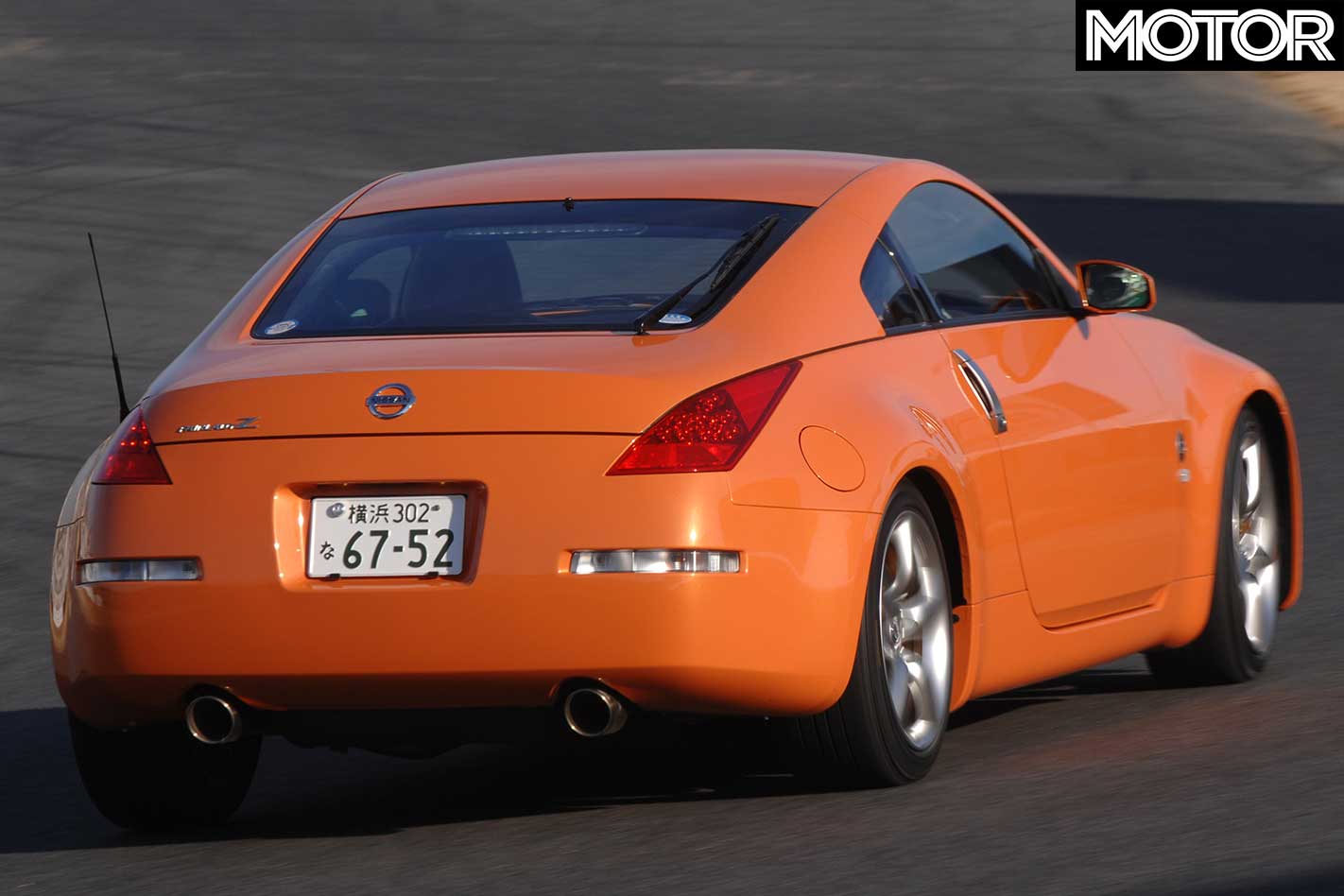
2007 NISSAN 350Z SPECS Engine: 3494cc V6, DOHC, 24v Power: 230kW @ 6800rpm Torque: 358Nm @ 4800rpm 0-100km/h: 5.5sec (claimed) Top speed: 282km/h (claimed) Weight: 1435kg Price: $67,990 (Track manual)
Pros: Quicker than ever, fantastically flexible engine, the best 350Z yet Cons: Dealers who don’t give good trade-ins on your old model Rating: 4 out of 5 stars
VOLKSWAGEN has revealed a sketch of its all-new eight-generation Golf at a meeting in Germany late last week.
It’s our best look yet at the Mk8 Golf, which is slated to start production in mid-2019.
The design sketch was shown at the Volkswagen Brand Annual Session in Wolfsburg as part of Volkswagen’s product road map for next year.
Despite an increased focus on electric with its I.D sub-brand, Volkswagen sees the Golf as being just as important, according to the company’s chief operating officer Ralf Brandstätter.
Karlheinz Hell, Volkswagen’s small car boss indicated the Mk8 Golf would have advanced driver assist systems, with a large focus on technology.
“The next Golf will take Volkswagen into the era of fully connected vehicles with extended autonomous driving functions,” he said.
“It will have more software on board than ever before. It will always be online and its digital cockpit and assistance systems will be the benchmark in terms of connectivity and safety.”
It is believed the Mk8 Golf will be built on a version of the existing MQB platform, and will have a 48-volt electric architecture, with plug-in and mild hybrid capabilities.
According to Volkswagen CEO Herbert Diess, much of the Mk8 range will be electrified.
“Mild hybrid systems will play a major role in the next generation of Golf; that will be the first application,” Diess explained.
Stylistically the Mk8 is likely to be more evolution than revolution compared to the current Mk7.5, with subtle tweaks like slimmer LED headlights and taillights, wider fenders, and a lower bonnet.
Engines and transmissions remain unconfirmed, but many are expected to carry over from the current range, with GTI and R models receiving an appropriate power bump.
Carroll Shelby once said of his most famous creation, the AC Cobra: “You can’t make a silk purse out of a sow’s ear – but you can make a mighty fast pig.” The fact is that Shelby had started with a silk purse, in the attractive, well-built and beautifully balanced AC Ace.
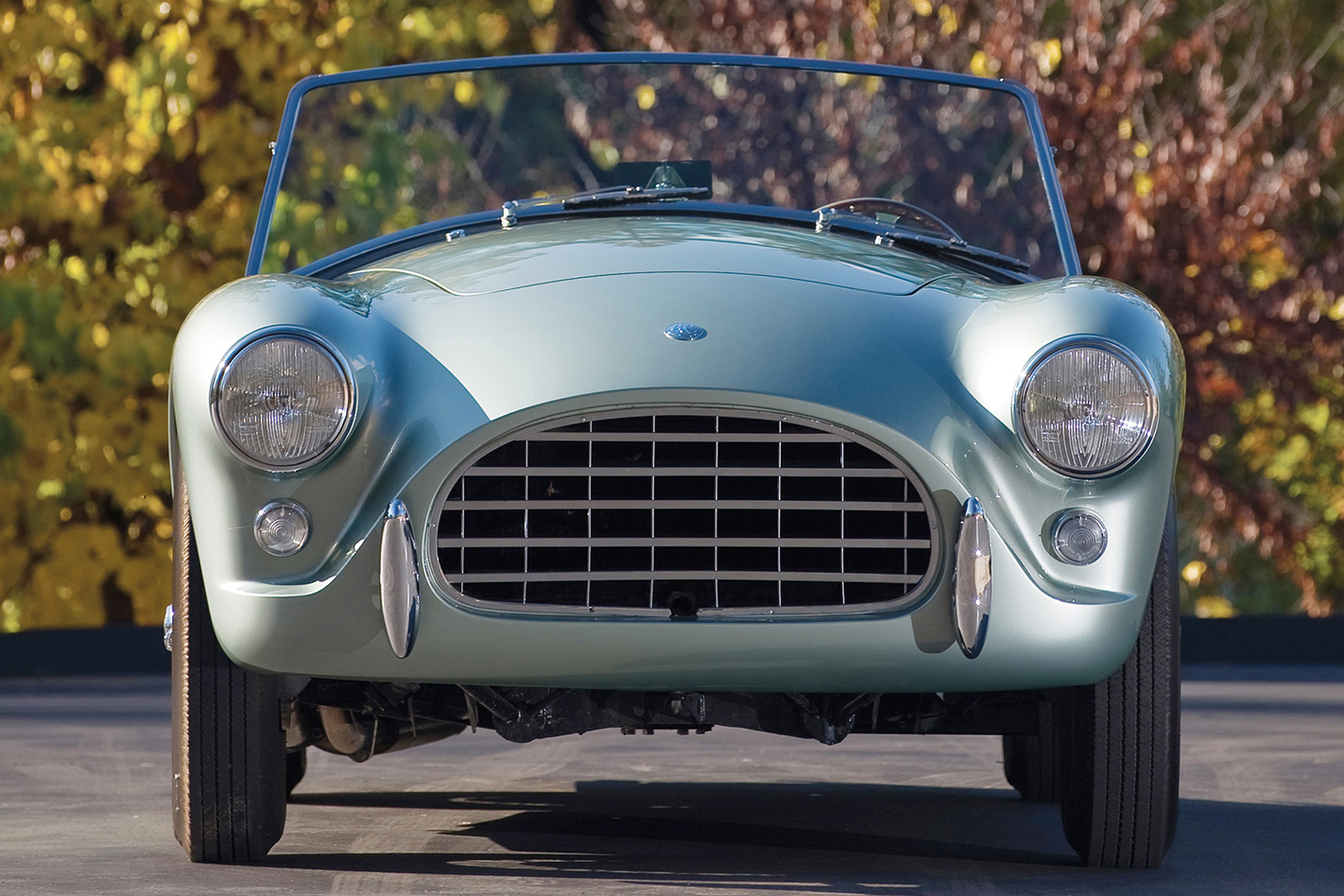
AC Cars traces its history to 1901, when London engineer John Weller established a workshop to produce cars and components. Autocar & Accessories Ltd had its first success in 1904 with a three-wheeled delivery vehicle called the Autocarrier; the firm was renamed Autocarriers Limited in 1907, and AC Cars in 1921.
By 1928, with motorsport successes, its own engines and seven models, AC Cars was one of Britain’s largest car makers. A year later, it went into voluntary liquidation. Then, under new ownership, it opened a showroom on London’s swanky Park Lane. By the turn of the 1950s, with outdated models, its reputation was on the ropes again.
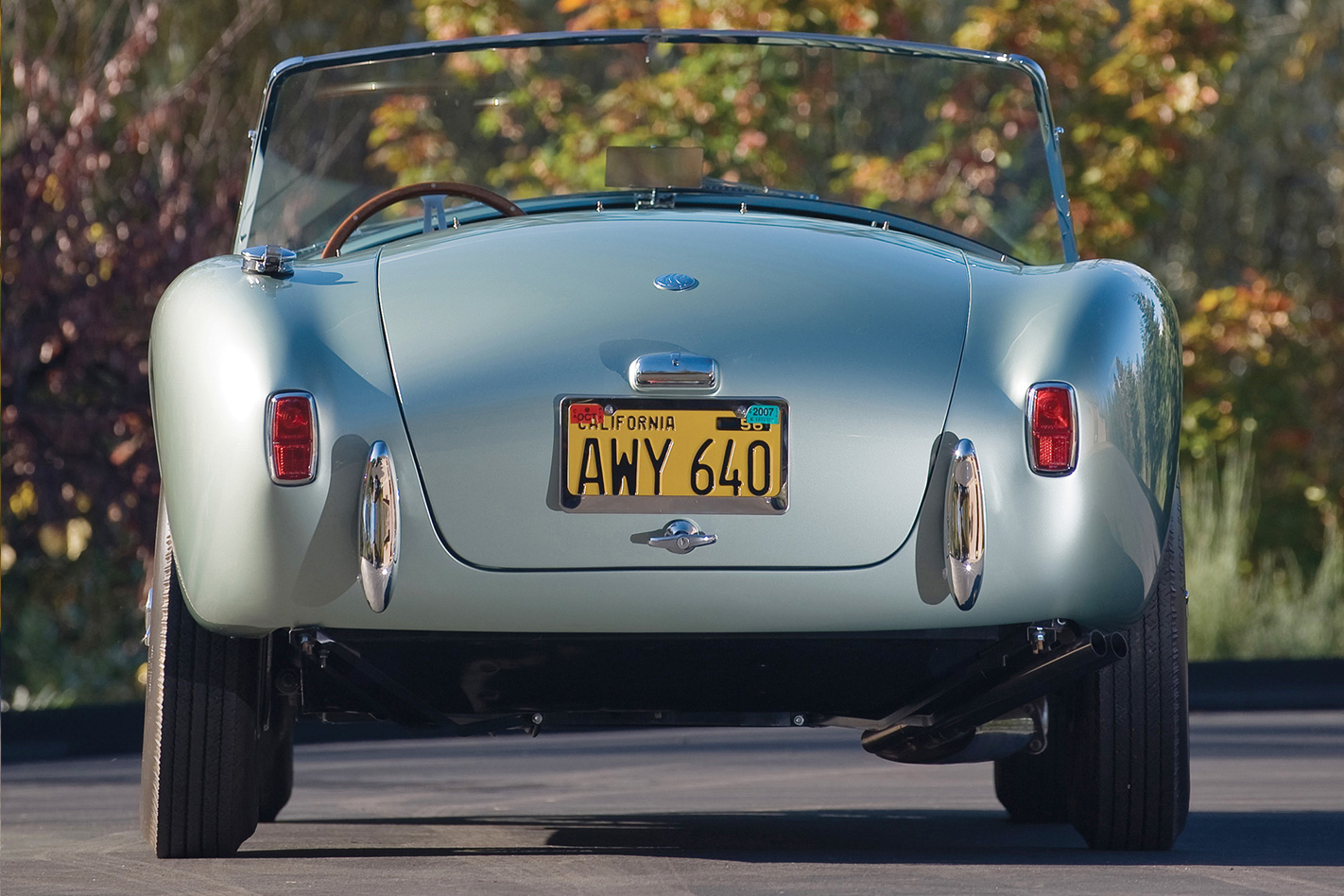
All that changed with the AC Ace in 1953. A year or two earlier, racing car constructor John Tojeiro had seen Ferrari’s Touring-bodied 166MM Barchetta and built himself an alloy-bodied, ladder-chassis replica racer, using a 1.5-litre MG engine and various Cooper mechanicals. Tojeiro sold production rights to AC Cars, which revised the bodywork and fitted its own ageing, 63kW 2.0-litre six-cylinder to create the Ace. A year later, the very pretty roadster was joined by a similarly elegant hardtop, dubbed the Aceca (pronounced “a-see-ka”).
The Ace’s initially lacklustre performance from the AC engine stepped up in 1956 with a more modern 90kW, 2.0 litre Bristol six-cylinder, derived from BMW’s pre-war M328. When Bristol axed this engine in 1961, AC turned to tuner (and enthusiastic Ace racer, Ken Rudd), whose Ruddspeed business provided modified 2.6-litre Ford Zephyr units, good for up to 127kW. These 2.6-litre cars were identifiable with a lower bonnet line and smaller grille. Only 37 2.6-litre cars were produced (to 1963) – as by that time, even the Ruddspeed six was being made to look puny by a lanky American interloper.
In September of 1961, AC Cars had been contacted by a certain Texan chicken farmer turned racing driver, with the notion of a European-American hybrid sports car. After just 689 AC Aces (of all six-cylinder engine types) had been built, Shelby’s scheme to mate import-duty-free rolling chassis from AC with Ford’s freshly-minted, initially 3.6-litre (221ci) small-block V8 would write a whole new chapter for the AC Ace – and in sports car history.
Banging the drums
Self-taught racing car builder John Tojeiro designed a straightforward, steel tube ladder chassis, with a steel tube frame to support the alloy body. Suspension was independent front and rear by transverse leaf springs and lower wishbones with telescopic dampers. Brakes were drums at each corner (front discs from 1957), not much troubled by the 760kg kerb weight.
They put a lid on it
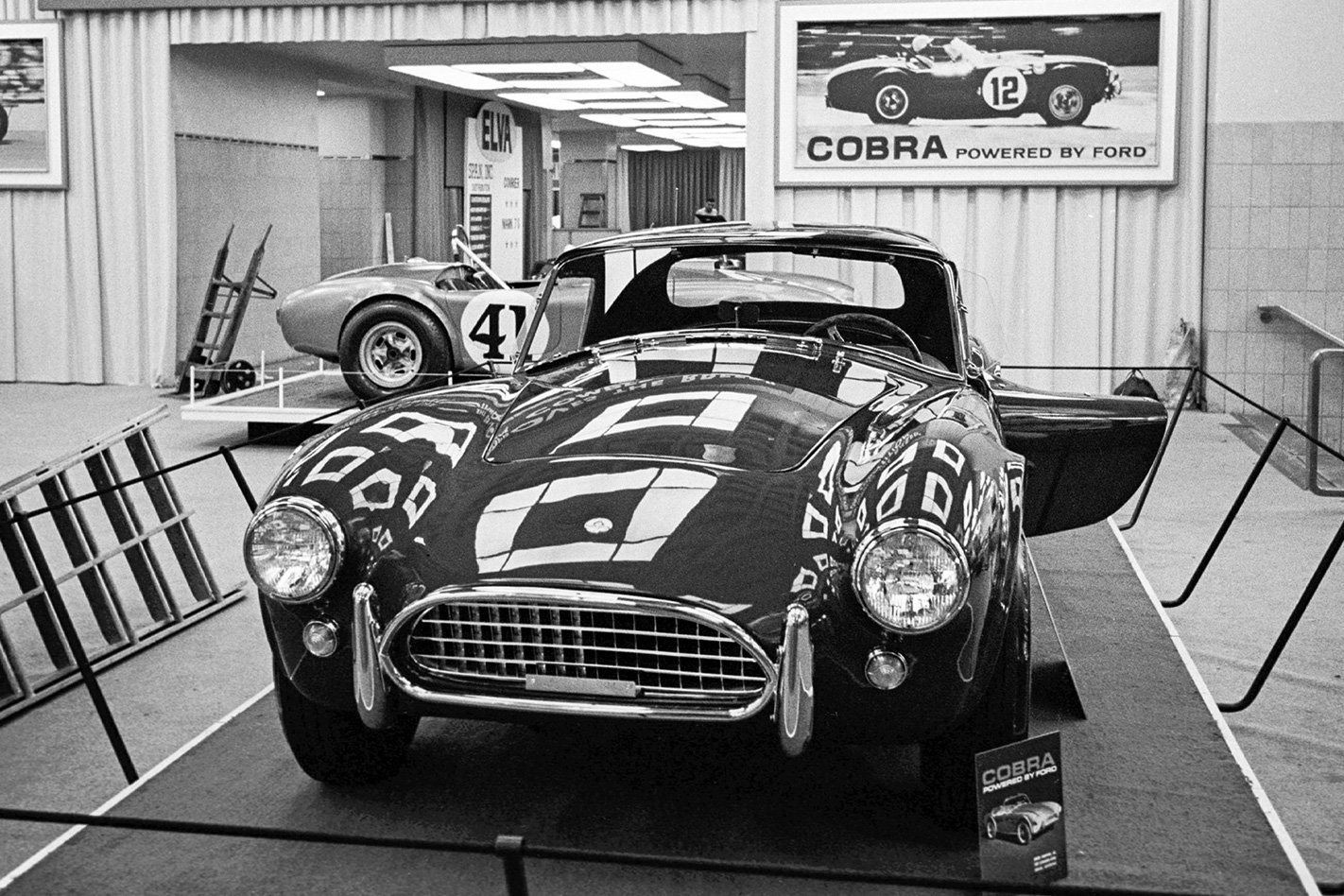
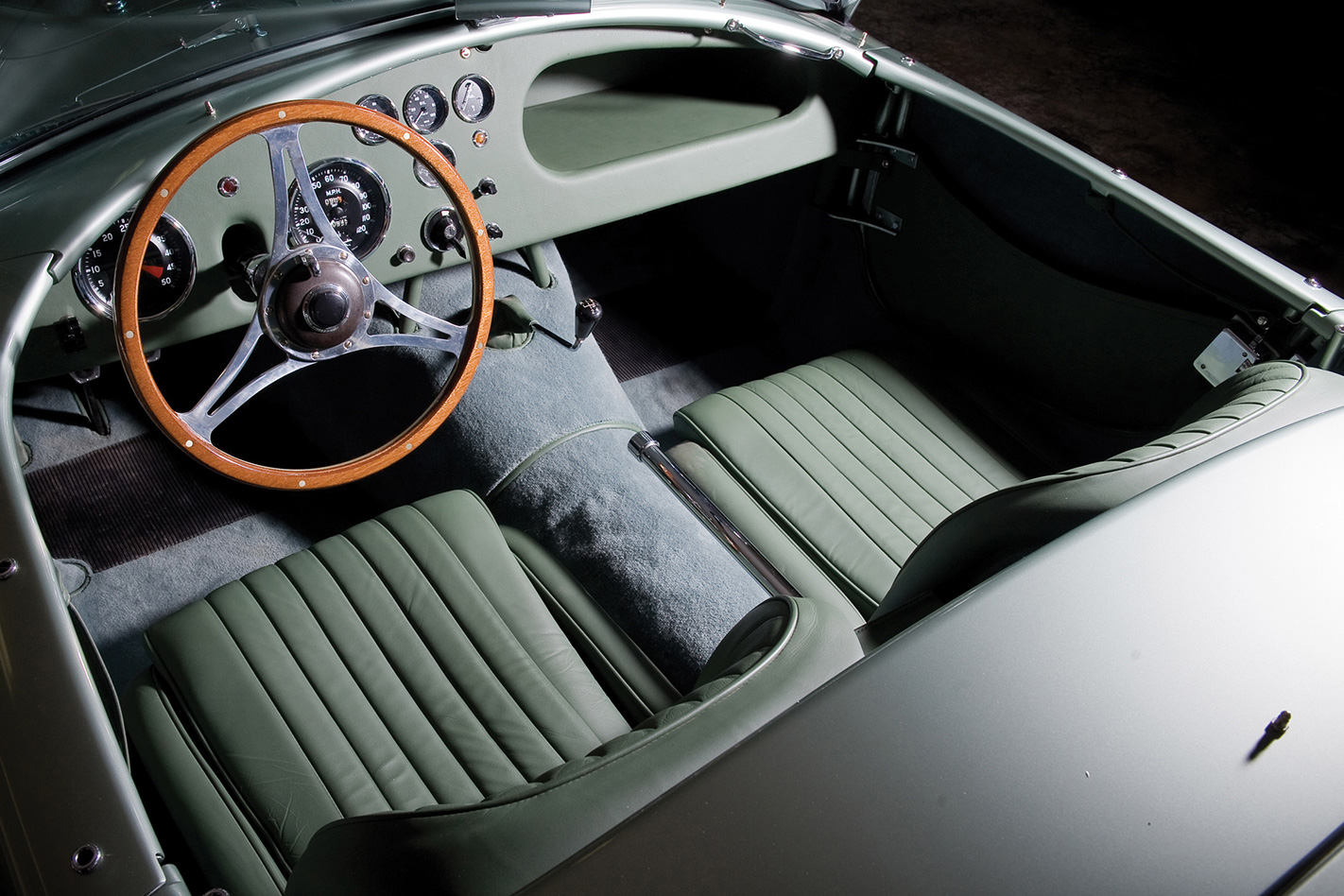
The Ace was naturally a showcase for AC’s long-established aluminium coachbuilding skills. The interior was simple and graceful, with wood-rim wheel, basic instrumentation and upholstered dash. Later cars gained a lid on the glove compartment. Soft-top was a simple side-curtains and clip-on affair that stowed (with the space-consuming spare tyre) in the boot; buyers seeking practicality had the option (from 1954) of the attractive Aceca coupe, with its hinged fastback tailgate.
LSR in the DNA
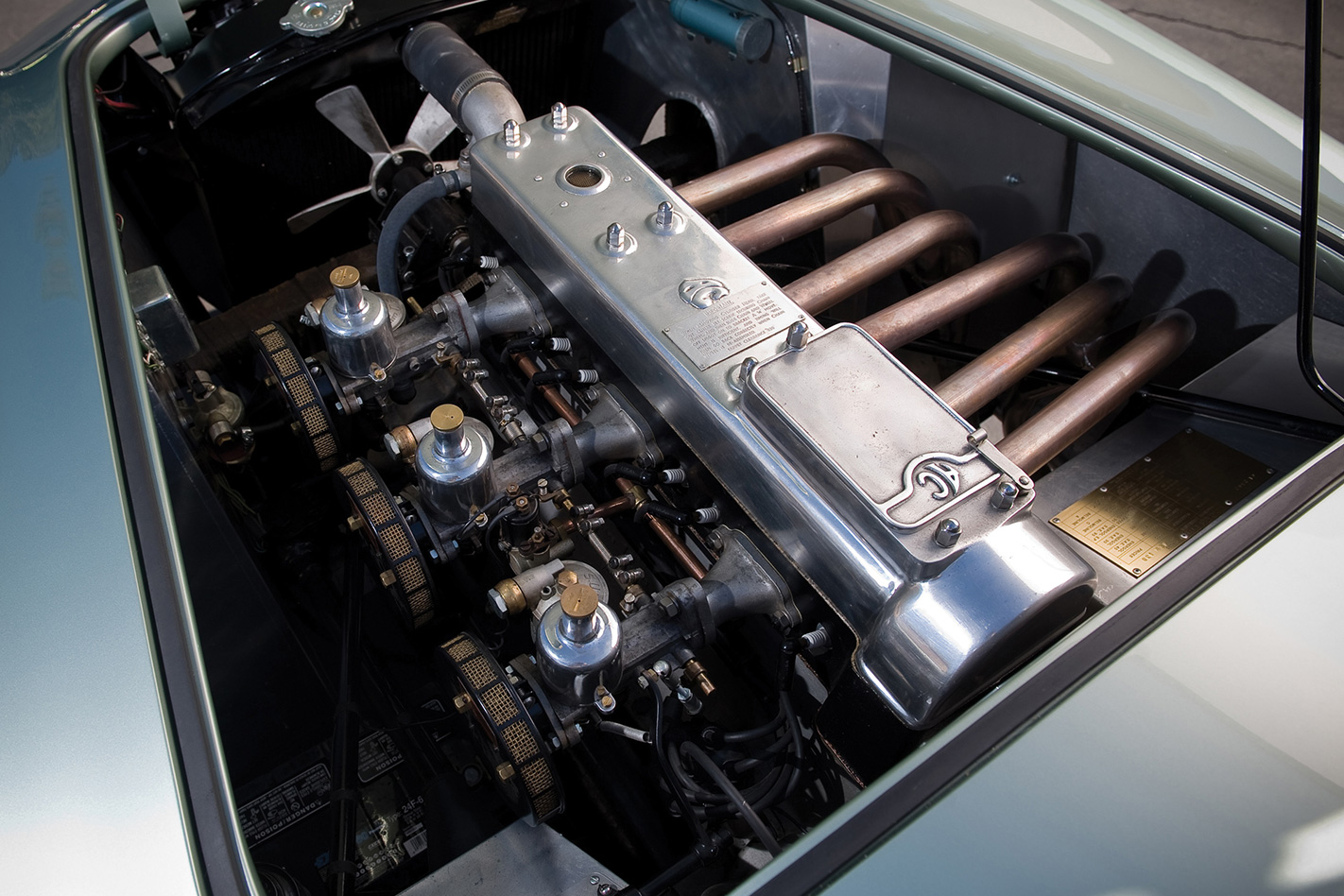
AC’s 1991cc, alloy-block, sohc inline six was designed by AC founder Weller, under the direction of land speed racer Selwyn ‘SF’ Edge, way back in 1919. By 1953, the triple-SU-carbed Ace unit developed 63kW and 149Nm and was good for 0-100km/h in 9.5 seconds and a top speed of 180km/h, via a four-speed manual. Tuning could bring 80kW, but its replacement in 1956 with the 95kW/167Nm Bristol-BMW M328 was a godsend.
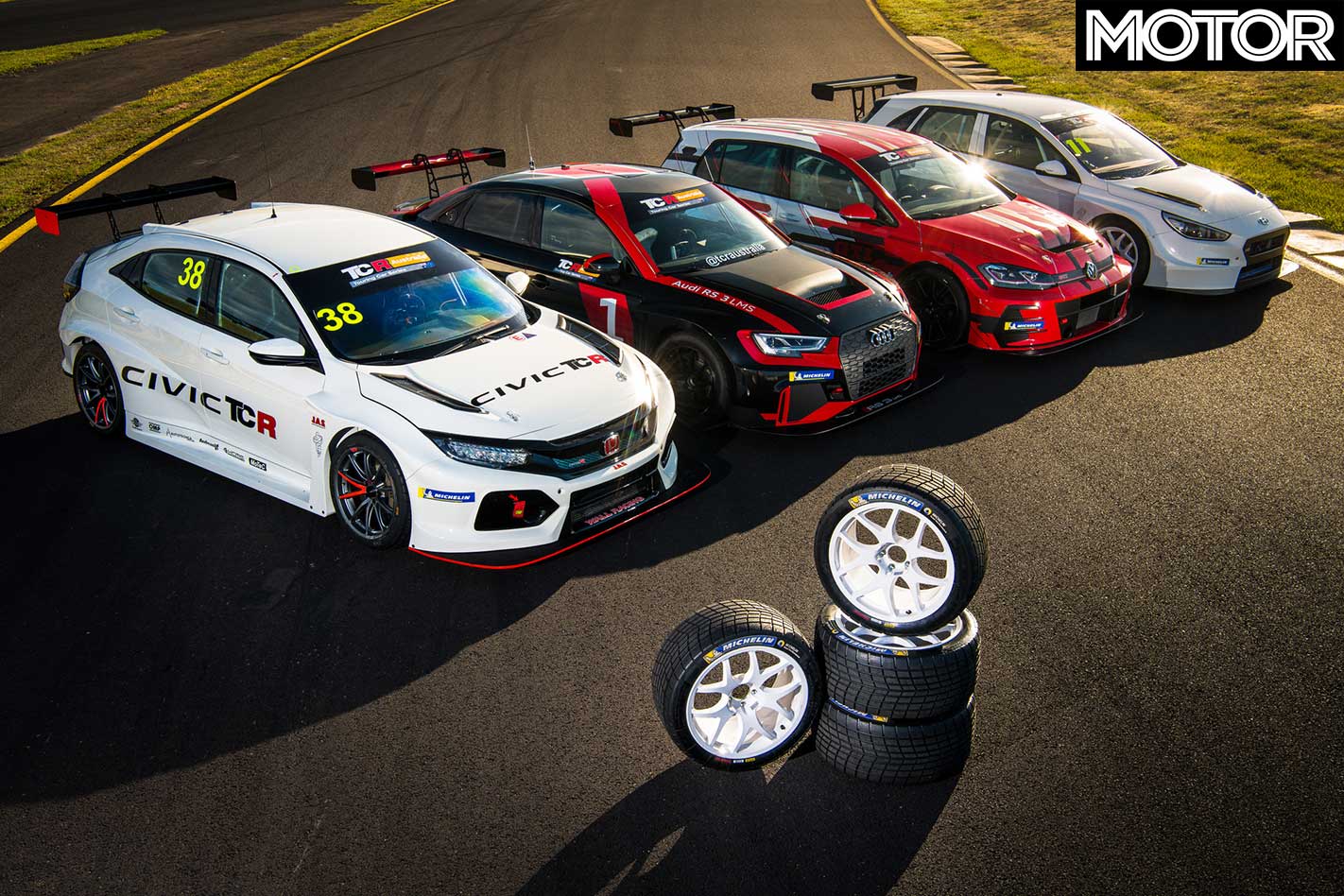
Self-proclaimed motorsport talent finding program Aussie Driver Search aims to field a five-car team in the inaugural season of TCR Australia.
It has already announced SuperUtes champion Ryal Harris as a driver for the team, but hopes four more prospective drivers can take the other cars it intends to run.
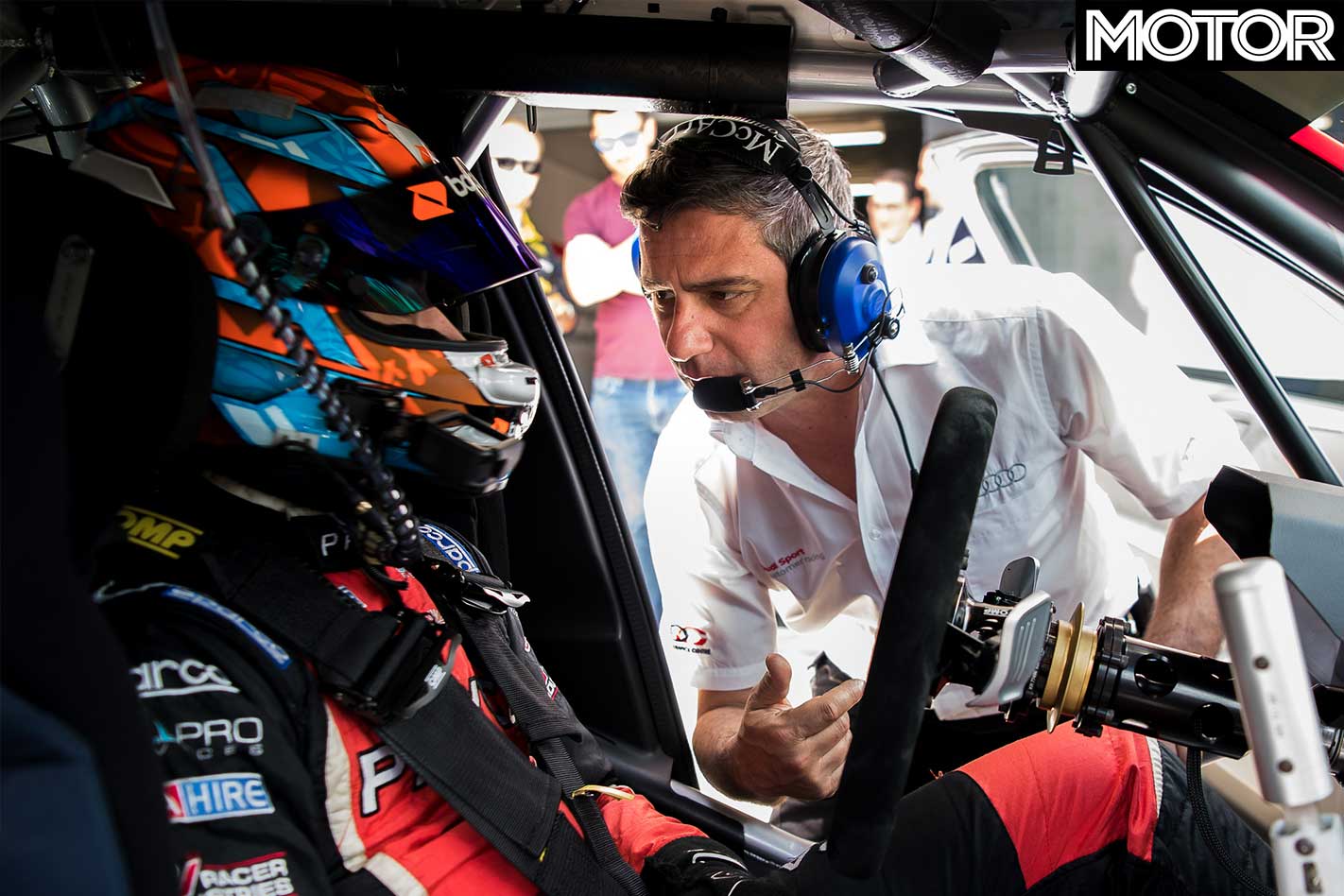
“I’m committed to the SuperUtes Series next year, but Aussie Driver Search will back me to enter TCR Australia, assuming that the ADS team can get the right deals in place,” says Harris.
ADS outlines the cost at $27,500 per-round for general running costs, as well as $60,000 per year to lease the car.
All-up there’s a $252,500 per-season cost to lease a car and run an arrive and drive deal with ADS.
The $60,000 deposit is required for the car lease and then ADS says the remaining budget can be split up into monthly payments of $16,041.
ADS director and founder Kyle Austin says he has a keen interest in getting cars on track for the 2019 season, and hopes to get some fresh talent out there in the process.
“We are ready to lock in drivers and get our TCR Australia team underway,” says Austin.
“We are in discussions with a number of local manufacturers as well as international TCR car builders to source the best-possible deal for our team and drivers.
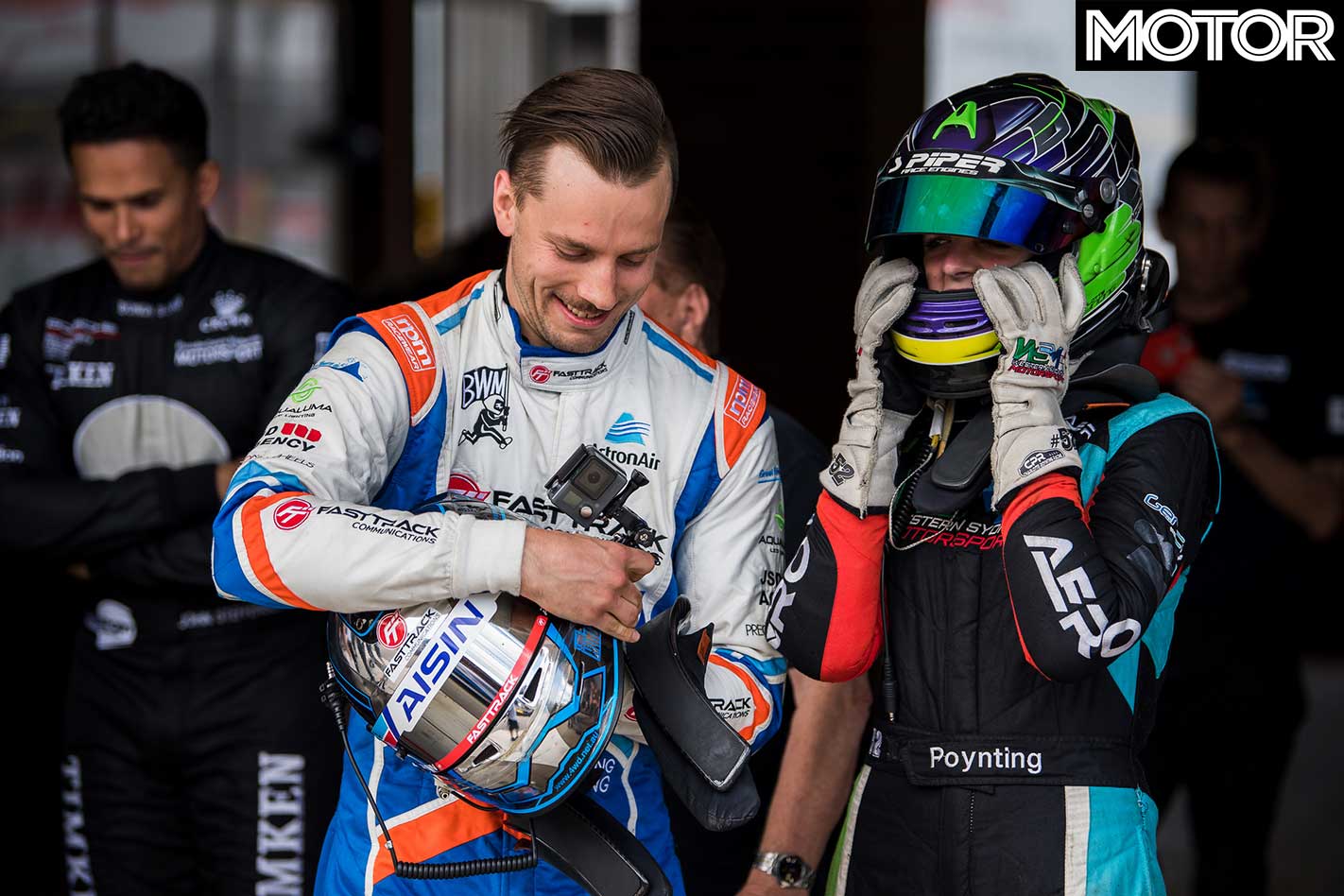
“Not many teams will publicly publish the costs of going motor racing, but we like to do things a little different. We like to be up front, honest and deliver the best possible product for our drivers through our professionally run team and top-level engineers/mechanics.
“The TCR category is really appealing to our team as it fills a hole in the market for a low-cost premier series.
“The cars are extremely user-friendly, exciting to drive and great for driver development. We are really excited to announce further news on this.”
Renault Sport has announced a line of performance upgrades and style parts for its Renault Clio RS and Megane RS.
Split between functional and aesthetic, the parts are available online with international shipping, meaning Australians can also get their hands on some RS goodies.
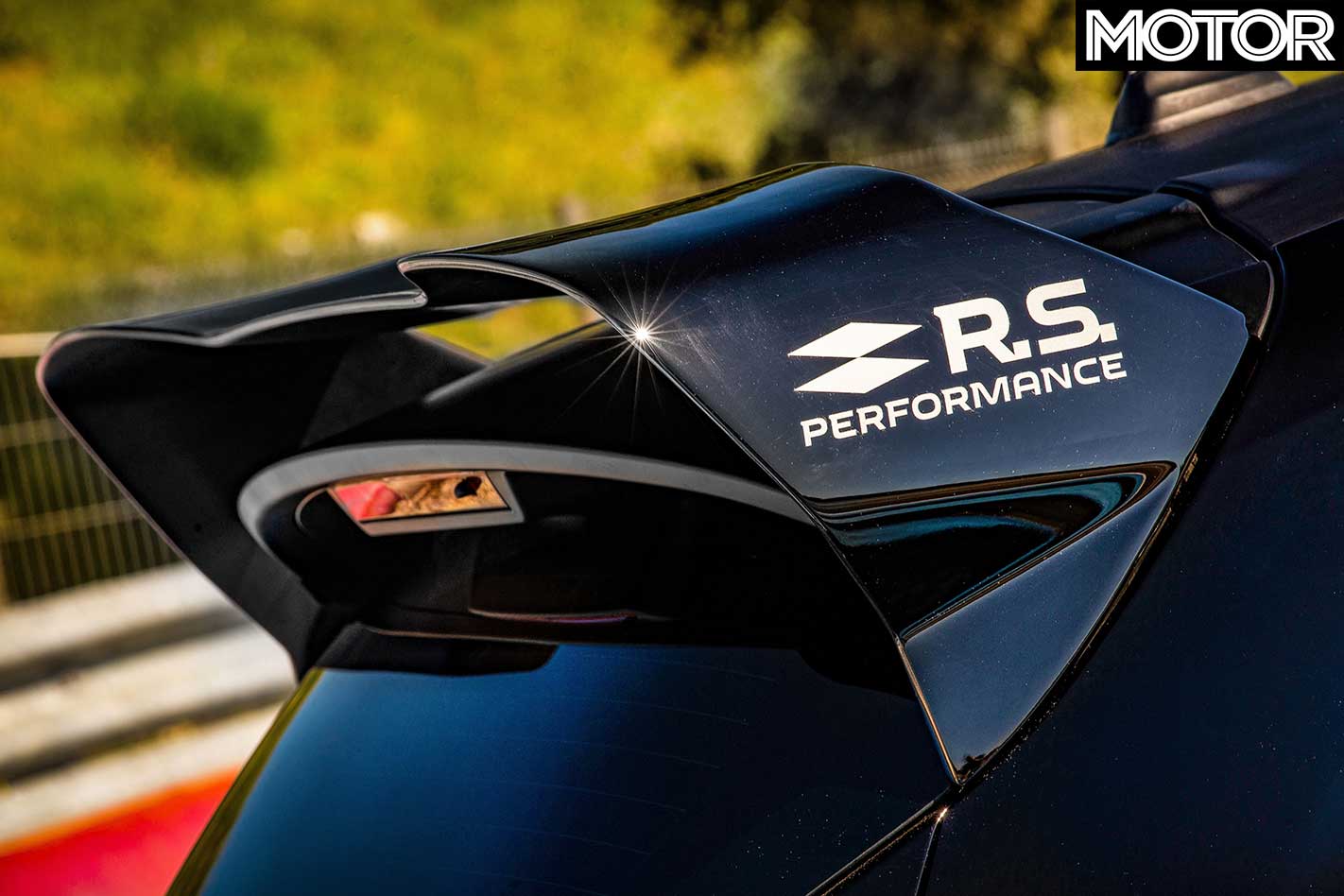
Currently, only the gen-IV Clio RS is catered for on the site, but parts are soon to be available across both current and previous Clios and Meganes.
Included in the mix of performance upgrades are parts such as brake and suspension packages, exhaust kits, and lighter carbon fibre bucket seats.
As for style parts, interior trim and external bodywork such as floormats and wings respectively are the first parts to be added to the site.
Also available is an RS bodywork kit inspired by the Clio R.S.16 concept, limited to 250 units.
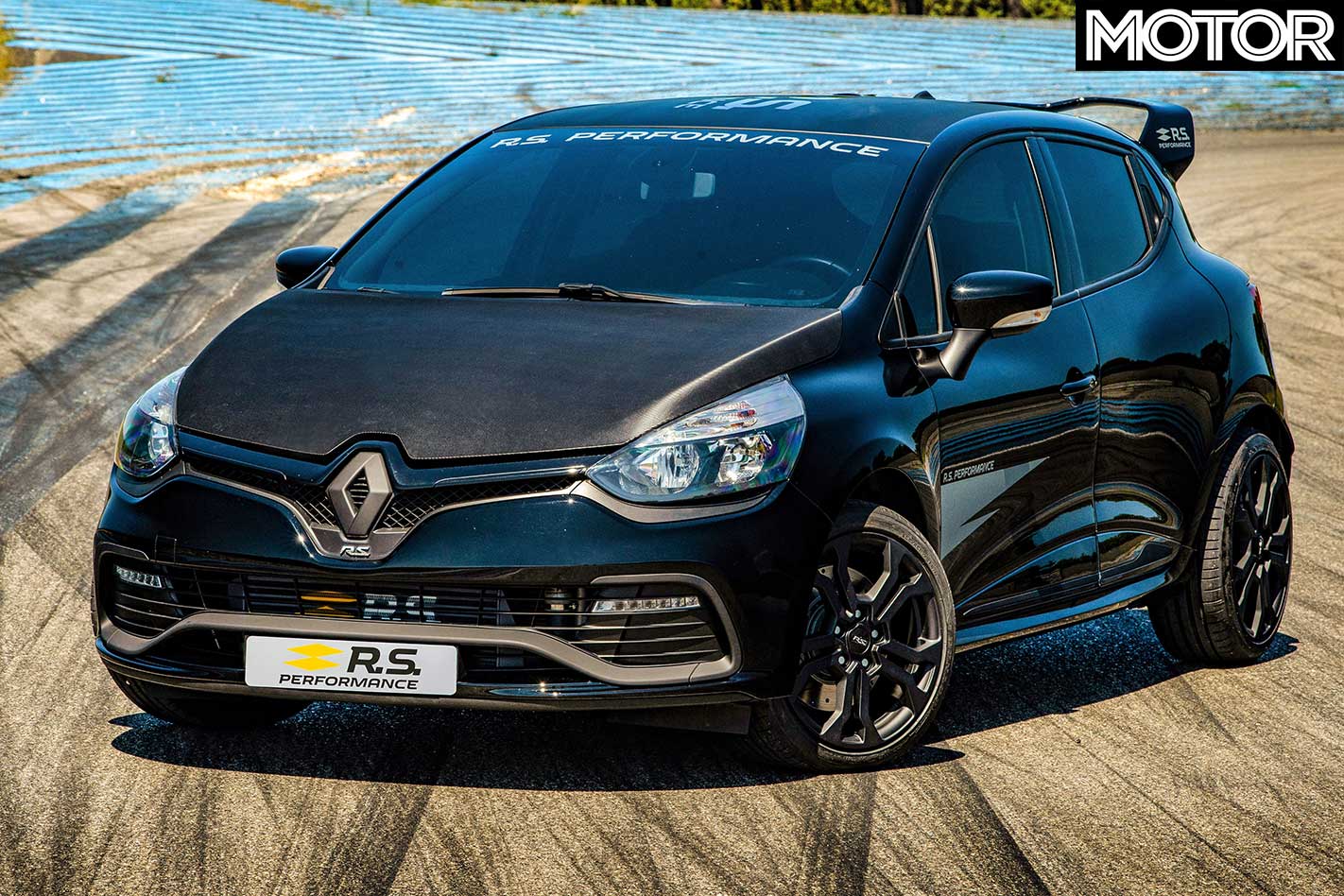
Renault Sport performance project manager Guillaume Calvar says the program is a way to a bridge the gap between street cars and track cars for those who want something a little more than the standard RS car offers.
“R.S. Performance is a product offering that bridges the gap between sports and racing cars.
“It is our way of giving track enthusiasts everything they need to customise their Renault Sport vehicle and make it a beautiful, high-performance Track Day car.”
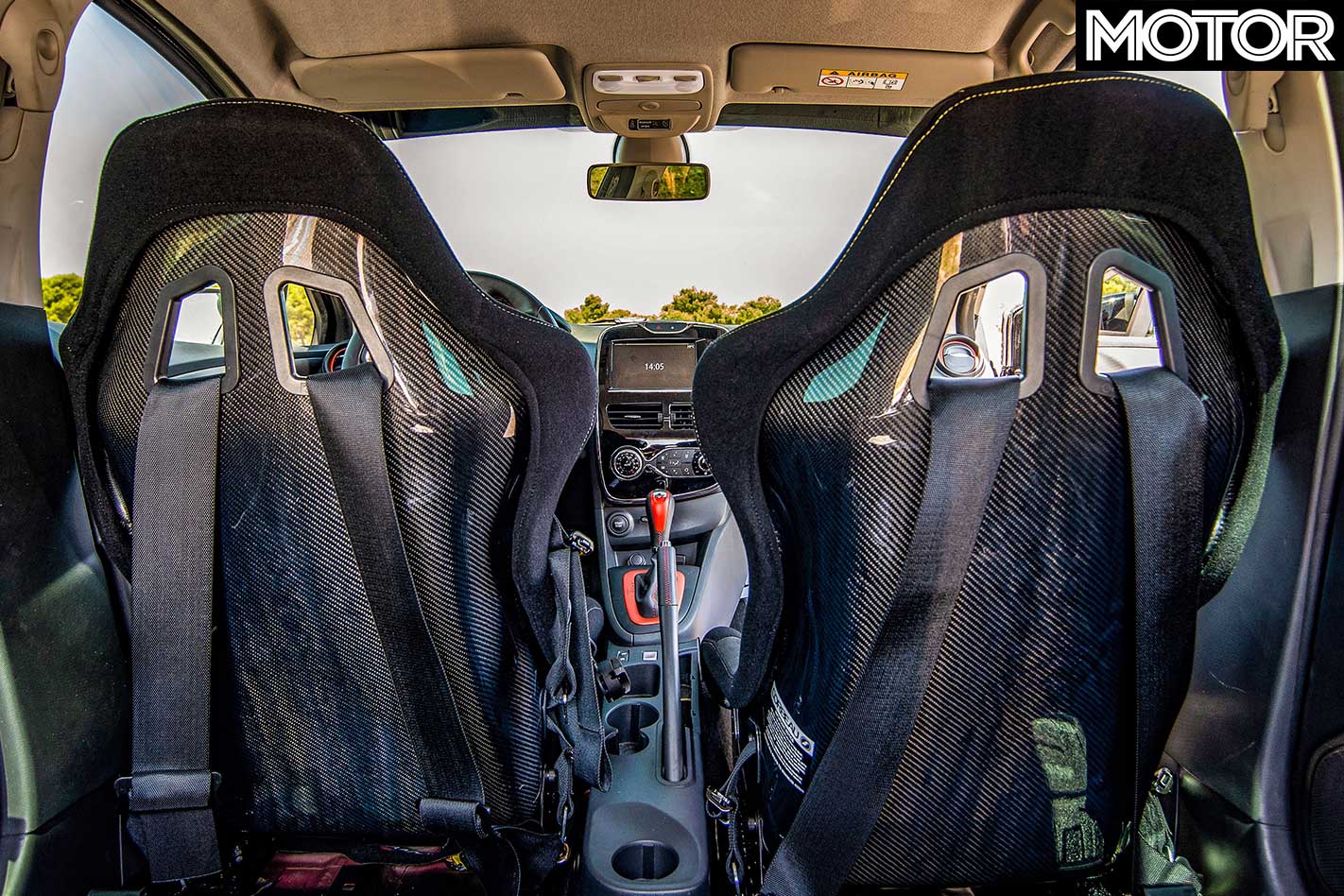
Renault Sport MD Patrice Ratti says there’s been demand for Renault to sell its own line of upgrades and track-focused parts for some time.
“With these lines of accessories and derivatives, we are responding to a strong demand expressed by our community,” Ratti says.
“Over the last 40 years, Renault Sport has sought to offer its passionate followers an environment in which they can exploit the potential of their car in the best possible conditions, whether they’re competing in the single-make races that have picked up where the legendary Gordini Cups left off or enjoying some sports driving on a Renault Sport Track Day.
“We are now expanding that environment to allow them to live their passion even more intensely, both in their everyday driving and on the track.”
THE BLOODHOUND SSC project is dead, and with its demise so is the dream of seeing a ‘car’ travel at 1600km/h.
This is disappointing news for all sorts of people, but there is a silver lining as the potentially record-setting vehicle is now up for sale.
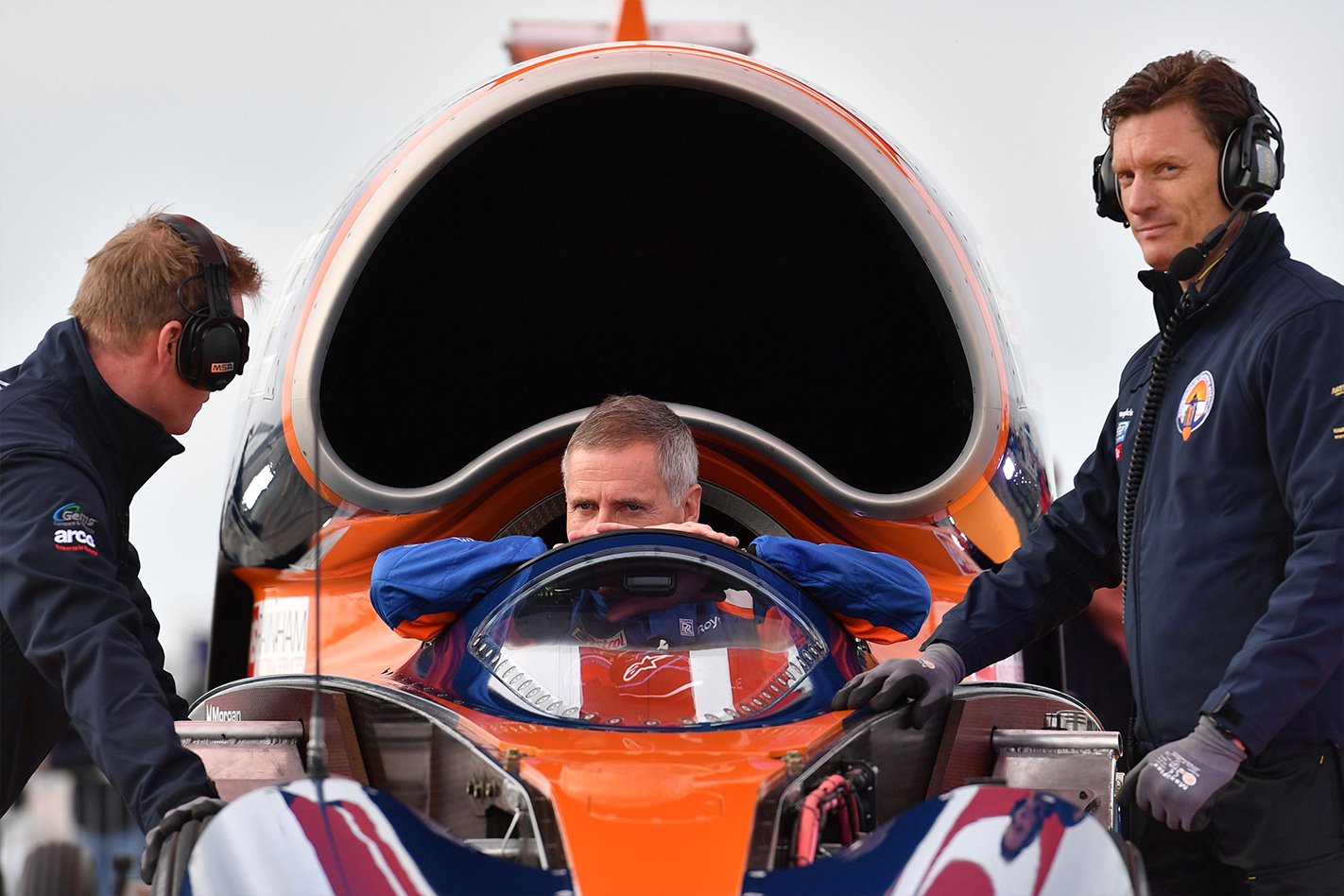
Its driver, Andy Green, told the BBC a prospective buyer could purchase Bloodhound SSC for roughly £250,000 (A$442,500) following the team’s slip into administration.
On a dollar per km/h basis, that’s the bargain of the century.
For context, a Chiron is currently electronically limited to a meagre 420km/h, but costs a whopping $3.61 million.
Green, who works as a jet fighter pilot when he isn’t moonlighting as the world’s fastest man on four wheels, says the car’s new owners will still need deep pockets to see it reach its full potential.
“You’re going to need to find a few million to get it running to full speed,” he told the BBC.
Luckily there is a team of engineers “who could help” Green added, referencing the not insubstantial squad behind Bloodhound’s construction.
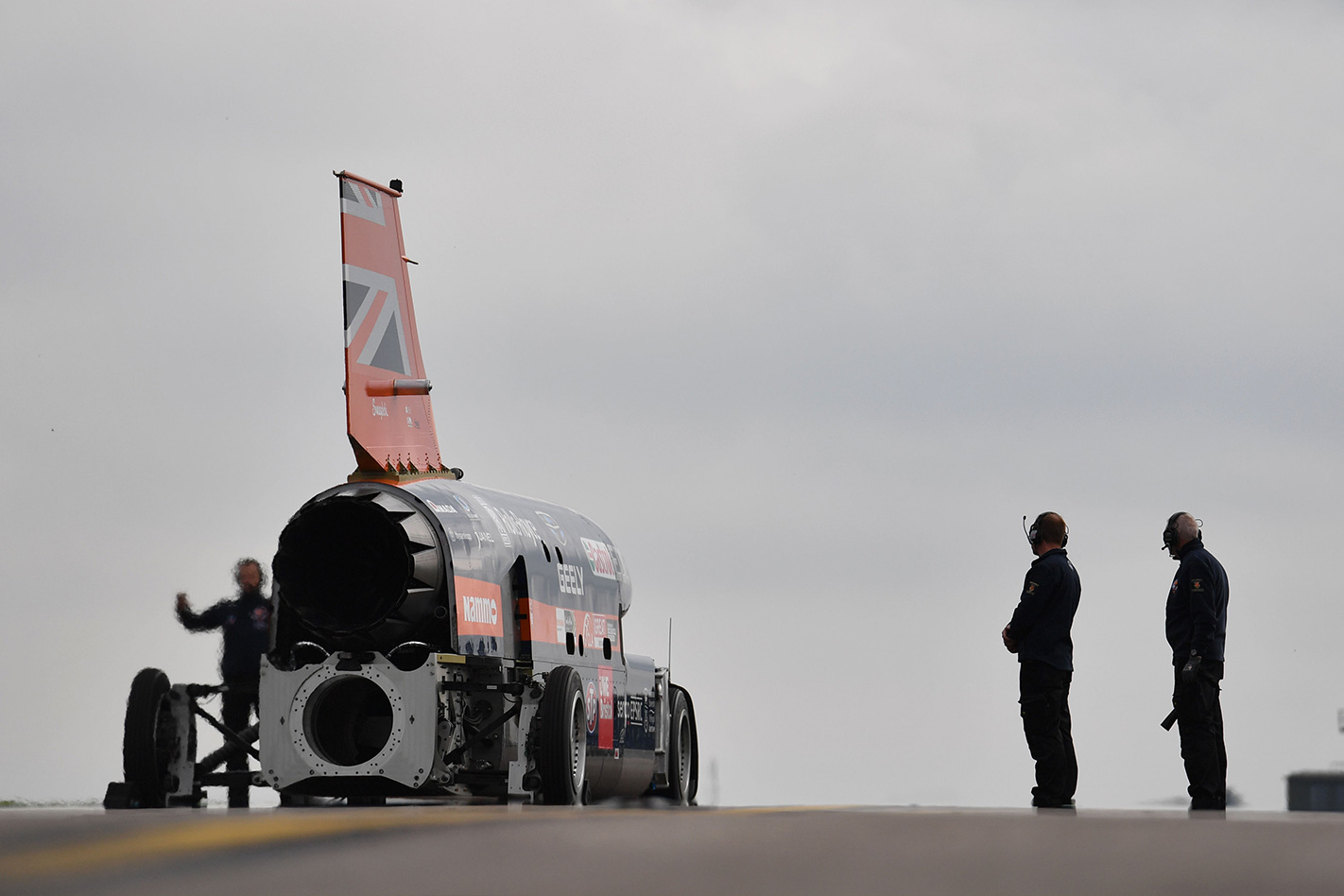
If at this point you are wondering where you could drive your newly purchased 1600km/h behemoth, well there’s an 18-kilometre long, 1500-metre wide track at the Hakskeenpan on South Africa’s Northern Cape ready and waiting.
“We have basically completed the main structure, the desert is ready, we just need the funding,” Green explained.
“If somebody is out there with a quarter of a million there is a car there. There is still a chance that Bloodhound could run.”
The Bloodhound team actually staged a shakedown of the car last year, but since then, finances for the project dried up, forcing it to be put into stasis as more funds were sought.
Unfortunately, the extra cash never materialised, forcing administrators to begin selling off assets.
“Since [then] we have worked tirelessly with the directors to identify a suitable individual or organisation who could take the project forward,” joint administrator Andrew Sheridan said.
“Despite overwhelming public support, and engagement with a wide range of potential and credible investors, it has not been possible to secure a purchaser for the business and assets.
“We will now work with key stakeholders to return the third-party equipment and then sell the remaining assets of the company to maximise the return for creditors.”
At only 49kg heavier than the Coupe, the 2019 McLaren 720S Spider is being hailed by Woking as its “most accomplished convertible supercar ever.”
Of course, McLaren has more than just an impressive 1332kg dry weight to thank for that. The same 530kW/770Nm 4.0-litre twin-turbo V8 as found in the Coupe resides in the Spider’s body, allowing it to match the 720S Coupe’s 2 9-second 0-100km/h sprint.
McLaren also says the 720S Spider will still go on to 200km/h in 7.9sec, and top out at 341km/h, or 325km/h with the roof down.
McLaren says a lot of this capability is possible through the use of its Monocage II-S carbon fibre structure, which allows the convertible a lightweight frame with no need for additional strengthening over the Coupe.
McLaren even says its rollover protection system (ROPS) is 6.8kg lighter than in the 650S after switching to carbon fibre over steel.
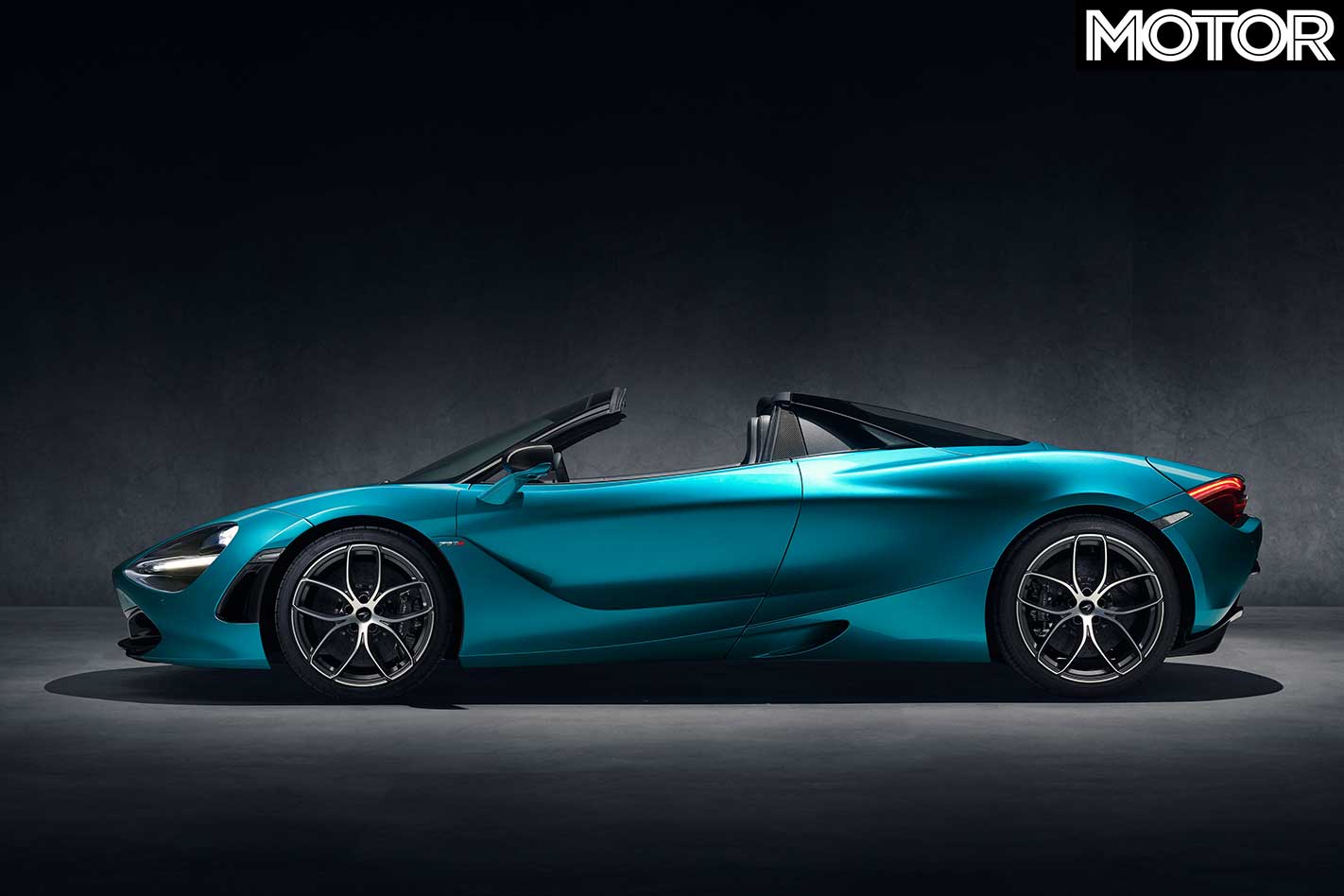
Some aerodynamic elements of the car, such as the rear spoiler, have been altered to adjust according to the position of the roof.
Pricing for the 720S Spider in the UK starts at 237,000 pounds, but we expect the 720S to land close to AUD$560,000 in Australia.
McLaren Automotive CEO Mike Flewitt says the 720S Spider is a cut above the competition with a weight figure below them.
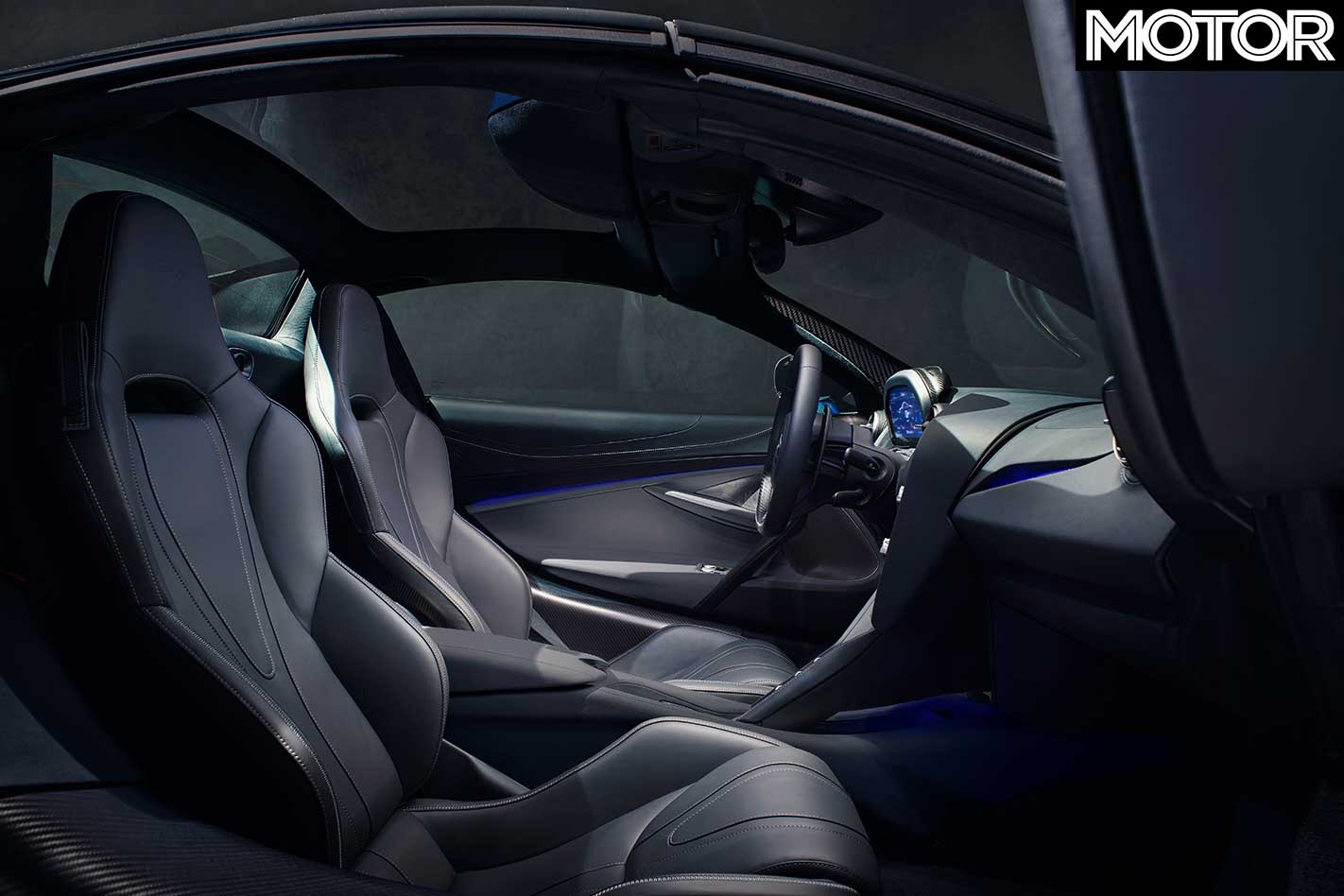
“The new McLaren 720S Spider offers an unparalleled blend of extreme performance, crafted luxury, driver involvement and daily usability – all with the additional exhilaration of open-air driving whenever required.
“As the most accomplished convertible supercar ever, the new Spider delivers across a remarkable spectrum of abilities to outstandingly high levels, and as lightest in class with an increase of just 49kg over the 720S Coupé, moves us even further ahead of our competition in the weight race.”
Australian availability for the 720S Spider is yet to be confirmed.
