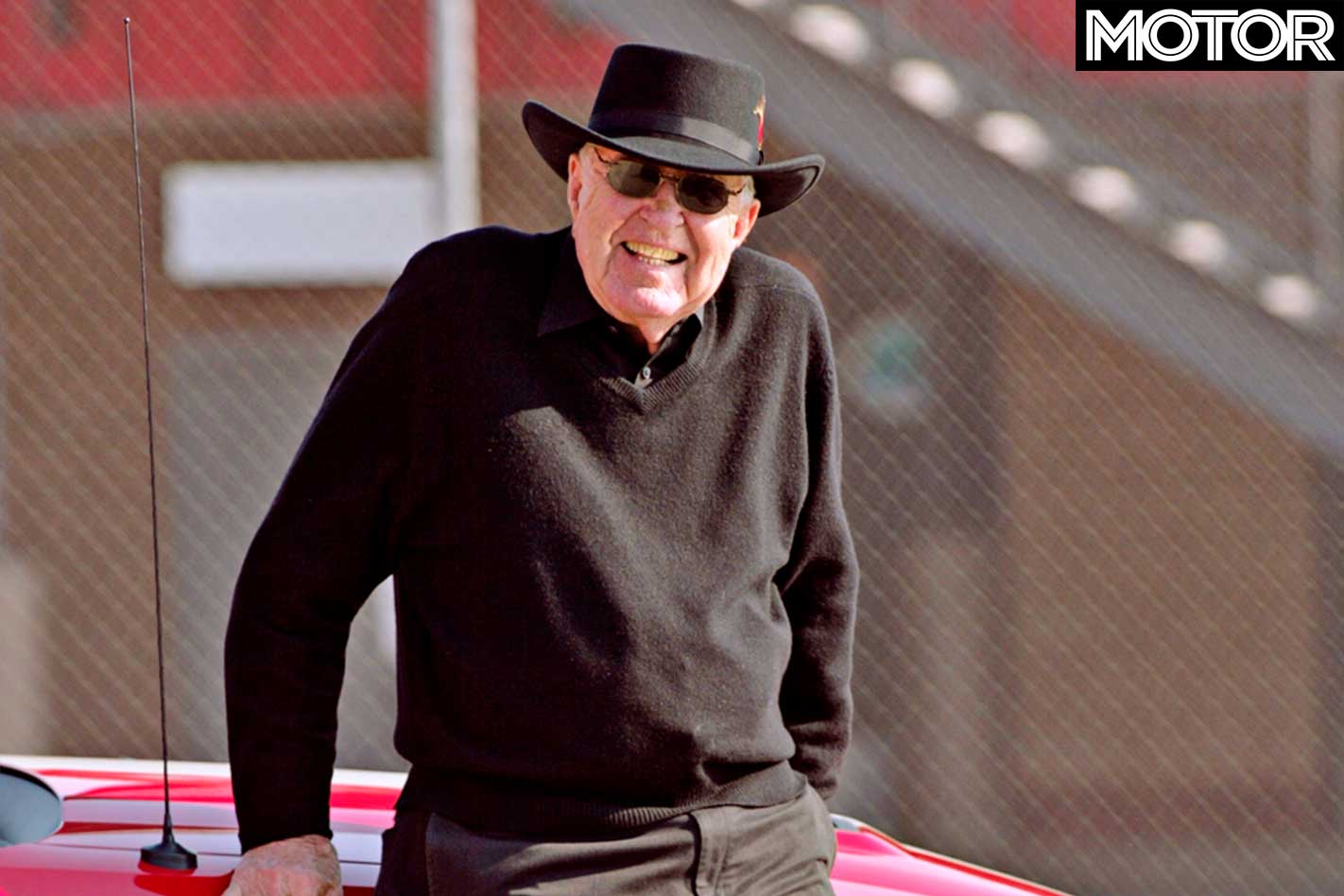
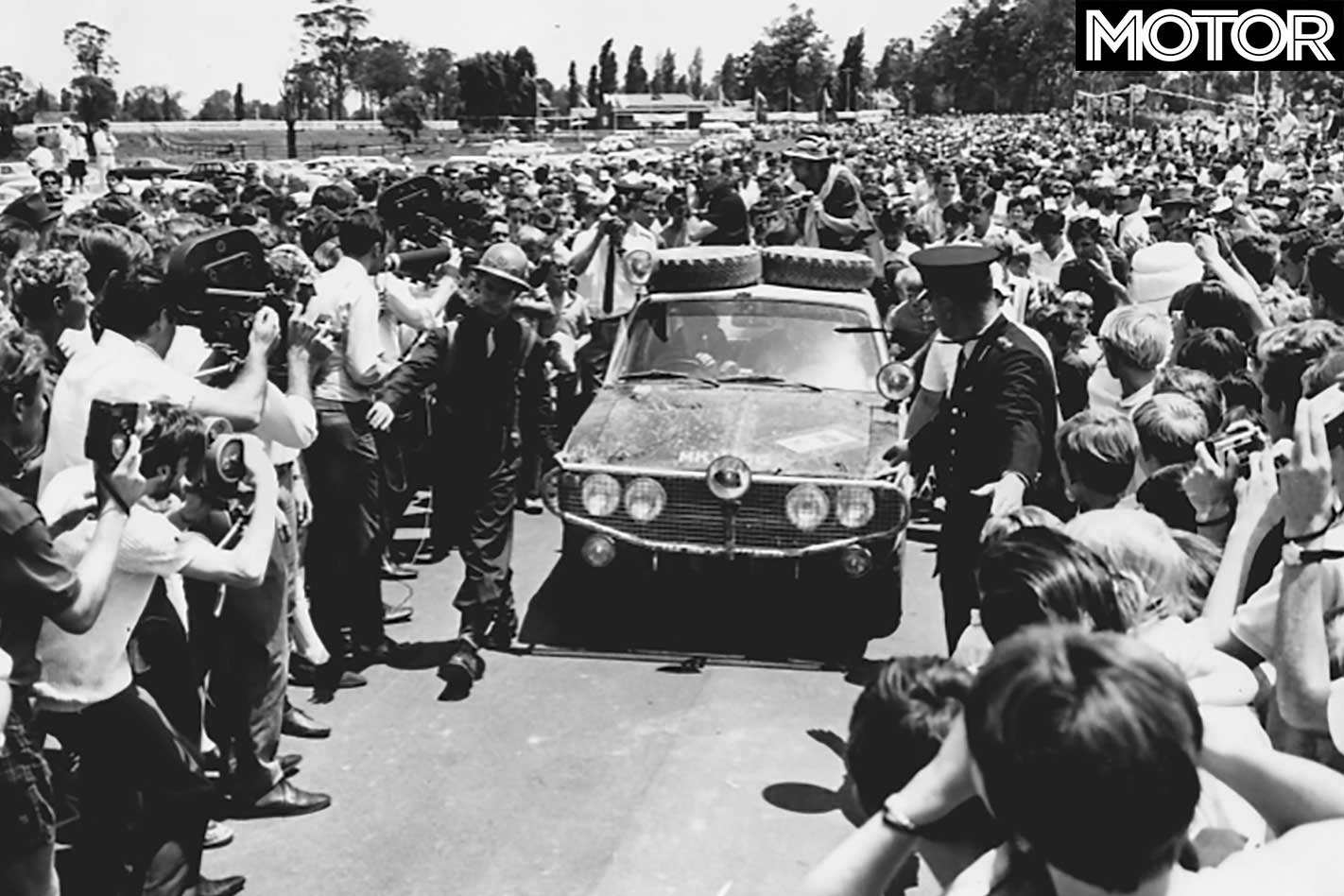
Fifty years ago to the day, just a few short of 100 rally cars were making their way through India waiting to board a boat to Perth. It was the first London-Sydney marathon.
From the 24th of November, right through until the 18th of December, most of these cars would spend hours and hours on the road racing between the aforementioned cities.
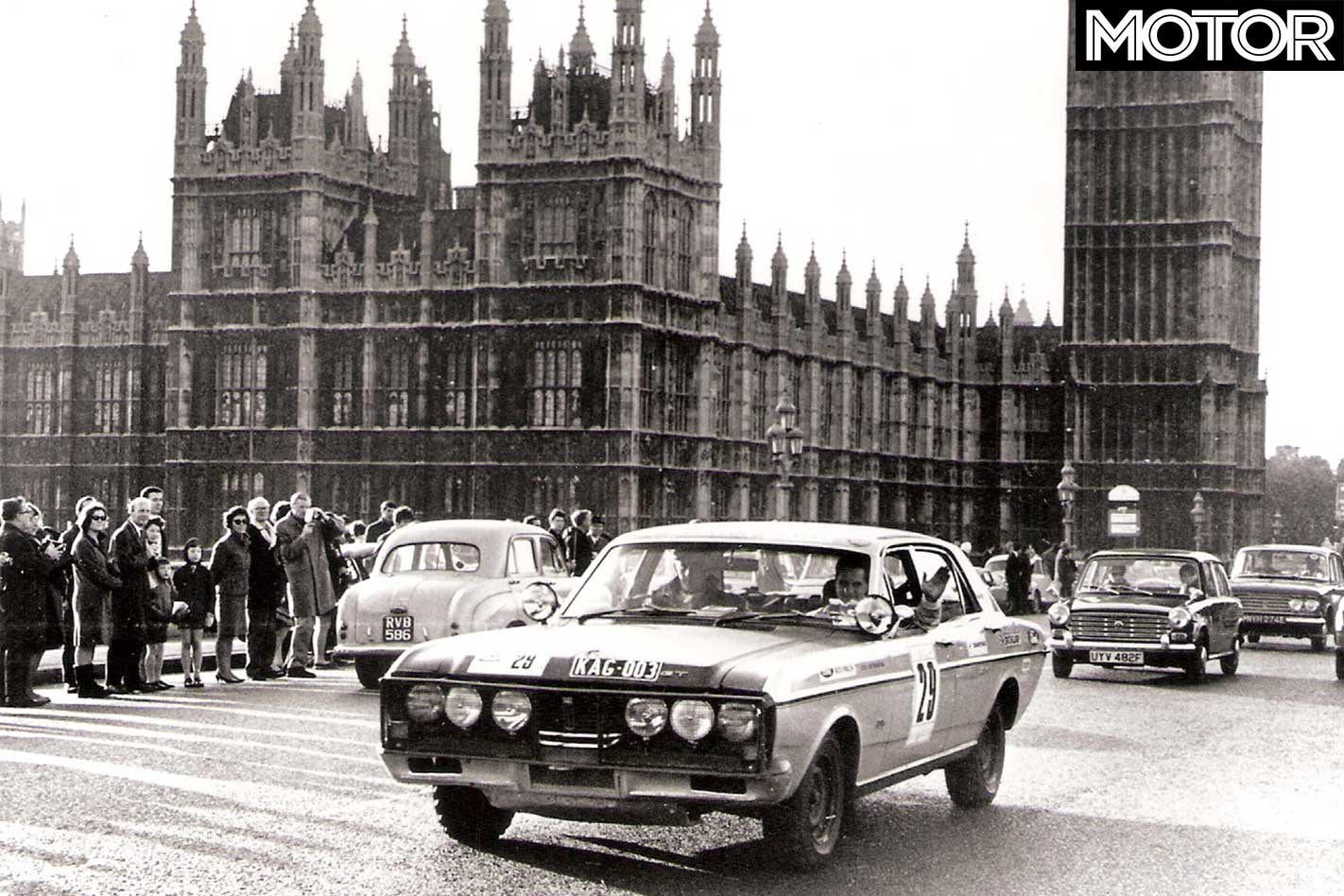
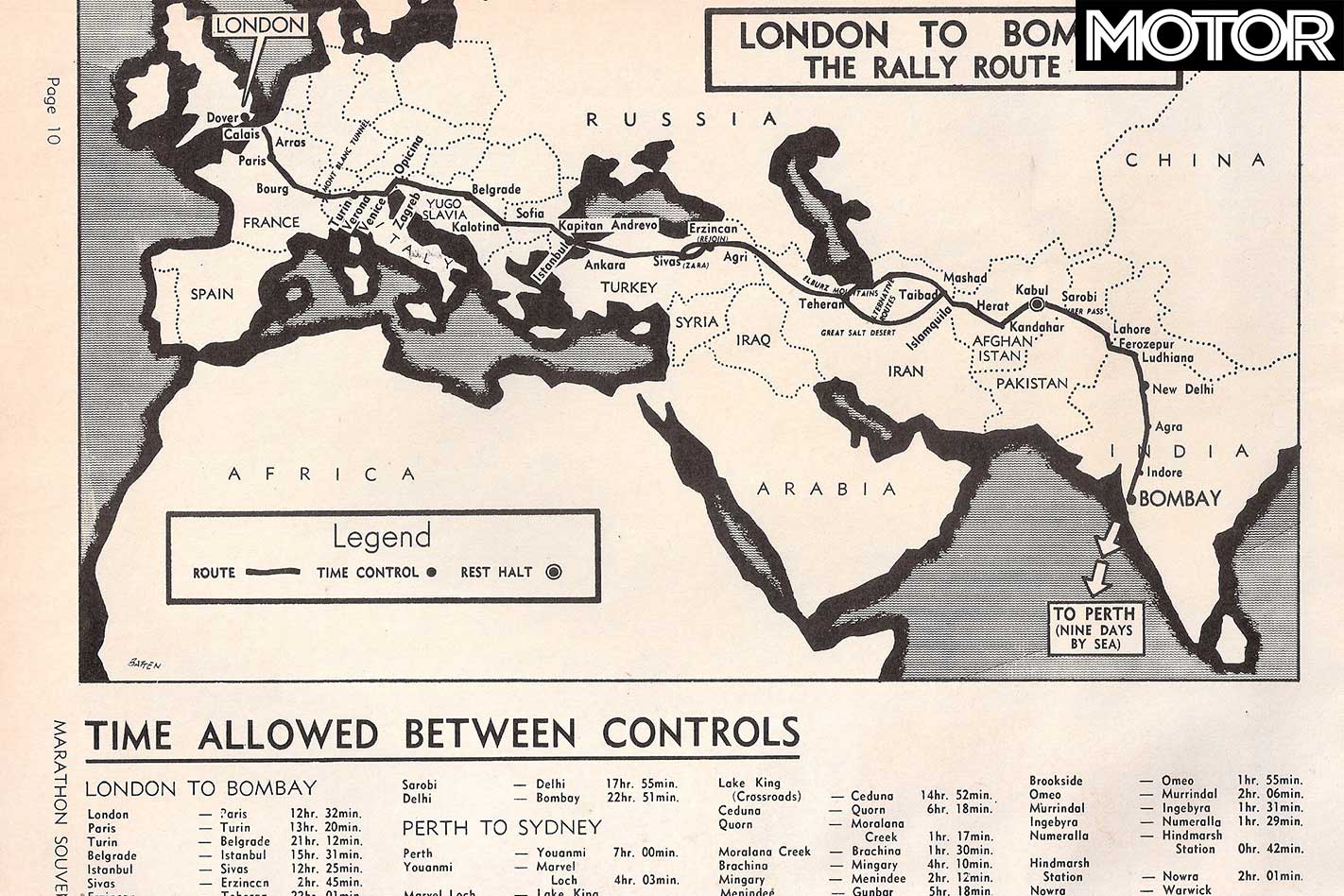
Out of those almost hundred cars only just more than half finished. They travelled through Europe, the Middle East, India, and then right across Australia from Perth after a relatively long voyage.
But the connection of this race to Australia goes deeper than just the destination, even with the length of time they spent driving across it.
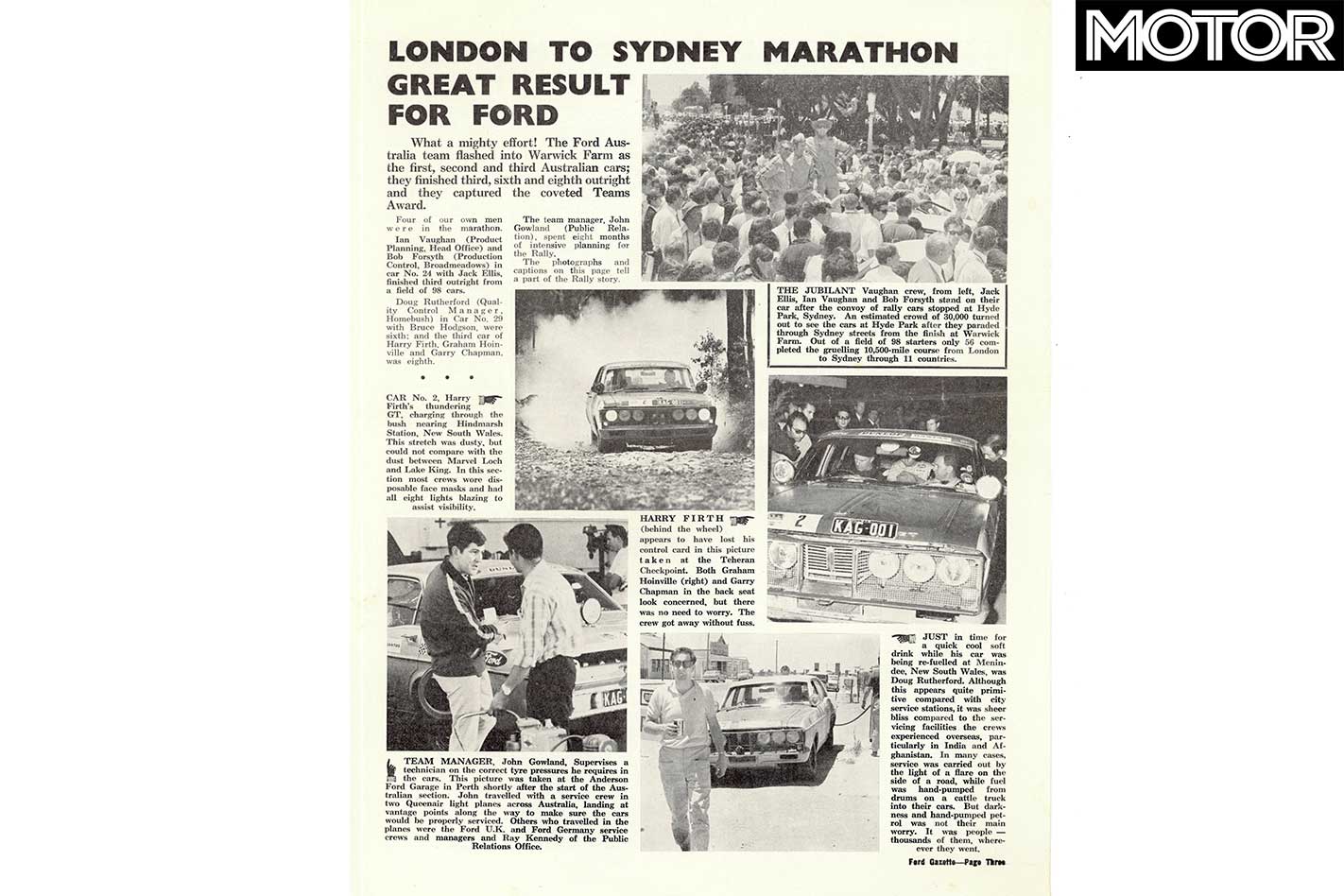
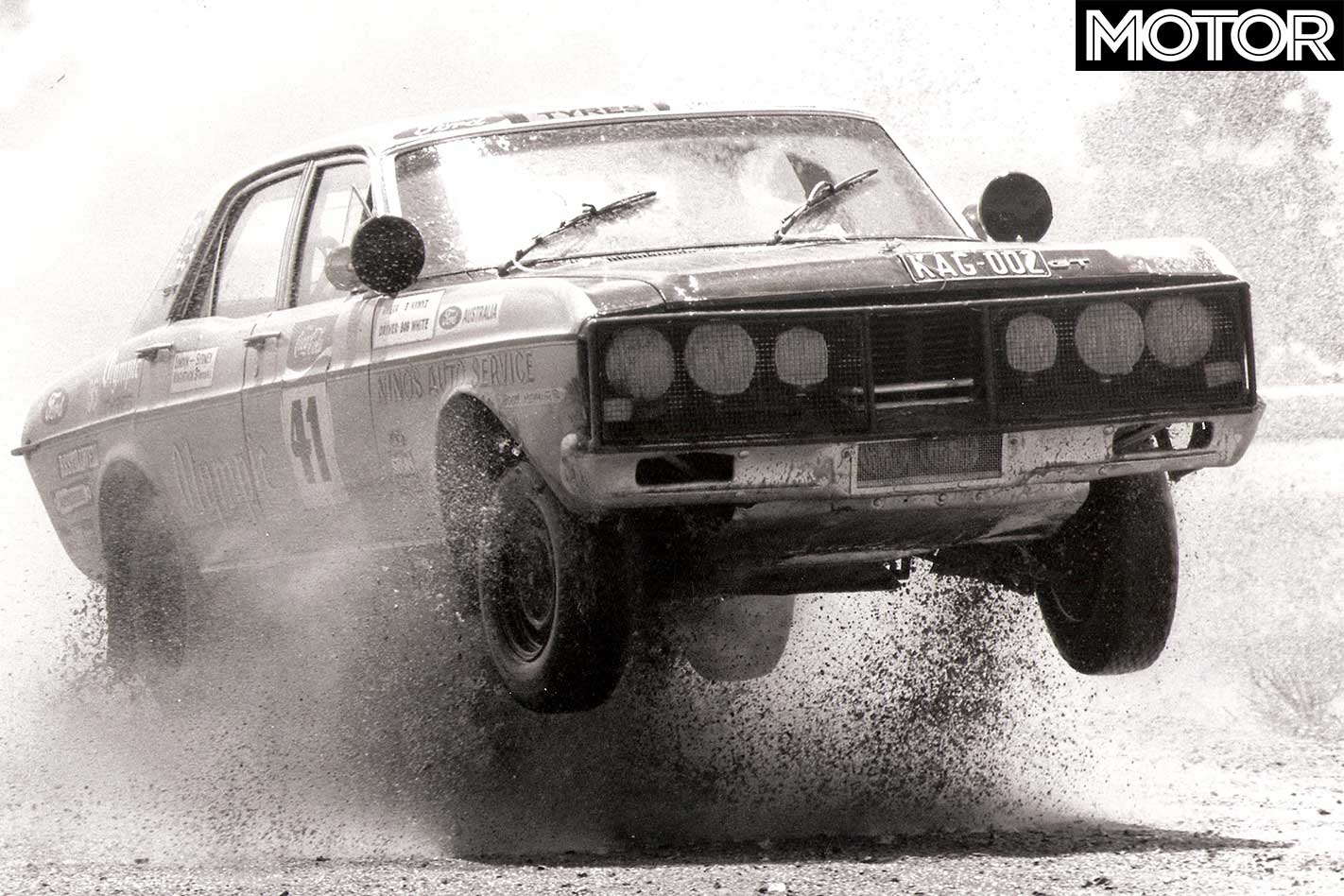
Several cars made in Australia were filled with Australian drivers and backed by Australian factories in an effort to show the world that Australian cars were tough enough to undertake the task, and fast enough to do it well.
It was Ford Australia who came out on top, though not overall. Ford won the team prize, the result of a massive PR effort and resource involvement. The three XT Falcon GTs Ford entered came third, sixth, and eighth.
John Smailes, a well-known reporter in the motorsport and motoring media, has released a book on the London-Sydney marathon called Race Around the World. His book details many aspects of the race including traveling through politically tumultuous regions, the mechanical mishaps, and perhaps the most discussed since the event, the conspiracy surrounding the crash of the then winning car only hours away from Sydney.
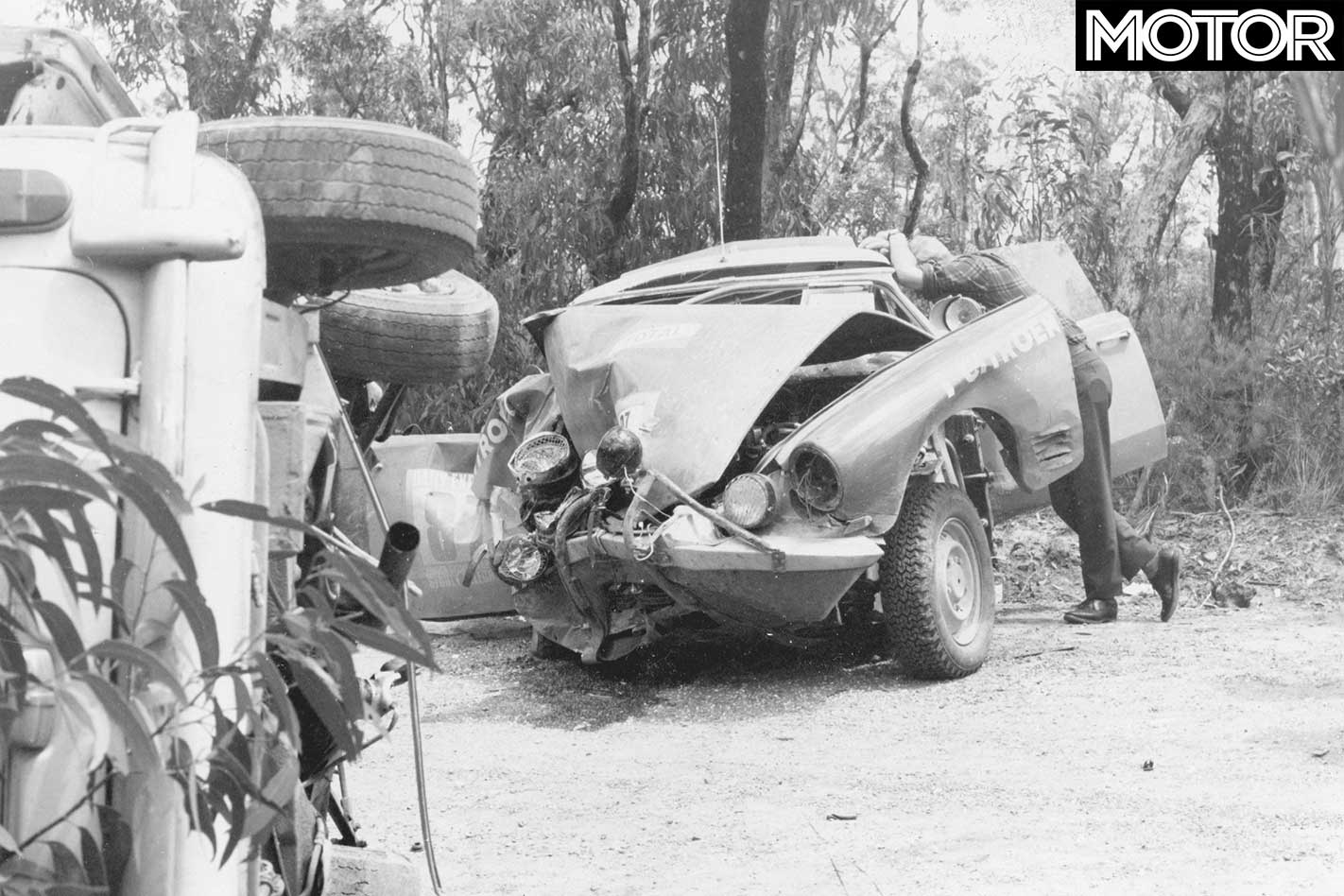
Leading the race with 12 points separating the top six and two separating the lead car and that of second place, was Lucien Bianchi. His co-driver, Jean-Claude Ogier, was driving their Citroen DS on a transport stage the night before they were to arrive presumably first in Sydney. A Mini Cooper with two teenagers in the car came around the corner and smashed into the Citroen. Both cars were travelling rather quickly.
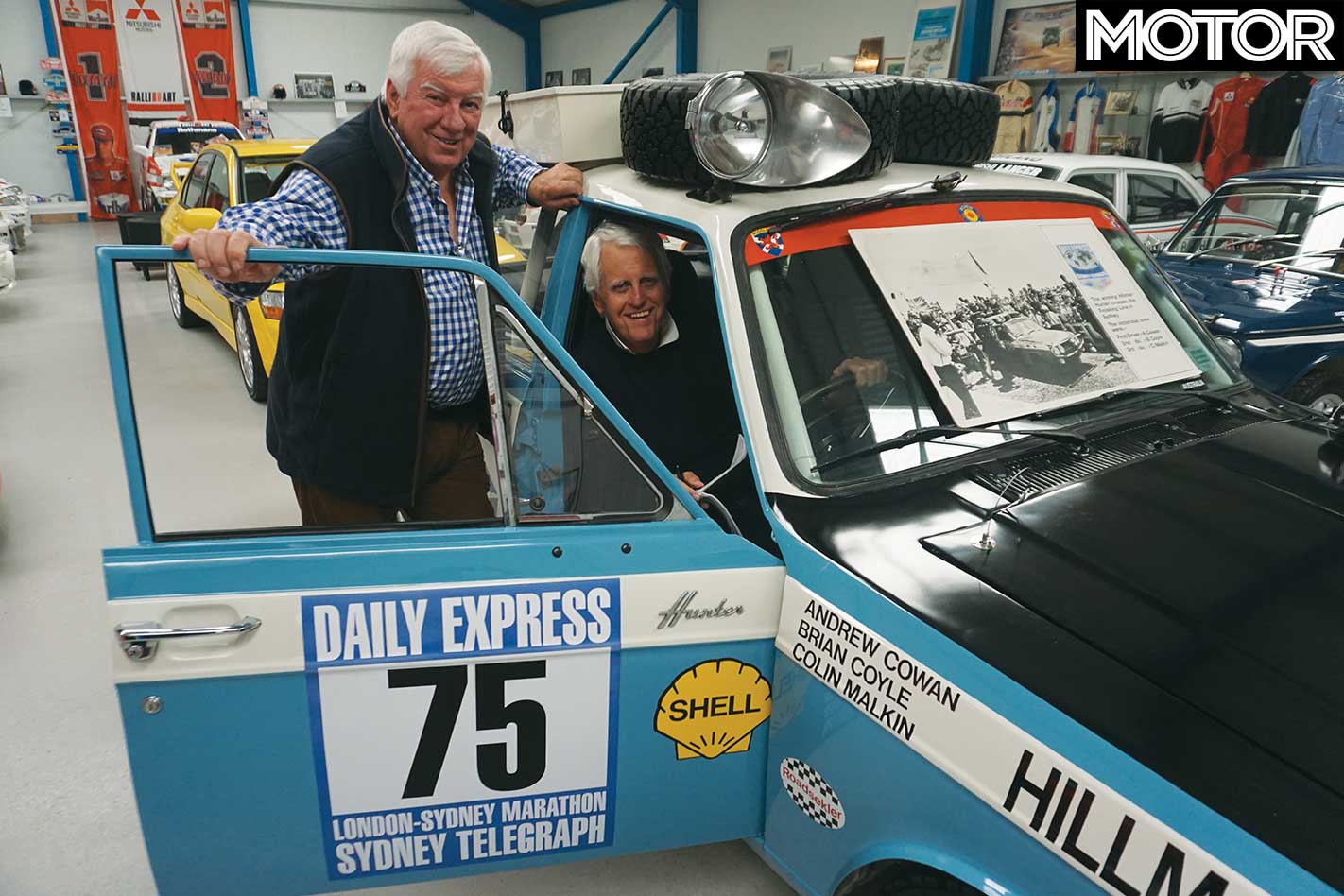
Andrew Cowan and his team drove the unlikely winner, a Hillman Hunter, to victory.
While the Citroen team maintained there was a conspiracy against them, most other sources suggest this was a complete accident.
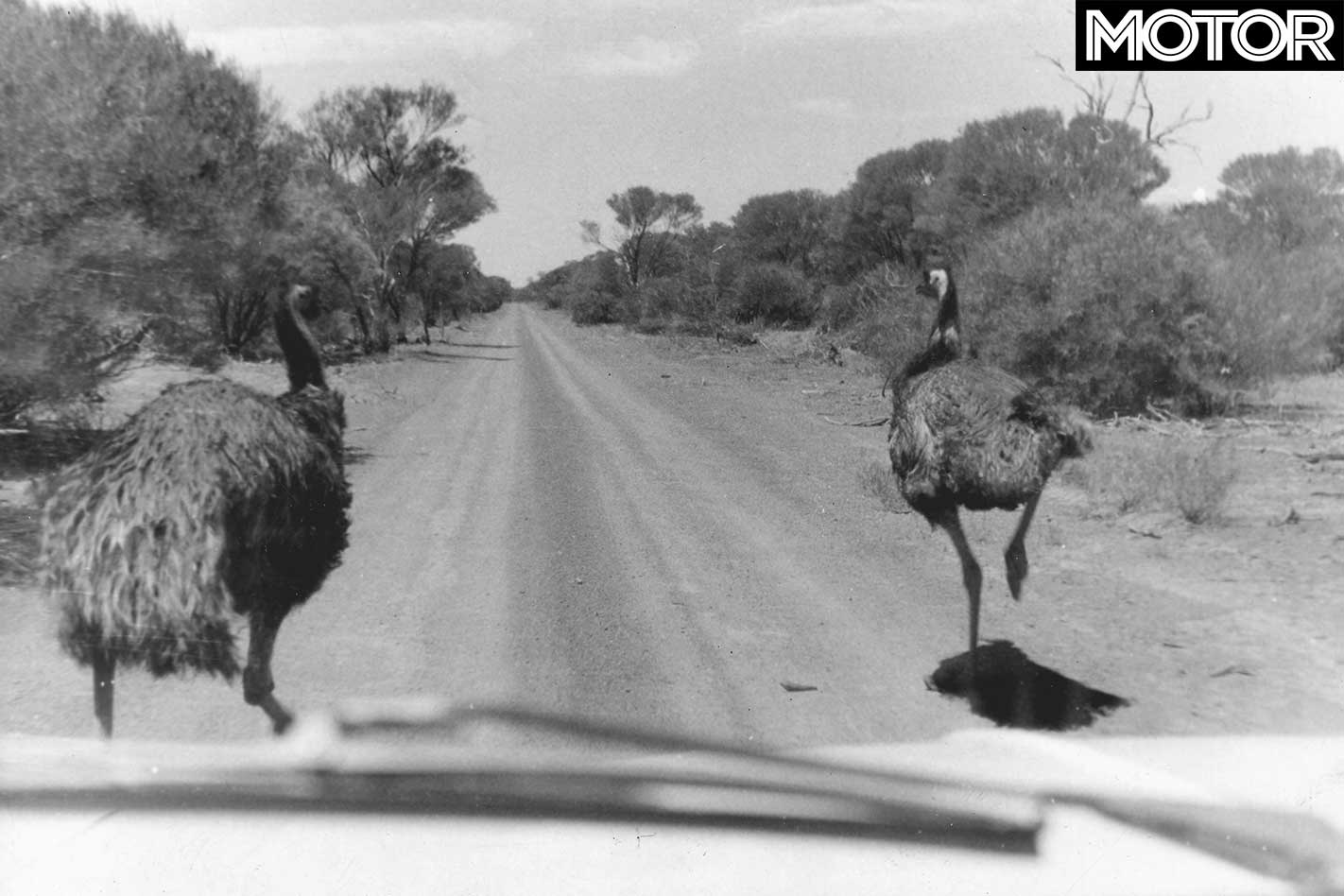
Of course there were other hardships, and some with a more Australian flavour. A team traveling in a Holden HK Monaro fell victim to one such mishap.
A problem with the brake assembly on the rear had made itself known to the crew (of Barry Ferguson, Doug Chivas, and Dave Johnson) while travelling through Western Australia.
“We changed the rear-end [diff and surrounds] in Perth,” Johnson tells MOTOR. In a rally like this it’s faster to replace than repair where possible. Unfortunately, only a stock diff was available, not one built to race the width of Australia.
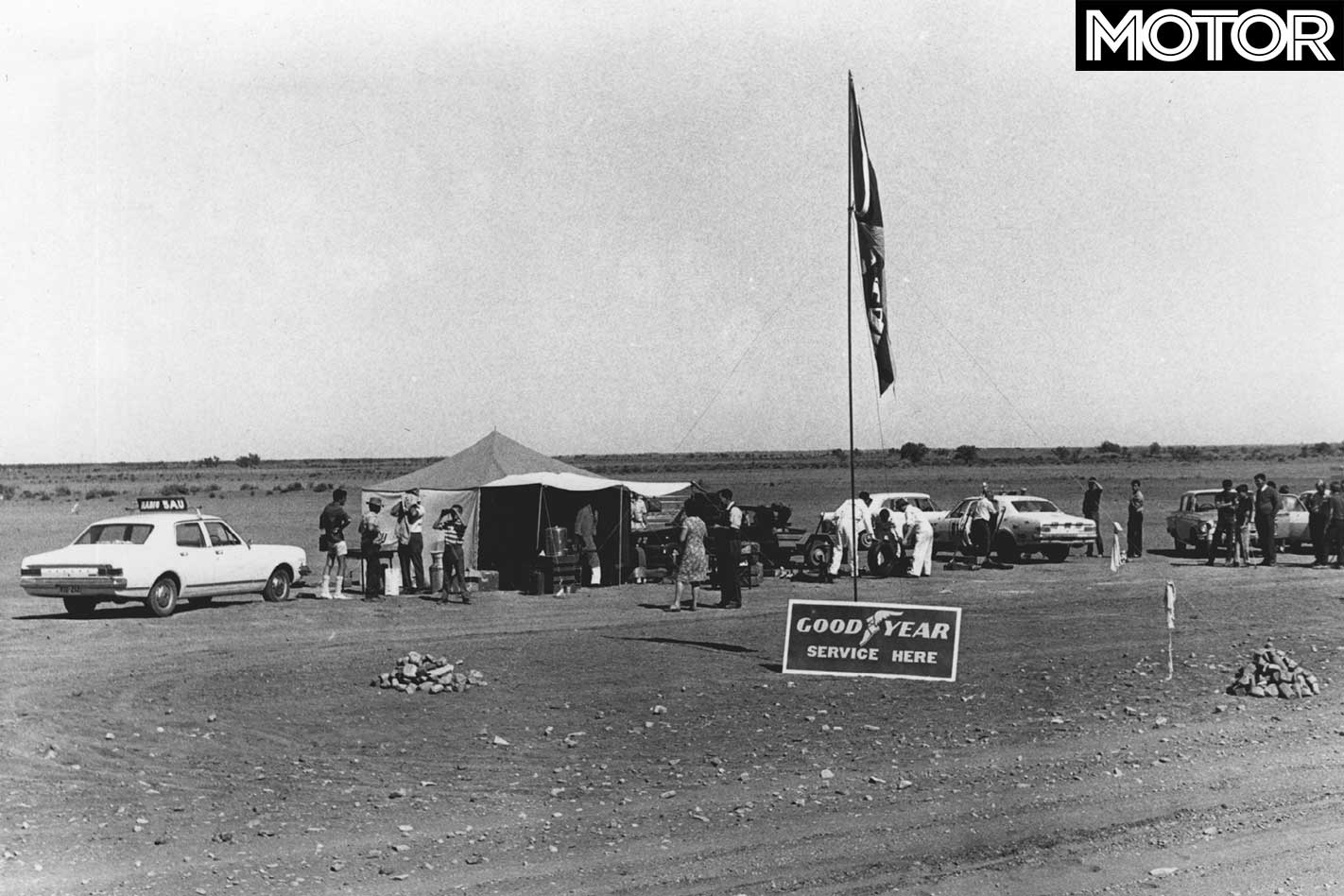
“We actually ended up breaking the diff on the way into Broken Hill, so we had a written message for the rally control team to call ahead and get a car stripped for us in Broken Hill.
“We get there and there are Ford caps everywhere. Everybody’s got a cap!
“Ford had done a big promotion and handed out caps to every man and his dog, and flown a bunch of journos in.”
Smailes, as a journo, was there and told us essentially the same thing. But Johnson had an issue with the Ford caps, as you’d imagine a Holden driver would.
“I walked into control, and I thought – oh, shit. What do I do now? If I leave this message with anybody it’s likely to end up in the bin.
“I looked around the room and up the back was a cop without a Ford hat on. About the only one in the place.
“I went over and said ‘what car so you drive mate?’ and he said he had a Holden. I said ‘come here!’.
“The message ended up going through on the police frequency and they went down to the dealer and said ‘Ferguson needs a diff!’
“That was a good bit of cooperation to get us ‘out of jail’ as it were.”
Johnson says the rally was “the most fantastic adventure [he’s] ever had in his life,” and while there have been similar rallies run in the years since, there have been none as extraordinary as that first trailblazing race fifty years ago.
AUSSIE F1 golden boy Daniel Ricciardo has called time on his Red Bull Racing tenure to join the Renault Formula 1 Team from 2019, but speaking to Wheels at the Los Angeles Auto Show, compatriot ex-racer Mark Webber suggested the Honey Badger may live to regret his decision.
“It’s a concern, yeah. It’s a concern,” he said.
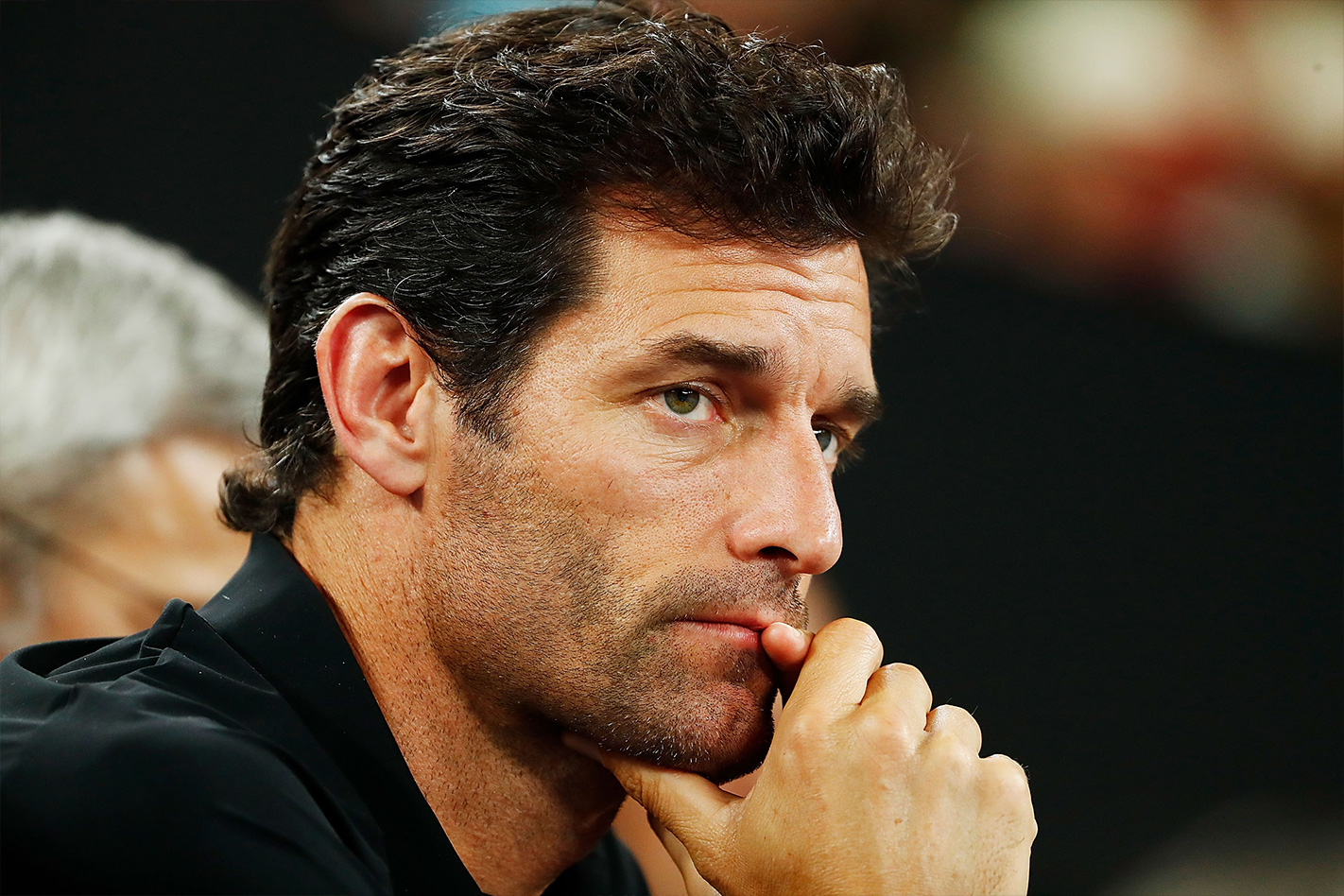
“I would rather him have stayed where he was, because there’s podiums and currency staying in the front few rows, irrespective of where Max [Verstappen] is.
“[Max is] a tough nut to crack, we know that, but you’ve got to be with him to try and at least have a crack.
“Renault, it is a concern the next few years. I like the team, I really like Enstone as a base, but engine-wise I think it’s a bit of a concern when you’ve just signed and the team boss says ‘we’ve got to get some budget caps in place’ – you don’t want to hear that as a driver.”
Ricciardo has amassed seven wins and 29 podium places from 100 starts with the Red Bull team, compared to Verstappen’s five wins and 22 podiums from 58 grands prix.
However, Renault bosses have warned Ricciardo it may be two years before their car is strong enough to add to his tally.
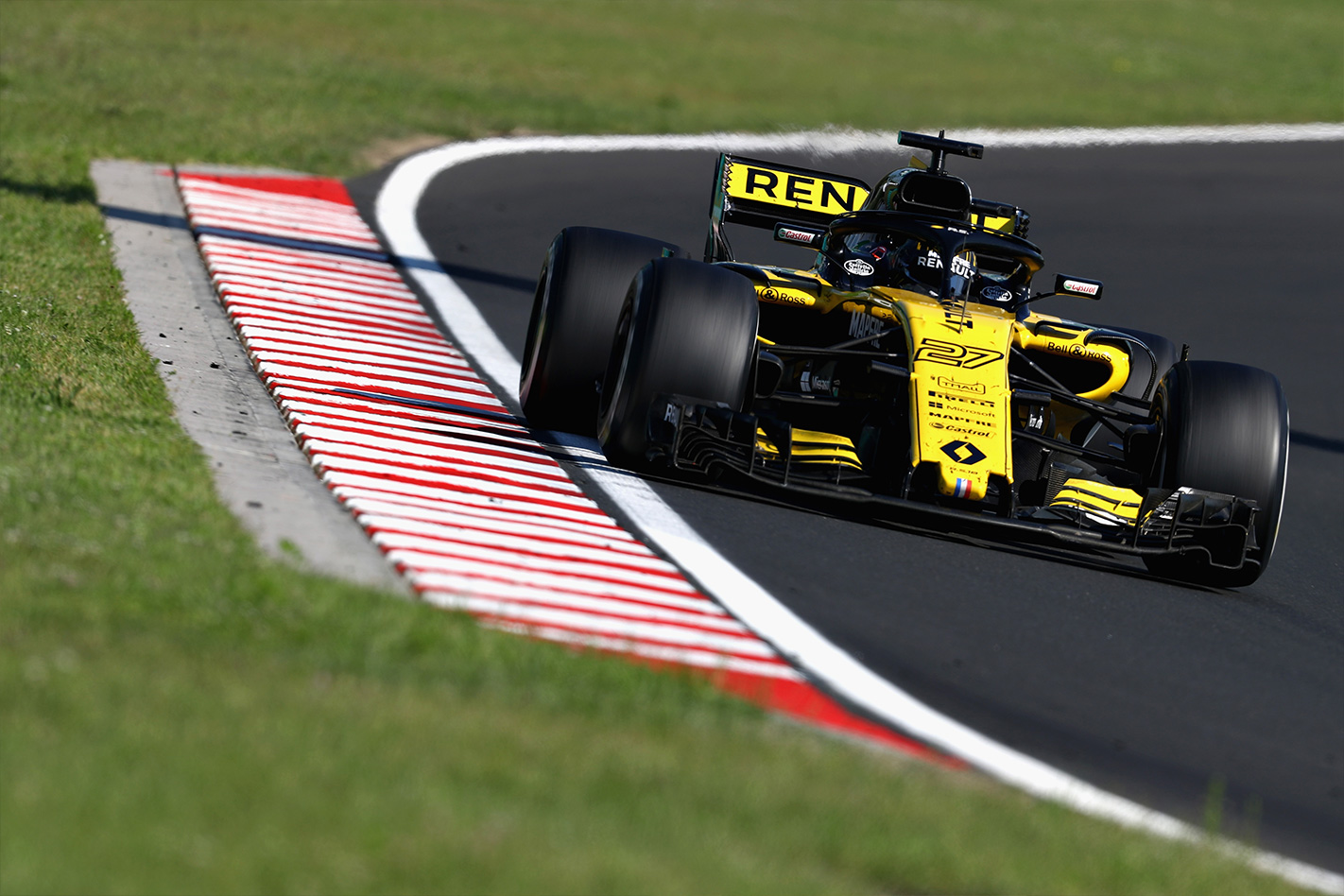
“He needs a nice quiet winter, regroup and come back,” says Webber. “But I think the top three teams are still going to be miles ahead.”
In fact, the Porsche ambassador predicts the performance gap between the top teams and the rest of the field may grow wider from next year with the incoming aerodynamic changes.
“This [2019] front wing, I know Red Bull alone has probably spent around 15 million Euros (A$23 million) just on the front wing changes. Sauber might have one million (A$1.5 million), you know?”
Changes for next year and 2020 include an updated (and supposedly simplified) front wing, changes to brake duct, bargeboard and rear wing design, as well as fuel and weight limit changes aimed at improving the spectacle.
One of the criticisms of the new Honda CR-V when it arrived last year was that active safety features such as autonomous emergency braking was only available in the range-topping VTi-LX AWD.
More than a year later Honda has extended the technology to another variant, the mid-spec VTi-S AWD albeit with a $1000 premium that will take its price to $36,490 when it becomes available on January 1, 2019.
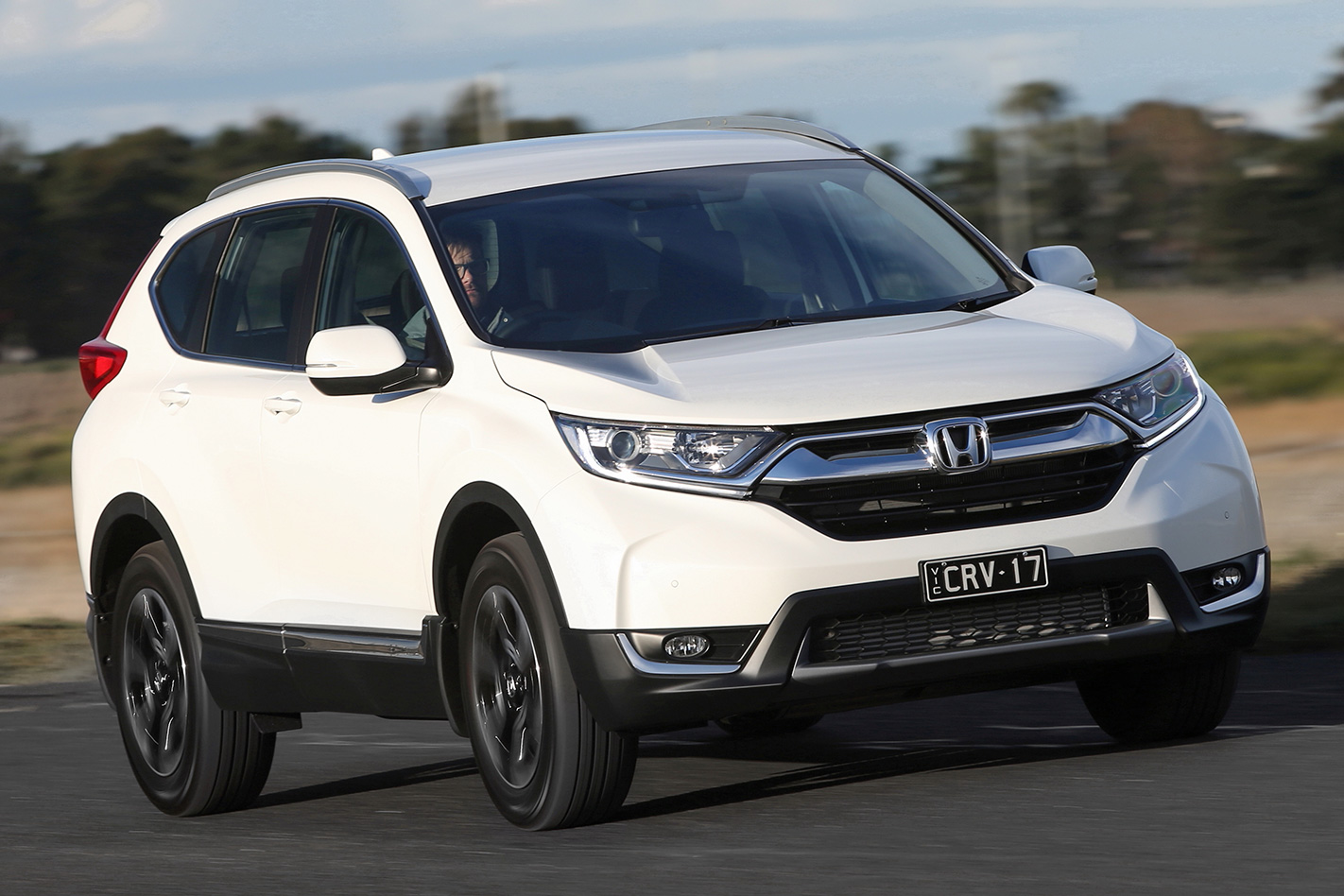
This still leaves the 2WD CR-Vs, including the seven-seat VTi-L, without Honda Sensing, which includes lane departure warning, adaptive cruise control, lane keep assist system, road departure mitigation, forward collision warning and autonomous emergency braking (AEB).
Unlike with the recent HR-V update, Honda has stopped short of making AEB standard on all models in the CR-V range, which puts it behind rivals like the Mazda CX-5, Toyota RAV4 and Subaru Forester, all of which come standard with the technology.
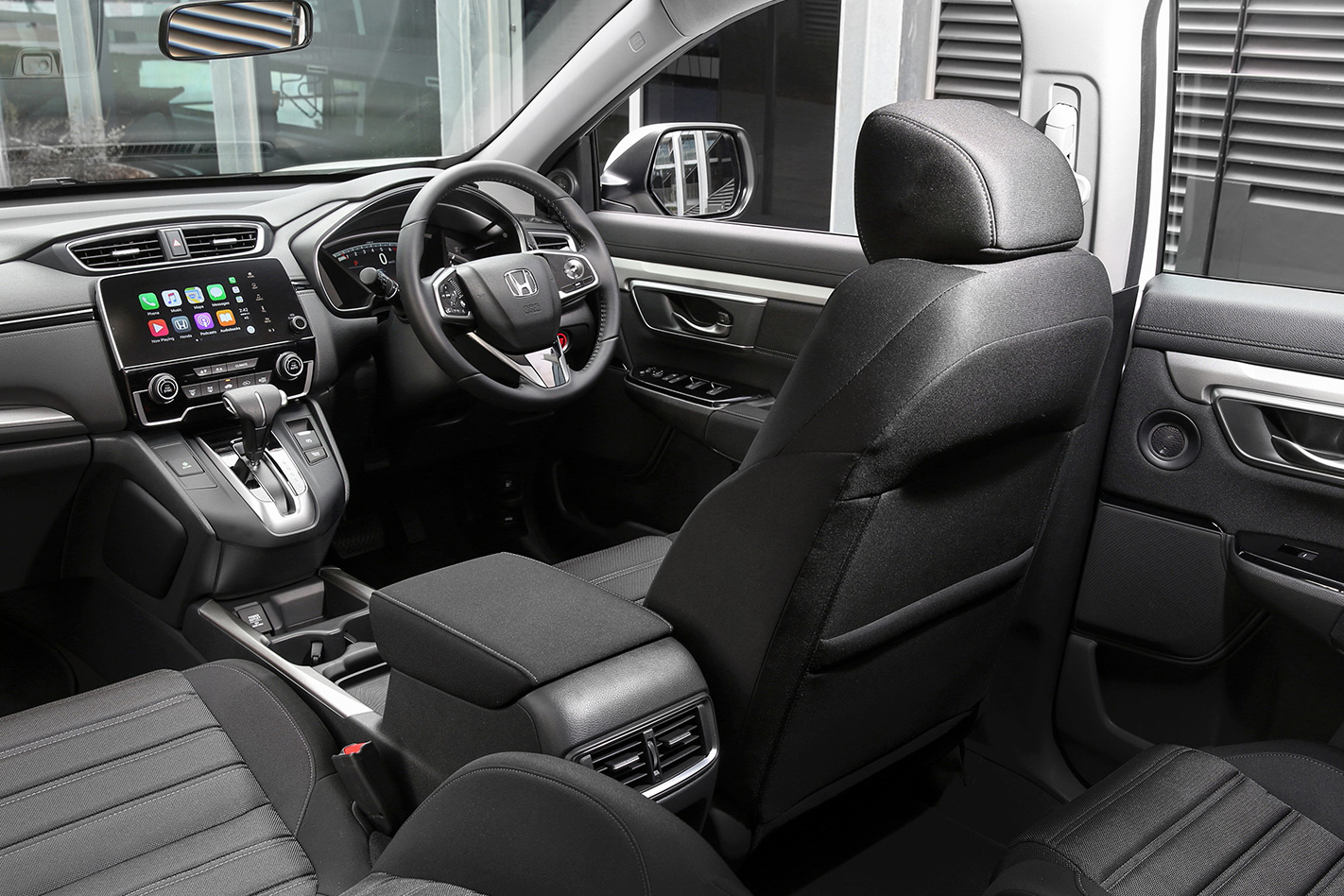
The full Honda Sensing package is still only available in upper-spec versions of the Accord, Civic, Odyssey and CR-V, with the company vowing to roll it out across its range by 2022.
The addition of Honda Sensing package to the VTi-S AWD is the only change to the 2019 Honda CR-V range, which is covered by the brand’s five-year/unlimited kilometre warranty.
2019 Honda CR-V pricing
- CR-V Vi – $28,290
- CR-V VTi – $30,690
- CR-V VTi-S – $33,290
- CR-V VTi-S AWD – $36,490
- CR-V VTi-L, 7-seater – $38,990
- CR-V VTi-LX AWD – $44,290
INFINITI has refreshed the Q30 and QX30 ranges by heavily culling the available variants, and adding more standard equipment in a bid to raise its popularity.
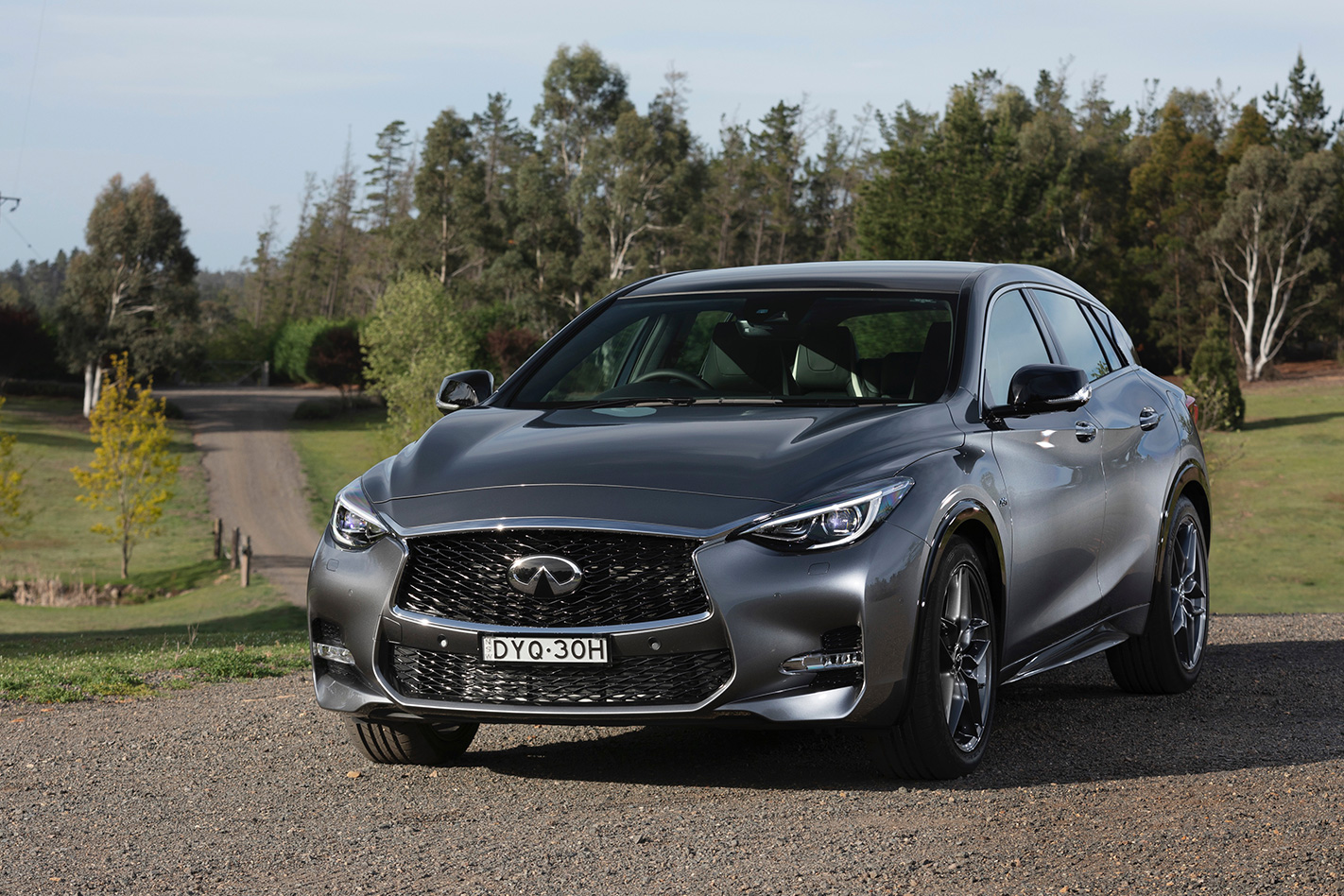
The Q30 range has been culled from five variants to just two, an entry-level ‘Pure’, and mid-spec ‘Sport’. Meanwhile, the QX30 range has been cut in half, leaving just a single ‘Sport’ variant.
Search Infiniti cars on sale now
Gone after the revision are the Q30 1.6-litre Turbo GT, the QX30 2.0-litre Turbo GT and all diesel options, while the Q30 2.0 litre Turbo Sport has become the Pure and the Sport Premium is now simply called the Sport.
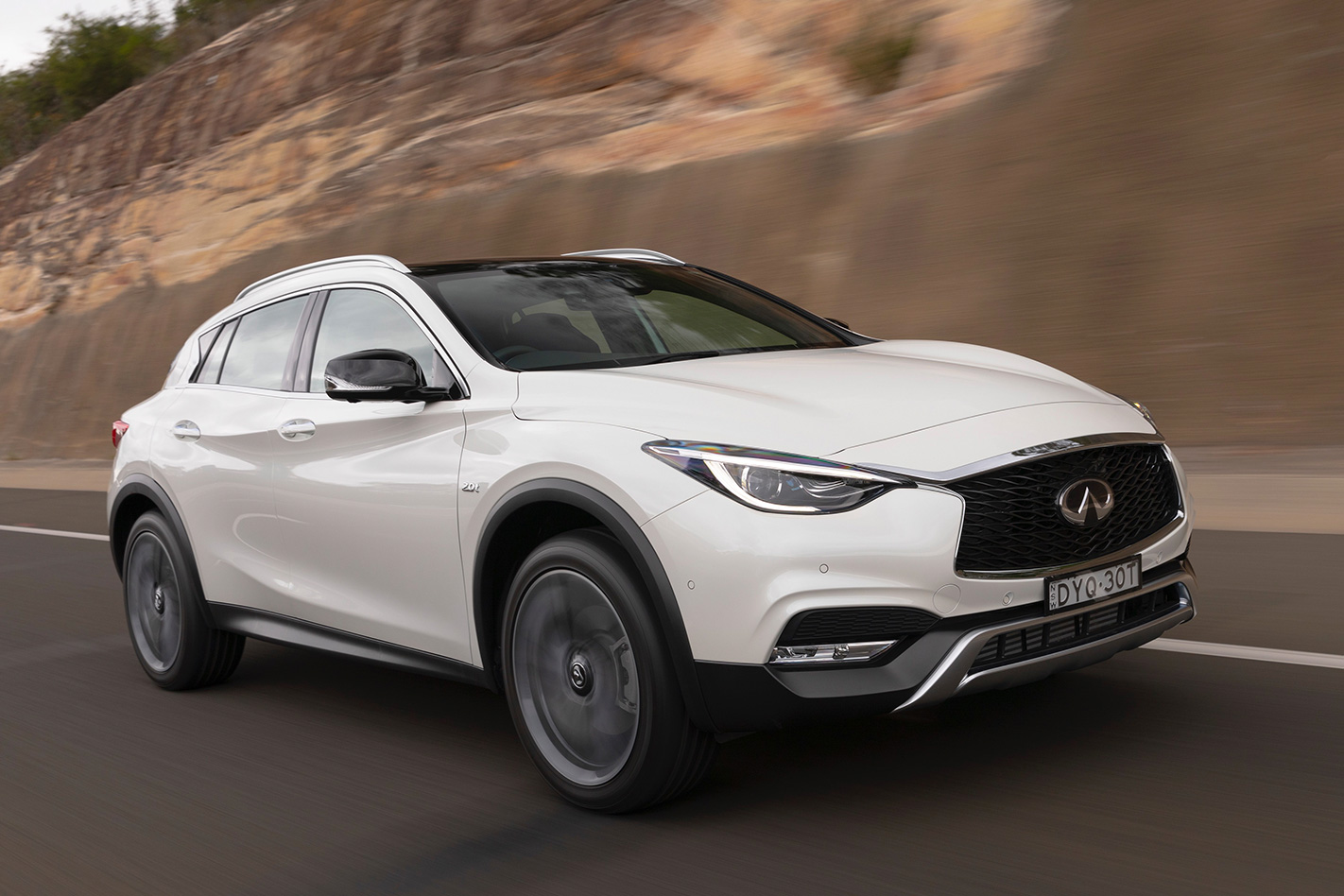
What was previously the QX30 2.0-litre Turbo GT Premium is now called the QX30 Sport, and is the sole high-riding model on offer.
Along with the model name changes, Infiniti has adjusted pricing for select Q30 and QX30 models, and will offer a limited driveaway pricing deal.
While the entry-level Q30 Pure price remains unchanged at $44,900 plus on roads, the Q30 Sport wears a $52,900 sticker price as standard. However, for a limited time the more heavily equipped Q30 is available at $46,888 driveaway. The QX30 Sport will have a $56,900 plus on-roads price as standard, with a $49,888 driveway price for a limited time.
All variants share the same 2.0-litre turbocharged four-cylinder engine, with 155kW and 350Nm.
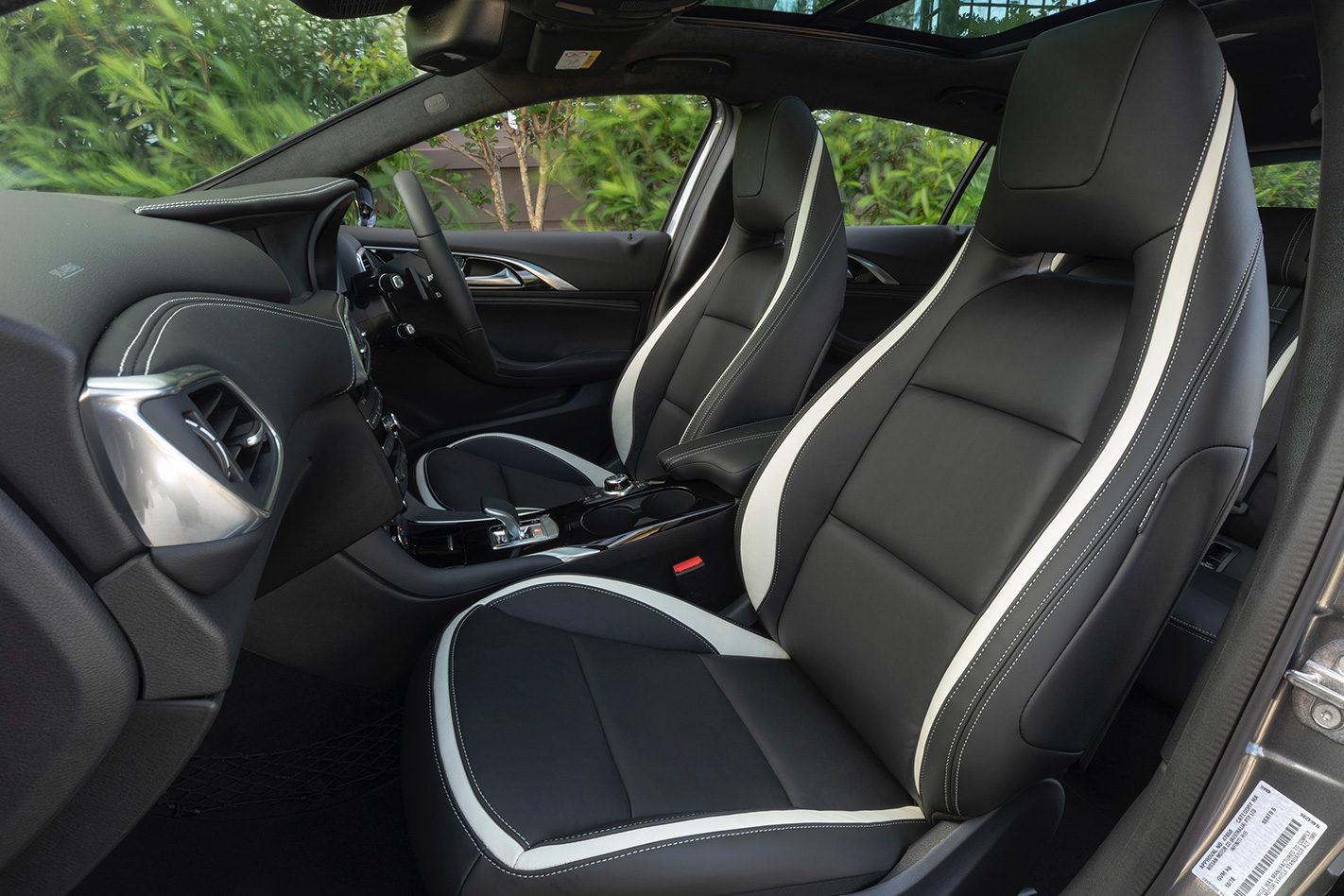
Entry-level Pure models are fitted with LED headlights, high beam assist, an adaptive front-lighting system, lane departure warning, traffic sign recognition, and a the new-to-the-range reversing camera as standard. Inside the cabin there is DAB digital radio, heated front seats, a leather-accented steering wheel and Alcantara/leatherette upholstery.
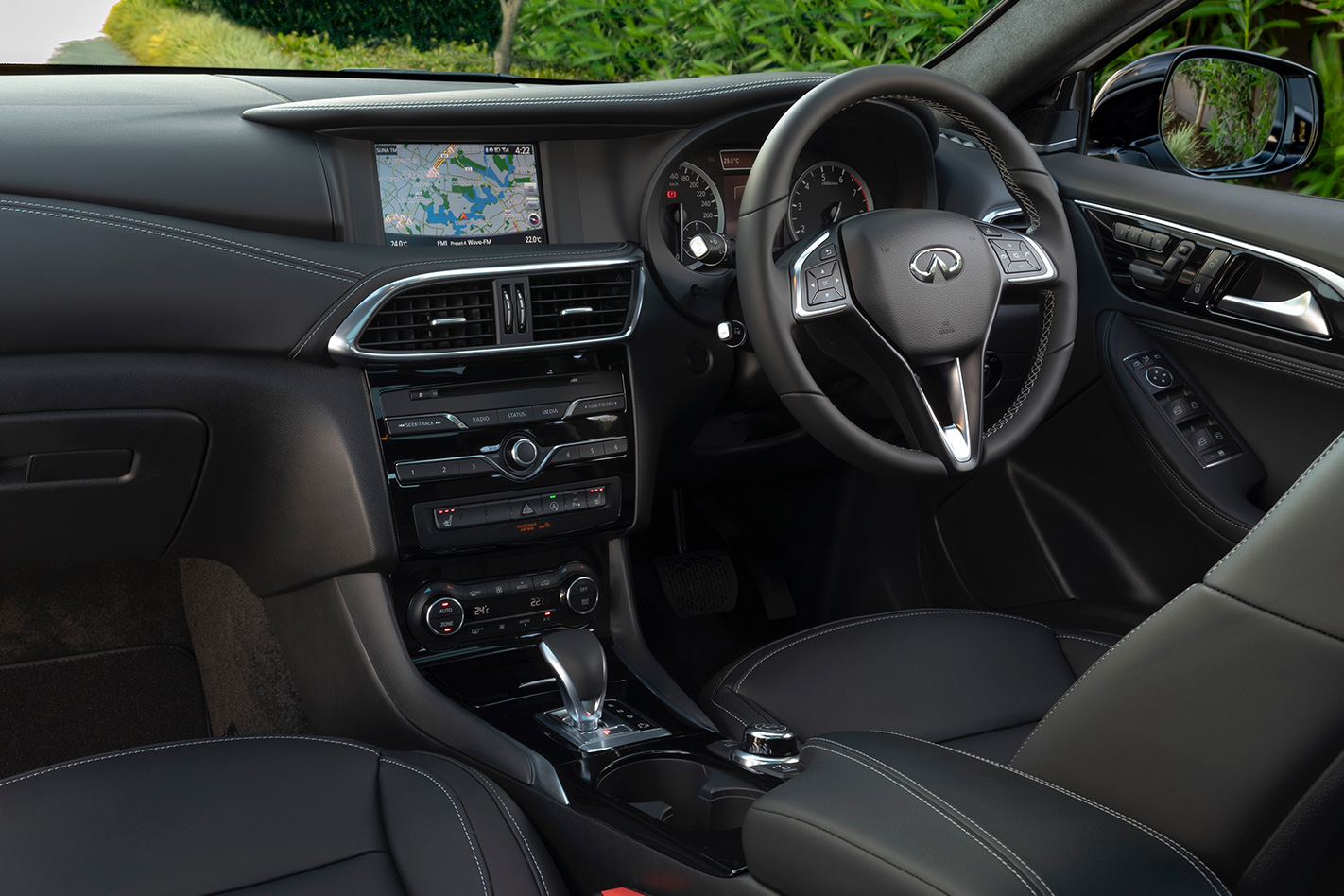
Stepping up to the Q30 Sport adds active cruise control, intelligent brake assist, blind spot warning, front parking sensors, a 360-degree camera, and park assist as standard. Inside the Sport gains a 10-speaker Bose sound system, automatic dual-zone climate controls with rear passenger vents, driver and passenger side seat memory and leather-accented features.
The QX30 Sport differs to the Q30 models thanks to its high-riding suspension, 19-inch wheels, all-wheel drive, and satin chrome plated inserts on the front and rear bumpers and satin chrome roof rails.
Updated Q30 and QX30 models are available now.
Nissan has announced it will add parts for R33 and R34 Nissan Skyline GT-Rs to its Nismo Heritage parts program, which launched last year for the R32.
The announcement was made at the Nismo festival which was held at Fuji Speedway in Japan over the weekend.
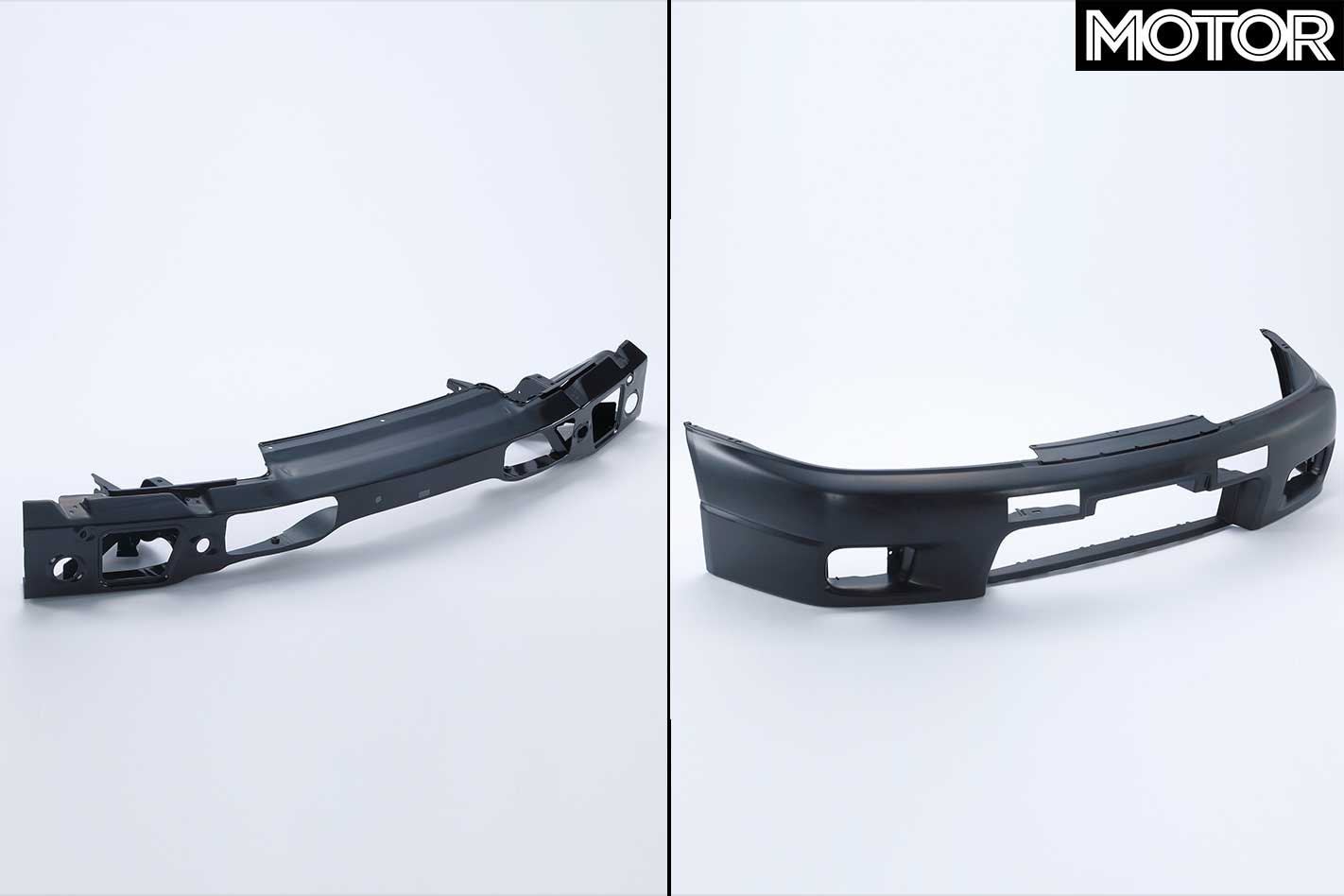
Nissan Motorsport division originally begin the program in 2017 with almost 80 parts available for the R32 Skyline GT-R.
However, due to Australia’s R32 GT-R population being vastly different to that of Japan in terms of its build, more parts are available to Australian R32 owners to account for the 125-plus unique parts.
Nismo says it’s also adding more parts to the catalogue available for the R32 including hard to find parts such as weather stripping or power window switches.
“The total number of available parts has doubled to about 160, making the Nismo Heritage Parts program the largest selection of parts for these models in Japan.
“Nismo continues to foster a close relationship with Nissan Skyline GT-R owners. Based on their input and requests, the Nismo Heritage Parts program may continue expanding the availability of R32, R33 and R34 parts.”
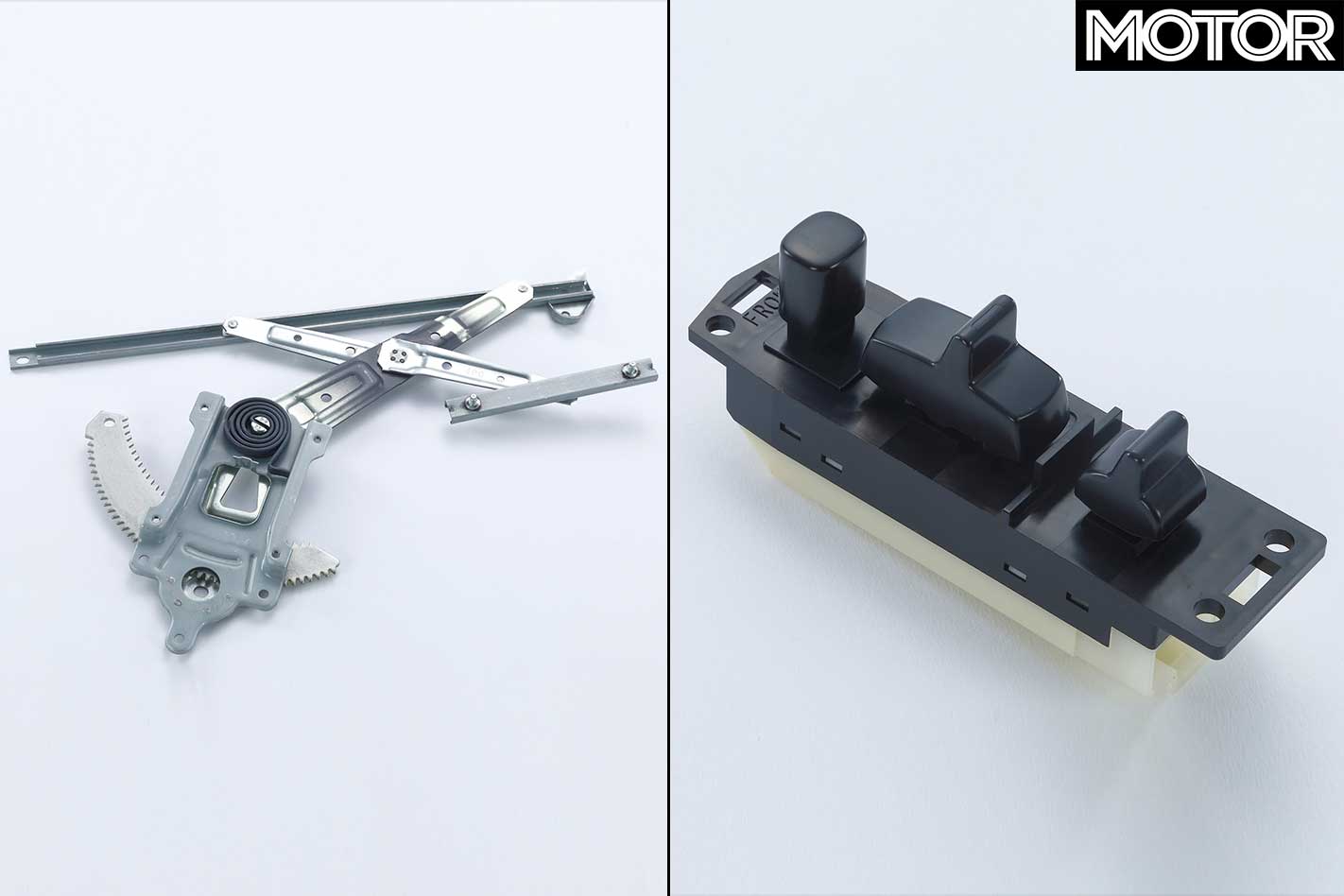
Steven Dunn, Nissan Australia’s product and technical training manager, last year confirmed the program would be available to owners in Australia.
“As we know parts are becoming harder and harder to get over here because unfortunately people crash their cars, and aluminium bonnets and guards are hard to source these days,” Dunn said.
“These are the parts that are out there that are really rare. So the prices are [climbing] and the need overseas is becoming quite big, especially in America.”
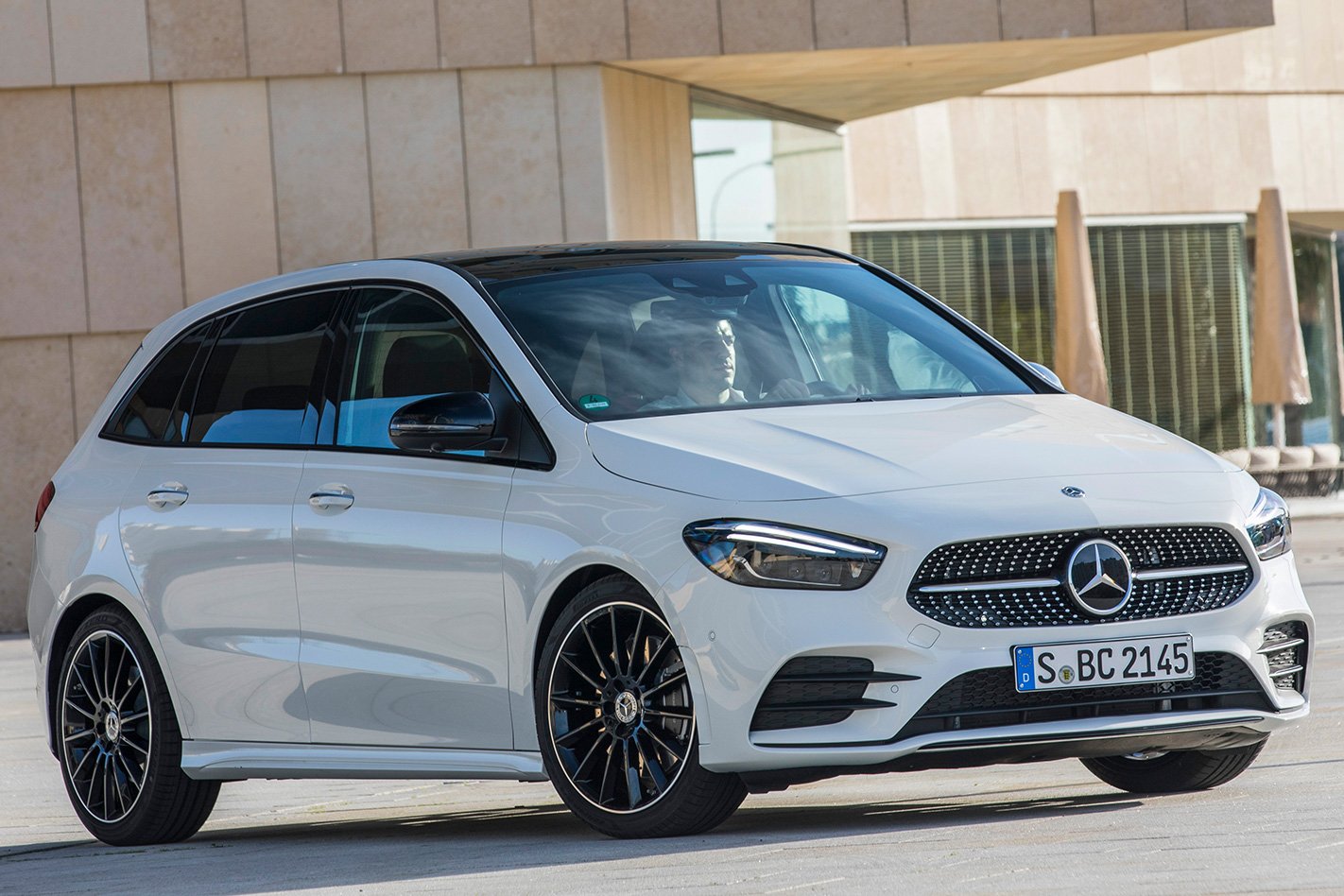
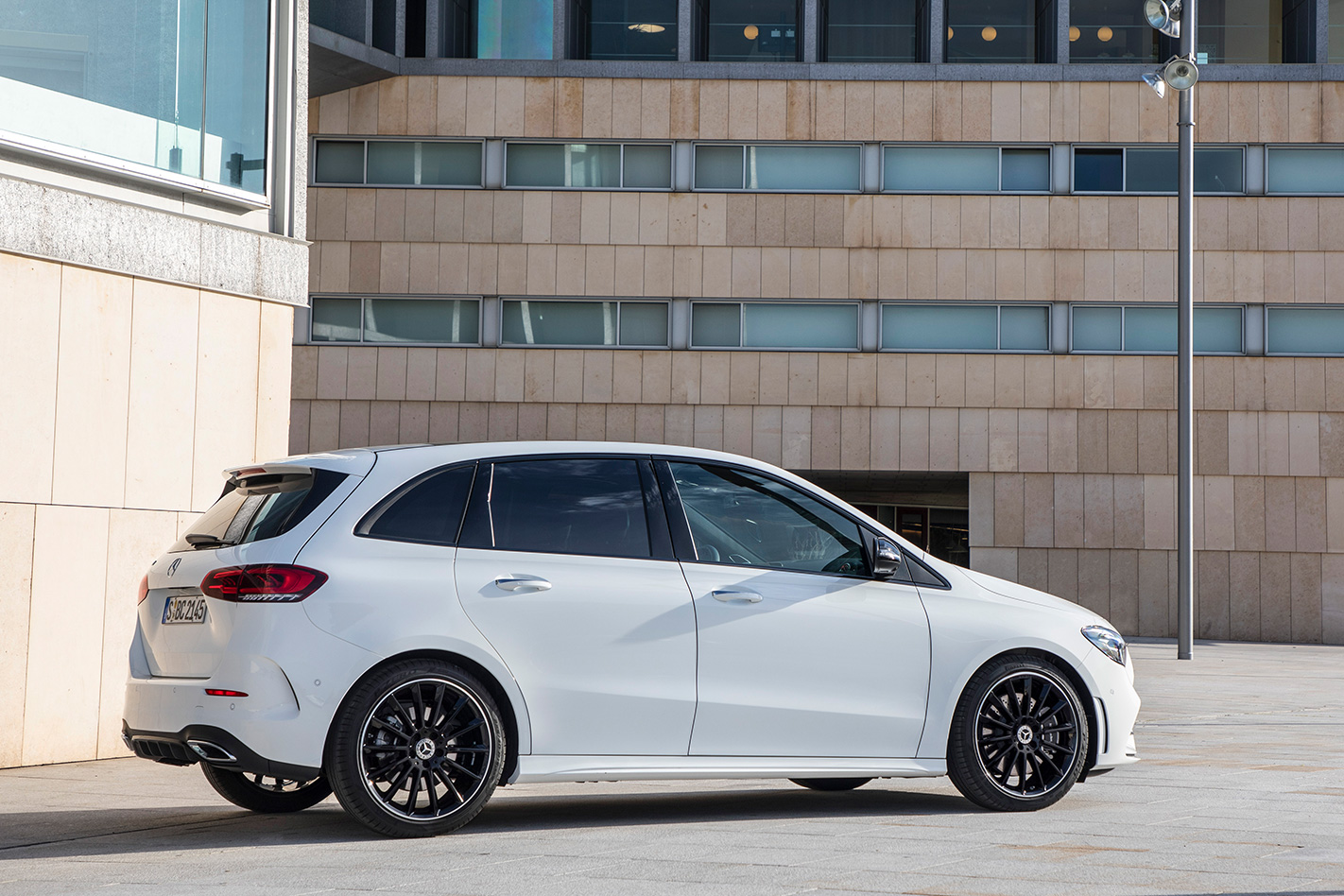
An unexpected star of the 2018 Motor Show, the all all-new B-Class minivan brings sharper styling than its bland predecessor, with a more coupe-like roofline, shorter overhangs and a longer wheelbase. We took the opportunity to drive the BMW 2-Series rival in Spain ahead of its Australian launch to see if performance matches its new-found dynamic look.
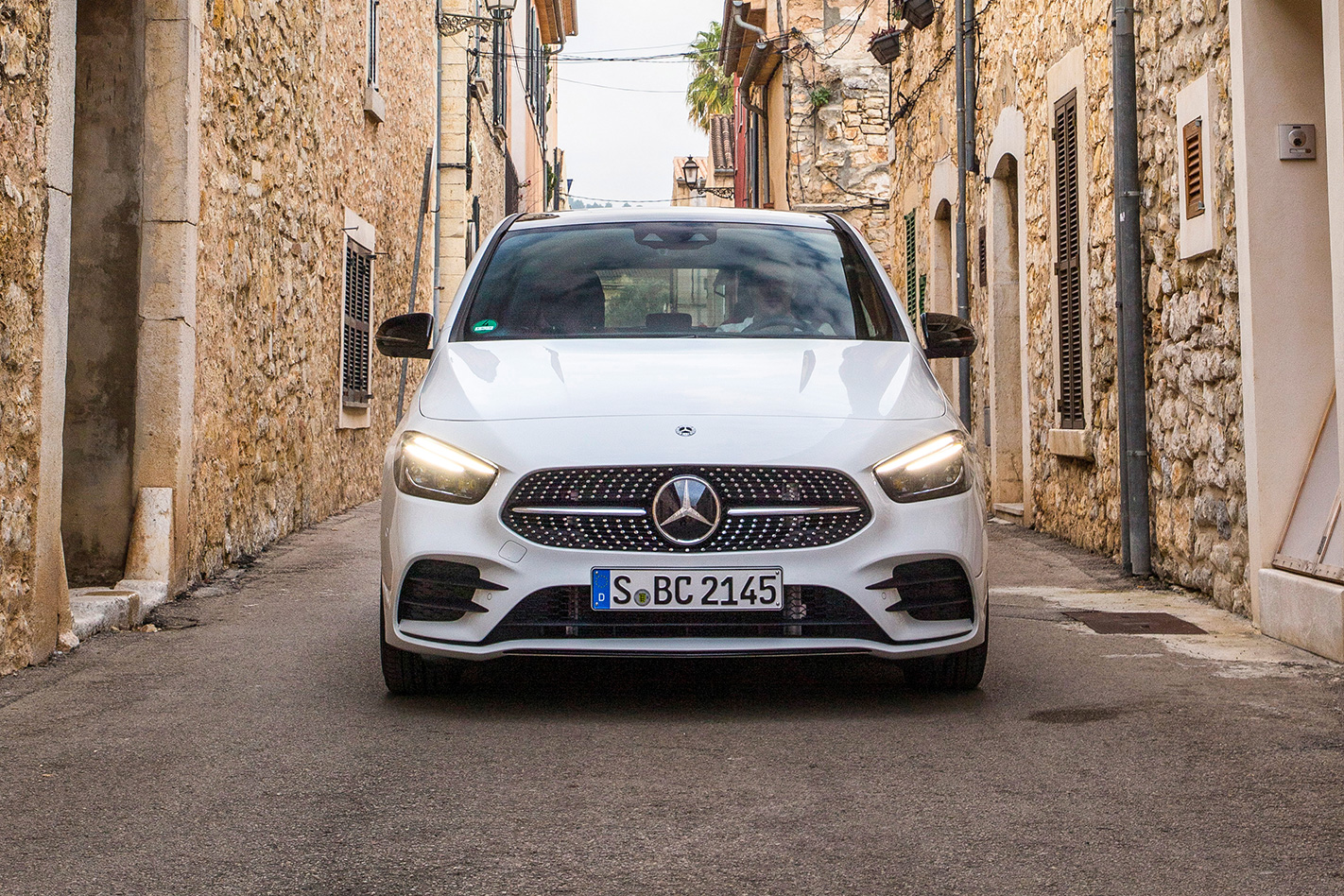
PRICING
Local pricing is not yet set, nor has Mercedes Australia locked in exactly which variants will be available. However, only petrol power will be offered, so we’d surprised if the range varied from the current B180 and B200 selection.
To offset the extra standard equipment, expect small increases over the current prices, which are $44,990 and $49,990 for the B180 and B200 respectively.
The Mercedes-Benz B-Class is covered by the brand’s three year/unlimited kilometre warranty.
STANDARD FEATURES
Both these models use the same 1.33-litre turbocharged four-cylinder engine. In B180 guise it produces 100kW/200Nm, while the more powerful B200 manages 120kW/250Nm. Both variants power the front wheels only, use a seven-speed dual-clutch gearbox and have identical fuel economy, claimed to be just 5.4-5.6L/100km, partly thanks to its very slippery shape.
Like the A-Class with which is shares its underpinnings, the B-Class comes with a very healthy standard equipment list, including 18-inch alloy wheels, Merc’s ‘widescreen’ cockpit consisting of two giant 10.25-inch digital displays, the latest MBUX infotainment control system, digital radio, reversing camera, LED headlamps with adaptive high beam, keyless entry and start, nine-speaker stereo, electric tailgate and wireless phone charging.
Rather than present customers with a bewildering list of options, Mercedes groups them into packages for ease of understanding. While the exact options list and pricing is not yet confirmed, the A-Class options list below provides a very good guide as to what to expect:
- Communications Package $2490 – 12-speak Burmester premium sound system, head-up display.
- Vision Package $2490 – adaptive high beam assist plus, multi beam LED headlights, panoramic sunroof, parking package with 360-degree camera.
- Night Package $1990 – tinted glass from B-pillar back, black mirrors, black wheels and gloss black trim.
- Sports Package $1990 – 18-inch AMG wheels, AMG bodykit, lowered suspension, sports seats, shift paddles, sports steering wheel, extensive exterior and interior trim updates.
- Seat Comfort Package $2090 – fully electric front seats with memory function and heated, passenger mirror with reverse parking function.
- Exclusive Package $2990 – Ambient lighting, black open-pore wood trim, heated and ventilated front seats, dual-zone climate control (only in conjunction with Seat Comfort Package).
- AMG Exclusive package $3150 – as per Exclusive but with adaptive dampers and multi-link rear suspension (only in conjunction with Sports Package).
SIZE
Size is the B-Class’s trump card; it’s likely to be why you’re shopping for one in the first place. Despite being exactly the same length and width as an A-Class, it offers an extra 85 litres of boot space, though its 455-litre figure is 33 less than its predecessor.
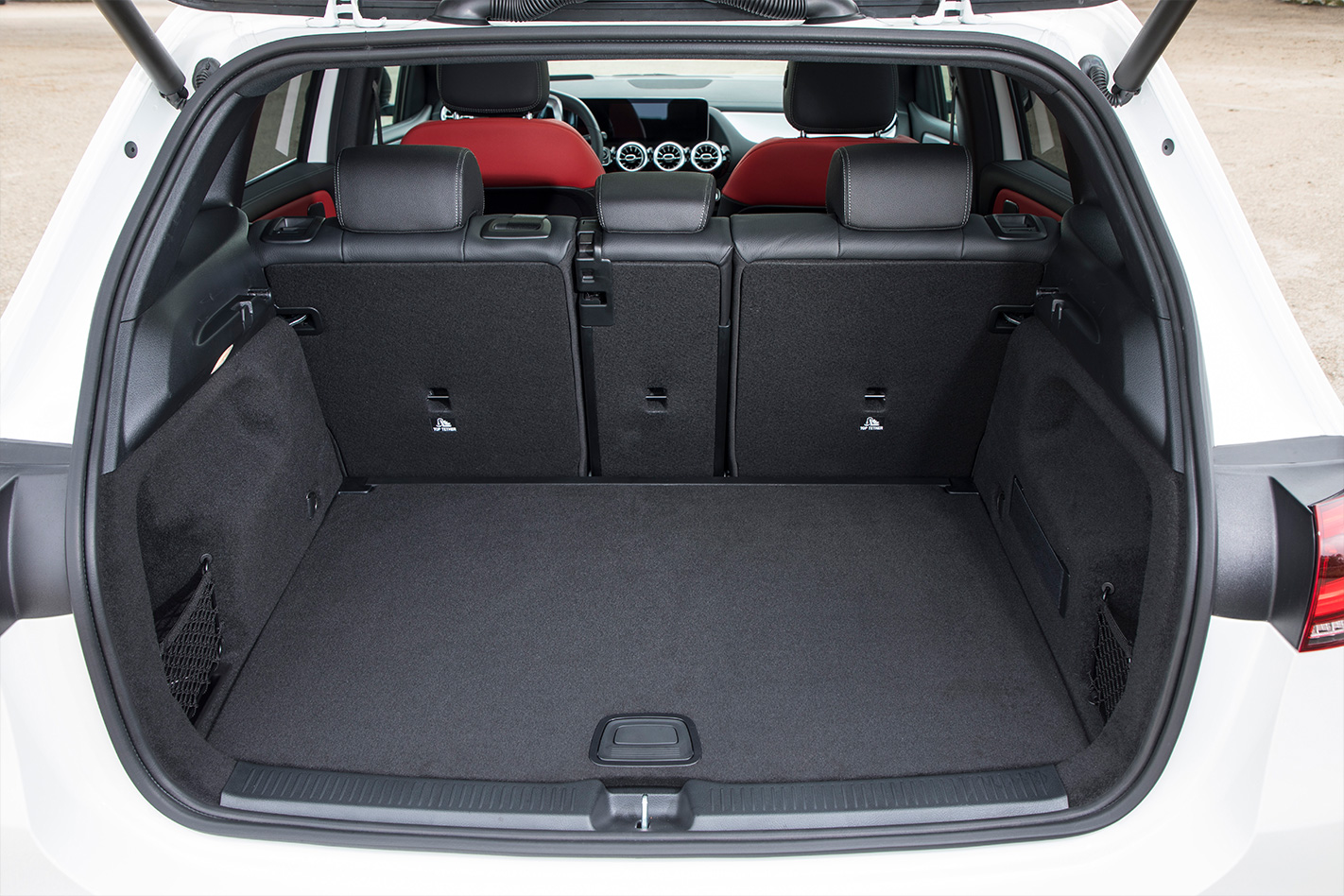
Fold the 40:20:40-split rear seats down and this increases to 1100 litres, 35 more than the previous B-Class. Better yet, from mid-2019 production there will be the option of a sliding rear seat with ‘cargo function’ backrests, which basically sit bolt upright to allow large, square objects to fit snugly, and a folding front passenger seat. So equipped, the B-Class can swallow 705 litres with the rear seats shuffled forward 140mm, while in its most accommodating state total space is 1540 litres.
The major dimensional difference compared to an A-class is height. Being 122mm taller allows the driver’s seat to be mounted 90mm higher for a more commanding driving position.
SAFETY
Occupant safety is well catered for with nine airbags, comprising front, pelvis, side and window airbags for the driver and passenger, side bags for rear passengers and a knee bag for the driver.
In addition, there are all manner of active safety systems included as standard, including autonomousemergency braking, blind spot warning, lane keep assist, brake assist, cross wind assist and park assist. These can be boosted by the options Driving Assistance Package, which includes active cruise control, lane change assist and traffic jam assist. That’s a lot of assistance.
COMFORT
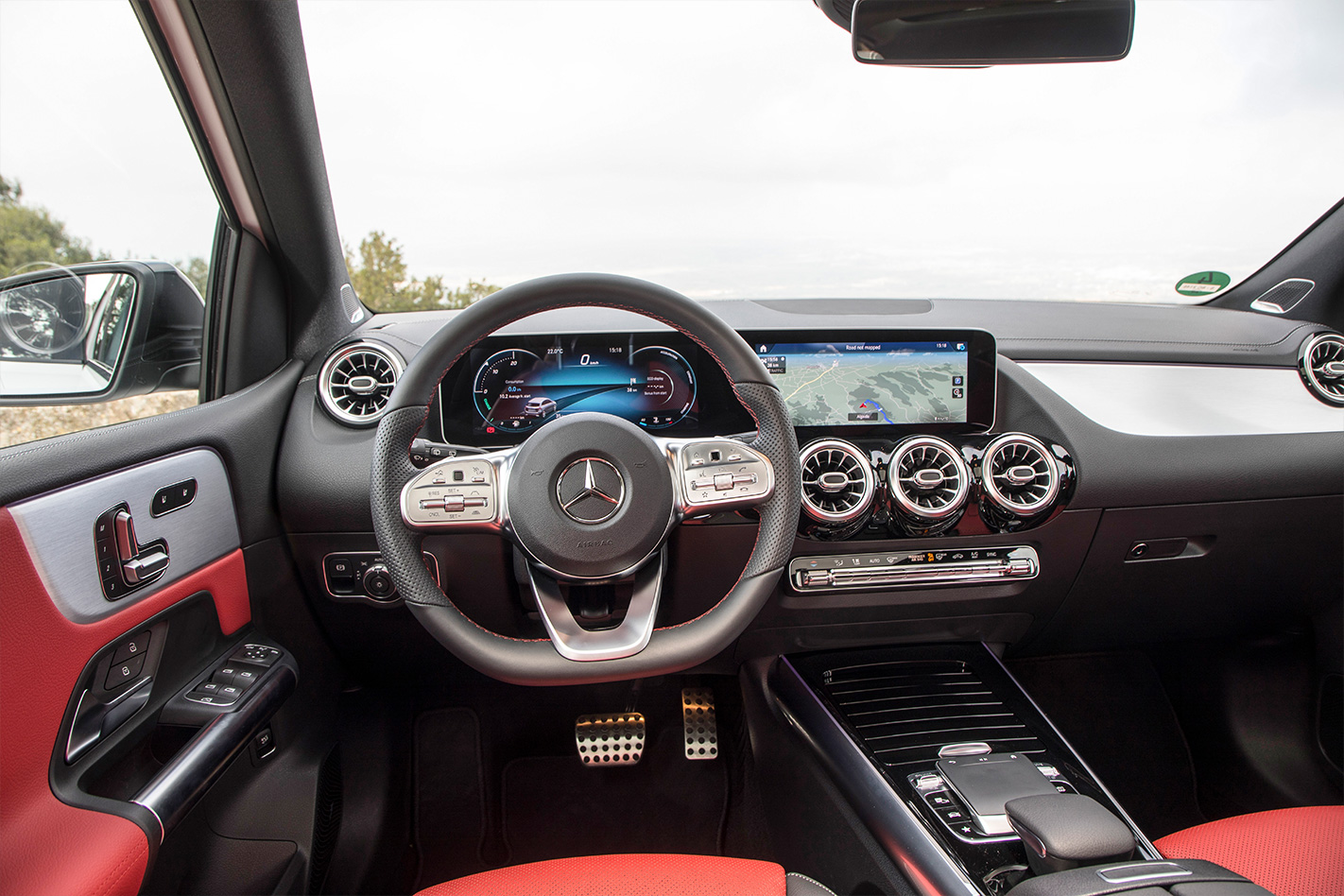
The latest generation of Mercedes interiors have serious sex appeal. Practical doesn’t have to mean boring, and the giant digital screens, beautiful air vents, and squishy dash all give the B-Class a luxury aura. Plastics on the lower dash and around the centre console are hard and scratchy, but the upper-dash is so nice that it’s easy to forgive.
There’s a tremendous amount of glass in the B-Class that, when combined with the elevated driving position, provides an excellent view of your surroundings.
The higher roof means headroom is no issue and the raised front seats provide excellent foot room in the back to go with the ample leg and shoulder room. The rear cushion is a tad short, but four adults should travel in comfort and five shouldn’t be too much of a squeeze.
ON THE ROAD
One very important option is likely to make a big difference to the on-road behaviour of the B-Class. Without the fancier multi-link rear suspension and adaptive dampers fitted as part of the AMG Exclusive Package, the A-Class has a brittle ride that’s unbecoming of a Mercedes-Benz.
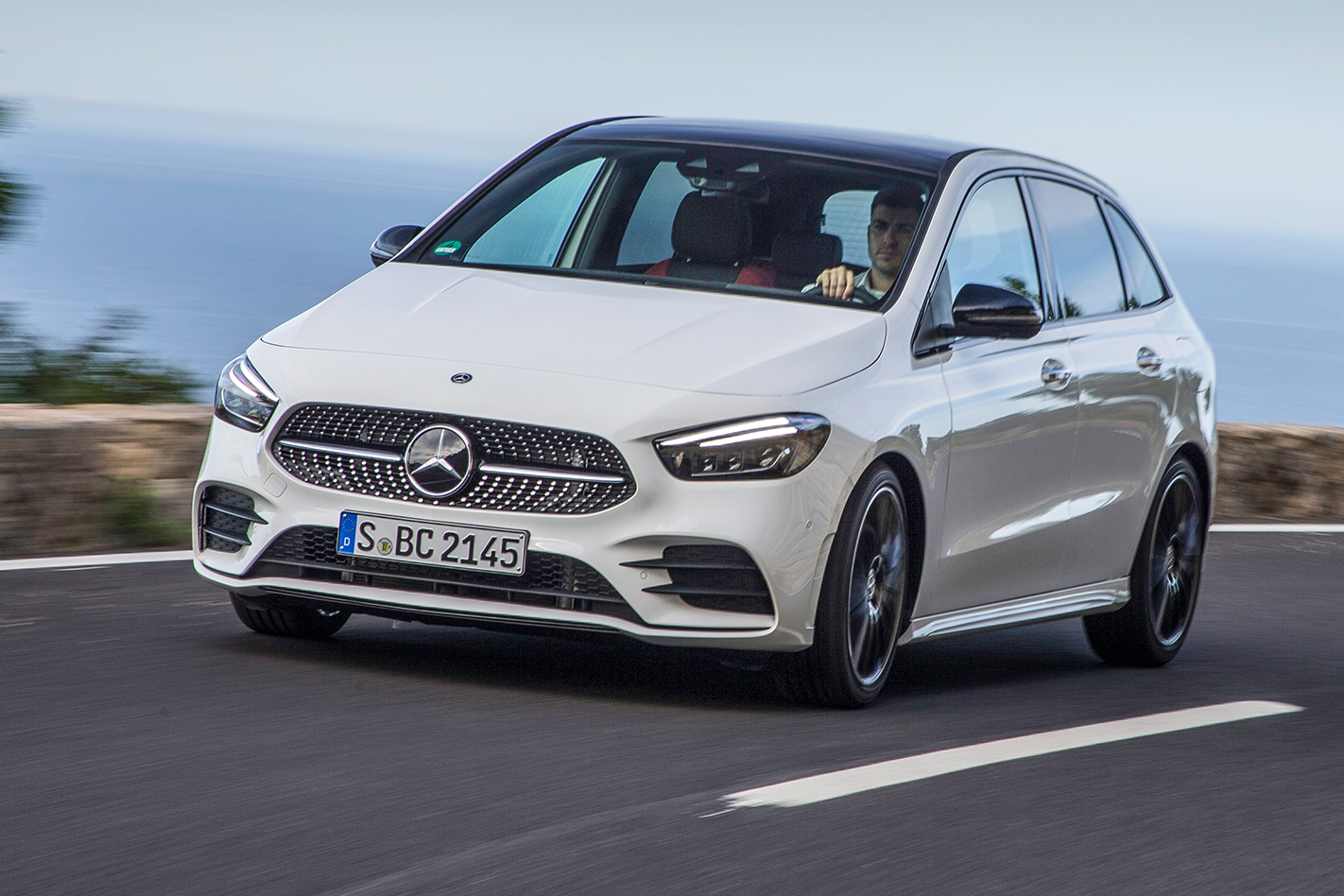
The fact that every single B-Class at the Spanish launch was fitted with this suspension suggests the B-Class is no different. The good news is that, with this box ticked, it’s a much more comfortable car – almost too comfortable, in fact. The B-Class uses softer suspension than its hatchback sibling, and at highway speeds it can ‘float’ a bit, like you’re bobbing along in a boat.
Selecting Sport for the suspension tightens up these motions, though, and around town the regular Comfort mode soaks up speed bumps and the like without fuss. Despite its sleek aerodynamics, there is a bit of wind noise at speed and the petrol engine is quite vocal when extended.
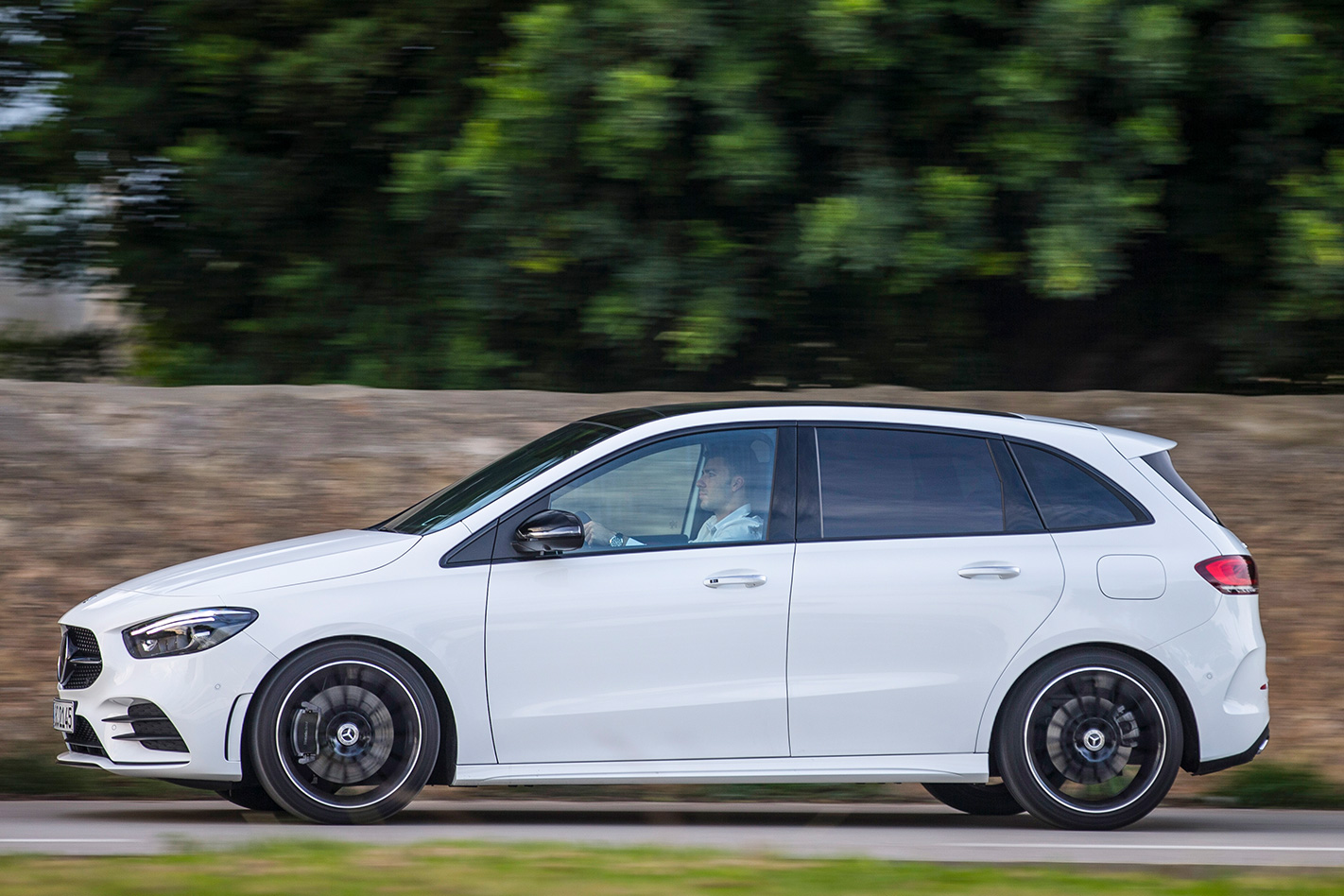
The drivetrain is the B-Class’s greatest weakness. It’s adequate for its intended role, but with the Euro-spec 140kW/400Nm diesel with the new eight-speed dual-clutch (which, admittedly, would no doubt be more expensive) the B-Class is punchy, responsive and has a pleasing (albeit artificial) growl. In comparison, the petrol versions bound for Australia sound buzzy and lack performance.
OUR VERDICT
Nonetheless, the B-Class is the car many would be wise to consider instead of a small SUV. It’s well packaged with a classy interior and, with the optional multi-link suspension, a comfortable ride. An ideal set of attributes for a young family, for instance.
The lacklustre drivetrain isn’t ideal, but nor is it a deal-breaker for a car in this segment. It should at least be relatively frugal.
The B-Class is likely to remain a niche product in Australia, but those who have fallen for its attributes will do well to investigate the new model when it arrives in mid-2019.
One of the most revered performance nameplates in the motoring world has been resurrected… but we reckon the return of the Mitsubishi Evolution is a long shot at best.
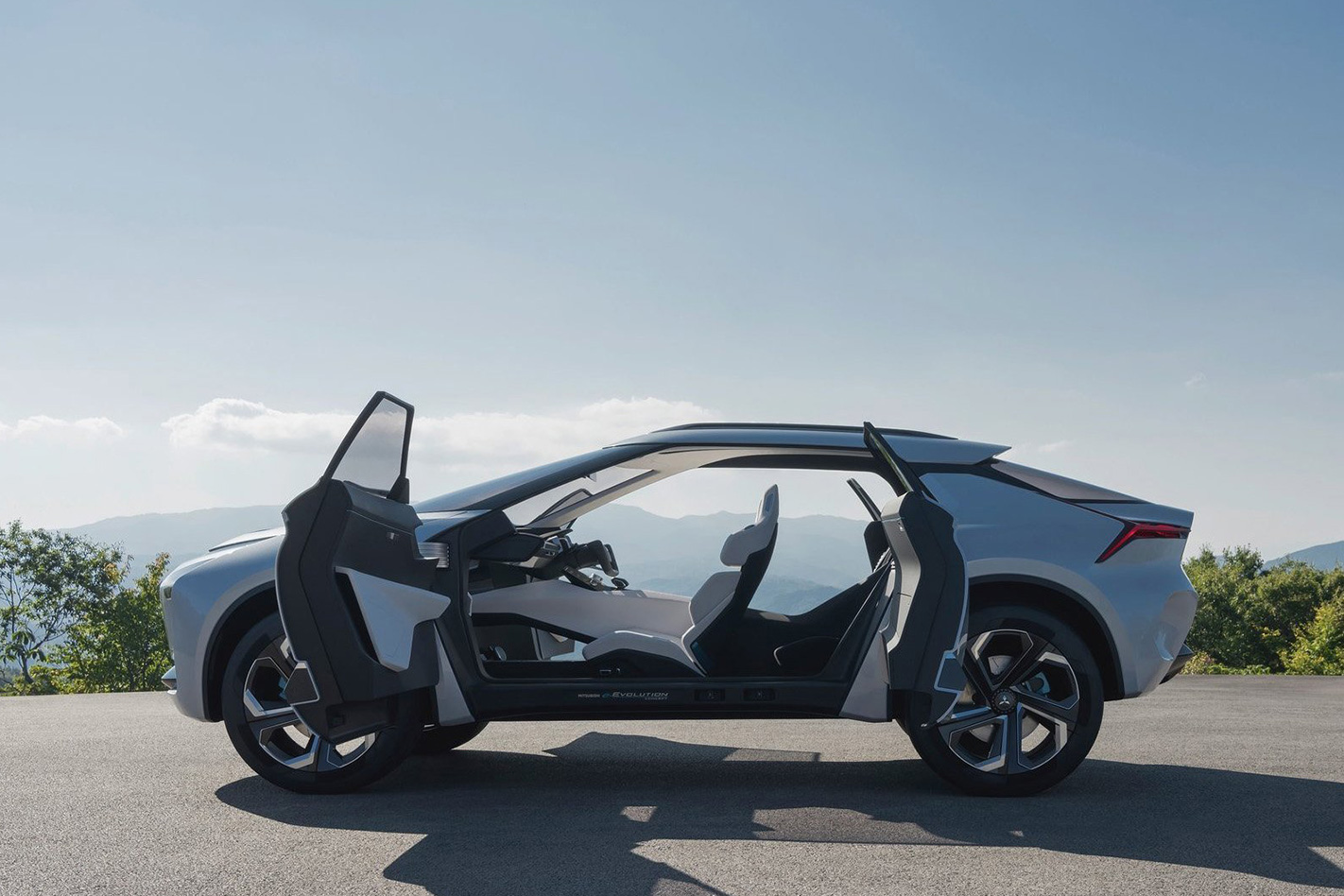
Shown off last week at the Los Angeles motor show after its debut last year in Japan, the Japanese company is presenting the e-Evolution Concept as a cross between an electric car, small SUV, performance crossover and real-life video game.
The last EVO – which did battle with Subaru’s similarly specced WRX – left our market in 2015, leaving Mitsubishi with not-so dynamic range led by the likes of the Triton ute, the ageing Outlander and the affordable but bland ASX.
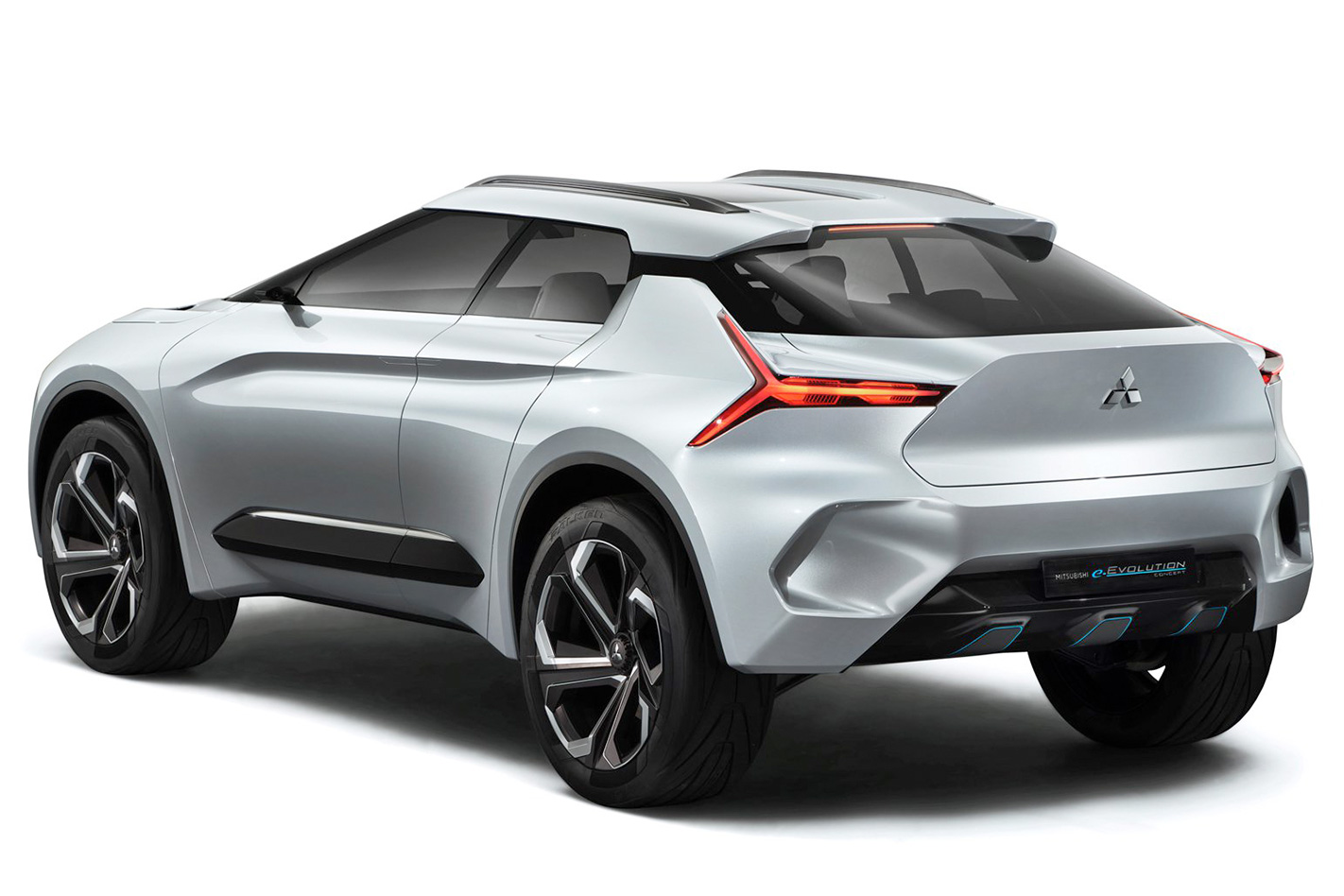
It does still offer the excellent Outlander PHEV petrol/electric hybrid SUV, which is set for an update in 2019.
The e-Evolution concept is sized somewhere between the now-ancient ASX and the brand’s latest SUV, the Eclipse Cross, and will – if it makes it into production – sport a trio of electric motors and a floor-mounted battery array.
Why a trio of motors? A single electric motor will add power to the front axle, while the rear axle will score a motor for each wheel. The pair will be used in conjunction with the company’s Super All Wheel Drive system and an active yaw-split torque control controller on the rear axle to provide a high level of chassis control.
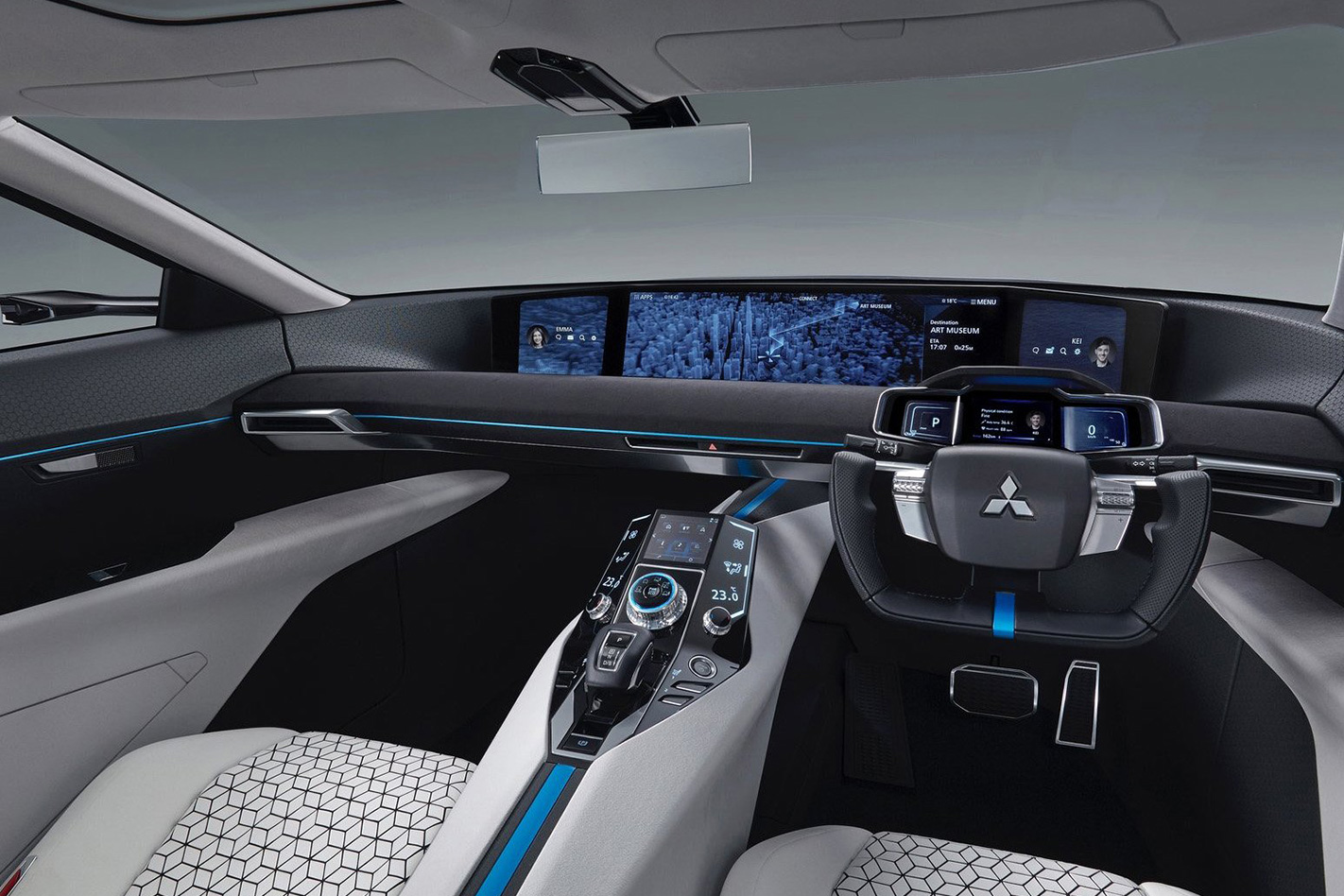
Mitsubishi’s EVOs were renowned for their cornering prowess, so it’s little surprise that the e-Evolution concept would go down this path.
The concept takes this idea one step further, though, with the company suggesting that it could add artificial intelligence and machine learning to the driver loop to improve their skills.
The car would use AI to cross-reference its own responses to the driver’s inputs, and prevailing road conditions to add or deduct torque or braking at all four corners to improve handling, while voice and visual prompts are fed to the driver to help them find their inner four-time World Rally Championship winner.

Mitsubishi is fond of a good concept car, and the e-Evolution concept is probably as much a pointer towards the company’s next small SUV.
The ASX, for example, is almost old enough to go to high school, despite its continuing sales success against cars like the Mazda CX-3.
However, the brakes may well be on within the walls of Mitsubishi HQ in Tokyo, as the scandal involving former head Carlos Ghosn rolls on.
The company is the third wheel in the Renault-Nissan-Mitsubishi Alliance, and any plans that the disgraced former leader put in place may take some time to unravel before a concrete model replacement plan is put in place.

Ghosn’s plans for all three companies to share platforms and technologies included using Mitsubishi’s EV expertise in conjunction with Renault, while vehicles like the Triton and the Nissan Navara, for example, would share a new common platform in future generations.
So will we see the e-Evolution make production? Never say never – much of the technology is viable and current, but it’ll be a few years before something this cool hits the EV space.
The 2018 Los Angeles Auto Show wasn’t the biggest motoring expo ever held, however it did have its fair share of significant new models.
Some of these, including the next-generation Mazda 3, Porsche 911 and Toyota Corolla sedan, and the Jeep Gladiator ute, have already been confirmed for Australian showrooms and are expected to make an impact on the local motoring scene as we head into the 2020s.
Click on the above gallery to learn more about the LA Motor Show reveals that will be heading Down Under.
Performance-car speed records are tumbling thanks to faster vehicles with more power and downforce, however, as this quick video shows, little credit is given to the huge advances in tyre technology.
California Speedway, Ontario, USA; the warm spring air is pregnant with nitro fuel and loud NASCAR music: $99 for a five lap ride, $499 and the wheel is yours, $999 even pays for the collision damage waiver.
This review was originally published in MOTOR’s July 2006 issue
While the big oval is dotted with the good old boys giving their best, the tight in-field track is today in the hands of the Ford PR crew. After a stopover night in Detroit and a total time of 15 hours flying time, I sign my life away for two laps in the new Shelby GT500. Two laps: one recce, one quickie.
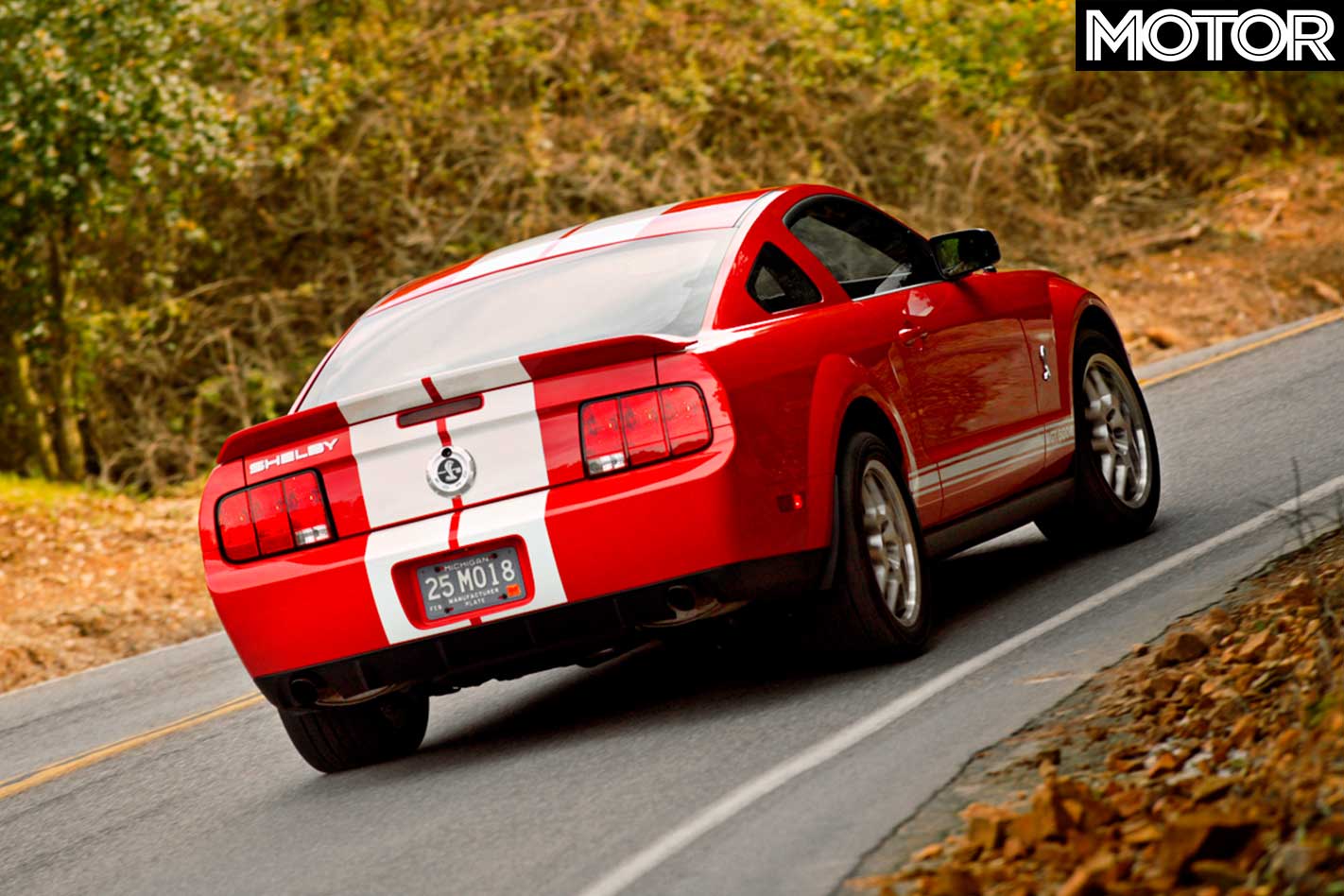
The track is quite well laid out considering the limited acreage inside the bowl, but unfortunately the tarmac is decorated with enough slow-down cones to make a Pommy feel homesick, and there is always a Mr Nervous in the passenger seat. Are you really sure you want to deactivate traction control? I am, mate, I am.
Let’s face it: my allotted two laps are a huge disappointment. The 354kW Stang is all over the place, the brakes feel woolly, the steering never connects the way it should, and the live rear axle is obviously proud of its black belt in kick boxing.
Sure, the engine drums up heaps of torque at the word go, but the hot tyres sweat rubber at a smelly rate, and the directional stability shines only on the two long straights and through the two fastest corners.
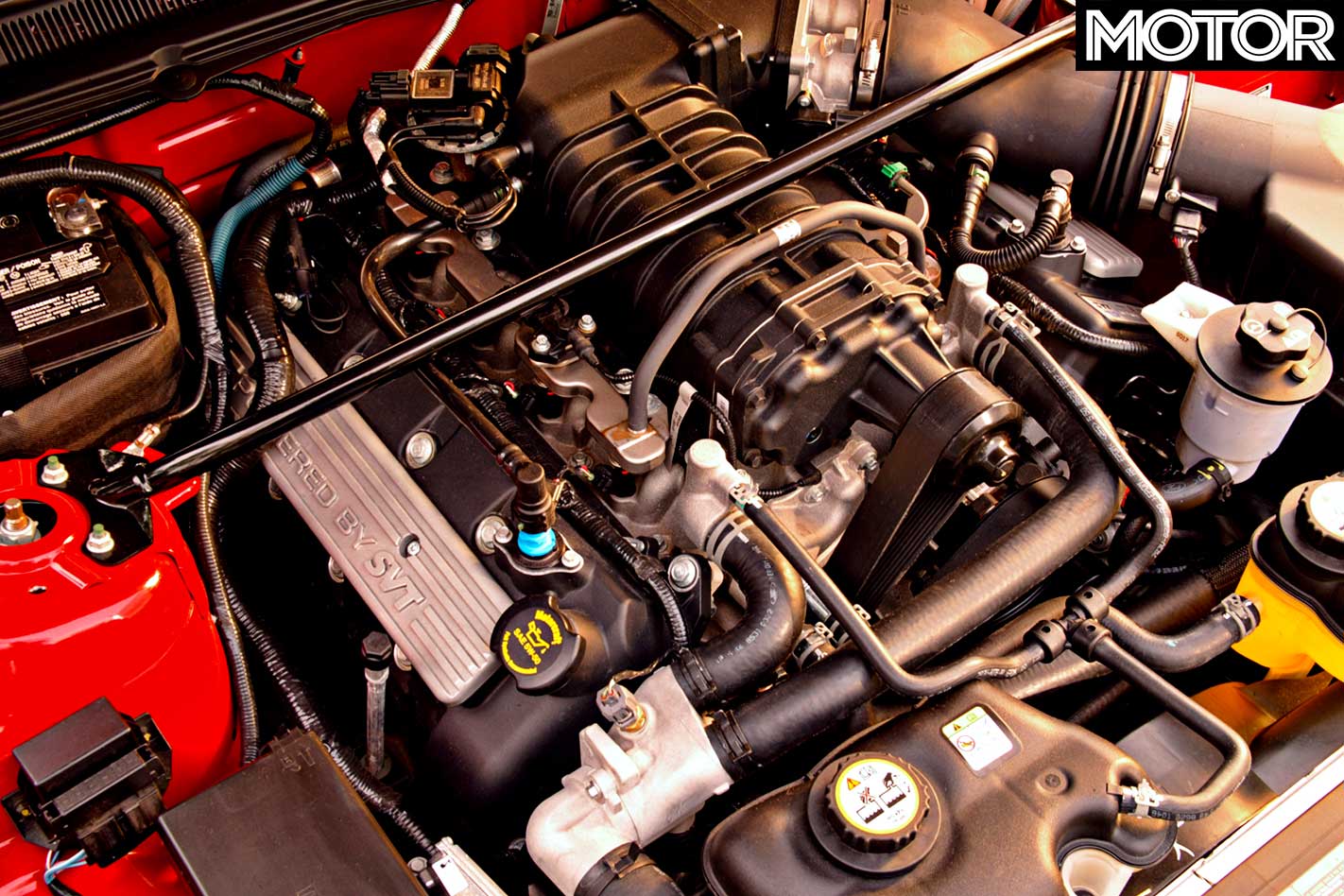
There’s no doubt about it, this is a crude car. A machine whose genes seem to date back to some distant industrial revolution. And yet this is the brainchild of the legendary Carroll Shelby, now 83, who describes himself as a hopeless hot rodder, who looks 30 years younger the instant he gets behind the steering wheel.
There’s only two cars for 16 hacks, and they all love Detroit muscle. Standing by the fence and listening to the Richard Petty Driving Academy instructor, I allow some second thoughts.
The new Shelby Mustang does look cool. Very cool, even in the eyes of the 54 year-old rookie from Austria who did not grow up in white T-shirts with double blue stripes, and who never went to Laguna Seca or to Elkhart Lake with his dad.
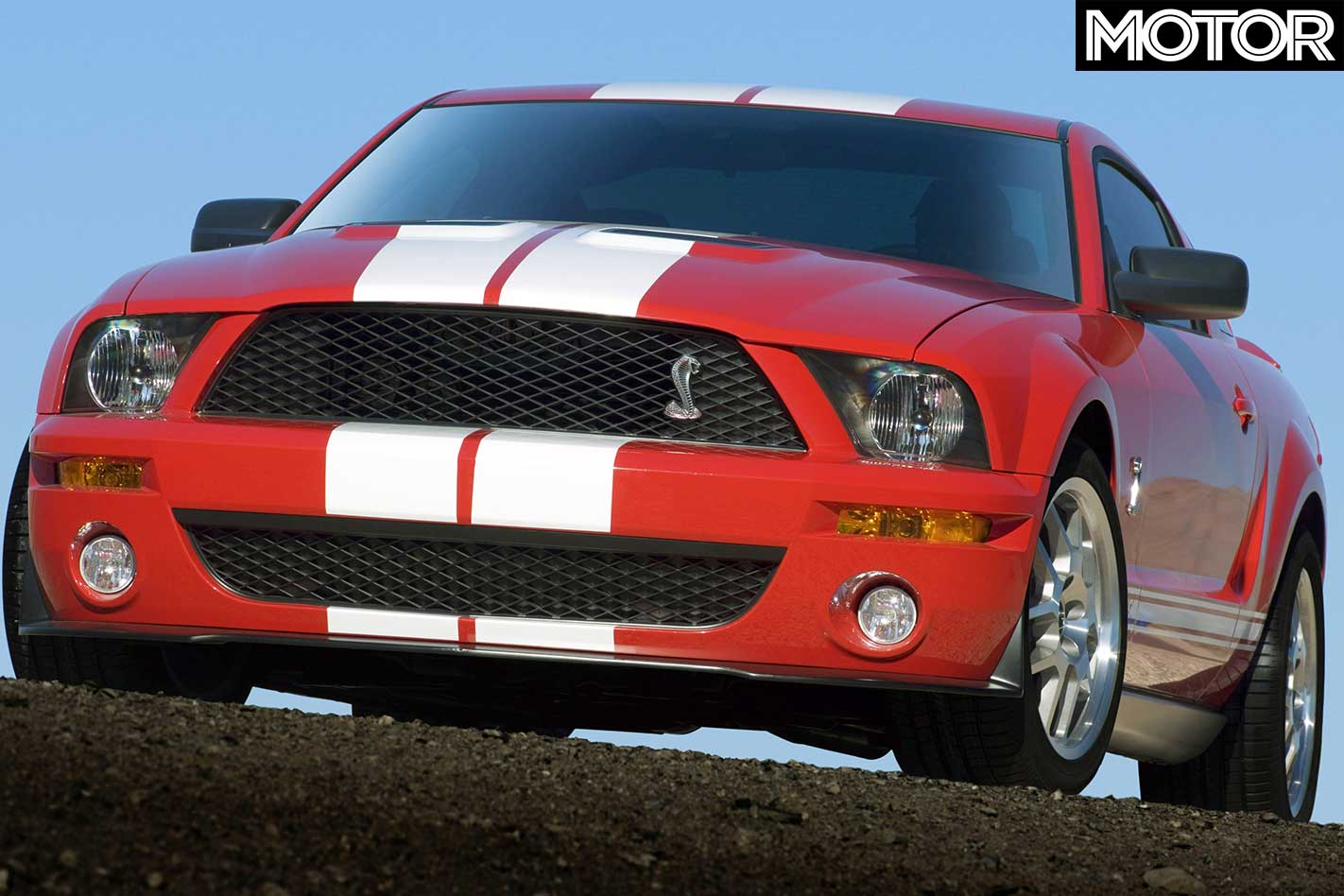
Jay Mays, who is the best translator of retro shapes into contemporary design language, excelled with the new Mustang. It is spot-on from every angle. If the standard GT is porn on wheels, then the GT500 is the Hugh Hefner version of it.
It boasts an eye-catching paint job no matter which shade you prefer. It has the sexiest stance this side of an Eva Longoria centrefold. Its front spoiler is deep enough to create kind of a personal jet-stream. The extra-wide 18-inch tyres peel tarmac in first and second gear.
Eventually, the guys in their embroidered Team Badass denim shirts start wandering off to lunch, so I jump at the opportunity to pry seven more hot laps out of my protesting co-driver. The GT500 needs adjusting, and it deserves a bit more patience.
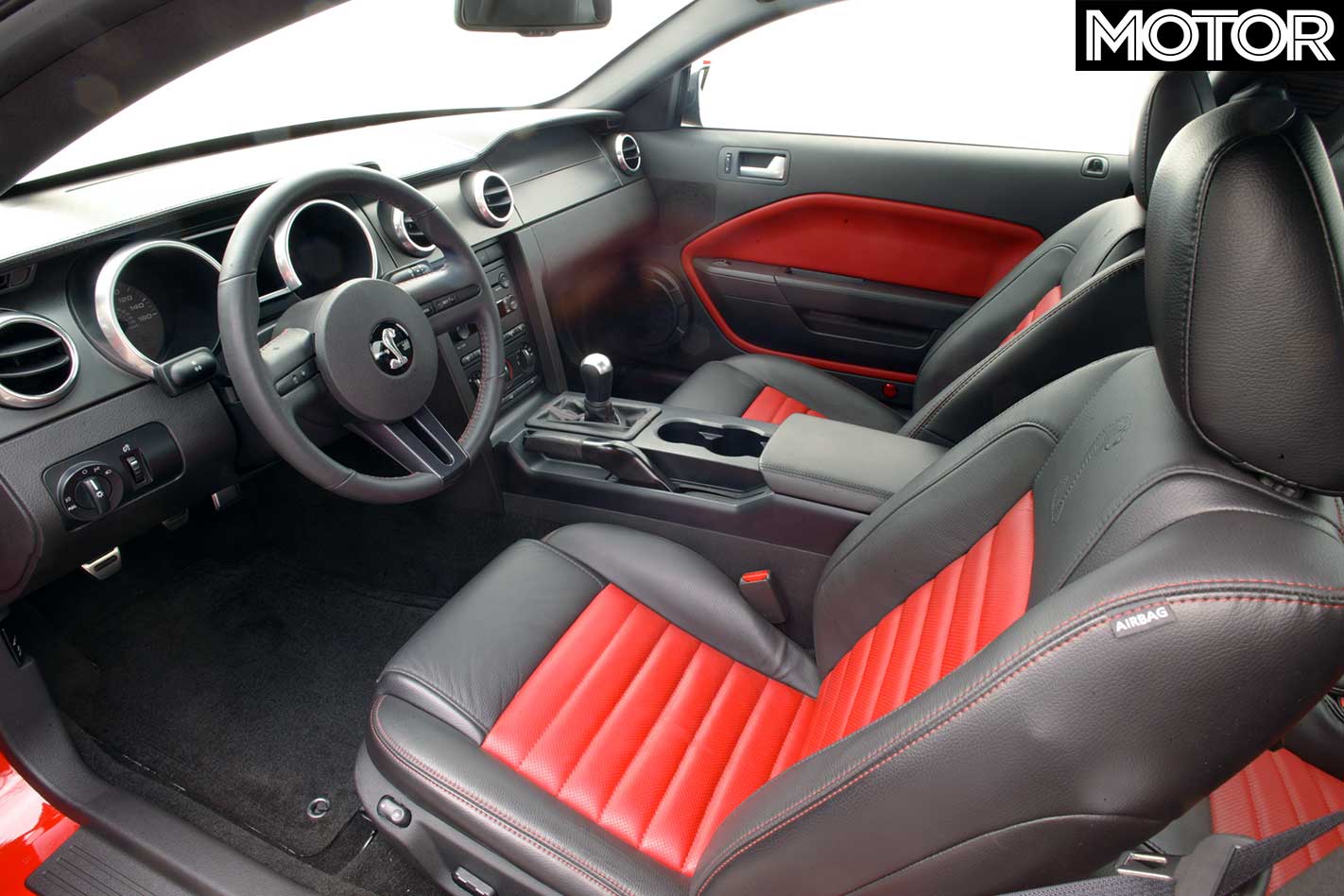
The second time around, it is still all over the shop, but it ain’t too hard to tidy up the rough edges, although the steering is light and a little loose. A precision tool it certainly is not, our GT500, but it keeps inviting you to take full advantage of the generous amount of compliance, especially through slowish second-gear kinks.
Turn in early, lift off with vigour to trigger the weight transfer, squeeze the throttle while you take back some lock, stick to the wide line where glide and slide bond, step on the gas way before the next straight opens up and it all comes together.
Fast corners are an even more natural task. It’s a momentary lift-off on the approach, but then you sail through pedal to the metal on an arc with a modest radius, wheels straight again one micro-instant before the hammer drops and the Brembos bite for the next right-hander.
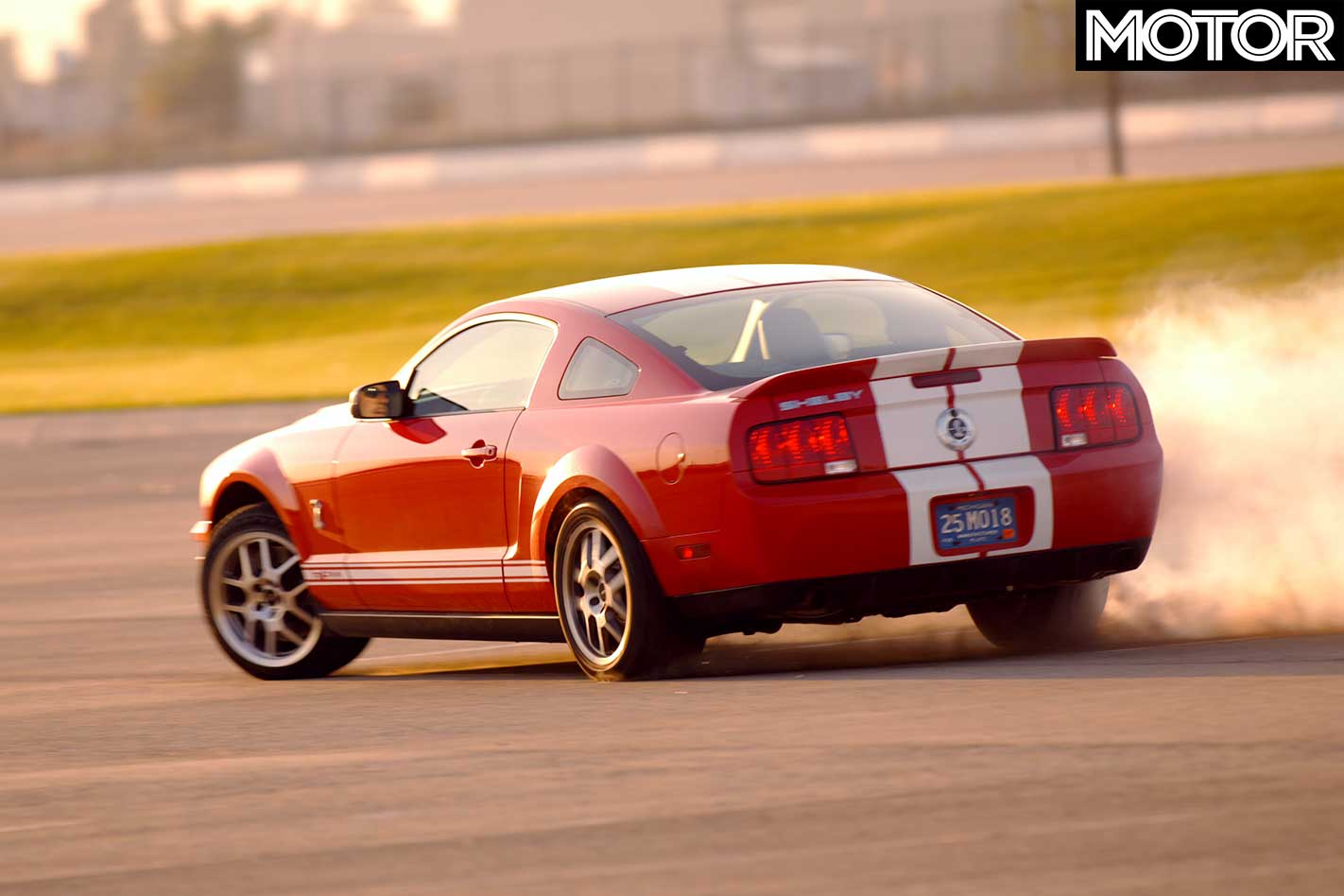
Much too soon a fat woman with a red flag starts jumping up and down, so we head back to pit row. Did that second stint change my opinion? Yes and no. Weighing 1782kg, the Shelby Mustang is fun in a short-sleeved, traditional style.
It is fast and it can be furious, but it is neither well educated nor fine-tuned to perfection. More steering feel would be appreciated, as would a firmer brake pedal and a better behaved rear axle. As it is, that big fat lump of iron shrugs and bucks like buggery whenever the road surface sends a teaser in its direction.
Although there is no shortage of grunt on either side of the 644Nm torque peak, the supercharged V8 is neither as responsive as a modern high-revving normally-aspirated unit nor as explosive as one of the better turbos. It doesn’t sound all that special either.
Compared to the last SVT project, the seminal GT supercar, the GT500 is an anti-climax.
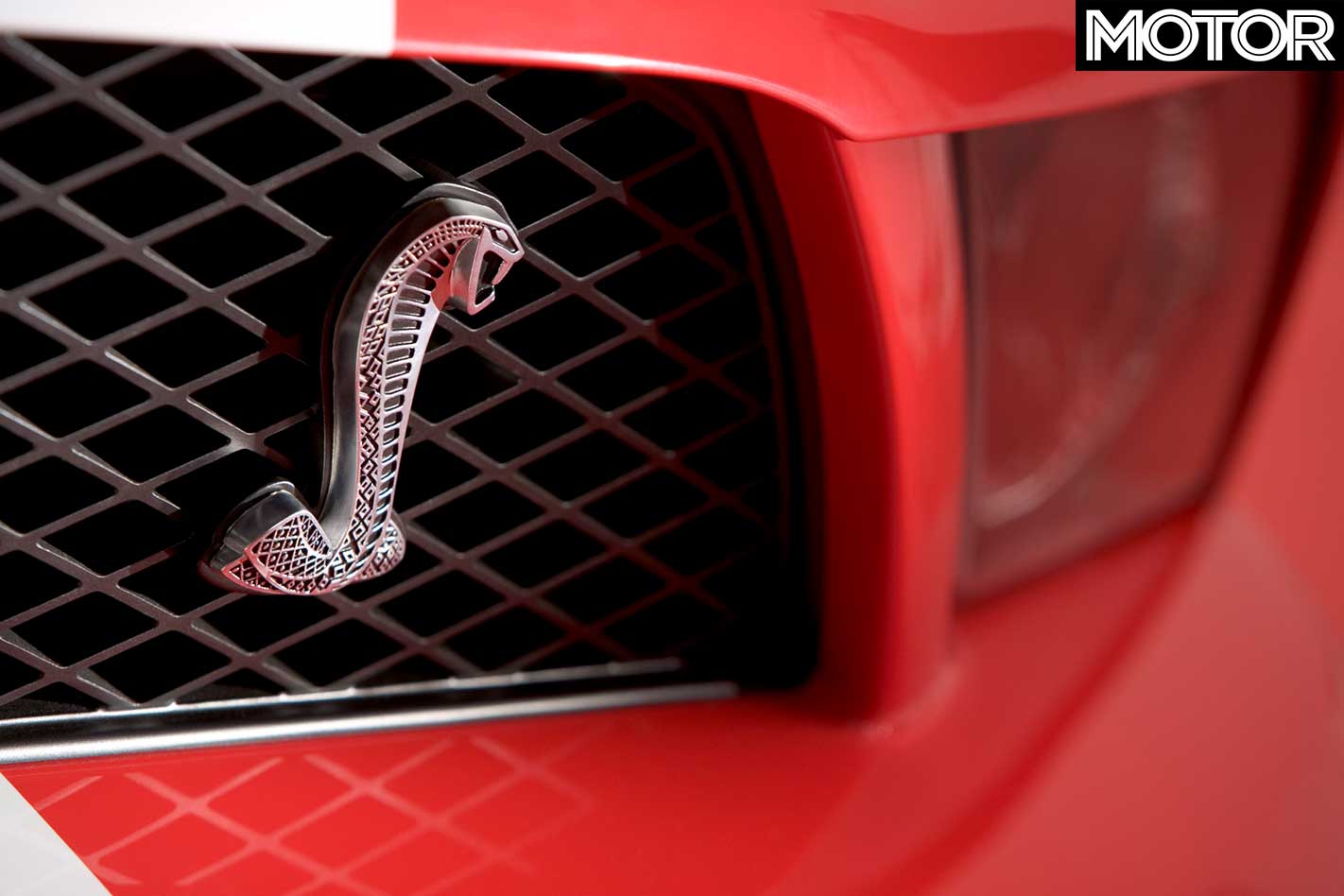
FAST FACTS 2006 Ford Mustang Shelby GT500 Engine: 5408cc V8, DOHC, 32v supercharged Power: 354kW @ 6000rpm Torque: 644Nm @ 4500rpm Weight: 1781kg Power/Weight: 199kW/tonne Price: USD42,000
Snake charmer
Just before the GT500 went on sale, the SVT crew was hesistant about its power output, claiming 475hp (354kW). A last minute dyno run confirmed the full 500hp (373kW) as the badge suggests. Carroll Shelby (below) insists there’s more to come: “A $25 chip will make 700hp (522kW) which the engine can take because the crankshaft is strong like concrete.”