
Volkswagen is out to redress the long-held perception that European-sourced cars are more expensive to service.
It’s currently toying with the notion of five-year warranties, and now the German brand has introduced fixed-service bundles over both three- and five-year periods on all of its passenger and commercial cars.
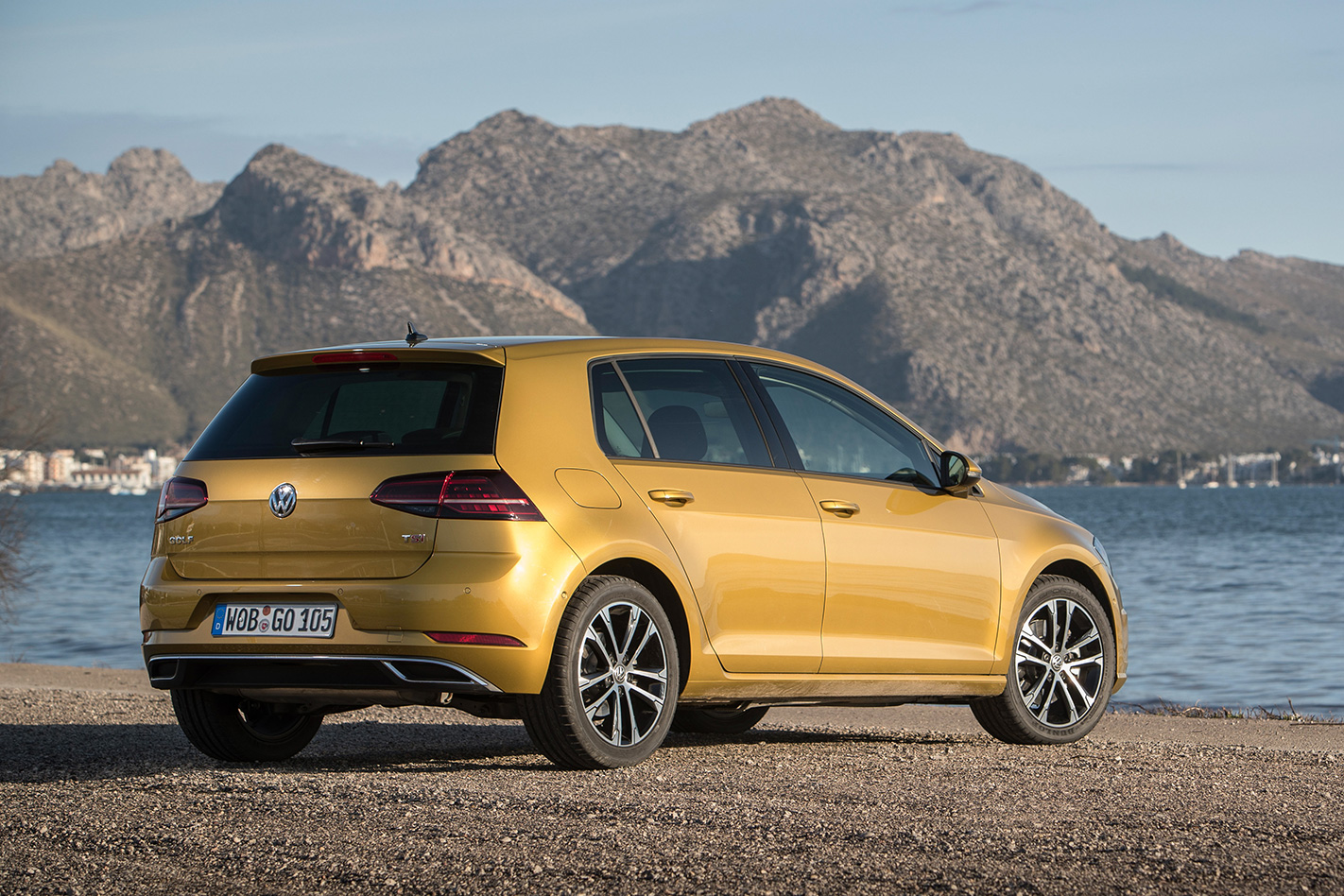
Called (unsurprisingly) the Service Plan, VW claims it’ll reduce services costs across its entire range over a three year period by up to $200, and by up to $400 on five-year deals.
“We’ve always maintained that European cars are no more expensive to run,” said Volkswagen Australia’s PR manager Kurt McGuiness. “The Service Plan goes a long way towards proving that.”
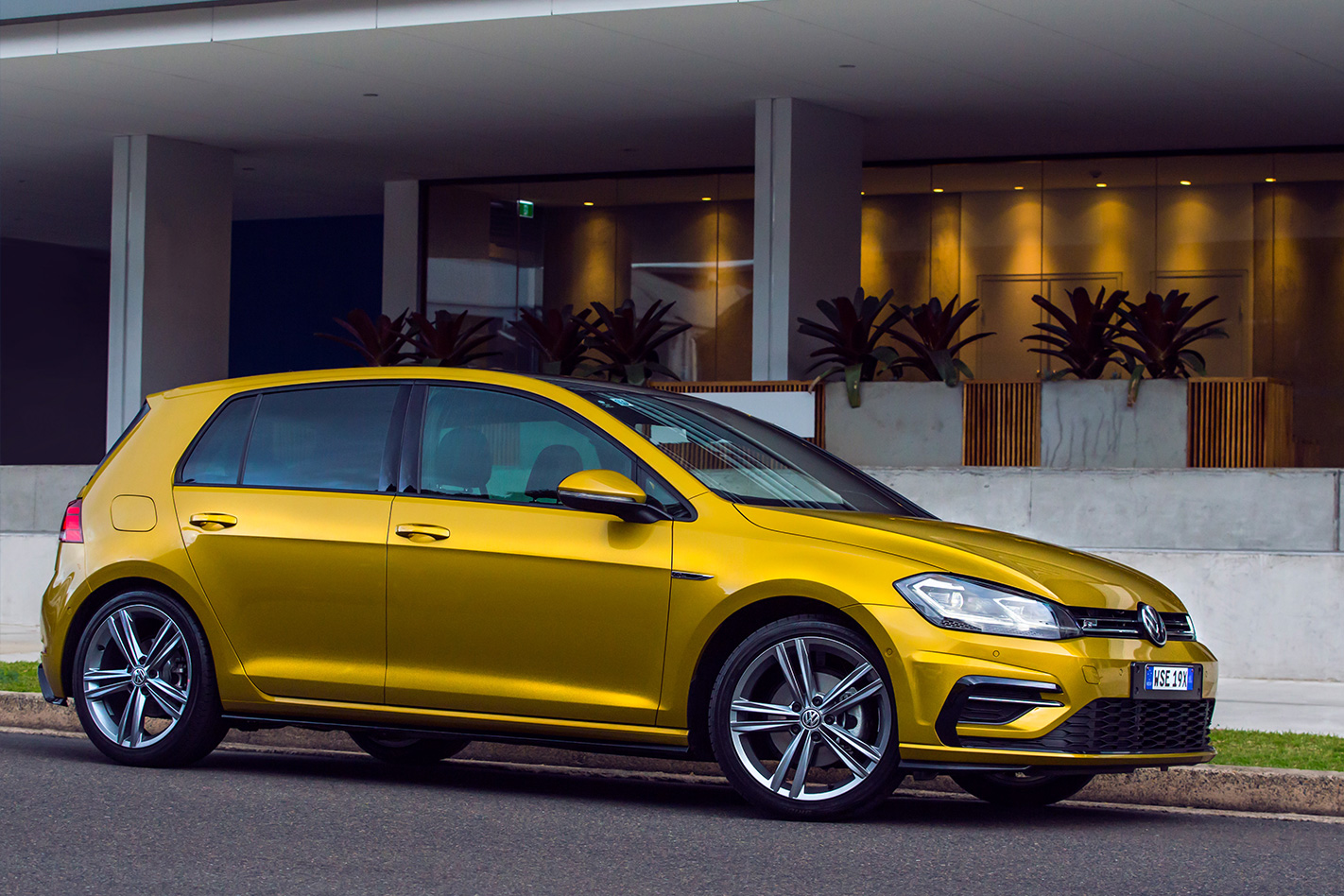
Looking at the brand’s best seller, the Golf hatchback as an example, the Service Plan deal – which needs to be purchased up-front when you buy your new car – costs $1931 over five years. Scheduled servicing, by comparison, will set you back $2324 over the same five years, according to the company’s website. This is a saving of $411.
While it’s closed the gap, VW is still dearer to service than its Asian-sourced competitors. If you look at something similar in size and value, a Mazda3 small hatchback [will cost $1770 to service over five years, some $161 cheaper than VW’s new Service Plan.
And this is despite the Mazda requiring more frequent servicing, with intervals capped at 10,000km rather than 15,000km.
VW says that its Service Plan includes pollen filters, consumables like oil and brake fluids and a wash and vacuum, along with “scheduled service labour and workshop costs”.
The deal also extends to its commercial vehicle range, including diesel-powered models like the Amarok as well as Crafter and Caddy light commercial vans.
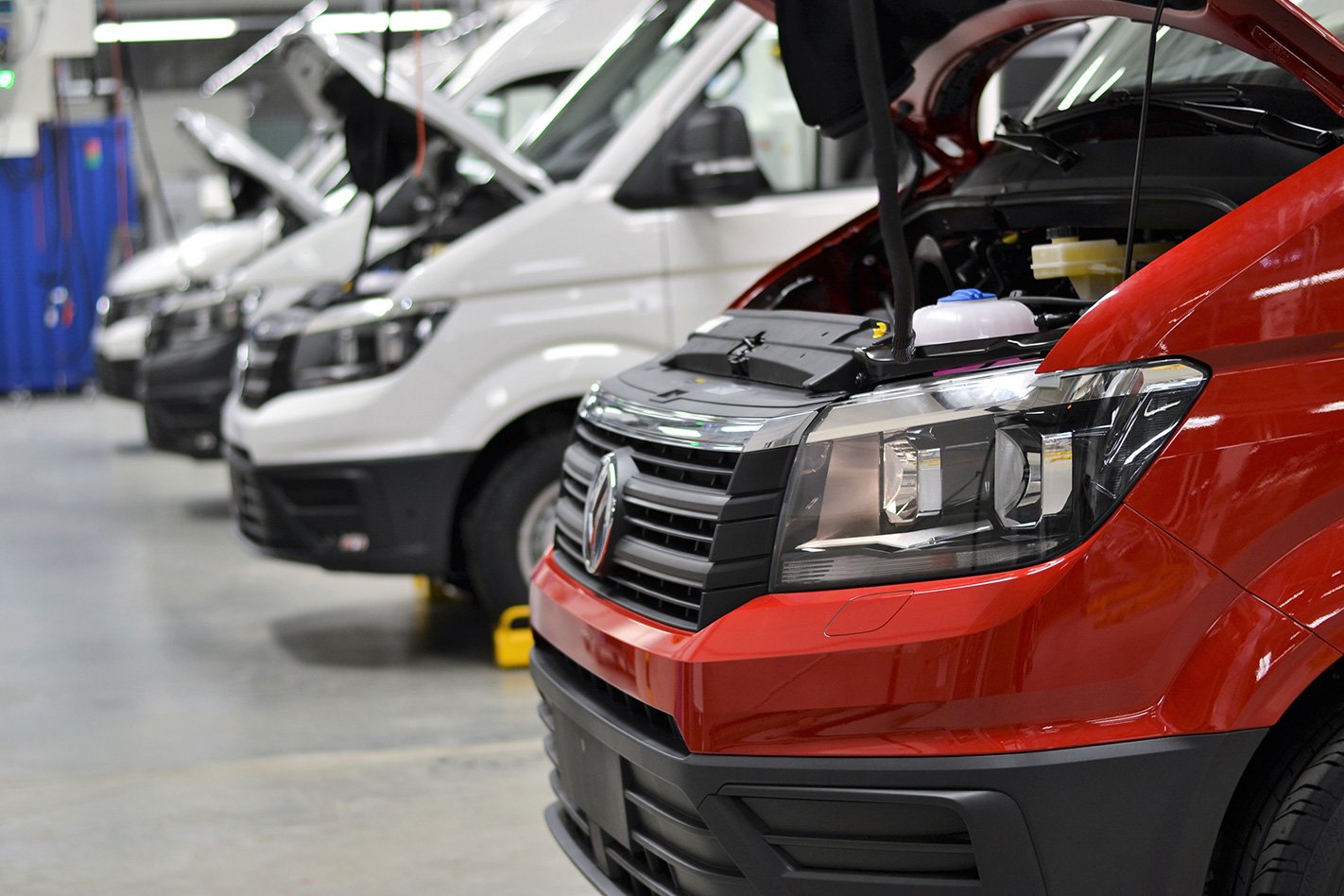
So, what’s the catch? As with the vast majority of industry-driven fixed-price packages, you’re locked into servicing your car exclusively at a VW dealer, you need to pay for all of the services up front, and you need to book in at the prescribed 12 month/15,000km intervals. Paying up front does protect you from any price rises during the five years, though.
The plan does allow you to pick any dealer that’s convenient, and is transferable to a new owner should you decide to sell your car before it runs out.
SPINTIRES: MudRunner – American Wilds is the ultimate version of the indie hit Spintires: MudRunner, including all DLC already released as well as the upcoming American Wilds expansion that will push your gameplay experience even further.
Put yourself in the driver’s seat and take powerful all-terrain vehicles across extreme landscapes with incredible physics, with only a map and compass as guides.
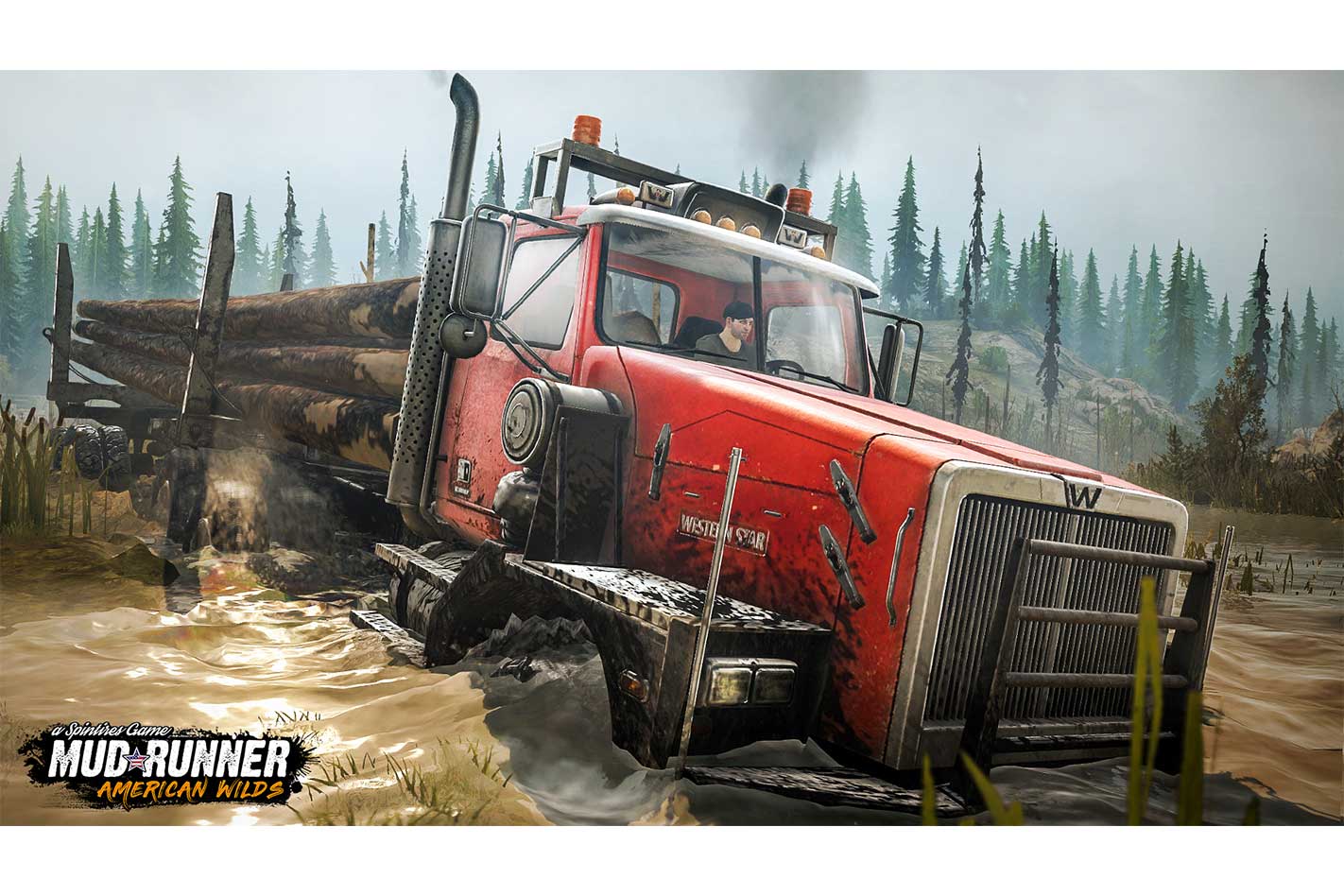
American Wilds comes with highly requested additions including two new sandbox maps inspired by the rough lands of Montana and North Dakota, new challenges, and, most importantly, nine of the most iconic US vehicles from household brands including Western Star, Hummer and Chevrolet.
Drive more than 30 powerful all-terrain vehicles and equip them with 60 add-ons to suit your mission. Complete your objectives and deliveries across 10 unique sandbox maps and 11 challenge maps set in the untamed landscapes of Siberia and, for the first time in MudRunner, Northern USA.
Overcome muddy terrain, raging rivers and other obstacles that all realistically react to the weight and movement of your vehicle, powered by the game’s advanced physics engine. With your map, compass, winch and driving skills, go solo or join up to three others in the co-op multiplayer mode.
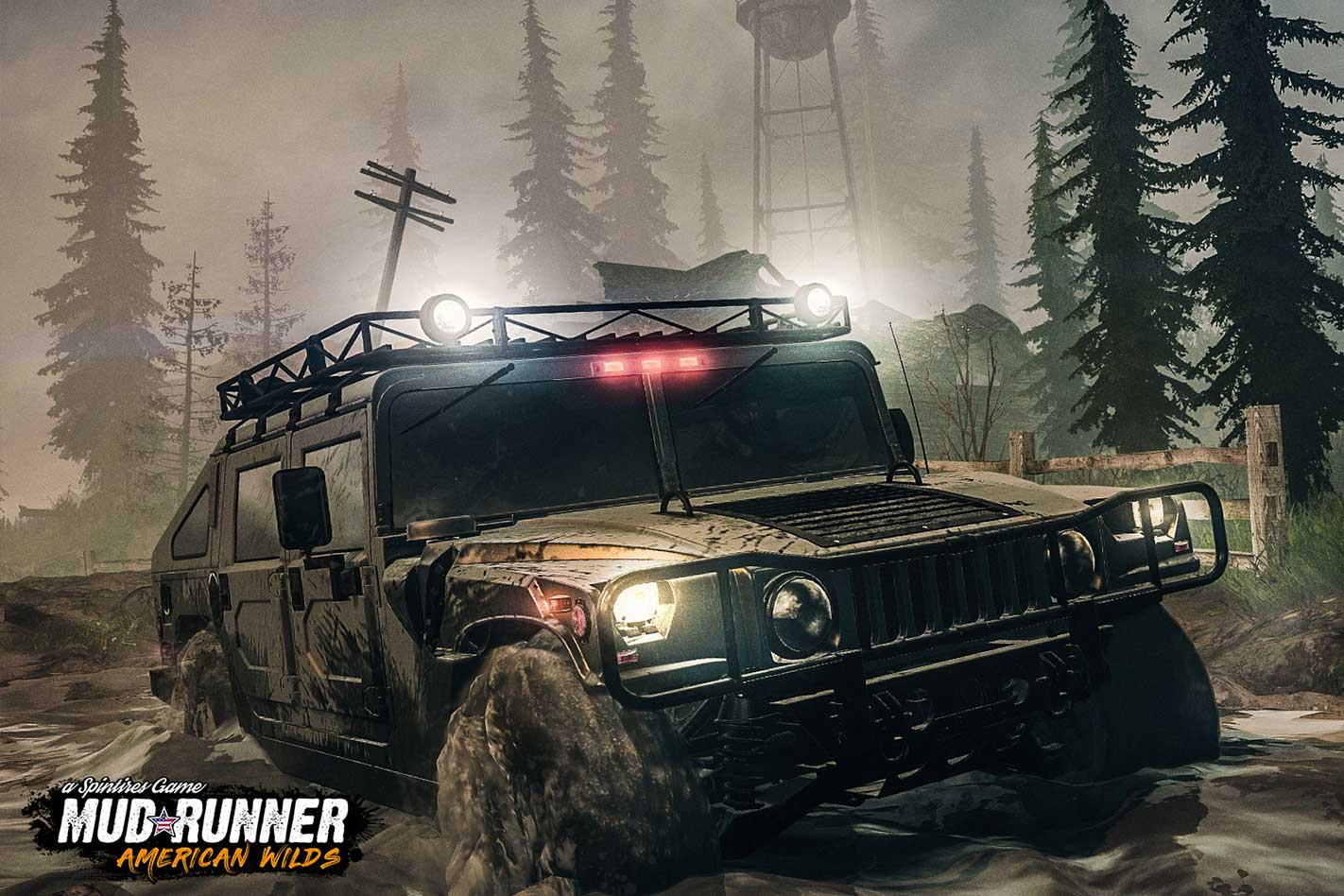
The American Wilds expansion is now available on PlayStation 4 and Xbox One, and it will be available on the Nintendo Switch on November 27.
RRP: $59.95 Where: https://fivestargames.com.au/product/spintires-mudrunner-american-wilds-edition/
As the price of petrol slowly creeps upward and environmental legislation keeps pushing down CO2 limits, car manufacturers and car buyers will soon have to confront the question of “what’s the fuel of the future”. For Kia Australia, the solution is combustionless and electric.
It’s a brave approach for a carmaker in this country. Other manufacturers have cited Australia’s large distances between major cities and high average commute distances as obstacles to a purely-electric product plan, but Kia’s local office sees things differently.
“There was a decision made that we weren’t going to take a half-step, we’d take a full step,” said Kia Australia spokesperson Kevin Hepworth. “We would go straight to battery-electric”.
“If you asked Damien [Meredith, Kia Australia’s COO] five years ago, he’d have said hydrogen is the way forward. But there were too many issues with supply [of hydrogen].”
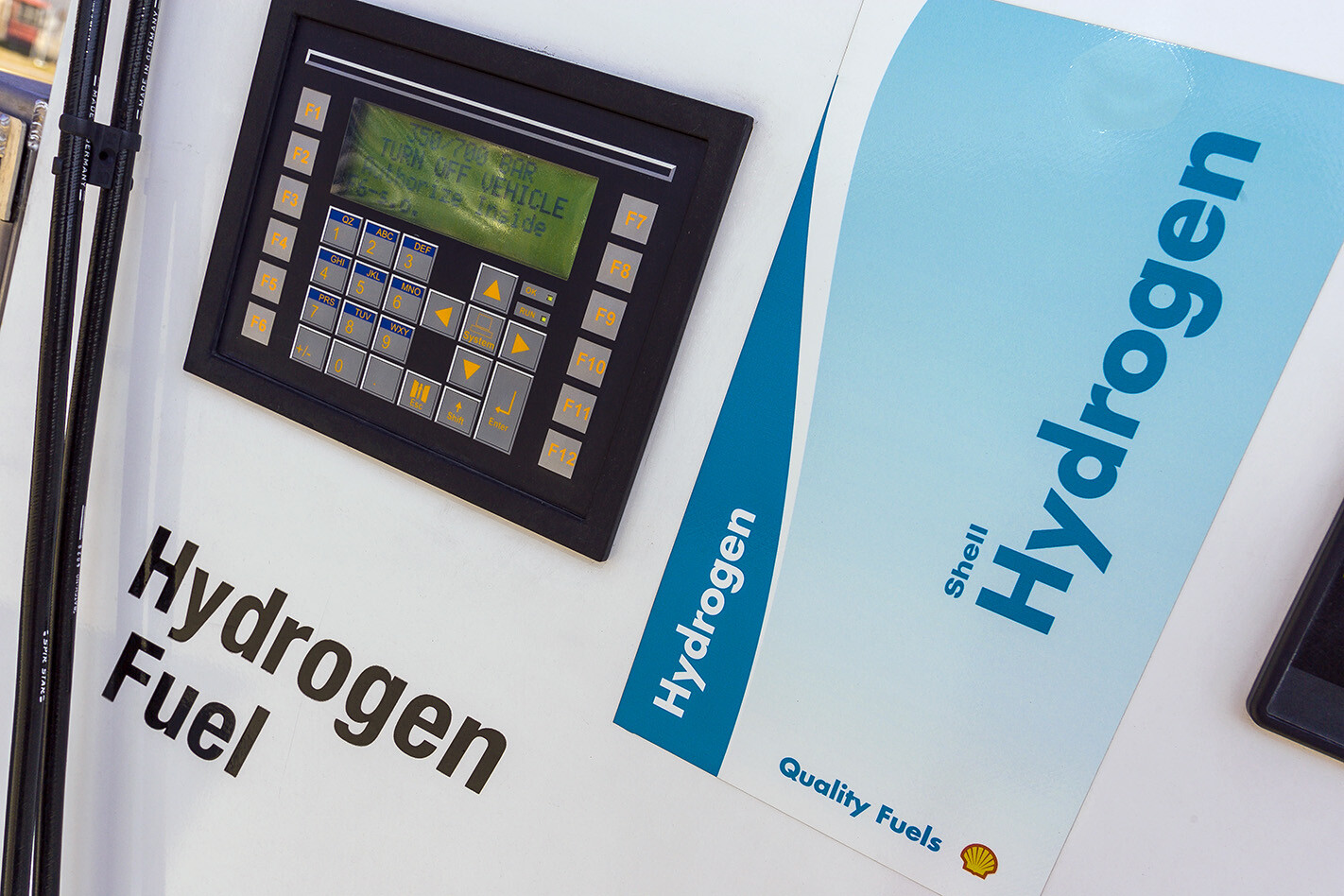
And regarding the idea of bringing in a plug-in hybrid to help alleviate so-called ‘range anxiety’, Hepworth said it was something that Kia Australia considered – and ultimately rejected.
“There was a lot of argument that it [PHEV] wasn’t that effective,” Hepworth said.
“It wasn’t just a matter of bringing them in, you have to then set your network up to do that, and then you’d have to do that process again if you wanted to go electric. We weren’t going to sell many hybrids anyway, so we decided to do the socially responsible thing and go straight to electric.”
“It’s not a social experiment or anything, but if you’re going to do something and you can do something good, do that.”
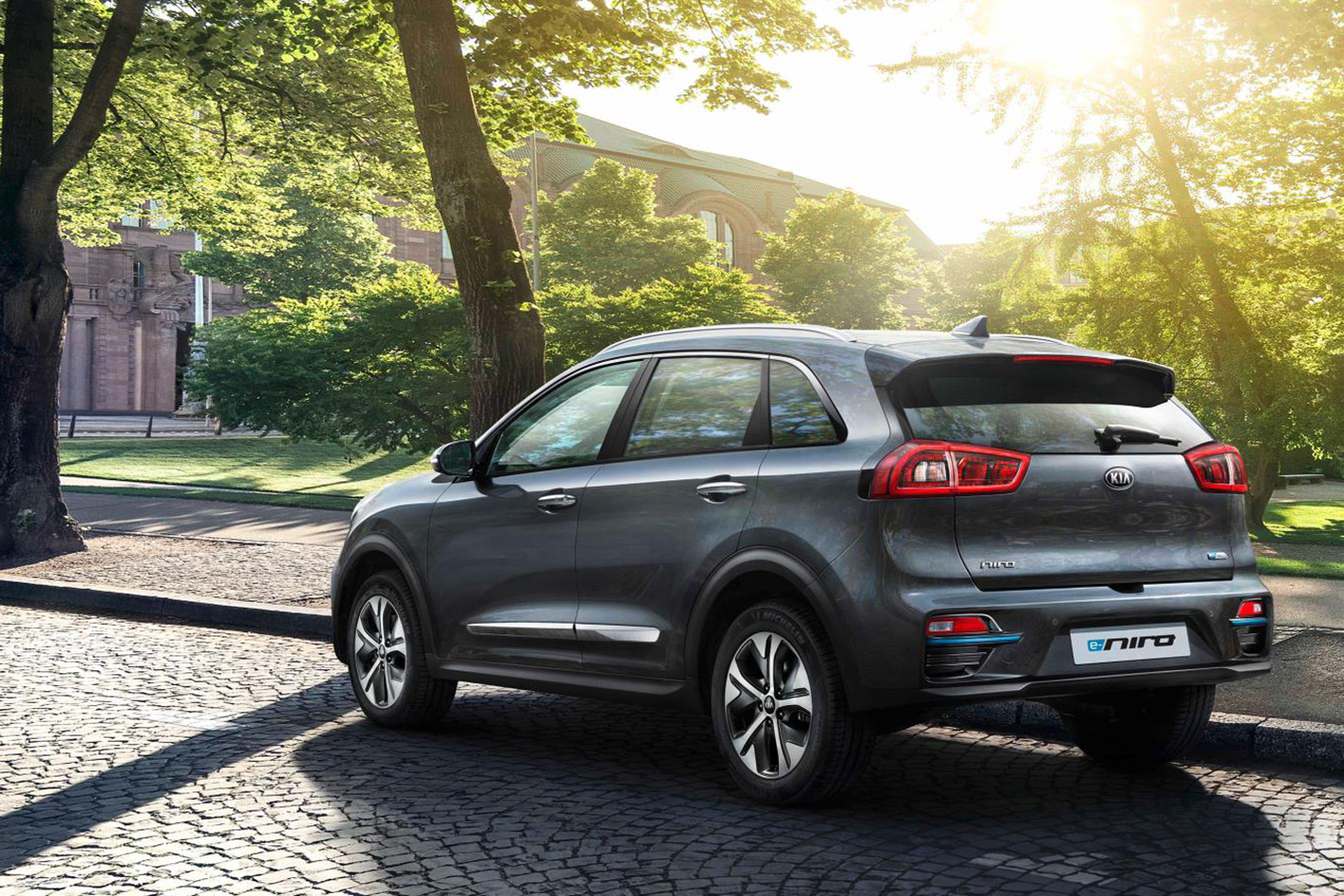
Kia Australia will kick off its venture into battery-electrics with the e-Niro small SUV roughly one year from now. Two more EVs will follow it into Kia showrooms.
“We’re confident we’ll have the e-Niro here by the end of next year, and that will be followed by a small passenger vehicle and a larger SUV”, Hepworth said. Timing for the latter two vehicles is still unclear, with Hepworth only stating they would be introduced on a “managed time scale”.
The company is also conscious that it needs to address other, more mundane, issues in order to spark EV sales: after-sales care and charging infrastructure.
“We don’t want three or four main dealers in the city to be the only ones capable of servicing them. We need to make sure that each dealership, of the 134 that we have, all have a trained EV service person,” Hepworth said.
“And what we really need to avoid is a situation where Nissan have their own kind of plug, we have one, Tesla have one, Hyundai have one… that’s ridiculous. At some stage there has to be agreement.”
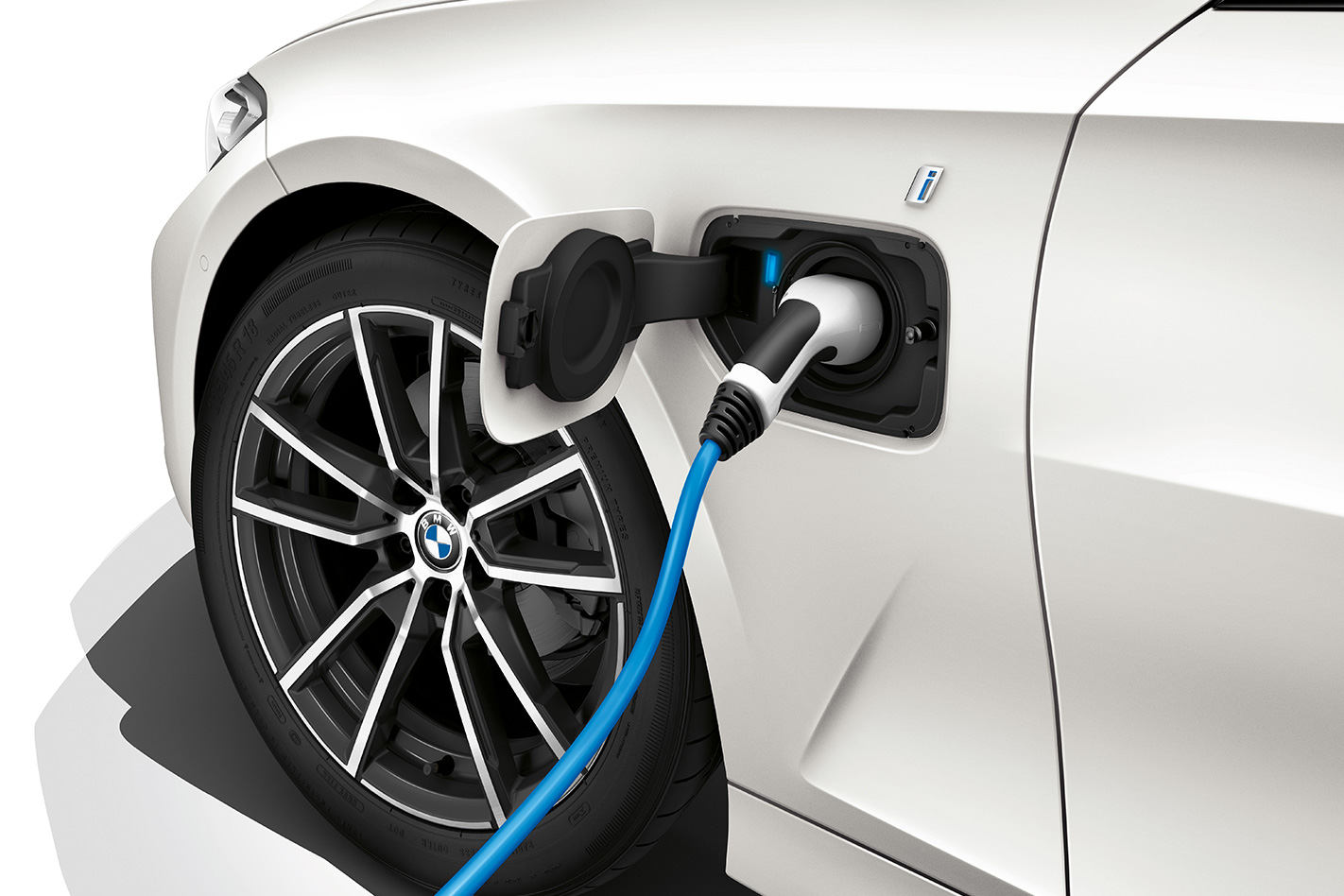
But with the e-Niro projected to boast a single-charge range of nearly 500km – and even more when driven at urban speeds – Kia Australia reckons energy storage technology is at the point where range is no longer a hindrance on adoption:
“The current Kia battery has a range of about 485km, then 620 for city use. So that solves the previous problem of ‘no range’. The next one is infrastructure.”
While little is known about the small car and larger SUV that are slated to follow the e-Niro to our shores, Kia is hoping that a new design direction for its alternative-fuel vehicles will help pull buyers away from petrol and diesel options. With unique styling made possible by their electric underpinnings, these cars are expected to be overtly different from their combustion-engined brethren.
That should also help justify their price premium, which Kia is hoping to keep to a minimum but is nevertheless open about the fact that EV tech requires additional outlay.
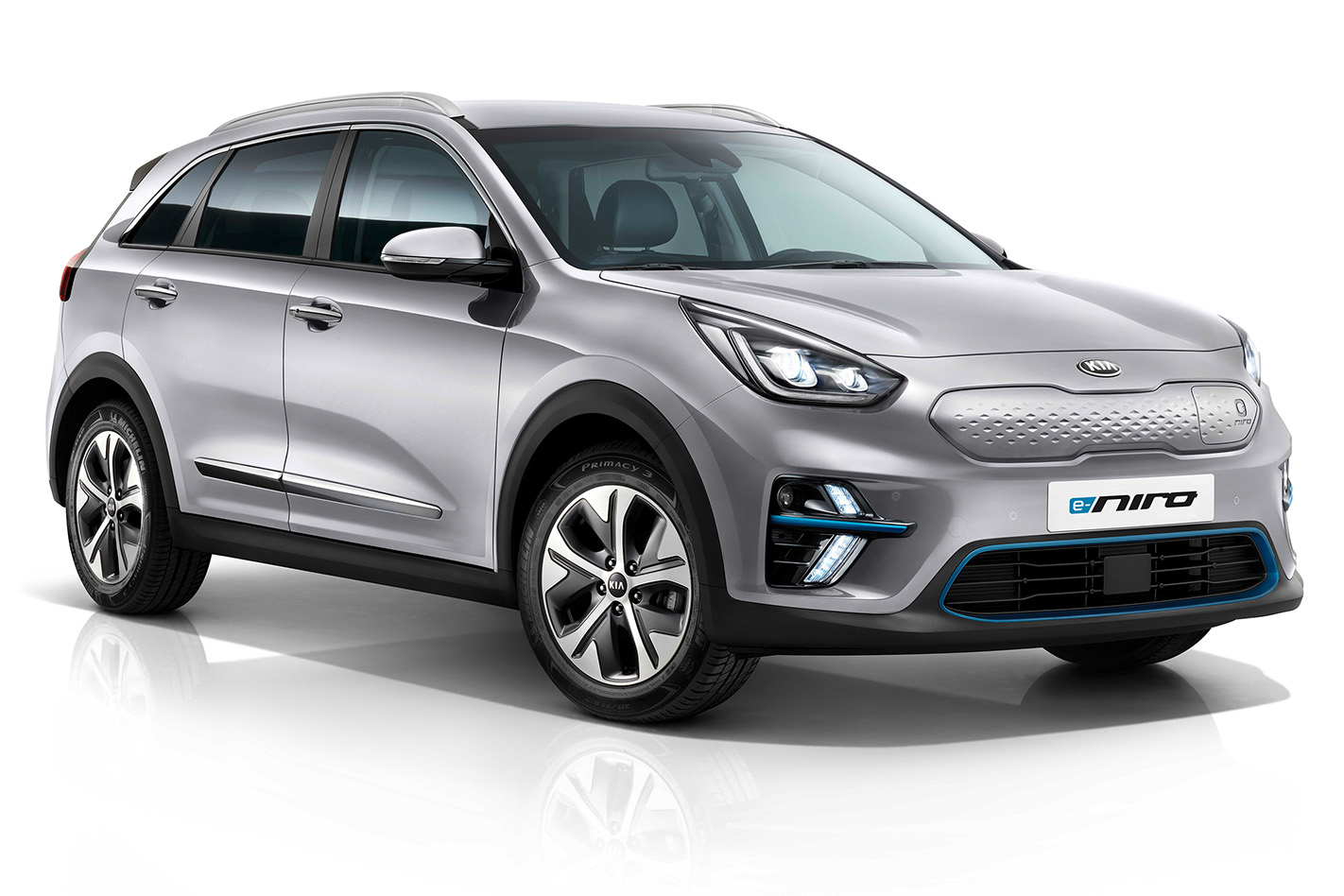
“Talking to the design team at Paris [motor show], the exciting thing for them is that with a bespoke electric platform there’s new design opportunities with space, styling,” Hepworth explained.
“There’s a lot that they can do. People should recognise that these are electric vehicles. Even though the e-Niro shares a name with the Niro, it will be on an electric platform.
“They won’t be priced premium simply because of the fact that they’re electric. They will be marketed with the ever-present, unchanging Kia philosophy of ‘great value’.”
PORSCHE is putting a concept car on the road by turning its Mission E Cross Turismo into a series production vehicle based on the highly anticipated Taycan electric sedan.
The Panamera-esque Cross Turismo was shown at the Geneva motor show as a concept earlier in the year. Styling of the jacked-up wagon blends the looks of the Porsche Taycan EV with a taller ride-height to position this five-door sedan as a ‘cross utility vehicle’ sibling.
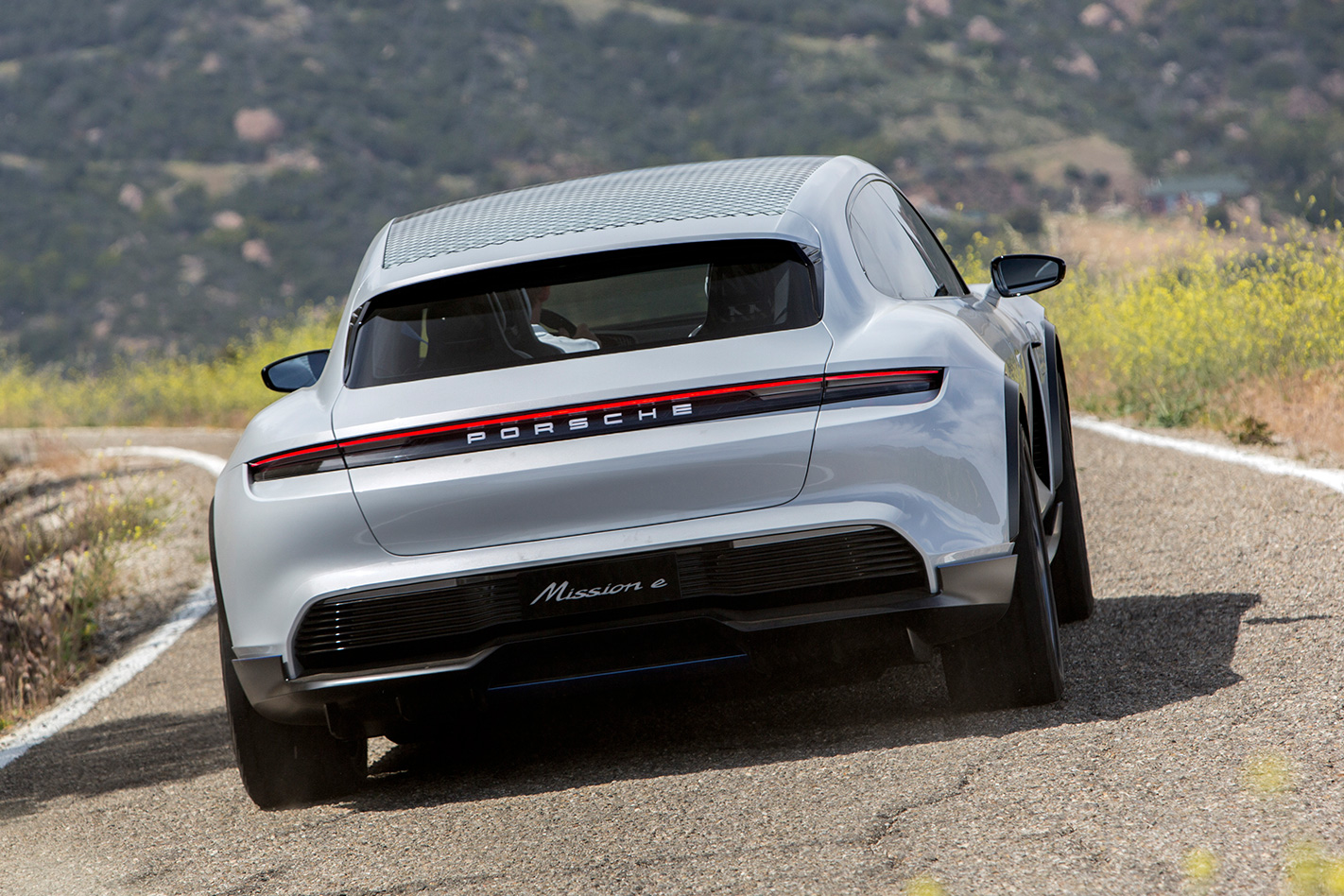
Much of its powertrain will be shared with the Taycan, meaning Porsche’s first-foray into electric “off-roaders” will be powered by two electric motors combining to produce 440kW from an 800-volt battery system. Porsche says it will have a range of 500km.
Although its name hasn’t been announced as yet, the Cross Turismo is a derivative of the Taycan, and is expected to be dubbed accordingly before its launch.
Also similar to the Taycan, Porsche intends for the Mission E Cross Turismo to join its fast-charging network, which is said to provide an 80 percent charge for 400km of driving range after just 15 mins on the plug.
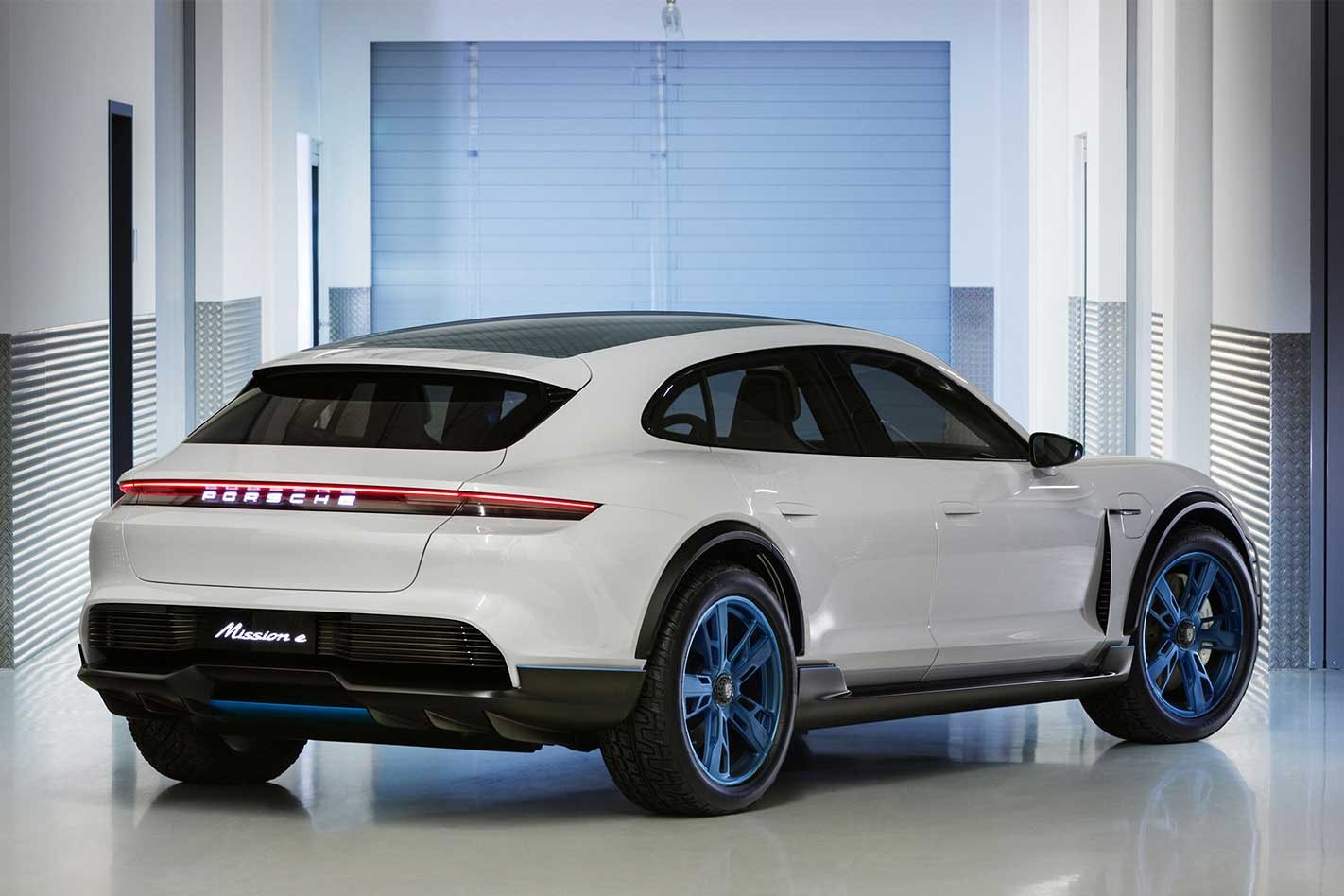
No release date has been given yet, however it’s understood the Cross Turismo’s arrival will come after the Taycan sedan, which starts production next year – arriving locally in 2020.
The production confirmation of the Mission E Cross Turismo comes after Porsche announced its plans to invest AU$9.7 billion in EV technology by 2022, and that it expects EVs to account for more than 50 percent of Porsche sales by 2025.
Porsche is making way for an additional 300 workers at its Zuffenhausen production facility, totalling 1200 new workers to handle the production behind its electric onslaught.
Mini has announced the limited-release Mini Kensington Edition to the Australian market, featuring unique paintwork and trim enhancements, plus a host of extras from the brand’s options list as standard.
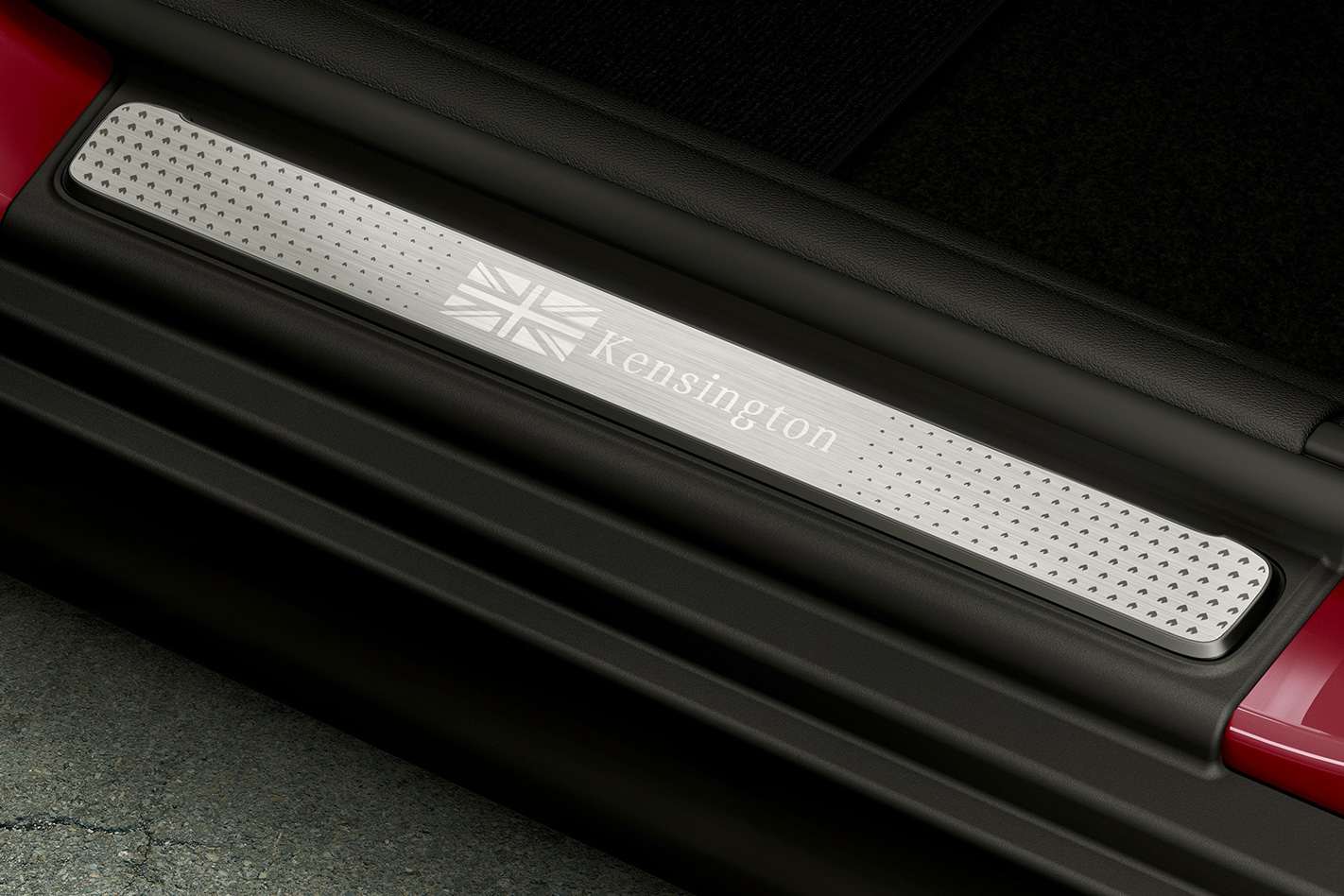
Limited to just 60 units – 15 each for the three- and five-door Cooper and Cooper S hatchbacks – the Kensington Edition stands out from regular Coopers with its special ‘Pure Burgundy’ metallic paint, illuminated ‘Kensington’ door sills, Kensington Edition badging and stylish ‘K’ monograms mounted on the side pillar.
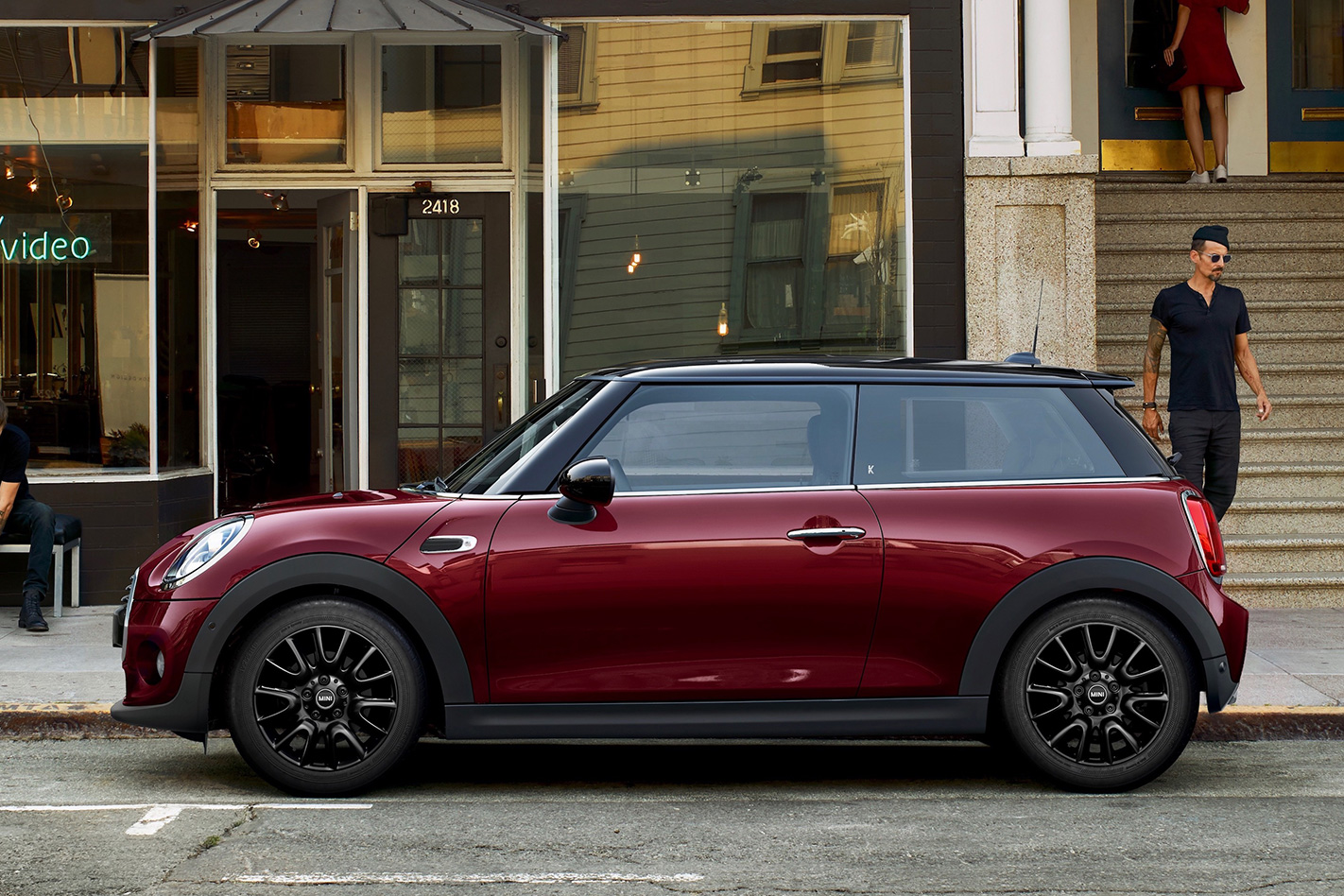
The Mini Kensington Edition also includes a bunch of normally extra-cost options as standard equipment, including the seven-speed dual-clutch automatic transmission, resulting in a premium of about $7500 over the standard-spec automatic versions, with prices starting from $41,900 driveaway.
These include the Driver Assist Package, featuring city-speed auto braking, forward collision warning, high-beam assist and speed sign recognition, and the Active Package, which includes LED Headlights and Union Jack tail-lights, and climate control air conditioning.
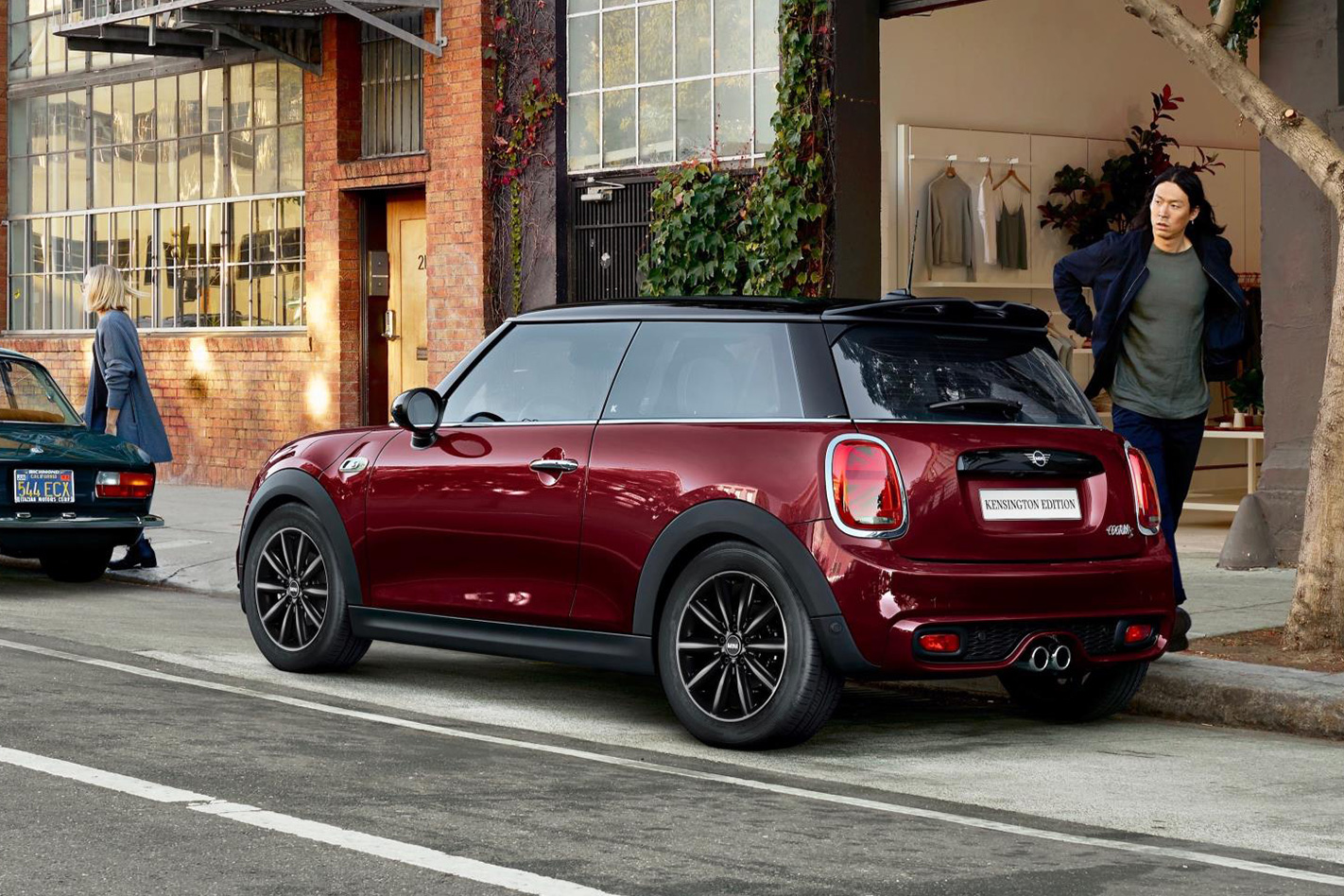
Individual extras include Mini’s top-tier ‘Navigation Plus’ infotainment suite with an 8.8-inch touchscreen, heated front seats, black headliner, piano black interior surfaces, chrome cabin highlights and leather-trimmed steering wheel.
The Cooper Kensington Editions are trimmed with a combination of black cloth and leather upholstery, while the Cooper S versions come with black leather all over.
Additional exterior embellishments include contrasting black roof and mirror caps, black JCW roof spoiler and panorama sunroof. The Cooper and Cooper S versions roll on 16- and 17-inch black alloy wheels respectively.
Order online
In a Mini first, you’ll be able to order a Kensington Edition at mini.com.au/kensington,, with the online ordering system allowing you to specify a preferred variant, place an initial minimum $4000 deposit, and specify a preferred dealership from where to complete their purchase. There is a three-day cooling off period after the deposit is paid should you change your mind.
2018 Mini Kensington Edition driveaway pricing
- Mini Cooper 3-door Hatch Kensington Edition – $41,900
- Mini Cooper S 3-door Hatch Kensington Edition -$52,900
- Mini Cooper 5-door Hatch Kensington Edition – $43,150
- Mini Cooper S 5-door Hatch Kensington Edition -$54,150
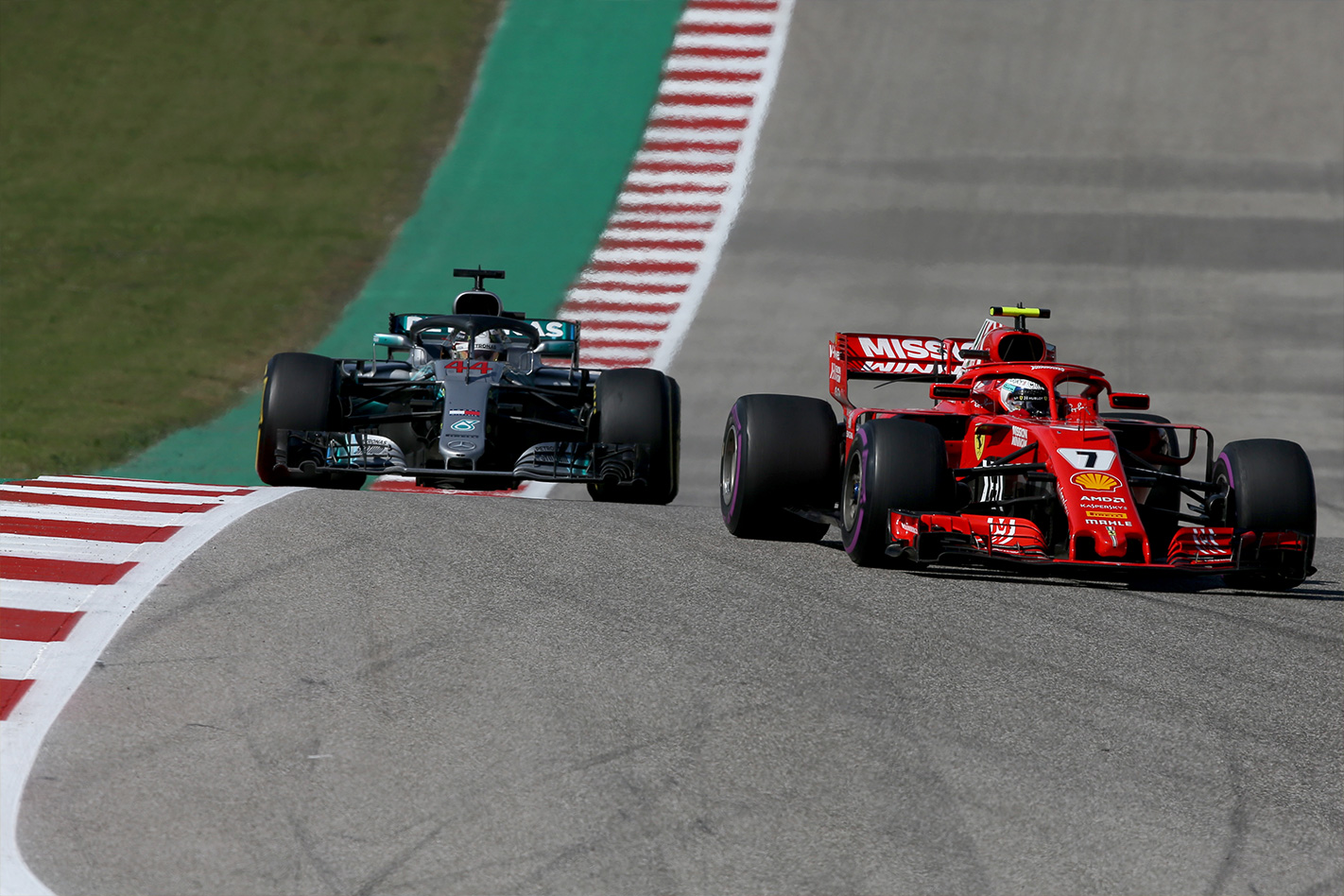
KIMI Raikkonen has won a tense US Grand Prix, breaking the record for most races between victories in Formula 1 history, while Daniel Ricciardo vented his frustration in the paddock after retiring on lap eight.
Despite a strong start, Ricciardo’s race came to a rude end when his RB14 lost all power halfway through the hairpin at Turn 11. He was running fourth at the time and in position for a potential podium finish.
Getting out of his car to stand trackside, the anger was clearly visible in Ricciardo’s body language. The retirement is his seventh in 18 races so far this season.
“It’s a crying shame for Daniel, I feel so sorry for him,” Horner said. “It looks identical to the power unit issue he had in Bahrain where it’s just gone into complete shutdown – you could see it mid-corner.
“He was driving a strong grand prix and would have been right there too. It’s so frustrating for him.”
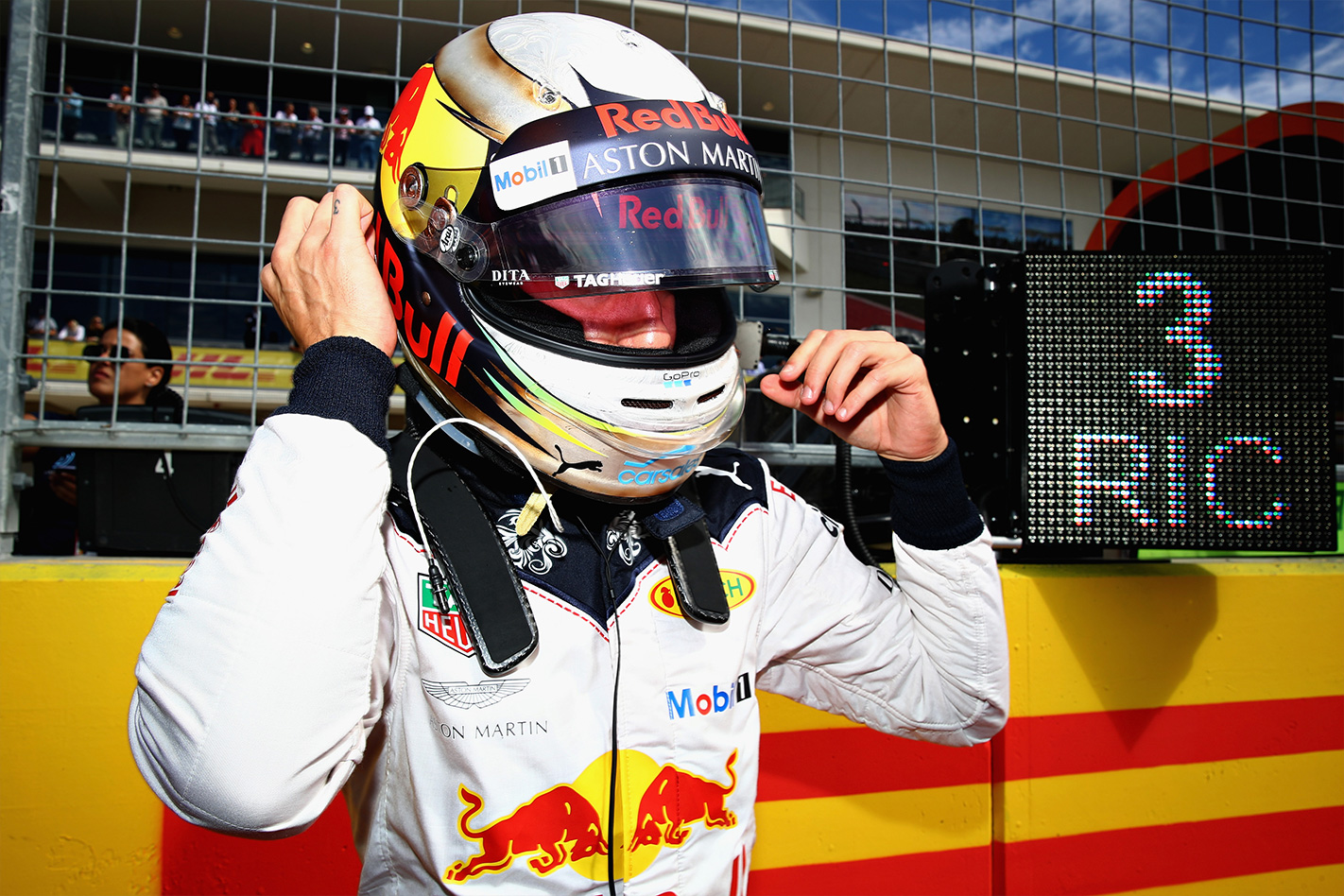
Once Ricciardo was able to get back to the paddock, the exasperated Australian boiled over, according to Red Bull Racing team principal Christian Horner.
“He’s taken out his frustration in his room by putting his fist through the wall, which you can totally relate to.”
Horner couldn’t stop himself from sinking the boot into the Aussie, with a sly dig at his driver’s move to the factory Renault team next year, who are presently supplying powertrains to Red Bull.
“I’m sure [Ricciardo] will be having a word with his future employers about it – it’s so frustrating to keep losing him from races at the moment,” Horner said.
“He doesn’t blame the [Red Bull] team in any way, he knows we are doing everything we can, it’s just one of those things.
“Hopefully we’ve got enough components in our [engine] pool for him not to take a penalty [next weekend in Mexico].”
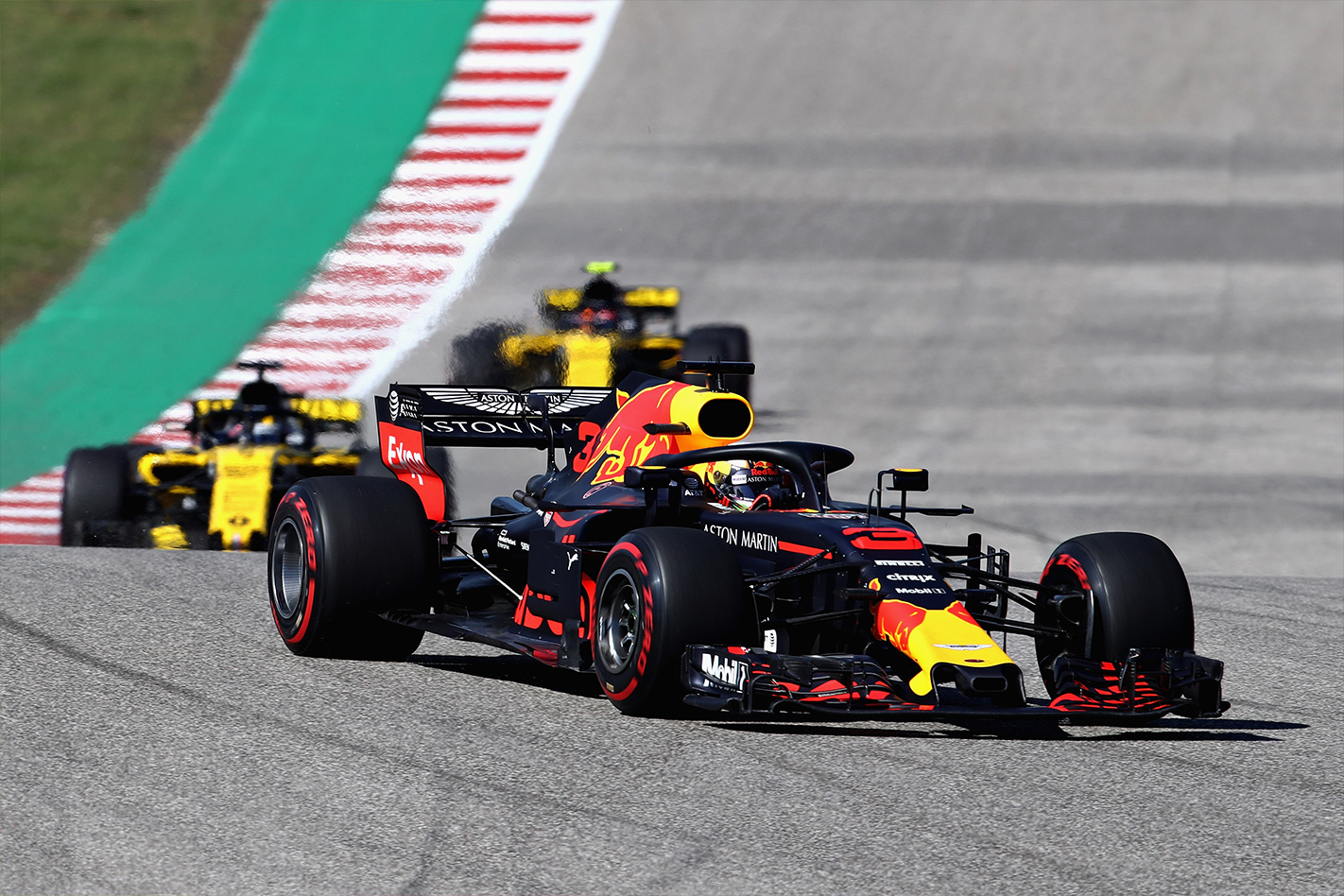
Avoiding grid penalties at the next grand prix is pivotal, as the Red Bulls could be in the fight for victory at the Autódromo Hermanos Rodríguez circuit, which suits their car better than most.
“I think both guys can be strong in Mexico,” Horner added. “We won it well last year, a really dominant win for us [with Verstappen].
“At that altitude the engines can’t breathe [as easily] and it brings it all closer together, and that gives us a chance.
“We’re lacking that horsepower, and this will give us a fairer chance on a Saturday, and you can see we’ve got a good race car.”
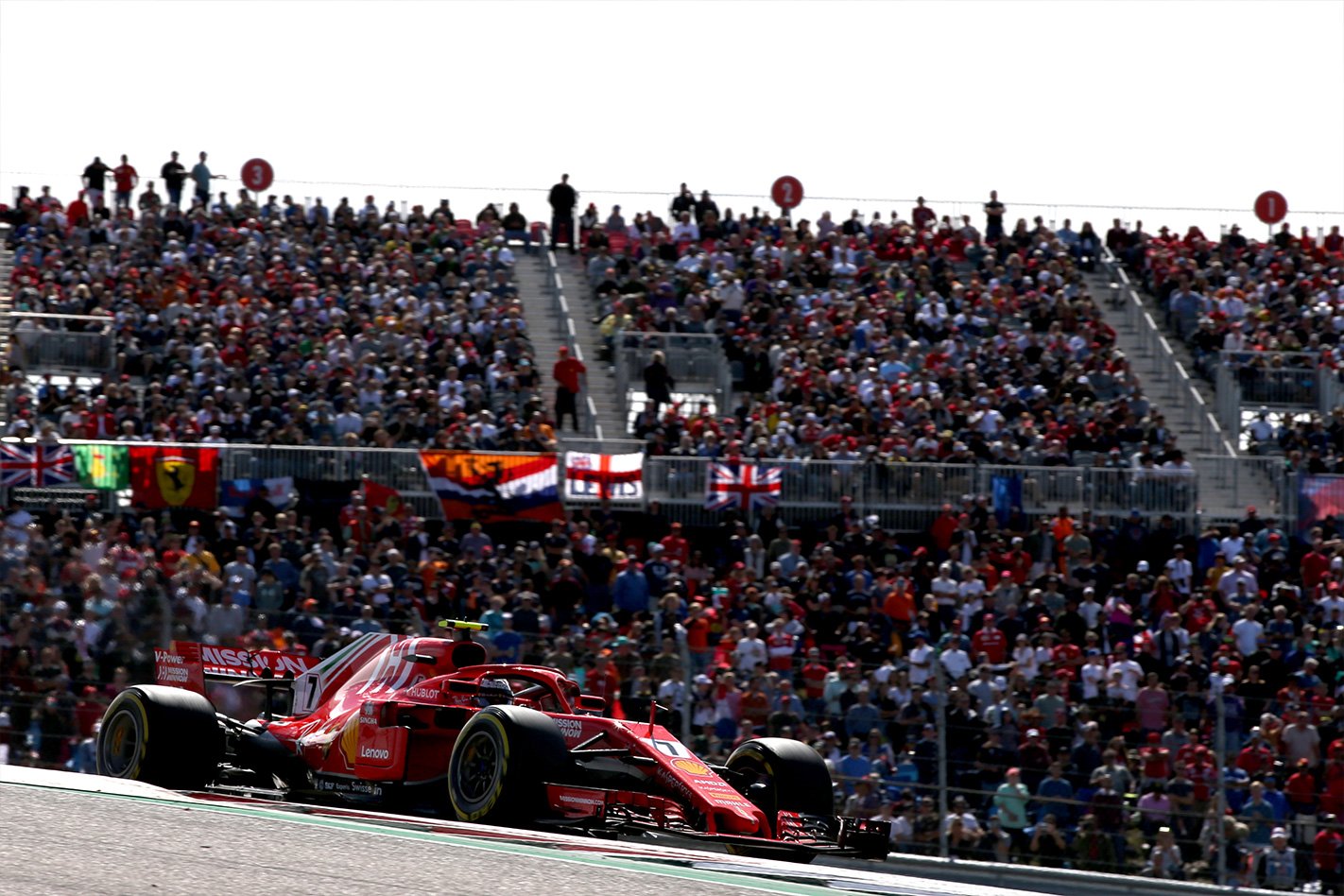
Raikkonen ended a five year losing streak at the Texan track, with his last win occurring at the 2013 Australian Grand Prix with Lotus – a gap of 112 races.
Max Verstappen carved his way from 18th on the grid to finish second, while Lewis Hamilton finished third.
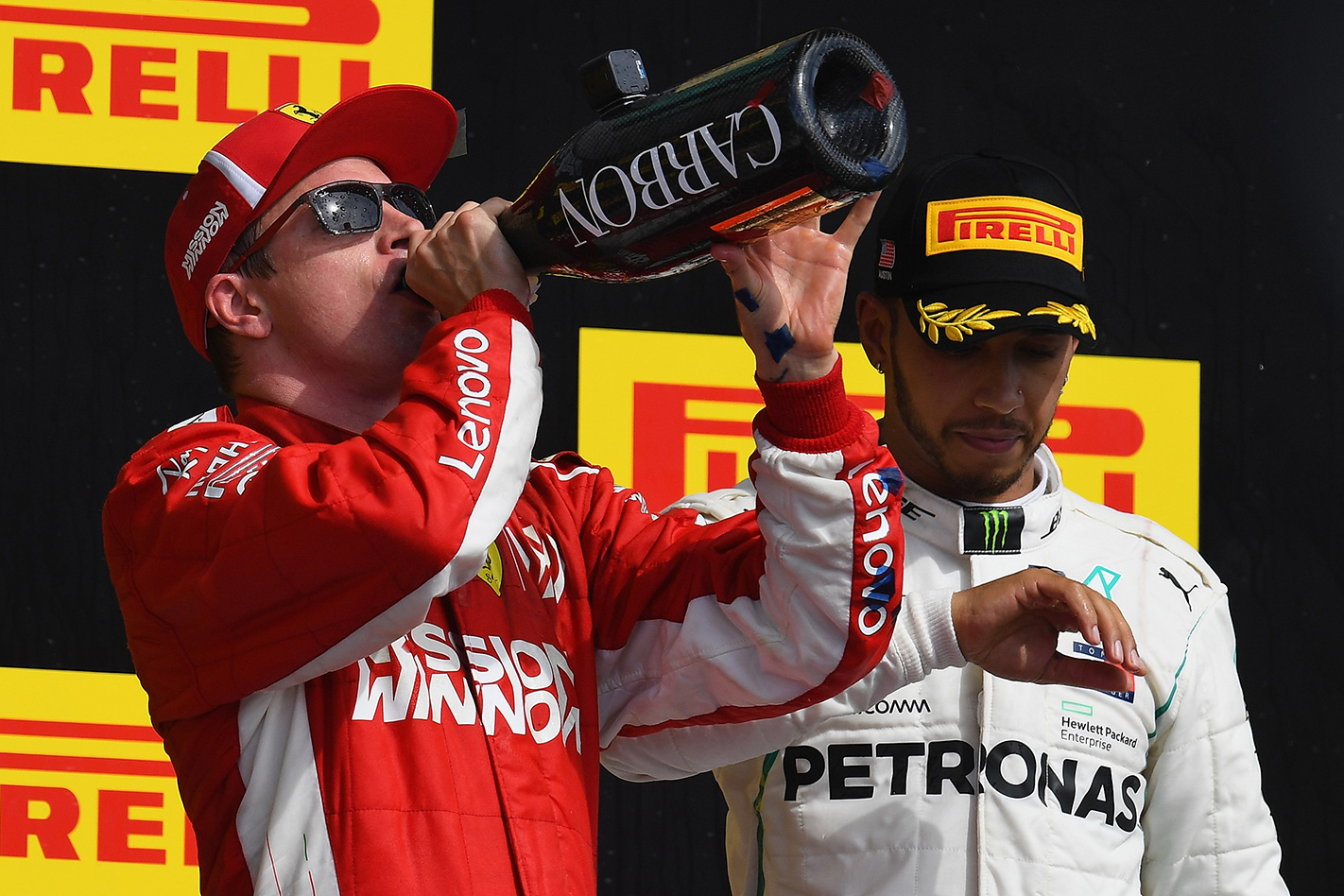
Hamilton will have to wait at least another week to secure his fifth world drivers’ championship after Sebastian Vettel finished fourth, earning enough points to stay in a mathematical chance for the title.
The Ferrari driver spun on the first lap after clashing with Ricciardo, falling down the order in what was deemed a racing incident by stewards.
Valtteri Bottas rounded out the top five.
Hamilton now leads Vettel by 70 points, with just 75 points available in the next three grands prix, which Vettel must win in order to have any chance at a fifth title.
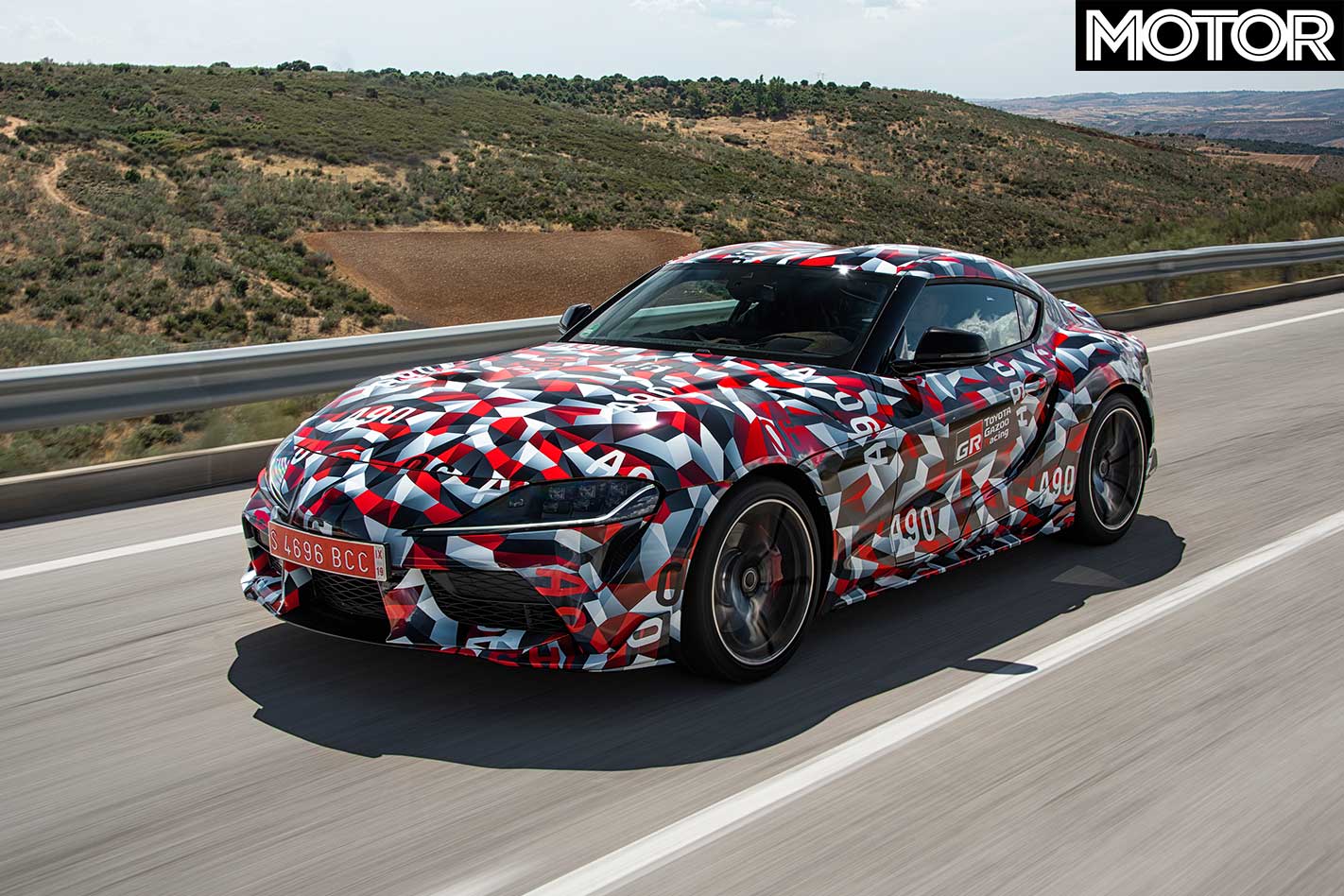
Honda did it with the Civic Type R, Subaru with the BRZ and now Toyota is poised to do something similar with the Supra.
Return to the top of the class, I mean, whether it’s hot hatches, pure driving fun or powerful straight-six rear-drive thrills. (And yes, I know there’s a disconcertingly high percentage of BMW parts under the new Supra’s skin but nobody who’s wrung the neck of a BMW B58 straight-six would ever want to swap it with a 2JZ, as venerable as it is.)
But my heart longs for the comeback of another legendary Japanese performance brand and that’s Subaru Tecnica International. ‘Come back, you say? They haven’t gone anywhere!’ I beg to differ.
Sure, the current WRX STI is a turbocharged all-wheel drive thrill-a-minute and a total blast around a track, but when people praise it for its analogue feel in an increasingly digital age, what they’re really politely saying is that the car is an old nail. Further evidence of this is when the car gradually goes down in price as the years tick on, to keep it attractive to customers in the face of no real mechanical progress.
This is true of the current STI – and it offers a properly antiquated driving experience compared to, say, a Ford Focus RS, another turbo four-cylinder all-wheel drive with shopping trolley DNA – and that car has just been put out to pasture!
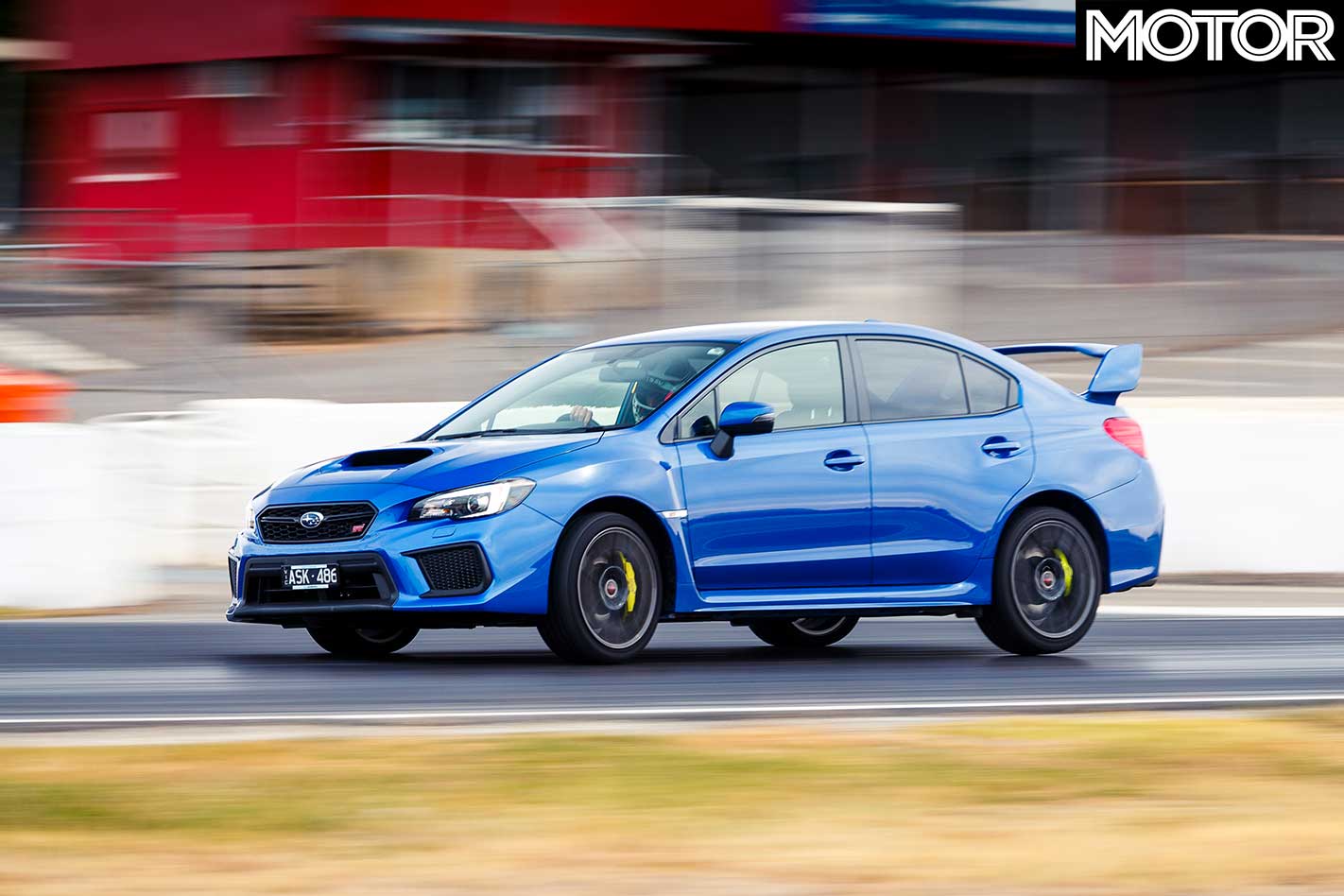
While I’m chuffed to the gills that the WRX STI is still around – natural selection has ironically and regrettably claimed the Mitsubishi Lancer Evolution – I’m also a bit sad to see the STI get its quad tailpipes and rear wing so thoroughly handed to it by even front-drive cars like the Civic Type R. The game has moved on big time.
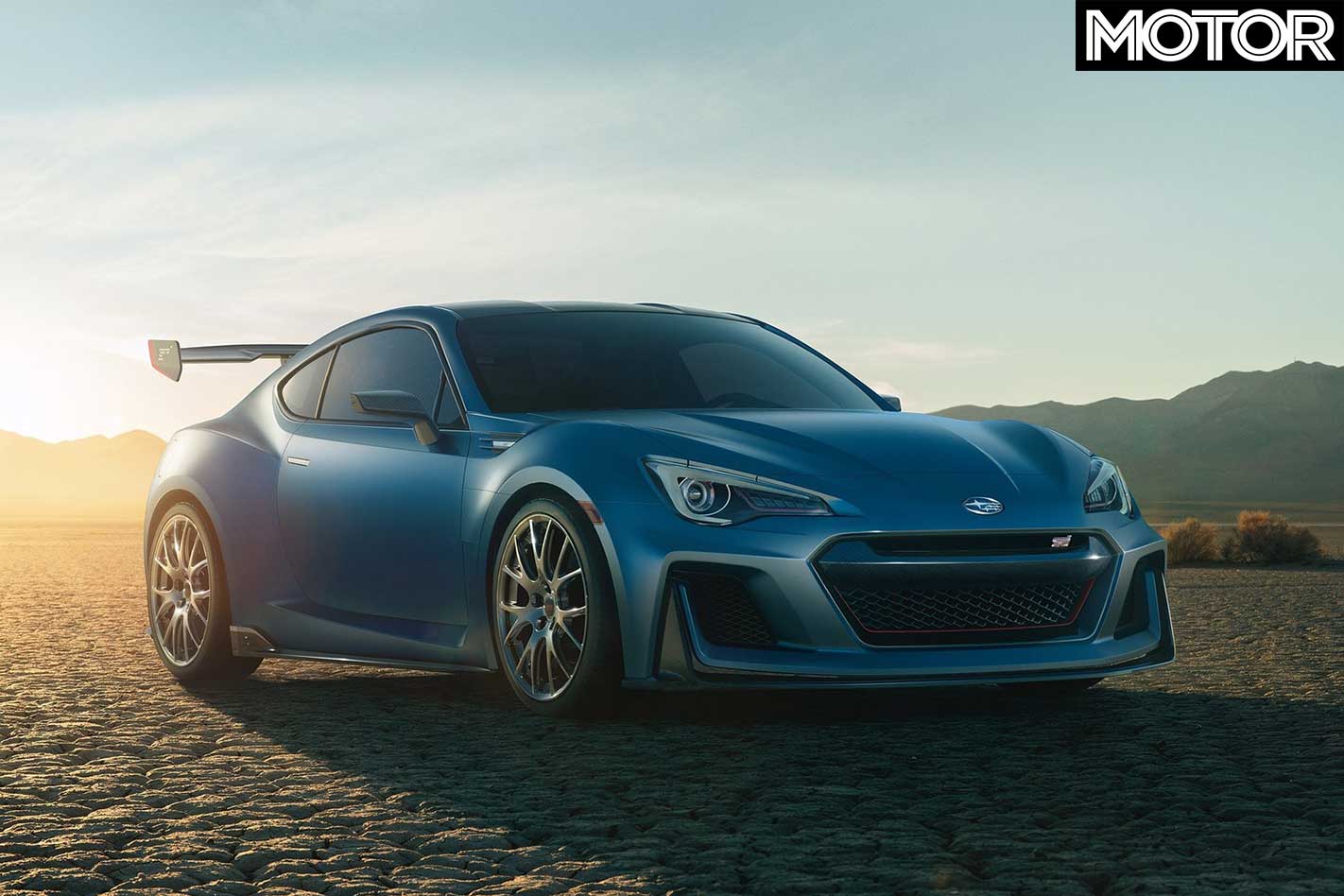
And where is the turbocharged BRZ STI? I feel like a simpleton for still wanting such a thing but imagine a low-boost set-up, a bit more brakes, a bit more grip, a bit more damper, and you’ve got the makings of an outstanding sports car that doesn’t depart too far from the simple-fun ethos of the base model car. The aftermarket can do it – Tunehouse in Sydney has a low-boost turbo kit for the BRZ that works really well – why can’t STI?
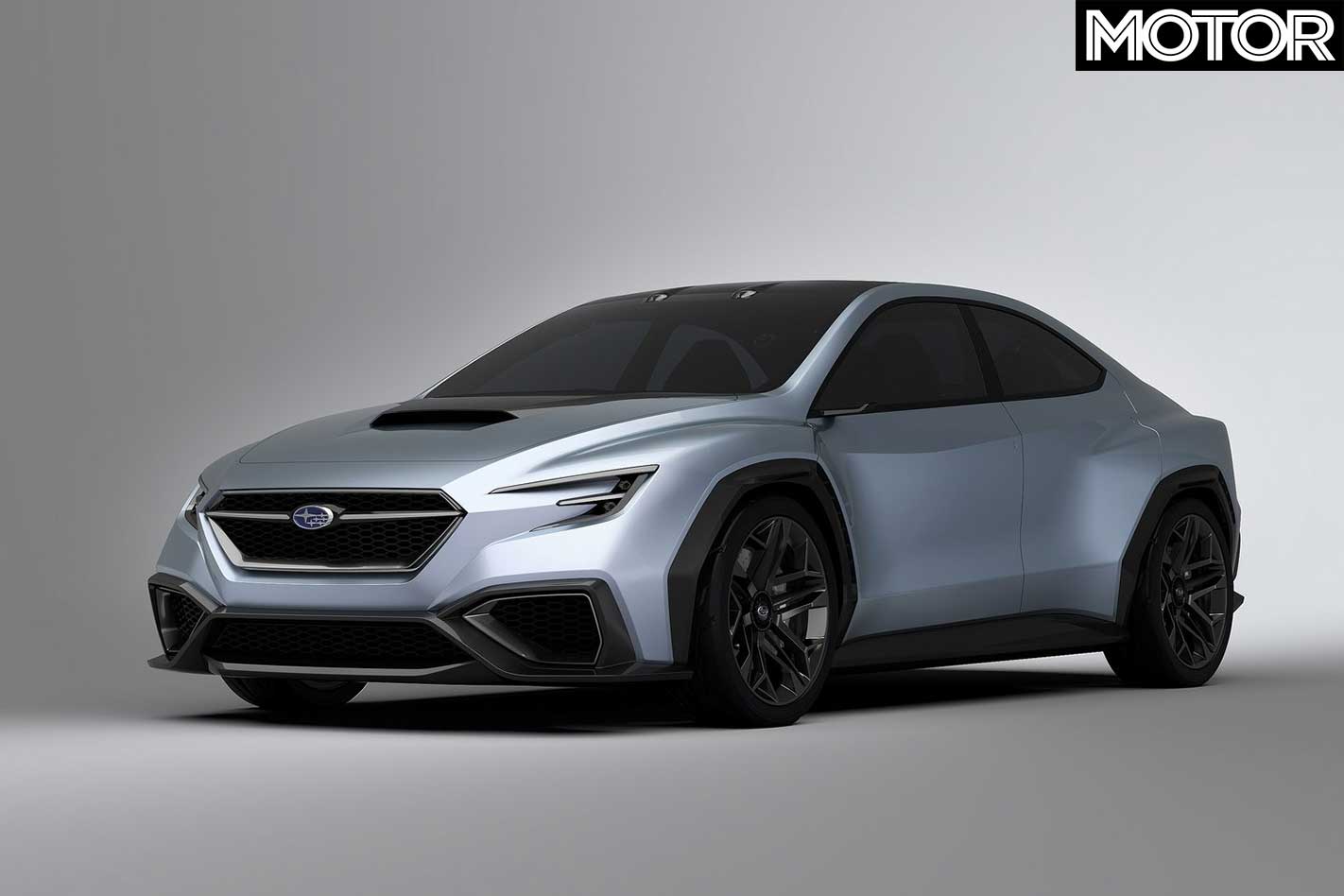
There is a new WRX coming, and a new STI, and Subaru has previewed as much with the various iterations of the VIZIV Concept we’ve now seen. The STI version, with its squinty eyes, 22B-inspired pumped guards and sleek rear wing, hints that the brand hasn’t given up the turbo four-cylinder, all-wheel drive fight. There’s even talk of hybrid powertrains for this car, albeit still some years away. Like, 2023 away.
This might seem like an eternity but it has the potential to leapfrog STI back to the top against the next generation of hot small performance cars also to sport 300kW-plus hybrid systems, such as the next Mercedes-AMG A45 and Ford Focus RS.
Before the Toyota 86 and Subaru BRZ, during that painful period after Japan seemingly killed off all its sports cars or turned off the R&D taps for the ones that were left, I had little remaining confidence in Japan’s ability to build cutting edge sports cars that could again compete against the Euros.
But I am glad to be wrong – the 86/BRZ is the best of its admittedly specialist kind, the Civic Type R is undoubtedly the best-driving hot hatch right now and the Supra is sounding like a proper thing. Buoyed by the brilliance of these new Japanese performance cars, here’s hoping bright pink becomes something to be feared in the rear vision mirror once again.
Have your say below: Can STI relive its glory days?
The biggest trouble with working out where the Continental GT fits into the car world is just where to start with the damned thing. Look back over the last 50 years and there are just no valid reference points in the Bentley archives.
This feature was originally published in MOTOR’s January 2004 issue
There have been newer or upgraded Bentleys, of course, but they’ve never been all-new, and they’ve all been mildly fiddled versions of hand-me-down Rolls-Royces. In fact, Germany has picked up a bronze medal in world domination (and Jesse Taylor’s picked a Melbourne Cup winner) since the last all-new Bentley.
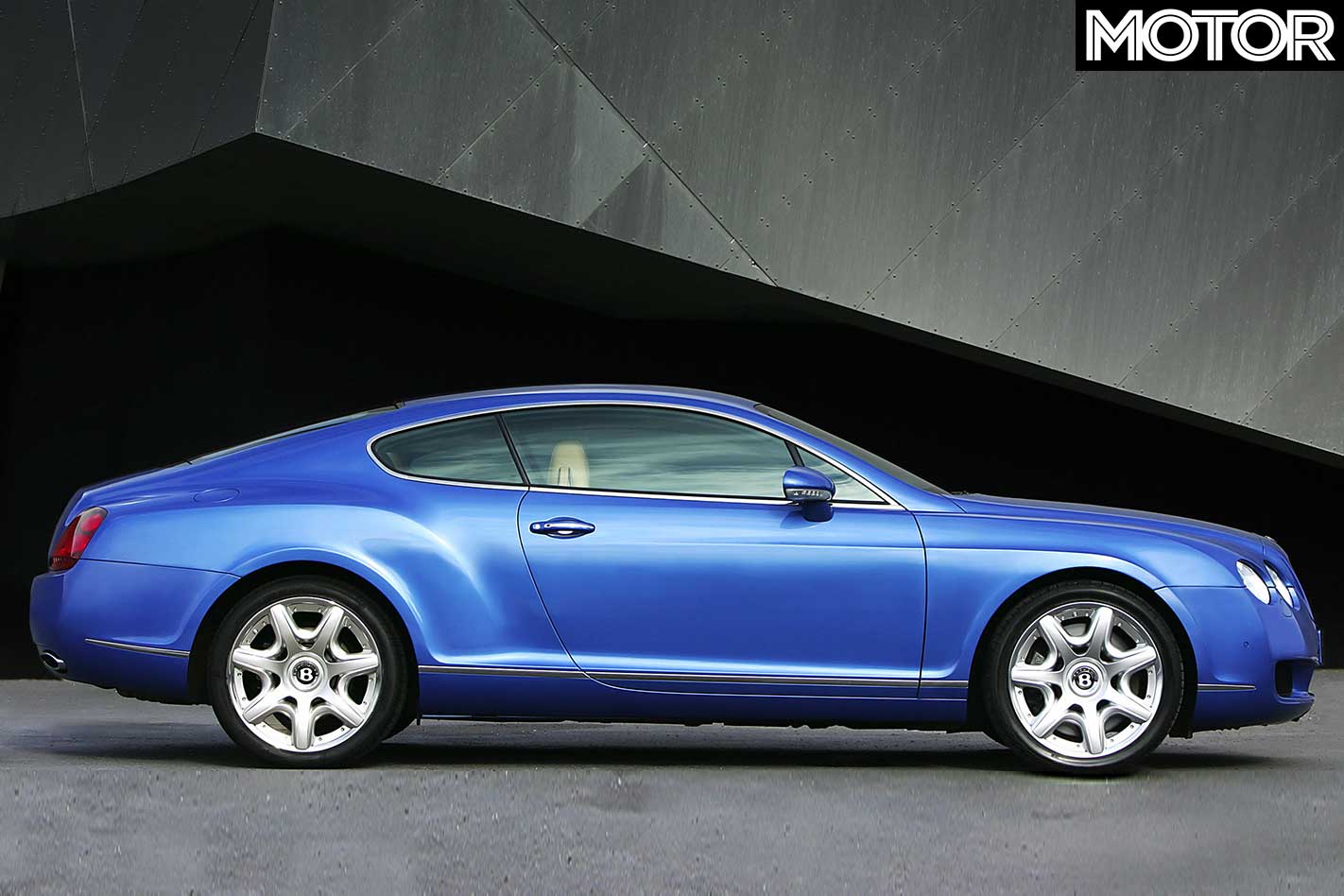
It’s slightly confusing at first, because the DNA doesn’t fit with any reality from Bentleys past, yet it carries strong overtones of what you think a Bentley should be, provided you didn’t drive the old one. It is just too convincing and complete.
Parent company Volkswagen set out to engineer a Bentley, but, with many a rough old goat burped out wearing that badge, it also set out to build a seriously fast car, a car of unimpeachable design quality and something that set new standards.
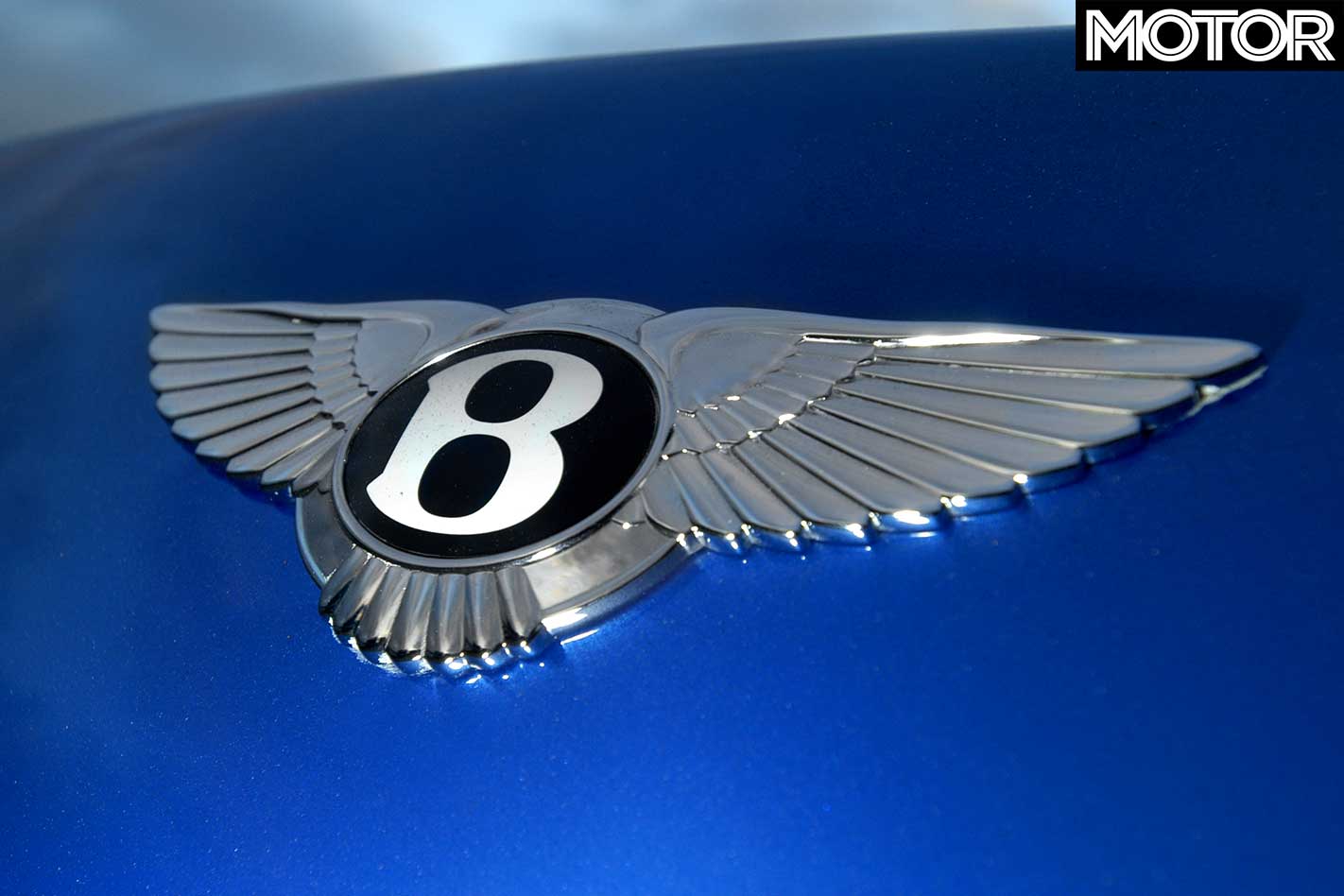
For a car to be thrust upon us out of the clear blue sky and excel on merit and engineering in exactly those areas where its brand used to be smoke and mirrors, well, it’s left us a bit gobsmacked, frankly.
Not a single corner (or kilogram, but we’ll get to that) has been cut in the pursuit of the lofty heights of the brand’s image. In short, the Continental GT is a very, very impressive car. It bloody well oughtta be, I can hear you say, for $380,000, but, trust us, plenty of machinery up to and beyond that figure wouldn’t merit a Boxster engineer’s second glance.
The Continental does. Most people find its styling striking. The unkind reckon the back to be derivative and dull. Nobody, but nobody, is unimpressed.
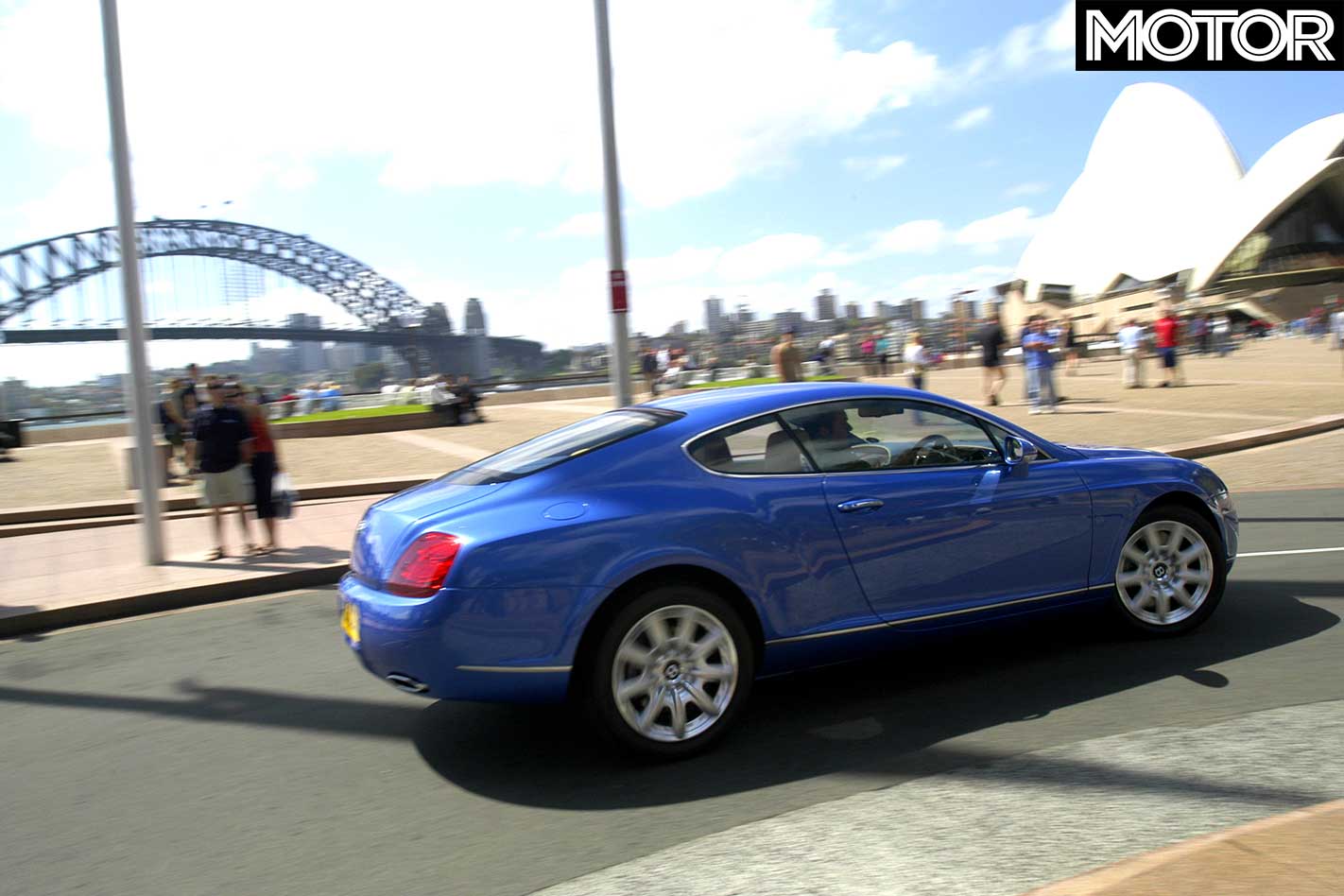
The doors even open with a soft thud. Armour plating for the speccy models feels unnecessary. It’s just a rock. Slam the doors shut and the body won’t even ripple on the air suspension.
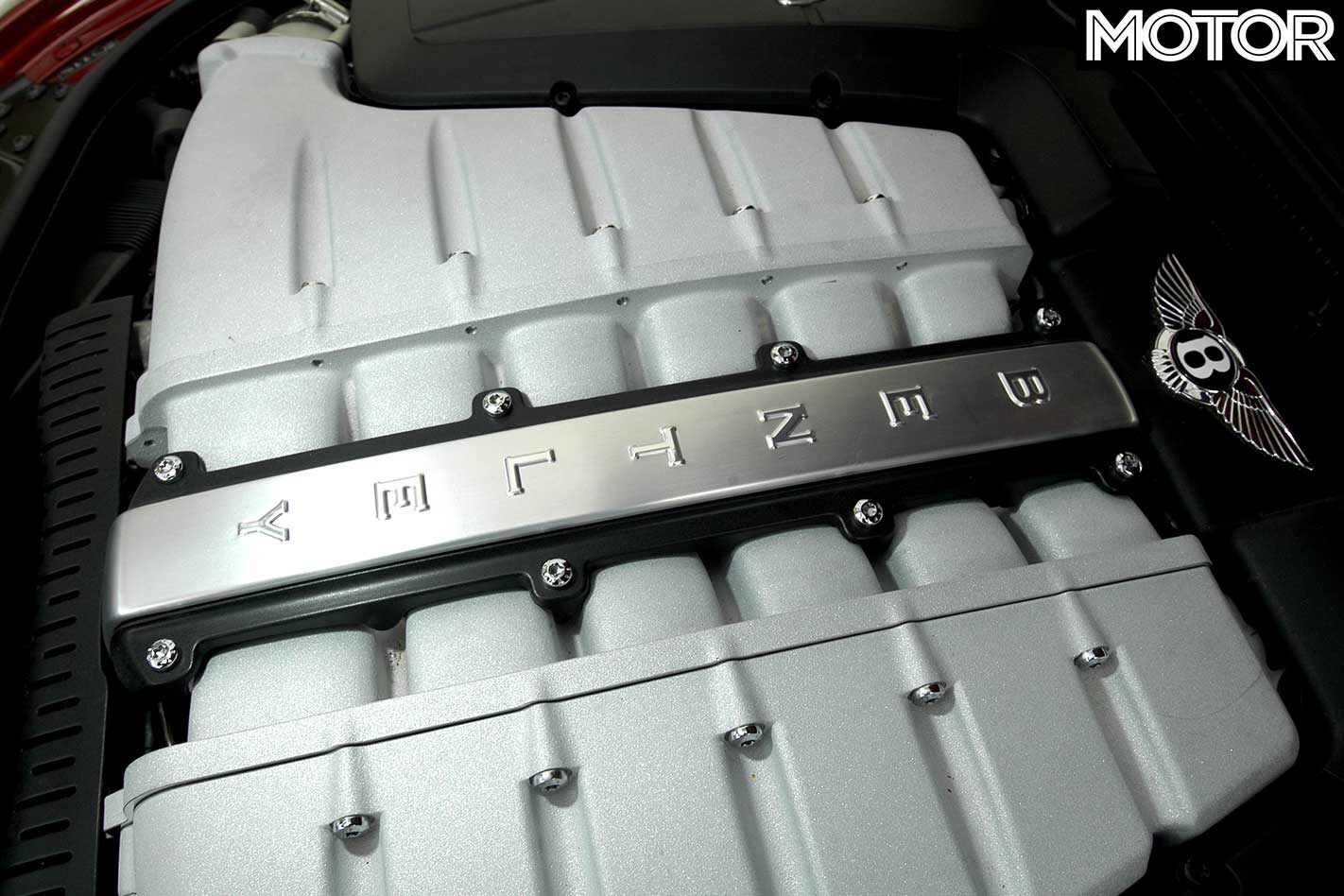
Of course, this isn’t just an all-new Bentley. It owes much to its VW parent, including the luxury-dud Phaeton’s superb steel monocoque chassis. Then there’s the engine. It’s a thumper in Phaeton-spec atmo form, but under the Bentley’s bonnet it’s an absolute monster.
Intercooled, with a pair of turbochargers, the 6.0-litre W12 crunches out 411kW and its 650Nm are available from 1600rpm. It feels that awesome, too, with a melodious (though slightly offbeat) warble, not a single unwanted tremor and a seamless well of sheer, unadulterated grunt.
That grunt is needed, as there’s a bit of beef here to shift. That diamond-hard feeling of solidity doesn’t come cheaply, and the Continental GT is a frightening 2385kg. That’s up there with hard-core off-roaders and, plenty of people will say, not appropriate for a mid-sized sports tourer.
The remarkable thing about the Continental isn’t that it’s this heavy, but that it disguises this beef so well on the road. It doesn’t feel as fat as engineering logic would insist and, in fact, it feels extremely taut in the chassis. And, while it’s not as spectacularly gizmo-loaded as some Japanese or even Australian luxo pretenders, it concentrates on getting the sumptuous basics just so.
The cabin is a beautiful thing, in every respect. Its seats are a combination of mid-corner grippiness and a level of sheer indulgence that’s as rare as a modest American athlete. There are traditional Bentley hallmarks, like the organ-stop vent controls (which are soooo cool) and knurled alloy finishes aplenty.
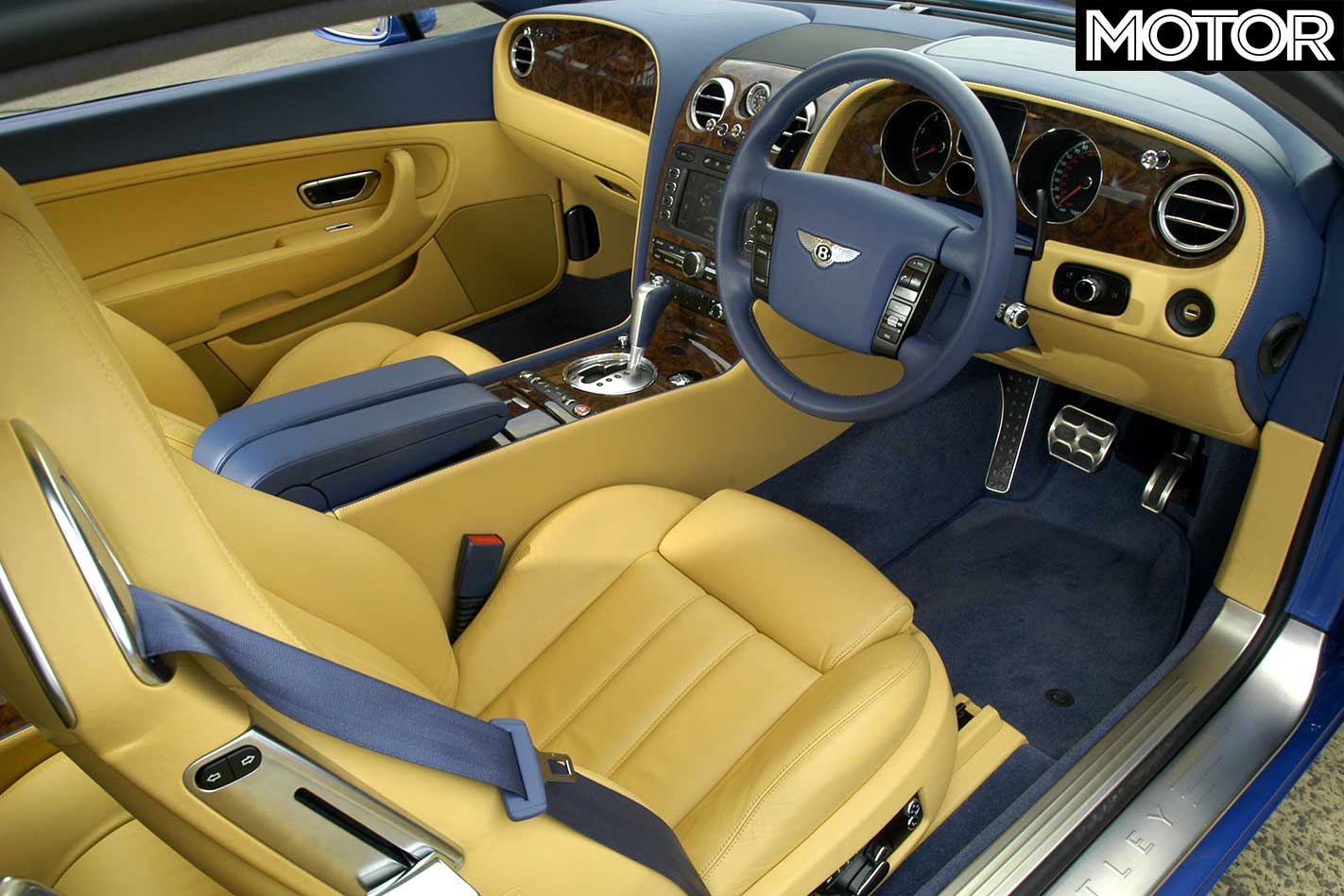
There’s genuine wood, traditional round vents and even reasonable headroom. And that’s just the back seat, which boasts good legroom for six-footers and proper seat shape, at least for two people.
But it’s the Bentley’s street cred that’ll see it a success, and it’s got the grip and grunt to earn that.
Underneath the skin and the Phaeton chassis lurks the all-wheel drive system out of the Audi A8, so it’s one of the better ones going around. There’s a six-speed ZF tiptronic gearbox at the back of the mighty W12, and its shift action is barely perceptible when there’s anything less than full throttle, reassuringly rapid when the pedal’s nailed through the thick carpet. It’s also got paddles, a la Touareg.
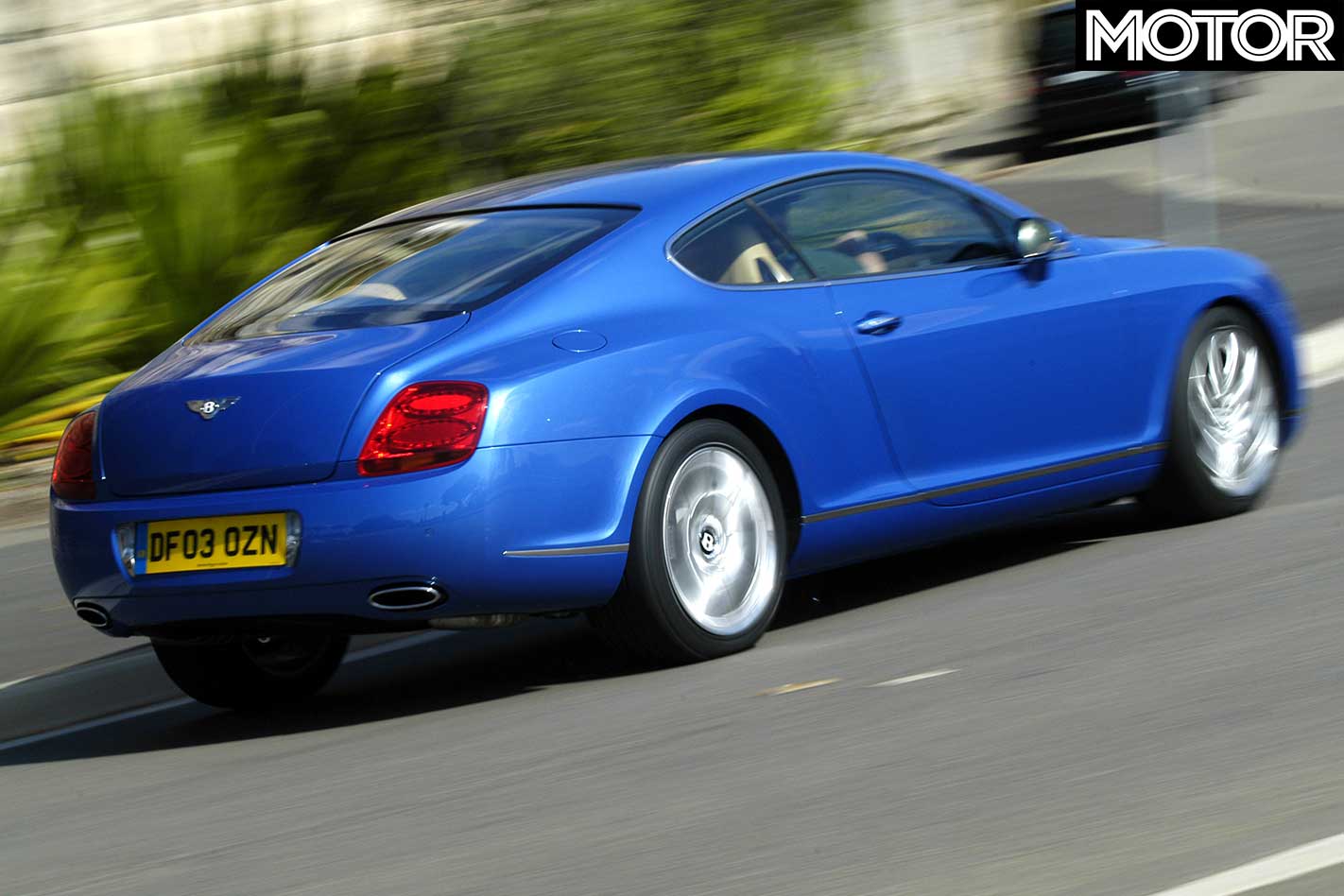
It isn’t, though, the best thing about the car. The ’box can actually be a pain, with its combination of full auto and then sequential modes. Flick a paddle for a downshift and the Conti will often, on part throttle, upshift one or even two gears for you, just when you don’t want it to. But with this much torque, it could get away with being direct drive, for all the difference anybody would be able to tell.
There’s a period up to about 40km/h where the Continental GT doesn’t feel that quick or special, but when its rate of acceleration remains at that initial, hard-thrusting surge all the way to the best part of 200km/h, it’s hard not to be impressed.
The brakes are also pretty astonishing. They never, ever feel like they’re struggling with what are immense joule counts, and they’ve even got a fair bit of pedal feel. At 400mm in diameter, the front rotors are the largest offered in production trim anywhere in the world. And they need to be.
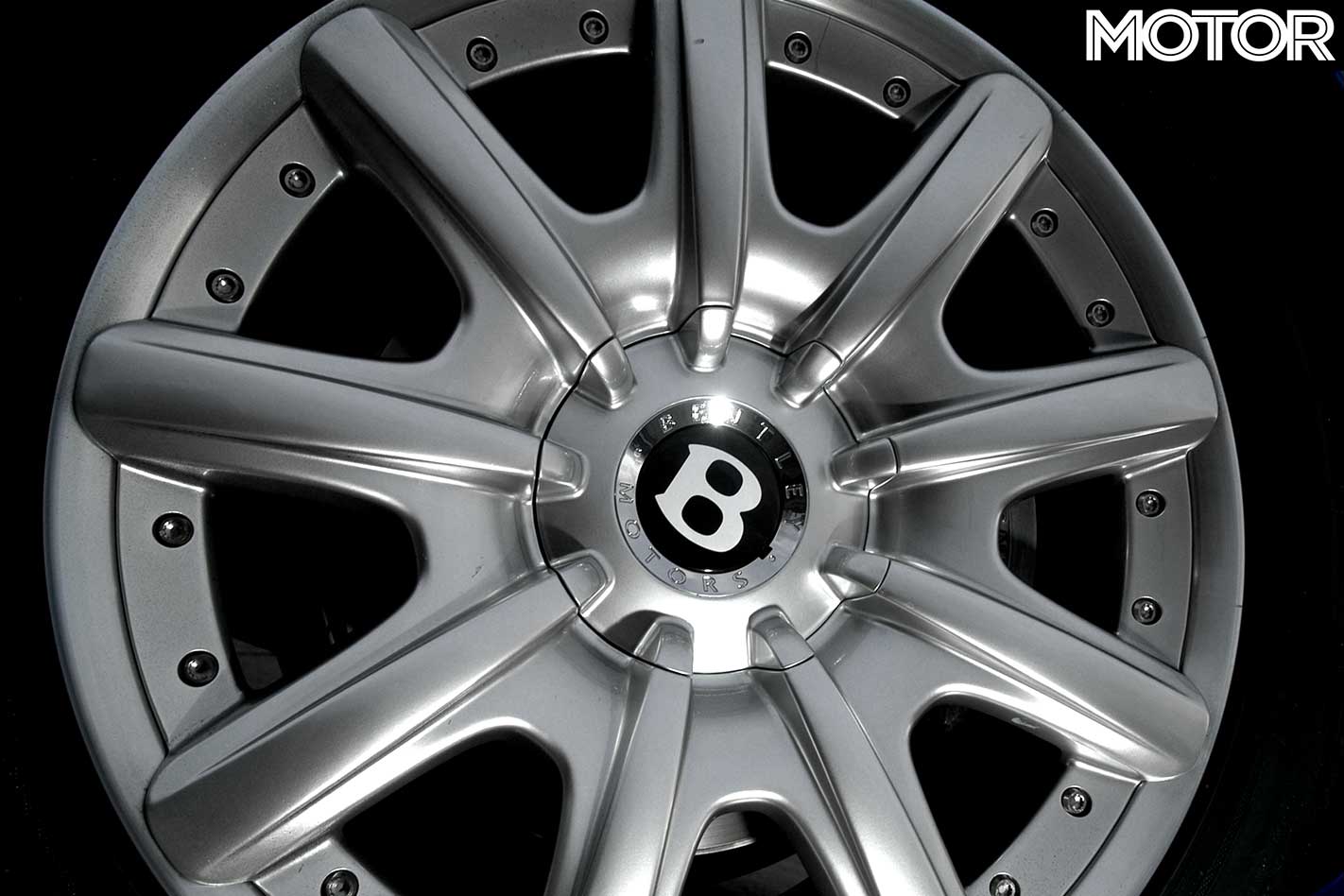
They don’t even mind if you rip into them all the way into the apex of a corner. In some cases they seem to prefer it, and it seems to be the way to get more speed out of the big sucker – by gradually convincing it to turn ever tighter into the apex rather than one sudden snap of the tiller.
Steering feel, too, is convincing, especially for a car with driven front wheels and this much power. In fact, the whole chassis helps. The feel from the air springs is a generation on from other manufacturers’ jouncy, slightly off-sync efforts. This feels solid, corners flat and makes a billiard table out of Sydney’s worst roads. Mid-corner bumps never, ever throw it off line and it doesn’t give a hint of steering kickback.
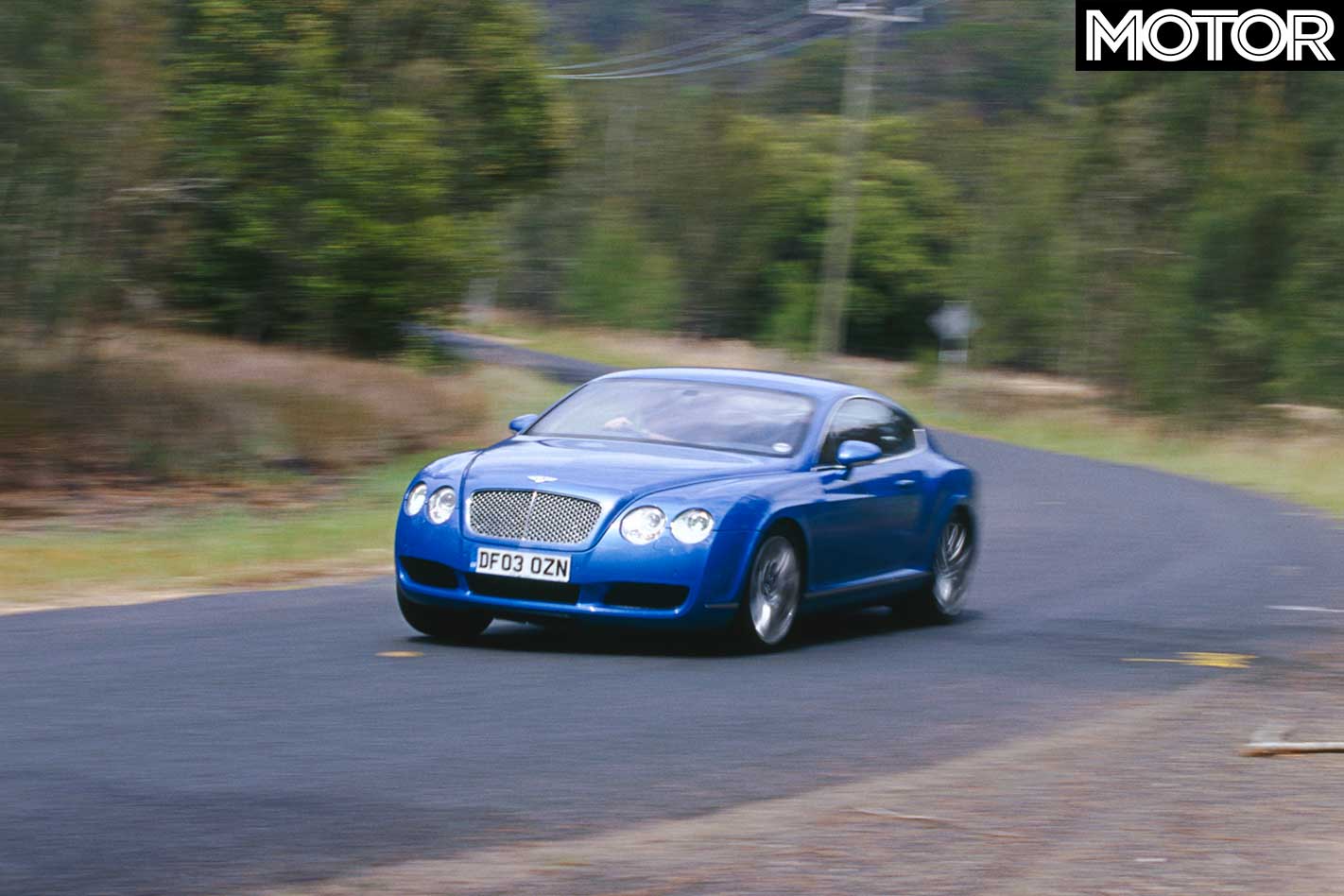
With its myriad traction and stability control systems ditched, the chassis balance tends to be one of slight understeer, though it’s possible to work the tail into a couple of degrees of fuss-free oversteer on turn-in. Enjoy it while you can, though, because the big brain will get it sussed early, punch the drive to the front and return you to the stance it prefers.
You initially wonder whether $380k isn’t stretching reality a bit. It is an awful lot of money. Then you think back to the last Bentley. At $600k, that was a serious reality stretch. But this is Bentley back to reality. Back to where it’s never been.
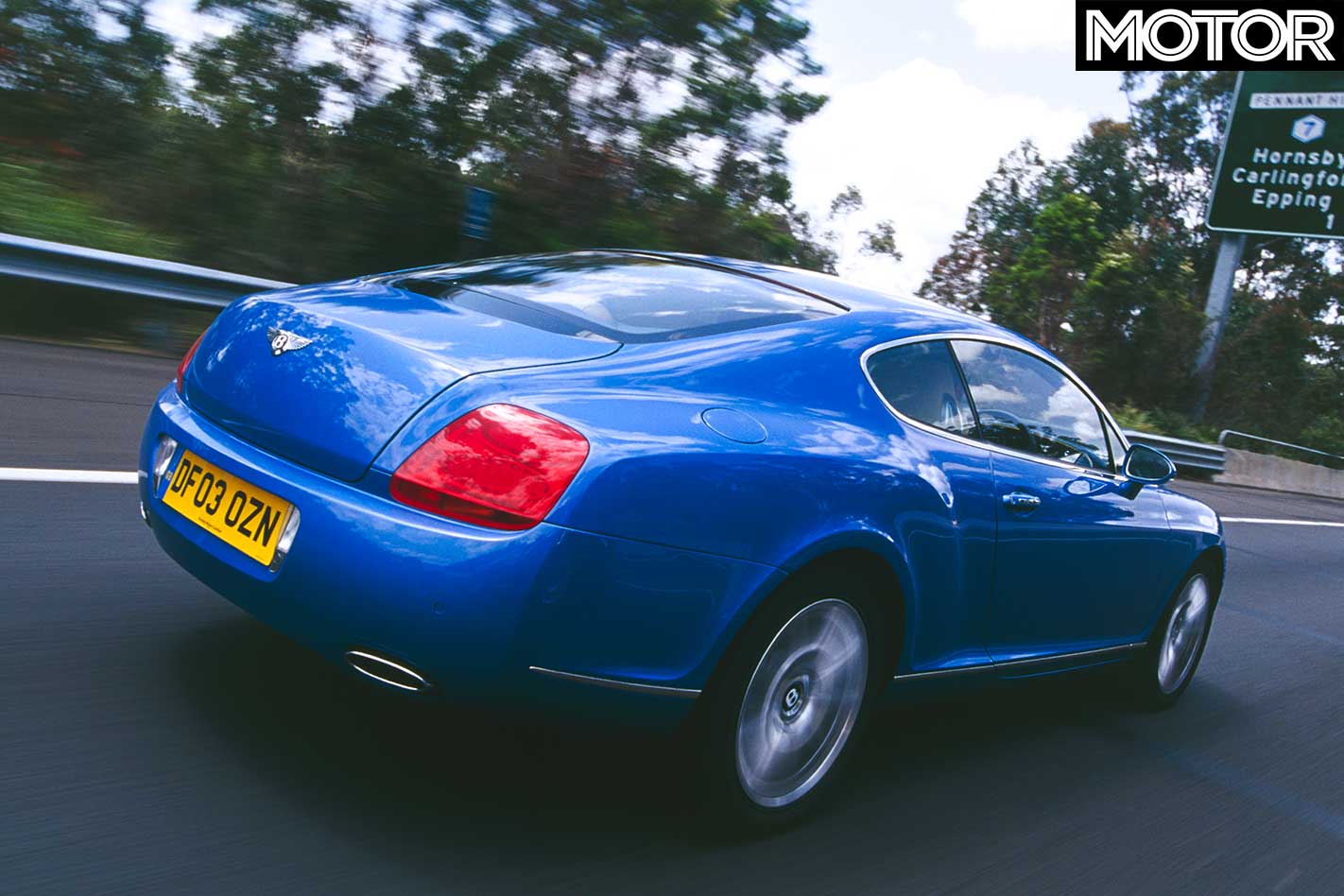
FAST FACTS 2004 Bentley Continental GT
BODY: 2-door coupe DRIVE: all-wheel ENGINE: 6.0-litre twin-turbo W12, DOHC 48-valve POWER: 411kW @ 6200rpm TORQUE: 650Nm @ 1600rpm COMPRESSION: 9.5:1 BORE/STROKE: 84.0mm x 90.2mm WEIGHT: 2385kg POWER-TO-WEIGHT: 172kW/tonne TRANSMISSION: six-speed auto SUSPENSION: double wishbones, air springs, anti-roll bar (f); multi-link, air springs, anti-roll bar (r) L/W/h: 4804/1918/1390mm WHEELBASE: 2745mm TRACK: 1623mm (f); 1607mm (r) BRAKES: 405mm ventilated discs, two-piston calipers (f); 335mm ventilated discs, single-piston calipers (r), ABS WHEELS: 19 x 9.0-inch (f & r), alloy TYRES: Pirelli P Zero Rosso, 275/40 ZR19 (f & r) FUEL: 90 litres, PULP PRICE: $379,995
Five big points in Bentley’s history
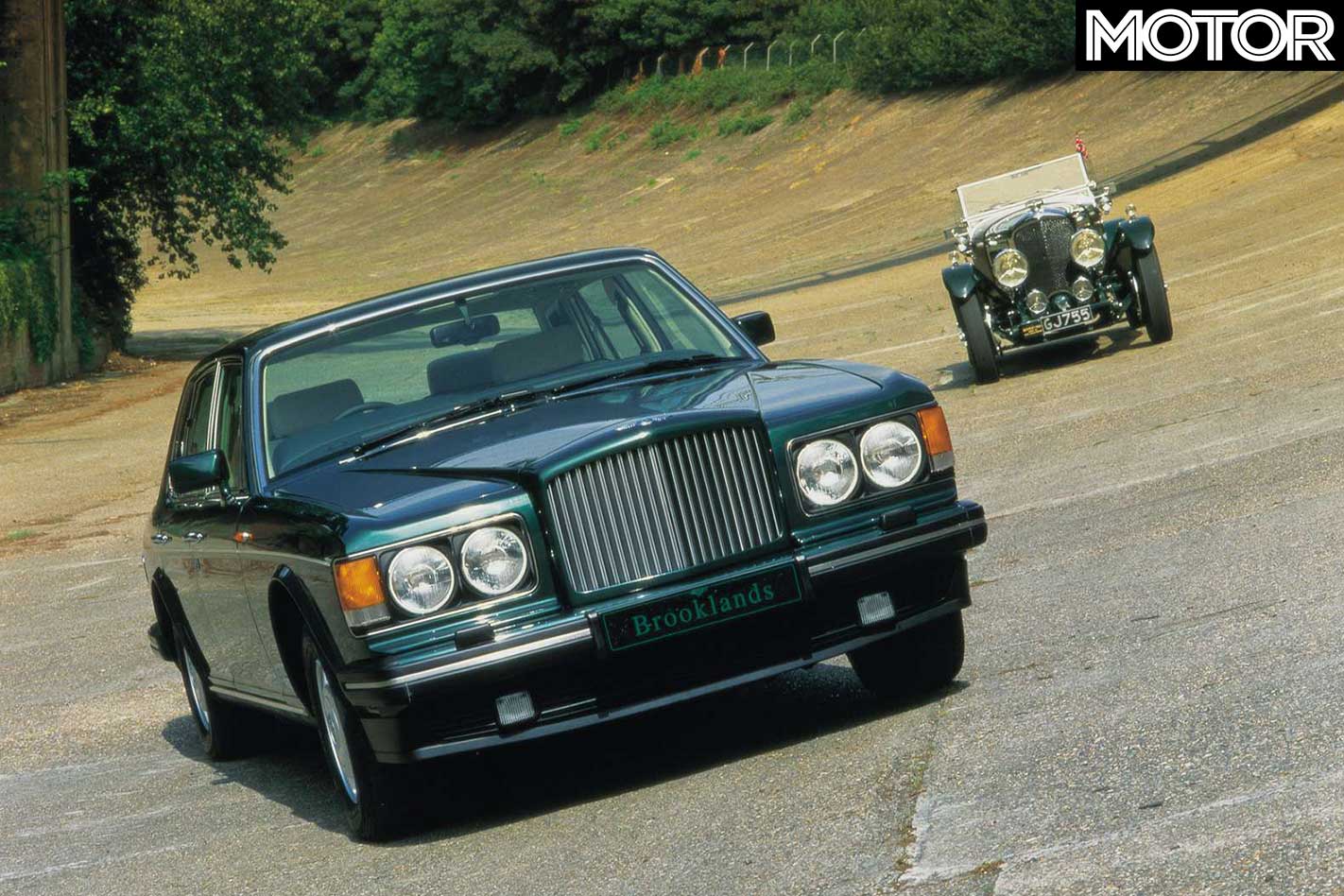
• 1921 – first Bentley model build in Cricklewood, England • 1924 – Bentley wins its first Le Mans 24-hour race • 1927-1930 – Bentley wins four straight at Le Mans • 1931 – Bentley goes tits up, bought by Rolls-Royce • 1999 – codenamed MSB, the Conti GT is announced
How not to buy a company
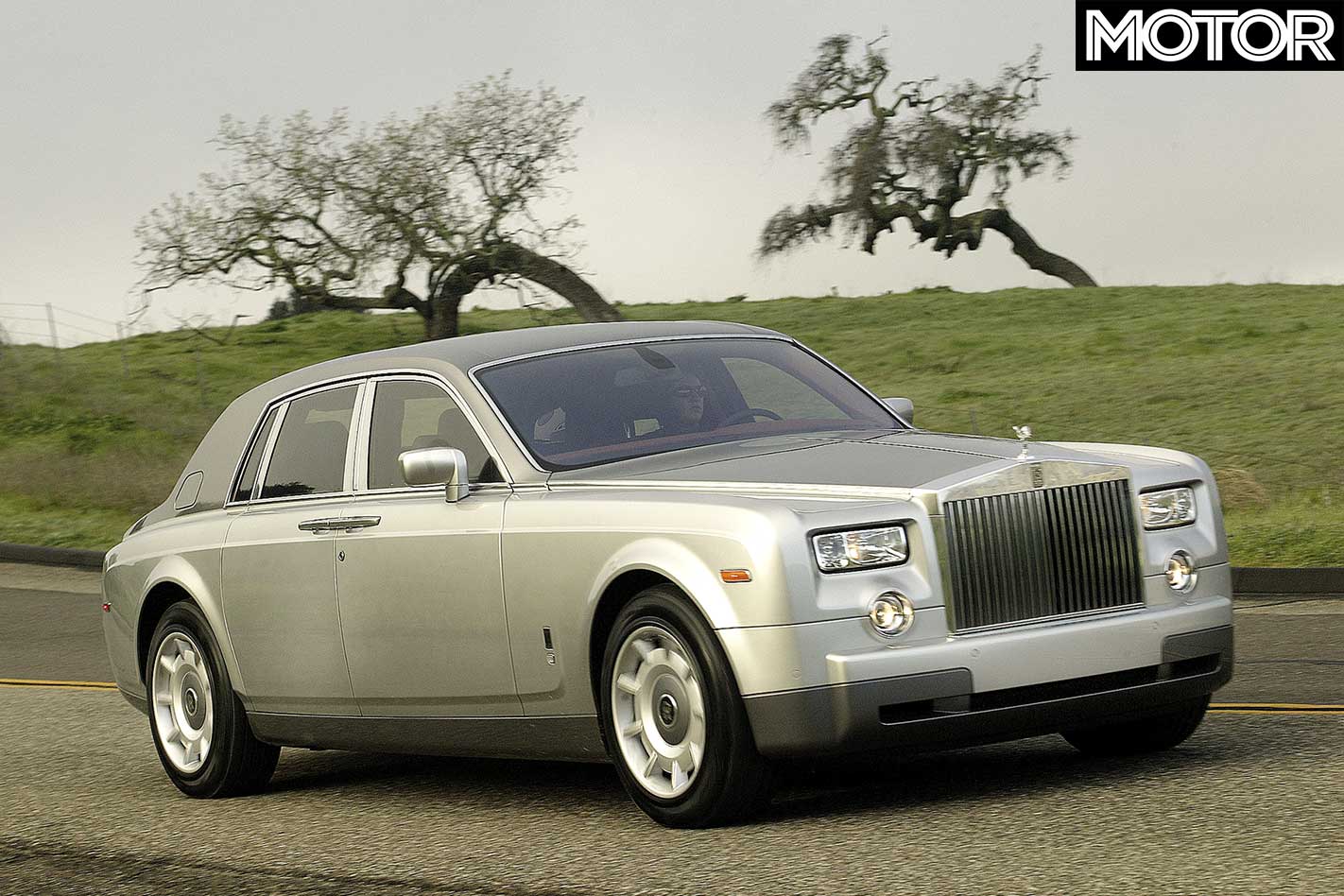
Vickers wanted out of its Rolls-Royce and Bentley car making operations in 1998 and, when bidding closed, VW had offered £430 million for Rolls-Royce Motor Cars Ltd, BMW only £340 million. Then it got silly. Really silly.
Rolls-Royce Motor Cars didn’t own the Rolls-Royce name. It used it under licence from Rolls-Royce Plc (the aero engine group), so VW had bought itself a very outdated factory and the Bentley badge. Then it stumped up another £120 mill for Cosworth, which Vickers also owned.
BMW then picked up the Rolls-Royce badge for a pittance. It had an aero engine joint venture with RR dating back to 1990 and had been developing new RR and Bentley engines since ’94. So VW now builds Bentleys, BMW builds Rollers.
In 2006 Mazda turbocharged the new 3 to create its first serious hot hatch. Yet this is a car that time is beginning to forget, quite unfairly if you ask us.
The Mazda Performance Series (MPS) version of the 3 joined the RX-8, NC series MX-5 and 6 MPS to establish one of the company’s most performance-focused model line-ups. At its heart was a 2.3-litre direct injected four-cylinder shared with the all-wheel drive 6 MPS. And despite its powertrain driving only the front axle, the 3 MPS wasn’t penalised a single kilowatt or newton metre.
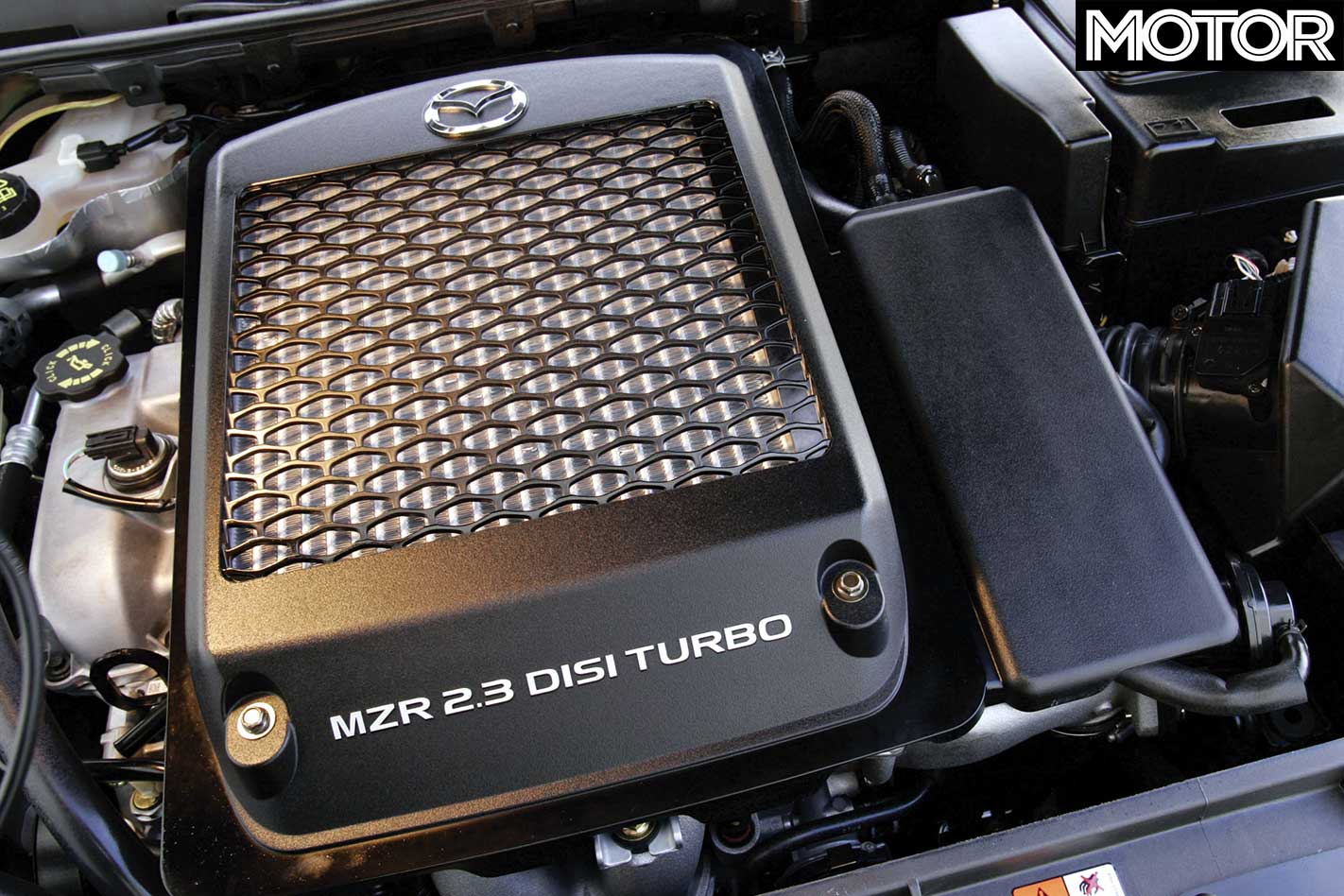
Its 190kW and 380Nm towered over the four-cylinder hatch competition in its day. In fact, the only hatches that came close to it for stonk had an extra two cylinders and asked for much more than the 3 MPS’s reasonable $39,990.
For that money, the MPS offered decent performance and engineering in the way of a Torsen LSD, unequal length half shafts and specially tuned suspension. Admittedly, it was a lot of power for the 3’s package, and even though it was boost-limited in the six-speed transmission’s lower gears, the MPS was known for torque steer and nose-heavy handling.
Mazda claimed 6.1 seconds for the 0-100km/h sprint, but all MOTOR could manage was 6.61. It did eventually hook up, though, as it actually crossed the standing kilometre with a higher trap speed than the 6 MPS at 199.74km/h.
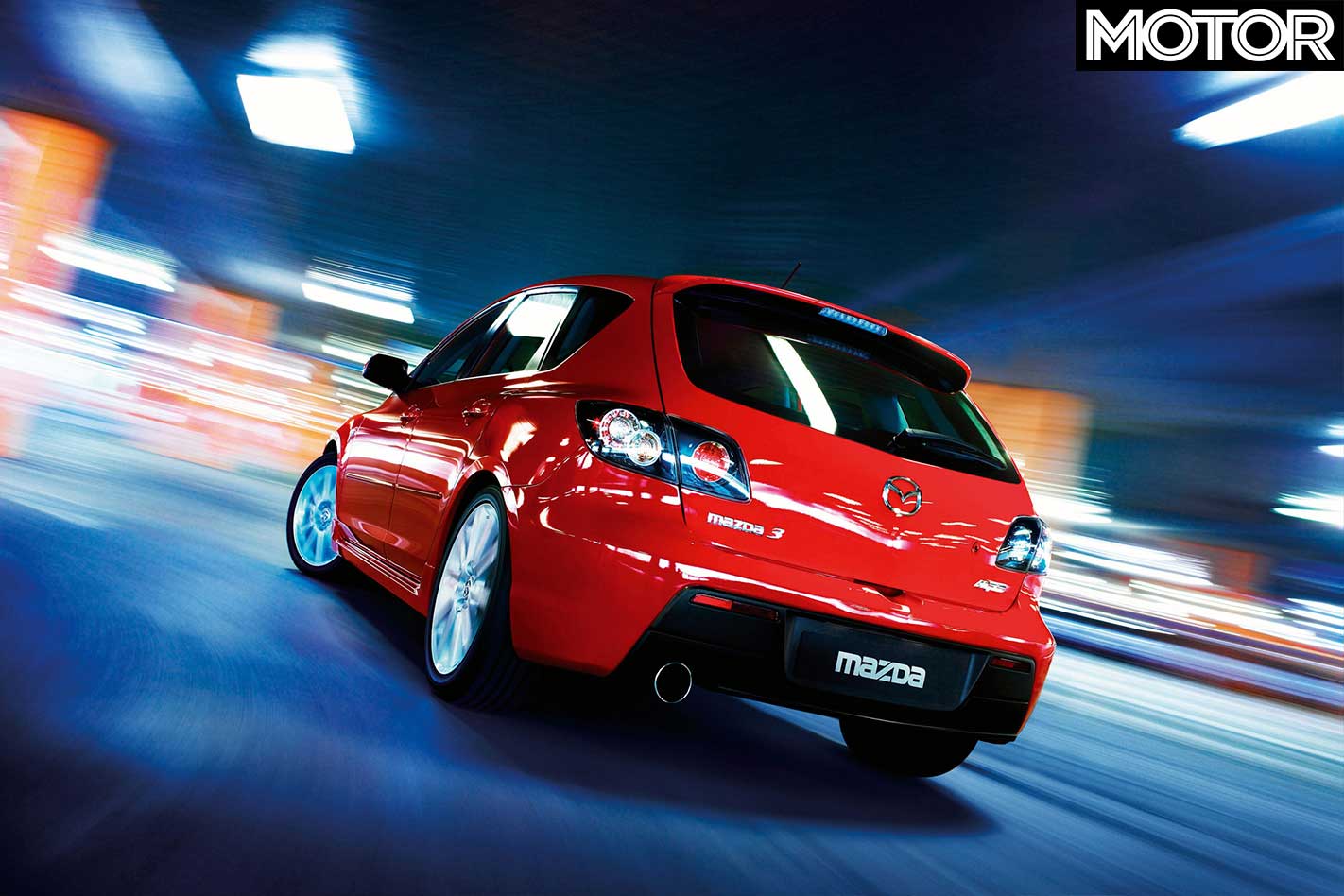
It was updated in 2009 when the base car transitioned to a new generation. Mazda tried to address the handling issues with revised steering, suspension and wider tyres. Its looks, too, were finally reworked to suit the car’s dynamite performance that centred around the carried-over 2.3-litre powerplant.
Sadly, Mazda dropped the MPS brand when the latest generation 3 arrived, apparently more focused on developing SkyActiv engines and SUVs instead, leaving us with the good, but far from exhilarating, SP25 in its wake.
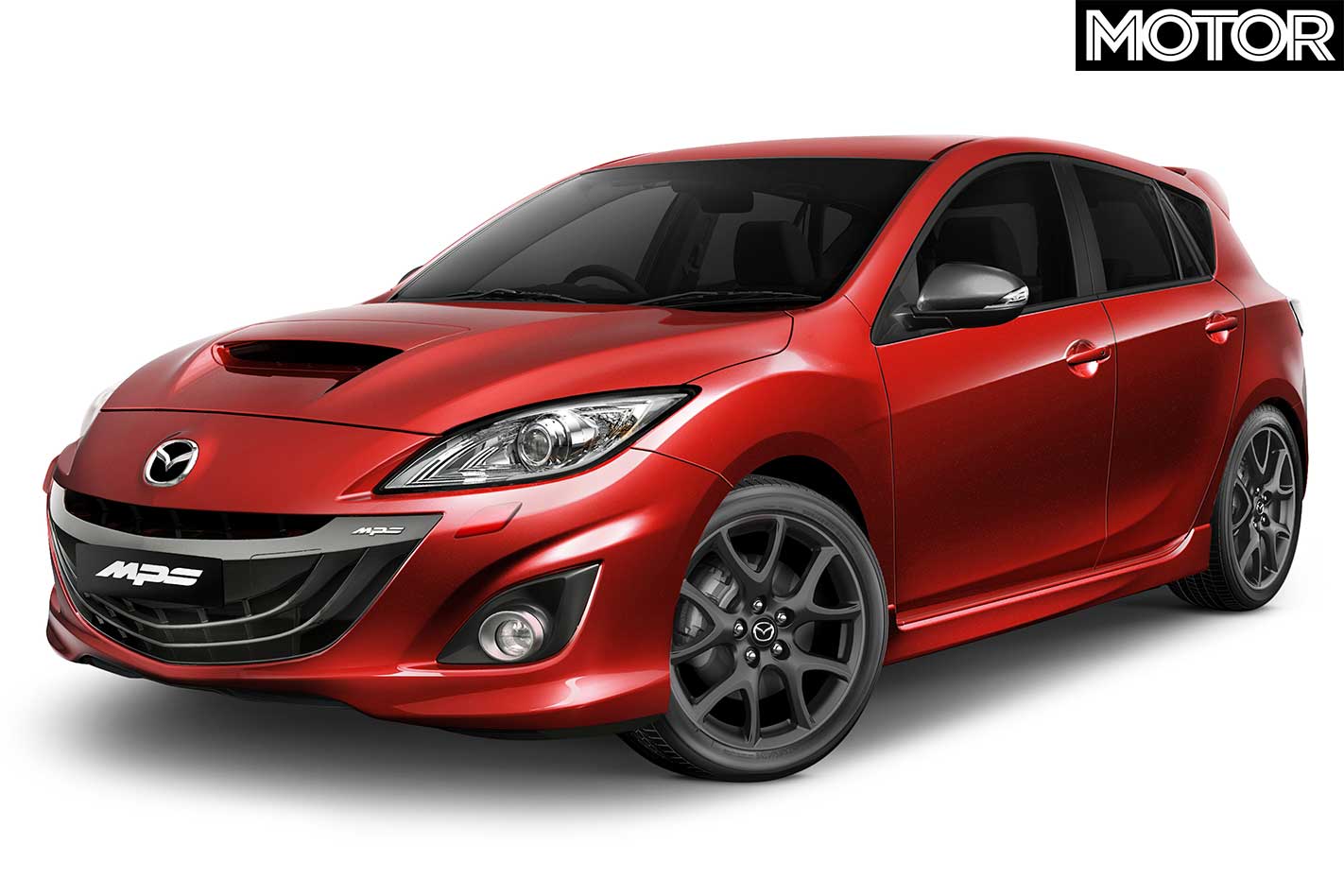
2006 MAZDA 3 MPS SPECS Engine: 2261cc inline-4, DOHC, 16v, turbo Power: 190kW @ 5500rpm Torque: 380Nm @ 3000rpm 0-100km/h: 6.1 seconds (claimed) Price: $39,990 (new)
Jim Carrey, Jerry Springer and Republican Party members aside, I don’t really have a problem with the Yanks. I dig a ’57 Chev or a Shelby Mustang as much as the next bloke. I’d be happy to ride a Harley Davidson down Highway 1 or Route 66, and The Simpsons is my favourite documentary on telly.
This feature was originally published in MOTOR’s January 2004 issue
But there’ll be a blizzard blowing down the main street of Hades before I start talking like they do. I don’t eat fries; I eat chips. A fender is a brand of guitar and a trailer is something you cart rocks in, not sleep in. I never use the sidewalk, I refuse to throw my rubbish in a trash can, and I can’t bring myself to call a soft-roader an SUV.
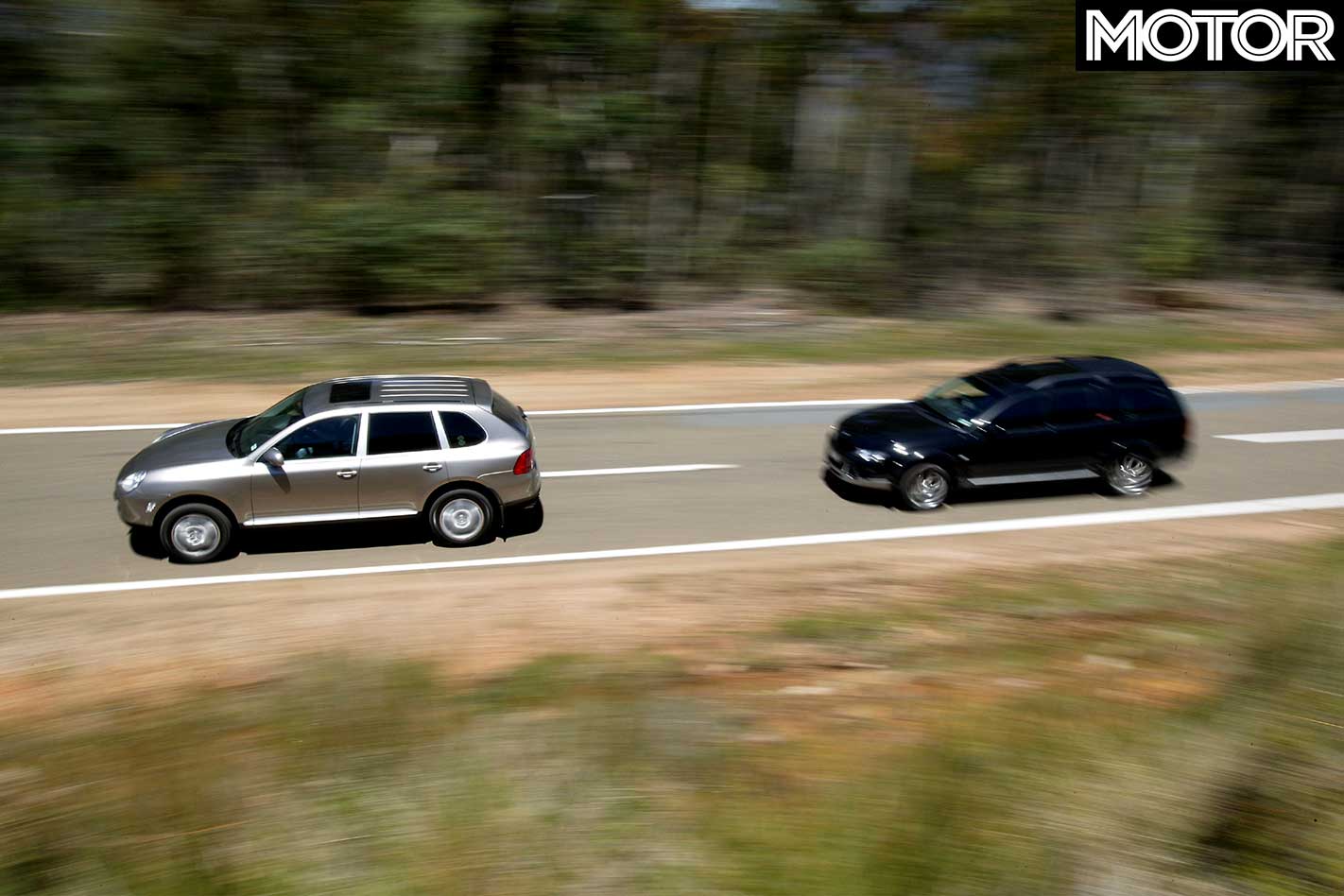
Okay, so the ‘vehicle’ bit speaks for itself, but to an Aussie boy like me, calling something ‘utility’ indicates an ability to haul a metric yard of topsoil. Ditto ‘sport’, which tends to indicate a better than average dynamic package – the sort of thing that escapes most soft-roaders almost entirely.
In fact, it’s the ‘sport’ bit that I have the biggest problem with, mainly because a vehicle designed for even light off-road work is going to have an awful time cutting it on the black stuff. Unless, of course, you start with a manufacturer that understands bitumen-smarts better than most in the first place. Or develop a soft-roader that’s based on a road car rather than a light truck.
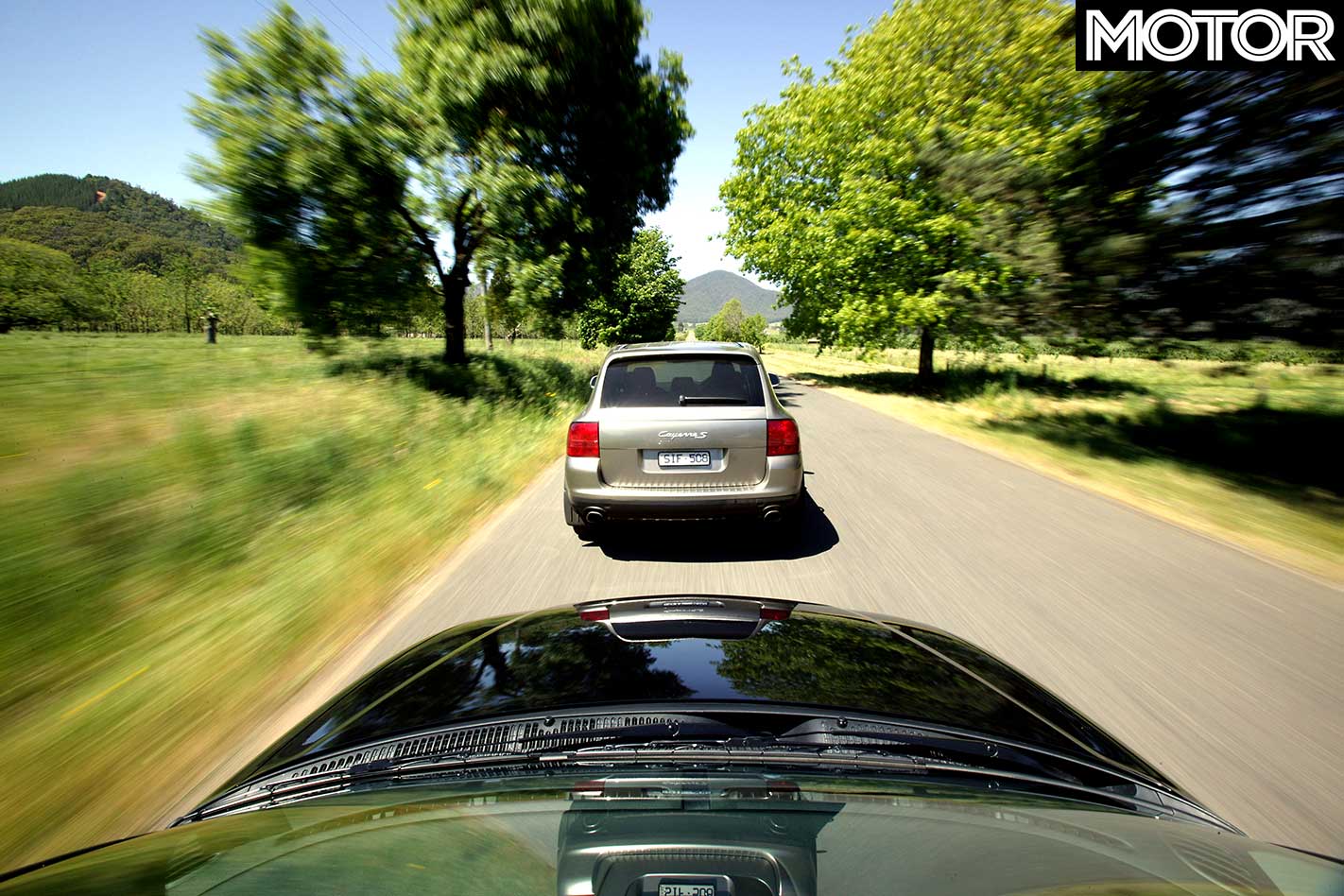
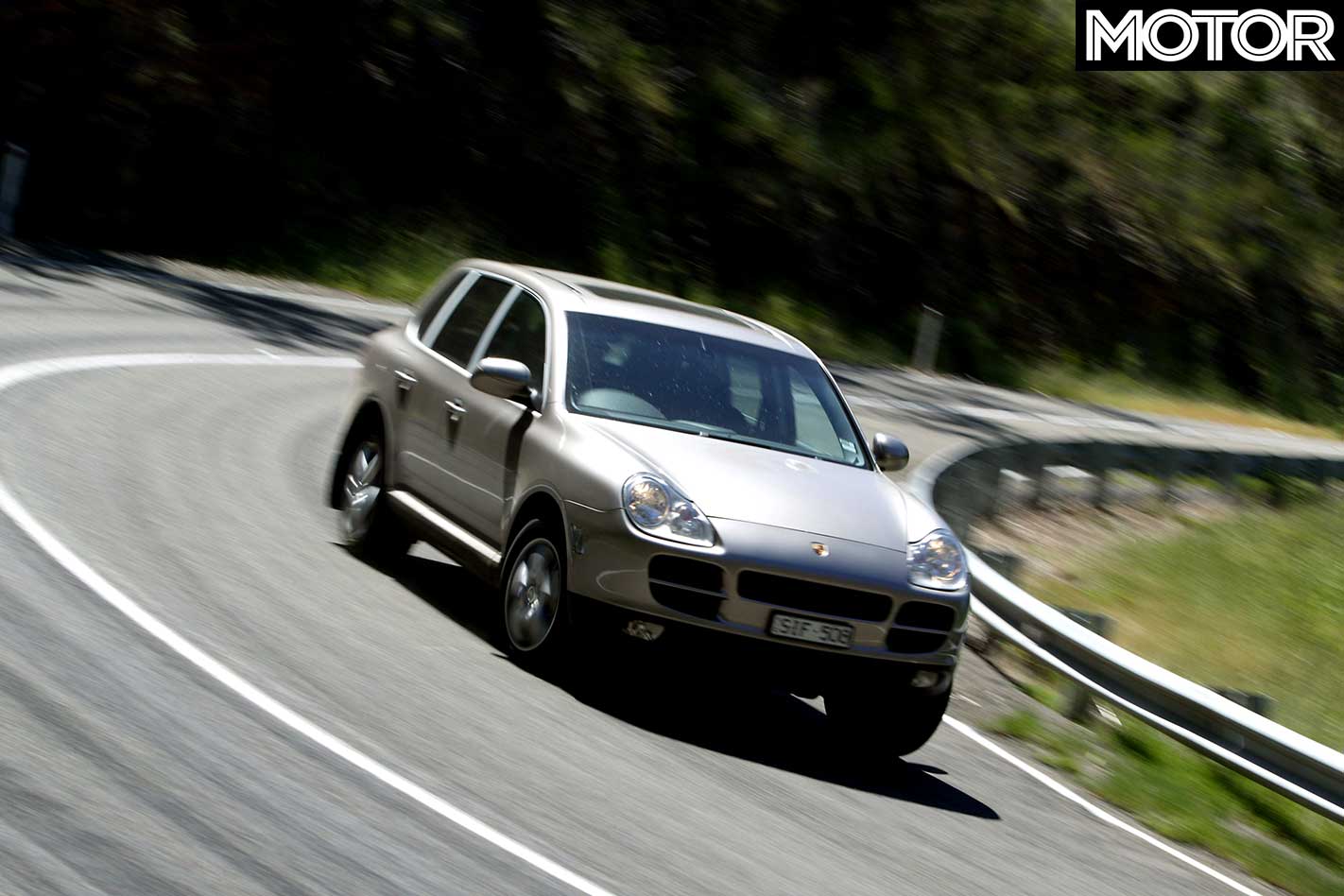
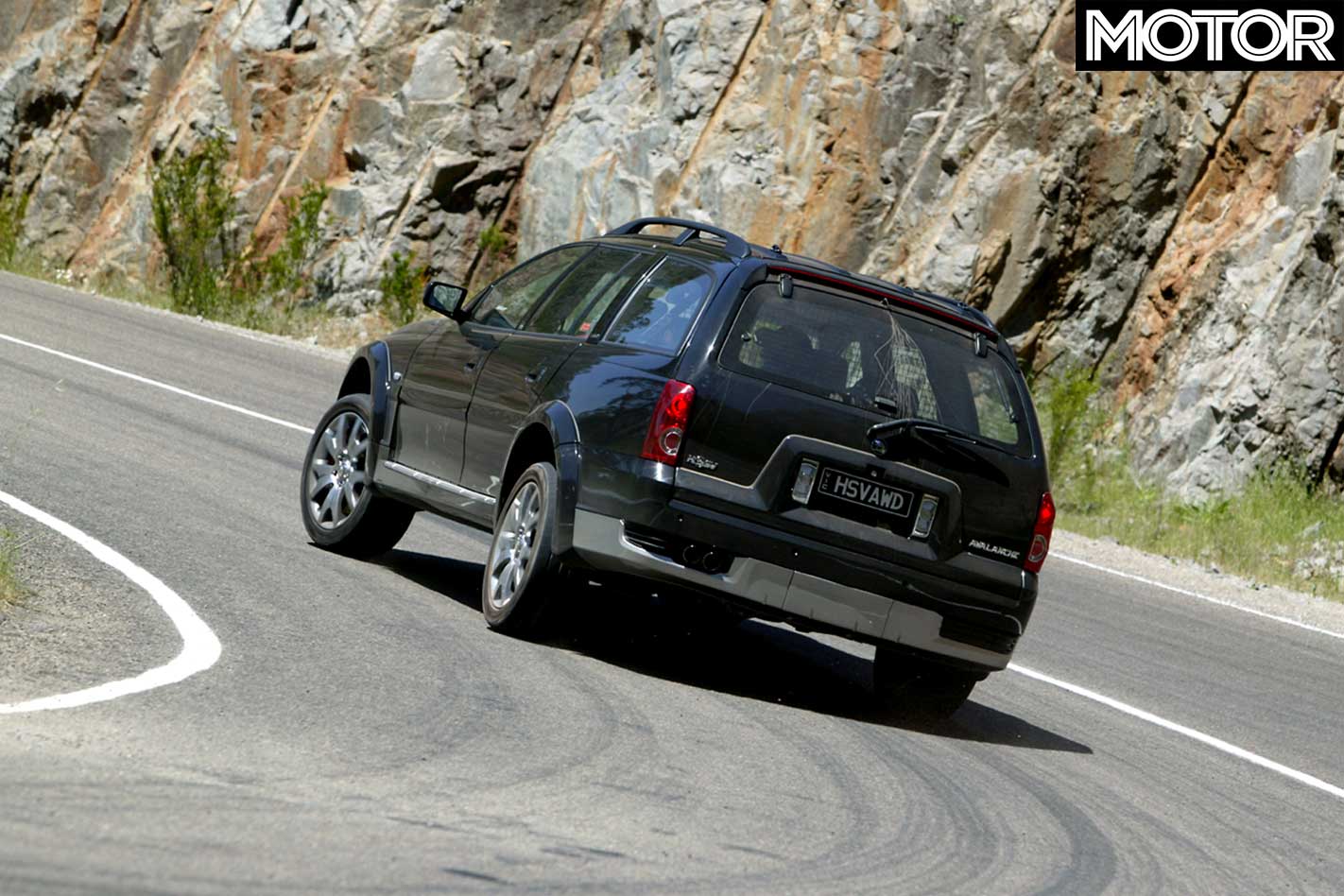
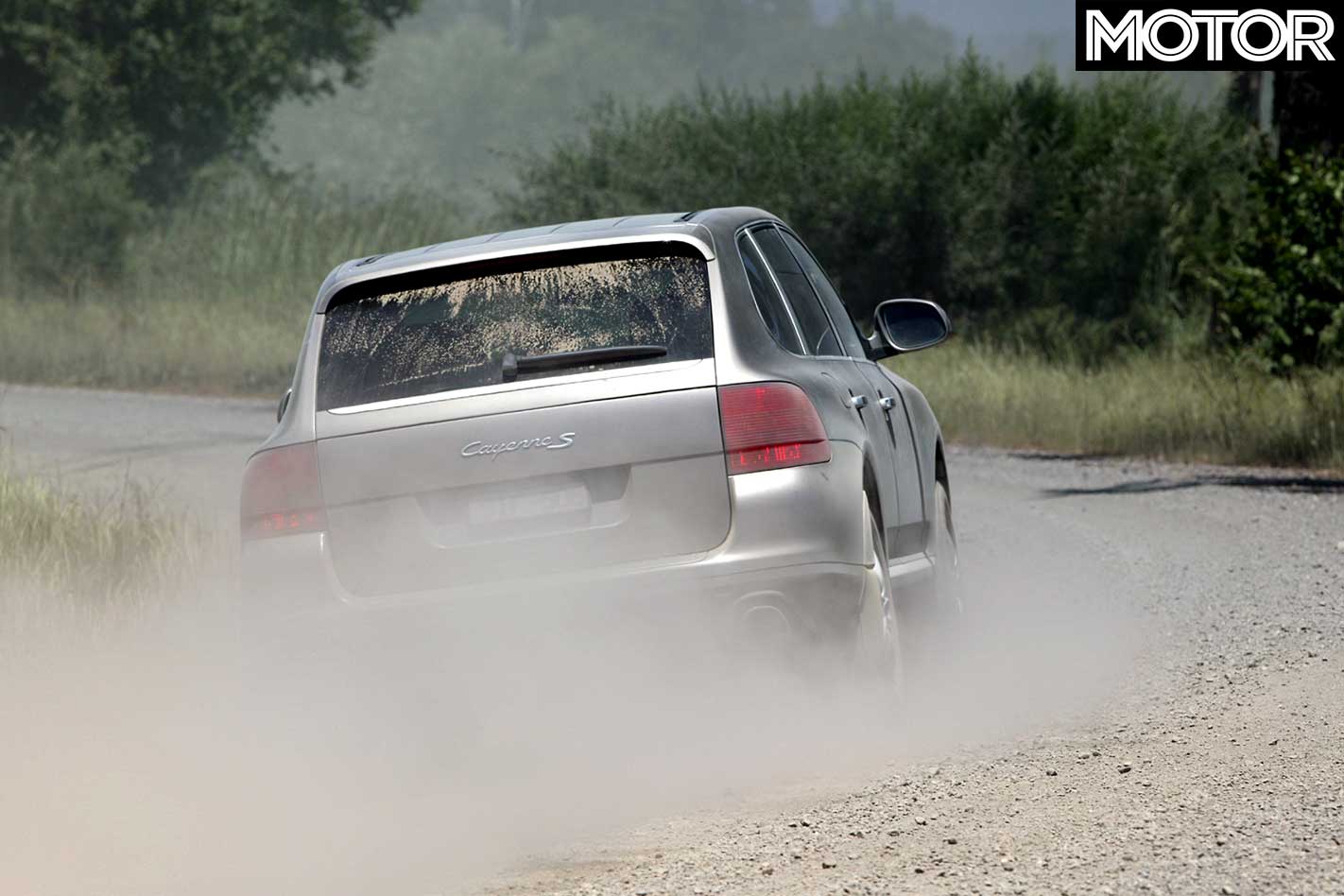
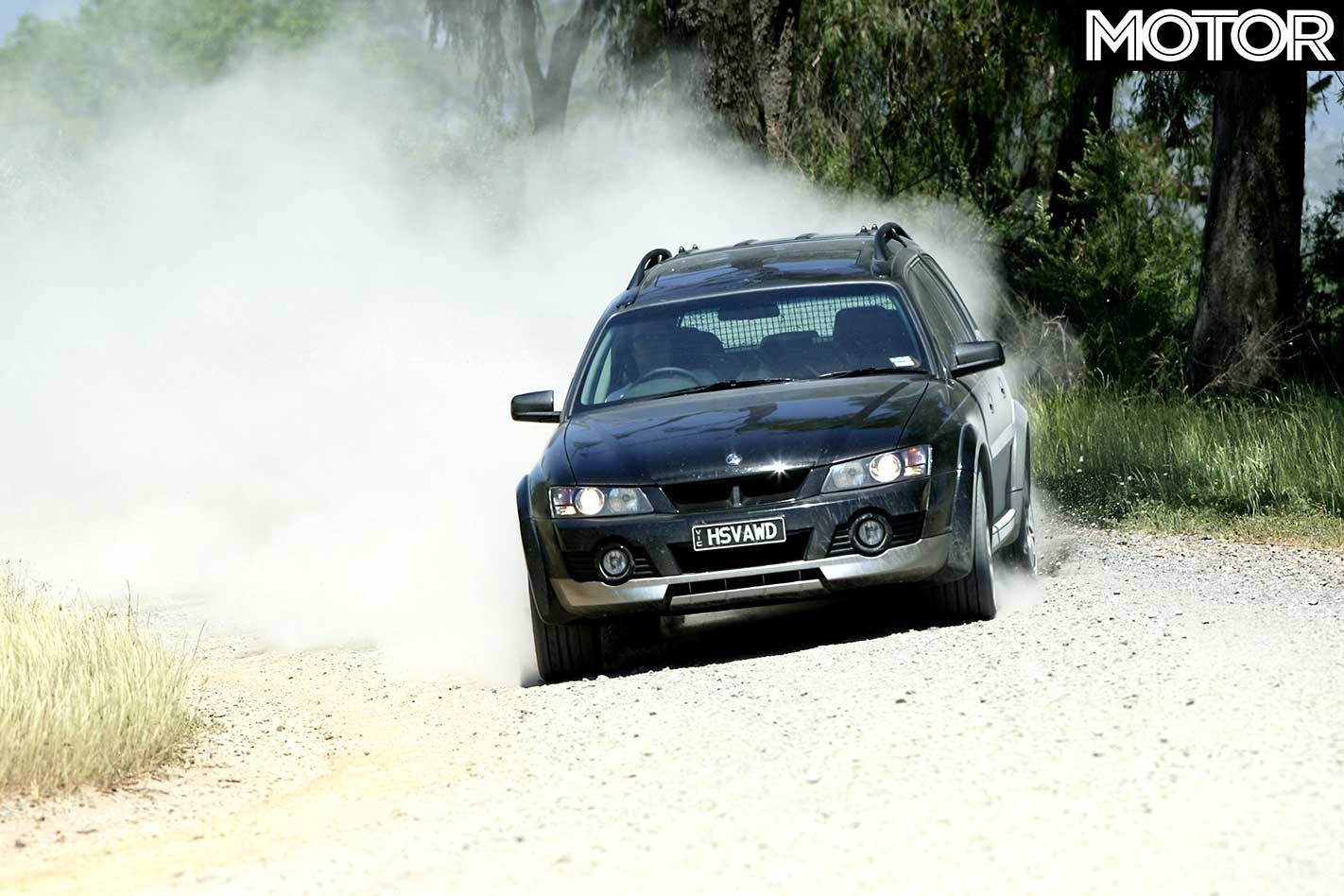
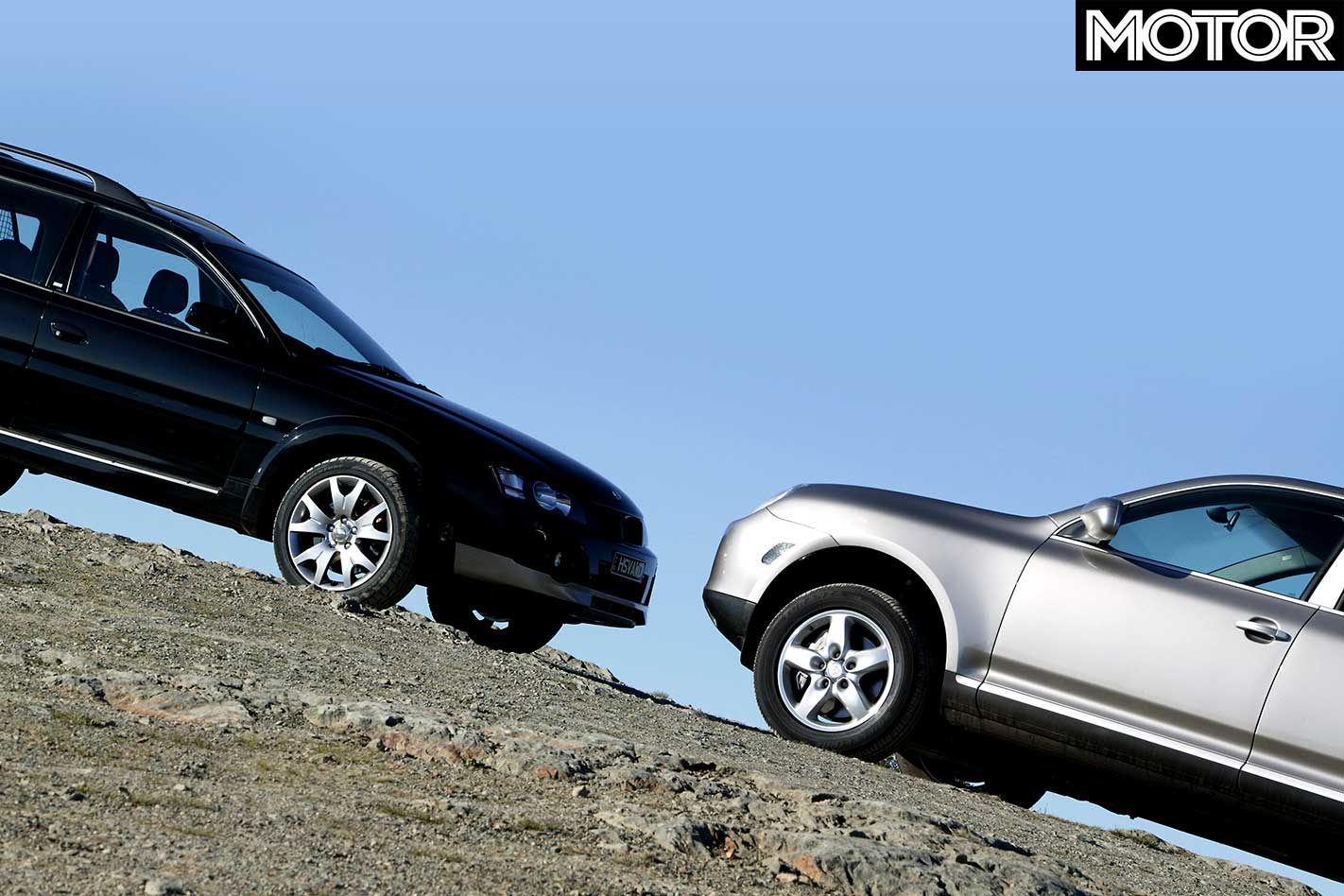
And that’s pretty much what’s going on here. In one corner you’ve got the Porsche Cayenne S – it’s the non-turbo base model, but it’s still built by the same folks who invented the 911 and the Boxster. And in the other, the HSV Avalanche – a genuinely tweaked version of Holden’s Commodore-based Adventra.
If this pair seem like odd bedfellows, well, you’d be right, especially considering the price disparity of something like $55,000 in the Aussie’s favour. In fact, it’s probably easier to list their similarities rather than their differences, so here goes.
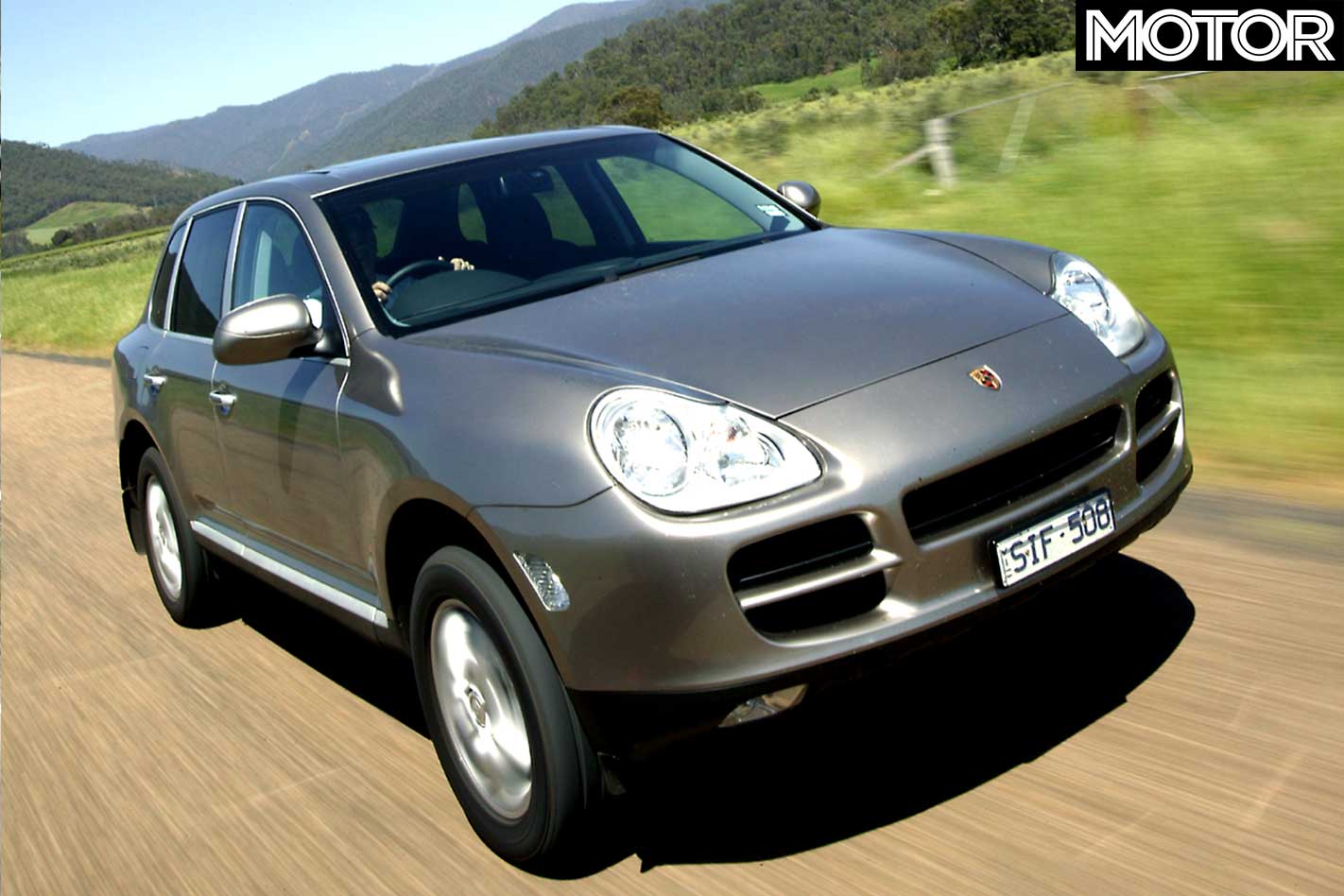
For a start, they both run V8s – the Porsche a 4.5-litre DOHC techno-haus, the HSV the good old 5.7-litre pushrod Gen III. They both have big station wagon bodies, they seat five and they have badges that confer more than a little performance cachet.
Most of all they’re designed to be at least capable of a little light off-road stuff, even if the average owner will never venture beyond the gravel car park of the local garden centre. And for the other 99 percent of the time they aim to please the enthusiast driver who understands that a crossover vehicle doesn’t necessarily have to possess any boat genes.
That the Porsche was designed as a soft-roader from the sills up and the HSV is a Commodore wagon on ’roids is obvious just by looking. While the Judge Dredd body kit may not be to everyone’s liking, the HSV nevertheless runs to pretty conventional dimensions, despite the jacked-up ride height and the Tonka wheels.
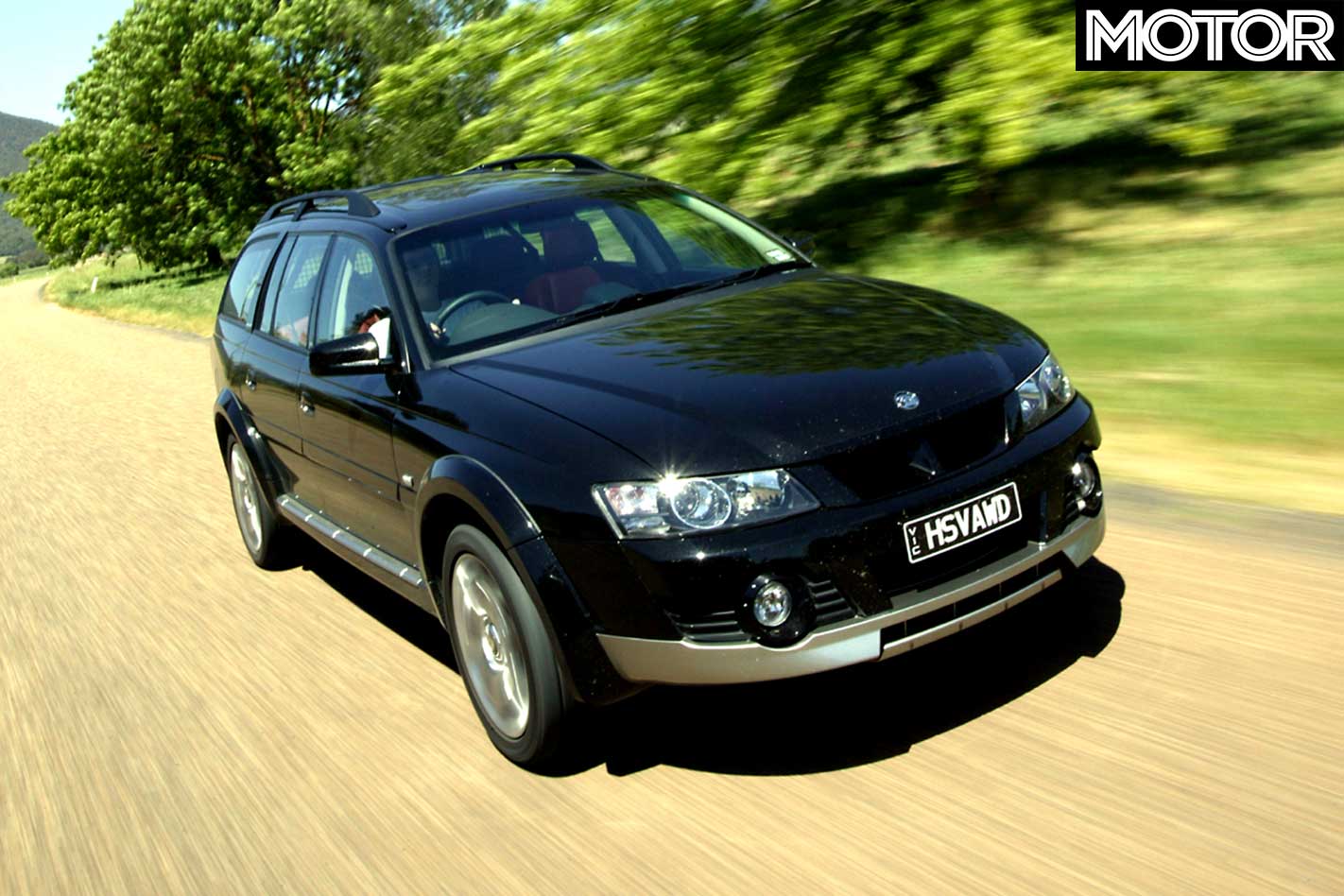
The Cayenne, meanwhile, is just friggin’ huge. The overall proportions are neither hatch nor wagon, and the rounded, soft styling suggests over-inflation. Park it next to a ‘normal’ vehicle and the Cayenne will shade it (literally) in every direction.
Jump inside and the story is repeated. The dashboard seems to be metres away, there’s heaps of shoulder and elbow room and you need to stretch quite a way to thump the front-seat passenger. Slapping the kids in the back seat? No way.
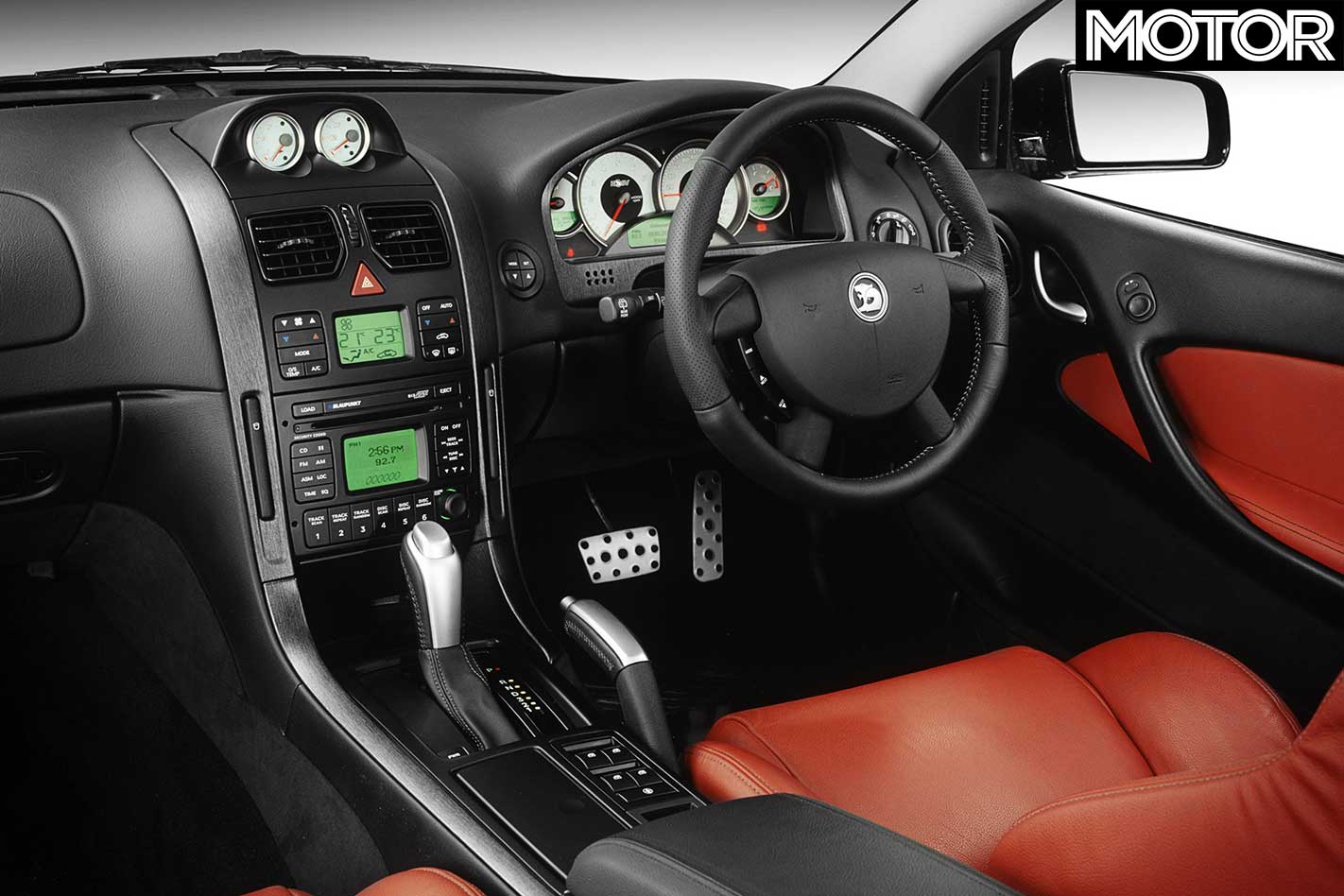
By comparison, the Avalanche is much cosier. Maybe it’s the darker ambience and the red leather, but probably it’s just that the Porsche is a good hand span bigger in every direction.
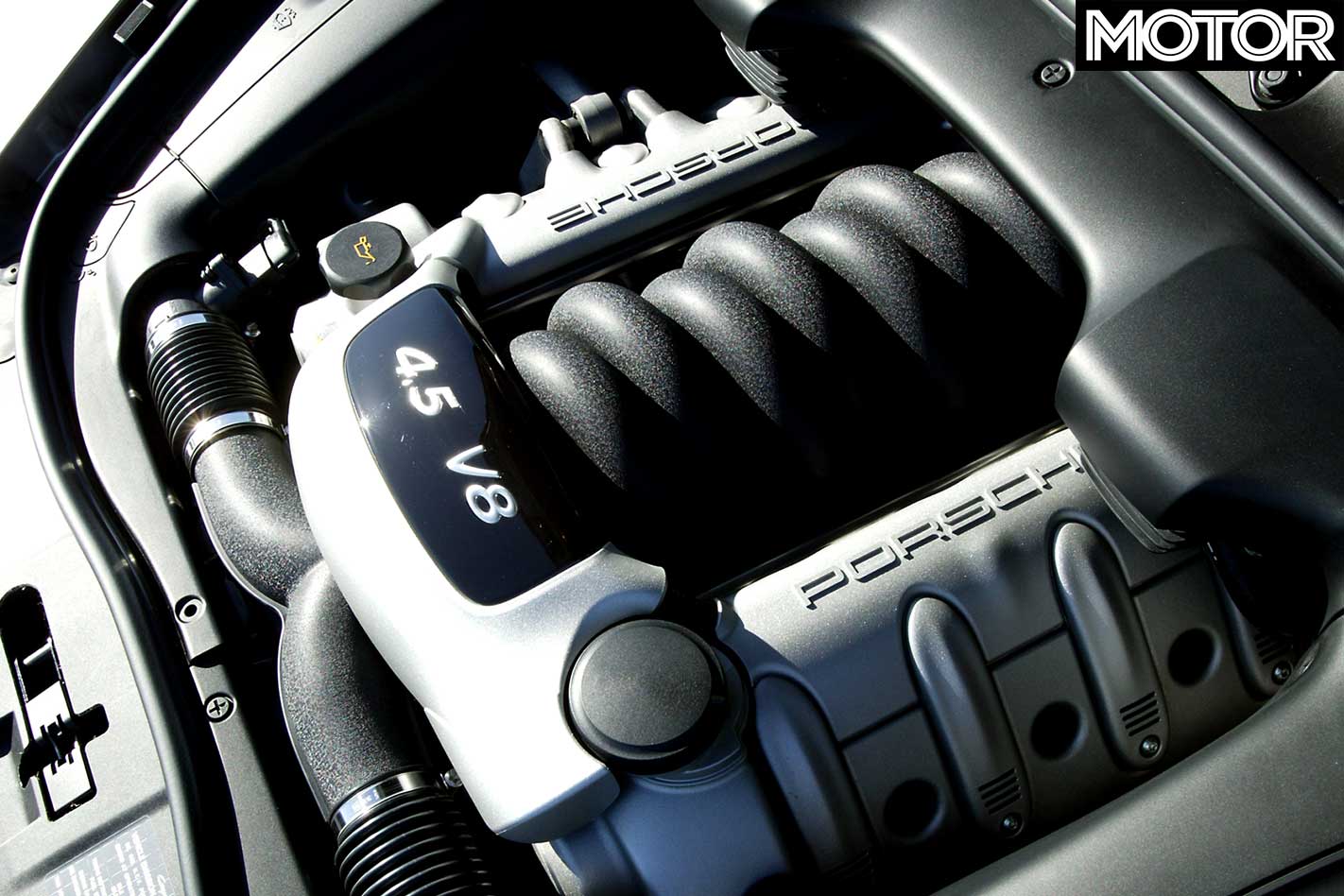
It’s no real surprise to find that the Cayenne’s 4.5-litre V8 is a high-stepping mutha. After all, that’s what Porsche does. Even so, it’s a bit hard to believe it makes 250kW, or at least it is until you get it humming up near the redline, where it suddenly starts to feel convincing. It’s damned smooth, though, and refined no matter what the tacho is saying, and it makes a pretty good noise into the bargain.
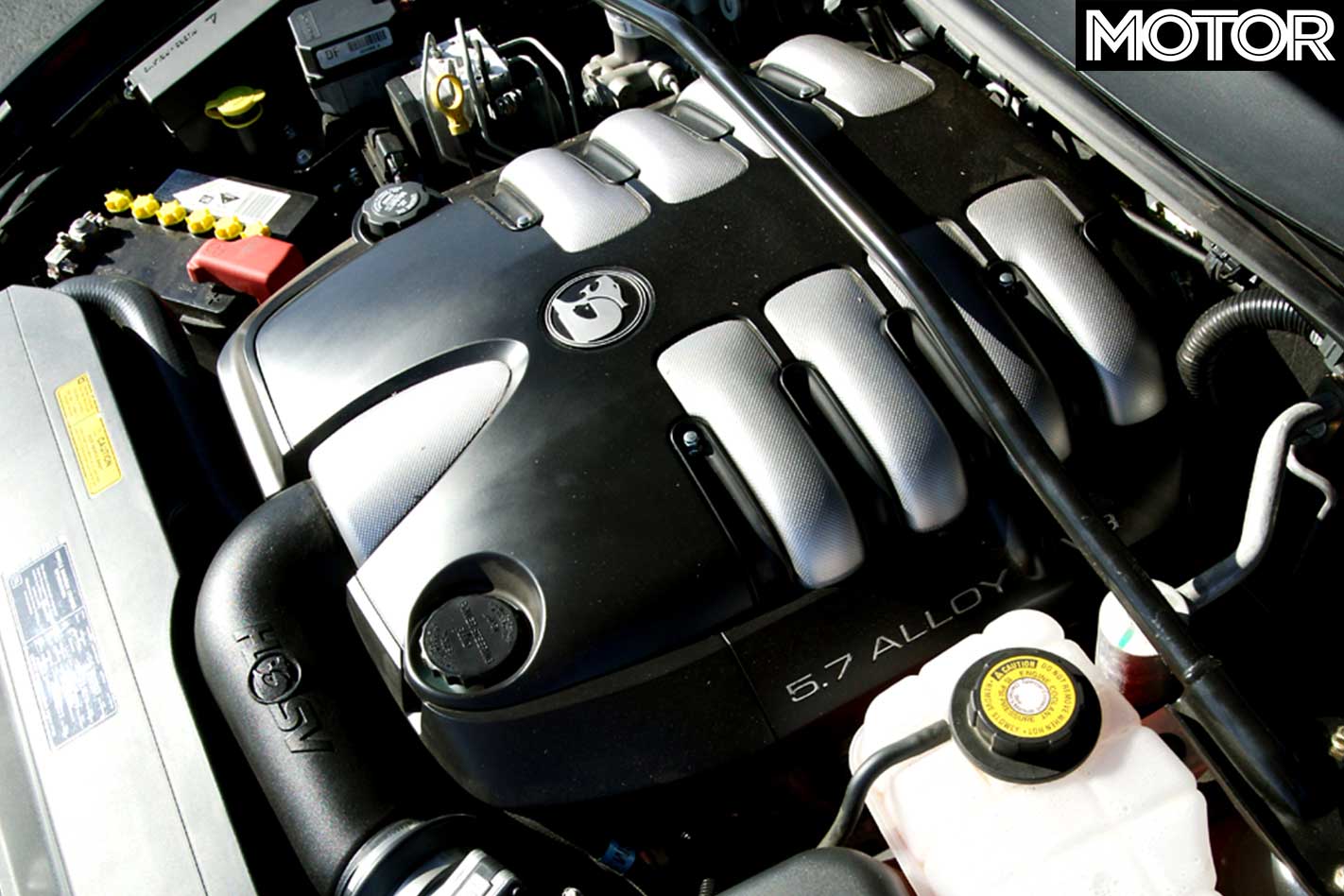
That’s perhaps the major contrast with the HSV’s mill, which is also a bit top-endy for our liking but just doesn’t have the soundtrack to go with the squirt. But it is a little perkier in the mid-range, and it’s only when you rev it beyond about 4500rpm that it tends to sound and feel a bit cranky.
Of course, that can be a little more often than you anticipated thanks to the dreaded THM-700 slushbox doing its best to spoil the fun. Inconsistency is the name of the game, and picking up two gears on kickdown when one would have done is perhaps the tranny’s worst habit. It tends to slur its shifts, too, and backing off a tad to initiate an upshift doesn’t always coax it into action. That said, this particular ’box was not the worst one we’ve ever tried.
Doesn’t really matter, anyway, because the six-speed ’box in the Porsche is pretty much the behavioural opposite to the HSV’s. Want one gear, two gears or even three for overtaking? No problem – just squish the noise pedal the intuitive amount and that’s what you’ll get. For full manual override, there’s always the tiptronic mode.
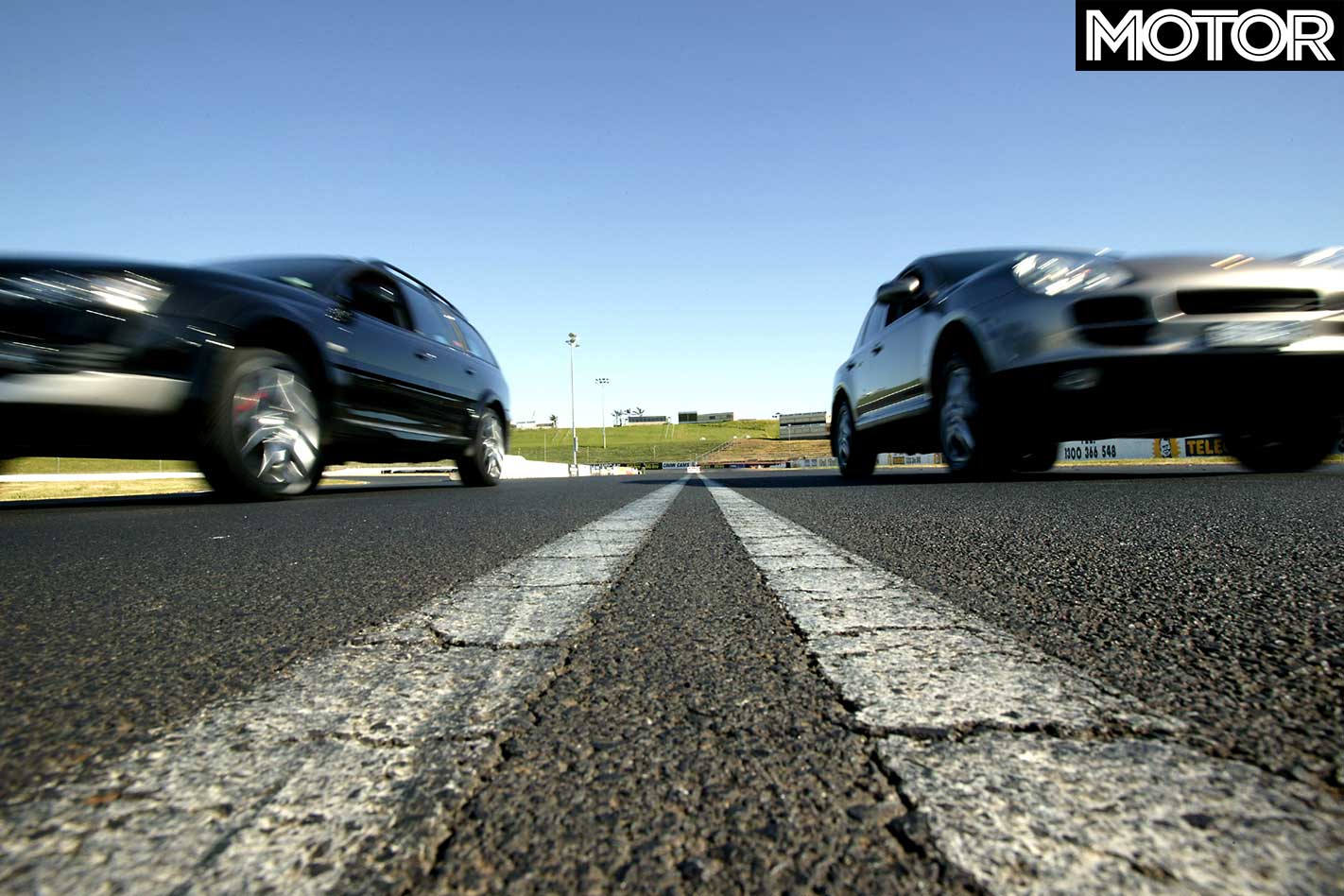
But just to prove that having a gear ratio for every on-road situation isn’t necessarily the end of any discussion, the HSV managed to roger the Cayenne at the drag strip. The best we managed for the Avalanche was a 15.1sec standing 400m at 152.7km/h, which isn’t blindingly quick but ain’t too bad considering the HSV weighs two tonnes. Neither is 7.11sec for the 0-100 dash too shabby.
That compares with the even porkier (2245kg) Porsche’s best of 15.4sec for the 400m at 150.0km/h and 7.75sec to 100km/h. Hauling it up at the other end was the Porsche’s strong suit, those big calipers and discs to match refusing to fade after repeated big stops.
Much has been made of the Avalanche’s stoppers, too, considering that a whole new design was called for to clear the bigger front hubs of the all-wheel drive system. And while HSV claims it performs up to the same standard as its Premium package, we managed to make the pedal go hard after half a dozen drag-strip stops.
Speaking of that four-wheel drive thing, neither car was identifiably driven from both ends in normal going. There was the odd ‘spradaaaannnggg’ and ‘boinggg’ from the front end of the HSV, but neither showed any sign of driveline stress or ill-effects through having both axles driven.
Unless, that is, you include the level of understeer you’ll get when you shove either car hard into a tight corner. The HSV is the worst offender, and while backing off the throttle will pull the nose in a little, we just couldn’t make the Avalanche oversteer.
Try the same thing with the Cayenne, however, and you’ll get less plough in the first place, along with a decent swipe of oversteer if you get off the power sharpish. But unlike the HSV, the Porsche will actually answer commands from the tiller, even when you’re well and truly committed. In the HSV, you commit the car and then hope you’ve got it right. The German car gives you options.
In its defence, the softer set-up of the HSV gives it a better ride on indifferent surfaces. But jump from one straight into the other and it soon becomes evident that the Porsche is a more accurate, more confident steerer, with a lighter wheel and more feel than the HSV’s blunt-instrument demeanour. The Porsche also corners flatter and suffers less from weight transfer, despite having more weight.
On the dirt it’s pretty much the same story, with the tauter, more tactile nature of the Cayenne making it more fun, even if you feel the surface imperfections more often and in greater detail. The only catch with the Porsche is that you can’t turn the stability program completely off, so getting it big-time sideways on the gravel is a treat denied you.
In either case you’ll pay a premium; in the HSV the loading is for the extra technology and in the Porsche it’s that all-important badge. Even so, at near enough to a neat $140,000 it’s an awful cheap way to step into a brand new Porsche, especially considering how much metal, rubber and plastic you’re actually getting.
The HSV is a bit harder to define with its list price of $73,990, plus $3800 for the six-stack DVD player, taking the on-road ask to well over 80 large. Okay, so the trim level is more Senator than ClubSport, but it’s still a lot of gold for something that won’t stay with HSV’s cheaper stuff in a straight line.
Me? I’ve walked away from another comparison where I wouldn’t actually shell out for either vehicle. I don’t get soft-roaders in the first place and, big V8 engines notwithstanding, I consistently seem to be missing something to the point of irritation.
Bit like me and Jim Carrey, really.
Fast Facts
| u00a0 | HSV Avalanche | Porsche Cayenne S |
| Body | five-door wagon | |
| Drive | all-wheel | |
| Engine | 5.7-litre pushrod 16-valve V8 | 4.5-litreu00a0DOHC 32-valve V8 |
| Bore x Stroke | 99.0mm x 92.0mm | 93.0mm x 83.0mm |
| Compression | 10.0:1 | 11.5:1 |
| Power | 270kW @ 5700rpm | 250kW @ 6000rpm |
| Torque | 475Nm @ 4000rpm | 420Nm @ 2500-5500rpm |
| Transmission | four-speed automatic | six-speed automatic |
| Weight | 2026kg | 2245kg |
| Power/Weight | 133kW/tonne | 111kW/tonne |
| Suspension | MacPherson struts, coil springs, anti-roll bar (f); trailing arms with toe control links, anti-roll bar (r) | double wishbones, coil springs, anti-roll bar (f); multi-link, coil springs, anti-roll bar (r) |
| L/W/h | 5036/1934/1654mm | 4782/1928/1699mm |
| Wheelbase | 2948mm | 2855mm |
| Tracks | 1617mm (f); 1623mm (r) | 1647mm (f); 1662mm (r) |
| Brakes (f) | 336mm grooved & ventilated discs, two-piston calipers | 350mm ventilated discs, six-piston calipers |
| Brakes (r) | 315mm grooved & ventilated discs, single-piston calipers | 330mm ventilated discs, four-piston calipers |
| Wheels | 18 x 8.0-inch (f & r), alloy | |
| Tyres | Bridgestone Potenza S03, 245/45 R18 (f & r) | Pirelli, 255/55 R18 (f & r) |
| Price | $73,990 | $139,290 |
Fast Figures
| u00a0 | HSV Avalanche | Porsche Cayenne S |
| 0-10km/h | 0.39sec | 0.32sec |
| 0-20km/h | 0.92sec | 0.81sec |
| 0-30km/h | 1.59sec | 1.44sec |
| 0-40km/h | 2.24sec | 1.98sec |
| 0-50km/h | 2.91sec | 2.62sec |
| 0-60km/h | 3.58sec | 3.45sec |
| 0-70km/h | 4.25sec | 4.38sec |
| 0-80km/h | 4.98sec | 5.25sec |
| 0-90km/h | 6.03sec | 6.43sec |
| 0-100km/h | 7.11sec | 7.75sec |
| 0-110km/h | 8.31sec | 8.95sec |
| 0-120km/h | 9.47sec | 10.28sec |
| 0-130km/h | 10.77sec | 11.56sec |
| 0-400m | 15.09sec @ 152.7 km/h | 15.37sec @ 150.0 km/h |
Numbers of the beast
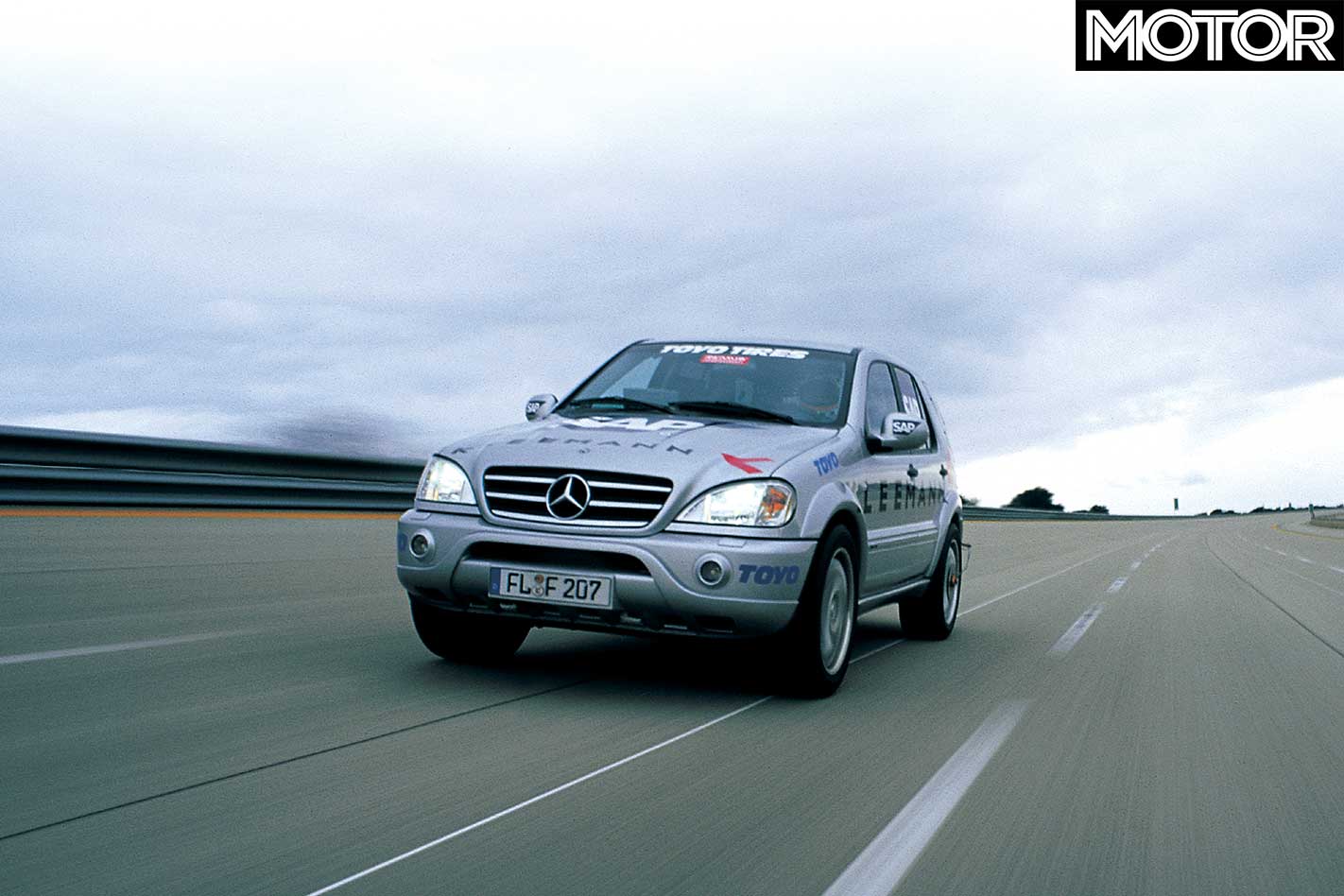
These trucks a bit limp-wristed for your tastes? Need to do some really quick bush-bashing? Well, this here Kleemann-modified Mercedes-Benz ML55 clocked an eye-popping 282km/h at the Nardo Prototipo Ring in northern Italy in early 2003.
Piloted by Danish touring car champion Jason Watt, the Kleemann ML55K easily eclipsed the 266km/h set by a Porsche Cayenne Turbo.
The 453kW, 750Nm, 2400kg beast also posted some blistering acceleration numbers. It cracked 100 kays in just 4.9sec and 200km/h in 18.9sec. The standing quarter mile disappeared in 12.9sec with a 176km/h terminal speed.
Kleemann, a Danish tuning company similar to Brabus, is no stranger to speed records. A Kleemann E55 was clocked at 338km/h in 2002.
