
The McLaren 600LT has just been launched in Australia, but McLaren is expected to announce more Longtails in the future, with the topless version of the 600LT already confirmed.
McLaren Asia Pacific managing director George Biggs spoke with MOTOR at the Australian launch for the 600LT – the fourth member of the Longtail family, as McLaren considers 675LT Coupe and Spider separate – saying it’s something customer demand is likely to drive.
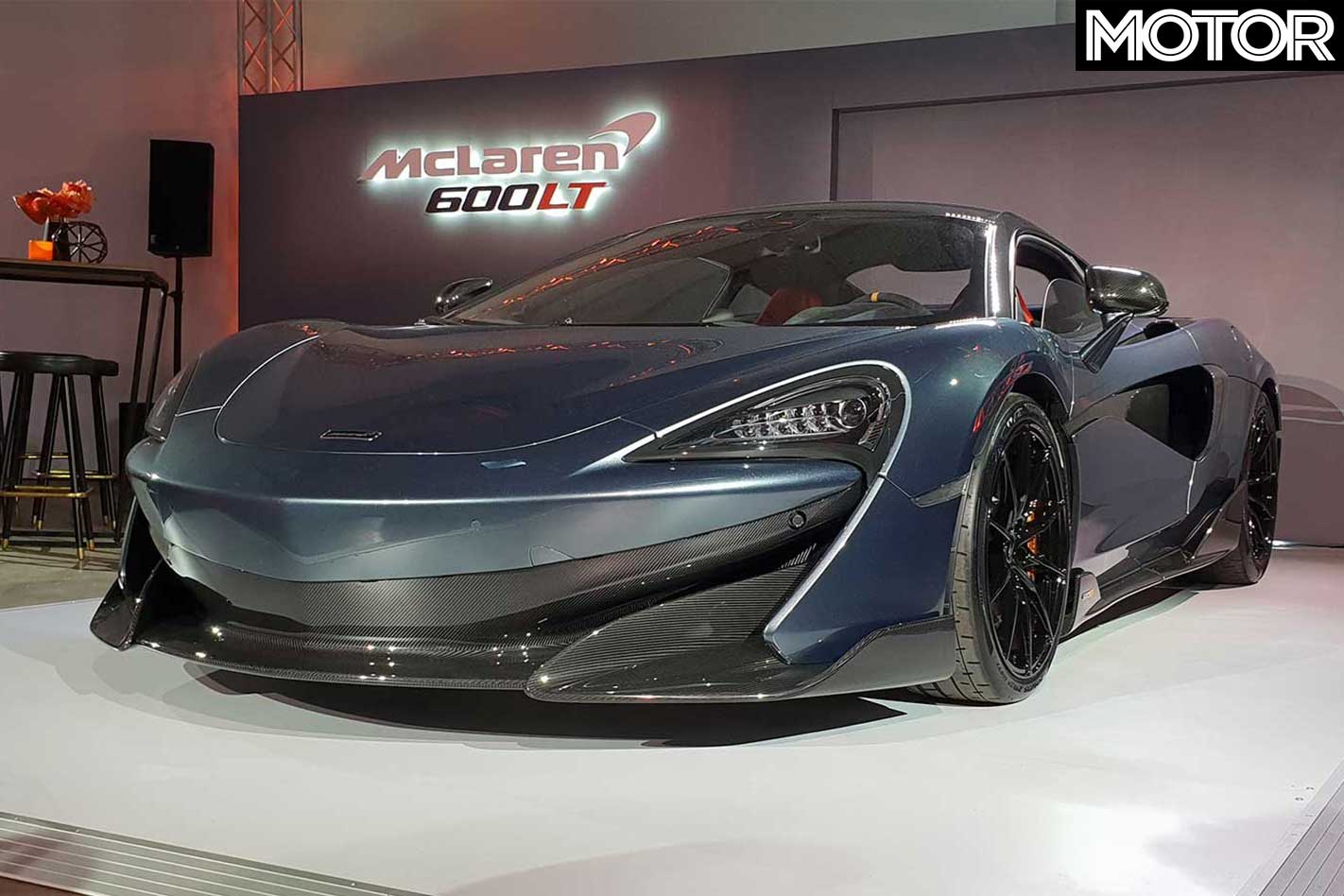
“I think that the McLaren customer is crying out for that kind of car, high performance, low weight, more aero – so I think we will be responding to that demand in the future.”
He was keen to add that the number of Longtails wasn’t likely to ‘skyrocket’, so the models that do already exist won’t lose their exclusivity, but he did say that the lack of ‘hard limit’ on production numbers meant this could be quite a numerous run of cars, for a Longtail.
“Last year we produced around 4300 cars, and globally 570S accounts for about a third of that number.
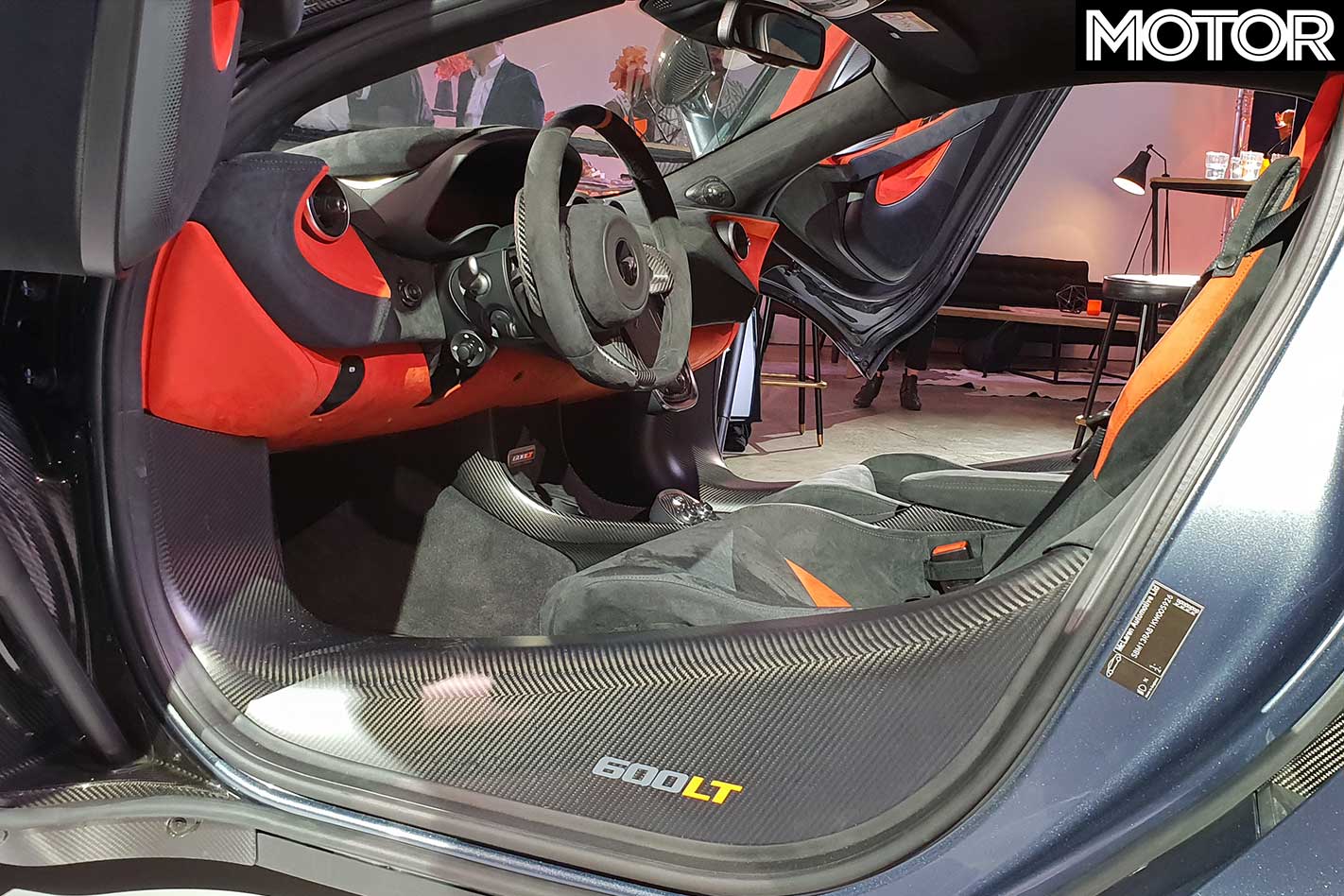
“The 675LT was in the Super Series, and we limited global sales of the Coupe to 500, and the Spider to 500.
“Obviously we’ve taken a slightly different strategy with [the 600LT] and rather than say we’re building a specific number, we’ve said how many months of production we’re going to go through.
“This is still going to be a very special car to see around. It’s still very exclusive, and in the countries that we have launched it in so far we’ve seen a huge response. It’s sold out well into next year.
“Once we get though tonight, once we show it for the first time, we’ll probably be in a very strong position with it.”
First introduced in 2013 the current model Mazda 3 is one of the older small cars on the market, but a series of below-the-skin upgrades have helped it cement second place on the passenger car sales ladder behind the Toyota Corolla.
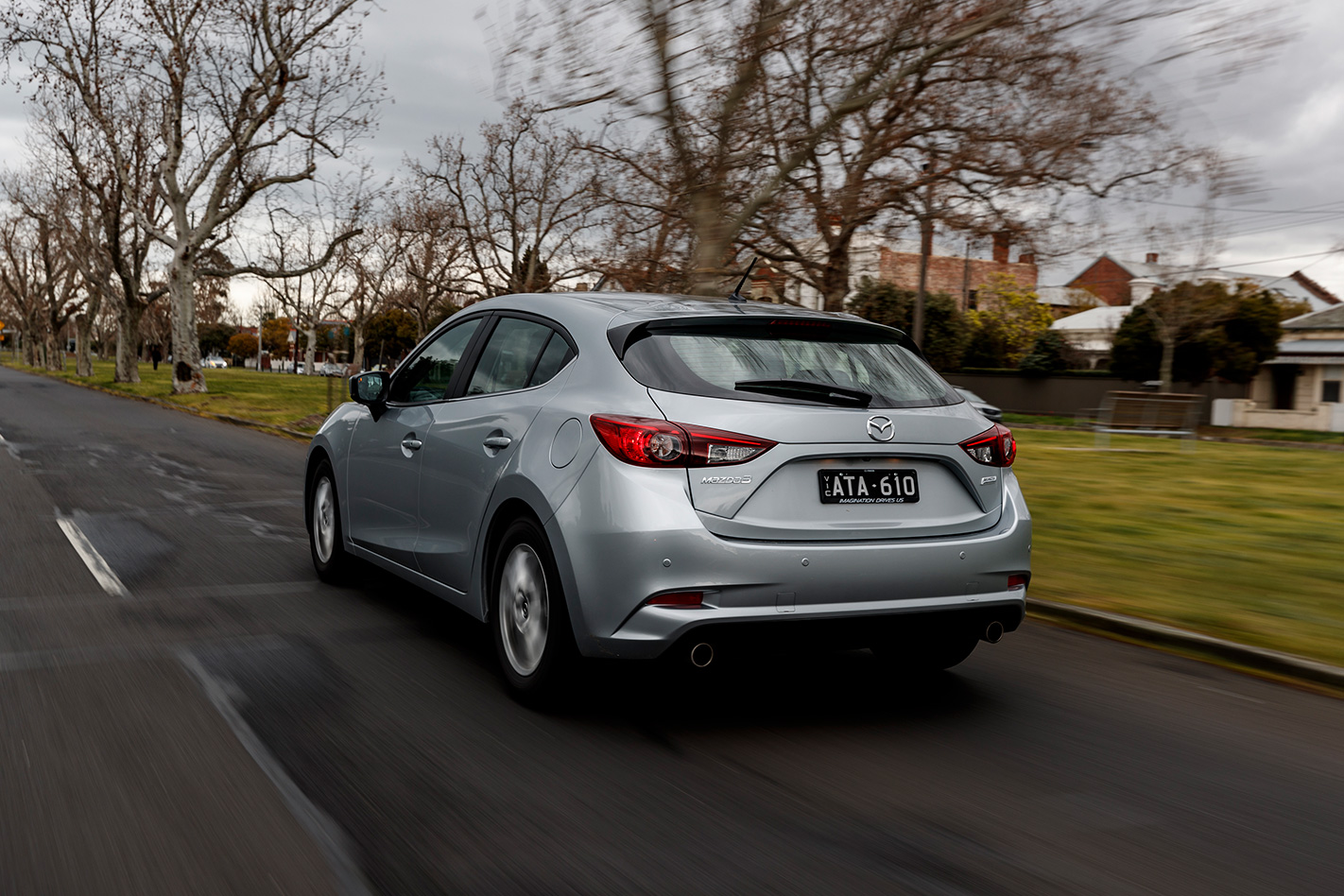
Available as a hatchback or sedan, the Mazda 3 is easy on fuel, well-appointed and fun to drive. It comes with two engine options – 2.0-litre and 2.5-litre petrols – with the smaller fitted to the lower-priced half of the range while the 2.5 pulls the three SP25 variants.
With the next-generation Mazda 3 on the horizon we decided to revisit the current model in mid-spec Touring hatchback automatic guise to see how it stands up to fresher opposition such as the all-new Corolla and Hyundai i30.
VALUE
The Mazda 3 Touring is the plushest of the 2.0-litre versions, with retail pricing starting at $25,490 for the six-speed manual, with the six-speed auto attracting a $2000 premium. The sedan and hatch versions cost the same.
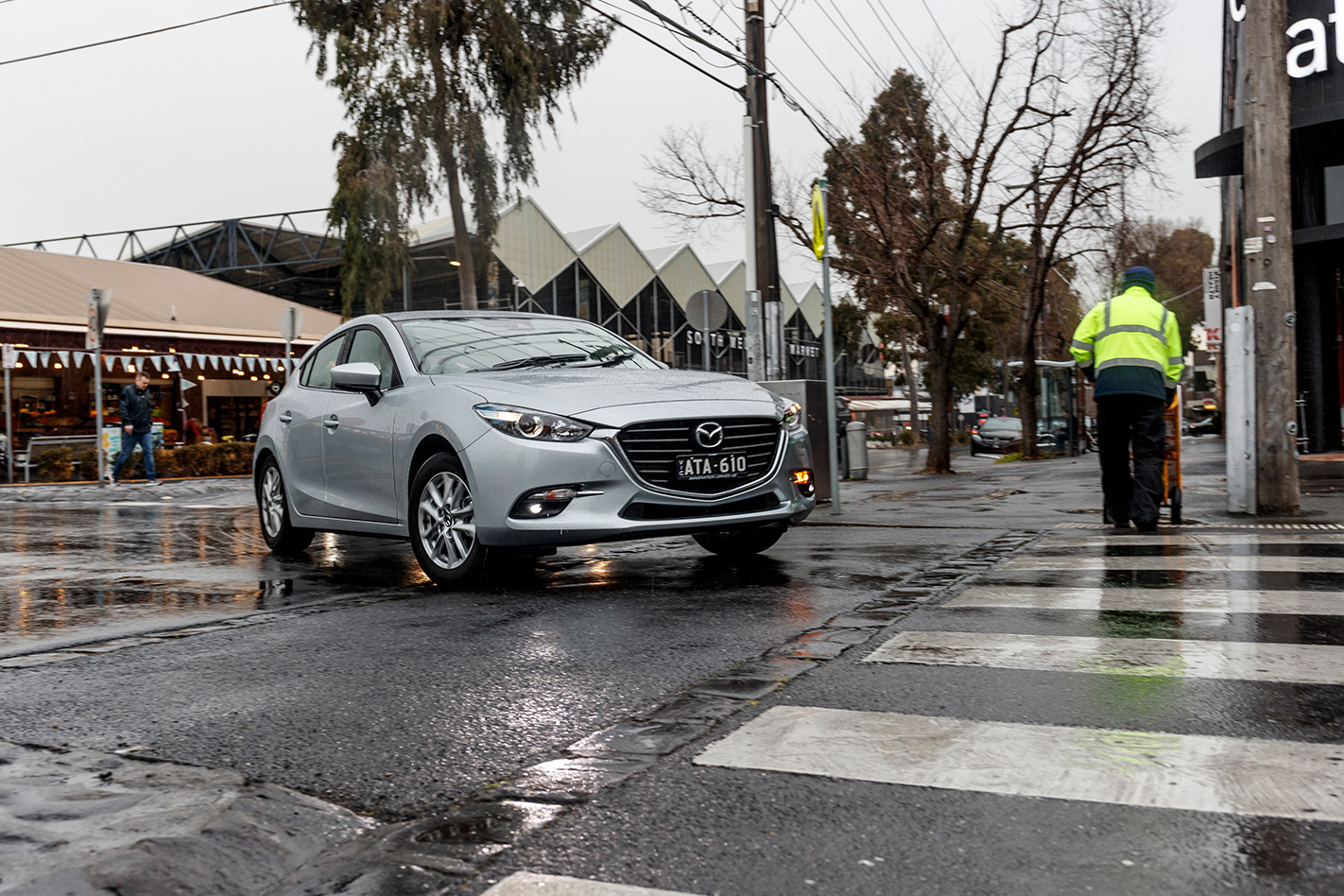
The Touring costs just $4000 more than the entry-level Neo Sport and $10,000 less than the range-topping SP25 Astina.
The 2.0-litre engine is reasonably frugal, with an official combined fuel consumption figure of 5.8L/100kms when coupled to the optional six-speed auto. Our real-world driving saw that figure rise to 8.5L/100km, though this involved quite a lot of city driving, mostly in Sport driving mode.
The Mazda 3 Touring requires servicing every 10,000kms or 12 months, whichever comes first, which is relatively frequent. Mazda charges $303 for the first and third service appointments and $331 for the second and fourth.
STANDARD FEATURES
The Touring adds a few creature comforts over the Maxx Sport including leather upholstery, automatic folding mirrors and advanced keyless entry that lets you open the door and start the engine without having to take the key fob out of your bag or pocket.
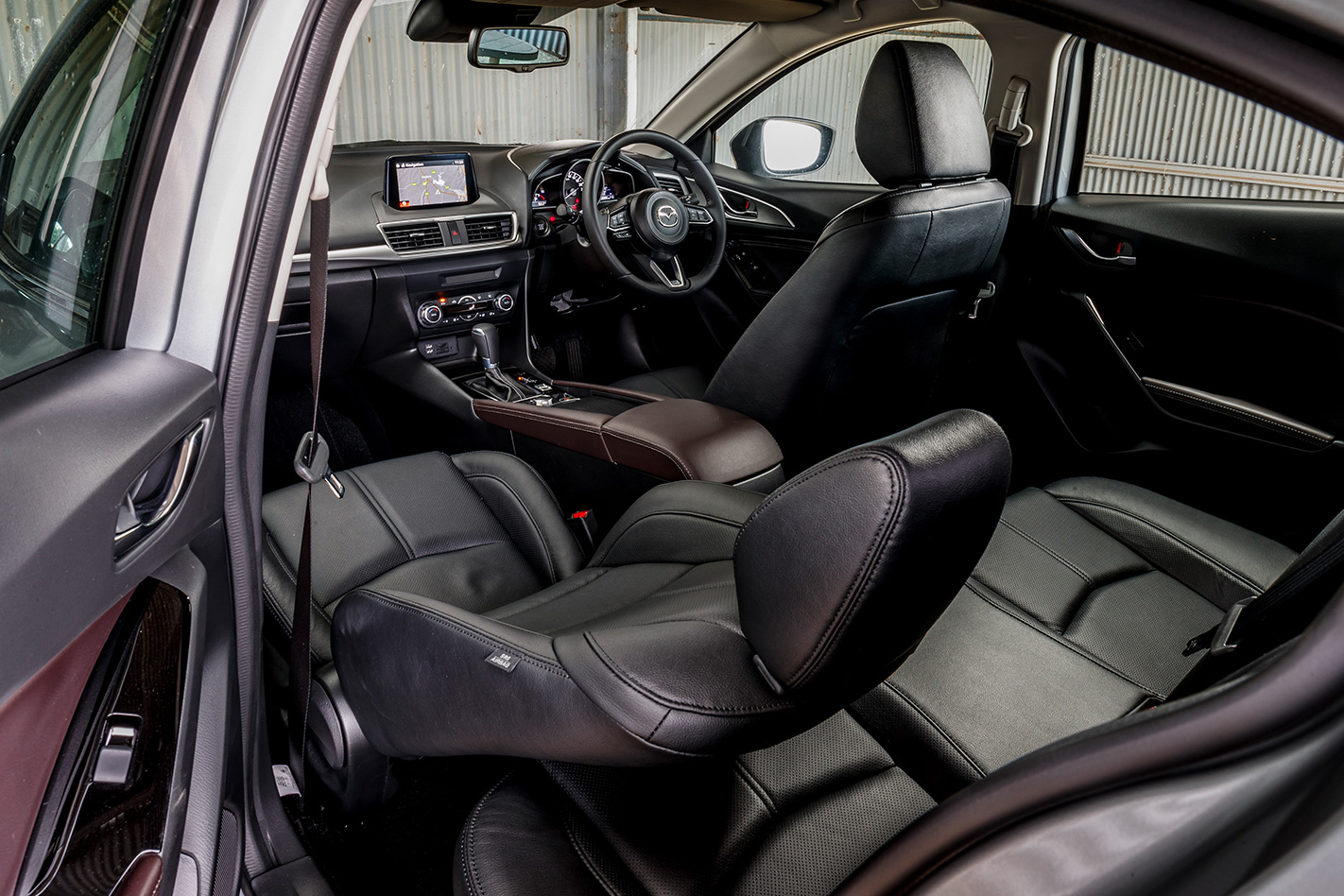
That’s on top of a healthy equipment list that includes a 7.0-inch colour screen, AM/FM/Digital (DAB+) radio, and autonomous emergency braking that also works in reverse to help prevent parking bingles.
Other features include rear-parking sensors, cruise control, blind-spot monitoring, rear-cross traffic alert, dual-zone climate control, dusk-sensing headlights, LED fog-lamps, rain-sensing windscreen wipers, an electric park brake and 16-inch alloy wheels.
SIZE
The Mazda 3 Touring we tested is a five-door hatchback that seats up to five people. A four-door sedan with five-person capacity is also available..
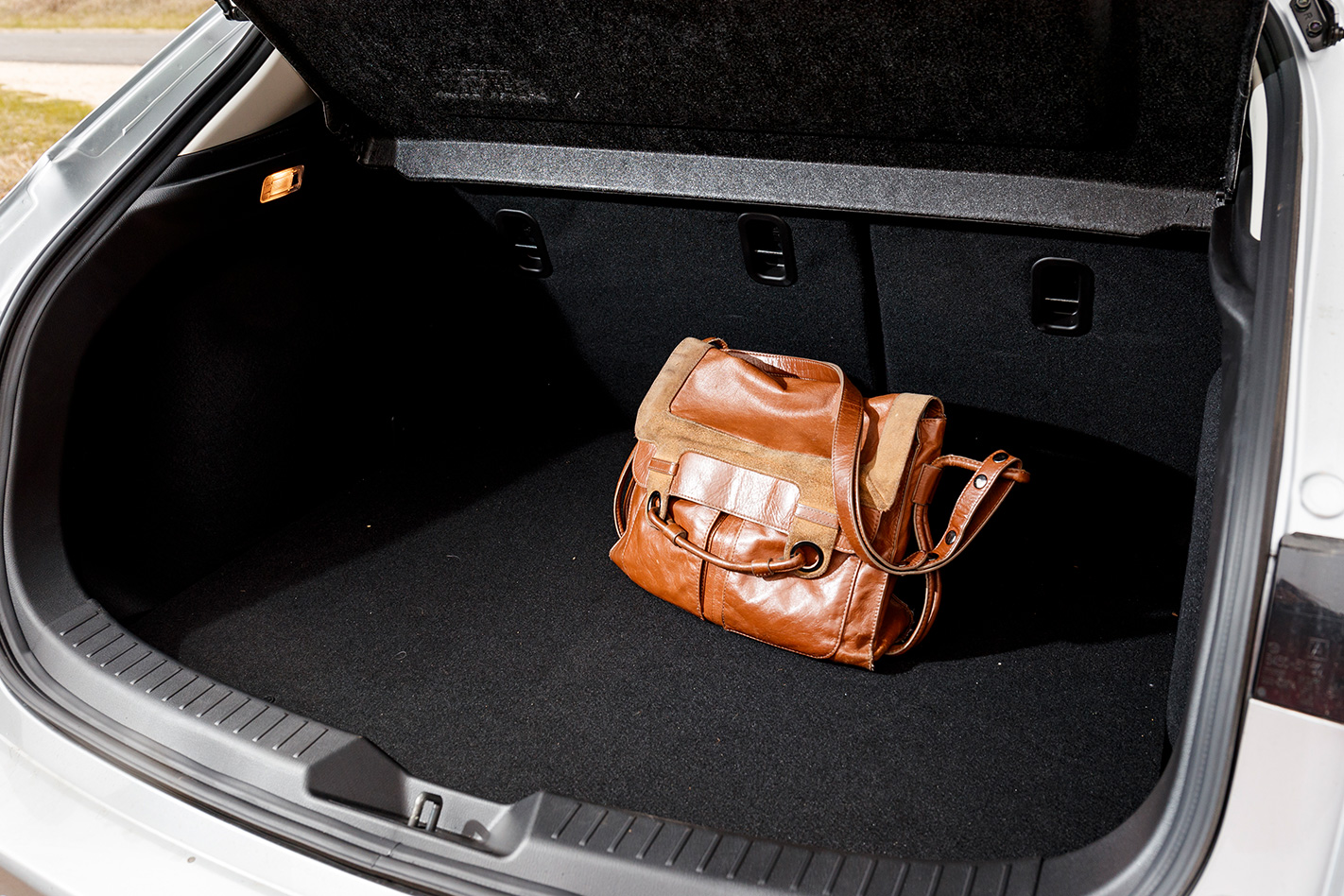
Measuring 4.47m long by 1.79m wide, and weighing in at 1308kg, the Mazda 3 Touring hatch auto isn’t the smallest car in its class, however boot space is tight with a 308-litre capacity that measures less than smaller cars such as the Kia Rio and Hyundai Accent. The Mazda 3 sedan’s boot holds a more sizable 408 litres.
SAFETY
The Mazda 3 received a five-star ANCAP safety rating in August 2016 thanks in part to its active safety features, including range-wide autonomous emergency braking (AEB). It scored well for crash protection, including 16 out of 16 for side impact. It has six airbags, and child-seat anchor points including two ISOFIX brackets for each outboard rear seat, and three top tethers.
The Touring brings additional active safety over and above the standard kit, including blind-spot monitoring and rear-cross traffic alert that warns you of any cars approaching from the side while you reverse.
COMFORT
The Mazda 3’s interior is showing its age, but still has an air of sophistication with soft-touch surfaces aplenty, clean design, a leather-clad steering wheel and intelligently-placed switches and gauges. The seats, trimmed with a mix of real and faux leather, offer good comfort. The driver’s seat has height and lumbar adjustment to help you settle into a good driving position.
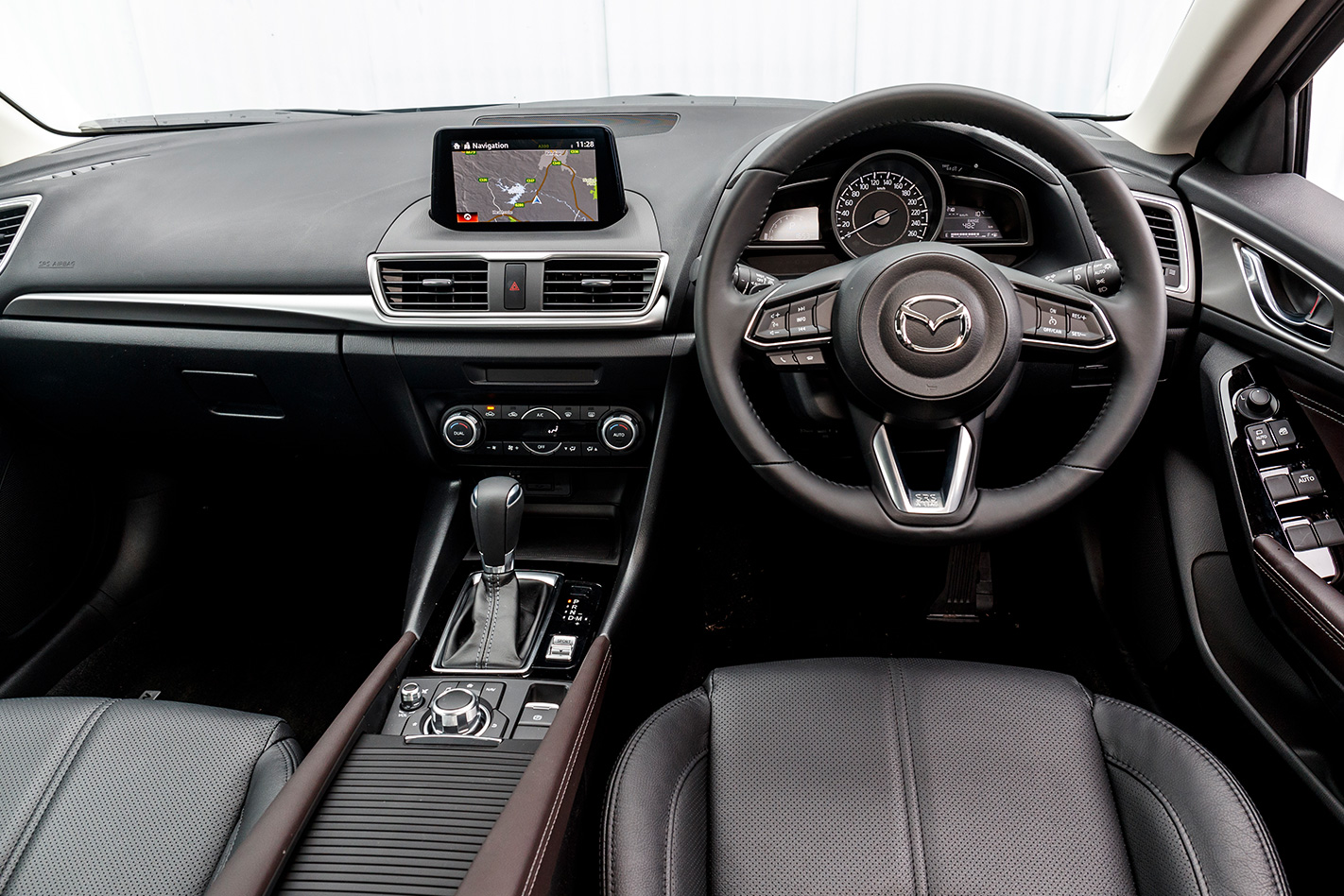
The MZD infotainment system is easy to operate via a dial on the centre console. It lacks the added convenience of Apple CarPlay and Android Auto smartphone mirroring, however an upcoming update will allow that tech to be retrofitted next year.
The Mazda 3 loses marks in the back row, with its ascending window line obscuring side vision for younger occupants. Legroom is a little tight as well, with even average-sized adults finding their shins touching the front seats.
Second-row passengers also miss out on conveniences such as face-level air vents, and there are no USB or 12v charging sockets to keep devices charged up. It might be a niggling complaint, but those features are fast becoming common in newer cars in the segment. There are at least bottle holders in the doors and the fold-down centre armrest has two cup holders, though there’s only one map pocket on the passenger side.
Road noise is also high despite Mazda attempting to improve sound suppression in a 2016 update, but the ride is comfortable even on rougher roads thanks to a settled ride that recovers quickly from big hits.
ON THE ROAD
The 2.0-litre engine is a city slicker but has enough power for easy trips down the highway, with the six-speed automatic transmission working smoothly with throttle inputs.
It is, however, a little lethargic from a standing start and doesn’t really wake up until the tachometer hits about 4000rpm. A Sport drive mode introduced in 2016 makes the engine rev higher before shifting up to the next gear, though frequent use of that feature will see your fuel consumption head north.
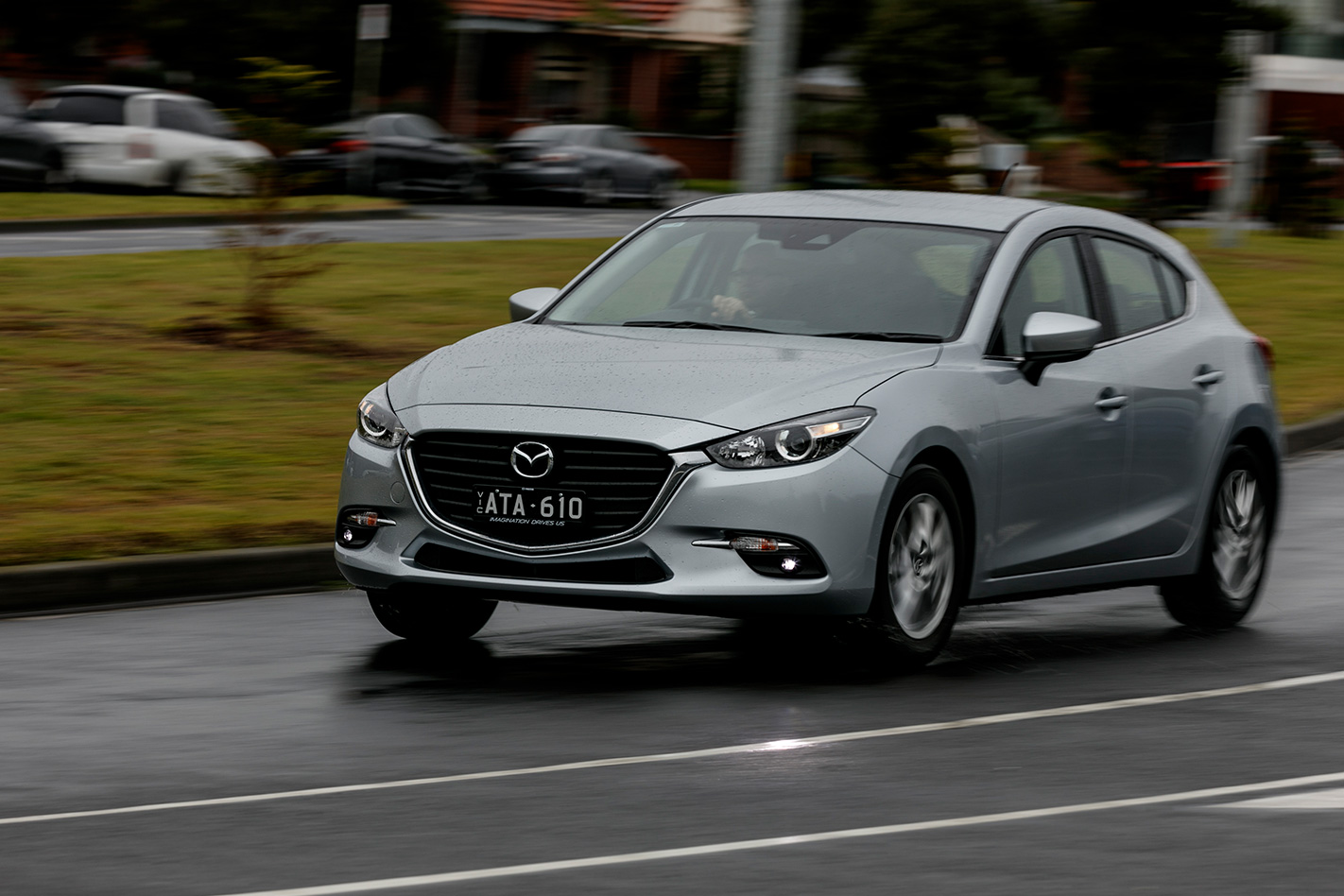
The Mazda 3 is an enjoyable car to drive, with light but engaging steering that makes easy work of negotiating suburban streets and bendy country roads. Despite its age it remains one of the segment’s best when it comes to handling.
The ride feels soft but delivers enough body control for sharp cornering. This is helped by something that Mazda calls G-Vectoring Control, which subtly trims power when cornering to transfer load onto the front tyres and help them produce more cornering grip. Result: the car feels more planted while changing direction more fluidly, but you’ll barely notice that the electronics are giving you a helping hand.
THE VERDICT
The Mazda 3’s styling and powertrains are beginning to show their age, but Mazda has continued to tweak its driving dynamics and add active safety, which should ensure its popularity until the next-generation model debuts – which is likely to happen next year.
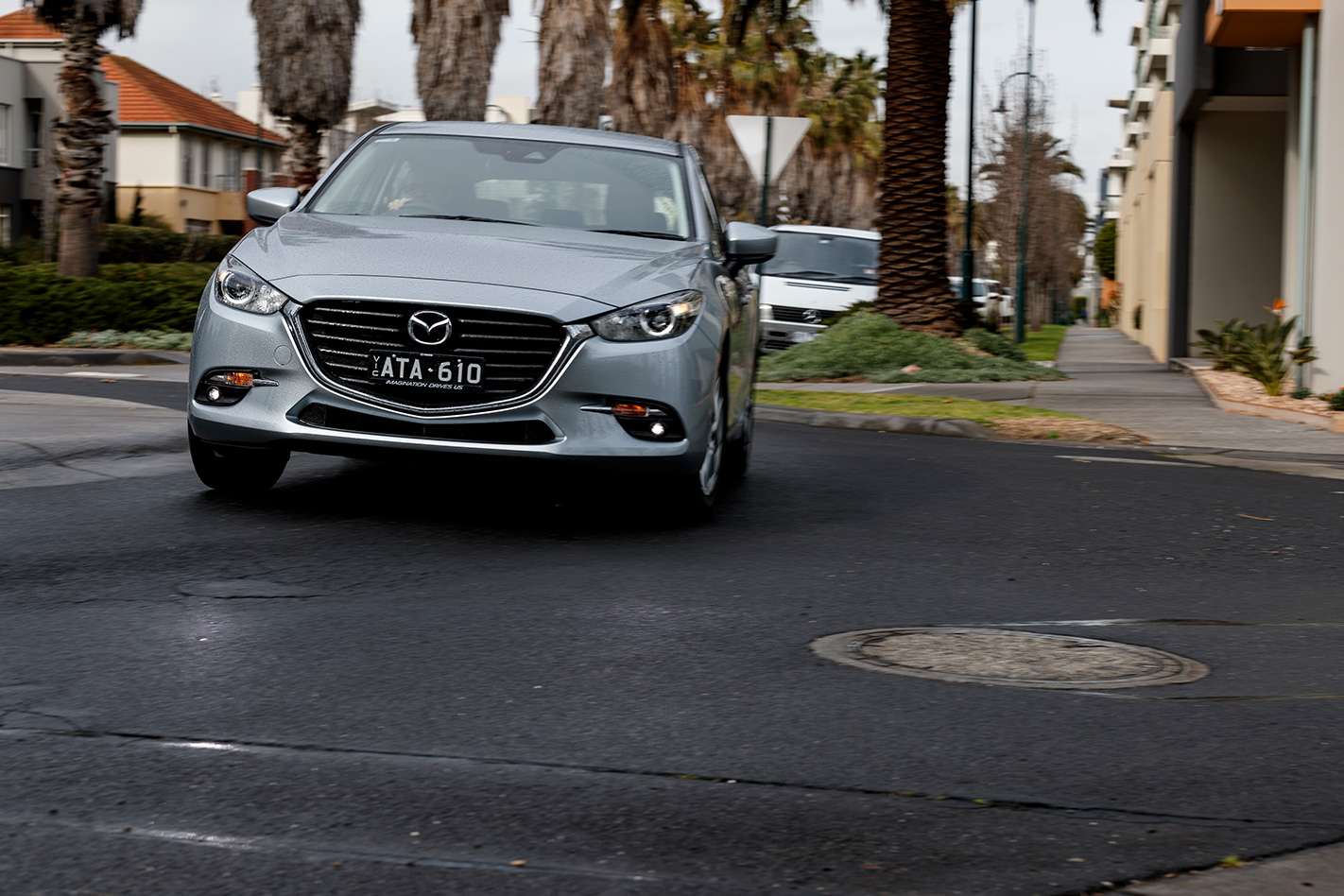
While we reckon the Maxx Sport variant hits a sweeter spot in terms of pricing and features, the extra $2000 for the Touring is a fair price to pay for anyone seeking a little more sophistication.
Ferrari has revealed the two vehicle architectures that will underpin the vast majority of its future models.
Speaking at Ferrari’s Capital Markets Day, Chief Technology Officer Michael Leiters spoke about the new flexible architectures, as well as the next-generation of interior presentation – Human Machine Interface (HMi) in Ferrari-speak – and the installation of driver assistance systems for the first time.
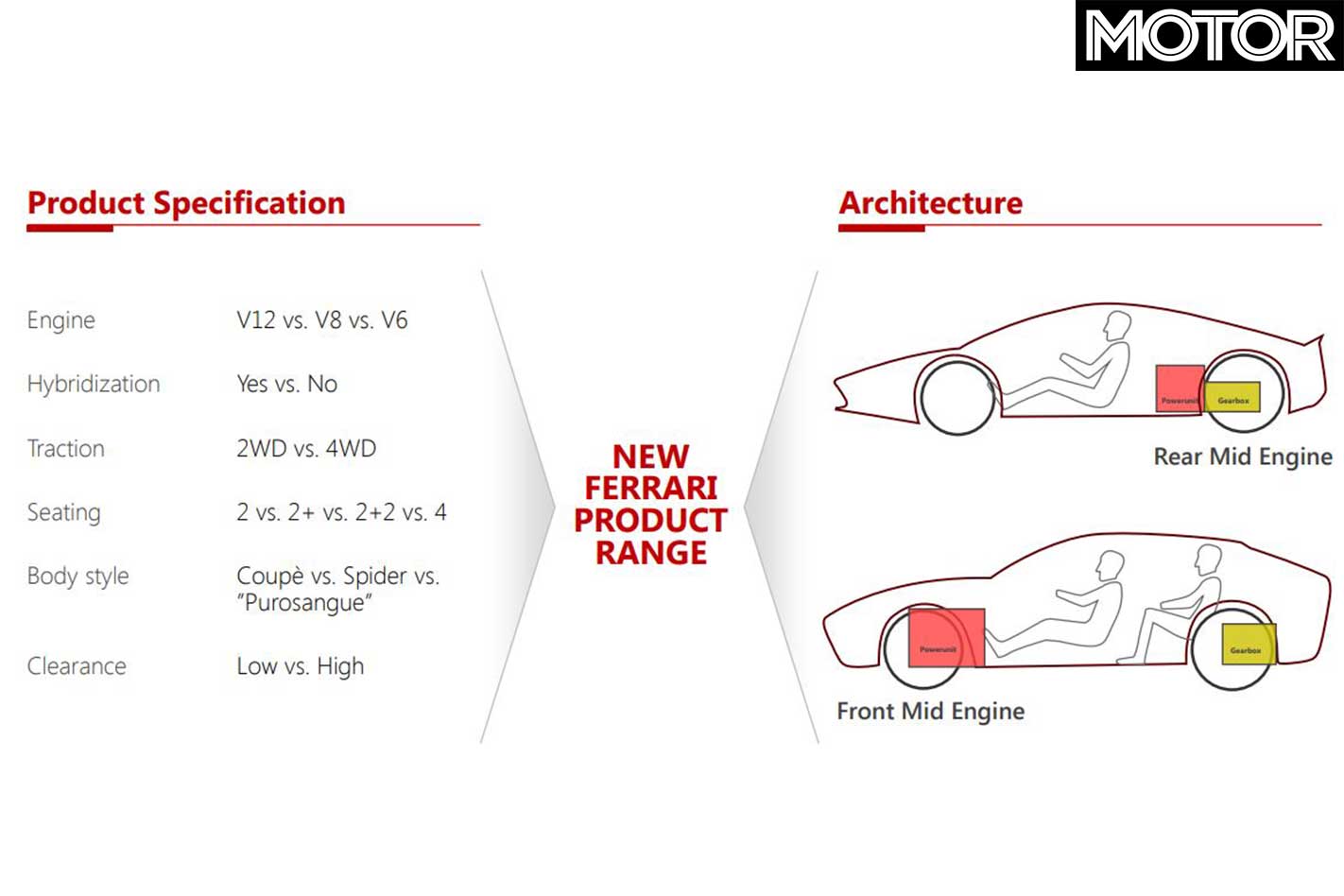
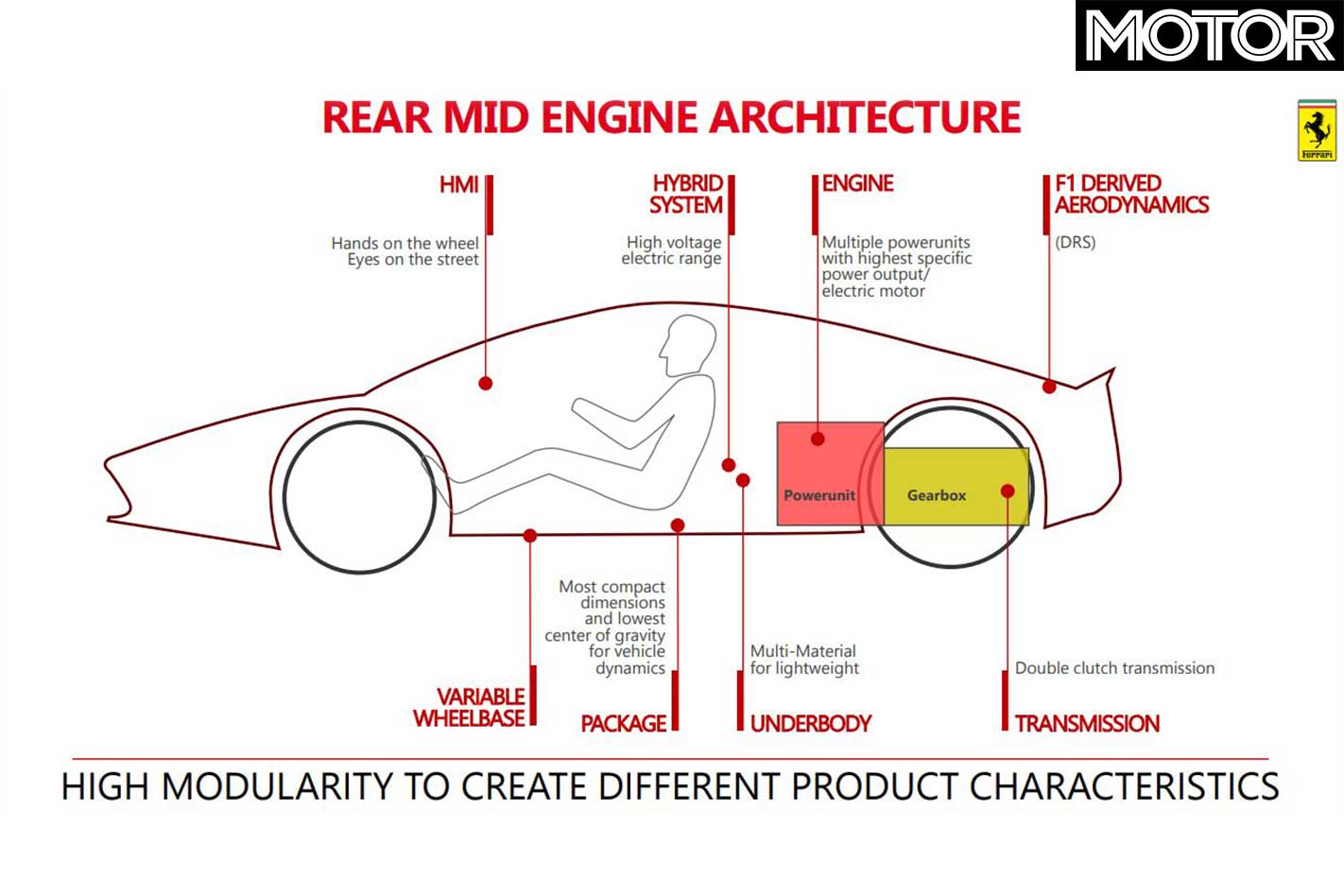
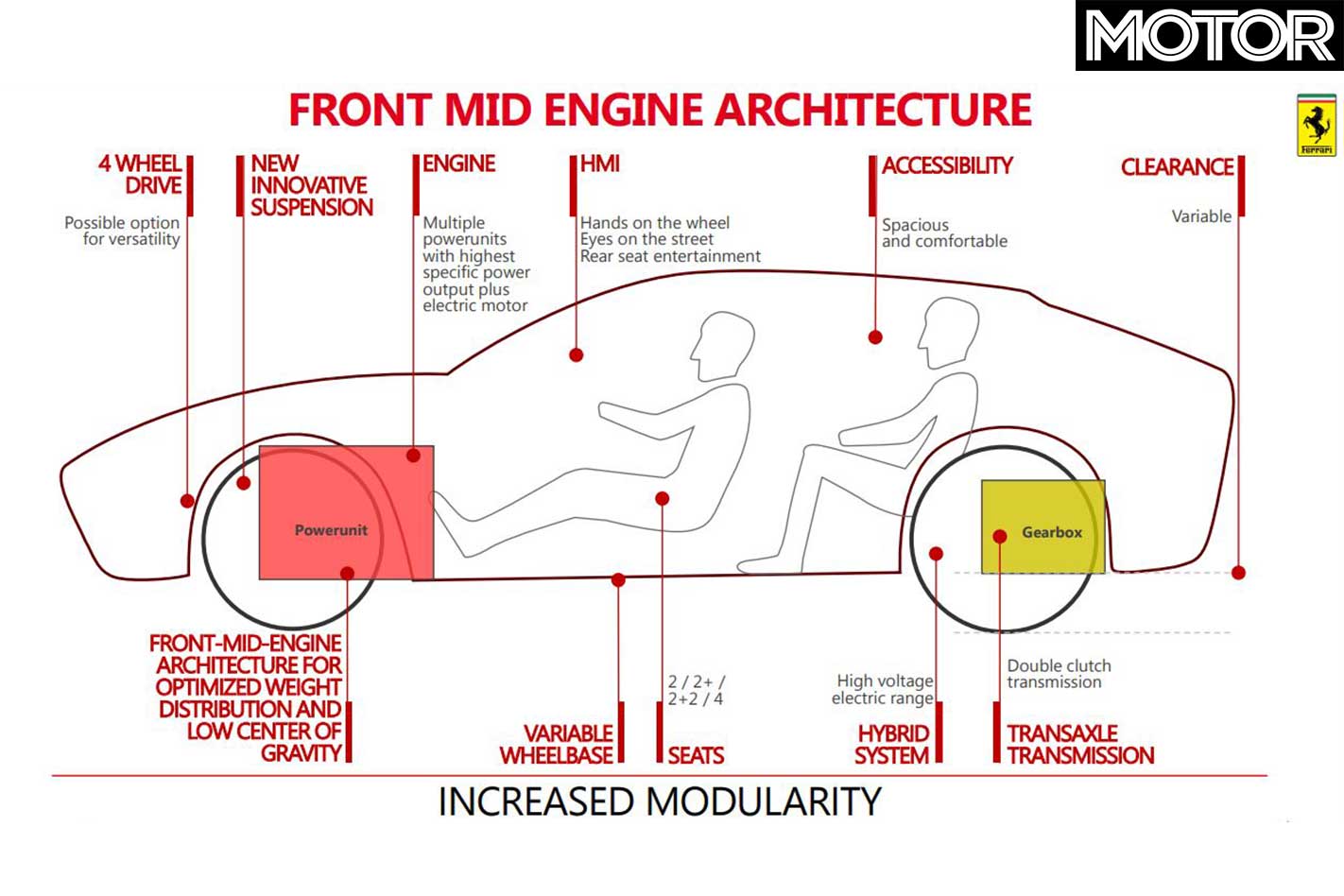
Both architectures are classified as mid-engined with engine located between the two axle lines. Sports cars will be rear-mid engined, with the engine behind the driver, while GT cars will be mid-front engined, with the engine forward of the driver.
Each architecture will be capable of accepting V6, V8 or V12 engines with or without electrical assistance. Variable wheelbase capability will allow different size cars to be built of effectively the same platform and Coupe and Spider variants will be possible with each.
Priorities for the sports car platform include reducing the weight and size through multi-material underbody and improved packaging, which will be especially important with the addition of batteries and electric motors.
The GT platform must be even more flexible. It must not only be able to accept a variety of powertrains and fixed-roof and Spider bodystyles, but also accommodate all-wheel drive, a variety of seating arrangement (2, 2+2, 4) and raised clearance in Purosangue guise.
In order to achieve this, Leiters explained the Purosangue will feature an innovate new suspension design. He didn’t expand on whether Ferrari would continue with its current unusual all-wheel drive system found in the GTC4 Lusso or develop a more conventional system incorporating hybrid drive.
Ferrari will at last be able to compete with rivals on technology, with the next-generation of interiors to feature a head-up display, new steering wheel, new instrument cluster and state-of-the-art infotainment and connectivity. This is crucial if Ferrari is to increase its push into Asian markets, which love the brand but have little use or desire for high-performance.
Finally, Ferrari will also embrace driver assistance systems, though Leiters was adamant the idea of a self-driving Prancing Horse was anathema to the brand.
Ford Australia is set to launch the 2019 Ford Mustang Bullitt in Australia next month, with Motorclassica as its chosen backdrop.
Limited to 700 units, and set to go on sale almost immediately after its launch, the 345kW Bullitt is inspired by the movie of the same name, in which Steve McQueen plays the eponymous character, a cop who drives a Highland Green Mustang Fastback.
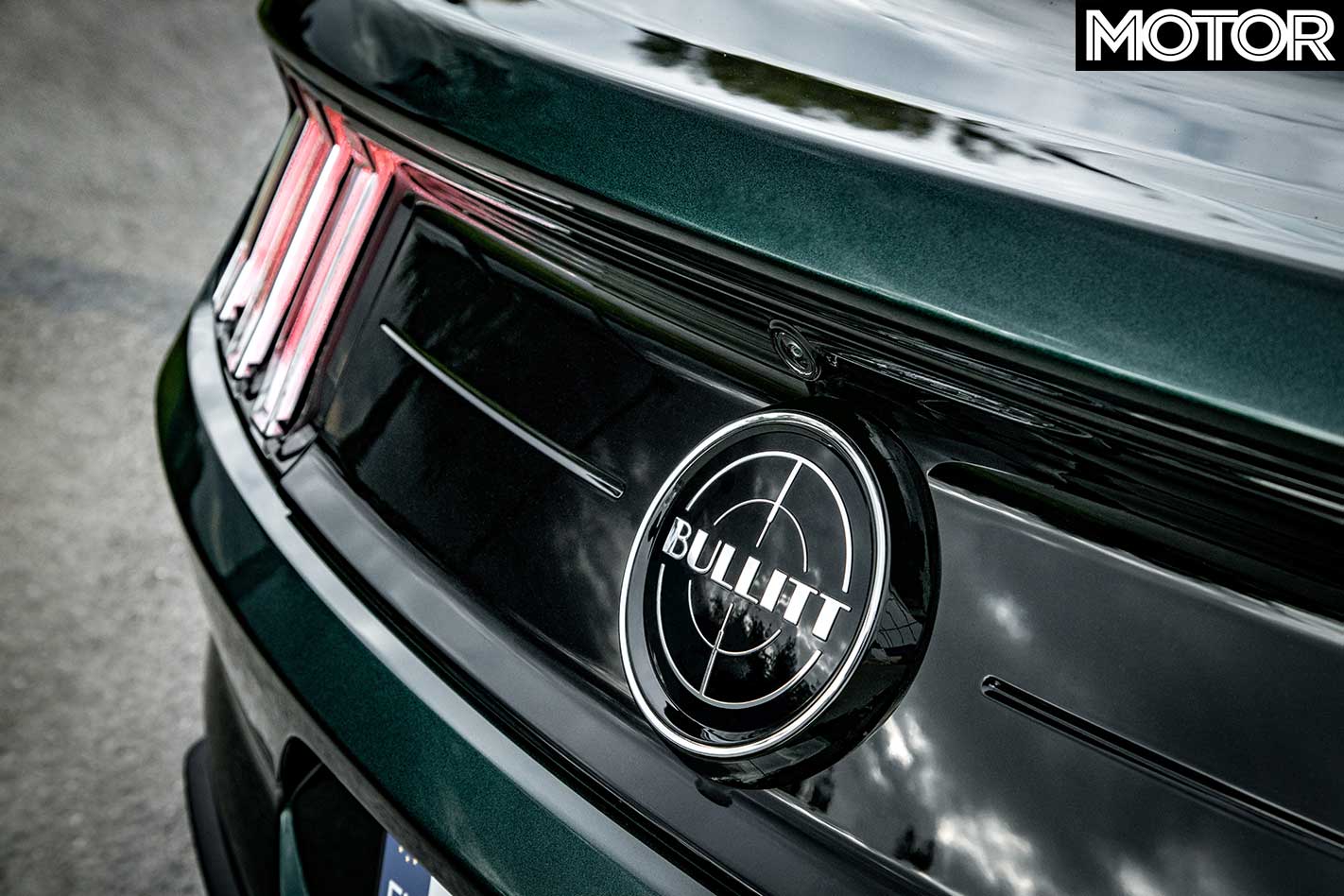
The 50th anniversary of the first screening of Bullitt, October 17, will be three days after the end of Motorclassica (October 12-14), to the day.
“We’re so pleased that enthusiasts will be able to see Mustang Bullitt in the metal for the very first time at Motorclassica,” says Ford Australia CEO Kay Hart.
“The event is a must-see, and we’re delighted to be part of what’s a cornerstone event on the automotive calendar, and a great way to introduce Mustang Bullitt to Australia.”
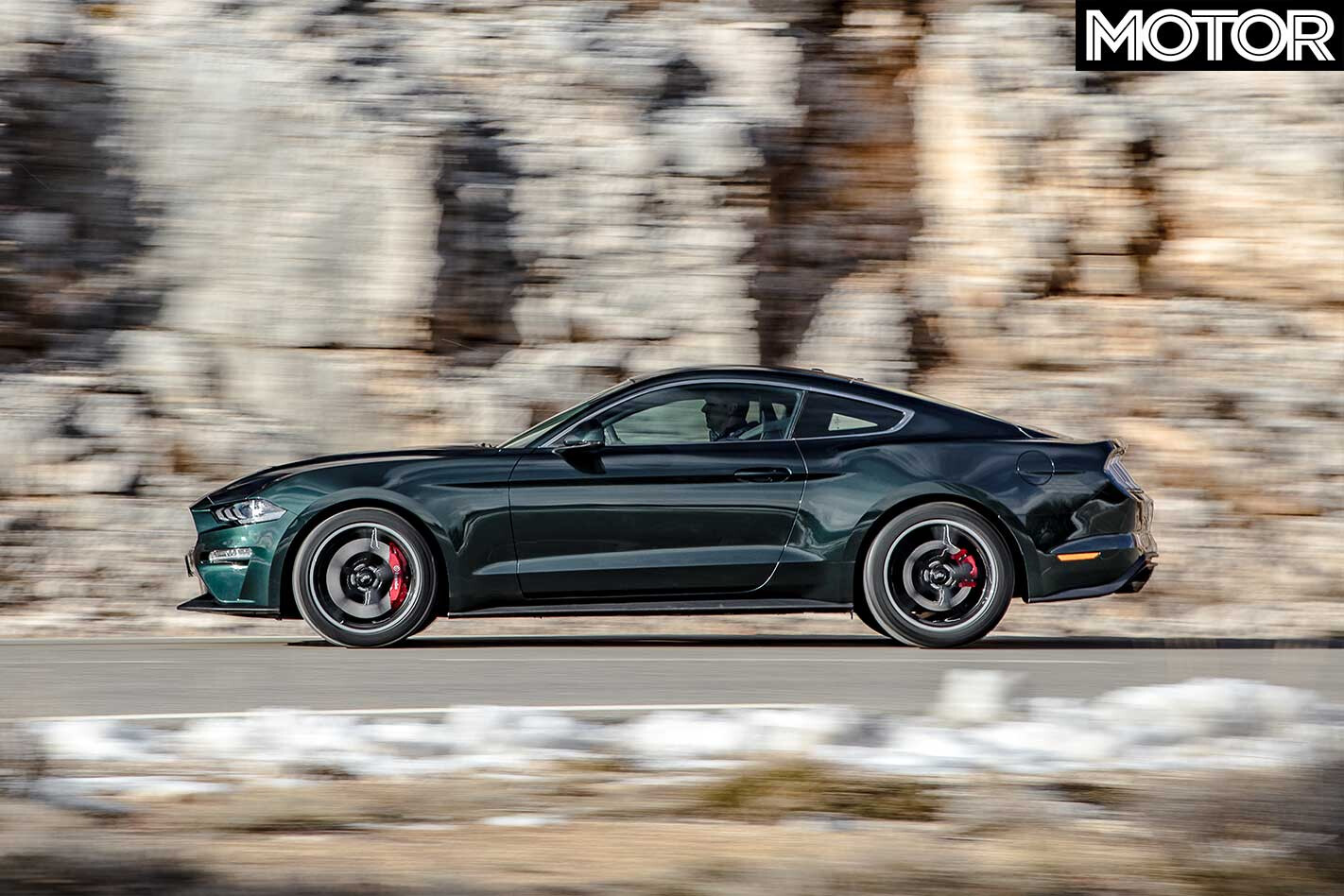
Motorclassica event director Paul Mathers says the Bullitt’s debut is mutually beneficial, as the Mustang’s history has proven it to be a favourite among collectors and enthusiasts.
“The Ford Mustang has become one of the most collectable models in the car enthusiast’s canon and its longevity is testament to its enduring ‘cool factor’,” Mathers says.
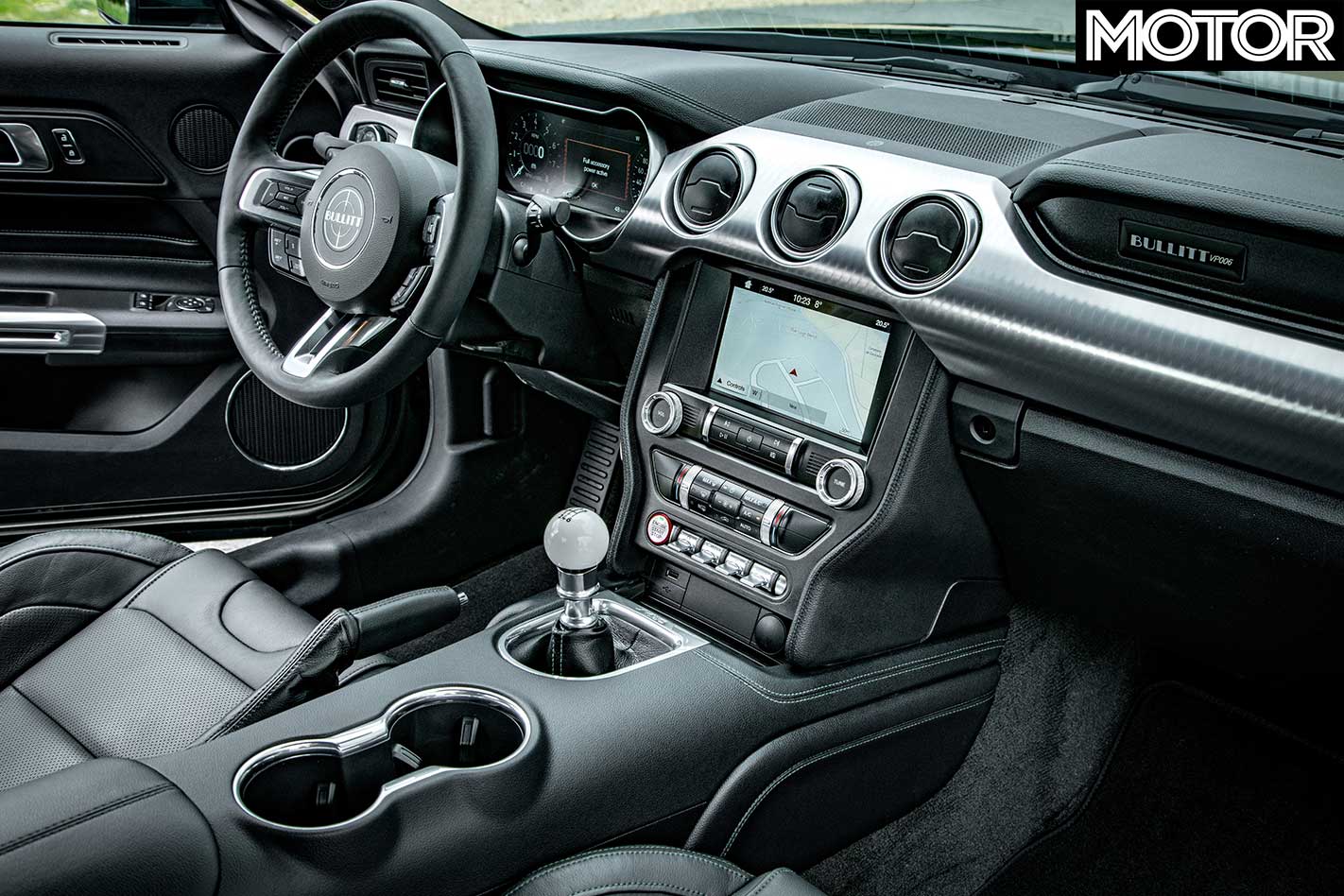
“Unsurprisingly, Mustang enthusiasts and Motorclassica have enjoyed a close relationship over the past nine years, which is why we are so incredibly proud to be chosen by Ford to host the Australian launch of the new Mustang Bullitt, a car that is destined to become a much desired collectable classic in the years to come.”
Motorclassica will take place at the Royal Exhibition Building in Carlton, with over 550 vehicles set to be on display.
ONE OF the most exciting things about the return of the Toyota Supra is the promise of a boisterous straight-six exhaust noise. But if you’ve been following the media appearances and spy videos of Supra prototypes so far, you may be feeling a little underwhelmed by its smooth and cultured but all-too-quiet sound. If you’re nodding and you live in Australia, America or Japan, here’s some good news.
Buyers in these car-loving territories are in line to get the loudest Supra exhaust available from the factory as standard, according to assistant chief engineer Masayuki Kai; a man who understands the importance of the straight-six note.
Prototype Supras heard at demonstration events including the Goodwood Festival of Speed have been built to European specifications, which means abiding by some of the world’s strictest noise and emissions rules and leaving the free-flowing exhaust packages on the shelf.
“It’s not allowed anymore,” says Kai-san, regarding louder exhaust systems. “The pass-by noise [limit] is getting really crazy. You can make no noise at all anymore. [The EU version] is just on the limit – 72dB – and in 2020 if I remember correctly it goes to 70[dB].”
“You also have to go off the throttle so they can check the burbling – this ‘after-fire’ sound. If you put [the Supra] in Sport mode it has this sound, but this also has to be decreased [for Europe].”
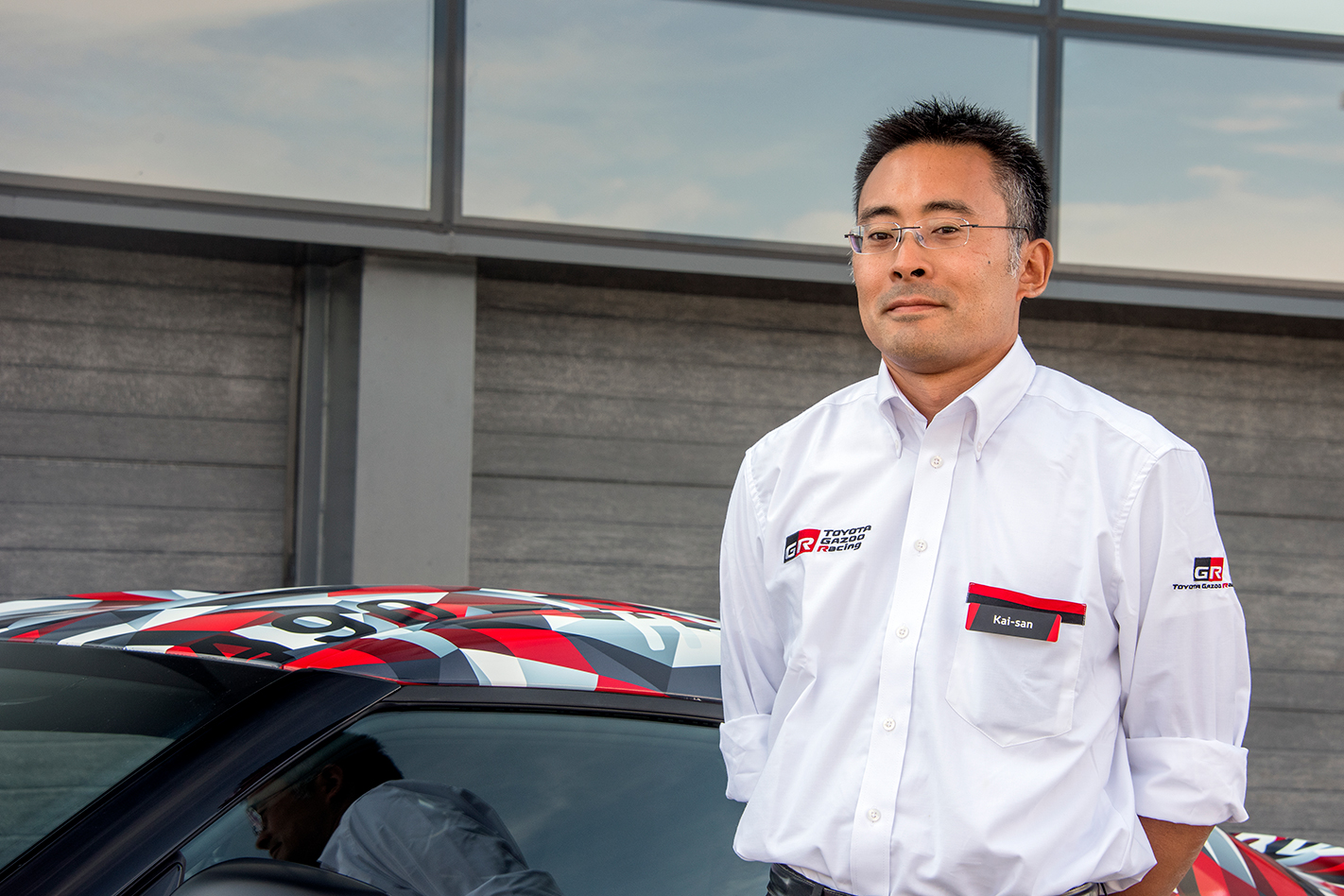
That’s the bad news out of the way for anybody living on the same continent as the Austrian manufacturing plant that’s building the Supra, but here’s what overseas buyers have to look forward to:
“[The] US is the most free, so US people will have the most loud exhaust, similar for Japan,” says Kai-san.
“Australia I believe is similar to the US, so you should also be having quite a loud exhaust. Far louder than this EU-spec model, which has a particulate filter. You don’t need that, so then automatically you have a bigger sound.”
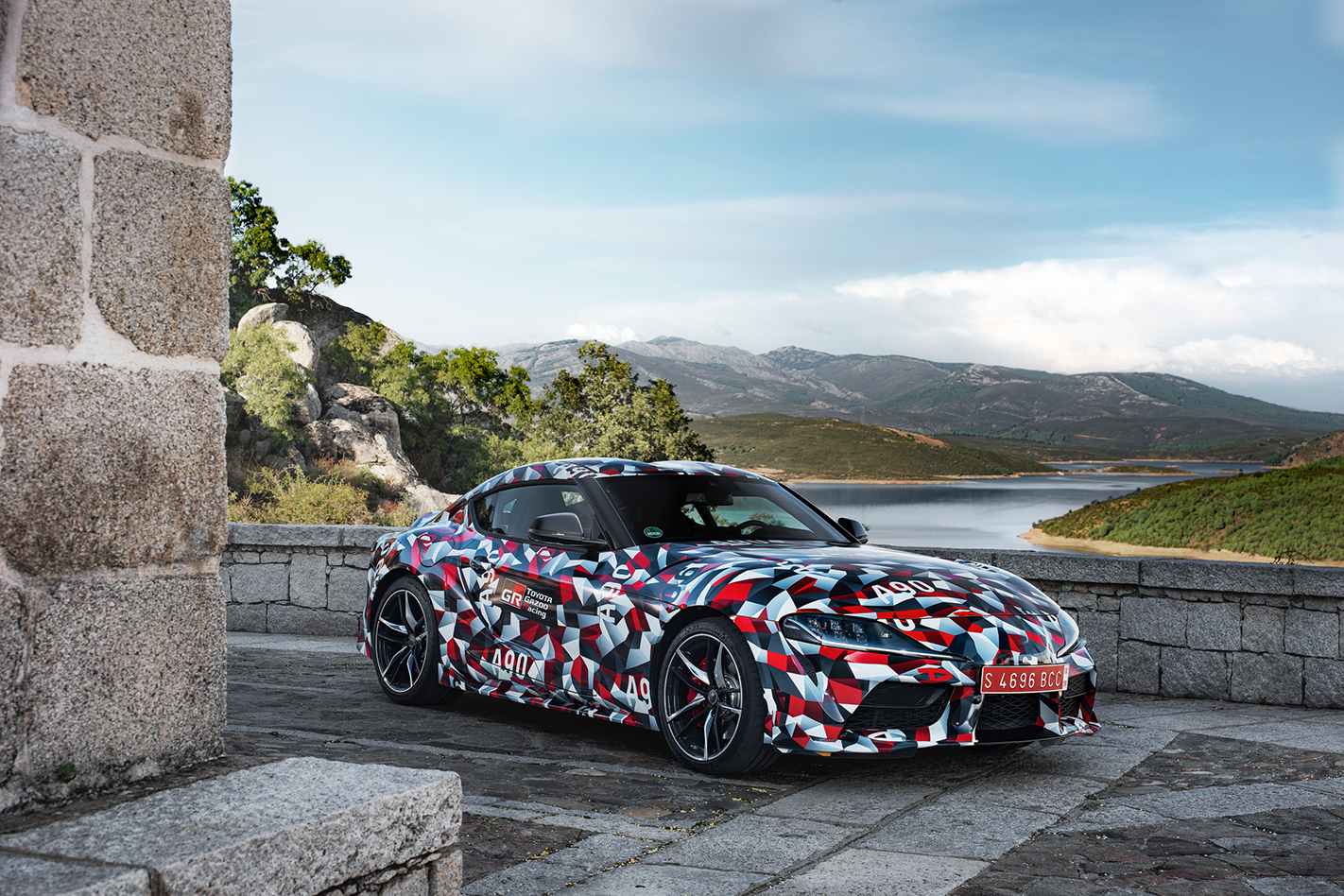
The sonic perfection of a good straight-six engine is a key part of the Supra legacy. The JZA80 Supra’s 2JZ-GTE engine is particularly famous for both its performance and its sound. The fifth-gen Supra launching next year uses a BMW-sourced 3.0-litre turbocharged in-line six-cylinder, and has been developed with a passive, single-mode exhaust system rather than one with flaps that can open and close.
Toyota has had to adopt synthesised sound technology to compensate for its low volume and add more cabin rumble through the stereo speakers, particularly when Sport mode is selected. But there’s really no replacement for the genuine article, so bring on the free-breathing pipes we say.
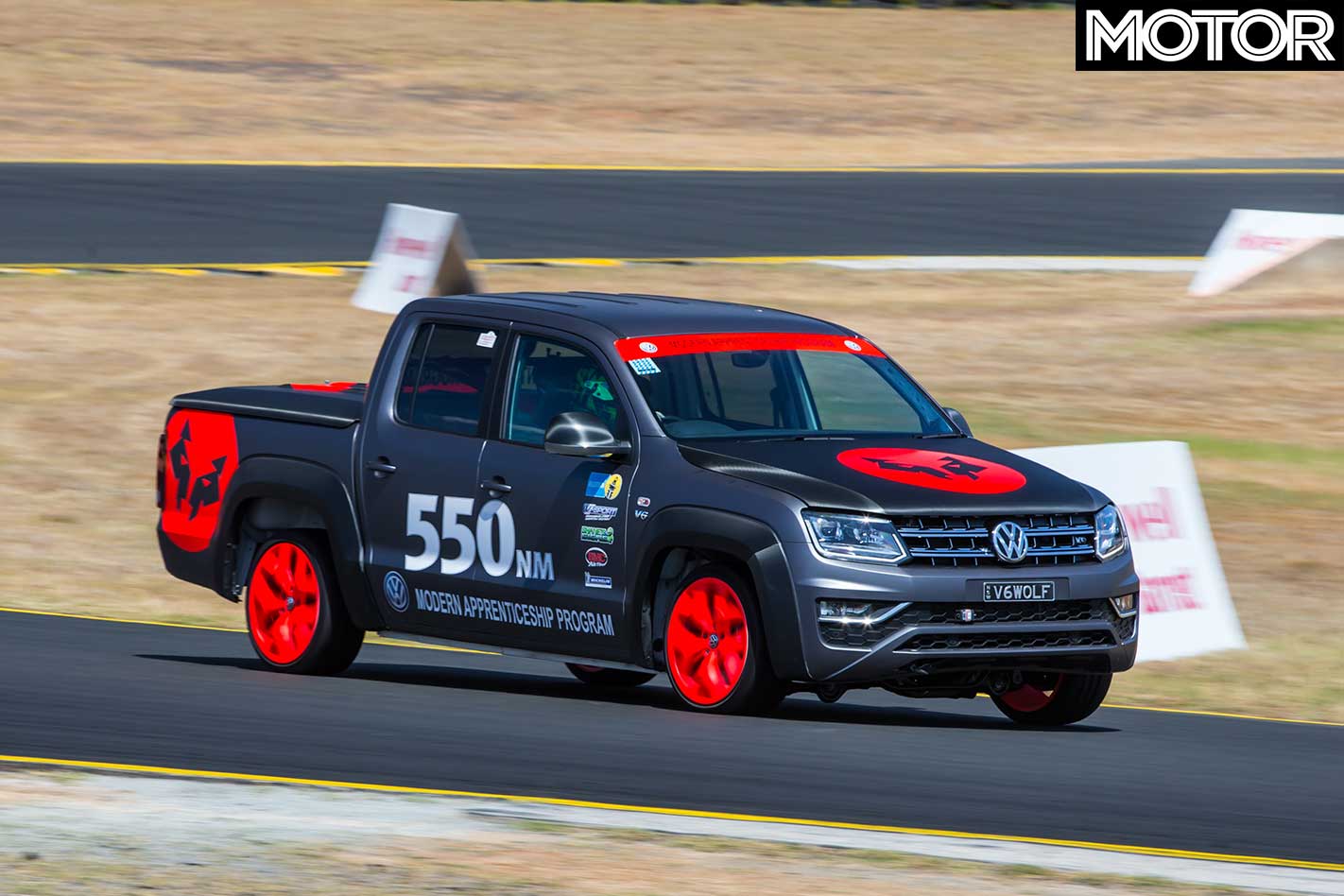
After they built an Amarok to punt around Eastern Creek last year, Volkswagen’s apprentices have again been challenged to put together a car for World Time Attack Challenge.
This year, the vehicle of choice is a VW Arteon, the 206kW AWD sedan with the Golf R’s drivetrain and a premium style and interior.
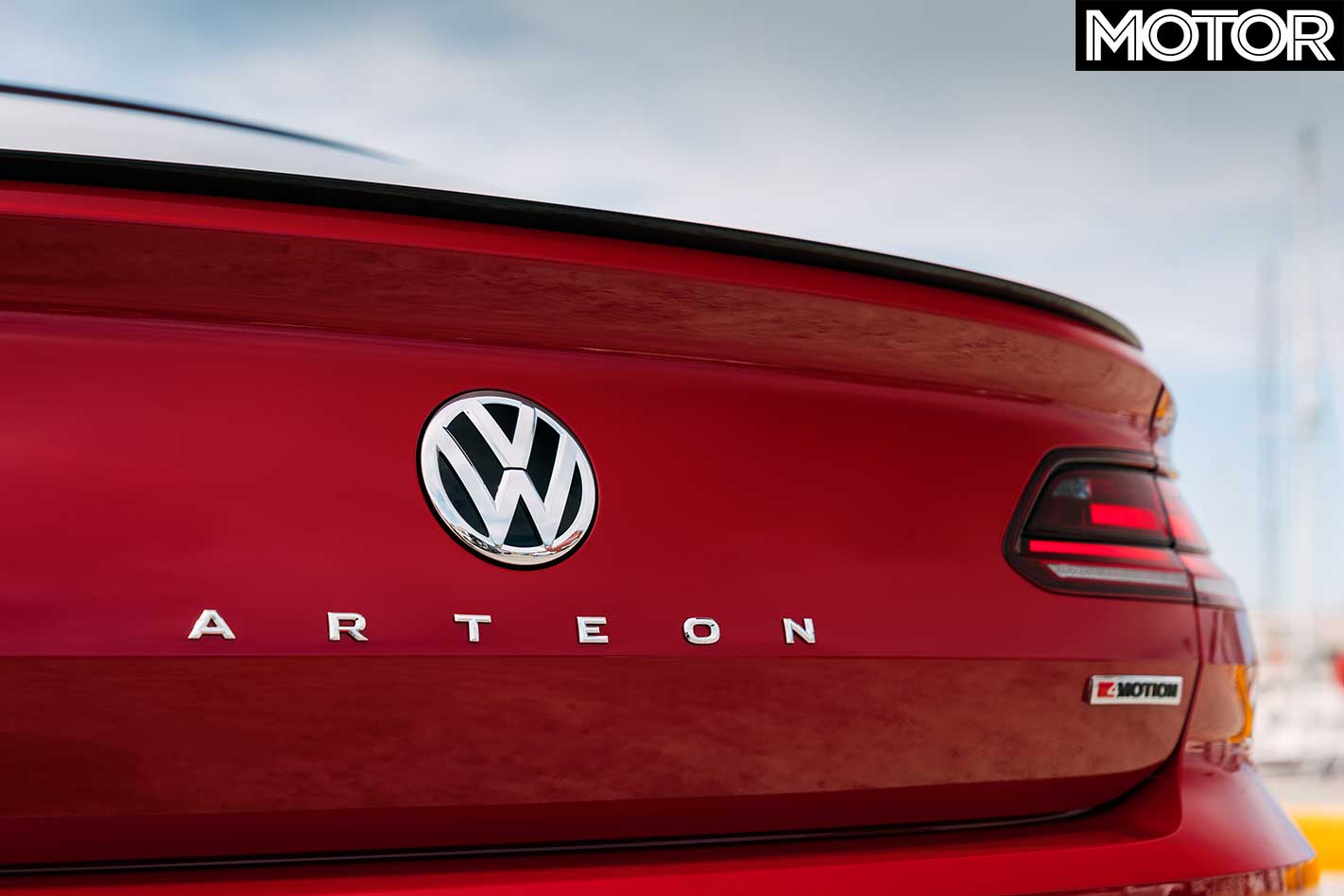
Essentially a follow-up to the VW CC, the Arteon is capable of a 5.6 second sprint to 100km/h. Volkswagen has challenged its apprentices to lower that to under 4.0 seconds for this particular car.
VW Australia’s customer experience and capability manager Luka Popovac says he’s pleased to see a new team of apprentices taking on the build challenge.
“Last year’s team built something remarkable with their Amarok build car, and the reaction from our fans and the wider public was incredible, Popovac says.
“It’s vitally important that we recognize our top-tier apprentices with out-of-the-ordinary opportunities like this that showcase the talent we have in our dealer network.”
The Arteon headed to WTAC 2018 will also look different from the standard car, though it’s not yet been revealed how. More aggressive styling would make sense, given its purpose and the location it’s to debut.
Volkswagen PR manager Kurt McGuinness says the Arteon was chosen because of the capability of its drivetrain, as well as its style.
“Our Arteon saloon is one of the more design-focused vehicles in our range, and what better way to bring out its true artistic nature than to have our apprentices build an Art Car,” he says.
“Mind you, this will be no basic sticker pack – the standard Arteon boasts a drivetrain derived from the Golf R, so the finished car will truly be both beauty and the beast.
“Of course, the artistry doesn’t stop with the Arteon’s angles and lines – we are fortunate to have the who’s who of the Australian performance car tuning industry mentoring our apprentices and overseeing the build.”
SUCH is the hype around the soon-to-be-resurrected Toyota Supra that its engineers are already looking at ways to expand the line-up and deliver more of what enthusiasts have been asking for.
At a Supra prototype drive in Spain, assistant chief engineer Masayuki Kai revealed some of the ideas on the table for even faster, lighter, cheaper and more engaging Supra variants.
“Everything is still open. For example, transmission; we are studying a manual transmission. A bigger engine, or a smaller engine, lighter version, track edition – this is all now ongoing,” Kai-san told Wheels.
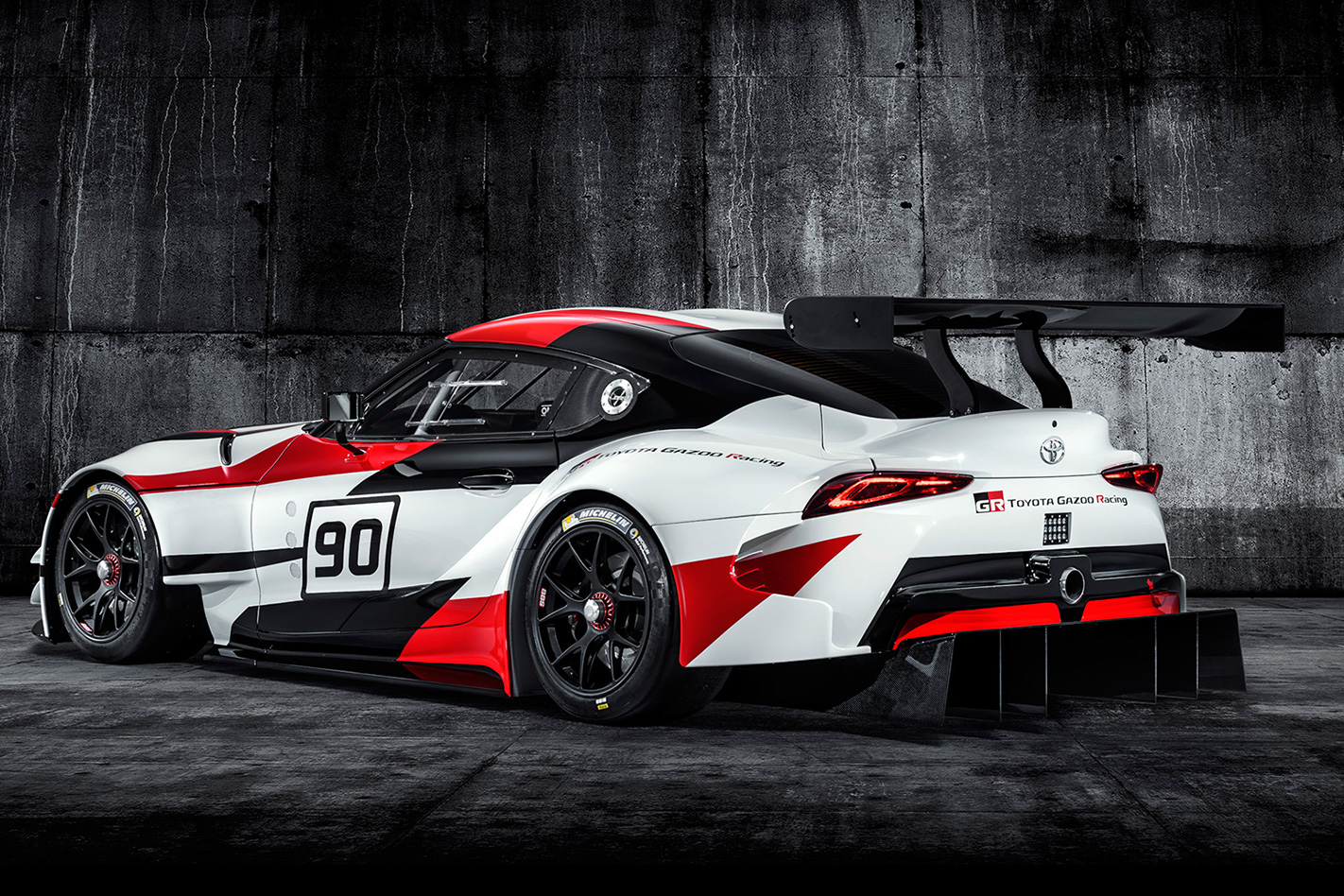
“We are studying and we will get the first feedback from the market next year and depending on this feedback we will decide where we should put the [development] money.”
In hardware terms a manual transmission is relatively easy to do. A compatible gearbox already exists for the Supra’s engine, as used in the BMW M240i, and the development work has been done to integrate it within Supra’s modified platform, according to Kai-san, but a decision on its introduction is yet to be made.
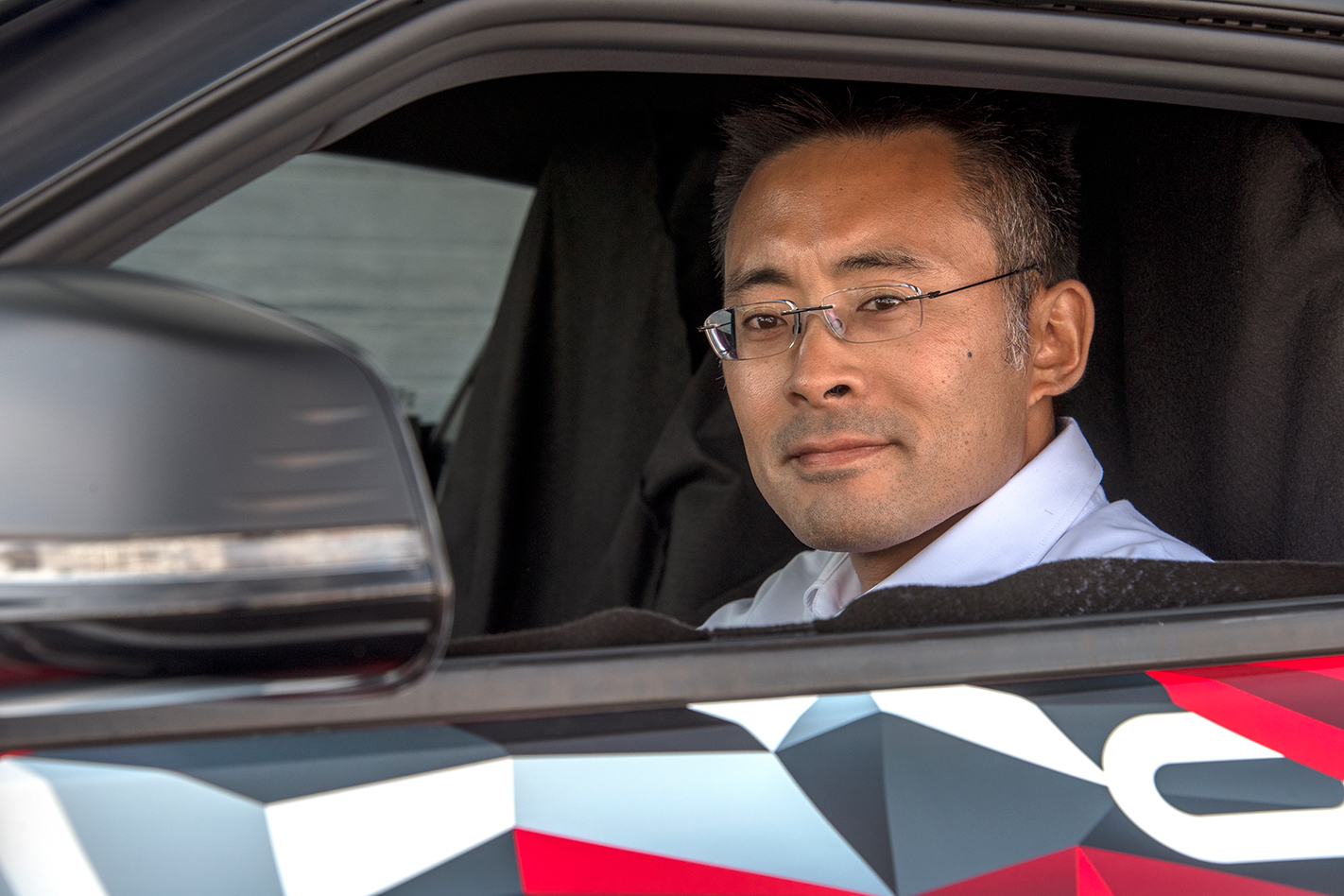
Kai-san said a three-pedal option could be added to the range as a limited production model at the very least, not unlike the Mark X GRMN that was built for the Japanese domestic market in 2015.
A manual Supra would definitely need to be manufactured in right-hand drive, he added, in order to be sold in Toyota’s home market of Japan. All Supras are built in Graz, Austria.
Supra chief engineer Tetsuya Tada told Top Gear earlier in the week that a stripped-out GRMN (short for Gazoo Racing Meister of Nurburgring) version of the Supra was on his priority list, potentially taking 100kg off the kerb weight of the regular model, which is expected to weigh 1500kg.
Only a single Supra variant has been discussed on record so far, with a 3.0-litre turbo six engine and eight-speed automatic, but digging a little deeper it’s clear Toyota has futureproofed its flagship sports car with a view to adding more. As an example, cooling vents placed all over the compact coupe’s bodywork are only for show at present, but Kai-san says it won’t stay this way.
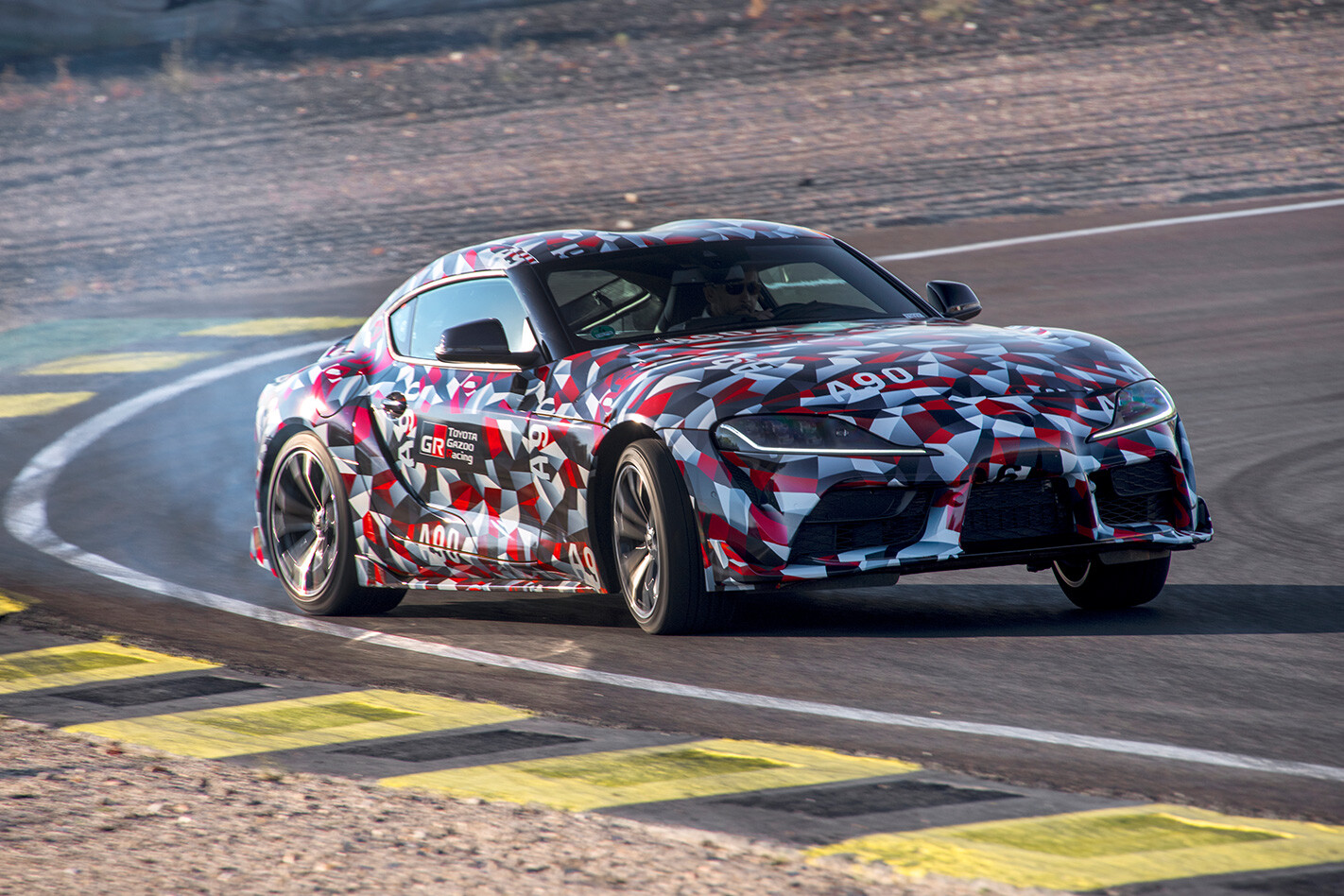
“They are cosmetic. We intend to open all of them when we are making a race version [and] make them functional,” something that could also apply to a road-going track edition or GRMN model with a more aggressive braking package.
An Aero Top version following in the footsteps of third- and fourth-gen Supras with removable roof panels is also feasible and already under consideration.
“As an idea, we have, if customers really want to have it, technically it should be possible.”
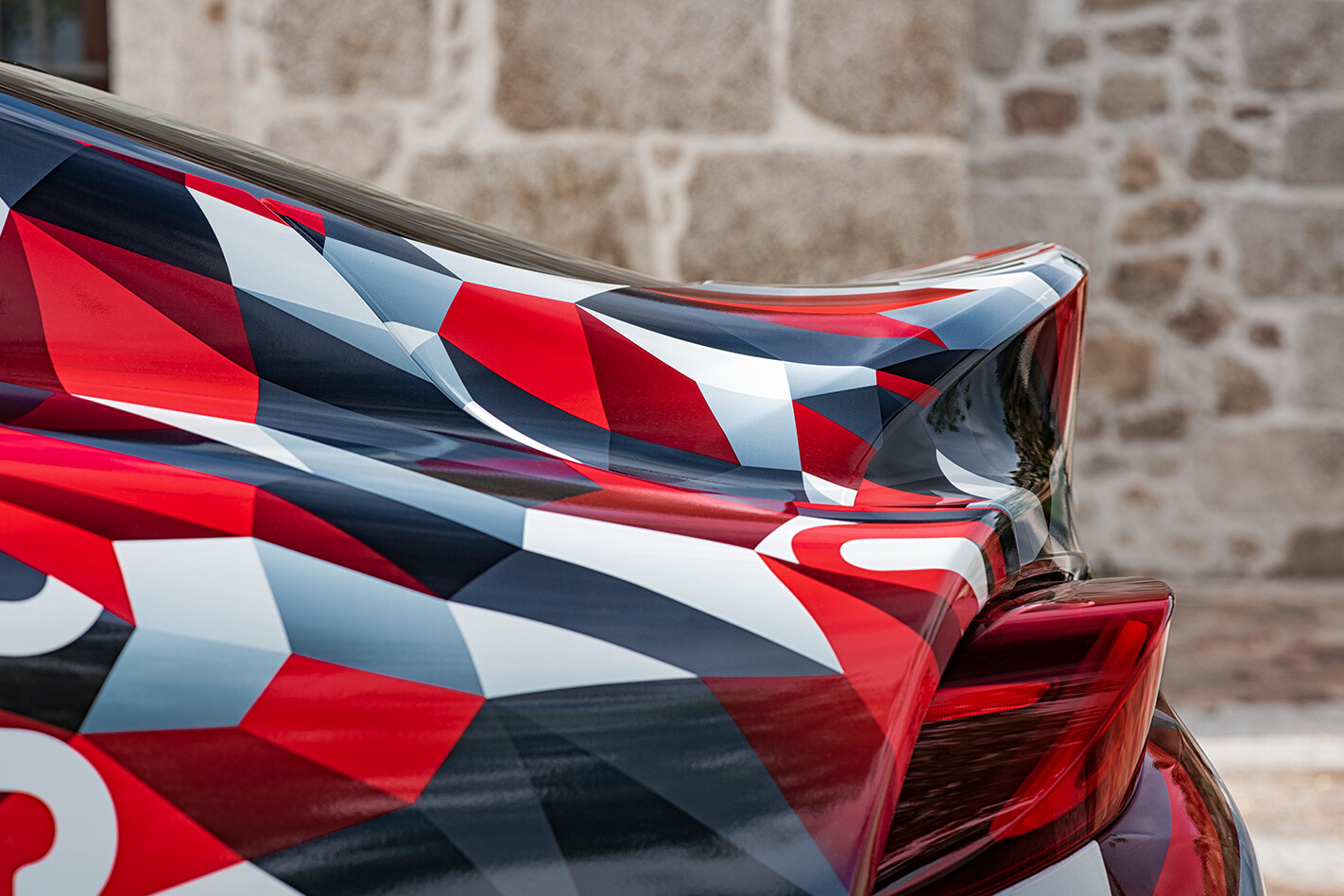
Optional equipment finalised for the Supra includes a Gazoo Racing Drive Recorder, which can digitally log lap data at racetracks and upload it to Gran Turismo.
Toyota Australia could launch the Supra with a two-tier line-up, similar to the existing Toyota 86 GT and GTS, which share powertrains but have different equipment levels. Adaptive suspension and an active rear differential are locked in for Supra, but may only be offered in a premium variant or at additional cost in a base model.
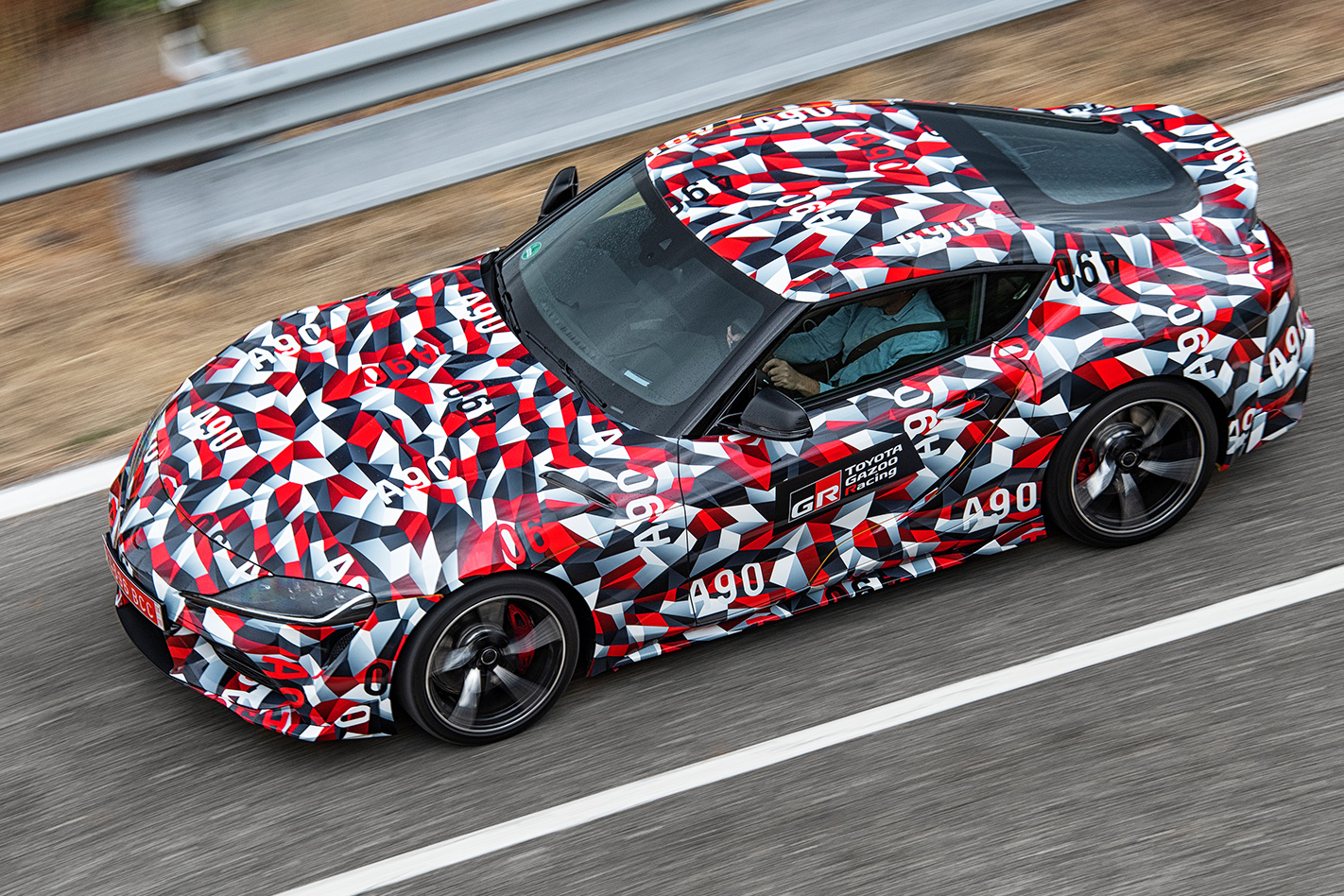
Kai-san confirmed there will be more wheel designs on offer, not just the 19-inch black and chrome rims seen on prototypes so far.
Eight different body colours are locked in, including red, yellow, orange, blue and a matte silver colour that Kai-san says will be offered for a limited time at the start of the Supra’s model cycle, possibly as part of a special Launch Edition.
Kai-san was born in Germany before moving to Japan with his family at 10 years old. He now works back in Munich as the European-based Supra engineer and project liaison officer between Toyota and BMW. His current post ends in July 2019, but he is looking to extend his stay and work on the next phase of the project beginning around that time, focused on future updates and an eventual Supra facelift.
It’s official: Wheels is 65 years old. But this series isn’t about us. To celebrate our 65th, we thought we’d take a look at the decisions that have changed the automotive world over the last six and a half decades. Some were inspirations that altered it for the better, others were engineering dead ends, nefarious cover-ups and valiant flops. Scroll on to read more, then click here to explore all 65 cars, people, game-changers and failures that have influenced the car industry since 1953, in no particular order.
1. 1955 Mercedes-Benz 300SL Gullwing
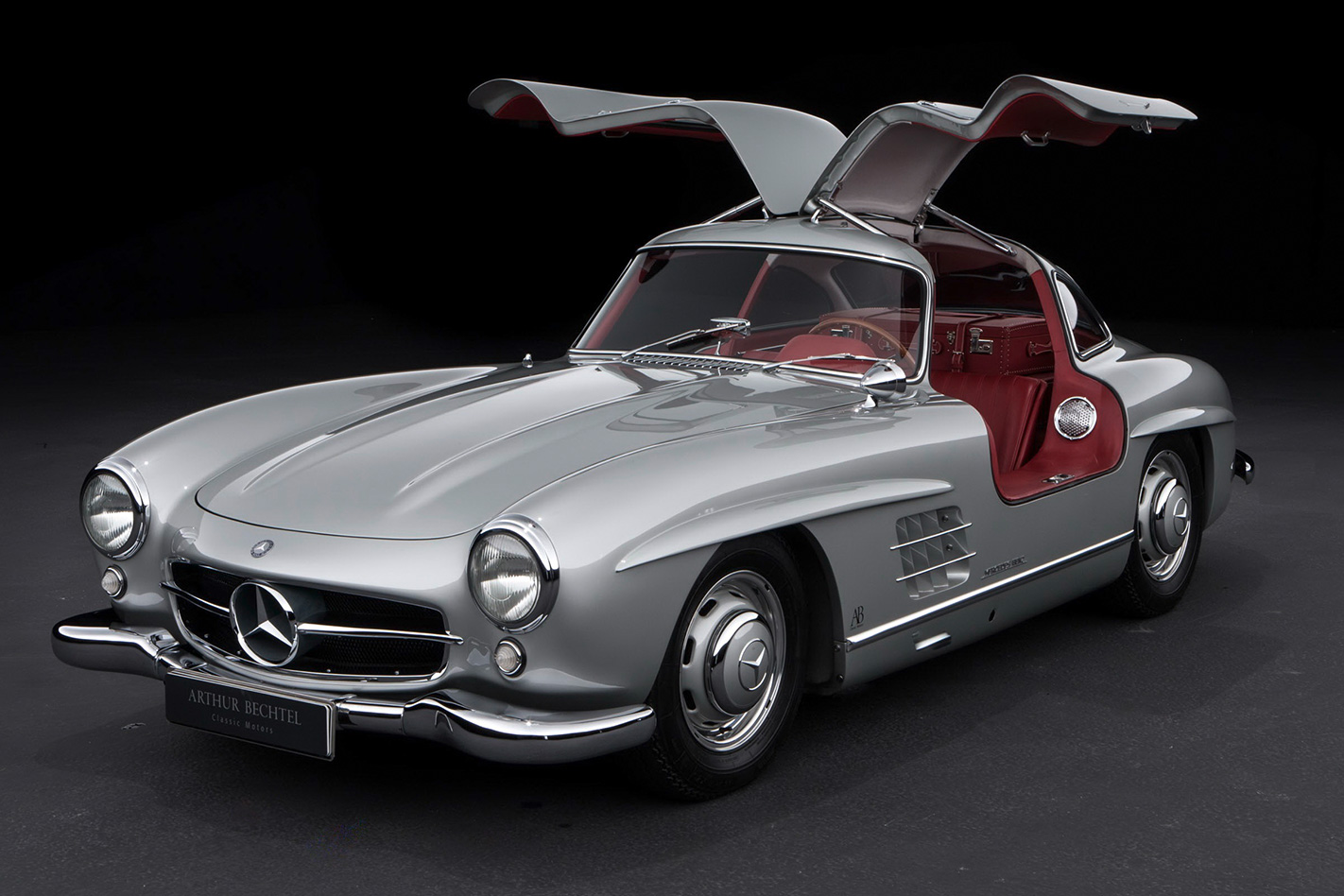
Mercedes’ original 300SL was essentially a rebodied, road-going racer, complete with a bulky aluminium spaceframe chassis, featuring wide sills for maximum rigidity. As a result, regular doors couldn’t be fitted, so the suave signature gullwings were the inspired solution. Contrasting the classy elegance of the clean rounded silhouette are the blistered wheelarches and outrageously long dash-to-axle ratio, cementing the 300SL’s place as the world’s first supercar.
2. 1955 Citroen DS
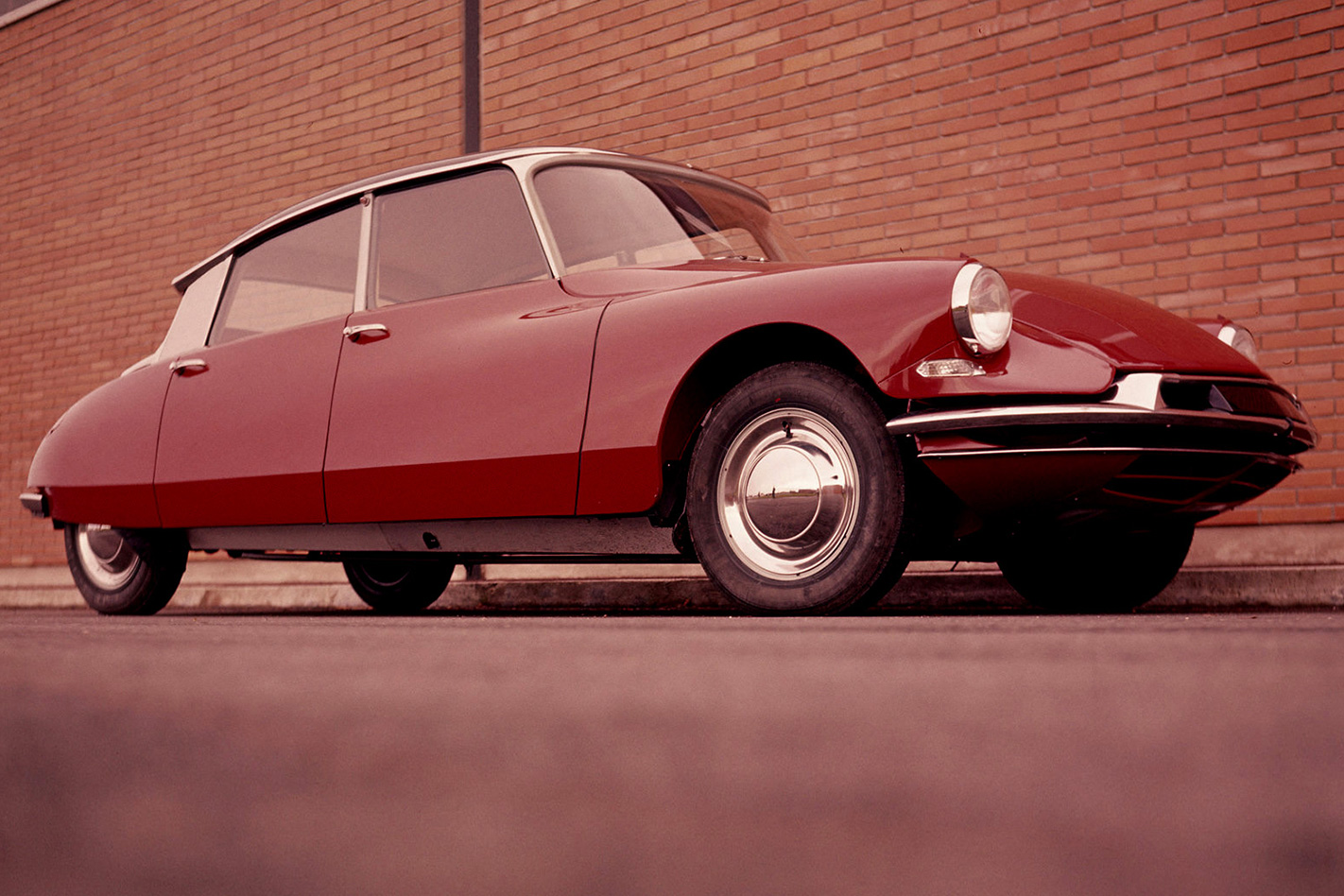
Imagine how mind-blowingly otherworldly the futuristic DS must have seemed back in 1955, amid Cold War paranoia, stifling normality and the FJ Holden. Its beautiful proportions were the work of Italian sculptor Flaminio Bertoni, while the advanced engineering by aeronautical engineer André Lefèbvre included hydropneumatic suspension, making it distinctly secure as well as sublimely comfortable. The beauty of ‘the goddess’, as it was known, ran beyond skin-deep.
3. 1957 Fiat Nuova 500
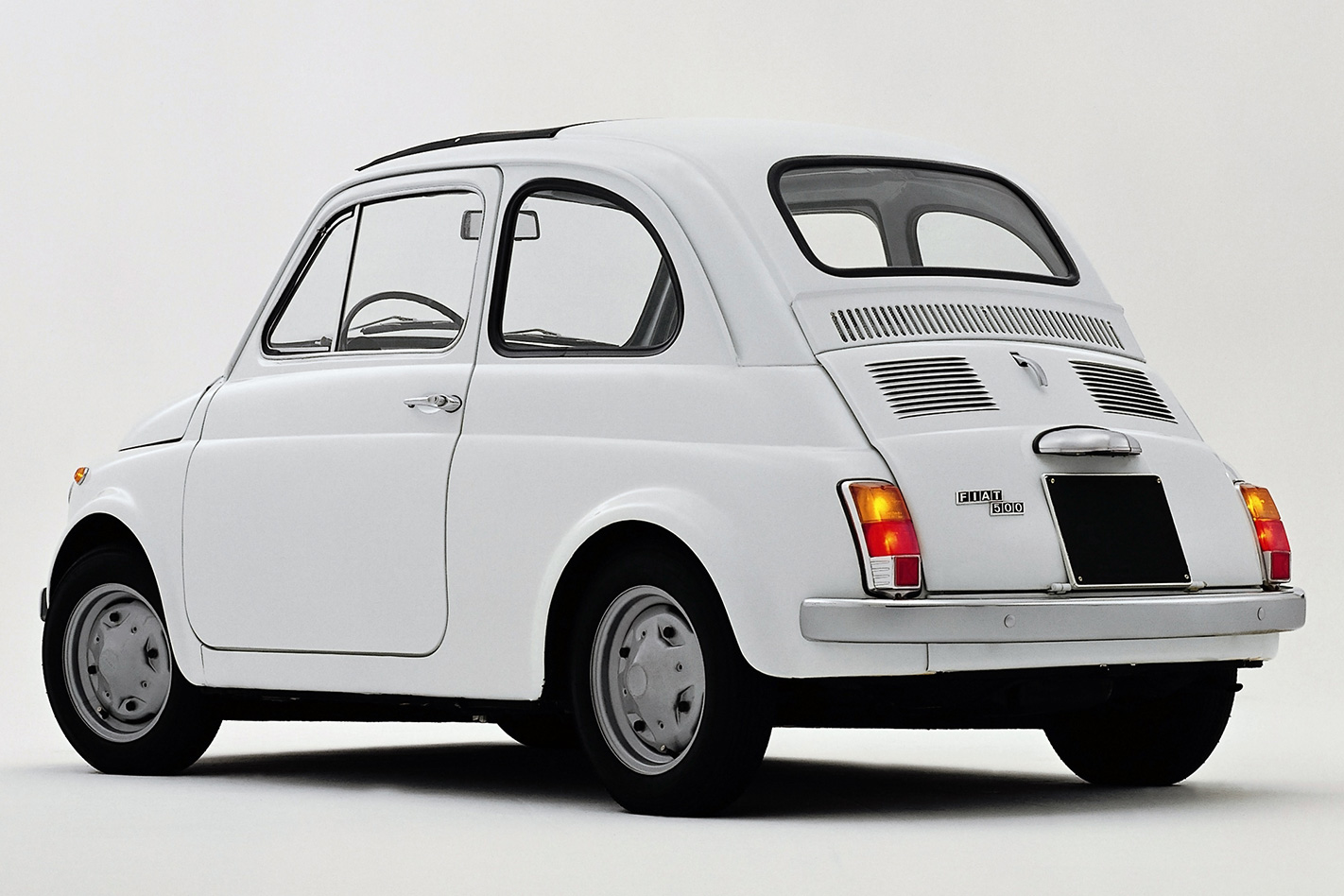
Like most cars for the masses, the Fiat Nuova 500’s ethos was function over form. Observe the tiny air-cooled twin tucked out back to maximise interior space, mandatory fabric roof since that’s cheaper and lighter than steel, wheels at each corner for surefooted handling and minimal ostentation. Nearly 3.9 million examples over 25 years turned the feisty 500 into a symbol of Italy.
4. 1964 Ford Mustang
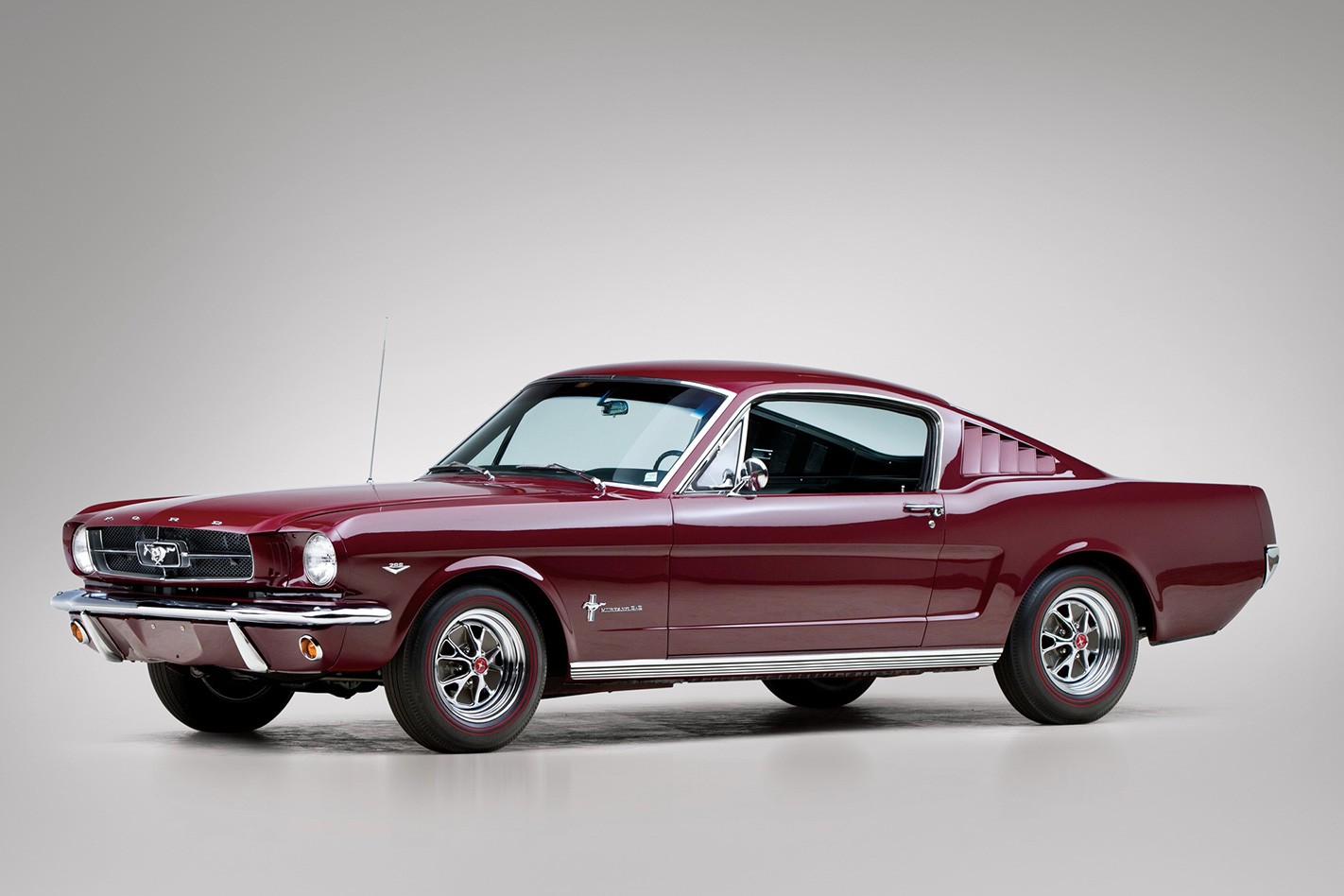
Sexing up the original Falcon with a four-seater coupe/convertible spinoff range boasting a striking long-bonnet/short-boot silhouette, evocative name, stirring performance options and countless personalisation configurations might seem normal today, but the Mustang elevated design-fuelled marketing to dizzying heights, smashing records and sending rivals scrambling in response.
5. 1963 Porsche 911
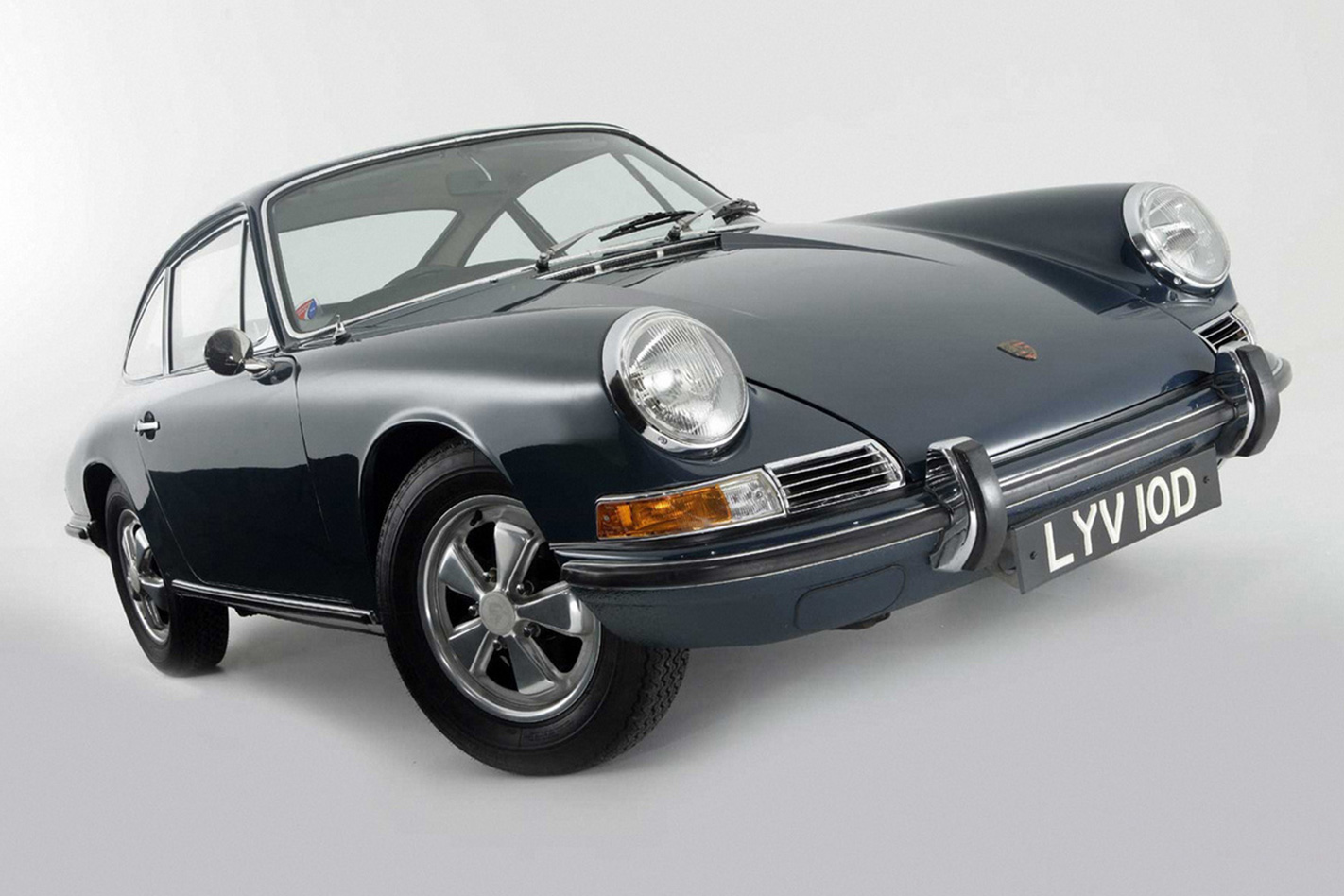
It’s now legend that Porsche had intended to kill off the 911 not long after the larger, luxo 928 grand tourer launched in 1977, but by the ’80s neither sports car buyers nor marque fans would have any of that and the company relented. It just doesn’t date. Rear engine, rear (or later all-wheel) drive, and a horizontally opposed six in either naturally aspirated or (nowadays) turbo-charged guises, the 911 has become the sports-car yardstick which all others – including ultimate supercars – must match to achieve greatness. Happy 55th, Project 901.
6. 1966 Lamborghini Miura
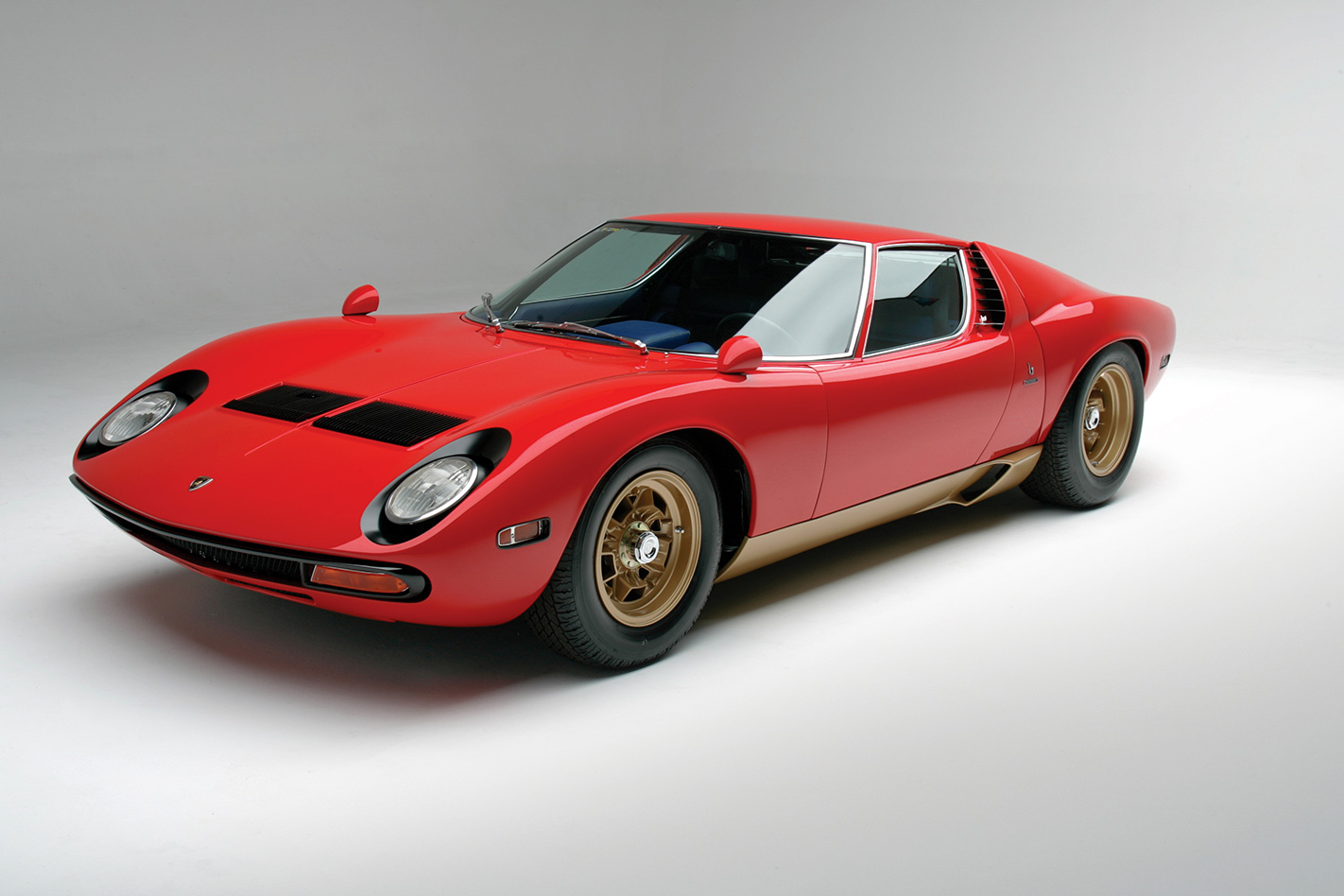
A sublimely sensuous silhouette and production-first mid-mounted rear-drive V12 heart that helped make this Lamborghini the world’s fastest car back in the day are all good and well, but Marcello Gandini’s ’60s supercar masterpiece has sashayed into the world’s collective psyche because of those eyes. With headlights that make this car’s face as sultry as any supermodel’s, the Miura catapulted its maker into the sports-car stratosphere, and remains the epitome of Italian design prowess to this day. No wonder the Countach didn’t even try to emulate such loveliness.
7. 1964 Ford GT40
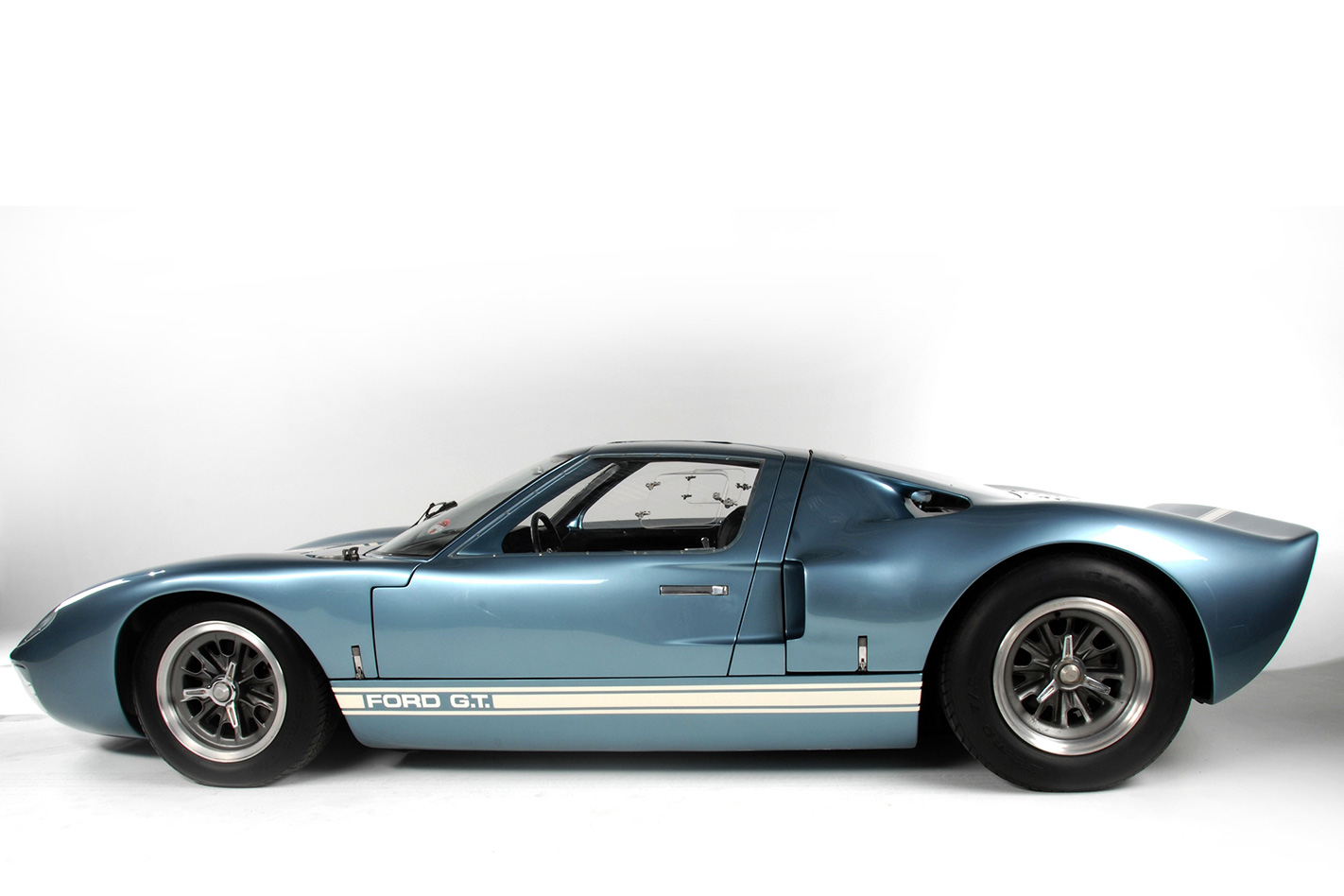
The story goes that after being courted then spurned by Enzo to buy Ferrari for its racing division, a seething Henry Ford II teamed with British outfit Lola to create the ruggedly lithe GT40 (denoting the car’s approximate height in inches). Ford eventually won four Le Mans (1966-69), and the legend of the blue-collar underdog prevailing over the arrogant Italian fuelled the GT40’s provenance ever since.
8. 1999 Audi TT
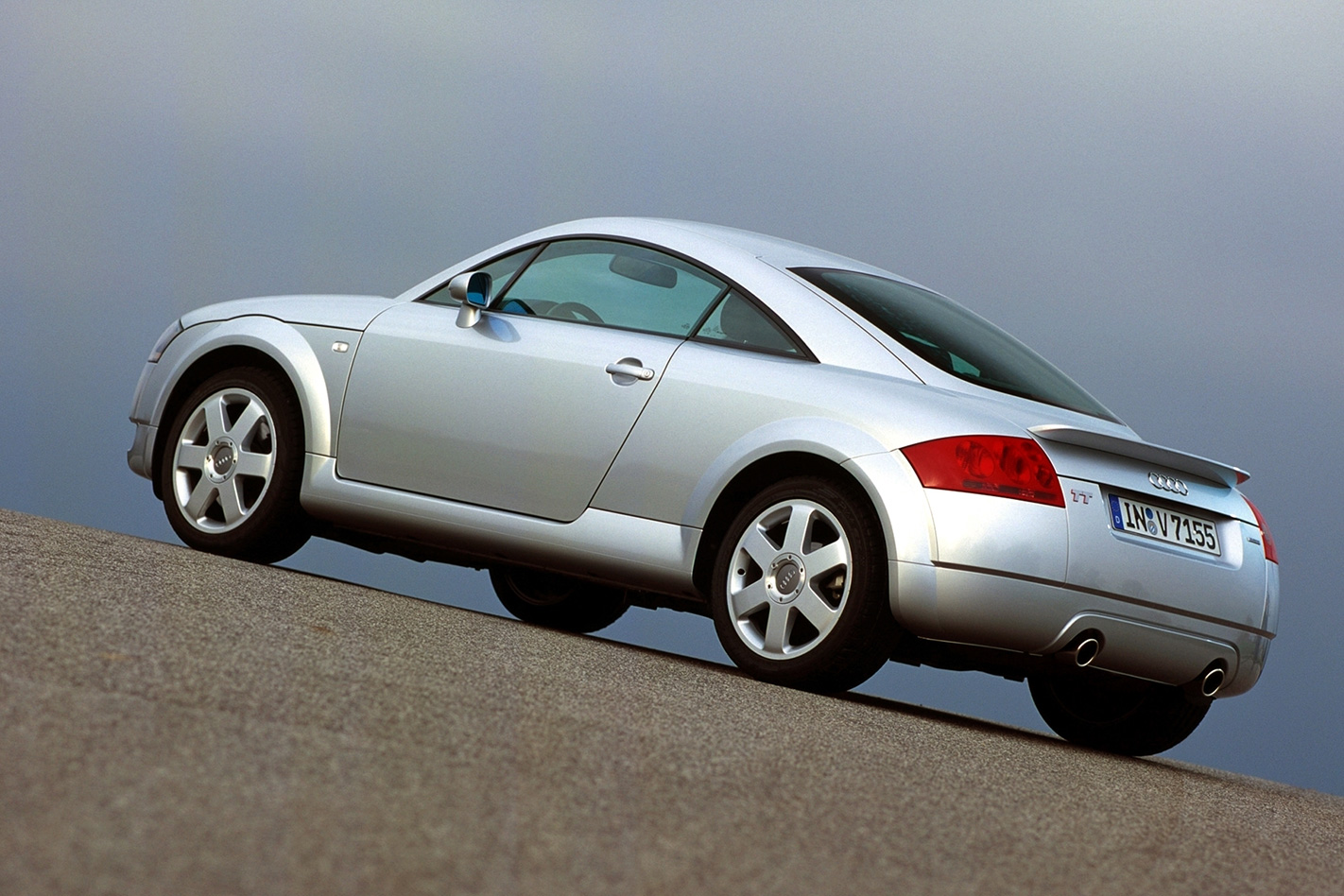
The impact of the original TT was profound. The first true modern Audi sports car (the epochal Ur-Quattro was a beefed-up 80 Coupe), the sleek, A3-hatch based two-door borrowed Bauhaus design elements, brilliantly melding originality with post-modern retro cool. A real highlight was the austere yet crafted cabin that exuded high-quality finesse. For a decade afterwards, the TT’s high-minded aesthetic influences even transcended the auto industry, in areas such as hi-fi goods. Demand soared, finally elevating the Volkswagen luxury brand to premier-league status, even when early TTs proved dangerously unstable at Autobahn speeds.
9. 1959 BMC Mini
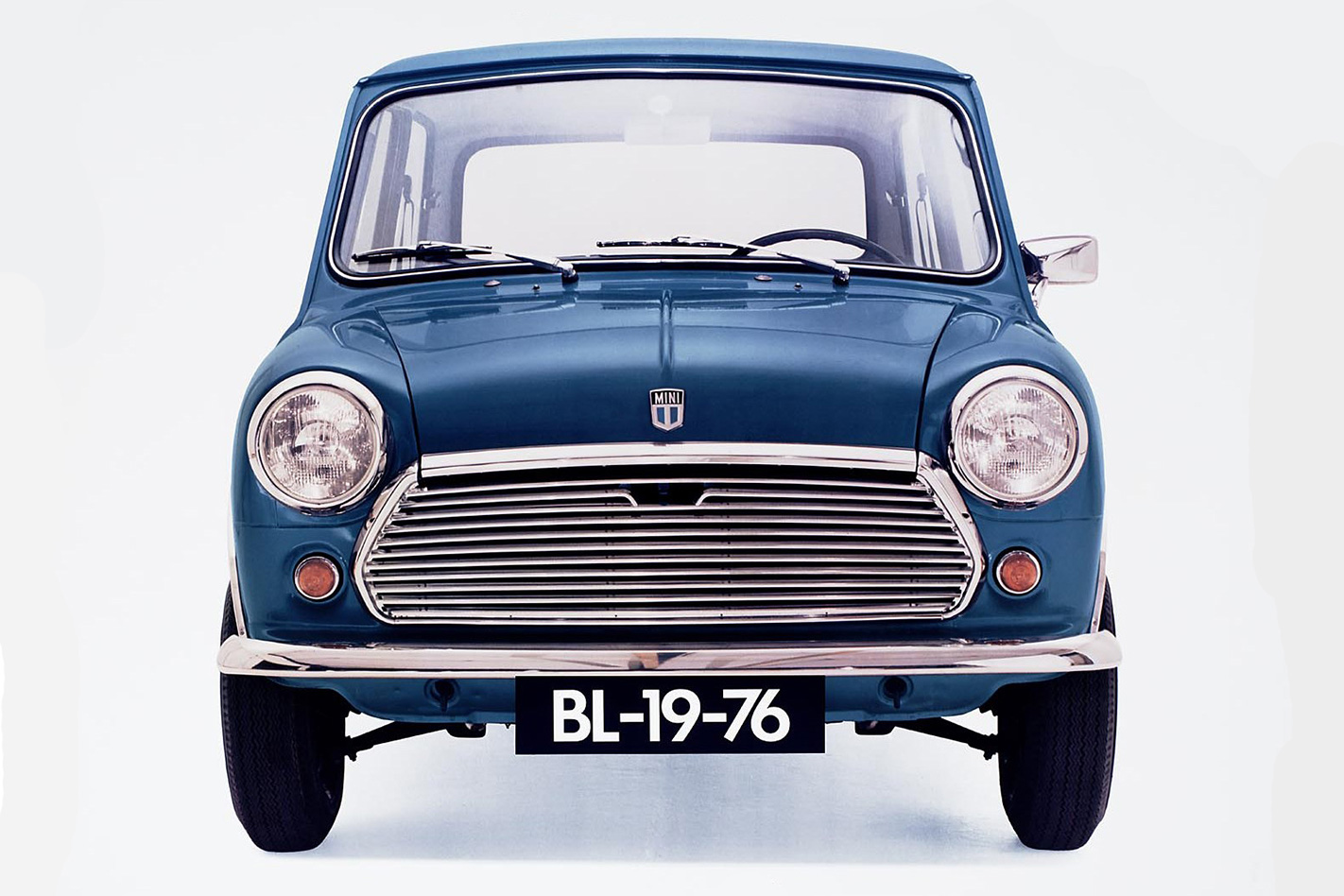
Alec Issigonis’s response to a ’50s oil crisis was a flawed, fabulous masterstroke, punching above its diminutive weight by pioneering east-west front-drive engineering, engaging dynamics and friendly design. The latter came about through packaging and budgetary requirements, since the Mini was foremost a mass-market econo-car. Yet ’60s counter-culture adopted the bolshie Brit runabout as its classless poster child, while motorsport recognised the virtues of the spirted and agile Cooper S – a pocket-rocket pioneer.
10. 1961 Jaguar E-Type
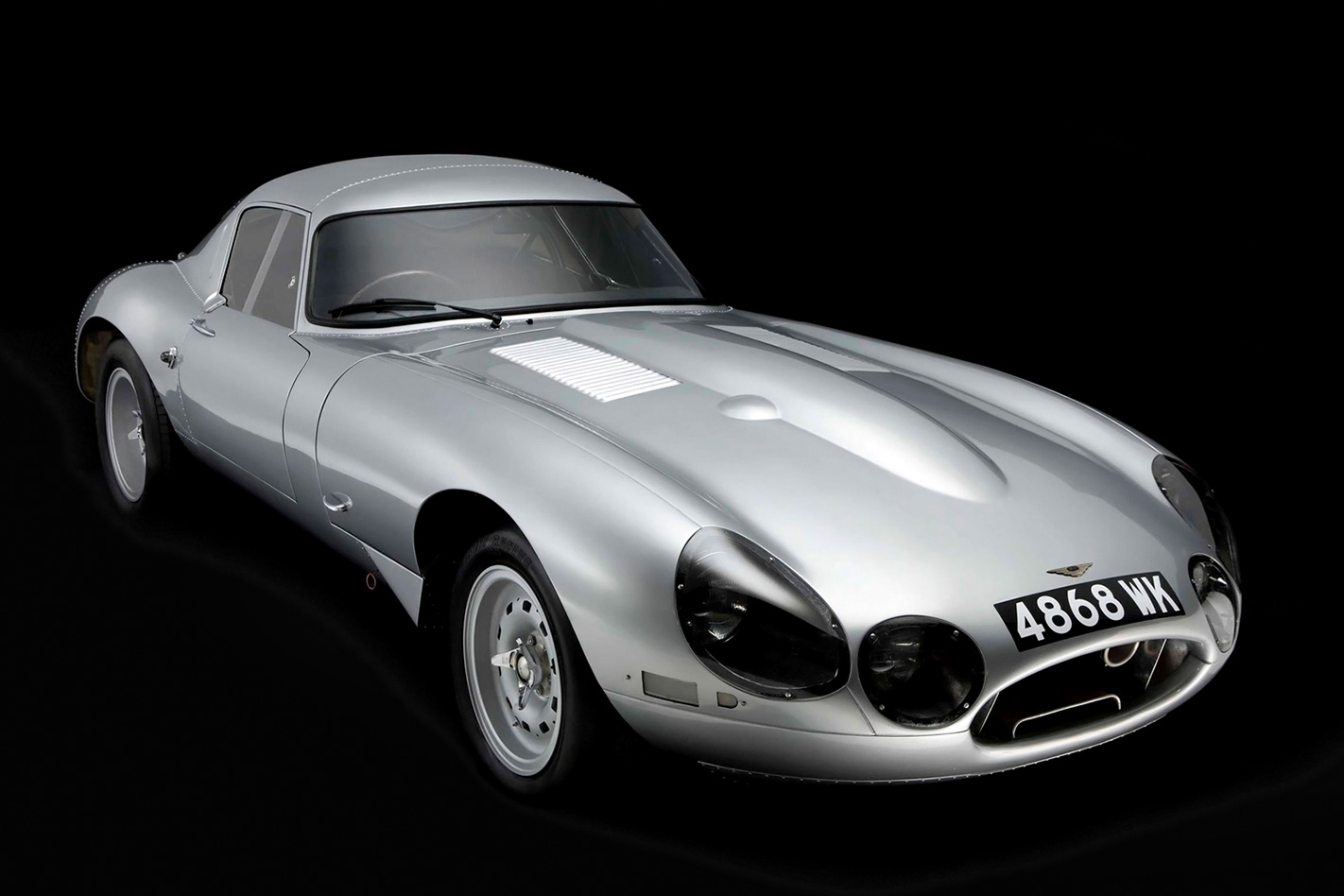
Evolved from the ’50’s Le Mans-winning D-Type racers, the feline E-Type’s original aim was to stamp Jaguar’s authority on performance. Its 150mph claim was sensational, aided by innovations like monocoque construction, independent suspension, rack-and-pinion steering and disc brakes, combined in a lightweight, aerodynamic and then-affordable grand tourer shaped by former aircraft engineer, Malcolm Sayer. That’s why the E-Type feels like a wingless jet fighter behind the wheel. That it also represents Britain, ’60s revolution and unbridled sexual virility are simply reflections of the beholder.
%MCEPASTEBIN%
Ford tuner Tickford is set to make the new generation of Mustang a lot more powerful, and do so without the use of forced induction.
With the standard Mustang GT producing an already-impressive 339kW and 556Nm, Tickford says its adding an additional 61kW and 76Nm into the mix – for a total of 400kW and 632Nm.

The 400kW atmo Mustang follows the last version of uprated atmo power provided by Tickford in the guise of the last-gen Mustang.
That car had 360kW, a slightly lesser increase of 54kW over the standard car, though still more power than the MY18 Mustang produces as standard.
Even the physical modifications to that car were more extensive than the tune Tickford has unleashed on the new one – the 2015-17 car was given a cold-air intake, a three-inch full exhaust system, as well as the ECU tune.

Tickford says the only change made to the new car to achieve 400kW is the tune, which leaves the engine physically pretty much the same. The uprated engine and driveline is even covered by warranty.
“Following numerous weeks spent on the dyno, the Tickford engineering team sought to further unleash the raw power, and drawing on our years of experience in both road cars and race cars, our enhancements have seen an increase in power from the standard 339kw to 400kw, and torque increases from 556Nm to 632Nm, while also ensuring a smoother power delivery.”
Each car Tickford tunes gets a numbered build plate, and a ‘Tickford Enchanced’ badge.
VOLKSWAGEN is bolstering its intent to offer a growing family of pure electric vehicles, with a workhorse electric van dubbed the ID Buzz Cargo concept set to debut at the IAA Commercial Vehicles show in Germany this week.
The ID Buzz Cargo, which follows on from the passenger-carrying ID Buzz Combi concept, is expected to joins Volkswagen’s family of pure-electric vehicles based on its Modular Electric Drive Kit (MEB) platform.
With a scalable battery that can propel the zero-emission van up to 550km, the Cargo has the longest range of anything yet revealed in Volkswagens emerging MEB range, but business owners can specify a smaller (and presumably more affordable) power pack if their typical delivery circuits are shorter.
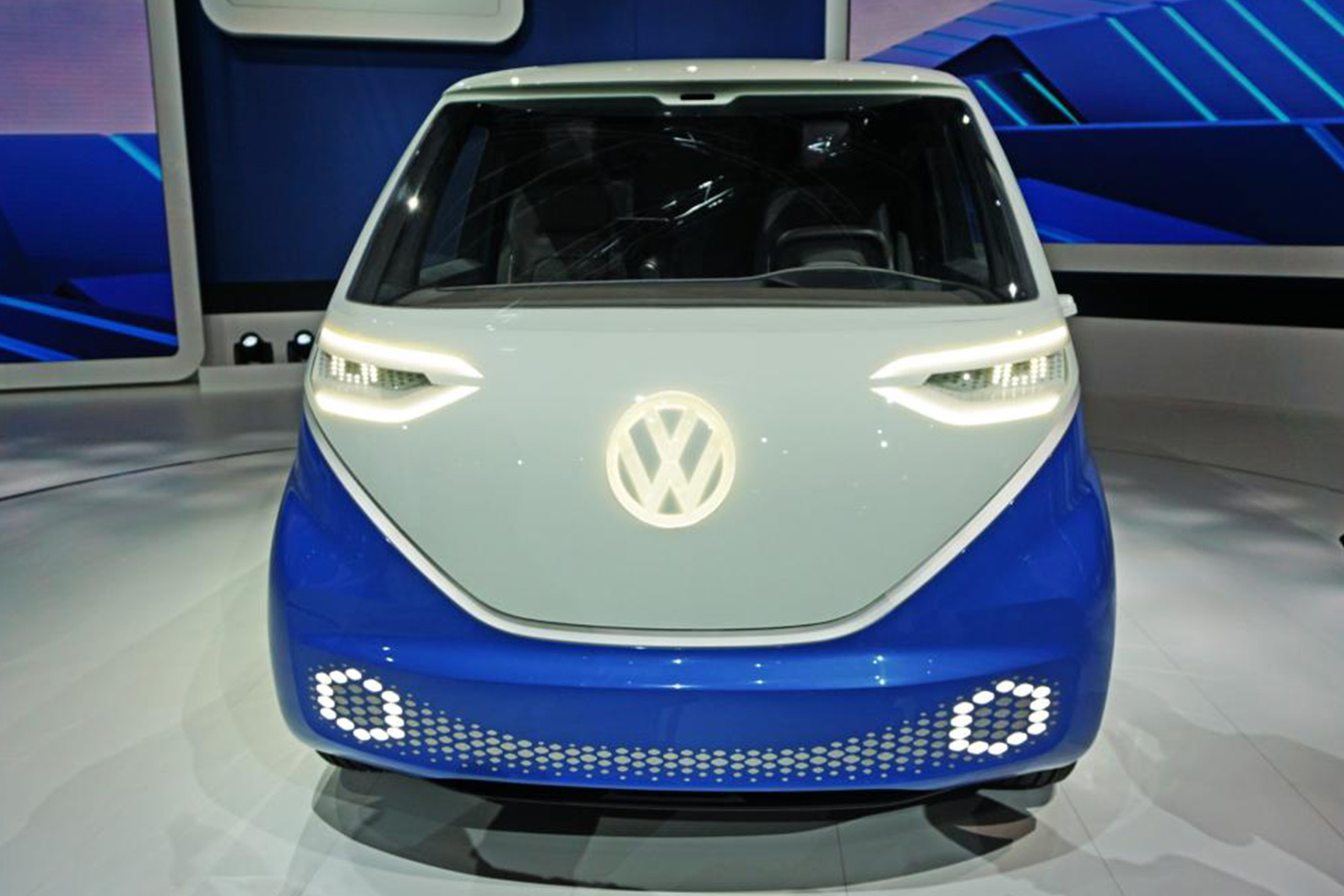
Unlike the microvan version however, which featured a large sunroof, the Cargo has a solar panel concealed in its roof which can add up to another 15km of range if parked all day in bright sunlight.
By removing the clever seating arrangement of the Combi homage, the ID Buzz Cargo has a load bay that can accommodate a payload up to 800kg, and boosts interior volume by extending the rear axle overhang by more than 100mm rearwards.
You would be forgiven for thinking VW’s charismatic tradie is yet another concept flight of fancy that is destined to remain in a fantasy realm, but the company has already confirmed it will deliver a production version of the ID Buzz in 2022, leaving the door open for an ID Buzz Cargo you can own.
The likelihood of a Cargo in showrooms gains more momentum with a glance at the German car maker’s other electrified powertrain developments. The VW e-Crafter is already silently delivering loads in some parts of the world and the e-Golf offers something for small hatch customers who don’t want to rely on fossil fuels. And there will be others.
You need only look to the astonishing accomplishment of the ID R that smashed combustion power records at Pikes Peak earlier this year, for a glimpse at the technology’s performance potential.
Like the microbus, the Cargo version is also equipped with high-level autonomous technology, freeing the driver up to look after a business schedule and other duties, while the van takes care of driving. It remains to be seen whether that feature, however, will find its way to the showroom.
