The Volkswagen Jetta that starred in the film The Fast and The Furious has appeared for sale in the United States.
Famous for its role alongside Chad Lindberg who was known as ‘Jesse’ within the 2001 film, it is presented today for sale in original condition, with the body kit, spoiler, and decals that helped defined it and the movie’s unmistakable car culture.
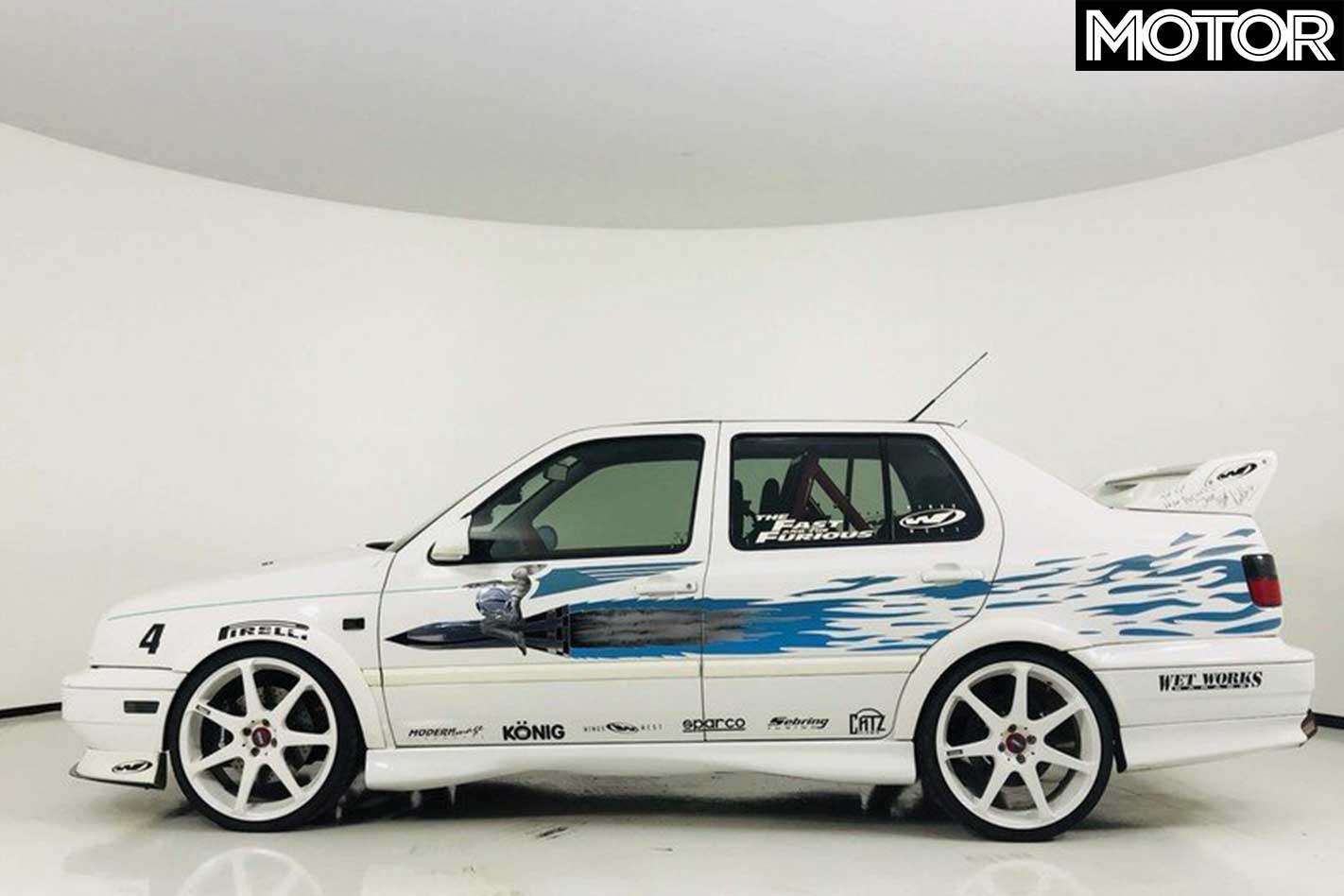
It was sold to Frankie Muniz of Malcom In The Middle fame following the movie’s release, who is an amateur racing driver and avid car enthusiast.
This Jetta was last seen for sale at dealers Barrett Jackson in 2016 where it was reportedly sold for US$46K. The price has grown considerably since then, with Arizona-based firm Luxury Auto Collection placing a price tag of US$99K (AU$138K) on this lot.
Despite a replica of this car being built for charity purposes, Paul Walker, Chad Linberg, and director Rob Cohen’s signatures on its rear spoiler prove this is indeed the genuine ex-Muniz car.
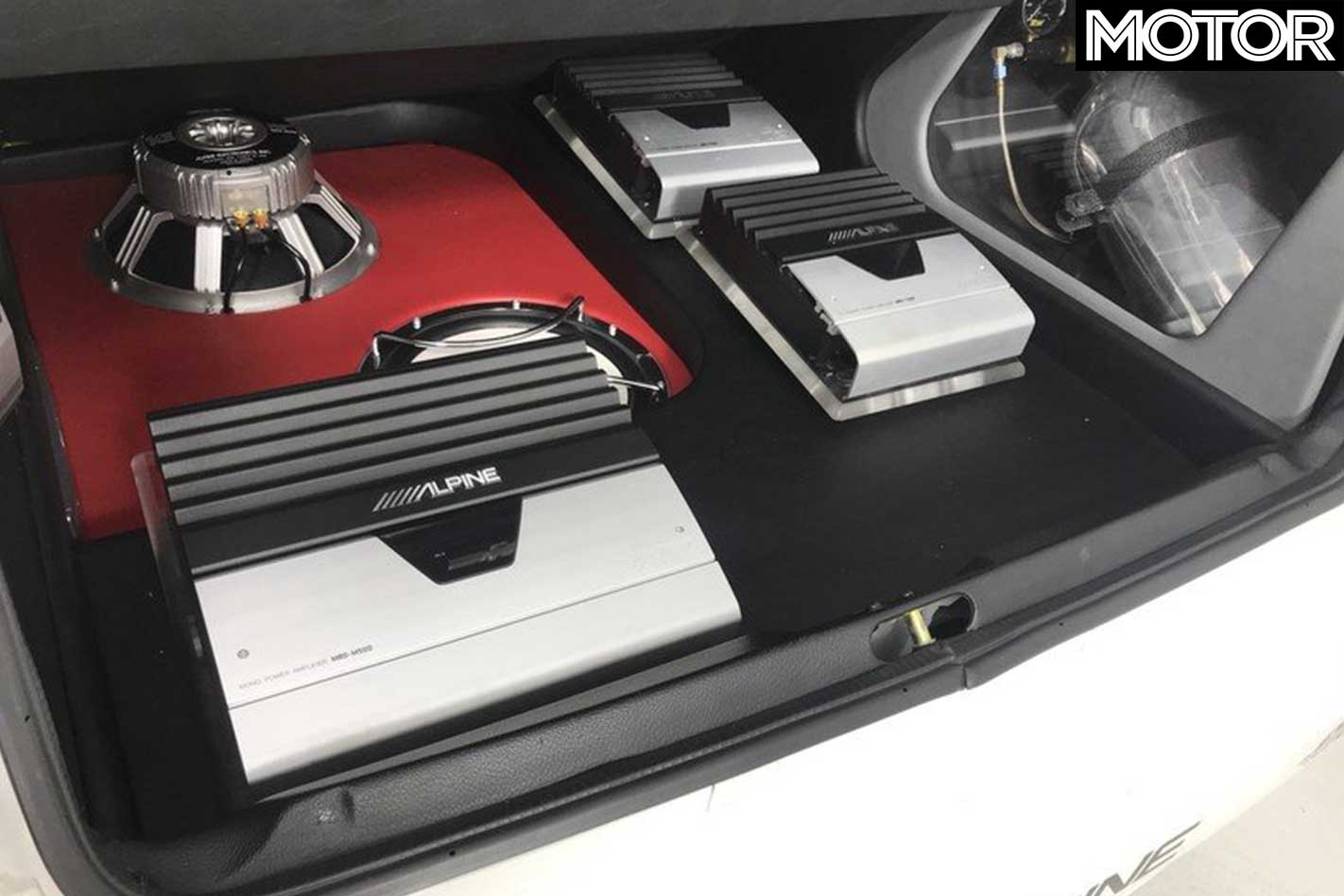
It features a 2.0-litre four-cylinder in an unknown state of tune that is matched to a four-speed automatic and front-wheel drive. Nitrous Oxide bottles feature in the rear boot alongside the car’s aftermarket sound system.
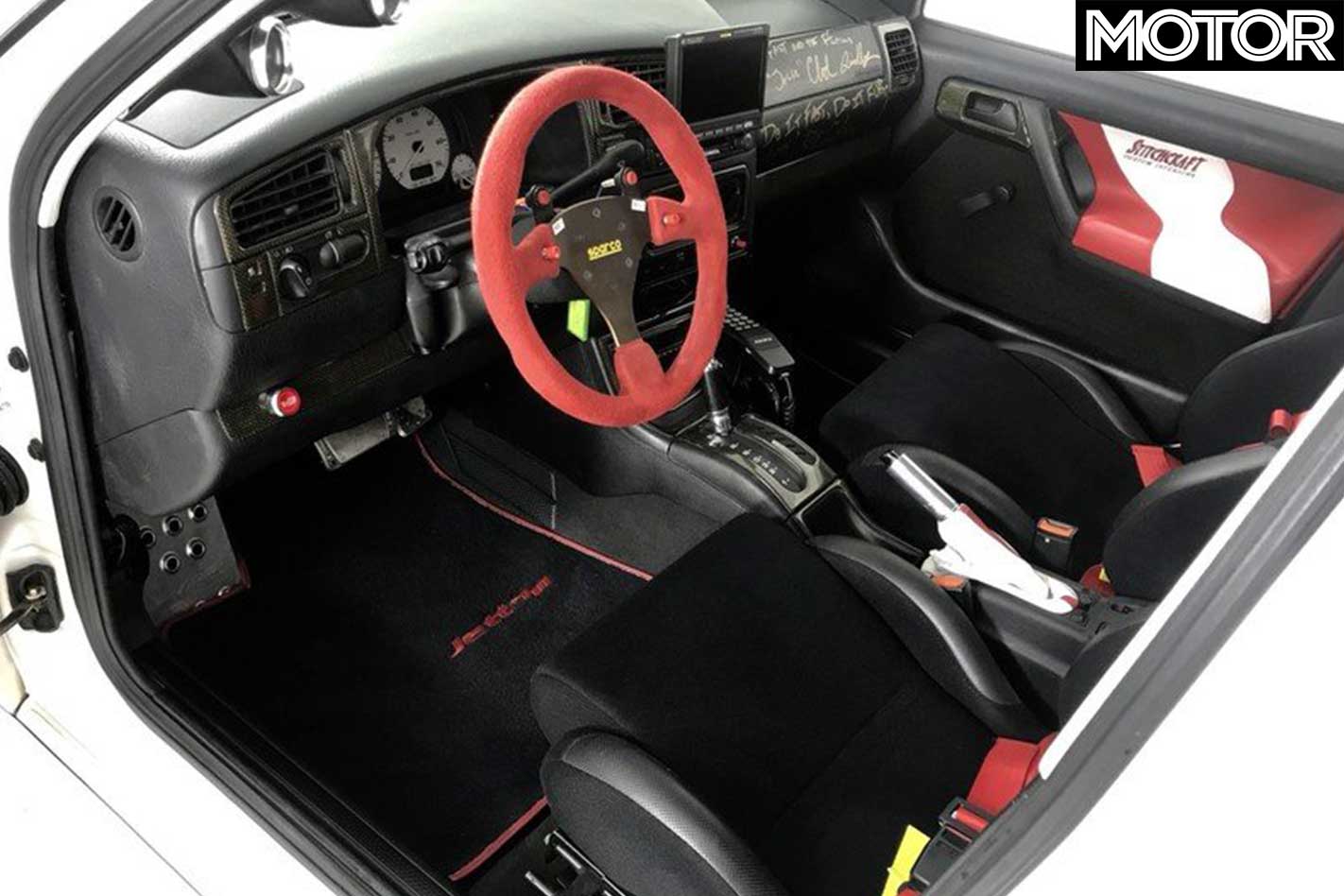
With 37,175km on the clock, a roll-cage has been installed since it appeared in the movie, while it’s written that the car also has a PlayStation 2 connected to its stereo system.
That asking price will make it one of the cheaper automotive alumni of the film, with Paul Walker’s orange Supra commanding over AU$230K when it changed hands in 2015.
Don’t recognise it? Or need a quick reminder of where it featured? Here’s a quick grab from the 2001 hit movie…
Chrysler, the oft-forgotten corporate cousin of Jeep and a key part of the Fiat Chrysler Automobiles (FCA) group, could make a significant pivot into the world of electric vehicles at the start of the next decade, with a battery-powered people mover.
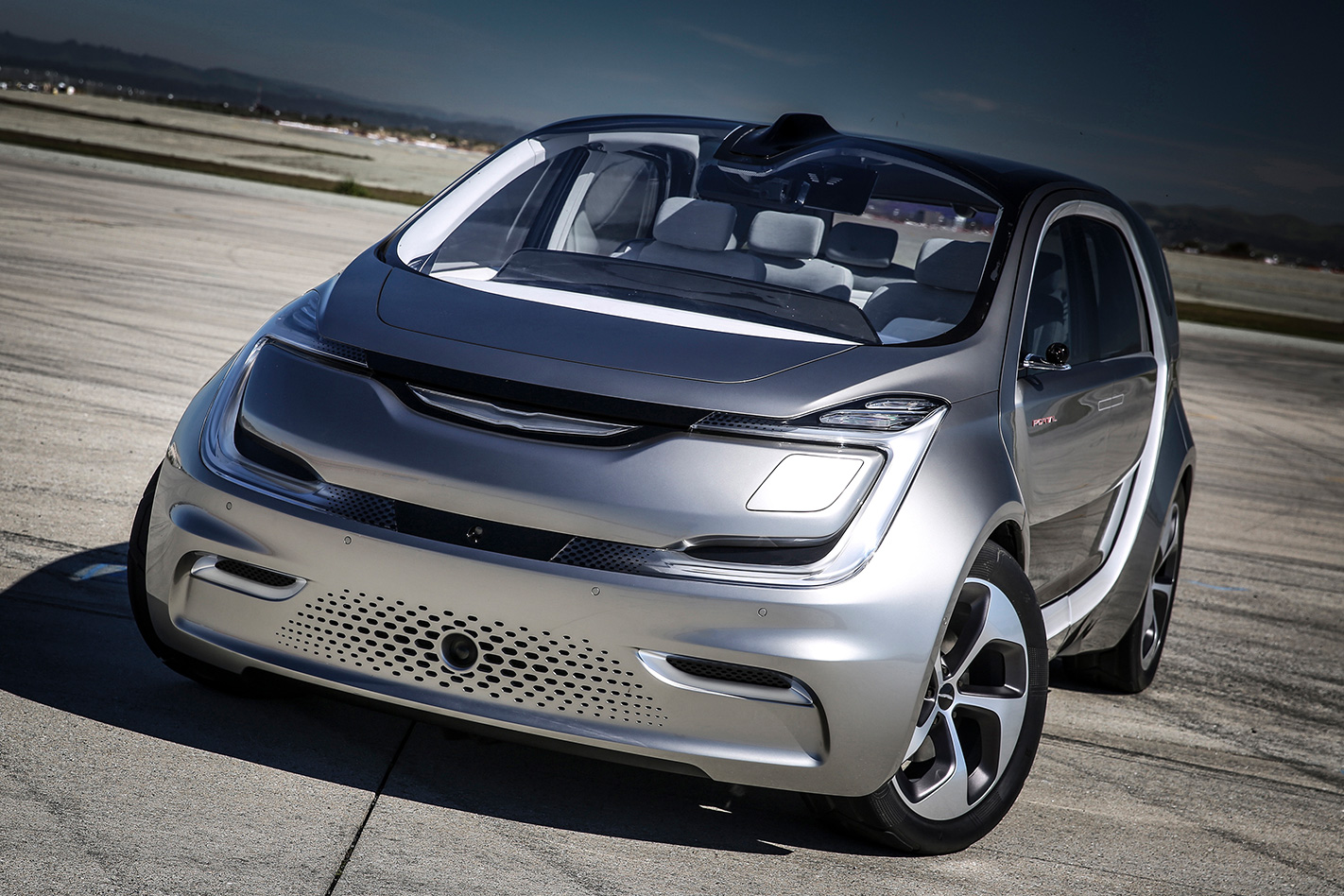
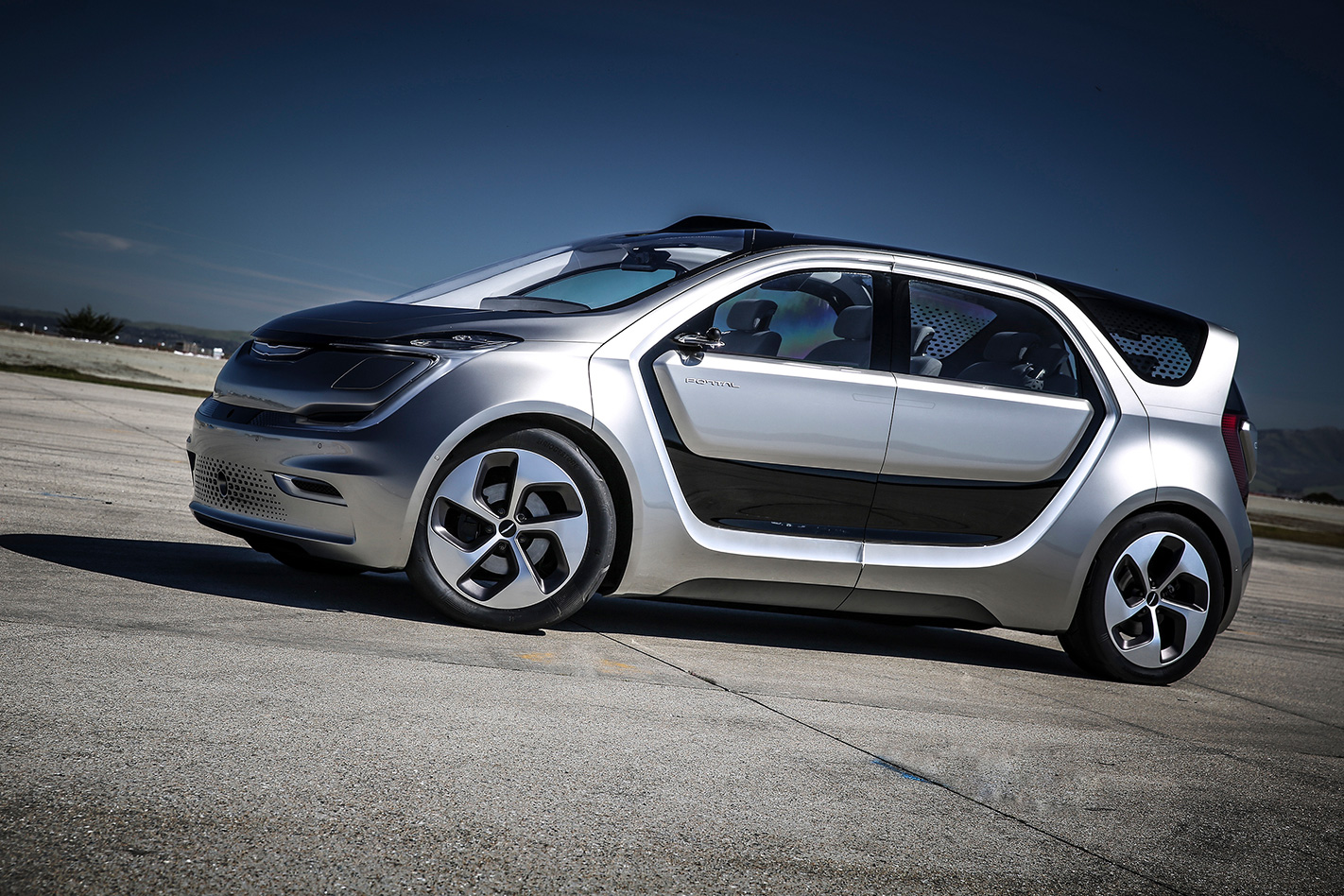
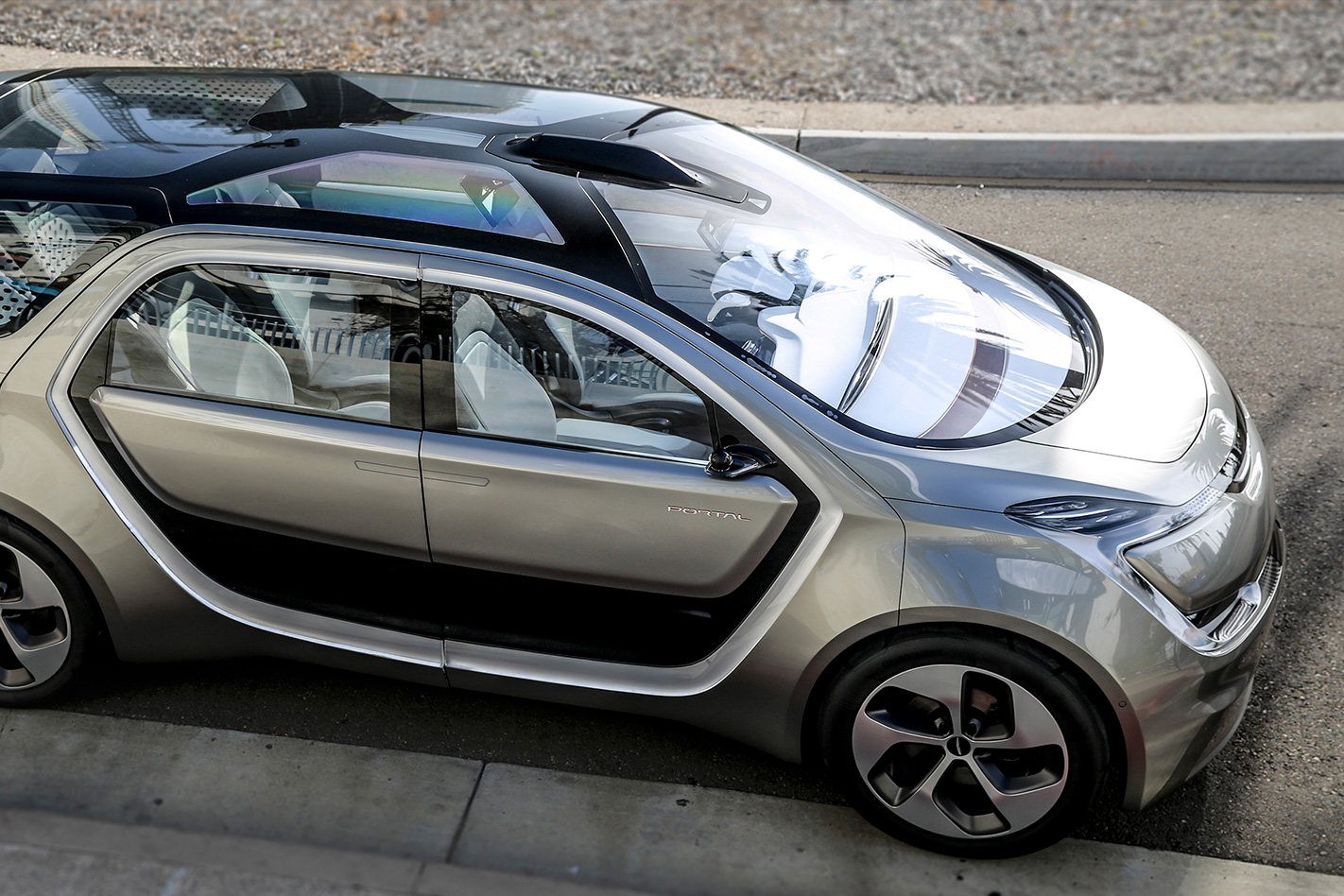
According to a report by industry website Automotive News, Chrysler will take its Portal concept, first shown at the Consumer Electronics Show in 2017, and transform it into a showroom-ready all-electric minivan.
If true, expect the styling of the six-seater, three-row Portal to be significantly toned down for the production line. Tech specs are obviously open to speculation, but the Portal concept touted the ability to drive about 400km. Power comes from a 100kWh lithium-ion battery and is sent to its front wheels.
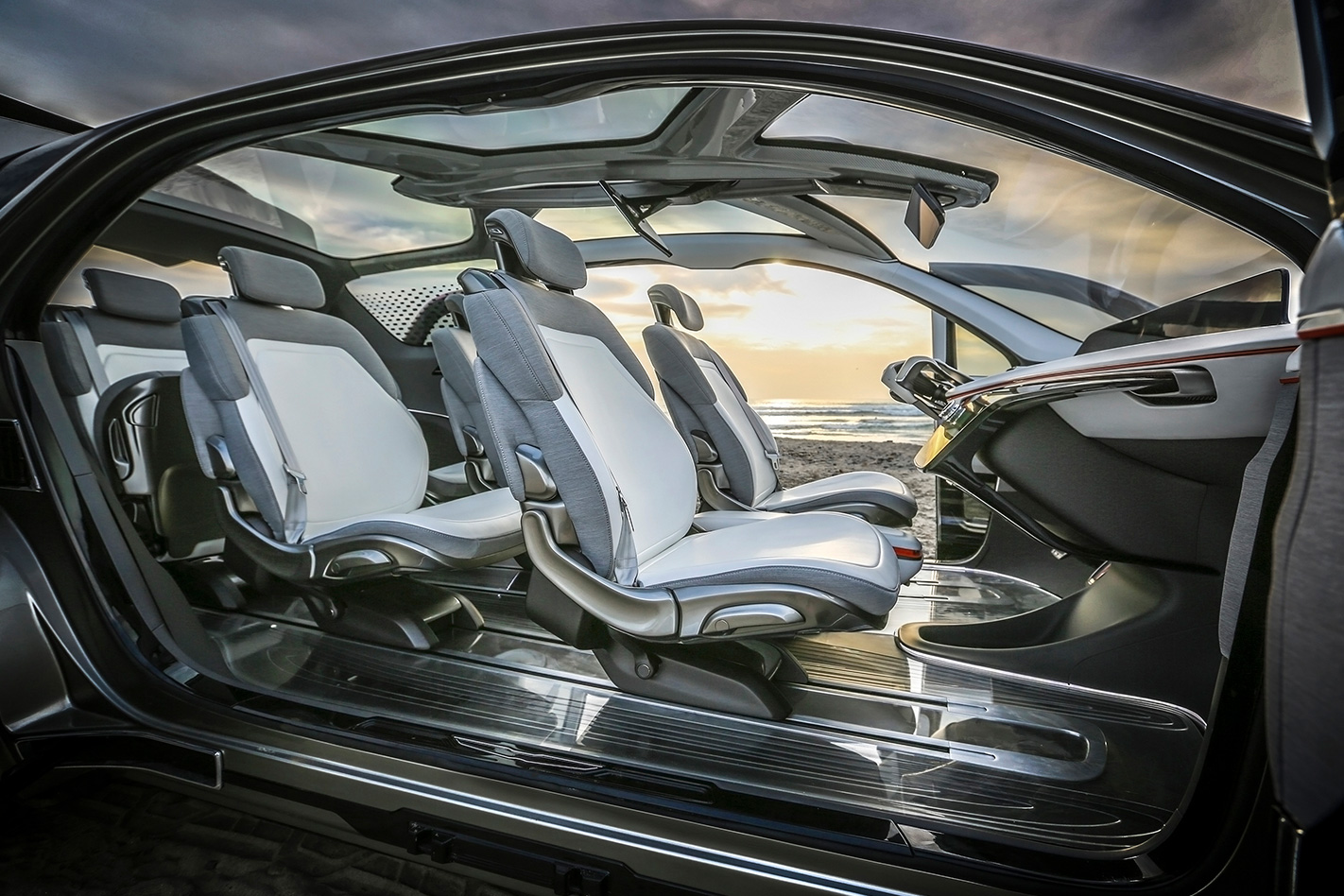
Autonomous driving capability may also be a focus for a production Portal, given the concept boasted an array of sensors that allowed it to pilot itself – to the extent that the driver could safely conduct tasks other than driving.
Provided the report is accurate, the Portal could be FCA’s most concerted move to break into the pure EV space. Rival Chevrolet is already there with its Bolt small hatch, and premium brands like Audi and Mercedes-Benz are on the cusp of bringing their own dedicated electric vehicles to market. Besides the Fiat 500e city car, FCA has largely steered clear of battery-powered cars thus far.
Will it come our way though? Chrysler’s only offering in Australia is the 300 large sedan – an aging four-door that comes with V6 or V8 power, the latter in the form of the enthusiast-pitched 300 SRT. However, that vehicle doesn’t quite fit in with the company’s plans to transition into a people-mover brand – let alone one with a new EV focus and zero emissions.
A replacement for the aging 300 hasn’t been confirmed, though a FCA Australia spokesperson said the company planned to continue selling the 300 for the foreseeable future. Overseas reports suggest it will be retired in 2020, by which point the current generation will have been in production for almost nine years.
In the USA, Chrysler offers the Pacifica (which essentially replaced the Voyager), but that model is not on the cards for an Australian release. The Pacifica is offered as a plug-in hybrid with up to 53km of battery-only range, though the arrival of a Portal-based partner to the Pacifica would substantially boost the eco-credentials of the company.
Unfortunately there’s no clarity on whether it’s something that Chrysler’s local office has its eye on. Asked about the potential for an Aussie debut of a battery-powered Chrysler, a spokesperson declined to comment about future product plans.
According to Holden insiders, three Holden Torana GTR-Xs were built.
One you’ll be familiar with, the white-then-silver-then-white concept that wowed all who saw it in 1970 and has shared its time since between Holden HQ and the Birdwood Motor Museum.
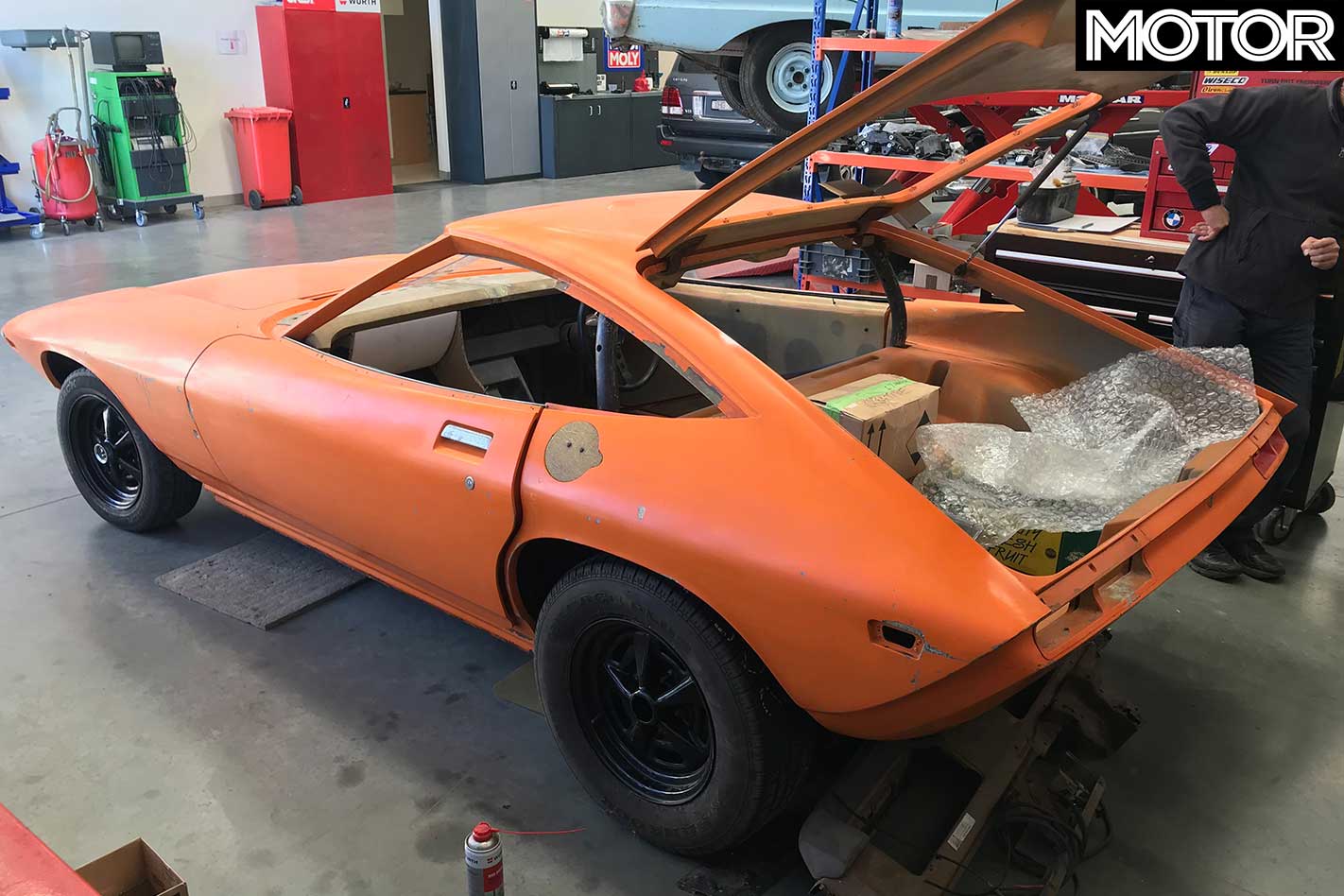
Another suffered the all-too-familiar fate for stillborn concepts, a date with the crusher. This is the third and it’s about to be restored.
It was owned for decades by long-time Holden employee Ray D’Alton, who sadly passed away earlier this year. As a tribute to his father, son Mark and Dromana workshop Creative Custom Cars (CCC) will bring this Torana GTR-X to life.
Any restoration project is a huge undertaking, but this will be more difficult than most. In virtually all cases, a restoration either returns a car to its former glory or copies another example that’s in excellent condition.

Copying Holden’s GTR-X concept would be of little use, as according to Mark this Lone O’Ranger GTR-X was effectively a pilot build car, used to figure out how to convert concept car fantasy into production reality.
For example, the concept’s taillights were to make way for HQ units, a larger fuel tank required the repositioning of the spare wheel and there’s every chance the LC XU-1’s 119kW 186ci six-cylinder would’ve made way for the LJ’s more potent 142kW 202ci.
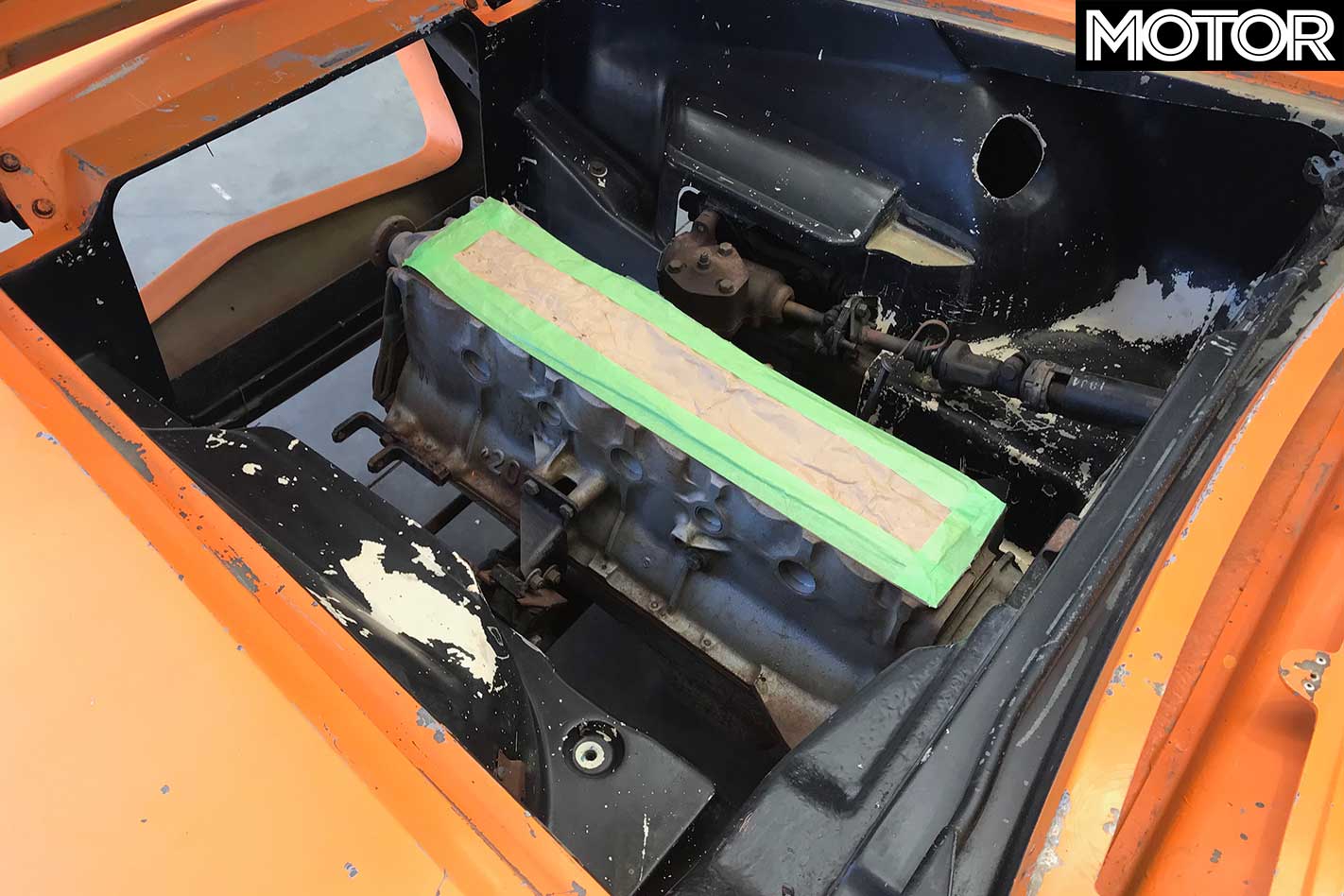
Possibly the hardest part will be figuring out what the end result is meant to look like. The GTR-X got so close to production that promotional brochures were printed, so it’s almost certain the decisions had been made, but finding the people who would know is another matter.
This is where MOTOR comes in. Hopefully articles like this encourage people and information out of the woodwork. Our intention is to follow the car through each stage of its lengthy restoration process culminating in hopefully a ride…or maybe we can beg a steer?
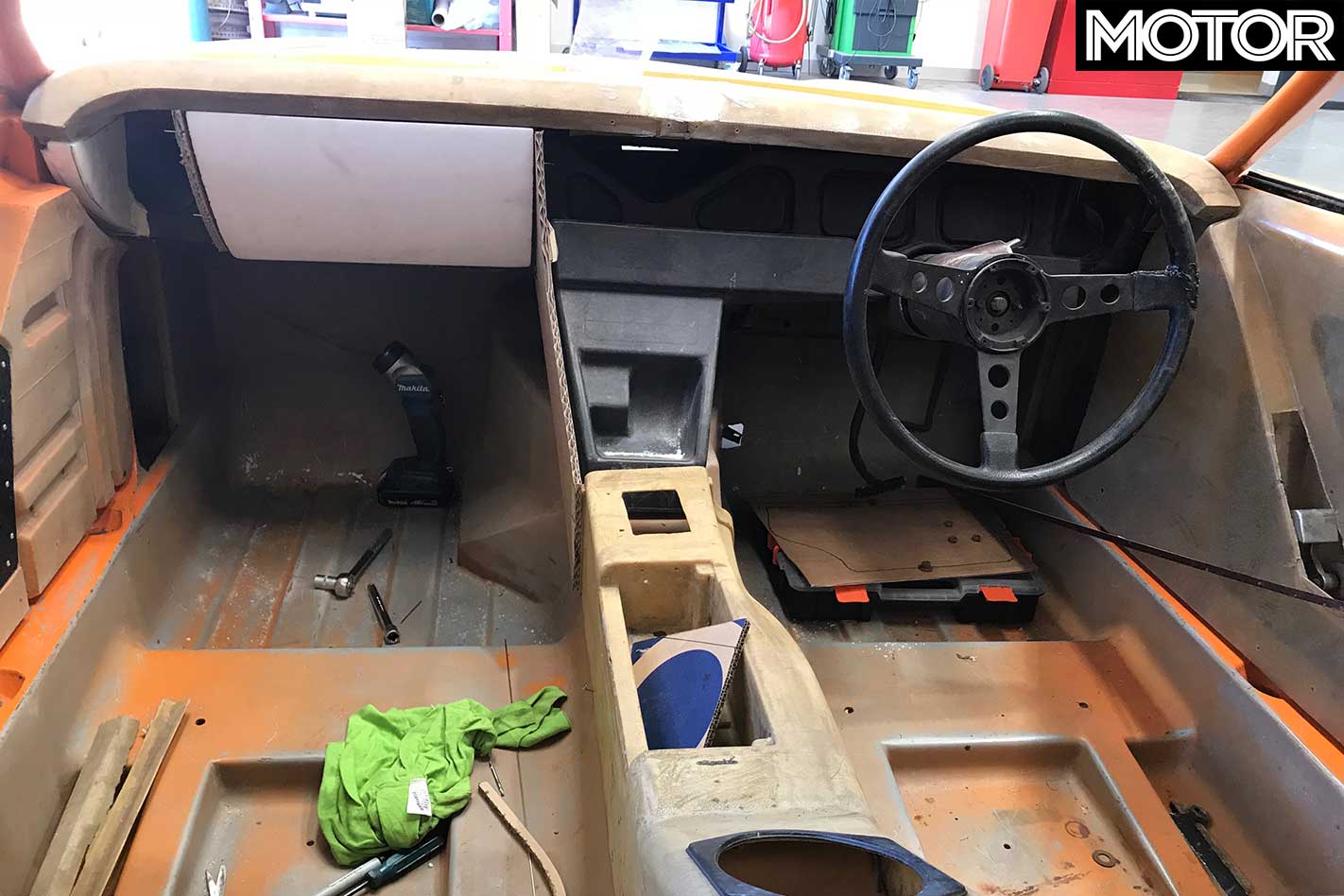
For now, CCC boss Alan How explains the first step: “We’ll scan the whole car then convert that into a CAD drawing. From that we’ll render from what we’ve got and draw the parts. Those parts will then be sent out and we’ll get one-off moulds CNC-milled and we’ll make pieces out of those moulds. We’ll probably 3D print some parts, too, because it’s only one-of-(one).”
Alan knows it’ll be tricky – “we have to create it from a drawing, a photo!” – but the effort will be worth it to create what will be the only ‘production’ Torana GTR-X, a truly unique car and a piece of Australian automotive history.
ONE of the most iconic nameplates in modern performance cars returns to Australia next year, with confirmation today that the fifth-gen Toyota Supra will arrive in local showrooms during the second half of 2019.
The Supra’s comeback will debut the relatively unknown Gazoo Racing brand in Oz, as it becomes the first vehicle sold here under the banner of Toyota’s performance-focused offshoot, which has its roots in endurance racing and is now responsible for the development of roadgoing sports models.
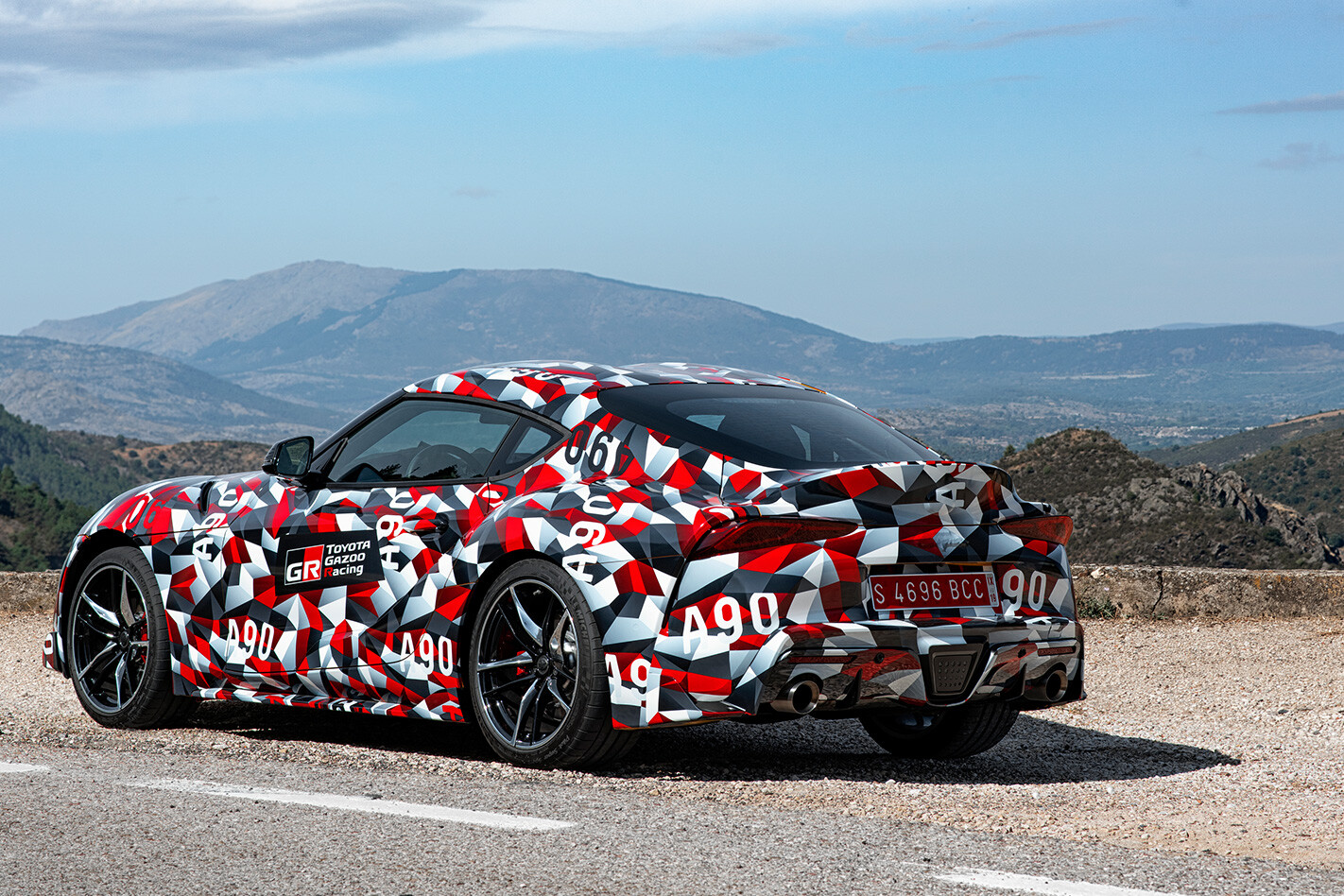
The Toyota GR Supra, as it will be called in Australia, will use a BMW-sourced 3.0-litre turbocharged inline six-cylinder engine producing “more than 220kW and 450Nm” according to the official statement, and hit 100km/h from rest in “well under five seconds”. A four-cylinder variant is anticipated, though not yet locked in for Oz.
Exact specifications are still to be revealed, though some equipment is confirmed including adaptive suspension, a standard eight-speed automatic gearbox, four-piston front brakes from Brembo, and an electronically controlled active differential that can apportion up to 100 percent of torque to a single rear wheel.
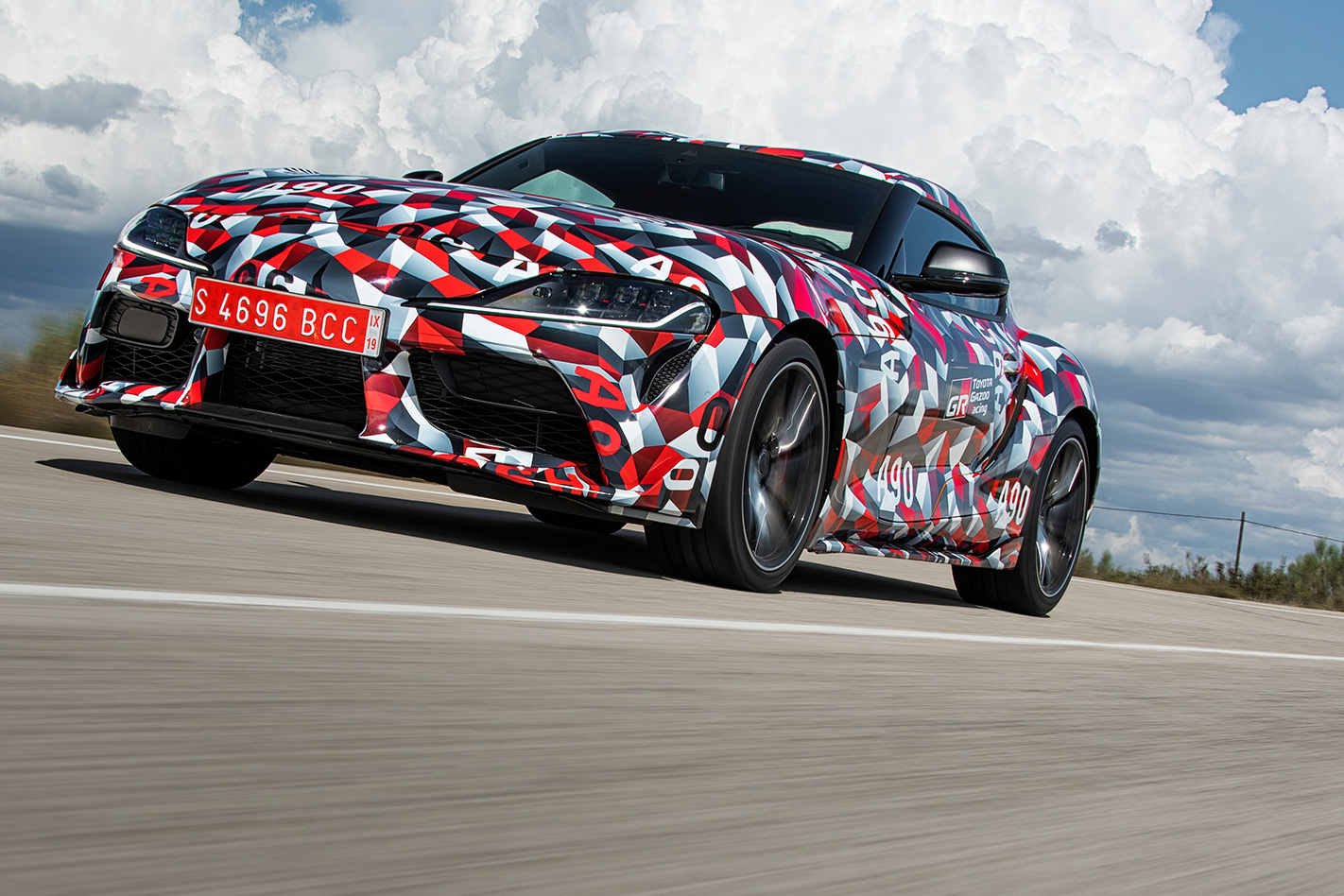
The underlying platform was developed jointly with BMW and is shared with the Z4, though unique tuning by Toyota engineers under the lead of Tetsuya Tada – the man behind the 86 – has focused on “extreme handling performance” for the Supra.
Its wheelbase is shorter, and its centre of gravity even lower than that of the boxer-engined Toyota 86. Rigidity of its aluminium and steel composite body is even greater than that of the legendary carbonfibre Lexus LFA supercar, and its dynamic credentials are bolstered by perfect 50:50 weight distribution.
Toyota says 90 percent of the development program to date was carried out on public roads, rather than racetracks, in keeping with its ‘go where the customer goes’ philosophy. A revitalised agenda within Toyota that prioritises driving enjoyment has governed the Japanese brand’s recent product roll-out, something the Supra will spearhead as its flagship road-going performance car.
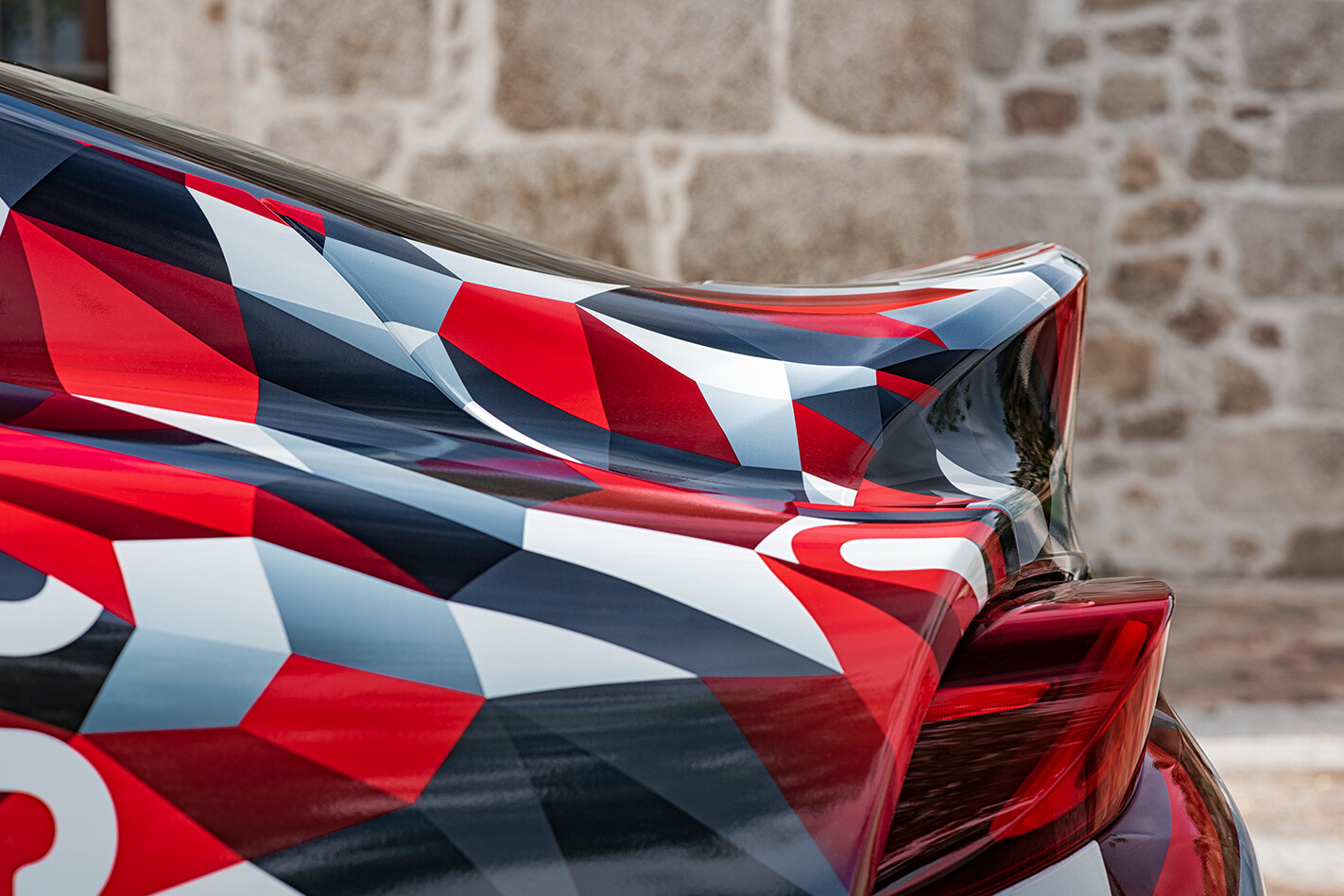
“Supra points to a new-generation of driver-focused vehicles that will offer dynamic styling and faithful handling,” says Sean Hanley of Toyota Australia.
“These inherent qualities will also flow into our regular production models, enhancing Toyota’s DNA as a company committed to bringing the freedom, adventure and excitement of driving to everyone.”
Existing Supra enthusiasts were front of mind during development of the fifth-gen model (and key to the collaboration with BMW), something hinted at in today’s announcement.

“Supra’s fun-to-drive nature was also built into the way it performs power slides and doughnuts, confirmed by testing in strictly controlled areas to guarantee the new car’s pure driving pleasure,” the statement reads.
A full reveal of the production Supra is scheduled for early 2019, around the same time manufacturing will begin at Magna Steyr in Graz, Austria.
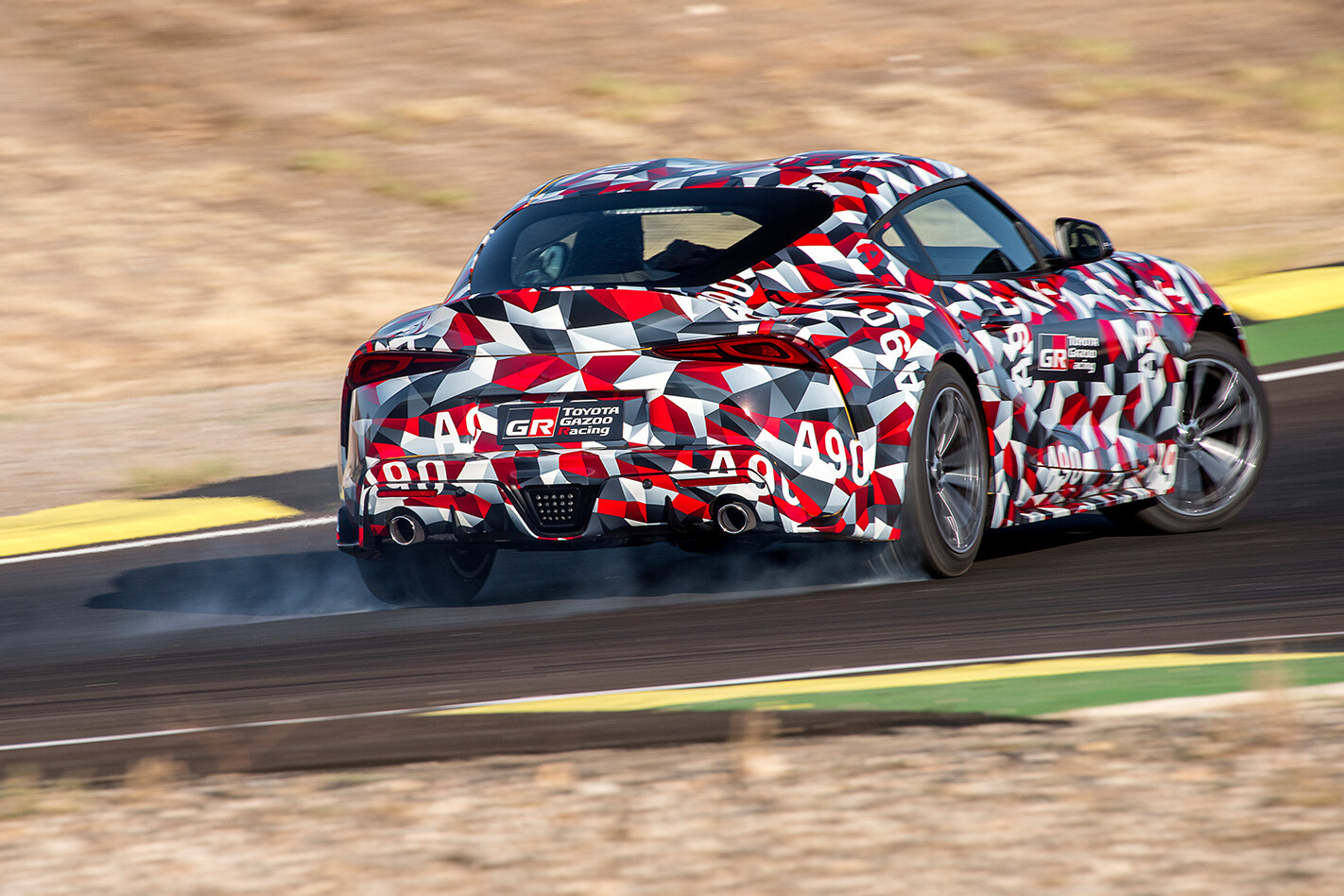
Development of the fifth-gen (A90) Supra began in 2012. Its introduction to Australia comes more than two decades after the third-gen (A70) Supra was phased out by Toyota Australia at the end of its production in the early ‘90s. The idolised fourth-gen (A80) Supra was never officially imported Down Under.
The 2019 McLaren 600LT has made it Down Under, with a pre-production version shown to media today in a Sydney studio.
The Australian launch of the newest Longtail will be followed by a customer viewing tonight, at which around 100 potential buyers for the car will have a chance to take a proper look.
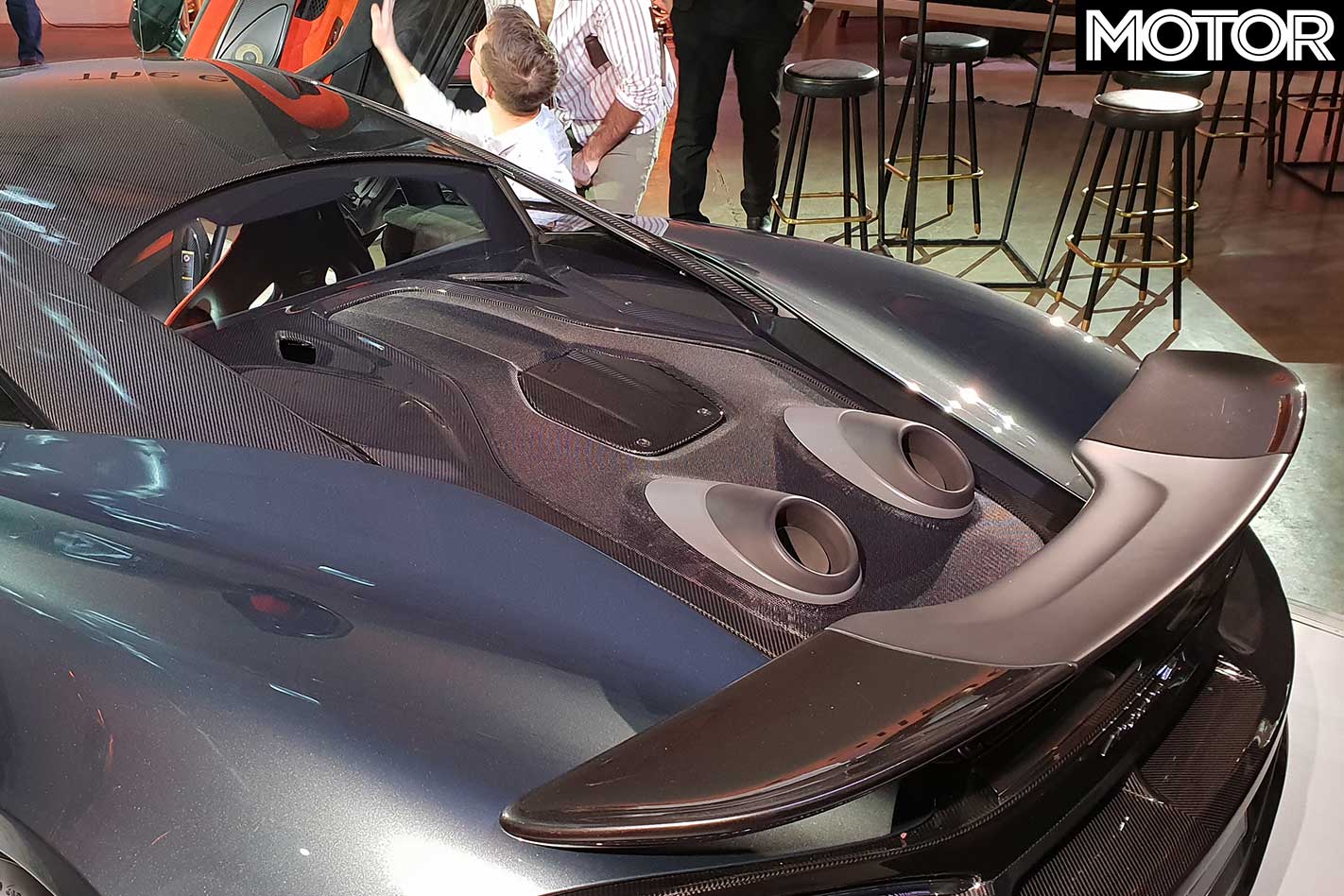
As previously confirmed, the 600LT sports properly mega outputs of 441kW and 620Nm from its twin-turbo 3.8-litre V8 and claims to run the 0-100km/h gauntlet in just 2.9 seconds. Furthermore, McLaren says its kerb weight of 1356kg is more than 60kg lighter than the ballistic 720S.
The 600LT’s light weight is in part thanks to the use of ‘lighter and stiffer suspension components’ from the McLaren 720S such as forged aluminium double wishbones and uprights. The 600LT also borrows its brakes from the McLaren Super Series.
The launch was hosted by McLaren Automotive’s Asia-Pacific managing director George Biggs, who told MOTOR that the first car should arrive at the end of the year, before they start showing up “in anger” throughout 2019.
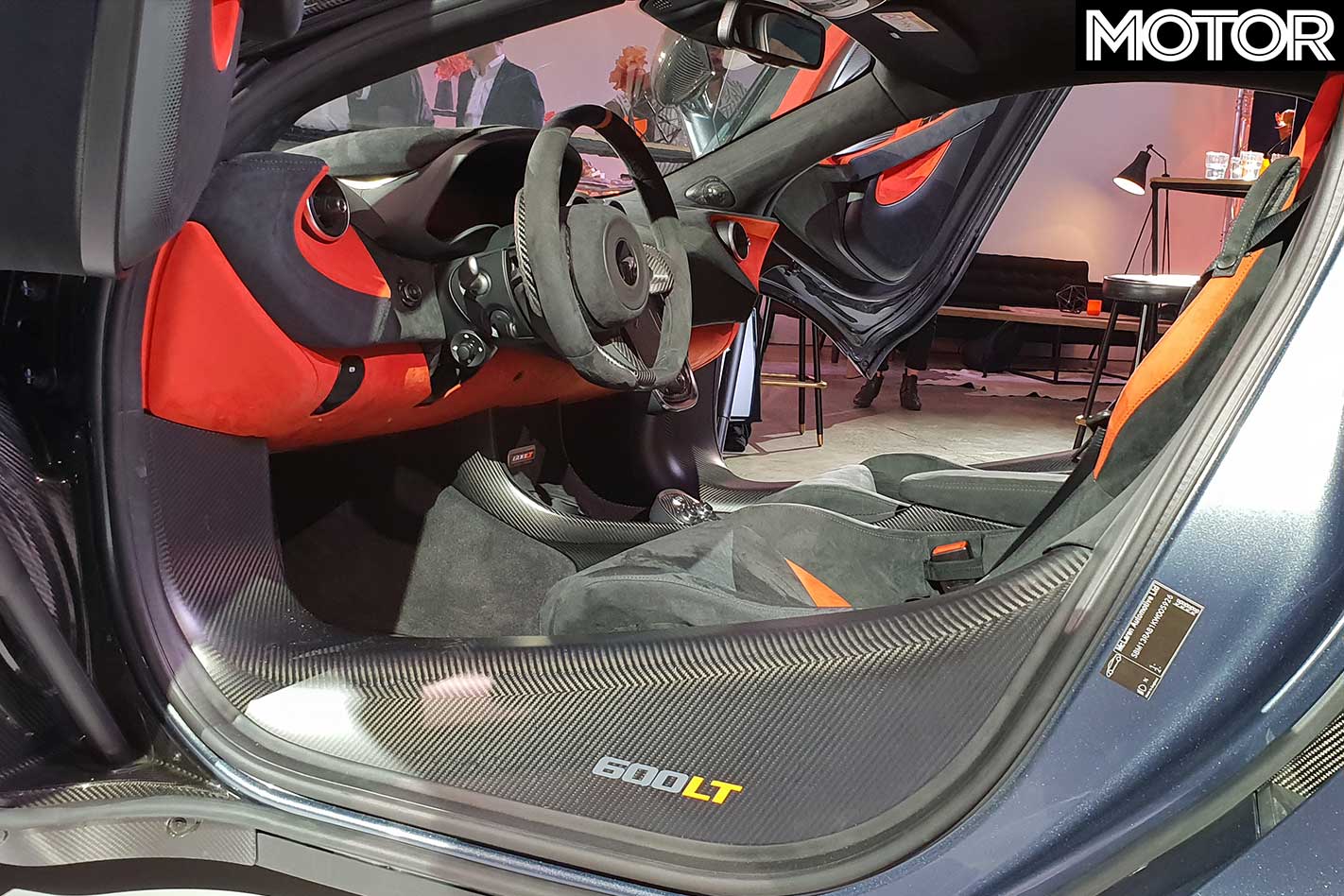
“Australia will tend to see cars arrive around end of the year, start of the next… What we do with these type of cars is once we’ve got the gauge of how many cars we might sell, we’ll bring them in,” Biggs said in an interview.
“This car is only going to be produced for 12 months, so its very limited in terms of its actual number we’re actually going to produce.
“For us it’s not about a specific number, it’s about measuring demand and seeing how many cars we can get out of the factory.”
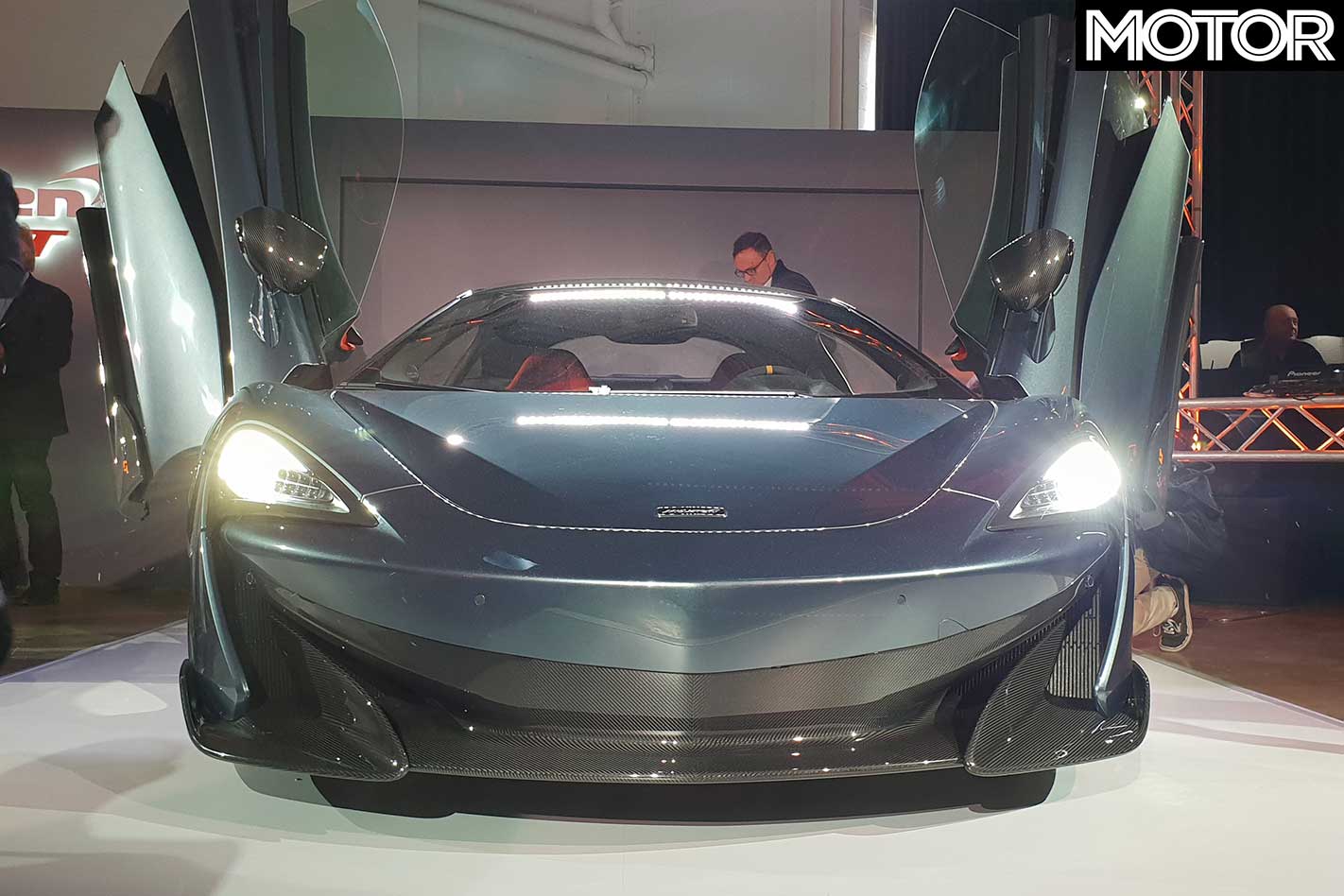
While the previous iterations of ‘LT’ (675 Coupe and Spider) were limited to 500 each, the 600LT has no production ceiling.
Biggs says, however, that there’s no risk of the new model cannibalising the standard-spec car. Of the roughly 4300 (according to Biggs) cars produced by McLaren last year, Biggs estimates approximately a third were 570S.
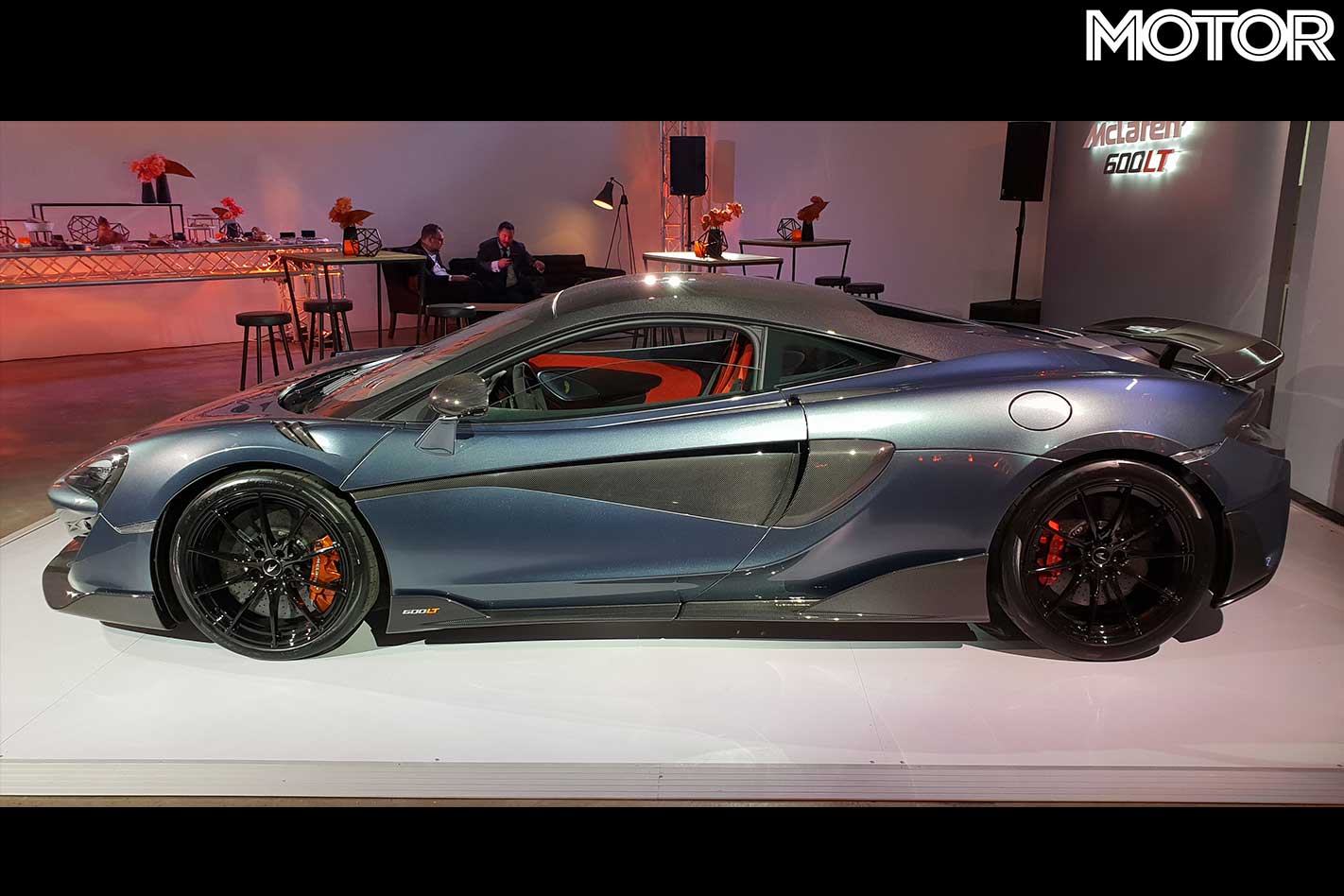
In Australia, the car will cost buyers $455,000 before on-road costs, though its expected many buyers will spend far more on customisation options, particularly from McLaren Special Operations.
McLaren says some cars have already been pre-ordered, though with no hard limit on cars, there’s still plenty of opportunity for buyers to get in, as long as it’s before production ceases.
FERRARI almost broke the internet with the unveil of the supermodel-sleek Monza SP1 and SP2 specials at its Capital Markets Meeting this week, but behind the dry ice, light show and huckstering, there was a glimpse into the direction the Prancing Horse is heading over the next five years.
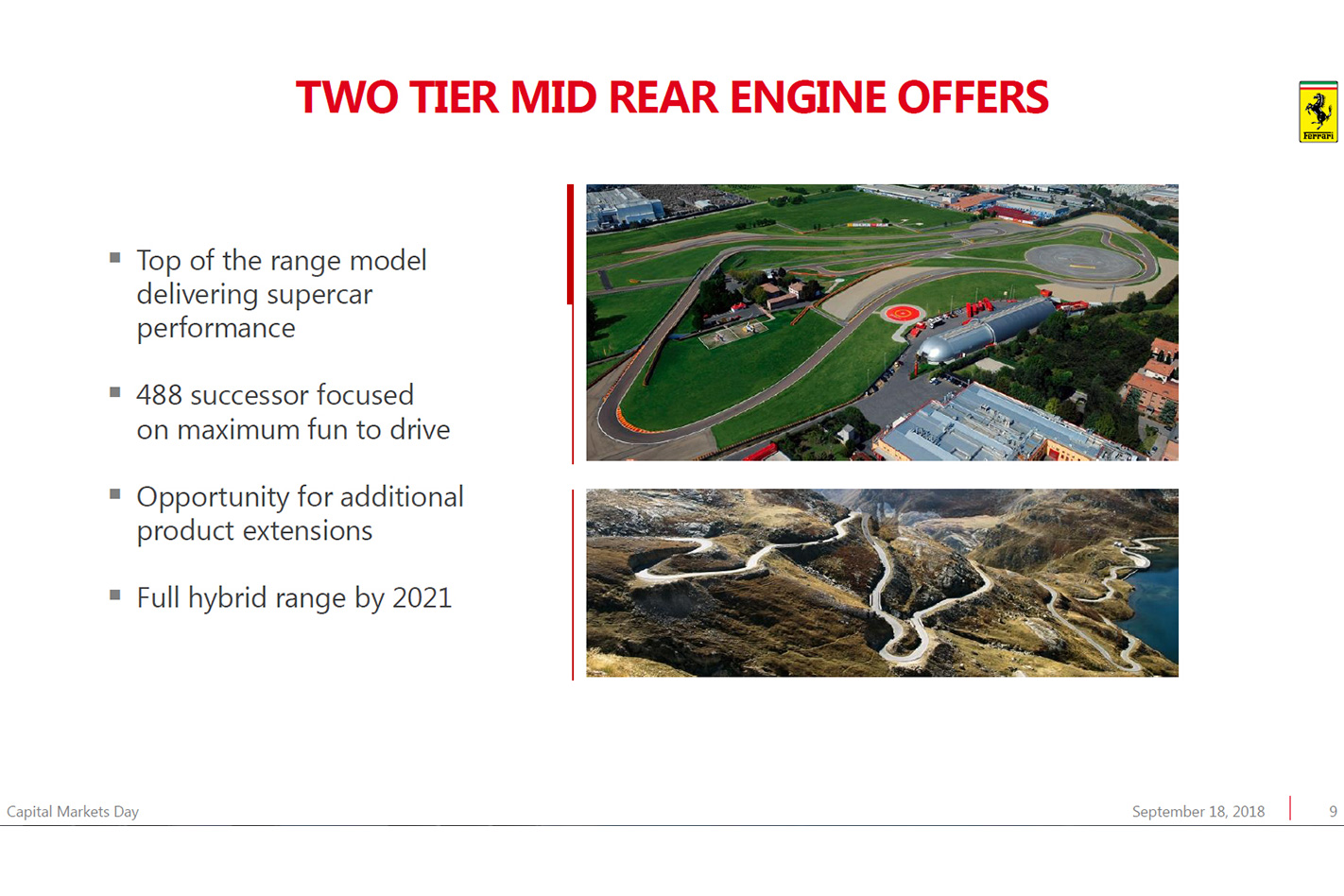
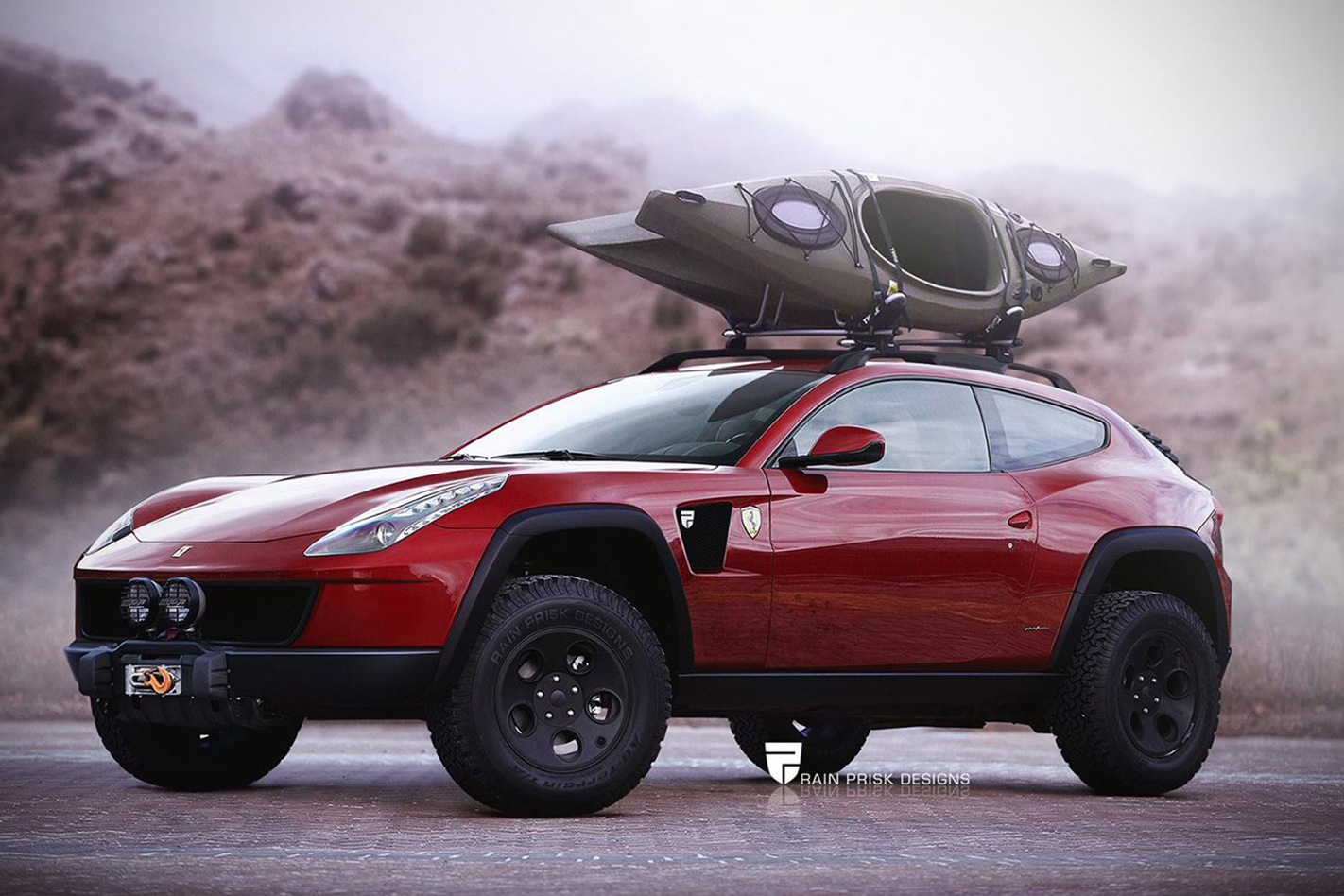
Probably the biggest news was confirmation of Ferrari’s cash-cow, the ‘Purosangue’. Just don’t call it an SUV. New Ferrari boss Louis Camilleri “abhors hearing SUV in the same sentence as Ferrari” and you can understand why. It smacks of bandwagon-jumping rather than leading the market but, to be entirely honest, Ferrari has a tradition of wait-and-see. The mid-engined Berlinetta Boxer was first shown three years after the Lamborghini Miura, and while LaFerrari was unveiled at the same time as McLaren’s P1 and ahead of the Porsche 918 Spyder, an all-wheel-drive Ferrari utility vehicle is a long way behind the curve of Lamborghini Urus, Bentley Bentayga and Rolls-Royce Cullinan.
“I don’t want to offend anyone who can use the term with less discomfort,” said Camilleri, “but in the general sense SUV just does not sit well with our brand and all that it represents. What we produce will be unique in so many ways, and redefine expectations. It will be unmistakably a Ferrari, and have features that have never been seen before.” It’s envisaged that this vehicle will appear in showrooms towards the end of the five-year planning horizon, and the name Purosangue (Italian for thoroughbred and redolent of Bugatti’s Pur Sang models) is anything but set in stone. It could well be a project placeholder until another nameplate is finalised.
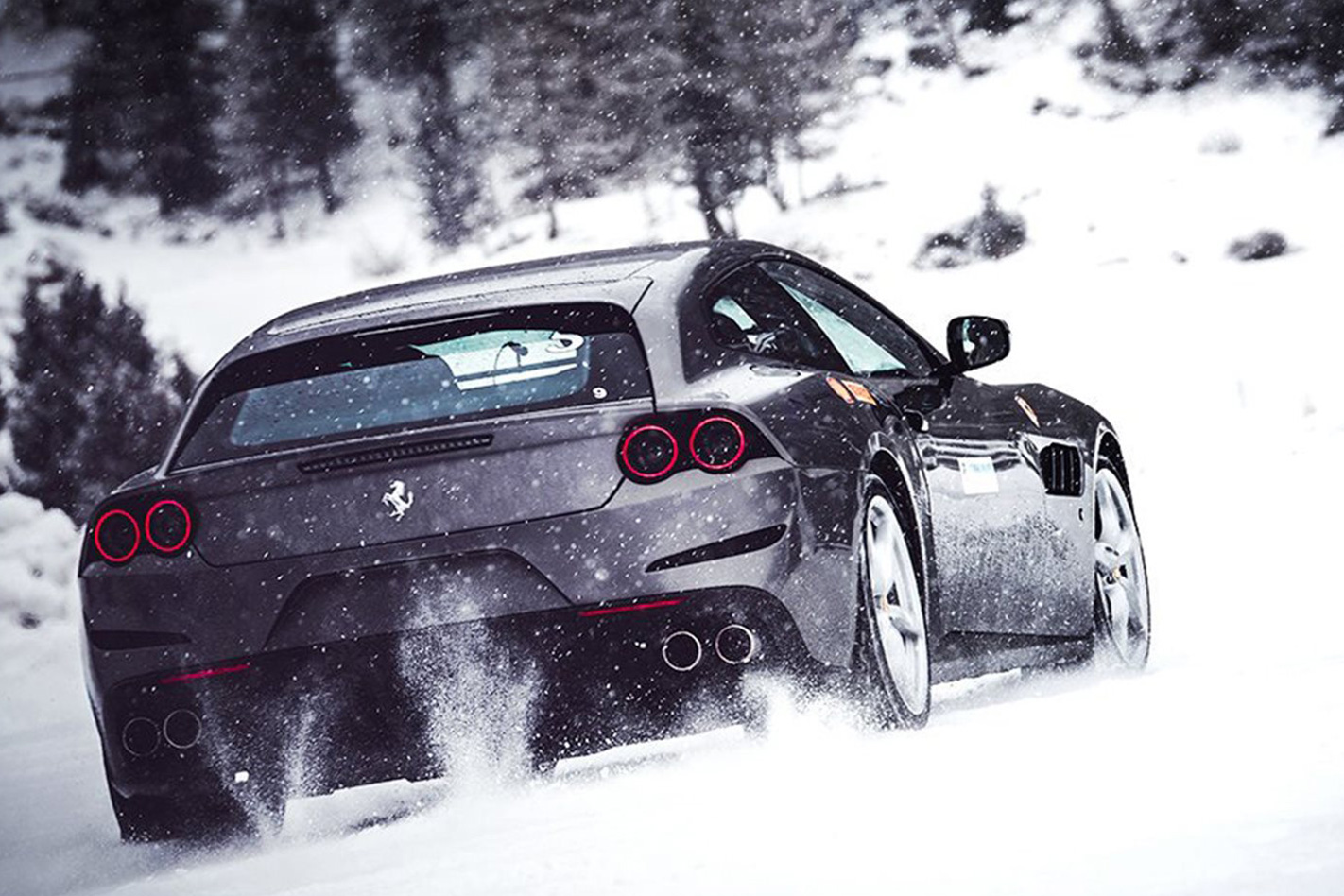
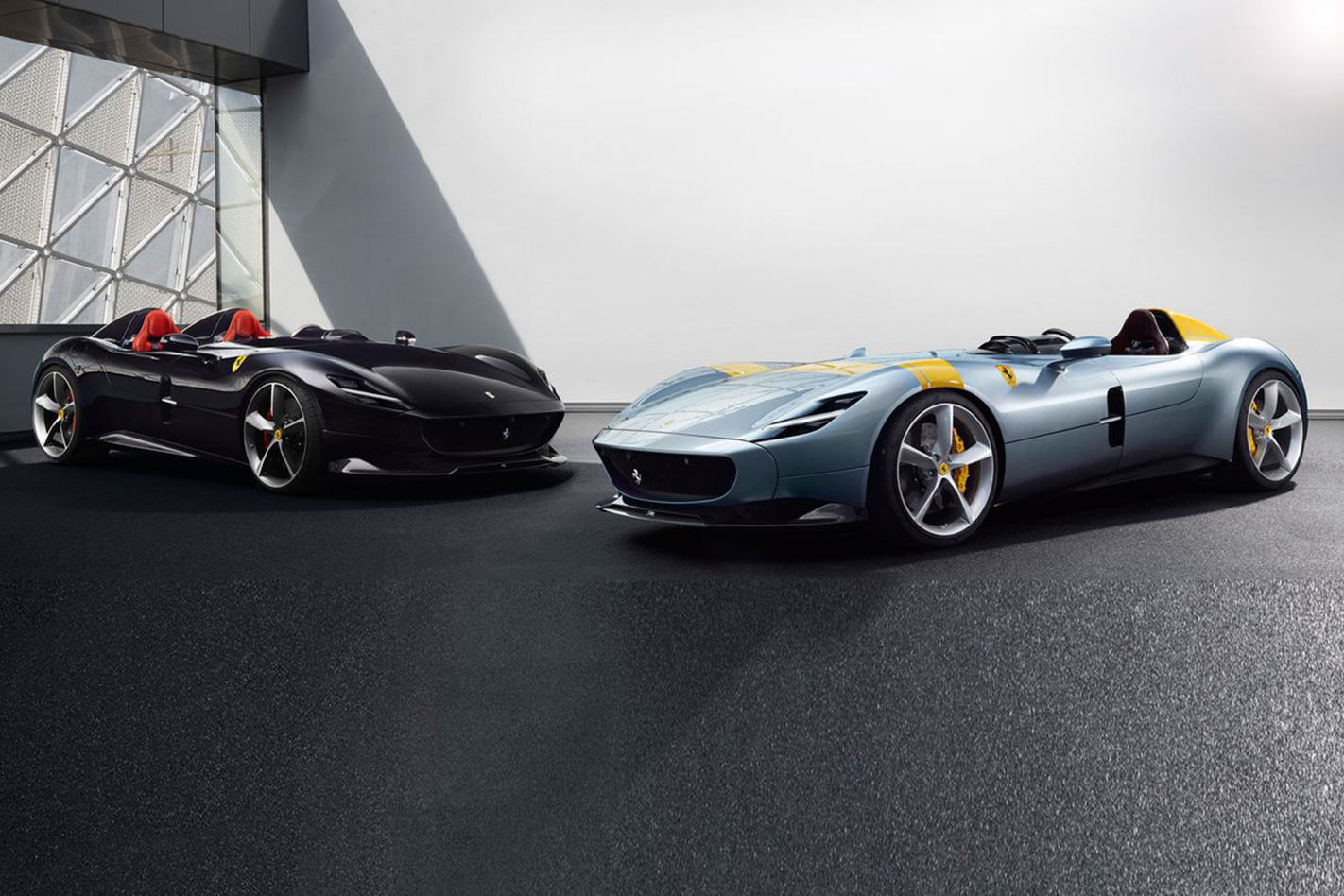
While the 4×4 is expected to generously swell the coffers, traditional Ferrari buyers will probably be more interested in the company’s roadmap for its sports cars. Ever-tightening group emission regulations mean that by 2022, some 60 percent of the marque’s line-up will be hybridised. The range will naturally be divided into five separate streams: ‘Sports’ for the focused production coupes and cabriolets like 488 and 812 Superfast; ‘GT’ for cars like the GTC4 Lusso and Portofino; ‘Special’ for limited-production versions like 488 Pista and F12 TdF and finally ‘Icona’, the gold dust rewards for the company’s most loyal and valuable customers who get invited to register interest in vehicles like the FXX models and the Monza SP1 and SP2 barchettas.
Camilleri outlined plans for the 488’s replacement, which will likely sport a heavily-hybridised V8 powertrain developing a crushing 300kW/litre. Ferrari also plans to revert to the old two-tier mid-engined portfolio (think 308/BB or F355/512TR) with an even more potent model with “even greater performance than a LaFerrari”.
Maranello also revealed plans for a V6 hybrid powertrain, which reignited talk of an entry-level Dino diffusion line, but top brass poured cold water on this speculation by noting that it was being designed for a more affordable version of the Portofino.
Financially the company is in good shape. The most profitable car manufacturer in the world, Ferrari aims to double profits to €2 billion (A$3.3 billion) by 2022. To realise this figure, the schedule calls for 15 new model launches in the next five years. As much as things are changing, there was a footnote that will reassure traditionalists. The naturally aspirated V12 engine still has some life left in it. Ferrari’s not planning on axing it before 2022, but with 812 Superfast already sold out, you’ll need to act quickly if you want to secure its replacement.
It’s official: Wheels is 65 years old. But this series isn’t about us. To celebrate our 65th, we thought we’d take a look at the decisions that have changed the automotive world over the last six and a half decades. Some were inspirations that altered it for the better, others were engineering dead ends, nefarious cover-ups and valiant flops. Scroll on to read more, then click here to explore all 65 cars, people, game-changers and failures that have influenced the car industry since 1953, in no particular order.
1. Autonomous driving
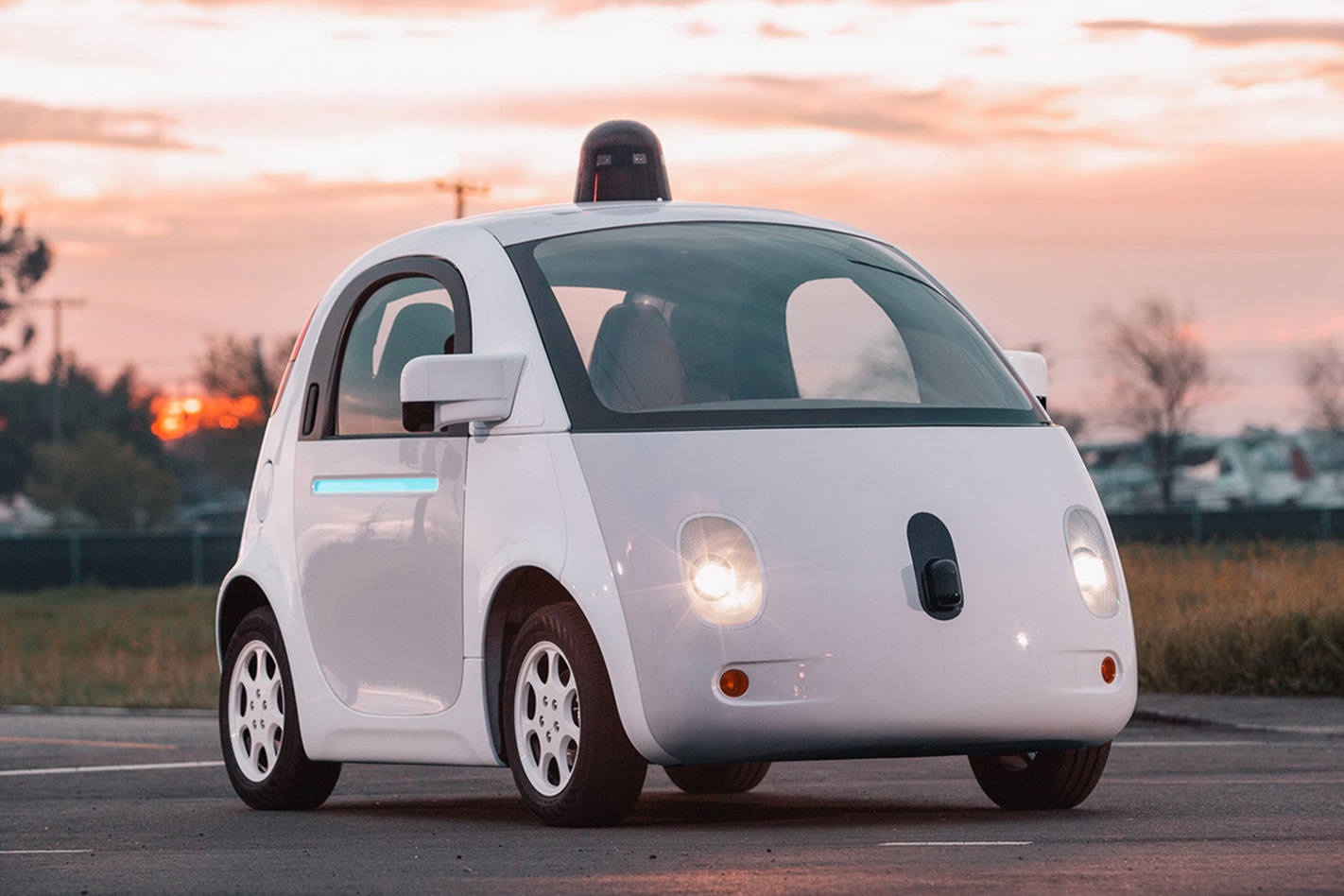
The most divisive innovation of the past decade? That’d probably be the rise of autonomous vehicle tech. Keeping the least interested drivers away from a steering wheel and pedal set seems a good idea to us, leaving control of a vehicle to people who are invested in the act of driving. As we’ve seen though, mixing artificial intelligence with the vagaries of human decision-making can be tricky, so squaring that circle will lead to an interesting few years and vast technical challenges. The safety benefits, reduction in congestion and productivity gains inherent in automated vehicles present key points of differentiation to car manufacturers that appear too lucrative to overlook.
2. Rotary engine
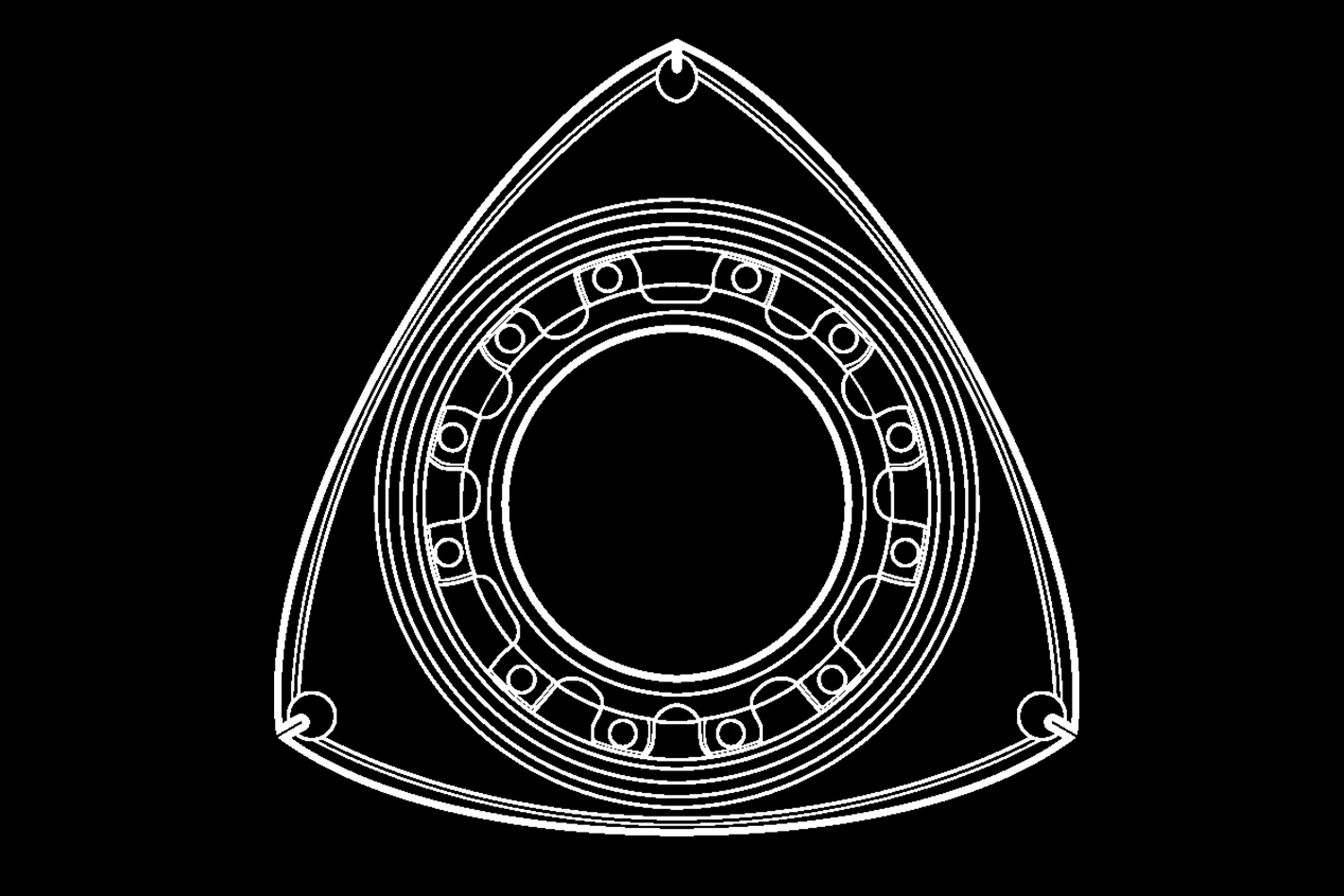
Revolutionary would be too bad a pun for this one, but the Wankel engine design that we know of today wasn’t actually designed by Felix Wankel. The simplified competitor design to Wankel’s rotary was Hanns Dieter Paschke’s work and old Felix hated it, claiming that Paschke had turned his “race horse into a plough mare”. Between 1964 and 2012, the rotary was synonymous with first NSU and then Mazda, but poor reliability, fuel thirst and correspondingly high emissions saw the rotary shelved. The return of the rotary as an EV range extender is being explored by Mazda. Watch this space.
3. Dual-clutch gearboxes
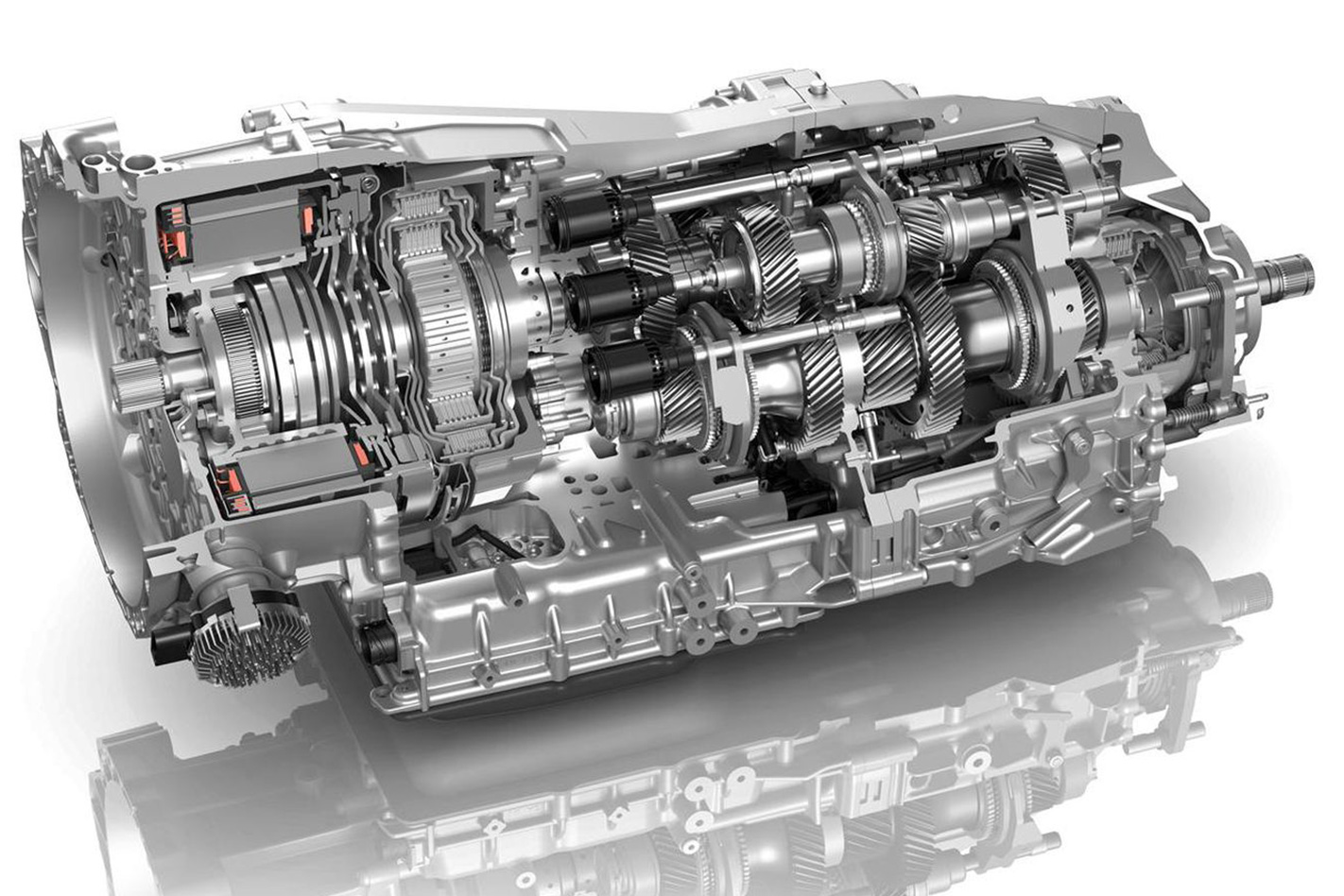
Think of the dual-clutch transmission as a transitive technology. Porsche’s first PDK transmission was seen on the 956 and 962 racers from 1983, later morphing into the Audi Quattro S1 rally car’s gearbox. By 2003, the dual-clutch had been productionised in the Mk4 Golf R32 and seemed a game changer. But durability issues surfaced, and manufacturers of torque converter automatics massively upped their game. The dual-clutch still persists, but it’s possible it’ll go the way of the Wankel. The market will be the final arbiter on that one.
4. Satellite navigation
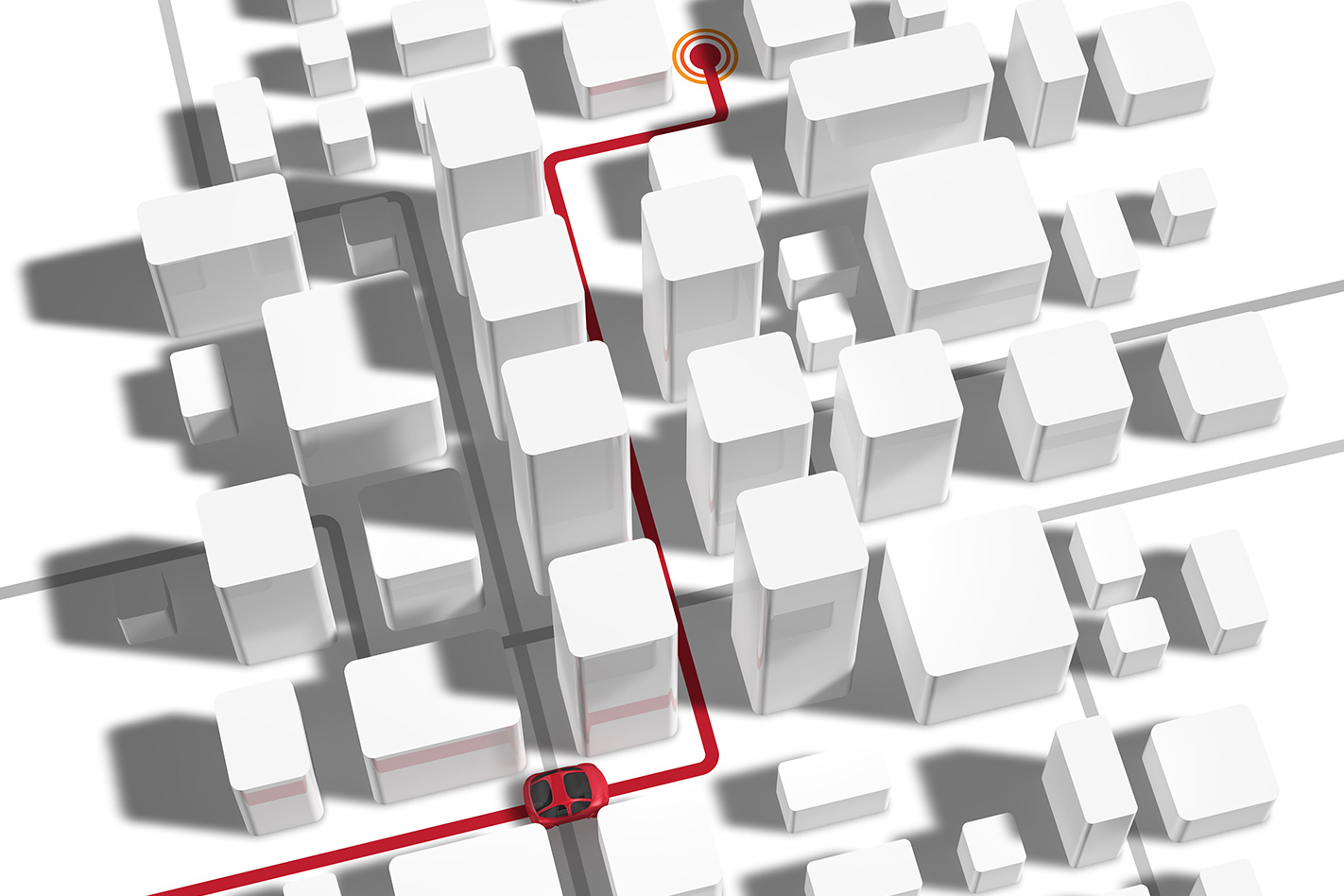
First car with factory sat nav? That’d be the 1990 Mazda Eunos Cosmo. Prior to that there had been some half-baked systems like Honda’s Electro Gyro-Cator, but GPS changed everything. Or rather Bill Clinton did when he signed a bill in 2000 ordering the military to stop degrading satellite signals, in the process improving accuracy by a factor of 10. Today it’s hard to imagine going back to paper maps, or just pretending to know where you’re going.
5. Ride sharing

Ask any current automotive CEO and they’ll have no hesitation identifying the biggest threat to their bottom line. It sounds simple but it’s people no longer wanting a car. The rise of slick ride- hailing services like Uber has contributed to the fall in driving licence acquisition by late teens. On-demand subscription services also threaten the traditional notion of the two-car household, further eroding the potential customer base. Throw the rise of the autonomous car into that mix and you have a hugely disruptive influence on the traditional car company’s business model. Innovation breeds innovation, though, and car companies are now being forced to respond in kind.
6. Turbo evolution
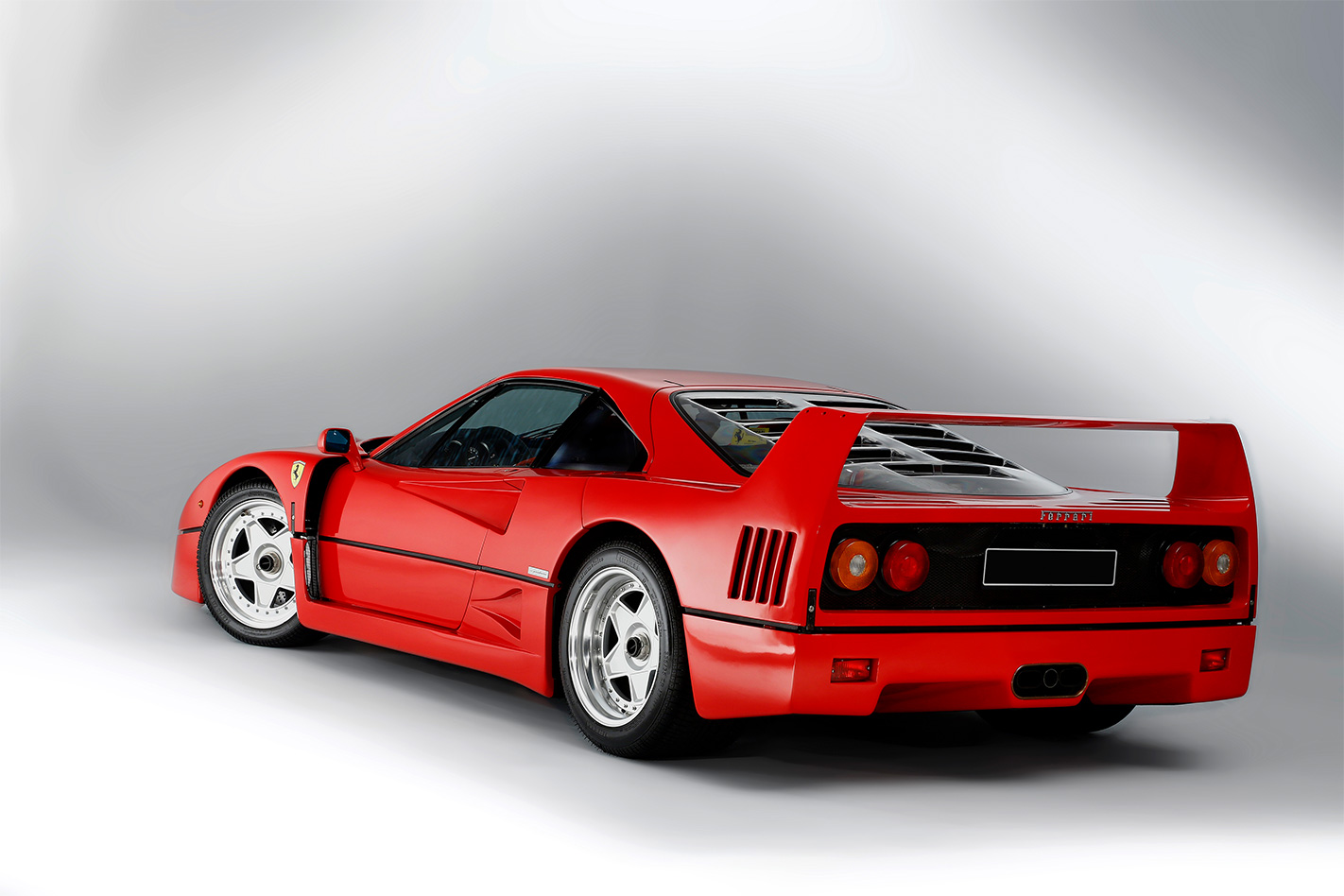
Remember when the fitment of a turbo was all about raw, unmitigated testosterone? That’s no longer the case. While we recall with dewy eyes the early days of the properly scary boosted motor in vehicles like the Renault 5 Turbo II, the Porsche 930 Turbo and the Ferrari F40, these days turbochargers are more often used to help bolster a downsized engine with low-down torque and for efficiency gains. Turbo lag might be a thing of the past, but so increasingly is the great-sounding normally aspirated engine. Reduced emissions remain the big draw for manufacturers but big forced-induction power/torque numbers keep us excited.
7. Emissions control
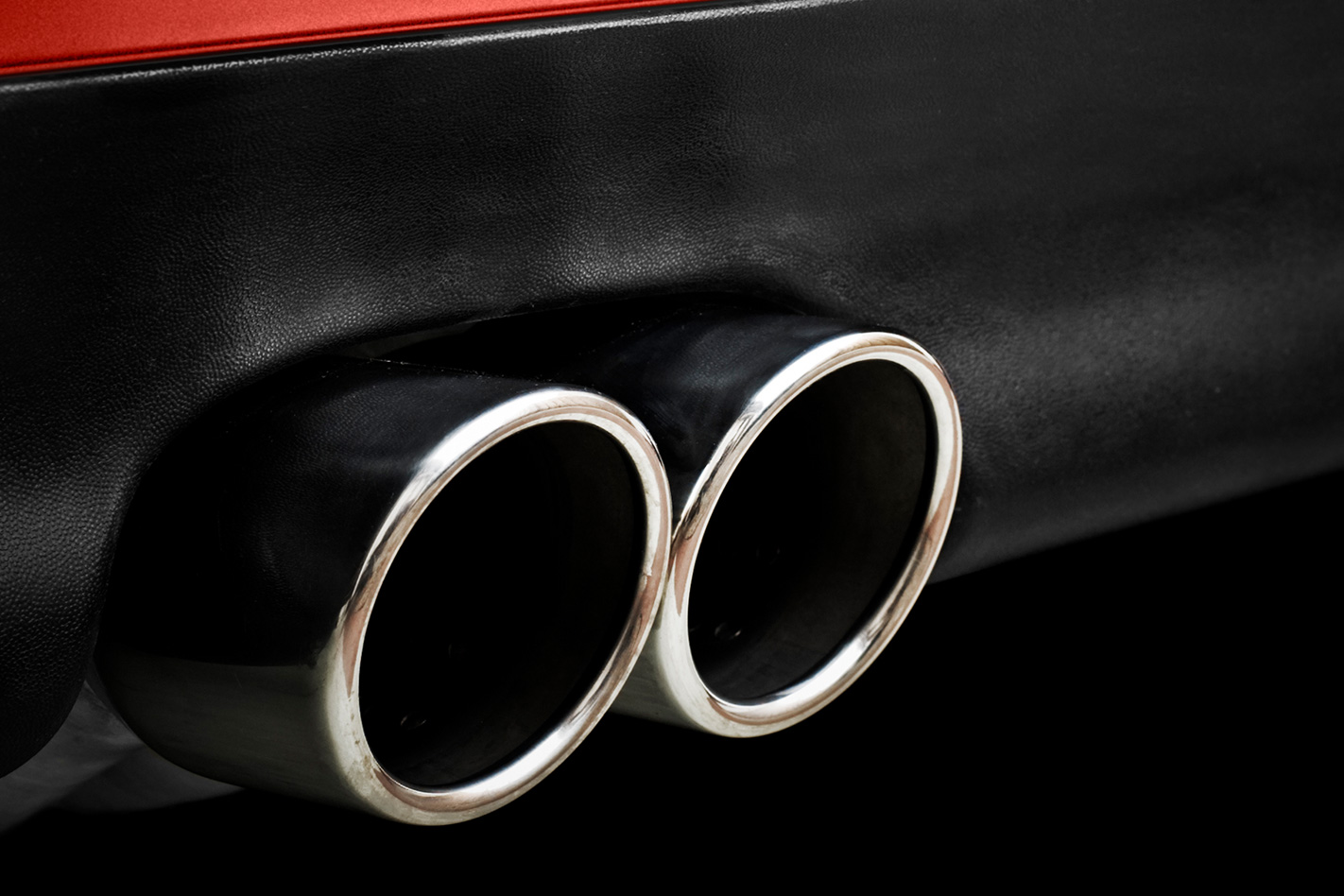
Thank Ronald Reagan for kick-starting the modern emissions control movement when he founded the Californian Air Resource Board in 1967. Prior to that, some steps had been taken to curbing tailpipe emissions, including the widespread adoption of positive crankcase ventilation. Sealed fuel systems that couldn’t vent to the atmosphere came in the early ’70s followed by exhaust gas recirculation, and the development of secondary air injection and, crucially, catalytic converters. Between the introduction of Euro 3 emissions rules in 2000 and Euro 5 in 2014, NOx emissions have been reduced more than sevenfold. In theory.
8. Hybrid/electric cars
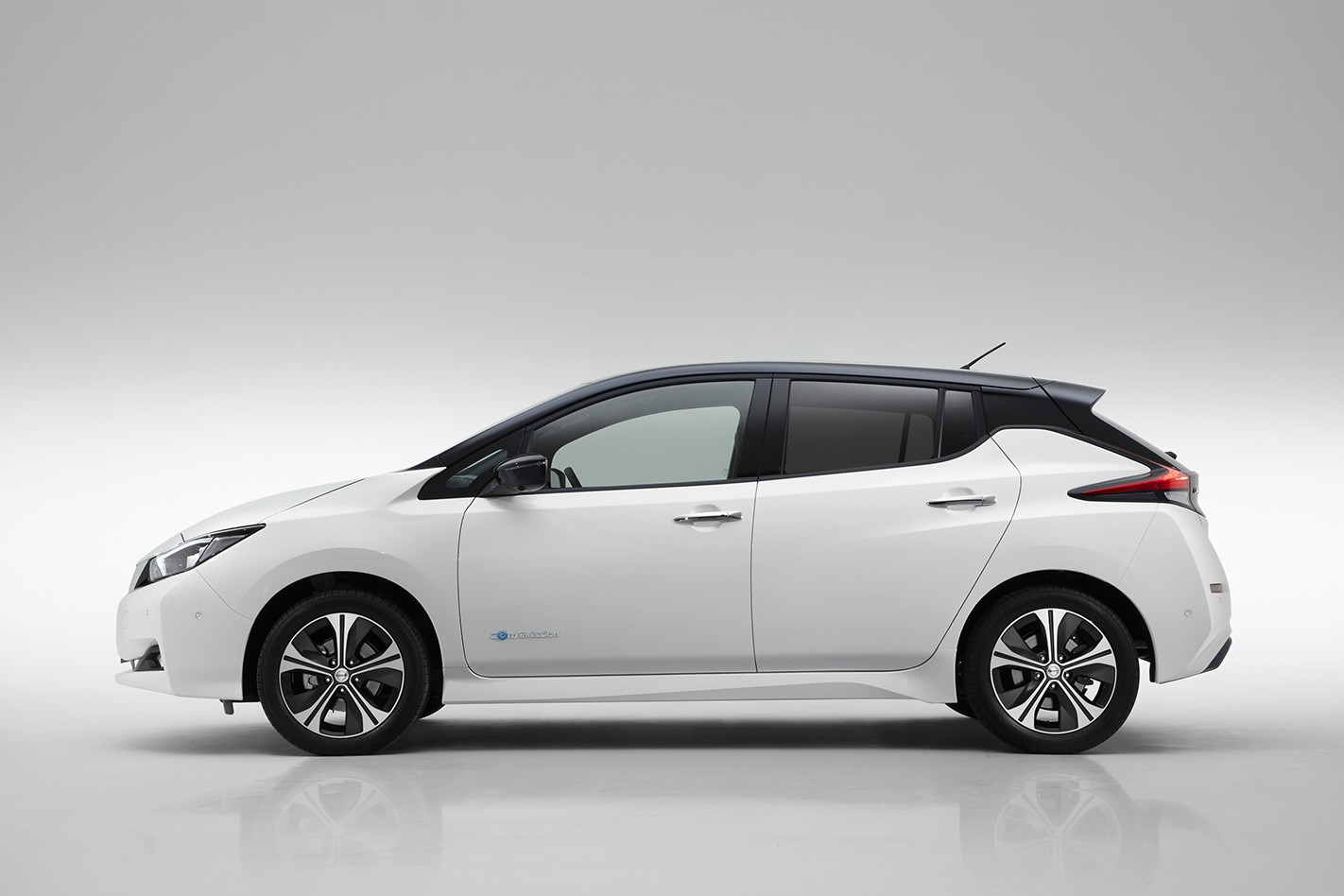
If we’d never thought of carting a huge vat of inflammable liquid around with us a century or so ago, the notion of doing so now would probably seem vaguely ridiculous. Electricity seems a natural choice for propelling a car, offering near silent drive, no tailpipe emissions, mechanical simplicity and stacks of easy torque. The California Air Resources Board began a big push towards zero-emission vehicles in the early ’90s, eventually seeing Tesla surge to the fore. And yet there’s really only one volume-selling mass-market electric car available, the Nissan Leaf, which passed 300,000 global sales in 2018. And electric cars currently make up 0.0004 percent of Australian car sales. It’s likely to be legislation, rather than buyer behaviour that changes this.
9. Joint development

We tend to think of platform sharing as new, but Citroen spun the Ami8, Dyane, Acadiane, FAFA, Méhari and Bijou from the original 1948-vintage 2CV platform. General Motors shared their Y-body platform across multiple brands in 1960, with Buick, Oldsmobile and Pontiac all top-hatting their designs onto a common chassis. More recently, the VW Group’s $60bn investment in MQB sees a return to the original principles of mass production, cutting complexity and reducing the time taken to build a car by 30 percent.
10. Electronic fuel injection
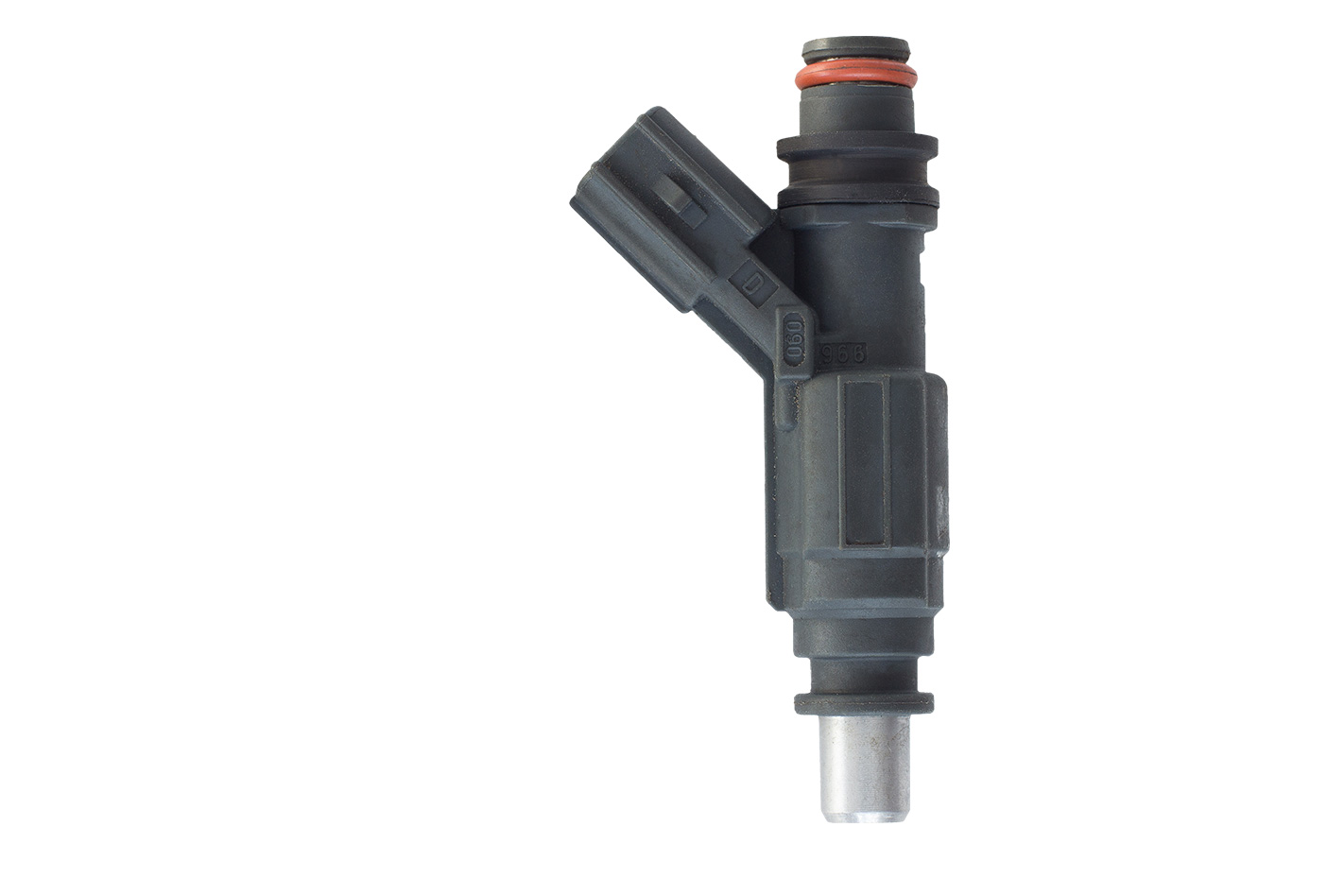
An engine has to work under a huge range of different conditions and it was soon clear that neither carburettors nor mechanical fuel injection was an optimal solution. Step forward Bendix and its 1957 Electrojector. Step back again, because it was dreadful. It took Bosch to pick up those reins with its transistor-based D-Jetronic system in 1967 to start to realise the benefits of improved power, efficiency and tractability, as well as reducing maintenance and emissions. Most of the major European car manufacturers soon adopted Bosch’s system, with the hugely successful K-Jetronic architecture dominant from 1973 to 1994. Bosch would later mug an ailing Fiat for its rights to common-rail fuel injection.
So, big cars are on the nose, are they? Well, if the stats showing a big slide in large-car volumes are anything to go by, they must be.
This review was originally published in MOTOR’s December 2006 issue
And while it’s tempting to blame the price of petrol, there’s another factor in this shift away from five seats, six litres and 1.8 tonnes. Basically, small cars have never been so damn good.
Look at last month’s Bang For Your Bucks spiel, and it seems that even really small cars have also acquired some serious attitude. VW’s Polo GTI and Mitsubishi’s Colt Ralliart are two of the toughest littlies you’d ever want to pick for a traffic-light GP, and they’re great little cars by any standards.
But it pays to remember that they weren’t the first of the hot-micros. There’s the Frenchies, Renault Sport Clio and Peugeot 206 GTi, and, many years before either of those, the iconic Peugeot 205 GTi was forcing us to search for superlatives.
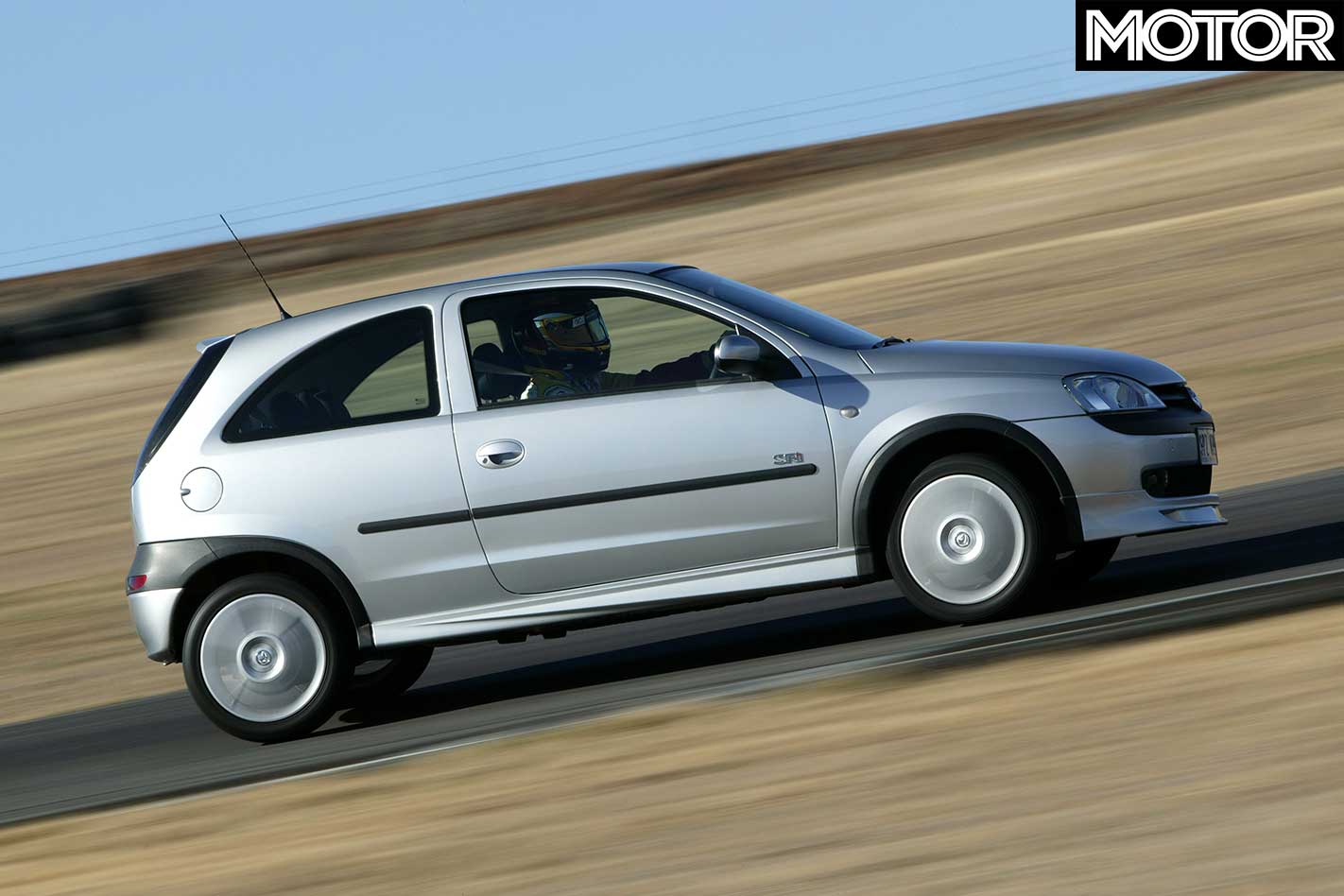
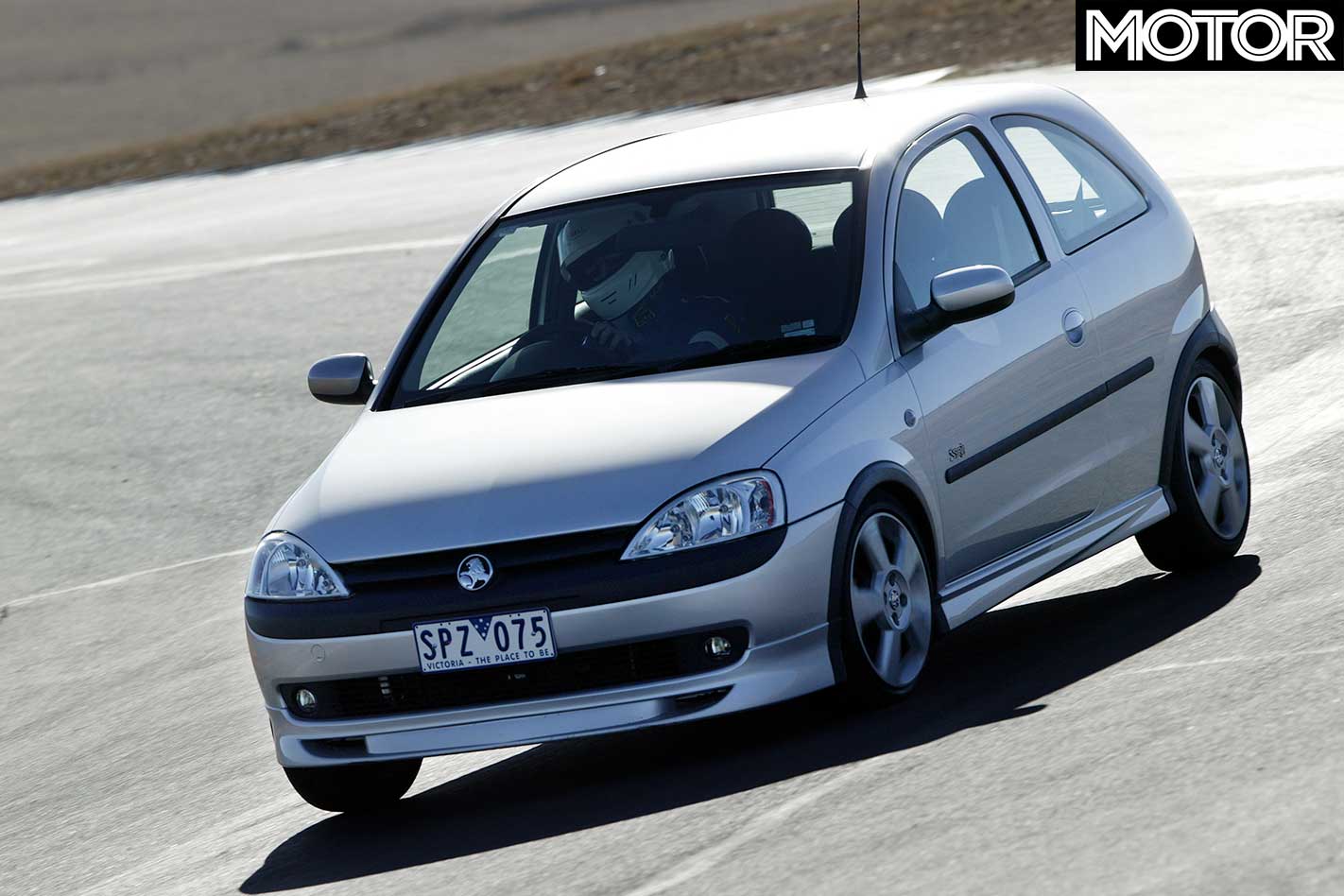
However, there’s a stove-hot little `un that was released a few years back that has kind of slipped under the radar. Why that should be is anybody’s guess, but if you’re shopping for a cheap hot-hatch, you’d have to do the smart thing and short-list the Holden Barina SRi.
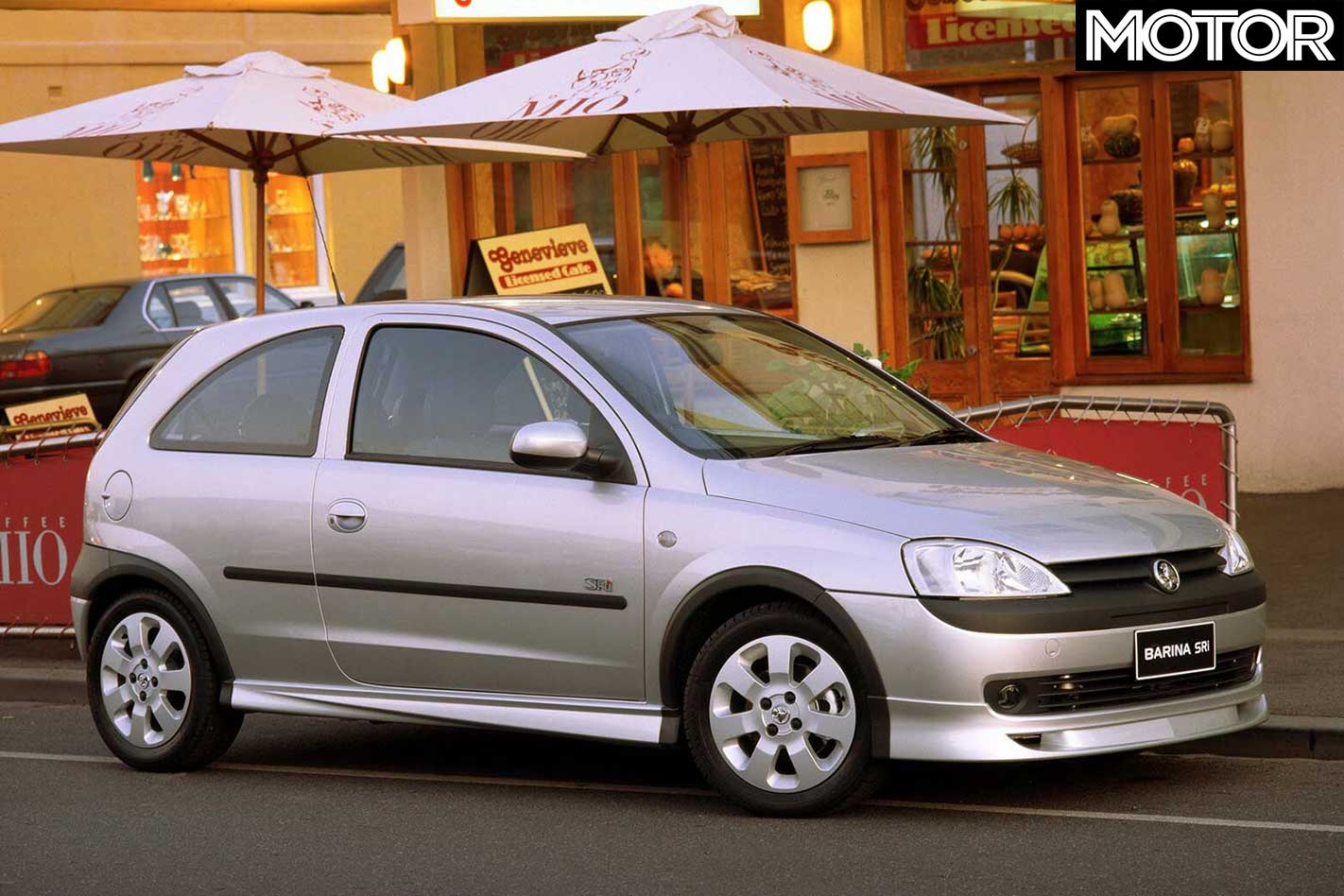
Why? Mainly because the SRi version of the littlest Holden was an absolute pearler – a tight handler in a compact-but-sensible hatchback body that just happened to have an engine about two sizes too big for it. And we all know what that means, don’t we… Yep, fun. In big doses.
Released here along with the rest of the new XC Barina line-up in 2001, the SRi was instantly on the money. When you took a good look at what it offered and what it could do, it soon became obvious that the thing was the work of Europe, rather than Japan. That’s important because it was the Euros who invented the hot-hatch and they’re still the ones doing it best (although the Mazda3 MPS would probably beg to differ).
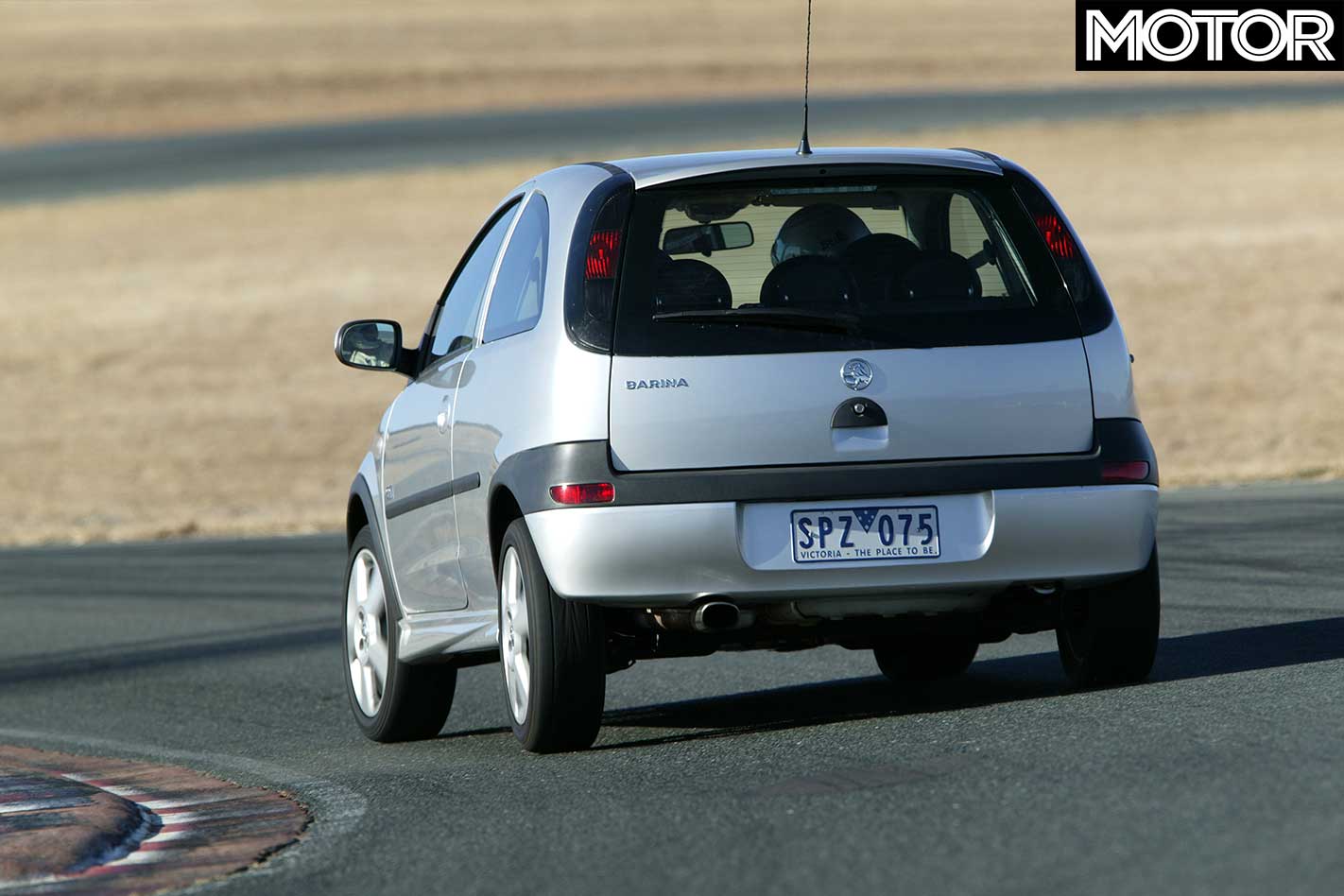
There’s no doubt that the XC Barina certainly looked more European than it did Japanese (or anything else), too. The front is more or less corporate Opel (scaled down to match the car’s overall proportions), but the rear really makes a statement with those high, integrated tail-lights. Makes it easy to spot in traffic, too, which was probably the idea all along.

I suppose the only catch with all this is that the SRi doesn’t actually look that racy. Despite the Irmscher spoiler and side skirts, it’s a bit too understated for some, though that might mean it’s less likely to attract the attention of you-know-who.
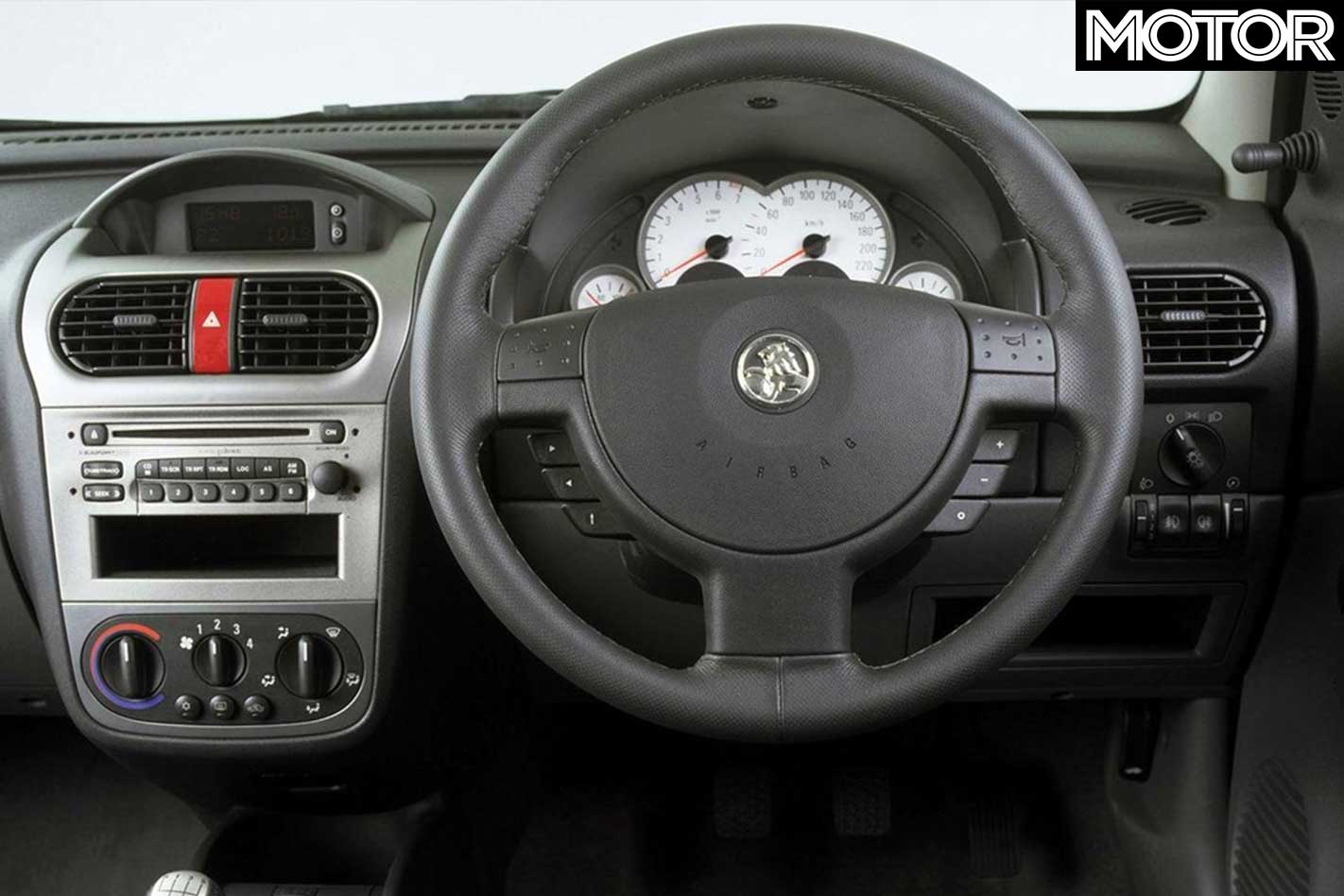
Its interior is a bit more of the same. Forget about bright red carpets or carbonfibre dash trims – the Barina SRi is more about good-quality plastics and decent fit and finish. The leather wheel is corporate GM and, while the seats are comfy enough, there’s only height adjustment for the steering column.
You wouldn’t be buying the bugger for its rear-seat space, but it remains that things are pretty compact back there, even though the SRi is roomier than most of its three-door rivals. Access isn’t exactly brilliant, either, but then who cares about that stuff anyway? Not us. Not when there’s a great big engine in a tiny little car.
The SRi ditches the mainstream Barina’s weeny little 1.4 with its 66 rippling kilowatts and in goes a 92kW 1.8-litre unit pinched from big-brother Astra.
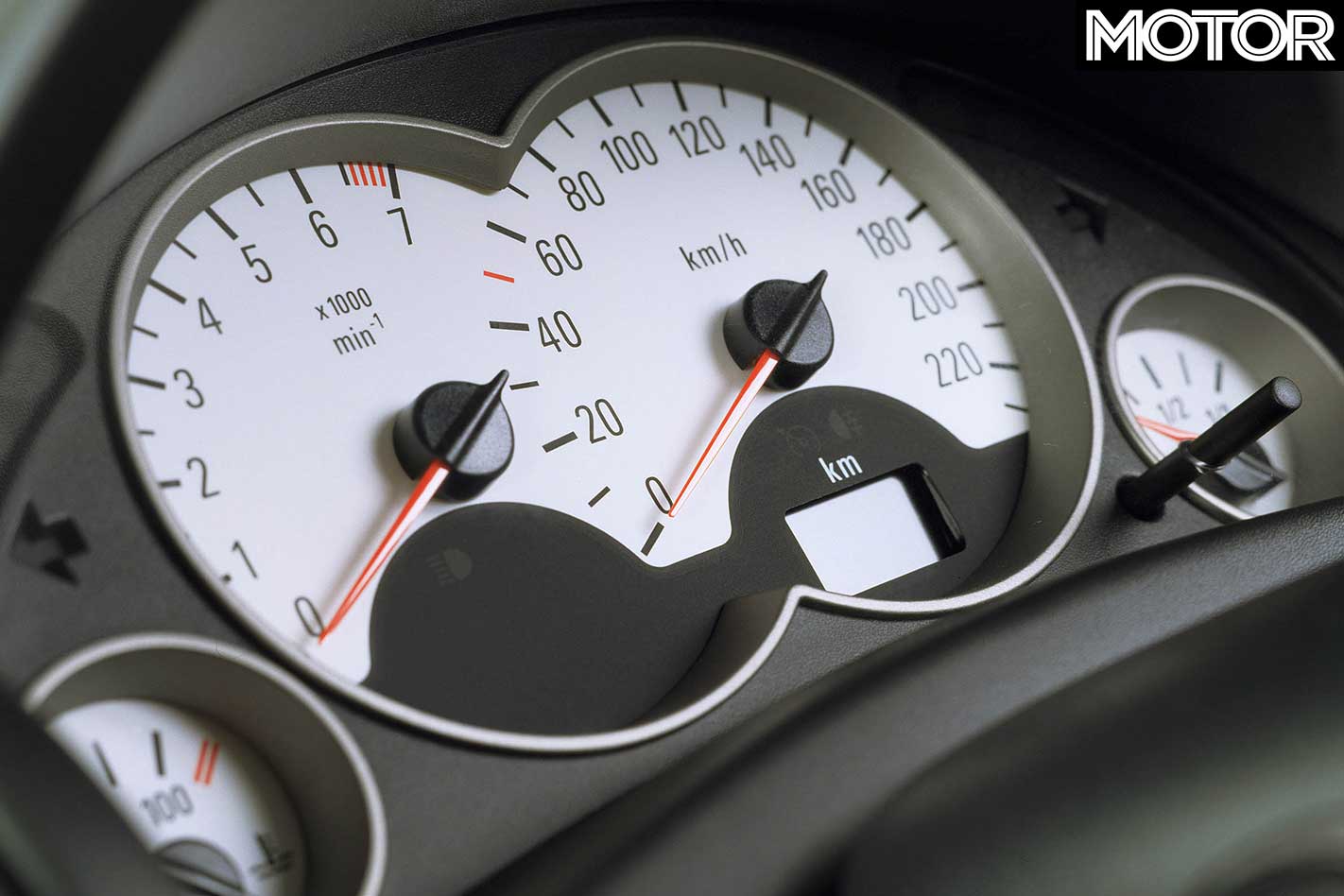
We’ve said it before, but while there remains nothing inherently clever about the big-engine-small-car formula, it’s a devastatingly effective way to build a performance car. The SRi is no exception. Even more telling than the kW count is the torque that maxes out at 165Nm – more than enough to give the lightweight Barina a pumped kind of feel.
Even pootling about the ’burbs where you’re only using part-throttle and relying on punch rather than revs, the SRi feels gym fit and more than up for it. It’s best to use all that torque, too, because the engine gets a bit boomy at big revs.
Ratios in the five-speed manual (no auto for the SRi … thankfully) are on the money and only a slightly dead (and too-light) clutch action spoils any of the fun. Well, that and a slightly stilted gearshift action that’s at its worst on the one-two shift, where it can feel a bit clunky and slow. The Barina wouldn’t be the first European hatch to suffer from that, but it makes you realise that the Japanese do some things better than everyone else.
Get really serious and you’ll discover that, while the SRi will never challenge an SS Commodore over the standing quarter, there’s enough urge for it to be utterly convincing, and more than a match for plenty of wannabes at the traffic lights.
The other thing you’ll soon work out for yourself is that the engine never threatens to overpower the chassis. True, the front-drive platform will eventually wash out wide if you shove it into a turn too hot, but it’s progressive and never threatens to scare you. On the other hand, if you get your entry speed right, it’s amazing how much corner speed you can carry, using the engine’s torque to slingshot you out the other side and bound for glory.
In the final wash-up, the Barina SRi isn’t what you’d call a truly balls-out performance car, but it’s quick enough to be entertaining. And yet it still retains the compact size (great for parking in spots nobody else can fit into) and hatchback versatility that made the Euro-built Barina such a good thing in its own right.
Things to watch out for these days mainly revolve around the previous owner. Because it was a bit more expensive than the more proletariat models in the Barina line-up, the SRi thankfully didn’t attract the sort of people who buy brand-new small hatches instead of conventional second-hand cars, plaster them with ‘Bad Girl’ stickers and forget to ever service them.
But that’s not to say there aren’t neglected ones out there. A bigger worry is the possibility that the previous owner has redlined the engine in every gear for the life of the car.
It’s got a couple of quirks that are worth keeping an eye on; it’s quite sensitive to the quality of oil it receives, and if you’re cheap, you’ll pay with a noisy top end.
As well, front-end geometry is easy to knock askew, and the Michelin tyres are homologated for a reason; like, it’s easy to upset the sweet balance that Holden has imbued the car with.
Beyond that, you want to know that the engine hasn’t had its radiator filled with tap water instead of the coolant that alloy-head engines like the Barina’s require to avoid turning to molten scrap a couple of years down the road.
Find the right one and not only will you potentially bag a bargain, you’ll also be driving a car that is a worthy competitor dynamically to the very latest stuff, including the Polo GTI and anything else sub-$30K that Europe or Japan can throw up.
We Said It
“Quite stiffly sprung and fairly neutral for a front-drive car, with a little bit of understeer on turn-in. Would prefer to have been able to get the tail out a tiny bit, but a good little package. Goes quite well – fairly linear in its delivery, pulls well all the way. Gearbox and brakes are fine.” – Rick Bates, October 2003 (BFYB)
FAST FACTS 2001 Holden Barina SRi
BODY: 3-door hatchback DRIVE: front-wheel ENGINE: 1796cc DOHC, 16-valve, in-line four POWER: 92kW @ 6000rpm TORQUE: 165Nm @ 4600rpm WEIGHT: 1147kg POWER-TO-WEIGHT: 80kW/tonne TRANSMISSION: 5-speed manual SUSPENSION: MacPherson struts, lower A-arms, anti-roll bar (f), torsion beam, trailing arms, coil springs, anti-roll bar (r) L/W/H: 3816/1642/1443mm WHEELBASE: 2491mm BRAKES: ventilated discs (f), solid discs (r), ABS WHEELS: 15 x 6.0-inch alloy (f & r) TYRES: Michelin Energy XH1 185/55R15 82H FUEL: 91/95 octane, 44-litre tank PRICE: $20,990 (Sept ’01)
Browse the halls of any motor show and, among the selection of wild concepts on offer, you’ll likely start to spot some common themes. Those vast 24-inch wheels, side-exit exhausts and mirror-tinted windows are almost certainly not going to make it through to a production version.
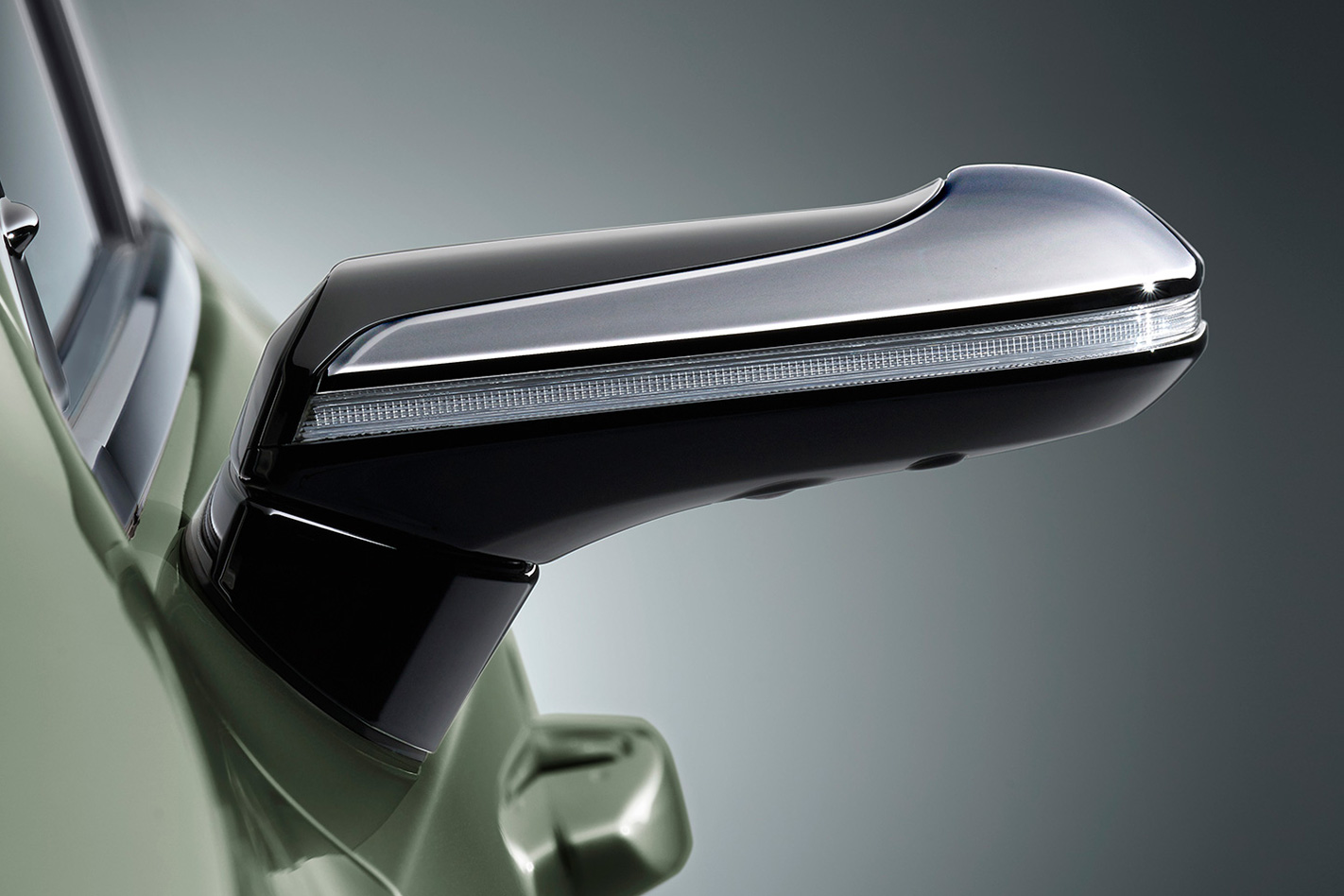
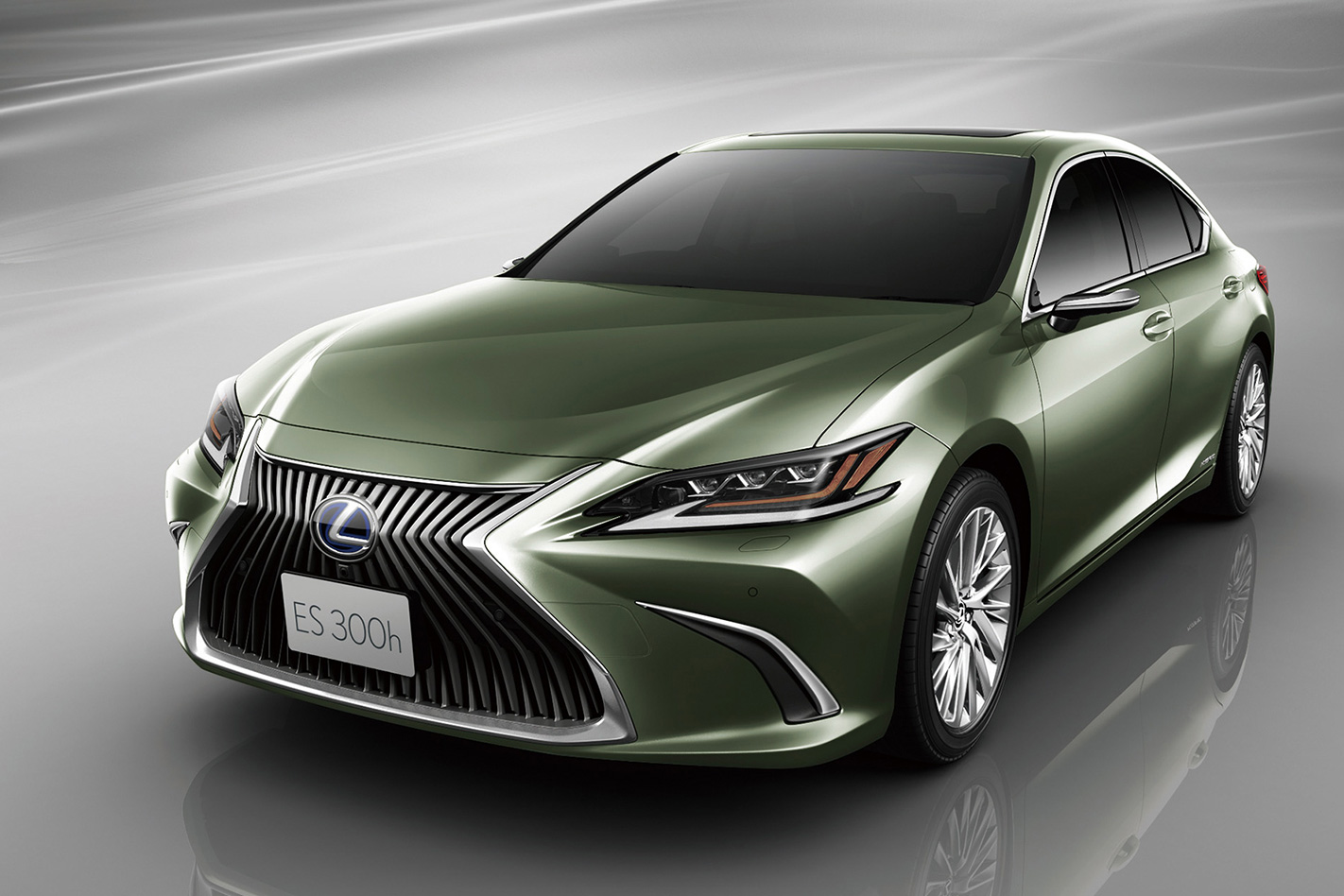
Another concept car folly is the substitution of conventional wing mirrors with rear-facing cameras, but it seems that particular tech has finally graduated from showcar fantasy to the production line thanks to the new Lexus ES.
In place of more conventional door mirrors – a solution that has remained unchanged for decades – the Japanese luxury sedan has cameras that project the rearward view along each side of the car to small screens inside the vehicle.
On first inspection, there may not seem to be an obvious advantage to justify the technologically more complex system that Lexus has dubbed ‘Digital Side-View’, but it says it won’t take long to convert naysayers.
For a start, the cameras offer a broader field of view compared with mirrors, which have to distort the image with convex glass to match the camera’s wide-angled performance.
At night, mirrors can only reflect the available light, but the image from the cameras can be boosted for enhanced vision and safety in low light conditions. And while mirrors can be obscured by water droplets on the window pane or foggy glass, a camera always sends a clear image to the 5.0-inch screens thanks to its lens design.
The unorthodox design of the camera pods might take a little getting used to, but relatively large door mirrors partially obstruct the forward view. Not a problem for the slimline camera housings, which allow the driver to see more in front of the vehicle as well as behind.
Images from each door camera are processed by a central system that can add in imagery from the reversing camera depending on the driving scenario. When an indicator is activated, the system enhances the relevant side of the vehicle and when reverse is selected, the view behind the car is prioritised. The screens also incorporate blind-spot warnings and approaching vehicle alerts.
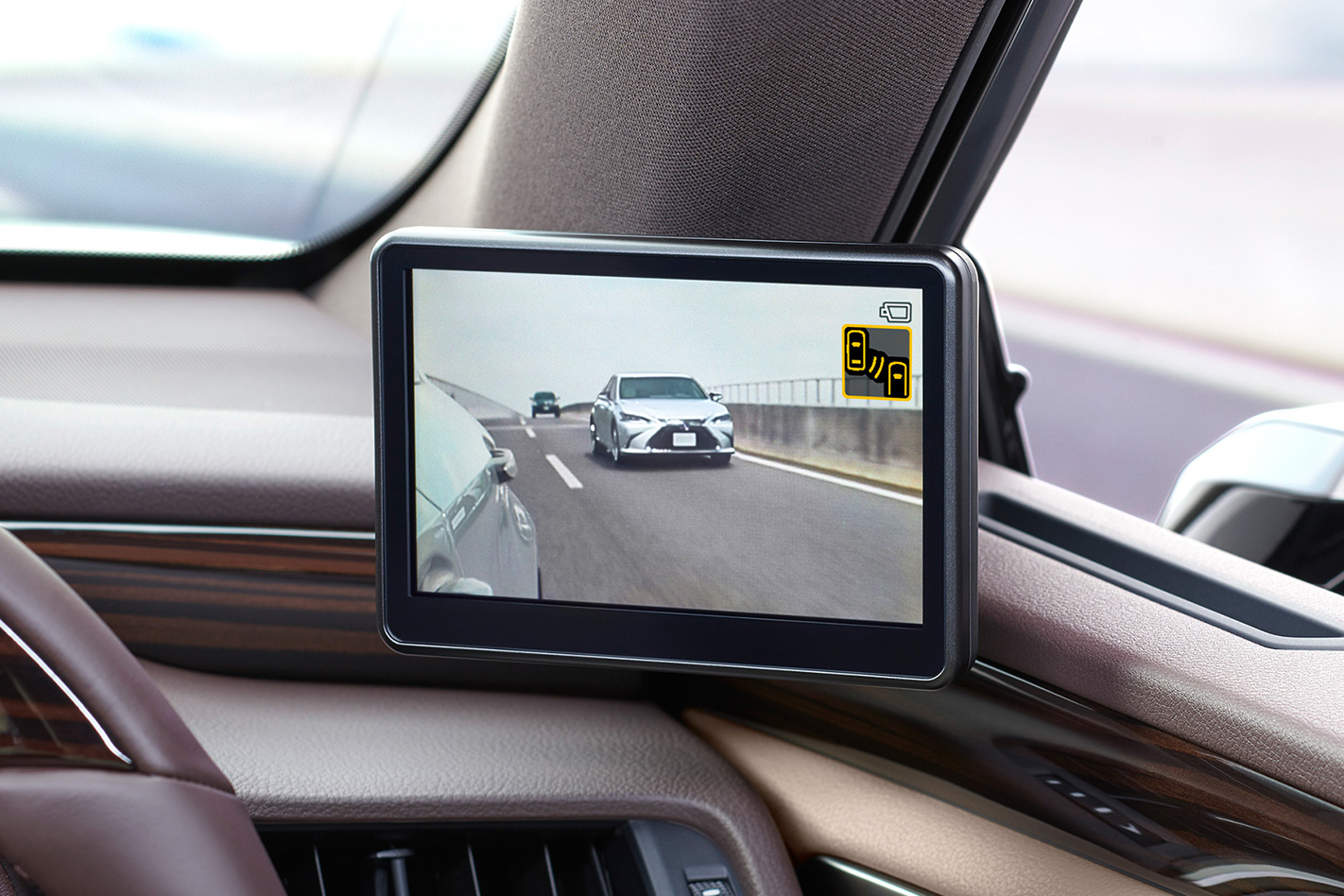
Finally, the low profile camera housings create less wind resistance, which has the potential to cut fuel consumption – although presumably only by a small amount.
Of course the system costs more than a pair of simple mirrors, but like so many pioneering systems in high-end models customers are often prepared to pay a premium for the advantages in safety and convenience.
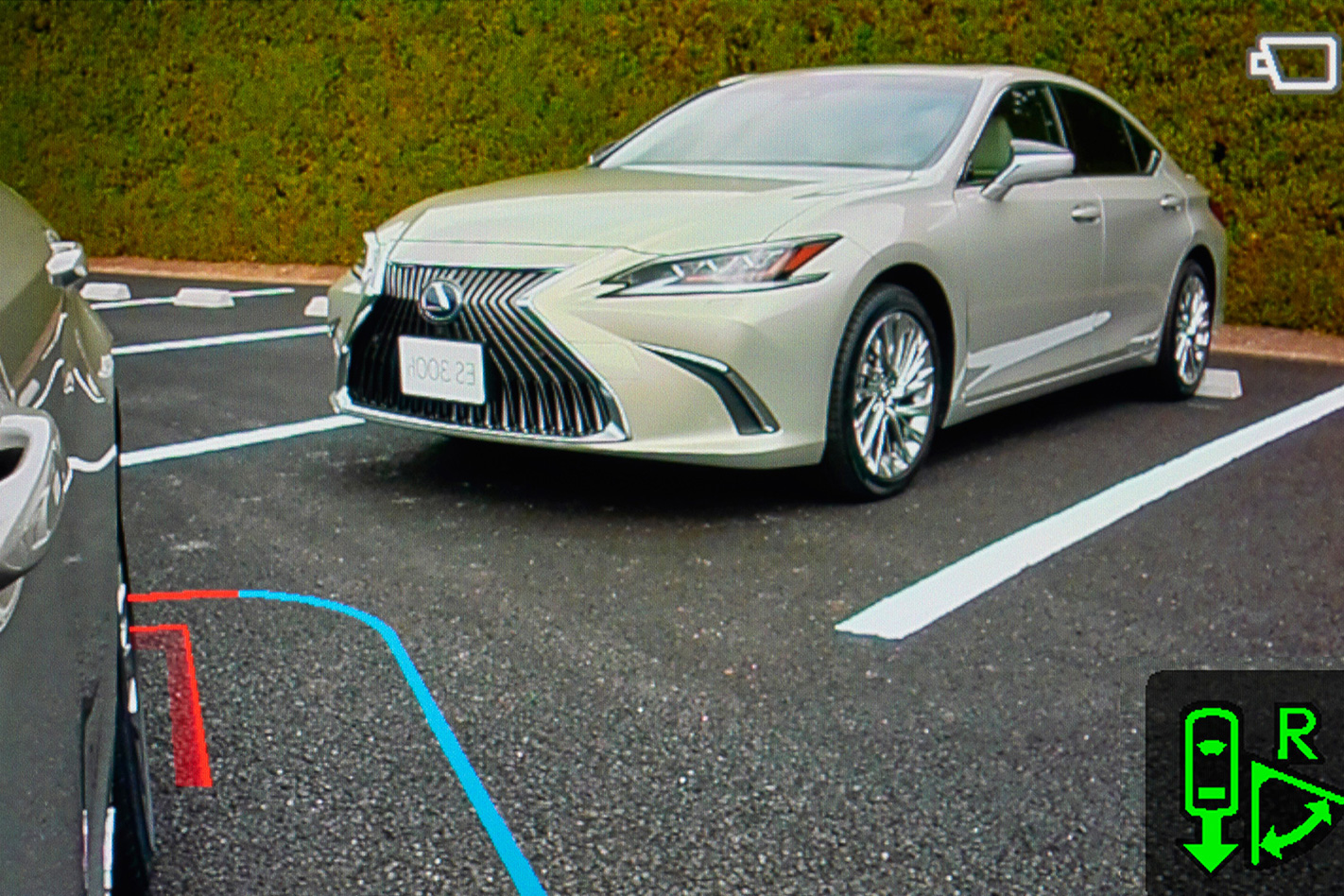
For now, Digital Side-View will only be offered in Lexus’ native Japan, but the ES has coaxed the previously outlandish idea out of the concept car realm and into the real world, and already other brands are moving in the same direction. In fact, Lexus’ rival Audi just unveiled its e-tron electric SUV earlier this week with – guess what – side-mounted cameras instead of mirrors.
The Ferrari Monza is a retro-inspired, limited-edition supercar based on the 812 Superfast.
Revealed during Ferrari’s Capital Market’s Day event at Maranello, the Monza is the first in a new series of limited-edition cars called ‘Icona’, “inspired by legendary sports cars of the past.”
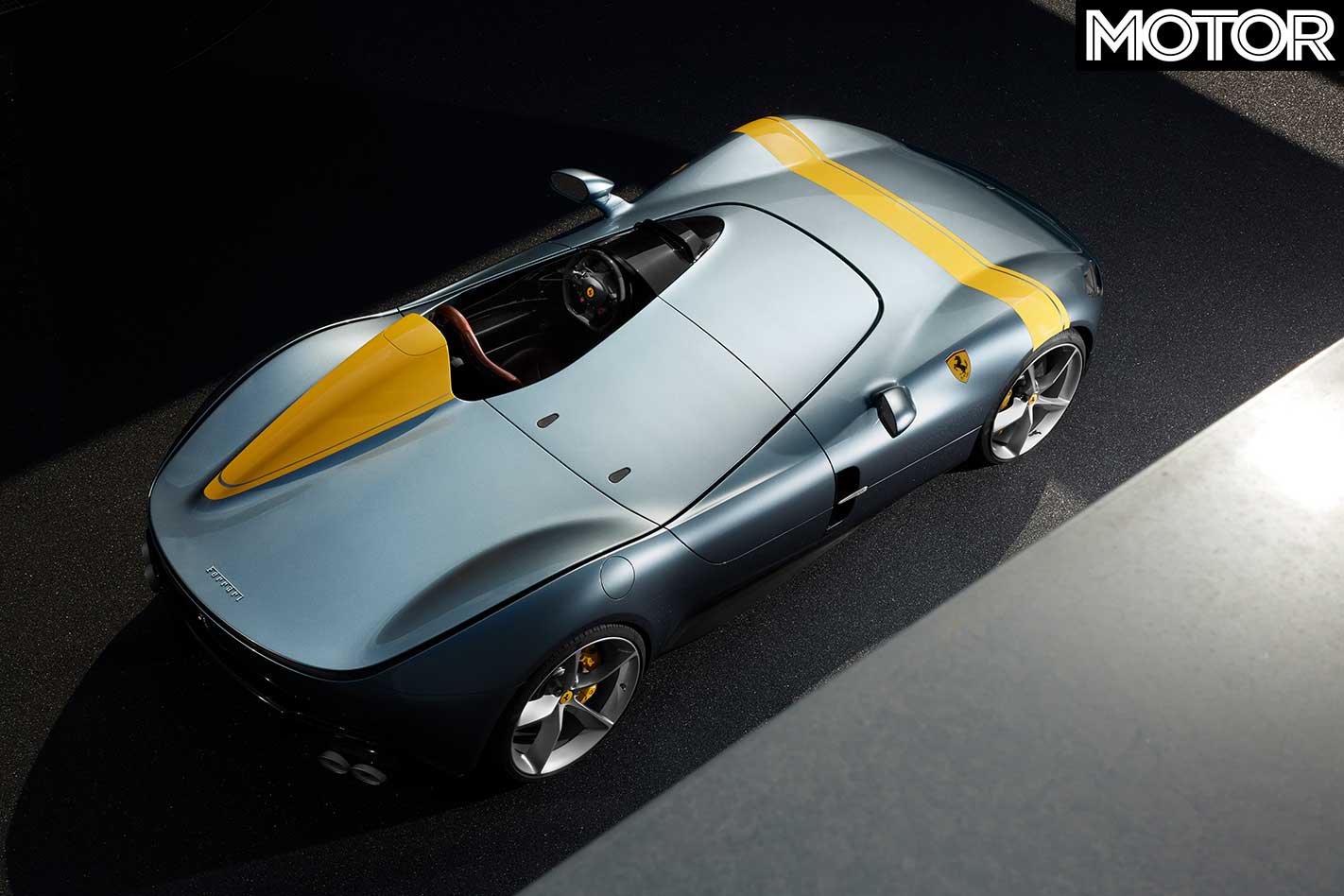
The Monza draws its inspiration from Ferrari’s racing Barchettas of the past, cars such as the 1948 166MM, 750 Monza and 860 Monza. Its radical design deletes the roof and windscreen and adds a roll-hoop behind the occupants.
Two variations of the Monza are available. The SP1 is designed for only the driver, a carbonfibre tonneau covering the passenger area, while the SP2 has a more typical two-seat configuration, albeit split by a giant carbonfibre beam.
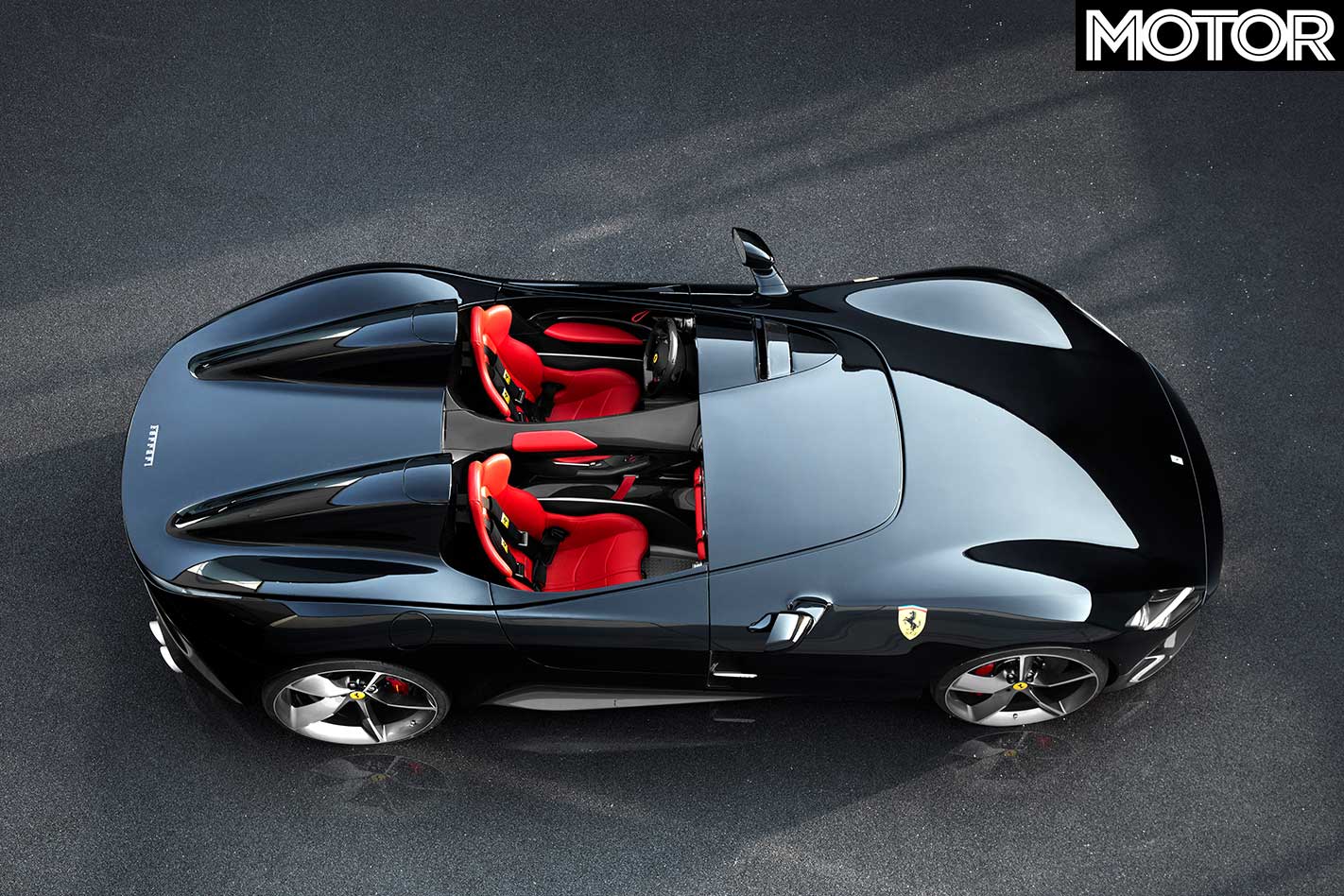
All bodywork is made from carbonfibre, including the giant front-opening clamshell that includes the bonnet and front wings. Other unique design elements are the revised headlights, slimline full-length taillight and scissor doors, while all interior controls have been moved to the centre console on the driver’s right-hand side.
Under the dramatic retro skin the Monza is pure 812 Superfast, but Ferrari has liberated a little extra power from the 6.5-litre V12 for a total of 595kW/719Nm, making it the most powerful road-car engine Maranello has ever built.

Ferrari has collaborated with luxury brands Loro Piana and Berluti to offer SP1 and SP2 owners an exclusive range of driving apparel matched to the car, including a race suit, helmet, jersey, scarf, gloves and driving shoes.
No pricing or build run has been announced, with more information set to be revealed at the Paris Motor Show. However, sources suggest no more than 500 will be produced with a price tag of between $US2-3million.