
To what extent are you still a car enthusiast?
That’s a good question. With a certain type of car, very enthusiastic, but I really struggle to be enthused or excited by anything on the market today. Anything that bongs and beeps at me or takes control of the steering or the braking, I’m just not interested in that. I had a car the other day, told me to sit up straight. It was a Toyota. What? Sit up straight. What’s next, clean your teeth? And so I’m infuriated by that. I find quite a lot of the cars very similar. When I was much younger, I used to be able to drive down the motorway at night and even when the taillights were 200 yards in front of me, I knew what [type of] car it was. And as often as not, whether it was an L or a GL or a GLS. Whereas now, even in broad daylight, when I’m six feet away from a car, I wouldn’t be able to tell you what it was. So I’m enthusiastic about cars that I remember.
You can get rid of the bongs and beeps though, can’t you?
It just takes time. When I get into the car, if I’m going over to the brewery or work stuff going round the farm, I really don’t have the time to faff about on the touchscreen, turning everything off. That’s why my Range Rover is 18 years old. It doesn’t bong at me. Don’t even have to wear a seatbelt in that, which, when you’re on the farm, is an absolute blessing.
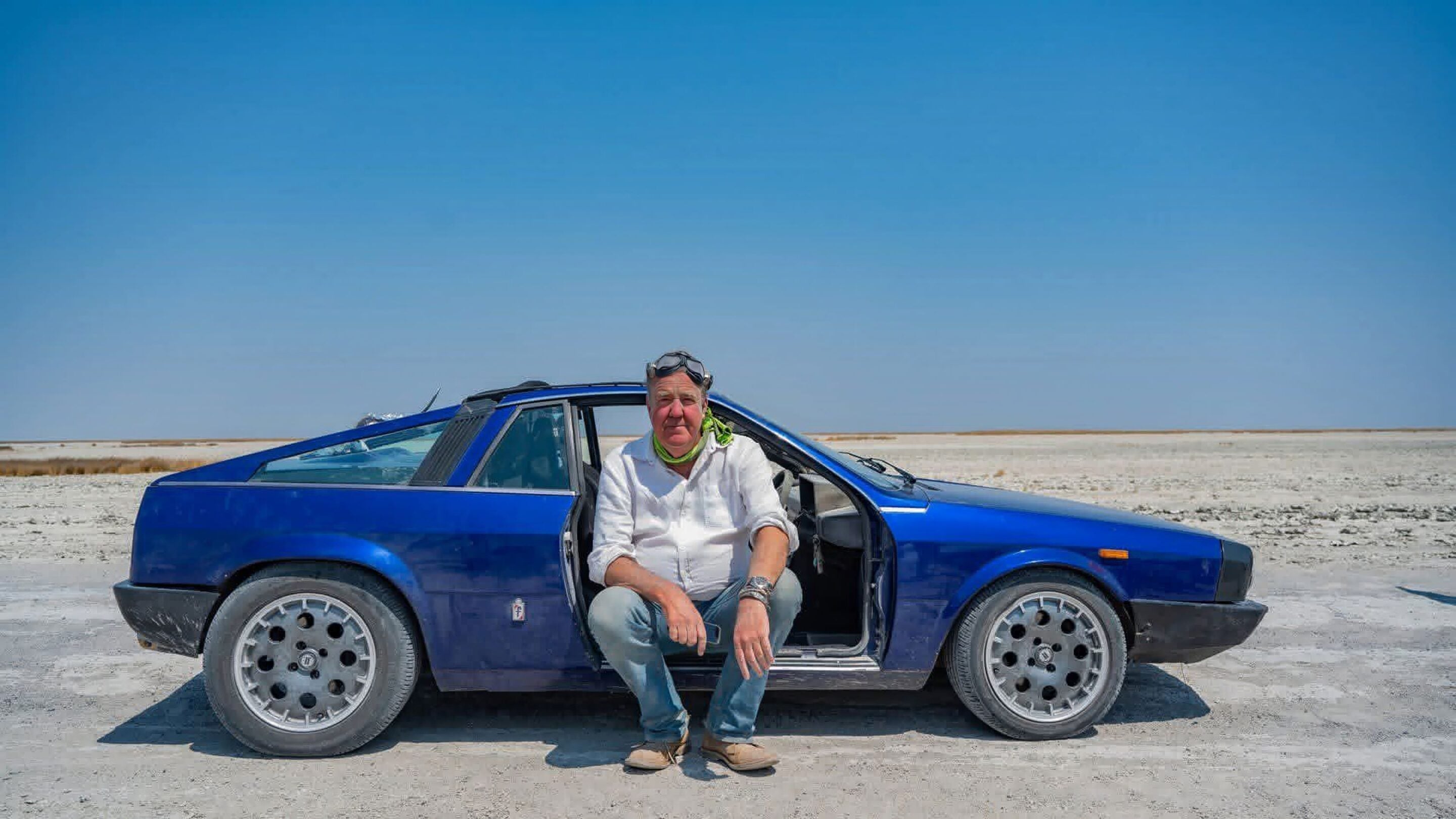
There’s a celebrated piece of video, isn’t there, where you and (evo magazine founder) Harry Metcalfe do a bit of a love-in with the [Range Rover] L322…
Well, it’s interesting that we’re both in very much the same line of work. You know, we both write about cars, talk about cars, and we both have a farm each. And yet both of us drive the same-coloured Tonga Green L322. And both of us agree it has – I think it was Harry that came up with the line – the DNA of a Transit van. I could take it to London and park it outside the Royal Opera House. Not that I ever would go to the Royal Opera House, but you know what I mean.
When you talked about your car enthusiasm, we assumed you were going to say, ‘I’m a bit on the backburner now because I do so much other stuff…’
But you can still be interested. It’s really strange. I don’t know whether it’s the same for you, but there used to be the thing about working in a chocolate factory when if you went to work for Cadbury’s or Bournville or whoever it might be, they allowed you to eat as much chocolate as you liked, on the basis that after a week, you would never want to put chocolate in your mouth ever again. I’ve been doing it since I was 28, but I still haven’t lost the thrill of a good car.
You’re still a good reviewer. There’s a lot of people in newspapers who wouldn’t know a good car if you drove it up their backside.
It’s very kind of you to say that I can still review them because I look at hybrids and I have no clue. I don’t know what a kilowatt hour is. No clue.
But you do it from the point of view of the reader, don’t you?
You should know how the car was put together. I think if you’re a really good reviewer. I’ve never forgotten that CAR magazine piece about the drive back with the Lambos (‘Convoy!’, in the February 1977 issue of CAR, about driving in a convoy of three Lamborghinis from Italy to the UK – Ed)
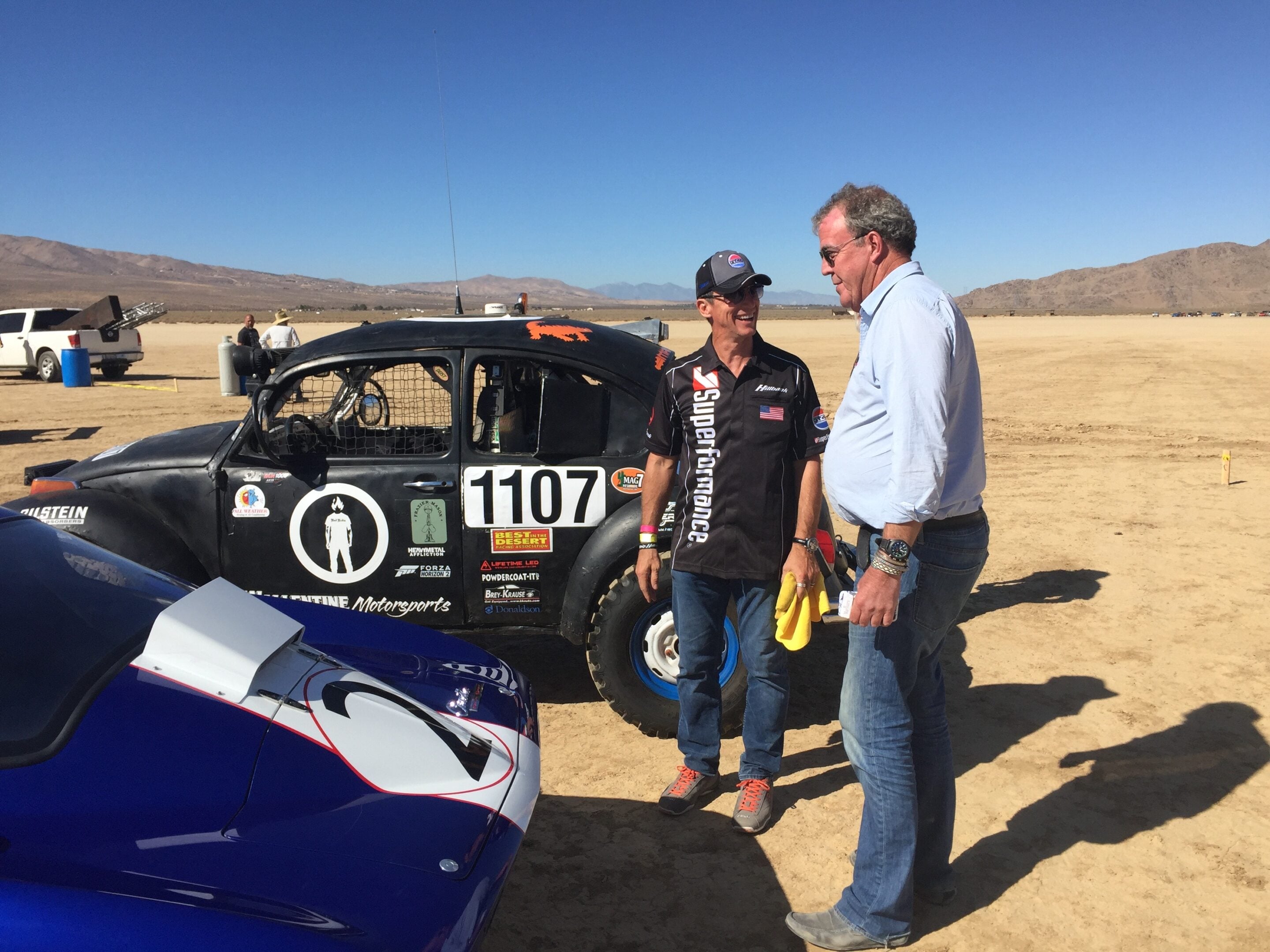
That was (former Wheels writer) Mel Nichols…
That was proper motoring journalism. That was a man who understood how those cars worked, understood why they had those V12s and the firing order written out on the top of the engine and so on, and made it live and made the drive so that you felt, oh my God, I wish I could drive a Lamborghini across Europe.
Do you still read much about cars?
No, I don’t read car magazines anymore. I think for a frighteningly large number of the population there’s still mass confusion about EVs. I’m forever running into people who say, ‘I’ll never get into one.’ Or get cross with me for not having got into one.
Do you imagine one in the family?
No, never. I’ve never had an electric car. Not in a million years. I don’t understand them and I don’t like the driving characteristics. I think if you take a car’s engine away, you’ve taken away its soul.
Do you collect cars?
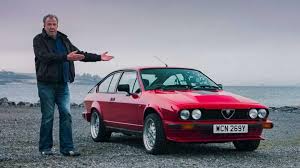
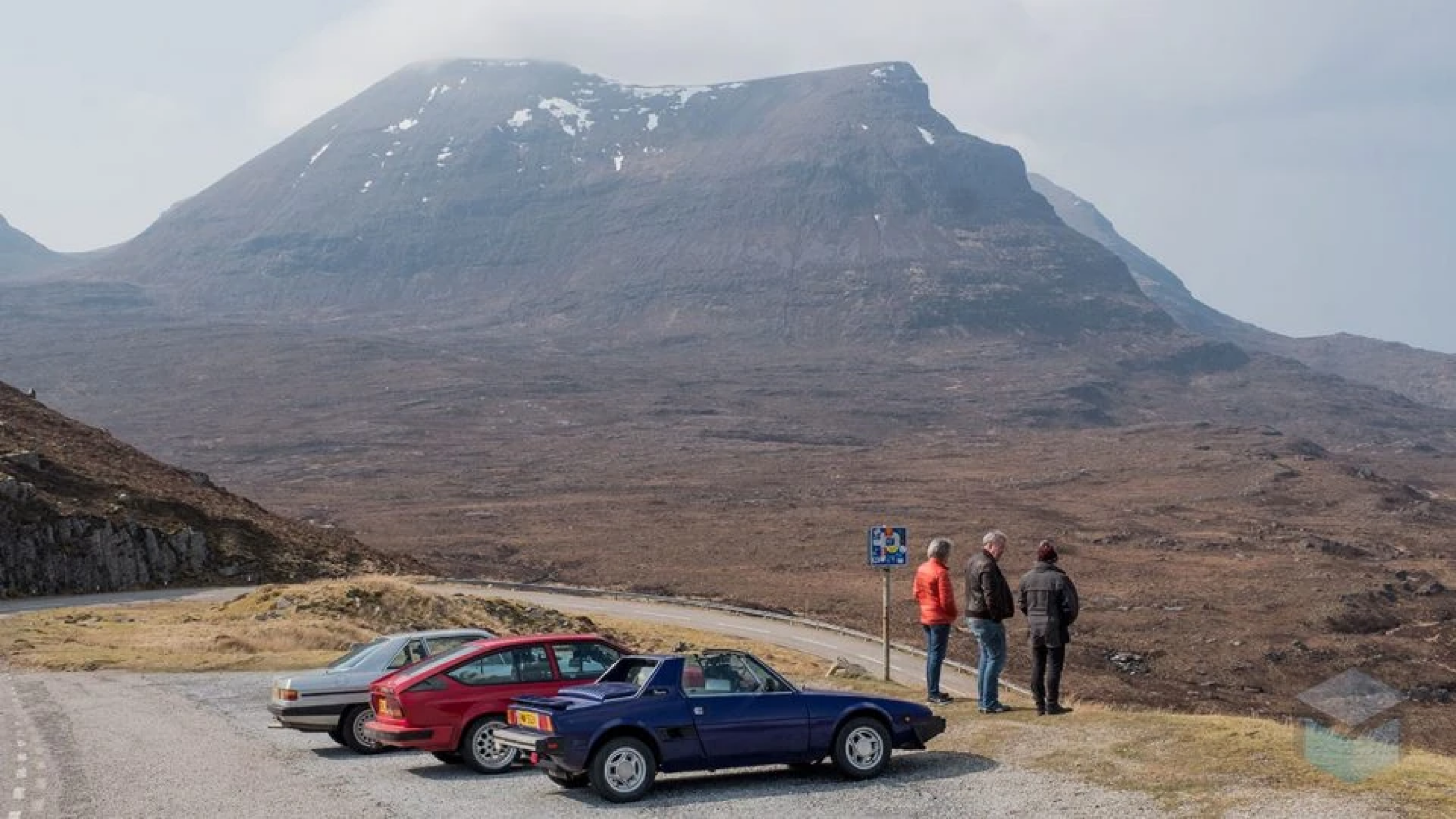
I’ve got a few relics from The Grand Tour that I didn’t want to just say goodbye to. So I’ve got the GTV6 that we used in Scotland and I’ve got the Monte Carlo.
You got a door on it again?
The door’s back on it and it’s been mildly put back because it was fairly battered when it got back. It sort of works. It’s not restored by any means, but you can pootle around in it and it’s fun. And then I’ve got the Lincoln Continental that we used on The Grand Tour. I’ve got a Mercedes Grosser, I’ve got a Mini. So I’ve got a few cars. I don’t go out and buy them, I just inherited them. And obviously no more Grand Tours now. No more inheriting old interesting cars that cost a fortune to insure and run. It’s amazing how cars go wrong when you’re not looking at them…
Are you sorry The Grand Tour is over?
Not even slightly. I don’t miss it. I’m glad we did it. We had an enormous amount of fun doing it, but it’s quite physical. It’s much harder to do than you might imagine. And the world is a much smaller place now. Think of the trips we’ve done over the recent past: Ukraine, can’t go there anymore. Russia, can’t go there anymore. We landed in Iran, drove into Turkey, down through Syria, through Homs, into Jordan, into Israel. Can’t do any of that. No, the whole of North Africa, with the exception of Morocco, is gone. We’ve done Namibia, we’ve done Mozambique, we’ve done Botswana.
Tell us about your first car.
A Ford Cortina, 1600E. Ten years old when I got it. My dad had one and I loved it. Amber gold. And it was the later one where the dash dipped down.
Did you crash the car?
I crashed my mother’s Audi 36 hours after passing my driving test. When the examiner said, ‘Well, congratulations, you passed’, what I heard was, ‘Congratulations, you are literally the best driver I’ve ever seen in my life’. And then 36 hours later, just by Town Hill in the Yorkshire Dales, I proved demonstrably that I was not the best driver.
In the ditch?
No, it sort of went through a ditch and then over a little jump and both front wheels came off. It was a good crash. Actually, they didn’t come off. They were bent like that. So I got out on my side and I thought, ‘There’s no damage, I’ve got away with it.’ And a friend of mine got out on the other side and he’s going, ‘Oh yeah, no, nothing on here.’ So we thought, we can go back home. Nobody need know about this.
Where did your cars go from there?
I got a job selling Paddington Bears and I had a Scirocco Mk1 GLi. People think of them as GTis… but the original Mk1 Scirocco.
Was that a lower tune than a GTi?
No, it was a GTi engine, 1588cc, 110 horsepower. You know, the same as you got with the Bosch K-Jetronic in the original Golf GTi, but it was called a GLi. Then I had a Mark II Scirocco. Then I had a CSL. BMW sold that for £3250. Then an Alfa GTV6. I did a few long termers when I was doing car magazine stuff. And then I sort of bought that Range Rover.
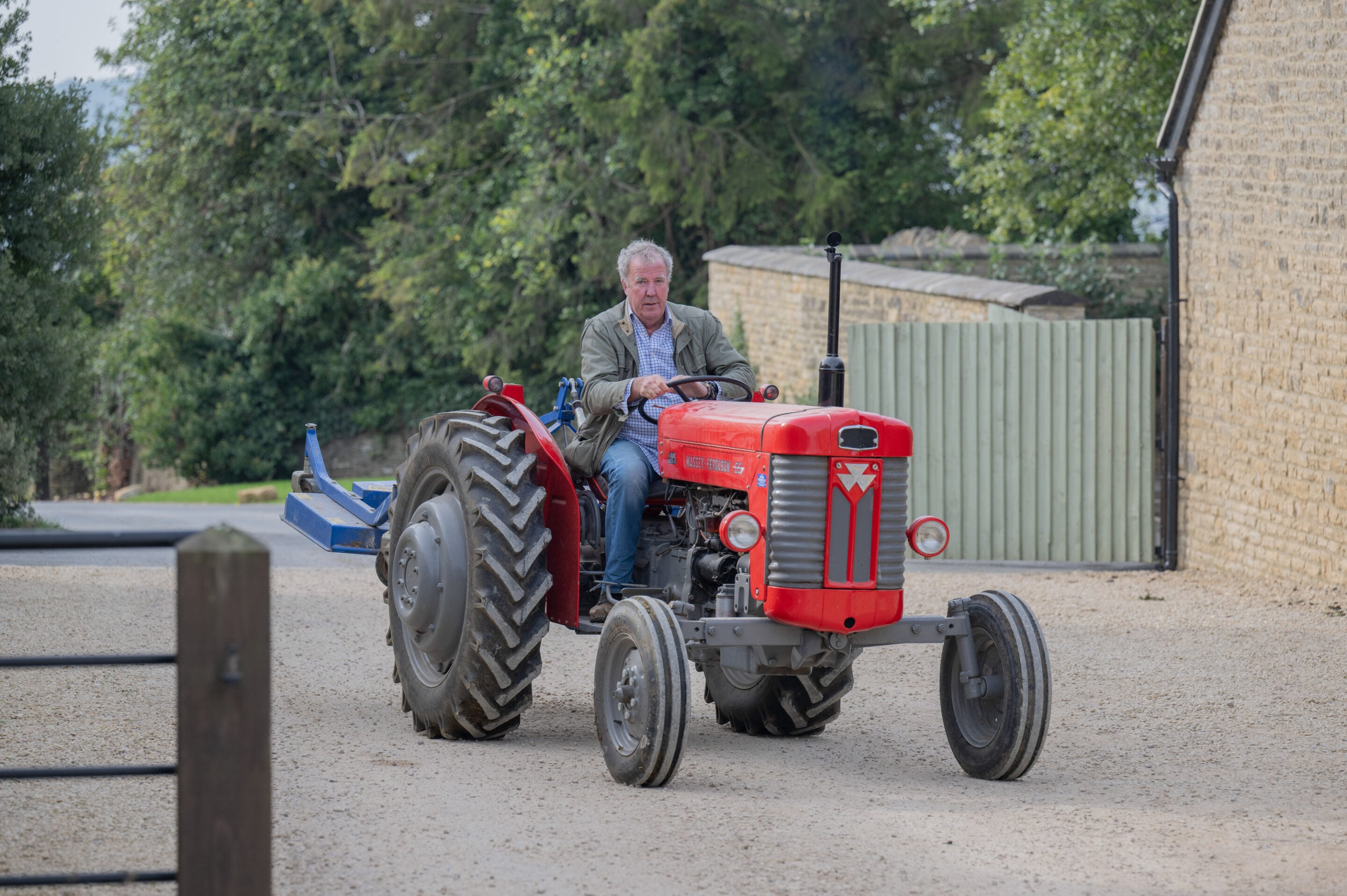
How long ago?
Eighteen years I’ve had that.
How long have you had this farm?
[In] 2008 I bought the farm. I’ve lived in this neck of the woods for 30 years. Well, between here and
London, whereas now it’s here and I go to London once a fortnight.
Just talking about cars and buying them. Is there anything that you’d like to own?
Yes, LFA and a Lamborghini Revuelto, which actually is the exception that proves the rule on new cars, because I truly love that thing. It’s just so unbelievably exciting. It’s what a Lamborghini should be. I’ve always liked Lambos.
You owned one.
I did, I had a Gallardo. I had a Ferrari about then as well. And a Ford GT. My mid-engine supercar phase. I’m never going back there.
You can’t see out of them, can you?
You can’t see out of them. I loathe putting luggage in the front of a car. It’s just wrong. And then every time you pull up somewhere, you just feel a little bit embarrassed. We wax lyrical about the gullwing doors on an SLS Mercedes. I can remember once sitting in London waiting for there to be nobody walking by before I got out of it because in a minute I’m going to do that with the door and everyone’s going to think, ‘what an ass that man is’. And so you have to wait for no one to be looking before you get out.
Would there be a plan for you to buy a Lambo?
No, no, an LFA still lives in my head. The LFA has got a Zippo lighter for a fuel tank. It’s honestly more practical having an electric car than one of those, you just have to stop all the time. It’s the sound it makes, goes back to the engine.
Beautifully made, though, don’t you think?
Stunning. And I got the loveliest letter from the kid who engineered it. He’s the young guy at Toyota who they put in charge of the project. And when the LFA came out, the reviews were kind of…
I can remember us not getting excited.
Nobody did. CAR, evo, nobody got excited about it at all. And then I drove it and I was priapic, it was astounding. The sound. The ‘wounded bear’ is how I described it, the wailing noise. This is just perfection. And it was front engined. I thought, oh my God, this is absolute joy. And I got the loveliest, loveliest letter from the guy. He said ‘nobody really got my car until you came along’.
How did your newspaper career writing about cars come about?
I was in Wallingford, selling Paddingtons [and] was utterly miserable. There was a local newspaper office at the lights, the Wallingford Gazette or whatever it might have been. I was thinking, ‘I wonder if they’ve got a motoring correspondent’. You know, it’s just what I wanted to do. I thought, well, they won’t have. And then I thought, no local newspaper has, not little ones. So why don’t I set up an agency that can write one road test and then sell it to them, quite cheaply. This didn’t go down well with our colleagues. Jonathan Gill and I set up the Motoring Press Agency. We did that for quite a number of years with absolutely no success initially.
But it worked out in the end, didn’t it?
We were working in Jonathan’s house, and then we’d take a photograph of whatever car we had that week, and we’d go all the way up to the West End to have the photographs printed, and we’d write the review and then put it in an envelope to the Wolverhampton Express or Lincolnshire Life or whatever it might be, and then go and drink in the pub until it was time for Dangermouse. And then we’d watch Dangermouse, by which time the pub was open again. There were two of us, and I think the first year we made £1800 between us. So we weren’t terribly successful, but I did watch a lot of Dangermouse.
What do you reckon there is to look forward to in coming years?
In the world of cars? I despair. You very rarely see a government going, ‘oh, let’s give everyone a bit more freedom’. They don’t. They take a bit and then they’ll take a bit more. Somebody once said that if the motorcar had been invented today, no government in the world would allow ordinary citizens to drive it. You want to drive a 250-mile-an-hour, two-tonne box? Not a chance. I don’t see the point of self-driving cars, just can’t understand them at all.
There are a whole crop of cars now that if you park them nose to tail, it’s very difficult to tell one from the next. But we still hope…
You look at China and BYD has gone from nothing… well, unheard of three or four years ago, to becoming gigantic, bigger than Tesla, in no time at all. And they will dominate. And the Chinese, if you look at the interesting car makers over here in Ferrari, Aston, Bentley, Rolls… their sales are in freefall now in China. They’ve got tariffs in America. There’s a whiff of socialism all around Europe. You know, it’s just slightly not the done thing to be driving a fancy car anymore. And if you take the fancy cars out of the equation, the ones that interest us, you’re left with Volkswagen Touaregs. Well, Volkswagen is not in a million years going to be able to compete with Geely. They don’t have access to the cobalt. They don’t have access to the raw materials that they need. They’ve got styling and heritage, and that’s no match for half the price.
Plus the weight of cars these days. No wonder there are more potholes… how are they around here?
Sometimes you get caught out, but I do know where the nasty ones are. One of the happiest moments I’ve had in motoring in a number of years [happened recently]. It was a horrible wet, cold day and I was driving through Charlbury Village not far from here, and there was a really old man coming along, shuffling along, bent over double and he saw the E-Type. He stood up straight and beamed. And it brought such joy. It was a great moment because you think everywhere you go in a nice car, you tend to get called names. Not necessarily very nice names. It was so nice to see somebody genuinely just so happy. You just know he’d be going home to wherever he lives and saying, ‘you won’t believe what I’ve just seen…’
You don’t get that in a modern supercar but you do in a nice restomod…
You definitely don’t get let out of side junctions in a Porsche. You’re going to be there a lot longer than if you were in a Renault Five.
Have you ever owned a Porsche?
No. I sort of rather took up against James and Richard on that one. They love the 911, so it was sort of my duty to not love it, even though actually, I think they’re pretty good cars. Lisa really wants one.
Richard claims that his 911 got him the job on Top Gear.
No, no, it was him being funny [that] got him the job. I thought it was ridiculous, a left-hand drive 911 SC. Terrible, rusty old heap. it demonstrated that he was committed, that’s for sure. I just thought it was a Beetle. No, he was funny, that’s the main reason, it’s the most important thing you can be.
This story first appeared in the May 2026 issue of Wheels magazine, now on sale. Subscribe here and gain access to 12 issues for $109 plus online access to every Wheels issue since 1953.
Prior to 2025, plug-in hybrid vehicles were never strong sellers in Australia. While brands like Mitsubishi pioneered the tech locally with the original Outlander PHEV from way back in 2013, electric vehicles took over in electrified sales once brands Tesla arrived on the scene.
Now plug-in hybrids are enjoying a resurgence in sales as buyers look to electrify their fleets. Compared with 2025, PHEV sales are up by a huge 76.9 per cent to 28,858 units, proving that there is clear demand for them locally.
Each makes a manufacturer’s claim about the vehicle’s electric-powered driving range but after driving the 15 plug-in hybrid models in this story over the last year and a half, the Wheels team can now compare those claims with our tested range, including in this overview of each model.
BYD Shark 6
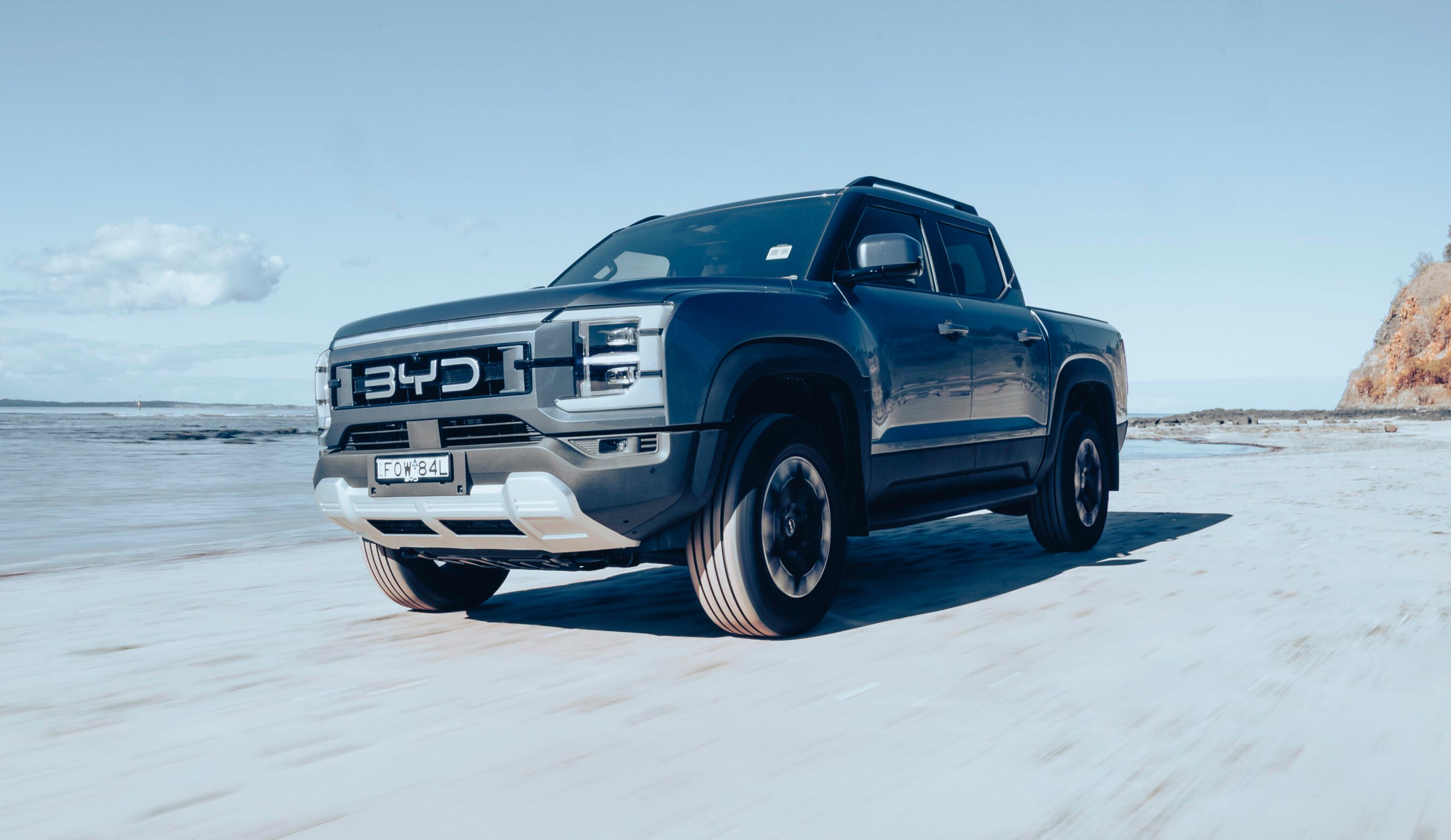
Price: From $55,900 plus on-road costs
Drivetrain: 1.5-litre or 2.0-litre turbo plug-in hybrid, 321kW/650Nm (1.5L) or 350kW/700Nm (2.0L), 29.58kWh battery, all-wheel drive
Claimed EV range: 80km (2.0L) – 100km (1.5L) (NEDC)
Tested range: 89km
It’s fair to say that the arrival of the BYD Shark really shook up the ute market in Australia. Previously, almost all utes were diesel powered, with a lot of them quite unrefined and workman like in their nature, but the Shark turned that upside down. It even won Wheels Ute of the Year for 2025-26.
Here was a ute that was, thanks to its plug-in hybrid system, quite refined by comparison to many other utes. Instead of a loud diesel clatter greeting you every time you start it up, instead, there’s… nothing. No noise until the petrol engine is needed. There’s also a claimed electric driving range of 100km from a 29.58kWh battery, which is especially impressive given how large of a vehicle it is and that it weighs over 2700kg. We achieved 89km, by the way.
The Shark is quite punchy, making 321kW/650Nm outputs – and that’s only the 1.5-litre engine, so it should be even more fearsome on the road with the new 2.0-litre variant that makes an even stronger 350kW/700Nm outputs.
Importantly, the Shark drives well for a ute, and is generally more car-like in its ride and handling balance than most of its diesel-powered rivals. That’s especially impressive given that A) again, it weighs more than 2600kg and B) it’s the first BYD ute ever sold here and a great first attempt. Overall, it’s easy to see why the BYD Shark has upturned the ute segment and is selling quite well. If you’re chasing pure EV range, it gets quite close to its claim, and will have more than enough range for your weekly commute.
BYD Sealion 5
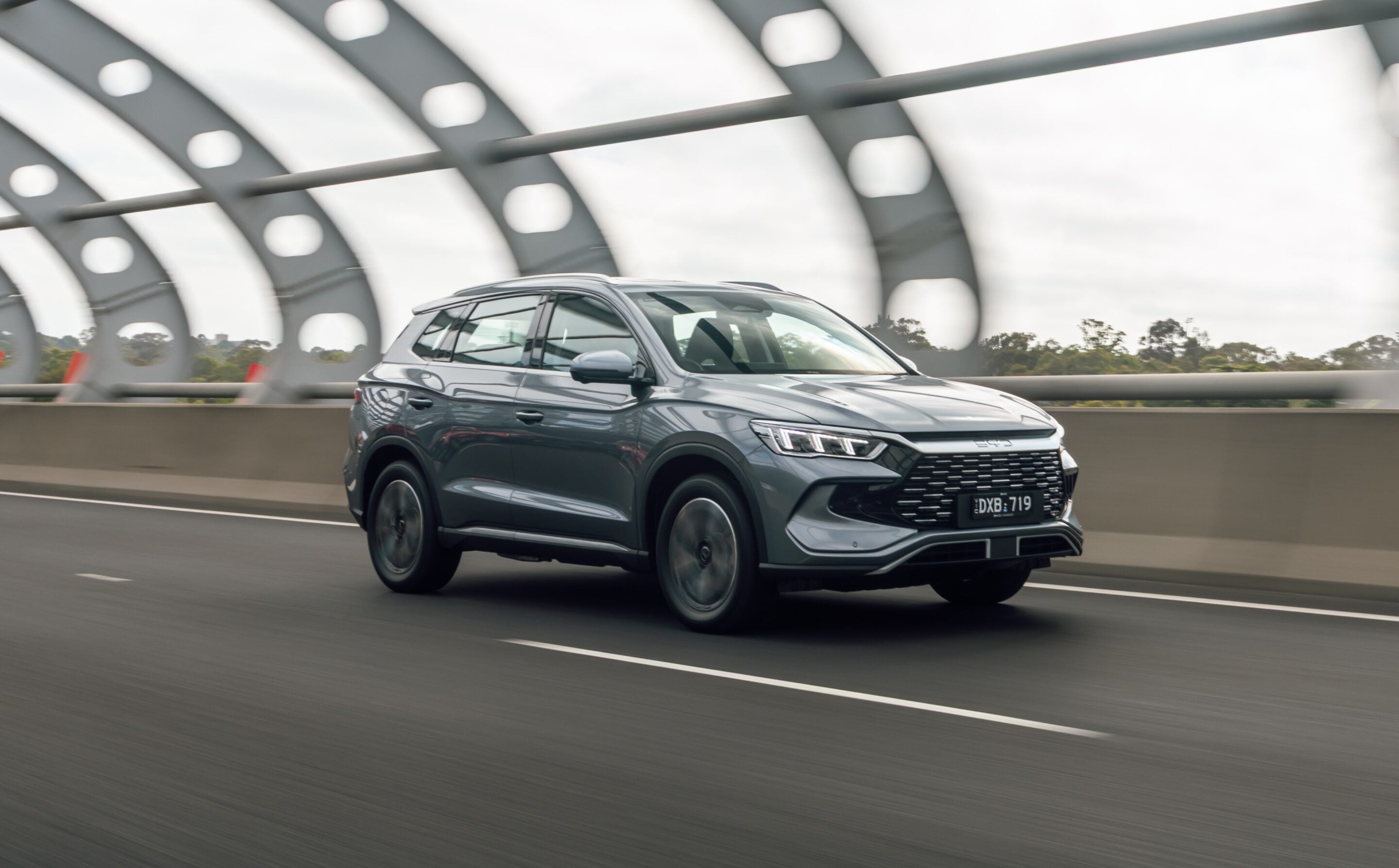
Price: From $33,990 plus on-road costs
Drivetrain: 1.5-litre naturally aspirated plug-in hybrid, 156kW, 12.9 or 18.3kWh batteries, front-wheel drive
Claimed EV range: 71km (Essential, 12.9kWh battery); 100km (Premium, 18.3kWh battery) (NEDC)
Tested range: 86km (Premium)
BYD has been quietly adding a plethora of new product to its local line-up and the Sealion 5 is one of the latest to the range. It’s the cheapest plug-in hybrid SUV on sale in Australia based on retail pricing, starting at just $33,990 plus on-road costs for the entry level Essential (the upper-spec Premium asks $37,990 +ORC), and based on its early sales figures, is selling well.
A 72kW/122Nm 1.5-litre petrol engine forms the basis for the plug-in hybrid drivetrain, with an electric motor providing another 145kW/300Nm. What you need to know is that the combined power output is 156kW, which provides the Sealion 5 with spritely performance with a claimed 7.7-second run for the Essential and 8.1 seconds for the Premium.
As for EV range, the Essential features a 12.9kWh battery for a claimed 71km of range, and the Premium steps that up to 18.3kWh for a claimed 100km of range. We tested the Premium and in the real world, found that it achieved 86km – yes, that’s 14 per cent less than the claim, but it’s still more than enough for the average Australian commute.
Dynamically, the Sealion 5 isn’t the most impressive car in the world as it rolls a bit and is generally soft. But that makes it quite comfortably in everyday driving, and bump absorption is great. Add in the good quality and spacious cabin and there’s clear appeal to the Sealion 5. Its claimed EV range is mostly accurate in the real world, and it offers a lot for not a lot of cash.
BYD Sealion 8
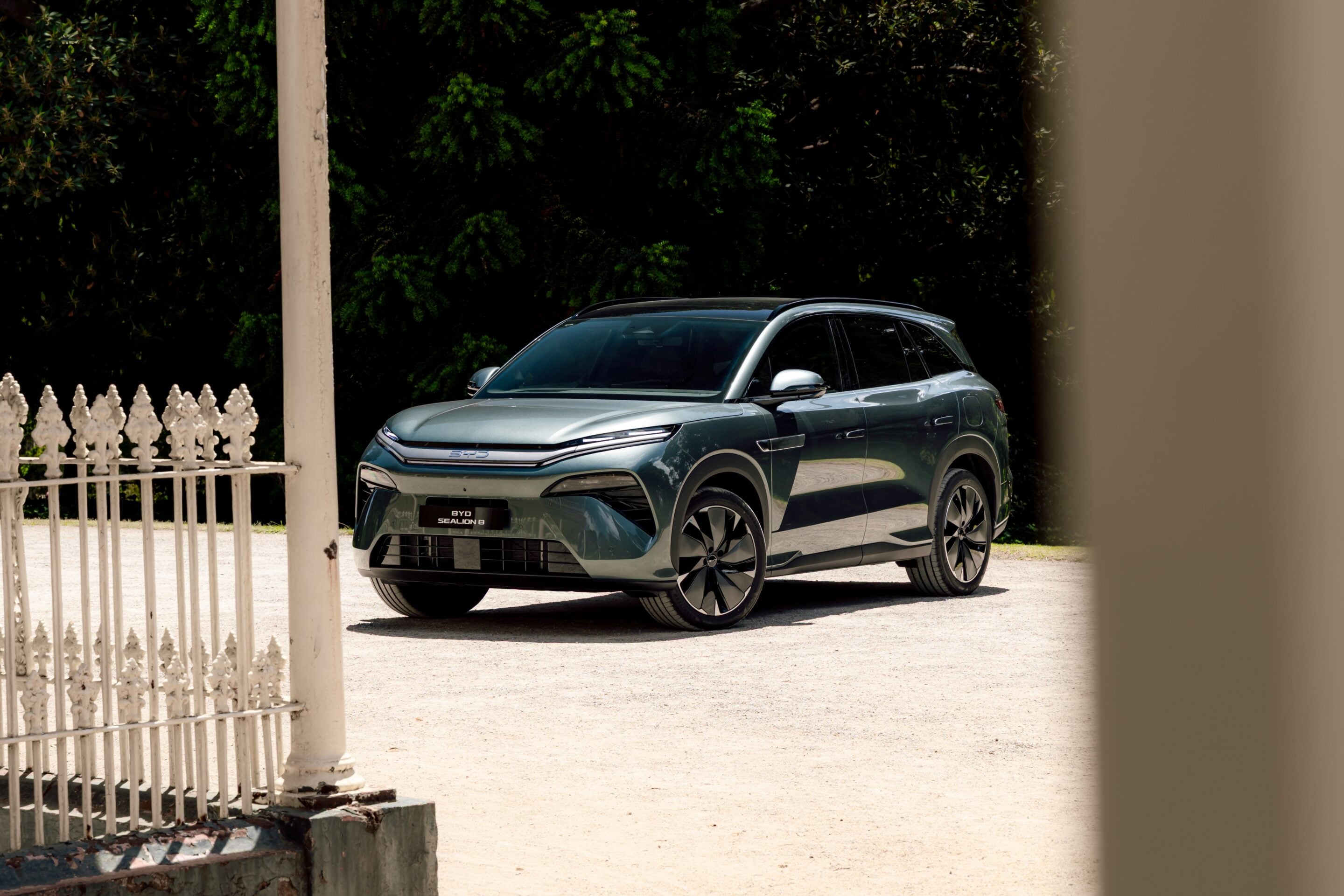
Price: From $56,990 plus on-road costs
Drivetrain: 1.5-litre turbo plug-in hybrid, 205kW/315Nm or 359kW/675Nm, 19kWh or 35.6kWh batteries, front- or all-wheel drive
Claimed EV range: 100km/19kWh battery; 152km/35.6kWh battery (NEDC)
Tested range:136km (from 35.6kWh battery)
In addition to the smaller Sealion 5, BYD Australia also recently added the larger Sealion 8 to its range. The first seven-seater the brand has offered locally, the Sealion 8 is priced from $56,990 plus on-road costs for the entry-level Dynamic FWD, rising to $70,990 +ORC for the top-spec Performance AWD. Considering that an entry-level Kia Sorento PHEV asks $70,880 +ORC and is not as well equipped as the $15k-cheaper Sealion 8, BYD’s value equation is clear to see.
Two drivetrains are on offer in the Sealion 8, with both using a 1.5-litre turbocharged petrol engine as a base. The front-wheel drive Dynamic, with its single electric motor, makes 205kW/315Nm outputs – or more than enough for most buyers – but the all-wheel drive cars add an extra rear e-motor for hefty 359kW/675Nm totals, which is enough for a claimed 4.9-second 0-100km/h sprint.
As for electric driving range, BYD claims 100km from the smaller 19kWh battery from the Dynamic and 152km from the larger 35.6kWh battery in the all-wheel drive cars. Both represent healthy numbers that more than cover at least three days of the average commute in Australia, and like in the Shark and Sealion 5, BYD’s i-DM plug-in hybrid tech is efficient enough to make achieving those numbers or close to them easy. In our mid-spec Dynamic AWD test car, we achieved 136km of electric driving without even trying.
On the road, the Sealion 8 mostly impresses bar the overly firm ride in the top-spec Performance thanks to its large 21-inch wheels. Keep it to the lower specs, and it’ll be extremely comfortable, though no Sealion 8 is what you’d call a sports car. Still, it’s a large seven-seat SUV, and for that mission, its dynamics are quite good. As with its other PHEV models, the BYD Sealion 8 nails the brief for an efficient seven-seat SUV with a good electric range.
Chery Tiggo 8 Super Hybrid
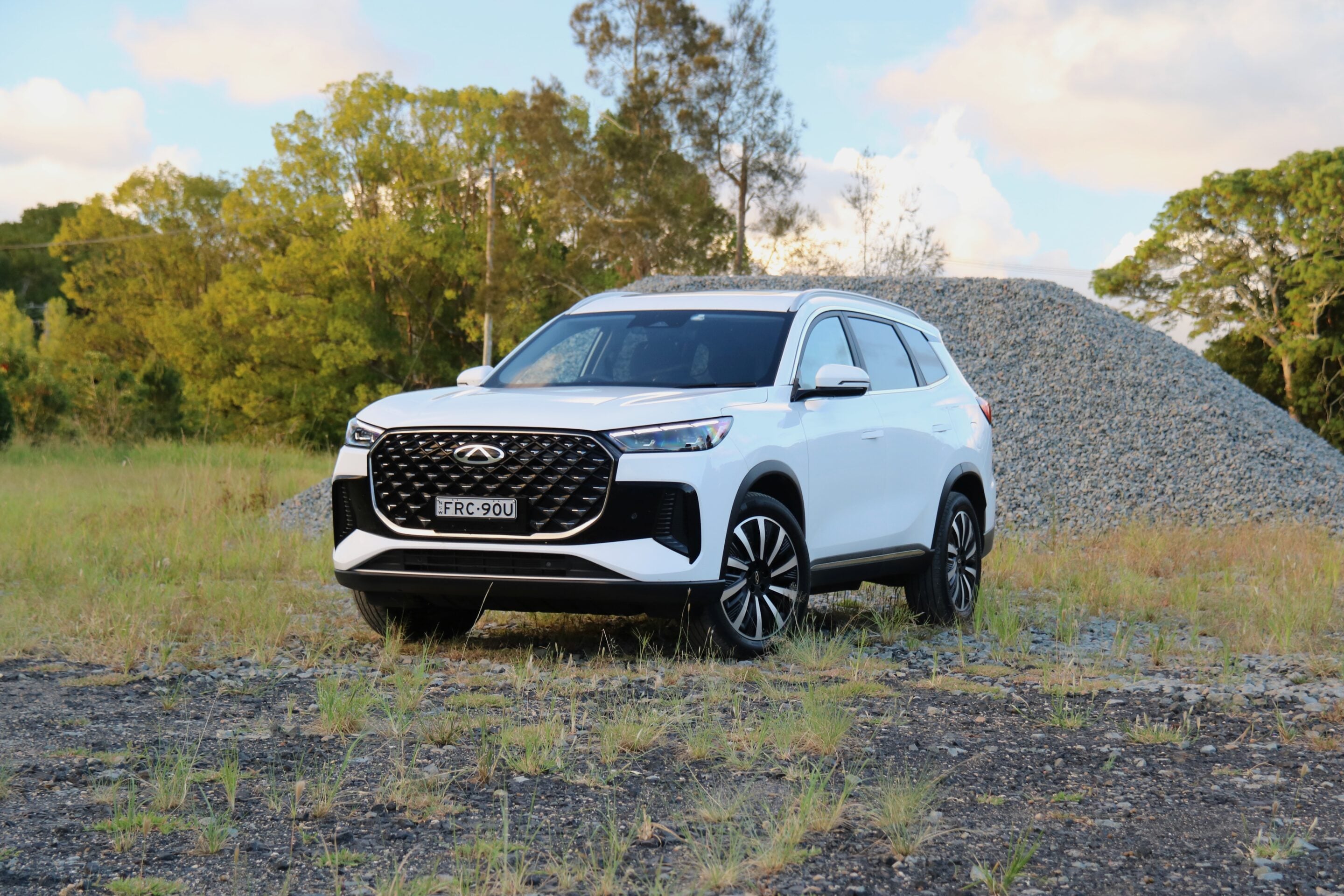
Price: From $45,990 driveaway
Drivetrain: 1.5-litre turbo plug-in hybrid, 150kW/310Nm, 18.4kWh battery, front-wheel drive
Claimed EV/tested range: 95km (NEDC)
Tested range: 68km (highway driving); 82km (city driving)
It’s funny how a new drivetrain can completely transform a car for you, and with the Chery Tiggo 8, the newer Super Hybrid system did just that. The regular Tiggo 8’s 2.0-litre turbo-petrol engine is punchy, but it’s spoiled by a jerky dual-clutch transmission and it’s not very fuel efficient. In a big contrast, however, the Super Hybrid system is not only quite fuel efficient but it’s also far more refined than the petrol engine. If you’re considering a Tiggo 8, don’t even bother with the petrol engine.
Using a 1.5-litre turbo-petrol engine combined with a 150kW/310Nm front-mounted electric motor, the Tiggo 8 Super Hybrid uses a 18.4kWh battery for a claimed 95km of NEDC range. We tested it in highway driving so it naturally used more electrons, but we still ended up with an EV-only range of 68km, which is admirable as PHEVs are traditionally at their least efficient in that environment. Around town, it increased to 82km of electric driving, which is impressive.
Helping the Tiggo 8 Super Hybrid further is that, unlike a lot of other PHEV models, it can be DC fast charged and up to 60kW as well, for a claimed 30-80 per cent charge time of 20 minutes. The driving experience of the Tiggo 8 Super Hybrid is quite comfortable and refined, and though it rides well in town, it’s a bit too soft at higher speeds.
Overall, the Chery Tiggo 8 Super Hybrid is a solid choice for a seven-seat plug-in hybrid SUV. Pricing starts at just $45,990 driveaway, which makes it a bargain, and there’s value beyond the price point thanks to its efficient drivetrain, solid driving experience and good quality cabin.
Chery Tiggo 9 Super Hybrid
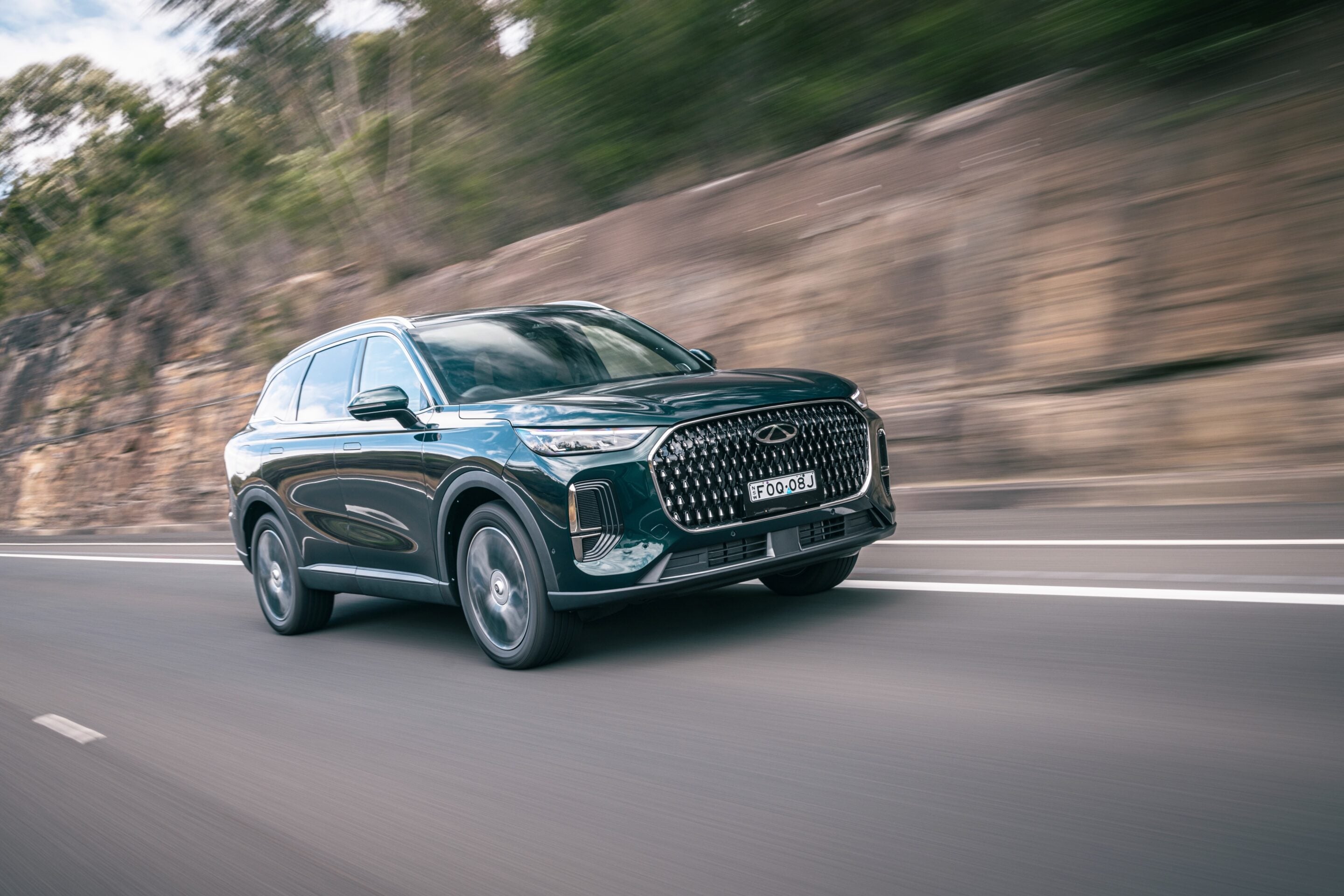
Price: From $53,990 plus on-road costs
Drivetrain: 1.5-litre turbo plug-in hybrid, 225kW/450Nm (Elite) or 315kW/580Nm (Ultimate), 19kWh (Elite) or 34kWh (Ultimate) batteries, front- (Elite) or all-wheel drive (Ultimate)
Claimed EV range: 90km (Elite, 19kWh battery); 170km (Ultimate, 34kWh battery) (NEDC)
Tested range: 148km (Ultimate)
The Chery Tiggo 9 Super Hybrid takes the goodness from the Tiggo 8 Super Hybrid and adds a more powerful drivetrain, larger batteries for more electric driving range and a slightly larger and more practical body. Pricing used to start at $59,990 plus on-road costs for the Ultimate model, but Chery recently added a new lower-spec Elite that now opens the range at $53,990 +ORC.
As with the Tiggo 8 Super Hybrid, the Tiggo 9’s plug-in hybrid system surrounds a 1.5-litre turbocharged petrol engine with an electric motor. In the front-drive Elite, it makes keen 225kW/450Nm peak outputs, but thanks to the Ultimate’s two extra e-motors, it makes 315kW/580Nm, and as you’d expect, performance is no issue.
The Tiggo 9 Super Hybrid Elite features a 19kWh battery for a claimed 90km of range on the NEDC cycle, while the Ultimate uses a larger 34kWh unit instead, for its healthy claimed 170km of range. We’ve only tested the Ultimate so far, but achieved 148km of electric driving, which is enough range for four days of the average Australian commute.
Helping that further is the Tiggo 9 Super Hybrid’s ability to be DC fast charged at up to 71kW, allowing for a 30-80 per cent charge in just 20 minutes. That means that owners can charge quickly and don’t need to have power at home to charge their car. It drives mostly well, and like the Tiggo 8 Super Hybrid, is quite refined too.
Denza B5
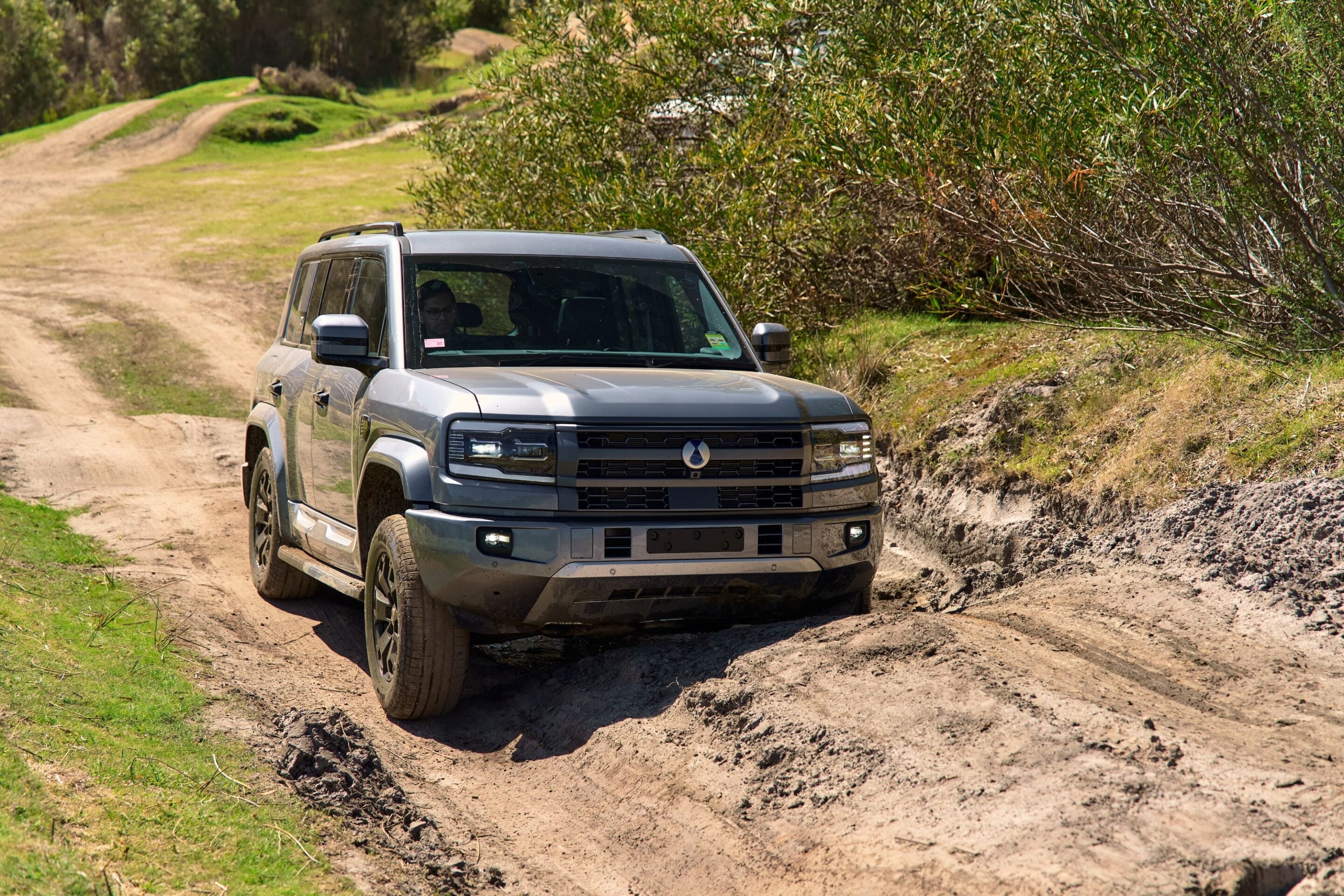
Price: From $74,990 plus on-road costs
Drivetrain: 1.5-litre turbo plug-in hybrid, 400kW/760Nm, 31.8kWh battery, all-wheel drive
Claimed EV range: 90km (WLTP)
Tested range: 78km
This comparison involves a number of cars from brands that you may not have heard of before, and Denza is one of them. BYD’s premium arm only launched in Australia in 2025, but judging from its products, it means business. The B5 is one of two chunky off-roaders offered so far by the brand, and it’s priced from $74,990 plus on-road costs in entry-level form.
But don’t write it off because you don’t know what it is, because the Denza B5 is a great choice for a plug-in hybrid SUV that can also go off-road. Its drivetrain combines a turbocharged 1.5-litre petrol engine with two electric motors for 400kW/760Nm peak outputs, which despite the three-tonne weight, motivates the B5 well.
Featuring a 31.8kWh battery for a claimed 90km WLTP range but we achieved 78km in mixed driving on test. The B5 can be DC fast charged at up to 100kW, for a 10 to 80 per cent charge in around 20 minutes. If you’re using an AC charger instead, the B5 can be charged at up to 11kW, for a claimed full charge in under three hours.
On the road, the B5 is refined and the ride quality is good without being great. There’s a firm edge to the bump absorption and some sharpness to the way the suspension takes a nastier hit, but it’s not uncomfortable either. The B5’s cabin is well finished and very well equipped, making its asking price seem not unreasonable. Overall, the Denza B5 is further proof that BYD can make a damn good car for a reasonable price.
Denza B8
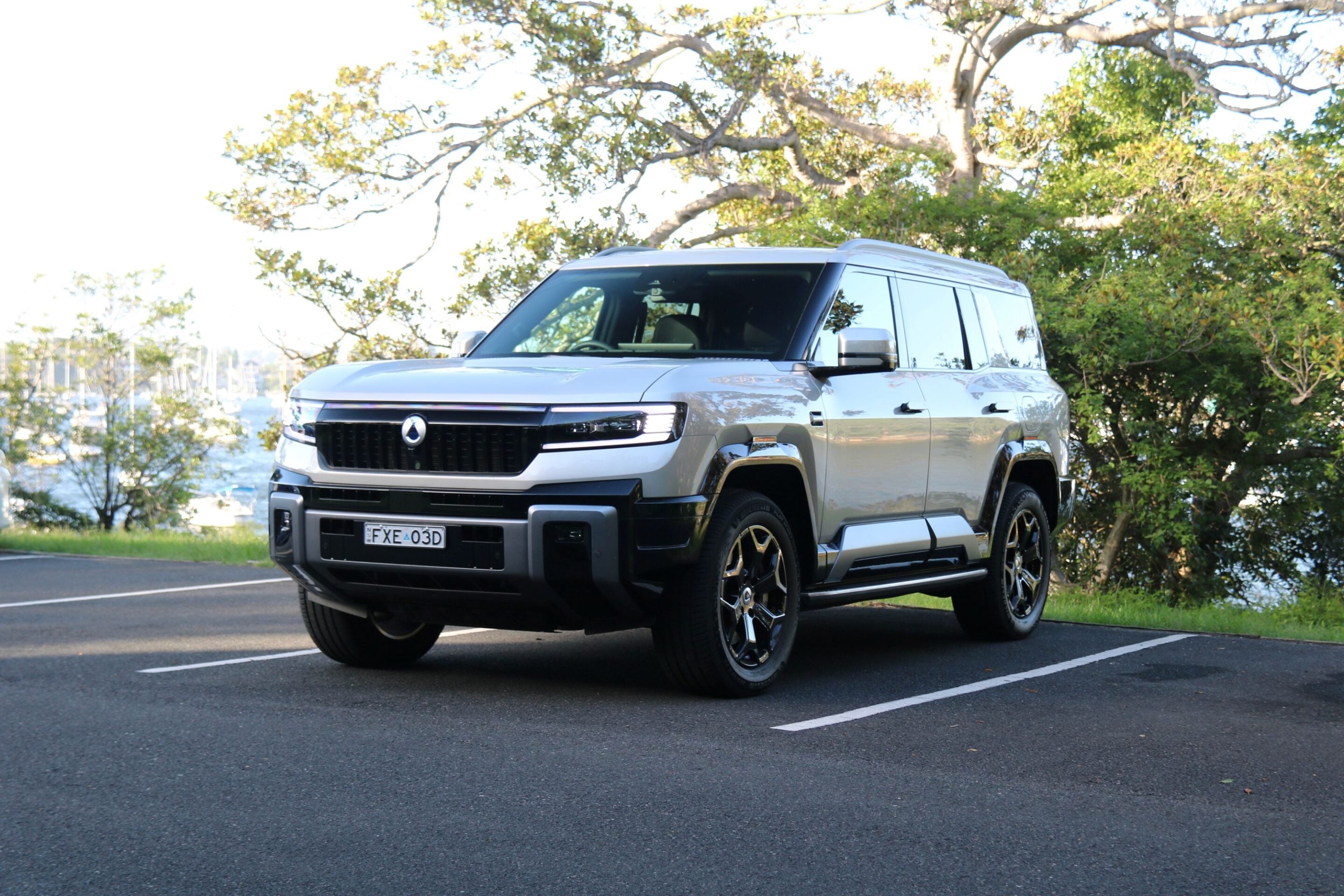
Price: From $91,000 plus on-road costs
Drivetrain: 2.0-litre turbo plug-in hybrid, 425kW/760Nm, 36.8kWh battery, all-wheel drive
Claimed EV range: 115km (WLTC)
Tested range: 90km
Denza also sells the larger B8 in Australia, which is even larger, even heavier and even more powerful than its B5 smaller sibling. It also offers up to seven seats, and pricing starts at $91,000 plus on-road costs. That’s a serious price tag, but the Denza B8 is a serious product too.
Featuring a larger 2.0-litre turbo-petrol engine as part of its plug-in hybrid drivetrain compared to the smaller 1.5-litre unit in the smaller B5, the B8 makes huge 425kW/760Nm combined outputs and even though it weighs even more than the B5 at around 3300kg, it moves quite well with a claimed 0-100km/h time of just 4.8 seconds.
The B8 uses a 36.8kWh battery for a claimed range of 115km, and we achieved 90km in our testing in mixed driving. It can be DC fast charged at up to 120kW for a claimed 20 to 80 per cent charge in under 40 minutes, or around four hours for a full charge using 11kW AC charging. The 120kW peak charging speed is quite healthy for a PHEV in Australia.
In real life, the B8 drives reasonably well and it’s also quite capable off road. The urban ride can be too firm, likely thanks to its weight, with sharper bumps taking just too much of an impact on the otherwise serene cabin environment. Overall, the Denza B8 is a worthy large plug-in hybrid SUV with a variety of talents. Some may baulk at the price, but there’s no doubting the level of engineering talent and its all-round capability.
Ford Ranger PHEV
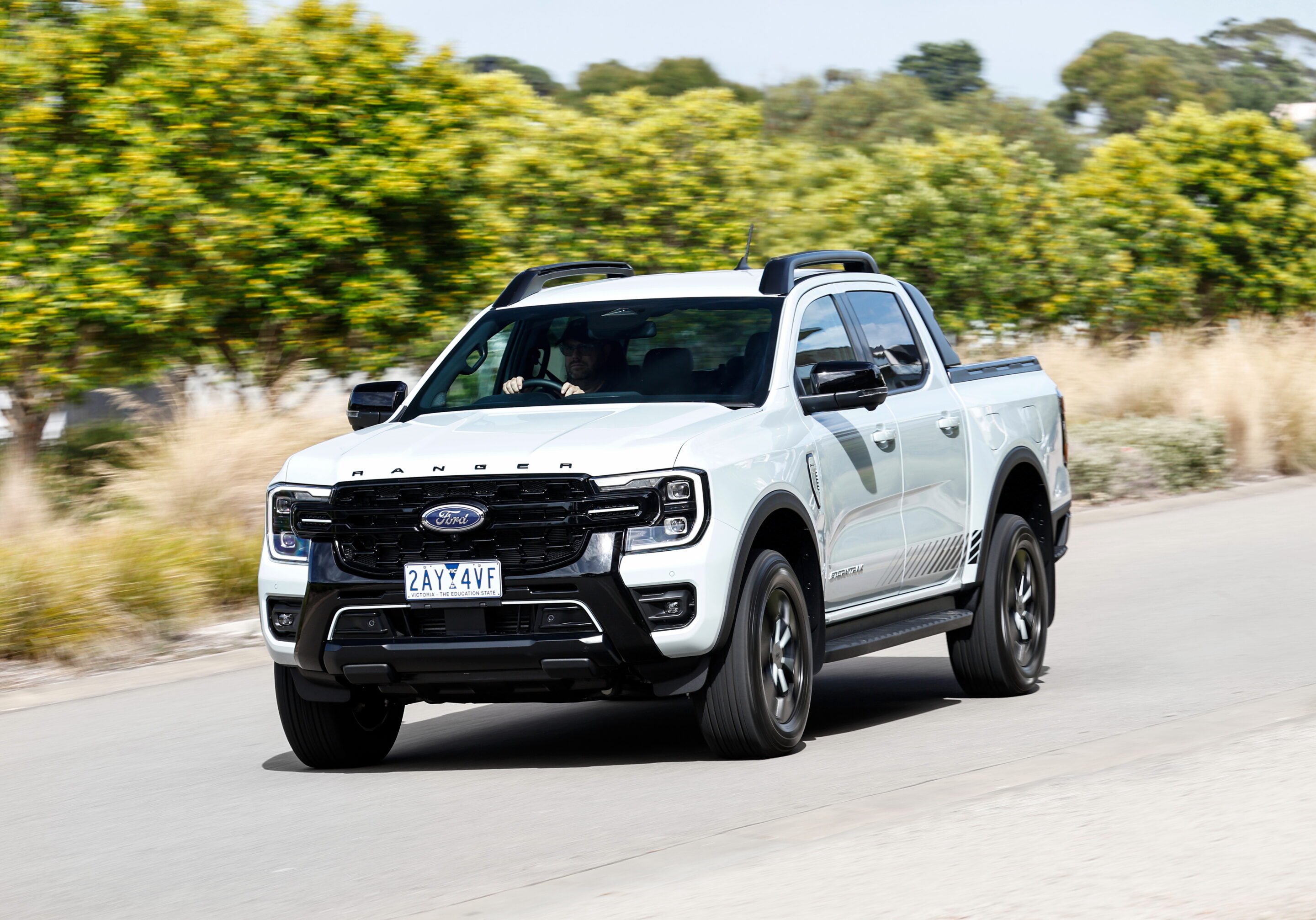
Price: from $59,000 driveaway (2026 updated model)
Drivetrain: 2.3-litre turbo plug-in hybrid, 207kW/697Nm, 11.8kWh battery, all-wheel drive
Claimed EV range: 49km (NEDC)
Tested range: 28km
The Ford Ranger, Australia’s best-selling vehicle and developed locally, is well known for being a tough workhorse ute that also drives the best in its class. Because of that, it was feared that the plug-in hybrid version of the Ranger would be watered down and nowhere near as capable as the versions already on sale, though thankfully, that didn’t end up to be true.
Despite using a petrol plug-in hybrid drivetrain, the Ranger PHEV still does Ranger things, like proper off-roading and towing 3500kg. The latter item is one thing that the BYD Shark, at least until the release of the Performance model, could not previously do, so if you were after a hybrid ute that can handle the serious stuff that some Ranger owners require, it was your only choice.
Using a 2.3-litre turbo-petrol engine and combining it with an electric motor, the Ranger PHEV makes 207kW/697Nm peak outputs, making it feel quicker than diesel Ranger variants, and like those variants, it can also do heavy off-roading if you require it to. It also drives much like a regular Ranger, which is to say quite well for a ute thanks to the Australian-developed suspension.
However, the biggest chink in the Ranger PHEV’s armour is that its 11.8kWh battery is just too small to provide a good electric-only driving range. Its claimed EV range is just 49km and that’s on the lenient NEDC cycle, and we achieved just 28km in our testing. Granted, it provides an advantage to power tools for job sites, but a BYD Shark is capable of traveling more than double our as-tested EV range. Overall, the Ford Ranger PHEV is a great ute with a lot of capability, but it’s just not a great hybrid in current guise.
Geely Starray EM-i
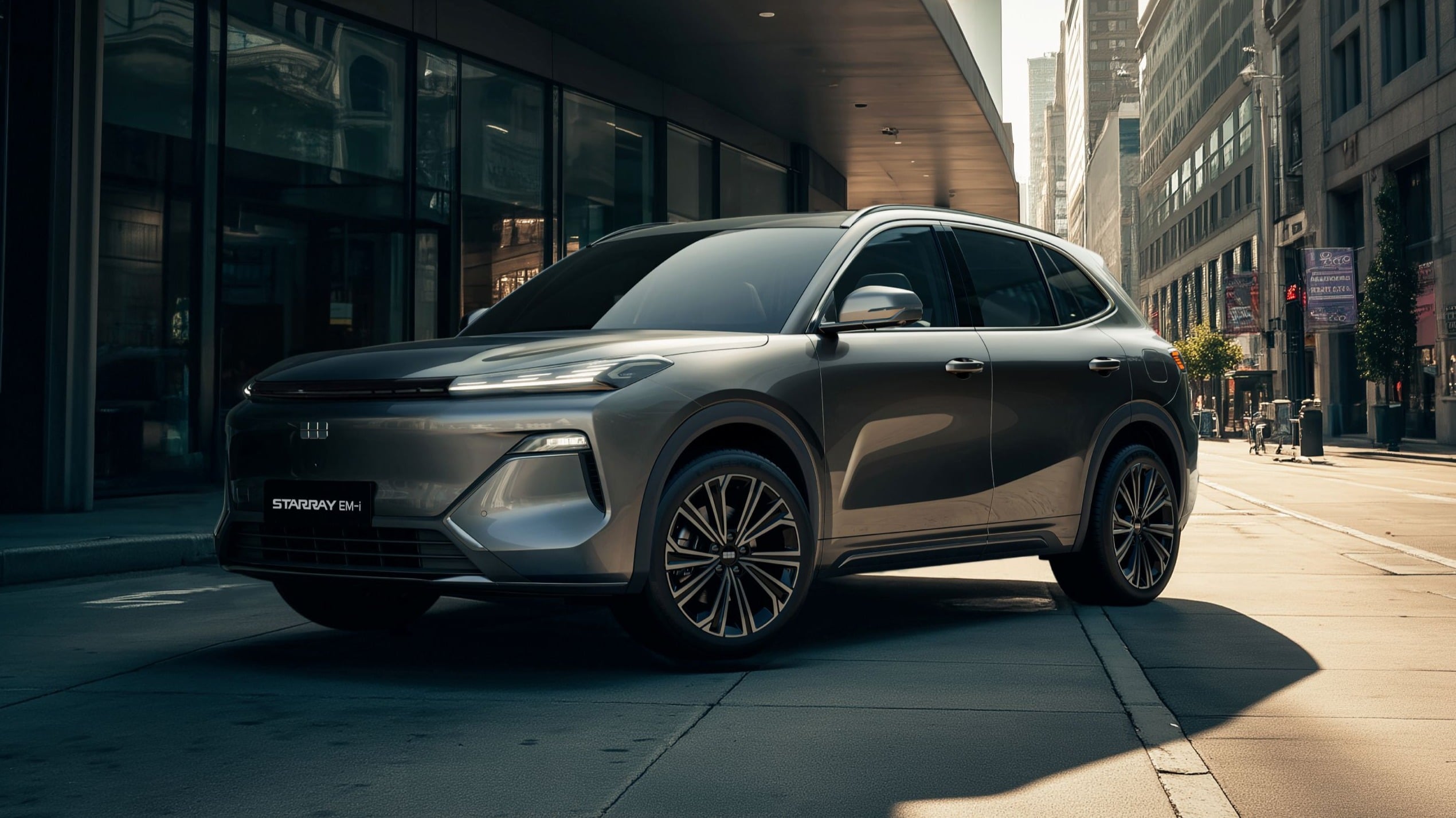
Price: From $37,490 plus on-road costs
Drivetrain: 1.5-litre turbo plug-in hybrid, 193kW, 18.4kWh or 29.8kWh battery, front-wheel drive
Claimed EV range: 83km (Complete, 18.4kWh battery); 136km (Inspire, 29.8kWh battery) (WLTP),
Tested range: 80km (Complete, 18.4kWh battery)
Geely launched the Starray EM-i in Australia in 2025 and from the outset, it made an impact as an inexpensive, well-rounded plug-in hybrid medium SUV. Pricing starts at just $37,490 plus on-road costs for the entry-level Complete, and Geely regularly does deals as well – at the time of writing, it’s being offered with a 0.88 per cent comparison rate and a free EV home charger, for example.
The Starray EM-i uses a turbocharged 1.5-litre four-cylinder petrol engine mated to a front-mounted electric motor for a total system output of 193kW. That drivetrain uses either an 18.4kWh battery in the entry-level Complete, or in the case of the recent 2026 update, a larger 29.8kWh battery in the upper-spec Inspire.
The Starray’s WLTP-rated range is 83km for the Complete, and 136km for the Inspire, and in previous testing with the smaller battery, we achieved 80km or nearly bang on what it should be. The Starray’s battery can also be DC fast charged, with a 30kW maximum in the Complete and double that in the Inspire.
On the road, the Starray is impressively refined, and its drivetrain is reasonably punchy as well, though its ride quality is a bit too firm in urban driving. Still, it’s more than comfortable enough for most, and its good quality cabin impresses as well. Overall, the Starray EM-i is a great option for a PHEV as it’s a good all-rounder that is capable of very nearly achieving its claimed EV range, which is rare.
GWM Haval H6
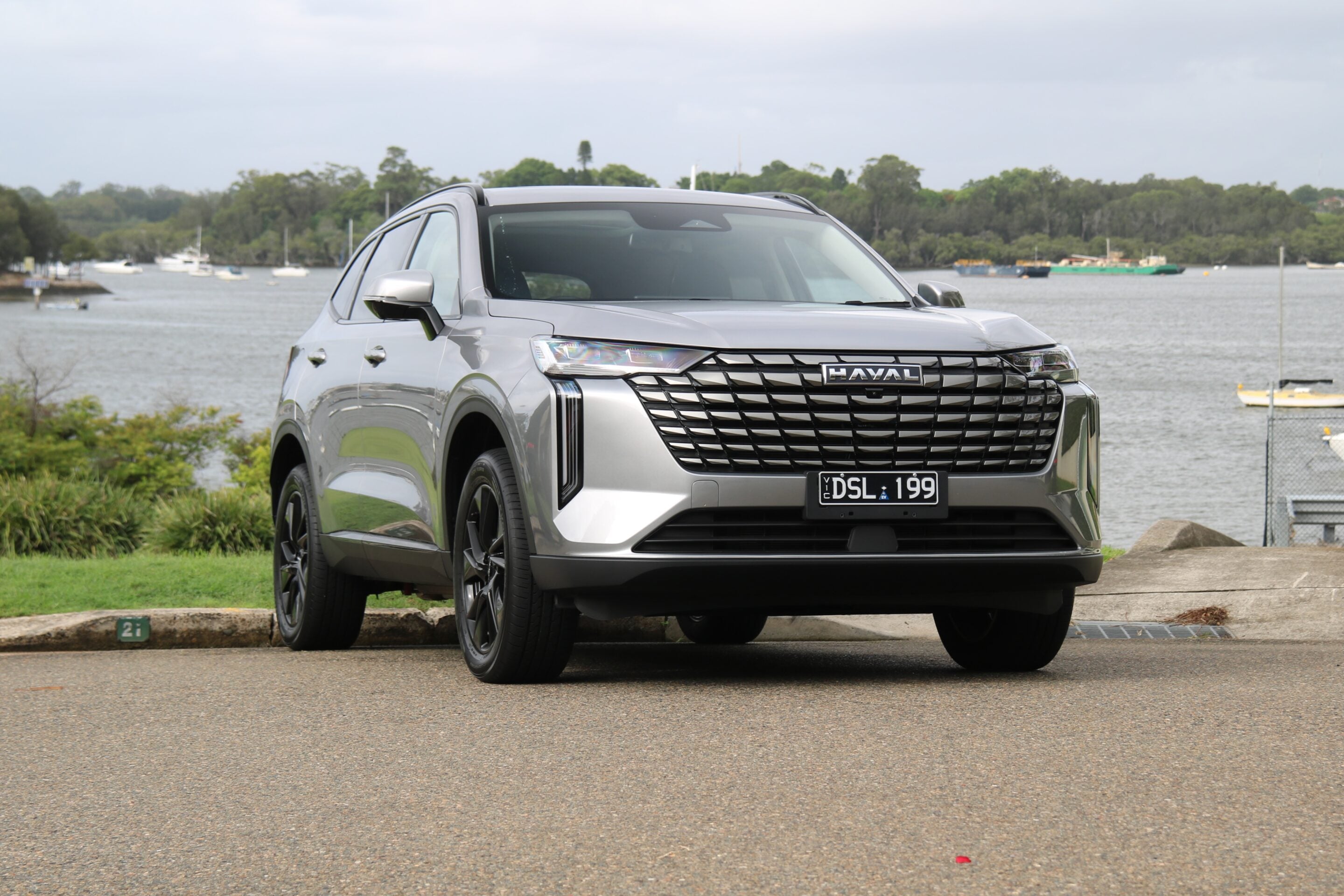
Price: From $40,990 driveaway
Drivetrain: 1.5-litre turbo plug-in hybrid, 240kW/540Nm (2WD) or 268kW/760Nm (AWD), 19.09kWh battery, front- or all-wheel drive
Claimed EV range: 100km (AWD, 19.09 kWh battery); 106km (FWD, 19.09 kWh battery) (NEDC)
Tested range: 86km (AWD)
The GWM Haval H6 received a large update in 2025, and part of that update was the introduction of two new plug-in hybrid drivetrains for the first time – previously, only the sportier-looking H6GT offered PHEV power in the H6 range. While the H6 range starts at $35,990 driveaway, pricing for the PHEV models starts at $40,990 driveaway, which makes it one of the cheapest PHEVs on the market.
Centred around a 1.5-litre turbo engine, the GWM Haval H6 actually offers a choice of two plug-in hybrid drivetrains: A front-driver making 240kW/540Nm or an all-wheel drive model making even more grunt with 268kW/760Nm, with the latter capable of a 4.8-second 0-100km/h sprint. As for electric driving range, both PHEV drivetrains in the H6 range use a 19.09kWh battery, with the FWD models rated at 106km and the AWD at 100km.
We tested the all-wheel drive model and got 86km out of a full charge, which is reasonable considering the performance on offer. As for charging, the H6 PHEV’s battery can be charged at up to 34kW for a claimed 30-80 per cent charge time of 28 minutes and a full 6.6kW AC charge in around three hours. As with many other new PHEV models, the H6’s ability to fast charge gives it appeal for those who don’t have power in their garage or when venturing somewhere that doesn’t have much in the way of AC charging.
On the road, the H6 range has been vastly improved compared to the pre-updated car thanks to GWM’s local tuning program, which has given it a revised suspension set up and it now steers and rides much better than before. Overall, the H6 PHEV is a solid plug-in hybrid option thanks to its great practicality, bargain pricing, healthy EV range and strong performance.
GWM Haval H6GT
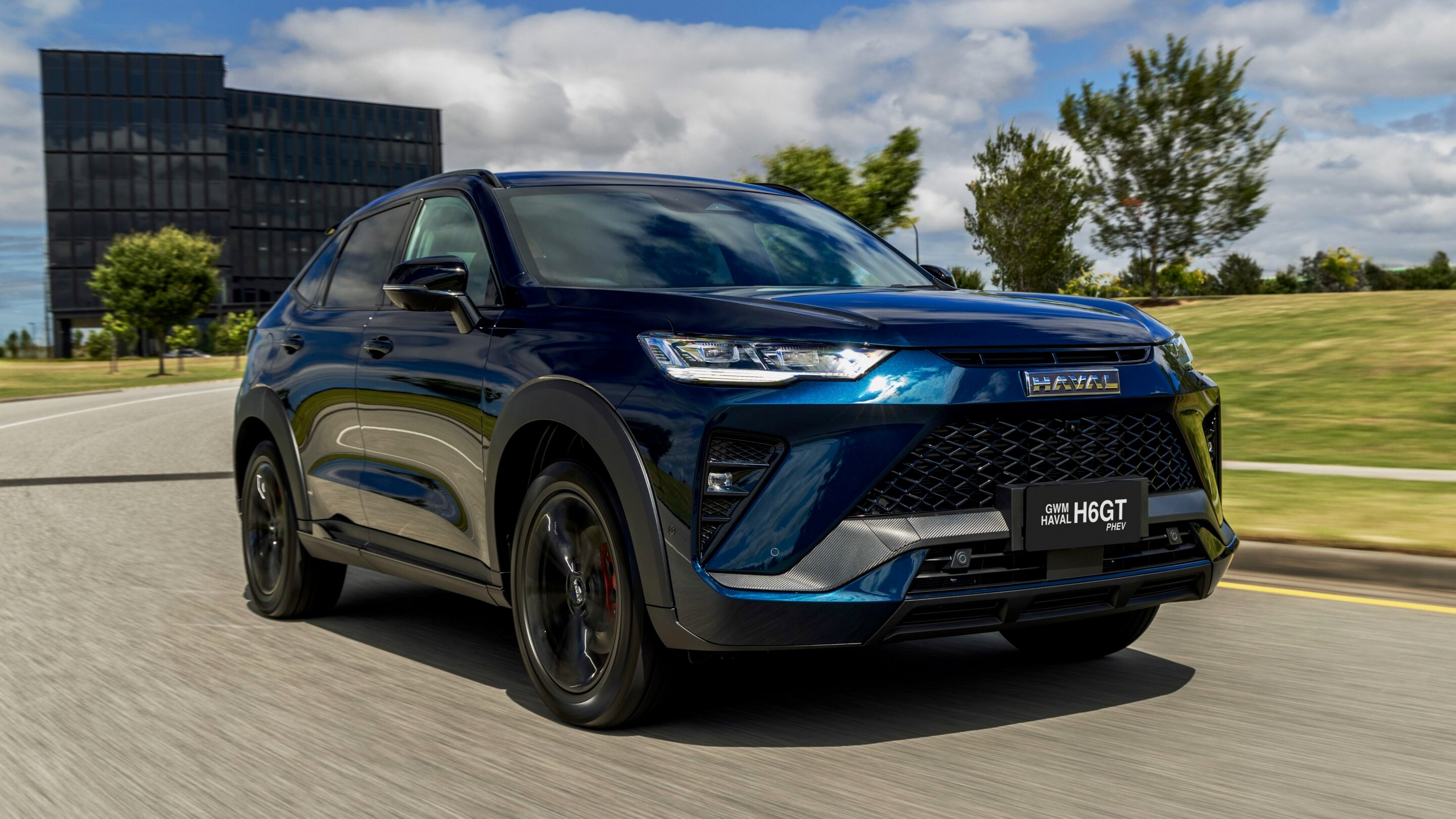
Price: From $52,990 driveaway
Drivetrain: 1.5-litre turbo plug-in hybrid, 321kW/642Nm, 35.43kWh battery, all-wheel drive
Claimed EV range: 183km (NEDC)
Tested range: 165km
Surprisingly to some, the longest electric range plug-in hybrid on sale today in Australia is actually the GWM Haval H6GT and that’s been the case since it went on sale locally July 2022. It’s just been given a comprehensive update as well, with even more performance than before, while its claimed EV range is now 3km further at 183km. In the real world, we achieved 165km in mixed urban and highway driving, which is less than the claim but still more than decent.
Using a 1.5-litre turbo-petrol plug-in hybrid drivetrain making huge 321kW/642Nm outputs, the H6GT is not only a green option in the H6 range but it’s also a performance model, and is capable of a quick 4.6-second 0-100km/h sprint time. It drives reasonable well too, with a compliant ride quality that can be confused by lots of smaller bumps, but is otherwise generally smooth.
The H6GT PHEV’s peak DC fast charging is a quick 48kW, which gives it a claimed 30-80 per cent charge time of 26 minutes for around 90km of EV range, or from five to 100 per cent in an hour. Using slower 6.6kW AC charging gives a full charge in around six hours, according to GWM.
The H6GT features an impressive plug-in hybrid drivetrain but what’s even more impressive is its value equation. Sitting atop the local H6 range, it’s priced at just $52,990 driveaway, and while that’s not exactly cheap, it’s not a lot for a car with as much performance, standard equipment, practicality and the aforementioned drivetrain.
GWM Tank 300 Hi4-T
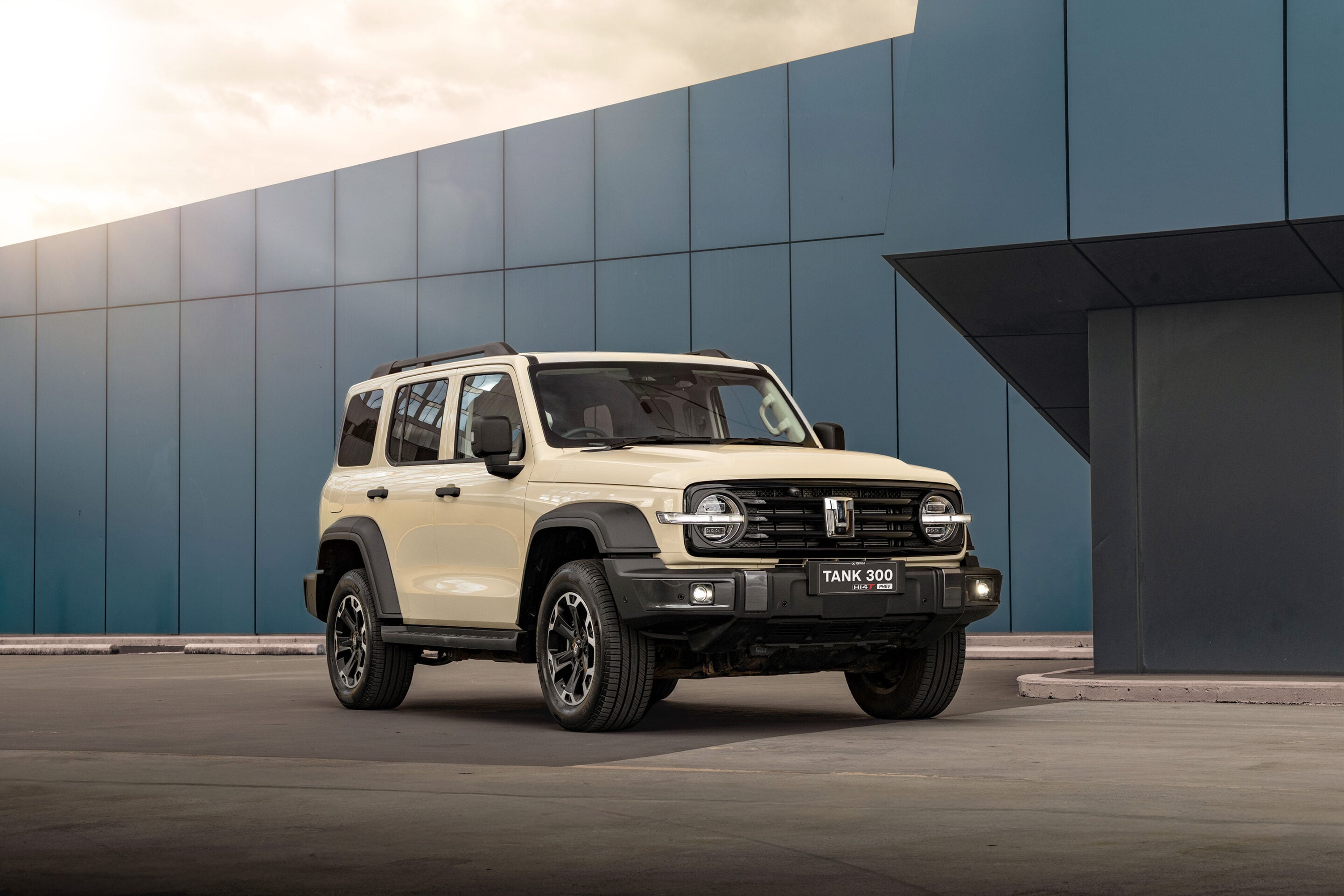
Price: From $57,990 driveaway
Drivetrain: 2.0-litre turbo plug-in hybrid, 300kW/750Nm, 37.1kWh battery, four-wheel drive
Claimed EV range: 115km (NEDC)
Tested range: 102km
Of all the plug-in hybrids in this comparison, this one is the latest to launch. The GWM Tank 300 is not a new product to Australia – in fact, it was initially released in late 2022, but it’s been a popular product for GWM and sold over 5000 units in 2025 alone. Until recently, the Tank 300 had been available with petrol, hybrid and diesel power, but now it’s also available with plug-in hybrid power as the latest part of GWM Australia’s quest for electrification.
Two models are offered in the plug-in hybrid Tank 300 range: The entry-level Lux at $57,990 driveaway and the upper-spec Ultra at $61,990 driveaway. Both are well priced, especially given that they’re quite capable off road, and are also quite well equipped.
Unlike the other plug-in hybrid GWM models in this comparison, the Tank 300 uses a larger 2.0-litre turbocharged plug-in hybrid drivetrain making 300kW of power and 750Nm of torque and using a nine-speed automatic transmission sending grunt to all four wheels. A 37.11kWh battery is rated for 115km of range on the NEDC cycle – we achieved 102km – and it can be charged at up to 50kW on a DC fast charger for a claimed 24 minutes.
It’s surprisingly quick at a claimed 6.3-second 0-100km/h sprint time, and its ride quality is nicely compliant on the road with good body control. The active safety alerts are too sensitive, however, and require a lot of button presses to disable. But as one of the only off-roaders here, the GWM Tank 300 is a solid all-rounder, and the PHEV only adds to that with its punchy drivetrain, solid EV range and quick charging capability for a PHEV.
Mazda CX-60 P50e
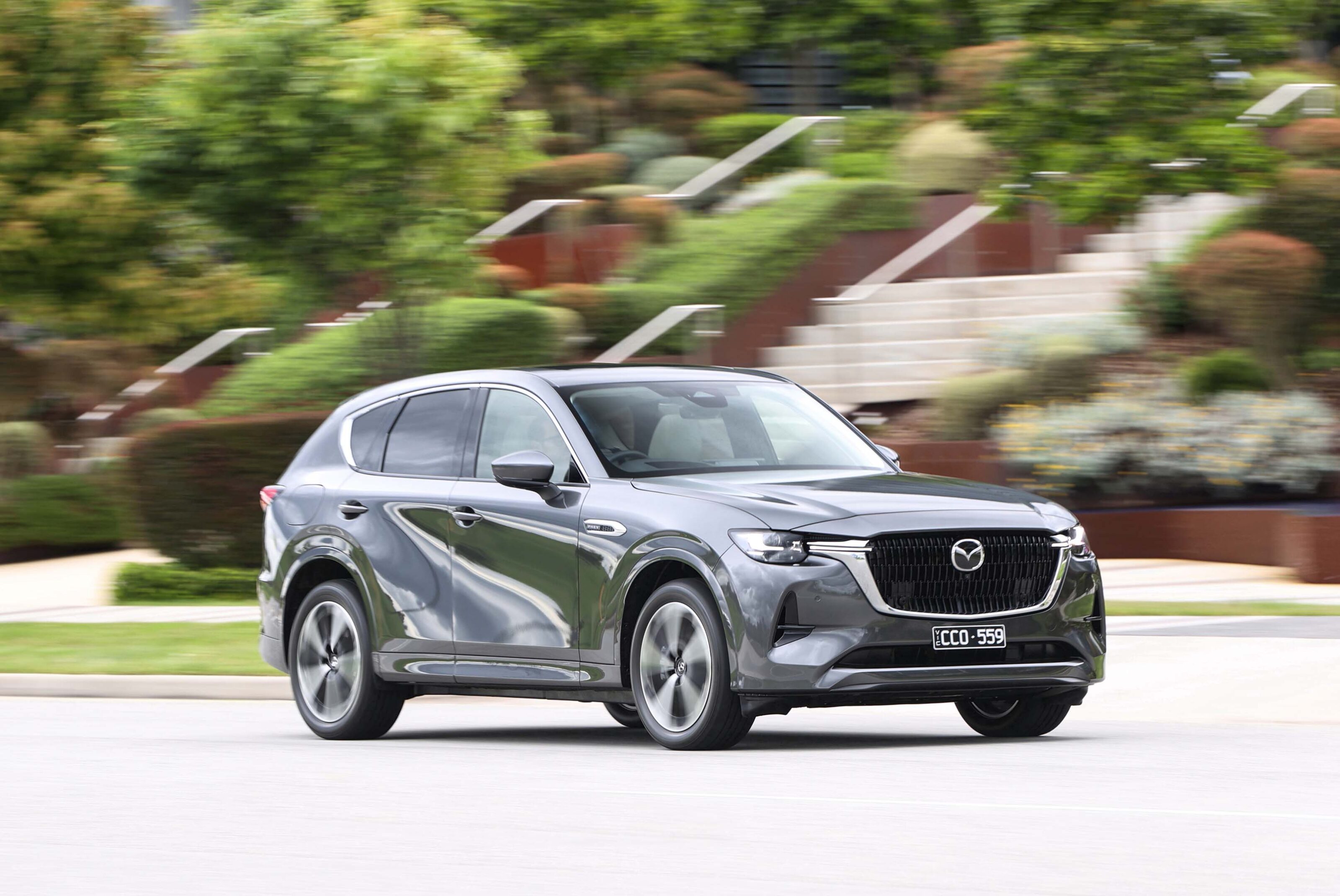
Price: From $63,790 plus on-road costs
Drivetrain: 2.5-litre naturally aspirated plug-in hybrid, 241kW/500Nm, 17.8kWh battery, all-wheel drive
Claimed EV range: 76km (NEDC)
Tested range: 52km
The CX-60 was Mazda’s first plug-in hybrid product globally and that drivetrain was part of the CX-60 range when it launched locally in mid-2023. Positioned as the performance drivetrain, the CX-60 plug-in hybrid makes keen 241kW/500Nm outputs and is capable of a 5.8-second 0-100km/h sprint. But featuring a 17.8kWh battery, it’s also capable of a claimed 76km of electric driving range.
In the real world, that range is not quite as rosy as we achieved 52km in our testing. Granted, the CX-60’s performance and relatively fun chassis mean that we could’ve been a bit more efficient, but those expecting upwards of 70km of EV driving should look elsewhere. Adding more disappointment to the drivetrain is that it cannot be DC fast charged, instead, only AC up to a slow 6.6kW. The smaller battery does make it easier to charge from a wall socket, however.
The CX-60 was initially heavily criticised for its overly-firm driving experience – especially the PHEV, which is the heaviest drivetrain – which is something that the brand has improved since, but it’s still not as smooth as you’d expect for a Mazda product. Thankfully, it’s still quite engaging to drive, with a great chassis and feelsome steering. But the firm suspension tune means that you feel every single bump on the road, no matter how big or small.
Pricing for the CX-60 starts at $44,740 plus on-road costs for the entry-level naturally aspirated petrol engine, and the PHEV kicks off almost $20,000 higher at $63,790 +ORC. In short, while we appreciate the performance aspect of the CX-60 PHEV, and its fun chassis, the reality is that it would take decades to make back the difference in cost thanks to the lacklustre electric driving range. The CX-60 is a much improved mid-size SUV option compared to when it first launched, but with our rational hat on, we’d be looking elsewhere.
Mercedes-Benz GLC 350 e
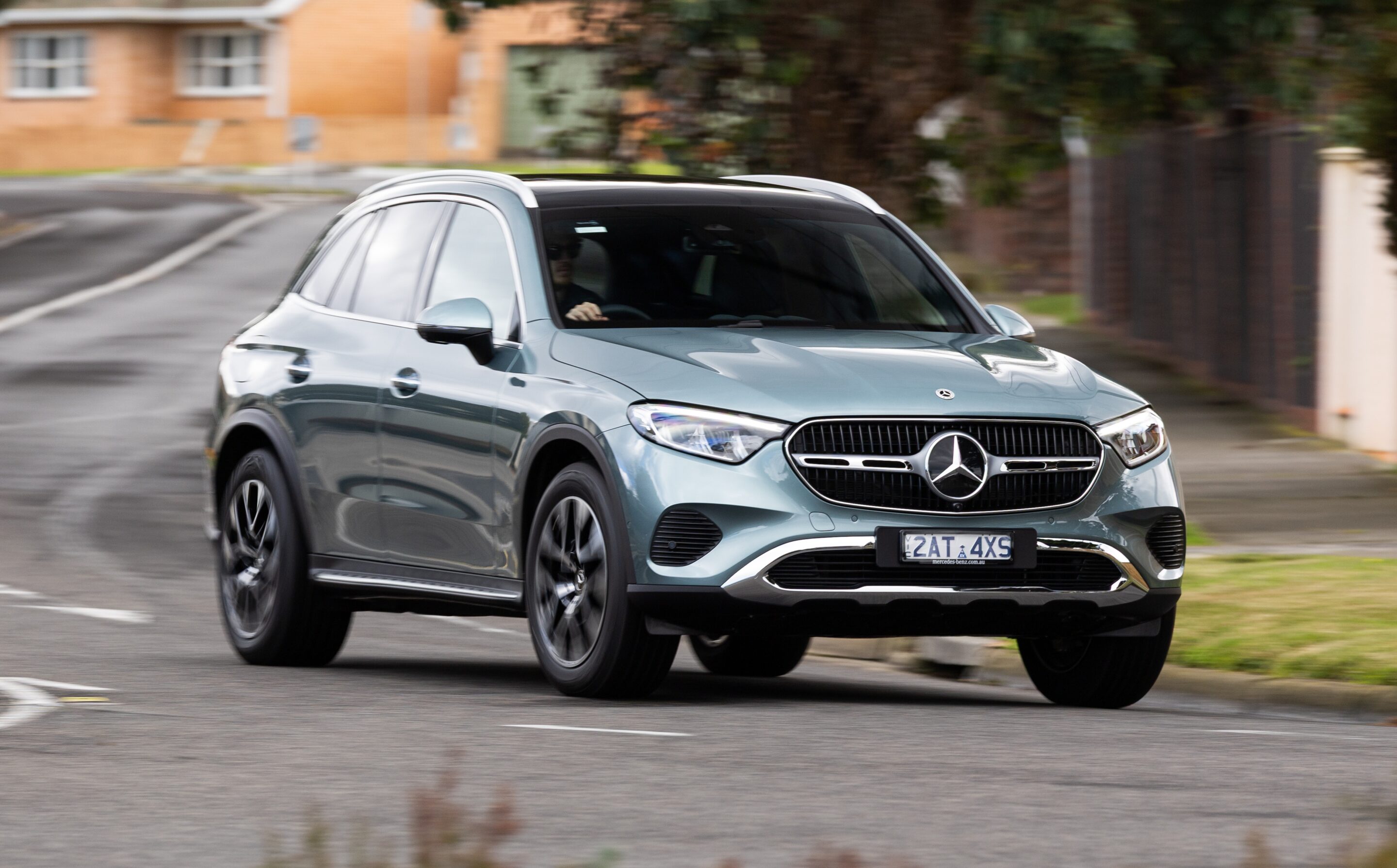
Price: $99,900 plus on-road costs
Drivetrain: 2.0-litre turbo plug-in hybrid, 230kW/550Nm, 25.28kWh battery, all-wheel drive
Claimed EV range: 132km (NEDC)
Tested range: 124km
Globally, the best-selling Mercedes-Benz product is the GLC medium SUV and given its wide range of talents, that’s no surprise. Mercedes-Benz Australia initially launched the GLC with a petrol-only range but in October 2025, added a 350 e plug-in hybrid option for buyers to choose. It’s priced from $99,900 plus on-road costs before options are added.
Making a total system output of 230kW/550Nm, the PHEV GLC 350 e is punchier than the 190kW/400Nm GLC 300, but in a boon for those looking to further justify buying the hybrid, it’s also around $5000 less expensive.
The 350 e features a 25.28kWh battery, which offers a claimed electric-only range of up to 132km (NEDC), something we almost achieved in the real world at 124km. The 350 e will recharge at up to a maximum of 60kW, so a 10 to 80 per cent recharge will take 29 minutes, but doing so at home using three-phase AC power at 11kW will take just under three hours.
With a claimed 0-100km/h time of 6.7 seconds, the GLC 350 e is more than punchy enough for most drivers, and as you’d expect for a Mercedes-Benz product, it drives quite well. The ride can be a little firm on really bad quality roads, but its rubber gives an extra layer of plushness that is appreciated. Add in its mature and luxurious cabin, healthy electric driving range and performance and there’s clear appeal to the GLC 350 e.
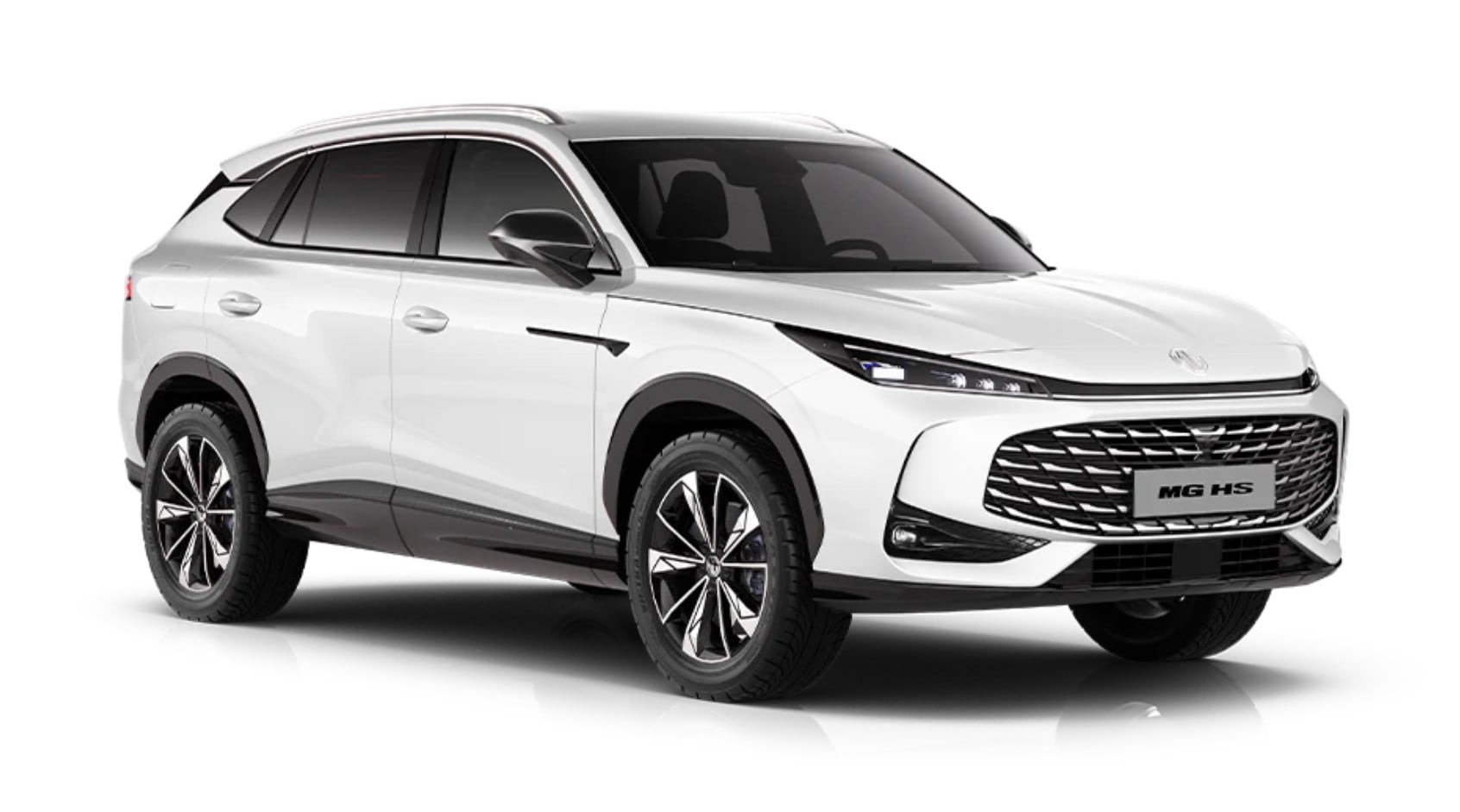
MG HS Super Hybrid
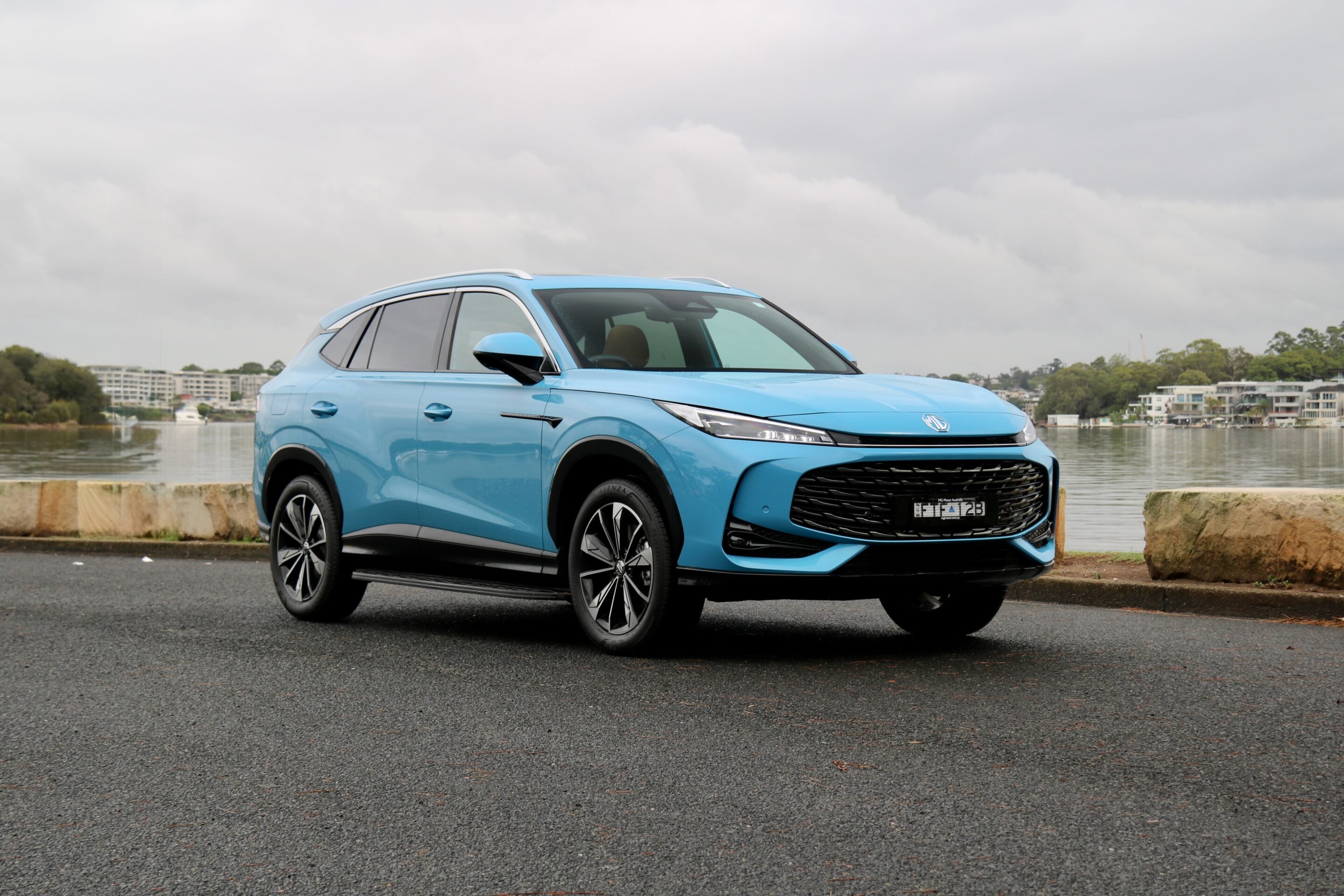
Price: From $48,990 driveaway
Drivetrain: 1.5-litre turbo plug-in hybrid, 220kW/350Nm, 24.7kWh battery, front-wheel drive
Claimed EV range: 120km (WLTP)
Tested range: 115km
MG was one of the early adopters of plug-in hybrid tech in Australia with the first-generation of HS, and the improvement in all-round ability with the second-generation model is impressive. Not only is it more attractive, but it drives much better, is better equipped across the range, is more practical and offers a wider range of drivetrains, with a regular hybrid also offered for the first time.
Now called Super Hybrid, the MG HS PHEV uses a 1.5-litre turbo-petrol engine combined with an electric motor for keen 220kW/350Nm total outputs. Its 24.7kWh battery gives a claimed range of 120km, and because that number is on the more realistic WLTP cycle – unlike the NEDC claim of the majority of cars here – it’s easier to achieve in the real world. Twice we’ve achieved 115km from electric driving in the HS, which is impressive, and it compensates for the fact that it can’t be DC fast charged, rather, only up to 6.6kW on AC power.
On the road, the HS Super Hybrid is a well-sorted and easy SUV to drive. Its active safety systems can grate, like the speed warning buzzer shouting at you for thinking you’re speeding when you aren’t and the over-sensitive lane keeping assistance. But aside from that, it’s refined, it rides well and more than quick enough in a straight line.
Pricing for the HS Super Hybrid starts at $48,990 driveaway, though there are deals to be had to lessen running costs further – at the time of writing, MG is offering the HS Super Hybrid with a $6000 cash back offer, so just $42,990 driveaway. Even at retail pricing, the HS Super Hybrid is a great all-rounder that does what medium SUVs should do, but add in its excellent Super Hybrid system, and we think it’s a formidable force.
First published in the August 1981 issue of Wheels magazine, Australia’s best car mag since 1953. Subscribe here and gain access to 12 issues for $109 plus online access to every Wheels issue since 1953.
We had half expected it but it still came as a surprise. We repeated the exercise just to make sure. There was no mistake: the fastest Australian sedan is the fastest no longer, pipped at the post by a car with the magic letters T … U … R … B … O across its rear end.
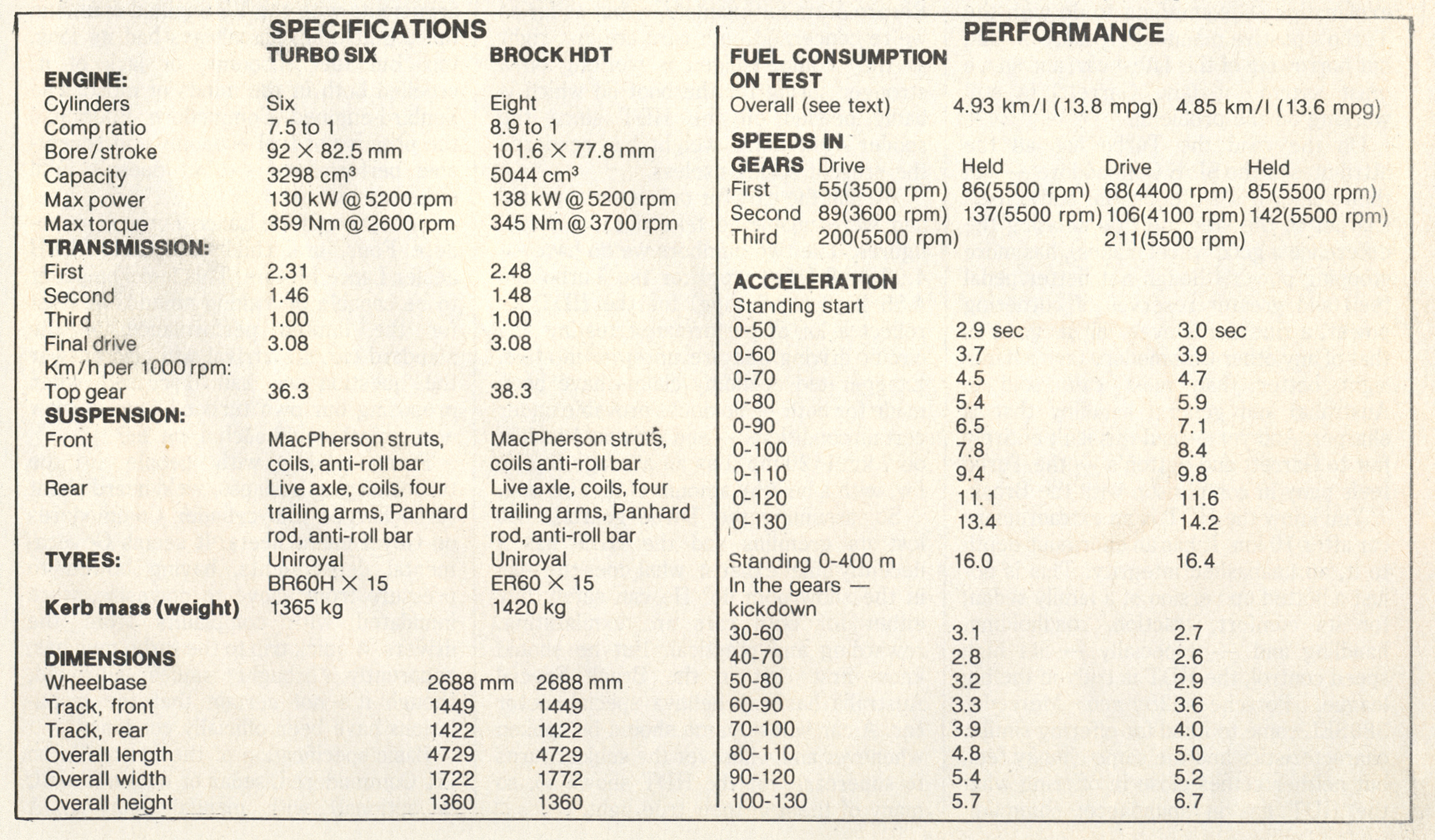
Four tenths of a second separated the HDT Brock Special Commodore and the Garrett Turbo Six Commodore, both automatics, when they flashed over the 400m line at around 145km/h. Sixteen dead for the Turbo, 16.4 for the Brocky. And in outright acceleration the other figures back up the blown car’s advantage.
The margin is small – the HDT is less than a second behind over 0-130km/h – and certainly wouldn’t be noticeable on the road, but it is enough to make one the fastest and the other the second fastest. One the winner and one the loser.
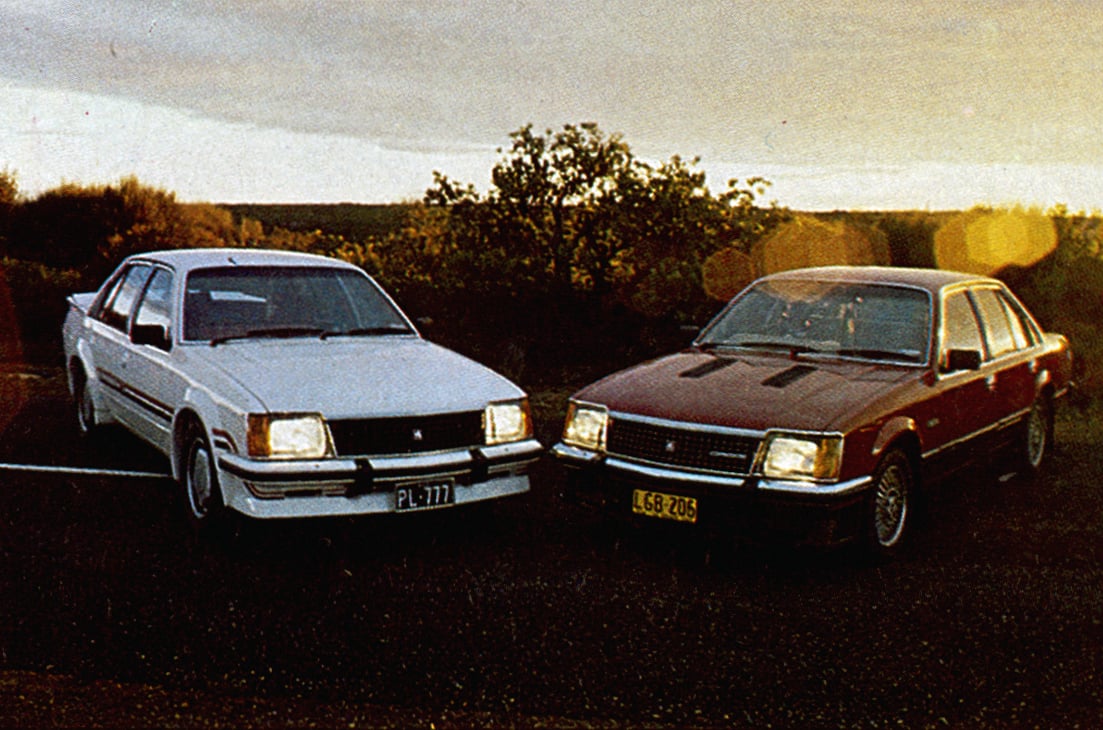
There are few more gracious losers than the HDT. To say the car is a first class effort is merely to state what has already been said, in probably every newspaper and motoring magazine in the country and certainly this one (Wheels Jan ’81). Incidentally in that report we established that a manual HDT is quicker than the other contender for honours, the 5.8 litre Falcon. There have also been lots of nice things said about the Garrett Turbo, the blown six-cylinder Commodore developed by Normalair Garrett of Melbourne and distributed by Sydney dealer Sutton’s of Chullora (see Wheels March ’81). All the questions about the cars have been answered – except one, the most crucial to the man with $20,000 in his pocket who walks into his Holden dealer in search of a new car. Which car, HDT or Turbo, does he buy?
For two cars that are based on the same model there are surprisingly big differences between them, especially in the routes their makers have taken in extracting so much performance – and in the way that performance is delivered.
Five hundred and twelve HDTs have been made and HDT Special Vehicles Pty Ltd, North Melbourne, is adamant there will not be one more. The 12 went for racing and the 500 hit HDT dealers and most have now been sold; a bit of searching should still turn one up, however.
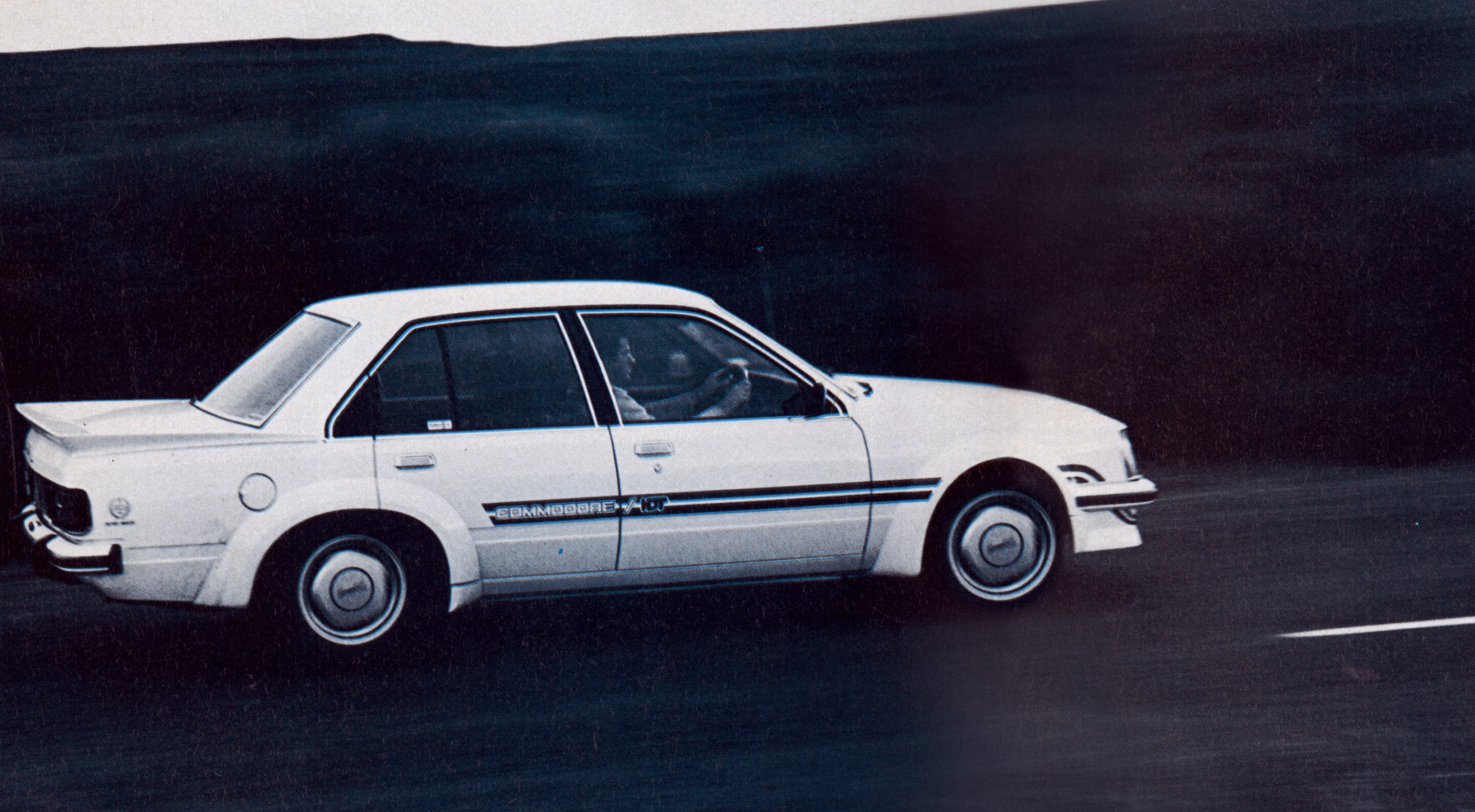
The cars started as five-litre SL/Es with the 333 option pack of electric windows and central locking. The most telling changes made to the car are the ones you cannot see: machined cylinder heads, valve seats and porting, larger inlet and exhaust valves, a larger air cleaner, more efficient spark plugs and bigger fuel lines. Compression ratio is changed to 8.9:1 and ignition has been advanced. As has been noted, on the face of it there is nothing very elaborate here, though Brock does admit to some “tricky things”.
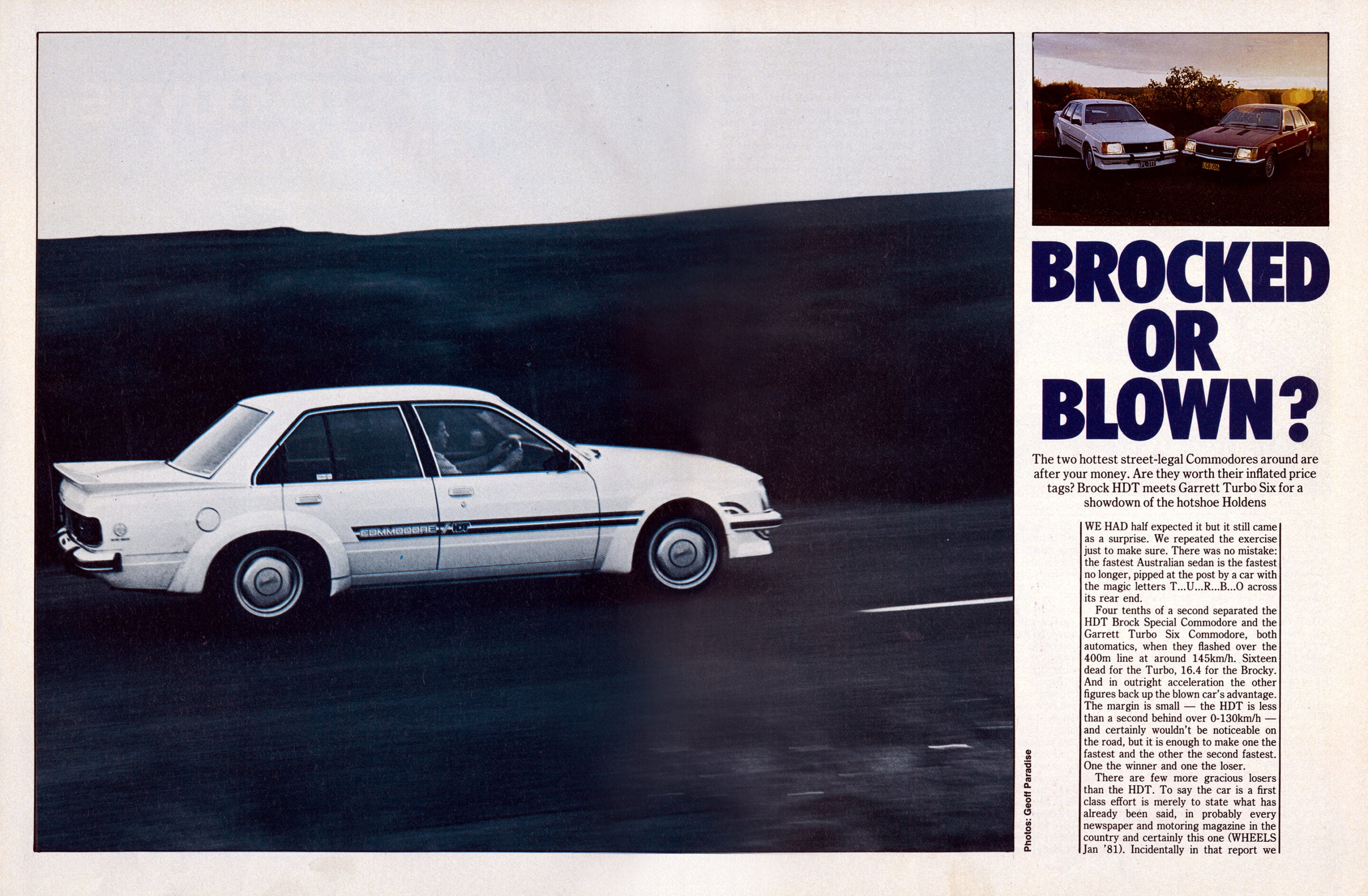
Brakes benefit from a larger capacity master cylinder and Castro! GT (LMA) fluid and the suspension gets Bilstein gas shockers and reworked springs; there is also considerable revision of roll centres, front geometry (to reduce negative camber and increase positive castor) and the front and rear anti-roll bars. Irmscher wheels, an inch wider than standard, are shod with Uniroyal ER60 x 15 tyres which Brock and Uniroyal developed together.
Most visible of the race ace’s touches are the bodywork mods: a deep front air dam, neatly moulded into the wheelarch extensions, and a three-sided spoiler lip atop the boot: they look the part if nothing else. Some of the later cars have the side stripes left off in response to requests.
Inside there’s a grippy Momo steering wheel and a rest for the left foot – both good touches. And that’s the Brock Commodore: a remarkably little changed car when you consider the difference between it and the standard edition. That, however, is the joy of the HDT. Styling mods apart, there is nothing flippant or unnecessary about it; there is just purpose.
The figures don’t accurately show this, for they are surprisingly close to those for the standard five-litre. The HDT has 138kW available at 5200rpm and 345Nm of torque at 3700rpm. The only outputs we have for the standard SL/E five-litre are 126kW at 4200 rpm and 361Nm of torque at 2800rpm. The two sets have certainly been derived in different ways and thus are not comparable.
HDT Special Vehicles claims the HDT has a 26kW and 41Nm advantage over the standard car. The truth is probably somewhere in between. When equipped with the Hydramatic three-speed auto, like our test car and 65 per cent of production, the HDT’s weight is around that of the SL/E at 1420kg.
The Garrett/Sutton’s car is much more dramatic on paper. These days the mere whisper of the word “turbo” instantly conjures up pictures of Porsches, Quattros, Esprits and Saabs and dreams of taking Villeneuve’s seat to steer the blown Ferrari home for another F1 win. A device used on diesel truck engines for years is today as evocative as anything the Modenese produced at their height.
You have only to say that in the Garrett Commodore power goes from 83 to 130kW and torque from 231 to 359Nm to understand the reason for all the fuss. It’s an enormous boost.
The Garrett blower sits atop the 3298cm3 six between exhaust manifold and pipe, swallowing spent gases, compressing them and forcefeeding the engine via a two-barrel Varijet Rochester carburettor. Garrett claims the unit has been tuned in favour of low speed flexibility and the torque figure, peaking at a low 2600rpm (against the HDT’s torque peak of 3700rpm) backs this up. A wastegate bleeds off excessive compressed air at high rpm to ensure manifold pressure does not exceed 9.25psi, the maximum amount of boost Garrett allows the engine. Other changes are straightforward: new plugs, bigger fuel lines, altered timing and a lower compression ratio of 7.5:1. The test car, with Trimatic auto box, weighed in at 1365kg, 55kg less than the HDT.
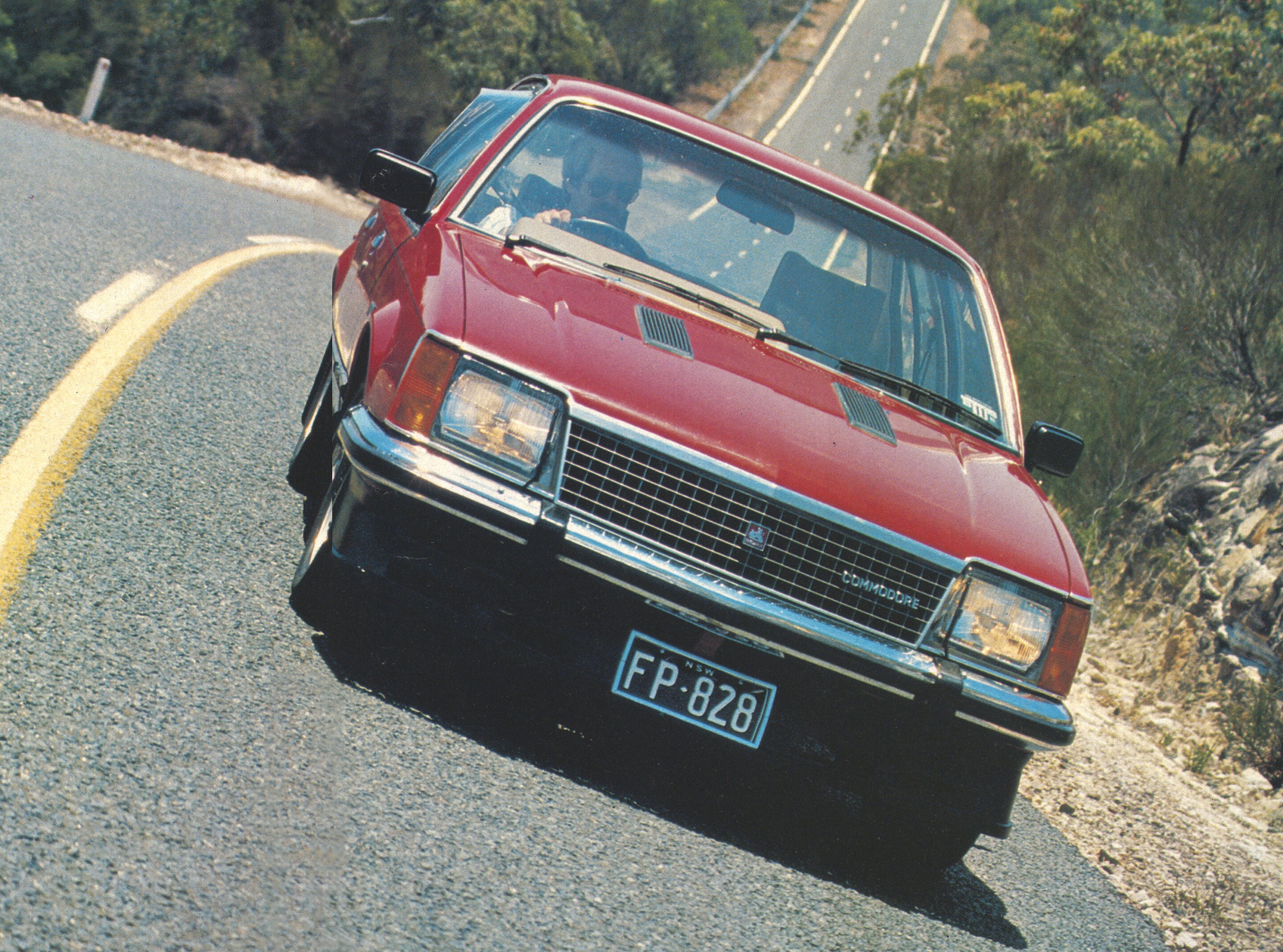
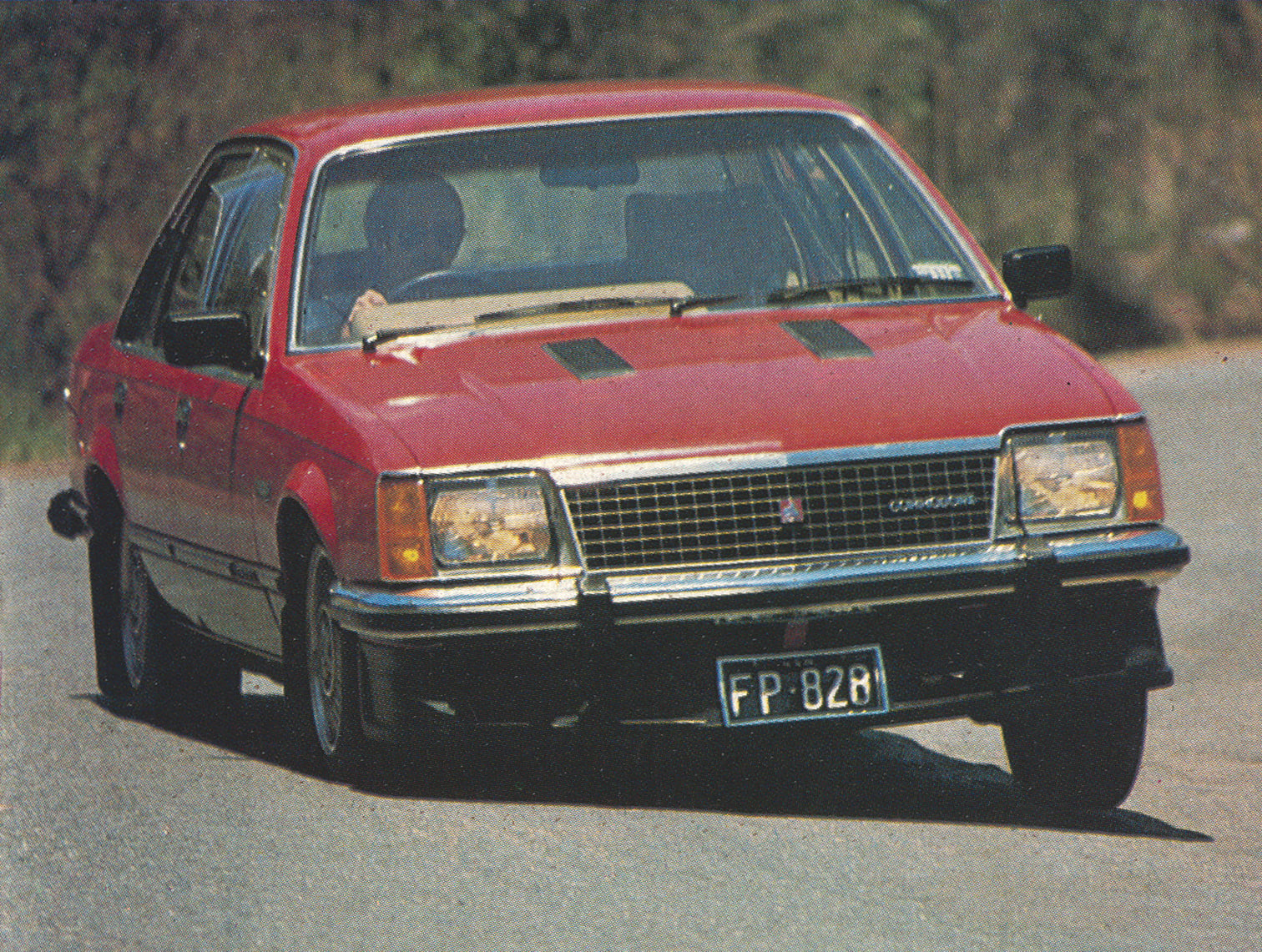
Garrett, which did all the work on the car, fits gas shockers and rerated anti-roll bars. DPll pads go on the front and rear disc brakes, while wheels and tyres are from the SL/E. Body changes are restrained. Two black grilles on the bonnet are first to say that the car is not standard. These grilles reflect the care taken with the turbo installation for they do a 100 per cent job of keeping under bonnet temperatures down. And that’s not so easy when the blower glows red-hot at night after a bit of a drive. The rest of the installation is just as thoroughly engineered – this is no backyard special.
The Turbo also gets a Momo steering wheel but loses out on the windows/ central locking pack as standard. Otherwise the cabin is as for any Commodore SL, complete with air, power steering, stereo and headlight wash/wipe. As an automatic this car costs $18,845 against the HDT’s $20,283. An L spec Turbo chops $3800 from the price. The SL wagon goes for $19,169, not bad considering it’s probably the fastest wagon in the world…
Importantly all these hot-shots come with full warranty, with Holden’s normal cover unchanged and with Garrett guaranteeing the turbocharger in the case of the six. Also importantly – and unlike some turbo conversions we’ve driven lately – both cars are eligible for rego in all states though apparently you’ll be hard pressed to get a screen sticker for the Turbo in Queensland.
One hundred and thirty kW, 173bhp, is a decent amount of power, even in a 4730mm, 1400kg four-door sedan. Both are fast cars. Sixteen seconds, or 16.4, for the 400m dash is real pin-you-in-the-seat urge. On the road both cars can get to the NSW main road speed limit in around eight seconds, and go on to double it for top speeds of both are 200km/h or more. Both are well within their limits cruising at 180km/h; 160 is a doddle. Both have the overtaking power to dismiss half a dozen dawdlers in one swoop. Both are absolutely happy in heavy traffic.
There the similarities end. The grunt of a big V8 is quite unlike the delayed action surge of a turbocharged six. Conceivably you could drive the Garrett Turbo and never know of the latent takeoff speed that lurks six mm beneath the sole of your right boot. It drives like a normal Commodore six, a little more sluggishly if anything because of its lower compression ratio. In town, where, it is argued, you don’t need instant power and crisp response, it potters along happily, drinking fuel at a similar rate to a standard six. Squeeze the throttle a little and even at slow speeds in third gear there is evidence of the newly strengthened heart. It takes a while to come fully on song, but by 3000rpm and with throttles wide the torque is thrusting the car forward in one stepless, quiet, powerful surge.
That’s the turbo engine at its best. It’s at its unhappiest when, having selected your cruising speed, you demand instant power. In the Garrett Commodore, like the Saab Turbo, Porsche 924 Turbo and others of the pre-Quattro and Lotus Esprit breed, there is a measurable delay between the time you dial in the action and the time it arrives at the back wheels. To the puritan, brought up to believe that the best engines are the most responsive engines, this is bad news.
As TV race commentators have told us a thousand times, as Alan Grice in his BM or Gilles in his Ferrari has struggled to maintain on the corners the commanding lead his car has pulled out on the straights, turbo cars can be the very devil to drive well; the very devil to drive smoothly. Will buyers of the Garrett Commodore care? Probably not, and no one can blame them. The car has fantastic straight line performance, coupled with the potential for good economy, and the ability to make fast, long country trips as enjoyable and safe as anything without a stupid price. But we can’t see Alfa owners trading.
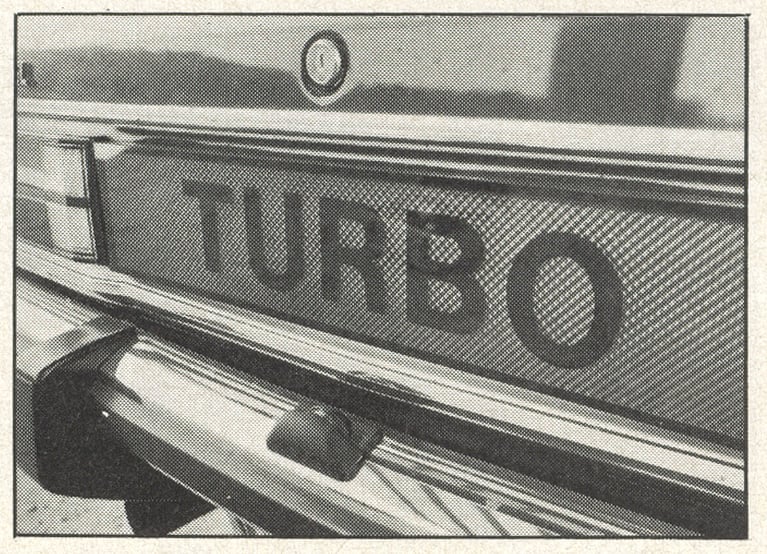
In practical, on-road terms performance of the Brock car is on a par with the Turbo. But, away from the dragstrip the HDT is the faster car. There are reasons for this other than the improved response and flexibility of the eight, but we’ll cover these in a minute. Yes, the deep breathing five-litre slogger does have terrific response and flexibility (as the in-gears times generally show) and it’s this which, in 90 per cent of circumstances, gives it the headstart on the Turbo. Press the loud pedal and wham/you’re away. The engine pulls cleanly from less than 1000rpm and stays smooth and potent to the 5500rpm redline (and probably beyond it). For a big eight it gets to that redline respectably quickly though it’s certainly happiest in the mid ranges where the grunt of a good V8 abounds in all its neck-straining glory. It is absolutely solid performance, without quirks or conditions: it is just there, and you know it, and you use it.
Whereas the Turbo’s performance is curiously detached from the rest of the car, largely thanks to the delayed reactions and lack of mechanical noise, the HDT’s is an integral part of the whole, but unfortunately it displays it in one area where it shouldn’t: noise. Office consensus has it that the HDT is not excessively loud – though certainly louder than the Turbo – but our test car was unacceptable in this respect. Sutton’s fits a slightly larger, stainless steel exhaust system to its cars, and apart from allegedly boosting performance slightly it seems to add a new muffler to the system: the cabin . The boom is worst at around 2000rpm, exactly where you don’t want it. After this it subsides but the HDT thus equipped is never a quiet car. We are sending Sutton’s the bill for the headache pills …
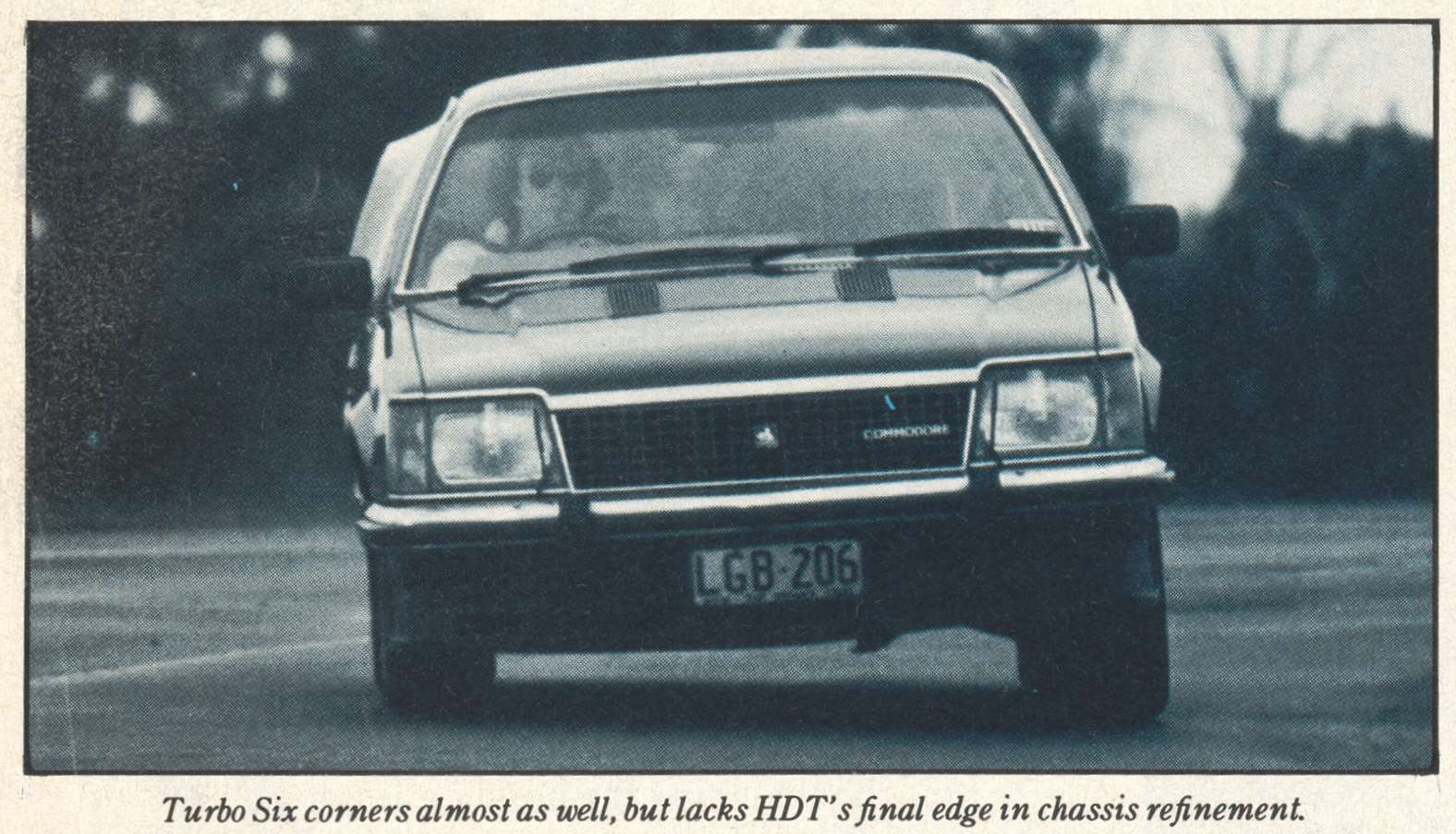
Unless you’re a real Peter Brock clone you’ll find the Hydramatic auto box in the HDT detracts not one iota from the pleasure to be had in driving the thing. It copes with the extra power well, has sensible run out speeds and a kickdown facility that’s on your side when you want to extract the maximum from the engine.
The same cannot be said of the Trimatic box in the Turbo. As we have noted before, it has difficulty keeping up with the engine. The little man inside it gets confused about which cog to call up next and when he does he either tries all of ’em or goes out on strike. There have now been four months since Sutton’s explanation – something to do with the Turbo’s postive manifold pressure – and our borrowing of this latest car, and so we must assume it (and Garrett) is still working on the problem.
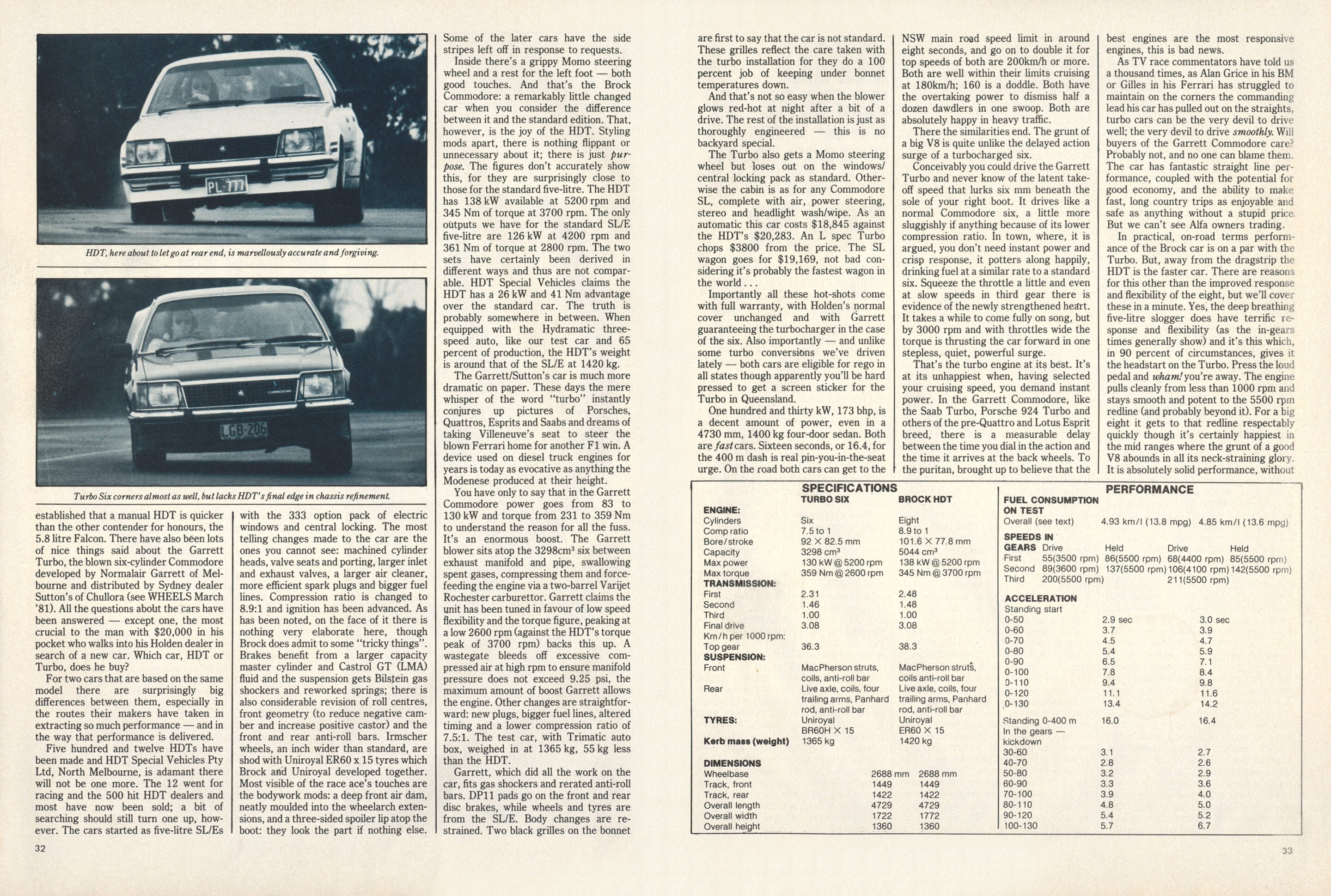
On the road the Turbo has all the attributes of the SL/E Commodore – and then some. It’s stiffer in the body, feels sharper in the steering (it’s amazing the difference a good wheel makes), has more stopping power (though not better pedal feel) and greater reserves of cornering power, a ride that’s every bit as good as that of any other Commodore (and a damn sight better than most cars sold in Australia) and general handling that is sharper. And yet – and this isn’t entirely fair to Garrett and Sutton’s – the Turbo feels puny in comparison with the Brock.
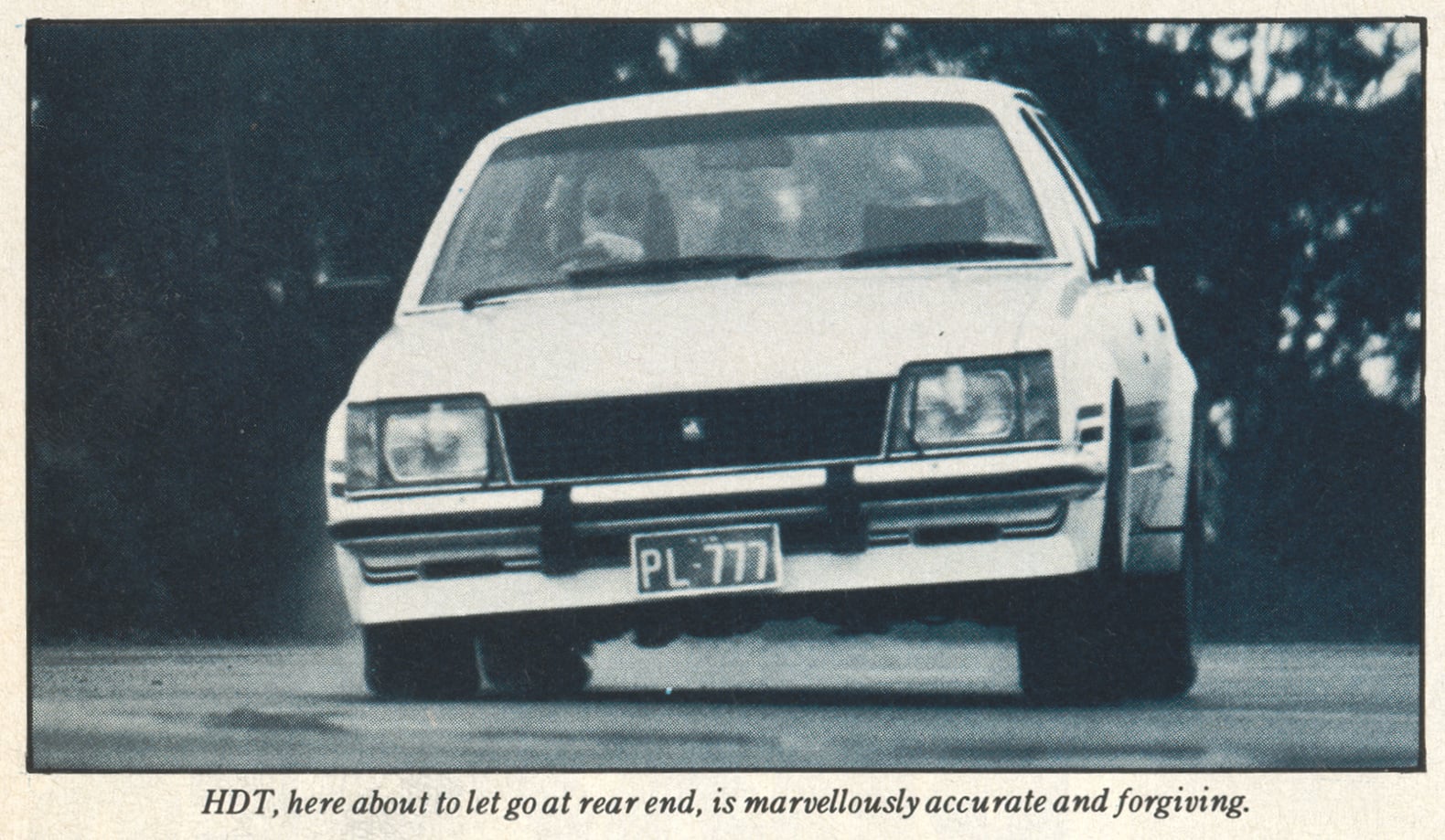
You know the HDT is an extraordinary car after 10km. It has an enormous depth to it, an unabashed integrity. This is not just a hotted up version of a family sedan; for its comfort, traction, roadholding, handling and – especially – its high speed control, the HDT is truly in the big league. Porsche 928 and Mercedes 380SEL come to mind for offering similar characteristics and the same chunky feel, but neither comes close in offering what the HDT has in abundance: communication to the driver, and the most faithful, forgiving chassis you’ll find.
The car has stability, accuracy and grip and a ride that is never less than comfortable. Even over really rough, coarse surfaced roads those special Uniroyals, which, we suspect must take a lot of the credit for the car, remain quiet and firmly in touch, rarely thumping despite their size and rarely letting harshness penetrate the defences. The tyres certainly give the handling and roadholding edge to the HDT. When they slide (in both cars you have the choice, understeer or oversteer though rarely in the dry) they do so progressively and gently, returning to line with the same progressive, gentle input from the driver through steering and throttle.
The HDT’s steering, like the same setup in the Turbo, is well weighted and precise. Though the Turbo has on paper the better brake spec its pedal is disappointingly mushy in contrast to the firm but progressive control in the HDT. There’s real feel in it. But the best messages come from the suspension … a subtle flow of information constantly reminding the driver what the car is doing, and about to do next. Despite the fine suspension control these messages are not masked and filtered the way they are in the Turbo.
The cars are put into perspective by the fact that both are based on the well packaged Commodore, with its complete specification and fine seats and room for five adults. Options are available – Recaro seats for example – but as far as we’re concerned both cars are just right as they come. Holden is working on a stronger spring for the boot lid which is badly needed on the HDT since the spoiler’s additional weight has rendered the present spring useless.
We had the cars for only a short period and were unable to take our usual fuel figures. The two numbers we do have – 4.93km/I (13.8 mpg) for the Turbo and 4.85km/I (13.6mpg) for the HDT – reflect a lot of performance testing and circuit driving and are unrepresentative. Exaggerated economy claims have been made for both – no doubt provable under certain conditions – and we would reckon on 7km/l (20mpg) as an average to aim for, with a healthy amount of fast driving.
So, assuming the Turbo gearbox has lost its gremlins and the HDT has a decently quiet exhaust, what does the man in the showroom do? He can safely buy either for both cars are exhilarating, rewarding and practical. But he should know first that in the Brock Special, Australia has one helluva special motor car. A car whose name should be spoken whenever and wherever the subject turns to supercars, for the HDT shows so, so many of them in their true light.
Nissan will establish its first Australian NISMO Performance Centre in Victoria next year, marking a significant expansion of the brand’s performance and heritage operations outside Japan.
The first facility is scheduled to open at Nissan Ferntree Gully in Melbourne’s east during the second half of 2026, with additional locations planned for other parts of Australia.
The centres will provide access to factory-backed NISMO parts, restoration programs and technical expertise previously available primarily through the famous NISMO Omori Factory in Yokohama, Japan.
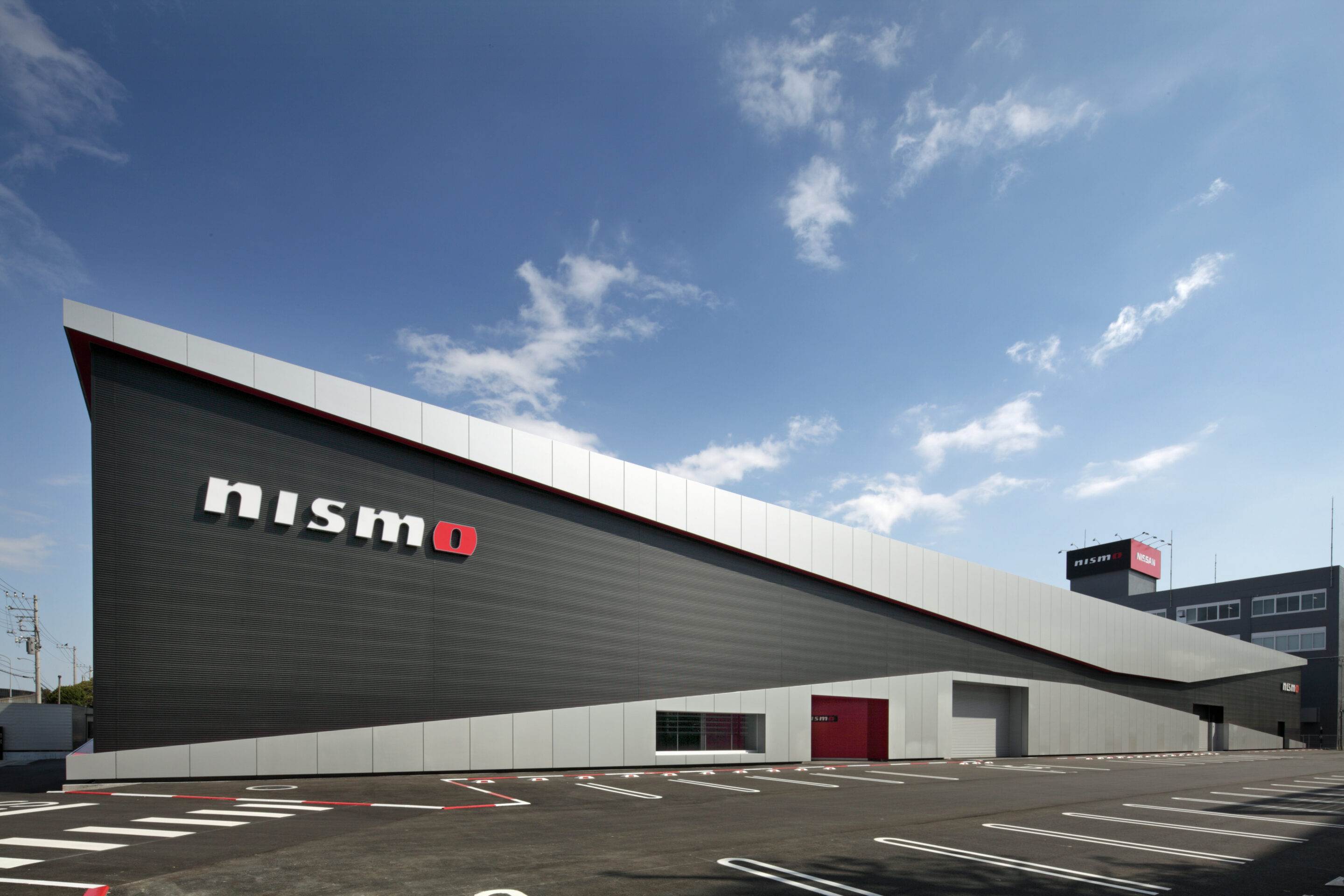
According to Nissan Motorsports & Customizing Co. (NMC), the Australian facilities will support restoration and servicing work for performance models including the Nissan Skyline GT-R R32, R33 and R34, which remain highly sought-after among enthusiasts locally and overseas.
Factory-certified “NISMO Meisters” trained under Nissan’s global program are also expected to form part of the local operation, offering specialist support for older GT-R models and other NISMO products.
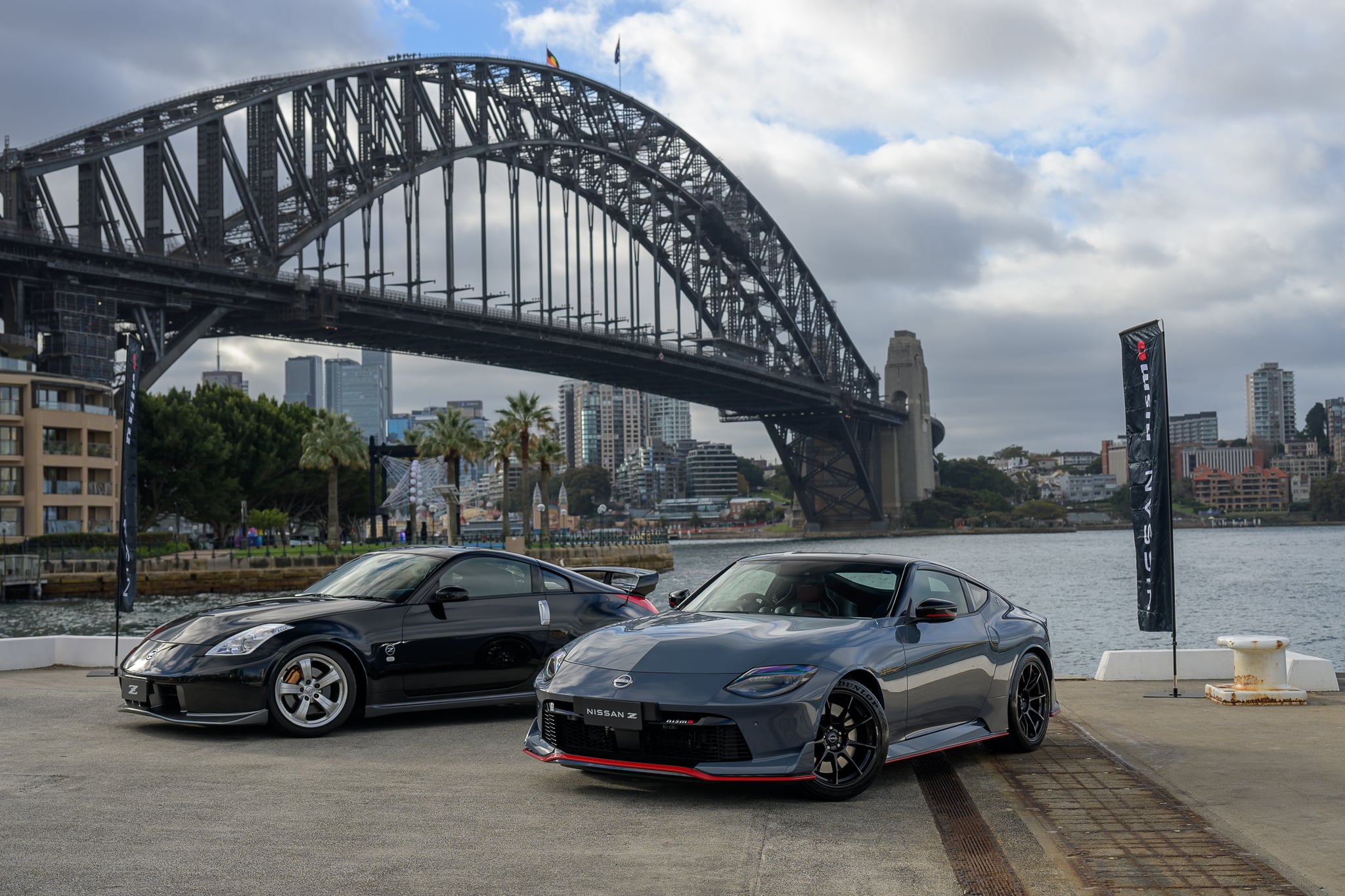
Australia has long been considered one of Nissan’s strongest enthusiast markets, particularly for GT-R models imported during the 1990s and 2000s. Nissan says the expansion reflects growing demand for heritage support, performance parts and restoration services.
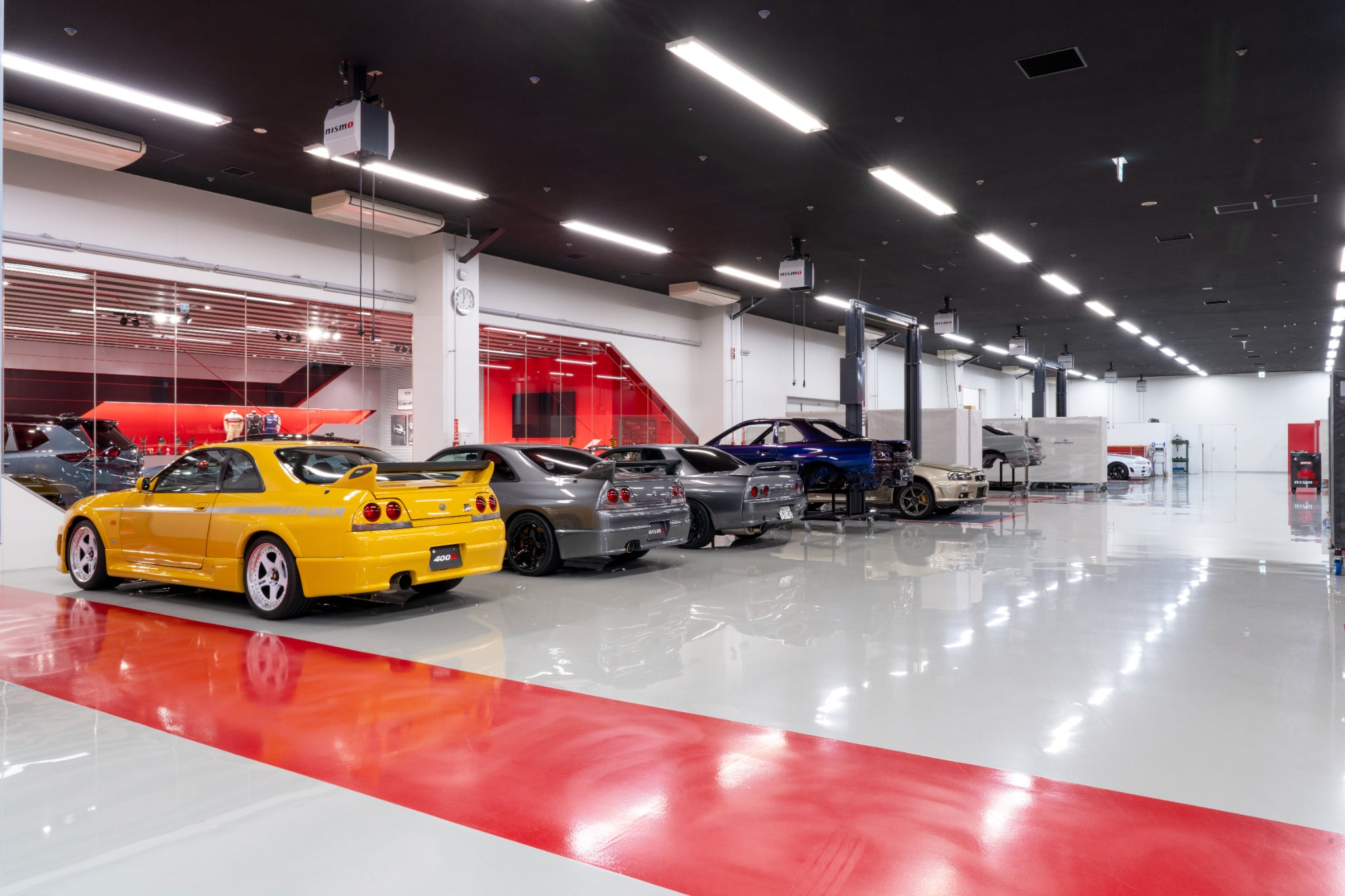
The announcement coincides with the visit of NMC president and chief executive Yutaka Sanada to Sydney ahead of the annual GT-R Festival, one of Australia’s largest gatherings for Nissan performance cars.
The move follows NISMO’s broader global expansion strategy announced in late 2025, which outlined plans to grow the company’s restoration, restomod and motorsport-related businesses internationally.
The Australian centres are expected to operate similarly to Japan’s Omori Factory, which is known for full GT-R restorations, performance tuning and heritage vehicle support. However, the local facilities are unlikely to initially offer complete vehicle rebuilds at the same scale as the Japanese operation.
NMC was formed in 2022 through the merger of Nissan’s motorsport and customisation divisions, combining the NISMO performance brand with AUTECH’s vehicle modification expertise.
Nissan has not yet confirmed pricing, staffing numbers or what specific restoration services will be available when the first Australian NISMO Performance Centre opens next year.
Volkswagen Australia has left the door open to introducing smaller and more affordable electric vehicles locally, although the brand says infrastructure and customer readiness remain major considerations for if they are introduced locally. The news comes as the brand recently revealed the new ID.Polo and ID.Polo GTI models, both of which are yet to be confirmed for local sales.
During an interview with WhichCar by Wheels about the company’s future EV strategy at the local launch of the plug-in hybrid variants in the Tiguan and Tayron ranges, local Volkswagen executives said that decision on introducing smaller variants would be made as the market develops.
“Strategically, in the future we need to be able to cover as many segments as possible,” said Volkswagen Australia Director of Passenger Vehicles PierGiorgio Minto. “If there is an opportunity and it makes sense from a brand perspective, why not? Our market research suggests that something like that isn’t necessary right now, but in the future, most likely.”
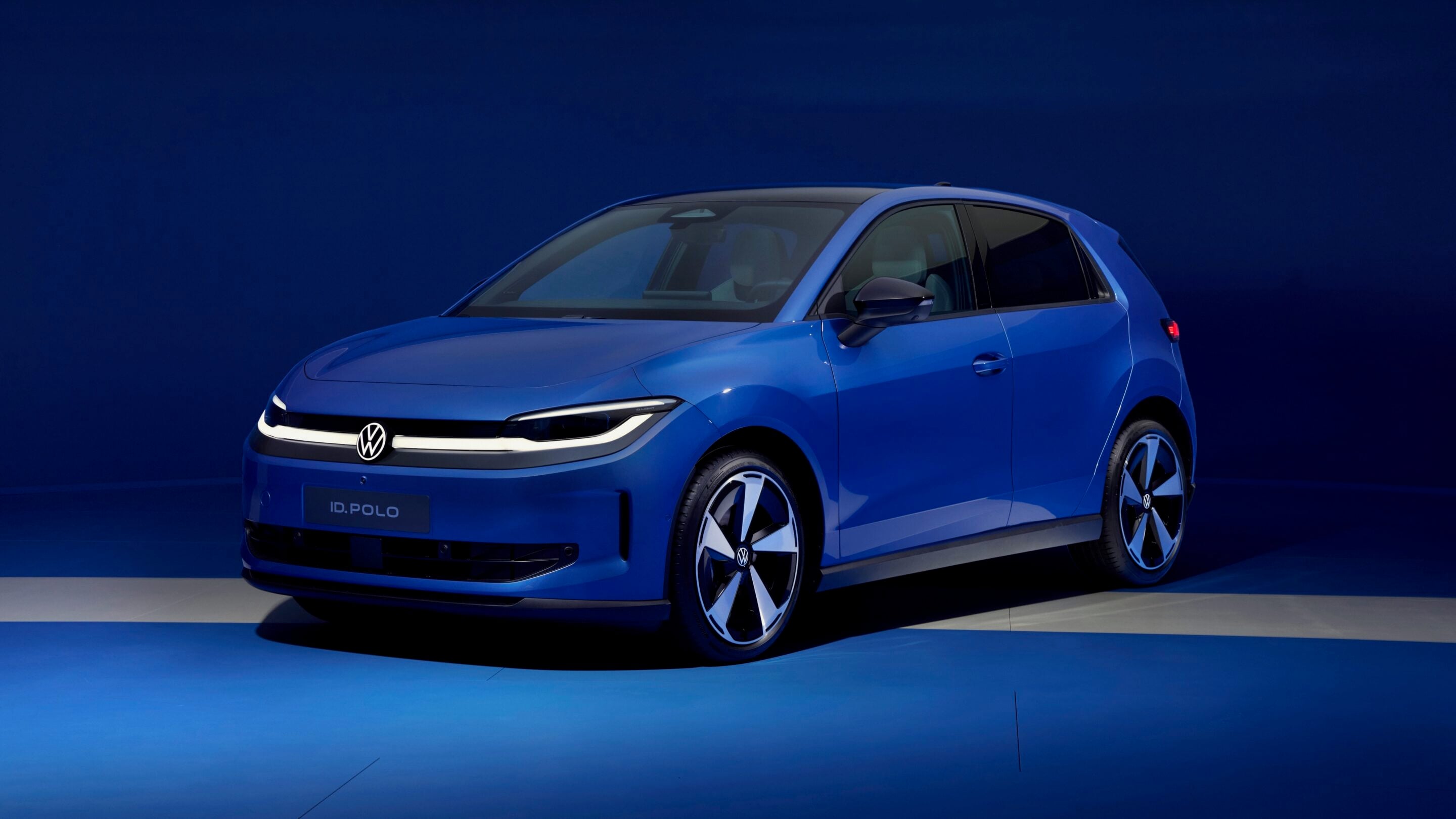
The comments come as the brand recently revealed its fully electric ID.Polo hatchback. Just prior to that model’s reveal was the unveiling of the heavily upgraded version of the ID.3 hatchback, now called ID.3 Neo, while the production version of the ID.Cross small electric SUV – which will likely replace the current petrol-powered T-Cross – is due to be revealed soon.
The brand says that part of the pause for its smaller EVs to be introduced is that because their owners are more likely to live in apartment buildings with no charging facility, smaller EVs tend to rely more heavily on public infrastructure which needs to be further improved locally.
“There’s an infrastructure component to introducing smaller EVs too. If you’re getting a small electric vehicle, our research suggests that you’re more likely to be living somewhere like an apartment block without power in your garage or maybe no garage at all, so your infrastructure needs to be really strong and that takes a bigger component of decision making for us” said Minto.
Minto pointed to markets such as Norway, where EV adoption has surged thanks to decades of government support, incentives and infrastructure investment. Norway’s transition to electric vehicles was not immediate, with the first incentive for EV ownership launched way back in 1990, well before they were mainstream.
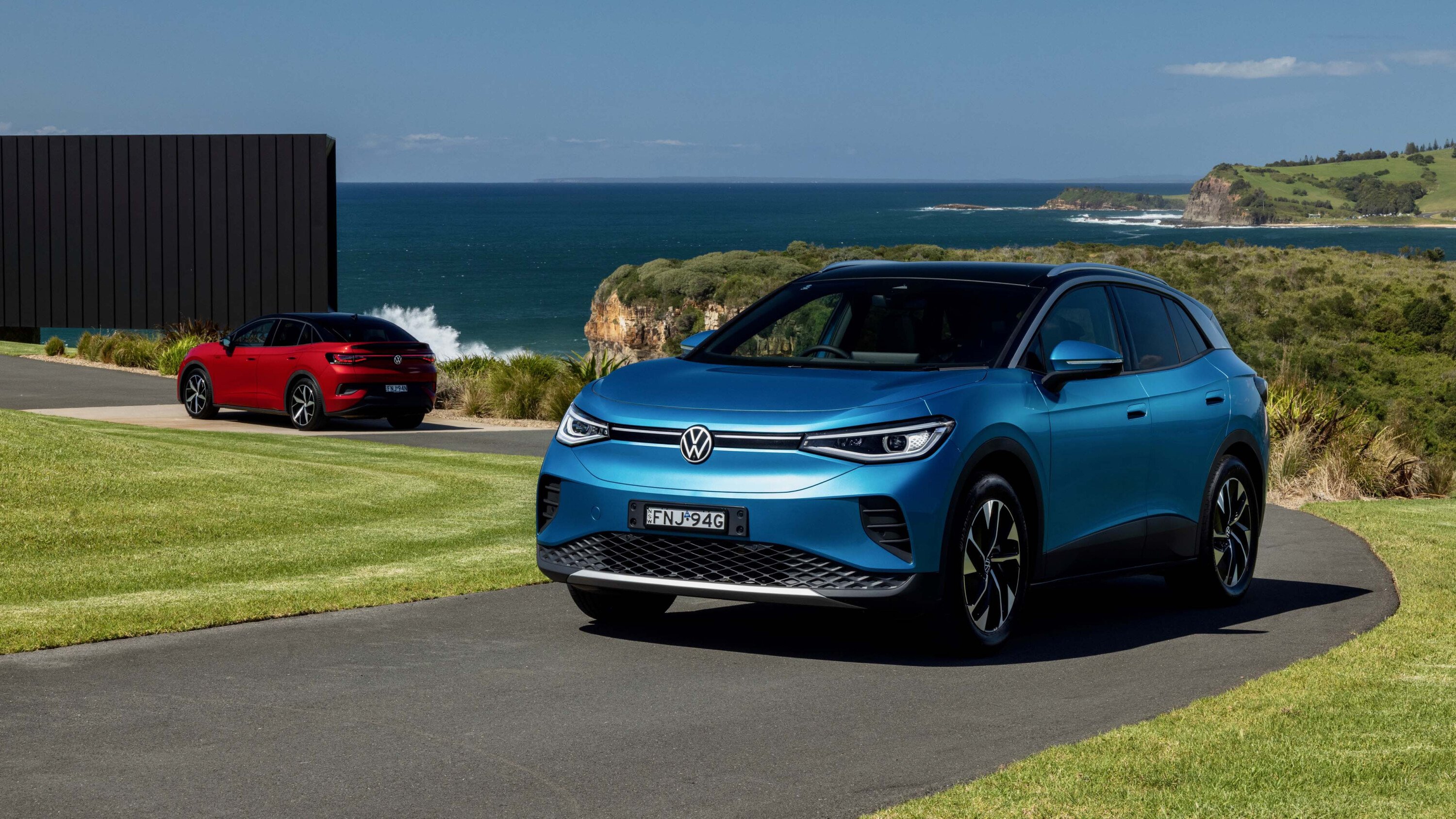
“Certainly having an electric Golf or Polo in Norway is going to be very different to what that will be in Australia for our customers, so we have to weigh that up. We can’t blindly say let’s bring it here without the infrastructure to effectively charge it.
“But they’re having subsidised EV sales and that’s why they’ve gotten to 98 per cent EV market share. If the government takes a different route here as well, it might open potential doors but for now, we’re continuing to monitor the market.”
Locally, the company says that it’s focused on helping customers move into electrified vehicles through partnerships and ownership programs, rather than waiting for policy intervention. One such program is Volkswagen Australia’s partnership with Ampol to provide discounted EV charging for the first 12 months of ownership, as well as installing an Ampol charger at each of Volkswagen’s 100+ Australian dealerships for ID customers to use.
Volkswagen’s latest electrified products, the plug-in hybrid variants of the Volkswagen Tiguan and Tayron, are now on sale with pricing starting at $62,390 plus on-road costs.
It’s almost the end of May, which means that we’re officially almost at the end of the 2026 financial year. Because of that, the car industry will be gearing up to push out as many units as it can before the 2027 FY hits. Given record fuel prices still hovering around and the current cost of living crisis continuing to bite into everybody’s budgets, there’s potential for even stronger deals than in the past.
Here are the best end of financial year deals we’ve seen so far, including the most popular brands like Toyota, Ford, BYD and Mazda:
BMW
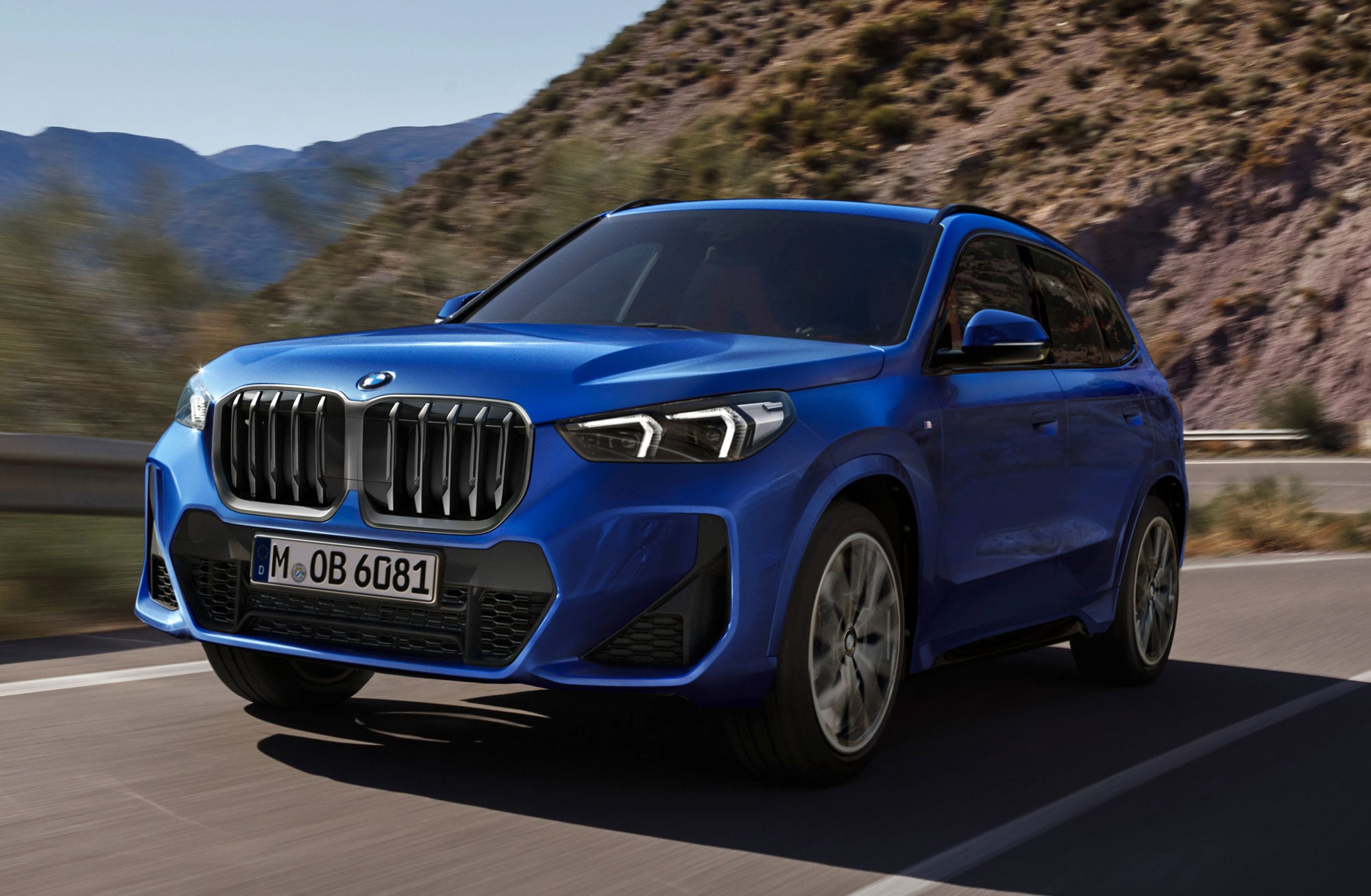
- X SUV models (X1, X2, X3, X4, X5, X6, X7 – excluding electric and X1 xDrive25e): Savings equal to the GST amount
- X1 sDrive18i, X3 20, X3 30e, X5, X7: 4.99 per cent per annum comparison finance rate
- X1 sDrive18i, X1 sDrive20i, X3 20 xDrive, X3 30e xDrive and X5 xDrive30d: 0 per cent per annum finance comparison rate
BYD
- Shark Premium and Sealion 5, 6 and 8: 1.88 per cent per annum finance comparison rate or $3000 cash back
Chery
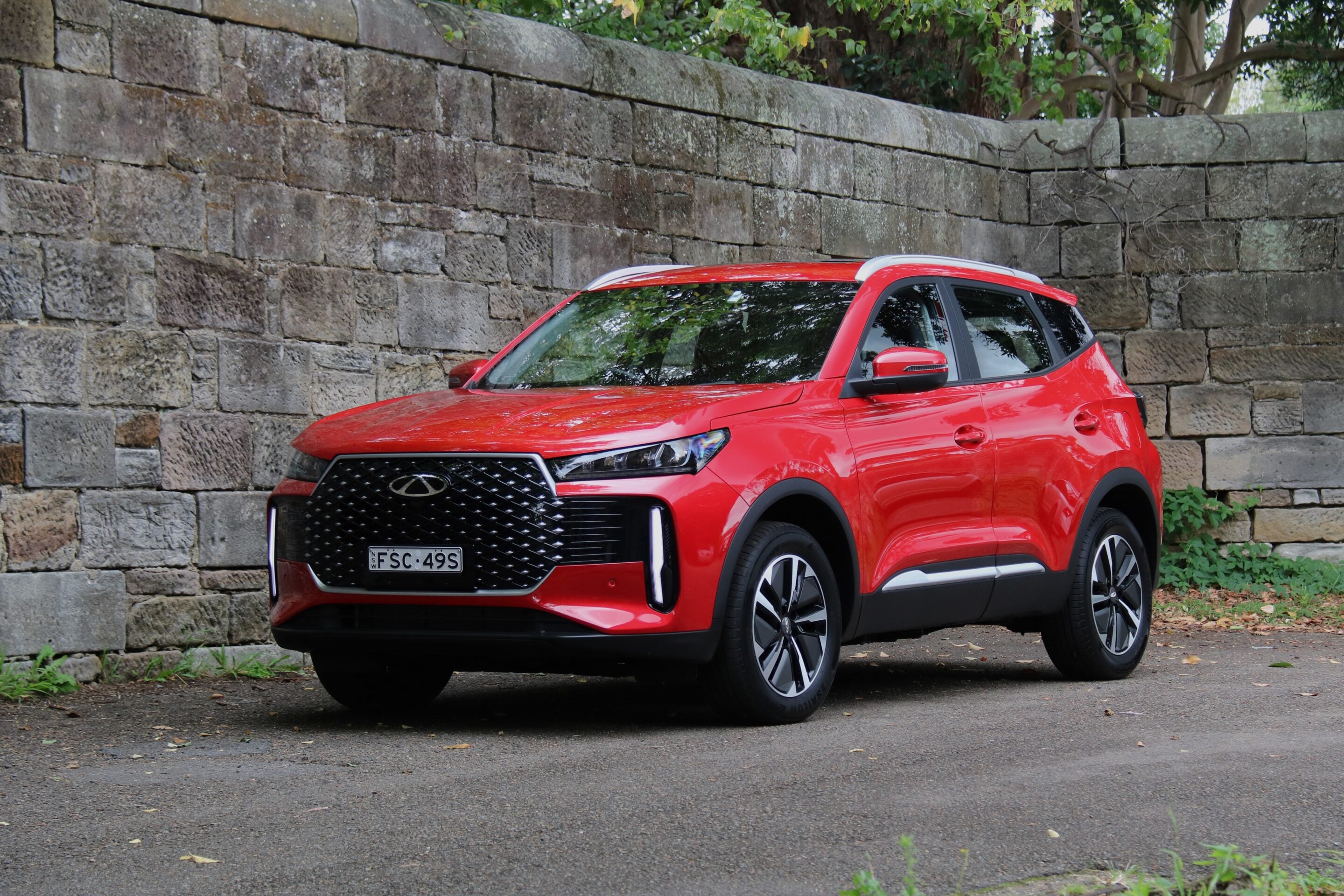
- C5: $2000 factory bonus
- Tiggo 4 petrol: Bonus $1000 fuel card
- Tiggo 4 Hybrid: $2000 cash back
- Tiggo 7 petrol: $1000 fuel card
- Tiggo 8 petrol: $1000 fuel card
- Tiggo 8 Super Hybrid: $2000 factory bonus
- Tiggo 9 Ultimate: 1.88 per cent per annum comparison finance rate with no minimum deposit (up to 36-month term with no balloon)
Ford
- Tourneo MY25.75 Titanium X: $72,000 driveaway
- Ranger Hybrid MY25.75: XLT is $62,000 driveaway, Sport is $66,000 driveaway and Stormtrak is $73,000 driveaway
- Ranger MY26 XLT, Sport and Wildtrak: $5000 fuel card
- Ranger MY26: 6.99 per cent per annum finance comparison rate (ABN holders only)
- Ranger MY26.5 XLT and Wildtrak: $4000 fuel card
- Ranger MY26.5 XL: $42,000 driveaway
- Ranger MY26.5 Black Edition: $53,000 driveaway (2.0L), $60,000 driveaway (3.0L)
- Ranger MY26.5 Wolftrak: $73,000 driveaway
- Everest MY26: $5000 fuel card, 6.99 per cent per annum finance comparison rate
- Everest MY26.5: $4000 fuel card for Sport, Active 2.0L priced at $60,000 driveaway
- F-150 (MY23): $8000 discount
- F-150 XLT (MY24): $115,000 driveaway
- F-150 Lariat (MY24): $144,000 driveaway
- F-150 Platinum (MY24): $164,000 driveaway
- Mustang: Special 5.92 per cent annual finance rate
Geely
- EX5: $0 deposit for 36-month finance term, 0.88 per cent per annum finance comparison rate, free home EV charger
- Starray EM-i: $0 deposit for 36-month finance term, 0.88 per cent per annum finance comparison rate, free home EV charger for Inspire Extended Range
- EX5 and Starray: 6.0 per cent discount for eligible customers purchasing through novated leasing
GWM
- Ora 5: New electric SUV available from $33,990 driveaway for the Lux or $36,990 driveaway for the upper-spec Ultra
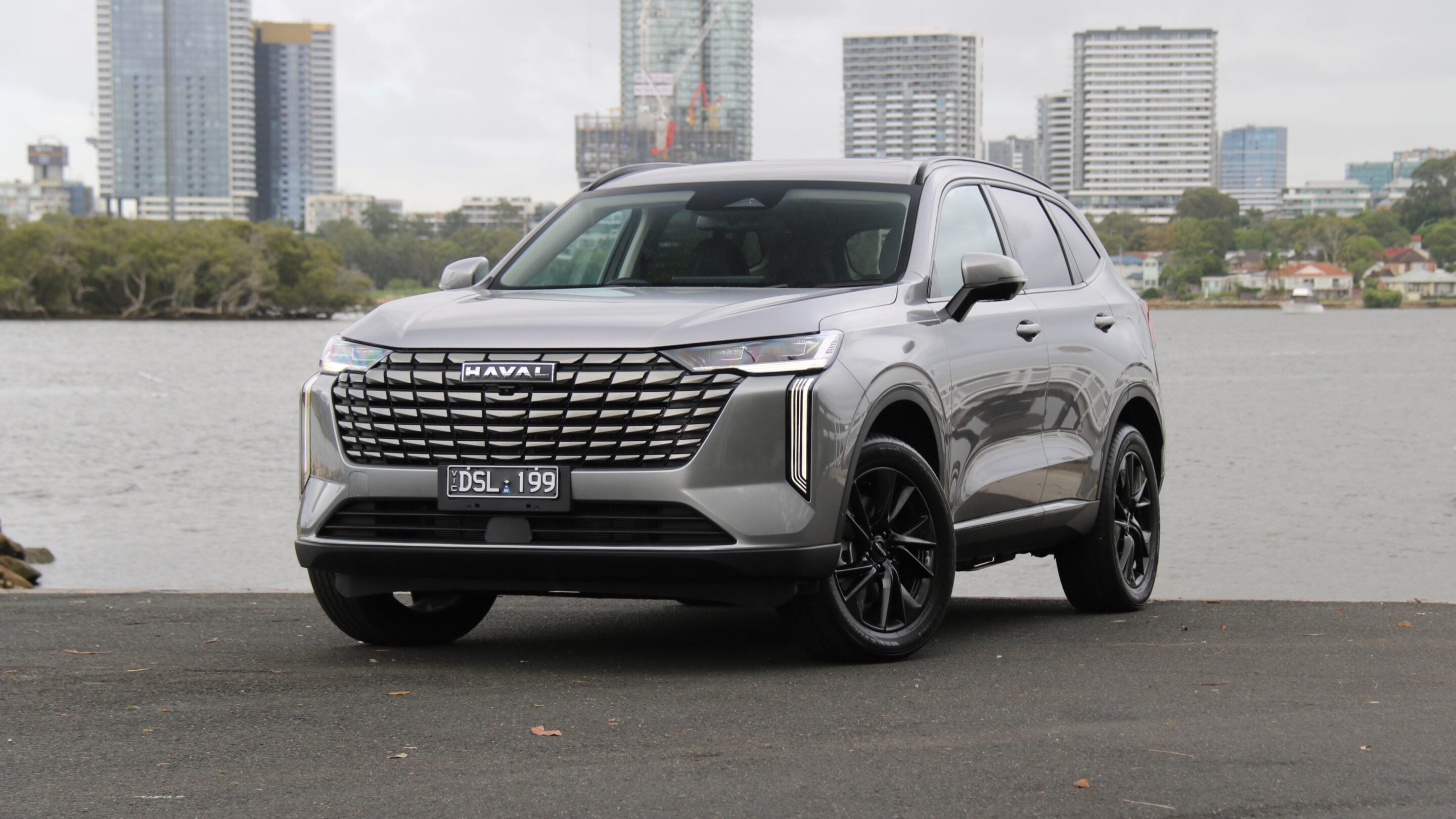
- Haval Jolion: $3000 discount, Premium petrol: $23,990 driveaway, Lux petrol: $25,990 driveaway and Vanta petrol now $31,990 driveaway
- Haval H6: $2000 discount (Lux petrol, Ultra hybrid and Ultra PHEV)
- Haval H6GT Ultra petrol: $43,490 driveaway (MY25)
- Tank 300 diesel: 1.99 per cent per annum finance comparison rate on a three-year term and a 3.99 per cent per annum finance comparison rate over a five-year term or special driveaway pricing (Lux diesel: from $45,990 driveaway (MY25) or from $47,990 driveaway (MY26), Ultra diesel: from $49,990 driveaway (MY25) or from $51,990 driveaway (MY26)
- Tank 500: 1.99 per cent per annum finance comparison rate over three years or 3.99 per cent per annum finance comparison rate over five years or an additional $4000 off the driveaway price
- Cannon diesel: 1.99 per cent per annum finance comparison rate over three years or 3.99 per cent per annum finance comparison rate over five years or special driveaway pricing
- Cannon Alpha: $3000 discount or 1.99 per cent per annum finance comparison rate on a three-year term
Honda
- 2025 build CR-V: Pricing discounted by up to $3000 on available models, $1000 Ampol fuel card, free eight-year warranty extension and eight years of roadside assistance
- 2025 build ZR-V: Pricing discounted on available models up to $2000, free eight-year warranty extension and eight years of roadside assistance, 3.99 per cent interest rate and 5.46 per cent comparison rate on 36 month finance terms (with 10 per cent deposit and no balloon)
- Select HR-V, Civic and Accord models: $1000 Ampol fuel card
Hyundai
- Venue: From $25,990 driveaway (manual), $27,990 driveaway (base auto), $29,990 driveaway (Active), $32,490 driveaway (Elite)
- i30 Sedan: From $29,990 driveaway (base petrol), $32,990 driveaway (base hybrid), $35,490 driveaway (Elite petrol), $37,490 driveaway (Elite hybrid), $39,490 driveaway (N Line), $40,990 driveaway (Premium), $44,990 driveaway (N Line Premium)
- i30 hatchback: From $36,990 driveaway (N Line), $41,990 driveaway (N Line Premium)
- Kona: From $35,990 driveaway (base petrol), $39,990 driveaway (Elite and base hybrid), $43,490 driveaway (Elite N Line), $45,990 driveaway (Premium), $48,990 driveaway (Premium N Line)
- Kona Electric: From $45,990 driveaway (Standard Range), $50,990 driveaway (Extended Range), $55,990 driveaway (Extended Range N Line), $60,990 driveaway (Premium), $64,990 driveaway (Premium N Line)
- Inster: From $38,990 driveaway
- Tucson: From $39,990 driveaway (base petrol), $44,990 driveaway (base hybrid), $45,990 driveaway (Elite petrol), $51,490 driveaway (Elite hybrid), $53,990 (Elite hybrid N Line 2WD or Elite hybrid AWD), $56,490 driveaway (Elite hybrid N Line AWD), $61,490 driveaway (Premium hybrid), $62,990 driveaway (Premium hybrid N Line)
- Elexio: From $57,990 driveaway (Elexio), $59,990 driveaway (Elite)
- Staria: From $58,990 driveaway (base petrol or diesel)
- Staria Load: 2.99 per cent annual finance rate (with a minimum $6000 deposit and maximum four-year term)
- Santa Fe: From $59,990 driveaway (base hybrid 2WD), $62,990 driveaway (base hybrid AWD), $69,490 driveaway (Elite hybrid), $79,490 driveaway (Calligraphy hybrid seven-seat), $79,990 driveaway (Calligraphy hybrid six-seat)
- Ioniq 5: from $69,990 driveaway (base model), $78,990 driveaway (Elite), $87,990 driveaway (N Line Premium)
Kia
- All models: $1000 finance contribution when financing with Kia Finance
- Picanto Sport automatic: $23,990 driveaway
- K4 S: $33,490 driveaway
- Seltos S: $33,990 driveaway
- Sportage Hybrid S FWD: $44,490 driveaway
- Carnival S Hybrid: $59,990 driveaway
- Stonic S: $29,990 driveaway
- Sorento S Hybrid: $59,490 driveaway
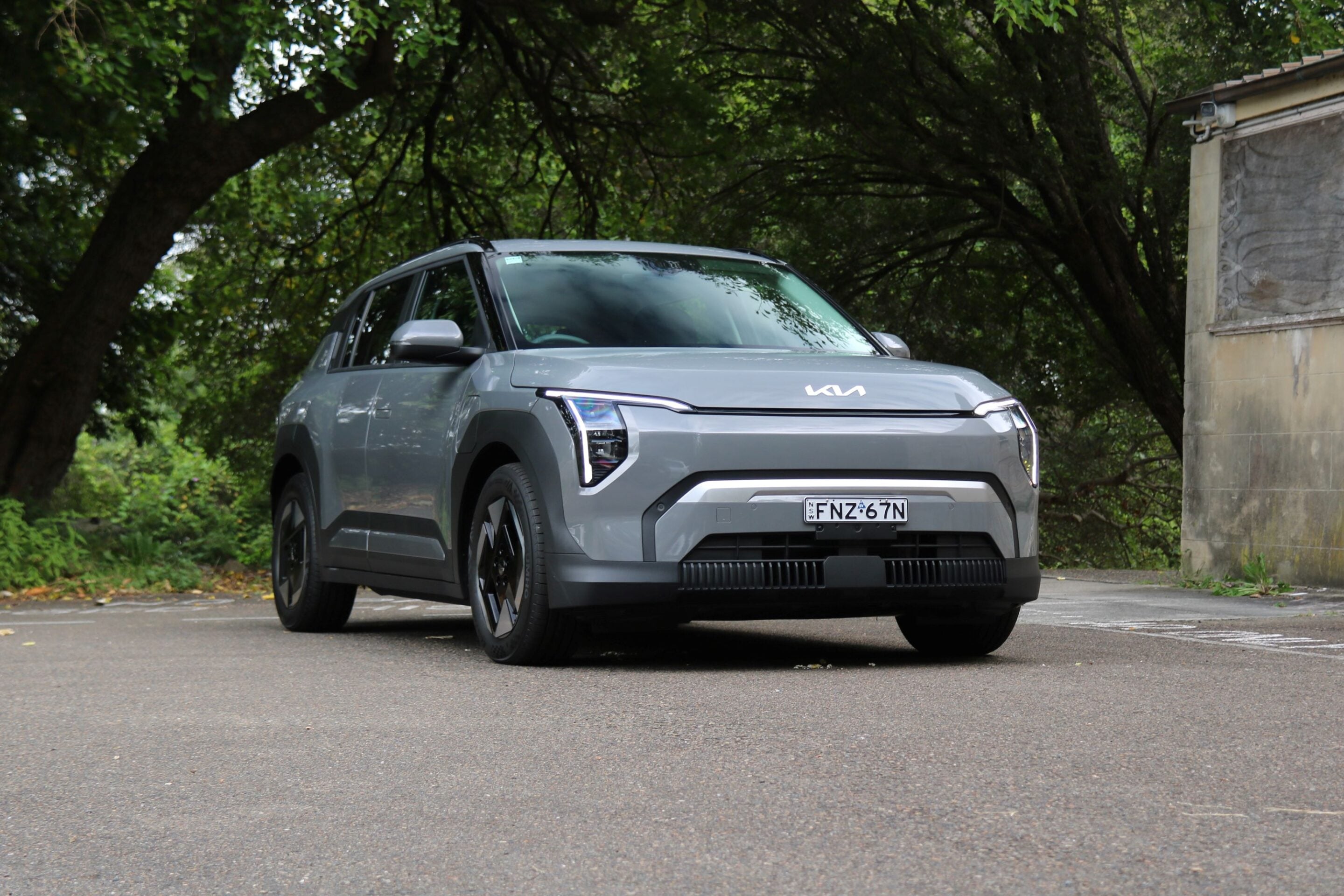
- EV3 Air Standard Range: $46,990 driveaway
- EV5 Air Standard Range: $49,990 driveaway
- EV4 Air: $52,990 driveaway
- Tasman S Single Cab-Chassis: $39,990 driveaway
- Tasman X-Line: $59,990 driveaway
- Tasman X-Pro: $64,990 driveaway
KGM
- Selected Musso, Rexton, Torres, Actyon and Korando models: $5010 bonus
- Musso: $8010 bonus for ABN holders
Mahindra
- XUV3XO: $500 fuel card
- Scorpio Z8L+: $2000 fuel card
- XUV700: $5000 fuel card
Mazda
- Mazda2 G15 Evolve: $28,990 driveaway
- Mazda3 G20 Pure: $33,990 driveaway
- CX-3 G20 Pure: $32,990 driveaway
- CX-30 G20 Pure: $35,990 driveaway
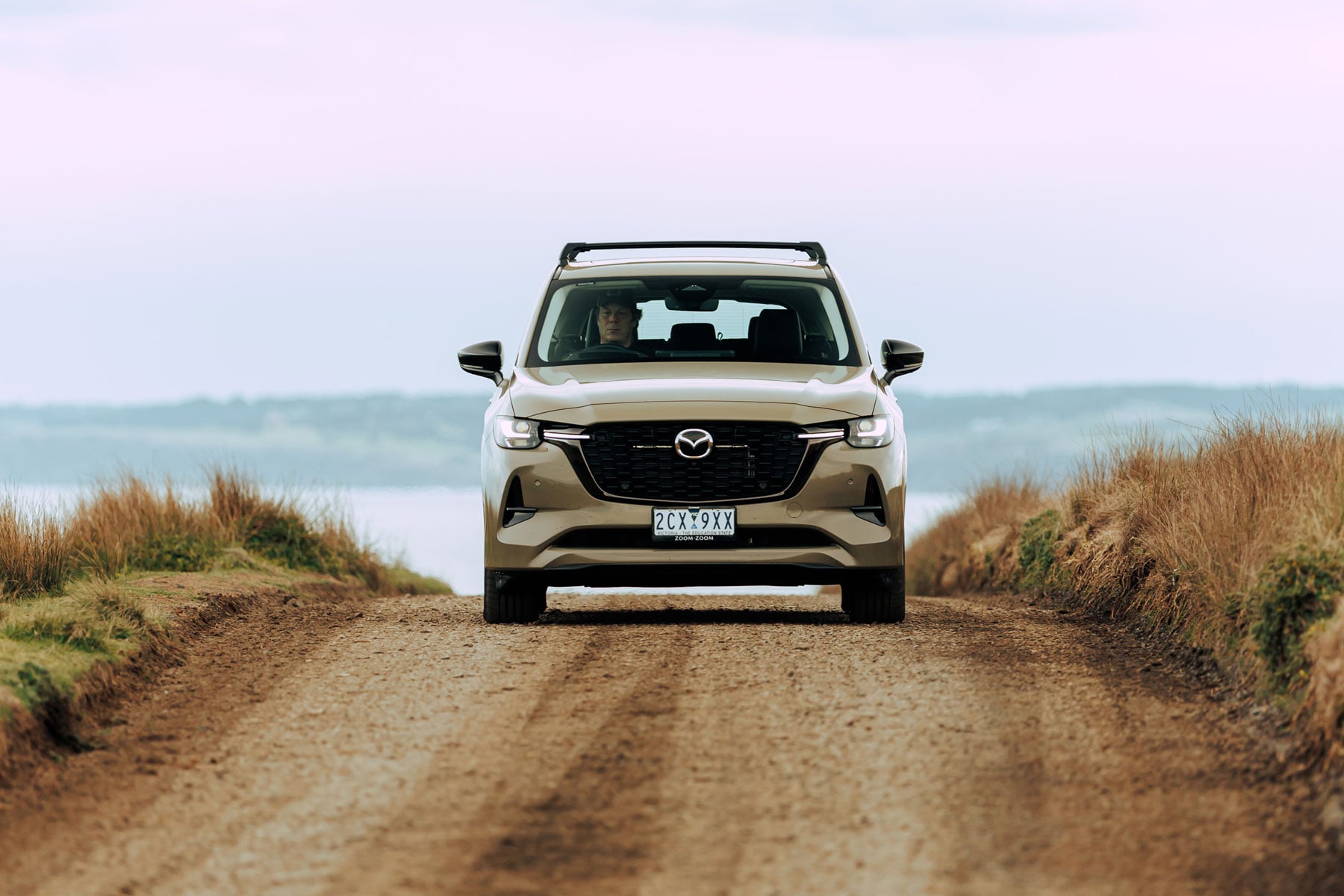
- CX-60 G25 Pure: $47,990 driveaway
- CX-60 G40e Pure: $53,990 driveaway
- CX-60 P50e plug-in hybrid Pure: $53,990 driveaway
- CX-80 G40e Pure: $56,990 driveaway
- CX-90 G50e Touring: $66,990 driveaway
- CX-70 G50e GT: $73,990 driveaway
- BT-50: XT Dual Cab 4×4: $55,990 driveaway
- BT-50 SP Dual Cab 4×4: $69,990 driveaway
- BT-50 XS Dual Cab: 2.99 per cent per annum finance rate (available on both new and demo stock)
- 2025 build models: Savings of up to $5000 available, depending on the model
Mercedes-Benz
- E 200: $10,000 bonus on selected models
- GLC 200: $7900 bonus on selected models
- GLC 200 4Matic Avantgarde Edition: $89,490 driveaway
- AMG C 43 Edition R: 1.4 per cent finance comparison rate
- Several models: Savings equivalent to the GST (excluding electric vehicles, AMG and G Class, GLC 200 Avantgarde Edition, C 300 AMG Line Plus Edition, ordered between 1 May – 30 June 2026, delivered by 31 July 2026)
MG
- MG 3: Special pricing, cash back offers of up to $500 available on selected models
- MG 4 and MG 4 EV Urban: $500 worth of free accessories
- MG7: $2000 cash back
- ZS and ZS Hybrid+: Special pricing, cash back offers of up to $1000 available on selected models
- HS and HS Hybrid+: $3000 cash back plus five years of servicing
- HS Super Hybrid: $6000 cash back
- QS: $3000 cash back plus five years of servicing
- MG S5 EV: $2000 cash back and $500 of free accessories
- MG U9: $3000 cash back plus five years of servicing
- IM 5 and IM 6: Complimentary on-road costs and $500 of free accessories
Mini
- Electric models: 3.99 per cent per annum comparison rate
- Cooper C, Cooper S and JCW: $2000 deposit contribution if financing with Mini Finance
- Cooper C Five-Door: 1.99 per cent per annum comparision rate
- Countryman C, Countryman S and Countryman JCW: $5000 deposit contribution if financing with Mini Finance
Omoda Jaecoo
- Jaecoo J5 EV: $36,990 driveaway plus 10 per cent discount for those novated leasing
- Jaecoo J7 Track: $33,990 driveaway
- Jaecoo J7 Ridge AWD: $38,990 driveaway
- Jaecoo J7 Super Hybrid Track: $40,990 driveaway
- Jaecoo J7 Super Hybrid Summit: $44,990 driveaway
- Jaecoo J8 Track: $44,990 driveaway
- Jaecoo J8 Ridge AWD: $49,990 driveaway
- Omoda 9 SHS Virtue AWD: $3000 bonus
Toyota
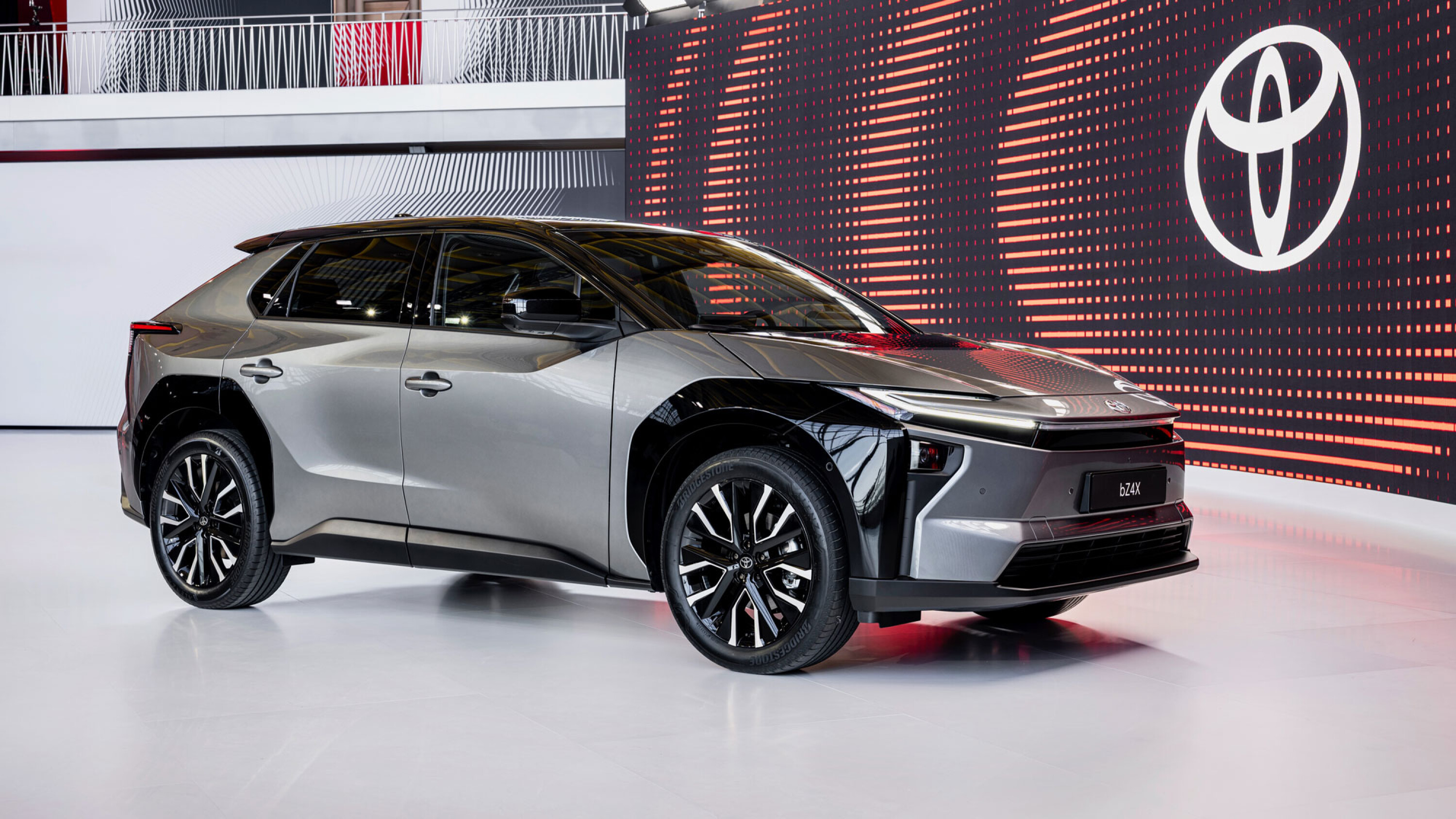
- bZ4X: $7500 deposit bonus, free 7kW Jet Charge EV charger or a free 12-month Chargefox subscription capped at 625kWh
- Tundra: Free on-road costs and a $10,000 bonus on Tundra models built up to 31 July 2025
Volvo
- EX30 Plus Single Extended: $55,990 driveaway
- XC60 Plus Bright Special Edition: $79,990 driveaway
- XC90: Pay no stamp duty, CTP or registration fees plus a complimentary five-year service plan
With one of the broadest brand portfolios in the automotive industry, Stellantis has just announced a major rationalisation program to help it reduce costs, speed development, and allow it to tailor products to the needs of the markets it sells in.
Called STLA One, the new modular platform is designed to underpin almost all of the group’s future B, C, and D segment cars. Everything from the Peugeot 208 and Opel Mokka up to three-row large SUVs like the Peugeot 5008 – a segment which most Stellantis brands don’t currently participate.
The multi-powertrain STLA One platform will support 800-volt electrical drivetrains, with cell-to-body construction to reduce cost and complexity, but will also span a variety of electrified drivetrains from plug-in hybrid to extended range to mild-hybrid, depending on its deployment.
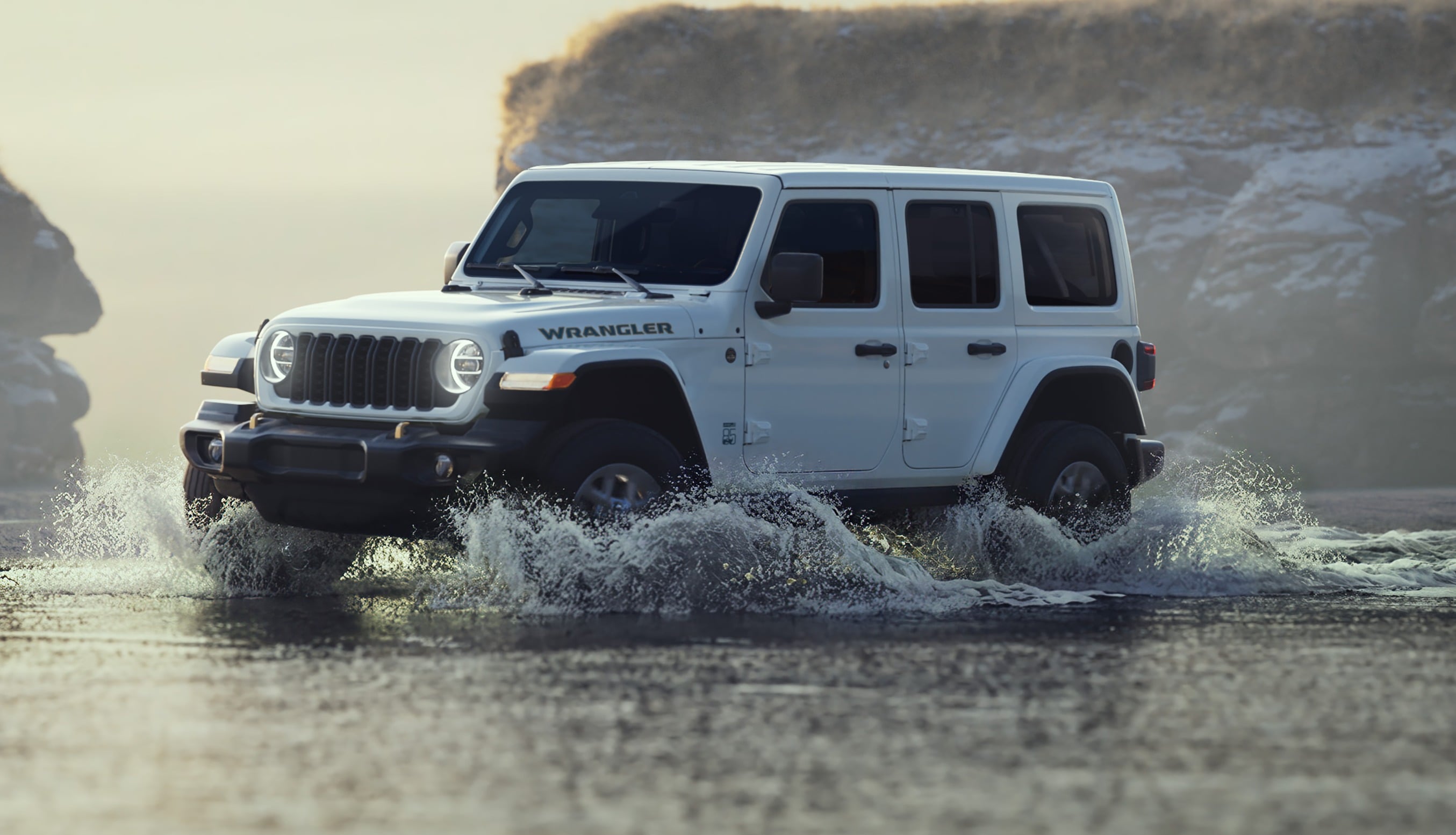
STLA One is destined to become one of three platforms that will make up 50 per cent of the company’s production volume, leaving room for specialised underpinnings for low-volume, high-margin products from brands like Maserati and Jeep. Between those three volume platforms, Stallantis is aiming for 70 per cent ‘component reuse’ to drive volume and reduce costs.
The new platform will be used in over 30 new models and, by 2035, is expected to underpin more than 2 million units.
Under the company’s new vision for its broad product range, four brands will become global pillars, with Fiat, Jeep (above), Peugeot, and Ram getting first access to new platforms, and taking a 70 per cent slice of Stellantis’ investment.
Brands like Alfa Romeo (below), Chrysler, Citroen, Dodge, and Opel/Vauxhall will become ‘regional brands’. Outliers like Abarth, Lancia, and DS Automobiles will be viewed as ‘specialty brands’ to be managed as sub-brands of Fiat and Citroen, respectively.
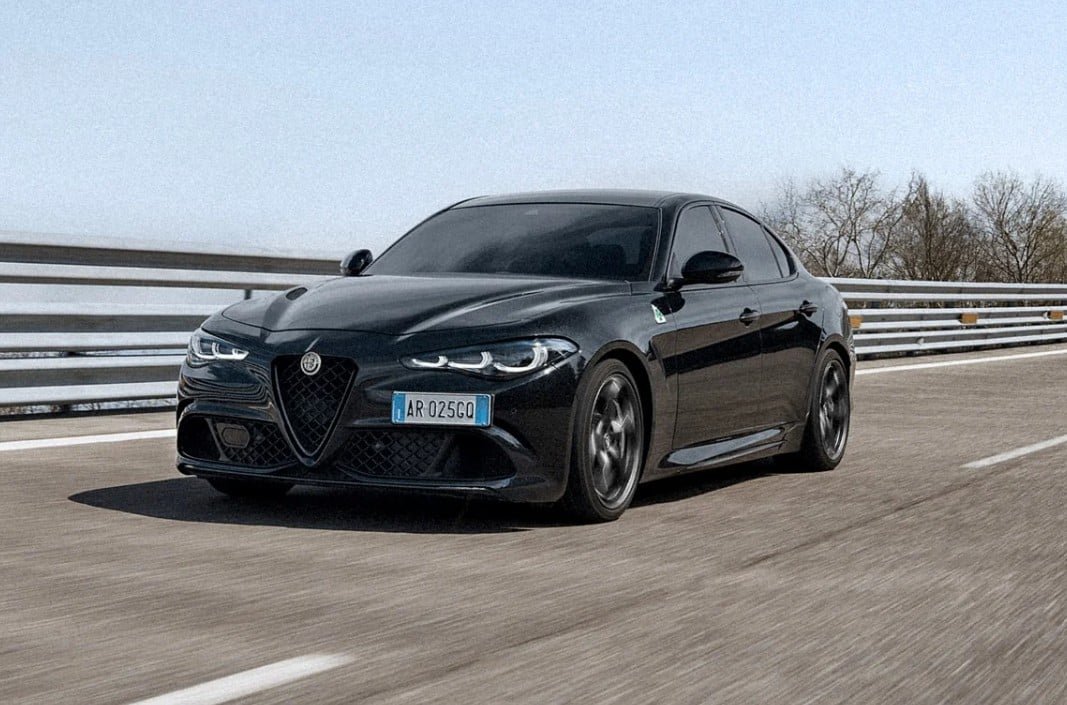
Maserati will sit outside the main brand group, with its own product plan to be announced later in the year. Despite having 15 brands to manage, Stellantis has opted to keep all in operation, quashing rumours that slow sellers like Chrysler, Lancia, and DS Automobiles were facing uncertain futures.
Stellantis also announced parallel product plans, including STLA SmartCockpit, in conjunction with robotics and automation specialist Applied Intuition, and STLA Brain; electronics, software and driver assist tech in partnership with Qualcomm.
These new systems will be integrated as part of the STLA One rollout, with the aim of providing a range of in-car tech, infotainment, and autonomous driving features with reduced development costs and faster product integration.
The platform and technology announcements fall under a five-year business plan called FaSTLAne 2030, which represents a €60 billion (A$97.47 billion) investment. The plan includes manufacturing optimisation, platform and powertrain changes, improved management of individual brands, and collaborative agreements with companies like Leapmotor, Dongfeng, and a recently announced Memorandum of Understanding with Jaguar Land Rover.
As electric vehicle ownership rates rise in Australia and new vehicle markets show a boost in electric and electrified vehicles, a new study highlights how overall market acceptance is shifting.
The study, commissioned by financial comparison site Savvy, is now in its third edition, having been published previously in 2021 and 2023, analysing the various attitudes towards future electric vehicle ownership.
Savvy’s data reveals that fewer buyers than before considered cost a barrier to EV ownership, although it was still the most commonly cited point of resistance for new vehicle intenders. In 2021 and 2023, 76 per cent of respondents said price was their biggest barrier to EV ownership; in 2026, that rate had fallen to 49 per cent.
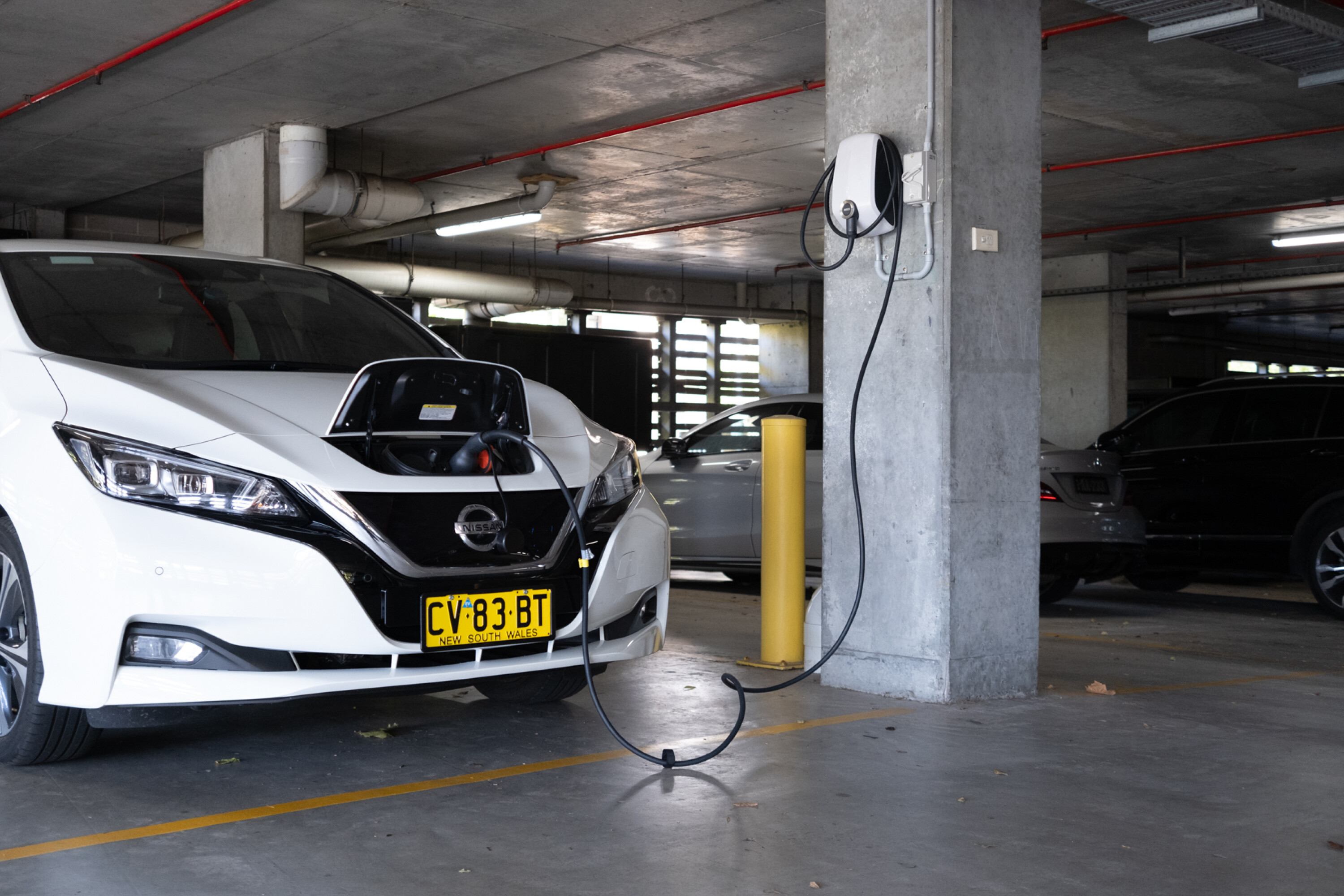
In the five years since the study began, the market has shifted from 17 brands offering at least one electric model to 40 in 2026. The cheapest EV when the study began, the MG ZS EV, started from $44,990 drive-away, compared to a selection of over 10 electric models priced from under $40,000 in 2026, and higher-priced models rapidly approaching price parity with combustion-engined (ICE) models in the same period.
To a lesser extent, attitudes towards range anxiety – how far a car can travel before charging – have also softened. In 2021, 39 per cent of people surveyed claimed range anxiety was an issue, rising to 41 per cent in the 2023 survey. The most recent data reveals that range issues are now only a concern for 29 per cent of respondents.
Despite the more willing acceptance of price and range in the evolving EV market, EV resistance rose according to the latest data, with more buyers than before suggesting they would rather stick to an ICE vehicle for their next car.
The latest survey indicated that over a quarter of those included in the study would prefer a fuel-based car (82 per cent), in 2023 that figure was 16 per cent, and in 2021, only 13 per cent.
Other standout data from the report indicated that 77 per cent of buyers weren’t aware of what it costs to charge at home, with 47 per cent overestimating the average charging cost, although this data is based on average charge cost figures and doesn’t take into account individual cost variations, which those surveyed may have based their calculations on.
Another 47 per cent of people surveyed were either renting or living in apartment buildings without the ability to install a dedicated EV charger. Here, the study overlooks access to trickle-charge options for overnight charging from a regular power outlet, which could impact that final figure, particularly for renters of freestanding homes.
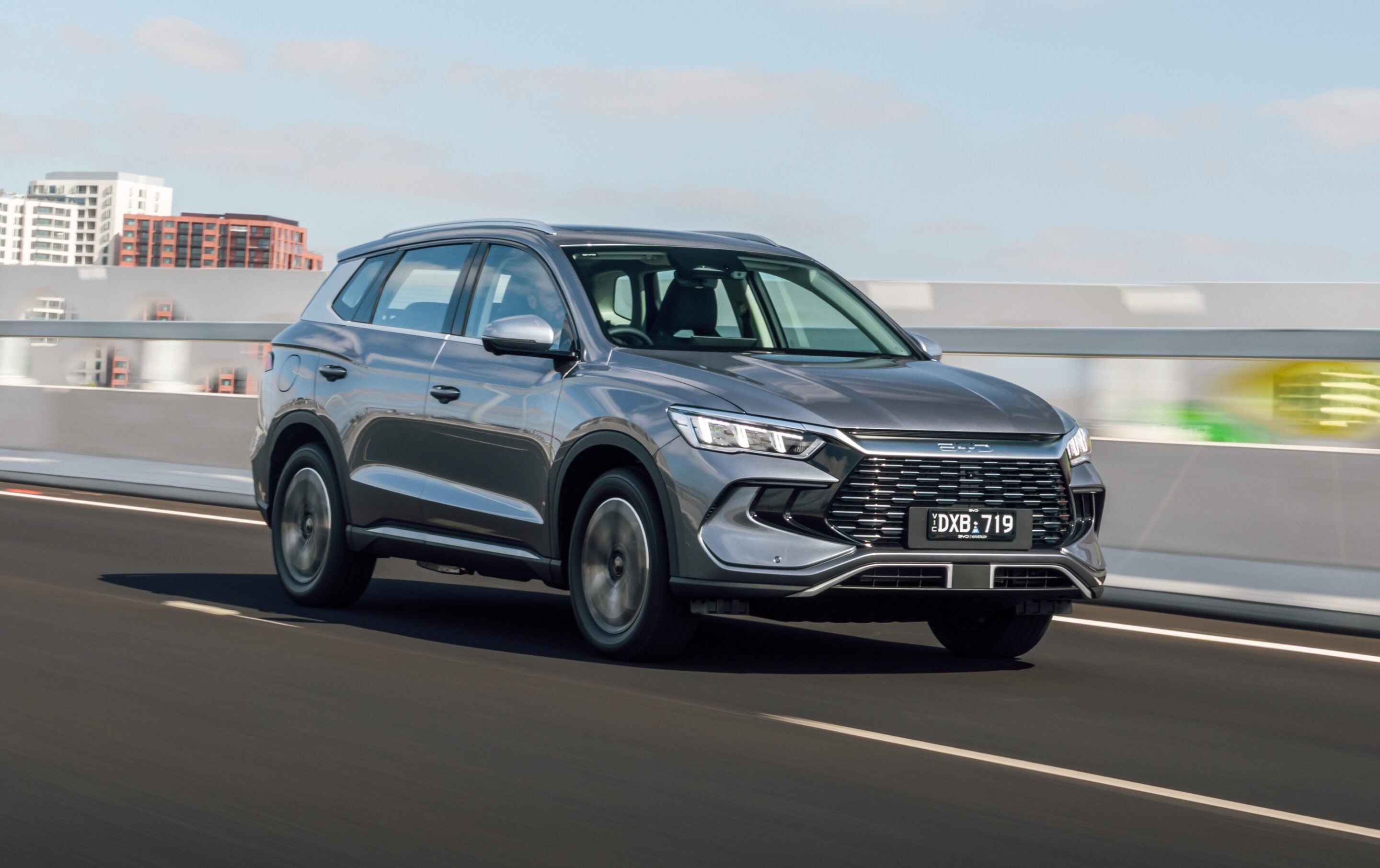
Finally, the data looked at the brands EV buyers were most interested in, with Toyota, BYD (above), and Tesla making up the top three. In 2021 Toyota was not included on the list, with no electric vehicles in market at that time, nor was BYD, having only launched as a low-volume brand in 2021, while Tesla dropped from second in 2021 to third place in 2026.
Hyundai dropped to fifth place, from first in 2021. Kia, Hyundai, Mazda, BMW, Mercedes-Benz, Audi, and Chery rounded out the top ten most desired EV brands in 2026.
Despite the high proportion of prestige brands, 31 per cent of buyers indicated their budget was under $25,000, while 41 per cent were aiming to spend between $25,000 and $50,000, with only 7 per cent looking to spend over $75,000.
Toyota Australia has confirmed that an updated version of the GR Yaris hot hatch is on its way, bringing a number of running changes to the sporty model.
The most noticeable change from the current GR Yaris is a new motorsport-inspired steering wheel, with a revised button layout for easier eye-off operation, albeit with a range of functions intended for road, rather than track use. Additional control illumination has been added to improve nighttime operation.
The new wheel also has a smaller rim, down from 365mm in diameter previously, to 360mm. A reprofiled inner rim surface that no longer contains the thumb grips of the earlier design, and a GR logo in place of the Toyota insignia on the hub have also been implemented.
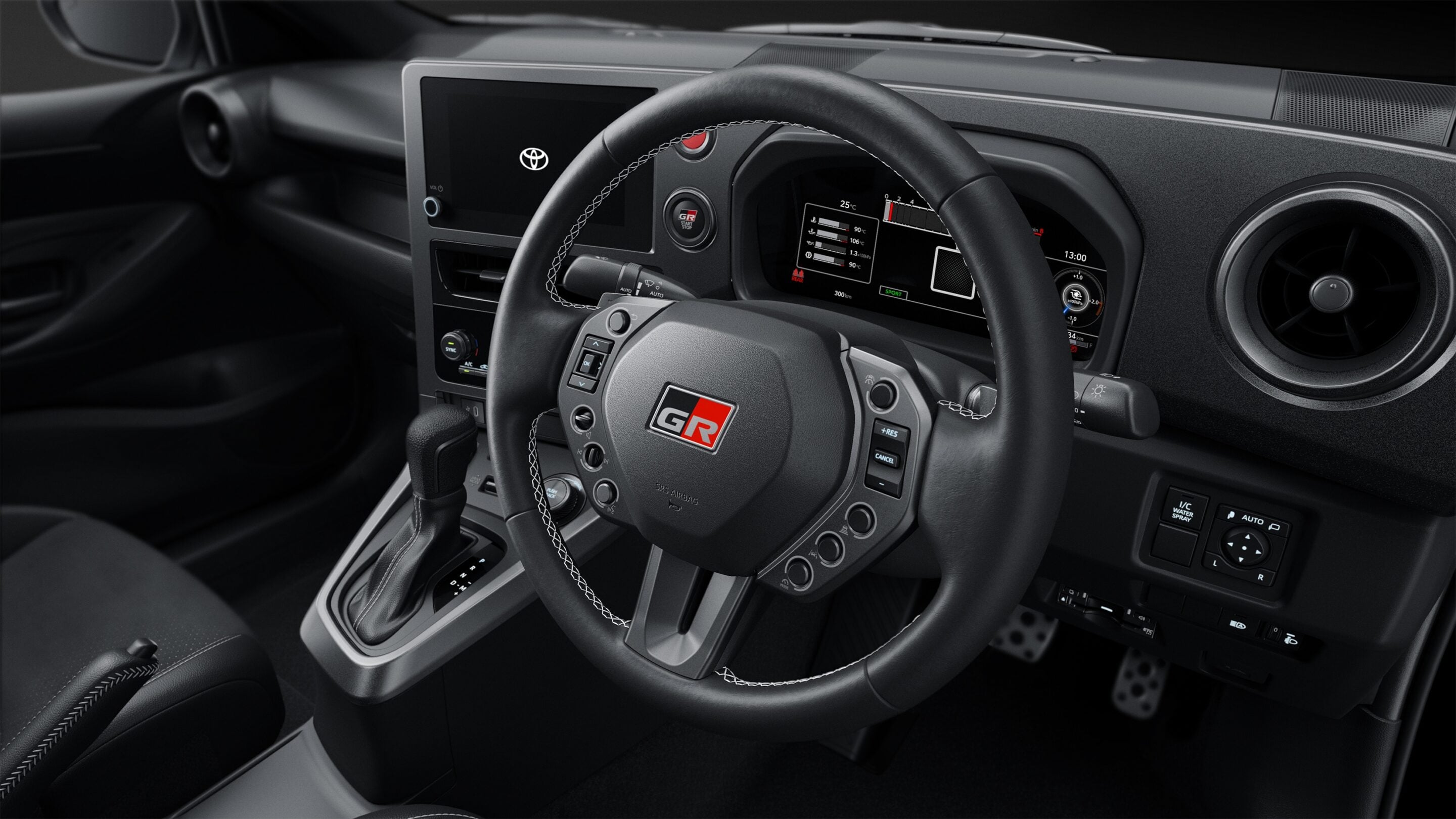
Beyond the wheel itself, the electric power steering itself has been tweaked with what Toyota describes as an “expanded operating range”. In overseas markets, this change has been made to ensure more even steering assistance under high-load cornering, and when used with high-grip tyres.
The top-spec GR Yaris GTS version also changes from Michelin Pilot Sport 4S tyres to Bridgestone Potenza Race tyres, while the entry-level GR Yaris GT retains its Dunlop SP Sport Maxx 050 rubber.
The move reflects a more motorsport-centric approach for the GTS, which keeps other equipment differences over the GT like lightweight forged BBS alloy wheels, ‘high performance’ suspension, and Torsen front and rear limited-slip differentials.
The upgraded Toyota GR Yaris is due in Australia from June, 2026.
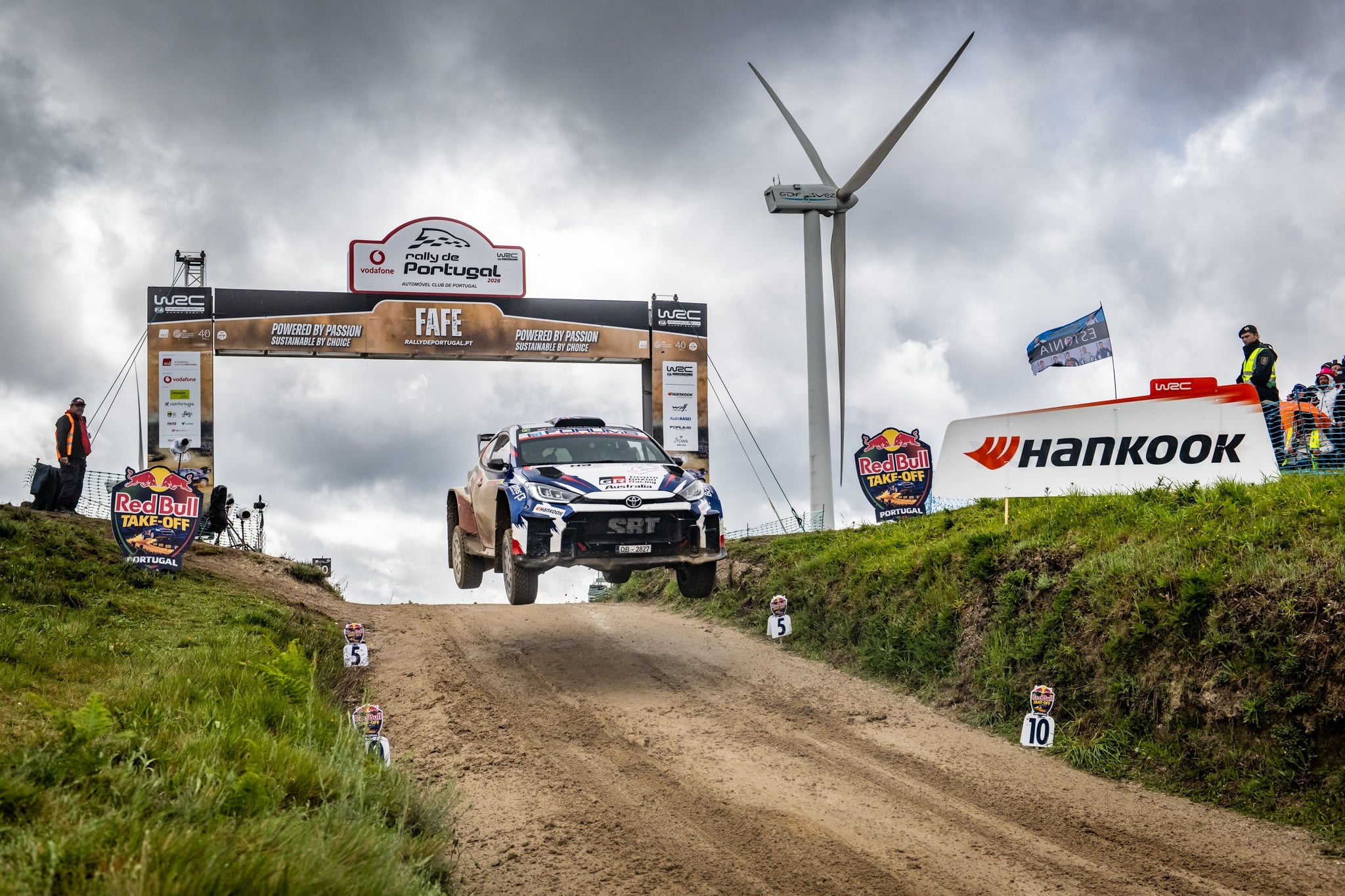
This latest update follows the introduction of a mid-life restyle, launched in early 2025, that added the option of an eight-speed automatic alongside the standard six-speed manual. In September 2025, Toyota added a GTS Aero Package model with a vented bonnet and front guards among the changes.
Toyota has not yet announced pricing for the updated GR Yaris GTS, with the current range priced from $55,490 plus on-road costs for the GR Yaris GT manual up to $67,490 +ORCs for the GR Yaris GTS equipped with the Aero Performance Package.
After gaining significant traction in the big population centres, the next focus for BYD in Australia will be regional and rural communities, says the brand’s local boss, Stephen Collins.
It’s been a strong two years for BYD in Australia. As it sits at the launch of the manufacturer’s latest iteration of the BYD Shark 6, BYD is the number one EV brand in Australia, the number one Chinese OEM in Australia, and occupies first, second and third position on the plug-in hybrid sales charts. Its Sealion 7 also sits in the number two position for electric vehicles overall.
“I’ll be disappointed if we don’t finish somewhere near the top three OEMs at the end of 2026,” Collins told WhichCar by Wheels. “I’m not out there saying that we’re here to knock off Toyota or here to be number one… but I think we’ve shown in the last few months that we can certainly be well and truly in the top five, if not the top three. And that’s where I want to be by the end of the year.”
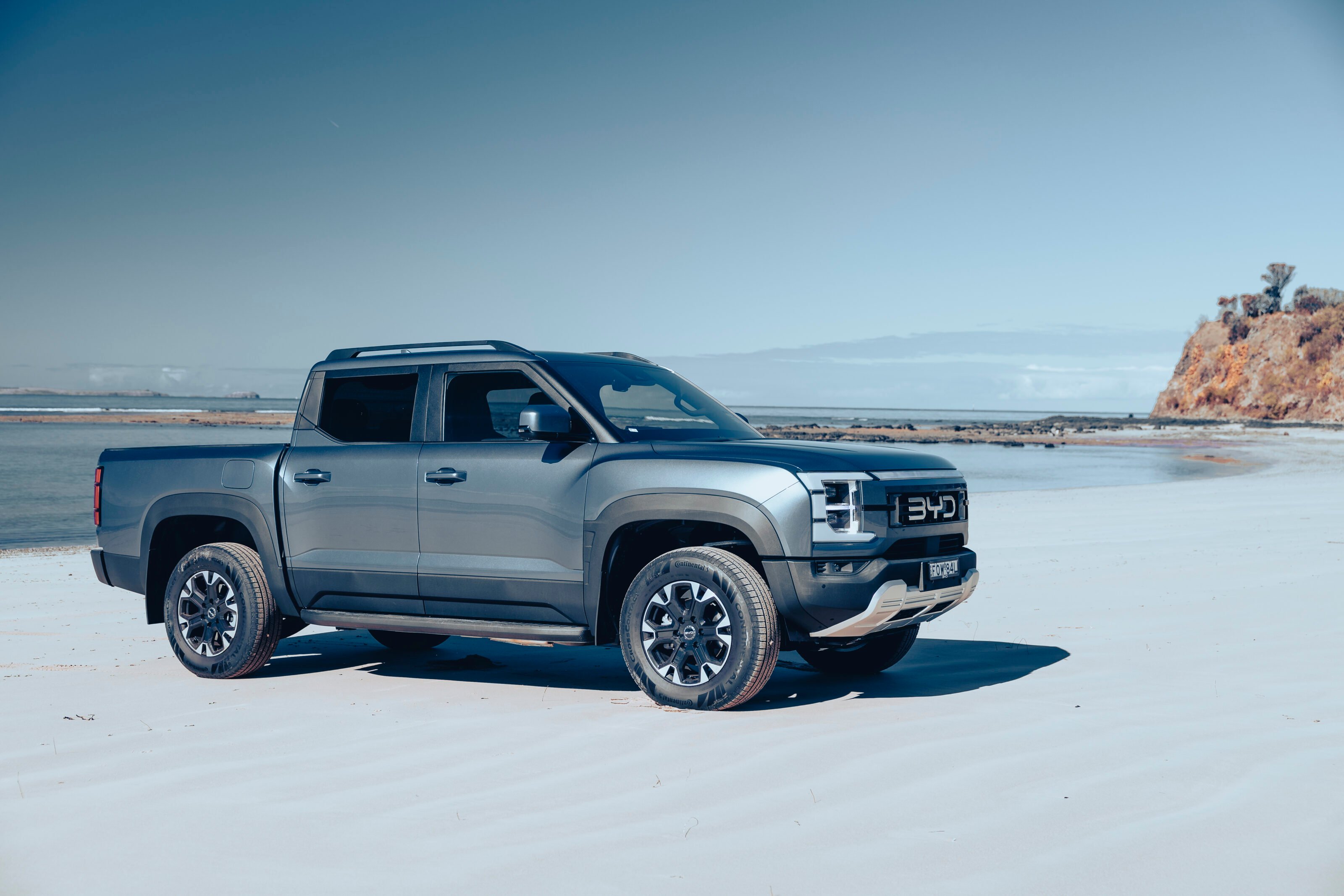
Since launch, BYD has sold more than 24,000 Shark 6 PHEVs, with that number set to climb thanks to the introduction of a cab-chassis and Performance variant to take the range to three models. However, tied in to a strengthening of the dealer network – the manufacturer had less than 50 in 2024 and will have 150 by the end of 2026 – is a key presence in rural and regional Australia. It’s something the boss of BYD in Australia thinks is critical to continued success.
Given BYD has made such significant inroads into the dual-cab segment in the cities, it follows that the outer urban and regional areas are the next opportunity for a brand well on the march in this country.
“One hundred per cent it’s an opportunity, but it’s also about supporting rural communities,” Collins said. “When I was a kid, I was Melbourne born and bred, but I was up at my grandparents’ place in the Riverina all the time. So I understand the connection to community and supporting rural communities, and that’s what we’re going be trying to do. We’re trying to do more of that with our corporate social responsibility, as well.”
In that sense, the growth into regional areas isn’t just about sales figures on a spread sheet. Rural buyers have deep connections to dealers, service centres and the vehicles they choose to buy. And, it’s why brands like Toyota, that have been building in those regional areas for decades, have such a head start.
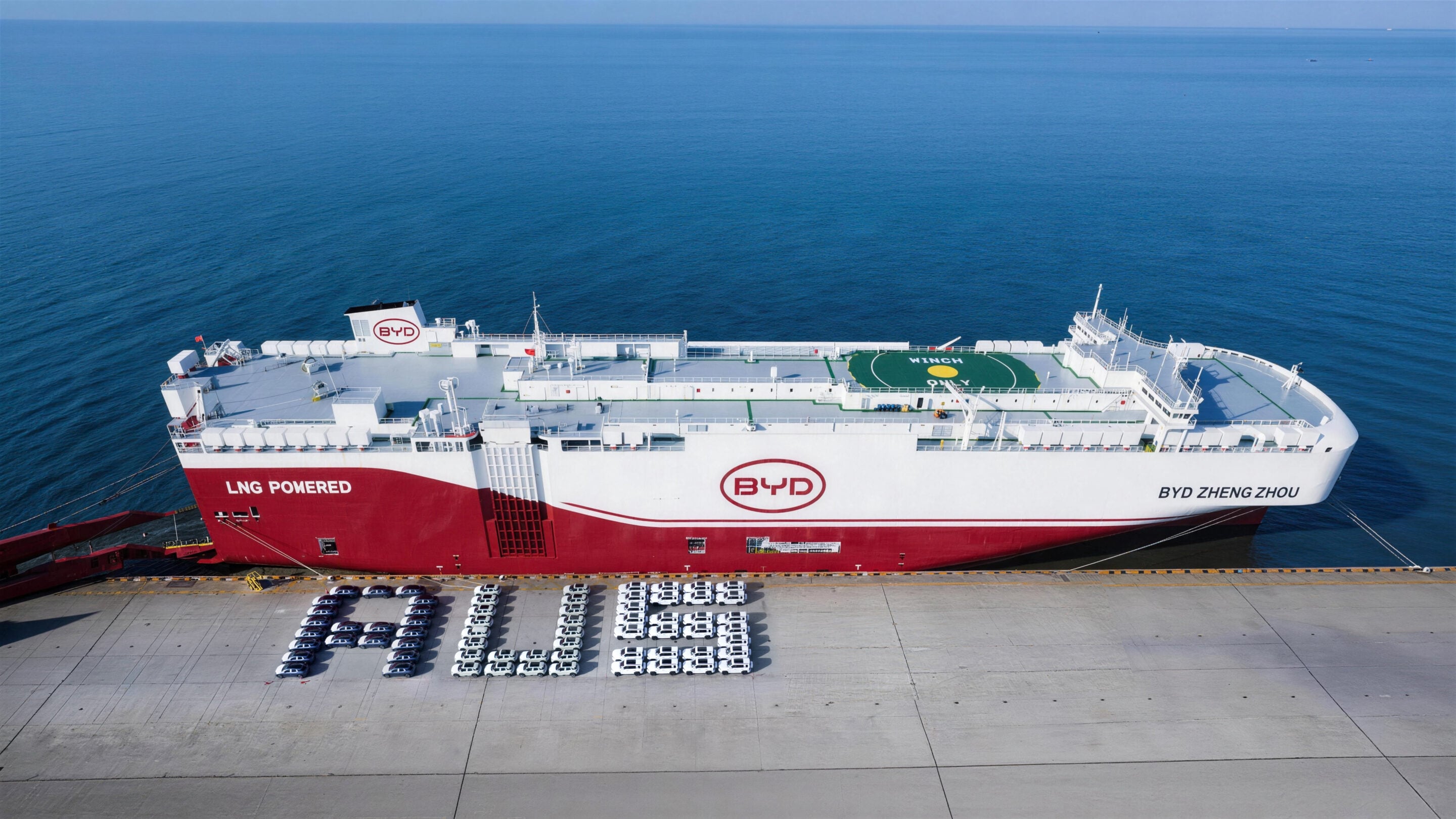
“So it’s not just about selling cars,” Collins said. “A lot of the vehicles we have coming on the vessel that’s on its way here now, a number of those are for rural and remote communities.”
Conquering the cities is one thing, of course, with buyers more likely to be transient, but also with more access to more variety in regard to both purchase ands service.
BYD’s sales success in the cities though has delivered a loyal cohort of owners keen to spruik the product.
“I think the product speaks for itself, now, and I think the coverage of our dealer network, and now after sales support, are all key parts of that jigsaw,” Collins told WhichCar by Wheels. “So I think absolutely that’s our next real big opportunity, rural and provincial Australia.”
