
The desire to ensure children get every opportunity is taking its toll on parents, cars and weekend traffic, with mums and dads spending on average a full working day each week on ‘parent taxi duties’.
A national survey by Allianz Australia found nearly 61 percent of parents spend up to eight hours every week on ‘taxi duty’, with 12 percent spending nine or more hours a week picking up and dropping off.
One such parent, Maria admitted she spends upwards of 18 hours every week driving her two children around to various swimming, gymnastics, dancing, preschool and primary school. The grueling schedule has left her exhausted emotionally, mentally and physically.
The report found most of the driving was done on weekends, with 44 percent of parents surveyed saying they up to three hours driving their kids around every Saturday, with more than a third (36 percent) saying they do the same on Sundays.
As well as the extra wear and tear on parents and their cars, the mass shuttling of children to sporting events and other extra-curricular activities has had a significant impact on weekend traffic levels, with congestion on some capital city arterial roads worse during certain periods on weekends than during the weekday peak.
According to Fairfax Media, Military Road between Cremorne and Neutral Bay in Sydney takes longer on weekends than weekdays during the afternoon peak, with average speeds around Cremorne dropping as low as 24 km/h at 5pm on weekends.
Other Sydney roads suffering high weekend congestion include Pittwater Road, Gladesville and the Pacific Highway between Gordon and Pymble
In Melbourne, Plenty Road on Melbourne’s northern fringe is among that city’s worst on the weekends, particularly in the morning, with Point Cook Road, Thompsons Road (westbound) in Cranbourne East, Centre Road Bentleigh, and Alexander Parade, North Fitzroy also failing to providing any weekend relief.
Kid’s activities aren’t totally to blame though. Weekend trips are much more varied than the daily commute and build up around retail areas, with weekend shoppers also adding to the fray.
Then there’s the fact that public transport is less frequent on weekends, which forces people into their cars.
THE MERCEDES-AMG Formula 1 team’s engine department will help develop the next-generation hybrid Merc C63 coupe; a radical departure from the V8 tradition we know and love.
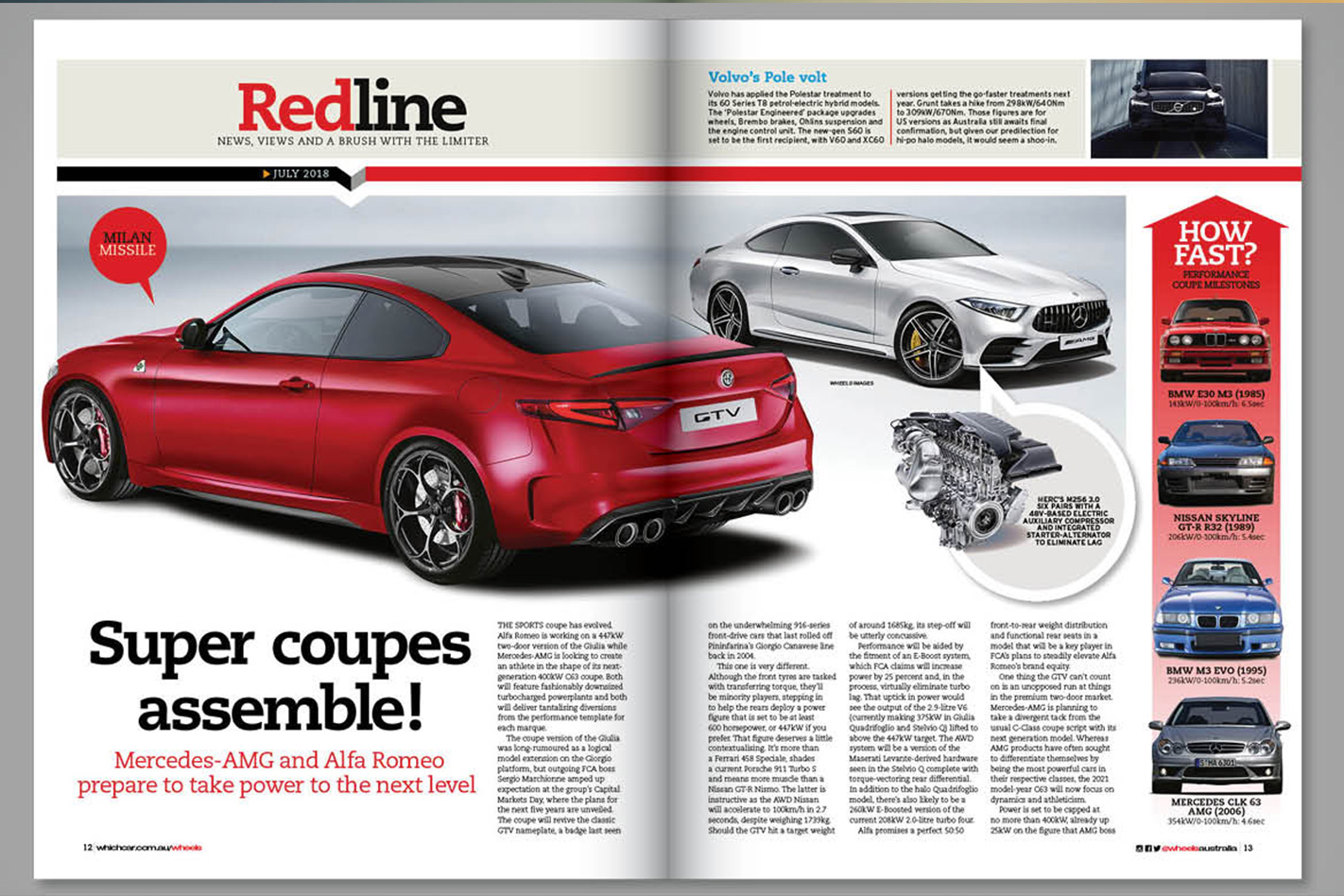
That’s the scoop you can read about in the latest issue of Wheels Magazine, on sale now.
Deputy Editor Andy Enright has insider information on the next-gen project, which is currently underway, which includes the fact the new C63 will produce 400kW thanks to a potentially six-cylinder hybrid powertrain developed by the British-based team responsible for both F1 engines and the forthcoming AMG Project One hypercar drivetrain.
The Mercedes-AMG C63 replacement will have a natural rival in the reborn Alfa Romeo GTV, which will have at least 447kW, with combustion power twisting the rear wheels, and electric motors affixed to the front axle – that’s more power than a Porsche 911 Turbo S and Nissan GT-R NISMO.
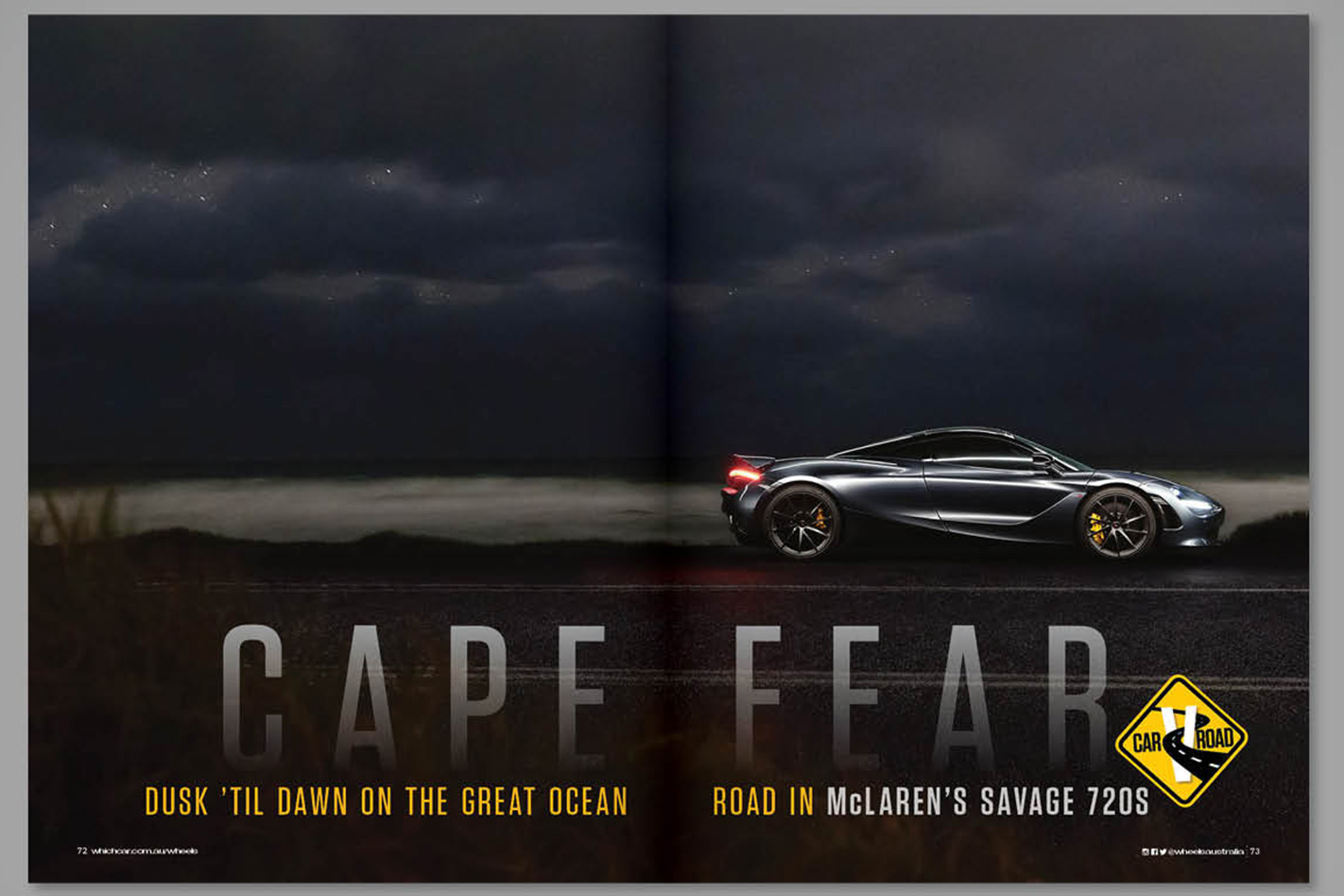
Enright was also scheduled for a mind re-calibration after an overnight soirée with McLaren’s 720S supercar on the Great Ocean Road.
With an edict from Editor Inwood to run from dusk ‘til dawn, the duo stalked one of Australia’s greatest driving roads in the dead of the night, when a lack of prey was a surprising delight.
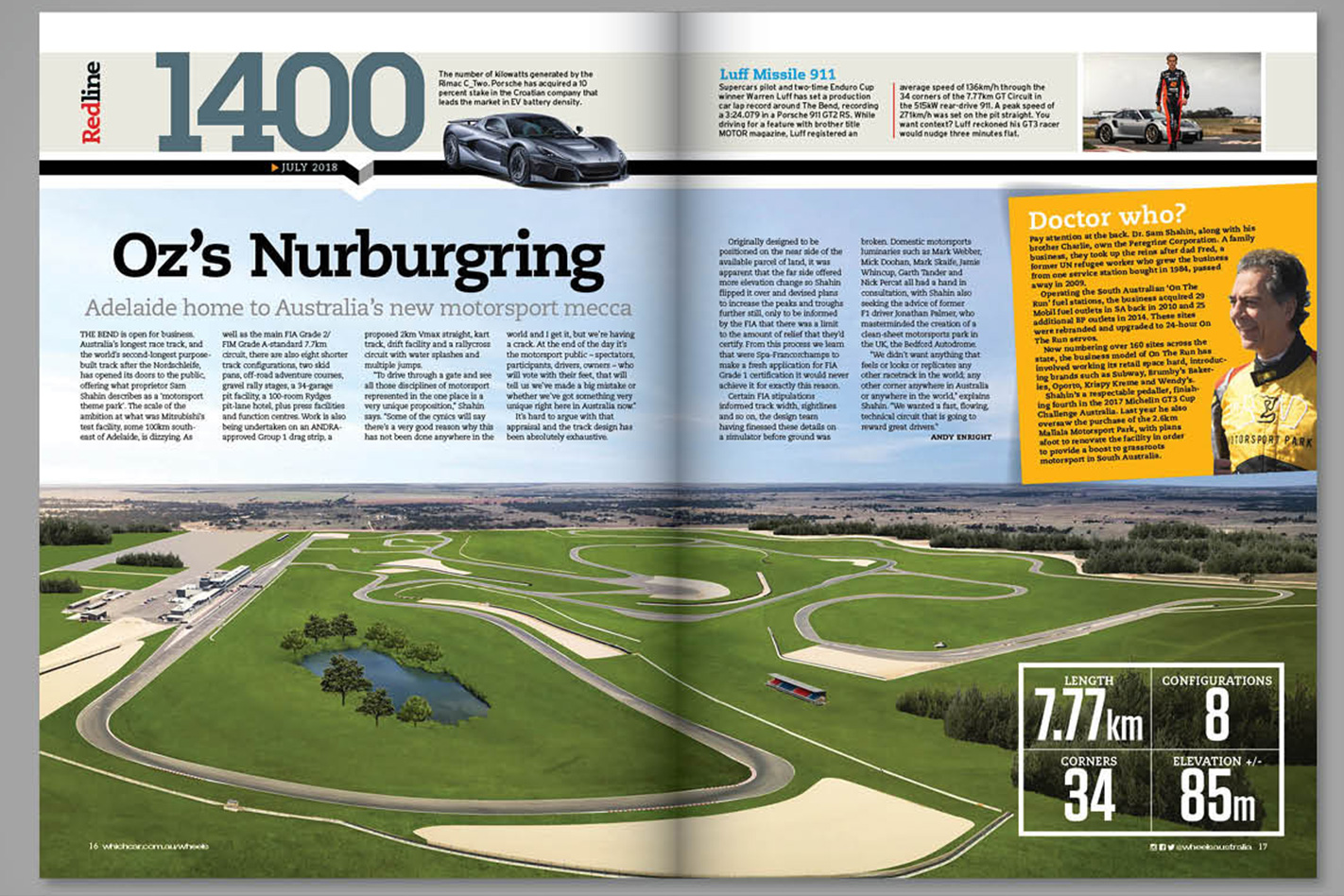
Also in this issue, we get a glimpse at Australia’s Nurburgring which has sprung up in Elwomple. You might need to Google that one. We also investigate Ferrari’s path towards building electric stallions.
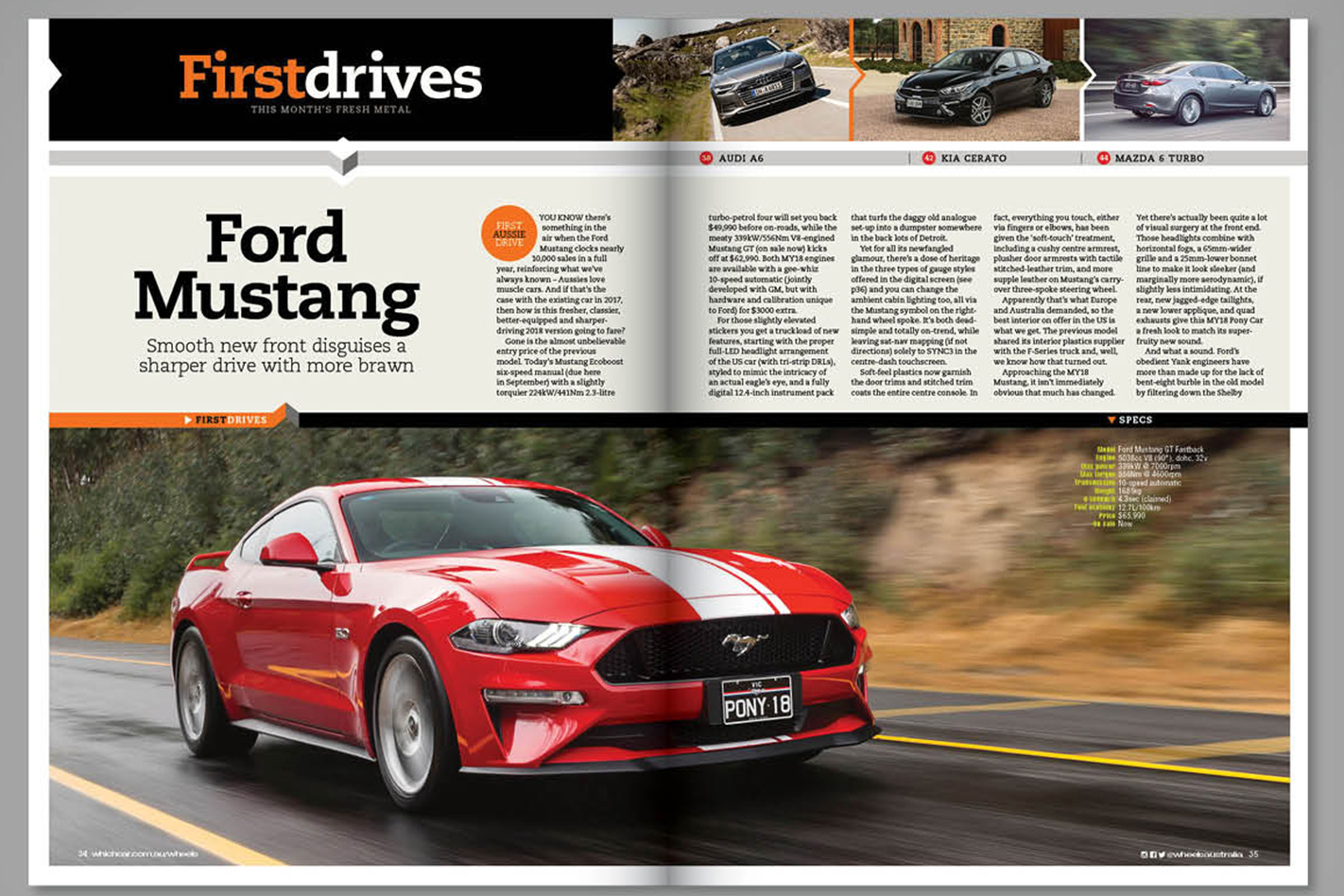
Wheels’ tireless road testing team has been travelling Australia and the globe, and have returned with comprehensive reviews of the Tesla-baiting Jaguar I-Pace EV, Ford’s next-gen Mustang and the technological tour-de-force that is the new Audi A6. Stephen Corby takes Mazda 6 to Frank Lloyd Wright’s architectural magnum opus, plus we sample the Lexus LS500 F Sport, and Audi’s wrecking ball RS4 Avant on Aussie roads.
Our comparison team has also been pounding city streets in a quartet of compact luxury SUVs to see which one is worthy of your hard-earned money – with a shock winner!
Medium-size SUV Megatest: Introduction
However, that grouping pales in comparison to our dual-cab ute megatest, where nine of the best load-luggers in the business were put through their paces. Punished on road, off-road, and with full trays, we have a decisive winner that stands above the rest.
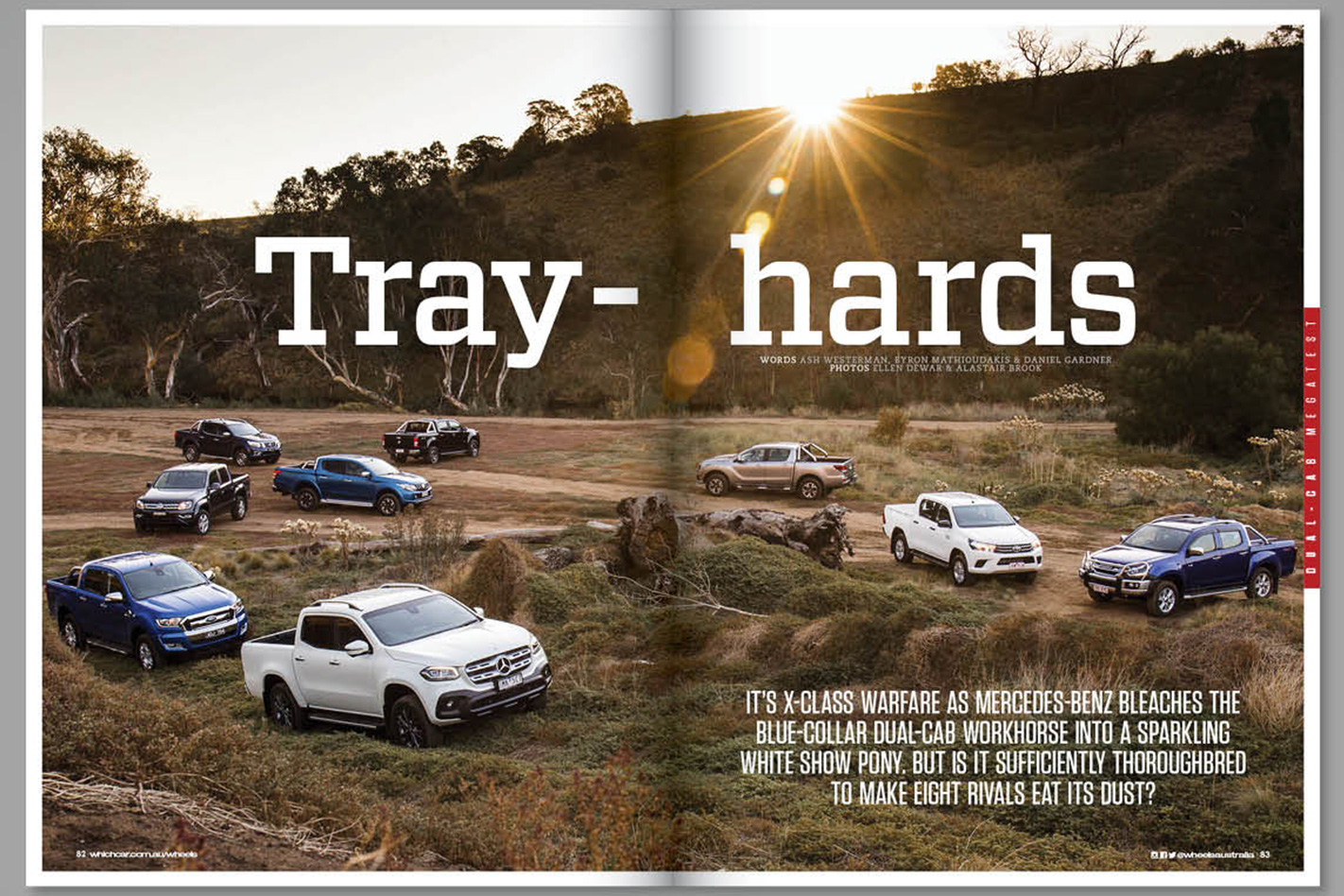
It’s been one heck of a month and we hope that you’re as stoked as we are about the results. There’s all that plus a stack more high-quality reviews, features, and opinions in this month’s Wheels magazine. Subscribers also get the beautiful McLaren 720S studio cover shot by ace snapper Ellen Dewar.
The digital edition of Australia’s leading motoring magazine can be delivered straight to Apple and Android devices. If you want early access, a digital subscription is priced at $49.99 for 13 issues.
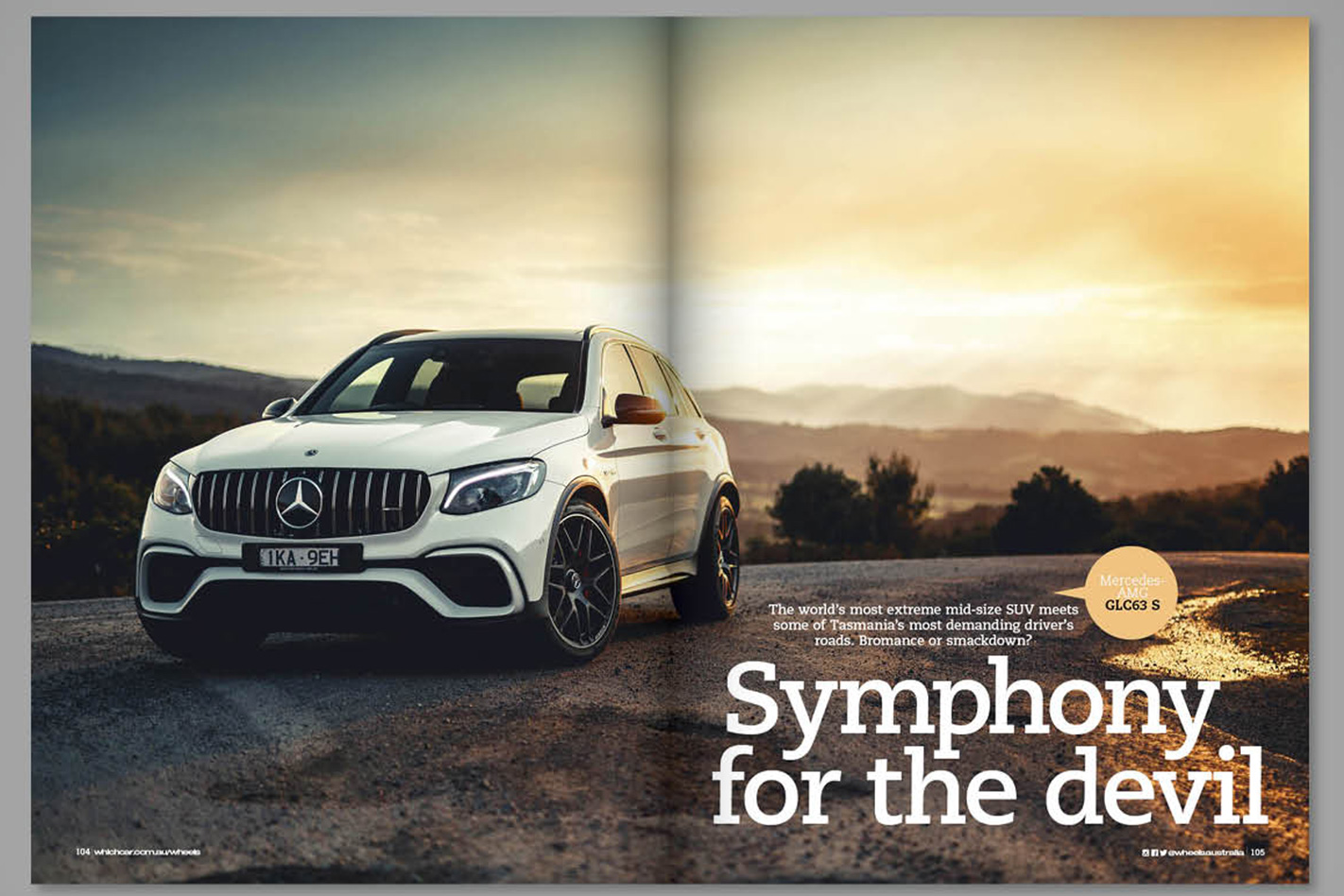
To subscribe to Wheels in digital format, print or even both, pick from the links below or head to www.magshop.com.au/wheels
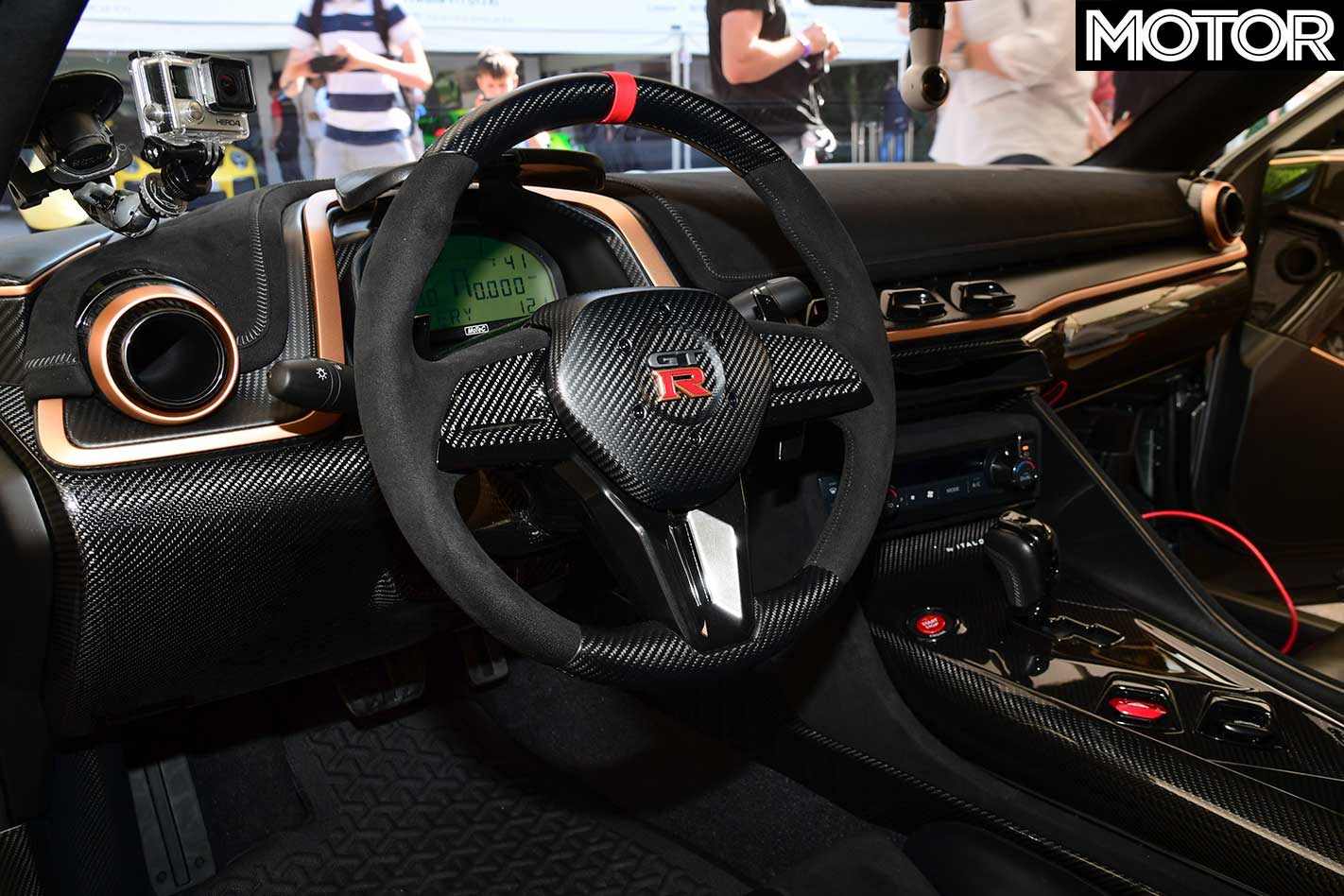
Revealed only a couple of weeks ago, the Nissan GT-R50 by Italdesign has already made its ‘dynamic debut’ in front of onlookers at Goodwood.
Despite looking like a concept car, the GT-R50 has proven itself functional during a quick run up Lord March’s 1.86km driveway.
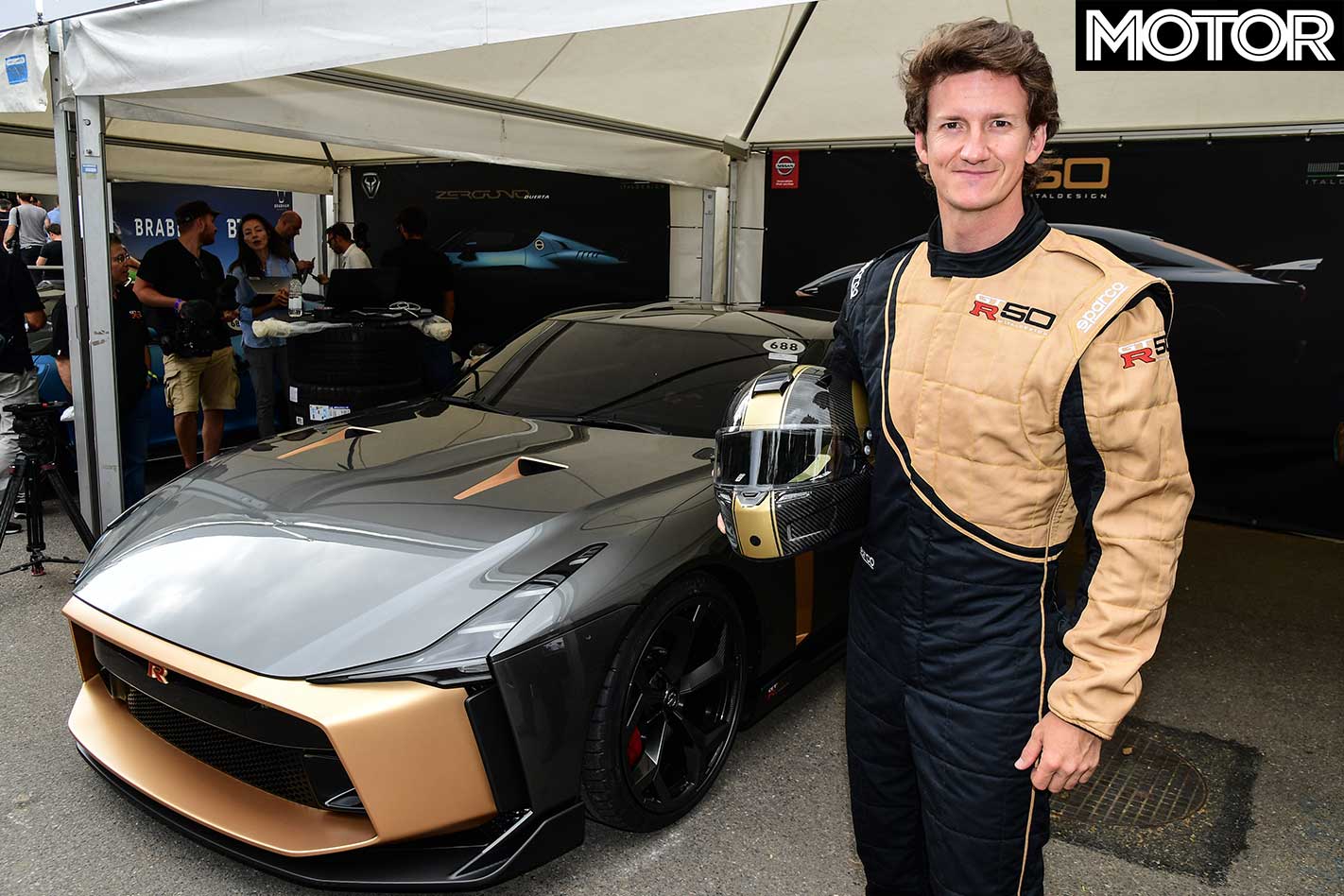
Behind the wheel was Nissan factory GT3 racer Lucas Ordóñez, though fellow Nissan GT3 racer Alex Buncombe also took it for a spin.
The re-imagining of the GT-R is a dedication to the 50th anniversaries of both Nissan’s GT-R badge in 2019, and renowned design firm Italdesign in 2018. Based on the R35 GT-R, only 50 will be built, and pricing is set to begin at €900,000 (directly converted to AUD$1.4m).
The 3.8-litre twin-turbo V6 now makes an extra 88kW over the GT-R Nismo, bringing outputs to 529kW/780Nm. The GT-R50 also sports chassis upgrades such as revised Bilstein suspension, and drivetrain improvements to cope with the extra power.
Alfonso Albaisa, Nissan’s senior vice president of global design, says the driveway at Goodwood is the perfect place to debut the GT-R50, given the anniversaries for Nissan and Italdesign, as well as the history and prestige associated with Goodwood.
“The Goodwood Festival of Speed is the ideal setting to showcase the Nissan GT-R50 by Italdesign, which combines power and artistry to celebrate 50 years of inspiring the dreams of our customers,” Albaisa says.
“Just like the prototype itself, Goodwood is a celebration of design, performance, a little indulgence and a lot of love of historic and future automotive creativity.
“It’s the perfect setting to showcase a unique vehicle that will stir the imagination of people to dream even bigger.”
As technological showcases go, Siemens’ autonomous Mustang demo at Goodwood yesterday was right up there with Microsoft’s blue screen of death at the Windows 98 launch, Honda’s Asimo faceplanting down the stairs or that Volvo emergency braking demo where an S40 ploughed straight into the back of a truck trailer. In short, it was a comical backfire.
It proceeded up the hill like a sherried-up pensioner on the way home from the RSL, hoping that by keeping to a 20km/h top whack they wouldn’t be noticed by the fuzz. Weaving onto the grass shoulder and then pinballing back towards the hay bales, the vinyl-wrapped 1965 Stang had Goodwood’s head honcho, Lord March, in the back which probably only added to the angst the students of Cranfield University, who co-developed the car, were suffering.
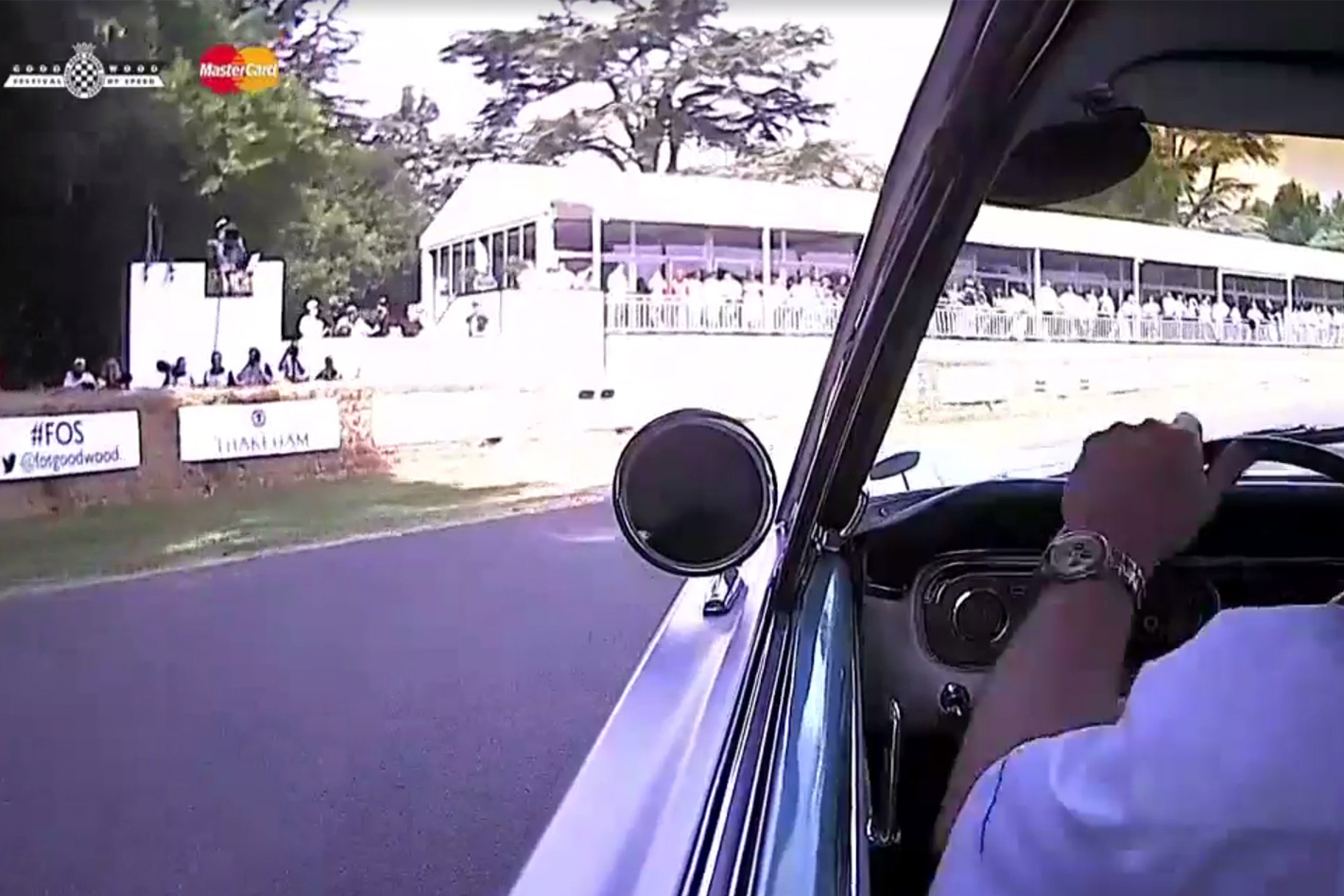
With a security driver ready to grab at the wheel if it went after a pedestrian or set off the line backwards into the snout of a hypercar, there was an element of double security, with a big ‘off’ button that would bring the car to a rapid halt available. In the latter part of the course, where the track narrows and is enclosed by a canopy of trees, the driver was steering the thing himself, trying to keep his right hand low on the wheel rim beyond the GoPro’s view.
At one point Lord March goes to wave to the crowd, only for the car to lurch violently back the other way, at which point he stops waving and looks appropriately terrified.
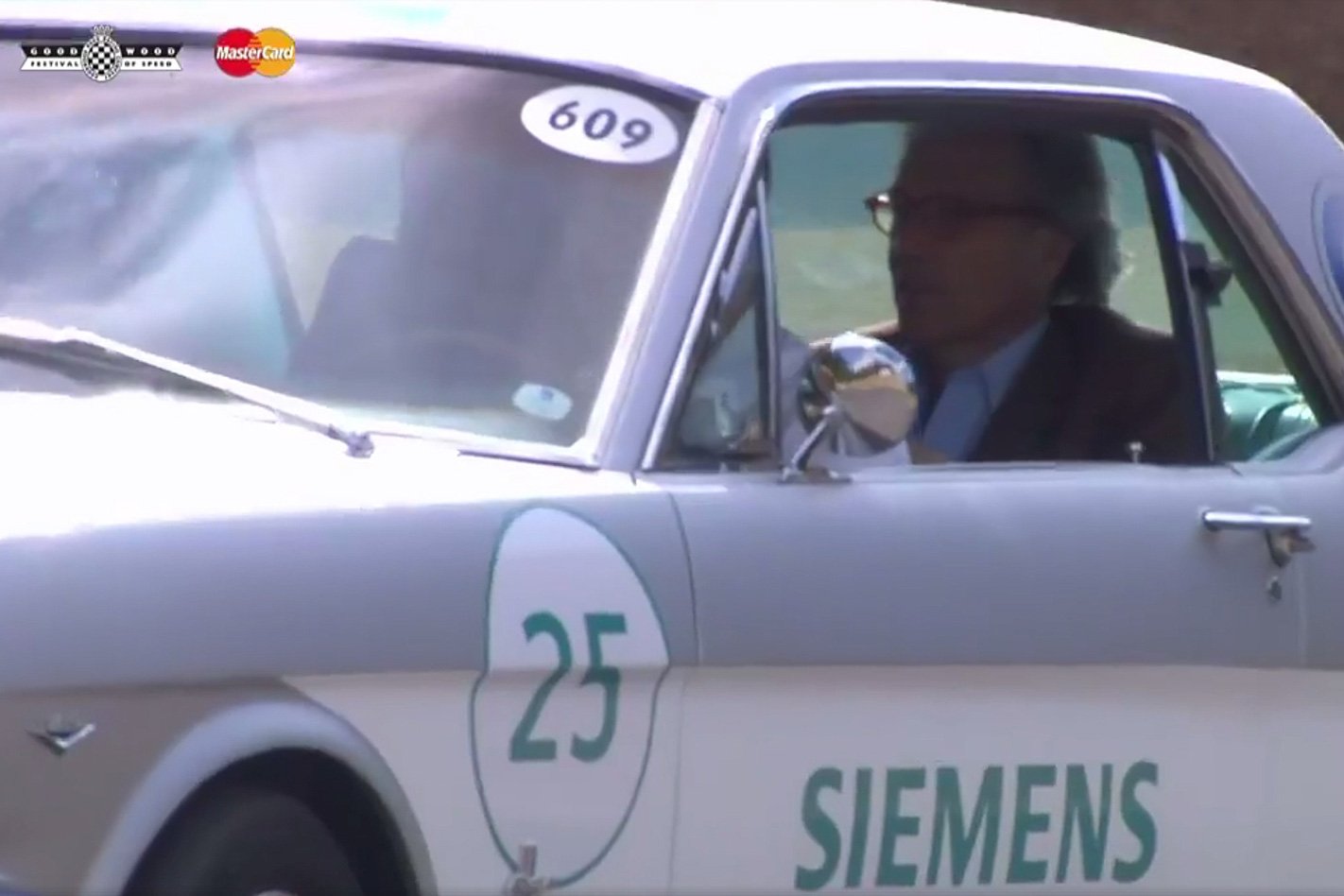
“I was expecting worse,” said Siemens’ technical adviser as he watched the vehicle veering about, blaming interference from the camera feeds and the narrowness of the track for the car’s crazy overcompensations.
Click here to watch the amusing run.
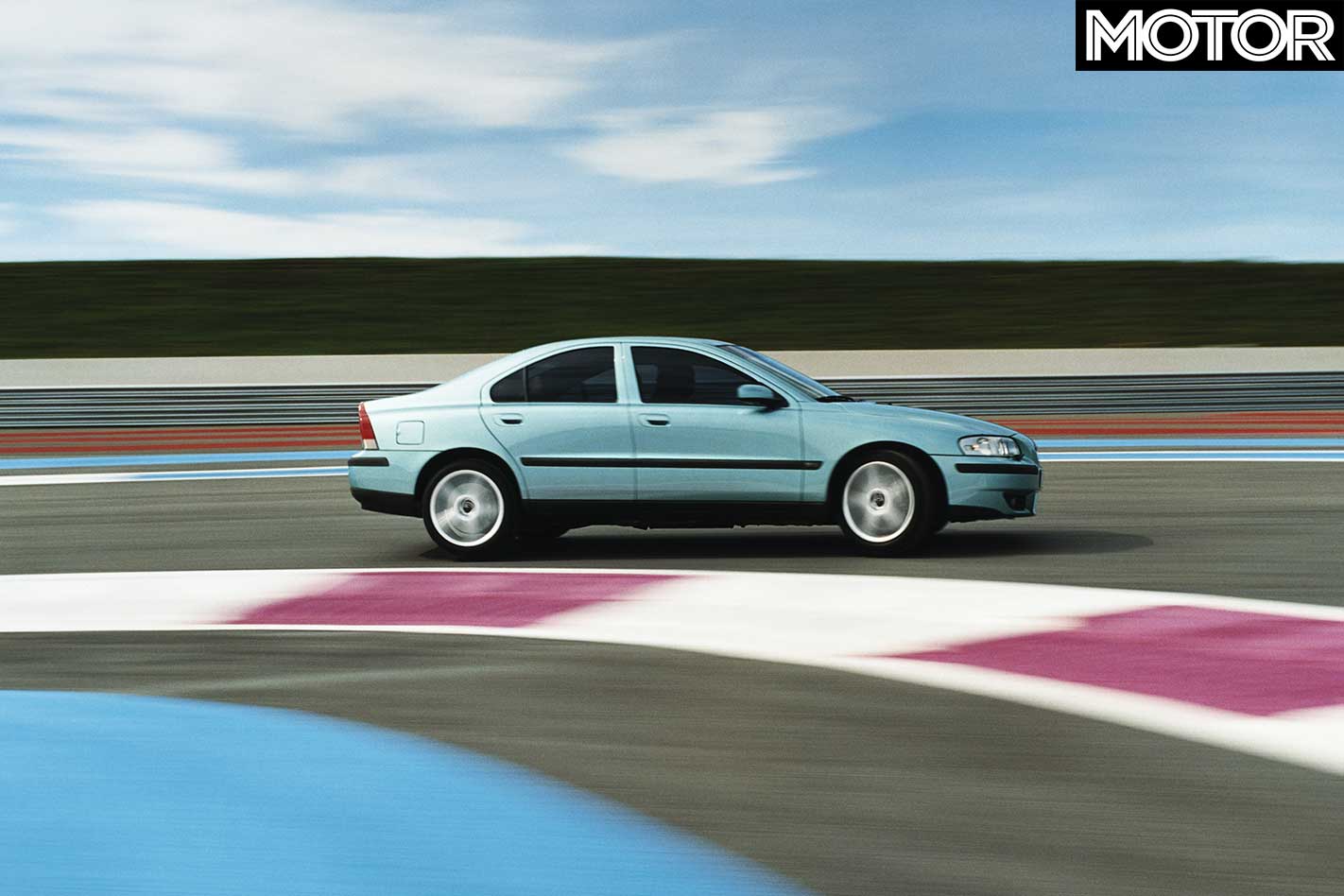
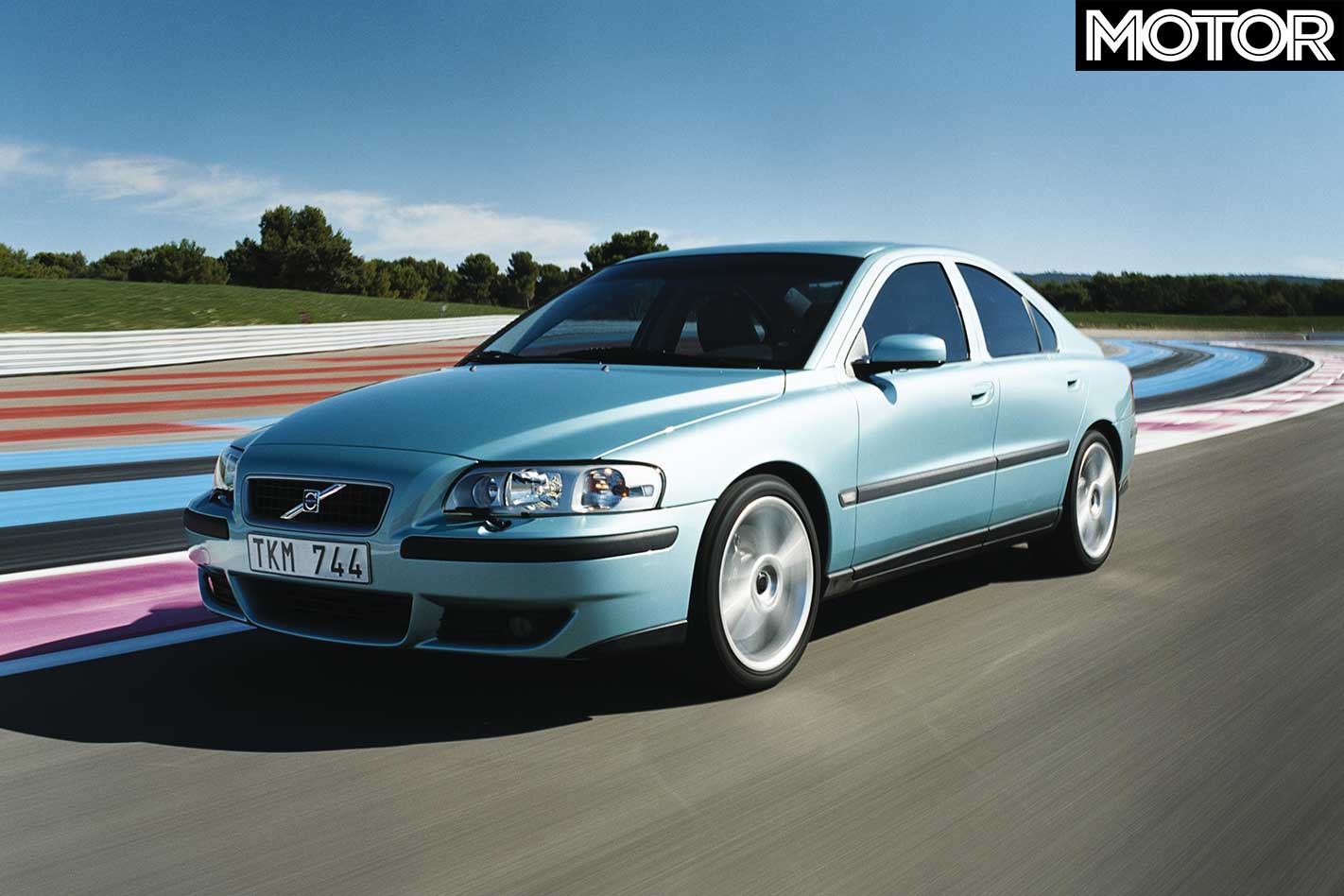
Just hot-lapped Imola in an angry 220kW Volvo, of all things. Strange stuff when you exercise the brain and think about it.
This review was originally published in MOTOR’s May 2003 issue
I mean, from the sofa side of the idiot box, Imola looks every bit the impressive GP circuit, and it is. After watching so many San Marino GPs on TV I’d never seen the old farmhouse parked inside the uphill Tosa Curve.
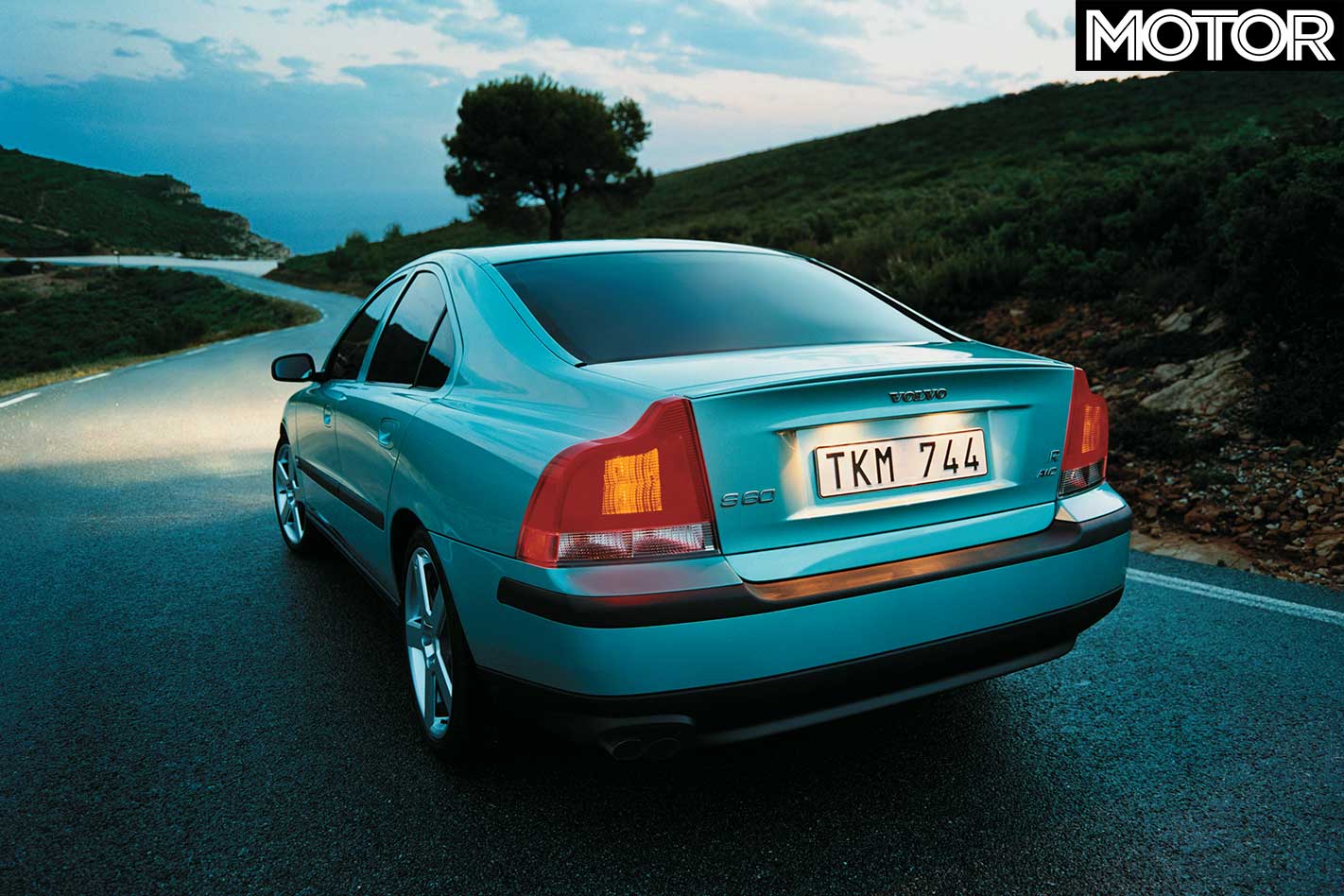
If ever the Q car exists, here it is in size 17 boots, and unless you want one placed somewhere uncomfortable, our advice is to call the cops.
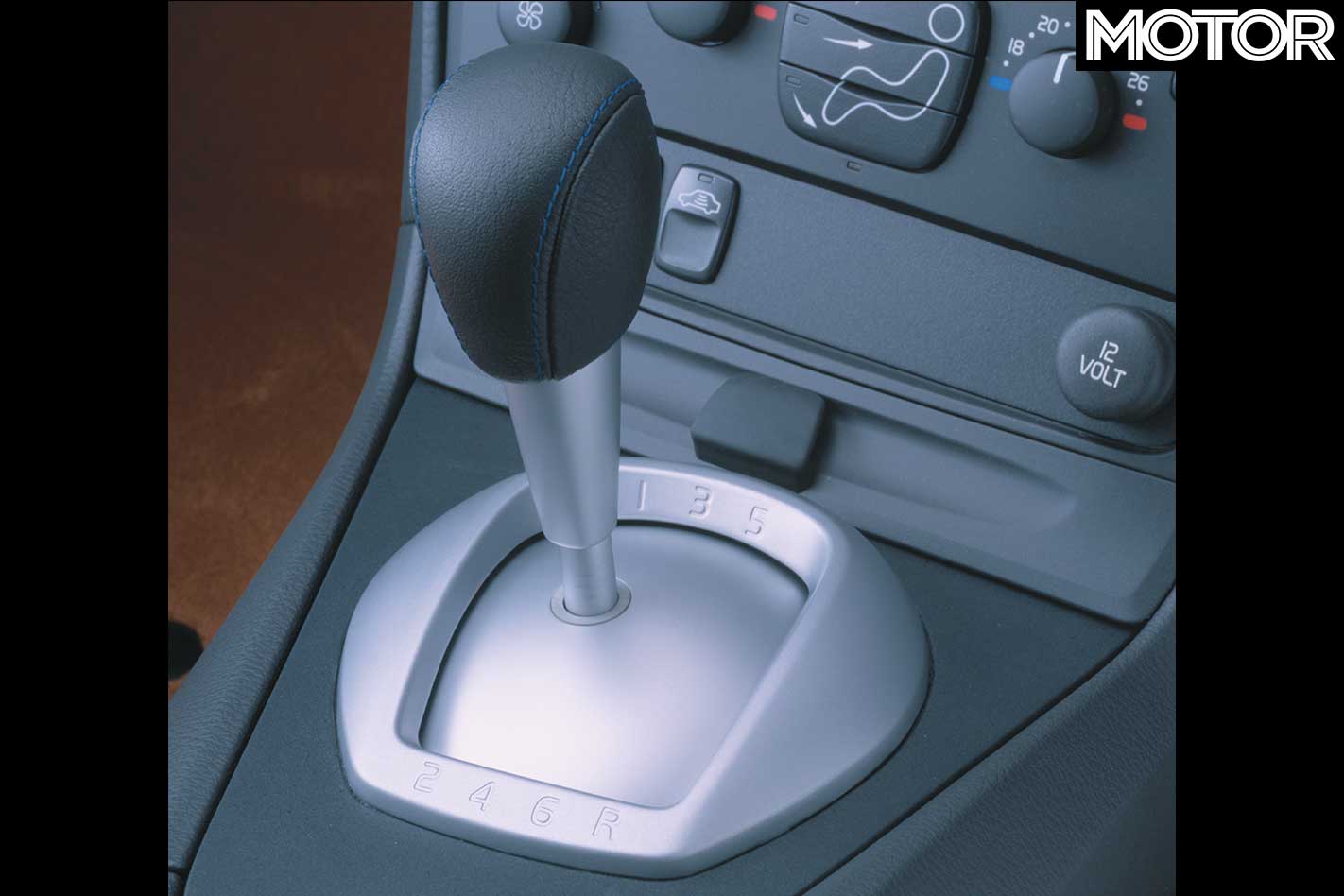
I won’t bore you with tales of blind corners and fourth-gear straights that allow the S60 R to needle the speedo to 200km/h or lift-off oversteer; you’ll discover there are two sides to Volvo soon enough. The point is, the S60 R and alternative V70 R wagon round peg Volvo’s square hole and they do it with a big muther of a hammer.
The safe car company even allows the driver to totally disable the stability control system. Push the DSTC button five times and you’re an adult. Hans Nilsson, creator of Volvo’s R-range, passes on other need-to-know info. “You can do handbrake turns below 90km/h on 10 per cent throttle or less. It’s something we enjoy doing in Sweden.”
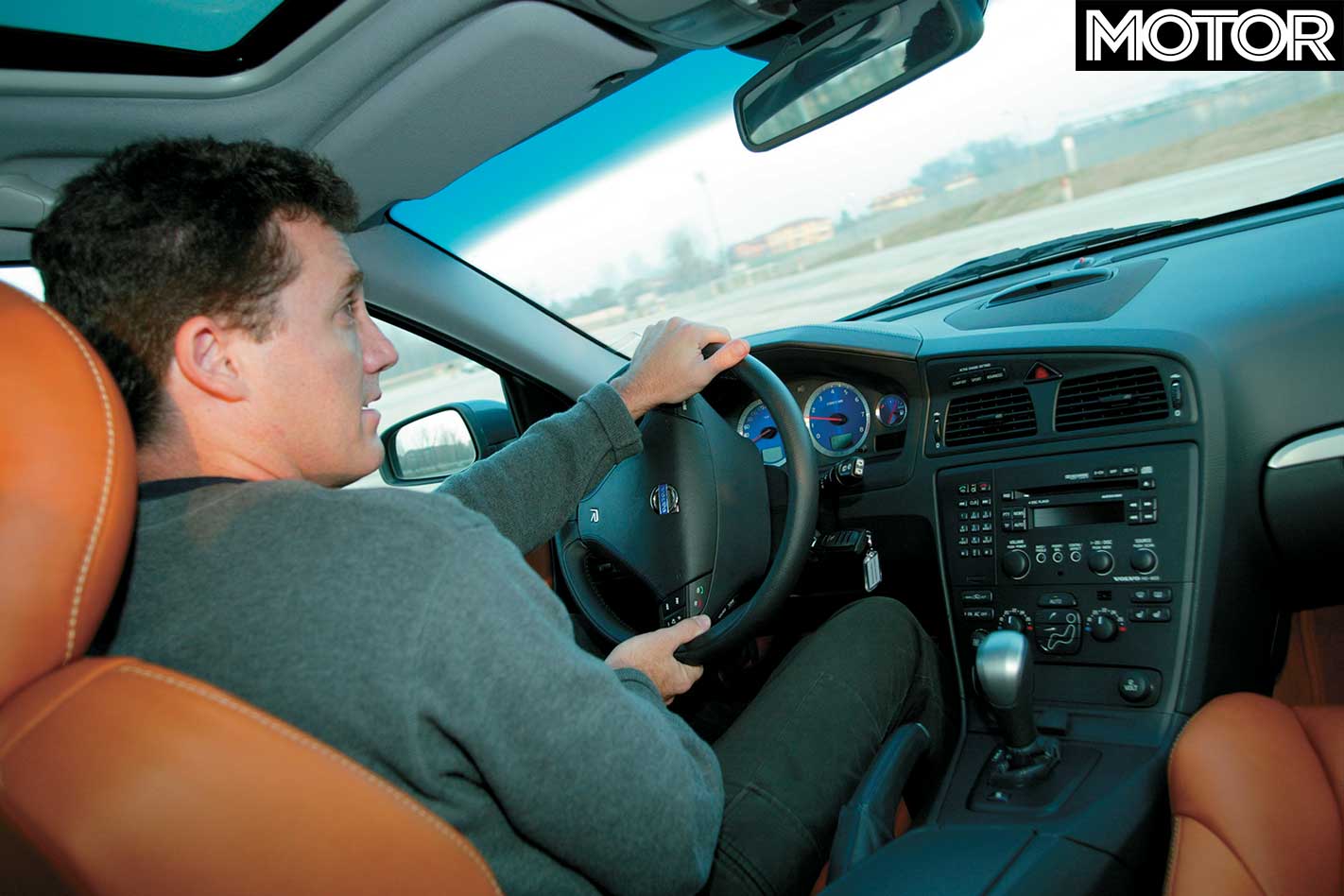
Tell us more. “We designed the stability control software on the R-range to allow lift-off oversteer between 50-70km/h,” he says. On the hilly, double-back roads around Bologna, the grass-roots torque of the engine is magic. And for once, the steering has some feel.
You’ll still find the understeer that’s so annoyingly common on other Volvos, and to be fair, the S60 R is also comfortably carrying an extra 20-30km/h corner speed. Where Audi, Merc and Lexus don’t allow left-foot braking, BMW and now Volvo do.
With or without DSTC, 220kW is significant. Power underlines Volvo’s thinking in permanent black Texta. The engineers sheepishly admit that 300hp (220kW) was not their idea.
“The marketing guys came up with a list of specifications and asked us if we could achieve them,” says Lars Johansson, whose pale complexion is partly the result of four years confined to a dyno cell. B5254T4 is his baby and he’s proud. He should be. It is the most powerful road engine in Volvo’s history.
From sump plug to electric blue plastic camshaft covers everything is new, unique and designed for the principle reason of producing 300 hp. “That was the figure they wanted and that’s the power I gave them,” says Lars. There’s more to it (see “Off his dial” below).
Four star NCAP crash safety rating mixing with 220kW, it’s that kind of combination. “Why can’t we be safe and exciting at the same time?” asks Hans. Well Hans, no one said you couldn’t – you just never have except for a few cars in the mid ’90s. A limited-production 177kW 850 T-5 R sedan is the one people remember. And then came the warmer 184kW T-5s in today’s range.
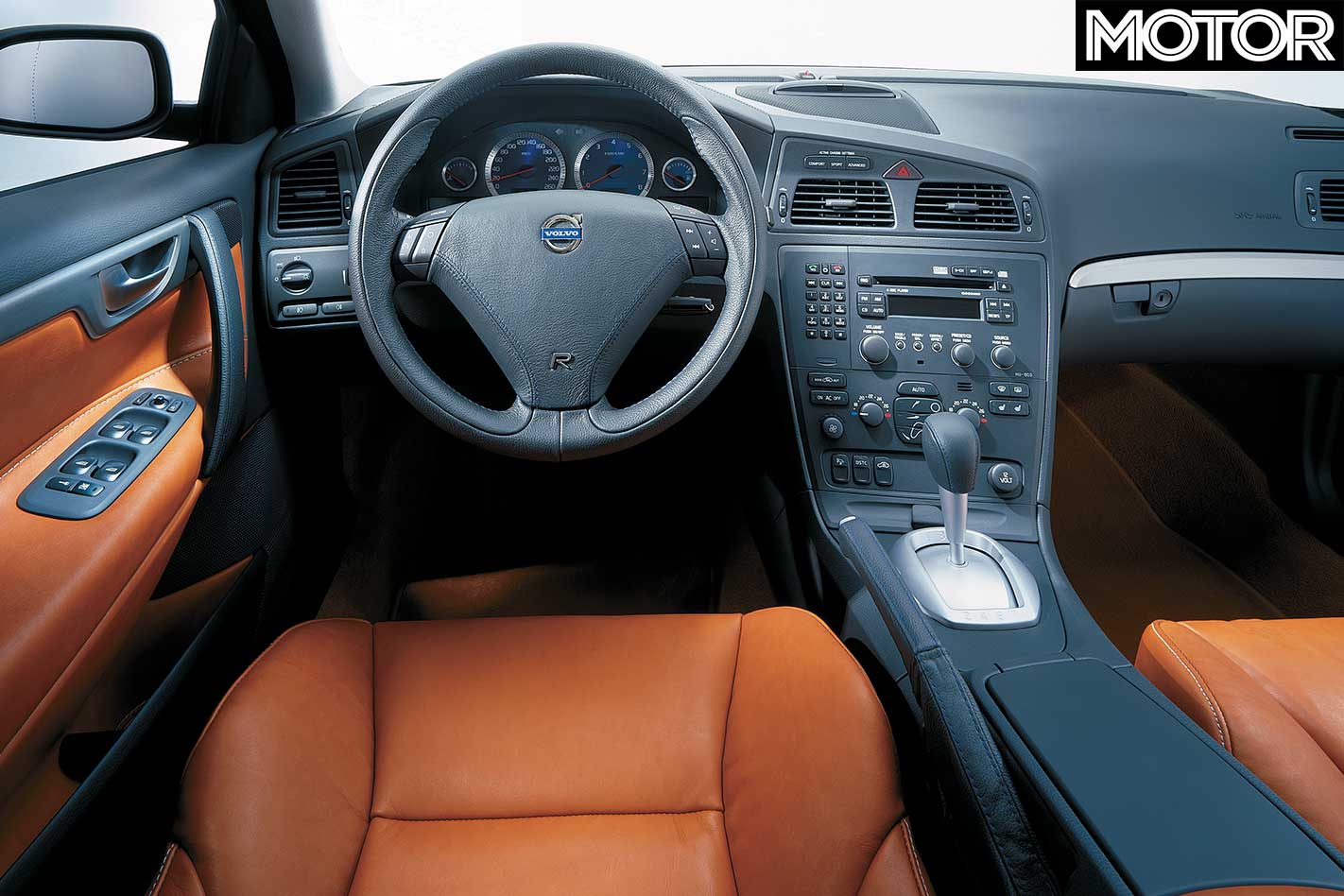
Timing is important. “When we broke with Renault, we realised Volvo was left with nothing exciting,” said Anders Hesselbom, Volvo PR. Unofficially, the 850 T-5R and V70 R were Selleys, a stop-gap until Volvo could afford to develop the serious R-series range.
Renault and Volvo split in late 1993. Volvo’s independence ended a few years later with the Ford buyout in early 1999. “This new R-range was conceived before we were bought by Ford,” says Hesselbom.
By default, that makes the R cars the last pure Swedish Volvos. From this point forward, with a new S40 and V50 wagon rumoured to be in the pipeline, Volvo will shop for bits at the Blue Oval company store. “We’ve been asked by Ford to call it technology share,” says Hesselbom.
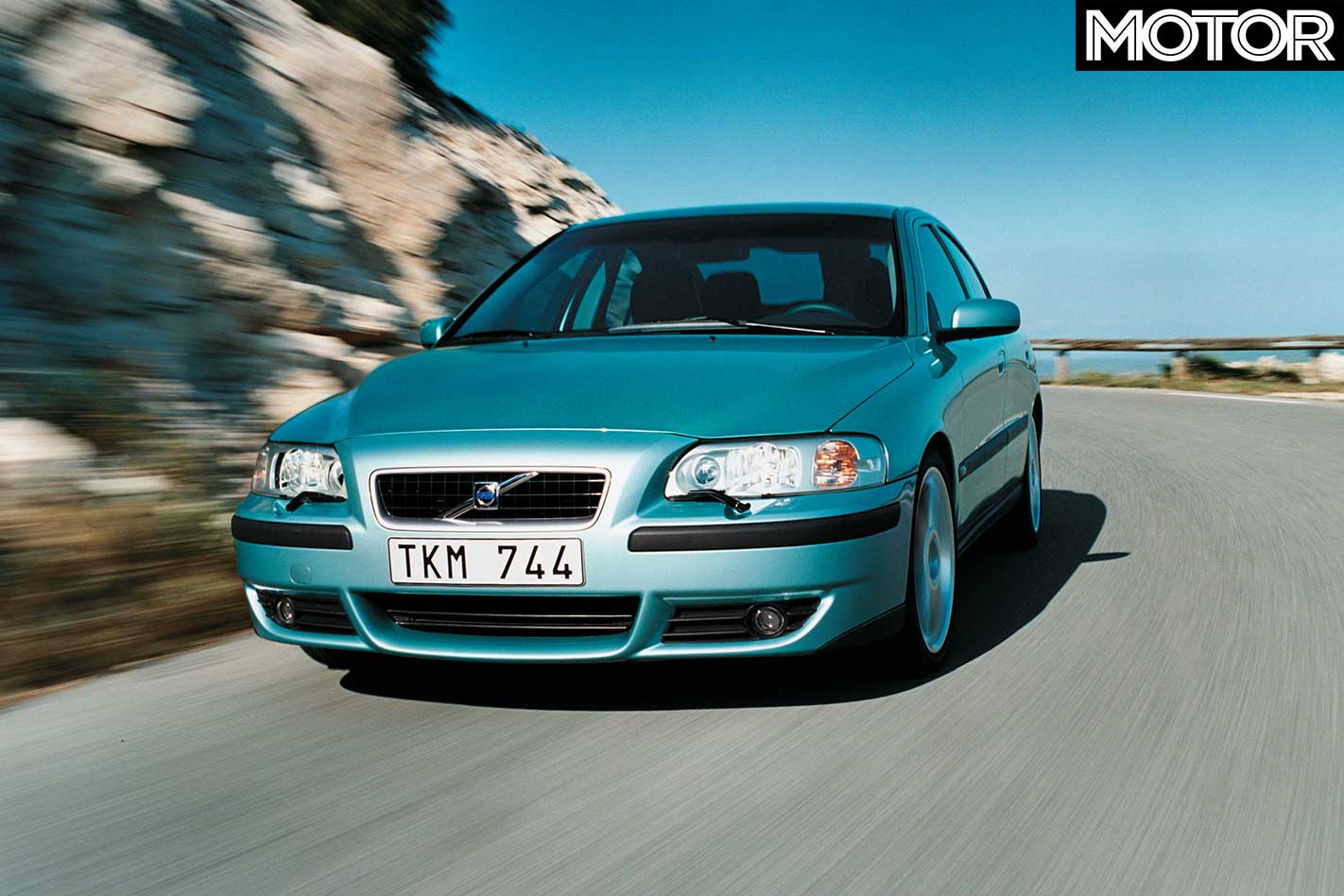
Along with demands for 220kW, the marketing gurus insisted on 0-100km/h in six seconds, and hard-hitting throttle response at high speed. No compromises – R cars had to be on the pace.
“Previous Rs only revved to 6200rpm. This engine revs to 6800,” says Lars, leading into his next point. “With higher revs, it’s quicker from 0-100 km/h.” Not least because of the kitchen table torque curve: 400Nm from 1950rpm flat lining to 5250rpm. While I’m not arguing with Lars’ logic, there’s so much muscle below 5000rpm that short-shifting the close-ratio, six-speed ’box is natural and as quick.
I ask Lars if he’s driven Ford Australia’s new XR6T or a Lancer EVO VI. He hasn’t. Too bad because the three turbocharged engines are a lot alike: responsive, massive torque everywhere in the rev range and damn exciting.
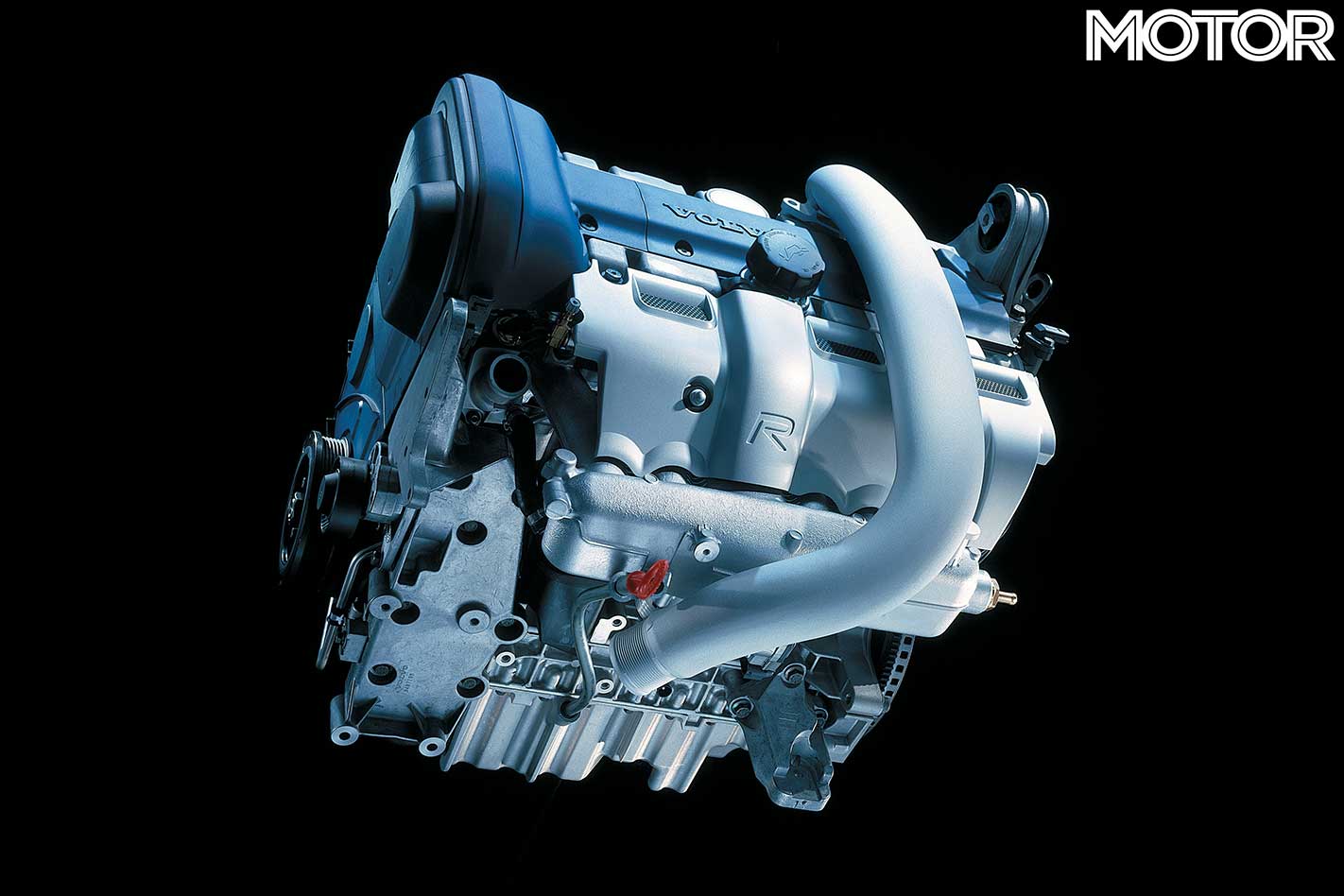
I confess, I’m one of those who still expects a lot of throttle lag from a high-performance turbocharged engine. By definition, 88kW per litre qualifies this all-new 2521cc, DOHC, 20-valve with constantly variable camshaft phasing, inline five-cylinder Volvo as high-performance. At 167kg dry, it isn’t heavy.
Lag? Gnat’s arse, speaking of course in terms of a quantifiable measure less than SFA. The S60 R’s big turbocharger is boosting toward 1.06 bar (max) at 1800rpm. Okay, there is a tiny bit of lag but hardly enough to slow this Volvo on a mission. Aluminium four-piston Brembo calipers and 330mm vented rotors do that very, very rapidly.
The manual S60 R cuts 0-100km/h in 5.7 seconds, says Volvo. The V70 R wagon does it in 5.9. The Brembos halt both from 100-0km/h in 36 metres.
The rest of what makes an R is essential. Like all-wheel-drive; imagine 220kW through the front wheels. Volvo learned almost a decade ago with the 850 T-5R that front-drive goes weird at around 180kW. “The Rs were always going to be all-wheel drive,” says Hans, but not in the viscous coupling tradition of previous softer AWD Volvos.
The second-generation Haldex clutch reacts almost instantly to a difference in wheelspin from fronts to rears. Matter of fact a front wheel needs to spin only 10 degrees more than a rear wheel before the Haldex system sends drive to the rear. Most of the time the S60 R is front-wheel drive.
Chuck it hard into a corner, pedal the throttle hard and early and let the Haldex clutch do its thing. Slight understeer on exit, but then basically the Haldex clutch kicks in. From then on the chassis is pretty well balanced as it punches out of the apex.
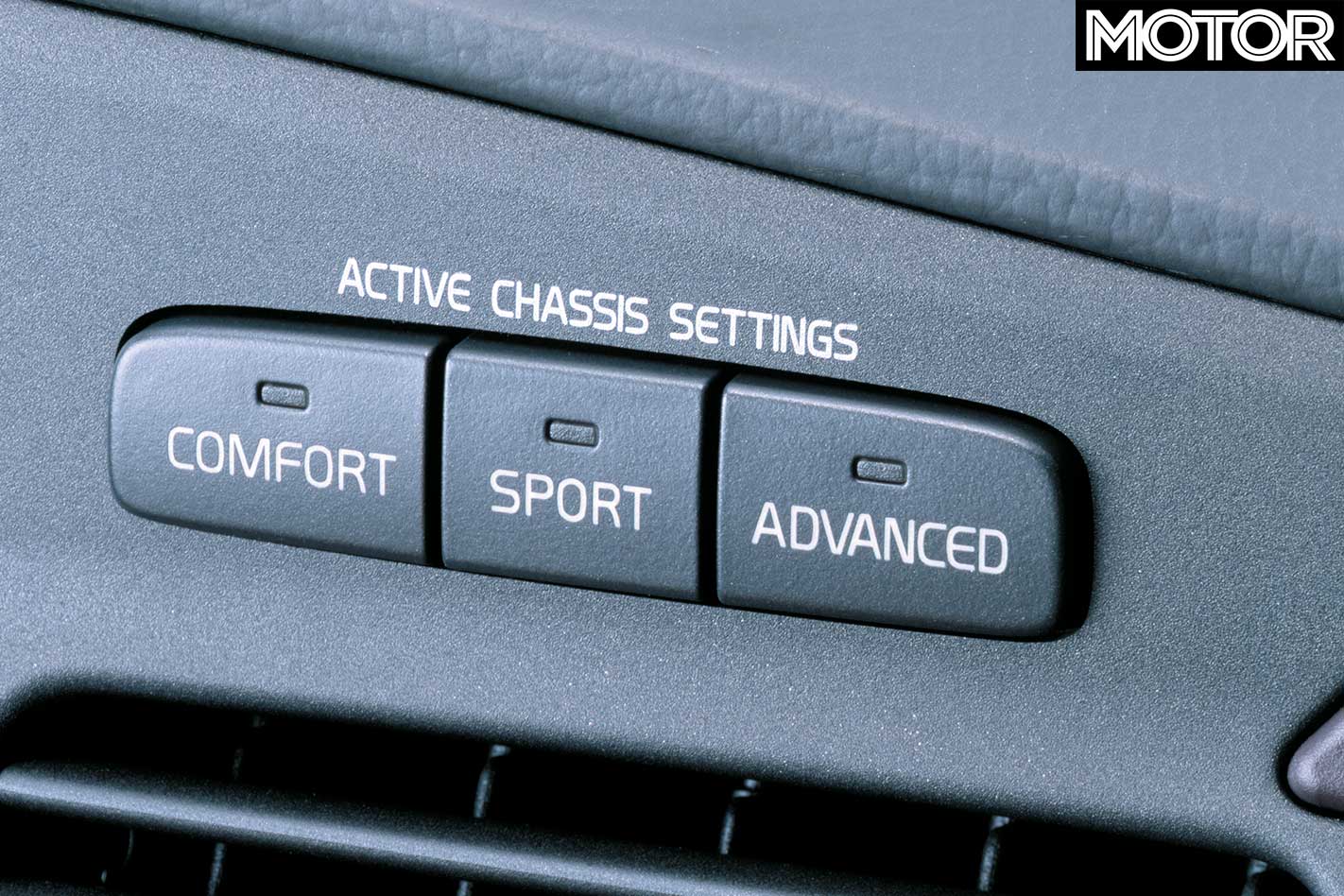
There’s more to it, and that’s what Volvo calls Four-C or Continuously Controlled Chassis Concept. I’m not convinced it controls the S60 R’s suspension better than a basic well-tuned coil spring and damper setup even though it can adjust damper settings several hundred times each second.
The computer-controlled damper technology is impressive as Four-C offers the driver three chassis settings – Comfort, Sport, Advanced – but none feels suitably matched to our rough roads.
But then every Volvo built on the S80 platform (all S60s, V70s and XC90s) suffers varying degrees of poor ride over the pimply surfaces common in Australia. We reckon the problem stems from funky ‘squish-type’ rubber bushings that locate the lower front suspension arm to the chassis. Four-C attempts to correct a symptom, not fix the basic problem.
Of the 8950 R-spec cars Volvo will build this year (60 per cent sedan and 40 per cent wagon), the Americans will take half. A big chunk will stay in Europe and Australia will get a handful at a price 10-15 per cent above current T5. While you might be ready for the thrill of an S60 R or the family-sized V70 R, are you ready to pay $100k for the experience?
Off His Dial When Volvo needed 300 hp, they called Lars
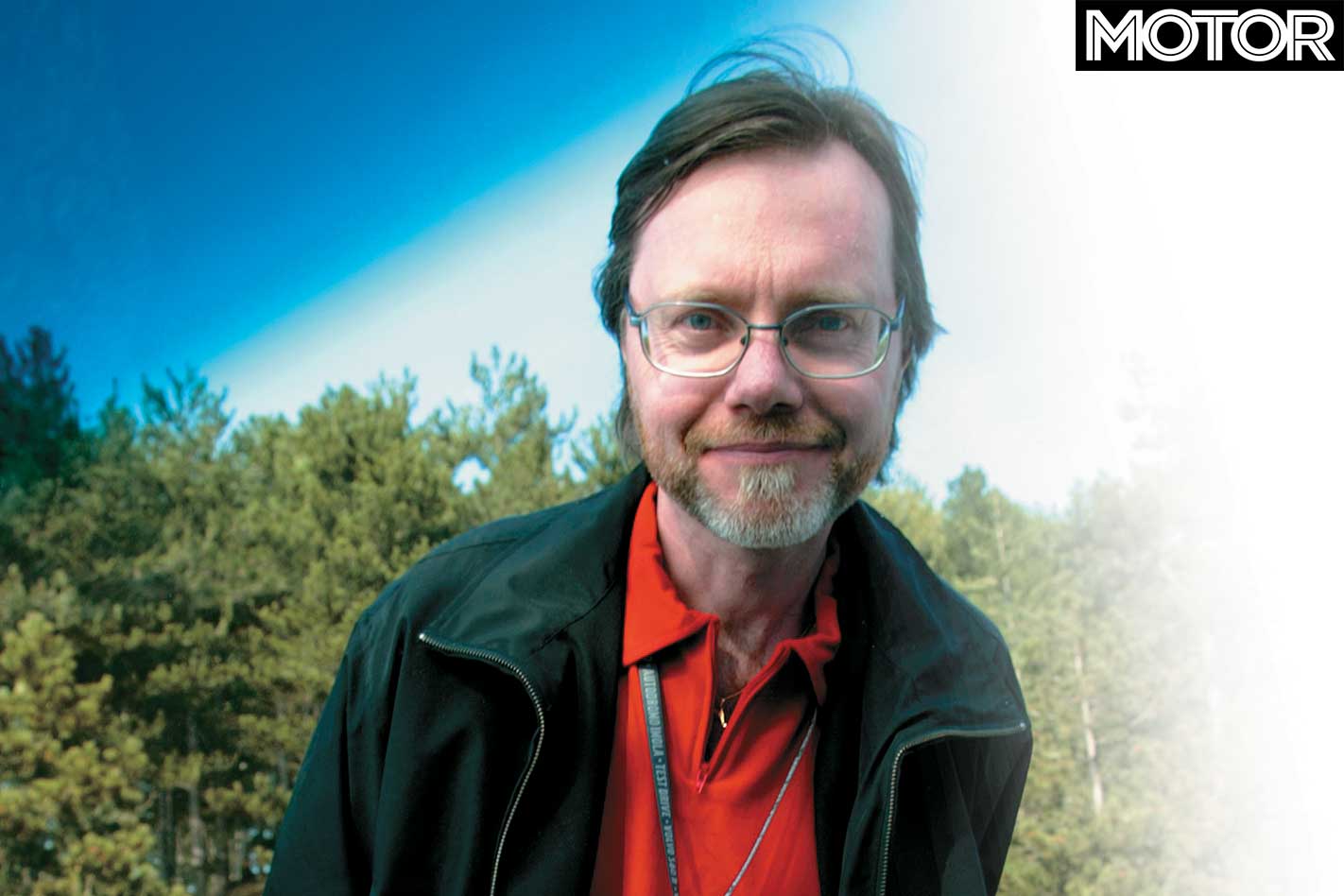
Volvo’s new turbocharged 2.5-litre inline five cylinder engine growls as good as a V8. “Some people even like to hear the turbo spool up – we hate that,” says Lars Johansson, with tongue firmly in cheek. Volvo wanted 300 bhp (220 kW), Lars and a team of engineers gave ’em 300 at 5500 rpm and 400 Nm from 1950-5250 rpm.
The design isn’t entirely from scratch. B5254T4 shares block and crank with XC90. Everything else inside is specially developed to hit the magic mark.
Was an all-new engine necessary? Why not turn up the boost on the old 2.3-litre engine? “The old engine would have overheated,” he answers. The cylinder head may not look different, but Lars says the water jackets are redesigned for better heat exchange. Pistons, gudgeon pins and connecting rods are stronger, and aluminium oil pan with in-built windage tray ensures the good oil is gathered in during high-speed cornering.
Low-boost Volvo engines use a Mitsubishi turbo; the R breathes through a big KKK turbo blowing 1.06 bar (15 psi) of boost at knee-height revs and routes it through two air-to-air intercoolers.
Our 5 Likes & Gripes
1 – Muther of all Volvos will give Rex a good talking to 2 – Be a right bastard, drive around with a baby seat 3 – Turf the five-speed auto, take the six-speed manual 4 – AWD, 220 kW, 400 Nm, Brembos are all a man needs 5 – Tell luvvie you didn’t lie – it’s still as safe as a Volvo
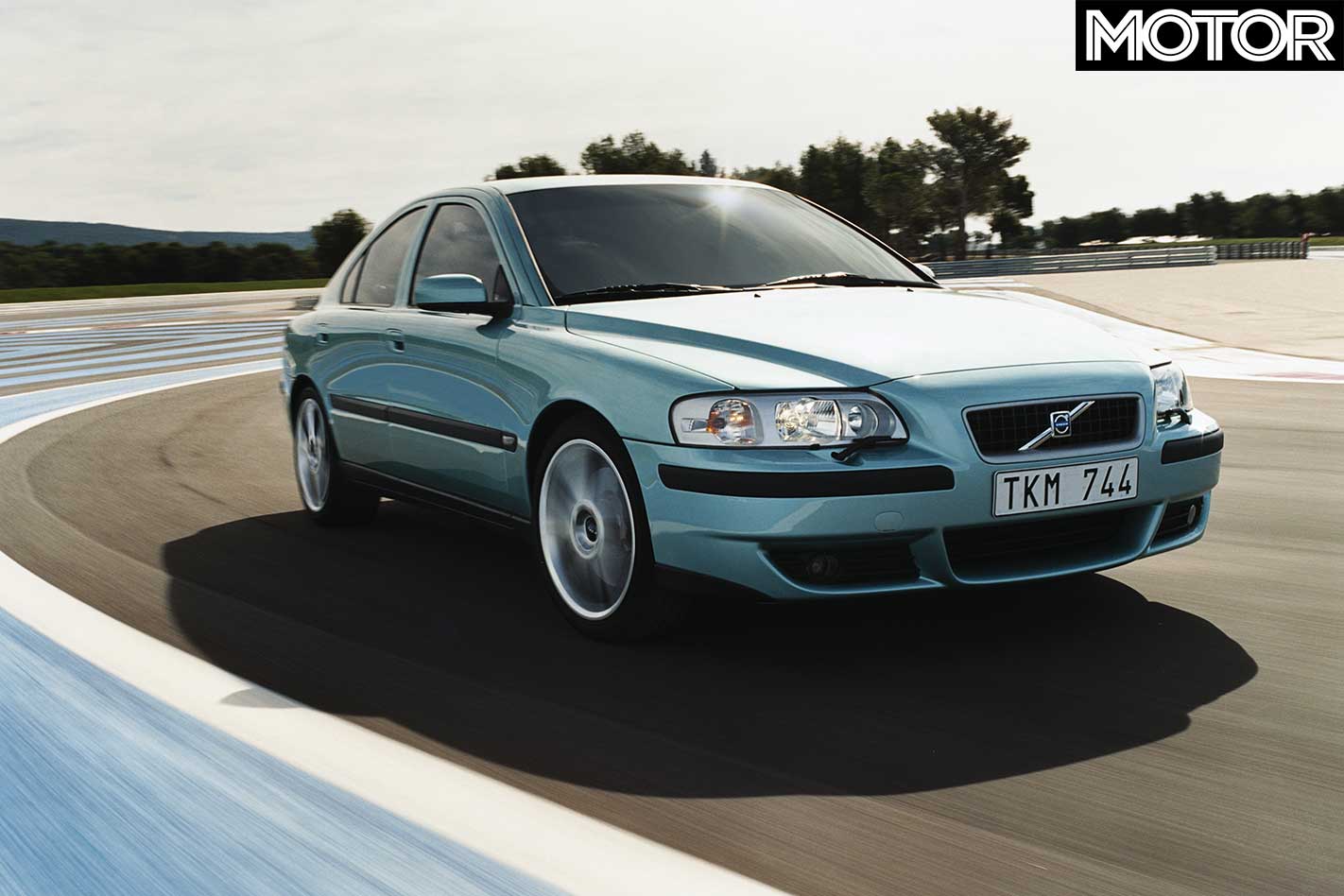
FAST FACTS 2003 Volvo S60 R
DRIVE: all-wheel ENGINE: front-mounted 2.5-litre DOHC 20-valve inline five-cylinder BORE/STROKE: 83.0mm x 93.2mm COMPRESSION RATIO: 8.5:1 POWER: 220kW @ 5500rpm TORQUE: 400Nm @ 1950-5250rpm WEIGHT: 1637kg POWER-TO-WEIGHT: 134kW/tonne TRANSMISSION: 6-speed manual SUSPENSION: struts, coil springs, lower link, anti-roll bar (f); multi link, coil springs, anti-roll bar (r) L/W/H: 4606/1804/1430mm WHEELBASE: 2715mm TRACK: 1557mm (f); 1542mm (r) BRAKES: 330mm ventilated discs, four-piston calipers (f); 330mm ventilated discs, four-piston calipers (r), ABS, DSTC WHEELS: 17 x 8.0-inch (f & r), alloy TYRES: Pirelli P Zero Rosso 235/45 R17 (f); 235/45 R17 (r) FUEL: 70 litres, PULP PRICE: $95,000 (est.)
WHAT IS IT?
Mini’s most connected small car yet. This first major revamp of the gen-F56 Mini sees it adopt BMW’s ID5 generation of its Connected Services technology, which allows owners to monitor and control their car via a smartphone app. There are visual changes too, and new gearboxes, with the improvements added to both the three- and five-door hatches, plus the Cooper Cabrio.
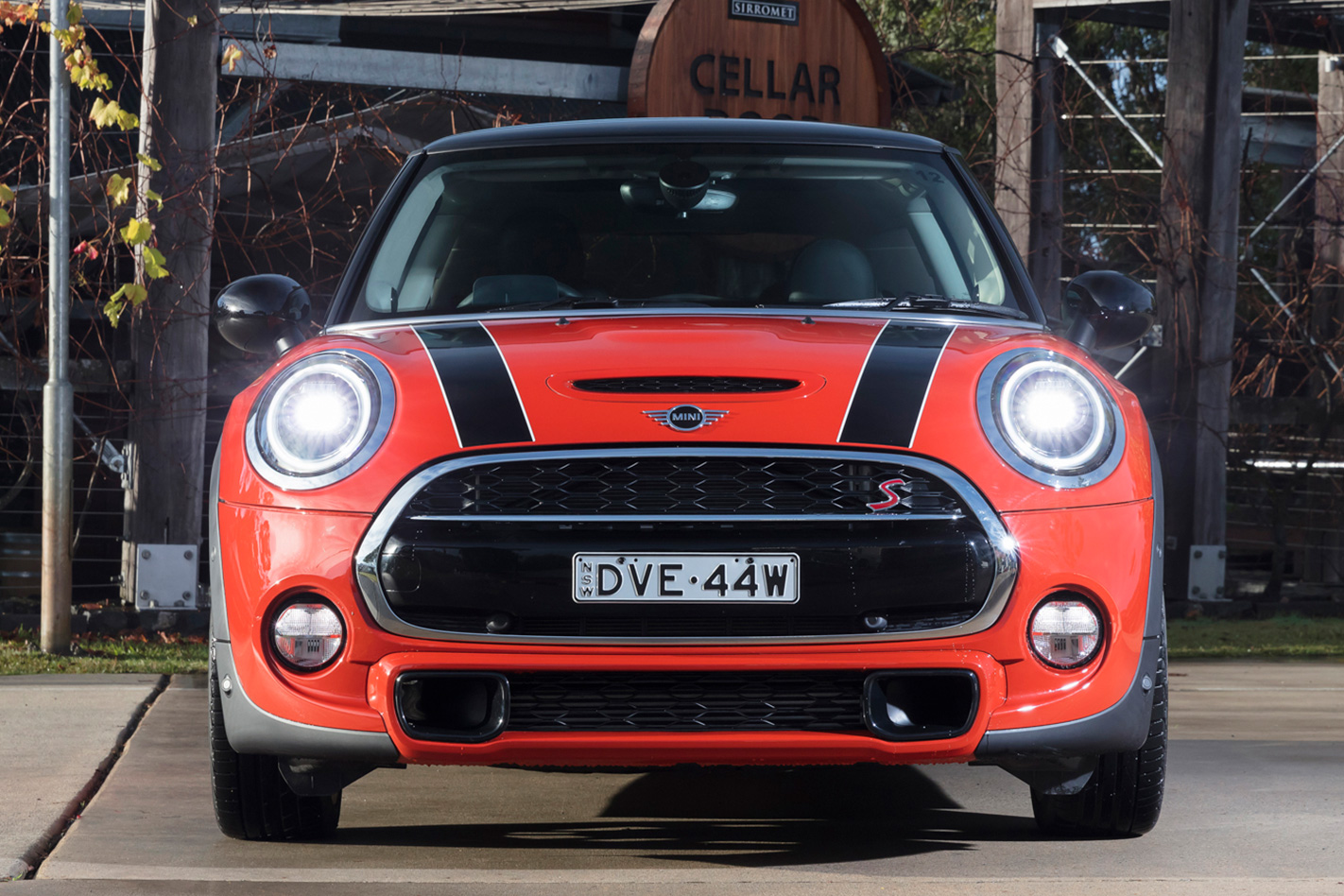
WHY WE’RE DRIVING IT
To see if Mini’s greater focus on technology and frugality have robbed its iconic small car of the core dynamic nous that makes it so entertaining. Happily, we drove it on damp and winding roads west of Brisbane, strings of tarmac that can easily separate the hairy-chested men of the hatch world from the boys.
MAIN RIVALS
Audi A1, Citroen DS3, Fiat 500, Volkswagen Polo
THE WHEELS VERDICT
Improved technology and connectivity are welcome steps forward, but in an update where hardware changes are minimal, it’s the new seven and eight-speed gearboxes that shine.
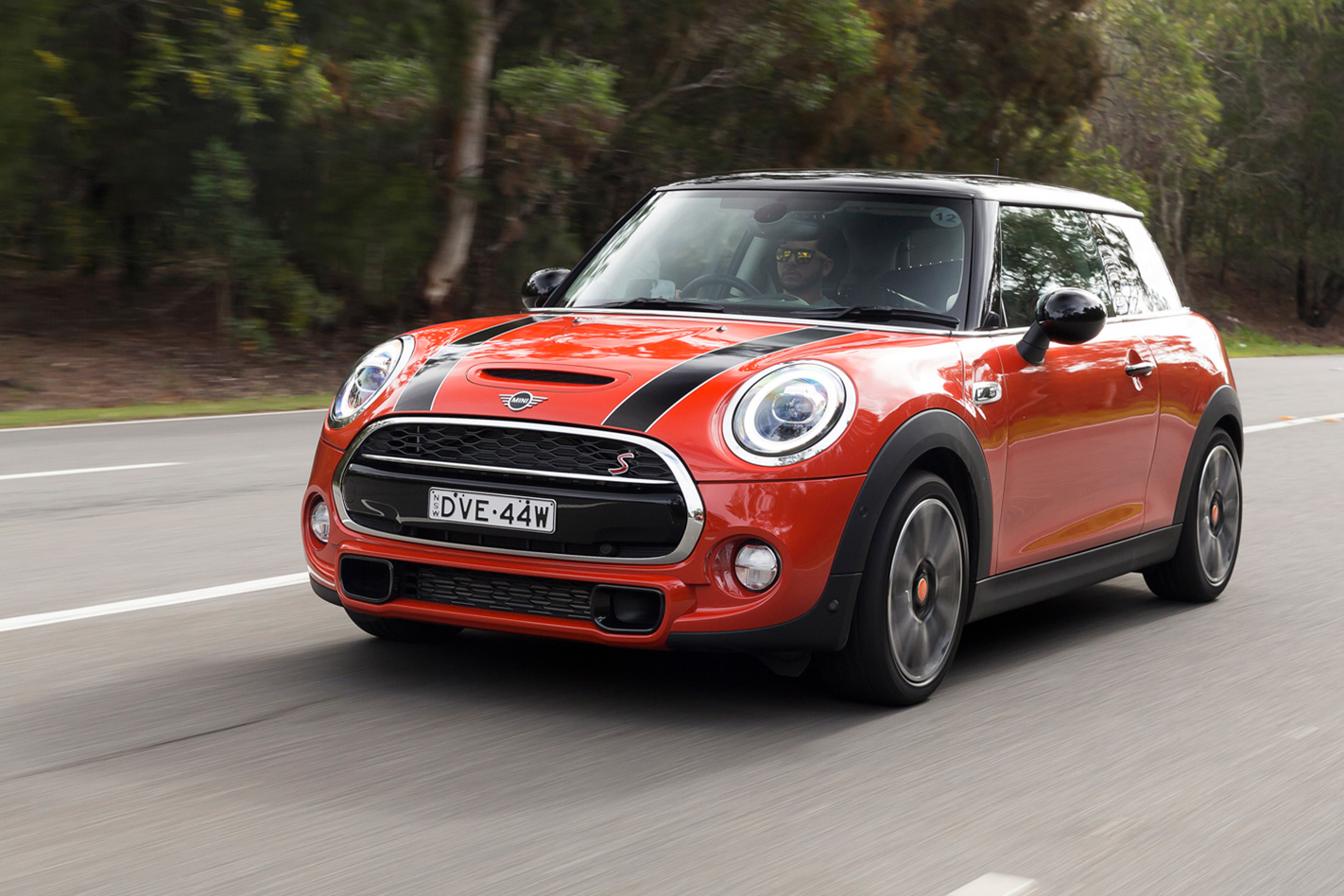
PLUS: Technology gains, snappier gearboxes, drinks less fuel MINUS: No Android Auto, hard interior plastics
THE WHEELS REVIEW
WELCOME to the most advanced Mini ever. This ‘Life Cycle Impulse’ – Mini marketing speak for mid-life facelift – is the first major update for the gen-F56 Hatch and gen-F57 Cabrio and while it does usher in minor visual and hardware changes, the key focus is on technology.
Core to that is the adoption of BMW’s ID5 generation of its Connected Services technology (some BMW cars are already using ID6), which allows owners to monitor and control their always-listening car via a smartphone app. There’s also a touchscreen interface (a Mini first), sharper-looking LED headlights, standard reversing camera and sat-nav that includes live traffic updates. Crucially, Apple CarPlay is standard fitment too, which might annoy BMW customers who have to pay for its inclusion off the options list.
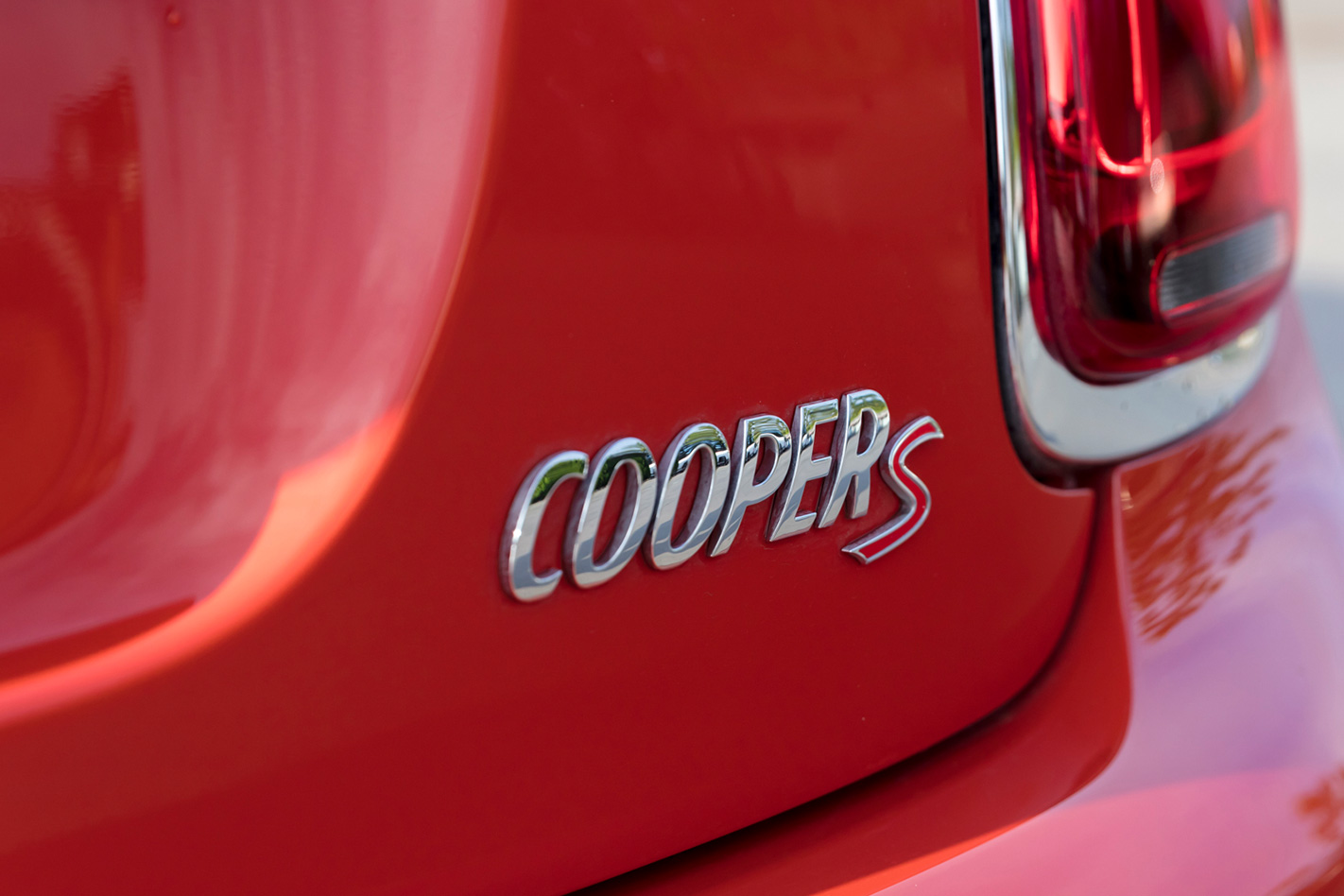
The range has been simplified (the 1.2-litre, entry-level Ray is gone), and Mini’s challenge of meeting new emissions standards rolling out in Europe means that while the 100kW/220Nm 1.5-litre triple in the Cooper, the 141kW/280Nm 2.0-litre four in the Cooper S, and the 170kW/320Nm 2.0 four-pot in the Cooper JCW retain the same performance outputs, all are now marginally more efficient. The donks are lighter too. A new split cooling system for the head helps with warm-up and cuts weight by 5kg in three-cylinder versions and 8kg in the 2.0s, while a new crankshaft cuts another 1kg.
Some of the newfound efficiency also comes from the addition of fresh gearboxes, with the Cooper and Cooper S ditching their old six-speeders for a seven-speed “DCT” dual-clutch. JCW-badged cars deploy an eight-speed auto.
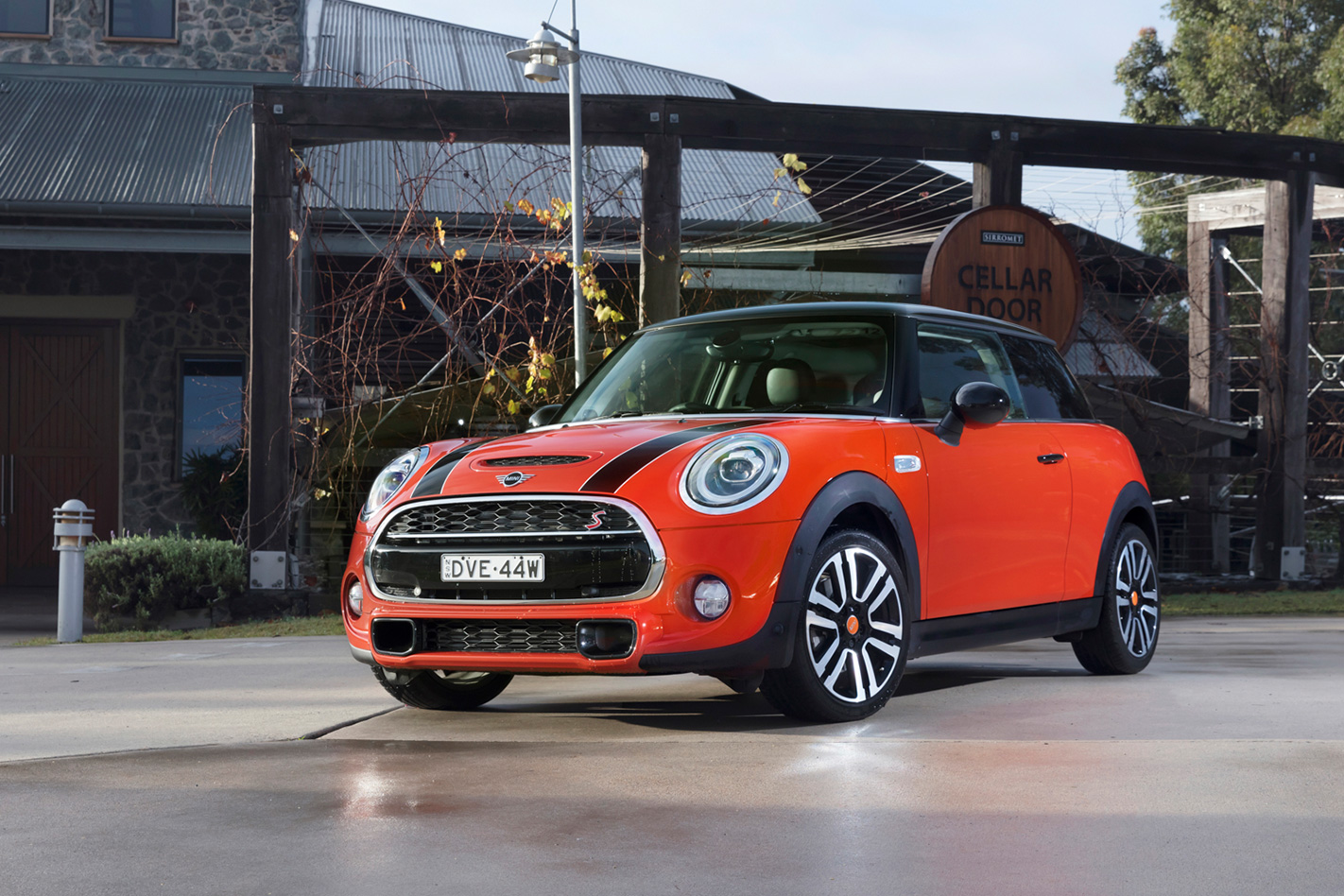
Brisbane’s “beautiful one day, perfect the next” weather wasn’t playing ball for the launch of this new model, with damp, humid conditions and low cloud hanging over the drive route. But the Mini relished in the conditions.
The base Cooper, with its 1.5-litre displacement, remains the not-quite-there Mini. It’s still engagingly poised and pointy, tenaciously grippy and quick to change direction, but lacks straight-line urgency. That dual-clutch gearbox, though, is exactly what the base Mini was crying out for. Lightning fast in its response, smooth and willing to snap down a couple of gears at the call of more throttle, it shows that dumping the duller six-speeder was a smart move.
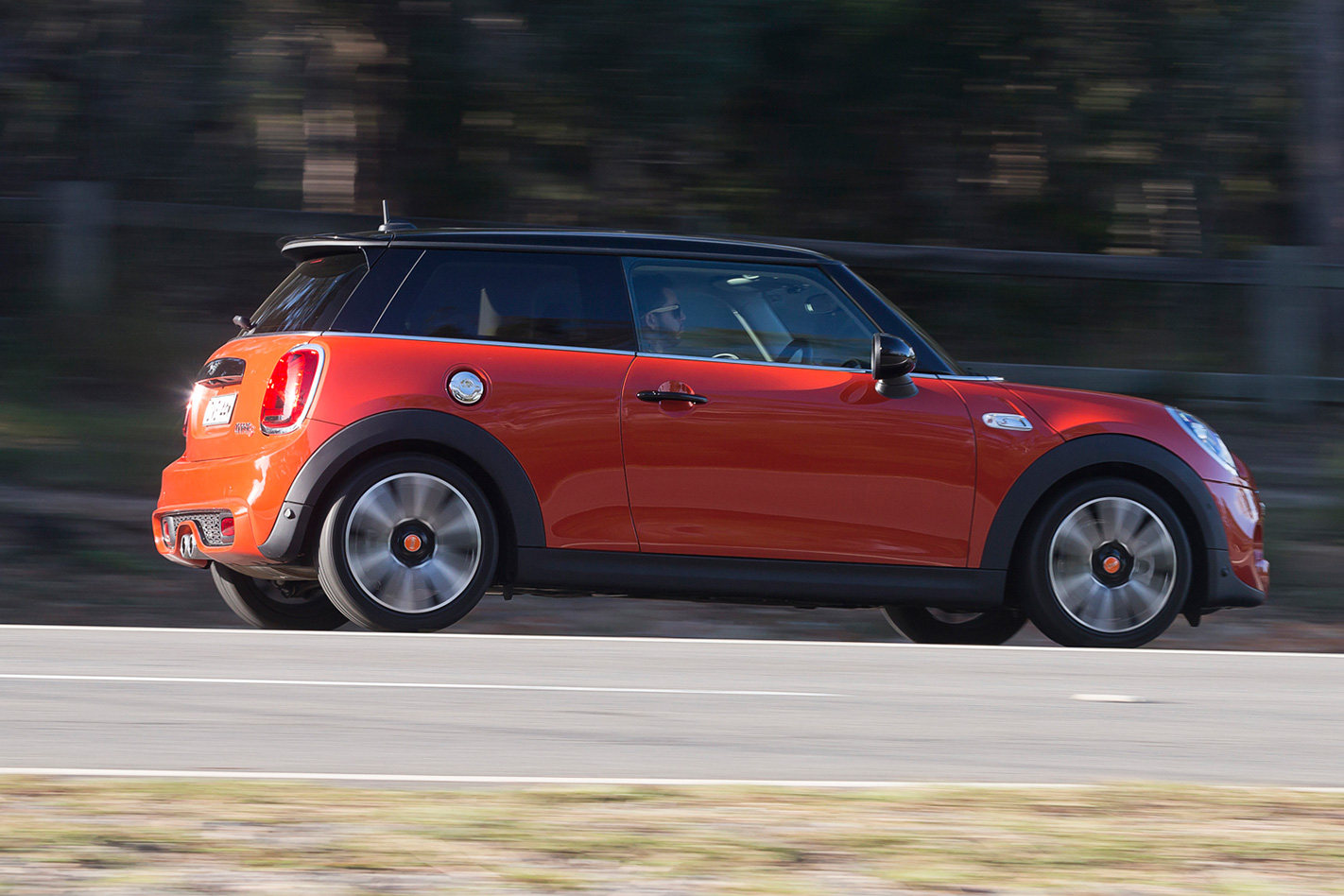
Where that new gearbox shines even more, though, is in S-badged models that gain steering wheel-mounted paddle shifters and more turbo-induced poke. Nudge the toggle switch into Sport mode, which sharpens throttle response, holds gears longer and adds the snap, crackle and pop of exhaust overrun, and the ’box hammers home upshifts with no perceptible loss of momentum.
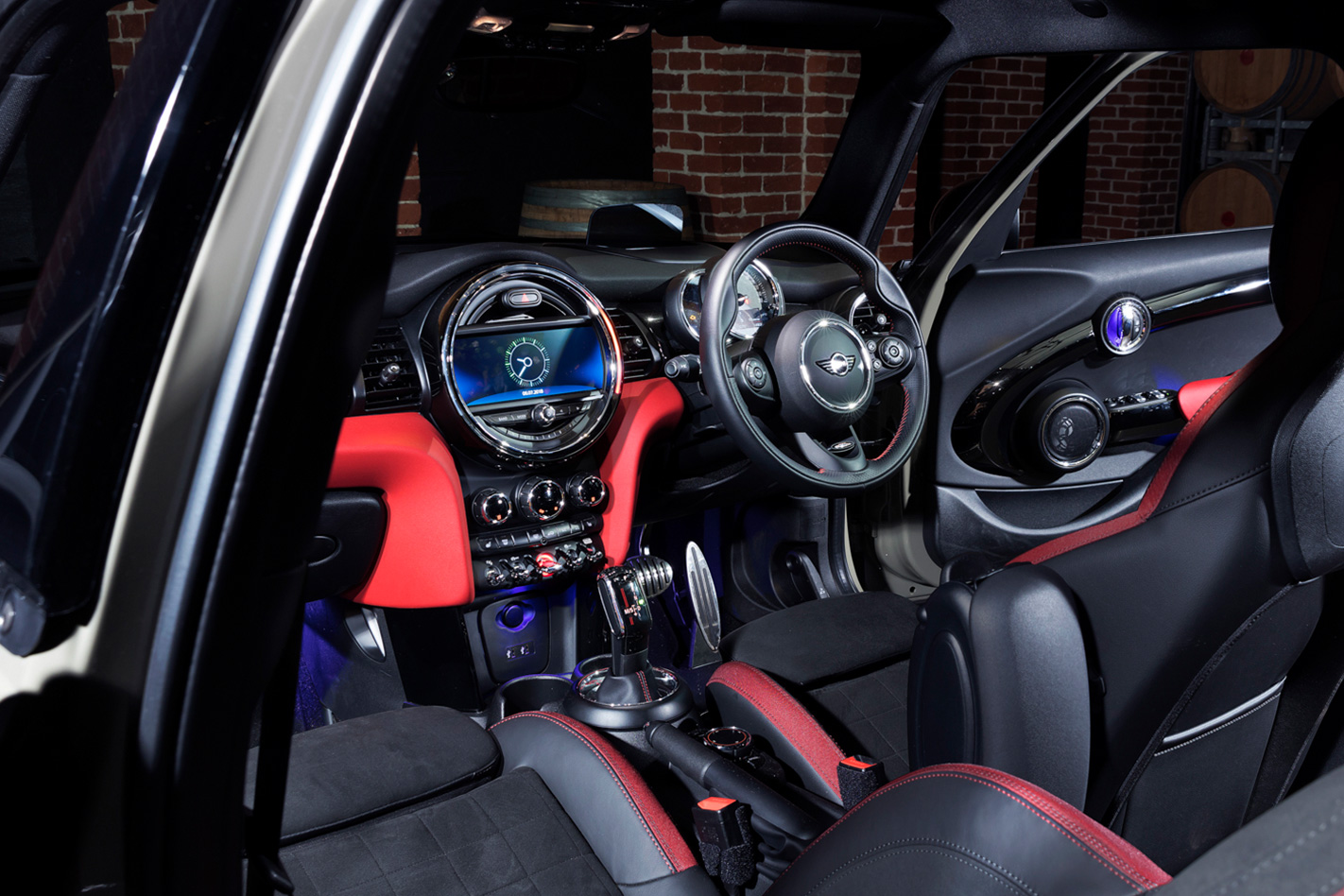
The interior is improved, with a different-look instrument cluster featuring a more visible fuel gauge and better graphics, but it’s let down by a mix of hard and semi-soft plastics and below-par ergonomics. Still, the refreshed Mini now offers a bag of welcome technology gains and in a mid-life update where hardware changes are minimal, it’s the new seven- and eight-speed gearboxes that really shine.
SPECS
Model: Mini Cooper S three-door
Engine: 1998cc 4cyl, dohc, 16v, turbo Max power: 141kW @ 5000-6000rpm Max torque: 280Nm @ 1350-4600rpm Transmission: 7-speed dual-clutch, FWD L/W/H/WB: 3850/1727/1414/2495mm Weight: 1280kg 0-100km/h: 6.7sec (claimed) Economy: 5.5L/100km Price: $39,990 On sale: Now
Few people really know about the tyres they fit to their car. Often they’ll go with a like-for-like replacement, or with the most affordable option, but even those who make an effort to choose the safest tyres may not realise their wet-weather grip ratings quickly become redundant once they start to wear.
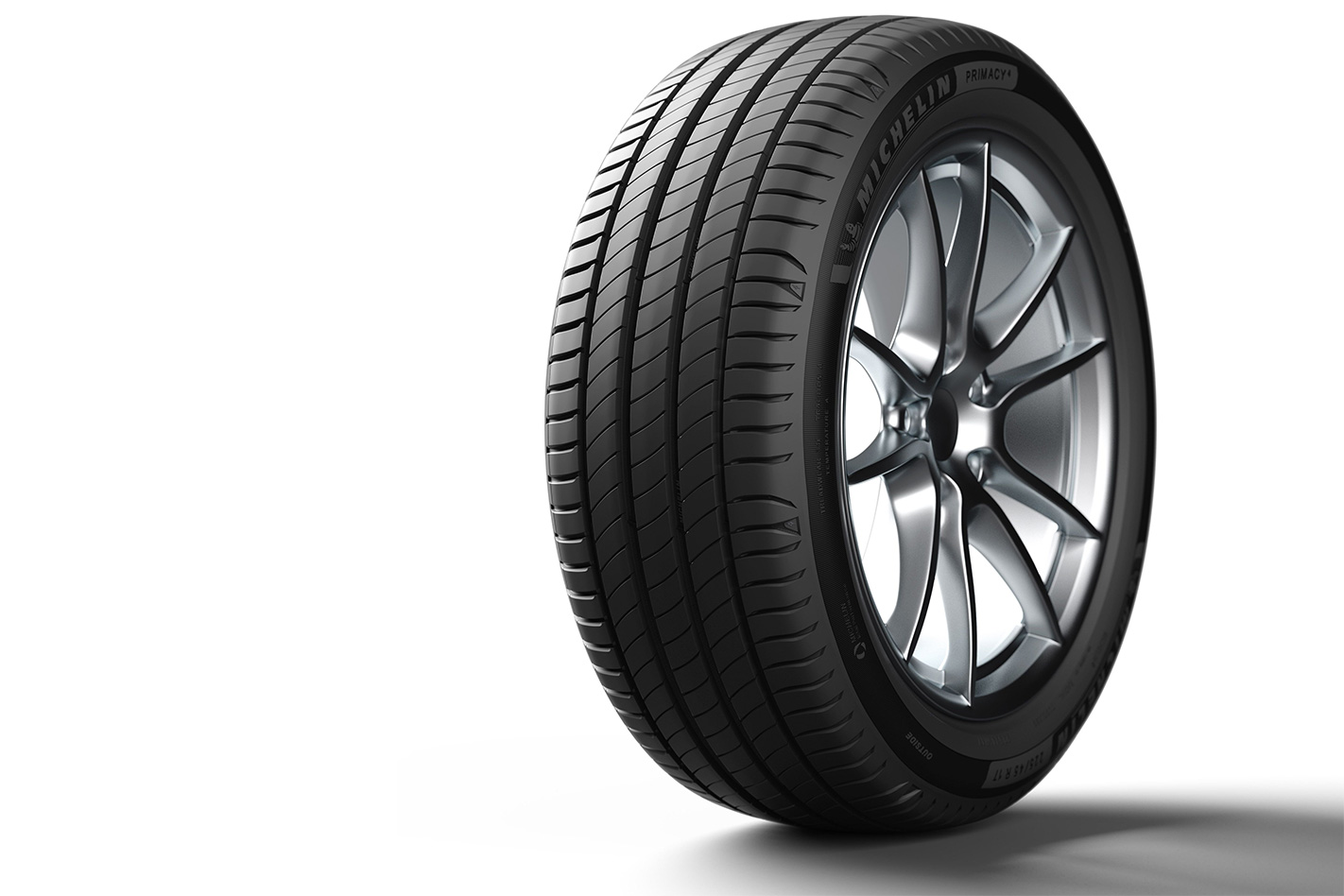
The world’s second-biggest tyre maker, Michelin, reckons it’s time for tyres to also be rated on how they’ll perform in wet conditions when worn to help drivers better understand how safe they’ll be for the life of the product.
“As soon as you start to drive the tyre performance changes, a little bit at the beginning and then faster,” says Michelin’s worldwide head of science and innovation communication Cyrille Roget. “So how do you know you are safe if tyres are only measured when they are new?”

Roget explained that the good news with older tyres is they grip better in dry conditions, in a similar manner to racing slicks that have little or no tread, and can be up to 20 percent more fuel efficient as they offer less rolling resistance.
“The bad news is, on wet roads, your safety decreases with tyre wear and this is true for all tyres on the market,” he adds. “Your tyres were measured when they were new, but now they’re not as good, so how do you know you are safe?”
After almost 130 years in the tyre business Michelin is ready to ask that question and says it has the answer in the form of its new Primacy 4 tyre, marketed under the slogan ‘safe when new, safe when worn.’
According to Michelin, independent testing of unworn tyres has revealed the Primacy 4 stops on average 2.5m shorter in the wet than 24 rivals including products from Bridgestone, Dunlop, Hankook and Goodyear.
But in worn testing with all tyres buffed to 2.0mm – just shy of the 1.6mm minimum – Primacy 4 averaged a 5.1-metre shorter wet-braking distance. It even stopped up to 1.8 metres shorter in the wet than some unworn rival products, which Roget admits came as a surprise.
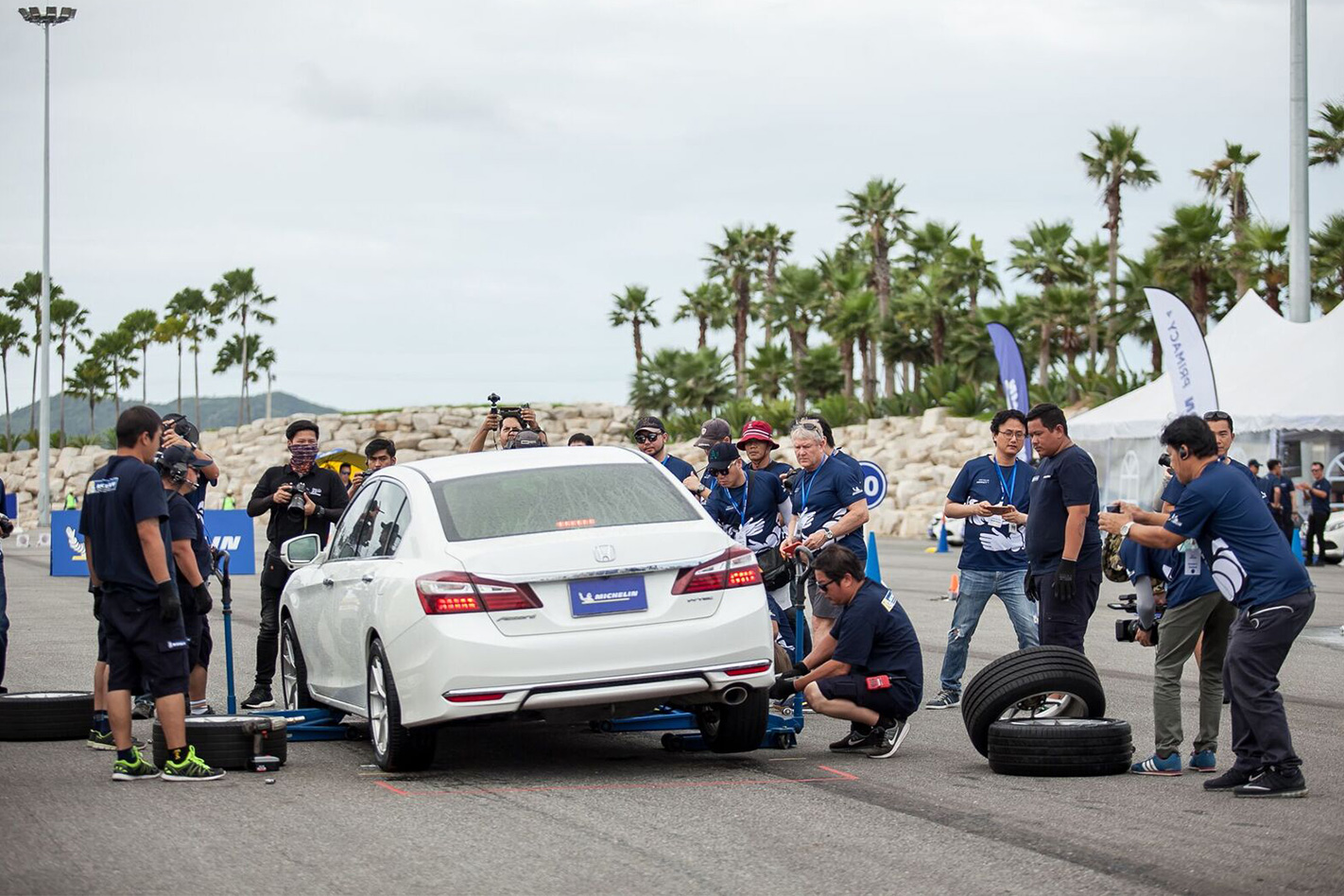
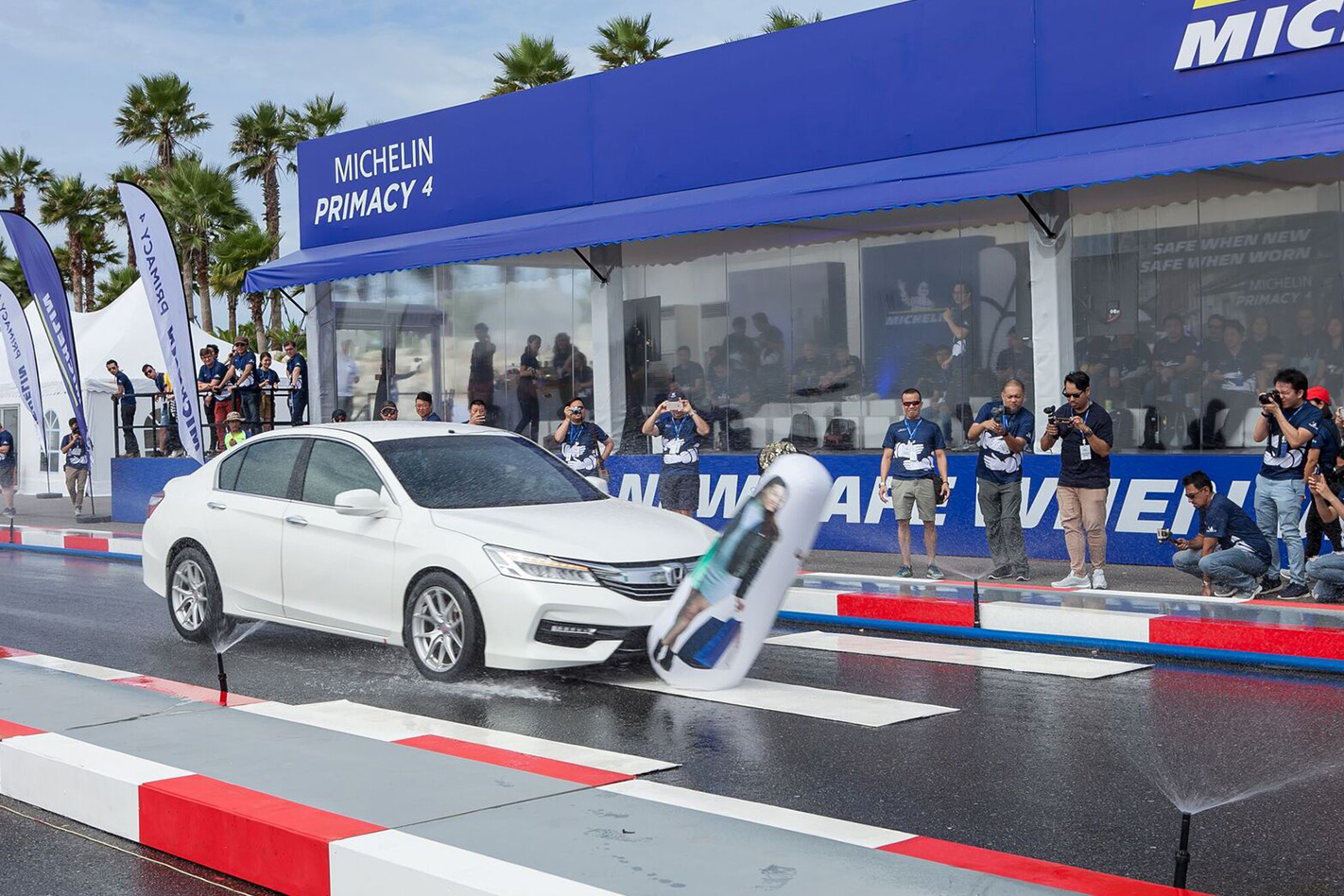
The company partly replicated the testing at the Primacy 4’s launch in Thailand in front of motoring press, with emergency-braking from 80km/h on a sodden track demonstrating the worn Primacy 4s outperforming a new similarly-rated big-name rival.
Michelin says it has achieved improved worn grip partly through using more adherent rubber compound made possible through an active bonding process, which it calls ‘Evergrip’. This uses a more effectively aligned tyre compound which allows the addition of more grippy silicon – a process Roget compared to packing a suitcase.
“If you want to put all your clothes in a bunch in the bag you won’t fit too much,” he said. “Now if you put everything in well order and iron them and put them into the bag you will fit much more.
“This is what the active bonding is doing, it’s ordering everything into the compound so you have more space, and if you have more space you can put more silica, (without using more rubber) which is a driver of adherence.”
The Primacy 4 also has a squarer profile than the current Primacy 3, and less tapered tread pattern that widen its footprint and help clear more water even as the tread loses depth.
Roget says another advantage of a testing regime that rates safety for the life of a tyre is that drivers will feel confident in using them until their tread depth reaches the minimum 1.6mm tread-depth, instead of taking a cautious approach based on miles driven. As well as reducing vehicle running costs this would also do wonders for sustainability.
According to Roget, if all tyres were known to be safe at their minimum 1.6mm tread depth, drivers would less likely to swap them too soon, based on miles driven, thus saving 400 million tyres and 35 million tonnes of CO2 globally every year.
But Bridgestone Australia’s technical field service manager Jon Tamblyn is concerned that promoting confidence in worn tyres will lead to further complacency, with independent research showing that just five percent of Aussie motorists check their tyres on a fortnightly basis, while 44 percent go more than two months without giving them a second look.
The research also shows a 26 per cent decrease in motorists replacing tyres because they look worn out over the past five years, which could also be a result of motorists not inspecting their tyres regularly
Tamblyn says despite advances in tyre technology, a newer and less worn tyre will always perform better.
“A vehicle travelling at 80km/h with 3mm of tread remaining on its tyres will stop 9.5 metres later than a new tyre in the wet, while a tyre on the legal limit of 1.5mm of tread will increase its stopping distance gap to 18.6 metres. Or more frighteningly, at the same point a car with new tyres comes to a stop, the tyres with 3mm of tread will still be travelling at 30km/h, and tyres with 1.5mm of tread will be at 40km/h.”
The Primacy 4 will be available in Australia from August 1 and on offer in 35 sizes from 15- to 19-inch diameter to fit a wide range of both mainstream and luxury vehicles.
Melbourne could soon join Dubai, New York and Singapore by having luxury apartments with sky-high parking spaces.
Property developer Growland wants to be the first to bring the concept to Australia with its 20-storey Neue Grand project on St Kilda Road, which will feature 19 apartments that will each take up an entire floor.
The well-heeled owners will be able to place their car in a German-designed automated parking lift via a turntable, which will take it up to their apartment and park it behind a glass box adjacent to their living area. Unfortunately, they won’t be able to ride up the lift in their car, as there’s actually a law against that.

Once the resident vacates their pride and joy, it will be whisked to the appropriate level at high-speed and automatically parked within the 350-square-metre apartment’s garage space.
The residents themselves will enter their apartment using fingerprint recognition software, the convenience of which will partly make up for the massive first-world problem of having to get out of their Aventador at the ground floor.
Owners will also have a basement parking space for their “everyday” car.
How much would you expect to pay for such an apartment? Well, if you have to ask you probably can’t afford it, but expect anywhere from $6 million, with the penthouse exceeding $30 million – supercars not included.
Before you go rushing to make a deposit, it’s worth noting that while the Neue Grand apartments have been given the nod, the sky garages are yet to be confirmed.
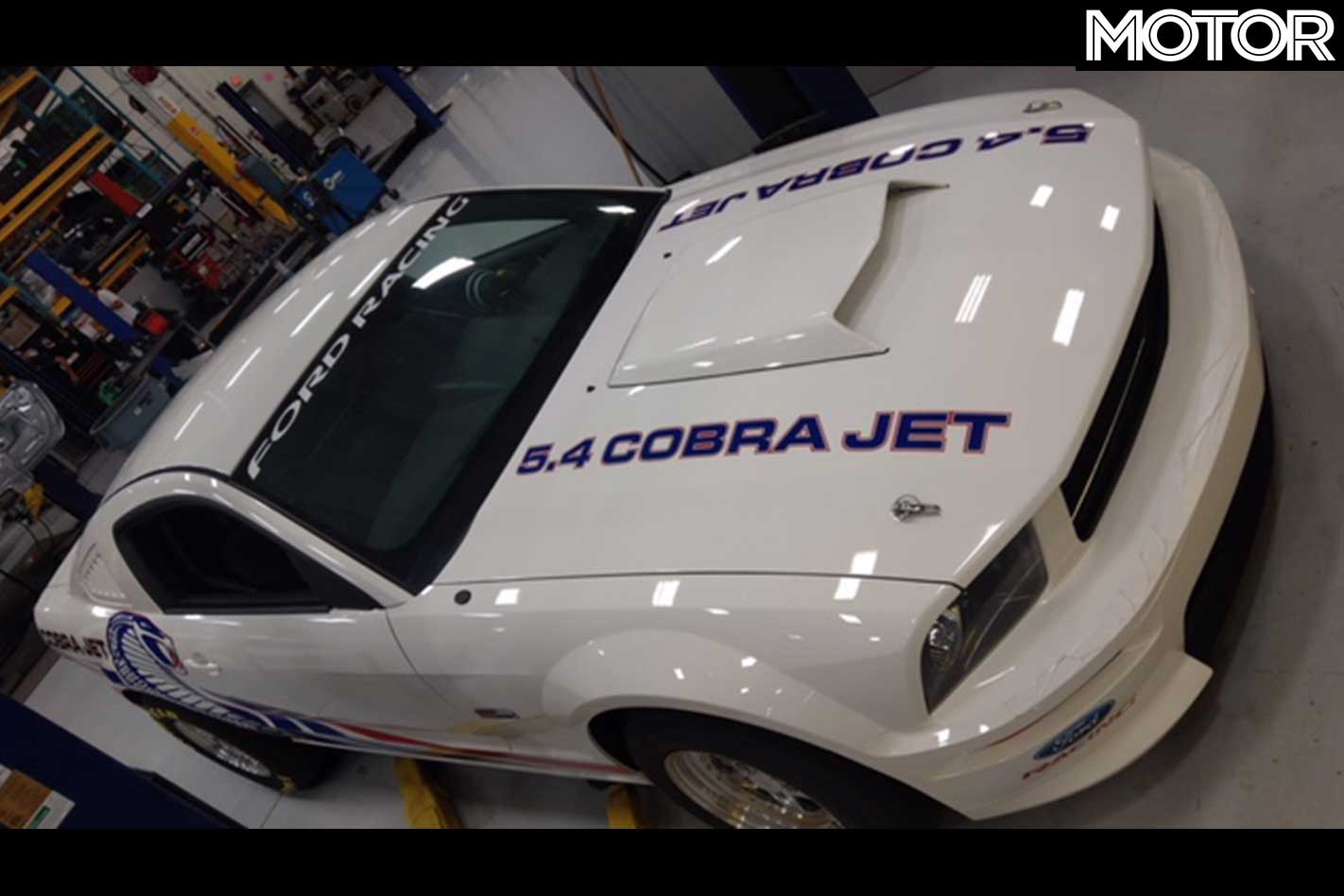
Back in 2008, Ford decided to celebrate the 40th anniversary of the original 1968 Mustang Cobra Jet by releasing a limited run of 50 2008 versions of the famous drag car, as many as were originally built.
You’ll probably never see one in Australia – they’re not road legal and even if any were here, they’re likely locked up safe and sound.
But now we know of one on its way to Australia very soon – ten years after it was built, and still in new condition.
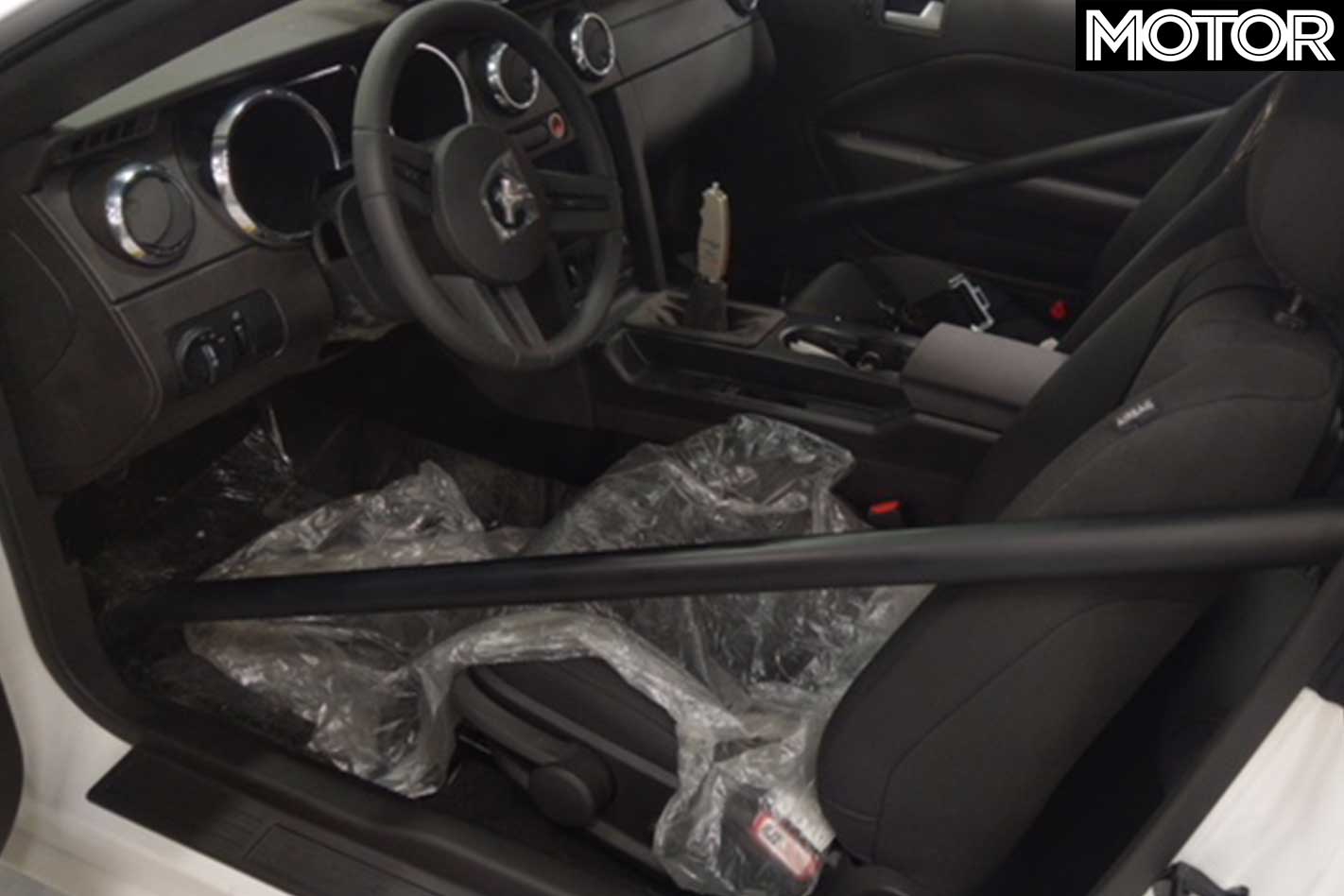
Bound for the (likely secret) garage of Rob Herrod, head honcho at Herrod Performance, the 2008 Cobra Jet has less than one mile on the odo, and has been left with its original factory plastic protectors attached inside.
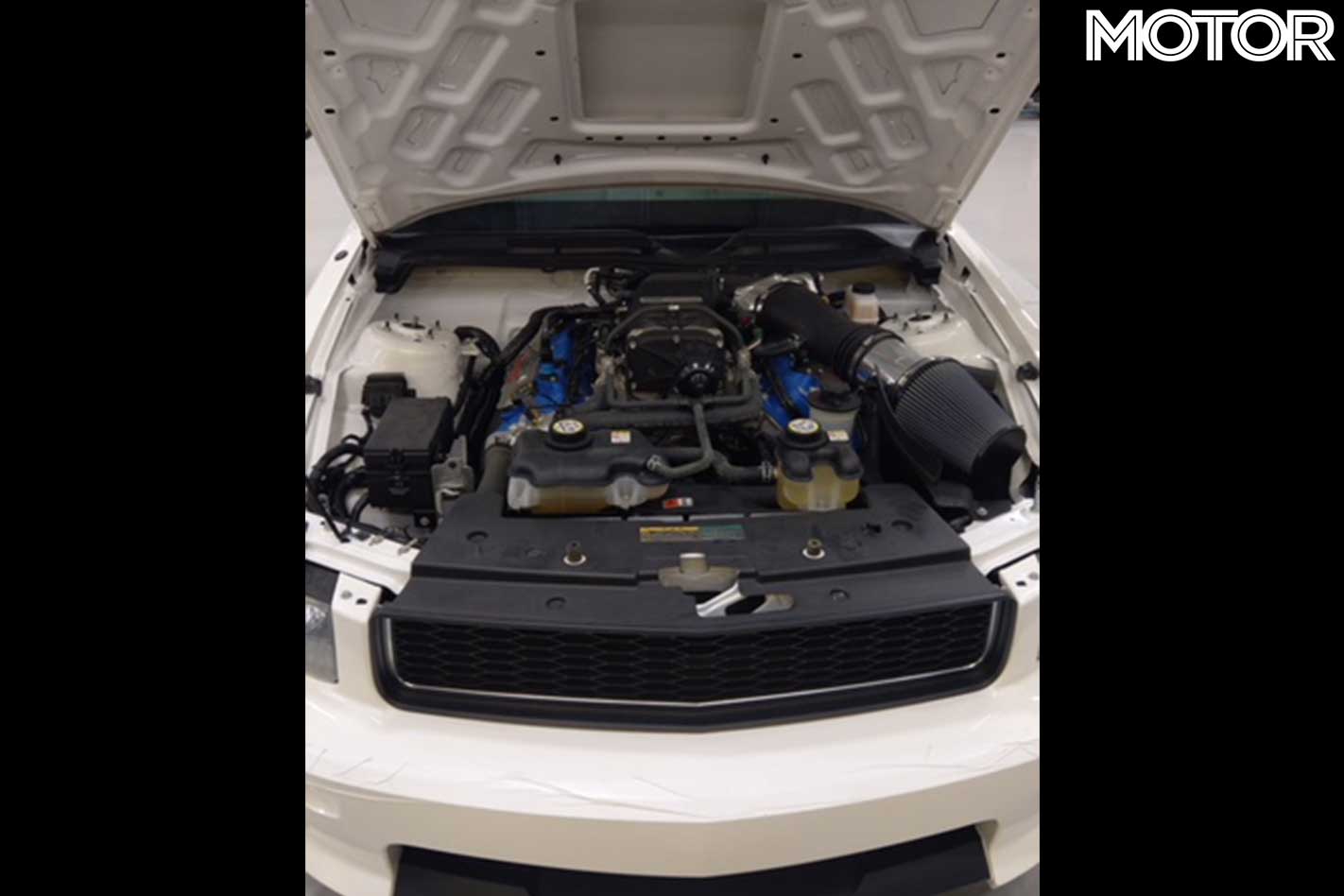
Its 5.4-litre Cobra Jet engine with 2.3-litre TVS supercharger hasn’t even been run in, and Herrod says he’ll probably keep it that way.
But he also has some more good news – a 2018 Mustang Cobra Jet is heading to Australia once production begins, the only one Oz-bound to our knowledge.
One of only 68 units will make itself at home with, you guessed it, Herrod Performance.
The factory drag cars have no VIN, and aren’t road-registerable… but they can run a quarter mile in the 8-second range, Ford Performance says.
The outputs for the supercharged 5.2-liter Coyote V8 in the 2018 version are yet to be confirmed by Ford Performance, and we’re not sure Herrod’s dyno will ever meet the rear hubs of the dragstrip legend, but given the rapid sub-9sec 400m time at 240km/h, we expect it’d make the Dodge Demon’s 626kW/1045Nm look a little inadequate.
HOLDEN is in the process of making more redundancies, this time from its national team of sales and administration staff – the first significant layoff since it shuttered local manufacturing facilities last year.
Unconfirmed reports had suggested the figure was as many as 1000 employees preparing for retrenchment but Wheels understands about 60 staff are the focus of the latest redundancies, with an exact figure and reason for the restructure yet to be confirmed by the brand.
In a statement from the company, Holden confirmed that it is preparing to let a number of employees go, but stopped short of detailing the regions affected and the deciding factors.
“We are making some changes to our sales and administration functions,” it said. “These changes are aimed at making Holden a stronger business for the future. Our people are our priority and we are supporting impacted employees.”
The statement is a haunting reminder of the similar communications surrounding the largest retrenchment of staff in Holden’s history, when about 950 manufacturing personnel were laid off with the closure of Holden’s Elizabeth factory in October 2017.
It followed 175 losses from the Fishermans Bend engine plant a year before and 80 cuts associated with the end of Cruze production in Elizabeth ahead of the final shut down.
Sliding sales are the most likely determining factor for the lay-offs, with overall registrations falling 22.6 percent compared with the same point in 2017, driven south by the exit of the locally made Commodore.
The company’s year to date tally makes ominous reading with every model down to the end of June compared with the same point last year, with the only exception found in the Barina small hatchback which is up almost 20 percent thanks to 1904 registrations.
The Spark compact hatch also added valuable volume and a slight increase over last year with 562 sales YTD, but that’s a bittersweet farewell to a model that has now been discontinued.
Despite the decline, the Commodore and Colorado continue to prop the company, contributing nearly 15,000 sales out of the overall 32,614 total to date in 2018.
