
THE new fourth-generation Mercedes-Benz A-Class is just the start of what will become a booming family for Mercedes-Benz.
The man responsible for the look of the new hatch, Gorden Wagener, says at least eight different models will be based on the same architecture.
A new platform was developed for the A-Class, which is capable of front-, rear-, and all-wheel drive powertrains, and electrification.
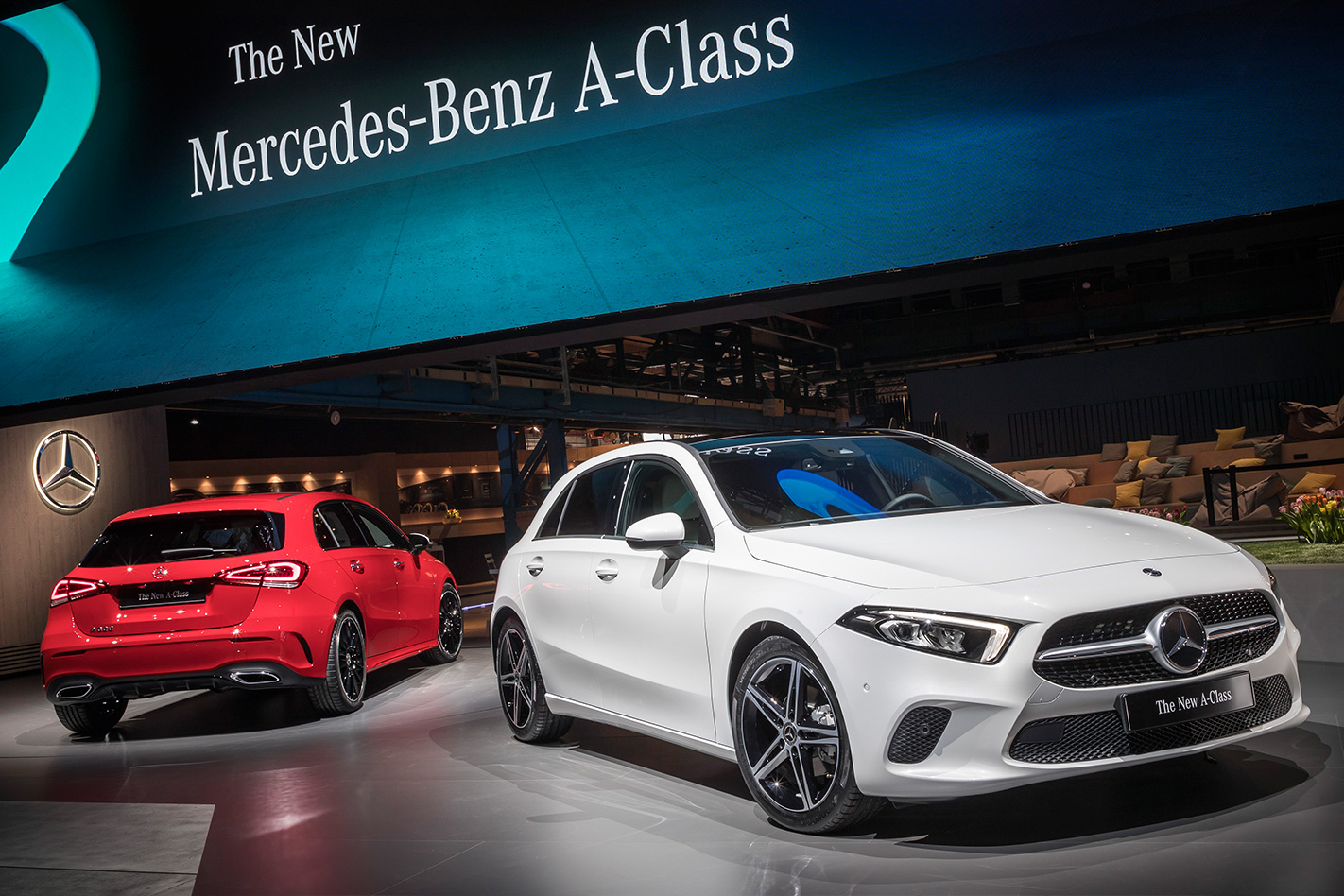
“All vehicles built on this platform – I can assure you there will be at least eight – will be stunning,” he explained.
“When we started on this architecture we built all of the variants to ensure all of them worked in terms of proportion and differentiation.”
It’s likely a higher-riding GLA will follow the A-Class, along with a four-door sedan, CLA four-door coupe, and a production version of the all-electric EQA concept which made its debut last year.
“Honestly, I don’t think a convertible A-Class would look good. I would not do it,” Wagner commented. “A CLA two-door would not be a CLA, because that car is a four-door coupe.”
Wagner was adamant none the eight new A-Class derived models would share a similar appearance to the fourth-gen hatch.
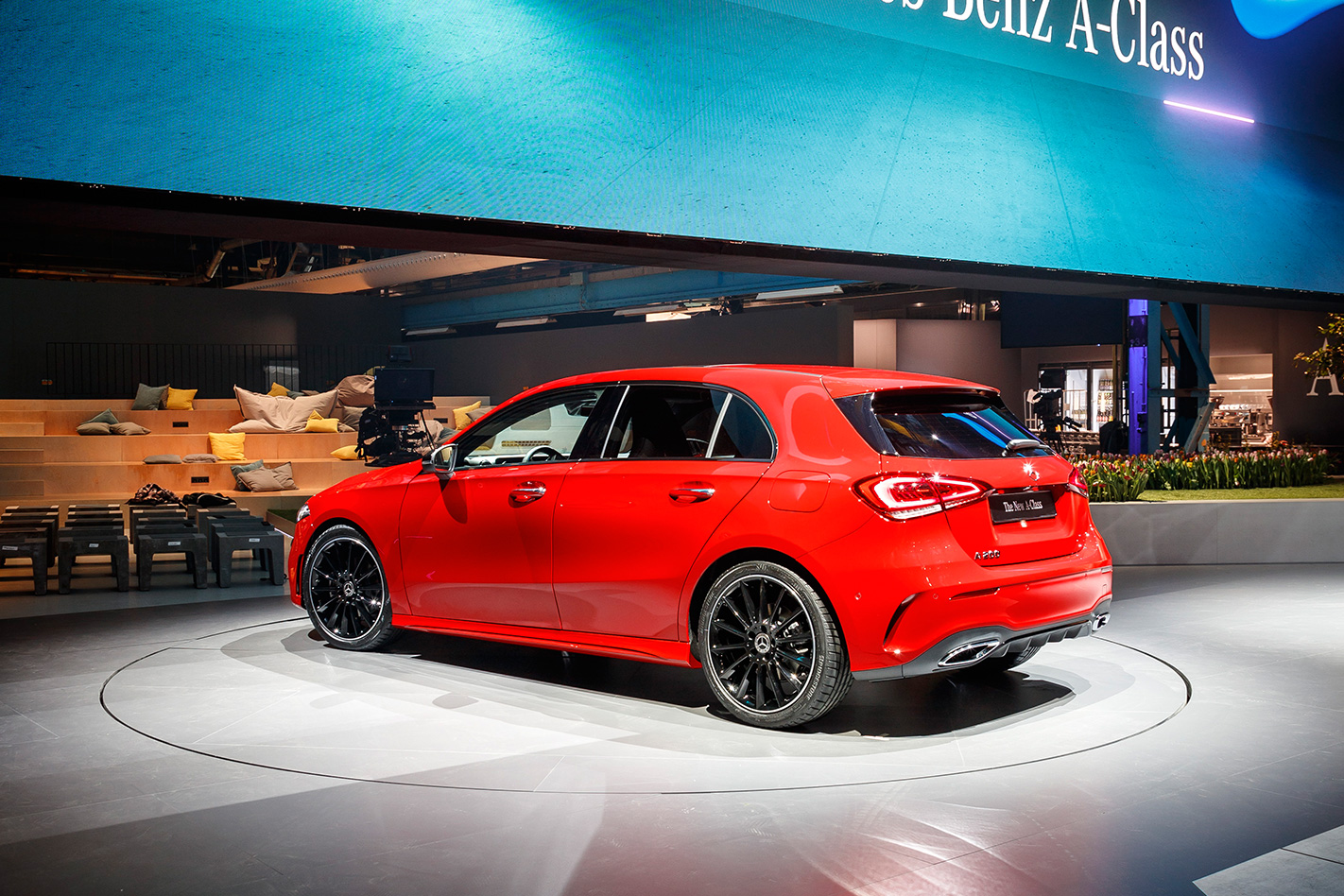
“Everything is always a trade-off between a manufacturer’s look, and product character. What type of car is it? What is the message? It’s like a chessboard with different players and functions.”
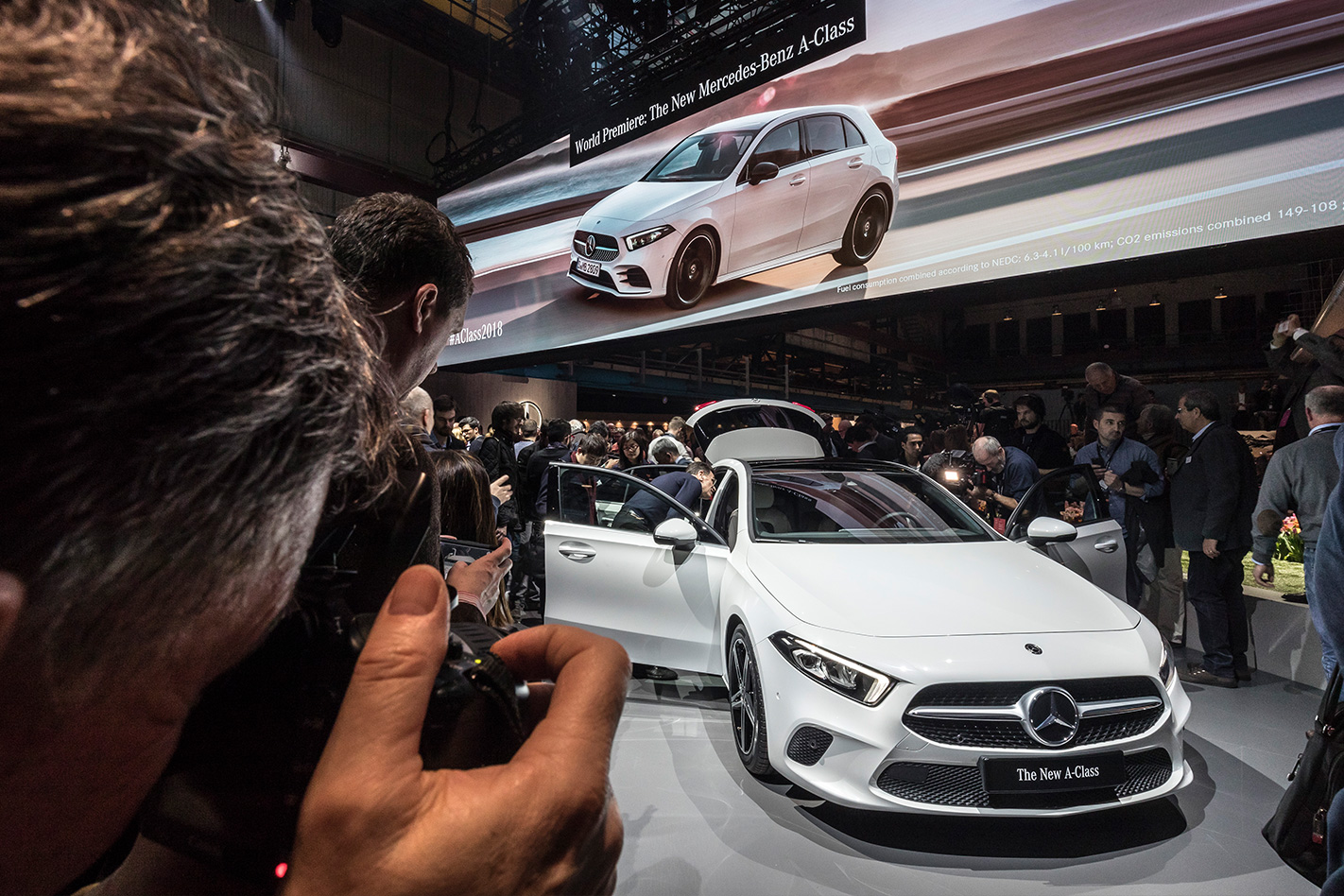
Comments linking the new A-Class’ looks with the CLS, which was first revealed last year, were immediate at the hatch’s unveiling in Amsterdam last week. Each share a distinct new design language, which Wagner says is reserved for vehicles tailored to more adventurous buyers.
“The predator face comes on just two cars, the A-Class and the CLS, it is dedicated to our most progressive and design-orientated cars,” he said.
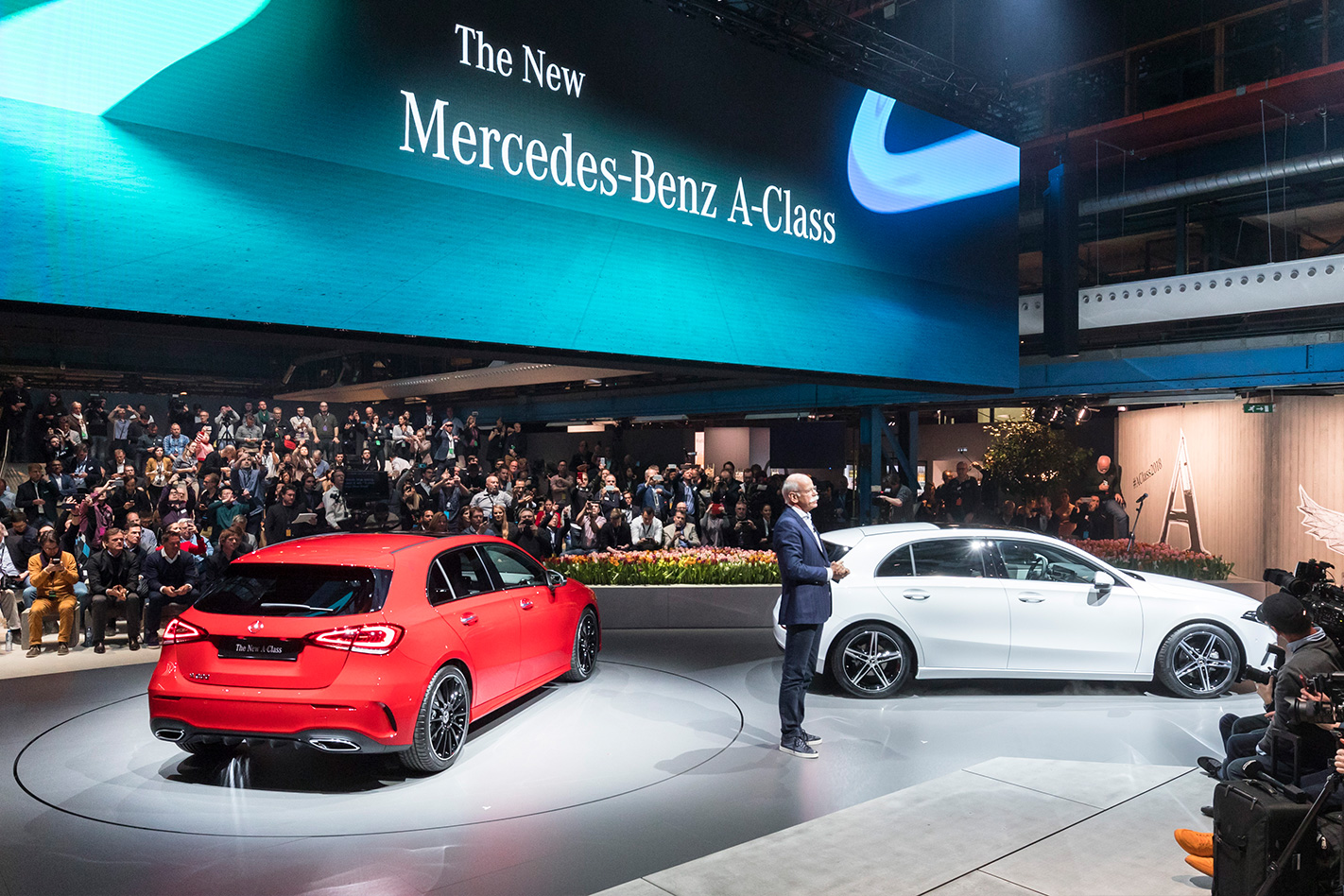
Don’t expect the look to flow into other models in the Mercedes range however, with Wagner flat out denying a C-, E-, or S-Class could adopt the new design language.
“We have harmonised our three limousines in terms of design, and do that very consciously. The C-, E-, and S-Class are very homogenous on purpose, and it was a successful decision,” he added.
“But, outside that range we will be trying different things.”
PITY the poor Nissan 370Z.
Nearly ten years after its debut there’s still no concrete sign of a replacement for Nissan’s long-serving sports car, and the company’s Zed-based show car for the Chicago Auto Show doesn’t exactly bring us any closer.
Called the 370Zki (and pronounced 370-ski), the one-off is the mutant offspring of a 370Z Roadster and a snowmobile. Equipped with fat tank tracks in place of the rear wheels and with the front wheels replaced by a pair of steel skis, the 370Zki’s suspension and underbody has been heavily modified to add enough clearance to accommodate its unconventional driveline.
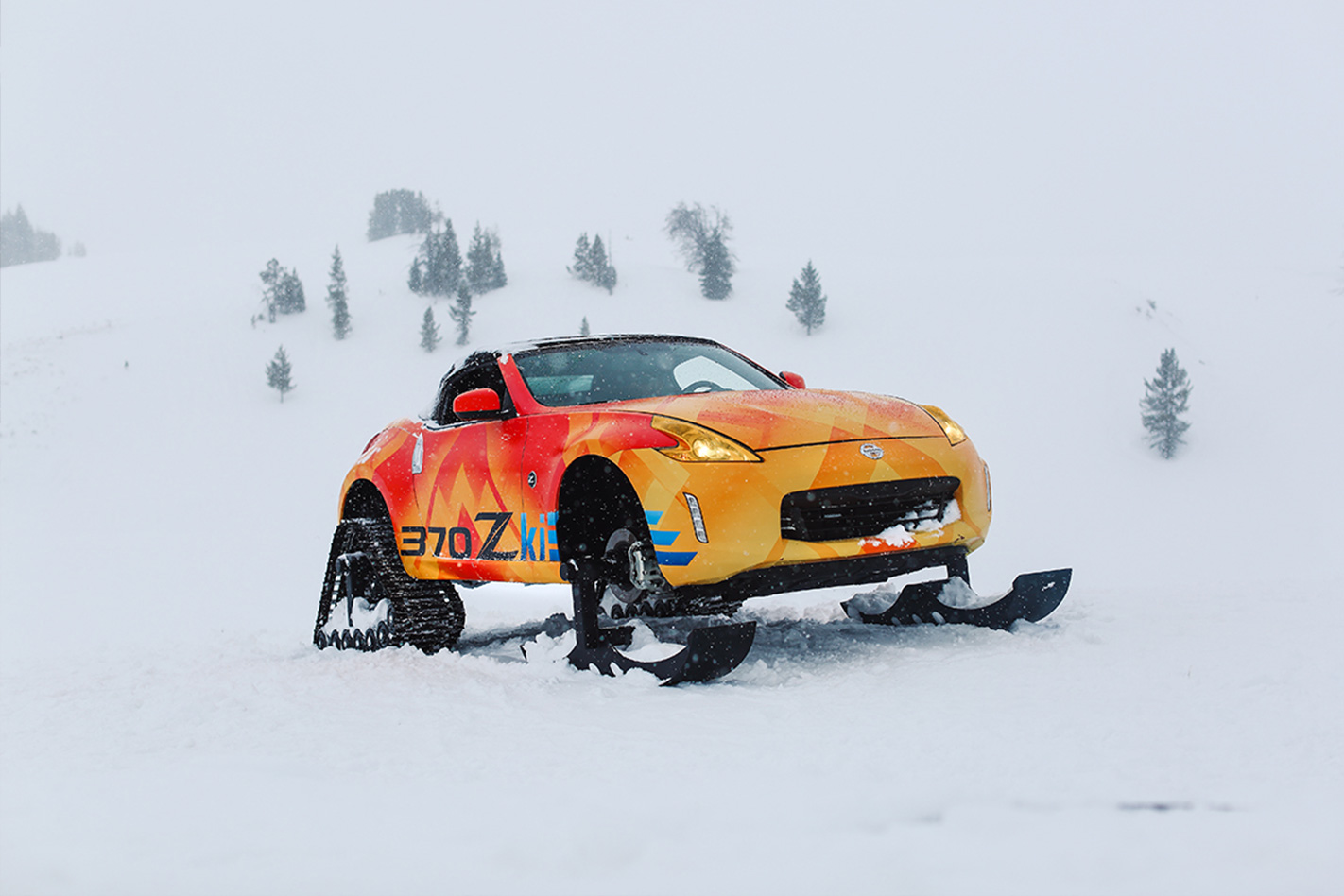
Sure, it’s a bit of fun, but the sad news is that the 370Zki is a smokescreen that tries to obscure the bigger problem: Nissan is dragging its heels on sports car development, bigtime.
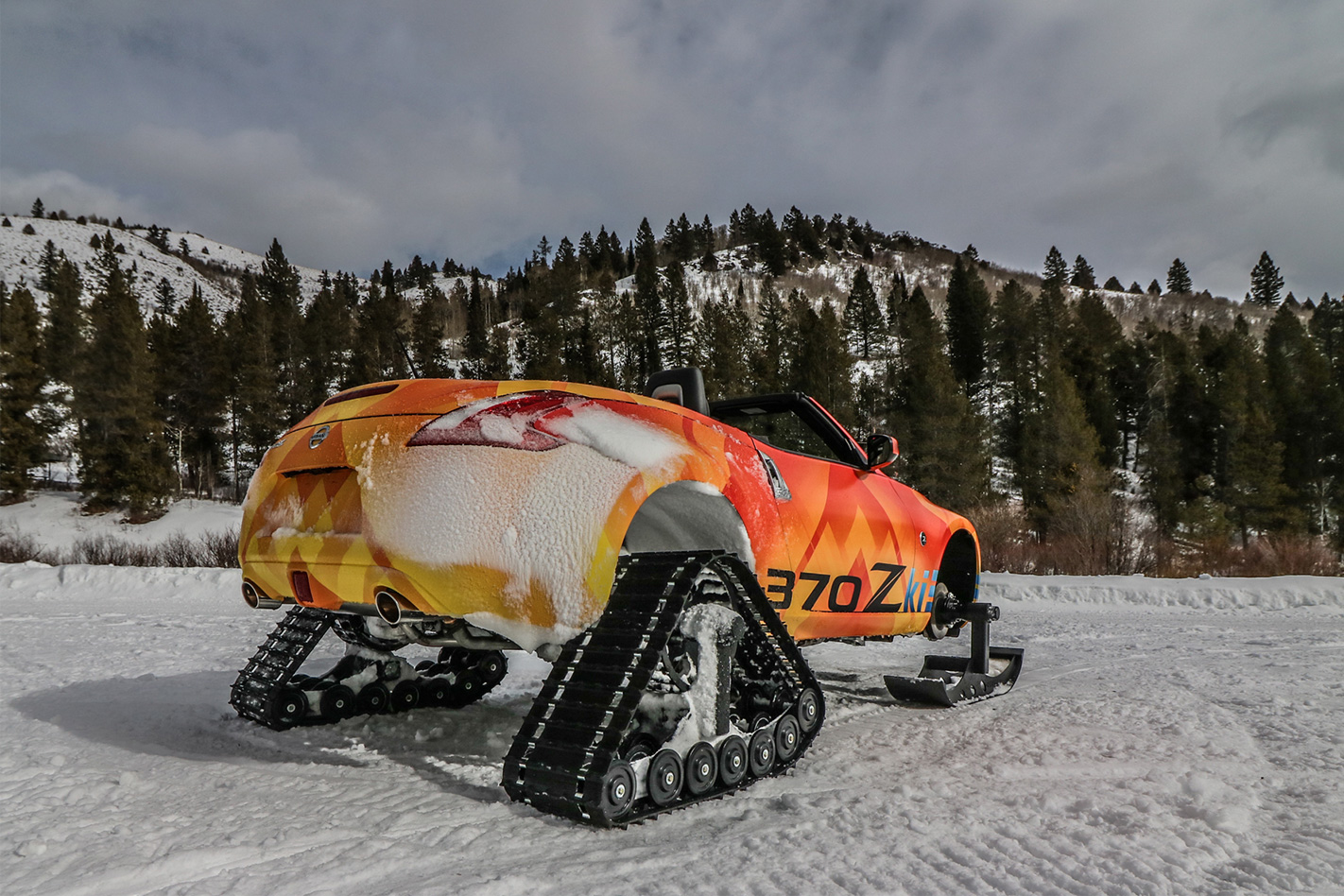
That said, it’s not the longest run for the Z nameplate – the Z32 generation was in production for nearly 11 years between 1989 and 2000.
The good news is Nissan’s senior executives haven’t given up on the Zed. After taking the world by storm in 1969 as an affordable and unpretentious sports car for the everyman, the Zed had a big part to play in accelerating Nissan’s global growth. The company apparently isn’t about to turn its back on that heritage.
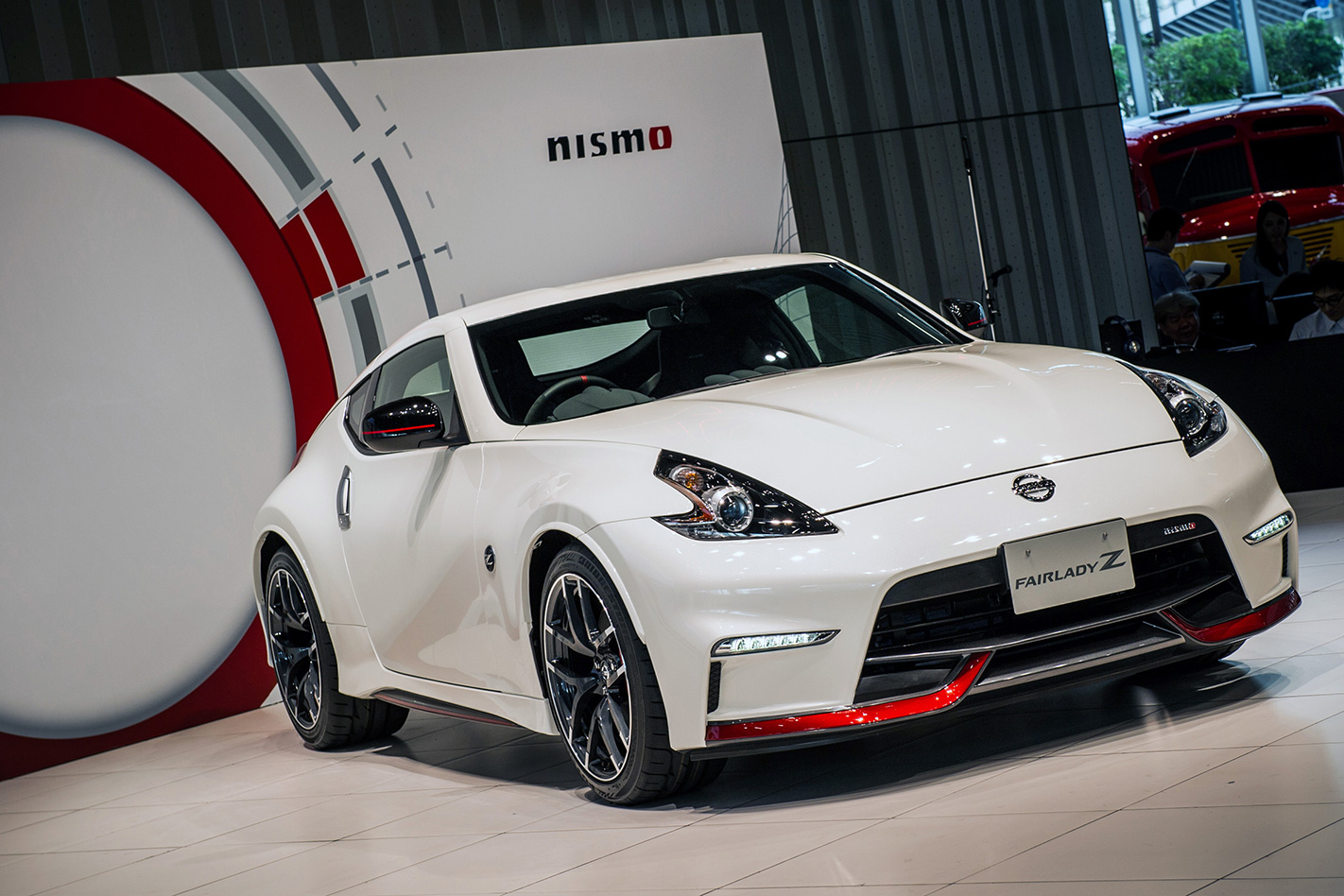
Other options include taking the badge down a crossover-influenced path in an effort to chase sales, though Nissan has indicated its GripZ concept – a sportscar/SUV mashup – was simply a design study and not a production car primer. Beyond that, Infiniti’s 3.0-litre twin-turbo V6 (which serves in the Q50 and Q60 Red Sport) coupled with a shortened version of its rear-drive platform seems like a good basis for a future Zed car.
Whatever the case, be prepared for a long wait before we hear official word on the 370Z’s replacement – and perhaps a few more silly show cars too.
Since its arrival, the current third-generation A-Class has given Mercedes-Benz a massive leg-up in winning over a younger demographic. As it stands, the average buyer age of Benz’s entry-level hatchback is ten years under that of other model lines, much to the pleasure of company executives.
And the German carmaker is hoping to continue wooing a younger crowd with the all-new fourth-gen Mercedes-Benz A-Class hatch, which comes packing the kind of tech traditionally reserved for the S-Class sedan flagship.
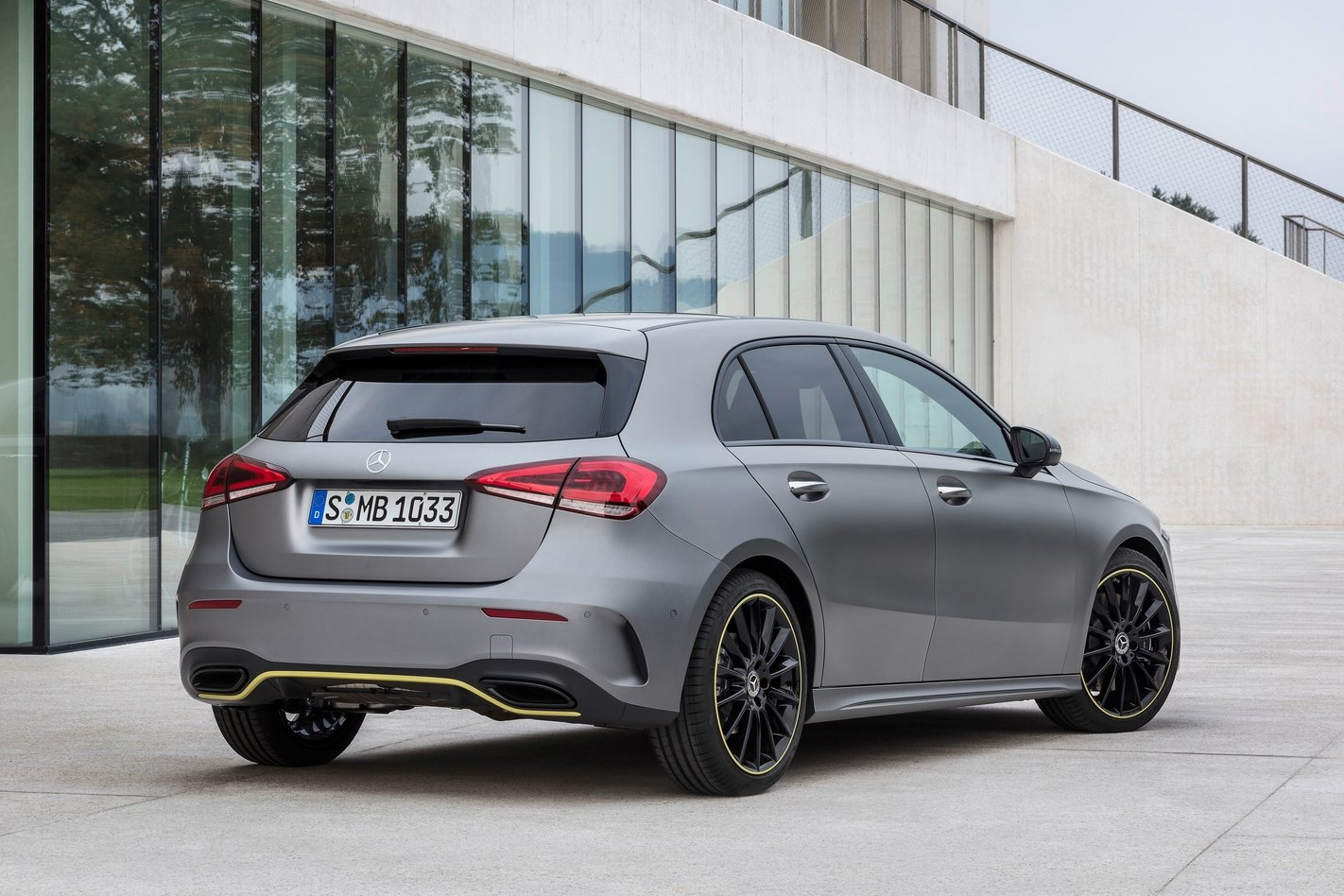
At the core of the new A-Class’s appeal is the debut of the ‘MBUX’ infotainment system. Courtesy of artificial intelligence tech, Mercedes-Benz claims the system will be able to adapt to the user to understand your preferences and speech patterns. Vocal instructions like ‘Hey Mercedes, I’m cold’, will result in the temperature being raised by a couple of degrees, for example.
If you don’t feel like using voice recognition to control the infotainment, the system can be interacted with through a 10.5-inch touchscreen (paired beside another 10.5-inch screen for all your driving information such as speed, navigation, and tachometer).
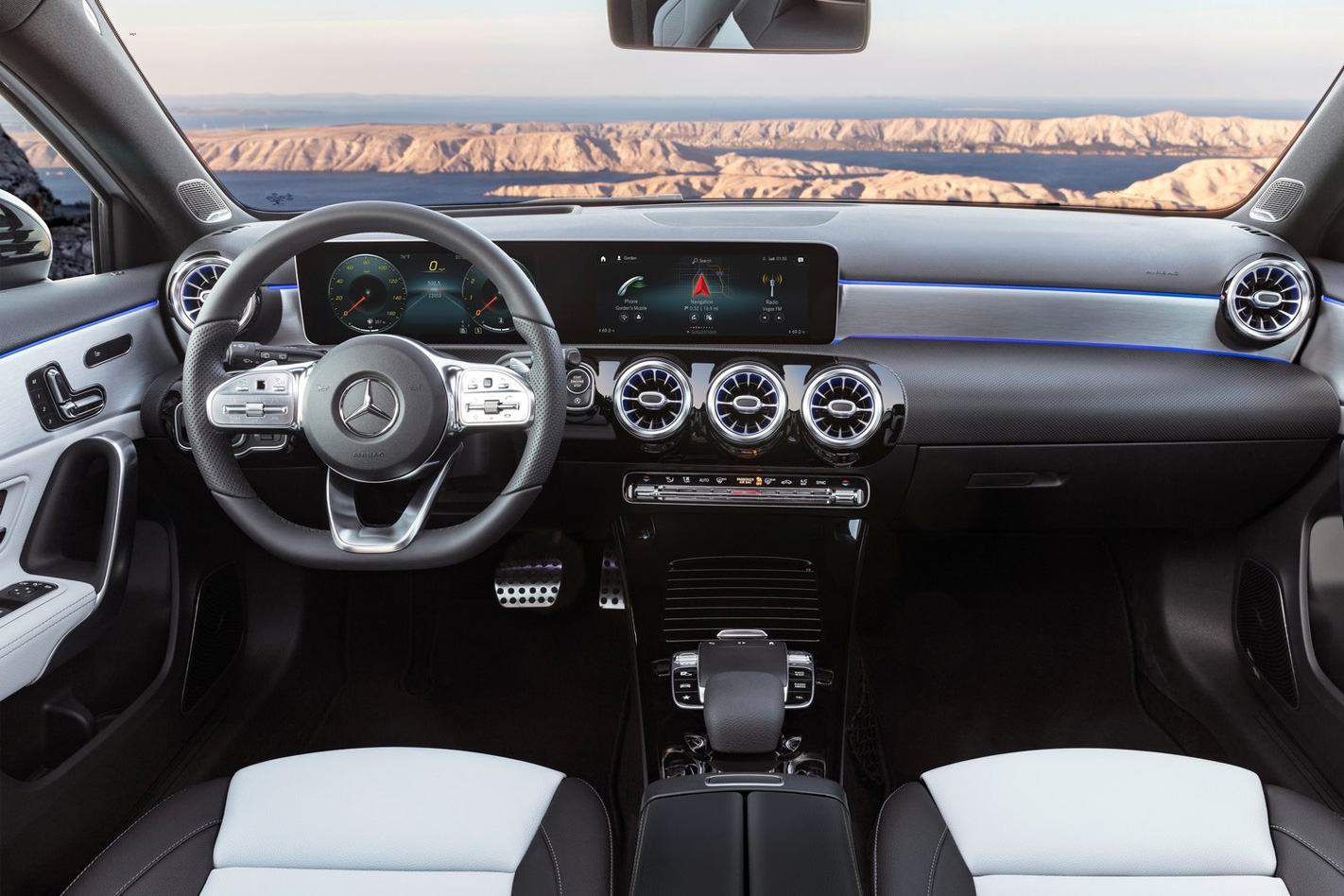
The improvements aren’t just electronic either. The new A-Class has grown over the previous model, with most of that growth being seen inside the cabin. Boot space has increased to 370 litres with the rear seats up, while shoulder room, elbow room, and headroom have all been improved front and rear.
There will be three different engines available at launch – the carryover 2.0-litre turbo four-cylinder petrol engine producing 165kW and 350Nm; an all-new 1.4-litre four-cylinder turbo petrol developed with Renault making 120kW and 250Nm; a 1.5-litre turbo-diesel four-cylinder putting out 85kW and 260Nm.
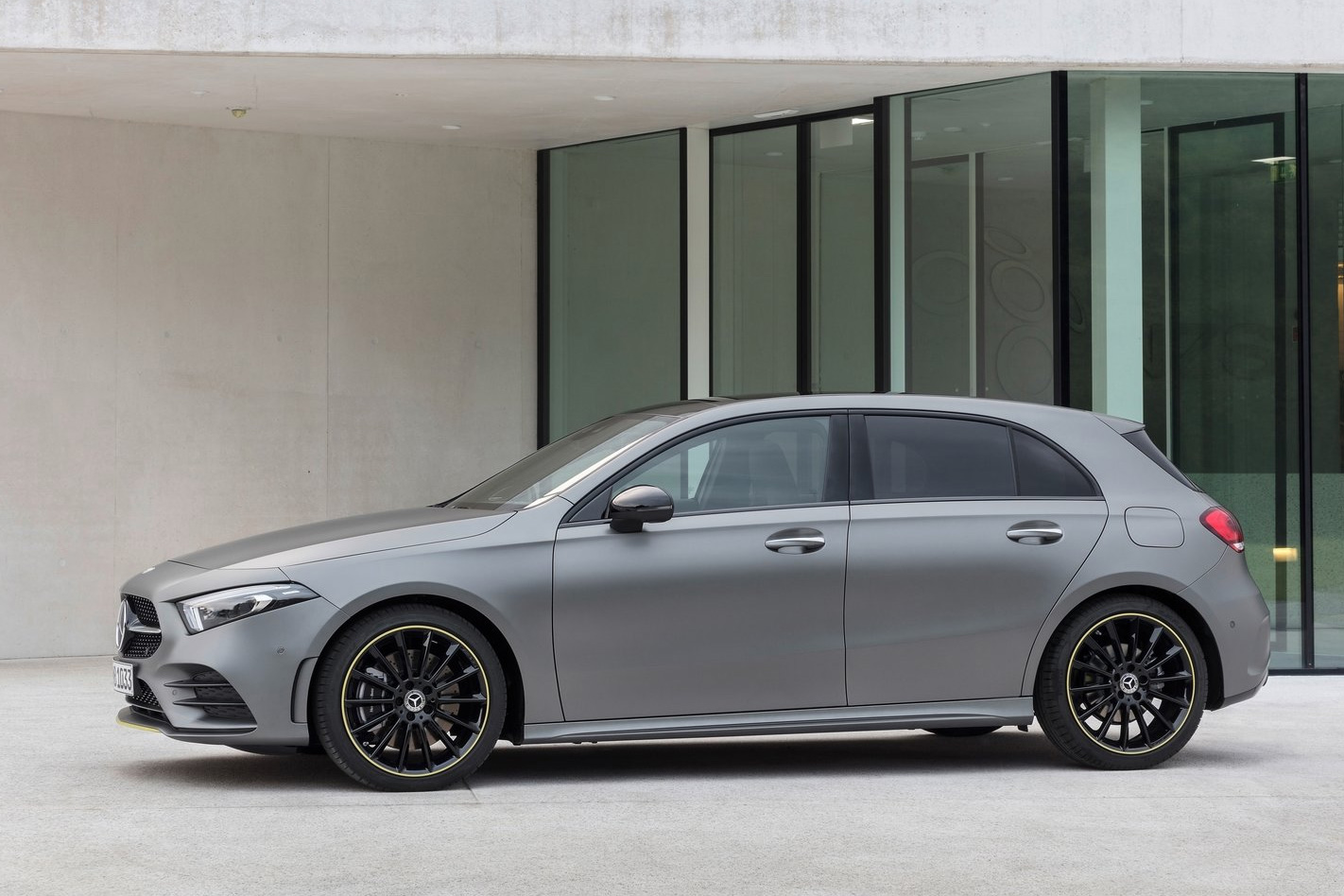
In Australia all will be mated to a seven-speed dual-clutch transmission, with both front- and all-wheel-drive available.
It’s likely the A200 will be the first model to arrive in Australia (estimated to be around the third quarter), with WhichCar understanding the 1.4-litre petrol engine is will be the powerplant of choice for that variant.
However, the final details on engine range and specifications are yet to be announced.
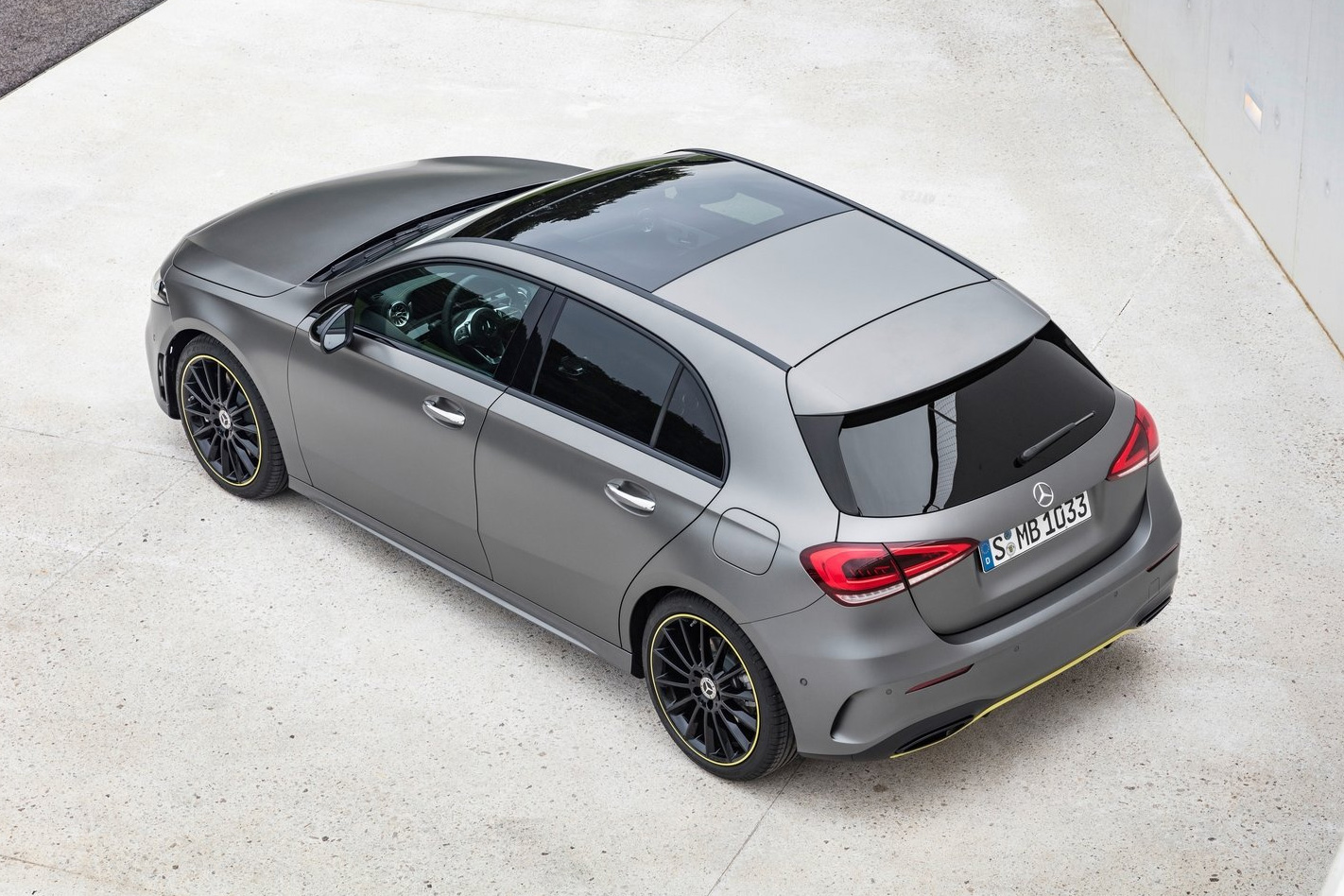
High-powered A45 and A35 AMG models are expected to be revealed next year and will sit atop the A-Class family tree.
Aussie pricing will be revealed closer to the local launch.
The new fully-imported Toyota Camry takes off where the Aussie-built models left off as Australia’s best-selling medium car, but is far better equipped, with active safety features including automatic emergency braking included as standard. Built on an all-new chassis it offers more interior space and better ride and handling than the previous model.
CAMRY RANGE OVERVIEW
There are four Camry spec levels, Ascent, Ascent Sport, SX and SL, which are all sedans.
The range is further stretched by a choice of three different powertrains including a 133kW/331Nm 2.5-litre four-cylinder engine and 224kW/362Nm 3.5-litre V6, and a 160Nm/423Nm hybrid set-up which uses the 2.5-litre engine linked with an electric motor for additional power and torque.
All Camrys have automatic gearboxes, with the two petrol engines linked to a six-speed automatic transmission, and the hybrid a CVT.
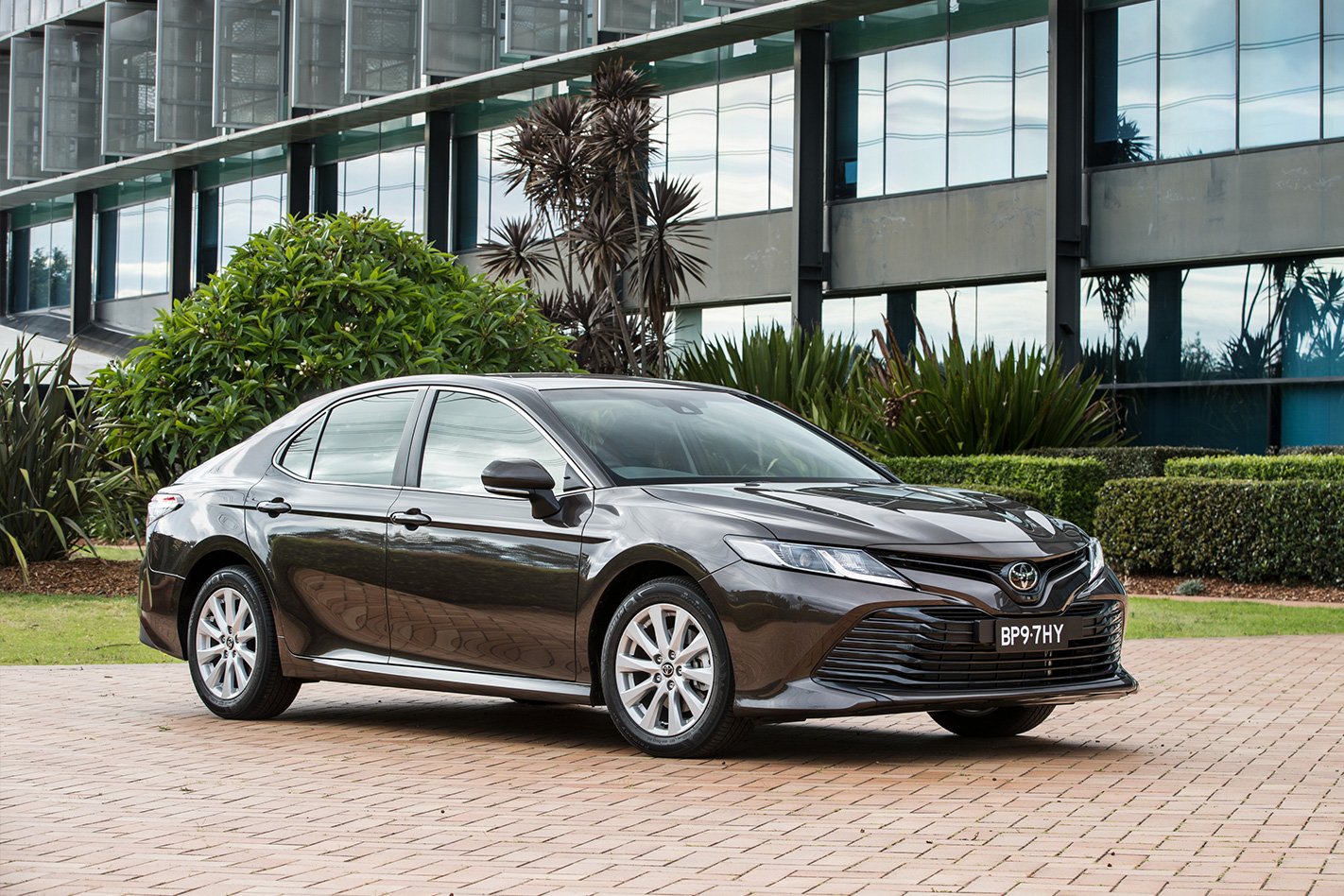
The range starts with the Camry Ascent, which comes standard with the 2.5-litre engine. It has a generous features list for the price, which includes a 7.0-inch touchscreen, reversing camera, front and rear parking sensors, LED daytime running lights, auto-dimming headlights, 18-inch alloy wheels front and active safety including automatic emergency braking, adaptive cruise control, lane departure warning and lane keeping assist.
Spending an extra $2300 gets an Ascent Hybrid, brings the more powerful and fuel efficient battery assisted powertrain and a couple of extras over the standard Ascent including keyless entry and dual-zone air-conditioning.
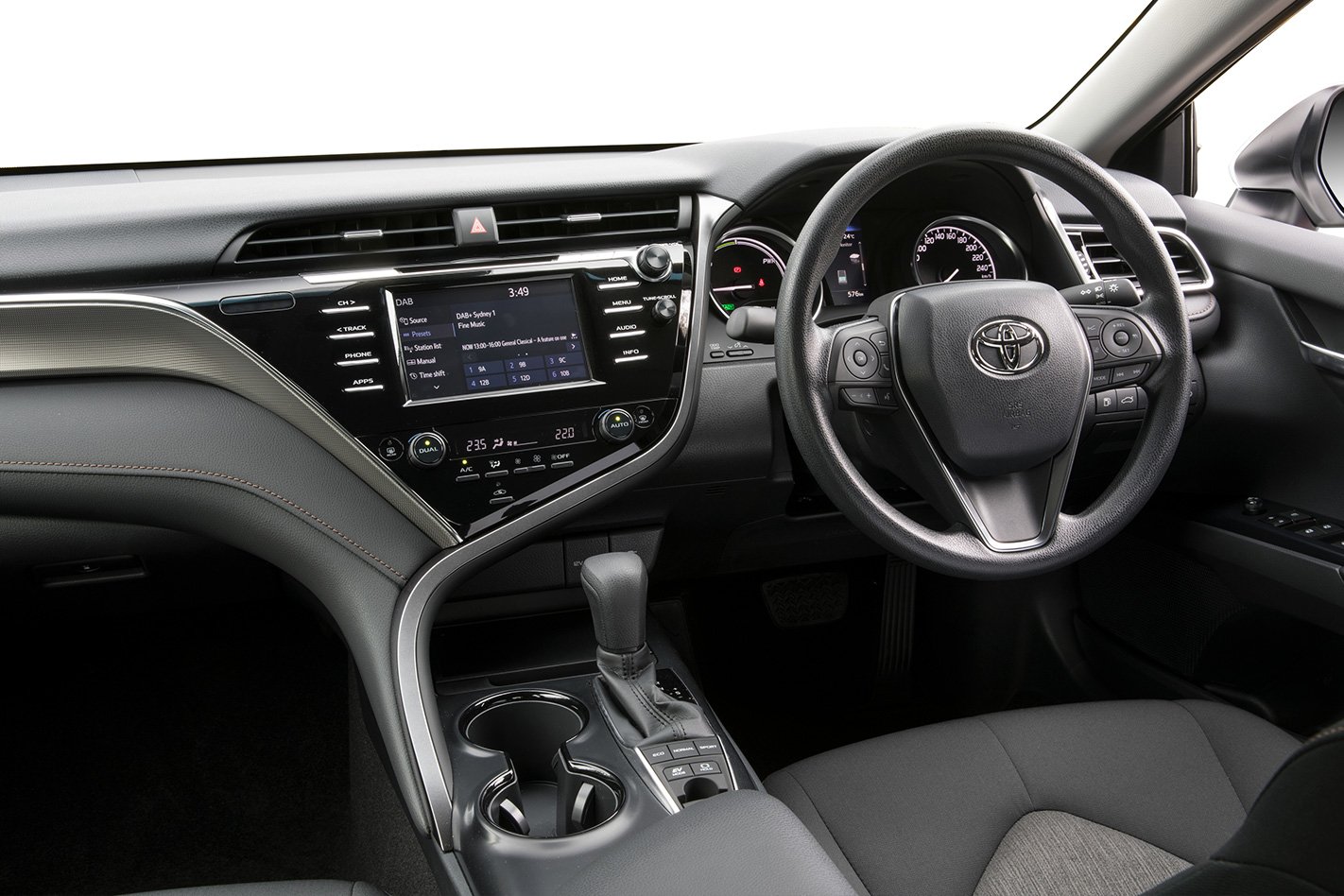
The Ascent Sport also has everything you get in Ascent including the 2.5-litre engine, but with a bigger 8.0-inch touchscreen, 7.0-inch multi-function display, power adjusted driver’s seat. As its name suggests it also adds sporty features including a premium steering wheel and gear shifter, stainless steel scuff plates, and sports body kit with more aggressively styled front and rear bumpers and grille. There is also an Ascent Sport Hybrid.
The 2.5-litre Camry SX and Camry SX V6 add partial leather sports seats with driver power adjustments, LED headlamps and rear lights, and a wireless phone charger for compatible mobile phones. Sporty touches include paddle shifters on the steering wheel, firmer suspension, high-gloss sports grille, rear boot-lid spoiler and bigger and bigger 19-inch wheels.
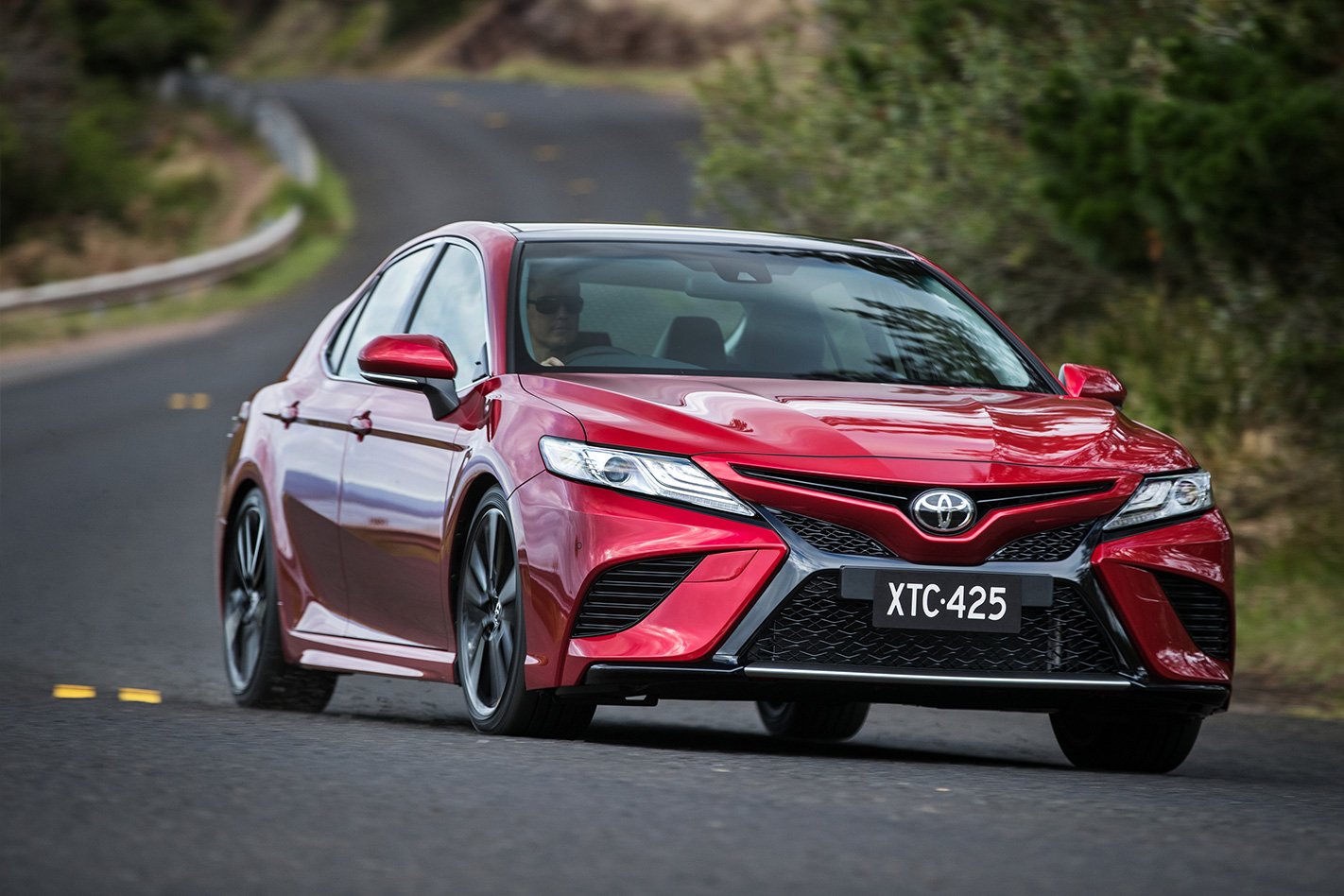
The Camry SL shuns the SX’s sporty touches and instead ramps up the luxury features. The wheels revert to 18-inches for a slightly softer ride, and both part-leather front seats are power-adjustable and ventilated, with the driver’s seat equipped with memory settings. The steering wheel adjustment is also electric. The SL also has a 10-inch head-up display, rain-sensing windscreen wipers, auto-dimming mirror, ambient cabin lighting and sunroof. The SL is available with all-three powertrains, with the Camry SL V6 topping the range at $43,990.
2018 Toyota Camry manufacturer’s list pricing:
- Camry Ascent – $27,690
- Camry Ascent Hybrid – $29,990
- Camry Ascent Sport – $29,990
- Camry Ascent Sport Hybrid – $31,990
- Camry SX – $22,390
- Camry SX V6 – $37,290
- Camry SL – $39,990
- Camry SL Hybrid – $40,990
- Camry SL V6 – $43,990
OUR PICK
The Ascent Hybrid offers great value for just under $30,000, with a decent blend of safety, comfort and a modern hybrid powertrain that offers city savings and open-road usability. The only issue is the almost impractical 400kg towing capacity, which is just a third of what the petrol versions can pull. If towing is an issue, have a look at the Ascent Sport, which is the same price and comes with a few extra features.
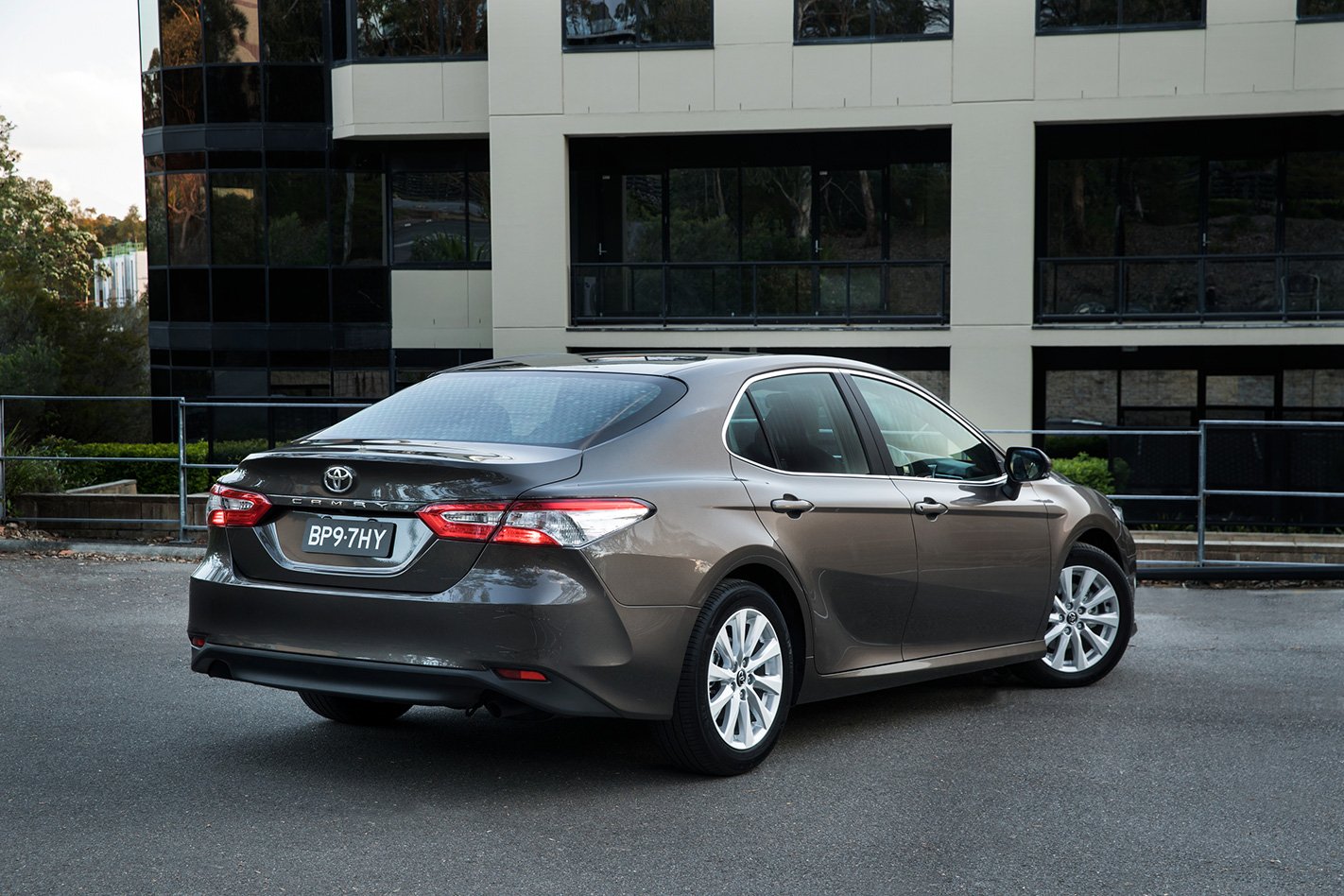
It takes one ankle flex in the Alpina B7 to instantly know what this company is about.
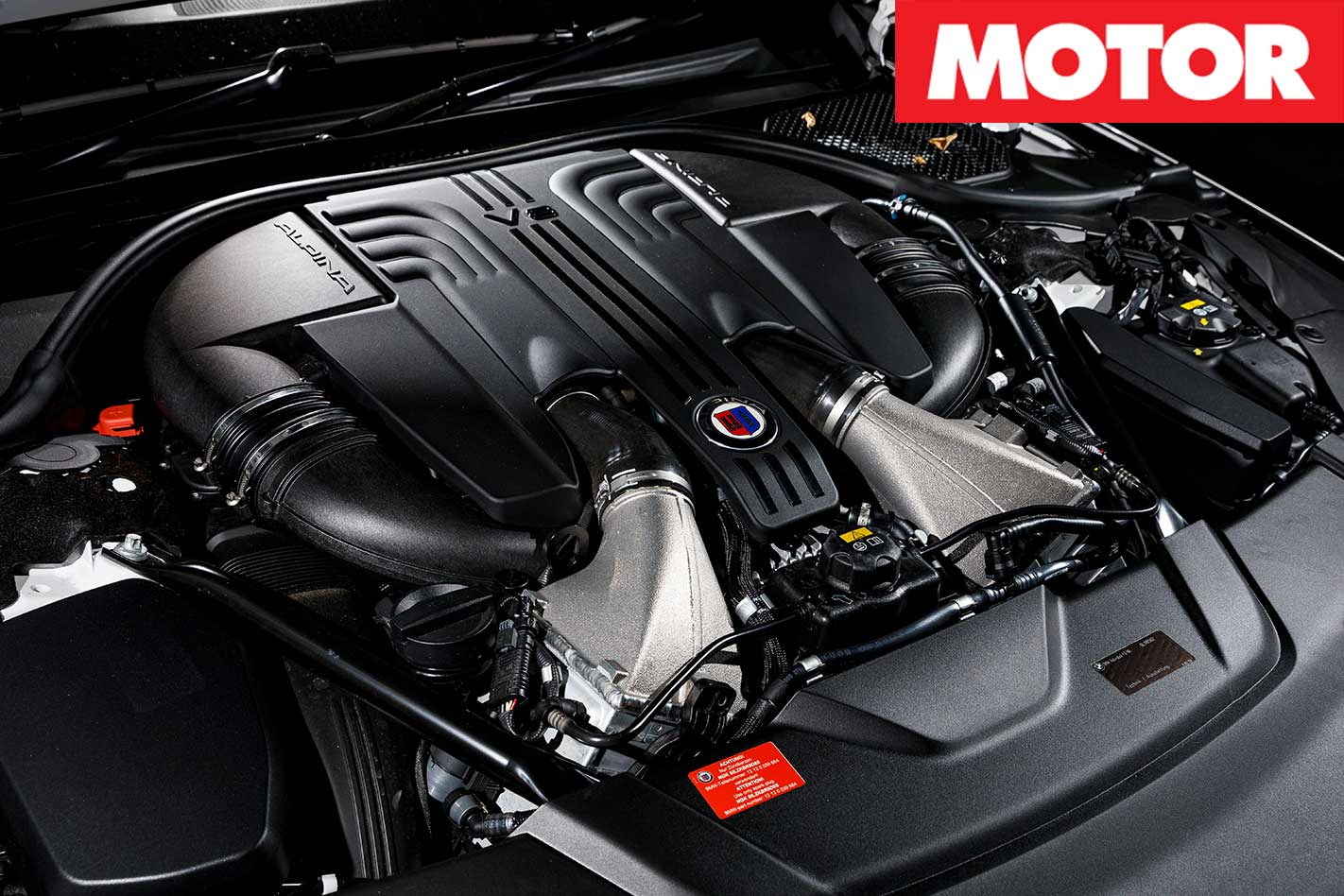
All of a sudden the eight-speed transmission and 4.4-litre twin-turbo V8 explode into action. And the two-tonne, 5.2-metre long sedan rocks back before surging forward like a runaway Maglev train. Fast BMWs are Alpina’s game, and this is its take on the 7 Series.
Inside it’s ‘regular’ 7 Series, in that you’re greeted by a high-end cabin that’s as spacious as it is sumptuous (though a little sterile) with a few changes; that iconic valve-spring and camshaft emblem on the wheel is one, the sci-fi-style dial graphics another.
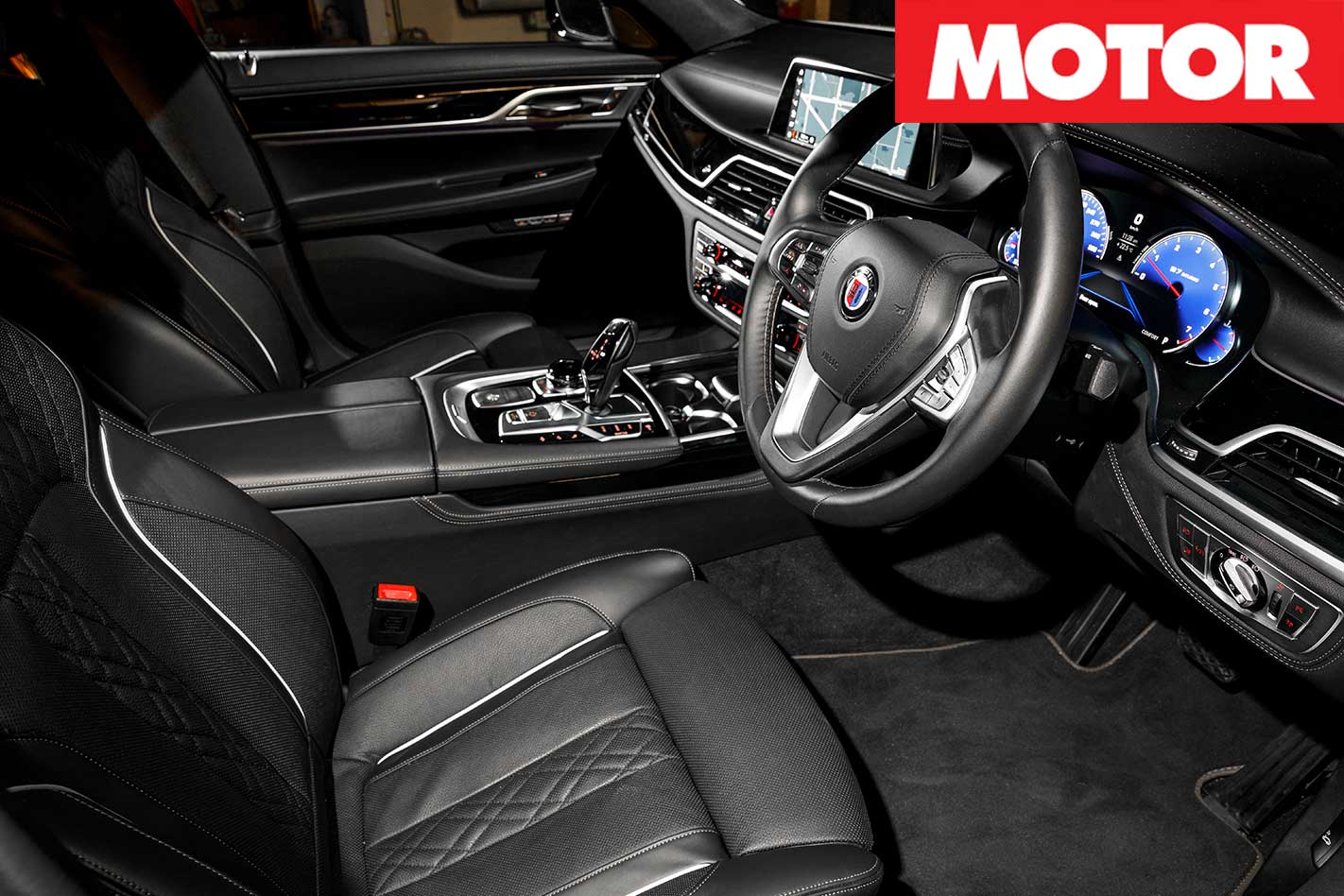
Unleash the throttle and the 295mm-wide rears squirm a bit. Acceleration isn’t as visceral as the outputs suggest, but it piles on the pace in an unrelenting manner. It’s a treat watching the lime-green dial zing for the 7000rpm redline, but the B7 upshifts 500rpm earlier than that, or not at all in manual mode.
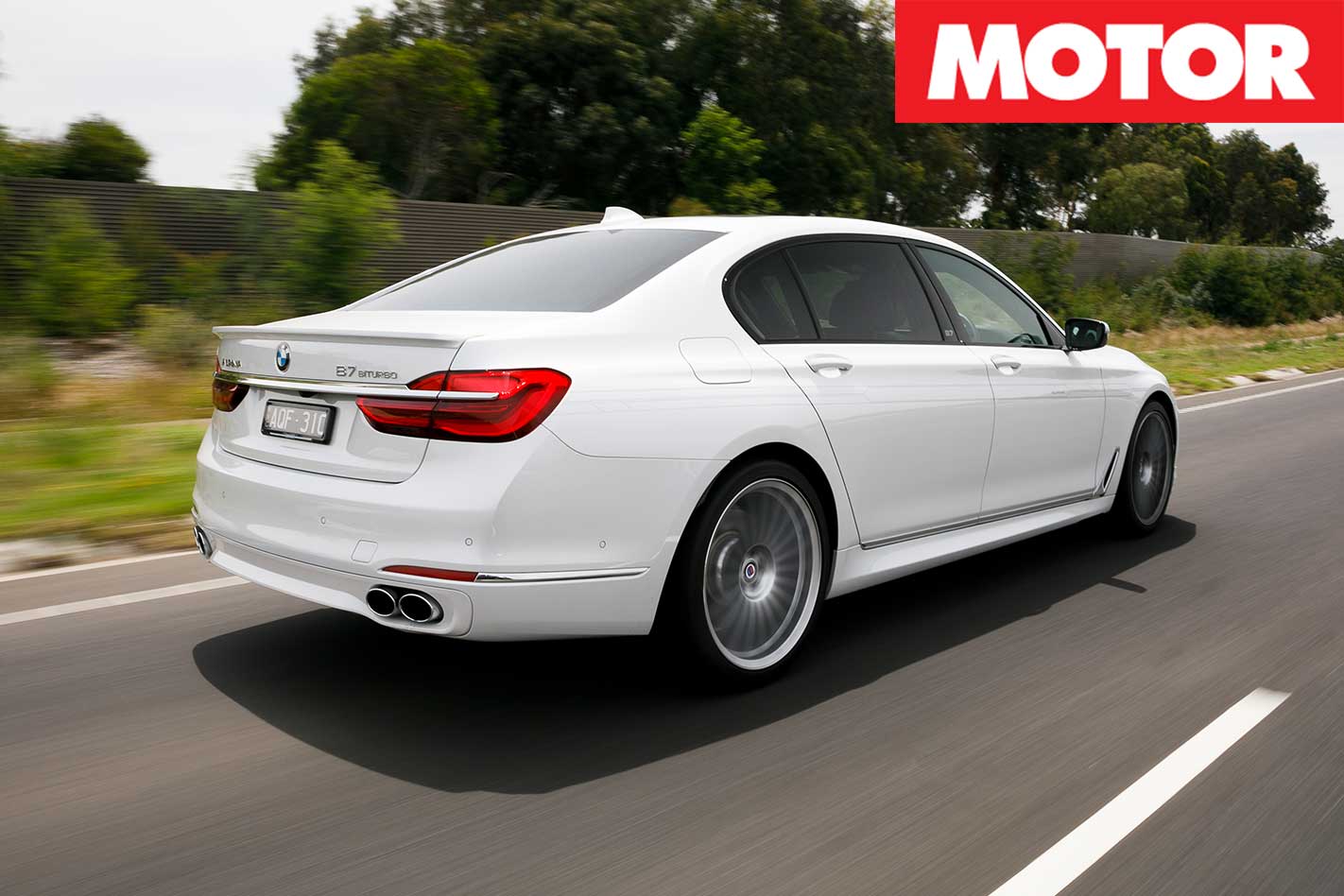
The rear-steering hustles the B7 into tight bends surprisingly well, while the brakes squeeze with decent power, and the dampers shrug off big bumps. Even without an optional LSD traction is good once the Michelins are warm. But push hard in corners and the physics are simply too overwhelming for enjoyable, rapid progress. Its Sport Plus mode feels a bit underbaked.
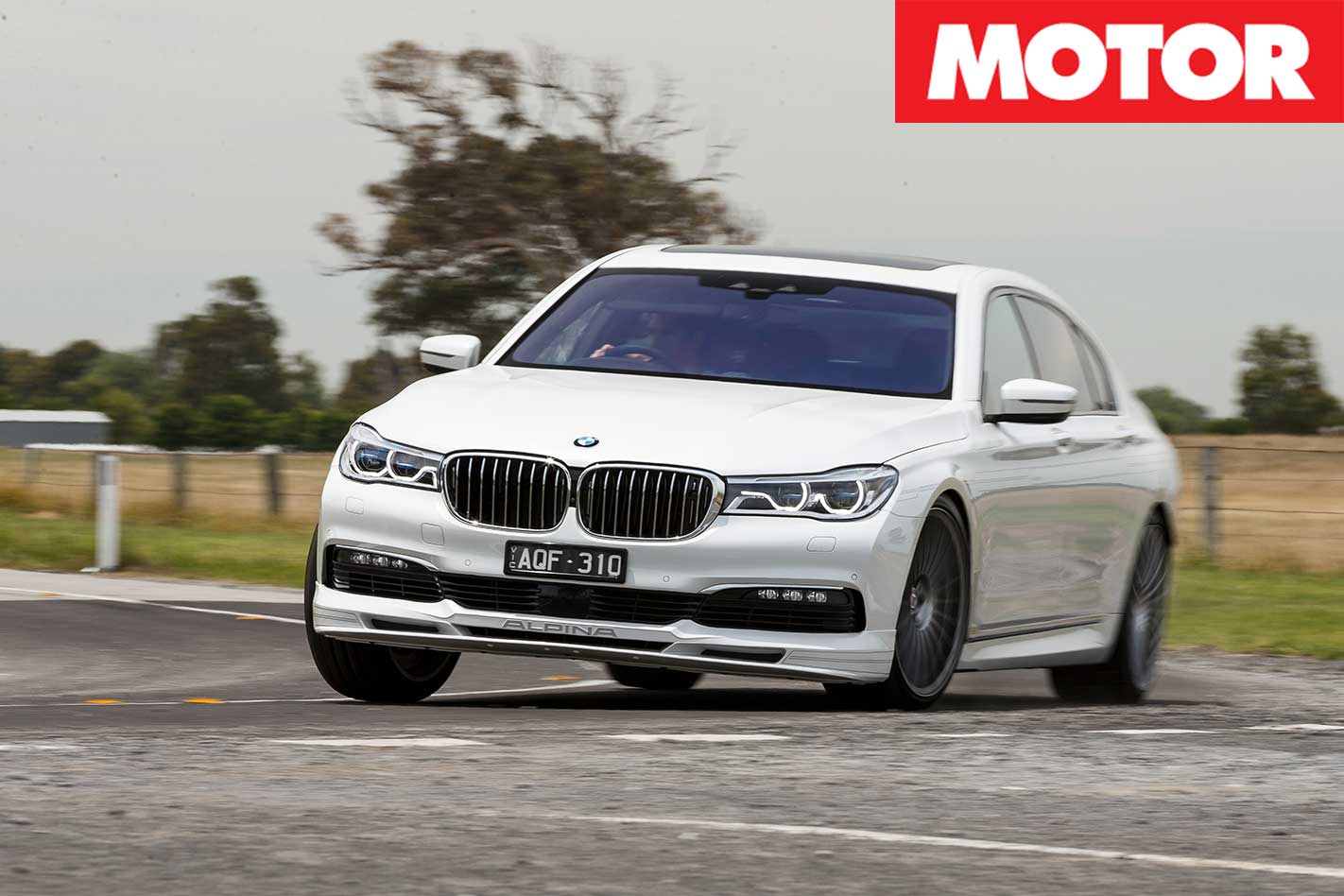
2018 ALPINA B7 SPECS: Engine: 4395cc V8, DOHC, 32v, twin-turbo Power: 447kW @ 5750pm Torque: 800Nm @ 3000-5000rpm Weight: 2035kg 0-100km/h: 4.1sec (claimed) Price: $369,000
Like: Amazing powertrain; grip Dislike: Lack of engine note; body control Star Rating: 4 out of 5 stars
For BMW, X really does mark the spot.
Through 2017 its three best selling models in Australia were, in descending order, the BMW X3, X1 and X5. While the hideous-to-behold X4 and X6 pseudo-coupes provide similar-size alternatives to the X3 and X5, there hasn’t been an even-numbered niche variant based on the X1… until now.
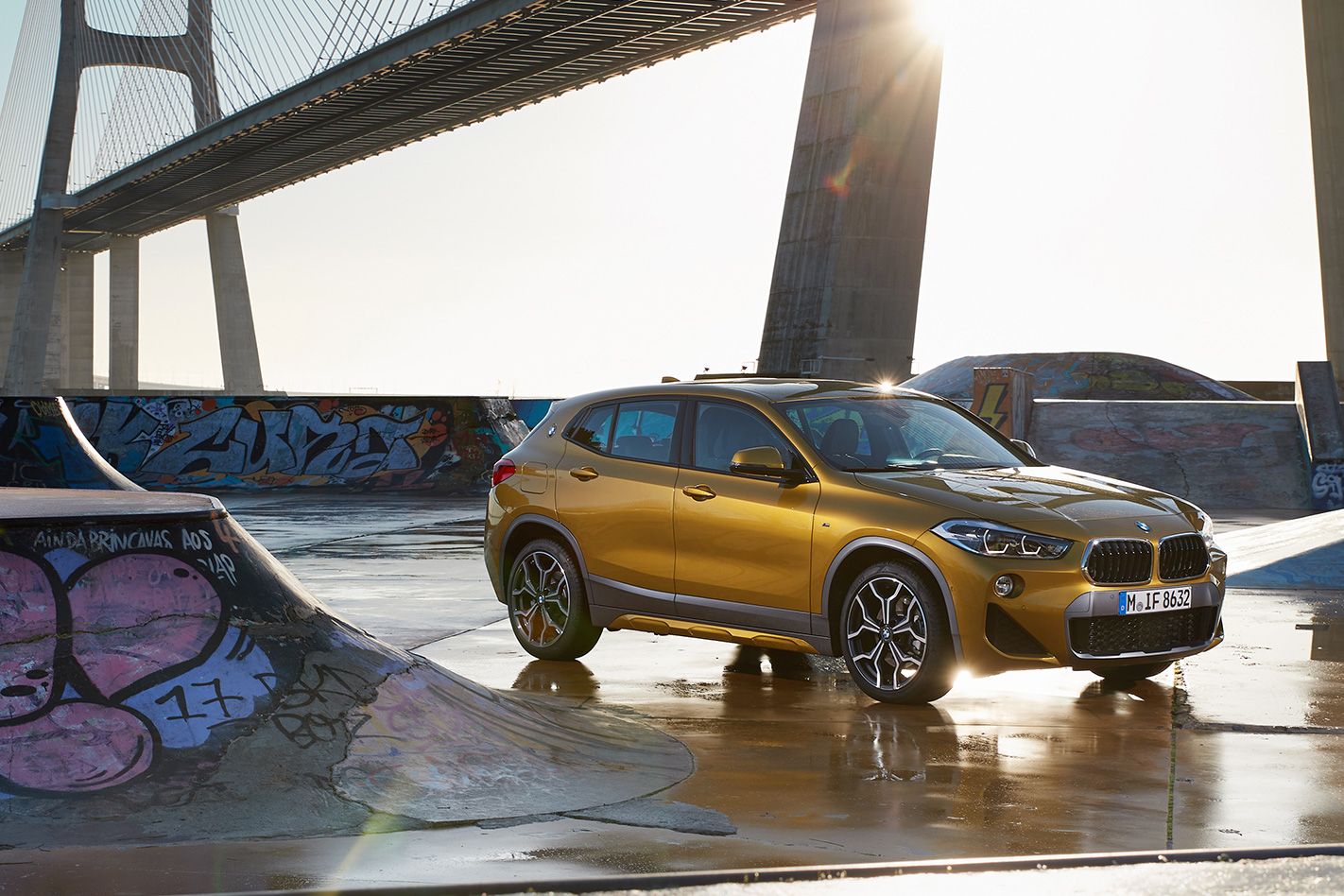
High-riding front- and all-wheel drive five-door hatchback. Though not as tall or long as the X1, the BMW X2 shares the same basic building blocks. Though smaller, the X2 costs more.
WHY WE’RE TESTING IT
BMW’s international presentation in Portugal provided a chance to taste test the X2 ahead of its March arrival in Australia.
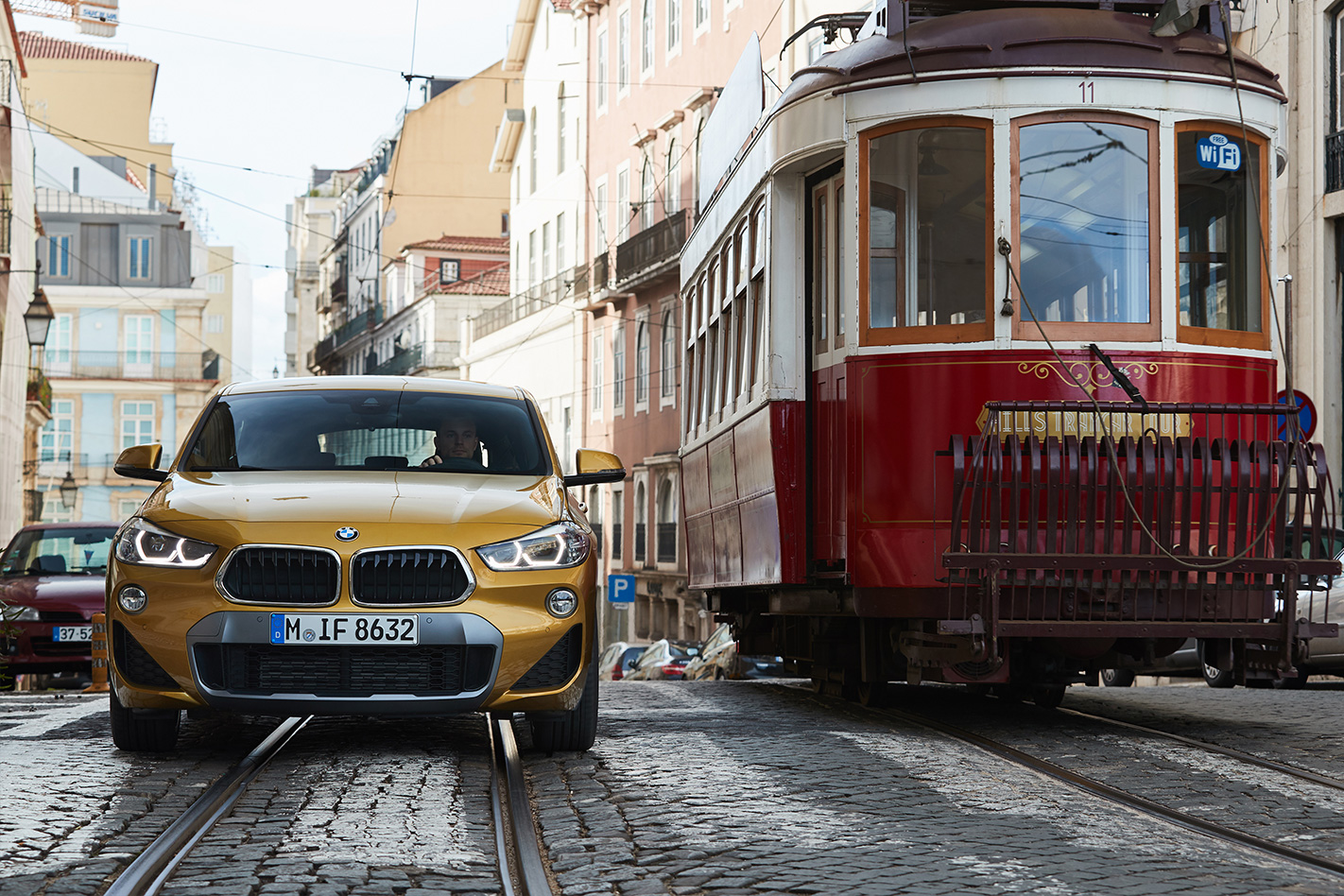
Other premium compact SUVs that put the emphasis on Size S style, including the Audi Q2, Mercedes-Benz GLA and Range Rover Evoque. The list of X2 competitors will grow through 2018, with the arrival of the Jaguar E-Pace and Volvo XC40.
THE WHEELS VERDICT
Partly because it’s so much easier on the eye than the X4 or X6, the X2 is harder to hate. It has a fine interior (at least in new M Sport X form, which was the only fit-out BMW brought to the international intro in Lisbon), which partly justifies its premium price.
Despite being smaller than X1, it’s still reasonably spacious and practical inside. The X2 handles nicely for an SUV, too. But its ride is over-firm and it should be quieter. Specifically designed for young, urban, affluent, brand-conscious types who want something that’s not a trad-form SUV or old-fashioned hatchback, it does a not-bad job of nailing the brief…
Minus: Ride; refinement; higher-than-X1 price
THE WHEELS REVIEW
Did someone in Munich forget to tap the ‘Caps Lock’ key? BMW’s new small crossover SUV is more ‘x’ than ‘X’. The X2 is, in essence, a lower-case X1.
The difference in height is a little more than 70mm, and the X2 is also almost 80mm shorter overall. While its low-profile look is quite different from the X1, its wheelbase is identical. Also shared are engines, transmissions, and chassis components.
The five-door body of the X2 was penned with the aim of attracting the kind of customer who would never consider the X1, according to project head Julius Schluppkotten. And it does look entirely different, chiefly because not a single exterior panel is shared.
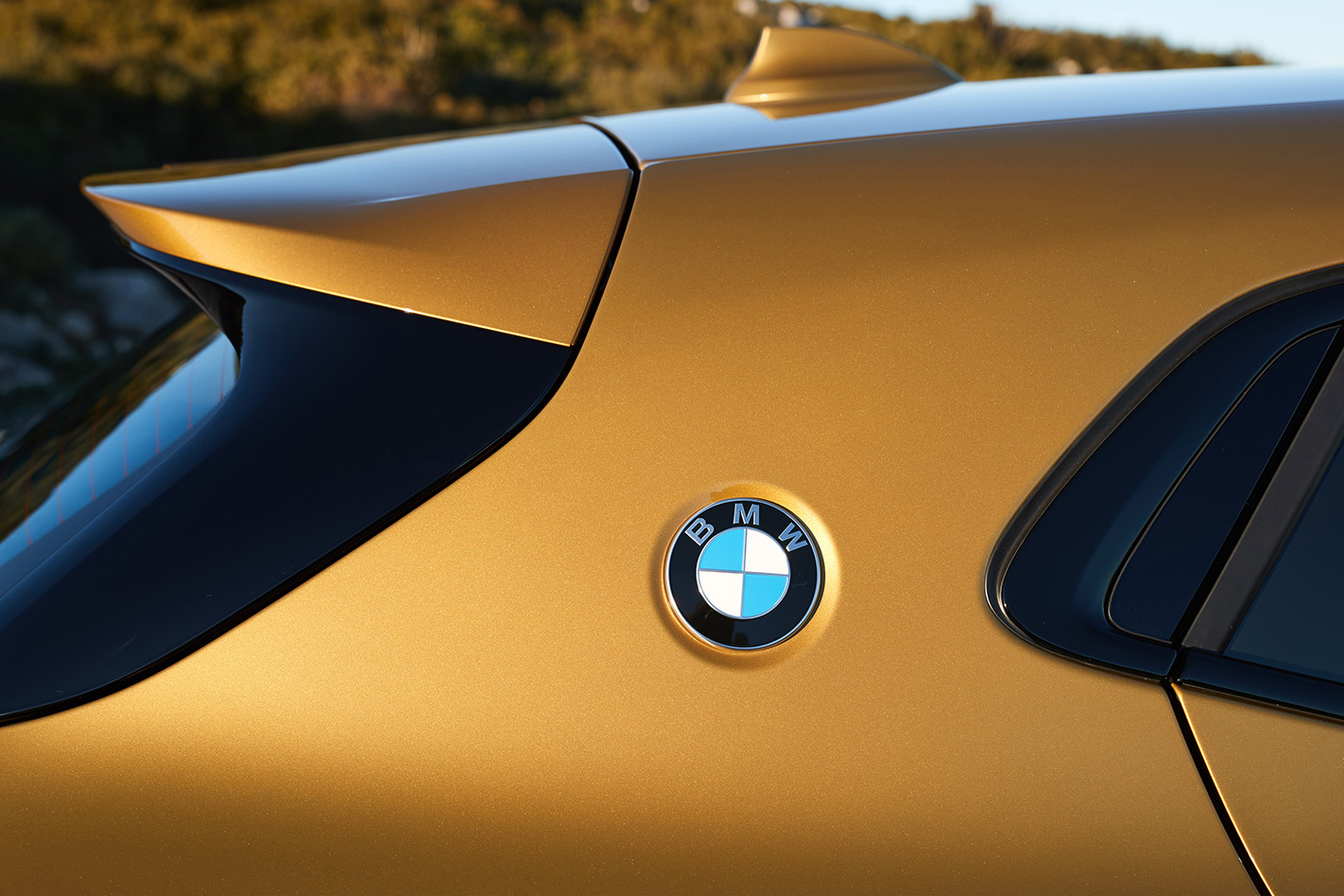
While the BMW roundel on the X2’s C-pillar is a designer’s nod in the direction of classic 1970’s metal like the 3.0 CSL coupe, the X2’s interior embraces thoroughly modern notions of practicality, flexibility and technology.
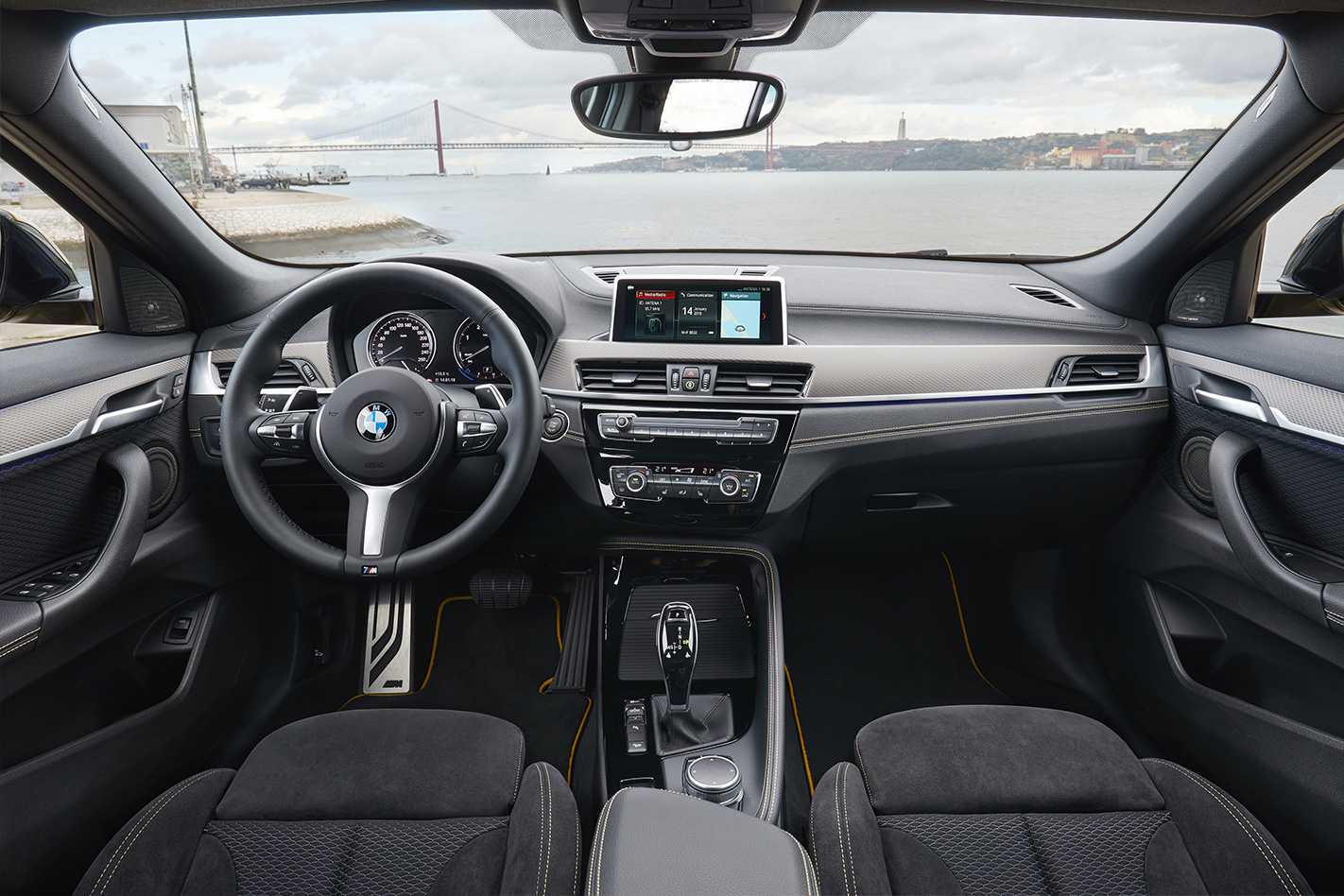
The instruments, instrument panel, and infotainment interface all have the kind of elegant clarity that spells premium. Trim materials are likewise classy.
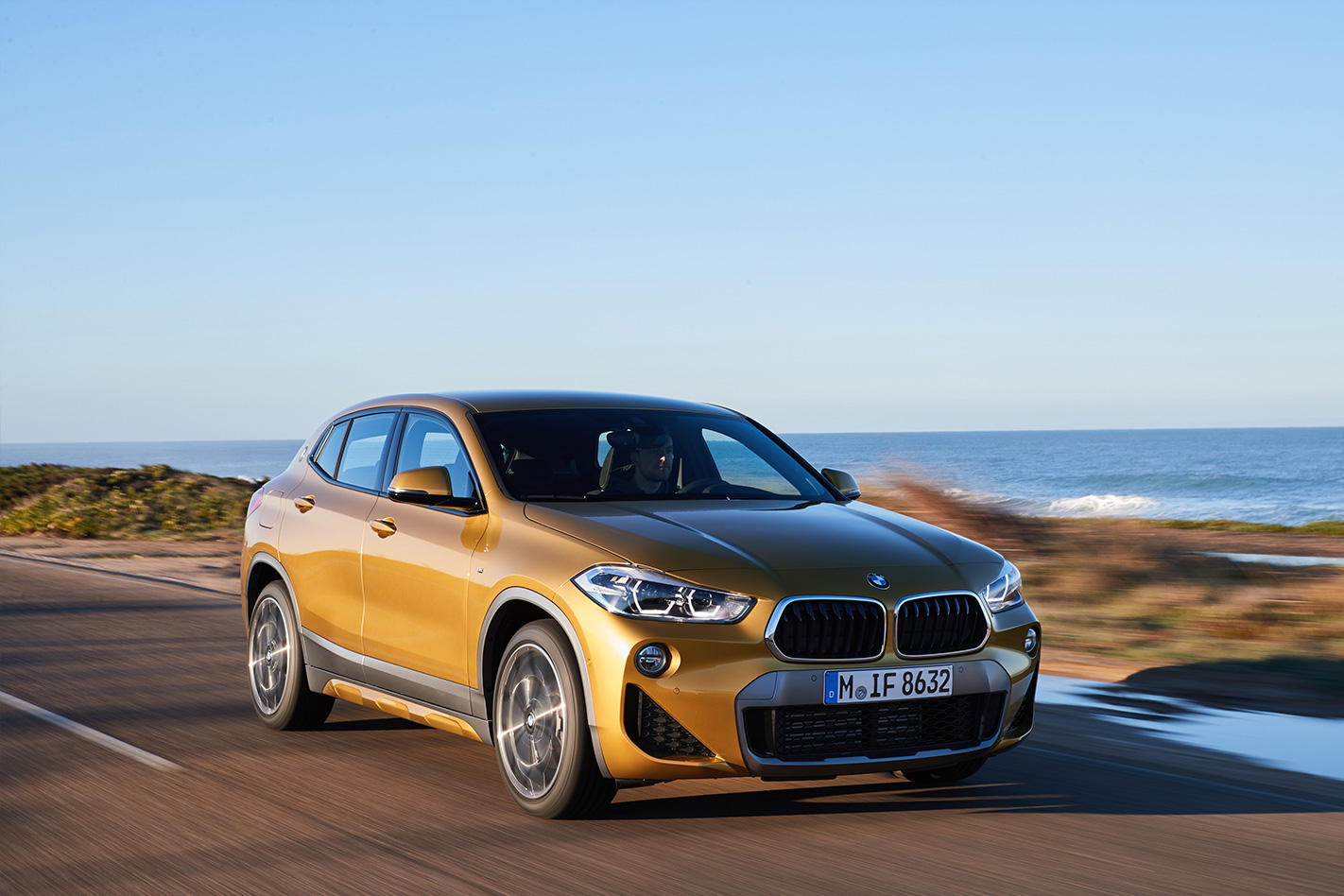
BMW’s chassis engineers say the X2’s lower stance and shorter overhangs give it a dynamic head start compared to the X1. To ensure the newcomer is more agile, they added a little camber to the front suspension and specified stiffer springs and different dampers.
The X2 is quite agile… for a compact SUV. It’s feel-free steering is quick and precise. But the firm suspension is borderline brutal over misaligned motorway slab joints and is bothersomely busy on poorly surfaced roads. Tyre noise can be tiresome on coarse-chip surfaces, too, and there was noticeable wind noise from the exterior rear-view mirrors.
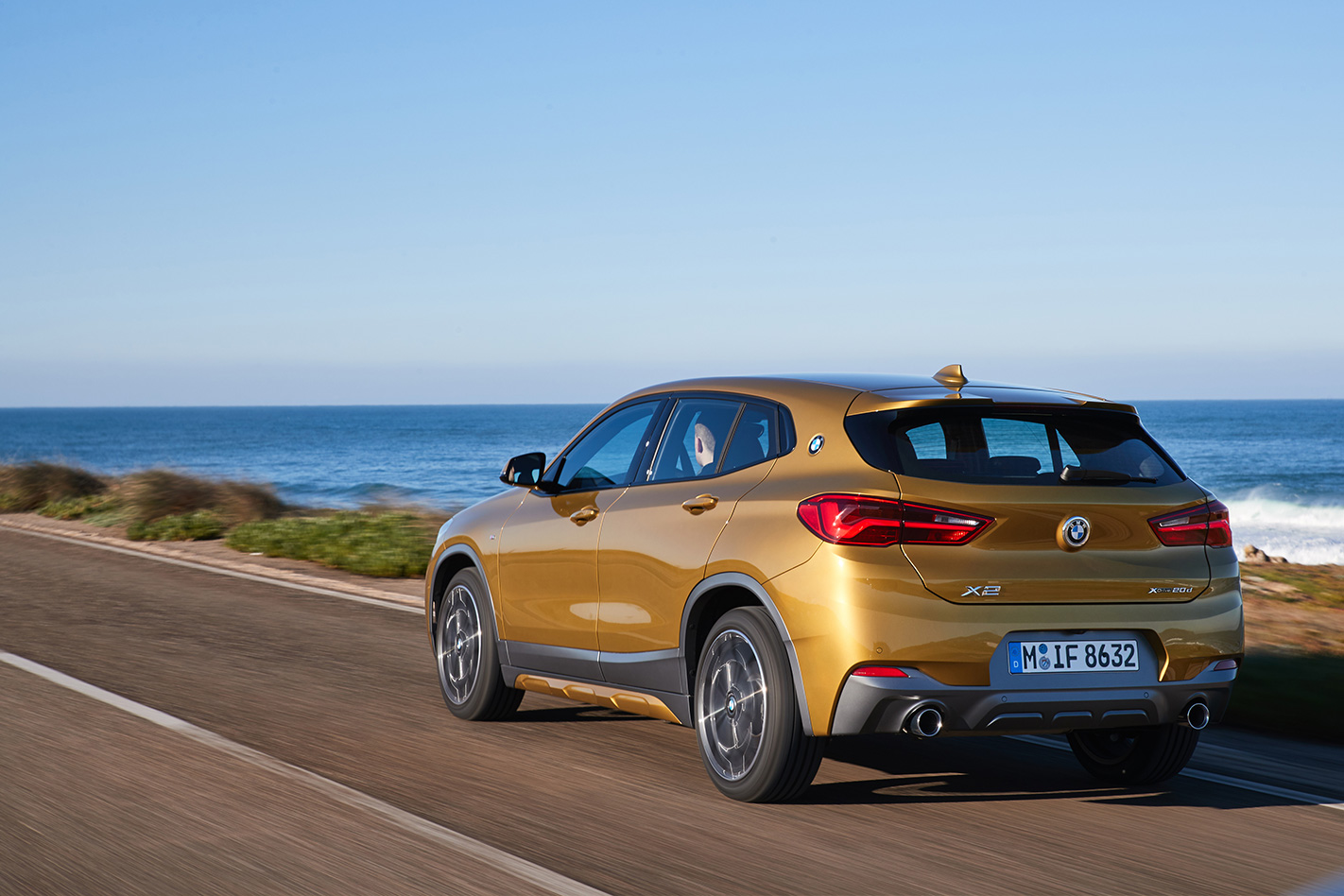
The all-wheel-drive xDrive 20d variant with M Sport X package was the only variant BMW brought to the international launch in Portugal. Its 2.0-litre turbo diesel and eight-speed auto delivers decent performance, but the front-drive sDrive 20i with 2.0-litre petrol engine and seven-speed double-clutch will be the version that introduces the X2 to Australians in March.
It will wear a $55,900 price tag, a little over $2000 more capital than an X1 with the same drivetrain…
SPECIFICATIONS
Model BMW X2 sDrive 20i Engine 1998cc 4cyl, dohc, 16v, turbo Max power 141kW at 5000-6000rpm Max torque 280Nm at 1350-4600rpm Transmission 7-speed dual-clutch auto Weight 1535kg (EU kerb) 0-100km/h 7.7sec (claimed) Economy 5.9L/100km (Europe Combined Cycle) Price $55,900 On sale March
After almost 300km of driving in the limited edition F-Type 400 Sport, a strange realisation came to mind. The stereo, a Meridian system, hadn’t been switched on.
It’s not that the optional 12-speaker unit isn’t good, because it is. It’s more that the 3.0-litre supercharged V6 nestled underneath the long clamshell bonnet produces an even better symphony of sound.
Okay, the monstrously powerful V8 in the SVR produces an arousing soundtrack. But the ‘lesser’ six will challenge any cylinder snob’s ear. Its pops and bangs on the overrun are like automotive orgasms and its shriek towards 7000rpm is like few other bent-sixes. It’s intoxicating. It makes you smile. It’ll have you chortling like a little kid.
Musings about acoustics aside, what does the yellow and silver 400 Sport badge mean? It’s a launch edition for the facelifted F-Type range that ups the power to 294kW (or 400PS) from the 280kW S version, while torque stays at 460Nm.
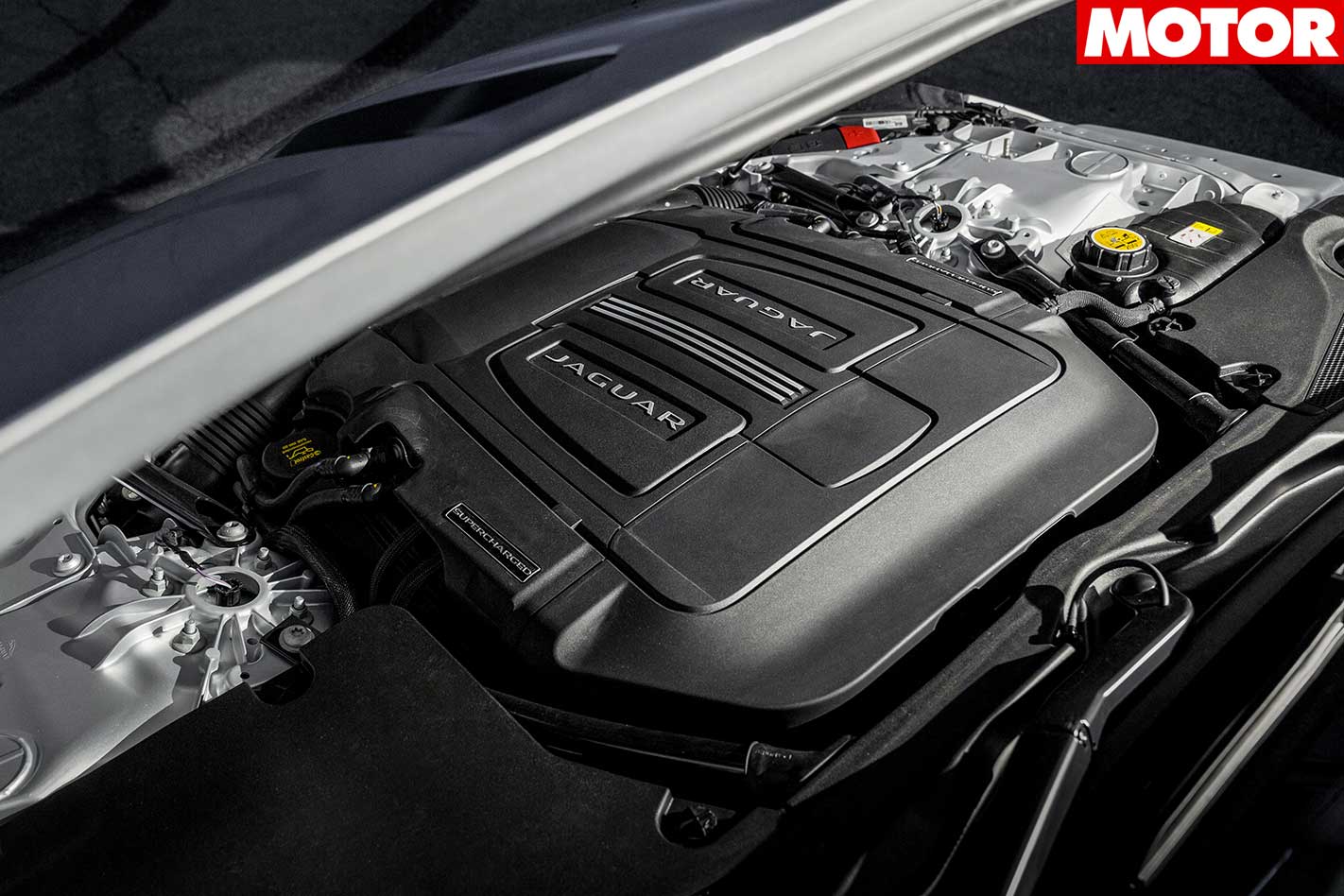
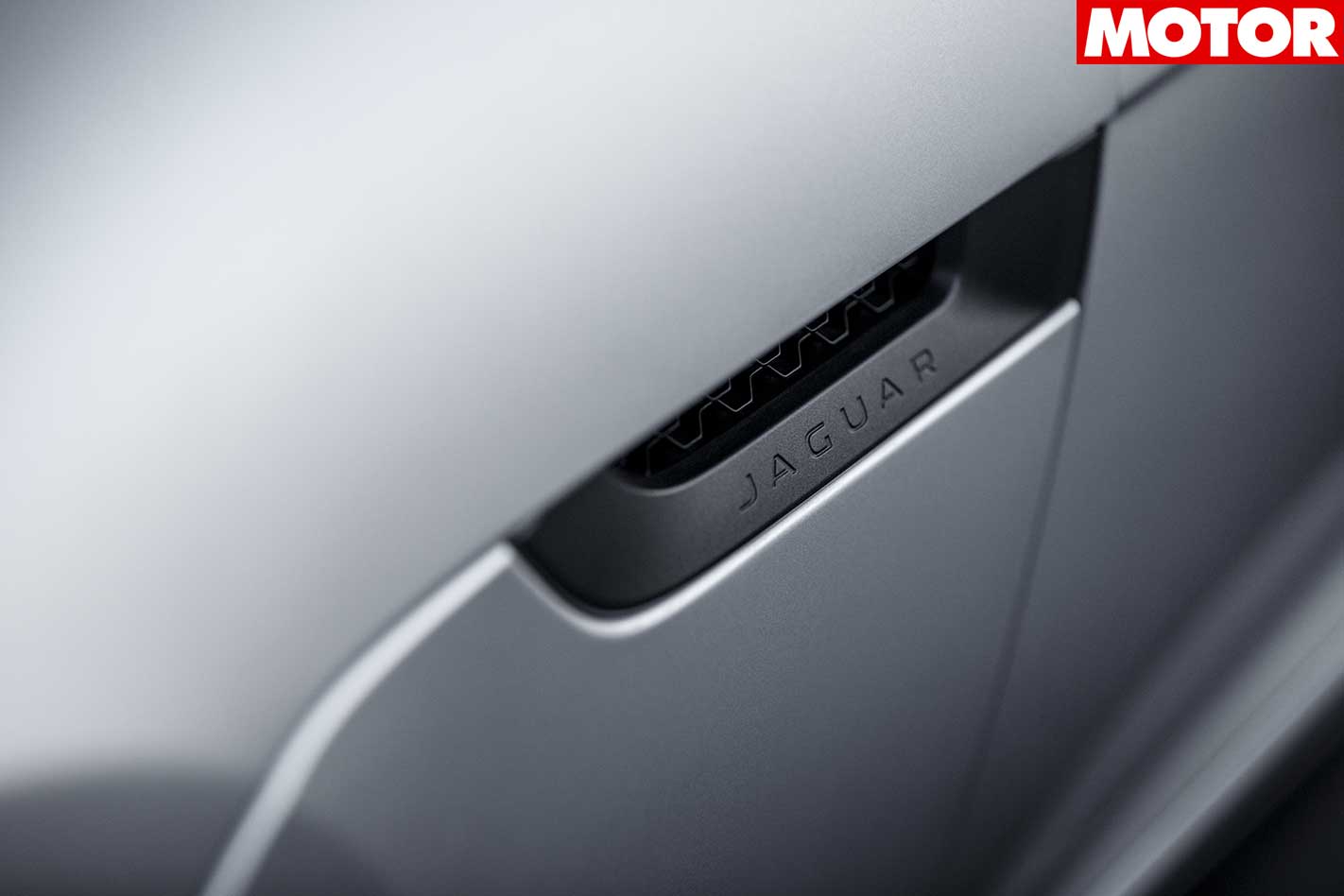
Subtly updated, the exterior styling is a triumph of muscularity and purity of design. It’s a relatively diminutive coupe, but its cab-back, long-bonnet architecture and sumptuous wheel-arch bulges set many hearts aflutter.
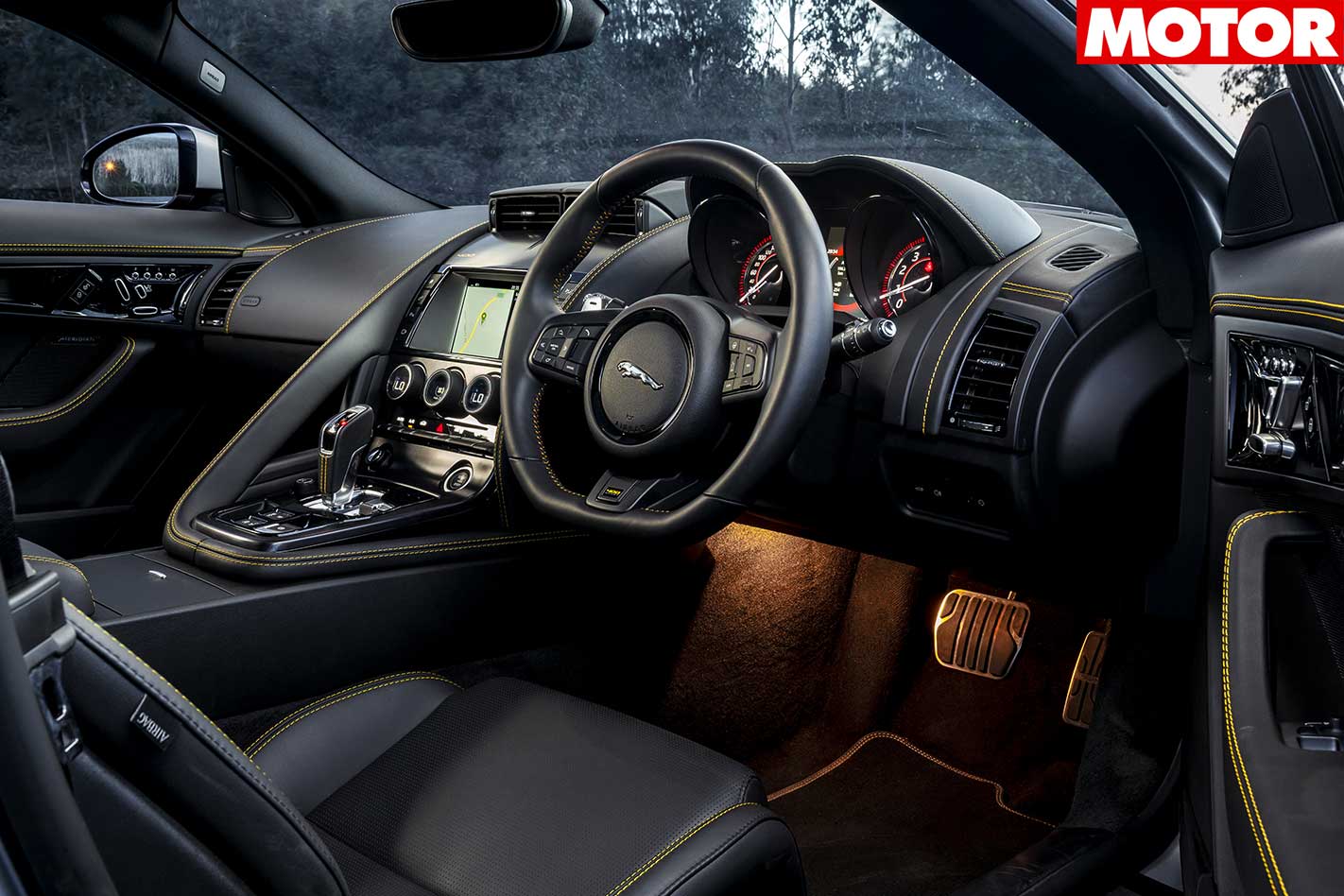
Conversely, the cabin isn’t as resolved. It’s just a bit forgettable by comparison and the eight-inch Touch Pro infotainment system is slightly old hat and unintuitive. The standard features, for a car listed at $183,516 (add $16,000 for AWD), are as glaringly sparse as the lack of useable space in the 310-litre boot.
On-road the 400 Sport is a rewarding car. Yes, it might not be a Porsche 911 Carrera – despite coming close on price – but the bespoke F-Type platform straddles the GT and performance car divide.
With peak power developed high in the rev range, there’s real reward in searching the upper reaches. Backing it up is a well of mid-range torque and sharp throttle response thanks to supercharged induction. It combines well with a slick auto that adheres to manual inputs when called upon.
The RWD version is the driver’s choice. It feels keener on turn in and can be provoked into having more fun on the limit than the rear-biased AWD – especially with Track mode for the ESC. You can really get on the power early and use the throttle to steer the F-Type on corner exit with the well-calibrated LSD offering an extra level of measured control.
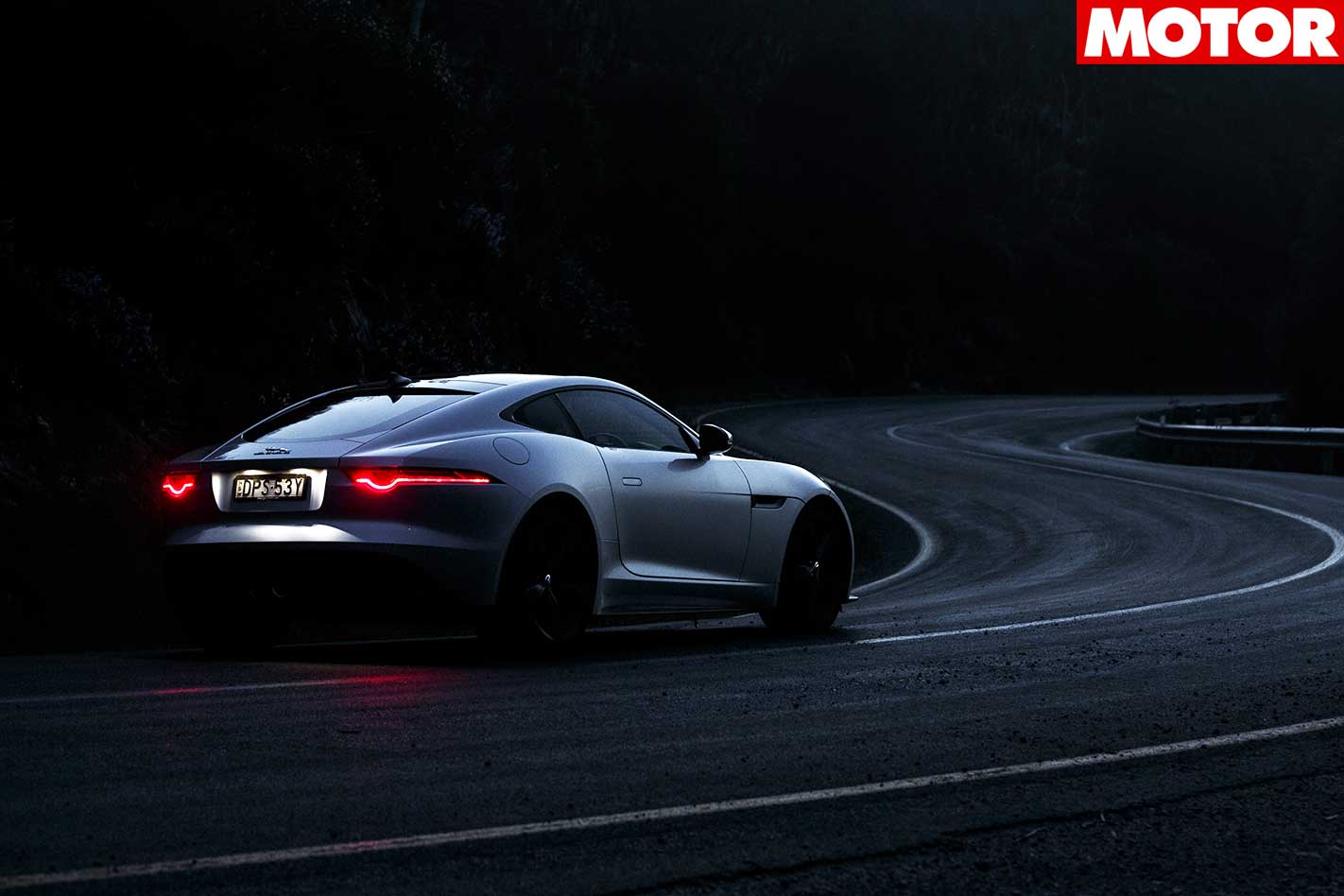
The 400 Sport offers a duality of personas; part GT, part performance car. You could purchase more focussed German two-door coupes for less, but the Brit oozes theatre from every mineral of its alloy being. Its aesthetic elegance and acoustic drama make you feel special every time you drive it. And for most, that’s all it needs to do.
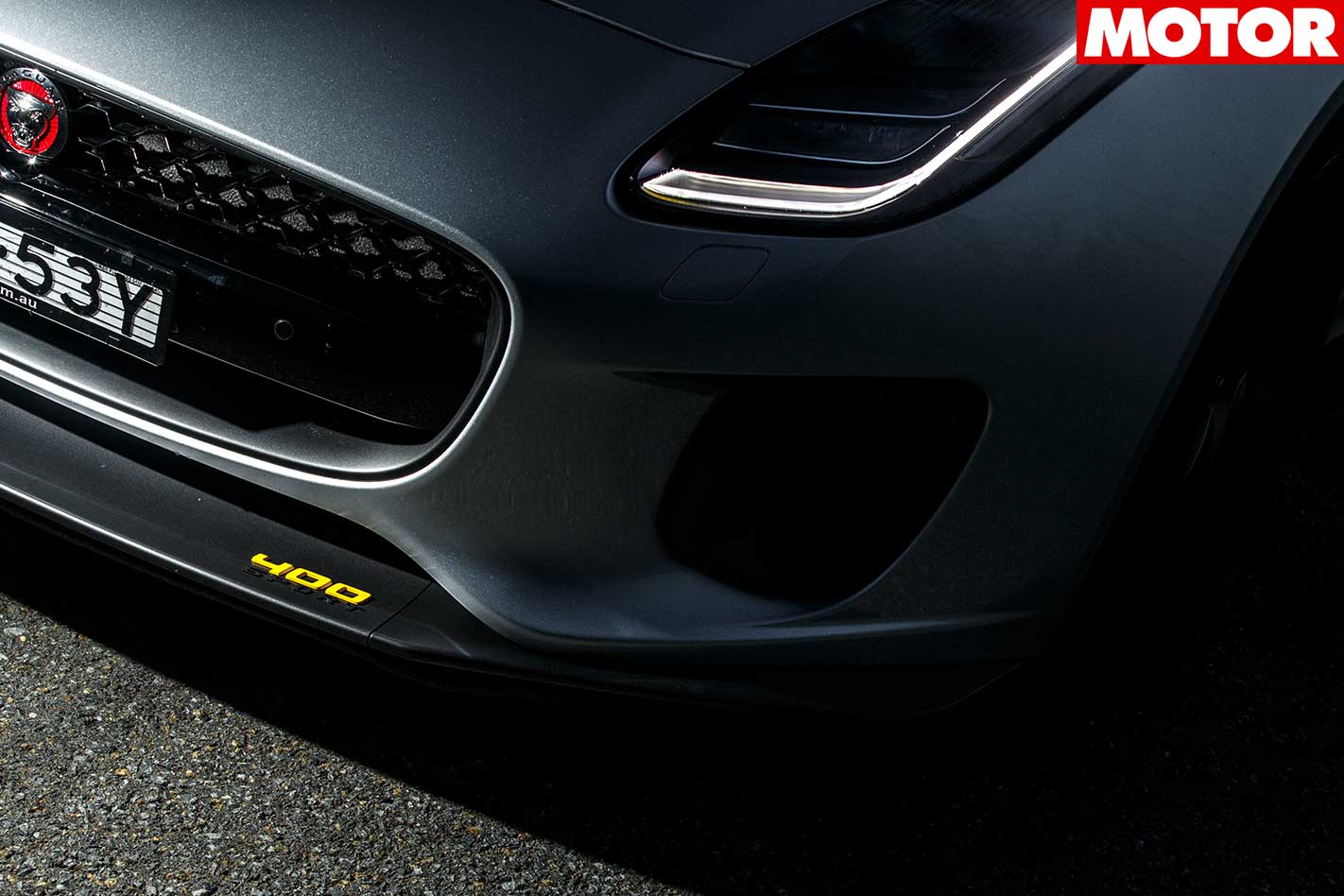
Like: Blown V6 urge; horn soundtrack; gorgeous styling Dislike: Getting too expensive; lack of space/equipment Star Rating: 4 out of 5 stars
IT’S 4:30am on a Sunday and while it would normally be easier to raise the dead than drag me out of bed at this hour, this particular morning my alarm clock is a fleet of Mercedes-AMGs warming their cats in the motel car park outside.
It’s the morning of the 2018 Bathurst 12 Hour and a commitment to red eyes, continuous coffee and assaulted senses is a necessity if I’m to get the very most out of this increasingly popular race. Under the wing of the Mercedes-AMG entourage, I’m prepared for a full day of all that the race can throw at me.
All eyes will be on Jamie Whincup, who won the cup this time last year in a Ferrari but has this year switched to an AMG GT3. However, the typical uncertainty and complexity of GT and endurance racing began in Saturday’s top-ten shoot-out when Luke Youlden (a guy who knows a thing or two about the mountain) put in a scorching lap, only to be usurped by Chaz Mostert in a BMW M6 with a blinding 2:01.934.
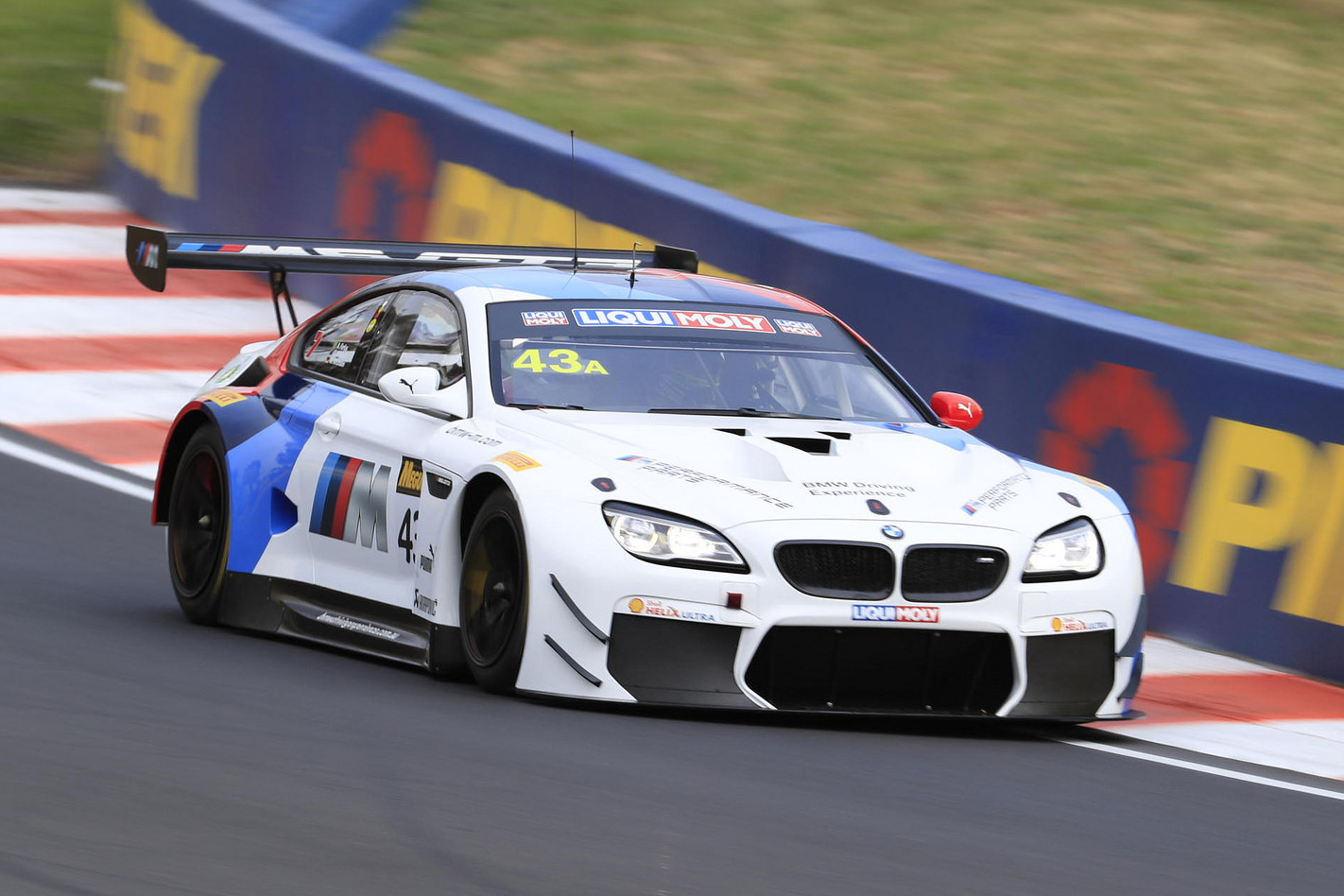
The drama starts even before the race has officially begun with a Ford Focus getting it wrong and spinning into the barrier right before my eyes. A smash on the formation lap is an embarrassment for Jake Goodacre and an omen how the day is set to shape up.
Shattered bits of Ford are swept up and the bent wreckage is carted off allowing the 2018 Bathurst 12 Hour to explode into life.
There are few sights quite like the spectacle of more than 50 thoroughbred racers bearing down Conrod Straight toward you at close to 280km/h, and the cacophony of sound and blinding lights is enough to trigger a deep primitive instinct that makes you want to turn and run. Resist the urge though, and you are guaranteed one of the finest motorsports days on offer in Australia.
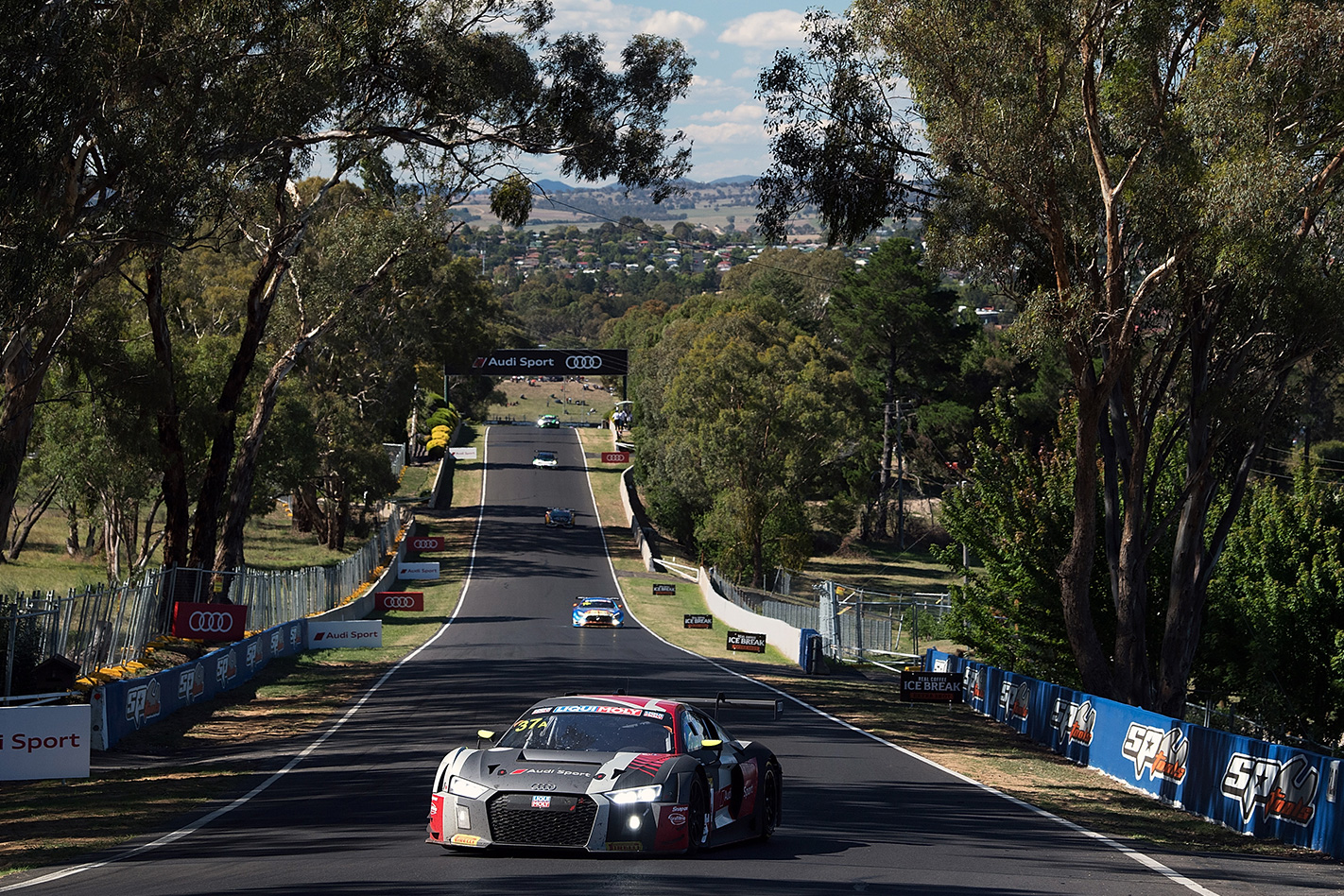
GT racing is spectacular to watch but it must be a nightmare to master with so much happening at every second and at every part of the track.
It rapidly becomes apparent why GT3 racing is gaining momentum quicker than a M6 on Conrod Straight. They say variety is the spice of life and not a truer word could be spoken at the race track.
Audi R8s, Lamborghinis, McLarens and Mercedes-AMG GTs represent just some of the high-end nobility on the circuit, but tussling among them for a position are a Mazda 3, Ford Focus and a KTM X-Bow. But it’s not just a visual bonanza, the Bathurst 12 Hour offers an incredible assault on the ears too.
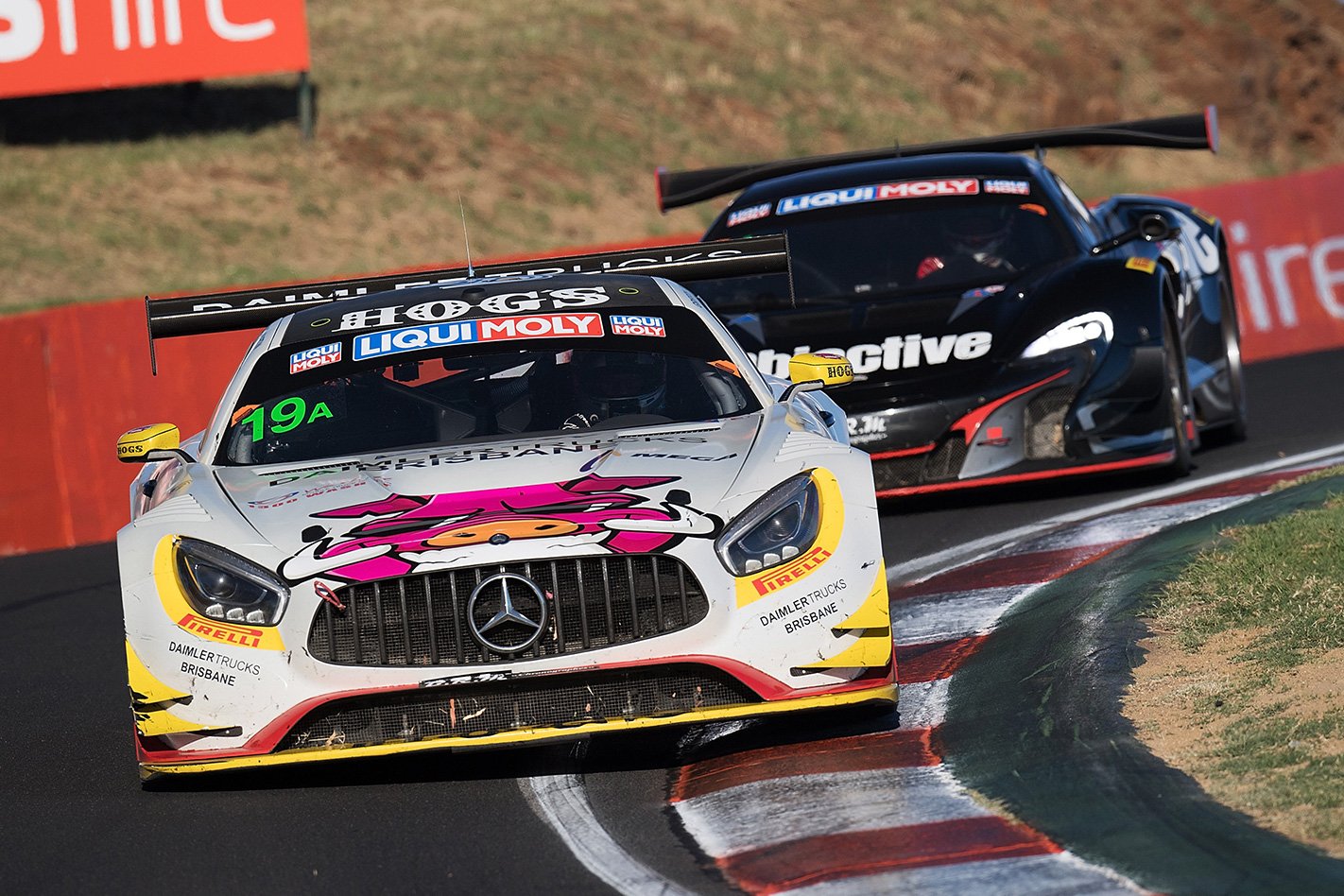
All the time, the Schnitzer BMW punches on with a faultless composure and a growing 10-second lead.
Another BMW – this time an M4 GT4 – isn’t quite as consistent as the race leader and spanks the notorious wall at Forrest’s Elbow. A short time later one of the diminutive but potent KTM cars checks out early, kissing a different wall and sending a severed wheel bounding down the hill with a sense of tragic comedy.
At the top of the hill, three Audis come together, dragging in a Mustang in a mess of splintered carbon fibre and nerves. The safety car is out again.
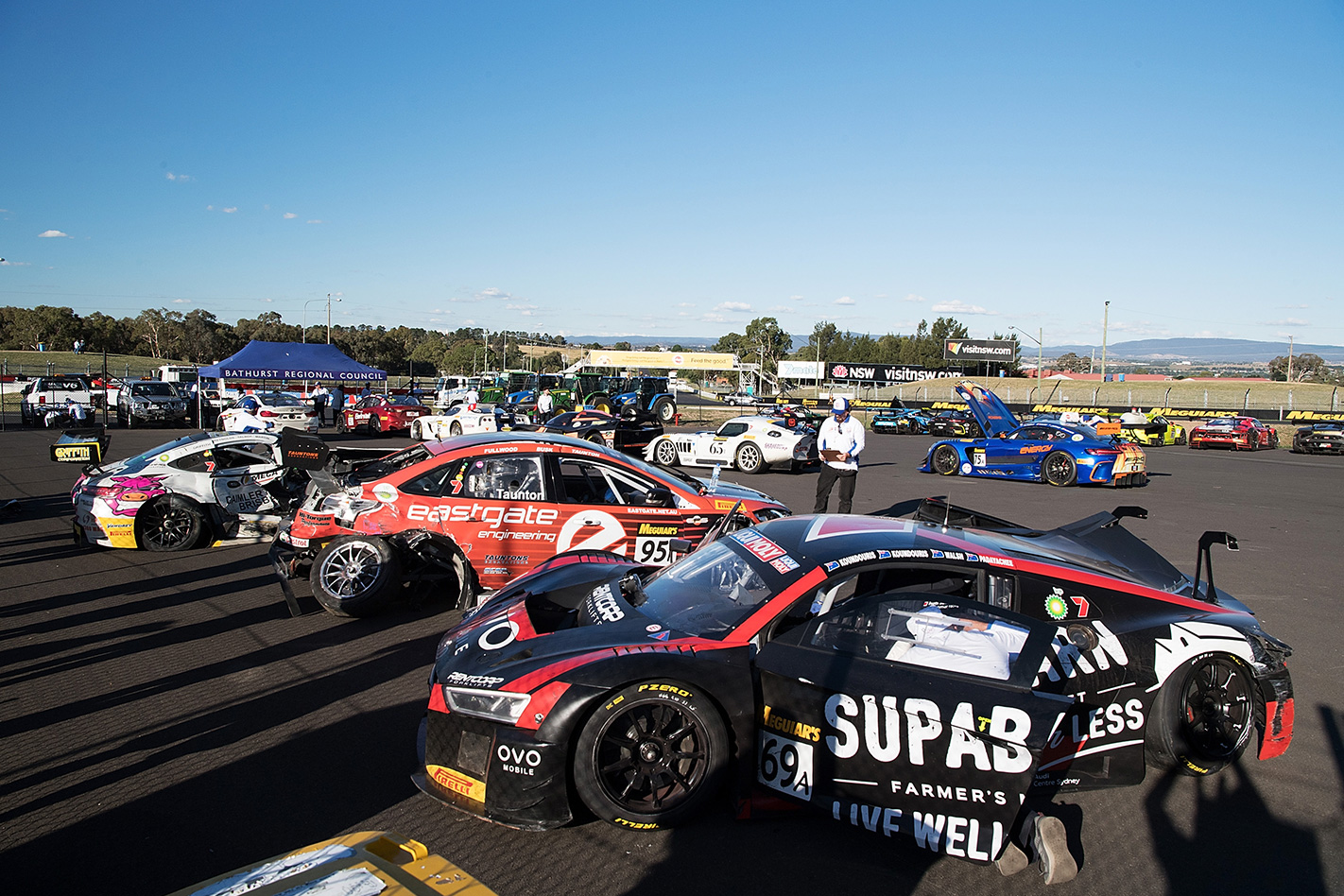
But almost all of the GT3 and GT4 cars fanging up the mountain today are closely related to road cars you might actually be able to put in your garage, if you don’t have an example of one already. It’s that accessibility and proximity to the real world and attainable road cars that adds a huge dollop of appeal many other forms of racing simply can’t emulate.
Mostert comes into the pits, another Audi meets its maker in the Armco at the exit of turn one and Craig Lowndes takes the lead in his McLaren 670S. The race is not even four hours old and the relentless developments are already becoming hard to follow.
The Bentley team is also dealt a cruel blow. After toiling to replace an entire transmission and differential in record time, the car picks up a puncture only a short time after rejoining the contest and spins out to the gravel trap. It’s another example of the cold indifference of Mount Panorama and endurance racing.
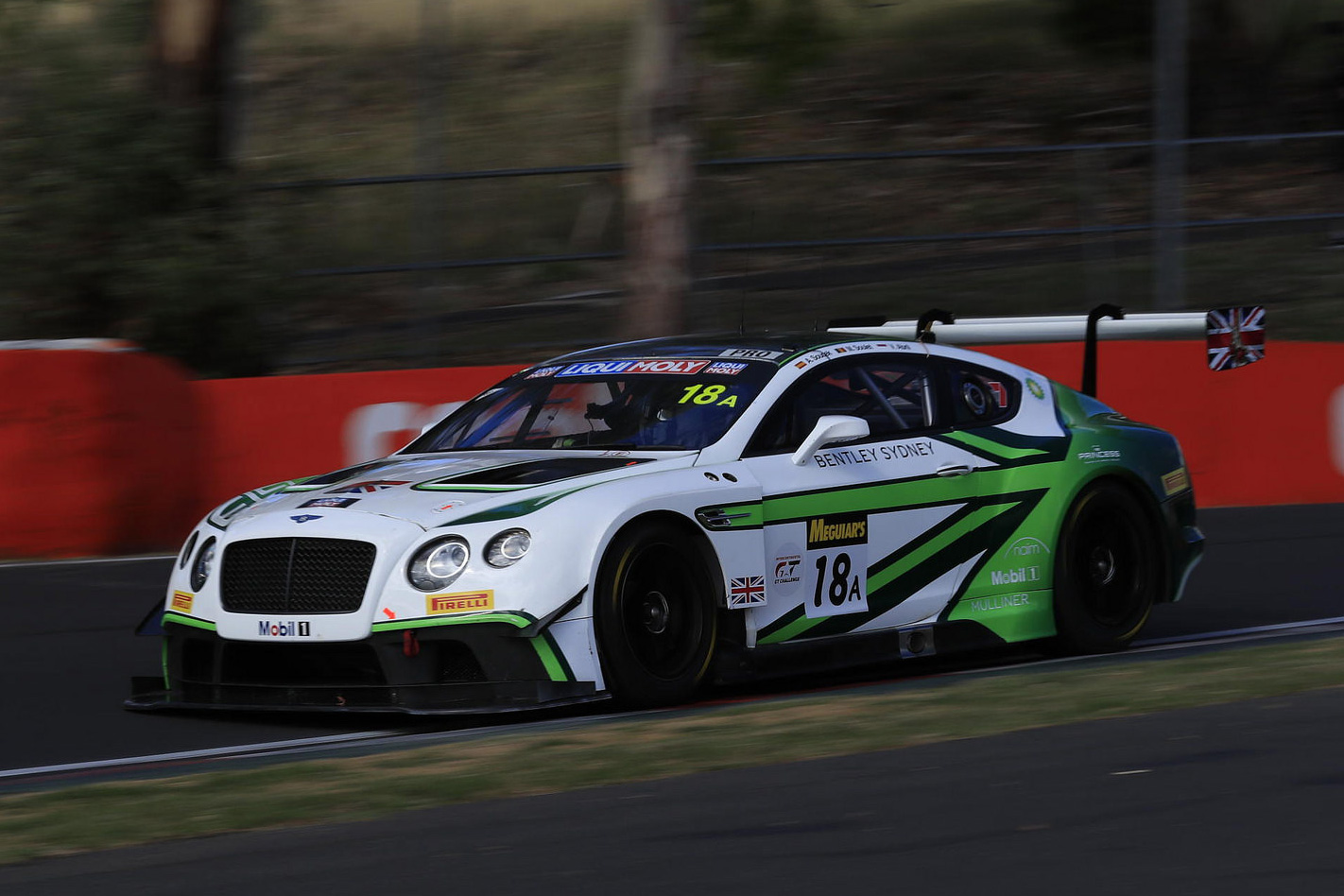
As the cars blast through Skyline having safely cleared the Cutting you can vicariously enjoy the elation of the drivers having scaled the hill unscathed but, like a mountaineer on Everest’s summit, they know the descent off the mountain is even more treacherous. You can feel that foreboding too.
Like the Bathurst 1000, there is undoubtedly a presence of Holden and Ford rivalry about the campsites as well an impressive array of sculptures constructed entirely from empty beer cans, but there is less of the dare-we-say-it unsavoury side of the V8 Supercars event. There’s an added air of sophistication here.
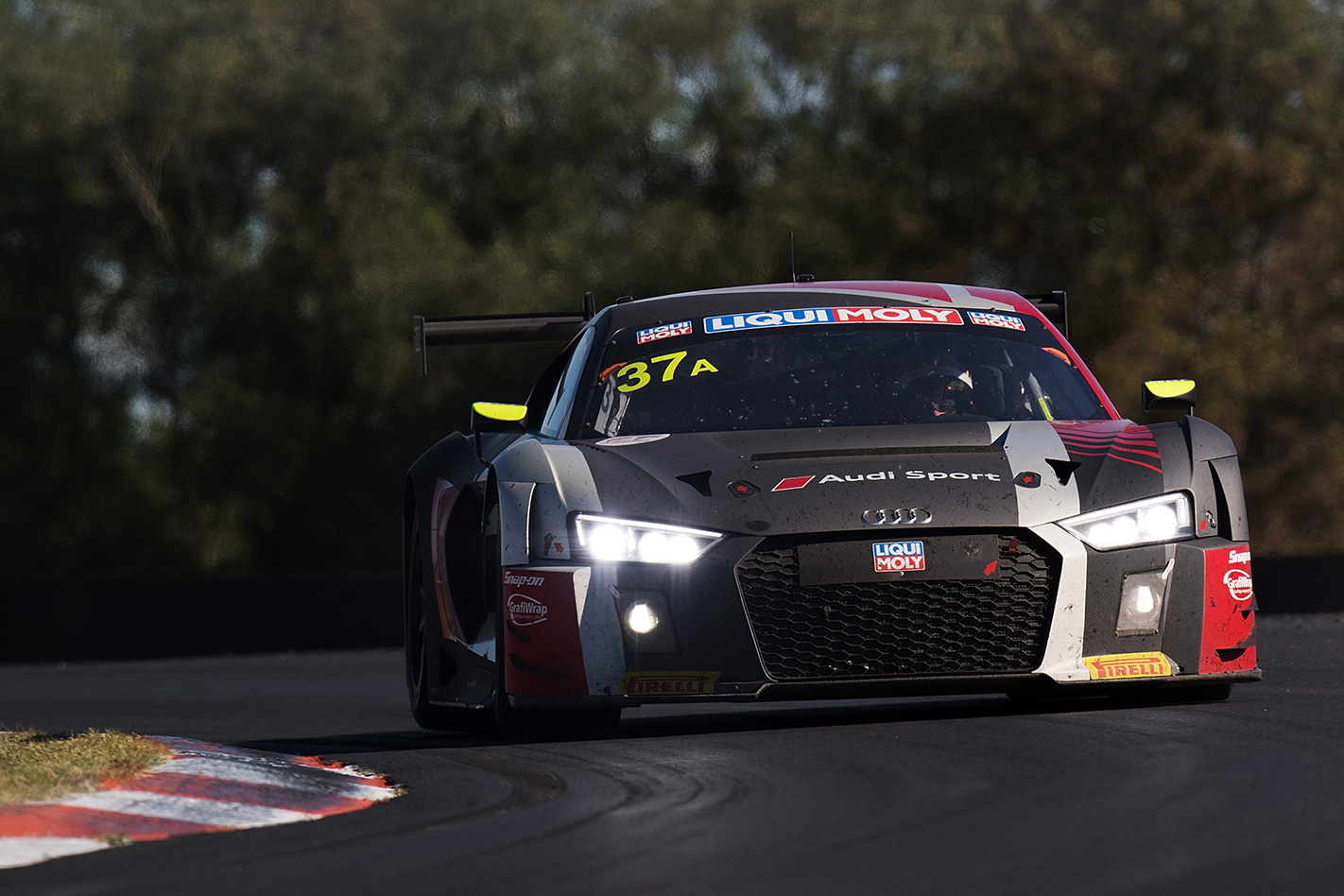
At the coal face, the staunch Audis are starting to dominate. For now it’s one, two, three from the four rings, but the Mercs aren’t relenting in fourth, fifth and sixth. At just over half way this race really could be anyone’s.
In the final hours and minutes of the race, the action intensifies. Four cars bump shoulders in Forrest’s Elbow and narrowly avoid a massive crash, but fate could only be delayed so long and struck again just 18 minutes before the final flag with a huge smash which claimed three cars at the top of the hill.
Such was the extent of the of the carnage that the track could not be cleared in time to play out the remaining minutes and the 2018 Bathurst 12 Hour finished unspectacularly with the entire remaining pack stationary on the finish line.
It was an incredible and unforgettable race that, for the victors, spanned more than 242 laps, featured no fewer than 18 safety car interventions, was unrelenting in its pace and twisted bodywork, but ended ironically motionless under red flags with victory falling to Audi Sport Team WRT, the team’s first win in the event and the first win for Audi since 2012.
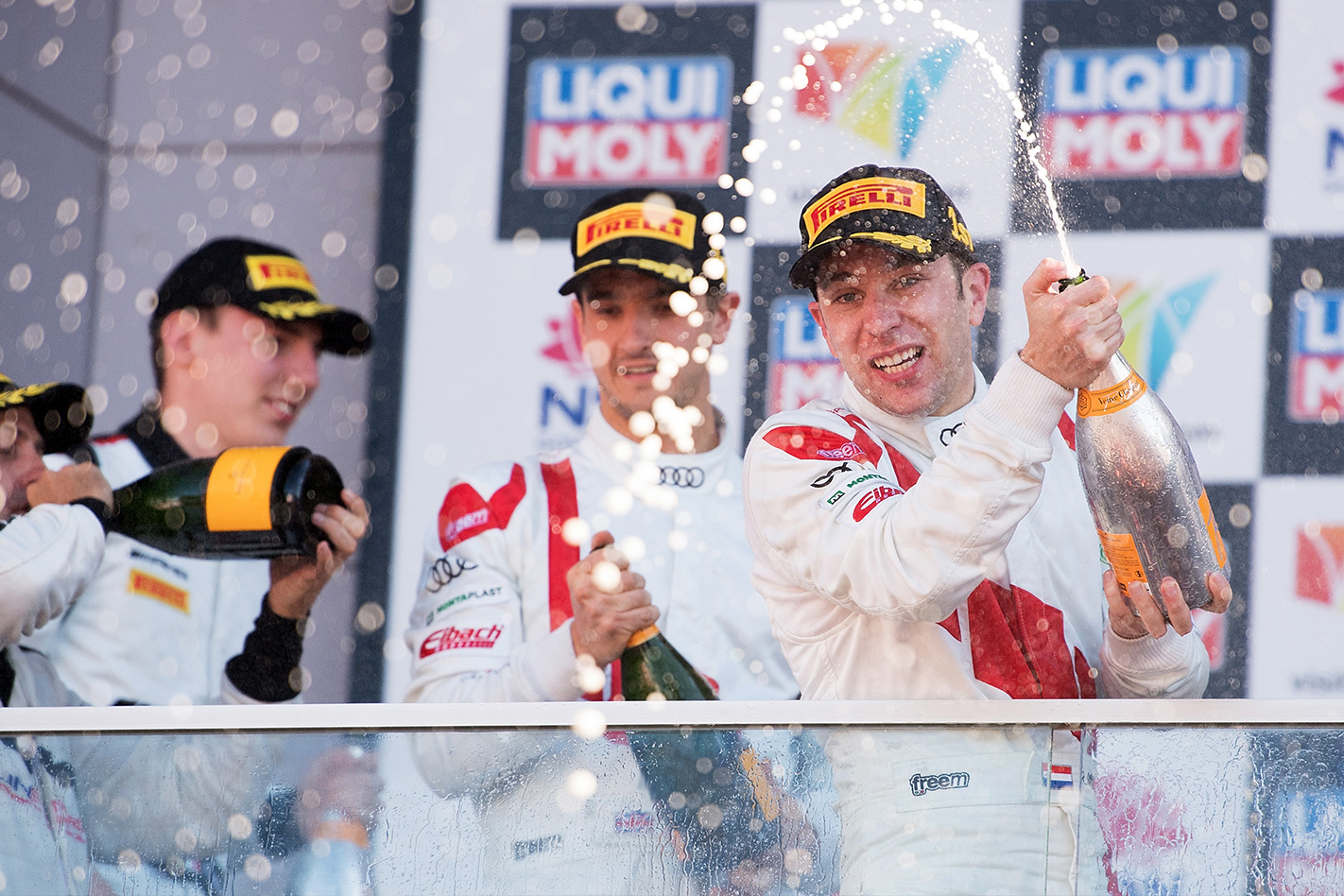
Certainly the 12 Hour has all the flair, excitement and sensation of Australia’s biggest race, plus the colourful spectrum of cars, sounds and numerous separate battles playing out at any one time. With massive wings and potent powertrains, the 12 Hour GT3 cars are also faster than the V8s and that’s a pretty compelling petrolhead package.
It’s hard to imagine any event replacing the most famous competition to play out at Bathurst, but after a day being sonically assaulted, shocked, wowed and delighted, it’s clear the competition between traditional Mount Panorama motorsport and enticing new battles is as fierce as it is between the cars that race there.
THE MOST improved new vehicle of 2017? That’d be the Honda CR-V hands down.
Now in its fifth generation since helping lead the medium-SUV onslaught some two decades ago, this is new-from-the-ground-up stuff, sharing nothing from before bar its nameplate. And thank Lord Soichiro for that! The previous model unceremoniously bombed out of COTY 2013 due to being uncharacteristically rubbish.
But clearly Honda has been listening.
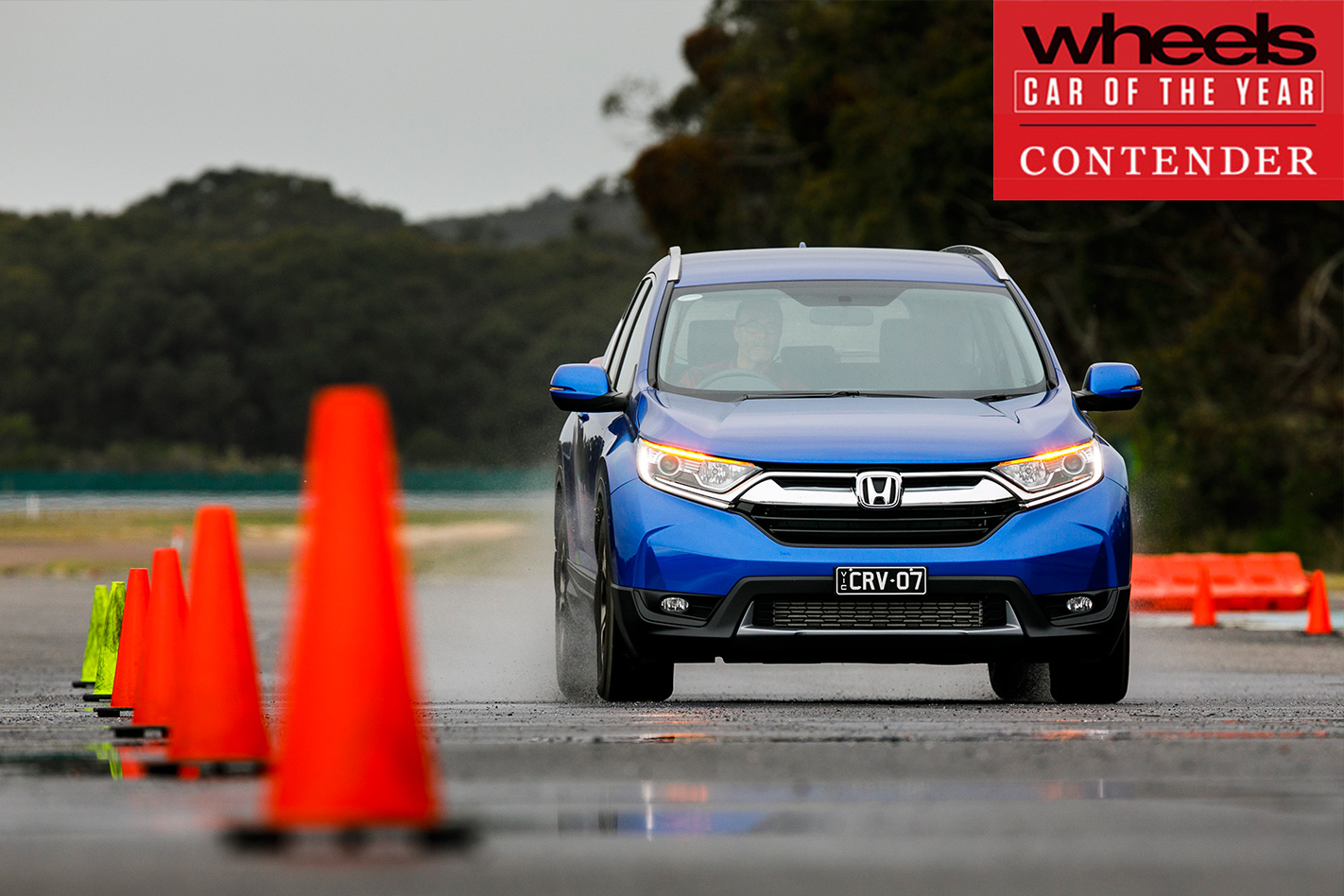
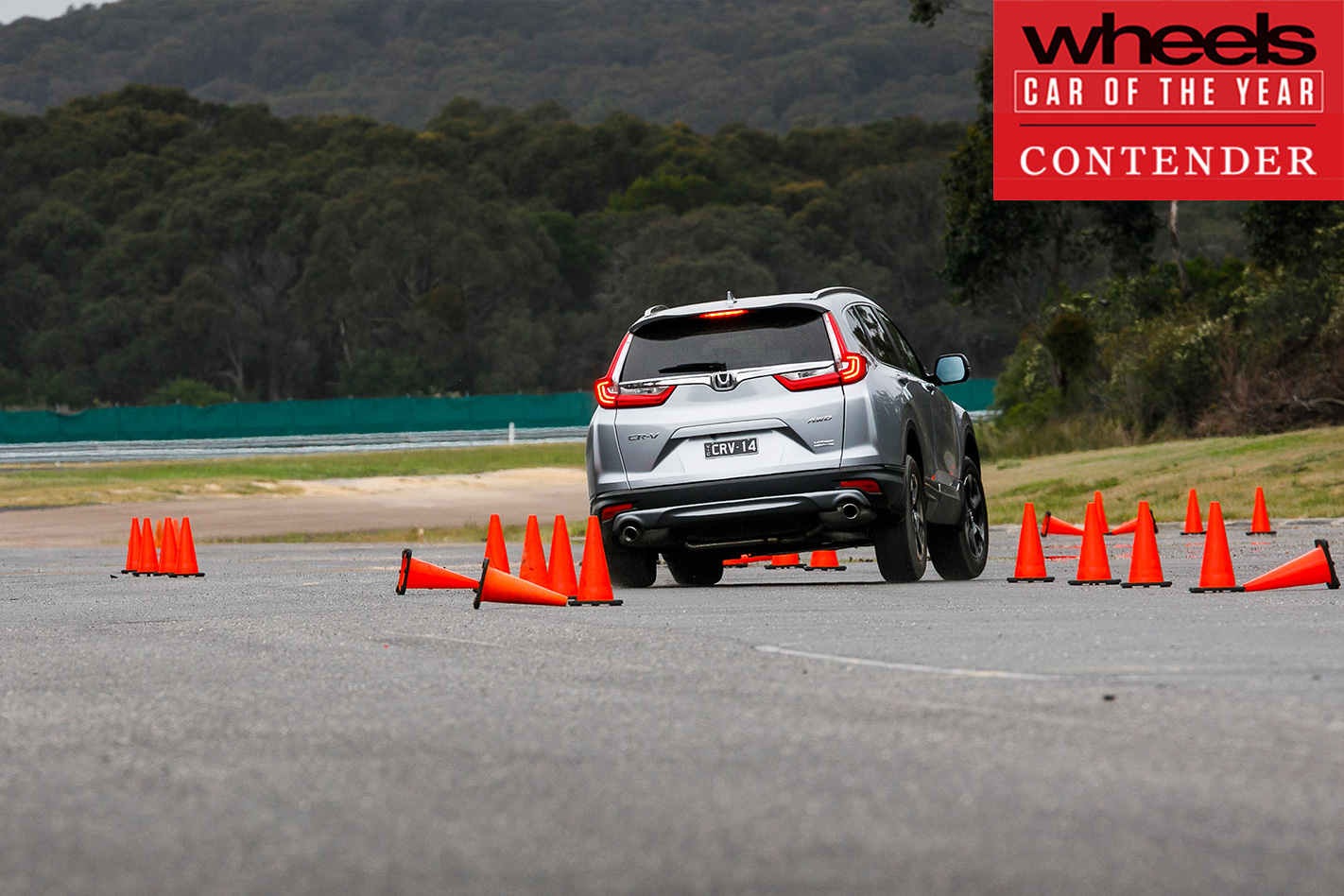
Volkswagen’s (previous) Tiguan and the BMW X3 served as dynamic benchmarks, so it’s no shock the Mk5 CR-V is the most enjoyable yet.
But wait, there’s more. Within the handsomely proportioned exterior is a spacious, beautifully built, well-presented cabin that proudly prioritises family practicality and occupant wellbeing. Access, clarity, operational ease, storage and vision are all first class, backed up by a massive wagon-like cargo capacity that is vast enough to now include a third-row option.
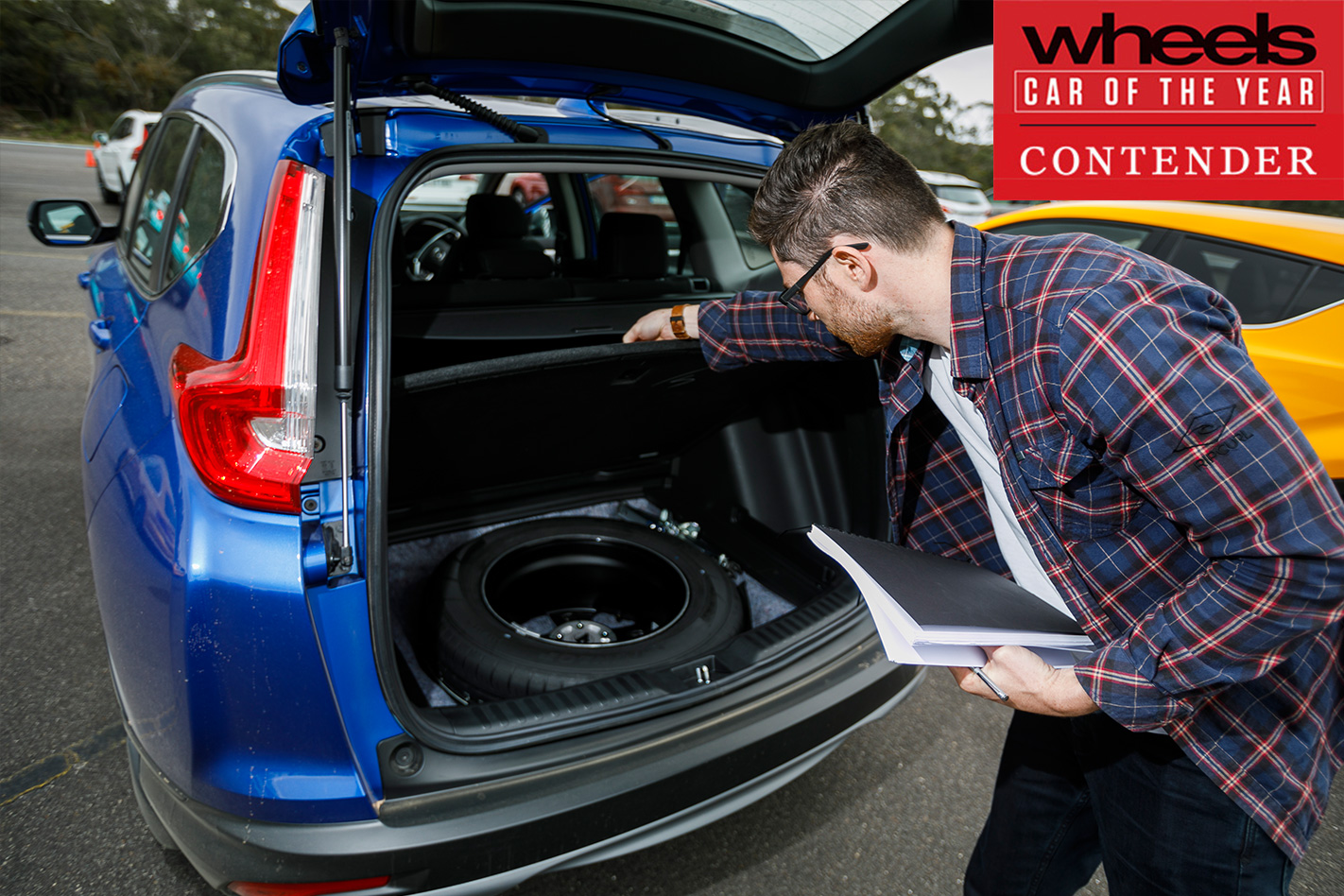
Finally, there’s the subject of value, a former brand bugbear but one that this Thai-built CR-V more or less nails. Along with a newly announced five-year warranty, every model includes driver-attention alert, tyre-pressure monitoring, keyless entry/start with walk-away locking (very handy), a rear-view camera, Apple CarPlay/Android Auto, dual-zone climate control, alloys and a full-sized spare. Even the boggo VTi seems premium. When Honda tries, rivals really ought to worry.
So, what’s the catch? Autonomous Emergency Braking is only available on the $45K VTi-LX AWD range-topper, and that’s hardly egalitarian. While Honda promises to amend this oversight some time in the future, in an all-new family wagon such cynicism is both surprising and disappointing, particularly as the Mazda CX-5 – another COTY contender – standardised AEB years ago.
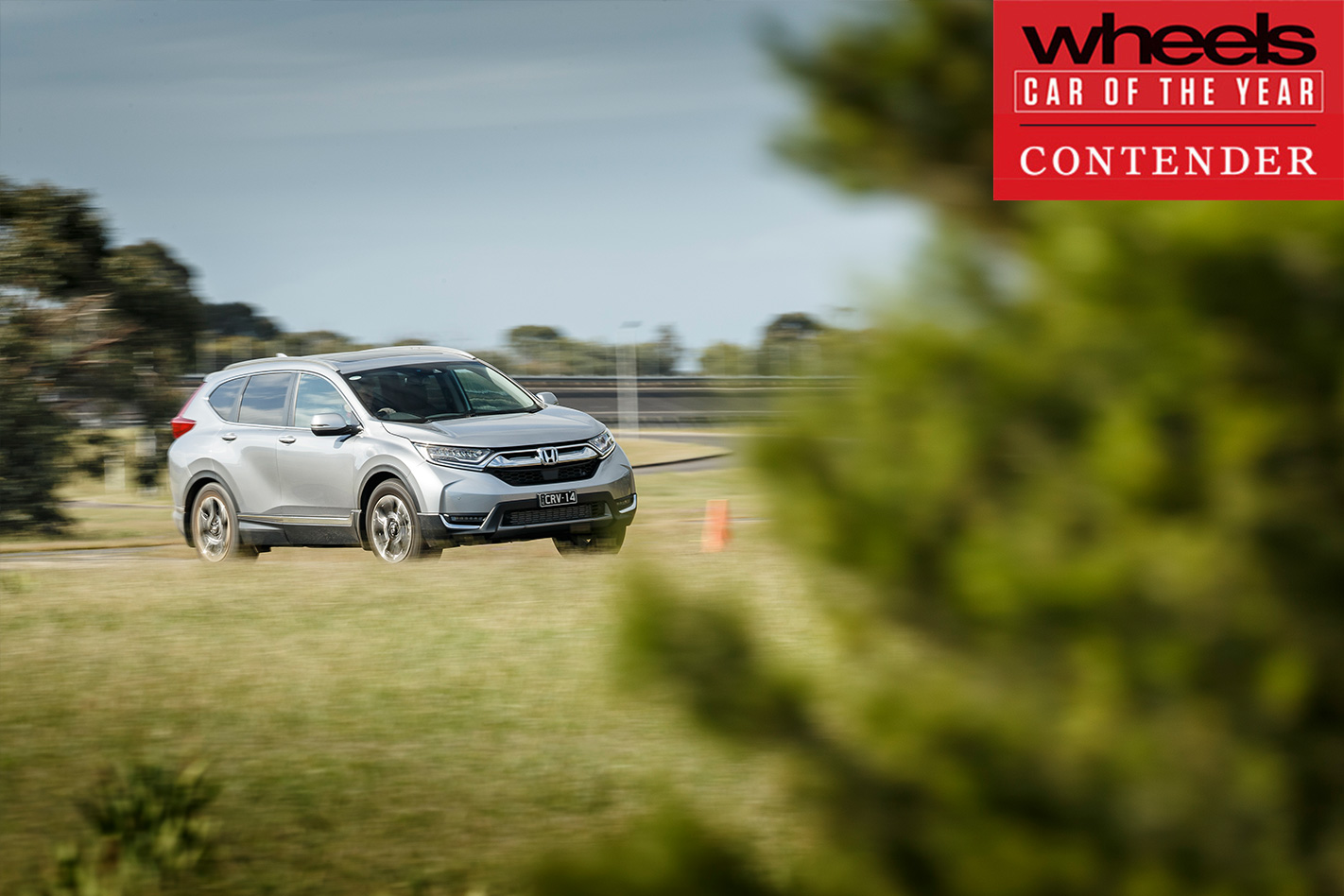
Nevertheless, today’s CR-V rights previous wrongs with breathtaking ease, hitting our judging criteria square-on for efficiency, packaging and – selective AEB inclusion aside – safety and value. But while playing the game smartly, the Honda doesn’t actually move anything on.
Still, as the recipient of Most Improved for COTY 2018, it is a medium SUV we would now happily recommend.
Size matters
Honda claims this is the most global CR-V yet, even though it was created primarily for US appetites. Proof of this is in the dimensions. Designed by an American in Japan, it is 11mm longer, 35mm wider and about 6mm taller than before.
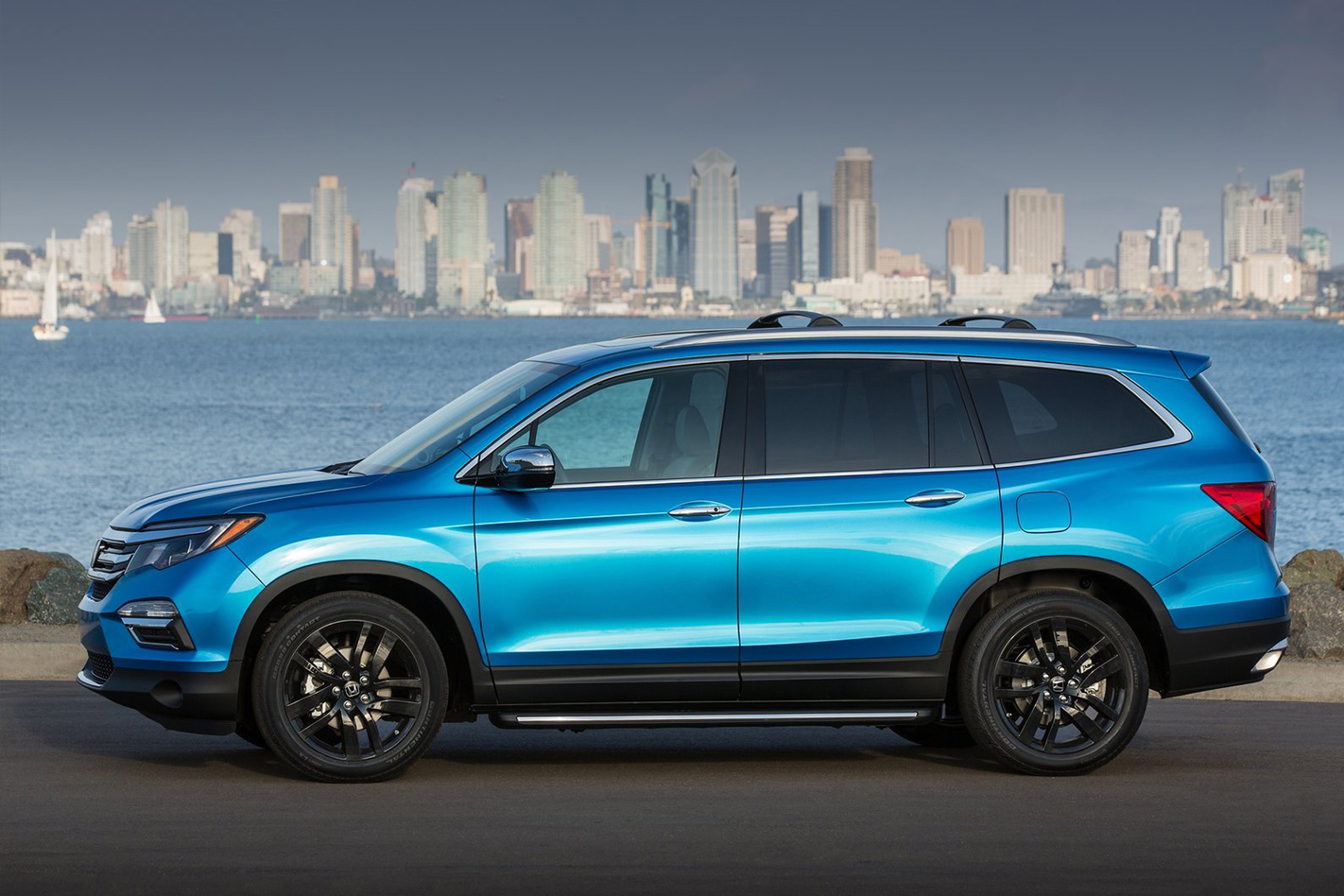
A 40mm wheelbase stretch made the optional three-row version possible – something demanded by South East Asian customers. Previously Honda resisted such a move because it already offered a larger seven-seater SUV (the Pilot, pictured below) in the US.
All at once, Wolfgang Durheimer’s tenure as Bentley’s guv’nor makes even more sense.
Durheimer, one of the best engineers and managers within the Volkswagen Group, was also, you might remember, Porsche’s head of research and development when the Panamera was first launched, so he saw it through to a (pretty successful) completion.
Now, here comes a Bentley, the Continental GT, which is based on the same architecture as the latest Porsche Panamera. I suspect that having somebody of Durheimer’s influence around has been quite useful during this car’s gestation.
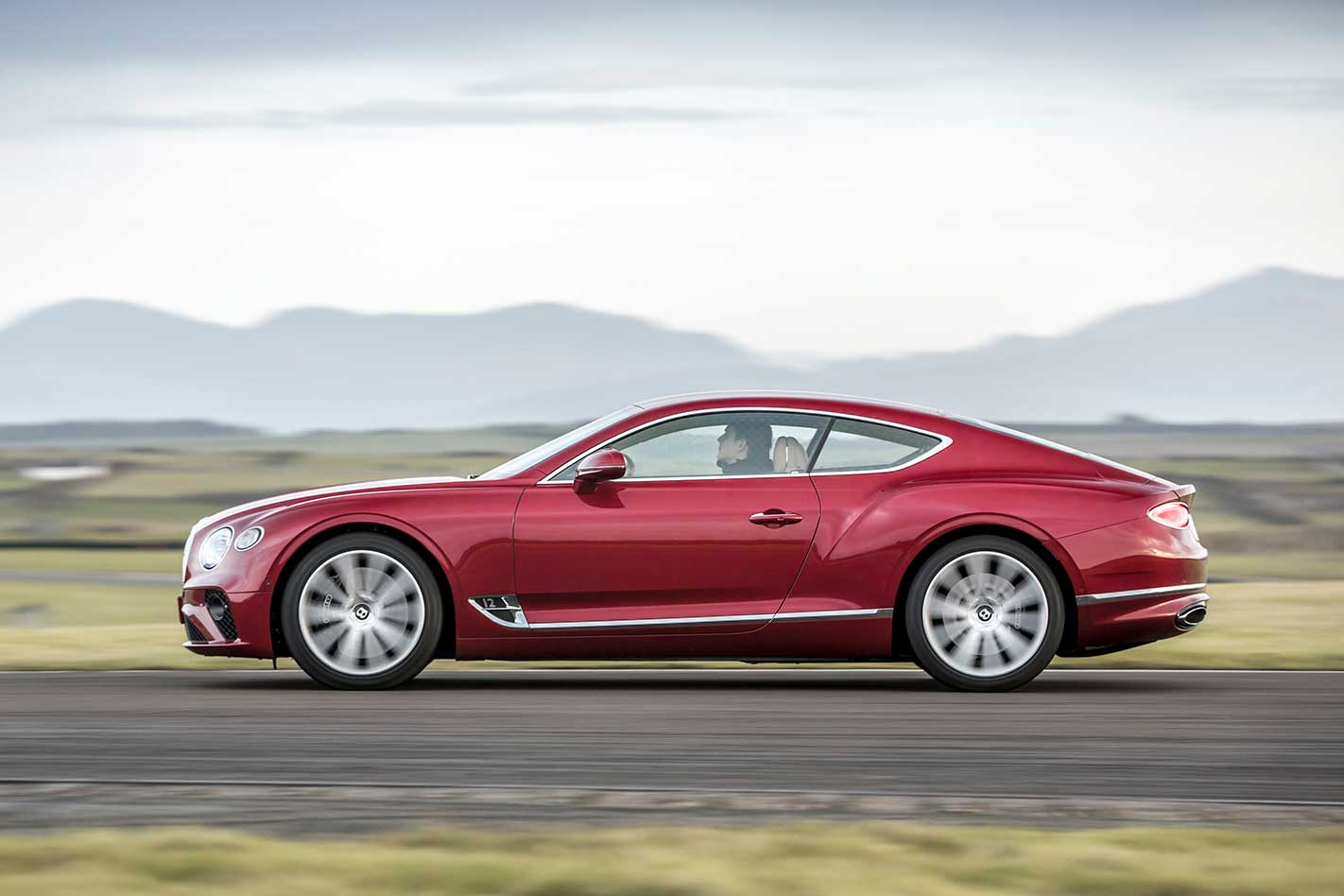
Therefore, Bentley’s – Durheimer’s – influence over Porsche’s MSB platform, which underpins the Continental, shouldn’t be underestimated. It wasn’t a case of Bentley being given the hardware and told to get on with the job.
Bentley’s W12 isn’t an inherently balanced engine, but it is incredibly compact because it’s effectively arranged like two V6s around a common crankshaft. So it’s very short and it gives better weight distribution.
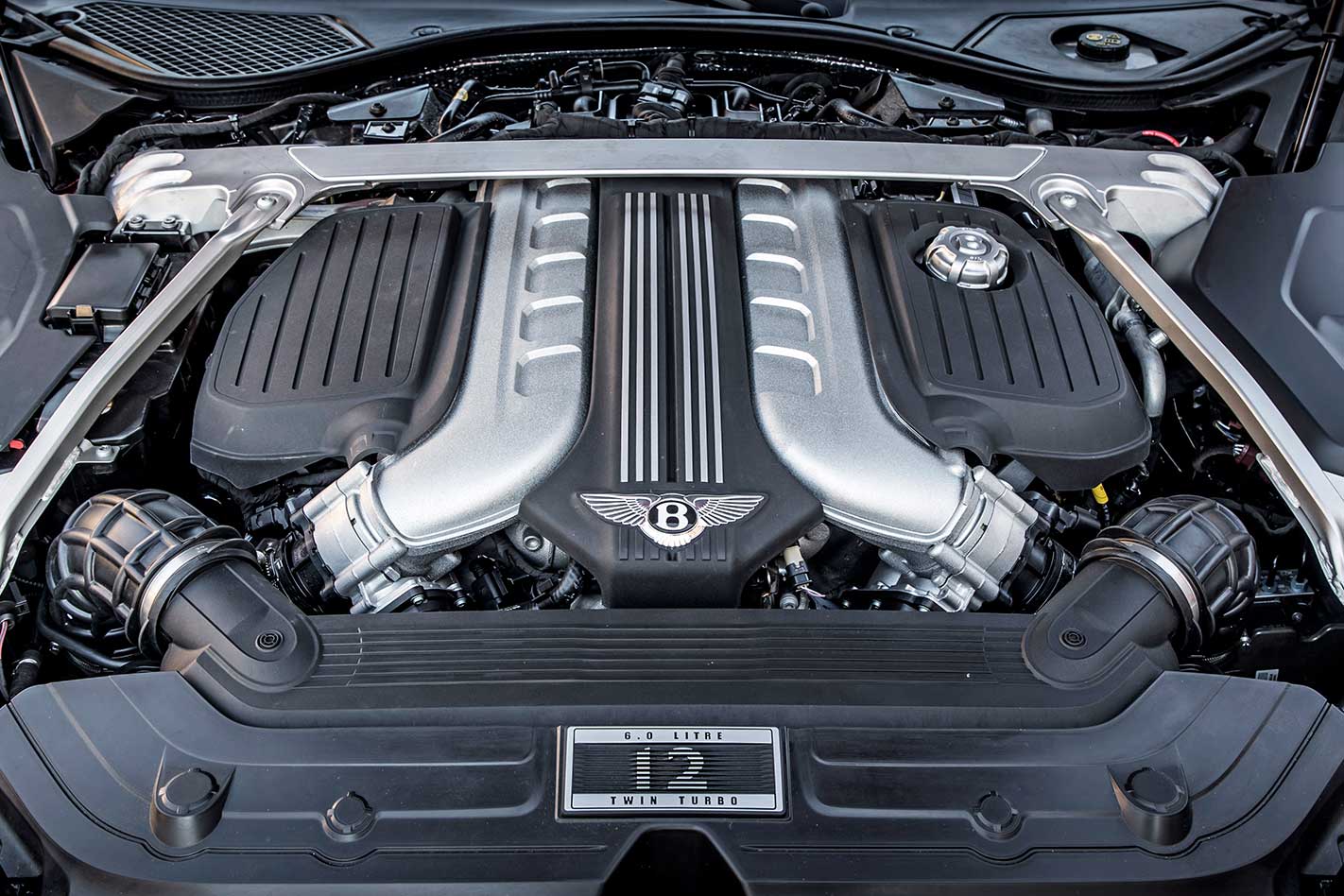
It drives through a ZF dual-clutch eight-speed gearbox rather than a torque-converter unit, to which a W12 has so far always been mated.
The four-wheel-drive system is far more rear biased than before. Depending on the drive mode you’re in, only up to 38 per cent of power can ever go to the front, and if you’re in Sport, only 17 per cent will get there. So not only is the Continental GT a little lighter than before (although, at 2244kg, these things are relative) and the weight is distributed more evenly, but most of the time it’s also rear-wheel drive.
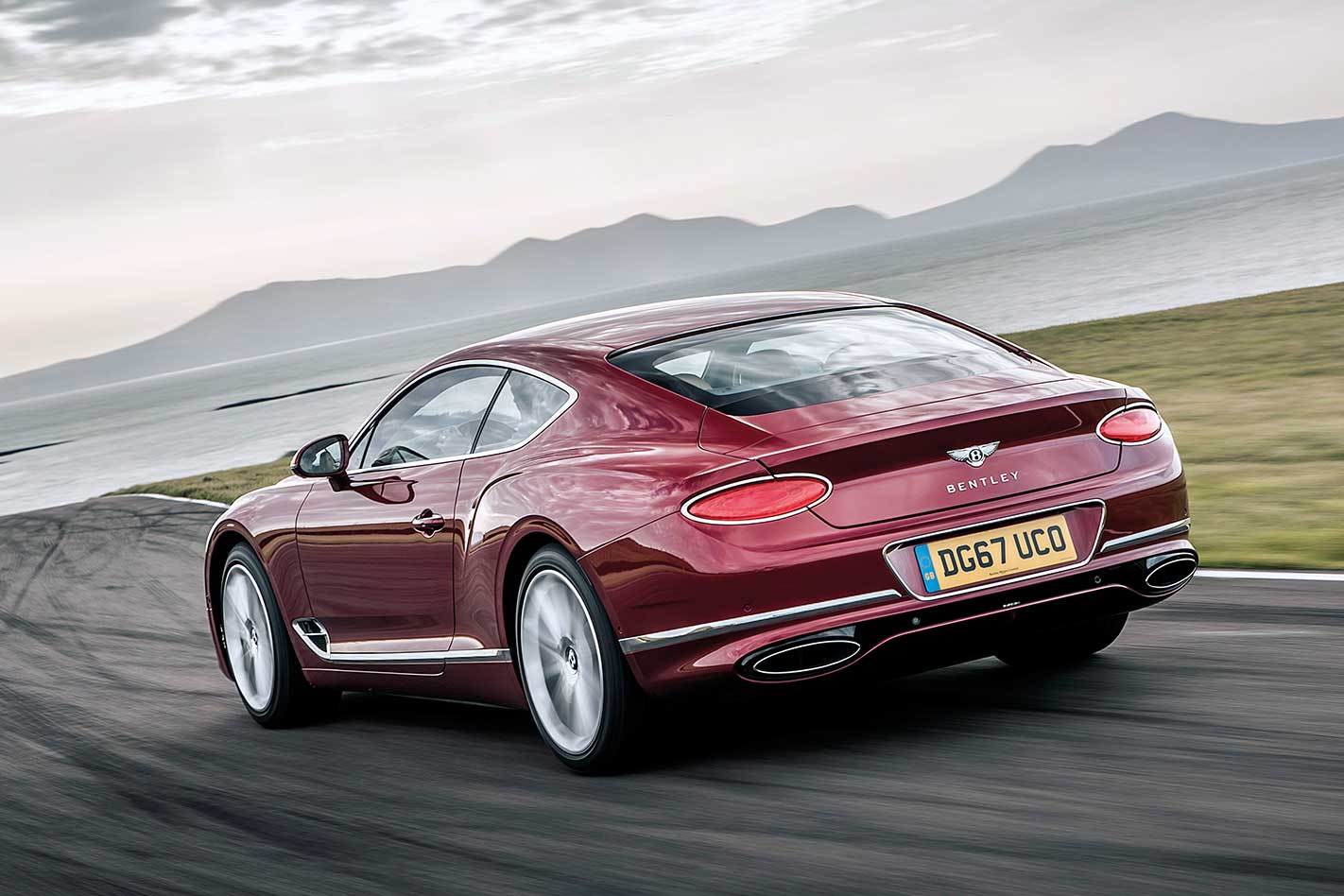
The 48v anti-roll bar system is back, as is air-suspension with three chambers at each corner. In the car’s ‘normal’ drive mode you’re working with two air chambers. Flick the switch to Sport and you lock out yet another air chamber. Flick it the other way, to Comfort, and you open up all three. In Sport, the spring rate is pretty much double that of Comfort mode. It’s all rather effective, with adaptive dampers, plus the active anti-roll bar keeping body movements in check.
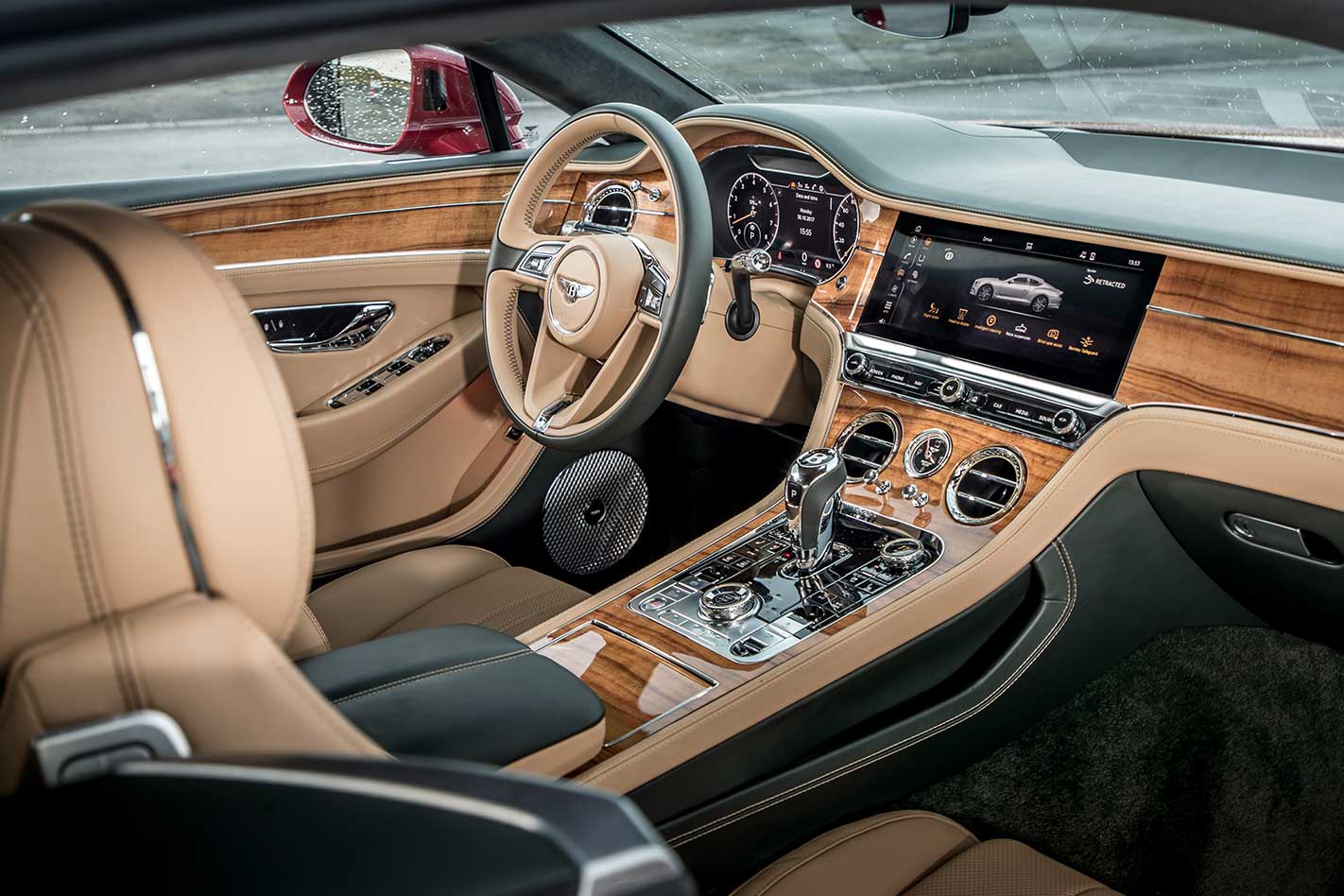
On North Wales roads, body control is impressive, the steering’s keen and the balance is right. On the Anglesey circuit, the Continental GT hangs on gamely, in a way that a 2244kg car has no right to. It’ll even push itself into a slide on the exit of a corner, although control and agility aren’t as tight as you’d ultimately want. The W12 is more appealing than it has been because it makes a slightly better noise and has mammoth torque.
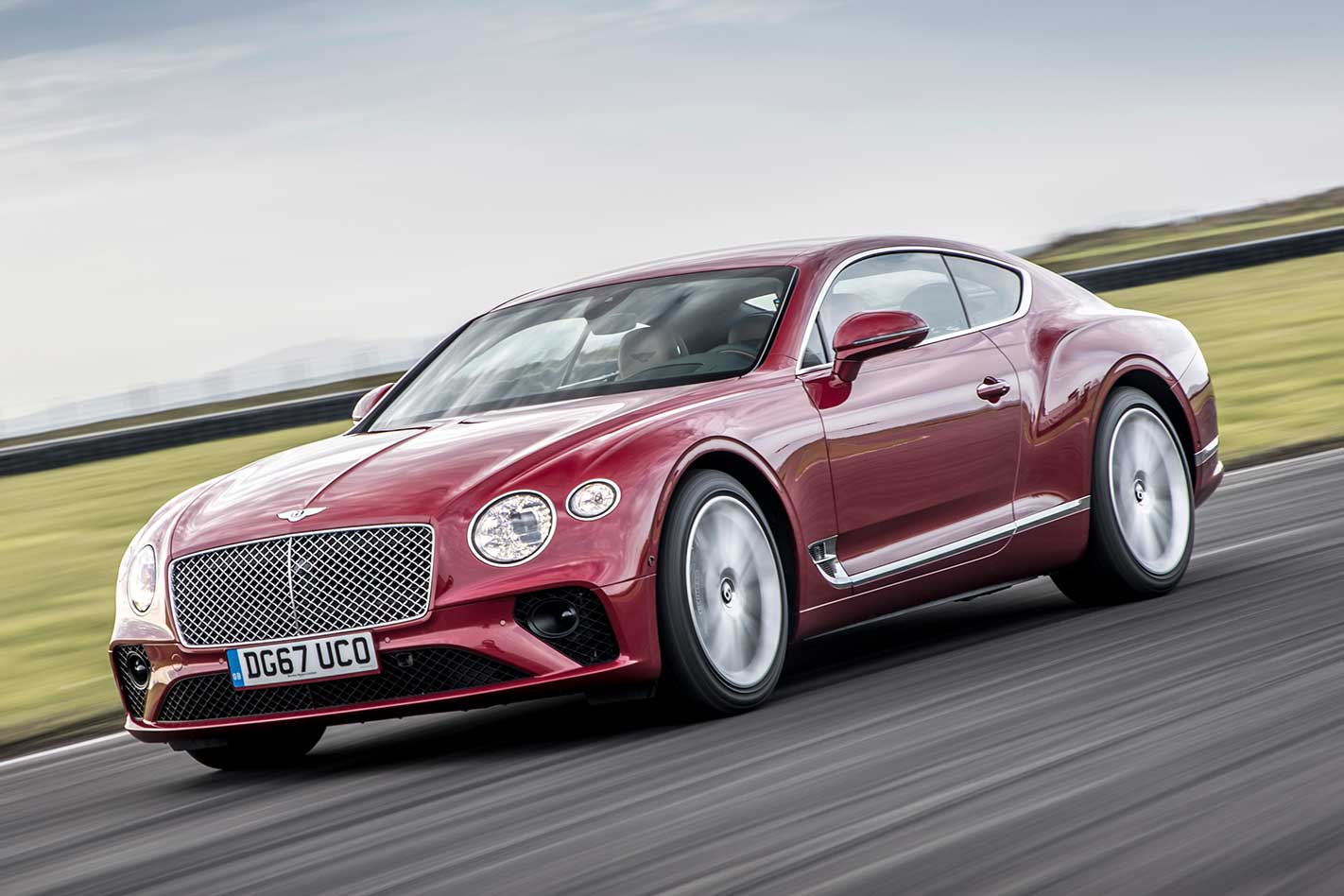
It’s so impressive elsewhere that once it gets those tweaks to see it over the line, it’ll be a world-class luxury GT car.
2018 BENTLEY CONTINENTAL GT SPECS: Engine: 5950cc W12, DOHC, 48v, twin-turbo Power: 467kW @ 6000rpm Torque: 900Nm @ 1350-4000rpm Weight: 2244kg 0-100km/h: 3.6sec (claimed) Price: $450,000 (estimated)
Like: Physics-defying dynamics; pace; overall quality Dislike: Engine/gearbox calibration still needs work Star Rating: 4 out of 5 stars
