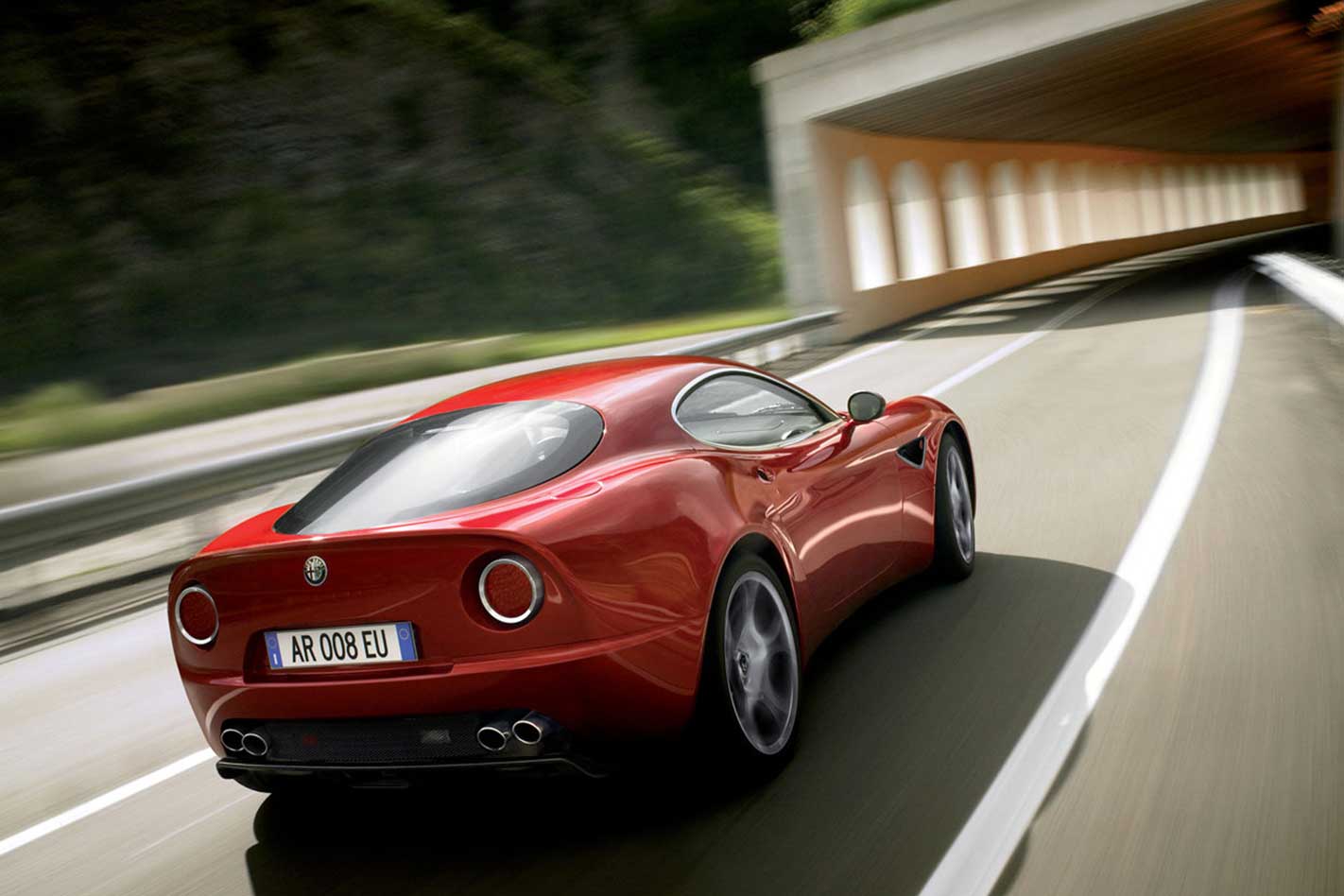
Folklore reads that convertibles aren’t good at being sports cars, but in many instances that simply isn’t true.
Unfortunately, however, perceptions can affect resale even with top driver’s cars. On the upside, it means that those in the know can seize an opportunity.
Forget the stereotypes with these wind-in-your-hair two- and four-seaters, because seeing these options as somehow lesser to coupe (or hatchback) counterparts is a load of hot air. Instead, these five will delight and excite all of the senses all for under $40,000…
1. Mazda MX-5 – under $12,000
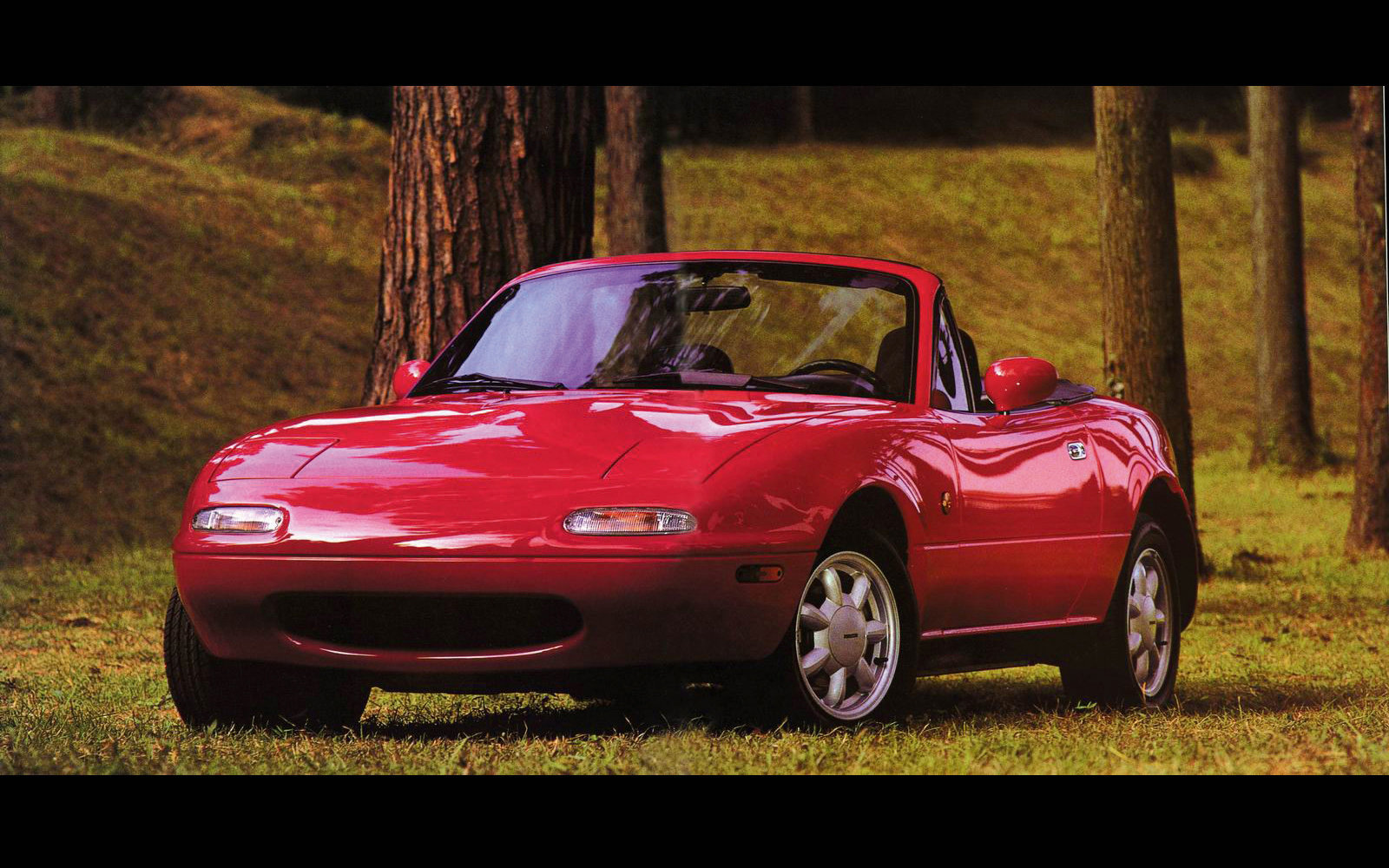
Coming from an owner of a 1989 Peugeot 205 GTI whose housemate owned – until recently – a 1989 NA MX-5 with identical kilometres, you can safely say that the Japanese roadster is screwed together much better than the French tin-top.
Prices have bottomed out, parts are cheap and issues rare. Choose a 1989-1996 NA 1.6-litre with 85kW and ‘daisy’ alloy wheels for $5000 with 150-200,000km (although the odometer really doesn’t matter here), or a 1998-2004 NB 1.8-litre with 106kW for a few thousand dollars more.
Or, splurge with the rare 2004 NB SE 1.8-litre turbo and enjoy 121kW/206Nm in a 1093kg rear-driver with a delightful six-speed manual transmission, for around $12K.
2. BMW Z4 3.0 – $12,000-$17,000
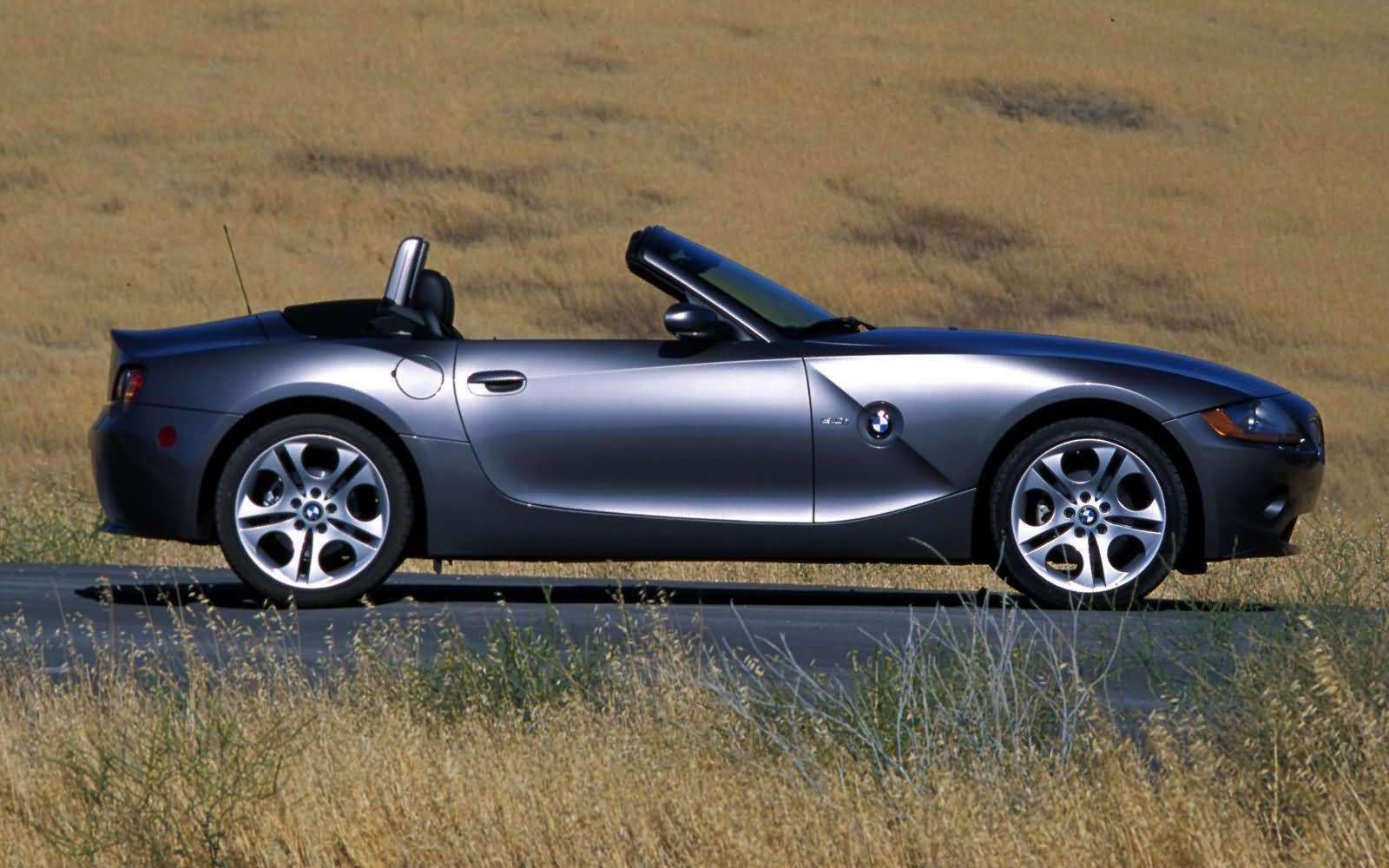
Whether you think the flame-surfaced styling was hot or should simply be burnt, there’s no arguing with proportions that plonk the driver’s bum on the back axle and push the front wheels so far ahead of the dashboard line.
Let’s not forget this was a near-$100,000 roadster 15 years ago, and a creamy 170kW/300Nm 3.0-litre straight six-cylinder is good enough to push the 1365kg two-seater from standstill to 100km/h in 5.9 seconds.
Stirred via a six-speed manual, the only dud notes concern the (then-new) electro-mechanical steering and lack of a limited-slip differential. Factor in about $2500 for the latter.
3. BMW 135i – $17,000-$25,000
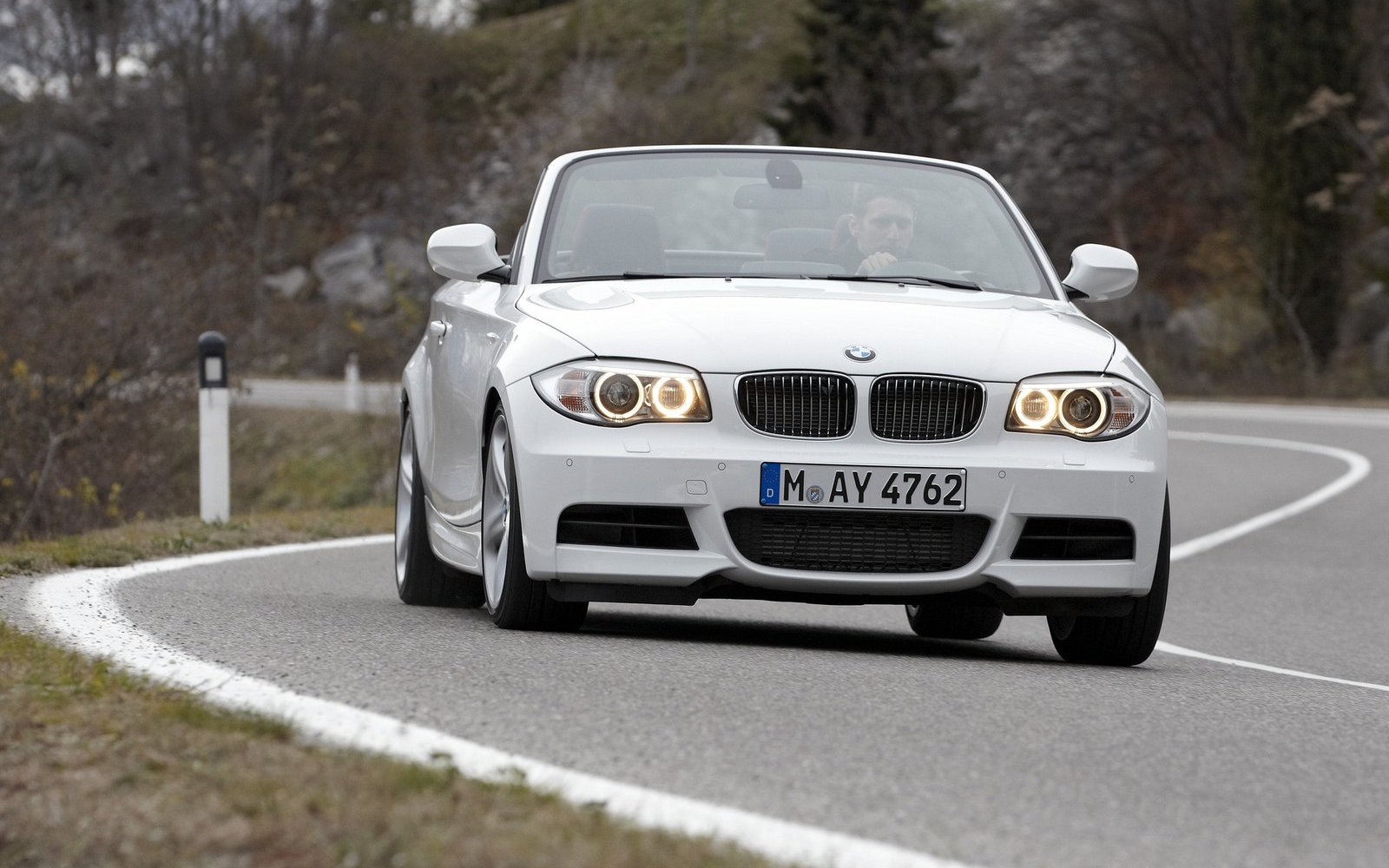
Okay, we’re doubling down on our Munich maulers here, but a decade-old 135i coupe will still set you back around $5000 more than its convertible counterpart, which still boasted excellent body rigidity.
This four-seater has aged well, and the 225kW/400Nm 3.0-litre twin-turbo six-cylinder is strong enough to deliver a 5.6-second 0-100km/h.
Being a Bimmer, there are plenty of six-speed manual examples around as well, all of which for under $20,000 will beat the equivalent Z4 or first-generation – and a decade-older again – Porsche Boxster to triple-digit speed. Steering, damping and dynamics were all good, tin-top or fabric.
4. Mini Cabrio John Cooper Works – $17,000-$25,000
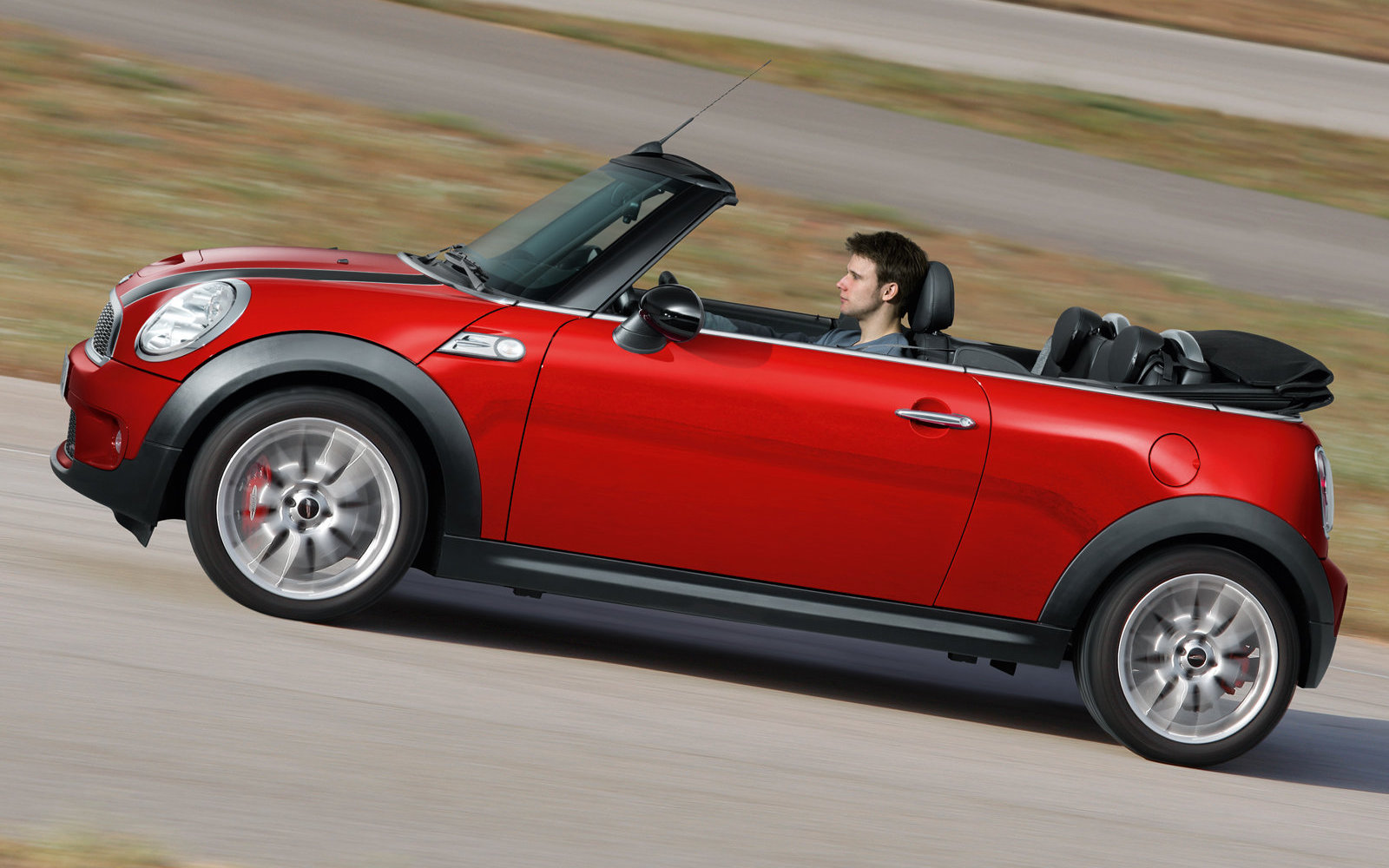
This joyous 155kW/260Nm 1.6-litre turbo is matched with one of the fartiest exhaust notes and dartiest steering around, making the Mini feel more like a quick slot-car than a dainty play-thing.
There’s no great depth to its ride comfort or cabin materials, but who cares when this front-driver stands on its nose at every corner, cocks a wheel and blurts from standstill to 100km/h in 6.9 seconds?
For under $20,000 we’d rather a circa-2010 one of these than a new Toyota Yaris.
5. Porsche Boxster 987 – $25,000-plus
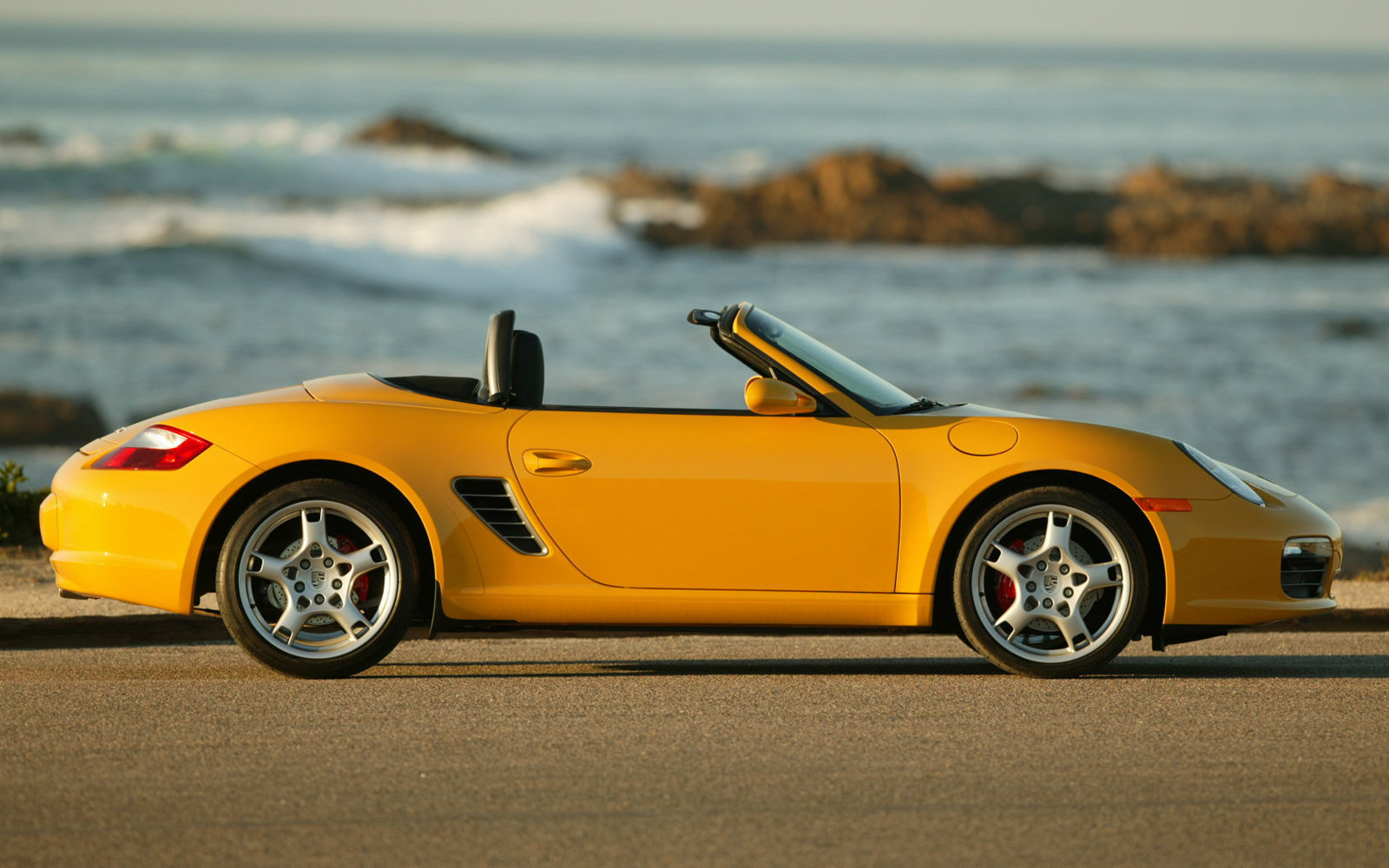
Circa-2006 examples of the Boxster are now trending below $30,000 – they’ve certainly held up better than a Z4, with the 180kW/273Nm 2.7-litre flat six-cylinder even claiming a slower 6.1-second 0-100km/h sprint.
But this Porsche has never been about numbers, but rather mid-engined harmony and sweetness. We’d try to stretch to $35,000 for a Boxster S and its 206kW/320Nm 3.2-litre flat six and 5.5sec 0-100km/h, though.
Note that it was good enough in its day to rival an E92 BMW M3 coupe – all of which remain above $40,000 – and this is a Stuttgart-born bargain.
DRIVERS are just overpaid wheel jockeys, right?
The real trick to winning in motorsport is finding out how far the rules can be bent without breaking.
So, when it comes to finding tenths on the track, the boys in the pit garage – designers, engineers, strategists, mechanics – are collectively more important than the bloke behind the wheel.
Sure, the driver can make a difference, just look at the comparable performances of Vettel and Webber throughout the 2011 season. Both had the same car. One took 15 poles and 11 wins, the other managed three poles and one win.
But a driver is nothing without a competitive car, as Michael Schumacher‘s 2011 season demonstrated. And the lengths to which some teams will go to gain advantage can lead to astonishing innovations … and outright cheating.
Then there’s the grey area described as “the spirit of the rules”, but that definition often hinges on whether you’re winning or chasing.
One brilliant example of innovation was the 2010 McLaren F1 car’s F-duct. By blocking an air vent inside the cockpit with their left knee, McLaren drivers could alter airflow over the rear wing to liberate an extra 10-12km/h.
Moveable aerodynamic devices were banned at the time, but since only the driver’s leg moved, the F-duct was deemed legit. McLaren’s F-duct wasn’t enough to beat Red Bull for the 2010 championship thanks in part to the latter’s own ‘innovation’, a flexible front wing which increased aero grip in high-speed corners.
F1 isn’t alone when it comes to testing regulatory elasticity. WRC has had its share of ‘innovators’, as has America’s NASCAR series and even our own Australian Touring Car Championship.
In a high-speed world where a tenth of a second can be critical, there’s surely no motorsport category untainted.
What we’ve got here are 10 of the more interesting examples of, um, rulebook interpretation, in no particular order.
Each proves the adage that what matters isn’t how you play the game, but whether you win.
McLaren’s Spygate
Okay, so there’s really no disguising this one as innovation.
In fact, it’s the kind of ‘dark alley at midnight’ shenanigans more suited to international espionage than the glamorous world of Formula One.
Aerodynamics can make or break an F1 season.
Any advantage is potentially huge, and teams go to great lengths to keep their airflow intelligence secret.
So, in 2007 when confidential Ferrari documents turned up at the house of McLaren’s Mike Coughlin, a spying scandal erupted that eventually dragged Renault and Honda’s F1 teams into the mire.
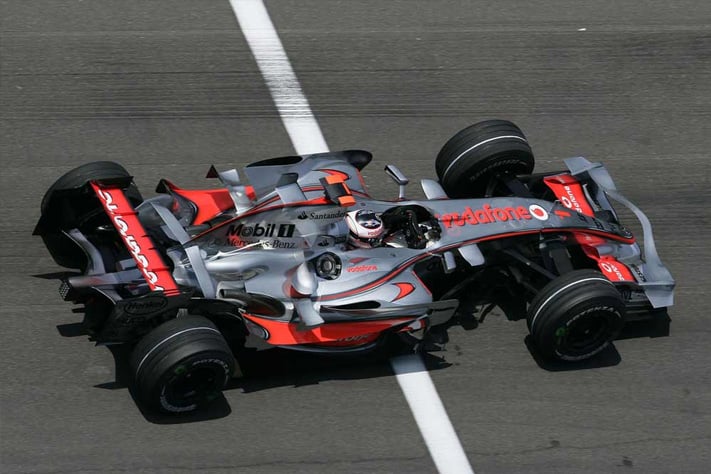
Honda’s involvement is less sinister – or maybe we still don’t have the full story.
The Japanese manufacturer released a statement in July 2007 saying that both Stepney and Coughlin had approached the team in relation to ‘job opportunities’, and that no confidential documents had been offered or received.
History shows that McLaren copped a record $100 million fine and, while Renault was also found guilty, no fine was handed down. In addition four employees from three F1 teams were fined a total $630,000
Renault’s Singapore Fling
September 2008 saw F1’s first-ever night race, in Singapore.
Despite strong showings in practice, Renault Fernando Alonso and Nelson Piquet Jr qualified poorly, in 15th and 16th respectively. But team principal Flavio Briatore and engineering boss Pat Symonds had a plan.
They’d exploit the safety car rules which inadvertently penalised the leaders and favoured the backmarkers; pitstops were forbidden until all cars had formed up behind the safety car.
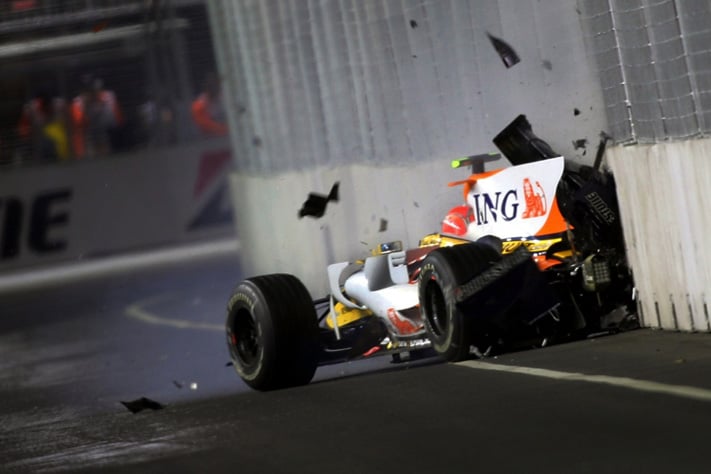
So, once the field had lined up behind the pace car, the pits were opened. Drivers peeled off and Alonso, who had pitted three laps earlier for tyres and fuel, moved up through the field to first, right behind the pace car. He went on to win the race…
The allegations didn’t come to light until a year had passed, and Benetton gave Piquet Jr the flick. In return, he spilled the beans on what became known as Crashgate, triggering the resignation – jumped or pushed? – of Briatore and Symonds.
Renault’s punishment – banning from F1 altogether – was suspended for two years pending further rule infringements.
WRC swap-meet
In 1985 WRC cars did not carry TV cameras, and helicopters didn’t shadow competitors across stages.
Audi works driver Michelle Mouton started an Ivory Coast WRC stage with a seriously ill Audi Quattro – and engineer Franz Braun’s mechanically-similar support car right behind.
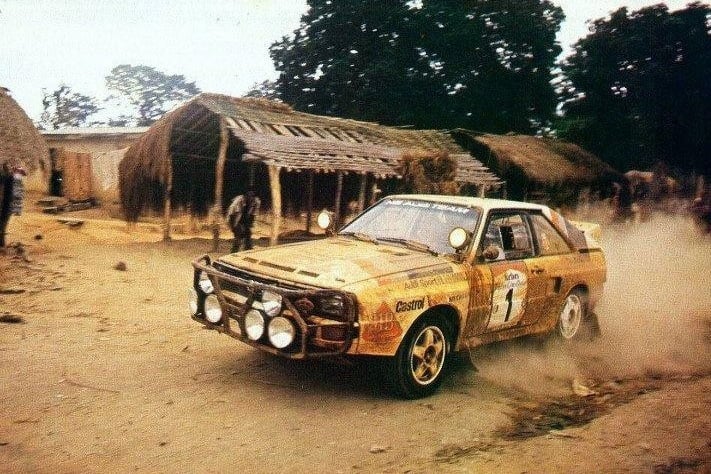
Accusations later flew not of a wholesale engine swap, but of a wholesale car swap; the race car’s panels had allegedly been transplanted onto the healthy support car’s chassis and mechanicals. Presumably somebody later went back to pick up Braun and the lame rally car.
Penske and Donohue take a bath
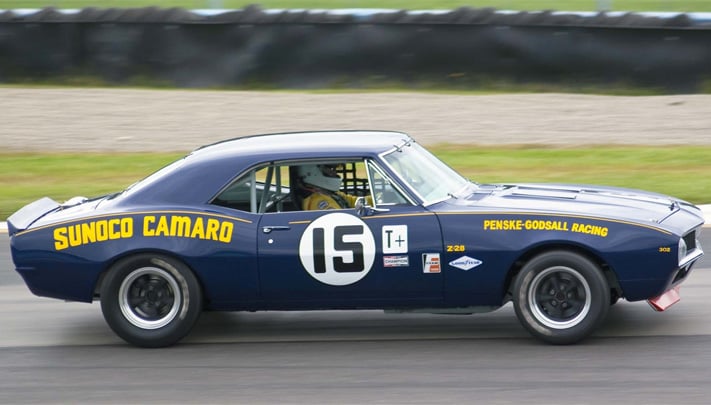
Indy 500 winner and hugely successful American Trans -Am championship driver Mark Donohue had a strong 1967 season in his Roger Penske-owned Chevrolet Camaro Z-28.
He won three races that year, but it was his massive win in the last race – he lapped the entire field – that raised eyebrows. It turned out they’d been dipping the car’s frame in an acid bath, making it 110kg lighter than the 1250kg class minimum. As a result, Donohue was disqualified.
During design and construction, teams pare the chassis back to below the bare minimum then add ballast back in, usually at the lowest central point within the chassis, to benefit the centre of gravity and to bring it back up to regulation weight.
Toyota’s trick turbo (de)restrictor
Back in 1995, then-FIA president Max Mosley called it “the most sophisticated device I have seen in 30 years of motorsport.”
Toyota’s 1995 WRC effort was handicapped by the corporation’s insistence that the race car be based on the Celica, not smaller hatchbacks as other teams were doing.
In the same year turbo restrictors were required to regulate airflow to the turbo.
Toyota’s restrictor had a clever bypass mechanism that let in more air and therefore realised more power, by some estimates as much as 37kW more than the standard 224kW.
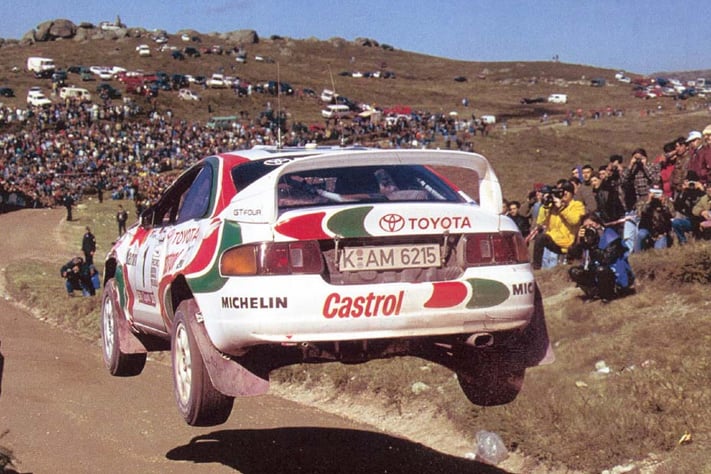
So, when scrutineers undid the clips to remove and check the turbo and restrictor, they were also unwittingly closing, and therefore concealing the illegal bypass.
The system clearly worked. Despite the handicap of an uncompetitive chassis, Toyota drivers filled out two of the top four positions in the championship. The (de)restrictor was eventually discovered on Didier Auriol’s car at the Catalunya Rally.
Toyota received a 12-month ban, and drivers Auriol, Juha Kankkunen, and Armin Schwarz were stripped of all points and disqualified for the rest of the season.
Brabham’s ‘water-cooled’ brakes
By 1982 the turbo era had begun, but few teams could afford the expensive technology. So, many stuck with the naturally-aspirated Cosworth V12 rather than the turbo V8s.Unable to compete on outright power, the V12 teams found another way to improve power-to-weight.
Lotus designer Colin Chapman is credited with the idea, but Brabham’s Nelson Piquet arguably put ‘water-cooled’ brakes to best use, winning the ’82 Brazilian GP … temporarily.
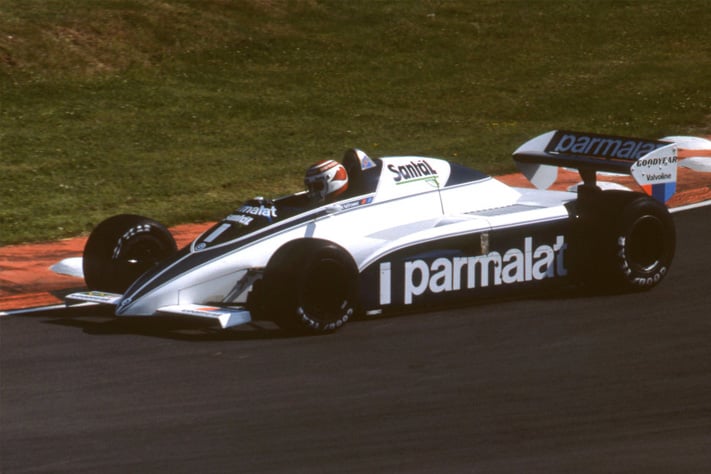
During the early laps, the water was dumped from the ‘brake reservoirs’ – some say 60 litres, roughly 60kg – making the car lighter for the duration of the race.
Post-race, the teams topped up all fluids as the rules dictated, including the now empty water reservoirs, thus meeting the minimum weight requirement.
However, both Piquet’s car and Keke Rosberg’s second-placed Williams, were later disqualified, after a protest from turbo-powered, new ‘winner’, Renault.
Smokey Yunick’s groundbreaking brain
Americans consider Henry ‘Smokey’ Yunick the godfather of Motorsport ‘innovation’. Smokey was a car mechanic and designer during the early years of the NASCAR scene in the 1950s and ‘60s, a time when rule books were not exactly comprehensive.
Some of his early innovations included 1959’s Reverse Torque Special, running an engine in the opposite rotation to normal, and the 1964 Hurst Floor Shifter Special in which the driver sat alongside the engine and fuel tank in side-car style pod. Clearly, he wasn’t afraid of thinking outside the square.
Some of his modifications weren’t actually cheating, but subsequently triggered rules banning their use, such as lowering the roofline and raising the floor to reduce aerodynamic mass.
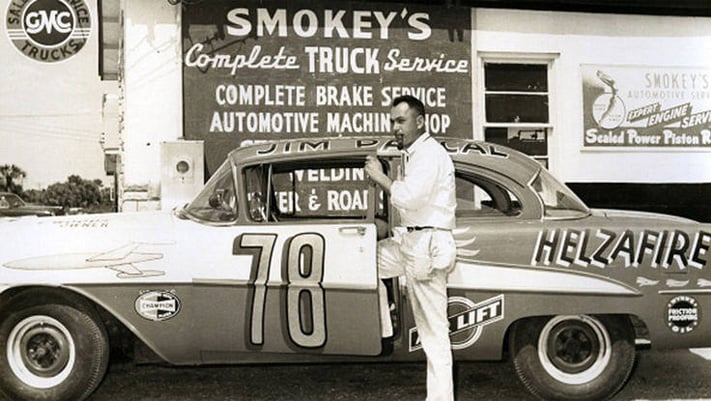
After that was discovered, he boosted capacity with three metres of superfluous fuel line.
In 1962 open-wheeler racing was forever changed when he put a wing on Jim Rathmann’s car. The wing gave the car an incredible advantage in the corners, but made it so slow on the straights, its lap times were reduced. Yet the seed was sown…
Smokey probably did more to keep the rule-book writers busy than any other motorsport identity.
Brock’s last Bathurst
No one knew it at the time, but Peter Brock’s ninth victory at Mount Panorama would be his last. It would also be remembered because Brocky didn’t actually finish first.
The 1987 James Hardie 1000 was the eighth round of the inaugural World Touring Car Championship, and the Bathurst grid was flooded with international teams and cars.
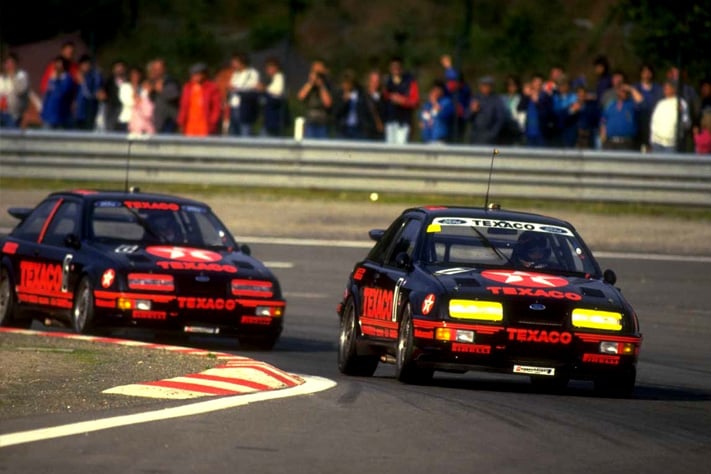
Soper won the race from Niedzwiedz, with local hero Brock a distant third, three laps behind. But irregularities were found with the Sierra’s front wheelarches, which had been modified to fit taller rubber.
Appeals dragged on well into 1988, and were eventually dismissed, giving Brock his ninth and final Bathurst victory.
Schuey’s unchecked, er, desire to win
Michael Schumacher is a seven-time world champion and one of the greatest drivers of all time. He also had a nasty habit of orchestrating championship results.
In 1994 he deliberately drove into Damon Hill in Adelaide, forcing both to retire and handing himself the championship.
In 1997 he and Jacques Villenueve were separated by one point in the championship with one race to go, at Jerez.
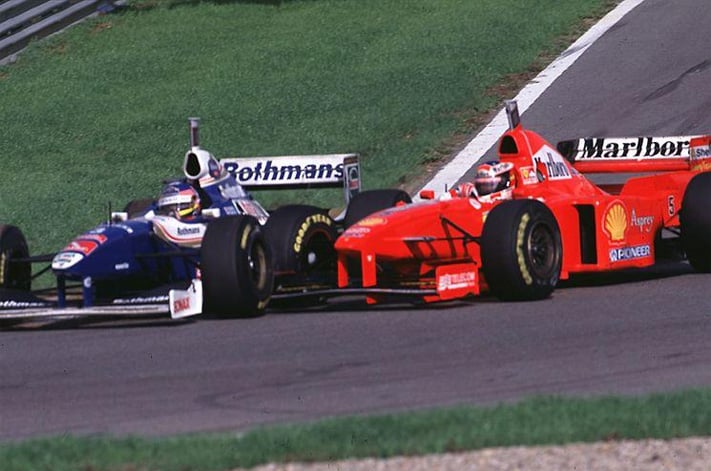
The FIA later found Schumacher guilty of driving Villenueve with the intention of ending both their races, and disqualified him from the results and the championship, which Villenueve had already won by finishing third.
In 2002 his team-mate Rubens Barrichello slowed on the last lap of the Austrian GP to let Schumacher take the win – on team orders.
The crowd booed the podium presentation, a situation Schumacher ludicrously tried to fix by placing Barrichello on the top step.
Nuvolari and the day the fix was in
According to a 1958 book by Mercedes-Benz’s legendary team manager Alfred Neubauer, one of Formula One’s great names, Tazio Nuvolari, had been involved in race-fixing.
When a wealthy fan promised rival driver Achille Varzi a large sum of money if he won the 1933 Tripoli GP, Varzi smelled opportunity.
He went to Nuvolari and cut a deal for part of the windfall if he let Varzi win. Nuvolari in turn included their main competition, Baconin Borzacchini and Giuseppe Campari, reducing his share but increasing the odds of payday.
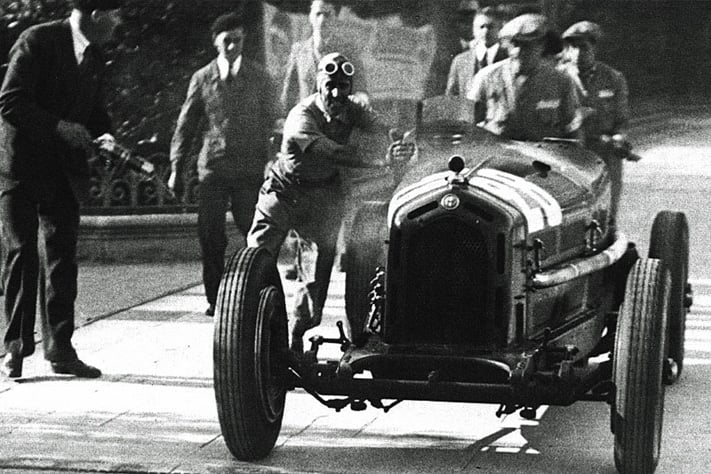
At that stage Campari led, until his engine suddenly ‘failed’. He celebrated his terrible luck with a bottle of chianti while the race continued.
With just two laps to go and Varzi in third behind Nuvolari and Borzacchini, the latter lost control of his car and crashed out. With a Stephen Bradbury-esque win edging closer, all that remained was for bad luck to befall Nuvolari.
And, would you believe it… with the finish line in sight, Nuvolari’s car ran out of fuel.
Varzi may have won the race, but many drivers shared in the spoils that day.
HSV’s efforts to turn our family cars into V8 rear-drive rockets have been a source of smiles for Australians for decades – three of them, in fact.
But with the demise of the Aussie Commodore comes the demise of the most affordable V8 sedan, and the end of HSV making them even faster.
Now HSV has a new trick, taking Uncle Sam’s Camaros and right-hooking them for the Australian market, something which helps ease the pain of losing our own creations. But we would like to see them have a crack at the new Commodore, if for no other reason than to satisfy our own curiosity.
HSV has managed to wrangle non-V8s in the past, though we’re not sure they want to remember the Jackaroo or the Astra SV1800. A solid base in the new Commodore would mean HSV can focus on the drivetrain and the fine-tuning, rather than having to completely rebuild the thing, but a new face for HSV would mean more than just mechanical work.
While we don’t know whether we’ll ever see HSV truly get underneath the metal of the ZB, we do have a suggestion or two.
Here’s how we’d do it
Caddy Shack-up One of the main problems the new top-spec Commodore faces is that it’s hard to get muscle-car fans excited about a V6, but we think the Cadillac ATS-V’s roaring twin-turbo 3.6-litre donk could change some minds. With a hefty 346kW it can launch the Caddy to 100km/h in less than five seconds, which we think should be plenty quick enough for the new Commo. Oh, and we’re going to need it to hook up to the six-speed manual.
The lion’s roar As we’ve seen with the likes of the Stinger, a dull exhaust note and engine sound can turn potential buyers straight off. Also like the Stinger, we’d like to see an Oz-only exhaust courtesy of HSV’s top men. Not that the ATS-V’s note isn’t already lovely.
Seriously biased Getting to grips with an all-wheel drive Commodore might take some getting used to, unless HSV can tweak the ZB’s Twinster system to inject a Focus RS-style rear bias. Still, MOTOR is going to miss HSVs smoking the rears.
Fix up, look sharp Not to say that the new Commodore is a bad looker, but it’s hardly as muscular as the likes of the VF II. And, as we’re talking HSV here, it’d need to live up to the aggro aesthetic a muscle car should exude. Black accents, mesh grilles, and rear wing – tick.
Deal or no deal We’re getting into uncharted territory here, as we’ve only just discovered how much the new Commodore will sell for. However, given the ZB VXR lists for $55,990, it’s tough to imagine an engine-swapped, powered-up HSV version listing for less than $70,000.
At Porsche, evolution is typically executed in leaps and bounds.
This review was first published in MOTOR’s June 2006 issue
Yesterday’s milestones were the 331kW 911 Turbo S, the 280kW 911 GT3 and the 340kW 911 GT2 – referred to as the widow-maker. The 997 debuted in 2004 and 18 months later Porsche is about to launch the performance versions of their new pacemaker; enter the 357kW Turbo (June), the 309kW GT3 (May) and, in 2007, the 390kW-or-thereabouts GT2.
The 997 Turbo definitely pushes out the envelope. It accelerates in 3.7seconds from 0-100km/h, tops 310km/h and costs around $350,000.
Surprisingly, the new GT3 is every bit as fast, and at approximately $260k it is notably less pricey. The key difference is acceleration. Handicapped by only two driven wheels, by a 48kW deficit and by the vagaries of a conventional clutch, the normally-aspirated batmobile takes 0.6sec longer to catapult itself from 0-100km/h than the Turbo. Although it may be a tad less explosive off the mark, the GT3 is again sharper at the edge and less forgiving overall.
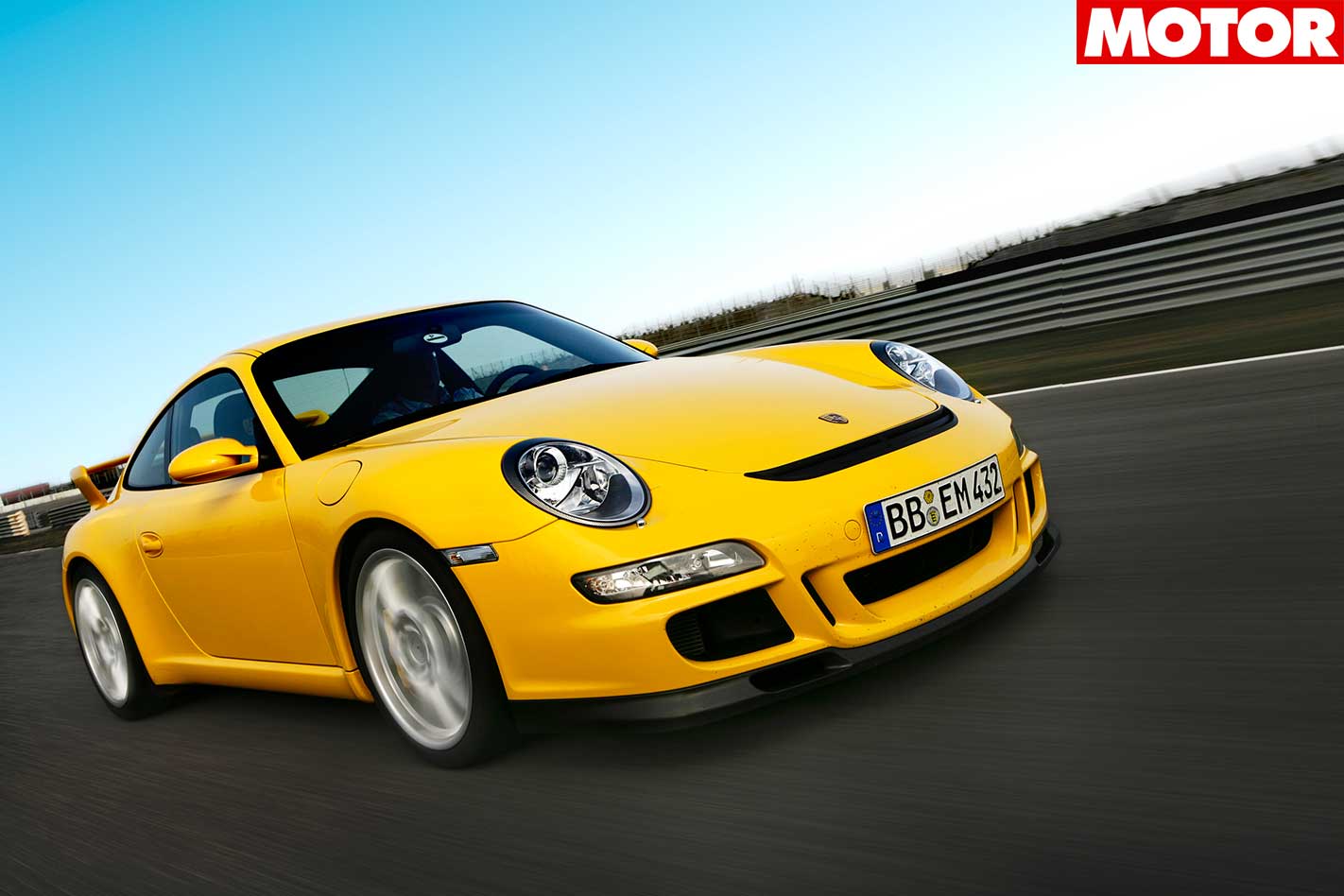
The engine sounds louder and clearer than in any other 997. How come? Because there are no rear seats to dampen resonances before they can develop, because sound deadening was not high on the priority list and because the new lightweight flat-six is mounted to the vehicle with a minimum of rubber buffer compliance and a maximum of metal-to-metal rigidity.
As a result, the vibrations at idle speed and the forces of inertia can be sensed through the throttle, the floorpan and the gearlever. “Feels like two spark plug leads have come off…” I theorise. The project engineer Andreas Breuninger does a quick check and shakes his head. “That’s the way they all are. It’s the price you pay for making the moving parts as light as possible,” he says.
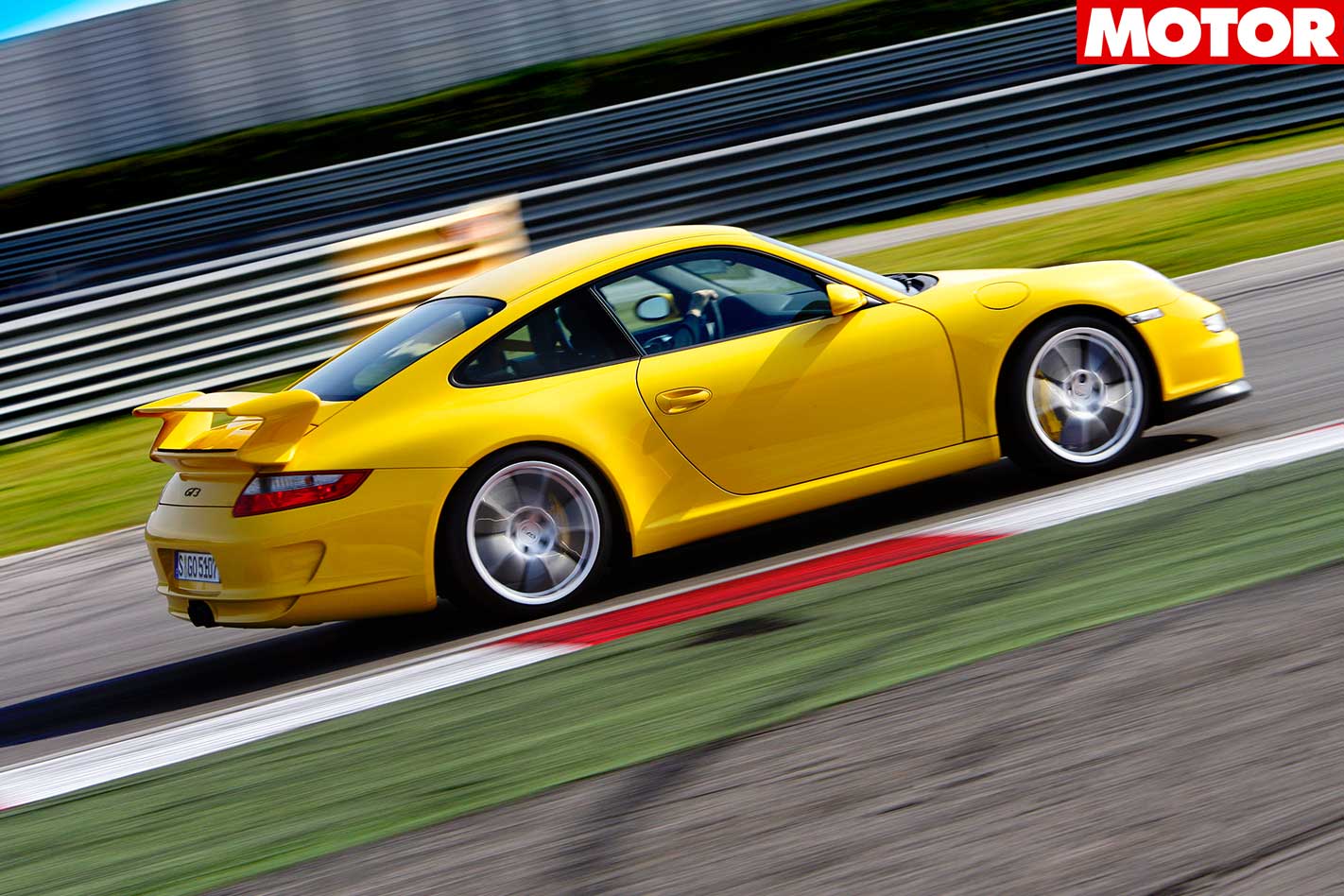
The clutch has abandoned its coal sack spring load in favour of a counterweight which is exactly right for my calf. Only the gearbox does not quite match this give-and-take policy.
Nicely short in throw, it is actually hard work to move the stubby lever from one ratio to the next, and for some reason grinding from second into third is particularly sandy. There’s no alternative to the close-ratio manual, but Porsche is working on a twin clutch arrangement with paddle-shift actuation. The Weissach grapevine suggests that this trick ’box might be available in sync with the 911 GT3 RS, which should put in an appearance in early 2008.
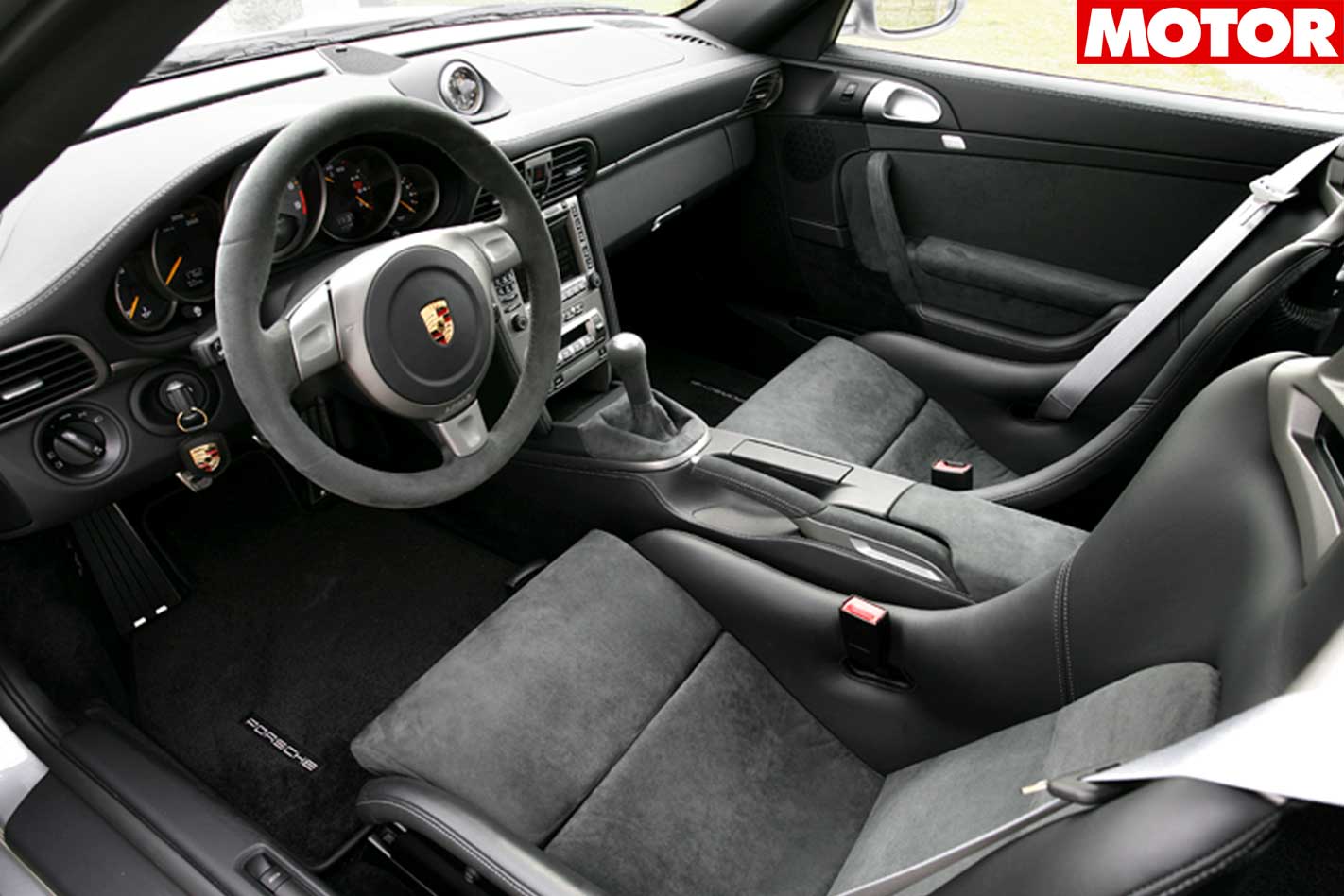
By taking weight out of the pistons, the conrods and the crankshaft, the engineers raised the redline from 8200 to 8400rpm. Other measures include an increased compression ratio of 11.0:1, improved cylinder-head cooling, double valve springs, a stepless camshaft adjustment device, a new intake manifold with three resonance chambers and a free-flow exhaust with two-stage silencers.
When fully open, they reduce the back pressure under trailing throttle by eight percent. To feed as much air to the engine as possible, the ram air scoop on the rear lid has been enlarged and enhanced. The intake plenum possesses three lungs.
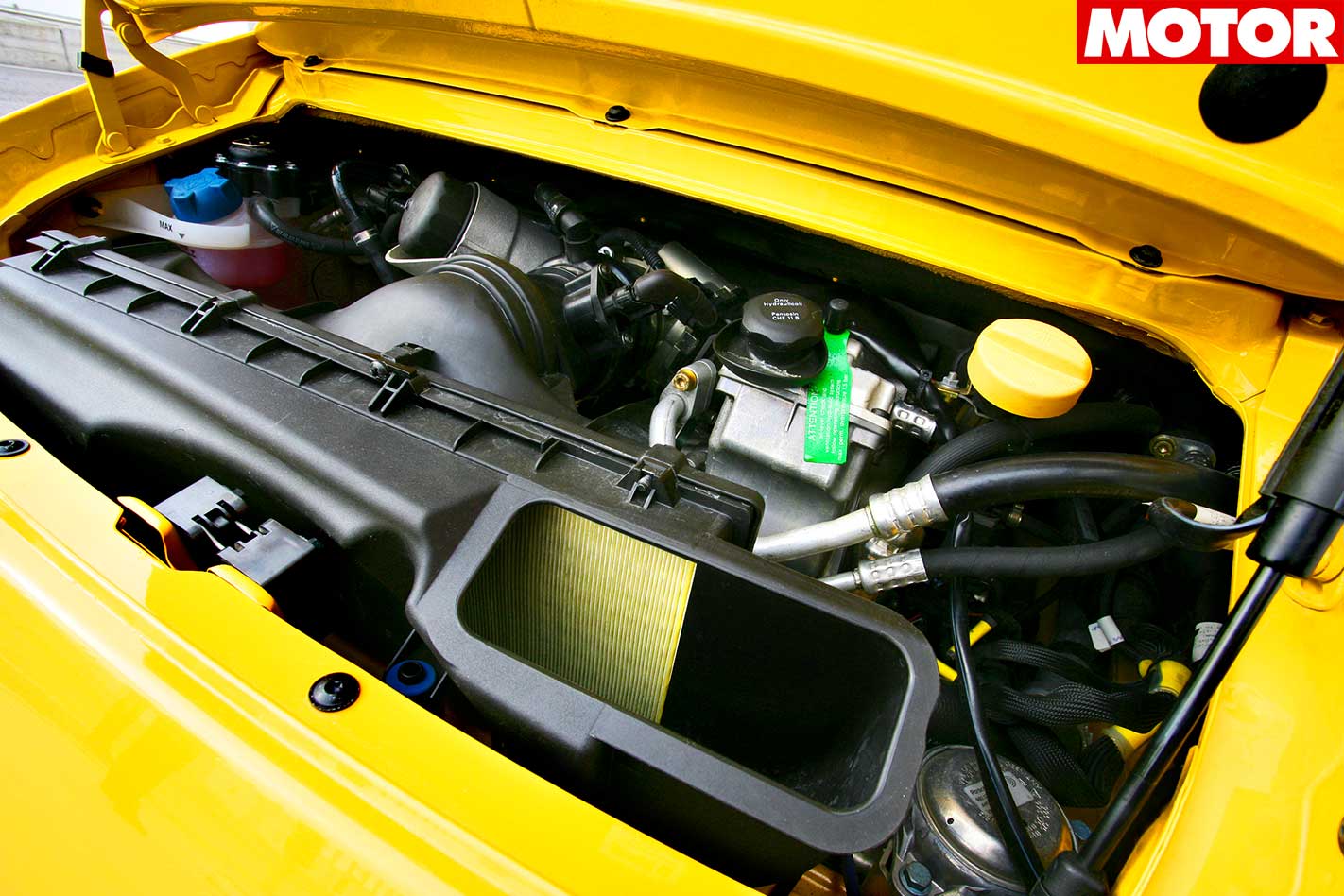
“The GT3 is an emotional sports car that deserves an emotional engine and exhaust note,“ claims Breuninger. Sure, but we were thinking more rumble and roar than boom and drone. “Mid-range, this unit is indeed acoustically quite present, but above 200km/h engine noise is no longer an issue.” Quite. Because by then wind noise and road noise will have joined to form a new band which is more about group performance than about solo artists.
Like the M3, the GT3 sounds positively heavy metal as it approaches its top speed, playing a compact surround-sound tune which only varies in tone and volume but never in melody and rhythm.
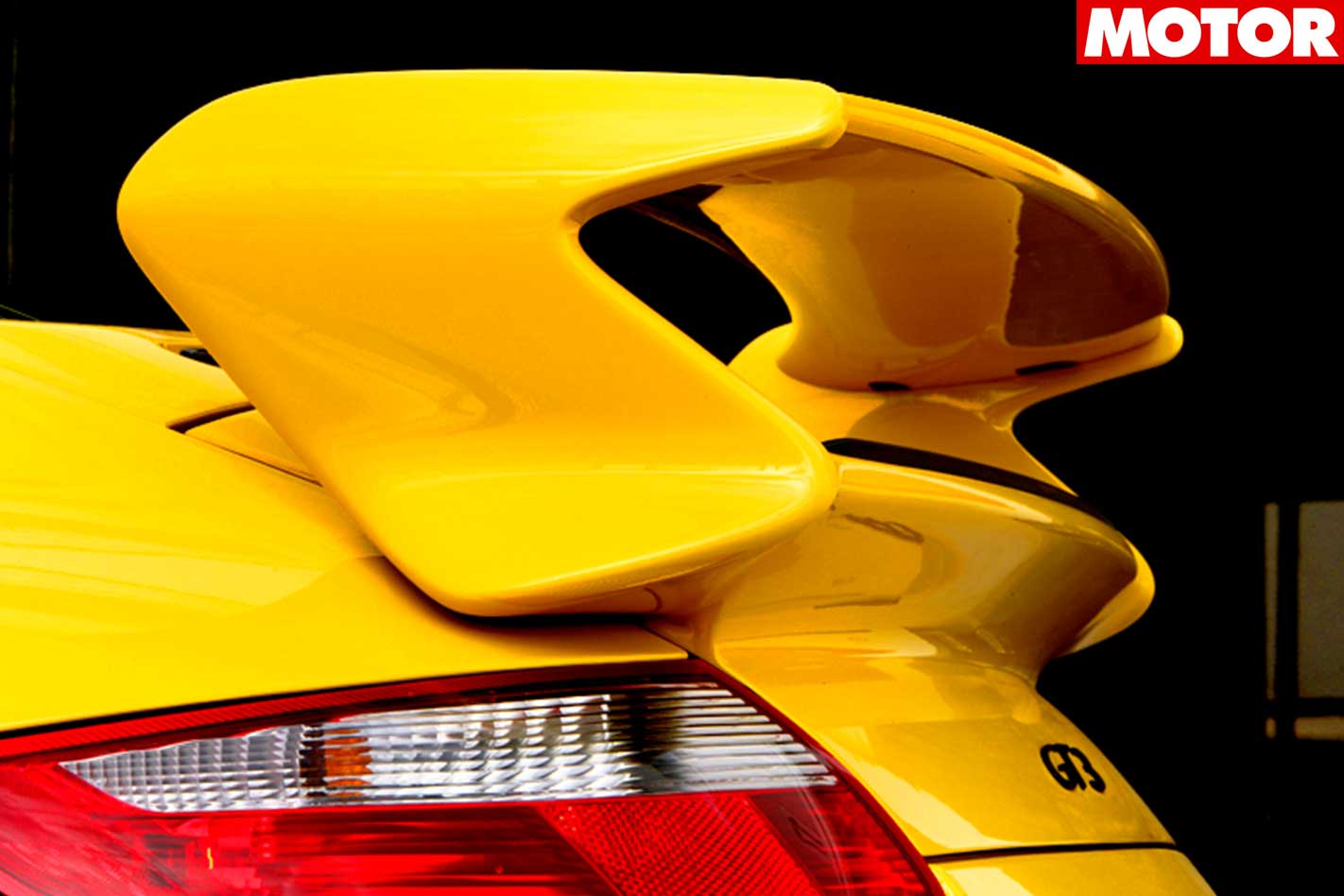
The flick-and-click transmission is 15 percent quicker than in the old GT3, and it also is shorter-legged as far as the top five ratios are concerned. To avoid hitting the rev limiter, an upshift warning light makes you reach for the lever just in time. The zero lift aerodynamics keep the nose firmly planted on the ground, even if that ground happens to be part of a poorly maintained Italian autostrada.
Much more so than in any 996, directional stability is a gentlemen’s agreement between the trusting driver and the trustworthy car. No, the new GT3 is not a white-knuckle experience. Even though its nose does pitch and yaw and wander when conditions force it to do so, corrections at the wheel are the exception to the rule, and this also applies when the 90 litre tank is almost empty.
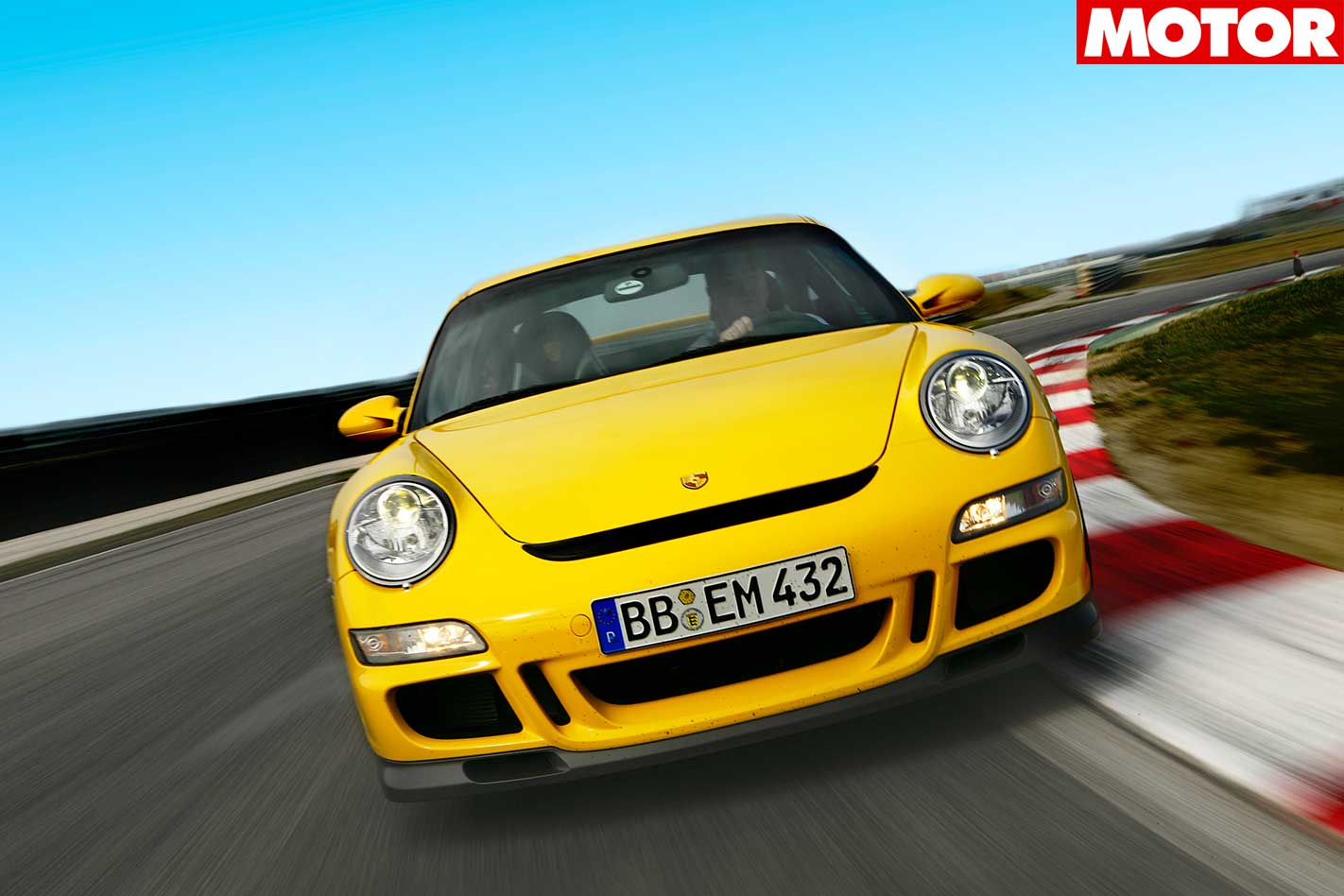
Dial in Sport mode, and brace yourself for a drive along the limit which is both quite safe and totally rewarding. Sport does not only adds a dash of cement to the shock absorber cocktail, it also sharpens the throttle response, delays the interference of stability control and frees an extra 25Nm and 10kW between 3000 and 4250rpm by reducing the exhaust back pressure.
Equipped with newly developed Michelin Pilot Cup tyres (235/35ZR19 in front, 305/30ZR 19 out back), even the basic grip is reminiscent of a magic formula conceived by Velcro, Wrigley’s and Loctite. This superglue performance enters an almost superhuman level once the semi-slicks have reached their working temperature.
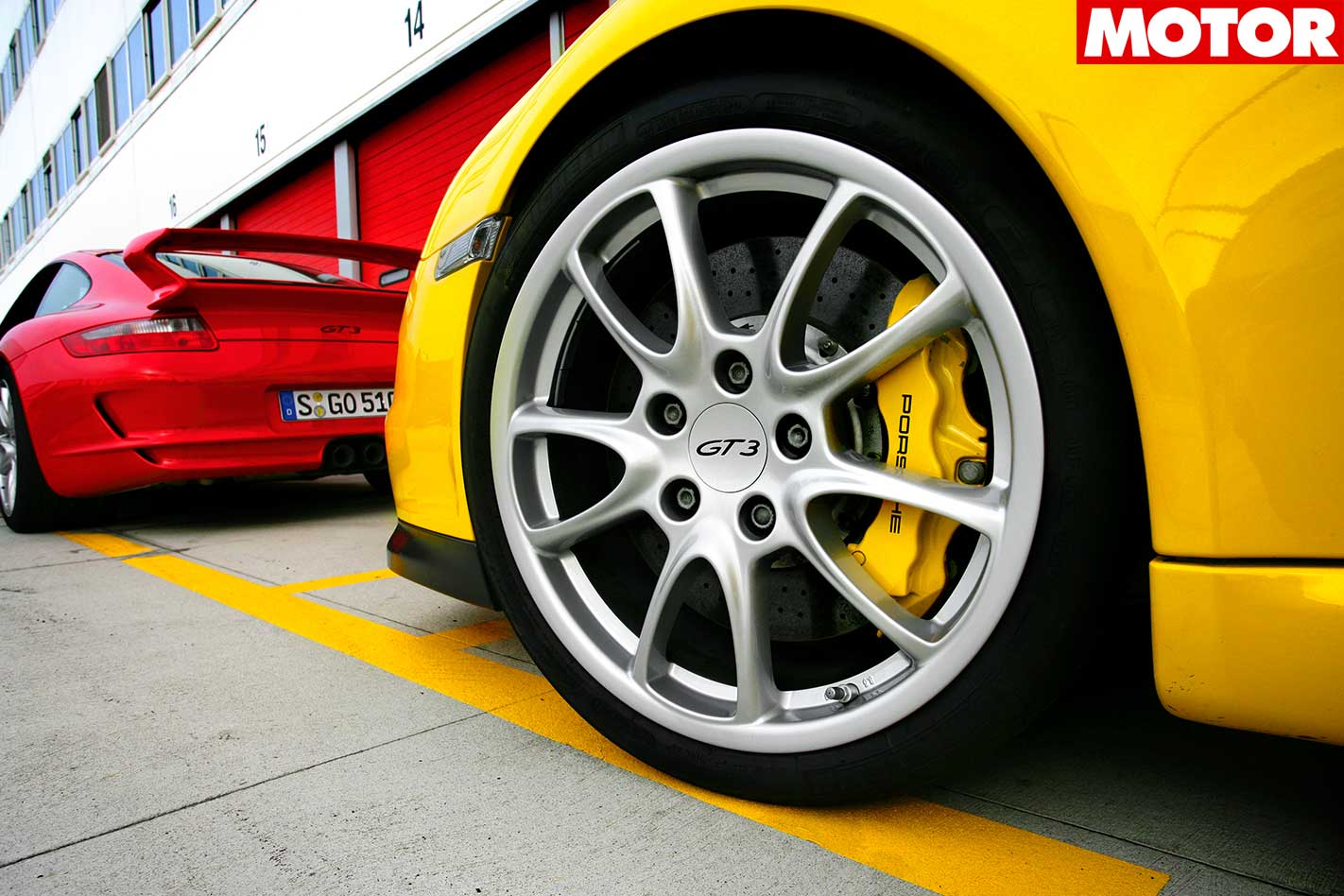
In Sport, you get all the fun and 90 percent of the speed without running the risk of overcooking it. Switch off TC, and instantly the car will feel a lot more loose. It wags its tail under brakes, ploughs ahead with determination through the tight right-hander, corners with slide-upon-request attitude.
But make no mistake: the turn-in, lift-off, power-on sequence is now even more aggressively staggered than before, so in addition to spot-on dosage and timing, you should make sure you bring along plenty of experience and a sixth sense.
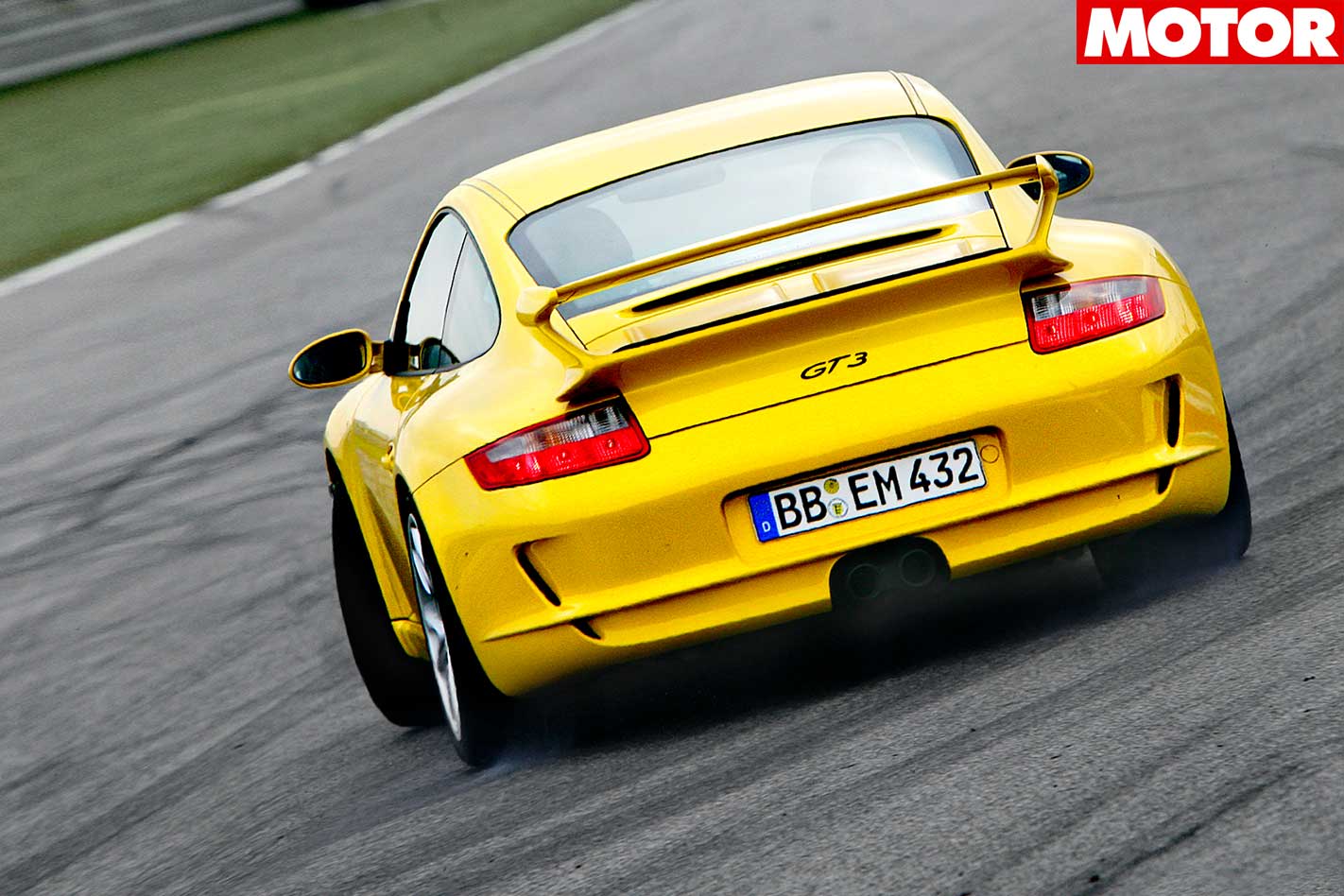
The GT3 has further honed its repertoire while at the same time learning a few amazing new tricks. True, it excels primarily on the track. But the commute to and from the circuit isn’t bad at all either.
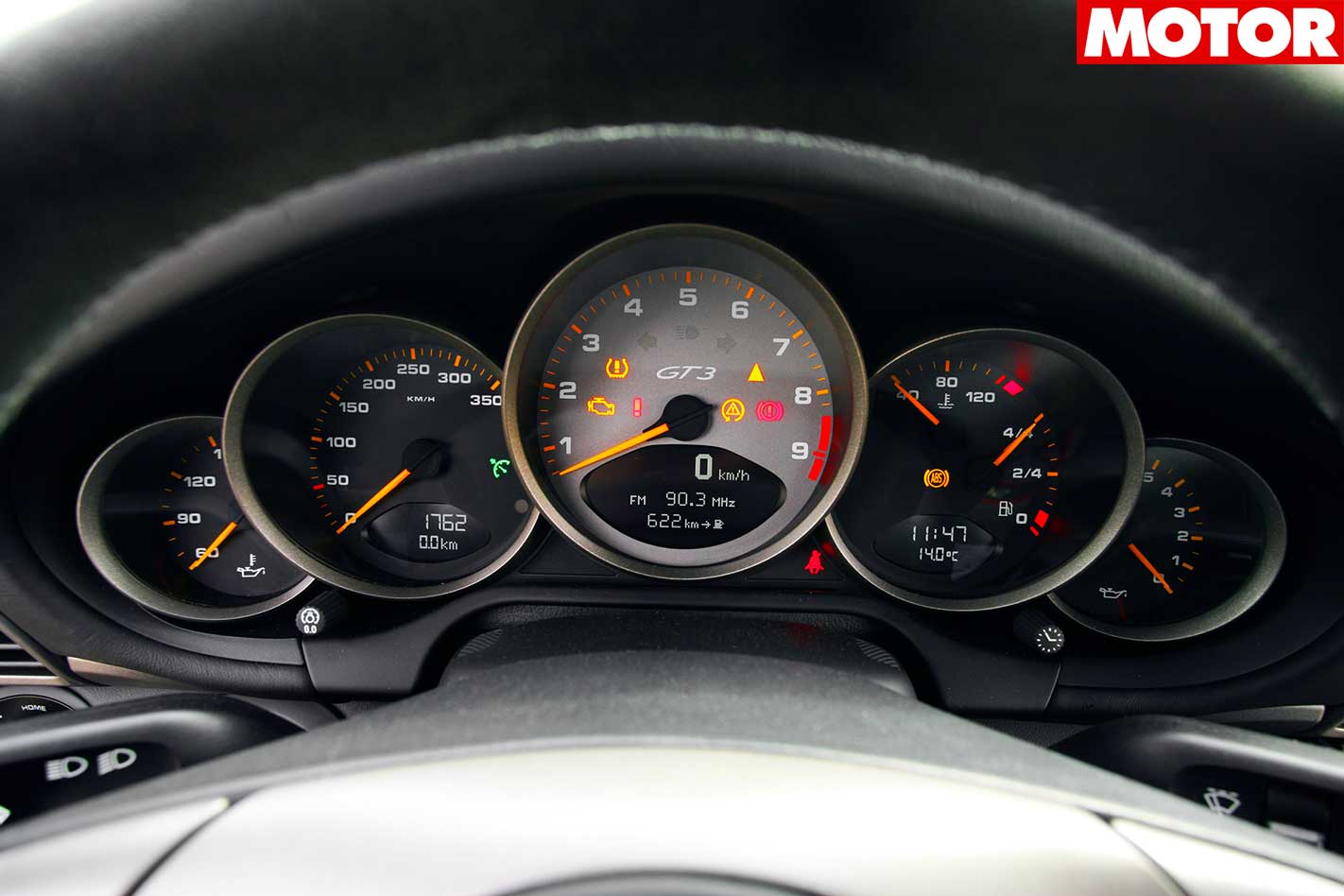
Interior details
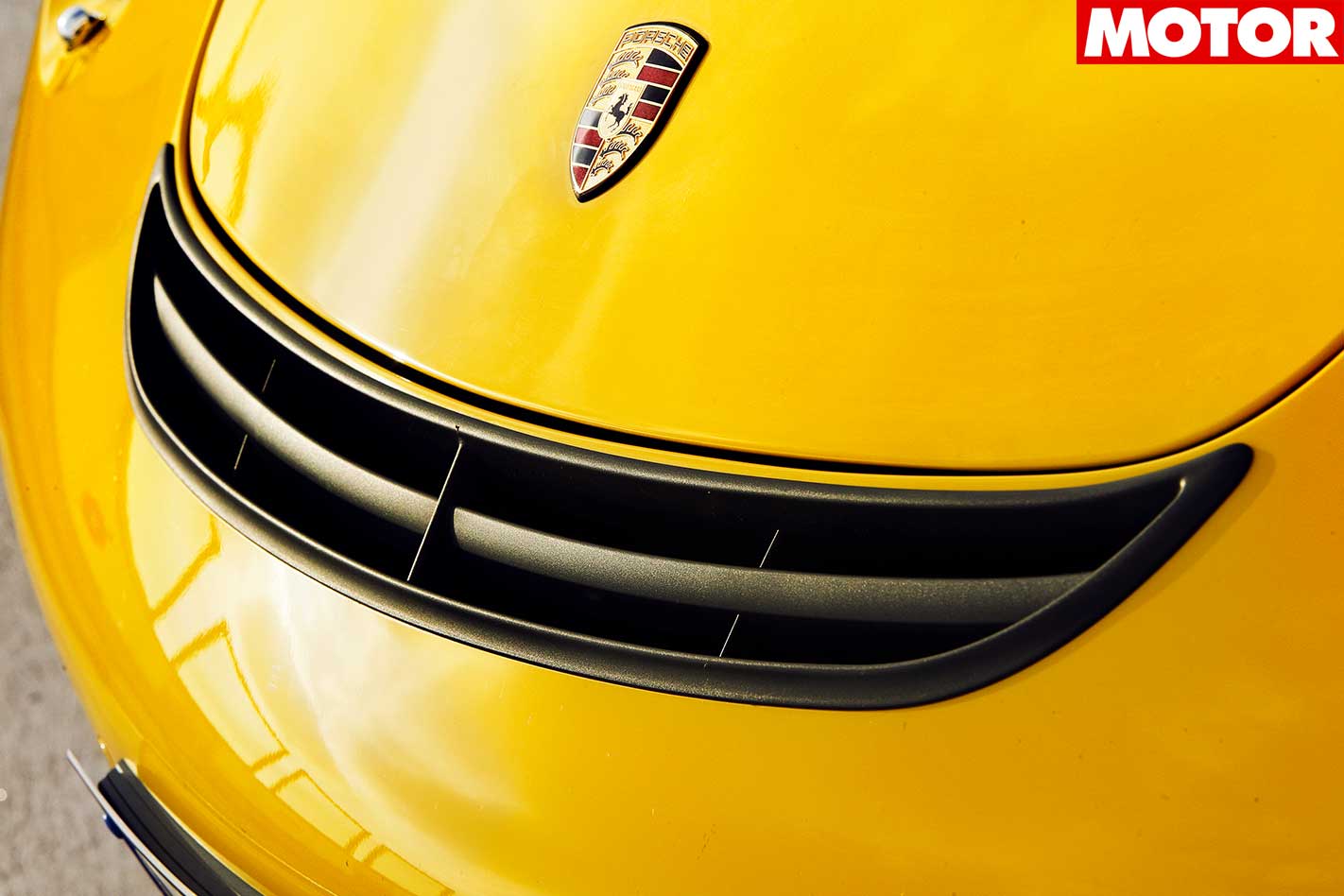
Exterior details
FAST FACTS
WE ARE unashamedly excited about the next-gen BMW 8 Series here at Wheels HQ.
Even with only a few, sketchy details to go on, our mouths are salivating at the prospect, and this teaser video of a close-to-production prototype getting sideways has only heightened the anticipation.
Car companies love to make videos like this one, which shows the 8 Series coupe sliding around a racetrack at the hands of a professional driver. It doesn’t really tell us anything we didn’t know before; the car is still in full camouflage garb to conceal the styling details, and there is no technical information to accompany the video. It’s a teaser, and exists purely to build hype.
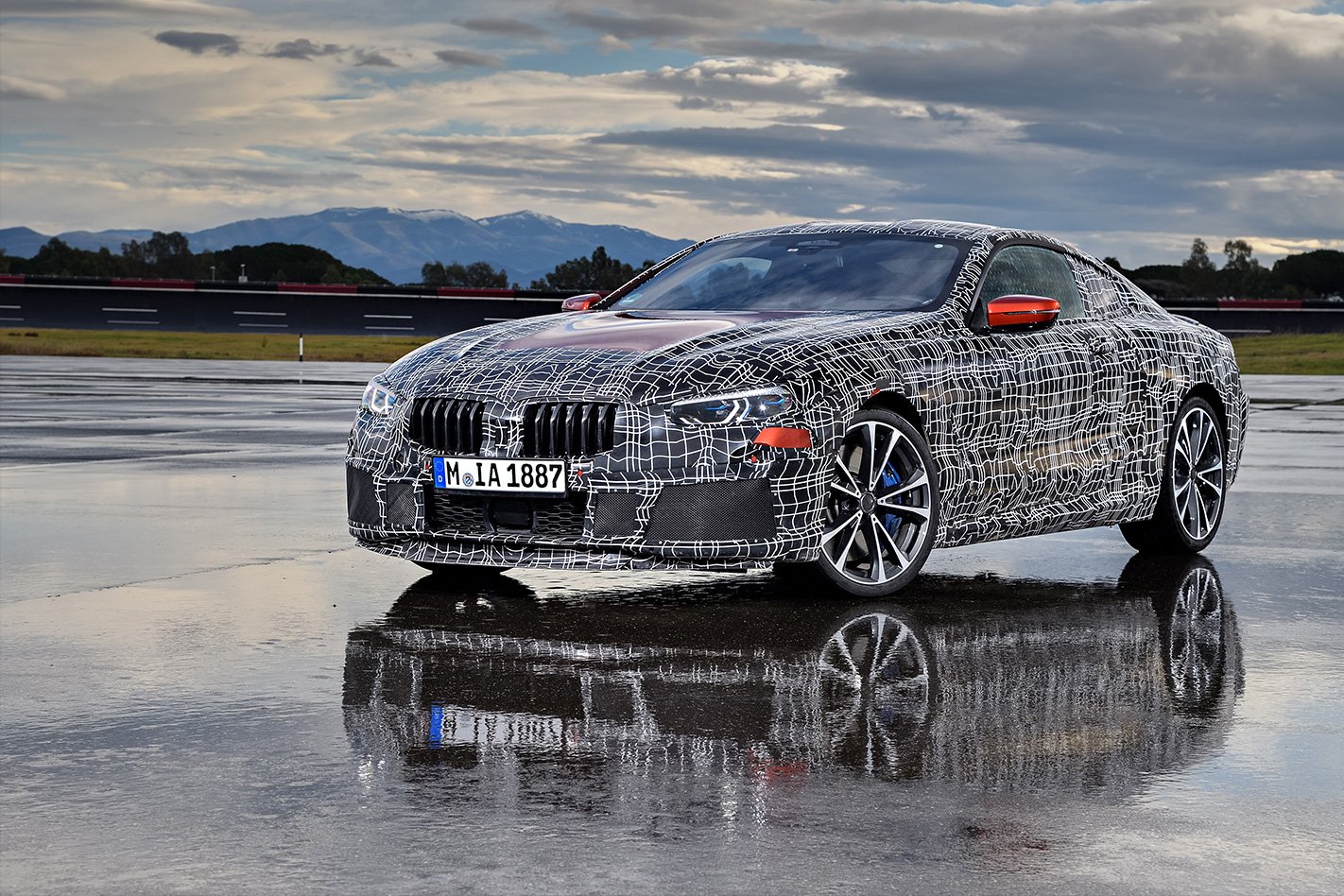
What we do get out of this clip is another look at its perfect sports car proportions and a fresh taste of the 8 Series’ engine and exhaust sound. Those expecting a full-bodied V12 wail harking back to the E31 8 Series (1989-’99) should be aware that this is a totally new thing.
The flagship M8 model is expected to employ a version of the M5’s 4.4-litre twin-turbo V8 engine with at least 441kW and 750Nm outputs and a 0-100km/h acceleration figure of around 3.4sec to put it on par with the iconic super sedan.
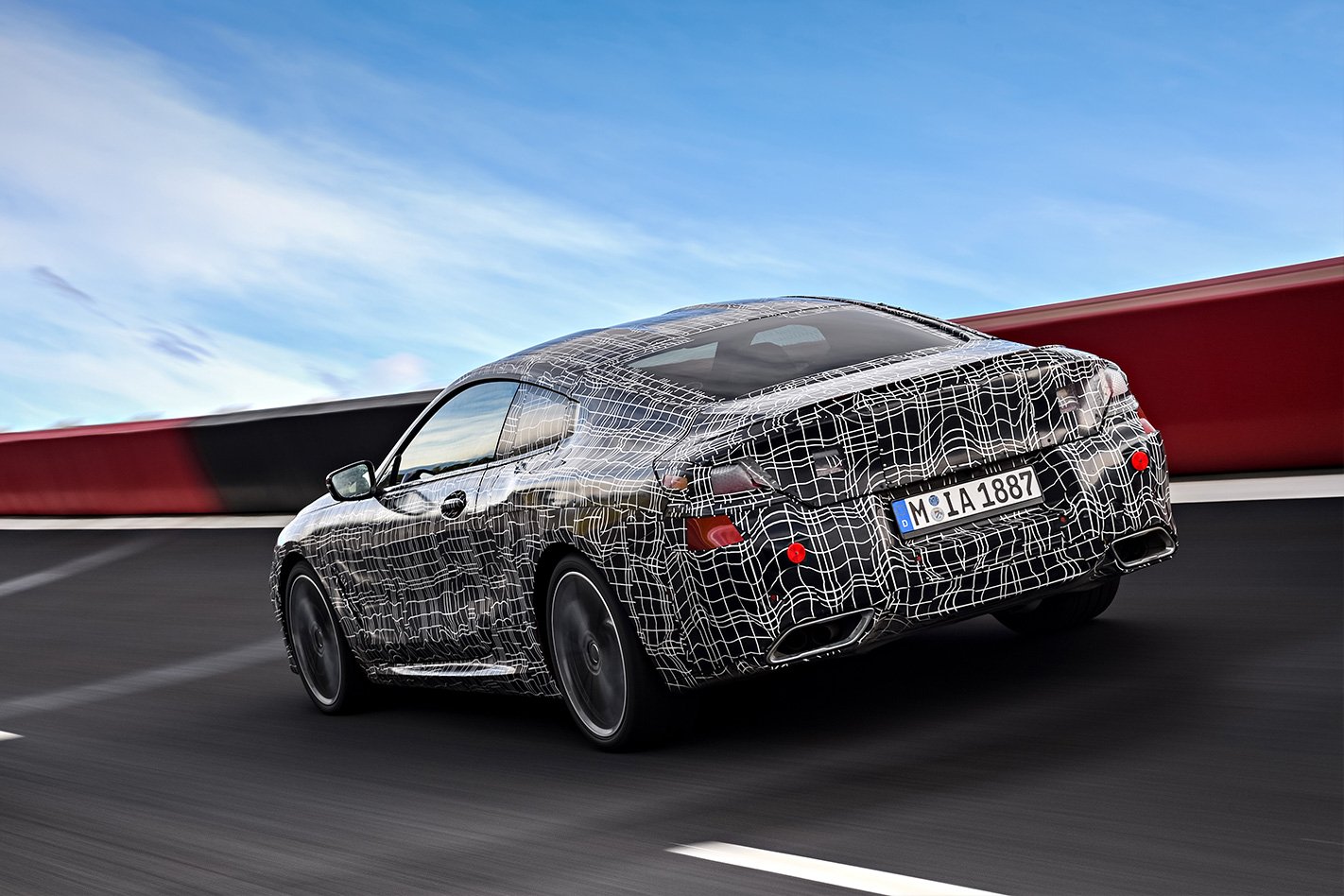
“The test drives under the most severe conditions show that we are right on target with our concept for the new BMW 8 Series Coupe. The vehicle dynamics values already achieved are absolutely impressive. Our customers and fans can look forward to a genuine sports car,” said Klaus Fröhlich, the BMW R&D man who oversees the test programme in Italy.
KEEN to start up your own car production line? You have until the end of today, Australia Day, to bid on more than 400 now-silent robots that once built the Holden Commodore.
Maynards Industries is selling the Fanuc, ABB and Motoman branded robots – with an average age of 15 years – on behalf of Holden that did everything from painting the bodies to forming plastics and welding together the bits of ’bot-built stamped metal that would one day become a recognisable sedan, Sportwagon or ute.
“Maynards Industries, in conjunction with Joint Venture Partners Liquidity Services, has been appointed as exclusive sales agent to assist GM Holden Ltd in the sale of assets surplus to ongoing requirements from their Adelaide Vehicle Manufacturing and Assembly facility,” Maynards said.
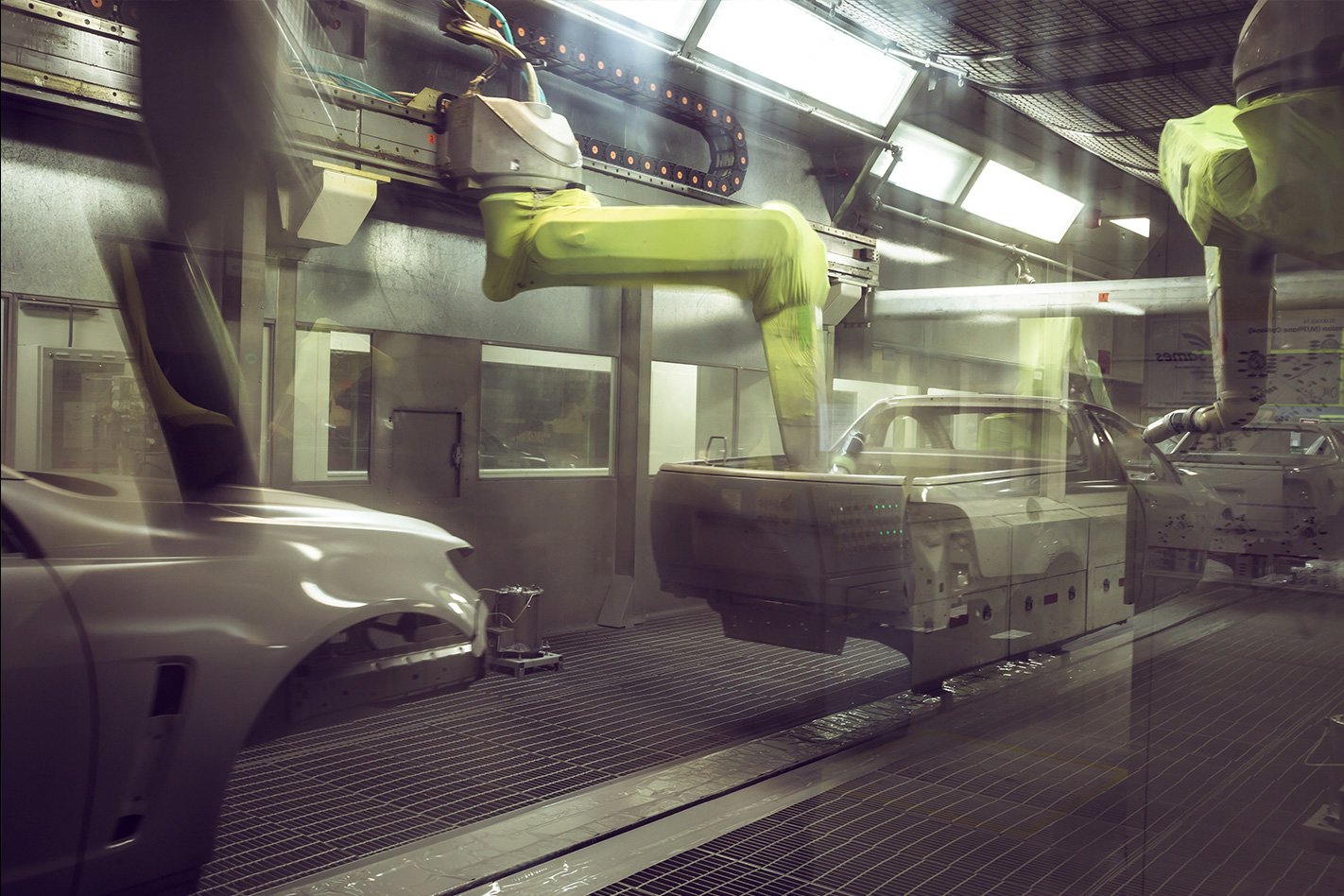
“The facility was setup for the Zeta and Delta platform and produced approximately 335 cars per day (Holden Commodore range/Chevrolet SS Sedan as well as the Holden Caprice/Chevrolet Caprice PPV).
“The maximum capacity of this plant was 825 cars per day”
That means over an average year Holden could have built more than 200,000 cars, assuming everyone took their public holidays and didn’t work on weekends. If you really want a number that makes you sob into your stubbie of lukewarm XXXX, pitch in a weekend shift and that number jumps to almost 290,000 vehicles.
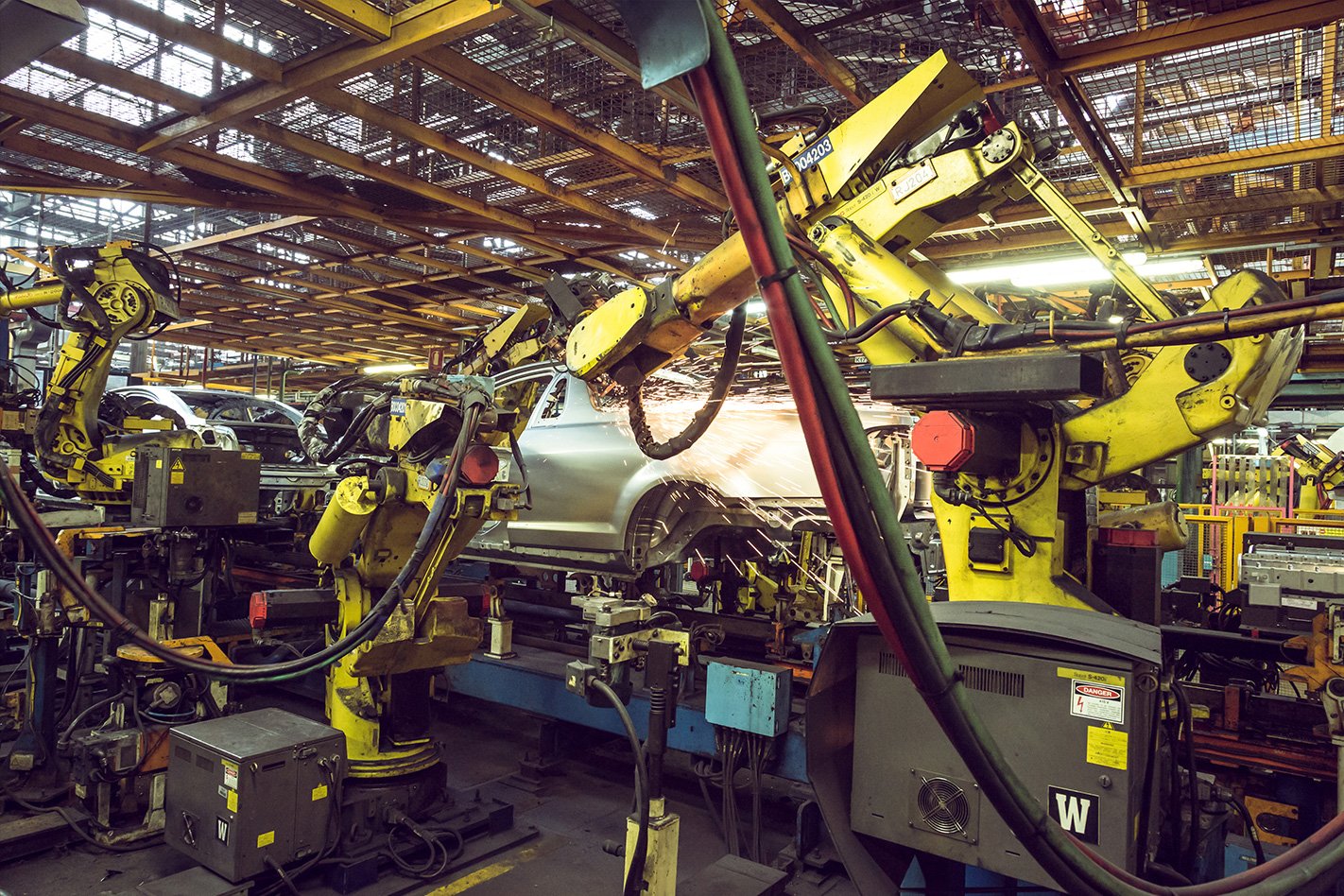
Over the almost 70 years that Holden built cars in Australia, 7,687,675 of them, many built by hand, we should note, rolled off the production lines.
If a buyer isn’t found, there may be hope yet for the facility, with an India-born billionaire British businessman with a history of resurrecting near-dead companies apparently keen to see if he can resurrect the site to build electric vehicles.
If that happens, Holden’s robots may not even have to pack their bags.
As far as badges go, Subaru has built ‘STI’ into a legend. Right up there with AMG, RS and GTI. But with reputation comes responsibility.
When the STI badge ventured from the WRX to the fourth-gen Liberty, Subaru went all-out with pillow-ball suspension, Brembo brakes and a healthy engine tune to keep its reputation intact. Now the badge meets the Levorg.
The priciest GT-S variant was trounced by Skoda’s Octavia RS230 in a MOTOR-hosted face-off not so long ago, where the Czech exposed a lacklustre chassis and uninspiring boxer engine on the Subaru’s part.
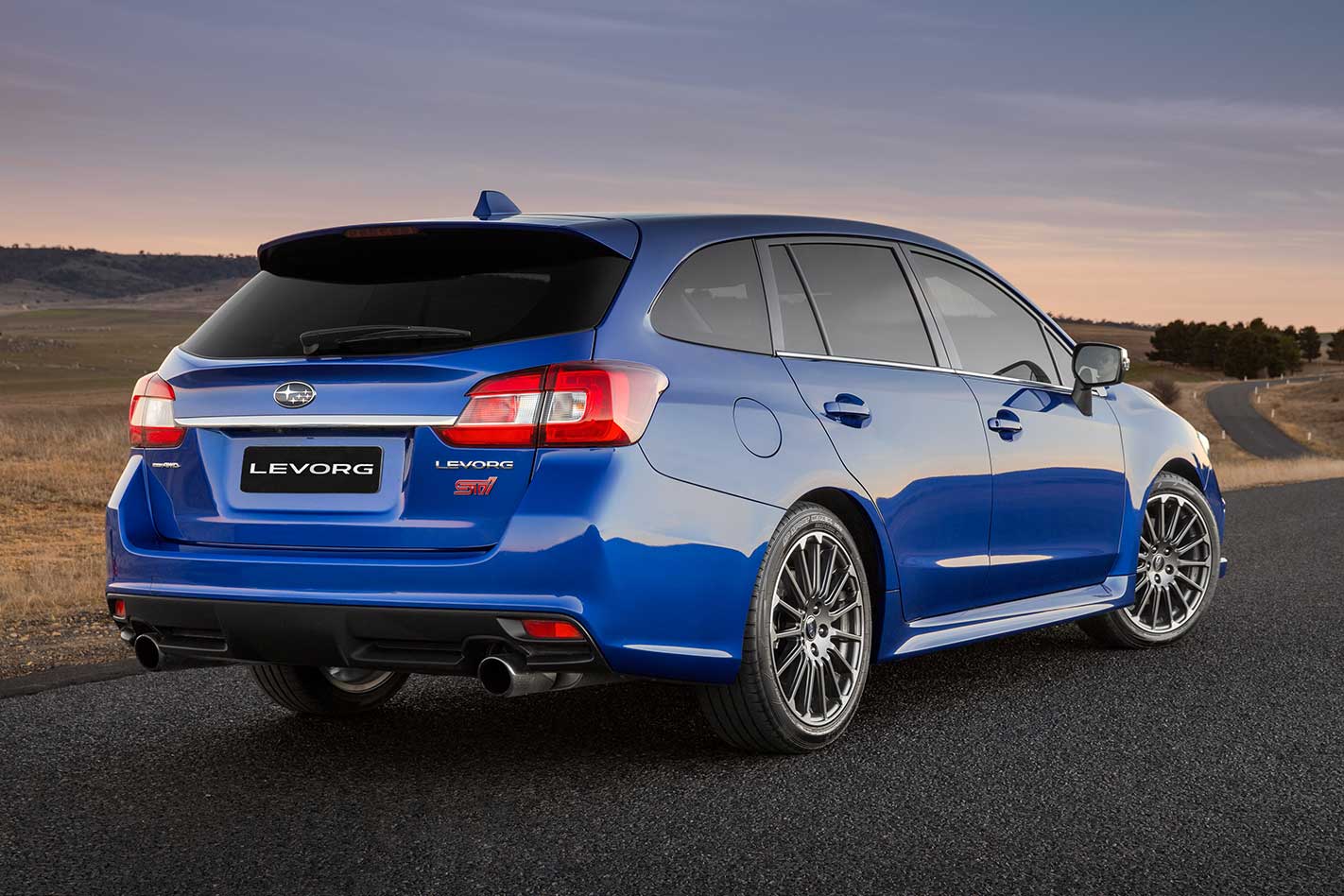
Styling-wise, it has a new front bumper, new grille, and importantly, a pink badge in the grille’s bottom-right corner. Our test car came in WR Blue with attractive 18-inch STI alloys.The other stuff is inside, with the side sills, instrument cluster, and steering wheel scoring STI logos. Although the real highlights are the maroon leather sports seats, which are more comfortable than the WRX STI Spec R’s Recaros, and suit the cabin’s solidness and refinement.
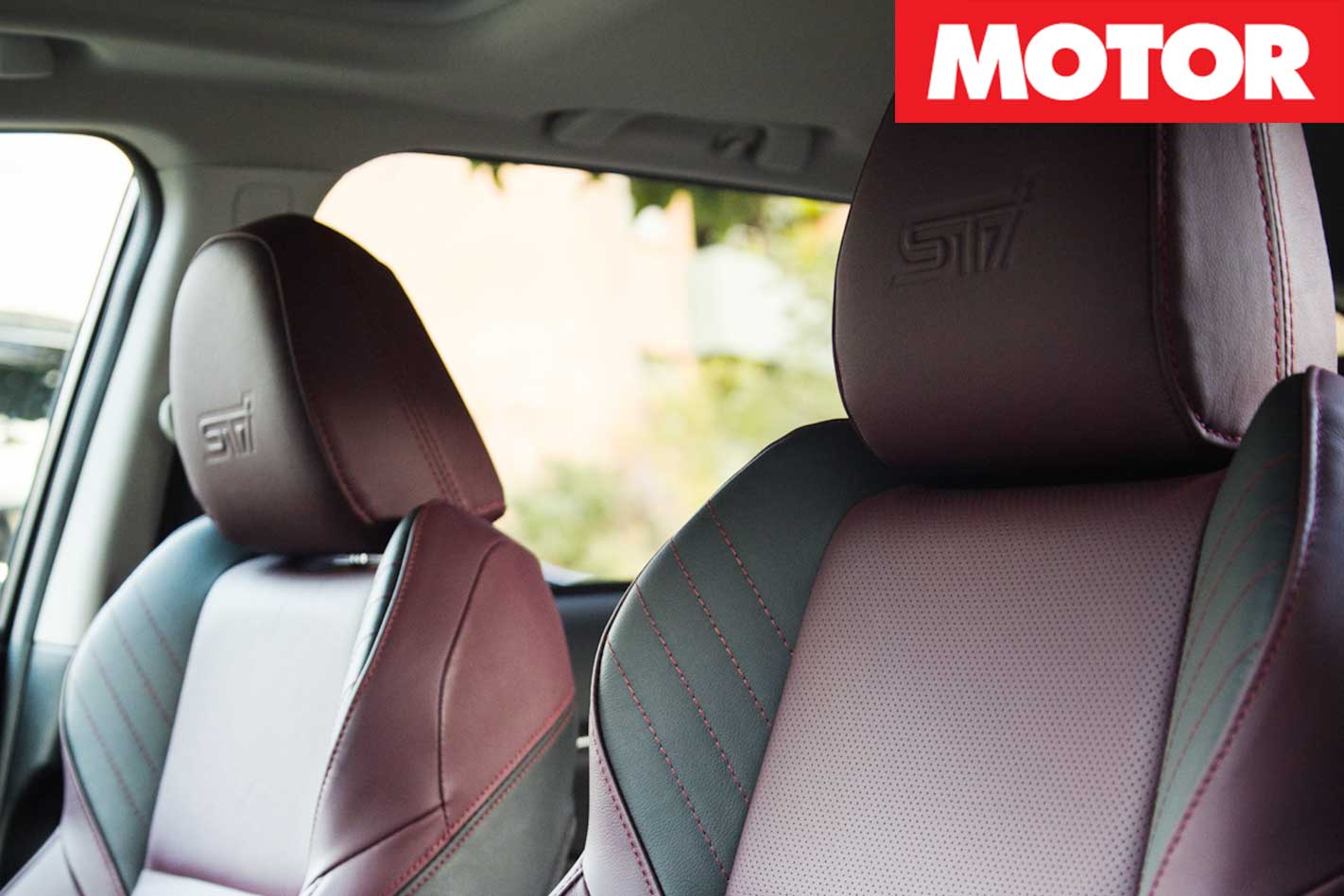
We can report cornering prowess has improved, slightly, while upgraded brake pads have firmed pedal feel and revealed the new suspension setup doesn’t pitch as hard into corners.
This composure still unravels the faster you go, though. That front axle or the tyres never feel up to your enthusiasm levels. There’s also still too much jiggling over bumpy stuff as the dampers struggle to keep the wagon’s mass tied down – not to mention the fact the steering is void of feel, feedback or precision. At corners you take bites with the speed-sensitive steering to find a line, which is a shame because the Levorg balances well once hooked in.
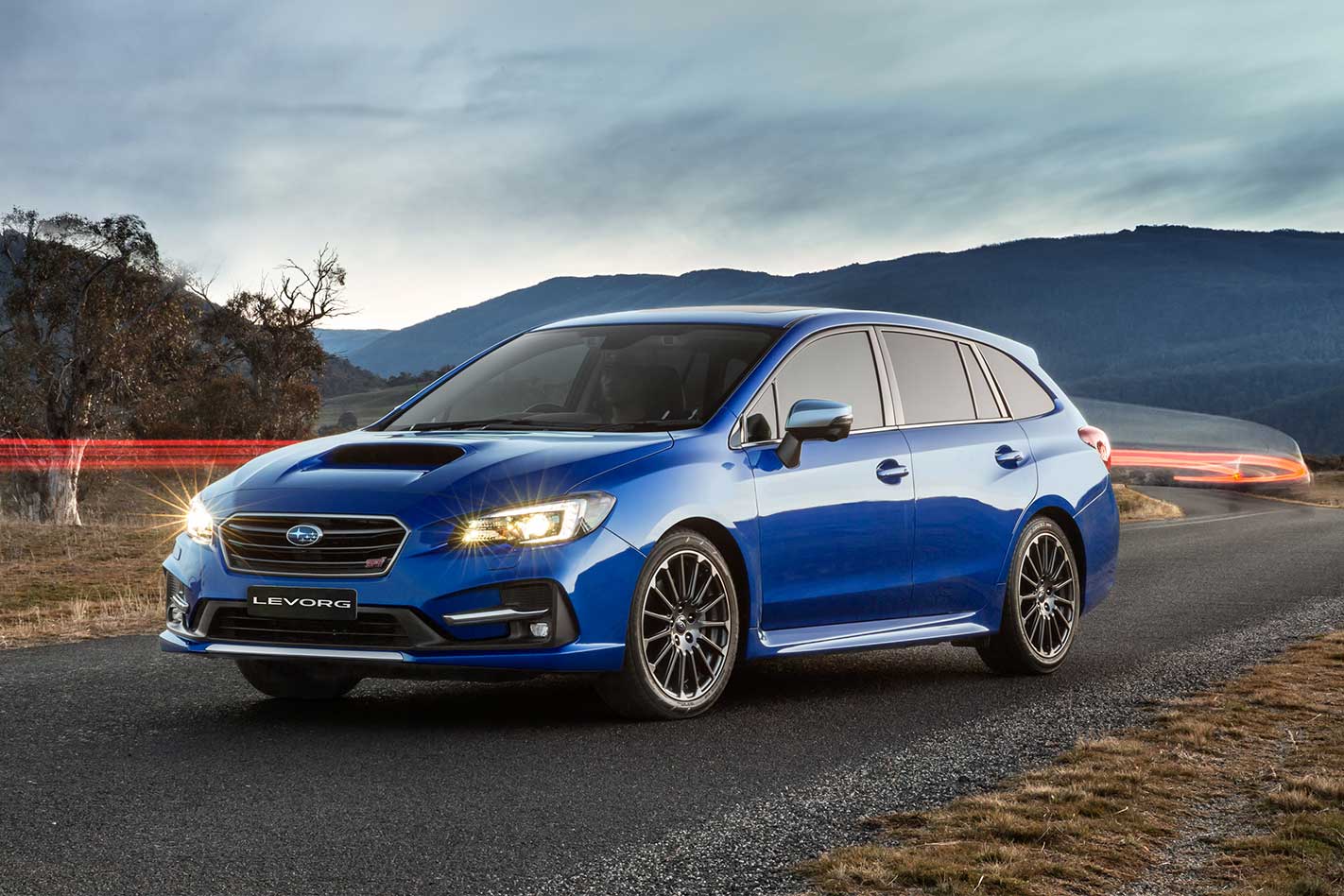
STAR RATING: 3/5
Like: Solid cabin; lovely seats; wagon looks Dislike: Bland steering; poor ride; grip limits
2018 SUBARU LEVORG STI SPORT SPECS Engine: 1998cc flat-4cyl, DOHC, 16v, turbo Power: 197kW @ 5600rpm Torque: 350Nm @ 2400-5200rpm Weight: 1539kg 0-100km/h: 6.6sec (estimated) Price: $51,990
If you’ve ever wanted to know how long a 991 Porsche 911 GT2 RS takes to hit its top speed, wonder no more.
In 57 seconds, the Widowmaker hits 342km/h, or an indicated 356km/h.
At 1:01 in the video above, produced by German outlet sport auto, the vicious 911 launches from a standstill, and hits 100km/h in what looks like less than three seconds.
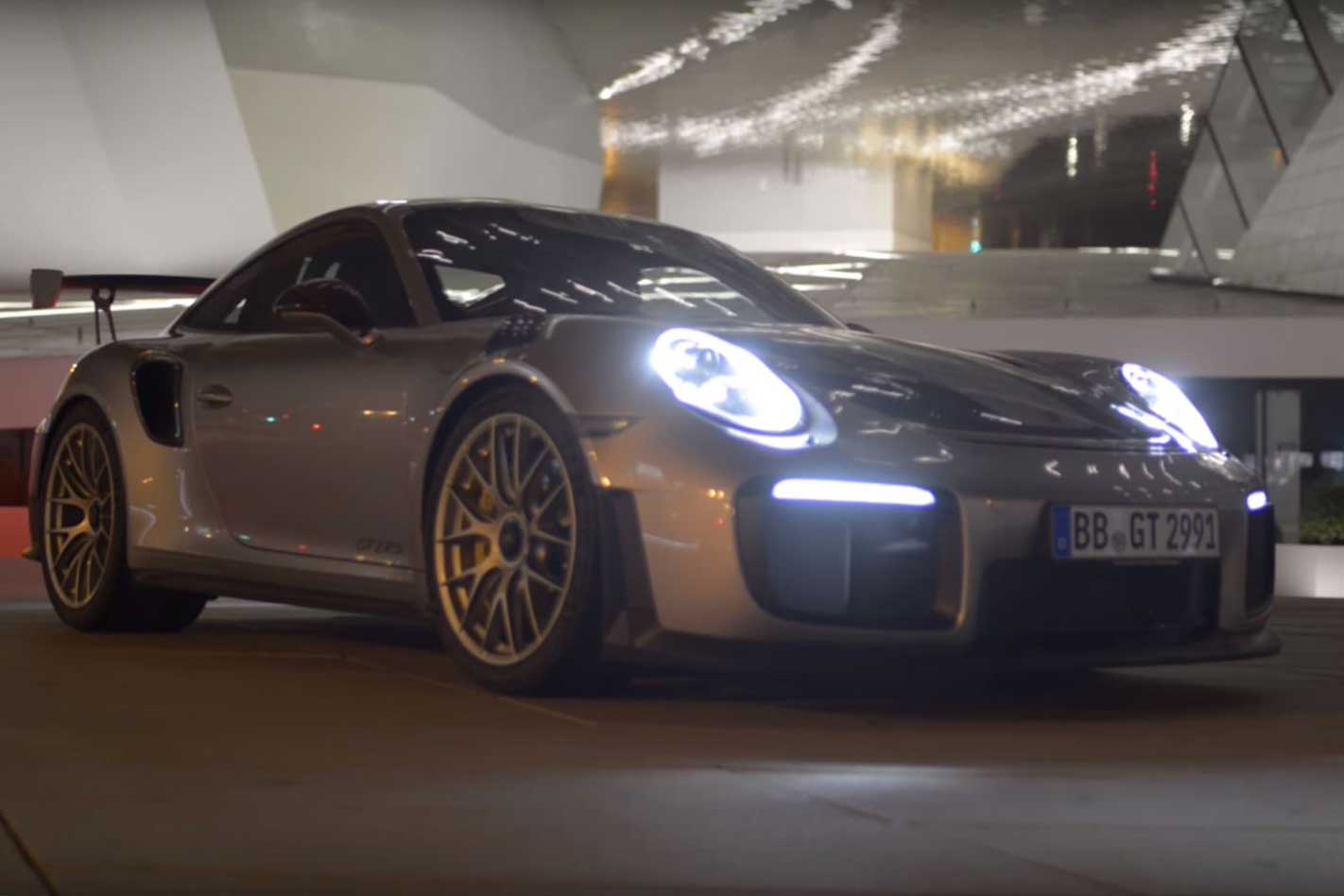
At this point, the Autobahn would be flying past outside, with any traffic on the road likely just seeing a winged silver blur.
But the driver’s not done, pushing the GT2 RS for another 35 seconds until the dial reads ‘356km/h.’
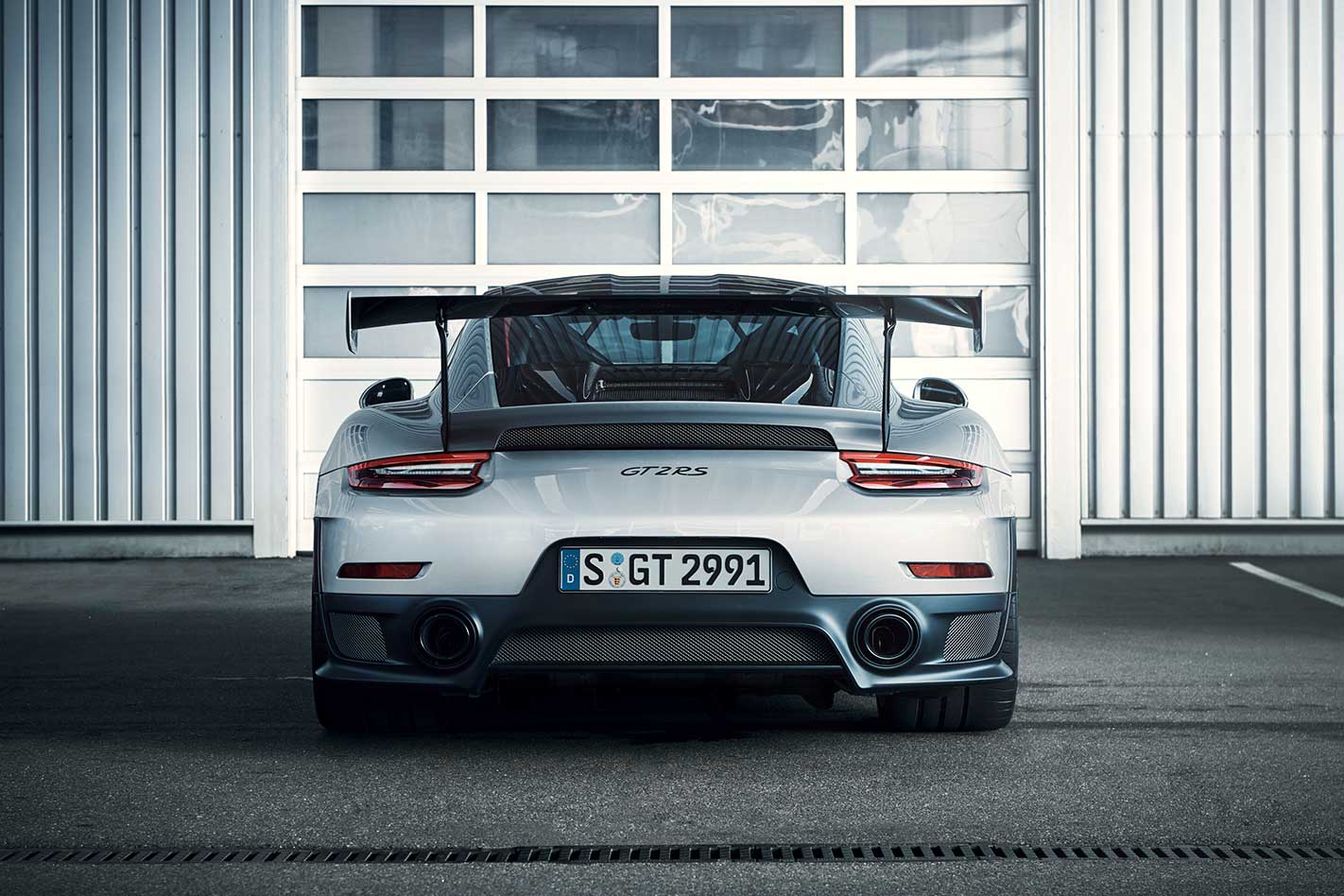
As a side note, the average speed for the full trip this GT2 RS has taken, including the lead up to the top speed run – and likely some driving afterwards – averages out to 136km/h. That’s for 1 hour and 38 minutes of driving, over 222km.
If your trip computer ever tells you that in Australia, you’ve probably just lost your licence.
BY NOW you should know the result of the 2018 Wheels Car of the Year Awards.
If you don’t, you can head over here to have a look. But if you want to know the whys and whatfors of how our seven judges arrived at their decision, you’re going to have to pick up a copy of the magazine.
And what a result. The 2018 Wheels Car of the Year awards are part of our bumper 196-page January edition, extended by 32 pages to fit everything in.
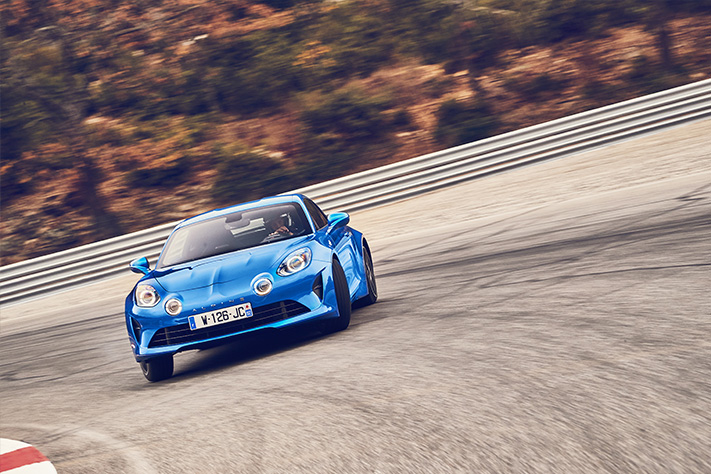
As well, we have our first drive of the Alpine A110, Renault’s bid at swaying driving enthusiasts from placing their bums behind the wheel of a Porsche Cayman and instead jumping into something that Ben Barry says is pretty bloody good.
We also go behind the scenes to look on as HSV built its most potent road-going sedan in the brand’s four-decade history. We follow the GTSR W1 down the line, gaining valuable insight into how the LS9-fuelled Aussie born and bred muscle car came to be.
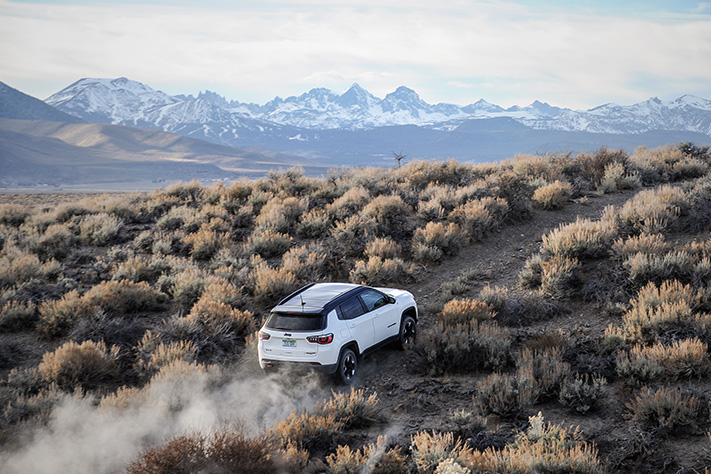
Ash Westerman takes Jeep’s second-generation Compass in search of ghosts of the past. The previous version of the small SUV-slash-off-roader was a strong performer in Australia, but this time around it won’t be playing the Patriot games.
Also in this edition:
● First fast fang in Audi’s twin-turbo V6 RS4 Avant
● The cars arriving this year that are already catching our eye
● The Insider on Chinese cars; Corby on preserving the pleasure of driving
● Heading up Australia’s most distinguished motoring club
● Retro turns its attention to Porsche’s little bastard
Join us for the ride in this January edition. To subscribe, go to magshop.com.au/wheels, the iPad via the iTunes Store or on Android devices via Google Play.
A European automotive tuning company says it can confirm the imminent return of the V6-powered Alfa Romeo 6C.
The tuner, Pogea Racing, posted on Facebook that a trustworthy source has told of the 6C being developed, and expects it to arrive in 2020.
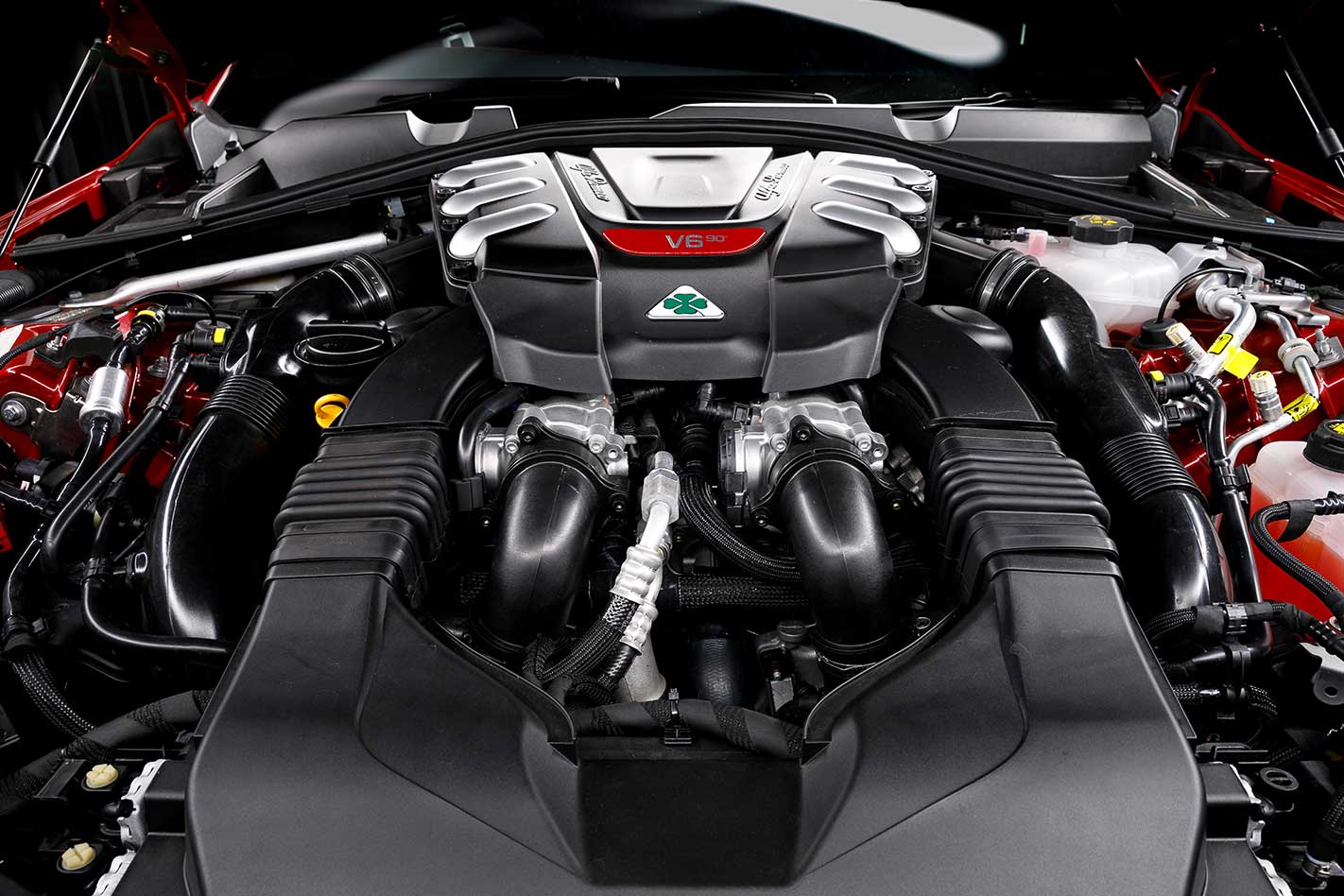
“From an absolute trustworthy and legit source we were informed that the Alfa Romeo 6C will be a part of the Alfa Romeo product line.”
Who this ‘trustworthy and legit source’ is has yet to be confirmed, but Pogea’s focus on tuning Alfa Romeos suggests it could be an insider from FCA.
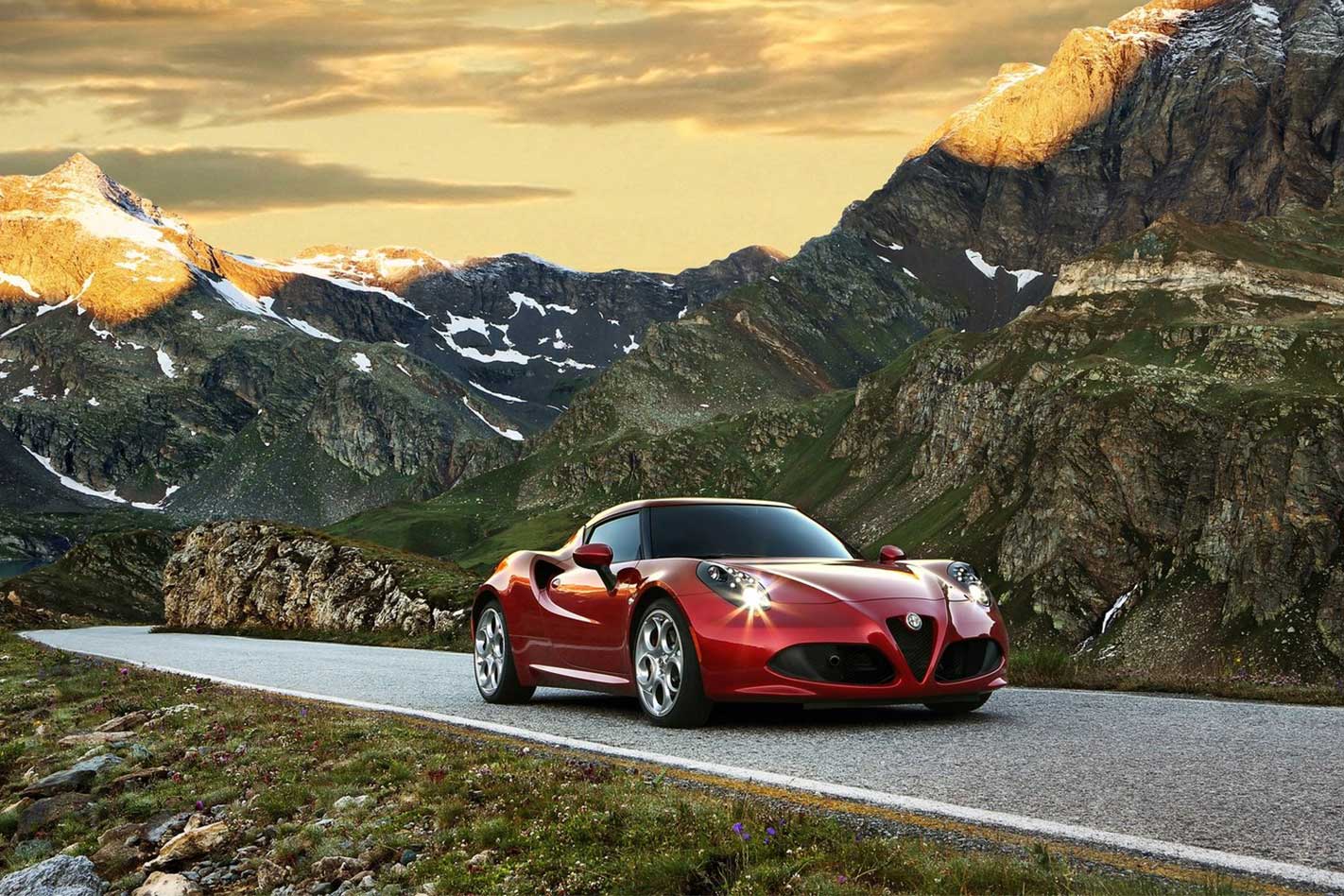
“Let’s hope this is true, we know this person that is very deep into the decisions of the management of Alfa Romeo and all he said in the past became reality.”
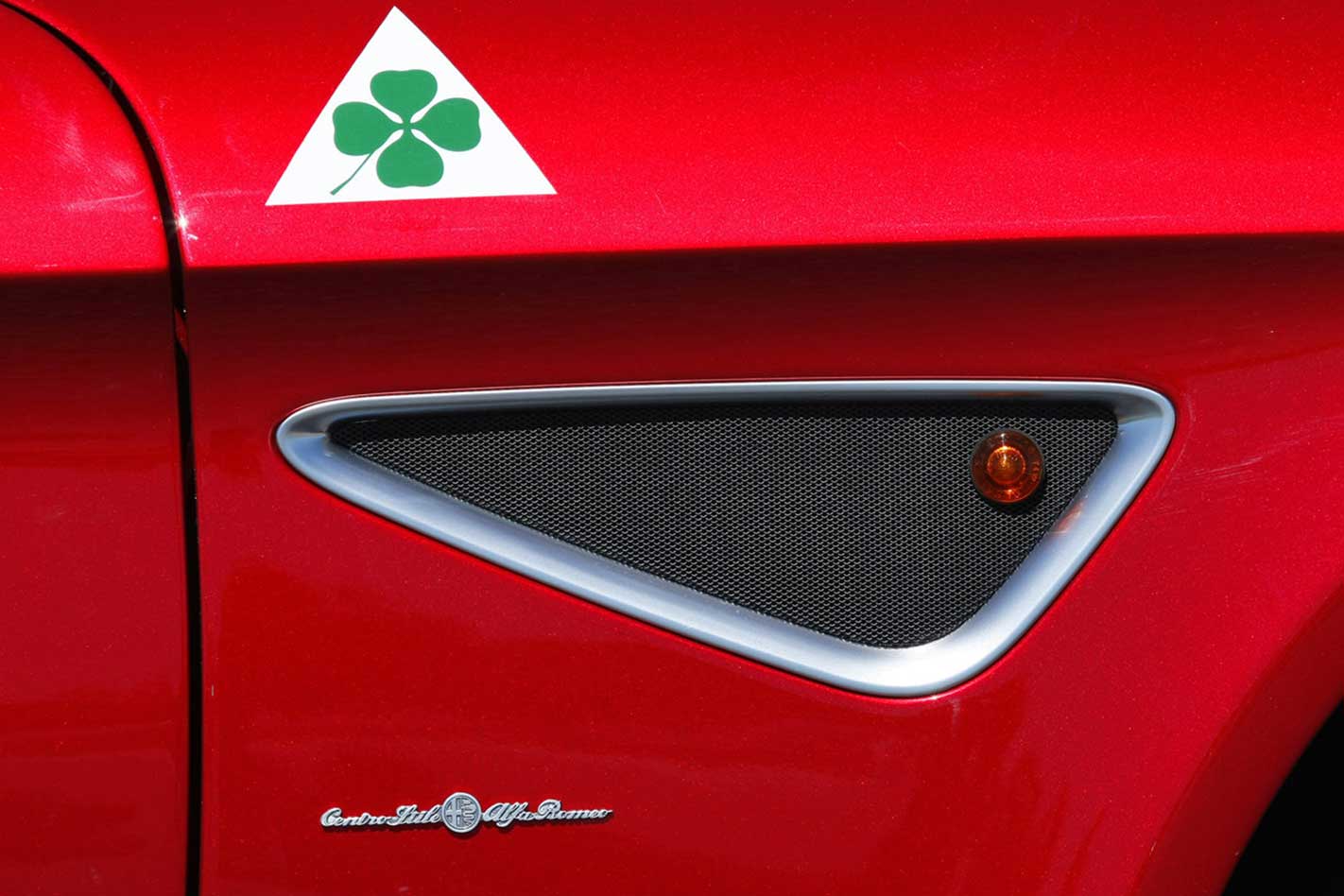
Around the same time, Alfa Romeo was building a supercharged inline-eight called the 8C, a name which has recently returned to appear on more modern Italian metal.