
In 1990, Jaguar built a car that hit 299km/h. That car was the Jaguar XJ220.
It then went on to hit 343km/h in 1991. One year later, Jaguar was building production models for the buying public.
Some of those even went to Australia, and were very hard to come by. This is one of those cars.
Number 120 of 275 is this Monza Red XJ220 with a cream, or ‘Sand’ leather interior, and it’s currently for sale.
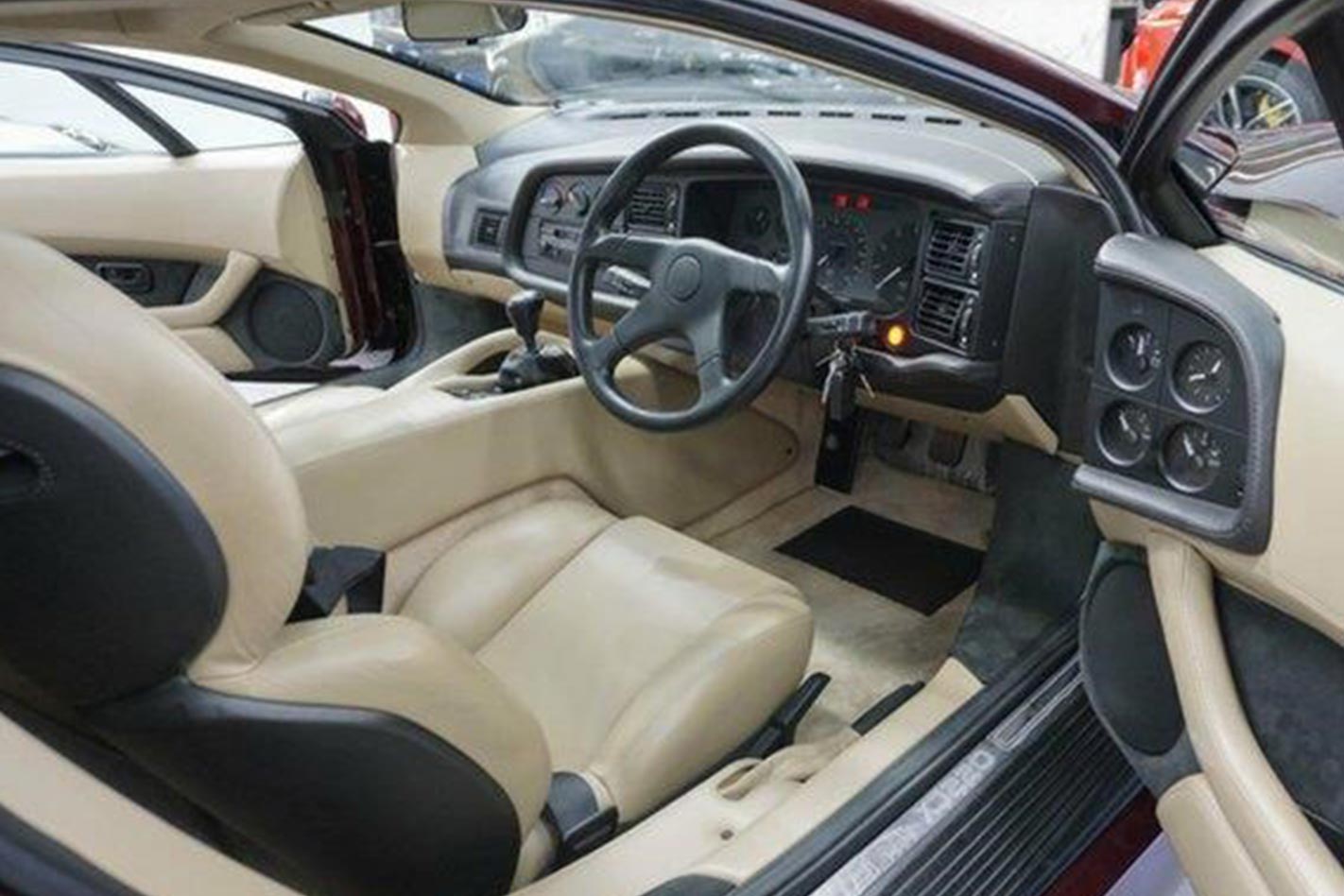
Its 3.5-litre twin turbo V6 is still yet to be worn in enough to access the full potential of 405kW and 644Nm,which allowed a 0-97km/h (or 0-60mph) sprint of less than four seconds.
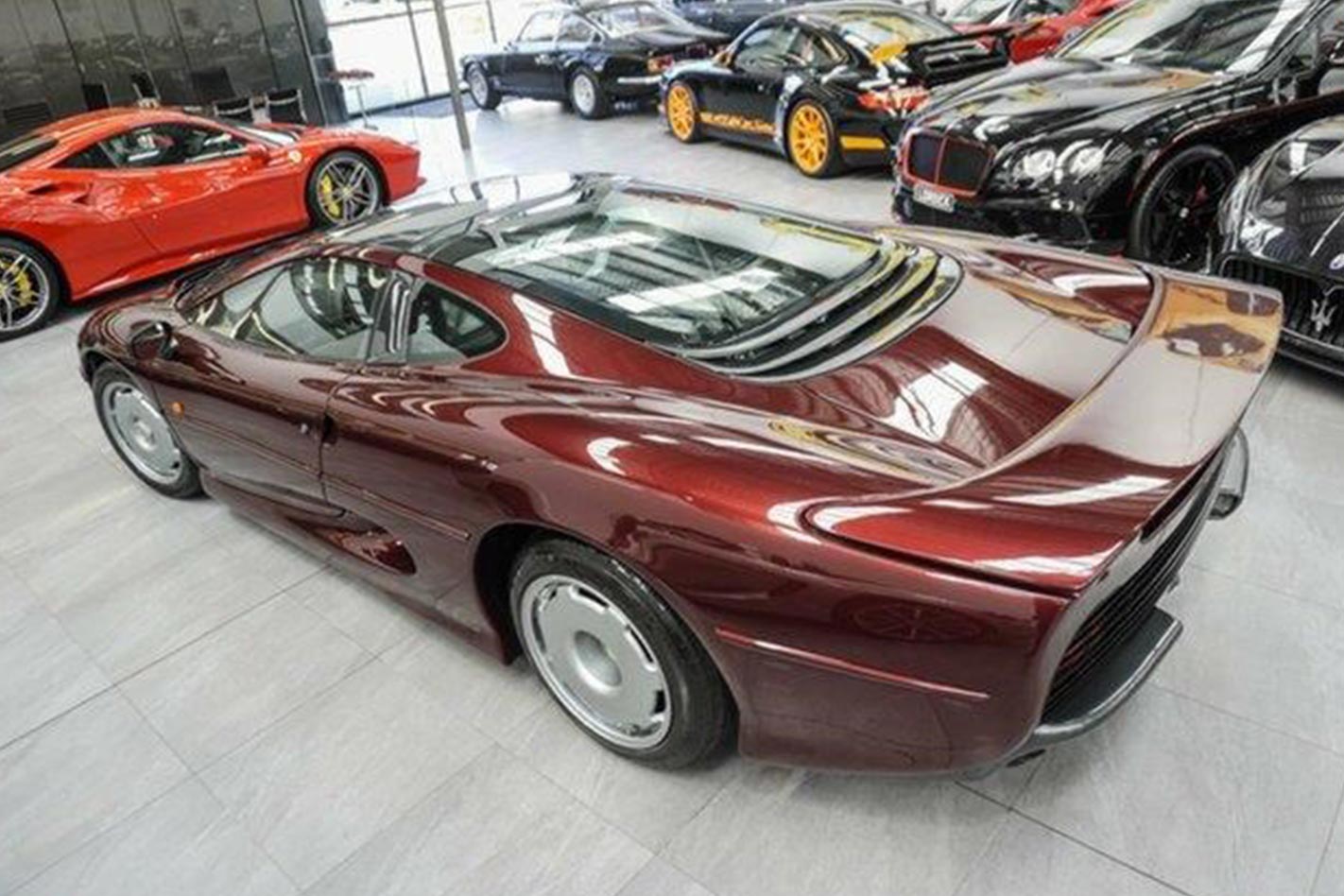
The speed was achieved by CAR magazine in the UK, and this speed was reportedly accepted by the Guinness Book of World Records until the McLaren F1 came along to cut the 220’s grass.
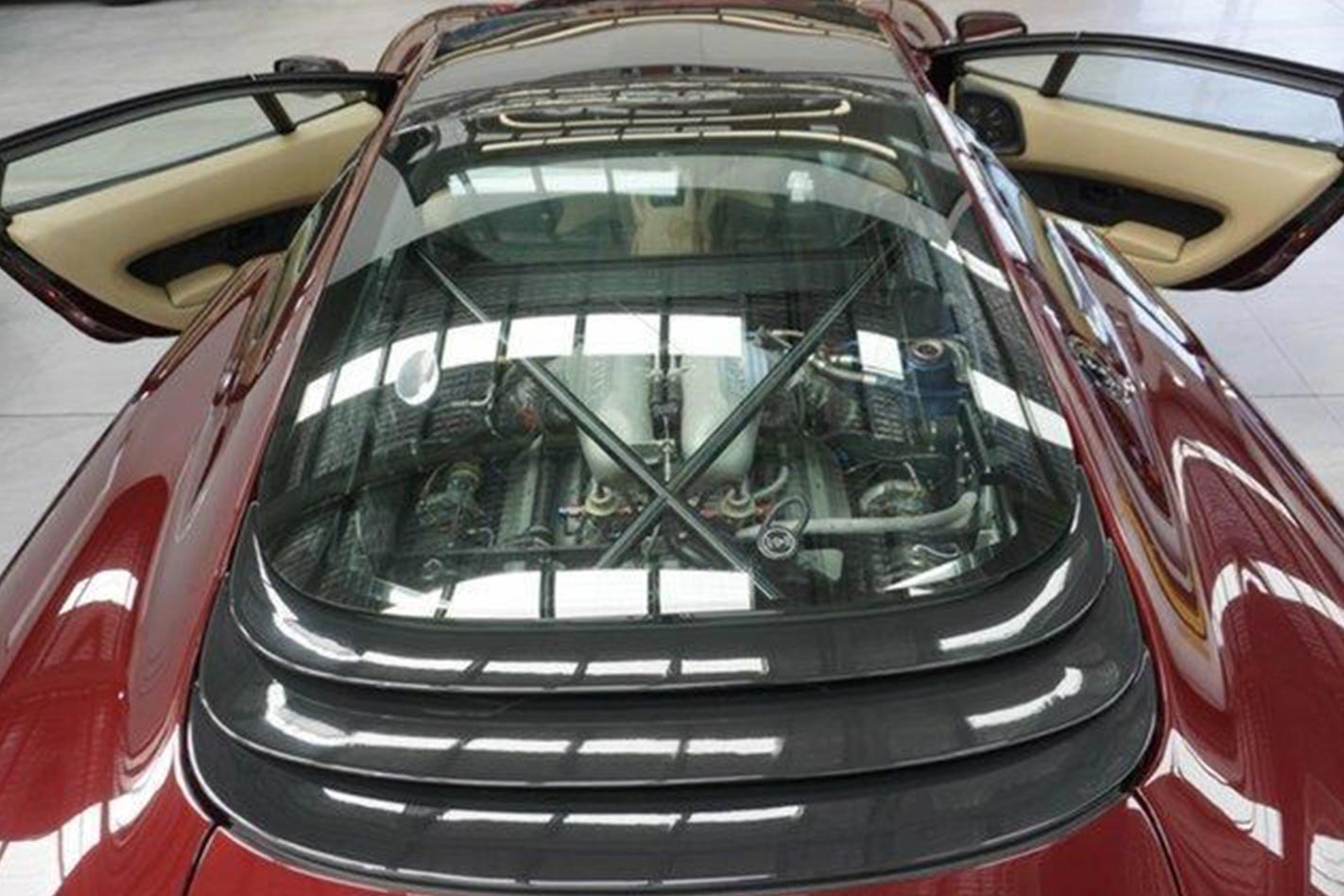
“The JaguarSport guys must have been disappointed – they all really wanted to see 220… Yet they now knew… that they were about to launch the fastest production car to hit the road.”
This example has likely not seen such high speeds, and is looking quite tidy with everything original and intact.
Right now, it’s sitting in Lorbek’s showroom in Port Melbourne, waiting for its next millionaire owner.
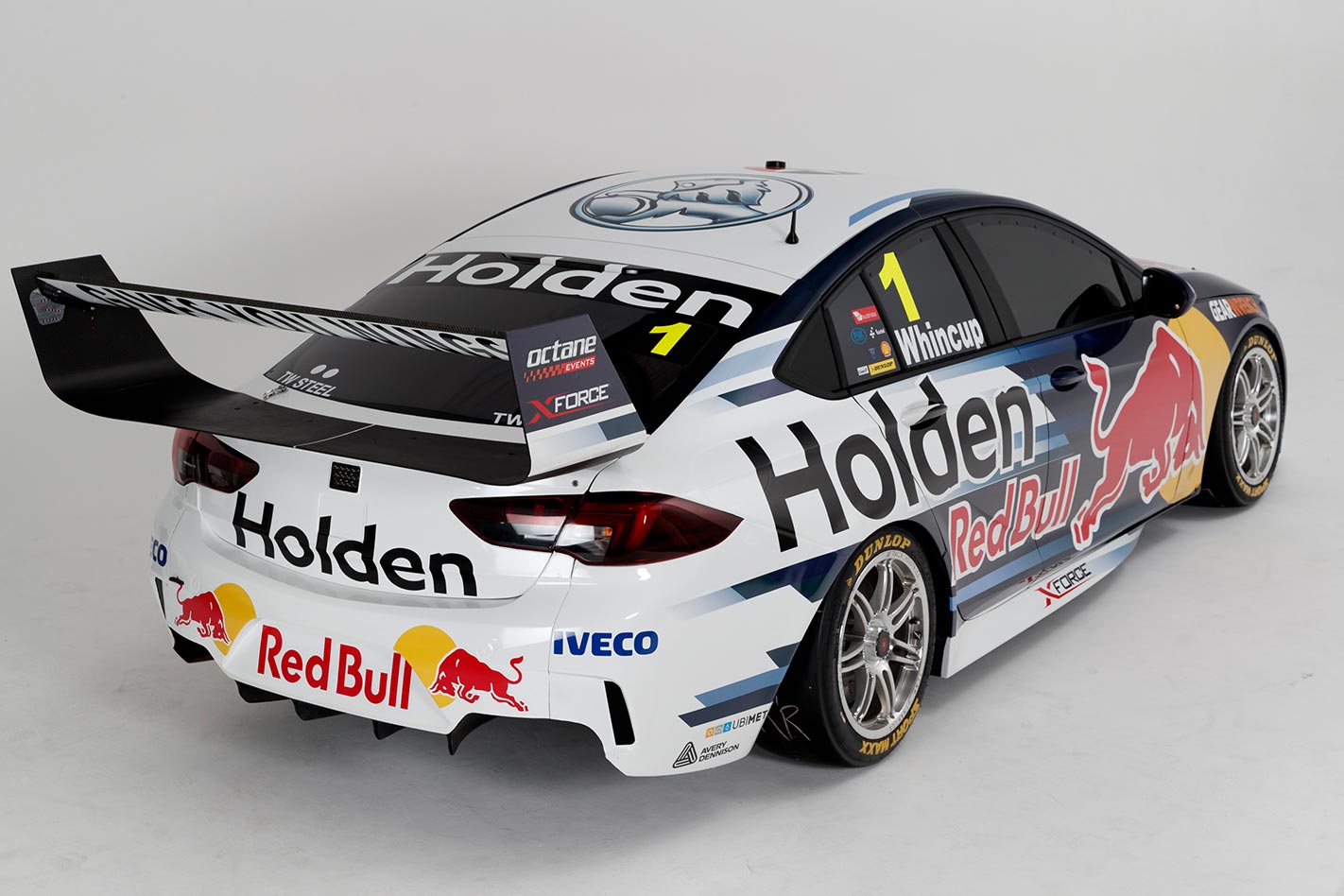
Red Bull Holden Racing Team today unveiled its new Commodore Supercar at a reveal event on a barge in Sydney Harbour.
The car was revealed by current Supercars champion Jamie Whincup and 2016 champ Shane van Gisbergen, who will be seen behind the wheel of the new body shape.
Based on the now-imported Commodores, the 2018 Supercar will still feature a V8 engine, though twin-turbo V6s will constitute the cars’ running gear next year.
Reigning champ Whincup says the new car is an exciting challenge, though the visual livery change is something he’s pleased with too.
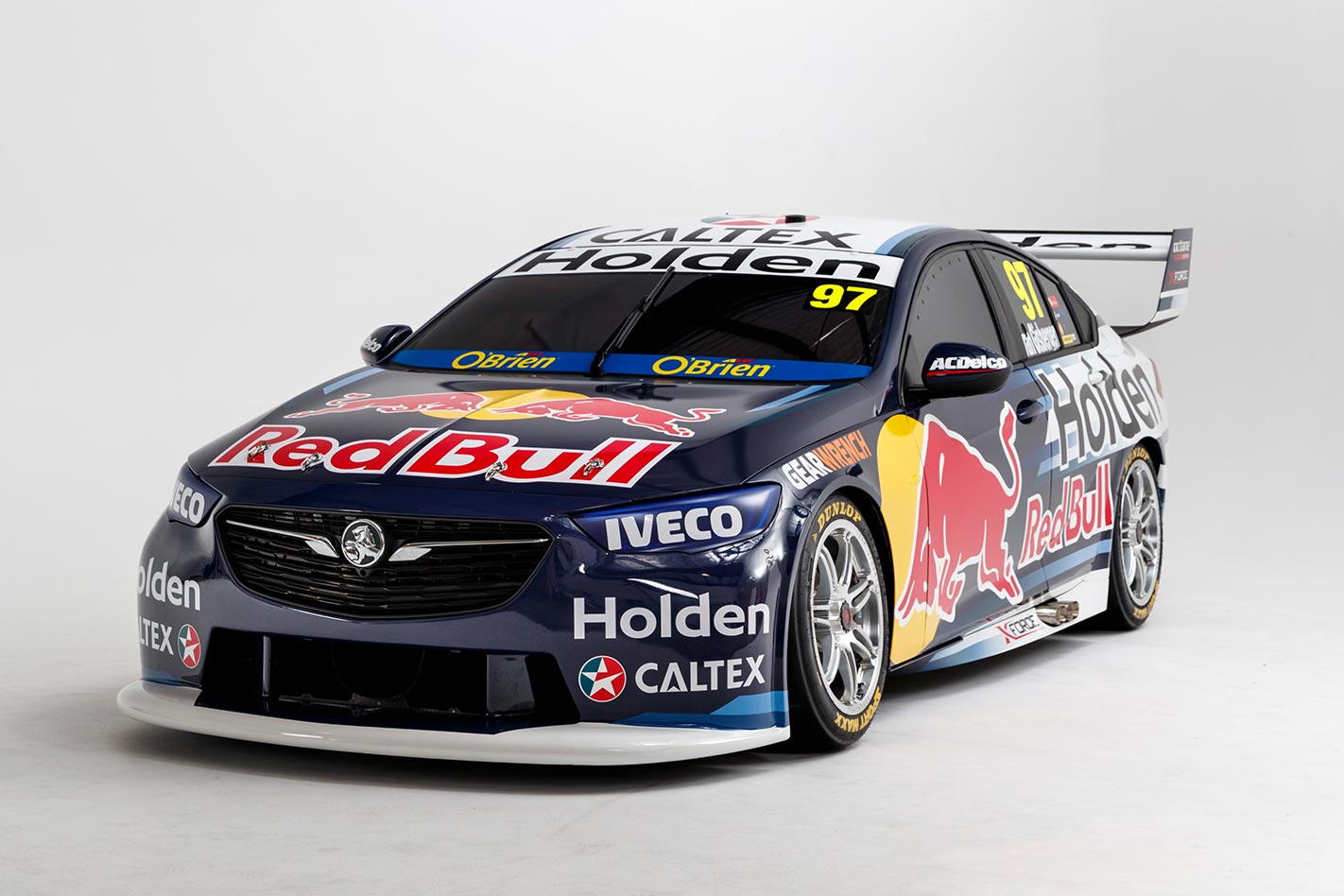
“We’ve decided to really change it up with the colour scheme this year, which looks awesome on the new body shape. We’re obviously hoping it’s a rocket, but I guess we’ll find out in Adelaide in just a few weeks’ time.”
“I’ve been with Triple Eight for a long time now and we’ve achieved a lot together, but at the same time still feel we have so much more to prove.
“I’m rapt to be staying within the family for at least the next couple of seasons and massively looking forward to the challenges that the new Commodore and then the V6 engine next year will present.”
Van Gisbergen added that he’s looking forward to make 2018 a more successful year for himself than 2017 was.
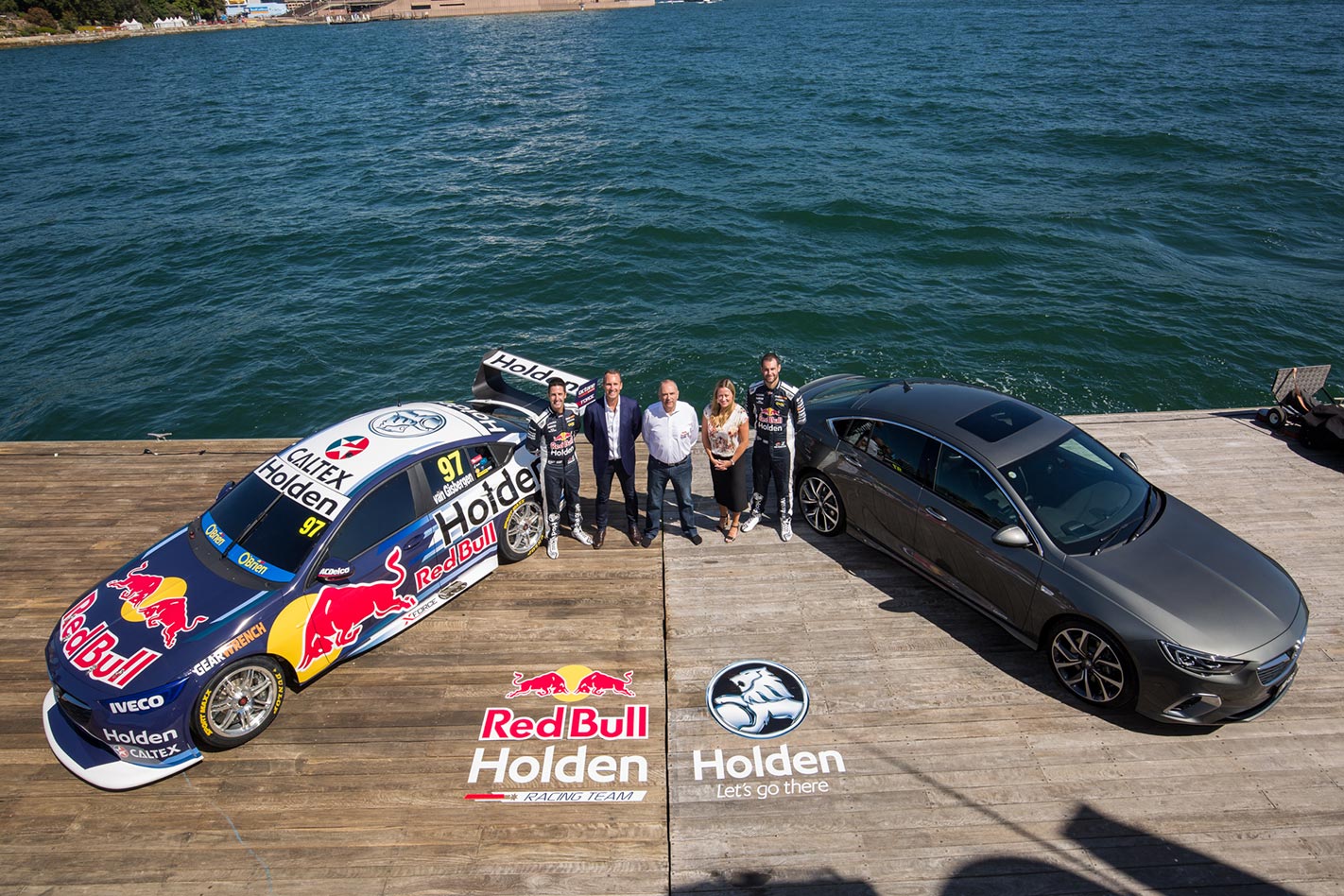
“Last year’s championship obviously didn’t go to plan for me with too many mistakes, so I’ll be aiming to get back up there this season and hopefully we have two Red Bull Holdens fighting it out for the title at Newcastle.”
The cars will debut at the Adelaide 500 at the first weekend of March.
Cameron McConville is on the phone and he isn’t mincing his words. “This car will scare the shit out of you,” he warns.
This feature was first published in MOTOR’s June 2006 issue.
“I’ve just given it a shakedown and it’s probably in the top three most powerful road cars I’ve ever driven. Whatever you do, don’t nail the throttle in first gear with the traction control off. Actually, don’t jab it in second or third either for that matter, because it has so much power you could spin, even in a straight line.”
Nothing inspires confidence more than a V8 Supercar star telling me that the car I’m about to pick up actually intimidated him on the open road. Thanks for that mate!
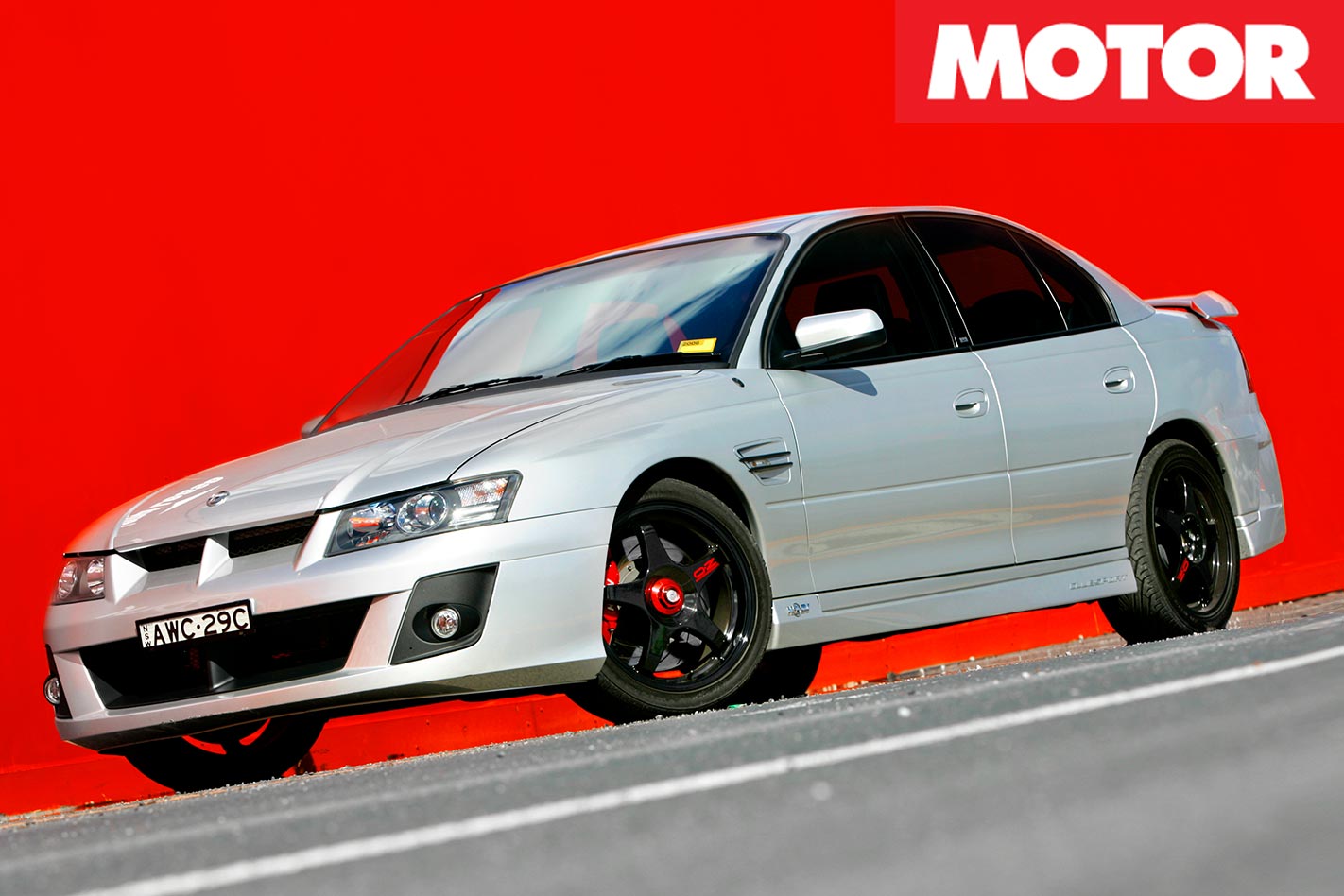
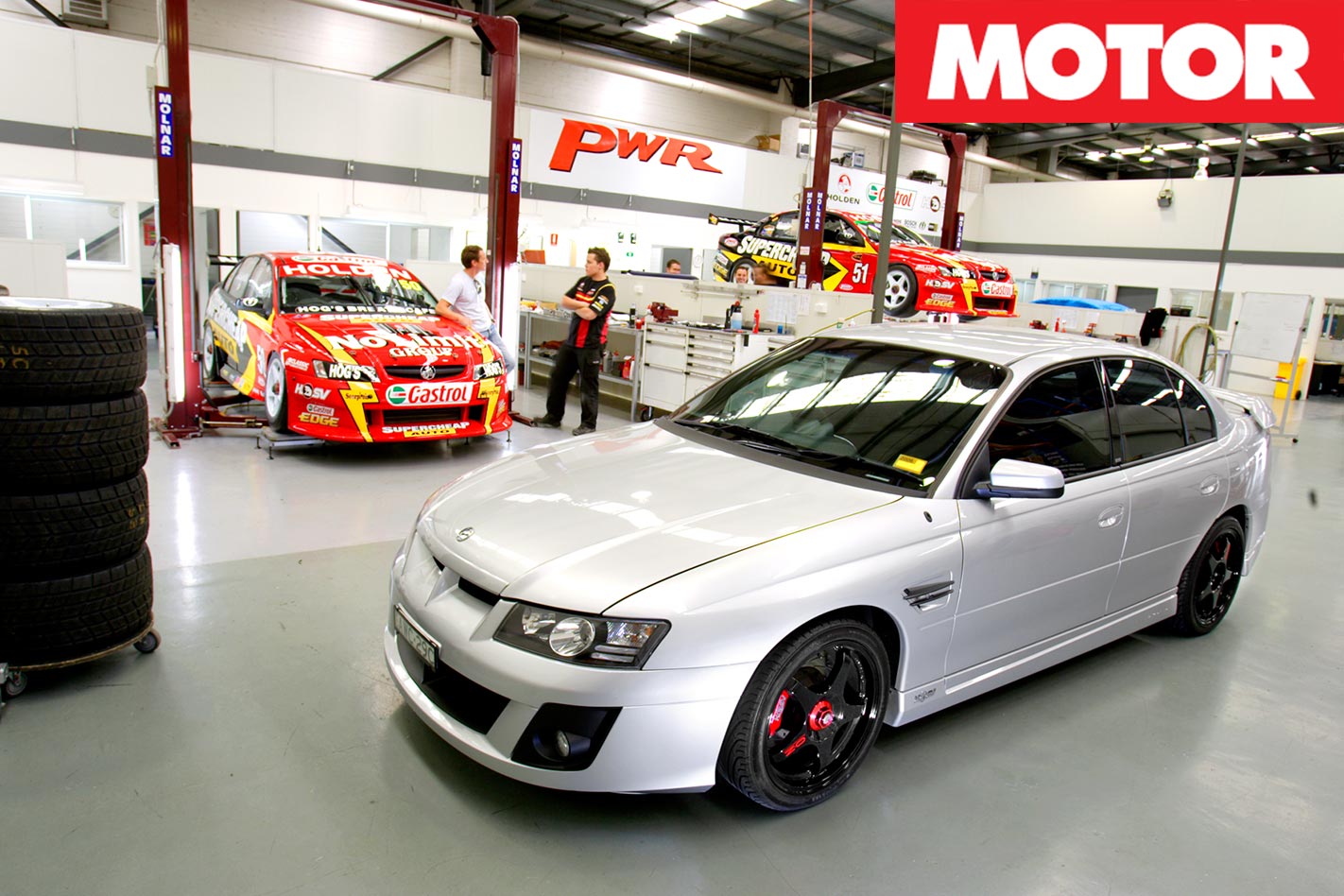
When McConville, relishing my discomfort, cheekily adds that this psychotic PWR Performance Products breathed on ClubSport R8DT has more power up to 6000rpm than his racecar, my apprehension only increases. It’s also a customer’s car, not a press hack. Respect, I think, is called for here, that and a healthy dose of self-preservation.
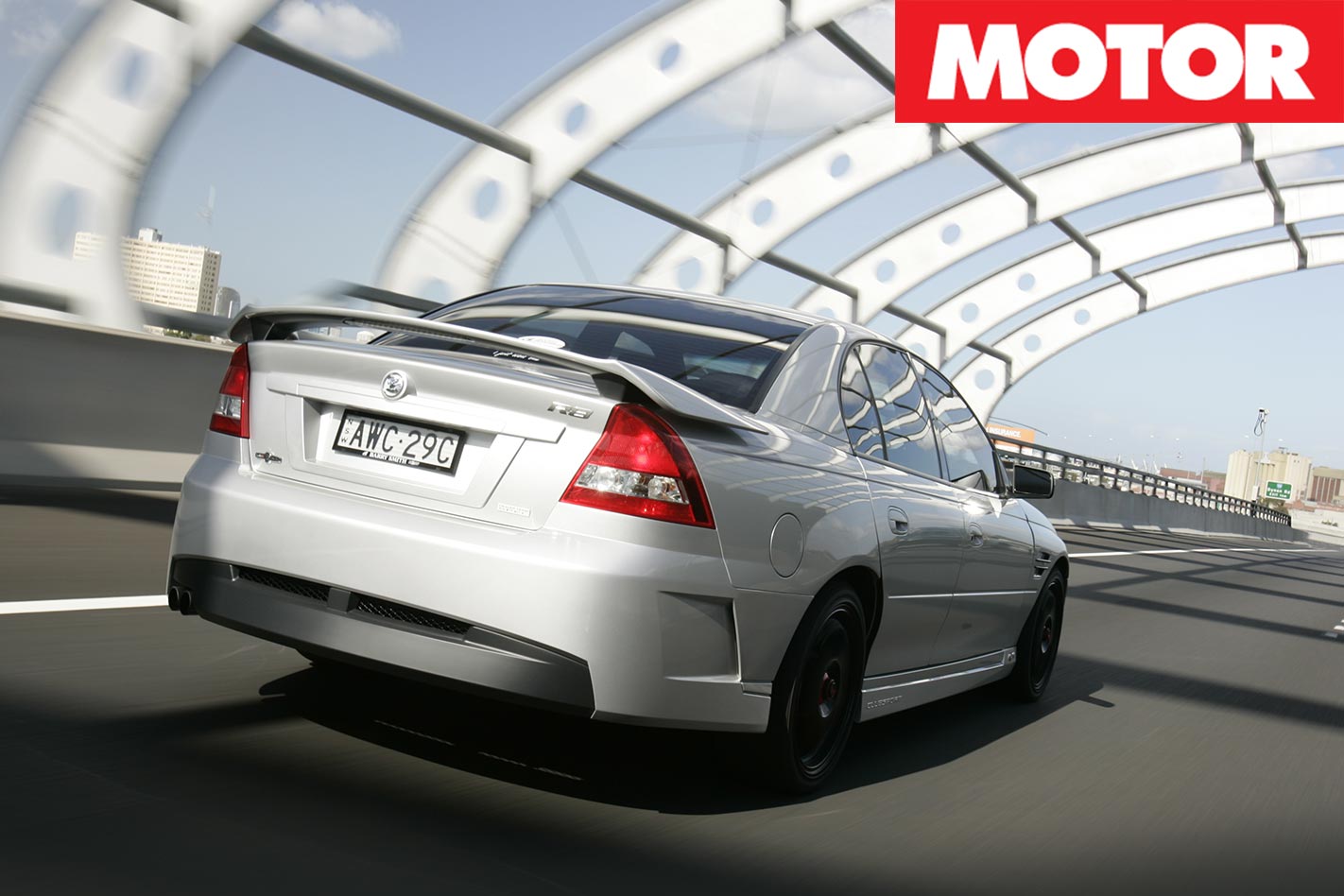
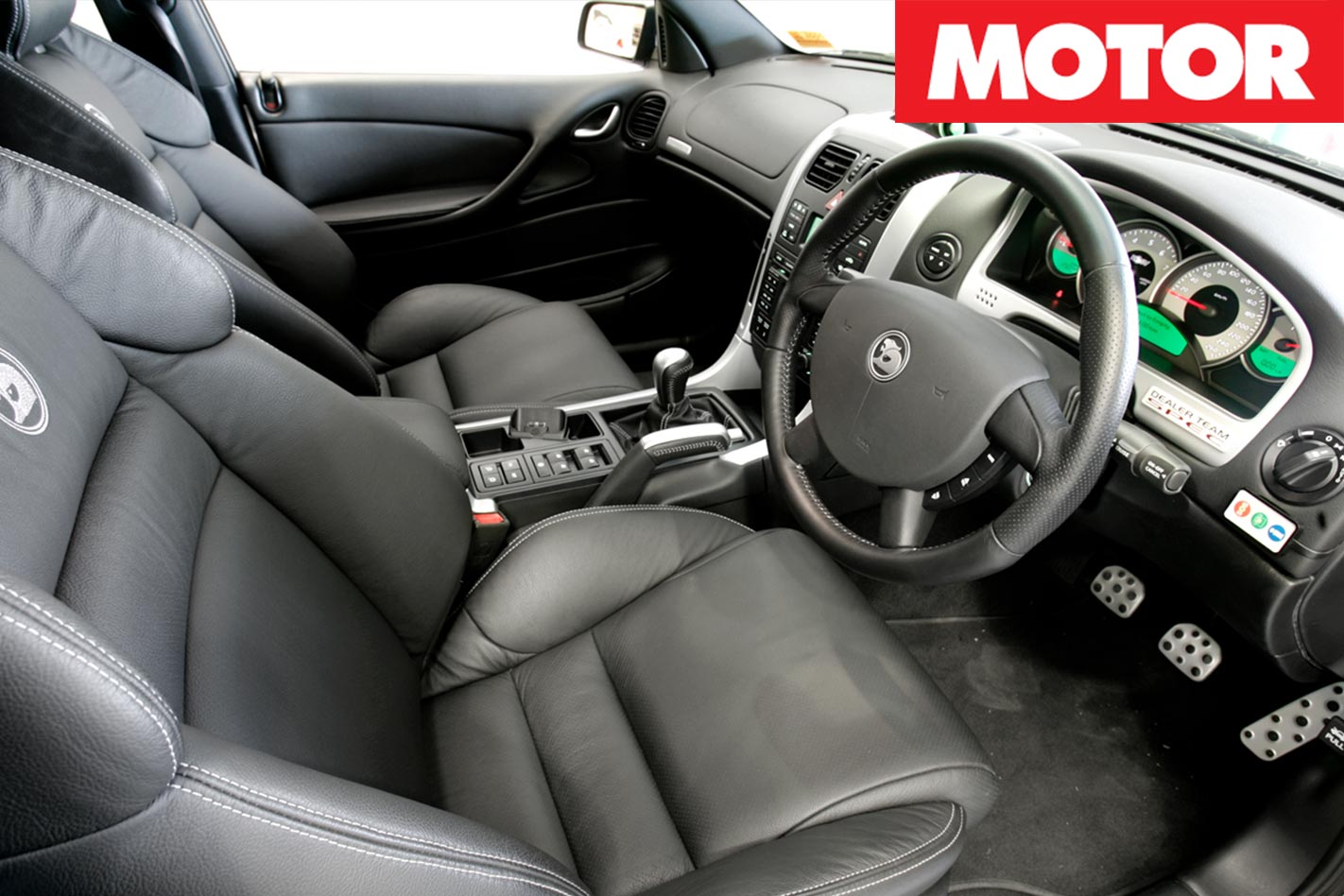
This R8 is PWRPP’s first customer LS2 V8 and it’s in Stage 2 supercharged spec, meaning it gets a hotter cam and different pulley gearing that overdrives the supercharger to 85 percent of its maximum revs, about 17,000 at 6400 engine rpm. In this same R8, the Stage 1 kit made a paltry 318 rear-wheel kilowatts, which obviously wasn’t quite enough for power hungry owner David Stubbs.
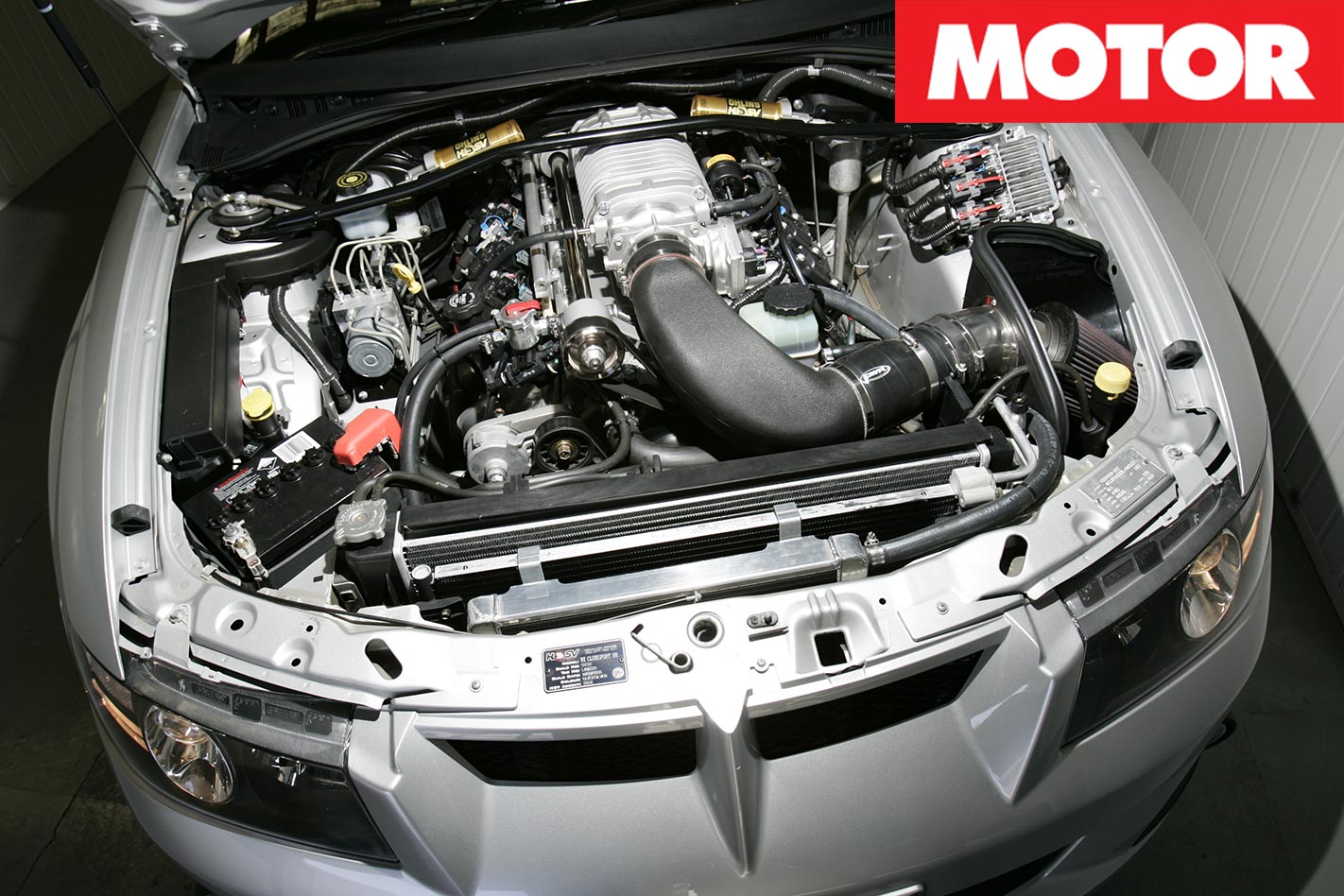
The engine starts crisply, almost like a 2.0-litre, it’s as if there is little flywheel effect but that can’t be right. The gentlest squeeze of the throttle wakes the supercharger and it whines menacingly. Yet the engine idles smoothly, no rockin’ and shakin’, and the exhaust note is disappointingly (but legally) subdued. PWRPP installed a Japanese Exedy twin-plate racing clutch to handle the extra torque and it is heavy with not a lot of feel and a long take-up. Trying to balance its narrow friction point against an engine that wants to shoot for the moon is tricky but I manage to pull away without stalling, a minor triumph it seems.
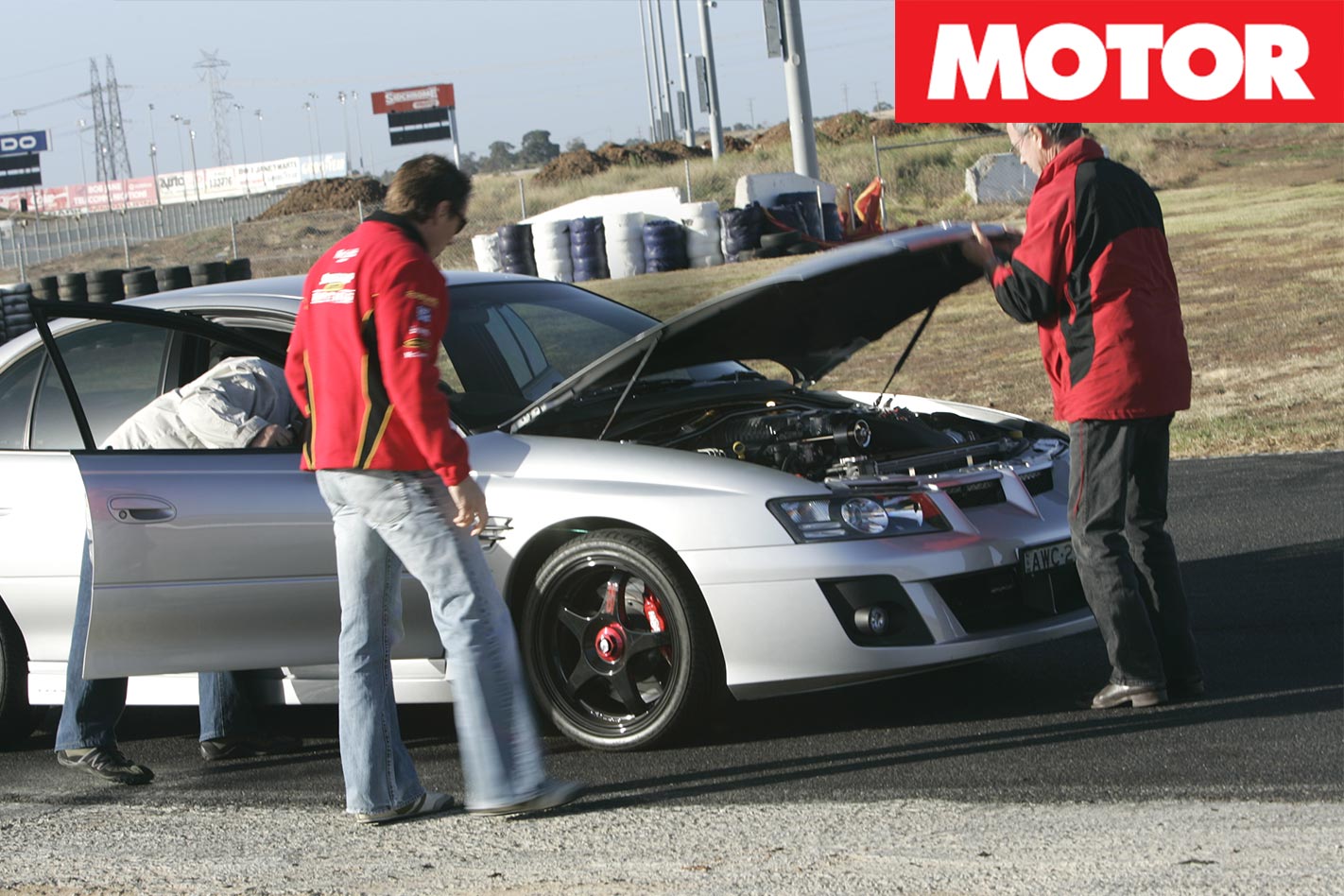
Strangely, McConville lets me drive out to Calder Park and if there’s one thing I’ve learnt, it’s never try to impress a racing driver – they are all bad passengers – so we weave nondescriptly through the unsuspecting freeway traffic.
The owner, a Sydney engineer and businessman, is flying in for two hours just to go for a ride with Cam and drive his car for the first time since its power upgrade. I called him the night before and warned him that Cam would be doing some fairly lairish driving and his reaction was, “I don’t care what you do, cane it!” Stubbsy is our kind of car owner.
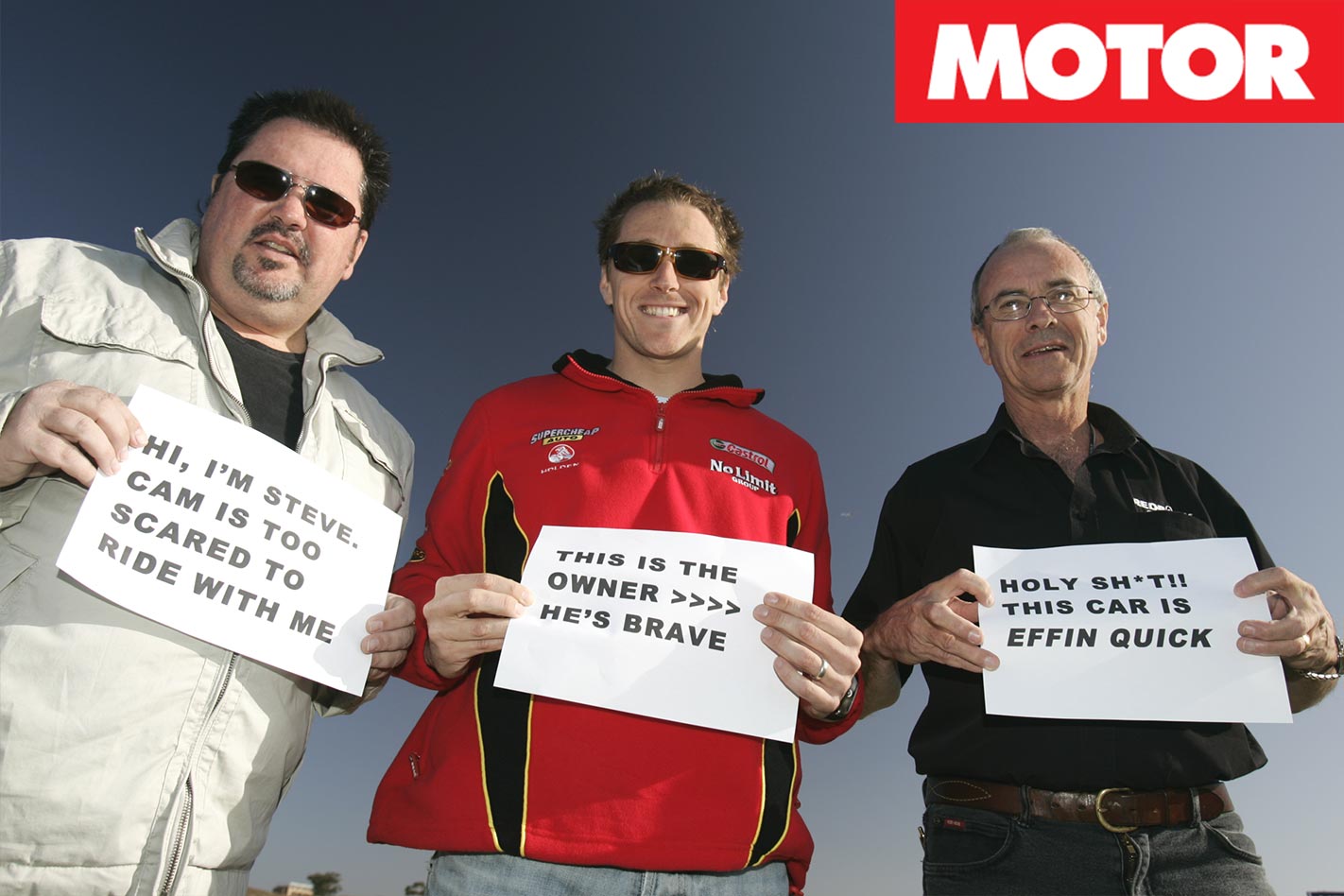
Cam is used to big power but even he is impressed.
“There’s only one way to describe this engine, it’s awesome,” he marvels. “It felt like it accelerated as hard as my V8 Supercar. First and second gears are just ridiculous, it’s very hard to slide the car in the low gears, but it’s quite controllable in third once you start to slide.”
“This car will spin the tyres up on any surface in first and second and you have to feed the power on in third even on the racetrack. And you’d never take traction control off in the wet; that would be lethal. If anything, it teaches you to be smooth; you don’t need to jab at the throttle that will just upset it.” And you don’t want to get this car angry at the wrong time, believe me.
Mindful of the sleepy stoppers, I do a handful of laps of the short circuit. With traction control disabled, I only nailed it in a straight line, heeding Cam’s advice to feed the power on. Damn it’s fast. Even waddling onto the straight like an old woman, the R8 was hitting 180km/h 400 metres later. Absolute power corrupts and after driving this car I felt like a bent politician, waiting for my next surreptitious installment of grunt.
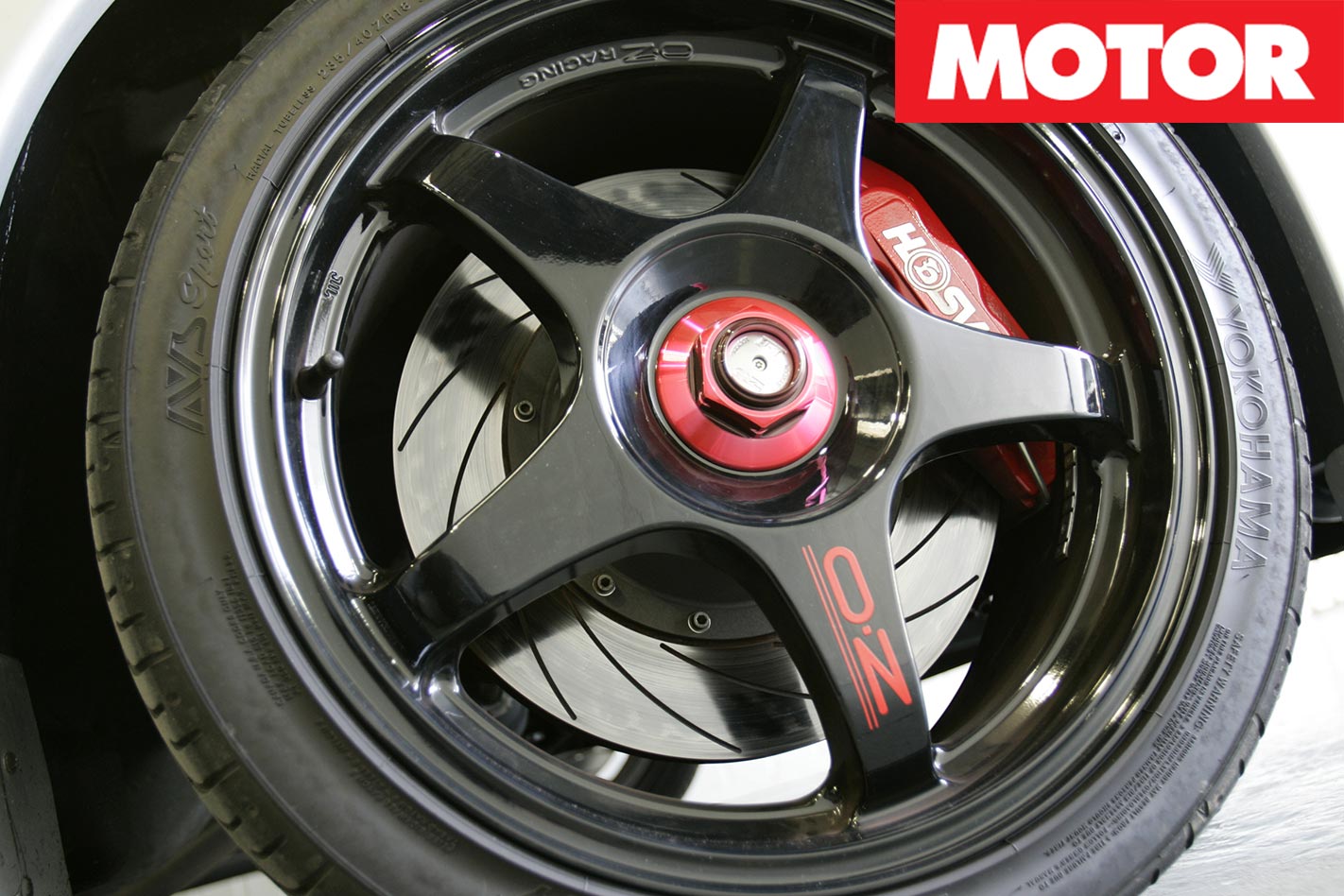
“I’ve had a Porsche GT3 but my roots were in V8s and I’m extremely happy.”
*This particular PWR Clubsport has been recently listed on TradeUniqueCars for $45,000
FAST FACTS
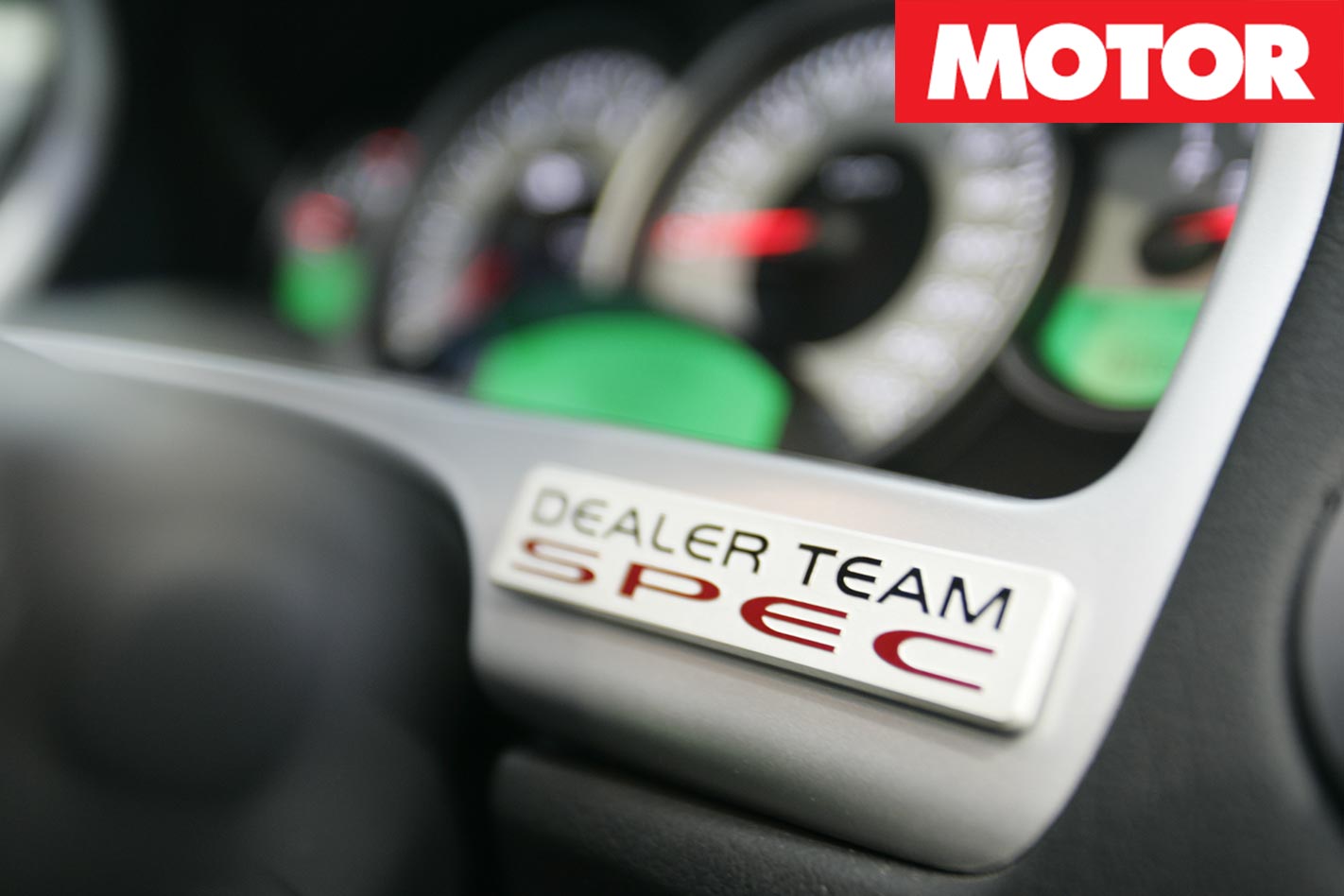
What Lies Under the Hood?
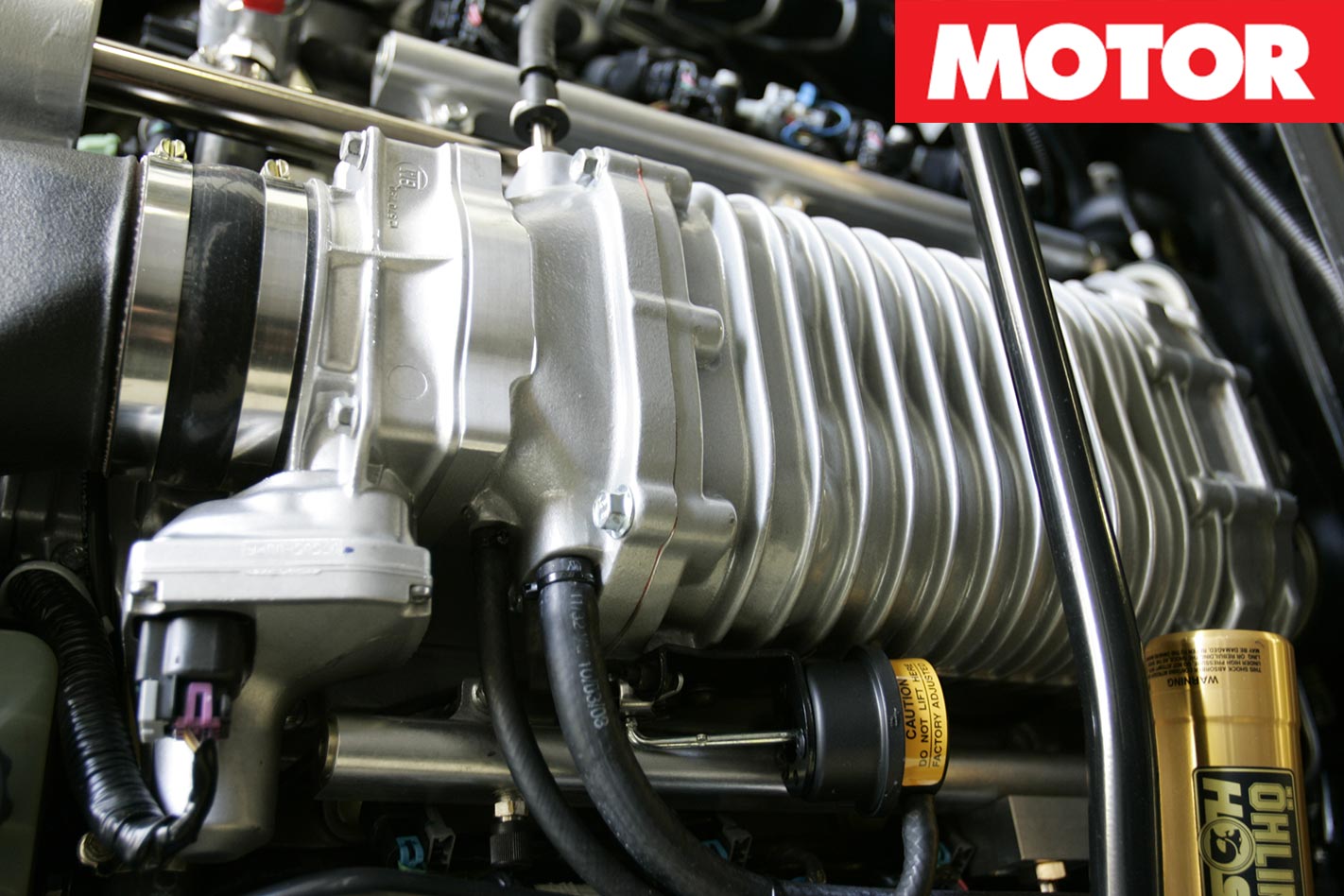
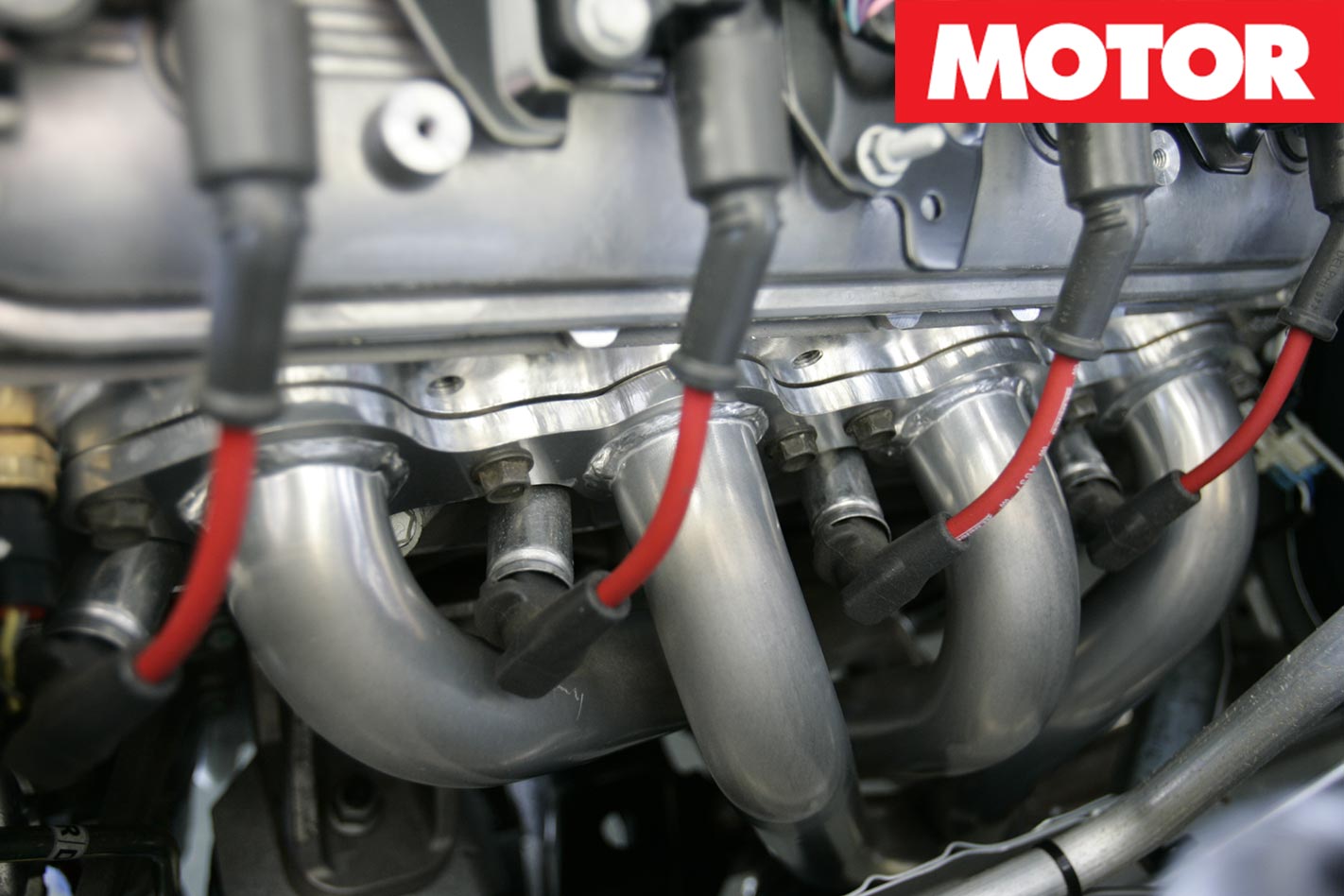
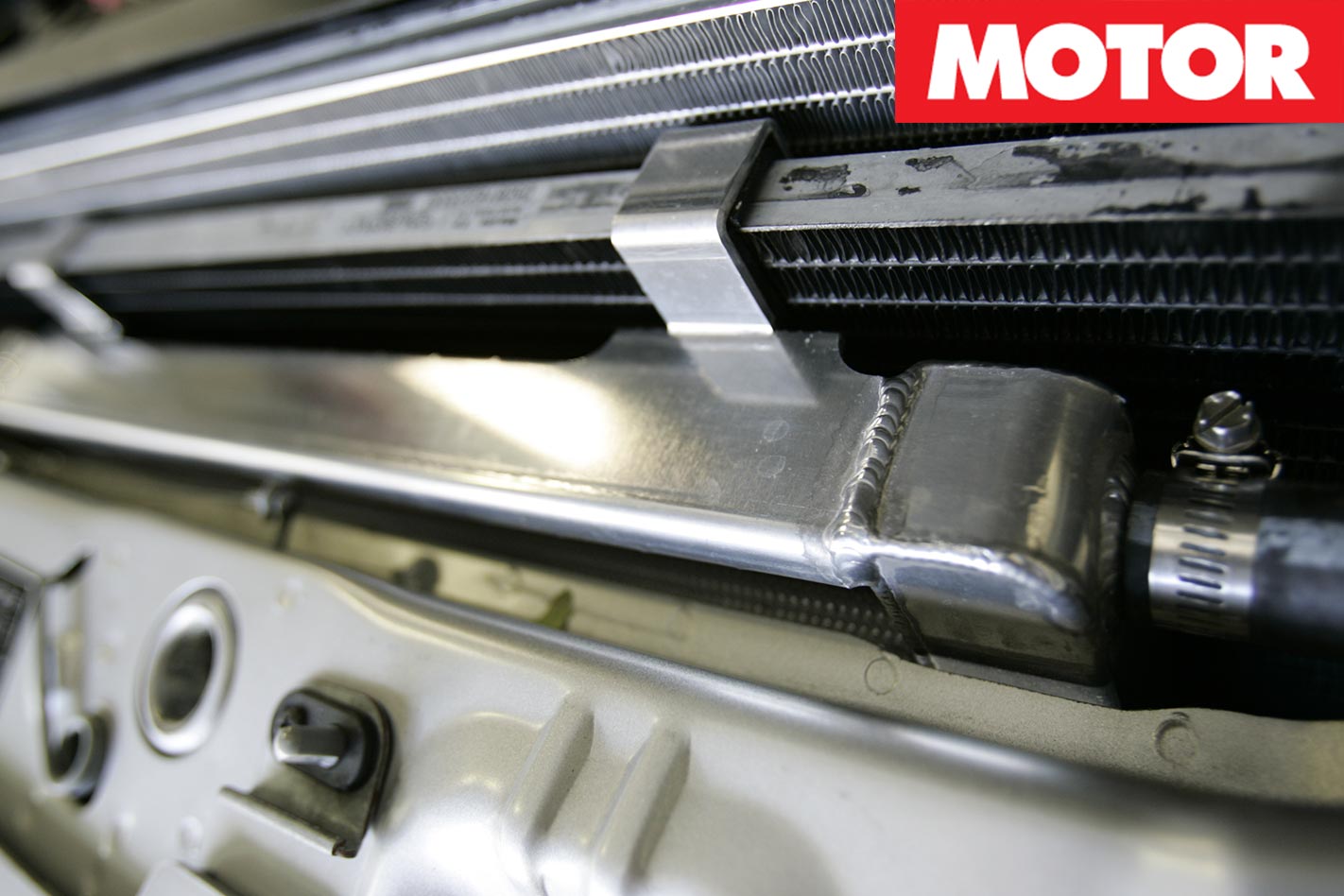
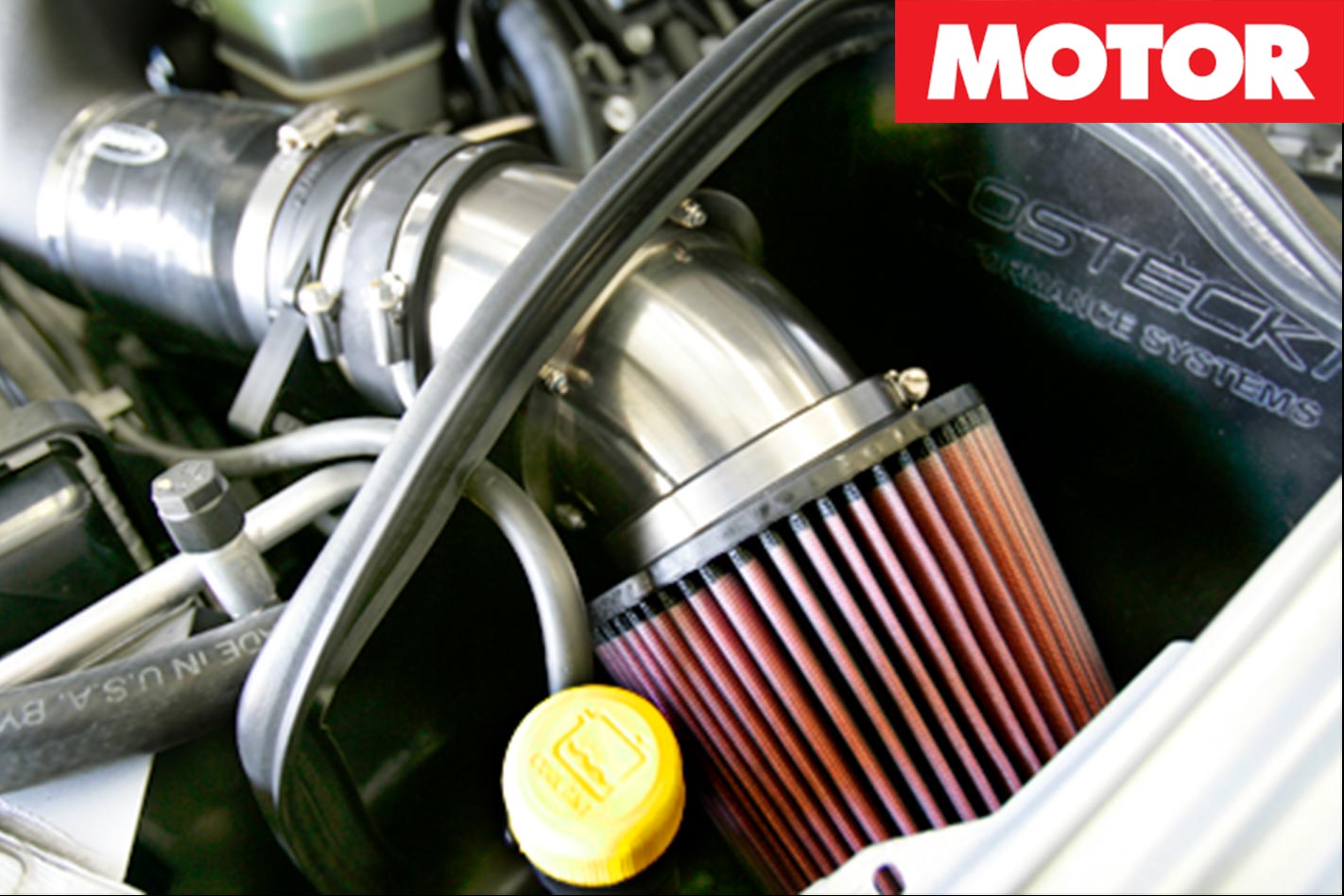
House of Power
Volvo says it will continue to offer conventional engines in its cars for “as long as customers want them” as it rolls out plans to hybridise its growing showroom.
Speaking with WhichCar recently, Bjorn Annwall, Volvo’s global head of marketing, retail and strategy, said the Chinese-owned Swedish brand’s rush to electrify its line-up wouldn’t leave customers without a fossil-fuelled option.
“If you talk about the next few years, we are seeing a future where the line-up will be full of battery-electric vehicles, 48-volt cars hybridised, and plug-ins, and those will be the only powertrains we will have on cars we introduce from 2019 and onwards,” Annwall said.
Volvo still offers conventional engines in a showroom that is now predominantly made up of hybrid, and in some instances, plug-in hybrid models. As it stands today, Volvo’s Australian line-up includes turbocharged four-cylinder petrol and diesel engines that have not yet added hybrid assistance.
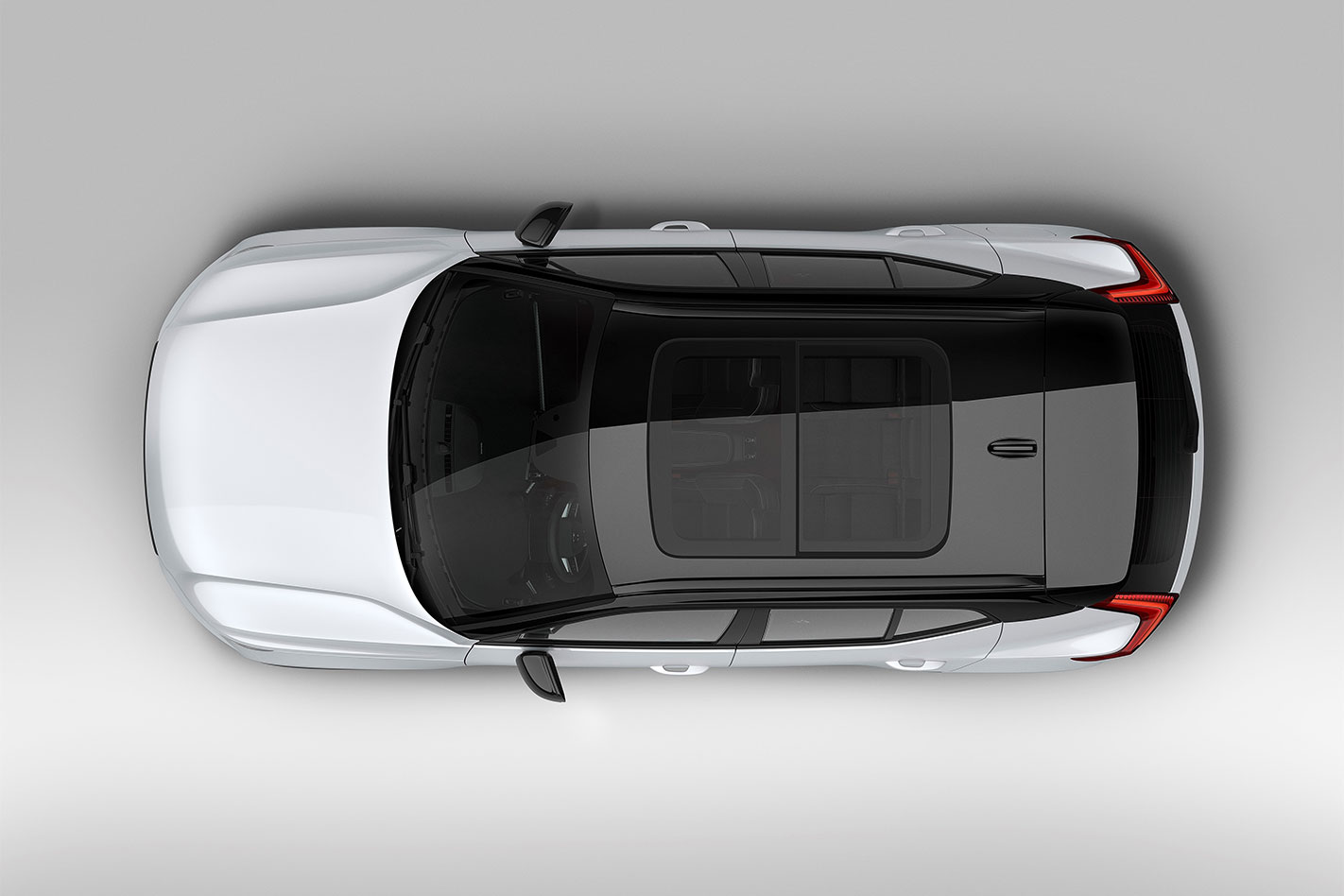
Annwall said a switch to battery-fuelled cars was inevitable as car makers struggled to work out a cost-effective way of meeting emissions targets for internal combustion engines that varied between China, the US and Europe.
“I haven’t heard of different emissions standard regulations for electric cars,” he said. “So I think they will have the same emissions standard, as of now, so that’s one way of solving that, to go fully into battery electric vehicles.
“Also, working with downsizing the normal combustion engine and adding hybridisation to it is a way to reach much better engines, and much better engines typically meet most emissions regulations.
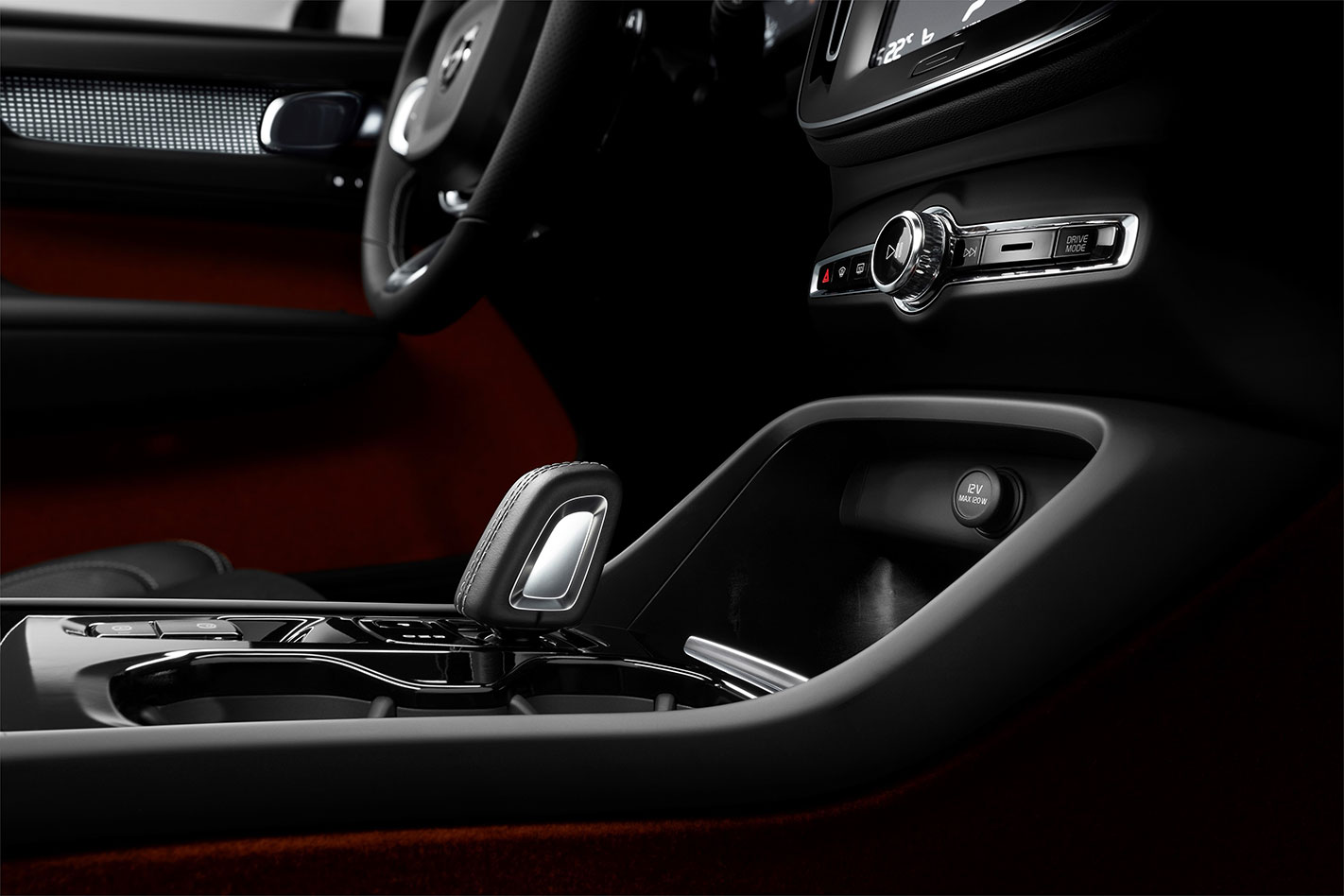
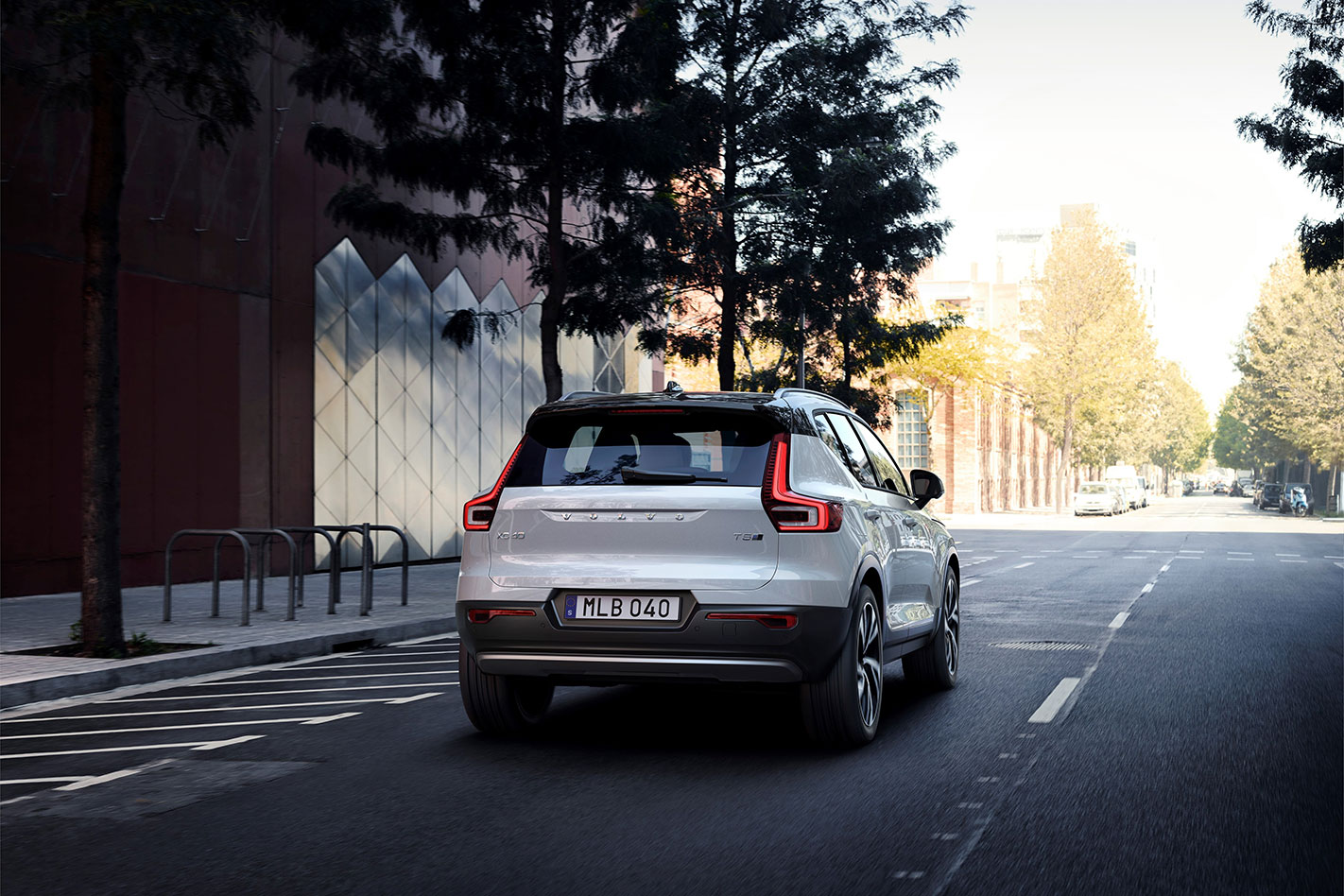
Volvo is soon to launch the XC40 small SUV (pictured) in Australia, the first time the Swedish brand has made a pitch for sales in the segment. More design-driven than the Volvos that have come before it, the new entry to the premium segment is the first vehicle built off the brand’s new Compact Modular Architecture that is optimised for electrification.
Due in Australia around April, the XC40 will include diesel and petrol engine options, and compete against rivals including the Audi Q2 and slightly larger but better value Q3, the BMW X1, the Lexus NX and the Mercedes-Benz GLA-Class.
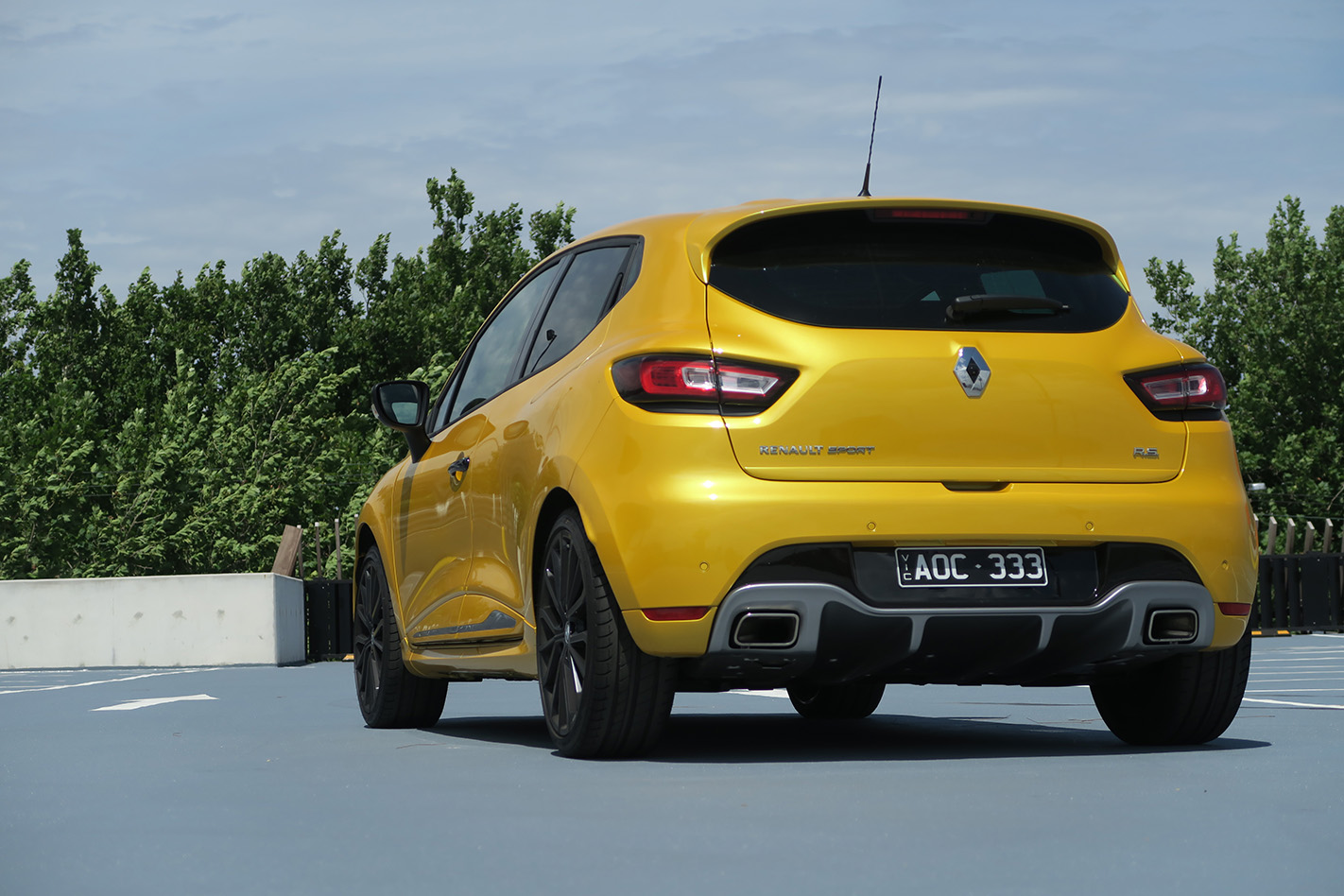
WHEN Renault announced the RenaultSport Clio, its littlest hot hatch, would transition from being a rorty atmo three-door manual to a turbocharged, downsized five-door automatic, fast car fans across the world simultaneously gripped their chests in mock cardiac arrest.
One change would have been enough, but changing three crucial aspects of the Renault Clio RS’ character in one generational tickover was tantamount to heresy. Four years have passed since the Clio made its transition, though, so has time allowed us to not only accept its new identity, but warm to it as well?
WHAT IS IT?
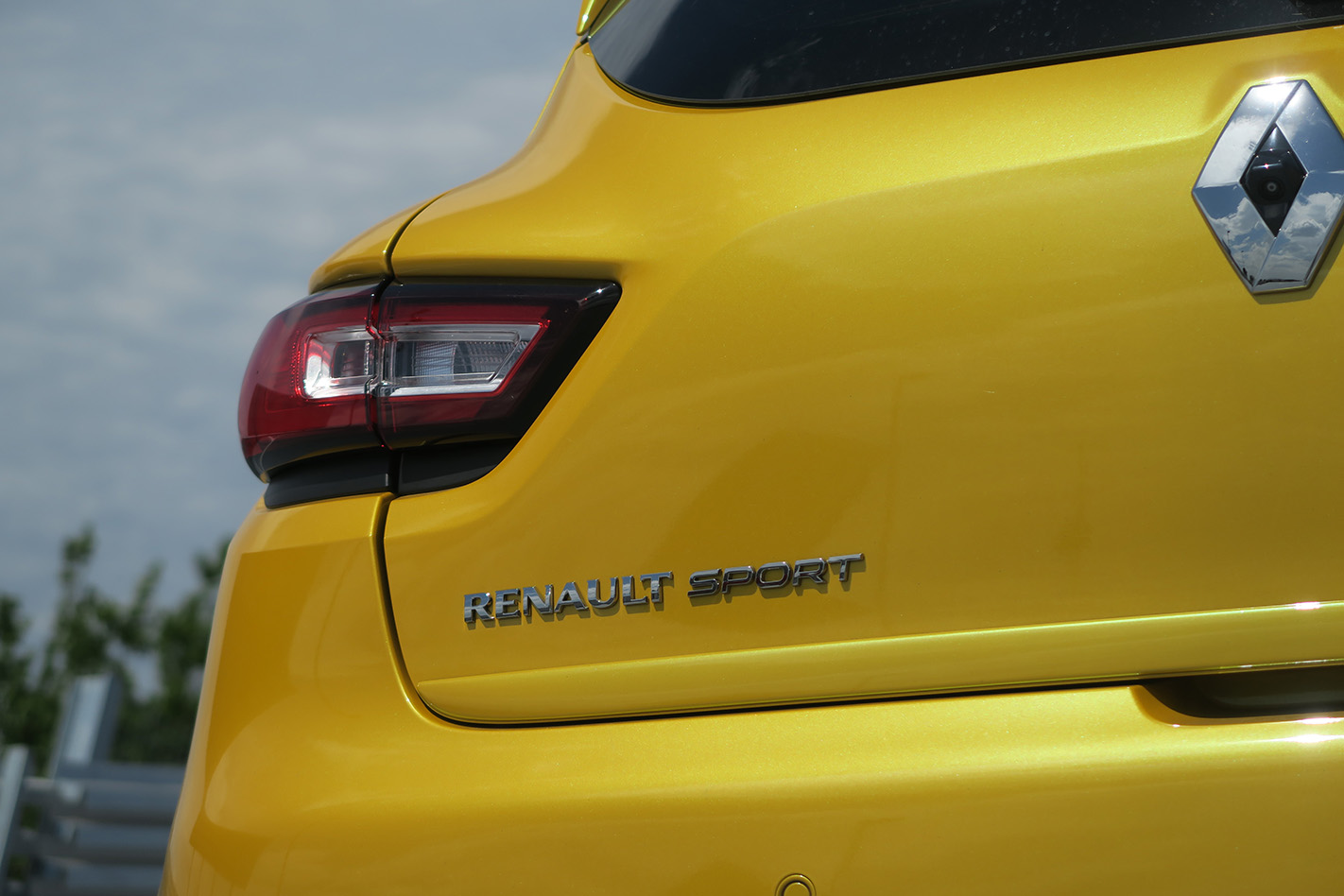
Renault’s smallest performance car, the Clio RS 200 range has been given a mild update for 2018 to keep it fresh as it enters its twilight years. A facelifted snout bearing a new chequered-flag DRL graphic, new-look 18-inch alloys, an updated infotainment suite, front parking sensors, climate control and auto start-stop are new features, but mechanically the Clio RS 200 stays the same.
WHY WE’RE TESTING IT
We’re not here to test the efficacy of the new front parking sensors – rather, we want to examine whether the Clio RS, as the only compact hot hatch without a manual transmission option, still has something to offer fast-car fiends. Did Renault’s auto-only gamble pay off?
MAIN RIVALS
The only direct rivals to the RS 200 that also have an automatic transmission option include the Volkswagen Polo GTI and Hyundai Veloster Turbo. Suzuki’s recently-launched Swift comes with a six-speed automatic gearbox available alongside the standard six-speed manual.
Plus – Scorchingly fast for a little tyke; mega-fast shifts in Race mode; aural drama; engaging chassis
Minus – Punishing ride; cheap interior; no ESC in Race mode; gluggy transmission performance in non-Race modes
THE WHEELS VERDICT
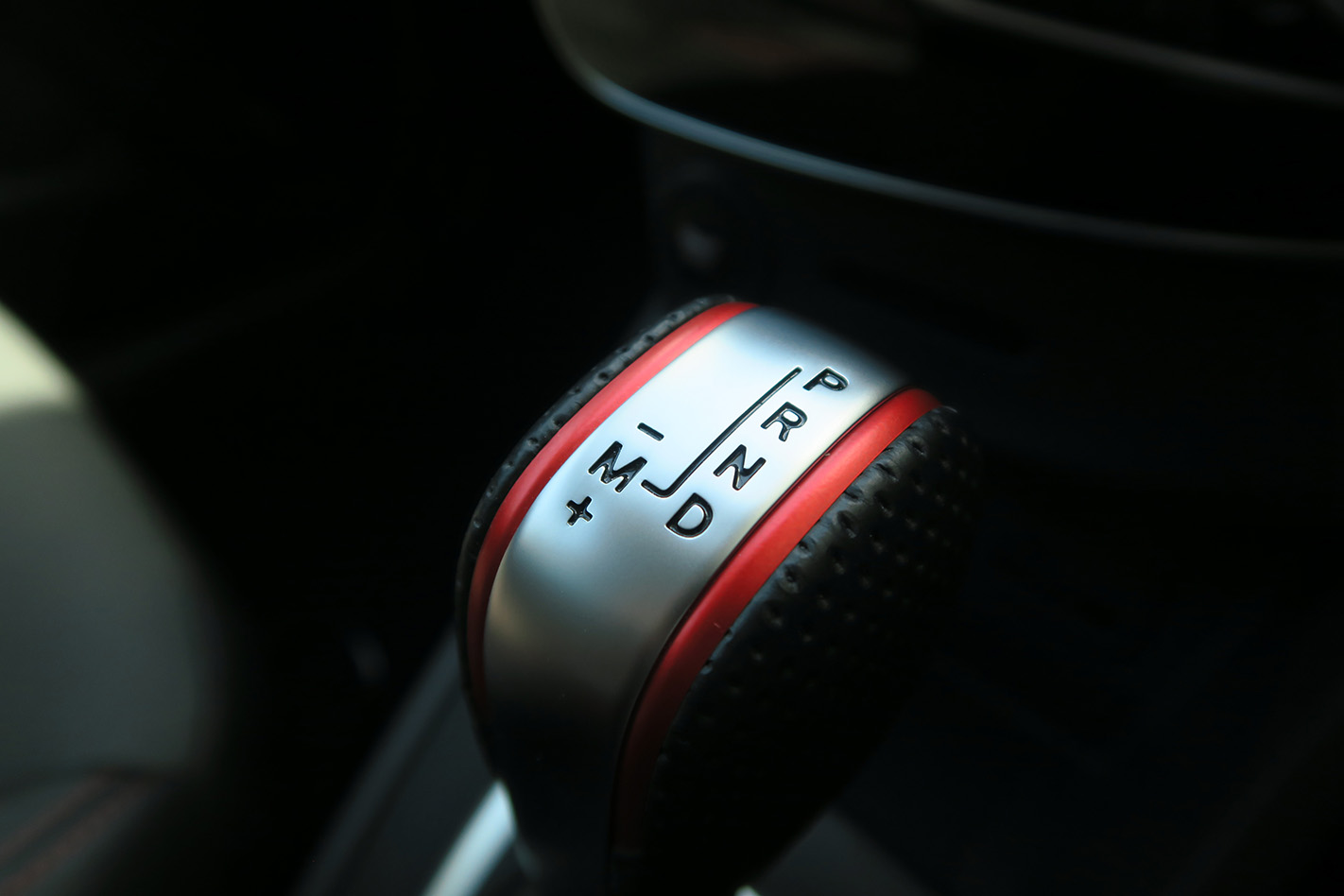
The Clio proves that it’s possible to have fun in a comparatively low-powered humble hatchback – even if there are only two pedals to play with. Only offered with an automatic dual-clutch gearbox it’s an anomaly in the entry-level hot hatch space, but an entertaining chassis, punchy engine and ultra-responsive gearbox soon
THE WHEELS REVIEW
REAL drivers row a manual… right? Maybe in the past, sure, when automatics were soft-shifting slushboxes that sapped bulk amounts of power and converted perky sportscars into boulevard cruisers.
But the paradigm has since changed. The rise of the dual-clutch in the upper echelons of the sports car realm has rammed home the point that high-tech computerized gearboxes are way faster at changing ratios than you’ll ever be, to the extent that the swiftest machines out there – McLaren P1, Nissan GT-R, Porsche 911 GT2 RS, et cetera – only come with an auto.
But what about the other end of the fast car spectrum? Compact hot hatches with modest power aren’t so overwhelmingly fast that an automatic becomes a necessity, so is the experience spoiled by a slusher? Drive a Polo GTI in both DSG auto and six-speed manual forms and you’ll probably gravitate to the latter for its higher engagement factor, however that’s not an option in the Renault Clio RS.
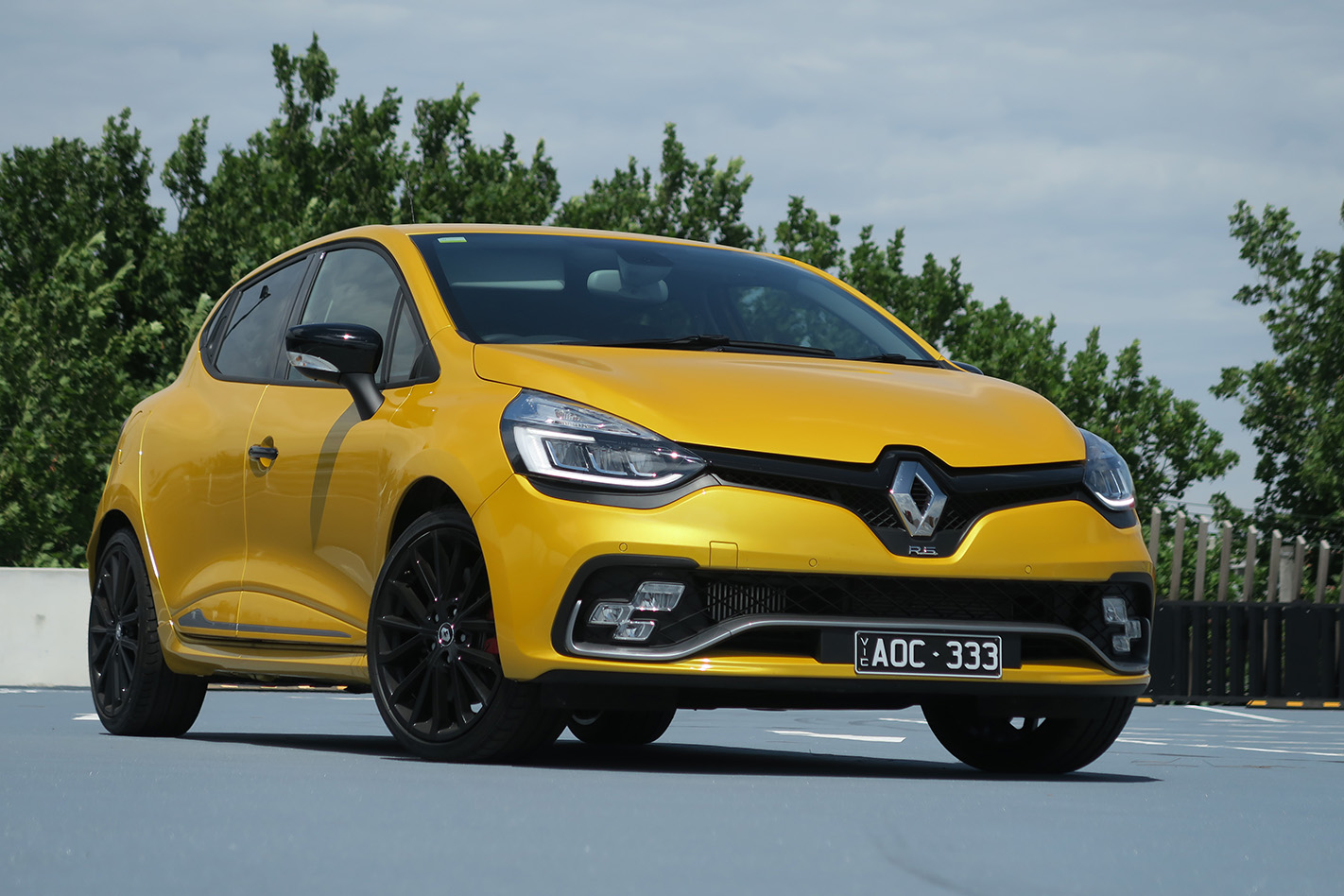
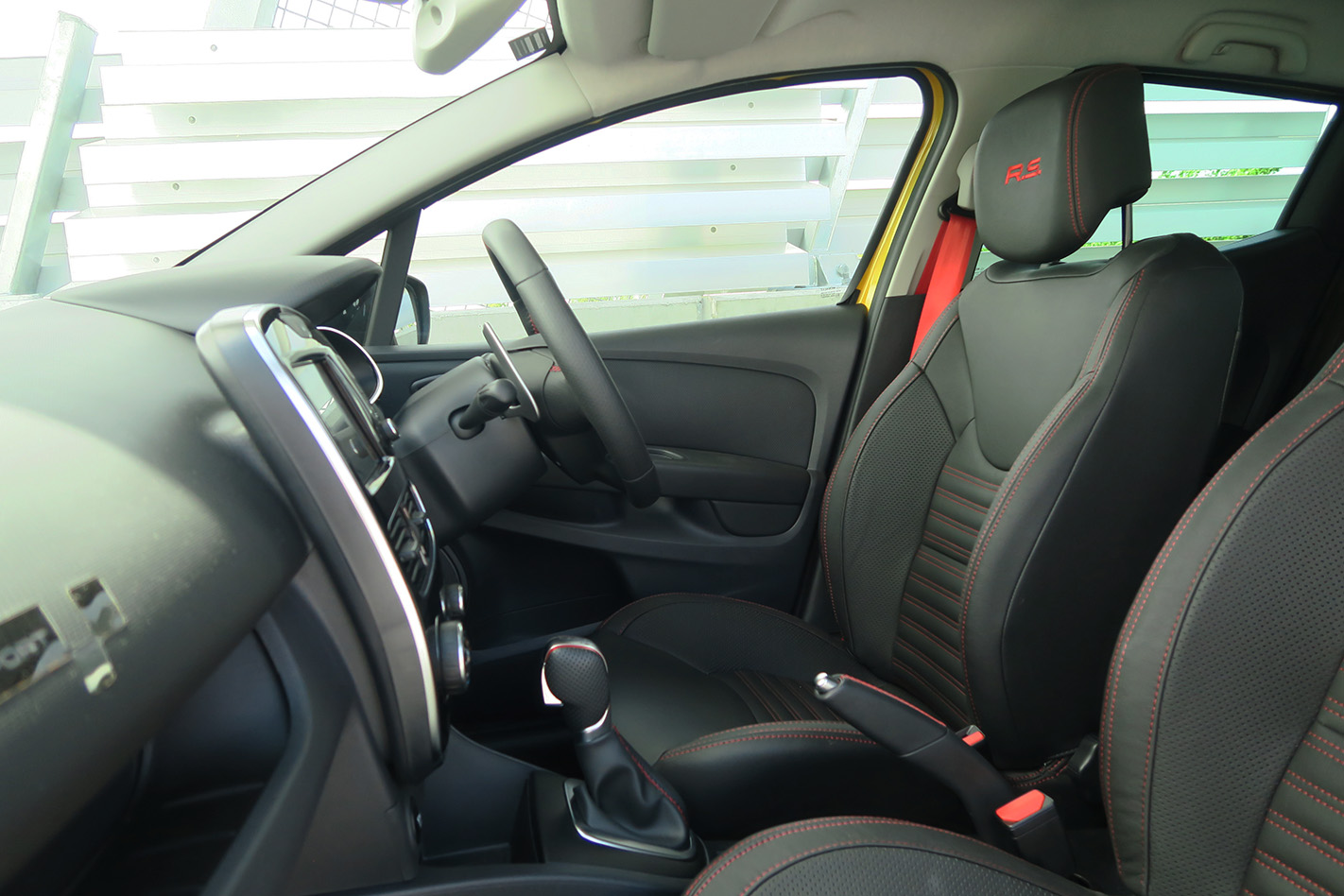
Here’s the bottom line: gearboxes do not maketh the car. There are more important ingredients in the hot hatch recipe, and even though you’re deprived of a clutch pedal in the Clio RS Cup it’s actually, in some ways, a bit liberating.
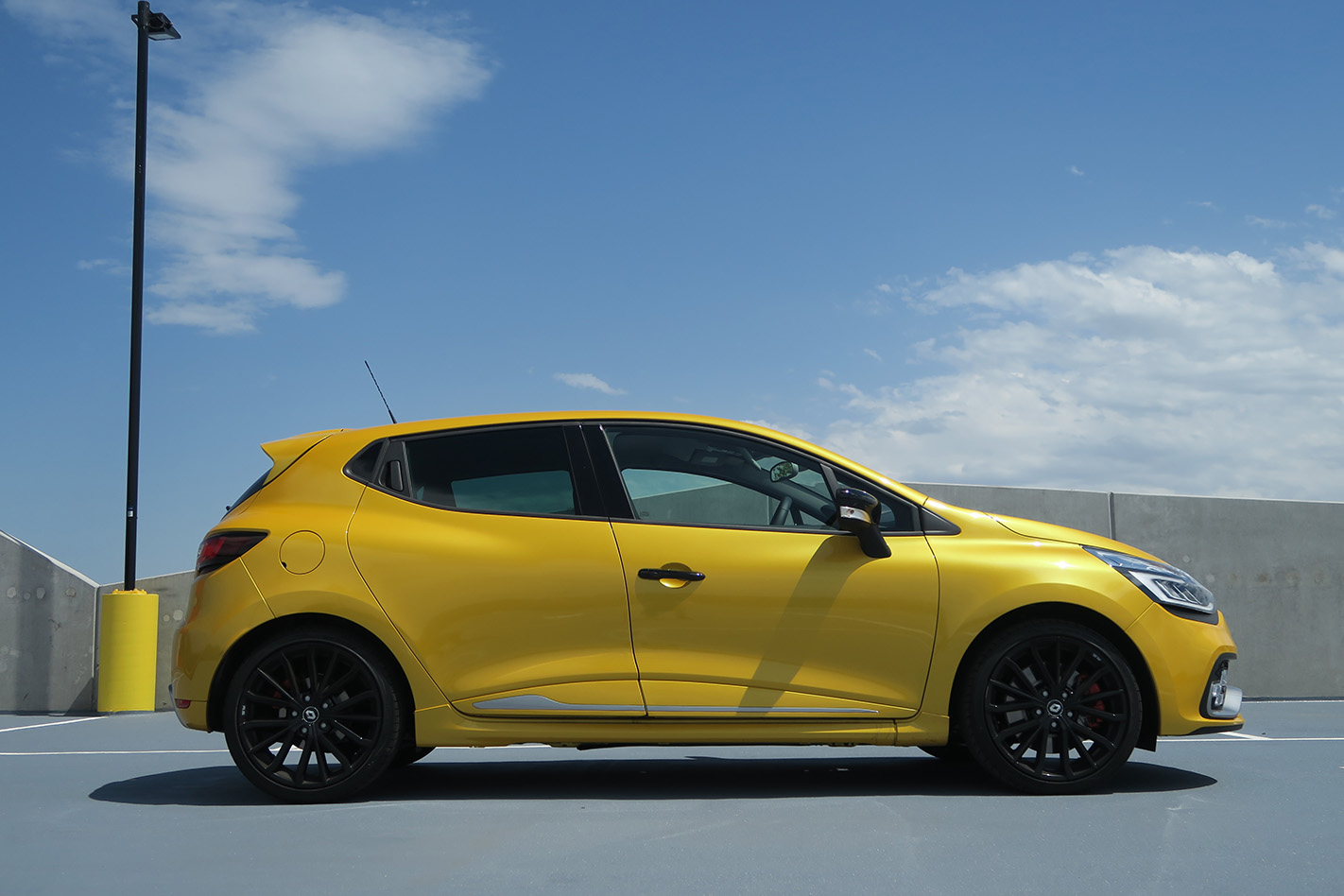
And speaking of boost, the Clio RS 200’s 1.6-litre turbo is a joy. Derived from the Nissan Juke Ti’s 1.6 but toting a bigger turbo and tuned for more power and torque (and bolted to a sharper trans than the Juke’s CVT slug, of course), it huffs out 147kW and 260Nm – meaty numbers, and slightly more than what you’ll get from the Polo GTI DSG that’s the Clio RS’ main rival.
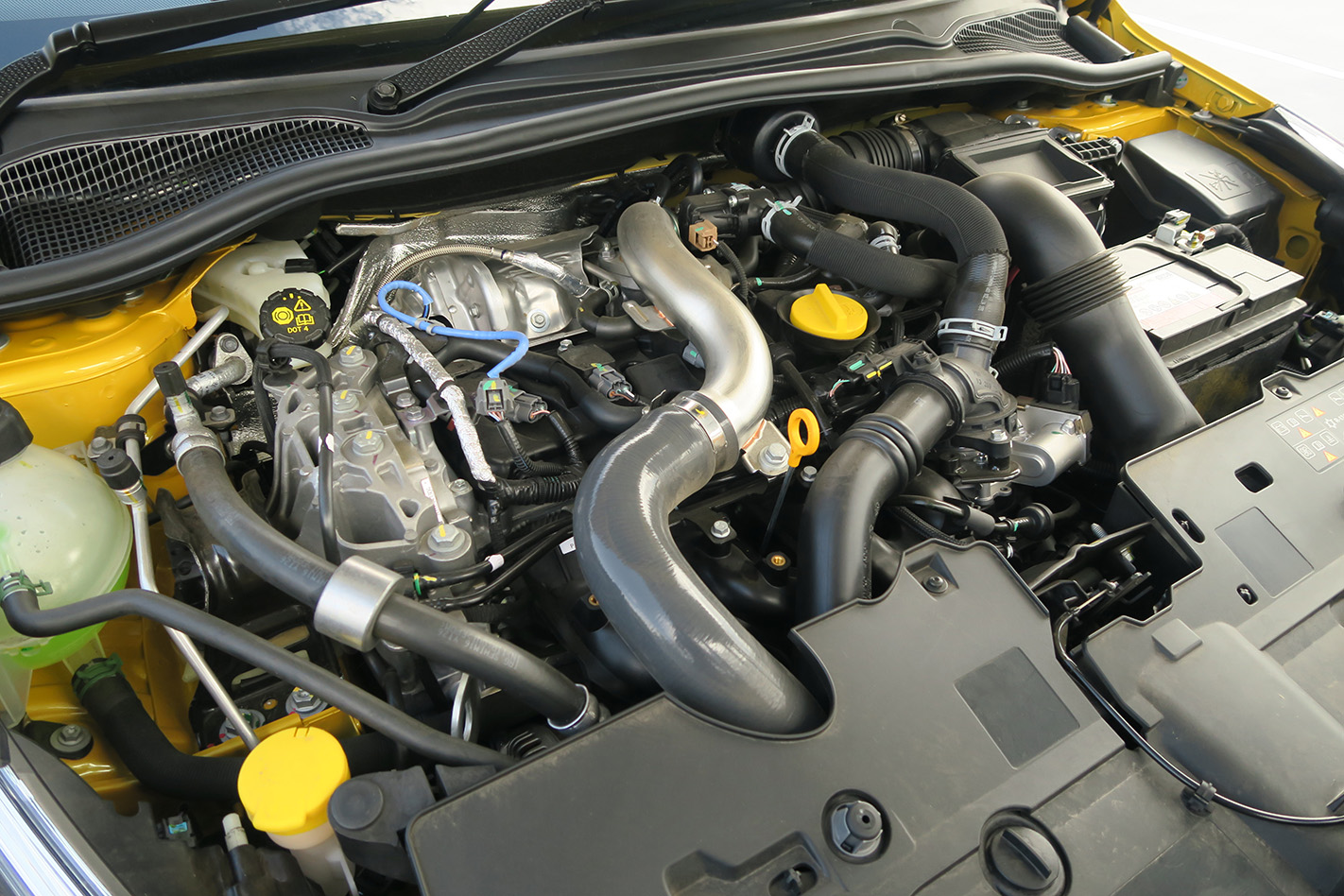
It’s supremely agile too, with the kind of mid-corner, throttle-lift adjustability that’s long been a French hatch hallmark. The mid-spec Cup chassis offers a firmer ride and lower ground clearance than the entry level Clio RS Sport, but it’s not as brittle as the top-spec Trophy variant, nor is too stiff to work on a bumpy, curvy backroad. It might wear thin if your morning commute has more than a few speedbumps, though, and the single-mode dampers don’t have the duality offered by the Polo GTI’s standard adaptive suspension.
SPECS
Renault Clio RS Cup Engine: 1618cc 4cyl, turbo Max power: 147kW @ 6050rpm Max torque: 260Nm @ 2000rpm Transmission: 6-speed automatic Weight: 1204kg 0-100km/h: 6.7sec Fuel economy: 5.9L/100km Price: $32,490
THE Jaguar XF range has received an update for the 2018 model year, primarily based around the roll-out of JLR’s latest ‘Ingenium’ engine family.
A 2.0-litre turbo petrol is available in three states of tune, 147kW/320Nm 20t, 184kW/365Nm 25t and 221kW/400Nm 30t, with two diesels (132kW and 177kW) joining the carryover 3.0-litre six-cylinder S engines, a 280kW/450Nm supercharged petrol, and grunty 221kW/700Nm turbo diesel.
Tested here in 25t guise, the XF is a nice car, which isn’t meant to sound anywhere near as condescending as it does. Simply put, the XF is very good in many areas without being standout.

The 2.0-litre turbo four looks the goods on paper (6.6sec 0-100km/h; 6.8L/100km) and is torquey enough for brisk acceleration, but it feels a little strangled at the top end suggesting the 221kW tune is the one for keener drivers. Jaguar’s chassis is also well up for a punt, with accurate, well-weighted steering, fine handling balance and good body control.
The interior lacks the latest gadgets of the new-gen Germans but works well enough, though the rotary gear selector needs to go.
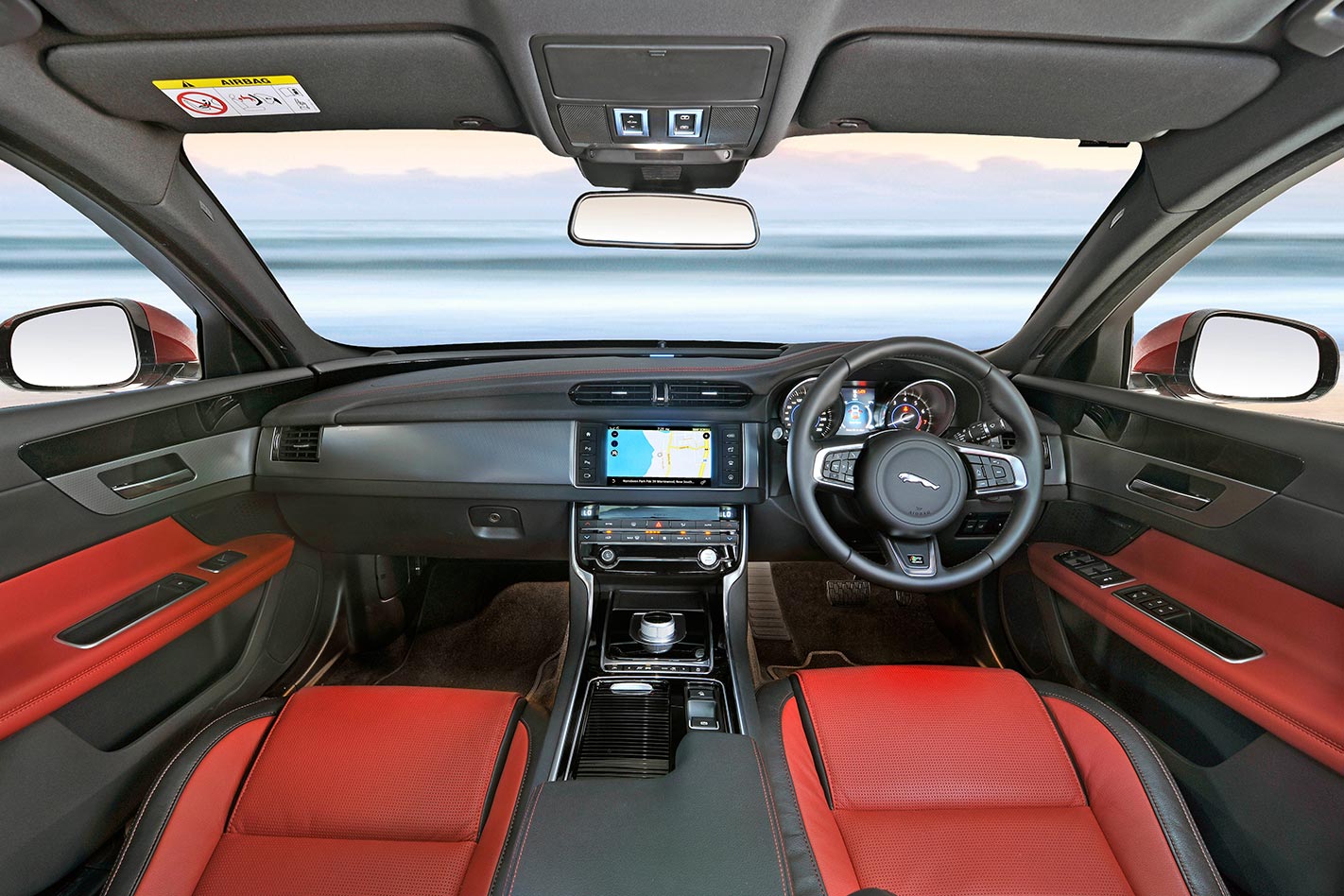
2018 Jaguar XF 25t Portfolio specs:
Engine: 2.0-litre inline-4 turbo Power: 184kW Torque: 365Nm 0-100km/h: 6.6sec Price: $92,900
Form and function meet perhaps most elegantly on the racetrack.
If you’re a fan of motorsport, you’ll see cars which are designed in almost every way to be fast – nothing is there for no reason.
This is why we decided to lay down our opinions (and likely start some arguments) about what we think are the most beautiful race cars ever.
So, down the rabbit hole we go.
McLaren MP4/4 – Dylan Campbell, Editor
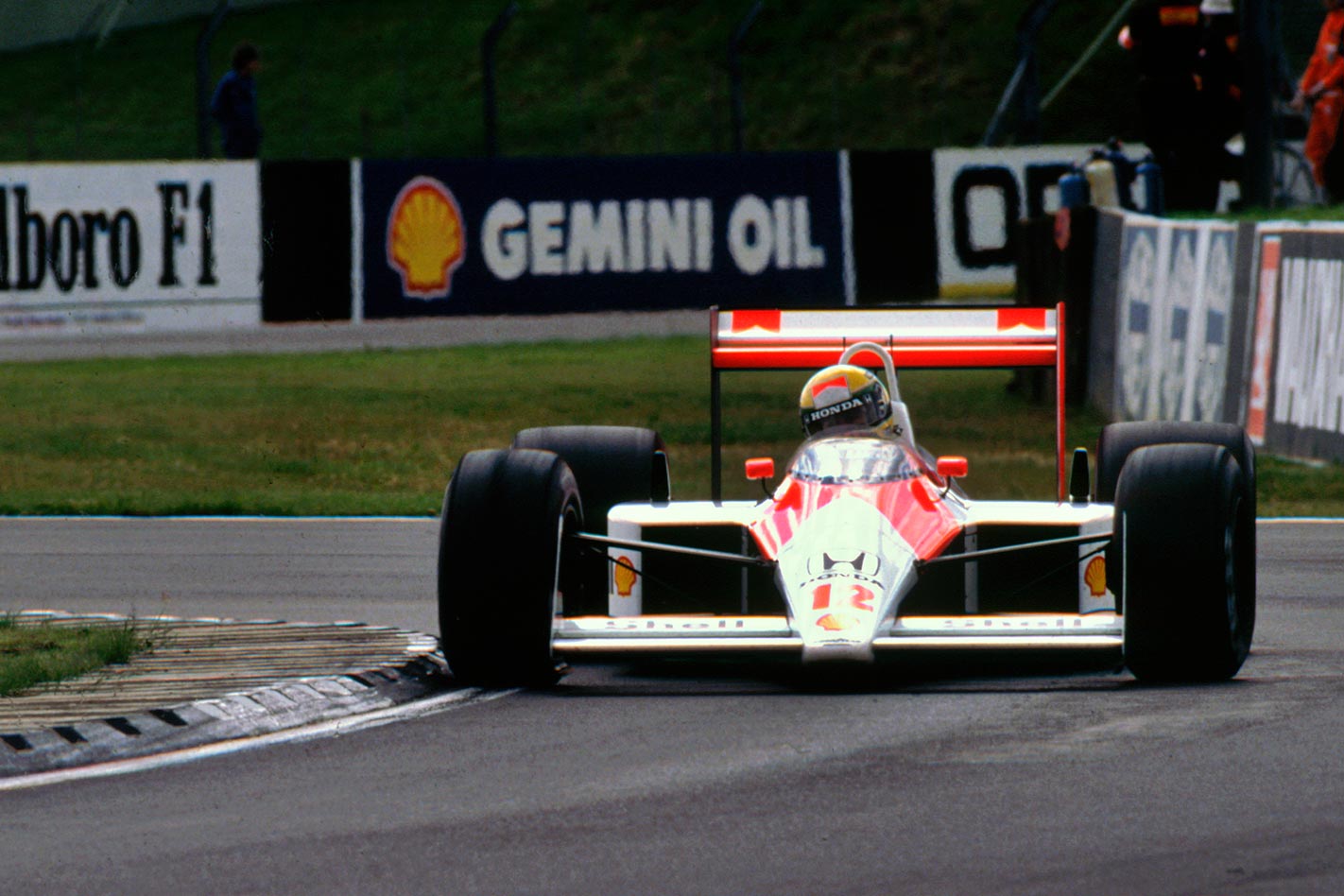
Function can dictate form and still be beautiful – and, of course, crazy effective.
The simply-styled MP4/4 won 15 of 16 grands prix in 1988 making it one of the most dominant cars in F1 history, and was also the car in which Ayrton Senna won his first world championship.
While not conventionally beautiful, a minimalist and unmistakeable livery contributed to what is now the classic image of a 1980s grand prix machine.
Jaguar XJR-14 – Scott Newman,Associate Editor

There are exceptions, but single seaters don’t have enough bodywork, rally cars are too boxy and touring cars too upright. My nomination? The Jaguar XJR-14. Iconic livery, sleek bodywork and also successful, dominating the 1991 World Sportscar Championship.
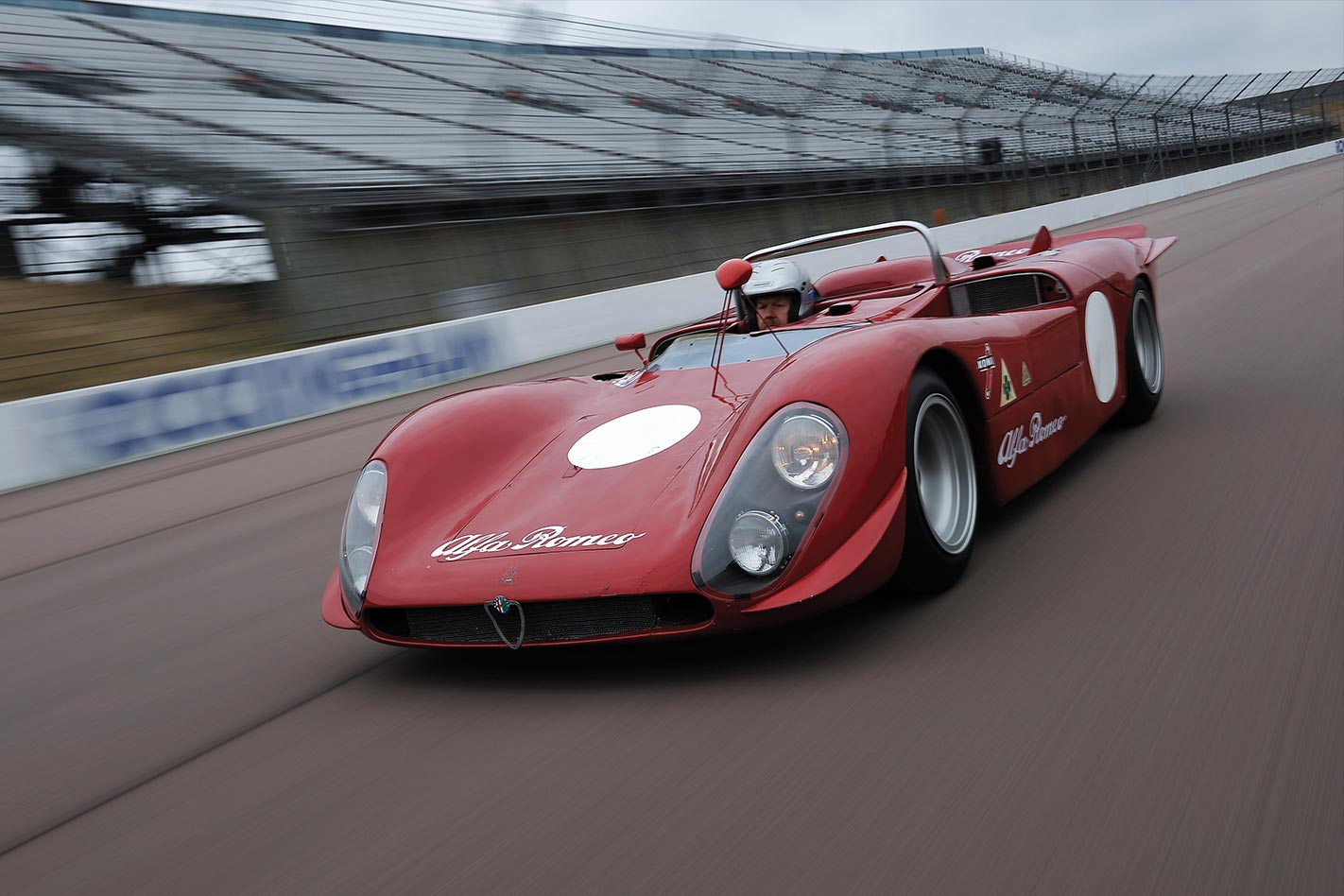
Alfa Romeo Tipo 33/3 Sports Racer – Louis Cordony, Staff Journalist
I love the Toyota GT-One. It’s symmetrical from multiple angles. And that wind-swept silhouette was as fast as it looked. How fast? Good for 350km/h plus at the Le Mans 24 Hours in 1999, pole position, and the fastest lap of the race.
Whenever I look at the model TS020 on my desk, I remember Andre De Cortenze’s (its designer) insistence everything should perform as looks. But I can’t cop that cabin. It would be complete as an open-top.
Which is why the most beautiful race car in my eyes is the Alfa Romeo Tipo 33/3 Sports Racer. It’s a Can-Am car with curves in all the right places. It delivered on Cortenze’s maxim too, winning the Watkins Glen six hours in 1971.
Porsche 917K – Chris Thompson, Digital Journalist

So instead I turned to a car that once frequented Le Mans. The Porsche 917K.
Aside from being made into a film star by Steve McQueen in the film Le Mans, the 917K is a legend in its own right. It gave Porsche its first outright 24 Hours of Le Mans win, likely because the next car in this list was no longer competing.
A flat-12 under the metal helps, but we’re not concerned with that here. It’s on this list because it’s gorgeous.
Its flowing lines lead up to a short tail (or Kurzheck, thus the ‘K’), and adorned in almost any livery (though Gulf is clearly the pick) it looks alert and ready to snatch victory out from Ferrari’s hands.
Ford GT40 –Trent Giunco, Sub-editor
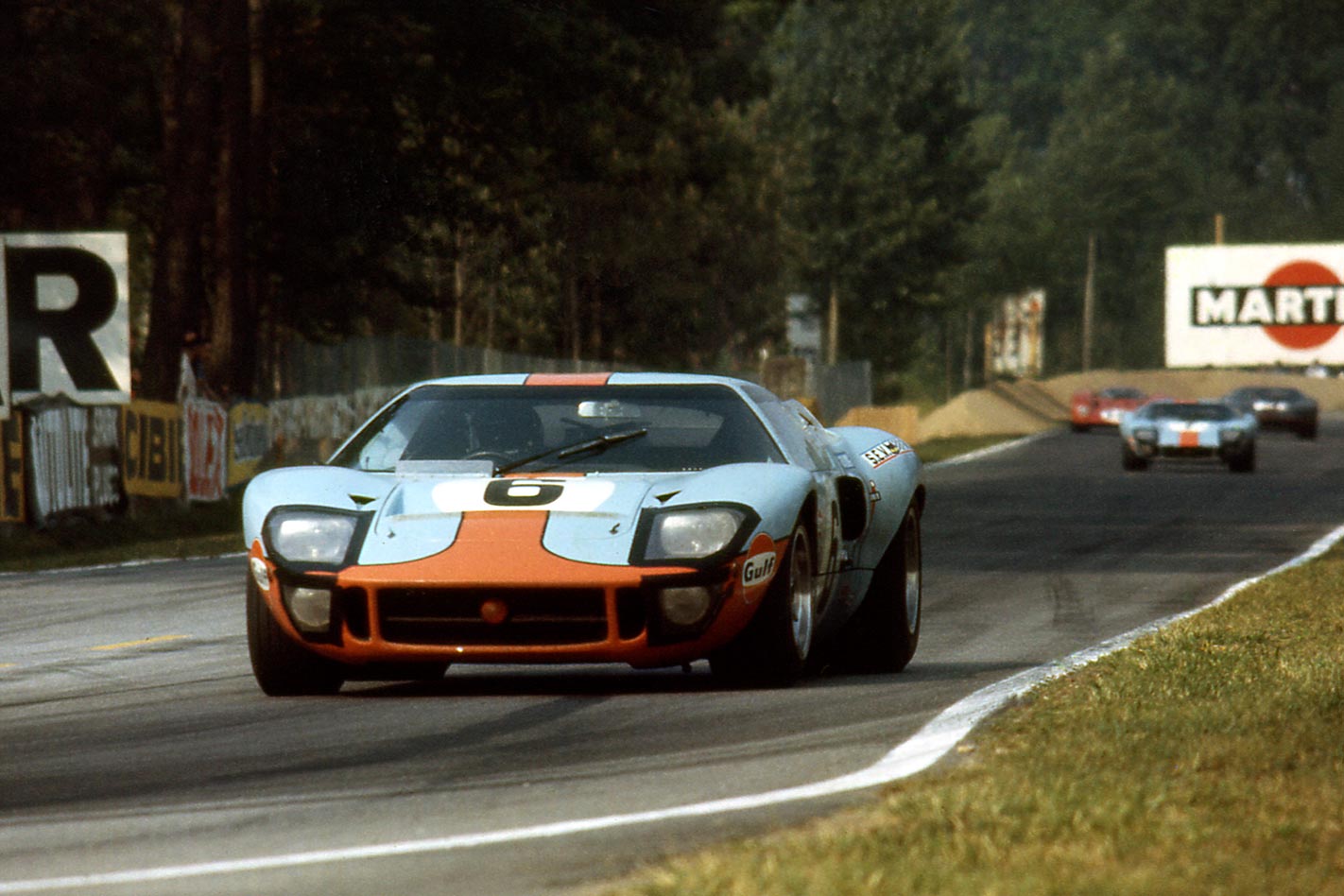
It’s a somewhat obvious choice, but it doesn’t make it any less of a triumph of form and function. The Ford GT40, the racecar born out of Henry Ford II’s spite, went on to dominate Le Mans in the mid-to-late ’60s. In doing so, relegating old adversary Enzo Ferrari to the minor placings. The iconic Gulf livery is arguably the best looking.
With a multimillion-dollar budget, Detroit created an aesthetically beautiful racecar in the GT40 with flowing lines uncluttered by the endless aero bits we see today. The mid-mounted 7.0-litre V8 produced a great sound and seeing old footage of it dance around Le Mans makes for great late-night YouTube fodder.
Honda NSX – Damien Pelletier, Art Director
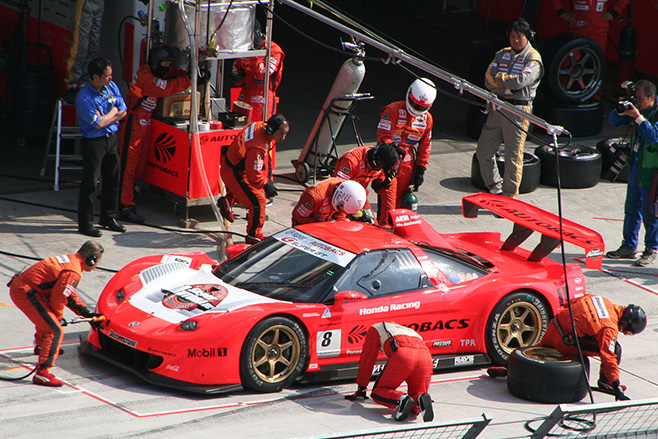
Classic race liveries such as the Castrol Supra, wild Escudo Pikes peak Suzuki and Calsonic Nissan R390 further fuelled my obsession, but the jewel in the virtual crown was the perfectly proportioned Arta NSX-GT, as once driven by ‘Drift King’ Keiichi Tsuchiya.
The NSX represents the zenith of 90s Japanese automotive design to my eye, with the standard NSX-Rs sleek lines complemented beautifully by an agro GT bodykit and iconic red and white war paint.
Definitely the most gorgeous race car ever.
Sauber Mercedes C9 – Daniel Wong, Digital Content Manager

ALFA ROMEO, having long lived in the shadow of its German rivals, didn’t just need an injection of fresh product – it needed a paradigm shift.
And so the Italian automaker delivered one, turning its back on generations of ho-hum bum-dragging executive sedans and wheeling out a rear-drive sports sedan that trades heavily on dynamic ability and looks gorgeous from almost any angle.
It’s called the Giulia, and it cost five billion Euros to develop.
Money well spent? A top-six placing at COTY 2018 suggests so, and our judges were almost unanimous in their praise of the car’s sporting capability and grin-inducing drive. Design was another strong suit for Alfa’s sports sedan, with sheetmetal and cabin styling attracting positive reactions in equal measure.
With a driving position that is more ‘sports car’ than ‘luxury sedan’ coupled with oh-so-Italian flourishes like a steering wheel-mounted starter button and long aluminium shift paddles, the Giulia actively encourages the driver to engage with it and seek out a curvy road. When they do, rapid steering and urgent response – especially from the hard-hitting twin-turbo V6 of the Giulia Quadrifoglio – are there for the taking.
Alfa Romeo is back with a vengeance, and its rock star revivalist sedan swings hard and lands plenty of big punches. Is it good enough for the championship belt? As a COTY finalist, it’s certainly made of the right stuff.
As the popularity of SUVs has continued to rise carmakers realise the high-driving position on offer is often a bigger drawcard than actual practicality. This, in part, led to the small SUV market that is now made up of vehicles that are essentially compact hatchbacks on stilts.
The term Crossover is used a lot to describe the amalgam, which includes mini SUVs such as the Nissan Juke, Mazda CX-3, Suzuki S-Cross, Subaru XV and Fiat 500X. This rapidly emerging market has the ageing Mitsubishi ASX ruling supreme in sales over key rivals the Mazda CX-3 and Honda HR-V. More style-oriented entries, such as the Toyota C-HR and Hyundai Kona, are quickly joining the fray.
Crossovers are also becoming an important market for prestige brands to play in with hatch-based models, such as the Mercedes-Benz GLA, Audi Q2, BMW X1 and Mini Countryman. Below are three of our favourites from the lower end of the pricing spectrum.
Mazda CX-3
Price range: $19,990 – $37,690
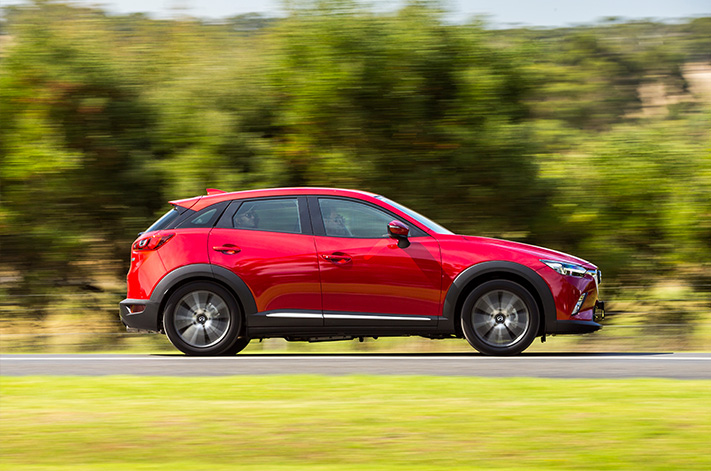
Built on the same chassis as the Mazda 2 city car, the CX-3 outsells the popular small hatch thanks to its sharp looks, and is one of the most popular small-SUVs in Australia. Unlike the Mazda 2, the CX-3 comes with a choice of petrol and turbo-diesel engines and FWD or AWD drivetrains.
Pros: Striking styling, broad model range, cool factor Cons: Poor rear-seat vision, slightly underpowered
Toyota C-HR
Price range: $26,990 – $35,290
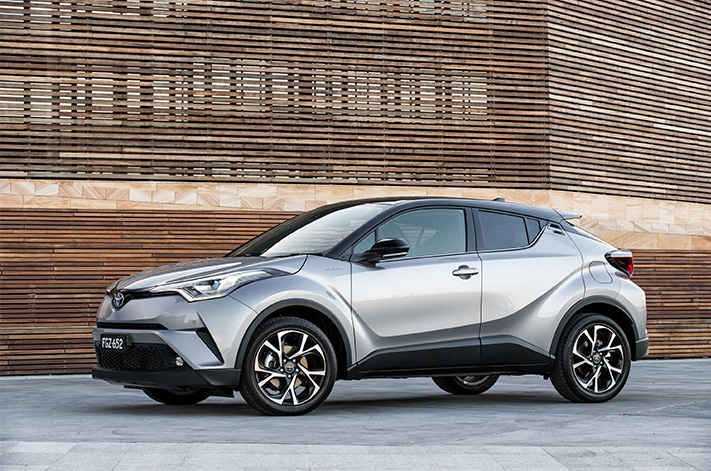
This all-new model is the smallest soft-roader on offer from Toyota and wears one of its most audacious designs of recent times. The fun-to-drive C-HR provides good handling characteristics, particularly when compared to other SUVs in this class.
Pros: Strong dynamic ability, eye-catching design, spacious interior Cons: Relatively high entry level pricing, poor rear seat vision
Hyundai Kona
Price range: $24,500 – $36,000
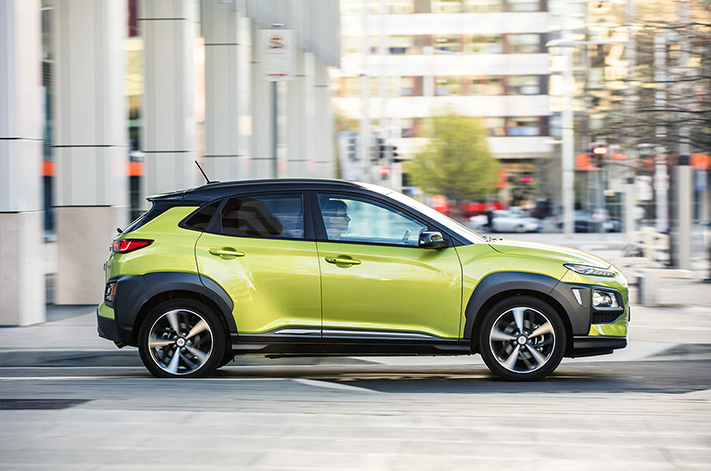
The bold-looking Hyundai Kona is the Korean brand’s first SUV. Based on the same platform as the i30 hatch, it’s well equipped and has a roomy cabin. A choice of engines is available including a zippy 1.6-litre turbo engine with optional all-wheel-drive traction.
Pros: Bold styling, customisable interior options, punchy 1.6-litre turbo Cons: Exterior style may not be to all tastes, no cheaper 2.0-litre AWD option
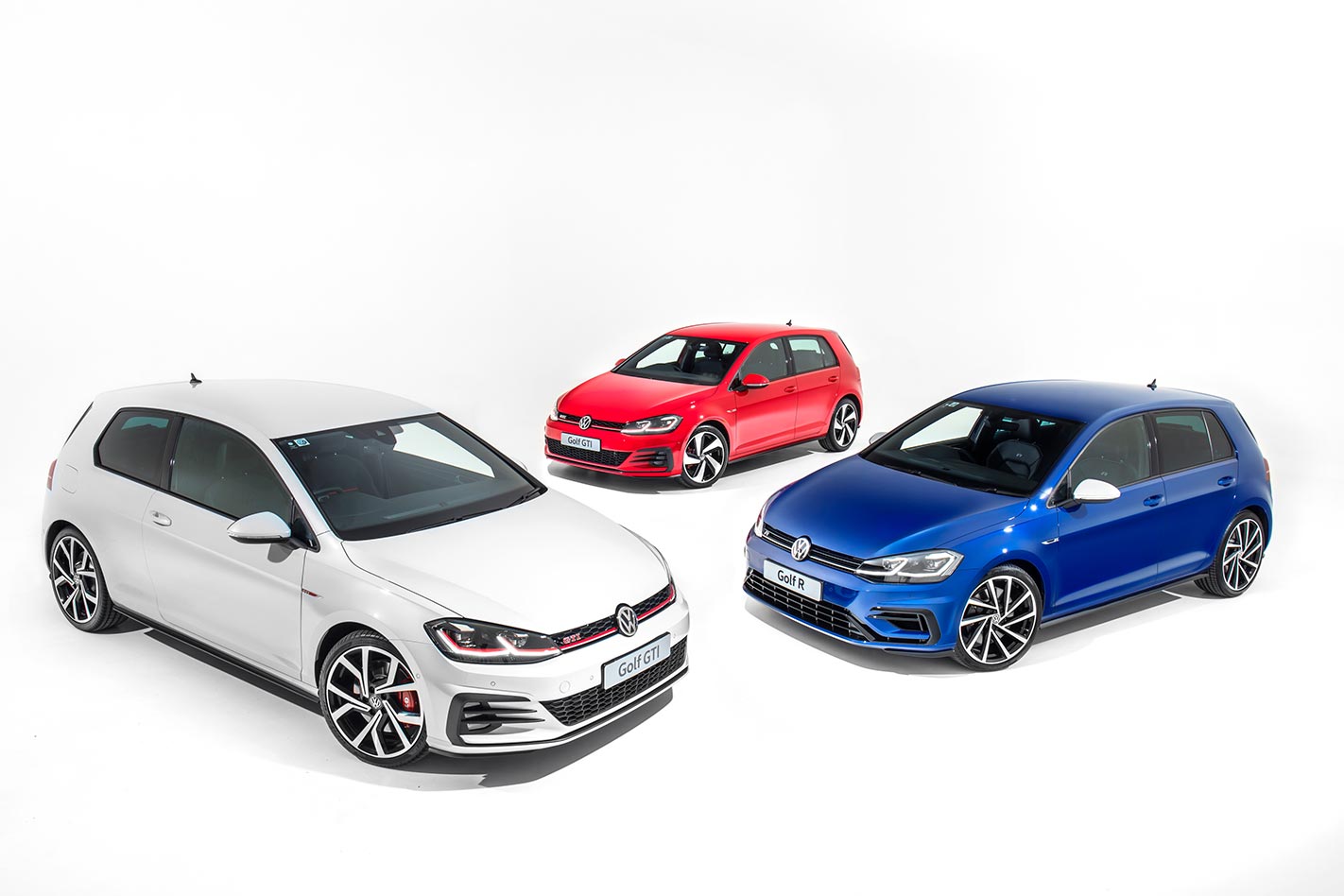
Aussie VW hot hatch fans rejoice, each variant of both Golf GTI and R is now available in Australia.
The recently announced Golf GTI Original brings up the bottom of the performance range, though it should deliver high in fun.
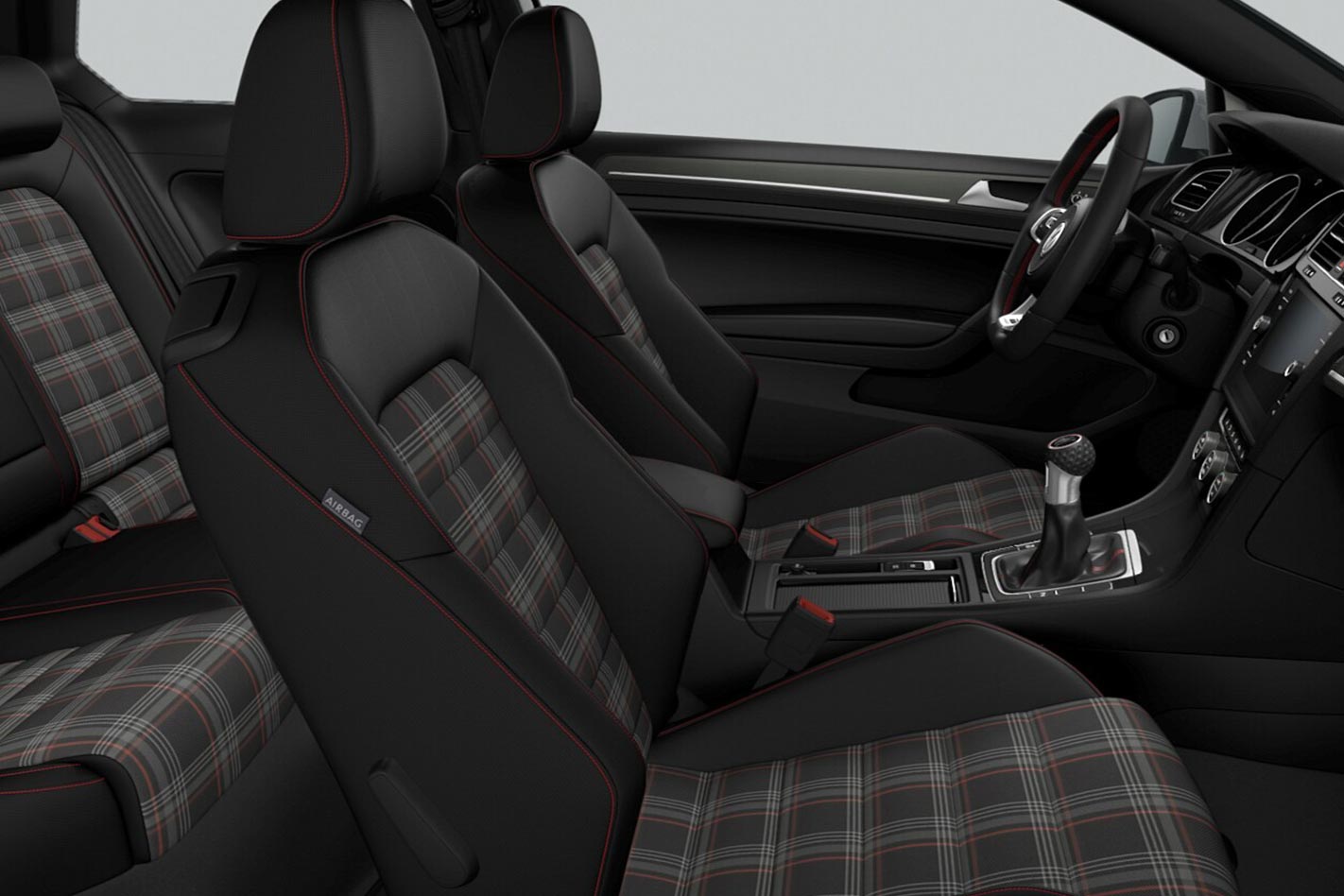
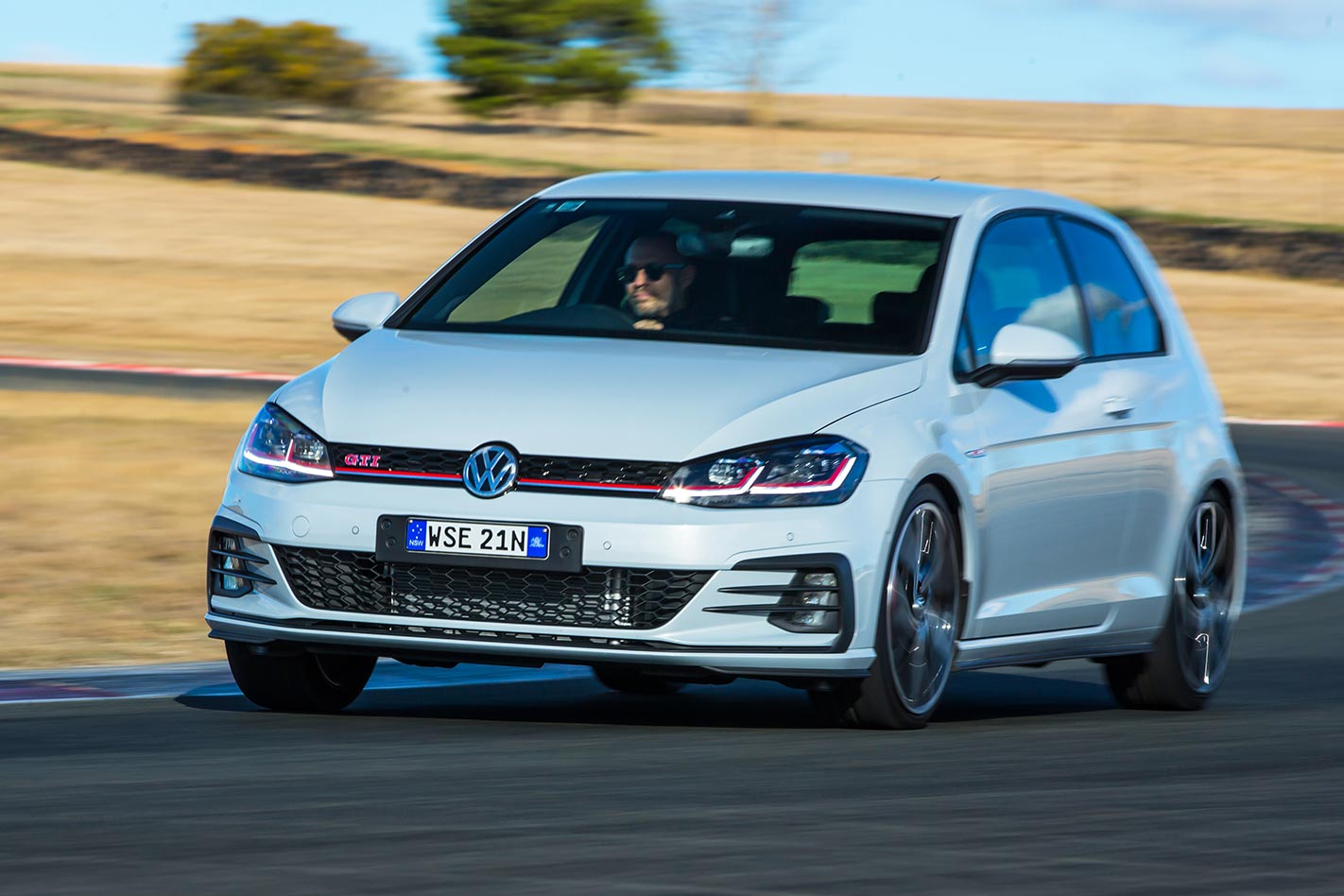
The standard GTI sits in the middle of the GTI range at $41,990 (manual) and $44,490 (DSG), while the DSG-only and front LSD-equipped Performance Edition 1 is the top-spec GTI at $47,990.
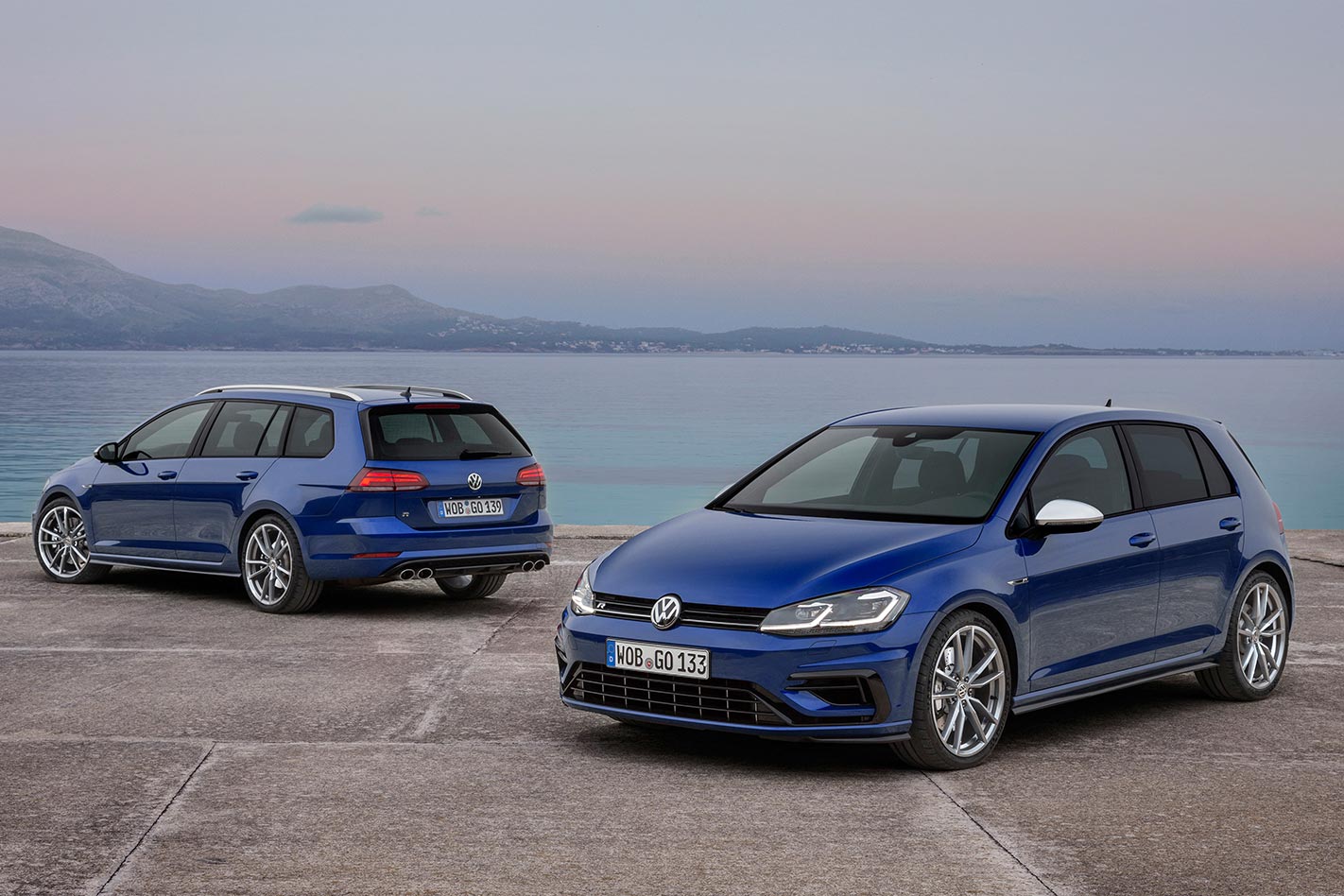
$53,490 will buy you a regular Golf R in manual guise, while an extra $2500 gets you a faster (but arguably less fun) DSG. A standard wagon is $57,990.
Finally, at the top of the Golf food chain, is the R Wolfsburg, which is now a permanent member of the Australian Golf family.
VW Group Australia managing director Michael Bartsch says the broad price range and differing specifications are part of the Golf’s success story.
“Volkswagen offers not only the most accomplished fast and fun compact cars in the world, it provides the world’s widest range,” Bartsch says.
“There is now a performance Golf for everyone.”
“Extraordinary claims are being made for supposed rivals that are not yet on sale. While any skunkworks can turn out a track day special, the expertise and experience required to engineer a GTI or an R – cars that also excel in the real world – is rather more hard won.
“When you’ve owned a GTI or an R, it’s difficult to settle for anything less.”
