
A HEART transplant from the Vitara gives the latest Suzuki Swift Sport a turbo under its bonnet, and a bona-fide performance boost.
At the same time, it’s gone on a sizable diet in an effort to get fighting fit, and the result is a hot hatch that’s not only a bargain buy at $25,490, but a damn fun whip to boot.
WHAT IS IT
The hero model for the fifth-generation Swift family – and Australia’s cheapest hot hatch
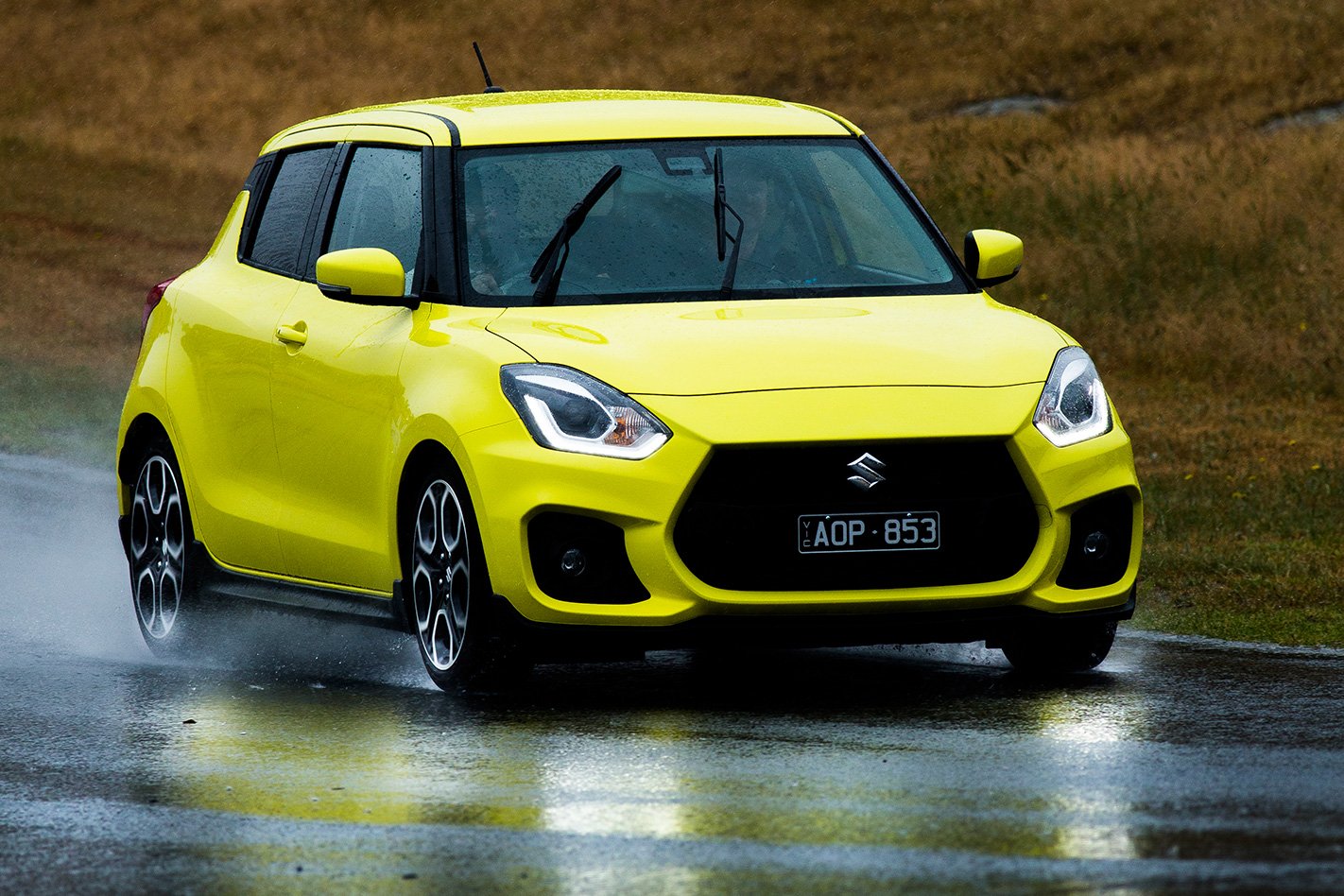
Because we love fast n’ frisky hatches, but also because our first experience with garden-variety Swift variants last year suggested that it could only be improved by the addition of more power. We’re also curious about whether the switch from atmo to turbo has robbed the Swift Sport of some of its charm.
MAIN RIVALS
Volkswagen Polo GTI, Renault Clio RS 200, Hyundai Veloster Turbo, Peugeot 208 GTi
THE WHEELS VERDICT
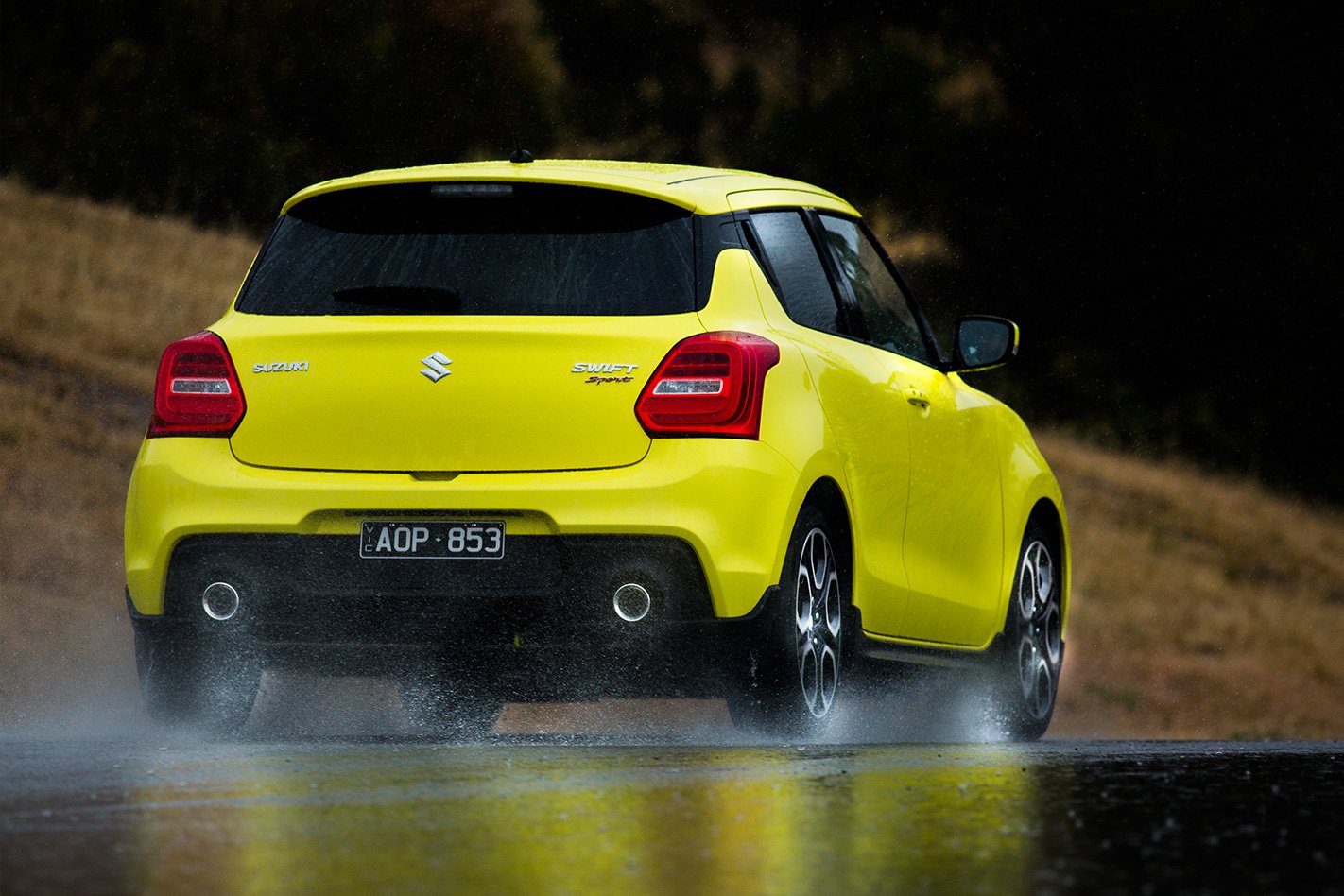
Crisp handling has always been the Swift Sport’s calling card, but now it can at least keep up with the rest of the compact hot hatch players when it comes to traffic light showdowns. Thank heavens for turbos. On top of that, driveability has improved markedly while the specification level should leave owners wanting for very little. Miraculously, weight has gone down despite its external footprint increasing, and the core Swift Sport attribute of superb handling has remained well and truly intact.
MINUS: Road noise; needs an LSD to be properly quick
THE WHEELS REVIEW
CHOPPING 80 kegs off the kerb weight of a car is bound to improve performance. It’s simple physics. Adding 70Nm of torque has a similar effect, but do both at the same time and it’s a recipe for massive gains. Any gym rat will tell you that shedding mass and adding muscle is a good thing.
And that’s exactly what’s happened to the Suzuki Swift Sport: it’s turned into a fitness junkie. Now headlining the fifth-generation Swift range that arrived last year, the Swift Sport has undergone a significant shift by moving away from naturally aspirated engines and toward turbocharging, borrowing the 1.4-litre force-fed four-pot of the Vitara Turbo to replace the 1.6 atmo of its predecessor, a move that yields the aforementioned 70Nm torque growth.
The Swift Sport’s 1.4, tuned for a fatter midrange, makes 103kW and 230Nm – small numbers in the hot hatch realm, but enough to deliver a respectable 7.2 second 0-100km/h time that’s within cooee of the Polo GTI’s 6.7-second sprint time.
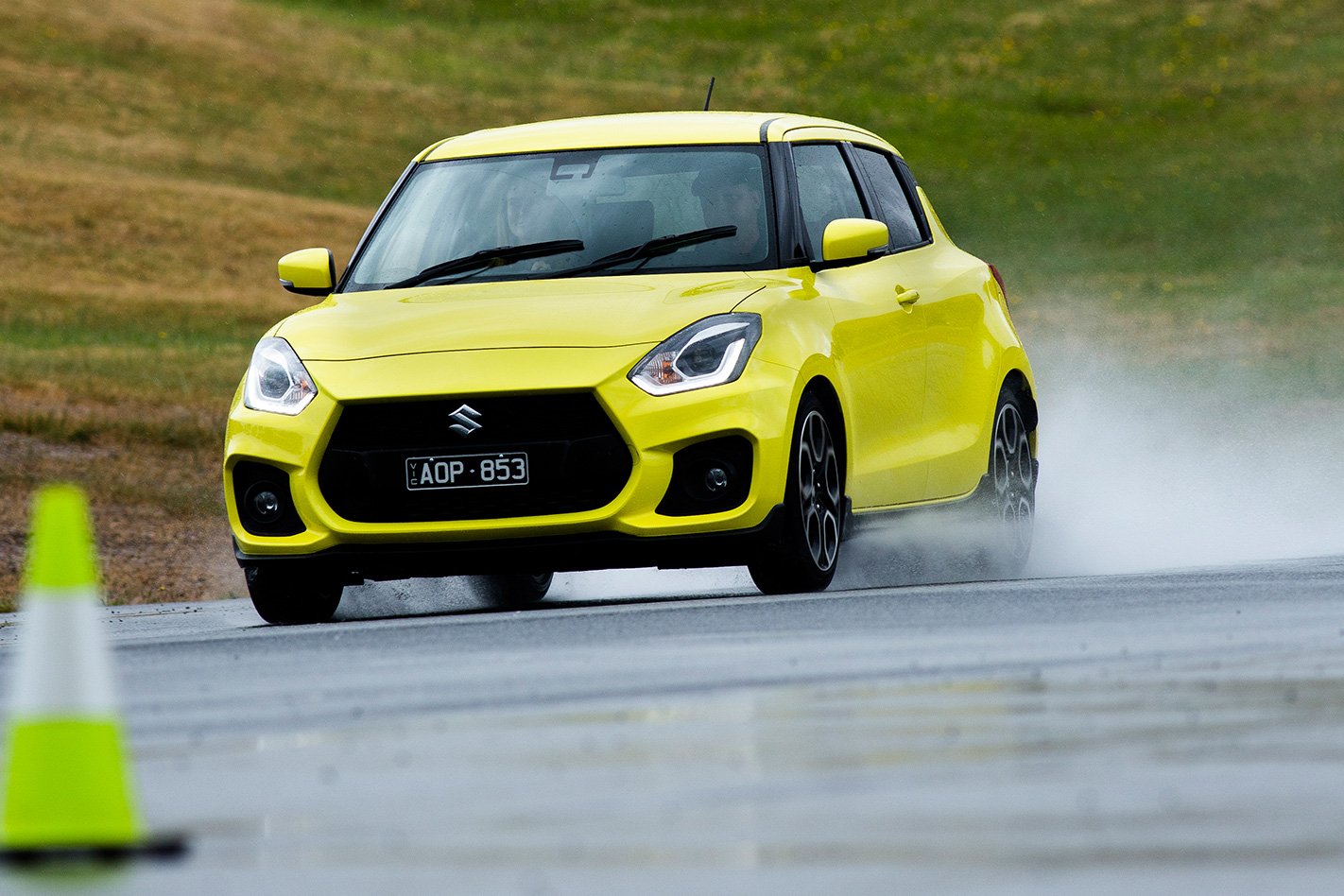
The understeer threshold is impressively high, and with all driver aids turned off the Swift Sport will play the lift-off oversteer game if you provoke it hard enough. Pitch it into a corner with some trail-braking and it rotates neatly, but is never spiky – its limits are always approachable.
Body roll is minimised by fatter roll bars, but the Sport nevertheless exhibits modest amounts of movement in the pitch and roll axis. That roll gets in the way of the task of driving fast by unloading the inside front wheel and inducing performance-sapping wheelspin – a mechanical limited-slip differential would work wonders here.
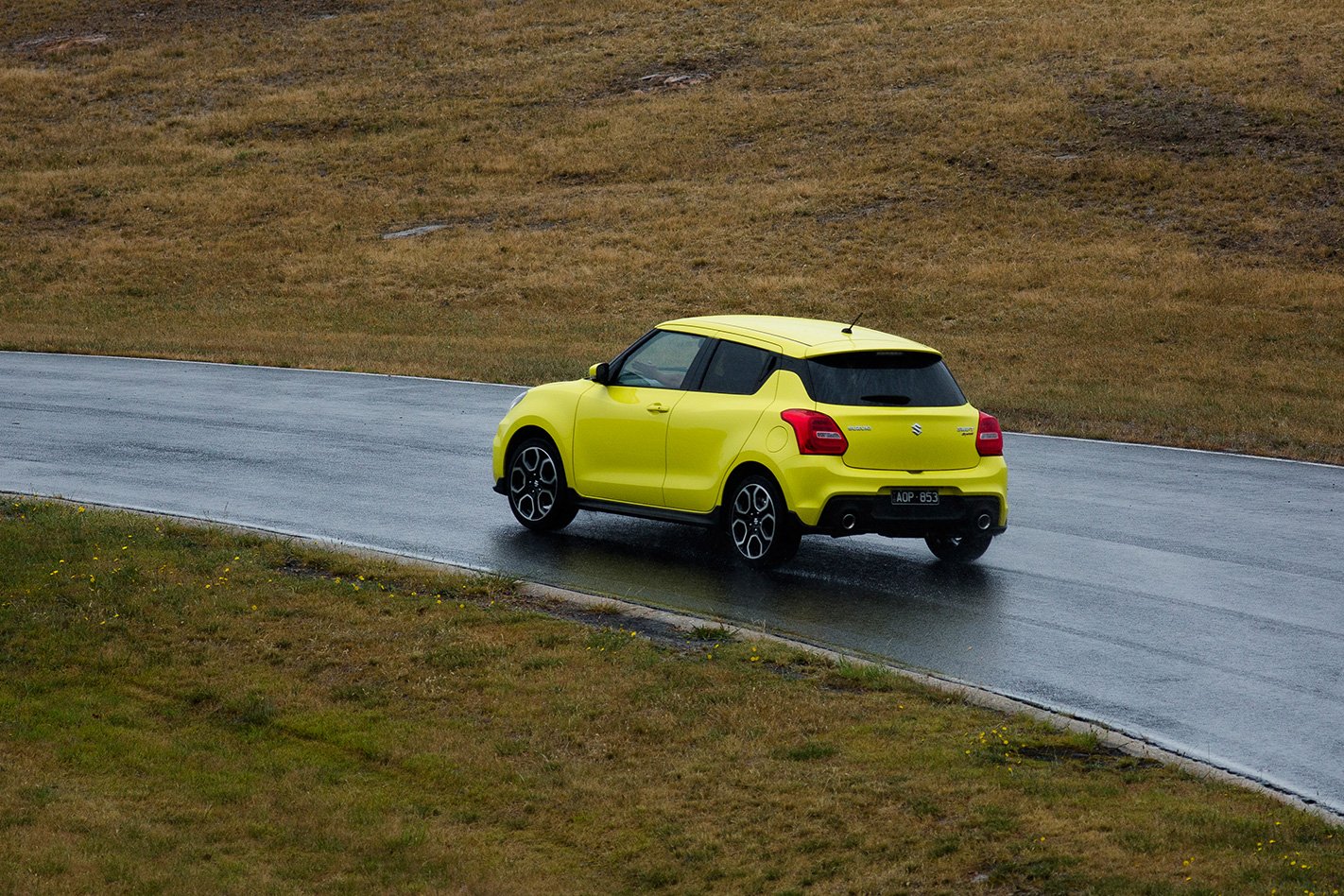
Torque steer is minimal, and rowing through the six-speed manual gate is a delight aided by the shorter throw of the 2018 model. Changing gears is one thing you’ll be doing less of though, thanks to the turbo engine’s generous mid-range torque. On the circuit it was hard to fight the temptation to constantly chase redline – a necessity in the old car – and instead drive a gear higher and exploit the midrange urge that’s available from 3000rpm and up.
That extra twist also delivers benefits on the street, with urban schlepping now a much more relaxing activity. Flex the accelerator from just off idle and the Swift no longer struggles – it just goes. More good news for daily drivers is a reduction in average fuel use to just 6.1L/100km for both manual and auto, the latter of which is now a far more agreeable six-speed auto rather than the fun-sapping CVT of the old Sport.
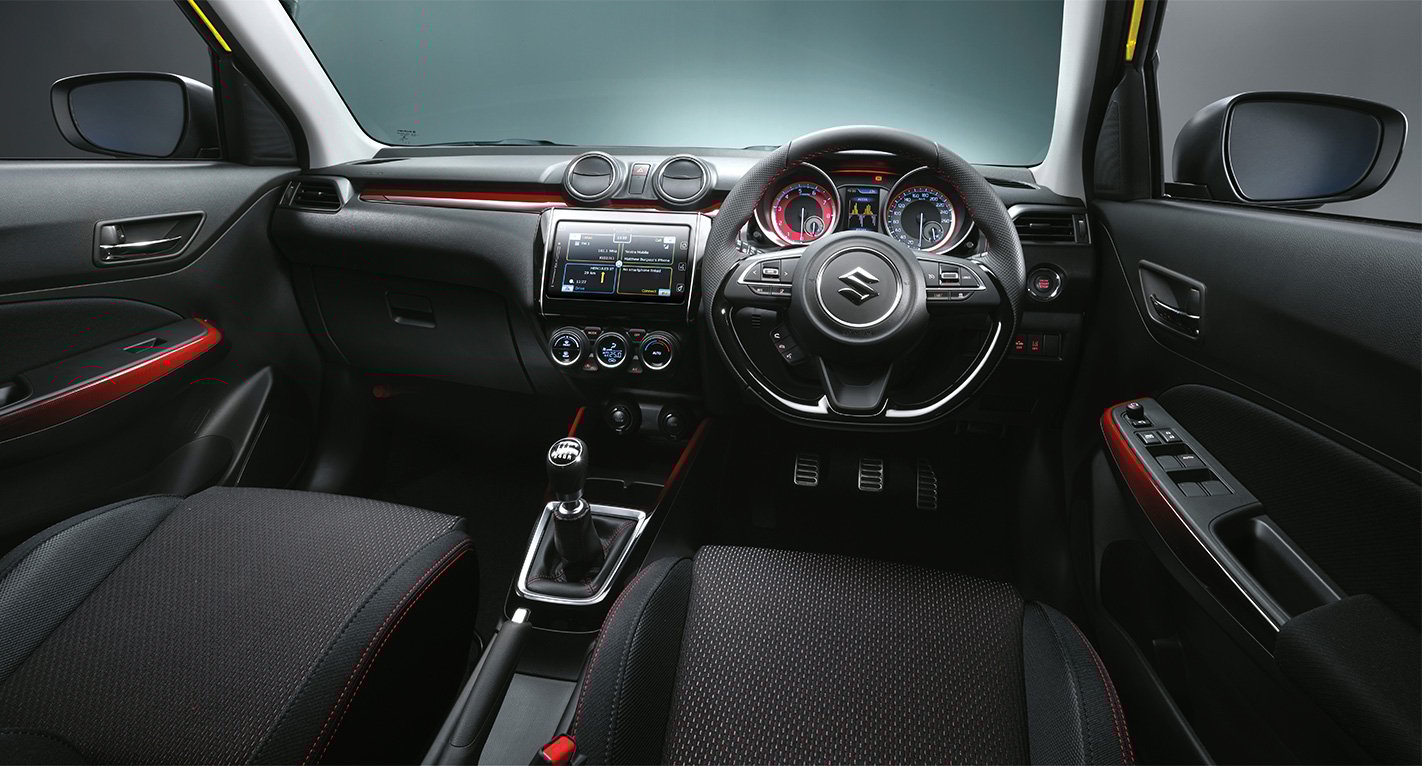
The Swift Sport’s move to turbo power has definitely set it on the right path. Only lunatics will miss the frenzied revving that was needed to drive the outgoing model. Is it enough of a boost, pardon the pun, to give the Swift Sport a leg-up against its core rival, the $27,690 VW Polo GTI?
Badge chasers and the power-hungry will probably still gravitate toward the vee-dub, but those looking in the direction of Suzuki will find a hot hatch that epitomises the cheap n’ cheerful mantra.
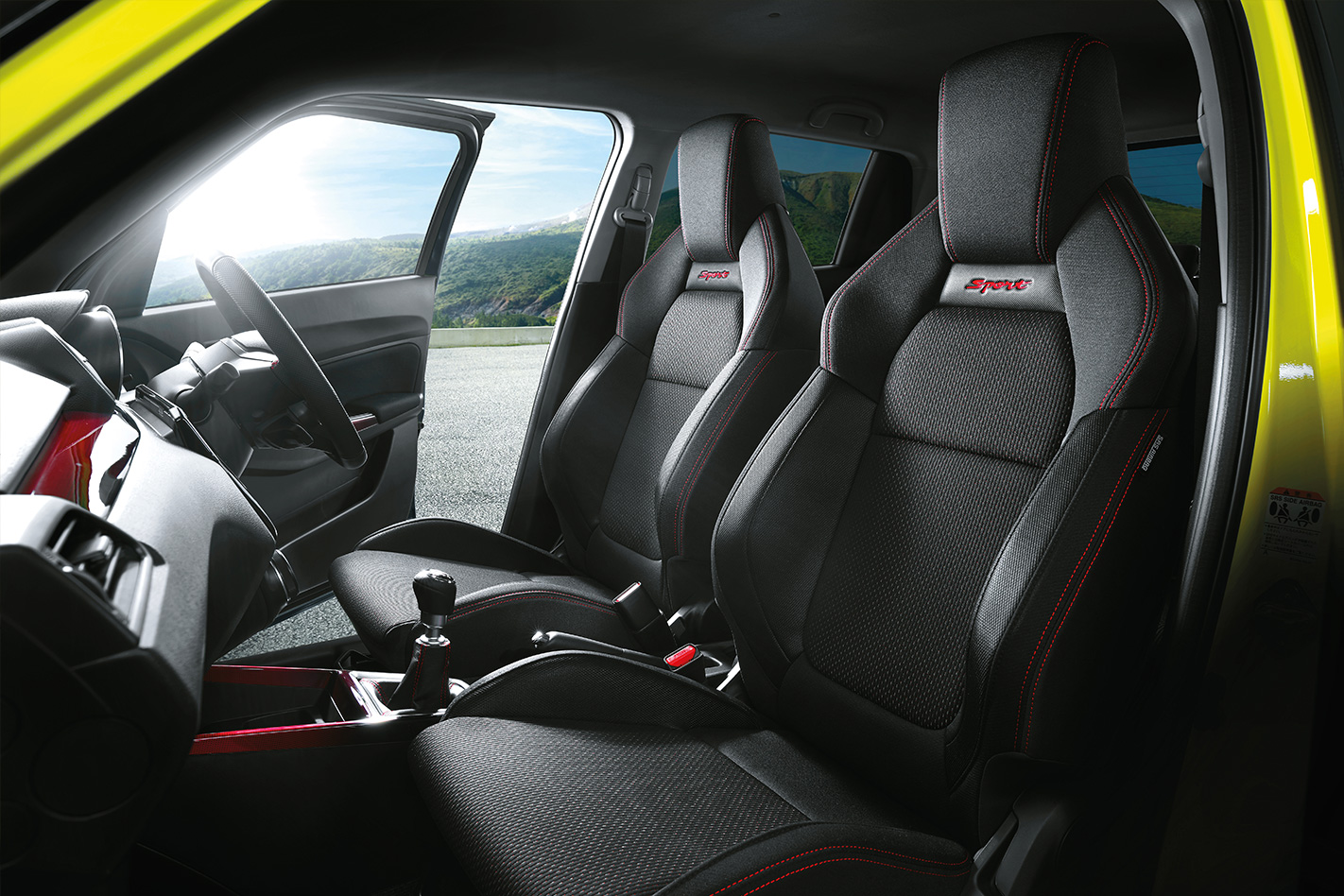
Model: Suzuki Swift Sport Engine: 1373cc 4cyl, dohc, 16v, turbo Max power: 103kW @ 5500rpm Max torque: 230Nm @ 2500-3000rpm Transmission: 6-speed manual Weight: 970kg 0-100km/h: 7.2sec Fuel economy: 6.1L/100km Price: $25,490 On sale: Now
The Suzuki Swift Sport has returned to our shores, with the all-new flagship of the fifth-generation Swift family rolling into Suzuki showrooms powered by a turbocharged powerplant for the first time.
Priced from $25,490 for the six-speed manual variant and $27,490 for the six-speed auto, the Swift Sport easily hangs onto its title of Australia’s cheapest hot hatch. Its nearest rival, the Volkswagen Polo GTI, retails for $27,690, while the Renault Clio RS 200 Sport breaches the $30K barrier with its $30,990 price tag.
Compared to the previous-generation Swift Sport the third-gen car costs $1000 more. However, Suzuki says that’s compensated not only by the 1.4-litre turbo’s better performance over the old car’s 1.6-litre naturally aspirated engine, but also the 2018 Swift Sport’s lengthy list of standard equipment.
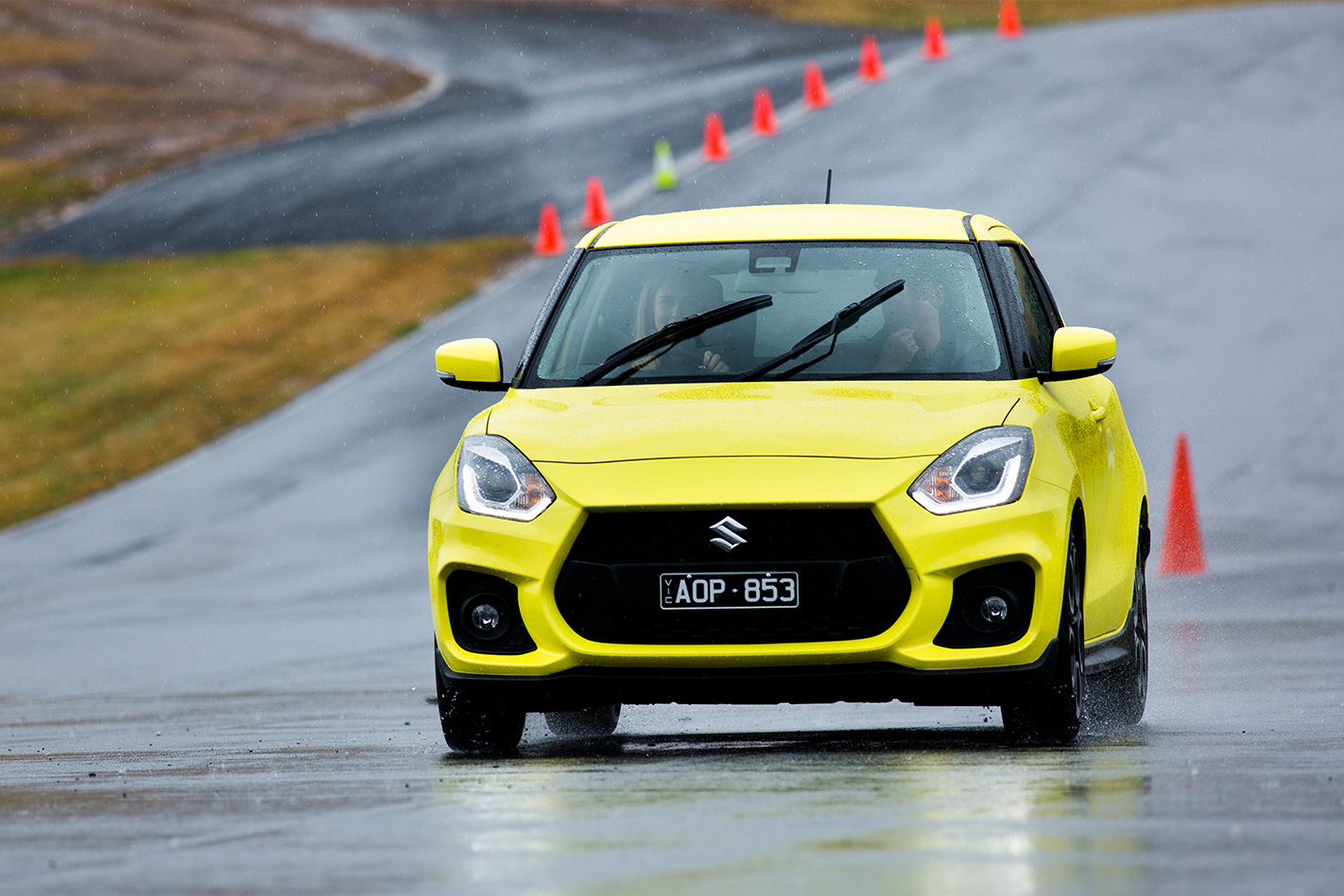
The 1.4-litre turbocharged engine is borrowed from the Suzuki Vitara Turbo, and puts out 103kW and 230Nm in the Swift Sport. Those are modest numbers in the hot hatch world, but the Swift Sport’s performance is aided by another modest number: its 970kg kerb weight.
For reference, a Polo GTI weighs well over 200kg more. With less mass to move, the Swift Sport can make the most of its engine output, and its 7.2-second 0-100km/h time is a whopping 1.5-second improvement on the old car.
Built on Suzuki’s HeartEct architecture, the same that underpins other Swifts as well as the Baleno small hatch, the 2018 Swift Sport weighs 80kg less than the outgoing model. Suspension is still a conventional MacPherson strut front and torsion beam rear, however, Monroe shock absorbers firm up the ride while a thicker front swaybar helps contain body roll.
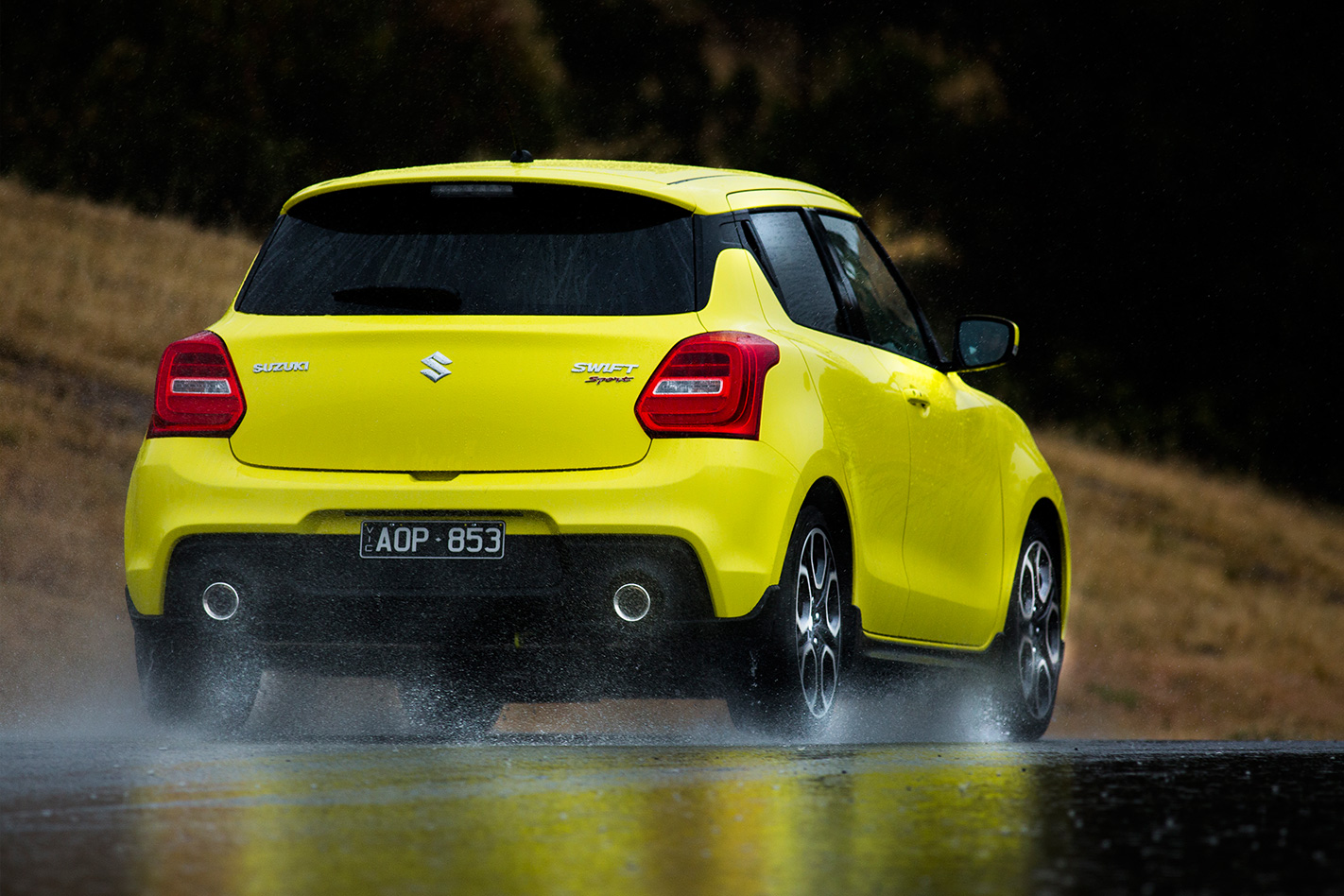
Under-bonnet improvements continue with the old car’s CVT automatic making way for a better-performing conventional six-speed auto, although a six-speed manual remains the standard fit-out.
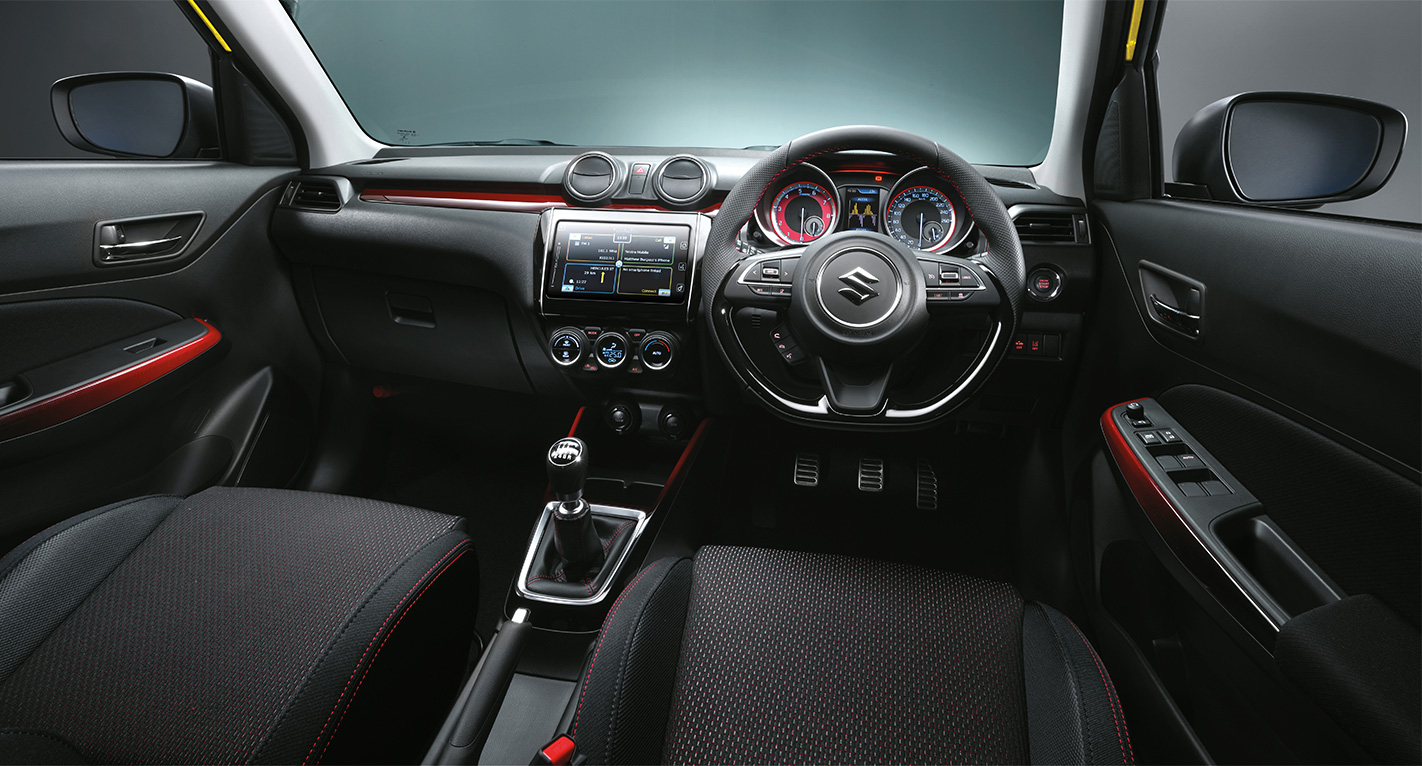
There’s only one specification level for the Swift Sport, and it’s a highly equipped one. Besides the Apple CarPlay and Android Auto enabled touchscreen infotainment system that features on other Swift models, the Sport also packs in AEB, lane departure warning, adaptive cruise control, a speed limiter, keyless entry and ignition, single-zone climate control, privacy glass, 17-inch alloys and six airbags as standard.
Heavily bolstered front seats are unique to the Sport and boast fixed headrests, cloth upholstery and red contrast stitching, while the instrument panel gains red graphics for the tachometer and a boost gauge and primitive G-meter for the multifunction screen. Metal-faced pedals are another Sport calling card, as are red trim panels on the dash and front door cards.
2018 SUZUKI SWIFT SPORT PRICING
Sport manual – $25,490 Sport automatic – $27,490
This is a V6 hybrid concept car, but it’s about as far from a Camry as Toyota can get.
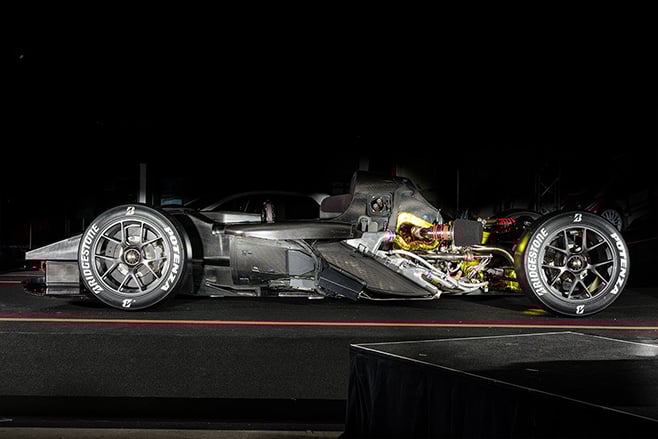
The WEC-racer-based GR Super Sport Concept features a 2.4-litre twin-turbo V6 and electric motors to bring its total power to 735kW.
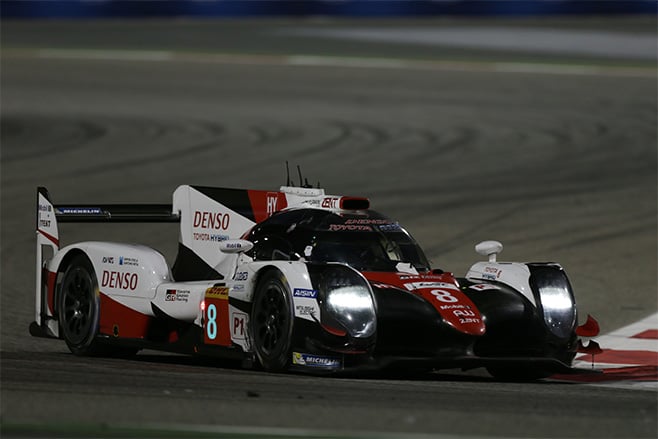
The GR Super Sport incorporates drivetrain tech developed for Toyota Gazoo Racing’s WEC entrant, the TS050 Hybrid.
Gazoo Racing Company president Shigeki Tomoyama says that basing concepts on race cars is a better – and more fun – way to progress development in its vehicles than basing them on road cars.
“Rather than developing production cars into sports cars, we aim to work out how to incorporate the know-how developed through races and rallies into production cars,” Tomoyama says.
“Even as electrification and IT technologies accelerate, the availability of different types of cars, including polar opposite models like the GR Super Sport Concept and the e-Palette Concept, means that they will never become a commodity.
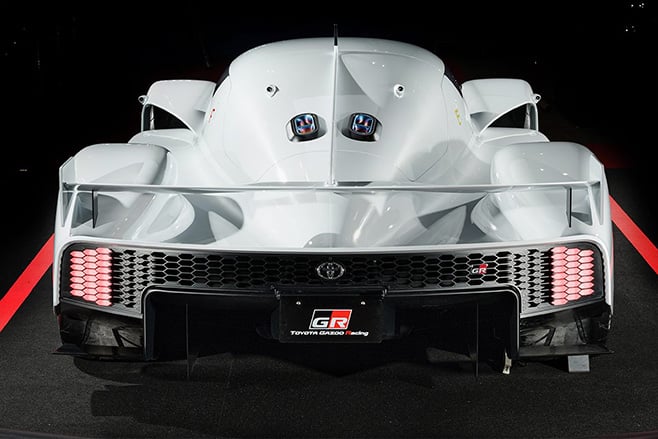
Toyota has only revealed a few images of the car so far, but it will be shown in the metal at the Tokyo Auto Salon.
THE Aston-Martin Valkyrie, Mercedes-AMG Project One and McLaren Senna now have a serious rival. And guess what? It’s from Toyota.
Yes, you read it right. The car maker traditionally known for its blandness has done the equivalent of pulling the pin out of a hand grenade and casually tossing it in a room full of hypercar aspirants with the GR Super Sport Concept, a LMP1-stye test car rocking a mid-mounted twin-turbo hybrid V6.
The concept, unveiled at the Tokyo Auto Salon, borrows the twin-turbo direct injection 2.4-litre V6 hybrid drivetrain from the TS050 Hybrid World Endurance Championship car that holds the current-configuration Le Mans lap record – a 3:14.791 – but has not won the world’s most punishing tarmac endurance race.
The concept was developed by Gazoo Racing, Toyota’s motorsport division that is tipped to spin out as a separate performance brand for more desirable versions of the Japanese car maker’s road-going cars.
Gazoo Racing president Shigeki Tomoyama said the concept was a “starting point” for Toyota’s plan to develop sports cars from active race cars.
“Rather than developing production cars into sports cars, we aim to work out how to incorporate the know-how developed through races and rallies into production cars,” Tomoyama said.
“Although it will be some time before you all have the opportunity to get behind the wheel, I hope that the GR Super Sport Concept will give you a taste of what we aim to achieve with our next-generation sports cars.”
“Cars”. Plural. Awesome.
GR SUPER SPORT CONCEPT SPECS
Engine: 2400cc twin-turbo direct injection V6 engine Power:735kW (engine + hybrid motors) Hybrid system: Toyota Hybrid System – Racing (THS-R) Wheels: 18×13J (f), 18×13J (r) Tyres: 330/710 R18 (f), 330/710 R18 (r)
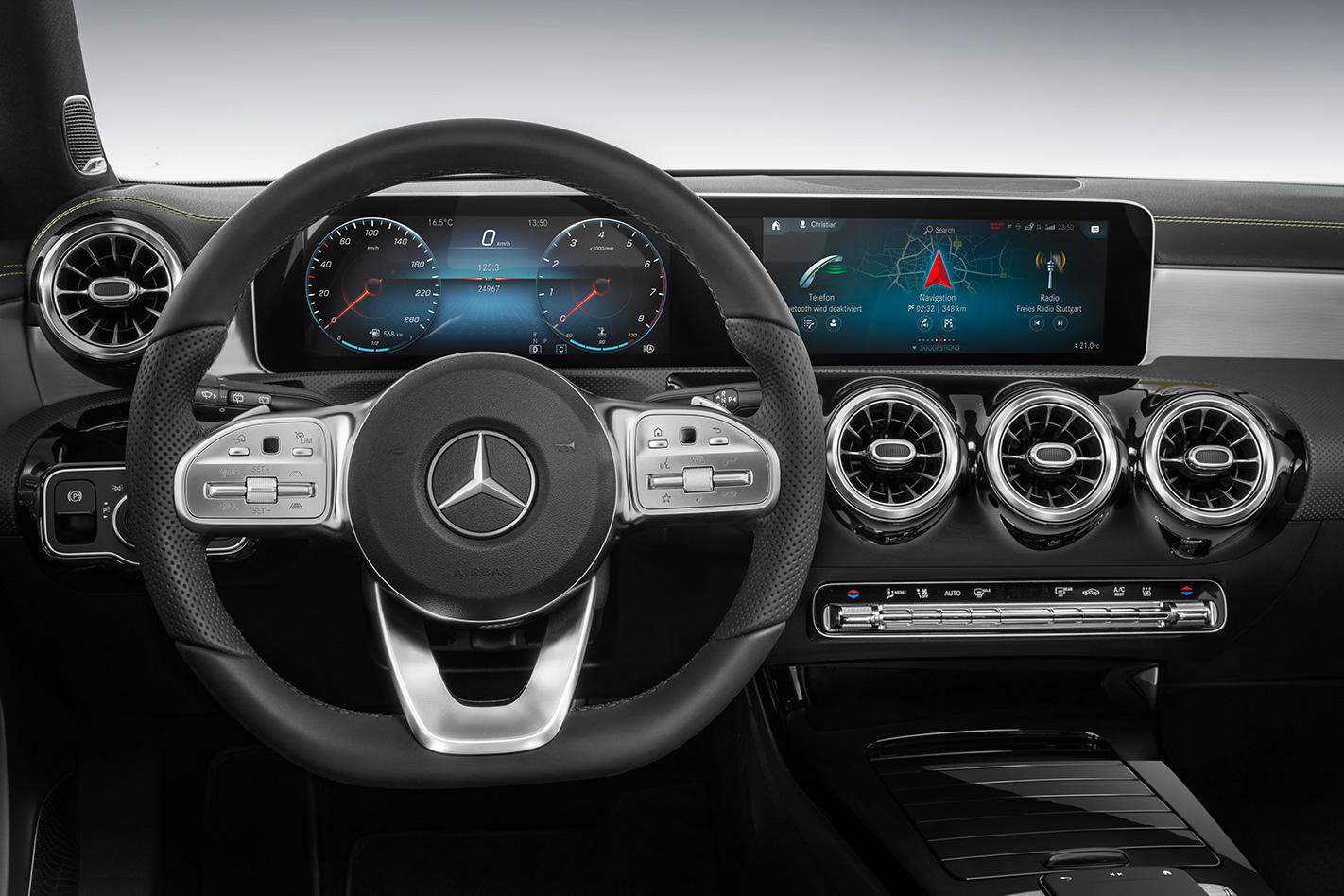
MERCEDES-Benz has allowed Wheels to play with its all-new MBUX 10-inch touchscreen, revealing some of the features that will debut in the A-Class small hatchback.
Like some of its larger siblings, the littlest Merc now gains the fully digital display that conjoins a 10-inch instrument cluster to a second 10-inch infotainment screen behind a single sheet of glass. But the MBUX system brings a number of new functions that in the past would have first appeared in Mercedes-Benz’s flagship S-Class saloon.
Speaking at the global reveal at the Consumer Electronics Show in Las Vegas, Daimler AG member of the board of management for group research and Mercedes-Benz cars development, Ola Kallenius, told Wheels the system was not aligned with the introduction of one of its more expensive models as part of Benz’s strategy to capture the attention of younger customers.
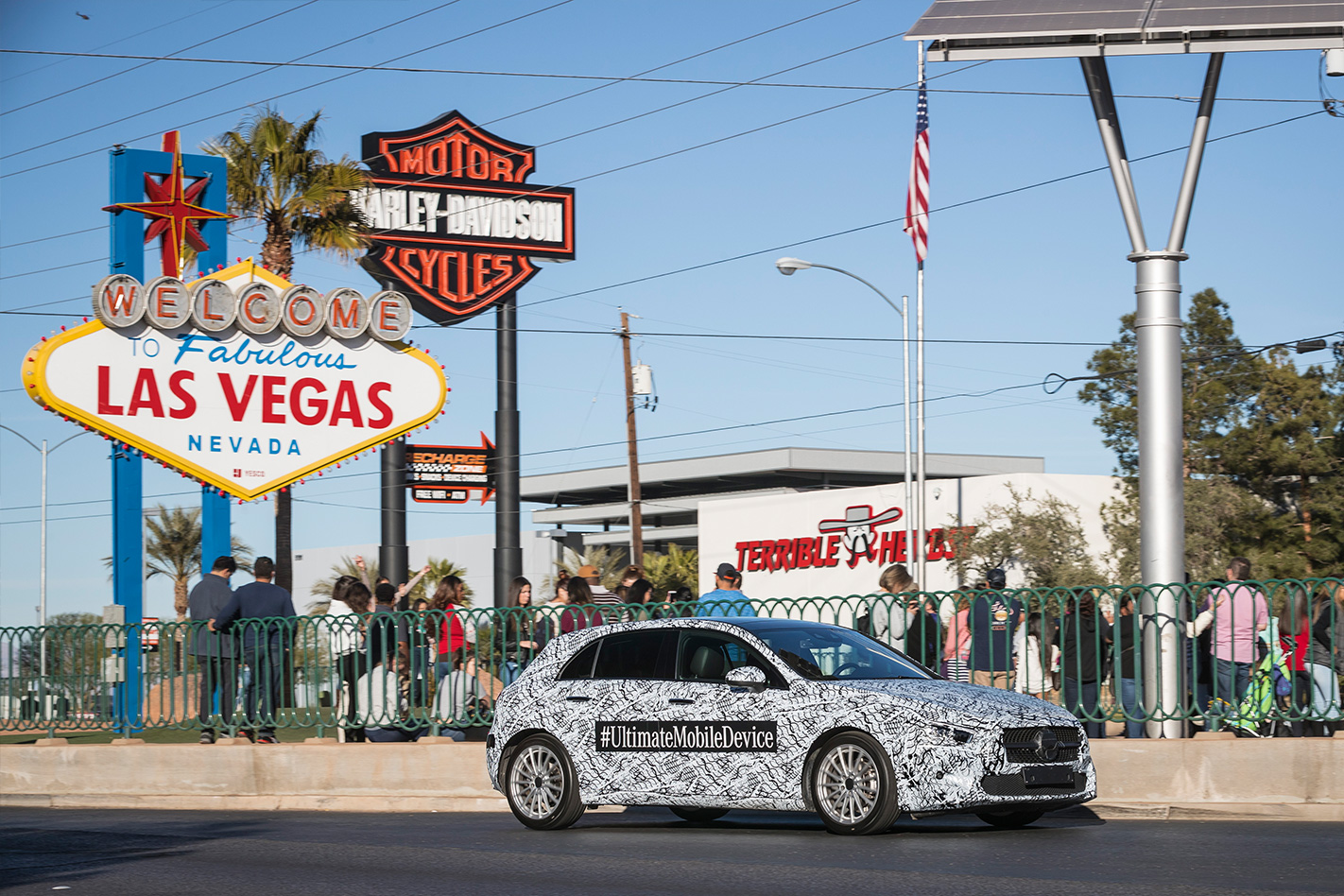
As well as the latest operating system, Kallenius said the next A-Class would appeal to a more youthful audience by being “fun to drive, (with) sporty looks but also functional”.
“The A-Class takes a step up,” he said.
Details beyond the A-Class’s MBUX tech will have to wait until the model’s global debut next month in Amsterdam, but we were given a chance to test the new system during a brief ride around an uncharacteristically drenched Las Vegas in a heavily disguised A-Class, revealing the slick new system.
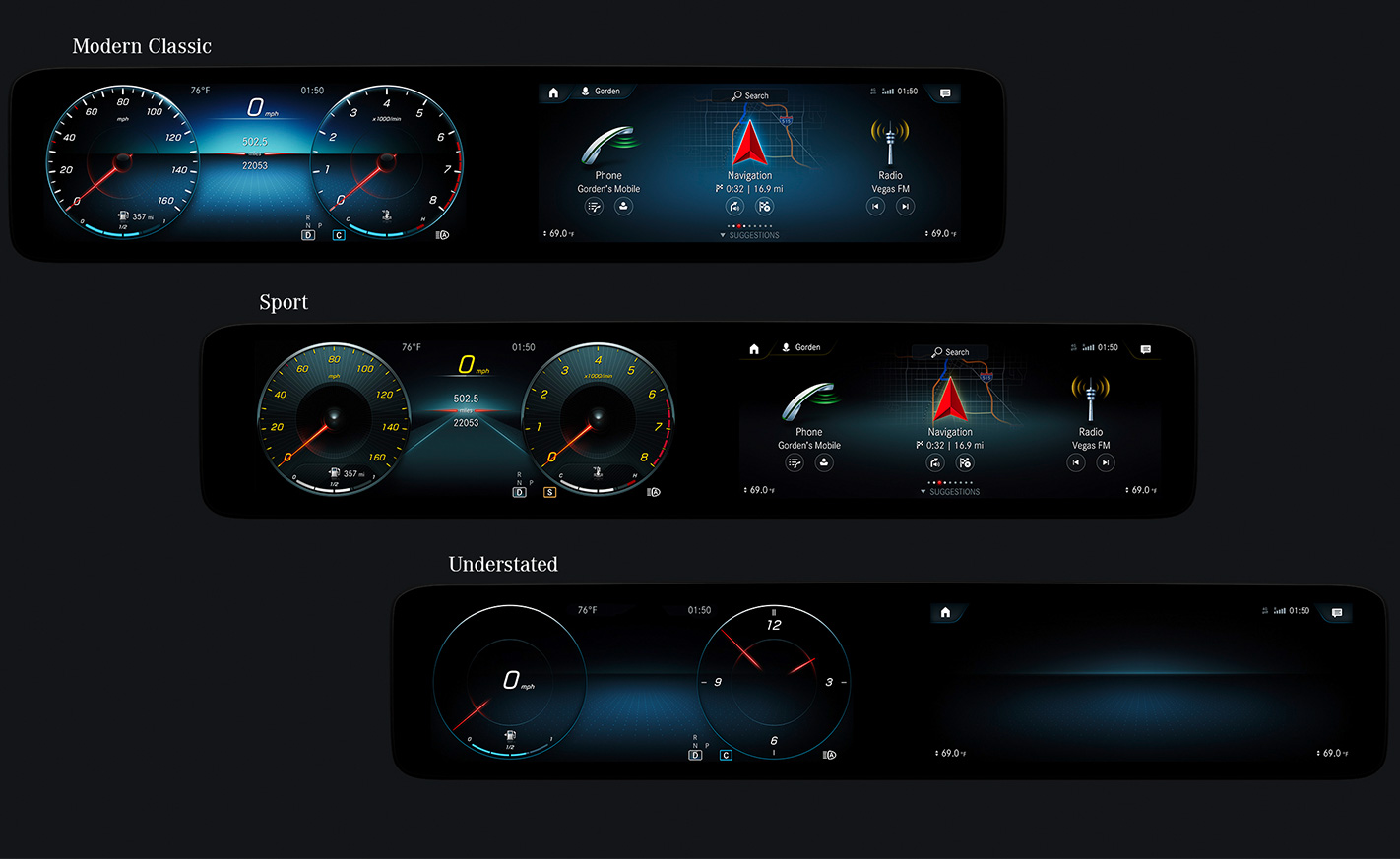
While other Mercedes’ Comand systems also have the conjoined screens, the MBUX is the first to introduce touch sensitivity to the central monitor, although an evolution of voice control is its real interactive party piece.
With a new level of natural language control, we were able to speak to the operating system without needing to use specific keywords. When the BMUX was told “I am cold” it increased the cabin temperature a couple of degrees.
When asked “Will it rain tomorrow?”, a soothing voice told us that it was unlikely to rain. When the driver said “I want to talk to Miguel”, the system found the contact in an address book and dialled the phone.
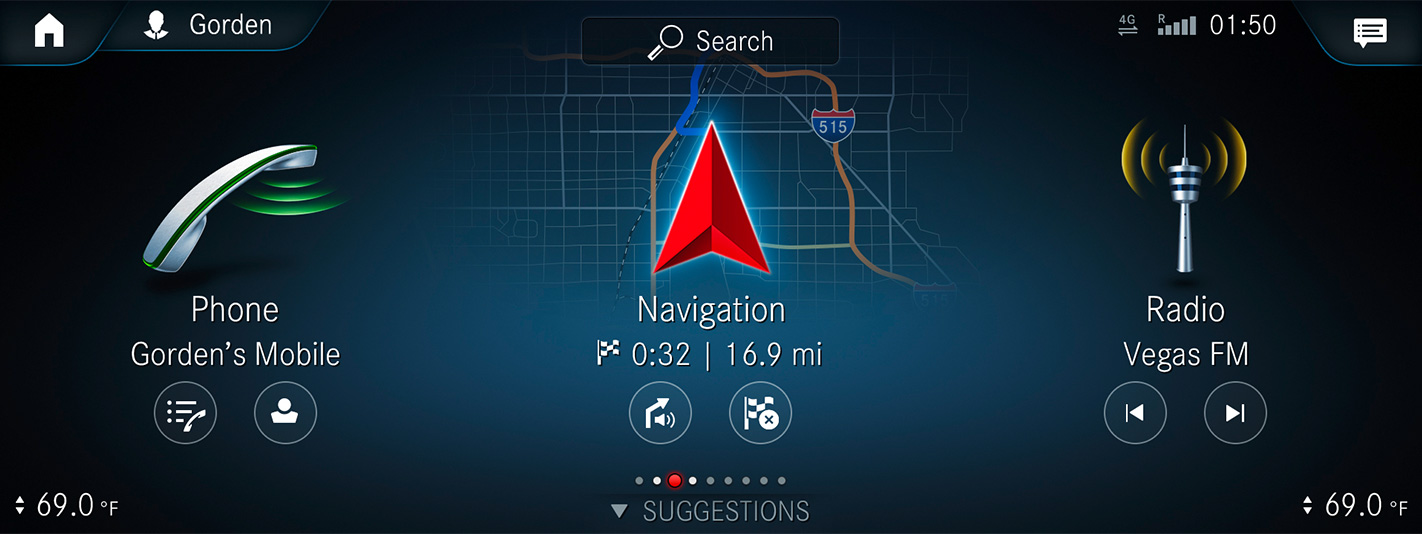
Another notable feature is global mapping service What3Words. Benz is one of the first automotive partners of the service, which has divided Earth into three-metre-square chunks and applied a simple three-word address to each.
Instead of entering complex addresses to the navigation, which can be lengthy, distracting and inaccurate, even places without a conventional address can be entered with the three-word location.
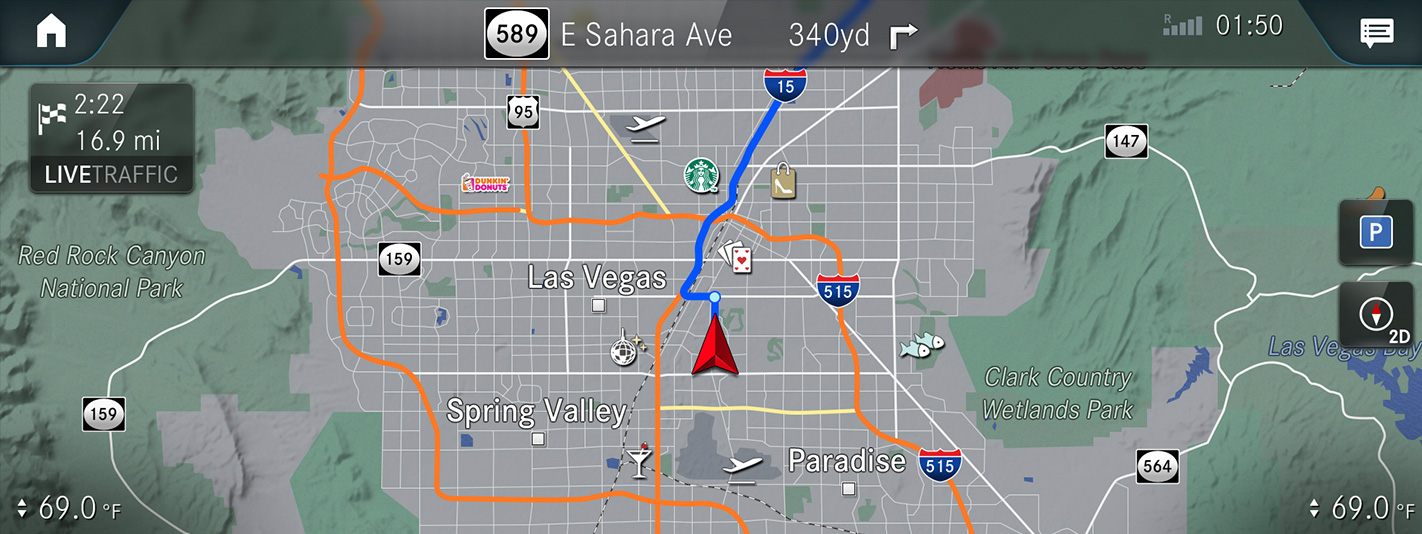
Gone is the Comand system’s scrolling wheel that polarised users, replaced with a touchpad. Aslo gone are the confusing tabs and submenus, replaced with a sharp navigation format that allows users to swipe left, right up and down for different screens, as well as diving through the display for a third dimension of operation.
Real-time rendering and a high-resolution screen give a smooth operation, and what is easily the highest quality approach to be found in the small car-segment.
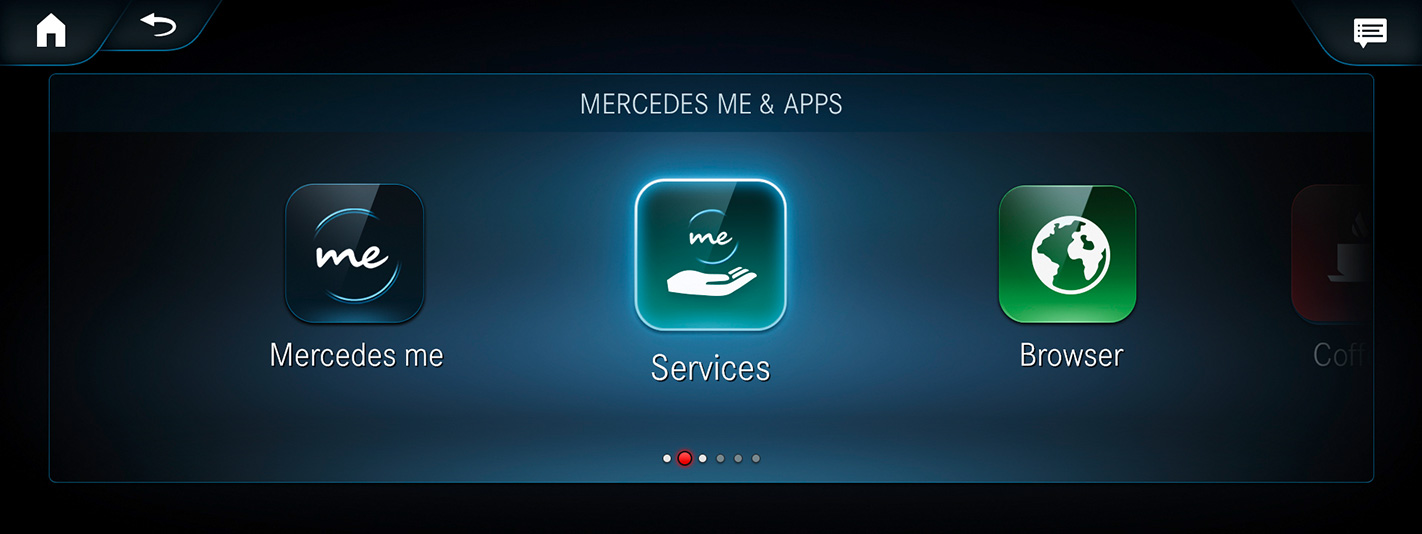
Over the air-updates will be offered to customers for general system refreshes, as well as an app store-style website to allow owners to make their own upgrades as new functions are made available.
The system also builds a profile of a typical user’s routine and can offer predictive suggestions based on how it has learnt the driver normally behaves. Music, climate and navigation options can all be offered by the system before the occupants have to request them.
Australian A-Class specifications are yet to be finalized, but for some global regions an initial base system will be offered with the touchscreen and voice control, with a number of higher-grade versions will be available above it.
Unlike some other manufacturers including General Motors, Mercedes is not yet considering showing its customers advertisements via the MBUX.
Oops, we accidentally spent another day looking for used cars online.
Oh well, have a look what we found and see for yourself whether it was time well spent.
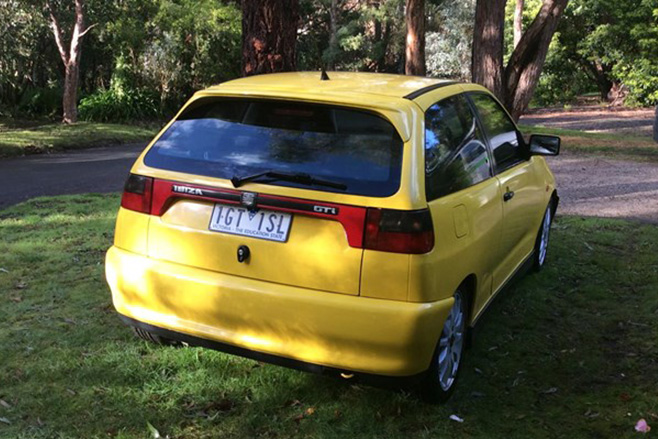
1998 Seat Ibiza Cupra – $3750
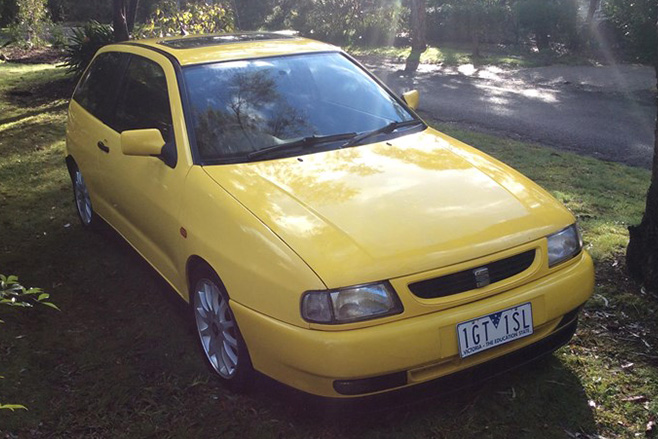
While we’re not sure everyone will agree with that, we think the Cupra is still worth a look, and is currently tempting a former Mk2 GTI owner in the office.
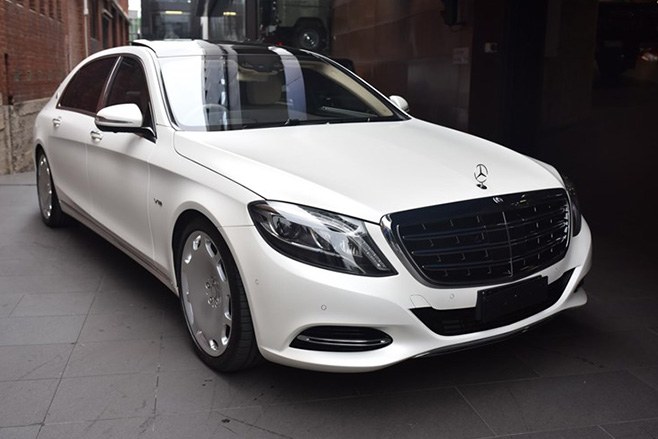
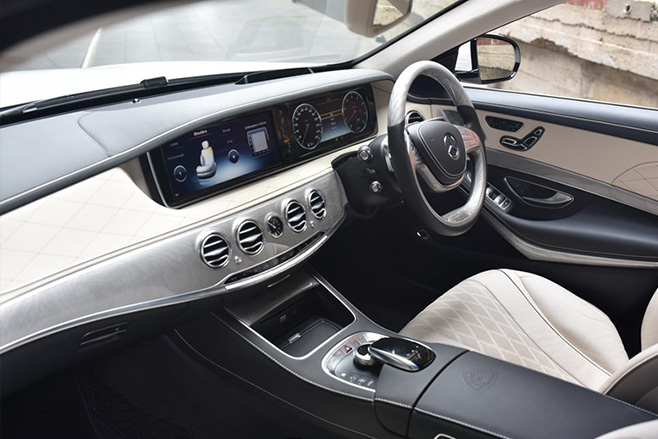
2017 Mercedes-Benz S600 Maybach – $489,990
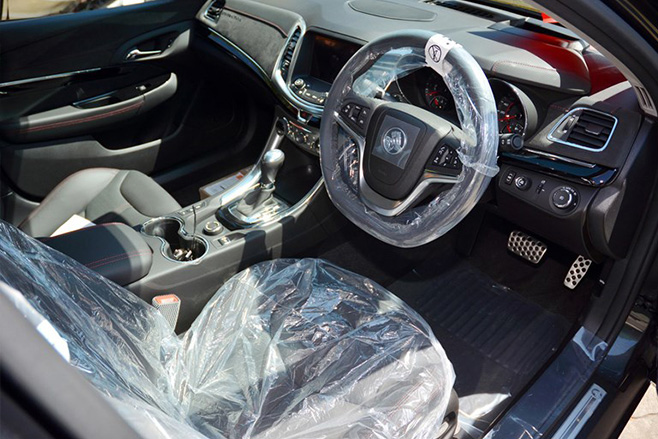
2017 Holden Calais-V Director – $82,495

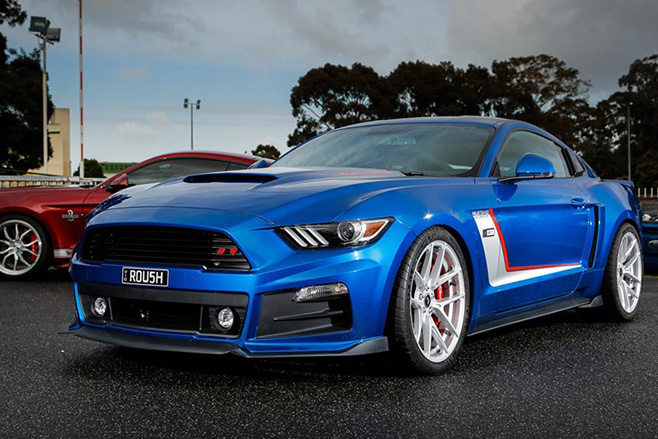
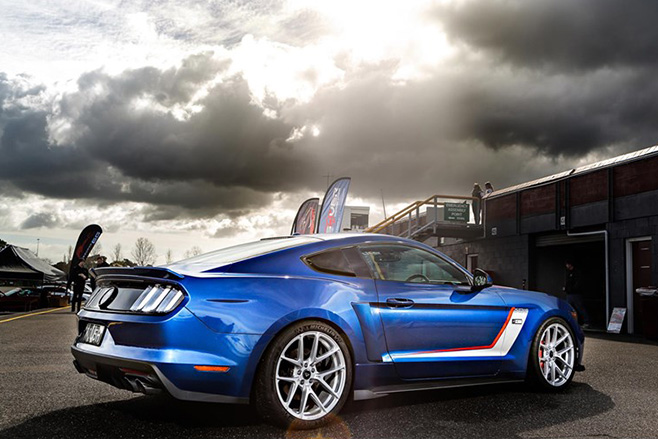
2017 Ford Mustang Roush MM-R727 – $148,000
2015 Lotus Seven-based Dax Rush M/C – $39,000
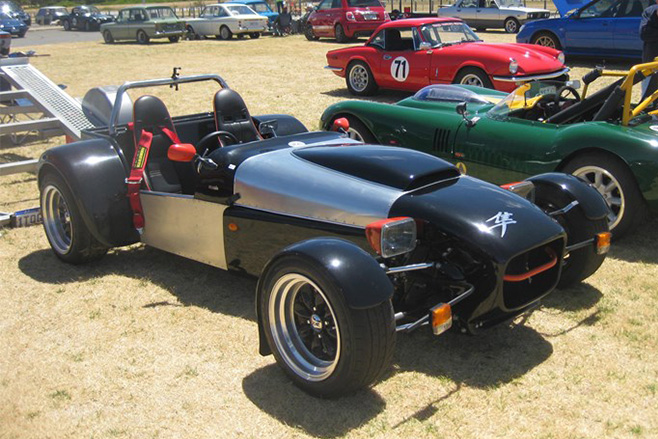
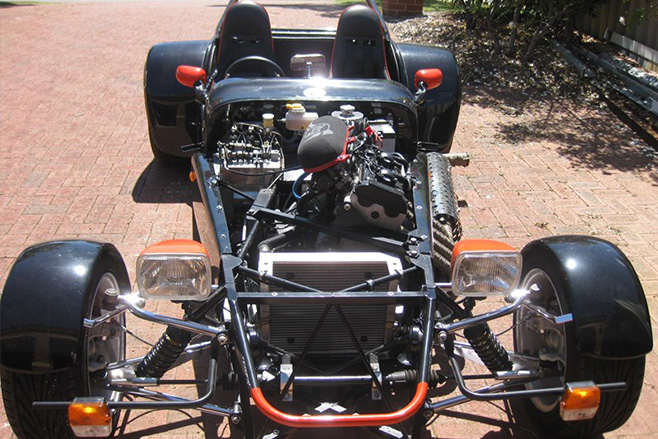
In a Lotus/Caterham style body, the Dax Rush kit car is powered by a 149kW 1.3-litre Hayabusa motorcycle engine.
The core Mini range has undergone a significant upgrade which has brought engine modifications, a new dual-clutch automatic transmissions and a standard equipment boost across the three-door, five-door and cabriolet variants.
Set to arrive in Australia in the middle of the year, the 2018 Mini also gains anti-dazzle matrix headlights surrounded by LED indicator lamps and LED tail-lights featuring a Union Jack design as seen on the 2017 Mini Electric concept.
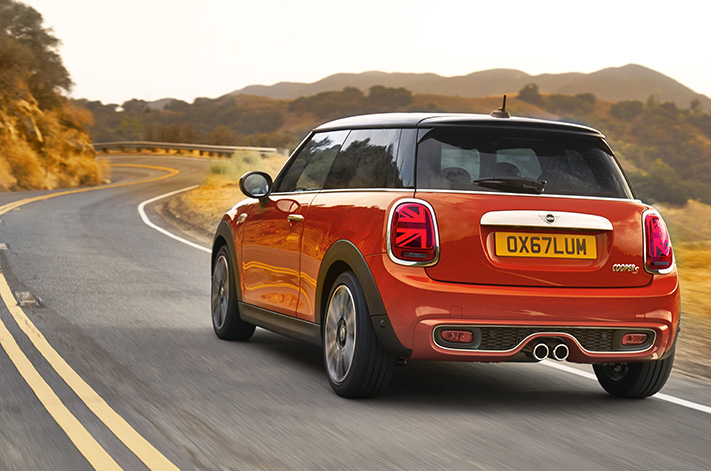
Exterior changes are confined to new alloy wheel designs, revised badging, piano black highlights and three extra paint options.
Inside gains a new three-spoke multi-function steering wheel, updated 6.5in infotainment system, wireless phone charging and optional sat-nav and Apple CarPlay connectivity. There are also more leather upholstery options.
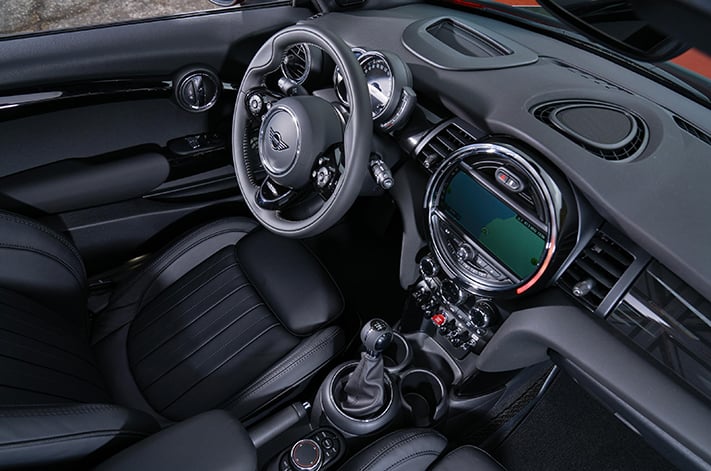
Mechanically, there are no changes to the suspension or steering, but engines have been revised with the 75kW 1.2-litre three-cylinder turbo being deleted from the range, leaving a modified version of the 100kW 1.5-litre three-pot as the entry-level petrol powertrain, now with more torque and greater fuel efficiency.
The four-cylinder engines have also been tweaked to improve driveability, including the introduction of improved turbo technology and more efficient cooling and exhaust systems. Other improvements include higher direct-injection fuel pressures, improved turbo technology and revisions to the electronics and oil supply.
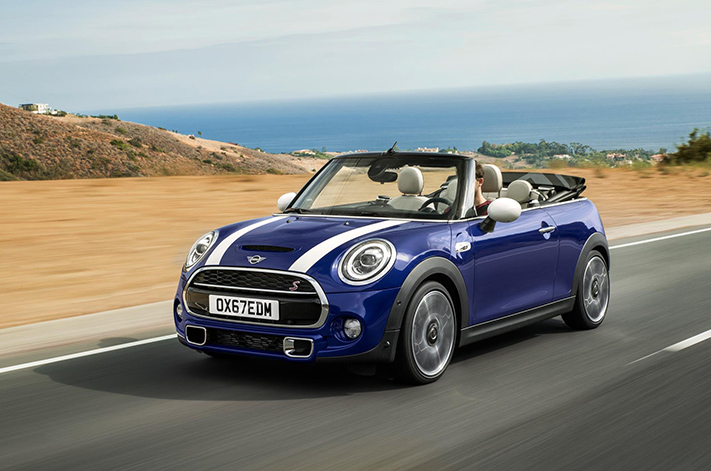
All engines also feature a new, lightweight carbon fibre-reinforced plastic cover.
The six-speed manual and six-speed automatic gearbox remain the base transmissions whilea seven-speed dual-clutch auto with paddle shifters is set to be offered on Cooper, Cooper S and Cooper D, while the Cooper SD’s powerful four-cylinder diesel gets an eight-speed dual clutch auto.
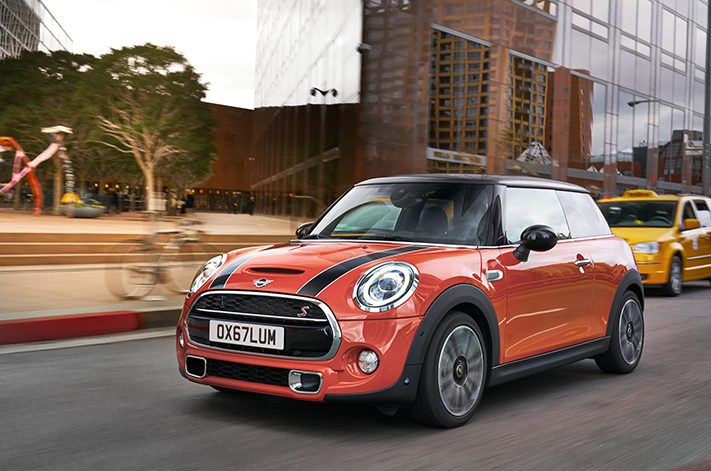
Most of the changes are expected to make their way to the Mini Countryman and Clubman.
The 2018 Mini is expected to arrive in Australia in the middle of the year, with local pricing and specs to be announced closer to the launch date.
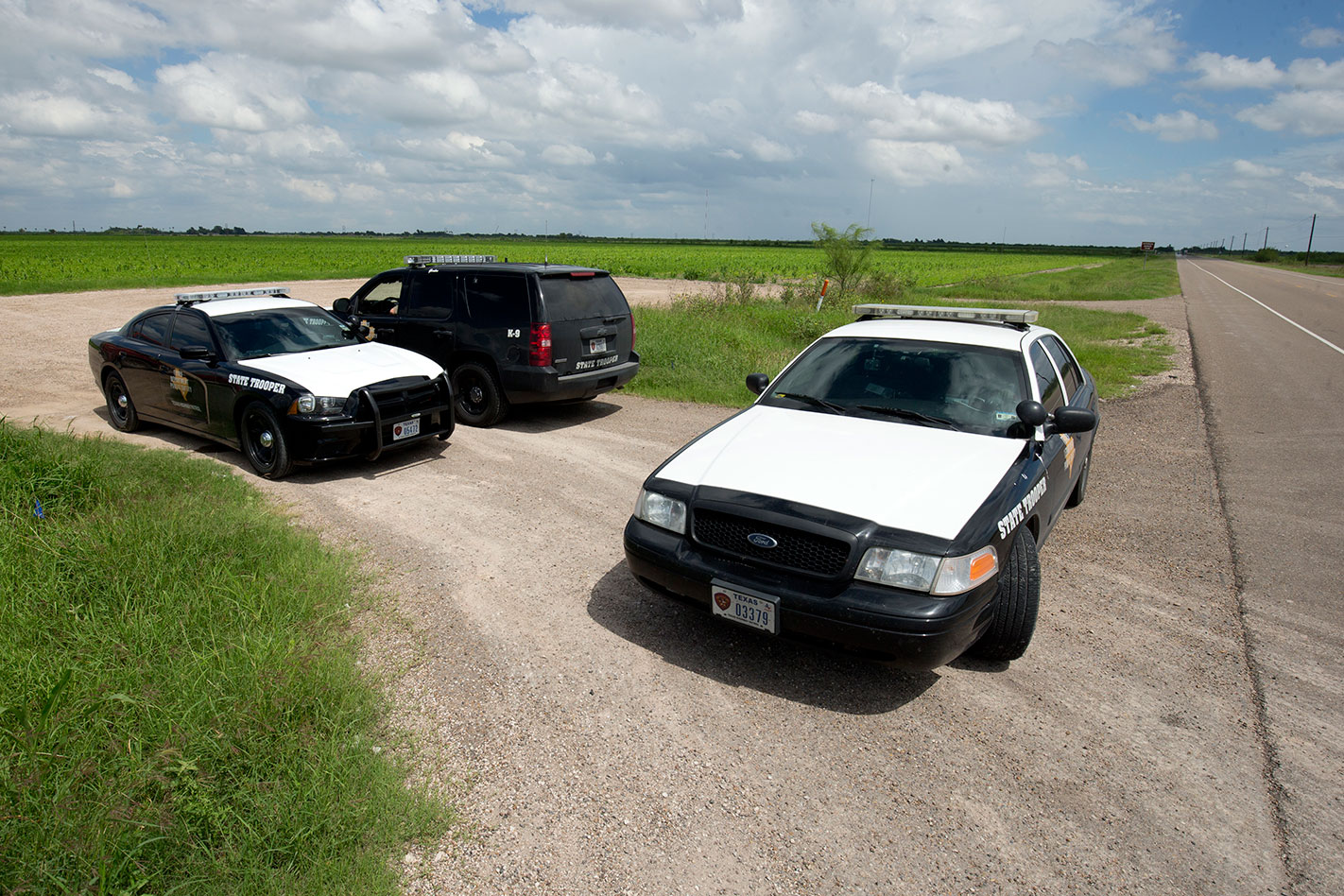
THE Aussie-made Holden Commodore has bowed out of 2017 with one more high distinction in its long list of accomplishments – the highest velocity on a speeding ticket issued to a car in Texas.
US media group KVUE-TV compiled a list of the fastest speeding tickets issued in the Lone Star state in 2017, with a 2014 Chevrolet SS – the US export version of the Holden Commodore – clocked at 250km/h, or about 15km/h under its estimated top speed, in an 130km/h speed zone.
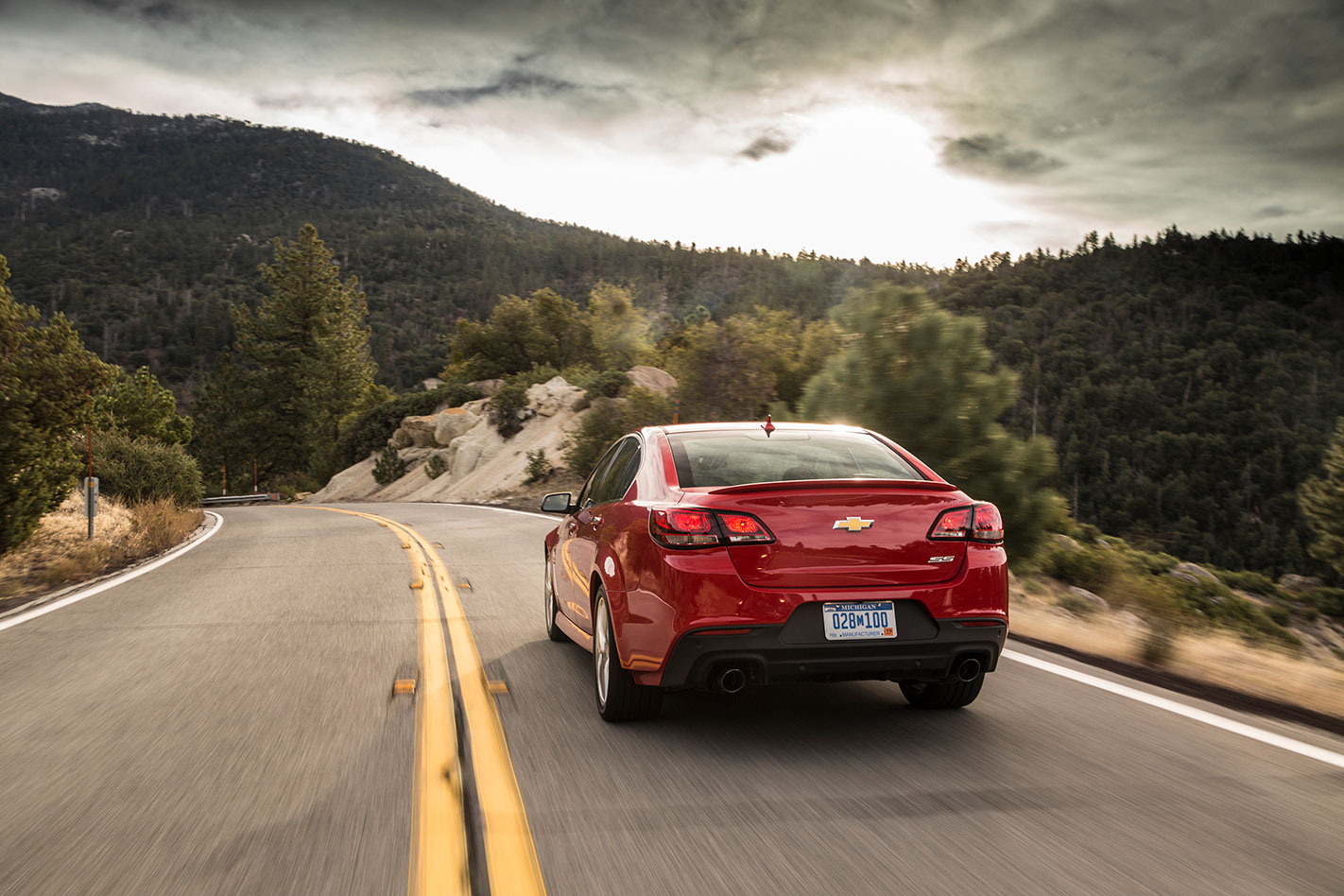
The Chev SS was pinged by the Texas Highway Patrol at 76mph (120km/h) over the speed limit, which means under the state’s law, the driver faced a fine of around $A380 for exceeding the speed limit by more than 30mph. In some areas of the state, that fine is reduced to about $A350 if the driver pays the fine early.
However, a motorcycle crushed the Commodore’s stateside record, with the fastest two-wheeled speeding ticket recording 181mph – more than 290km/h – on a Honda CBR 1000.
Texas has the highest speed limit in the US, officially set at 85mph (just shy of 140km/h).
“The perfect weight balance and lower center of gravity were a big part of that goal because it enabled the team to tune for a more comfortable highway ride without sacrificing handling or driver confidence while cornering at the limits.”
Or well above the limits.
Despite Holden building its last export version of the Commodore almost 11 months ago, Chevrolet still has stock of the SS on its books, selling just 94 of them in December. Chev sold a record number of SS sedans last year, posting a combined 3225 sales.
US car sales website Autotrader lists just 19 new Chevrolet SS sedans as still for sale. All feature a six-speed automatic transmission – no six-speed manuals remain.
Ford has announced it will increase its support M-Sport in the 2018 WRC season.
The technical and financial assistance will allow the current Manufacturer and Driver title holder to retain its hero driver, Sebastien Ogier, as well as ‘upcoming talent’ Elfyn Evans who steps up to take Ott Tanak’s place in a leading driver role.
Even without full manufacturer backing as its opponents have, M-Sport has been a dominating force in the last few years.
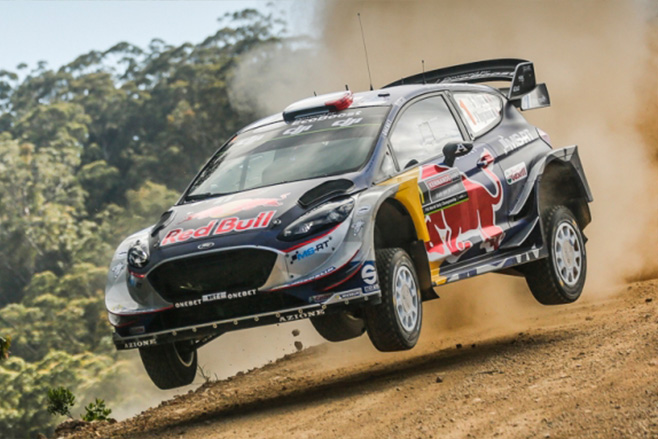
“We’ve enjoyed a fantastic relationship with Ford over the years and it’s great to see that support increase as we look to defend our FIA World Rally Championship titles in 2018,” says Wilson.
“In Sébastien and Elfyn we have another strong line up and the added technical support will allow us to progress the development of the Ford Fiesta WRC.
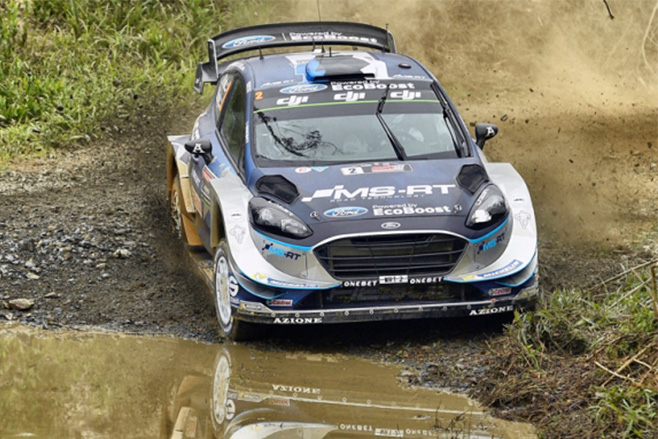
Ford global director of Motorsport Mark Rushbrook says Ford wants to “ensure the M-Sport Ford World Rally Team remains competitive through the 2018 WRC season and beyond.”
“Ford’s 20-year relationship with M-Sport has delivered unparalleled success at all levels of rallying, something we’re very proud of, and has also established Fiesta as the standard for rally competitors around the globe,” Rushbrook says.
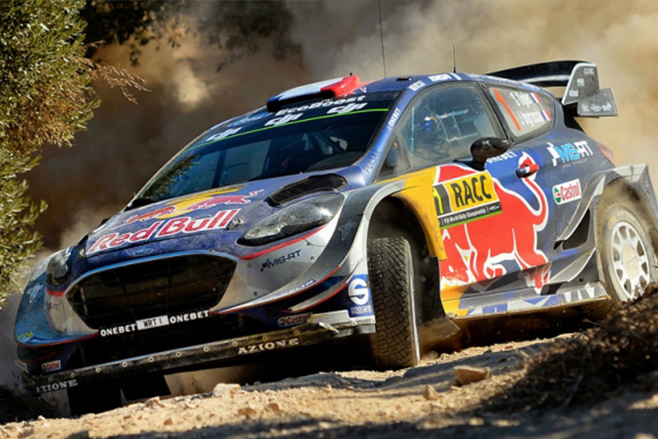
“For 2018, we’re excited to be able to provide even greater support.”
The 2018 WRC season begins in a couple of weeks, with the first round beginning in Monte Carlo on January 25. Shakedowns will commence on January 24.
Like most good things, Ruf’s association with Porsche began by chance.
In 1963, mechanic Alois Ruf had designed and built a tour bus, which he took on a promo tour of Germany. He was overtaken by an enthusiastically-driven Porsche 356 which promptly lost control and speared into a ditch. Ruf took the shaken driver to hospital and offered to take care of the car.
A week later, he bought the battered car and, having had some experience working on Porsches in his garage in Pfaffenhausen, brought it back to as-new condition.
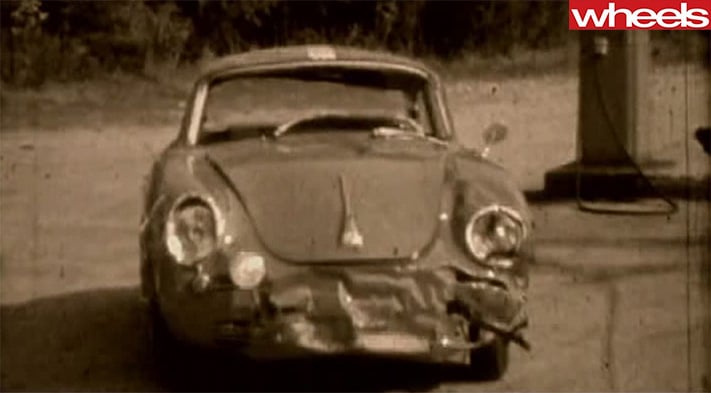
The business case materialised right there.
Through the Sixties, Ruf developed a local reputation as a business that could take on any Porsche project, be it body, engine or suspension upgrades.

“Dad! This is the new Porsche!” he yelled. “I saw it in a car magazine. I have to show it to you when we get home.”
Ruf Jr’s first drive in one of the early 1000kg Porsche 911s set in train a philosophy that has never left the business.
“You feel how light-footed it is. Today we’re driving 1600kg with 500hp (372kW). It feels different because that 60 percent more weight is never really compensated for by the horsepower. There is no compensation for extra weight,” he explains. “There is nothing better than saving weight in an automobile.”
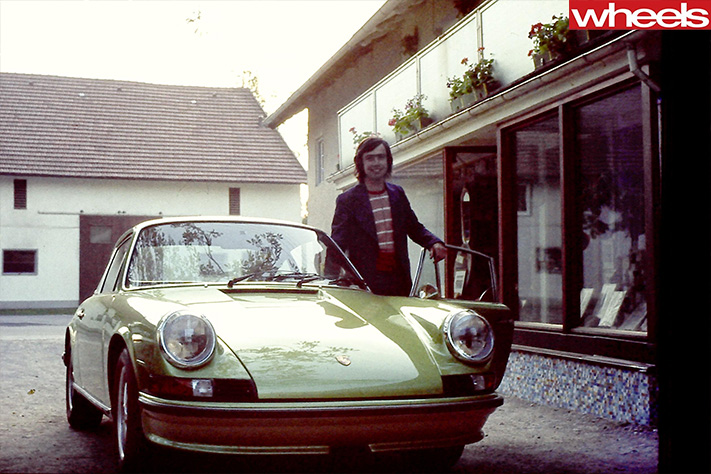
The model range was pared back to just one base variant with less performance than before, offering Ruf the chance to appeal to customers by doing more with the 911.
The 279kW Ruf 930 BTR really put the company on the map from a global perspective. In 1984, Road & Track magazine organised a supercar shootout in Northern Germany. Phil Hill and Paul Frere were the gun drivers tasked with wringing every last ounce of performance out of the cars. The Ruf was the quickest at 306.4km/h.
Three years later, Road & Track tried again, booking the Ehra-Lessien proving ground. This time there was some serious metal on display, including a pair of Porsche 959s, Ferraris 288GTO and Testarossa, a Lamborghini Countach, an Isdera Imperator 108i, a couple of Koenig 911s and an AMG “Hammer’.
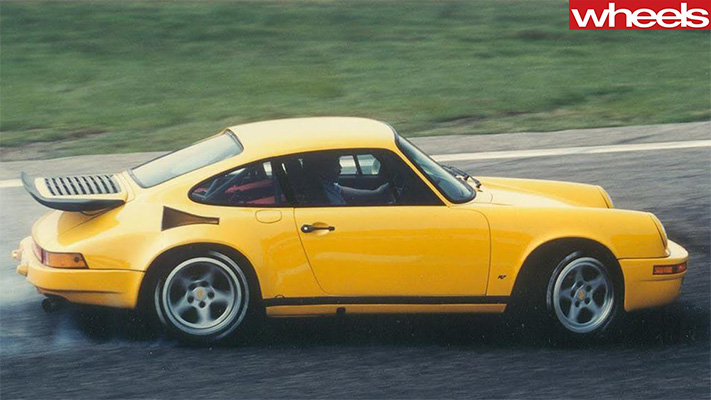
Even more remarkably Hill, Frere and Ruf all agreed that the Yellow Bird was somewhat undergeared.
“We could make it go faster,” Ruf Jr says, “but there’s not much purpose in a road car going very much faster than 300km/h. But 300km/h is the magic speed in Europe. And in the U.S., 200mph is the important number, so we tried to go faster than that.”
Registering 211mph, the Yellow Bird managed that one without breaking sweat. It was also 58.8km/h faster than a Countach.
“The CTR was the milestone that put us on the world map,” says Ruf Jr. “Suddenly the press people came from any place in the world and they wanted to test the car and write a story. This was the landmark, number one for Ruf Automobile.”
It also cemented the company’s bona fides. Of course it helped that bootleg VHS videos (above) were circulating of the company’s test driver, Stefan Roser, sliding the Yellow Bird around the Nordschleife at unfeasible angles/speeds while casually dressed in t-shirt, jeans, loafers and white socks. “Faszination at the Nurburgring” became a cult classic and required viewing for a later Youtube generation.
The CTR-2 that followed introduced a number of changes, with the car’s cosmetics diverging from standard 911 fare. It featured a multifunctional rear engine lid that incorporated the air intake for the intercoolers and the engine cooling. The body featured an integrated roll cage in case the 388kW engine proved a bit too much and, importantly, the car was able to be federalised for sale into the US.
The era of the liquid-cooled 911s began with the 3400S and 3600S. The latter featured a 911 engine in a Boxster chassis, offering ideal weight distribution and serious punch.
The R-Turbo was based on the 996 Turbo and the bulletproof Mezger engine was offered in 388kW, 410kW and 440kW tunes. The latter lapped the Nardo circuit at 351km/h, at the time the quickest street-legal 911 ever offered.
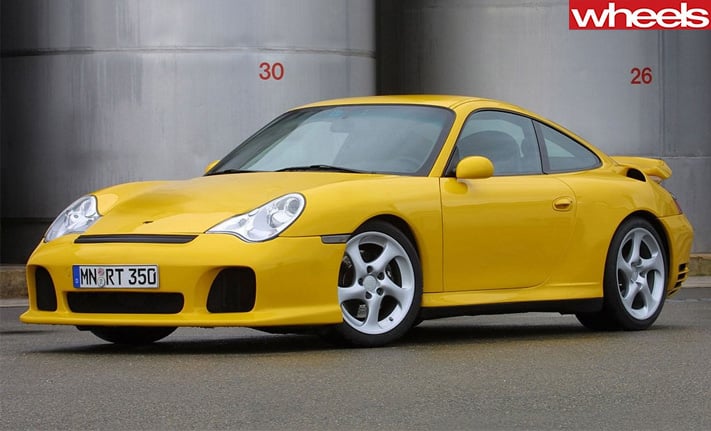
The 997-based Rt12 debuted in 2004, the 3.8-litre engine offered in 395kW, 418kW or 485kW levels of tune. Only 13 were ever made, with rear-wheel drive available as an option. Although the top speed is officially 352 km/h, a special order version was available which offered taller gearing option and 511kW to crank up the maximum speed to an incredible 365 km/h – Ruf offered an owner training service since 1979, which would probably be an advisable investment.
Realising that other manufacturers were gaining a distinct advantage in being able to design mid-engined hypercars from a clean sheet of paper, Ruf took the next logical step in designing its own chassis platform. The Ruf CTR3 was launched in 2007 at the Bahrain International Circuit.
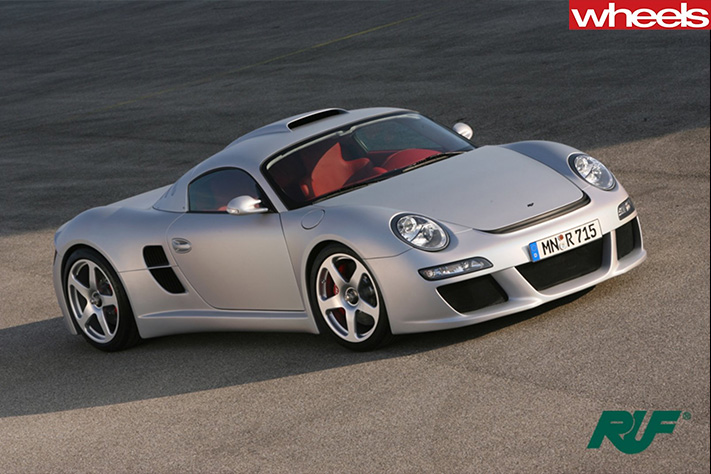
Tipping the scales at just 1375kg and packing a 515kW punch in standard trim, or 572kW for the Clubsport (introduced in 2012), the CTR3 could be ordered with either a six-speed manual box or a seven-speed dual clutch.
The V8-powered RGT-8, based on a Porsche 991 was introduced at the 2012 Geneva Show, offering a 410kW alternative to the standard Weissach fare.
It felt as if we’d come full circle when, in 2017, Ruf launched the retro-styled CTR at the Geneva Show. Featuring a 520kW twin-turbo 3.6 flat-six, this Yellow Bird lookalike is the first car fully engineered and designed in-house at Pfaffenhausen.
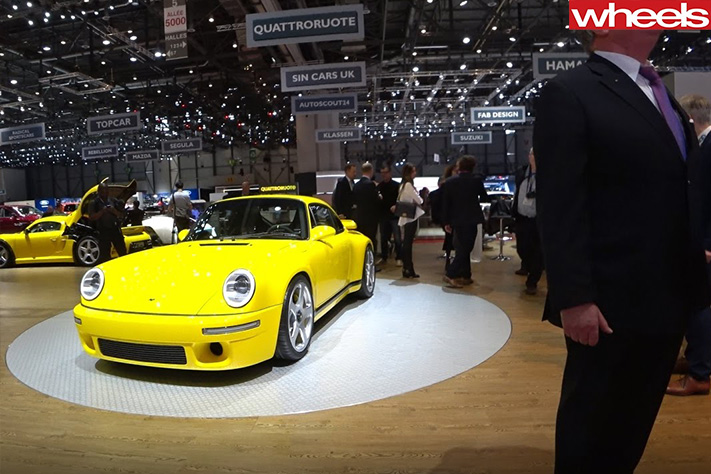
Despite this huge leap forward in technical achievement, Ruf hasn’t forgotten its roots. It’s a manufacturer but it’s also a garage and proud of it. If you own an entry-level Boxster or a humble 924, you can still bring your car to Ruf for service, maintenance or repair.
For a company that began by dragging a 356 out of a ditch to one of the blue-chips of the hyper performance sector, Ruf hasn’t been an overnight success. But that 55-year metamorphosis underscores the philosophy behind the company. Take your time. Do it better. And never say ‘enough’.
