
Price & Equipment – Winner: Mazda 3 SP25 GT
The $32K Honda Civic RS sits a rung below the flagship VTi-LX and gets smart key entry/keyless start, a reversing camera, front and rear parking sensors, a DAB radio tuner, rain- sensing wipers and dusk-sensing headlights, a tyre pressure monitor, speed-limiter cruise, LED headlights, daytime running lights, foglights and a powered sunroof.
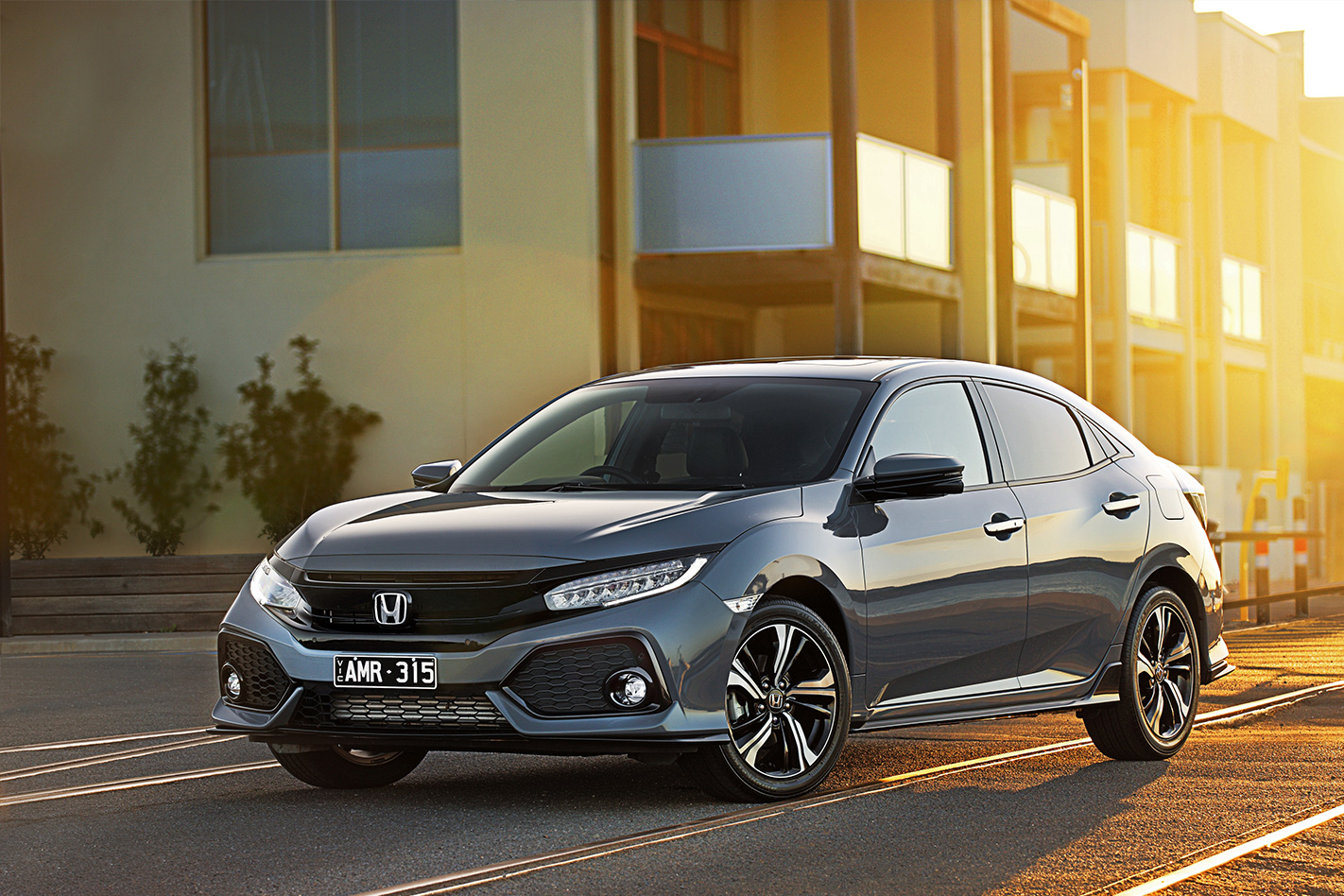
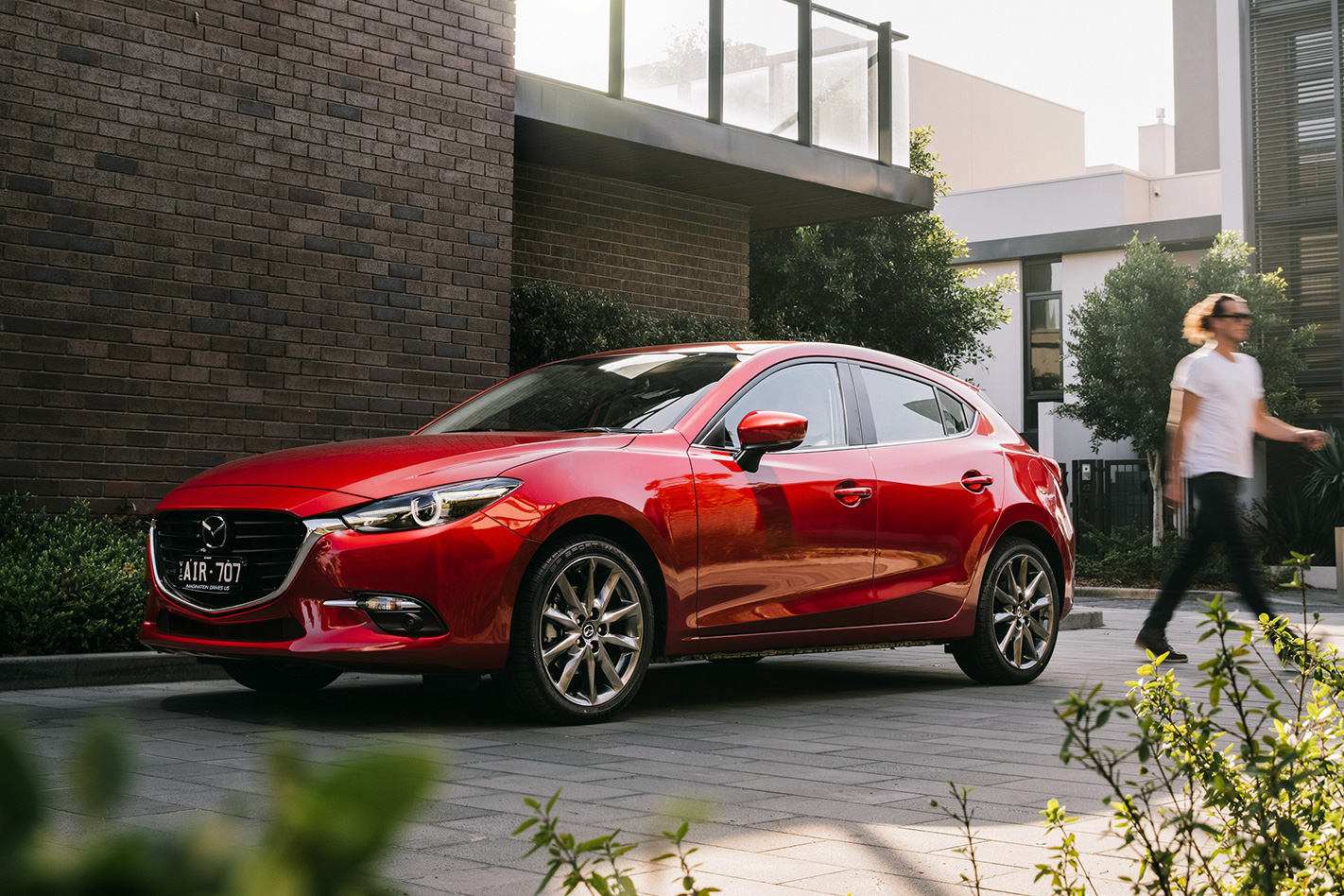
The Mazda 3 SP25 GT shares much with the Honda, including its price, however you get a six- rather than eight-way drivers seat and normal cruise control. You get sat-nav here, which the Civic misses, but not front parking sensors. A blind-spot monitor, driver attention alert, rear cross-traffic alert and smart city brake support are all pluses.
Interior & Versatility – Winner: Honda Civic RS
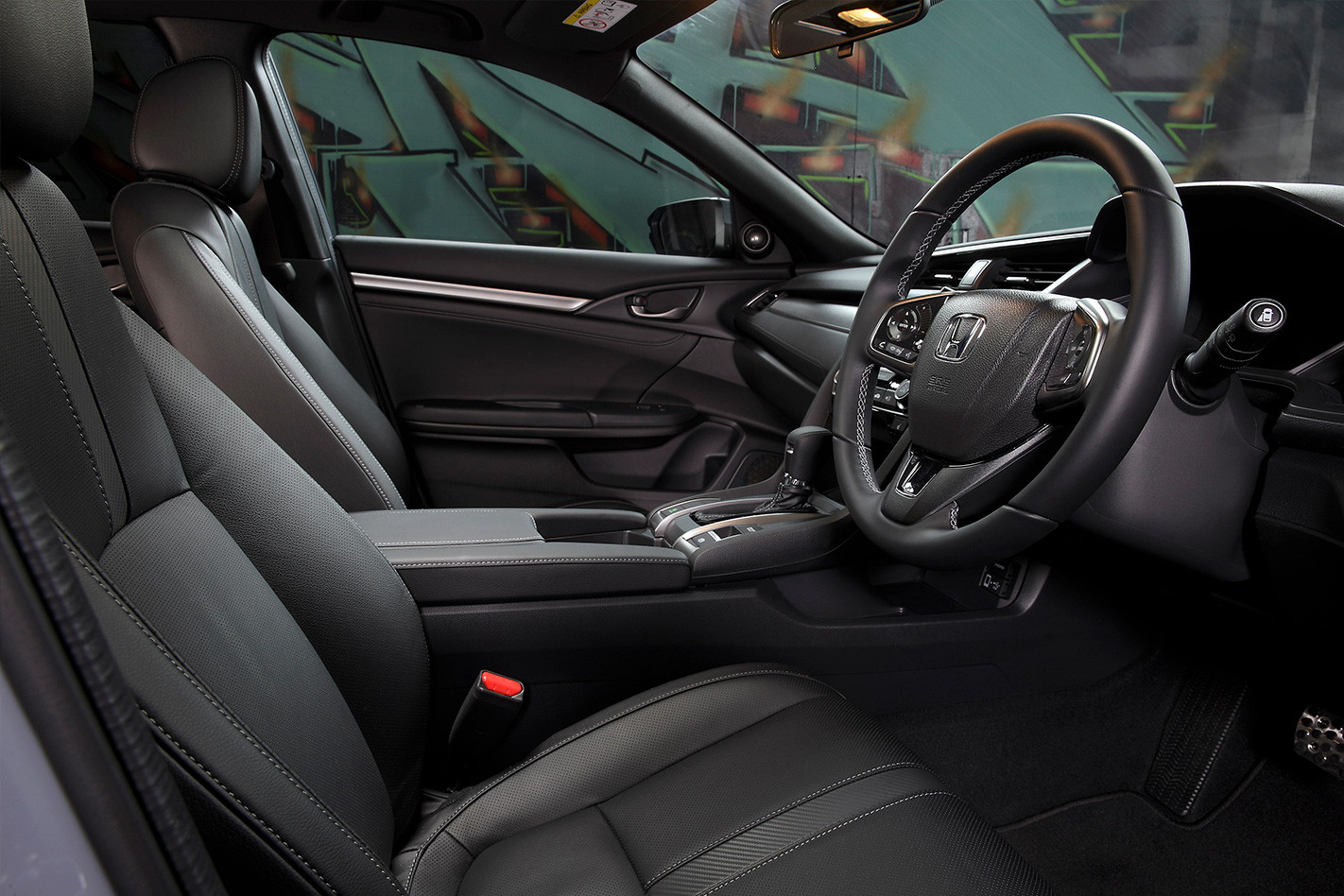
The Civic shares its 2700mm wheelbase with the Mazda and at 1799mm is just 4mm wider than its rival. The dash is busy rather than elegant – at least it’s not boring – and the materials quality and finish satisfy. Heated leather front seats are comfy and the back is spacious. The 330-litre boot is well shaped and usefully bigger than the Mazda’s.
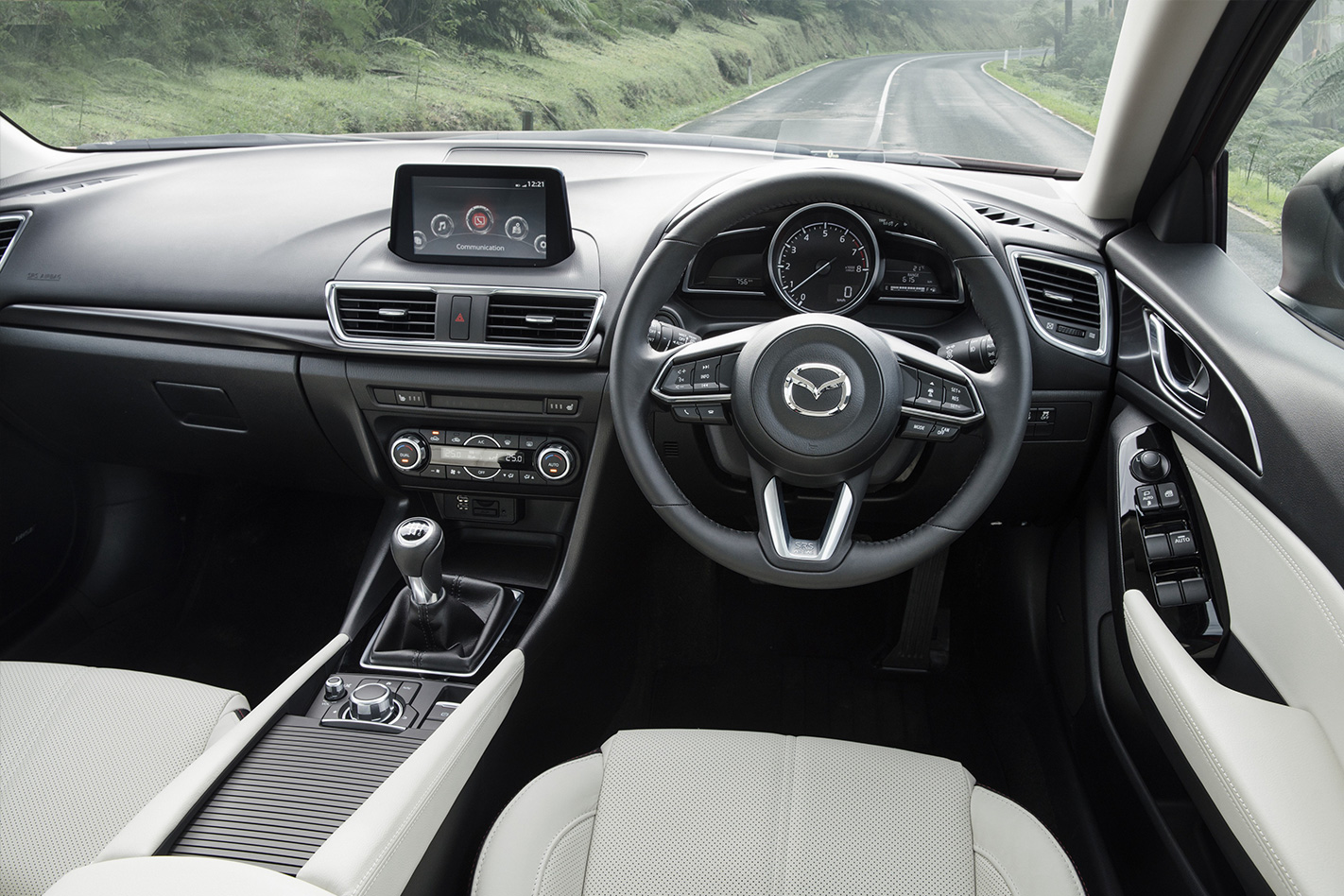
The Mazda’s dash is plainer and might please conventionalists more than the Honda’s. Sculpted wheel feels good and leather-trimmed front seats offer a bit more side support than the Civic’s. It’s easy to get comfy up front and in the back, but there’s not quite as much room for lugging stuff in the 308-litre cargo bay.
Performance & Economy – Winner: Mazda 3 SP25 GT
The ‘RS’ badge oversells the Honda’s straight-line performance but the brand’s first mass-produced snail- assisted mill in three decades is a smooth, likeable engine. The 127kW/220Nm unit is economical, claiming 6.1L/100km, but the rubbery CVT auto is a weak link that detracts from the overall appeal of the drivetrain.
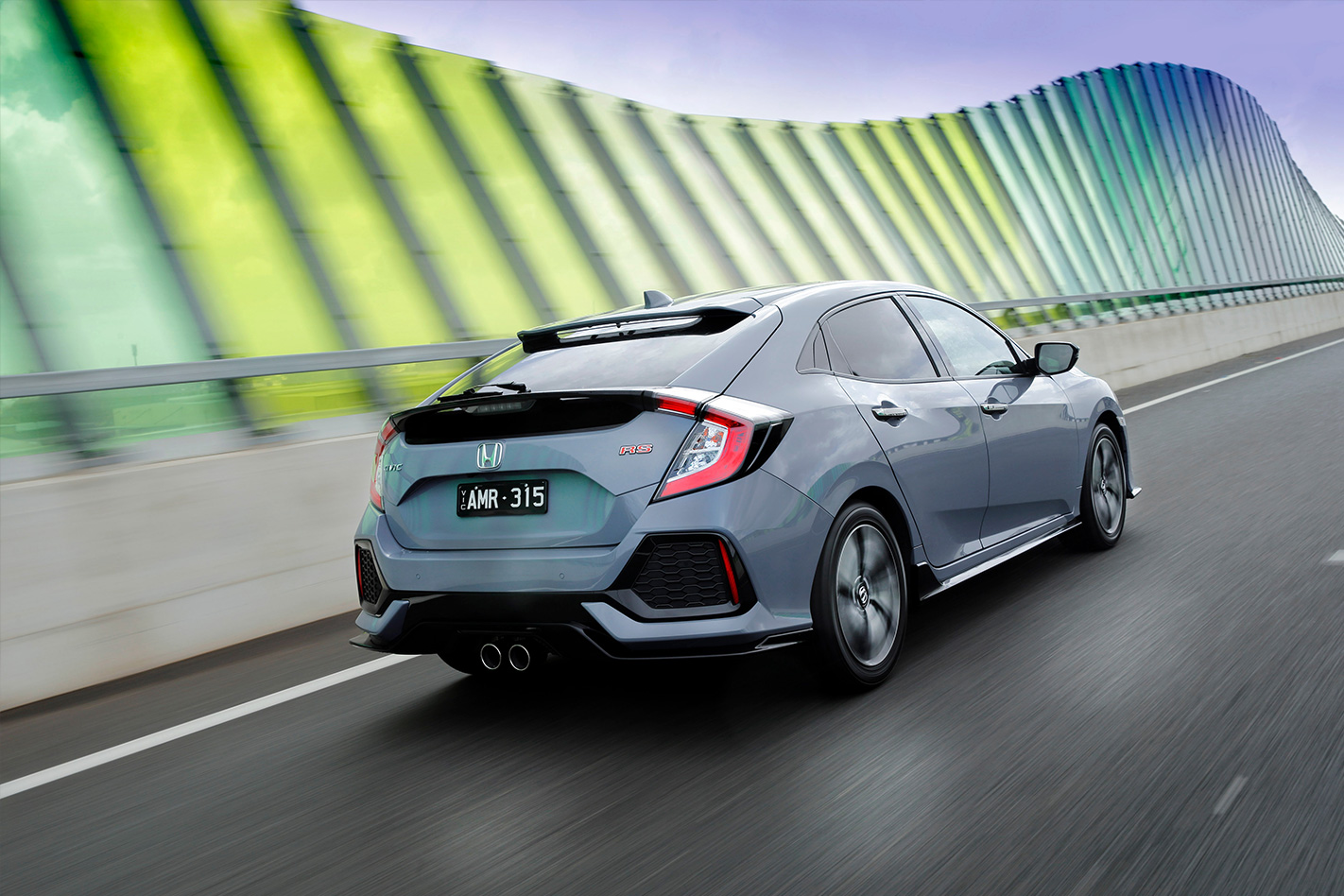
The 3’s 138kW, 250Nm atmo four and six speed conventional auto make a good team. The Mazda deftly avoids the small displacement turbo path yet delivers economy to match its rival thanks to measures including a high 13:1 compression ratio and direct injection. Yet, like the Honda, it’s happy on 91RON.
Ride & Refinement – Winner:Honda Civic RS
The Honda’s highway demeanour is matched perfectly with the torquey turbo engine – a decent conventional auto would seal the deal. The Civic, despite the sports badge and poised handling responses, is supple and absorbent over bad roads over a range of speeds. It’s hushed too, especially alongside the Mazda.
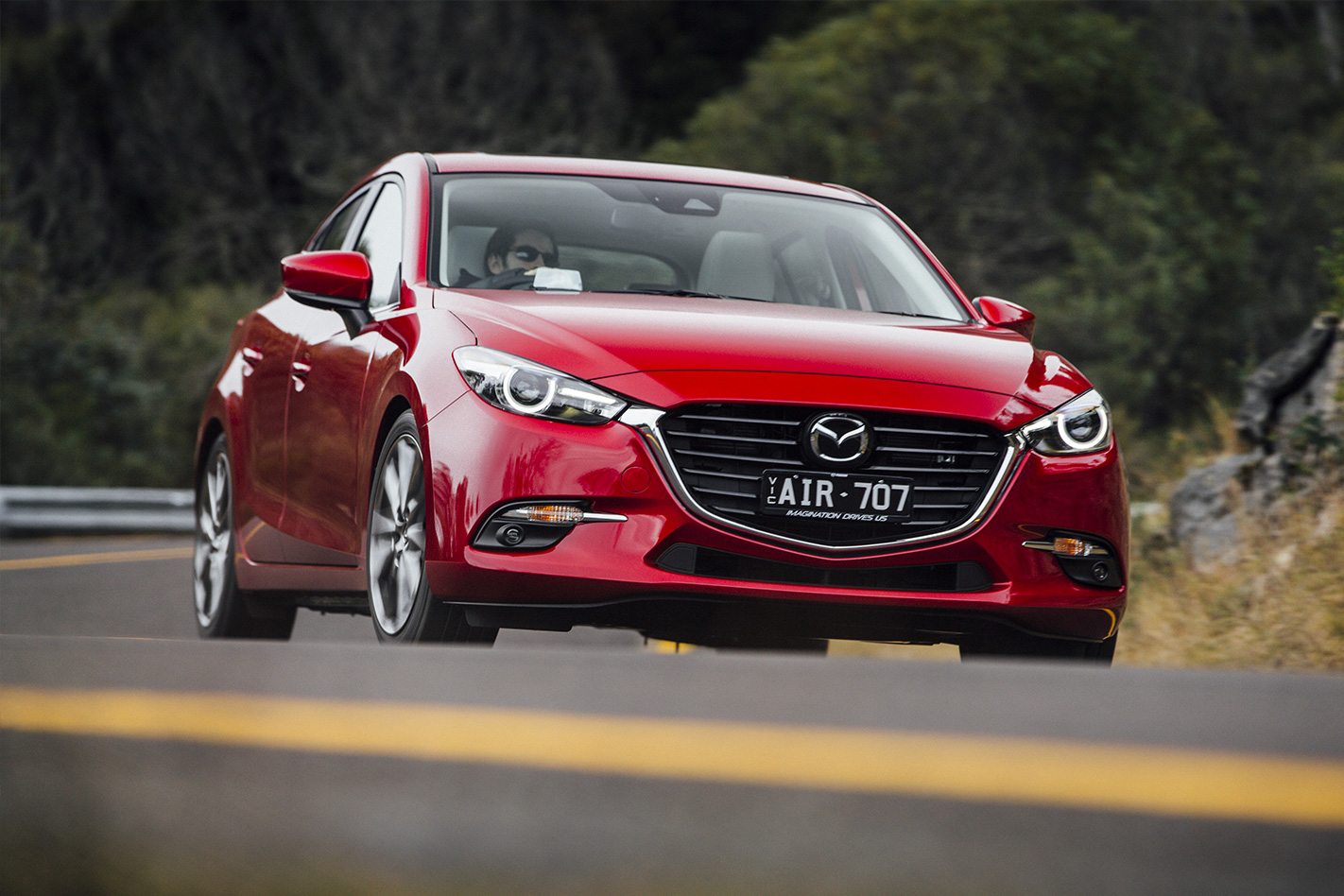
Mazda has a history with road/tyre noise and the third-gen 3, in part because it’s getting on a bit, is not as refined as the Honda. With no help from the 215/45R18 tyres, the SP25 GT is not especially smooth over the small amplitude bumps that are everywhere in cities, though its handling of larger undulations tells of a well-judged primary ride.
Steering & Handling – Winner: Honda Civic RS
Quick steering and a responsive chassis give the Civic RS a sporty flavour and if you push the strut front/multi-link rear chassis (a basic layout it shares with the Mazda), the rear end can be provoked to adjust the angle of attack. It’s a pity the steering ultimately lacks feel, and a far greater shame the CVT won’t let you take the Civic by the scruff.
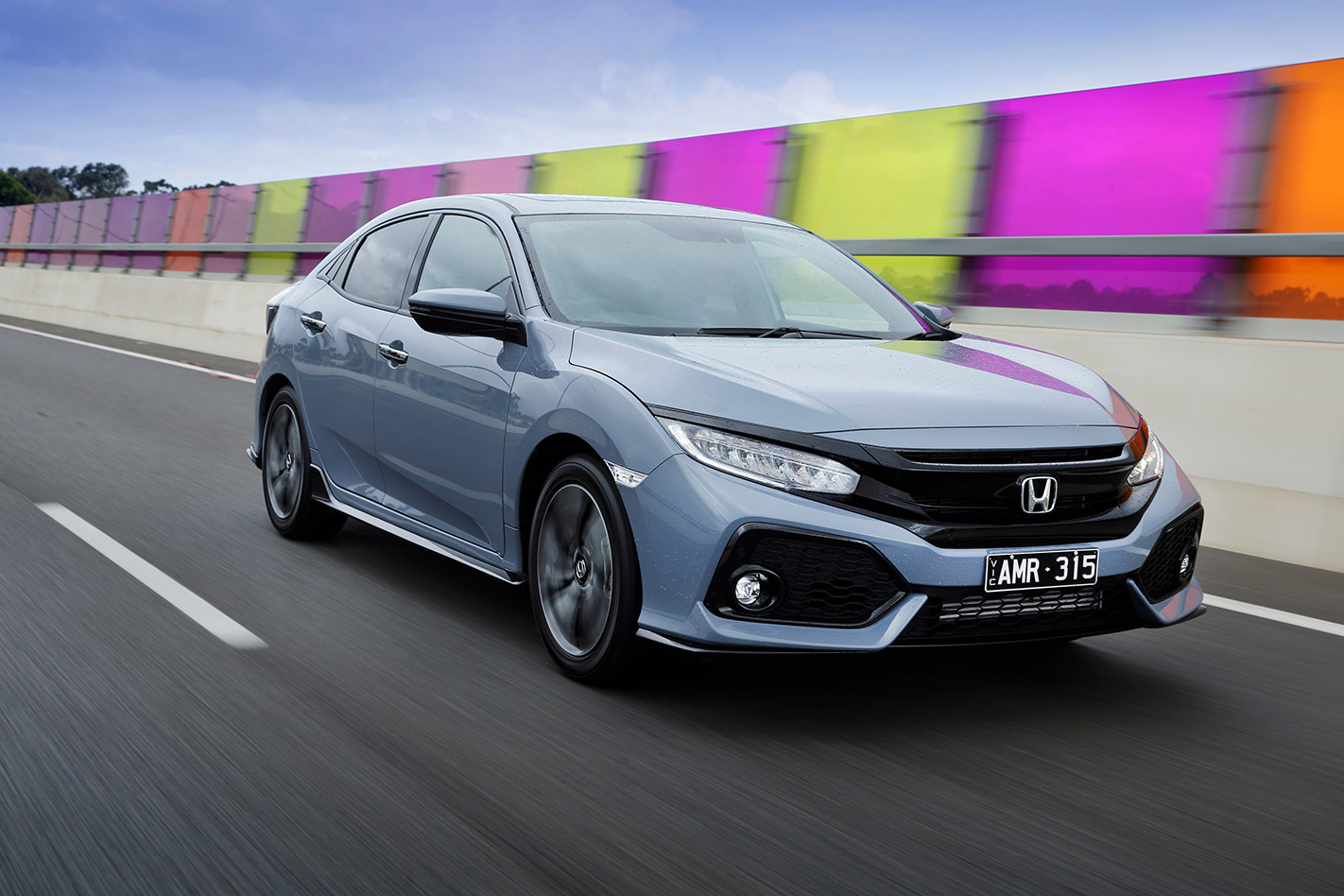
Some of the millennial zoom-zoom has dissipated in even the sportiest of the current 3s which isn’t all bad – some of the responses of the first-gens were over-eager. The Mazda’s steering is more measured than the Honda’s. Here, you have to go looking for the sportiness. But press on a bit and you’ll find the inherent balance and playfulness.
Verdict – Winner: Mazda 3 SP25 GT
The scores reflect the closeness of this pair in an overall sense, yet taking these warm hatches category-by-category it’s apparent they’re not quite as close as they might seem.
If you’re looking for generous standard active safety and other niceties, you’ll find them in the Mazda. Cabin appeal might be a matter of taste but the fact the Honda rides well and is quiet, while the Mazda is busier and noisier is black and white.
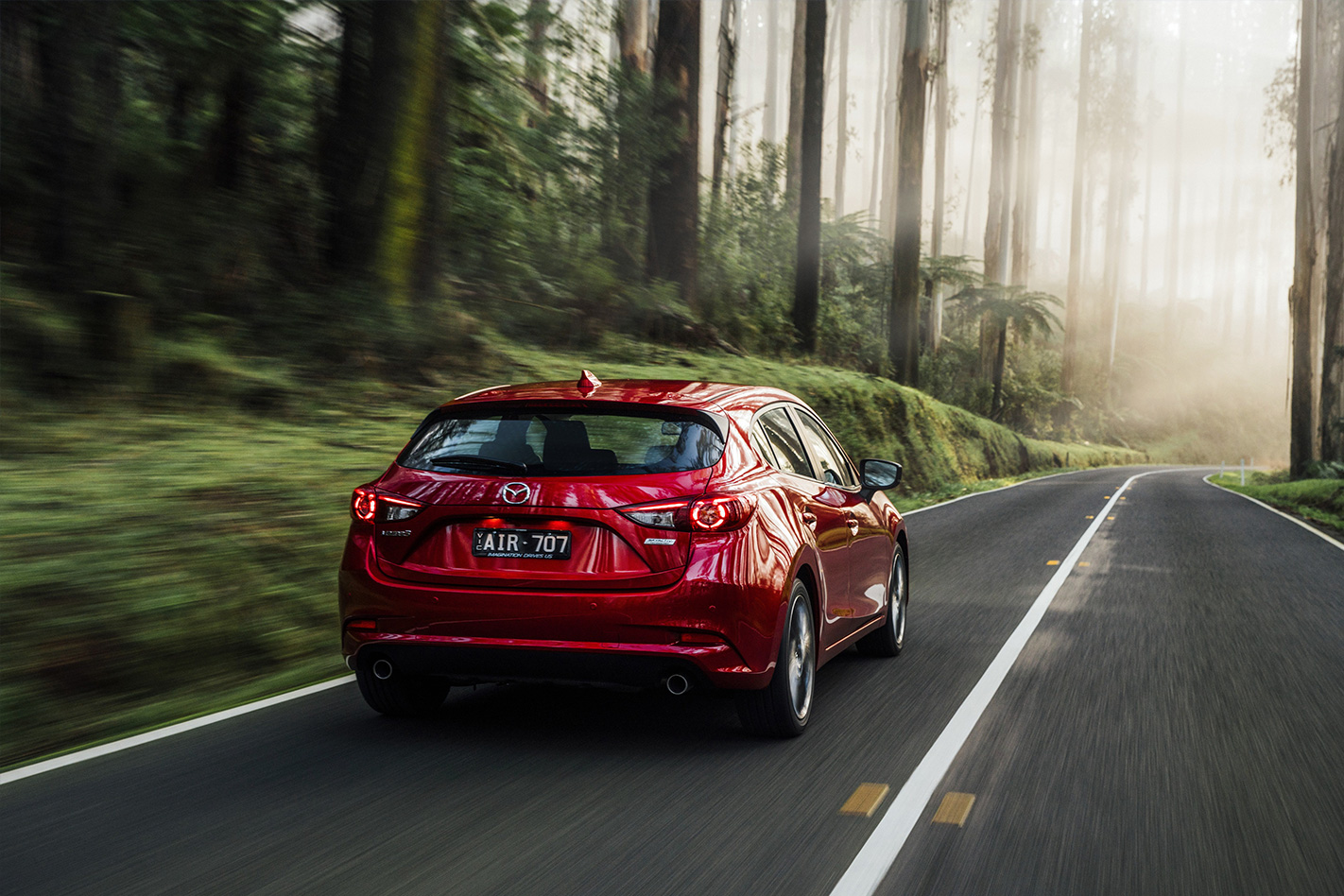
We’d wager that Honda’s little turbo four would use a bit more juice than Mazda’s big atmo one in the real world, but officially they both use the same amount of fuel. But the Civic’s CVT isn’t anywhere near as good as the 3’s auto. The Honda better blends sportiness with comfort – it’s got more of both.
But the Civic’s advantage is lost in the transmission.
AUDI can’t build a sports car. Everybody knows that.
Everyone apart from the engineers who built the revolutionary ur-Quattro, the borderline genius B7 RS4, the disruptive R8 coupe and the astonishing R10 TDI racer – a diesel that dominated at Le Mans even when Ingolstadt voluntarily used the same engines in the 24-hour race as it used in practice and qualifying.
So it ought to be obvious that there’s a pool of hugely talented chassis and powertrain people at Audi. What’s truly frustrating is that this rich vein of dynamic know-how has all too often been neutered by the might of marketing and design, the power of the brand going rogue and often bringing us some strangely compromised road cars.
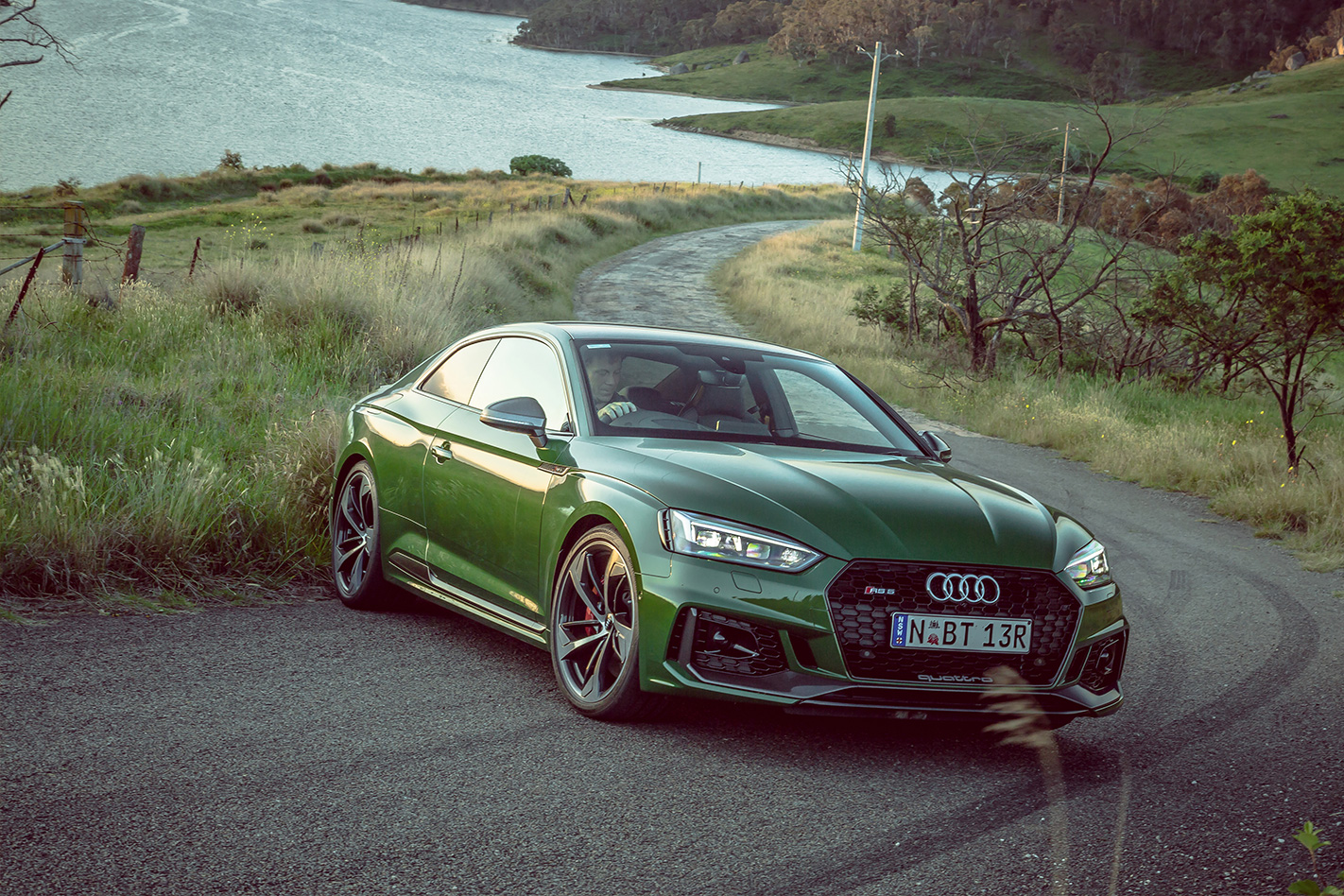
Even if it’s from the former camp, it’ll have its work cut out against the BMW M4 Pure and the Mercedes-AMG C63 S Coupe.
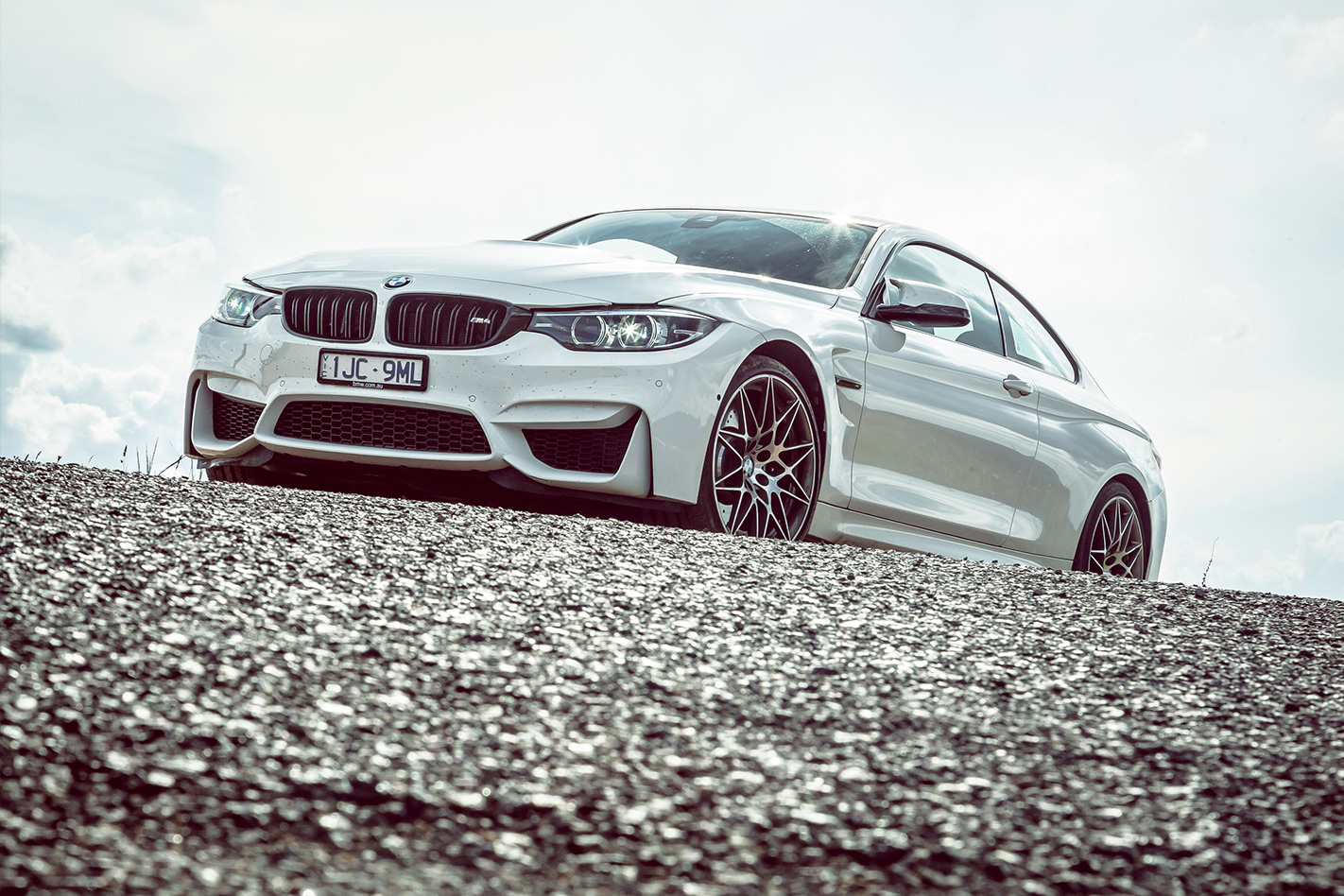
The M4 doesn’t brook too many surprises, the M3 Coupe/M4 bloodline representing a durable class benchmark. The Pure trim is an Australia-only model that strips out big-ticket items like adaptive LED lights, leather and premium audio system. Mechanically, it only differs from the M4 Competition by switching from 20- to 19-inch alloys. The Pure shares the Competition’s 331kW/550Nm 3.0-litre twin-turbo six and has an identical suspension tune, though our test car featured the 20s optioned back in (for $2500 more). With a $139,000 base price, the M4 Pure is comfortably the most affordable car here.
Slotting neatly between these two bookends comes the 331kW/600Nm 2.9-litre V6 Audi RS5 which has been sensibly pitched at $156,600. The eye-catching Sonoma green paintwork, an extended carbon package (including the roof and engine cover) and a Technik package, which includes colour head-up display, Matrix LED lights and a Qi wireless charger, bumps that up to $179,346 as-tested.
FIRING UP more than 1000kW of aggro at 6am is going to make you unpopular, even in a town as octane-addled as Bathurst. The Merc’s bent-eight emits exactly the correct frequency to turn motel windows into giant drum skins, bleary-eyed curtain twitchers unable to figure out at which miscreant to direct their stink eye. It’s a fat, meaty wub-wub with an old-school appeal that sounds anything but turbo-neutered. The M4 is the midrange, with the RS5 adding some tinnitus treble to really round out the sonic barrage.
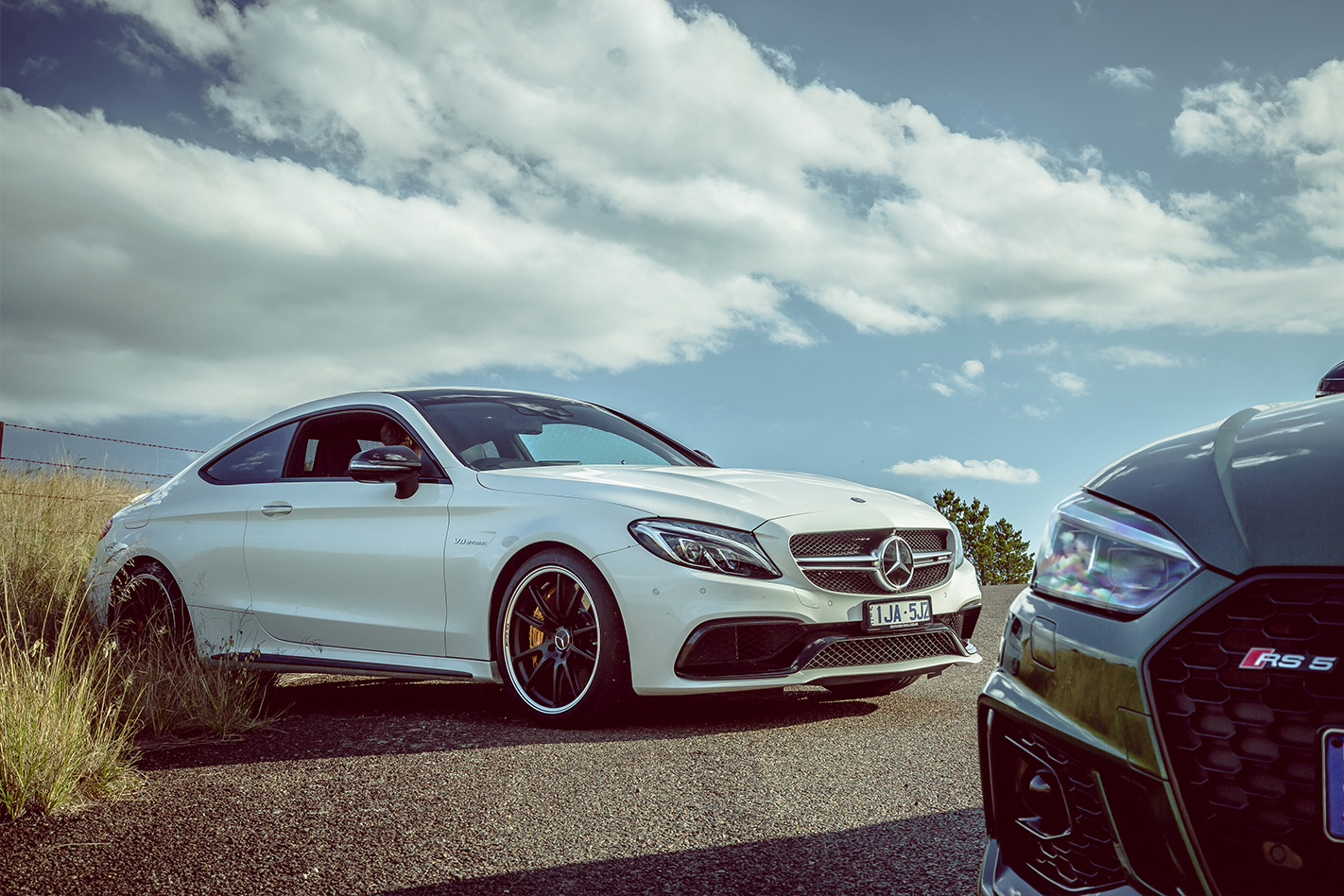
By contrast, the M4 feels as if Munich has commissioned Tempur for the damper tune. By most normal measures it’s still firm, but there is a degree of suppleness that’s missing from the Benz.
The bandwidth between the M4’s Comfort and Sport+ settings isn’t huge, certainly less than the C63’s arc between acceptable and vertebra-clacking, while the Audi effectively has two damper settings. Comfort is where you’ll stay almost all the time, giving the RS5 a genuinely plush GT car ride, with Sport being reserved for smoothly surfaced twisties. On typically scabby country roads the latter will have your head coming into contact with the roof lining a little too often for comfort. Kiss goodbye to your sunnies if you occasionally prop them atop your noggin.
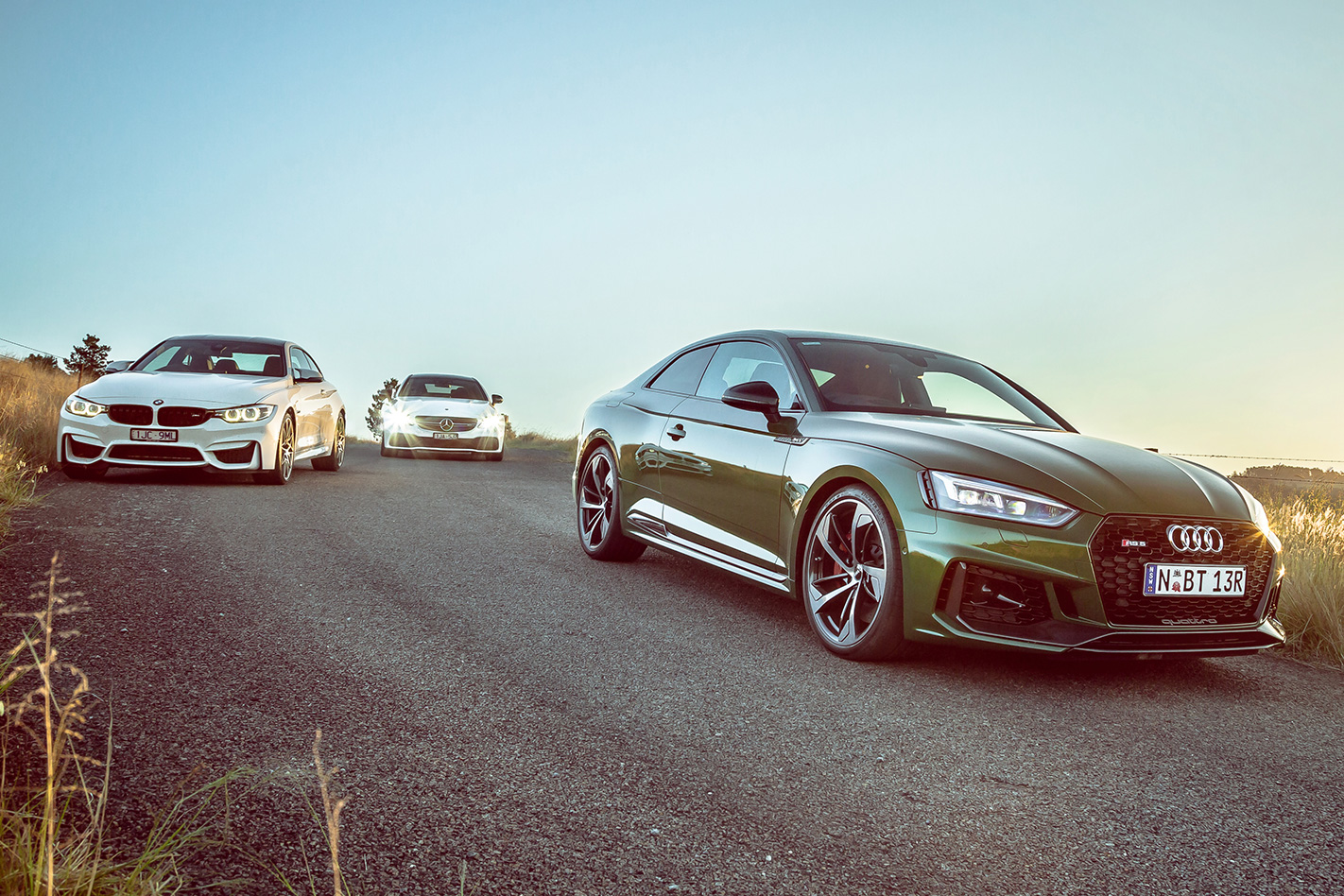
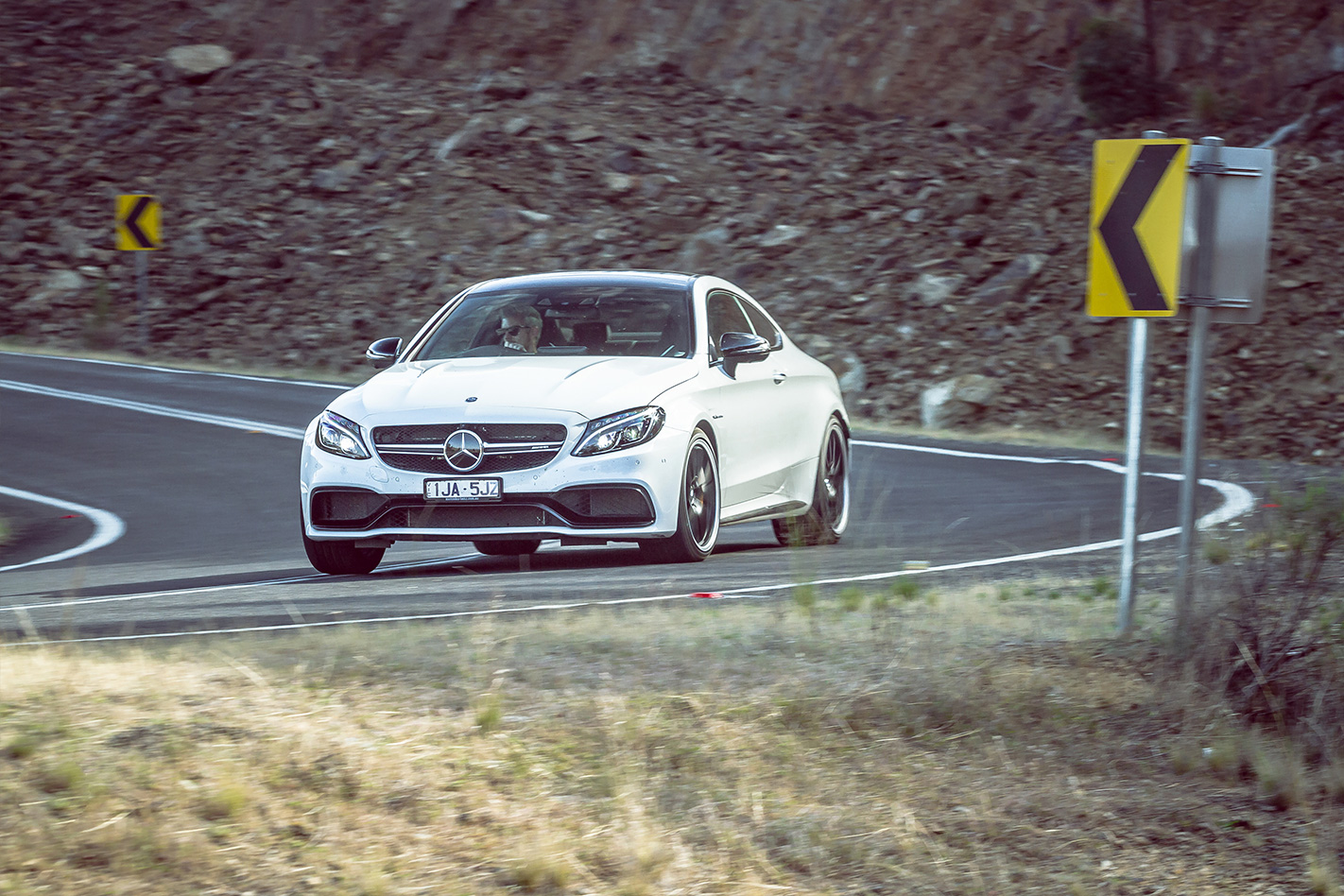
It’s here that the Mercedes shines, with just enough reassuring bodyroll and a beautiful, buttery transition into power oversteer. Even with the ESC switched on, you can feel the electronic limited-slip diff smearing in and out, allowing just a spritz of rear end movement. In ESP Sport, it’s a whole lot more lenient, responding well to a gentle roll of the wrists.
The weight of the engine makes itself felt if you’re lazy with your braking or ambitious with corner entry speeds but greater negative camber, stiffer bushings and a model-specific rear-axle carrier combine to give the C63 S a sweetly textural, benign feel at the limits of grip, belying its somewhat one-dimensional image.
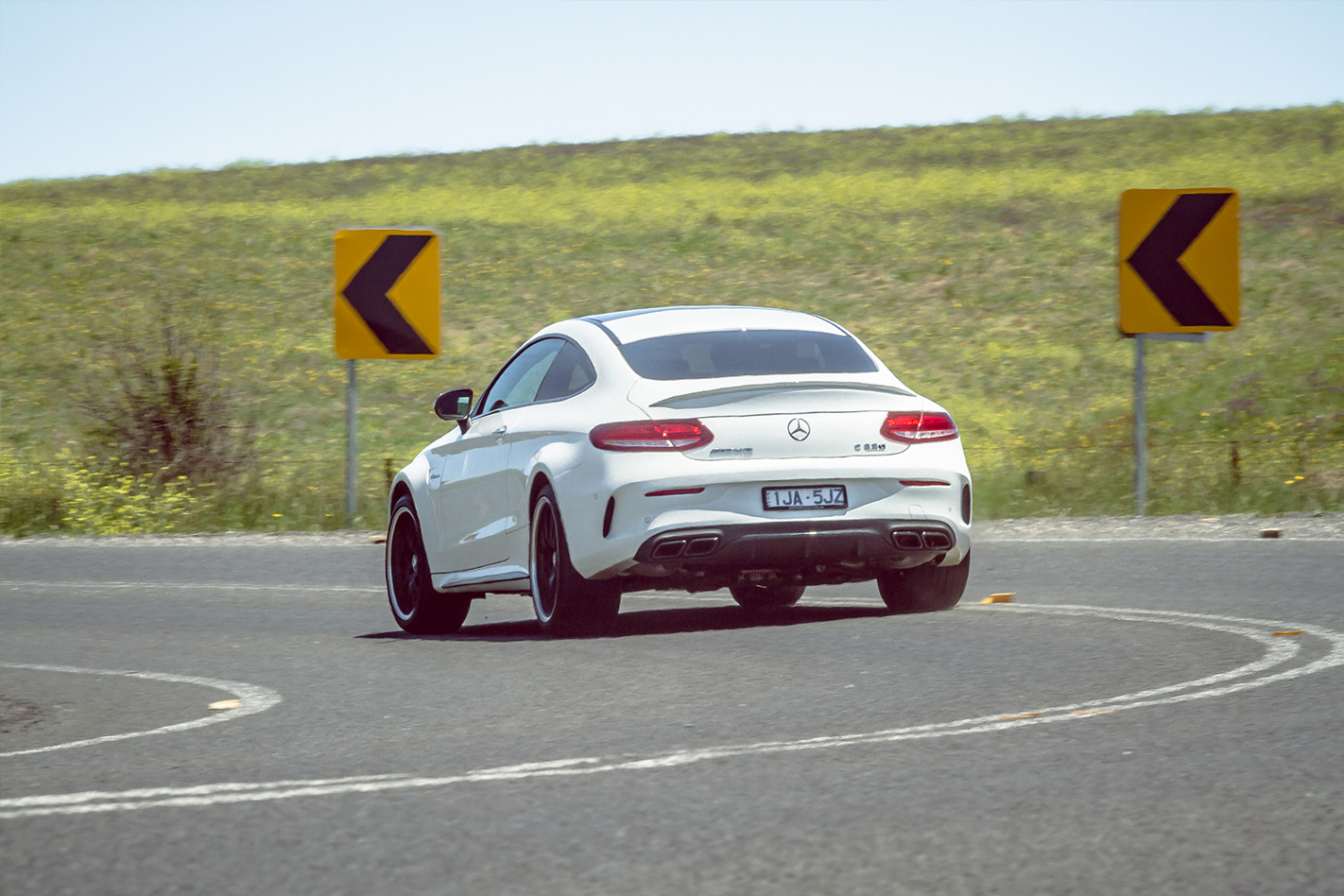
The AMG-Speedshift 7 lets you hold a gear if the requisite button is engaged, but despite its surfeit of cubic centimetres, the AMG engine operates best in that 2000rpm band and the gearbox software has a better feel for this than you or I. The optional ceramic front stoppers help shrug off the car’s 1725kg heft and, unusually for carbon picks, are easy to modulate, representing a key point of difference between Affalterbach and Munich.
The M4’s four-piston front brakes are the weakest aspect of its dynamic palette. It’s a perennial M-car complaint but BMW doesn’t seem to be listening, deeming them sufficient for fast road driving. That’s also open to question, the pedal going long after a few committed applications on a downhill stretch. The M4 also suffers from oversteer. Perhaps that needs qualification. Unexpected oversteer has given more than a few drivers a case of the frights and much of that may well be caused by the Active Sound symposer.
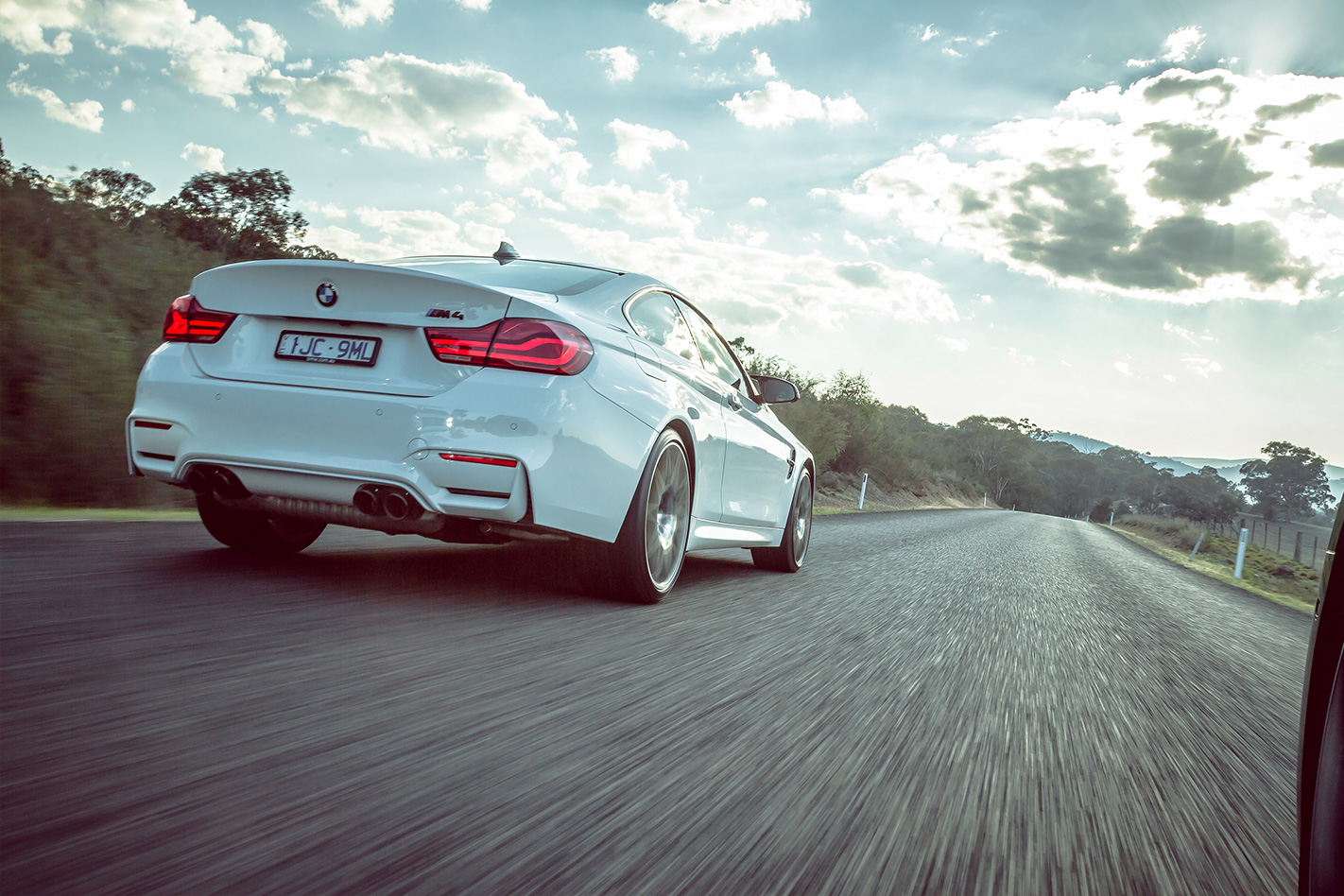
This is what’s spooked so many, the weird disconnect between what’s happening at their ears and what the rear contact patches are having to contend with. In short, oversteer arrives before you expect it and it’s spikier than the AMG, the BMW’s Michelin Pilot Super Sport rubber being less forgiving than the more malleable ContiSportContact 5P boots on the Benz, which exhibit a more manageably ramped transition from grip to slip. The M4 also has the loosest body control of the trio and requires a little more consideration when flicking from corner to corner.
Get into the RS5 after a committed blat in either of the other two and it feels as if you’re wearing noise-cancelling headphones. The Porsche-developed V6 (you’ll find similar ironmongery under the bonnet of the Panamera 4S) sounds a little too mannered, even when given a merciless prodding. I found myself clicking my jaw because I thought the altitude drop on the road had caused my ears to need popping.
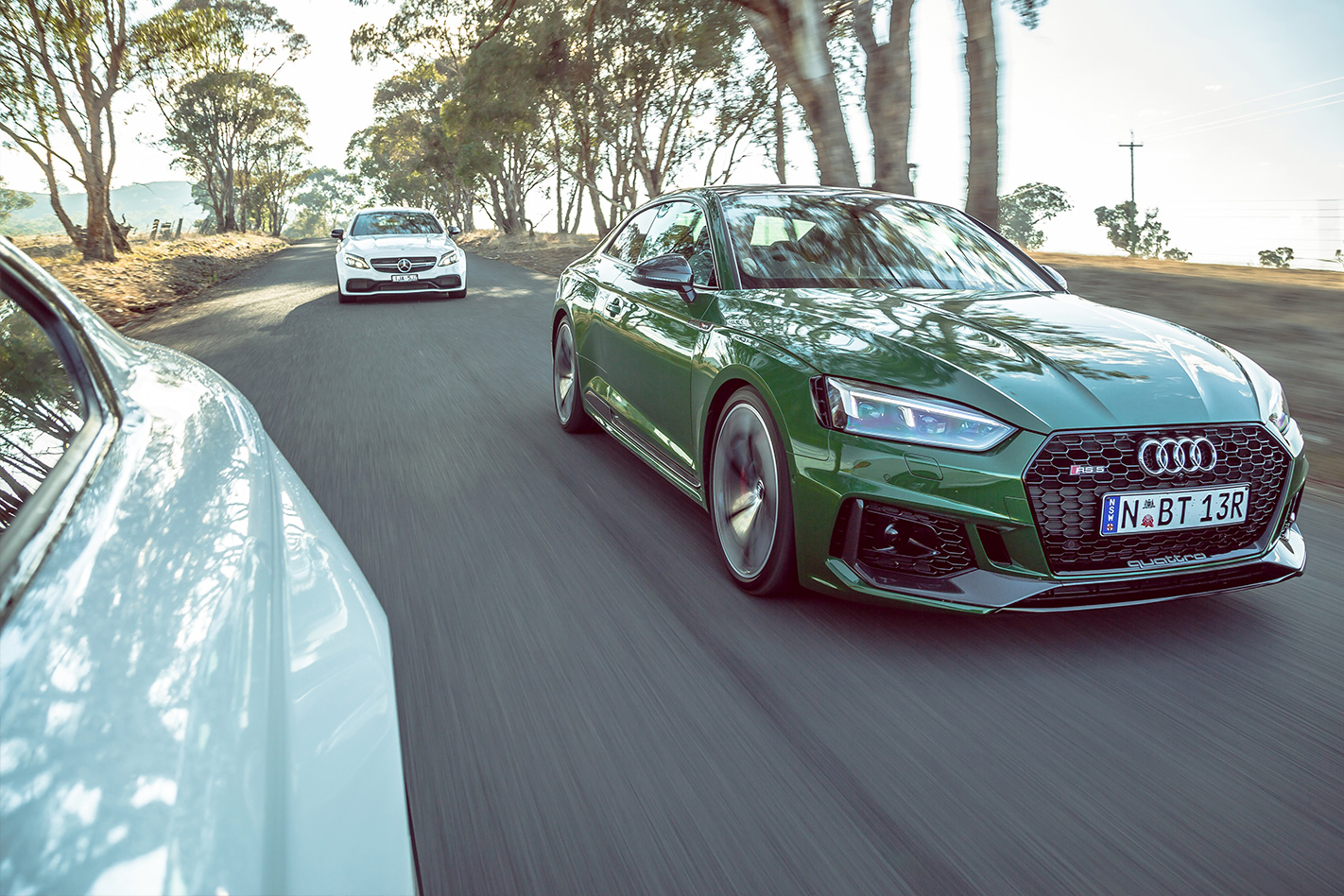
The steering, even in Dynamic mode, is a bottle of Pure Blonde to the AMG and M4’s steins of Warsteiner. The front end of the RS5 is predictably mighty, with huge grip aided by the widest tyres of the trio, 275/30ZR20 ContiSportContact 6s. Try to get the car to misbehave and it all gets a bit reluctant, the 40:60 rear bias seeming to promise a level of throttle adjustability that the Audi isn’t keen on indulging.
It’s undeniably effective at demolishing a string of corners, the new five-link rear end replacing the trapezoidal-link arrangement that underpinned the old car. It should be noted that Aussie cars feature the quattro rear sport differential – an option on Euro models – which delivers a greater percentage of fun to the outside rear wheel.
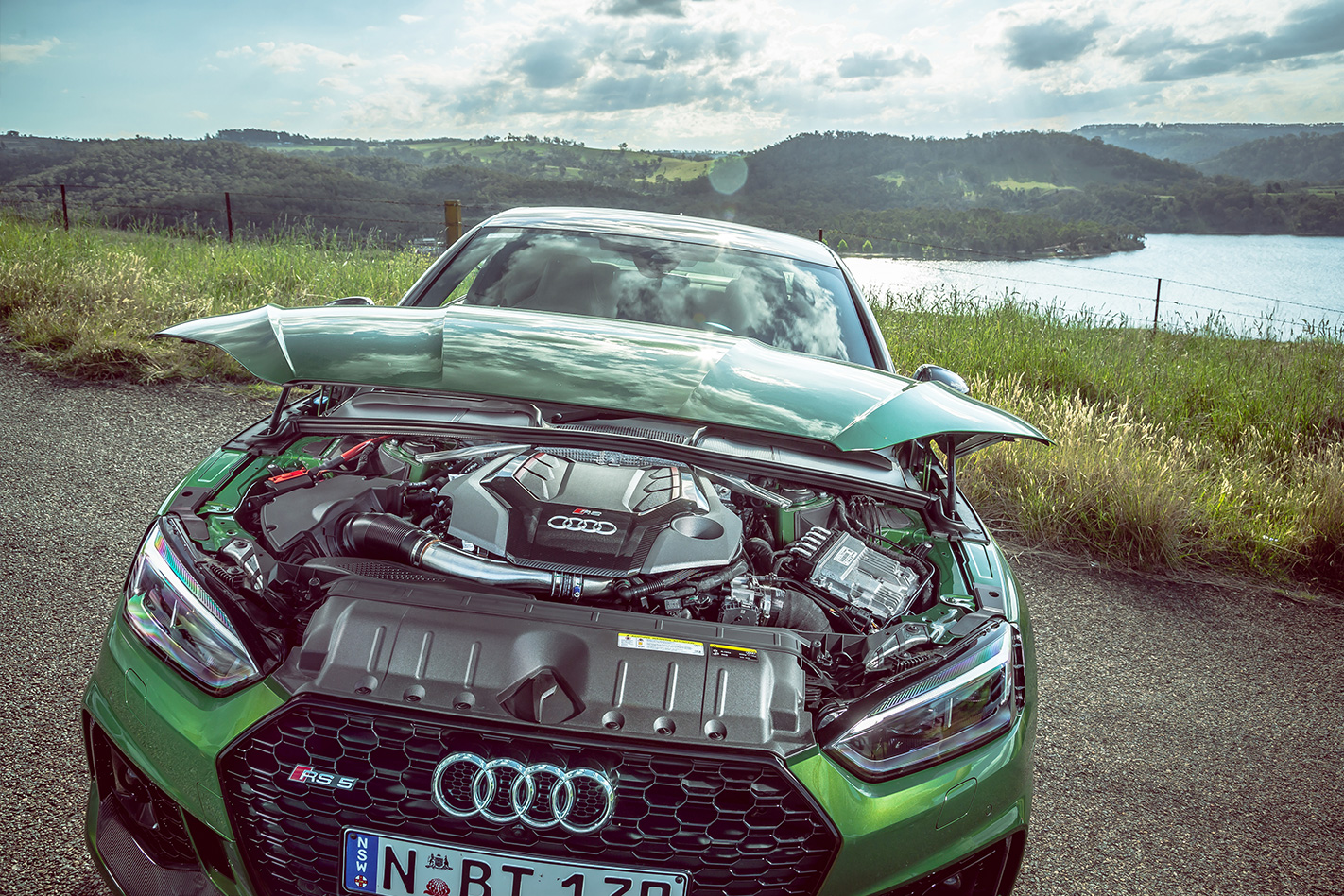
The RS5 delivers the most refined cabin of the trio at cruising speeds, although loose chip surfaces set up some extravagant tyre rumble. The Mercedes is all exhaust boom, with or without the extra noise button engaged, while the BMW is largely civilised below 4000rpm, whereupon it all starts getting a bit exciting. While the Audi boosts its GT credentials with impressive driveline civility, it scores a few surprising ergonomic demerits.
The cabin is undeniably gorgeous, with hexagon-stitched leather seats, beautifully judged materials quality and that showstopper wall-to-wall TFT virtual cockpit. Spend a little time with the RS5, however, and its compromises become apparent. The drive select button, a function you’ll use fairly frequently, is tiny and a long stretch away, evidence of lazy right-hand drive conversion. After fumbling for that, you then have a few seconds to grab at the MMI controller dial before the screen reverts to its previous setting.
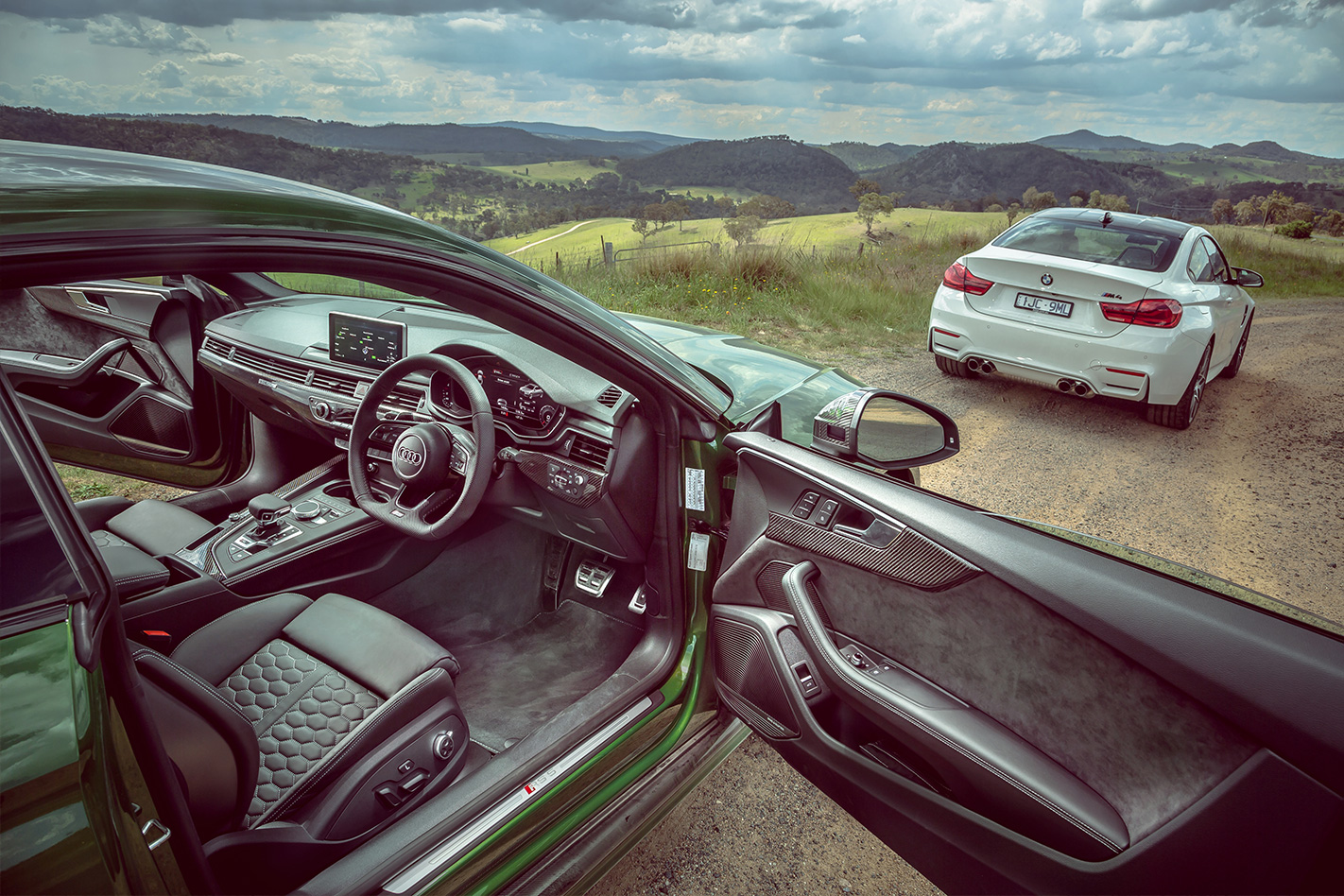
The seating position is also too high for a coupe, robbing headroom and exacerbating the shortcomings of the RS5’s ride quality in Dynamic mode. The manual steering adjustment feels a bit cheapjack after the other two’s slick electric rake and reach settings. Access to the rear is slightly better than the AMG and a good way worse than the M4, although once in, it feels snug and far from claustrophobic.
The rear also has the best array of storage options, and it’s the only back seat of the three to get its own dedicated temperature control for the air-con. The buttons to slide the front seat back and forth are considerately located on the upper side of the chair, unlike the M4 which positions them in plain sight on the back of the seat, which is always going to be too much of a temptation for evil offspring or drunken mates. Visibility out of the RS5 isn’t bad, with the slimmest A-pillars but the fattest B-pillars.
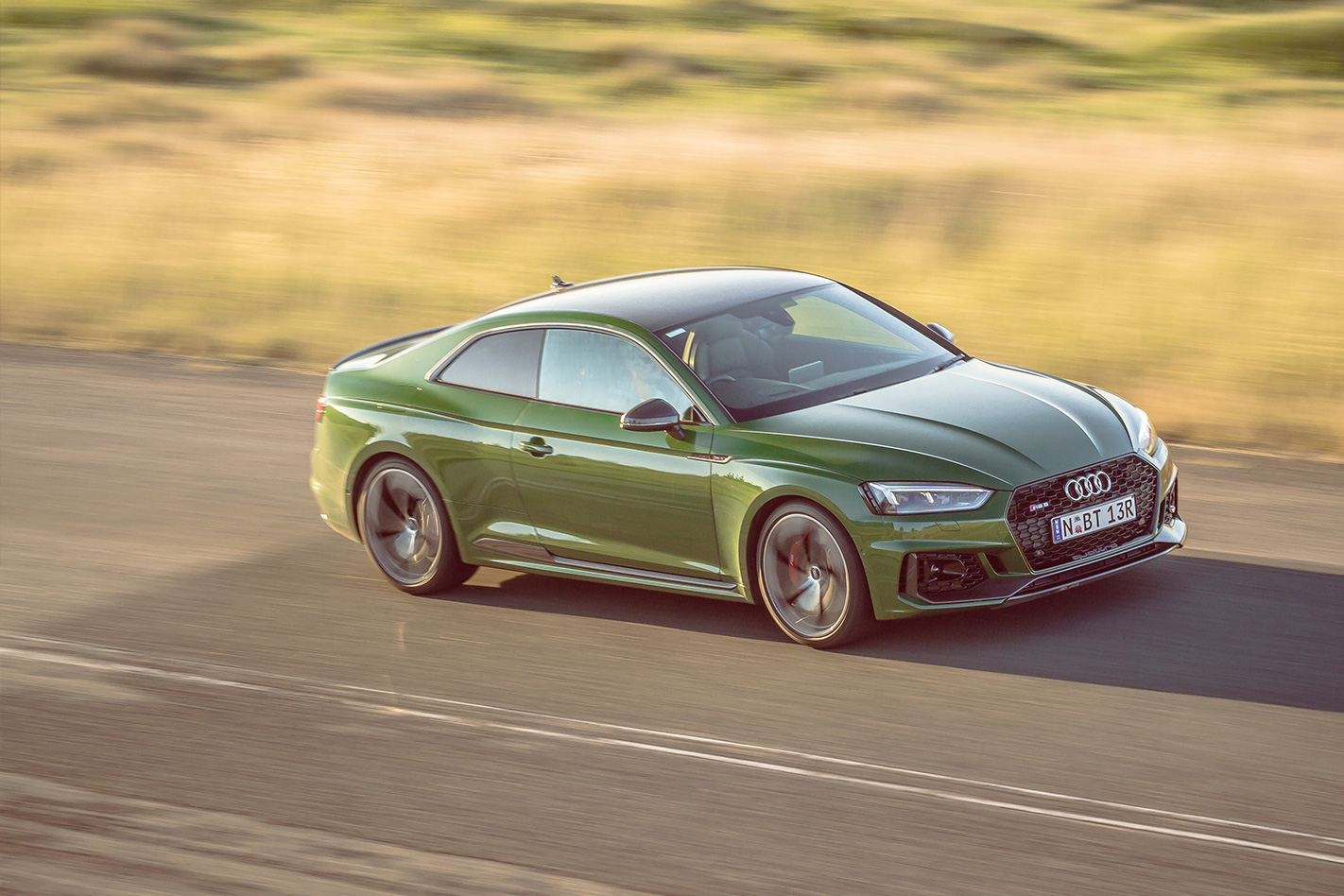
We don’t count registrations as the fairest way of keeping score. We never have and never will, so it’s time to crown a winner of these three cars. The M4 is undoubtedly the most flawed of the trio, yet it’s a car that rewards an extended period of acclimatisation. What’s more, there’s real bite and character to it. Yes, it’s finishing this test third, but of the three, it’s the only one I reckon you’d grow to love, and it’s the only one that’s also offered with three pedals. The Pure model probably ought to be a simpler, rawer thing, and that car doesn’t exist as yet.
The M4 CS (see below) shows what can be done but, to put it bluntly, its price is a joke. Model by model, BMW continues to just miss with the M4, like a sniper repeatedly overcompensating the adjustment on a scope.
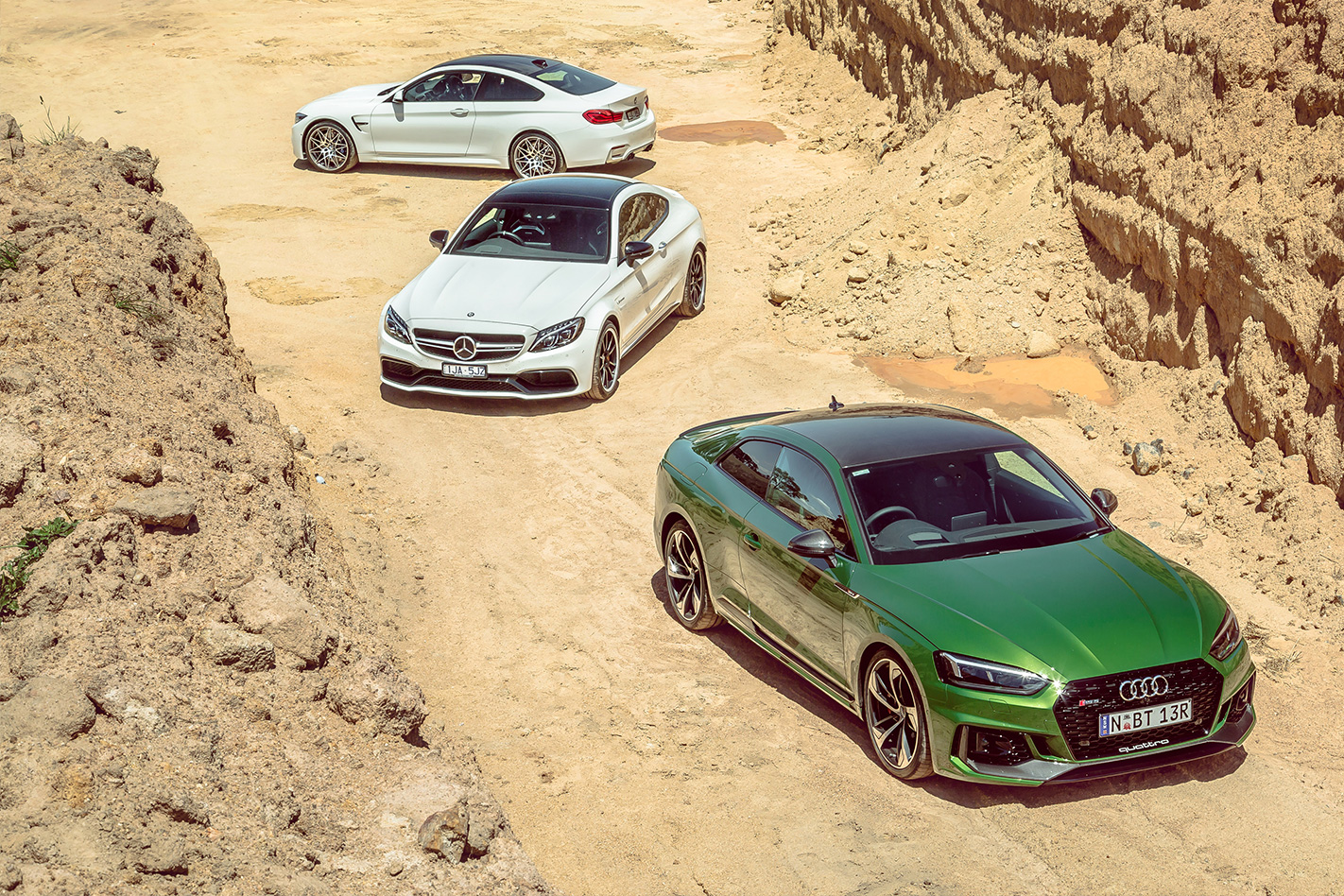
Which leaves the Mercedes-AMG as last man standing as the other two manage to count themselves out. Yes, the ride could be better and the shouty design will dissuade some but, unlike both of the others, this is a car that doesn’t seem to take itself too seriously.
This impishness is infectious and encourages you to have a little fun. It’s less one-dimensional than you expect which, admittedly, is not saying much, but it nails a brief that AMG seems to understand better than the others.
It’s about an experience removed from the ordinary and the C63 S drenches you in just that from the first prod of the starter button. Notch another one up for Affalterbach.
When BMW offered us an M4 CS for review, we thought it would be instructive to bring it along in order to provide some sort of contextual counterpoint. The car was originally offered for sale at $211,610, it’s a heck of an impost for 7kW and a tenth off your 0-100 but BMW has belatedly come to its senses and lopped $21,710 from that asking price, now offering the CS for $189,900 plus on-roads.
Leaving the price aside for a moment at least, the car is mechanically very similar to the M4 Competition, with BMW even claiming that suspension parts are identical. The biggest material change is the fitment of staggered Michelin Pilot Sport Cup 2 tyres, which dial out a lot of unwanted oversteer and improve dry braking massively. Remarkably, carbon ceramic brakes remain on the options list.
The interior gets the stripped out treatment of the M4 GTS track special, with fabric door cards and pulls, no door bins or central storage, simple single-zone air con and Alcantara everywhere. Given that $160K would net you an M4 Pure with carbon stoppers and Cup tyres, another $30k for the CS – even after the price reduction – will have a few scratching their heads, as much fun as it is.
What the CS demonstrates though, is that BMW is getting there, gradually refining the M4 into quite a tool. The company could end all this nonsense by delivering us a manual M4 with carbon brakes and sticky tyres along with a metal roof and cloth seats. That car, priced at $150K, could well have won this comparison.
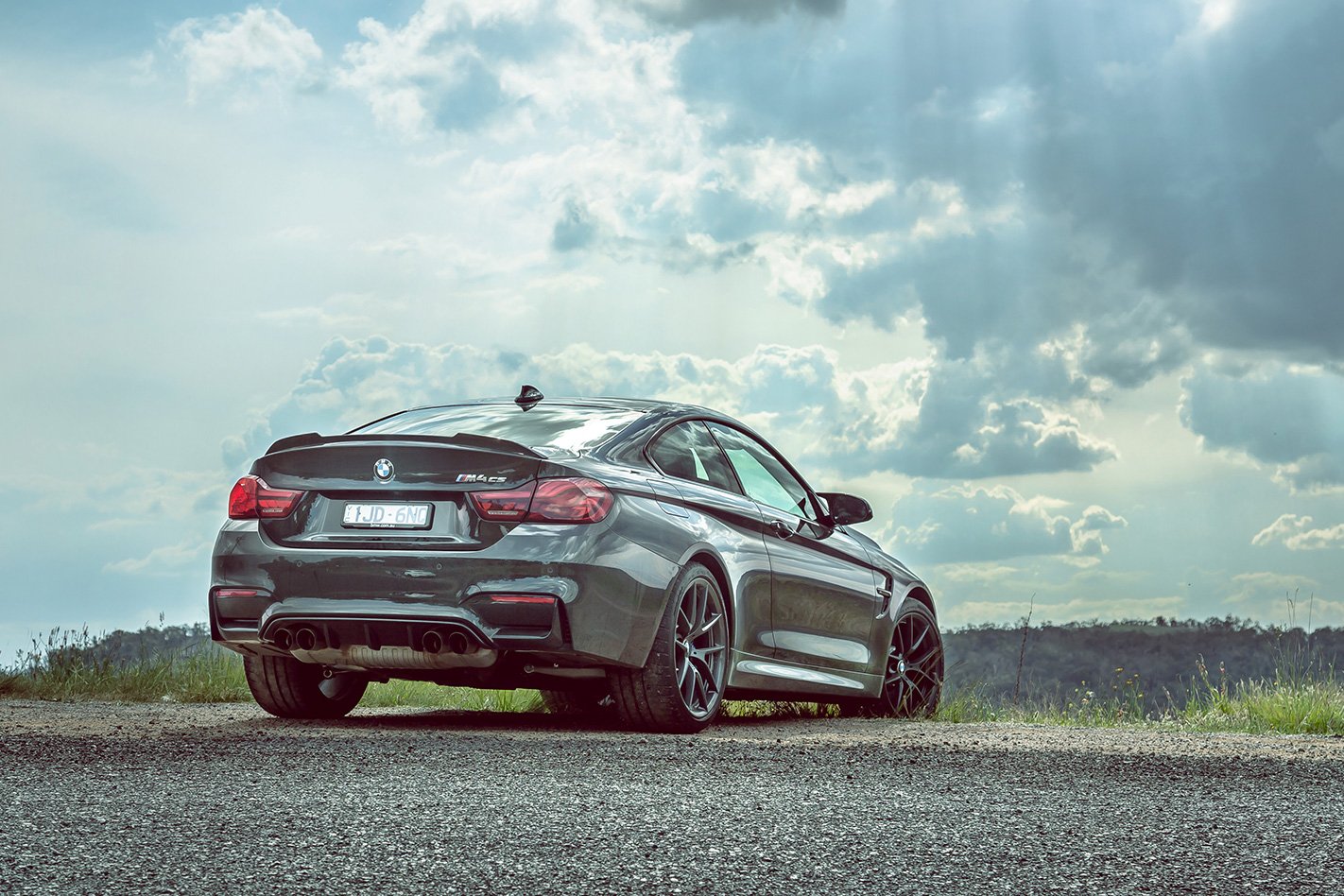
Almost everybody knows the VW Golf R32. It’s a great bit of gear, even if – as Cockburn is fond of pointing out – it weighs more than an EH Holden, has a bigger footprint than the EH and is even bigger inside.
This review was first published in MOTOR magazine’s May 2008 issue.
This observation is based on the fact that the Golf nameplate was traditionally applied to a small-ish shopping trolley type of car, and blokes (like Cockburn) who grew up with that idea have trouble getting their elderly scones around the concept of a Golf with rather more firepower.
The fact is that the R32 is special. And still rather expensive at that. Special costs, it would seem.
But there is a less-expensive alternative to an R32 that still involves the words ‘Golf’ and ‘V6’. And when it comes down to it, the six-cylinder engine is the main thing that makes the R32 so special in the first place.
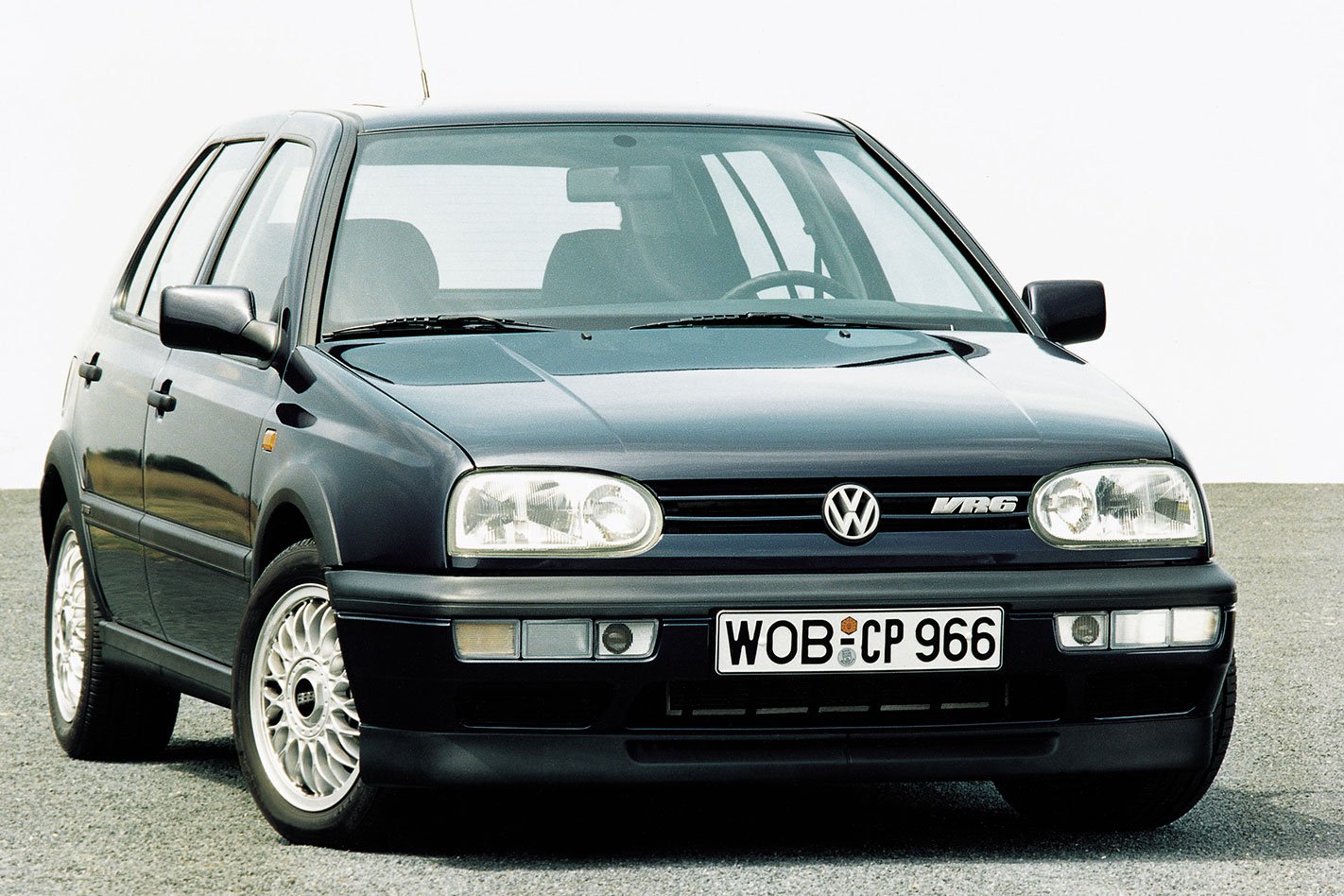
Oh, and it’s about a quarter of the price of the cheapest R32 as well.
While the bulk of R32s are based on the current-model MkV Golf (the first one we saw here was built around the platform of the previous MkIV model), the VR6 is a generation older. So it doesn’t look as uber-cool and nor is it as solidly built.
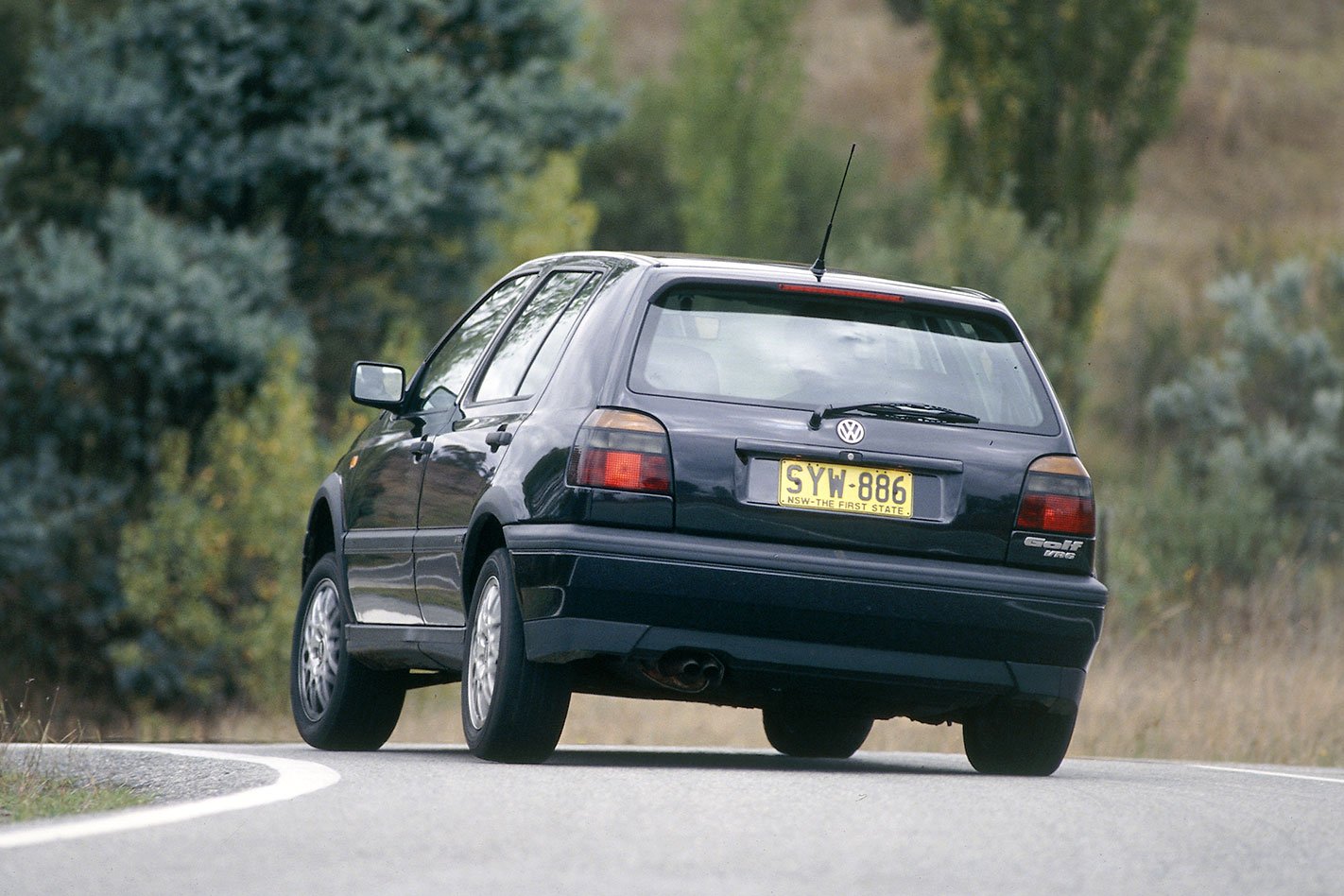
But it’s still a Volkswagen and that counts for something, at least in terms of how it’s welded together. Then again, the Mk III Golf (and other VW’s of that era) were hardly Wolfsburg’s finest moments quality-wise, so make sure all the electrics work and that the carpet not only fits properly but isn’t wet.
Speaking of which, the motor measures 2.8 litres and while it’s heavier than a four-banger, the difference wasn’t as great as it might have otherwise been. That’s all down to the clever design that kept the block and cylinder head compact and, therefore, lighter.
Notice that we said cylinder ‘head’ and not ‘heads’. Huh? Everybody knows a V6 has two heads, right? Well, not here.
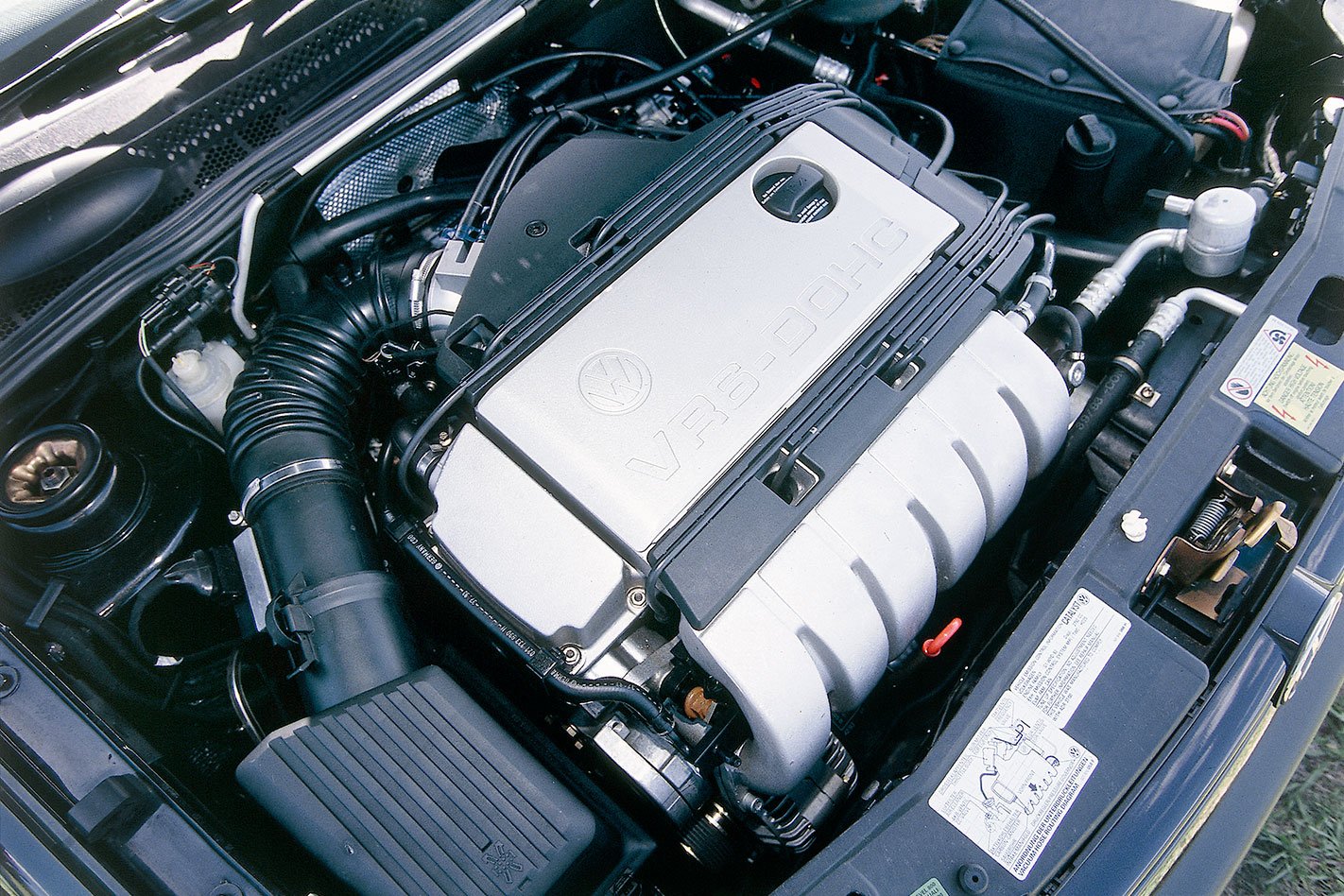
This design allowed for a single cylinder head and because it kept the engine narrow, the unit could be fitted transversely into cars like the Golf without a longer nose to account for crumple zones. It also meant that you could achieve a double-overhead-camshaft layout with just two camshafts rather than the four you’d have needed in a conventional V6 with DOHCs. Then again, you kind of get the idea that VW missed the boat a bit here, because the original VR6 engine (the one we’re dealing with here) only had two valves per cylinder. Whatever.
In the end, the staggered-six donk makes 128kW and 235 very handy Newton metres.
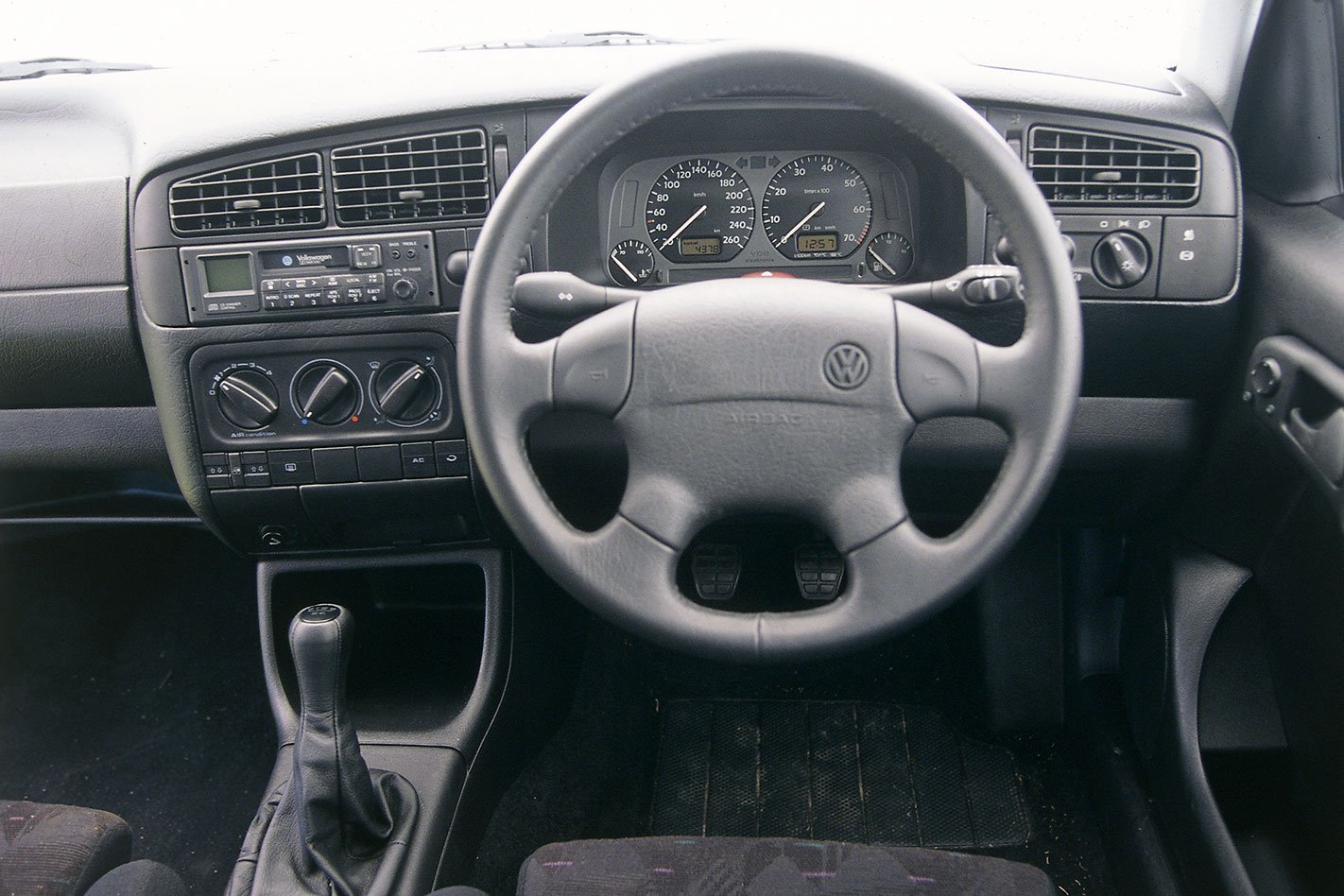
When you’re shopping, only a manual will do, okay?
It’s that simple. And while the grunty six will easily cope with the slushbox, the manual is so much more fun, you’ll wonder why anybody would want a self-shifter in a car like this.
Suspension tune aside, the rest of the VR6 deal is pretty much standard Golf Mk III. And, like we said, that’s not always a great thing because quality could be suspect. Make absolutely sure the air-conditioning is working because a complete rebuild is sometimes the only fix and it won’t be cheap.
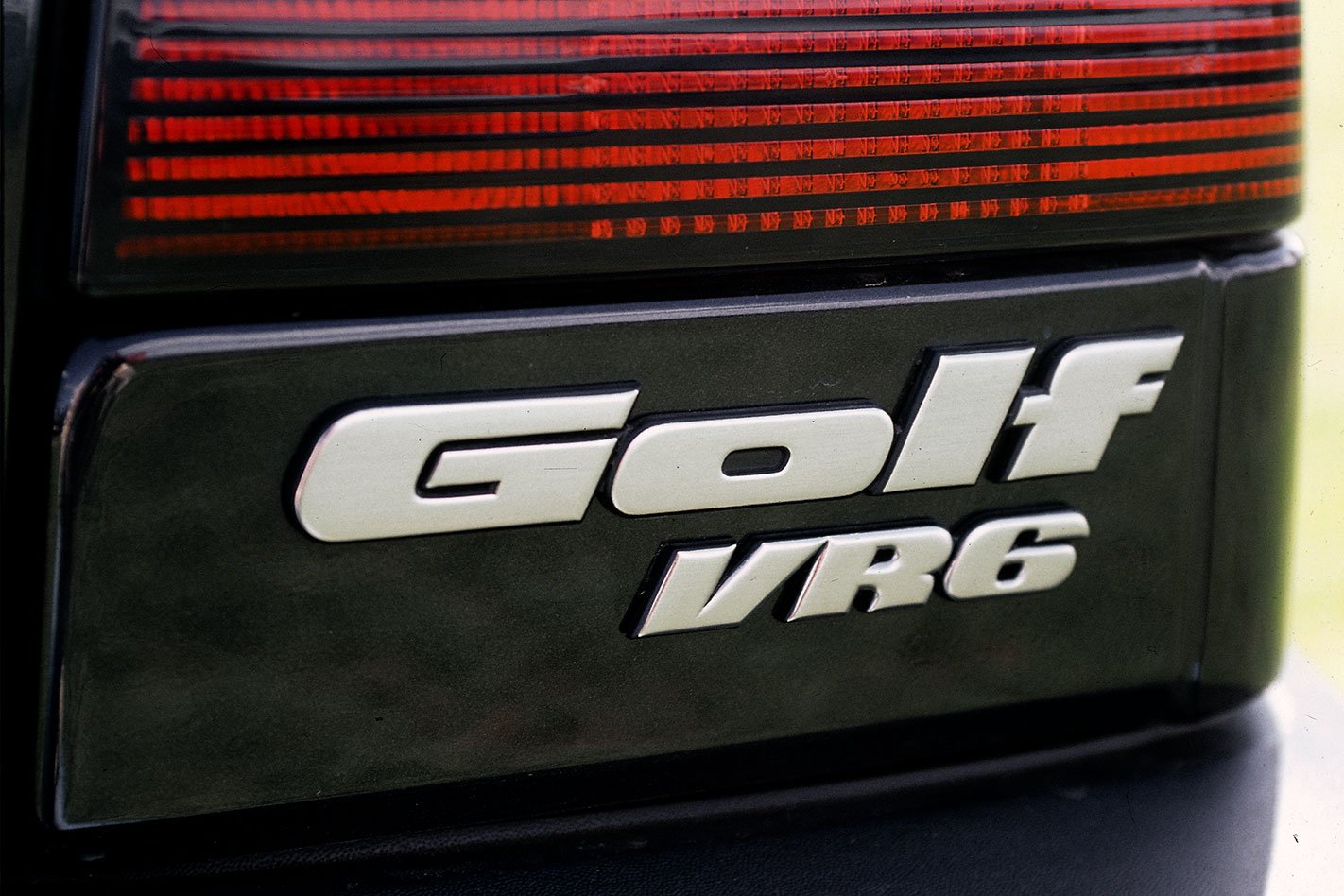
Beyond that, a VR6 is a ripper way to get into a quicker-than-average car that has all the practicality of a VW Golf and some of the cachet of the mighty R32.
Fast Facts
Volkswagen Golf vr6 Body: 5-door, 5-seat hatchback Drive: front wheels Engine: 2792cc V6, SOHC, 12v Power: 128kW @ 5800rpm Torque: 235Nm @ 4200rpm Kerb Weight: 1207kg Power-to-weight: 106kW/tonne Transmission: 5-speed manual Suspension: struts, A-arms, anti-roll bar (f); torsion beam, coil springs, anti-roll bar (r) Length/Width/Height: 4020/1695/1405mm Wheelbase: 2475mm 0-100km/h: 7.6sec (claimed) Brakes: ventilated discs (f), solid discs (r); ABS Wheels: 15 x 6.5-inch, BBS alloy Tyres: 205/50VR15 86V Continental Super Contact Price: $44,990 (1994)
We meant to do this list last year but, um, er, forgot, but the last time we remembered, in 2015, the fastest car that year – the Porsche 911 GT3 – would only be sixth on this year’s list.
Just a note, this list only includes cars we have independently tested over the past 12 months, so as much as we’d love there to be, there’s no Bugatti Chiron etc. So without any further ado, here’s MOTOR’s 10 fastest cars of 2017.
10. Alfa Romeo Giulia QV
0-100km/h 4.09sec 0-400m 12.05sec @ 194.21km/h

9. BMW M4 GTS
0-100km/h 4.14sec 0-400m 12.03sec @ 195.55km/h

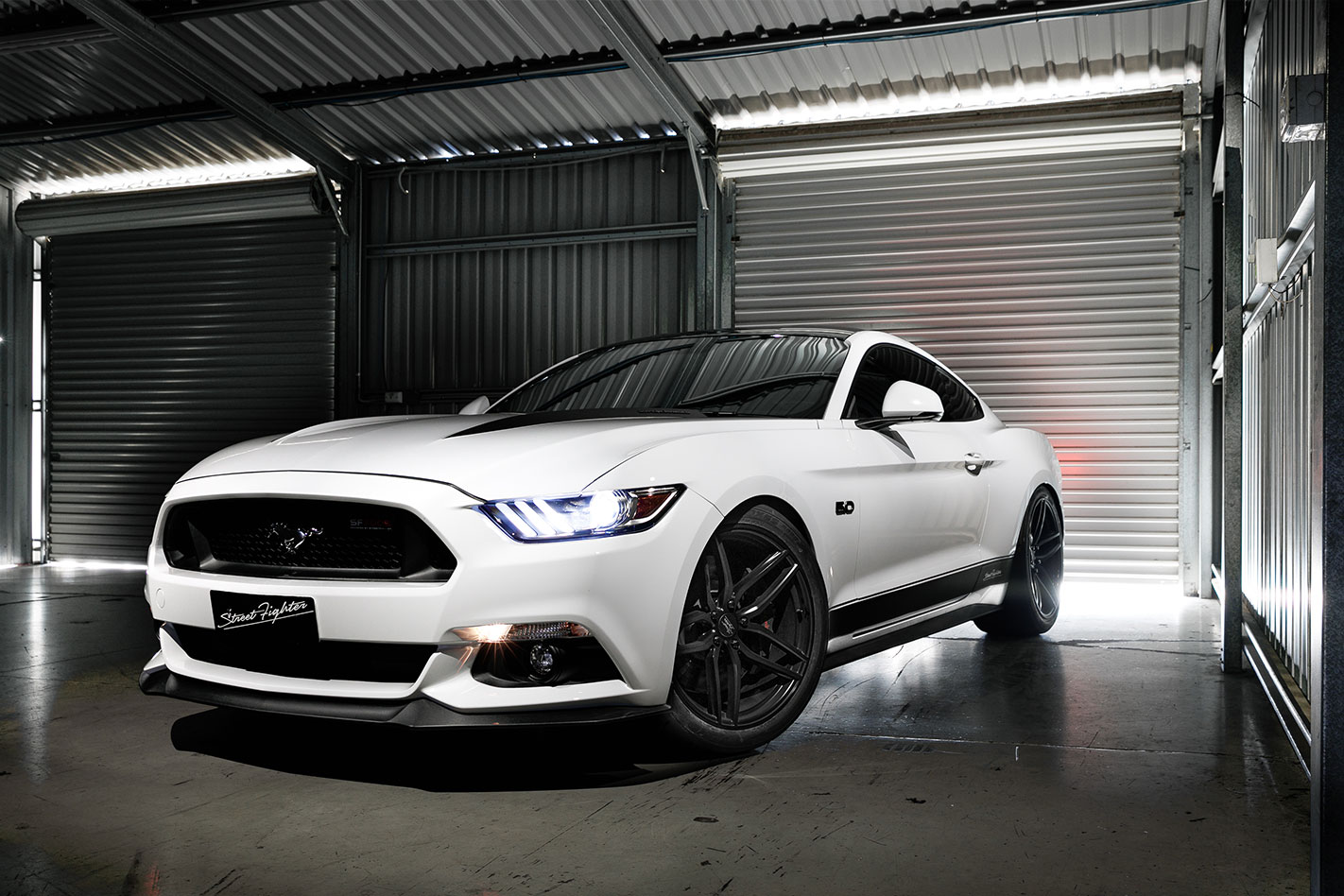
8. Streetfighter SFP700S
0-100km/h 4.19sec 0-400m 11.73sec @ 211.11km/h
7. Walkinshaw W557
0-100km/h 3.81sec 0-400m 11.69sec @ 201.56km/h

6. Mercedes-AMG E63 S
0-100km/h 3.75sec 0-400m 11.63sec @ 202.02km/h

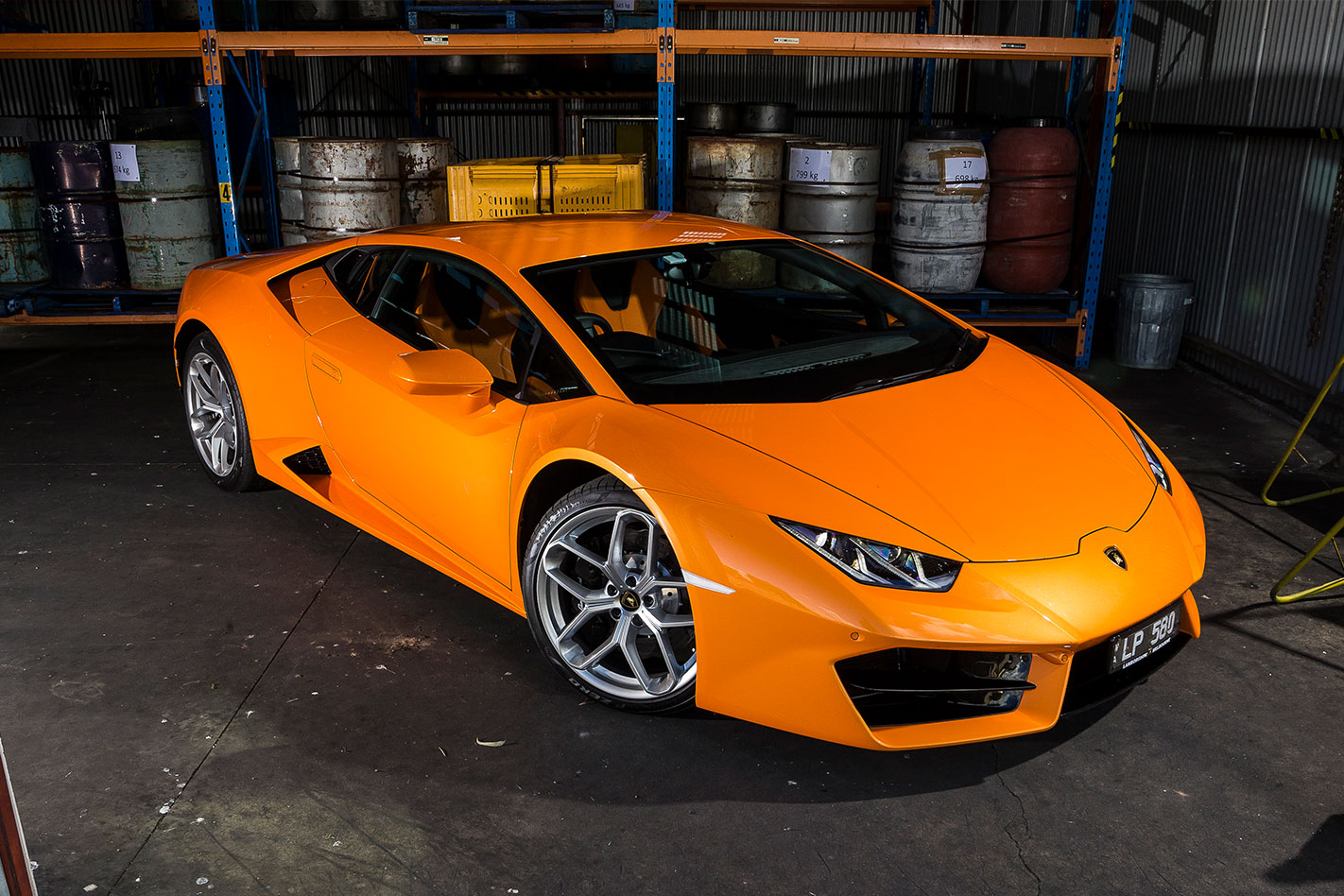
5. Lamborghini Huracan LP580-2
0-100km/h 3.55sec 0-400m 11.25sec @ 209.46km/h
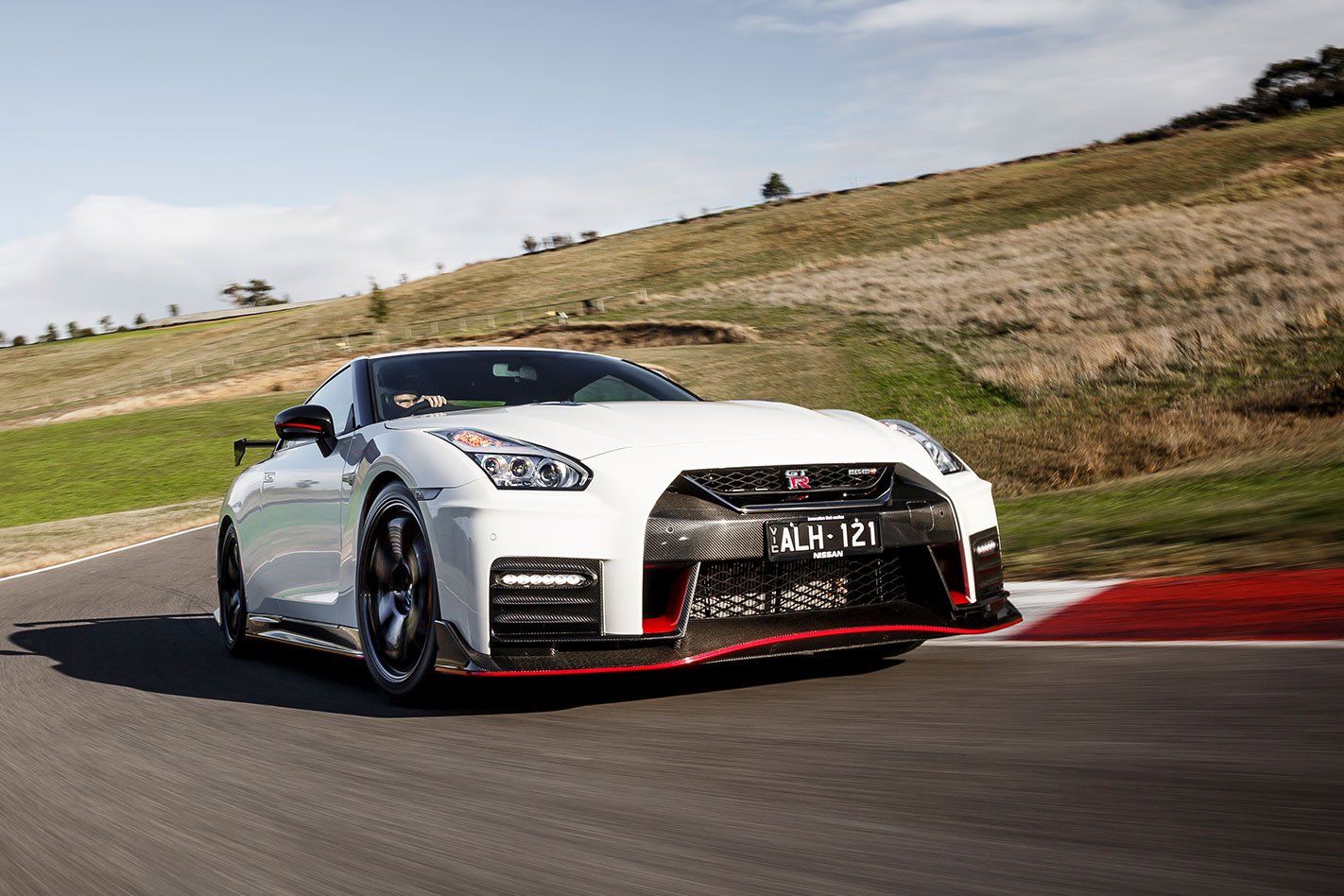
4. Nissan GT-R Nismo
0-100km/h 3.28sec 0-400m 11.19sec @ 203.08km/h
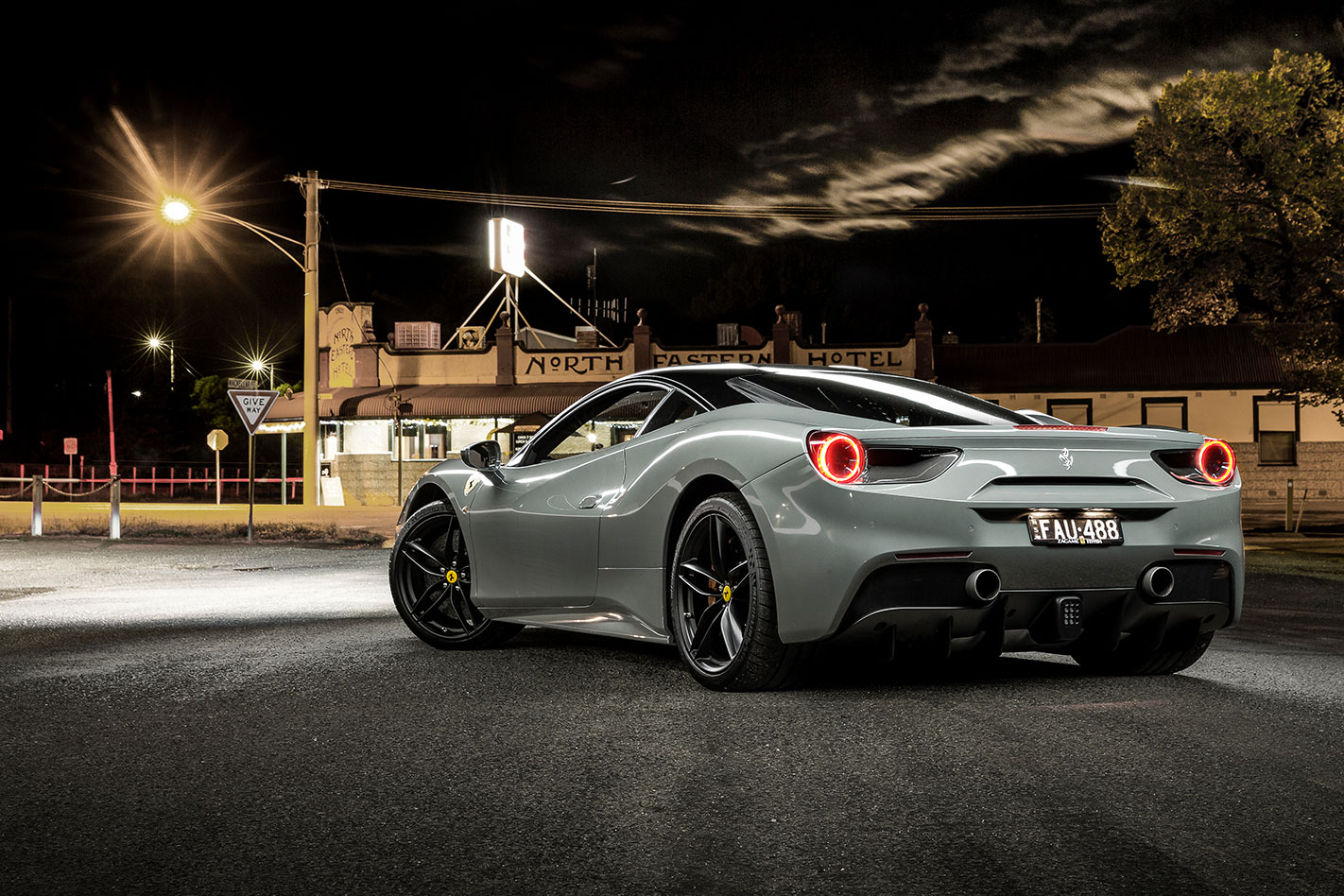
3. Ferrari 488 GTB
0-100km/h 3.30sec 0-400m 11.00sec @ 214.40km/h
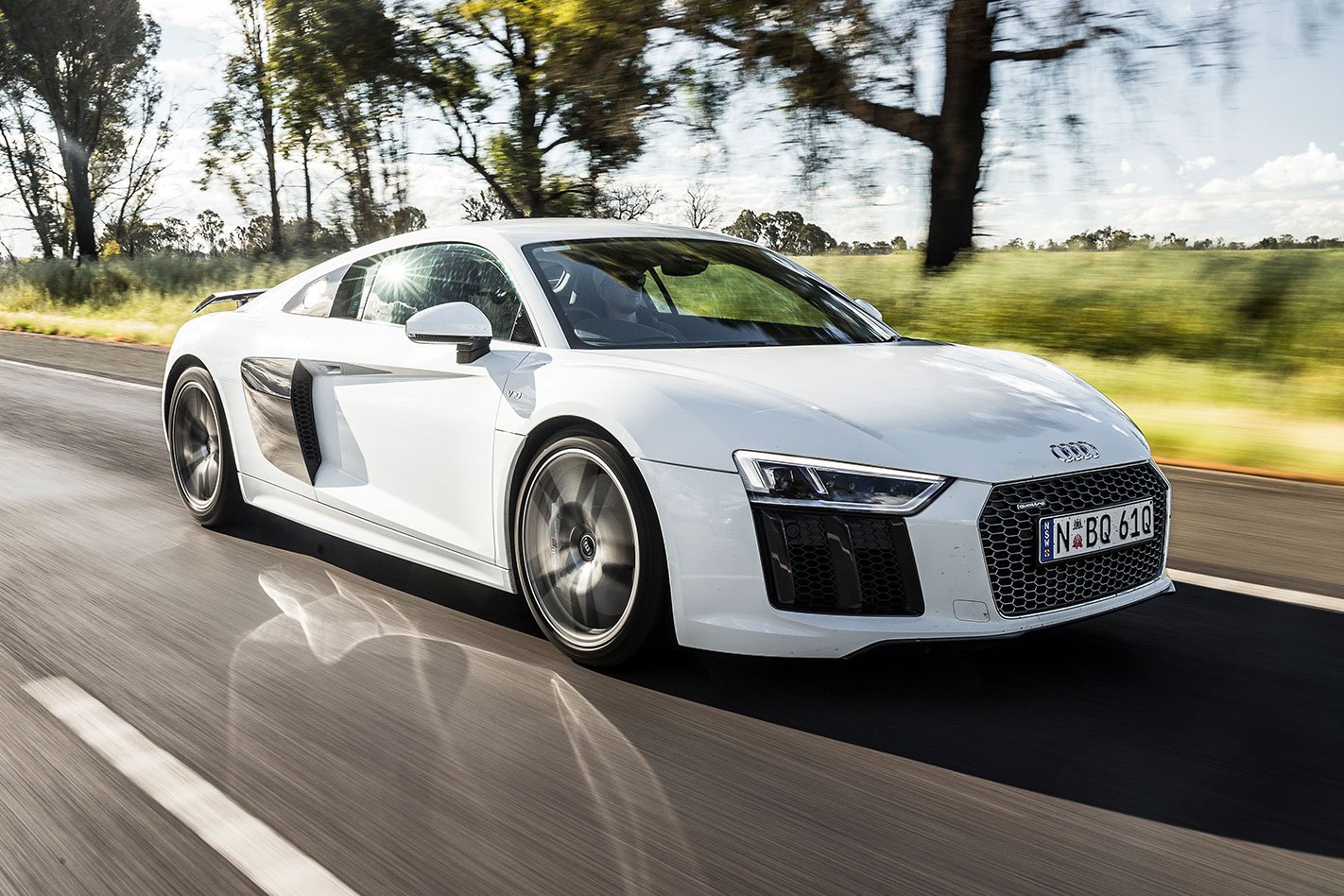
2. Audi R8 V10 Plus
0-100km/h 3.18sec 0-400m 10.93sec @ 209.58km/h
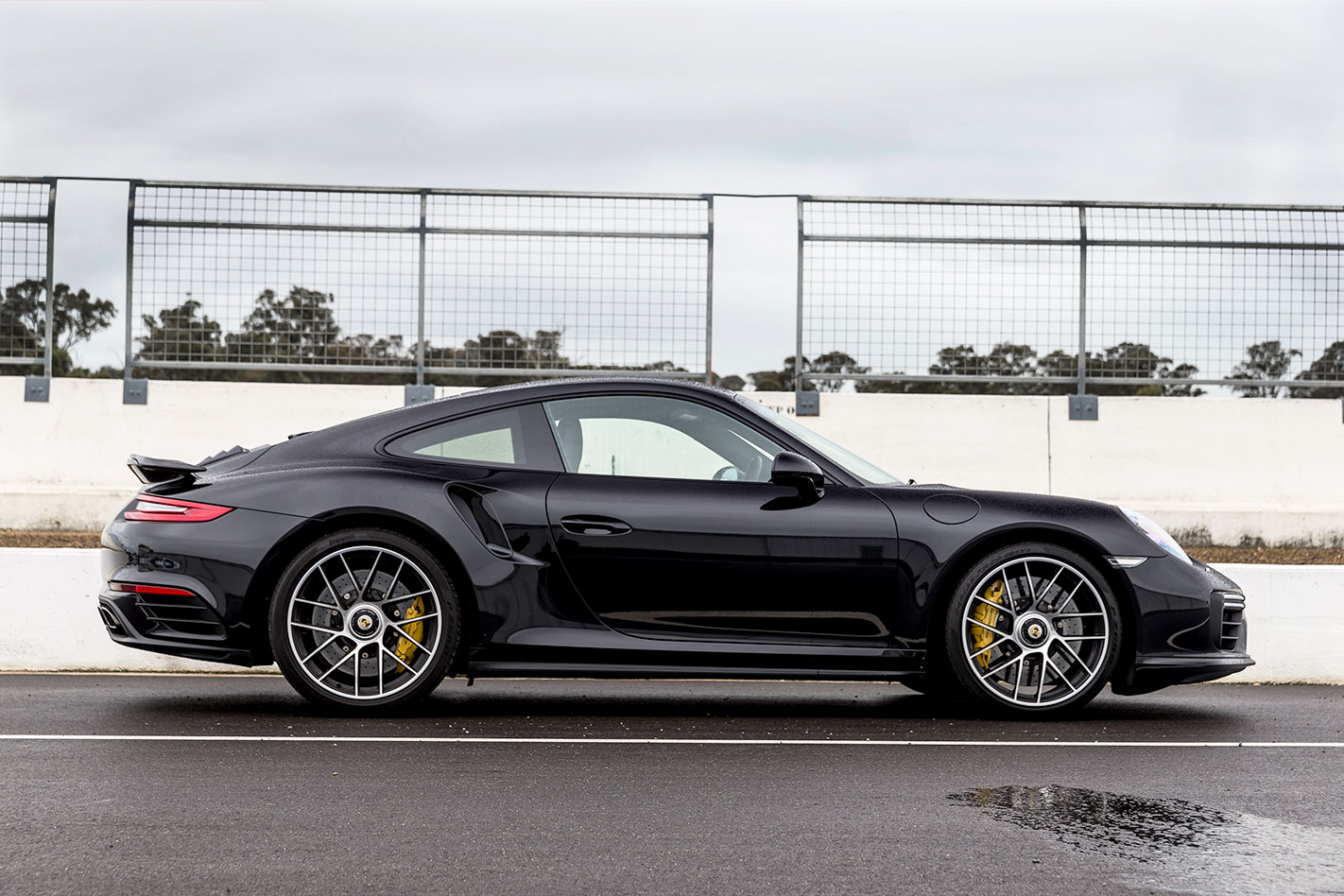
1. Porsche 911 Turbo S
0-100km/h 2.90sec 0-400m 10.7sec @ 212.40km/h
Bavaria’s super-sedan, the BMW M5, has developed over decades of tweaks and evolution.
So, with a new M5 on the way, let’s look back to see where BMW’s ‘hoon in a suit’ started out.
E28 BMW M5 – 1985 to 1987
With an engine born of BMW’s legendary M1 and a chassis from the then-top-spec 535i, there was almost no way the first M5 wasn’t going to start something big.
Its atmo 3.5-litre inline six was good for 210kW/340Nm (a less powerful engine was used in the US) and allowed it to claim being the fastest sedan on the planet (at the time), the E28 M5 was actually quite visually understated compared to its lesser M535i sibling.
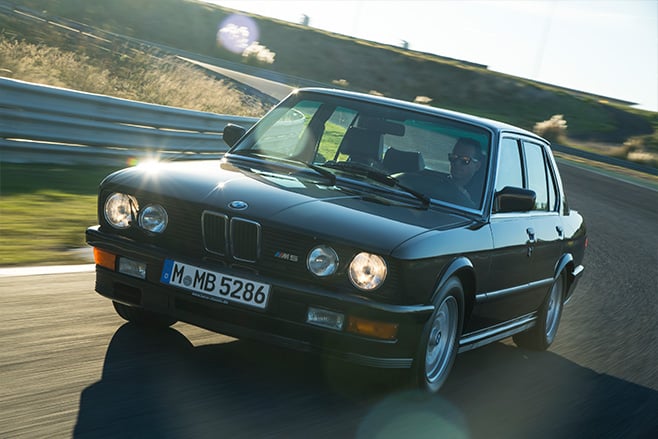
BMW says it built more than 2200 of them in Munich before production finished.
E34 BMW M5 – 1988 to 1995
A more common sight in Australia than the first M5, the E34 generation upped the performance game again, touting 232kW and a 0-100km/h run of 6.3 seconds. This came from the same 3.5-litre donk, though now with 80cc more displacement.

Additionally, a new bit of kit could be found under the M5 – adaptive suspension and an optional ‘Nürburgring suspension package’ which sharpened up the M5’s ride. Between 1988 and 1995, about 12,000 E34 M5s were sold, almost 900 of which were M5 Touring wagons.
E39 BMW M5 – 1998 to 2003
The late 1990s saw the ushering in of a new age of M5 – one that was V8 powered.
With 294kW and 500Nm at its disposal thanks to a 4.9-litre bent eight, the M5 was now doing 100km/h sprints in just 5.3 seconds. It was a sports sedan for the 21st century – a part it looked after ditching some of its sharper lines – but it was a couple of years early.
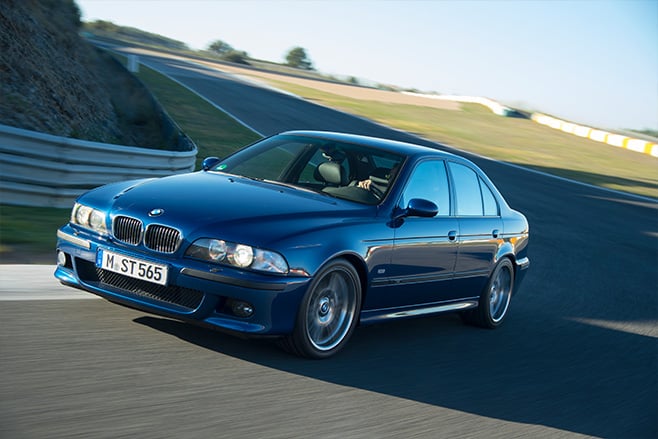
And at 1790kg it needed to be, but the six-manual and the epic V8 roar would more than make up for its heft. Plus, the M5’s tricks didn’t end with its power. Its redline would even rise as the engine’s temperature became more aligned with spirited driving.
By mid-2003, about 20,500 E39 M5 were spoken for, though not many of those can be found in Australia.
E60 BMW M5 – 2005 to 2010
Handing out cylinders like it was learning from Oprah Winfrey, BMW tacked a couple more onto the E60 M5 in the age of displacement. Before downsizing and turbocharging took hold, BMW was offering the most cylinder it had ever offered in most of its M-cars. This was also the age of the V8 M3.

By 2007, the return of the Touring had arrived and, within three years had made up 1025 of the 20,548 M5s that had sold by 2010.
F10 BMW M5 – 2011 to 2017
The ‘current’ – if you consider we haven’t actually laid eyes on the 2018 M5 in Oz yet – generation dialled the cylinders back, but made up for it by sticking a couple of turbos in the engine bay.
The result was a 4.4-litre twin-turbo V8 with 412kW/680Nm and a 4.4s sprint to 100km/h. However, this M5 also introduced the ‘Competition’ variant, which added more power (11kW of it) and knocked a tenth off the 0-100km/h time.

F90 BMW M5 – 2018 to ???
A big change is coming to the new 2018 BMW M5, but it’s got nothing to do with the engine.
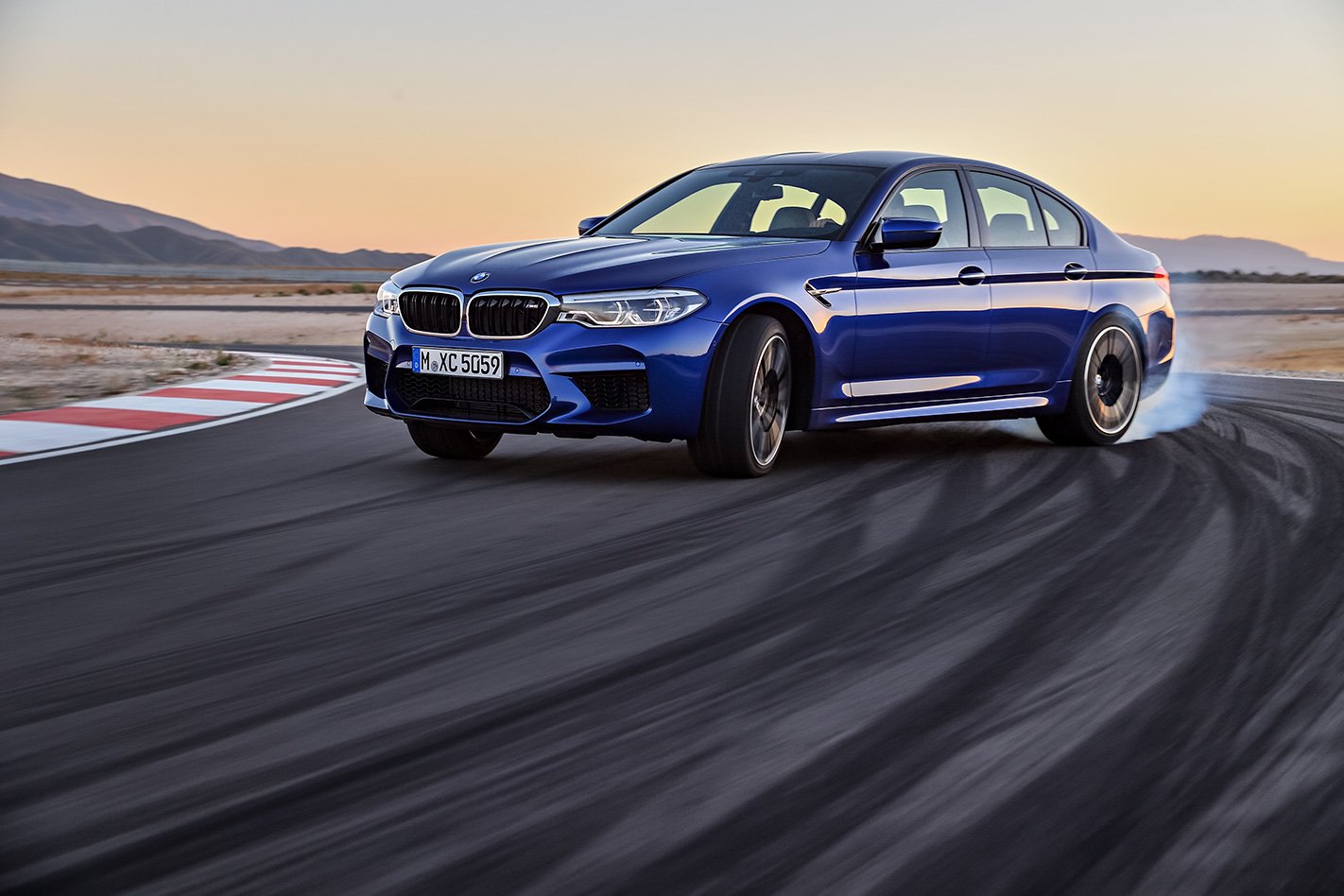
Its 3.4s sprint to 100km/h should convince otherwise. It’ll hit Aussie shores in Q2 2018, with a price tag of $199,900. Plus, look out for MOTOR’s January issue to see it take on its closest rival.
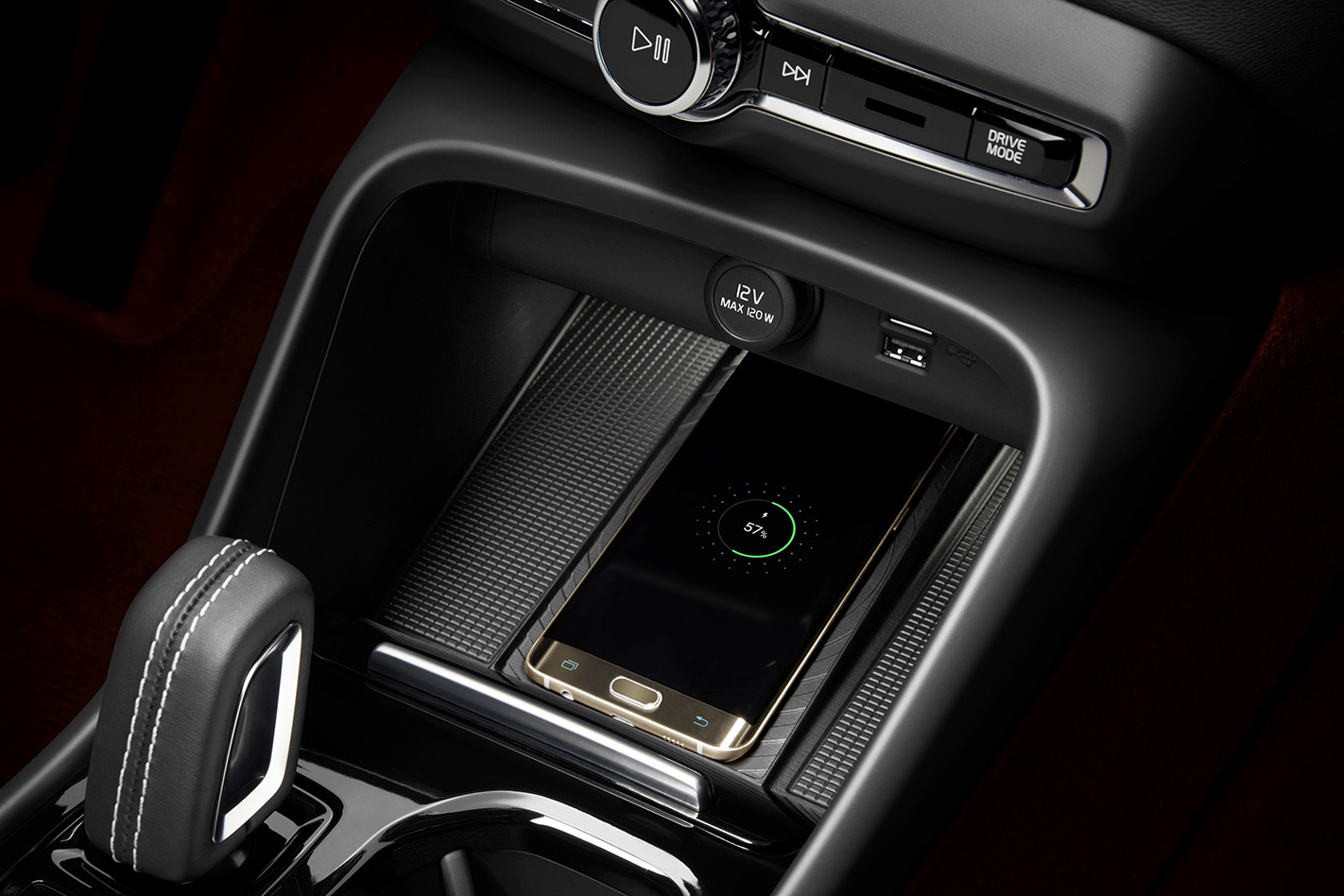
1 – The XC40’s interior was designed to be more like a well-organised office rather than a car. Volvo decided to take a less traditional approach to laying out the XC40’s cabin, and started by looking at the kinds of things its customers kept near them in their living space. As a result there’s enough space in the centre console bin for a tissue box, an integrated rubbish bin keeps things tidy and there’s a dedicated tray for your mobile phone.
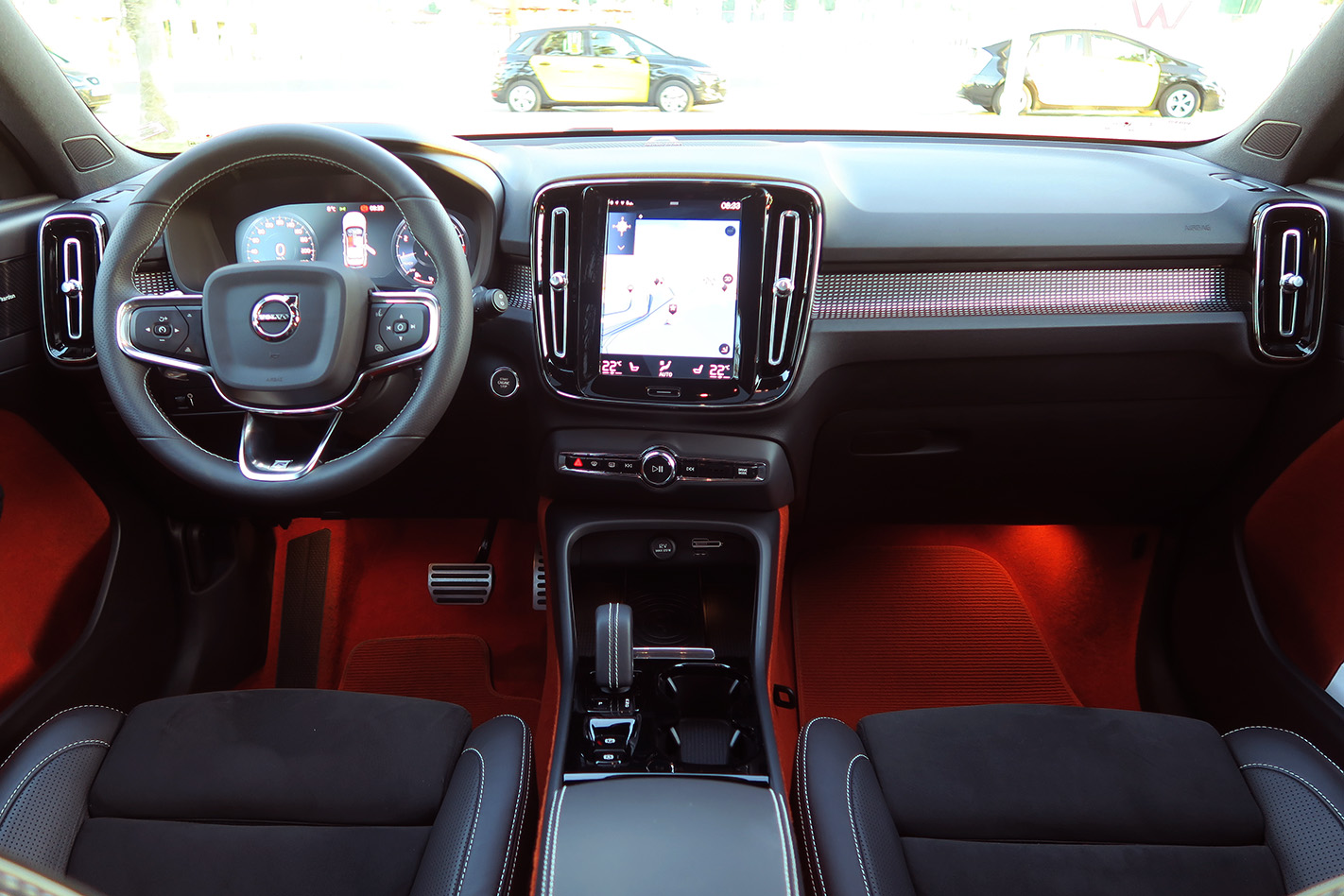
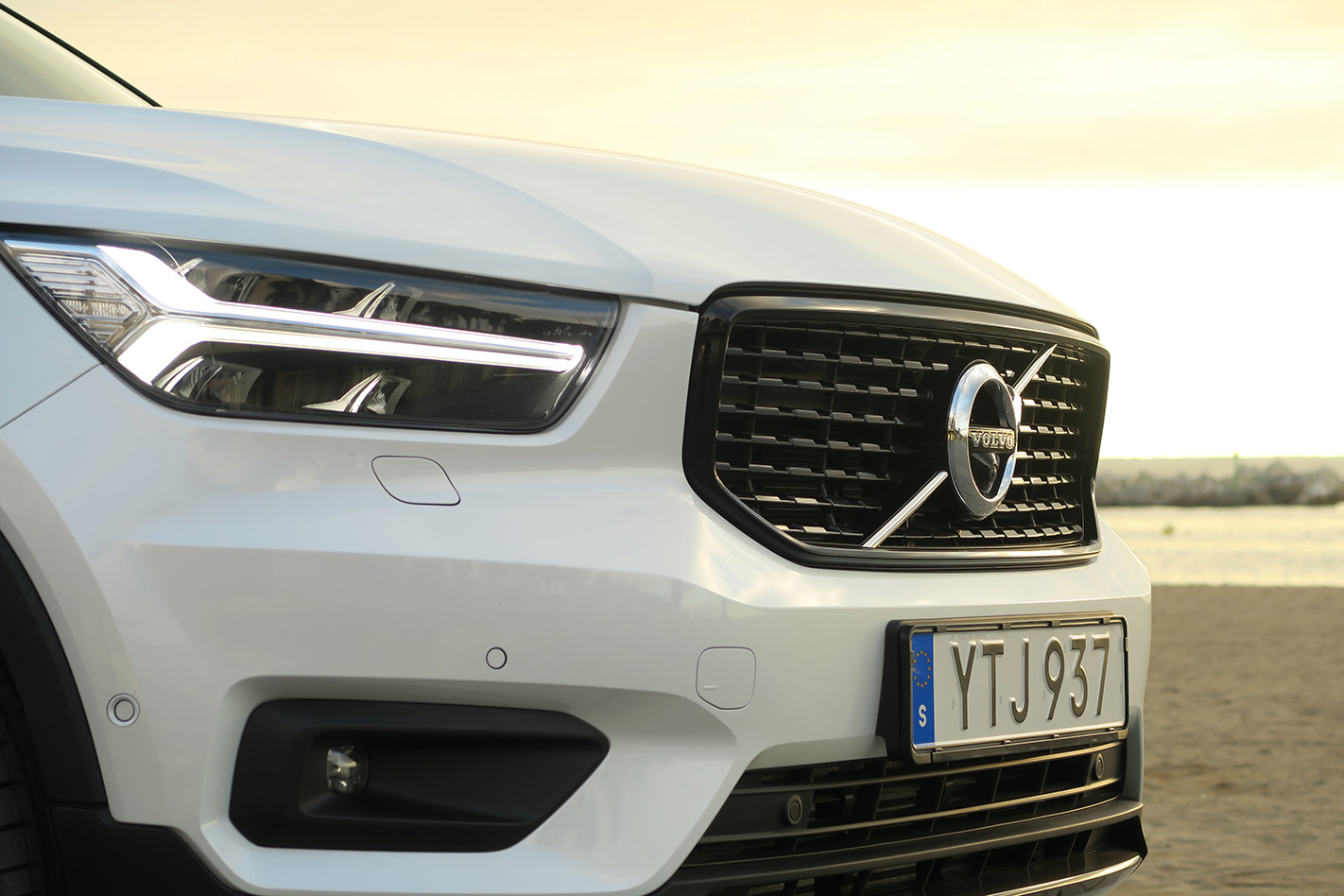
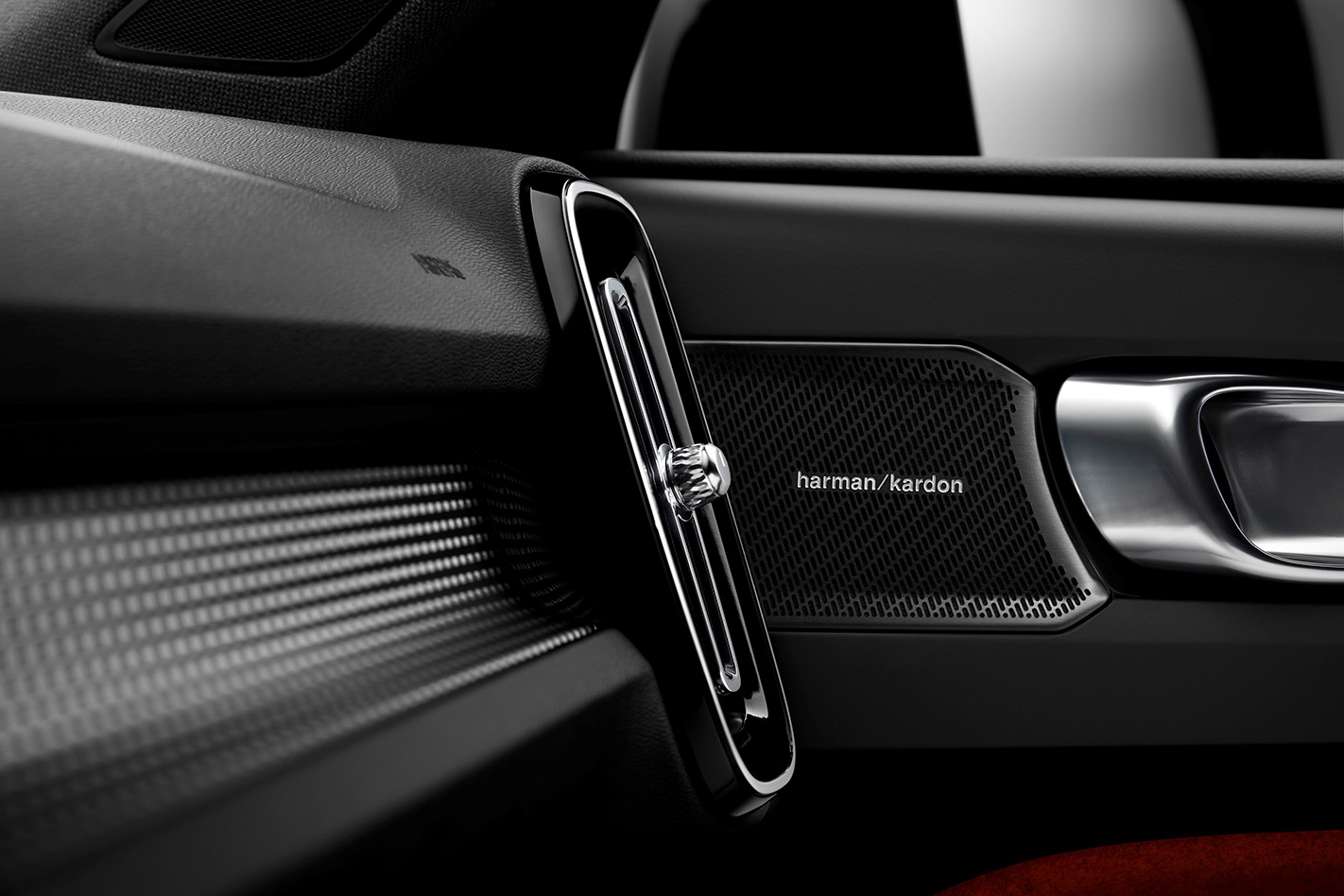
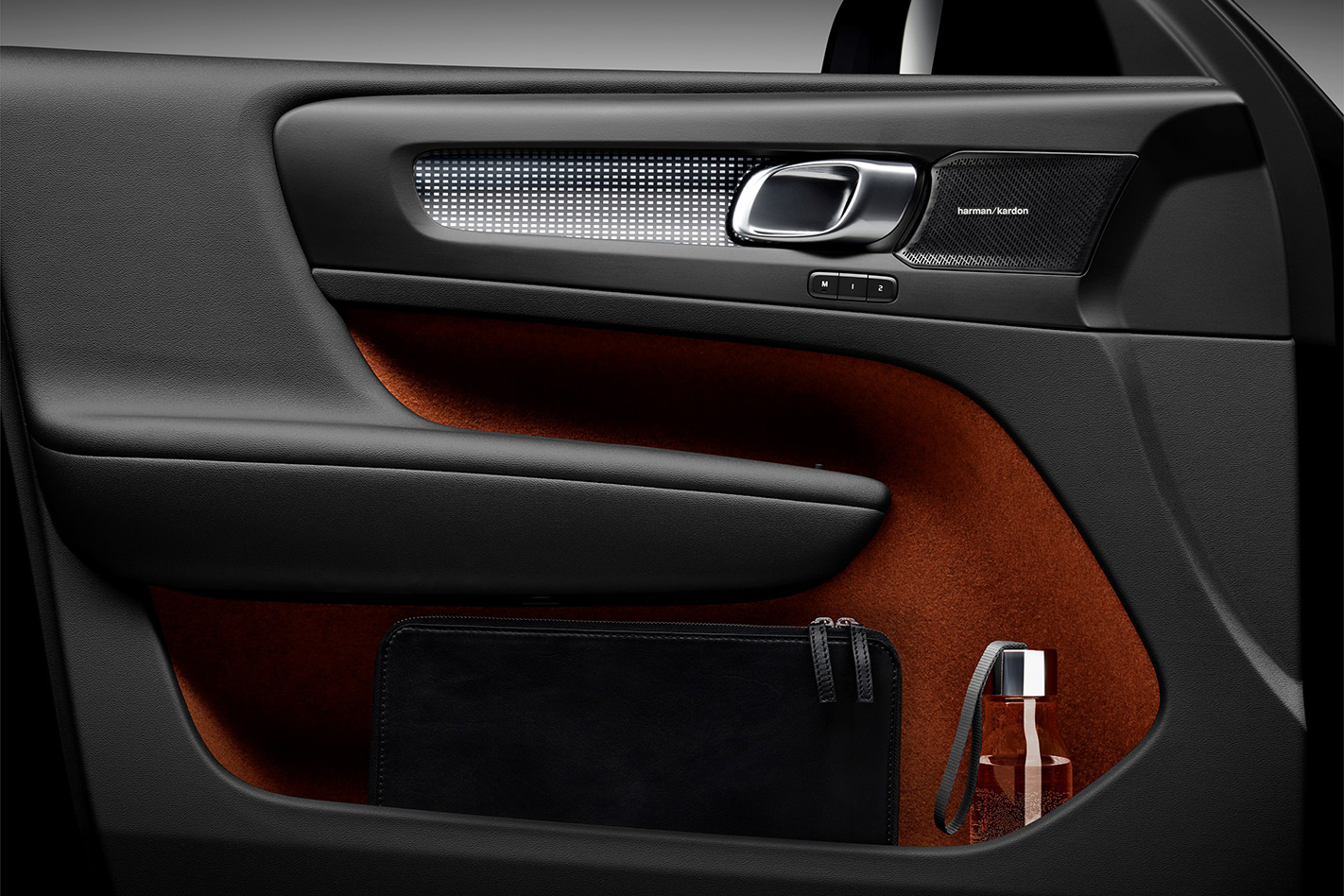
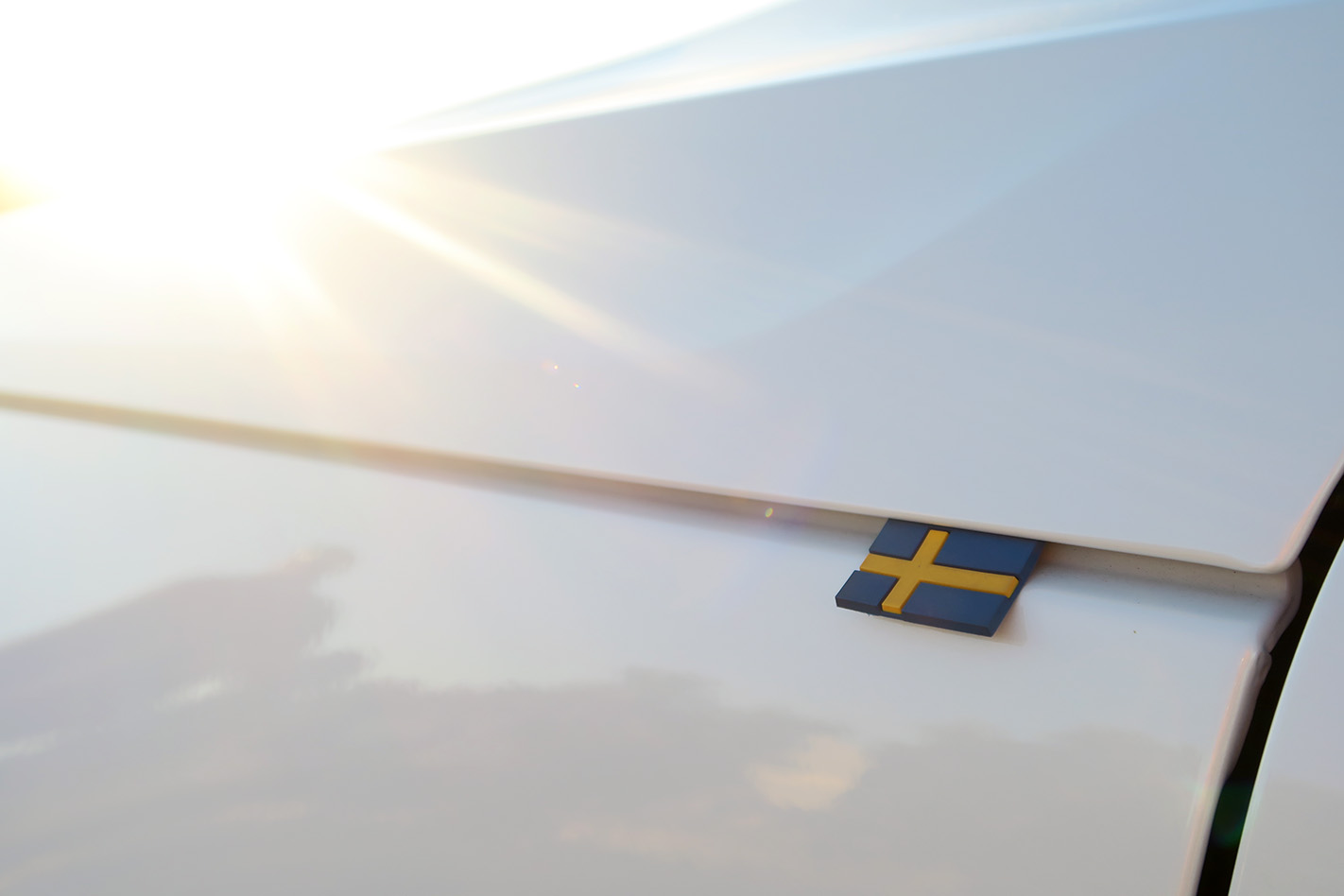
7 – In some markets Volvo will sell the XC40 under a revolutionary leasing model called ‘Care by Volvo’. Unlike traditional leases, the Care by Volvo scheme will put owners behind the wheel of an XC40 for a flat monthly payment, which includes everything from insurance, taxes and servicing. It will be matched by a concierge service that will allow you to loan your car out to whoever you want, and even take care of things like fuelling, cleaning or even having packages delivered to your car while it’s parked. It’s yet to be confirmed if Care by Volvo will be offered in Australia.
THE Wheels photography team produces some truly breathtaking, world-class images throughout the year and one of the hardest jobs can be selecting just a handful of shots that make it into the pages or online. Often there are many we simply love but can’t find the space to share them with you.
We’ve complied a selection of our 2017 favourites from thousands of shots snapped from all over the world, of all different kinds of cars and each of them with their own special story to tell.

Any trip to New Zealand’s spectacular landscapes is bound to produce some memorable shots, but on a trip across the baron South Island in April, Nathan Jacobs took advantage of the impossibly clear skies and zero light pollution, and snapped the Mercedes G-Class under a blanket of stars.
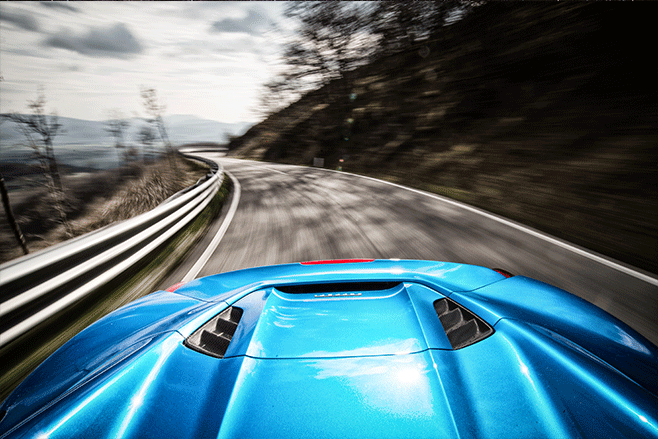
It’s hard to take a bad shot of Ferrari’s jaw-dropping 488, especially when it gets its Spider top off, but when Tom Salt followed John Carey on a blast through the prancing horse’s native Italy in the dead of winter, the results were glorious.

Still in the northern hemisphere but this time Germany, Peter Robinson was given the almost unbelievable privilege of driving the nuts off $10m-worth of Mercedes C111 prototype, and Steffen Jahn was there to capture the action.

Back on home turf and this time with the author behind the wheel, Ellen Dewar and I got up at an ungodly hour to capture this incredible shot of an Audi TT RS as the winter sun rose over Lake Dartmouth. The massive dam wall seemed to be making its own weather system and the huge curtain of mist ebbed and flowed like a tide.
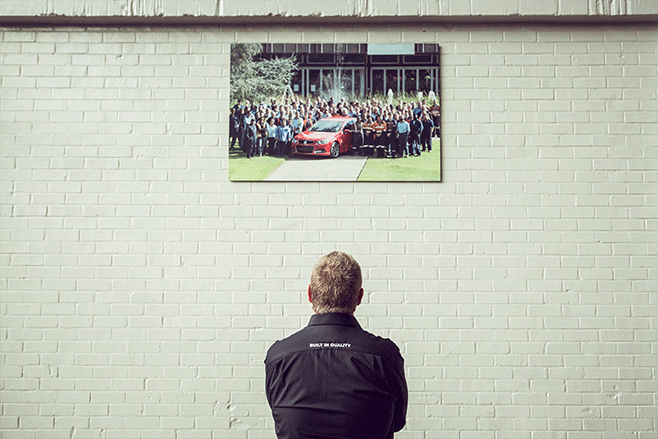
Our adventures nearly always start with a car as the motive, but the people we meet along the way can be just as intriguing. On a visit to the Holden factory just before its closure in October, Thomas Wielecki snapped this employee in a moment of quiet reflection.
While many of the portraits he captured on the day were positive and of people who recounted long and happy careers, it was this shot that so beautifully represented the sense of loss that so many staff were supressing and hiding behind smiles.

Not all of our stories come from the great outdoors and many incredible images have been produced over the year in the Wheels studio, where the photographers can control light and conditions for perfect results.
Jacobs captured the 812 Superfast’s mighty 6.5-litre V12 before any other publication even knew the first example was in the country.

Later in the year, Jacobs was back in the studio again, this time to shoot the Mercedes F 015 concept when it made a brief stop-off in Australia as part of a world tour.
The car was chaperoned by a team of Benz experts partly to keep the car running and in perfect order, but also to bodyguard this incredibly, big, heavy and expensive one-off machine.

Back out on the road again in the autumn of 2017, Nathan Duff snapped this shot of a Subaru BRZ in it natural habitat as part of a three-car comparison.
The dancing leaves and blurred road perfectly represents sense of speed, while the turning colour and moody skies are pure Victoria as it starts to recede into another winter. How good are your car spotting skills? Can you identify the car that’s hunting the Subaru?
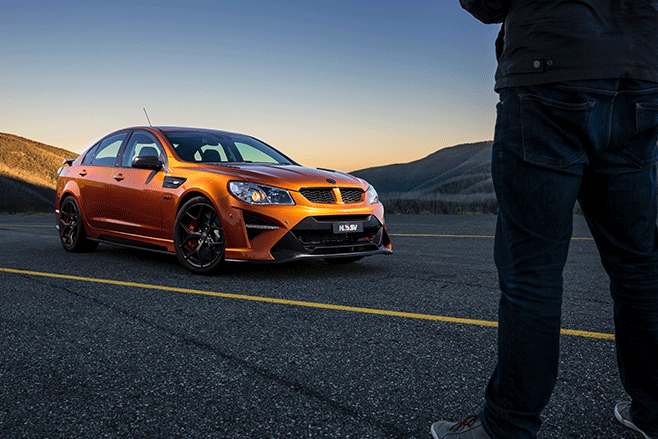
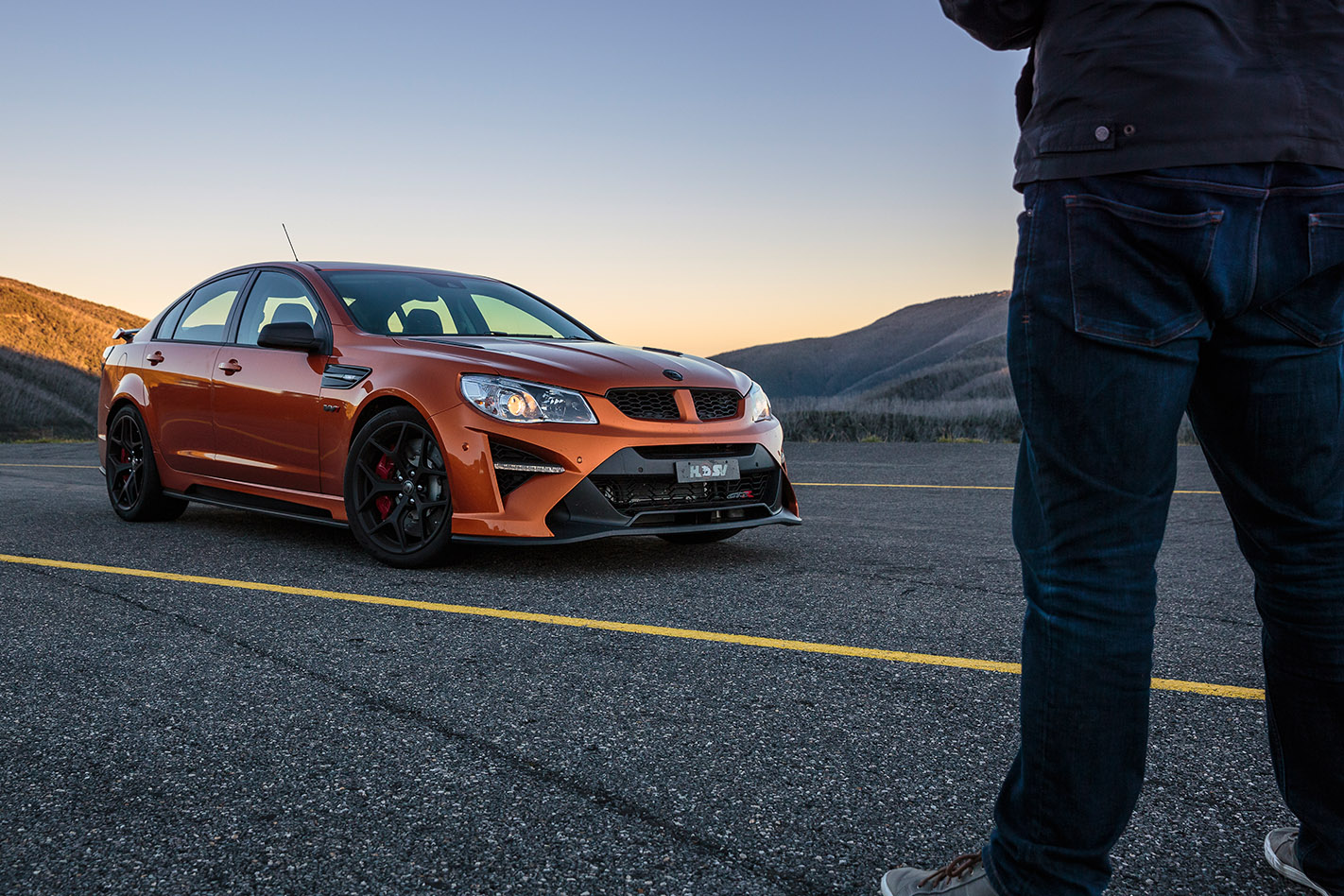
One of our favourite cars of the year is presented in unparalleled brilliance in this shot by Jacobs. Not only does the rich bronze paint pop out of the picture, the HSV GTS-R W1 is perfectly framed by the sharp road markings and dying alpine light.
Stay a little longer though, and you’ll see a deeper meaning. In the foreground, Ash Westerman appears to be contemplating an incredible day piloting this 474kW monster through equally momentous roads, or perhaps he is lamenting the passing of something epic that will never return?

In March, Ben Oliver discovered that one of the finest ways of escaping the glitz and claustrophobia of Monte Carlo is in a topless Porsche 911 Turbo S. Salt set up in a crow’s nest above this fantastic road in the mountains behind Monaco to capture the fun.
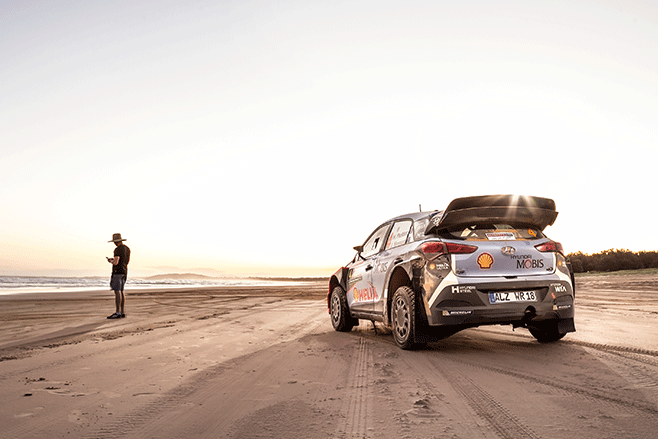
Editor Inwood still can’t believe he was allowed to drive this Hyundai i20 WRC racer on the road, but that’s exactly what he did early on in the year. It should have been 48 hours of petrolhead heaven but the heat, blowouts and punishing cabin made it far more challenging than he had expected.
Wielecki caught Inwood in a rare moment of calm and relaxation on this stunning Coffs Harbour beach.
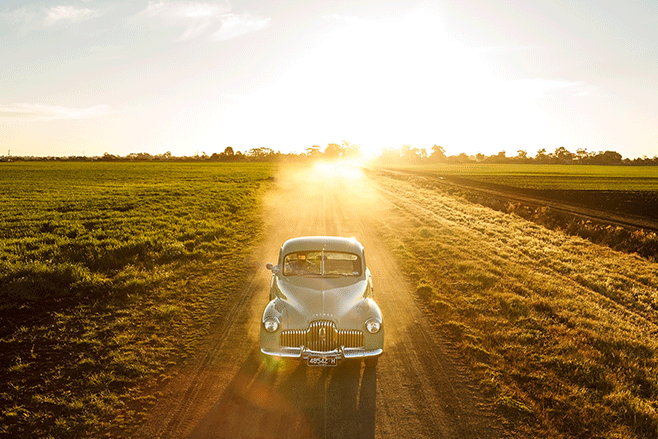
This hauntingly beautiful shot by Jacobs almost made the special subscriber’s front cover of the commemorative edition of Wheels in November, but it was narrowly edged out by a similar shot from a lower angle.
The warmth of colours and sunlight perfectly represents how so many of us feel about Holden, while the 48/215 disappearing out of shot in a trail of dust is a timeless metaphor of the lion badge’s manufacturing legacy on red dirt.

At the end of each year, the Car of the Year judges assemble to put a host of new machines through their paces over a week of gruelling testing.
COTY, as it is affectionately referred to, is as exhausting on the judges as it is on the cars and this perfectly timed snap by Dewar summarises exactly how far we go to find the very best cars of the year and select just one winner.
It has been a brilliant year of action, fantastic new metal and captivating people in unforgettable places. Join us in 2018 when we’ll bring you a whole new adventure complete with stunning images.
RIP these great, and not so great cars which were put out to pasture this year
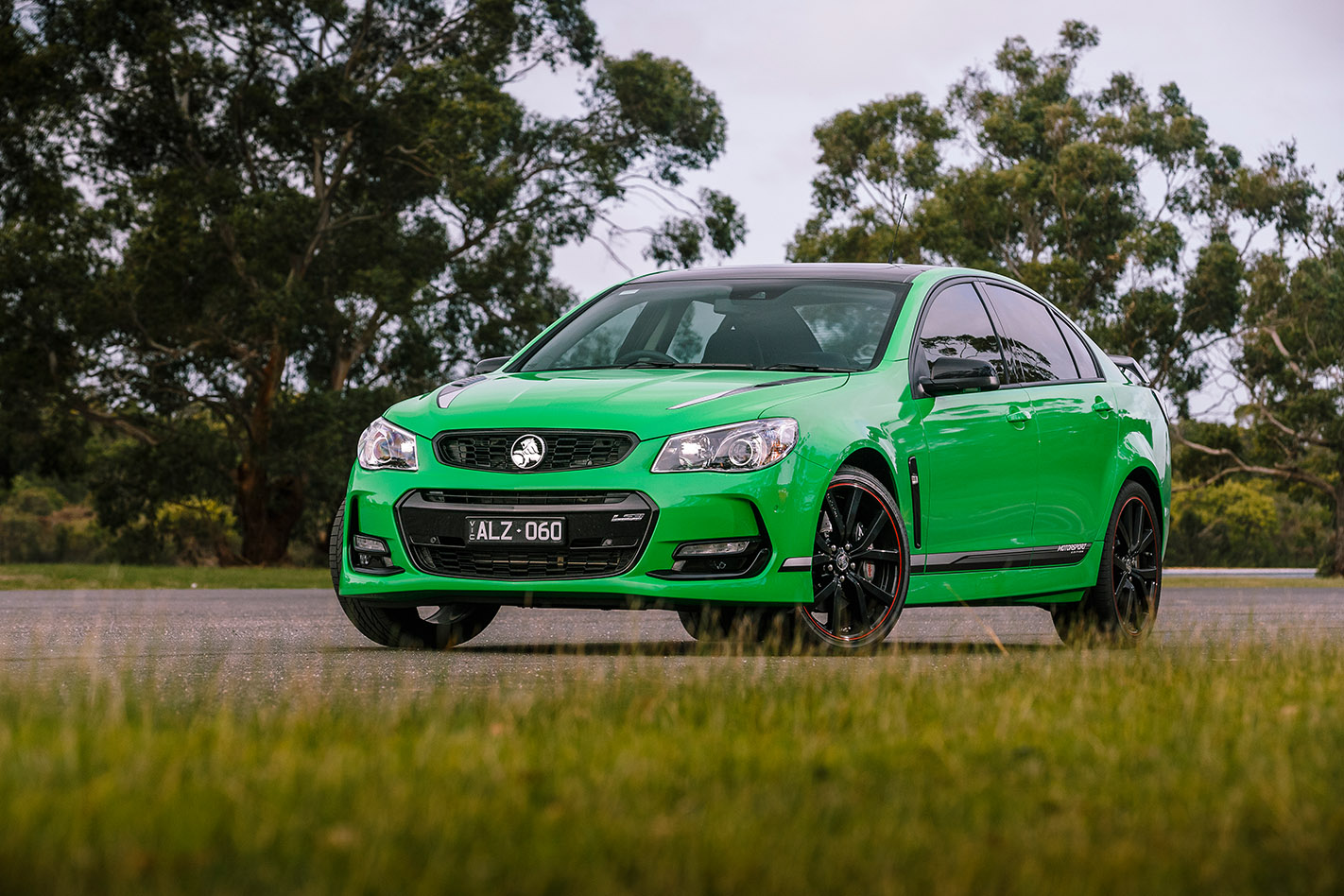
Holden VF Commodore
It’s still a sore point for Aussie car enthusiasts, but the last True Blue Holden Commodore rolled down the production line at Elizabeth this year. The VF was a fantastic swansong for Australian car manufacturing, and we won’t forget the impact it made any time soon.
Nissan Altima
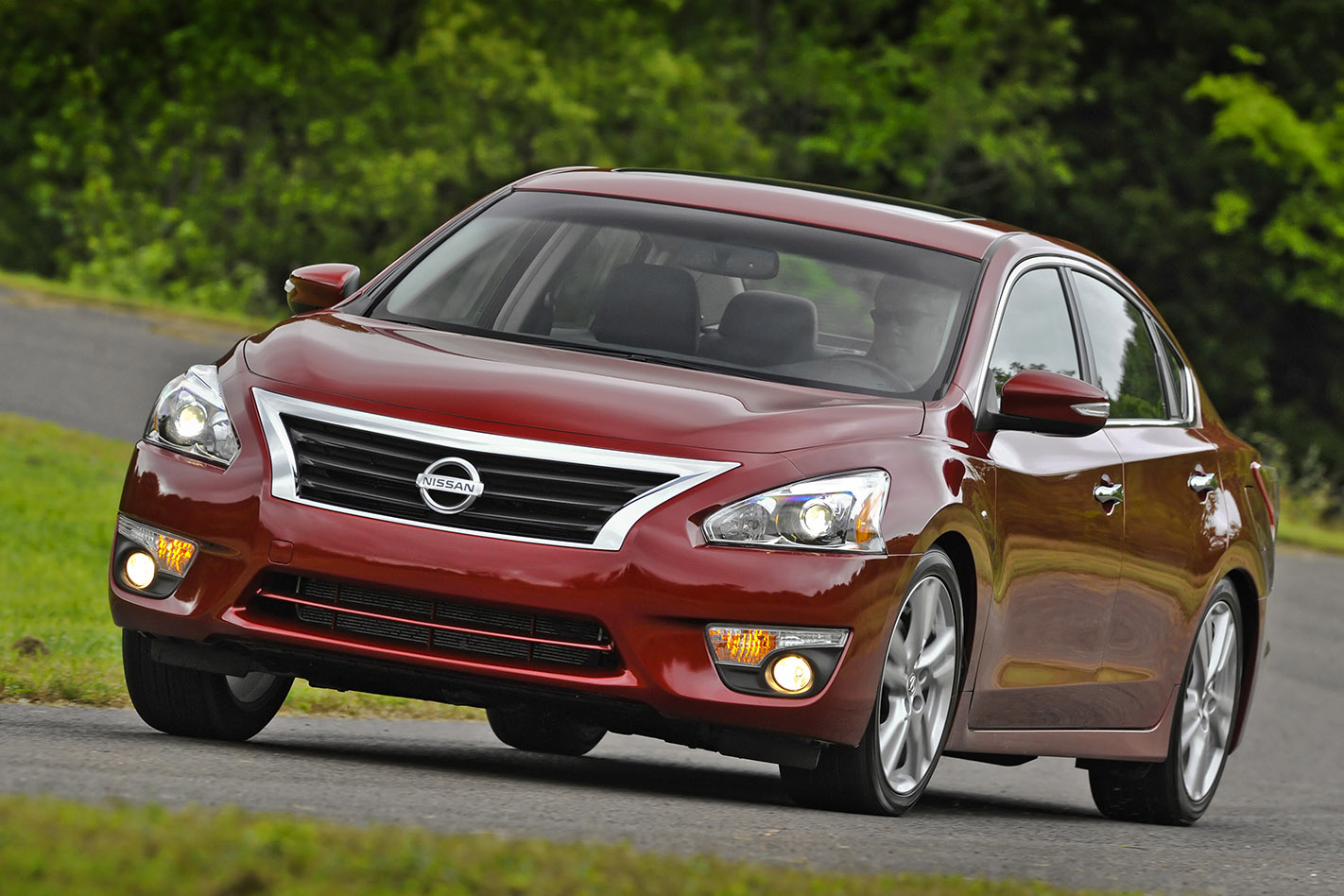
Most of you will probably be scratching your heads wondering the last time you saw an Altima on the road? Well, you won’t be seeing any more added to the fleet as Nissan pulled the car from showrooms this year. The factory-backed Supercar squad will still race them in 2018, if you feel like seeing one tear around a race-track with a 5.0-litre V8 under the bonnet.
HSV GTSR W1
It was short, oh so sweet, and glorious, but HSV’s king daddy GTSR W1 both started, and ended, production this year. Anyone who has driven one will have the warbling war song of the LS9 engine seared into their memory forever.
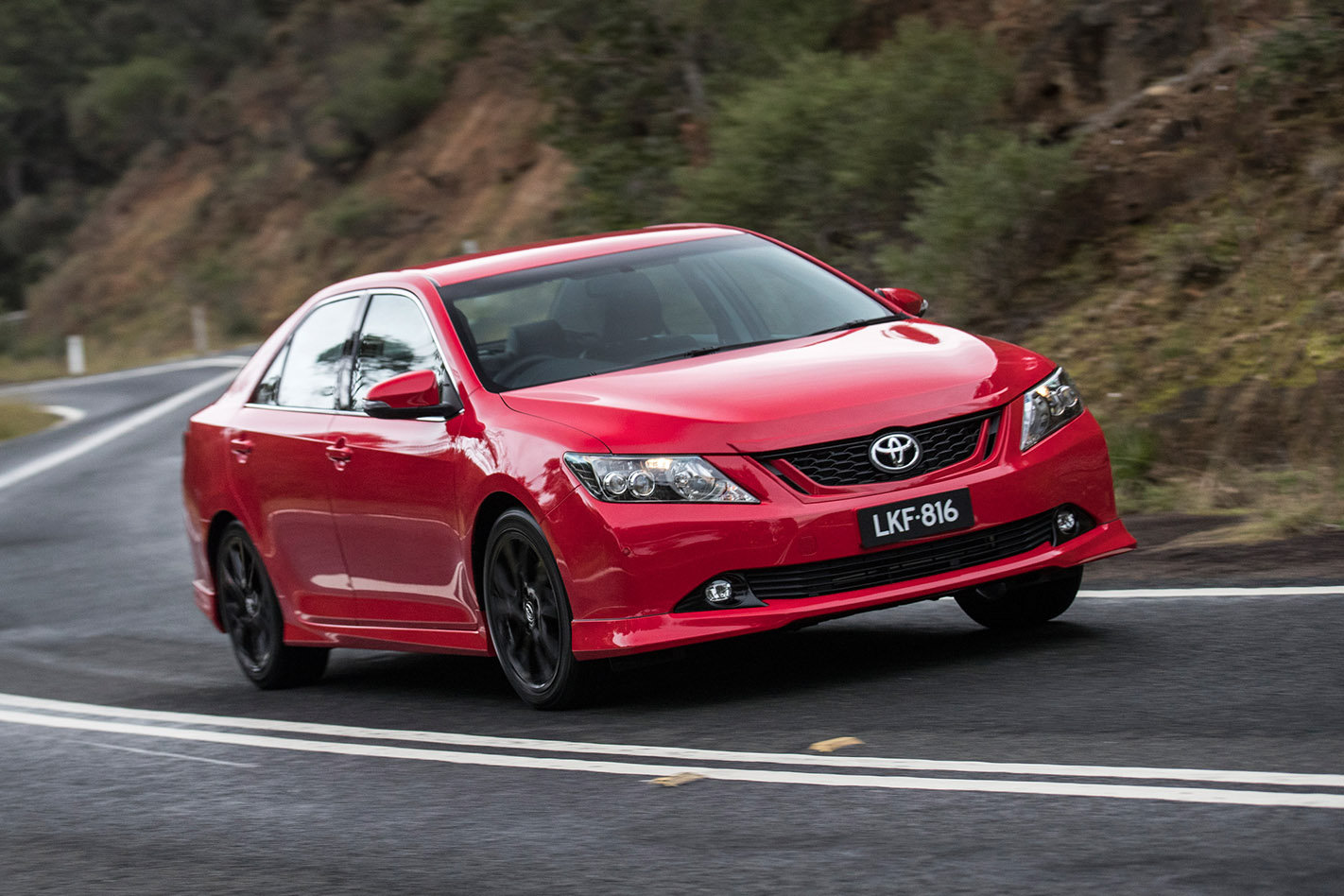
Toyota Aurion
It wasn’t just Commodore production that came to an end in Australia. The Camry and Aurion both ended production in 2017 as well. While the Camry has a Japanese-built successor, the Aurion name has ceased to exist, replaced by the return of the V6 engine to Toyota’s camry line-up
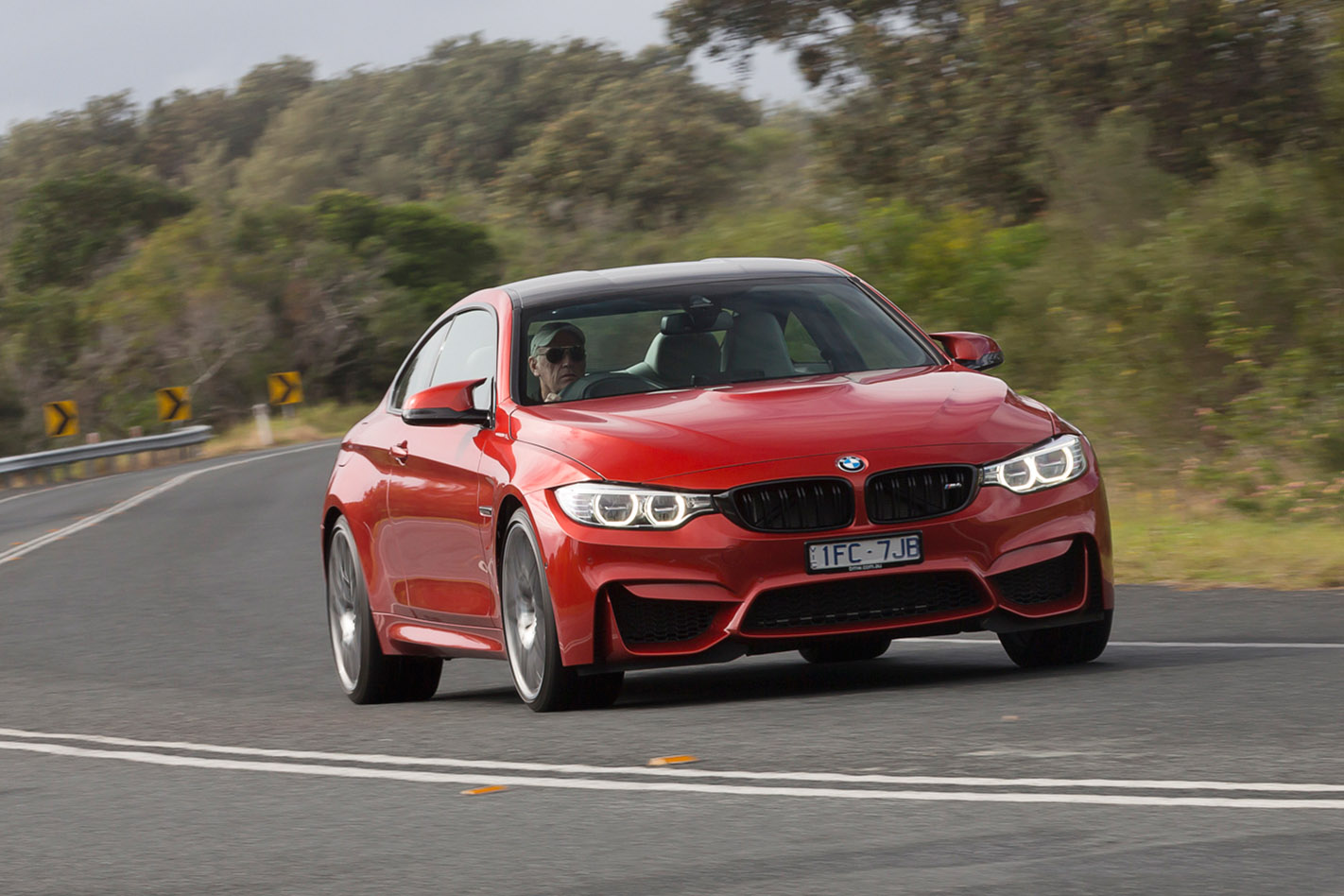
BMW M4
This is a late entry, but BMW’s standard M Coupe can no longer be bought in Australia. You can opt for Pure, Competition, and CS variants, but the regular M4 has been dropped. Is it a great loss? Not really – especially when the current line-up is so strong.
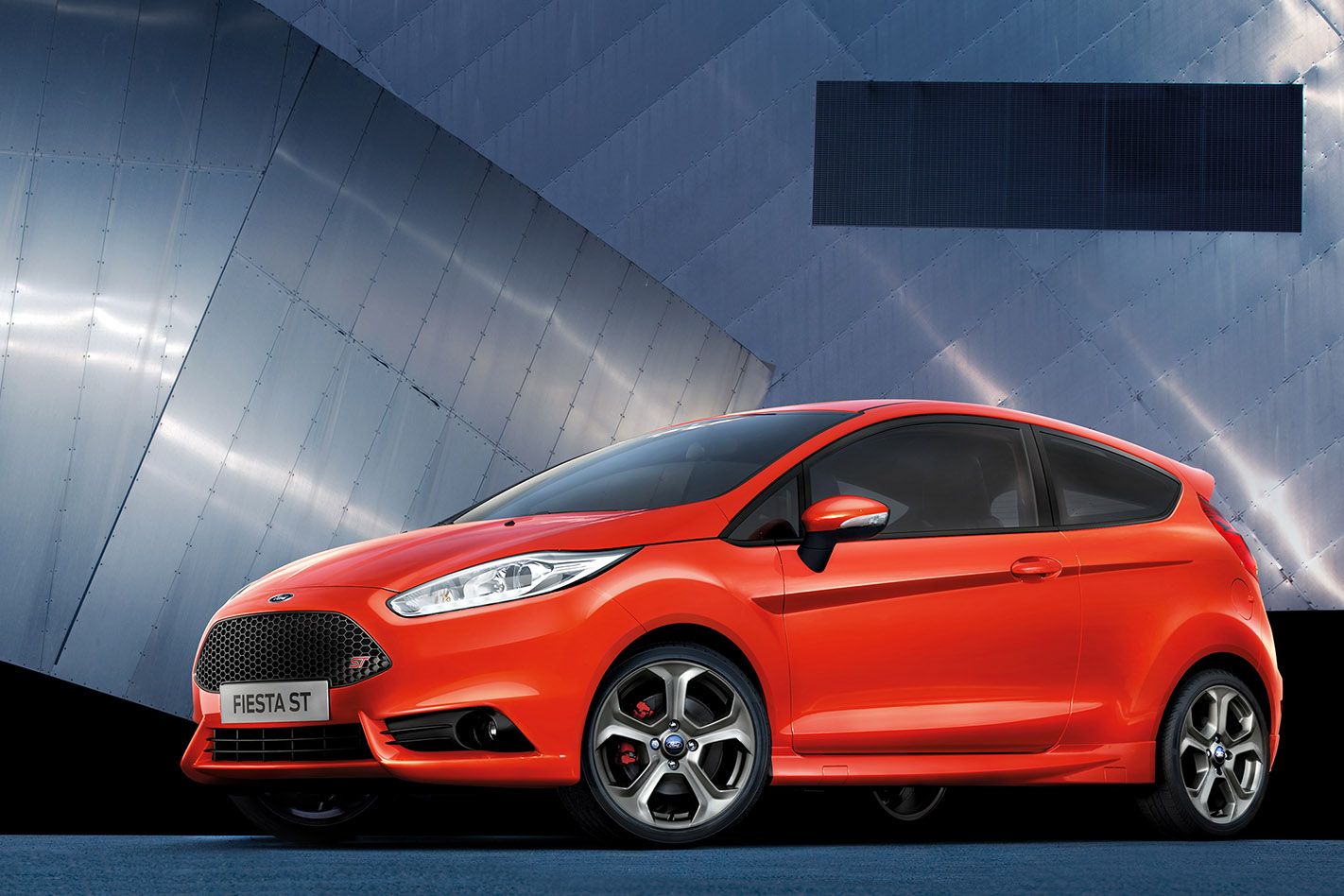
Ford Fiesta ST
It wasn’t a good year for the Fiesta. The powershift transmission scandal dragged on, and the ST variant was dropped from the line-up. If industry scuttlebutt is to be believed, we won’t be getting the 1.0-litre three-cylinder turbo replacement sold overseas either. Now, that’s a true tragedy.
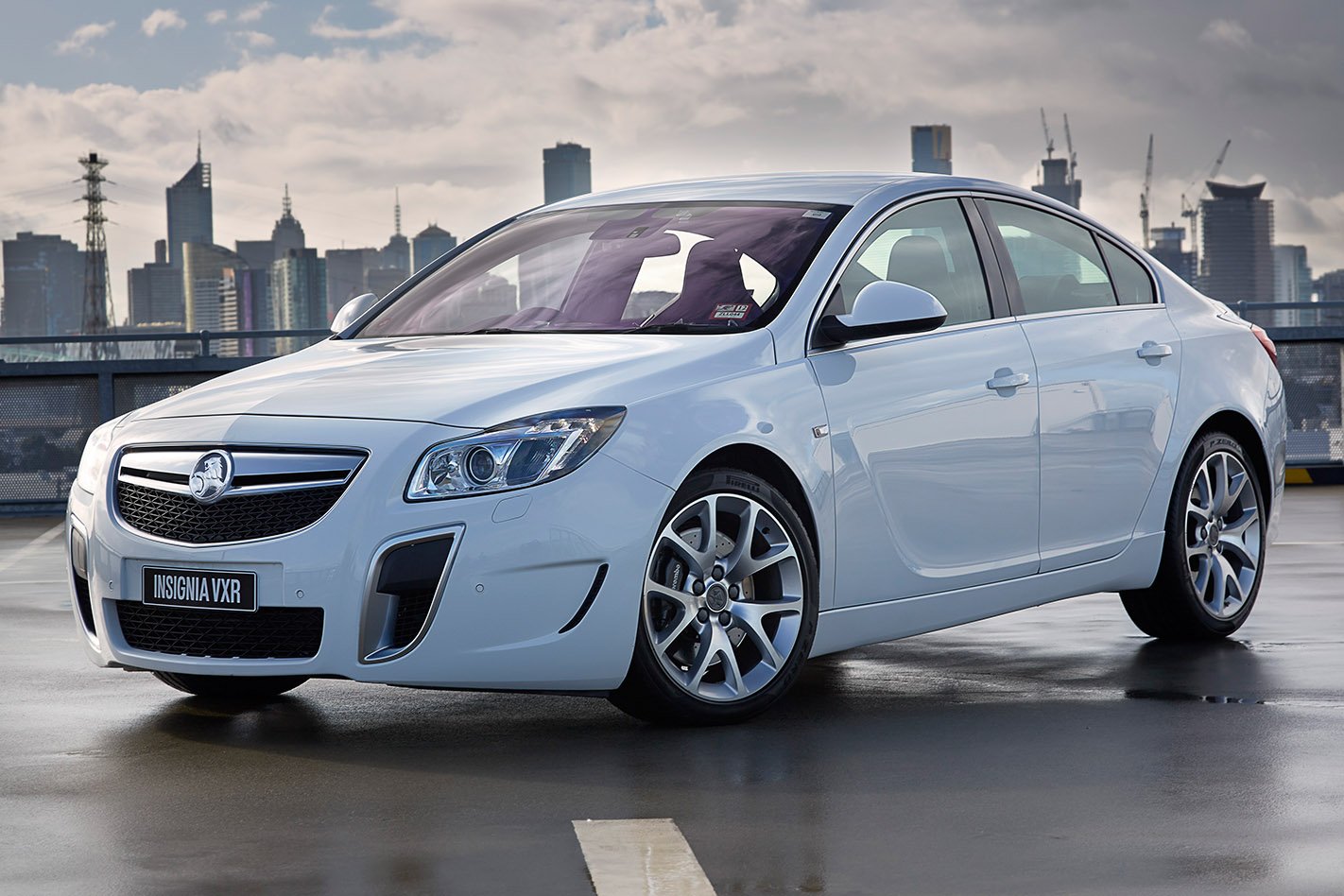
Holden Malibu & Insignia
Yes, Holden still sold the Malibu at the start of the year, allegedly. The Insignia was also in showrooms, but was quietly shuffled out the door to make way for the new ZB Commodore, which is badged as an Insignia overseas.
Mitsubishi Mirage sedan
What to say about Mitsubishi’s tiny and not very pretty sedan? It was cheap. Is anyone sad about its departure? Not really. So long, buddy.
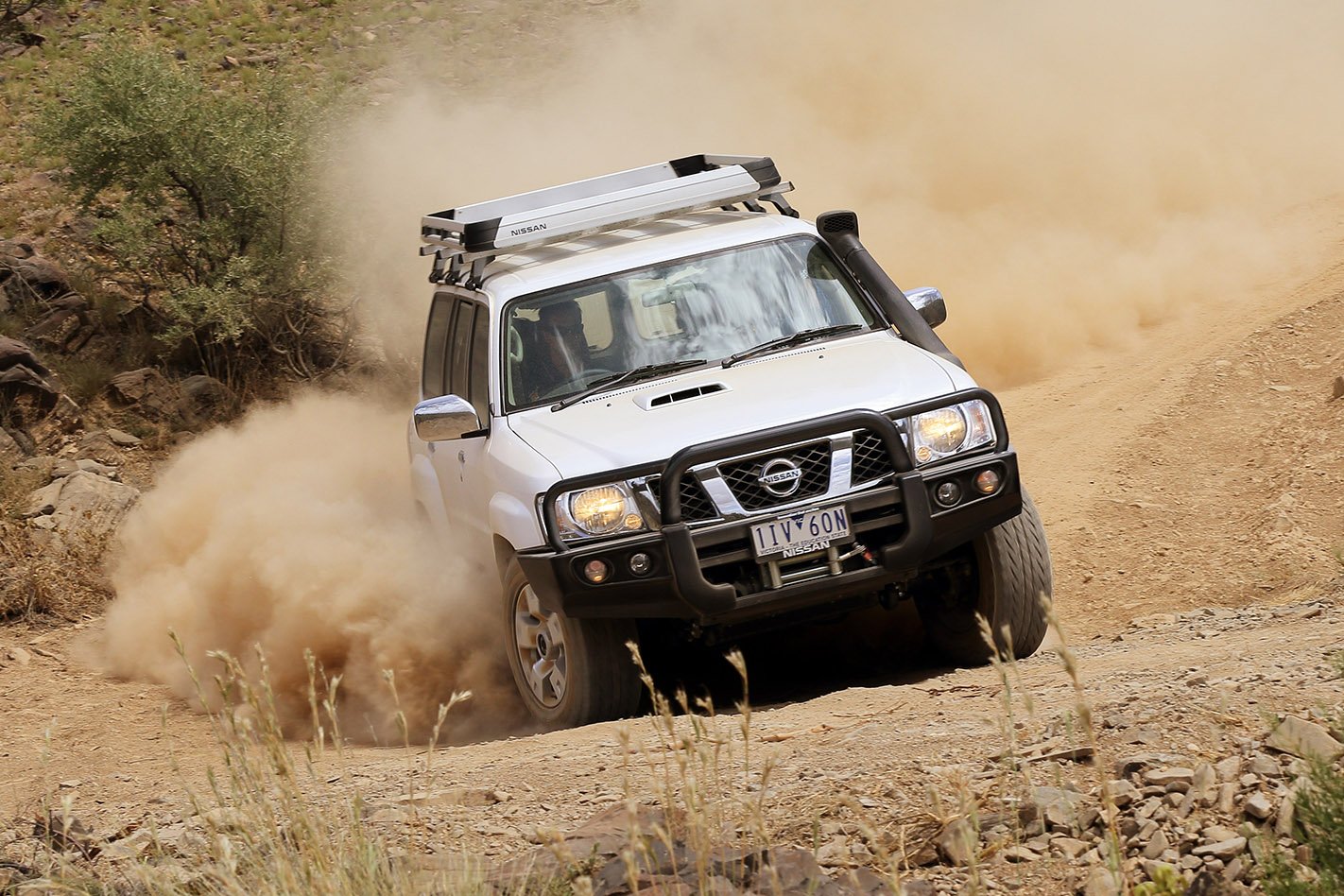
Y61 Nissan Patrol
The large Nissan SUV went out after 20 years with the Legend Edition, it was one of the longest-running models before shuffling off the mortal coil.
Toyota Yaris sedan
The Camry’s smaller brother slipped from showrooms with nary a whimper. But don’t worry if you were in the market for a small sedan, the Mazda2 will fulfil your needs nicely.
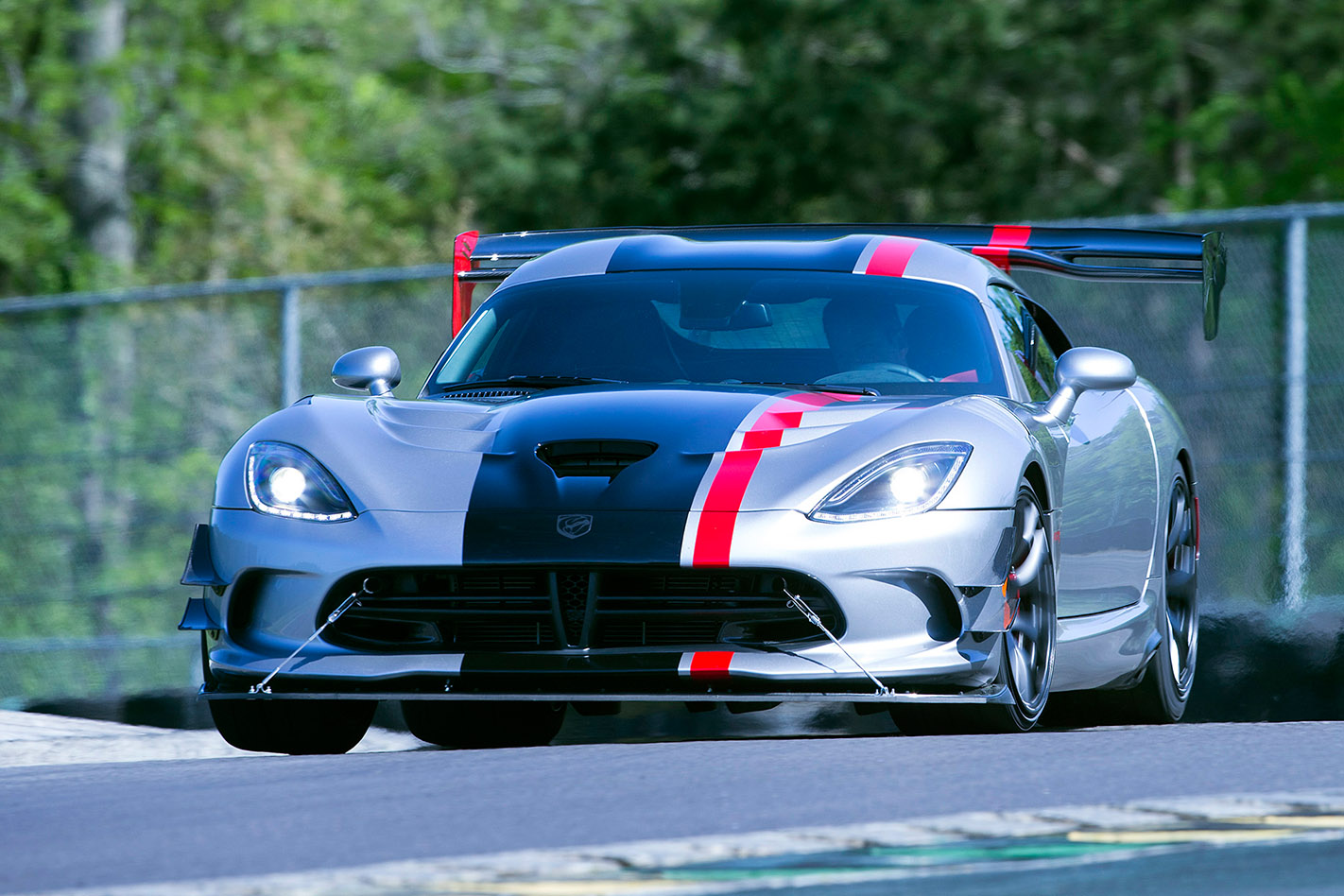
Dodge Viper
Straight off the bat, yes we realise the Viper wasn’t sold in Australia. But we thought it worthy to mention the iconic American sports/muscle car was no more. Its 8.4-litre V10 engine will be missed, even if it was never offered locally.
Here’s some more models that have gone the way of the Dodo in the last 12 months. If you hadn’t noticed then the respective car makers have probably done the right thing.
- Citroen DS3
- Petrol dual cab Toyota Hilux
- Nissan Qashqai Diesel
- Ford Kuga – effectively replaced by Escape
- Toyota Prado V6 petrol
- Suzuki Celerio
- Nissan Micra
Mini is introducing a seven-speed dual-clutch automatic transmission, to its hatchback range, which the British carmaker says will be faster and more efficient than its conventional six-speed torque converter auto.
Both automatic transmissions will be available, along with the six-speed manual gearbox, in the Mini, Mini 5-door and Mini Convertible, but not the larger Clubman and Countryman models.
According to Mini the new ‘Steptronic’ gearbox, which allows for manual operation without a clutch, and will provide “extremely fast gear changes, a high degree of shift comfort and optimised efficiency”.
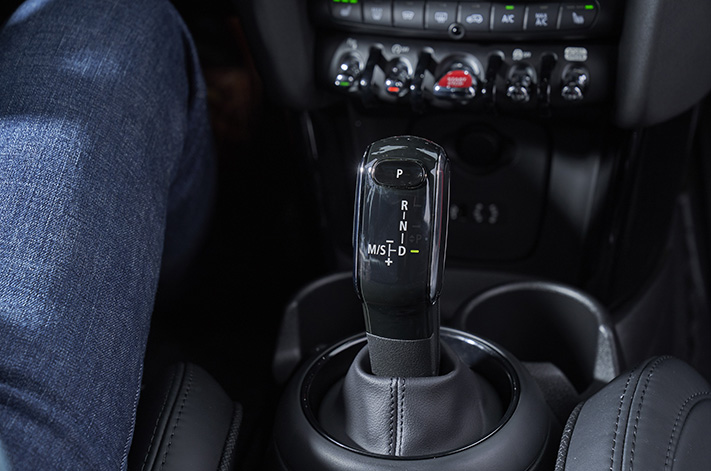
Electronic controls will implement a shift strategy that uses navigation, an auto stop/start function and coasting for greater fuel efficiency.
The coasting function, which is available in Mid and Green driving modes decouples the drivetrain as soon as the driver removes their foot from the accelerator pedal. This allows the MINI to roll along at idling speed – free of any engine braking effect and at minimum fuel consumption.
Mini is yet to provide any fuel consumption, performance figures or relative pricing for the new transmission, which will start going into production in the UK in March 2018. There’s also no word if it will be available across all variants or just the higher-spec versions.
It’s also unclear if and when the new transmission will feature in Australian models, with a Mini Australia spokesman telling WhichCar it won’t be available in the current model, but it could come with a midlife facelift due in the middle of 2018 subject to local assessment.
THE next generation of Toyota sports cars are likely to gain more powerful versions of the Prius powertrain as part of a push towards electrification of all the Japanese brand’s drivetrains.
The car maker announced this week it wanted to expand its hybrid offering, aiming to have a variant with some form of electrification – hybrid, plug-in hybrid, fuel cell or full battery power – over the next decade from 2020.
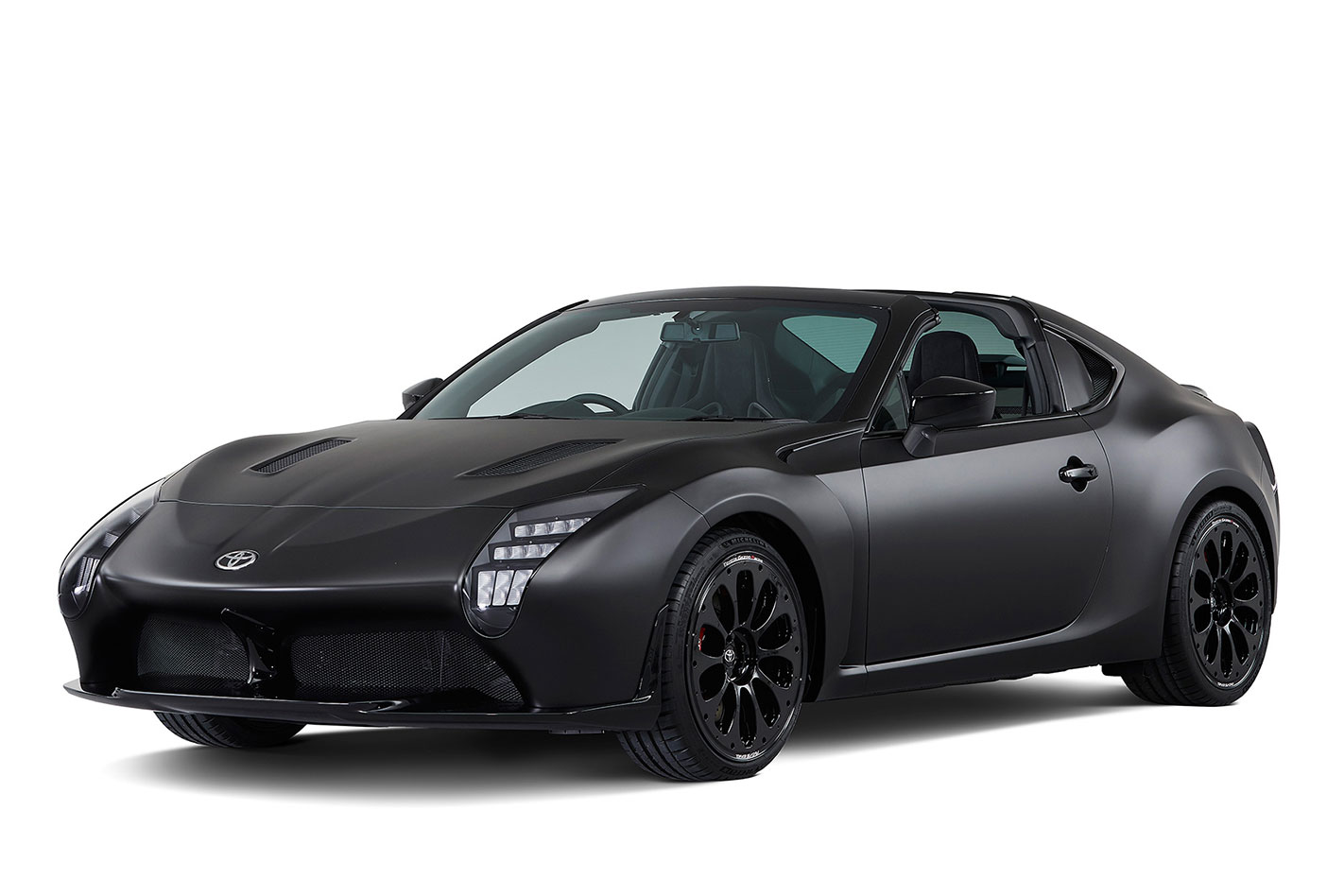
“The HEV line-up will also grow, thanks to the further development of the Toyota Hybrid System II (featured in the current-generation Prius and other models); the introduction of a more powerful version in some models; and the development of simpler hybrid systems in select models, as appropriate, to meet various customer needs,” it said.
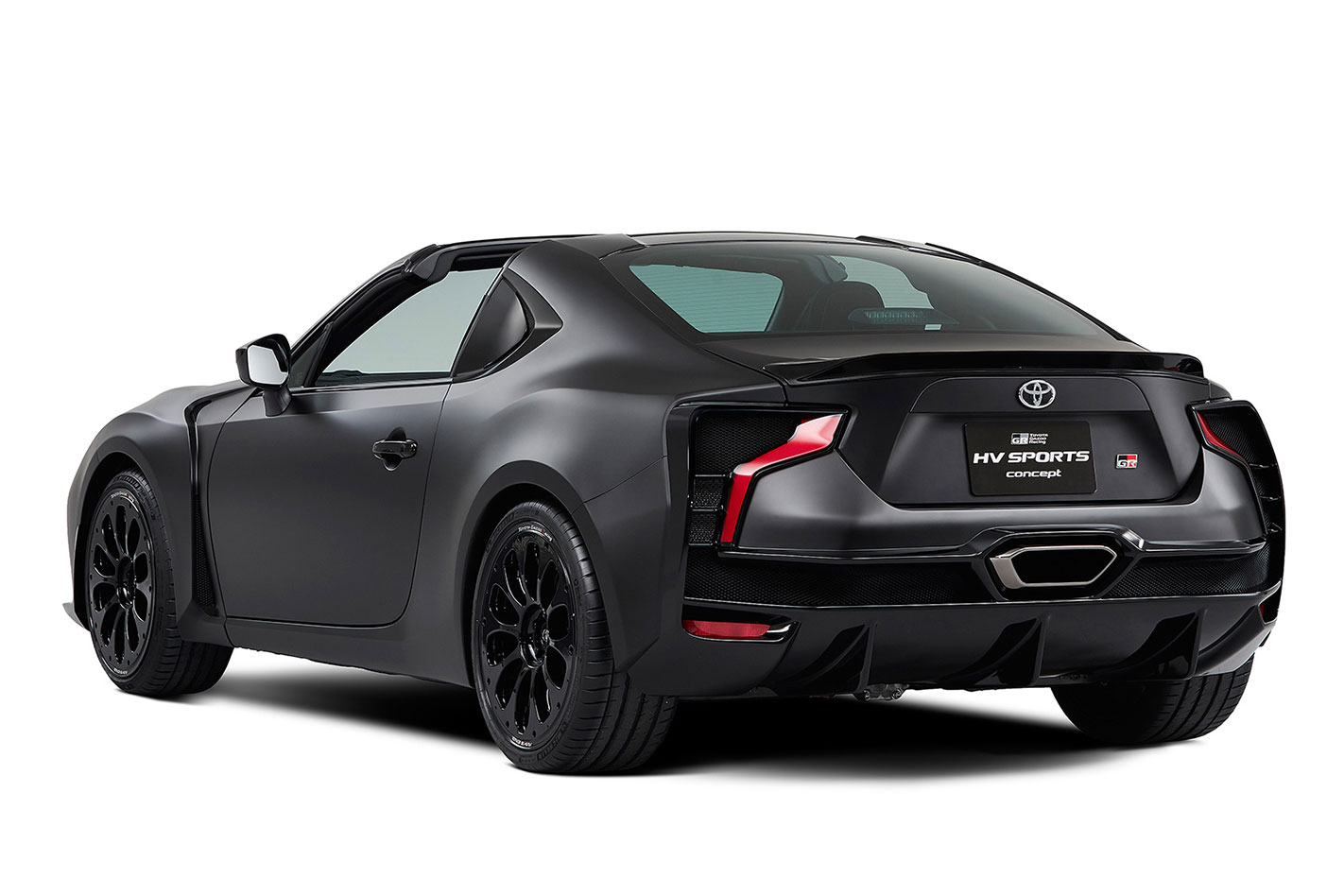
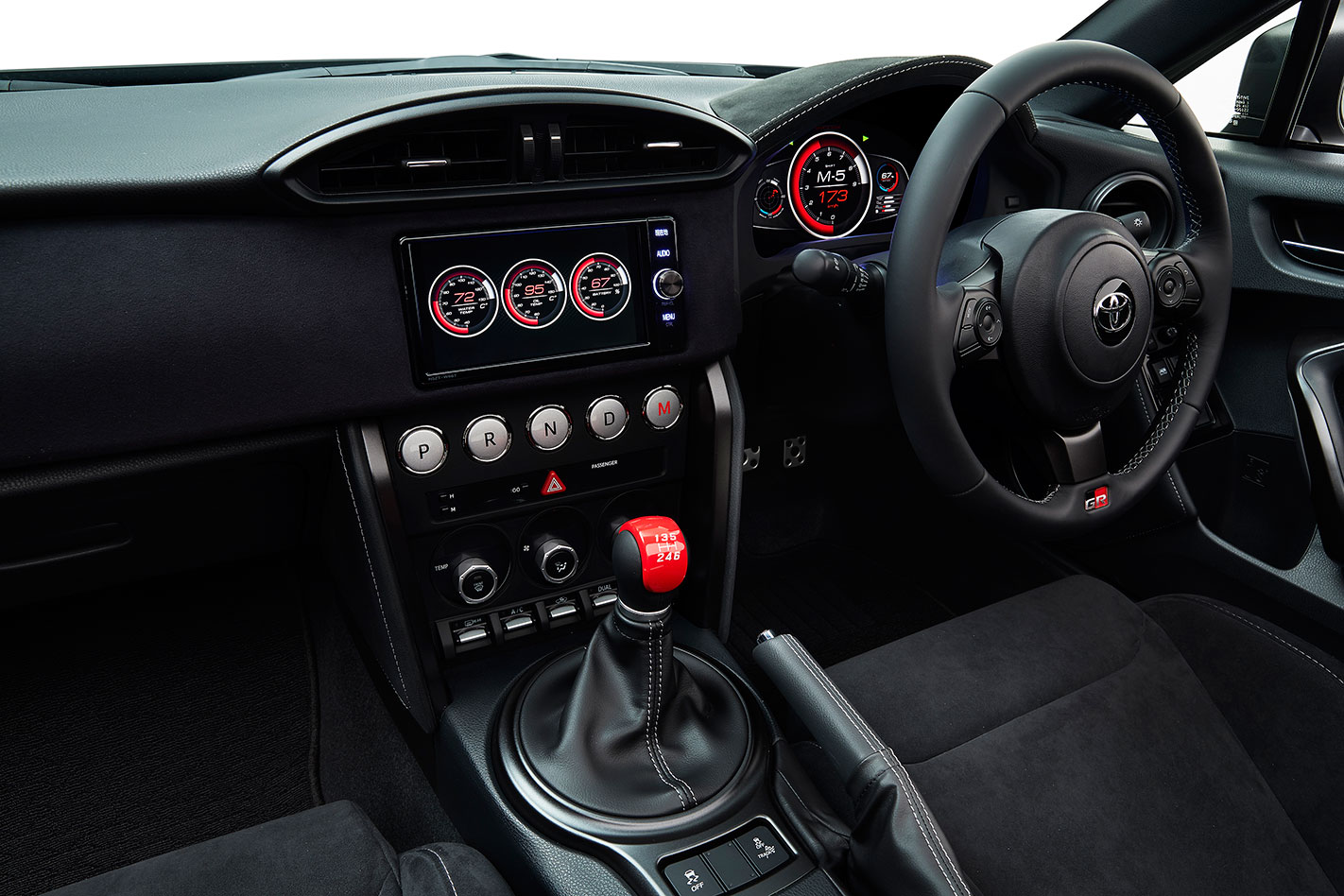
Surprisingly, the hybrid-engined GR HV concept features an automatic gearbox with a shift mode that looks very similar to a conventional H-patterned six-speed manual gearbox.
Toyota’s announcement also indicates a version of a sports coupe believed to be the reborn Supra, which will be built in top of a platform shared with the folding ragtop-roofed BMW Z5 convertible, is likely to include a hybrid system.
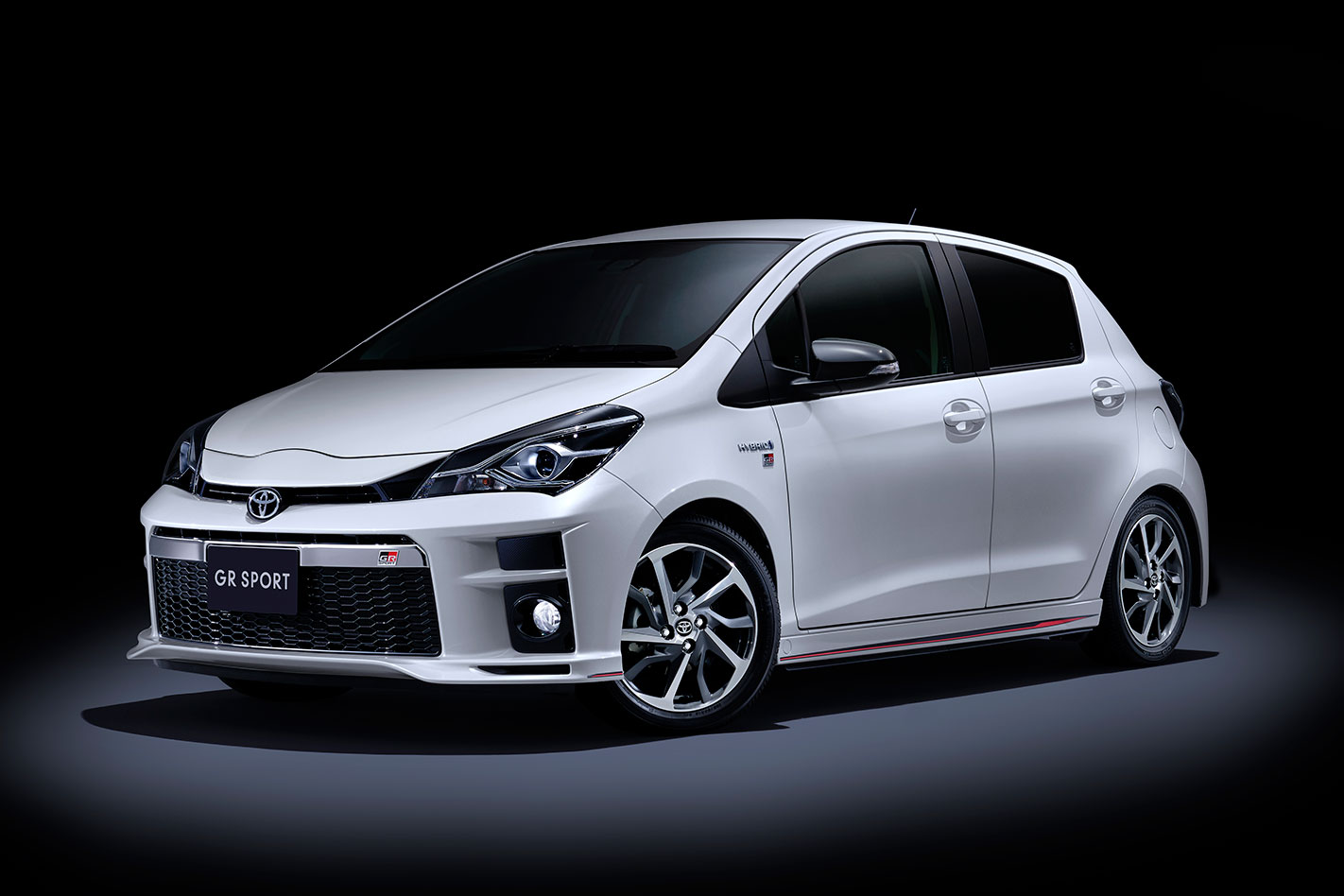
The brand has already sold around 11 million petrol-electric hybrid-engined cars since it launched the Prius – the poster car for environmentalism – 20 years ago.
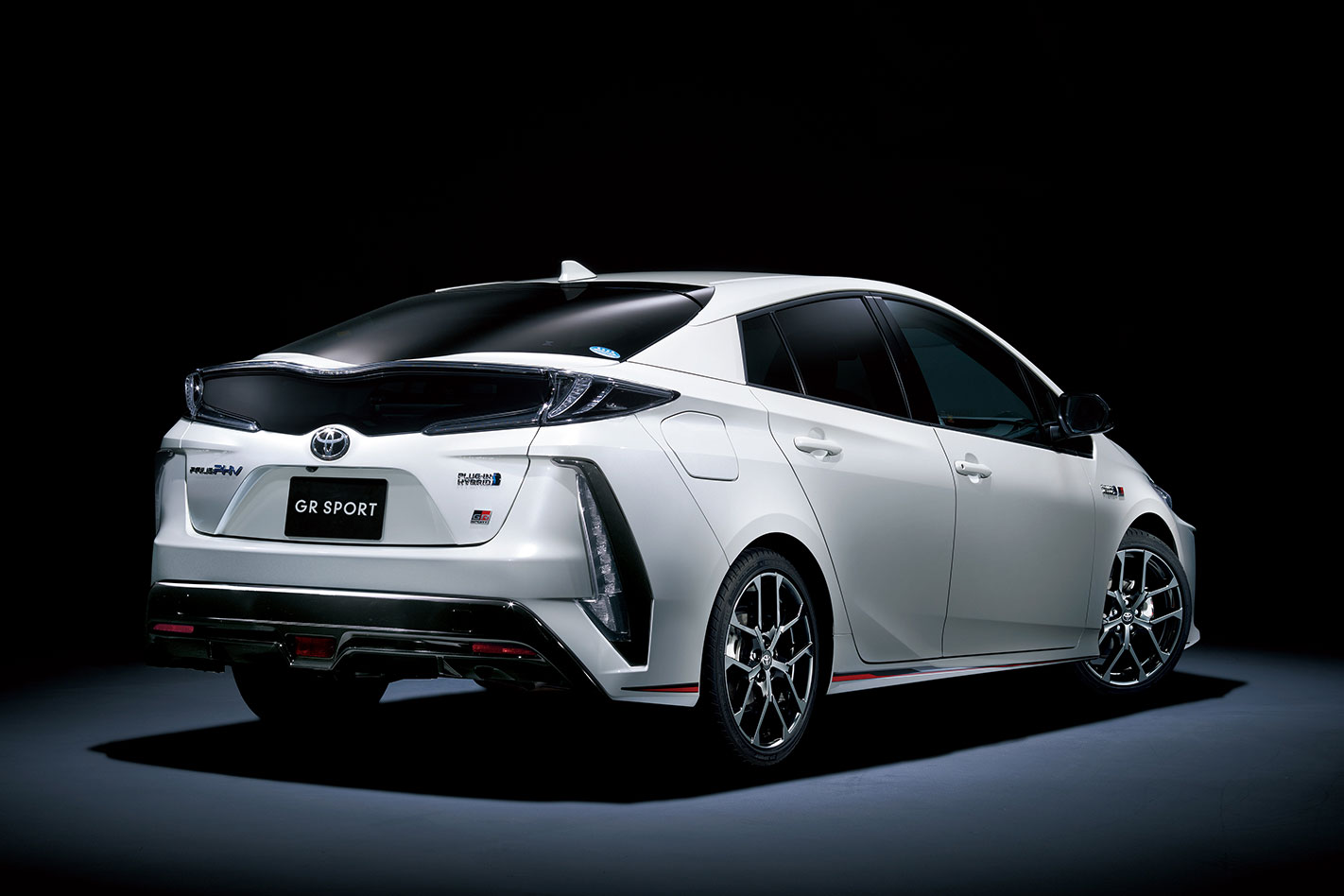
NGA, which already sits under the Toyota Prius sedan, C-HR small soft-roader and the now fully imported Camry, is optimised for electrification.
