
FOR years the Porsche Cayman has gone relatively unchallenged in the two-door mid-engined sports car battle.
Dropping two cylinders and wedging a flat-four behind the driver for the 718 Cayman did little to change that, but now there could be a serious challenger – from France of all places.
The Alpine brand has been reborn, with a retro-modern revival of the A110 being its first offering. Its recipe is simple – lightweight chassis, small four-cylinder engine, and focused dynamics. But is it enough to dethrone the Porsche?
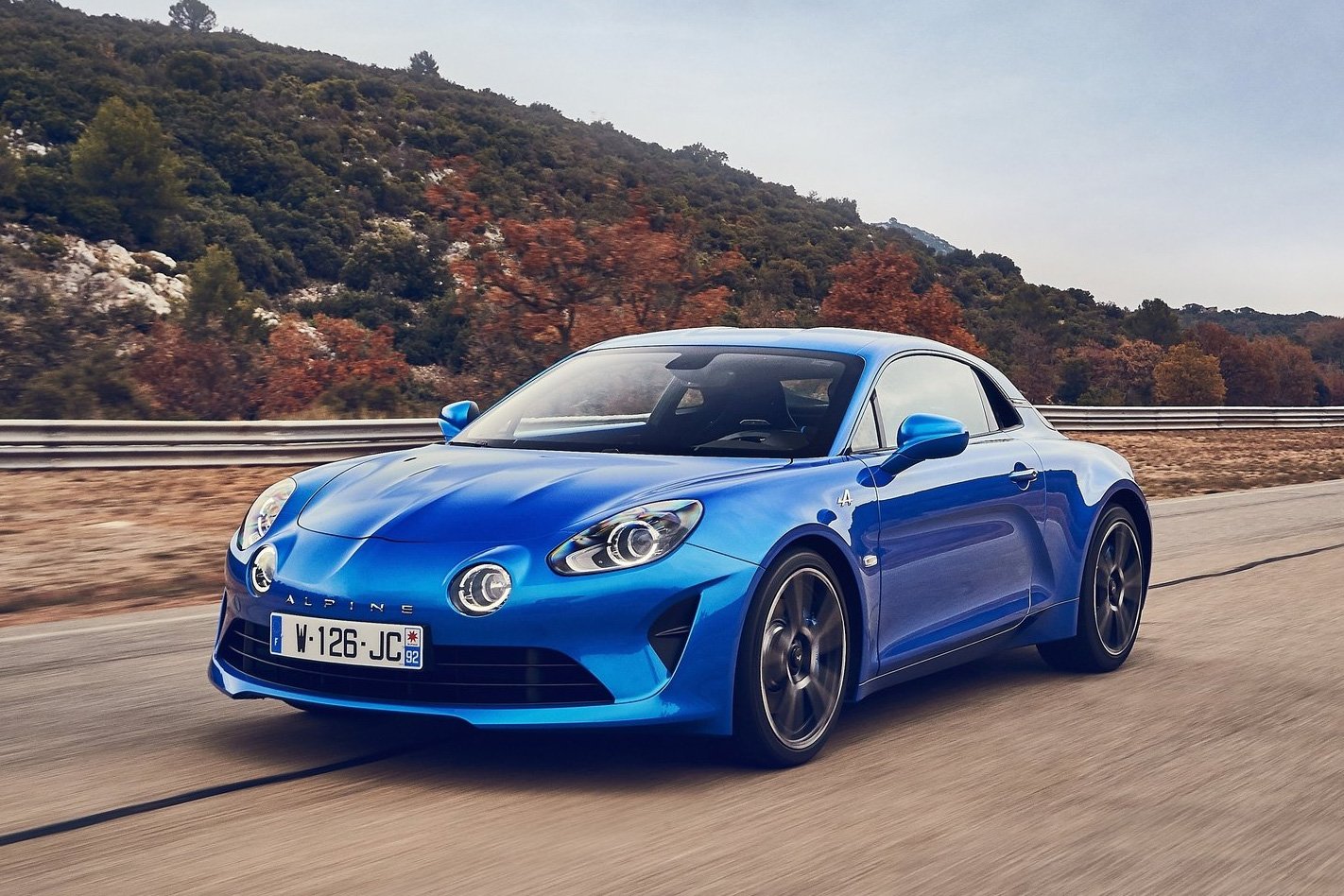
Both have mid-mounted turbo four-cylinder engines: 2.0-litres in the Porsche, 1.8-litres in the Alpine. While the German sports car will pump 220kW and 380Nm to the rear wheels via a seven-speed dual-clutch, the French two-seater transfers just 180kW and 320Nm, also through a seven-cog DCT.
Where the Alpine has an advantage over the Porsche is weight, tipping the scales at a scant 1103kg for a 204kW per-tonne power-to-weight ratio. The kerbweight can be further shaved to 1080kg (with fluids) for the entry-level Pure spec which has 17-inch rims, smaller brakes, no nav, and no sports exhaust. That’s over 200kg lighter than a Cayman, which is a comparatively portly 1365kg.
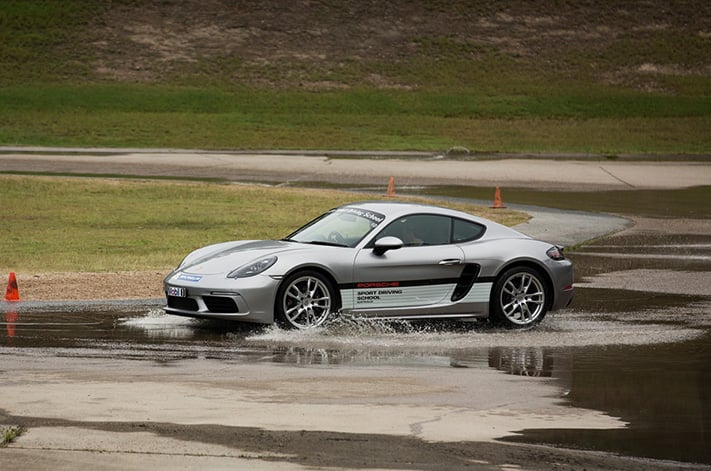
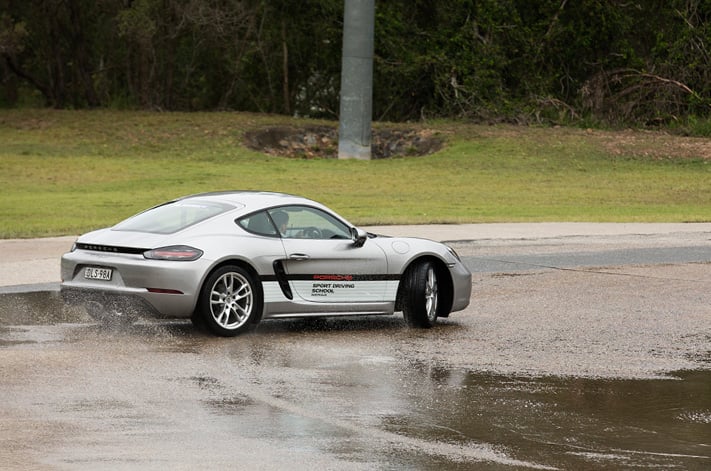
But these cars aren’t about traffic-light drag races, they are about backroad bliss – carving through twisting bends and turns like a bat out of hell.
So, how do they fare in those conditions? For that, I’ll defer to Nathan Ponchard and Ben Barry:
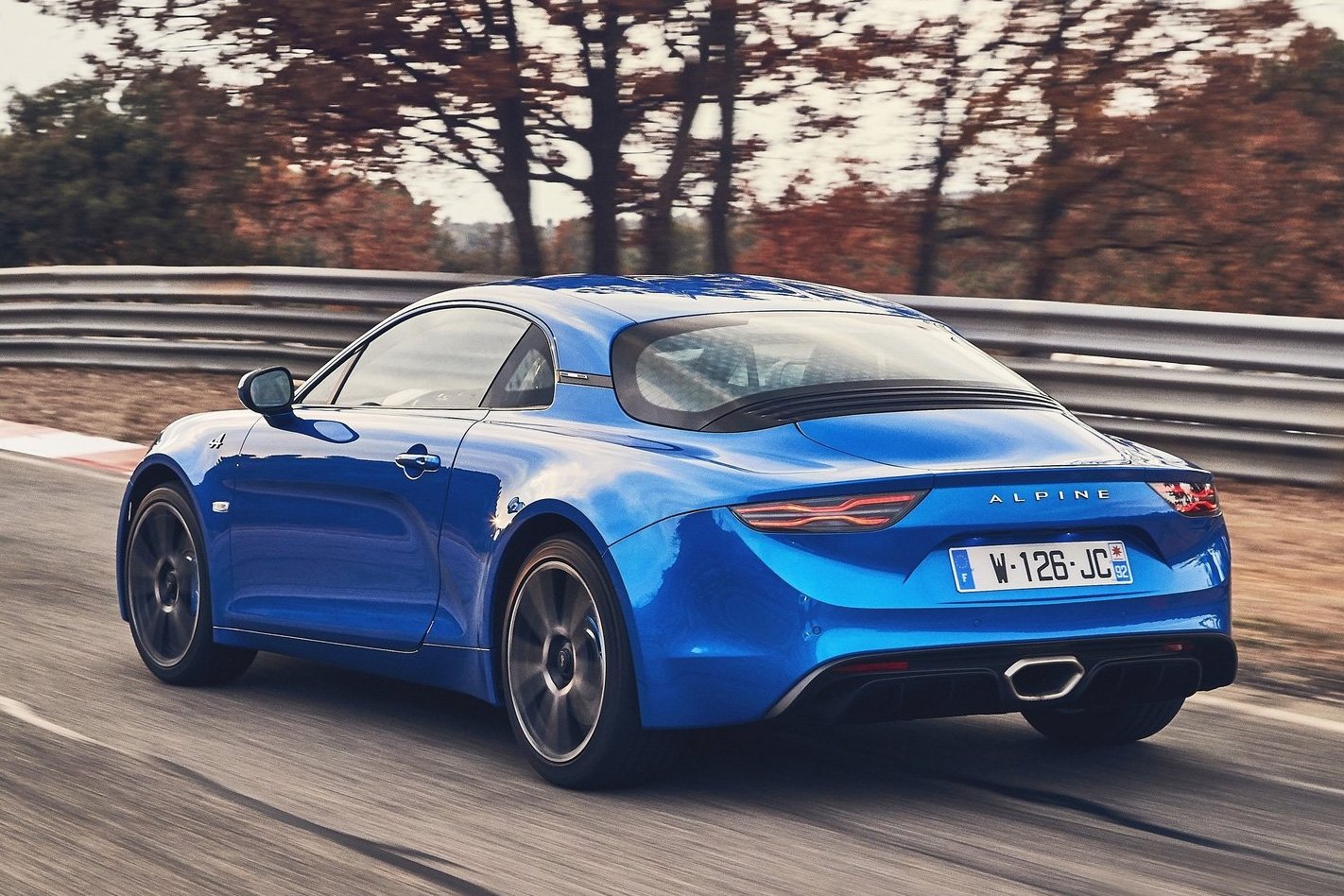
Driving the Alpine A110 for Wheels in Europe, Ben Barry reported: “It’s a tactile, thrilling thing to drive, a 1100kg bundle of energy that takes the best principles of Lotus and Porsche and remixes them with the RenaultSport knowhow that makes the Megane RS such a weapon.”
“When you pin your foot to the floor, but there’s a frisky energy to the 1.8-litre turbo four’s delivery, with an eager whoosh of torque low-down, punchy throttle response and very little turbo lag,” he added. “It’s certainly enough to have fun – and beat that Cayman to 100km/h.”
BMW’s M2 Pure is the benchmark affordable rear-wheel drive sports coupe for under $100,000 – no question.
But what if you want to inject some presence into the Christmas presents for yourself? What if you want speed with indulgence and an exotic badge?
Step this way, then, to a selection of five special coupes. A decade ago these five exotics asked between $230,000 and $380,000 new. And now this atmo V8, supercharged V8, V10 and V12-powered cohort can be purchased from just $50,000 … err, plus servicing costs.
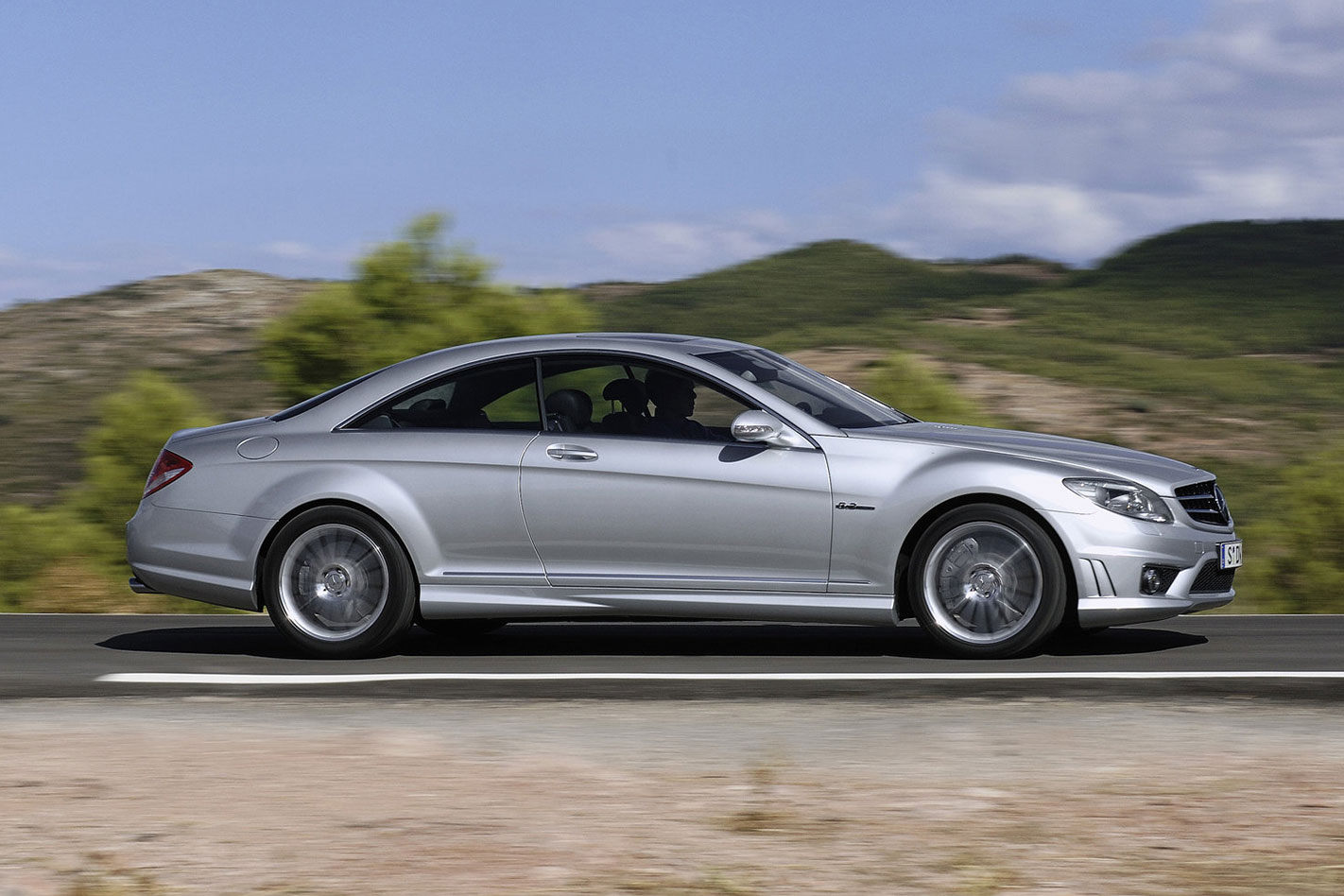
And the winner of the more substantial level of depreciation award goes to (drum roll) the 2007 Mercedes-Benz AMG CL63. Far more stately and luxurious than a little M2, this B-pillar-less five-metre four-seater has sunk from $383,000 new to $67,900 with circa-100,000km on the clock.
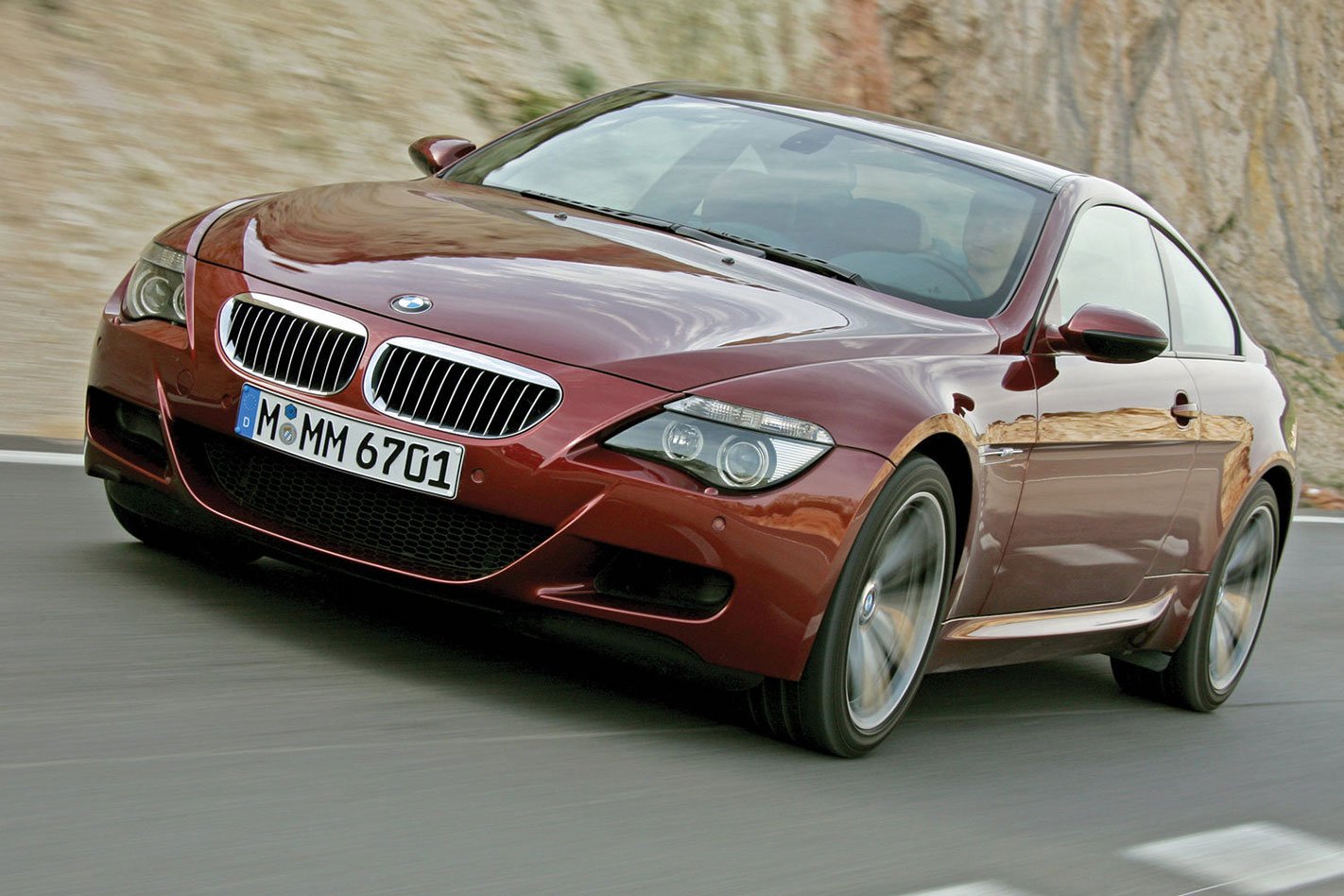
A relative of the M2 comes a close second. The 2007 BMW M6 started out as a $270,000 proposition and can be purchased now from around the same price as the CL63. Or even cheaper if you’re happy to take an older version of the 5.0-litre V10-powered two-door, given that a 2005 example is currently listed for $43,500 with 100,000km – for retained value of just 16 per cent.
Don’t want a BMW or Benz badge?
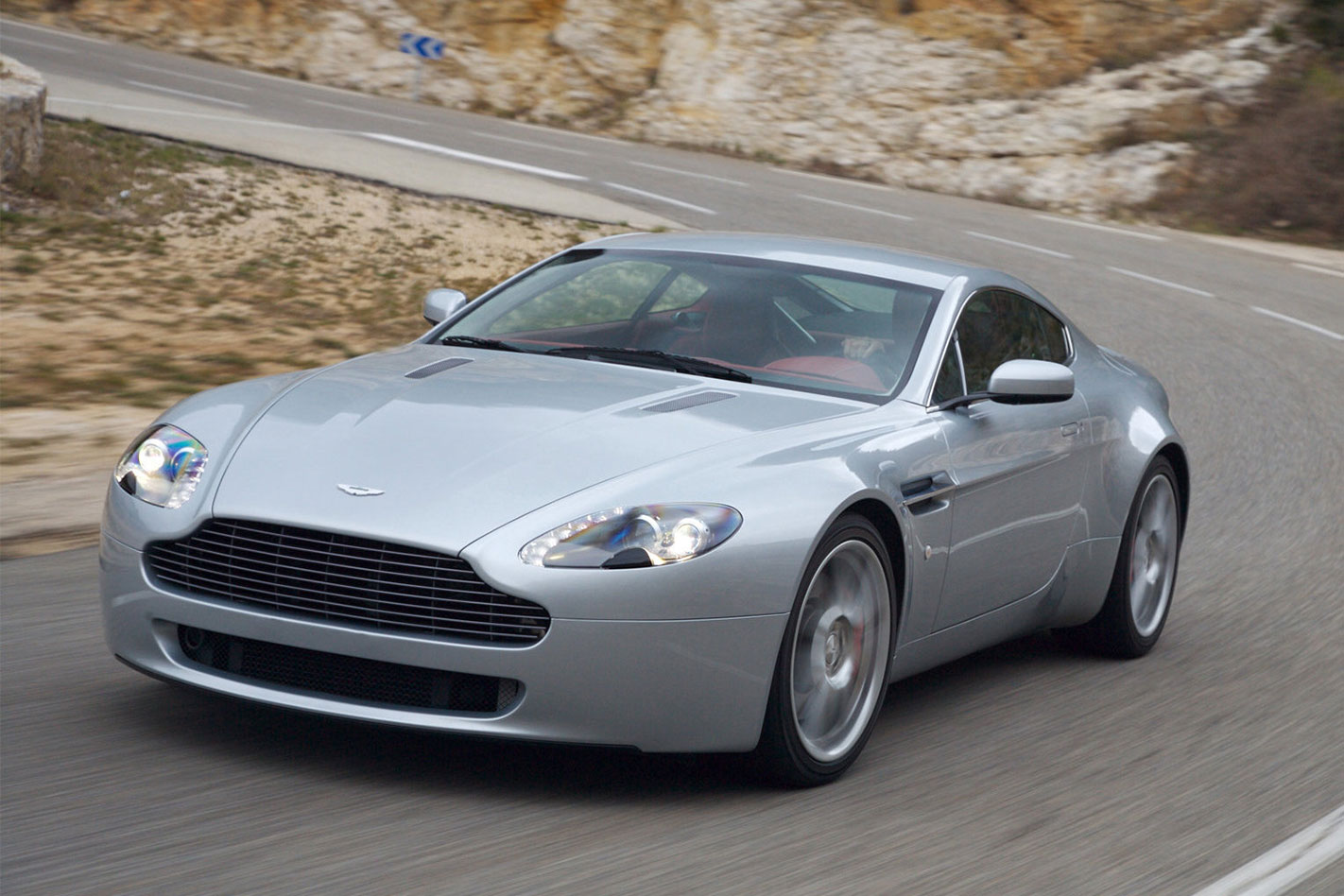
Note than a 2006 Aston Martin V8 Vantage manual can be purchased for $87,900 and with under 100,000km showing. Only just replaced by a new-generation, this 4.3-litre V8-engined coupe develops 283kW at 7300rpm and only 410Nm at 5000rpm, but its 1580kg kerb weight is hundreds of kilograms down on the above duo.
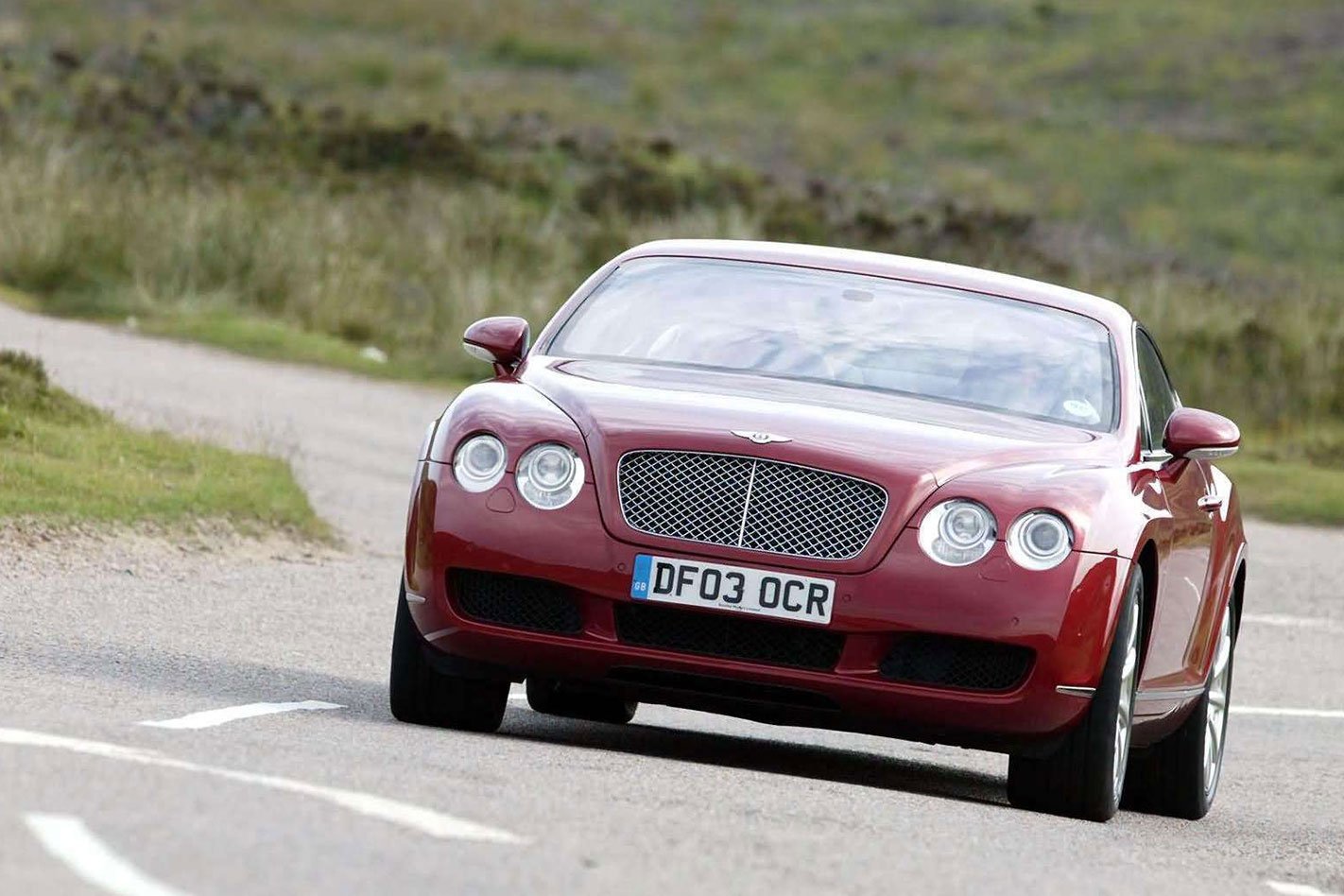
In a babushka-doll analogy, though, both Aston and Audi resale values have outstripped that of a 2006 Bentley Continental GT.
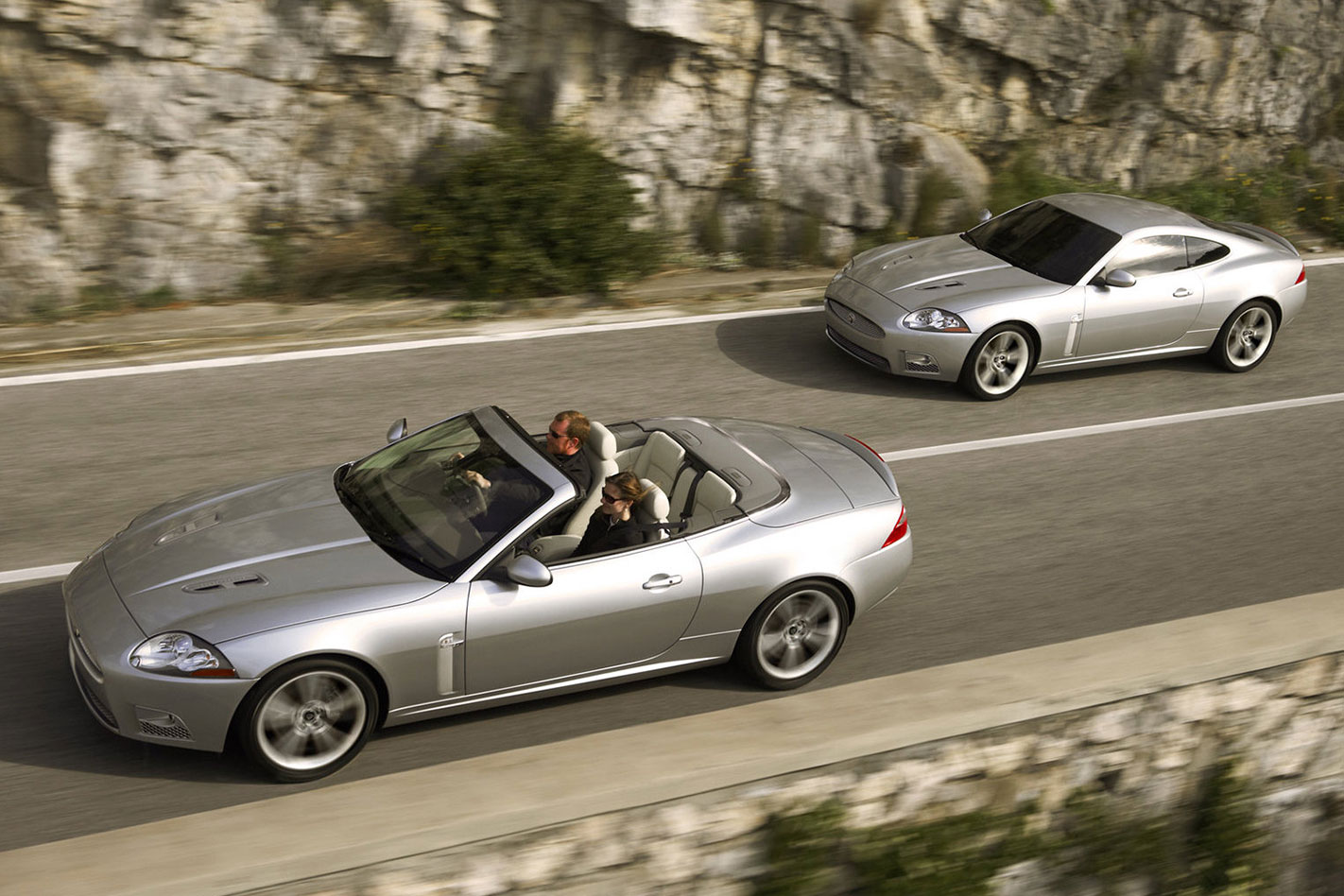
Only 25 per cent of the price also remains on a 2007 Jaguar XKR automatic, the 4.2-litre supercharged V8-powered contender sending 306kW at 6250rpm and 560Nm at 4000rpm to the rear wheels only. Forget the 5.2-second 0-100km/h claim because this blown unit offers an epic mid-range (and, okay, burnout response, Sir). New? $227,000. Used? $59,000.
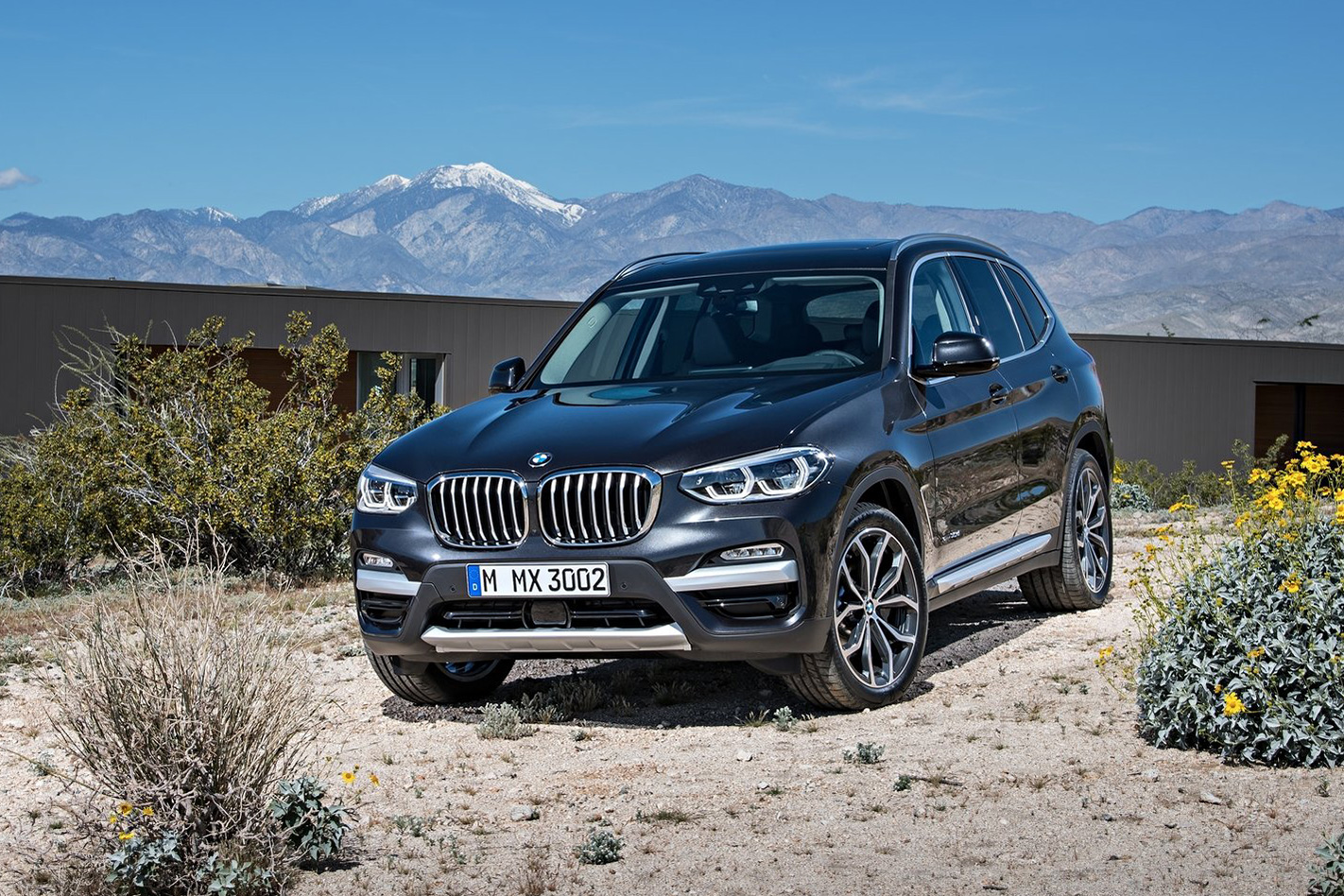
The new BMW X3 will soon have a cheaper entry point, with the introduction of a new two-wheel-drive petrol variant,
Priced at $65,900, the BMW X3 sDrive20i costs $3000 less than the turbo-diesel all-wheel-drive xDrive20d, which currently kicks off the range.
The sDrive20i is powered by a 135kW/290Nm 2.0-litre turbocharged petrol engine that’s mated to an eight-speed automatic gearbox that sends power to the rear wheels.
It’s the second petrol version in the X3 along with the powerful xDrive30i, which is powered by much more gutsy 2.0-litre turbo four that produced 185kW/350Nm to all four wheels via the same gearbox.
The power reduction comes with a $10,000 lower price, while still having more than enough power and traction for urban duties.
Equipment level mirror the xDrive20d including:
- Auto start-stop function
- 19-inch alloy wheels
- Cloth/leather upholstery
- Automatic tailgate
- Three-zone automatic air conditioning
- Sport leather multi-function steering wheel
- 40:20:40 split rear seat
- Head-Up Display
- Speed Limit Info
- Navigation system business with 6.5-inch central display
- Natural voice control
- Automatic headlights
- Rains sensing windscreen wipers
- LED headlights with cornering lights and LED daytime running lights
- Driving Assistant with approach control warning, lane departure warning and lane change warning
- Parking Assistant with rear view camera and park distance control
- Wireless phone charging
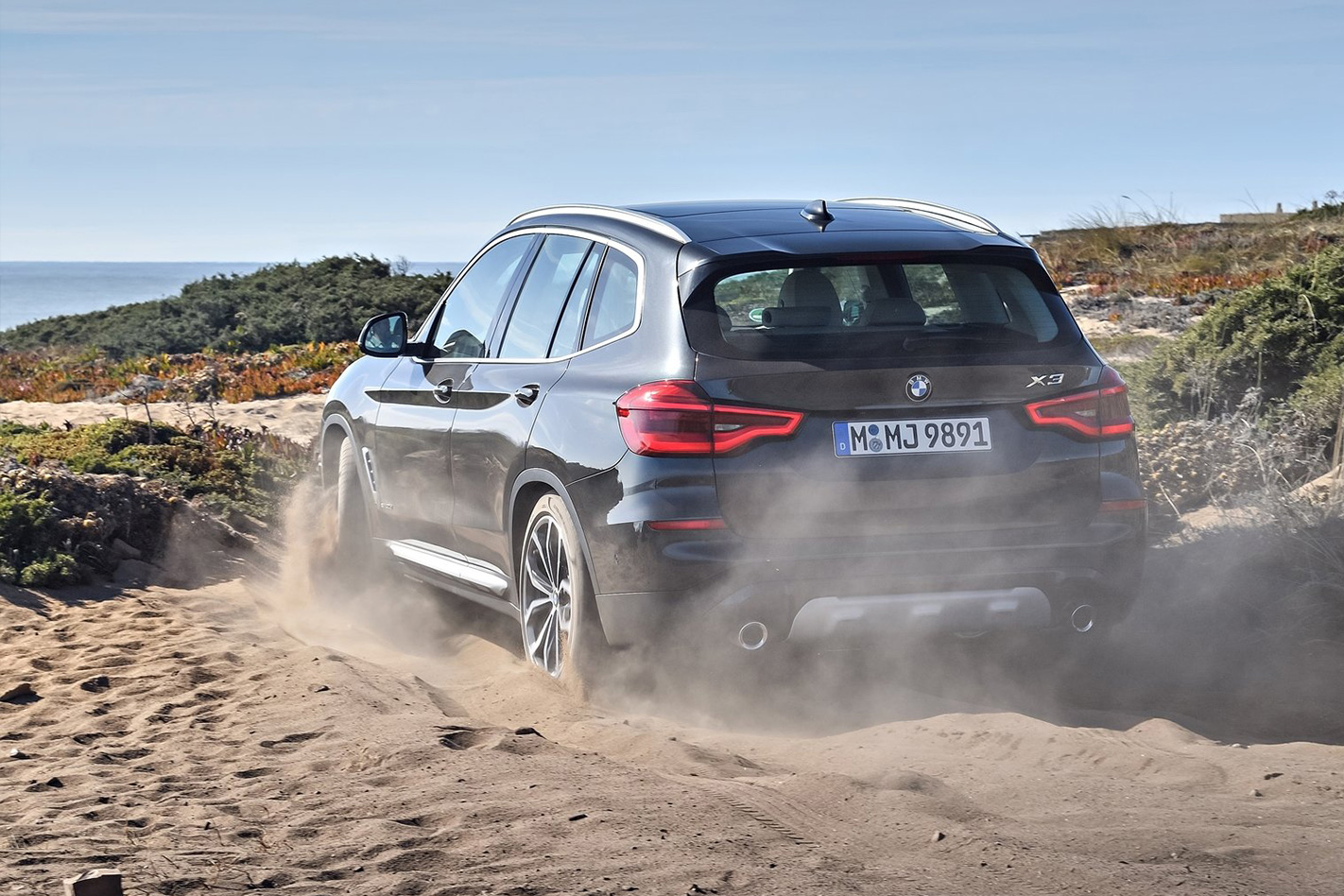
An M Sport package will also be available for $3500 and will include:
- Anthracite headliner
- High-gloss exterior trims
- Dynamic Damper Control
- Interior trim in Aluminium Rhombicle, with Pearl Chrome finishers
- LED fog lights
- M Aerodynamics Package
- M Leather steering wheel
- 19-inch BMW M light alloy wheels
- Steptronic transmission with gearshift paddles
- ‘Vernasca’ cloth/leather upholstery
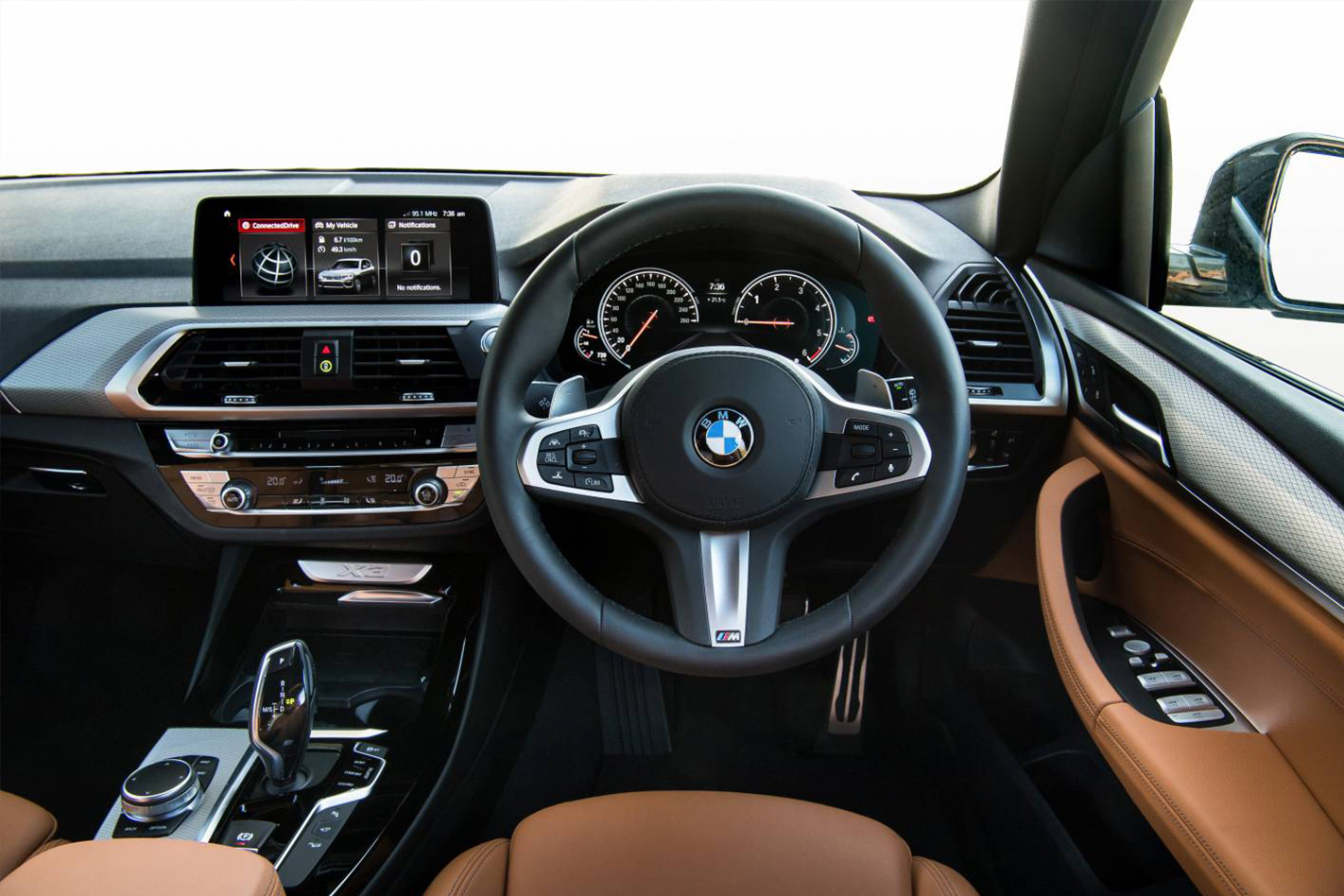
2018 BMW X3 range pricing
- X3 sDrive20i – $$65,900
- X3 xDrive20d – $68,900
- X3 xDrive30i – $75,900
- X3 xDrive30d – $83,900
Mecum Auctions, a company generally known for moving classic muscle cars on to new owners, has a different kind of muscle in stock right now. Four of them, and they’re German.
A quartet of low-mileage Mercedes-AMG Black Series cars is set to find a new owner, but only one, as Mecum is selling all four cars in one go.
The group is made up of a 2014 SLS Black Series, a 2009 SL65 Black, a 2012 AMG C63 Black, and a 2008 CLK63 Black.
With 36 cylinders between the three V8s and the SL65’s stonking V12, the lot should prove more than enticing enough for anyone with the cash.
Mecum estimates that’ll need to be about $1million USD in cash, or about $1,305,000 to us. But for that money, you’re getting four pristine and rare beasts.

A lot of carbon fibre also means it’s around 70kg lighter than its standard SLS counterpart.
But if you want a few more cylinders, the SL65 might be your calling.

One is actually for sale in Australia right now though, if you don’t feel like a trip to the US.

A decent 380kW and 620Nm give its V8 as much bite as there is bark, but that it’s only travelled 256km is impressive enough.

All four cars are set to sell at Mecum’s Kissimmee Auction in early January 2018.
AUSTRALIA’S appetite for luxury cars will provide an extra $220 million windfall for the Federal Government, the latest Budget figures show.
The Coalition yesterday released its Mid-Year Economic and Fiscal Outlook, a gauge of how the government’s revenue and expenditure measures weigh up against the official figures for the 2017-18 financial year released in May.
Opinion: The luxury car tax is a pain, but it is here to stay
The guesstimates that reach out to the 2020-21 financial year tell us one important thing: rumbles that the Government plans to scrap the controversial the Luxury Car Tax (LCT) appear misguided, with the federal bean counters anticipating the tax will skim more than $2.9 billion out of luxury car buyers’ bank accounts over the next four years – $220 million more than anticipated in the Budget.
The LCT is expected to raise $680 million this year alone – a rise of $30 million over budget forecasts – and $700 million next financial year, a rise of $60 million over the original Budget estimate.
There’s some upside in the mid-year assessment, though. The amount of money raised via the twice-yearly adjusted fuel excise on petrol this financial year has revised downwards, falling from Budget estimates of $6.25 billion to just $6.2 billion, handing $50 million back to motorists. In following years, the amount of money raised by the excise is expected to fall significantly under the original estimates, saving motorists up to $300 million a year.
If you fuel your vehicle up via the diesel pump, however, be prepared to pay more into the government’s coffers. Despite sales of diesel-engined vehicles all but stalling in Australia, the revised budget figures show oil-burners will contribute up to an extra $100 million a year.
Got a baby on the way? Maybe your current brood is in need of a car seat upgrade? Regardless of the reasons, if you’ve just added a new member to your family then the latest verdict from the Child Restraint Evaluation Program (CREP) should be of interest.
CREP evaluates the safety of child seats sold in Australia for both safety in various crashes, as well of ease of use. Their ratings are out of five stars, and notoriously tough, ensuring only the best are rated well. While five star ratings are possible, no car seat tested by the CREP scheme has been given the perfect score.
Rated by CREP as two of the best baby seats you can buy in Australia, this pair serve your child from birth until at least four years old.
Both are designed to be rear-facing from birth to approximately two-to-three years, and forward-facing from 12 months to at least four years.
Both models are convertible seats, which means they can be reconfigured as your child grows. Here’s how they stacked up in CREP’s testing:
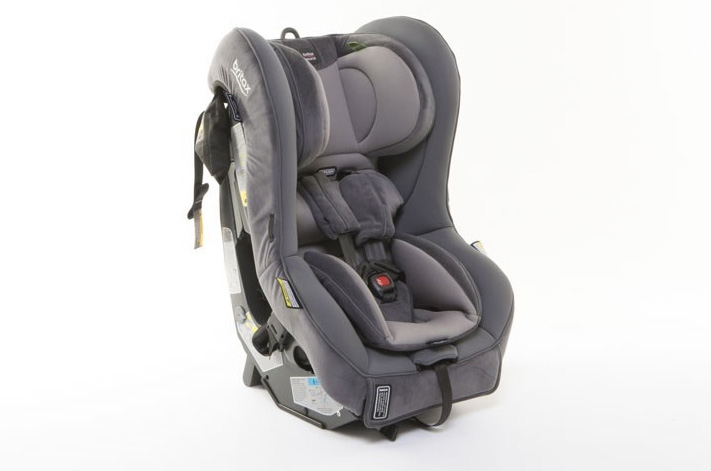
Safe-N-Sound Slimm Line AHR 7300/E/2013/i
- Rearward facing protection: 4 stars
- Rearward facing ease of use: 3 stars
- Forward facing protection: 4 stars
- Forward facing ease of use: 3 stars
Cost: $369
Why you should buy: The Safe-N-Sound Slimm Line was rated top of the class by CREP, offering the best protection for a child until it is two-to-three years old. If safety is a top priority, this is the seat for you.
Infa-Secure Quattro CS8113 (Treo, Neo, Vera, Vogue)
- Rearward facing protection: 3 stars
- Rearward facing ease of use: 3 stars
- Forward facing protection: 4 stars
- Forward facing ease of use: 3 stars
Cost: $399 – $429
Why you should buy: Want a convenient seat which will still keep your bub safe and sound, the Infa-Secure Quattro range will win you over. It’s designed to be unobtrusive, ensure four years of stress-free beginning and ends for car rides with your child.
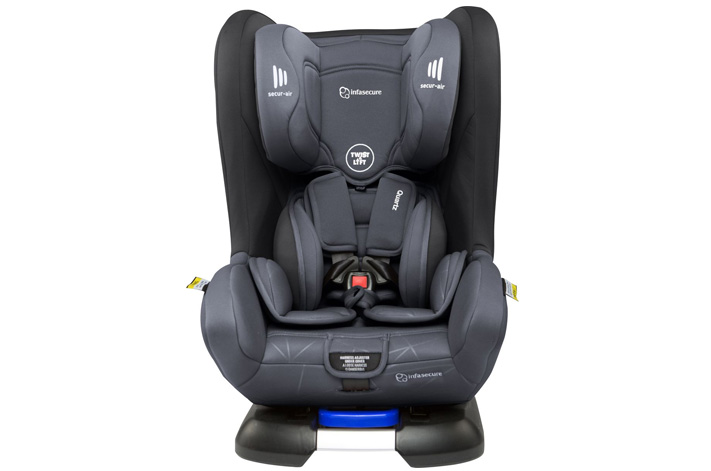
The infa-secure Quattro was rated as one of the slimmest convertible seats you can buy in Australia, important for families with smaller cars such as light hatchbacks and compact SUVs.
Meanwhile the Safe-N-Sound Slimm Line topped CREP’s testing for convertible seats, scoring four stars in both forward- and rear-facing positions.
Rear-facing seats are usually the safest for a child, and both seats allow babies to ride in this position until they are two-three years old.
THE North American International Auto Show – otherwise known simply as the Detroit Motor Show – is the first major event on the global motoring event calendar, and the first opportunity for the world’s carmakers to reveal their latest concepts and production cars.
The doors will flick open to the press on January 14, but teasers and rumours of what cars will make their global debuts are already starting to surface. Here’s the Wheels running list of the more noteworthy vehicles that we expect to see at Detroit.
Honda Insight
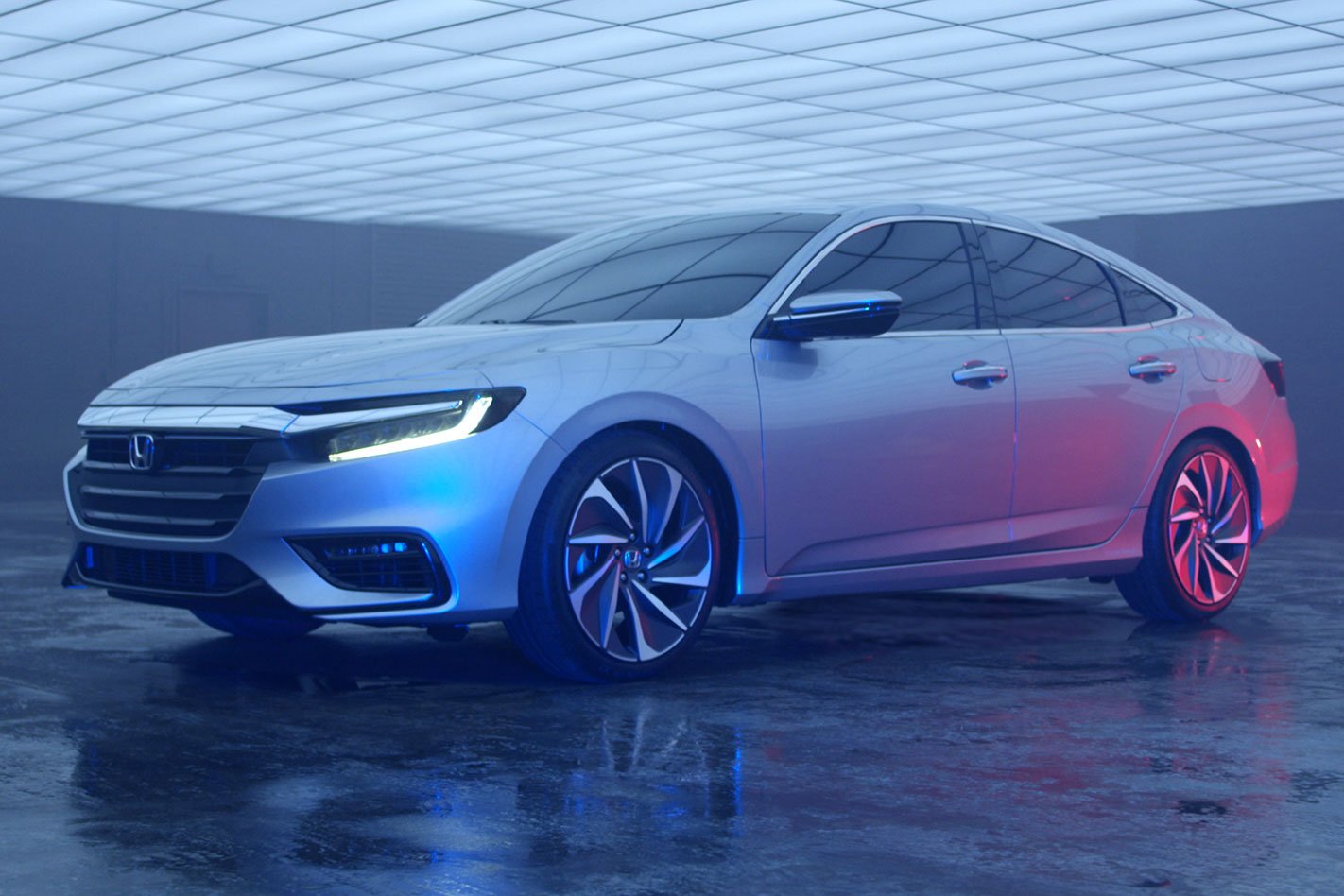
Honda is resurrecting its Insight hybrid hatchback which, judging by the teaser image, will bear a strong resemblance to the Honda Civic. The petrol-electric hybrid prototype will preview the third-generation Insight, which will hit the market in 2019, five years after the second-gen model ceased production. Honda says the five-seat hatch will bridge the gap between the Accord and Civic. Thankfully, it appears styled to match the Civic’s showroom appeal, unlike the previous high-arsed generation that made a Toyota Prius look good.
The new Insight “takes an entirely new approach with the styling, packaging, premium features and performance desired by mainstream car buyers – a hybrid vehicle without any inherent compromise”, says Honda, which sounds like code for it’s not just for nerds.
Honda Australia told Wheels it’s too early to confirm if the 2019 Insight will make its way Down Under, though it’s worth noting both the first and second generation models did make their way here.
Hyundai Veloster
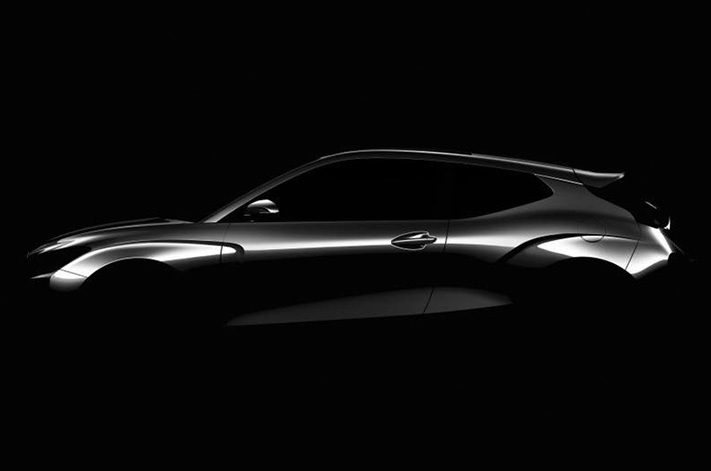
Hyundai’s quirky Veloster is about to enter its second generation, and the successor to the current hunchbacked hatch is likely to surface at Detroit. Already spotted in prototype form, the Veloster’s unorthodox asymmetric door layout (which features a single door on the driver’s side and two doors on the passenger side)
What’s more, a hard-core Veloster N version will eventually be added to the second-gen Veloster range, transplanting the potent 202kW turbo powerplant of the i30 N into the Veloster’s sportier bodyshell to give the Korean automaker a smidge more showroom sparkle in 2018.
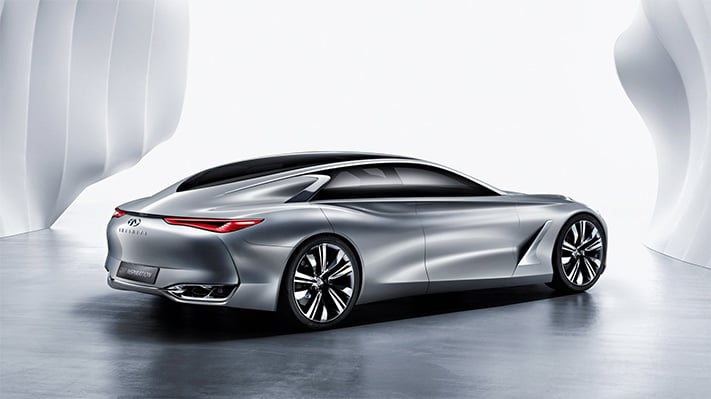
Reports are circulating that Japanese luxury automaker Infiniti will lift the covers off something at the Detroit show, and while the premium offshoot of Nissan has been busy sending SUVs to motorshows in 2017 (namely the facelifted QX80 and the new QX50), it’s expected to kick off 2018 with a high-end sedan instead.
Infiniti’s longtime rival Lexus revealed its classy new LS large luxury four-door at the 2017 Detroit show – but will Infiniti be able to one-up that car in 2018? If it’s anything like the stunning Infiniti Q80 Inspiration concept that bowed at the 2014 Paris Motor Show, then it should be a showstopper.
Jeep Cherokee facelift
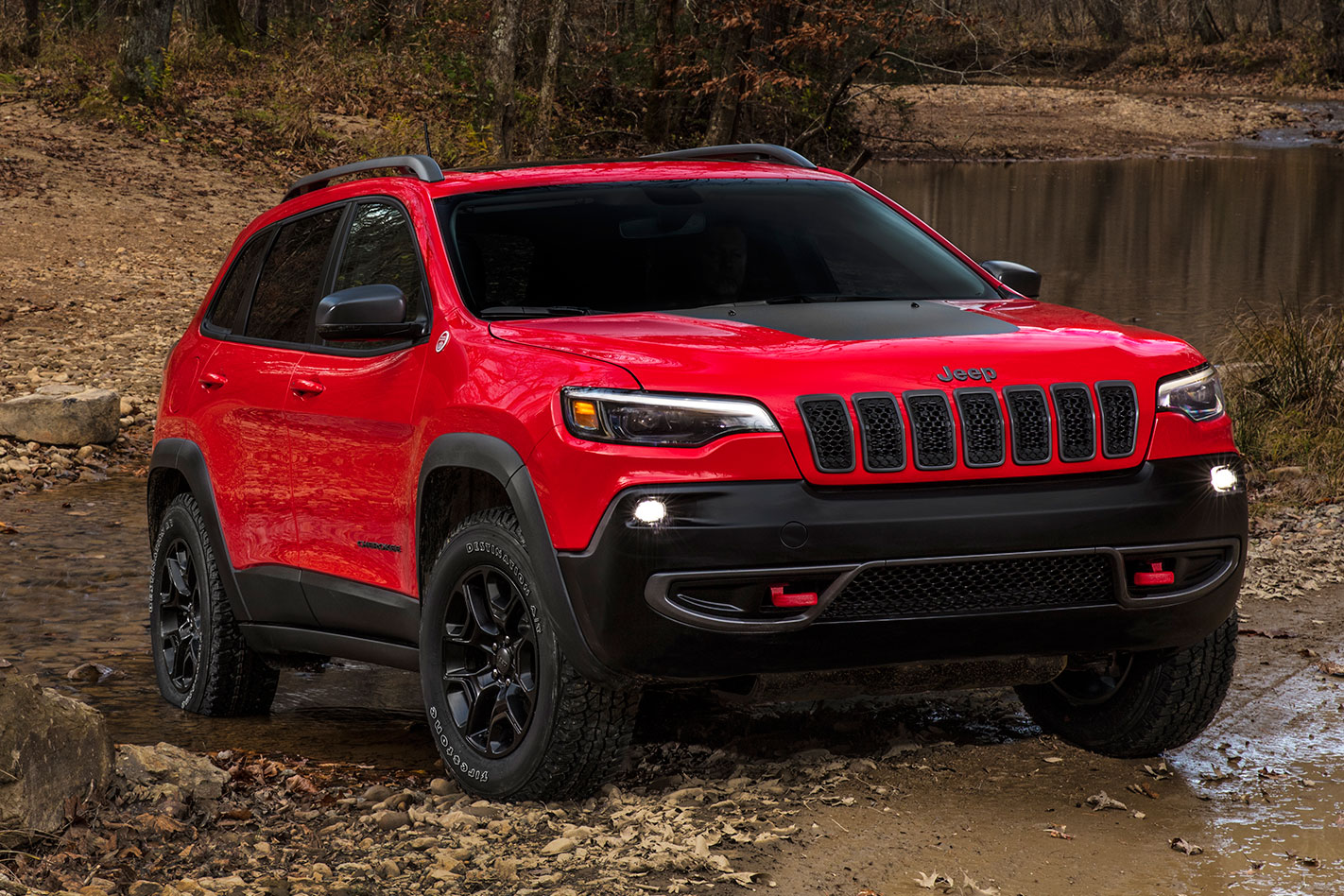
Jeep’s rival to the likes of the Mazda CX-5 and the Toyota RAV4 comes up for the first significant makeover since the car’s launch in 2014. Significant changes are made to the front of the Cherokee, including integrating the three-light stack of the current car into a less polarising single headlamp and smaller spot foglights. The signature seven-slot waterfall grille also gains a makeover, shrinking in size to give more prominence to the Jeep logo. Down the back, the most significant change is the number plate moving off the bumper and onto the tailgate. Inside, little changes apart from more premium-look switchgear on the steering wheel.
Few other details are available ahead of the launch, although Jeep is promising more fuel efficiency from the Cherokee’s engines. Current powerplants include a 2.0-litre diesel, a 2.4-litre petrol and a 3.2-litre V6.
Lexus LF-1
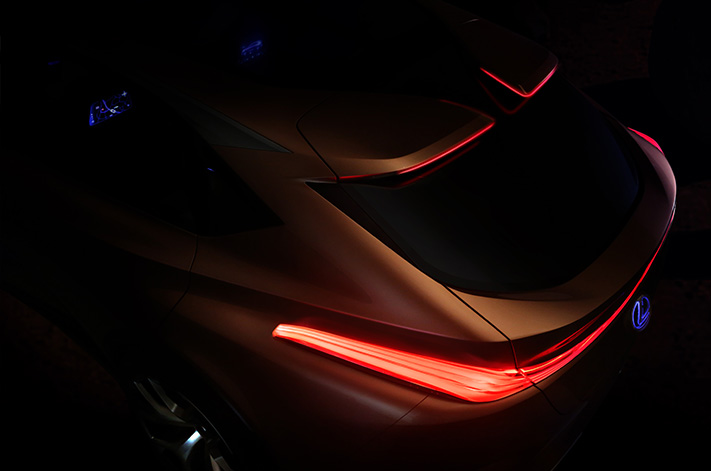
Speaking of Lexus, Toyota’s luxury arm has already teased its big reveal for the NAIAS. Dubbed the LF-1 Limitless concept , it’s a futuristic vision of what could become a flagship SUV for the brand.
Think a fastbacked Japanese challenger to the likes of the BMW X6, Mercedes GLE Coupe and Audi Q8 and you’re not far off. Add a dash of hybrid propulsion and plenty of in-car tech, and you should have a good idea of what Lexus will unwrap in Detroit.
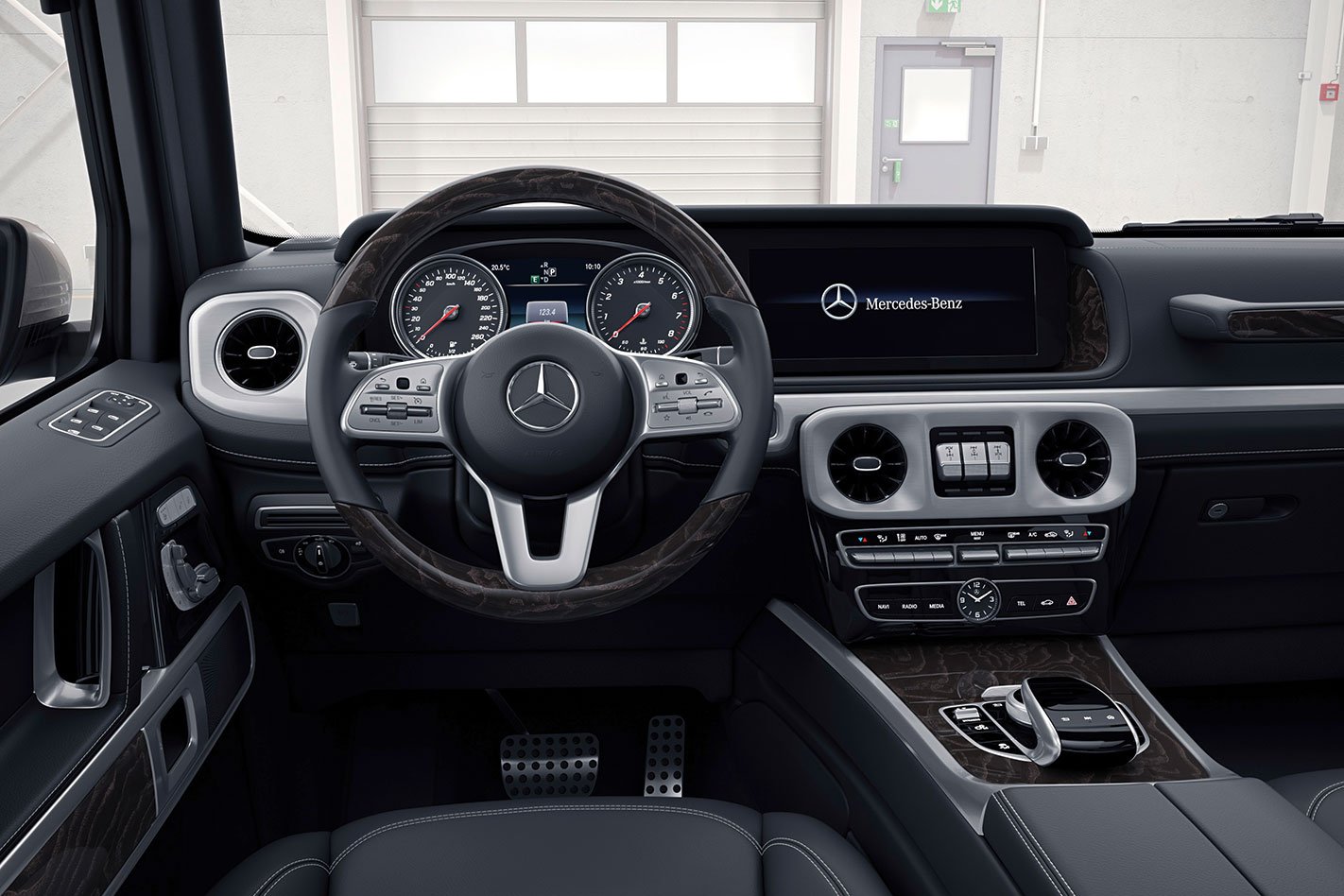
Mercedes-Benz G-Class
This will represent only the third update to Merc’s rugged off-roader since it was first launched in 1979. It keeps its boxy exterior, but inside the G-Class swipes a bit of Benz’s new-look luxury interior already rolled out in the E-Class and S-Class, and gives it a go-anywhere makeover.
We’ve only seen the interior so far – although a special badge mounted low on the G-Class’s B-pillar gives strong hints that the exterior isn’t going to stray very far at all from its traditional two-box design – but the new version of the luxury off-roader carries over some of the interior features we’ve liked so much in the second-generation model that has sold here in 3.0-litre V6 and 5.4-litre V8 forms.
Toyota Avalon
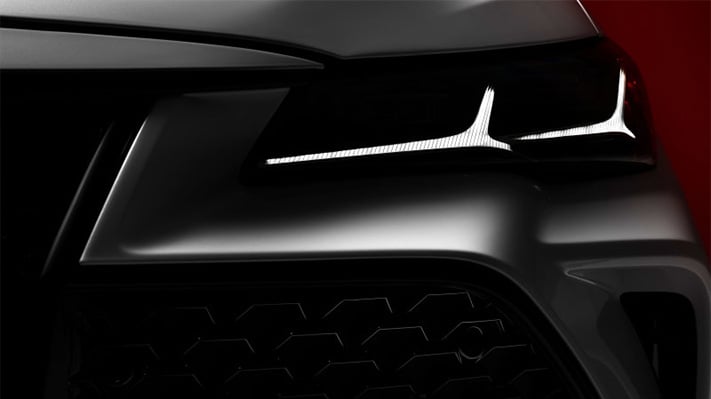
Is Toyota on the cusp of rediscovering its mojo? Many enthusiasts of The Big T will be dismayed to hear that the next-generation Supra sports coupe isn’t expected to show its face at Detroit – after similarly disappointing no-shows at Tokyo and Los Angeles – but Toyota still has something interesting hiding up its sleeve.
Instead of the Supra, Toyota will reveal the new Avalon large sedan at Detroit next January, giving the surprisingly sharp-looking 2018 Camry a bigger partner in North American showrooms. Will it come to Australia as a replacement for the Aurion? That’s unclear at this point, but the solitary teaser image released by Toyota shows the new Avalon will wear a face that’s uncharacteristically aggressive.
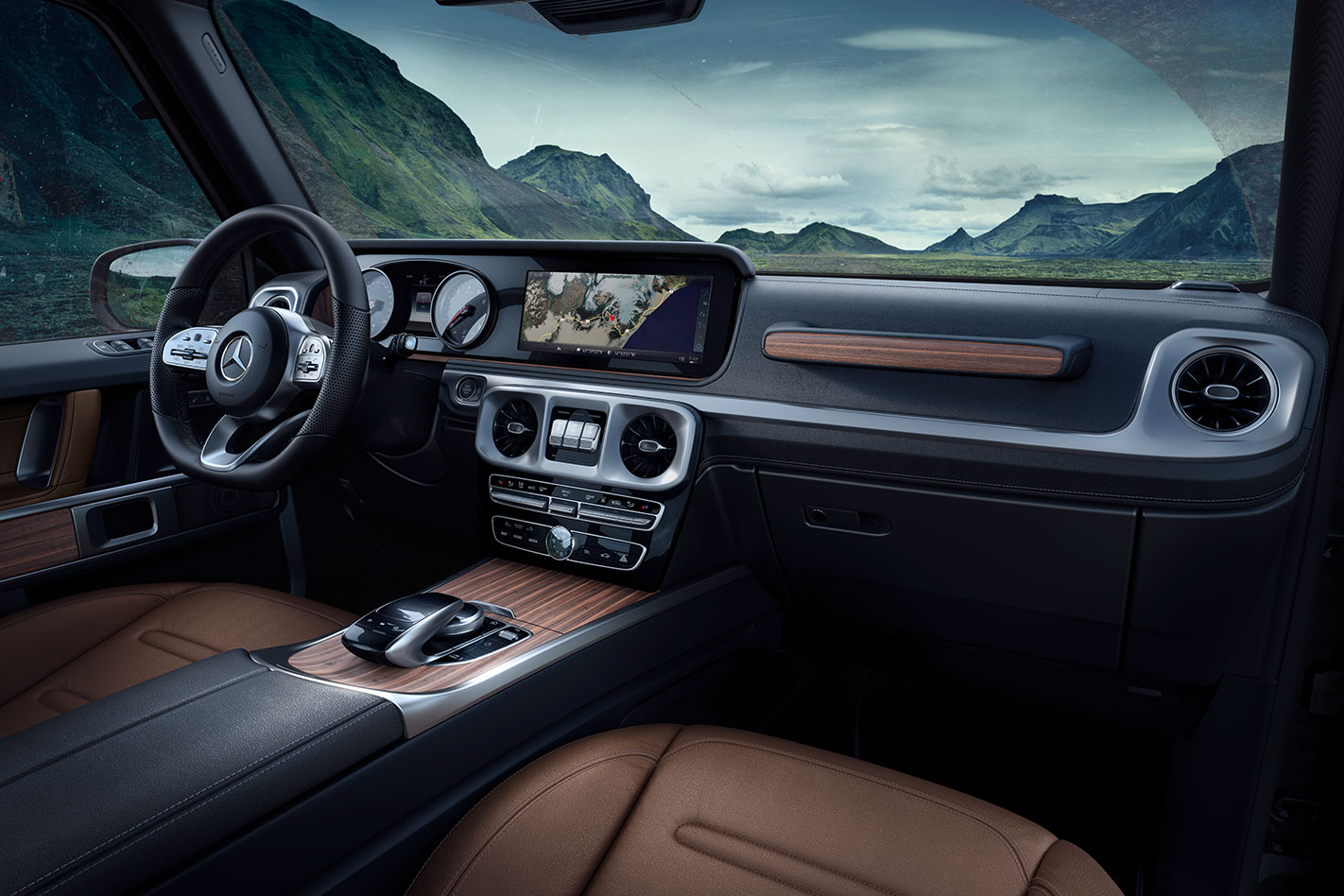
THE 2018 Mercedes-Benz G-Class will feature an interior that looks more at home inside one of the German luxury brand’s supercars than filling the guts of its boxy, rugged, quasi-military spec off-roader.
A highlight is the dash-mounted carbonfibre- or wood trim-faced grab handle on the vehicle’s passenger side, similar to what Jeep offers in the equally off-road capable, but much less luxurionus Wranger.
The look is also very different to the upcoming Mercedes-Benz X-Class, the Nissan Navara-based luxury spin-off alos due on sale sometime in 2018.
Lust like the two-box exterior that is expected to change little once the production design is unveiled, dominating the inside of the G-Class are geometric lines that include a similar wide dual-screen dash housed behind a single sheet of glass stretching across the front of the interior, similar to that rolled out in the E-Class, and S-Class saloon. Drivers can choose between “Classic”, “Sport” and “Progressive” settings for the analogue-look digital instrument cluster.
Everywhere there are hints at the G-Class heritage; the round air vents in the squared brushed aluminium highlights mirror the headlights, while a square tweeter rising out of each side of the dash reflect the repeater lamps mounted high on the front guards where they wrap around to the bonnet.
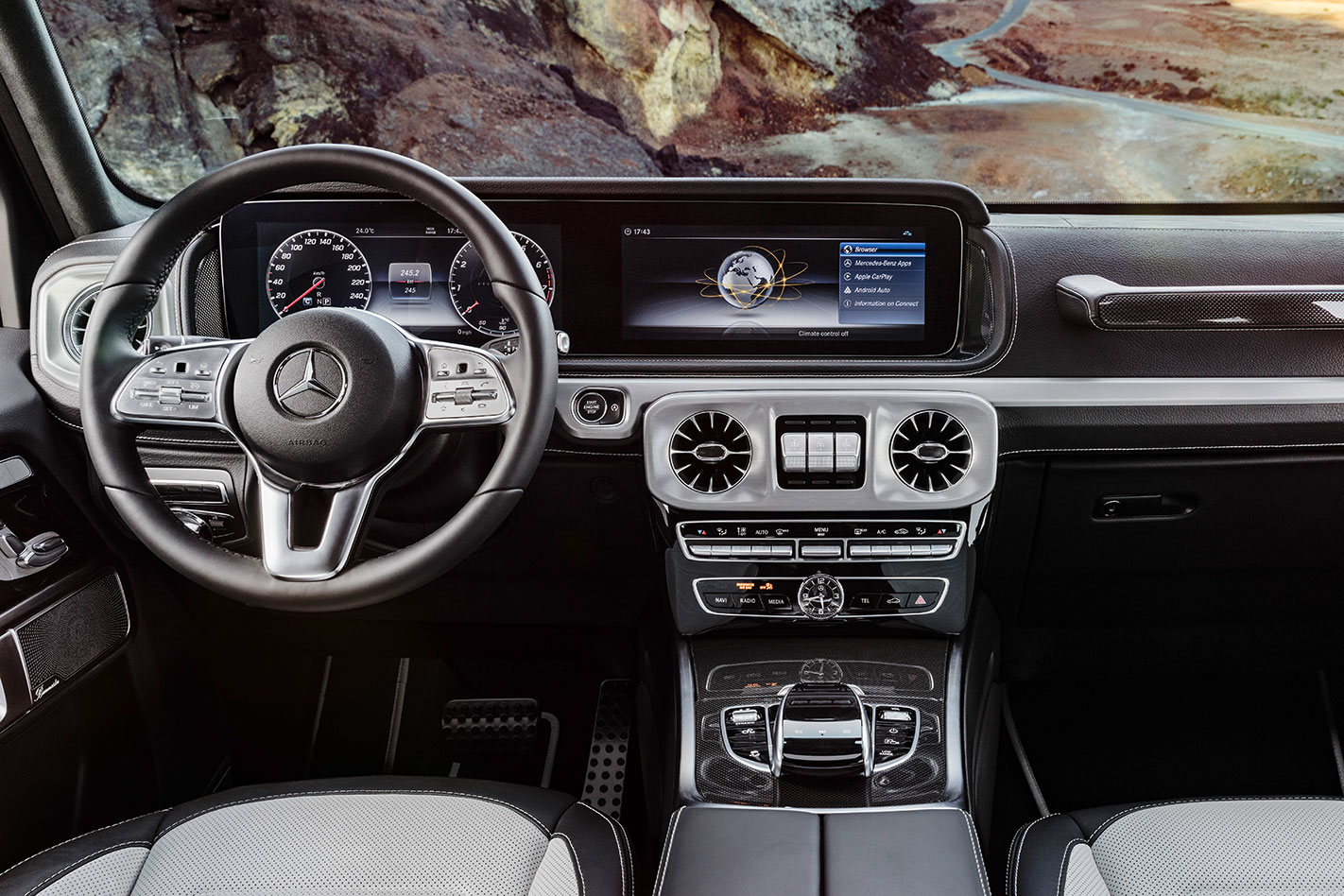
Off-road functions have gone fully set-and-forget electronic, and are controlled via a knurled roller switch. A separate button mounted near the Comand multimedia interface allows the driver to select low-range. There’s still the diff lock selectors mounted high on the dash in their usual position, but even they have had a luxury makeover, losing the raw plastic look of the old buttons.
Interestingly, Mercedes-Benz has abandoned the gear selector on the centre console, instead going for a steering column-mounted selector for the transmission.
The interior is optimised for anyone sitting behind the steering wheel. “G-Class drivers are able to control the full infotainment system without taking their hands off the steering wheel,” Mercedes said. “The touch-sensitive Touch Controls on the steering wheel respond to swiping motions in the same way as the surface of a smartphone. Thanks to haptic impulses and additional feedback from the onboard speakers, the driver can use the touchpad without looking away from the road.
“The input options are rounded off by shortcut keys in front of the Controller for frequently accessed operating tasks, and by the optional control array for the driving assistance systems above the rotary light switch. The driver sits up close to the windscreen and enjoys good all-round visibility from behind the wheel.”
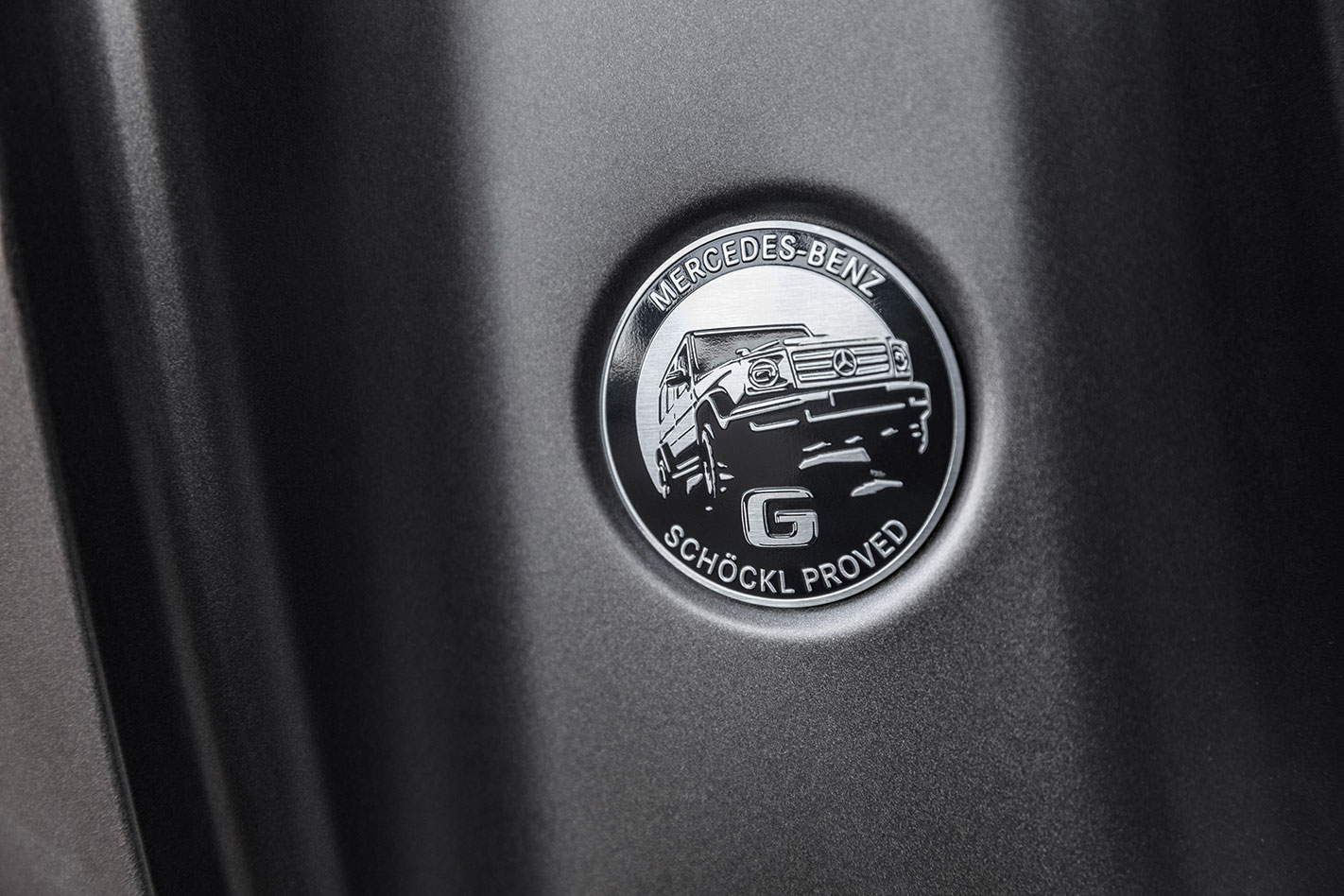
Another addition to this generation of the G-Class – and this is only the third generation of the off-roader since 1979 – is a “ Schöckl” badge set low on the B-pillar to denote the mountain that sits behind Mercedes-Benz’s German test facility, the real-world proving ground where the G-Class’s off-road prowess is tuned.
The G-Class’s standard audio system features seven speakers, but owners who prefer to drown out nature can option for a Burmester surround sound system with 16 speakers and a 590-watt amplifier.
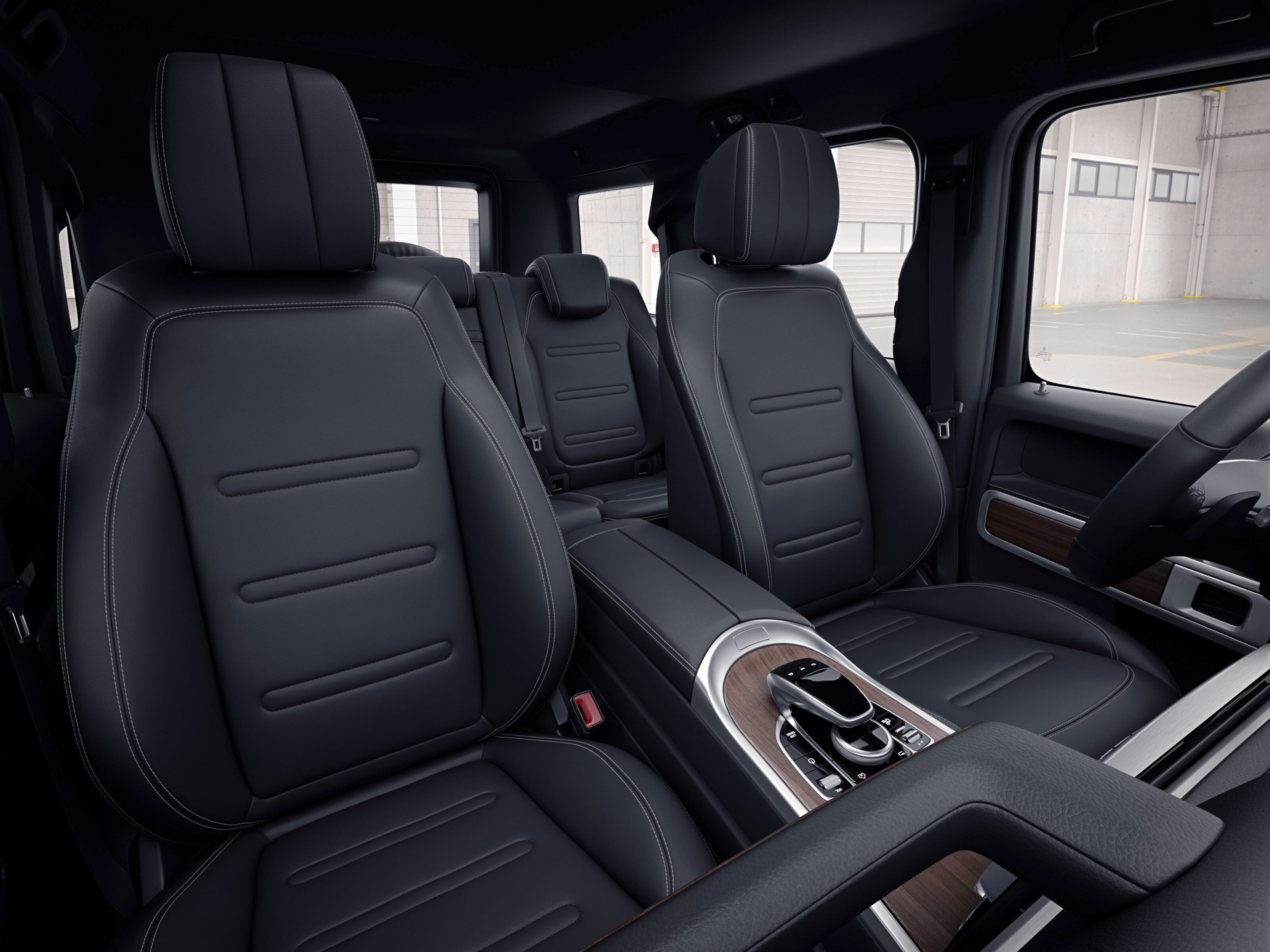
Those who want a little bit more comfort off-road can choose between two luxury packages, with the most luxurious offering diamond quilt-patterned seats. An AMG pack featuring black seats with contrasting red stitching – and red seatbelts – is also available, with the AMG-badged G-Class adopting a flat-bottomed steering wheel for the first time.
Mercedes-Benz will unveil the 2018 G-Class range at January’s Detroit Motor Show.
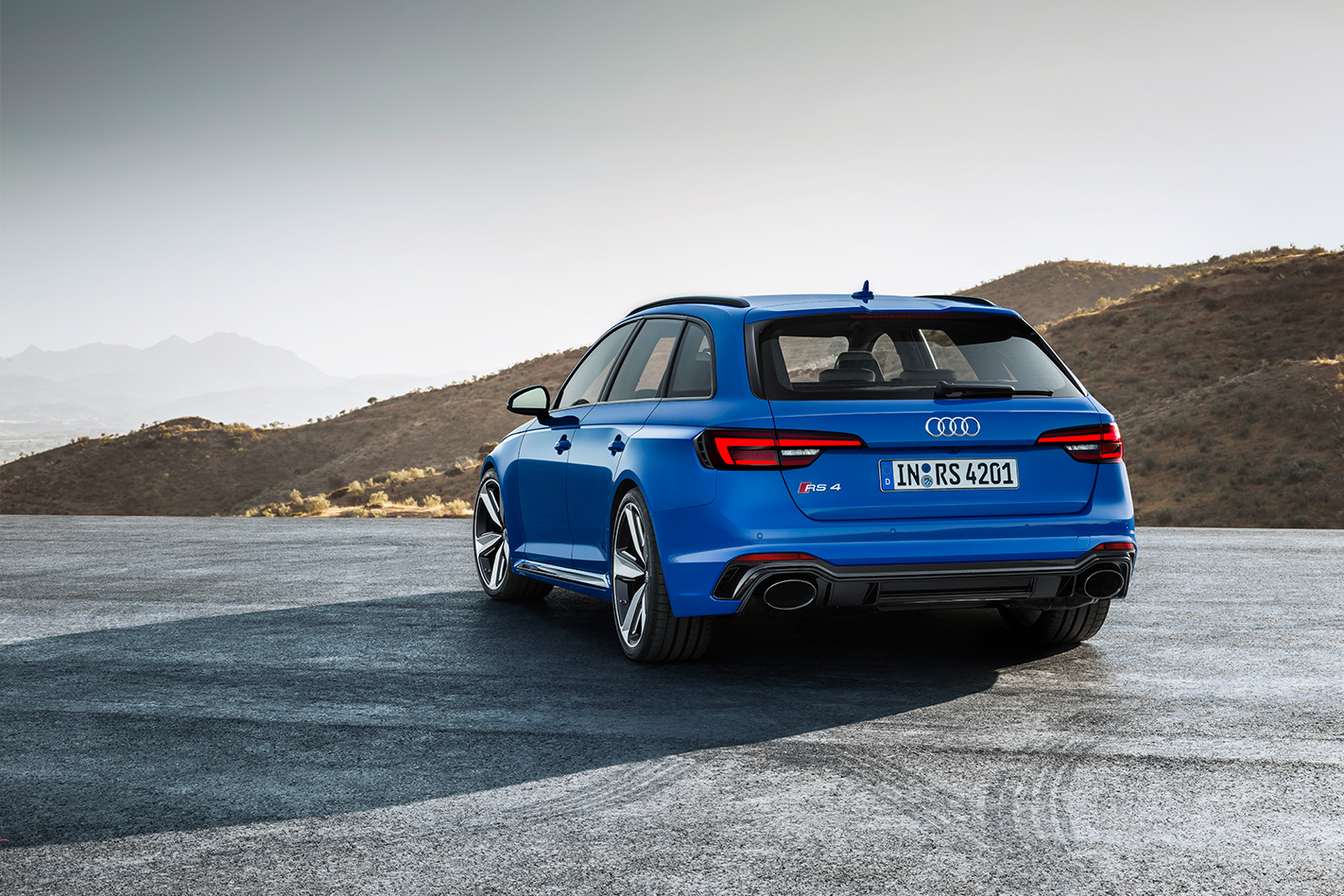
The Audi RS4 Avant is the definitive Audi performance car.
If you don’t believe that, ask yourself what rivals it has. It’s hard to think of another manufacturer that delivers such multitalented, all-wheel drive performance wagon, and the latest B9 version looks to hammer home Ingolstadt’s home-field advantage. Yes, there are other fast load-luggers, but none with the RS4’s freakish bandwidth.
WHAT IS IT?
The Audi RS4 Avant’s blend of savage pace, all-wheel drive grip, everyday utility and sophistication of finish has proven a winning combination since the very first car arrived in 1999. Its genesis can, in fact, be traced even further back, to the 1994 Audi RS2 Avant, a car that set the template for this genre of super wagon.
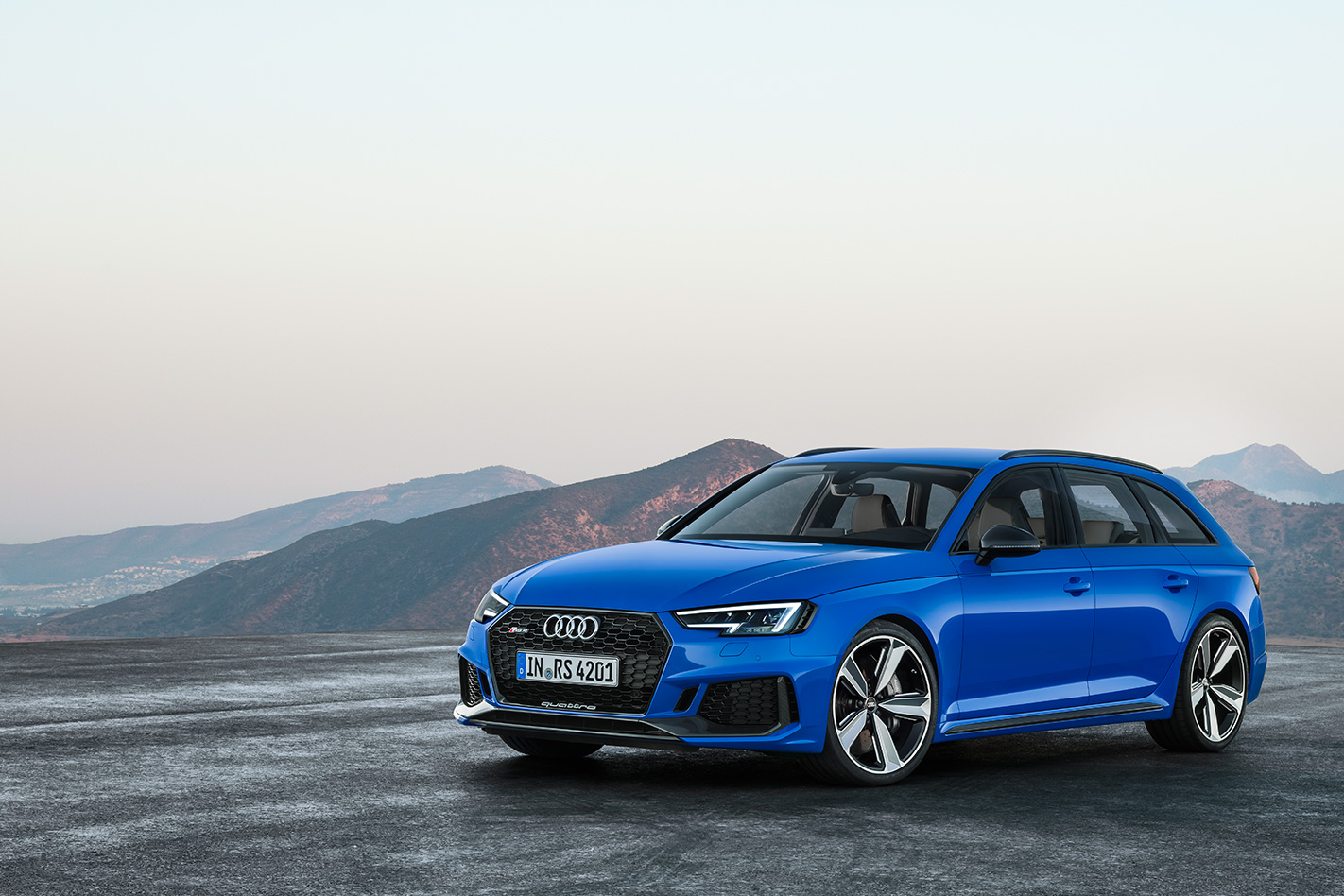
Having already sampled its near cousin, the Audi RS5 coupe, we were curious to see whether the RS4 Avant could parlay that car’s blend of talents into an even more cohesive proposition. The latest car reverts to the turbocharged V6 configuration of the original RS4, but are we about to get all nostalgic for the outgoing atmo V8?
MAIN RIVALS
Alpina B3 Biturbo Touring, Mercedes-AMG C63 S Estate, Porsche Macan Turbo
THE WHEELS VERDICT
If ever you needed an eloquent argument for the benefits of forced induction, this latest RS4 Avant is it. It’s the biggest step-change in the model’s history yet still delivers everything you’d expect from a ballistic wagon.
THE WHEELS REVIEW
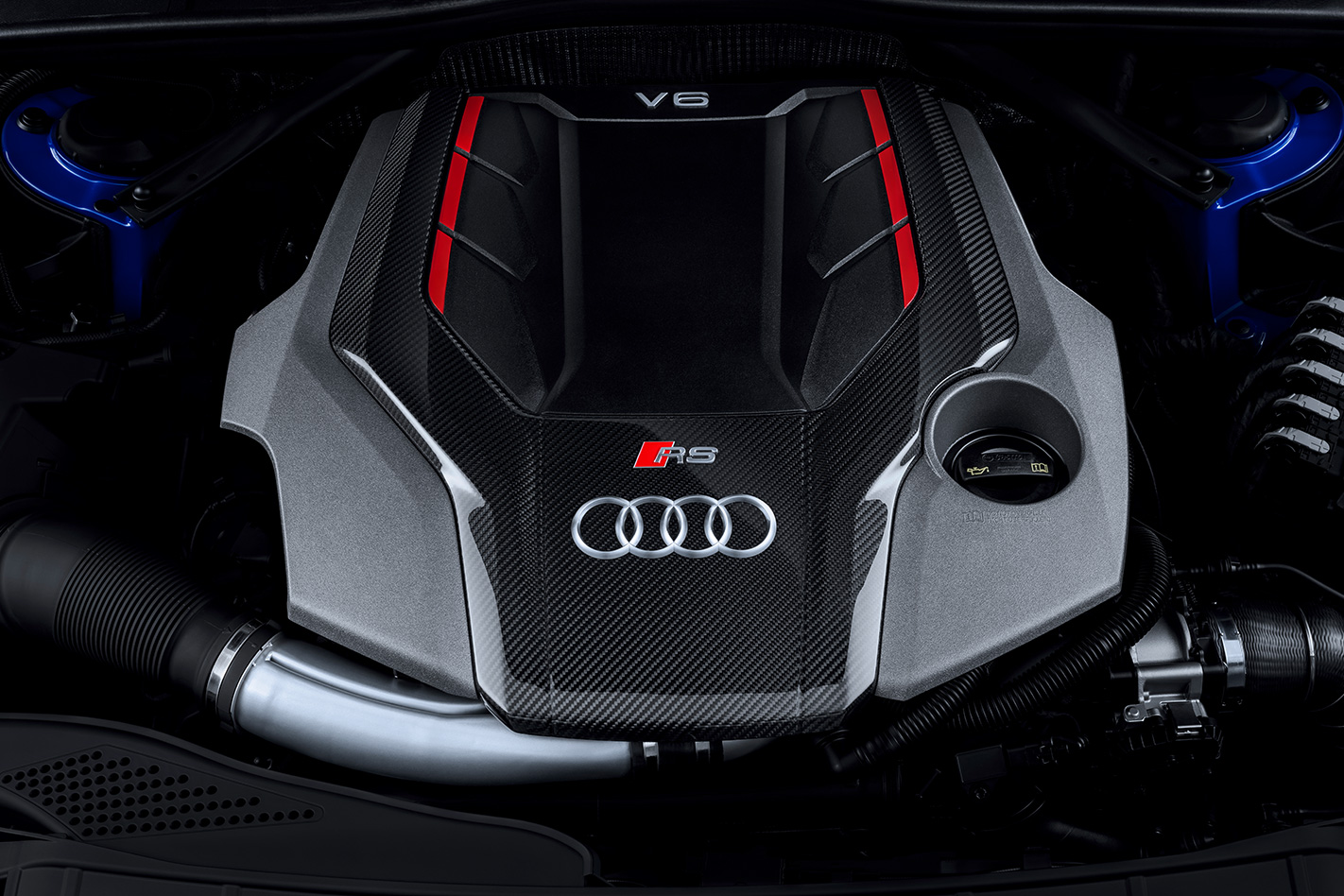
WE’VE BECOME fat on torque, gorging ourselves on great dripping gobs of it. Once you sample the addictively brawny character of the RS4 Avant’s turbocharged V6, you’ll wonder how you ever managed without 600Nm of the stuff. Before we go any further with that line of reasoning, let’s throw on the picks and pull it into context. The flagship of Audi’s sportscar portfolio, the R8 V10, only hawks up 540Nm.
And it’s torque that transforms this latest RS4. When compared to the original B5-gen RS4 from 1999, power has risen by 18 percent, while torque has stepped up by twice that amount, the latest car developing better than 36 percent more. The old 20th century 2.7-litre V6 RS4 made more Newton metres than the last normally-aspirated V8 model, a car which would develop 430Nm when wrung out between 4000 and 6000rpm. This latest B9 model generates virtually that much at idle.
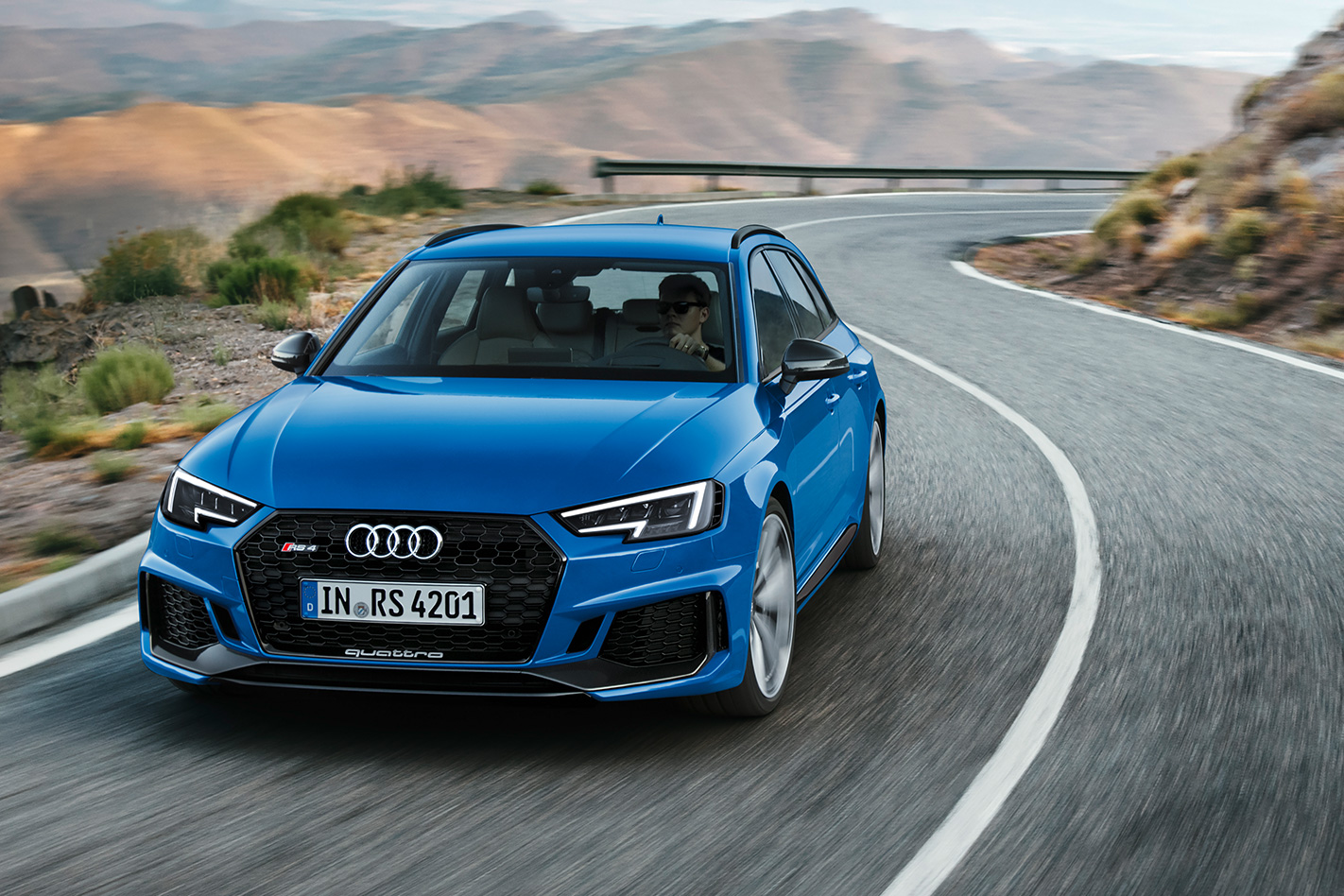
You won’t need savant-like recall to cast your mind back to a recent comparison Wheels ran with the mechanically-similar RS5 and while we were hugely impressed by the car’s pace and composure, it seemed to be a little shy of the charisma and involvement we expect of a top-end sports coupe. And yet the RS4 appears to be judged by a more lenient set of criteria. Do fast estates get a pass on the sort of excitement we want built into coupes? To a certain extent, yes. A five-door wagon with a 505-litre boot requires a subtly different skillset. Whereas a superhero coupe needs to don the cape all the time, a wagon’s preferable with a little more Clark Kent to its personality.
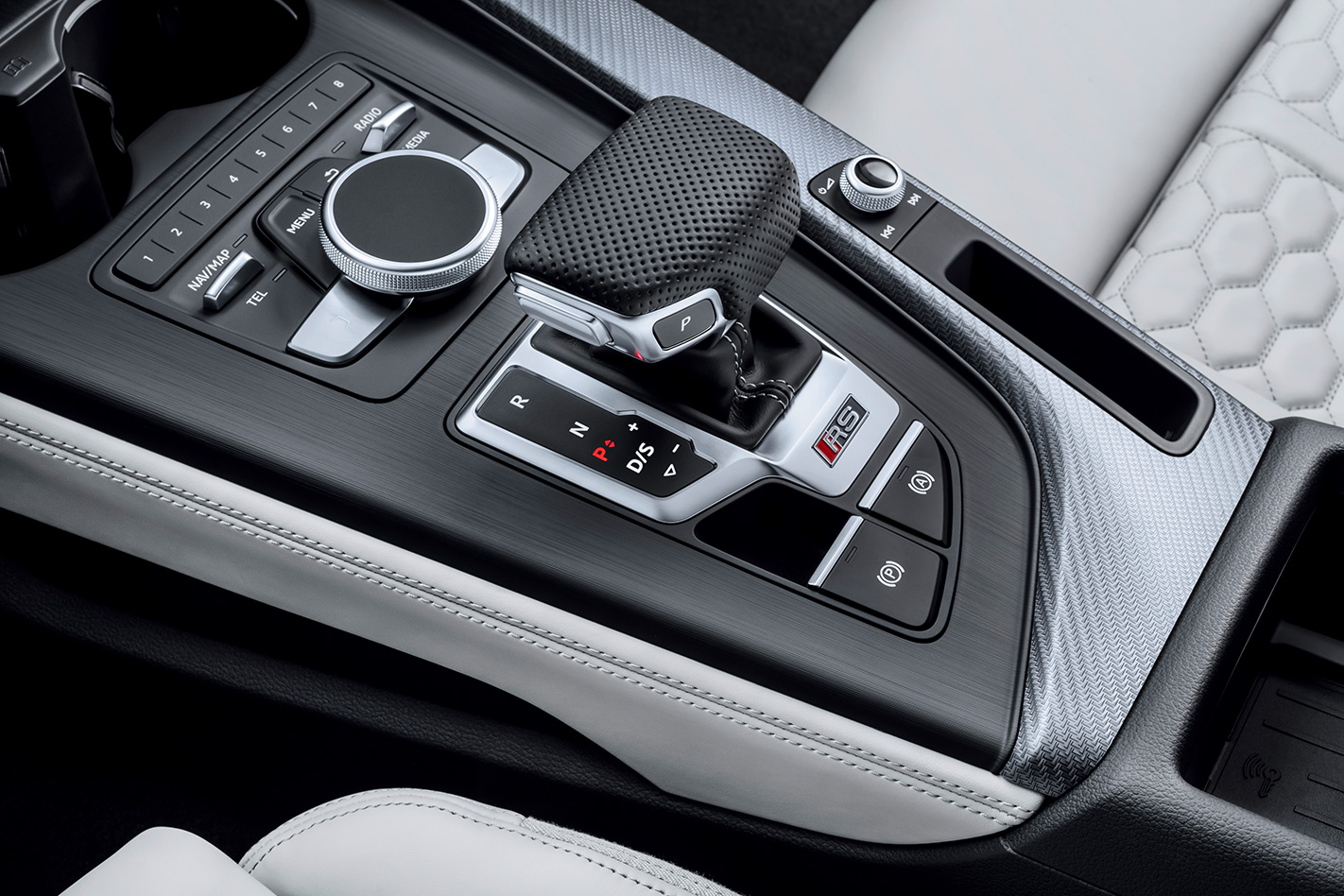
Australian cars will come fitted as standard with a choice of either Hankook Ventus S1 evo2 or Continental ContiSportContact 6 rubber. They also get the excellent quattro sport differential, a sports exhaust and Dynamic Ride Control. Effectively a three-mode damper setup that’s diagonally-linked like a McLaren Sport Series car, DRC keeps pitch and roll in check. Without much in the way of reassuring body roll to gauge how close you are to the limit of adhesion, stability control interventions can occasionally take you by surprise.
The differences between the RS4 and RS5 are subtle, with no changes to DRC in either software or hardware. It all comes down to simple physics. The RS4 runs on lower profile tyres with less sidewall flex than the RS5, it’s 60mm longer in the wheelbase, is 18mm and 13mm narrower in front and rear track respectively, has a marginally higher centre of gravity and instead of the RS5’s 45 percent rearwards weight distribution, the wagon hefts a mere 43 percent at the rear. This means a rear end that’s a little keener to play when unweighted and a more benign nature when it does slip into a few degrees of dangle.
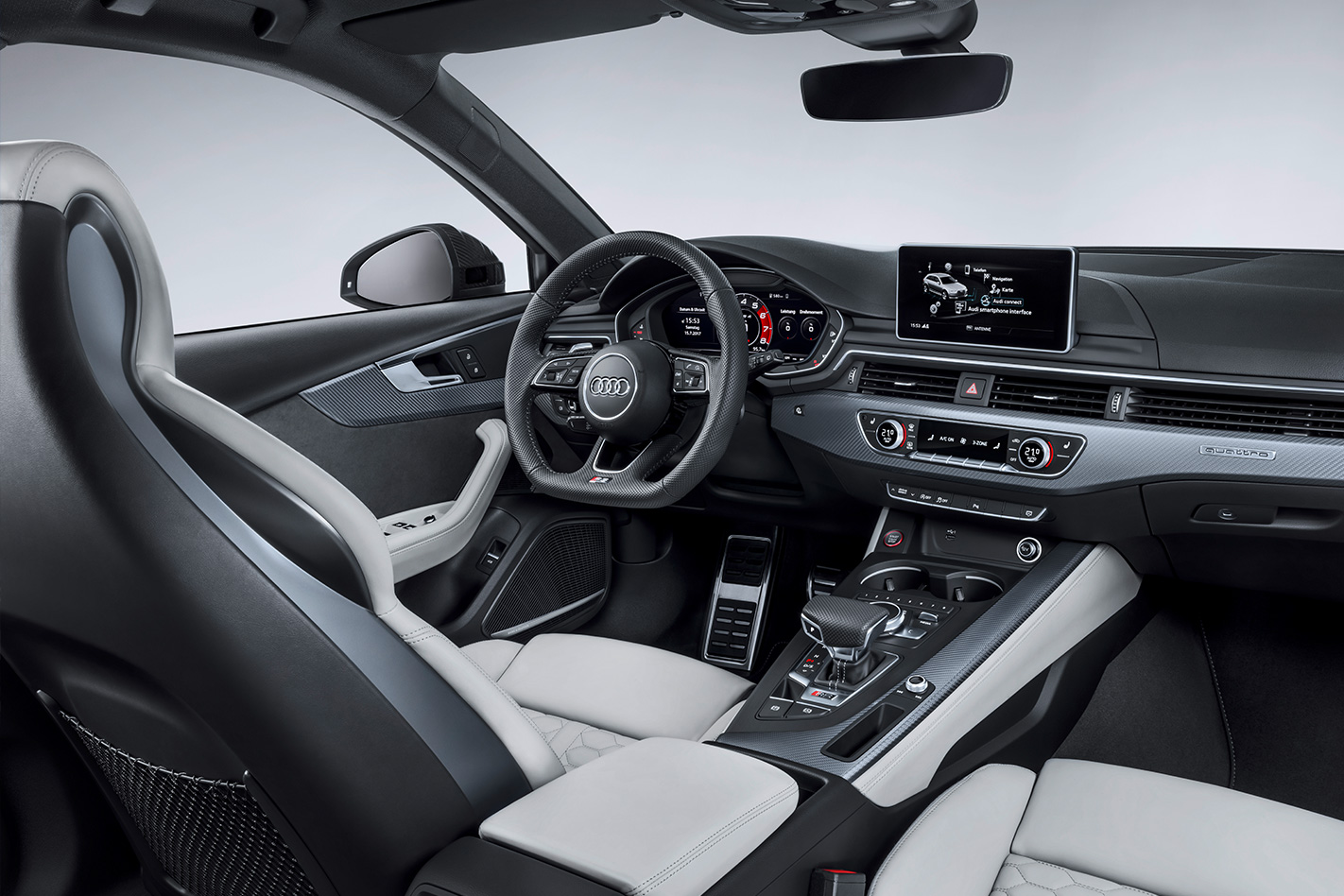
Model: Audi RS4 Avant Engine: 2894cc V6, dohc, 24v, twin-turbo Max Power: 331kW @ 5700-6700rpm Max Torque: 600Nm @ 1900 – 5000rpm Transmission: 8-speed automatic Weight: 1715kg 0-100km/h: 4.1sec (claimed) Fuel economy: 8.8L/100km Price: $155,000 (estimated) On sale: April 2018
A Nissan 350Z with a pretty impressive CV is up for sale in the UK.
It might not be to everyone’s tastes, but this Zed has been modified to fit in with its fellow stars of The Fast and the Furious: Tokyo Drift.
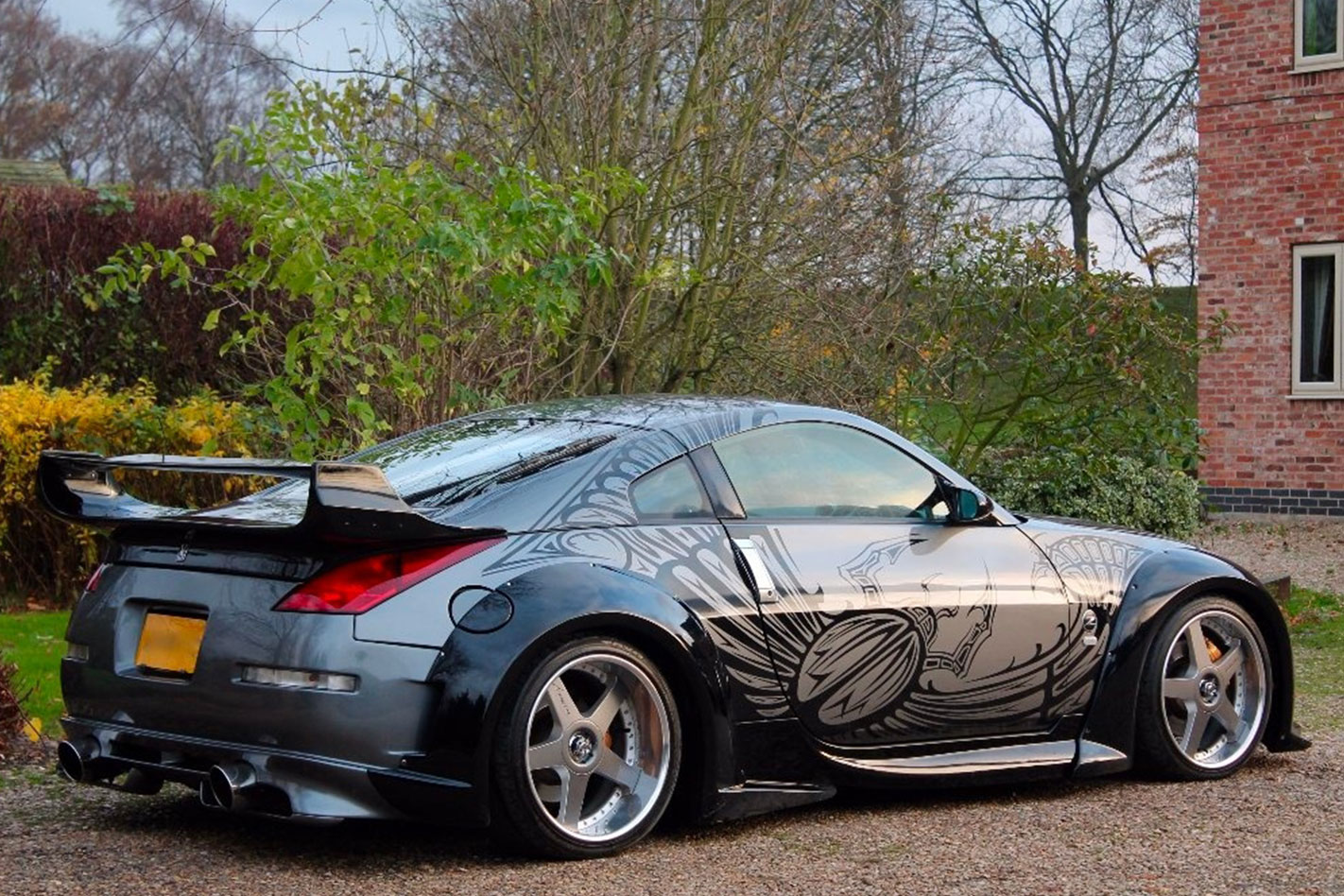
Driven by one of Tokyo Drift’s main antagonists, Takashi the Drift King, the twin-turbo V6 coupe has quite a lot of screentime.
Yes, twin-turbo. Various sources claim the car that was built for the movie was gifted a TTV6 engine from APS in Australia, giving it some bite to match its bark.
That bark was visually supplied by Japanese design and modification outlet Veilside, which gave it a lashing of carbon – including the bonnet, wing, and mirrors –and its body kit.
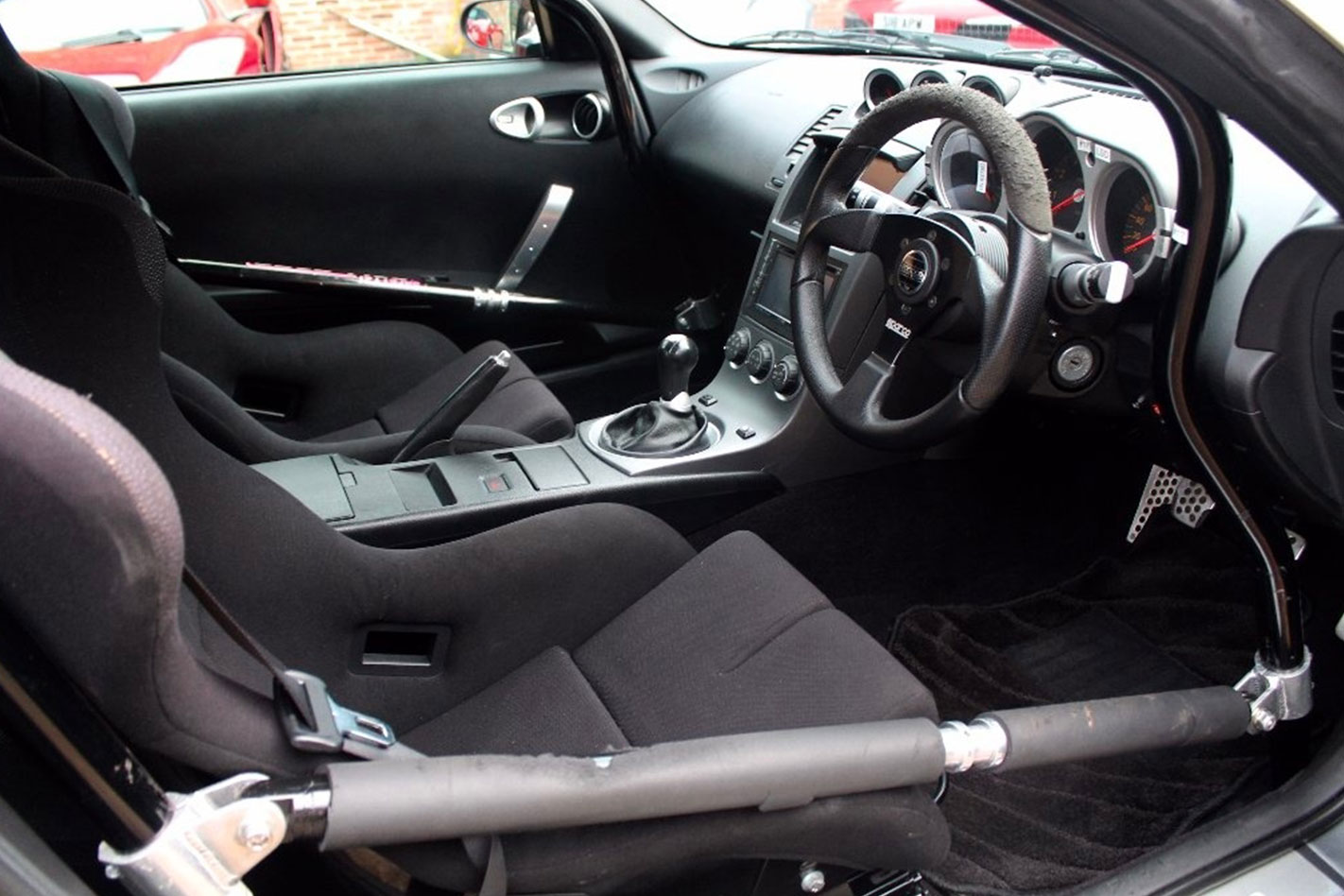
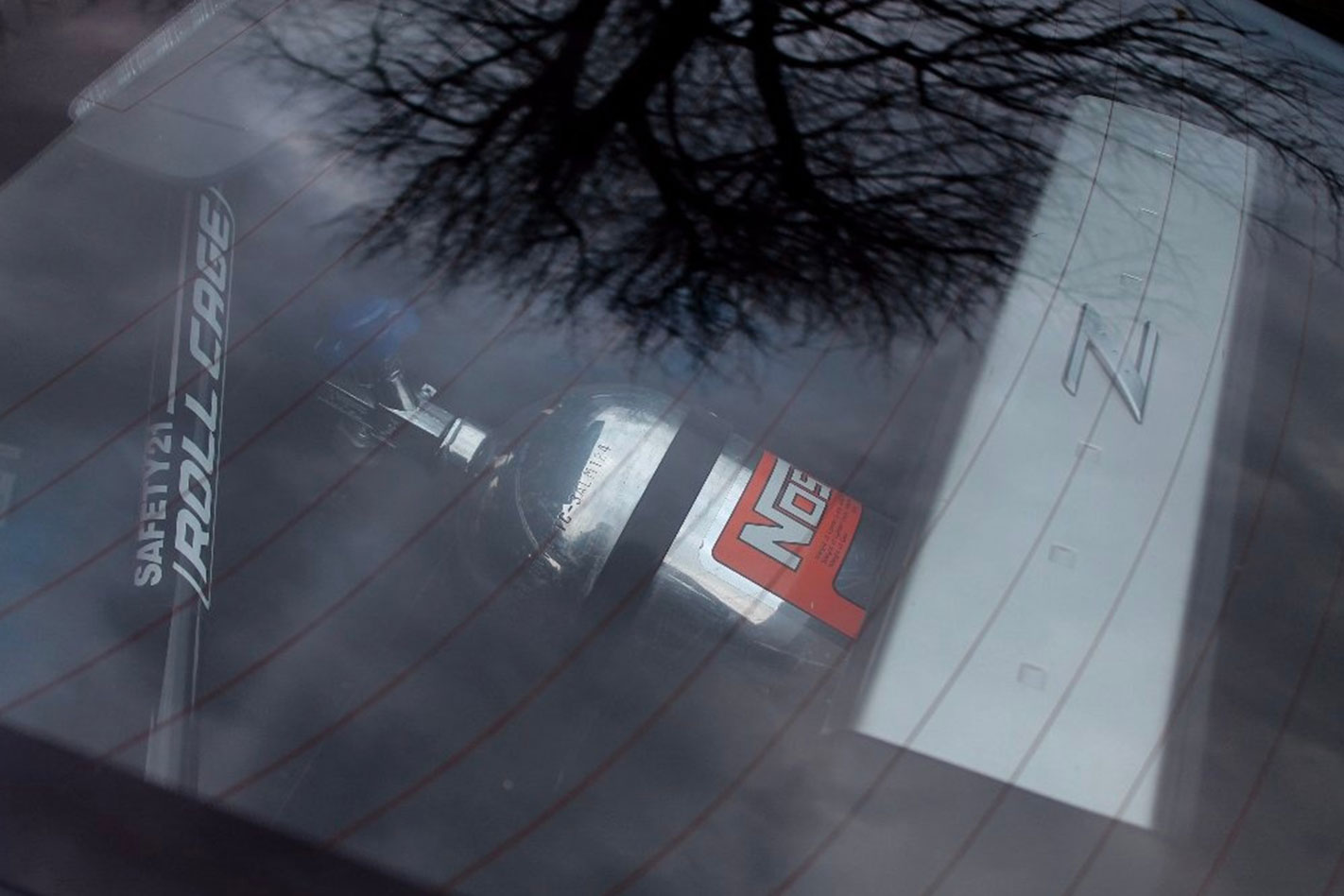
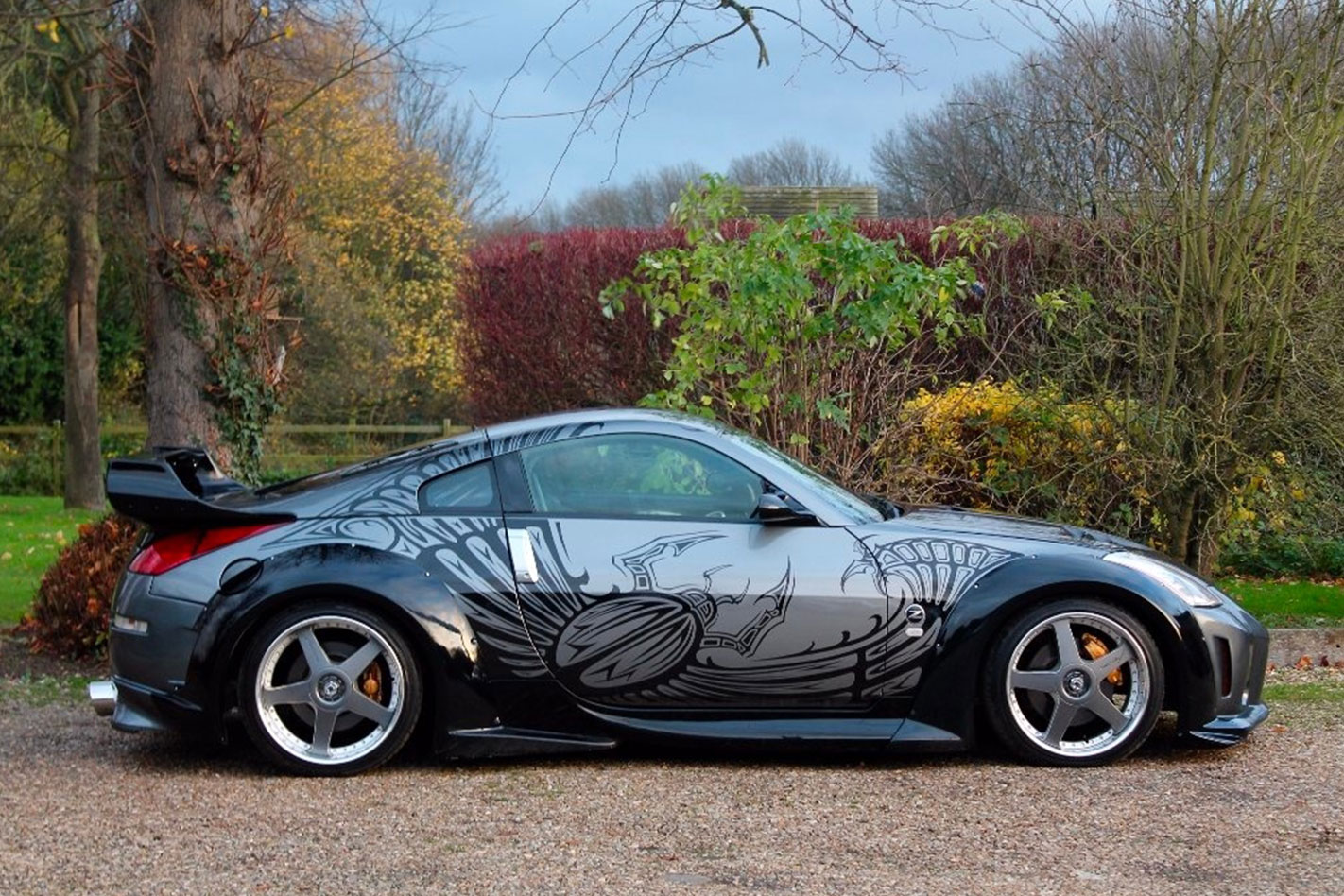
But even with its star pedigree and low kays, its asking price of £99,950 ($174,000) seems a bit rich.
You can have a peek at the car on AutoTrader.
