There’s a reason the Golf GTI is brought up in almost every argument about which hot hatch is the best.
It’s not because it’s the sharpest or fastest, though sharp and fast it is. What the GTI has going for it is that it does everything well, and it’s almost always been that way. While other hatches have been compared to the GTI endlessly, VW’s flagship has made it all the way to Mk7.5, constantly evolving and honing the genre it created.
Modern tech such as driver assist and adaptive dampers weren’t always around, nor was the turbo for that matter, but the basic recipe is the same and Volkswagen is keen to keep slowly perfecting it. Baby steps mean the 7.5 now has VW’s new infotainment system, an extra 7kW, and a new instrument display.
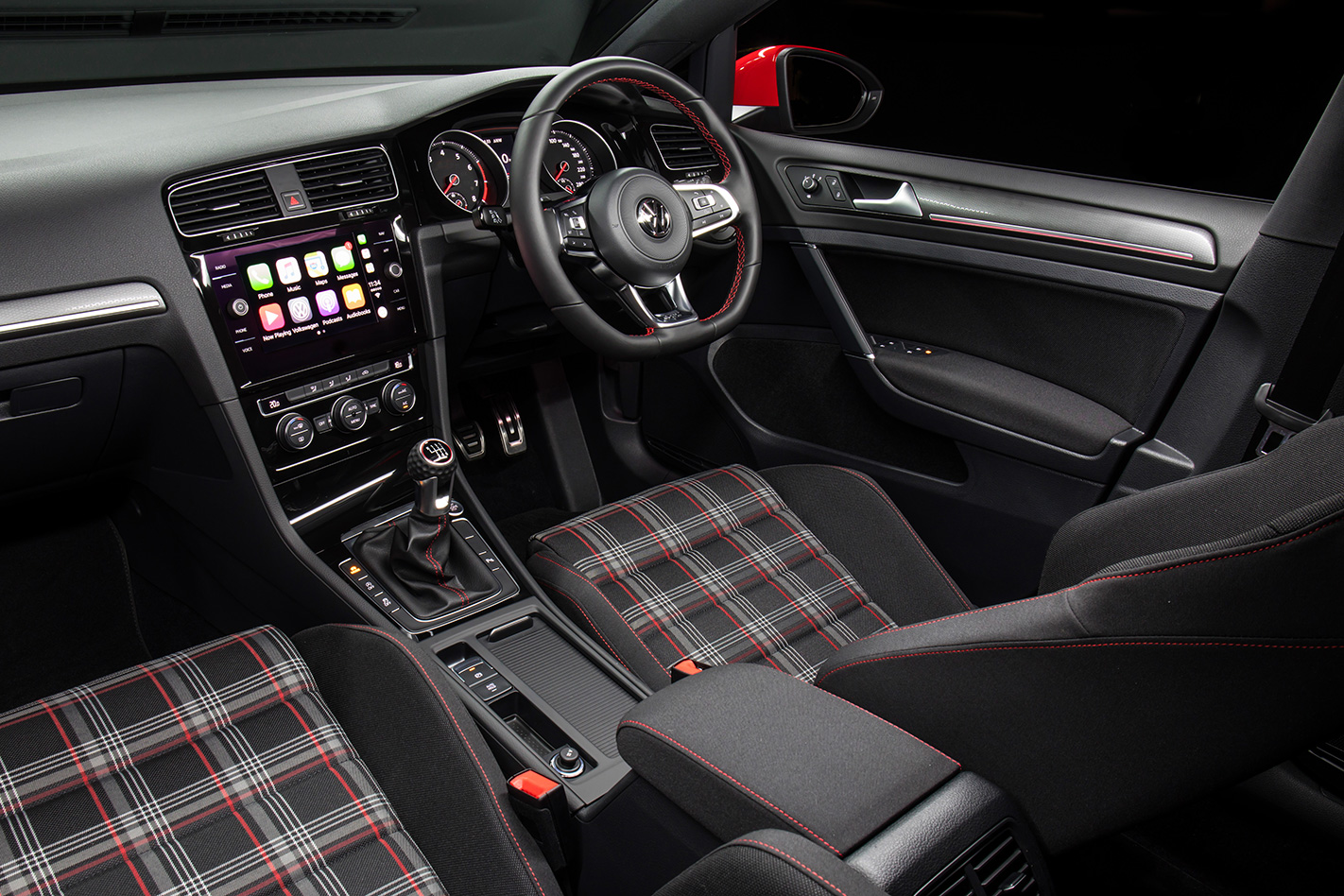
The fact that the shifter is still golf-ball themed after four decades, as well as the iconic Clark tartan cloth upholstery, makes the 7.5 feel remarkably similar to a classic GTI inside, bar the accelerator’s response and the playful turbo whistle. With a sweet turbocharged 2.0-litre four under the bonnet, the GTI feels as quick as it needs to, even in a straight line.
Its 169kW helps, sure, but it’s the 350Nm, available from just 1500rpm, which is doing the heavy lifting. You won’t do yourself any favours by revving the guts out of it, either. Torque drops off quite sharply from 4600rpm. Instead, you find yourself in second gear, pushing the GTI through corners and exiting with your left hand gliding the shifter into third.
And I do mean gliding. Shifts feel smooth thanks to a lightly weighted clutch pedal and a shifter which is compliant, but retains a satisfying mechanical feel. Also smooth is Comfort mode, which allows the GTI to gently saunter over rough roads without wafting, while Sport mode is focused enough for serious driving without incurring a chiro bill.
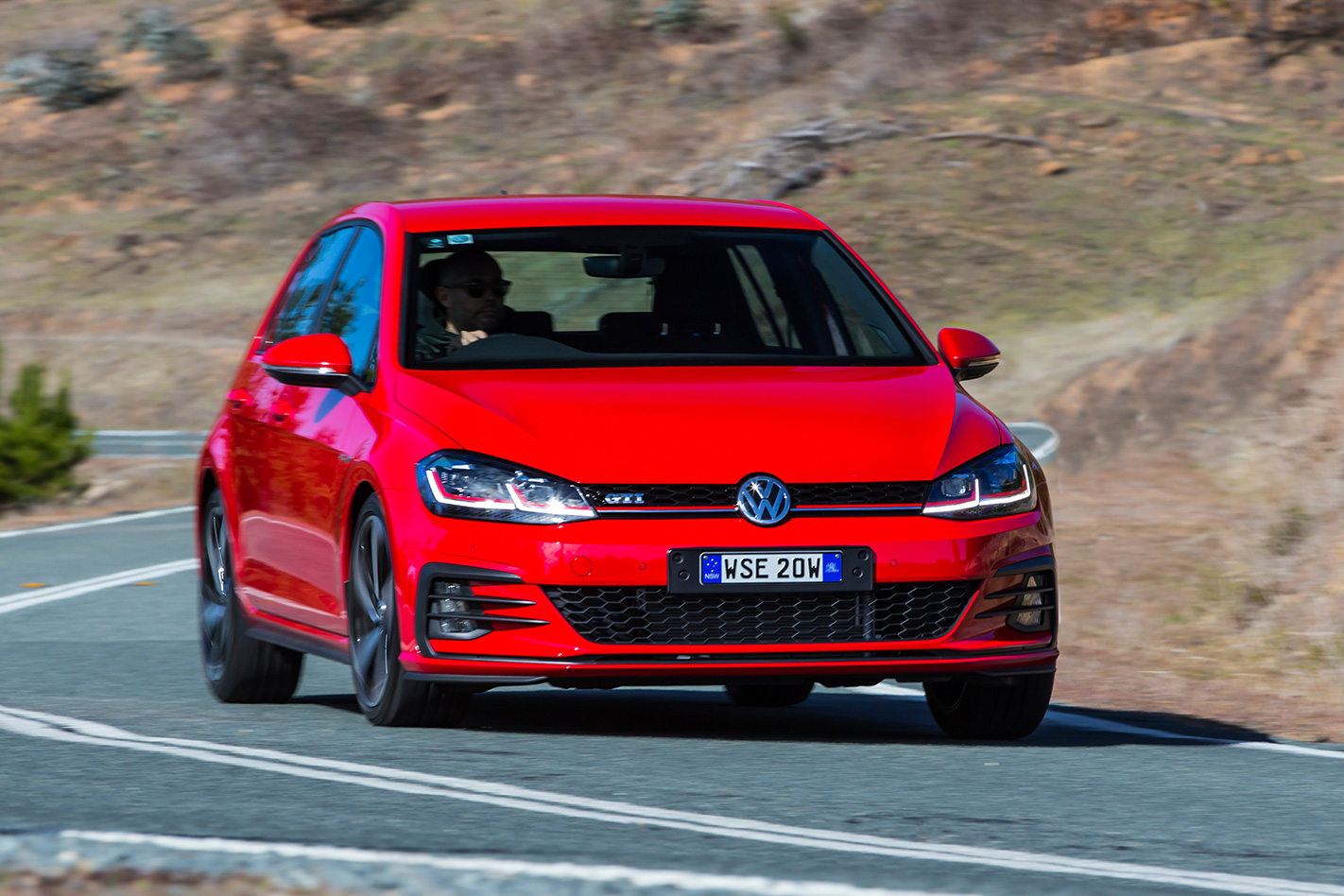
If there was one thing the GTI could do with, it’s the electronic limited-slip diff from the top-spec Performance Edition. Yes, this is the ‘base’ GTI, but chirping wheels force you to be a little more restrained than you’ll sometimes want to be. It’s avoidable, but only if you dial it back a tenth or so.
Though the lower-grade Hyundai i30 N and Renault Megane RS are yet to land Down Under, if you’re shopping for a hot hatch that stays true to its tradition while keeping ahead of the pack, the GTI should be on your list.
4.5 stars out of 5 Likes: More oomph; three-pedal option Dislikes: Wheelspin; not the most focused front-driver
2017 Volkswagen Golf GTI 7.5 specs: Engine: 1984cc inline-4cyl, DOHC, 16v, turbo Power:: 169kW @ 4700-6200rpm Torque: 350Nm @ 1500-4600rpm Weight: 1329kg 0-100km/h: 6.4sec (claimed) Price: $41,490
IF YOU thought the ultimate computer-geek supercar was the DeLorean DMC-12, then you’re quite wrong. It’s the BMW i8, chiefly because it has a cutting-edge drive system that matches its striking appearance.
In an attempt to double the i8’s chances of staving off the dreaded “manopause” for yet another year, BMW’s hybrid supercar has just been enhanced by the addition of a new cloth-lidded roadster variant.
As with the updated 2018 coupe, the new BMW i8 roadster boasts a new lithium-ion battery. Its cell capacity is up from 20 to 34Ah and power from 96kW to 105kW, enabling 53-55km of pure electric motoring (depending on bodystyle) before the carry-over 1.5-litre turbo-petrol triple thrums into life. But it’s the roadster format that is the real news here.
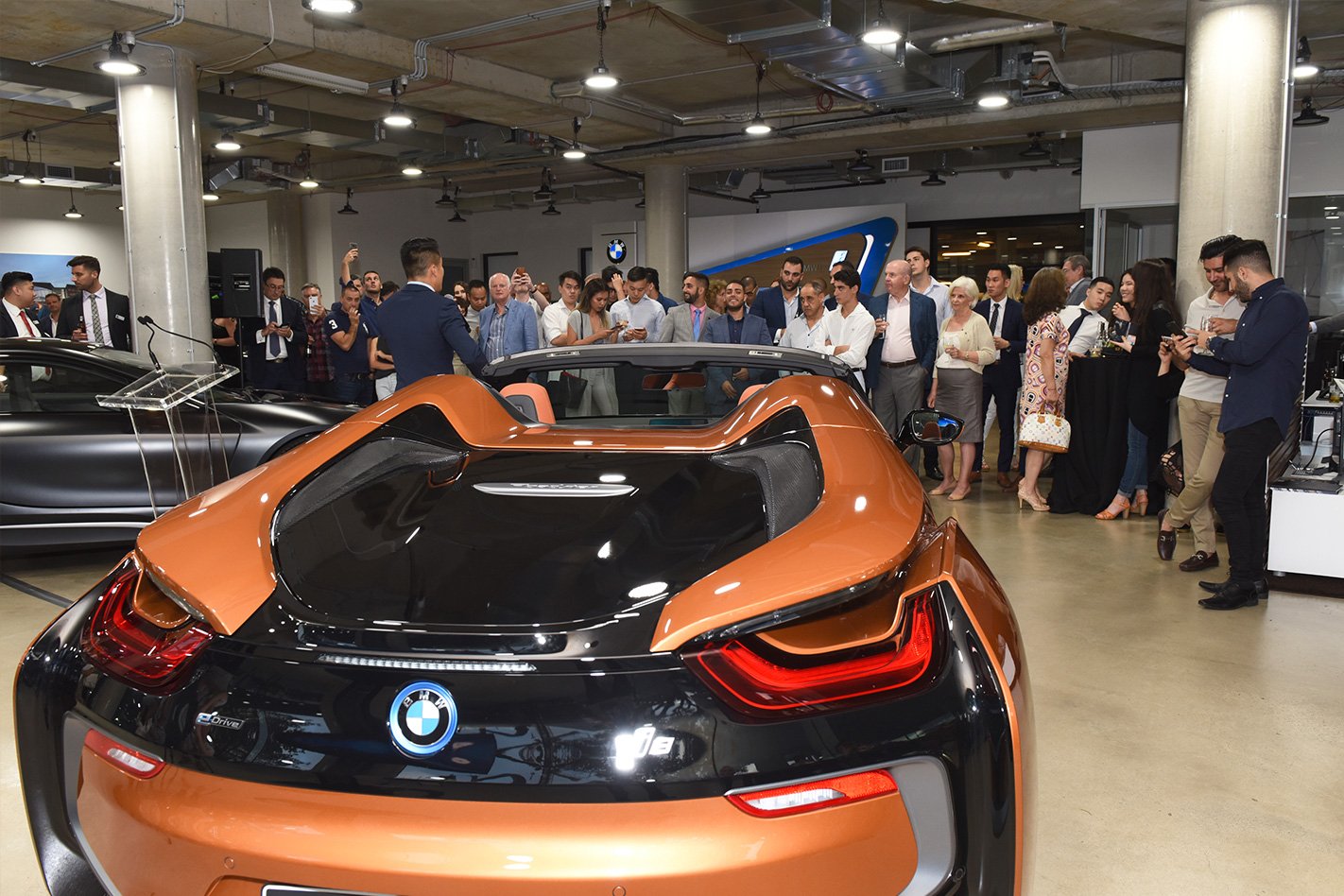
With its strengthened windscreen frame constructed from carbonfibre reinforced plastic (CFRP), the roadster weighs just 60kg more than the coupe, despite additional body strengthening. BMW says the roof takes 15sec to open, at speeds of up to 50km/h, and you can also open the vertical rear window independently of the roof. The modest weight penalty does mean a slight drop in performance, though 4.6sec to 100km/h should please most IT professionals who enjoy feeling the breeze rustle around their ears.

Available ceramic and carbon elements also feature, as does a trick new head-up display, while outside the main differentiator (besides the roadster bodystyle) is new 20-inch wheels, expected to be standard on the Aussie i8.
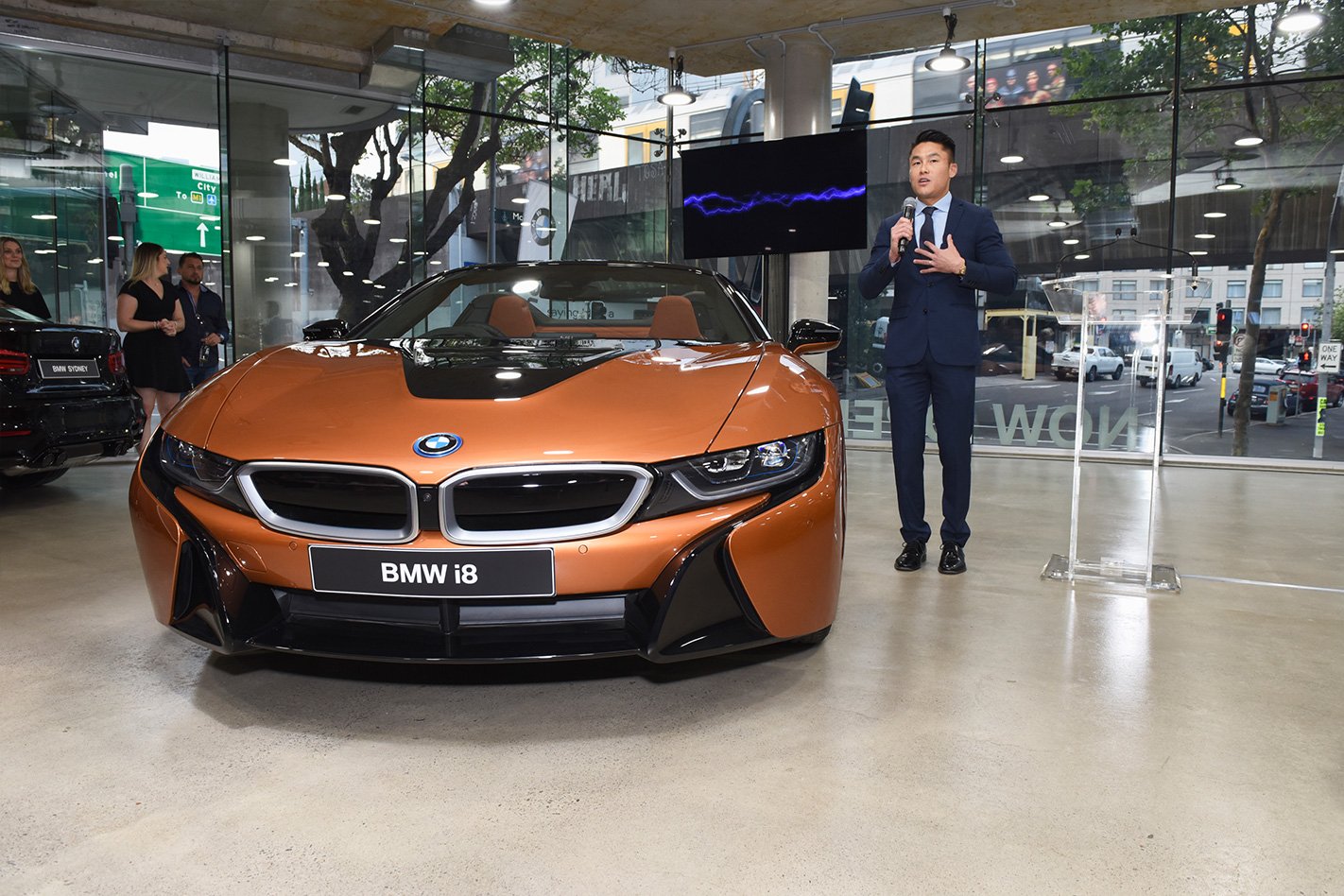
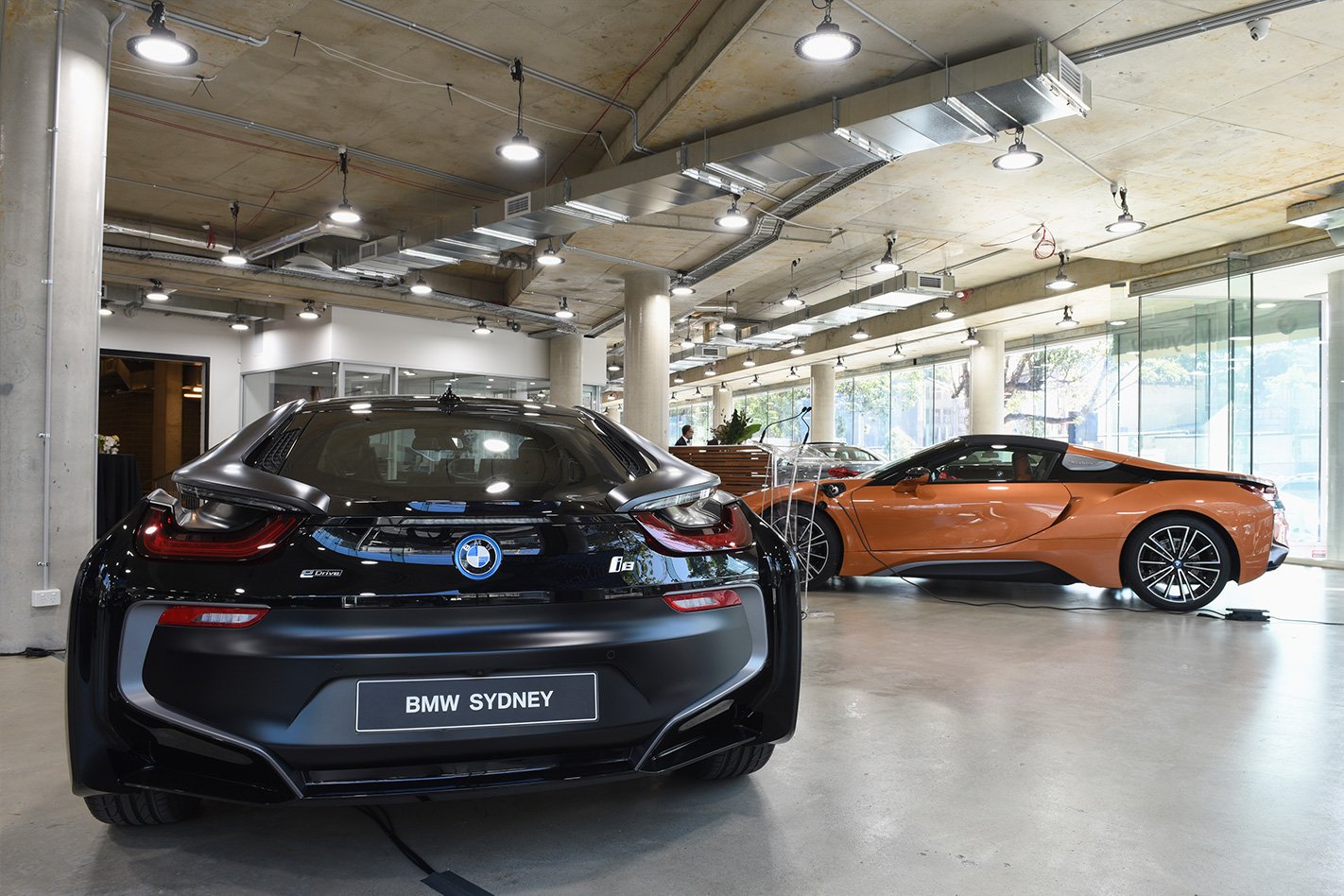
Speaking to BMW’s product planning manager Howard Lam and special vehicles manager Alexander Brockhoff at the i8’s Sydney shindig, the Aussies expect the new Roadster to snare the lion’s share of i8 sales in this country.
As for pricing, that decision is some way off but you can expect the left-field i8 Roadster to cost in excess of $320K. That’s before adding E-Copper and other tempting embellishments to the mix, but how do you put a price on individuality?
THE explosive title-deciding race that cost Scott McLaughlin the 2017 Australian Supercars Championship – and won it for Jamie Whincup – has been raked over, dissected and analysed tens of thousands of times in the past week on that regularly brutal arena known generically as “social media”.
Facebook and Twitter gives everyone a voice – some measured and thoughtful, others biased and some clearly defamatory and ignorant of many facts.
We saw it all a week ago.

It wasn’t just fans throwing in their tuppence worth either. Past star drivers including the HDT’s Charlie O’Brien fired in an opinion, suggesting it wasn’t a great day for motorsport.
With growing annoyance, prominent Melbourne radio man Tony Schibeci watched the barrage on Facebook, including suggestions the race was fixed, before firing back with his very reasoned responses: “Oh guys please. You can’t be serious. That was the most amazing race ever. The drama for 90 laps had everyone sitting on the edge on their seat. How can you rig that. If he [McLaughlin] speeds he speeds, he took Simona De Silvestro out and he moved on Craig Lowndes. Believe me no one wanted Scott to win more than me but to say it’s rigged…please. So we might as well say the AFL rigged the grand final so Tiger Army can grow to 100,000. Jamie had to win Scott has to finish 11th. He didn’t. Learn from it and move on.”
The mainly ill-informed social media brawling finally encouraged the driving standards advisor for Supercars, Craig Baird, to throw some further light on the decisions made by stewards during the race.
Baird, widely respected in the Supercars paddock, specifically commented publicly on the three title-turning penalties that cost his fellow countryman McLaughlin his first crown.
McLaughlin looked to be in charge of the race until the first round of pit stops when he was penalised for exceeding the pit-lane speed on entry.
Later, he clumsily spun de Silvestro as he made his way back through the field, and then at a safety car restart was involved in an incident that damaged his Ford. Finally he was caught up in a last lap fender bender that put Lowndes into the wall.
Baird is adamant the three penalties given to McLaughlin were unambiguously clear-cut.
The pit lane speeding penalty has been questioned by those who insist than the closely following Shane van Gisbergen – Whincup’s teammate – should also have been penalised.
Baird has explained that the technology is accurate and fair, every car’s transponder triggering two timing loops – one at the entry and another three metres further along. “It’s time and distance.” McLaughlin hadn’t slowed down enough at the entry even though he started to slow down earlier than van Gisbergen.
The De Silvestro incident and resultant penalty has never been in dispute, except in the minds of some blinkered supporters. “She left a gap,” screamed some.
Sorry, but McLaughlin admitted fault.
Despite the two penalties that put him back in the pack, the young Kiwi was still very much in the championship picture. All he needed to do was finish 11th or better.

Baird has made the same observation that many have made, suggesting that McLaughlin needed to hold his line and make a good exit from the crucial turn.
But he ran wide and Lowndes pounced as McLaughlin tried desperately to cover for his mistake. Too late.
“You can’t go hard left into a car with any sort of overlap.”
Baird says there is a rule in racing that if there is an overlap – be it half a car or half an inch – a driver cannot continue to defend his position.
Baird also defended the call to make an instant decision and not deal with the incident post-race. “It was black and white. There was an overlap and it caused the crash.”
McLaughlin seemed to agree with the third penalty, as much as it must have hurt. He called Lowndes afterwards and apologised.
Dealing with the incident so quickly did avert a potentially messy scenario of having the championship in limbo until later that evening. Or for even weeks afterwards…
Though Jamie Whincup prevented a second consecutive championship falling to a New Zealander, the series will have five Kiwis lining up in 2018 with the announcement that Andre Heimgartner will return to the grid, replacing the retiring Todd Kelly at Nissan. The signing t marks a return to full-time Supercars competition for Heimgartner, who contested the 2015 and ’16 seasons with Super Black Racing and Lucas Dumbrell Motorsport. The 22-year-old seized his chance to impress when he accepted a late call up during the Bathurst 1000 weekend by Brad Jones Racing to replace the injured Ash Walsh.
Shane van Gisbergen, Scott McLaughlin, Fabian Coulthard and to-be-confirmed Richie Stanaway are the others.
A CRUISE around sun-drenched California is the perfect test for Mercedes-Benz’s most expensive – and potent – drop-top boulevard cruiser.
WHAT IS IT?
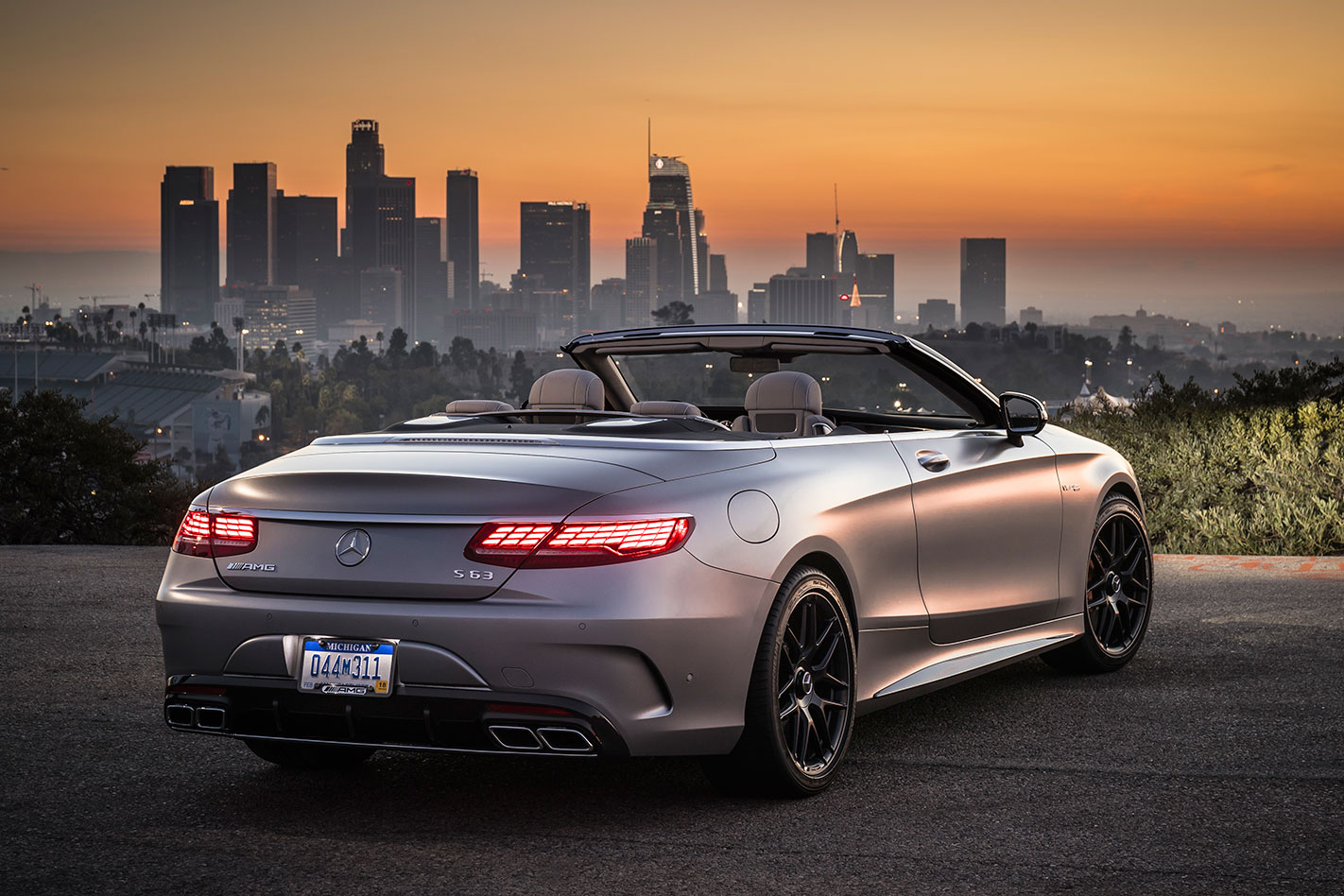
This is the updated version of Mercedes-AMG’s big, imposing and beautiful coupe and convertible. The barmy S65 twin-turbo V12 version is largely mechanically unchanged but its S63 sibling has far more going on under its gorgeous facade.
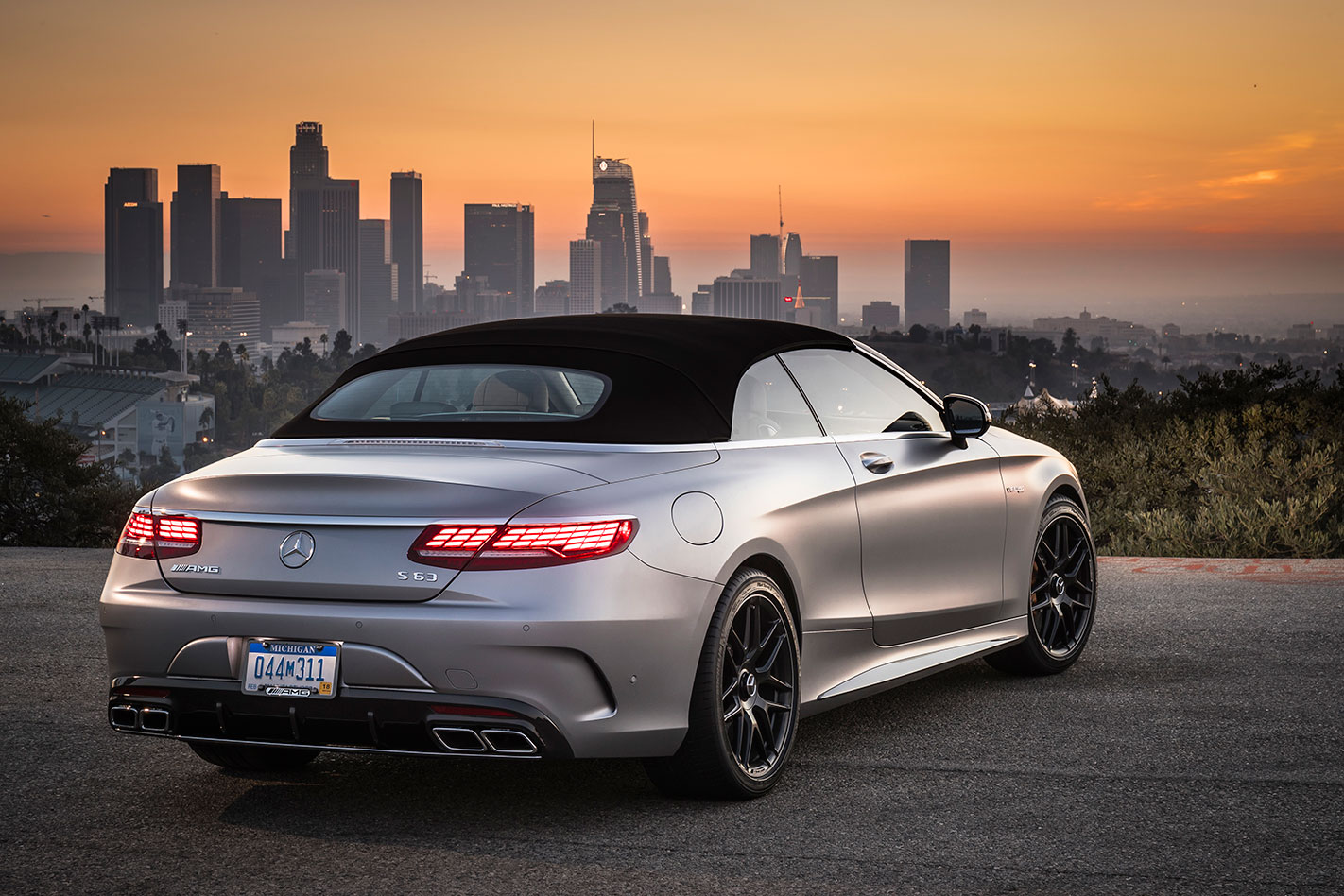
The technical changes apply to both drop-top and tin-top versions but, in the mild Californian climate, the Cabriolet was our focus.
WHY WE’RE DRIVING IT
While other variants in the two-door S-Class family have received more minor updates as part of a mid-life refresh, the S63 gets the most significant makeover. Out has gone the huge 5.5-litre turbo V8, replaced by the new more sophisticated 4.0-litre. The transmission has also gained two extra ratios and the driven-wheel tally is also up by two bringing 4Matic four-wheel traction.
A first drive on US soil is all about establishing if the biggest changes amount to the most accomplished offering in the S-Class coupe and convertible range.
Bentley Continental GT, Maserati GranCabrio MC
THE WHEELS VERDICT
No one needs a large five-seat convertible that can crack 100km/h from standstill in 3.5 seconds and blast on to a top speed of 300km/h, and many would argue that what is likely to be an asking price of nearly half a million dollars could be better spent on other vehicles. Several other vehicles.
But the Mercedes-AMG does something special to its occupants. Its intoxicating spell of unbelievable pace, weight-defying dynamics and a look that has people swooning on the streets of LA makes you forget all of your sensibilities.
Stow the roof, slide into the sophisticated cabin and point your toe at the high country, and the updated AMG S63 Cabriolet has your hand almost involuntarily reaching for a chequebook and pen. No questions asked.
PLUS: LA street style anywhere in the world; monstrous pace and noise; executive class cruising MINUS: Questionable second-row accommodation; some driver-assistance gremlins
THE heart of any high-performance car is often the mind-bending puzzle of pistons, pumps and motors that combine to breathe life into what would otherwise be a soulless amalgam of parts. Less often does just one engine have the same effect on an entire brand, but that’s exactly what Mercedes-AMG’s 4.0-litre twin-turbo V8 is doing for the company, smack in the middle of its half century celebrations.
When it blasted onto the scene under the bonnet of the AMG GT, the all-new M178 engine brought a relative angel of fuel consumption and emissions but with a devil lurking in the exhaust pipes – all of the AMG shout with less thirst. But that was 2014 and output has steadily grown from an initial 340kW/600Nm as the engine proliferated models including C63 and E63. For its latest party trick though the Affalterbach fettler has slotted the V8 under the bonnet of the updated S63 coupe and convertible and wound the gain dial up to an astonishing 450kW and 900Nm.
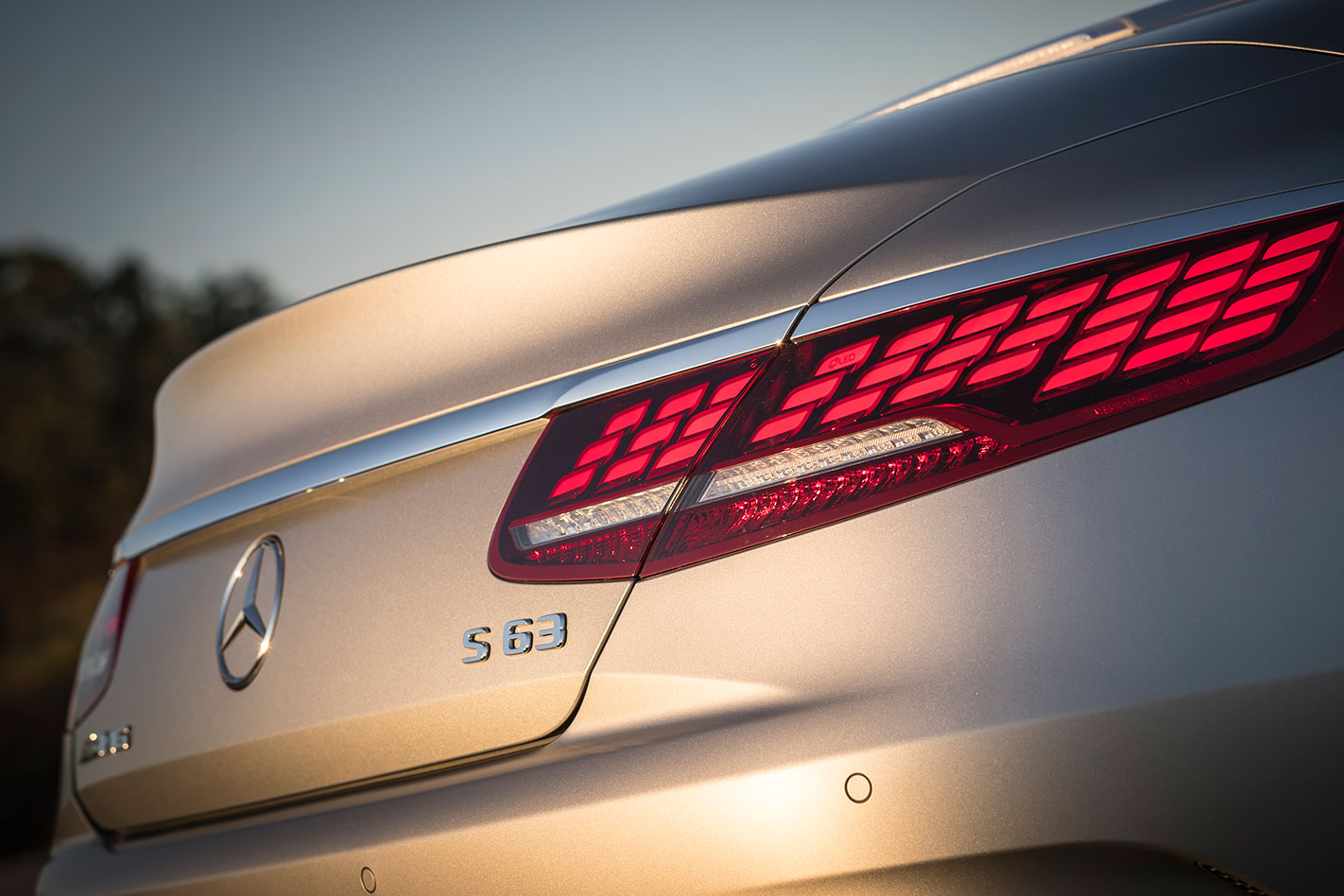
Critically though, the S63 now has 4Matic all-paw traction allowing the massive grunt to get to the road despite a 2.2-tonne kerb weight and zero-to-100km/h acceleration has been hacked to an almost unbelievable 3.5 seconds.
Unbelievable, until you find a deserted stretch of road out the back of Santa Barbara somewhere, select Sport+ mode and stamp on the accelerator like it has eight legs and you found it in the shower.
The S63 moves in a way that should not be possible from a big, four-seat drop-top, but the AMG wizards have found ways of hiding its heft with the skill of a piano removalist. Acceleration is monumental but power delivery is smooth and linear.
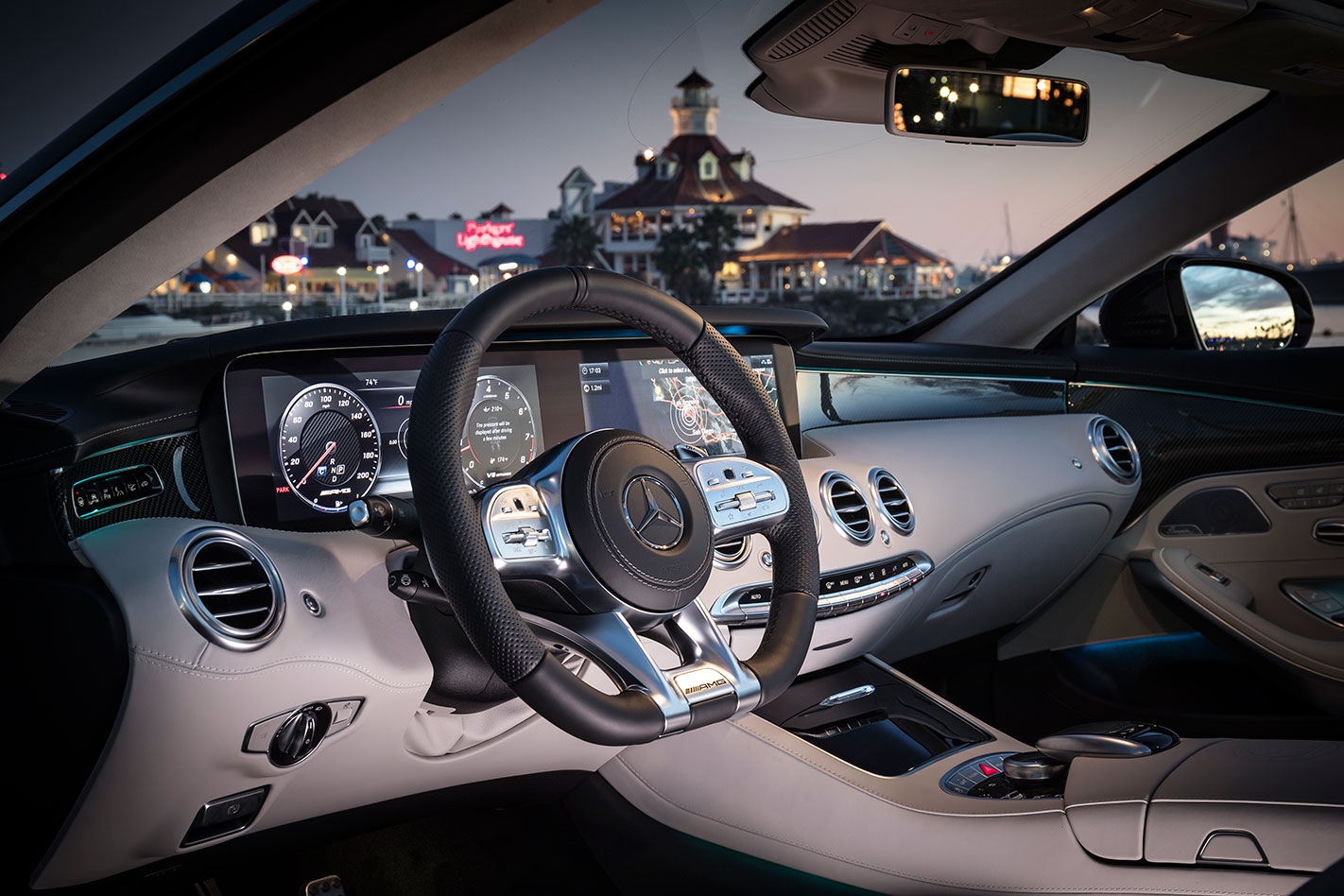
There is also no escaping the fact that the S63 has no roof and a little shake is evident away from its natural habitat of long sweeping bends. You will forgive it though.
The surprisingly athletic achievement is accompanied by an equally unexpected exhaust note that spits and bangs with natural irregularity and a volume that is unapologetically antisocial. It might be a few segments away from the GT that pioneered this engine, but the S63 has a generous share of its soul thanks to a shared power plant.
The big cab’s dynamics are a bonus thrown in with sumptuous cruising manners. Hit California’s iconic freeways and the S63 settles into a gallop of eerie smoothness and silence on all surfaces and the plethora of heaters and coolers allow the vast fabric roof to remain stowed every time the sun comes out.
The update also brings new driver assistance and although the lane-keep function decides to occasionally make a beeline for the barrier, the impressive tech proves how close true autonomous driving really is.
With an all-new driveline including an engine of monumental engineering achievement, the 2018 S63 cabriolet is a car that defies belief, but more importantly its engine will be remembered as a significant milestone that asserted AMG’s performance credentials in a constantly evolving automotive landscape.
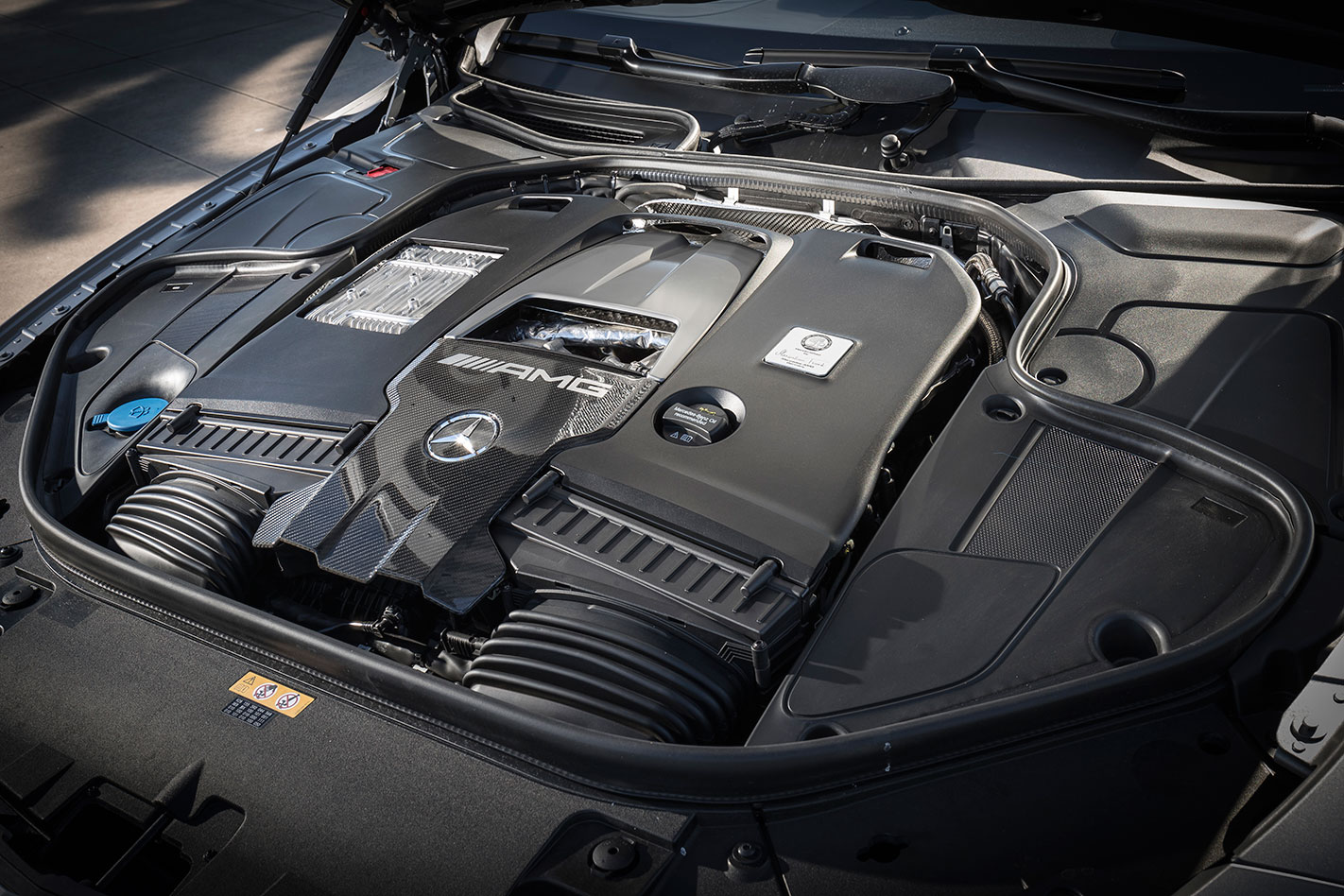
Model: Mercedes-AMG S63 Cabriolet Engine: 3892cc V8 (90-degree), dohc, 36v, twin turbo Max power: 450kW @ 5500-6000rpm Max torque: 900Nm @ 7250-4500rpm Transmission: 9-speed automatic Weight: 2185kg 0-100km/h: 3.5sec (claimed) Fuel economy: 10.1L/100km Price: $450,000 (estimated) On sale: TBC
JUST as so-called sports utility vehicles have rampaged global private vehicle sales, the reign of crossovers and soft-roaders could come to an end with a return to more conventional passenger vehicles, says General Motors head of vehicle design Mike Simcoe.
While the rise of SUVs globally appears to be unstoppable – and certainly in Australia’s market where the high-riders overtook sales of passenger vehicles this year – GM’s top designer predicts ever shifting market influences could topple the domination.
Speaking to Wheels at the Los Angeles motor show, Simcoe said any number of environmental, government or attitude changes could shift buyer behaviour on its axis and away from SUVs, including the inevitable move to electrified vehicles.
“People are looking for something that’s practical, got space, they’re comfortable to get in and out of,” he said. “When the road is full of tall vehicles, you don’t want to be the one that’s sitting real low because it gets uncomfortable. There’s an ubiquitous move to taller vehicles.
“But I think there’s still room and there will be room, particularly in our electrified future to make sedans. As the market changes, it’s going to be affected by electrification. There’s going to be a move back to the more traditional sedans and hatches all the way through to tall SUV-like vehicles.”
As manufacturers focus on increasing electrified vehicle range and dissolving so-called customer ‘range anxiety’ increasing efficiency is becoming more important to the success of EVs and that could steer buyers away from high-drag SUVs, said Simcoe.
“If you think about a long sedan vehicle, it’s a lot more efficient aerodynamically than a tall hatch.”
In the meantime, Simcoe said a smaller but significant buyer shift will see increasing sales of ‘CUVs’ – vehicles which offer similar elevated driving position, but with a more car-like ownership experience.
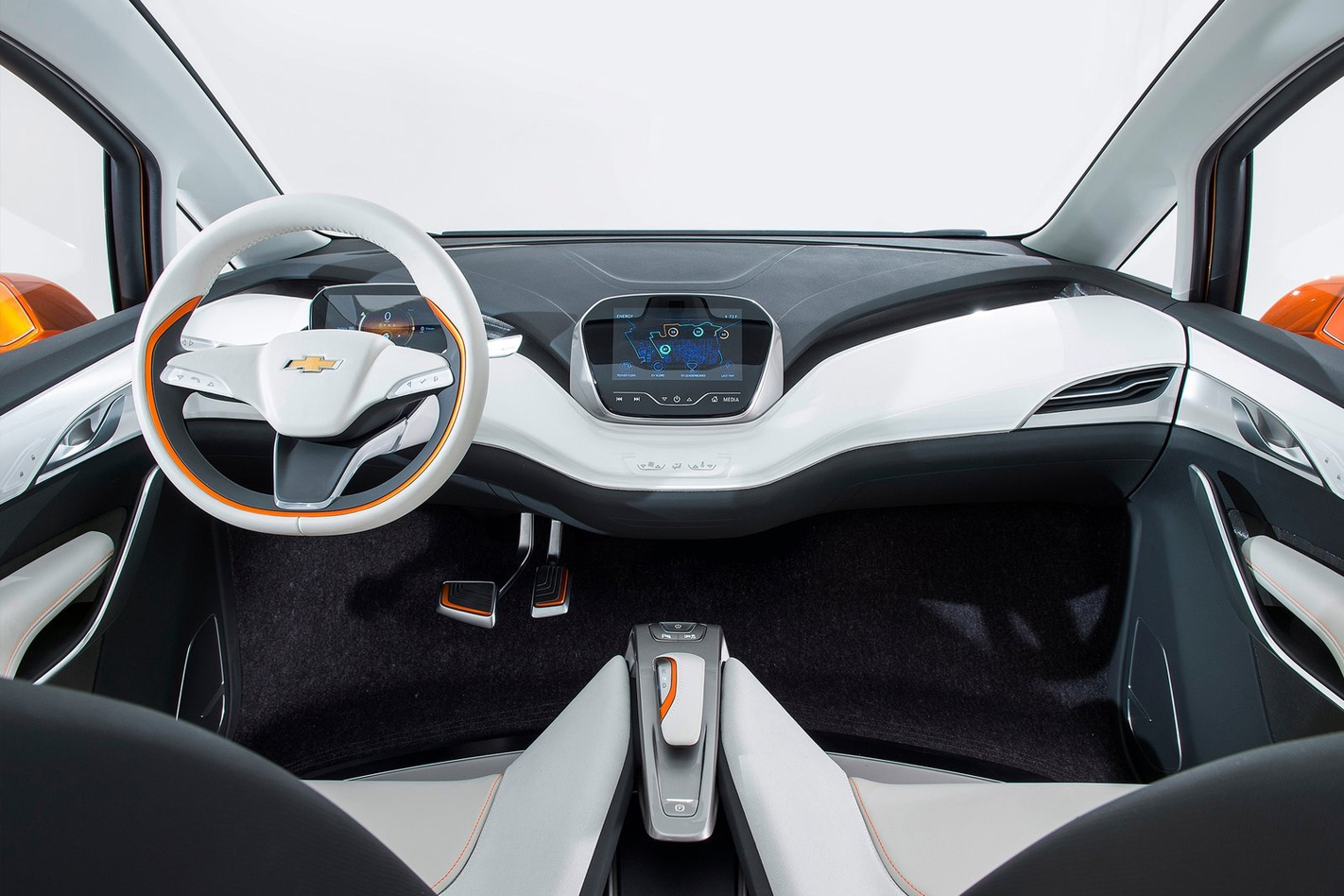
While it would appear customers are talking with their wallets and buying vehicles that are in highest demand, Simcoe explained satisfying customers and creating successful vehicles was only possible through two-way communication.
“The industry has always been about us delivering something the customers get passionately engaged with, and if we do it in a way that gets people’s attention and makes them want to buy then we see a move.
“We can’t apply rules to customers because there is a chicken and egg thing. Is the customer leading us to a place or is the customer telling us what they want and we have to present it in a way that they like?”
Instead, Simcoe said if a shift away from SUVs was ever to happen it would be the result of customers demonstrating a clear need and car makers responding with the refined models to meet demand.
“I’d prefer to see the customer allowing us to acknowledge what they want and serving them but we have an opinion about how we deliver that.
“We know what customers want but it would be presumptuous for us to guess for them so we do research. By the same token you wouldn’t ask a customer to define exactly what that interpretation should be. That’s our job.”
What is it?
The latest evolution of British automotive and aerospace component specialist GKN’s eAxle. The two-speed electric transmission is highly versatile and can be applied to either pure EVs or PHEVs for front-, rear- or all-wheel drive.
Expect to see the first concepts rolling on the eTwinsterX axle from late this year followed by early production models in 2018.
How does it work?
The eTwinsterX axle incorporates a drive motor and two-speed gearbox into a single unit which minimises overall dimensions, while the electric motor’s coaxial construction provides the torque of a larger unit in a smaller package. Power is delivered through the helical twin-speed gearbox, but as an added bonus, the torque vectoring advantages offered by the Twinster differential adds another level of torque control.
A pair of axles can be calibrated to operate in communication with each other for all-wheel-drive traction particularly for off-road applications, says GKN, but no mechanical connection between axles is required.
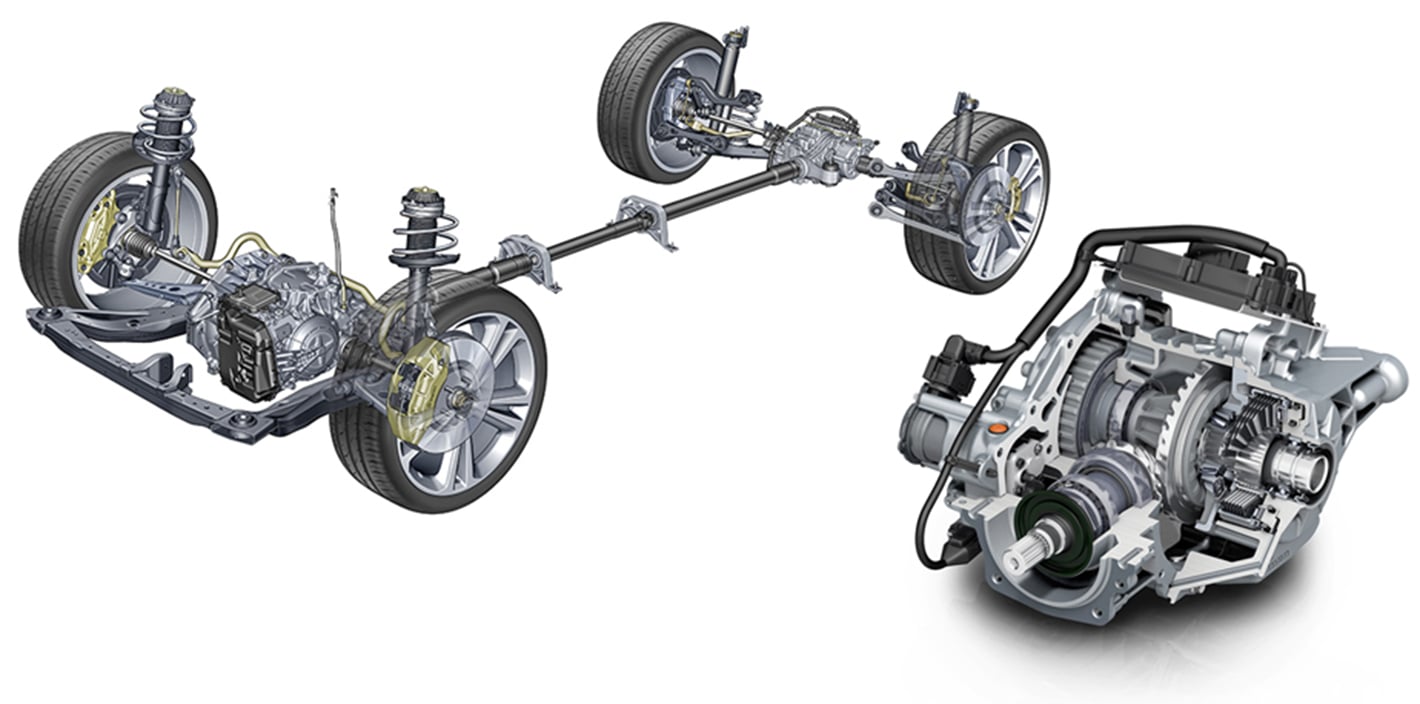
This is not the first multi-speed electric axle or even the first twin-speed eAxle from GKN, but the latest version is more compact, lighter, more efficient and the first that has ‘full off-road capability’, according to its maker. Just like combustion engines, electric motors are limited by a maximum efficient operating speed, but the eTwinsterX effectively broadens the motor’s range.
In first gear, torque is multiplied for improved acceleration, while the second gear provides greater efficiency and higher top-speed potential. With small exterior dimensions, the eTwinsterX can be integrated into existing vehicle platforms without major redesign work, allowing its use in production vehicles ahead of the next major architecture update. The simpler layout has the potential to make cars lighter, more fun and more efficient.
High-end gear
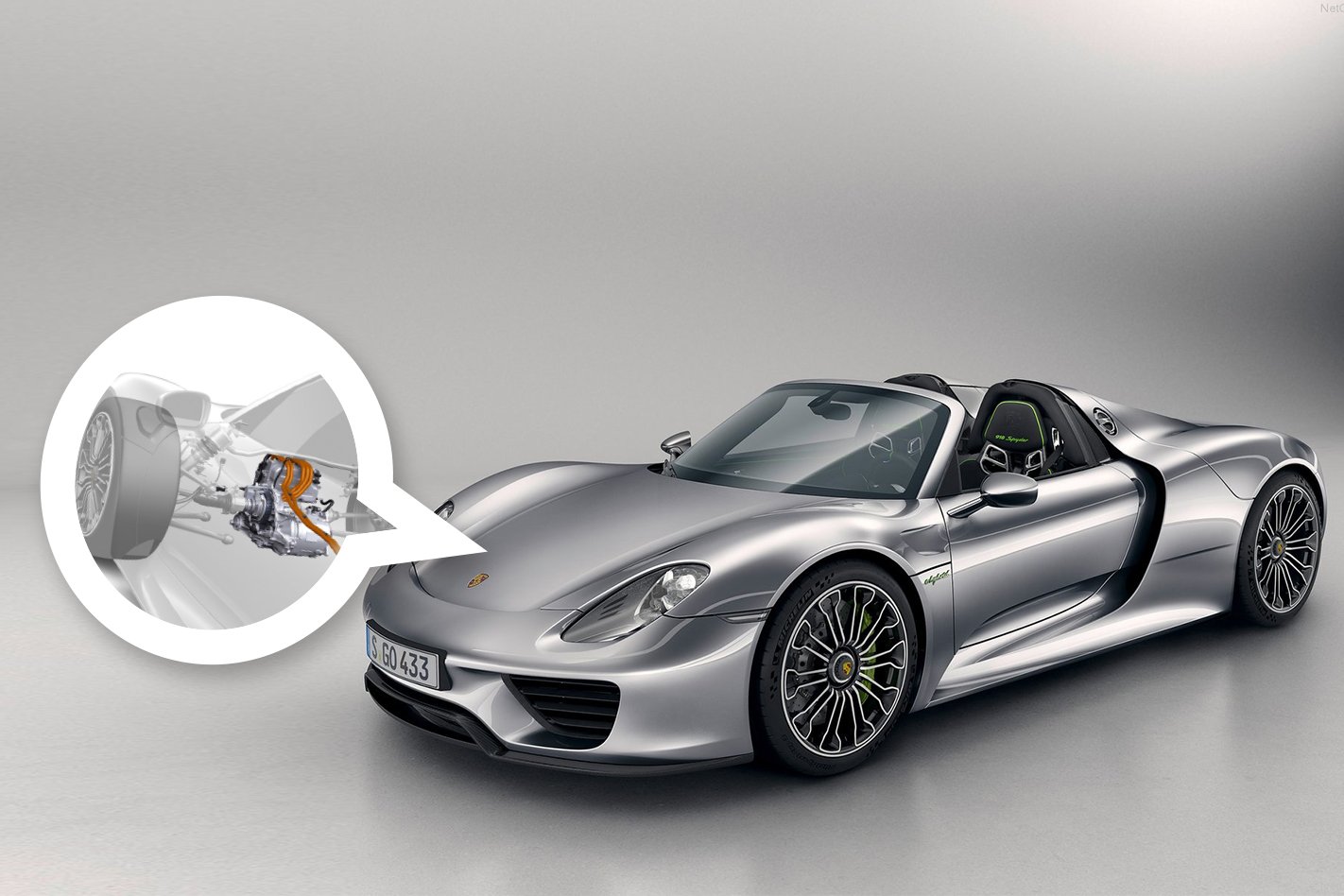
A non-catchy name hasn’t stopped GKN from becoming a leader in electric drivetrain technology, and it has already provided key components for some significant vehicles. The front axle for the Porsche 918 Spyder was supplied by GKN, as was that of the BMW i8, which was the first application of a two-speed electric axle.
Rear eAxle applications include the Volvo XC90 T8 and the hybrid version of BMW’s 2 Series Active Tourer. Expect to see this technology develop as the popularity of PHEVs and EVs gains momentum.
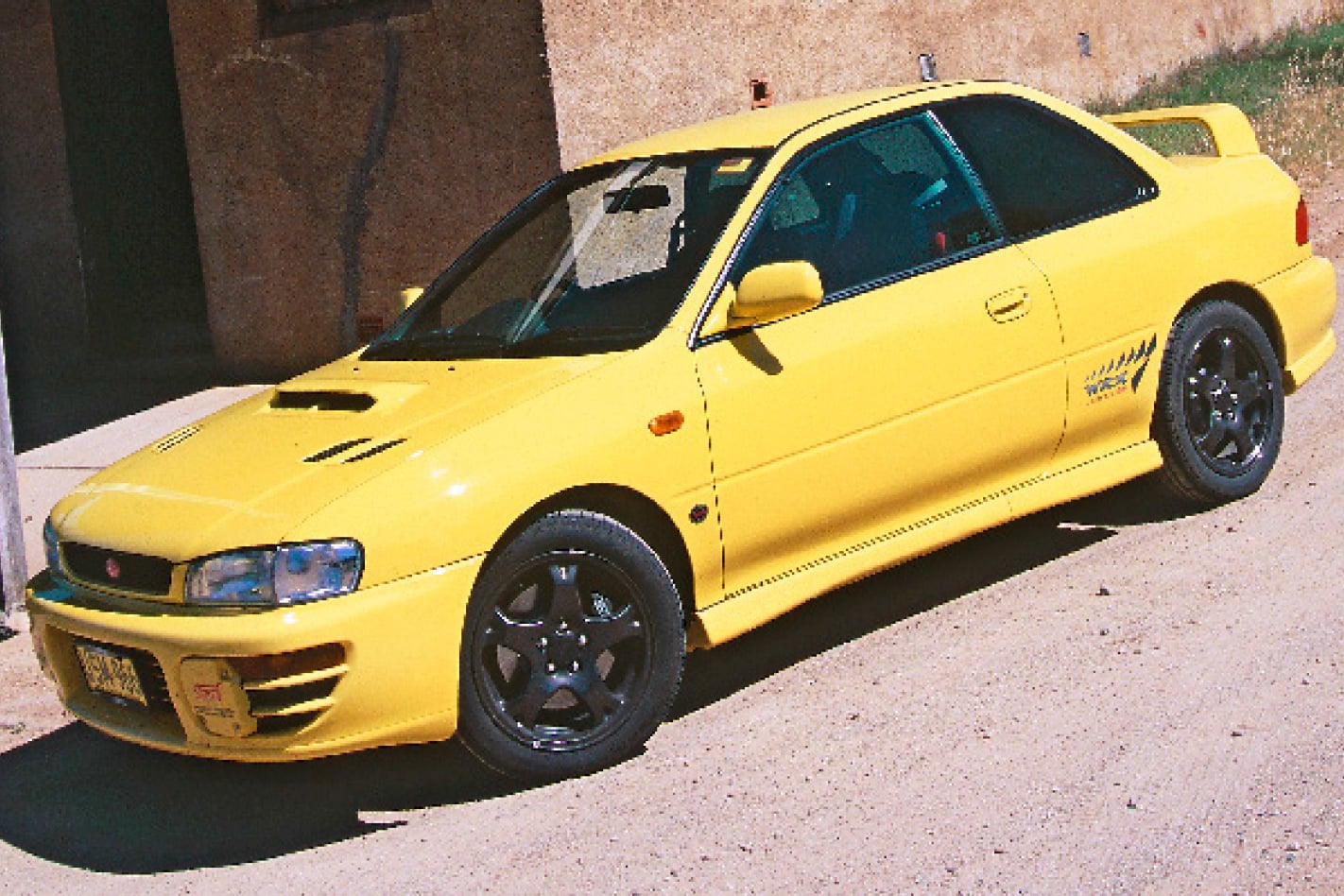
If you ever needed convincing the old “win on Sunday, sell on Monday” thing has legs, then you should have been around in late 1998 when Subaru finally confirmed that a batch of its two-door STis were on the water and due in Aussie showrooms about February ’99.
This review was first published in MOTOR magazine’s March 2005 issue.
Phones in dealerships melted down and before you could say ‘pink badges’ the whole shipment of 400 were snapped up. See, despite never having seen an STi before, local petrol-heads had been watching WRC events on the teev and knew only too well the significance of the Subaru Tecnica international moniker.
Two types of people fronted up for the STi; the dyed-in-the-wool WRX fancier who wanted the ultimate factory weapon, and; the much-harder-to-admire speculators who knew that 400 cars was well below market demand and were punting on plenty of disappointed wannabes after round one.
After years of watching the Japanese market, with the luxury of a steady supply of high-octane PULP, devour the STi, Subaru finally decided that by 1999, we too were pumping the right stuff. Considering Australia was the first country outside Japan to get the basic WRX, this made sense and was not before time.
To us, anyway. While the basic WRX was still enjoying a reputation for being the maddest thing on wheels, the STi made some significant improvements to the successful formula.
Subaru WRX WRP10 review: Classic MOTOR
For a start, the two-door bodyshell was our first glimpse of it, although really, you had to look closely because the roofline was pretty much identical and the STi still looked more like a sedan than a coupe. (You had to be careful with those big, long doors, too, and they needed a wide parking bay to be opened fully and not clobber the car next door).
Gold, 16-inch alloys were the other big visual clue. The car’s lower control arms were cast in aluminium and there was a big underbonnet brace between the shock towers to tie it all together a bit more firmly. You also got stiffer spring and damper rates which made for a pretty awful ride; something that is a feature of STis to this day.
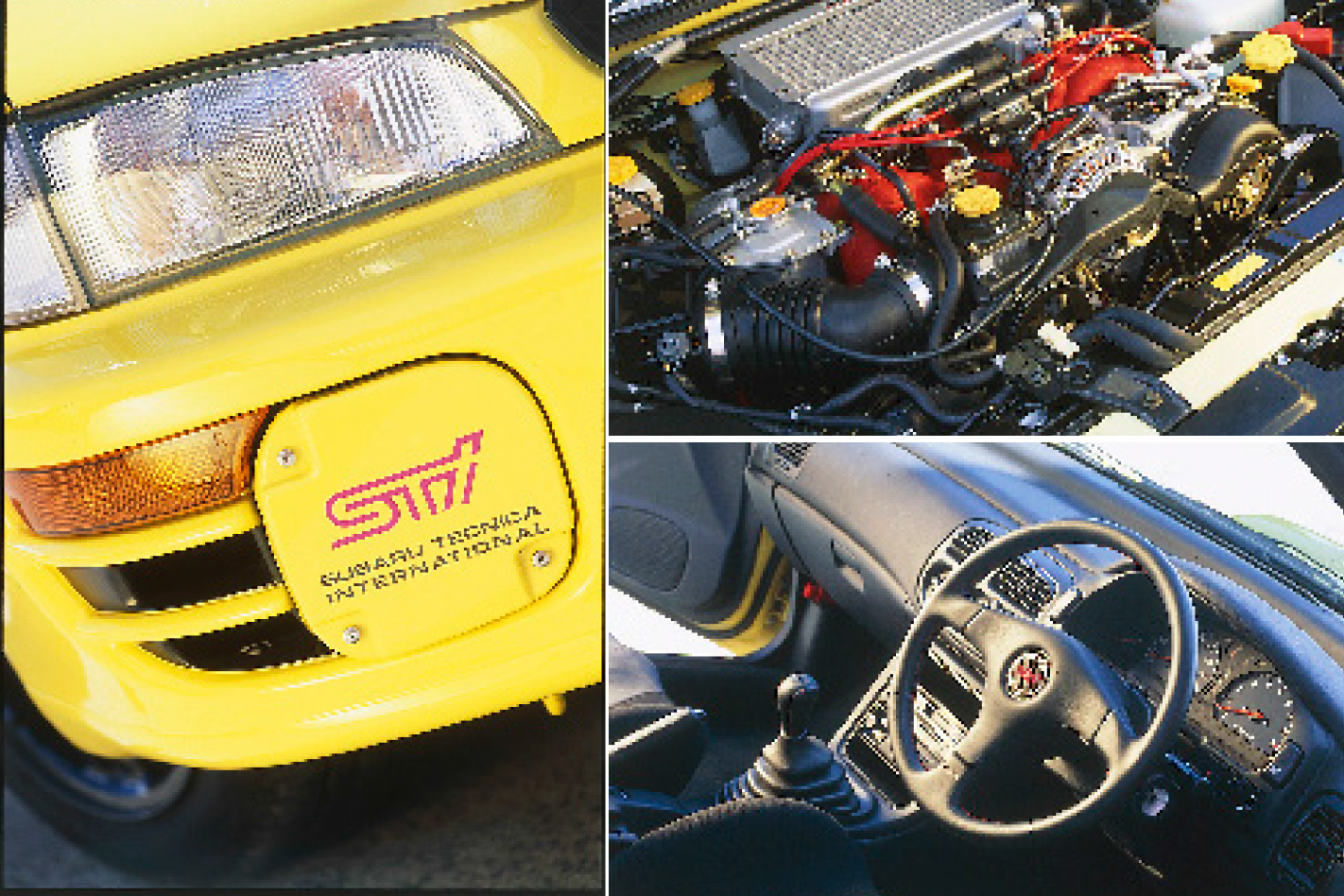
Under that alloy lid, the STi treatment was pretty much full-house for the time. Drawing on STi’s experience in building winning WRC cars, the hottest Rex got a bigger turbocharger than its standard sibling along with stronger valves and pistons to keep it together, along with specific manifolding.
Camshaft profiles were altered from the standard car and there was even a water-spray for the intercooler which was mounted above the engine towards the rear of the engine bay. The factory claimed the Japanese-government-maximum of 206kW, but that was on J-spec, 100-octane fuel.
Run it on our 95-RON local swill and it was more likely to produce about 200kW. Still, that’s a shedload of grunt and more than Subaru claims for the current-model STi (195kW). Peak torque was 353Nm and that was a big hike over the standard Rex’s 290Nm (and 160kW).
A short-throw gearshift crowned a five-speeder with ratios allegedly chosen especially for Aussie conditions. And, to be honest, you never really missed the lack of a sixth cog since everything else about the driving experience was pretty manic to begin with, so why not let it rev.
Just as the stock WRX was regarded as one of the all-time great nutter cars, the STi is seen as the ultimate factory version of that. It went harder and cornered harder than its standard brudder, and it had a bit more grip than a stocker (tyres) and felt a bit racier (the front seats) and it had a bit more street cred (pink badges).
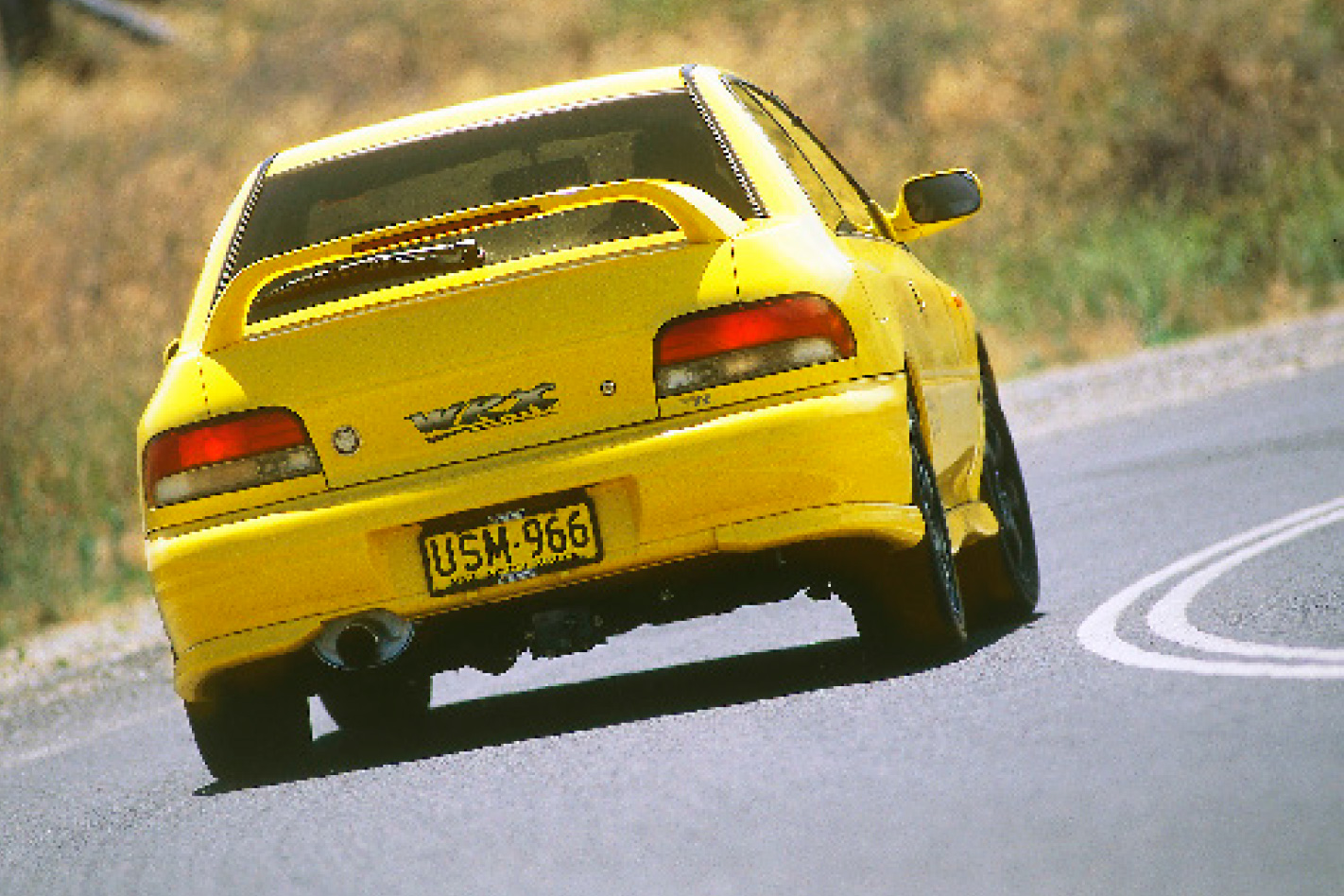
The body was still a bit creaky and tinny and although the bonnet didn’t flap about like the current car’s does, the whole plot could start to feel pretty loose over time. Oh, and while it still looked like a sedan, the two-door layout meant that it was just as awkward for rear-seaters to enter and leave as a coupe.
Perhaps a little ironically, STis don’t seem to have been fiddled with as extensively as their more common brethren. Then again, why tinker with arguably the most collectible version? And besides, if all you wanted was the toughest Rex this side of Mt Fuji, all you needed was a stocker and a chequebook.
There’s a whole industry out there devoted to making Rexes haul like utter bastards, and stuff like a cold-air box, big-bore exhaust, maybe a piggy-back computer and a mild fiddle of the boost pressure will have you flying quick smart. Unfortunately, much more than that and you start to raise the issue of longer-term reliability.
The WRX motor is strong, no doubt about it, but whether it hangs together for you or not largely comes down to keeping it relatively stock and driving it carefully. And remember that some of these early STis (two and four-doors) went bang on the Aussie fuel.
The other thing to watch for is that the STi you’re looking at hasn’t been raced or rallied. Since the STi was the version that was ultimately homologated for all forms of motorsport, it wouldn’t be out of the question to find the odd ex-racer out there in Second-Hand-Land.
Holes in the floor under the carpet are dead giveaways that a roll-cage has been fitted. And shadows on the paint suggest previous decals and panels that don’t line-up properly are probably the result of a twisted, tortured landscape below. Be careful.
1999 Subaru WRX STi specs: Body: two-door coupe drive all-wheel Engine: 2.0-litre, DOHC, 16-valve flat four Power: 206kW @ 6500rpm Torque: 353Nm @ 4000rpm Weight: 1295kg Transmission: five-speed manual Fuel: 60-litres PULP Price as new: $60,000 (February 1998)
The easiest way to assess a car is to compare it to its most obvious rivals.
In the case of the BMW 230i, however, that’s not an approach that really works as it sits out on its own in the marketplace like the new kid at school. Sure, there are plenty of cars available around the 230i’s $63,000 ask, but none you’d really consider competitors.
VW Golf R or Mercedes-AMG A250? Too many doors. Ford Mustang or Nissan 370Z Nismo? Too big and brawny. Therefore we’re forced to assess BMW’s smallest coupe on its own merits, of which it has quite a few. The 230i badge arrived in late-2016 along with an all-new engine (the B48) which brought with it five extra kilowatts, bringing totals to 185kW/350Nm.
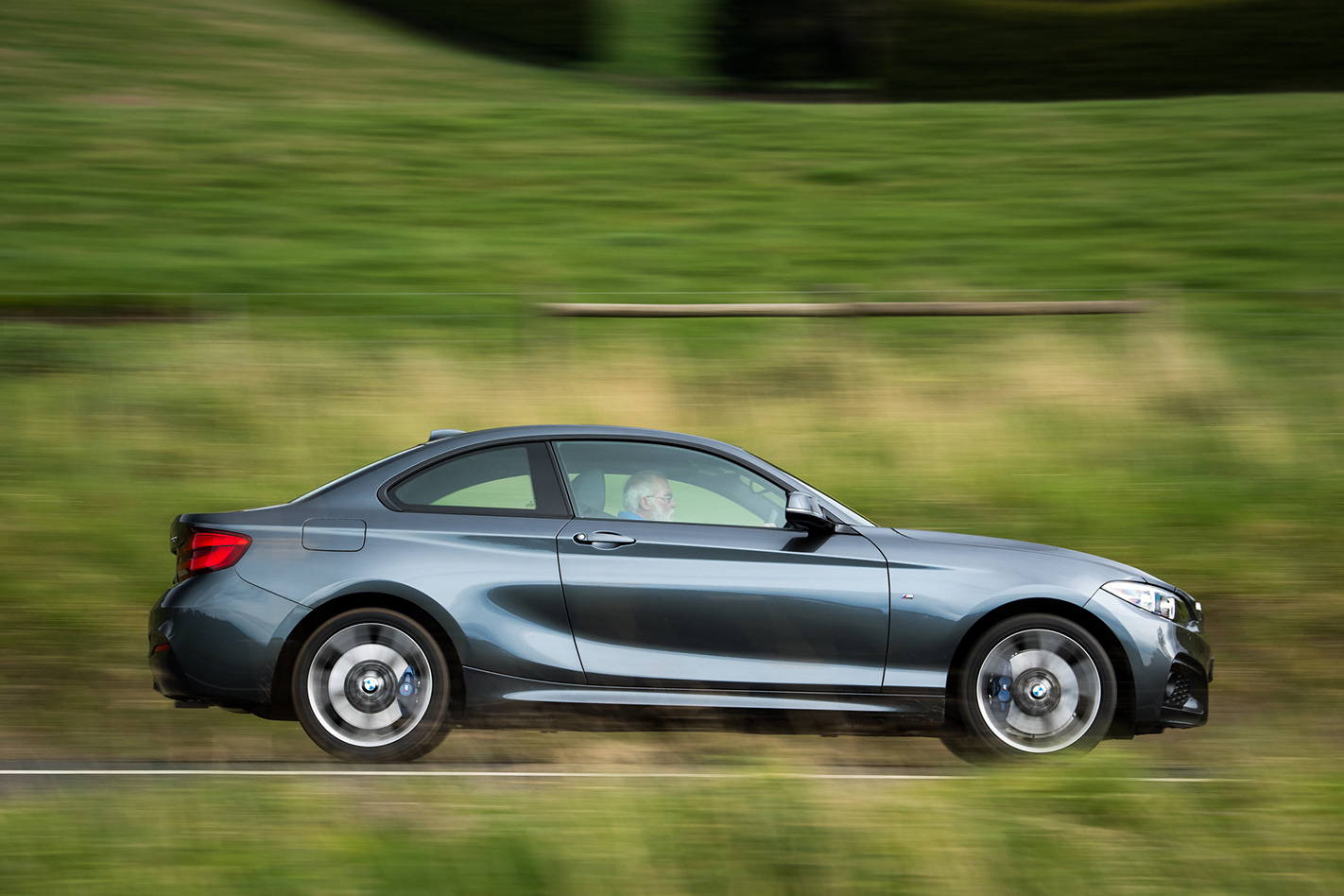
It’s a sweet engine, with an urgency lacking in the less powerful 125i; it’s not push-your-head-back fast, but the close ratios make great use of the available power and it feels well matched to the chassis. There’s enough grunt to overcome the rear tyres in slow turns, though the lack of an LSD means the inside wheel often spins away power ineffectually.
BMW claims the chassis is the same between 1 and 2 Series, and wheelbase, tracks, tyre size and type are all identical, however, the 2 Series immediately feels more cohesive and confidence-inspiring.
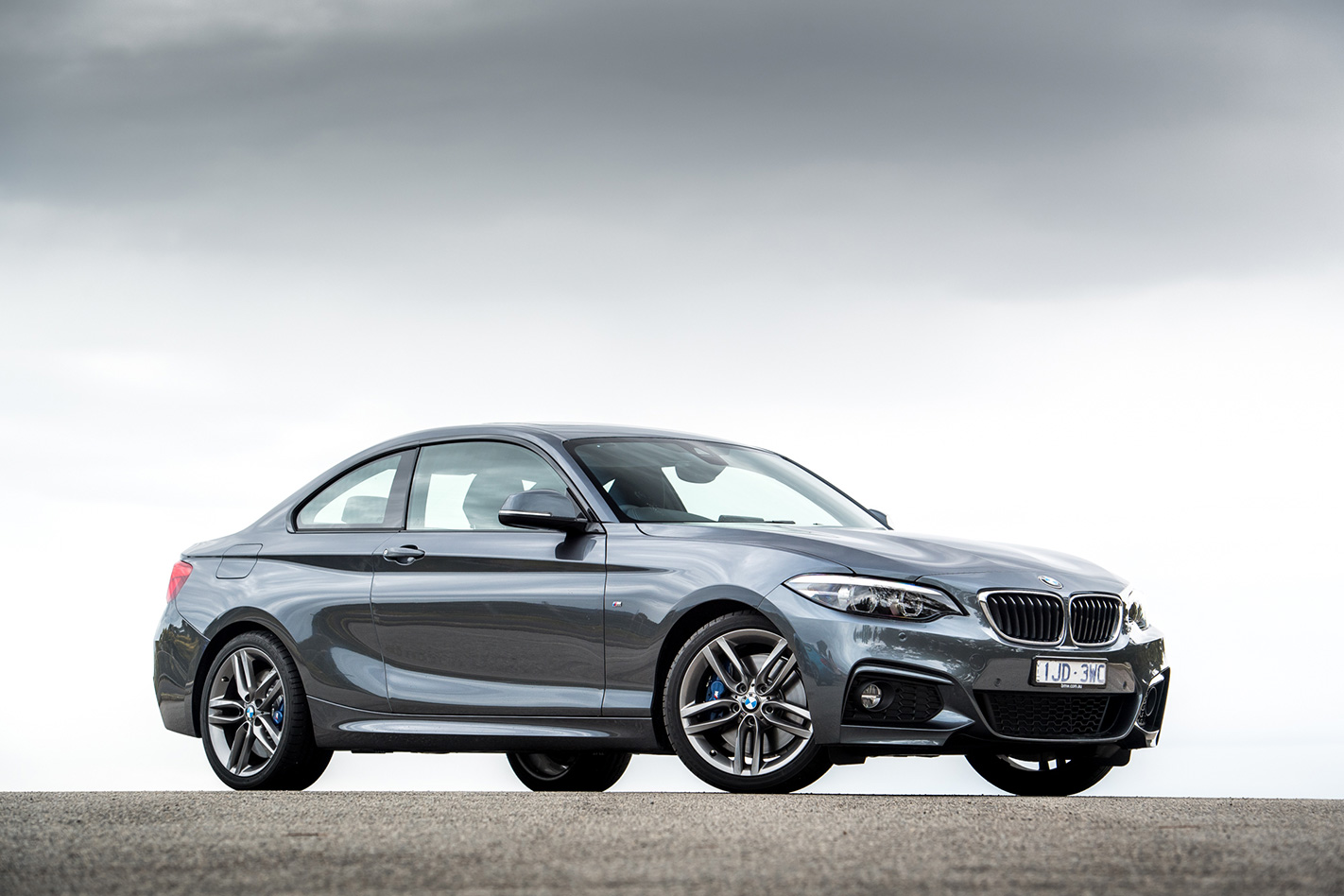
You can drive the 230i very hard, with mild mid-corner understeer giving way to slight corner-exit oversteer, yet it rarely feels flustered, and if you’re after extra body control, tick the adaptive dampers box, it’s $1538 well spent.
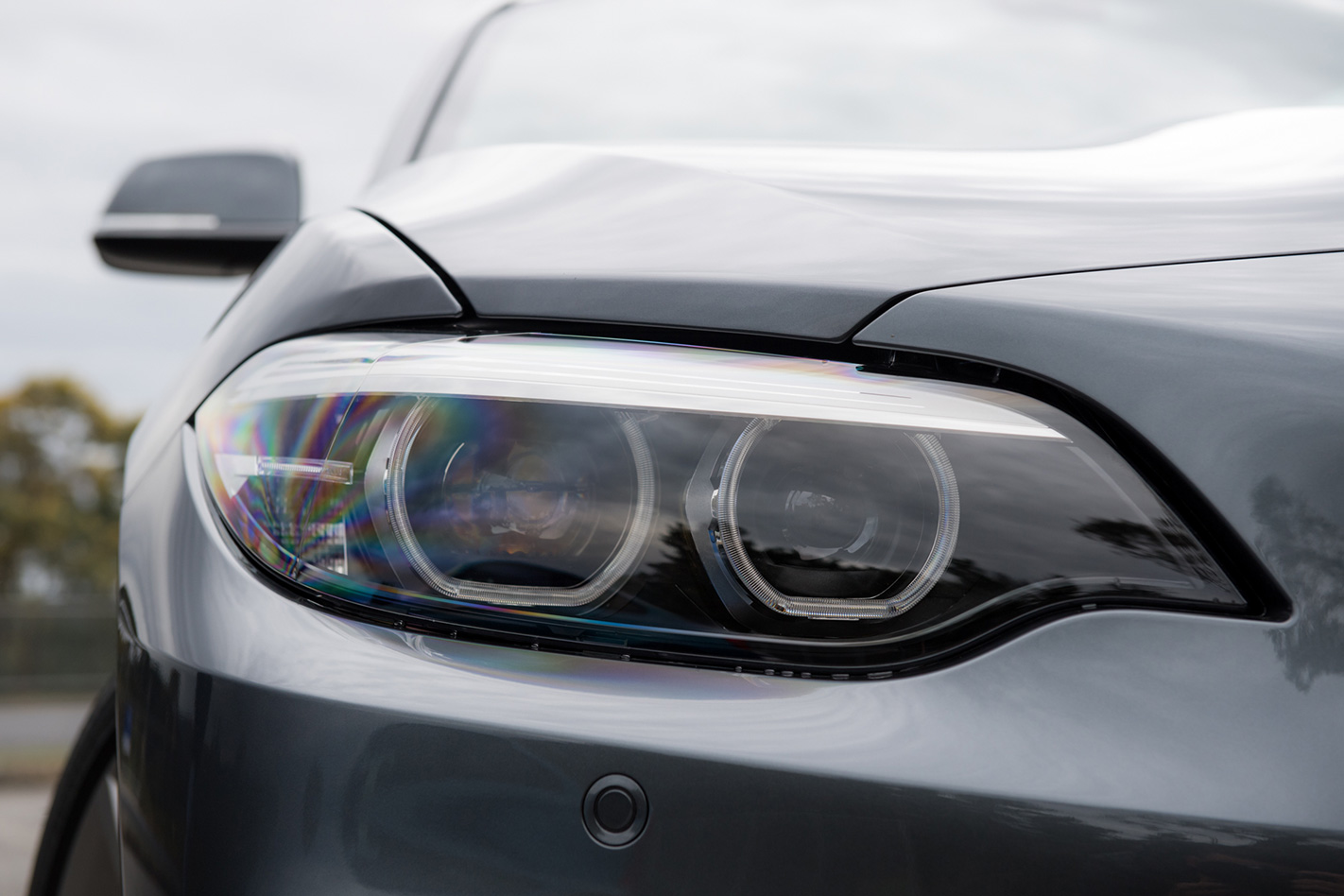
The recent 2 Series facelift has brought with it LED lights front and rear, iDrive6 and a $2000 price cut, however, if you’re an out-and-out driver it’s not difficult to find more performance at this price point – BMW’s own M140i firecracker undercuts the 230i by $3000 yet packs another two cylinders and 65kW/150Nm.
If you have around $60,000 to spend on a small two-door coupe, it might be your only choice, but it’s a pretty good one.
3.5 stars out 5 Likes: Lovely chassis; sweet engine Dislikes: Little pricey; slightly soft
2018 BMW 230i specs: Engine: 1998cc inline-4cyl, DOHC, 16v, turbo Power: 185kW @ 5200rpm Torque: 350Nm @ 1450-4800rpm Weight: 1430kg 0-100km/h: 5.6sec (claimed) Price: $63,000
IT OUGHT to go without saying that we love cars here at Wheels.
We obsess over them, celebrate their differences and are endlessly fascinated by their backstories. There’s beauty to be found in the most mundane details and a certain nobility in the devotion to pure utilitarian form.
But not here. Shield the eyes of your children because we’re dialling the ugly up to 11.
1970s
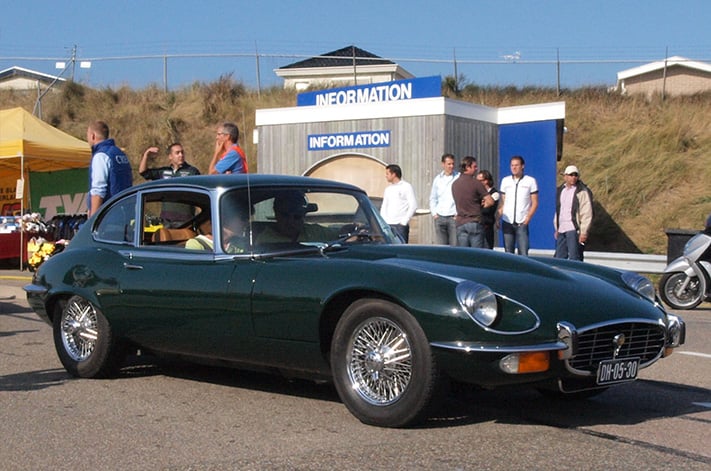
Jaguar E-Type Series 3 2+2
Sacrilege! The Jaguar E-Type is a fixture in any ‘Most Beautiful Car’ list, so what’s it doing here in our gallery of goppers? The answer to that one’s straightforward. A Series 1 Roadster is knee-tremblingly svelte, but the Series 3 2+2 coupe is the cousin we don’t talk about. With its clumsy glasshouse, Americanised bumpers and vestigial chin intake, the final E-Type had completed its metamorphosis from lithe rocketship to bloated boulevardier.
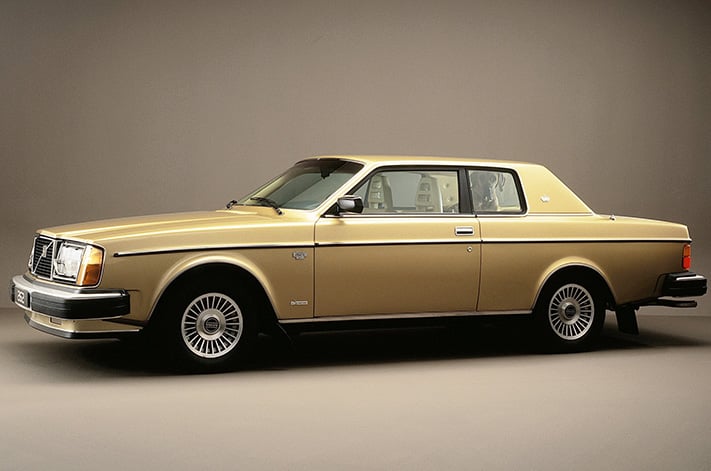
Volvo 262C – Still the undisputed holder of ‘Word’s Ugliest C-pillar’
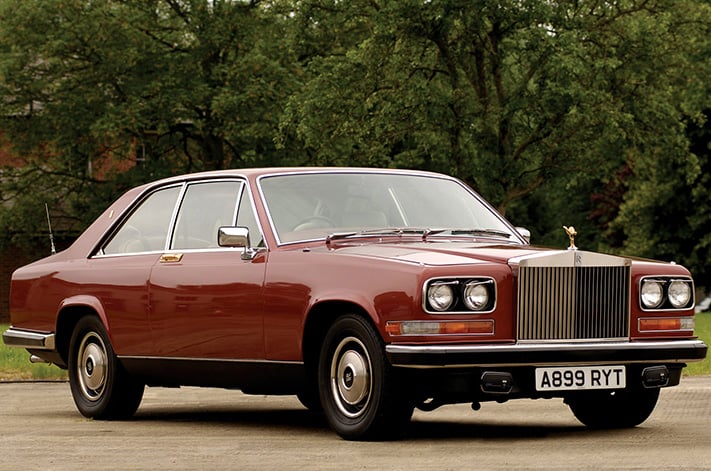
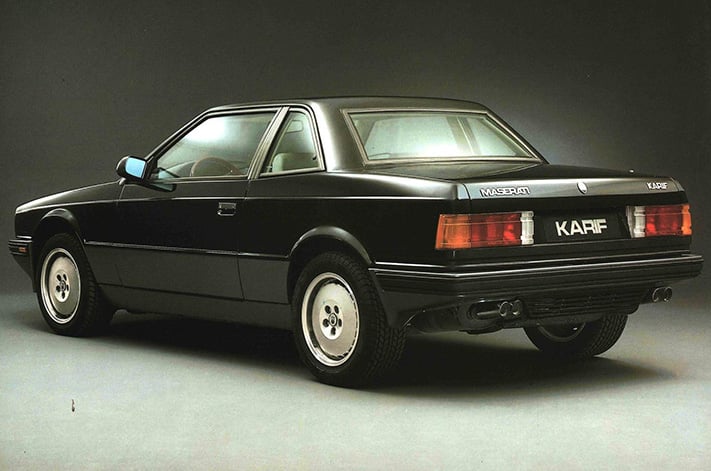
Maserati Karif
Only a few of these made it to our shores, and for that we need to be eternally thankful. Spawned from the Biturbo malaise-era, the Karif (Moroccan for ‘heater matrix fire’) looked like a broken-backed Hyundai Stellar and represented a viable alternative to setting fire to $100,000, walking everywhere in a slough of despond and throwing a grand or so into the sea every few weeks.
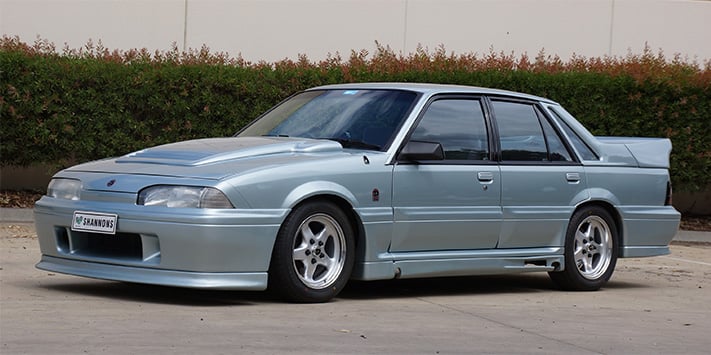
HDT VL SS Group A Walkinshaw – How to reduce non-Australians to gales of laughter: show them a picture of one of these
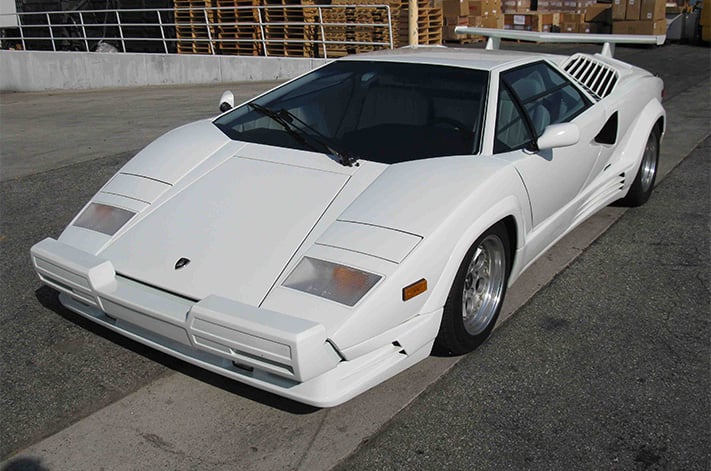
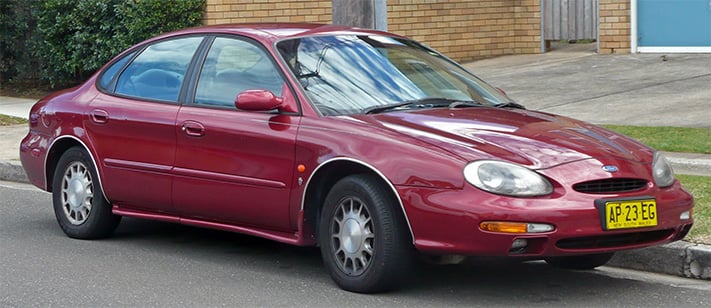
Ford Taurus Ghia
“What we need is a front-wheel drive depreciation disaster with a plastic dungeon cabin, a whole lot less torque than a Falcon and a face like a microwaved Freddo,” said virtually no Australians ever. If you have never driven a Taurus, just close your eyes and imagine weeping into your TPS report cover sheet in the far corner of a Thrifty hire car lot.
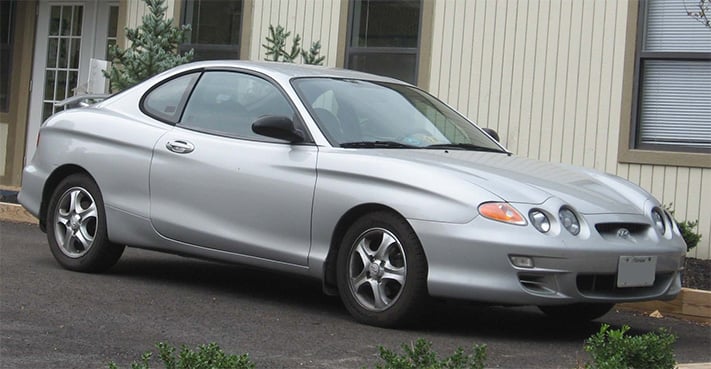
Hyundai Tiburon RD2 – A case study in how to perform a facelift that transforms a fairly handsome car into a malformed, bug-eyed mess
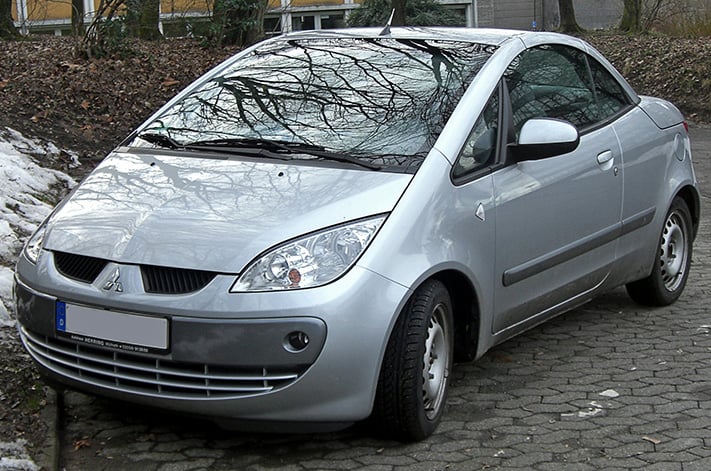
Mitsubishi Colt Cabriolet
The first question that comes to mind when seeing a Colt Cabriolet is how it was ever signed off. The stylist, after months of graft, must have finally decided that the fruits of his labours could not possibly be improved, cracked open a cold one and prepared to bask in the adulation of his peers. Sadly, the distended arse and ludicrous cab-forward proportioning of the Colt served as a durable case study in how not to package a folding hard top roof.
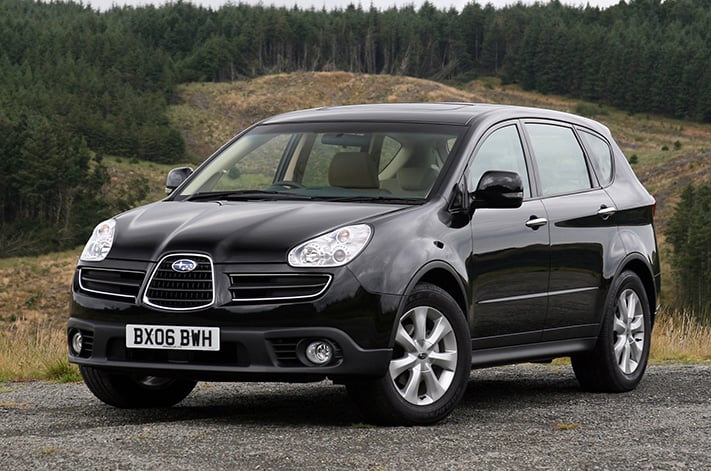
Subaru Tribeca B9 – Catering for a latent demand amongst punters who wanted a car inspired by the aesthetic appeal of a naked mole rat
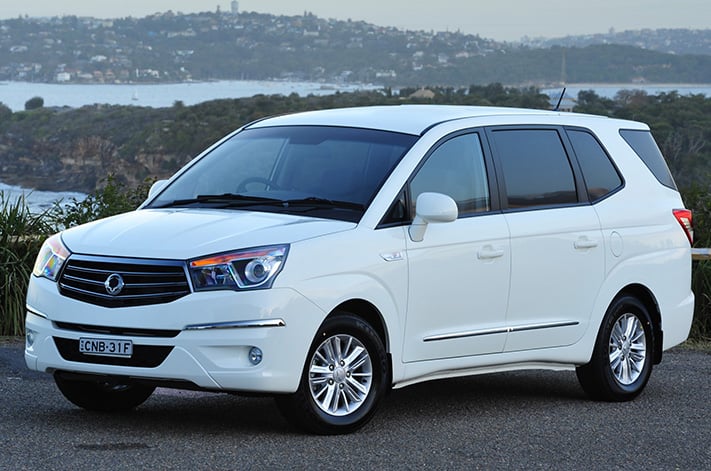
SsangYong Stavic
When it comes to discussing ugly cars, the Stavic is a hard one to avoid, although in real life it’s well worth the effort. About the kindest thing you could say about the SsangYong’s styling is that it’s not as bad as the first gen car. The Stavic is the most hilariously underwheeled vehicle, possibly ever, with proportioning that’s hall of mirrors weird. We love its unashamed practicality though and can recommend one if you have a large family and utterly detest your neighbours.
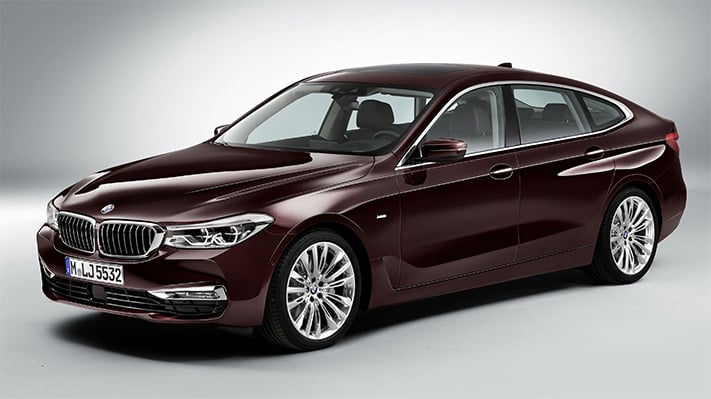
BMW 5 Series GT – A lumpen embarrassment to the brand
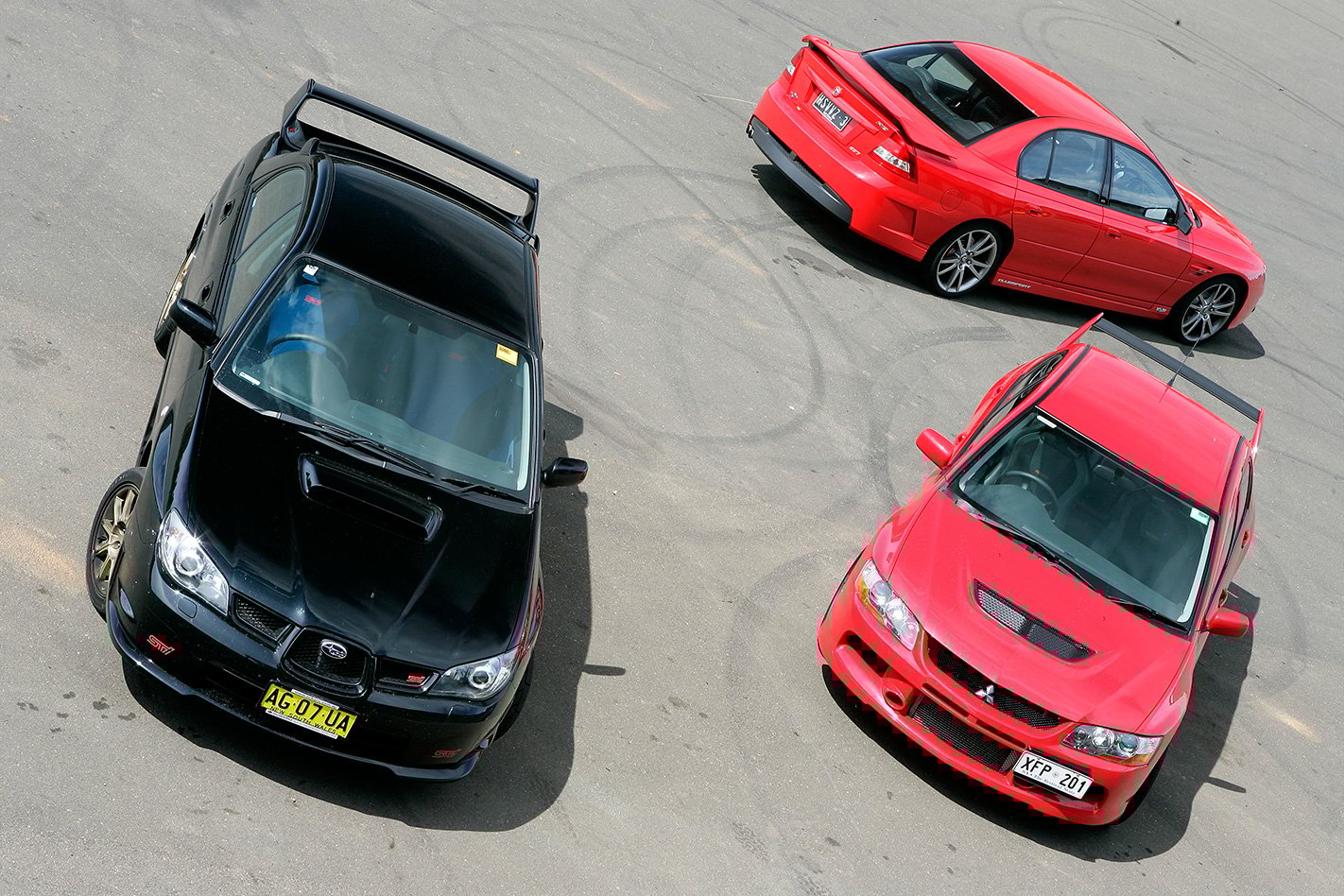
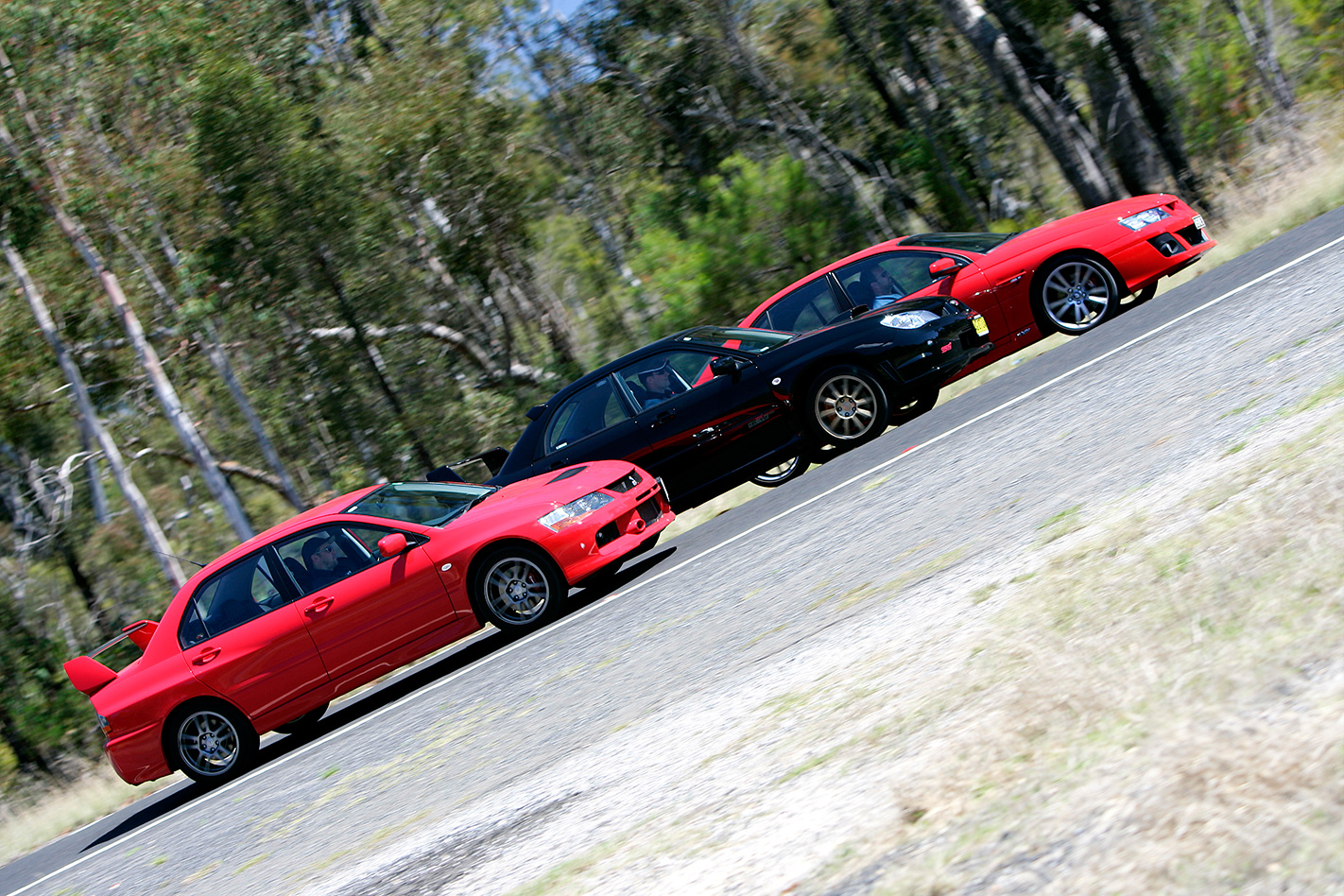
One of these cars is clearly not like the others. It’s the big one with its tailplane safely out of the airflow and a bad case of wing envy.
This review was first published in MOTOR magazine’s December 2005 issue.
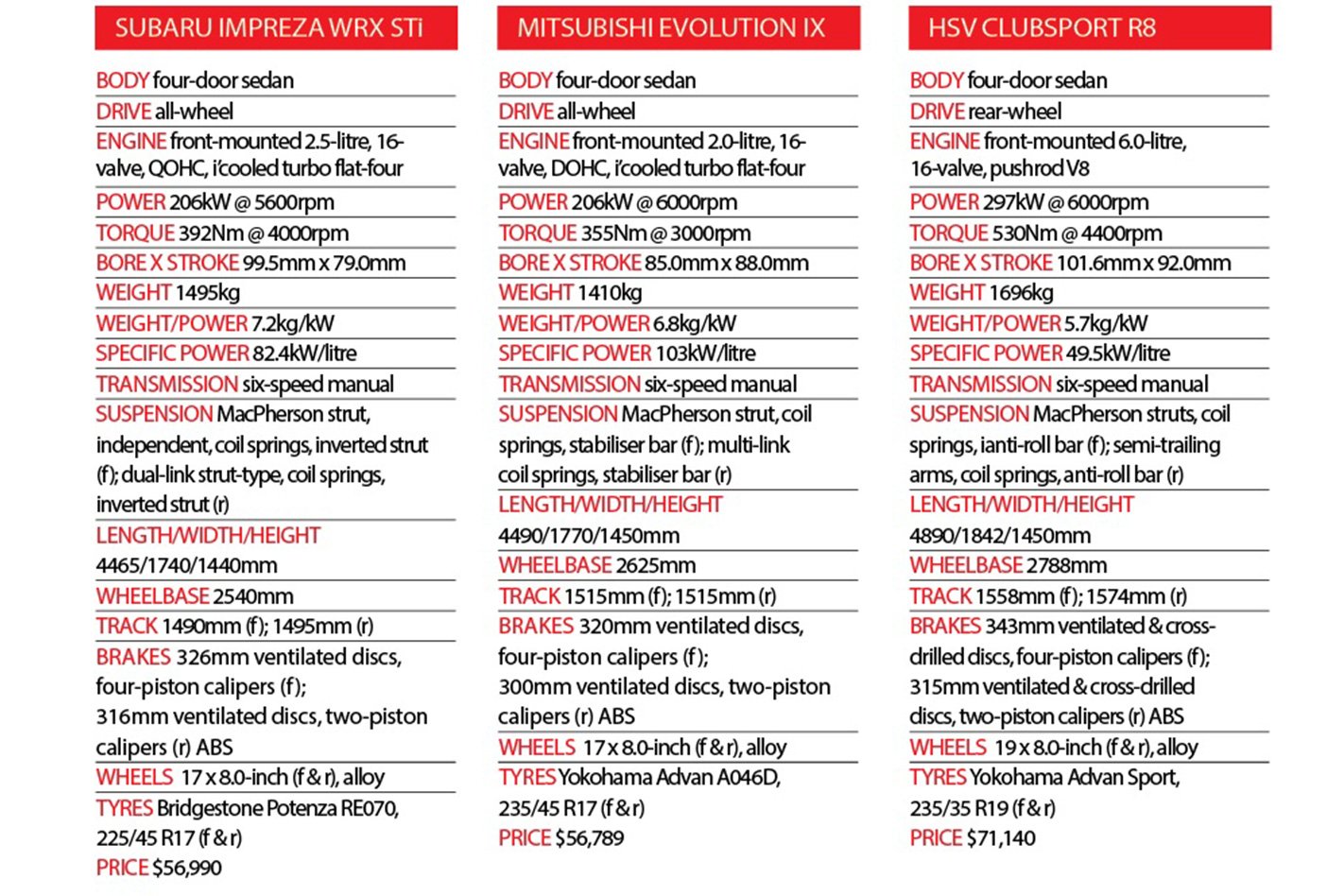
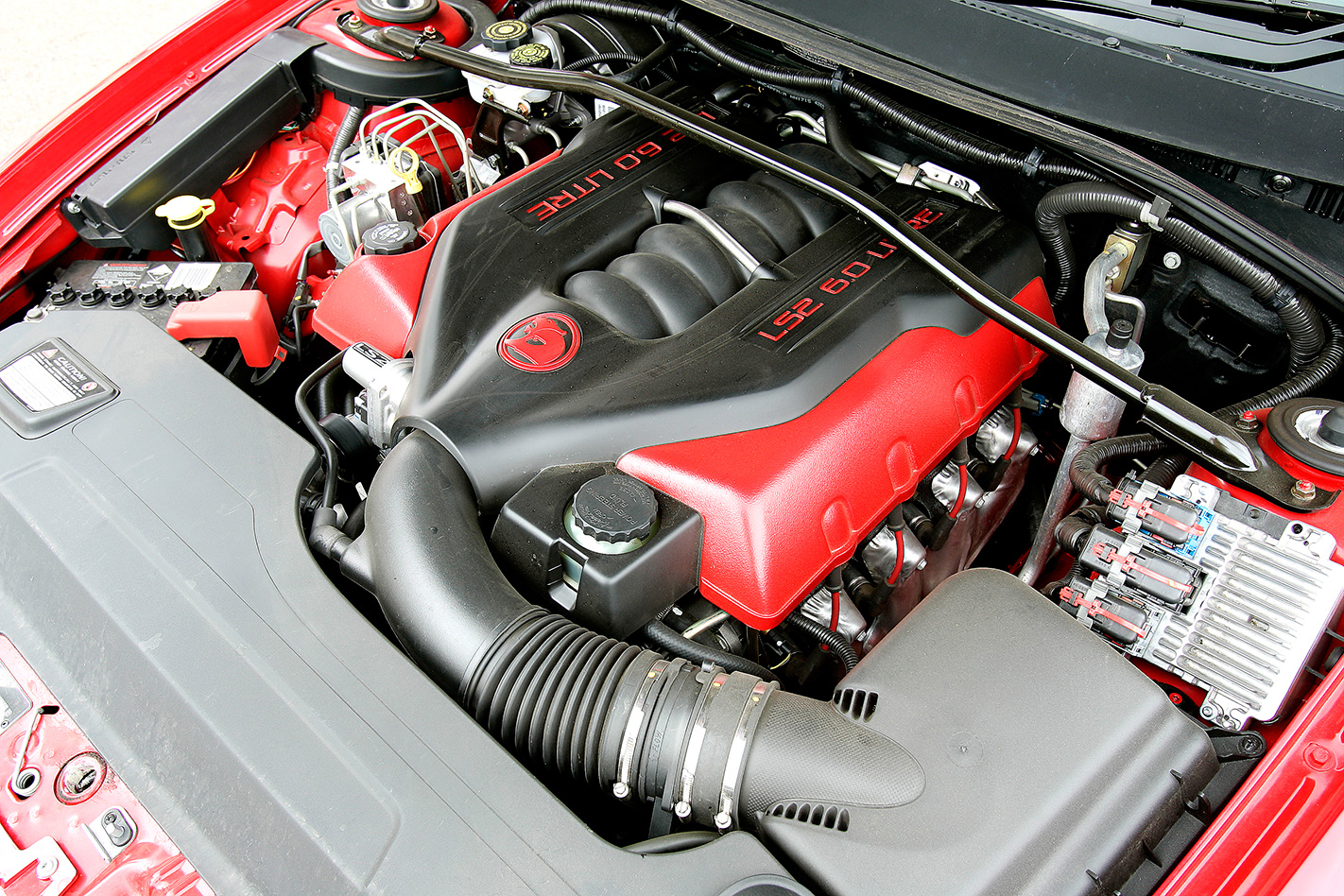
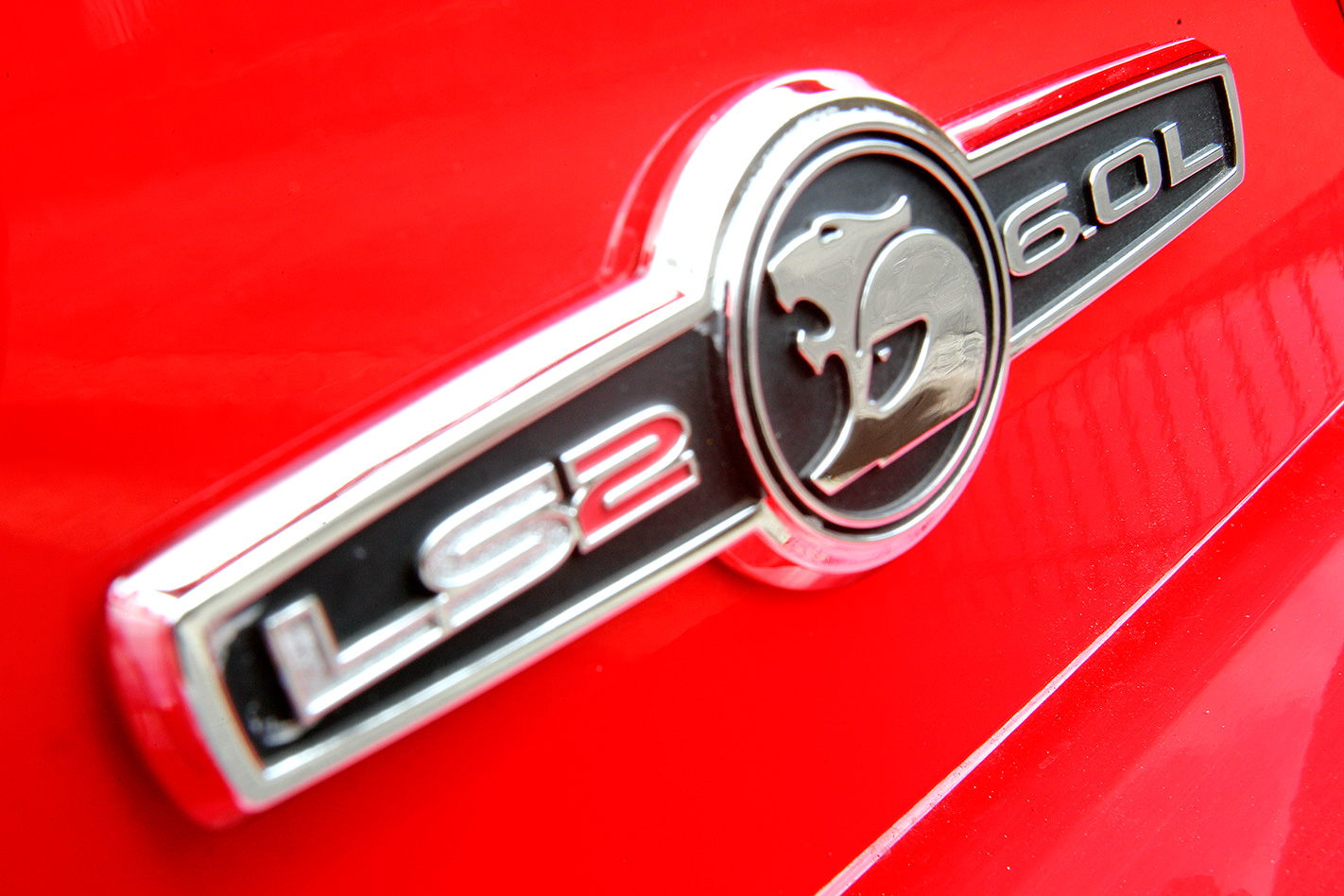
Which is probably fair enough, seeing as it’s never seen a wind tunnel. What HSV’s ClubSport has instead is space, luxury and rear-drive, straight-line mumbo in a boofy 297kW 6.0-litre V8 package. And it’s the only one allowed to race at Bathurst.
Is that enough, though, to keep the VZ HSV ClubSport on an equal footing with a pair of all-wheel drive turbo cars that are cheaper and seem to get proper, engineering upgrades whenever the weather turns cloudy?
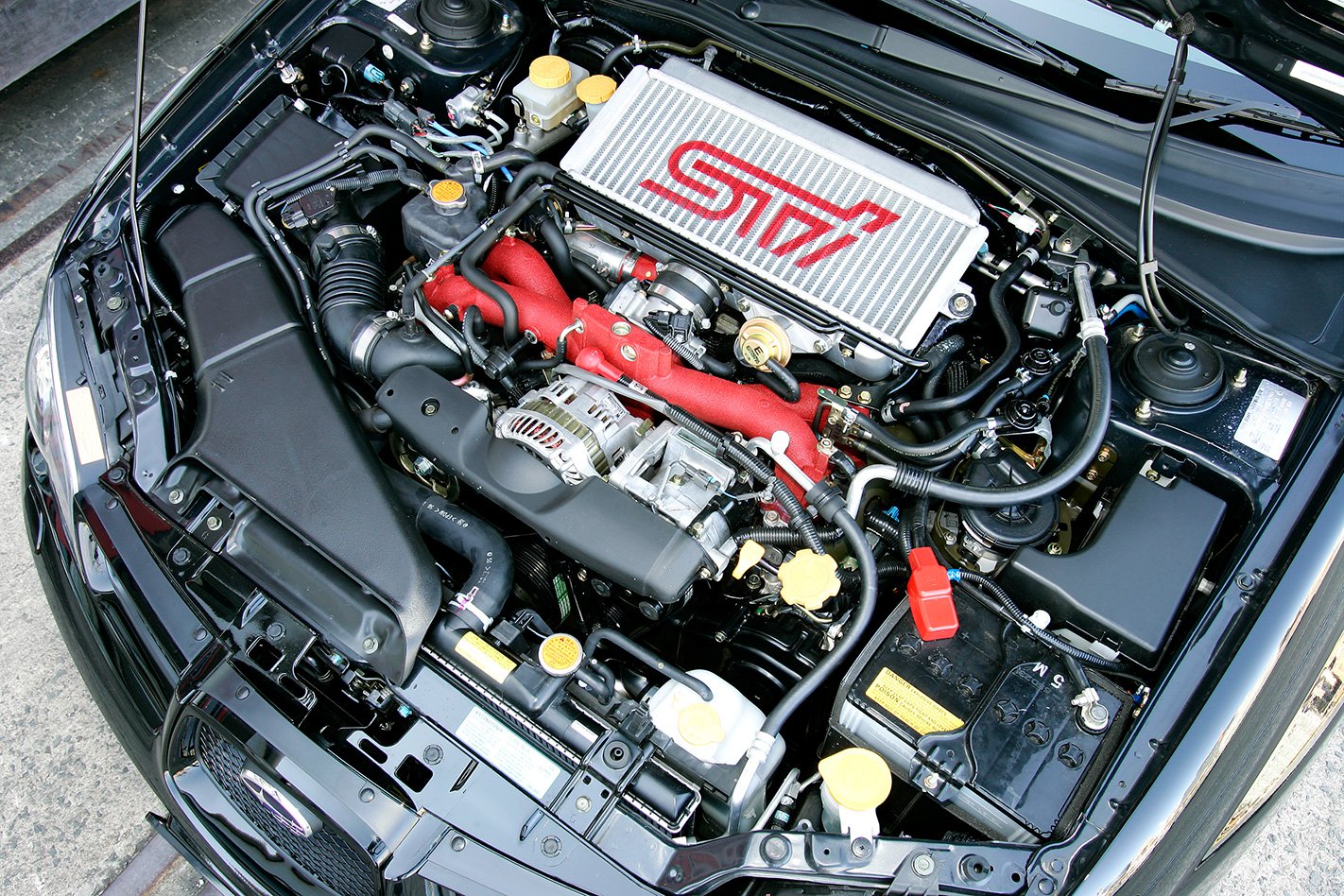
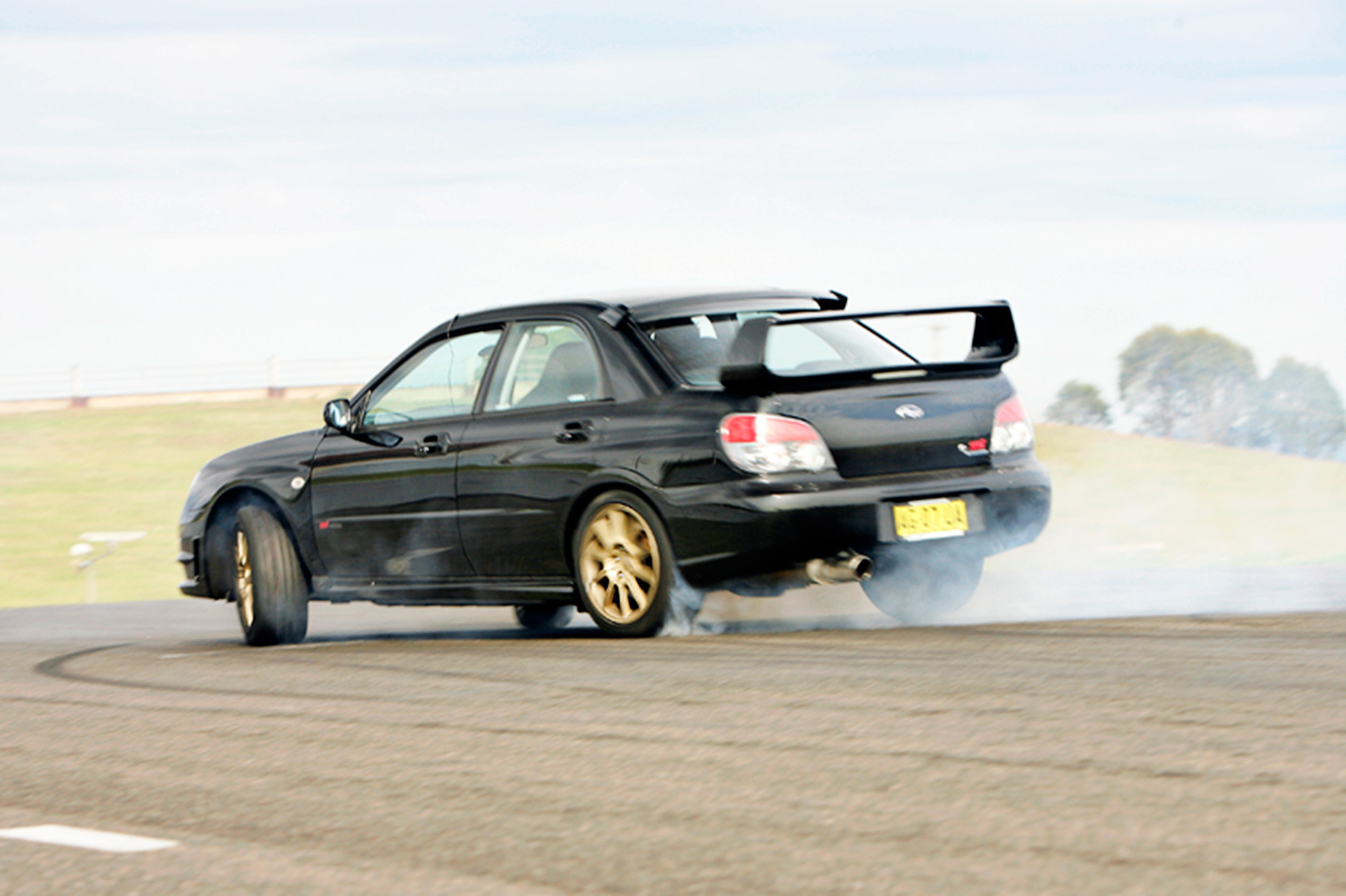
But the move to the MY06 has been one of the most significant in STi history, with the adoption of the US-spec 2.5-litre boxer four-cylinder giving a huge boost not only to the peak torque, but also to driveability across the rev range. Power goes up 11kW to 206, but power isn’t the STi’s real story.
Subaru’s STi has always had extreme ride and the hollowness of its sub-4000rpm performance as its downside, so you’d recommend them as sole household cars only to extreme enthusiasts.
Try as they might, Subaru couldn’t fix the hole by stuffing more tech into a 2.0-litre four so it finally relented, and now the STi’s got nearly 50Nm more torque (392Nm) at 4000rpm. More important to the STi story, it’s noticeable all the way through the range, and it’ll actually give you something more than just the MY05’s intake groan if you open the throttle in fifth gear at 50km/h.
That means greater integration; it brings in as many cars as it can sell, it gets a six-speed manual and it gets a jump (like the STi – now ain’t that a coincidence?) from 195 to 206kW. Everybody kind of knows Evos have had more power than that anyway, but Mitsu is putting the jump down to the adoption of MIVEC variable cam timing, which switches to the aggro inlet cam at 3600rpm.
Audi R8 vs Porsche 911 Carrera S vs BMW M6: Classic MOTOR
The IX is a genuine, fine-tuning evolution, with upgrades to everything from the turbo compressor to the spark plug tips; from the timing belts to the piston oil rings; and from the six-speed gearbox (the Australian VIII had a five-speeder) to the 200 extra spot welds.
It also gets tweaks, like an alloy roof, big-arse Brembos and a gun anti-theft tracking system. Alongside this pair of overachievers, the Clubbie looks a bit of a stick in the mud and it’s the last of the breed before the VE versions arrive towards Christmas next year.
This jobbie was, unfortunately, a bit of a hybrid; caught between the last of the Harrop base braking setups and the first of the stupendously good Yokohama Advan tyres that make the car’s handling and accuracy a quantum jump above what it was on Pirellis.
We’ll leave straight line and track performance for another part of this story, but the atmo eight has its advantages. Noise and anger, for one. The LS V8 engines have never been the sweetest spinners nor the most mellifluously-tuned mills, but they do have terrific throttle response.
It’s the easiest of the three to fire off the line (and it’s the only one here with acceleration numbers you’d dare to repeat if you owned the thing) and there’s something about knowing you can spin up the back boots from even rolling first gear starts that gets the testosterone unconsciously cranked up.
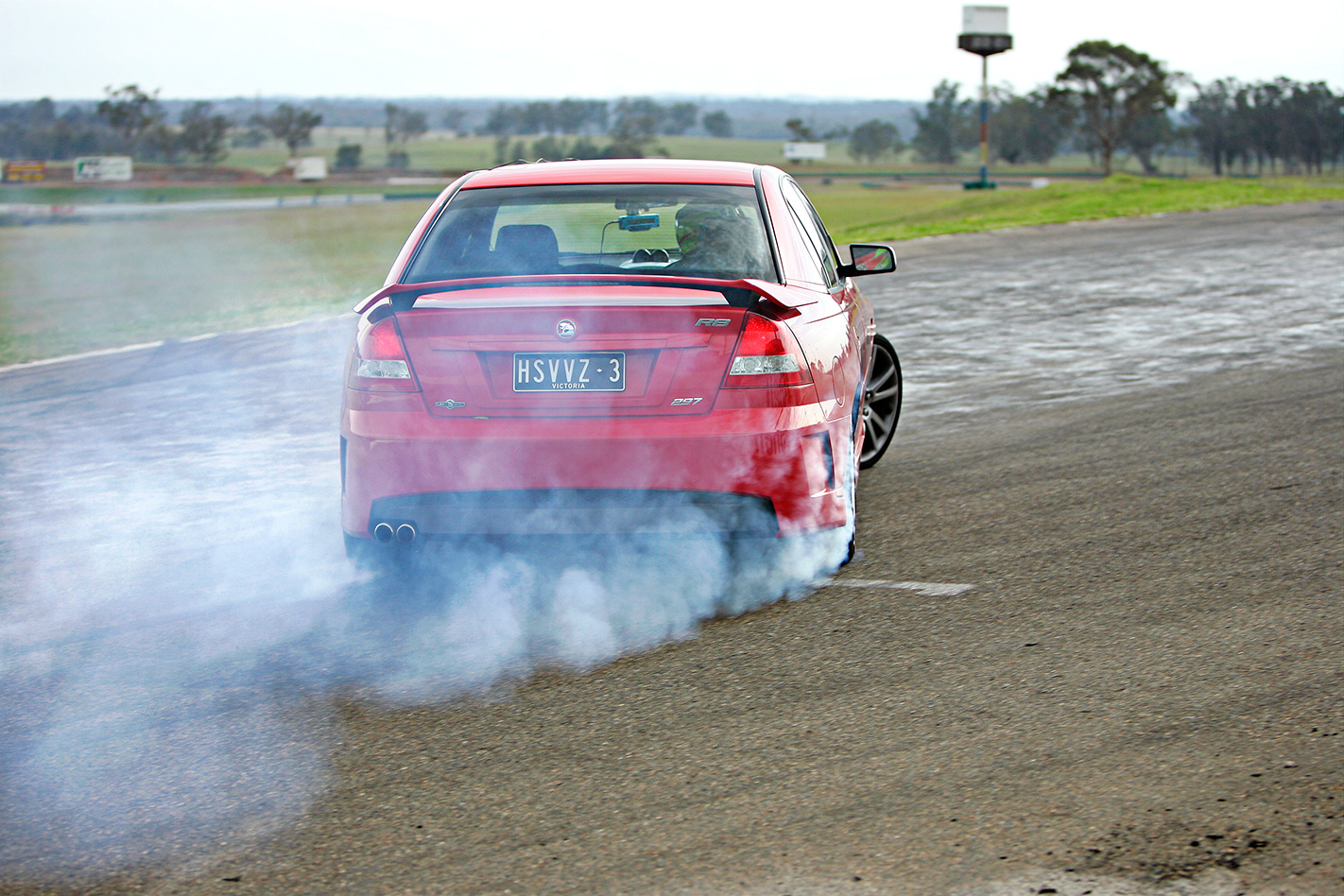
Take it to the top 2000 revs in any gear and it’s happening quickly, with the shift alarm buzzer annoying you from 6250 and giving you another couple of hundred rpm grace before it hits the cutout. Then there’s the task of negotiating the notoriously baulky, heavy and mechanical throws on the six-speeder, before you do it all over again.
The Clubbie and the turbo cars use very different philosophies to achieve similar sprint times, though, with the Japanese units force-feeding their way to the traditional benchmarks (though they demand a LOT less mechanical sympathy to do it).
The Subaru’s new 2.5 is superb, with very little by way of tremor or vibration; it spins freely and it manages to retain the off-beat boxer warble on big throttle openings. You wouldn’t be laughed at for calling it sweet.
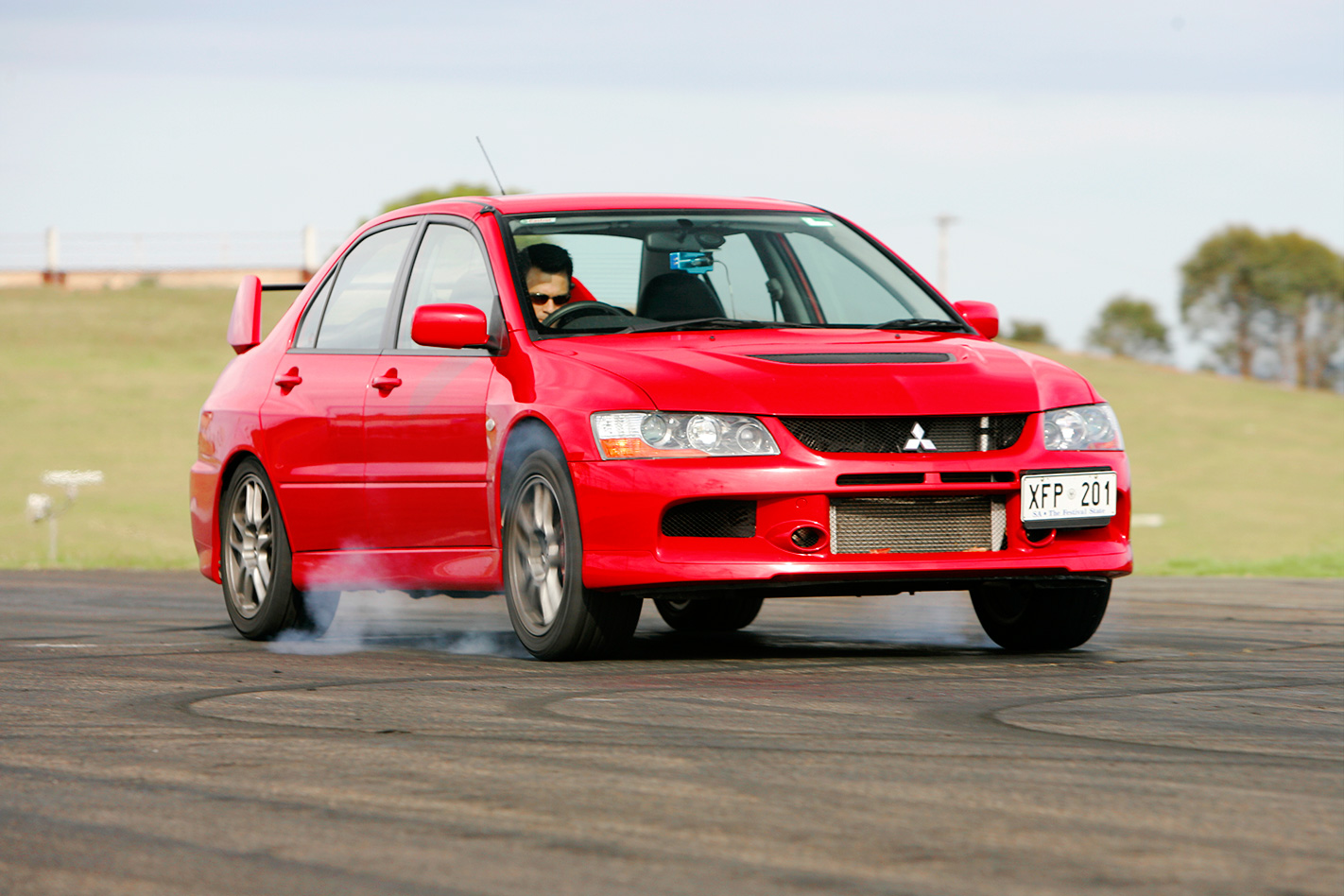
The Mitsubishi engine, though, feels like it wants to rev harder and it’s just more urgent in real-world driving. The boost is there from low rpm and there’s a frantic surge as it sprints past 3000 all the way to 6500rpm. It doesn’t exactly sound sweet, but it’s not as tremulous as it was and the worst of it is masked by the rush of air through the turbo anyway.
Come off the redline and land either of the Japanese cars into a taller gear – any taller gear – and you’ll be right in the meat of the action with the thing just wanting to erupt again. And again. There’s a brutality to the way the Evo approaches its top 2000 revs, while the Subaru’s a little more refined, but no less effective.
It’s against this that the Clubbie can waste its power outputs. There’s way more grunt on offer, but there’s more weight to motivate as well and the gearing’s a lot taller, with four gears effectively covering the same space the others use six to fill. But the major area of difference is the way it handles a piece of winding blacktop.
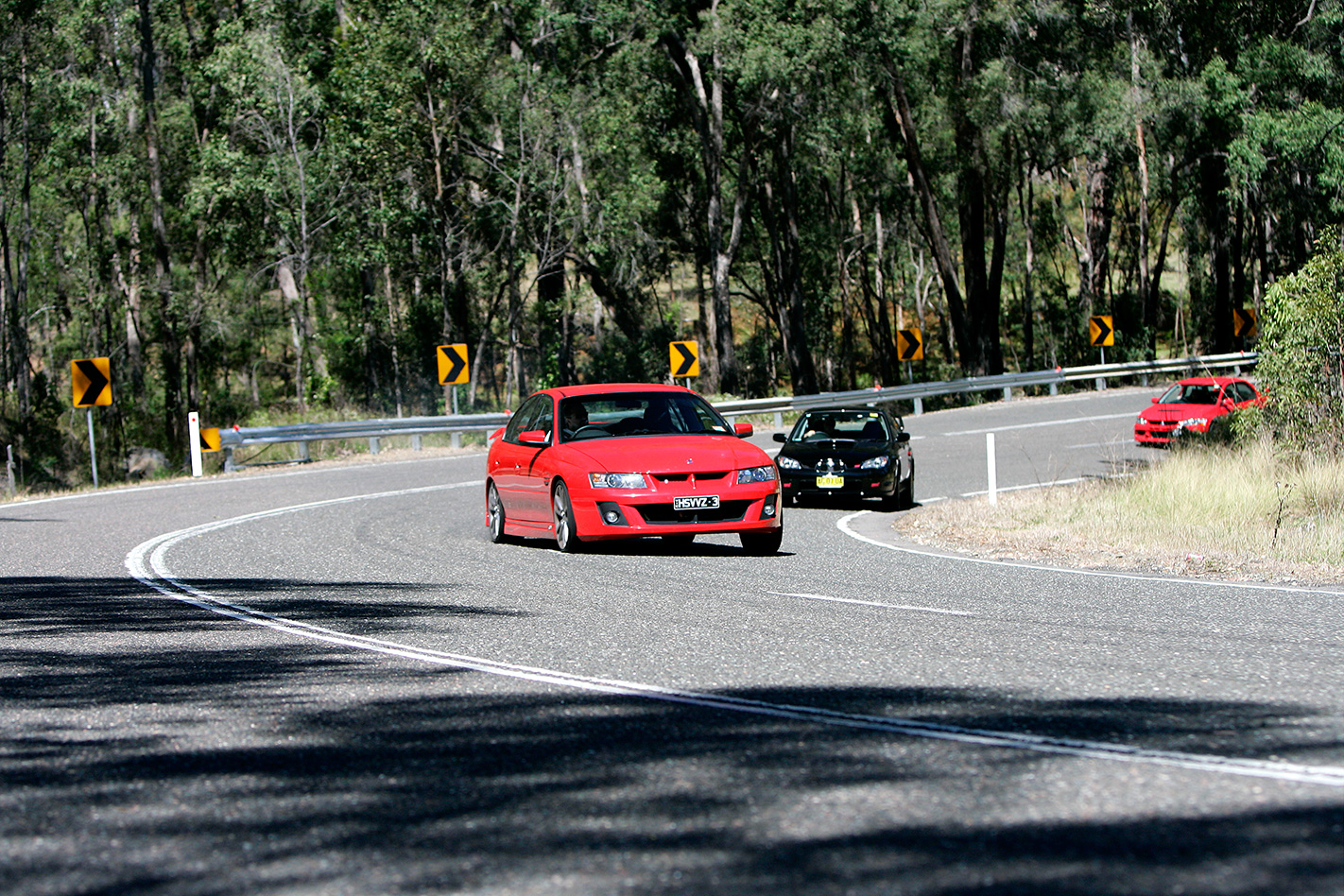
While the steering is still not as fast as it could be, and it still squats on power down, which unweights the front, everything happens very slowly, very progressively and its bucks, drifts and little slides are the easiest thing to either run with or correct. Which is just as well, because push it hard and you get a lot of it.
The Advans buy you time, giving greater warning of impending grip loss and, importantly, giving constant feedback on the degree of grip loss and what the next step’s going to be. That’s not to say it’s especially agile (it’s not) or happy about altering its chosen line (which happens more effectively with throttle input, rather than steering).
It’s just a less frantic method of eating kilometres and corners, and it’s only a bit less effective for it. The Subaru, by comparison, makes even average drivers feel like a driving God. Not the God, like Juha. Just a God. Like Petter. It’s perhaps the world’s easiest and best nine-tenths car.
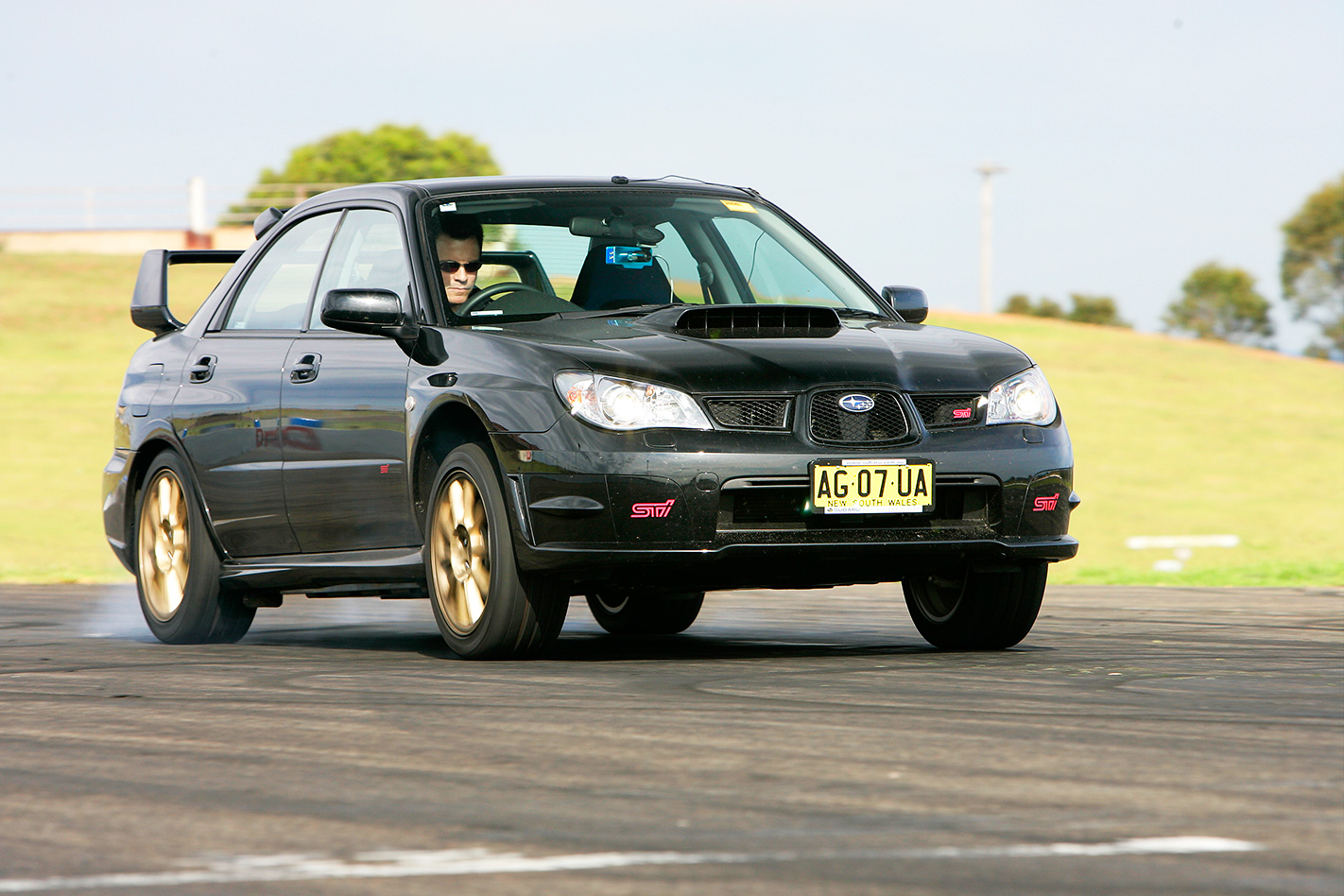
Stand on the throttle and it pulls you tighter into the apex in contravention of all traditional rules of driving. And common sense. You can feel the diffs – especially the front one – working to counteract the chassis’ natural tendencies and it all works phenomenally well in low- to medium-speed corners.
It’s a bit bizarre, and you get a much harder turn-in bite if you give it some spring back, turn, then stand on the throttle. On the semi-slick Potenzas it makes a huge difference, especially at the back end of long corners. Get used to that little quirk, though, and it’s as easy as pie to drive at almost its outer limits, and everything about it has been designed to feed you confidence.
You can’t get into big oversteer or understeer slides, but you can have little versions of either, depending on your preference. You still feel like you sit above the roll centre (the STi has 5mm more ground clearance than stock Imprezas), and the whole car feels a lot heavier and more rigid than its weight suggests.
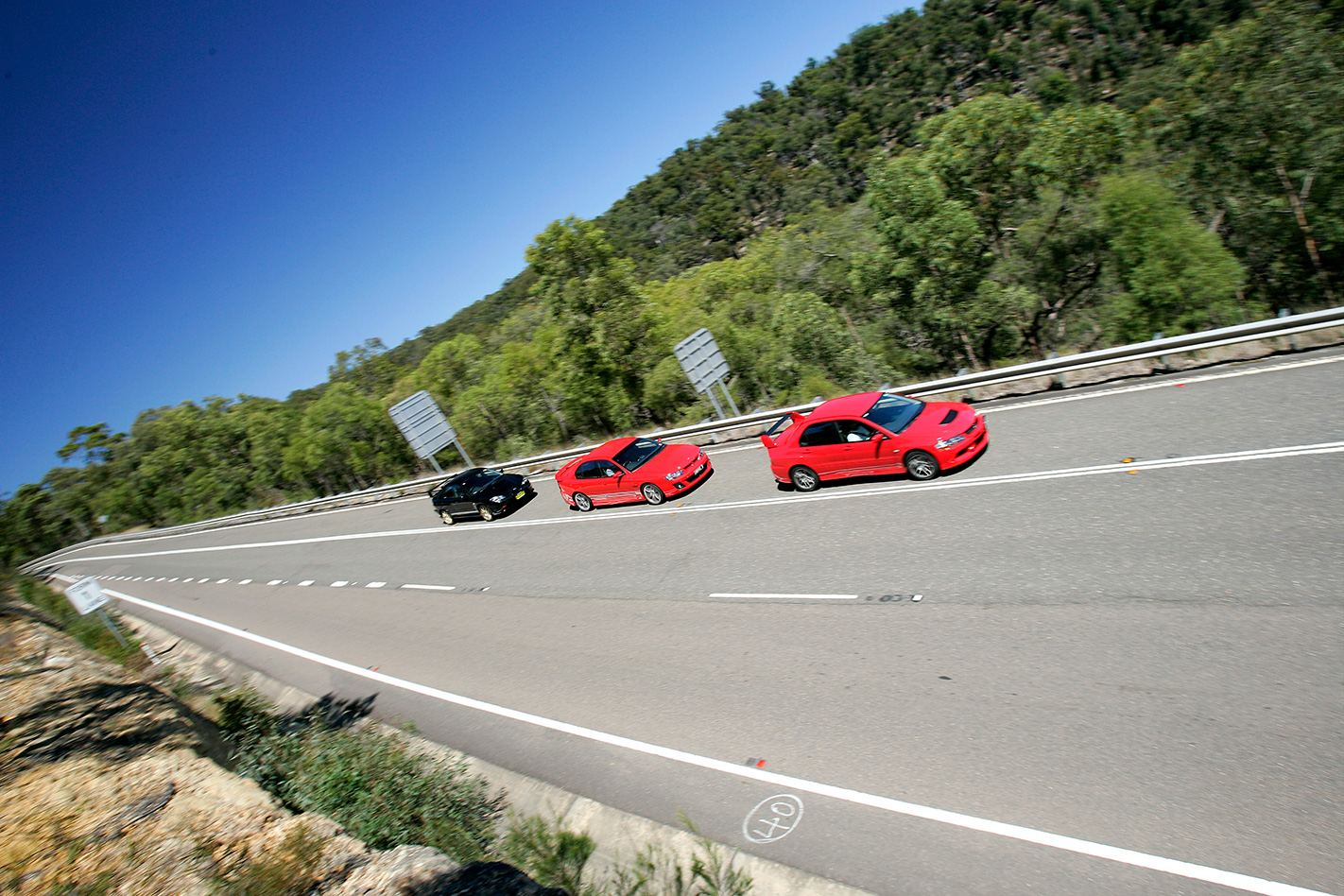
The brakes are superb. They have zero pedal travel before the pads bite the rotors and the pedal stays high and solid and consistent, and the ABS doesn’t interfere until it’s all getting very desperate. There’s not a lot of modulation or feel in the pedal, but there’s consistency and, to most drivers, that’ll be enough.
Just about its only quirk is that its grip seems to taper away on faster corners, where the Evo has consistent levels of grip throughout the angle ranges. The Mitsubishi rides harder with far lighter, far quicker steering. It’s easily the most kart-like of the three.
Push it hard and it loves you to stand it on its nose at the front half of a corner, then swing the turbo into action to get the diffs – especially the rear diff – pushing you into line. And nothing here gets out of the back end of a corner like the Evo does.
The technology is similarly effective, similarly reassuring, but somehow keeps some level of challenge in it for you. You can throw it into corners at ridiculous velocities and you can almost point it, stand on it and leave the on-board brains trust to sort it out for you. And its new gearshift is a jewel.
You think the Subaru shift is good – it is – but alongside Evo’s new six-speeder, it’s a bit slower, mechanical and baulkier. The Evo shift is like its steering. When it’s flowing, the shifts are happening almost without you knowing you’re doing it.
Its tyres don’t have the grip of the STi’s – but it feels like it’s got a slight advantage in steady-state mid-corner chassis grip that (almost) cancels that out. While its brakes don’t have the same high bite point of the STi, they’re just as good, give a little more feedback and progression through the pedal and, like the Subaru, obstinately refuse to fade.
They’ve also got good adjustment range and the cabin is inherently more quiet than the others, and it’s not as knocked around by coarse chip roar. The Japanese cars suffer from this, especially from the rear. The HSV rides far better (even on 19s), the Evo far harder, and the STi neatly in the middle.
The STi’s seats look great but they fall away for lumbar support over distance and they’ve not got the Evolution’s grippy bolstering. Still, the Subaru runs a clear second for trim levels, even though the Evo has a more grown-up interior than ever before. The STi is now a seriously potent device and is the first hyper WRX you’d recommend to someone as an only car.
But it feels a bit like the tyres and diffs are making up for a chassis that doesn’t have the Evo’s grip or poise. It’s supremely effective, but in some ways it’s too easy to drive quickly. Beneath a couple of hundred grand, there’s probably only one other car that can match it. And that’s the Evo.
Maybe that’s the compromise they’re walking here. The Clubbie is a more relaxed, better riding, more comfortable way of doing the job, and rear-drive gives it perhaps a wider range of fun tickets. Both of the Japanese cars leave you in awe of their achievement, especially at the price.
The STi is now a capable all-round very fast car with no significant average point, let alone a weak point, yet feels just a little wooden in the way it goes about its business. The Evo has yet to compromise its core, and it’s just a more energetic, frantic, enthusiastic weapon, and just as forgiving if you get it wrong.
There’s always something happening, it’s always asking for more and it’s just a more rewarding car to get the most out of. It can’t be abuse if it begs you to do it, can it?