
The 3.3-litre twin-turbo V6 under the bonnet of the new Kia Stinger is a great engine, but it doesn’t exactly shout it intentions from the rooftops.
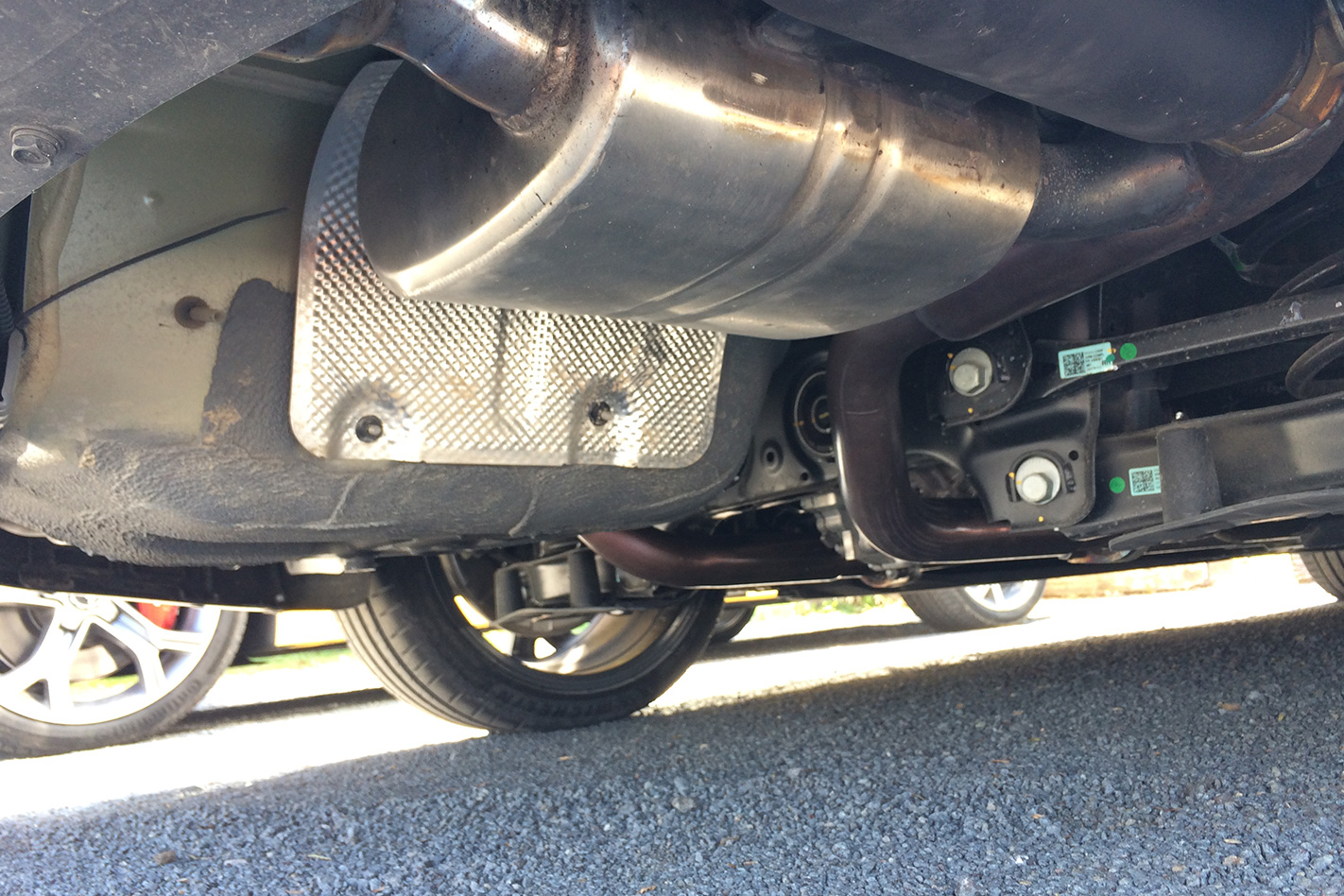
Kia Australia has been upfront about its intentions to rectify this with an optional exhaust system and has now revealed the exhaust will cost $2659.99 fitted with the first examples expected to be available prior to Christmas 2017.

Melbourne-based company Lumens has been responsible for the development work at the behest of Kia Australia, with the result being an electronically-controlled bi-modal system that bypasses the mufflers for a louder, purer exhaust note.
In other news Kia Australia CEO Damien Meredith dropped a hint that a more potent Stinger could be on the way: “You can assume that what we’re doing with Stinger doesn’t stop with a V6 twin-turbo, but we’ll have to wait and see.”
Stinger boss Albert Beirmann has made no secret of his wish to develop a faster, more focused version of Kia’s new sports sedan, though there are currently no plans for that car to offer more than six cylinders.
IT’S clear the world’s leading automotive manufacturers are not prepared to leave electronics giants like Samsung and LG to deliver next-gen battery breakthrough technology.
For BMW, the stakes are too high, so the company is investing 200 million Euro (A$313 million) in a Battery Competence Research Centre located near the company’s headquarters in Munich.
Higher output from lighter, more compact cells is the holy grail of battery technology, and the company is confident it will unlock this at the new facility.
Speaking at the LA motor show, John Kelly, North American product manager for BMW i, told Wheels, “We’re confident the new centre will improve everything related to batteries – size, outputs, density, and cost.”
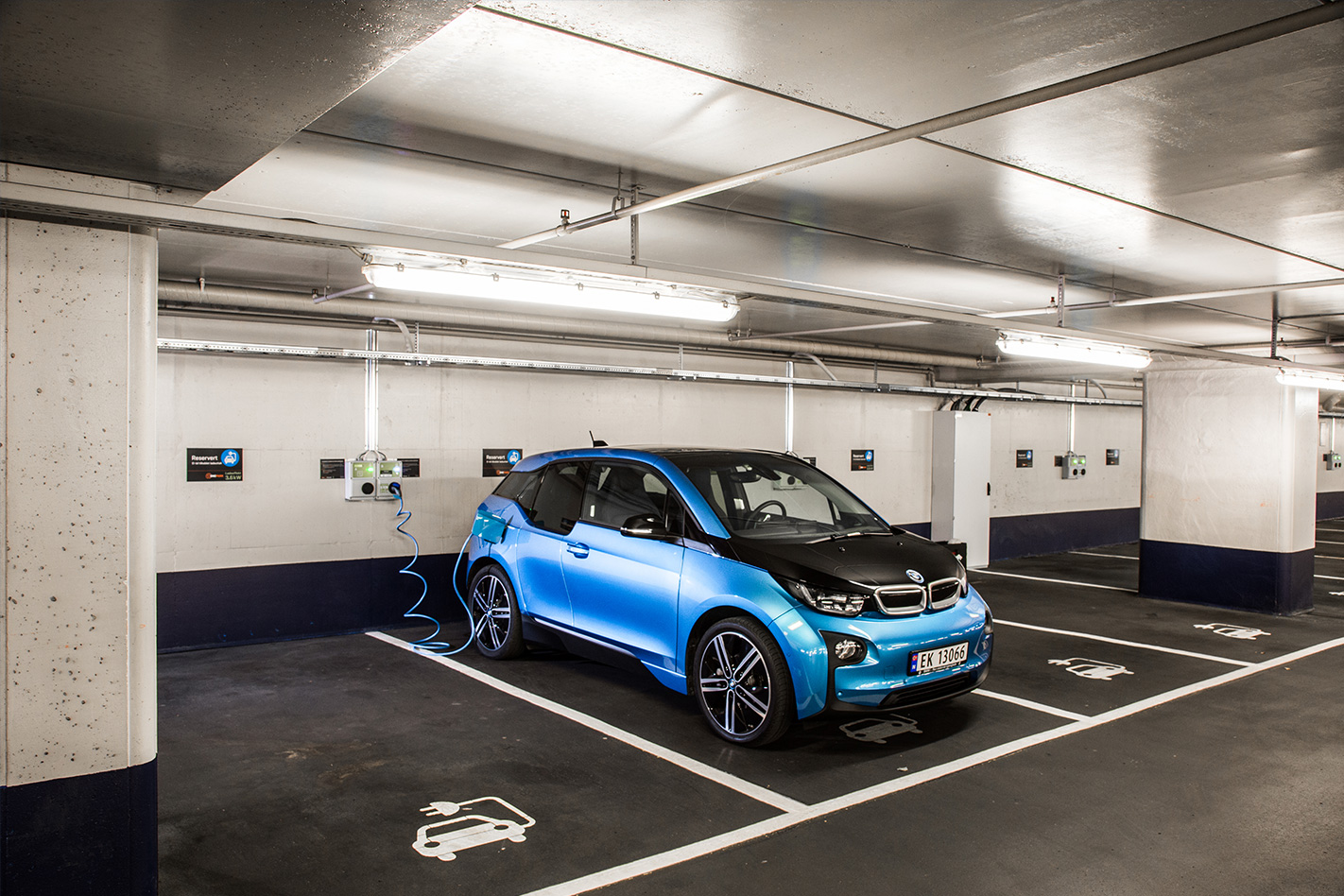
Kelly also pointed out that the Concept i Vision Dynamics, also at the LA show, and a precursor to a production, pure EV i8, claims a range of 590km with 0-100km/h performance of 3.8sec.
The real breakthrough, however, is still likely to be around eight years away. This is the time it’s anticipated it will take the next real technology leap – solid state batteries – to reach mass production.
Solid state technology retains the current lithium ion chemistry, but swaps liquid electrolytes for solid ones, with initial targets being for a 15-20 percent increase in capacity. Other benefits include less weight and a reduction in the amount of safety protection needed due to the reduced fire risk. This also allows for the packaging and housing of the batteries to be improved.
The batteries are in development but long-term durability testing is cited as a key reason for why they won’t see production until 2026.
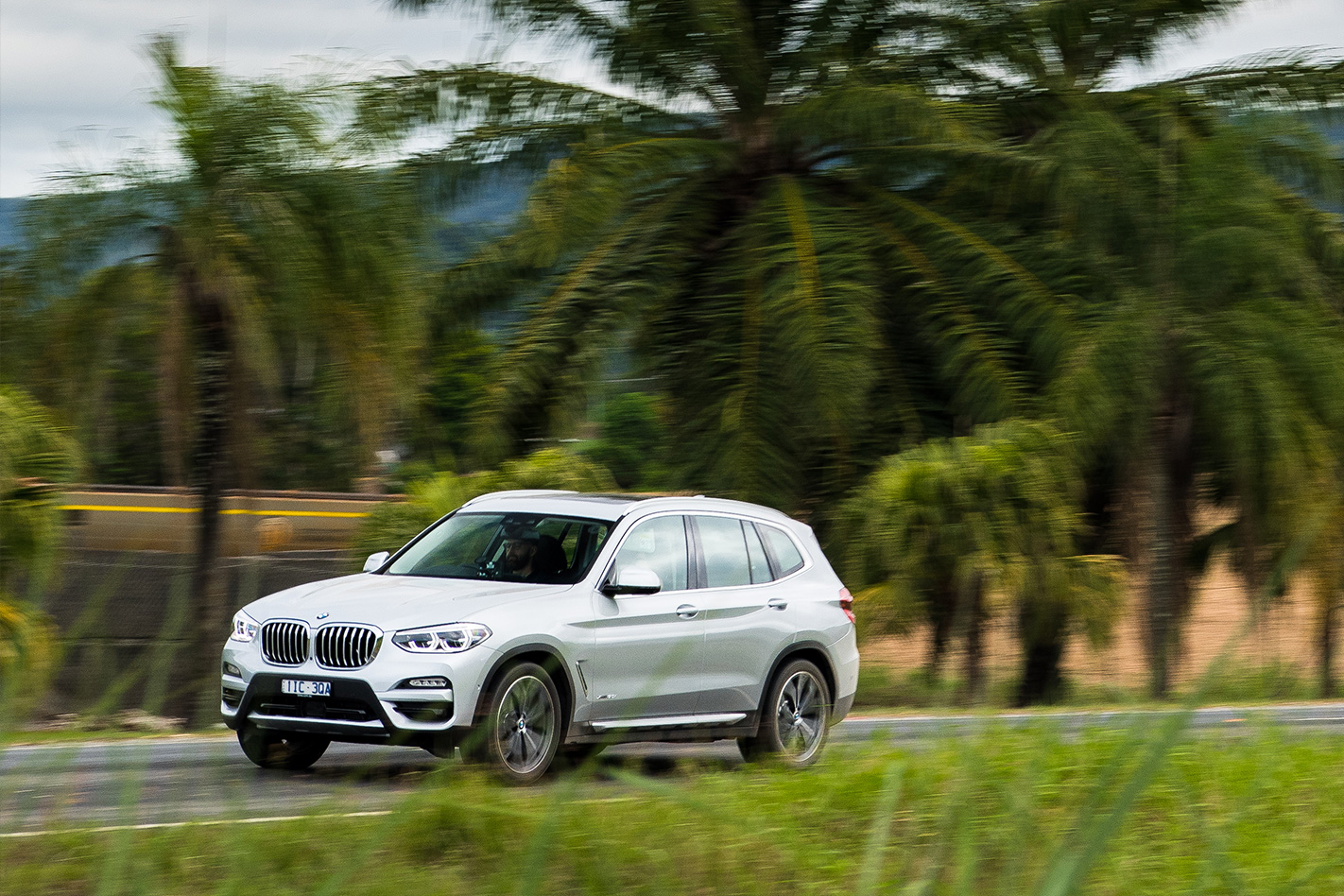
The race for battery superiority doesn’t mean taking the throttle off the pace of internal combustion engine technology, which BMW predicts will remain the most popular power source for its models until at least the end of the next decade.
The company wants to improve the efficiency of its engines to 33 percent, although this figure needs to be considered in context with electric drivetrains, currently at around 90 percent efficiency.
DUE to a number of reasons, a fourbie might remain parked in the garage when the tracks are calling – reparations, dicey weather, family duties, or perhaps you’ve eaten some uncooked chook. But that doesn’t mean you can’t scratch the off-roading itch… from the couch.
Spintires: MudRunner is a true-to-life off-roading simulation developed by Saber Interactive and published by Focus Home Interactive.
Players must pilot one of 19 all-terrain vehicles – 4x4s, trucks and sturdy logistic vehicles – through a series of challenges in harsh environments and on hostile Siberian roads.
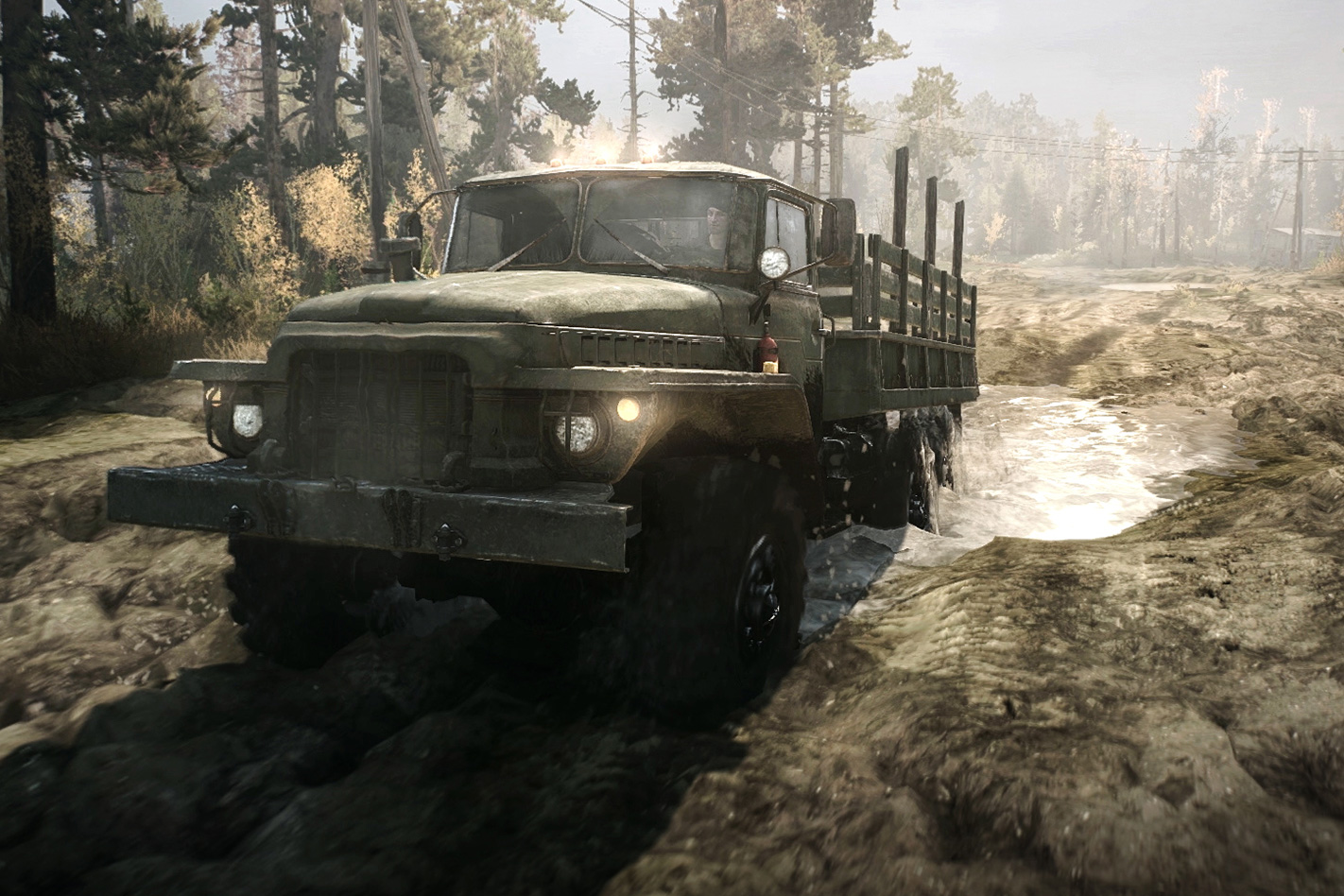
Thanks to an advanced physics engine, the game’s uber-realistic features include fuel simulation, a differential transmission system, soft-tyre simulation, as well as realistic interactions between vegetation, mud, water and your vehicle.
The first edition of Spintires, released back in 2014, was an indie classic due to its immersive and accurate physics models, and it went on to capture more than one million players on PC.
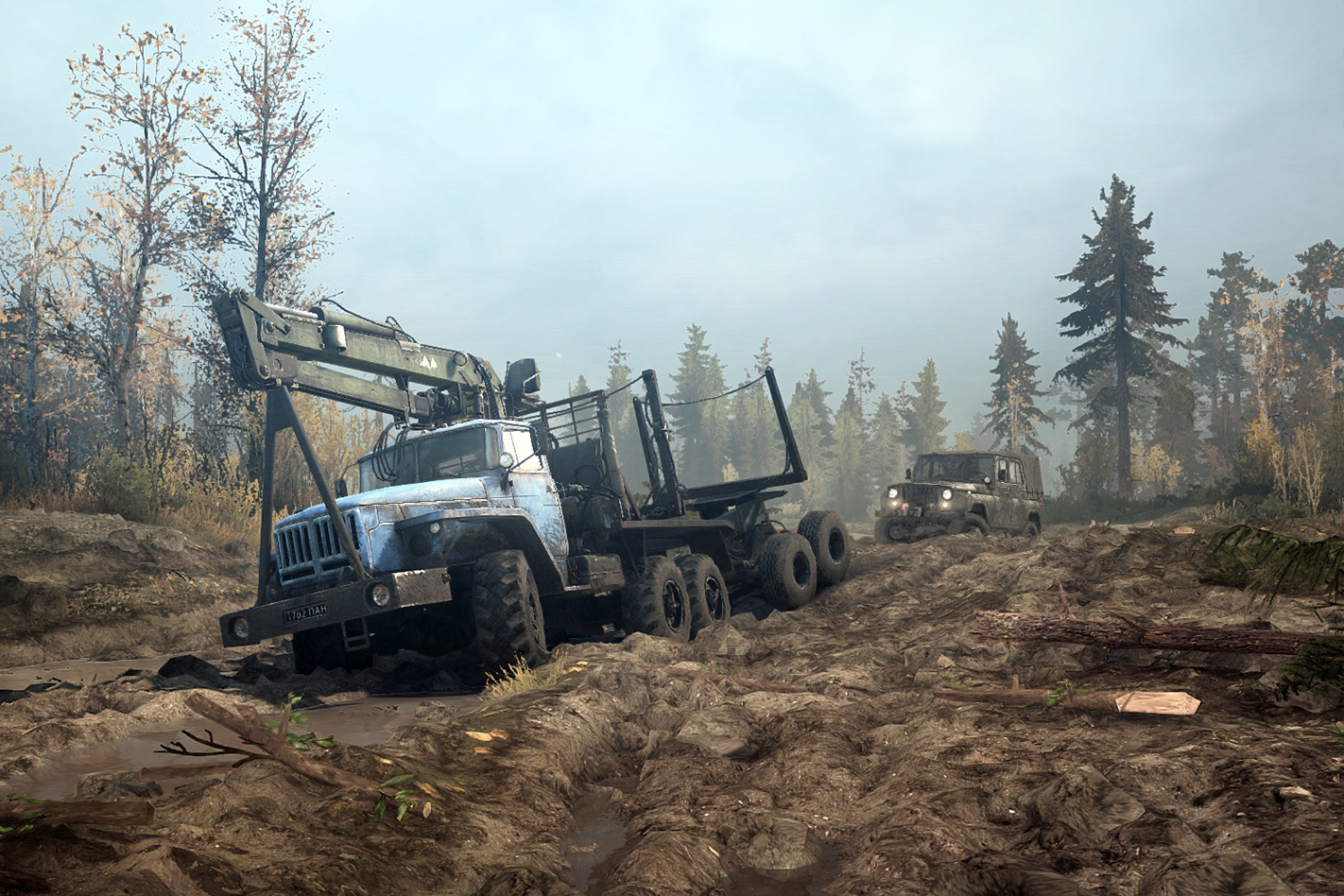
Spintires: MudRunner, available on PC, PS4 and Xbox One, is in stores now. Stay tuned to 4X4 Australia for a review!
MERCEDES-AMG has confirmed that a new more affordable A35 version of its fettled A-Class hatchback will join the fourth-generation line-up, after the arrival of the garden variety Mercedes-Benz offerings touch down in the first quarter of next year.
Until now, the Mercedes-Benz A45 hyper all-wheel drive version has been the most affordable AMG vehicle for fans of the Affalterbach brand, but with the arrival of the A35, the 50-year-old badge will fit even more budgets.
Speaking to Australian media at the Los Angeles Motor Show, Mercedes-AMG chief executive Tobias Moers confirmed a second-generation A45 hatch as well as a new A35.
“The A45 will have its successor, but we’re going to add the entry performance as well,” he said.
“We’re going to start off with new A-Class coming out next year.
“The 43 and 53 are entry performance from our perspective and then we’re going to start with an (A-Class) entry performance; A35.
With a price tag of about $75,000 the most affordable AMG in the current line-up competes with Audi’s RS3 and the BMW M140i, but a cheaper version wearing A35 badges would bump gloves with the Audi S3 and Volkswagen Golf R, both of which trade about the $60,000 mark.
“It was really a logical step to do,” said Moers. “So far we don’t have an offering in that segment. It’s a really competitive segment, and it’s going to be a challenge for us, but we’re going to face that challenge.”
A35 power and performance figures will follow closer to an official release but Moers did confirm both A45 and A43 variants would be powered by a 2.0-litre turbocharged four-cylinder engine. In A45 tune, that means the German manufacturer will wring even more than the current 280kW from just 2.0 litres, while the A35 version will likely be positioned above the current A250’s 160kW.
In addition to the new engine, the A35 and A45 brace would take a step up in driving dynamics as well said Moers.
“It’s a new engine. We’re in the middle of developing a brand-new engine. You know moving up in power output – and that’s what we certainly do – needs some improvements in driving dynamics as well, and we’re going to add that to the next generation as well.”
But the broadening affordable AMG line-up doesn’t stop there and Moers confirmed more 53 varieties to follow the lone CLS 53 – the first 53 to join the AMG ranks.
When asked if a sedan version of the CLS 53 was on its way, Moers nodded in confirmation and said it was likely to be followed by other variants in the E-Class family.
“We don’t have all derivates out of the E-Class so far. I heard there is a coupe and convertible. We don’t have that today, so expect something.”
“It’s another level of performance compared to the 43s. That’s the story behind it. It’s an electrified engine so the 48-volt is part of that game as well in our definition.
“They’re both established. The lower power output, that’s the 43 and the higher power-output thats the 53.”
When the AMG 43 variants were announced, some skeptics argued a true AMG vehicle would have to be powered by a hand-built high-performance engine such as the units that power 63 and 65 models, but Moers assured AMG fans that any model wearing AMG badges would be the real deal.
“It still a part of AMG,” he said. “I strictly believe in product, and they have to be aligned in our brand approach. And this counts for an A35 as well. It’s very, very important, otherwise you’re going to dilute the brand.
“Just putting a badge on the trunk would be easily done, and maybe it works quite well for a year of two, but then you’re just going to dilute the brand and we’re never going to do that”.
Mitsubishi has revised its 2018 model year Outlander range and re-introduced the price leading ES model, which brings the cost of entry down to $27,990 drive away.
That price gets you an ES manual with a five-speed gearbox and front-wheel drive, powered by a 110kW/190Nm 2.0-litre four-cylinder petrol engine.
The ES manual has reasonable equipment levels including a 7.0-inch touchscreen, Apple CarPlay and Android Auto and 18-inch alloy wheels, but disappointingly misses out on Autonomous Emergency Braking as standard.
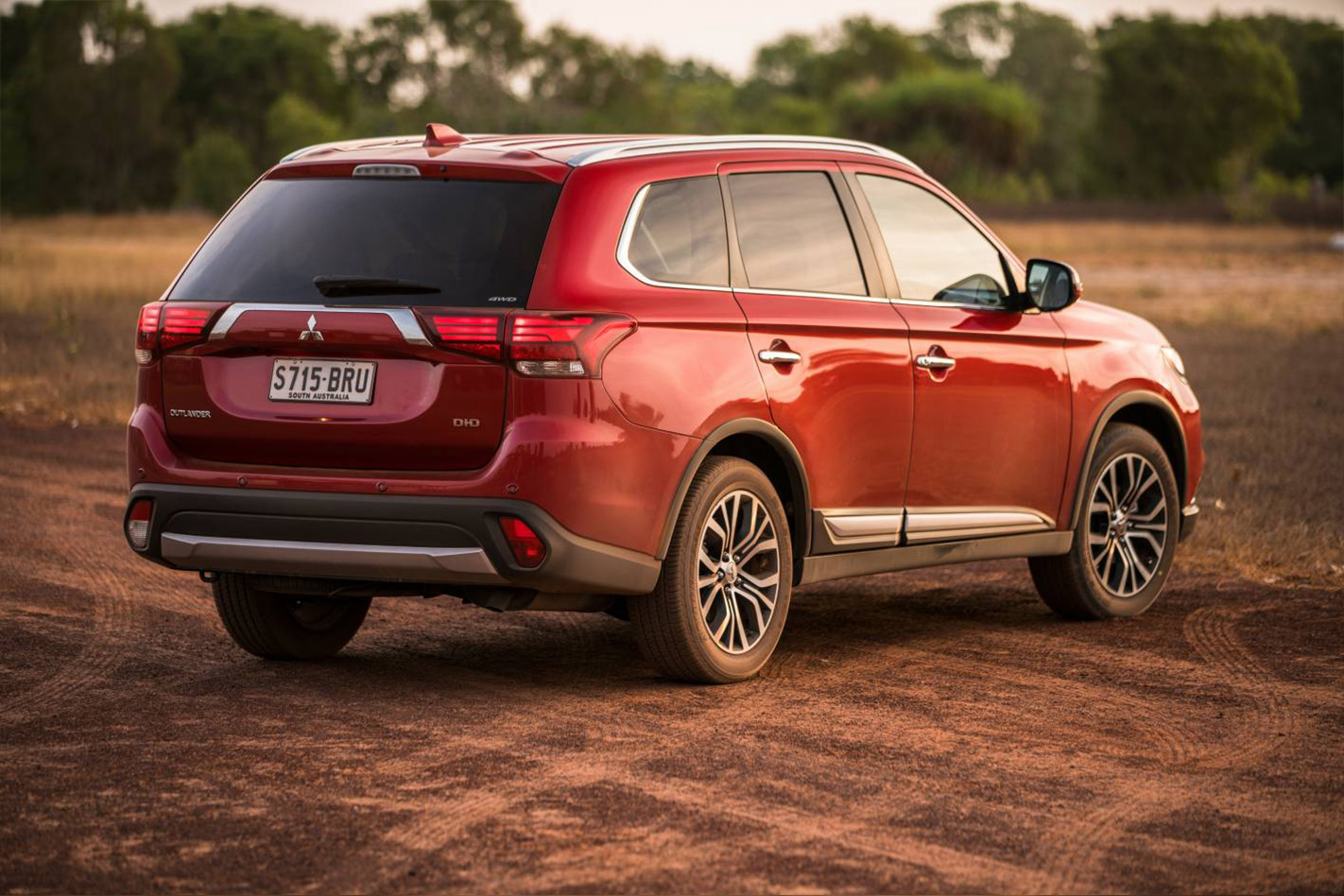
Next up in the range is the ES auto for $30,990, which replaces the manual gearbox with a CVT automatic. The ES’s $3000 premium also brings a more powerful 124kW/220Nm 2.4-cylinder engine and the practical bonus of seven seats.
Options for the ES include four-wheel drive, for $4000, and an ADAS (advanced driver assist) pack for $2500 that includes forward collision alert, active cruise control, lane departure warning and reverse sensors.
Higher spec, front-wheel-drive LS models now start $33,900, up $5150, due to the scrapping of the manual version and the inclusion of the 2.4-litre petrol engine and ADAS pack as standard. Four-wheel drive costs an extra $5000 on the LS, and you can upgrade to a 110kW/360Nm diesel turbo with a six-speed automatic gearbox for an additional $3000.
Prices have dropped slightly for four-wheel-drive-only Exceed variants, with the 2.4-litre petrol version costing $43,990 and the diesel $46,990.
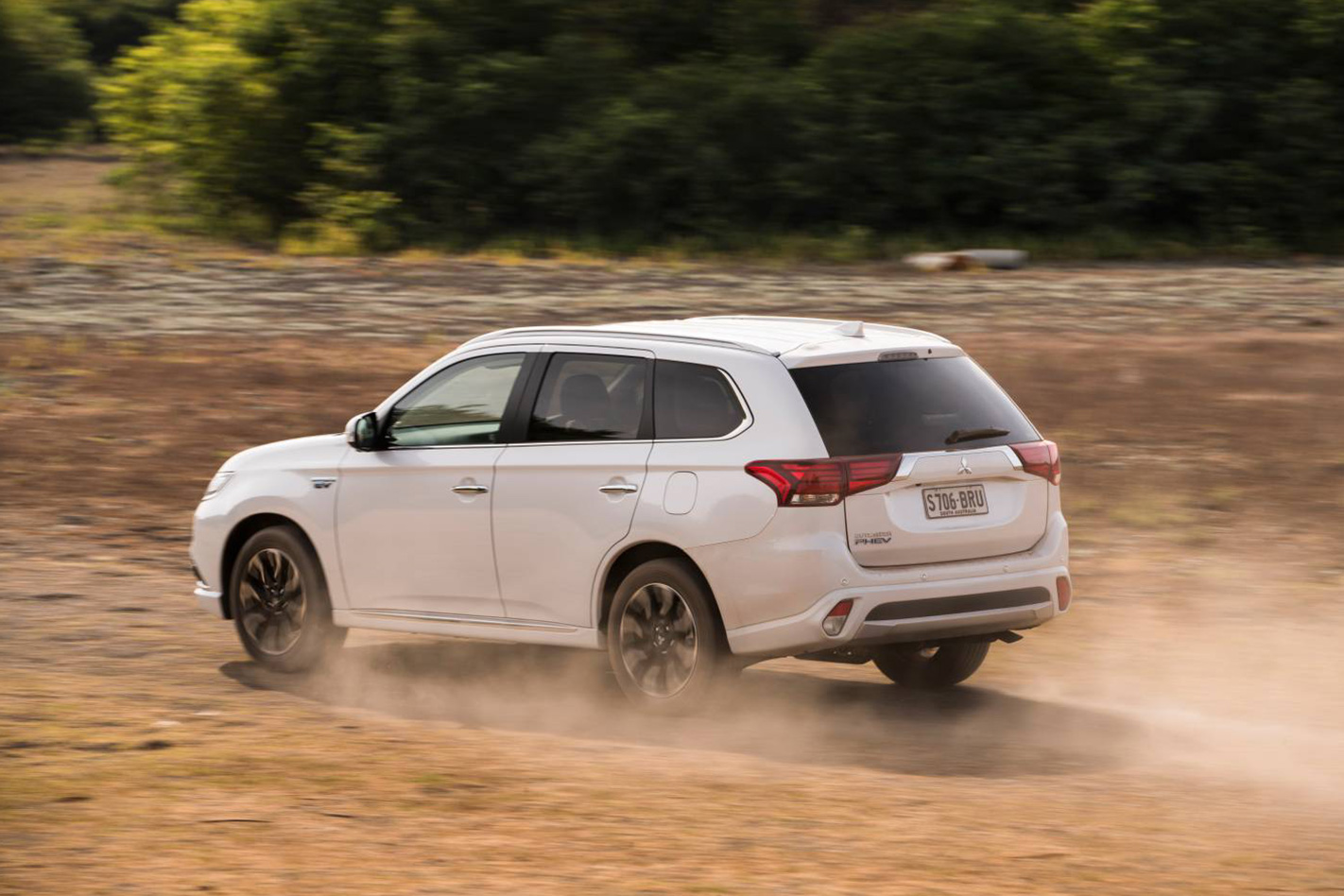
The plug-in hybrid PHEV LS and Exceed remain unchanged and are priced at $50,490 and $55,490 respectively. It’s worth noting that pricing for the plug-in hybrid versions are retail and don’t include on-road costs.
The Outlander range revision comes on the eve of Mitsubishi’s all-new Eclipse Cross compact SUV arriving in Australia. The company today announced the first shipment is on its way with sales commencing in December 2017.
2018 Mitsubishi Outlander pricing
- Outlander ES 2.0L petrol, manual, 5 seats – $27,990*
- Outlander ES 2.4L petrol CVT, 7 seats – $30,990*
- Outlander ES 4WD 2.4L petrol, CVT, 7 seats – $34,900*
- Outlander LS 2.4L petrol, CVT, 7 seats – $33,990*
- Outlander LS 4WD 2.4L petrol, CVT, 7 seats – $38,990*
- Outlander LS 4WD diesel, auto, 7 seats – $41,990*
- Outlander Exceed 4WD 2.4L petrol, CVT, 7 seats – $43,990*
- Outlander Exceed 4WD diesel, auto, 7 seats – $46,990*
- Outlander PHEV LS, 5 seats – $50,490
- Outlander PHEV Exceed, 5 seats – $55,490
- ADAS safety pack for ES – $2500
MORE: Mitsubishi Outlander Range Review MORE: Mitsubishi Outlander Specs, Range & Price
There’s nothing you use more in your car than the driver’s seat, and its level of comfort can be all the difference between an enjoyable drive and a miserable one, regardless of the car’s other performance or luxury features.
While you don’t always get the opportunity to sit in a car for long periods before buying, there are some things you should consider before signing on the dotted line when it comes to seat comfort.
| Airbag of the future takes a front seat
Materials
Cloth: Cloth seats have come a long way from fake velvet and woven knits of decades gone by, and many cars feature seats made from durable and porous nylon, which looks good and keeps cool. Some cheaper cars use PVC fabric, which isn’t as comfortable. Cloth seats are usually well cushioned and comfortable for people of average build.
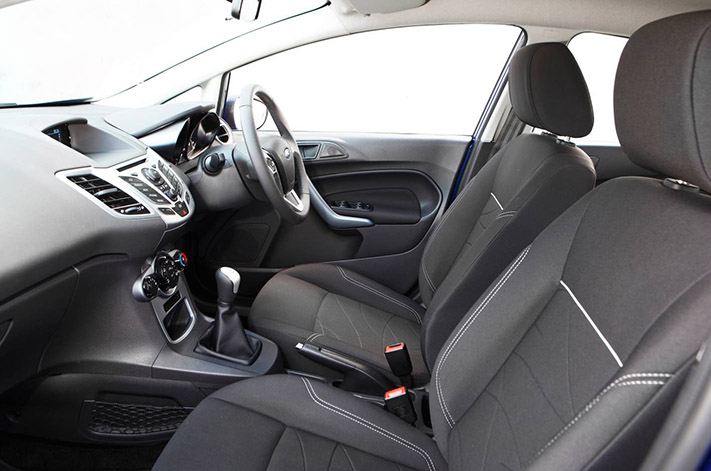
Vinyl: Once associated with burnt thighs, fading, brittleness and carsick-inducing fumes, vinyl is now an increasingly premium option and referred to as imitation leather, faux leather or even vegan leather. Vinyl seats look good, come in a wide range of colours and are easy to clean. They are usually a more costly option than cloth seats, however they’re not necessarily more comfortable as they tend to be firmer so you can feel like you’re sitting on them rather than in them.
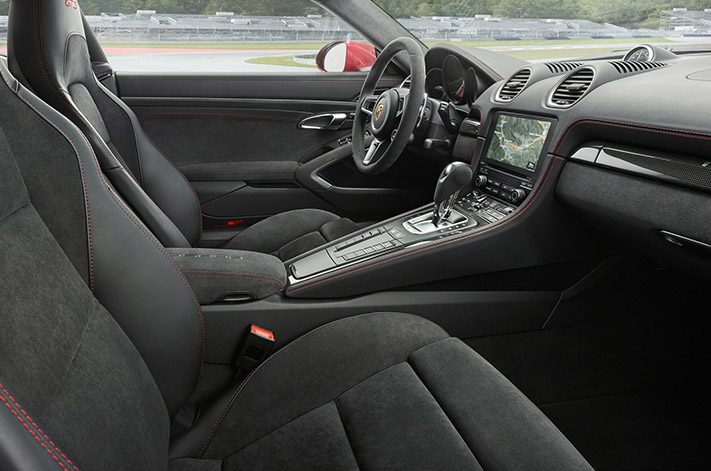
Alcantara: This synthetic suede-like material is prolific in sports cars for seats, steering wheels and trim, and is often used in conjunction with leather. Alcantara is durable, feels good to touch and provides good grip to stop you sliding around the seat in tight corners.
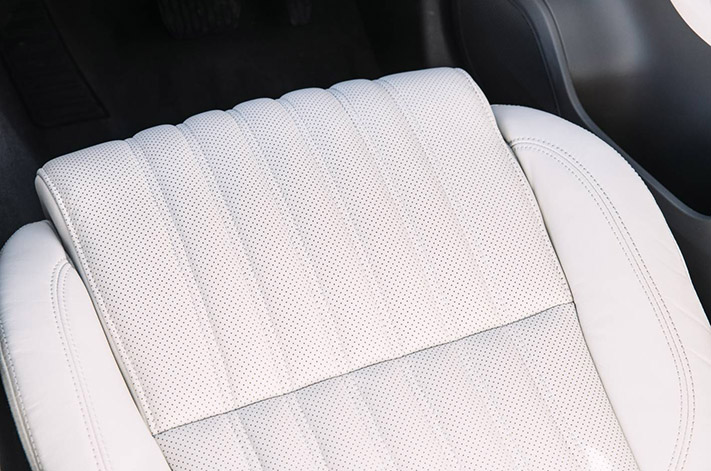
Leather: Real leather seats look and feel luxurious. Their quality and cost depends on the type of leather and the tanning and finishing processes used. Some leather seats have synthetic coatings to enhance colour, feel and durability. While these are usually more affordable they aren’t to be confused with imitation leather, though they can feel just as firm. The cost of leather seats is often amplified by the fact they’re most likely to come with powered settings.
Ergonomics
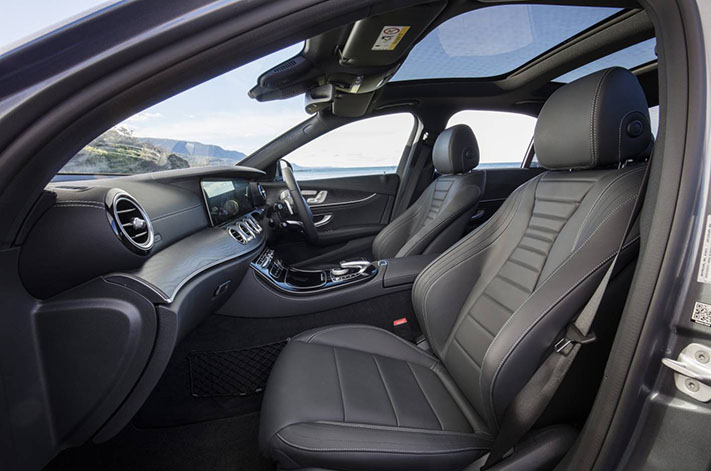
Regardless of what seats are made from, their ultimate comfort relies on how well they support your body. The back rest is the most important component. You want side bolstering to prevent lateral movement, but you don’t want it so narrow that it digs into your hips and lower back. You also want good support for your lower back (lumbar support) and the lower seat cushion to be deep enough that it supports most of your thighs.
Your basic car driver’s seat has height, forward/back, headrest height, and backrest pitch adjustments, which are all you really need if the seat is well constructed and suits your body shape.
But it’s very difficult to make a one-size-fits-all seat, so extra settings may be necessary, such as adjustable lumbar support, which is great for long drives. Bigger people might also appreciate the ability to adjust side bolstering, under-thigh support and headrest height.
Seats with all of these functions usually use electric switches for all or some of the functions as they’re less bulky and offer more precision, but they do drive up the cost.
Creature comforts
Even if you get your seat to feel Goldilocks right, there are even more ways to add to your comfort levels, such as heated seats. This may seem like an unnecessary feature if you have never tried it, though it really does feel relaxing to jump into a car on a cold day and feel that warmth, which can also help soothe a sore back.
Ventilated seats are also becoming more common and are great for Aussie summers. As well as the comfort they offer on a hot day, they help prevent sweating and getting your shirt wet, which is very handy if you’re a sales rep.
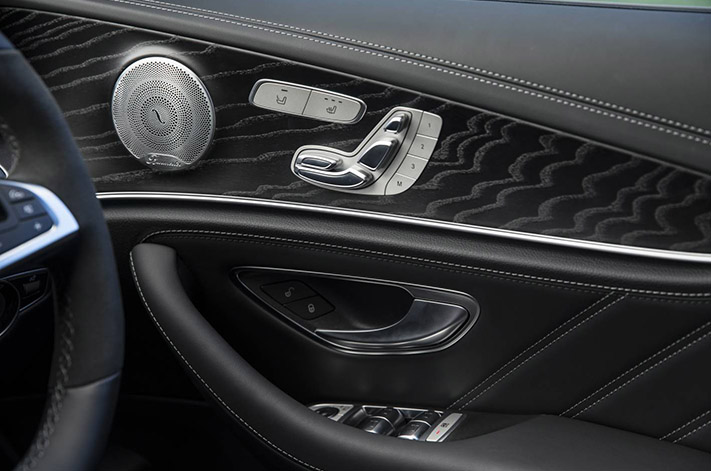
Massage seats are a totally gratuitous feature, though a back rub while you drive could be a godsend if you have back problems and/or drive long distances.
Do you want to drive your new convertible with the roof down at every opportunity even in winter? An ‘air scarf’ located below the headrest blows hot air on your neck. Like the above features, it seems rather superfluous until you try it.
Seat position memory settings makes it easy return the driving position to your preferred spot after someone else has driven your car. Two memory positions are common, though more premium cars have three or four settings. As well as adjusting the seat, some cars with this function also adjust the door mirrors and steering wheel.
Weighing up the costs
Upgrading from cloth seats with four manual adjustments to full leather, with 10-power settings and other creature comforts, will add thousands to the cost of your car. There’s a lot in between, but it’s not always a simple matter of being able to add one or two things. For example, if you want lumbar support or heated seats you’ll generally need to upgrade to vinyl or leather, which are more likely to have power settings, which further add to the cost. Or it could mean having to choose a higher spec model of the car you’re buying.
See what options are available and how they’ll benefit you. You won’t regret spending a little more if it means making your new car a more pleasant and comfortable place to be.
After more than thirty years away from the sport, Alfa Romeo has announced it will return to Formula 1.
Alfa says it has struck a deal with the Sauber F1 team to become partners for “strategic, commercial and technological cooperation.”
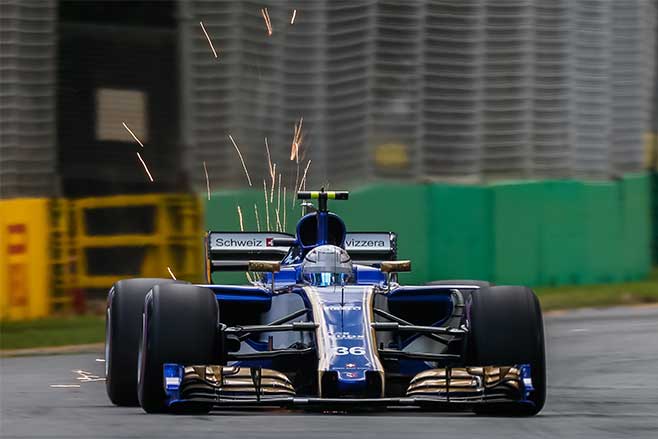
As such, the team will be called ‘Alfa Romeo Sauber F1 Team,’ and its cars will be given Alfa Romeo liveries in the brand’s colours, and its logo will appear on the cars.
The Alfa-Sauber cars will run with 2018 Ferrari engines, as per Sauber’s existing deal.
CEO of Alfa’s parent company Fiat Chrysler Automobiles Sergio Marchionne says the return of Alfa Romeo to F1 is a historic moment for the brand.
Opinion: Formula 1 regulatory system
“This agreement with the Sauber F1 Team is a significant step in the reshaping of the Alfa Romeo brand, which will return to Formula 1 after an absence of more than 30 years,” Marchionne says.
“The brand itself will also benefit from the sharing of technology and strategic know-how with a partner of the Sauber F1 Team’s undisputed experience.
“The Alfa Romeo engineers and technicians, who have already demonstrated their capabilities with the newly-launched models, Giulia and Stelvio, will have the opportunity to make that experience available to the Sauber F1 Team.
“At the same time, Alfa Romeo fans will once again have the opportunity to support an automaker that is determined to begin writing an exciting new chapter in its unique, legendary sporting history.”
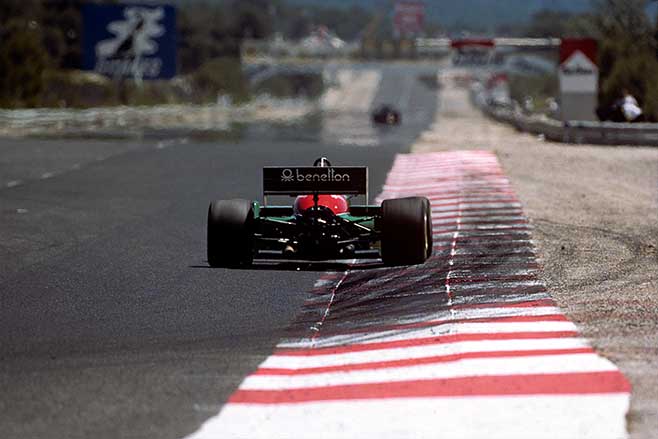
Alfa’s history in the sport dates back to the ‘50s, when F1 legend Juan Manuel Fangio claimed the 1951 championship for the brand.
Afterwards, Alfa stepped back from competition, but supplied engines to other teams between 1961 and 1979, before re-joining the sport in ’79 and competing somewhat unsuccessfully up until 1985.
Sauber Holding chairman Pascal Picci says he thinks both sides of the new partnership can learn a lot from each other over the course of the deal.
“We are very pleased to welcome Alfa Romeo to the Sauber F1 Team. Alfa Romeo has a long history of success in Grand Prix racing, and we are very proud that this internationally renowned company has chosen to work with us for its return to the pinnacle of motorsport.
“Working closely with a car manufacturer is a great opportunity for the Sauber Group to further develop its technology and engineering projects.
“We are confident that together we can bring the Alfa Romeo Sauber F1 Team great success, and look forward to a long and successful partnership.”
Alfa Romeo Sauber F1 Team’s participation in F1 kicks off in 2018 with the Australian Grand Prix in March.
To call the original Mercedes-AMG GT S a disappointment would be far too strong, but it didn’t quite hit the mark.
It was AMG’s second stab at a standalone sports car after the SLS Gullwing, but though its size, engine and price were all downsized, performance was anything but, its 375kW/650Nm 4.0-litre twin-turbo V8 punching it to 100km/h in just 3.8sec. However, this repositioning put it head-to-head with the Porsche 911 and 50 years of finely honed sports car engineering.
Against such a formidable foe any cracks in the armour were going to be ruthlessly exploited and the AMG GT S had two. At PCOTY 2016 it impressed mightily with its ability, but a dislike of mid-corner bumps and light, darty steering were a constant barrier to enjoyment and left Affalterbach’s angriest trailing not only the 911 GT3, but its C63 baby brother.
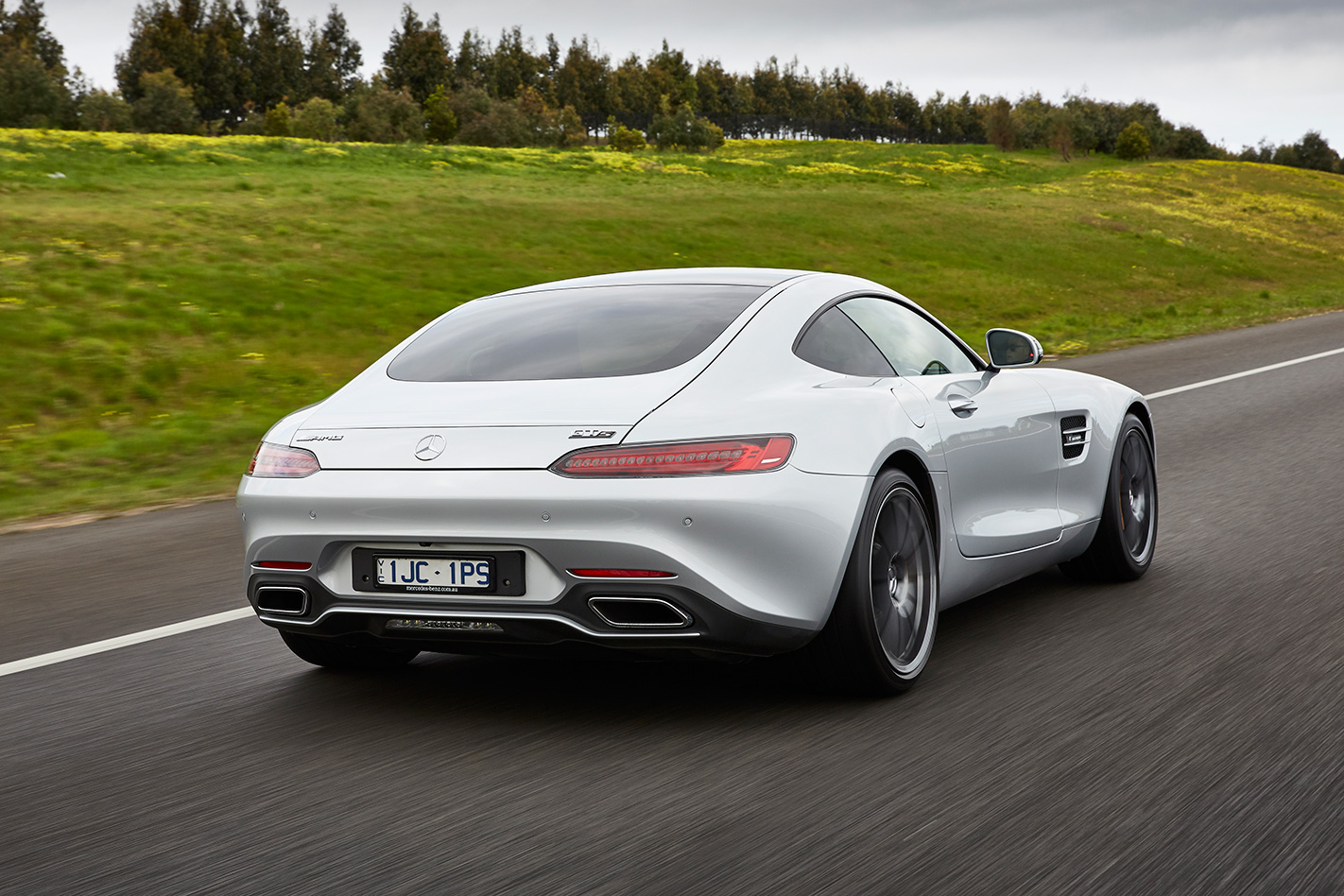
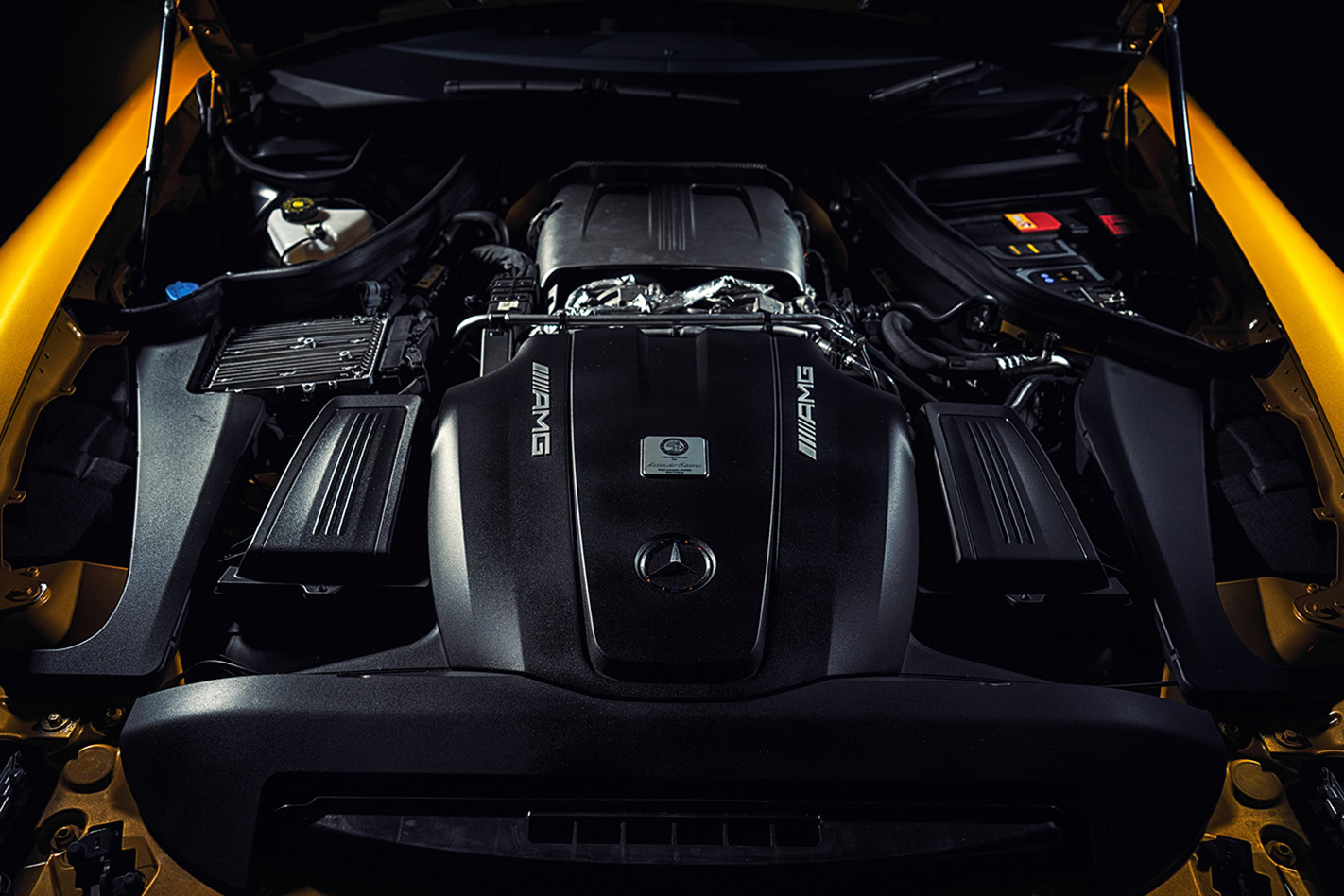
To be frank, not even the most finely calibrated bum dyno is going to notice the extra grunt, but then the GT S wasn’t lacking to begin with. A C63 Coupe might have similar outputs, but the GT S’s 155kg weight advantage makes it decisively the more potent machine.
The power is all-consuming and unrelenting, accompanied by an exhaust note that is awesome and terrifying in equal measure, with a deep roar under heavy load followed by seriously antisocial levels of exhaust theatrics on the overrun.
Easily the most apparent difference between the focused GT S and AMG’s more traditional two-doors is road-holding ability. Compared to a C63 Coupe, for instance, the traction and lateral grip the bespoke sports car can generate is stunning.
The early kilometres of our test drive took place on streaming wet roads, yet the GT S scythed through with indecent pace. These first few turns also provided proof of the rumoured chassis improvements. Mercedes is tight-lipped, but word is there has been some fettling of steering and suspension settings, with the former in particular feeling much more resolved.
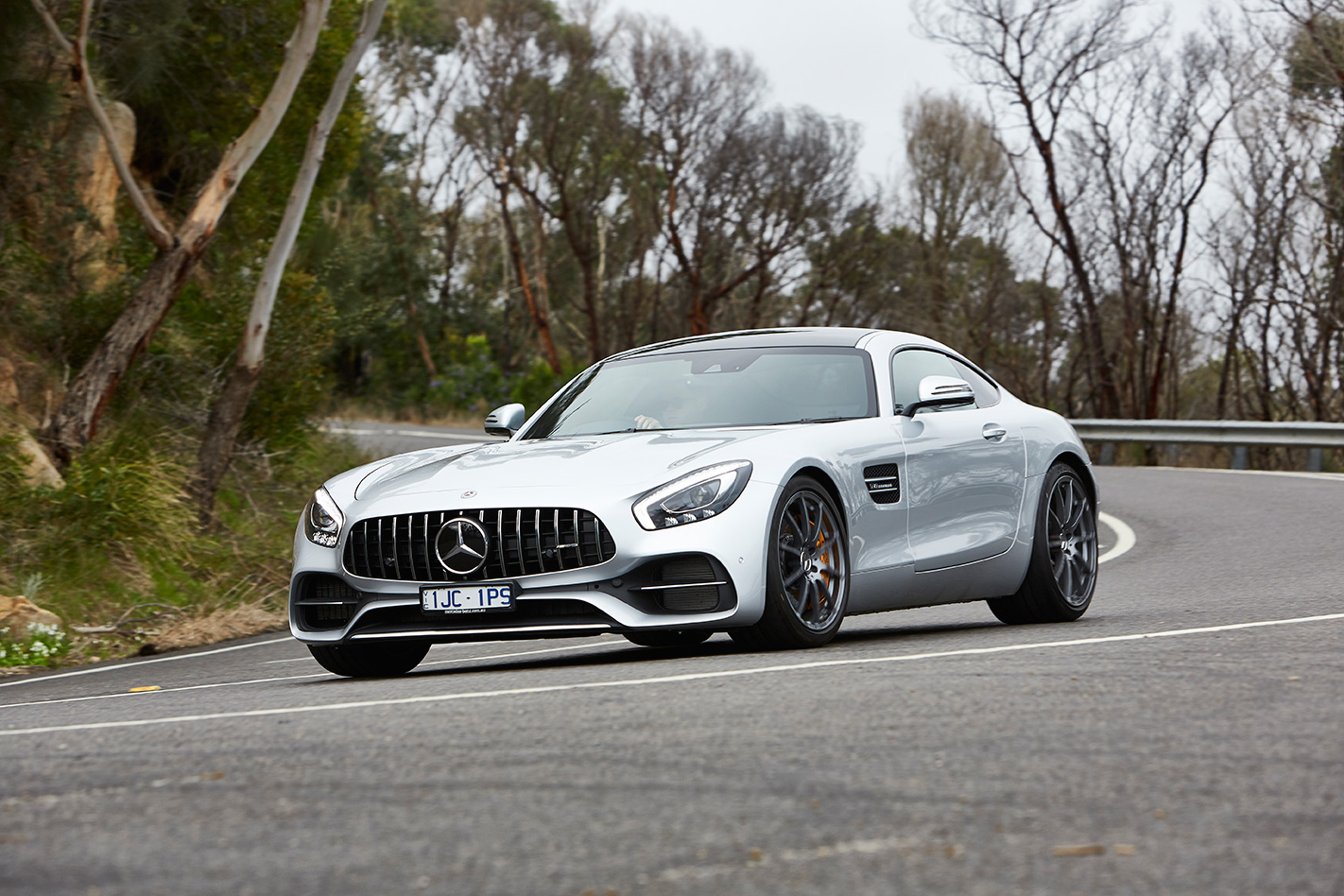
There are still a couple of foibles: Small-amplitude bumps mid-corner still spook the GT S (and the driver) mightily, and the optional carbon-ceramic brakes were a little unresponsive at the top of the pedal (though awesomely powerful), but the GT S contains arguably the most important sports car ingredient – fun. It’s a raw beast.
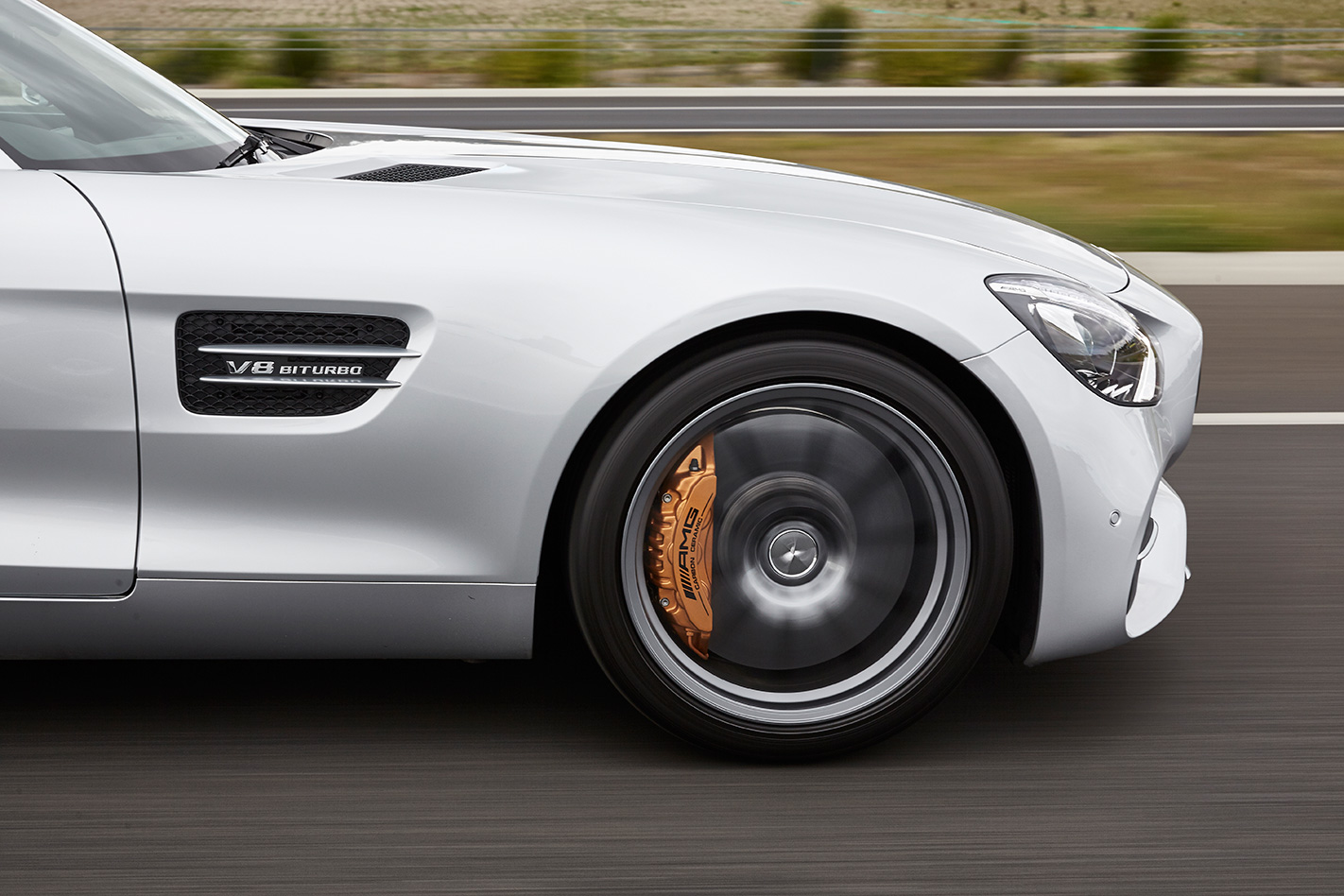
What it loses to the Porsche in poise it makes up for in noise. If, like me, you’re a hoon at heart, it could be the sports car that best hits the mark.
4.5 stars out of 5 Likes: Engine; smooth-road dynamics; attitude Dislikes: Dislikes bumps; road noise
2018 Mercedes AMG GT S Specs: Engine: 3982cc V8, DOHC, 32v, twin-turbo Power: 384kW @ 6250rpm Torque: 670Nm @ 1800-5000rpm Weight: 1570kg 0-100km/h: 3.8sec (claimed) Price: $298,711
AFTER years of speculation and un-corroborated reports, Porsche has finally confirmed its iconic 911 sportscar will be offered as a plug-in hybrid as early as 2020.
Until now, the German car maker has avoided talking specifically about the idea of a hybrid 911, stating simply that it would ultimately offer an electrified version of all its cars. But Porsche’s top executive has now gone on record about its hybridisation plans for the iconic sportscar.
Speaking to Wheels at the Los Angeles Motor Show, Porsche chief executive Oliver Blume said the next-generation 911 platform, due to arrive next year, had been engineered for a hybrid drivetrain and the first variant would follow the more conventional versions within about two years.
“Next year we will come with the new 911 and our platform permits to introduce plug-in hybrid, but in the first step we won’t do it,” he said. “We will do it a bit later.
“We haven’t decided yet which year it will come after the presentation next year – 2020 or 2021, we haven’t decided.”
When asked if the electrified 911 would represent the performance flagship for the range, Blume relied “Yes, we should do that”, repeating the strategy of the Panamera Turbo S E-Hybrid that arrived as the most potent version of the large sedan range this year.
“In Europe alone we have a take rate of 50 percent of plug-in hybrid in Panamera and our customers love the combination of E-Performance and combustion engines like we do in motorsports.”
Whether the new PHEV version would usurp performance of hardcore motorsport-developed GT cars, Blume said that decision was still under discussion as they were “different cars”.
“Especially for the 911, we will continue with the turbo engines for the GT2 RS and GT3, and which level we will go with the hybrid isn’t decided yet, but it has to be a very sporty one.
While the battery technology present under the larger and heavier Cayenne and Panamera is adequate for a circa-50km range, Blume said a hybrid 911 would introduce the next evolution in battery technology, a move necessary to minimise weight while providing a similar pure EV range.
“They [the batteries] need to be very powerful, therefore we waiting for the next generation,” he said. “For Panamera and Cayenne it’s enough because we are going for a distance of 50km full-electric, but with less space you need a more powerful battery.”
Ultimately, the smaller Boxster and Cayman siblings would gain similar hybridisation but at a point most likely after the 911, said Blume.
“We work on the next generation of the Boxster and think about what car should it be and from my point of view, we will bring, because of the space in the car, the 911 first and then think what will happen with the Boxster.”
A range-wide hybridisation strategy addresses increasingly tight US corporate average fuel economy and emissions standards, but Blume explained the PHEV roll-out was primarily in the name of driving enjoyment.
“It’s our responsibility for sustainability on the one hand but on the other hand, electromobility fits perfectly with Porsche. We carry a lot over from motorsports – we won the last three Le Mans 24 hours with a plug-in hybrid.
“Everything we do in the future with electromobility will be a true Porsche”.
Mercedes-Benz has revealed the third generation of CLS at the Los Angeles Motor Show
The four-door coupe comes with a ‘completely new’ range of inline six engines, as well as a plethora of luxury features.
In addition, its new look takes Mercedes-Benz’s current design language into account, with a forward-slanted grille which widens towards the bottom, and sleeker lights.
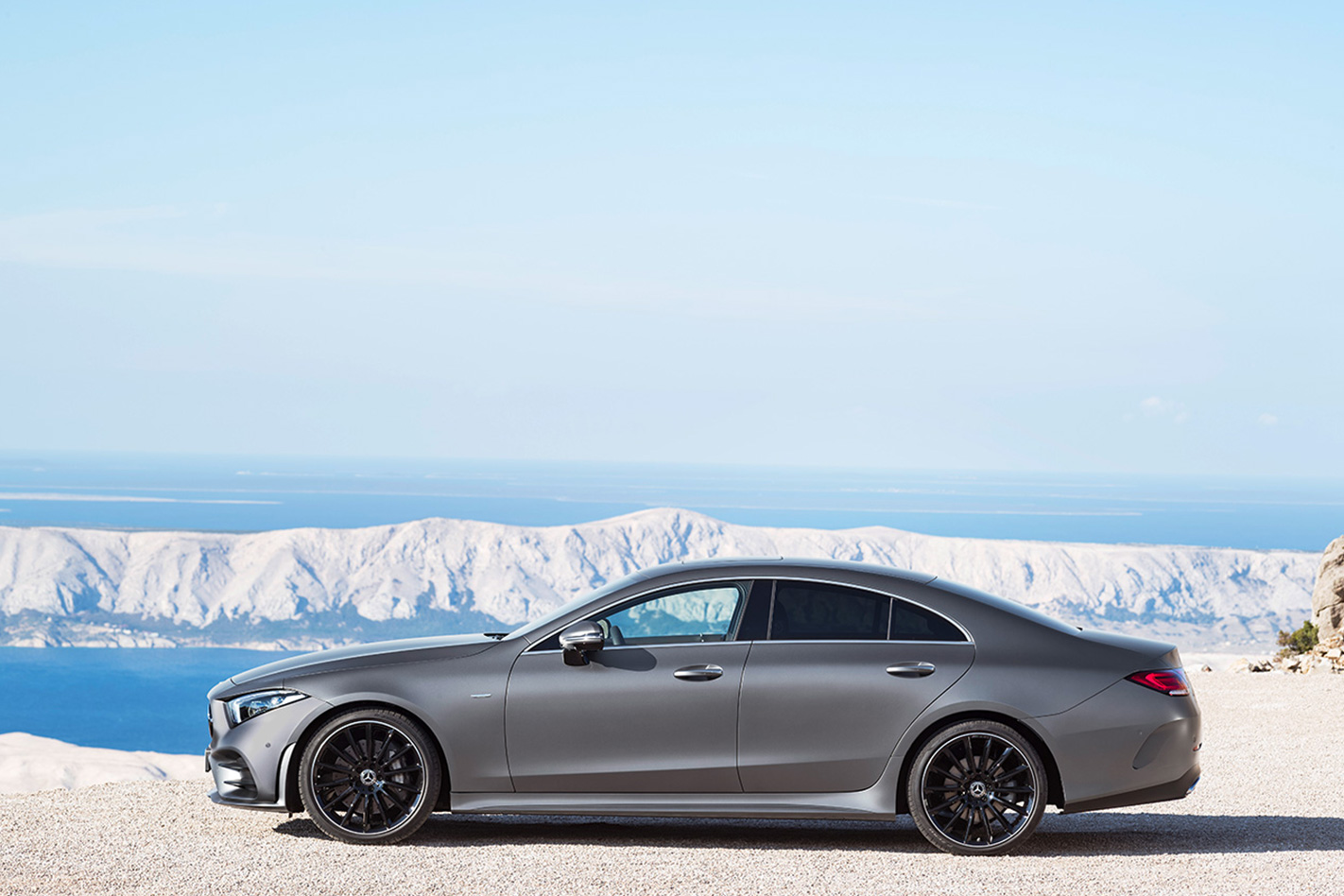
Mercedes chief design officer Gorden Wagener says this third generation of the CLS was designed with a more simplified ideology in mind.
“The new CLS is a design icon as the archetype of the four-door coupé,” says Wagener.
Next Mercedes-Benz A-Class interior revealed
“In line with our hot & cool design philosophy, we have reduced its DNA to an extremely puristic level while emotionally charging it with an almost erotic beauty.”
Under the elongated hood will sit one of three inline six engines, either a 210kW/600Nm or 250kW/700Nm 3.0-litre diesel, or a 270kW/500Nm petrol engine.
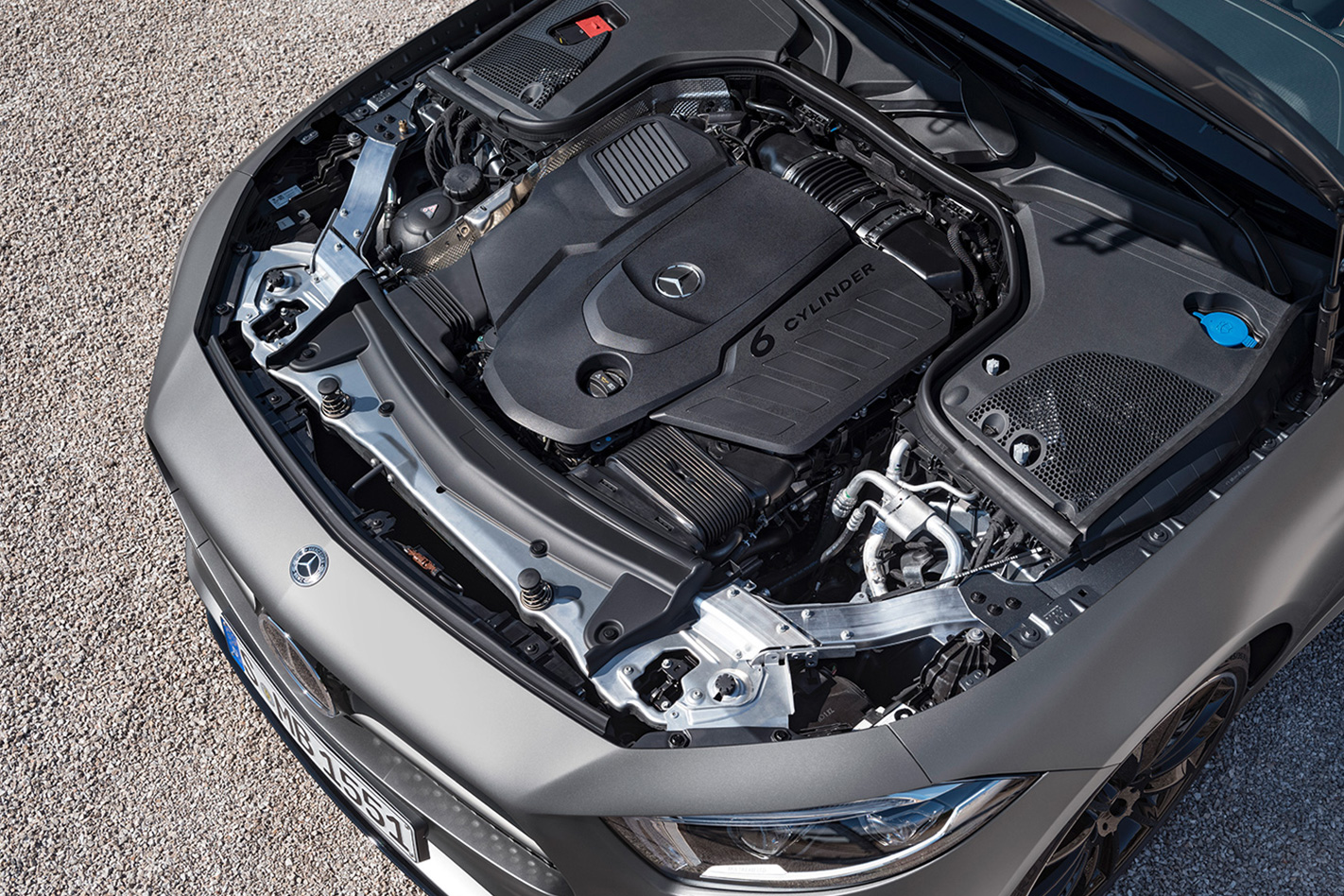
This equates to a brisk 0-100km/h sprint of 4.8 seconds.
But the real draw of the CLS is comfort and luxury. Inside, exclusive CLS seats are able to use heat, vents, and massage functions to run a ‘driver wellness’ feature, which also utilises Mercedes’ fragrance system and the car’s lighting and musical atmospheres to appeal to the driver’s mood – or the mood they’d rather be in.
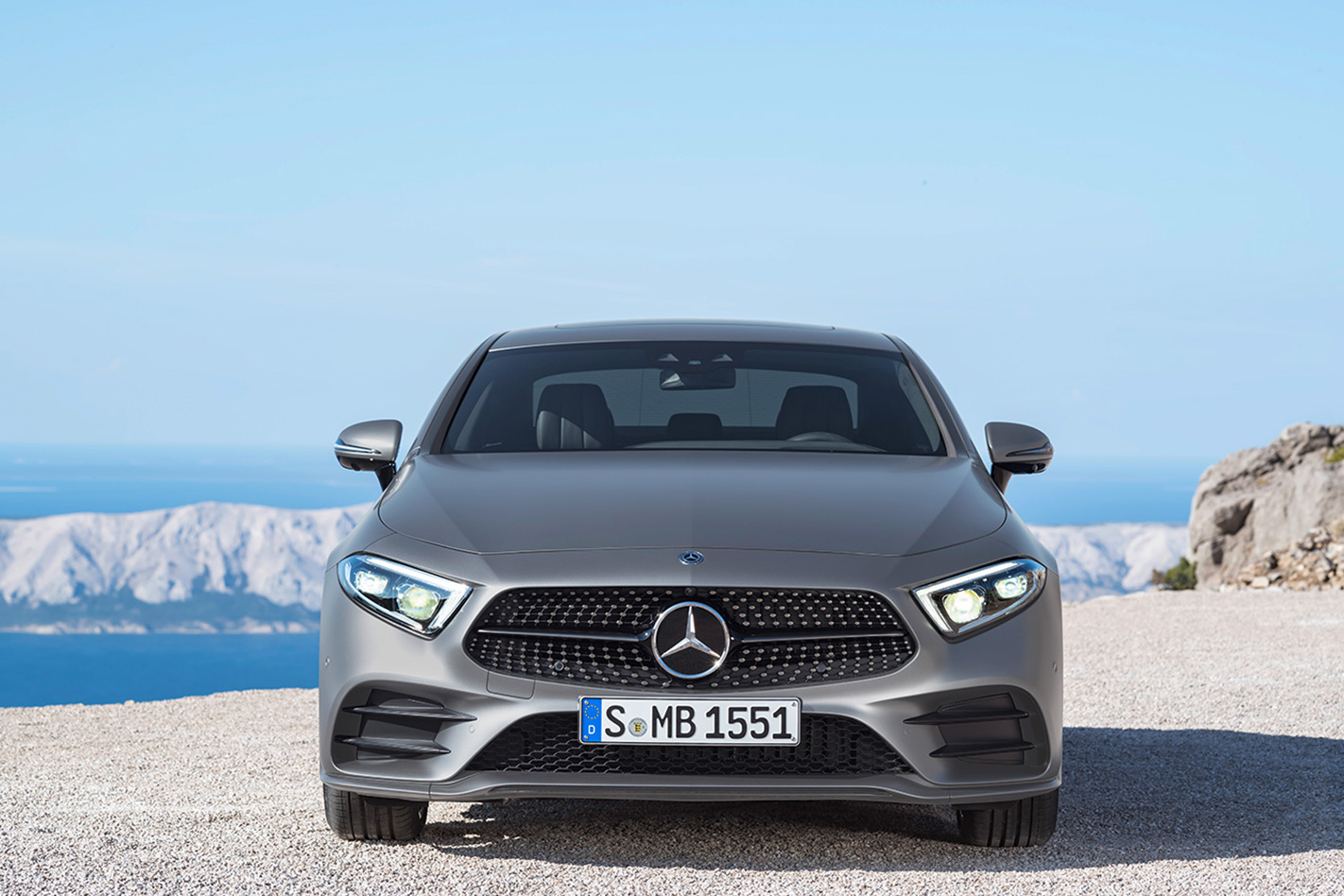
Mercedes is offering a launch model of the CLS called ‘Edition 1’ which will be available for one year after its market launch.
It features black pearl nappa leather seats with copper-coloured accents, copper-coloured contrasting topstitching on the centre console, seats, armrests, dashboard, and door linings.
