Memo to Mazda. Be scared. Really scared. Why? Because the General has conjured up a nifty roadster to out-MX-5 the MX-5.
This review was first published in MOTOR magazine’s December 2005 issue.
The Solstice from GM’s Pontiac division looks sexier, handles sweeter, rides smoother, yet costs a bundle of bucks less. You must have heard about the Solstice. This was the concept two-seater that appeared at the Detroit motor show back in 2002, the creation of GM’s then newly-appointed car supremo, Capt’n Bob Lutz.
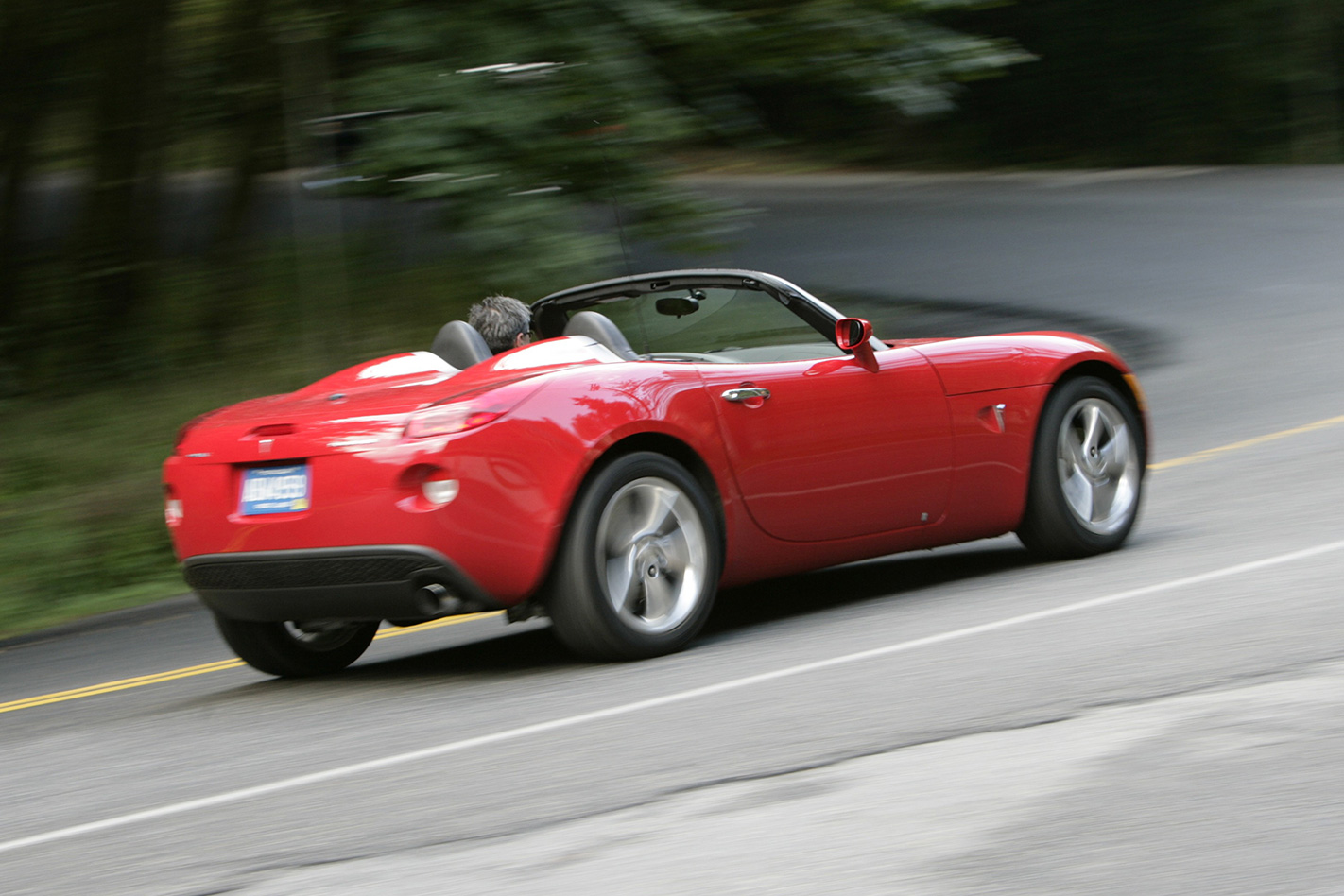
It has two seats. It has rear-wheel drive. It’s powered by a spunky, four-banger motor. And its price starts under $20,000US (roughly $26,000 Aussie dollars). Heck, Elton John spent more than that on his rug.
2004-06 Pontiac GTO: Quick History Lesson
In the metal, Solstice looks fun and funky; it’s all roundness-and-curves with strong, muscular haunches over the wheels, and big 18-inch rims pushed way out to each of the corners. Size wise, it’s 3988mm nose to tail, which is almost identical to the Mazda.
But it boasts an extra 76mm in its wheelbase, and 86mm in the waistline for more accommodating interior space. And the ergonomics are outstanding. You don’t so much as sit in the car as wear it. The stubby gearshift is right where you want it. The salami-thick wheel is at just the perfect angle.
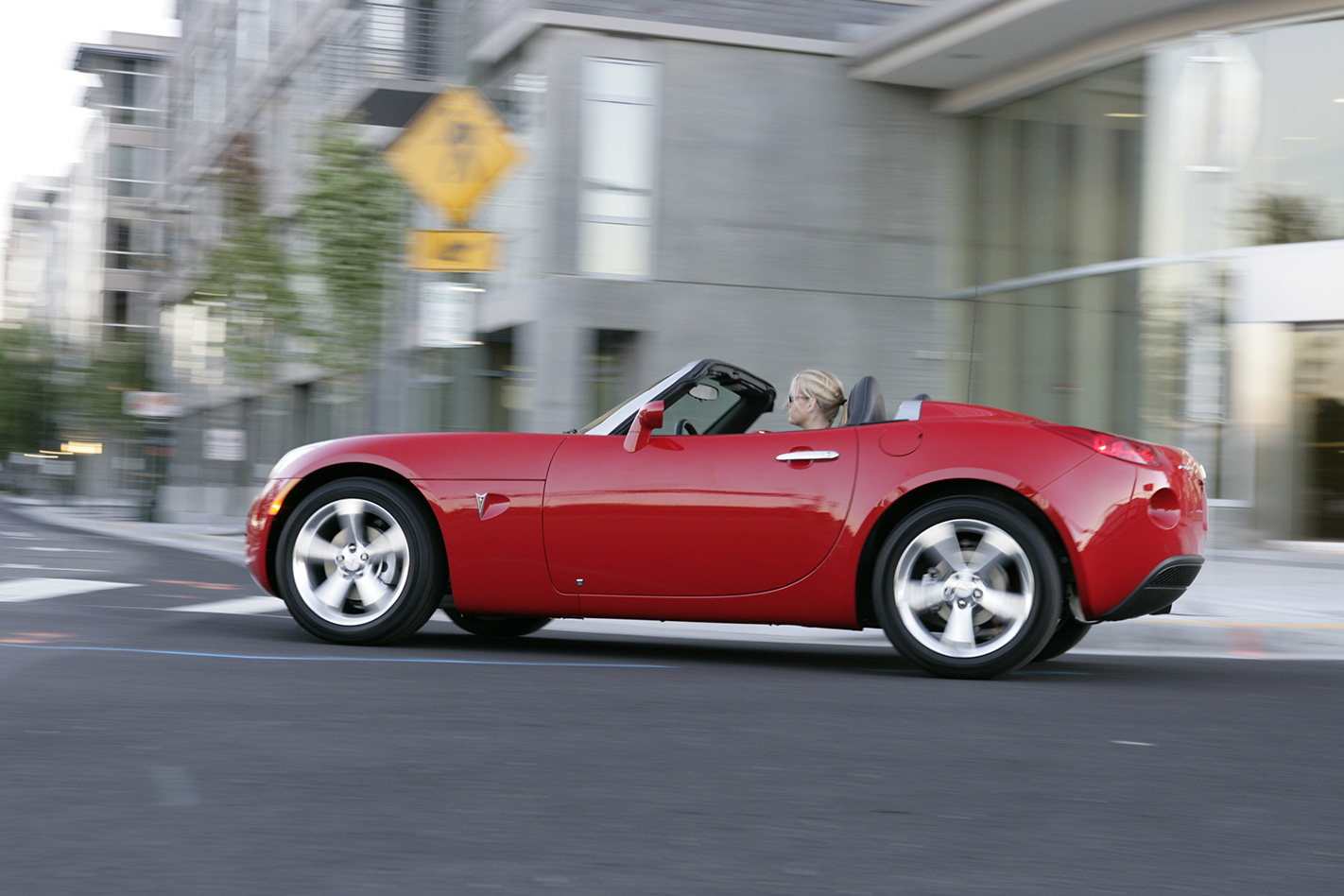
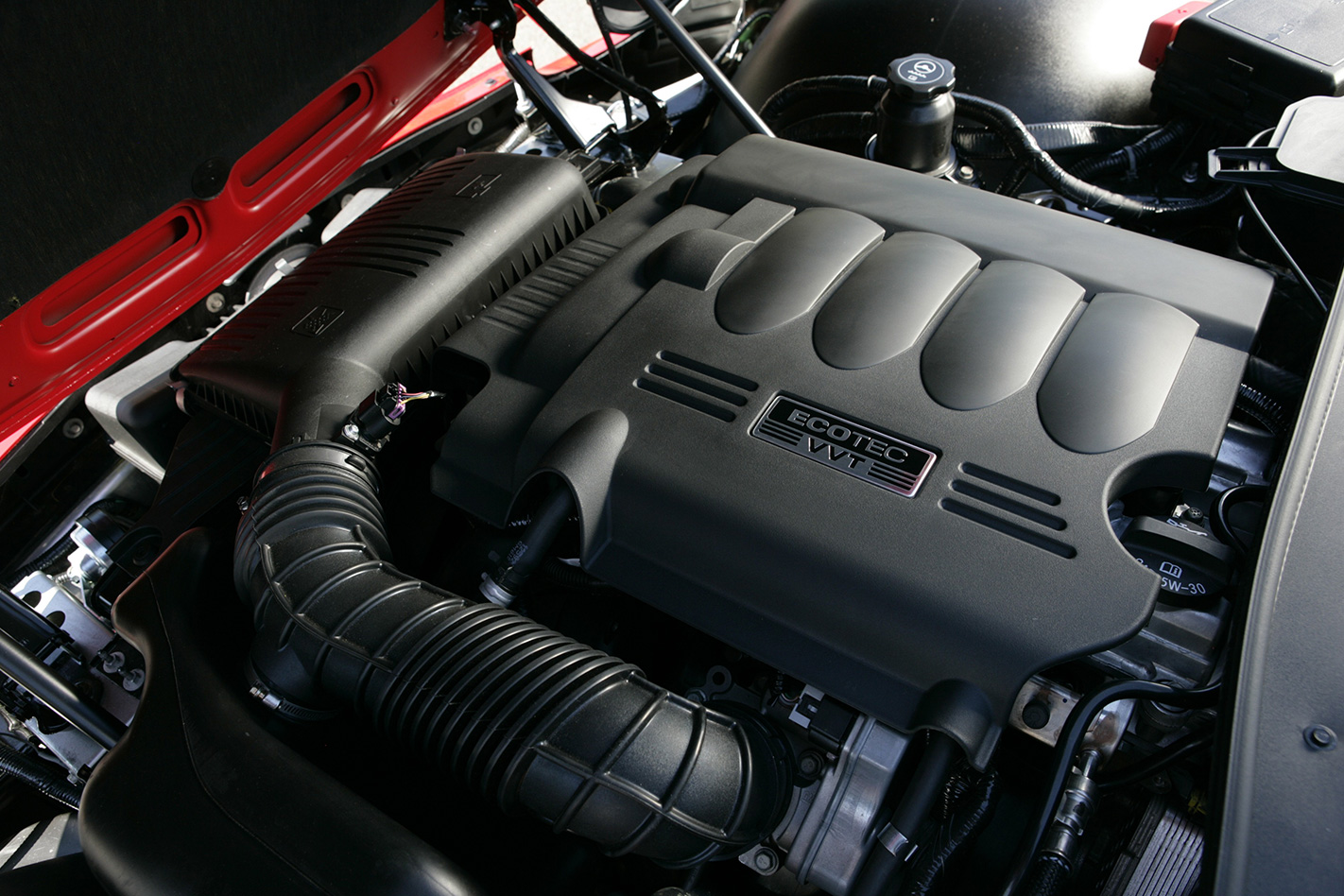
The top works well but – unlike the Mazda’s roof which can be raised or lowered from the driver’s seat – you have to climb out of the Solstice. But a hand-timed 20 seconds saw us drop and stow the top. At the heart of the new Ponty is GM’s latest 2.4-litre four-cylinder Ecotech motor.
It’s an all-aluminium lump with overhead cams and four-valves per cylinder. Cranking out 132kW, its power output betters the new MX-5’s 118kW. But where the Pontiac scores is its torque output, packing 222Nm compared to the Mazda’s relatively meagre 188Nm.
Twist the key and the Solstice barks nicely into life. It isn’t a zingy revver, like a Honda S2000, but it spins eagerly and easily to its 6900rpm redline without sounding like a chainsaw in a biscuit tin. Off the line, it races to 100km/h in just 7.4 secs (beating the MX-5 by four tenths) and runs to a top speed of 198km/h.
Its super-stiff backbone chassis feels rock solid, showing no signs of the shakes, even over pock-marked blacktop. With meaty 245/45 18-inch Goodyear Eagle rubber at each corner, the level of grip is terrific. You can push hard and fast into a corner and it’ll cling to a white line like Kate Moss, helped by the car’s neat 52/48 front/rear weight distribution.
Will the Solstice ever find its way Down Under? Don’t hold your breath. While Opel will get a version to sell in Europe, there are no plans for putting the steering wheel on the right just yet. Shame. And GM calls itself a bloody global company.
Pontiac Solstice specs: ENGINE: 2.4-litre, DOHC 16-valve four-cylinder POWER/WEIGHT: 132kW/1312kg DRIVE: rear-wheel ON SALE: not in Australia PRICE: $26,000 (est)
HOW do you spice up an art auction? Throw a grand prix-winning Ferrari Formula 1 car into the mix, of course.
That’s what auction house Sotheby’s did over the weekend for its Contemporary Art Evening Auction in New York. The F2001 was put under the hammer, fetching a record $US7.5 million ($A9.9 million).
That price makes it the most expensive modern-era F1 car sold at auction, blowing the $5.5-$7.2 million estimate out of the water.

While art snobs may have turned their noses up at the idea of having a fuel-guzzling, screaming F1 car going under the hammer alongside artworks by the likes of Andy Warhol, we thoroughly endorse the idea.
This was the first time a car was offered at a Sotheby’s art auction, with eight potential buyers waging a six-minute bidding war over the lot.

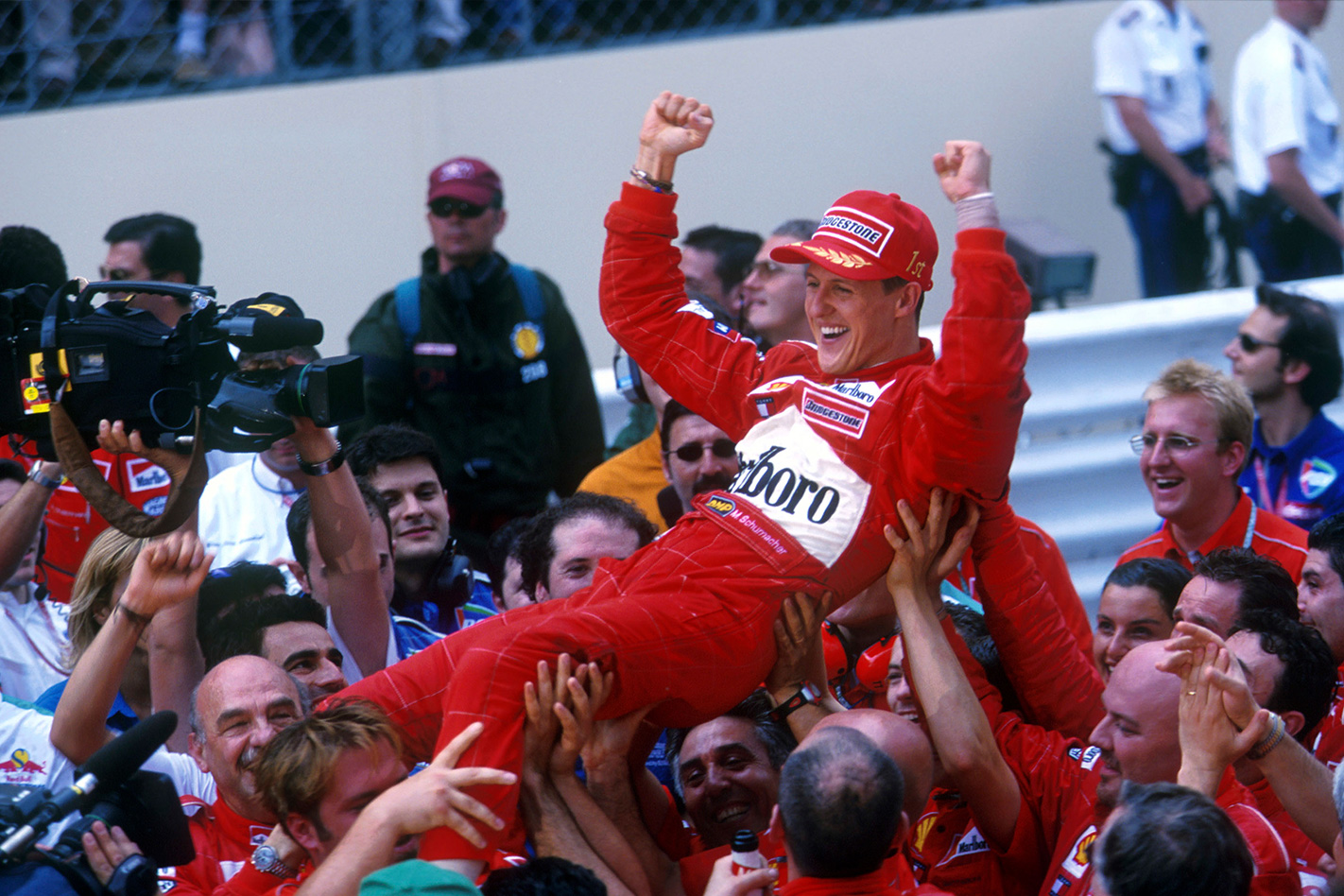
The 2001 Monaco Grand Prix was a classic of Schumacher’s career. The German dominated the race, leading home teammate Rubens Barrichello for a Ferrari one-two.
Only 10 of the 22 starters managed to finish the race, while Schumacher put all bar the top four a lap down by the end of his 78-lap run.
It would be Ferrari’s last win in Monaco in 16 years, before Sebastian Vettel claimed victory again for Maranello in 2017.
When you buy a new car, most manufacturers will offer a range of different tyre and wheel packages.
While it may be tempting to go for the largest option, which often look the best, take the time to consider a more conservative set of wheels.
Smaller wheels can provide substantial improvements in key aspects of the car ownership experience, such as ride comfort and even efficiency, with these benefits often off-setting any loss in visual appeal.
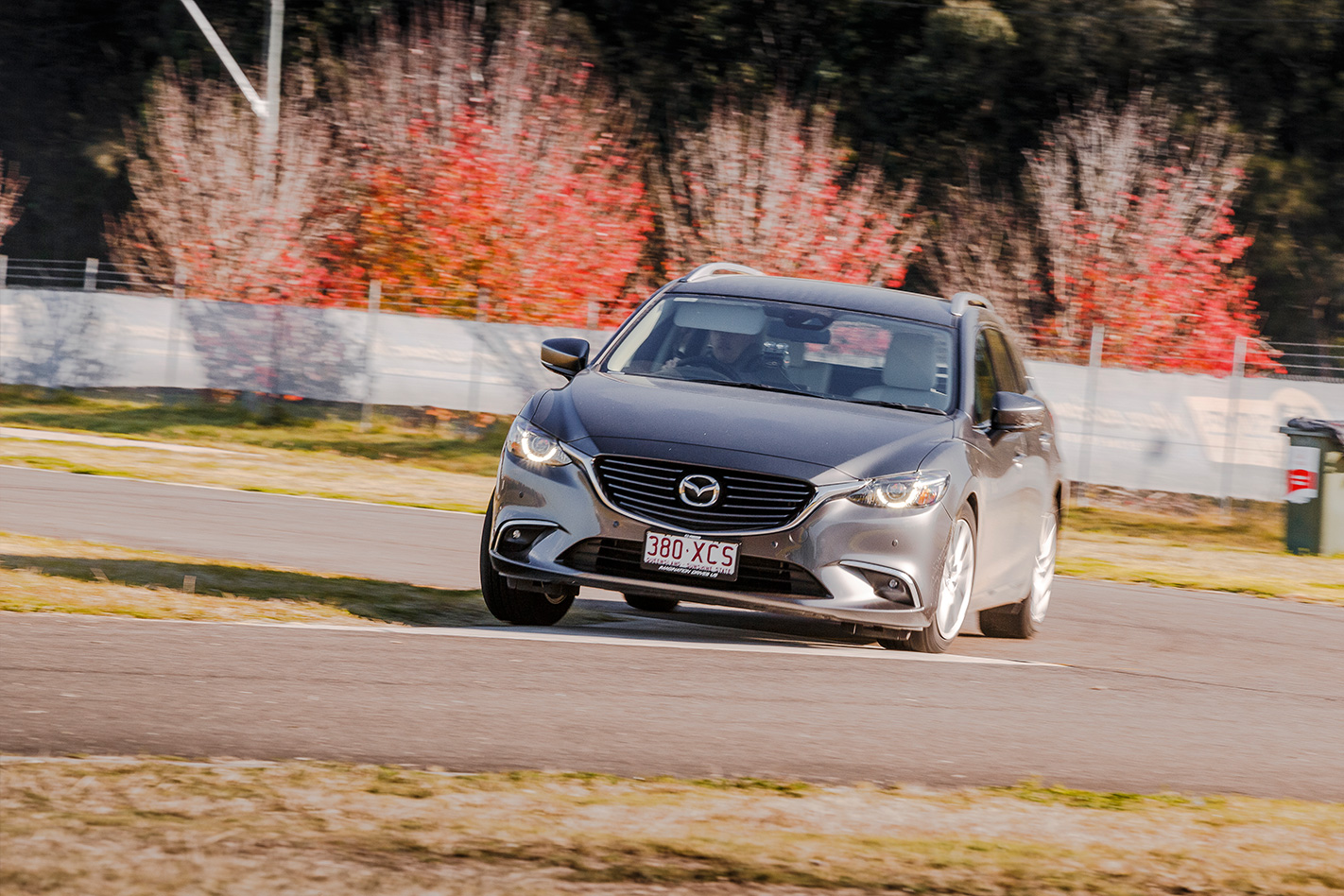
Of course, choosing the right tyre size for you depends on your priorities. If you’re buying a sports car and place a large emphasis on handling and dynamics, then larger wheels with sticky, low-profile rubber makes sense.
However, if you want your car to be more comfortable to drive, use less fuel, and use it for day-to-day duties, we recommend you opt for a smaller rim and tyre package.
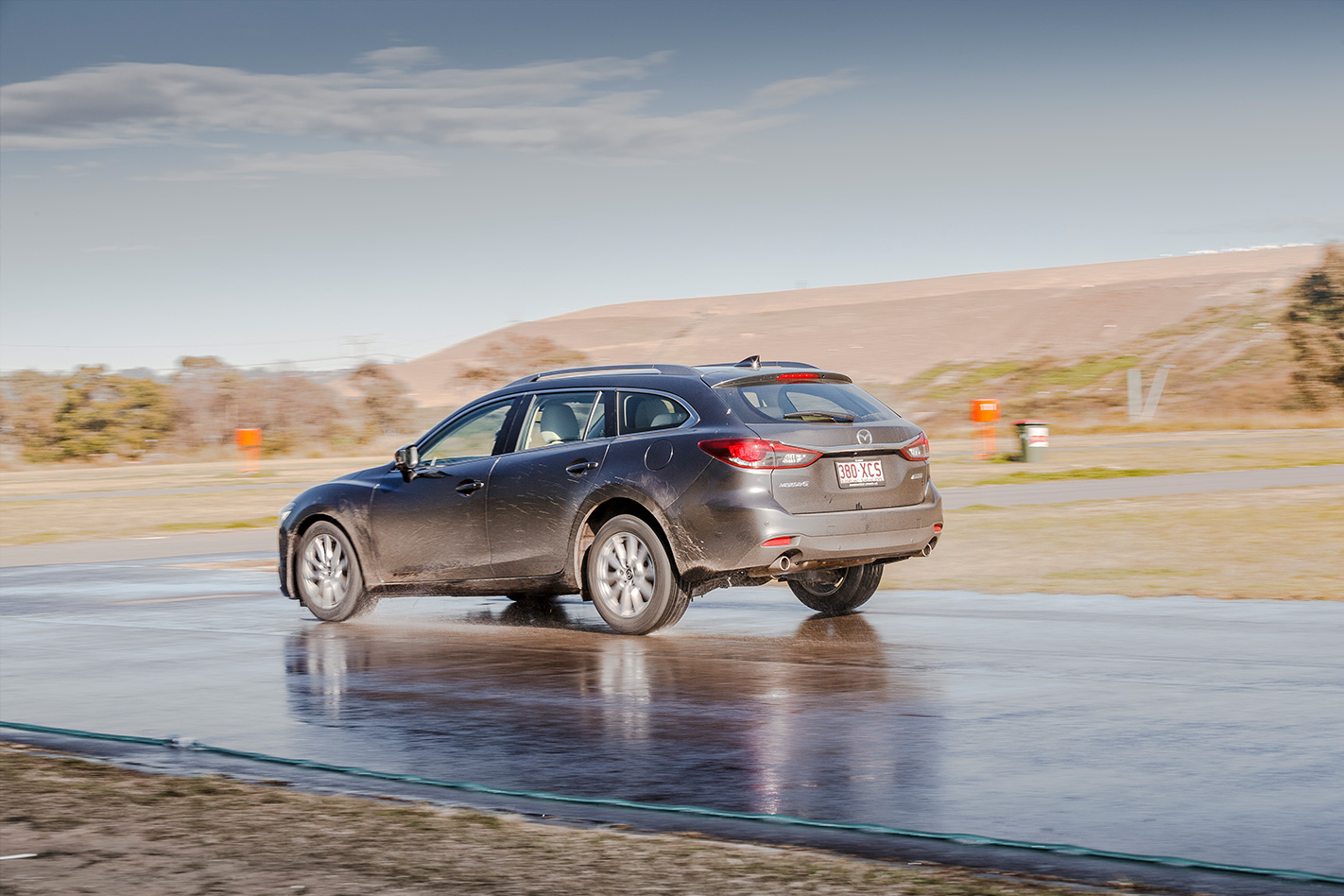
Smaller rims with larger profile rubber can improve a car’s ride significantly. A larger sidewall helps soak up bumps from the road, making for a smoother and more comfortable experience behind the wheel.
In most cases the smaller combination can also help improve fuel economy, and ergo how much money you spend at the bowser.
This is because of the improved ‘rolling resistance’ compared to big wide tyres, helping your car sip a little less fuel as it drives.
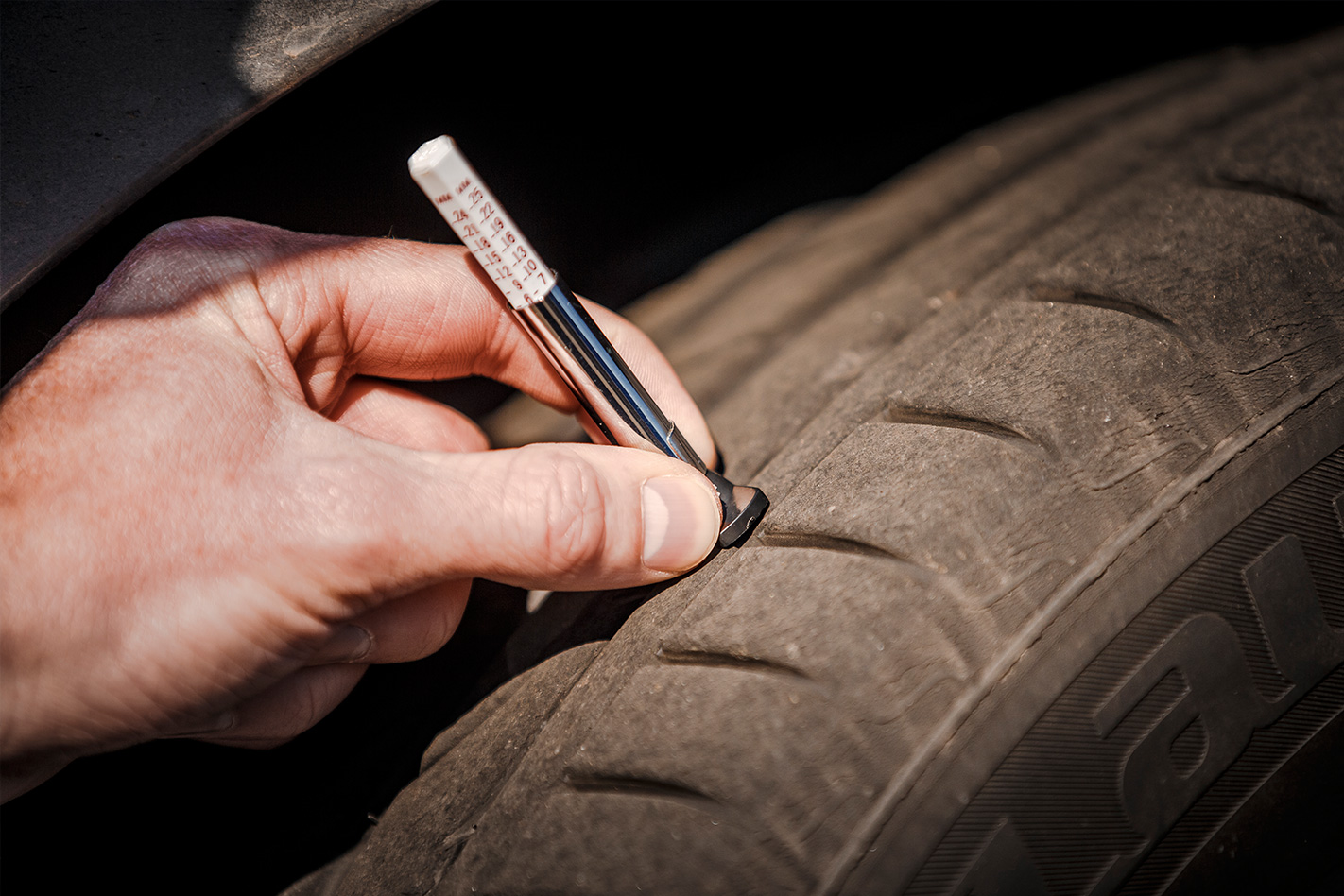
Opting for smaller wheels provides other savings too. They’re usually cheaper to purchase initially, and replacement rubber is more affordable as well, meaning you’ll reap the rewards when it comes to give your car a fresh set of tyres.
So take time to consider the wheel choice of your next car when you are at the dealer, and look at all the options available – it could just save you some money and make everything that little bit more comfortable.
MERCEDES-BENZ has fired up the hype machine ahead of the reveal of its new CLS at the Los Angeles motor show later this month.
The German luxury brand has released a pair of teaser images hinting at the four-door coupe’s front end and interior styling.
An initial shady image of the new model’s nose reveals an evolved headlight design with sharp LED DRLs and single-fin grille in accordance with the Mercedes family resemblance, as well as a heavily vented lower valance, which suggests the show car is geared towards the performance end of the line-up.
A second, more recent image has thrown the first light on the CLS’s interior, and provided more evidence that the E-Class’ more elegant four-door sibling will adopt a similar cabin to the coupe and cabriolet versions.
The large central screen fused to the driver’s instrument display and proliferating the Mercedes range is again used for the CLS information and entertainment system, this time backlit with eerie red light.
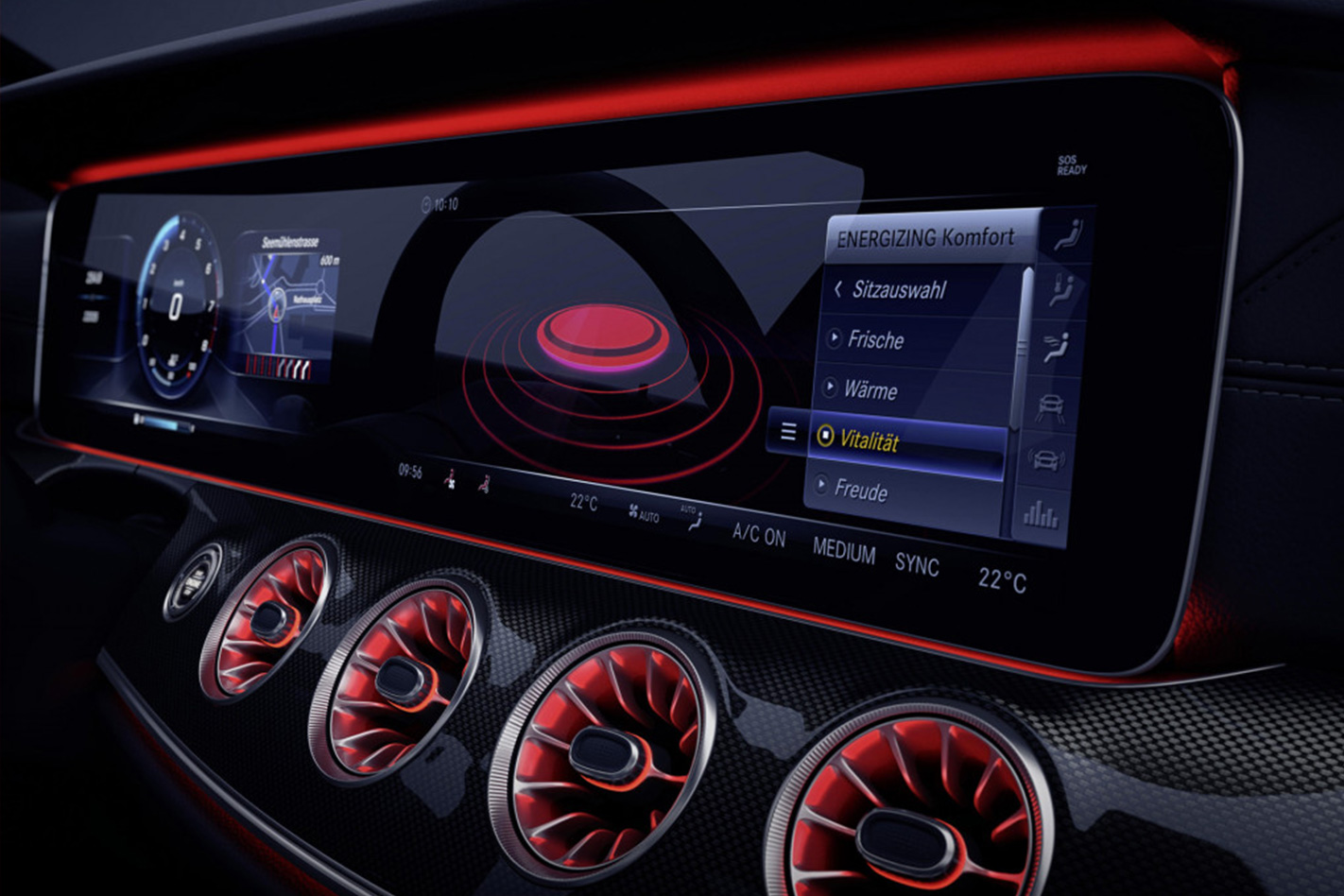
Occupants can select between freshness, warmth, vitality, joy, comfort and training modes, according to their mood and journey type.
The screen is also framed with a bank of four air vents similar to the rocket exhaust-style versions found in the E-Class coupe and convertible, bathed in more red light.
A carbonfibre (or at least in appearance) dash trim completes the revealed features.
Mercedes-Benz has said nothing about powertrains, although a range shared with some E-Class and C-Class variants is a fair bet. The CLS is also another likely candidate to adopt the company’s touted new straight-six petrol.
An AMG version is also a given, although not in fire-breathing CLS63 form as a twin-turbo V8 version would cut the grass of the imminent AMG GT four-door. Expect a circa 320kW CLS53, possibly with a straight-six hybrid system, to represent the performance flagship for now.
IT WAS a last lap like no other. Having taken the lead into the final corner on Macau’s tight and twisty street circuit, Formula 3 driver Ferdinand Habsburg ran wide and crashed out with the chequered flag in sight, as did long-time race leader Sérgio Sette Câmara.
In the end, third-placed Daniel Ticktum threaded his way through both of the wrecked cars to snatch a Stephen Bradbury-esque victory in one of the most exciting race finishes of 2017.
The early part of the race was tempered by two full-course yellow flags, with a safety car intervention bunching the F3 field up after two separate close-quarter racing incidents. Once racing resumed, Sette Camara took the lead.
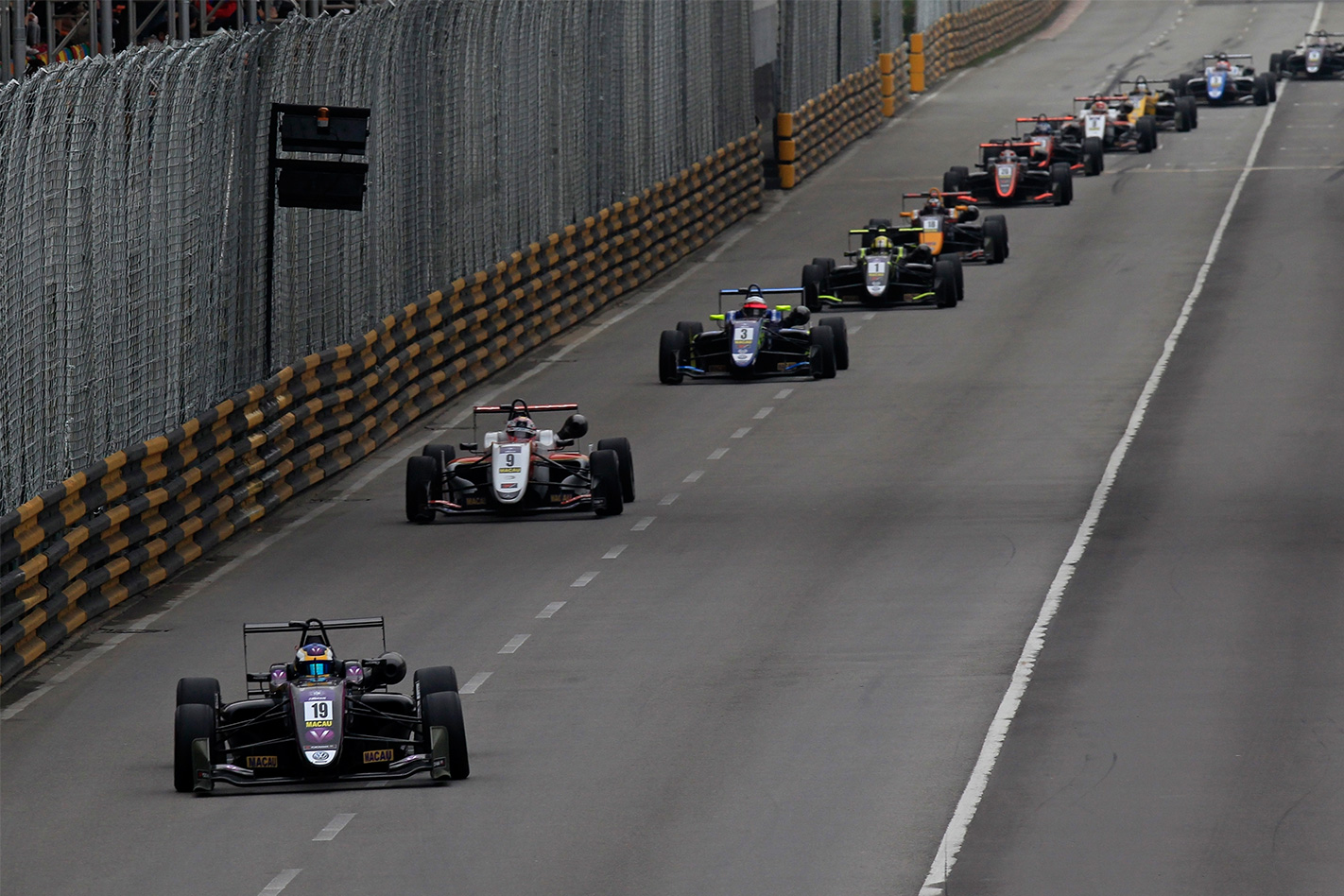
However, Sette Camara came out too hot and ran wide, crashing into the tyre stacks coming out of R-Bend, with Habsburg following him in slightly further down the track.
“It was an incredibly eventful race,” Ticktum said. “…The situation in the final corner, I had been quite unlucky all weekend, so I was due a bit of good luck. I can’t describe the feeling as I crossed the line.”
The spectacular finish mirrored an equally bizarre end to the GT World Cup series qualifier at the Macau circuit, where only four cars made it through to the end of the first lap before the race was red-flagged.
WEC: Hyundai’s Neuville takes Rally Australia thriller
And that is that, folks, for the 2017 FIA World Rally Championship…
It’s been a hectic, dramatic and always unpredictable series across many surfaces and a handful of continents. Thirteen rounds sprung seven different winners.
The most prolific winner with four is Hyundai’s Belgian ace Thierry Neuville who survived chaotic weather and road conditions in the Coffs Harbour region to record his first Kennards Hire Rally Australia victory yesterday.
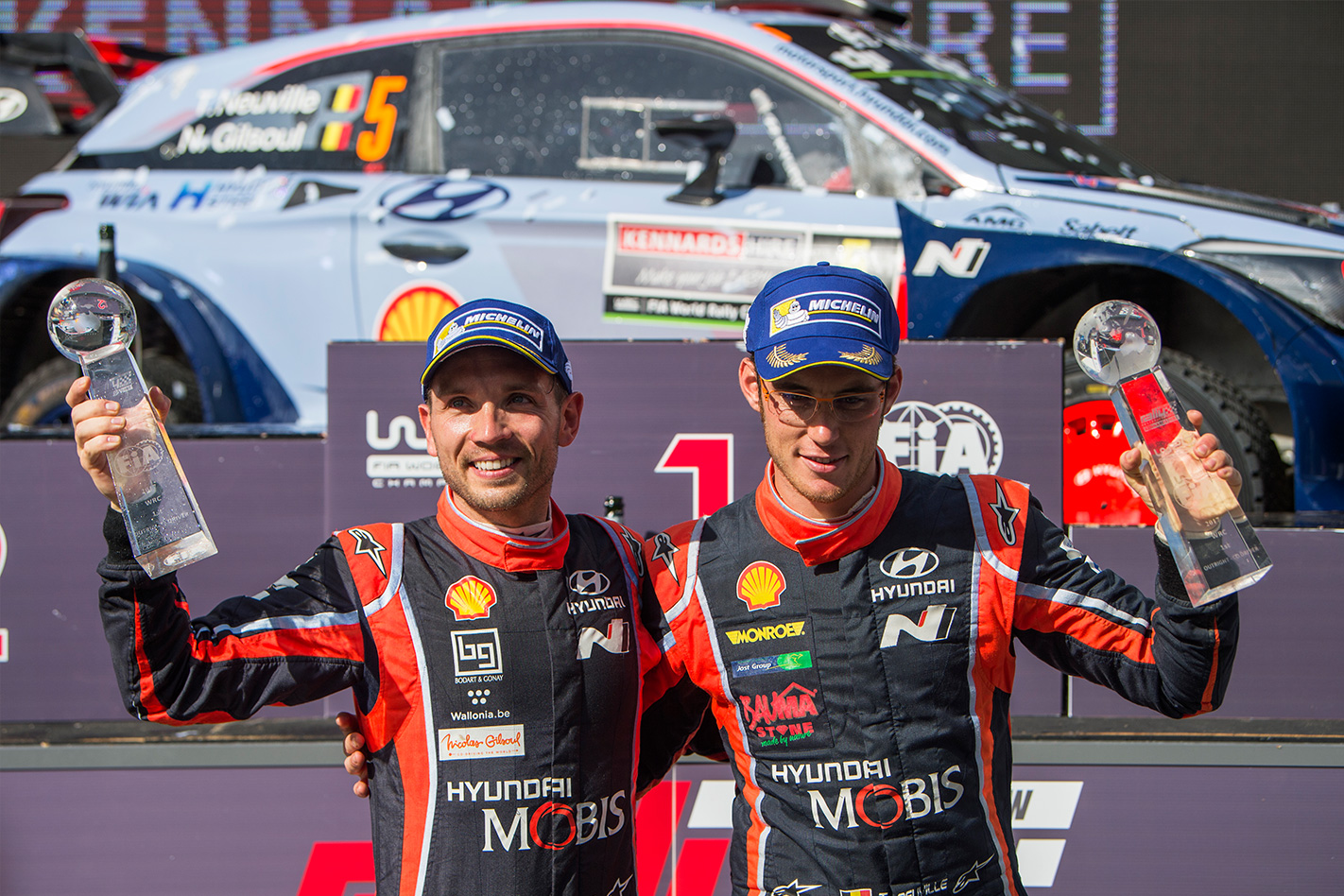
In a late, surreal twist, Toyota’s Jari-Matti Latvala slammed into the trees on the final stage whilst running second.
The Finn’s misfortune promoted Ford M-Sport’s Ott Tanak to second in a Fiesta, 22.5sec adrift of Neuville while Hayden Paddon (Hyundai) collected a welcome end-of-season bonus when he claimed an unlikely third just under a minute back from his team-mate.
Recently crowned five-times champion Sebastien Ogier (M-Sport) finished fourth after topping the Sunday Power Stage run in fine conditions after torrential rain earlier that day.
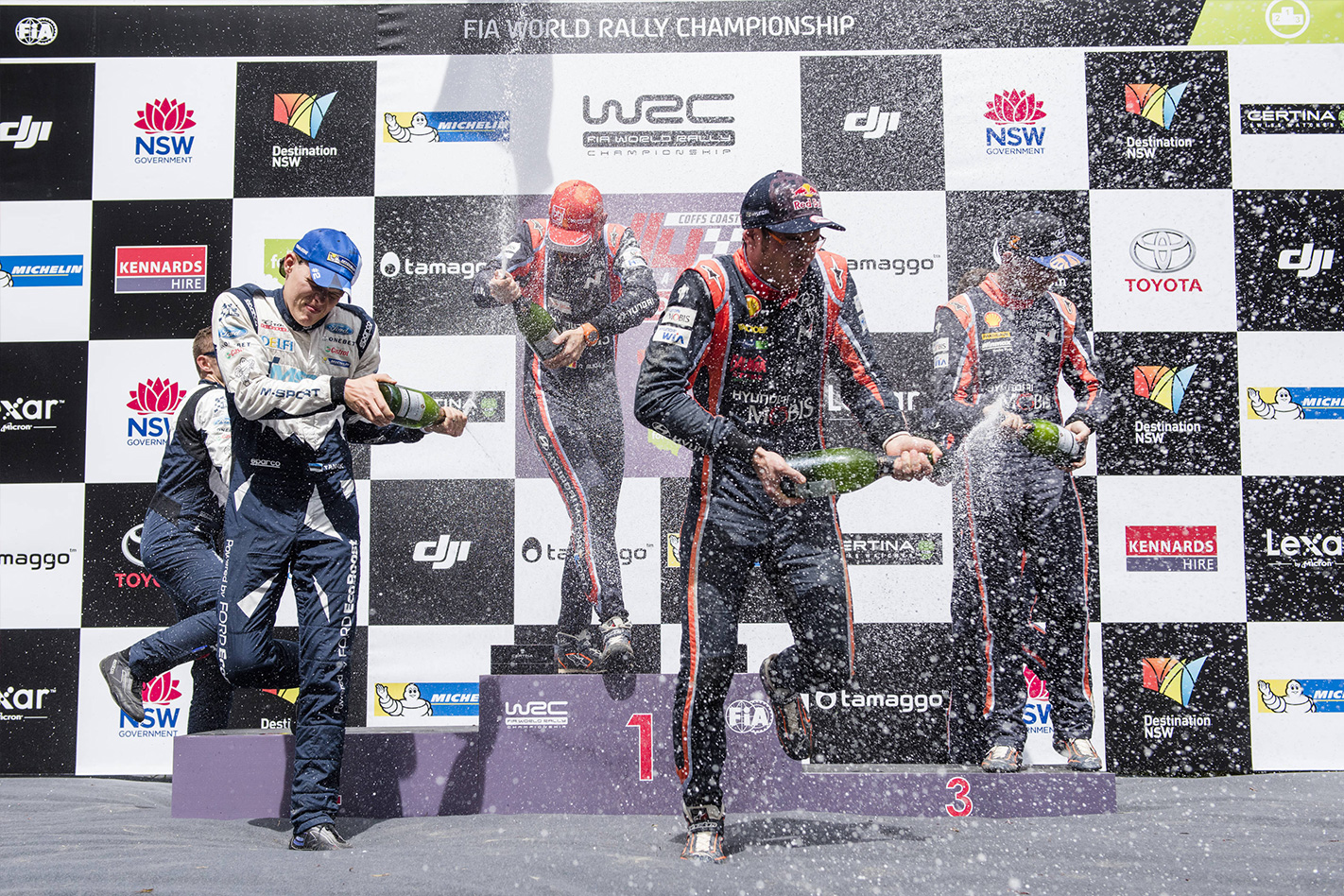
Still to indicate his plans for 2018, Ogier was perhaps also distracted by conjecture over his future. His options appear to be these; re-sign with M-Sport (money may be an issue), or have a gap year, or retire.
Hyundai’s 2017 part-timer Andreas Mikkelsen dominated the opening day but unluckily scored two punctures in one untidy slide through a right hander. That left last year’s Rally Australia winner and this year’s leader stranded and out of business. Two wrecked tyres; one spare.
Neuville then seized his chance to consolidate second place in the championship. By rights the Belgian should have been fighting for the title but inconsistency left the pre-season favourite with fewer points than Ogier, but twice as many victories (for versus two).
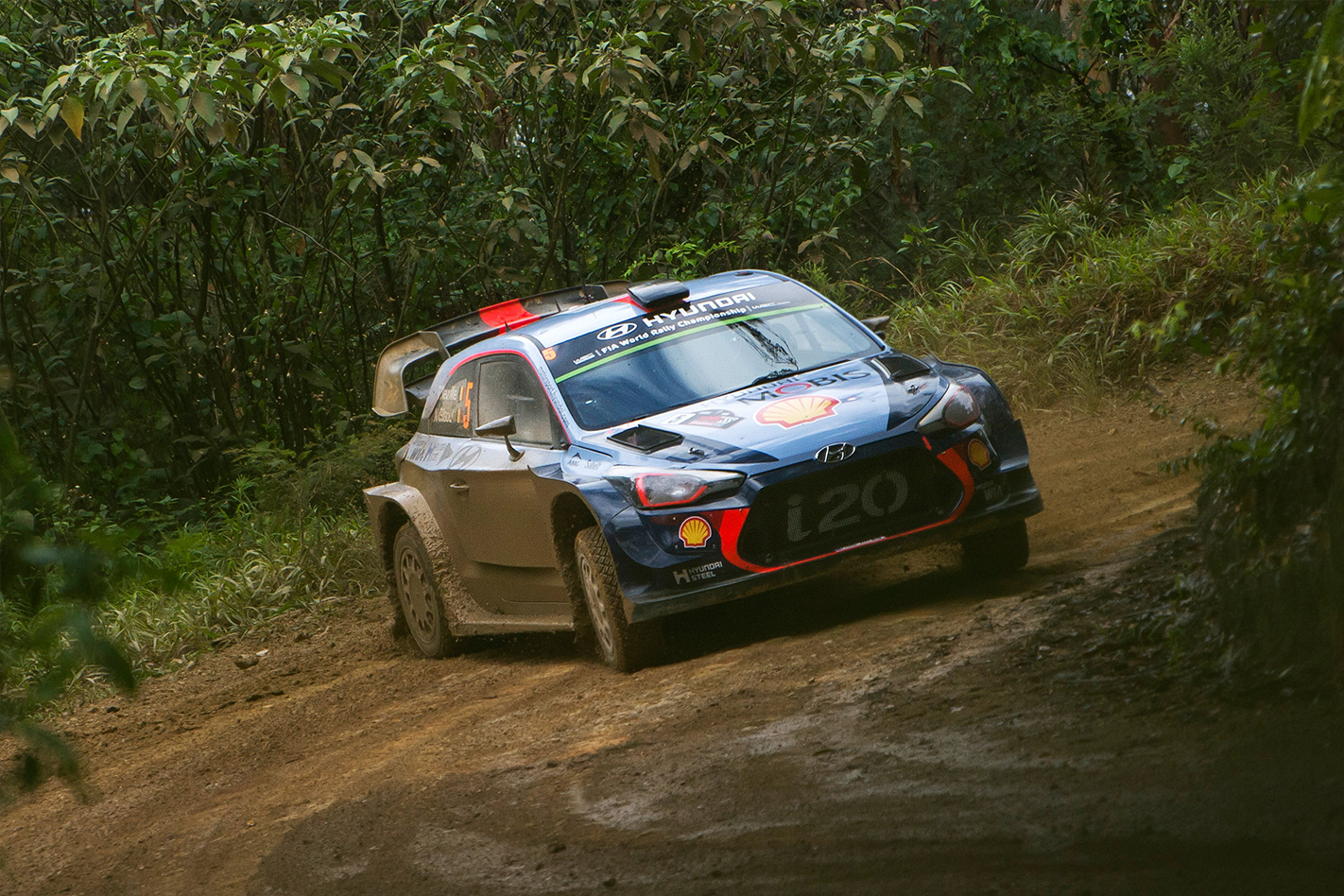
Hyundai looks to retain Paddon and Dani Sordo, who’ll share a third i20. Once touted a future world champion, Paddon has endured an awful, inconsistent year but said in Coffs that he may have found something to put him back in contention in 2018.
Toyota will keep Latvala and the still-learning Esapekka Lappi, and add Ott Tanak, who is leaving Ford’s M-Sport after four seasons.
Citroen, after showing some interest in Ogier, now looks set to retain its Irish incumbents Kris Meeke and Craig Breen.
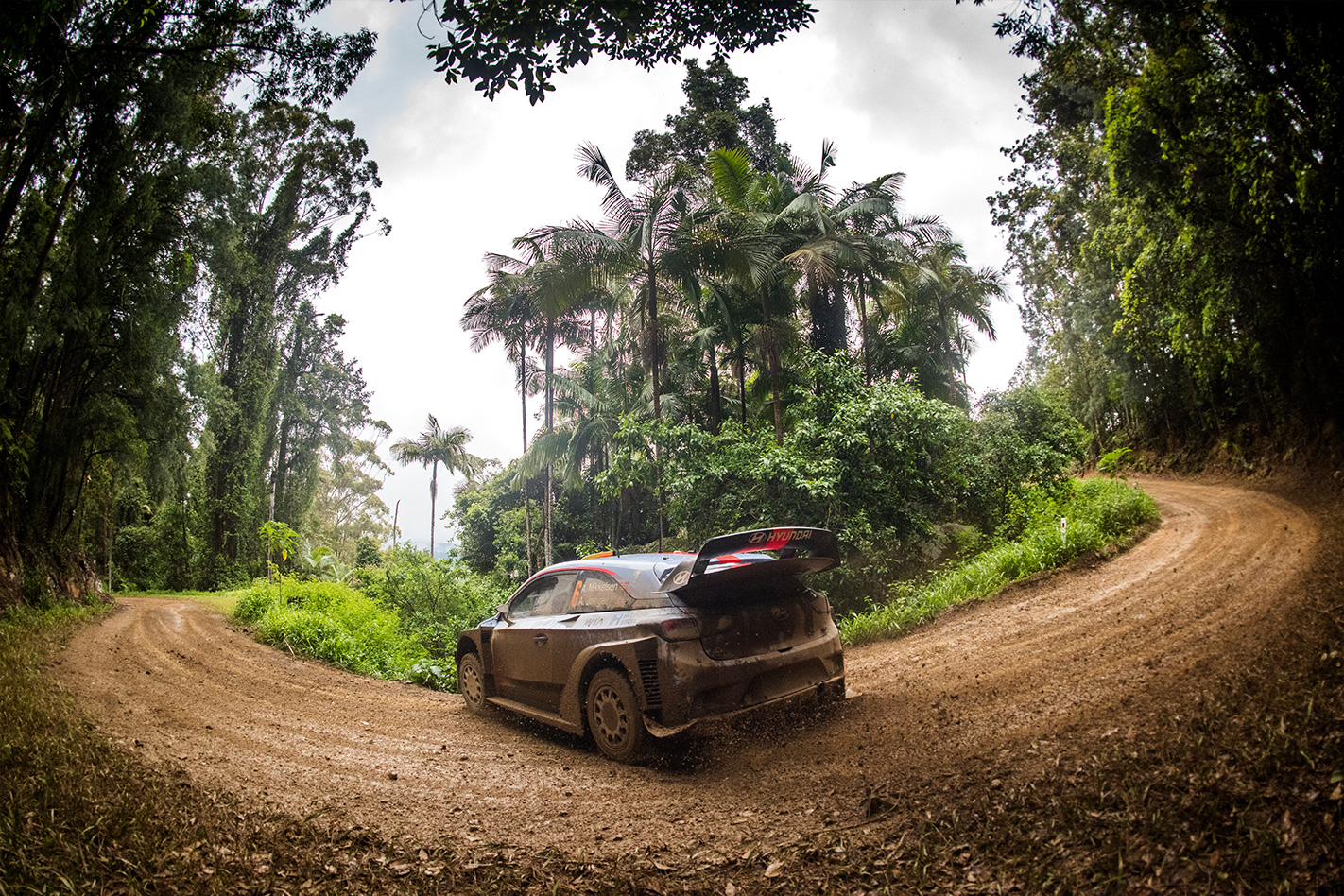
The fee charged by the WRC promoter has risen alarmingly and criticism won’t go away that the event is staged too far away from Sydney. Countering this…where near to the capital are there rally roads anywhere near as good as those around Coffs?
Heartening for the Coffs organisers, this year’s event attracted record crowds over the weekend, and the spectators were rewarded with some stunning action from the sport’s best in their new-era World Rally Cars.
ARC: Quinn wins Aussie rally title in decade-old entry
And in local news…
After years of trying, larrikin Coffs local Nathan Quinn has taken out the national championship, the final round of which was run in conjunction with the WRC.
The battler won fair and square in a 10-year-old Mitsubishi Evo IX held together with race tape and hope after the series leader and only rival for the crown, defending champion Molly Taylor, had the heartache of serious engine dramas late on Saturday.
Despite the best efforts of the Les Walkden Rallying mechanics who toiled late into Saturday night to repair damage incurred by turbo failure, the production class WRX STI failed to make it past the morning’s first control point, prematurely ending the final title tilt.
The emotional Quinn, 31, was almost speechless when interviewed after the fine stage, but managed to blurt out his thanks to his parents for their support.
A more composed Quinn later revealed that it was only an off-hand comment by fellow driver Eli Evans that made him register for this year’s Australian Rally Championship.
“Eli Evans said ‘Quinny, you never know, you should just register for the championship’. So I borrowed 1500 bucks off my girlfriend. Then Neal Bates Motorsport helped me get to Perth. Then there was a bunch of Irish lads that chipped in for a new engine.
“We could not have asked for a better year in terms of support and here we are now. It was an unfortunate problem for Molly (Taylor) but a miracle for us.”
Taylor, though gutted, said she and the team would bounce back next season. “In the end what happened was something that we couldn’t control. It makes us hungrier for next year, we want this more than anything.”
WEC: Toyota denies Porsche one last win
Porsche won the qualifying battle over Toyota but the Japanese giant prevented a farewell triumph for the exiting German marque in the Six Hours of Bahrain, the final (ninth) round of the 2017 FIA World Endurance Championship.
Toyota overturned the Porsche LPMP team’s edge in qualifying with the #8 Toyota TS050 Hybrid of Sébastien Buemi, Anthony Davidson and Kazuki Nakajima winning by more than a lap.
Victory for the #8 drivers marked the first time since 1990 that a car crew has won five races during a season of WEC or its predecessor, the World Sportscar Championship.
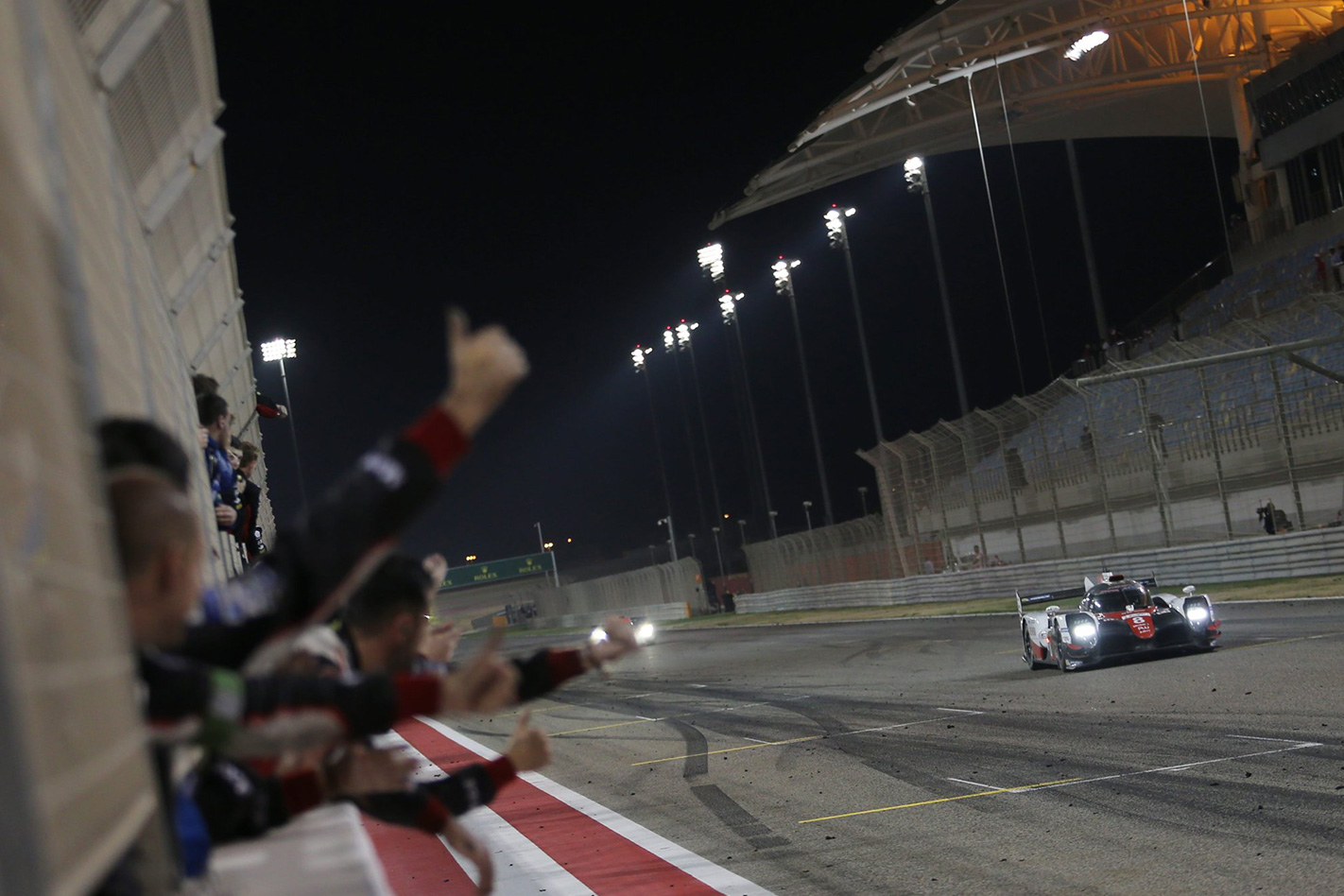
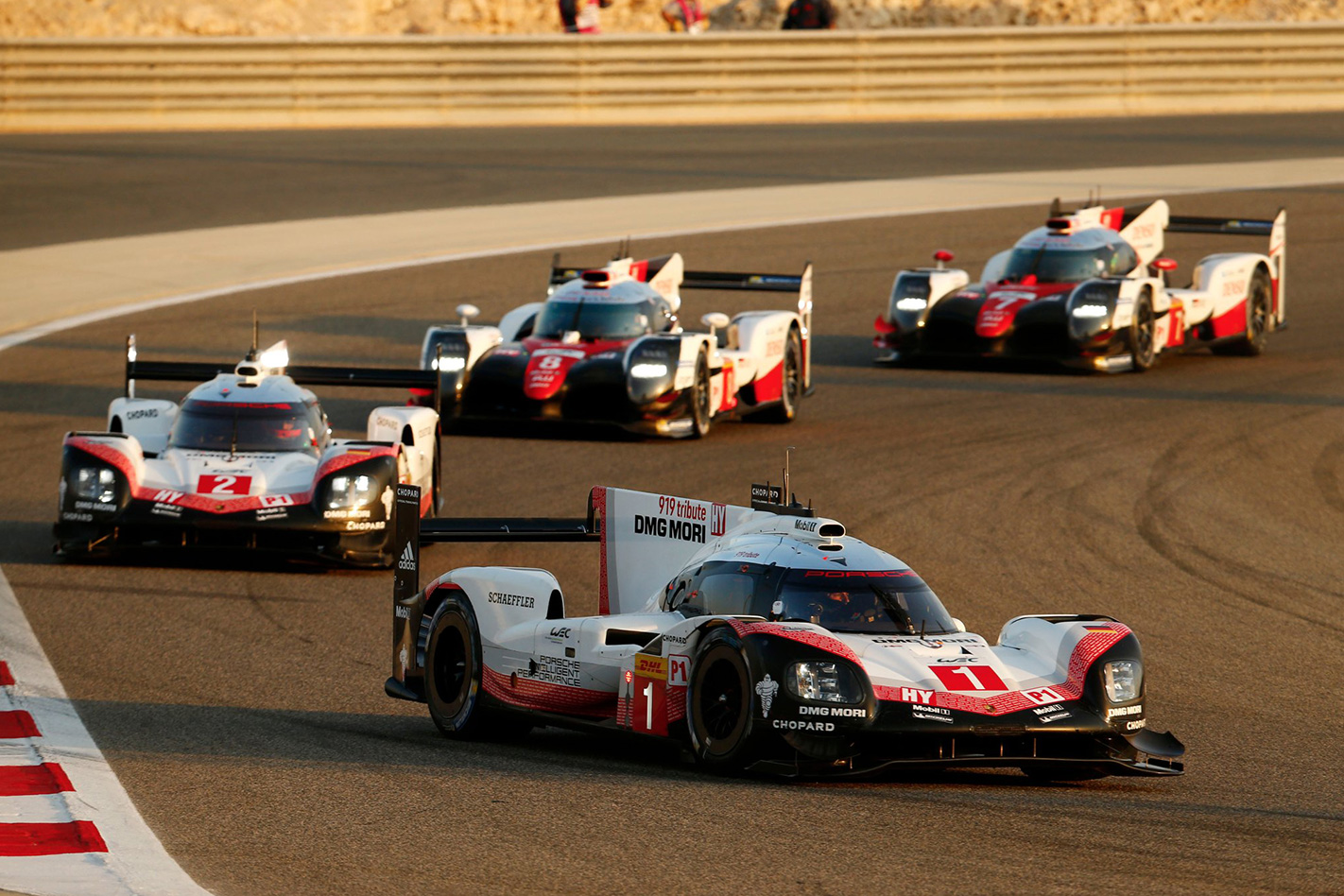
The winning trio powered to the lead in the first half an hour, with the pole winning #1 919 Hybrid of Neel Jani/Andre Lotterer/Nick Tandy keeping the pressure on
When the Bernhard/Bamber/Hartley was forced to make an unscheduled pit stop, Toyota appeared to be heading for a one-two. This prospect was scuppered though when Kamui Kobayashi in the #7 Toyota collided with a GT car and had to make a lengthy stop for repairs.
This put Porsche back into second and third spots and conclude the Stuttgart firm’s final title-winning season in world class prototype racing with two cars on the podium.
With the 2017 championship over, the focus is already on the future and proposed new LMP prototype regulations which the WEC senses might attract more manufacturers to the series.
There are reports that McLaren has a “strong interest” in potential WEC rules that would allow it to style a future LMP1 contender on its exotic high-performance road cars. Makes obvious marketing sense.
“We like lots of what they [WEC and Le Mans race organisers] are saying: with the budgets and the level of technology they are talking, it’s heading in a direction that means there is a strong interest on our part,” Brown told Autosport.
Brown said that he would love to see the marque back at Le Mans, a race it won with the F1 GTR supercar in 1995.
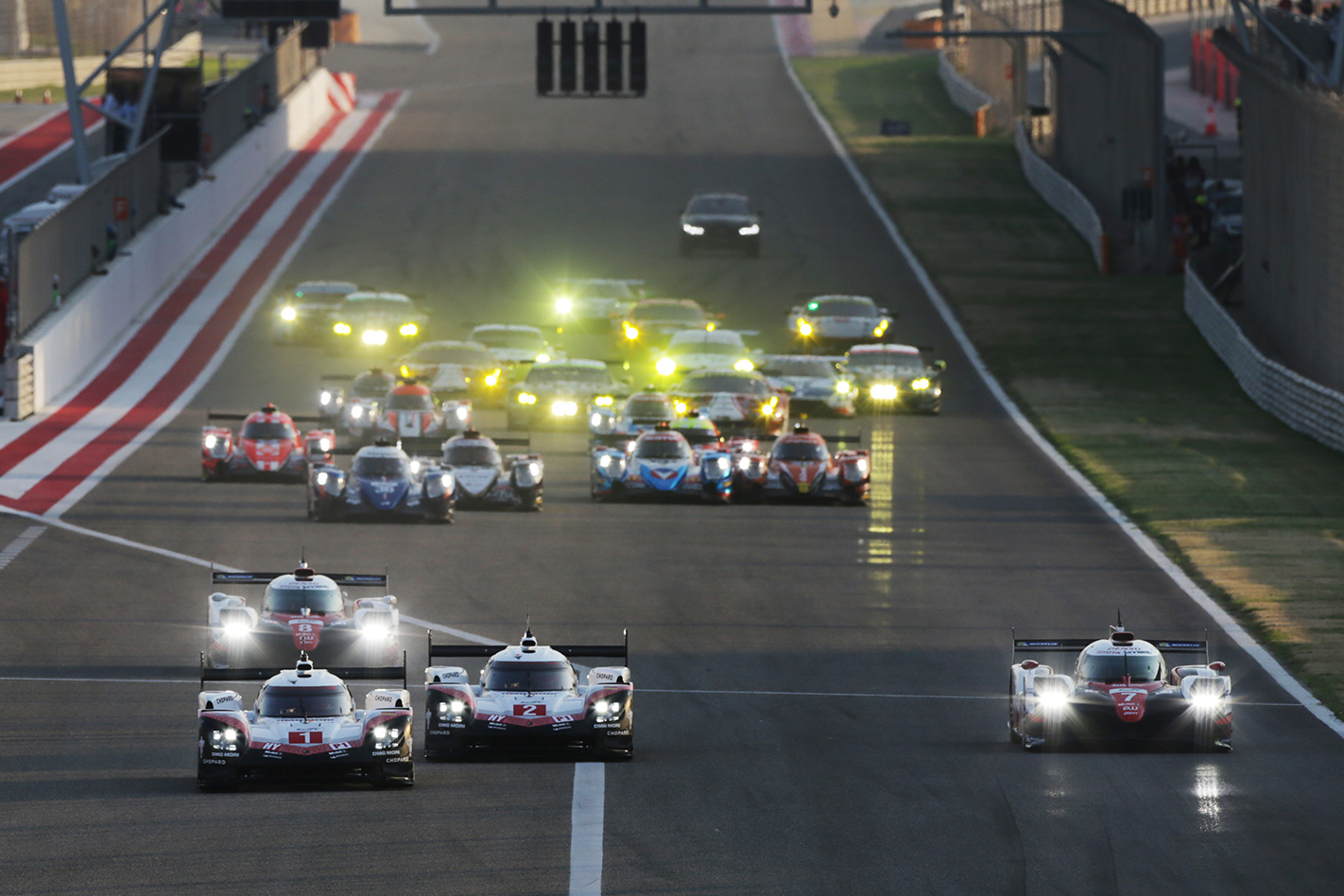
But with nothing firm, Alonso instead arranged to drive a Toyota TS050D in yesterday’s official WEC rookie test in Bahrain. This move is part of the two-times f1 champion’s burning desire to win the triple crown – F1 (tick), Indy 500 and Le Mans.
“It was a great day,” reported Alonso after his first experience in a Le Mans prototype. He completed a total of 113 laps in the #8 car for a total of 611km.
“These cars are amazing to drive. They are very consistent throughout a stint which is a positive thing. I have wanted to test a car like this for a long time now and today I could achieve that so I am happy.”
We are at best going home early or, at worst, going to have to call partners and spouses to bail us out of the local nick.
This article was first published in MOTOR magazine’s March 2005 issue.
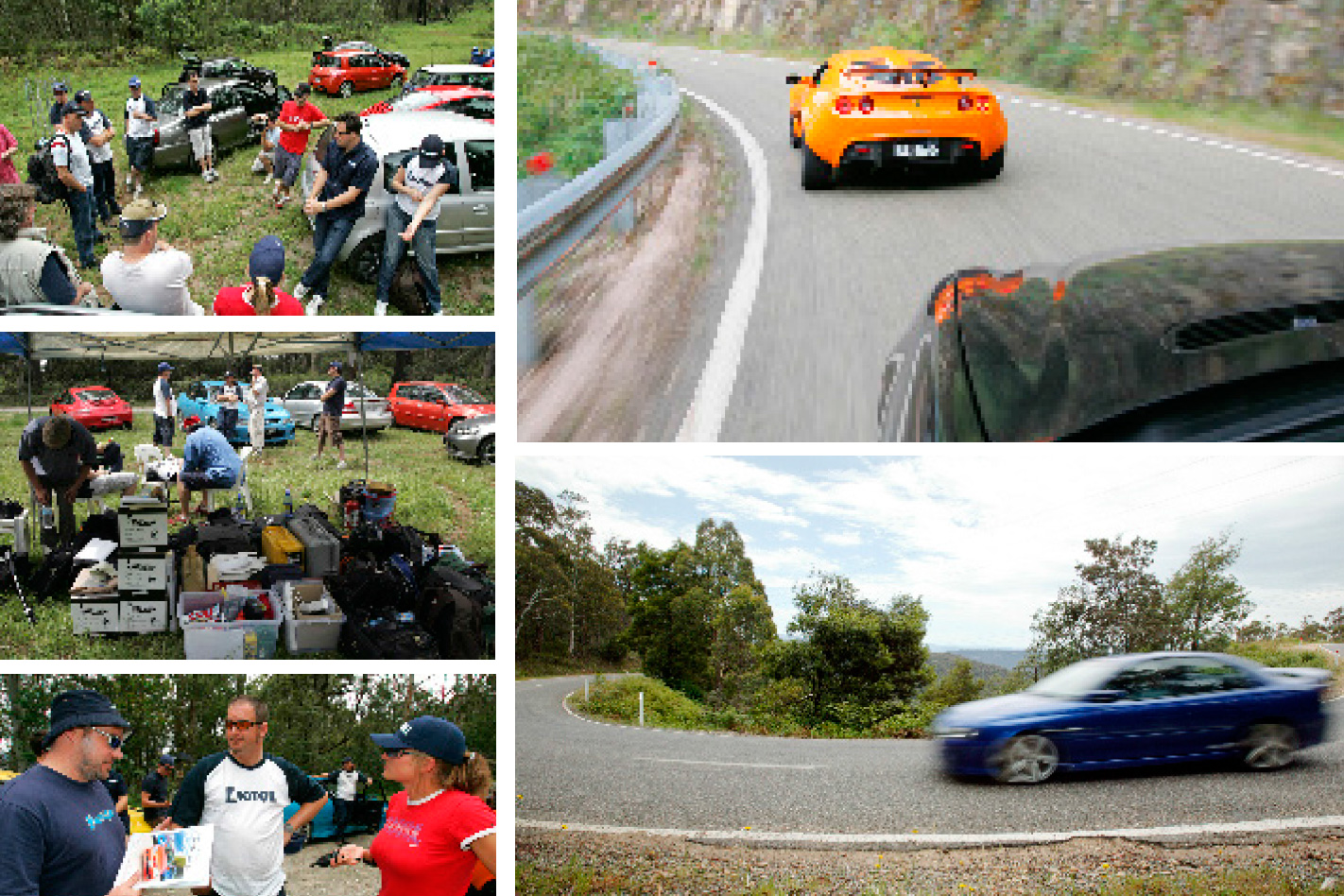
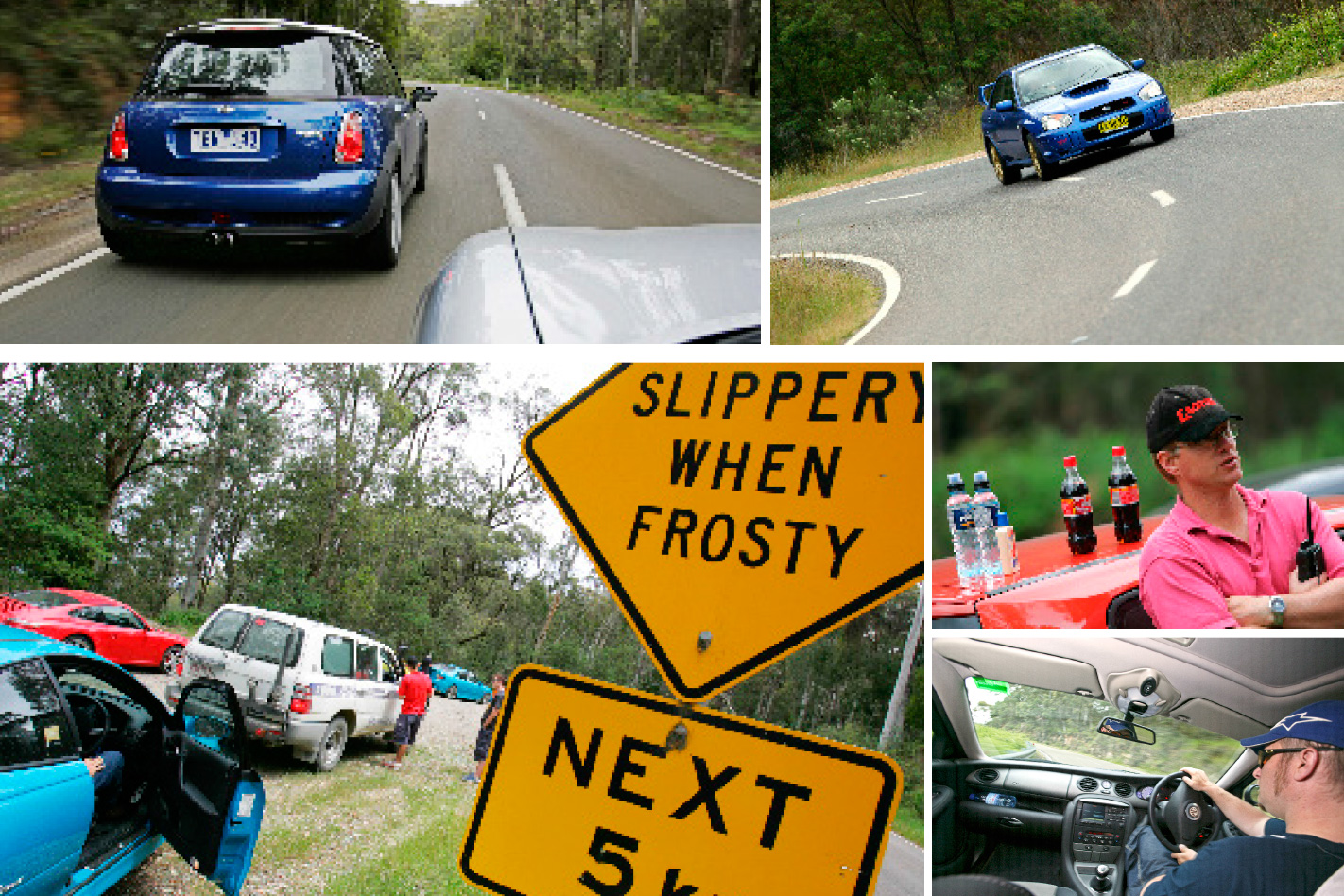
Various members of the PCOTY circus stand around kicking small rocks and trying to hide MOTOR logos, as editor Jesse engages a member of the local constabulary in a discussion of the What Exactly Are You Doing Here persuasion.
Or so I thought; Mr Policeman turns away from our unusually docile chief, points to the Lotus Exige and loudly proclaims, “I’ll go for a run in that, if that’s okay”. One passenger ride up and down the loop with MT later, and we’re free to continue… In some ways, the final test of the PCOTY period is the toughest one for both man and machine.
The fast fleet is beginning to fray around the edges; not the least is the Holden Commodore SS, a rocket at the airport, its brakes are throwing tanties after being tortured at Winton, the Typhoon twins have departed and there’s a strong smell of wet dog in the MG ZT 260.
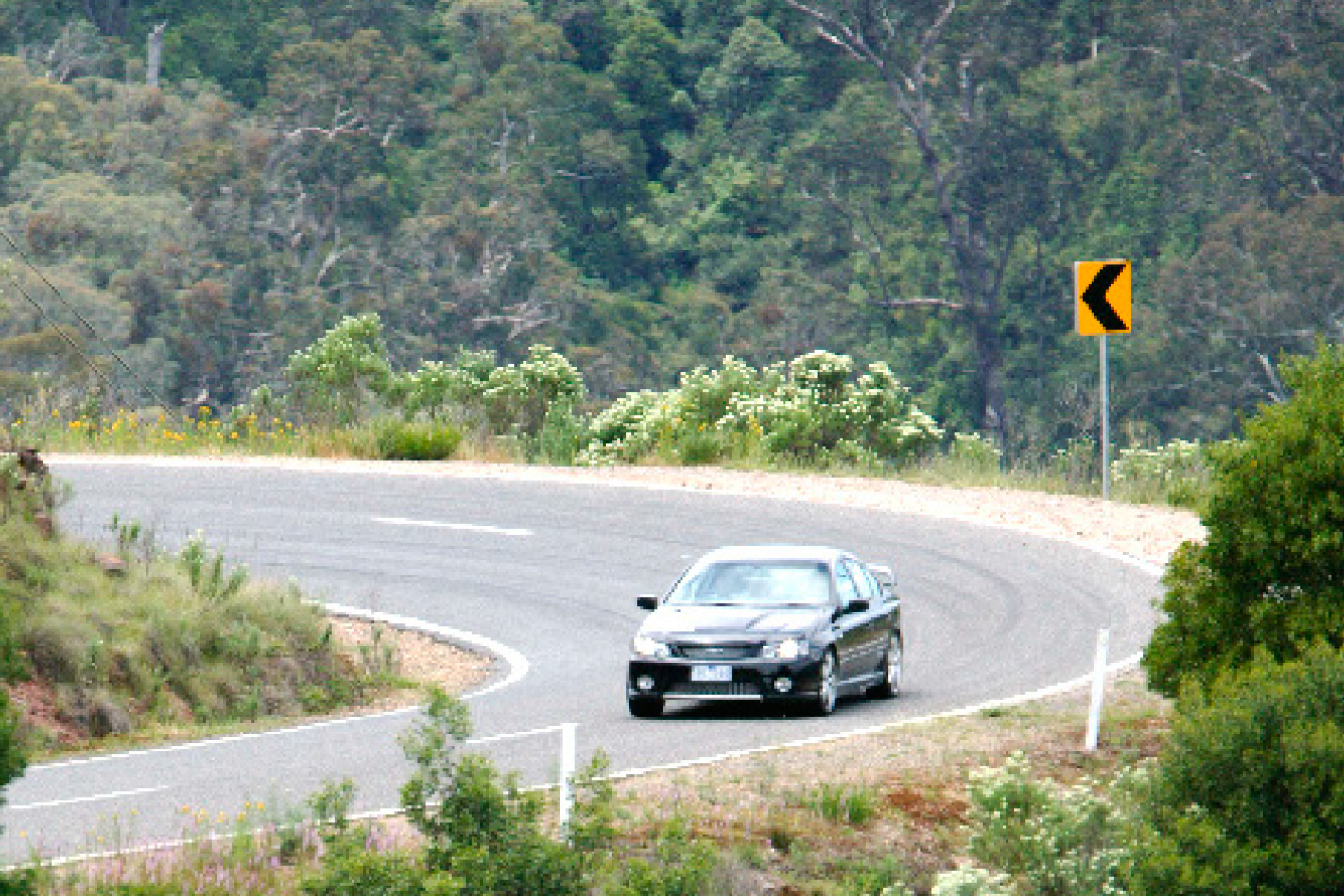
But, as has happened to other hot PCOTY Mercs, the CL65 AMG pulled the pin, petulantly plonking itself into self-preservation mode at the slightest hint of a temp spike. Pity, because describing the crushing thump in the back as a Newton kay of torque rockets you up an increasingly thinning sliver of road is entirely beyond me, because I’ve never launched off an aircraft carrier.
Performance Car of the Year 2005 – Airport
At the other end of the scale, Renault’s Clio Cup is tailor-made for days like these. With easily the best chassis balance in the lightweight division – and embarrassing plenty of its supposed betters – the Cup’s front-end grip seems never-ending and its gruff little 2.0-litre is always on-song.
In this company its underwhelming looks disguise the fact it’s a fun machine through and through. Think original Honda Integra Type R that’s completed a couple of months of finishing school. Speaking of which, the Integra Type S also makes a good fist of it.
Yes, Irene, it’s slightly aloof, but bejeezuz it loves a good rev, the gear shift is peerless and you can tell the front end what to do with little argument received. Cockpit arrangements have gone from sublime to ridiculous, the too-narrow Recaro race buckets of the Type R replaced with shapeless slippery leather numbers that did the car no favours.
It’s a willing engine, and it’s at its best left a gear or two taller than feels natural to overcome its power-down issues. A combination of dullard steering, average ergonomics and a top-heavy feel, leaves the Megsy as a car I don’t leap out of with a grin on my face.
Is ‘retro’ the word for the Mazda MX-5 SE? If yes, then paint me old school. Granted, it isn’t the most accomplished thing out here, but the peachy chassis and lovely steering are as comfortable as a well-washed t-shirt. Power delivery is disappointing and it needs to be revved and the ’box needs to be worked to get the most out of it.
But it’s superbly involving, if not that competent by the standards of more contemporary rivals, and not a bad way to spend a Sunday arvo. While the Audi TT isn’t as dated as the MX-5, it’s not far off. The V6-engined coupe is the last throw of the dice for this body, and it holds its own – just.
It feels slow-witted, but it can be a bit of fun on the road. Sounds tremendous, too. The six-speed DSG ’box is better the further you take it from the track, but the seats and distinctive starkness are great. There’s understeer issues, no room to carry anything, and it’s expensive, but in all, the TT raised eyebrows across the board – just, disappointingly, not for the right reasons.
It’s a sweet motor, the Boss 290, but it sits high in the engine bay, giving the front end a feeling that it’s always tottering side-to-side, and it’s also a bit cammy in its delivery. Eighteen hundred-plus kilograms does an excellent job of hiding kilowatts, too.
Six cogs made it a more consistent car, but most judges were more concerned about its turn-in understeer and uphill power-down shortcomings. And I’m pretty sure you’ve read enough about the Typhoon to explain its DNF by now… The other performance rear drive sedan on test, however, continued to plant itself into top-ten contention, as it had from the beginning of the weekend.
The HSV ClubSport R8 is a great place to show off the throaty, torquey powerplant that is the new LS2, and makes ground everywhere else by being one of the most integrated cars on tour; great brakes and a surprisingly sweet front end with lots and lots of grip and tonnes of feel.
Make ’em heaps good smoke signals too, Tonto… Hats off, though, to the sheer audacity of the MG ZT 260. Not only is it almost twenty grand dearer than the GT-P, it weighs almost as much and has one cam, 16 valves and 100kW less on offer.
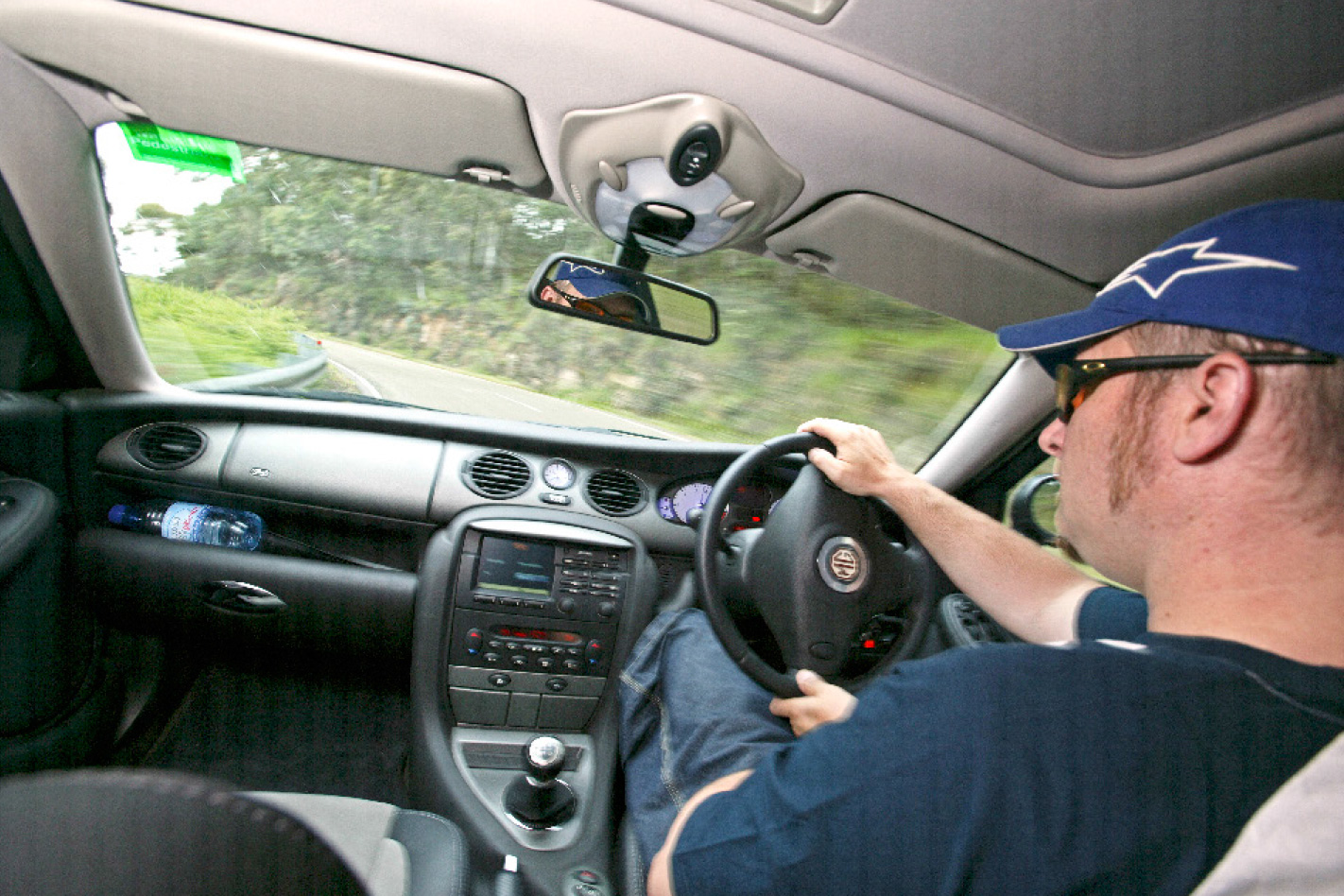
While I’m in a derisive frame of mind, it might be best not to make too much mention of the HSV GTO Coupe. The upside is the LS2 motor works a treat. The auto gearbox, while much improved, is still dead painful and unpredictable to the point of causing traction breakages, and this jobbie had very average brakes which, here, equals about zero fun.
The other pseudo-English entrant, the Lotus Exige, was expected to do well here, but immense grip doesn’t quite make up for large gaps in the gearing, there’s simply not enough room on the Hillclimb to keep the Lotus singing. However, the Lotus damper boffins deserve extra cream on their scones for building shocks that ride so well and grip so hard.
It’s still all a bit ‘hobby kit’, though, with stickers covering holes where rubber bungs should live and a hit and miss approach to screw and bolt insertion. If the VW Golf R32 has one claim to fame, it’s the fact that it’s an all-wheel drive with no turbo lag.
The 3.2-litre V6 softens off at the top of the tacho, but it makes plenty of noise along the way and has good shove from middling engine speeds. There’s good grip and typical Haldex-clutched AWD understeer, but the suspension control falls apart when you’re pressing on and the R32 becomes too pogo-ey on broken bitumen.
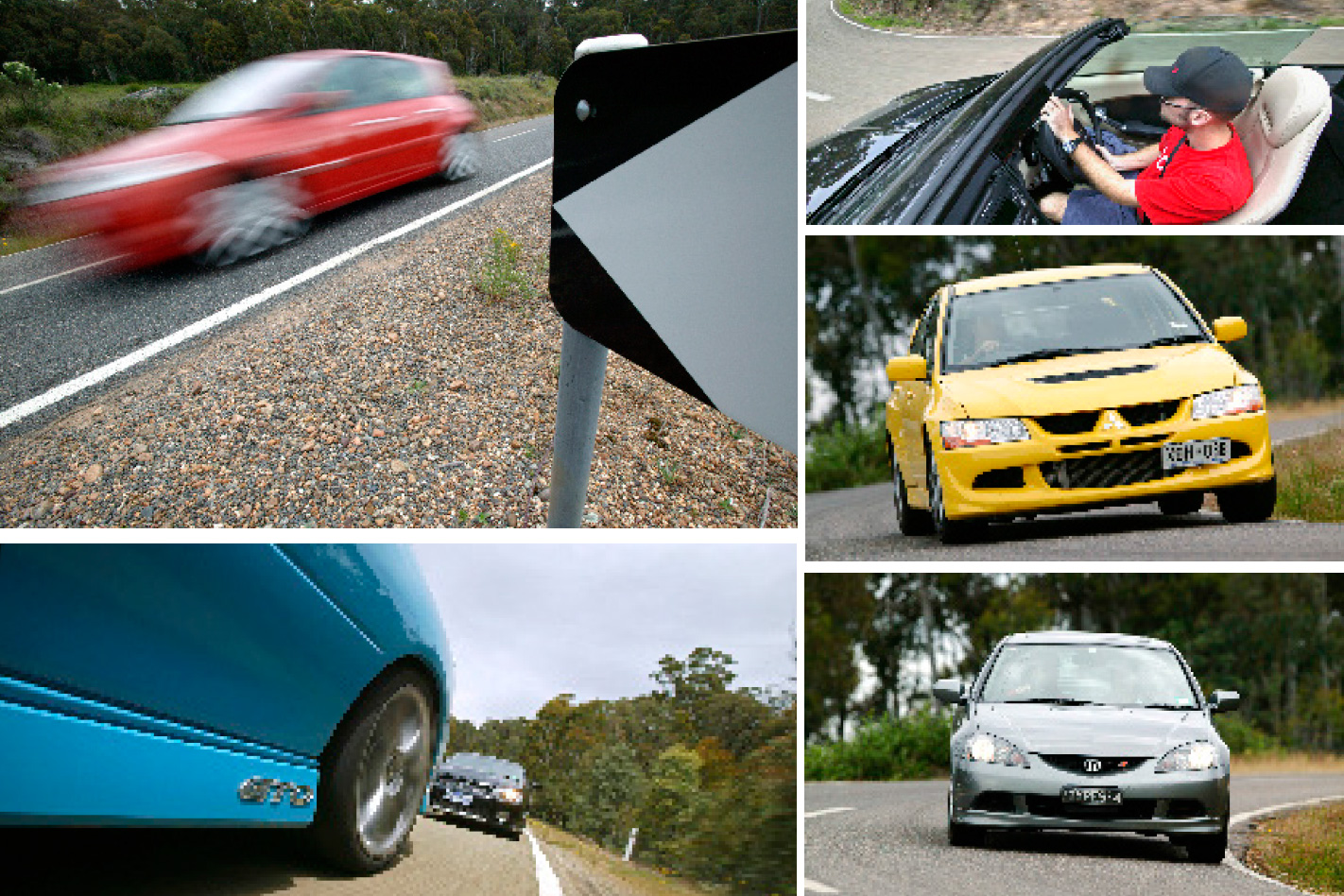
It gave its best and had nothing left to give – and, we know, that line didn’t endear Sally Robbins in the eyes of the nation, either. Funnily enough, the second incarnation of the Monaro CV8 is spec’d with an improved brake package and it’s still fighting on feistily deep into Tuesday afternoon.
In fact, I’d go so far as to say that this is the tightest, most together Munro I’ve yet to drive. Noise, fury, smoke, charm and passion – but while the brakes are better, it could still use more.
While it isn’t the king of the littlies, the MINI Cooper S Chilli substitutes grip for grunt, putting in a reasonable performance, though it can be a handful, bucking and reacting to a steering rack that’s just too fast for the rest of the chassis.
It’s very firm, but not an unreasonable ride, and it still attracts sideways glances from the cafe set, but its $41k should be enough to make rational people ask rational questions.
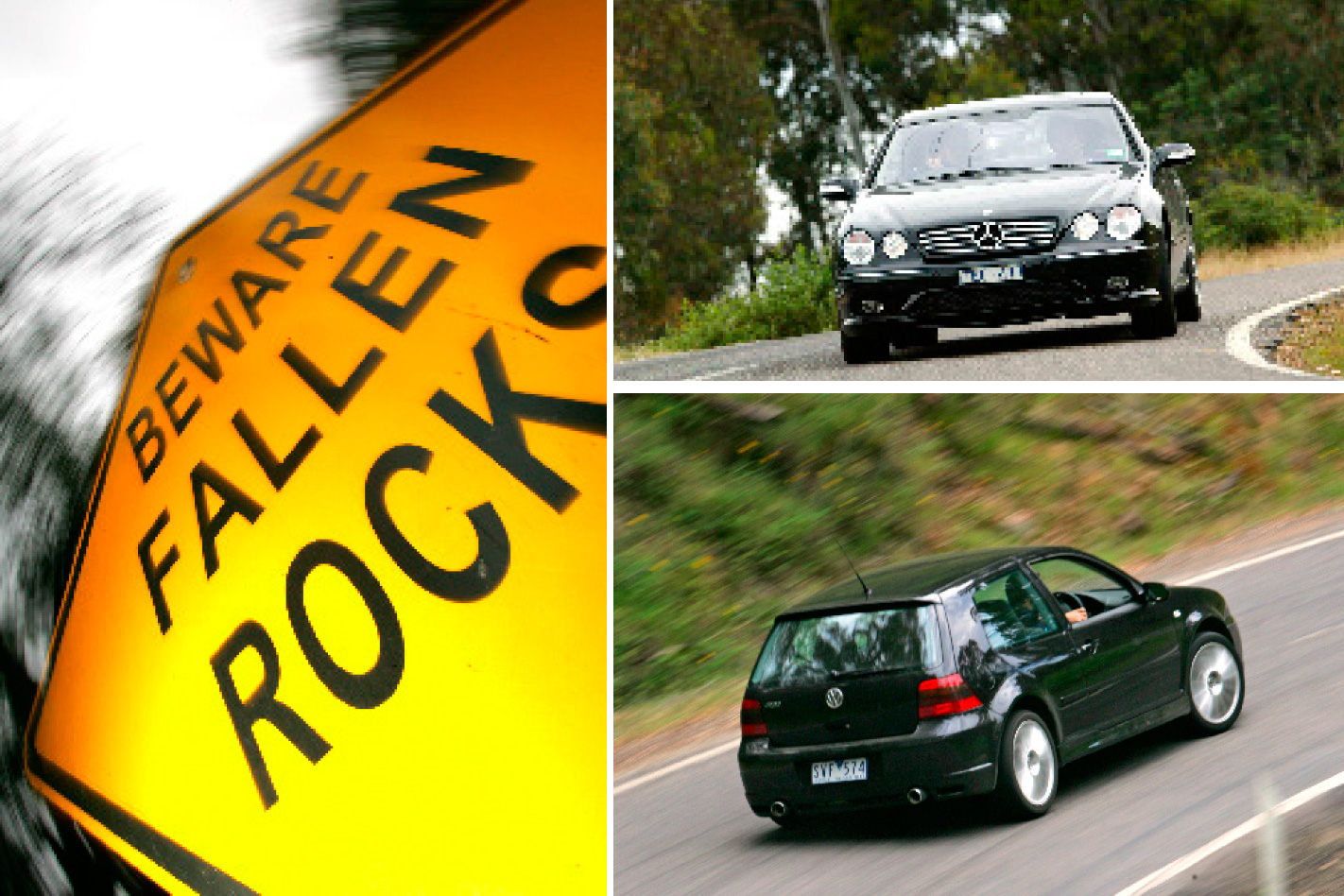
It’s only ever going to fit you and a good friend but with its creamy, punchy, sonorous V6, surprisingly vivacious chassis and super-functional roof, this thing is the surprise find of PCOTY for many. If, however, space and cubes top your Merc shopping list, the C55 AMG may be more to your taste.
With a tendency towards power oversteer when the right foot feels for the firewall, only an ordinary slusher ’box dulls the drive. The C55 figured higher in the charts than most expected, with its ability to whisper its way through bends, and it’s a cracker of a Q-ship in anyone’s language.
There’s much talk of the Mitsubishi EVO VIII being the duck’s guts even amongst this esteemed mountain of metal, but it’s hard to judge when you can only sample a version that’s done the equivalent of the Paris-Dakar rally.

Nevertheless, they add an element to the Subaru WRX STi that’s impossible to ignore. In my opinion the STi poops from a great height on this EVO in this condition; better tyres, braking, shifting, power-down… all sorts of areas.
It feels slower in the first three gears than the EVO VIII, and it’s just rubbish when it’s off boost, but it now runs the Ralliart weapon closer in a straight line than ever before. Is there a reason I left the 911 for last? Not especially. Do I know why I simply wrote ‘Mmm, lurverly jubblies’ as my one-and-only notebook quote?
Yep, because this is the 911 for guys like you and me… Aside from a dash rattle that inexplicably went away after a thump on the binnacle, the depth of engineering quality is so hard to describe adequately that I won’t even try.
You’ll read people blathering about the steering being less than its 996 self, but let me assure you, if you’re missing anything, it ain’t much. Grunt forever, brakes to match, grip only surpassed by steering feel… simply astonishing.
THE WORLD’S first production engine with variable compression ratio tech will make its debut in the Infiniti QX50 SUV. But while its first application will be in a big family bus, the numbers revealed by the automaker suggest this motor has performance potential.
Internally coded ‘KR20’ and based on Nissan’s existing MR20 – which sees service in the X-Trail and Qashqai, among others – Infiniti’s variable-compression motor is capable of altering its compression ratio (the amount by which its air/fuel mix is squeezed) from an ultra-high 14.0:1 to a very low 8.0:1
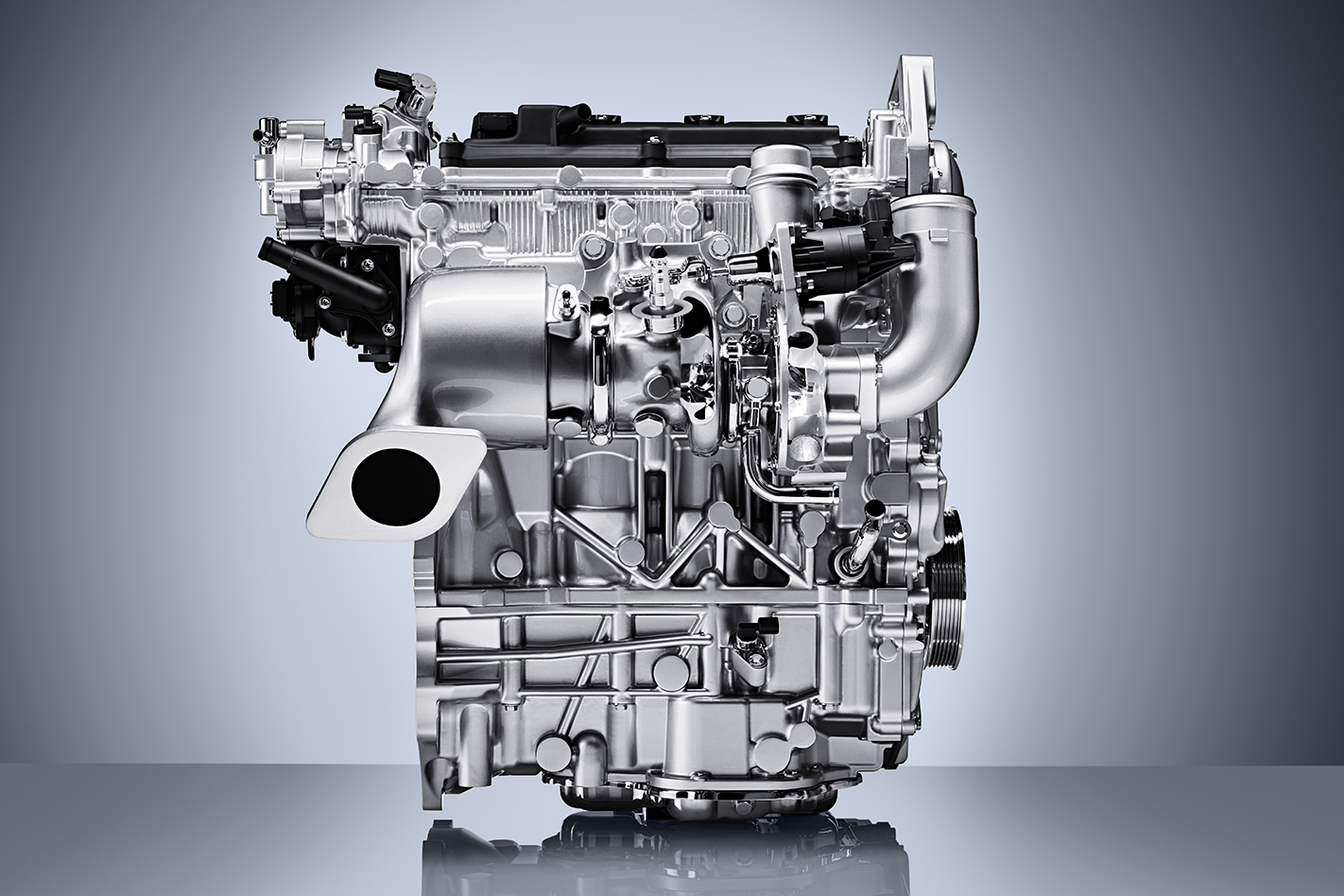
Why? So that when the driver demands power the compression ratio can be lowered to permit more turbo boost (which in turn means more fuel and air can be crammed in, and thus a bigger bang), while at the same time enabling an super-high – and super-efficient compression ratio to be dialled in when cruising at light throttle.
In other words, it’s an engine with two faces. One is a high-boost turbo four-pot that packs a sizable punch for its 2.0-litre displacement, the other is a frugal mile-eater that sips fuel and barely awakens its turbo.
This duality is achieved by a complex arrangement that sees conventional piston connecting rods turfed in favour of a collar around the crankshaft that’s linked to the piston on one end and a fixed camshaft on the other. When the camshaft rotates, it effectively changes the position of the piston in the cylinder by up to 6mm – thus changing its compression ratio.
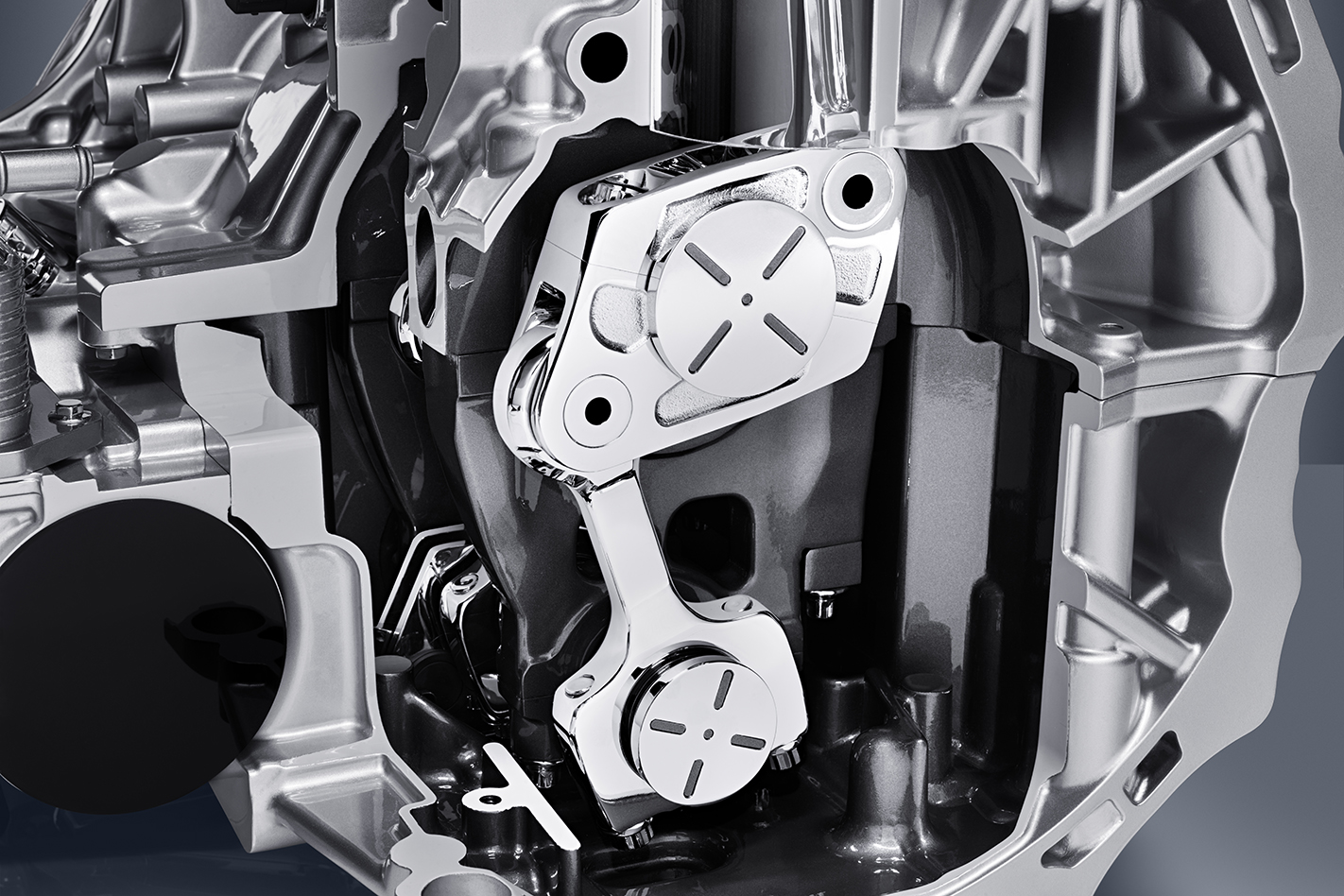
When huffing its maximum 23.2psi of boost pressure at its lowest compression ratio, the numbers produced by the VC-T engine (which stands for Variable Compression – Turbo), are impressive. Peaking at 200kW and 390Nm, it has 15kW more power and 20Nm more torque than Audi’s 2.0 litre TFSI engine in the Q5, and even makes more in both metrics than Subaru’s gutsy WRX.
And when its clever VC-T cam rotates to its high-compression setting, Infiniti says the QX50’s VC-T engine delivers fuel consumption that’s between 10-15 percent better than its most frugal rivals. If we judge the Mercedes-Benz GLC 250 as being one of those competitors, that means the Infiniti should drink something between 6.2L/100km and 6.48L/100km on the combined cycle.
Helping boost fuel economy is its weight. Tipping the scales 18kg under the 3.5-litre V6 that it will effectively supplant in Infiniti’s powertrain portfolio, the KR20 packs more power and torque than the V6 without the same mass or physical bulk. Impressive, considering the extra weight of its VC-T system and turbocharger hardware.
The culmination of a 20-year development program, the KR20 will make its production debut in the 2019 Infiniti QX50. Mated to a CVT automatic and taking power to all four wheels, it’s not expected to be positioned as a performance option.
However give it a more alert drivetrain and a lithe chassis, and Infiniti’s sophisticated new powerplant may have plenty to offer enthusiasts – not just those who want to save a few bucks at the petrol bowser.
WHAT IS IT
E-Pace is Jaguar’s take on the Land Rover Evoque, a compact SUV with four-cylinder engines, sharp looks and front- or all-wheel drive.
WHY WE’RE DRIVING IT
It’s an amuse bouche on UK roads ahead of E-Pace’s arrival in Australia come April 2018.
MAIN RIVALS
Audi Q3, BMW X1, Land Rover Evoque, Mercedes-Benz GLA
THE WHEELS VERDICT
The E-Pace is a pretty compelling proposition, with neat exterior design, an F-Type-inspired interior and enough space for family duties. Despite a disappointing kerbweight, the E-Pace feels agile and engaging to drive quickly, though the top-spec petrol’s pricing throws it under the wheels of the Mercedes GLA 45 AMG – a rival that offers significantly more bang for your buck.
PLUS: Design, engaging dynamics, supple at speed, strong performance, relatively spacious given compact proportions, connectivity
MINUS: Firm low-speed ride, some trim a little flimsy, ain’t no lightweight, GLA 45 AMG offers much more performance for similar cash

THE WHEELS REVIEW
THE Jaguar E-Pace has it easy. Jag’s new ‘compact performance SUV’ comes with none of the heavy baggage that weighed on the larger F-Pace’s haunches, and that’s not the stuff you’ll find under its tailgate – the idea of a Jaguar SUV back in 2016 seemed like Cayenne-gate all over again.
Now we’re all used to the idea, in strolls E-Pace, safe in the knowledge that F-Pace is comfortably Jaguar’s biggest seller. It’s even been able to dust off existing Range Rover Evoque underpinnings, though the long-serving D8 platform does get a significant makeover.
The wheelbase stretches 21mm, the front subframe is solidly mounted at the rear, and there’s the new Integral Link rear axle among many other detail suspension changes. Hang-on panels as well as the roof are aluminium, but the bodyshell is steel and the kerbweight heavy at around 1800kg – a like-for-like F-Pace actually weighs less.

Nonetheless, Ian Callum’s design is pert and purposeful and riffs on the F-Type sports car, a theme that’s carried into the interior with its fast angles, signature features and comparatively low-slung – for an SUV – driving position. The showroom appeal that propelled Evoque to stardom is definitely in evidence here.
Four-cylinder petrol and diesel Ingenium engines are available, but we’re testing the top-spec petrol on UK roads, an early taste before Australian deliveries commence in 2018. In this trim, the E-Pace makes 220kW with 400Nm and gets the Active Driveline all-wheel drive system, the more advanced of two available all-paw set-ups.
Jaguar says E-Pace is its second stiffest structure after the F-Type coupe, and there’s definitely a chunky, flex-free rigidity to the way it drives. The steering feels relatively firm from top-dead centre, and carries that weight as you wind it off-centre, adding confidence-inspiring precision and detail without wilting muscles. It’s also quick-witted, the front end responding swiftly to your inputs, aided and abetted by expert-level body control.
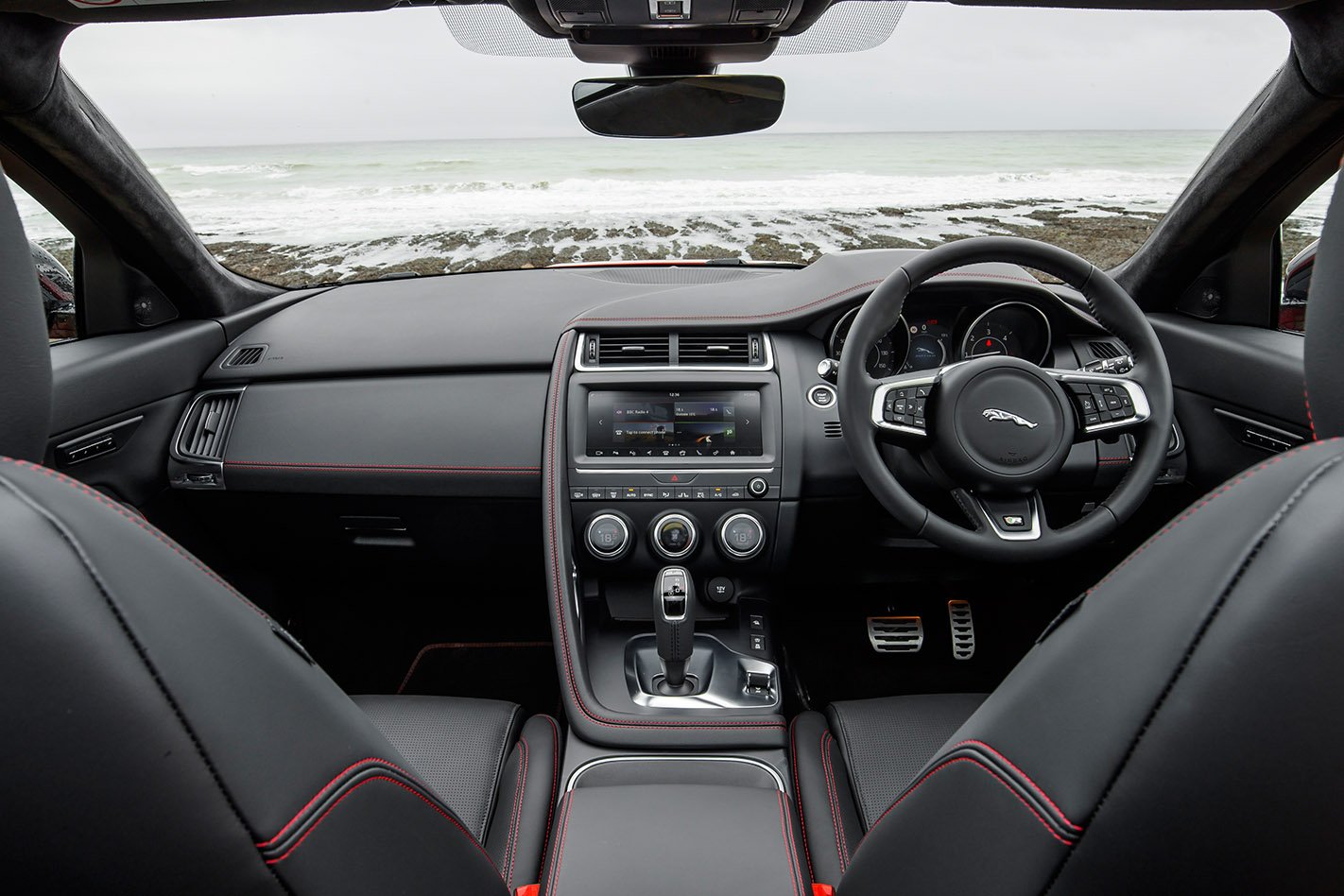
Our test car rode on 20-inch rims with fixed dampers, though 21s and adaptive dampers are incoming. The low-speed ride is very firm, so much so that I’d fear for young ’uns tums in a package that’s otherwise family-friendly – a diesel on ostensibly the same set-up felt smoother. Thankfully the suspension calms with speed, introducing longer, more supple movements for comfort with unruffled control.
Shod with Pirelli P Zero rubber, the E-Pace is sure-footed if far from lacking in humour: throw a bung of steering at the apex and you’ll feel the front bite hard and the rear adopt a frisky few degrees of angle
Even lower-spec models have this feel, but it’s Active Driveline that lets you really exploit it – it can switch between front- and all-wheel drive, and proactively channels torque across the rear axle. Mash the throttle during more spirited driving and you’ll feel the rear wheels hook up and power you out of a bend with an extremely rear-biased feel. You definitely wear a broader grin than the Evoque driver who’s rapidly losing touch in the rear-view mirror, and that porky bodyshell suddenly seems to shed a few kilos.
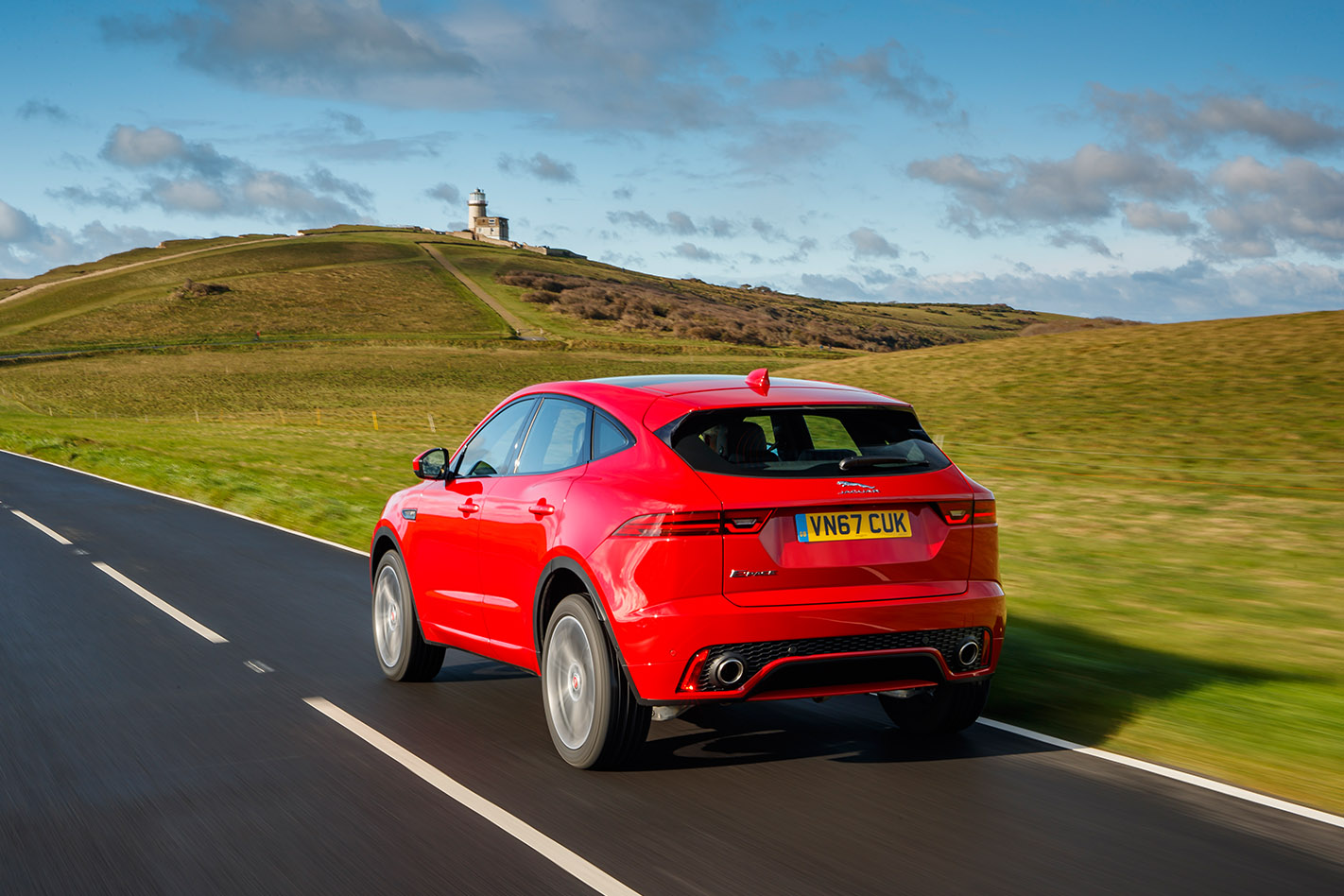
Having generous performance helps you exploit the E-Pace’s balance too, and the 2.0-litre turbo/nine-speed auto combo is impressively punchy – flexible and smooth low-down, responsive when you gun it, eager when you hold out for the high notes. It’s just that a Merc GLA 45 AMG costs little more, weighs far less and punches that much harder.
For some, that could be the decider, but there’s little doubt that the E-Pace drives as sweetly as it looks.

SPECS
Model: Jaguar E-Pace 220kW AWD
Engine: 1998cc four-cylinder turbo, dohc, 16v
Max power: 220kW @ 5500rpm
Max torque: 400Nm @ 1500-4500rpm
Transmission: 9-speed auto, all-wheel drive
Weight: 1819kg
0-100km/h: 6.4 sec
Economy: 8.0L/100km (combined)
Price: $83,733
On sale: Now
It’s been a long time since BMW came up with a show car that made me weak at the knees.
This review was first published in MOTOR Magazine’s December 2005 issue.
This year at Frankfurt however, almost out of the blue, the Bavarians unwrapped a piece of kit that scored a solid ten out of ten on my personal I-want-one scale. Two days after the show closed, I zoomed in on the new Z4 Coupe Concept.

BMW Z4 now a better-value Mazda MX-5
Unlike the oddly shaped roadster, the coupe radiates a rare visual balance. Suddenly, the proportions are spot-on rather than ho-hum, the solid stance is substantially improved by the 19-inch wheels, and the paint, which lacks gloss and shimmer, emphasizes the characteristic contours rather than the controversial cutlines.
From the nose to the A-posts, coupe and roadster are identical. The roof and the rear ends are a different story.

My only quibble with this car are the tiny X3 instruments, which sit in deep recesses where the poorly calibrated dials are difficult to read. Also, I’ve finally found a car that’s simply too small for me to fit into. Unlike the roadster – which is a tight fit, but not unacceptably so – the coupe makes you feel like a woodpecker trying to occupy a knothole perfectly sized for a nuthatch.
Yep, I know I’m well over six-feet tall but I’m clearly too tall for this micro machine. Putting size aside, no one is worried about the dynamic element of this new sports car. After all, it’s equipped with the latest generation Valvetronic equipped Z4 3.0-litre six-pot.

Then, in Geneva 2006, the team from Munich will unleash the M coupe, the face-lifted Z4 roadster and the accordingly modified Z4 coupe. The key changes concern revised bumpers (more elegant for the mainstream models, more aggressive for the M derivatives), the re-styled rear lights and the upgraded interior which gets classier surfaces and equipment-related adjustments.
2006 BMW Z4 Coupe specs: ENGINE: 3.0-litre, DOHC 24-valve six-cylinder POWER: 195kW DRIVE: rear-wheel PRICE: $105,000 (est)
Fancy a little luxe for not a lot of dosh? These big sedans have plenty to give.
1st: Hyundai genesis
Hyundai’s ‘base’ luxo-barge costs substantially more than the two cars it beat for the gold, yet its superior three-year resale figure illustrates again how important future value is in the total running cost of a car.
Granted, large cars as a whole are not great, but 52 percent, or almost $30K lost in three years, still beats 37 or 41 percent. Hyundai’s five-year warranty is an asset, as always, but the old-school 3.8-litre V6 is a liability, drinking 11.2L/100km on the official combined cycle (at least it’s happy on 91 RON).
The Genesis proved pricier to insure than its key rivals, at $1055 per year, but out-did the Holden with a 12-month service interval.
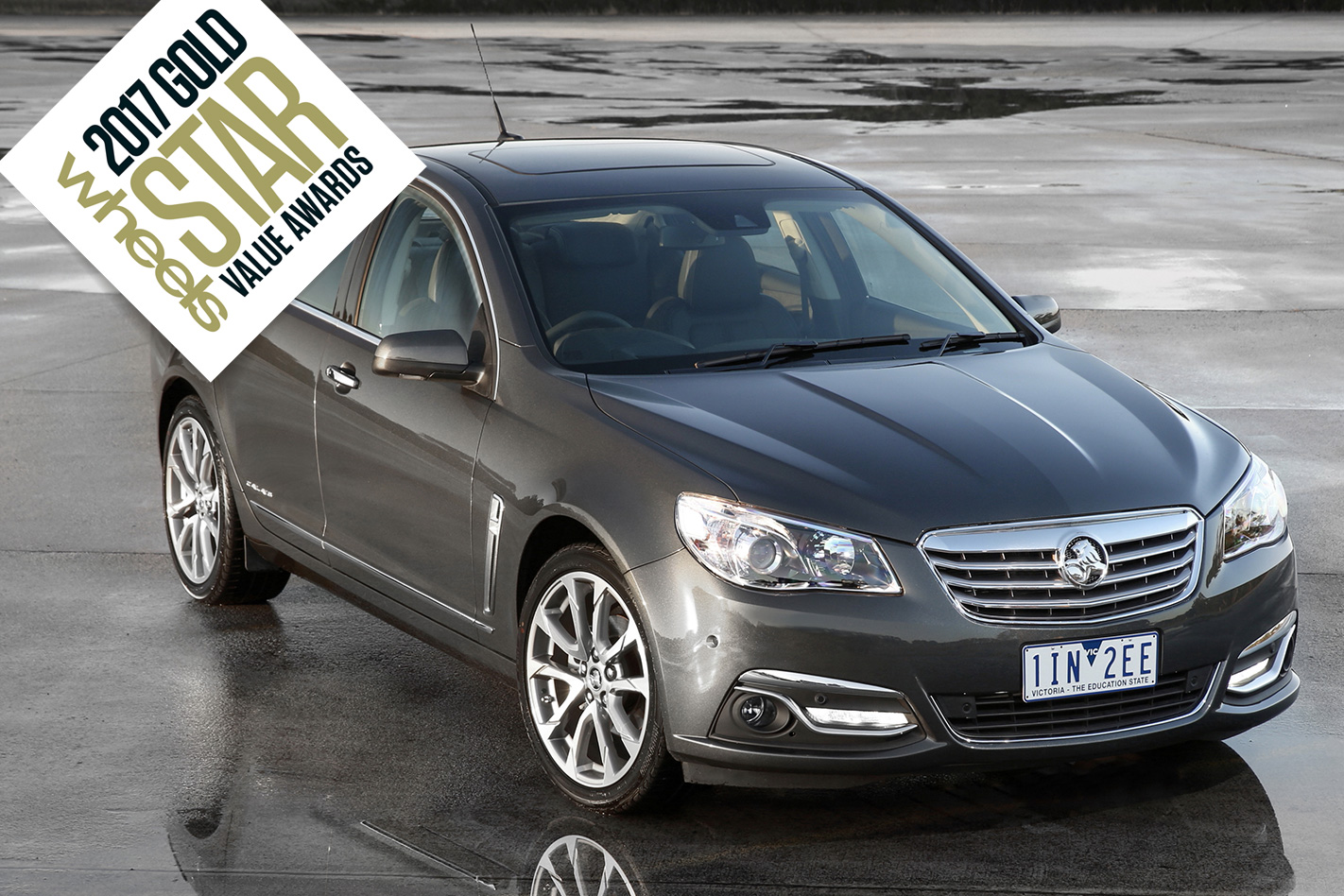
2nd: Holden Calais V
We still can’t get our head around the brand’s unusual nine-month service interval, but that’s it for nit-picking because there’s plenty else to love about the V6-powered flagship version of our home-grown Holden.
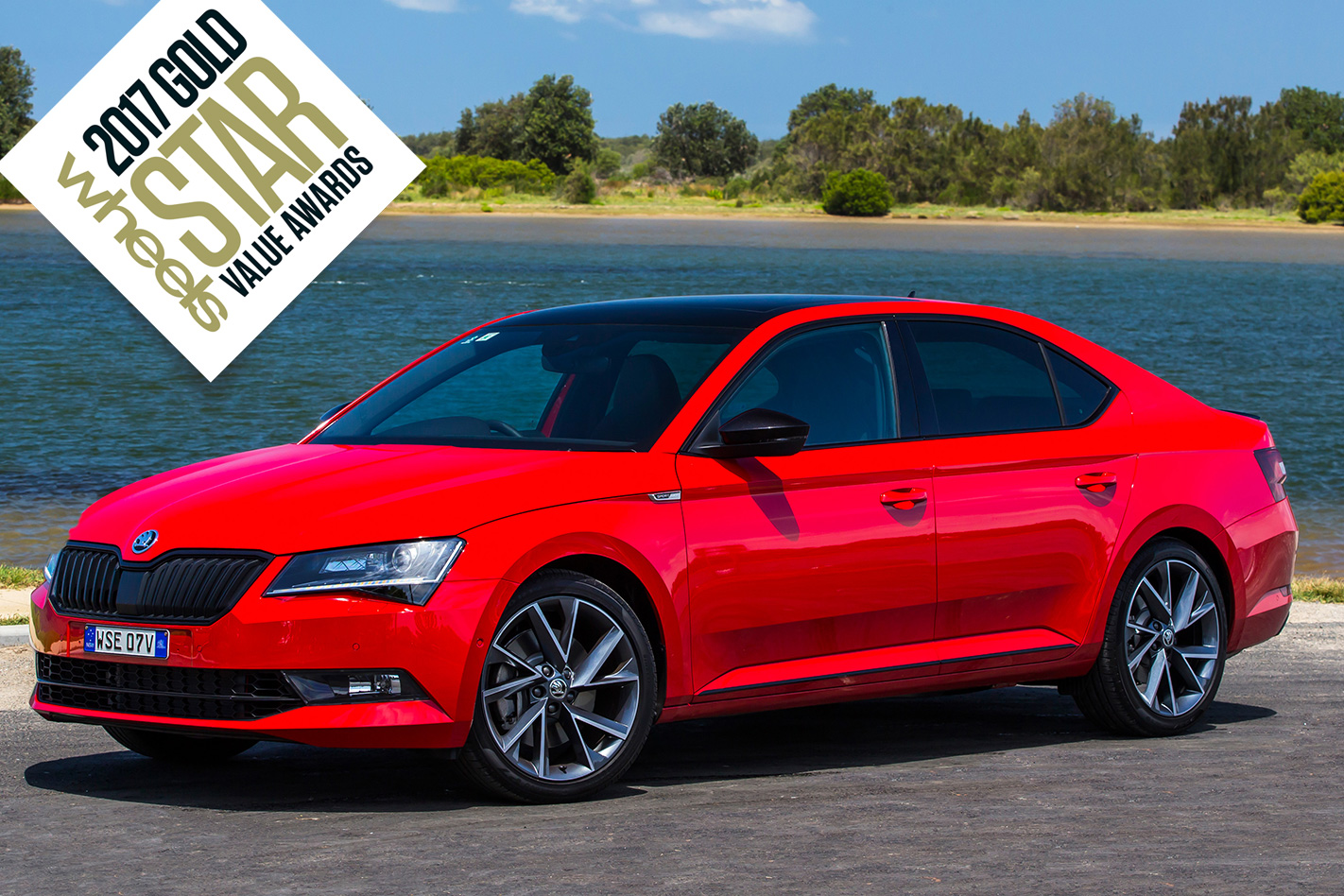
3rd: Skoda Superb 206 TSI
Poor forecast resale figure reflects the fact that Skoda is yet to cement its reputation in Australia. Stuffing a Golf R 2.0-litre turbo, all-paw drivetrain in the roomy, value-packed Superb 206 TSI should help change that.