
FERRARI‘S devotion to the dozen has never deviated.
The company was founded on V12 power, and has been faithful to the format now for 70 years. And the V12 engine remains as exotic today as it ever was.
Seven decades ago it was a path to power few dared or cared to follow. This remained the case through most of Ferrari’s long road car history. Today there are more straightforward highways to hell-raising performance than 12 cylinders and high, high revs. But, at least for its elite models, Ferrari spurns them.
Hope that this remains so. Pray to your preferred God if you think it will help. For there are few other engines on this earth quite so worthy of veneration as the latest Ferrari V12.
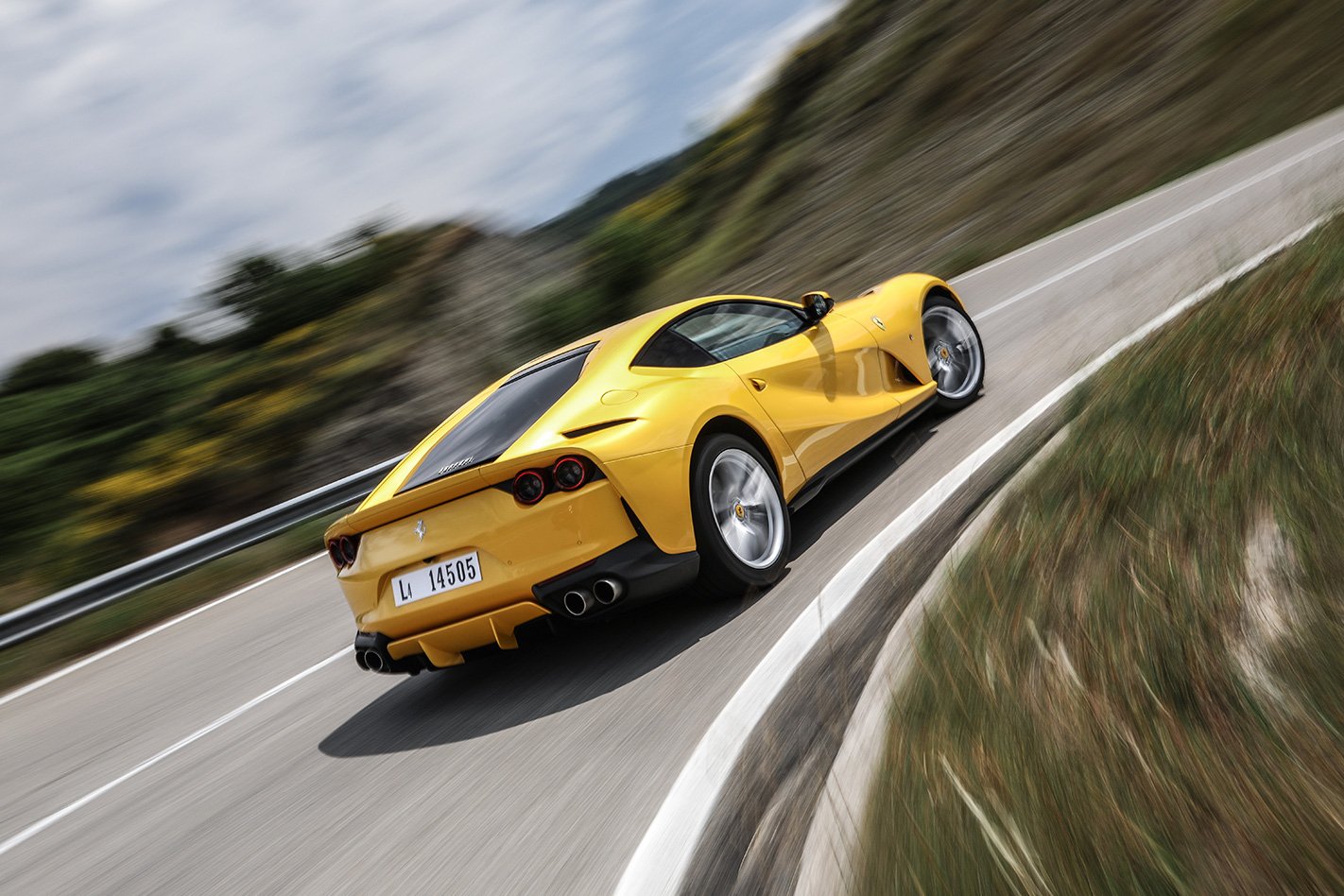
Ferrari’s electronic expertise these days never fails to amaze. The broad Pirelli P Zero rear tyres (315/35R20)take a bite of the bitumen and viciously spit the 812 Superfast forward. No dithering, no slithering.
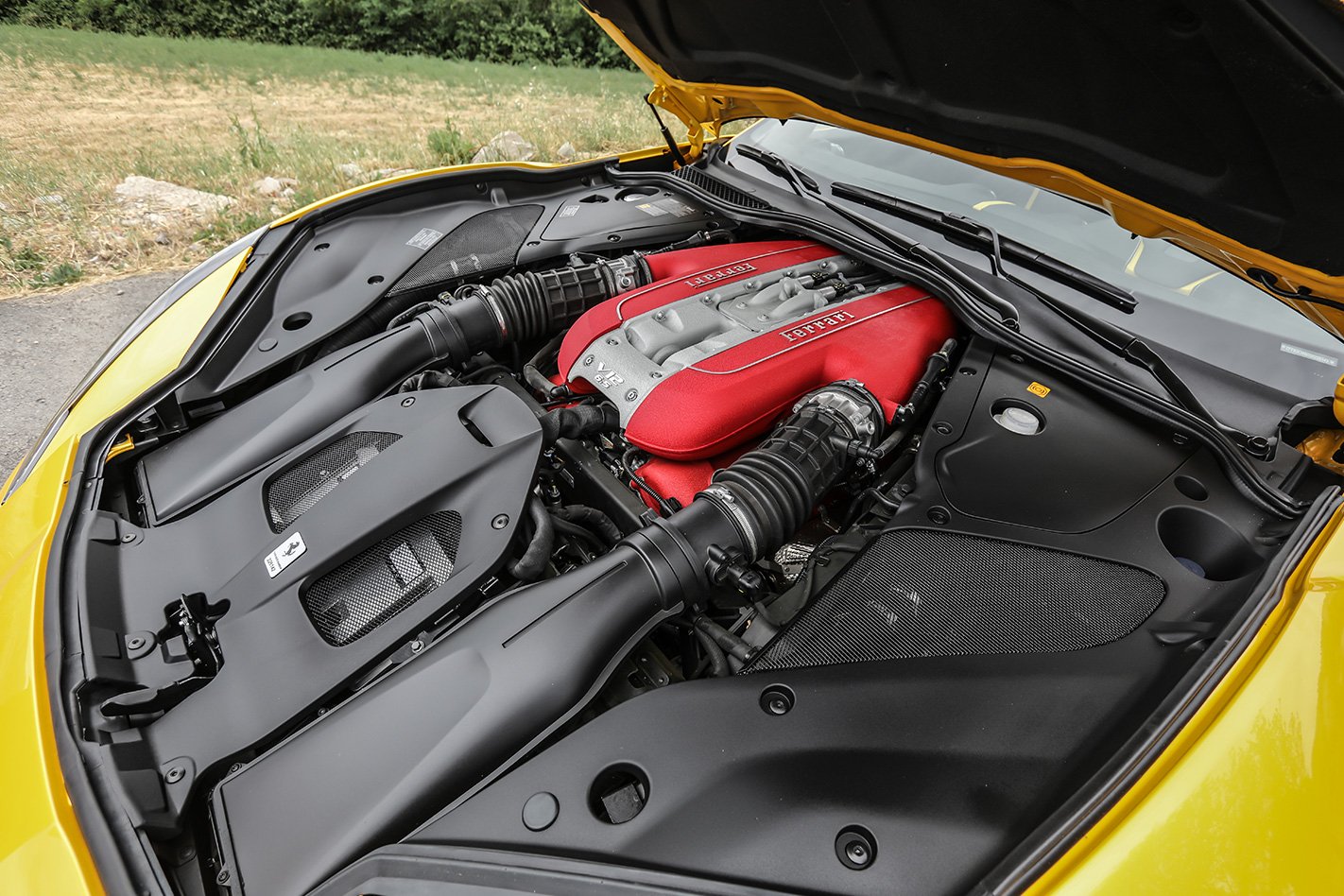
The 75-percent-new V12 has a little more capacity than the 6.3-litre of the F12 berlinetta. While the cylinder bore dimension remains unchanged, it has a new crankshaft to increase stroke by 2.2mm. New pistons and rods and cams, too. And all-new cylinder heads, the first in the world into production with new high-pressure, high-precision direct injectors made by Bosch. There are new hydraulically actuated but electronically controlled F1-style variable-length intake trumpets (made in-house) hidden inside an equally new intake plenum with enlarged throttle bodies.
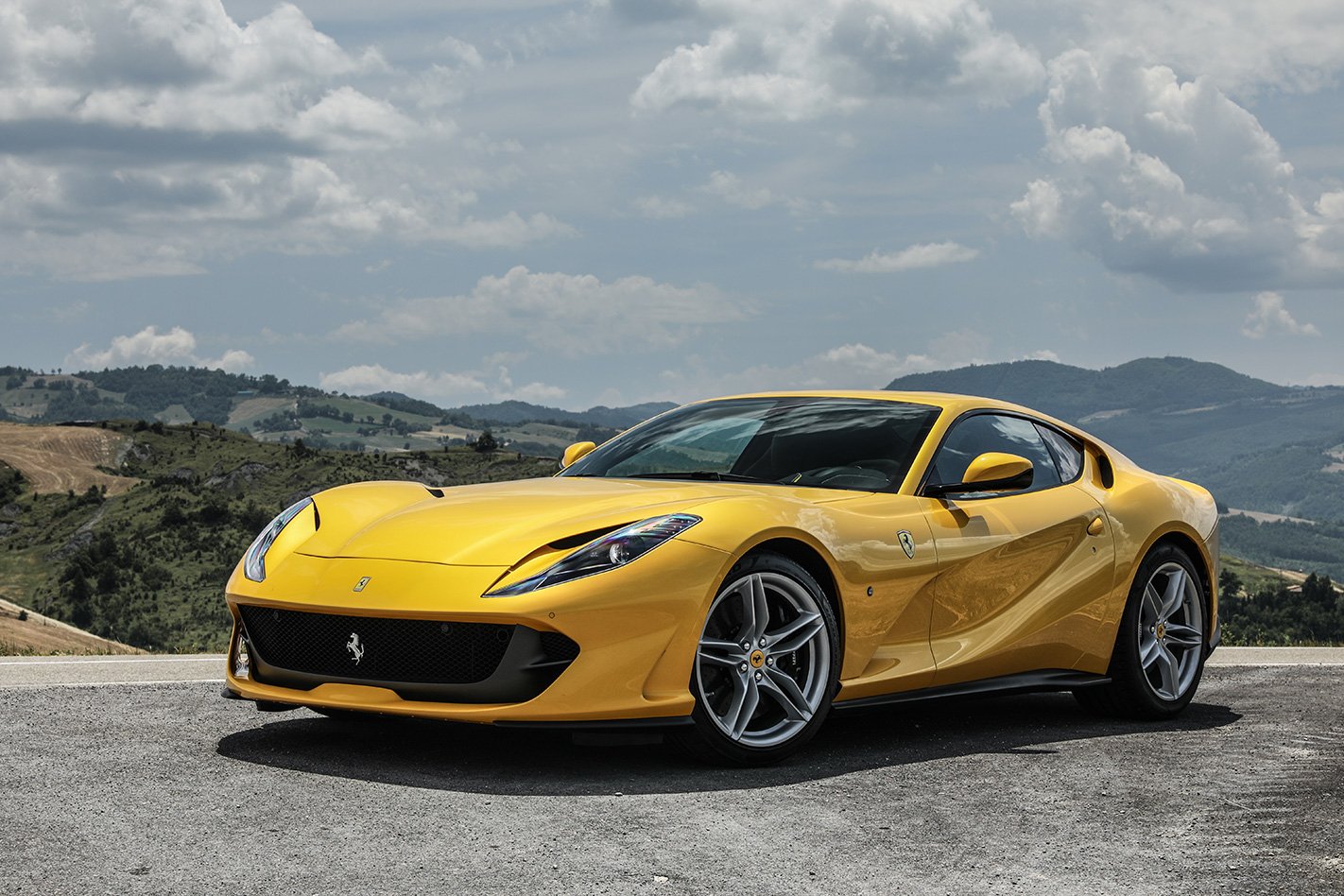
The V12 shrieks beyond 6000rpm, past the 7000rpm peak torque point and through the 8500rpm max power mark. The 812 Superfast‘s long-bladed column-mounted shift paddles are lovely to use, but I’ve set the transmission to Auto. To avoid time-wasting encounters with the limiter, you understand. The grearbox snaps the second to third shift through in a fraction of an eyeblink, just before the needle kisses 8900rpm on the big yellow tachometer in the centre of the instrument cluster.
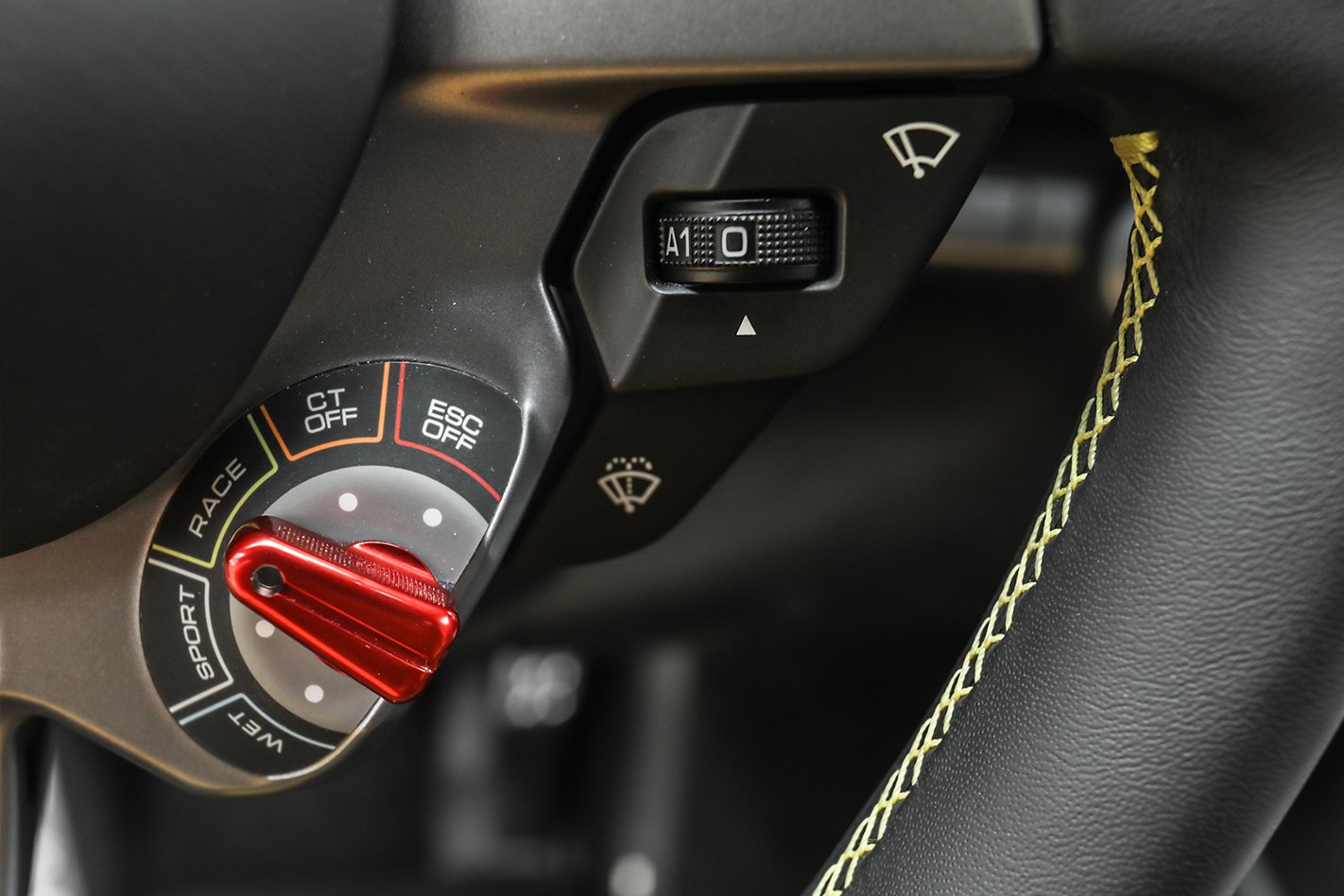
I’ve selected Race on the manettino, which enables the 812 Superfast’s uprated transmission actuators to shift even more speedily than the F12 berlinetta could in the same mode. Yet the gearchanges are firmly decisive rather than thumpingly brutal.
Wider front tyres are only part of the story. The 812 Superfast introduces a major change in steering hardware, adopting both electric assistance and the rear-wheel steering system Ferrari calls Passo Corto Virtuale (which translates as Virtual Short Wheelbase). PCV was first seen in the hot tdf version of the F12, and it’s updated to Version 2.0 for the 812 Superfast. The front and rear steering systems are now connected, but only by Maranello scripted software. Ferrari’s rather good Side Slip Control system, introduced in the 458 Speciale, is also upgraded, to Version 5.0.
Around Fiorano the car’s grip, especially on turn-in, is simply phenomenal. There’s feel through the steering, too, though it doesn’t seem quite so direct and lively as the F12 berlinetta’s. The operation of the 812 Superfast’s PCV 2.0 is so totally transparent that it’s never a distraction. The aim of Ferrari’s engineers was to employ technology to enhance agility and stability, thereby boosting driver enjoyment. They did not fail.
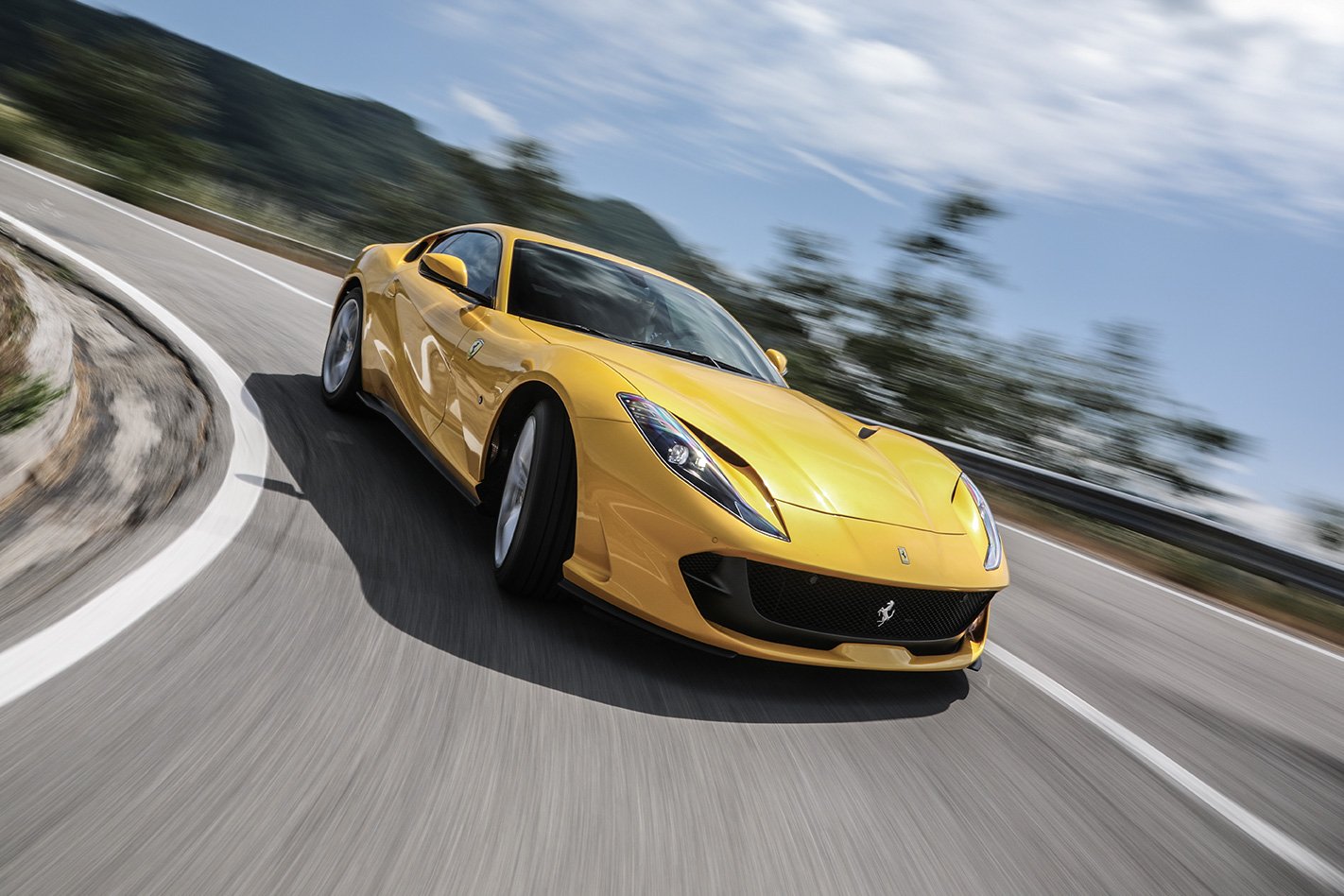
Once outside Fiorano’s fences, it’s a shape that inevitably attracts attention. From Maranello we head south and climb into the Apennini, the 1500km-long mountain chain that runs groin to ankle down Italy’s leg-shaped peninsula. In a village near the halfway point of the 140km test route we drive into a car park hoping to find a coffee bar nearby. We’re followed in by a police car…
The female officer of the Polizia Locale admires the bright yellow Ferrari and is obviously thrilled when we tell her to try the driver’s seat. Still, she does ask to see the 812 Superfast’s prova plate paperwork.
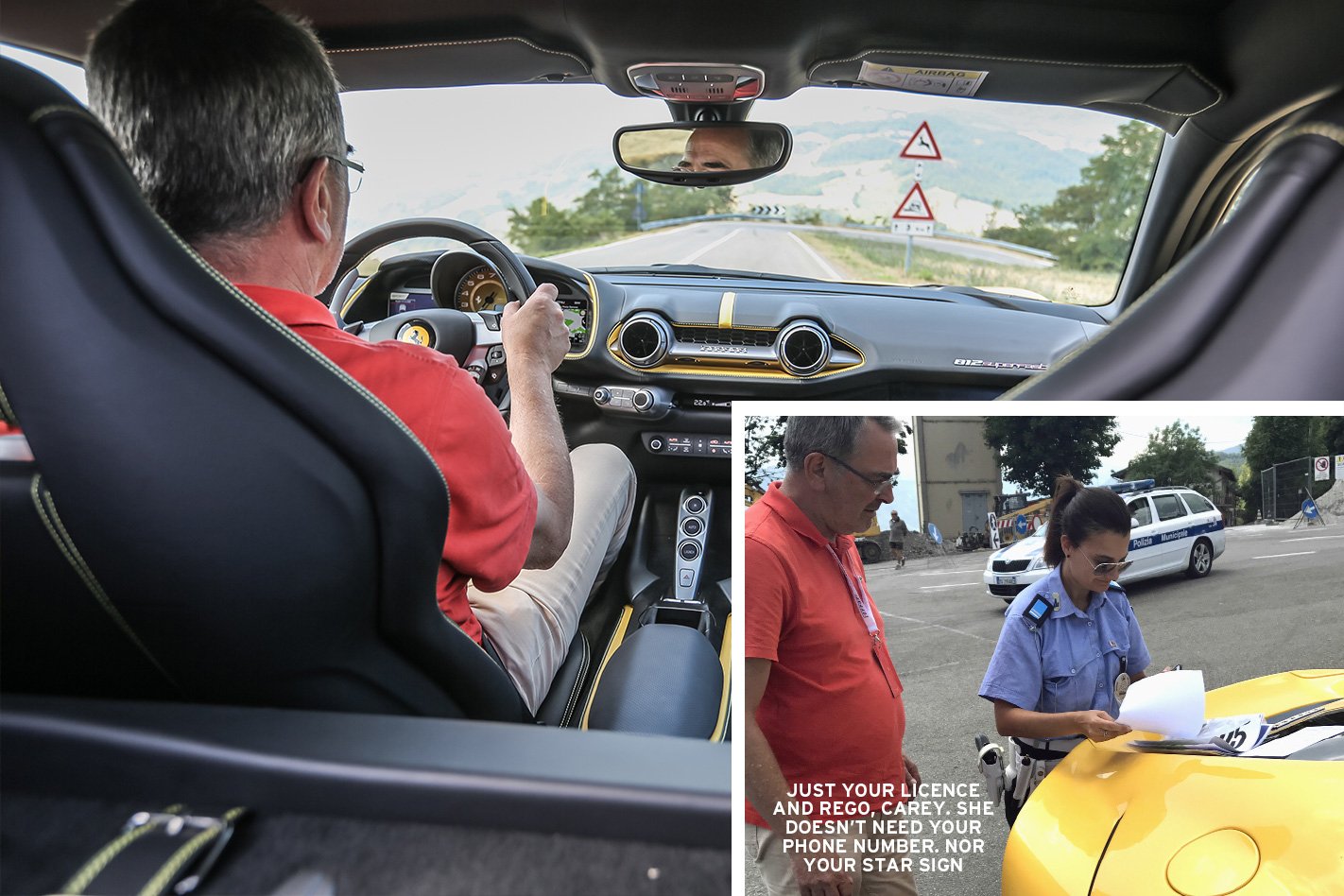
The winter cycle of freeze and thaw is hard on roads up here. There are lumps and slumps and cracks in the bitumen ribbons now taking us back down and north towards Maranello.
Only a supremely confident company would have chosen a test route like this which is sure to expose suspension shortcomings. The manettino is now set to Sport, the right mode for everyday driving. While the Ferrari’s body motions are firmly disciplined they’re never curt.
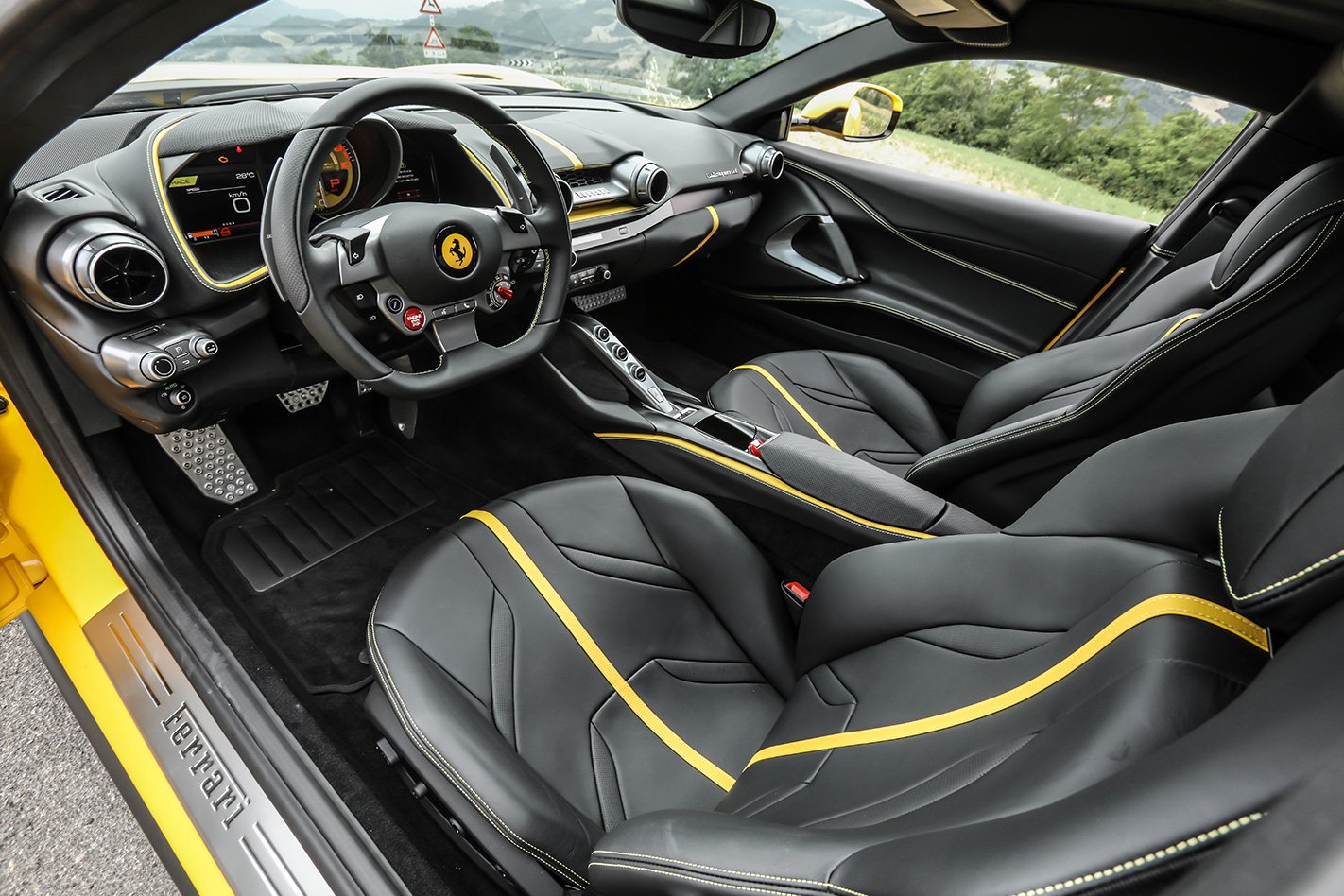
The 812 Superfast’s interior decor is different from that of the F12. The instrument panel is an all-new design that embeds modern technology in an expanse of hand-crafted leather… and it somehow works.
The 812 Superfast’s size, especially its width, can be daunting on narrow roads. On the other hand, there’s ample space for two in the cabin and room for a reasonable amount of luggage in the boot. The car’s big 92-litre fuel tank means it can carry it a long way without stopping.
For sheer, breathtaking breadth of talent the 812 Superfast really is a car without any obvious rival. Or, given what it was designed to do, any serious flaw. It’s a great home for an even greater engine.
Volkswagen Australia has announced a new member of the Golf range, the VW Golf GTI Original.
The Original takes the title of cheapest Golf GTI available to buy new, with its standard manual version available for $37,490. A DSG can be optioned for an extra $2500, totalling $39,990.
VW Australia says a stripped-down three-door GTI is something customers have been asking about since the Mk.7 was revealed in 2013.
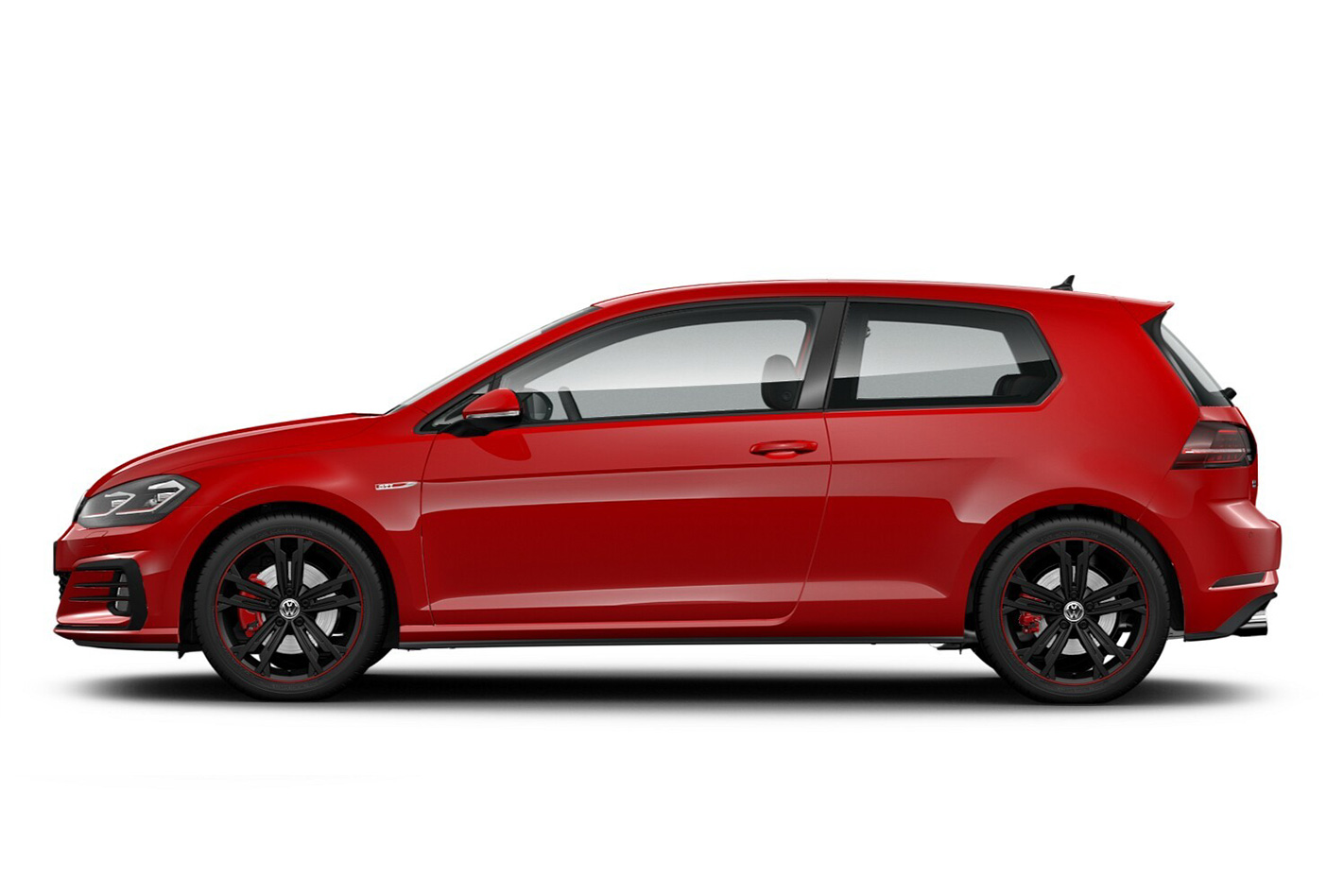
“By contrast, the GTI Original provides not only an accessible entry point to the range, it satisfies the purist who maintains that a “true” GTI should be near to unadulterated,” VW Australia says.
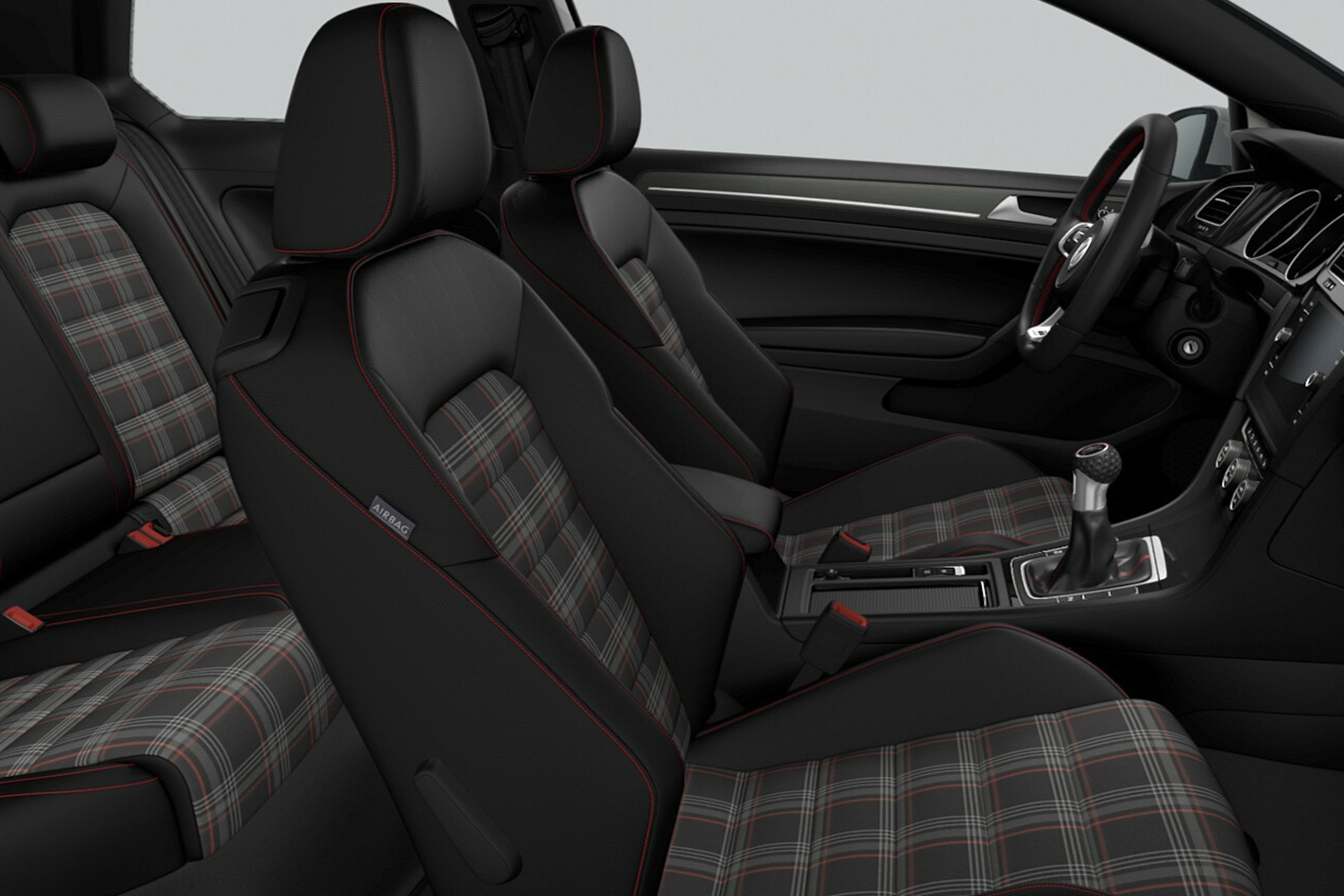
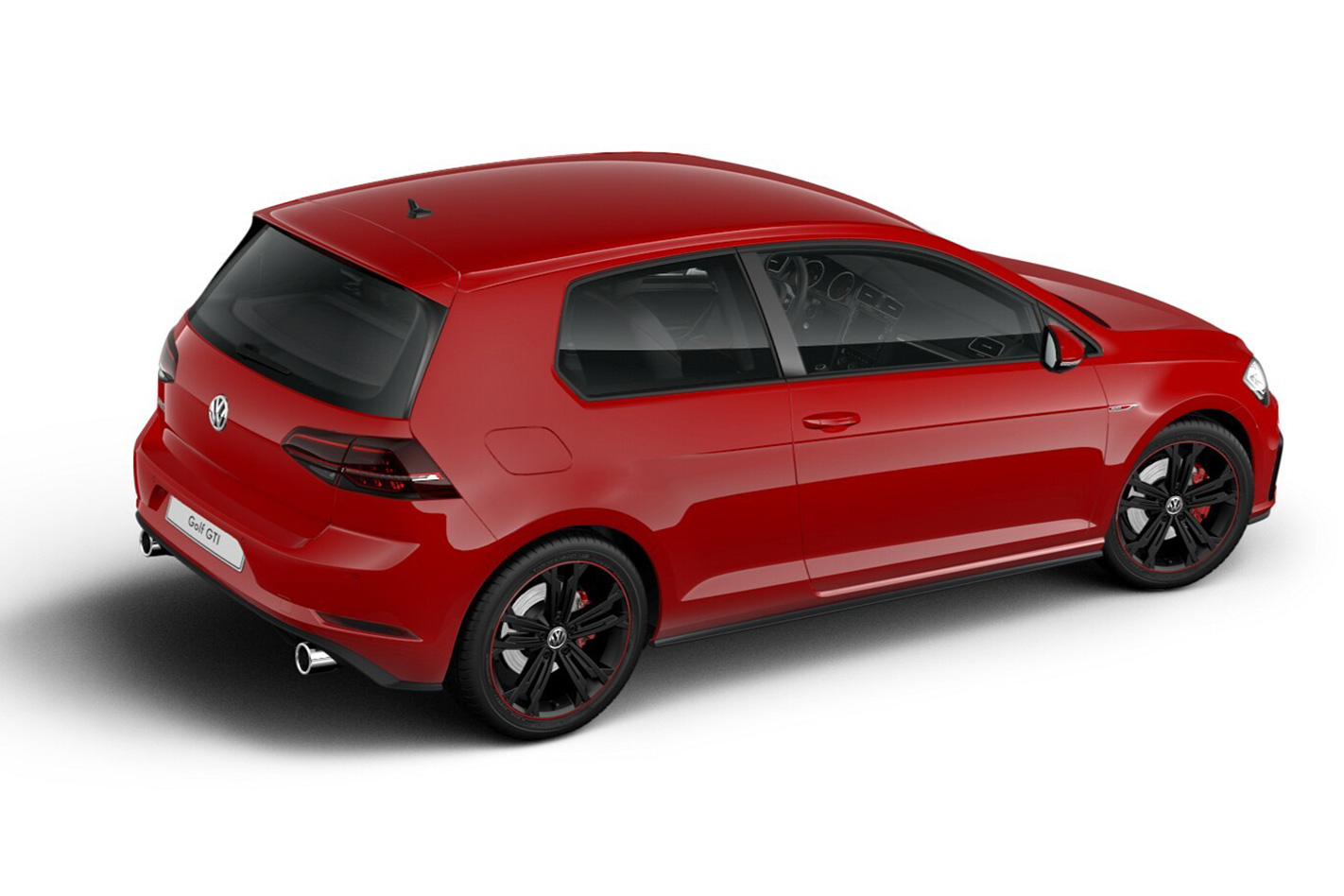
The Golf GTI Original is available in red or white, with the only optional extra available being a driver assistance pack for $1600.
Black 18-inch alloys feature a red pinstripe, while the ‘Original’ badge on the rear acts as an extra layer of identification.
VW Australia communications director Paul Pottinger says that this is the cheapest Golf GTI sold in Australia since a three-door version of the Mk.5 GTI around a decade ago.
“We’re one of the biggest markets for the R, but we decided it might be nice to remind our customers of the car where it started.”
The Volkwagen Golf GTI Original is available in dealers as of this week.
Lexus is bringing two limited edition “F” sport models to Australia to celebrate the 10th anniversary of its performance division.
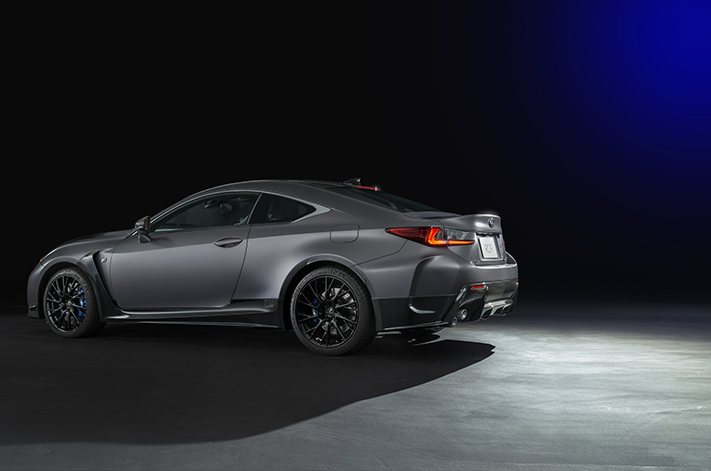
The limited-edition V8-powered Lexus RC F and GS F cars will have an exclusive interior colour “Heat Blue” and other features including matte grey body panels to further set them apart from regular versions of Lexus’ hot four-seat coupe and executive sedan.
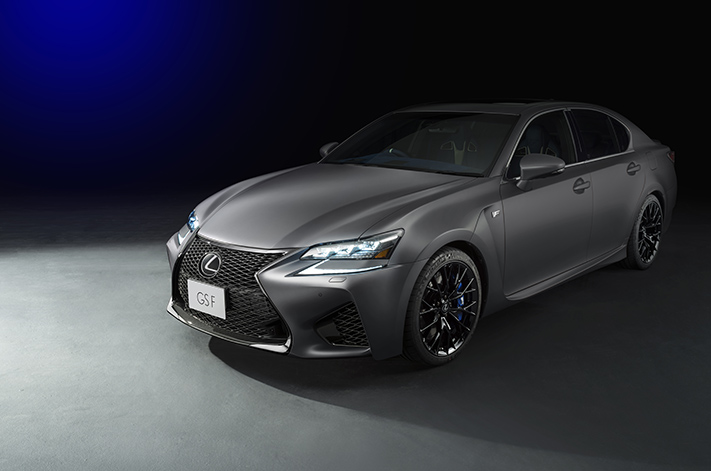
But it won’t just be cosmetic differences that differentiate them, with each model equipped with body performance dampers, which Lexus says enhance body rigidity and steering stability over the existing “F” models by dialling out undesirable chassis harmonics.
There are no changes announced for the powertrains of either car, however, with both expected to retain their 351kW/530Nm 5.0-litre naturally-aspirated V8s.
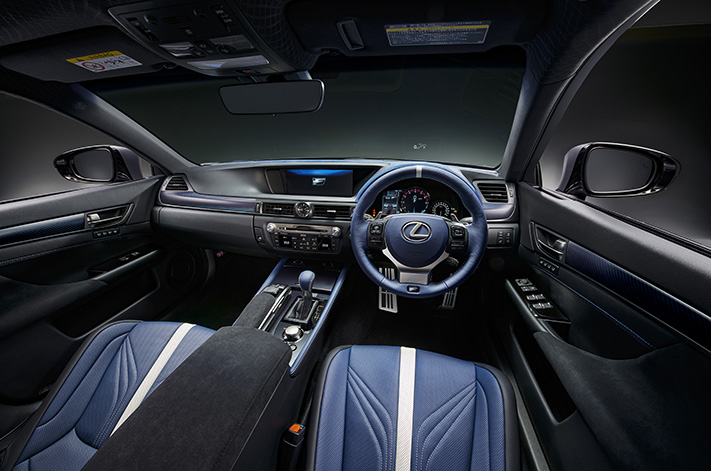
The specially equipped limited-edition RC F coupe and GS F sedan were unveiled at this year’s Tokyo Motor Show and are expected to arrive in Australia here in the latter half of 2018.
The timing marks a decade since the local launch of the, the IS F sedan, the first Lexus to bear the “F” symbol, which is derived from the name and design of Japan’s Fuji Speedway where Lexus develops its performance vehicles (the badge depicts the first corner of Fuji Speedway, commonly known as 27R).
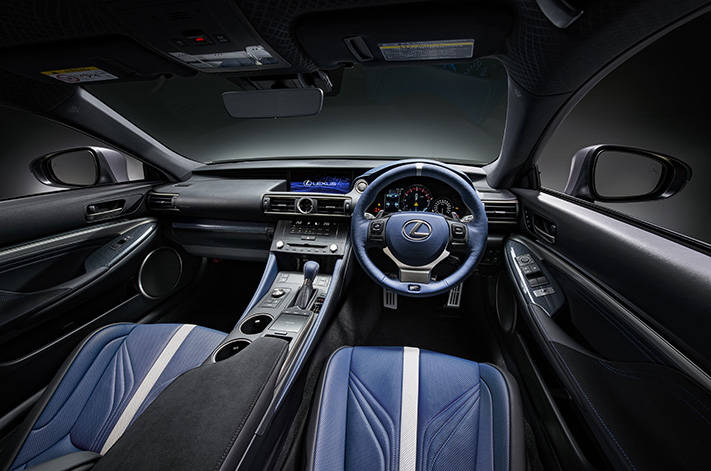
Lexus Australia is yet to confirm numbers, but with just 50 of each to be sold in Japan, numbers will likely pretty tight.
It’s still too soon to say how much of a premium the special edition F models will have over the standard RC F and GS F, which are priced here at $137,951 and $153,251 respectively.
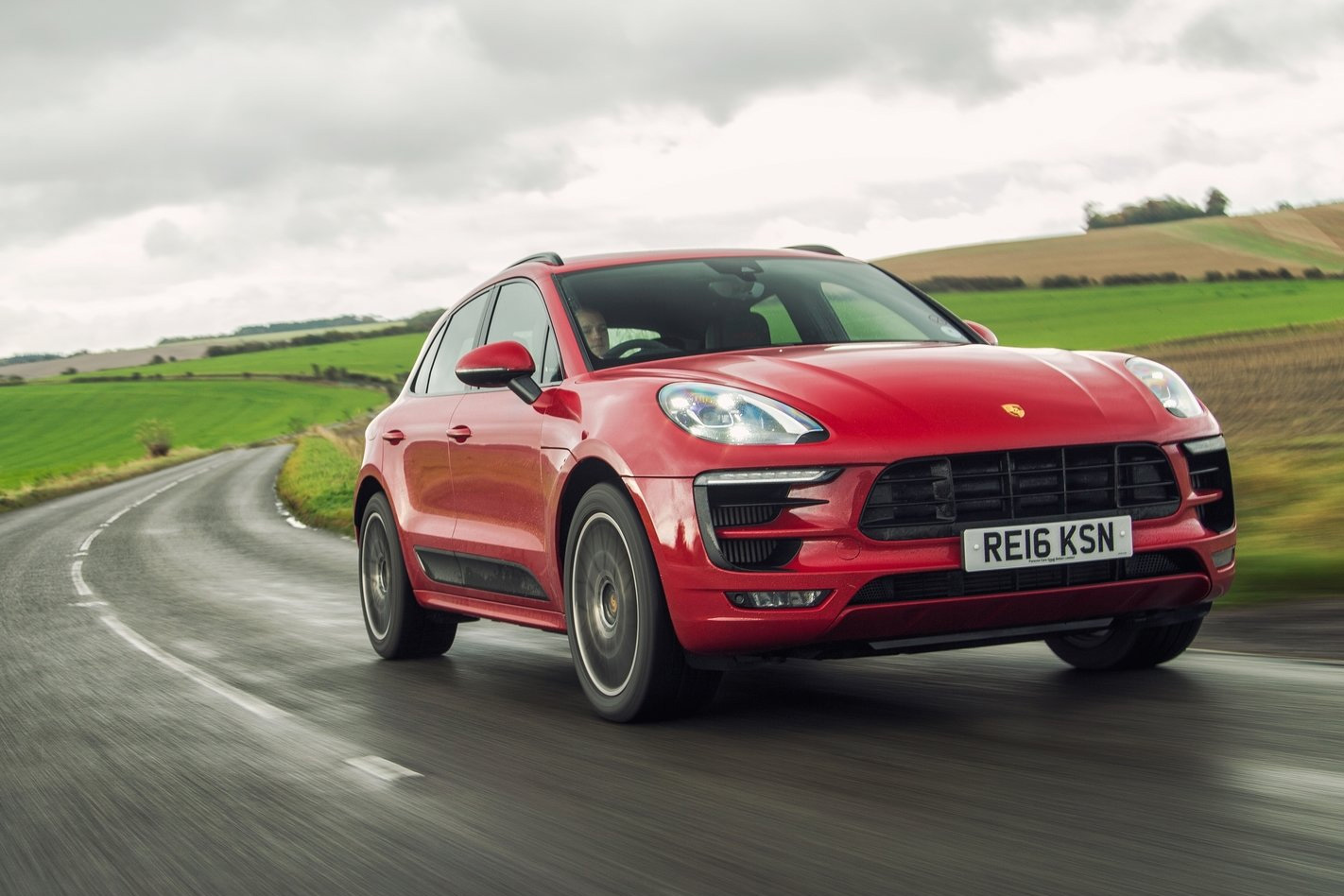
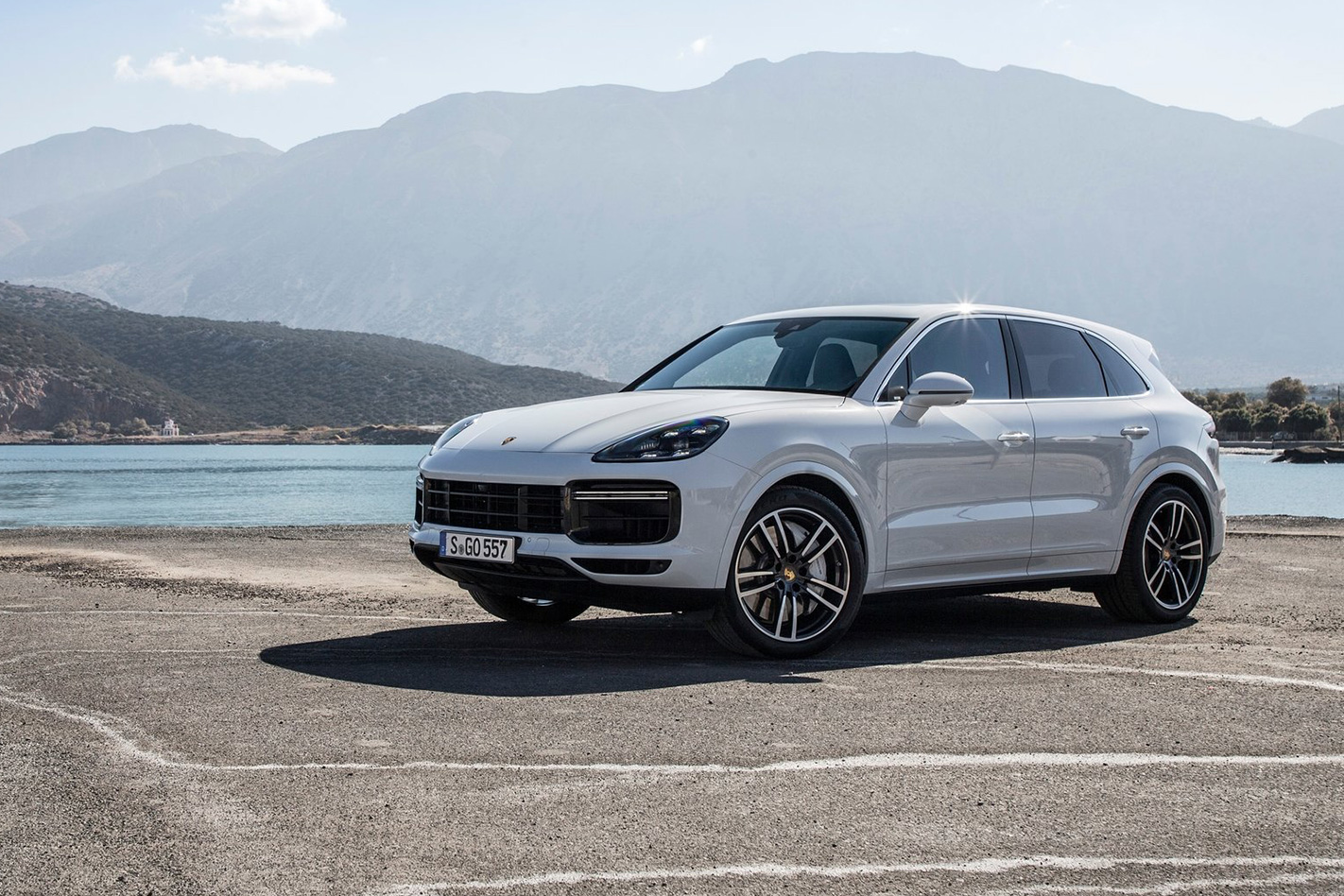
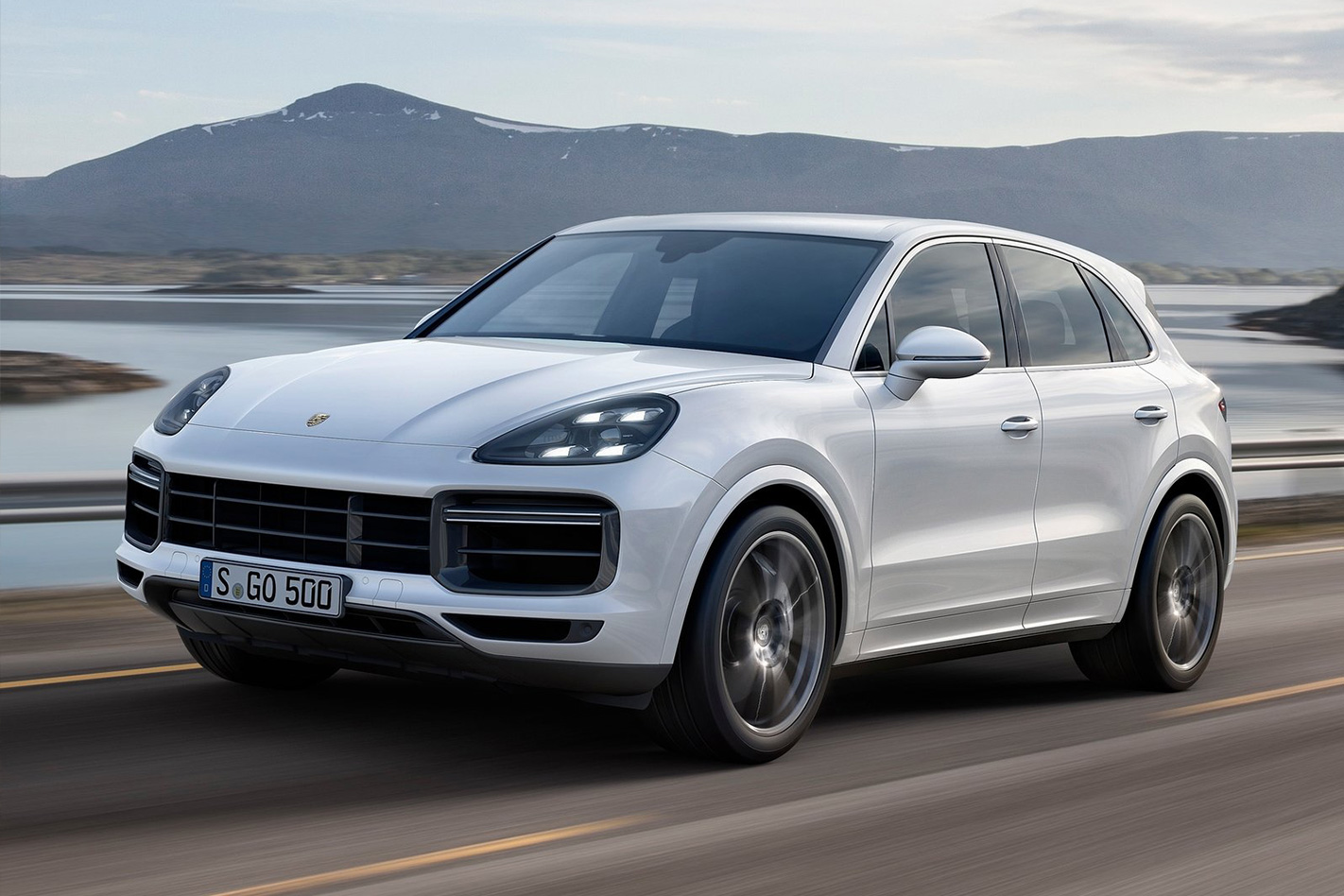
PORSCHE is resisting the temptation to add a third SUV model to its range alongside the mid-sized Macan and larger Cayenne, as part of a strategy to maintain both the exclusivity of the brand and the driving dynamics of all its vehicles.
The German car maker’s existing pair of SUVs accounts for a whopping 80 percent of year-to-date sales with the Macan ranked first as Australia’s favourite Porsche and its larger Cayenne sibling in second place.
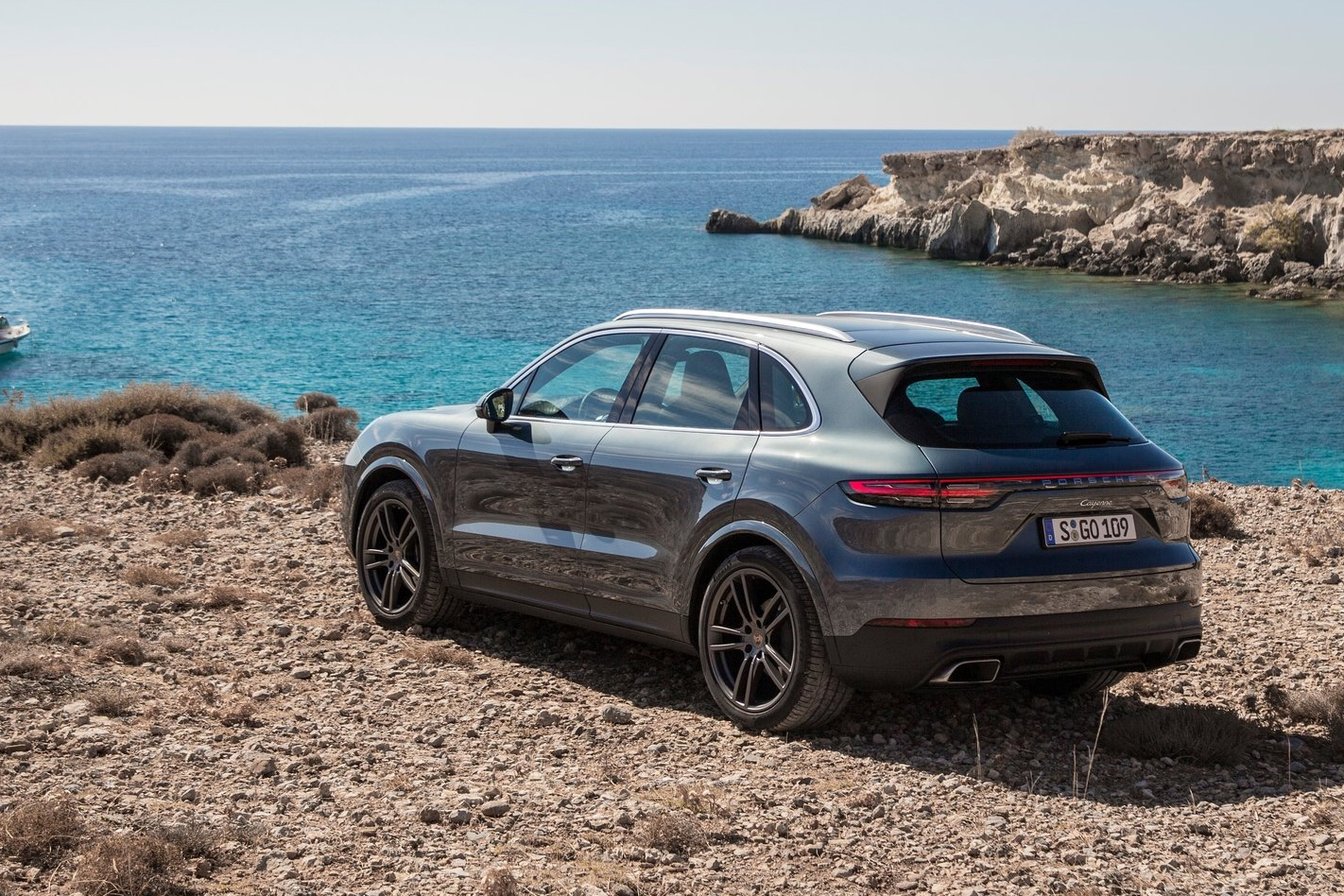
With the new third-generation Porsche Cayenne sharing some of its underpinnings with the current-gen Audi Q7, it is clear a seven seat version of the Porsche is within reason but, speaking to journalists at the global Cayenne launch, Porsche’s SUV product line manager Christoph Oerleke said a model larger than the Cayenne would compromise one of its key features – agility.
“It would have meant that we had to enlarge the distance between the two axles,” he said. “We are 100mm shorter than the Q7 and this was on purpose. If you want to have comfort you have to get larger, but if you want to have agility you have to be shorter.
“When we decided to reduce (length) within the platform it was obvious that we cannot realise seven seats as a consequence.”
“I don’t think that our customers focus on seven seats. They are used to five seats. Most families have two kids and that’s enough.”
The Porsche performance and dynamics mantra was also applied to the smaller Macan, which was made possible by its more compact proportions, but when questioned if an even smaller model could be slotted into the range, Oerleke explained a different reason for sticking to two models.
While a baby Porsche SUV would fit according to dynamic and performance standards, production capacity and brand exclusivity were preventing a sub-Macan model joining the ranks for now.
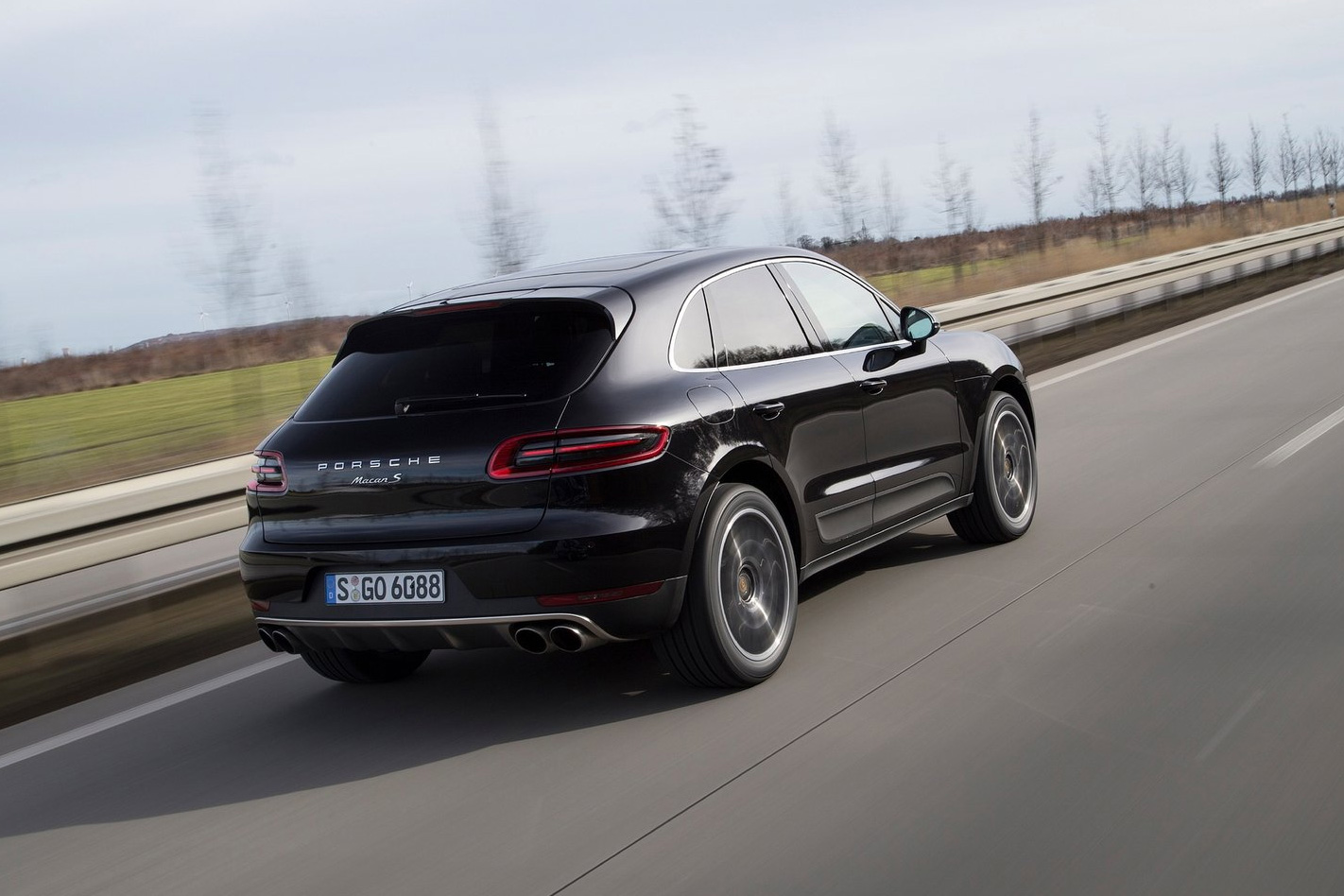
“There are many reasons to get bigger and many reasons to get smaller but at the moment we have two models and we have to have the capacity and the resources.”
At face value it seems strange to launch an SUV on a hillclimb, the Wallberg hillclimb to be exact. Oh the times we live in.
However, this is a Porsche after all and despite tipping the scales at almost 2.2 tonnes, it feels very at home here. Defying physics, it seems, is no longer a novelty, but commonplace. Then again, the Cayenne Turbo’s stonking twin-turbo V8, wide footprint and Porsche-tuned chassis helps.
After all, we might lust after 911s, but it’s the volume-selling SUVs (Macan included) that are facilitating the continued development of the German marque’s performance cars. Still, it’s a little otherworldly to be needing pace notes in an SUV.
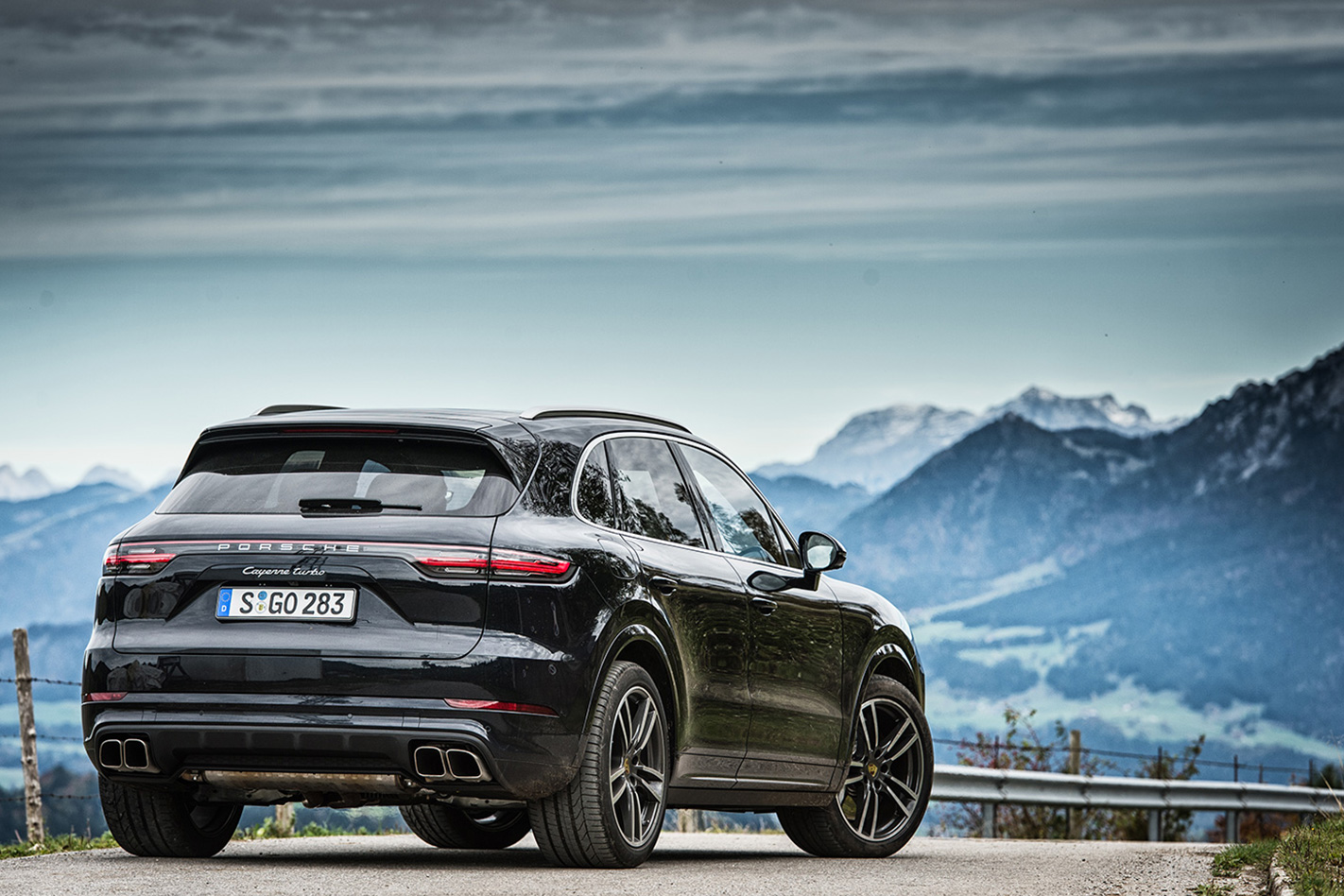
How about a 404kW/770Nm twin-turbo V8 (thanks Panamera) that, when optioned with the Sport Chrono Package, can reach 100km/h in less than 4.0sec. That 3.9sec 0-100km/h time precedes the equally staggering 0-160km/h sprint of 9.2sec. Yet the best is yet to come.
The Cayenne Turbo, all 2175kg of it, will charge on a wave of torque from 80km/h to 120km/h in 2.7sec, making overtaking on any road a simple flex of the right foot. No wonder we’re averaging 15.5L/100km when Porsche claims 11.9 is achievable. Yeah right.
So it’s safe to say that Stuttgart has the straight-line quotient covered. Yet, as has already been mentioned, we’re currently on a famous hill climb – not usually something you’d associate with high-speed runs. Hitting the top speed of 286km/h isn’t going to happen here, then.
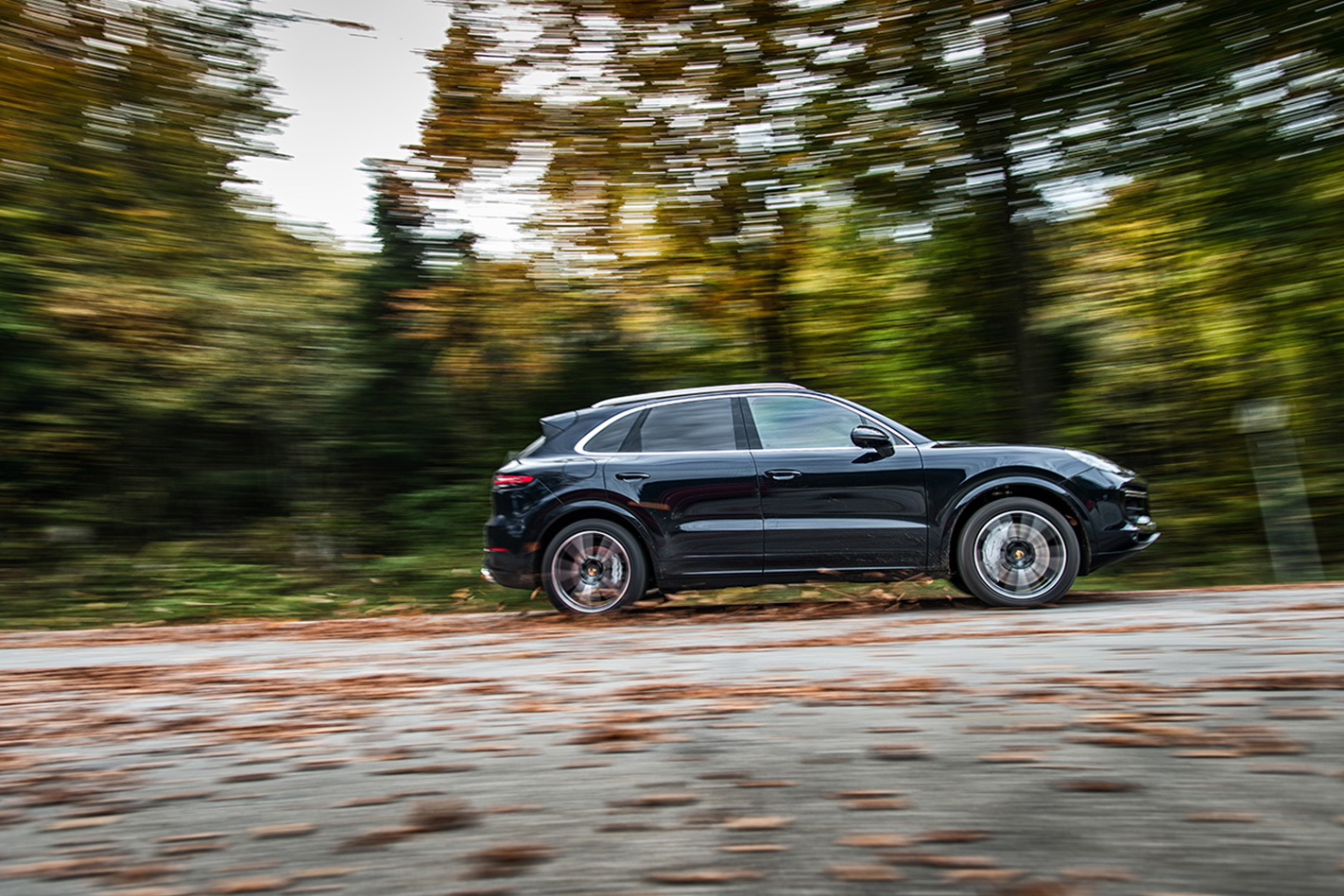
Luckily, our 404kW crackerjack is equipped with all the latest active and passive safety wizardries. From the get-go the Cayenne feels right at home on the curvy, zig-zag terrain sprinkled with wet leaves. As soon as the imaginary chequered flag drops, the Turbo takes off like a time warp with all the systems locked in Performance Start mode.
The first stretch is hardly two-seconds long, but that’s long enough for one whiplash upshift from first into second – followed immediately by a hard stab on the brakes. While the third-generation Cayenne has shed 65kg, there’s still a lot of mass at play, which means you have to balance momentum and trajectory delicately.
Dial in PSM Sport, however, and the veritable barge will perform the occasional four-wheel drift while clipping apexes and allowing the odd dash of weight transfer to bring the rear end back in line. The connecting stage to the Sudelfeld pass contains a mixed bag of challenges; from no holds-barred autobahn runs to bumper-to-bumper traffic.
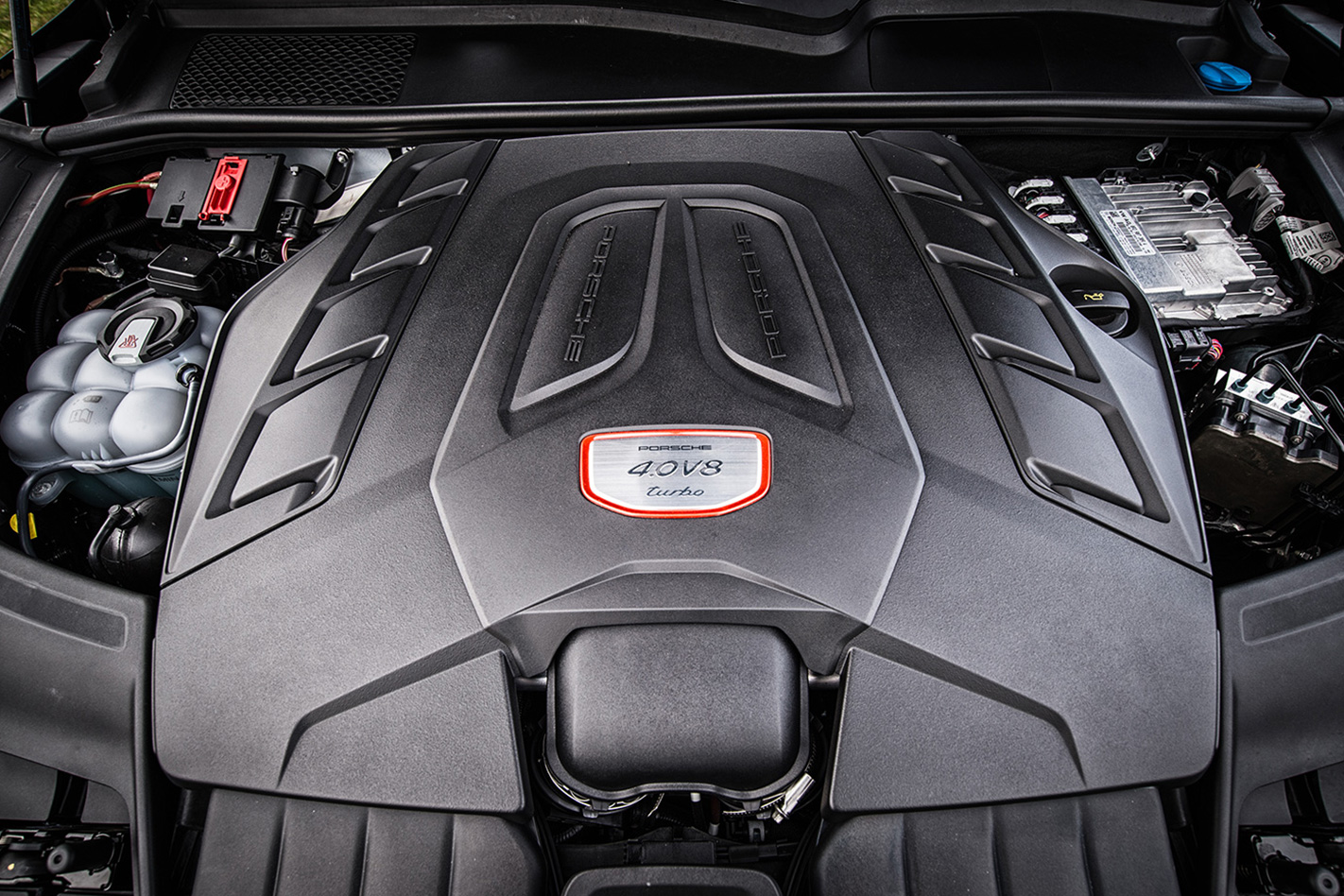
Attacking the first ascent on the Sudelfeld pass in the Cayenne starts with total calm. Riding the torque curve in fourth, fifth and sixth gear, taking full advantage of the fact that the torque wave crests at a foamy 770Nm and continues all the way from 1960 to 4500rpm.
It’s this low-to-mid speed urge, in combination with its ability to spin to 6000rpm and beyond, which makes the new V8 such a remarkably balanced high-performance engine. Briefly massaging the throttle is all it takes to flatten any gradient, to release a cornucopia of twist action, and to build up speed almost as fast as you can turn up the volume.
At part load, the 4.0-litre purrs while road and wind noise play second fiddle to the remarkable Burmester sound system. On the three-lane Munich-Salzburg autobahn, the Cayenne Turbo feels substantial. It goes against the green conscience to drive this SUV like a 911.
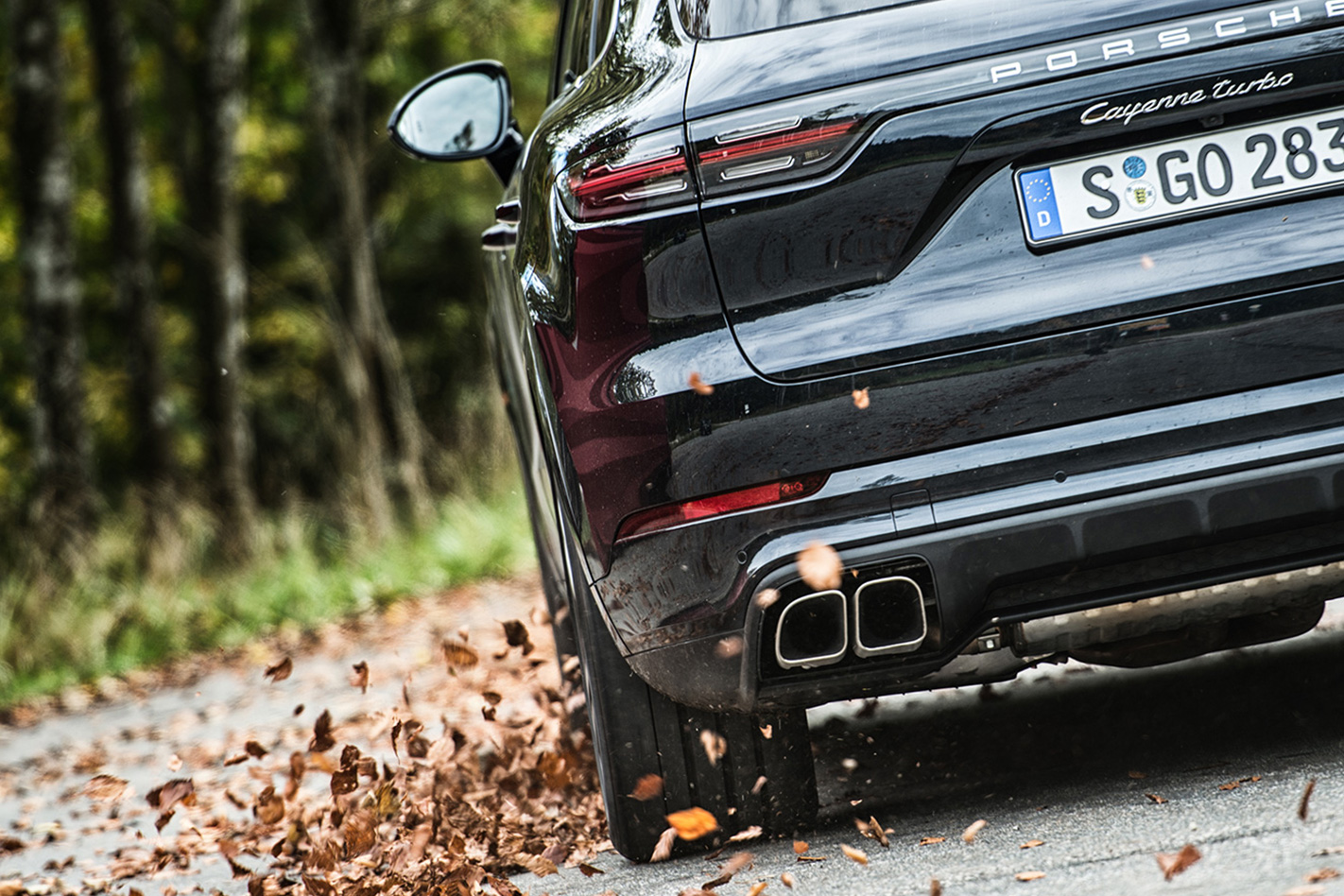
However, the 404kW behemoth takes corners almost as flat as a Panamera, brakes almost as urgently as a Macan and handles like it wants to be a Cayman (before remembering it’s a 2.2-tonne SUV). The standard triple-chamber air suspension provides a wider spectrum of damper tuning and ride height.
Dynamic Chassis Control is Porsche-speak for active sway bars, which can even decouple or twist when the off-road going gets tough. Another novelty is the self-adjusting roof spoiler that keeps increasing the downforce up to the point where it becomes an airbrake.
Together, these elements warrant a high-speed composure which is second to none – and not just for an SUV. Additionally, given each wheel is individually masterminded, unsettling chain reactions are a thing of the past. The body control is exemplary, and the roadholding is untouchable, even when the g-force marker slides past the 1.0g point.
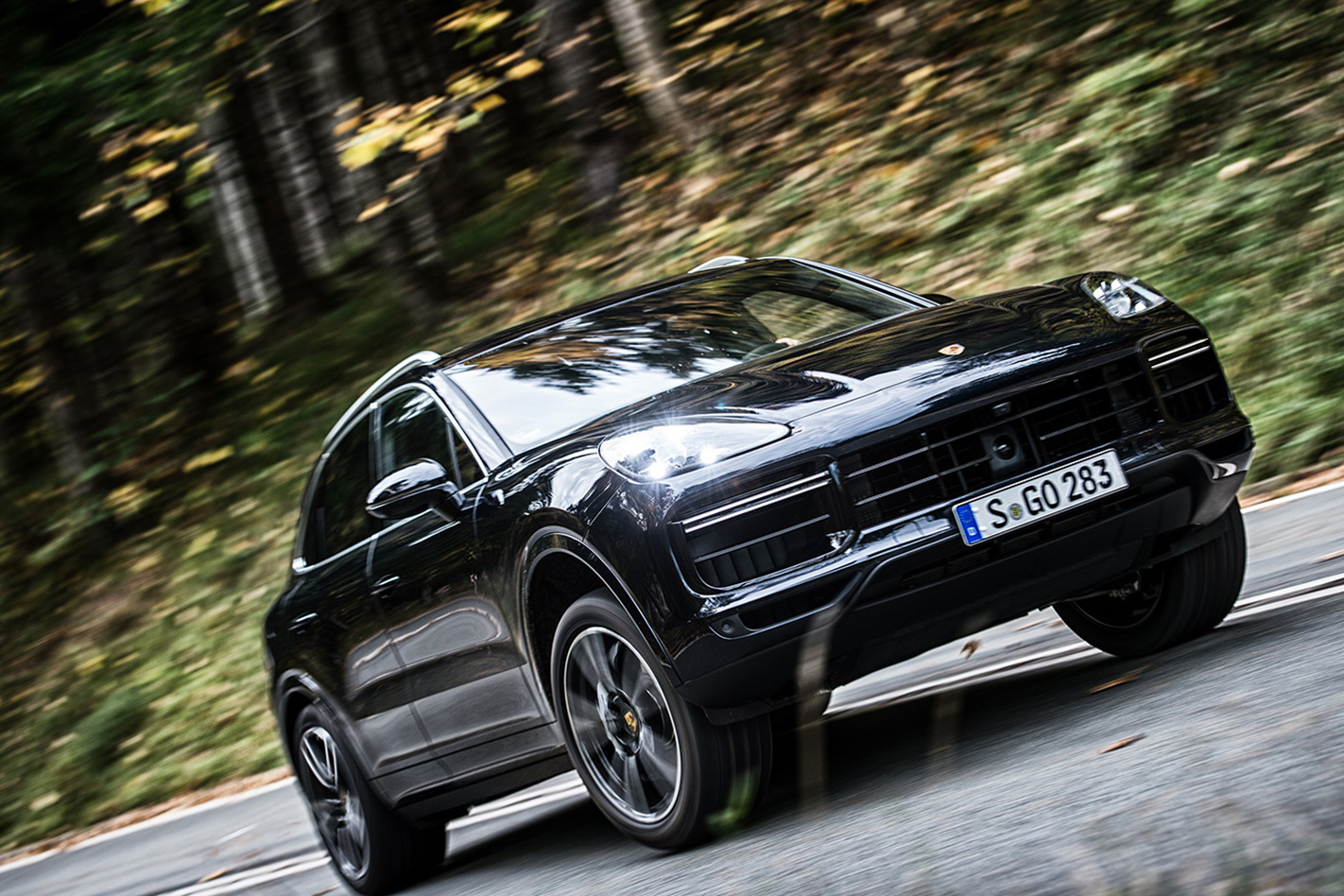
Aided by torque vectoring and the limited-slip rear diff, our brawny beast accelerates out of tight uphill corners with the unreal verve of a monorail on steroids. With all the safety nets rolled up, the 315/35 R21 Pirellis paint short black stripes on the all-too-short straights.
On tricky terrain, you want the suspension in Sport for sufficient compliance and the transmission in Sport Plus for aggressively late upshifts. Despite its bulk, the Porsche manages not to understeer excessively through tight bends, and it does a fine job controlling its considerate amount of inertia through the faster sweepers.
The brakes are quite grabby and not that intuitive to modulate, but when you hit the pedal hard, they do so with epic force. Standard on the Turbo, and optional on lesser models, are the large steel discs with tungsten carbide coating for reduced pad dust and longer wear.
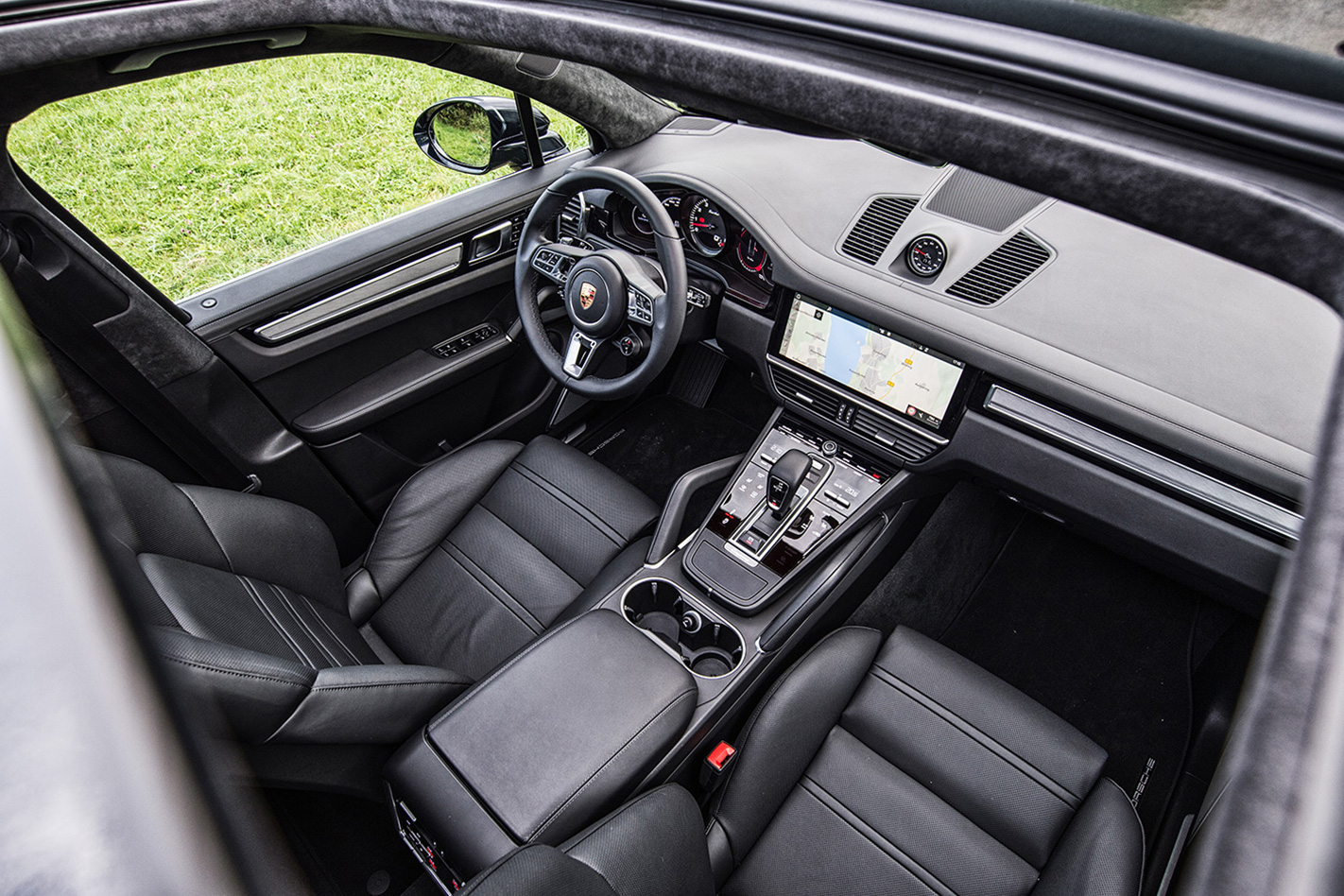
Here, the Porsche performs all the way to the silly limit of adhesion, which must be somewhere above the clouds. Press on and the rear end will duly step out, but you really want to be on a racetrack to make this attitude stick. And that day sadly isn’t today.
Although you have to keep reminding yourself that you’re even thinking about a racetrack while hurtling along in an SUV. Being a press car, our Cayenne Turbo’s packed with optional extras.
The test car features 21-inch wheels and tyres, dynamic chassis control, rear-wheel steering, torque vectoring, Power Steering Plus and the Sport Chrono Pack – the latter affording the hero 0-100km/h time, otherwise the Cayenne hits 100 in 4.1sec.
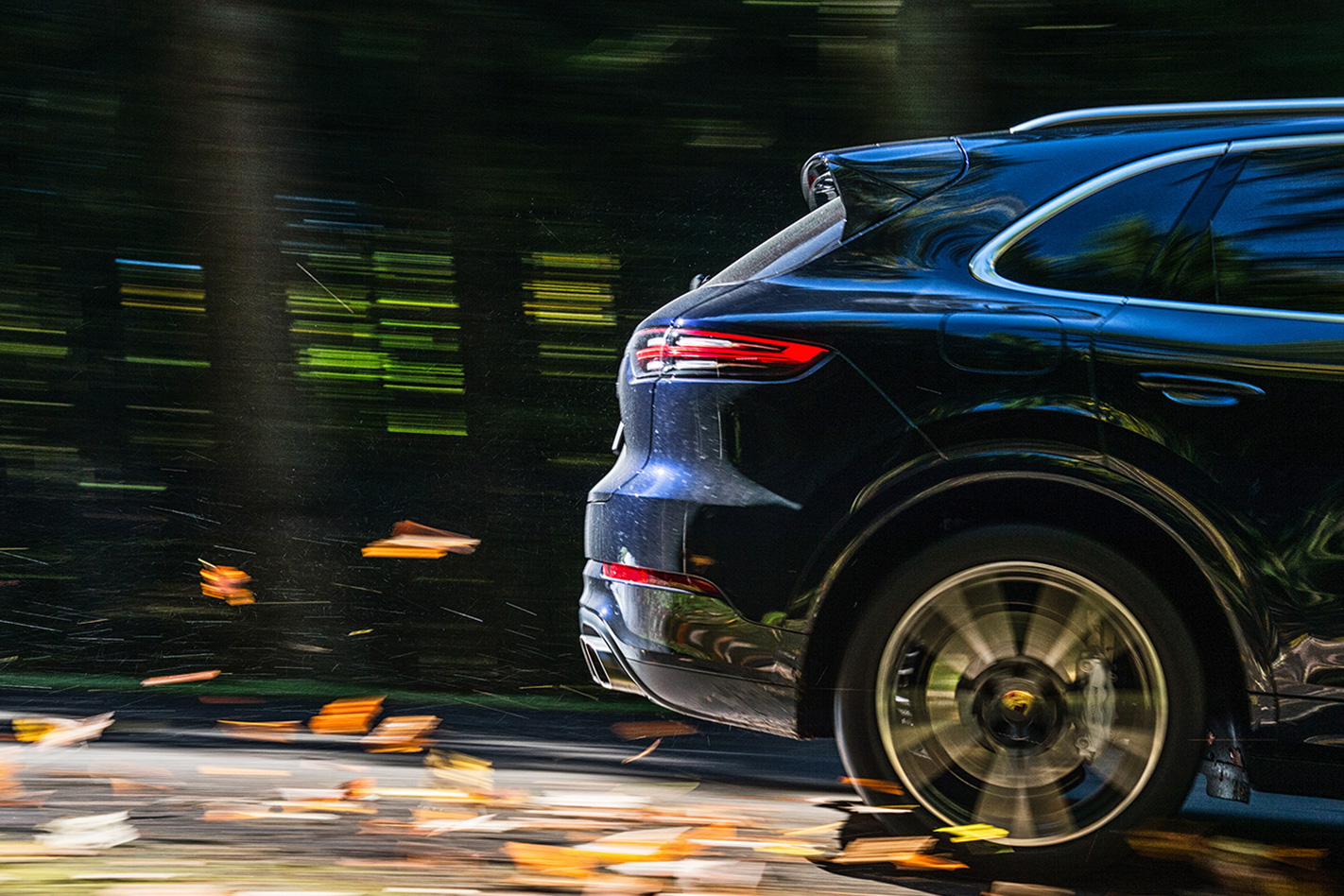
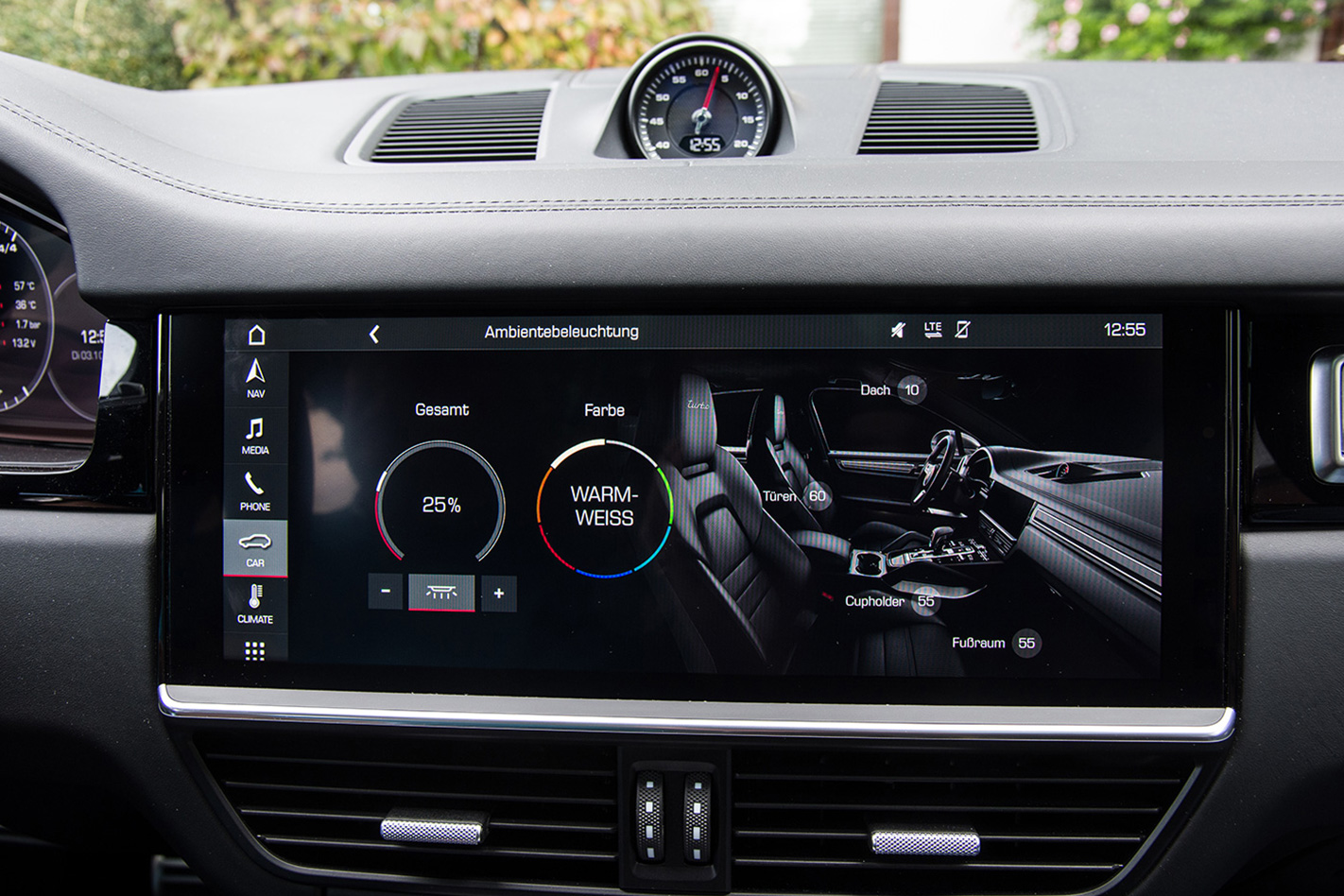
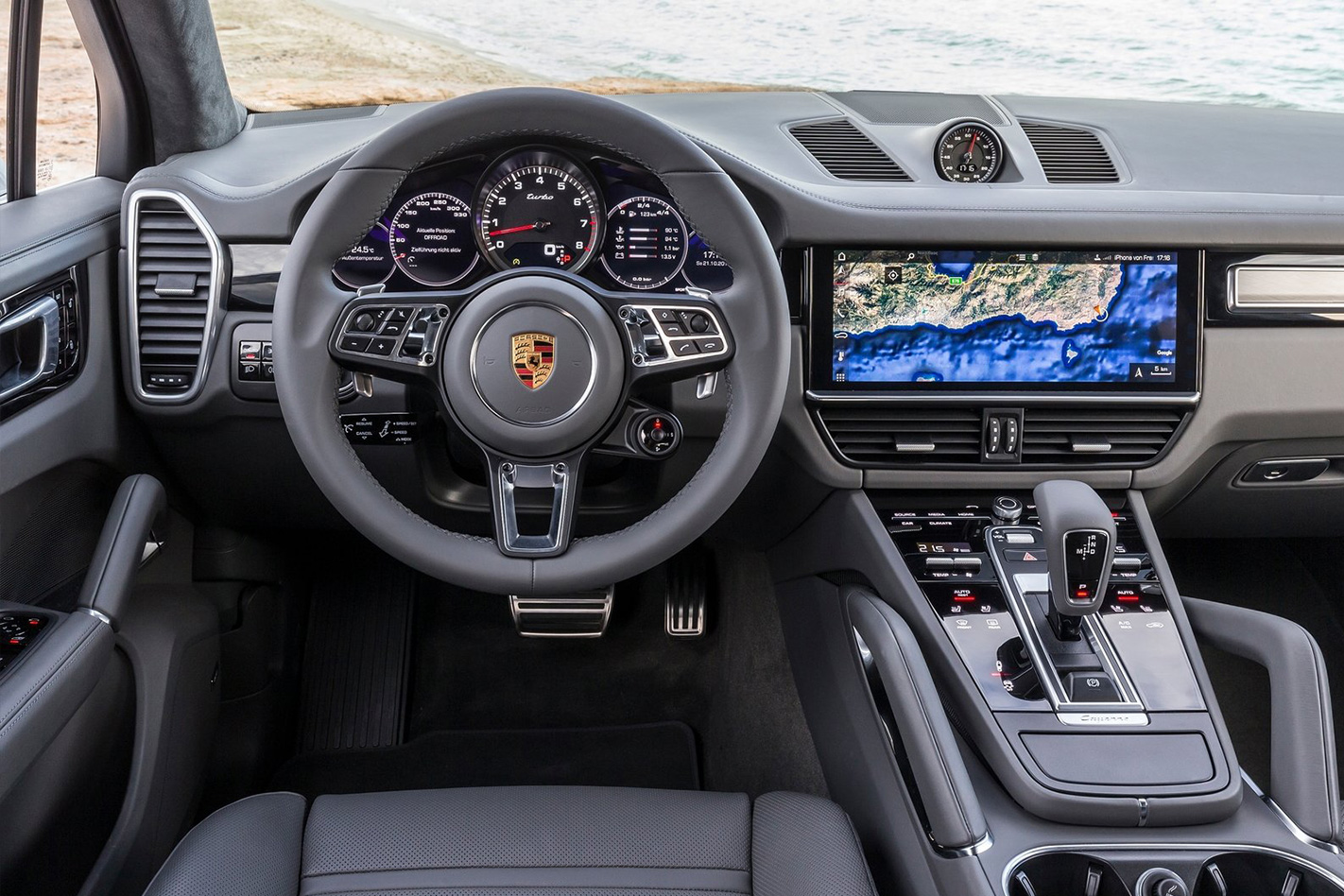
The tech on offer can sometimes feel like a door with seven locks. What may be a dream come true for some becomes a pain for those less adept with gadgets – those who miss a simple knob to turn up Miles Davis and turn down Rihanna. Everything with the new dash is touchy-slidey and there’s no head-up display.
The multi-function steering wheel under delivers and the menus often require myriad submenus to get to where you want to go. It takes a long, straight road – or, better still, a car park – to come to grips with what all the bits and bytes can do for you. It just seems like ergonomic overkill and the must-use touchscreen for vital controls can become tiresome.
The 2018 Cayenne is permanently online, it hooks up with streaming services and its wifi hotspot ensures the 24/7 reception of your favourite radio stations no matter where you are. It also utilises real-time traffic updates to help you out of congestion or to avoid an accident and can even warn you of black ice on the road.
You don’t have to be an environmentalist to frown at this mega SUV which sends out all the wrong vibes – to some. Also, the pending turbo-diesel V6 may still be tainted by aftershocks of dieselgate, so there’s only one sustainable configuration for rich and responsible prospective buyers.
And that would be the upcoming twin-engined, 500kW V8 plug-in hybrid, no less. With a sticker price around $238,000 (price yet to be confirmed), it seems a bit steep. But remember, there’s still the manic Turbo S to come. And after 580km and some 17 hours, there’s one thing that isn’t in doubt.
Together with the 324kW Macan, this is a more complete, go-anywhere sports car than any of its rivals. It extends the laws of physics to the maximum, it juggles its weight and mass like a well-honed circus act and covers the complete scope of requirements from thundering down the autobahn to climbing up a rutted track to the getaway house. It really is a strange world we live in.
4.5 stars out of 5 Likes: Epic performance; it’s still a practical SUV; handling Dislikes: Brakes can grab; weight; interior is all a bit too fiddly
2018 Porsche Cayenne Turbo specs: Engine: 3996cc V8, DOHC, 32v, twin-turbo Power: 404kW @ 6000rpm Torque: 770Nm @ 1960rpm Weight: 2175kg 0-100km/h: 4.1sec (claimed) Price: $238,000 (est)
UPDATE – Volkswagen has confirmed a new Golf GTI starting price $37,990, with the new three-door GTI Original introduced in November 2017.
The so-called Mk7.5 range will get driveaway pricing deals on all Golf hatchback, wagon and Alltrack versions, except R and GTI high-performance heroes though the hot hatches are expected to be joined by a couple of lesser-equipped variants to bring entry-level pricing down.
VW has deleted the entry-level 92TSI variant for the new Golf 7.5 range, and applied a starting price of $23,990 to the manual 110TSI hatch, which becomes the new Golf base model.
That means the new entry-level Golf with driveaway pricing effectively undercuts the previous base model, but offers more power. The old 92TSI had a $22,840 asking price before on-road costs and was equipped with a less powerful version of the 1.4-litre turbo petrol engine.
Depending on the state in which a car is sold, driveaway pricing absorbs state, government and dealer delivery fees that typically total in the region of $2000.
The lightly facelifted Golf range also sweetens the deal with alloy wheels and autonomous emergency braking thrown into all variants, including the entry-level vehicles.
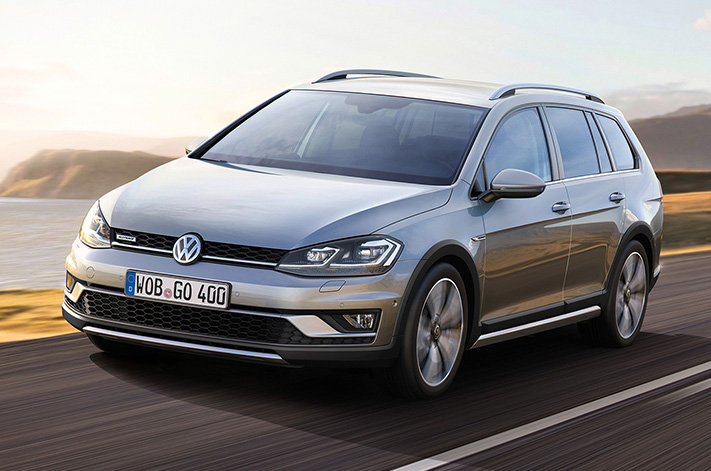
The most affordable Wagon is now on offer from $29,990 with the company’s seven-speed dual clutch automatic transmission as standard, which compares to the $28,340 before on-roads price of the previous entry wagon. The same hatch upgrade to 110TSI engine from the 92TSI is also applied to the boot-boosted entry variant.
For the go-anywhere Alltrack range, pricing now starts at $35,990 for the 132TSI with six-speed DSG auto. That compares to the $38,340 that Volkswagen was asking for the previous lone variant. The Alltrack 7.5 range has now expanded to three versions including two equipment grades of the petrol and a diesel which shares the higher specification.
Performance Golfs
Hot-hatch lovers will be pleased to know Australia’s Golf Performance range has swelled to 11 different models, with that number likely to expand again in early 2018 with Volkswagen Australia seriously considering the Golf GTE plug-in hybrid. A five-door GTI Performance hatchback is also tipped to arrive some time next year.
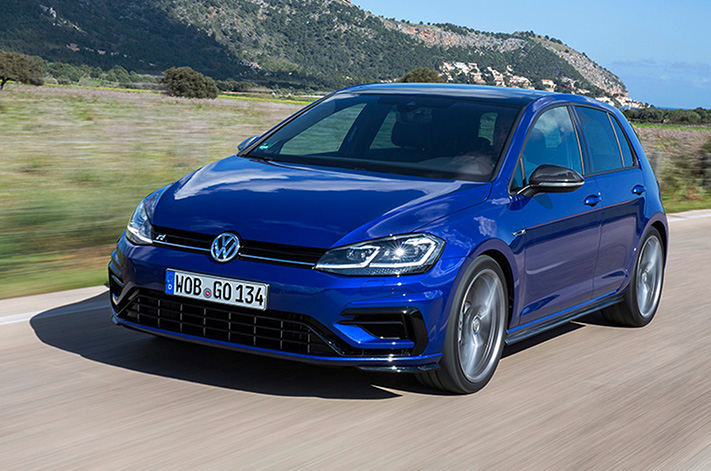
In the mean time you can select from the traditional Golf GTI and R variants starting at $37,490 and $47,990 respectively with stripped down variants called the Golf GTI Original and Golf R Grid.
Similar to BMW’s range of ‘Pure’ M cars, the Original and Grid feature a lower specification to justify the price cut.
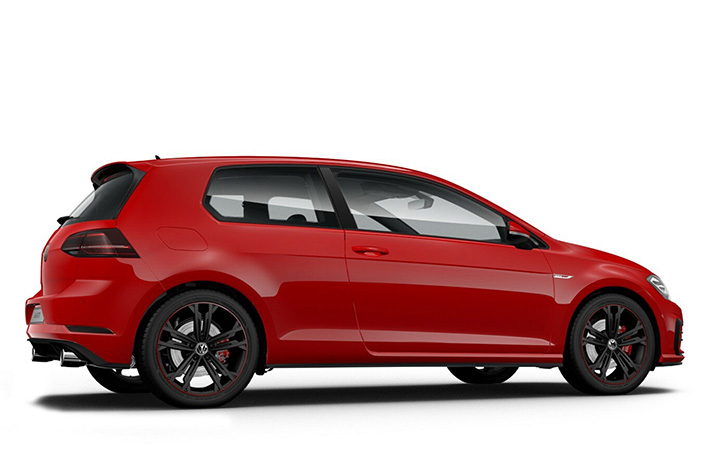
To that end the three-door GTI Original (above) is available in red or white only with the sole option of a Driver’s Assistance pack at $1600.
The Golf R Grid Edition is unique to Australia and retains the 213kW/380Nm 2.0-litre turbo engine, 4MOTION all-wheel drive, and seven-speed dual-clutch auto of its more expensive R variants. It keeps costs down with distinguishing features include ‘Race’ sports cloth and Alcantara combination upholstery in place of leather, and black door mirrors.
2018 GOLF 7.5 PRICING
Golf 7.5 Hatchback 110TSI manual – $23,990 110TSI auto – $26,490 110TSI Trendline manual $25,490 110TSI Trendlilne auto – $27,990 110TSI Comfortline auto – $29,990 110TSI Highline auto – $35,990 110TDI Highline auto – $38,490
Golf 7.5 Wagon 110TSI Trendline auto – $29,990 110TSI Comfortline auto – $31,990 110TSI Highline auto – $37,990 110TDI Highline auto – $40,490
Golf 7.5 Alltrack 132TSI auto – $35,990 132TSI Premium auto – $39,990 135TDI Premium auto – $42,490
Golf 7.5 Performance range Golf GTI Original manual $37,490 Golf GTI Original DSG $39,990 Golf GTI manual $41,490 Golf GTI DSG – $43,990 Golf GTI Performance Edition 1 DSG $47,990 Golf R Grid manual $47,490 Golf R Grid DSG $49,990 Golf R manual $52,990 Golf R DSG $55,490 Golf R wagon $57,490 Golf R DSG Wolfsburg $57,990 Golf R wagon Wolfsburg $59,990
MAZDA’S next-generation work ute will be based on the Isuzu D-Max and share much of its mechanicals, but the design will be an all-Mazda affair. What’s more, Mazda top brass have indicated the company won’t pursue Tonka-toy aesthetics to help its BT-50 compete against more visually aggressive rivals.
Speaking to Australian media at the 2017 Tokyo Motor Show, Mazda’s managing executive officer and head of design Ikuo Maeda said tailoring the new BT-50’s sheetmetal to satisfy market demand for tough-looking utilities while still staying true to Mazda’s Kodo design language was going to be a tricky balance.
“It is a challenge,” Maeda said. “We have to focus on creating a beautiful form but adding tougher elements to make it manly.”
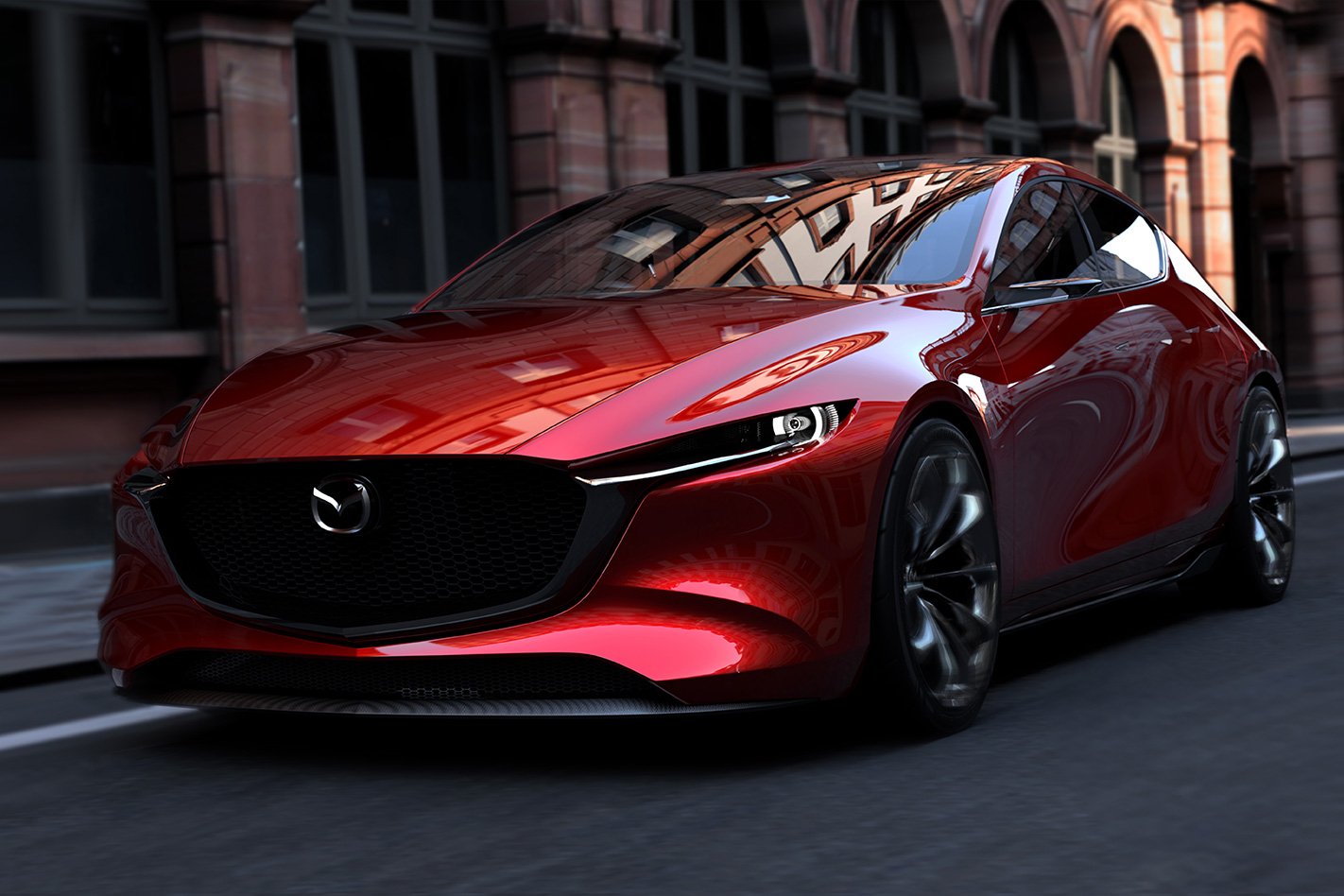
And taking one look at Mazda’s two showstopping Tokyo concepts – the Vision Coupe and the Kai Concept (above and below) – the “challenge” becomes apparent. With taut, stretched sheetmetal drawn over elegant and low-slung forms, it’s difficult to mentally transpose that design language over the upright, blunt-nosed shape of a one-tonne 4WD dual-cab.
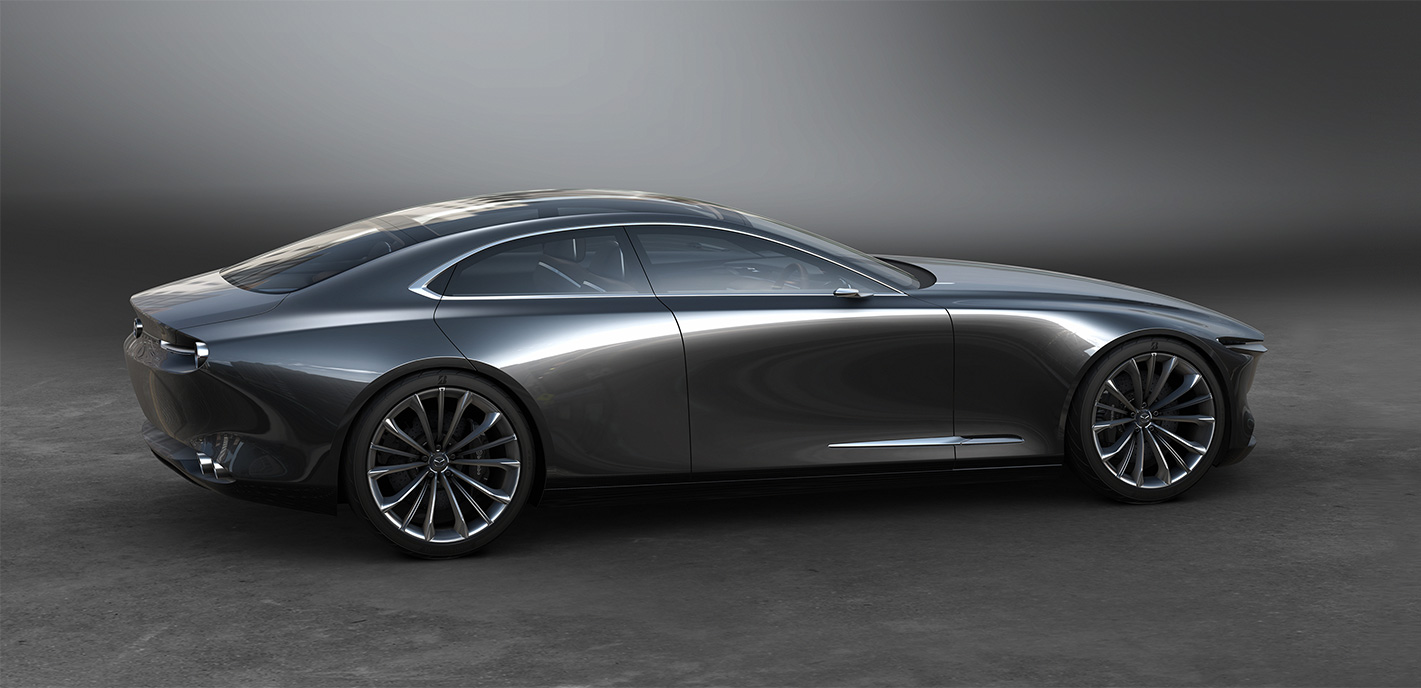
And that’s further compounded by the fact that Mazda will have little say in the engineering of the next BT-50. Isuzu’s D-Max will take over from the Ford Ranger as the BT-50’s organ donor, and it’s Isuzu that will set all of the hard points for the Mazda-designed cabin and ‘top hat’ that will sit on top.
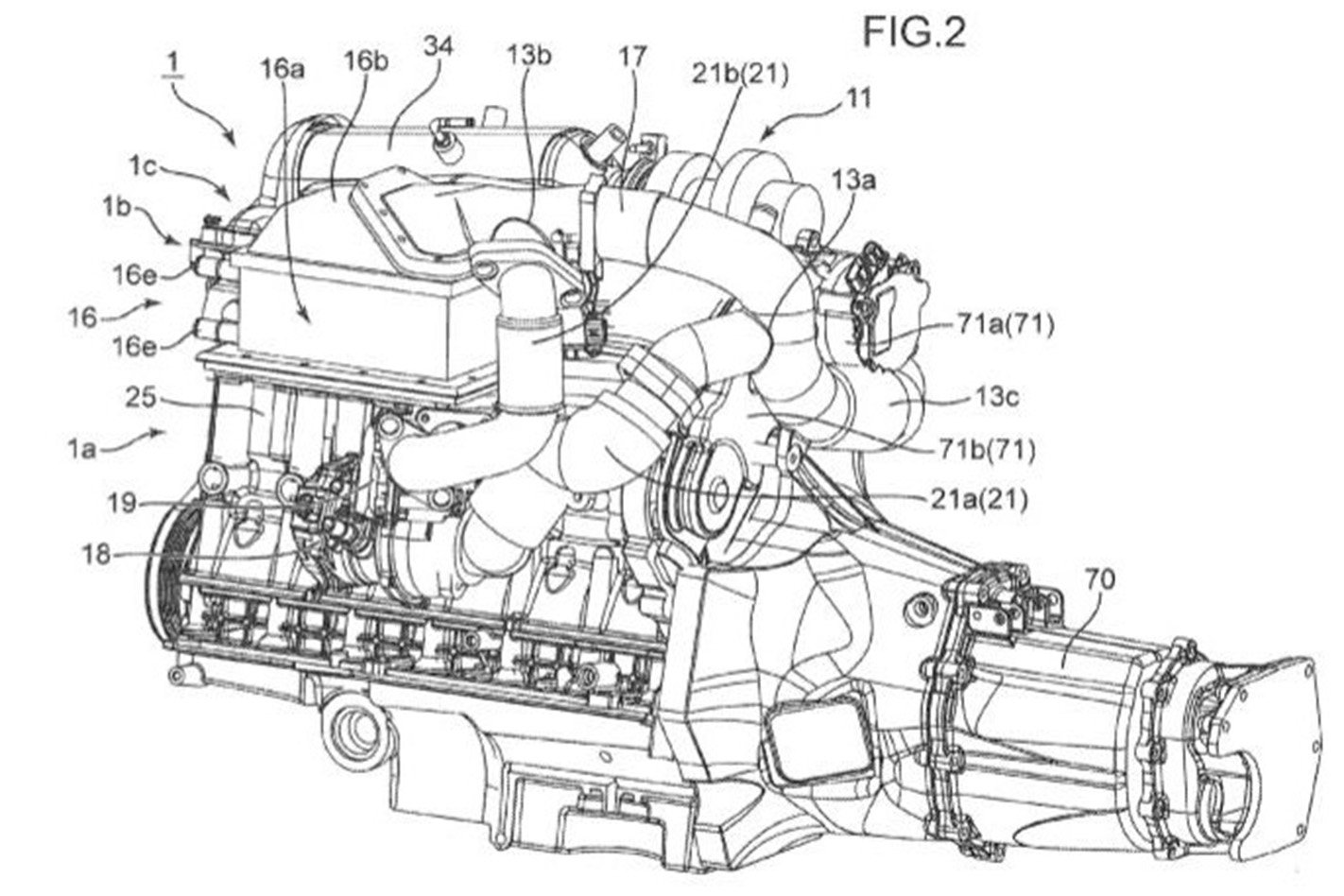
In fact, the next BT-50 will be the only model in Mazda’s future showroom to not be built on the company’s SkyActiv platform or utilise its SkyActiv powertrains. Mazda’s managing executive officer in charge of powertrain development, Ichiro Hirose, also denied the company’s recently-patented triple-turbo diesel engine (below) was destined for the new BT-50.
With styling the key point of difference, then, the BT-50 has to look right. Case in point, the current-gen BT-50 hasn’t achieved anywhere near the same level of market share as the Ford Ranger, despite sharing the bulk of its mechanical package with the its Blue Oval cousin.
In the 4×4 pickup category, the Ranger outsells the BT-50 by a factor of four – something that’s largely been put down to the difference between the Ranger’s masculine styling and the BT-50’s more carlike aesthetic.
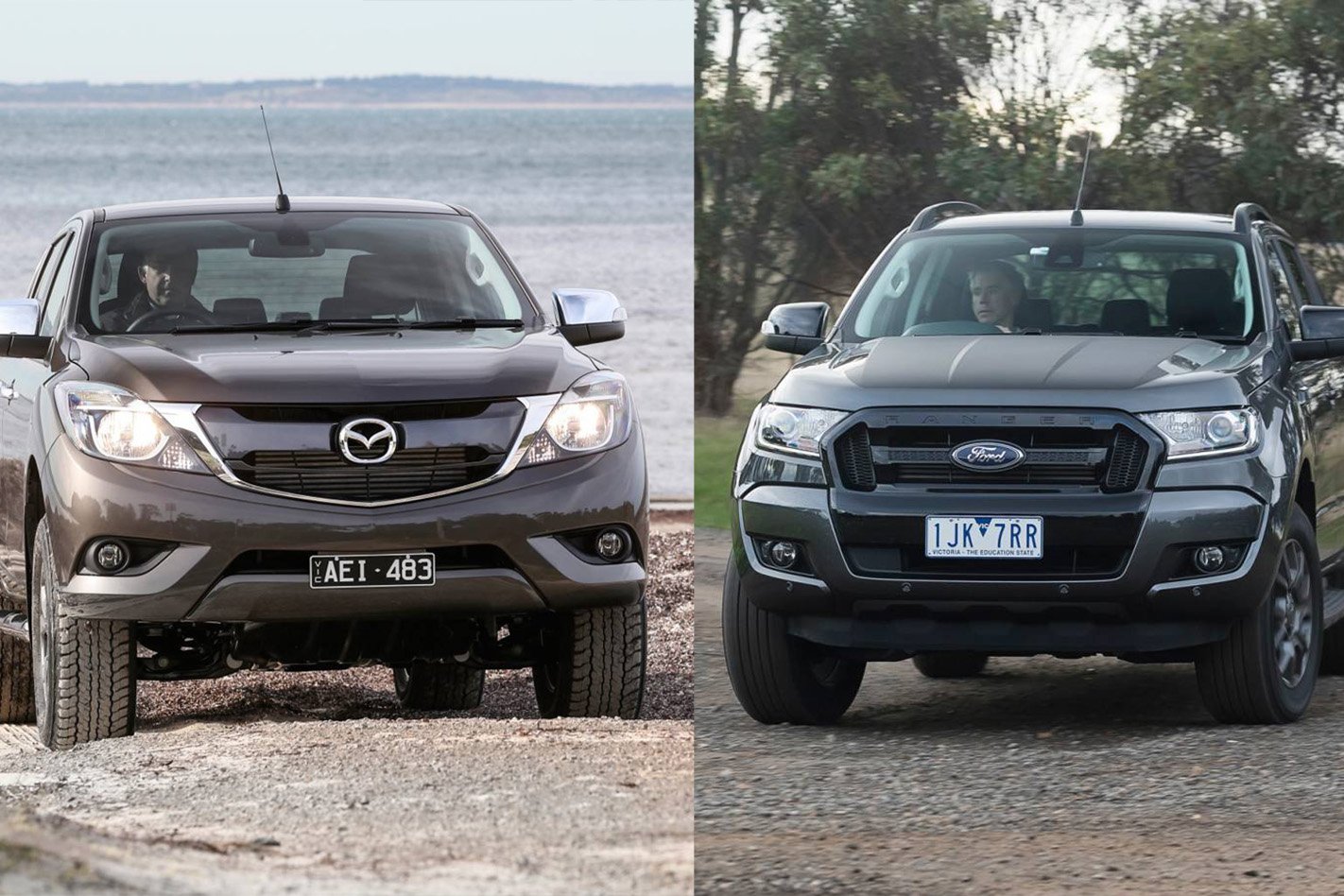
But don’t expect boxy plastic wheelarches to be slapped onto the next BT-50 to toughen it up. Mazda may be aware that design still matters even in the commercial vehicle segment, but it’s not going to compromise by following the crowd.
“We have to keep the Mazda brand – that is key,” said Mazda director Kiyoshi Fujiwara.
And some of that Mazda flavour will be baked into tunable components including the suspension and steering, not just the sheetmetal and cabin décor. But as for the potential of a wagon-bodied derivative based on the next Isuzu MU-X, that’s not on the cards.
“No, it’ll probably be the same as the current situation,” said Fujiwara, referring to Mazda’s decision not to base its own fourbie wagon off the Ranger-platformed Ford Everest SUV.
Though it has only 24,456km showing on the odometer and looks to be immaculate, this BMW Z8’s biggest draw is not its almost perfect state.
This Z8 was first owned by the most famous of Apple’s founders, Steve Jobs.
With an estimated list price of between AUD$391,000 and $521,500, the German roadster has no reserve.
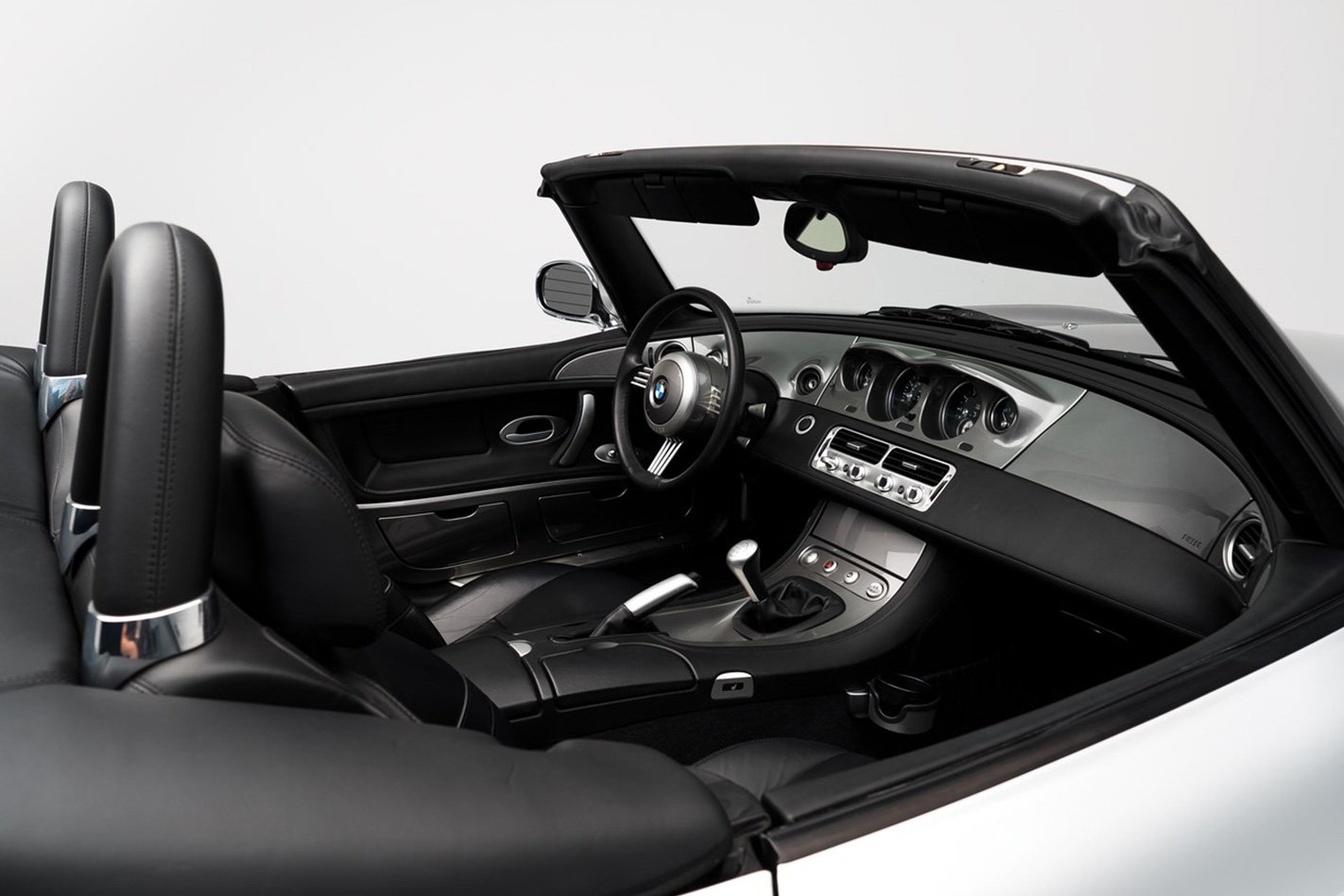
Obviously enough to convince jobs to buy it, the V8 drop-top was later registered to Jobs’ personal address, something he reportedly avoided doing in an effort to maintain his privacy.
The car in question comes with the paperwork from that sale, which in itself is probably worth a significant amount to the right person.
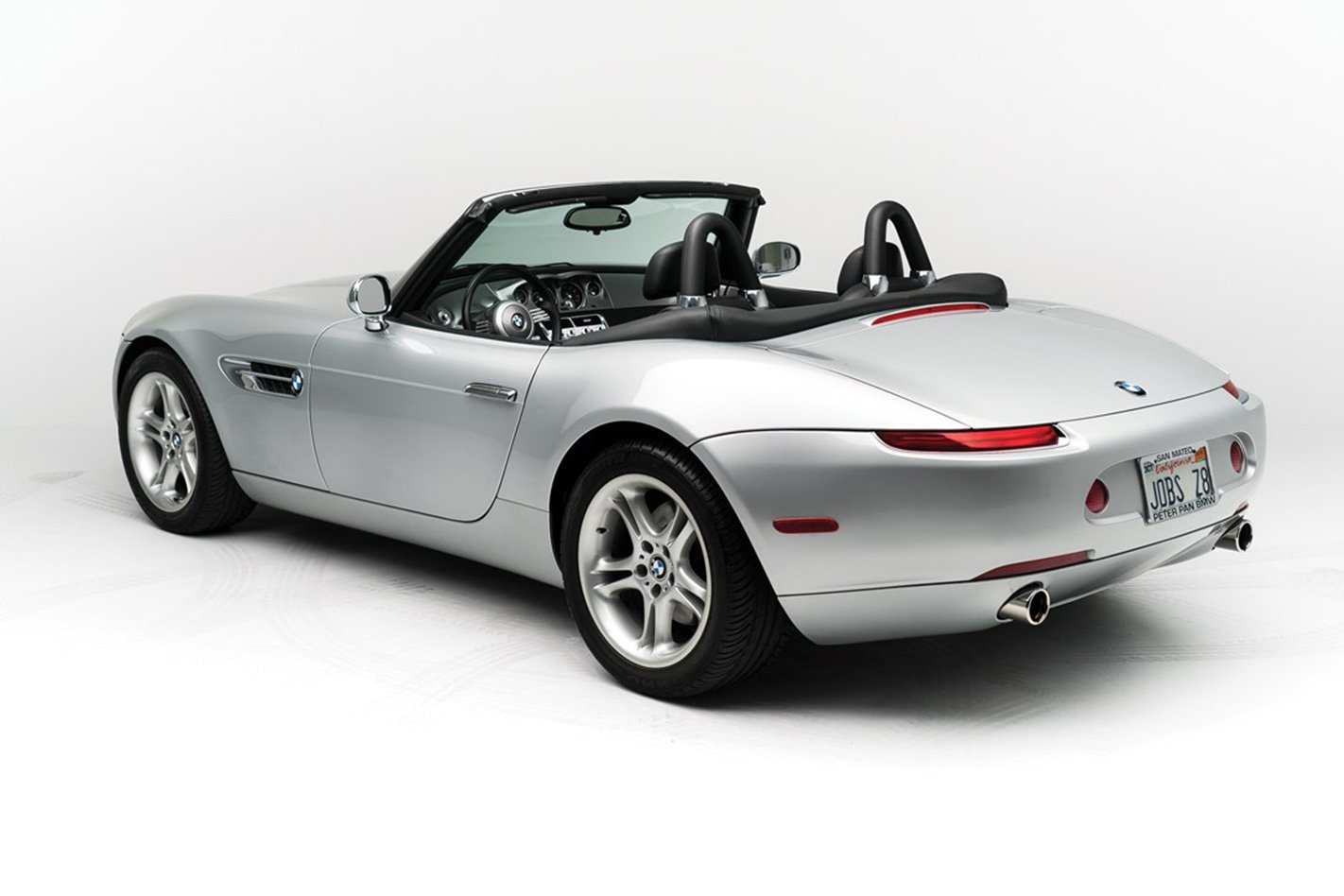
The unnamed seller decided to keep the car in action rather than turn it into a museum piece, which is how it clocked up its kilometres – though its odometer still totals less than 1500km per year.
The car has still been kept original, with service history and, according to RM Sotheby’s, all of its original equipment.
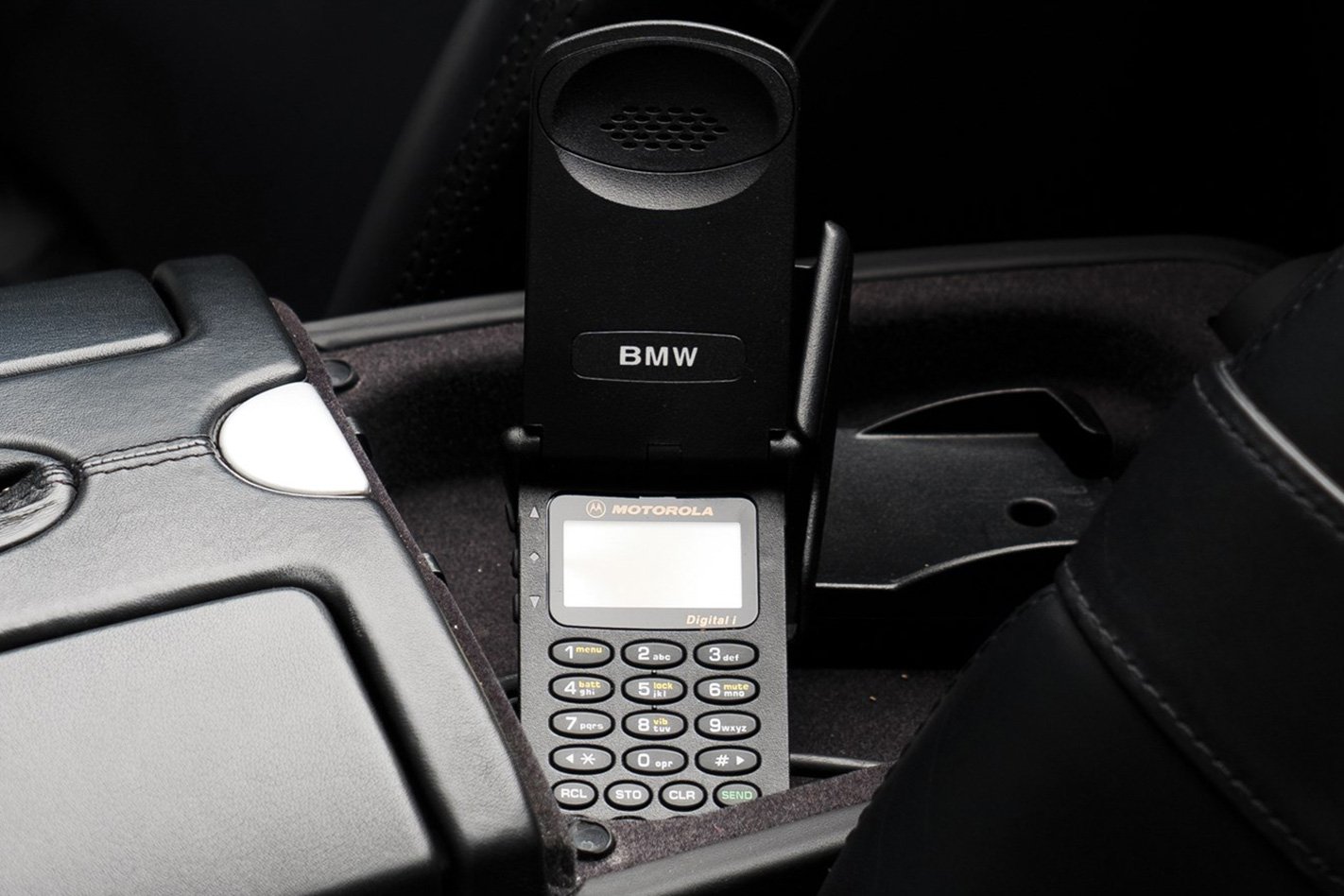
“Perhaps unsurprisingly, Jobs was known to have hated the Motorola phone.”
PORSCHE is predicting the emerging 48-volt electrical sub systems, that support new high-energy vehicle components, will be killed off as even higher voltage vehicle drivetrain systems become more commonplace.
Until recently, a global industry standard of 12-volts was the norm for all passenger vehicles but a number of manufacturers have introduced a higher-energy sub-system to feed more demanding systems such as electric superchargers and active suspension.
While the technology is proving itself as a viable solution to increasingly power-hungry consumers of today’s market, Porsche SUV electronic systems manager Dirk Assfalg said that 48-volt sub-systems would become obsolete with the advent of widespread hybrid and pure EV power.
For the current systems in use under the skin of Bentley’s Bentayga, the mechanically related Audi SQ7 and, most recently, the Porsche Cayenne, a converter bumps 12 volts to 48 volts which is stored in a capacitor, but Assfalg explained future systems would do the opposite and step voltage down from heftier vehicle drive system voltages.
“Ten or 15 years ago many manufacturers were thinking ‘yeah why not 48 volt’ but I think we are going more and more to e-mobility and battery electric vehicles and Porsche has an 800-volt battery, so you don’t need 48-volt because you can use 800-volt and step down with an AC-DC converter.”
In the case of Porsche’s large SUV, the 48-volt system is responsible for powering its electromechanical roll stabilisation technology which uses actuators to counter body-roll when cornering, but the higher-energy output has the potential to drive other more demanding consumers.
Assfalg said the technology has other potential applications anywhere a high-energy electrical supply is necessary, but Porsche was not exploring other SUV possibilities at this stage.
“Maybe you can imagine more things than only these,” he said. “The heater for the windshields, you could do this. Anything where you need very high energy will be potential for this technology but we use it only for our car stability (system).”
The first example of the new high-voltage approach is likely to debut in the production version of the company’s Mission E all-electric sports sedan when it rolls out early in the next decade, but Porsche SUV fans will have to wait longer for the first EV high-rider.
“It won’t pull big loads because all the energy you need to tow your range is not so good. I think the hybrid technology at this time for the SUV is the best solution”.
Porsche SUV complete vehicle product line manager Christoph Oerleke confirmed that the third-generation Cayenne was not designed to accommodate a zero-emissions drivetrain, which slates the earliest appearance of an EV Cayenne for the gen-four model.
“Electric is not a focus,” he said. “You never know what happens in the future but at the moment we are fine with the Cayenne combustion engine – No electrically driven Cayenne on the third generation. This is fixed. The platform is not suitable”.

Exactly what will power the new variant remains to be seen but Porsche SUV sales and marketing director Julia Baumann offered a hint. “If you look at the Panamera range you may guess,” she said.
“For all the e-hybrids, we want our hybrids to be performance cars as well, not just efficiency cars. It has to perform as well. It still has to be a real Porsche”.
If the new Cayenne adopts the hybrid technology of the current-generation Panamera, high-end SUV enthusiasts can look forward to either the 340kW/700Nm V6 system from the Panamera E-Hybrid or the monstrous V8-electric layout of the Panamera Turbo S E-Hybrid, which packs a massive 500kW and 850Nm of torque.

TELL ME ABOUT THIS CAR
This is the plug-in hybrid version of the second-generation Porsche Panamera (the 4 stands for four-wheel-drive), featuring an all-Porsche powertrain including a 243kW 2.9-litre twin-turbo V6 engine and 100kW electric motor.
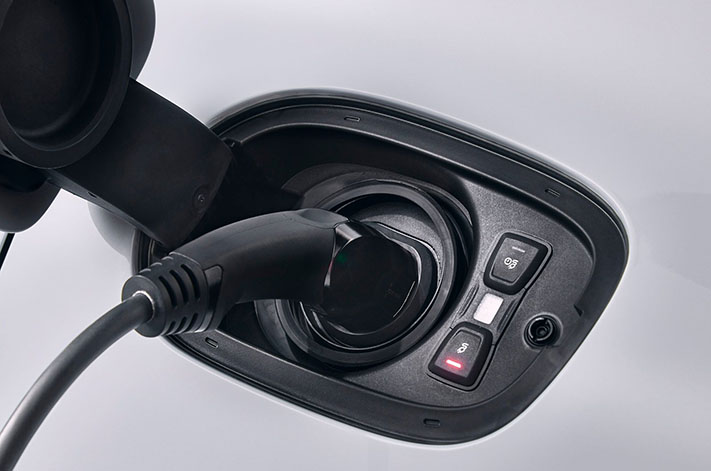
When fully charged it has an all-electric range of 50km and you can travel on the lithium-ion batteries alone up to 140km/h. The lithium-ion battery takes 5.8 hours to fully charge, or 3.6 hours with the optional charger, and its state of charge is displayed on either of two seven-inch screens flanking the analogue tachometer.
But this is no glamorous German cousin to a Prius. The petrol and electric motors combine to produce a whopping 340kW and 700Nm of torque which makes for instant acceleration and a 0-100km/h time of 4.7 seconds – more than half a second quicker than the standard V6 turbo Panamera 4.
It’s priced from $248,500 – our test car featured options including 21-inch gloss-black rims ($9380), electric sunblinds for back and rear side windows ($2940), LED matrix headlights ($2690) and seat ventilation ($2190) which pushed the price to $264,120.
STRENGTHS
- The electric motors work in concert with the twin-turbo V6 to boost output, and the effect is even more pronounced in Sport or Sport + mode. The instant torque they provide makes for exhilaratingly quick launches from a standing start while leaving plenty of go in reserve for overtaking.
- The Panamera 4 E-Hybrid’s forte is grand touring and you could drive for hours in total comfort on highways or meandering B roads. That said, it also handles mountain hairpins commendably, with minimum body roll and a compliant-yet-controlled rear end despite its 2.2-tonne mass and five-metre length.
- The Hybrid mode is perfect for everyday driving, and seamlessly switches between electric and petrol propulsion.
- The 8-speed dual clutch automatic transmission sends power to all four wheels and delivers smooth shifts. There are paddle shifters if you want to be hands on.
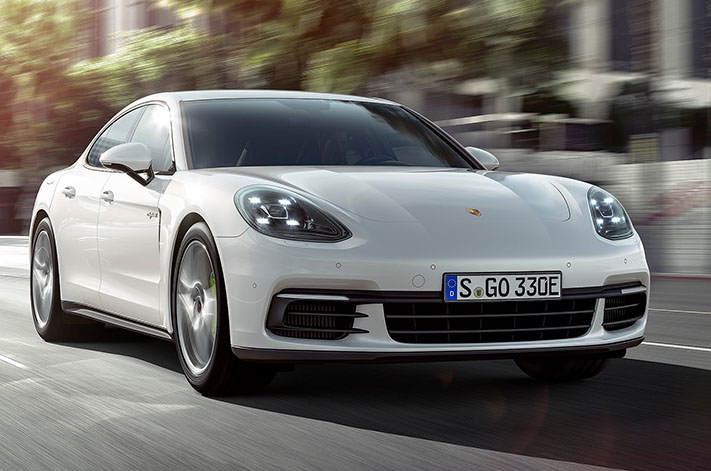
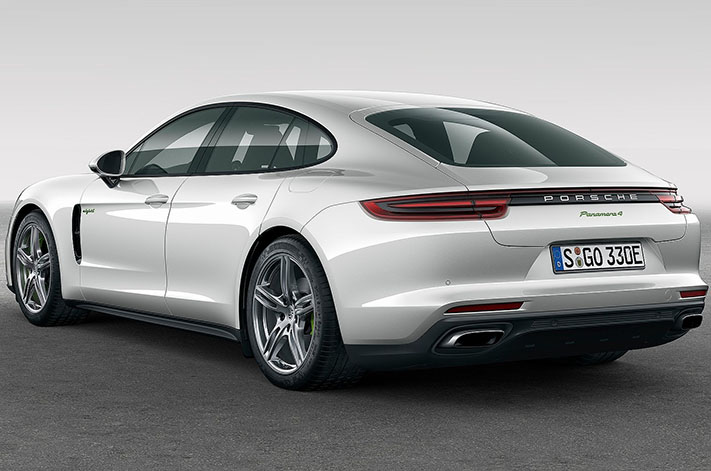
- It has head turning looks with a slender profile that draws on the Porsche 911‘s iconic silhouette, and manages to retain the same elegance as its coupe cousin despite the additional doors.
- The interior is stunning, and combines quality finishes with jaw dropping styling dominated by a huge 12-inch central information and entertainment screen and aircraft-like centre console with glass look soft-touch buttons. The number of switches is daunting at first but it’s all reasonably intuitive once you take time to familiarise yourself.
- Rear seat drivers don’t miss out on gadgetry, with a large panel/touchscreen for them to control climate control, infotainment, the rear sunroof shade and window blinds.
- Bluetooth syncing is very quick and simple.
- The air suspension has three settings. The default comfort mode is excellent for general touring while the sports modes tighten things up without compromising comfort. You can also raise and lower the ride height to suit different road conditions.
- Bright green highlights to exterior badging, brake calipers and gauge needles are a subtle but likeable reminder of the hybrid powertrain.
WEAKNESSES
- The Panamera 4 E-Hybrid official combined fuel consumption figure is 2.5L/100km, however it assumes a lot of the driving is done in battery-only E-mode. But, even driving around town in hybrid mode, the trip computer was showing the kind of mid-teen, real-world fuel consumption figures you’d get from a 5.0-litre V8 Ford Mustang.
- Despite the fact this is a large luxury sedan it only seats four people including the driver. The rear seats are very comfortable, but headroom is pretty tight because of the sloping roof line and panoramic sunroof.
- The doors aren’t soft shutting and need quite a pull or shove to close properly
- At almost 2 metres wide you’ll have to be very careful when parallel parking to avoid kerbing the big, 21-inch rims.
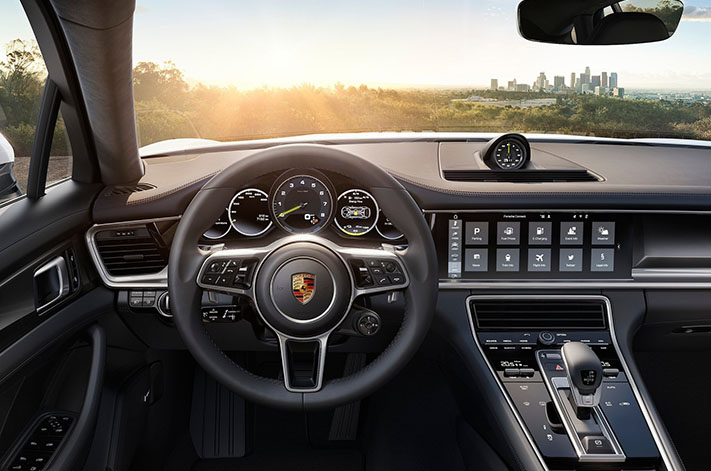
- The Hybrid system defaults to E-mode each time the car is restarted which can be confusing because there’s no tell-tale engine noise to tell you the car is ‘running’.
- The batteries reduce the boot space to a hatchback-like 405 litres. There’s enough space behind the back seats, but little height between the raised boot floor and boot lid.
- The serene cabin environment when travelling in E-mode is overcome by wind noise once you get up to highways speeds.
ARE THERE ANY RIVALS I SHOULD CONSIDER?
The BMW 740e, if you’re looking at luxury hybrid sedans, though the Tesla Model S, while being all-electric, is a closer match in terms of performance.
