Tell me about this car
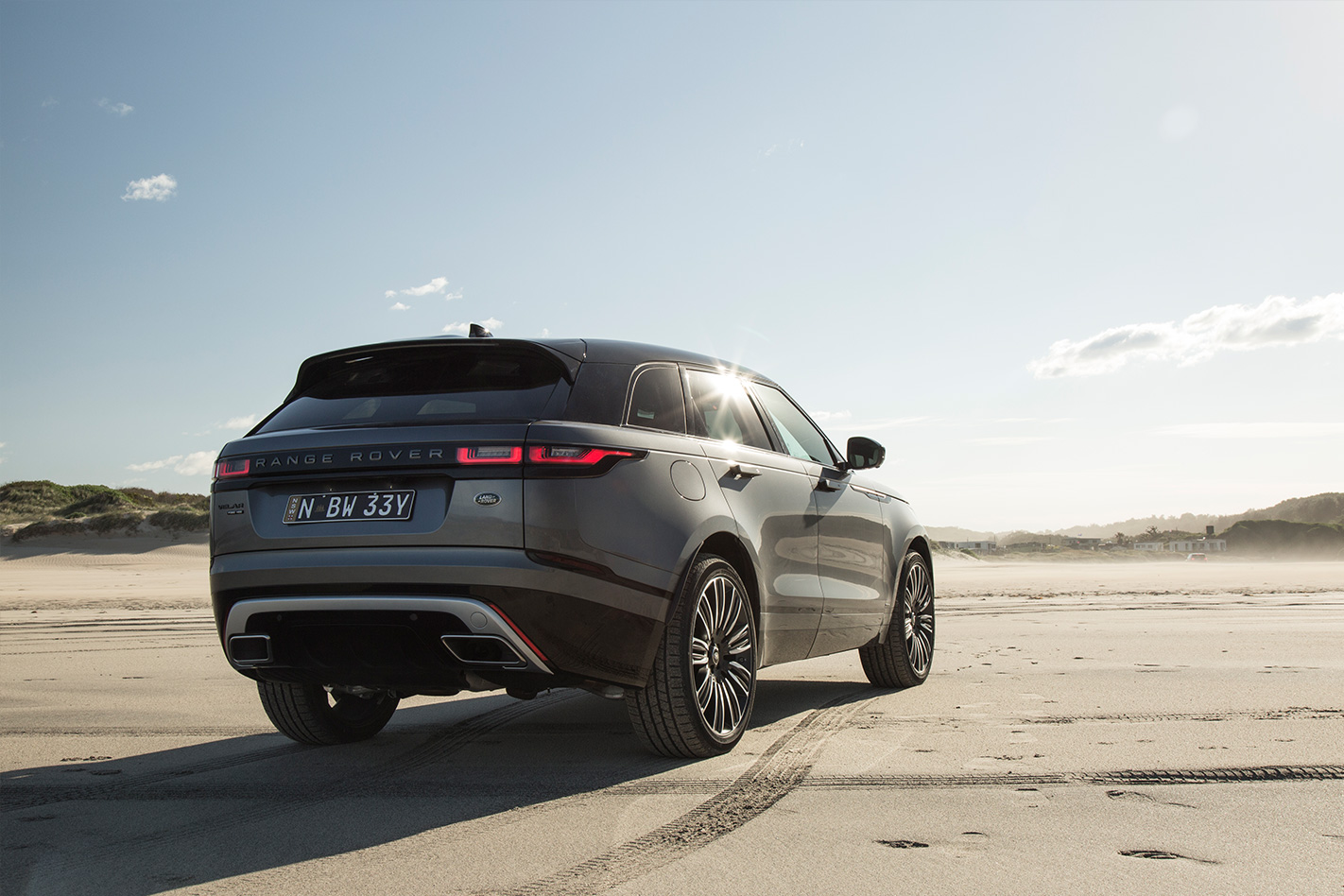
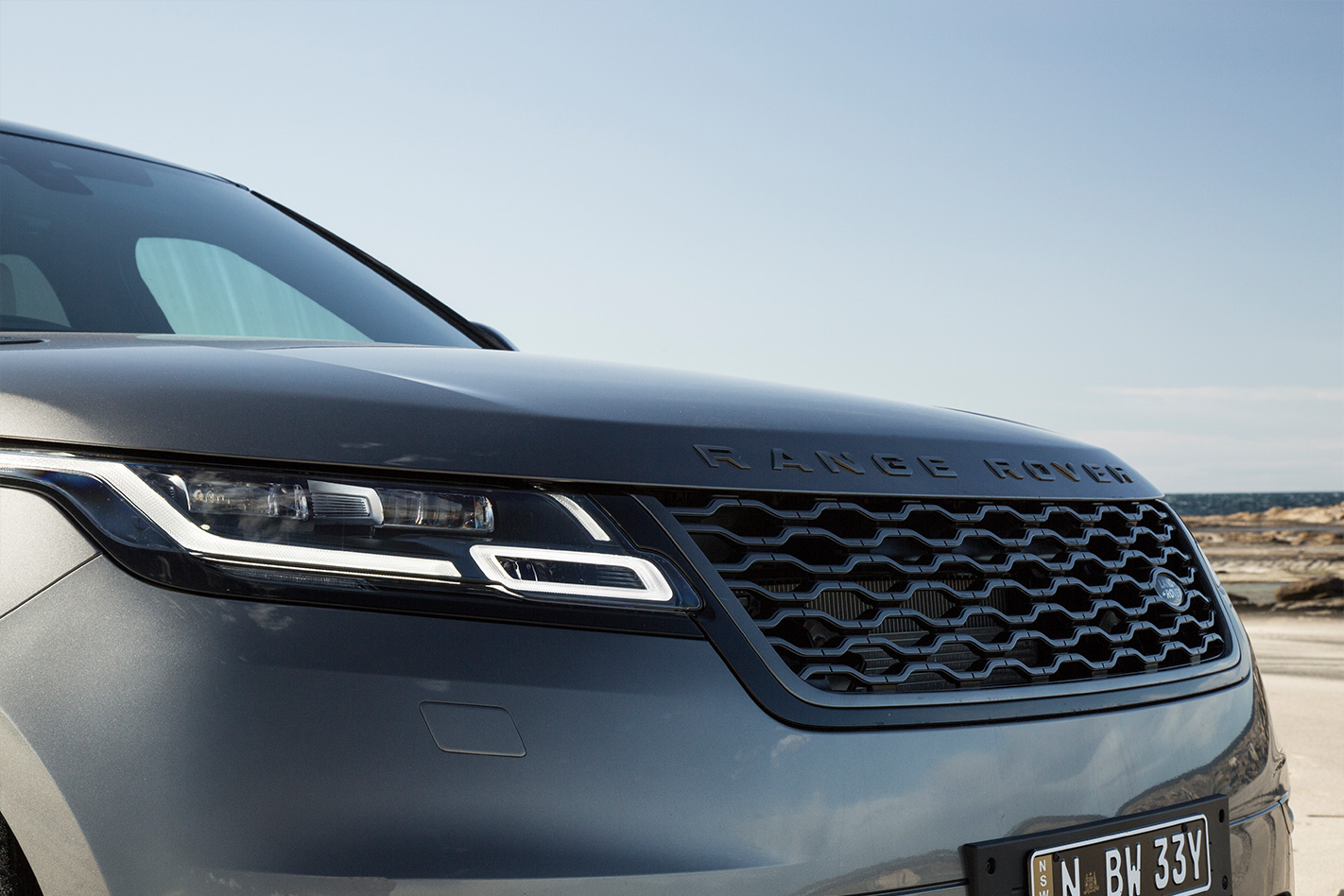
The Range Rover Velar is the brand’s newest model, sitting between the Evoque, and larger Range Rover Sport. It comes from the same crew responsible for last year’s Jaguar F-Pace. What that means is a shared D7A platform, aluminium panels, the same 2874mm wheelbase as an F-Pace and a near-identical drivetrain line-up to its Jag cousin. Except that the Velar errs more towards luxury than sports.
Pros
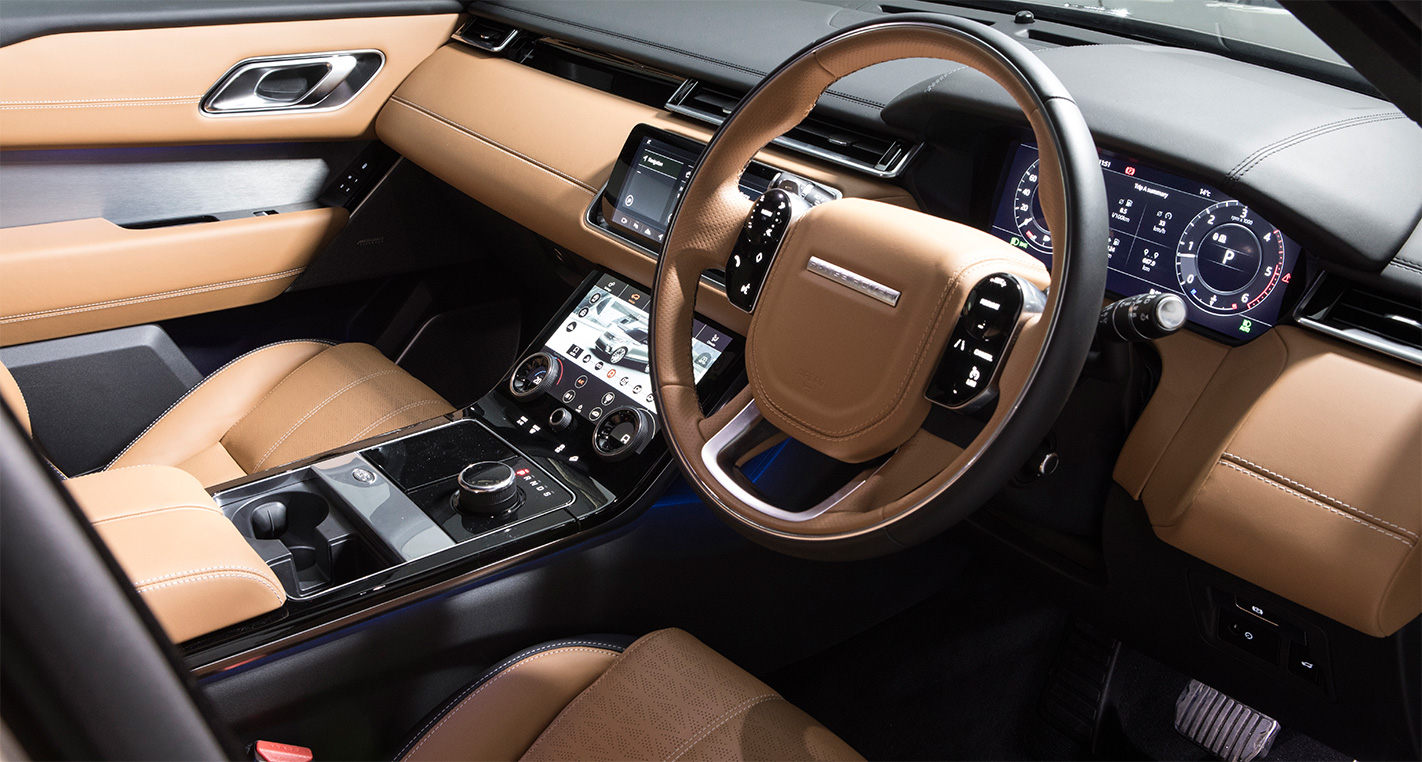
- Concept-car in look and almost hand-crafted in cabin feel, the vaunted Velar raises the game for a Range Rover model in terms of luxury and personalisation.
- It’s a very pleasant drive, too, proving easy to place, keen to hug corners, and reasonably comfortable to ride in if the air suspension’s set-up screen reads ‘Comfort’.
- The model range is vast, but allows customers to spec cars more finely, making fulfilling personal preferences easier.
- There’s decent off-road ability here – certainly way more than the transverse-engined Evoque – though the Velar is no match for the big-daddy Range Rover when mountain climbing. But it does feature just about every trick in Land Rover’s off-roading goody bag, and should easily exceed almost every buyer’s expectation of it off road.
Cons
- Rear seats lack support compared to rivals, and are only really suitable for two adults.
- The dual touch-screen infotainment unit is slick, but can be a minor frustration to use at times.
- In Auto or Dynamic, the Velar rides much more firmly, though to the ultimate benefit of its overall agility.
- The steering in the Velar is quick and accurate, but lacks feel.
Any rivals I should consider?
Audi Q5, BMW X3 and X4, Jaguar F-Pace, Lexus NX and RX, Mercedes-Benz GLC and Porsche Macan.
ON Friday, October 20, the last Australian built Holden Commodore will roll off the Elizabeth production line.
But it won’t be the end of the Commodore name in Australia, with a European-built and designed replacement being imported from next year. To find out if it is up to the task, we pitted a pre-production ZB Commodore against a trusty VF on Aussie roads.
AS FAR as new-model build-ups go, the ZB Commodore’s 18-month journey from barely there prototype to full-production glamour model could be the most lengthy in Australian automotive history.
Holden’s forthcoming all-new, size-reduced range-topper might be conceptually conceived and built in Germany, but the Aussies are determined to make it known that our next Commodore’s engineering character is very much Australian.
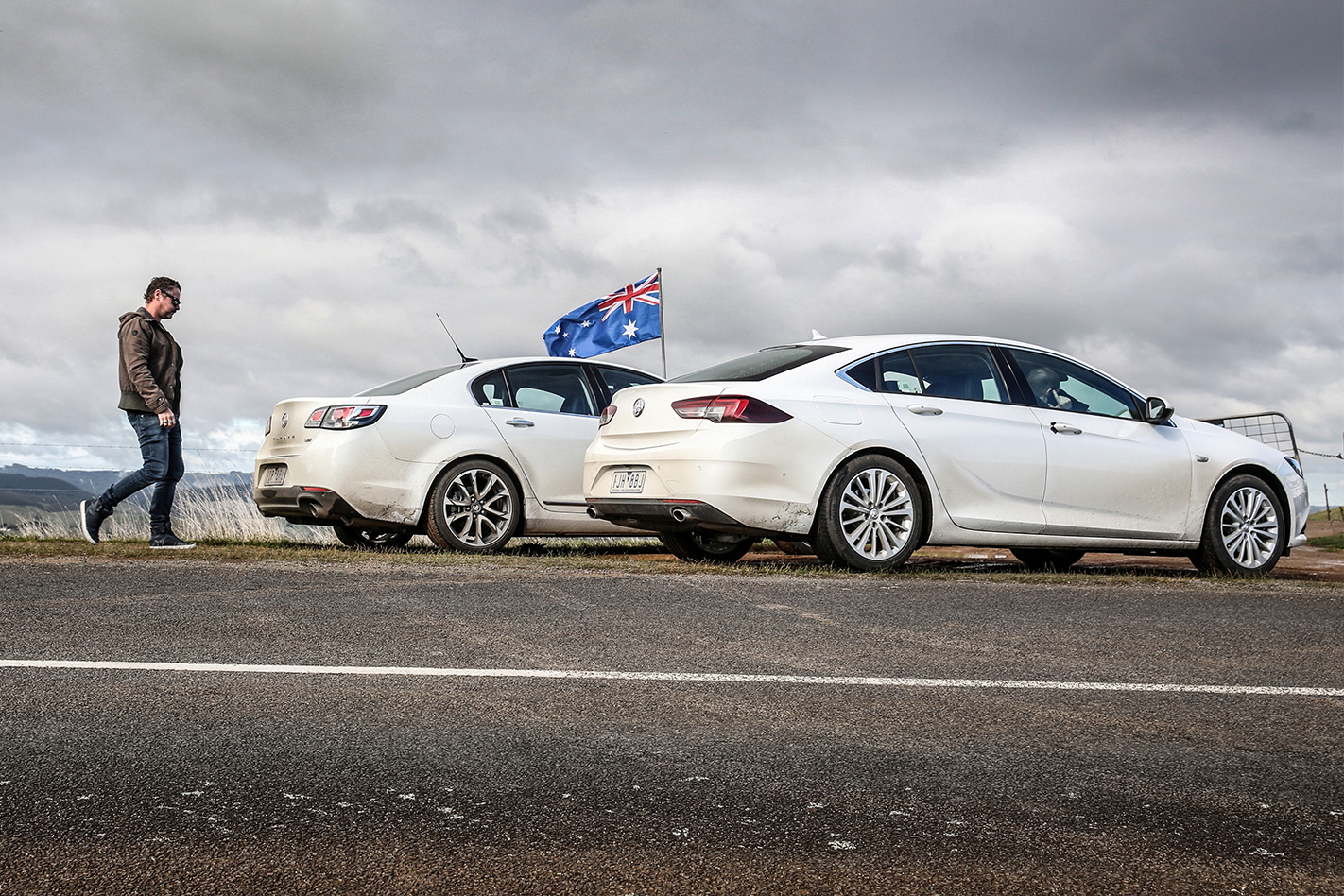
Six months out from the ZB range’s debut, and barely two months before the demise of the rear-drive VFII Commodore line – and Australian automotive manufacturing as a whole – the next significant milestone towards complete range rejuvenation stands before us.
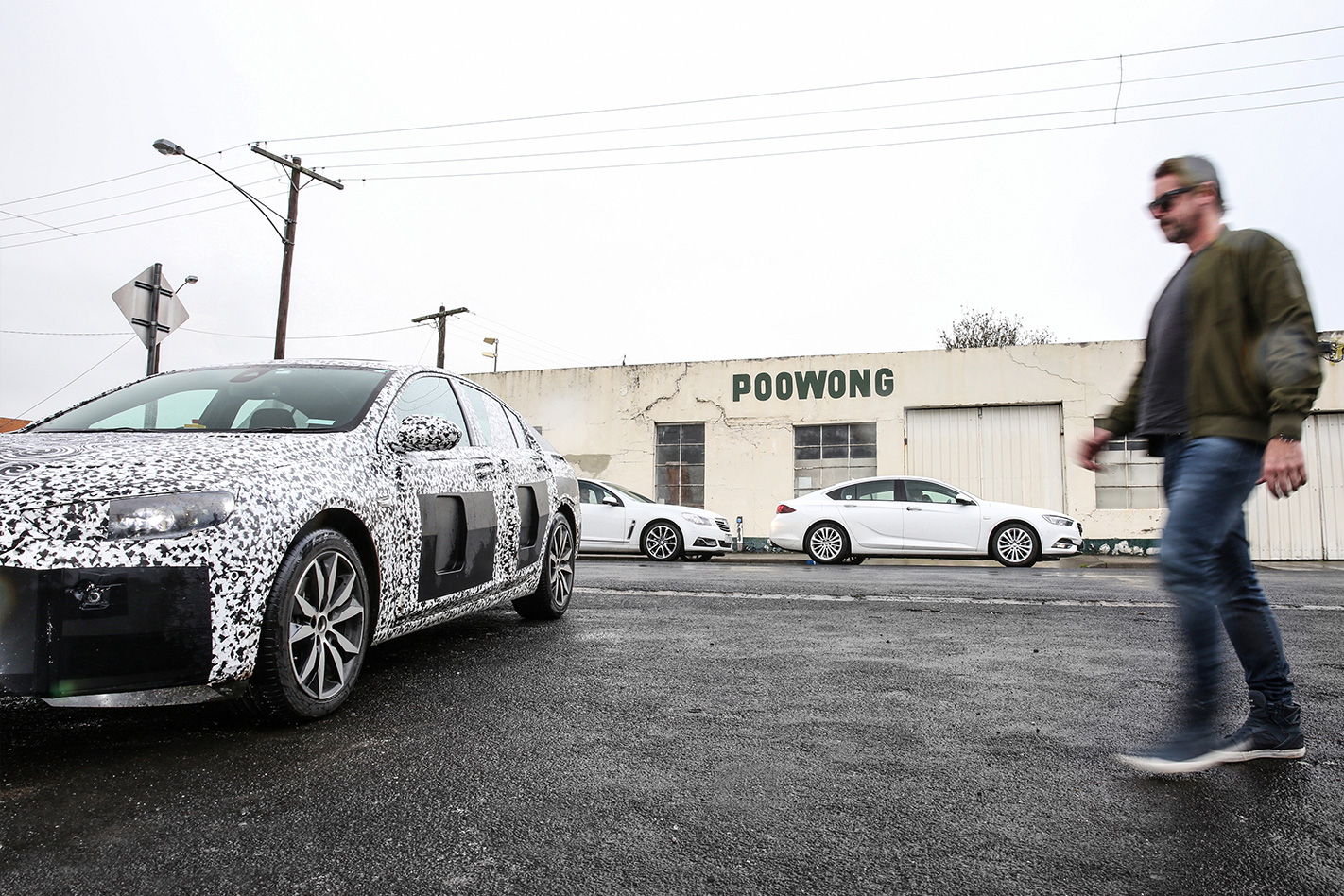
Cue an undisguised ZB Calais and a still-camouflaged ZB V6 AWD – the very same prototype we drove in 2016, but with a year’s worth of engineering improvements – on public roads, accompanied by Holden’s mainstay for the past 11 years, a Zeta-platform rear-driver in the form of a VFII Calais V V6. And we have lead vehicle dynamics engineer Rob Trubiani and vehicle development manager Jeremy Tassone along for the drive.
According to GM, it’s the Commodore we had to have, yet there’s something deeply intriguing about a 191kW/350Nm engine providing the thrust for this former company fleet stalwart. The turbo-petrol 2.0 is not only the most powerful base Commodore engine of all time but, arguably more importantly, its 350Nm (spread across a broad plateau) puts the torque outputs of its predecessors decidedly on notice. Even the VFII’s big-capacity 3.6-litre V6 churns out the same 350Nm (at 2800rpm), while the existing 3.0-litre makes do with a far less generous 290Nm.
Thing is, with all that additional muscle, significantly less weight to pull, and another three gear ratios to play with, the front-drive Calais has the potential to be a tyre-frying fizzer. Yet there’s a smooth sweetness to its keen step-off and decisive progress through its abundant ratio set that reeks of refinement. Almost instantly, there’s the sense that this ZB starter pack offers a world-class drivetrain.
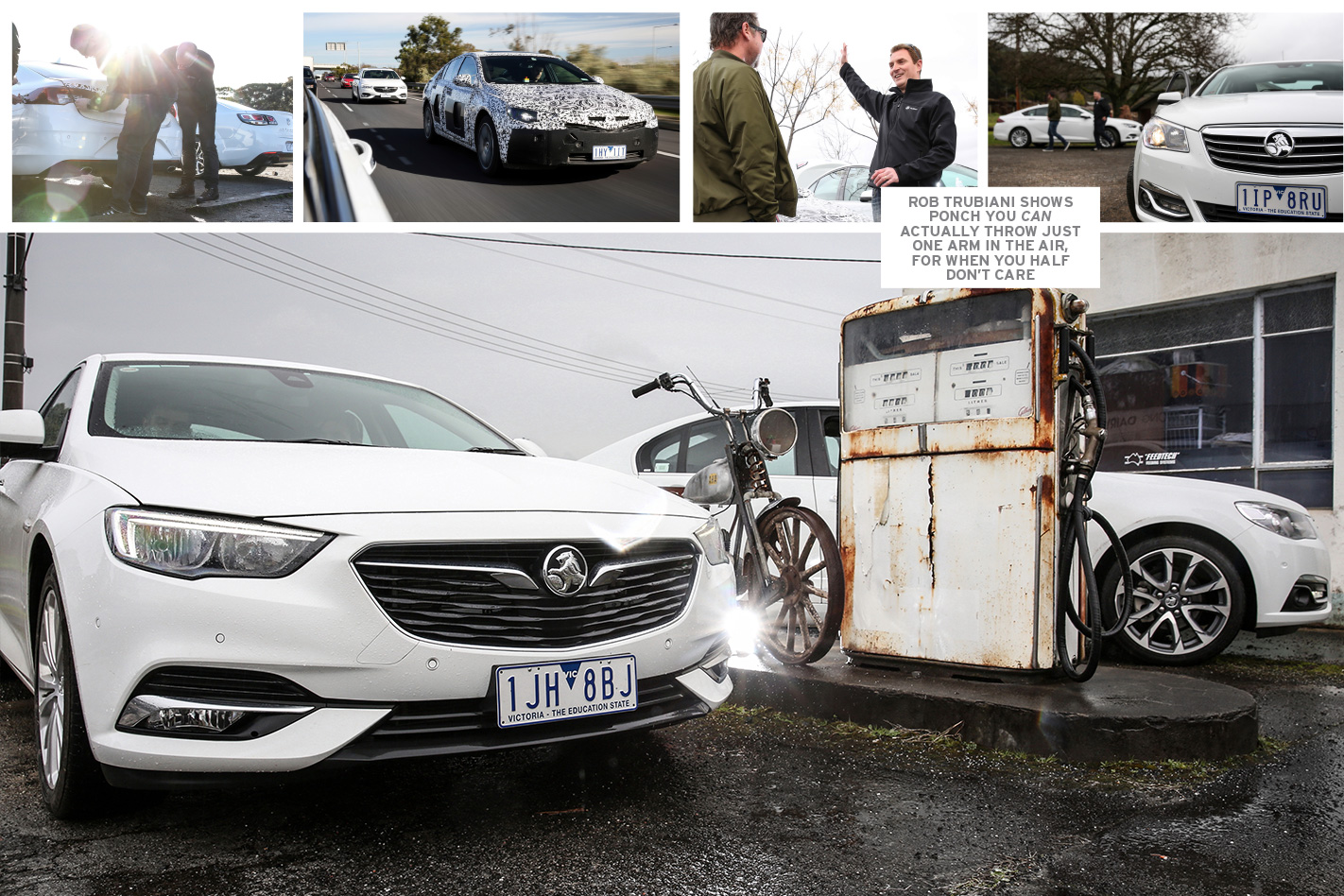
Holden’s Nurburgring-qualified chassis bloke, Rob Trubiani, was similarly surprised when he first fanged the 2.0-litre in Germany: “We headed out onto the autobahn and we were blasting along comfortably at 230-240km/h; the car was doing it effortlessly and I thought, shivers, this is an absolutely potent car.”
There’s almost no lag off the line, and with impossibly tight gearing between second, third and fourth, the 2.0-litre feels remarkably strong in everyday driving situations. It’s only when I really start hammering this front-drive Calais (wearing one-up-from-base-spec 245/45R18 Continental ContiSportContact 5 tyres) that mild torque-steer makes itself known, countered by an impressively subtle ESC modulation that owes much to Holden’s engineering input.
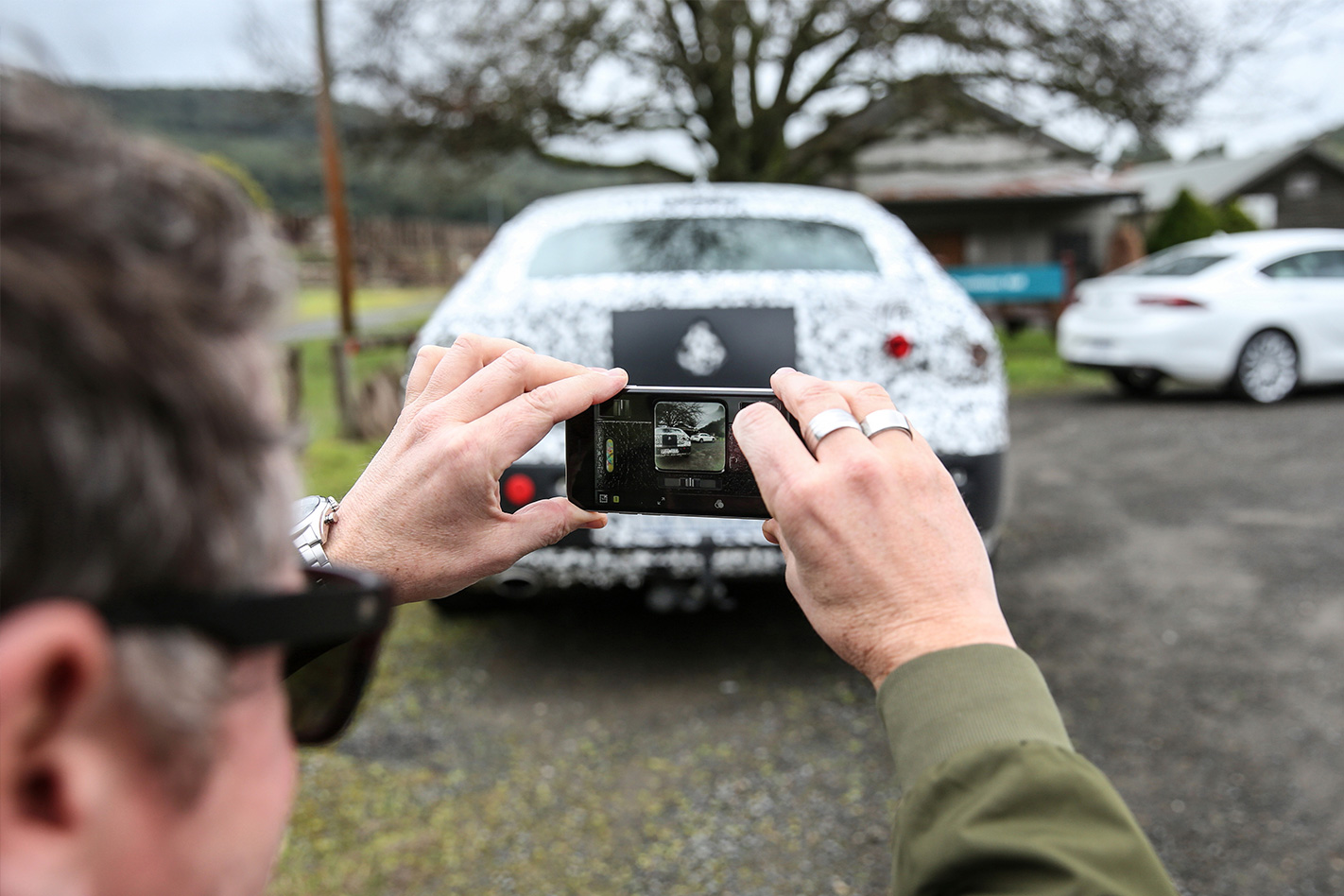
At the Yarra Valley Type 2 diabetes clinic, I mean chocolaterie, which thankfully also serves caffeine, I switch from the almost nondescript white Calais into the heavily camouflaged V6 AWD. A year on from our proving ground drive, the prototype V6 still looks just as outlandish, covered in all manner of plastic bumps and confetti-like body wrap, but its pre-production interior has had its modesty garment removed.
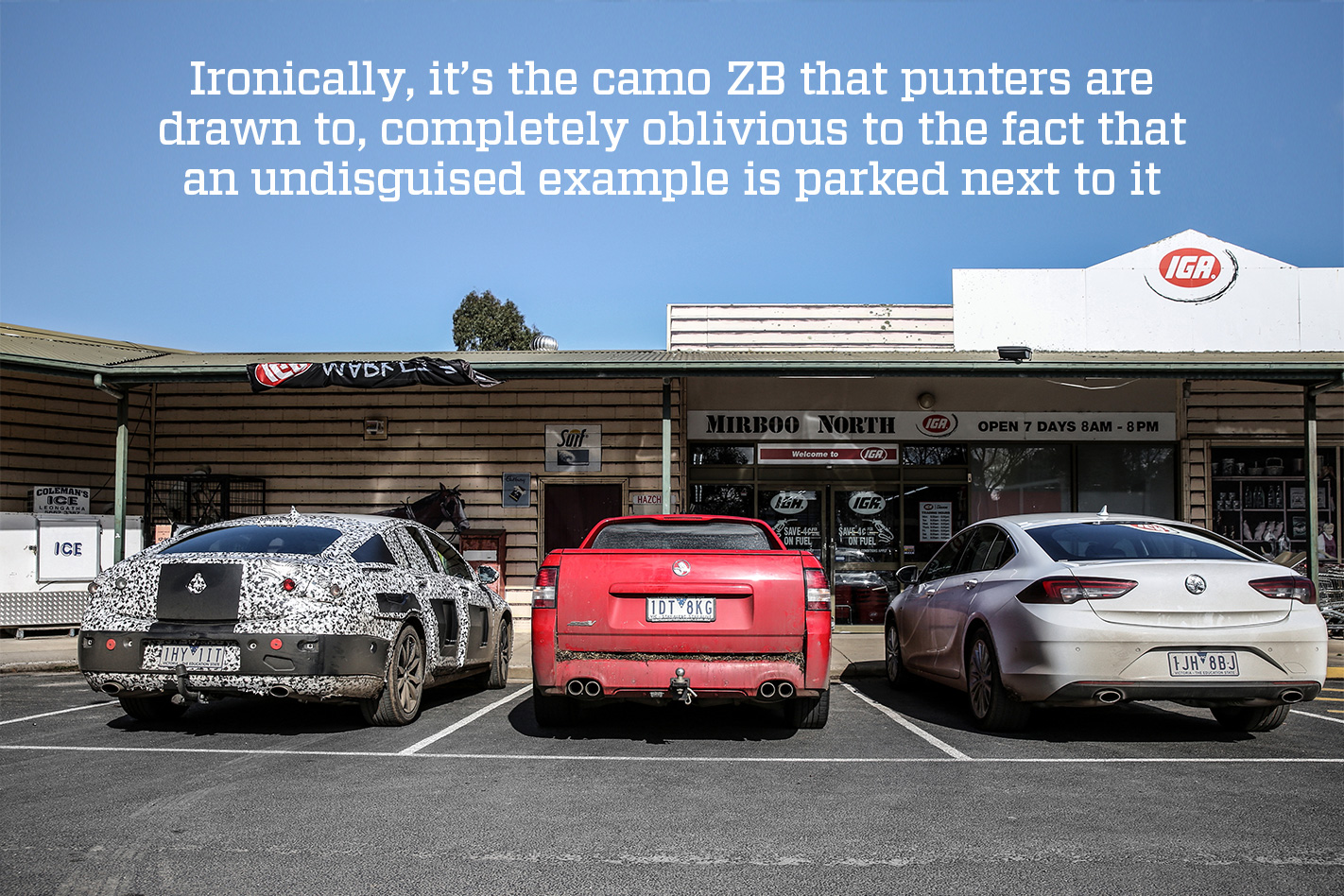
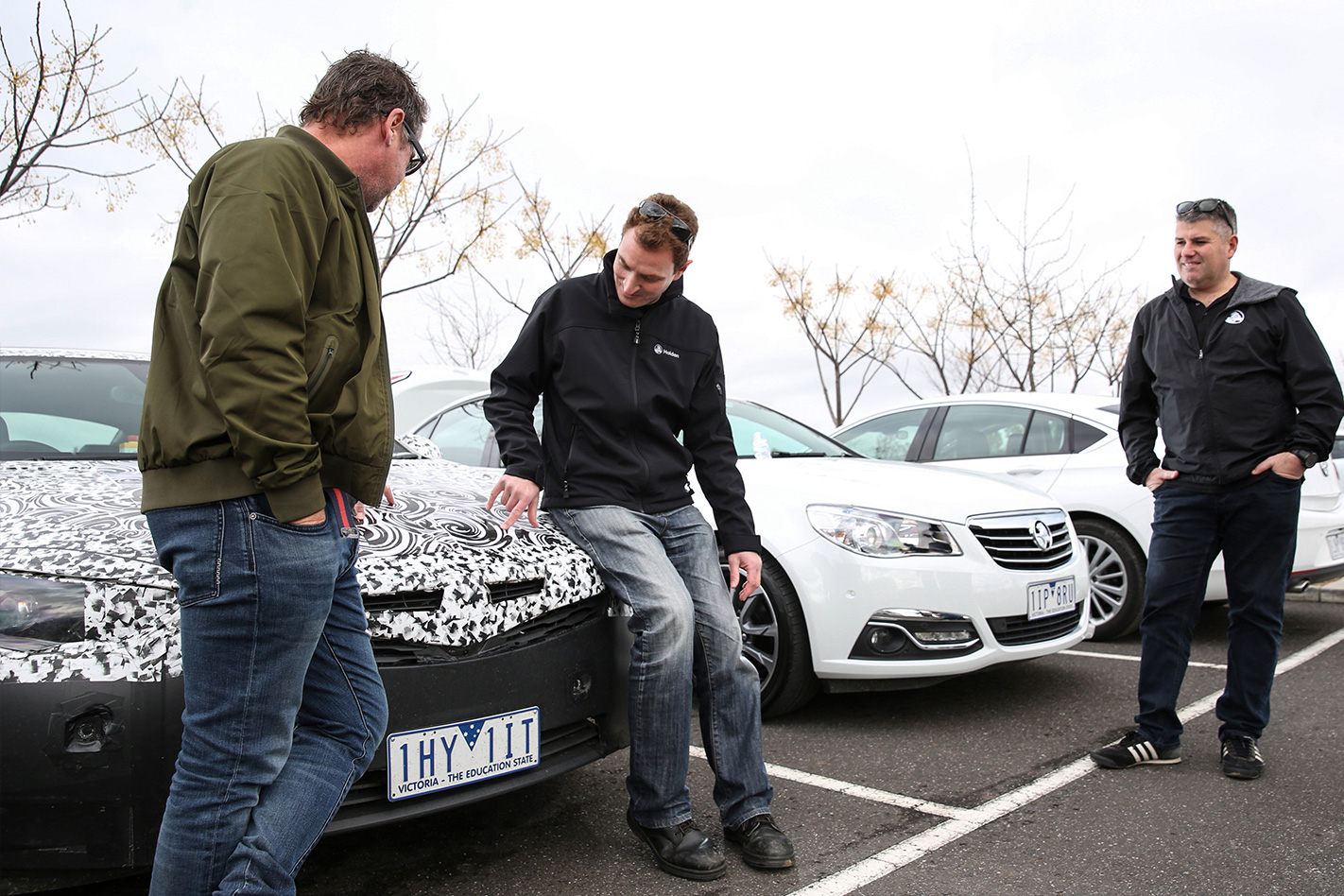
Ironically, it’s the camo ZB that punters are drawn to, completely oblivious to the fact that an undisguised example is parked right next to it. Someone jokes that maybe the best way to hide an unreleased model is to leave it undisguised, though that’s not such a good omen for the Calais. In appliance white with plain halogen headlights and non-event wheels, it looks understated in the extreme.
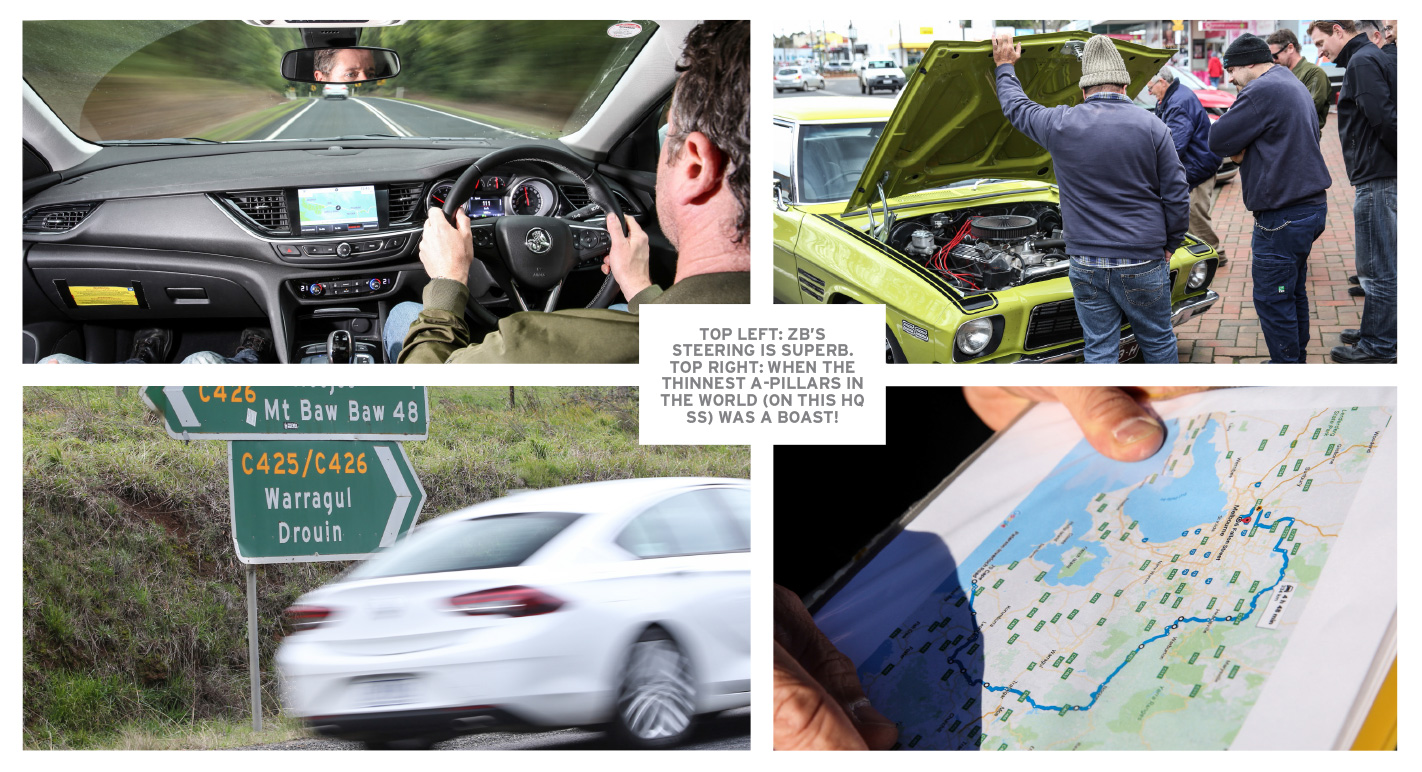
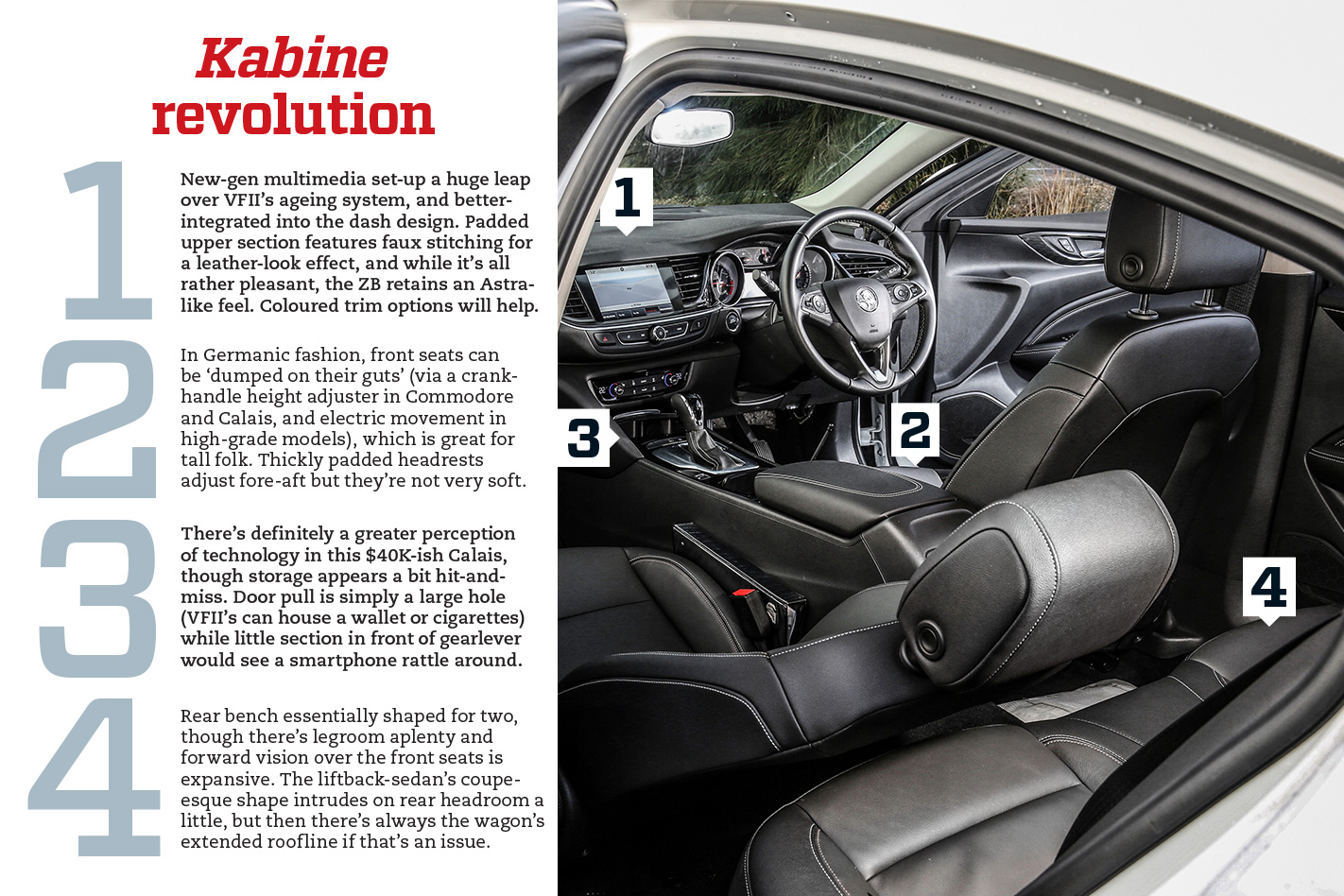
There’s a different feel inside too. The base ZB Calais’ relatively standard interior conveys the impression you’re in a XXL Astra trimmed with leather, whereas the more upmarket V6 AWD with its jazzier instruments, more heavily bolstered seats, and perforated-leather wheel rim is clearly on another level. And same goes for its drivetrain.
Lusty and refined as the 2.0-litre is, it’s the V6 version – an engine uniquely specified by the Aussies – that provides the most tangible DNA link with the current Commodore.
It also revs harder than the four-cylinder. Both engines will soar to 7000rpm, but the floored V6 upshifts at seven grand even in Drive (6500rpm in the 2.0-litre) and sounds like it wants to be caned. It’s still not the sweetest V6 in the world, but it produces a keener, less thrashy note than the 210kW/350Nm ‘LFX’ version in the rear-drive VFII and remains impressively vibration-free at all engine speeds.
“One thing I’ve absolutely loved working on is the V6 AWD,” says Trubiani. “I think once people live with the AWD system, they’ll see how much traction you can deliver and that’s what has really been outstanding for me. We’re able to do things we haven’t been able to do in Commodores before. The drive that you get out of a corner, particularly on a wet or gravel road… the AWD system gives you awesome drive in any conditions.”
It’s wonderfully light at parking speeds, spanning 2.7 turns lock-to-lock in the V6 (2.8 turns in the four, with its slightly tighter 11.1m turning circle), but utterly seamless in the way it firms up as speeds rise. “Speed blending” is what Trubiani calls it, and they’ve nailed it. Increased hardware and a heavier engine account for the V6’s slightly meatier weight compared to the 2.0-litre, but both deliver beautifully crisp feel, and the V6’s dash of extra heft seems perfectly in keeping with its ballsy personality.
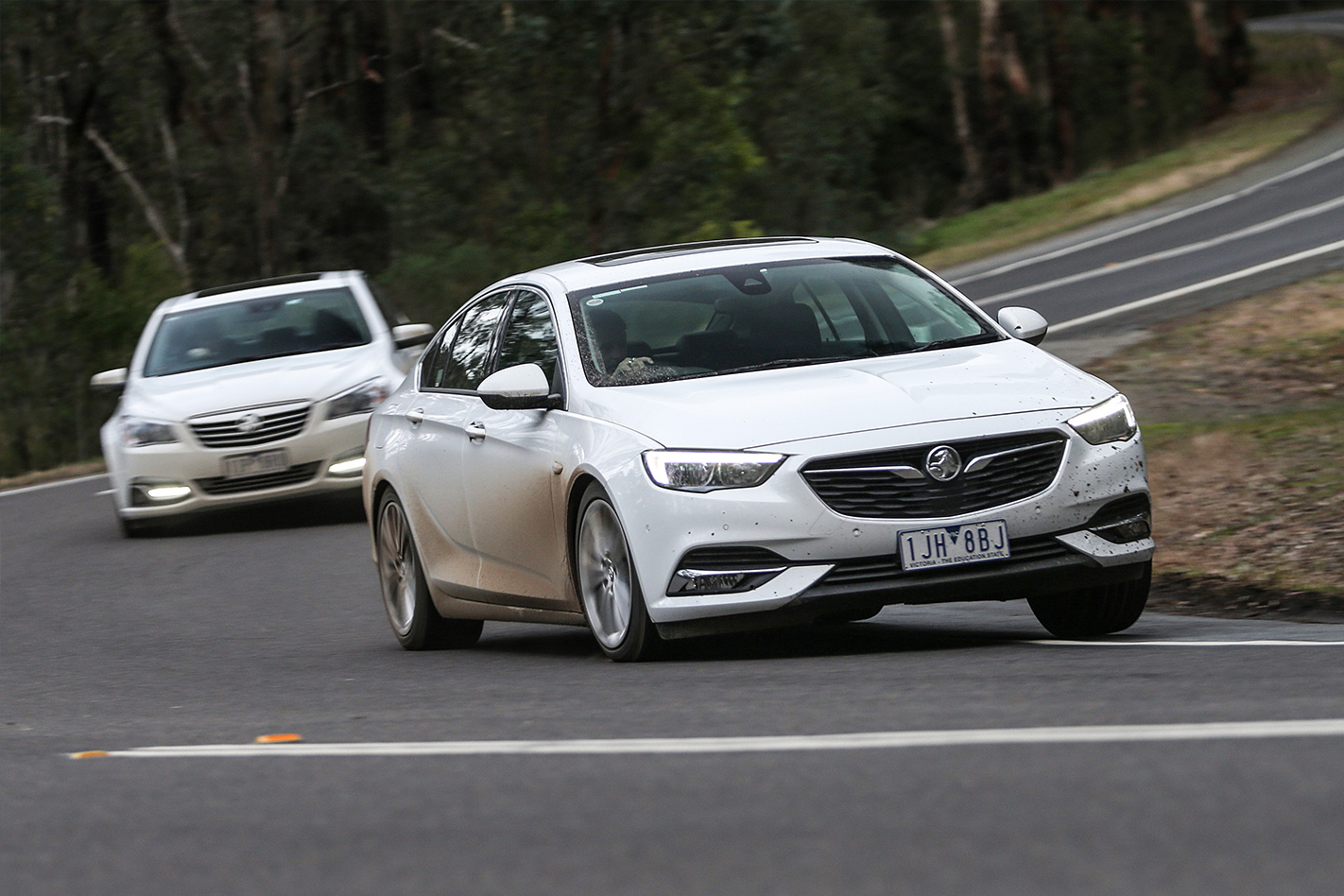
As much of the first afternoon’s monsoonal misery clears, I begin day two in the old girl, or the “current car” as the boys keep reminding me. Not surprisingly, it’s like nuzzling into your favourite pillow. On the 100km/h-limited country roads heading north-east from Inverloch, the VFII Calais V demonstrates why it remains the pinnacle of the Great Australian Road Car. Planted, supple, and comparatively impervious to road imperfections, it’s a more comfortable car than both ZBs, despite the fact it’s wearing larger 19-inch wheels. Apart from some wind noise around the A-pillars, it’s quieter, too, though neither of the new cars have their full “N and V” (noise and vibration) packages installed. And the VFII’s loungier seats somehow suit its more imperious feel.
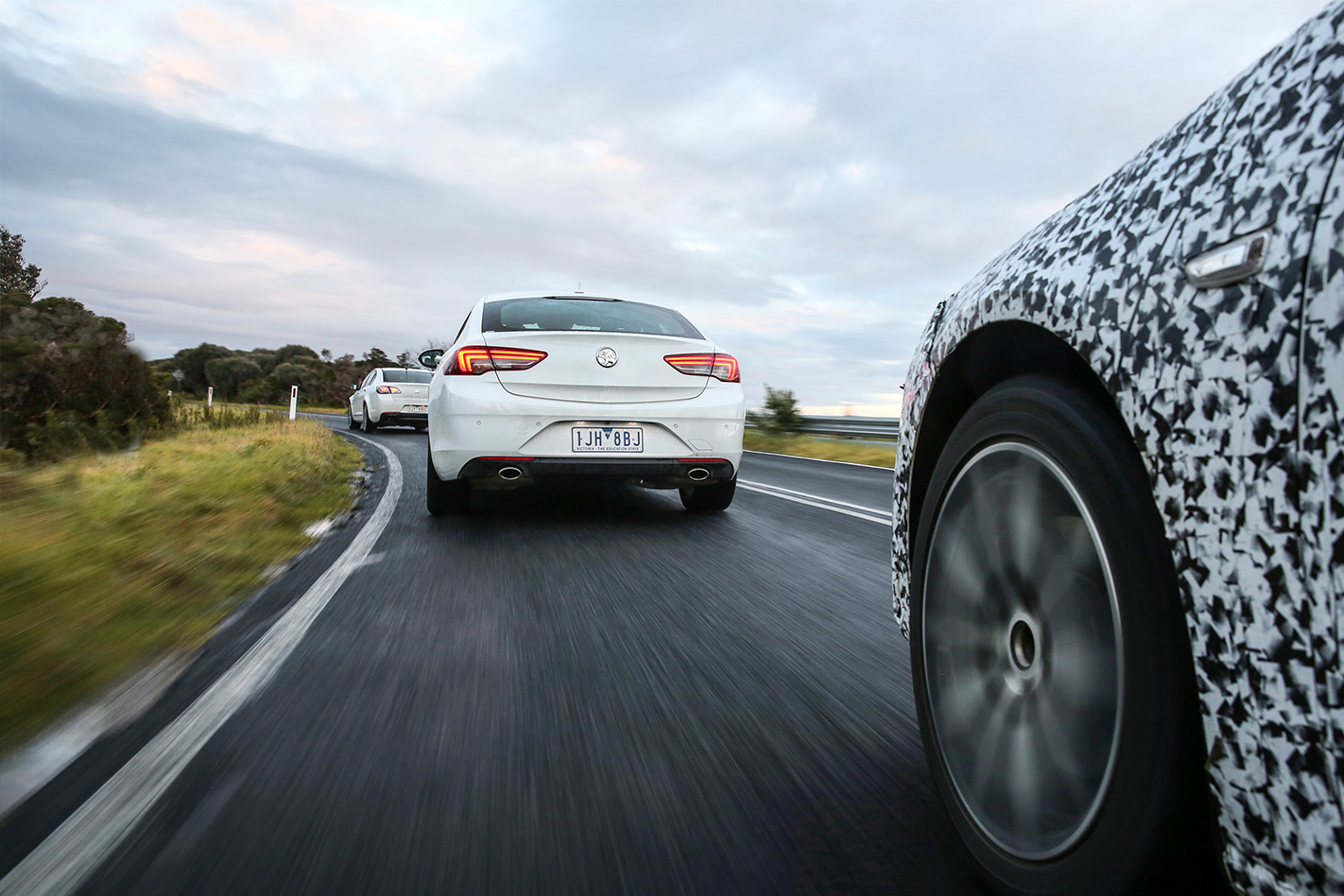
With Holden engineer Henry Weinlich setting a cracking pace, I bring up the rear in the VFII Calais and start to realise this is all a bit like history repeating itself. If the German ZB is the spiritual reincarnation of the original 1978 VB Commodore, then I’m in a latter-day HZ Premier, the last of the old school before youth and technology take over. It’s a slightly weird feeling that it’s taken 39 years for this to come full circle, but here we are. Only this time, things are very different.
With this in mind, I swap to the front-drive ZB Calais. Seated low in an AGR-certified (Campaign for Healthier Backs) seat, the overwhelming initial impression is that this is a bigger, deeper-set, more polished Astra. The front-drive 2.0-litre instantly feels lighter and more nimble than the VFII, mainly because it is, but you can’t discount the positive effect of its trimmer body, neater steering wheel, and sharper turn-in for enhancing that impression.
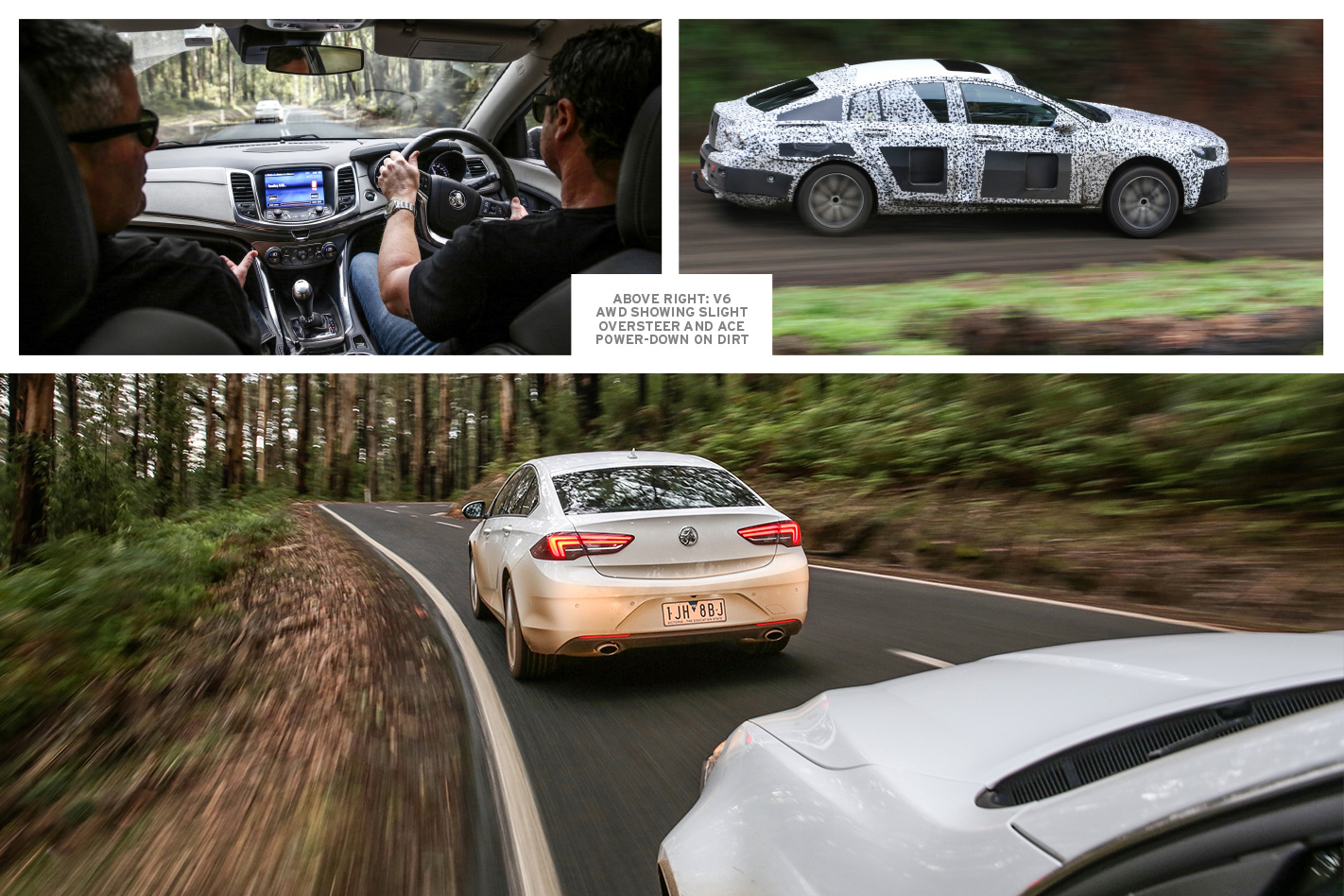
There’s surprising grip out of corners, even on these slightly damp roads, and while there’s some torque steer if your right foot is perpetually mashed to the floor, considering the conditions the front-drive 2.0-litre’s dynamic ability is really impressive. And while its firm ride lacks the loveable suppleness of its rear-drive ancestor, over big, dippy bumps on the Boolarra-Mirboo North Road, its body control is brilliant, befitting the sporty nature Holden has imbued into every ZB model.
Next, the V6 AWD. Without the aforementioned Sport mode available, I test it purely in default mode, and that’s no bad thing. Wearing identical 18-inch rubber to the front-drive Calais but featuring a sportier suspension tune (still dubbed FE2 by Holden engineers; the adaptive-damped VXR’s will be FE3), the V6 AWD is essentially what the SV6 is in the current Commodore range. But smoother, more suave, and more talented.
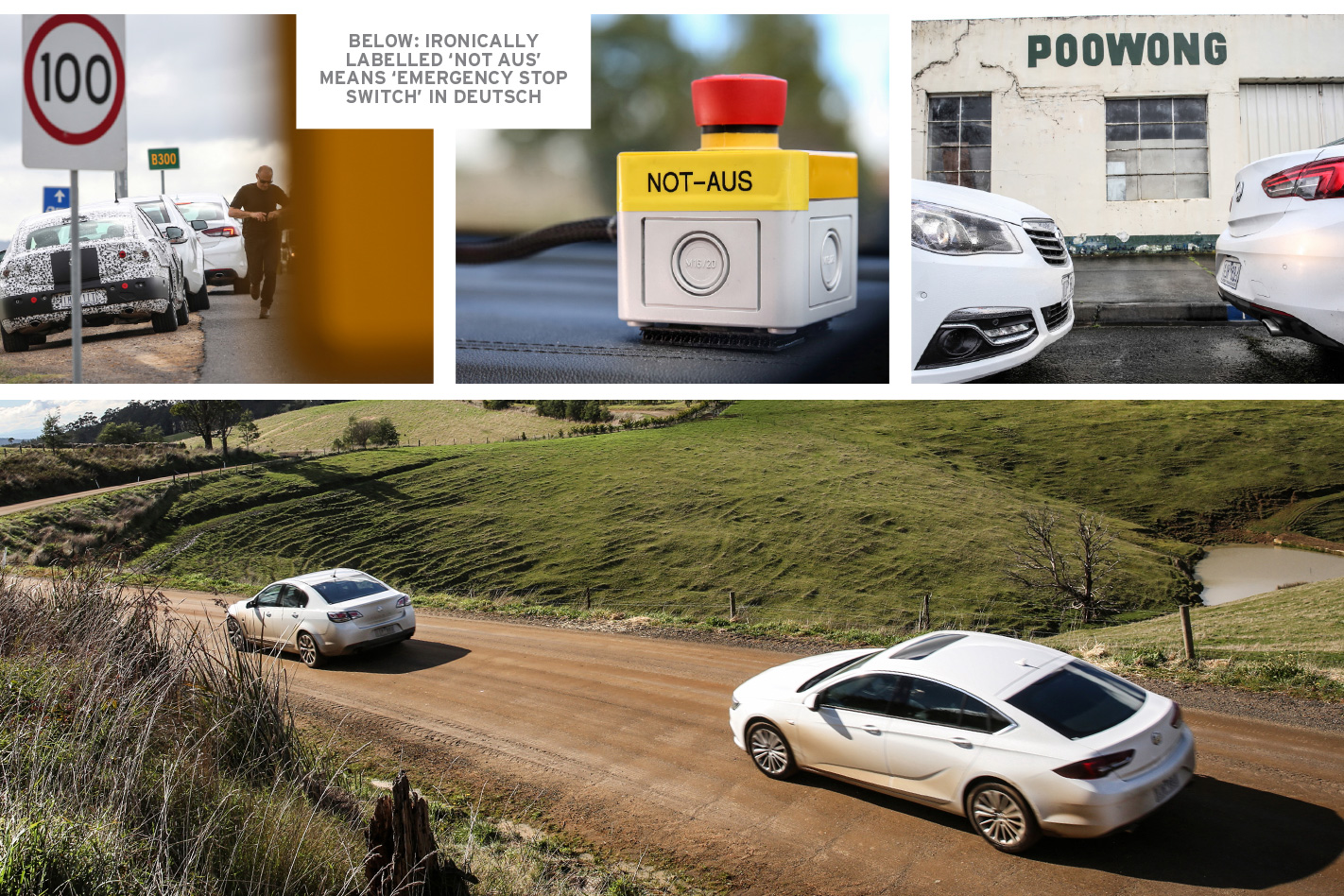
The V6 exhibits that same high-speed damping brilliance as the 2.0-litre, but its Brembo brakes better withstand the test course’s innumerable bends without raising a sweat (the four’s became a little steamy) and its higher-grade AGR seats (with adjustable cushion length, side bolster adjustment, massage function, and two-position memory) are a better fit for its handling ability.
The V6 also gets paddles for its delightful perforated steering wheel, removing the confusion of the arse-about tip-shift of GM’s new auto ’box set-up, but with gearing so tight, you’re often in fourth gear in 45km/h-marked corners. It takes some getting used to. But at least the V6’s brilliant head-up display – shamelessly inspired by a BMW M’s layout – includes a gear-position indicator, among other stuff like a cool bar-graph tacho, or even radio and nav info.
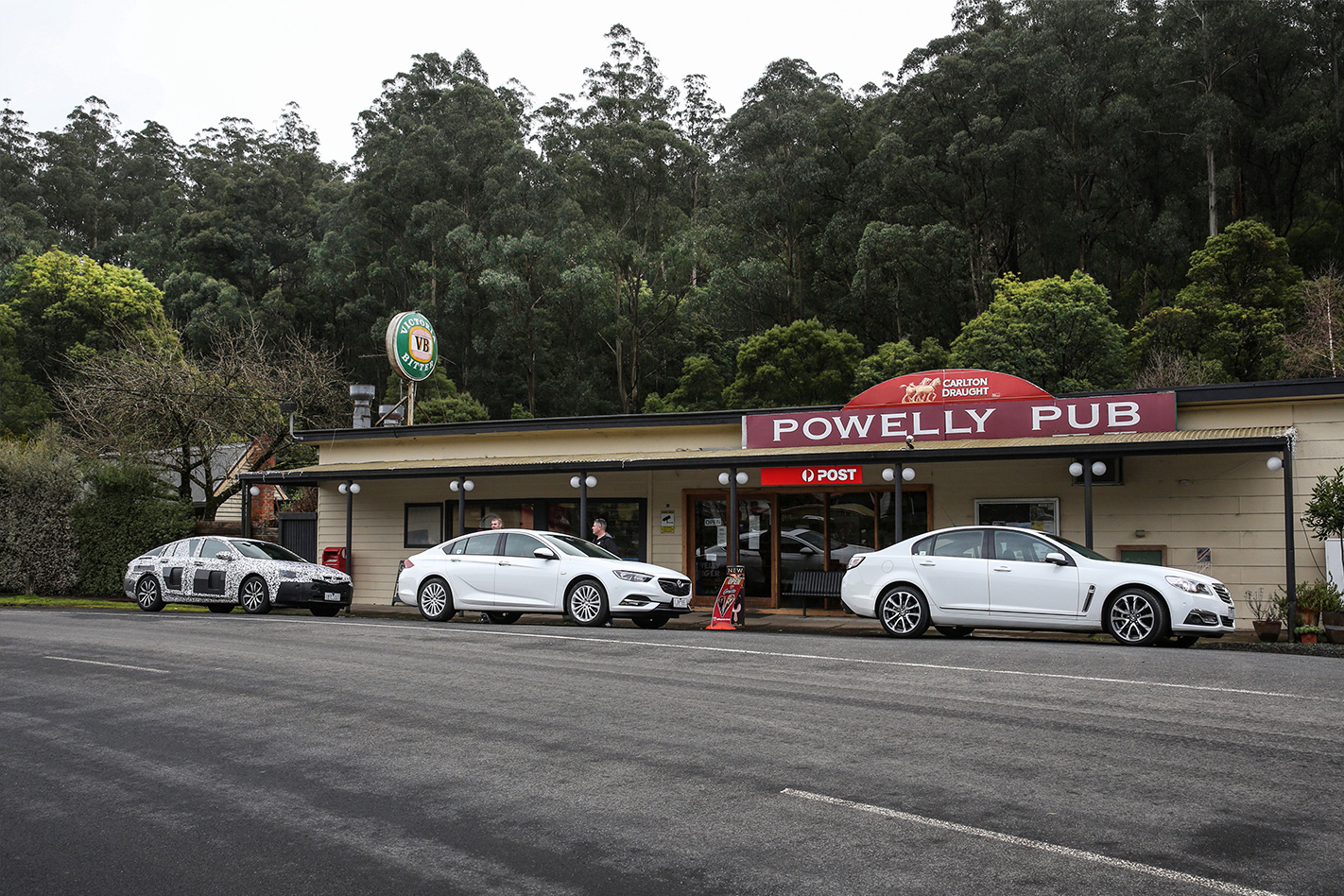
Sure, the VFII’s brake feel is a bit wooden and its lounge-like seats (with a quaint squeak in the test car) lack lateral support, but there’s loads of cohesion here. Its broad gearing means second and third are all I need on this road, relying on the engine’s torquey elasticity instead of frenetically chasing the right ratio, and somehow this all fits with the Calais V’s loping, lounging character. Warts and all, we’re going to miss this car immensely.
On the enthusiastic schlep back to Melbourne airport, I share seat time with vehicle development manager Jeremy Tassone and can’t help but mention my unending admiration for the loveable VFII. “That car has absolutely gone as far as it could go,” comments Tassone. “We’ve brought it further than we thought we ever could. That car has been through years of evolution; now this [the ZB] is the revolution.”
The V6, on the other hand, is the car that really should get people talking. Its strong personality and terrific all-wheel-drive system give it a genuine USP, especially in wagon form, and perhaps especially as the Outback-style Tourer. In a rear-view-mirror test, the ZB’s broad visage definitely has presence, which partly compensates for its less-than-inspiring form elsewhere. And we still haven’t seen the VXR, whose unique bumpers, bright colours, and glitzy 20-inch wheels could be just what the ZB’s styling needs.
The new car was never meant to be a large, butch replacement for the VFII. The rear-drivers’ broad stance and masculine flavour might stop traffic at Summernats, but they weren’t creating enough at Holden dealers anymore. So while the ZB may not speak with a strine accent, or a V8 bark, maybe it’s the car Holden needed to have. Only time will tell.
You’re asking for trouble if you launch a new car on the motorbike track that is Misano Adriatico in Italy.
This review was first published in MOTOR magazine’s January 2013 issue.
Compared to the wonder of Phillip Island, it’s a boxed-in Scalectrix circuit that forces even very fast cars into understeer. But the Audi R8 V10 Plus isn’t your ordinary very fast car. It’s the range topping version of the face-lifted R8 – and the R8 was always a pretty sharp handler in the first place.
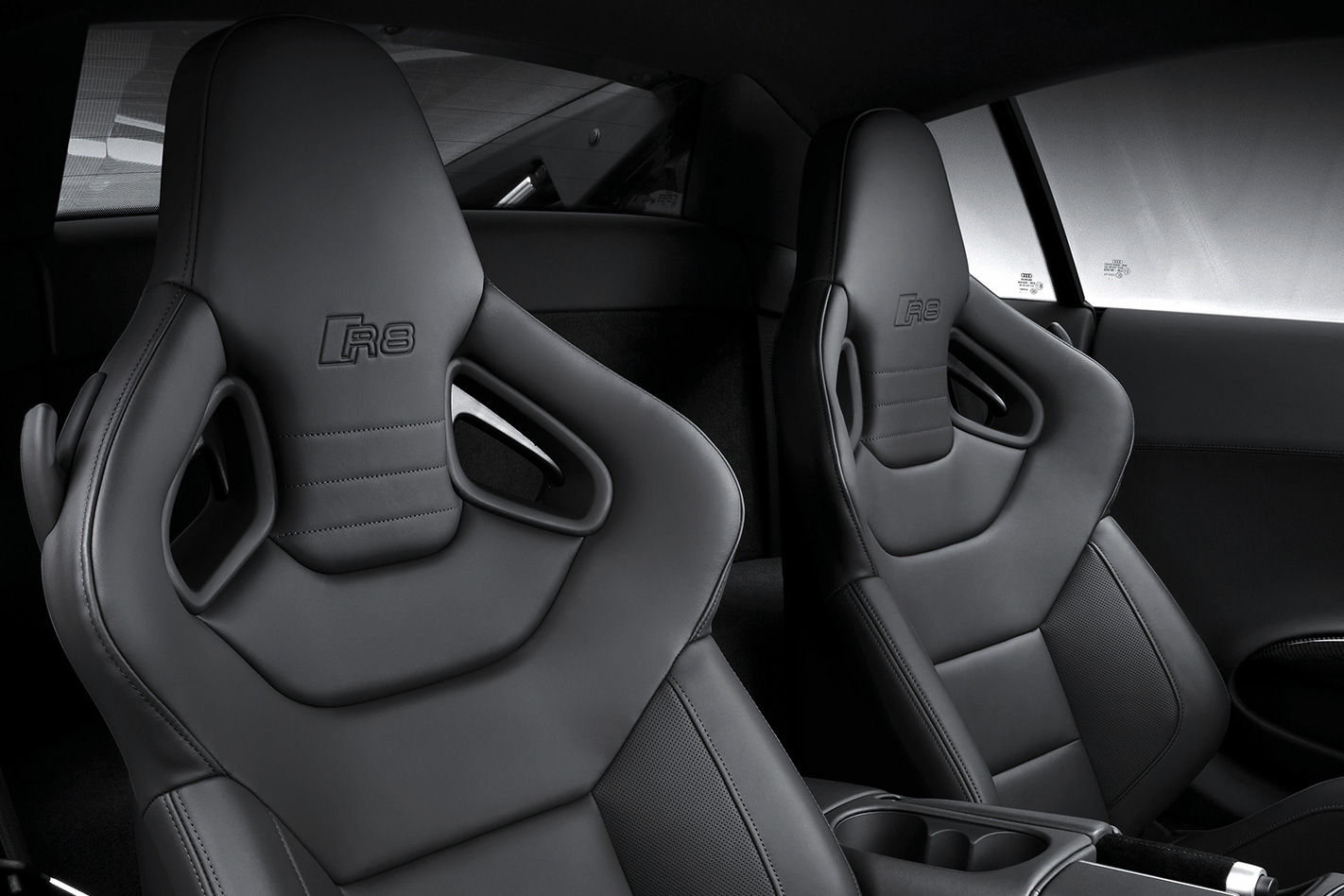
The self-adjusting magnetic dampers have been turfed for harder-core, fixed-rate versions and the electric seats go the same way, replaced by light-weight buckets and at 1570kg it’s lighter, also. Fittingly, too, there’s more gristle from that direct-injection, undersquare V10, with the output jumping from the standard car’s 386kW and 530Nm to 404kW and 540Nm.
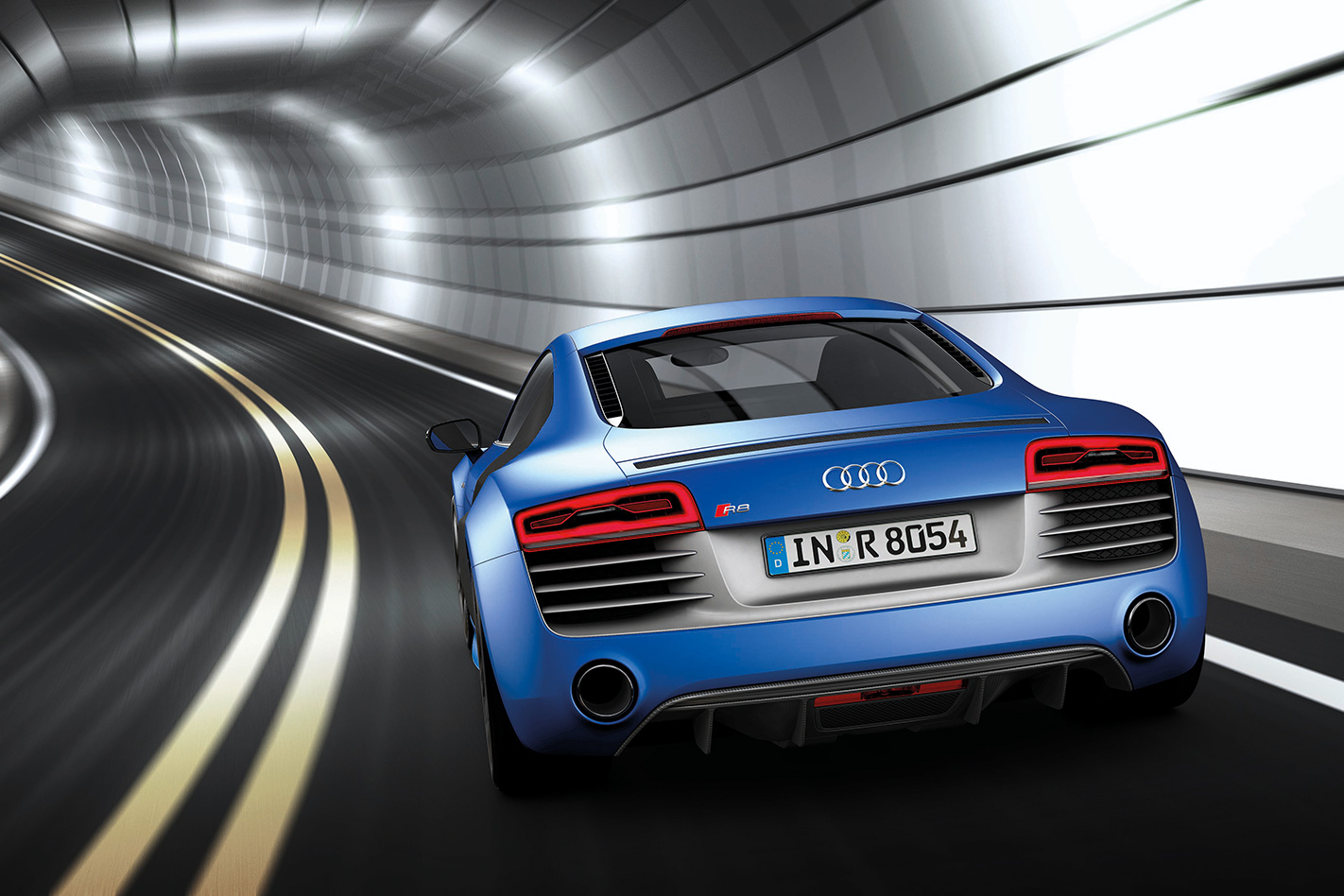
All of this adds up to a supercar that’s utterly disdainful of the puzzles posed by Misano. It’s dismissive of the hills around the track, near Rimini, and dismissive of straight pieces of road, too, giving you only a 3.5-second leave pass to legally activate all that snarling, V10 performance before you end up on the front page of The Daily Fish Wrapper.
You can’t help but noticing that the lighter seats are hugely aggressive things, clinching tight onto the thighs and the back and, oddly, lifting your butt higher than it is when it’s on the electric seats. The suspension is firmer, too, and not just because of the fixed-rate dampers.
The springs are harder, the tyres are 19 inchers all round and the thing sits lower, too. While the standard V10 is comfortable enough to drive every day, the Plus isn’t. It’s not as hard as a Gallardo, but it’s still pretty firm. That counts in its favour when you ask it to attack some corners, though.
The only black mark against its handling is that the chassis and suspension have wonderfully intuitive proactive natures, but the steering is too slow and demands too much lock and feels reactive, especially on tighter bends.
It feels every bit as ferociously quick as a 3.5-second sprint to 100km/h suggests, and that deep rumbling V10 bellow also delivers a linear wave of power and torque that is exquisitely matched to its chassis. But the real highlight is the new gearbox.
It can switch character from soft and seamless around town to cracking and quick in the mountains, without falling into the marketing trap of making shifts bang roughly to remind people they’re driving a fast car. It doesn’t snap into second on a full throttle burst.
There’s no discernible shift at all. Instead the noise just changes and the sprint keeps going. It means you can flick the upshift paddle while you’re still coming out of corners without worrying about it unsettling a delicately poised chassis. It’s a highly legitimate contender and can happily go toe-to-toe with much more expensive machinery, especially when some corners get tossed into the mix.
2012 Audi R8 V10 Plus Specs: Engine: 5204cc V10, DOHC, 40v Power: 404kW @ 8000rpm Torque: 540Nm @ 6500rpm Weight: 1595kg (S Tronic) 0-100km/h 3.5 seconds Top Speed: 303km/h Price: $400,000 (estimated)
Porsche is adding two more models to its ‘entry-level’ 718 lineup, the Porsche 718 Boxster GTS and 718 Cayman GTS.
With a little bit more power being drawn from the turbocharged 2.5-litre four pots, the 718s will be coming to Australia for $173,100 in Cayman spec or $175,900 for the Boxster – before statutory and dealer charges, of course.
These prices place them firmly at the top of the 718 food chain, with the next cheapest model being the 718 Boxster S at around the 150K mark (give or take a couple of thousand for auto or manual).
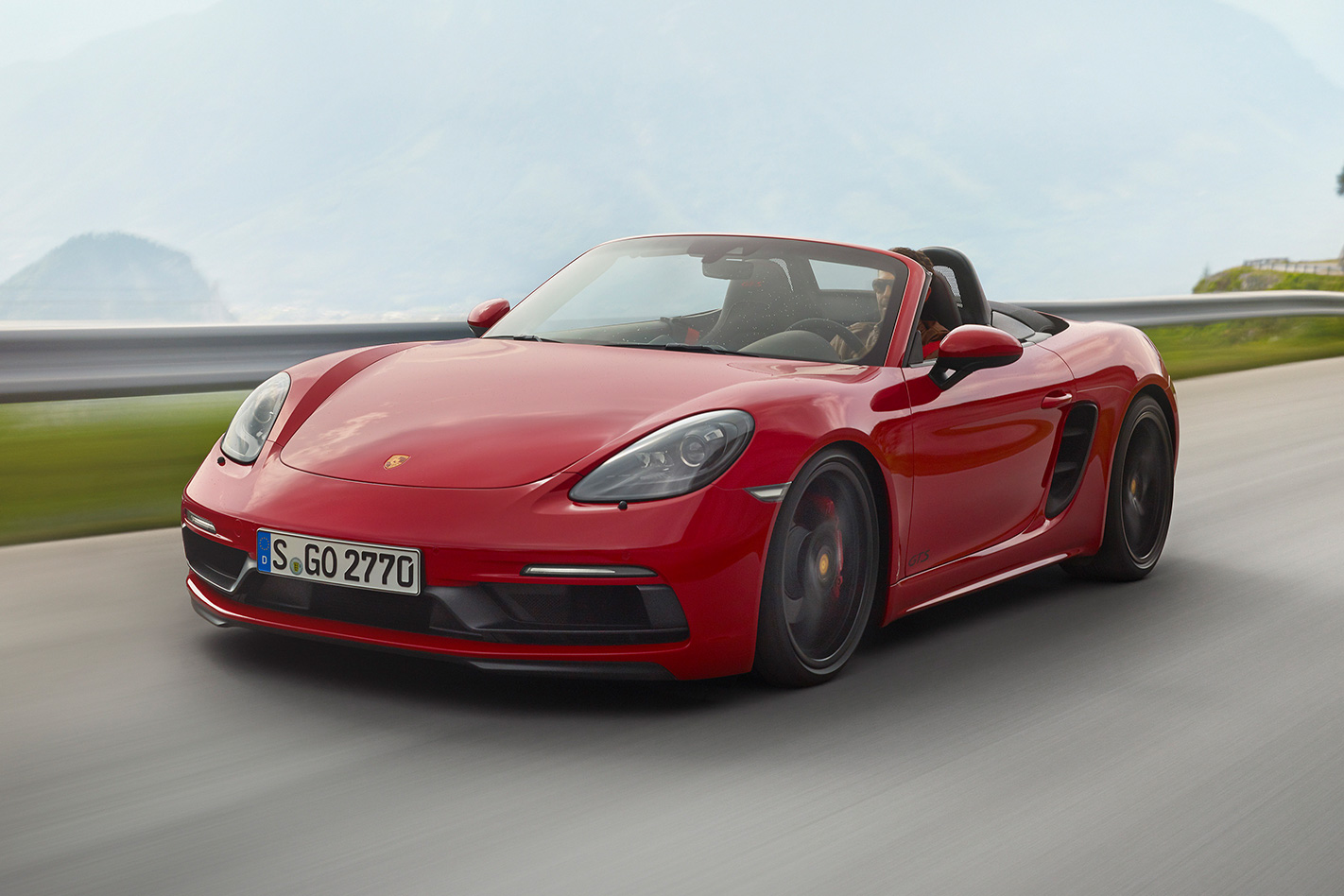
With 269kW and 430Nm, the GTS models gain 26kW over the previous atmo GTS models.
It also has, as standard, a few features which were previously only options. Among the additions are Porsche’s ‘Sport Chrono Package’ which is most notable for adding a clock to the dash and, Porsche’s torque vectoring system with mechanical rear differential lock, and Porsche Active Suspension Management (PASM), which lowers the body by 10 millimetres.
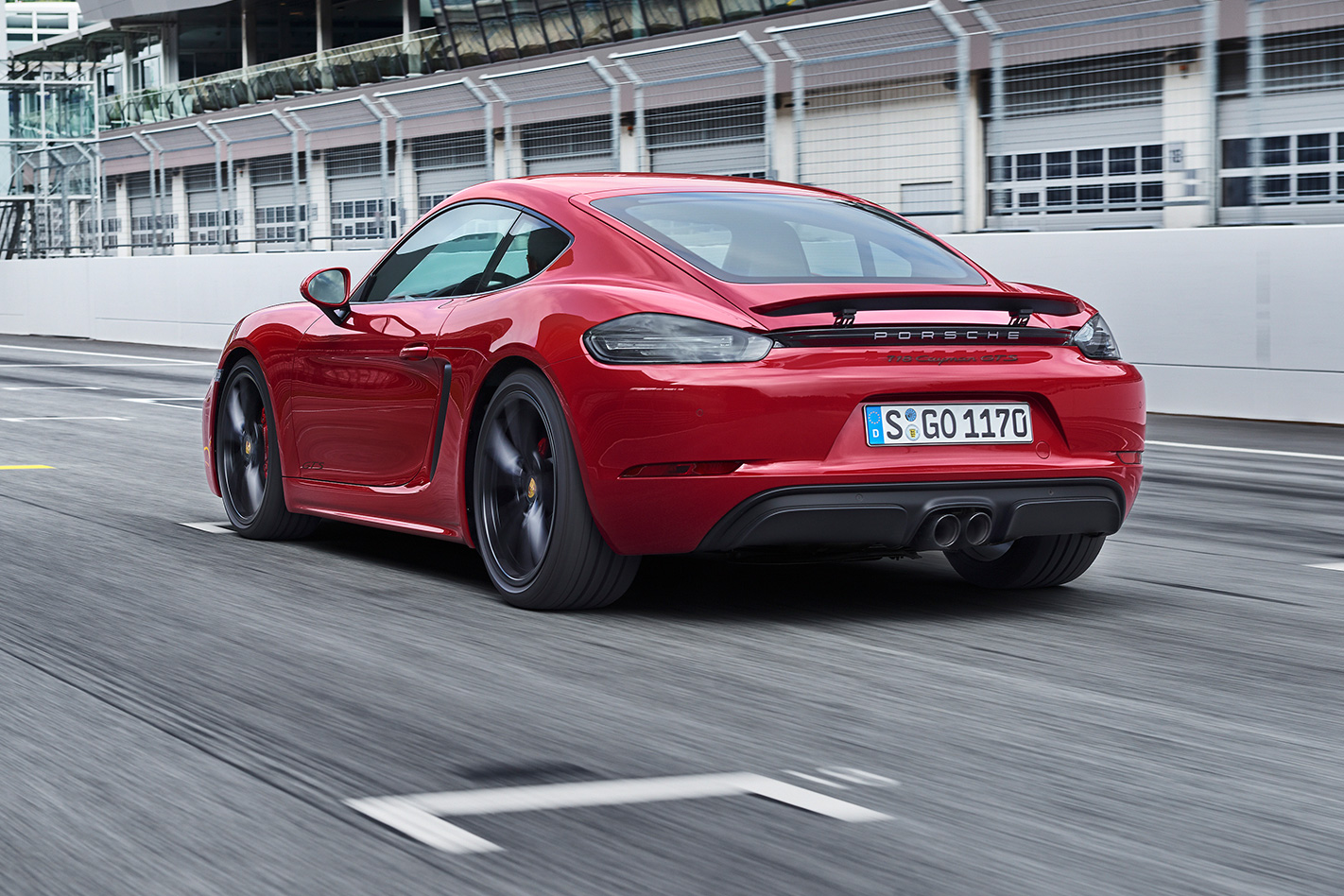
In terms of design, both cars feature the new Porsche ‘Sport Design’ bumpers, as well as black-tinted lights, black tailpipes, black logos, and black 20-inch wheels.
The 718 Boxster GTS and 718 Cayman GTS models are available to order now and arrive in Australian dealerships around March 2018.
WE HAD no idea, while evaluating the VF Commodore at COTY; that we’d never see its like again.
We might have suspected, and even whispered it, but Commodore’s death rites still seemed a long way off, back then. Certainly it wasn’t any sense of pity or misty-eyed nostalgia that put the last Commodore ever on the podium. In a champagne year, the Holden deserved to be there.
Yes, the Holden drivetrain are fundamentally carryovers, while the Sportwagon and Ute keep the VE sheetmetal from the A-pillar back. But this is more than a simple facelift, and a disarming testimony to Holden’s abilities under what turned out to be deadly economic duress. Don’t forget that the four-year program commenced just as parent General Motors filed for bankruptcy in the US.
Yet even against newer, leaner and more technologically advanced models like the VW Golf, Renault Clio, and Mazda 6, the indigenous’ car equalled and even bettered them on a variety of fronts.
And when you add value to the equation, here’s a full-sized five-seater family car that performs well beyond its price point.
With a broad volley of VFs (and HSV’ Gen-Fs) delivered to Lang Lang, everybody was acutely aware of the Holden’s home-ground advantage, so we spared it nothing in order to expose weaknesses.
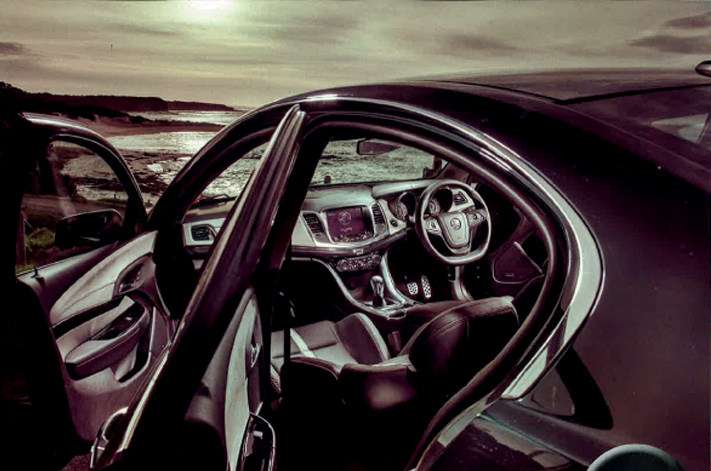
Holden’s cabin designers have created an uplifting ambience, with nothing brought over from the cruddy old interior save for the rear-view mirror, console lid, and rear vents. Of note 8re’cosseting front seats, a business class-like rear bench, Opel-esque dashboard and switchgear, a new steering wheel/column, integrated door cards, and extra storage. All are of export quality because the VF must fly as a convincing Chevy SS luxury/sports sedan flagship for the finicky American market.
Classy instrument graphics, contemporary materials, and GM’s MyKey downloadable app and touchscreen interface – as part of a huge technology upgrade – help make this Commodore’s cabin the most modern ever.
That the Evoke standardises these – along with Bluetooth, an electric park brake, rear-view camera, front and rear parking sensors, and automatic parking distance – is outstanding. Today’s base Commodore is more Calais than Berlina. Yet additional series strengths, like sprawling space – and a driver-oriented environment, remain. In fact, thanks to the newly concave dash shape, there’s even more room.
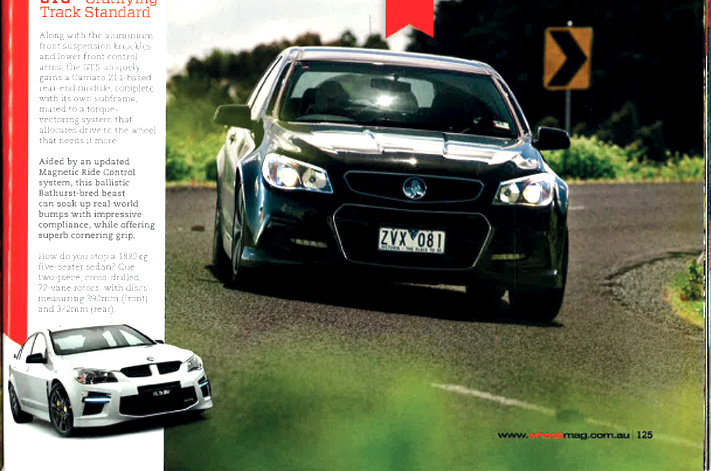
Sharing the FE1 Touring suspension tune with the Calais/Calais V, the Evoke is comfort flavoured, but in isolation the beautifully calibrated electric power steering straddles the fine line between relaxed and responsive, like a finely engineered sports sedan. “Is it the best ever?” Peter Robinson asked.
Holden has attempted to refine the thrashy 185kW/290Nm 3.0·litre V6, but it still needs plenty of prod, and isn’t exactly sweet. To help achieve respectable economy (we averaged high-10s against a claimed 8.3L/100km) the Evoke employs low-resistance 225/60R16 Bridgestone Ecopia but suffers from dramatically reduced wet-weather grip, to the point where it can slide around alarmingly, before the exquisitely tuned ESC system reins it all in.
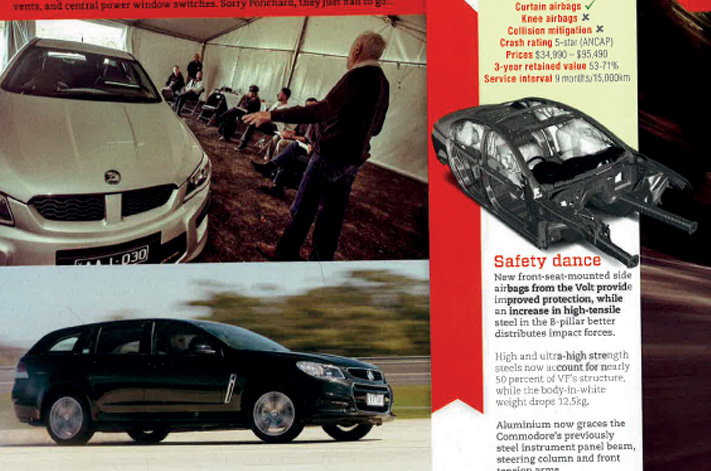
The $39,990 Calais’ 18-inch footwear suffers no such slippage. And in real-world conditions, few cars can match its incredible comfort. Only when driven back-to-back with the FE2-suspended SV6 and SS, and the FE3 Redline, was its relatively soft tune apparent.
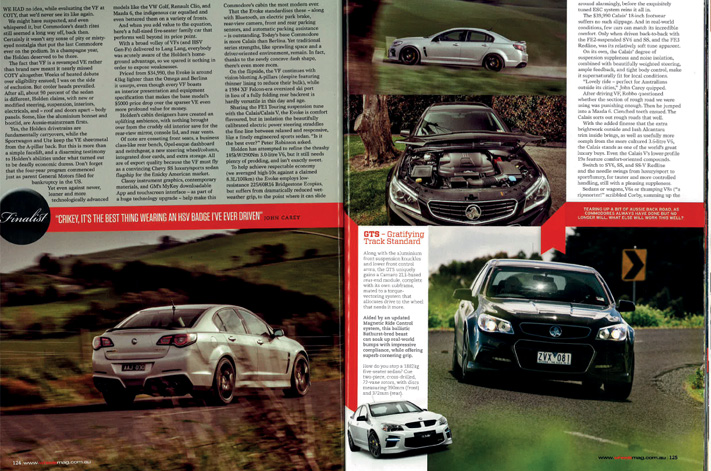
“Lovely ride – perfect for Australians outside its cities,” John Carey quipped.
After driving VF, Robbo questioned whether the section of rough road we were using was punishing enough. Then he jumped into a Mazda 6. Clenched teeth ensued. The Calais sorts out rough roads that well.
With the added finesse that the extra brightwork outside and lush Alcantara trim inside brings, as well as usefully more oomph from the more cultured 3.6-litre V6, the Calais stands as one of the world’s great luxury buys. Even the Calais V’s lower-profile 19s feature comfort-oriented compounds.
Switch to SV6, SS, and SS-V Redline and the needle swings from luxury/sport to sport/luxury, for tauter and more controlled handling, still with a pleasing suppleness.
Sedans or wagons, V6s or thumping V8s (“a ripsnorter!” scribbled Corby, summing up the engines’ effortless punch), these are vehicles with reactive, agile chassis, for sharp yet consistent and stable sports-sedan dynamics.
Some critics reckon the leap from $60,990 Clubsport to $83,990 Senator might be a case of diminishing returns, because of the reduced visual differentiation compared to the old VE-based versions, but the Gen-F’s newfound finesse – to go with the thumping 340kW/570Nm 6.2-litre LS3 unit – puts clear space between Holden and HSV offerings.
Meanwhile, the $92,990 GTS is another beast altogether. This one warps space and time. “It’s everything I hoped for and far more than I realistically thought they’d achieve,” said editor Butler.
Wrecking-ball performance has long been an HSV strength. However, the convergence of snatch-free 430kW/740Nm supercharged LSA VB brawn, a weighty but no longer notchy six-speed manual gearbox, V8 Supercar-class braking, sensational steering feedback, and a bespoke rear-suspension module, show that the crew from Clayton can keep up with the Teutonic uber-saloons – and not just on the straights, either.
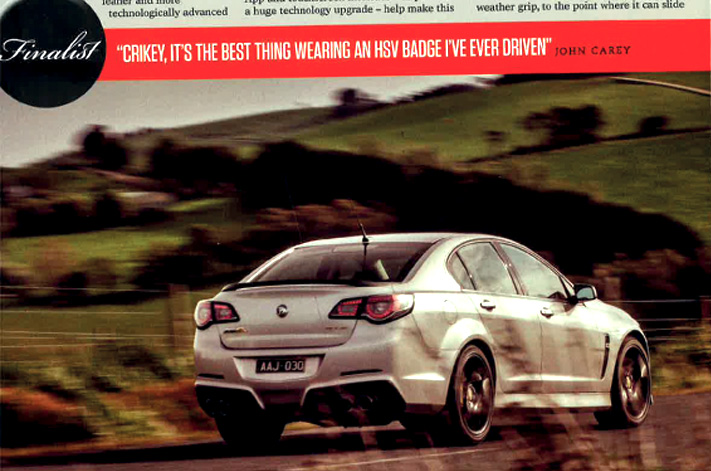
“Crikey, it’s the best thing wearing an HSV badge I’ve ever driven,” said Carey. “Lots of power, but lots of everything else.”
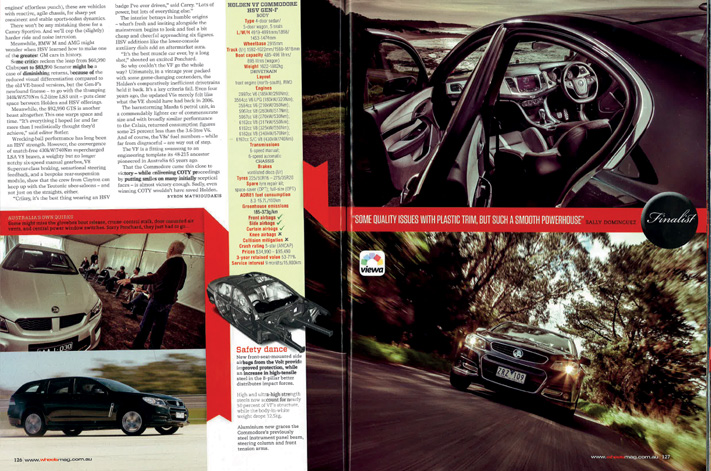
“It’s the best muscle car ever, by a long shot,” shouted an excited Ponchard.
So why couldn’t the VF go the whole way? Ultimately, in a vintage year packed with some game-changing contenders, the Holden’s comparatively inefficient drivetrains held it back. It’s a key criteria fail. Even four years ago, the updated V6s merely felt like what the VE should have had back in 2006.
The barnstorming Mazda 6 petrol unit, in a commendably lighter car of commensurate size and with broadly similar performance to the Calais, returned consumption figures some 25 percent less than the 3.6-litre V6.
And of course, the V8s’ fuel numbers – while far from disgraceful – are way out of step.
The VF is a fitting swansong to an engineering template its 48-215 ancestor pioneered in Australia 65 years ago.
That the Commodore came this close to victory – while enlivening COTY proceedings by putting smiles on many initially sceptical faces – is almost victory enough. Sadly, even winning COTY wouldn’t have saved Holden.
Volvo’s performance sub-brand, Polestar, has revealed its first standalone model, but unfortunately Aussie customers will miss out.
The car, named simply Polestar 1, will be a hybrid coupe with serious performance figures.
The turbo- and supercharged internal combustion engine, combined with the electric assistance, is good for 440kW and 1000Nm. It will be the most powerful vehicle ever produced in China.
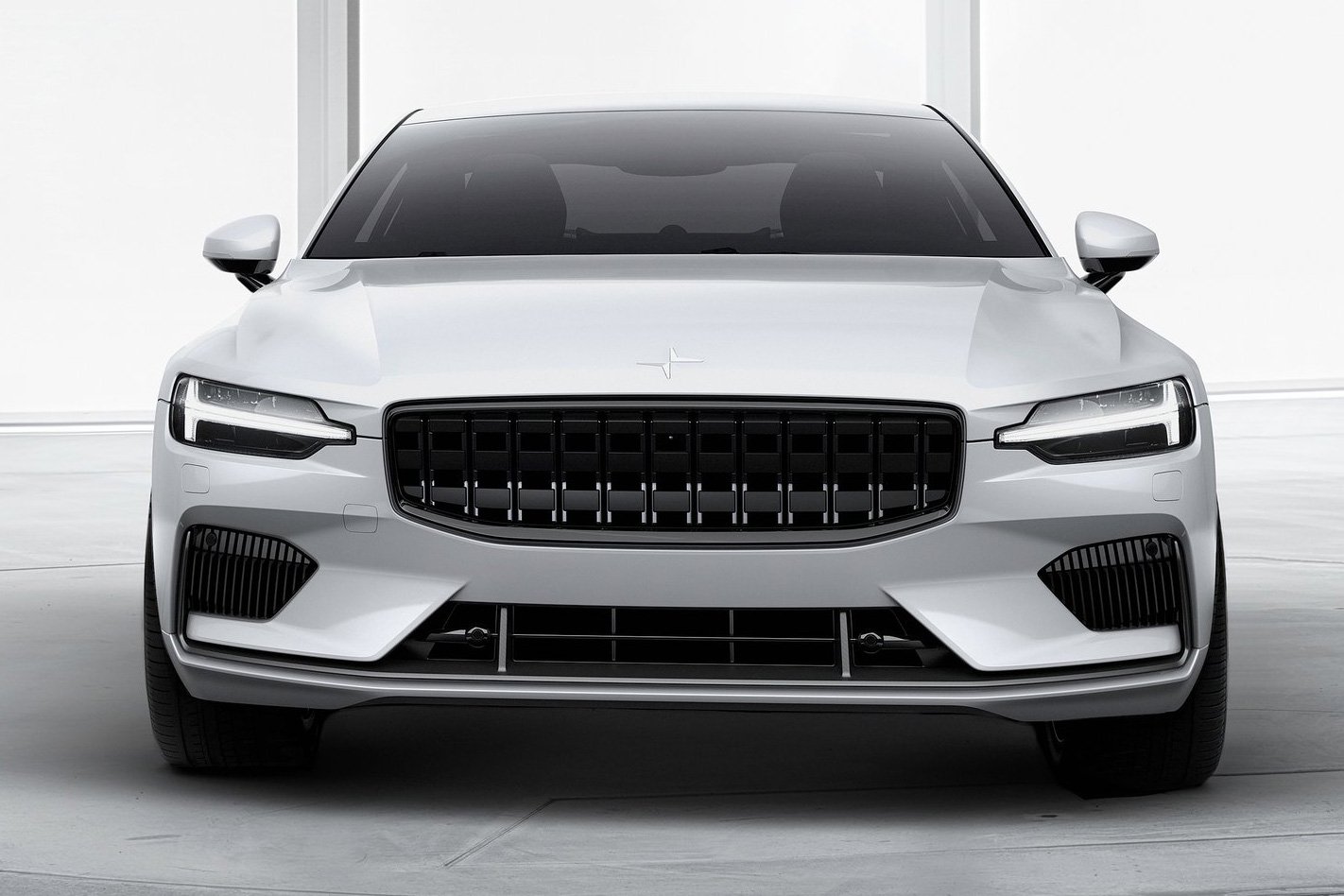
However, the Polestar 1 will only be built in left-hand-drive format, ruling out any possibility of being sold in Australia.
Volvo Cars Australia chief Greg Bosnich said Australia would have to wait until the Polestar 2, an all-electric SUV arriving well after the coupe version, before they can purchase one in a showroom.
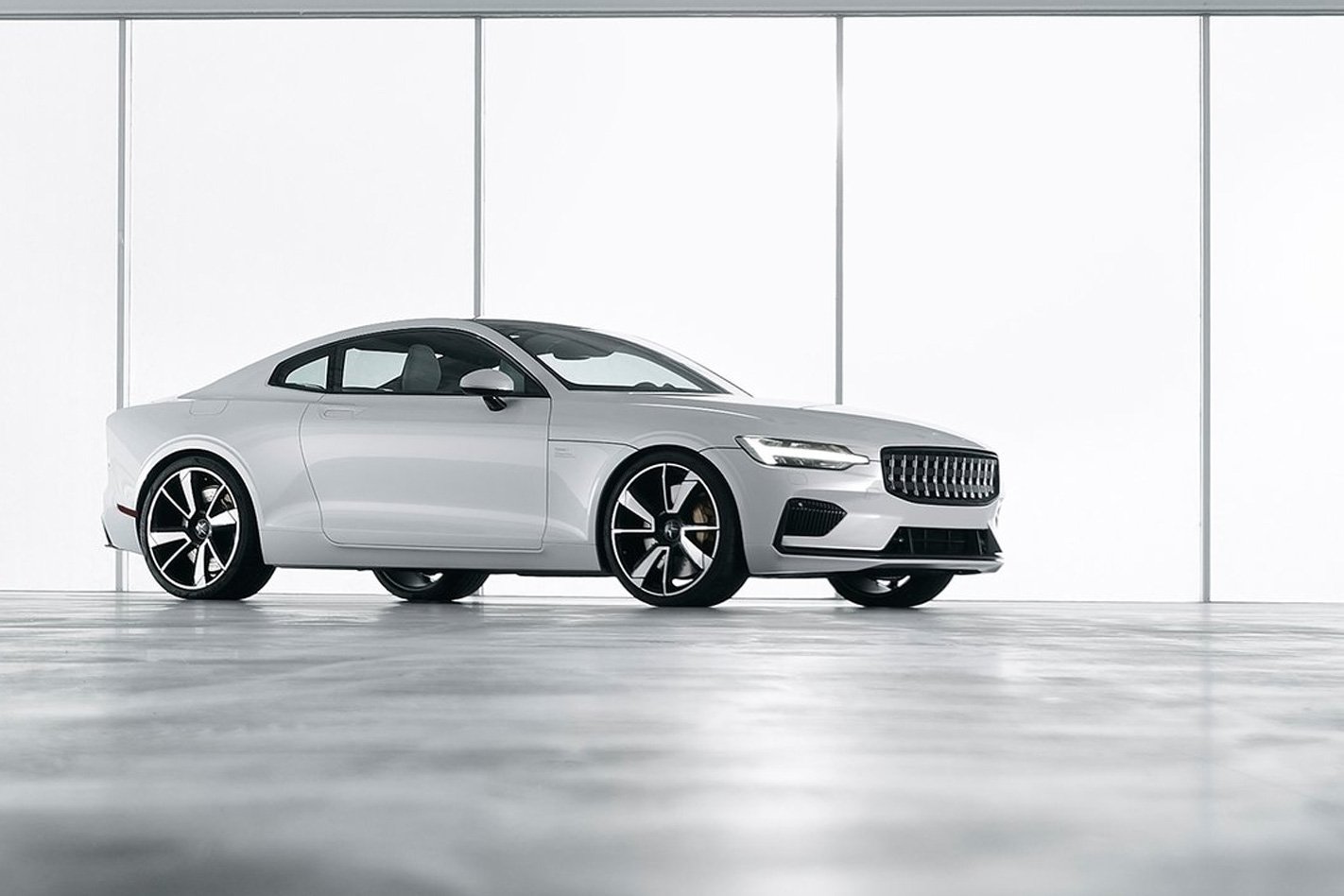
The Polestar 1 will be built in China. It features a steel chassis with a carbon fibre cross brace between the rear axles, a traditional point of torsional weakness in all-steel sedans.
Around it will wrap a carbon fibre reinforced plastic skin. Using the strengthened plastic saves 230kg in weight – exactly the same as the three battery packs housed in the transmission tunnel and between the rear axles.
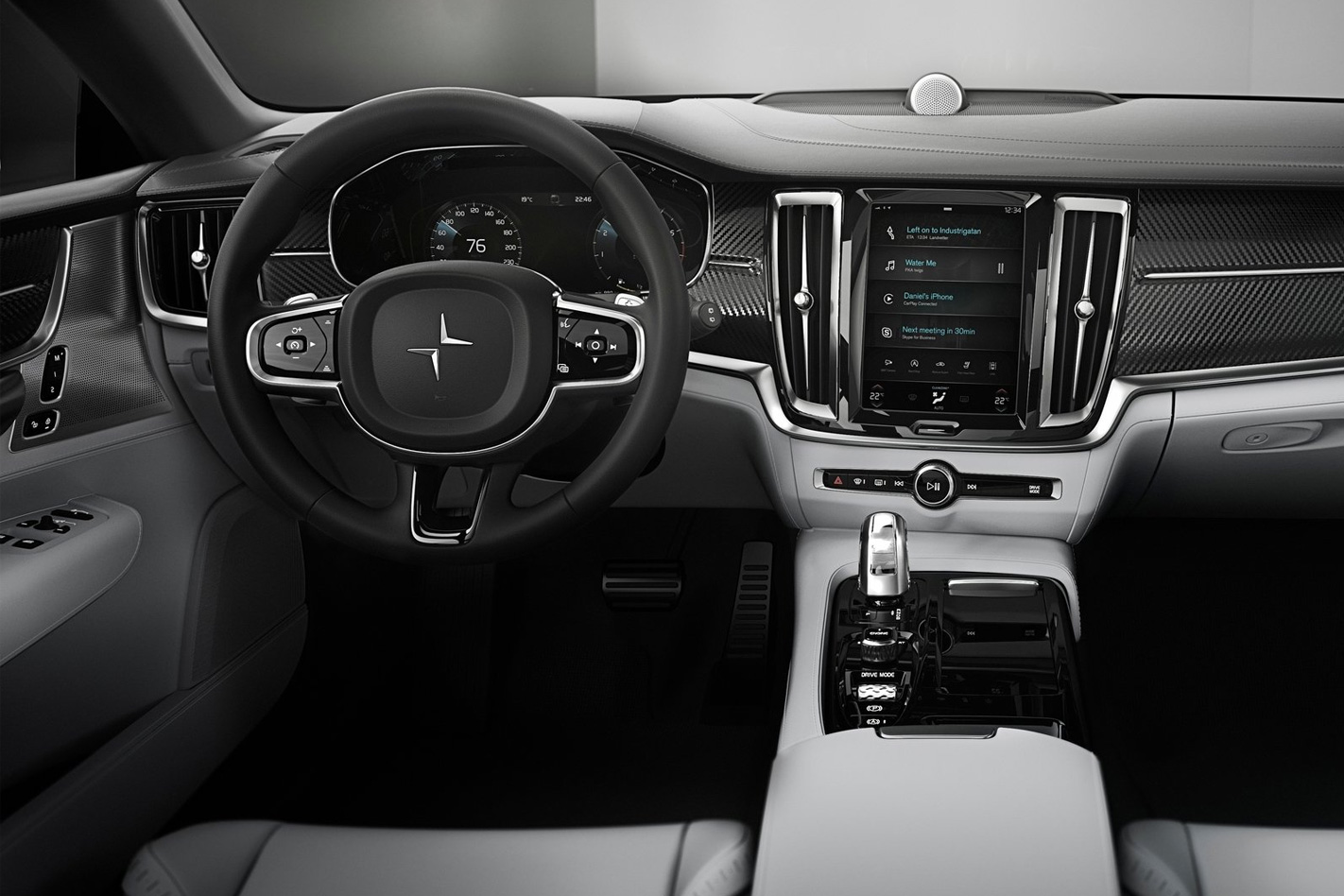
Polestar won’t sell the Polestar 1. Instead, people will be invited to lease it for up to three years, with a single monthly fee covering all expenses apart from fuel. At the end of the lease, Polestar will take the vehicle back, and get it ready as a used vehicle for a second lease on life.
The Polestar will use a bespoke ‘grid’ grille, but it will be package-protected to accommodate a host of future technology that the car maker says will need to wait for another day.
Polestar has announced it will offer a subscription service to allow subscribers to access its vehicles without the “inconvenience of ownership.”
The Polestar 1, and eventually the Polestar 2 and Polestar 3, will be available to subscribers on demand, with monthly costs covering insurance and maintenance of the vehicles.
“The subscription also includes pick-up and delivery servicing where Polestar contacts the customer to arrange a convenient time for scheduled maintenance,” Polestar says.
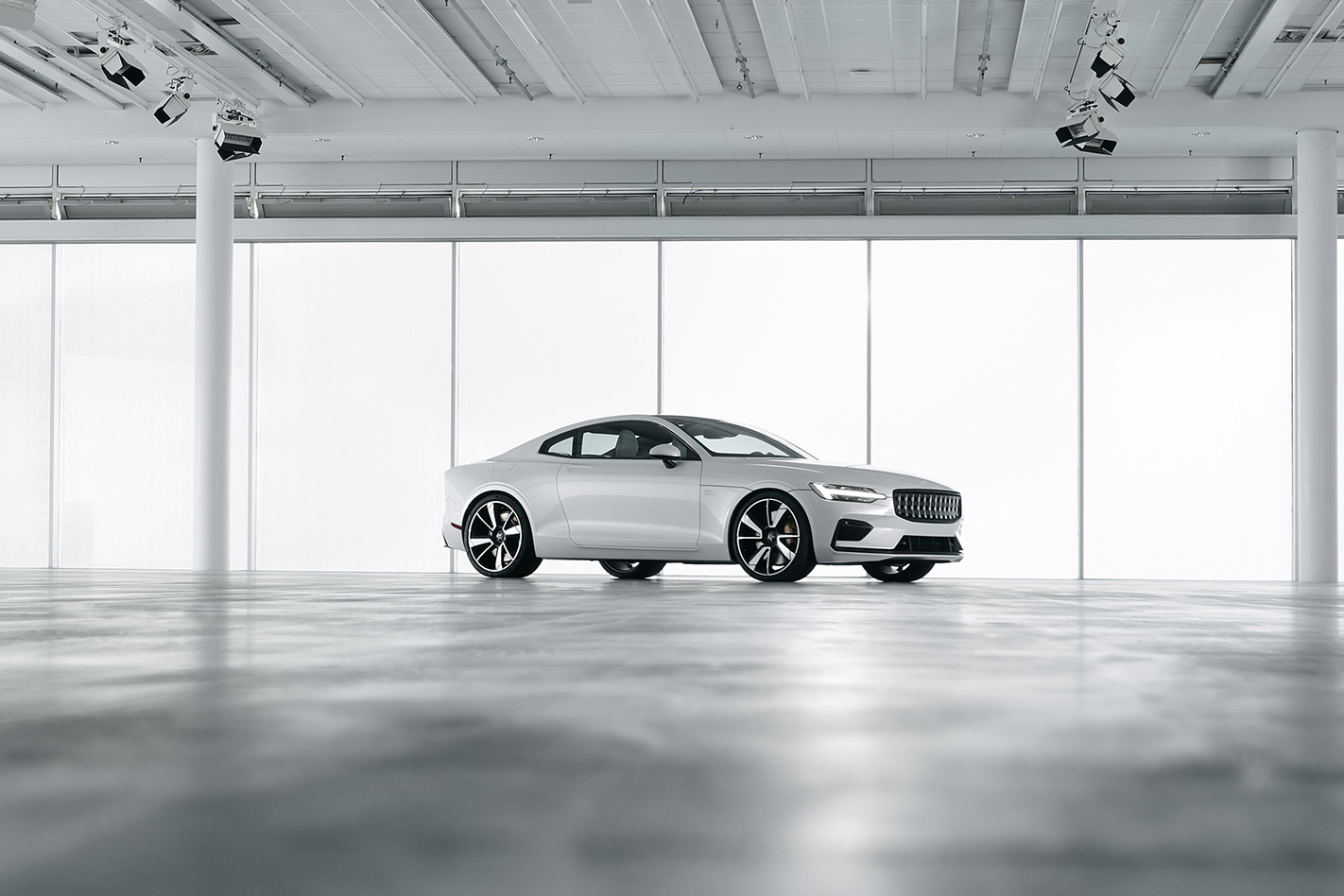
“Simply ordered online or through a Polestar app and added to the one monthly invoice, further reducing the “hassle” traditionally associated with car usage.”
Jonathan Goodman, Polestar chief operating officer says this new model of car ‘ownership’ as a disruptor fits in with the now standalone brand’s vision of changing the motoring landscape.
“Our vision is that the Polestar subscription model and services that we will offer will define the Polestar brand as much as our cars will.
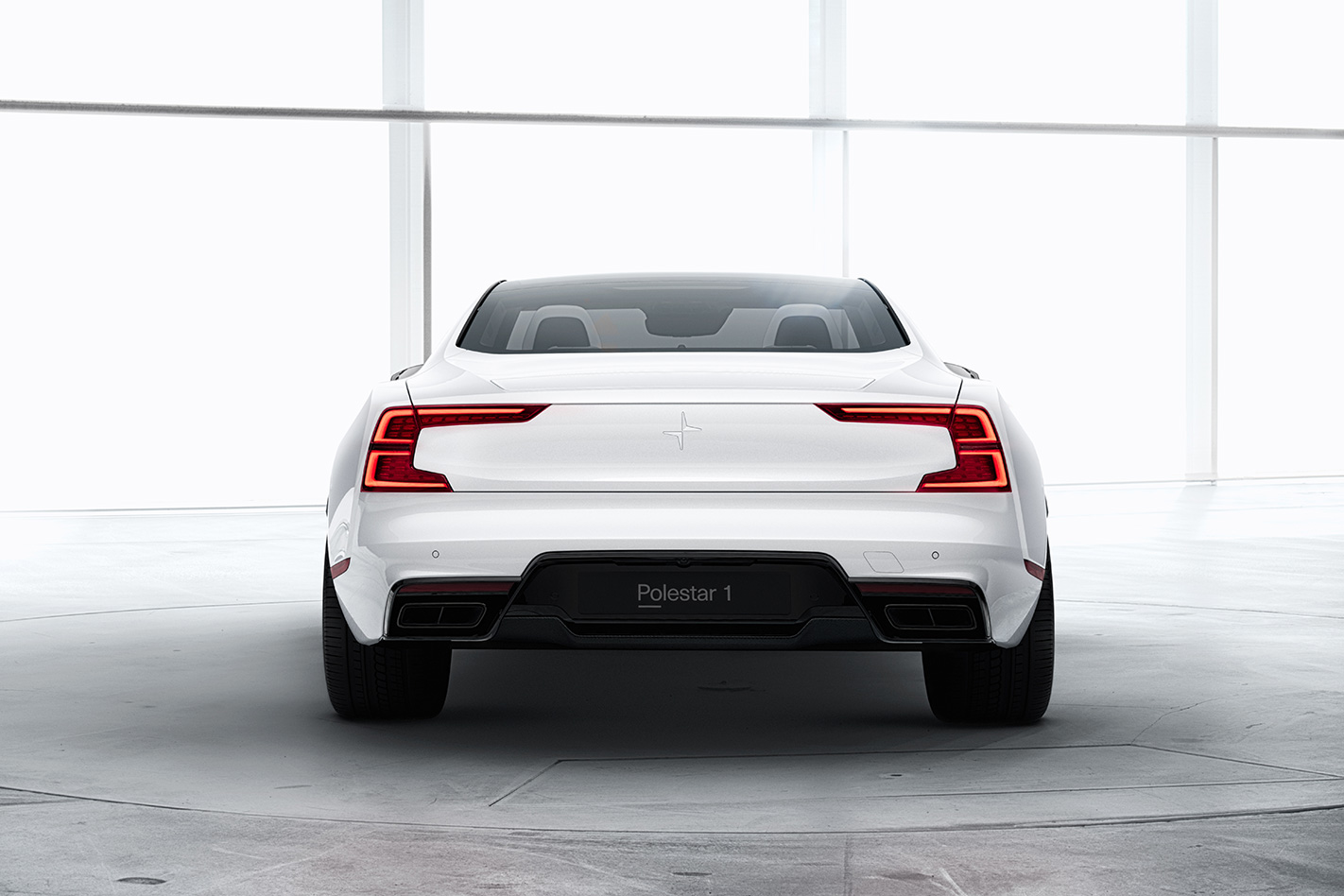
In addition, Polestar’s “Phone-as-Key technology” allows the current “owner” of the vehicle to access it remotely, and virtually transfer the ‘key’ to another driver “to facilitate the collection of the car to re-charge it, service it and more.”
Polestar is also shifting its buying experience online, with test drives, subscription offers and on demand services able to be ordered online.
The newly revealed Polestar 1 will be the first car customers can access, and expressions of interest can already be submitted.
The Polestar 1 is here.
Now that Polestar has detached from Volvo in terms of branding, the aptly named Polestar 1 will be its first car.
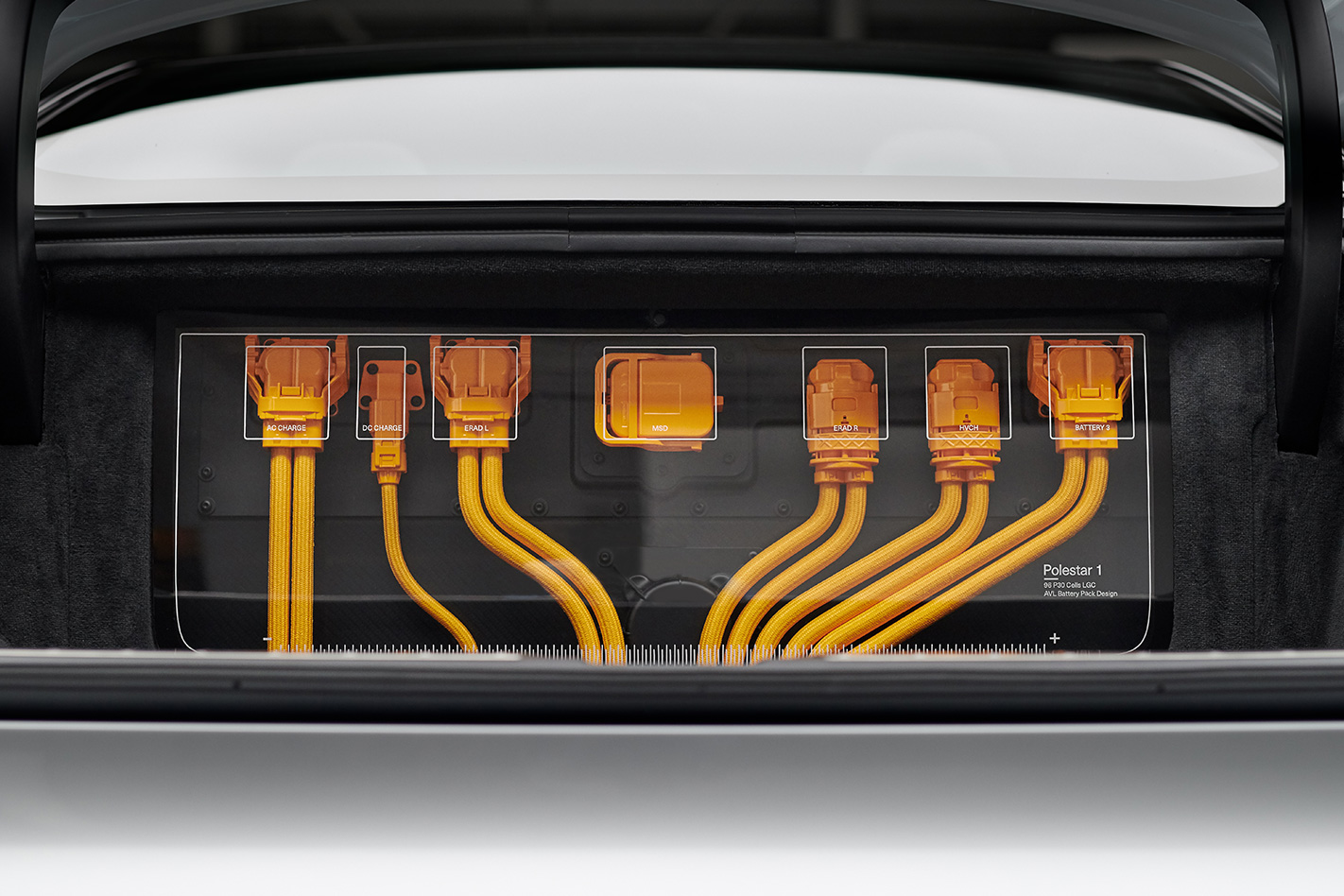
With a new double electric motor system driving the rear wheels and a 2.0-litre four pot driving the fronts, the ‘electric performance hybrid’ will have a staggering 441kW and 1000Nm at its disposal.
“Polestar 1 is the first car to carry the Polestar on the bonnet,” Ingenlath says.
“A beautiful GT with amazing technology packed into it – a great start for our new Polestar brand.
“All future cars from Polestar will feature a fully electric drivetrain, delivering on our brand vision of being the new standalone electric performance brand.”
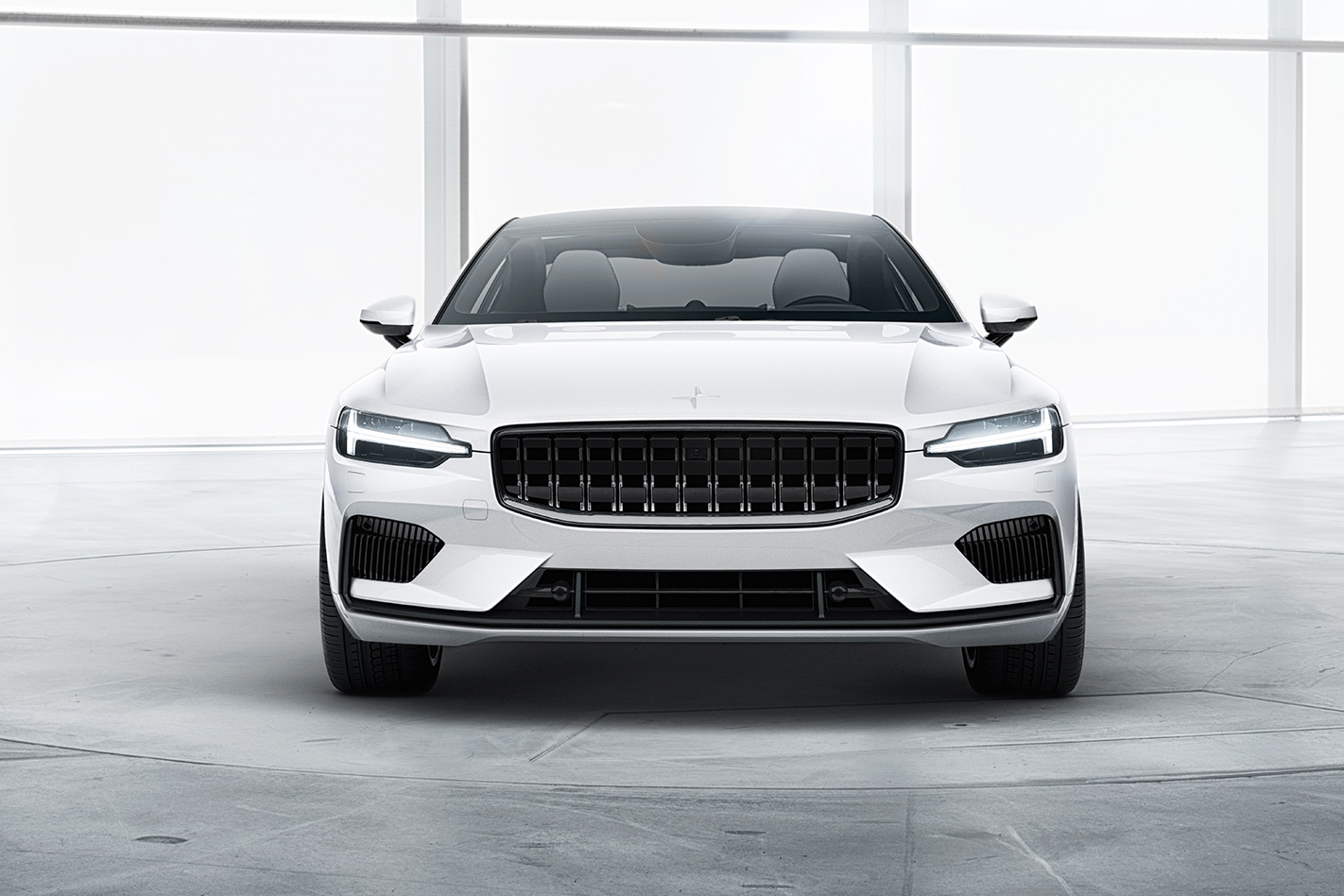
Though we imagine it’d be hard to resist flicking the switch to free up that 441kW/1000Nm potential.
To produce the cars, Polestar will open a manufacturing facility in China, to be completed in mid-2018. The facility will also house a ‘Polestar Space’, a “customer test track constructed within the campus to enable potential customers to evaluate the car to extremes not possible on public roads.”
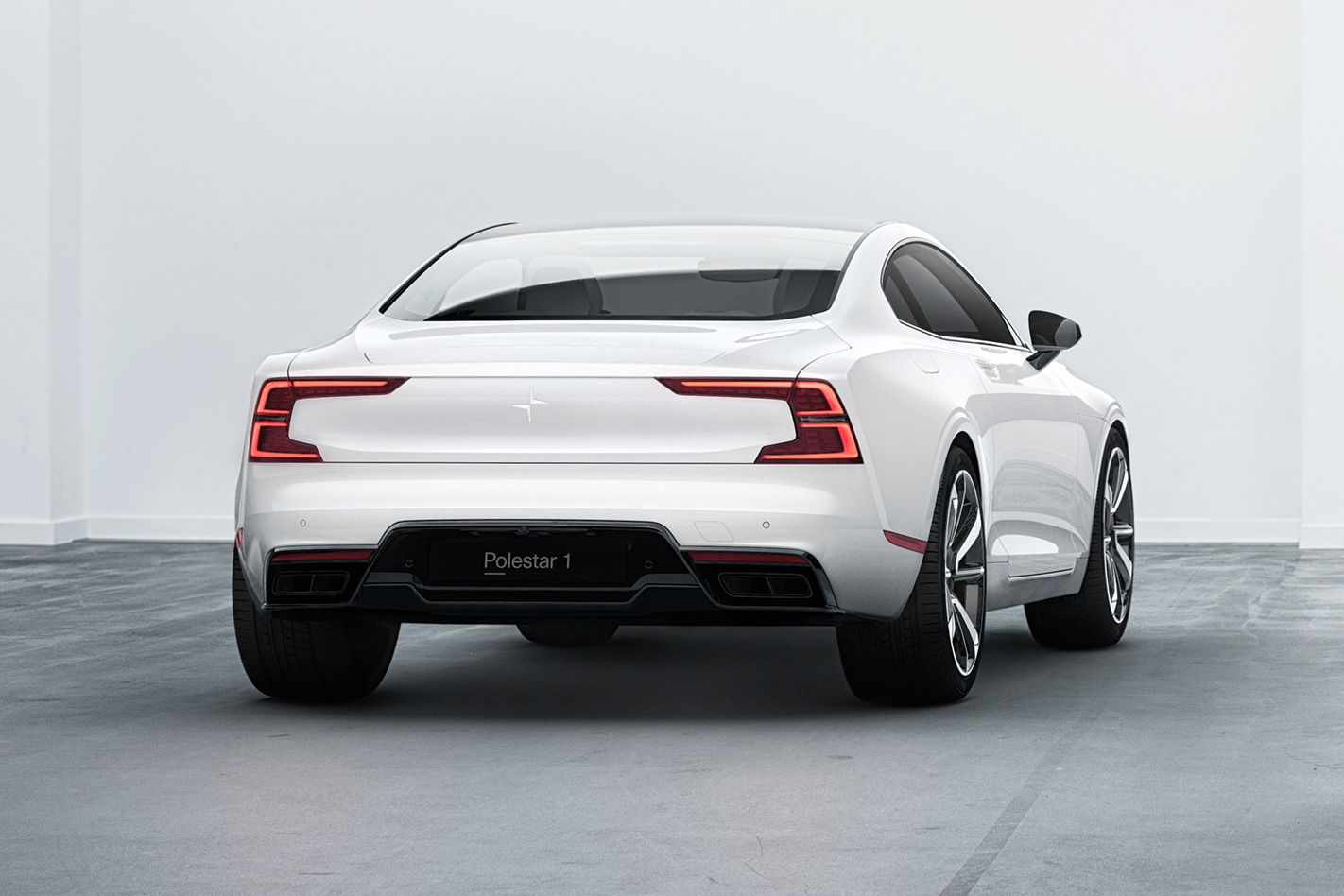
Polestar 2 will be a Telsa Model 3 competitor, a mid-sized, fully electric car.
Polestar 3 will more closely compete with the likes of the Tesla Model X, as an “SUV-style” electric vehicle.
Polestar will make the Polestar 1 available to order immediately, as well as making its range available on a monthly subscription program.
An immaculate 1997 McLaren F1 has recently come up for sale in the UK, with a mere 239km showing on the odometer.
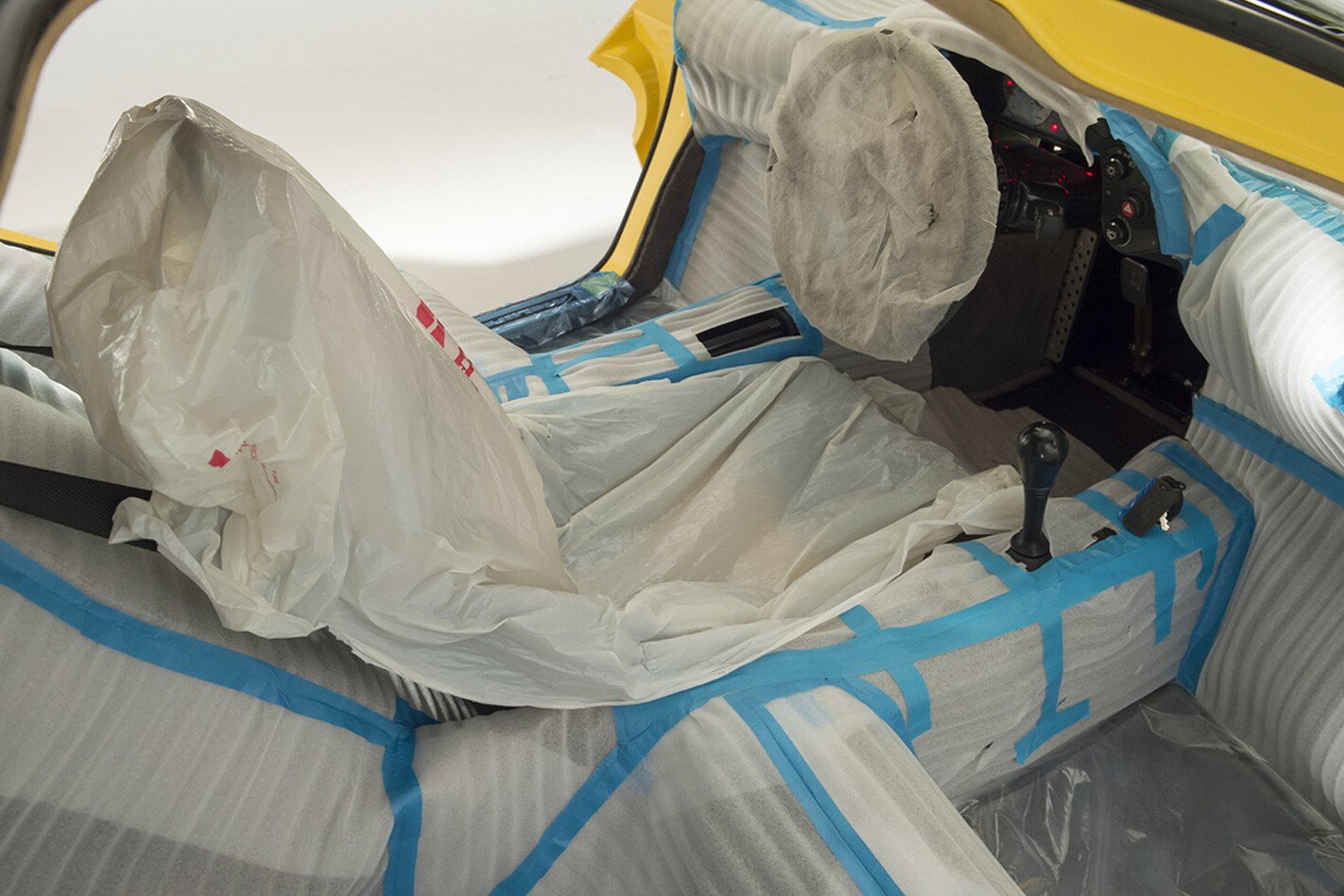
In fact, the car is so ‘new’ that it’s still got all of its pre-delivery wrapping and coverings on-and-in it.
It has never been registered, unsurprisingly, and has likely not seen the sun for a long, long time.
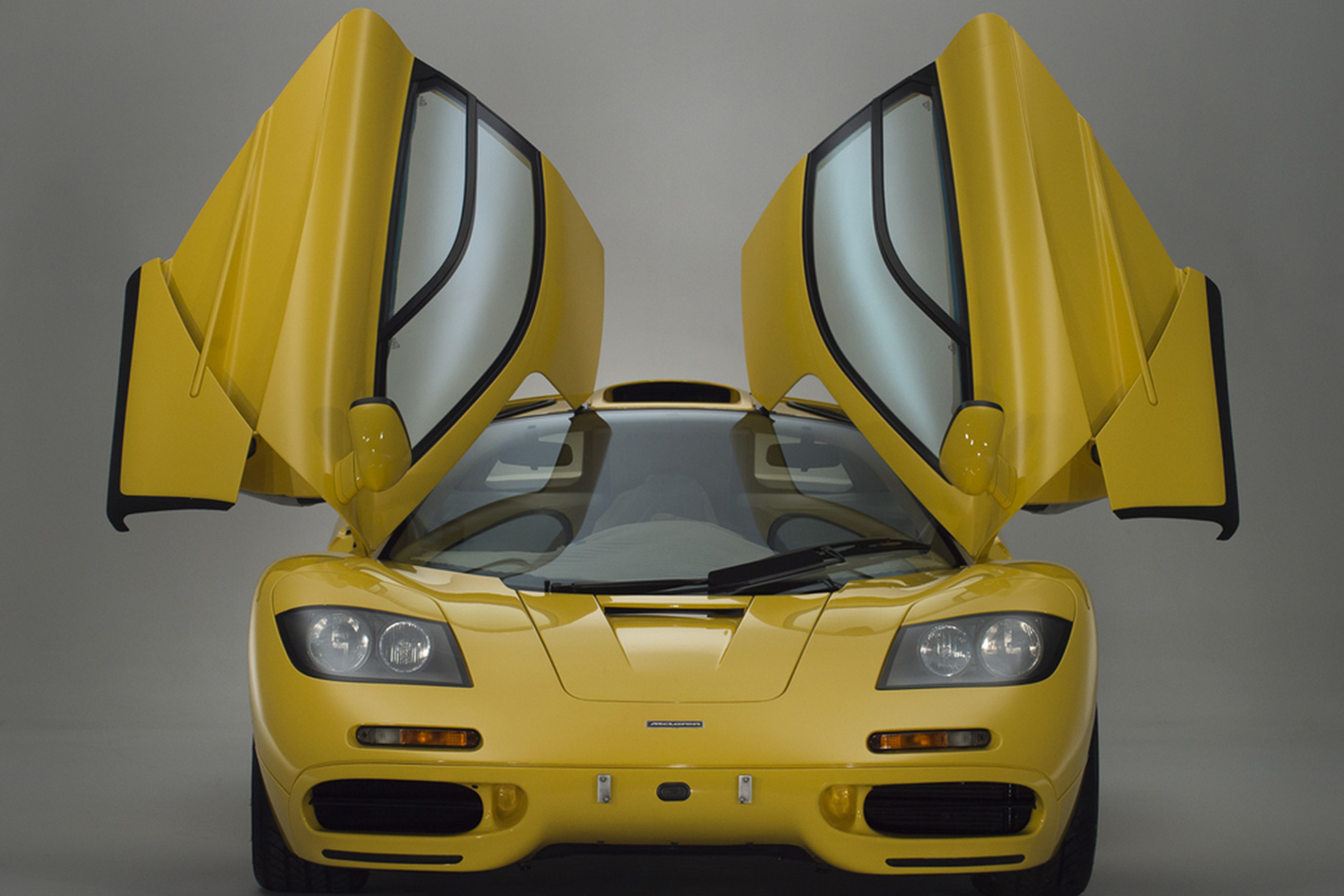
All still completely unused are the leather-cased owners handbooks (you don’t need them if you don’t use the car), the tool chest, tool roll with its original gold-plated titanium tools, and a full luggage set, which is still tucked away in its wrapping.
More options boxes that went ticked were the GTR style steering wheel with F1 logo in the centre, passenger floor mats, and even a windscreen strip. Again, all of these have still got wrapping on.
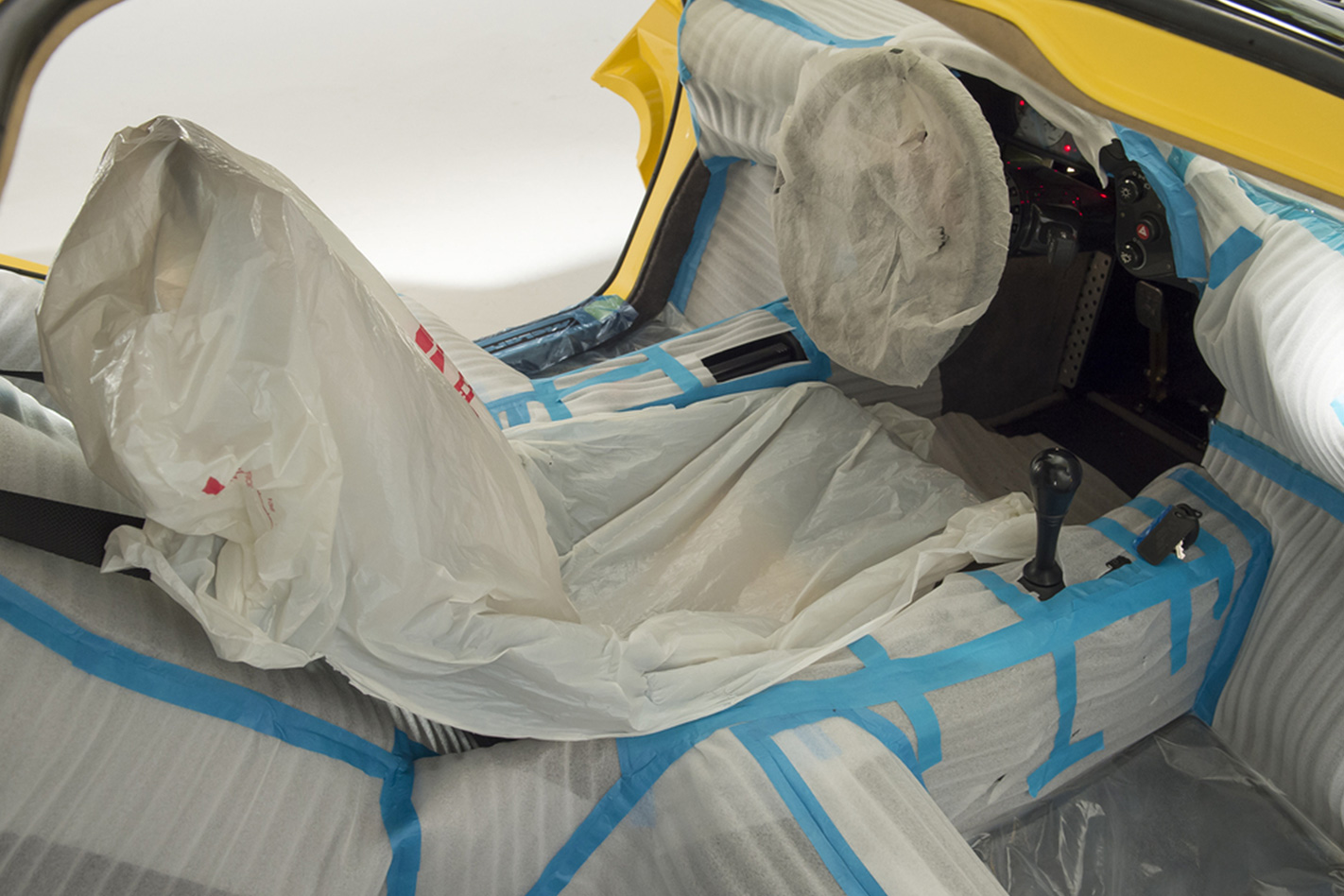
We have to wonder what state the BMW-sourced V12 is in, though with the state of the rest of the car considered, plastic-wrapped pistons and a hermetically-sealed engine bay aren’t out of the question. Okay, yes, the pictures prove that’s not the case.
What has us completely boggled is the willpower of its owner. Two decades of owning an un-driven F1 would take its toll, but maybe the payout would ease it.
Especially considering a well-travelled 15440km example recently auctioned for AUD$19.7m…
SOME poor, sad soul has had a 1997 McLaren F1 in their garage, and has never once driven it.
Yup, that’s right. A legendary McLaren F1 is up for sale with delivery mileage, and the factory protective plastic still fitted.
The Dandelion Yellow with Dark Grey F1 is being sold through a company called Tom Hartley Jnr.
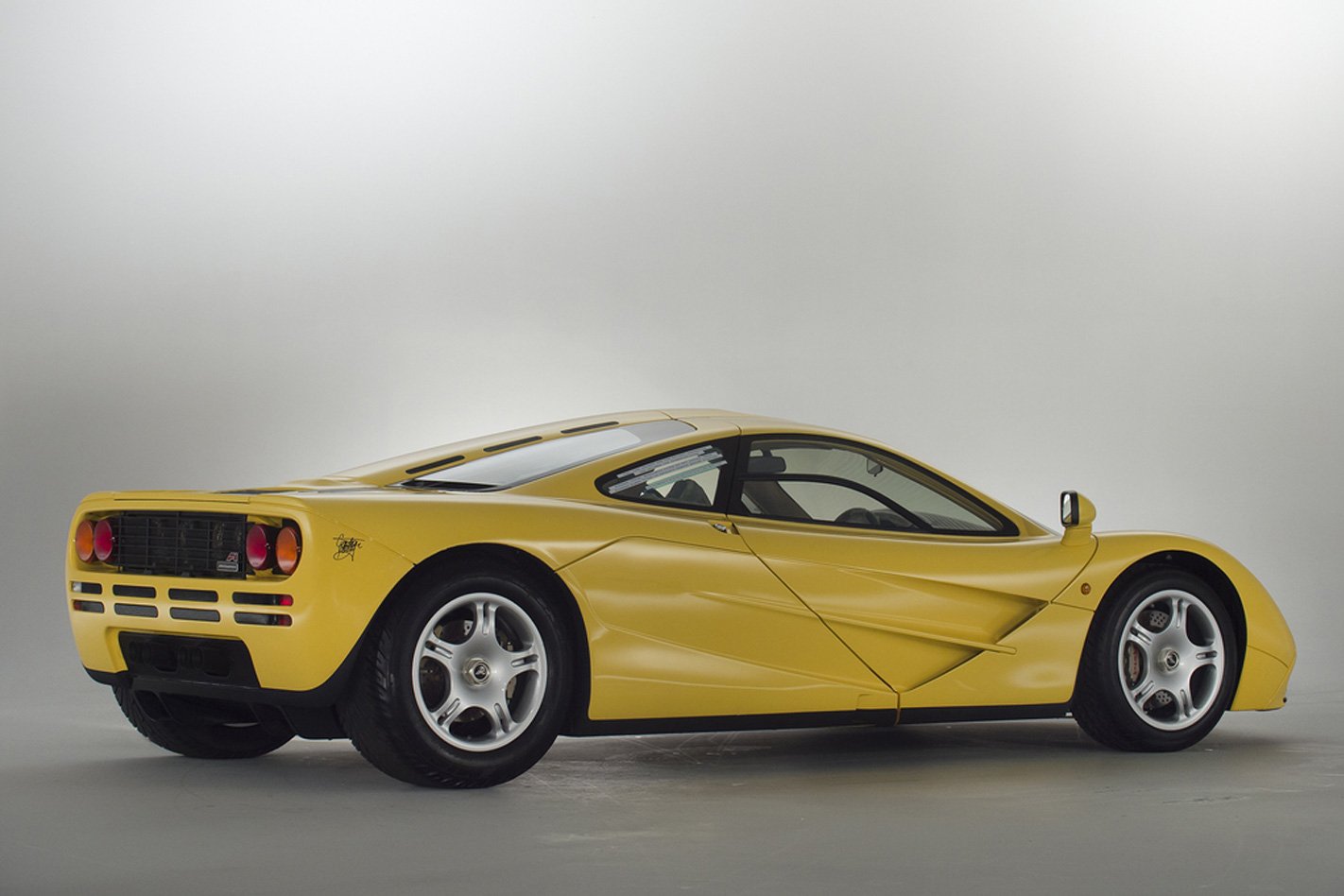
The 239 kilometres on the odometer reflects McLaren’s pre-delivery test mileage.
Price is on application, but if you were looking for a guide a well-maintained 1995 single-owner example sold for $19.8 million recently.
Along with the car, the new owner will receive the original eather-cased owners handbooks, the Facom tool chest, tool roll with its original gold-plated titanium tools, full luggage set still in factory protective wrapping, spare keys plus the ultra-rare commemorative TAG Heuer watch with the chassis number engraved on the face.
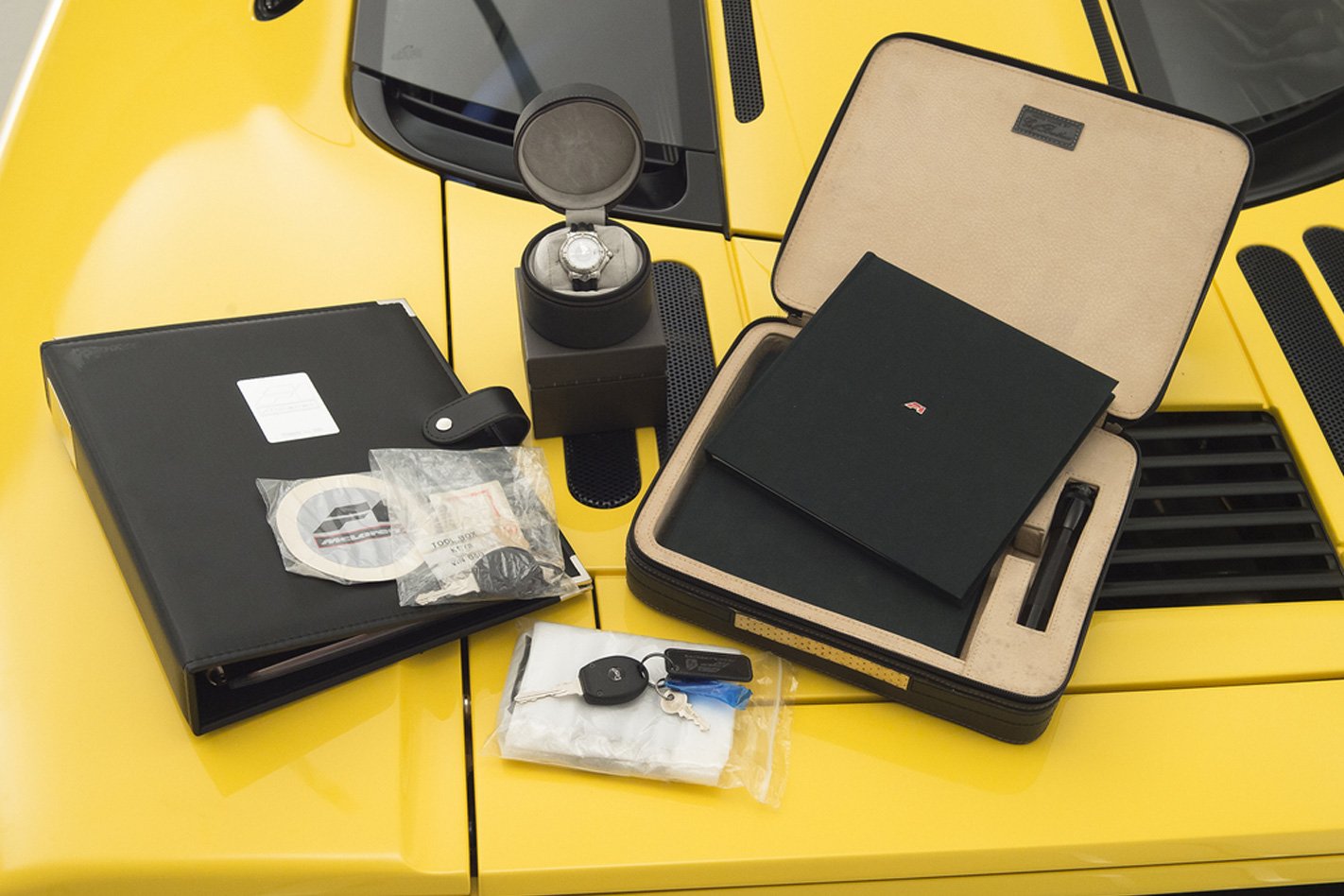
Sure, this unregistered car is likely to blow a number of auction records out of the water, but what kind of person does it take to have one of the greatest cars humanity has created, and not drive a single kilometre in it.
It’ll be a true tragedy if the next custodian decides to do the same as the previous owner, and hides this beautiful machine away in a garage to sit unused for another 20 years.