
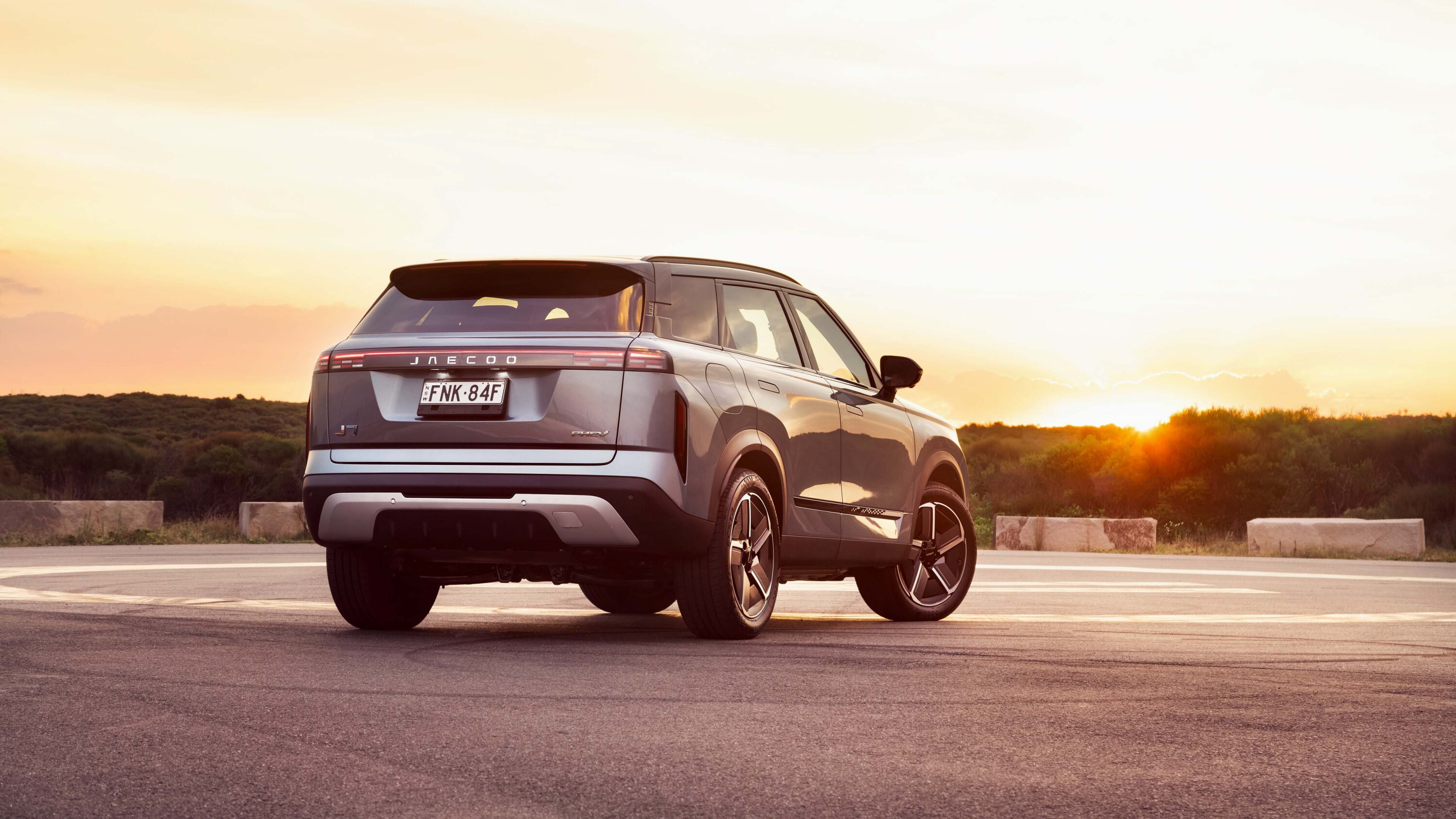
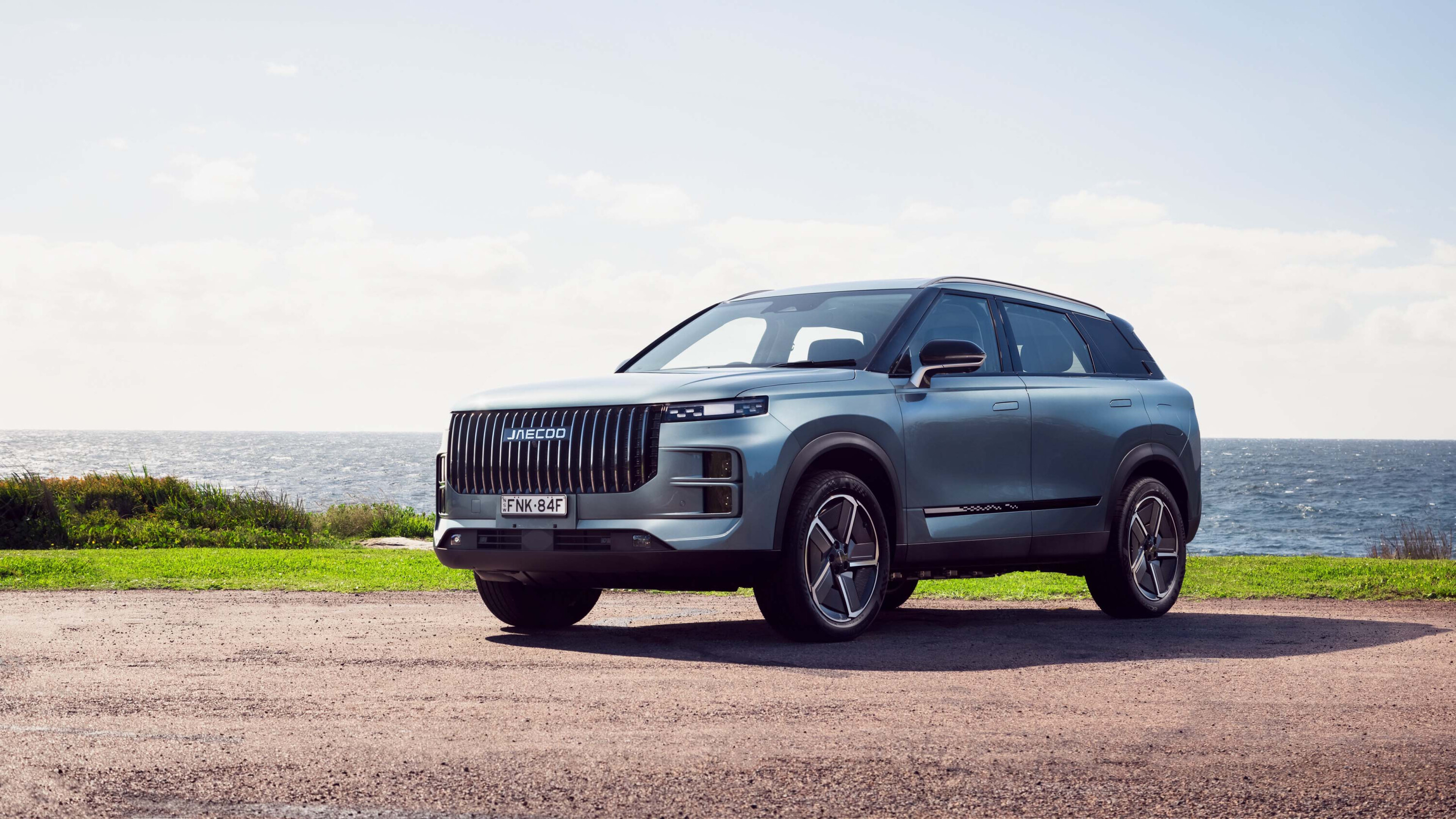
Jaecoo has launched its first product in Australia, the J7 mid-size SUV priced from $34,990 drive away. The first J7s will land in dealers in May.
Using the same platform as the Chery Tiggo 7 Pro, the J7 will be offered in four variants locally: base Core, mid-range Track and Ridge and top-spec plug-in hybrid Summit.
The petrol J7 range uses the same turbocharged 1.6-litre four-cylinder petrol engine as the Chery Tiggo 7 Pro, making 137kW of power and 275Nm of torque. That’s mated to a seven-speed dual-clutch transmission, and either front- or all-wheel drive. Fuel consumption for the 2WD models is rated at 7.0L/100km and 7.8L/100km for the AWD.
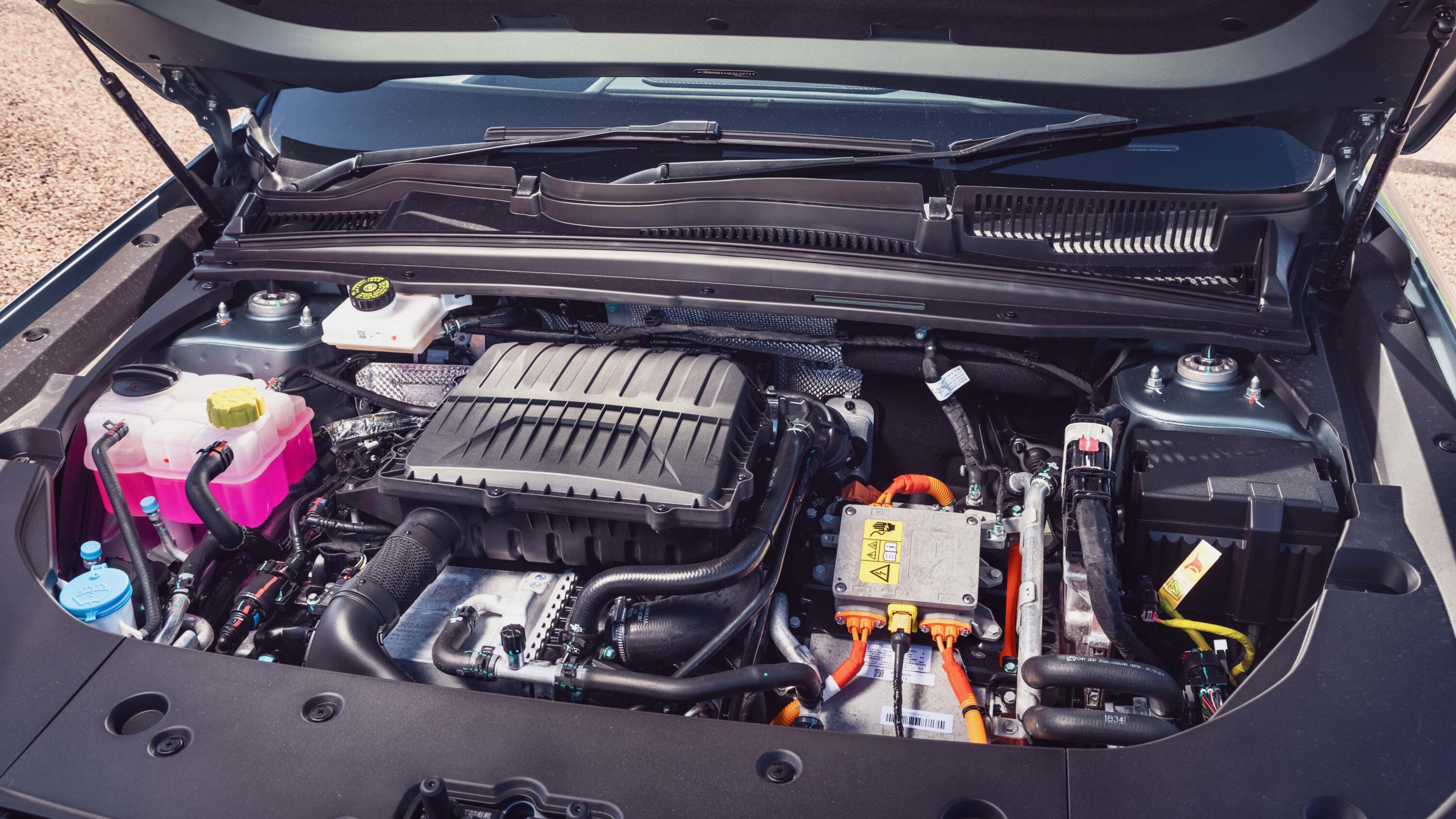
The top-spec Summit, however, uses a 105kW/215Nm turbocharged 1.5-litre four-cylinder engine mated to a 150kW/310Nm electric motor for 255kW/525Nm total outputs. Its 18.3kWh LFP battery allows for a claimed 90km of electric driving range (WLTP) and a total driving range from a full battery and full tank of fuel of over 1,200km. Its claimed fuel consumption is just 1.0L/100km, though as with all plug-in hybrids, that depends on how much it’s charged.
Unlike a lot of PHEVs, the J7 Summit can be DC fast charged at up to 40kW for a 30 to 80 per cent charge in as little as 20 minutes. Above 30 percent charge, the J7 PHEV can run as a pure EV at up to speeds of 120km/h.
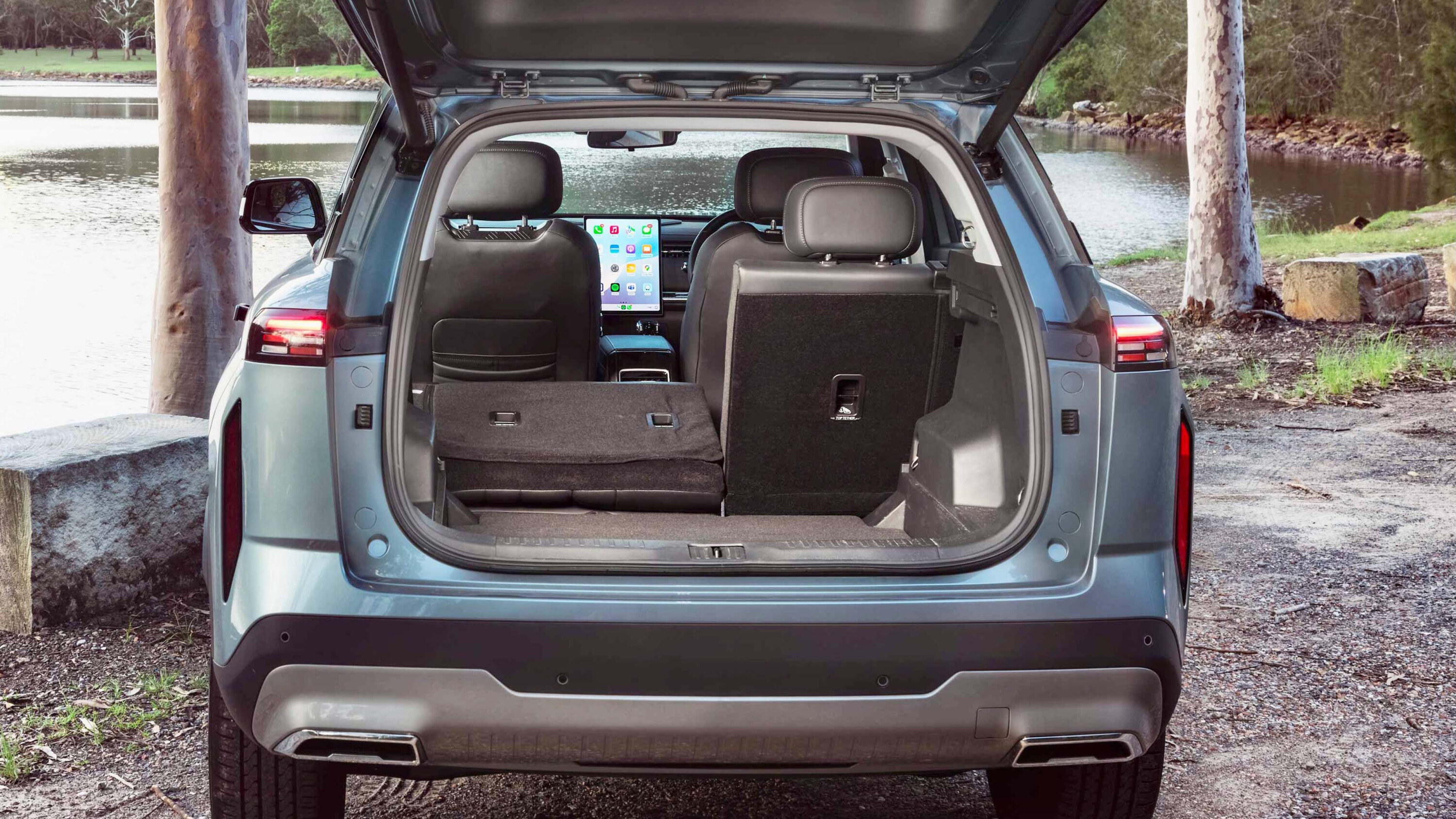
Measuring 4,500mm long, the J7 is around 10cm shorter than a Toyota RAV4. It also measures 1,865mm wide, 1,680mm tall and rides on a 2,700mm long wheelbase. The bootspace measures between 340 litres for AWD/PHEV variants to 424L for the 2WD cars – the seats folded figure is between 1,265L and 1,349L.
Jaecoo cars are covered by an eight-year/unlimited km warranty with eight years of capped price servicing and up to eight years of roadside assistance (if the car is serviced through Jaecoo). Eight years of servicing costs $2,952 for the 2WD models, $3,322 for AWD and $3,372 for the PHEV.
| Jaecoo J7 pricing (drive away): | |
|---|---|
| Core 2WD | $34,990 |
| Track 2WD | $37,990 |
| Ridge AWD | $42,990 |
| Summit PHEV 2WD | $47,990 |
| Jaecoo J7 Core standard equipment: | |
|---|---|
| 18-inch alloy wheels with a space saver spare wheel | |
| Dusk-sensing LED headlights | Front and rear USB-A and USB-C ports |
| Keyless entry and start | Seven airbags |
| Roof rails | Autonomous emergency braking (AEB) |
| Synthetic leather seat and steering wheel upholstery | Adaptive cruise control |
| Six-way driver/four-way front passenger electric seat adjustment | Traffic jam assist |
| Manual air-conditioning with rear air vents | Lane keeping assistance |
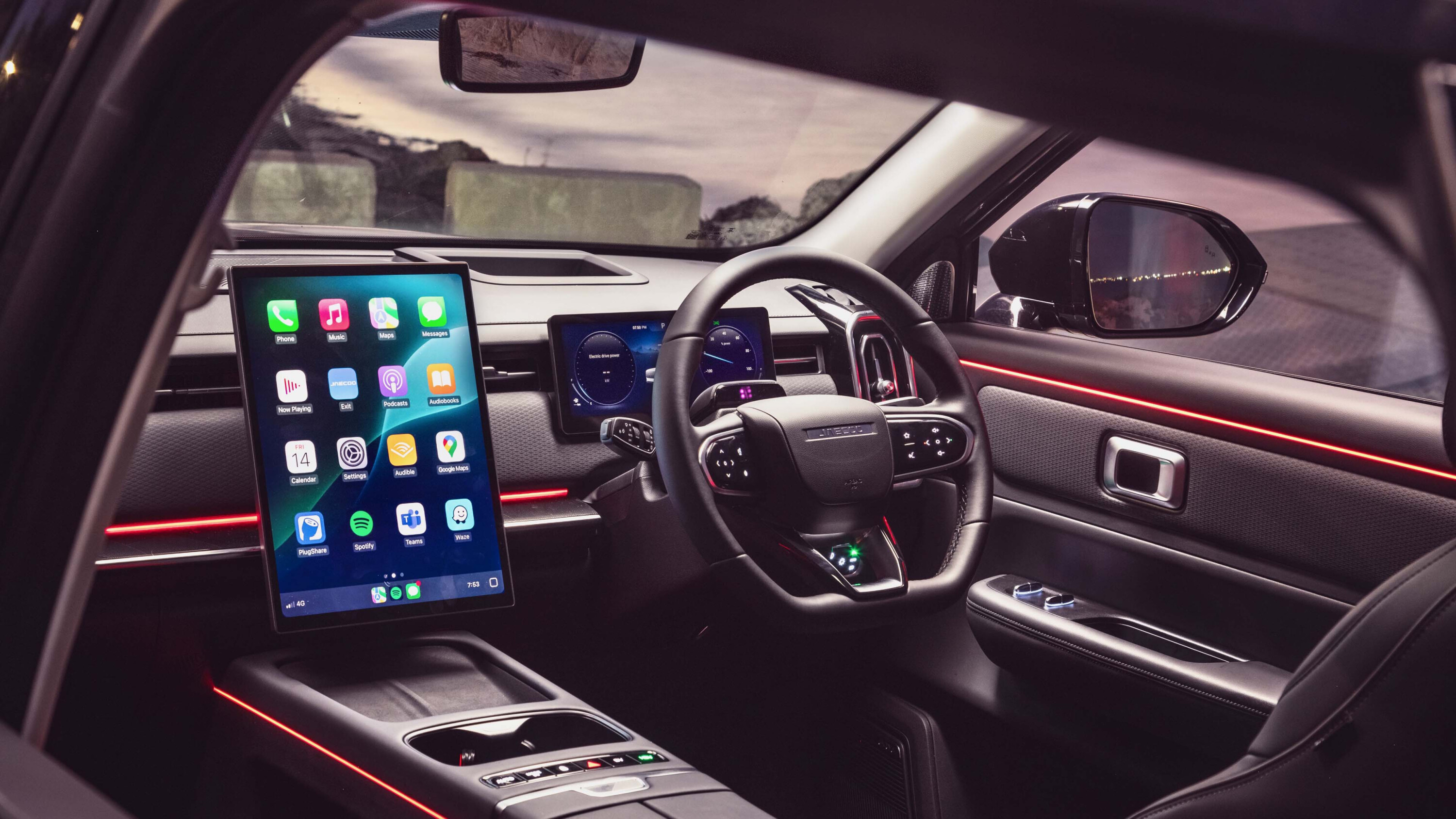
| 10.25-inch digital driveru2019s display | Lane centring |
| 13.2-inch touchscreen | Blind-spot monitoring with rear cross-traffic alert |
| Wireless/wired Apple CarPlay and Android Auto | Traffic sign recognition |
| Satellite navigation | Driver monitoring |
| Digital radio | Rear parking sensors |
| Six-speaker sound system | Reversing camera |
| J7 Track adds to Core: | |
|---|---|
| Rain-sensing wipers | Front parking sensors |
| Driveru2019s knee airbag | 360-degree camera |
| Dual-zone automatic climate control | Acoustic windscreen glass |
| Eight-speaker Sony sound system | Electronic rear child safety locks |
| 50W wireless phone charger | Colour-selectable cabin ambient lighting |
| Power tailgate | Heated front seats |
| J7 Ridge adds to Track: | |
|---|---|
| All-wheel drive with a torque-biasing rear differential | Driver seat memory |
| 19-inch alloy wheels with a full-sized spare wheel | Ventilated front seats |
| Larger 14.8-inch touchscreen | Heated steering wheel |
| Head-up display | Puddle lamps |
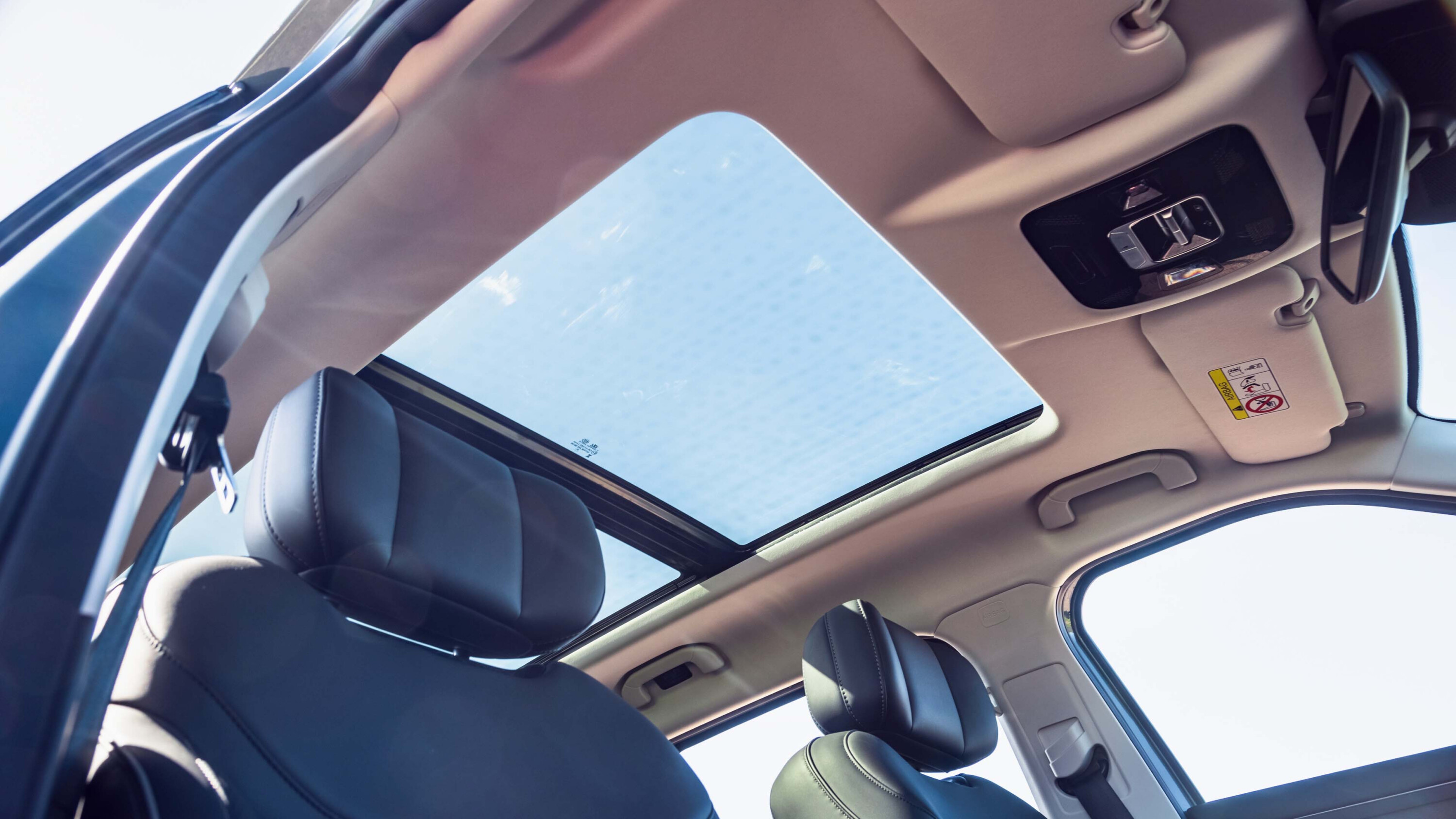
| Panoramic sunroof with sunshade | Alloy pedals |
| Perforated synthetic leather trim | Auto-dimming rear mirror |
| Four-way driveru2019s lumbar adjustment | Inbuilt dashcam |
| J7 Summit PHEV adds to Ridge: | |
|---|---|
| Plug-in hybrid system with 18.3kWh battery | Tyre repair kit (no spare) |
| 19-inch wheels in u2018aerou2019 design | Steering column-mounted gear selector |
The Jaecoo J7 range will be available from Chery Jaecoo dealerships from May.
According to insurance experts iSelect, the car-buying priorities of Australians differ between states and territories as discovered in a 3,000-person survey it conducted across the country.
While price, reliability and safety were, unsurprisingly, the main priorities across all parts of Australia when assessing a new car, there was also a surprising finding: a vehicle’s carbon emissions was rated lower than its colour as purchase consideration.
The importance of the car’s colour rated second-last for most states, aside from Tasmania where it was the last priority.
Location also shifted other priorities – in the ACT, reliability ranked higher in importance than price. Tasmania was the only state to rank low emissions in its top 10 factors, while Victoria, Tasmania and the ACT placed warranty and service plans lower in priority than the national average, preferring to focus on exterior style and design.
The make of a car matters most in South Australia, and least in Tasmania, where brand reputation was also much lower than most other states. Yet Tasmania also ranked engine performance higher than a lot of other states at fourth place.
Car-buying priorities also changed across generations, with older buyers (55+) placing greater emphasis on safety features as their third priority.
Older buyers also care more about brand reputation, ranking the make of the car as their fourth highest priority – much higher than younger age groups.
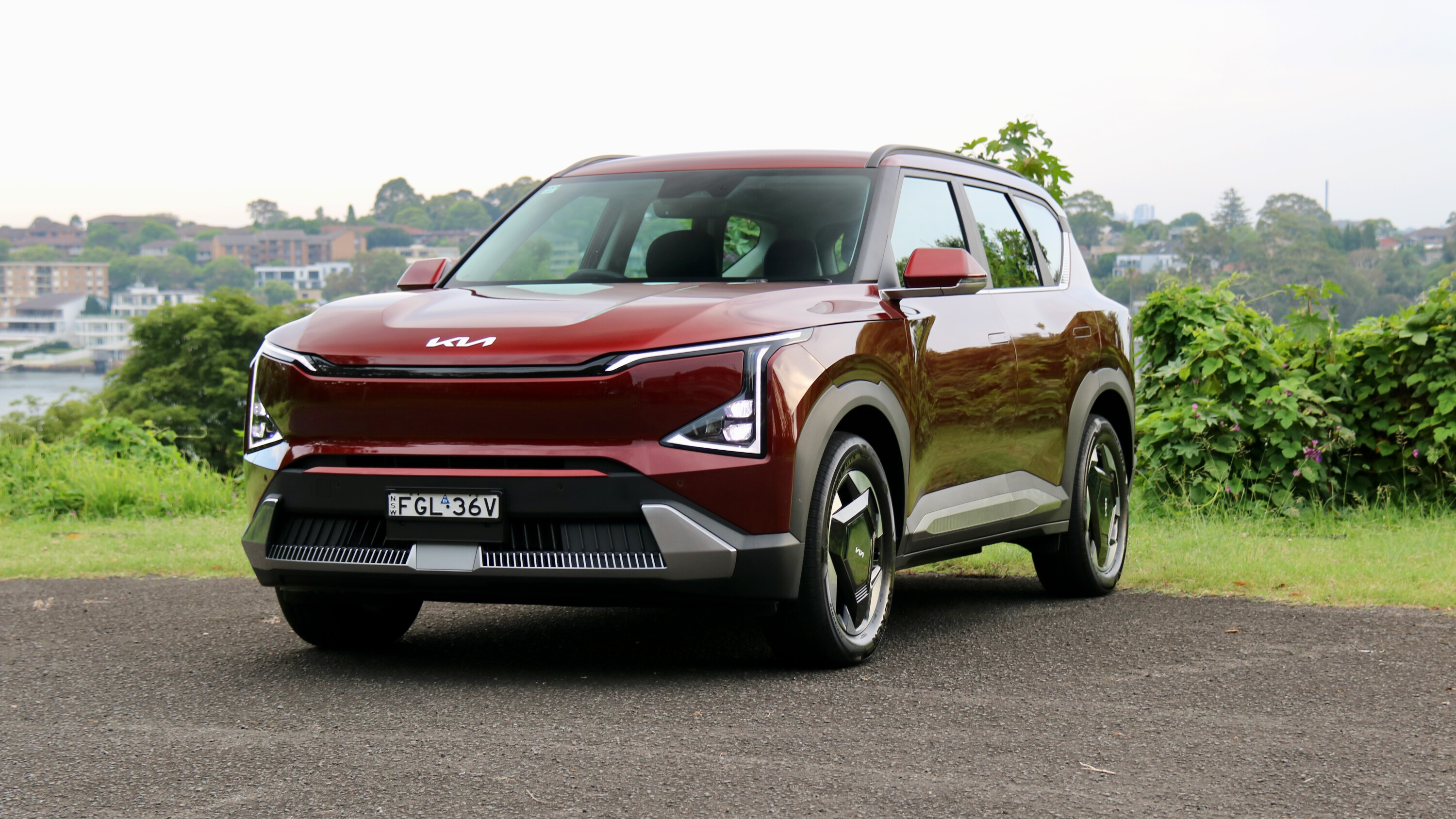
On the flip side, younger buyers (18-34) are more cost-conscious, ranking fuel and ownership costs higher than safety, practicality and brand reputation.
Other interesting insights included that men care more about the make of the car than safety features or fuel costs, while women place a higher priority on practicality and comfort.
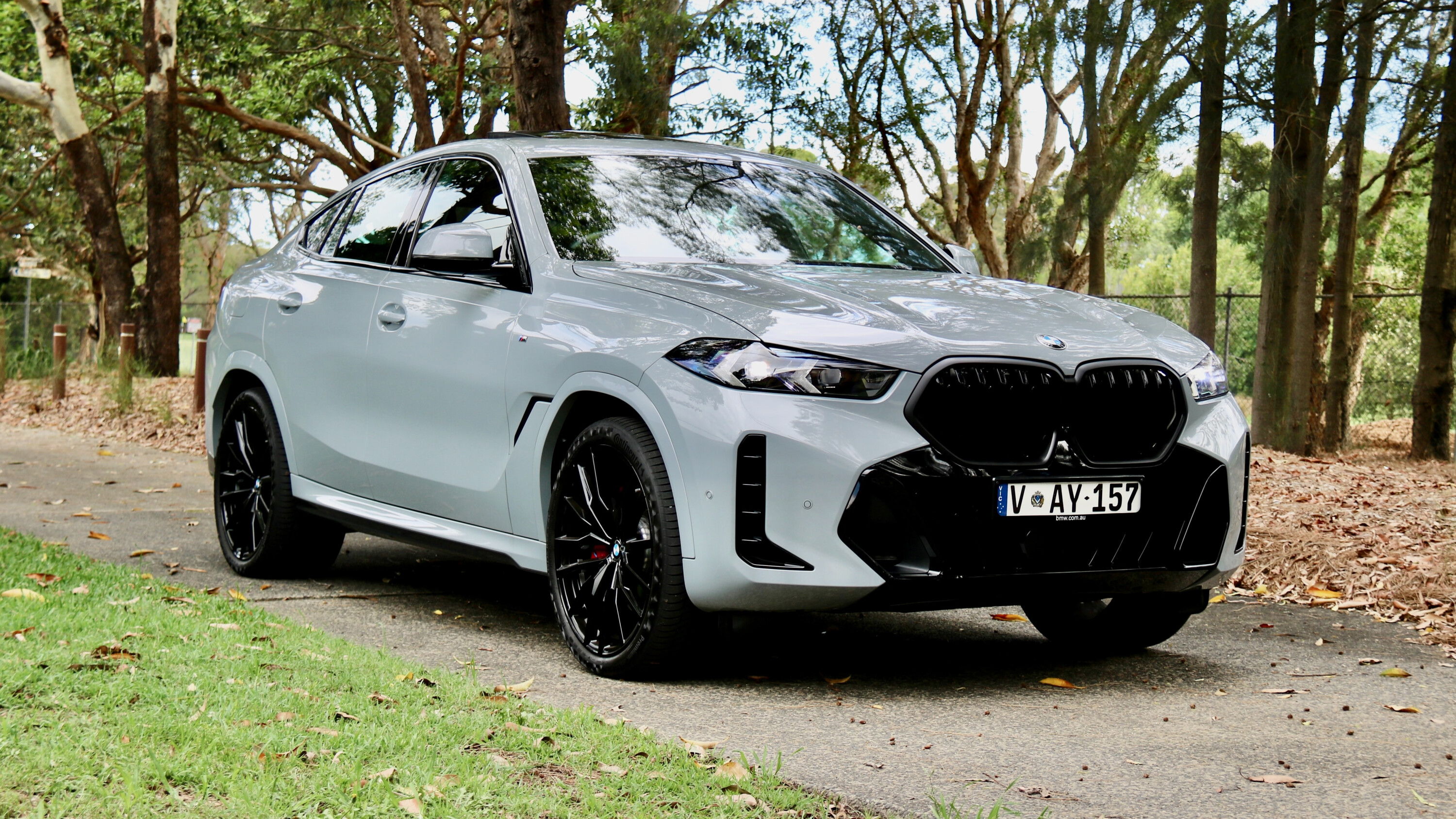
Given their extensive warranties, Kia and MG buyers ranked warranty and service plans the highest as their sixth and fifth priorities respectively, and luxury car owners like Audi and BMW ranked exterior style and design far higher than the national average as their sixth priority, which is four places higher than the national average.
How do you decide on which car to buy? Let us know in the comments below.
Most new cars on the market today feature keyless entry, potentially making them easier targets for thieves. Unscrupulous crims are using a device to trick vehicles into thinking that the key is nearby, which can unlock the vehicle and start the ignition when car keys are nearby to capture the signal, even when they may be inside the driver’s home.
TikTok posts referring to ‘stolen keyless entry cars’ have reached over 96 million, while search demand for ‘keyless car theft prevention’ has increased by 133 per cent in Australia in the past 12 months, suggesting drivers are concerned about finding methods to decrease the risk of their car being stolen.
Victoria has faced a significant increase in car theft, reaching the highest toll since 2003: over 25,000 vehicles were stolen in Victoria between October 2003 and September 2024.
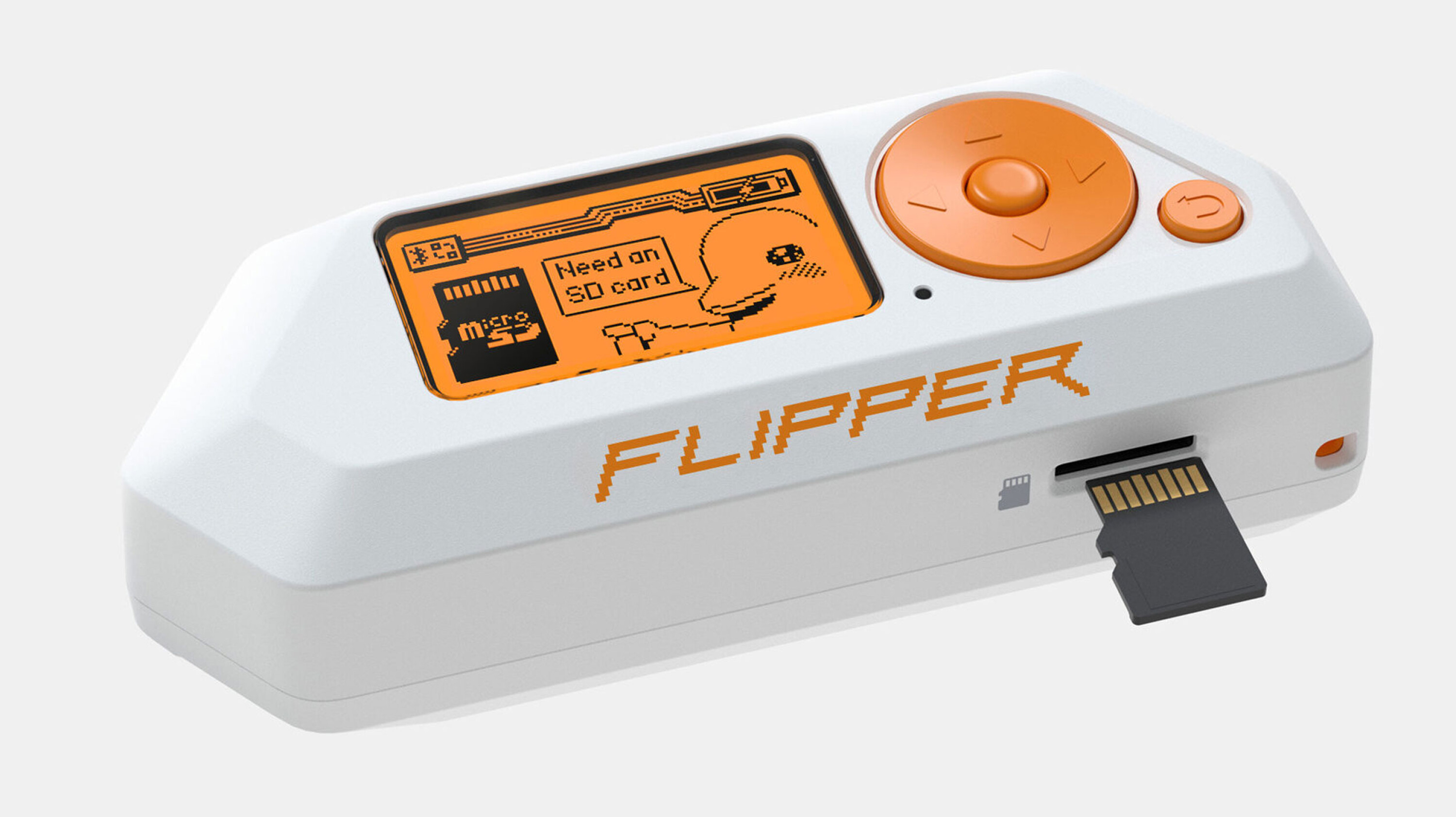
Police have reported seizing Flipper Zeros, which are devices that read, copy and replicate car fob signals. These devices are then used to replicate frequencies emitted by car key fobs and breaking into vehicles.
Keith Hawes, Director at Nationwide Vehicle Contracts, has advised drivers to implement the following prevention tips to minimise the risk of being a victim of keyless car theft:
Physical security methods: “Using a steering wheel or pedal locks inside your vehicle can be a visible deterrent to potential thieves, ultimately minimising the risk of car theft. Physical security measures like a steering wheel lock add an extra layer of security that will deter thieves away due to extra effort to bypass. They’re an inexpensive method to prevent stolen vehicles.”
Park in garages: “Where possible, park your vehicle in secure and safe areas. Concealing your vehicle makes it harder for thieves to access and decreases the risk of being targeted. Cars may still be hijacked from garages and secure places. However, the risk is significantly reduced.”
Use a blocking pouch: “Often referred to as a Faraday pouch, it is a cage or shield where drivers can store their car keys. The enclosed space blocks some electromagnetic fields and absorbs electronic signals from the car key. This method can prevent the thieves from tapping into the transmitter signal.”
Has your car ever been stolen because of its keyless entry functionality? Tell us in the comments below.
Celebrating 60 years of the model name, Aston Martin has revealed its muscular new Vanquish Volante.
Pumping out 614kW of power and 1,000Nm of torque from a twin-turbo 5.2-litre V12 engine, the Vanquish Volante is the most powerful Aston Martin convertible ever made.
That makes it 114kW and 200Nm more potent than the same engine in the DB12 Volante. It’s capable of a 3.4-second 0-100km/h sprint time – just one-tenth slower than the coupe – and a 344km/h top speed.
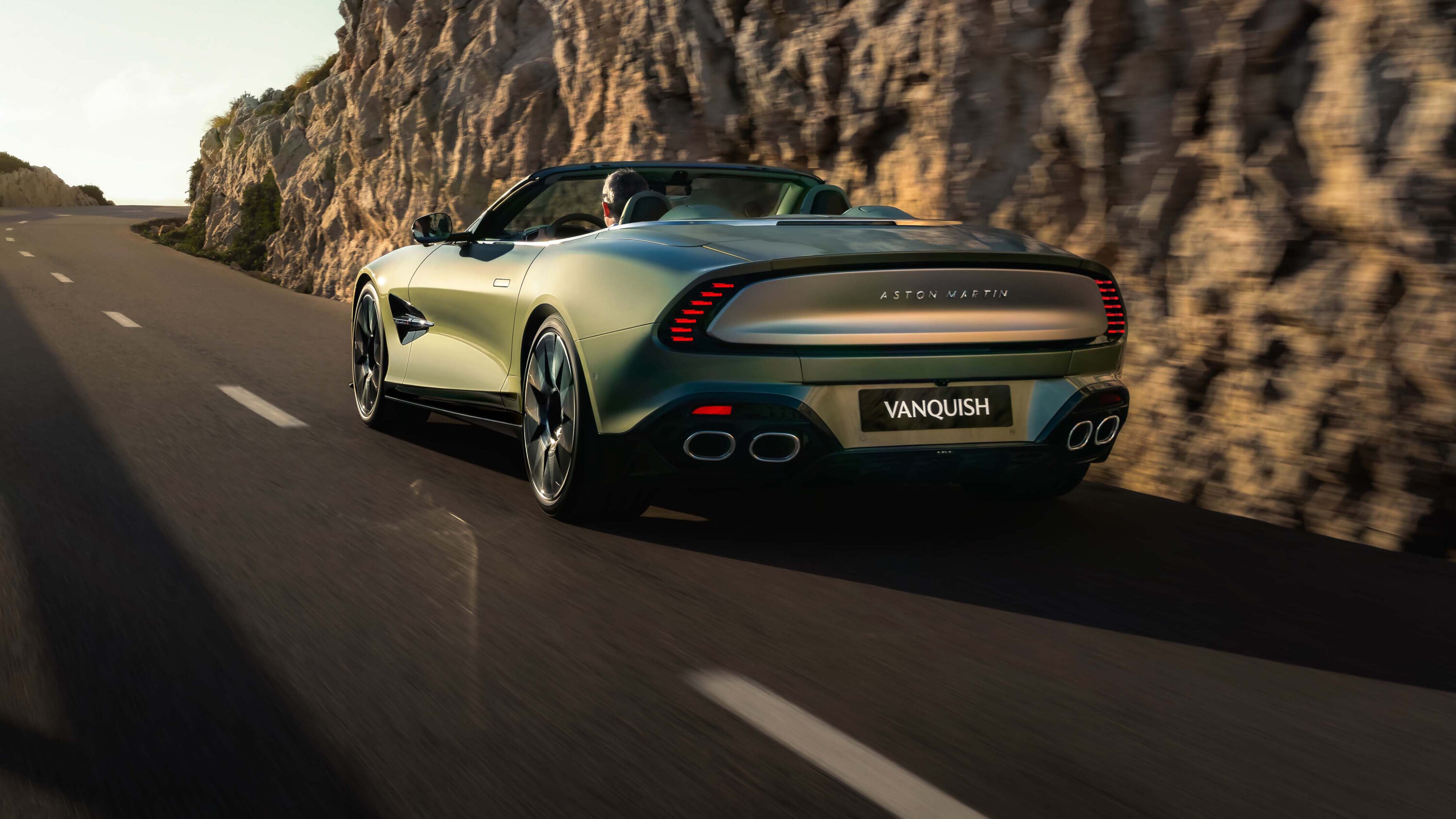
As with the Vanquish coupe, the grunt is sent only to the rear wheels via a ZF eight-speed automatic transmission.
Based on the Vanquish coupe, the Volante convertible is 75 per cent stiffer than the previous Volante and is similarly structurally strong to the coupe. The Vanquish Volante is only 95kg heavier at 1,880kg than the coupe thanks to its roof mechanism and additional underbody stiffening.
The roof itself is not a metal hard top but an “acoustically enhanced” fabric roof, which can open and close in 14 and 16 seconds, respectively, at speeds of up to 50km/h.
The Vanquish Volante’s Bilstein DTX adaptive dampers have also been tweaked to cope with the extra weight, while the 21-inch wheels and six-piston front/four-piston rear carbon ceramic brakes are unchanged.
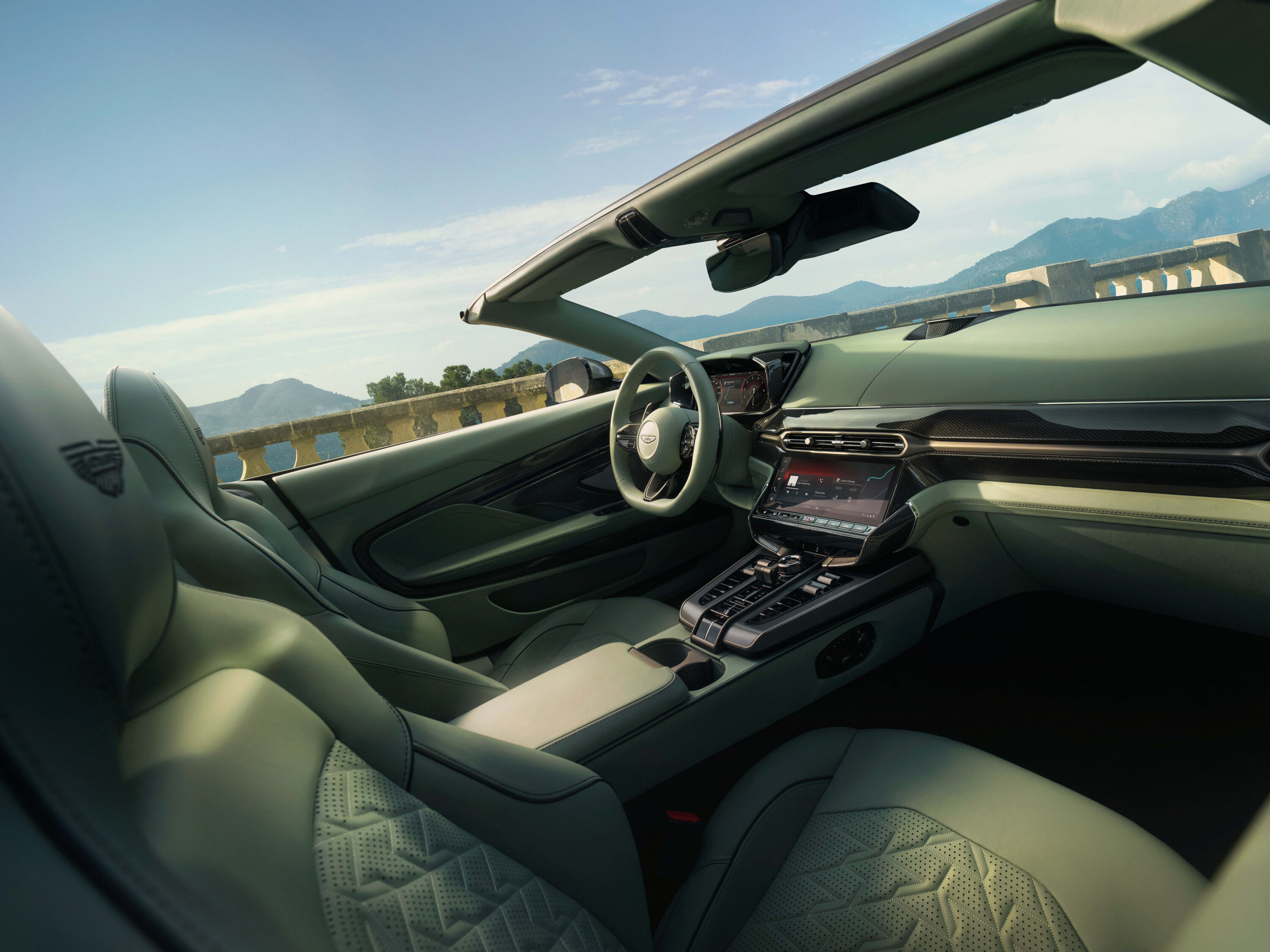
Inside the Vanquish Volante is an identical cabin to the coupe with available features like “performance lightweight leather” trim, carbon sports seats and carbon fibre trim.
Standard equipment includes a 15-speaker Bowers & Wilkins sound system, 16-way electric adjustment and heating for the seats, a 10.25-inch touchscreen and a 10.25-inch digital driver’s display.
Australian details for the Vanquish Volante are yet to be announced, though European deliveries start in the third quarter of 2025.
MG Motor Australia has announced that it will be launching its new IM electric luxury arm locally after making a public debut at next month’s Melbourne Motor Show, headed by the IM5 mid-size sedan and IM6 mid-size SUV.
IM Motors or “Intelligence in Motion” is a joint venture between MG’s parent company SAIC Motor and some Chinese technology companies including Alibaba Group. In Australia, the brand will be known as IM Presented by MG Motor.

So far, the company has confirmed two models for Australia: the IM5 sedan – known as the L6 in China – and the IM6 mid-size SUV, which is also known as the LS6.
Both sit on the same platform and offer both rear- and all-wheel drive drivetrains. In Thailand – another right-hand drive market – the IM6 will be available with either 75kWh or 100kWh battery packs for up to 634km of range (NEDC – WLTP figures are yet to be announced).
The rear-drive model makes 217kW/450Nm and the all-wheel drive model 572kW/850Nm – charging speeds are also yet to be announced, but the smaller battery uses a 400V battery and the larger, 800V.
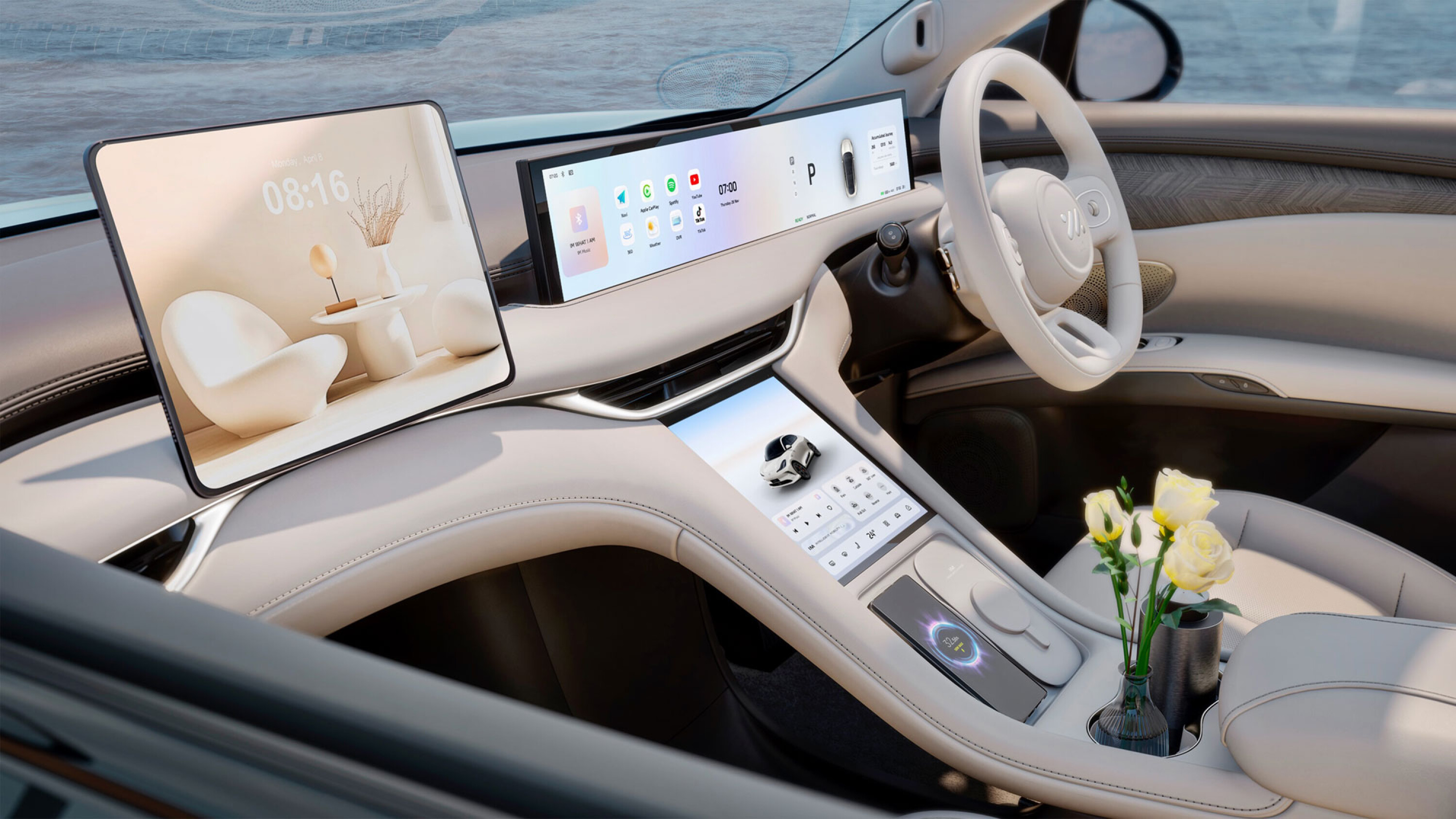
Available features in Thailand for the IM6 include a 20-speaker sound system, a 26.3-inch touchscreen display with a 10.5-inch lower touchscreen, wireless smartphone mirroring and charging, 256-colour interior ambient lighting, heated/cooling/massaging front seats and vehicle-to-load functionality up to 6.6kW.
Both the IM5 and IM6 will also be available with a ‘IM HUB’ wireless charging pad, which can connect to various points in the car for device charging or for placing a lamp for reading, while other accessories will also be available like a clip-in table.
“We’re thrilled to introduce IM Presented by MG Motor to the Australian market, setting a new benchmark for luxury electric driving,” said MG Motor Australia’s Chief Executive Officer, Peter Ciao.
“With cutting-edge innovation wrapped in elegant design, both the IM5 and IM6 deliver an uncompromising blend of performance, refinement, and range – offering drivers the freedom to go further in absolute comfort. This is the future of premium electric mobility, and we’re proud to bring it to Australia and further extend our EV offering to Australian drivers.”
MG Motor Australia will announce further details of the IM by MG brand at the Melbourne Motor Show next month.
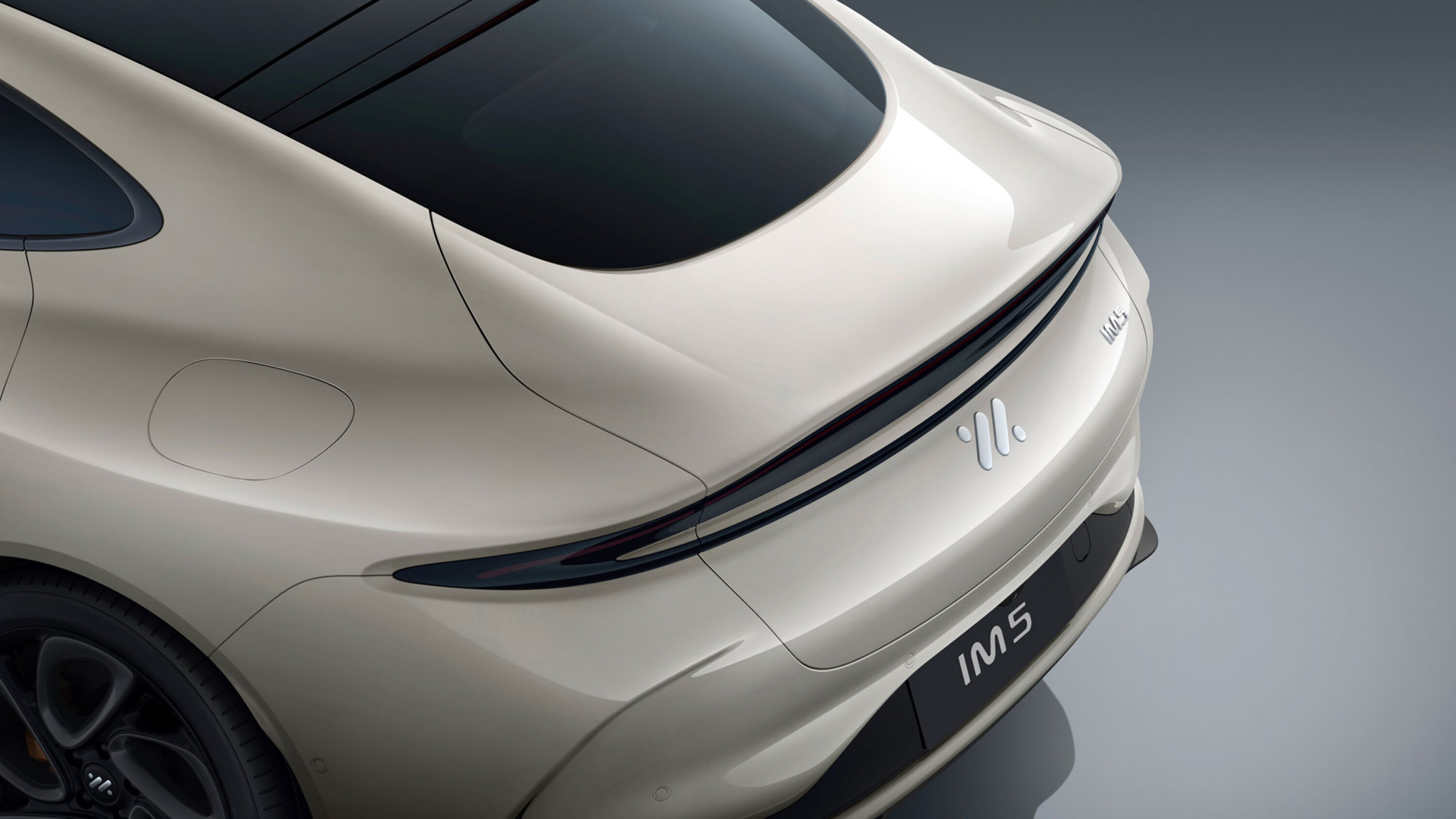
Hyundai is preparing to unveil a new concept car, one that’s reportedly due to debut at the Seoul Mobility Show that starts on April 3. Teased on Hyundai’s social media platforms, not much is known about the concept car.
No official information has been provided by Hyundai, but the teaser images from the company show a number of ghost motifs and some race car-like controls, which could mean that it’s a high-performance concept car.
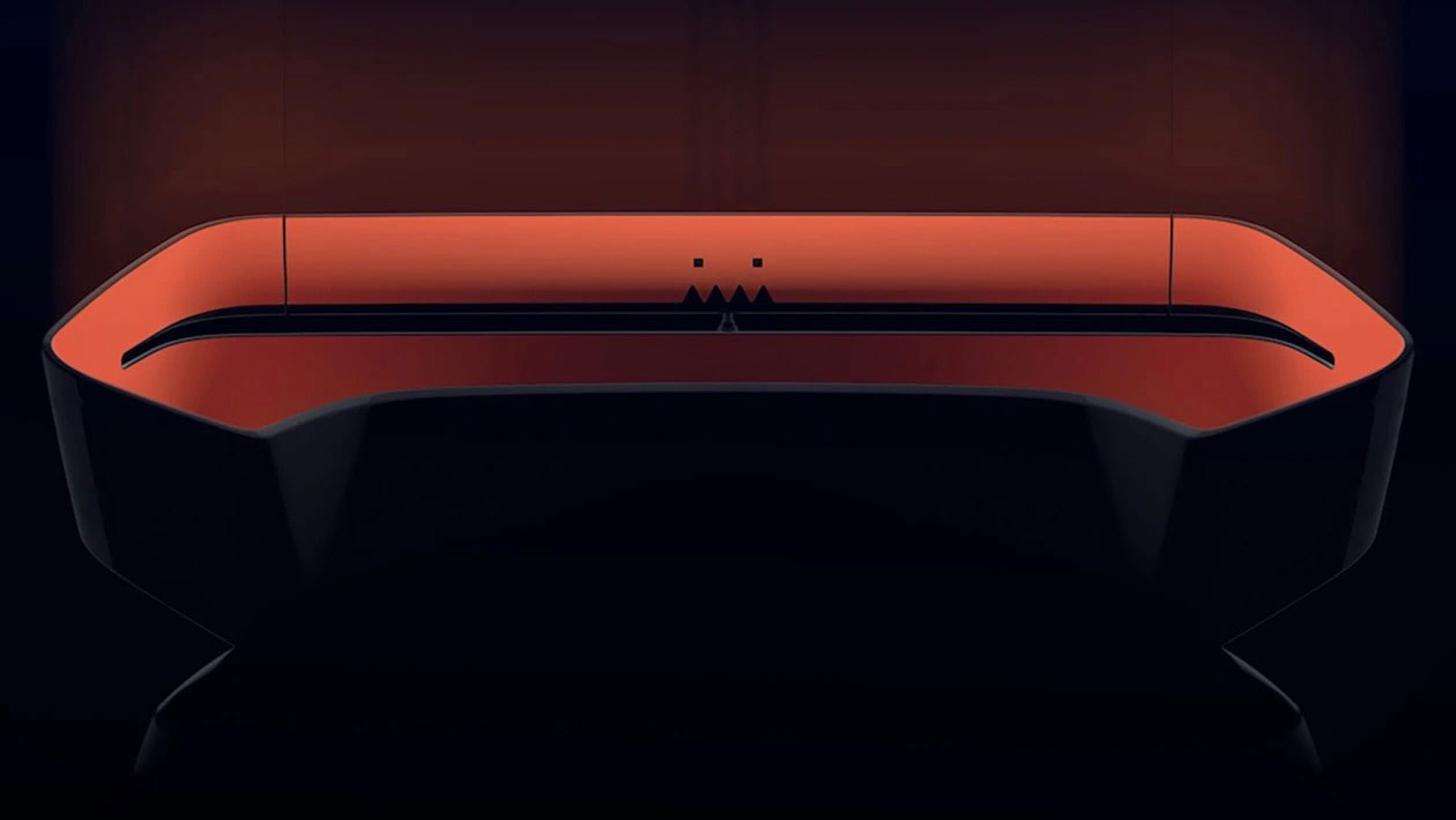
The ghost graphics appear to have been placed all over the car, including on the bright orange high-mounted rear wing, window glass and other locations around the cabin.
The biggest clue to the likely high-performance mission for the concept car is what is probably a racing car steering wheel, showing functions like a boost button and track modes. It’s likely that this concept is electric, like the Wheels COTY-winning Ioniq 5 N, and the cute ghosts could be related to the new Inster electric city car.
Whatever it is, this new concept car provides a cute and racy look into Hyundai’s design future and we won’t have to wait long for it as it’s due to be revealed next week.
From catching just over 600 speeding drivers a year to more than 700 in one week – that is the astounding rise in offences detected by new automatic speed cameras in Tasmania in a sign of how latest-gen technology is cracking down on Australian drivers.
In an effort to reduce road trauma and the national road death toll, Australian states and territories are rapidly upgrading their motoring offence enforcement technology, replacing outdated equipment to catch speeding, seatbelt and mobile phone offences, with authorities claiming that everybody will benefit.
According to Yahoo, during a recent trial of new automatic speed cameras on the Tasman Bridge in Hobart, over 700 drivers were caught speeding each week.
Introduced last month, the Sensys Gatso cameras replaced 1990s cameras that were decommissioned in 2022. The new cameras are able to detect multiple cars in multiple lanes, unlike the older cameras.
The old cameras detected just 624 speeding vehicles in 2020-21 and 458 in 2021-22, while the new system is catching more than 700 speeders each week.
The testing phase for the new cameras is now complete and they are fully operational. Tasmania’s Department of State Growth said the upgraded technology also enables motorists who receive infringement notices to view images and videos of their alleged offences via the road user portal, just like in other parts of Australia like NSW.
Sensys Gatso is responsible for 16 mobile speed cameras across Tasmania, which have detected more than 60,000 speeding offences in the past 12 months alone.
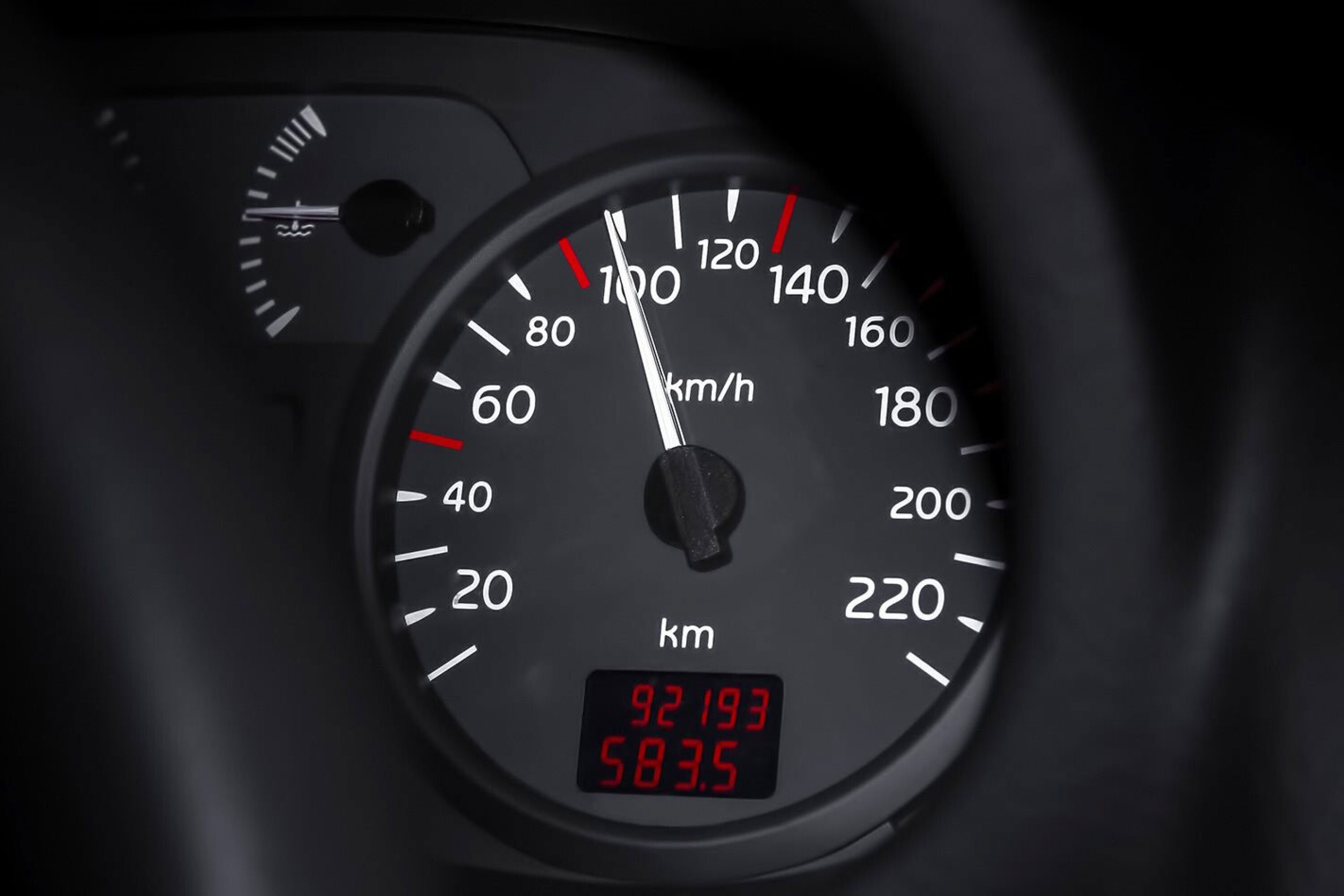
Tasmania is not the only state in Australia upgrading its speed cameras. In New South Wales, two average speed camera locations on the Pacific Highway between Kew and Lake Innes, and the Hume Highway between Coolac and Gundagai are now monitoring all cars and trucks – not just heavy vehicles as before – while Victoria has expanded the operating hours of its mobile speed cameras to catch more drivers.
In Queensland, new AI-equipped cameras have been introduced to detect mobile phone use and those not wearing seatbelts, while Western Australia added six new mobile cameras at the end of 2024 and four new ‘smart cameras’ are reportedly planned for Perth freeways as well.
Despite debate from the public, road safety bodies argue that automated enforcement is saving lives with the NSW government providing statistics like a 40 per cent reduction in fatal crashes in areas with average speed cameras.
What are your thoughts on governments updating their road safety cameras? Let us know in the comments below.
We all know we live in challenging times. Almost everything costs more than it used to, putting pressure on consumers to spend less, while it’s clear we need to address a demonstrably warming climate too.
With that in mind, what are the 10 most fuel efficient non-PHEV/EV vehicles on sale in Australia? Here’s the WhichCar guide:
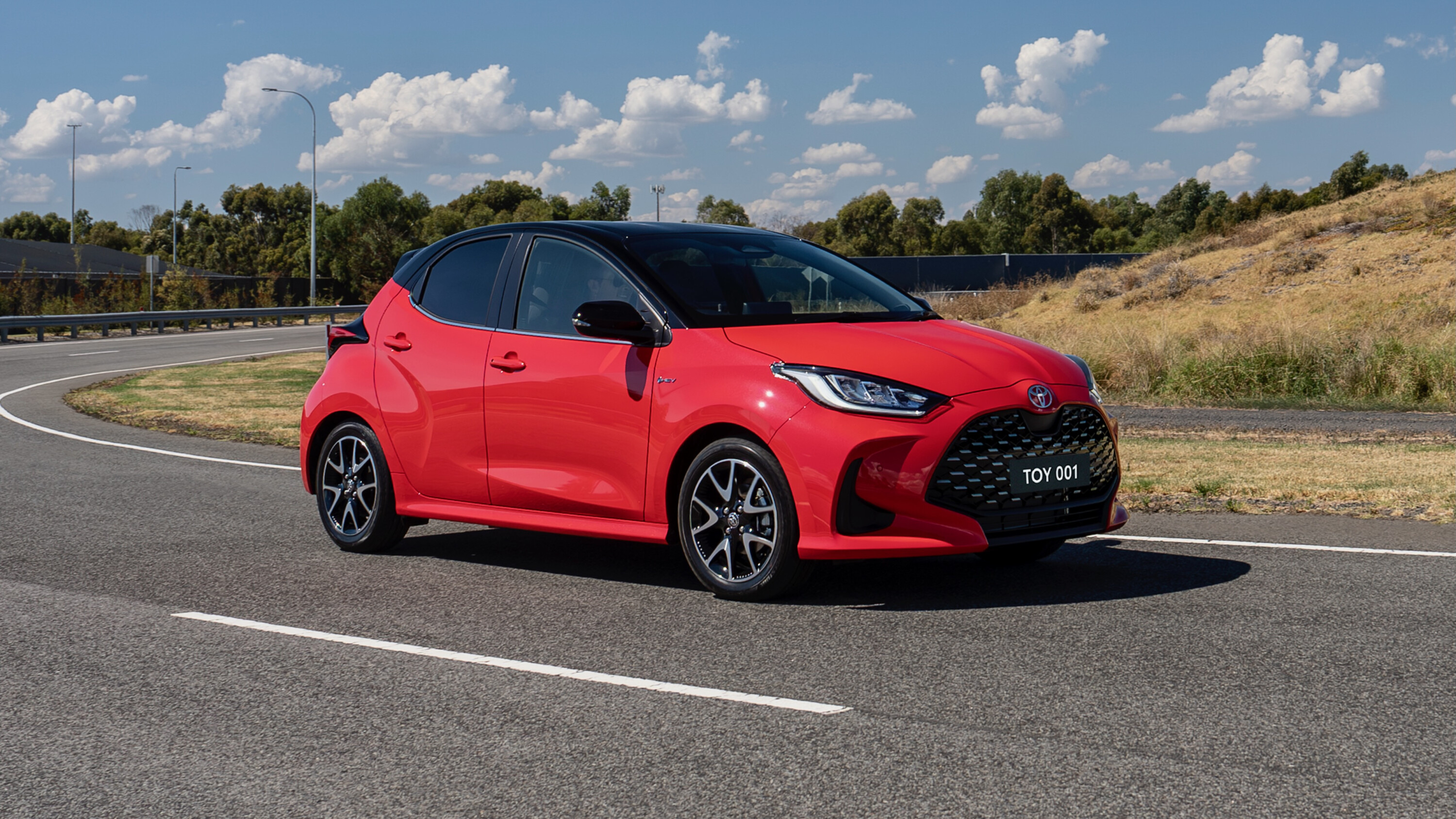
Toyota Yaris: 3.3L/100km
The Yaris is Australia’s most fuel efficient non-PHEV/EV vehicle, rated at just 3.3L/100km thanks to its 1.5-litre hybrid drivetrain. A non-hybrid engine of the same displacement used to be available, but the hybrid’s popularity meant that Toyota Australia culled petrol variants. Adding further to the hip-pocket saving ability of the Yaris is that it runs on 91RON regular unleaded fuel, while its emissions are rated at just 76g/km, the lowest of any non-PHEV/EV in Australia.
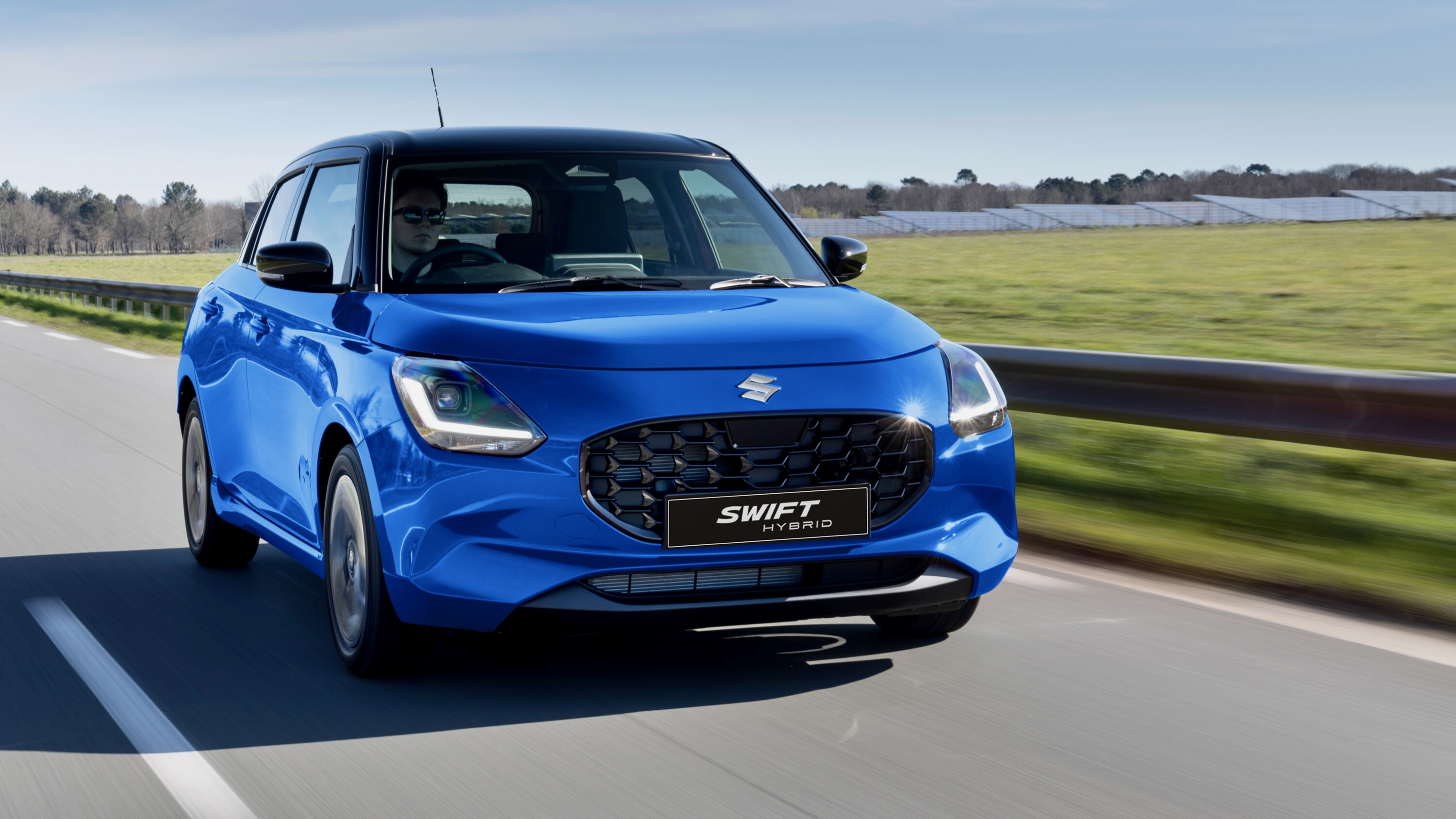
Suzuki Swift manual, Toyota Yaris Cross 2WD and Lexus LBX: 3.8L/100km
Coming in second place are three other Japanese cars, two of which are heavily related to the Yaris. The Swift’s new mild-hybrid drivetrain is very efficient but especially so when combined with the standard five-speed manual that’s available only on the base model. The Yaris Cross and LBX use the same drivetrain as the Yaris, but their larger bodies make them a bit less aerodynamic.
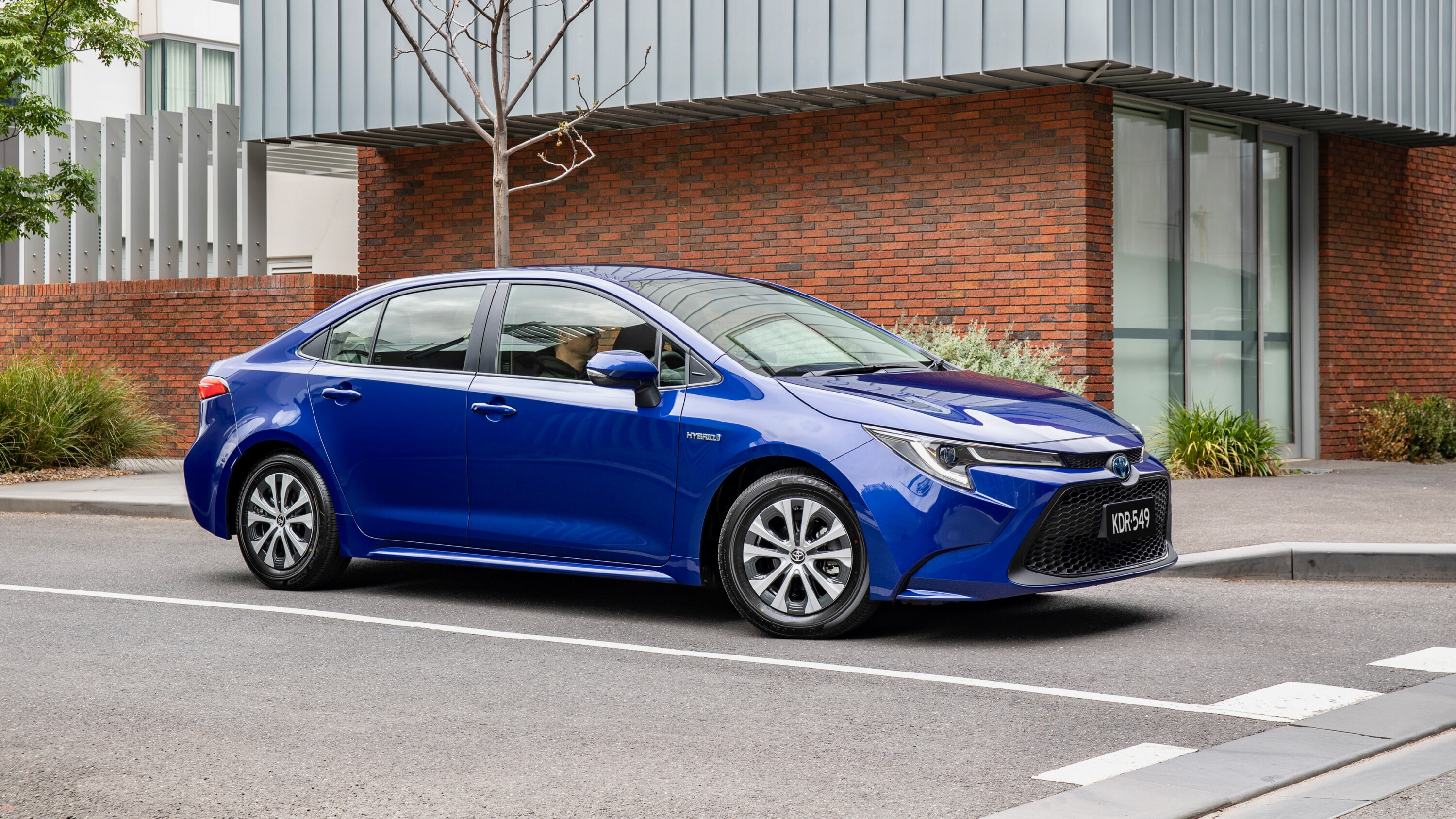
Toyota Corolla sedan, Hyundai Kona Hybrid and Hyundai i30 Sedan Hybrid: 3.9L/100km
The most efficient Corolla is the sedan, which is more aerodynamic than the hatchback. All regular Corolla models use a new 1.8-litre hybrid drivetrain for low fuel consumption, but with a 13kW power increase compared with the previous system. The Kona Hybrid and i30 Sedan Hybrid use a 1.6-litre hybrid drivetrain to achieve the same consumption, though use a six-speed automatic transmission for a more normal driving experience than Toyota’s hybrid system.
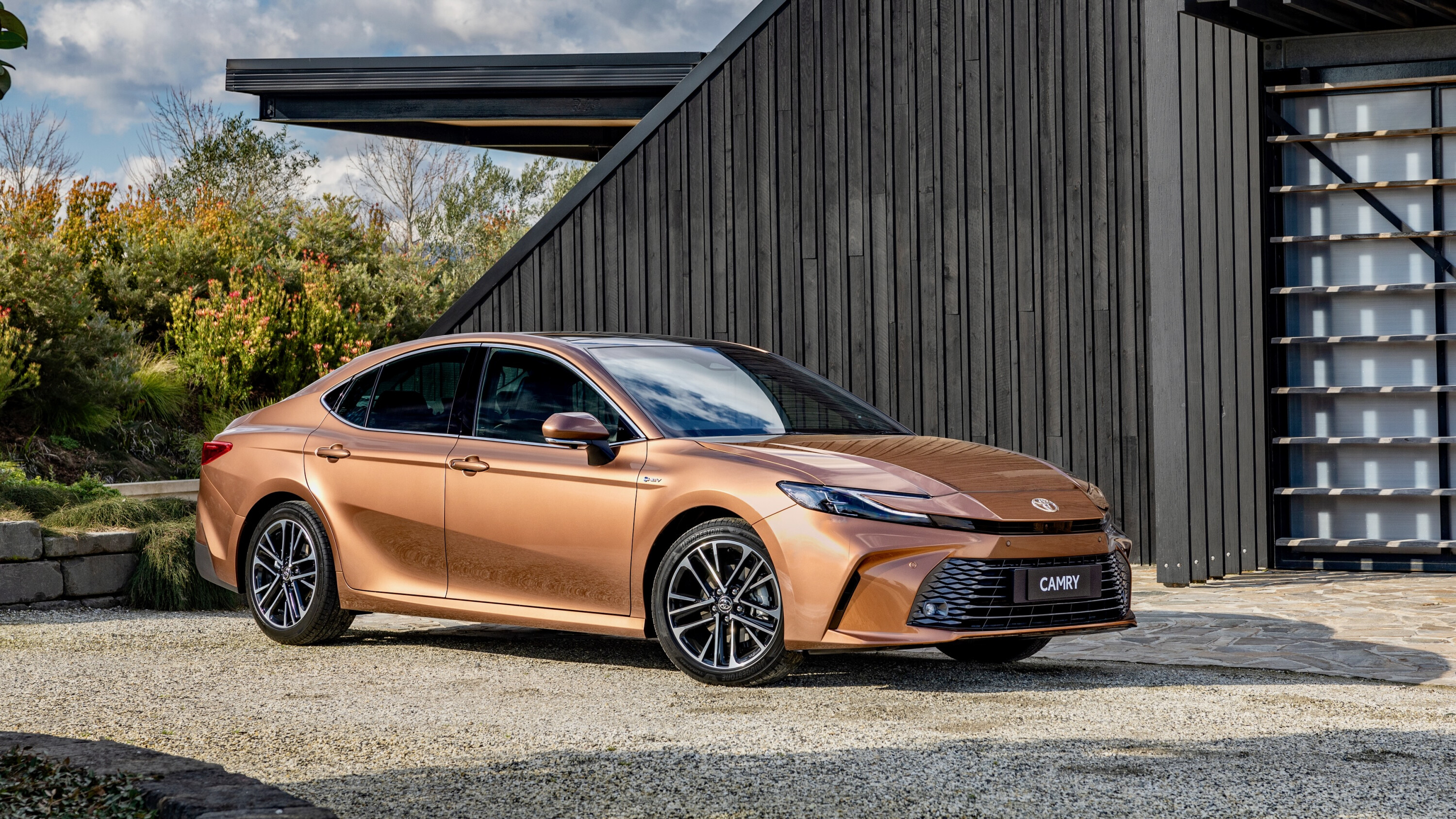
Suzuki Swift auto, Toyota Corolla hatchback, Toyota Yaris Cross AWD, Toyota Camry, Toyota C-HR and Kia Niro Hybrid: 4.0L/100km
The CVT automatic transmission that’s standard across most of the Swift range uses slightly more fuel than the manual at 4.0L/100km, but it’s still one of the thriftiest cars that money can buy. In no surprise, many Toyota hybrids are smack bang on the 4L/100km rating – it’s incredible that a large sedan like the Camry can use the same amount of fuel as a tiny SUV. But one car often forgotten – the Kia Niro – is also a fuel miser.
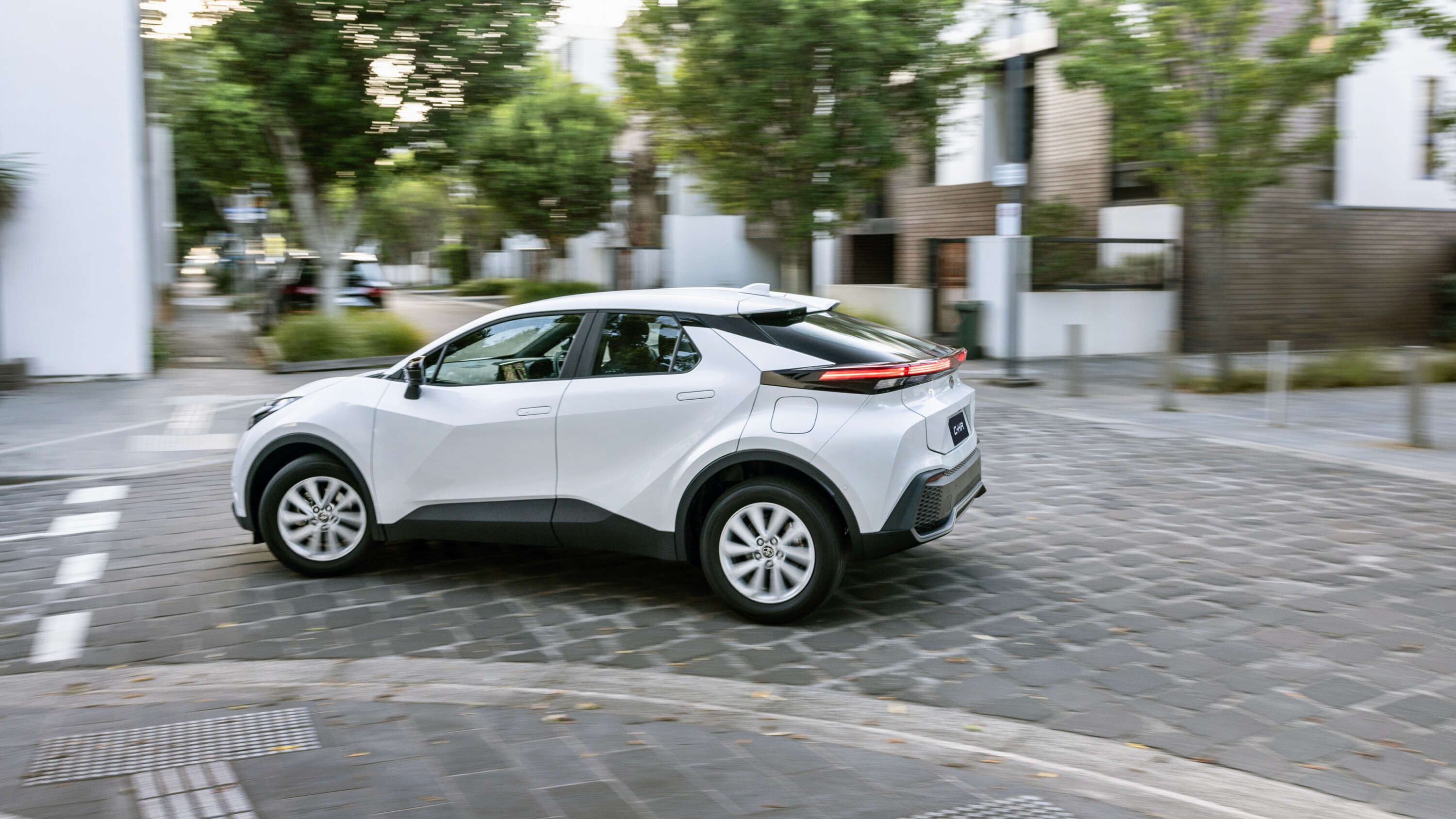
Toyota C-HR GR Sport: 4.1L/100km
Despite the extra 43kW that the larger 2.0-litre hybrid drivetrain in the C-HR GR Sport produces versus the smaller 1.8-litre hybrid system in lesser C-HR models, it officially only uses 0.1L/100km more of fuel. It’s also a lot quicker and more enjoyable to drive, proving that you can have your cake and eat it too.
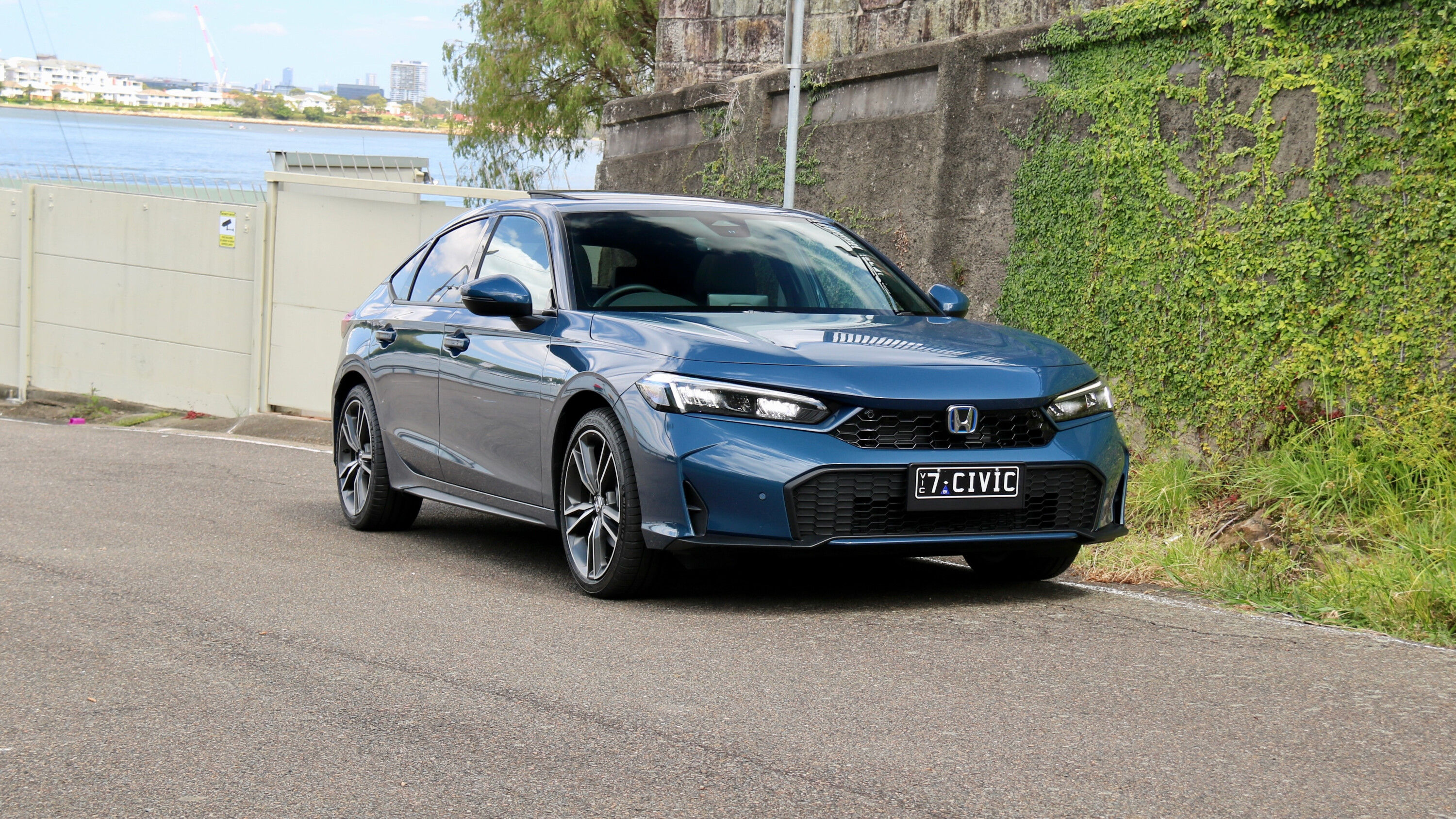
Honda Civic, Peugeot 308 and Lexus UX300h: 4.2L/100km
Honda’s latest hybrid system isn’t quite as frugal as Toyota hybrids, but it’s pretty close and we think that a lot of drivers will appreciate its stepped ratio gearbox, which gives a more natural feel. Peugeot’s new mild-hybrid range appears for the first time on this list with the 308, which is impressive given that it’s not a full hybrid system.
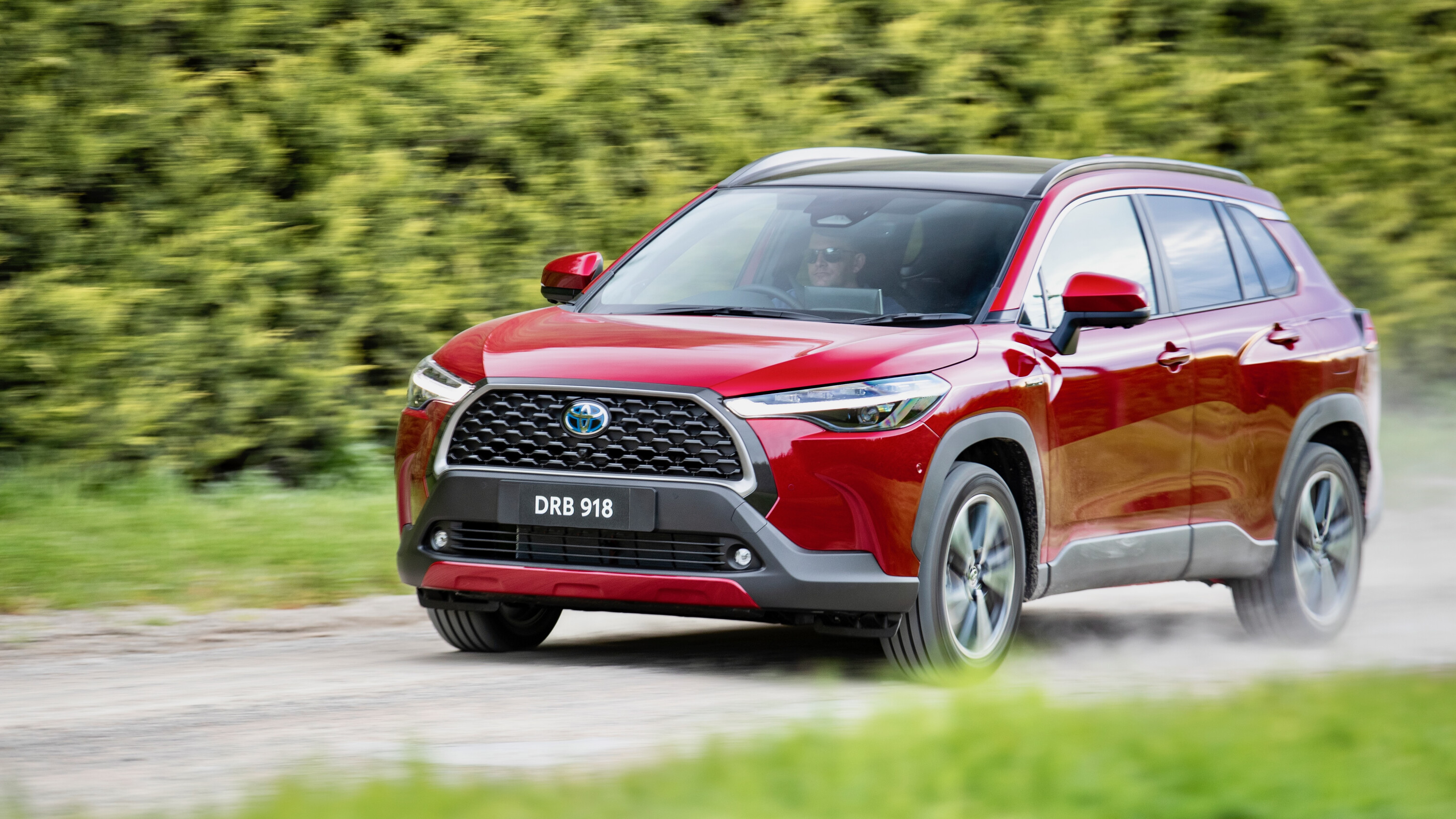
Toyota Corolla Cross 2WD, MG 3 Hybrid+, Honda Accord and Honda HR-V Hybrid: 4.3L/100km
The Corolla Cross’ 2.0-litre hybrid system is both powerful and frugal, though its larger body makes it thirstier than the C-HR with the same drivetrain. MG’s new hybrid small hatch puts it on the list for the first time, with its new hybrid system making a healthy 150kW of power – yet officially using just 4.3L/100km. Once again, Honda makes it to this list with both the large Accord sedan and the HR-V small SUV – the Accord uses the Civic’s 2.0-litre hybrid system, while the HR-V uses a smaller 1.5-litre unit for the same 4.3L/100km rating.
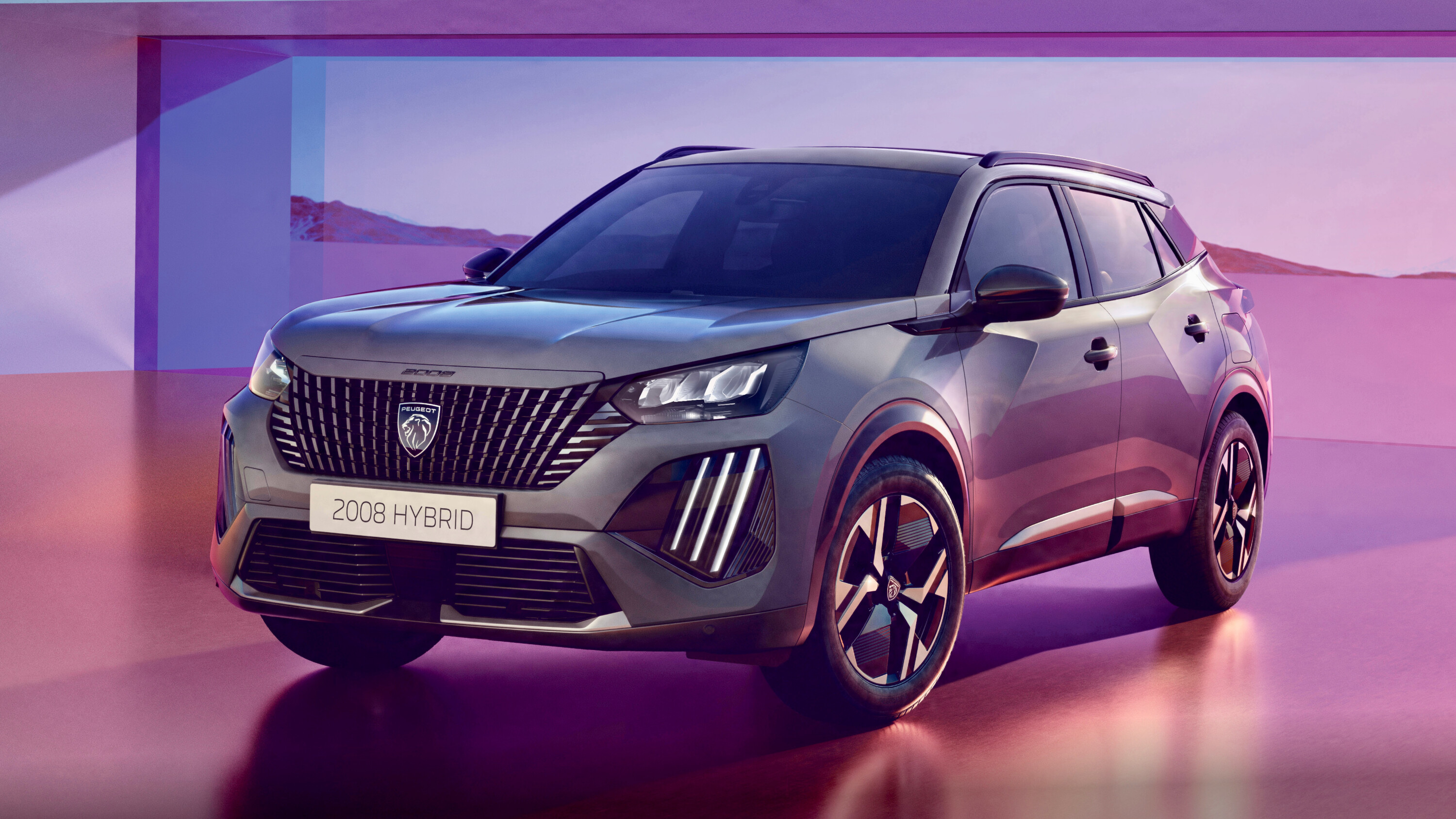
Toyota Corolla Cross AWD and Peugeot 2008: 4.4L/100km
The all-wheel drive Corolla Cross is slightly less frugal than the two-wheel drive model – not enough to likely notice in the real world, however – and it’s the same story with the 2008, which is 0.2L/100km off its 308 sibling. Helping running costs for the Corolla Cross is that it runs on 91RON regular unleaded – but the 2008 must be filled with minimum 95RON premium unleaded.
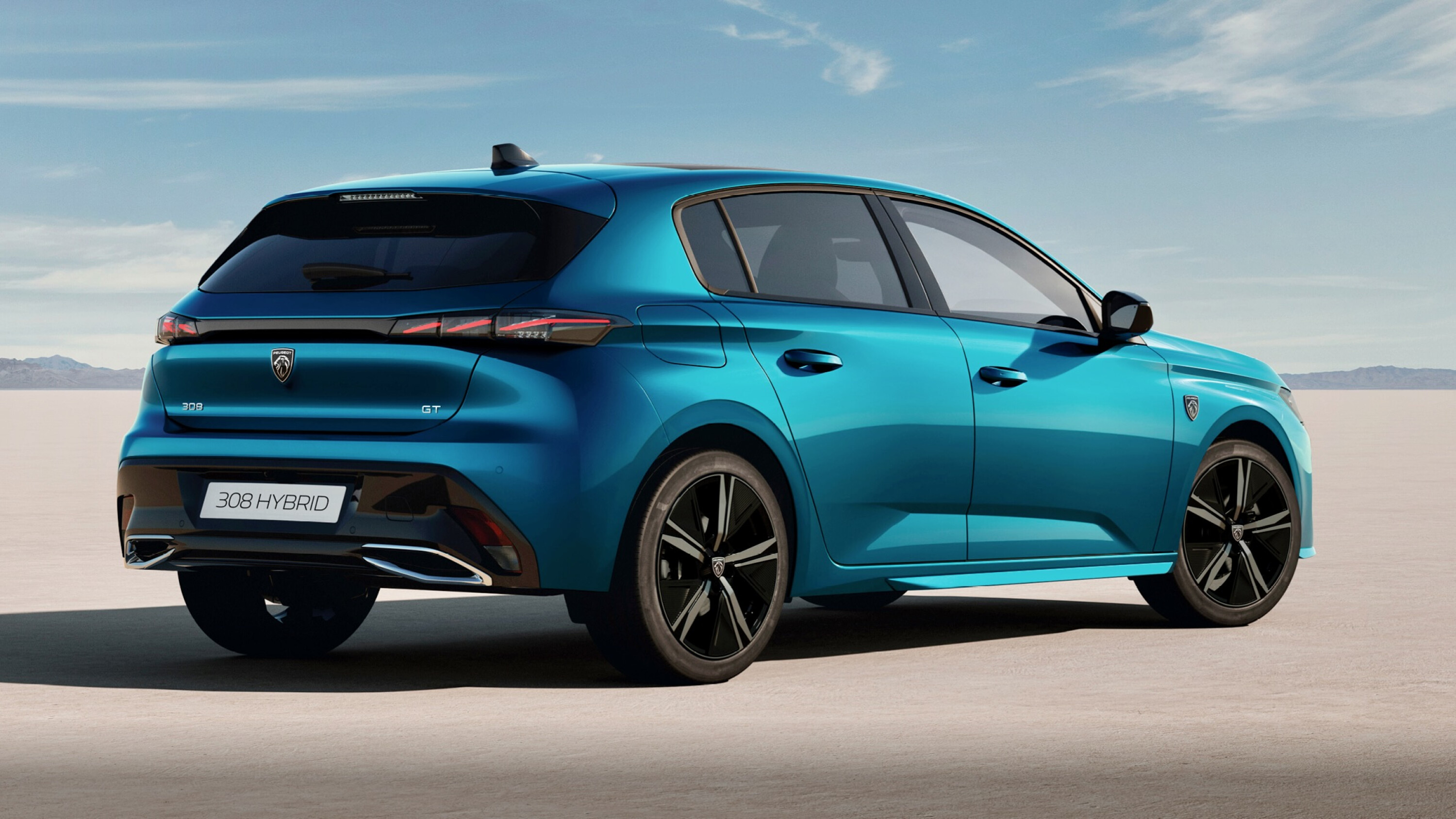
Toyota RAV4 2WD, MG ZS Hybrid+ and Peugeot 408: 4.7L/100km
Toyota’s best-selling product – the RAV4 – makes it on to this list for the first time with impressive efficiency that is undoubtedly one of the reasons as to why it’s so popular. It also runs on regular unleaded fuel, helping running costs. The new MG ZS Hybrid is also impressively frugal, using the MG3’s hybrid system but only rated at 0.4L/100km more, and yet another Peugeot makes it on to the list: the 408 coupe SUV with its new mild-hybrid system, which is soon to launch in Australia.
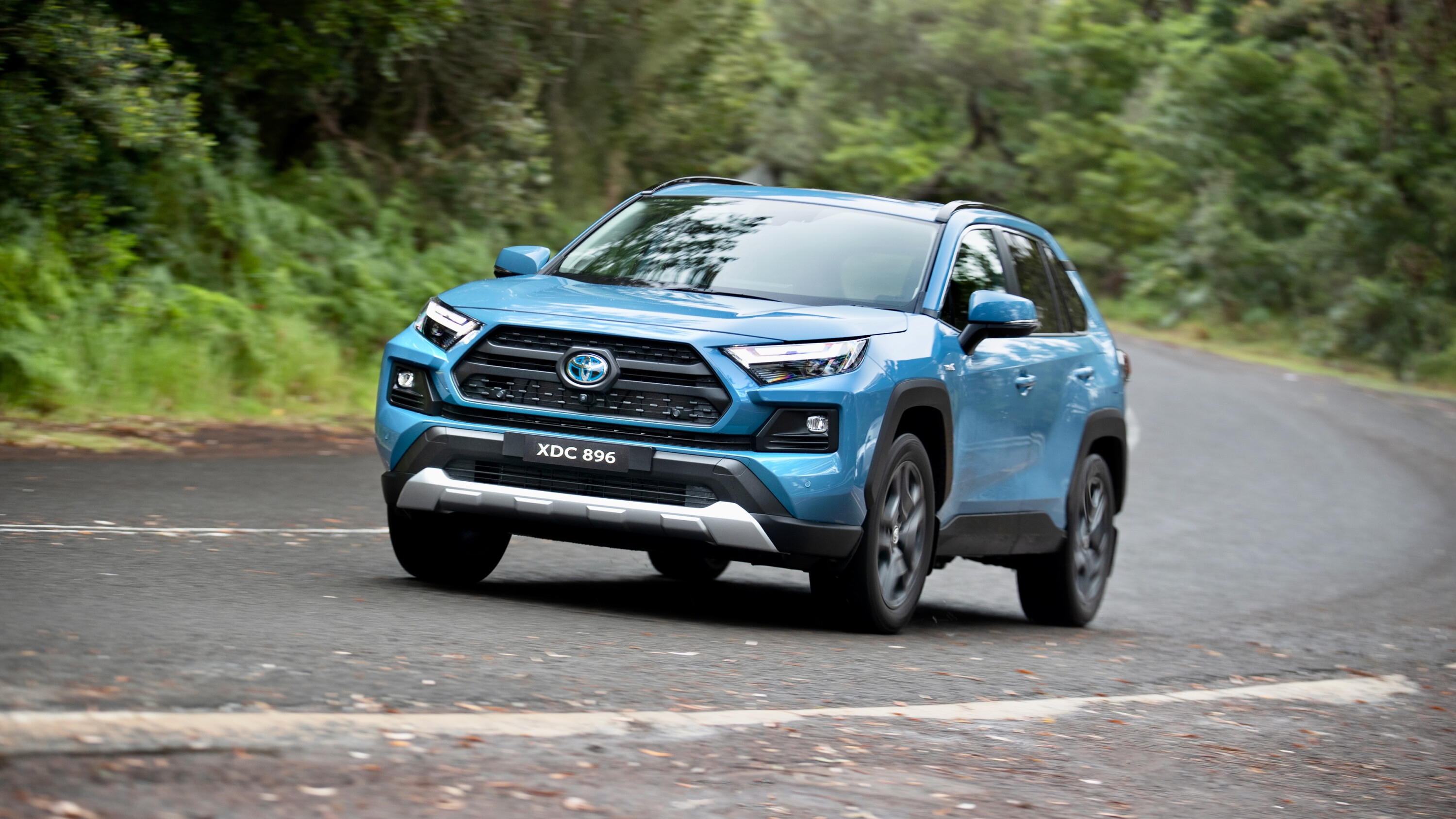
Toyota RAV4 AWD, Lexus ES and Audi Q5 35 TDI: 4.8L/100km
The all-wheel drive RAV4 is a touch thirstier than the front-wheel drive model because of its extra weight, but still impressively frugal. Using the same hybrid system is the Lexus ES300h, though it’s yet to upgrade to the latest-generation Toyota Lexus system as the new Camry, which is officially 0.8L/100km thriftier. Finally, the only diesel on the list: the entry-level front-wheel drive Audi Q5 35 TDI, which proves that you don’t need a hybrid system to be ultra efficient.
Which of these top 10 efficient cars would you drive on a daily basis? Leave a comment below.
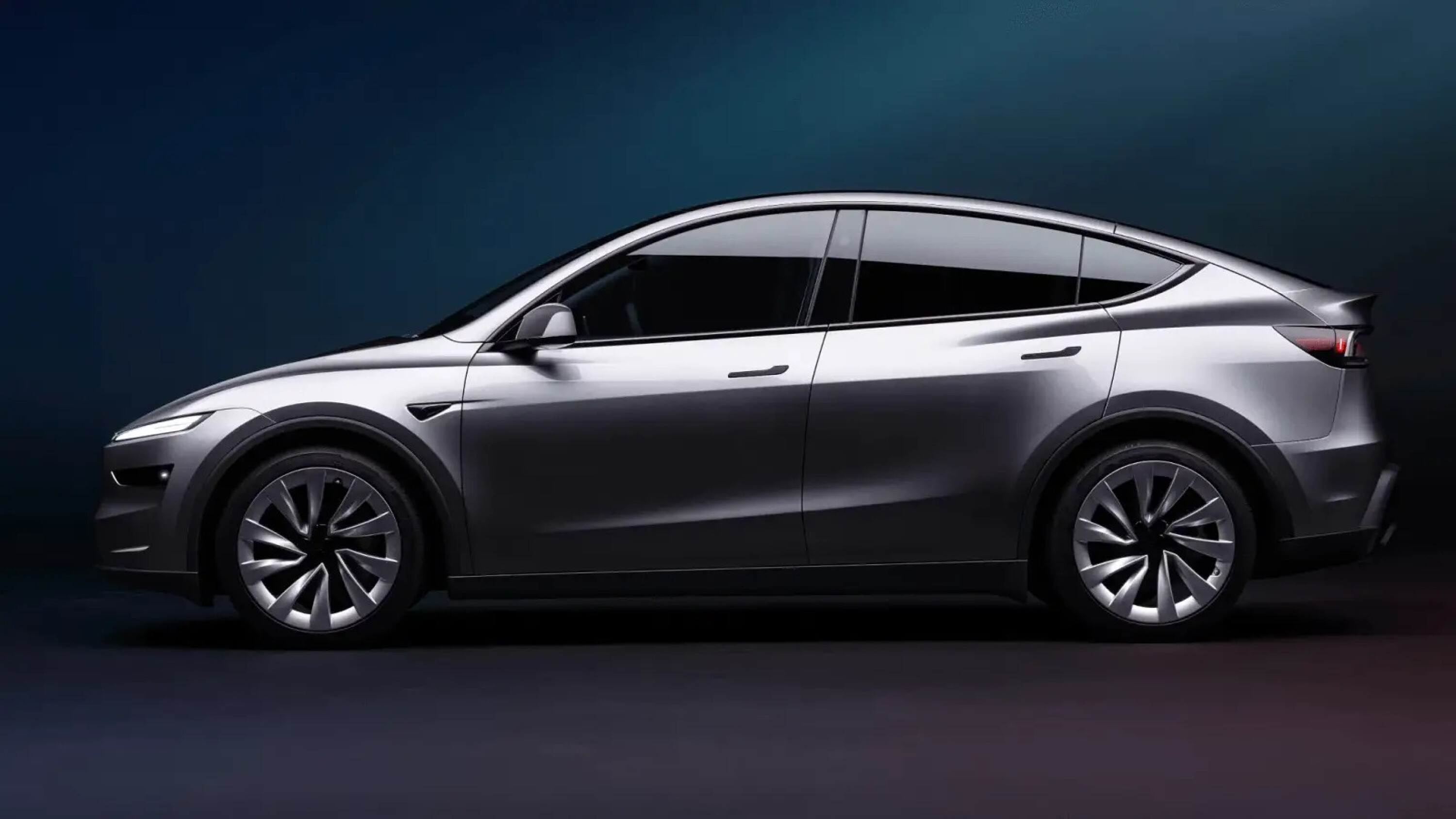
Ahead of a June arrival, or one month after the special new Launch Series, Tesla has revealed pricing of the facelifted Model Y mid-size electric SUV. Priced from $58,900 plus on-road costs, the ‘Juniper’ Model Y is $3,000 more expensive than its predecessor at the entry point to the range – but $4,500 less than the Launch Series.
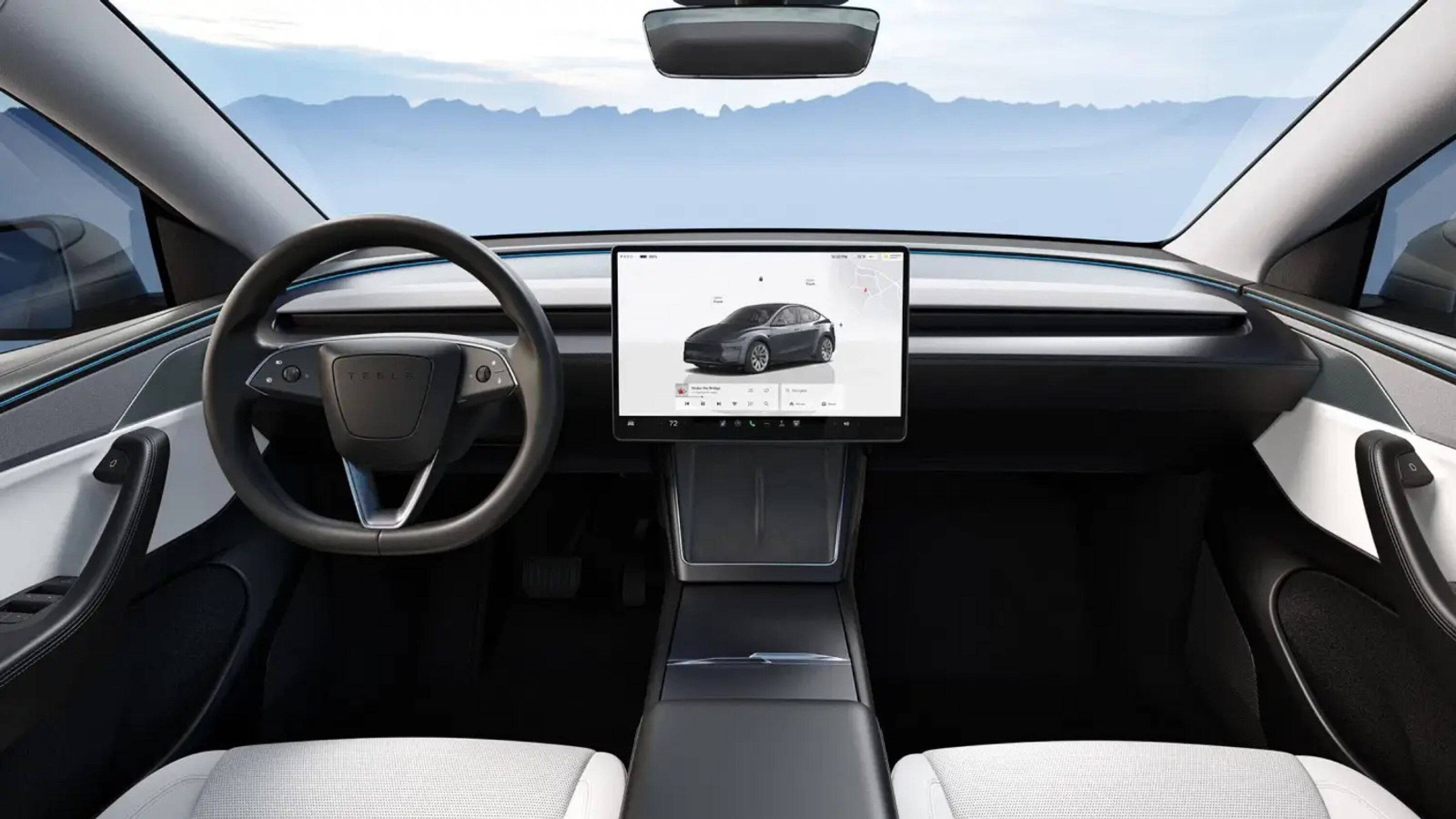
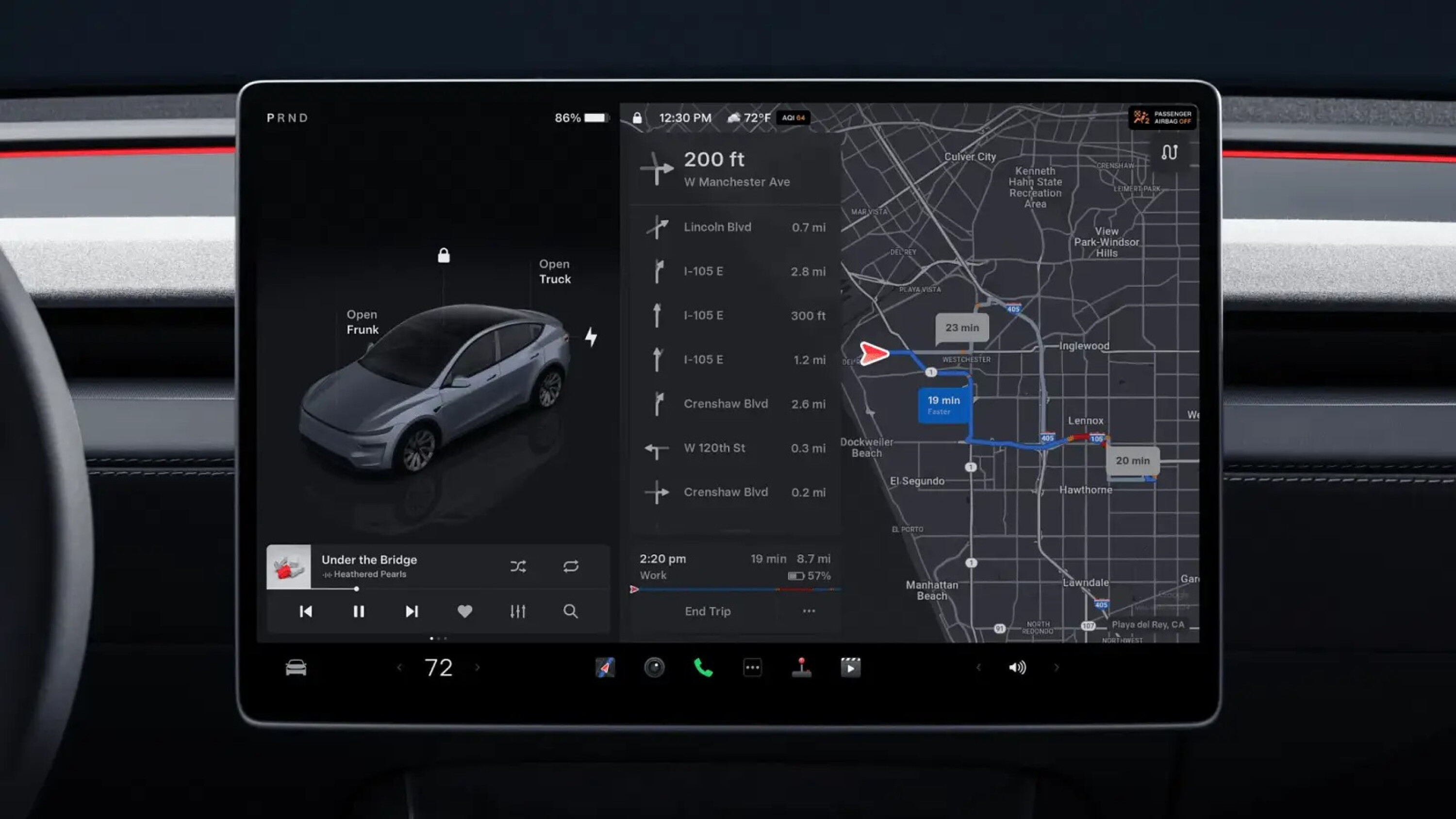
As detailed previously, the updated Model Y introduces new front and rear styling and an overhauled interior with a larger 15.4-inch central touchscreen.
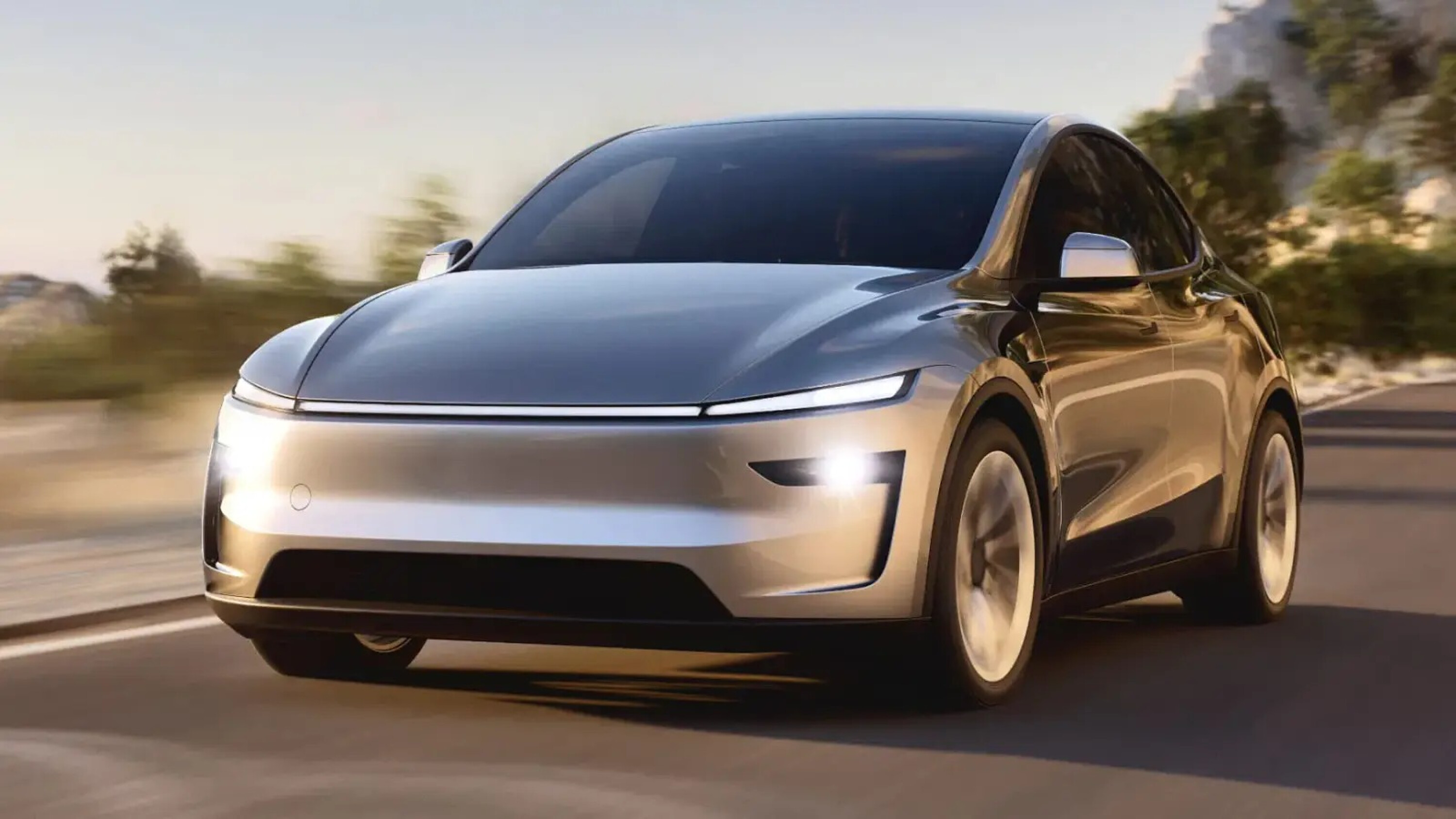
Driving range in the entry-level Model Y RWD has increased by 11km to a WLTP-rated 466km, with the Long Range AWD receiving an 18km increase to 551km. The 220kW RWD sprints to 100km/h in 5.9 seconds, which is a second faster than the pre-updated car, and the 331kW Long Range in just 4.8 seconds (or 4.3 seconds with ‘Acceleration Boost’).
Tesla has also overhauled the suspension, which has reportedly resulted in a 22 per cent reduction in road noise and a 20 per cent reduction in impact and wind noise.
| Tesla Model Y pricing (plus on-road costs): | |
|---|---|
| RWD | $58,900 |
| RWD Launch Series | $63,400 |
| Long Range AWD | $68,900 |
| Long Range AWD Launch Series | $73,400 |
| Tesla Model Y standard equipment: | |
|---|---|
| 19-inch alloy wheels | 8.0-inch rear touchscreen |
| Full-width front and rear LED lighting | Ambient interior lighting |
| Auto-folding/dimming/heated mirrors | Seven airbags |
| Power tailgate | Autonomous emergency braking with pedestrian, cyclist and intersection assist |
| Panoramic glass roof | Blind-spot monitoring |
| Acoustic glass with UV protection | Lane keeping assistance |
| Power-adjustable front seats | Surround cameras |
| Synthetic leather upholstery | Auto high beam |
| Heated and ventilated front seats | Adaptive cruise control |
| Heated rear seats | Tyre pressure monitoring |
| 15.4-inch touchscreen | Intelligent speed limiter |
| Wireless phone chargers | Front and rear parking sensors |
| Nine-speaker sound system | |
| Model Y Long Range adds: |
|---|
| 16-speaker sound system |
| Acceleration boost |
| Launch Series adds: | |
|---|---|
| Boot badge | Charging console script |
| Puddle lighting | Vegan suede trim |
| Door sill plate | |
The updated Tesla Model Y ‘Juniper’ is now on sale in Australia and the first deliveries are due locally in June.
It’s only been on sale locally for 18 months but MG has revealed a replacement to the MG4 electric hatchback in China. While it’s yet to be confirmed for other markets, MG described it as its first global market reveal for 2025.
MG filed a number of names with the Chinese government for the new car, including MG3 EV and MG E5 so it could be called something else in other markets, but has revealed it in China as MG4.
The interior is yet to be shown, but the exterior is softer than the angular current model, and looks less sporty overall.
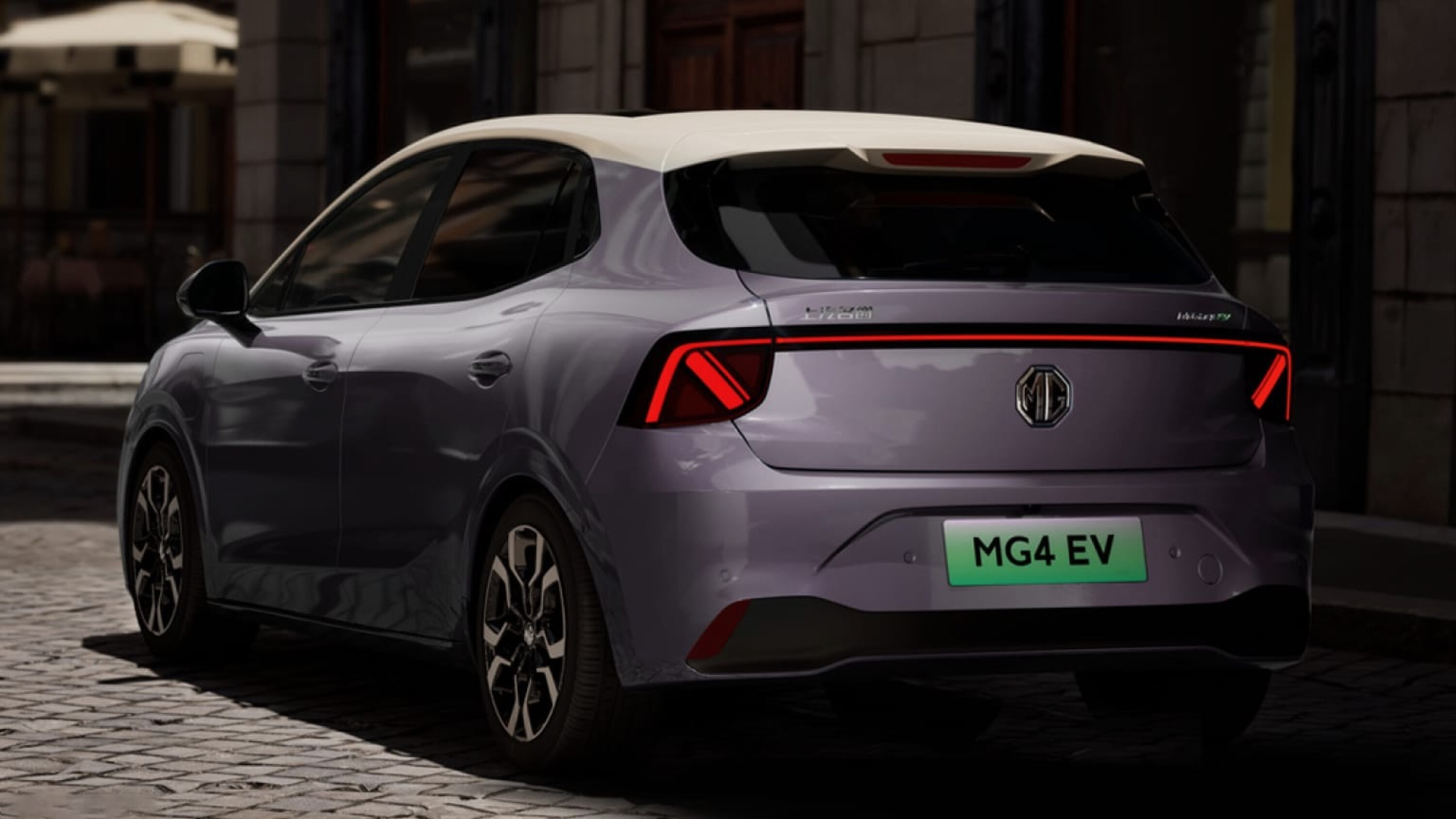
So far, only one variant has been revealed: a single motor powertrain making 120kW with an LFP battery of an unspecified capacity. The new MG4 reportedly weighs 1,485kg, which is around 240kg less than the current model.
Measuring 4,395mm long, 1,842mm wide, 1,551mm tall and riding on a 2,750mm long wheelbase, the new model is 108mm longer, 6mm wider and 47mm taller, plus with a 45mm-longer wheelbase than the current model.
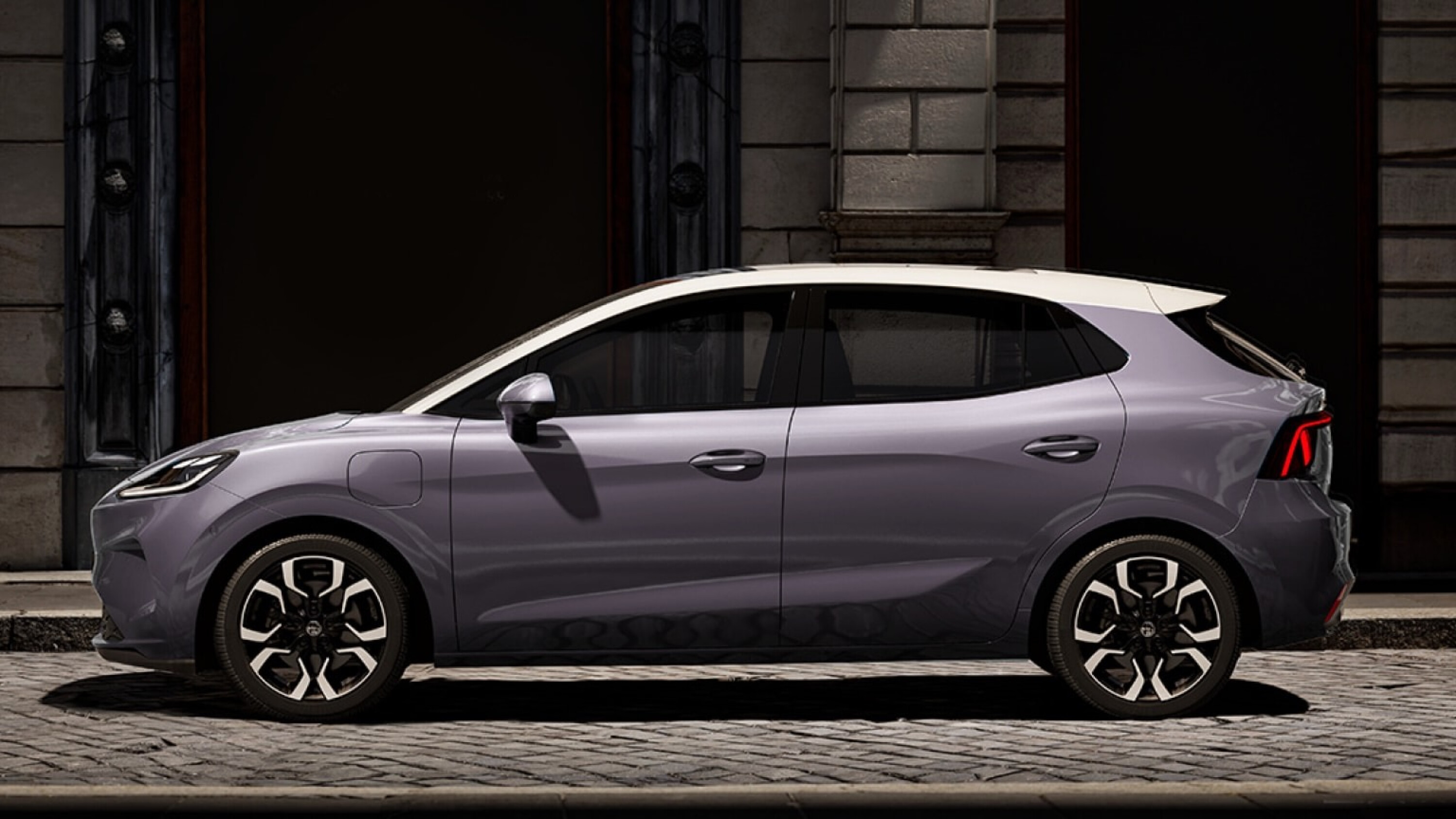
While the MG4 was the third most-popular EV in Australia in 2024 and sells well in markets like Europe, but it’s far less popular in its home market and the update will no doubt have the company hoping for better sales.
MG Motor Australia is yet to confirm local details of the new MG4 though if it goes on sale locally, that will likely happen later in 2025.
MG Motor Australia is reviewing this new model and considering it for the Australian market. It is important to note this model is not built on the same platform as the existing MG4 and will not replace the current model.
