
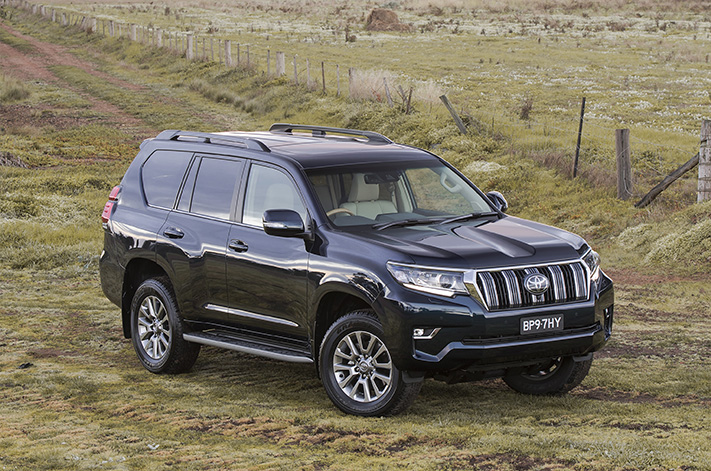
Toyota has revealed the first facelift to its LandCruiser Prado since 2009 at the Frankfurt Motor Show.
Due in Australia in November, the updated large SUV is distinguished from previous generations through updated exterior styling, a higher quality interior and expanded safety features.
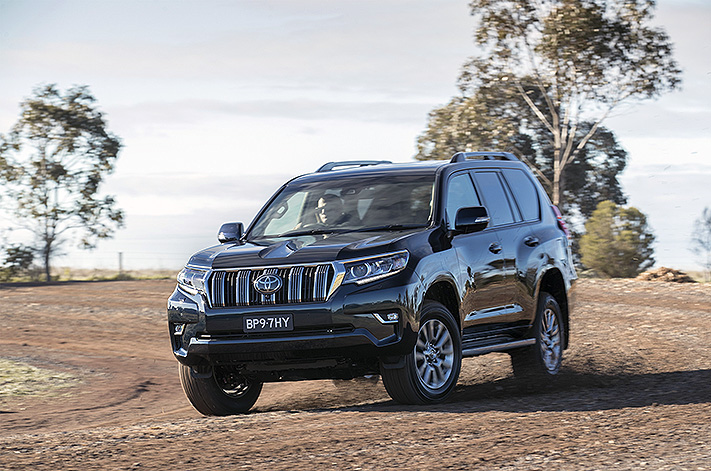
On the outside, new bumpers kick upwards at the edges to enhance off-road manoeuvrability, while the bonnet and fenders are sculpted to enhance downward visibility for the driver.
The headlights have also been repositioned to help avoid sustaining damage during off-road excursions.
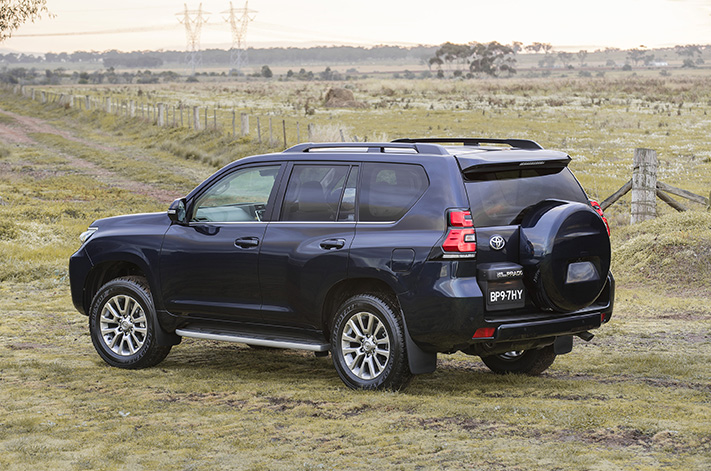
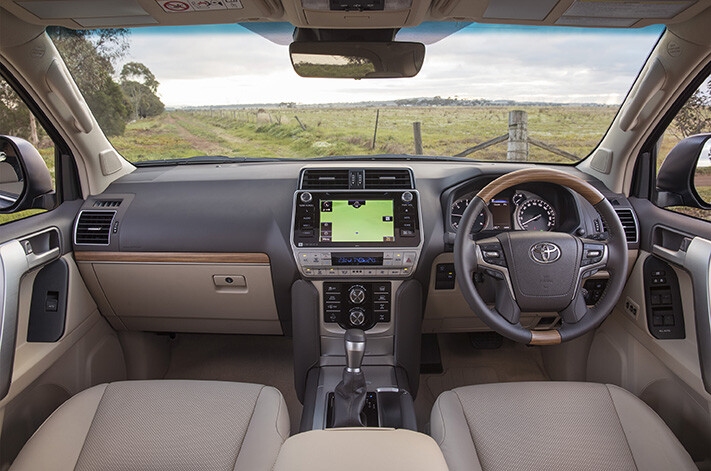
The Prado’s interior has also received a working over, with a focus on improved quality.
The instrument binnacle, switchgear, and dashboard are all redesigned, with a revised centre console which incorporates flush-surface air-conditioning vents.
The Prado range also receives safety enhancements with automatic emergency braking extended to the lower-spec GX and GXL models as standard along with active cruise control, lane departure alert, and automatic high-beam headlights.
The VX model adds blind-spot monitoring, and rear traffic alerts that were previously only available on the range-topping Kakadu.
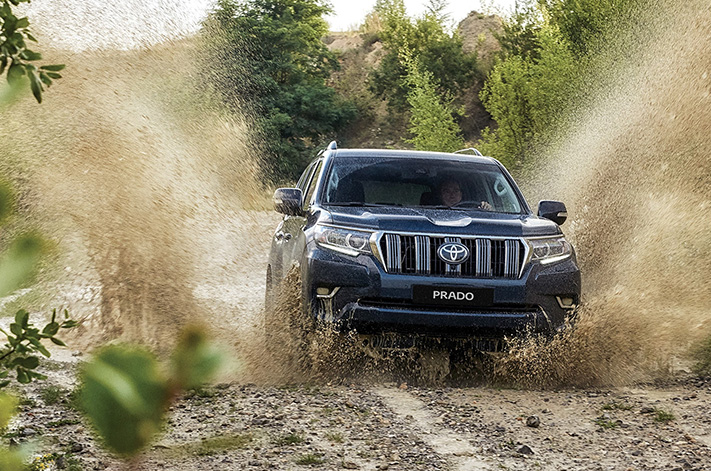
The LandCruiser Prado is still powered by a 2.8-litre four-cylinder turbocharged diesel engine, sending 130kW and 450Nm to all four wheels when mated with a six-speed automatic. Torque is reduced to 420Nm when paired with the six-speed manual available on the GX or GXL models.
A 4.0-litre V6 petrol engine is no longer available in Australia after 98.8 percent of buyers opted for the four-pot diesel.
The Prado is the best-selling large SUV in Australia, with 11,001 examples rolling off showroom floors so far this year. Its closest rival is another Toyota, the Kluger.
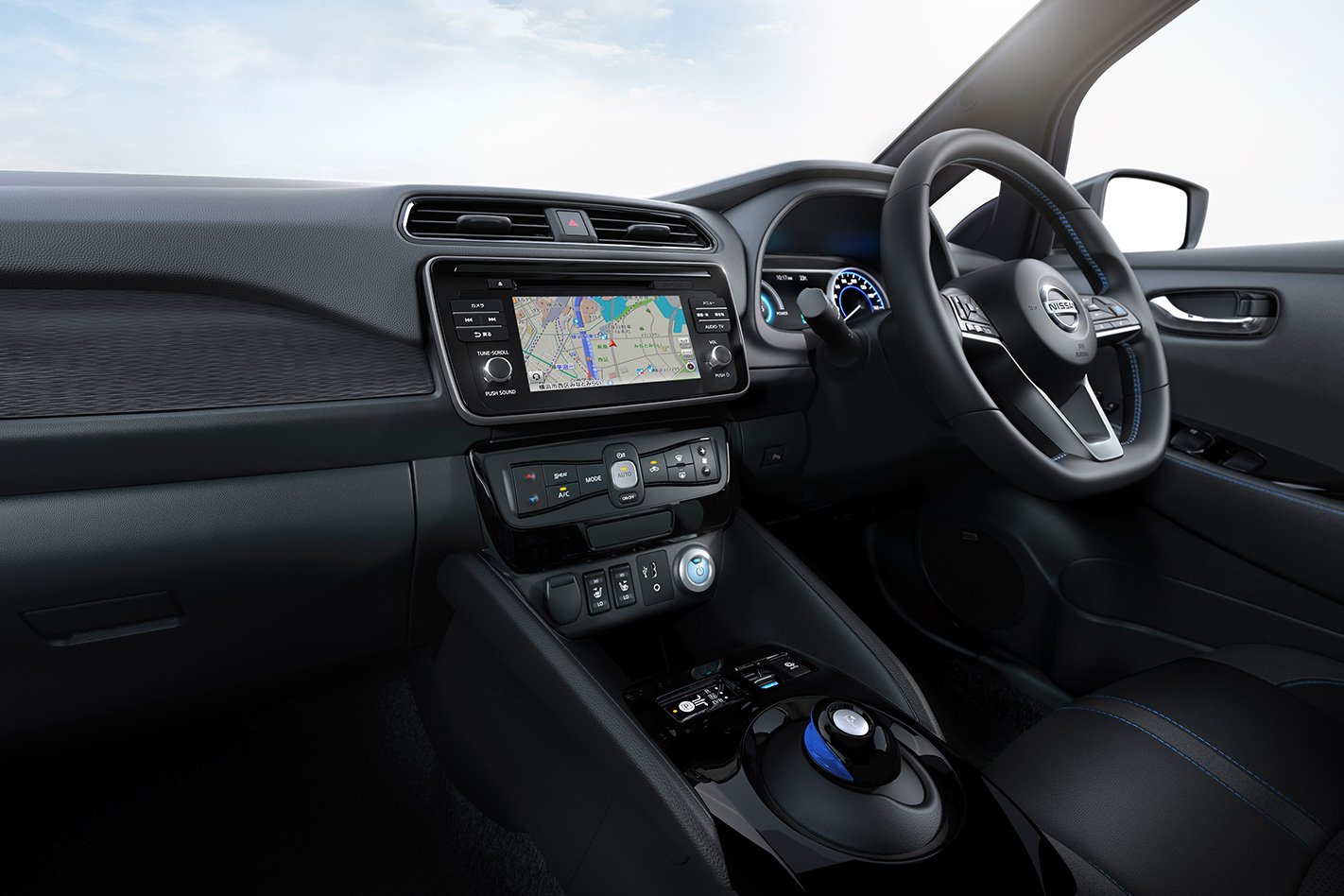
Nissan has dramatically sharpened the Leaf’s showroom appeal by bumping up battery range and cramming it full of its latest piloted driving gear, but a lack of government support will hurt the electric car’s price tag Down Under.
Unless the Australian government recants on its seemingly unbreakable policy of not incentivising electric vehicle sales, the box-fresh second generation Nissan Leaf will go up in price, which would put Australia at odds with the rest of the world.
One of Nissan’s goals with its second-gen Leaf was to carry over the price tag of the first-generation car (or reduce it), and in Japan, where the car will go on sale on October 2, the Leaf will bear a comparable price to its predecessor.
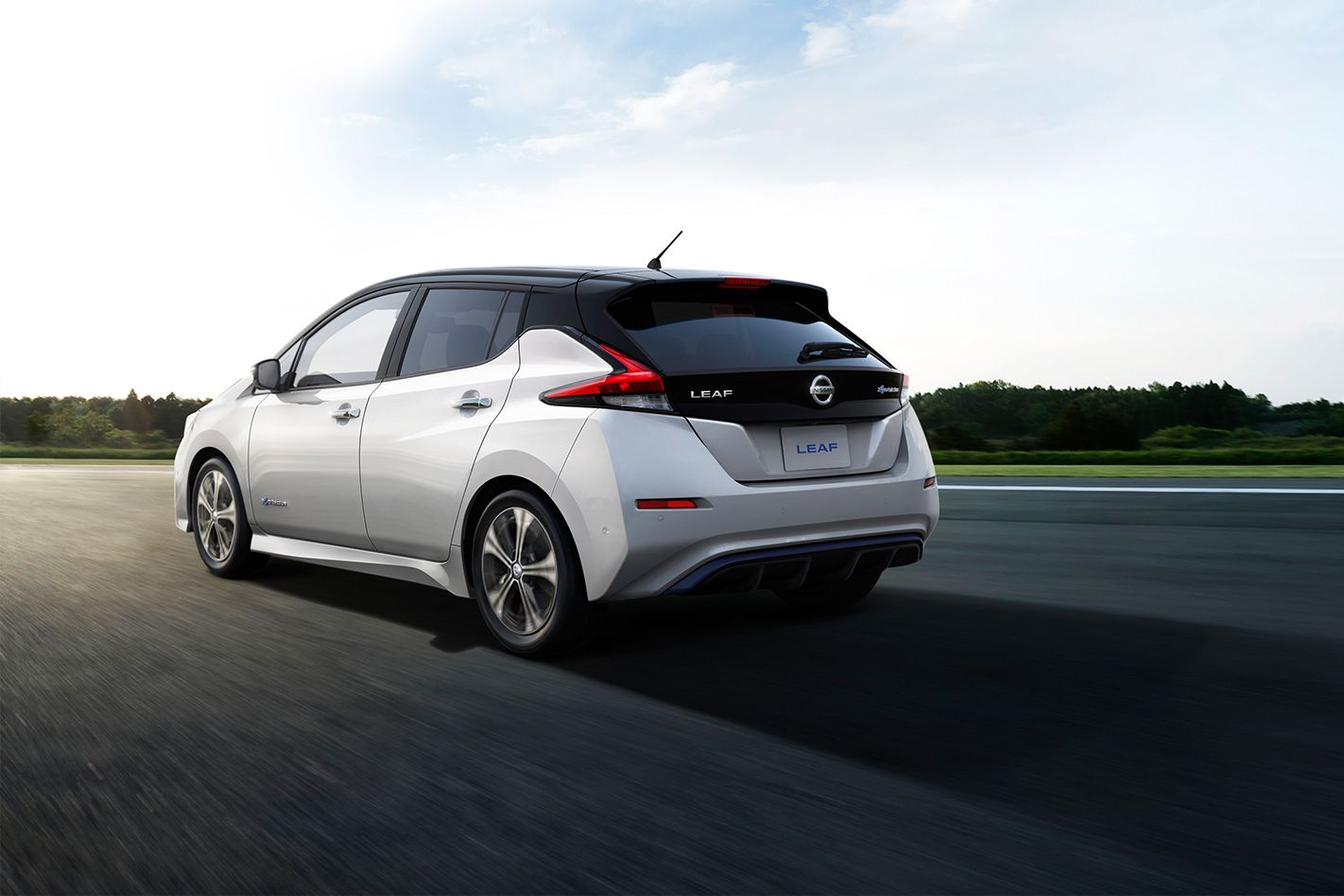
And that’s despite the 60-percent improvement in range (to a max of 400km on the Japanese test cycle), extra power and torque, plus the addition of new piloted driving technology. Nissan has sharpened the Leaf’s value-for-money proposition significantly without touching price, so it’s no surprise that it aims to double – or even triple – sales in the Japanese market alone.
But unlike eco-minded Japan, Australia is a much tougher market for electric vehicles to crack. With the Federal government yet to throw any meaningful subsidies or incentives at electric car owners, Nissan’s senior vice president of the Oceania region, Yutaka Sanada, said the Leaf is bound to see a price hike.
“We don’t have specific volume yet. We are not making too big volume [plans] in Australia,” Sanada said.
“Some specific support by the government can drive [it] forward. The Australian government has so far, a very independent position, but hopefully there will be some kind of significant step.”
But without that significant step, Sanada said the price of the Leaf will almost certainly increase over that of the current car.

WhichCar understands the reference price Nissan will use won’t be the $39,990 on-the-road price that was available for a limited time in 2013, but rather the $51,500 sticker that it wore at its initial launch in 2012. With a $50K-plus ticket virtually a certainty for the new Leaf, it’s understandable that Nissan Australia isn’t making any wild claims about volume.
Nissan’s head of sales and marketing for the Oceania region Vincent Wijnen said that in Nissan’s experience, the catalyst for lower EV pricing and greater sales volumes has proven to be government support – both in financial incentives such as tax breaks and rebates, as well as investment in infrastructure.
“The volume is linked to the question of infrastructure and incentives, that’s very clear,” Wijnen said.
“And that’s been in every market where we’ve launched this car over the past six or seven years, it’s been the same story.
“I’ve been in markets where it started very small, then the change happened and then it accelerates. And it can start with big cities sometimes, it doesn’t have to start with national government, it could be the cities that incentivise the use of these cars.”
Wijnen singled out measures like congestion charges, lane privileges for EVs, preferential parking and other ‘deal sweeteners’ as being alternatives to direct incentives like rebates. As with the more overt fiscal incentives, Australia has yet to adopt most of these measures in a meaningful way.
The government’s Clean Energy Finance Corporation last week announced the availability of vehicle finance discounts of up to 0.7 percent for buyers of electric vehicles and plug-in hybrids, funded to the tune of $100 million. However, the deal is only available through Macquarie Leasing. More direct forms of EV incentives remain off the table for now.
The 2018 Nissan Leaf is due to go on sale in Japan on October 2, with an Australian arrival in the latter half of 2018.
Let’s face it, entering addresses into sat nav systems can often be a pain. The address might not be listed and even if it is, you usually have to pull your car to the side of the road to enter because road and/or placenames are often words that voice recognition has difficulty with.
Mercedes-Benz has taken a radical approach to solving this problem. Its What3words voice command-oriented satnav divides the entire surface of the earth into three metre squares. Each of these 57 trillion squares gets its own unique three-word reference which means that areas that haven’t traditionally been addressable on sat nav systems such as rural tracks without names can easily be addressed.
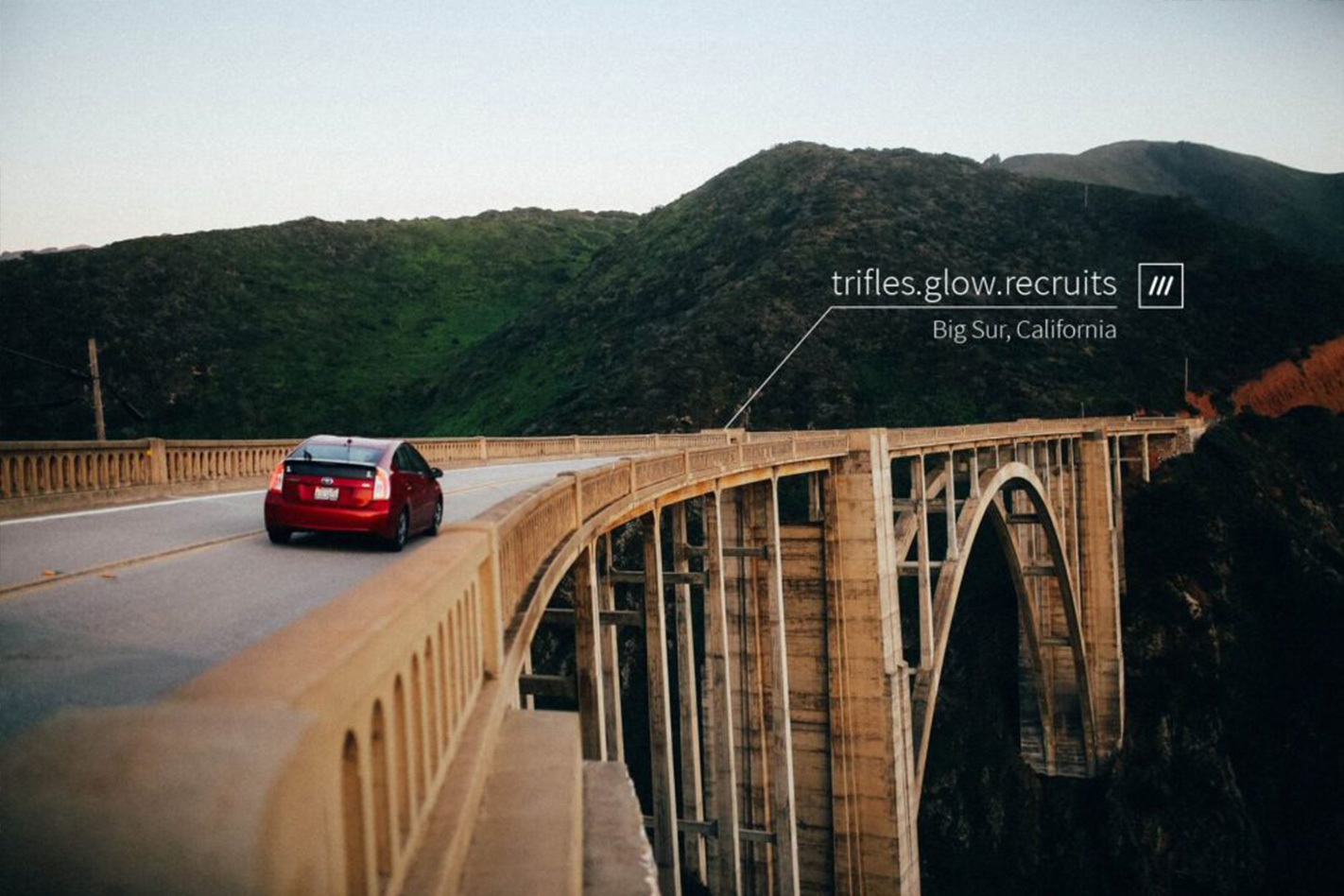
Mercedes has worked to clean the word list so that there are no homophones like ‘pray’ and ‘prey’ and unsavoury terms have also been filtered out.
Debuting at the Frankfurt Show, the system allows you to zoom to the area you’re looking to travel to, whereupon the grid with three-word addresses is displayed.
It means that you’ll be able to direct, say, a taxi to exactly the right entrance of a large building or arrange to meet friends at a very specific point.
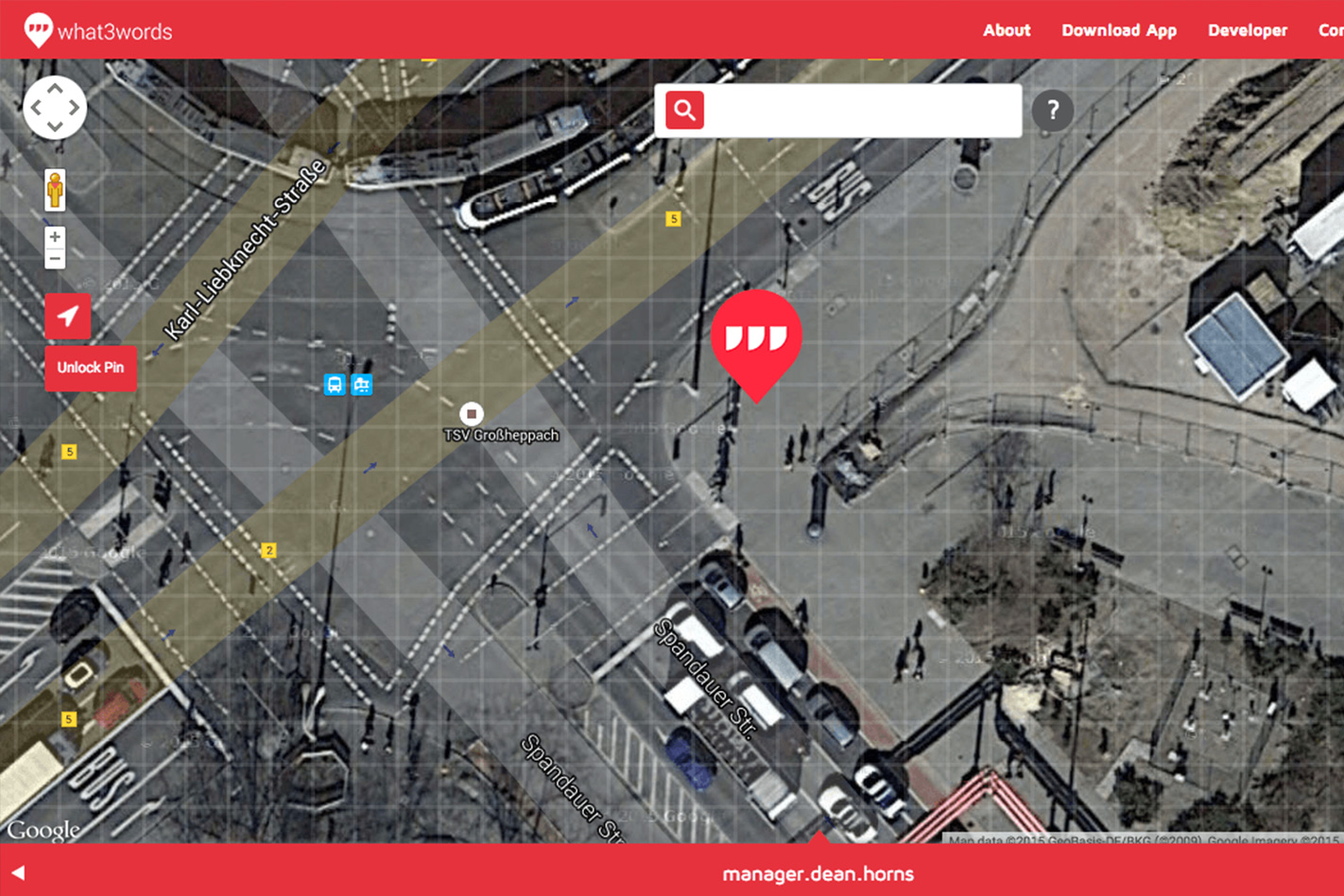
Sajjad Khan, vice-president of digital vehicle and mobility, said: “Three-word addresses are very simple to use, meaning drivers can give their car any precise destination and know they’re navigating to the correct location, every time.”
The system is set to feature in Mercedes-Benz production cars from Q2 2018.
Maranello metal was the stay of RM Sotheby’s most recent auction, the ‘Leggenda E Passione’ sale held at Ferrari HQ.
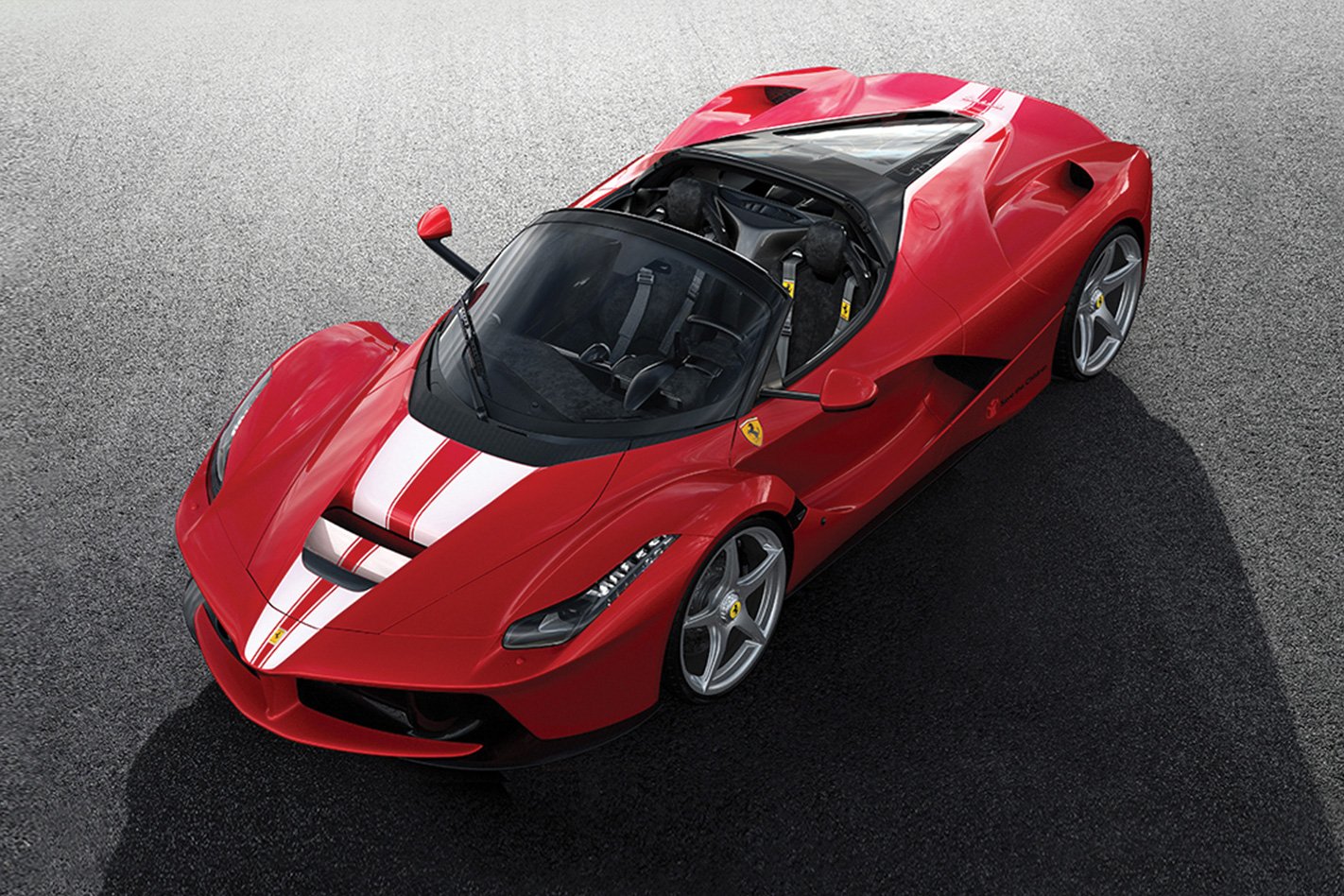
Among the lots were cars from the 1950s right up to one brand new car, the last Ferrari LaFerrari Aperta to be built, which fetched $13,651,000 Australian.
Also the highest dollar amount paid on the day, the money from the sale went to charity.
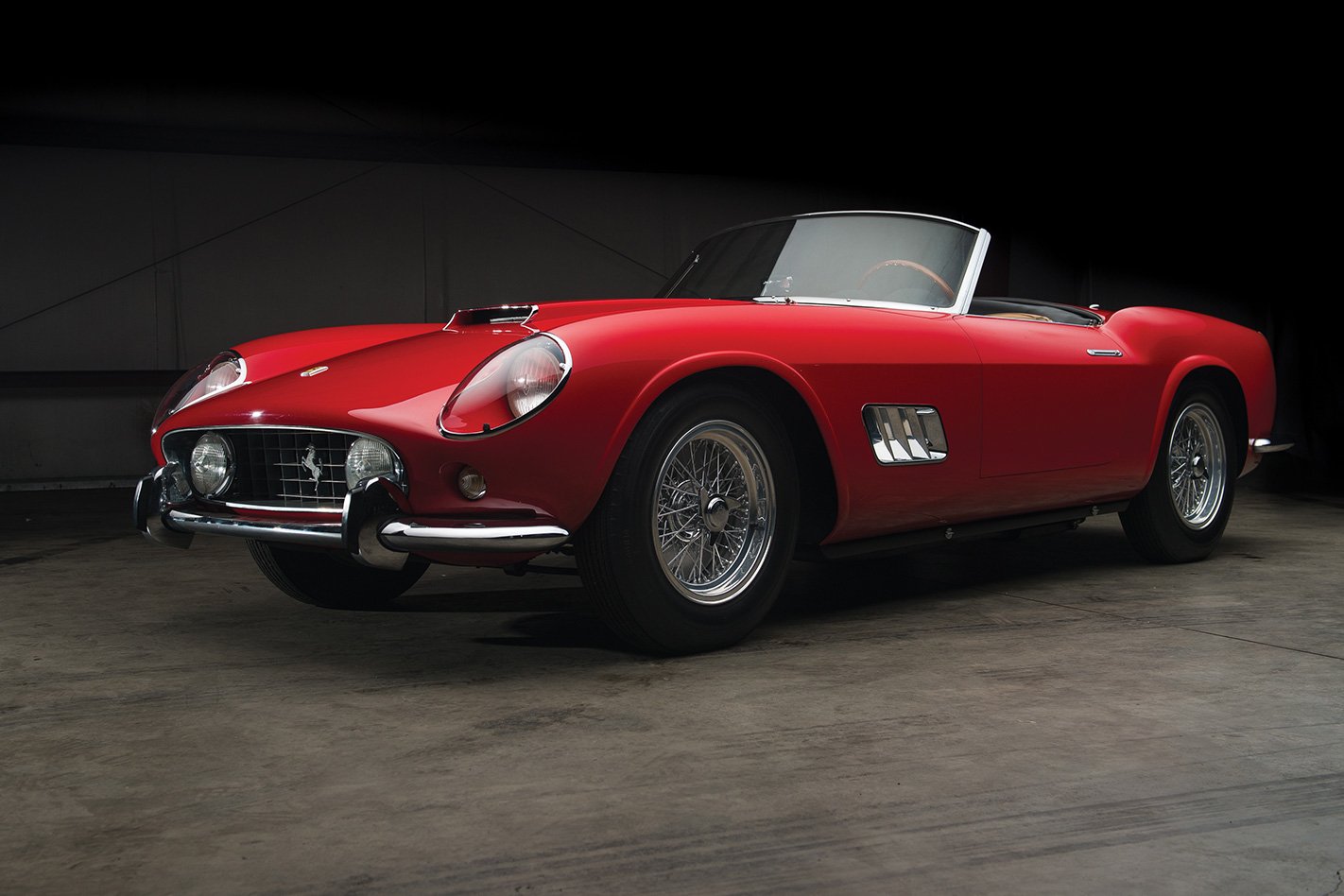
Third biggest buy at the event was a ’58 250 GT Cabriolet for $7,761,300, but only because another 250 GT with a higher estimate didn’t sell.
However, some of the auction highlights don’t feature at the top of the price list.
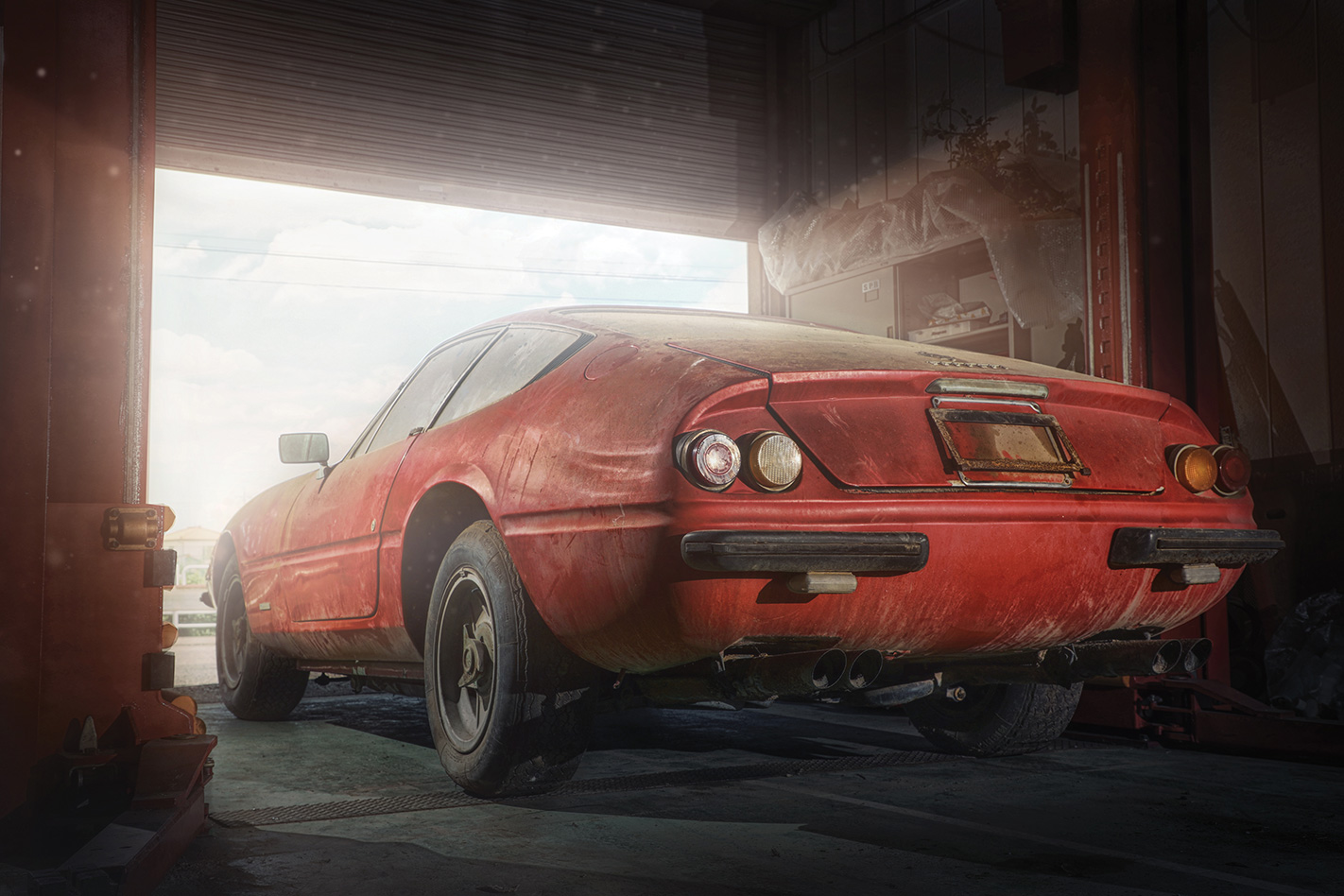
Discovered in Japan after almost four decades in hiding, this now one-off has a well-documented history and has a surprising 36,390 kilometres on the clock.
Ferrari expert Marcel Massini told RM Sotheby’s that it was a “super scarce Daytona barn find.”

Also featuring at the auction is one of Ferrari’s 70th anniversary celebration cars, which features its own one-off livery.
In Green Jewel, this 488 Spider sold for $1,793,000, or around three times the regular asking price for a new 488 Spider.
Also present and of note was a LaFerrari prototype which fetched $3,501,800, an F50 which picked up $2,925,900, and an F40 which sold for $1,774,600.
Total auction sales added up to $103,728,120, RM Sotheby’s says.
To date, the Land Rover Discovery has been that doughty stalwart in the Land Rover range.
Solid, safe, relatively reliable. A splash of slick design here and there but has it ever been seductive? Not until now. The Land Rover Discovery SVX, unveiled at Frankfurt, really puts some fire into the Disco’s belly with a 368kW 5.0-litre supercharged petrol V8.
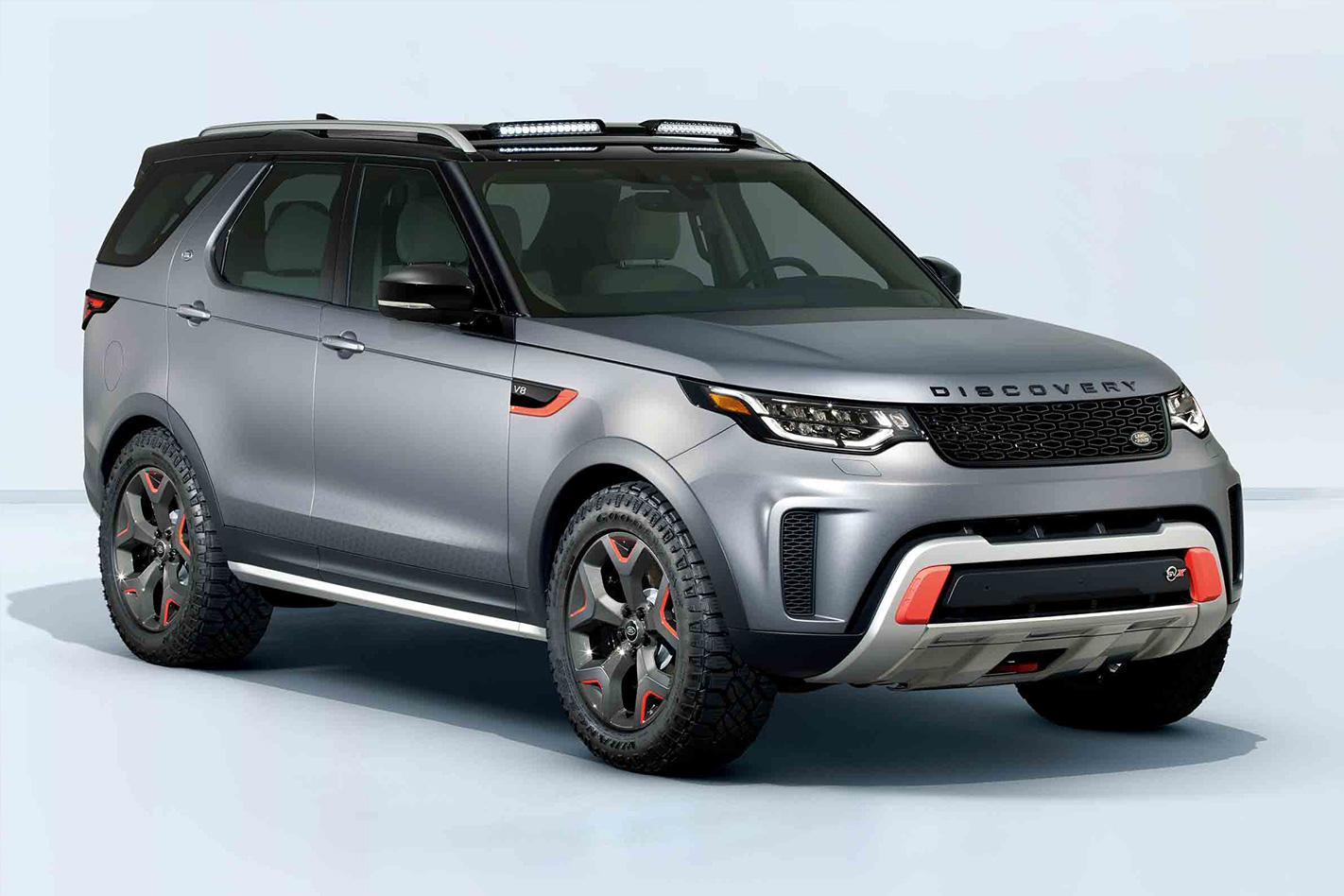
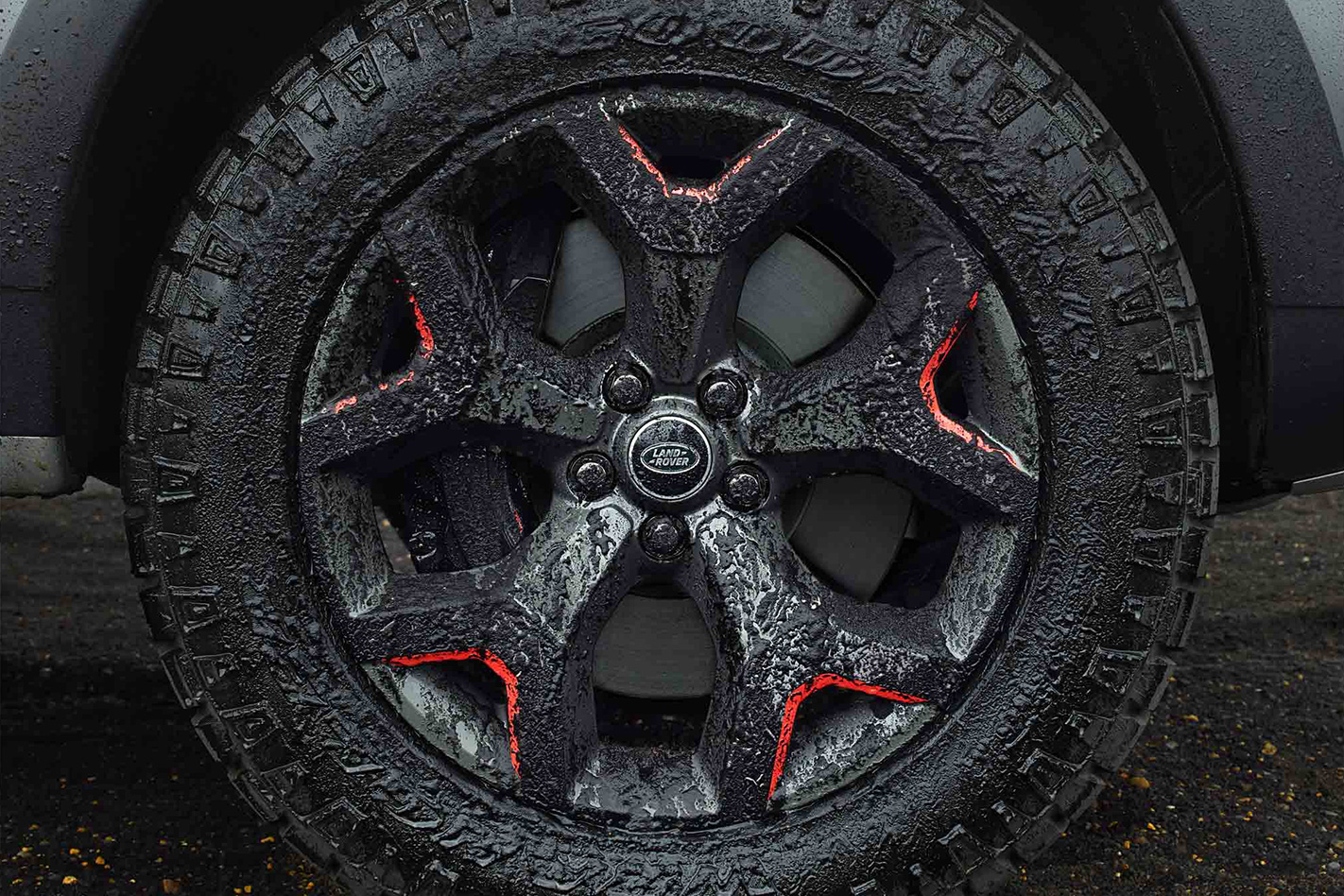
Rather than target the SVX at the same type of buyer who might choose a rapid Range Rover Velar, it has instead retained all of its off-road chops and then some. The approach, breakover, and departure angles have been improved, with massive Goodyear Wrangler 275/55 R20 tyres sporting more aggressive tread blocks to really haul you out of a hole.
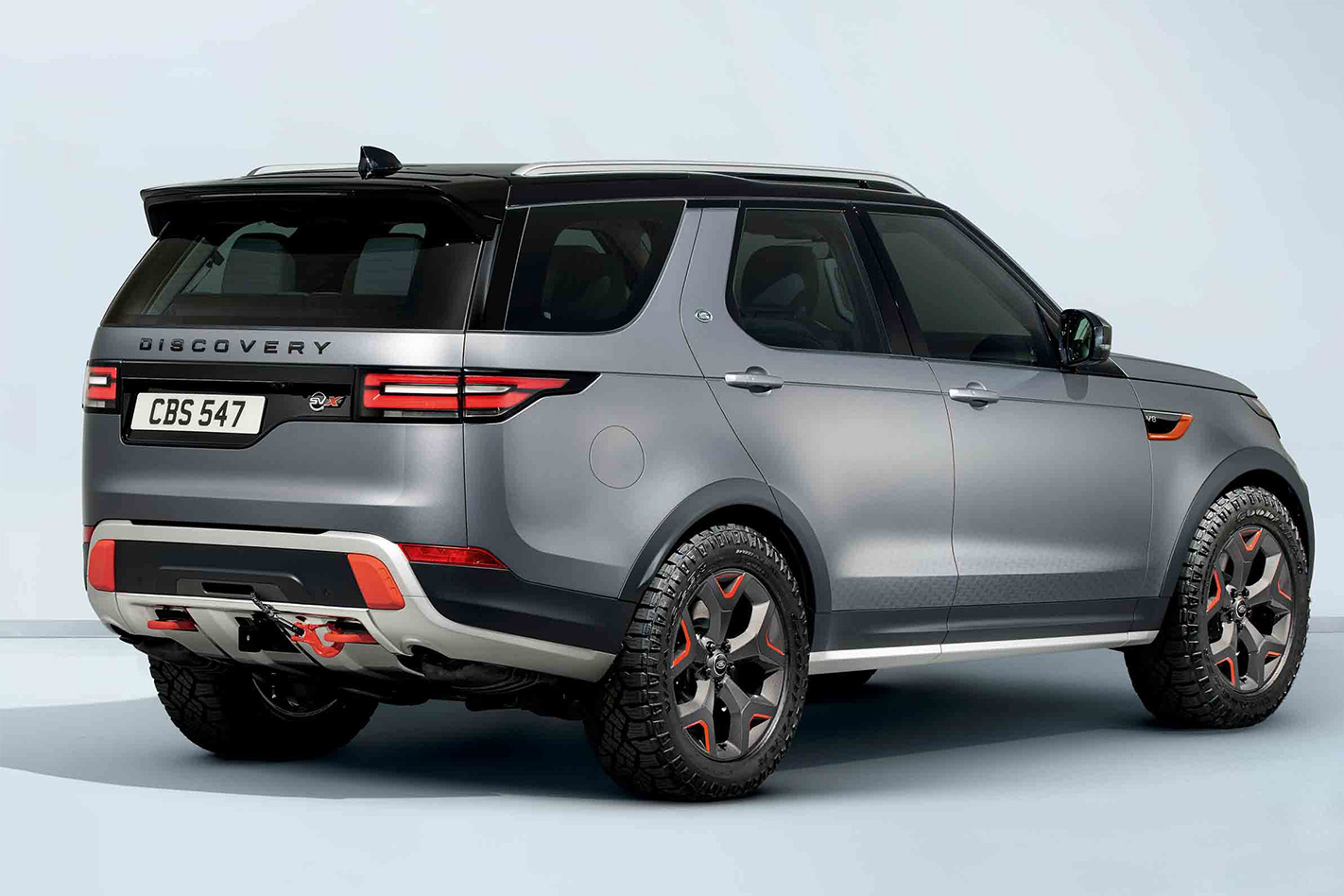
Protective skid plates sit under both front and rear bumpers, there’s an anti-glare bonnet treatment and a winch at the back. Get bogged in one of these and Land Rover will probably give you some sort of special achievement award.
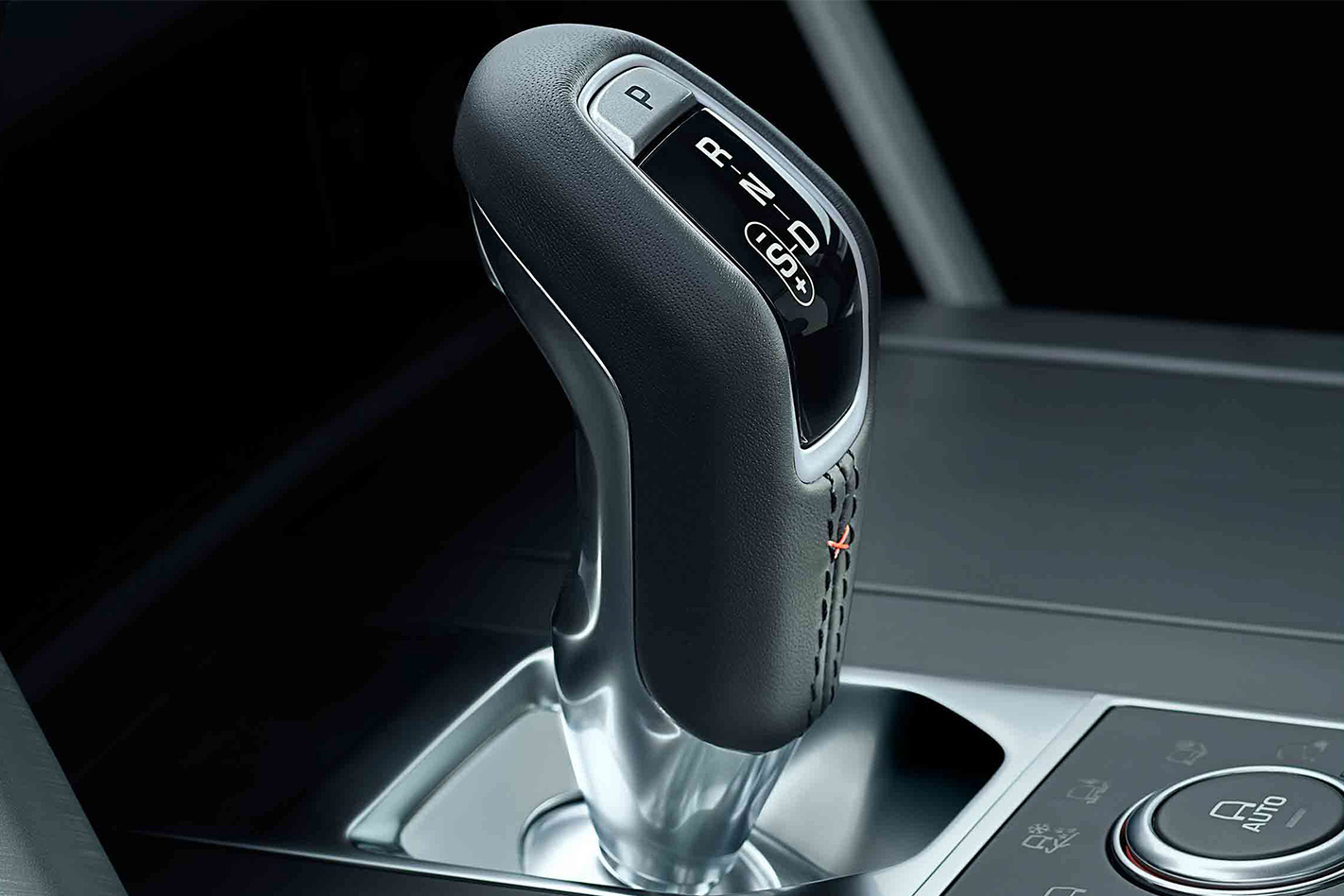
The only V8-powered Discovery directs drive to all four wheels via an eight-speed automatic transmission, with a pistol gear shifter (rather than Jaguar Land Rover’s rotary gear selector) to marshal the box during gnarly off-road bump and grind.
The Terrain Response 2 system has also been tuned for extreme conditions, shuffling drive through the active centre and electronic locking rear diffs. The air suspension system has been subtly revised too, with longer travel dampers and revised knuckles improving individual wheel articulation and traction.
Developed by SVO, the Discovery SVX features forged alloy wheels and a pair of LED strip lights fitted above the windscreen, while new roof bars and orange body detailing also distinguish the range-topper.
Gerry McGovern, Land Rover Chief Design Officer, said, “The Discovery SVX reinforces Land Rover’s unrivalled reputation for building vehicles with true all-terrain capability for customers who desire the ultimate in off-road performance.”
Production is due to begin at SVO’s Technical Centre near Coventry in early 2018. Australian on-sale dates and pricing for the halo Discovery have yet to be confirmed.
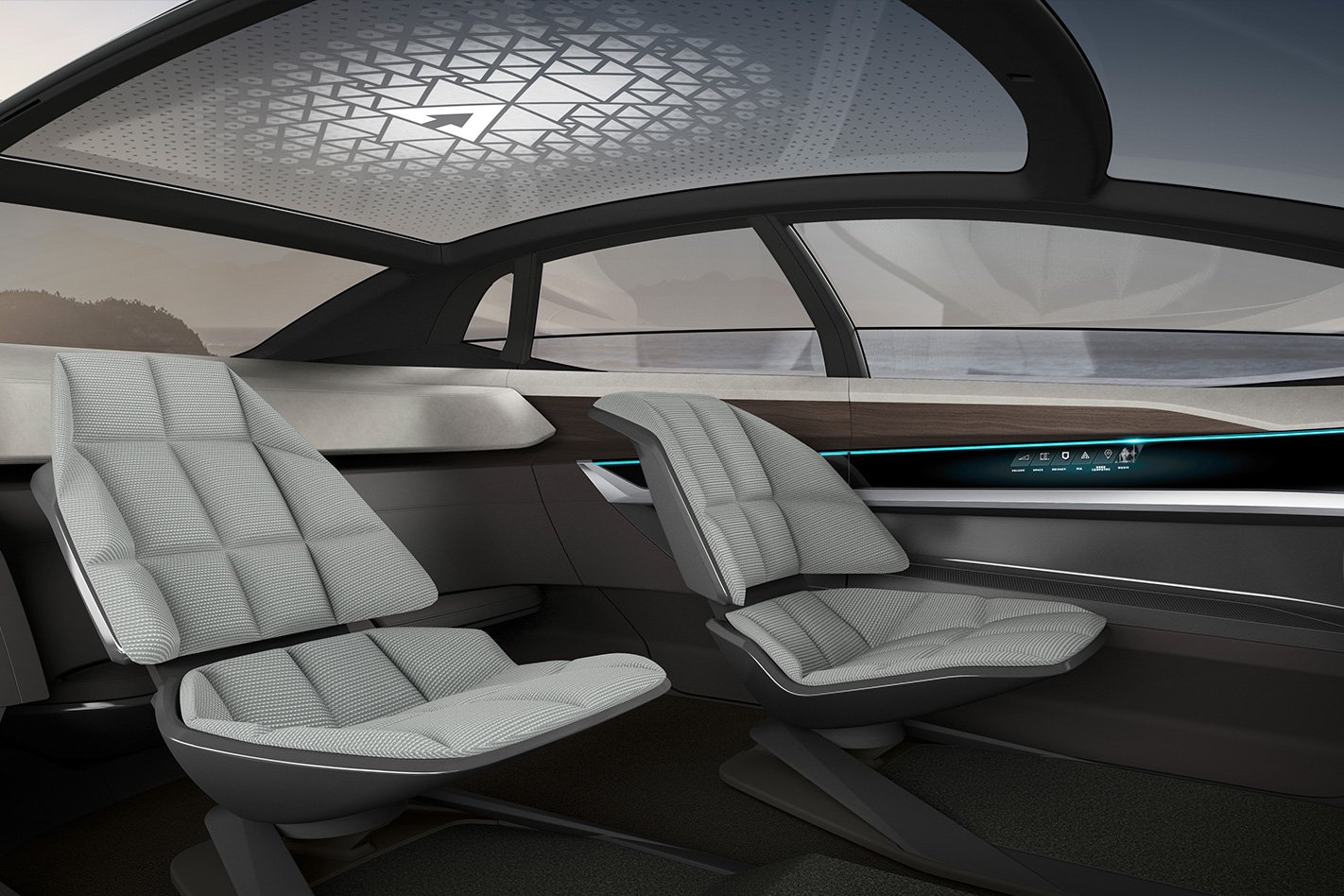
AUDI has pulled the covers off a concept car it plans you’ll never, ever own.
The Audi Aicon concept – an autonomous car that’s “on course for the future” – imagines an open-ended future where battery technology has advanced enough to double the range of current EVs, and the technology to support it has advanced enough so that, Audi claims, it will never crash.
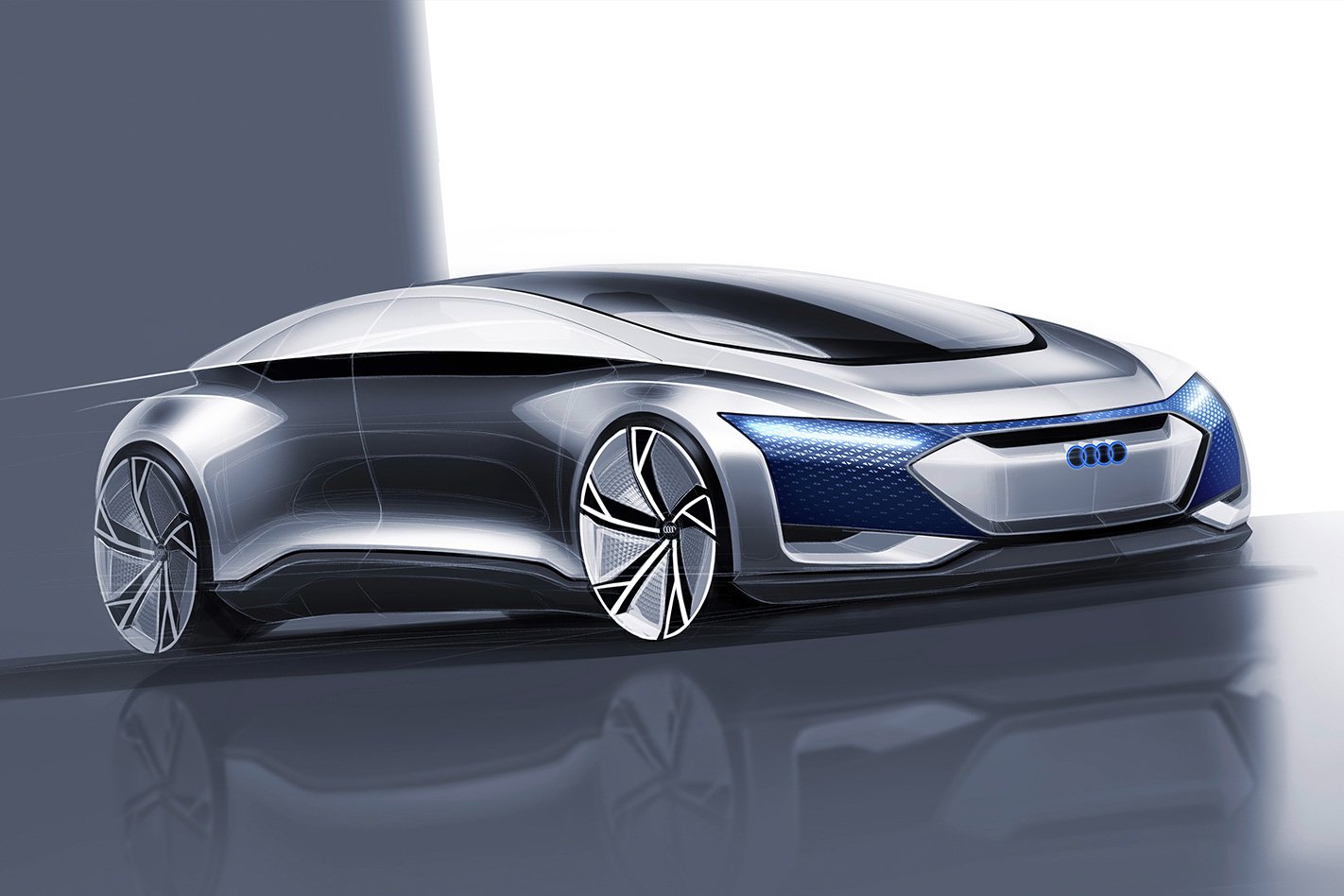
But its purpose, it seems, is only as a taxi, meaning that instead of owning an Aicon, you’ll just rent it by the kilometre. “As a mobility concept, the Audi Aicon shows the world of tomorrow, in which the advantages of door-to-door individual transportation are combined with the luxurious ambiance of a first-class airline cabin,” Audi said. “A cabin with no steering wheel or pedals that can thus offer all the comforts of modern communications electronics and perfect ergonomics – simply first-class.”
“In contrast to a robot taxi, which is reduced to pure functionality, the autonomous Audi Aicon concept vehicle pulls out all the stops,” it said. “Its presence is impossible to ignore, and its exterior hints at the spacious comfort afforded the passengers and the upscale technical aspirations. The Audi Aicon is a sneak peak at a prestigious automobile of tomorrow that stirs the desires of demanding customers.”
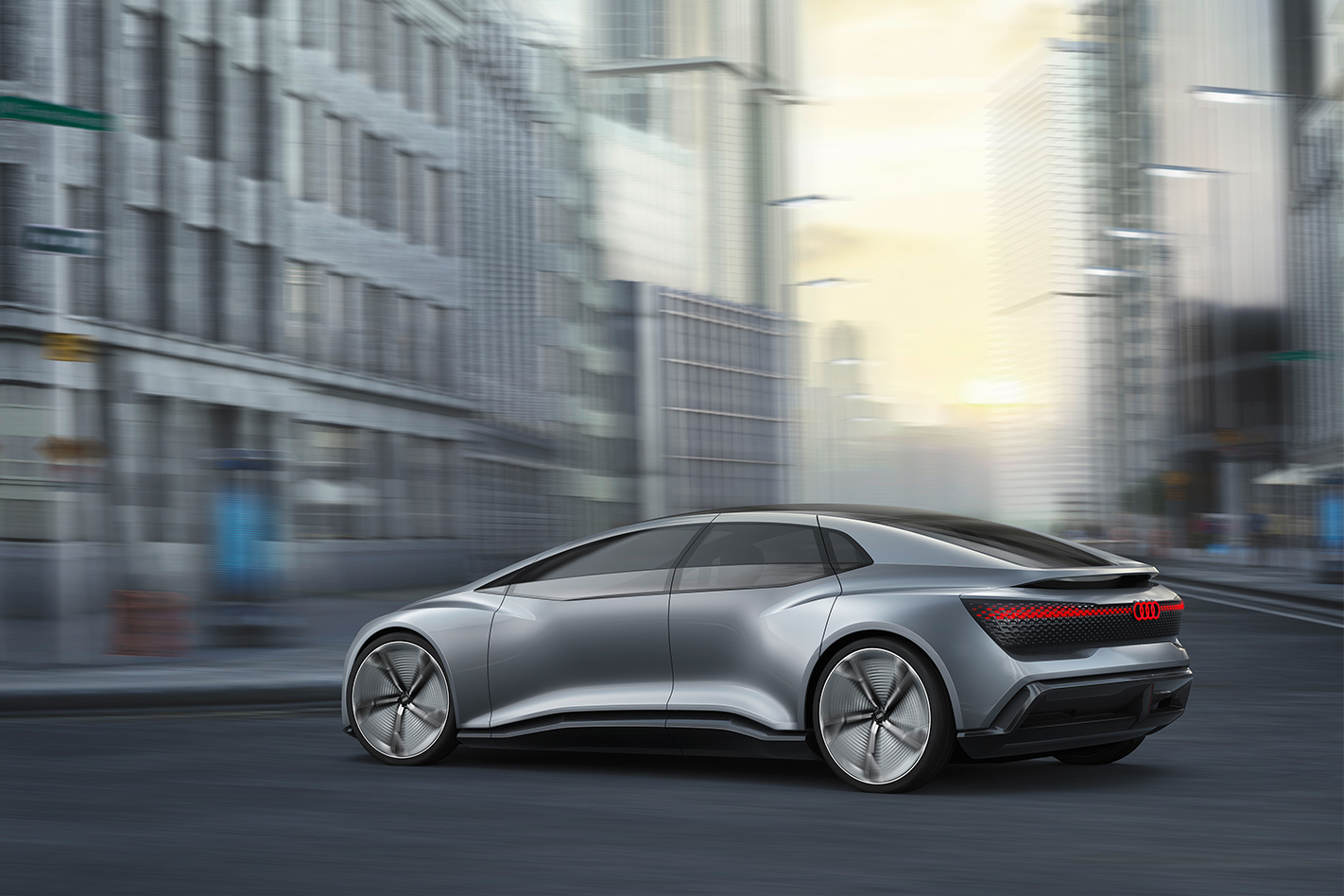
The design, sitting on 26-inch wheels that hint at Audi looking to move to tyres with an in-line footprint rather than a transverse one, pushes the envelope, featuring what Audi claims is a world-first “distinct edge” running along the glass all the way back to the D-pillar. “This line emphasizes the car’s length and effectively reduces the apparent volume of the cabin relative to the overall body,” it said. “The darkened side sills rise subtly toward the rear, making it seem like the car is ducking.”
There are no headlights or tail-lamps; instead parts of the car’s surface are covered in tiny pixels that glow when needed to provide illumination. It’s also meant for dense urban areas, with the Aicon using its skin to show pedestrians what its next move is likely to be.
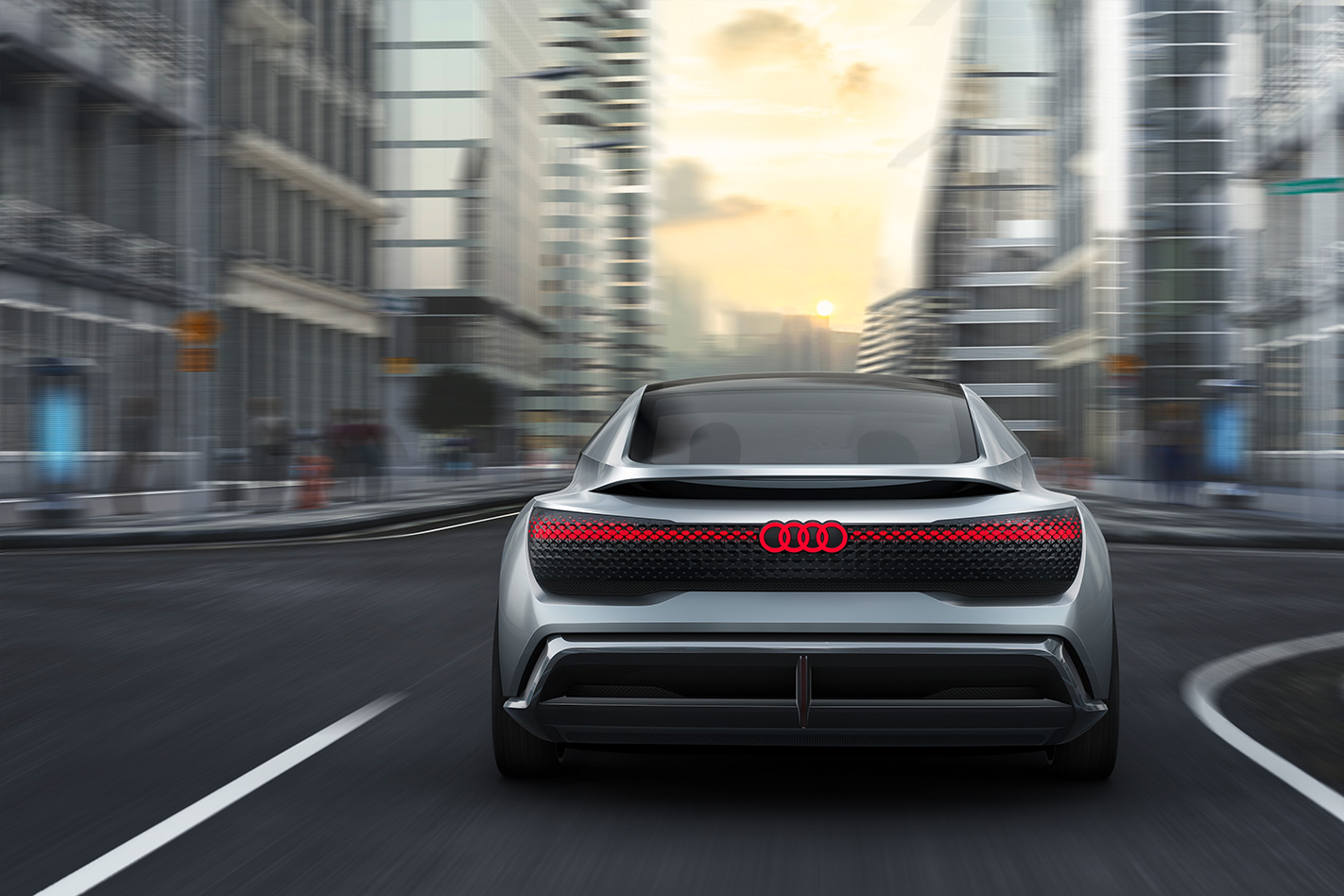
It won’t have seatbelts. “Accidents will also be a thing of the past thanks to the highly advanced sensor systems and networking,” Audi said. “Passengers in an automobile like the Audi Aicon will therefore no longer need classic restraint systems. They will also experience a physical sense of freedom during their journey that in 2017 still appears visionary.”
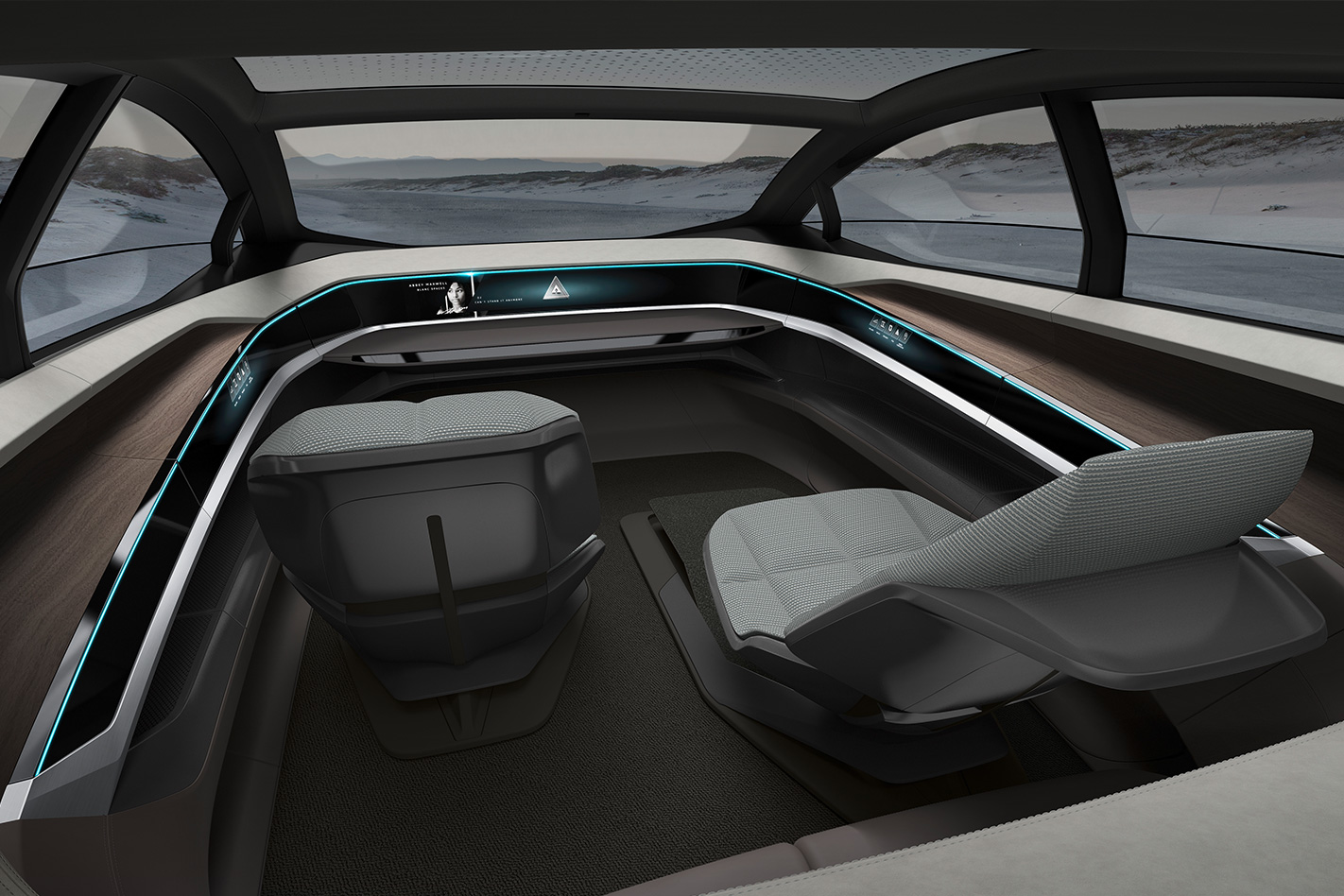
“The Audi Aicon is an all-rounder well prepared for its primary task: to offer a maximum of comfort, communications technology and freedom for its occupants during a long journey,” Audi said. “It combines the scopes for autonomous driving in an urban environment and on the highway with an unprecedented range for an electric drive. The Aicon will be followed by further multitalented Audi models, each with their own specialized discipline, ensuring that the vehicle range of the brand with the four rings remains as diverse as it is fascinating.”
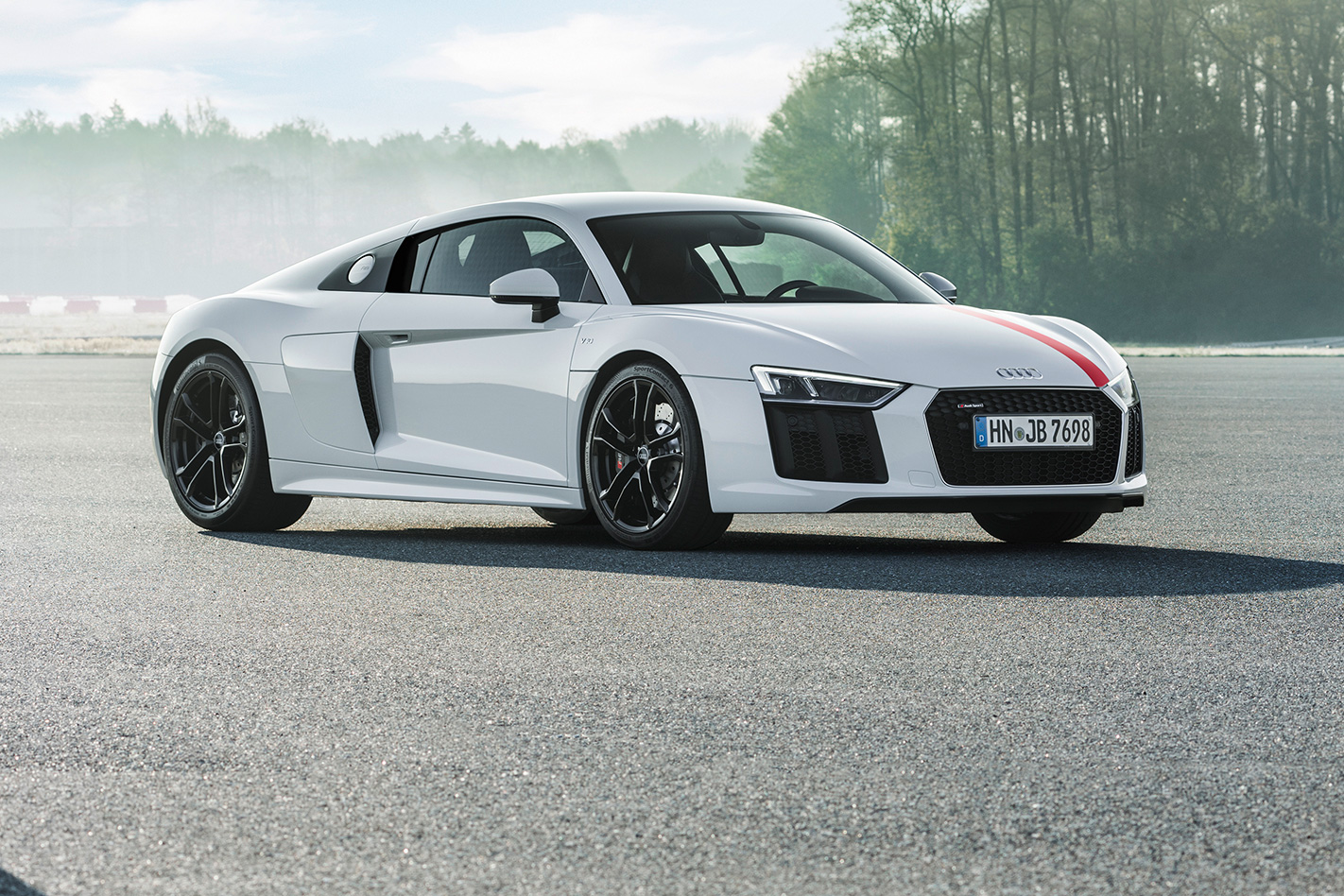
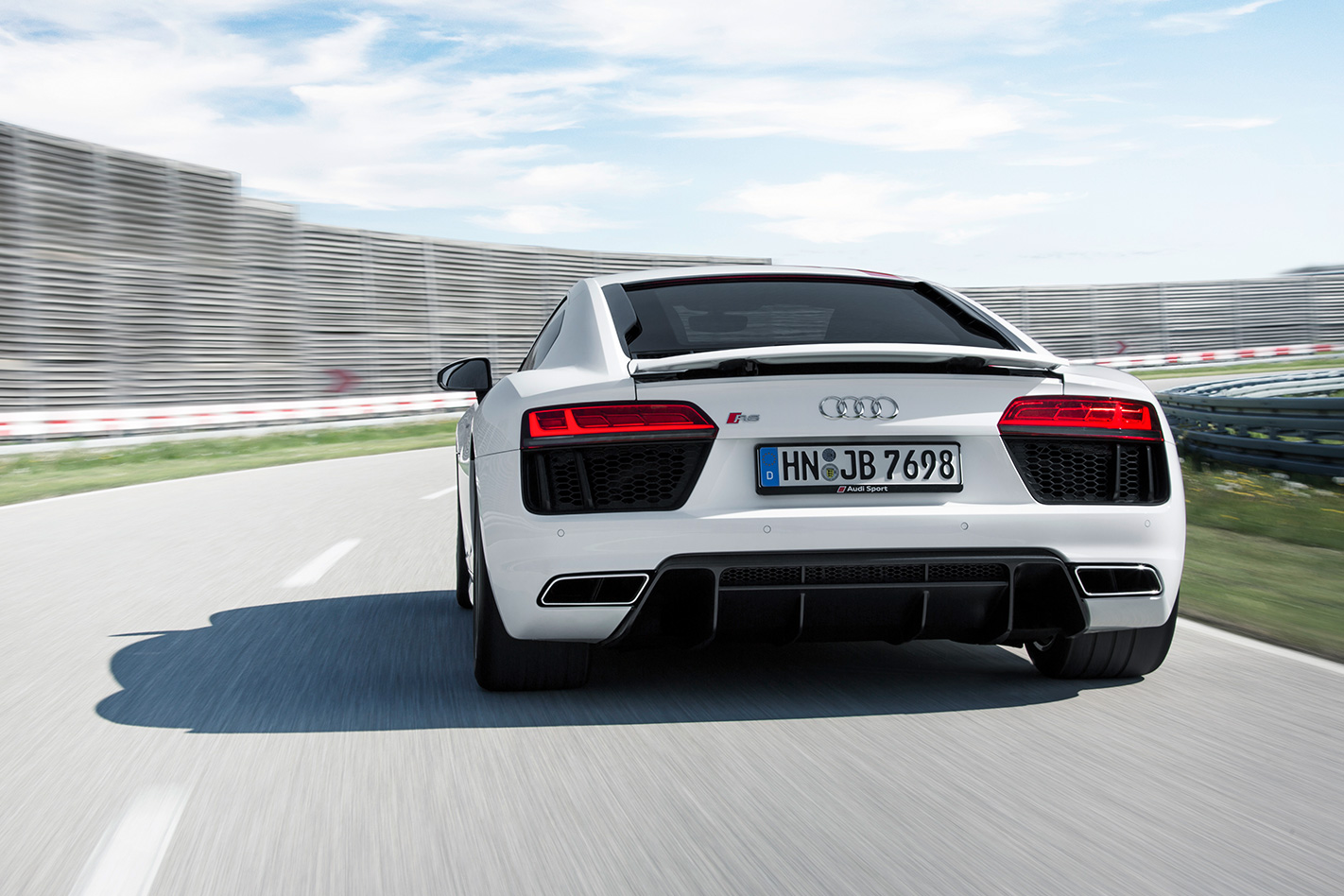
A RUMOURED rear-drive Audi R8 is now a reality, with the German manufacturer revealing the RWS-badged supercar.
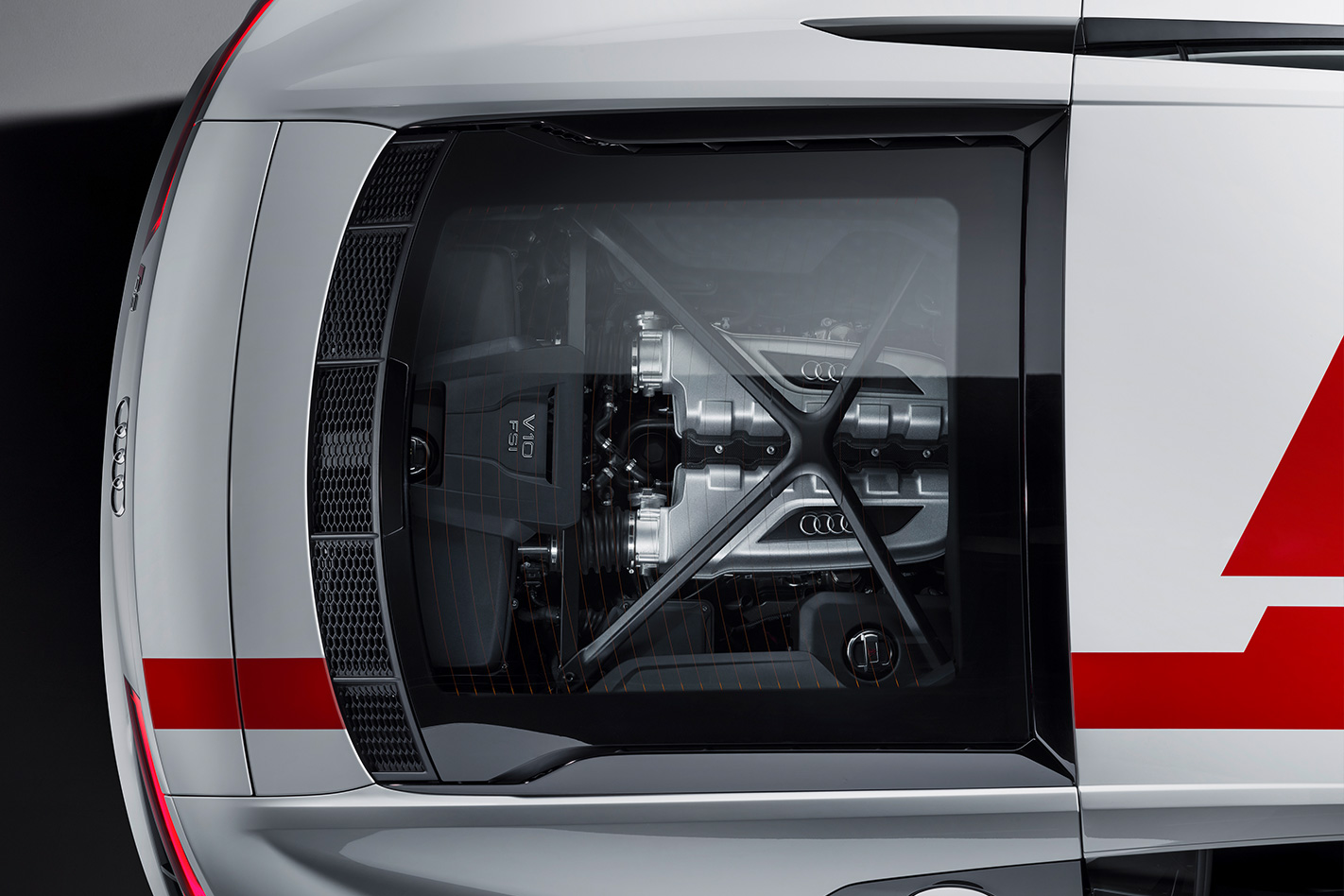
The Audi R8 RWS has the same 397kW/540Nm mid-mounted 5.2-litre V10, but ditches the front wheel driveshafts to send all its power exclusively to the rear.
Audi is hoping to emulate the driving style of its rear-drive R8 GT3 racecar with the limited-edition RWS.
“A limited-edition special model for customers with an appreciation for essential driving enjoyment, the R8 V10 RWS is an absolutely exclusive offer.
Audi is touting the RWS as a “purist” driving vehicle compared with its all-paw siblings, where the “chassis and handling tuning specially adapted for rear-wheel drive provide for incredibly fun driving”.
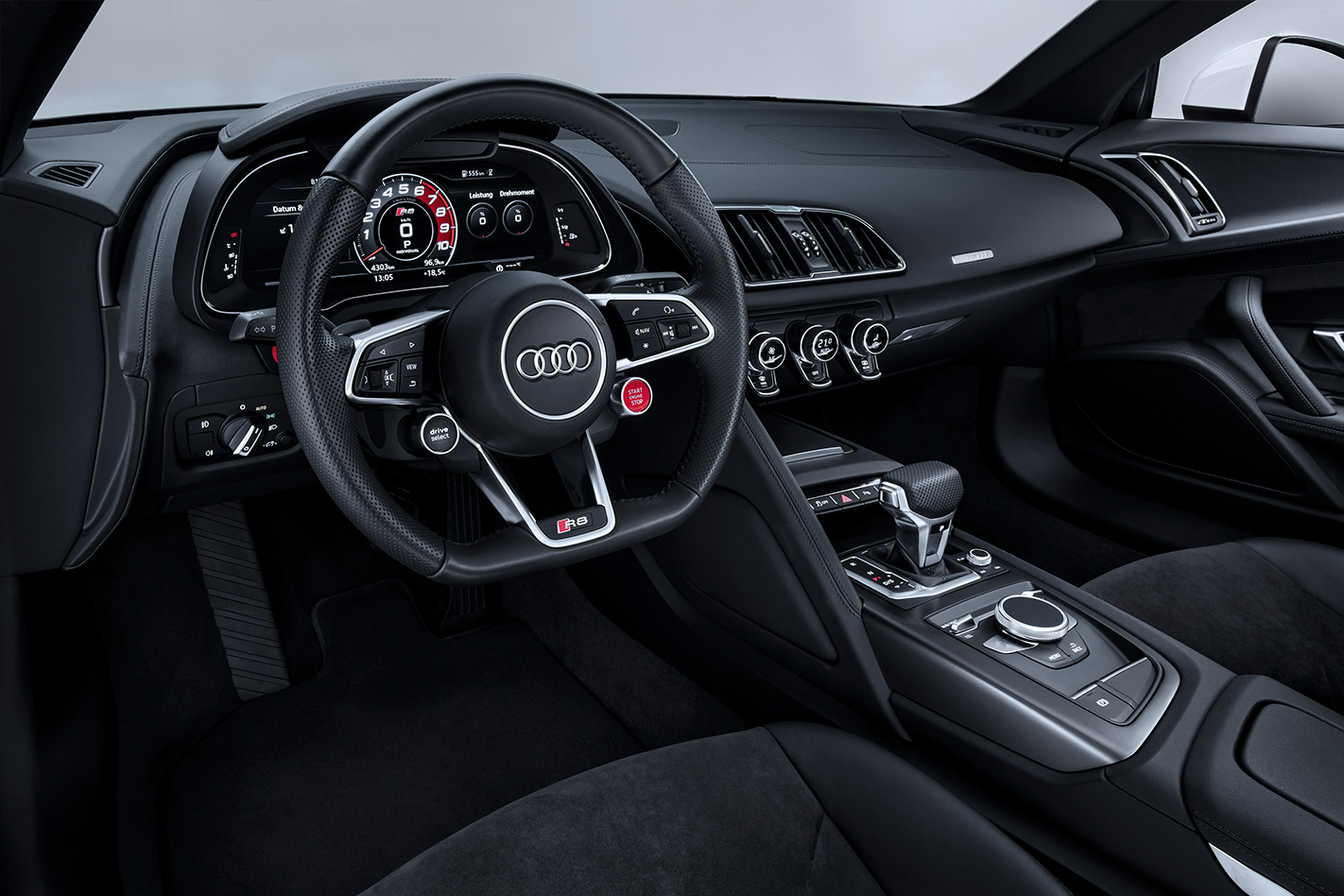
It does ditch some weight though, tipping the scales at 1509 kilograms, 50kg less than the standard R8. The rear-drive spyder weighs 1680kg, 40kg down on its equivalent.
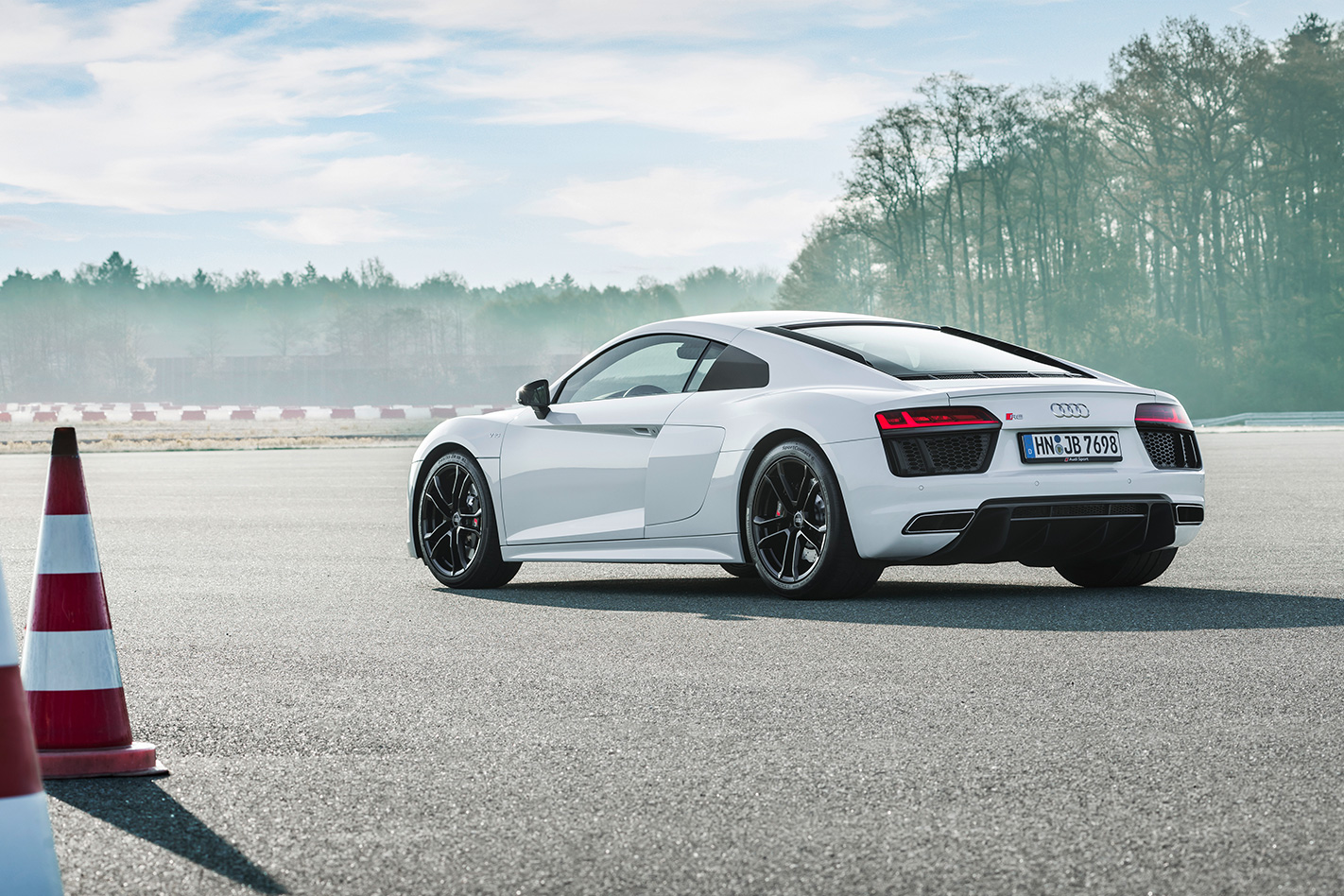
Audi says the RWS will come to Australia in “very limited numbers” with the first examples arriving on our shores from March next year.
THE laws of physics have taken a real beating recently, and Bugatti has come along to kick ’em while they’re down.
The French manufacturer has seemingly not just redefined the concept of fast, but shaped it into its own likeness.
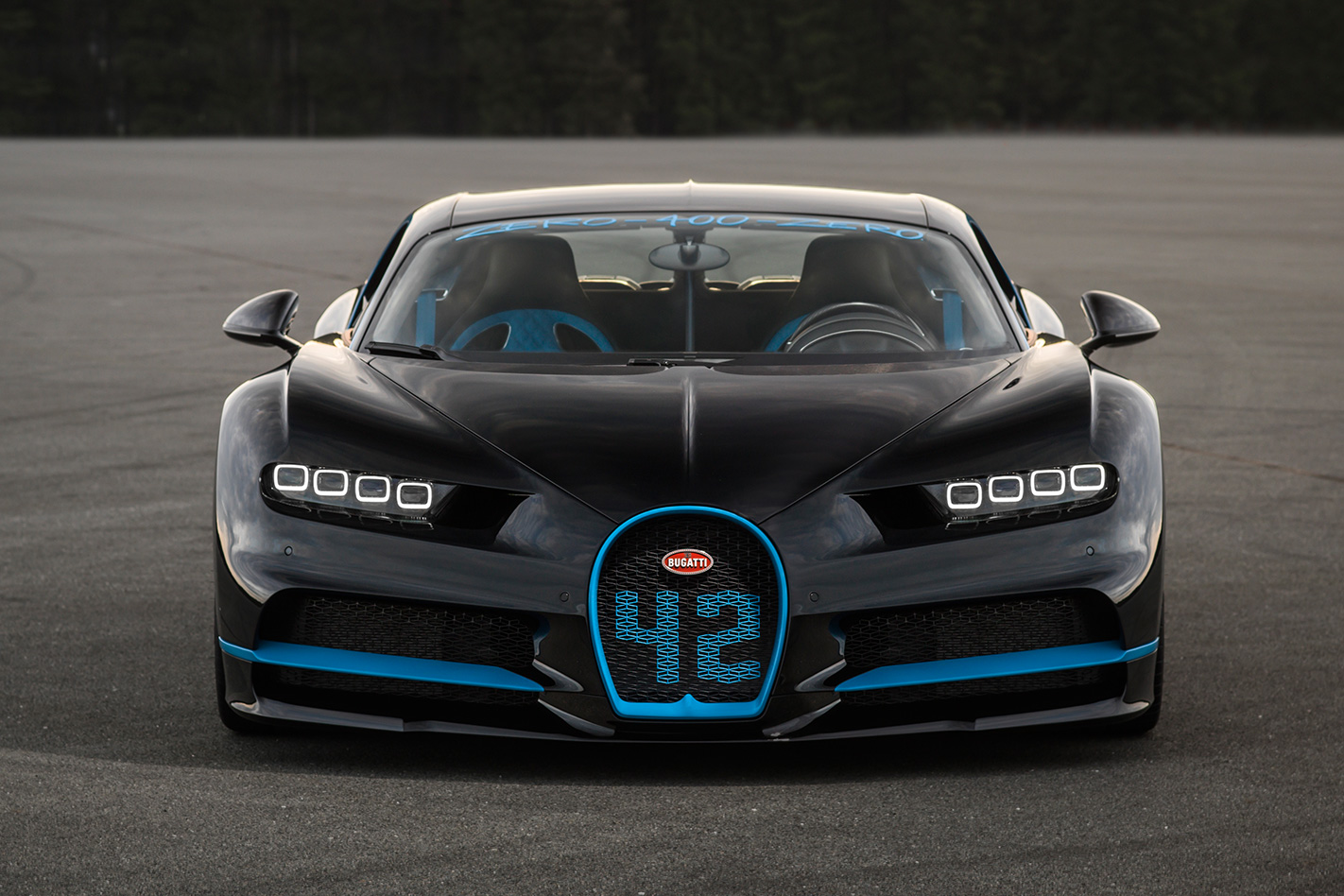
Let’s all now take a moment to think about that. Aside from the fact that the list of cars capable of clocking 400km/h are counted on one hand, none could dream of doing so, and then decelerating, in such a brief amount of time.
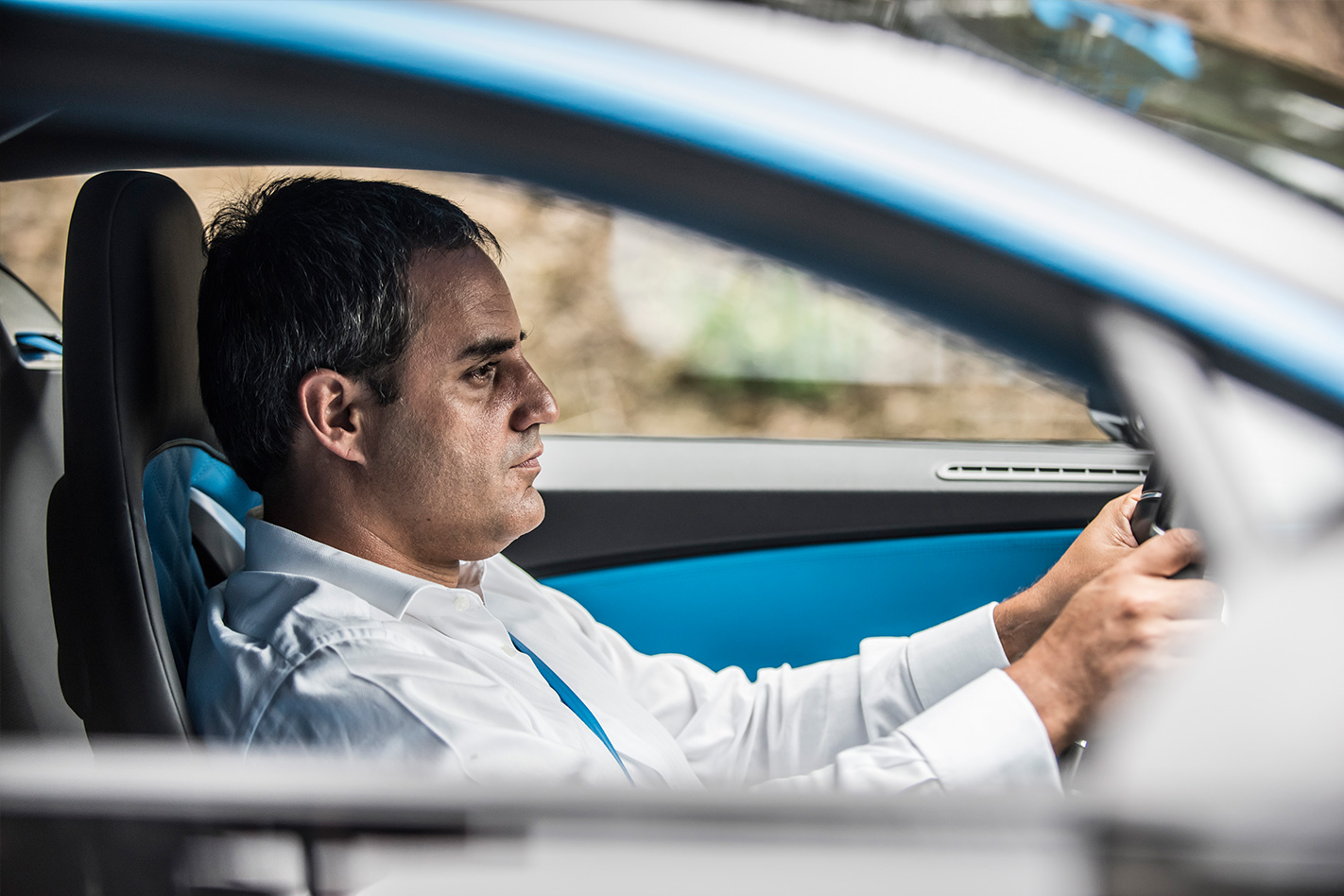
To achieve the record-setting feat, the Chiron needed 3.112 kilometres of arrow-straight road for the Chiron’s full 1103kW to do its job.
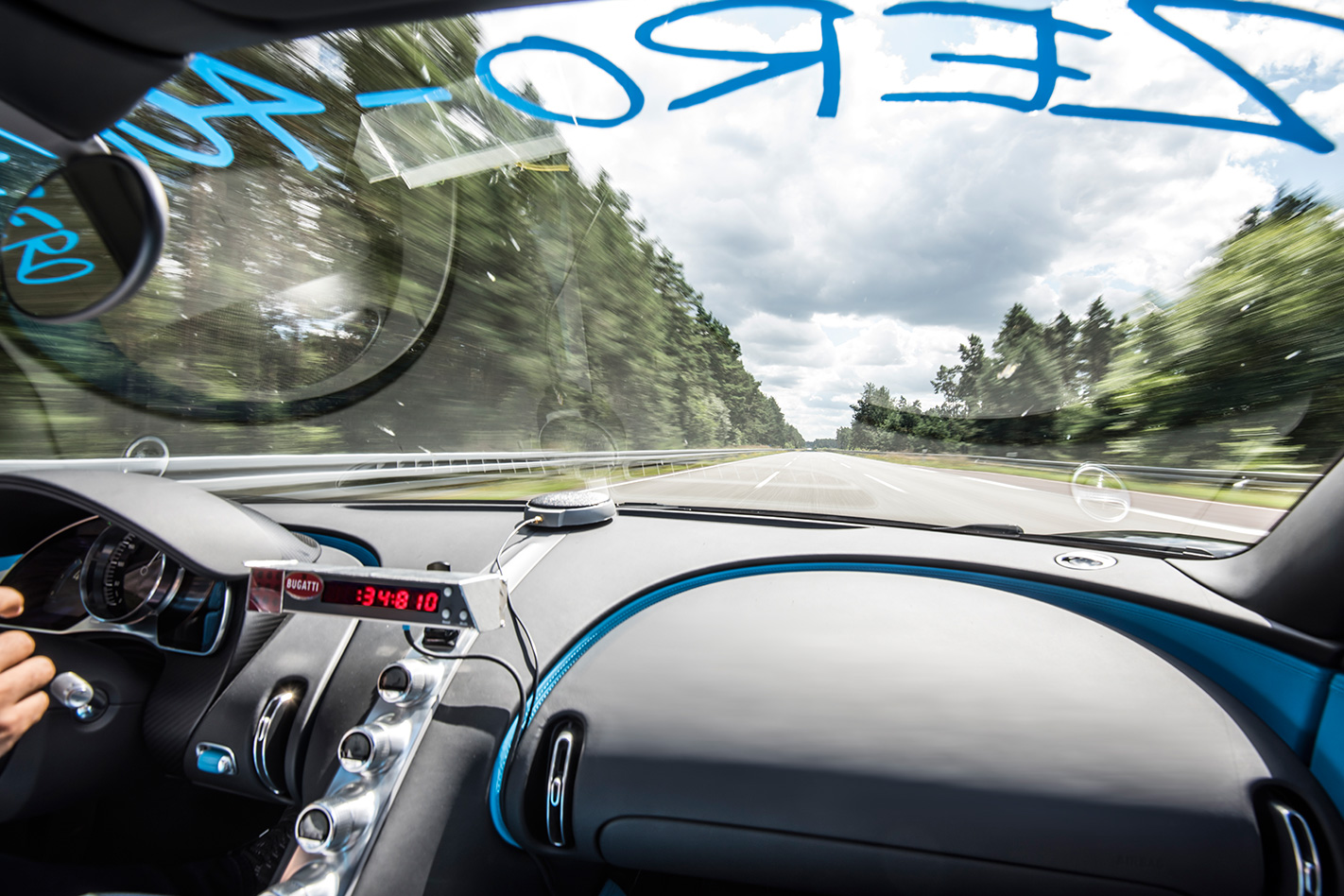
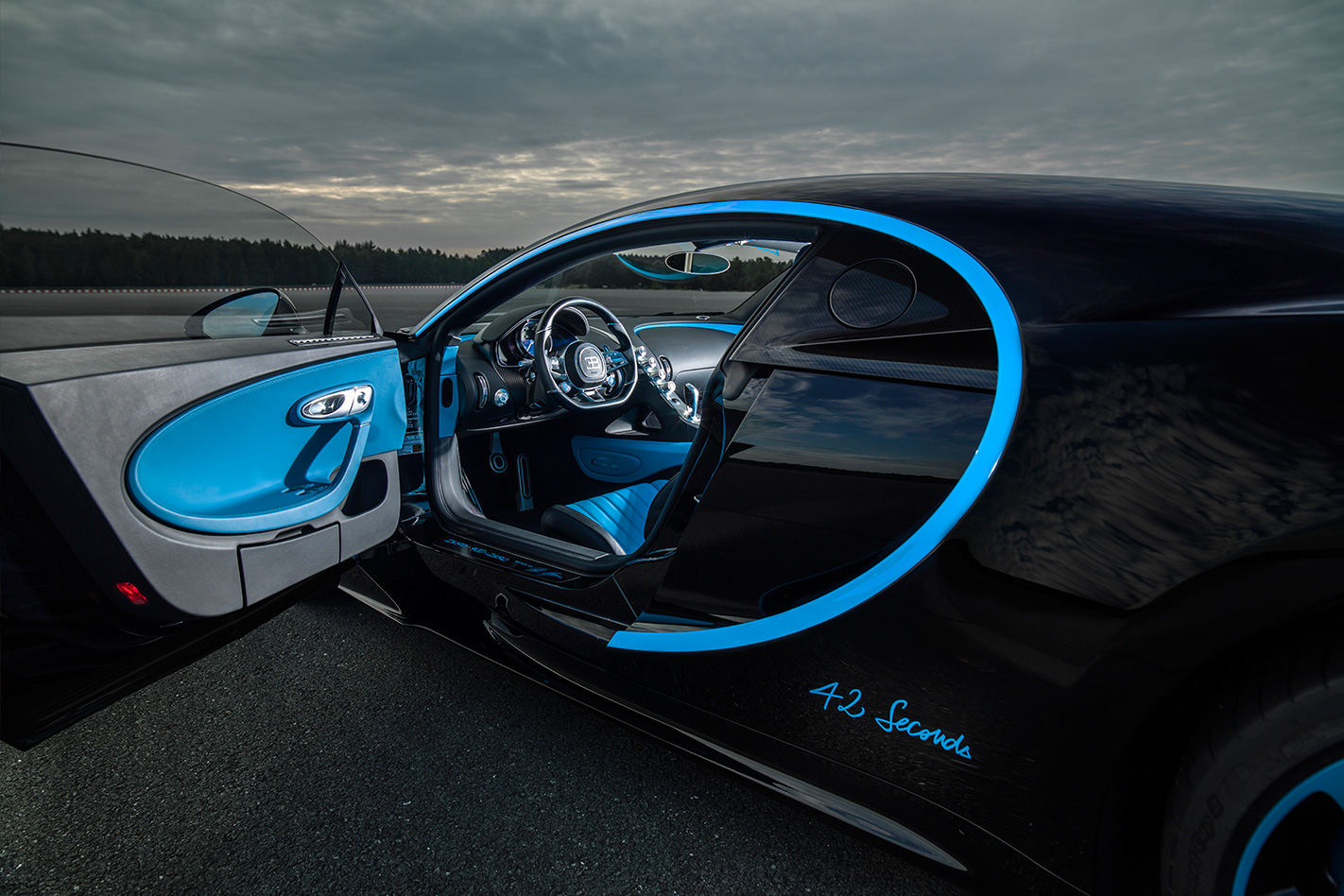
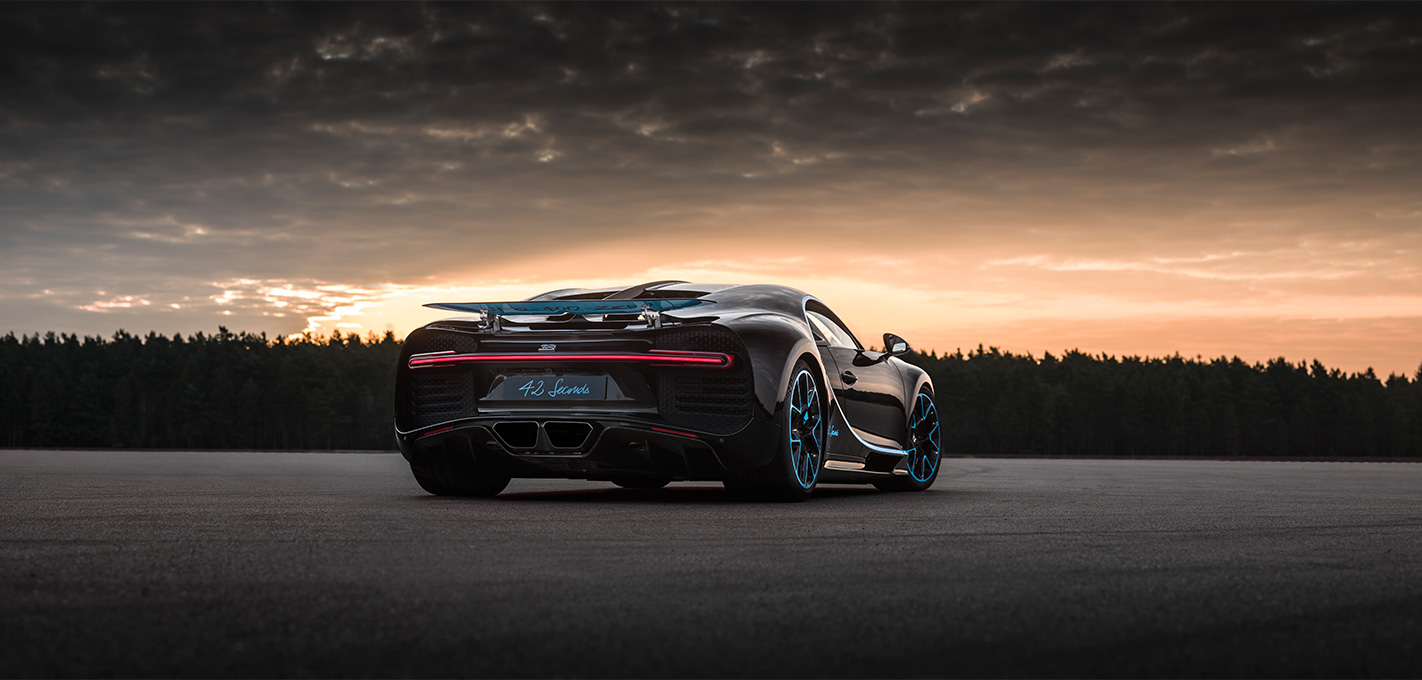
It took less than 500 metres for the Chiron to haul itself from 400km/h back to rest, and with that, a world record.
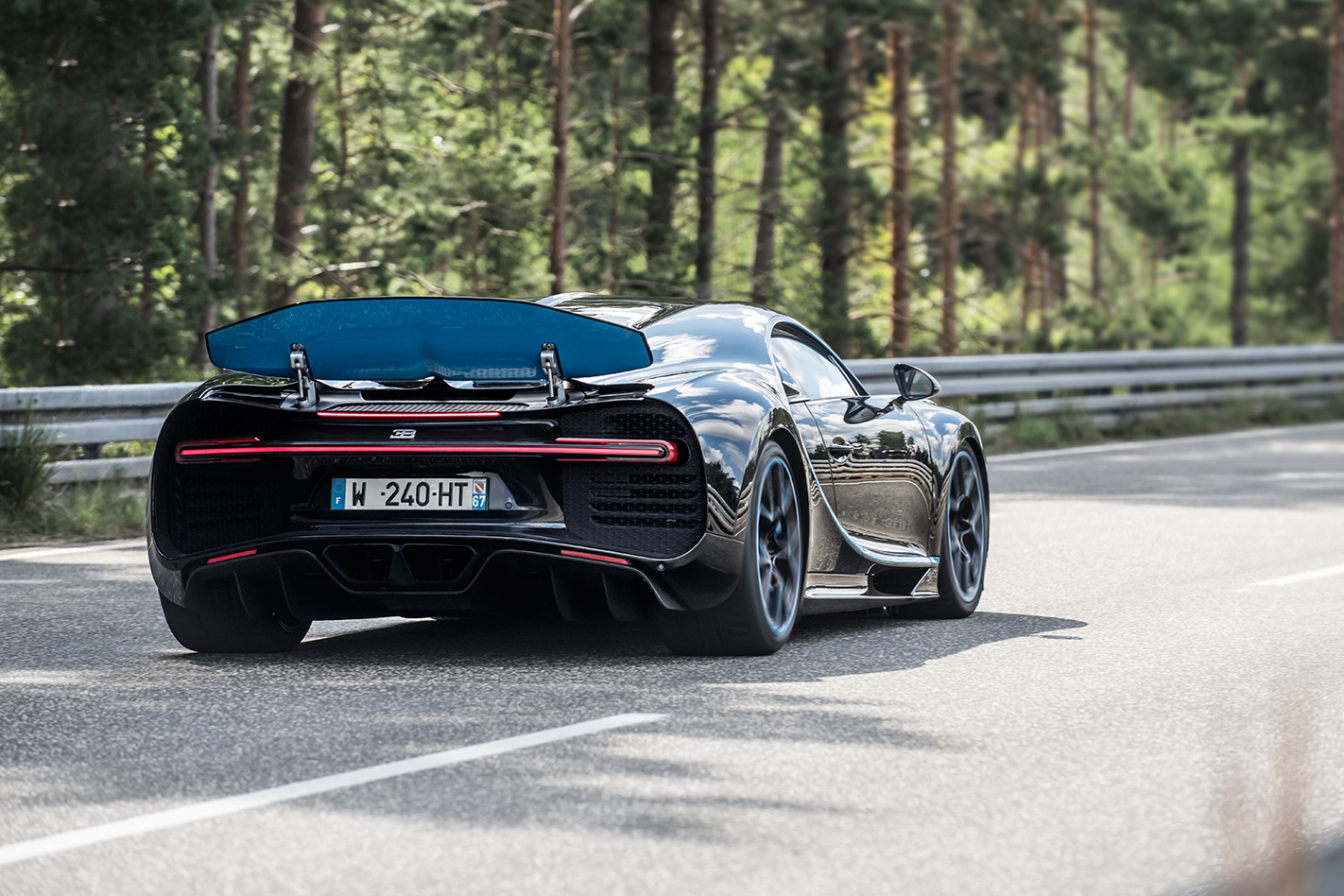
Next up for the Chiron is a new outright top-speed record attempt of more than 431km/h, currently held by a supercar the Chiron has replaced, the Bugatti Veyron Supersport.
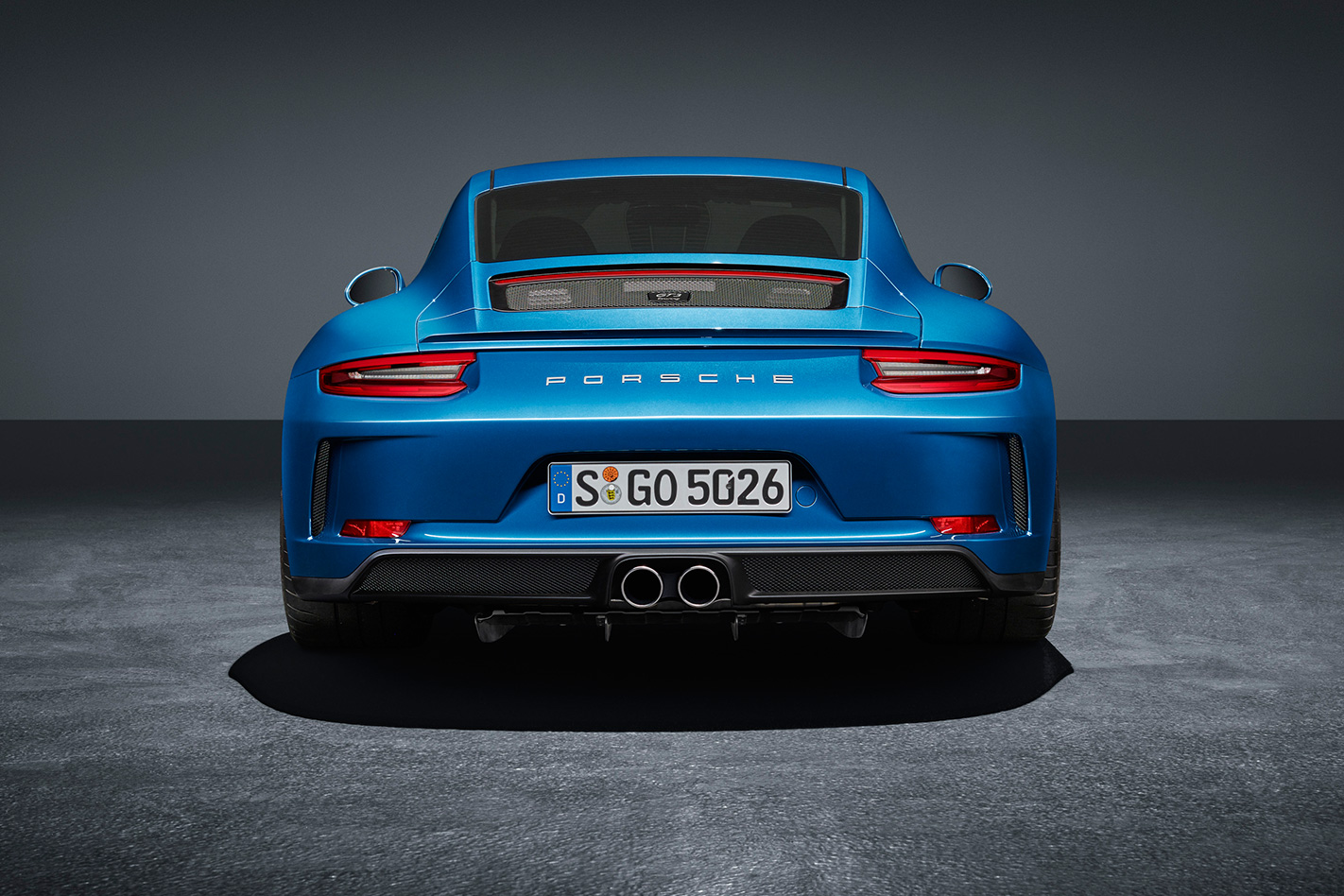
PORSCHE has produced what it calls a ‘purist’ version of its 911 GT3 track weapon at the Frankfurt Motor Show.
The GT3 Touring will sit alongside the standard 911 GT3 and even angrier GT3 RS models, offering a visually lower key version that still retains the mechanical fireworks.
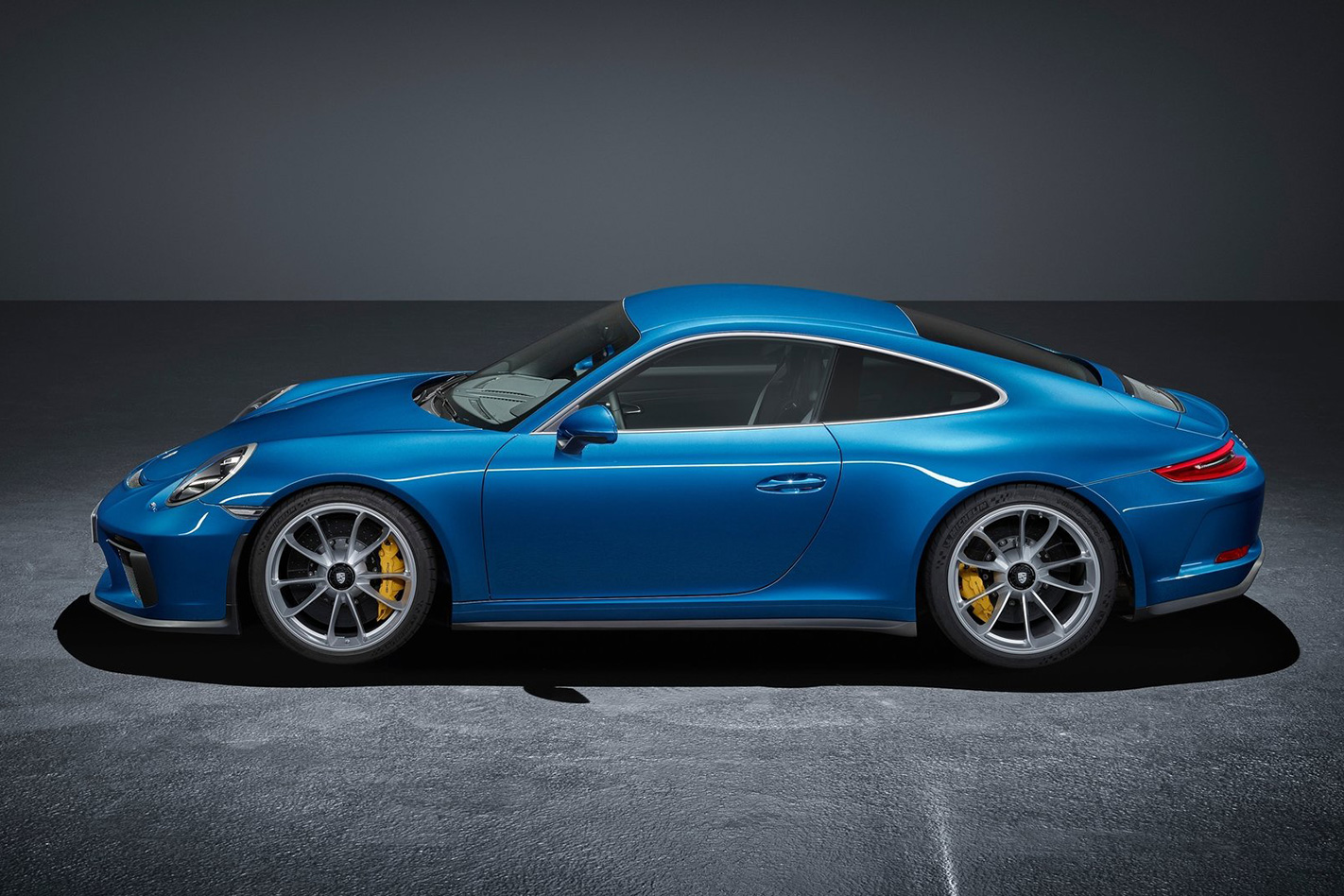
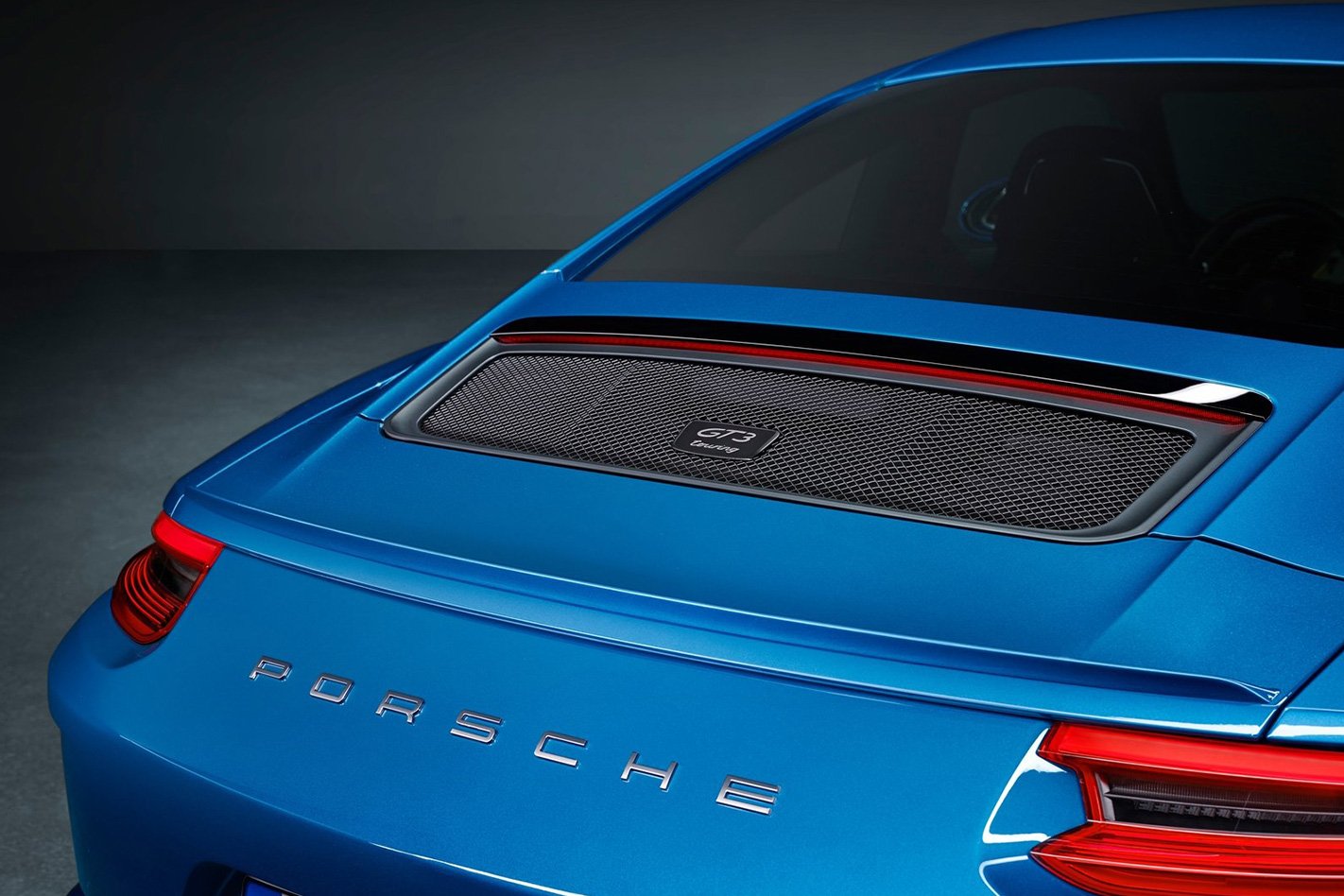
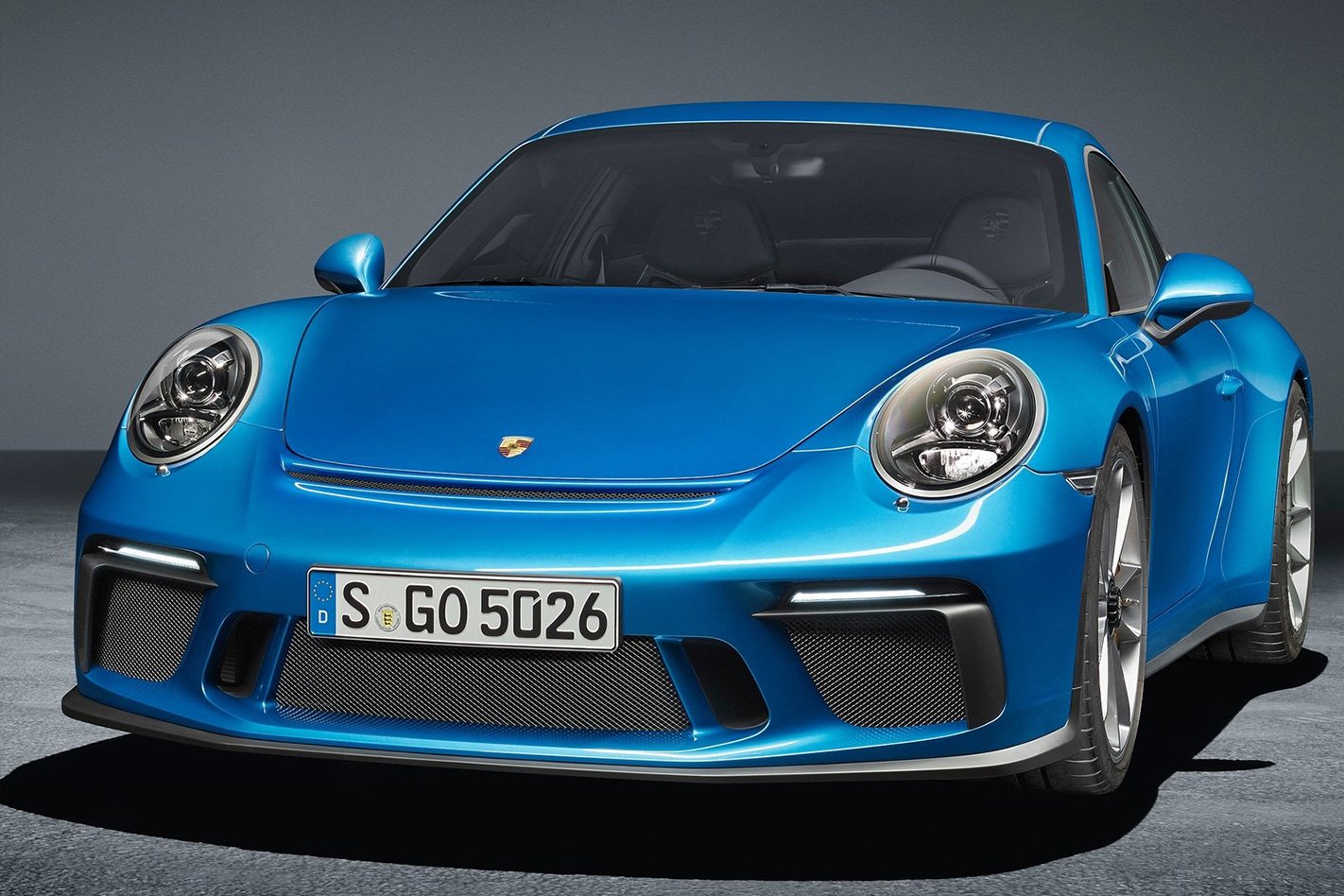
The lairy rear wing of the GT3 has gone, replaced by a subtler retractable item and black mesh vent. The 20-inch forged alloy wheels with centre lock caps are probably the biggest clue that this is no ordinary 911. Those, and the more focused front and rear bumper sections.
As with any Porsche, the options list is huge, and it’s possible to option back in sports seats, carbon ceramic brakes and a Sport Chrono pack if you feel the Touring needs a bit of extra drama. Alcantara trim and a roll cage? That’s a stretch too far.
Such speculation had irked former Porsche Australia Public Relations and Motorsport Director Paul Ellis, who told us in May that said speculative on-selling of limited-edition cars at heavily inflated prices is something that is universally disliked within Porsche.
Perhaps the availability of the 911 Touring, a model that we quizzed Porsche Australia about in May, will take a bit of the wind out of the 911R’s sails. Given the market for limited run high-end 911s, we wouldn’t count on it, but enjoying a bit of that appeal albeit in a detuned version (the 911R used the GT3 RS powerplant) has to be great news for all those Porsche customers who couldn’t or didn’t make the list for the R.
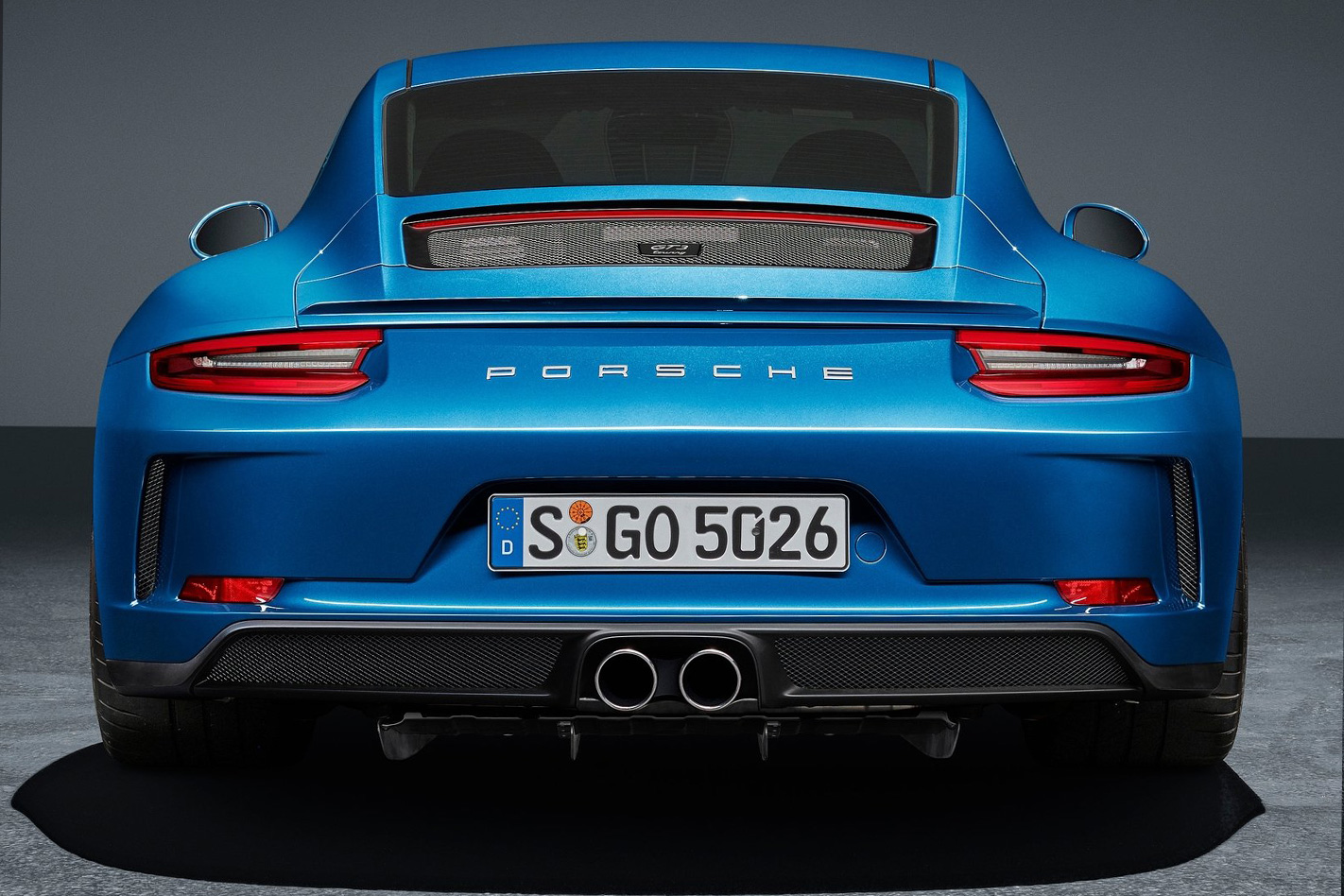
Speculative Porsche 911 R sellers might want to look away. The brand’s new 911 GT3 Touring Package will put the special edition’s ethos into full production.
The new GT3 variant was revealed overnight at the Frankfurt Motor Show, debuting a wing-delete on the benchmark super sports-car for the first time.
A regular 911 Carrera’s extendable rear-spoiler smooths off the car’s iconic rump, while a new rear diffuser regains downforce.
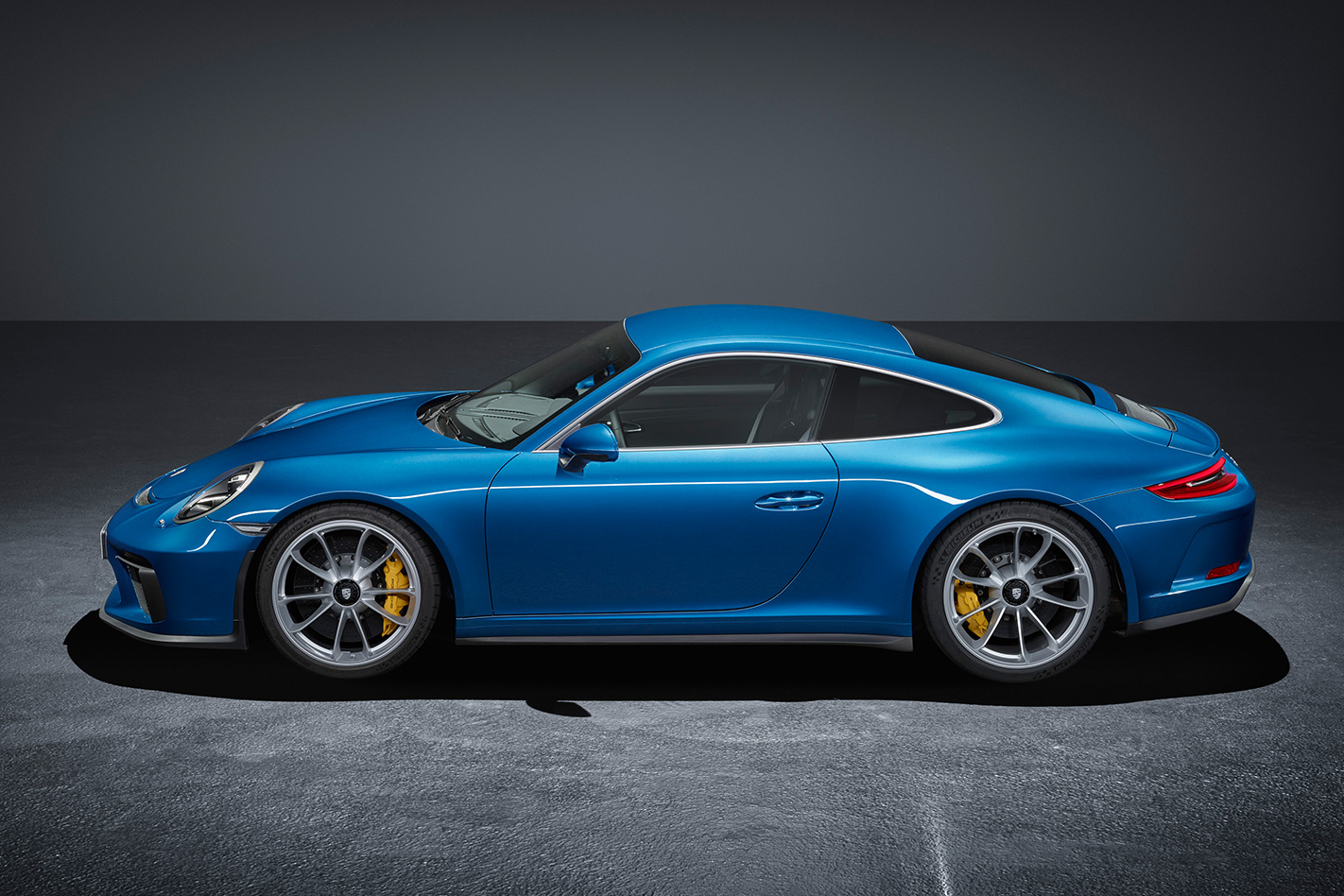
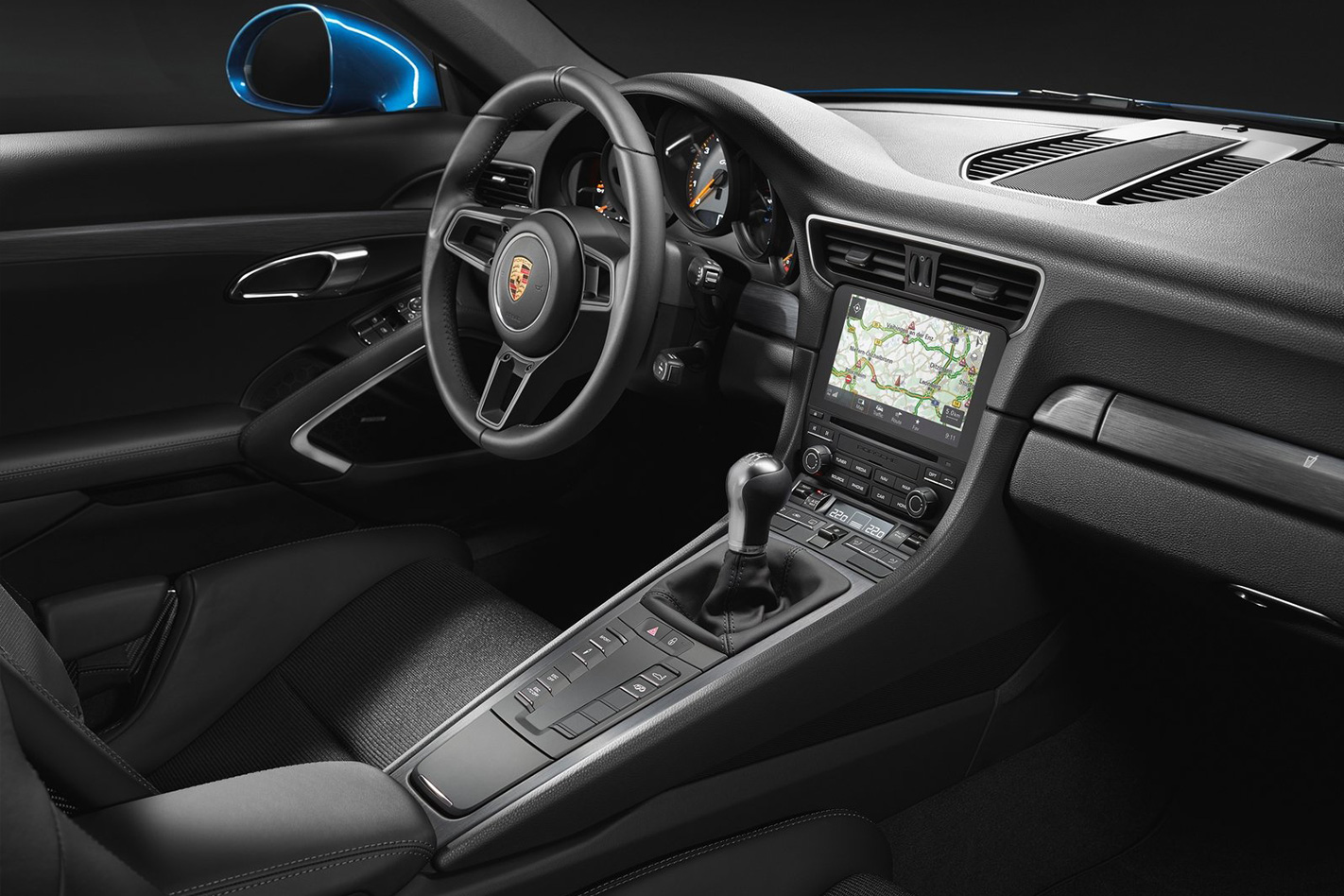
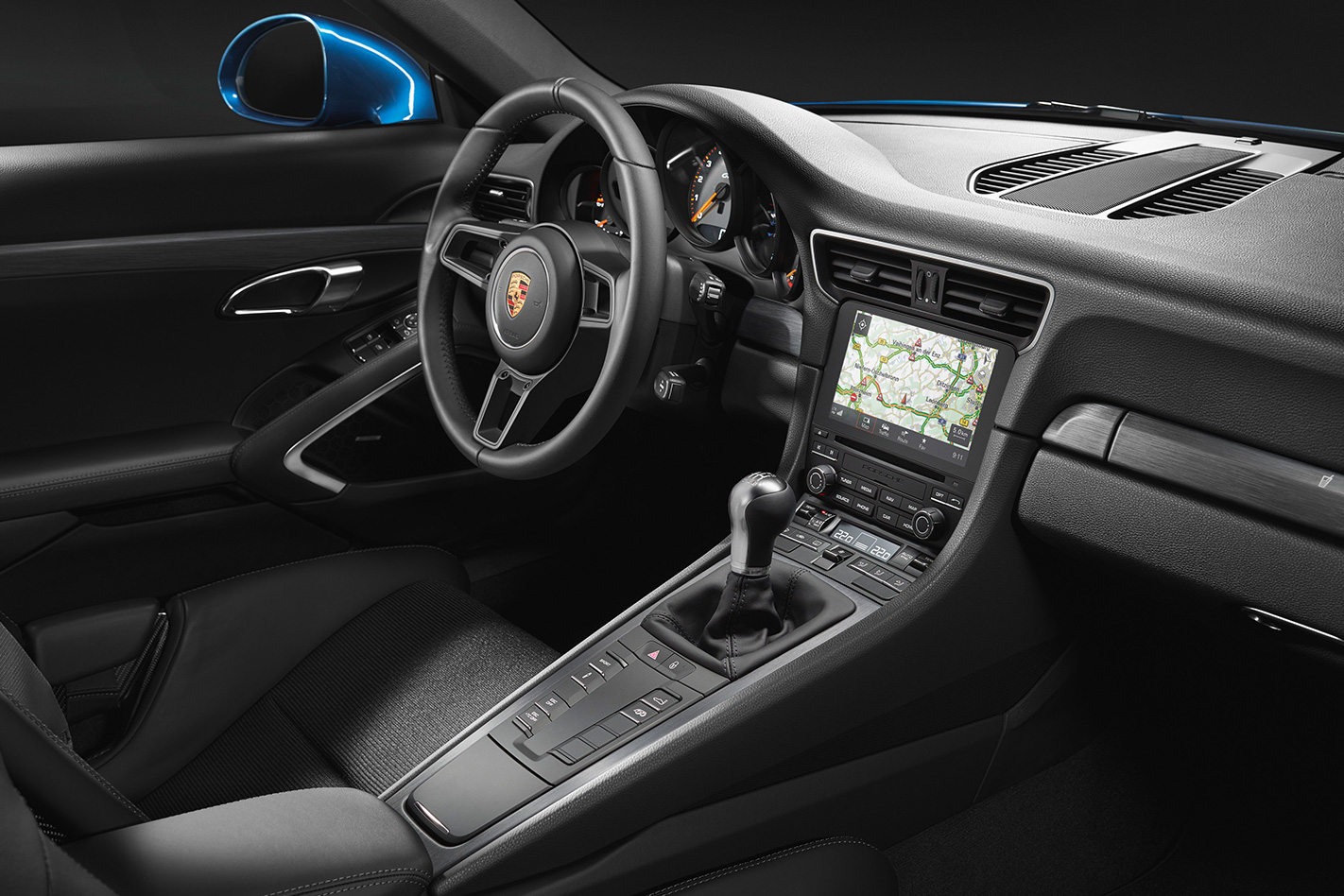
Only a manual transmission will be offered. The six-speed unit can blip revs on downshifts in Sport mode if your heel and toe isn’t up to scratch. Of course, like all GT3s, it’s rear drive.
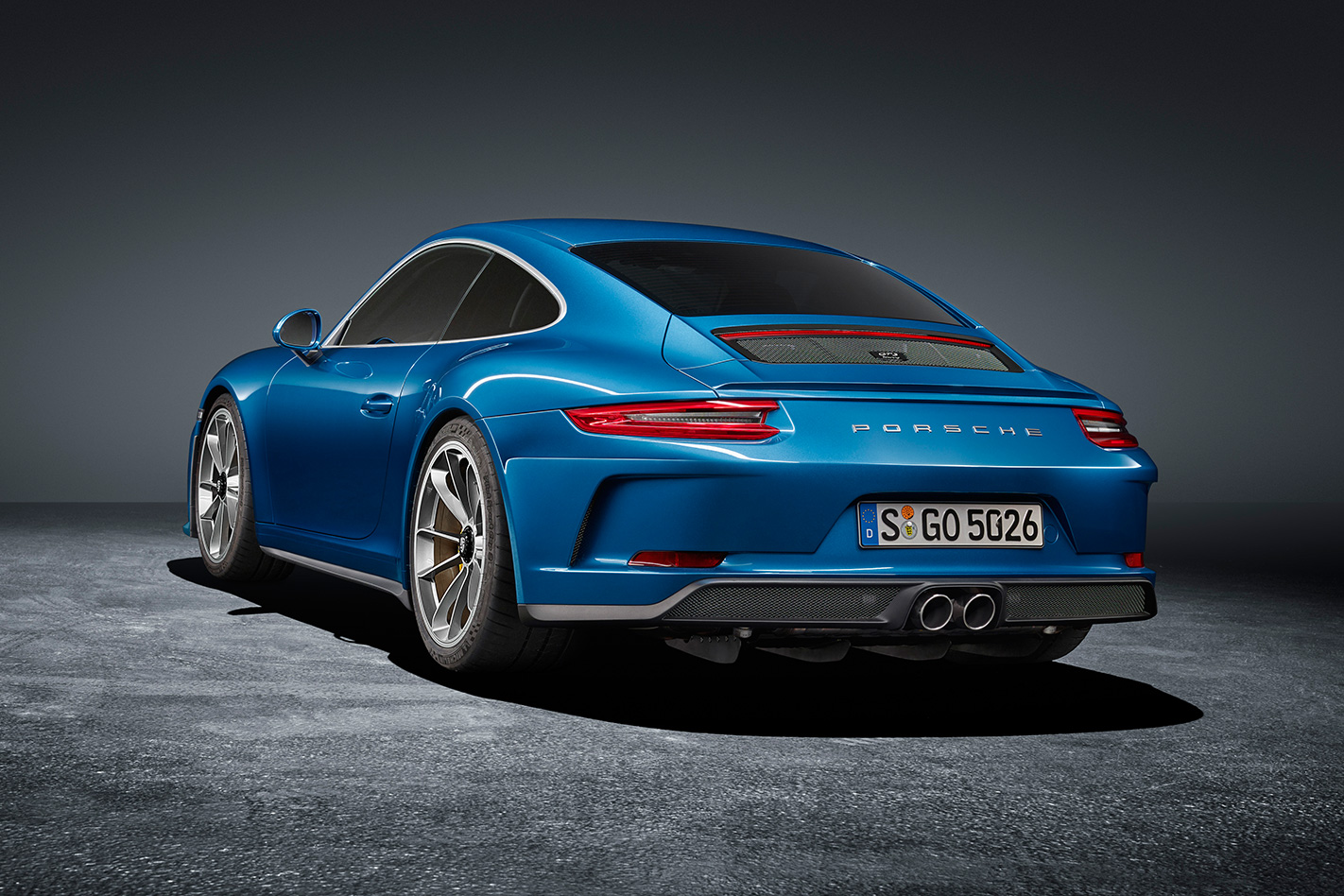
Keeping true to the car’s ‘Touring’ tag, the interior is swathed in leather. And don’t look for roll-cages, a fire extinguisher, or Alcantara on the options list.
Exterior details like the headlight washers, exhaust tips, and window trim are now finished in silver. However, you can option them in menacing black when you ask for dark tinted front and rear lights.
Its arrival should clamp the huge prices attached to the highly limited 911 Rs, which features the same drivetrain spec and silhouette.
And as a result some are asking two-and-a-half their recommended retail, which was set at $404K in Australia last year.
