
HOLD on to your hardhats, because Mazda looks set to jam not one, not two, but three compressors under the lid of its workhorse ute.
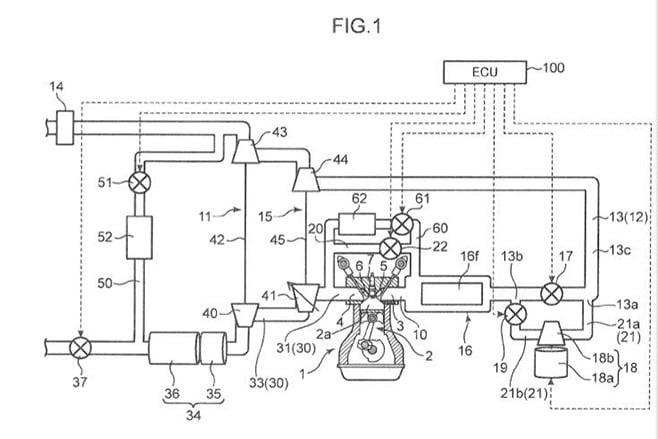
A patent lodged by Mazda has potentially let slip the automaker’s intentions for its next-generation BT-50, revealing a sophisticated twin-turbo, electrically-supercharged engine is in the Japanese brand’s future powertrain pipeline.
The patent, lodged with the US Patent and Trademark Office, doesn’t explicitly name the BT-50 but describes the engine in surprising detail.
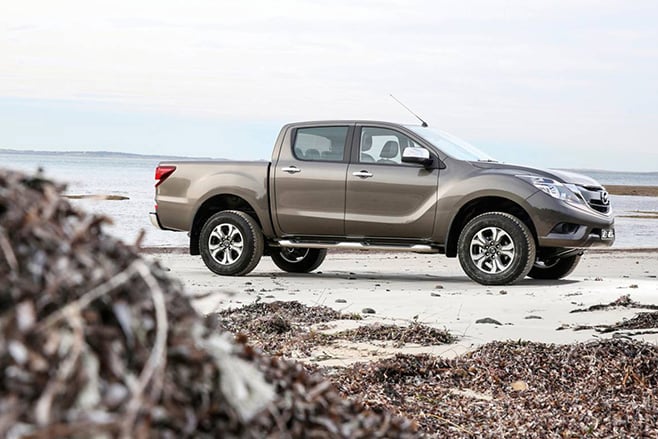
And there’s only one diesel-engined non-truck in Mazda’s product portfolio that mounts its engine in a north-south orientation – the BT-50. Given the specifics mentioned, it’s highly unlikely that this engine is destined for anything else.
However Mazda’s strategy of adding an electrically-driven supercharger to the mix goes a step further in improving diesel driveability.
The patent details that the electric supercharger serves to generate boost when the first and second turbochargers – which rely on exhaust gas flow to spool up – aren’t spinning fast enough, such as when driving at low rpm.
It’s a similar ‘torque fill’ strategy as employed by the Audi SQ7’s diesel V8, which also teams an electric supercharger with a pair of conventional turbos.
At higher rpm a set of bypass valves take the electric supercharger out of play, with the twin turbos providing full boost. A liquid-to-air intercooler then chills the charge before it’s combusted by the engine, with exhaust gas then flowing through both turbochargers and a sizable diesel particulate filter.
When we’ll see it in a Mazda vehicle remains to be seen. The next-generation BT-50 is due to supersede the current model in 2019, and will no longer share its ladder-framed bones with the Ford Ranger and instead move to the new Isuzu D-Max’s platform. Whether this clever triple-compressor diesel will arrive at the same time has yet to be confirmed.
Skoda is expanding its Kodiaq large SUV range with a new diesel variant to complement the existing petrol model.
The new 140TDI features the same 140kW/400Nm 2.0-litre turbo diesel found in the Skoda Superb range.
As well as having more power and torque than the 132TSI’s 32kW/320Nm 2.0-litre turbo petrol donk, it’s significantly more fuel efficient, sipping 5.9L/100km (on the combined cycle) compared to the petrol’s 7.6L/100km.
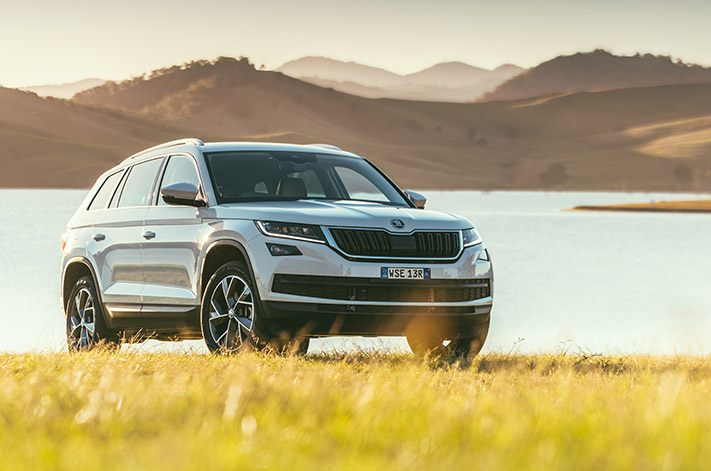
The Kodiaq 140TDI will retail at $48,990, a $6000 premium over the 132TSI despite having the same standard equipment levels, including:
- Active cruise control
- Keyless entry and ignition
- Dual-zone climate control
- LED headlamps
- Foglamps
- Powered tailgate
- Electric parking brake
- Sliding second row
- Integrated sun blinds for rear doors
- Removable LED torch in boot
- Apple CarPlay and Android Auto smartphone mirroring
- USB, Bluetooth DVD, CD, AM/FM audio
- Satellite navigation
- Leather/Alcantara upholstery
- Autonomous emergency braking
- Nine airbags
- Fatigue monitoring
- Integrated door ding protection
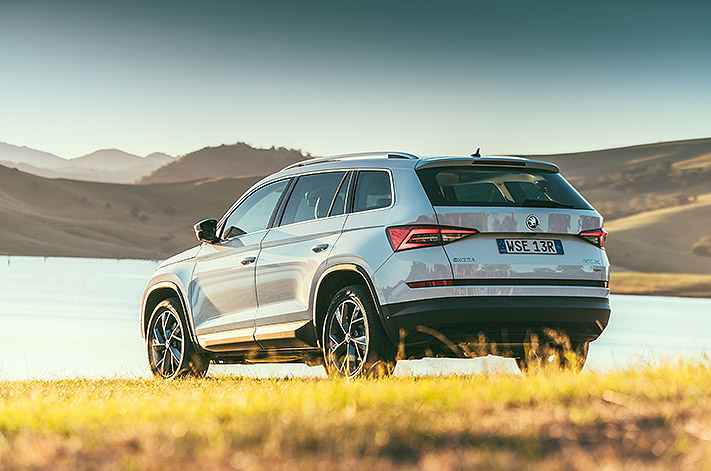
Both variants will receive some new kit for the 2018 model year including a 9.2-inch digital display with gesture control and digital radio, as well as a Sleep Pack which provides adjustable rear headrests similar to those found on airliners.
The 140TDI Kodiaq is expected to arrive in showrooms before Christmas.
Your driver’s licence card could soon be on the way out along with rego stickers, if a pilot project of digital licences in NSW is successful.
Dubbo residents will be the first to try out the digital licences, which are accessible via smart phones during NSW government trial beginning in November and, if successful the scheme could be rolled out across the state by 2019.
Like the traditional card licence the virtual version can be used as ID for police roadside checks and as proof of age identity at private establishments such as pubs and nightclubs.
NSW Roads Minister Melinda Pavey said the trial is “an opportunity to demonstrate the additional levels of identity security and increased protection against identity fraud that a digital licence provides compared to a physical one”.
Minister for Finance, Services and Property Dominic Perrottet said digital licences can be checked using a purpose-built checker app and stressed that the platform was secure and used “multi-tiered security features” similar to those used by phone banking applications.
The NSW digital driver’s licence scheme is part of a $12 million project which has already introduced digital fishing and boat licences and proof of Responsible Service of Alcohol (RSA), and Responsible Conduct of Gambling (RCG) competency.
Participation in the trial is optional but Dubbo residents are encouraged to be the first in the country to use the technology and register for the trial, which will help implement the state-wide rollout.
To use their digital driver’s licence, participants will need to install an application, register a MyServiceNSW account and add their NSW driver licence details.
So far, South Australia is the only other state close to rolling out similar technology through its mySA GOV app, which could incorporate driver’s licences by the end of the year.
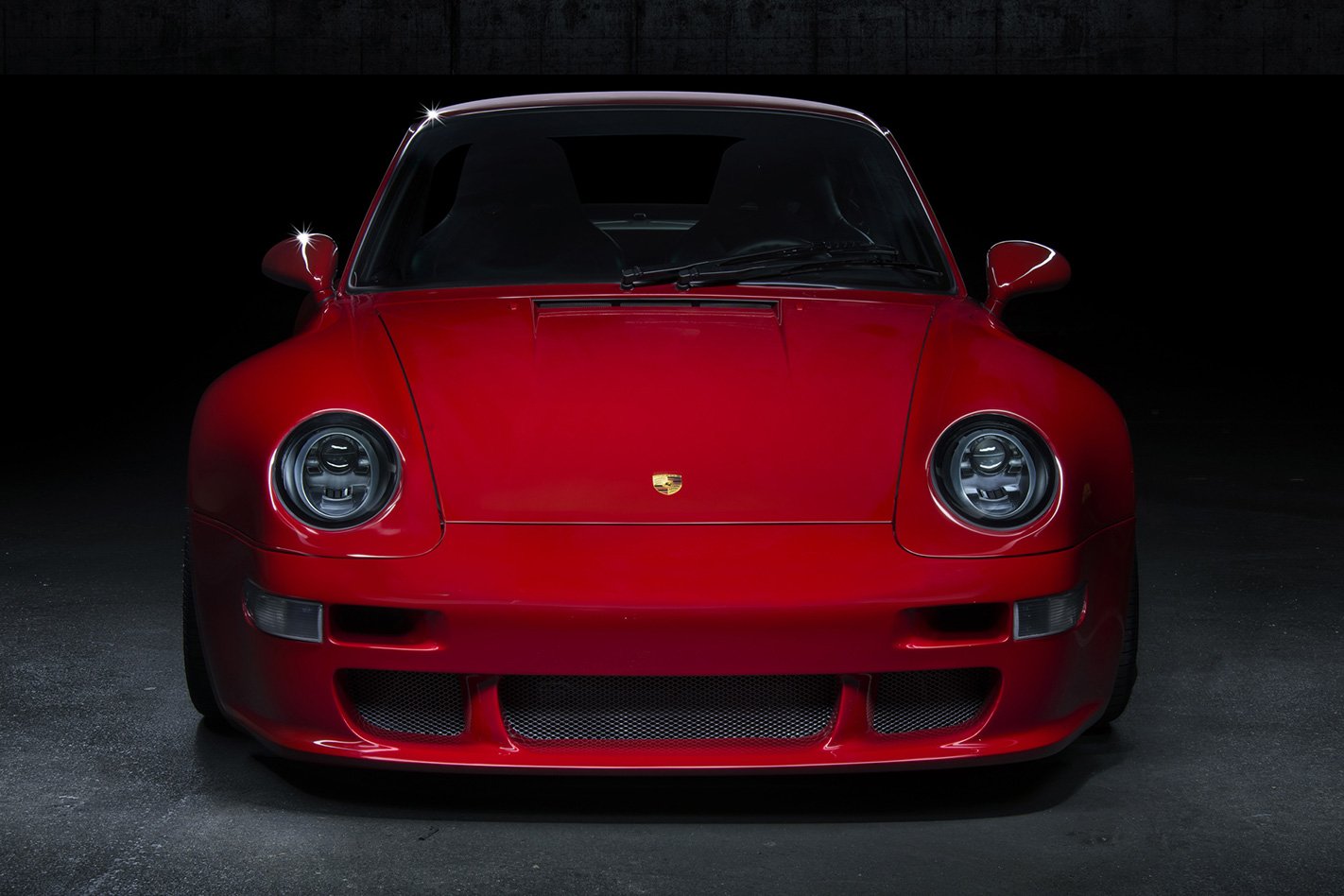
FOR MANY diehard Porsche 911 fans, the final air-cooled 993 was the ultimate incarnation of an iconic model, with looks that continue to get prettier with age and an unmistakable flat-six note, but North American 911 restorer Gunther Werks has gilded the lily.
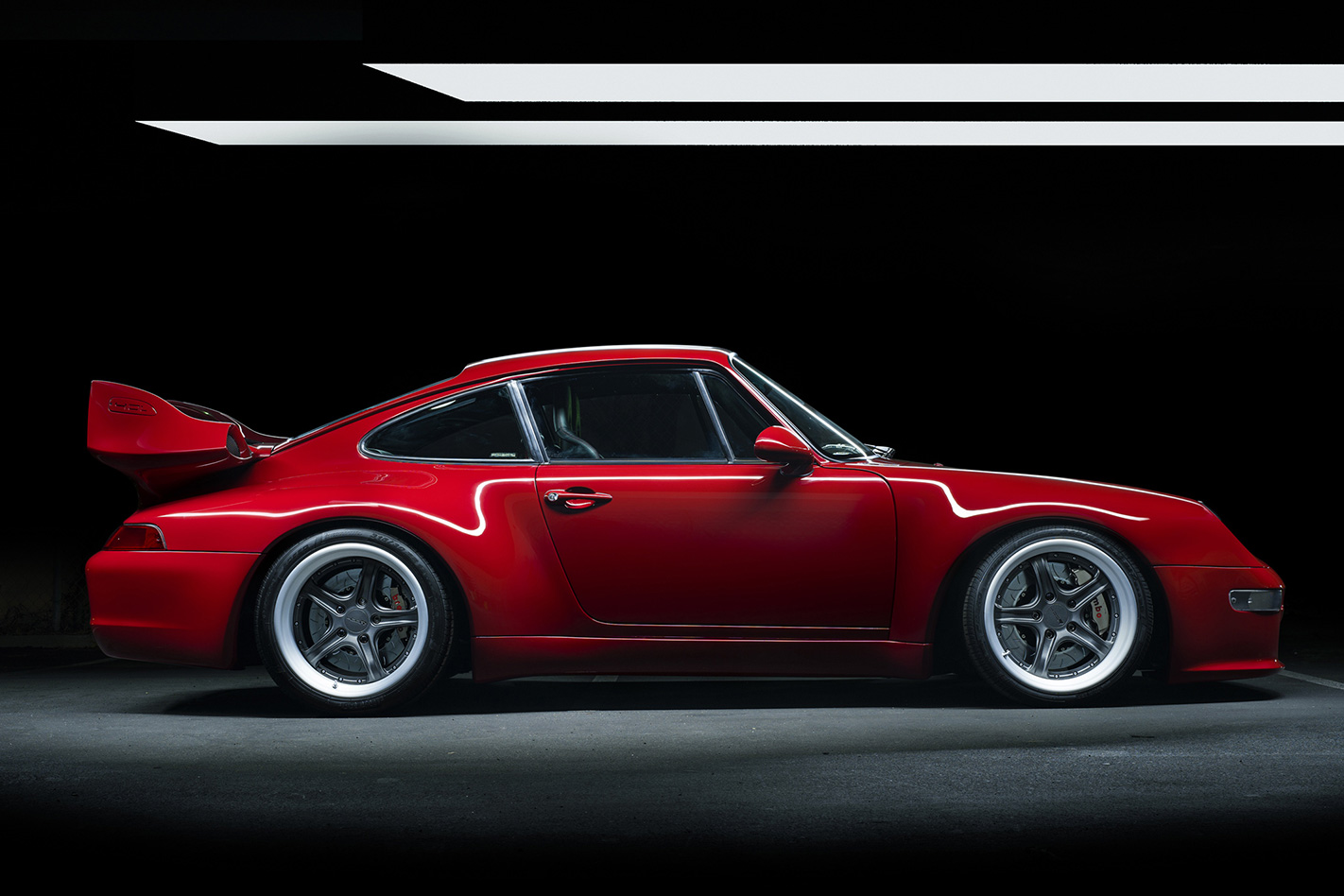
Making its debut at the 2017 Quail Motorsports Gathering, the new 400R is the product of a 993 911 donor car that has been put through a rigorous process of restoration, remanufacturing and modification at the hands of the independent specialist.
None of the 993’s original aesthetic charm has been lost in the transformation with the unmistakable proportions and jaw-dropping design retained, but scratch the flawless paintwork and it is a different story underneath.
More carbonfibre features on the inside for the pair of front racing seats, handbrake and the bespoke panel that covers the area where the rear seats have been deleted. As an option, customers can also specify a special carbonfibre lithium battery that weighs just 1.9kg and saves 13kg over a standard lead acid version.
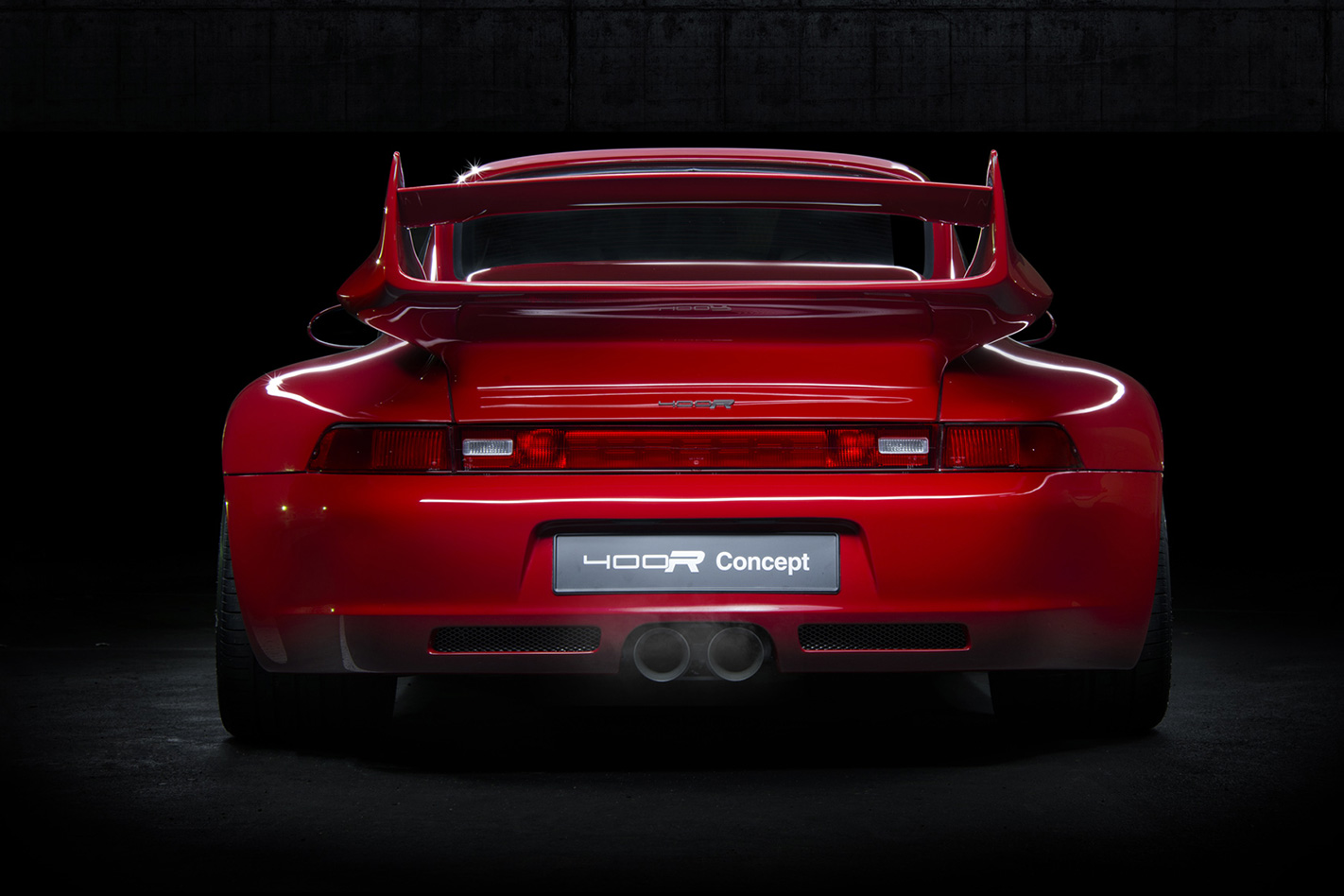
For the chassis, Gunther Werks took possibly the most desirable 993 – the ultra-rare and highly potent 993 GT2 – as the inspiration for its suspension, which the company says is almost identical in its car.
In its tail, the 400R still packs the air-cooled flat six with natural aspiration that was fitted to sub-turbo variants, but for the modern interpretation virtually every component has been redesigned, modified or blueprinted by Rothsport.
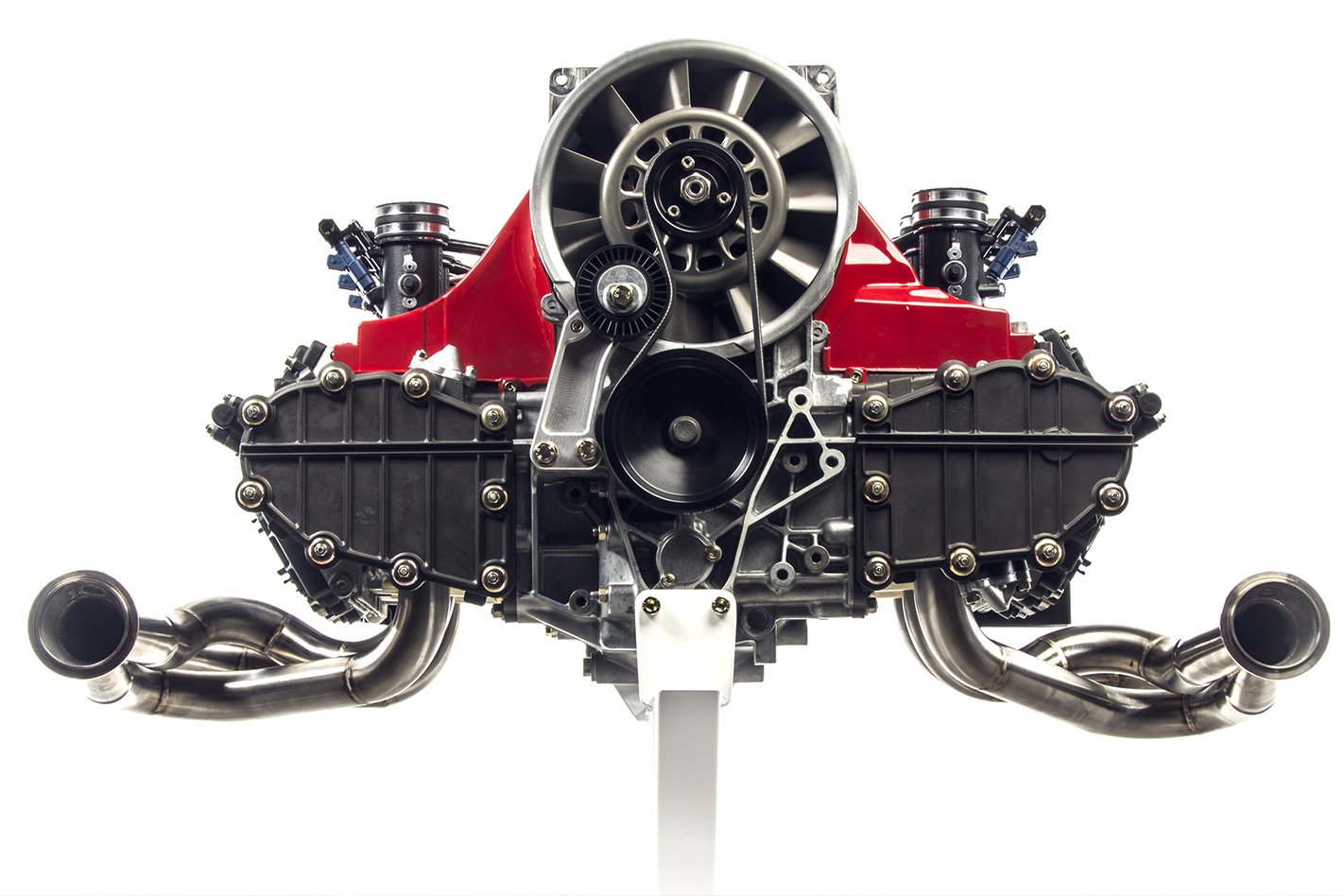
The result is 298kW and 447Nm with a 7800rpm redline, which doubtless sounds heavenly when paired with the optional titanium exhaust and electrically operated valves.
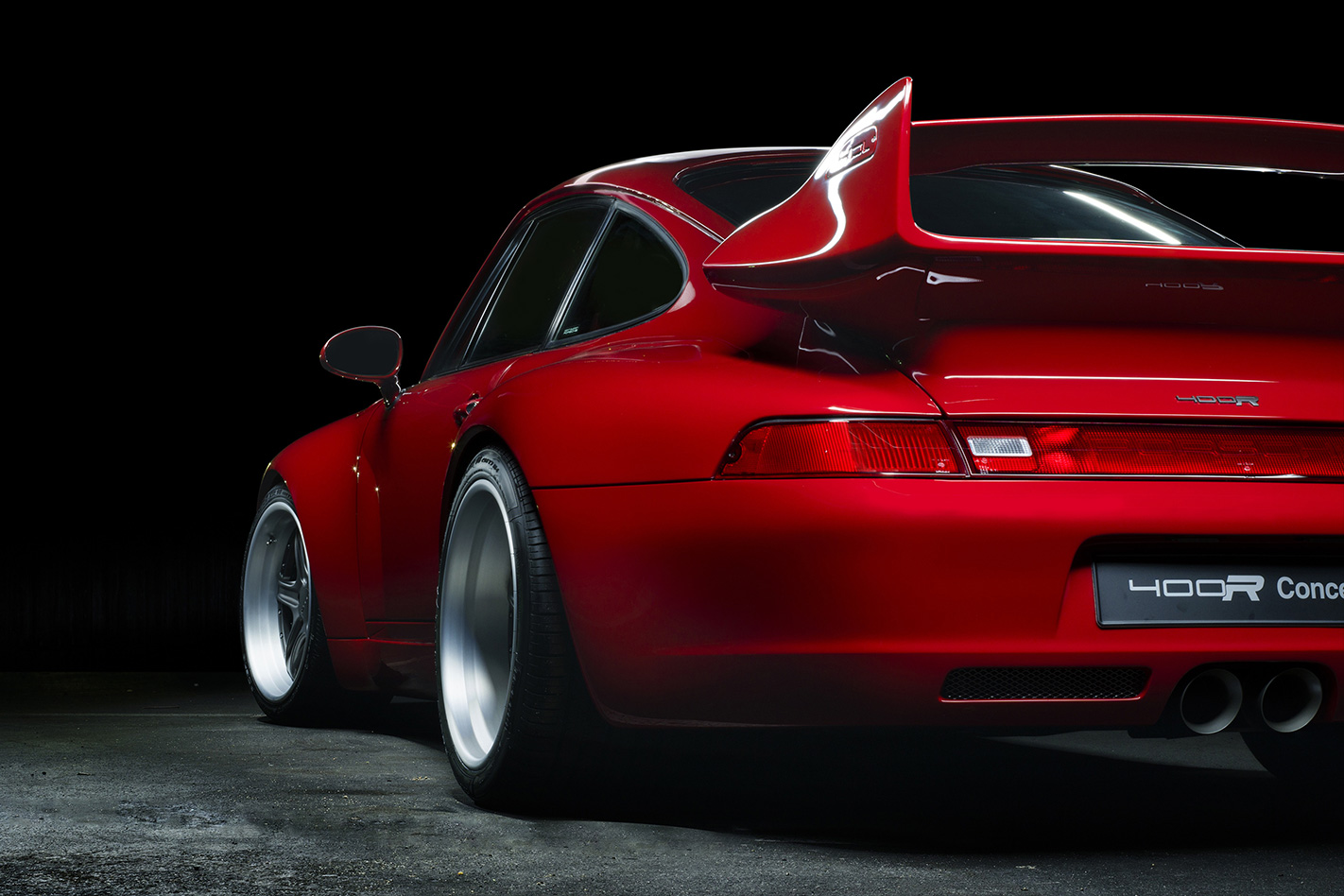
Perfection comes at a price though and customers will have to find $US525,000 ($A660,000) plus a donor car, and will need to act fast to avoid disappointment with production limited to just 25.
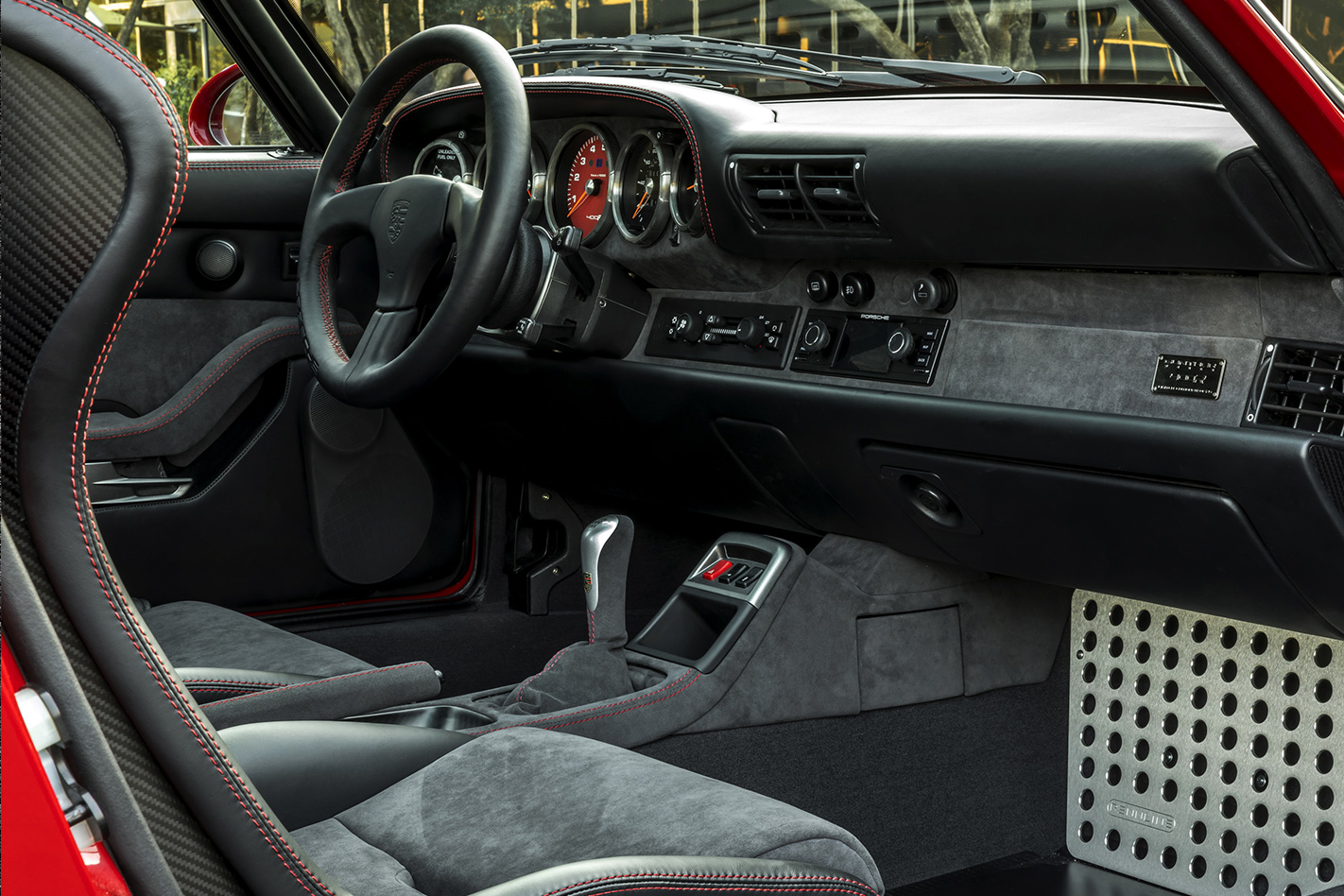
It’s hard to imagine a Porsche more desirable than the Gunther Werks 400R or how you could take such a coveted model and enhance it any further than the tuner is offering, but we think if you could secure one of the manic ground-up designed Singer flat sixes we featured earlier this month, slotted it into the body of a 400R and turned the key, you would experience motoring nirvana.
Kiyoyuki (or ‘Ken’) Okuyama, the renowned Japanese designer, has unveiled his latest project: the Kode 0.
As the man behind the design of high-end cars such as the Ferrari Enzo and the Maserati Quattroporte, Okuyama’s recent ‘Kode’ concepts have been limited edition curiosities, which have attracted attention from the Floyd Mayweathers of the world.
But this one can’t be bought with boxing money, it’s a 515kW/690Nm V12 one-off.
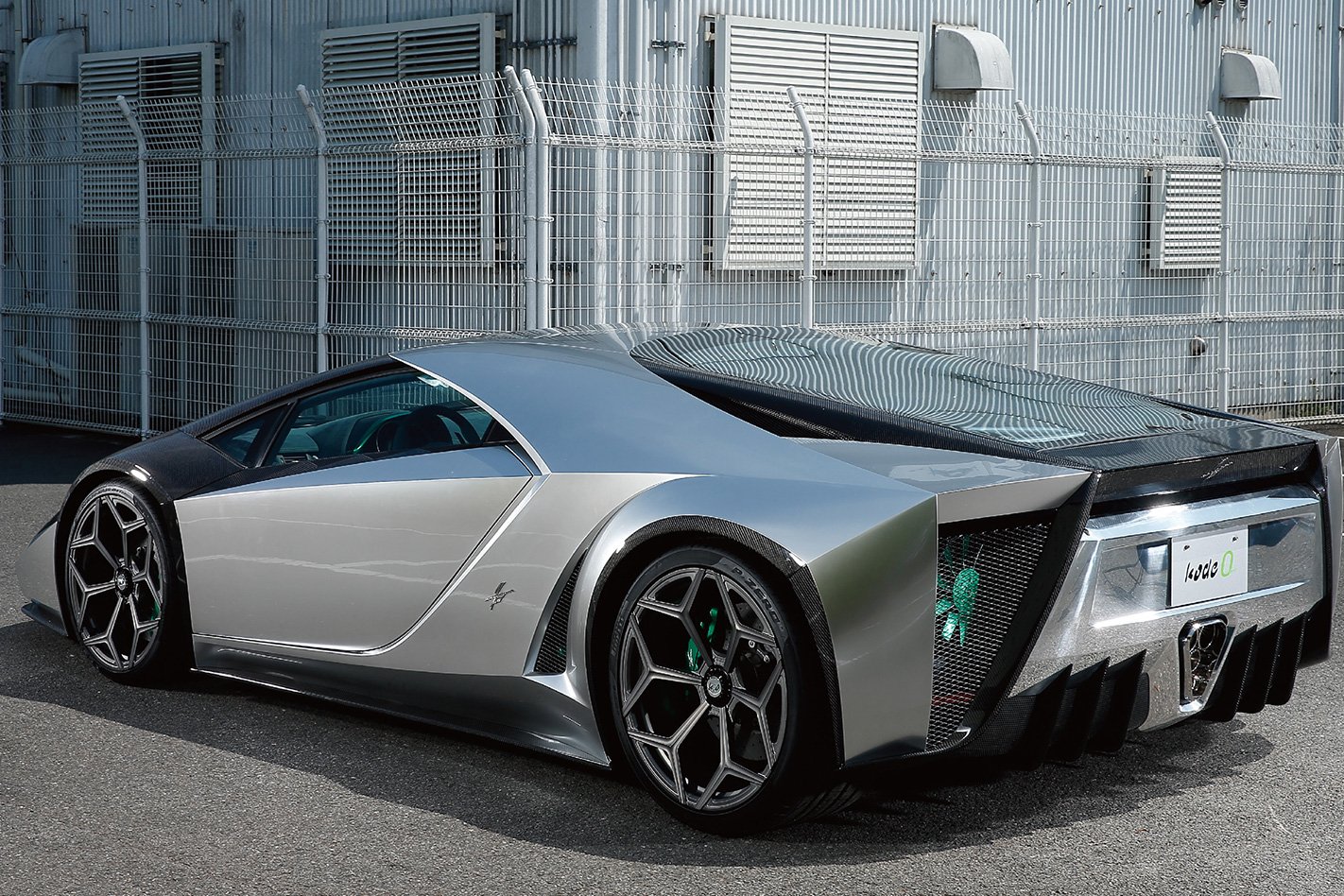
That sounds a lot like what we look for in a car.
To be more specific, Okuyama’s design is based on a ‘one-motion’ shape, one line continued from the front over and right to the back of the car.
Loud green accents appear behind the wheels in the form of callipers, and the same colour can be seen on the rans behind the rear mesh vents, as well as on the central engine cover.
Inside, the green oozes from between leather and Alcantara surfaces, highlighting wild additions to an already out-there supercar.
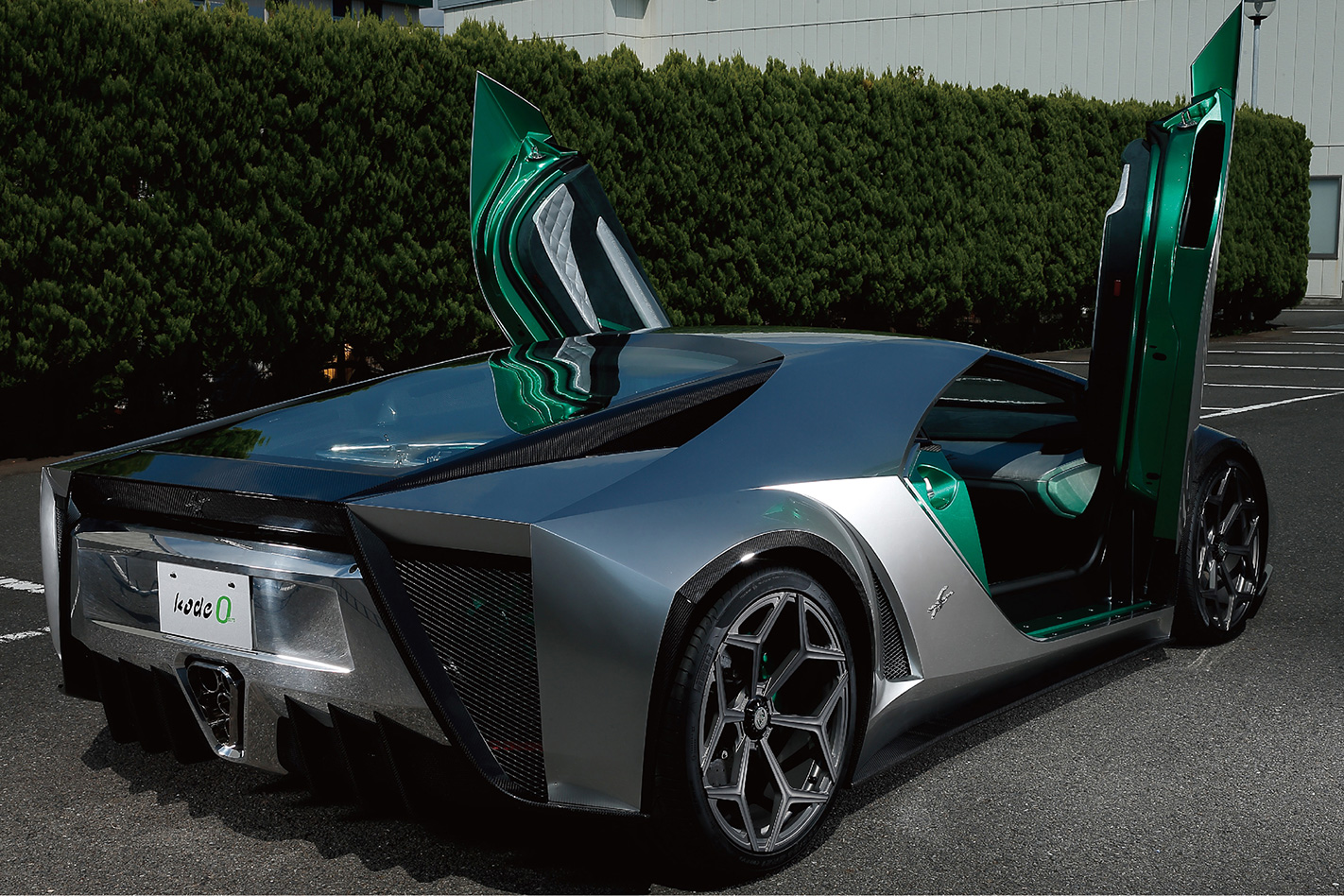
“Penned at Ken Okuyama Design’s Aoyama studio in Tokyo, the Kode 0 was assembled at the Ken Okuyama Cars factory in Yamagata using industry-leading NC machine cutting techniques to cut and shape all carbon fibre body panels.
“By gathering the highest quality components from around the world, all production and assembly were done by hand using Japan’s precision quality controlled methods.”
It certainly strikes us as something only Japan could conjure.
The Mitsubishi Mirage has landed itself the title of Australia’s cheapest car after its closest rival, the Suzuki Celerio, was withdrawn from the Australian market.
The $12,990 Celerio held the title as Australia’s cheapest new car with an automatic transmission – the version most buyers will take home ahead of a manual one – last year after Suzuki effectively priced the version of the small hatch fitted with a continuously variable transmission the same as the five-speed manual version.
In contrast, the cheapest Mirage fitted with an automatic transmission – like the Celerio it uses a CVT – is priced from $14,250. Opt for the five-speed manual version, though, and you’ll only pay $12,250 for a five-speed manual version.
However, that’s not the cheapest the Mirage has been on sale in Australia. In mid-2014, the Mirage was sold here briefly for $11,490 before jumping up to $11,990 in 2015. It moved up to $12,250 early last year.
As well as the $740 price divide, there were other big differences between the Mirage and the Celerio. For starters, the Mirage has a bigger, variable-valve 1.2-litre three-cylinder engine producing 57kW/100Nm, while the Suzuki made do with a more basic 998cc 50kW/90Nm version.
The Thai-built cars were packaged quite differently. The base Mirage has only two speakers, while the Celerio had four; the Mitsubishi a USB port, the Celerio none. There were other bits that the Mirage has and the Celerio missed, including a rear demister, a hill-hold function that would stop the car rolling back on hills, halogen headlights that stay lit up until you reach the front door, a driver’s footrest, and even a vanity mirror on the passenger side of the car.
But where the Celerio will be missed is in its driveability. The Suzuki was nominated for the 2015 Wheels Car of the Year awards because, despite its smaller engine, it drove quite well compared with competitors including the Mirage and the current segment leader, the Kia Picanto (below), which accounts for one of every two sales compared with the Mirage’s one in every four.
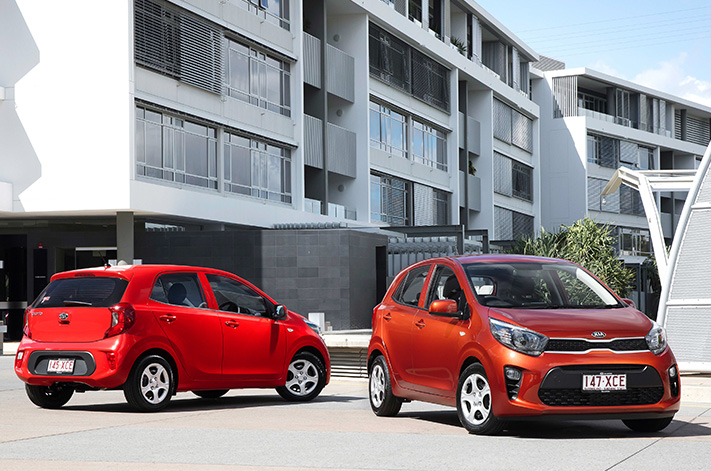
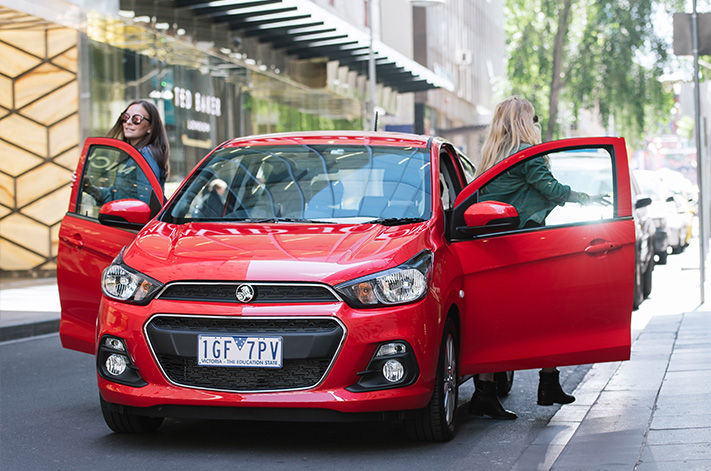
It was also judged the cheapest city car to own in the 2016 Wheels Gold Star Value Awards, placing it as Australia’s cheapest car to own, ahead of the Kia Picanto and one of the segment’s other relative newcomers, the Holden Spark (bottom).
The next cheapest small car with an automatic transmission is the $14,990 Kia Picanto. While it costs $740 more than the Mirage, it benefits from being a newer, much more richly equipped model – with a warranty that’s four years longer than the Mitsubishi.
THE Suzuki Celerio – one of Australia’s cheapest cars – has been withdrawn from the showroom as the Japanese brand struggles with falling small-car sales
The move comes after just four of the Celerio-badged four-seater hatchbacks were sold in July, with sales of the pint-sized runabout down almost 90 percent compared with the same month last year.
The Celerio’s demise is reflected in the downturn hitting the cheapest end of the passenger car market. Sales in the micro car class, where the Celerio sells against competitors like the Fiat 500, the Holden Spark, the Mitsubishi Mirage, and the segment-leading Kia Picanto, have fallen more than a quarter over the first seven months of this year.
The only other mainstream classes to fall further are the large car segment, dominated by the Holden Commodore, which is down by a similar percentage, and light cars costing more than $25,000 – where the Audi A1 and Peugeot 208 are struggling but Mini is making inroads – down more than 20 percent.
Suzuki Australia was asked for comment.
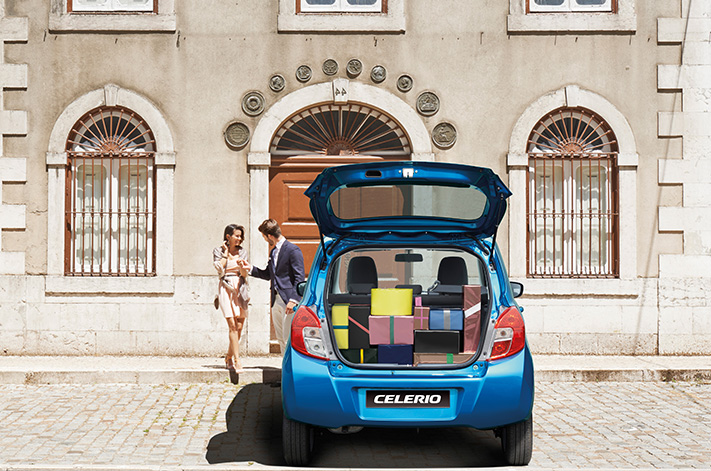
The likeable Suzuki Celerio has had a troubled run in Australia since its launch here in early 2015. The launch of the $12,990 Thai-built Celerio – only the Mitsubishi Mirage, also built in Thailand but priced from $12,250, was cheaper – was troubled from the start, with the hatch hit with a safety recall to fix brake problems that saw it suspended from sale, and awarded a lacklustre four-star crash safety rating.
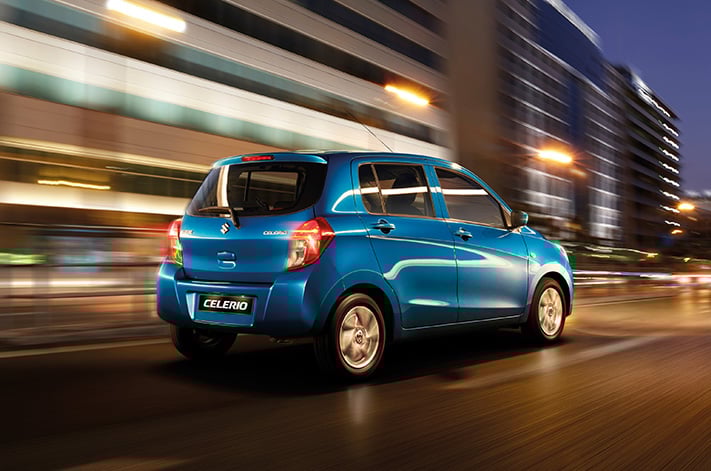
It’s a shame, because the Celerio was one of the more fun hatchbacks in its class to drive, sending punchy performance from its 50kW/90Nm 1.0-litre three-cylinder engine to the front wheels via a five-speed manual gearbox, or a $1000 more expensive continuously variable transmission. It also rode pretty well and handled enthusiastic cornering better than its rivals.
It was good enough to be nominated for the 2016 Wheels Car of the Year award, where only its dour looks – inside and out – and lack of seat comfort counted against it.
Suzuki will likely be pinning its small-car hopes on an all-new, slightly larger and more expensive Suzuki Swift it launched in Australia in June. It was the brand’s best-seller in July, finding homes with 547 buyers, but well down on the segment-crushing Hyundai Accent’s 1642 sales.
The Celerio – a replacement for the lacklustre, India-built Alto — isn’t the first slow-selling Suzuki to face the axe this year without any sign of a replacement. Early this year the Suzuki Kizashi sedan faded away from the showroom after a glacially slow seven-year sales run.
Getting your hands crossed-up while driving an IndyCar means something has gone wrong.
If you want your car to be stuck to the track, you want to be moving pretty quickly, and that’s not a time for rapid, wild hand movements.
Unless, that is, your car has just slid sideways any you’re doing everything you can to stop it.
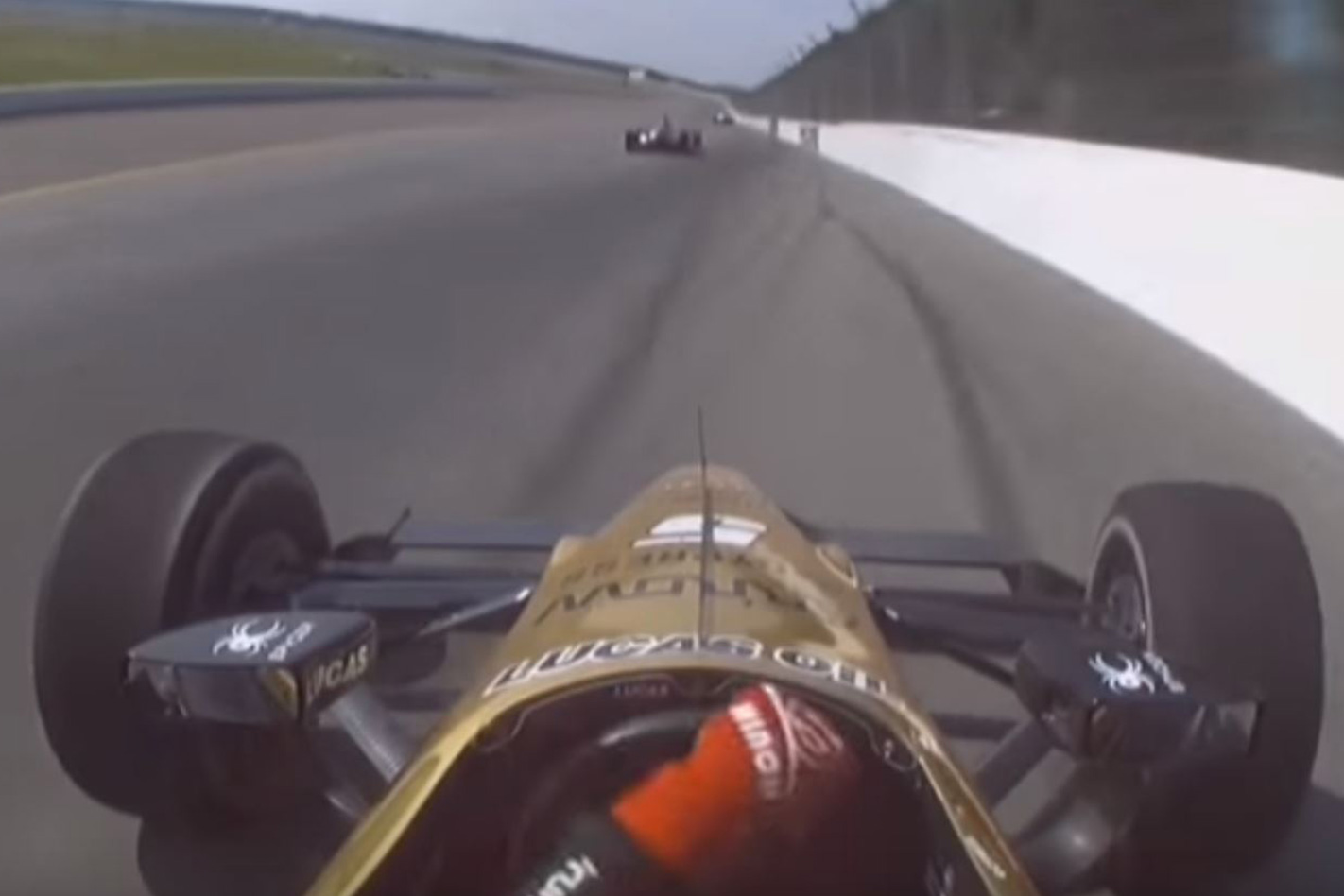
Canadian James Hinchcliffe was praised after this race for executing ‘the save of the year’, which meant he was able to carry on racing at a relatively competitive pace.
That is, until he got into another predicament about 20 laps later. This one wasn’t able to be saved.
Hinchcliffe’s front wheel nudged American J.R. Hildebrand’s rear wheel and sent the two spiralling out of control.
Hildebrand even said a bad word.
However, after the race, neither blamed the other, rather accepting that in the situation the outcome was probably unavoidable.
It’s always disappointing to see a driver not get to complete a race, though neither would have been as sore as Texan Ryan Hunter-Reay.
Hunter-Reay found himself hitting the barrier at a reported 139G during qualifying after a spin put his car backwards.
Watching that is a good way to realise how good Hinchcliffe’s save really was.
But after a lot of bad news from Ponoco, a silver lining rears its wonderful head for Australians – a Queenslander by the name of Will Power took out the top spot, driving for Team Penske.
Custom cars come in all forms, from the dodgy backyard jobs to those limited masterpieces of engineering.
This reimagined Porsche 993 from Gunther Werks is the latter.
Taking a car already considered by many enthusiasts to be Porsche perfection and changing, well, anything carries an enormous risk of being considered an automotive heretic. But when you can turn out a result like this, you’ll probably be forgiven.
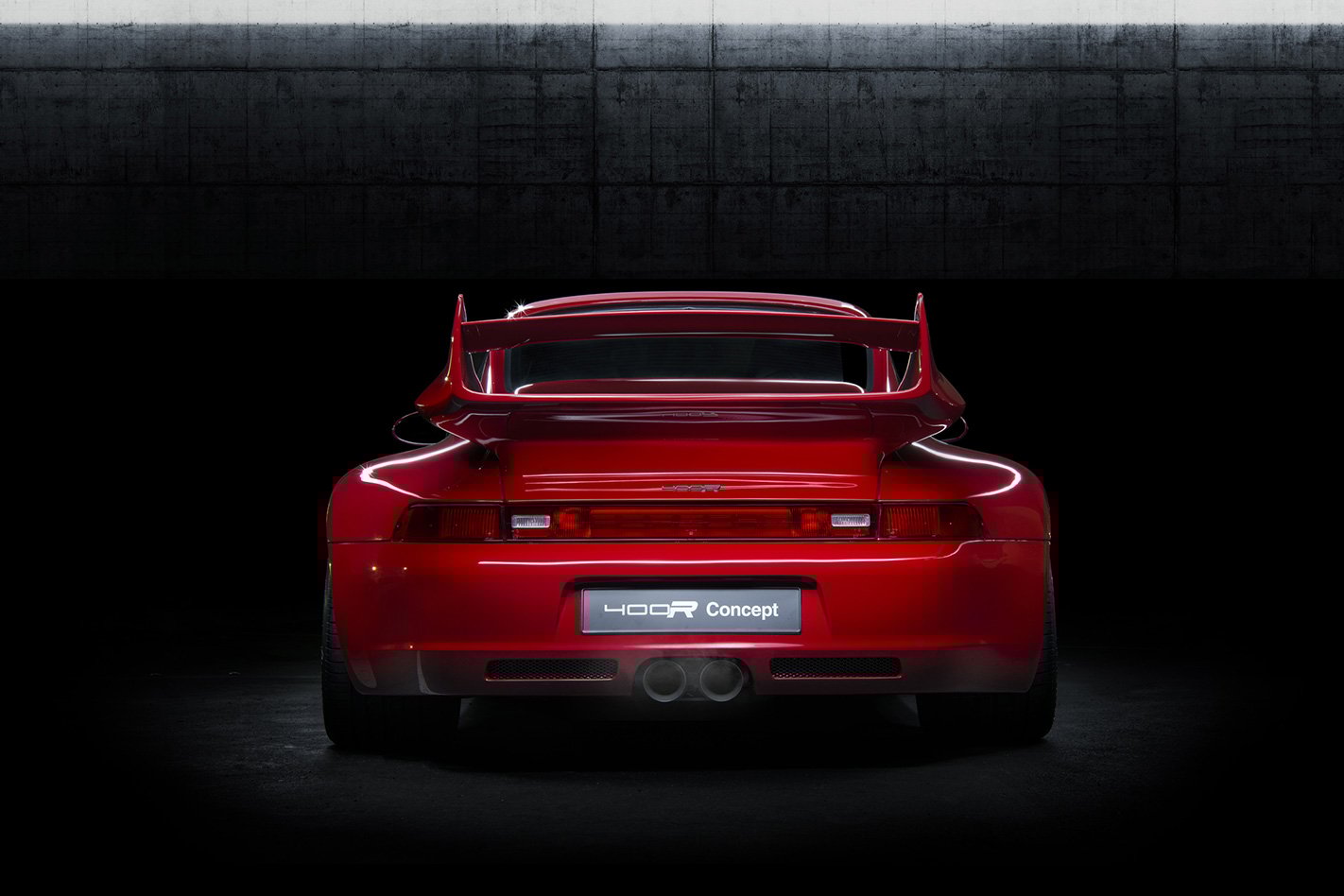
GW says the 400R is a “true bespoke vehicle” that “will appeal to even the most discriminating Porsche aficionado.”
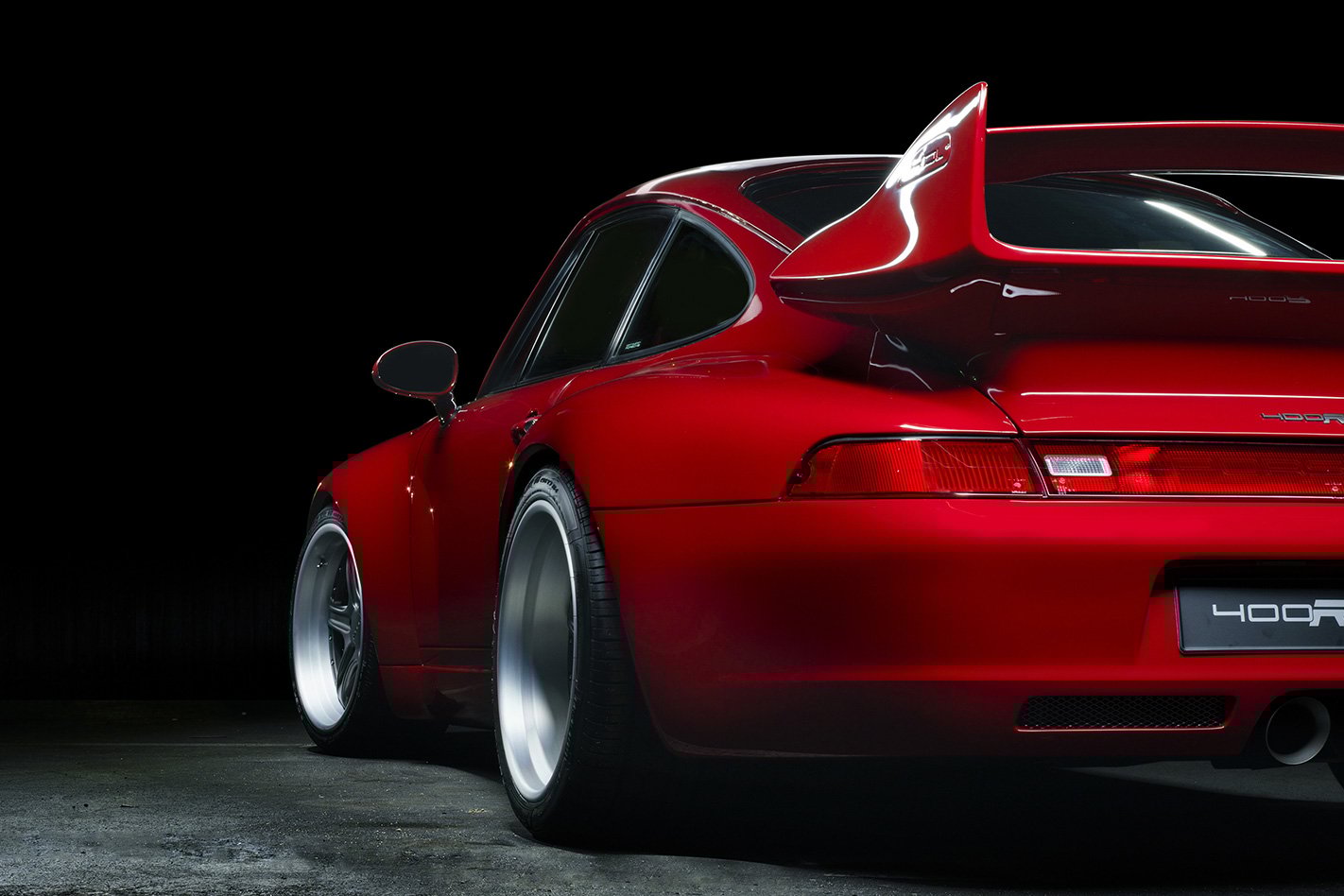
Essentially, the modifications Gunther Werks made have turned it into an air-cooled GT3 RS from the ‘90s.
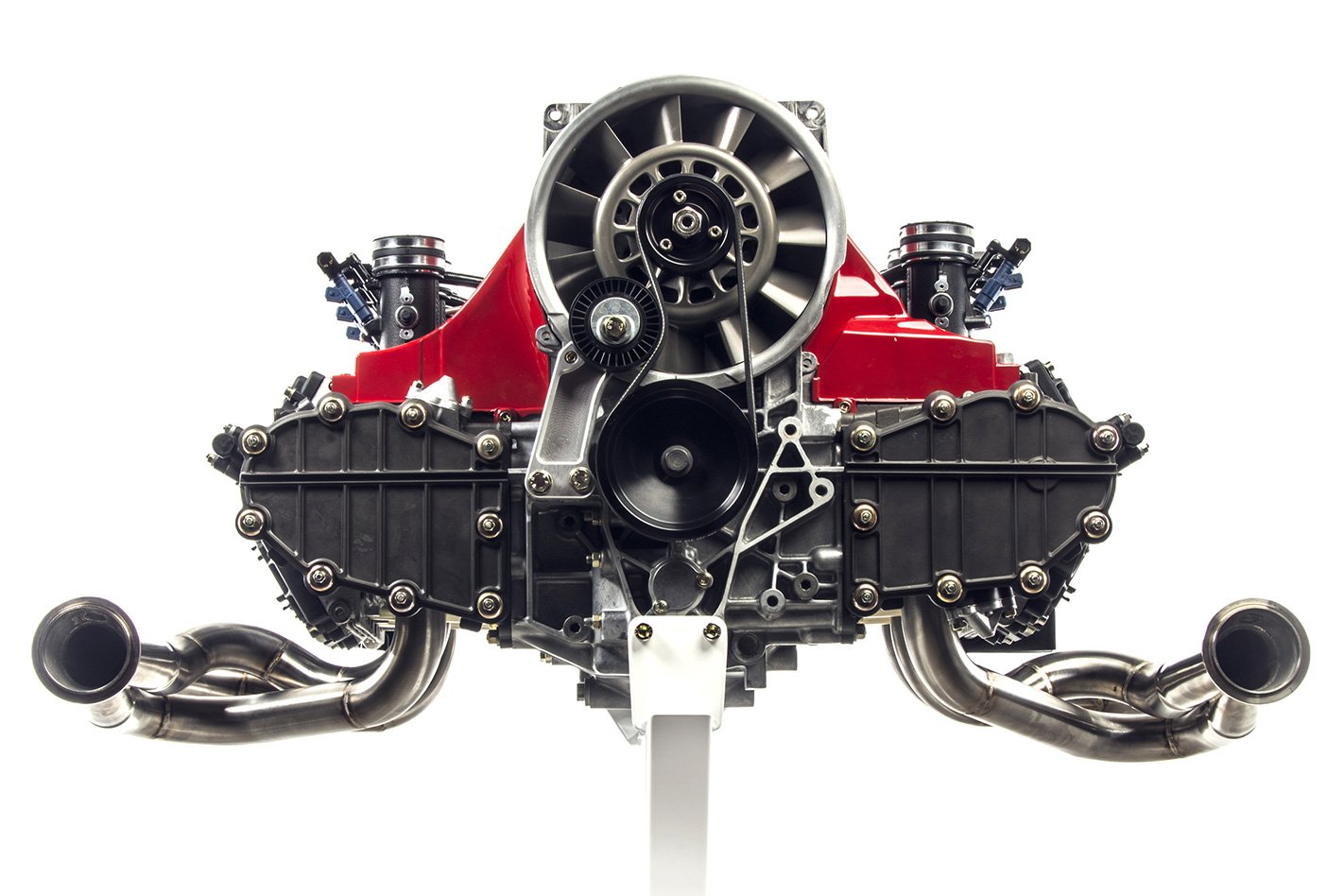
Mahle pistons, twin spark Motec Engine management, coil over plug ignition, individual throttle bodies, billet crankshaft, rods, and barrels, the list of engine upgrades goes on.
1 of 1 manual Porsche 991 911 GT3 RS
In addition, each 400R has a re-built 5-speed manual Getrag with custom ratios and upgraded linkages. An uprated single-plate clutch and a new diff are also added.
Inside, two carbon fibre bucket seats are the only places to sit, as the rear have been removed, while Alcantara, carbon fibre and billet aluminium accents are able to be optioned by each buyer.
As with the exterior, GW says it “embraces the DNA of the original design while respectfully remastering it.”
The price? We’ll get back to you on that one. Good luck guessing, because we are yet to come up with a reasonable guess.
Dodge’s 8.4-litre V10 supercar is officially out of production.
Spilling the beans on the final car rolling down the production line was FCA design boss Ralph Gilles, who has been in charge of FCA’s styling since 2015.
In an Instagram gallery post, Gilles announced the end of the icon with the caption “So long… #Viper” and documented its trip down the last stretch of the assembly line.
Dodge Viper farewell video a smoky tribute
“The yellow one is a good friend’s ride, a fluke that it was scheduled on this day,” Gilles told commenters.
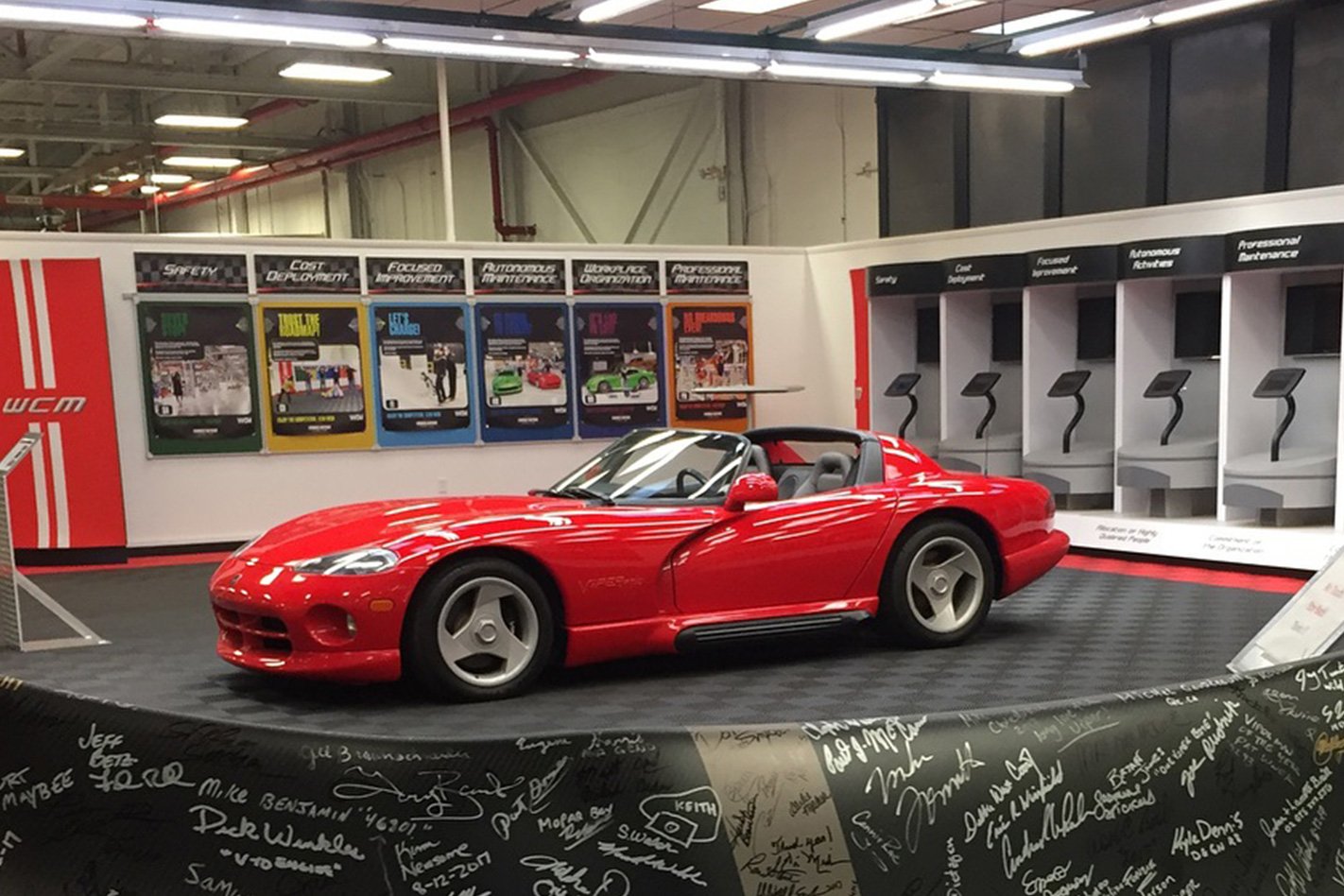
“And the red one the ultimate last one is a unit we are keeping for our heritage collection.”
https://www.instagram.com/p/BX5GLpvFB5l/
Though commenters were pouring condolences left, right, and centre, Gilles kept things relatively upbeat by focusing on the legacy and memories of Dodge’s V10 monster.
“Lots of memories on top of more awesome memories. Good news is they are relatively robust so they will be around making memories for generations to come!”
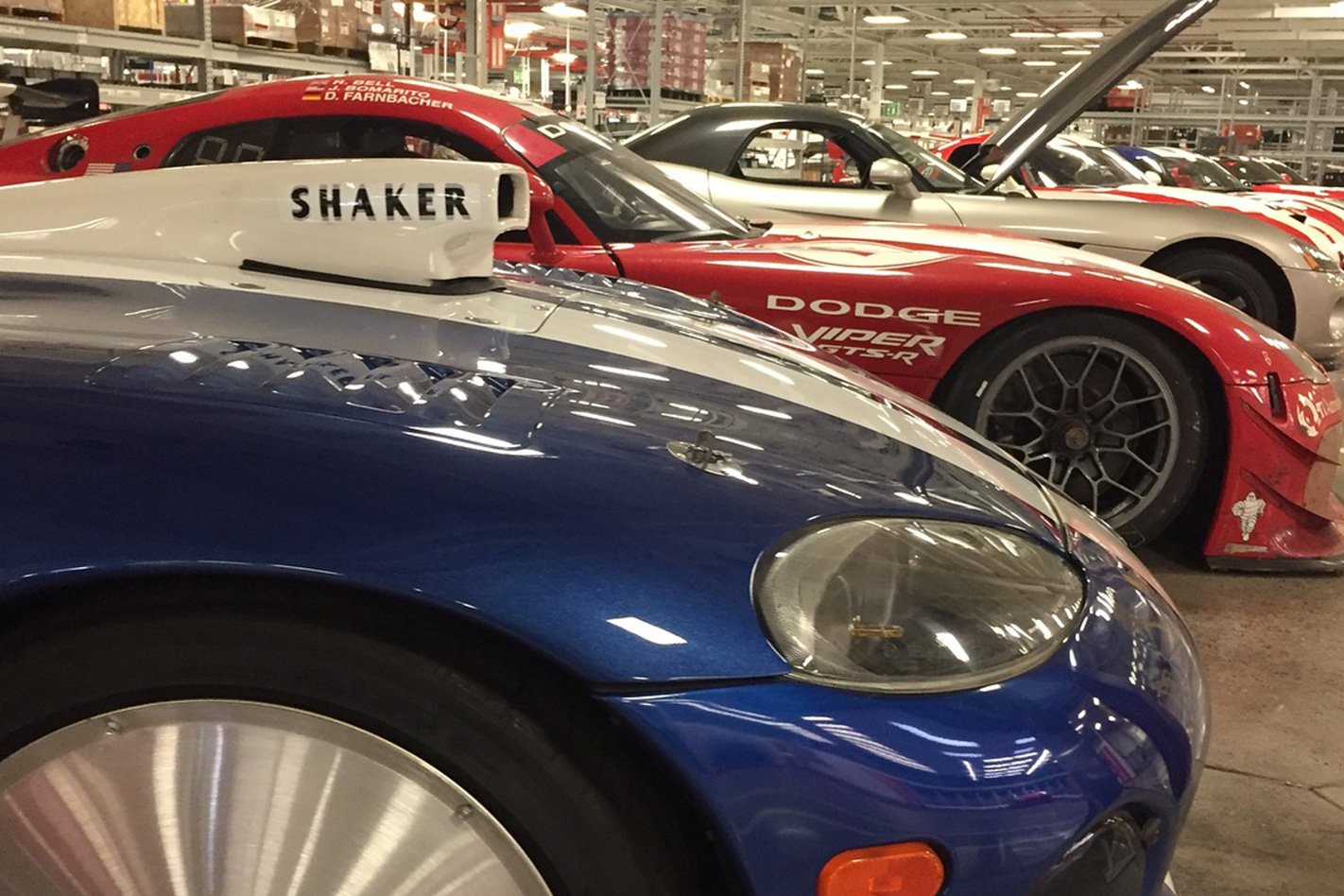
“It sold well over the last couple of years at a great mix of mostly ACRs in the last 15 months,” he wrote, highlighting that sales were not the reason for the Viper’s demise.
“It has more to do with a new ejection mitigation regulation airbag that simply won’t fit in our package. The Gen 5 had a great 5 model-year run and the Viper platform which has not changed that much over the years had a great 25 year run!”
