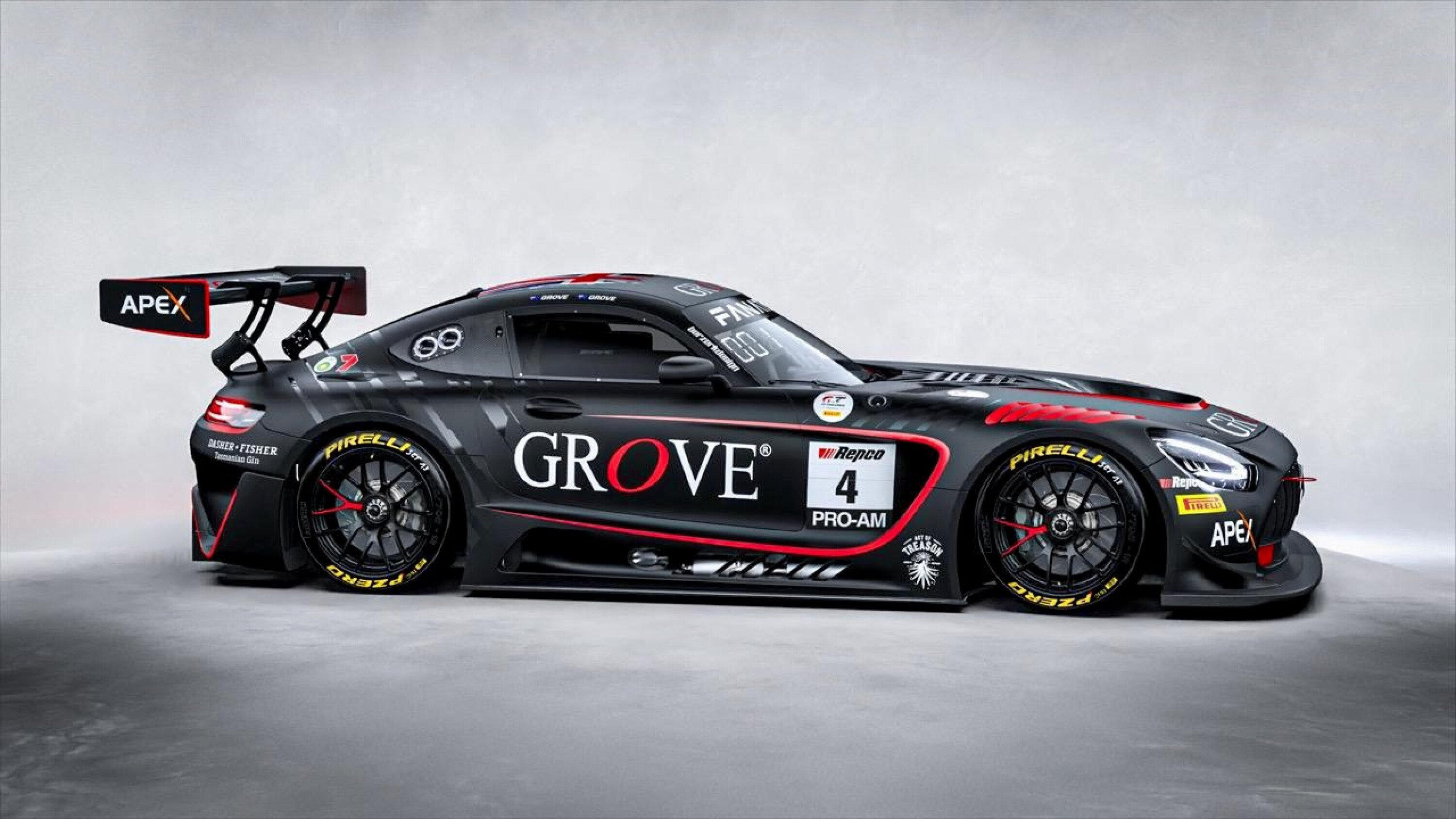
Mercedes-AMG will be the most prominent brand at this year’s prestigious Meguiar’s Bathurst 12 Hour race, with eight teams fielding one car each in four different categories. The race will be held this coming weekend at Mount Panorama, commencing at 5:45am on February 2.
With Australia’s most iconic track as the venue, the Intercontinental GT Challenge (IGTC) starts the 2025 season with vehicles from nine different manufacturers and six classes of car for the race: Pro, Pro Am, Bronze, Silver Cup, GT4 and Invitational.
The two performance teams – Mercedes-AMG Team Craft-Bamboo Racing and Mercedes-AMG Team GMR, as well as 75 Express and Scott Taylor Motorsport – will be competing in the Pro class.
1
Grove Racing and Heart of Racing by SPS have entered two cars in the Bronze category, while Supabarn Supermarkets/Tigani Motorsport will enter in the Silver Cup and Team Nineteen in the GT4 classification.
The Bathurst 12 Hour is the first round of the 2025 IGTC, with four more rounds to follow this year: the Nurburgring in Germany and Spa in Belgium in June, Suzuka in Japan in September and the final round in Indianapolis in the USA in October.
The IGTC has been held since 2016 and is in its 10th year.
1
In addition to Mercedes-AMG, teams using cars from brands such as BMW, Porsche and Ferrari all feature in the championship.
Mercedes-AMG has previously claimed this race three times: in 2013, Bernd Schneider, Thomas Jäger, Alexander Roloff drove a Mercedes-Benz SLS AMG GT3 to victory for Erebus Motorsport; in 2022: Jules Gounon, Kenny Habul, Martin Konrad, Luca Stolz triumphed in a Mercedes-AMG GT3 for Triple Eight Race Engineering; and in 2023, Jules Gounon, Kenny Habul, Luca Stolz won for SunEnergy1 Akkodis ASP Team in a Mercedes-AMG GT3.
Mercedes-AMG will also host 200 of its customers trackside at the Rydges hotel as qualifying gets underway on Saturday before the race on Sunday.
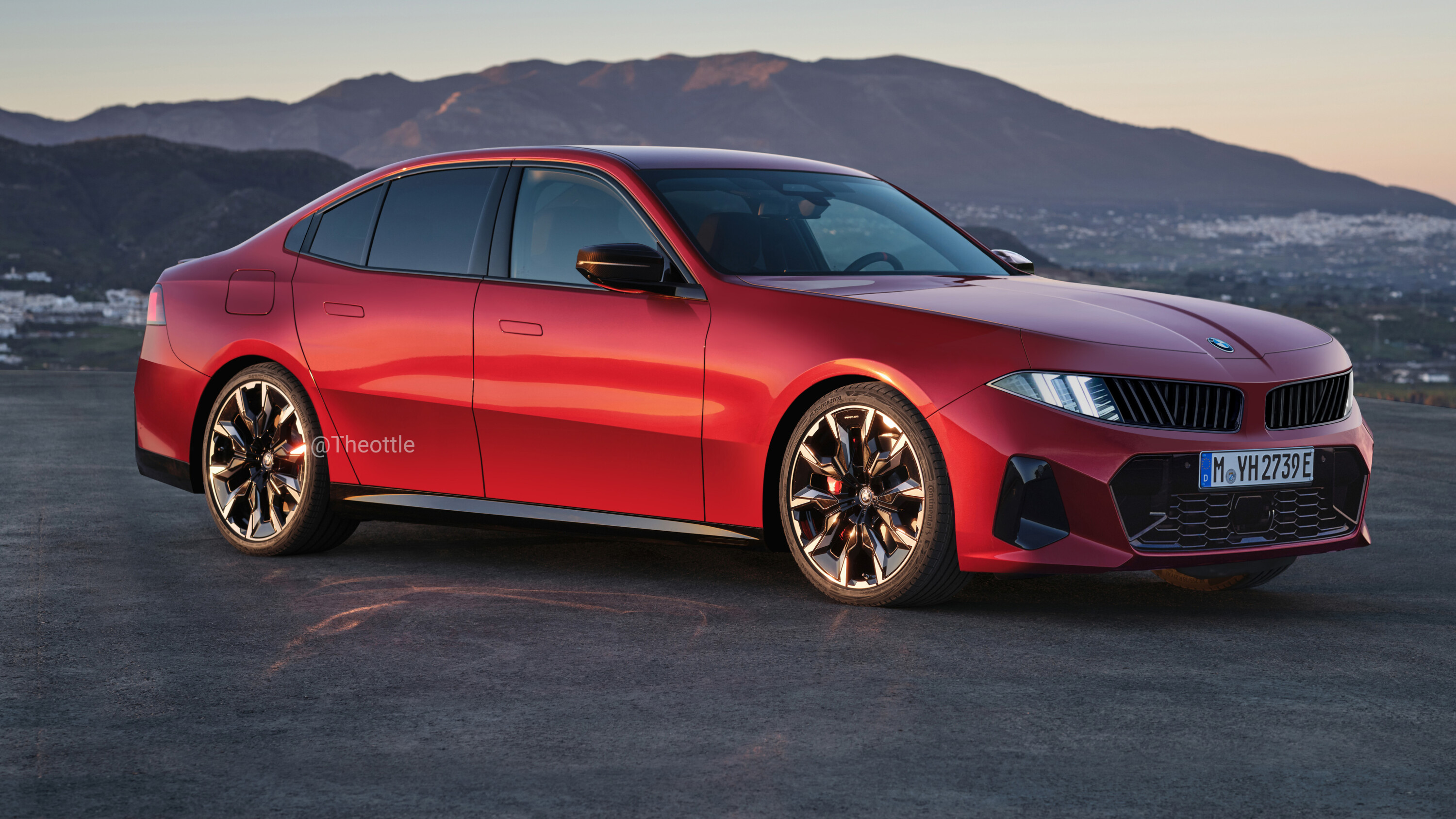
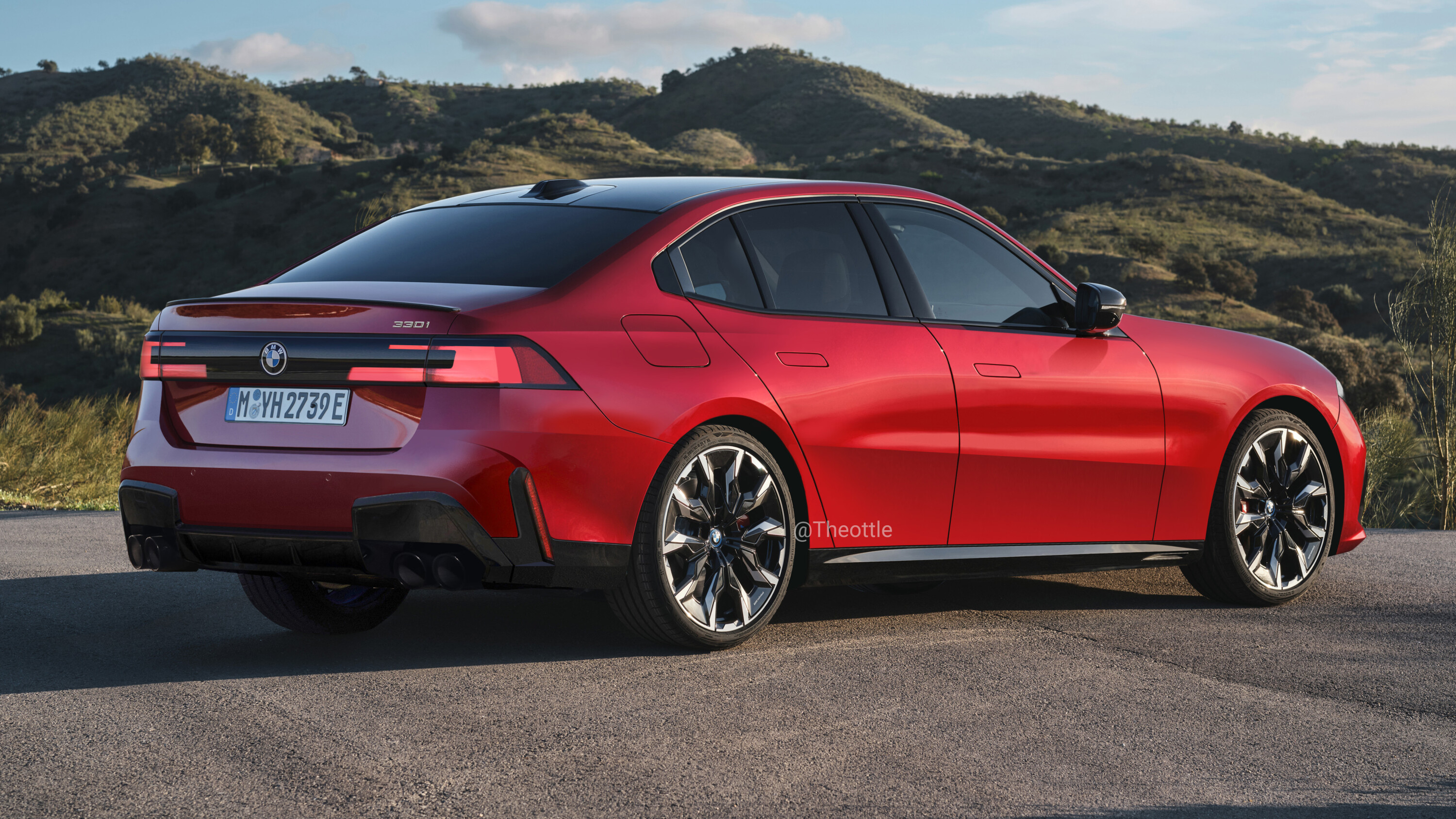
All the talk around BMW’s 3-badged sedan in recent years has been about the upcoming electric i3 – but this could be our clearest look yet at how the petrol version will look.
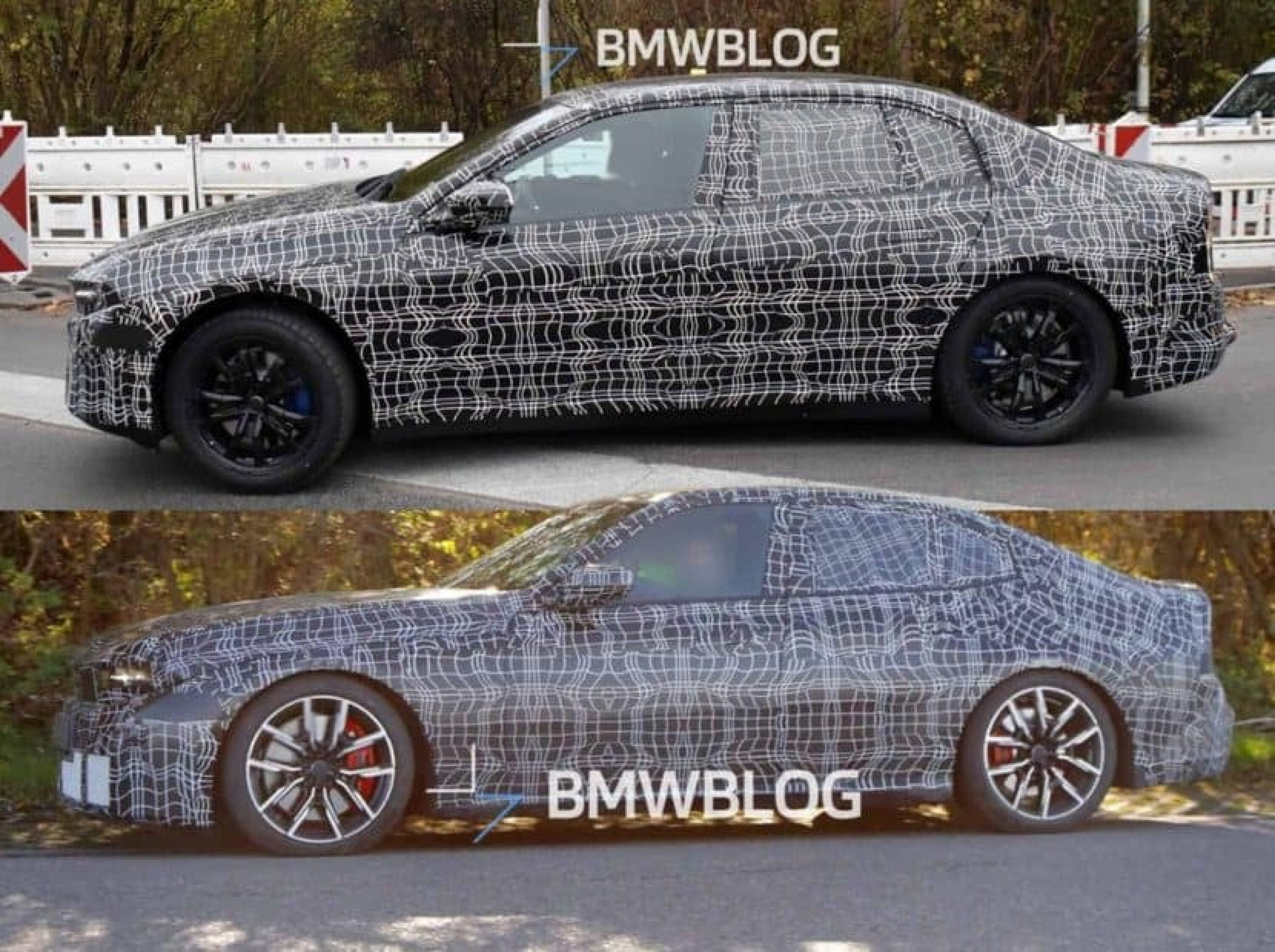
These speculative renderings by Photoshop wizard Theottle – based on spy photos published by enthusiast site BMW Blog – suggest we can expect the new 3er to share some key design cues with its electric counterpart.
It’s expected the new i3 will skew much closer to the Neue Klasse in its final design, as imagined by Theottle not long after concept’s unveiling,
However, the regular 3er – likely to be known as the G50 – looks set to wear a more conventional skin but with its own take on the Neue Klasse grille and headlights.
If that’s how it plays out, these latest renderings could prove to be an accurate look at what we’ll see either later this year or in early 2026.
This thinking may have been made more concrete in a recent interview, too, with BMW’s chief development officer Frank Weber telling Green Car Reports: “We can only have one design, there is no difference between an ICE car and a battery electric car”.
Perhaps in reference to the distinct design differences between the Mercedes-Benz E-Class and the electric EQE (among others in the range), Weber added that brands styling their EVs differently to their conventional models is “probably one of the biggest mistakes some of the competitors were doing”.
1
1
For the most part, BMW’s latest range of EVs and combustion models have shared broadly identical styling, such as the BMW X1 and iX1, the 4 Series Gran Coupe and i4, the 5 Series and i5, and the big 7 Series and i7 twins.
BMW isn’t exactly immune to the ‘errors’ it claims of others, though, with the iX electric SUV standing apart as an anomaly in the range.
And, as the below side-by-side photos show, the new 3 Series and i3 appear to have unique bodies with only the front (and rear?) styling to connect them.
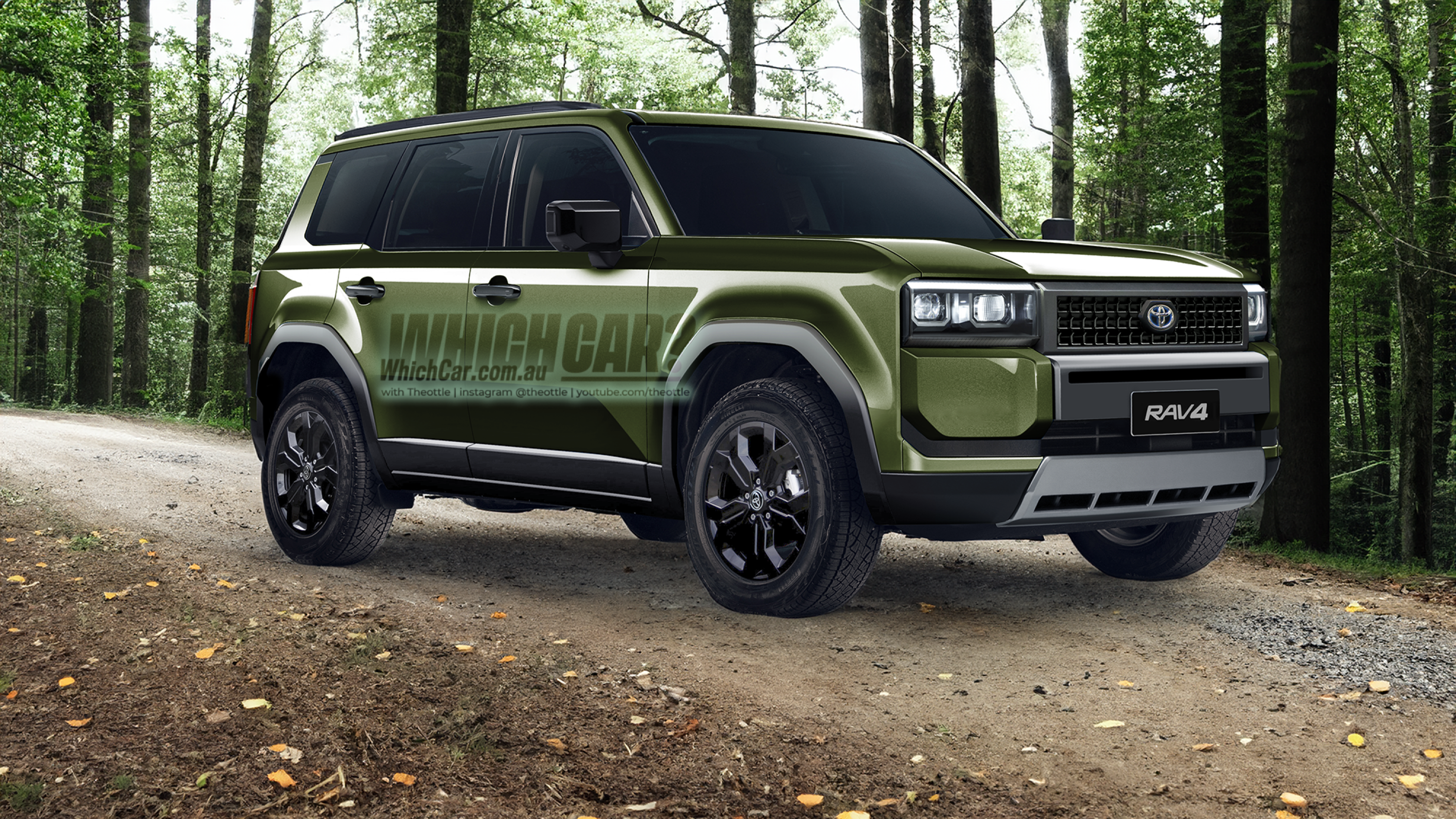
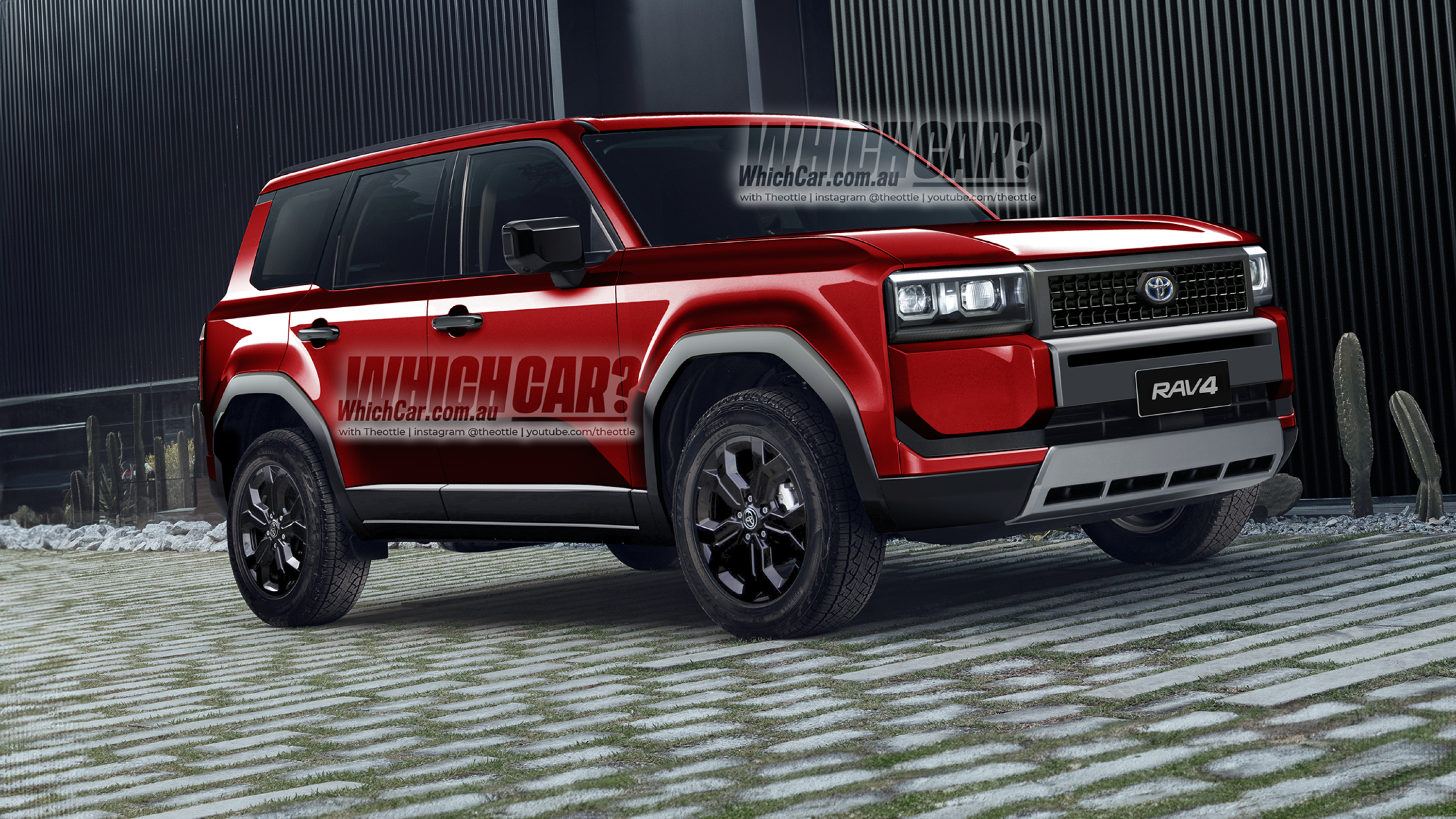
The current fifth-gen RAV4 was revealed in early 2018, and the upcoming new 2026 Toyota RAV4 is likely to be just as popular as its massively successful predecessor.
But how will it look? With the introduction of the new retro-styled 2024 Prado, Toyota effectively has two, maybe even three new-era design themes running in parallel.
More than that, what can we expect from its powertrains and overall equipment offering? Here’s everything we know so far.
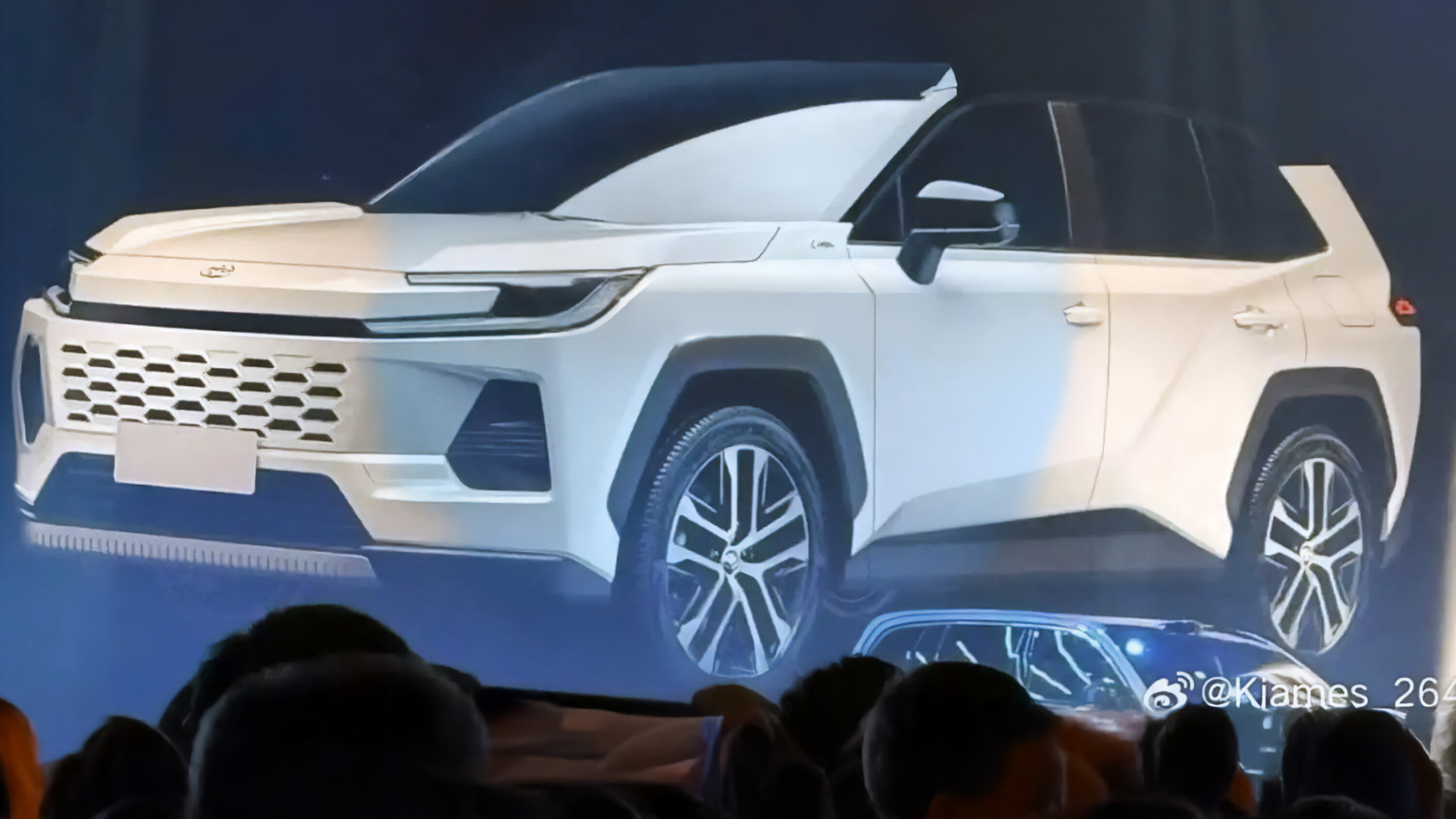
It looks like we could finally have our first proper look at the new RAV4, thanks to an image alleged to have appeared on screen at a GAC Toyota event in China recently.
The image, posted to Chinese social network Weibo and spotted by Japanese blog creative311.com, shows an SUV with styling cues that evolve the look of the current RAV4 with front-end elements that evoke the new Camry sedan.
2
To provide a little more clarity, we’ve edited the image above to remove a large blue circle and Chinese text (which reads “visual evolution”) from the original image – which you can find in the gallery.
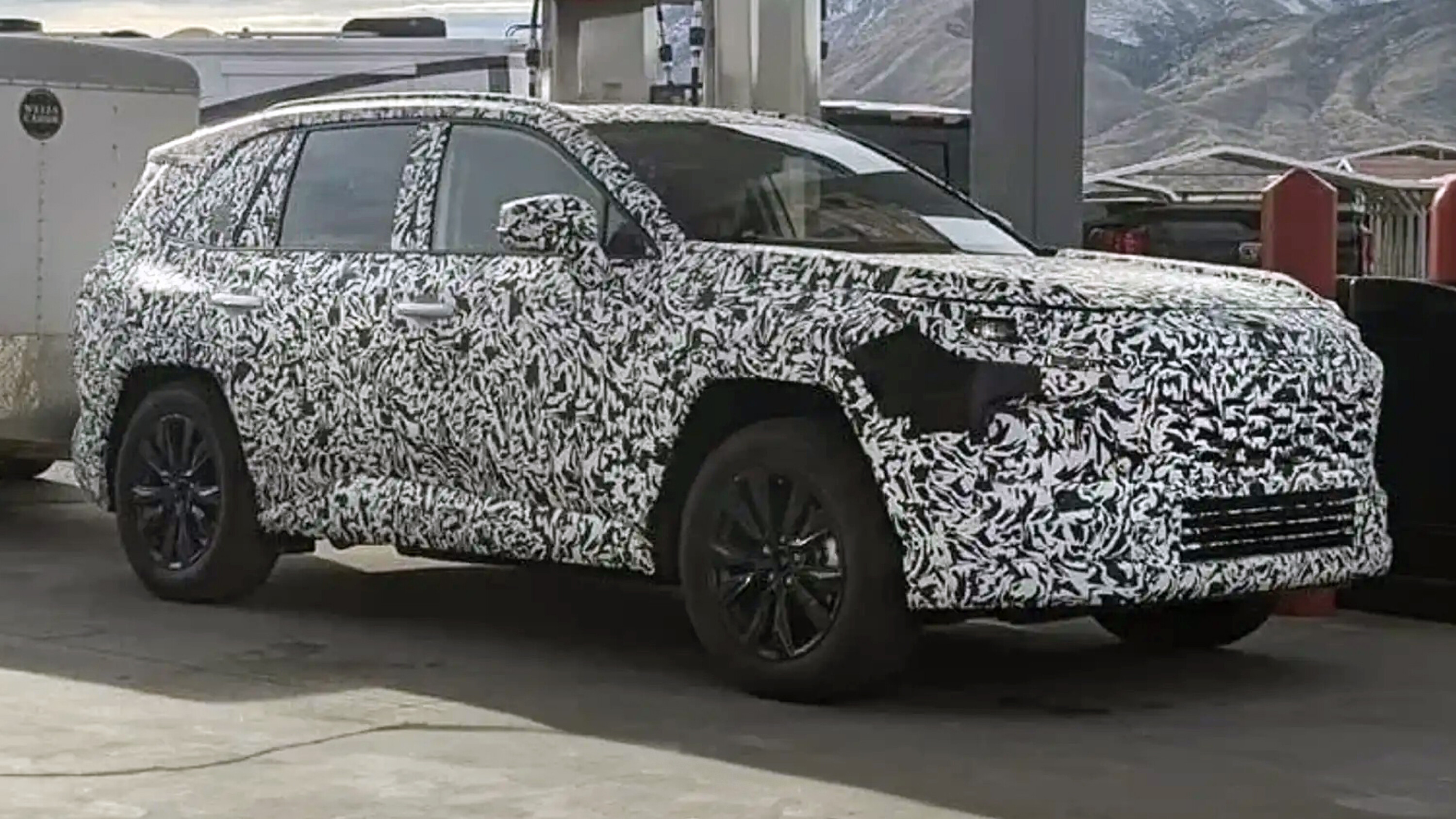
It remains to be seen if this image is indeed the new RAV4, although its design does match photos of a camouflaged SUV that were posted to Spanish forum Cochespias in December 2024.
3
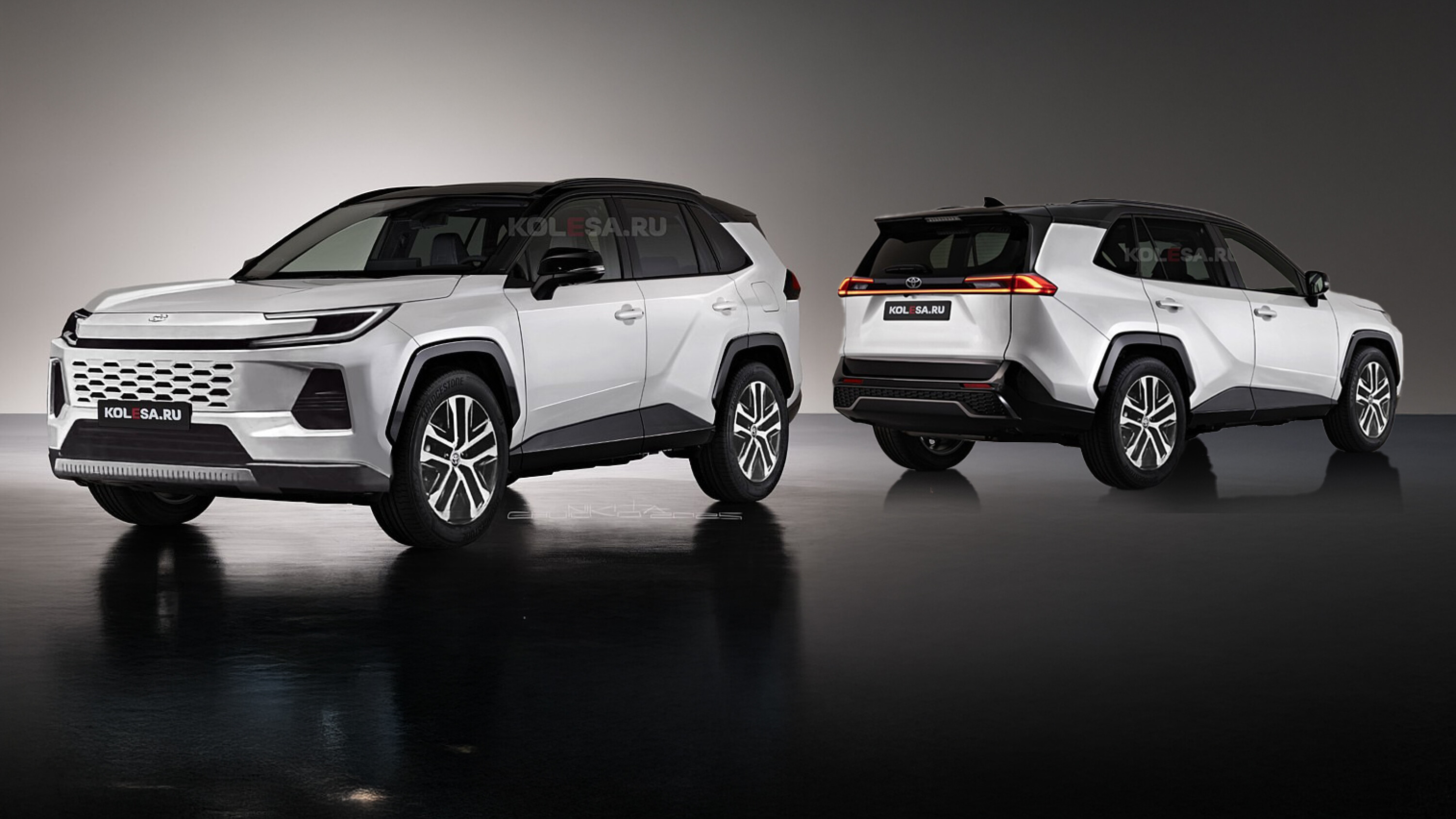
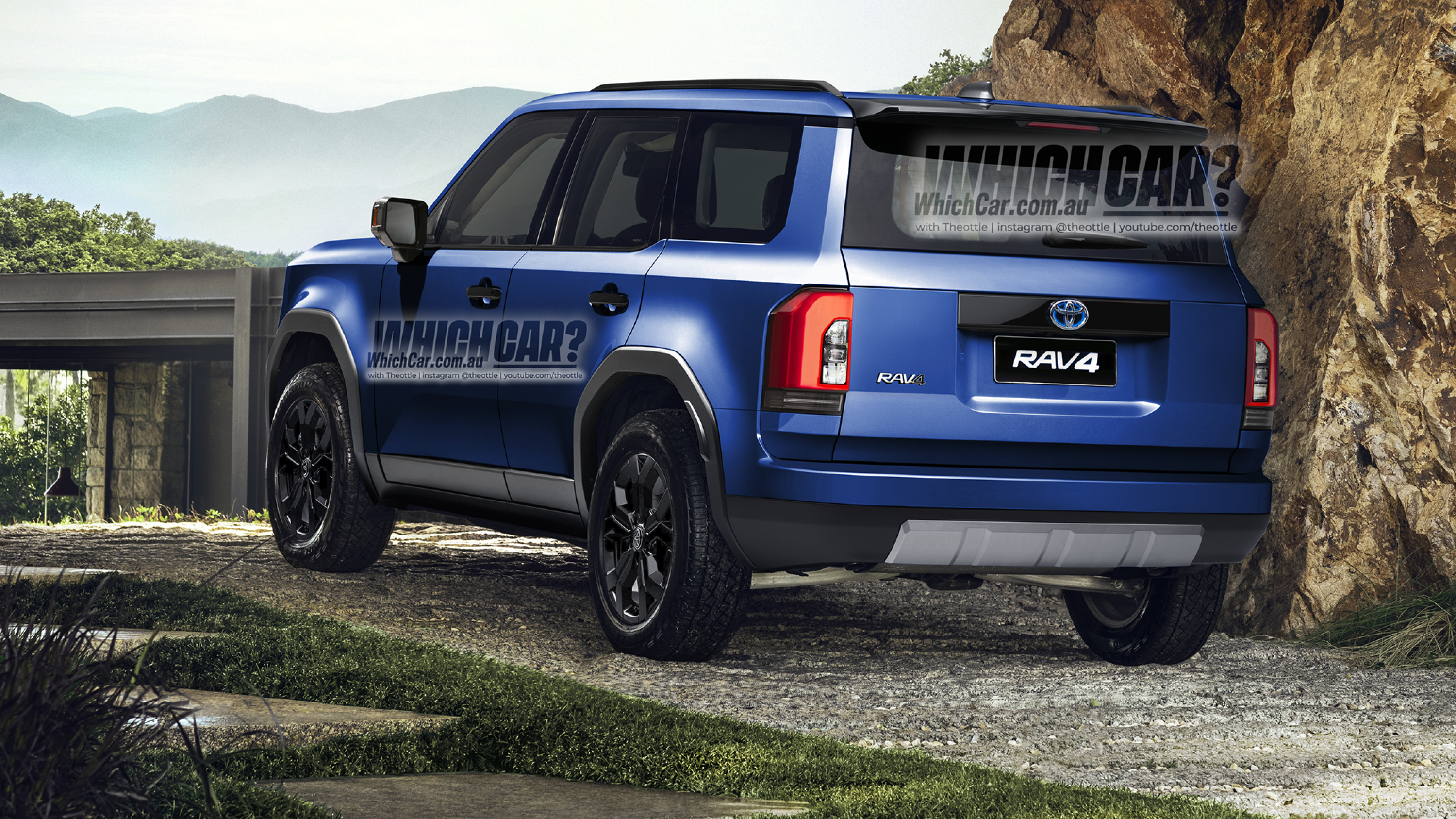
Russian website Kолесо has moved quickly to render a new look at the 2026 RAV4 based on these latest images, shown below.
It’s a logical evolution for the RAV4, given its role as the SUV companion to the popular Camry.
1
The case appears strong for this to be the new RAV4. What do you think of the look, and would you prefer our earlier concept inspired by the Prado?
Tell us in the comments below!
April: What if the 2025 RAV4 looks more like Kluger and Yaris Cross?
We quite like the idea of Toyota’s next RAV4 as a boxy junior Prado, but what if the big T sticks with a more modern, urban look?
YouTuber Q-Cars has imagined the 2025 RAV4 with styling cues borrowed from the bigger Kluger and the compact Yaris Cross. Both SUVs look ‘right’ in their own skins, but is it a look that translates well to the midsized RAV4? You tell us.
Along those same lines, we had a go last year at imagining the current Kluger with a mid-life facelift.
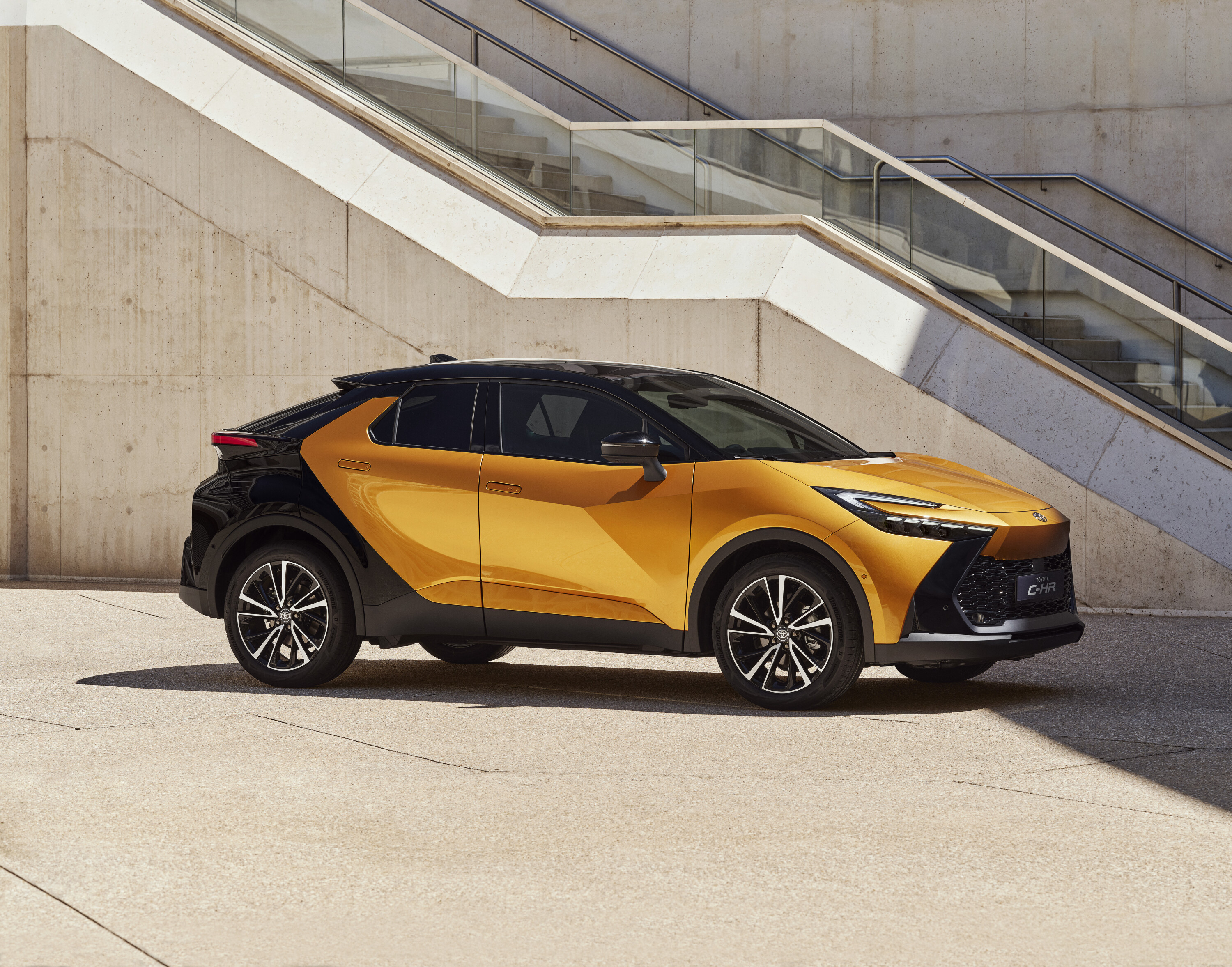
Likewise, the new-generation C-HR is a hybrid-only affair, hinting that we could be seeing a pattern emerge for all future Toyota line-ups. And, given the RAV4 is most popular in its petrol-electric hybrid guise, we shouldn’t be surprised to see Toyota make the same decision for the next-gen model.
Would you miss the petrol RAV4 if Toyota were to axe it?
March: What do you want from a 2025 RAV4 Plug-in Hybrid EV?
Mitsubishi has made its mark as Australia’s brand of choice when it comes to PHEVs – that plug-in hybrid step between regular hybrids and full-electric EVs – but Toyota already has a RAV4 Prime PHEV in overseas markets. Why isn’t it sold here?
Driving range. Mitsubishi would tell you the Outlander PHEV’s 84km of EV range is bang-on for value and what most drivers need, but Toyota thinks otherwise.
According to local sales boss Sean Hanley, Toyota buyers won’t be well served by a PHEV that doesn’t offer at least 200 kilometres of pure-electric driving.
“As battery technology evolves, I think that could be possible. It’s not going to be tomorrow, but I think it could be possible,” Hanley said. “And that, therefore in my own thinking, is a perfect solution for the Australian market to get the best of both worlds.”
Could we get that with the next-generation RAV4? It’s possible, but price will be the big question.
January: 2025 Toyota RAV imagined with a bold new look
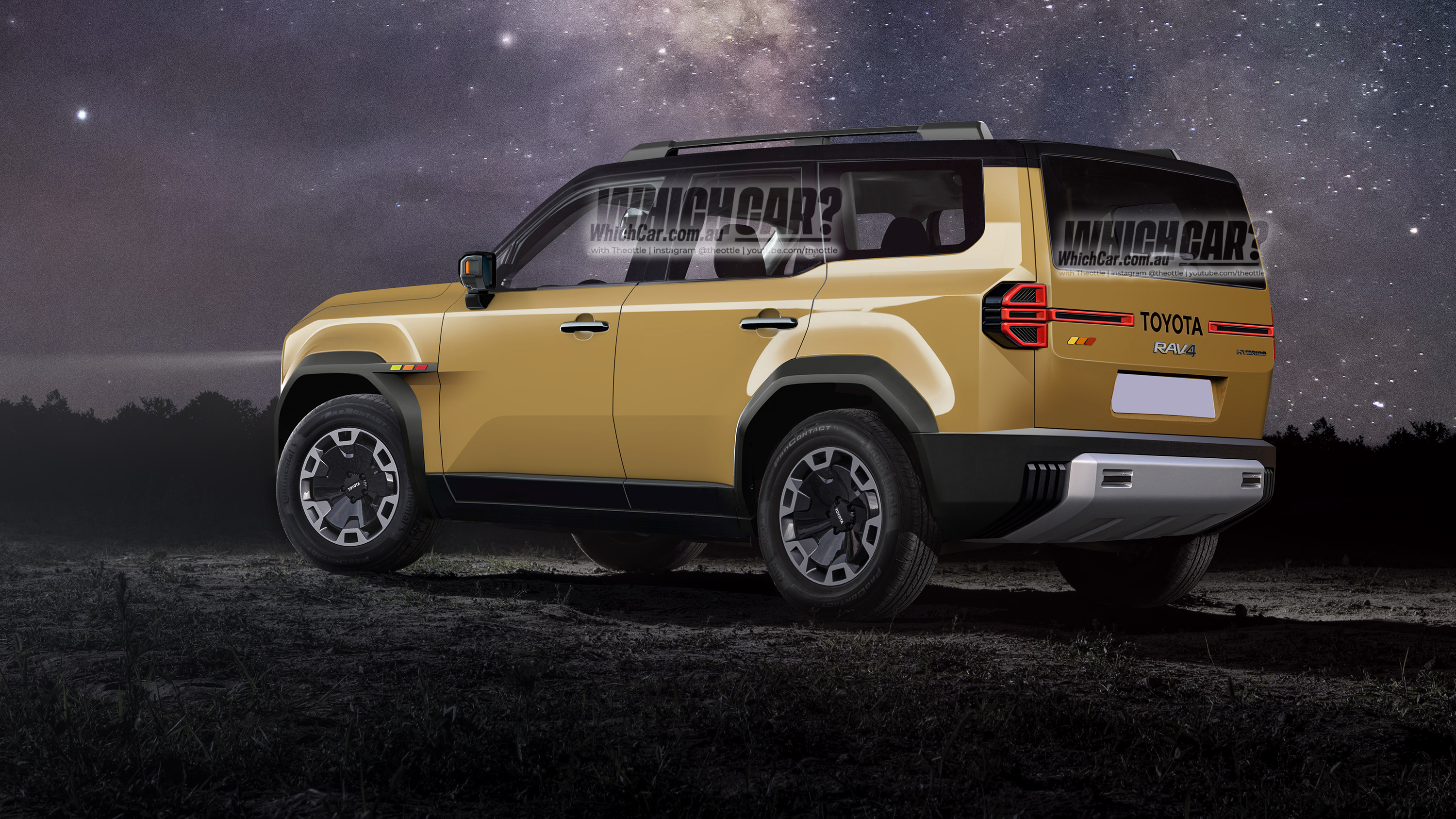
We couldn’t resist. After he cooked up some outstanding speculative renderings of the new 2025 Toyota RAV4 in regular and GR Sport guise, we just had to take another swing at pushing Theo’s talents.
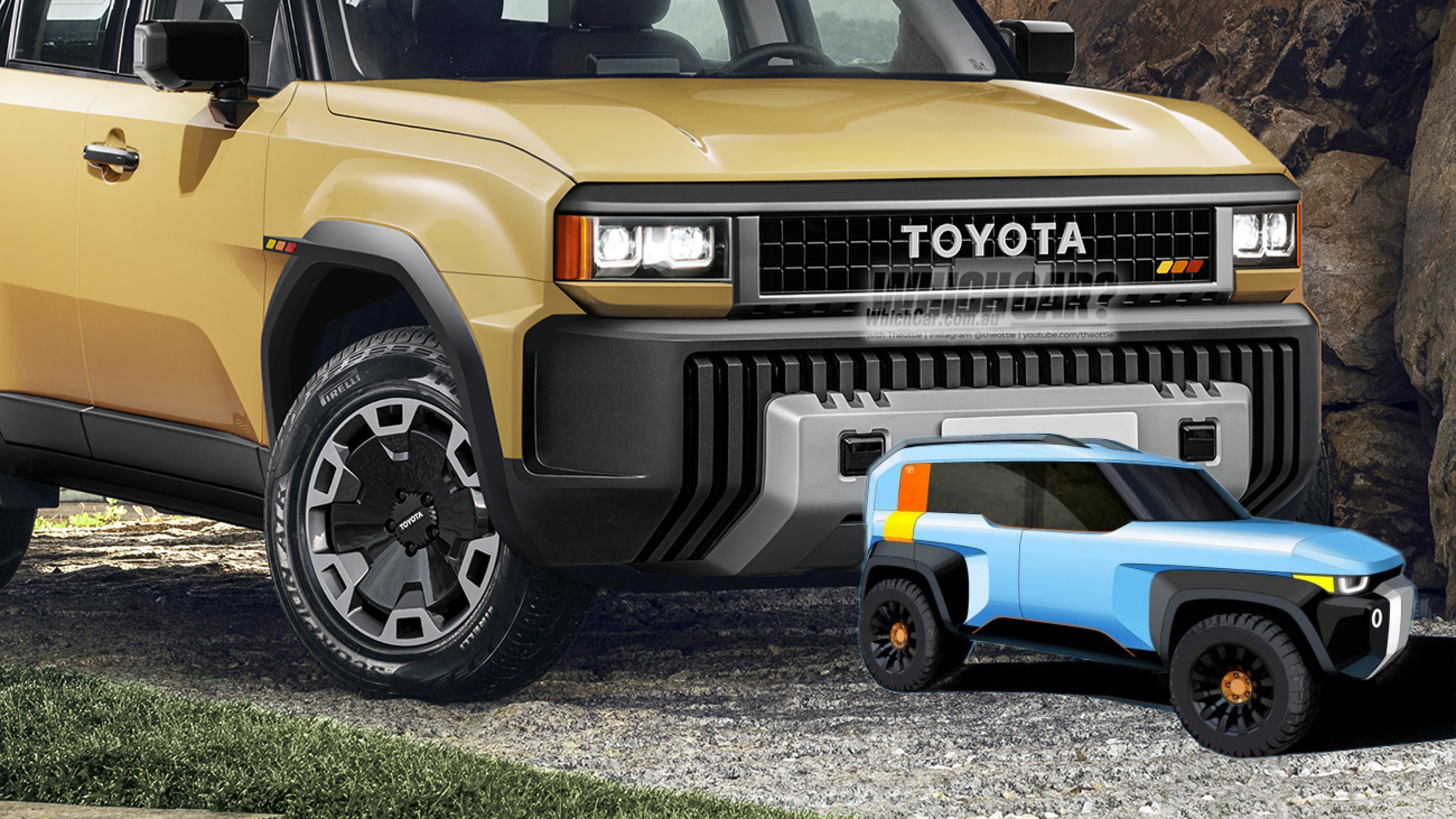
This time around, we’ve gone for a look that is again retro-inspired like the new Prado while also pushing the model further into the future with a few ideas borrowed from Toyota’s own sketchbook.
Of course, when we say ‘retro-inspired’, our version of the new RAV4 takes its cues from LandCruiser heritage, just as the new Prado does. After all, a new RAV4 that throws back to its own legacy wouldn’t be quite as appealing. Well, that’s what I reckon – what do you think? Jump into the comments!
1
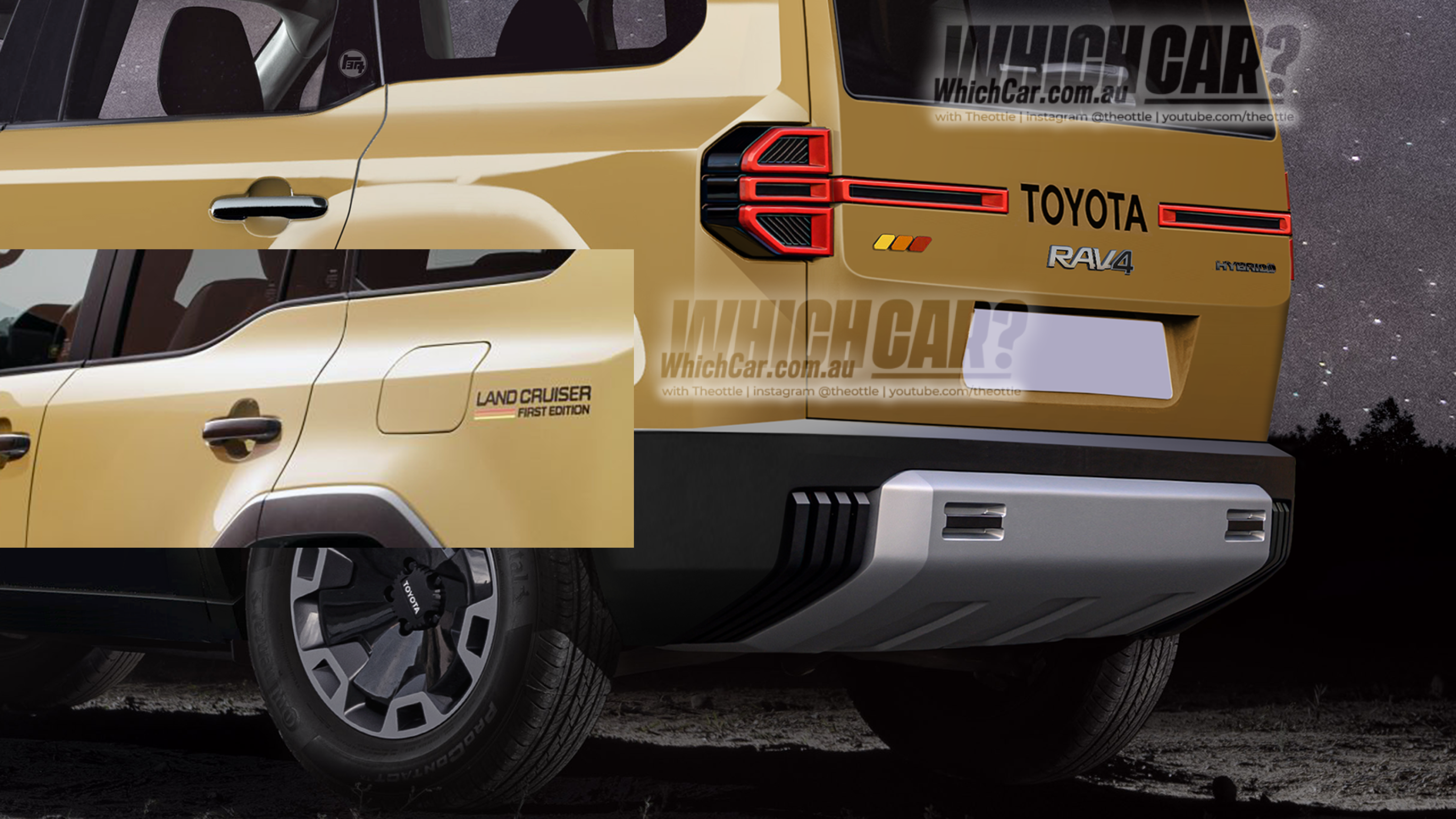
? As for the concept-borrowed elements, what you’re seeing here is our take on a RAV4 with details taken from the Compact Cruiser show car revealed in 2022.
We’ve largely matched the rear – and we reckon it fits perfectly – but for headlights and bonnet we’ve leaned on earlier sketches rather than the final settled look of the Compact Cruiser concept’s face. That means there’s a taller look to the bonnet, diving down at the front to meet a new letterboxed look to the headlights.
The lower bar is largely identical, however, and again we reckon it’s a good fit for a more edgy take on the next-gen RAV4.
1
We’re not done there, though!
Inspired by the retro stripes on the road quarter of the UK market’s LandCruiser 250 First Edition, we just went ahead and created a little LandCruiser sub-brand with some very cool yellow, orange and red bars. Why not?
To give the side badges a special home, we also crafted a little strut molded into the front cladding, reaching out over a newly added impression in the front door – again borrowed from the Compact Cruiser’s earlier sketches, but perhaps a little Wrangler-inspired too.
What do you think of our latest take? Sound off in the comments!
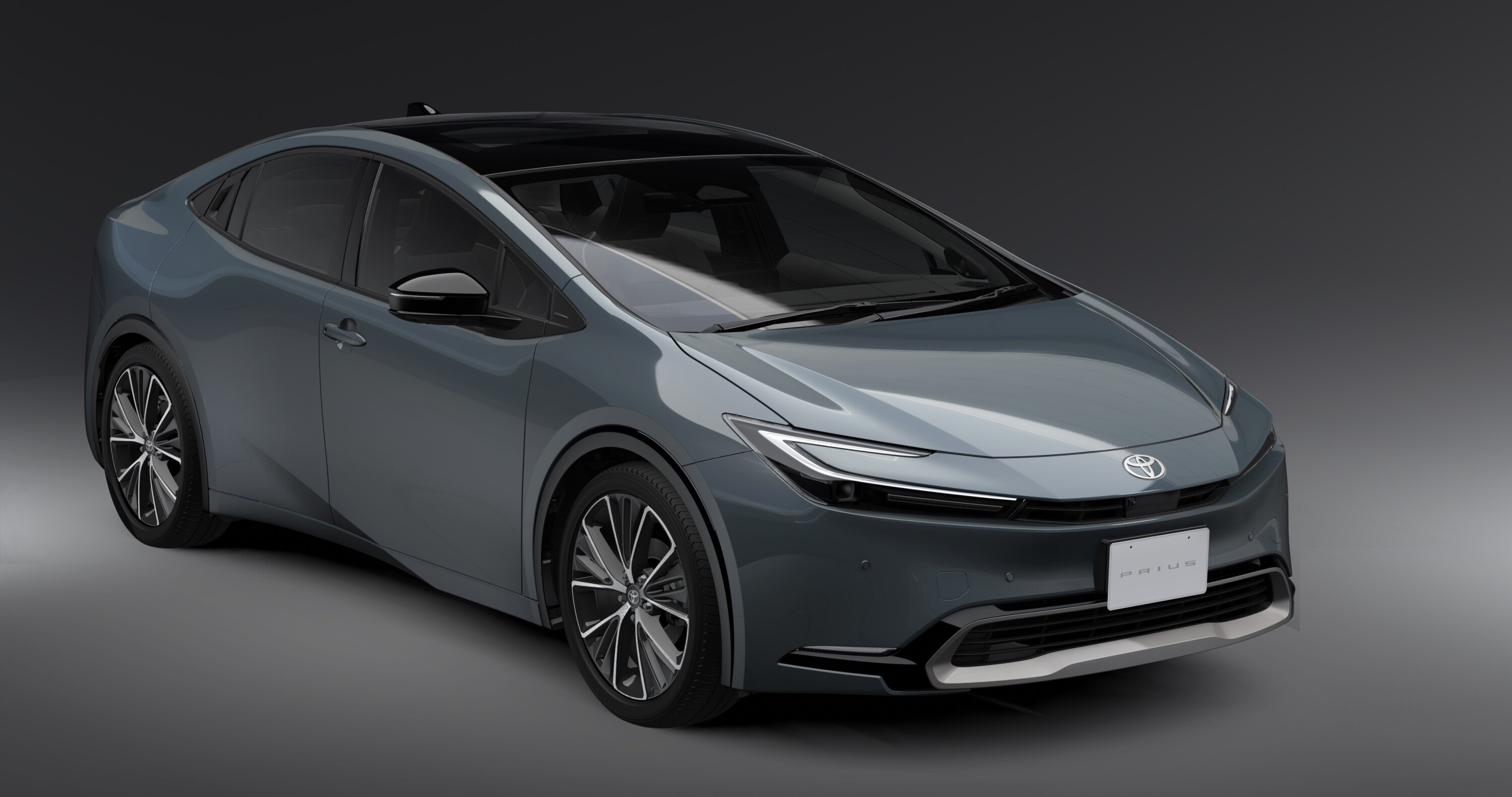
We’re still fairly confident the next RAV4 will skew more towards Toyota’s other new look – that worn by the new Prius and Camry, among others – but we’d sure love to see this one hit showrooms.
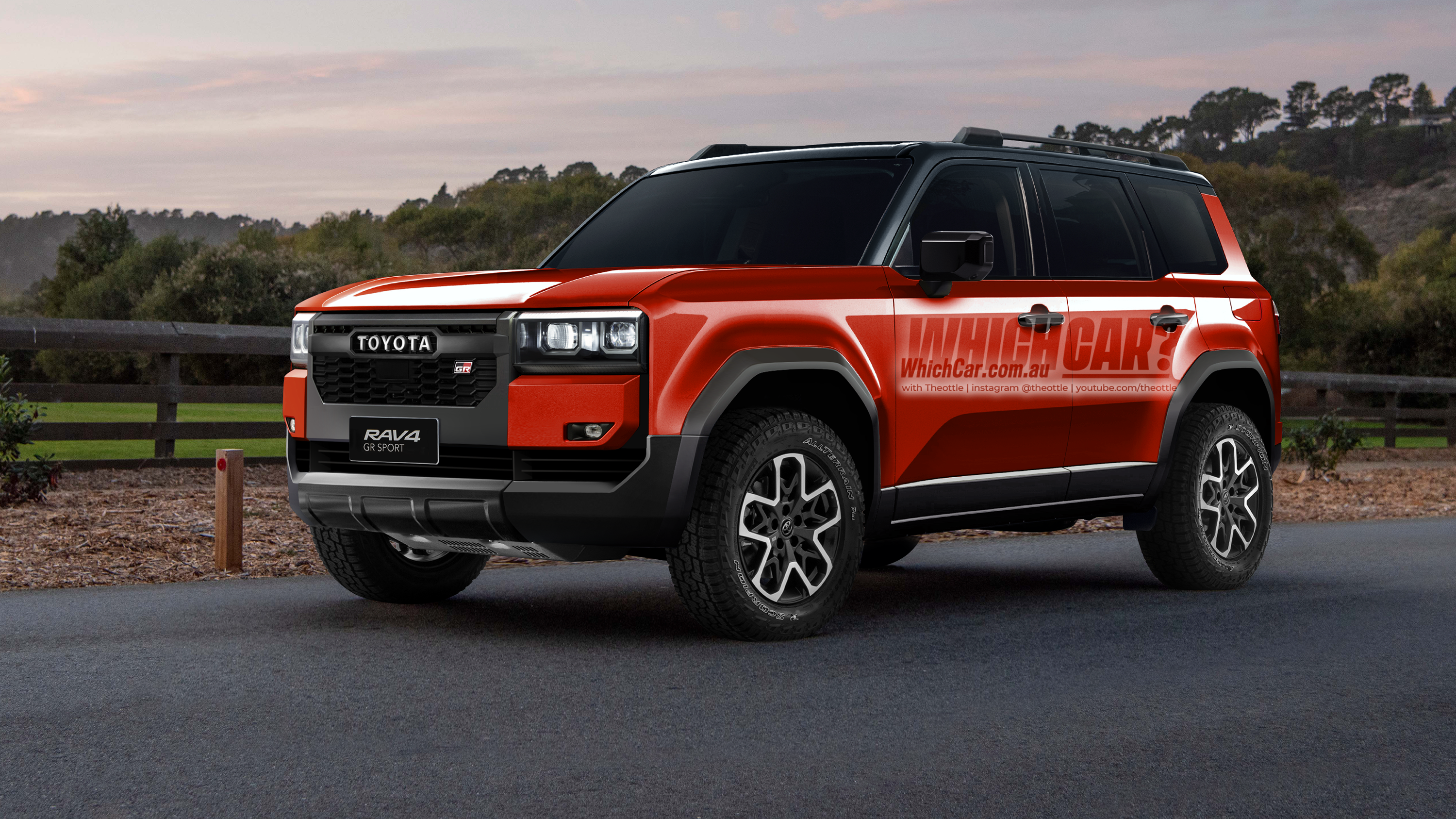
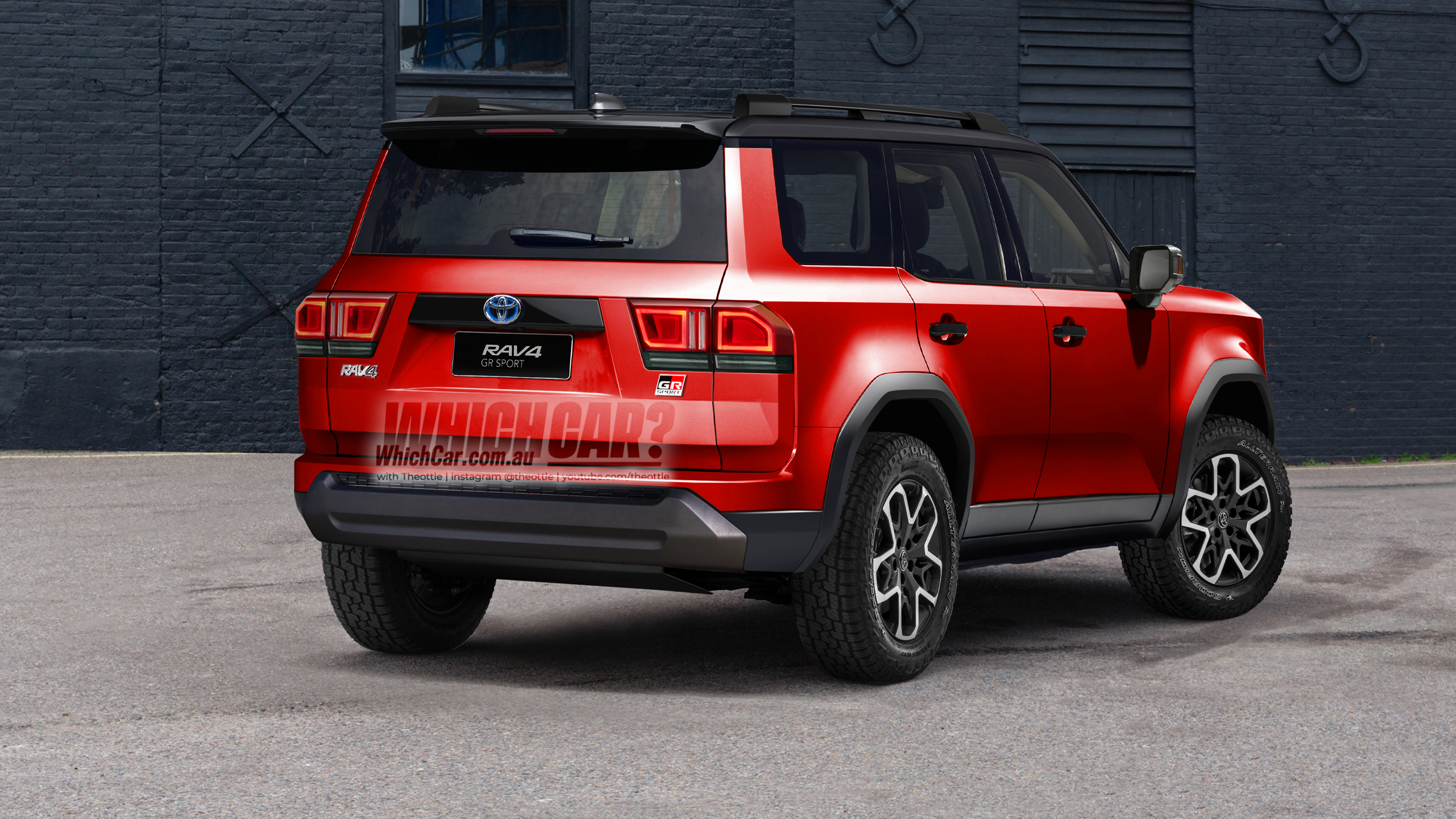
We’ve already had a crack at imagining the new 2025 RAV4 – see the September update for this story, further down – but how might a hero-ish GR Sport version look?
1
We don’t expect a flagship RAV4 GR to be introduced, but a sportier model with GR Sport trim will very likely top the line-up, just as it does in Europe now.
As with our previous images, we’ve had a go at imagining the new RAV4 in GR Sport guise – with a twist! We’ve reimagined the tail lights, this time taking inspiration from the big 300 Series Land Cruiser and the new Prado – mixing concepts from the two to create a new look, perfect for this Prado-inspired RAV4.
1
What do you think? Tell us in the comments below!
In the weeks since we first published this story, Toyota Australia has also confirmed its interested in the RAV4 Prime – a plug-in hybrid EV that has yet to make its way here, and the company has rarely commented on its potential.
“I’m watching the market, not just for Toyota, I’m looking at it more broadly speaking and I think hybrid and plug-in hybrids in the next five years are going to come back into their own again,” he said. “I really do; I can see it a mile away.
A powered-up RAV4 Prime GR Sport could be just the ticket as a near-top ‘flagship’ model…
It won’t be long now. The current fifth-gen RAV4 was revealed in early 2018, and the upcoming new 2025 Toyota RAV4 is likely to be just as popular as its massively successful predecessor.
But how will it look? With the introduction of the new retro-styled 2024 Prado, Toyota effectively has two, maybe even three new-era design themes running in parallel.
Alongside the rugged Prado, there’s also the angular new C-HR, while the new Prius (no longer sold in Australia) wears similar headlights but a more curvaceous look through the body.
Which way the next RAV4 will go is anybody’s guess, but given the almost aggressive design of the current model, it’s plausible Toyota will continue that with the next generation.
1
1
Will it be mean in the sharp-lined way of the new C-HR, or simply more rugged – like the new Prado?
For now, we’re tipping Toyota will lean into the RAV4’s long-running marketing, which has always positioned the once-small, now-midsized SUV as a roadgoing wagon with off-roading aspirations.
We’ve had a crack at imagining its look, with the help of digital art wizard, Theottle. What do you think of our renders? Tell us in the comments!
1
1
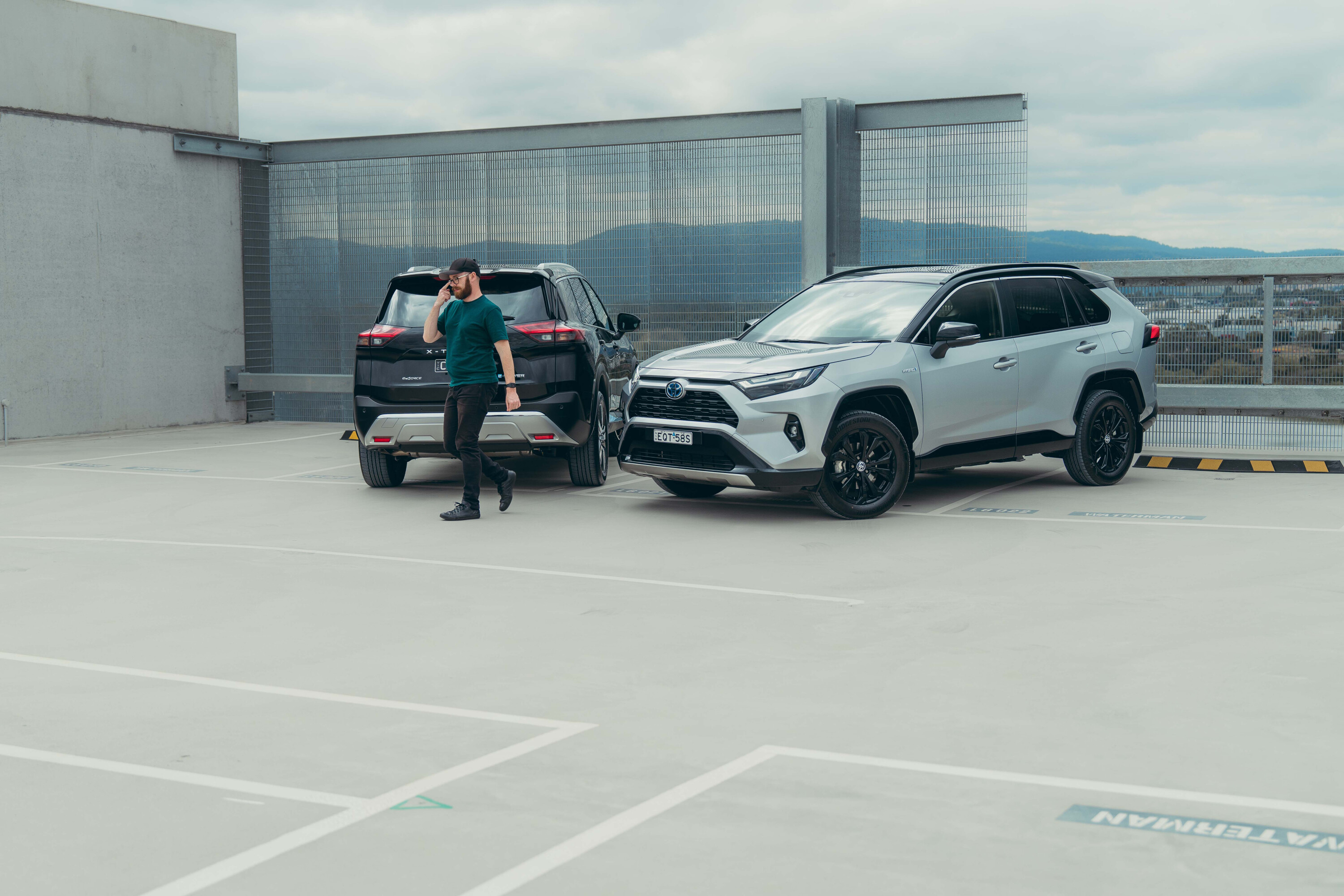
Below: The current fifth-gen RAV4, alongside Nissan’s new X-Trail
The RAV4 is set for a model update in 2024, with an anticipated release in Australia by the first half of 2025.
It won’t be a complete overhaul, however: the next-gen RAV4 is expected to continue using its TNGA platform, with possible minor modifications.
Speculation from the US hints at a shift in powertrains; the non-hybrid 2.5-litre petrol engine could be replaced with the series-hybrid technology currently prevalent in most Australian RAV4s.
Learn more at the article below, and watch for more on the new RAV4 to come in the months ahead.
Genesis has shown off a new snow-rescue concept based on its GV60 electric vehicle, revealed at the World Economic Forum (WEF) 2025 in Davos, Switzerland.
Called the GV60 Mountain Intervention Vehicle (MIV) Concept, it was displayed at the AMERON Davos Swiss Mountain Resort.
This year’s concept is based on the existing GV60 electric vehicle, which was just last week unveiled in its updated 2025 form.
Unlike the regular GV60, the MIV is described as a purpose-built vehicle for rescue support tasks in demanding environments.
Genesis says the concept is inspired by small unit support vehicles (SUSVs), with the best-known example probably being the Bandvagn 206 developed in the 1970s and its modern successor, the BvS10.
1
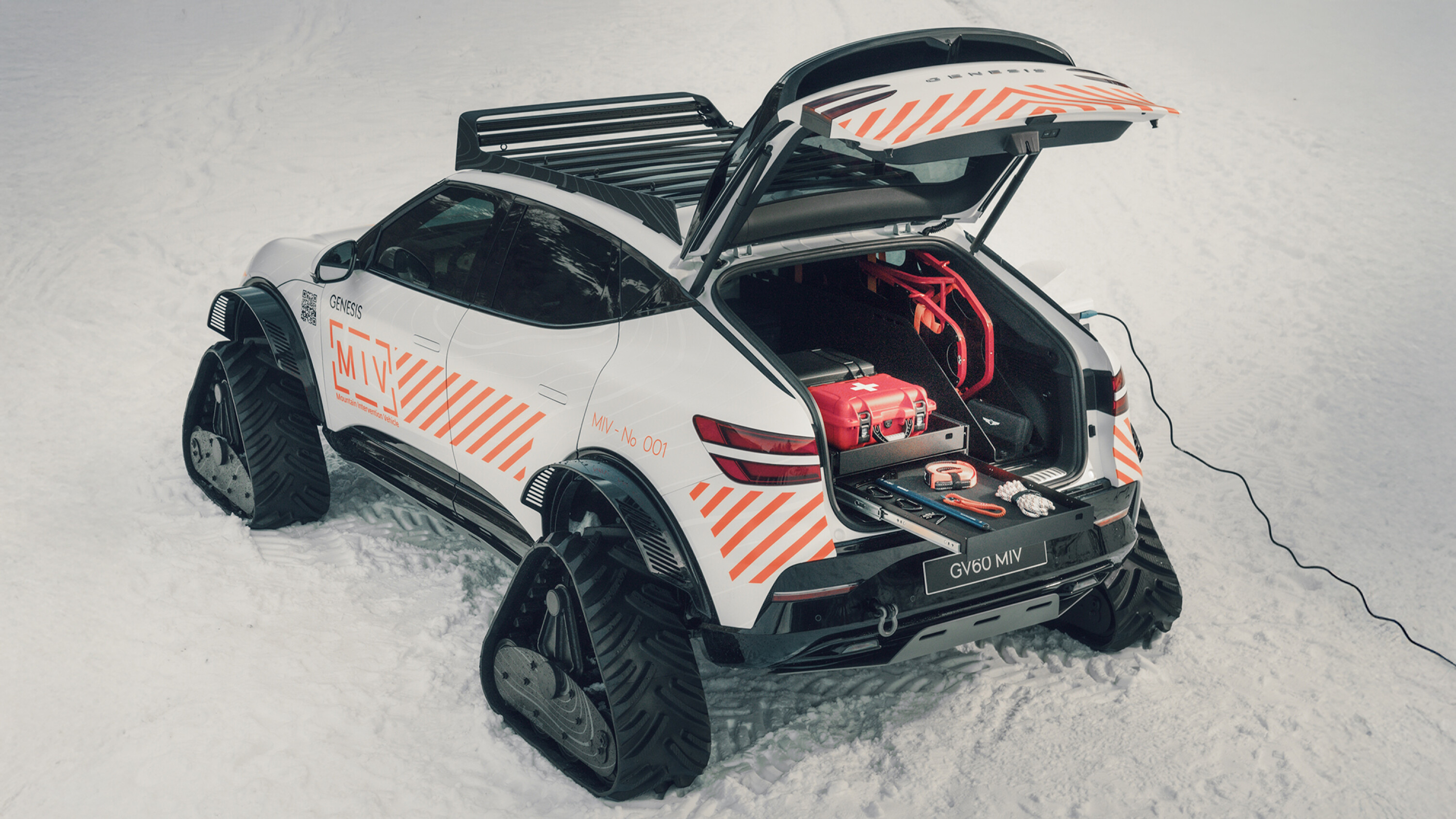
Like the Bandvagns, the slightly more stylish GV60 MIV is equipped with snow tracks instead of wheels, and makes good use of its existing vehicle-to-load (V2L) system – allowing it to supply power to external devices.
As part of its transformation to Thunderbird rescue vehicle, the GV60 MIV gets large carbon-fibre wheel arch extensions, a heavy-duty roof rack for more storage space, and a rear hatch rack with modular attachment points to accommodate more readily accessible gear.
It’s unclear if Genesis intends to make this version of the GV60 available to emergency services, or if it has any intentions at all to enter that industry, but we’d be keen to see it come over the mountain to our rescue.
Thinking time: that vital period when a CEO or senior manager is free to reflect, to contemplate the future, and hopefully come up with strategies that drive a company forward. Too many leaders fill their weekly schedule with endless meetings, responding to questions, solving staff issues and struggling with management problems. Anything but thinking ahead.
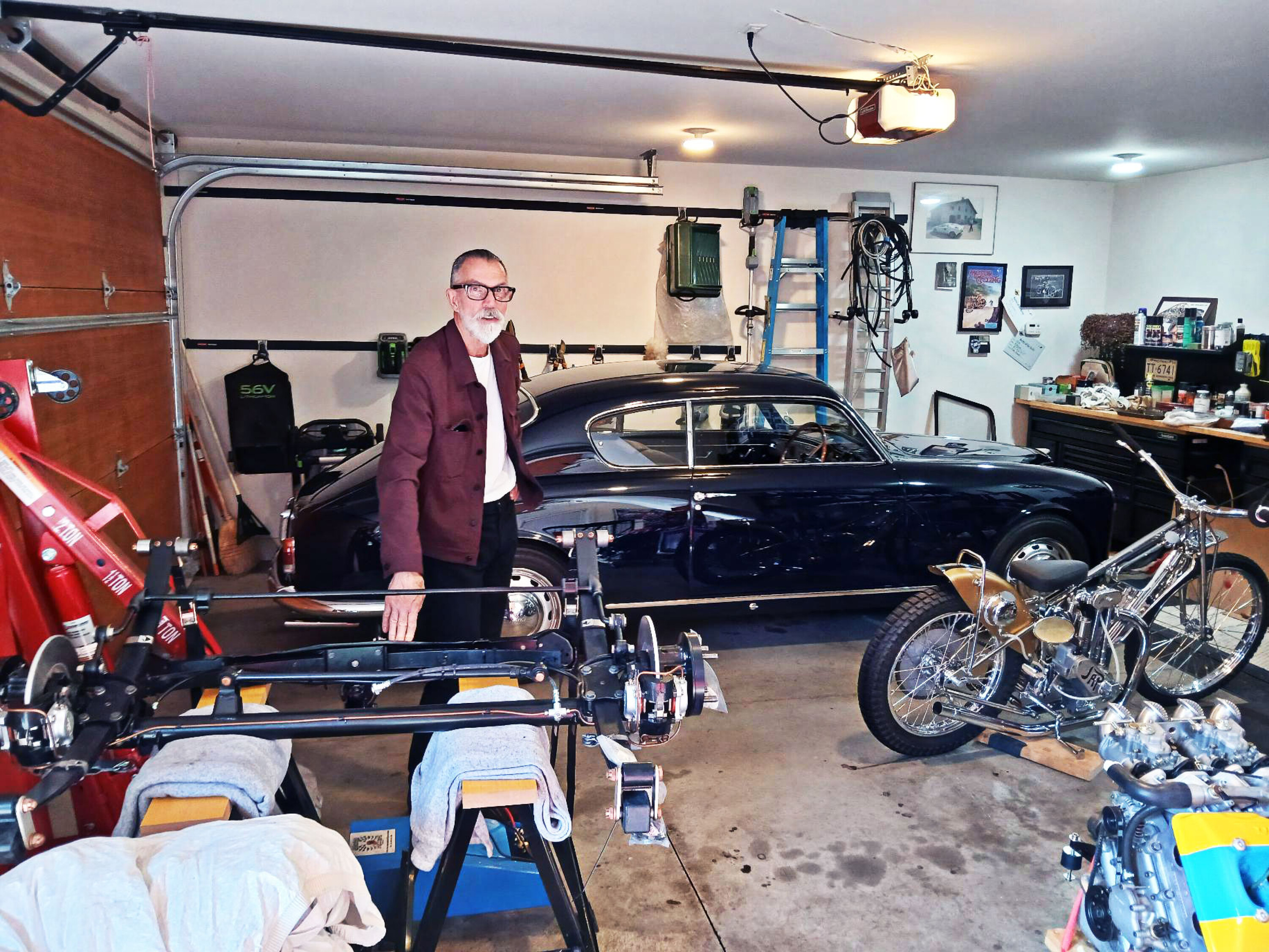
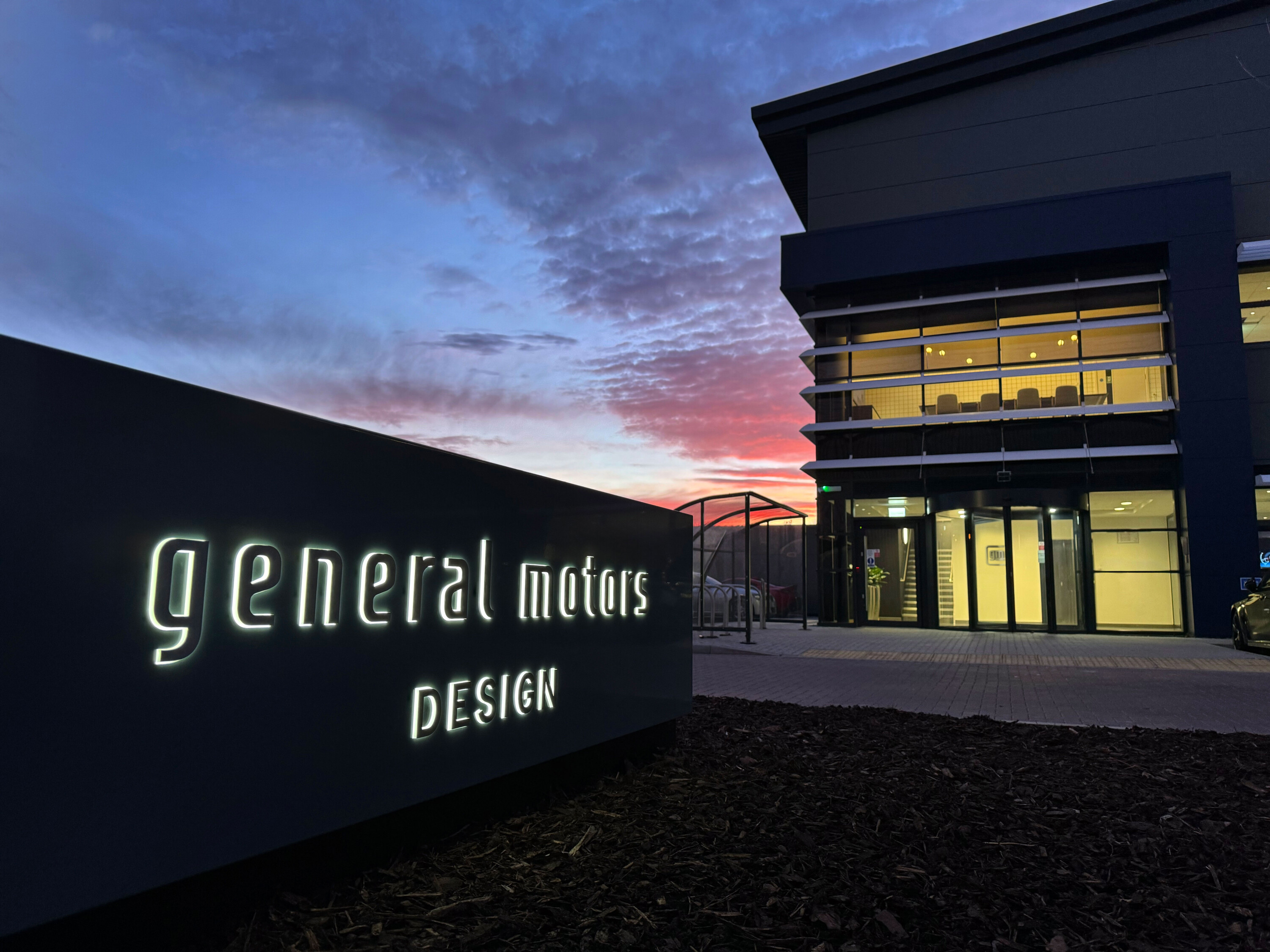
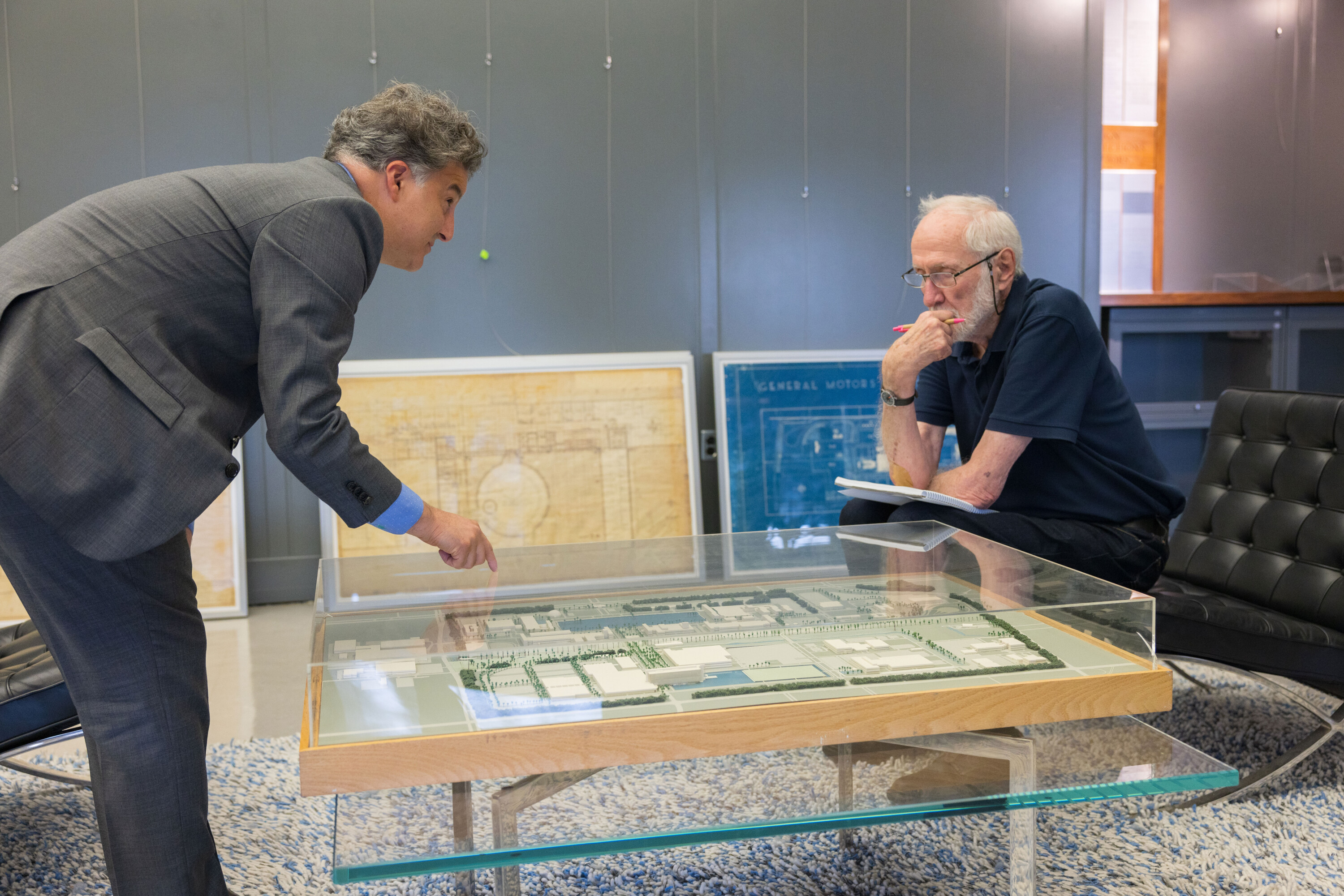
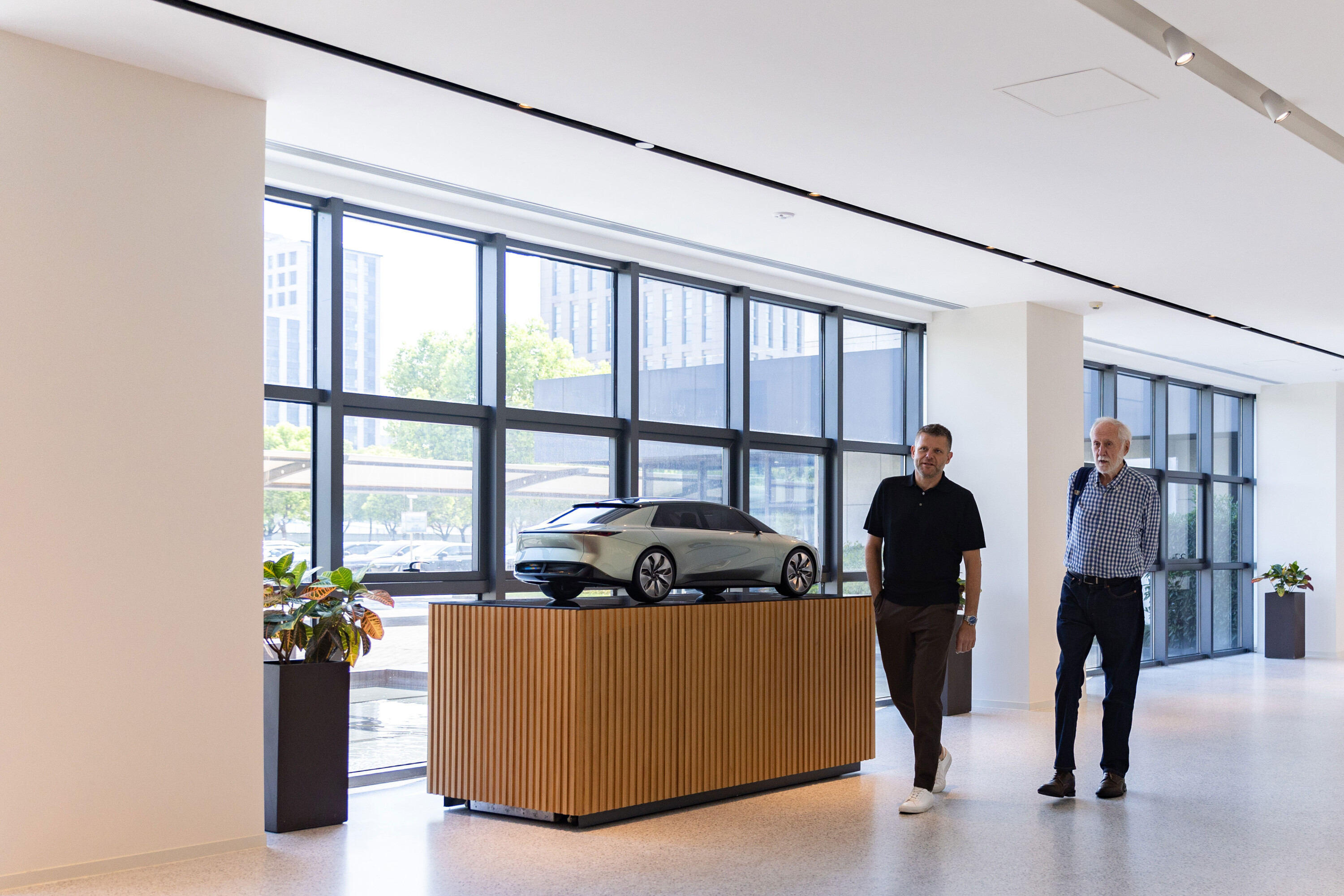
For Michael Simcoe, senior vice president of global design at General Motors – a position that comes with a staff of circa-2000 – thinking time is achieved not in his legendary, Eero Saarinen-designed office, but the shower. And, of more interest to us, while working on his classic bikes and cars in the garage at home in Birmingham, a suburb north of Detroit. His Corvette E-Ray lives outside. Currently, Michael’s rebuilding the front and rear suspension of his Lancia Fulvia 1.6 HF. And thinking.
1
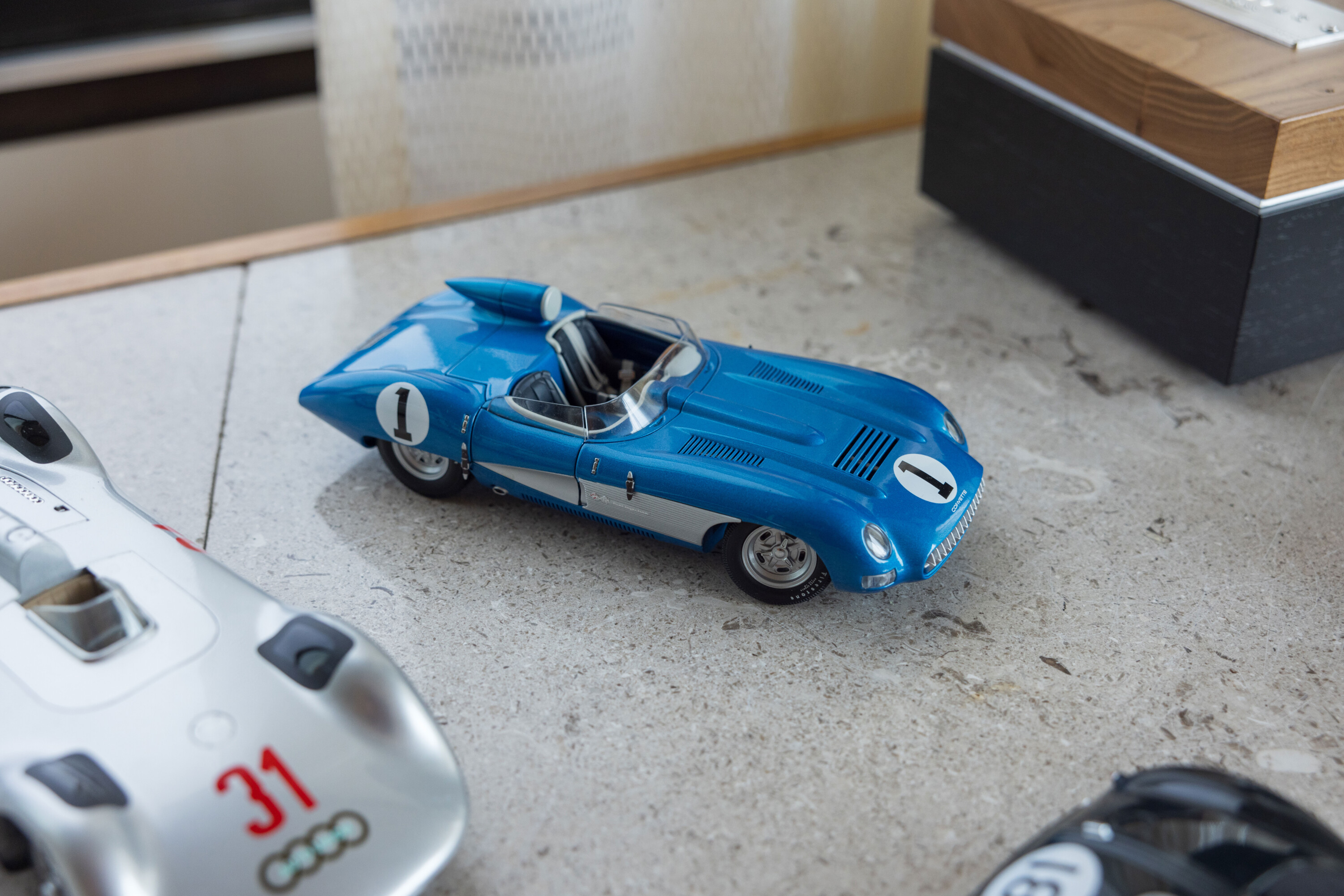
Simcoe’s innate fine taste, his sense of style, and the importance of proportion couldn’t be better illustrated than by the exquisite Lancia B20 GT that fills one side of the garage. Living with aesthetic elegance, beautiful cars, like the original Lotus Elite that’s being restored in the UK, or the Aston Martin DB4 that’s back home in Australia, can’t help but positively influence his thinking. How do I know this? Eighteen months ago in an email exchange, Simcoe outlined his new design studios, and asked: “How would you like to be part of the new building opening with full access to the studios?”
Turning down such an offer was never an option. As the opening was delayed, my adventure grew to include GM’s design studios in California, the UK, and the revamped China facility. Now my problem is condensing the story of four studios into Mister Editor Enright’s 2000-word limit.
Simcoe set out to change the (GM) world when he assumed design leadership eight years ago. Under CEO Mary Barra and Michael’s direct boss, President Mark Reuss, a persuasive Simcoe has new advanced design studios in Pasadena, Leamington Spa and Shanghai, as well as a production studio in South Korea.
1
But not even Simcoe could keep Holden’s design studio open. It closed in 2020 and the wounds remain. GM won’t put a figure on the recent global spend on design – conservatively, it stretches to around A$4bn. Simcoe’s promotion to a Senior Vice President in December 2022 means that within GM, Design has more power than at any time since Bill Mitchell retired in 1977.
The evidence of Michael’s influence is all too obvious as he shows me through GM’s wondrous new Warren design studio. No details, of course, but good taste radiates the full-scale EV (and a few ICE) models and proposals: sports cars, GTs, crossovers, both luxury and sports sedans, SUVs and truck proposals.
SKETCH SHOW
Why Simcoe directs, not draws
Does Simcoe still sketch cars to make a point with his younger designers?
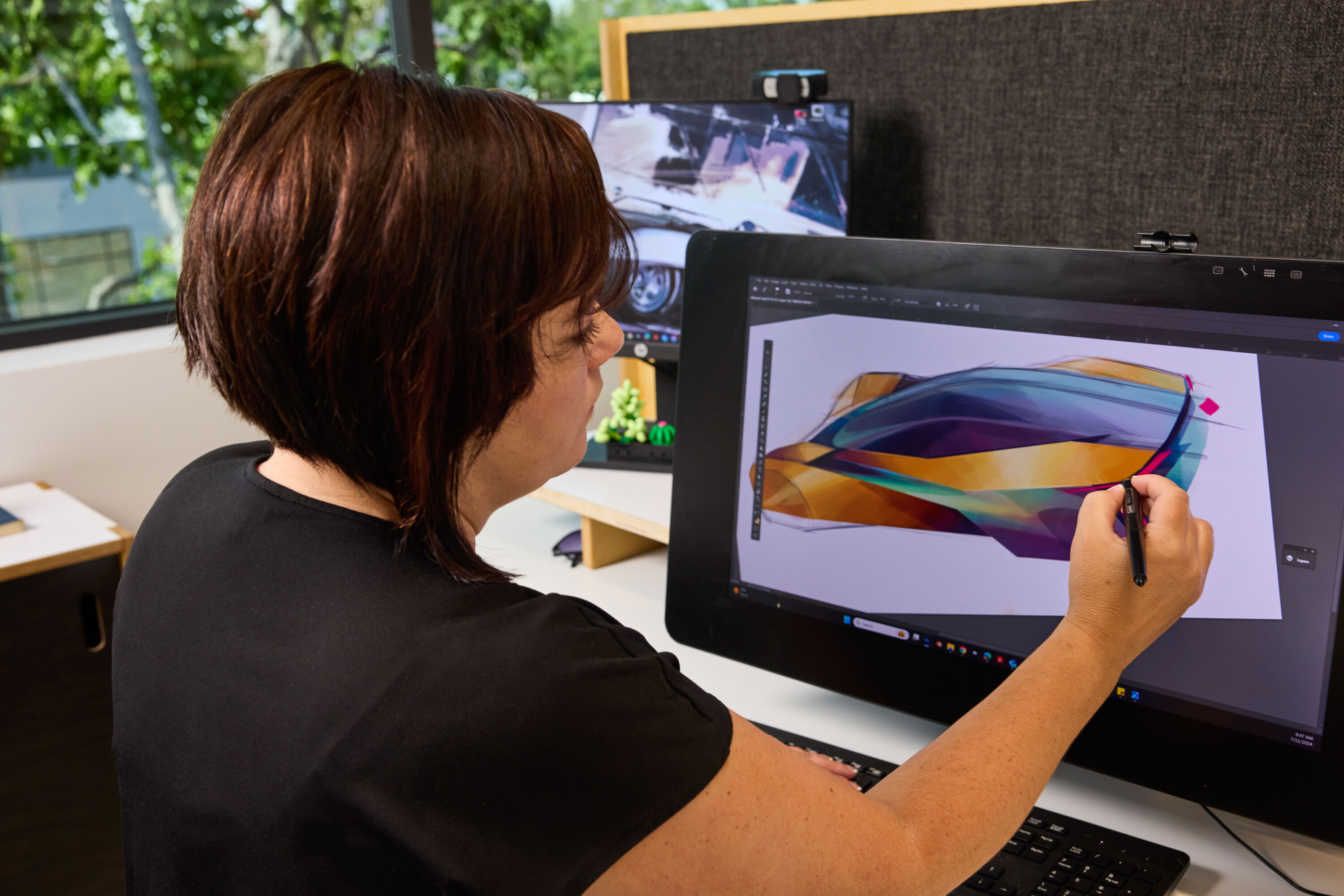
To remember, Michael pauses before answering: “Not in the last two years. There’s a danger of being seen as ‘The voice of God’. What’s the point – so many people are better (at drawing) than I am. I can get myself out of trouble if I need to. My job is to stave off the politics…I know I’m not easy to work for. I’m pretty demanding.”
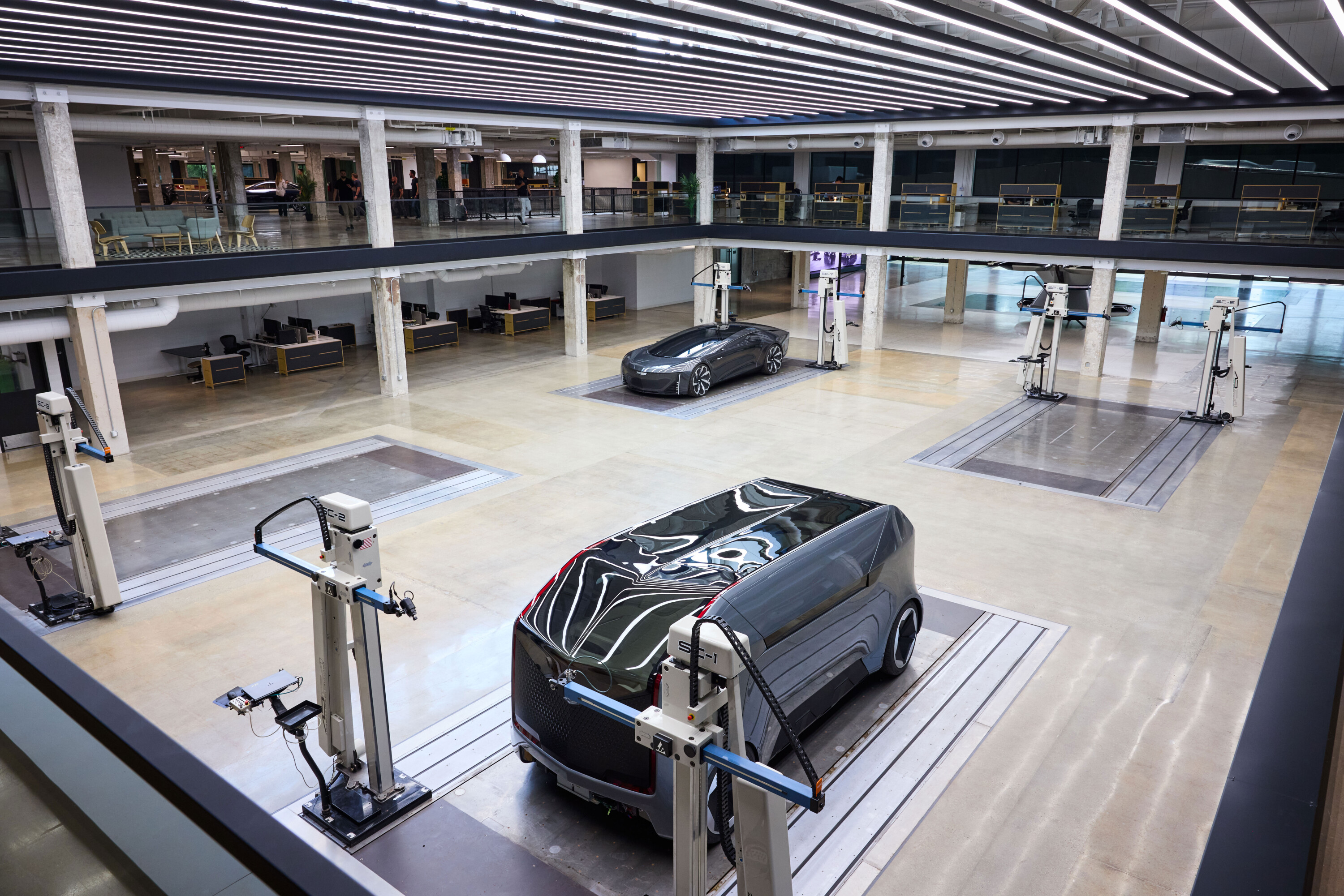
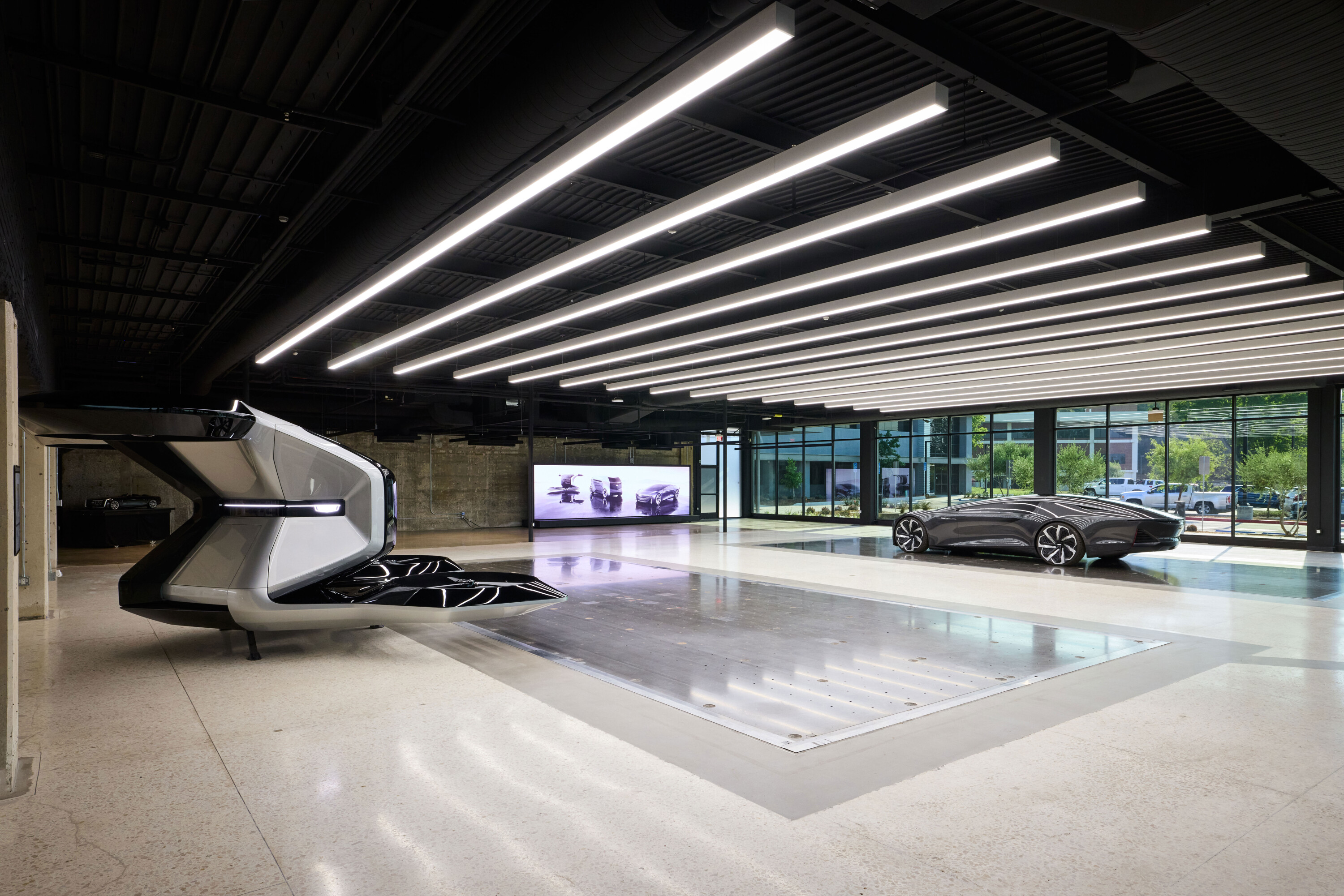
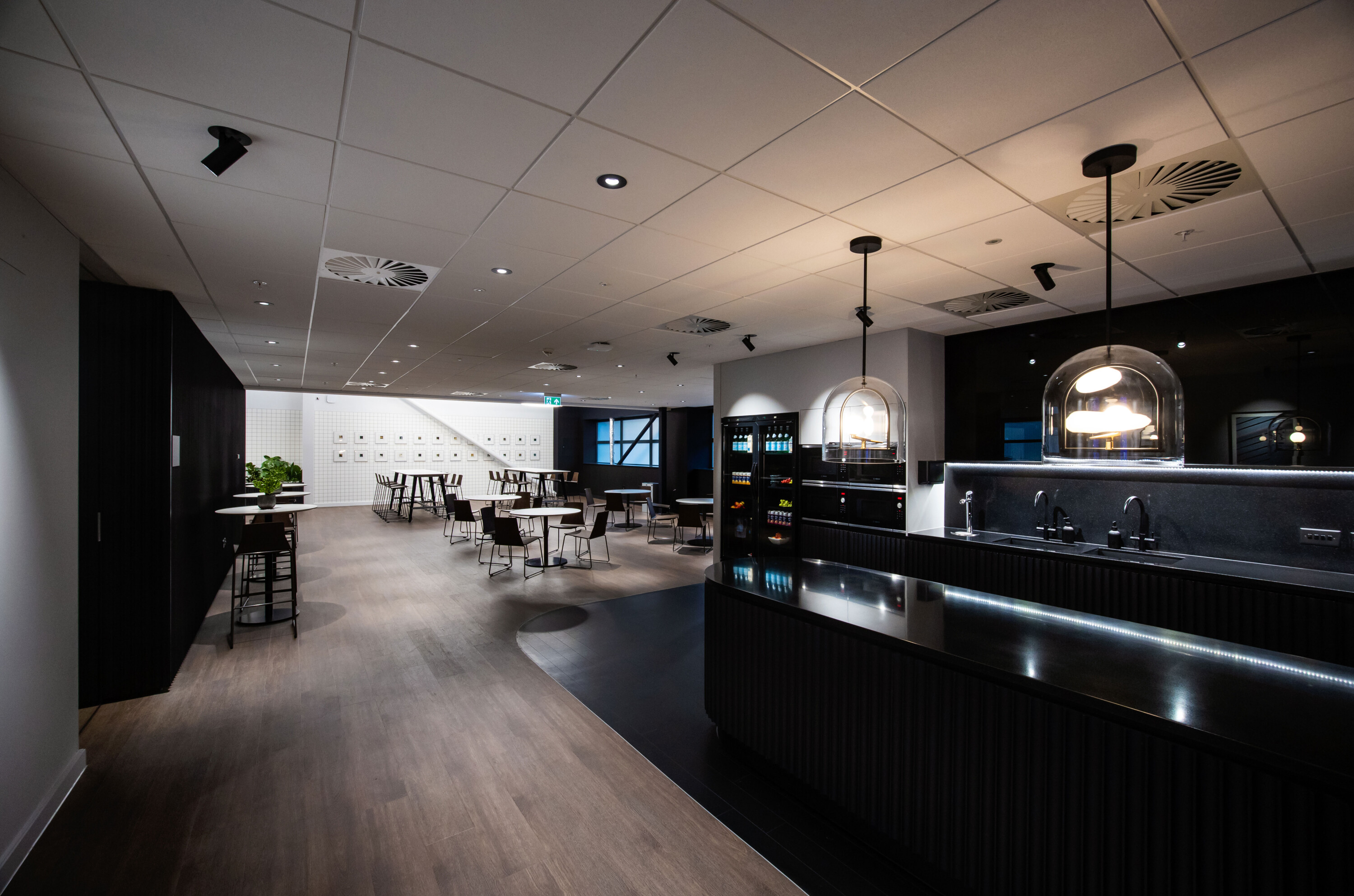
Now, after decades of planning that began in the early 2000s, GM’s glistening low-slung wing flanks the famed Design Dome to unite more than 700 designers under one roof. Fully operational, Design West measures a vast 33,445 square metres, almost twice the size of the MCG, to transform the way GM designs cars.
“It’s all one big barn, basically,” says Simcoe. “Essentially the building is open, there are no walls.”
When Eero Saarinen’s (the architect who chose Jorn Utzon’s design for the Sydney Opera House) technical centre was inaugurated in 1956, each of GM’s divisions had their own closely guarded studio. It was a time when the brands were in direct competition and secrecy was everything. No longer.
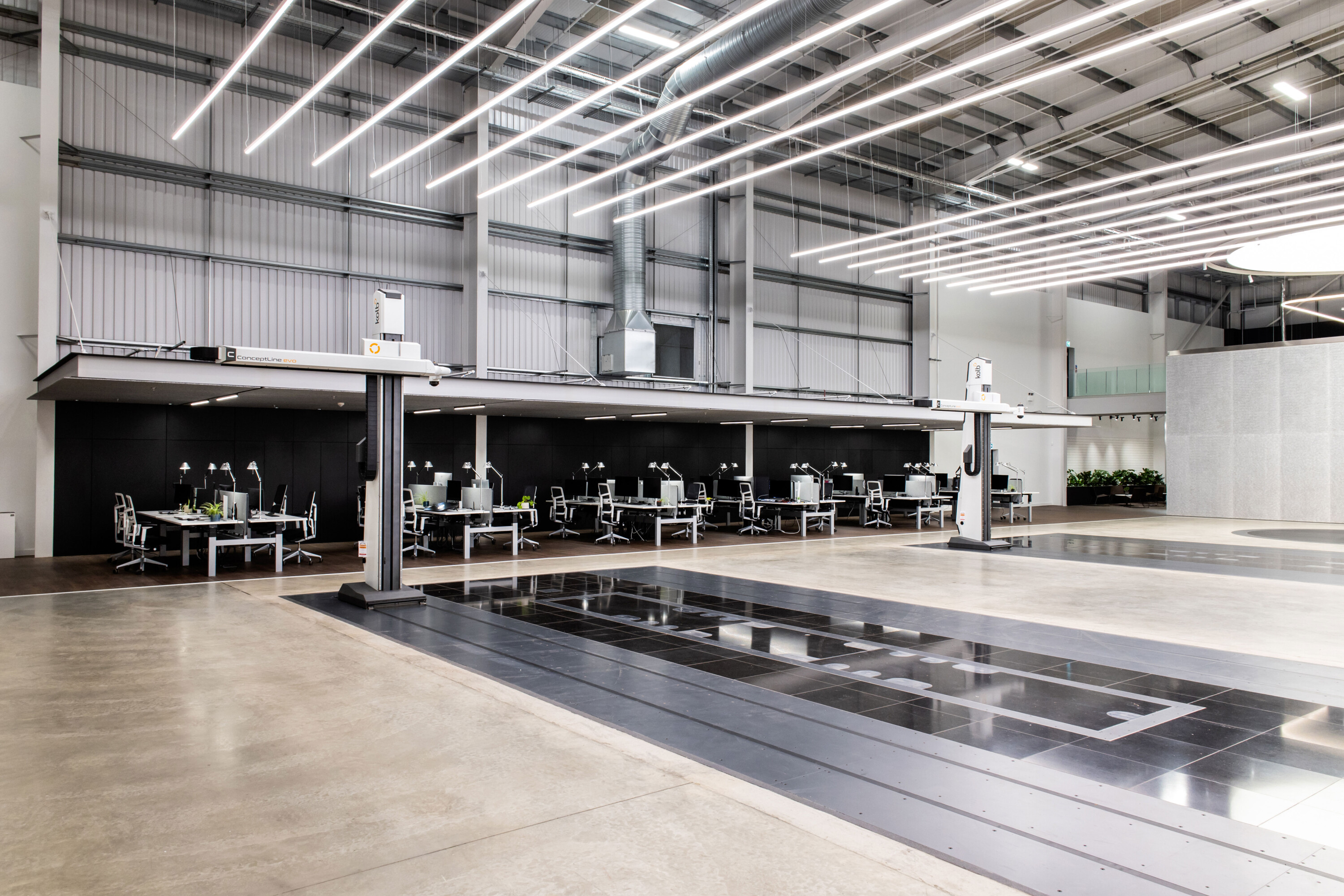
Design West houses all of GM’s “brand” studios: Cadillac, Buick, GMC and Chevrolet, in a vast, open area that’s laid out so the designers, plus the sculptors, strategy and brand people, and, crucially, the chief engineer are in one place. The ground floor is dedicated to exterior, interior, and clay modelling areas, including multiple flush-mounted modelling plates and 44 clay-milling sites for the full-scale models.
“It’s all about collaboration,” claims Simcoe. “Design has always been this place where the empire closes the doors. In recent years, we tried to open that up, but we didn’t have the space to bring in all the people we need. We can do that now.”
1
The mezzanine floor provides a viewing platform – no longer do designers need to climb ladders to get a plan view of their work – as well as offices and meeting areas. Under the mezzanine are the people who need to have a dark environment to the screen.
By their very nature, design studios are confidential, but here there’s an abundance of natural light, with floor to ceiling glass, and overhead strip lighting that can be varying in intensity so the designers can see their models in changeable degrees of brightness. Acoustic material helps isolate sound so it’s also quiet. This is a great place to work.
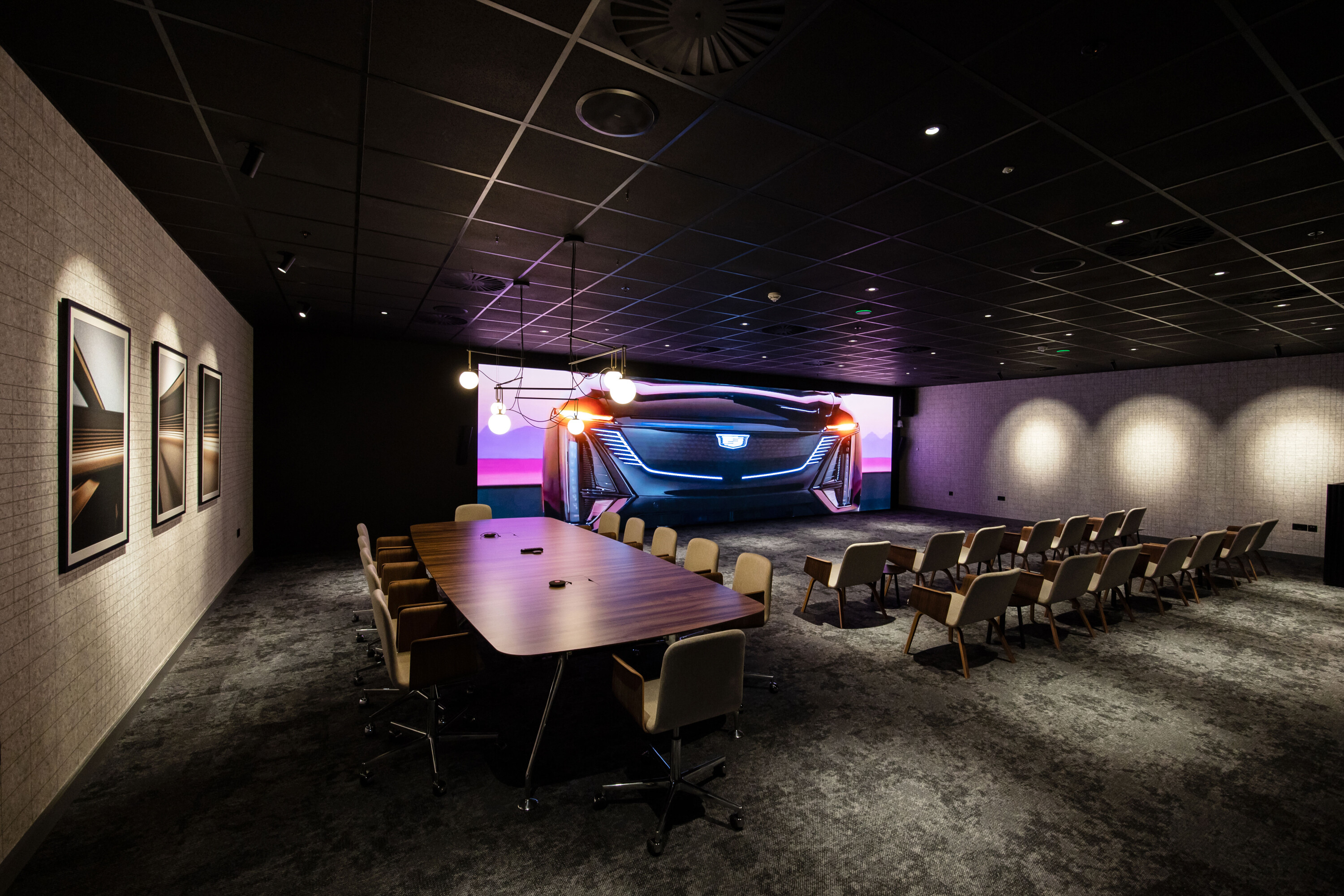
Among the building’s many highlights is a presentation room with a 55 foot (16.7 metre), 77-million-pixel power wall that splits screens and is used for global design reviews.
1
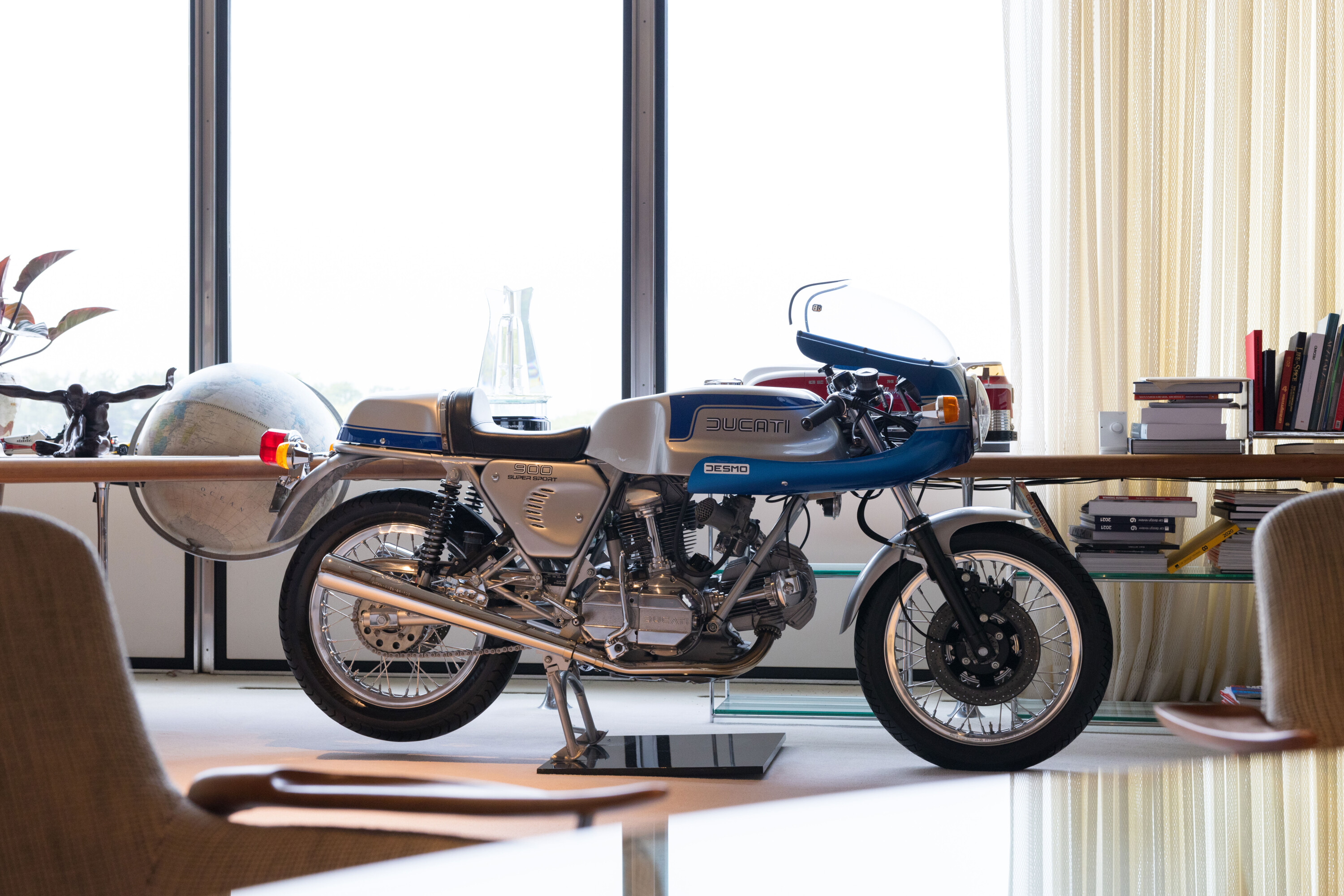
There’s also a hidden door that opens to reveal an area large enough for a full-scale model, perfect for Reuss’s weekly visits. One corridor stretches 305 metres. From Simcoe’s office to the extremes of Design West is 1.6 kilometres, or a US statute mile. Michael needs a pushbike, not his Ducati 900 SS that greets guests when they step into his office.
Simcoe is rightly proud of GM’s commitment to design. He knows design is the great differentiator in the EV age when generic SUVs, especially those from China, are commonplace. Assume grille-less, rounded-off shapes, slim headlights, flush door handles and rear diffuser.
The steady flow of impressive concepts – Buick Wildcat and Riviera – and production cars like the Cadillac Lyriq, the 2025 Escalade and Chevy Blazer EV continue. The Rolls-Royce-challenging Cadillac Celestiq sedan (which started in Design) and Sollei convertible, and the Opulent Velocity, prove GM is serious in reestablishing Caddy in the ultra-luxury class. At the other extreme, the affordability of EVs is becoming ever more significant.
1
It’s also clear that, despite sharing the same underpinnings, Chevrolet, Buick, GMC and Cadillac are establishing their own individual and easily recognised design languages. All clean and refined, and without the overwrought surfaces, lines and shapes of too many of today’s cars.
We all know any design teams’ work can only be as good as management allows. Seems under Reuss, Simcoe and fellow Australian Andrew Smith, who runs the advanced design studios, anything is possible. You need proof? Published reports by unofficial Corvette websites insist Corvette is to do a Porsche and expand beyond sports cars to include sedans and SUVs.
I couldn’t possibly comment.
1
GM’s presence in Southern California dates to the 1980s. The previous design studio in Hollywood was leased but, when that expired in 2021, GM decided to buy a much larger building in Pasadena, just eight kilometres from two schools important to recruiting future talent: the ArtCentre College of Design and CalTech.
“There’s always been a fascination with the automotive culture and the design thinking that happens here in California,” says Brian Smith, design director at GM Advanced Design California. “It’s very different logic to the rest of the world, and very different to where GM is in Detroit.”
“We really believe in physical models,” Andrew Smith explained. “We can do really detailed digital visualisation, but we believe in making models.”
1
Brian Smith adds: “We’ve got four clay milling stations versus one, which enables us to quickly make models from data. We’ve got six modelling plates versus the three we had in North Hollywood; two build plates instead of one; and we’ve also got more digital screens: two 16-foot LED walls, and a 20-foot portable LED wall. With full concept build capability on site, we can go straight from sketch to clay to a running vehicle in six months.”
“This studio is really going to be responsible for pushing boundaries,” says Andrew Smith. “Our job is to support the GM mission of zero emissions, zero crashes, and zero congestion, and in California we’re in the right environment of early adopters who are ready to embrace EV and AV technology.”
What of right-hand drive? We know the Corvette and various Cadillacs EVs are RHD from the factory. Most of the conversion issues are solved by steer-by-wire, a system that replaces the mechanical link between steering wheel and front wheels. Already fitted to the Tesla Cybertruck and Lexus RZ450e, drive-by-wire makes the change from left- to right-hand drive easy. However, Australian design rules state that cars must retain a physical connection between the steering wheel and front wheels to act as a redundant control in case of an electrical failure.
CELESTIQ HOME
Designed and built in Warren, MI.
Yes, the Cadillac Celestiq really is the first car built on the Warren engineering and design campus since it opened in 1956.
GM invested over A$120,000 to create a small, purpose-built production line for the flagship sedan. The reason for this move?
An incredibly close bond between design and engineering was needed to bring this extraordinary and extravagant concept to life. As Celestiq design director Erin Crossley notes: “The level of detail that you can only get doing things by hand is incredible.”
One unintended consequence of GM selling Opel to PSA (now Stellantis) in 2017 was the loss of its European design centre in Germany. Time for a Simcoe think. Especially as GM’s gradual withdrawal from significant markets like Europe, India, Australia, South Africa and Russia, reduced the once globally dominant manufacturer (it’s now number five) to a regional car maker concentrating on the Americas and China.
Simcoe realised: “We needed alternative [design] options, fresh eyes, we needed the Europeans.”
Learning that Julian Thomson had resigned as head of Jaguar design, GM contacted the talented Brit and once his garden leave expired in December 2022, Thomson joined GM. With the help of designers poached from JLR and Aston Martin, he began work (from home) on two projects. The first: an alternative Corvette C9; the second: a secret project for GMC.
“We didn’t design a Ferrari or a Porsche and put a Corvette badge on it,” says Thomson. “We wanted to present a different point of view that didn’t duplicate the American work, but to be a positive influence.
1
In March 2023, the Corvette and GMC concepts were digitally presented to Simcoe and Mark Reuss. The British Corvette made such an impact that Julian, appointed design director, was immediately asked to establish Advanced Design UK, General Motors.
“We knew we had the right people,” Simcoe claims. “We knew we could build a studio around Julian Thomson – not to be better than the others, it just made good sense.”
Says Simcoe of the UK’s intriguing Corvette proposal: “It’s influenced what we’ve got, the proportions, but we don’t want Corvette to look like a European car, it’s very important that it remains American.”
1
Equipped with a large cheque book, plans for a technically advanced studio that drew on Design West, and an almost empty team sheet, Thomson started creating the studio in Leamington Spa, close to Coventry – the traditional home of the British motor industry. GM’s new studio, now home to 35 people, opened in October 2023.
It’s almost a mini version of Design West with its open plan, mezzanine viewing/office floor, two 20-metre-long modelling plates and six milling machines.
“We want to be complementary to the Mothership,” says Thomson. “We want to have projects with all the brands and design a diversity of models: SUVs, sedans, coupes, a hypercar.”
1
GM first opened a design studio in China, in partnership with SAIC, in 1998. Set up in Shanghai by former Holden design boss Phil Zmood, it’s now been replaced by a much-revamped studio. There is much to do. GM’s China sales slid by 29 percent in the second quarter of 2024, and its market share has dropped from a high of 15 percent to 8.6 percent last year.
GM (and all other car makers) face a near impossible task. How to compete with government-supported brands who put market share ahead of profitability? In China, the term 996 doesn’t refer to a Porsche model, but hours worked – 9.00am to 9.00pm, six days a week.
Cars – commodities like white goods in China – don’t need the same level of chassis sophistication. Nobody talks about the Nürburgring. What’s far more important is speed-to-market.
1
Stuart Norris, the Brit who runs GM’s Shanghai Advanced studio, says many of China’s circa-130 car makers have “development cycles of between 15 months [a new top hat] and two years [a new car].” That’s half the time demanded by rivals from elsewhere. Shorter development means the Chinese brands can more quickly incorporate the latest technology and changing consumer behaviour.
The recently renovated Shanghai studio incorporates new technology and has seen a doubling of the design team since 2021. The studio includes digital and clay modelling, a paint shop and, unlike the UK studio, has a CMF (colour, material, and finish) department. But the concept cars are built by local suppliers – just eight weeks from digital data to a full-sized model – and there is no mezzanine viewing floor.
Global studio tour over, I’m convinced that when, in 50 years, they write the history of GM design, the Simcoe era will rank with those of Harley Earl and Bill Mitchell as the most important in the corporation’s history. Michael’s thinking time has changed his (and GM’s) world.
1
When Toyota Australia recently discontinued the V8 in the 70-Series LandCruiser, it inadvertently endowed the Ford S650 Mustang with a dubious honour. It is now the only new vehicle you can buy in Australia that has eight cylinders, sends drive to the rear wheels and requires drivers to select their own gears. Sad, isn’t it?
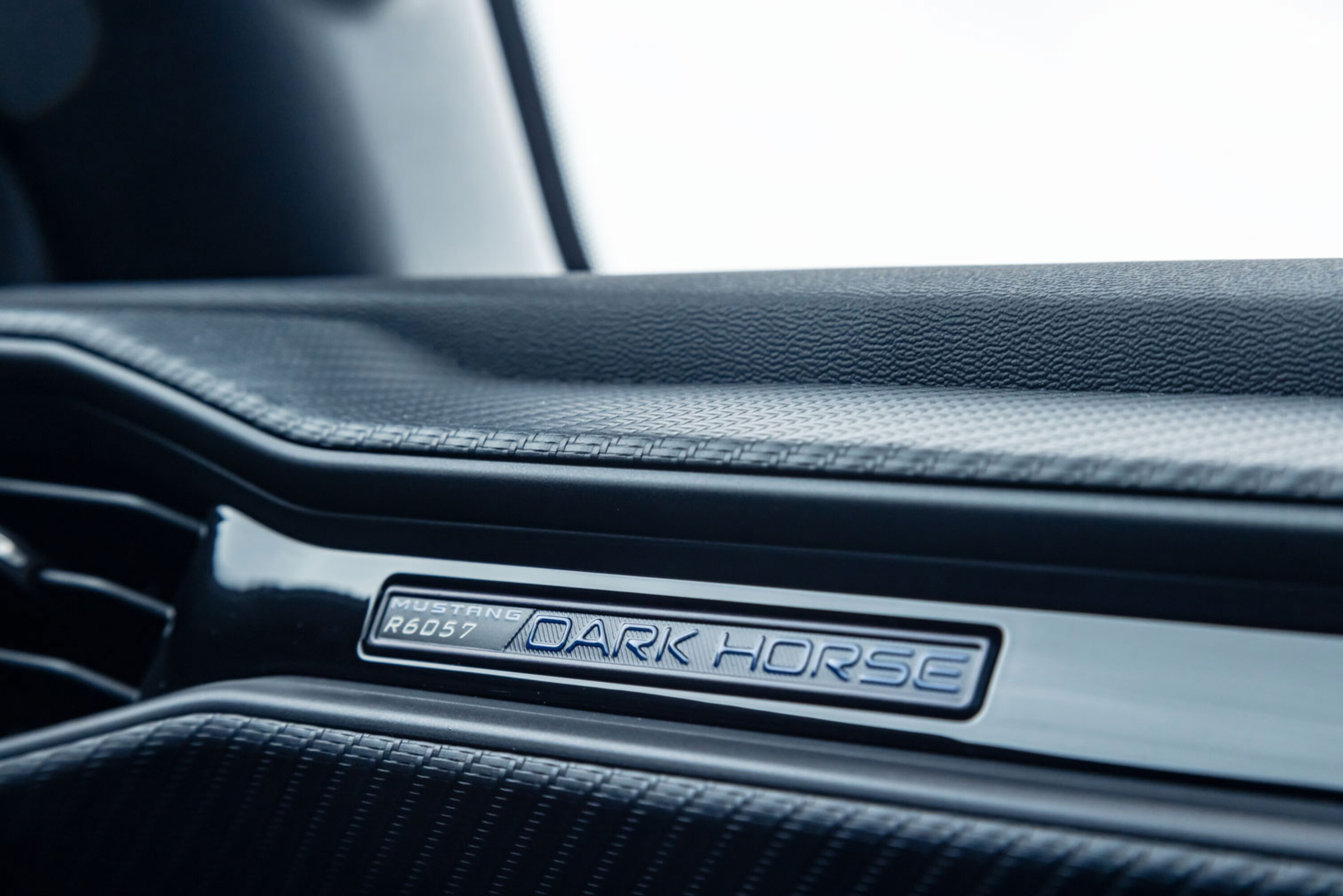
Familiar Ecoboost and GT variants continue, but there’s a new hero at the summit of Ford’s seventh-generation muscle-car range, wearing a $100,000 price tag and the first new performance Mustang nameplate in two decades – the Dark Horse. Let’s face it, Under Dog doesn’t have quite the same ring to it.
1
Paying six figures for a ’Stang isn’t without precedent for Aussie buyers, but whereas in the previous generation that bought you 522kW/827Nm of supercharged R-Spec, the Dark Horse only offers 350kW – a measly 5kW more than the standard GT – and a spec list that looks remarkably similar to the previous Mach 1. Is this a case of marketing selling a gelding as a stallion?
In a sense, it’s irrelevant. Every one of the 1000 Dark Horses coming to Australia has a customer’s name next to it, with plenty on the waiting list ready to capitalise should any drop out. History tells us that over the S650’s lifespan there will be other limited-edition specials – at the launch, Ford Australia rolled out an example of the Bullitt, R-Spec and Mach 1 that all appeared throughout the S550’s tenure – but if you specifically want a Dark Horse and don’t already have an order? Tough luck.
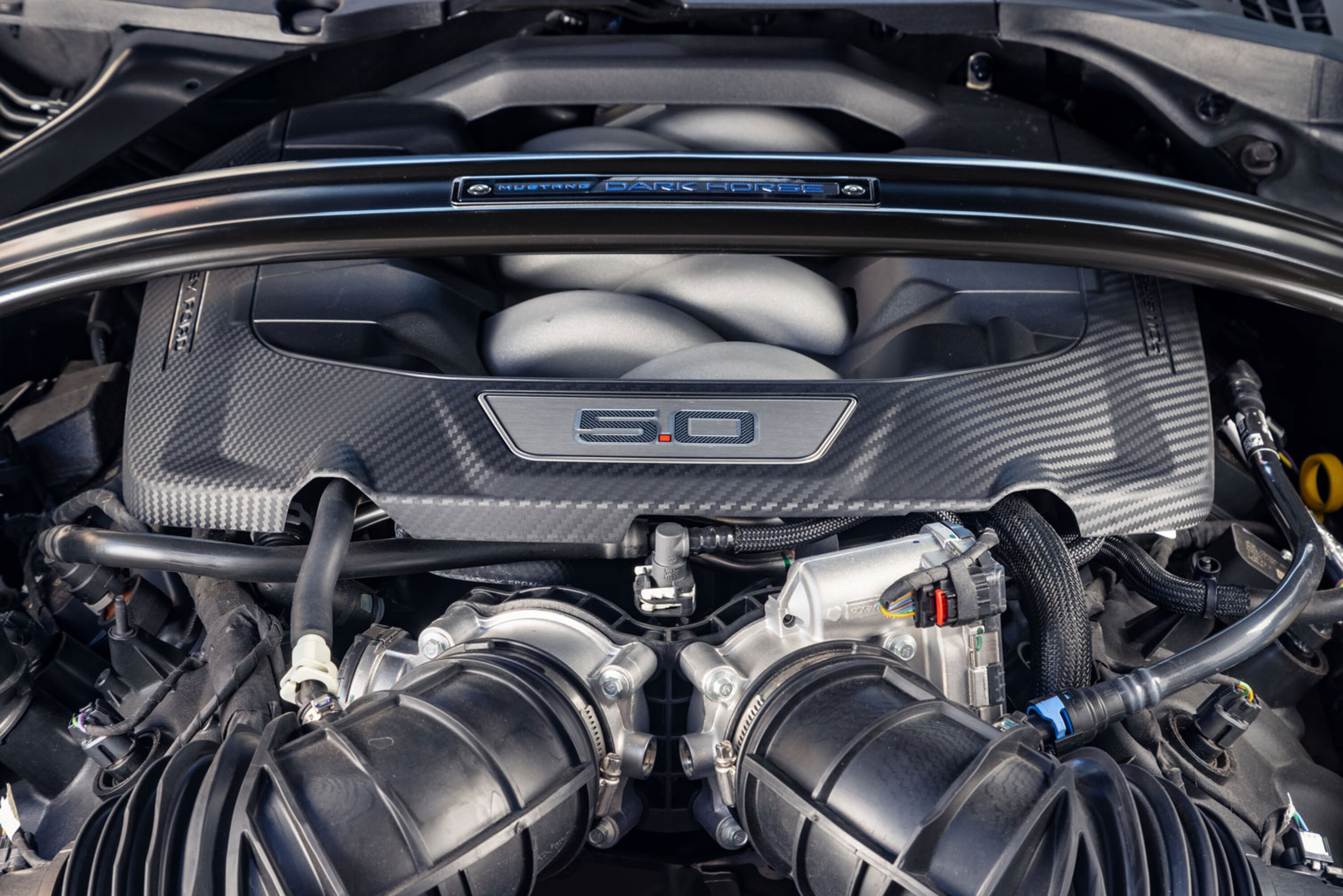
Nevertheless, there is hopefully some justification for the $22,000-plus premium over a standard Mustang GT, not that the spec sheet provides many clues. The naturally-aspirated V8 scores connecting rods from the Shelby GT500, added cooling and a unique calibration, but power only increases fractionally to 350kW at 7250rpm and torque remains static at 550Nm at 4850rpm.
1
MagneRide adaptive dampers are included as standard with a unique tune, there are different springs and the wheels are a half-inch wider at both ends (19 x 9.5-inch front; 19 x 10.0-inch rear), albeit with the standard tyres (255/40 and 275/40 Pirelli P Zeros front and rear respectively) stretched over them. A Torsen limited-slip differential is installed in the rear and there are rear subframe-mount bushings from the GT500 as well. But it’s the gearbox that’s the headline act here.
The GT retains the extremely long-legged Getrag MT82-D4 and a 3.55:1 diff ratio which results in the following speeds at 7250rpm in each gear: 83km/h (1st); 128km/h (2nd); 190km/h (3rd); 270km/h (4th); 332km/h (5th); 435km/h (6th). Obviously, the last couple of numbers are purely hypothetical, but on your typical 100km/h country road you’re out of speed limit at 5650rpm in second and 3800rpm in third.
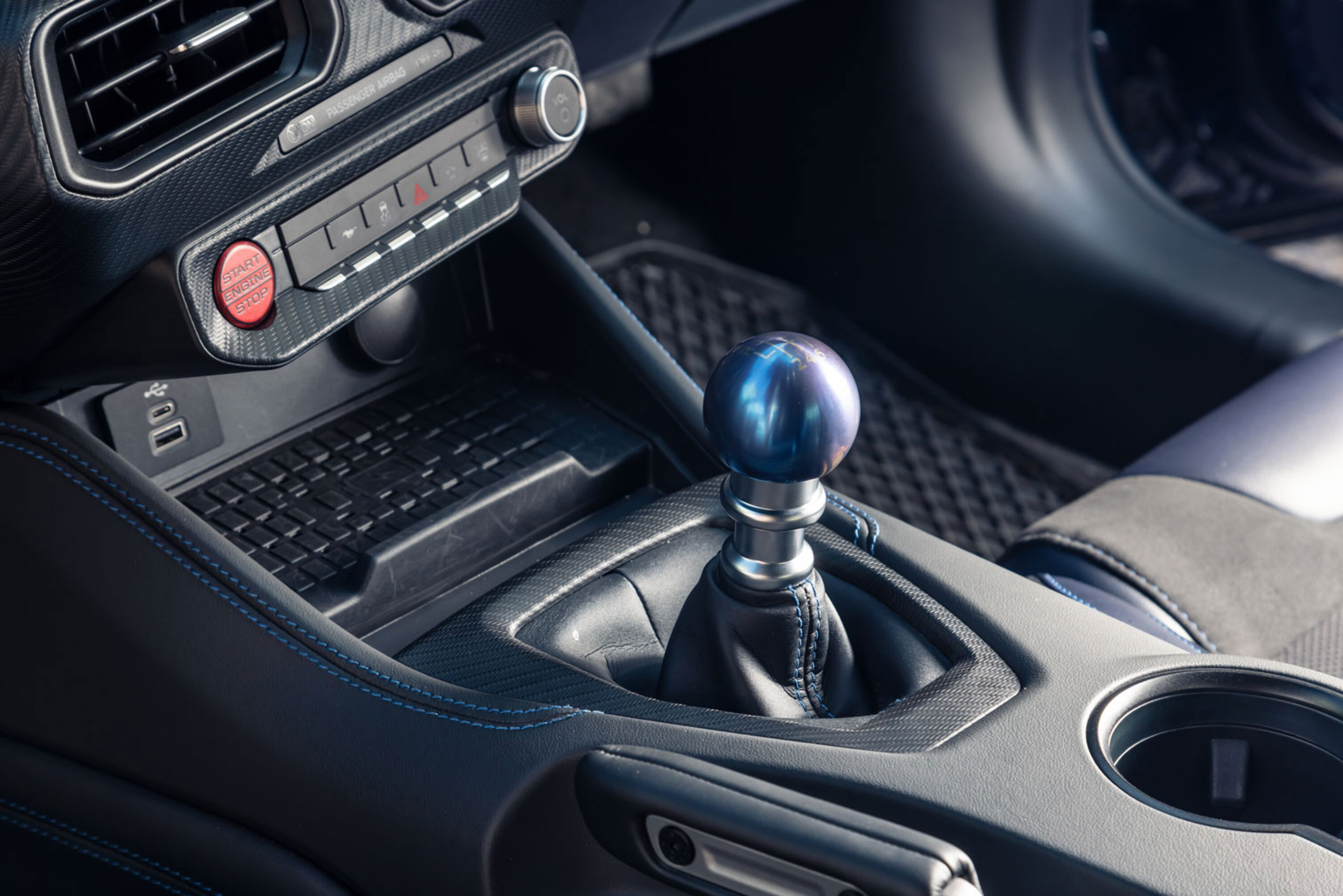
Combine the Dark Horse’s 3.73:1 diff (manual only, the auto remains 3.55:1) with the Tremec TR-3160 from the Shelby GT350 and the resultant speeds-in-gear are: 79km/h (1st); 115km/h (2nd); 160km/h (3rd); 207km/h (4th); 257km/h (5th); 408km/h (6th). Suddenly, pretty much all of second and most of third is available without falling afoul of the law, and the intermediate ratios are much more closely stacked together – fifth in the Dark Horse being shorter than fourth in the GT.
1
Sadly, there’s no road drive of the Dark Horse at the S650 launch, just a few laps of The Bend Motorsport Park to make our assessment, but according to Laurie Transou, the Mustang’s chief engineer, that’s exactly as it should be: “It was inspired by the track, it’s intended for the track, it’s tied to our Dark Horse R which is track-only. This is a street version of those track products [and] very focused on performance.”
A number of laps in a GT provide both a warm-up and a benchmark. It’s improved, not least because added cooling means it can do more than a lap without drastically cutting power, but from the moment you push the clutch in and select first gear, the Dark Horse feels different.
The Tremec requires more muscle and the throws are much tighter. Power might be more or less identical, but leaving pitlane the torque multiplication of the shorter gearing makes the Dark Horse feel far more urgent, the engine greedily chasing the redline. Sounds good, too. Selecting Track Mode firms up the adaptive dampers, backs off the stability control, sharpens up the throttle and helpfully alters the digital instrument cluster. The rev counter is now graduated, each 500rpm increment becoming wider so that you can time your shifts near redline with expert precision. Or at least you can if you’re not greedy and don’t run into the soft limiter.
1
At turn one, the first movement of the steering wheel provides further evidence of the changes, the Dark Horse diving towards the apex with a keenness the GT could only dream of. With the same tyres and similar steering (same ratio, different calibration), this increased response must be a result of the suspension alterations and they make the flagship far more accurate and easier to place.
The changes mean attacking The Bend’s West Circuit in the Dark Horse is a very different experience to a GT. Second-gear corners are now taken in third, peak speeds between turns are higher and you can up the commitment level, secure in the knowledge the car will support you. The most obvious difference is down the main straight – where the GT is labouring along in fourth gear, the Dark Horse is charging in fifth.
Braking remains a Mustang strong suit, the huge 390mm front discs with six-piston calipers, supported by 355mm rears with four-piston calipers, proving more than equal to the task of hauling up 1822kg, lap after lap after lap. This is particularly impressive as the rev-match function allows the brake pedal to be slammed at the last possible moment without having to worry about heel-toe downshifting – it always feels like cheating, but the system is so effective it seems silly not to use it.
1
According to the stopwatch, there’s 1.3sec difference between GT and Dark Horse around the 90-odd-secondWest Circuit, but the difference in enjoyment is greater.
The GT is honestly very good, but the Dark Horse obeys driver commands more effectively. There’s a suspicion, though yet to be verified, that the on-road experience might be even better again.
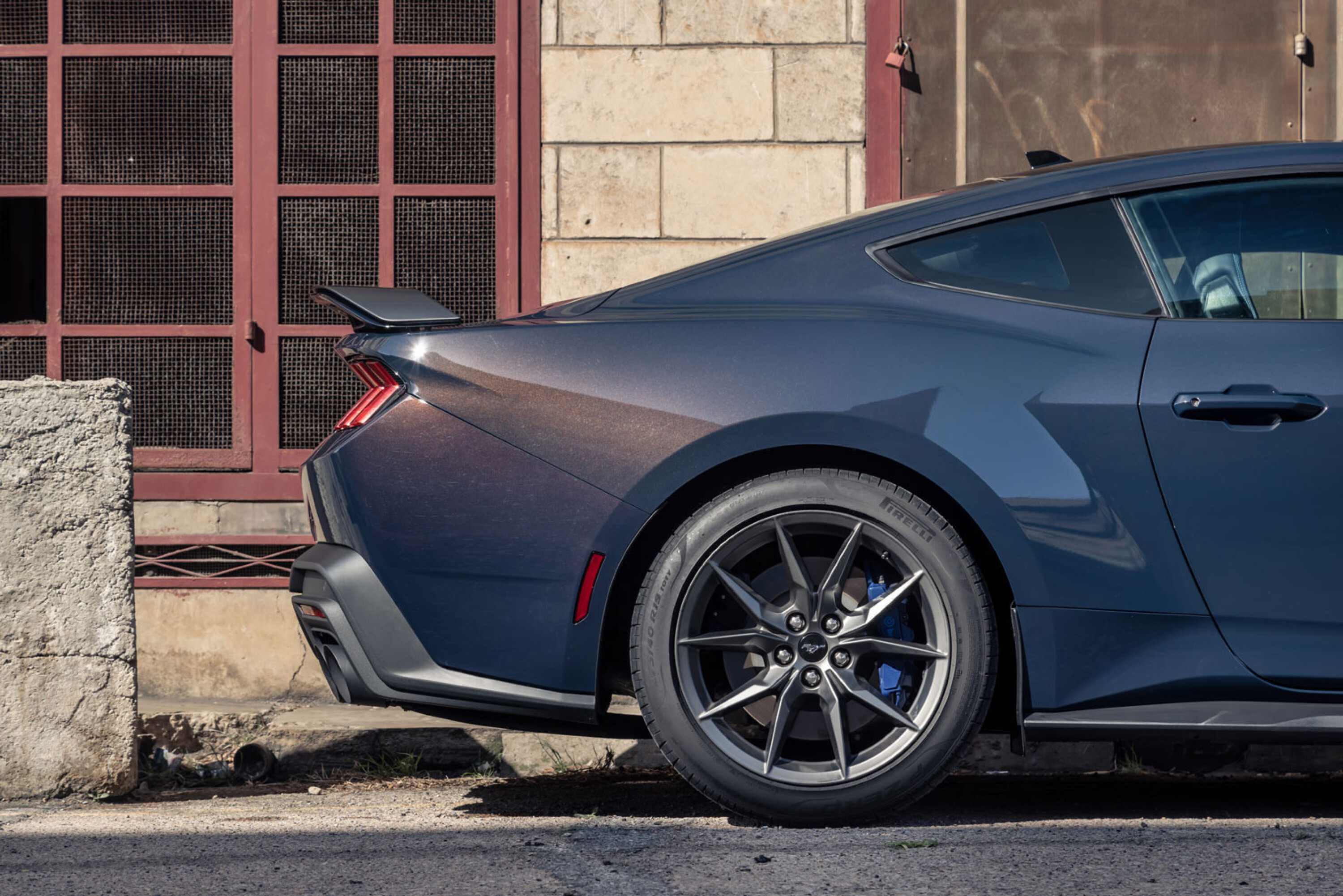
If you’re not a track aficionado, there is still plenty to get excited about with the Dark Horse, chief among which is the way it looks. While dimensionally identical to the GT, the larger bi-plane rear spoiler, unique front end and different wheel design give it plenty of presence, especially in the Dark Horse-specific Ember Blue, which changes from blue to purple to black, depending on the prevailing light.
1
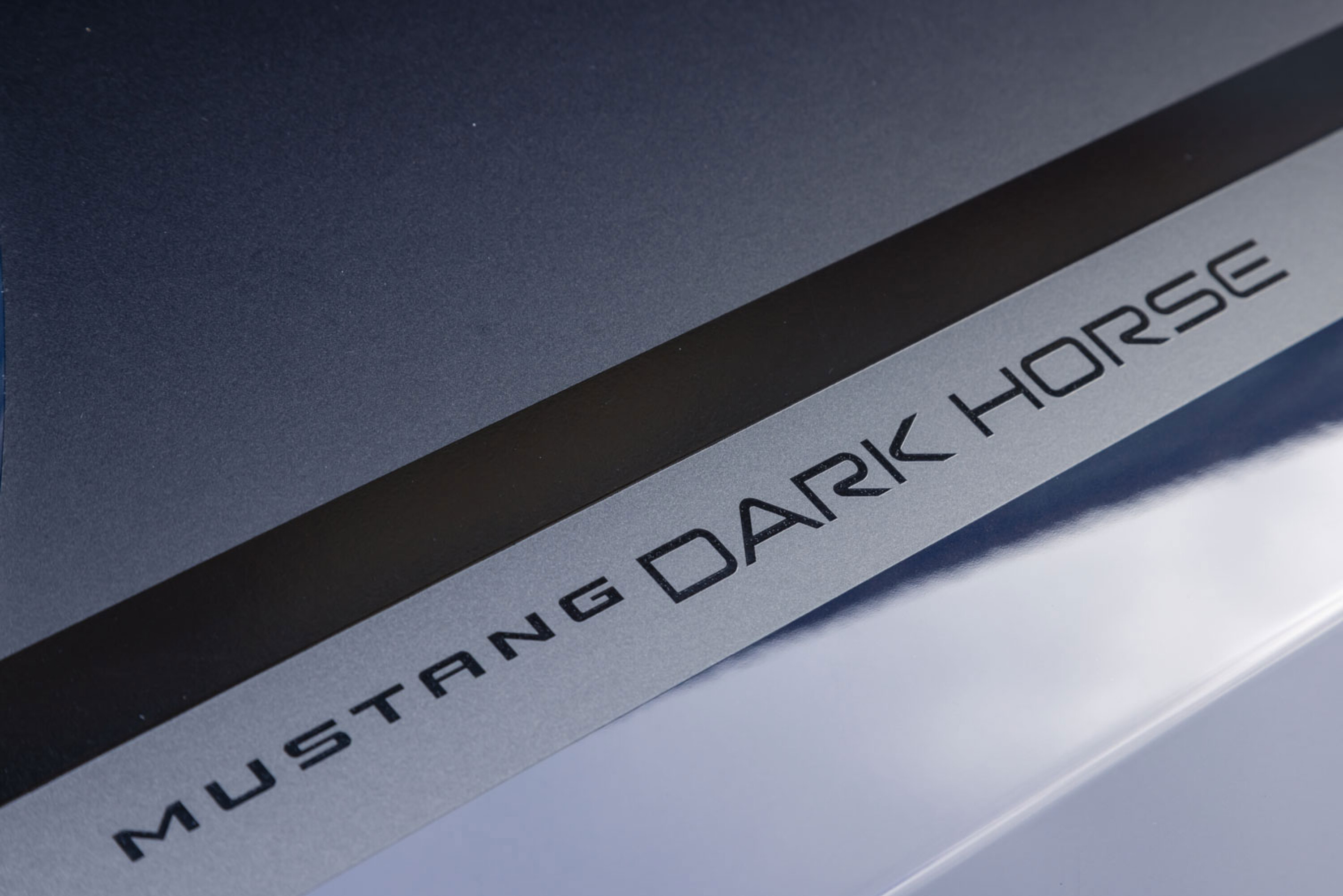
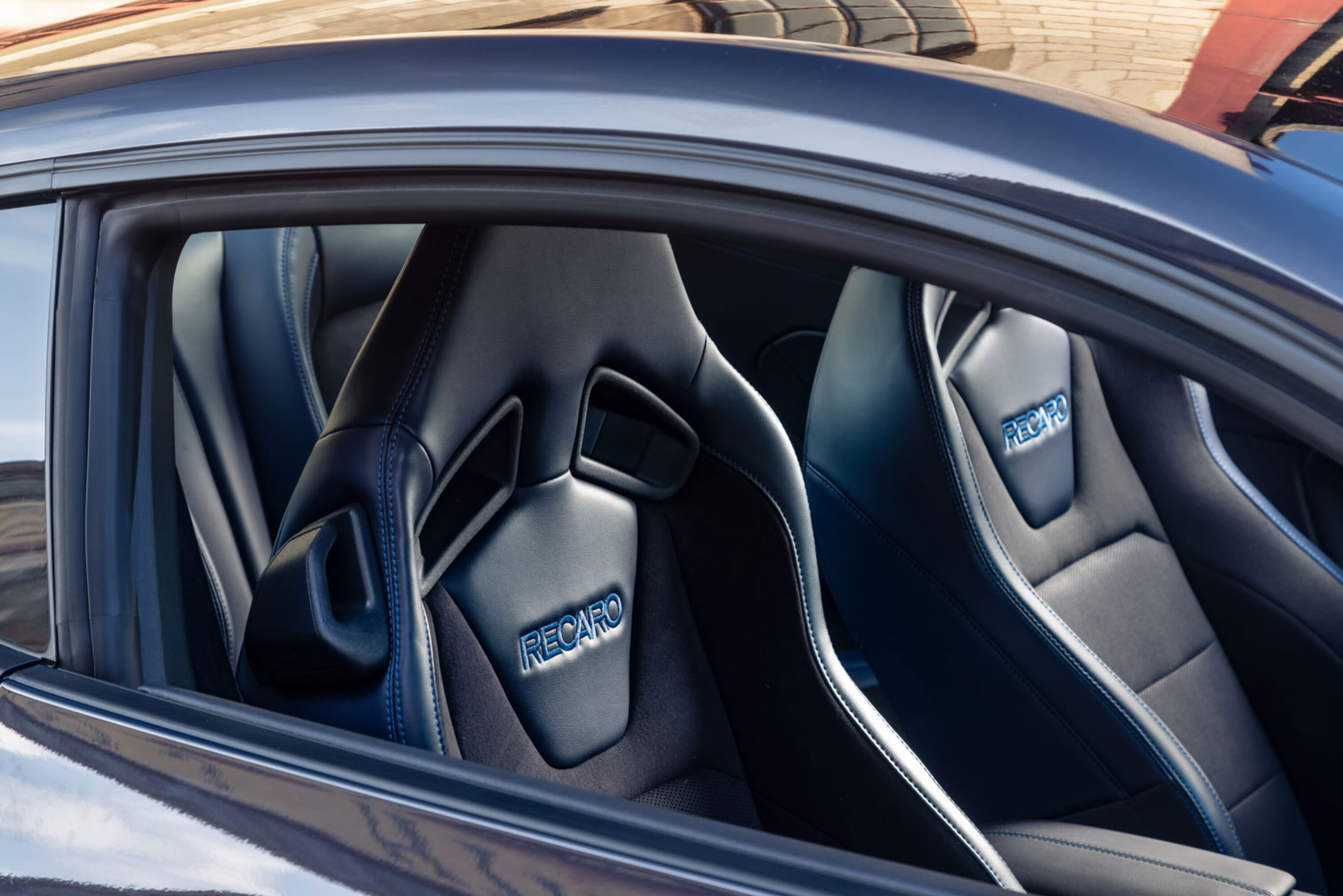
An optional appearance pack adds a black roof, blue brake calipers, a unique hood graphic and blue accents for the seats. Snug Recaros are again optional, but selecting them deletes the heating and cooling functions so they’re of questionable value.
The equipment list largely mirrors that of the GT but that’s primarily because Aussie Mustangs come loaded to the hilt so there’s dual-zone climate, keyless entry and go, a 12-speaker B&O stereo, wireless smartphone mirroring and charging, a heated steering wheel, ambient and Mustang-logo puddle lighting, adaptive cruise control and a full suite of active safety features. About the only omission is a head-up display.
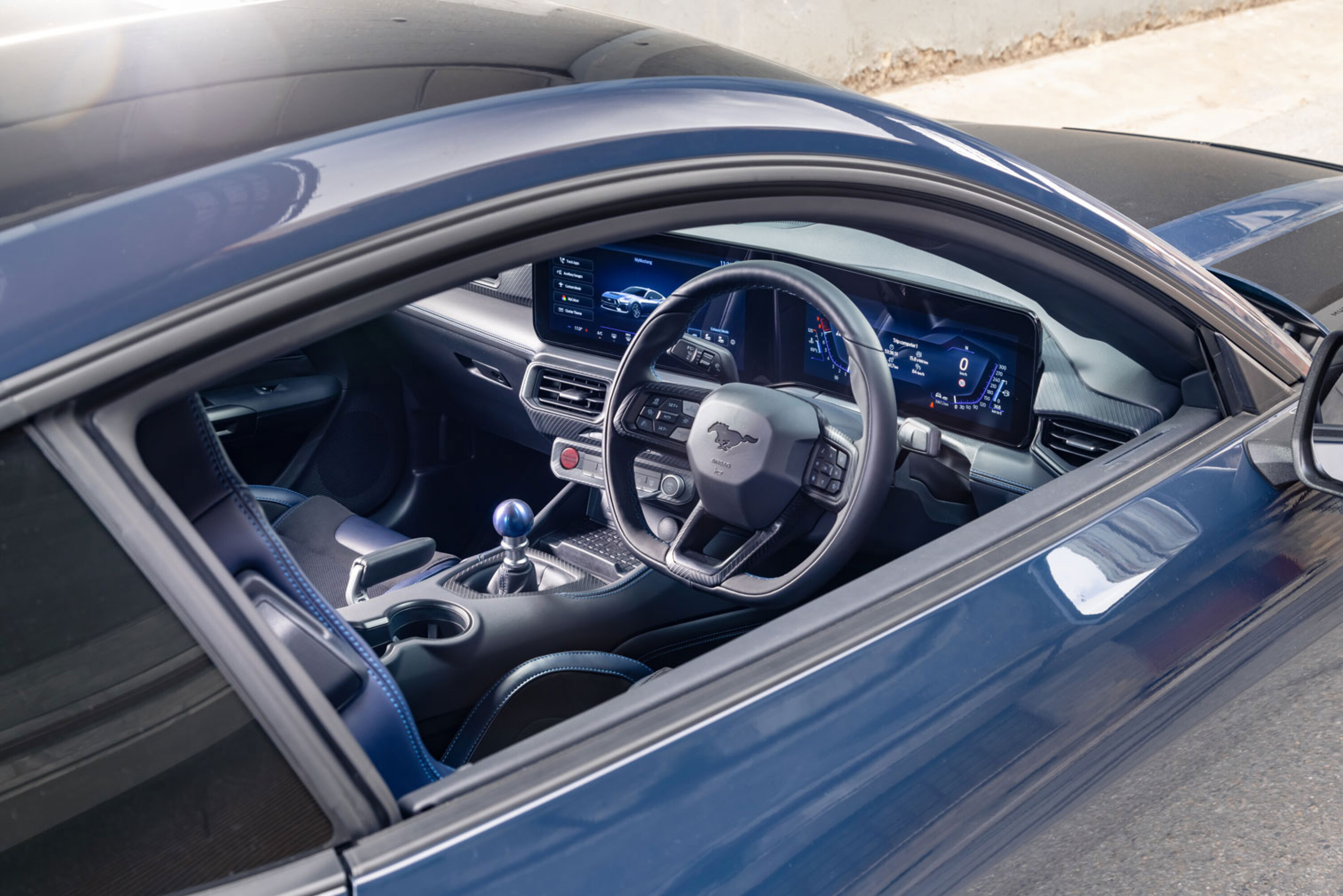
It’s a nicer interior than before, with better-quality materials, panoramic twin digital displays that could be lifted from a BMW, and a steering wheel that’s thicker and feels more premium. It’s still irritating that the handbrake and starter button remain located for left-hand drive, and you can add the lack of physical HVAC controls to that list, but the higher price tag does at least have a cabin to match.
1
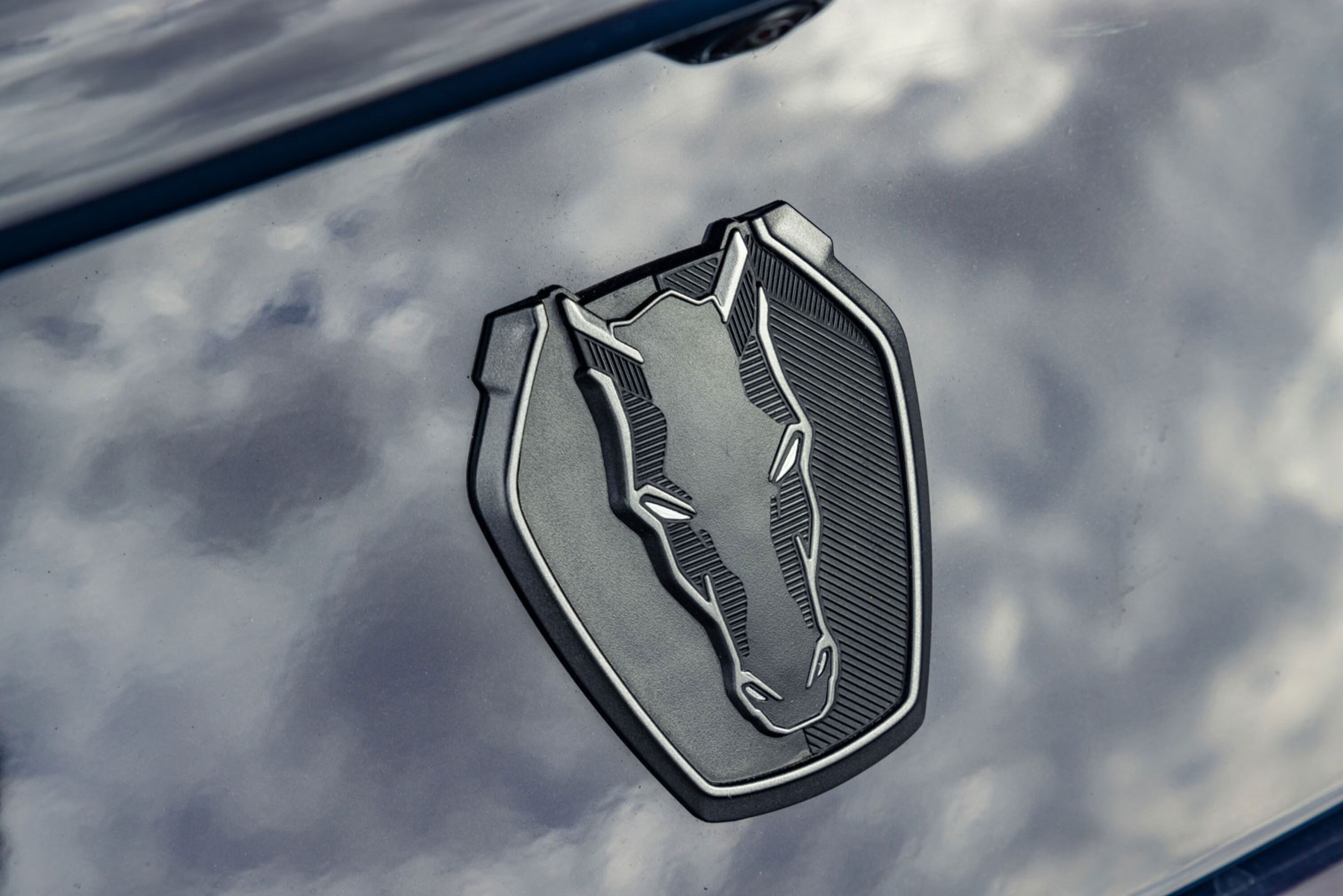
There’s also plenty of ‘easter eggs’ for the trainspotters to get excited about. The badge is the first time a Mustang has had a forward-facing horse on it, there are silhouettes of all seven generations of Mustang at the base of the rear screen, and the digital instruments not only have different layouts for the individual drive modes but can be made to imitate the cluster of the original ’60s Mustang, ’80s Fox Body or 1999-2001 SVT Cobra. It might sound like a gimmick but it’s actually a great feature; hopefully more are added in the future as the S650 has over-the-air update capability.
‘More than the sum of its parts’ comes to mind when describing the new S650 range-topper. A glance at the spec sheet suggests that it’s at best a Mach 1 with a different name and at worst, a slightly tweaked GT with a huge price premium. But there’s a level of athleticism that’s never been present in an Aussie-delivered Mustang before. It turns out the Dark Horse is a bit of a, erm, dark horse.
EXPERT HORSE HANDLING
Why don’t we get the ultimate hoofer?
The new dark horse is very good, but local versions aren’t as good as they could be. Blame Australian Design Rules.
In its homeland, the Dark Horse is available with an optional Handling Package that turns it into a proper corner carver.
It isn’t cheap at US$5495, but the footprint is massively expanded with inch-wider wheels at both ends – 19 x 10.5-inch front and 19 x 11-inch rear – wearing massive Pirelli P Zero semi-slicks 305/30R19 front and 315/30R19 rear. It’s like giving Black Caviar 20-percent bigger hooves.
In addition, there are bigger spoilers front and rear, stiffer springs, adjustable strut top mounts and further revisions to the chassis calibration. It’s difficult to imagine the tyres alone not being worth two seconds a lap around The Bend.
Sadly, that massive rolling stock is the issue, the US allowing tyre poke deemed unacceptable in Australia. Happily for local Dark Horse owners, Herrod Performance plans to offer the Handling Package parts, albeit with its own – still wider – wheel design to make sure they tuck under the guards.
2024 Ford Mustang Dark Horse Specifications
Body: 2-door, 4-seat coupe
Engine: 5038cc V8, dohc, 32v
Power: 350kW @ 7250rpm
Torque: 550Nm @ 4850rpm
Transmission: 6-speed manual/10-speed auto
L/W/H/W-B: 4811/1918/1413/2719mm
Weight: 1822kg
0-100km/h: 4.5sec (estimated)
Price: $99,102 (man)/$103,002 (auto)
1
Cadillac expands its V-Series range with the all-electric Lyriq-V, but an Australian debut is still a year out.
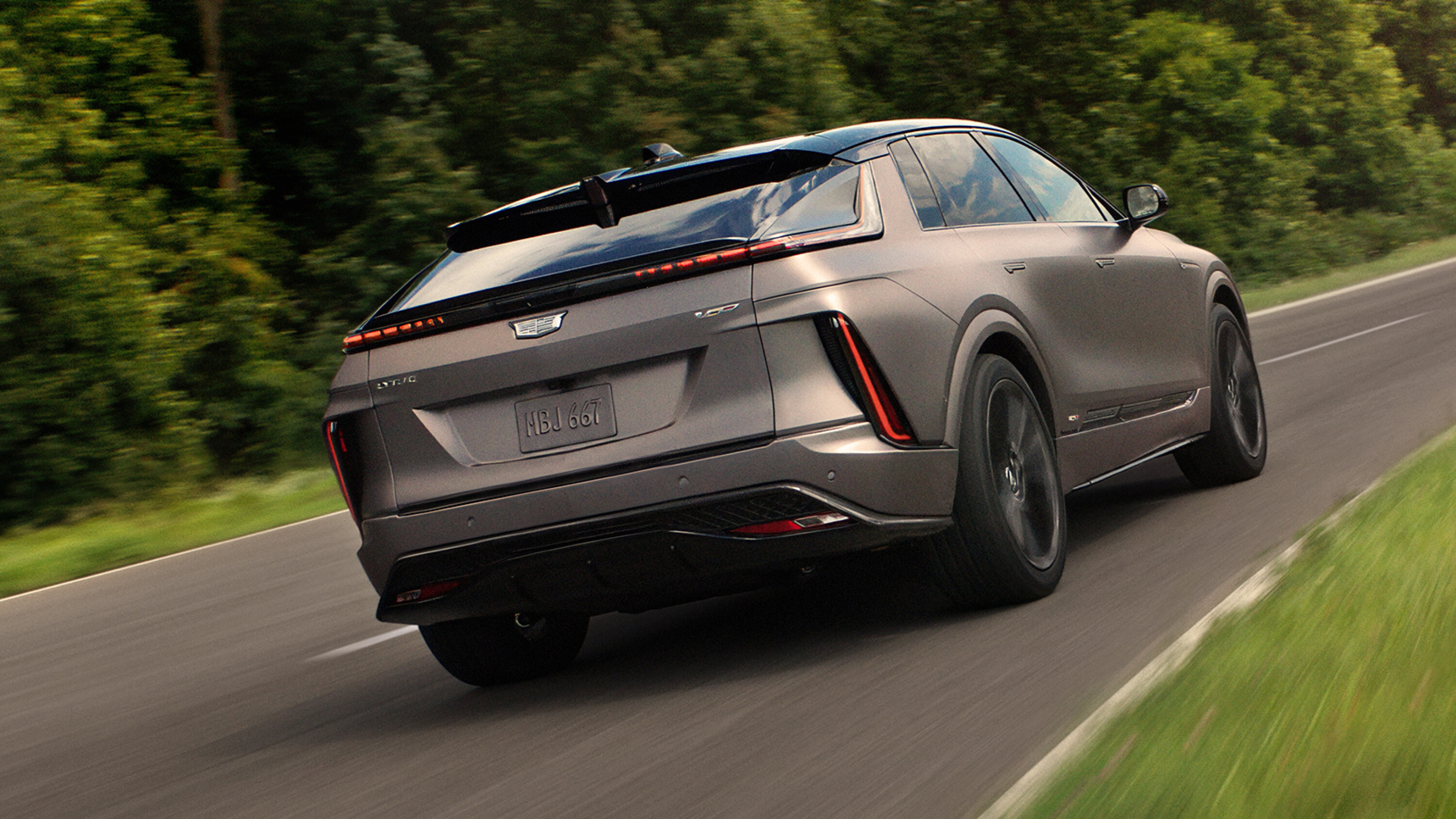
After a protracted wait – not to mention the Cadillac brand’s decades-long delay – the electric Lyriq finally hit Australian roads in October last year. Now, GM’s premium brand has unveiled the hero Lyriq-V.
Lyriq catch-up
The standard Lyriq offers a dual-motor all-wheel drive system with 373kW and 610Nm, with a claimed 0-100 km/h time of around 5 seconds. It features a 102kWh battery and an estimated WLTP driving range of 530 km.
Standard equipment includes a 33-inch display, 19-speaker AKG sound system, and Super Cruise hands-free driving technology.
The Lyriq is offered in two trim levels, Luxury and Sport, with prices starting from $117,000.
Rocketing to the top of the totem pole, the Lyriq-V also gets a dual-motor all-wheel drive system, but boasts a musclier 460kW and 880Nm for a claimed 0-100km/h time of just 3.3 seconds in Velocity Max mode.
Like the regular Lyriq, the V gets a 102kWh battery pack, so there should be no surprise that its driving range takes a hit – dropping to 459 kilometres.
Among the Lyriq-V’s performance-oriented features are Continuous Damping Control, a lowered multi-link suspension, and a quicker steering ratio.
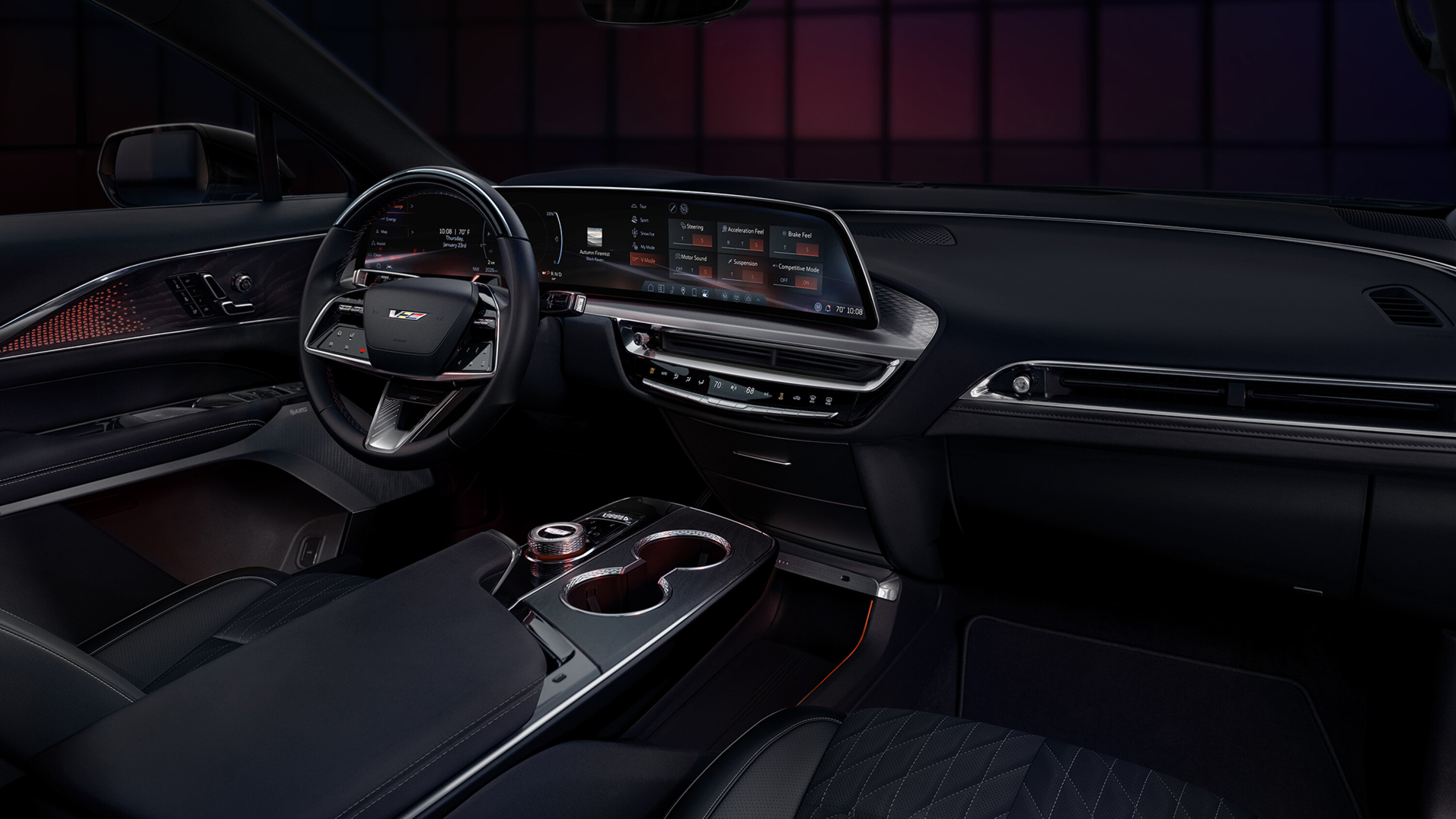
“V-Mode” allows drivers to adjust performance settings, including “Competitive Mode,” which alters traction management parameters and dials up the synthesised noise with interior and exterior sounds.
Brembo performance front brake calipers are standard, with optional red calipers accented with the V-Series logo.
1
On the outside, the Lyriq-V is set apart from the regular models with a unique lower front bar and a V-pattern mesh grille, side skirts, body-coloured lower trim, and optional carbon fibre accents.
When will the Cadillac Lyriq-V come to Australia?
GM has yet to release local details for the Lyriq-V, apart from confirming an “early 2026” Australian launch.
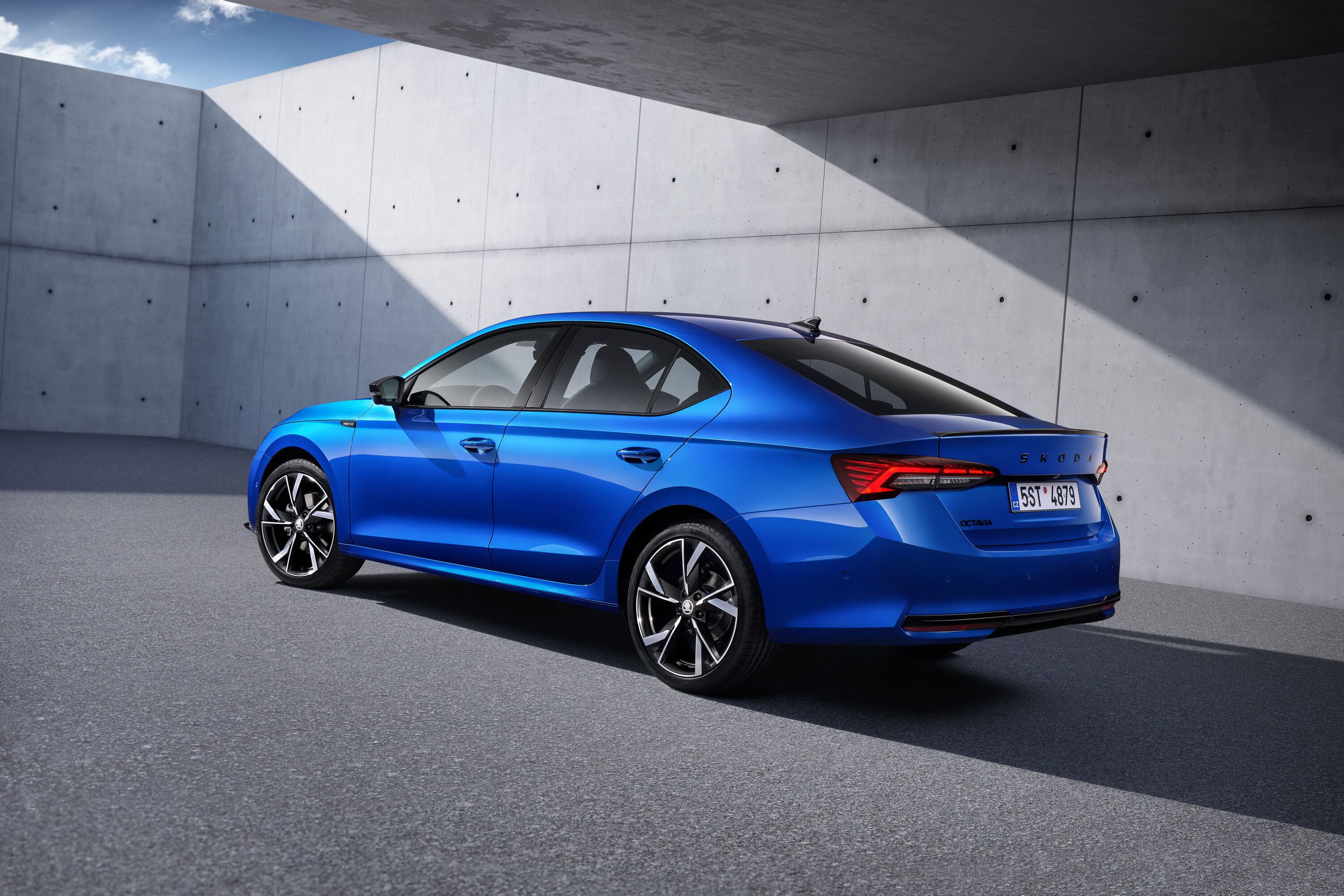
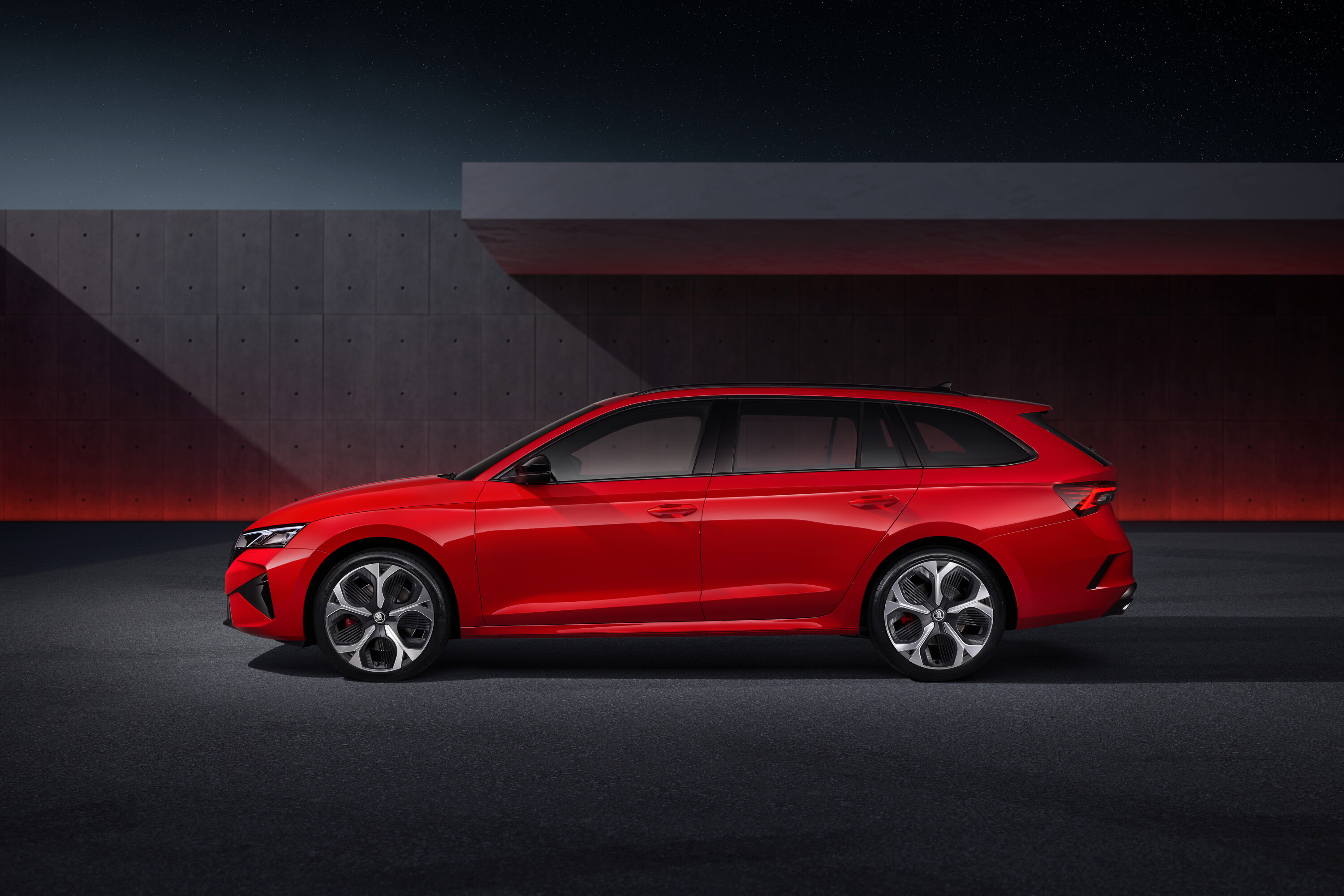
The bad news: Skoda’s refreshed 2025 Octavia RS is more expensive than before, at $58,490 for the liftback and $59,990 for the wagon, before on-road costs.
The good news? It’s packing a lot more, in more ways than one.
Snapshot
More powerful 2.0-litre turbo engine now produces 195kW
Dynamic Chassis Control, 13-inch infotainment, and previously optional Premium Pack now standard
Priced from $58,490 (sedan) and $59,990 (wagon), before on-road costs
Due in Australia from March, the 2025 Skoda Octavia RS facelift will deliver owners more power and more features – all of which comes together at a sharper price than had buyers optioned the Premium Pack on last year’s model, let alone the rest of it.
In terms of power – the most important specification in an RS model – outputs for the very familiar 2.0-litre ‘EA888’ turbo-petrol have been bumped from 180kW to 195kW. Torque remains unchanged at 370Nm.
This isn’t the first time that engine has been offered here with more wasps, of course, with a number of VW-badged specials getting the 195kW tune in years past. It likely also means we can expect the Mk8.5 Golf GTI to bring its Euro-market 195kW tune here when it arrives in the coming months.
As before, the only transmission on offer is a seven-speed dual-clutch automatic, again driving the front wheels.
You’ll also find 19-inch alloy wheels at each corner.
The combination makes for a slightly swifter midsizer, with the sedan claiming a 6.4-second run to 100km/h and the wagon promising to do the same in 6.5 seconds – marking 0.3 and 0.2-second improvements, respectively.
1
4
In a first for the Octavia RS, all buyers get Dynamic Chassis Control (DCC), thanks to the previously optional Premium Pack now being standard.
That means there’s also heated front and rear outboard seats, a 12-speaker Canton audio system, and a head-up display.
Tri-zone climate control, power-adjustable front seats with massage and memory functions, and a passenger-side mirror with tilt-in-reverse and memory function are also part of this now standard package.
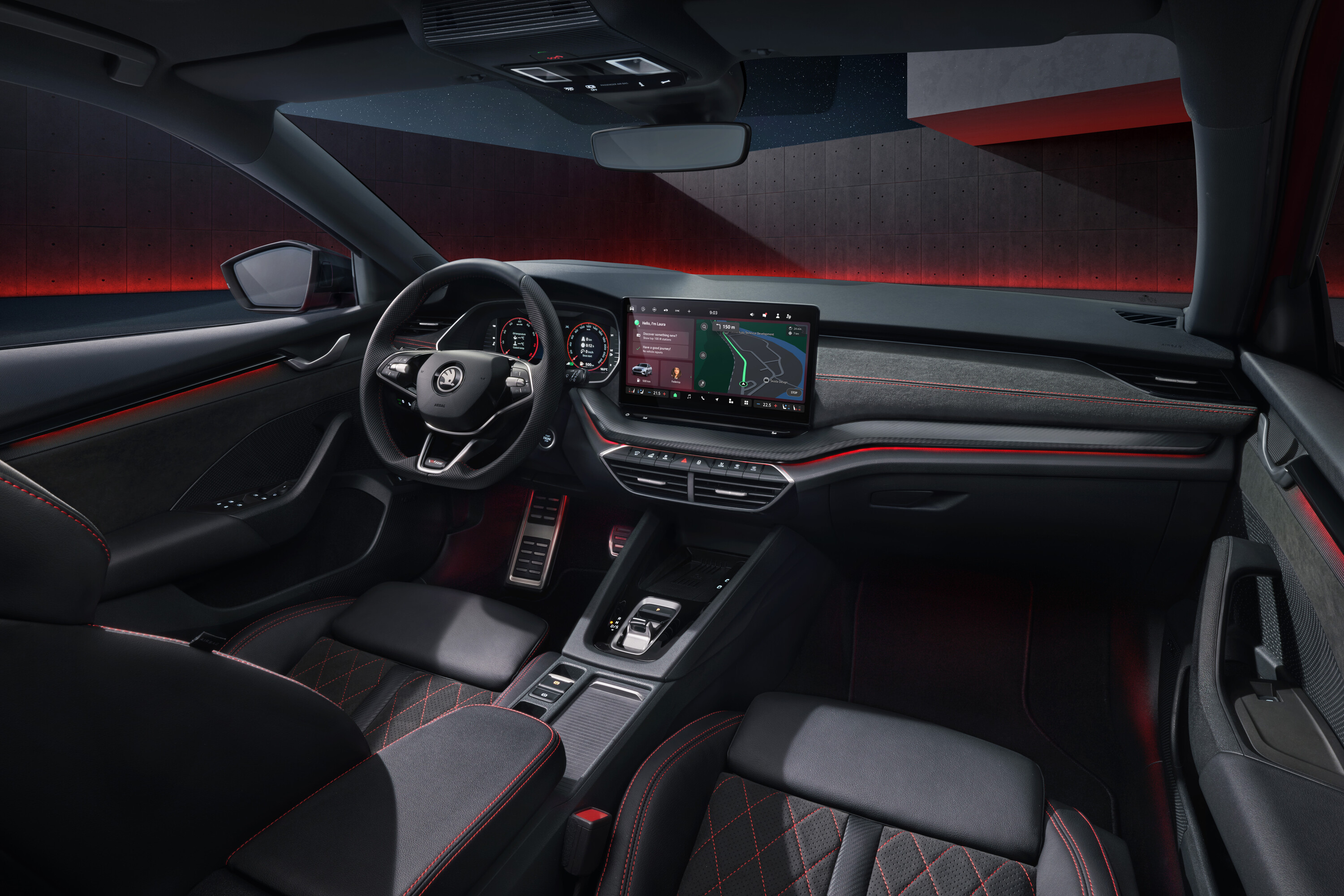
Add to that, metallic paint, a 13-inch infotainment system with satellite navigation, 15-watt wireless charging with active ventilation, Intelligent Park Assist, an Area View camera, and a heated steering wheel.
7
In defence of the resulting increased price of entry, Skoda’s local office says the $5400 Premium Pack was selected by 80% of buyers for the pre-facelift Octavia RS.
That particular buyer type, then, sees the sedan $1470 cheaper than before, and the wagon down by $1270.
The other 20% of buyers can just dig deeper or take a wander, we suppose.
The GTO started a dynasty. Every decade or so, Ferrari creates a new machine that pushes the boundaries of what a production road car is capable of. There had previously been plenty of special Ferraris but the arrival of the GTO in 1984 began a legacy that now spans 40 years and six generations of Supercar.
The second chapter quickly established itself. Group B regulations required 200 road-going versions of a model to be built, but manufacturers could create more extreme competition variants by building 20 ‘Evolution’ examples.
1
Group B’s racing regulations were stillborn, meaning the GTO never competed, but six 288 Evoluziones escaped captivity, with looks and performance that made the standard car look almost pedestrian. Pininfarina reworked the body with a focus on aerodynamics, lightweight materials dropped the weight to 940kg and larger turbos increased engine power to 485kW.
Whereas the standard GTO could muster an impressive 238kW/tonne, the 288 Evoluzione more than doubled this to 515kW/tonne. All six still exist today and the Evoluzione set the precedent for a more extreme version of every Ferrari Supercar being created.
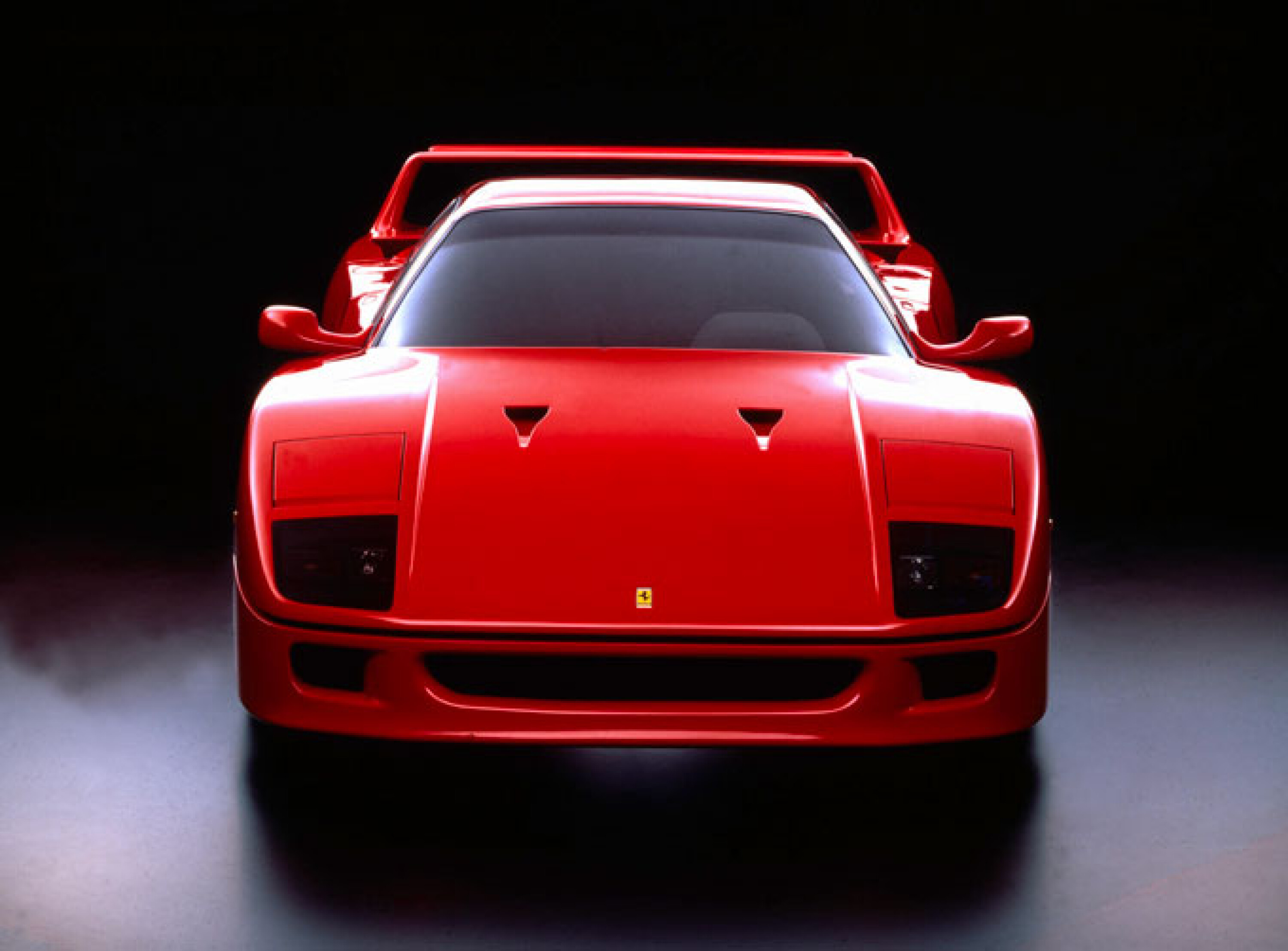
Looking at a 288 Evoluzione, it’s clear to see that it’s the bridge between the GTO and the F40. Despite a relatively similar mechanical layout, the cars couldn’t have been more different. Ironically, the GTO was a well-equipped road car that was intended to race and the F40 was a Spartan racer for the road that was never intended for competition.
The F40 was more powerful (352kW/577Nm) than its predecessor, faster (324km/h, the first road car to top 200mph), much more expensive (US$399,150) and much more numerous, with 1311 being produced between 1987-92. Such incredible performance without a single driver aid means, sadly, far fewer than 1311 remain.
For a car that was never intended to race, the F40 had quite a distinguished competition career with numerous variants. There was the LM IMSA GTO in IMSA, the Competizione for collectors, the GT for the Italian GT Championship, the LM for the BPR Global GT Series and the GTE for GT1, competing as late as 1997!
1
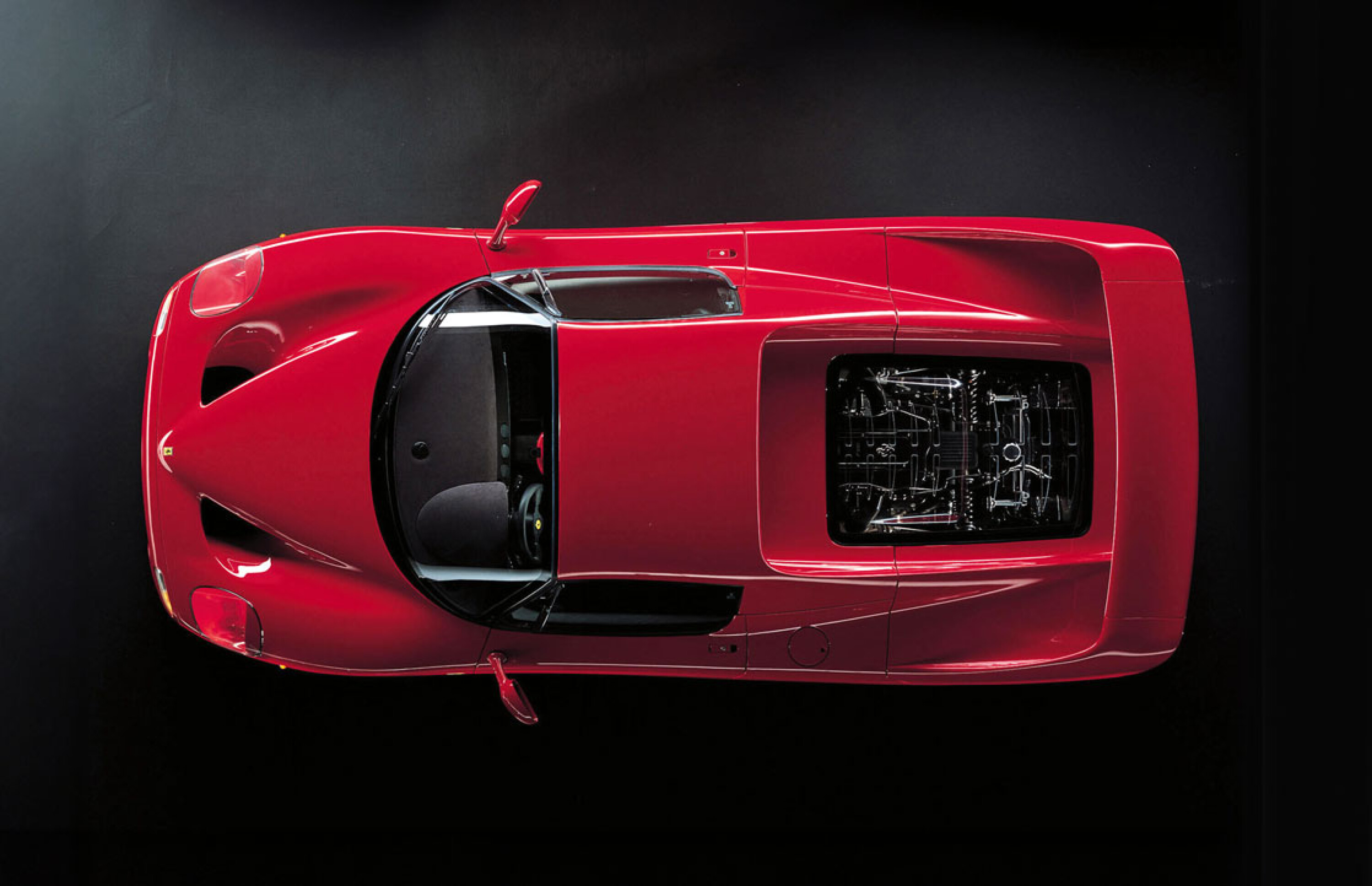
By this time Ferrari’s new Supercar had appeared, the F50. It was radically different mechanically to its predecessor, with an F1-derived naturally aspirated V12 as a stressed member of Ferrari’s first carbon road car tub. While its 382kW/471Nm meant it was little – if any – faster than the F40 in a straight line, the F50’s progress was evident in its 1min27sec Fiorano lap time, a massive 2.6sec quicker than the F40.
Some cars are so rare and exotic that they gain almost mythical status and the F50 GT is one of those. Developed in conjunction with Dallara and Michelotto, it was destined for the BPR Global GT Series, but the folding of that championship and creation of unique homologation specials for the newly formed FIA GT Championship led to the cancellation of the project.
Just three were produced, with a screaming 10,500rpm, 4.7-litre V12 producing 551kW/529Nm, giving the 910kg F50 GT a 376km/h top speed. Happily, it’s believed all three still exist and one is in regular use.
1
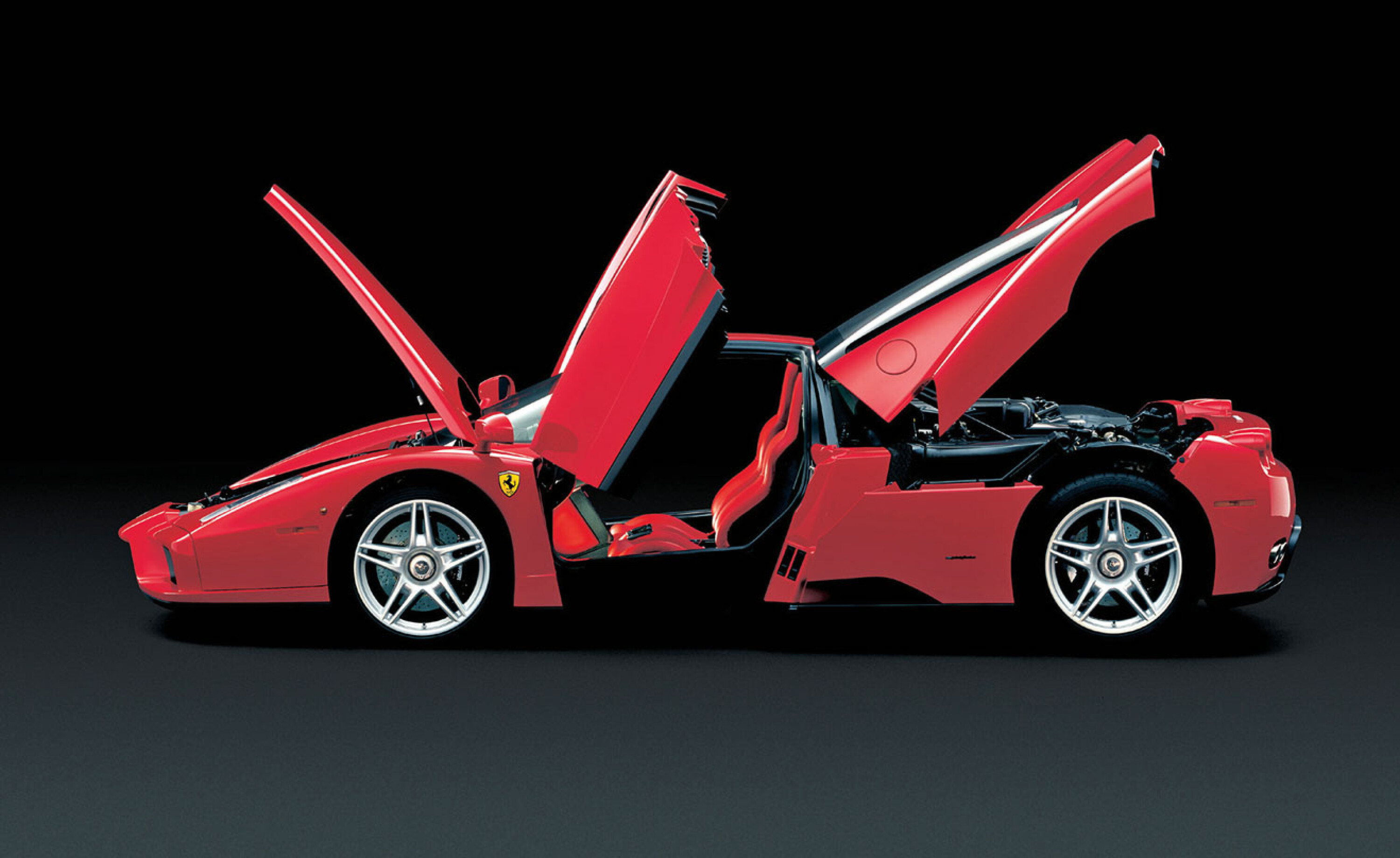
Ferrari’s new Supercar project would be unbelievably ambitious, not just because of its mechanical specification but because of the expectations generated by its name – Enzo. Any car named after Il Commendatore would need to be very special indeed, but the Enzo delivered.
A 6.0-litre V12 produced 485kW/657Nm, 27 per cent more power and 40 per cent more torque than the F50, paddle shifters arrived for the first time on a Ferrari Supercar and there were active aerodynamics and carbon-ceramic brakes.
It once again set a new performance benchmark, with 0-100km/h in 3.65sec, an 11.0sec quarter mile, 350km/h+ top speed and a Fiorano time of 1min24.9sec, another 2.1sec quicker than the F50.
The Enzo also gave birth to the XX program, allowing selected customers access to track-focused versions of Ferrari’s latest Supercar. In its ultimate Evoluzione guise, the FXX produced 633kW from a larger 6.3-litre V12, along with far greater downforce and slick tyres.
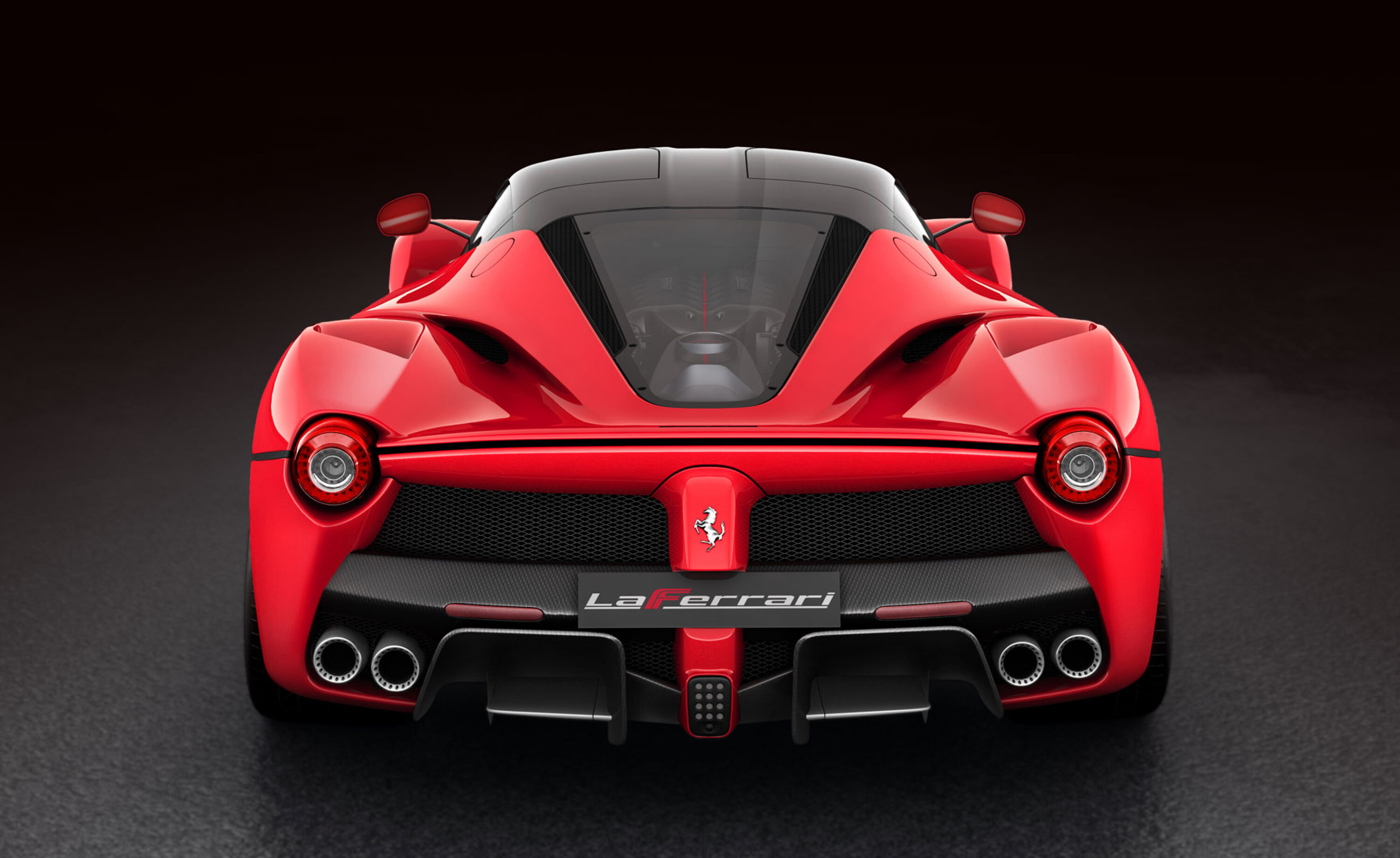
It would be 11 years before Ferrari would debut another Supercar, as large a gap as between the GTO and the F50, but it would be worth the wait. Once again, Ferrari would use its flagship as a technical showcase, breaking new ground in aerodynamics and electronics, while also introducing electrification to the brand.
1
As such, it would be the ultimate Ferrari – LaFerrari. A hybrid system applied to a development of the Enzo’s V12 resulted in 688kW/900Nm and while the LaFerrari evolved many technologies introduced on the Enzo, including active aero and adaptive suspension, it was a quantum leap forward in electronics with cutting edge stability control software.
A five-second improvement in the Fiorano lap time over the Enzo – a gap equivalent to that between the Enzo and F40 – is evidence of its incredible leap forward in performance, yet the LaFerrari was also more comfortable and efficient. The FXX-K increased its track performance with modifications to the engine, hybrid system, aerodynamics and electronics, including the introduction of Side Slip Control.
Which brings us to today and the sixth member of Ferrari’s Supercar family, the F80. Compared to its grandfather, the GTO, it’s like a creation of science fiction. Power is now 883kW from a 3.0-litre hybrid-assisted twin-turbo V6 and a pair of electric motors on the front wheels ushers in all-wheel drive for the first time.
In the time it takes the GTO to hit 100km/h, the F80 is nearing 200km/h (5.75sec).
At Fiorano, the F80 could give the GTO a 20-second head start and still cross the finish line first, thanks in no small part to 1000kg of downforce at 250km/h.
No one outside Ferrari has yet driven the F80, but on past form you’d be brave to bet against it rewriting what a road car is capable of. And yet, history tells us that in a decade’s time, those rules will be rewritten all over again.
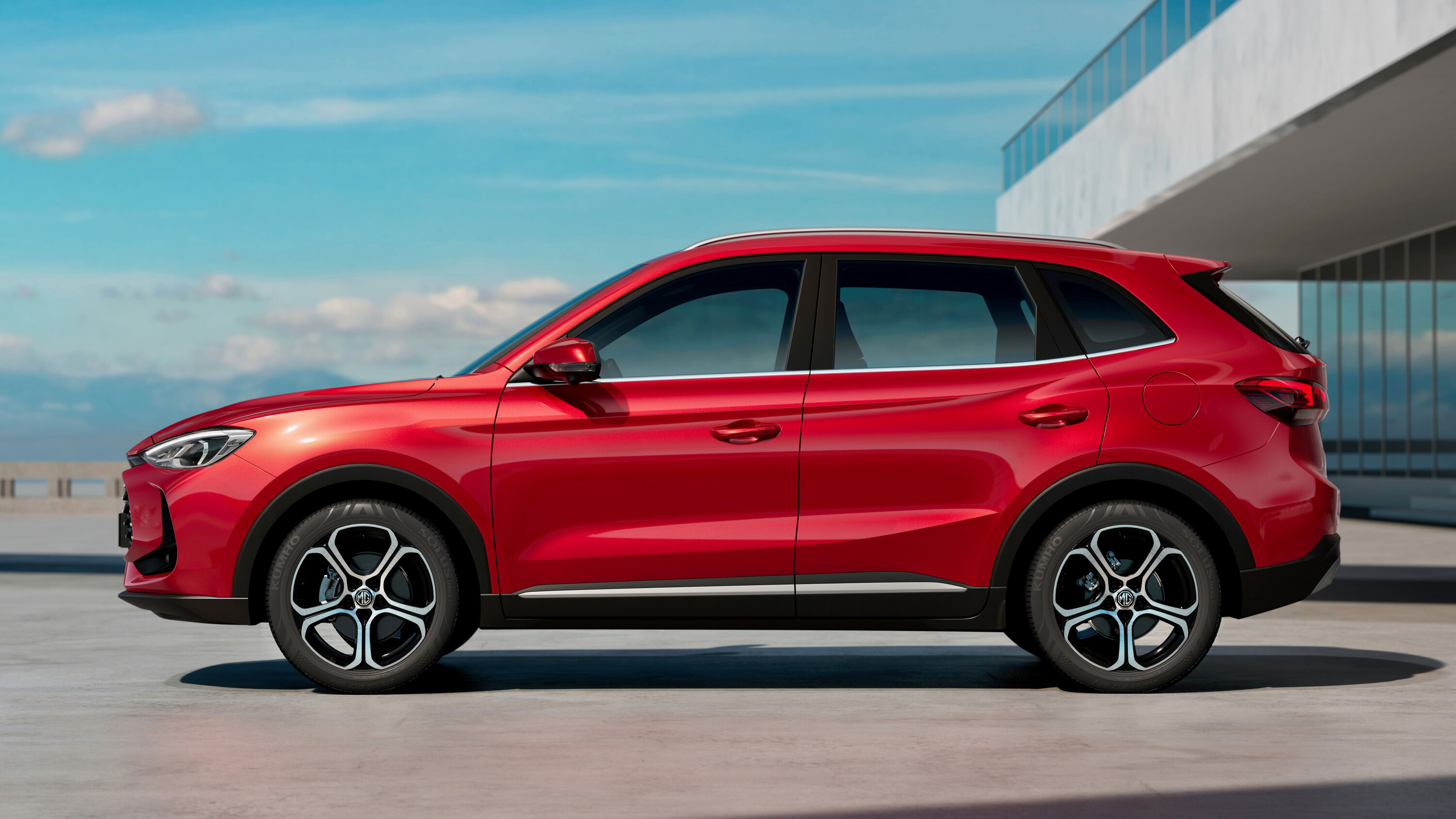
Priced from $26,990 drive away, the new ZS will be offered in three specification levels with two engine choices. The MG ZS variants will be available with a choice of two 1.5-litre four-cylinder engines: either an naturally aspirated variant making 81kW of power and 140Nm of torque, or one with a turbocharger for outputs of 125kW and 275Nm. The naturally aspirated engine is rated at 6.7L/100km on the combined cycle, with the turbo unit adding only 0.2L/100km.
1
Transmission choices are yet to be revealed, but it’s likely that the former engine will be paired with a CVT automatic and the latter with a seven-speed dual-clutch unit.
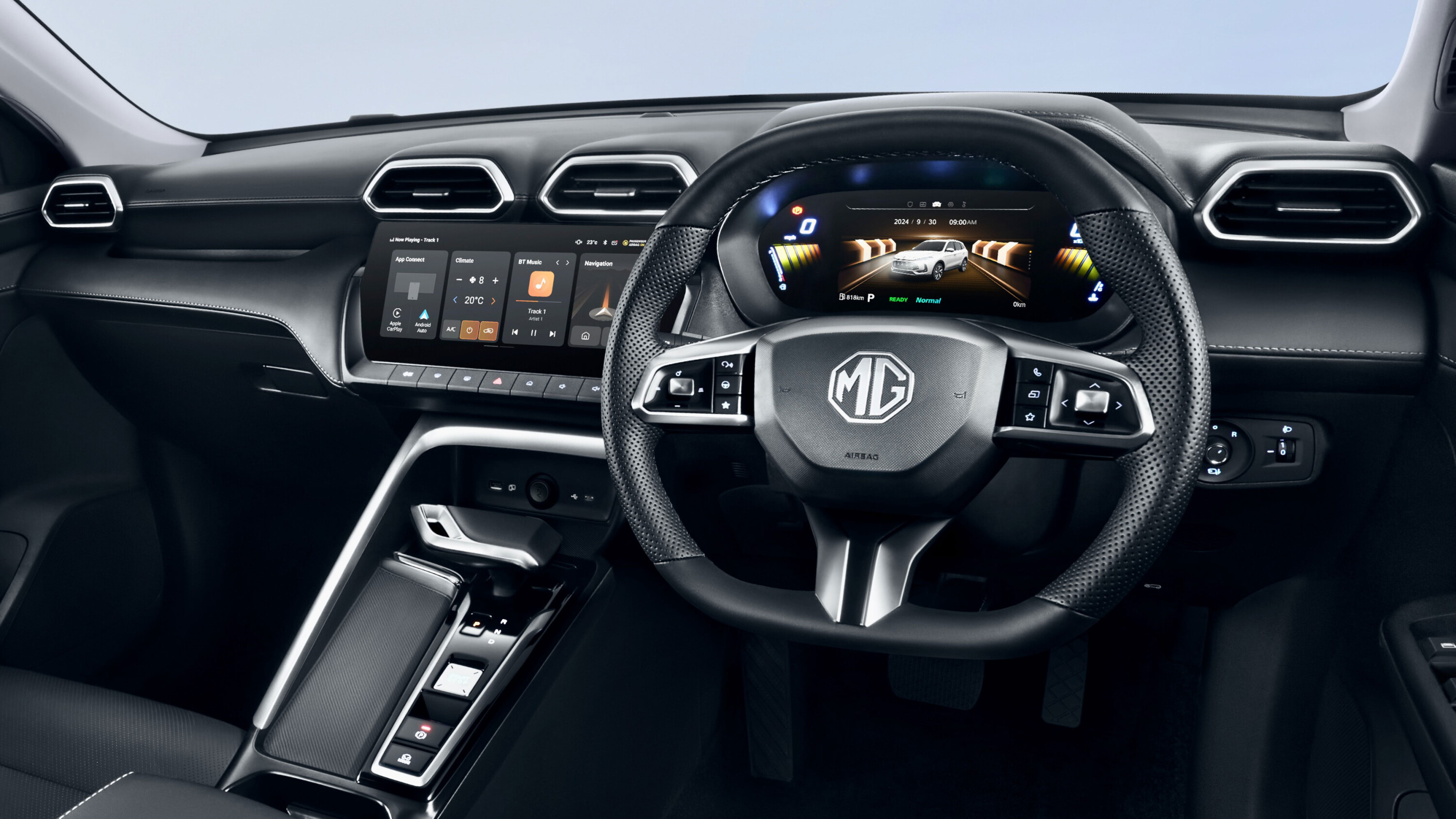
A full list of standard equipment is yet to be detailed, but the entry-level Excite is equipped with 16-inch alloy wheels, a height-adjustable driver’s seat, cloth upholstery, a 10.25-inch touchscreen with navigation, Apple CarPlay and Android Auto, push button start and MG’s ‘i-Smart’ active safety suite with features such as autonomous emergency braking, adaptive cruise control, blind-spot monitoring with rear cross-traffic alert and lane keeping assistance.
The mid-spec Essence uses the same engine but adds larger 17-inch wheels, a larger 12.3-inch infotainment screen, synthetic leather upholstery, a six-way electric driver’s seat, heated front seats and a 360-degree camera.
1
The top-spec Essence Turbo then adds – as the name suggests – a turbocharged engine and larger 18-inch wheels.
Like the ZS hybrid, the petrol models are covered by a 10-year/250,000km warranty.
“The ZS is a segment leader and the all-new ZS will see a new generation of motorists embrace this family friendly SUV,” said MG Motor Australia’s Chief Commercial Officer, Giles Belcher. “We’ve seen a fantastic response to the ZS Hybrid+ and the expanded range will continue to provide exceptional value for Aussie motorists.”
MG ZS pricing (drive away):
Excite: $26,990
Essence: $29,990
Essence Turbo: $31,990
The ZS range is due to enter local MG dealerships in mid-February.