
Self-driving cars are big business as Tesla, Google, Apple and Uber all make a mad dash to be the first to own the autonomous driving space.
It’s taken almost a decade to get here but Google may have just driven a little closer to the finish line, announcing earlier this week that real-life humans can sign up to be part of the autonomous program.
Waymo, as the project was christened last year, stands for “a new way forward in mobility” and describes itself as a “self-driving technology company with a mission to make it safe and easy for people and things to move around.”
The project launched in 2009 as the Google car, and the first full self-driving vehicle took to public roads in 2015. Now, Waymo has opened its car doors to the public in Phoenix, USA.
| Mercedes-Benz tests autonomous tech on Aussie roads
Announcing earlier this week that the public could sign up to use its vehicles, Waymo has taken the lead in commercialising the concept. Already, a handful of Phoenix residents have access to Waymo’s fleet of 600 Chrysler Pacifica Hybrid minivans (a car we don’t get here in Australia), which they can use for around-town transport.
The purpose of the ‘early rider program’ is to collect intel on the use of self-driving cars with volunteers involved in the trial expected to give feedback about the program and how it fits in to their lifestyle. There’s no limitation on use of the minivans, with participants allowed access all day, every day to go anywhere within the trial zone.
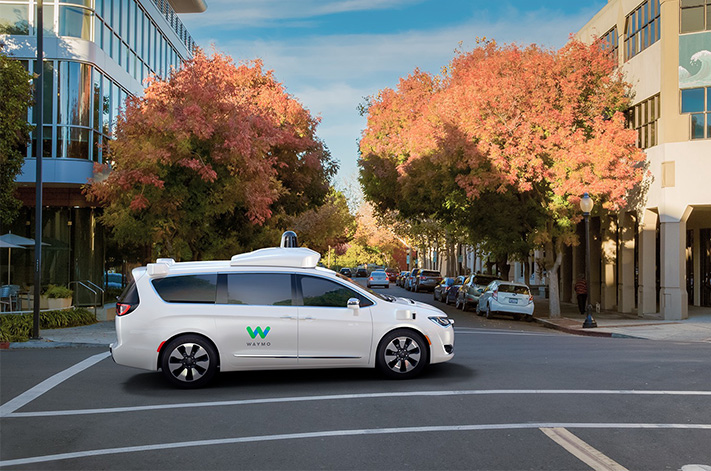
“We’ll learn things like where people want to go in a self-driving car, how they communicate with our vehicles, and what information and controls they want to see inside,” Waymo said in a recent release.
But Waymo isn’t alone if allowing the public to use its self-driving vehicles. Uber, another self-proclaimed leader is autonomous uptake, began offering a similar service last year in Pittsburgh, before expanding its program (which uses modified Volvo XC60s and Ford Fusions) to Tempe this year. That said, Uber’s programme still puts a human behind the wheel in case of a malfunction.
According to some reports, Waymo has the equivalent of 4.8 million kilometres of real-world driving under the wheels of its test fleet, which pales when compared to the likes of Uber, Tesla and even Toyota which have covered 160 million, 8 million and 4.3 million kilometres respectively.
Here in Australia, self-driving technology is a little further behind, with infrastructure still decades away from being prepared for autonomy.
While some trials have been conducted across states like South Australia and Victoria, one of our country’s biggest obstacles is the reliance on foreign development and manufacturing. These cars have been built and trialled in places – like Japan, Europe and the United States – which are remarkably different to our own.
Not only do we lack the infrastructure to encourage autonomous vehicle development, but also the legal framework to enable it. Legislatively speaking, allowing driverless cars with passengers on our roads is something of a murky business. But as this technology advances overseas, it’s not too implausible to believe that our roads could soon be trialling similar programs.
QUESTION – MICHAEL (question asked on 18/2/2017):
My wife and I both retired in the last few years. We live on Phillip Island in Victoria, so most of our driving is done on the Island with infrequent trips to the mainland plus one or two interstate trips per year to rural South Australia and New South Wales. We are planning on a few interstate road trips up the east Coast in the not too distant future.
Over the last three years, we’ve averaged around 20,000 to 22,000kms per annum. We’re presently driving a 2012 Ford XR6 which is a great car, we love it, but it’s getting a little difficult to get in and out of. To replace it, we’re looking at the new Mitsubishi ASX LS Petrol CVT or maybe new/used recent model Mazda CX-5. We probably prefer the ASX but it sounds like it might be a little sluggish. We’ve also looked at the Outlander.
BUDGET:
$35,000
ANSWER – TOBY HAGON:
Whichever SUV you jump to, you’ll notice a step backwards in terms of long distance comfort. That’s because Australian-made large cars like the Falcon do a brilliant job of eating away the miles. For that reason, it’d be worth at least having a look at the latest Holden VF Commodore to see if it could suit your needs. There are plenty of near-new ones on the market that would fit your budget, and if you can stretch to a Calais you’ll get plenty of car for the money.
The other advantage is the seating position on the Commodore generally better suits people over the Falcon’s, so hopefully it will be easier for you to get in and out of.
Anyway, if that won’t suit then it’s off to an SUV.
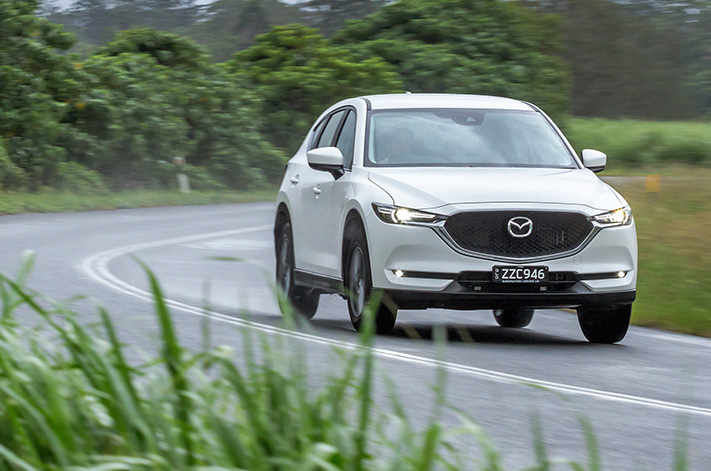
The Mazda is the pick of your shortlist. It drives nicely, although is lacking punch with the basic 2.0-litre engine used in the front-wheel drive models. If you can stretch to an all-wheel drive you get a better 2.5-litre engine as part of the deal.
Keep in mind, too, that there is a new CX-5 which has arrived, so check out any runout deals. Or you could pick up the new one, which is quieter and has a nicer interior.
The ASX is an OK car but feeling tired now it’s a few years old. Mitsubishi has tarted it up but the basics haven’t changed for years. That said, there’s plenty packed in for the money – and it comes with a five-year warranty.
Another couple to stick on the list would be the Honda HR-V and Volkswagen Tiguan.
The HR-V is a similar size to the ASX but is fresher, better to drive and decent value.
The latest Tiguan is also a big step up on the original, albeit with a price premium over other mid-sized SUVs. But it’s the best driving of the breed and is a solid offering, although keep in mind it needs more expensive premium unleaded.
READ NEXT: Mitsubishi ASX Range Review READ NEXT: Mazda CX-5 Range Review
A rare chance to own one of the most infamous ex-patrol cars in NSW has arisen, with the addition of the FPV FG GT R-Spec to an upcoming Pickles auction.
With a supercharged 5.0-litre V8 and a limited edition run, the R-Spec would provide enough excitement even without its individual service record.
Modified to produce 400kW, this beastie once resided in a bunker amongst its less-capable patrol car brethren, but has now been stripped of its badges (or livery) and given a somewhat dishonourable discharge. No fanfare, nothing.
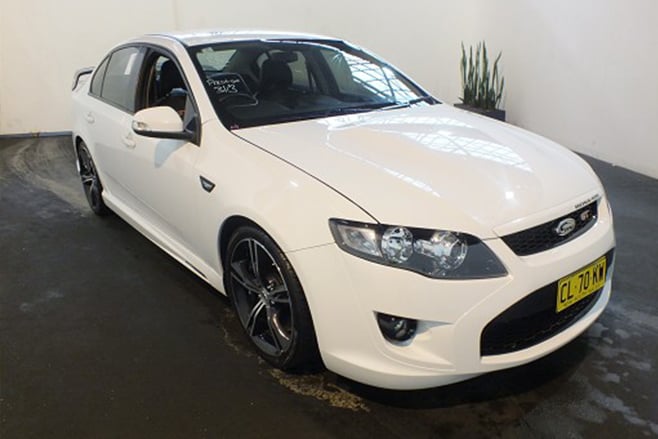
The car isn’t just well known for being the poster-car of the NSW Highway Patrol – or even for being a cover car for MOTOR.
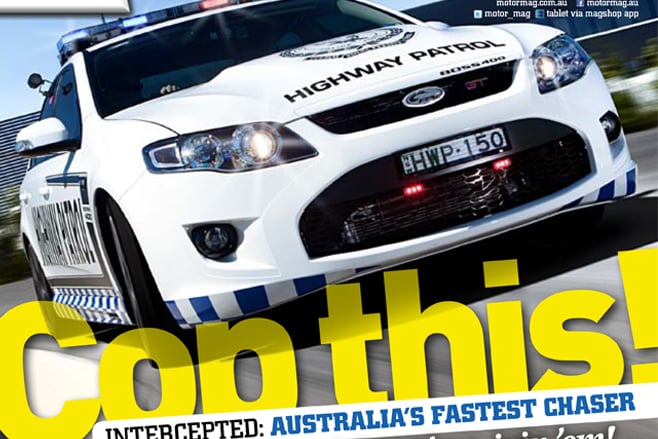
Since then, it has been repaired, though rumours of NSW Police making the same mistake with a HSV GTS also circulated before being quashed by all involved with the GTS’s development.
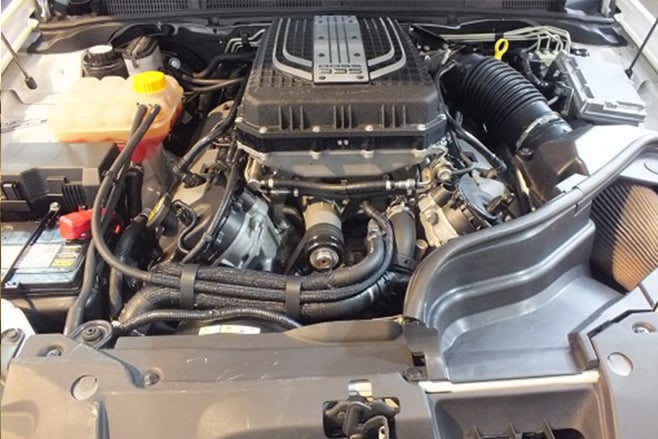
If you buy it, just make sure you fill it with 98.
Auction lot photos courtesy Pickles Auctions.
A lack of government incentives and a charging infrastructure still in its infancy haven’t helped the demand for electric vehicles, though at least the latter is improving – albeit slowly – for the minority who have purchased a battery-powered car or a plug-in hybrid.
Global company Chargepoint claims to have the largest network in Australia, with its mobile app revealing nearly 350 stations in the country. They are a mix of free public and pay stations, with the payment system based around a Chargepoint card.
The Chargepoint app will also point to 40 new EV charging stations recently installed in 10 Westfield shopping centres as part of a partnership between the Scentre Group and BMW, which sells the i3 EV and Range Extender plus the i8 hybrid supercar.
The 10 Westfield centres – six in New South Wales and two each in Queensland and Victoria – provide free recharging for all EV owners.
Some of Australia’s motoring clubs also provide recharging stations. NSW’s NRMA has a station in both Sydney and Canberra, Victoria’s RACV features charging points at some of its resorts, and the RAC in Western Australia has created its own “Electric Highway” comprising 12 locations from Perth heading southwards.
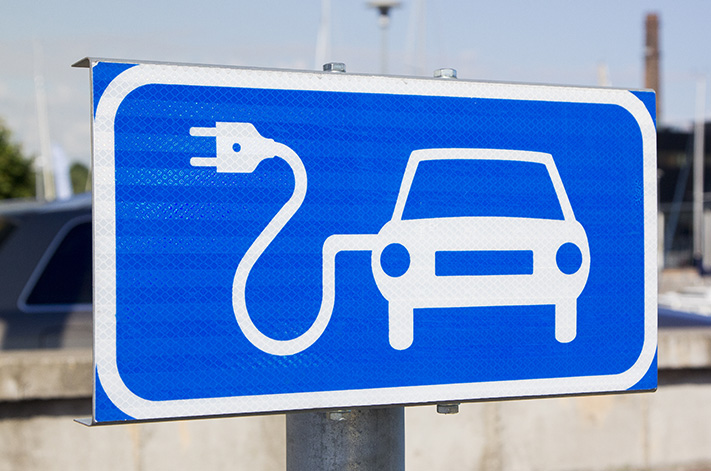
Dedicated electric-car maker Tesla is increasing its own network locally. The company, which recently added the Model X SUV to its Model S sedan, currently offers more than 260 Destination Charging locations and 12 Supercharger stations.
Tesla Australia says the Destinations are “true locations”, meaning they’re more than just a simple plug point – the likes of which can be found via Plugshare.com.au. Instead there an average of two and as many as five Tesla wall connectors, provided in partnership with various hotels, shopping centres and restaurants across Australia – but focused on key areas of demand and Tesla ownership.
They give owners the opportunity to top up their batteries while they are dining, shopping or sleeping overnight, as their charging time is longer than the superfast Superchargers. Destination chargers typically provide 40km of driving range for every hour of charging, compared with a Supercharger’s ability to add up to 270km of range in just half an hour.
Since the start of 2017, Tesla has started charging for use of the Superchargers – which are exclusive to the company’s models. The cost is still notably cheaper than petrol. Tesla Australia says driving from Sydney to Melbourne would cost owners approximately $15.
The free Destination Charging locations are theoretically open to any EV owner with a Type 2 Mennekes connector, which is the European standard, though it’s not used by the BMW i models or Nissan Leaf – the only pure electric vehicles currently offered for sale in Australia. Tesla is expanding its network ahead of the arrival of its most affordable electric car yet, the Model 3, while the growing number of plug-in hybrids available in Australia – from the likes of BMW, Mercedes-Benz and Volvo – can be expected to help increase the push to belatedly improve the country’s EV infrastructure.
Porsche’s previous 911 GT3 was always going to be a hard act to follow, but the 2017 models’ six-speed self-serve gearbox and glorious NA engine will keep the purists content.
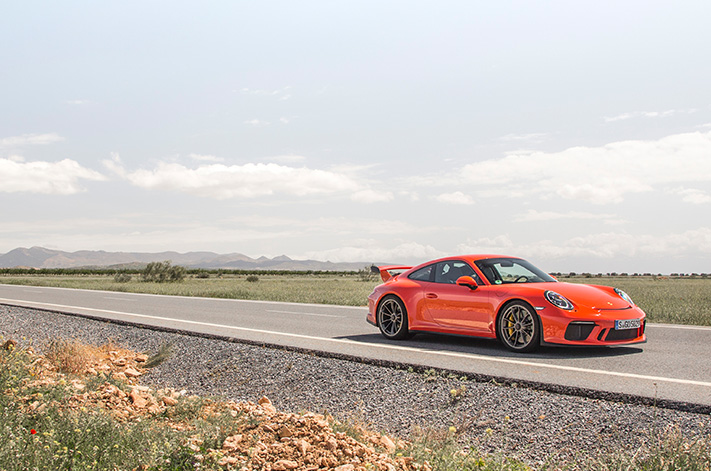
WHAT IS IT? The GT3 version of the freshly facelifted Porsche 911, getting a more powerful atmo engine and the welcome return of a six-speed manual gearbox, to be offered as a no-cost option alongside the standard seven-speed PDK. As before, it’s pitched as a car that’s been designed to work on both road and track.
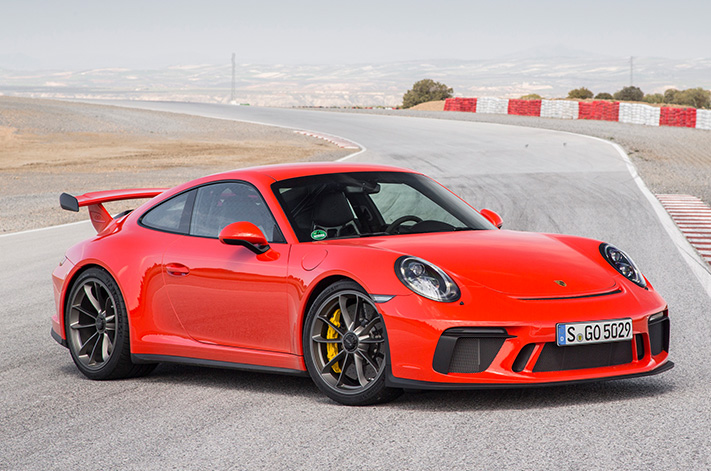
MAIN RIVALS Two strong rivals immediately spring to mind: Nissan’s GT-R in recently launched and hyperbolic Nismo trim, and Mercedes-AMG’s GT super coupe. All three are cars designed to shine both on and off the circuit, having been designed around the unique challenges of the Nurburgring.
THE WHEELS VERDICT Forget the suspense; it’s another solid hit from Porsche. The new GT3 doesn’t add much to what its predecessor offered, but it doesn’t need to – even incremental progress is enough here. It’s not the quickest car for the money, but on first impressions nothing offers a more rewarding driving experience.
PLUS: Manic high-revving engine; poise and balance; almost total lack of understeer; welcome return of a manual gearbox option.
MINUS: Lacks the toys and comfort of plusher 911s; not as fast as the Turbo S in a straight line; deleted rear seats.
THE WHEELS REVIEW FOR some people, a Porsche 911 is just a 911 – a nice sportscar, but one that won’t ever manage the sort of street-stopping “who’s that?” theatre that a full-on supercar delivers.
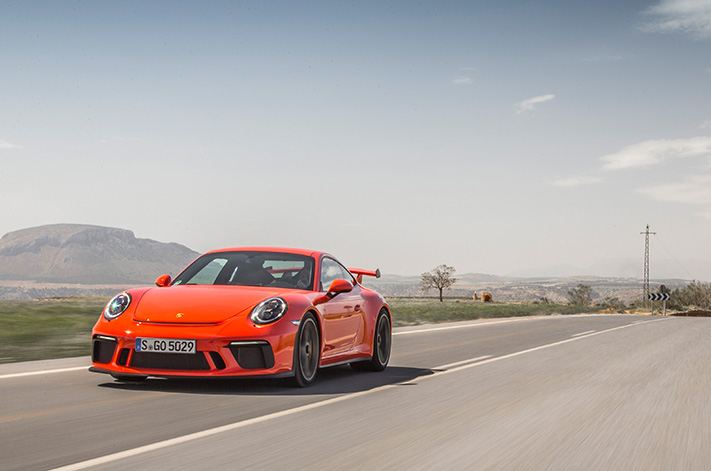
For others, the GT3’s relative lack of brag has always been core to its cult appeal, as what’s long been one of the most rewarding cars to drive hard on road and track.
It might sound mad to describe anything costing north of $300,000 as a bargain, but you could add another zero to that total and still not find a better all-round performance car.
Of course, it’s been that way since the first GT3 was launched back in 1999, successive generations codifying the formula of a race-derived chassis and powertrain that have been house-trained to deliver real-world usability. You’ll be unsurprised to hear that the new car – 991.2 in Porsche-speak – sticks closely to the script, with the ambition of the team that created it to deliver improvements over the already awesome 2013 GT3.
The most obvious change is the arrival of a new engine, the rear-mid-mounted atmo flat six now displaces 4.0-litres rather than the previous car’s 3.8, but is still closely related to the powerplant in the GT3 Cup racer. Power has increased by 18kW to 368kW, torque has risen by 20Nm, and is available across a broader spread of the rev range.
More importantly, the red line is still set at a dizzying 9000rpm, 750rpm beyond where peak power arrives, making the GT3 – by our reckoning – the highest-revving sportscar currently on sale.
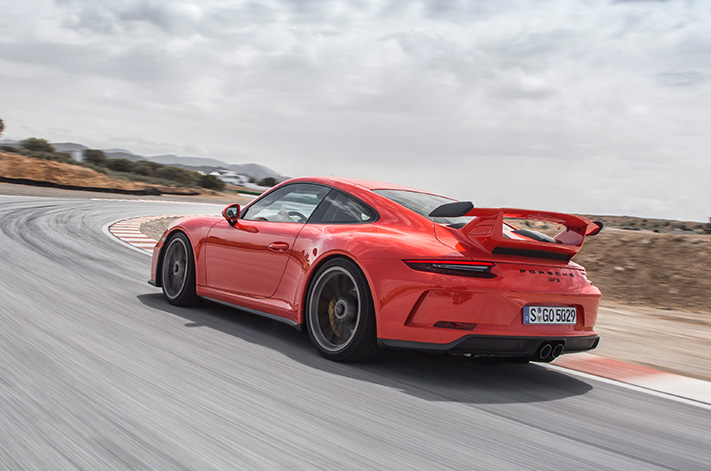
Andreas Preuinger, the head of Porsche’s GT car division and the man who pushed hardest for the manual option, reckons up to a third of global GT3 sales will be specified with three pedals, although likely a smaller percentage in Australia.
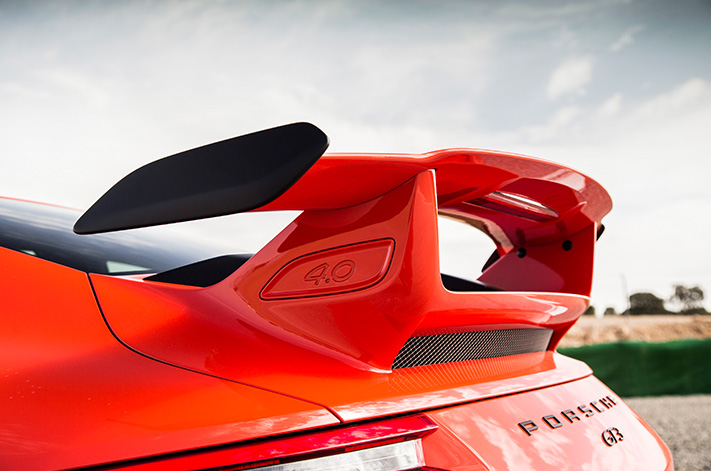
Other differences, although plentiful, soon fade to invisibility; apart from the welcome arrival of a new, improved touchscreen interface – and the same steering wheel that was fitted to the 918 Spider – the cabin feels unchanged.
But while the driving experience is familiar, it’s noticeably sharper. The engine remains a masterpiece; five minutes in its company is enough to vindicate Porsche’s decision to stick with natural aspiration.
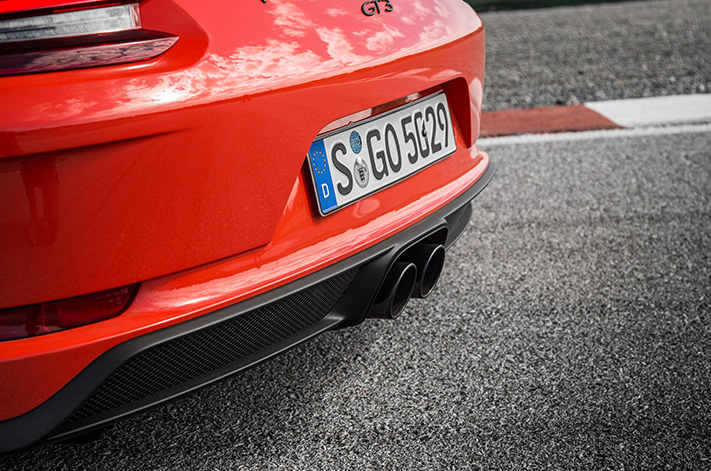
The standard PDK delivers ultra-quick changes all of the time, and adds a head-jolting torque bump to upshifts in its punchier Sport mode.
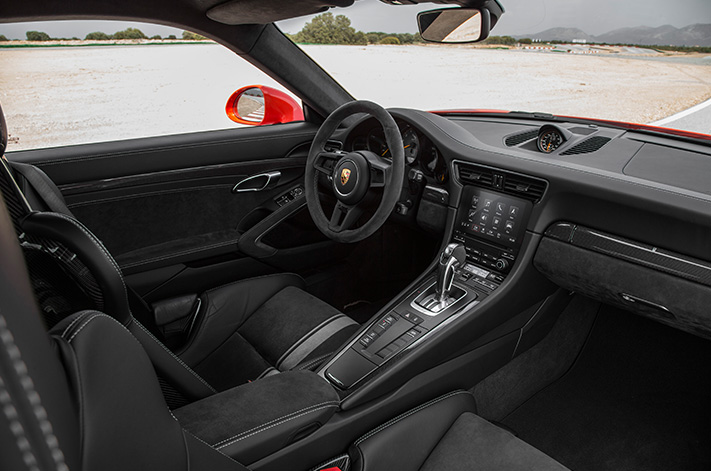
Track use also demonstrated the GT3’s near total resistance to understeer, certainly once the super-sticky Pilot Sport Cup 2 tyres were warmed through. It’s a car with the security to tolerate serious abuse, not something that could be said of pre-GT3 lightweight 911s, but also with more than enough finesse to reward accuracy and precision.
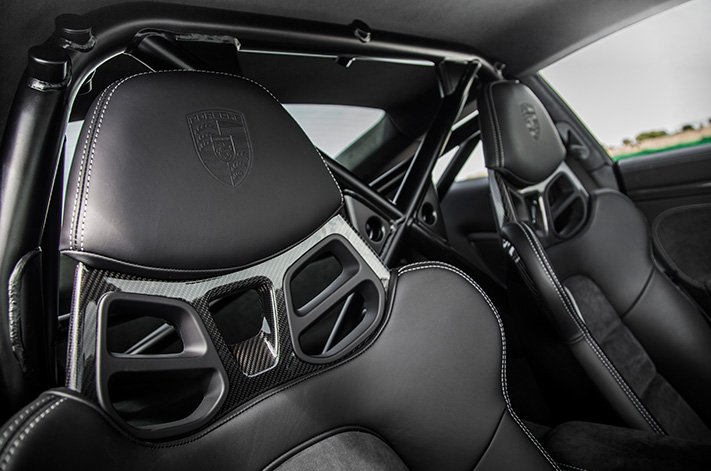
It’s noisier than a regular 911 when cruising, economy takes a hit over the standard car’s fuel-sipping turbo engines and it does without rear seats; but it’s definitely more everyday viable than anything else this track focussed.
While this 911 will doubtless spawn an even faster, and even more expensive, RS sister, the regular car could well be the better piece of engineering. If we had to choose just one performance car to keep forever, it would be this one.
Parts bin (very) special
Manufacturers often boast of motorsport influence in their powerplants, but the GT3’s engine is very much the real deal – it’s built alongside the company’s 911 race engines and we’re told it’s almost identical to the flat six in the GT3 Cup racing car.
Like its predecessor, it sticks with dry sump lubrication with a motorsport grade centrifugal de-foamer, but with a new system that channels oil flow through the crankshaft and directly to the big-end bearings. The result is better lubrication from a system that pumps 70 litres a minute compared with 120 litres a minute for the previous GT3.
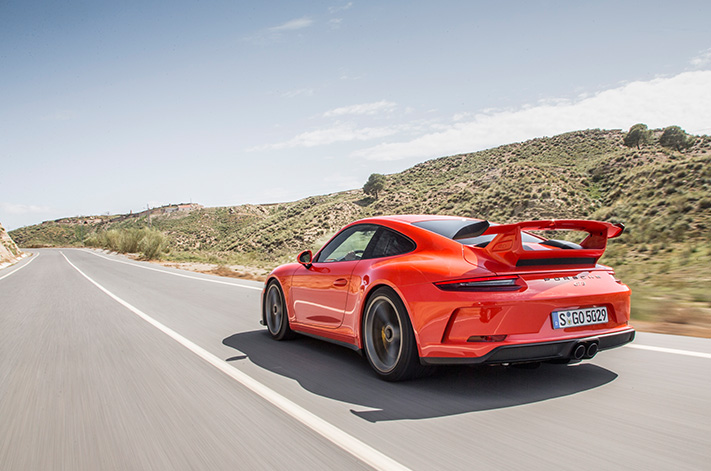
Similar to the outgoing GT3, this one has active rear steering and active auto-stiffening engine mounts, plus torque vectoring with the PDK. The PDK also releases its clutches if you pull both gearchange paddles together, “meaning that the rear of the vehicle can be deliberate destabilised”.
Australian versions will be pretty much fully loaded – as you’d hope for $327,100 basic – although carbon-ceramic brakes will be reserved for the options list. Deliveries will start towards the end of the year.
There’s an improved data logging system as part of the PCM infotainment system. The Track Precision App records lap and sector times along with basic telemetry, which can also be shared to a smartphone to impress your mates.
The Lamborghini Aventador has always represented one of the most epic engines ever created, in one of the most jaw-dropping bodies you’ll ever lay eyes upon, with insane acceleration and top speed ability – and a noise that would have you taking every tunnel possible on the way to work.
But when it comes to a twisty road, you’ve always had to man-handle what feels like an enormous car – one with amazing grip, but one that kinda doesn’t want to be driven fast around corners. Like straddling a large bull and trying to point it with a horn in each hand.
With a recent update of its now six-year-old halo supercar, Lamborghini has tried to bring the big bull’s chassis up to the same level of its engine, sound and looks. While power is up 29kW to a prodigal 544kW – the 0-100km/h time still a brutal launch-control-assisted 2.9sec – Lambo has focused on revisiting the pushrod set-ups with magnetic dampers and, crucially, has bolted in the all-wheel steering from the SV.
We’d love to say all these changes turn the big, brutish Aventador from a rugby line-backer to a burly ballerina but unfortunately the jury is still out, rain cruelling our already-limited time on track at Phillip Island and making it tricky to notice any improvement.
The previous Aventador was also quite bumpy around town, and we’ll have to wait for an on-road drive before being able to comment on whether the new magnetic adaptive dampers make it a more daily-driveable proposition. We can say, though, the clunky roboticised shift-rod auto still has, err, as big a personality as ever.
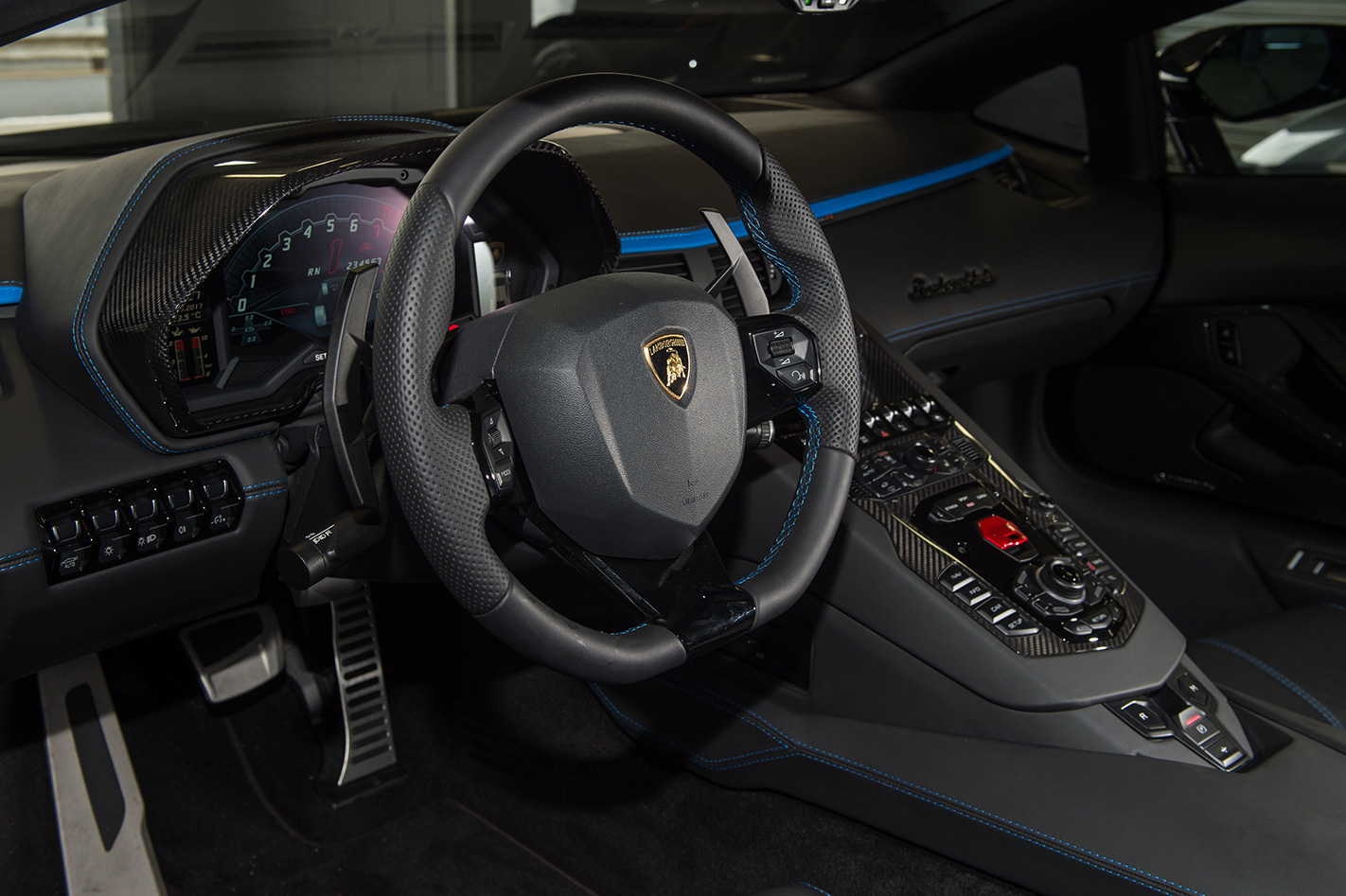
All that said, the Aventador remains a special car, one we can’t help but forgive for its flaws. If its little, cheaper Huracan brother is probably the pick if you frequent tight, twisty roads – and track days – the Aventador is still the weapon of choice for the autobahn blast. It continues to be stupidly fast, a true Phillip Island kind of car, with a noise that’ll remain in your memory long after you’ve heard it. The interior is nicer with a cool TFT instrument display (a la SV). It has incredible presence on the road and no car turns heads like an Aventador does.
Basically, the S is a better Aventador for people who buy Aventadors.
Engine: 6498cc V12, DOHC, 48v Power: 544kW @ 8400rpm Torque: 690Nm @ 5500rpm Weight: 1575kg (dry) 0-100km/h: 2.9sec (claimed) Price: $788,914 Star Rating: 4.0/5 LIKE: Epic engine, power, noise, looks DISLIKE: Jury still out on ride and handling; outdated gearbox
With the F10 M5 now sadly no longer in production and the next, all-new M5 still in the ‘rampant pre-reveal speculation’ phase of its roll-out (due for reveal later this year) the 250kW rear-drive BMW 540i is our first local glimpse at what the new G30 5 Series is capable of from a performance perspective.
While the brand new 5 Series is overflowing with new gadgets like semi-autonomous cruise control, new generation iDrive with gesture control and a bigger screen – as well as a beautiful new interior; you feel like you’re sitting in a 7 Series, basically – you’d be forgiven for going straight for the bonnet latch. That’s because you’ll find BMW’s new B58 3.0-litre turbocharged inline-six, on performance duty in BMW’s baby M140i and M240i, but tuned differently for the 540i.
And don’t think this is too much car for the engine, as BMW’s worked hard to cut weight, using materials like magnesium and aluminium in clever ways to keep weight down to just 1595kg – 95kg lighter than the old 535i (despite being 37mm longer and of course safer, faster, and just all-round better). So there’s not as much car for that 250kW/450Nm to shift as you might first think.
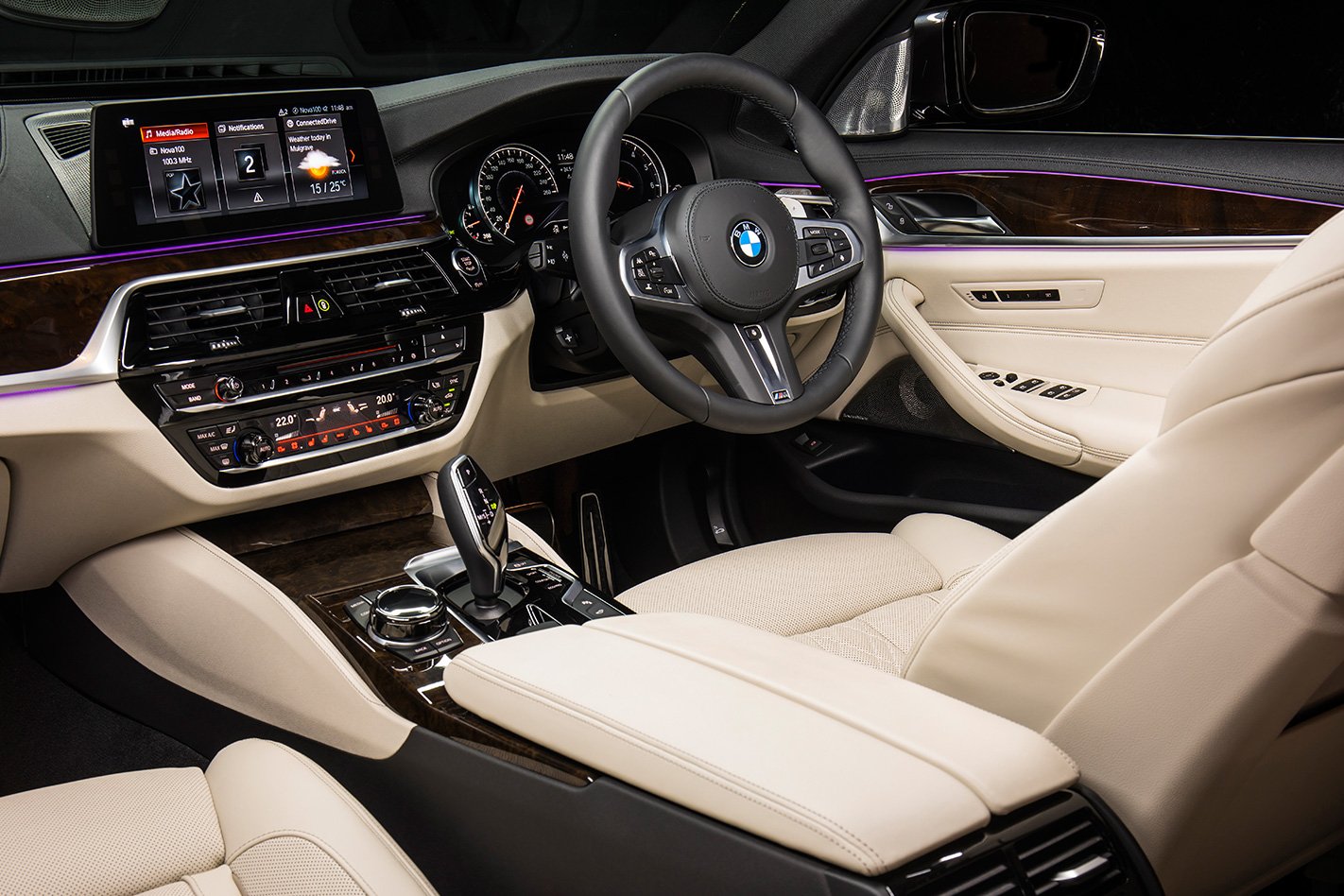
That’s because this is a superb luxury car with a solid amount of grunt, but it’s not a particularly inspiring performance machine, even with the standard adaptive swaybars, M Sport package and M Sport brakes.
The engine, while belting out impressive grunt with fantastic turbocharged mid-range muscle, doesn’t provide the soundtrack to match the oomph, staying muted and subdued even as you’ve got the accelerator pedal buried in the carpet. Which is unexpected, as it has a nice burble outside the car at idle.
This is all not to say the 540i doesn’t get in the mood. In Sport Plus the TFT instruments turn red, the throttle gets more sensitive, the eight-speed auto shifts with more anger and the steering gets a bit heavier. It’s just not really enough to inspire driving for driving’s sake.
The 540i is fast, though, with surprising balls in a straight line and awesome overtaking ability.
Mostly, though, this is a mature luxury car with subtle styling to match the subtly potent performance. It has a beautiful interior, drives nice and smoothly, rides well, is all-round comfortable and quiet. It has us excited for someone to bolt in a 450kW twin-turbo V8 and all-wheel drive. Or was that a new atmo V10?
Engine: 2998cc inline-6, DOHC, 24v, turbo Power: 250kW @ 5500-6500rpm Torque: 450Nm @ 1380-5200rpm Weight:1595kg 0-100km/h: 5.1sec (claimed) Price: $136,900 Star Rating: 3.5/5 LIKE: Grunt; awesome interior; handling DISLIKE: Lacks emotion; dull steering; engine too quiet
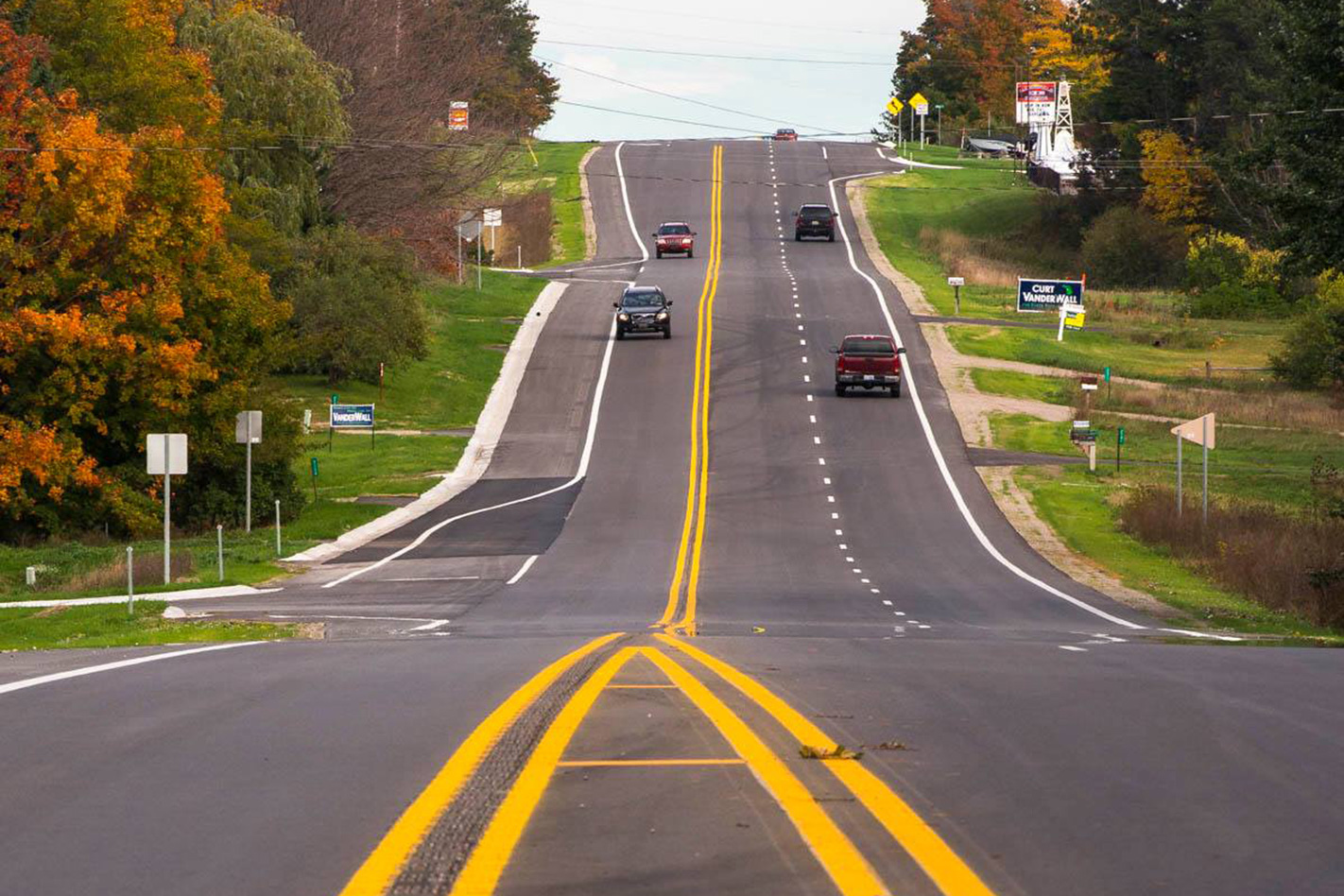
MICHIGAN, the home of the US car industry, will increase speed limits on 2400km of roads next month because drivers already travel faster than the current limits.
The Detroit Free Press reported overnight that almost 1000km of the state’s rural roads would bump the speed limit from 70 mph to 75 mph – the Aussie equivalent of ditching 110km/h in favour of 120km/h – while a further 1400km would have its speed limits raised from the equivalent of 90km/h to 105km/h.
The first of the speed sign changes will start to roll out in mid May.
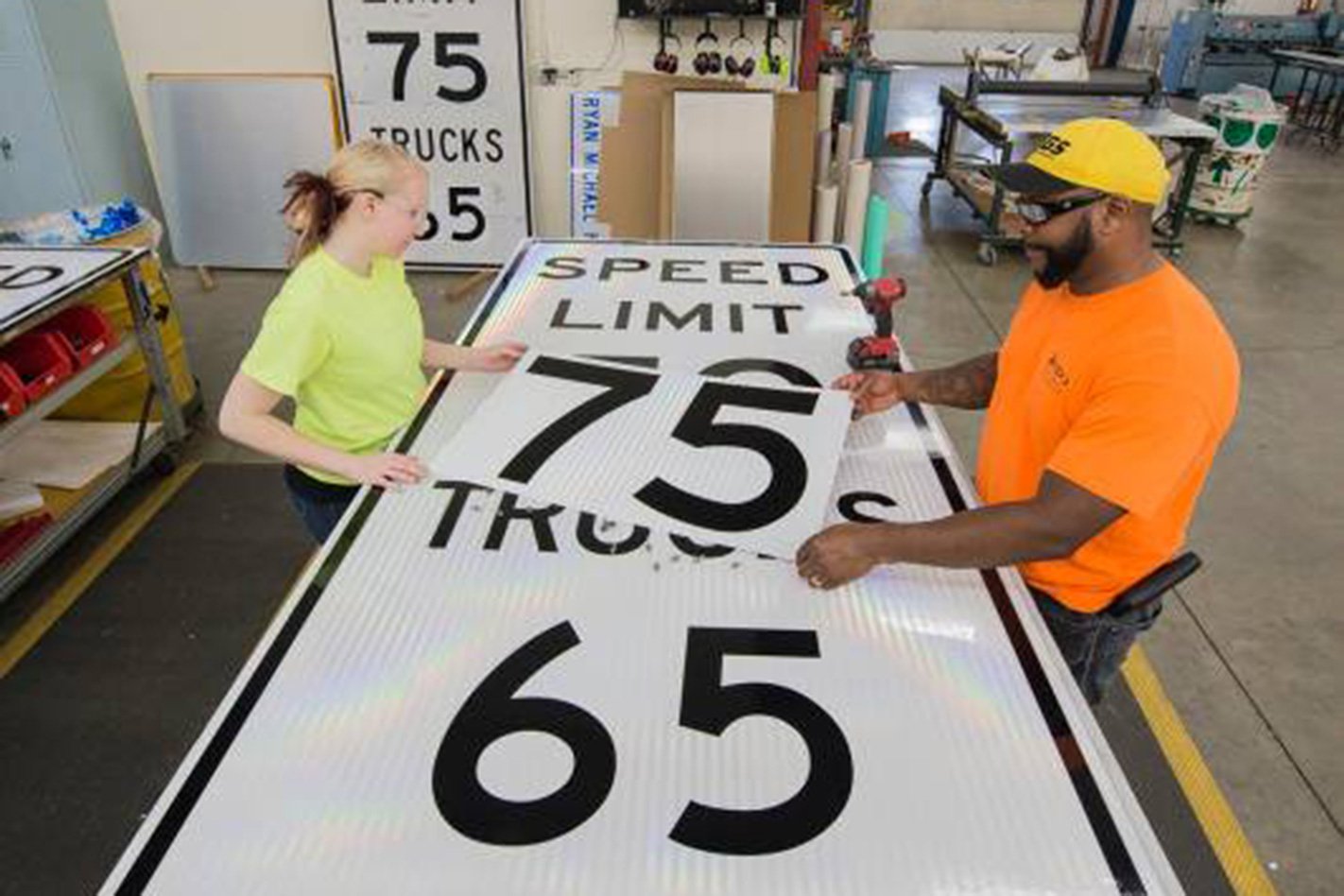
The department said it had been asked to increase speed limits on some state highways and freeways “based on 85th-percentile speeds (the speed at or below which 85 percent of traffic is moving) and the results of engineering and safety studies”.
“The corridors identified by MDOT (Michigan Department of Transportation) and MSP (Michigan State Police) were selected not only because studies indicated most drivers were already driving at those increased speeds, but also because their design and safety features were best suited to these speed limits,” state transportation director Kirk Steudle said.
“We reviewed design speeds, crash patterns, number of access points, traffic volumes and continuity of these corridors, and chose them to minimise necessary improvements for higher speed limits.”
Speed remains a contentious issue in Australia, with a lack of road maintenance contributing to an increasing roll-out of lower speed limits as road surfaces deteriorate.
Senator David Leyonhjelm has proposed a similar review of speed limits in Australia, suggesting we should also set limits that reflected the 85th percentile – the pace at which most motorists naturally drive at.
“The people who currently set them [speed limits] are anonymous, unaccountable bureaucrats. Perhaps the most powerful people in Australia, they essentially decide how many people should die on our roads,” he told a Senate inquiry into road safety.
“Governments and ministers come and go, but they and their speed limits are always there. This is massive bureaucratic overreach.”
In Victoria, last year Liberal MP for Benambra, Bill Tilley called for an inquiry into raising speed limits on certain highways in Victoria, and in particular a shift from 110km/h to 130km/h on the Hume Highway, and 100km/h to 110km/h on the Princes Highway between Geelong and Melbourne.
Wheels has been a long-time supporter of raising speed limits in Australia. In 2013, we drove from Melbourne to Sydney at 130km/h – 20km/h above the posted speed limit – in a demonstration that it could be done safely and comfortably.
Mercedes-Benz, which is using Australia’s roads network as a test bed for its autonomous car technology, has flagged its Hume Highway-friendly self-driving systems will work best at speeds of up to 130km/h.
ASTON MARTIN may have offered a first glimpse of its next sports car, with a sneaky flash of an unidentified headlight buried deep in a seven-minute video that was created to celebrate the acquisition of its new assembly plant.
Have you ever been at a party that is going so well that all the furniture is shoved into the garage so you can dance? Well the British high-performance car maker did the automotive equivalent at its new site – but instead of locking away the best china, it wheeled out $111,000,000-worth of Aston hardware and let its drivers loose. Take a look:
During the course of the video where its two factory racing drivers and chief engineer are realising every petrolhead’s dream of performing an indoor automotive ballet using some of the rarest and most desirable Astons, the mischievous trio stumble upon three concealed vehicles.
The first two are revealed to be the AM-RB 001 concept that will become the Valkyrie production car and the DBX SUV concept, but the full removal of the third sheet is stopped short by the “boss” Andy Palmer arriving, with only a portion of the headlight revealed.
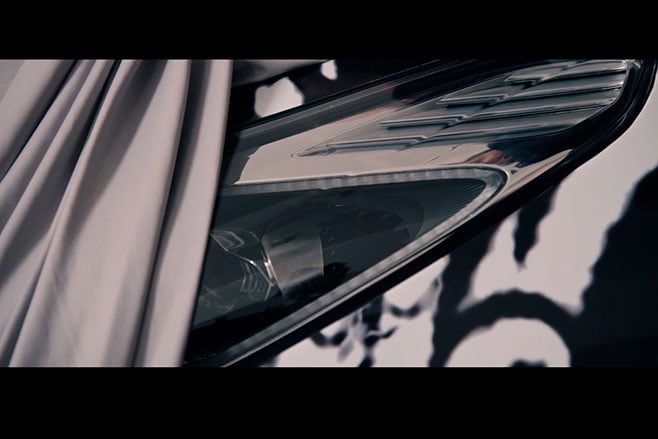
No reference is made to the mysterious car, but with a low profile compared with the jacked-up DBX and two new sports coupes just around the corner, we reckon the car is most likely to be the next-generation Vantage that is expected to debut at the Los Angeles show later this year – or potentially the Vanquish which will follow in 2018.
Or perhaps the enigmatic headlight belongs to Aston Martin’s upcoming sub-Valkyrie mid-engined supercar?
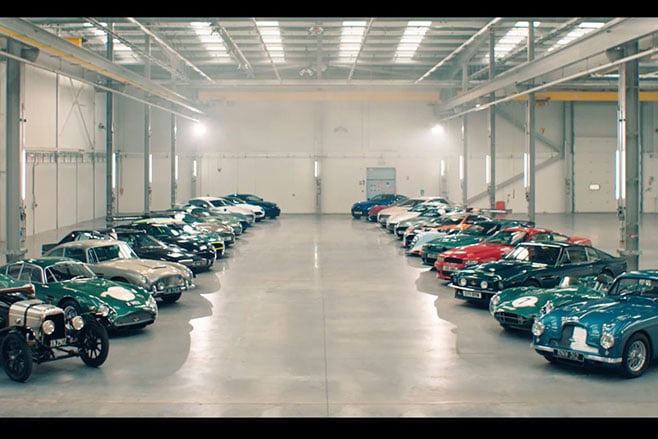
Either way, the subtle tease is part of a spectacular show in which three gun drivers slide, burn and thrash around the company’s new Welsh premises in a heap of very expensive metal from every era of Aston Martin’s colourful history.
With a serious amount of destroyed rubber left on the floors of its new facilities in Wales and the sound of V8 and 12-cylinder engines still reverberating through the massive hangars, we would say that Aston’s new digs have been well and truly christened.
There’s good news on the horizon for all frustrated wagonistas out there. While wagons are on the wane and our own home-grown Commodore Sportwagon is set to cease production in October, Jaguar is keen to ensure the days of attractive rear-driven wagons are far from over.
Jaguar is planning to whip the covers off its tailgated second-generation XF Sportbrake soon, potentially at this year’s Wimbledon tennis tournament, and in the lead up to its big reveal the British carmaker has released the first teaser images of the Sportbrake.
2018 Holden Commodore Tourer revealed
A top-down view puts a (presumably optional) panoramic glass roof on prominent display, while also showing off a traditional six-window side glass layout and a wide tailgate. Everything forward of the B-pillars is, as you’d expect, recognisable XF metal.
Jag has also shown off the silhouette, rendered in white paint against Wimbledon’s manicured centre court lawn. Its tapering roofline, thick D-pillar, generous glasshouse and a continuous body crease that extends rearward from the headlamps stand out.

More teasers are due in coming weeks, but right now we know the XF Sportbrake is locked in for an Australian arrival.
Expected in the fourth quarter of this year, the XF Sportbrake will be the first of its kind to be sold in Australia by Jaguar. JLR Australia passed up on the previous-generation of XF Sportbrake as well as the X-Type Sportwagon that came before it. This time around, however, Aussies will be able to enjoy the delights of a Jag with a more capacious rump.
“This will be a first for us. It’s due to come in Q4, towards the end of Q4 2017,” said Jaguar Australia spokesman James Scrimshaw.
However if you were counting on a wagon-bodied XF with the zesty supercharged V6 of the XF S, it’s far from certain: according to Scrimshaw, local specifications and range structure has yet to be finalised.
“That’s what they’re working through in product [planning] right now,” Scrimshaw explained.
“We’ve got a really compressed timeframe to get that sorted, but we haven’t nailed down spec yet, such as what engines we’re going to take and what trim levels.”
