
Track days are fun. But there’s one sure way to inject more thrills into the experience. And that’s to add competition.
This brings us to what Mazda’s dusted off for us at TAFE Wodonga’s race track. It’s a Mazda MX-5, but a little different from our long-termer.
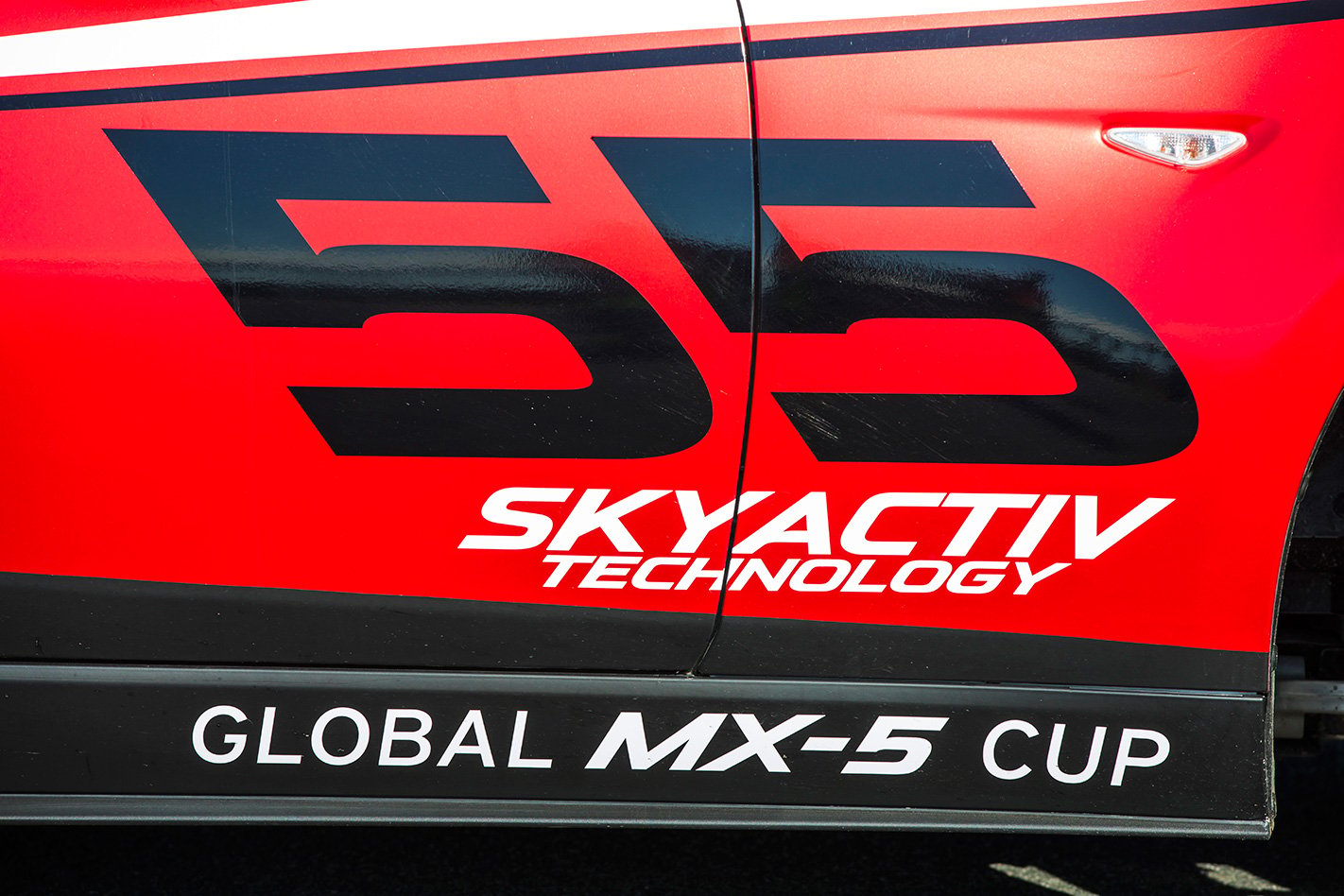
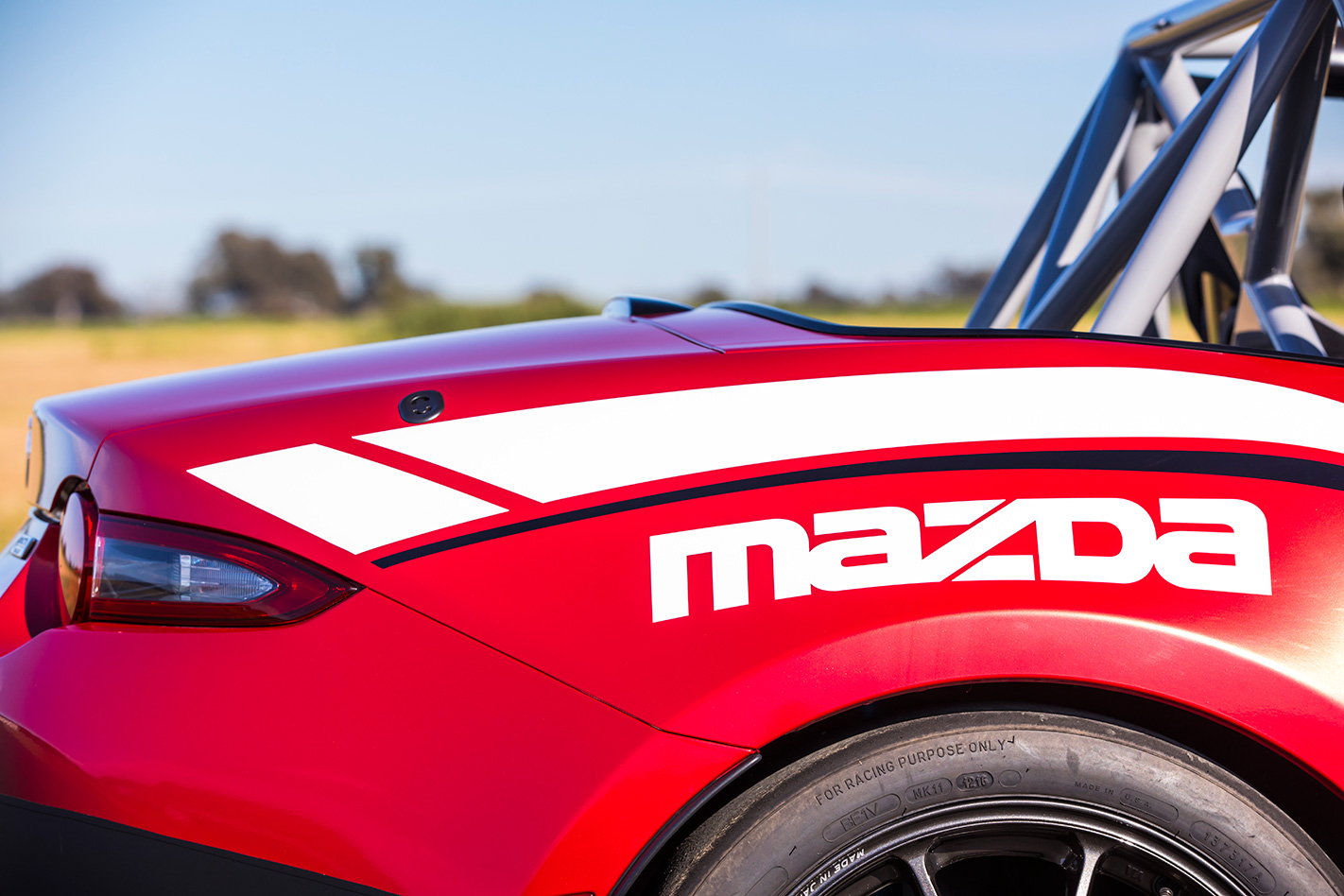
It’s lower, stiffer and lighter. It has numbers slapped on its sides and a monkey-cage approved by every race sanctioning body in the known universe, while peeking from behind its wheel guards are smooth sticky strips of race rubber. This, folks, is a race car.
It’s standard issue for American drivers looking to carve a name for themselves in Mazda’s one-make series known as the Global MX-5 Cup. But while it’s called a ‘global’ series, at the moment it’s held entirely in the United States. So Mazda Australia shipped a few here to sniff out interest in perhaps a local run of the game.
The Cup cars are native to the series’ origin. An outfit known as Long Road Racing in Virginia takes a factory fresh ‘Miata’ and bins the factory seats, strips it of all plastics except for the centre console and dash, plugs it with said roll-cage then swaps in an Alcantara racing wheel and AIM dash display.
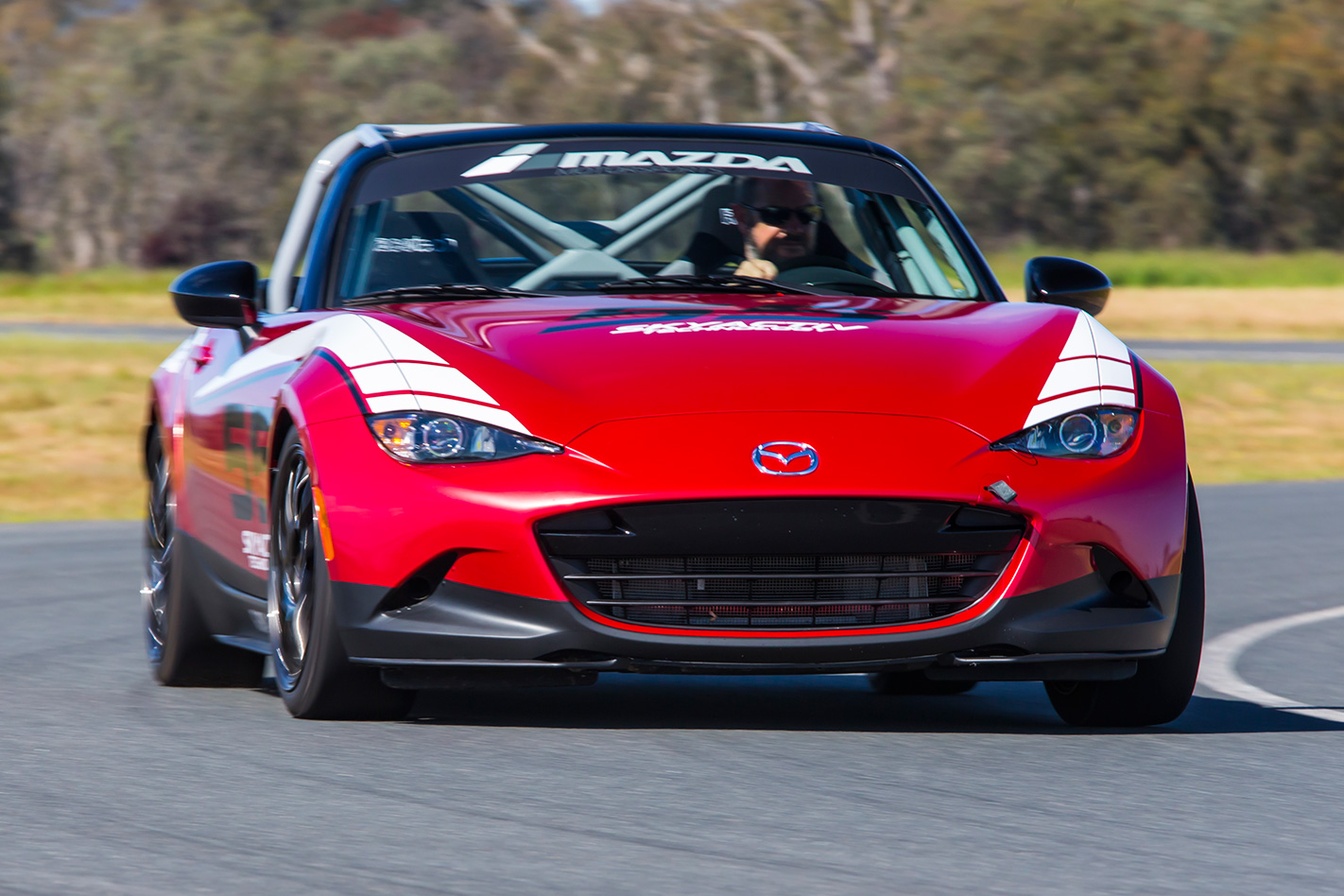
But while the interior’s been radically transformed, the Cup recipe isn’t so hardcore elsewhere. Outputs have barely changed, with the focus more on reliability and parity. There are more oil radiators, while all drivetrain parts and the race ECU are sealed. There is a full race exhaust system installed, but the biggest difference doesn’t hit you in the back as much as it tickles your ears.
Once clear of the pits the car fills the air with a fizzing shrill, like it’s trying on its best Cosworth BDA impersonation. The display lights up as the engine calls for the next gear, which is snatched easily enough with your right hand. Downshifts on a left-hooker are the tricky part, but can be mastered with practice.
It’s not all that fast on the straight stuff, though. But then again, MX-5s never really have been. The biggest difference comes from what’s tucked underneath each wheel well. Multimatic DSSV dampers (yes, like the ones in the Ford GT supercar) banish body-roll but keep the car’s famous balance. The brakes, Brembo units lifted from the American Club edition, aren’t hugely powerful, but still have precise feel.
It all equates to the car feeling so tied down that you can stick it into corners with huge levels of confidence, knowing that more assertive inputs won’t end up in a tail-swapping spin like the road car.
It’s laugh-out-loud fun as it encourages you pick up the throttle earlier, brake later, and throw it into bends with more speed. By the first curve you forget a Golf GTI would pull away from it on the straight.
What soon dawns on you after a couple of laps is how much you’d like to try swapping paint with others. Say, 40 others. That’s how large grids swell to in the States.
Racers will need US$59K (AU$79K) for the pleasure, thanks to the car being updated with new tweaks to further improve reliability. That’s roughly equivalent to the Toyota 86 one-make cars we have here, but comes with the chance of a ticket to a factory drive at the end of it.
Read our Mazda MX-5 long term review
Engine: 1998cc inline-4cyl, DOHC, 16v Power: 118kW Torque: 200Nm @ 4600rpm Weight: 955kg 0-100km/h: 6.5sec (estimated) Price: US $59,000 Star Rating: 4.5/5 LIKE: DSSV dampers; hilariously fun DISLIKE: Hard to get into; not overly fast in a straight line; err, can’t register it
TELL ME ABOUT THIS CAR
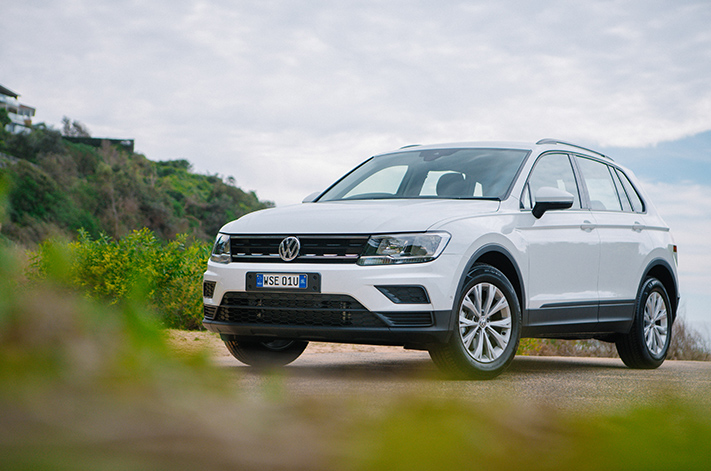
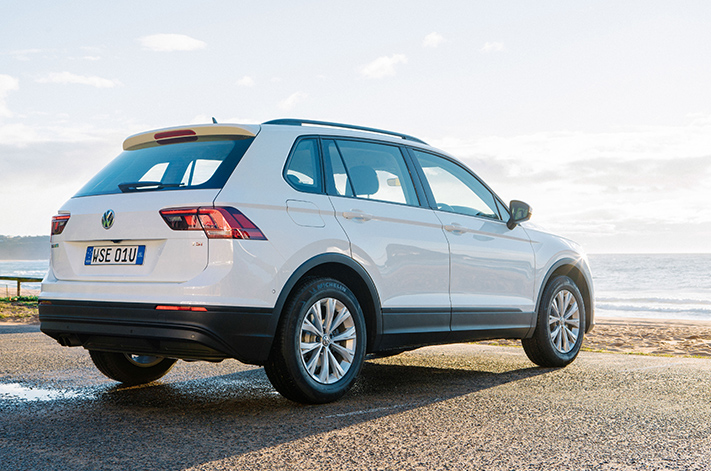
The 110TSI is the entry-level variant of the new-generation Tiguan medium SUV, and a significant improvement on the previous-generation model.
Retailing at $31,990 for the manual and $34,490 for the DSG automatic, the base-spec Tiguan sits in the same ballpark as mid-spec Japanese and Korean SUVs and comes with a good range of standard features including autonomous emergency braking, superb on-road performance and a high-quality interior.
STRENGTHS
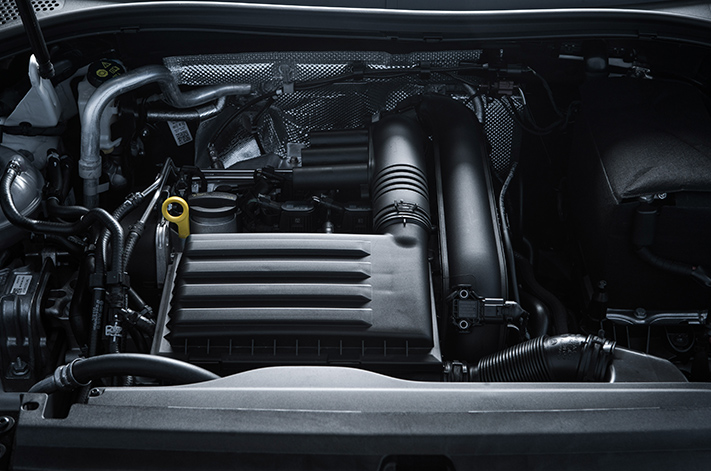
- The 1.4-litre turbo petrol engine provides more than enough power for a car this size, including when overtaking.
- The six-speed dual-clutch automatic transmission provides smooth, effortless gear changes, especially when driving spiritedly.
- The Tiguan’s steering is as poised and tactile as its Golf stablemate, and neatly meshes with the slick powertrain to create an enjoyable driving experience.
- Handles is exceptional, with good body control around corners courtesy of a firmer-than-average suspension tune.
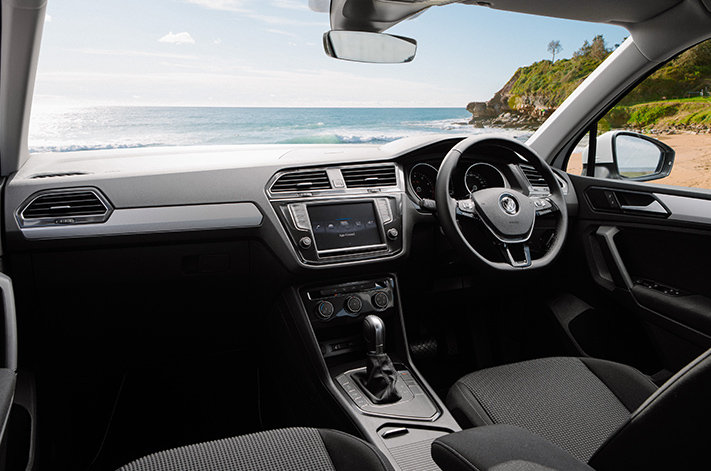
- Being a base model, the German-designed interior is a little austere but still has a crisp upmarket appearance with quality materials and intuitive ergonomics.
- The cabin feels airy with excellent vision from all five seats though a generous glasshouse.
- For $2000 you can add a driver assistance package that includes automatic park assist, adaptive cruise control, lane keeping assist, and rear traffic alert.
- The rear seats recline and slide back and forth to increase either legroom or rear cargo space. Comfort for your backseat passengers is excellent as a result.
- The rear seats have their own air vents to help passengers cool, and a 12v socket for plugging in a phone charger or USB charge point.
- The front seats have ‘infinite reclining’ settings which are controlled by a dial for gradual movement as opposed to the stepped positions with seats controlled by a lever.
- The chilled glove box has a chill function directs cool air from the air-conditioning system to help keep your lunch cool. It’s by no means a fridge, but it’ll ensure your sandwiches remain palatable even after a long drive.
WEAKNESSES
- The ride is not as quiet or refined as you’d expect from a Volkswagen.
- The suspension is quite firm and can be jarring over bumps, particularly for rear-seat passengers.
- Rear storage is minimal, with no map pockets or a centre arm rest to house cupholders. It is the base model, after all.
ANY RIVALS I SHOULD CONSIDER
The medium SUV segment is full attractively-priced and well-specced contenders, especially in the low-$30k price range. These include the all-new Mazda CX-5 Maxx Sport, Subaru Forester 2.5i-L, Kia Sportage SLi, Toyota RAV4 GXL, Hyundai Tucson Active X and Ford Escape Trend.
The Sotheby’s Villa Erba auction isn’t usually short of big money metal to fantasise over, but this year’s sale sees something distinctly out of the ordinary.
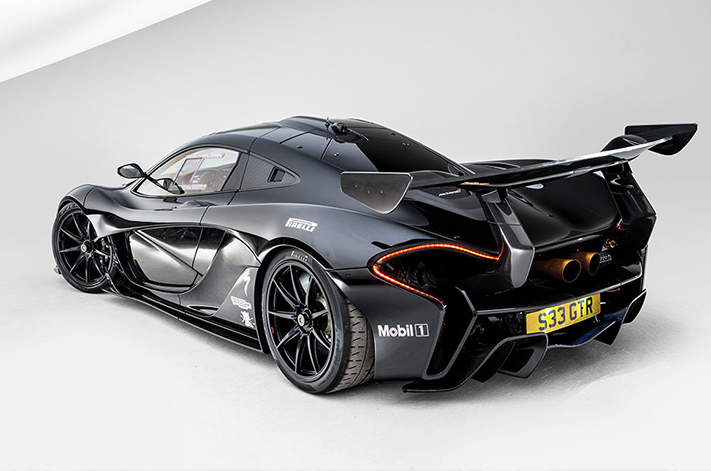
On the 27th May, the ‘holy trinity’ of hybrid hypercars hits the block in Italy, with a LaFerrari, a Porsche 918 Weissach and a roadgoing McLaren P1 GTR seeking new keepers.
The LaFerrari hasn’t seen a whole lot of exercise over the past three years, with just 180km on the odo.
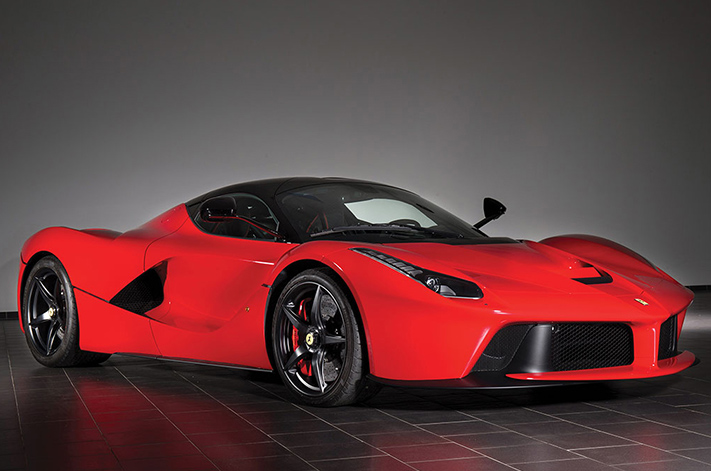
Good for 200km/h in less than seven seconds, and 300 km/h mark in 15 seconds, the 708kW Maranello car is the only naturally-aspirated model of the trio and is expected to command the highest sale price.
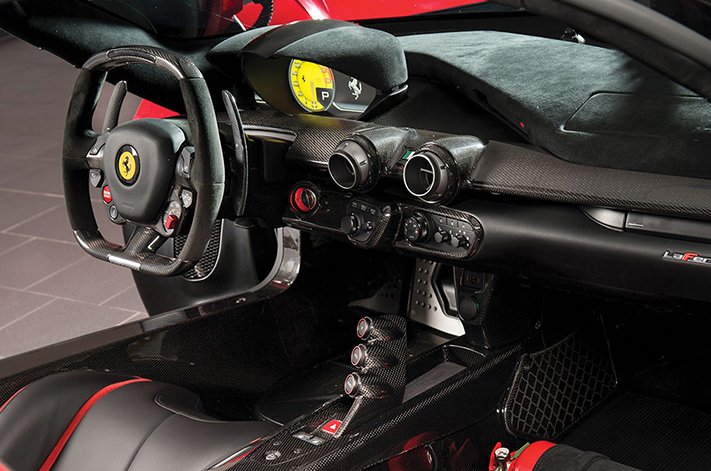
McLaren P1 LM breaks record at Goodwood Festival of Speed
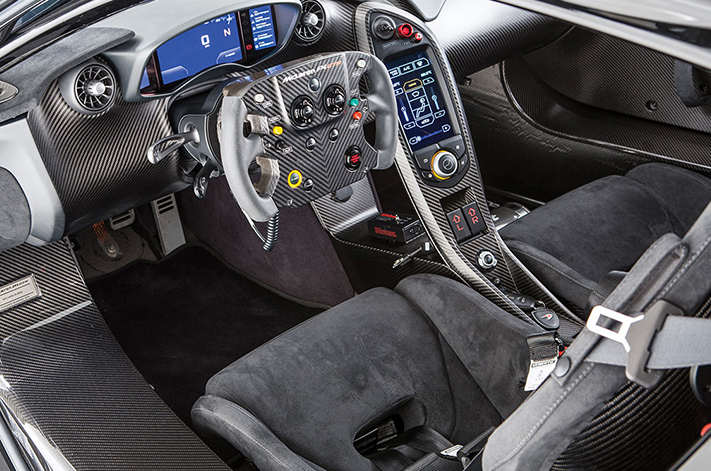
Of course, there are always some customers who want more, and in this instance the GTR was converted to road-legal specification by to Lanzante Motorsport in Hampshire, United Kingdom. Those with longer memories might recall this company’s participation in McLaren’s win at Le Mans.
Compared to the Ferrari, this is a high mileage example, having covered 360km from new. It has participated in one track event at Circuit Paul Ricard. Presumably the 735kW combined output from the 3.8 V8 and the electric motor was a little too exciting for the previous keeper because it never received another run-out.
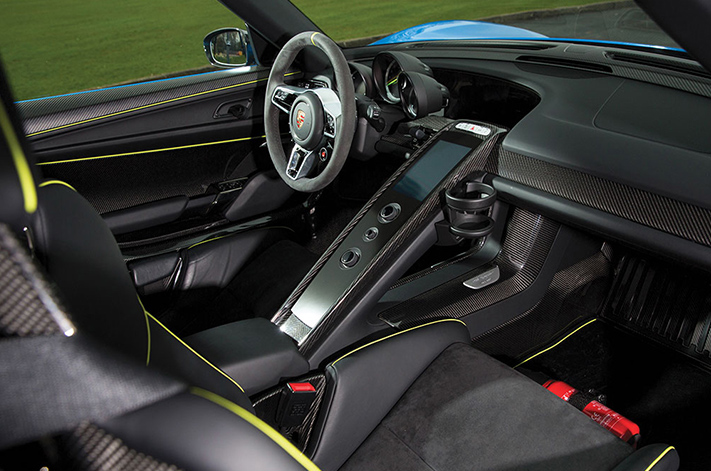
The interior is black Alcantara with some questionable Acid Green highlights but the rest of the Weissach bits are well worth having.
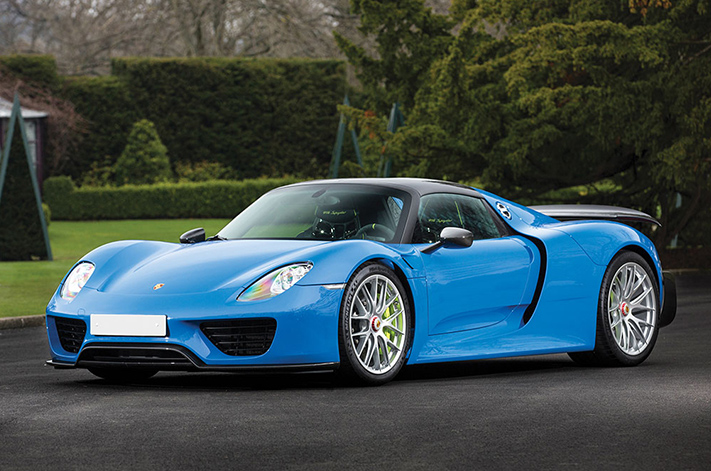
This one’s actually been used by its former owner, having covered just under 11,000 kilometres, so if you’re looking for the bargain of the trio, here’s your ride.
We’ve seen some pretty impressive collections of supercars in our time, but this recent meet in the UK might just take the cake.
The event was the Secret Supercar Meet, organised by The Supercar Driver YouTube channel. The annual event raises money for charity from owners of some of the world’s most exotic machinery and provides one hell of a photo opportunity.
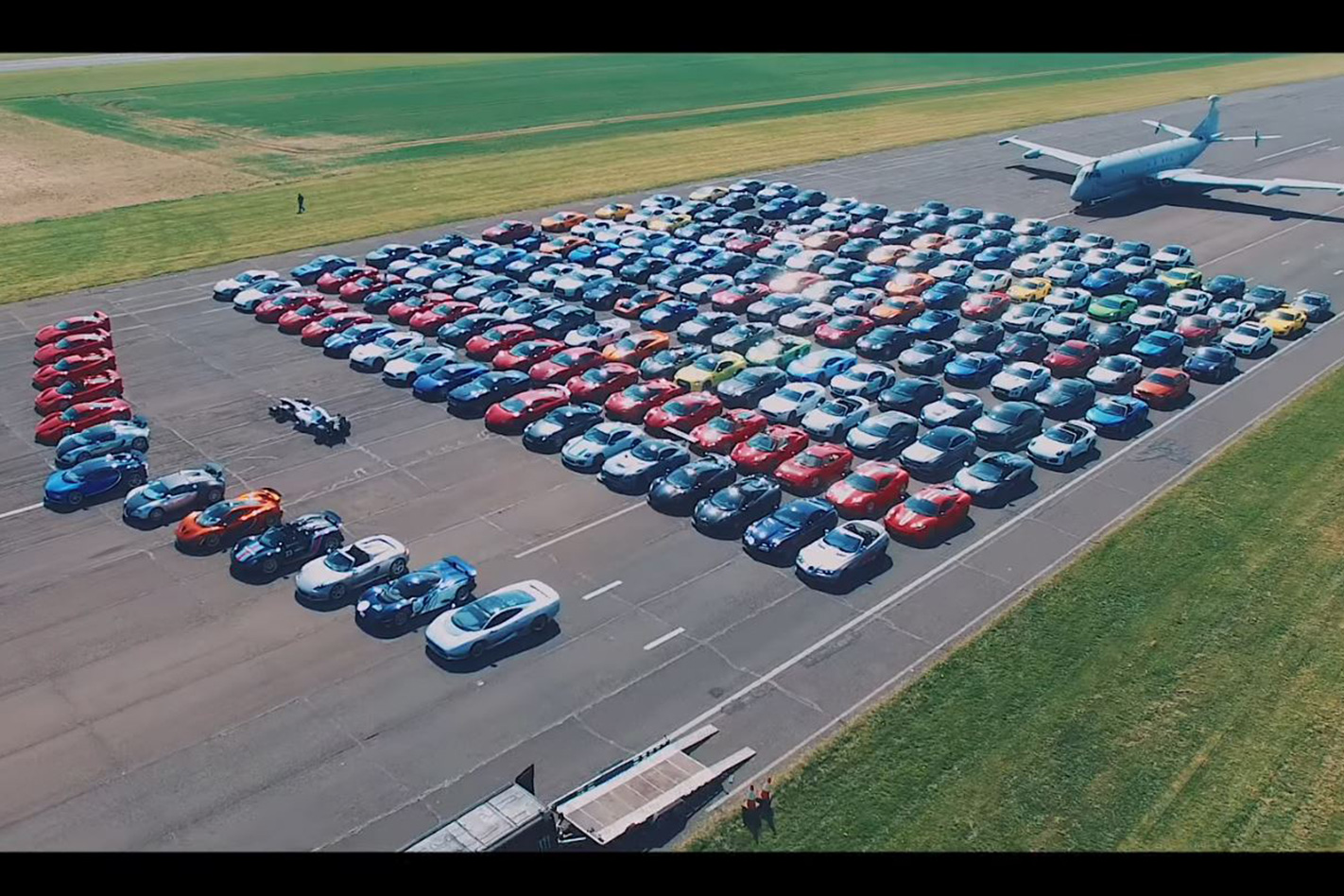
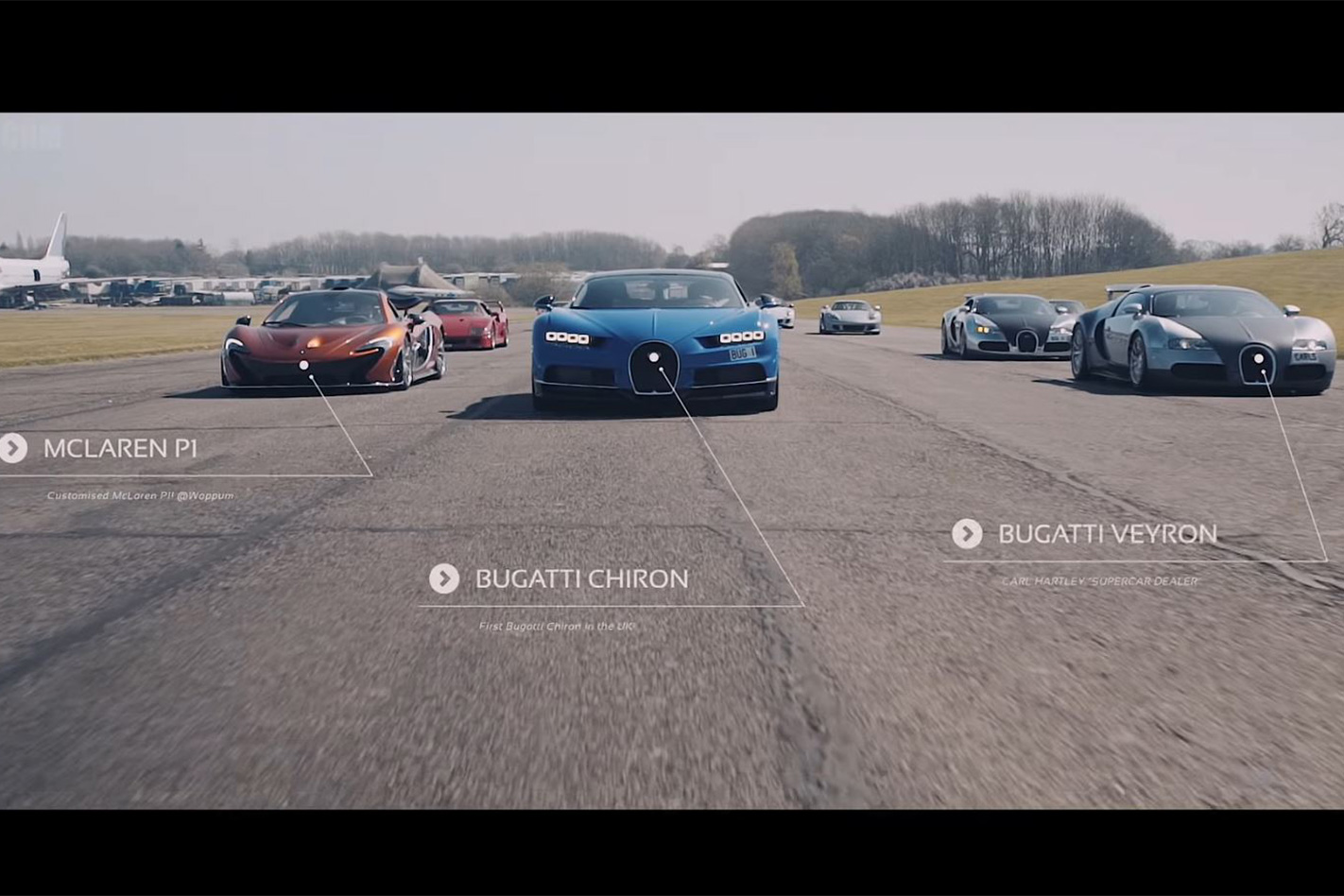
Then again, look at the front row. There’s the UK’s first Bugatti Chiron flanked by a pair of Veyrons, a Ferrari Enzo alongside a pair of F50s and F40s and a McLaren P1, Porsche 918 Spyder and Carrera GT and Jaguar XJR-15 and XJ220 on the other side.
All in all, 208 cars turned up for the 2017 SSM – we were going to try and identify them all but there’s just too many! – and the event raised 13,000 pounds for the Bluebell Wood Children’s Hospice, which brings the total raised to more than 50,000 pounds.
SORRY Supercars, CAMS and race teams. Not good enough. An organisational disgrace. More than that, where was the duty of care to drivers during the weekend’s two championship events at Phillip Island?
During Saturday’s 250km ”race disgrace” 13 drivers experienced frightening high-speed tyre explosions, with most while entering the swoopy right-handed Doohan Corner. A tyre test with Dunlop had been planned for Phillip Island, but was rained out, meaning teams went into the race weekend with no data on the new-for-2017 tyres. A very scary fail.
Lap record pace, an increase in peak loads on the new tyres and aggressive negative camber settings and pushing the boundaries of low tyre pressures created a tough environment for the supplier of the control rubber…
If the epidemic of failures didn’t threaten to turn the contest into a farce, the unexpected pit-lane penalties applied after inconsistent trial-by-TV-replays certainly did. Eight drivers were pinged with 15-second penalties applied either at pit stops during the race or after the chequered flag. These were stupidly harsh; a firing squad for a parking offence.
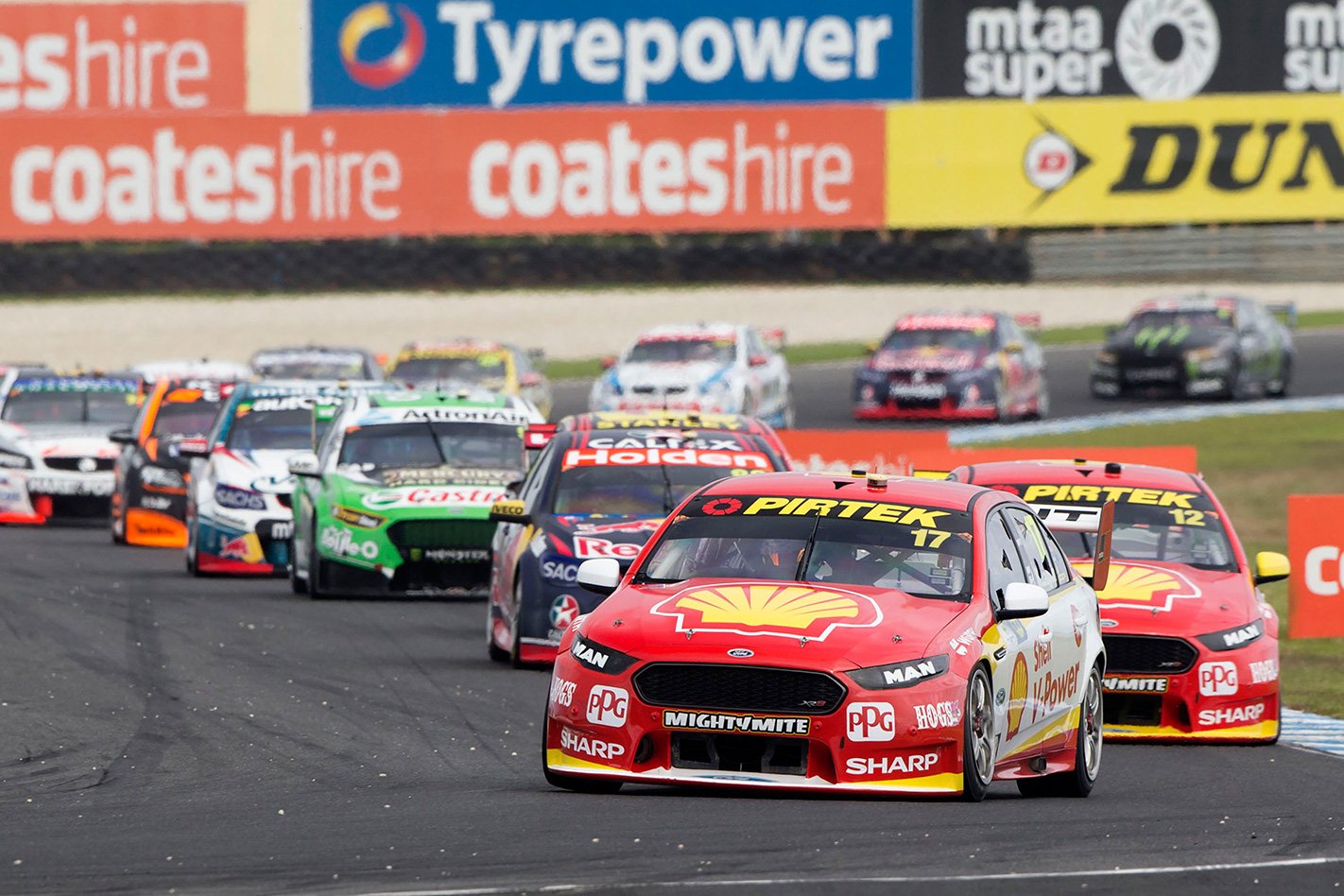
But it seemed many teams didn’t pass on this vital piece of info to the drivers. Clearly a massive fail. And according to some drivers, nor was this key safety reminder raised at the drivers’ briefing. Another fail.
Most aggravating though for the competitors was the uneven, chook-lotto approach to determining which drivers crossed the centre line at the entry to pit lane. The guilty eight were pinged wholly by Supercars TV cameras showing some cars entering the pits. But only some cars.
Did the stewards go back through all the in-car camera footage to determine who else may have infringed? If they didn’t, then this was a strange idea of justice, seemingly reliant on two or three brief passages of TV footage.
Surely there was a serious safety implication in this reminder about the pit lane entry regulation. Why, then, wasn’t a judge of fact stationed there? Another fail.
For Sunday, at least a witch’s hat stood mute guard at the pit entry. It should have been there on Saturday, but wasn’t. Would have prevented a lot of unnecessary aggravation. Ooh, I can’t keep up with the list of fails.
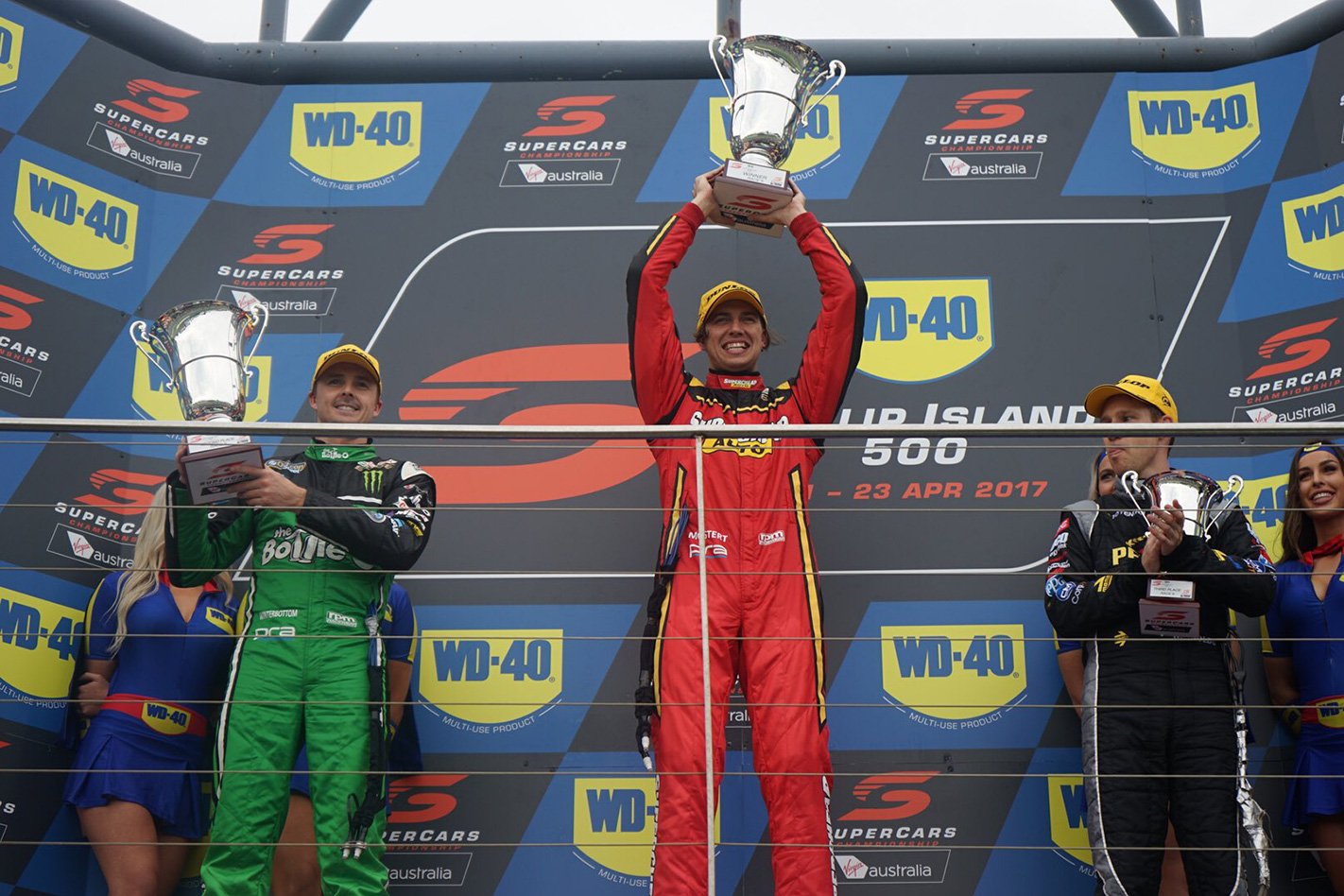
Coulthard, who started alongside his teammate and pole winner Scott McLauglin, himself experienced tyre failure in the 19th lap (whilst leading), but fought back to claim his second race victory in a row (following his victory at Symmons).
Red Bull Holden’s Jamie Whincup was second while Garth Tander scragged his first podium of 2017 coming in third in his GRM Holden.
“Our car didn’t have the ultimate speed but its consistency was incredible. I was surprised at the speed we had,” Tander said. He, like most of the others, were tippy-toeing in tyre conservation mode.
Coulthard’s win was the first at Phillip Island for a Ford driver since Will Davison claimed victory in 2012.
Davison was back in action after being hospitalised in that bruising, belting multi-car shunt in Tasmania two weeks earlier.
Among those forced to serve 15 second penalties were McLaughlin, Craig Lowndes and Shane van Gisbergen. Lowndes and team owner Roland Dane were ropeable over the penalty that was applied to car 888 retrospectively.
After this debacle, officials introduced some measures for Sunday including higher minimum tyre pressures (up to 19 psi from 17) and recommended more conservative camber settings (six degrees and three degrees front and rear, respectively).
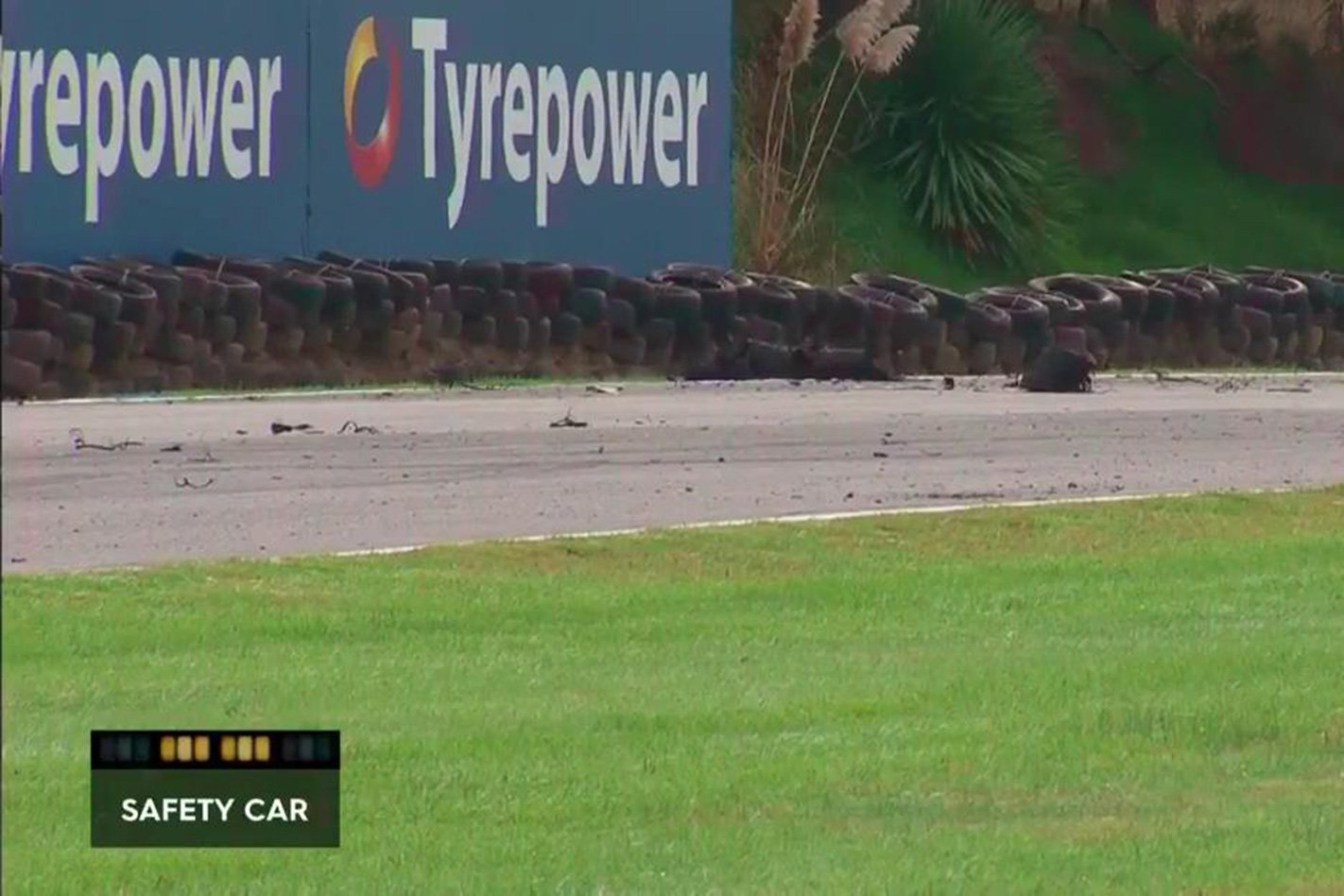
Supercheap Auto Racing Team’s Chaz Mostert took victory in the second and final 250km race breaking an almost two-year drought between race victories.
The 25-year-old was fast and smooth, taking care of his fragile rubber while staying in command. But the recent memory of two blown tyres 24 hours earlier wasn’t far from his mind.
Mostert’s Ford Prodrive teammate, Mark Winterbottom, followed him across the line with David Reynolds recording his first podium finish of the season, grabbing a strong third for Erebus Motorsport Holden.
“It’s been long enough,” said Mostert, whose last championship win was at Sydney Motor Sport Park in 2015.
“It means a lot to win straight away after making a couple of mistakes in Tassie.
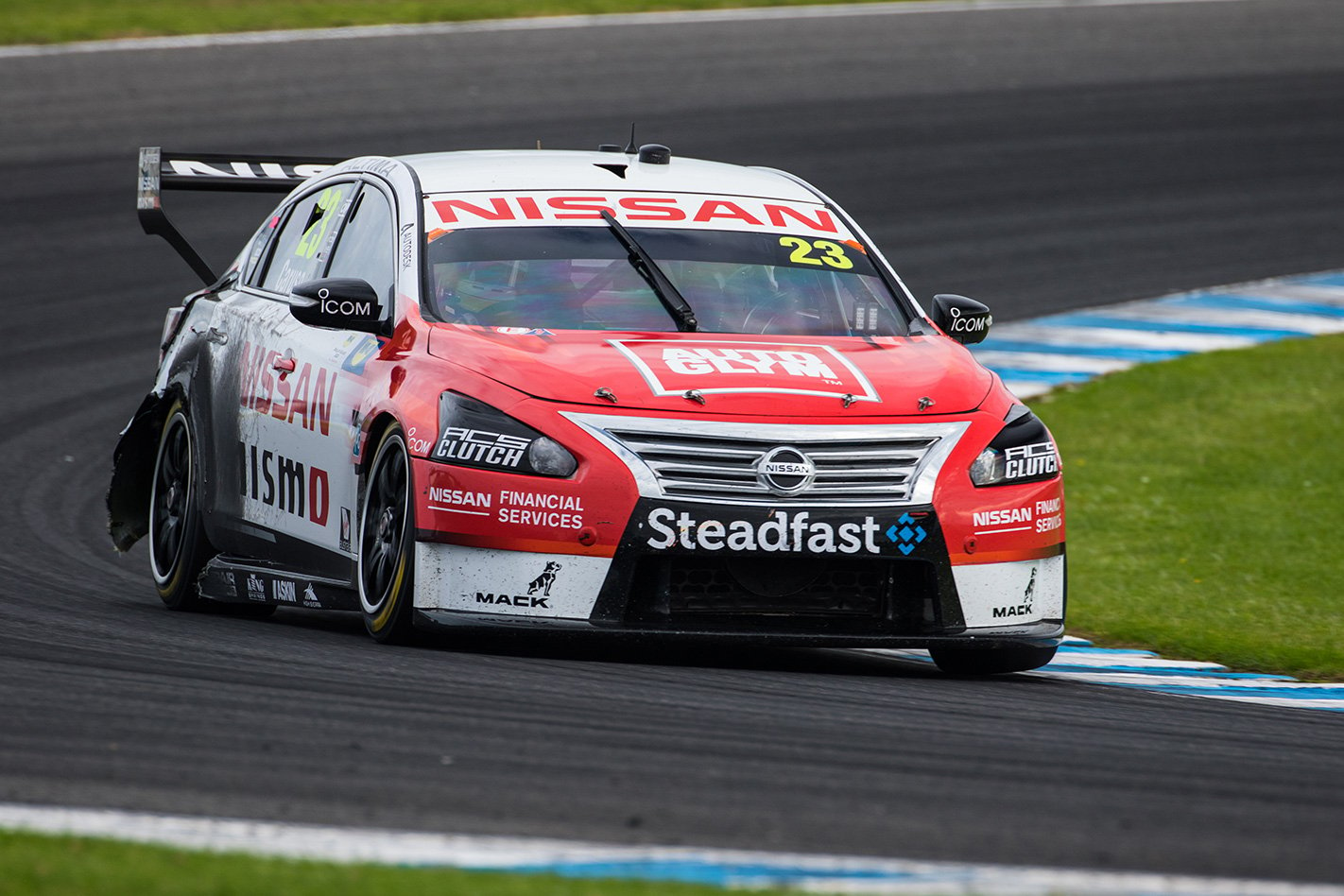
Reynolds says his Holden felt great over the final laps of the race as he powered to his first podium finish of 2017.
“We have had a massive learning curve last year and it’s just going from strength to strength,” he said.
James Moffat, Lee Holdsworth, Cameron Waters, Garth Tander, Dale Wood, Rick Kelly and Michael Caruso made up an unusual-looking top 10.
“It was 250 kays of Russian roulette,” suggested Moffat wryly. “I was pretty uneasy doing it like this.”
The Saturday race winner Coulthard, was prominent until penalised for ignoring the red light exiting pit lane. Teammate McLaughlin, the fastest on track, led early but fell victim of pit strategy and then lost more time with flapping rear bodywork.
Coulthard now leads the Supercars Championship points table seven up on defending champion Shane van Gisbergen, who like his Triple Eight teammates suffered a tyre failure on Sunday. The Sunday victory has catapulted Mostert into third in the overall standings, 30 behind SVG and eight ahead of fourth-placed Whincup.
This was not a great weekend for Supercars.
Molly Taylor takes wild west rally win for Subaru
Defending champ Subaru do Motorsport’s Molly Taylor has taken out both heats of the Forest Rally, in Western Australia, round two of the 2017 CAMS Australian Rally Championship.
Taylor and co-driver Bill Hayes enjoyed a trouble-free run across the slippery forest stages aboard the Les Walkden Rallying-prepared WRX STI, bagging maximum points to elevate the team to second spot in the championship standings after two rounds.
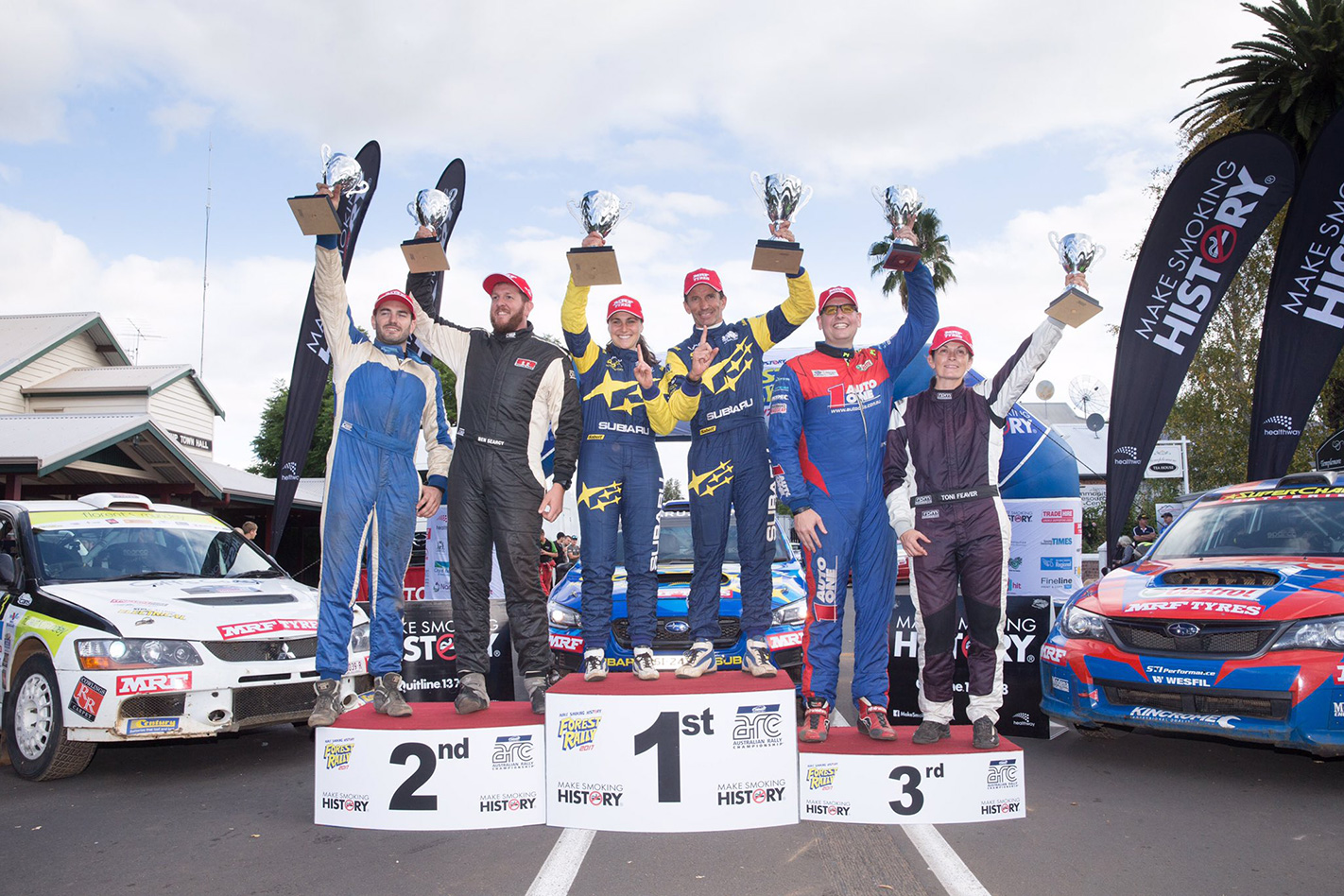
A puncture for Toyota driver Harry Bates pushed the young Canberra star back to fourth overall, leaving Taylor with a 22.5 second buffer to second-placed Nathan Quinn’s Mitsubishi Lancer.
Following his second place at the Eureka Rally championship opener, Quinn now sits six points ahead of Taylor and a further 12 points ahead of Toyota Genuine Parts’ Bates in the series standings.
Listen to Meeke’s co-driver as they spear into a parking lot, win anyway
Saturday’s opening heat was a nail biter, with Taylor edging her good mate Bates in a tight see-sawing tussle.
A margin of just 3.1 seconds separated the two young guns at the heat one finish.
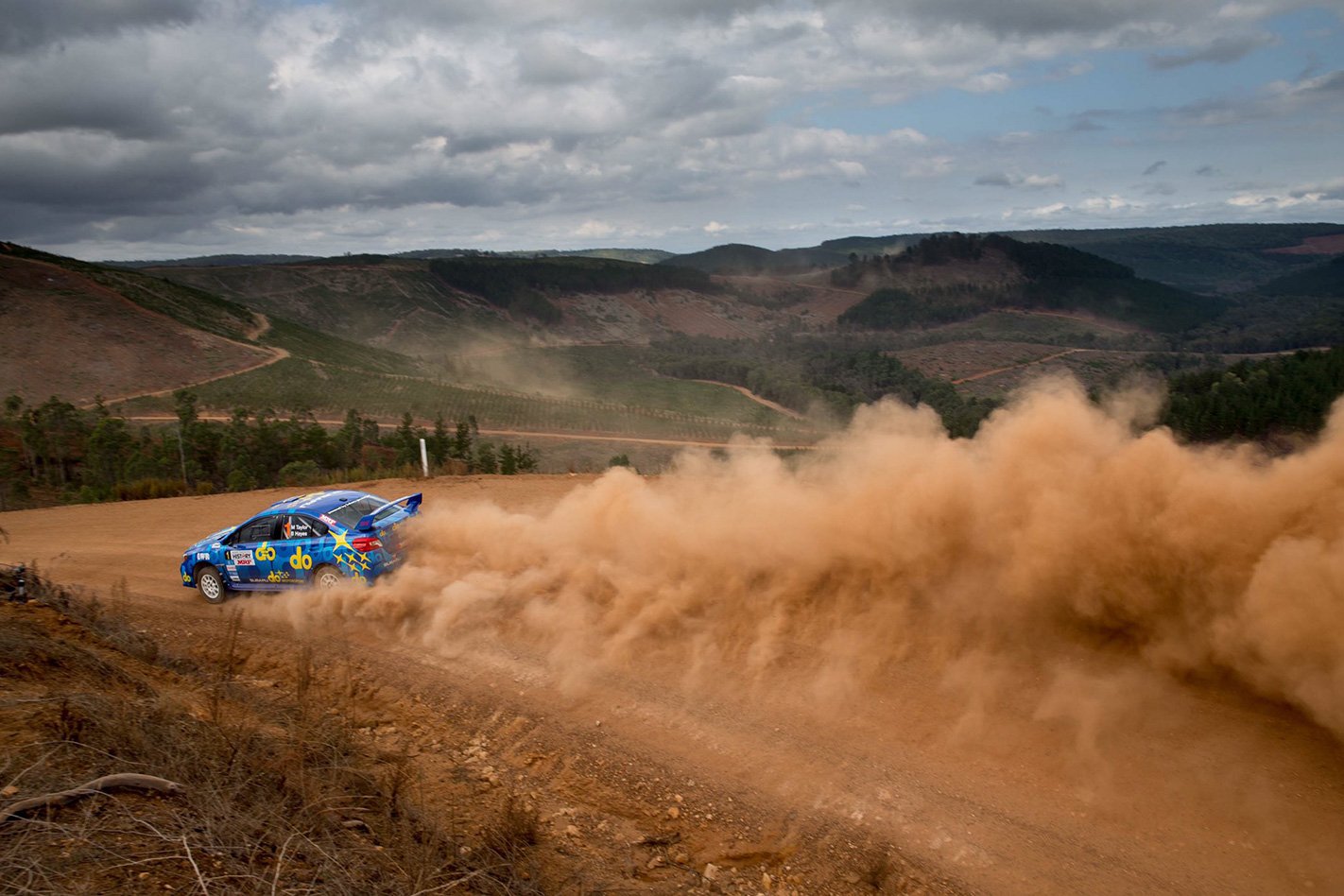
But it was a huge weekend for Taylor and Hayes.
“We’ve combined car reliability with our own ability to achieve the perfect result,” Taylor reported.
“It’s been a fantastic competition with Harry, Eli and Nathan and to come out on top after such a close fight feels great.”
Veteran co-driver Hayes, a West Aussie, said: “I’ve been rallying here since 1998 and this is the first time I’ve won at my home event, so it’s special in many ways.”
Marquez score first MotoGP win of the season in Austin
Marc Marquez has raced away to his first win of the 2017 MotoGP world championship, extended his perfect record at Austin’s Circuit of the Americas to five in a row.
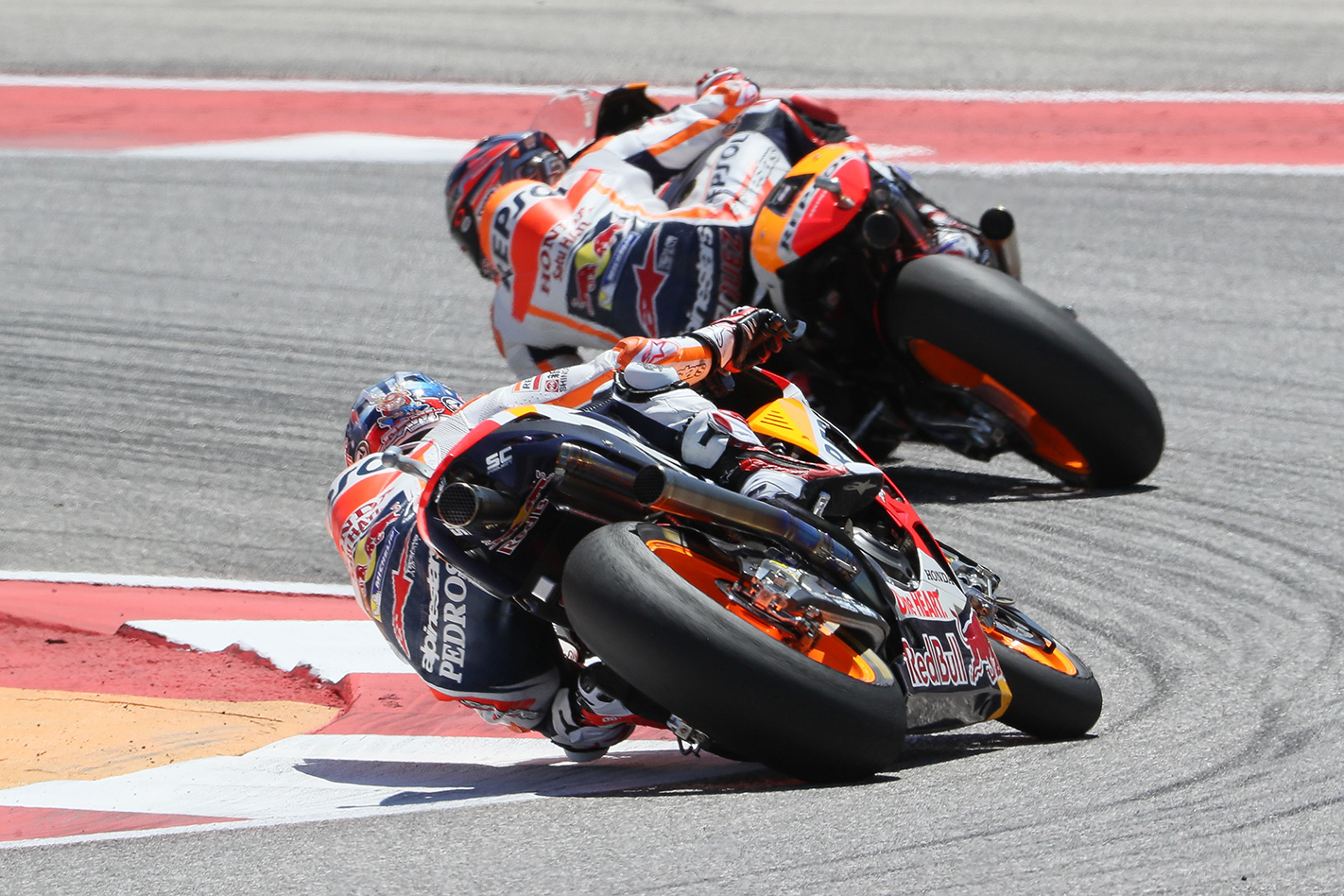
On Saturday, Marquez extended his record of most pole positions in motorcycle grand prix history across all classes, taking the 67th pole in career (his 39th in the MotoGP class, and his fifth in a row at Austin).
Maverick Vinales, the winner of the opening two races of the season, suffered his first loss as a Yamaha rider after falling from fourth early in the race.
Teammate Valentino Rossi now leads the world championship standings after passing Honda’s Dani Pedrosa to claim second. Rossi kept second place although hit with a 0.3sec post-race penalty for cutting the track after a tight moment with Johann Zarco, who went on to finish fifth.
Australian Jack Miller had another good result, taking 10th on his Marc VDS Honda. He was just half a second behind Jorge Lorenzo, still not looking comfortable on the works Ducati.
Miller’s teammate Alex Rins missed the race after suffering a broken wrist on Saturday.
Will Power’s IndyCar bad luck continues
Will Power’s shocking start to 2017 looked set to be overturned as the Queenslander led for two-thirds of the IndyCar’s Grand Prix of Alabama.
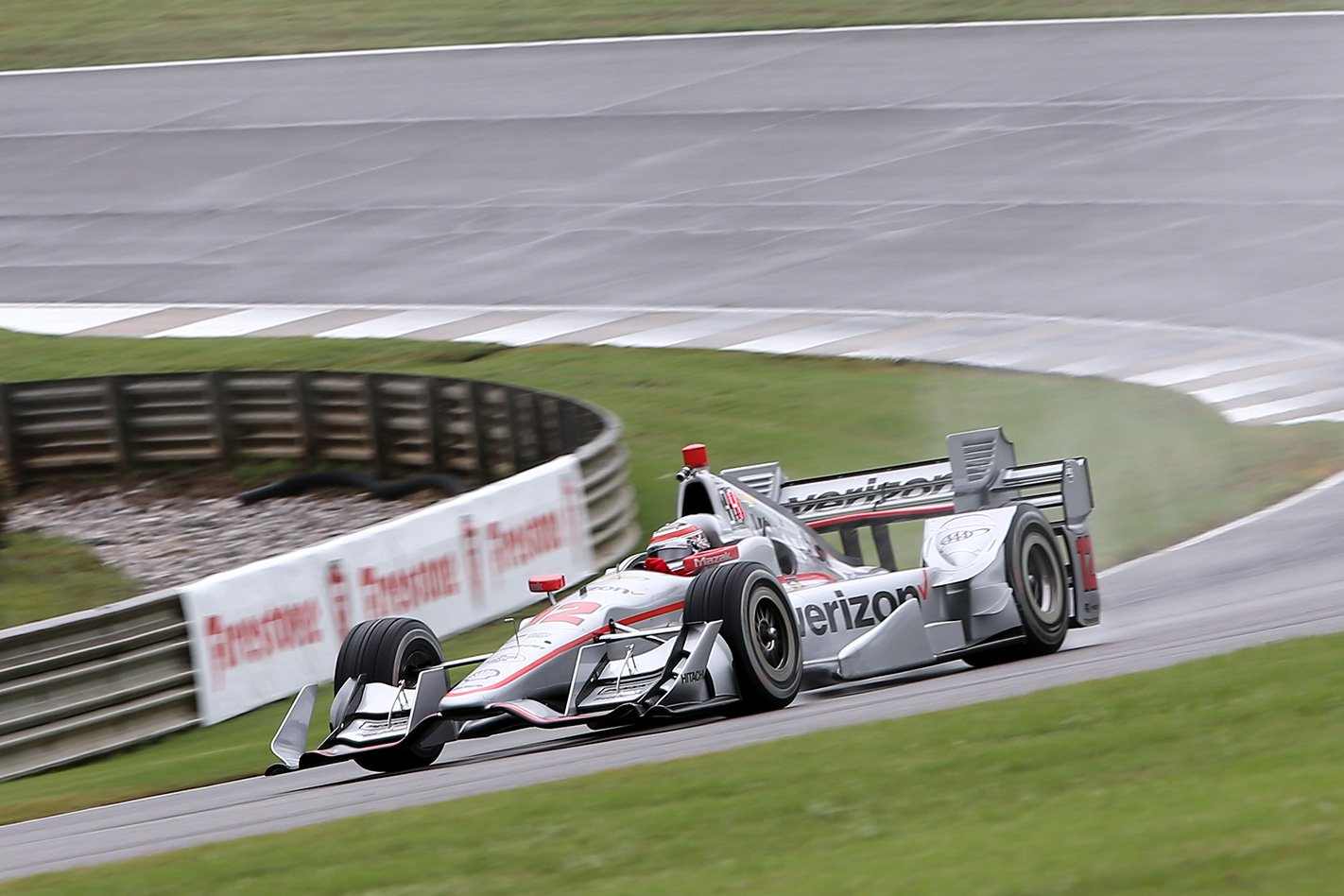
Power, who earlier won his 46th Indy pole position, has the pace, but not the luck.
What stands out?
The Audi A3 is an elegant and luxurious small sedan or hatch with a big range of features and options. It has strong safety credentials and is fun to drive, in town and on the open road. You can choose from three fuel-efficient turbocharged petrol engines, and all-wheel drive is available. Auto braking is standard.You can also read our review of the A3 that this facelifted car replaced in December 2016.
What might bug me?
Stop-start driving with the automatic transmission. The S-tronic dual-clutch auto gearbox supplied with all A3s is great once you’re moving, but many drivers do not find it as smooth and easy in town as a conventional or CVT auto.Driving at 80km/h on your space-saver spare, until you can fix your full-sized flat tyre.If you have chosen the least costly A3, the 1.0 TSI Sportback, waiting for the engine to restart after it has stopped automatically in traffic. The turbocharged three-cylinder seems to hesitate momentarily when you’re ready to move off, before coming back to life.That Audi owners experienced months of uncertainty as parent Volkswagen Group developed its response to the Dieselgate scandal that erupted in September 2015, when it admitted that 11 million of its diesels sold worldwide had been capable of cheating emissions tests. Audi says all engines supplied with the current A3 comply with pollution standards – and in Australia, it no longer offers a diesel A3.
What body styles are there?
Four-door sedan and a five-door hatchback (Audi calls its hatchback the Sportback).(An A3 Cabriolet with a folding roof is also available, but is not covered in this review.)The Audi A3 drives either its front wheels or all four wheels, depending on the version. It is classed as small car, higher priced.
What features do all Audi A3s have?
A sound system with a radio and CD player, Bluetooth connectivity for mobile devices, and eight speakers, controllable from a 7.0-inch colour screen that recedes into the dashboard when the car is parked.Satellite navigation with voice control – tell it where you want to go, and it will plot a route for you.Dual-zone climate control (which lets you set different temperatures for each side of the cabin).Cruise control, which can also operate the brakes to prevent you from exceeding the set speed (on downhills, for example).A leather-wrapped steering wheel that carries buttons for operating the cruise control, the audio system, and your phone.A reversing camera, and front and rear parking sensors.Windscreen wipers that operate automatically when it rains, and extremely bright Xenon headlights that turn on automatically in low light.Alloy wheels, which are lighter and more stylish than steel wheels, and a speed-limited, space-saver spare wheel.A tyre pressure monitor, which warns you if a tyre has lost air (this can give you extra time to get a slow puncture seen to).Audi Pre-sense City, which provides autonomous emergency braking at speeds up to 65km/h.Seven airbags. Electronic stability control, which helps you control a skidding car and is mandatory on new cars. (For the placement of airbags, and more on A3 safety systems, please open the Safety section below.)The A3 is backed by a three-year, unlimited kilometre warranty.
Which engine uses least fuel, and why wouldn’t I choose it?
Three turbocharged petrol engines are offered in an A3, and the most fuel-efficient is the smallest and least powerful – the 1.0 litre three-cylinder supplied with the least costly A3, the 1.0 TFSI. It uses no more than 4.9 litres/100km on the official test (city and country combined).The main reason you would not choose this engine is that you want more performance from your premium small car. The 1.0 emits an endearing thrum, and provides as much thrust as you need for suburban driving and steady freeway cruising. Arguably, it is the engine of choice if your A3 will see city use almost exclusively. But it isn’t exciting.Another reason could be that you want a sedan: the 1.0 TFSI comes only as a Sportback.A third reason is that the more broadly capable, four-cylinder, 1.4 TFSI CoD uses barely any more fuel unless you’re working it very hard. (CoD stands for cylinder on demand – the 1.4 engine can automatically and imperceptibly shut down two cylinders during gentle driving, saving petrol.)Even the very much stronger 2.0-litre four-cylinder in an A3 2.0 TFSI Sport or quattro S Line uses no more than 6.2 litres/100km on the official test. (In the real world, however, you might use 10 litres/100km or more if you exploit its performance.)All A3s have a seven-speed dual-clutch automatic gearbox, which Audi calls an S-tronic gearbox.(Power outputs and all other Audi A3 specifications are available from the Cars Covered menu, under the main image on this page.)
What key features do I get if I spend more?
There are two ways of spending more on an Audi A3. One is to enhance any A3 with the long list of options Audi offers, many of them bundled in packs. Another is to choose one of the more powerful engines, each of which brings other enhancements to the car – including the possibility of all-wheel drive.Available on any A3 is an Assistance package that brings several driver aids, designed to reduce fatigue and help you avoid a crash. It begins with Adaptive cruise control with Stop and Go, which can automatically match your speed to that of a slower car ahead on the highway – controlling the engine and brakes – until you can overtake. It can also hold your position automatically in stop-start traffic. It is complemented by Audi Pre-sense Front, which extends the operating speed of the auto emergency braking to 200km/h. Also included are Lane assist, Side assist, and Cross-traffic assist rear. And there is High beam assist, which automatically toggles your headlights between high beam and low beam at night, so as not to dazzle other drivers. (For more on these systems, please open the Safety section below.)A Comfort package adds power-adjustable front seats with heaters, an interior mirror that dims automatically so as not to dazzle you with reflected headlights from a following car, and power-folding exterior mirrors with demisters. There’s also smart key entry, which lets you enter and start the car without handling the key: provided you have the key nearby, doors unlock when you touch a door handle.A Technik package brings you Audi’s virtual cockpit, introducing an expansive, 12.3-inch, high-res colour display, in the instrument binnacle ahead of the driver, that replaces conventional dials. Multi-configurable, it is like a desktop for important vehicle functions, including sat-nav mapping, audio, and climate control. You also get satellite navigation with voice control, digital radio tuning, and a DVD player.You can add any or all of these to an A3 1.0 TFSI, which also has cloth-covered seats, 16-inch wheels, and the features common to all A3s.If instead – or as well – you would like one of Audi’s more powerful engines, the first step in price is to the A3 1.4 TFSI CoD. As well as the 1.4-litre four-cylinder, that brings you paddle shifters on the steering wheel, and 17-inch wheels with wider and shallower (lower profile) tyres, for a bit more grip and steering precision. The 1.4 also comes with leather upholstery, metallic finishes on cabin parts such as the air vents and window switches, illuminated front footwells and cupholders, and overhead reading lights.Spend more again on a 2.0 TFSI Sport and you get the most powerful engine in an A3, the 2.0-litre four-cylinder. In addition to what comes with a 1.4 you get Audi’s smartphone interface, which brings support for Apple CarPlay and Android Auto (allowing you to plug in your phone and control some apps from the touchscreen). You also get Audi Drive Select, which lets you adjust how lazily or immediately the car responds to your steering and use of the accelerator. The front seats have extra side-support, to hold you in place around corners. And you get blind-spot and rear cross-traffic alerts.(You can add Audi’s smartphone interface to a 1.0 or 1.4, and Audi Drive Select to a 1.4.)If you would like some extra traction when it’s slippery, or when accelerating out of slow corners, you could pay some more for an A3 2.0 TFSI quattro S Line, which uses the same 2.0-litre engine but drives all four wheels. The 2.0 quattro rides 15mm lower than the other A3s, for more stability in turns, and it has 18-inch wheels. As well, its headlights substitute very bright and long-lived LEDs for the other cars’ Xenon bulbs.
Does any upgrade have a down side?
The A3 quattro sedan has a smaller boot (390 litres versus 425 litres), because the boot floor sits slightly higher to accommodate the four-wheel drive system.In any A3 quattro you will notice bumps a bit more, because their lower-profile 18-inch tyres (from the side, they look skinnier) put less air between you and the road. These tyres also cost more to replace.Black and white are the only standard colours. The other 10 colours cost extra.
How comfortable is the Audi A3?
Excellent presentation distinguishes any A3 cabin. A clean, uncluttered design positions major controls in logical positions, each accessed easily by the driver. The circular air vents exemplify the functional elegance, their outer ring rotating to adjust air flow.Surfaces and textures are of high quality, and reinforce the Audi’s luxury positioning. The steering wheel adjusts for height and reach.The A3’s standard eight-speaker audio system sounds crisp and punchy. An optional 10-speaker system adds a subwoofer for more bass, delivering a richer, fuller sound.Audiophiles who order the optional 14-speaker system from Hi-Fi specialist Bang & Olufsen gain more clarity from high notes and a still more immersive experience.With the music off, the cabin of an A3 is quiet compared with other small luxury cars, succumbing only to some mild roaring from the tyres on poor bitumen surfaces at freeway speeds.An A3 rides in a comfortable but well controlled manner, absorbing bumps succinctly. Its suspension is particularly good above 80km/h, recovering quickly and keeping the body in check.If ride comfort in the city is among your highest priorities, then the 1.0 TFSI is the pick of the A3s, mainly because its higher profile tyres absorb small bumps better at low speeds.A3s on larger wheels and tyres also ride nicely, however. The firmer Sport suspension that comes standard with a 2.0 quattro (and is optional on other A3s) reduces bump compliance slightly.
What about safety in an Audi A3?
The mandatory stability control, seven airbags, very bright Xenon auto-on headlights, LED daytime running lights, auto windscreen wipers, and seatbelt warnings for all five passengers, supply a solid safety foundation in an A3. In addition, all A3s come with auto emergency braking that helps you avoid city-speed rear-end crashes.There are two airbags directly in front of the driver and front passenger; a driver’s knee airbag; an airbag alongside each front occupant to protect the upper body; and a curtain airbag down each side of the car at head level, protecting front and rear occupants from side impacts.The standard Audi Pre-sense City collision detection system warns you of imminent frontal crashes and is calibrated to recognise pedestrians. If you ignore the warning, it can apply the brakes automatically at speeds up to 65km/h, with the aim of avoiding the crash or mitigating your impact speed.There is also Attention Assist, which monitors your control inputs and warns you if it concludes you may be falling asleep at the wheel.The A3 2.0 TFSI Sport and 2.0 quattro add Side assist and Cross-traffic assist rear. Side assist uses rear-facing sensors to scan your rear corners, warning you of adjacent or fast-overtaking cars that might not appear in your mirrors. Cross-traffic assist scans behind and to either side when you are reversing, warning you of approaching vehicles.On any A3 you can add crash-avoidance aids with the optional Assistance Package. As well as Adaptive cruise control and auto high-beam, this brings you extended auto braking that relies on radar and camera sensors. Audi Pre-sense Front can warn you of hazards ahead at speeds up to 200km/h, applying partial braking automatically if you ignore the warning.The included Active lane assist helps you avoid drifting dangerously into another lane on the highway, perhaps from distraction or fatigue, monitoring lane markings and applying gentle steering pressure to wake you up and bring the car back if it is wandering.And the pack adds Side assist and Cross-traffic assist rear to A3s that don’t have these.The Australasian New Car Assessment Program (ANCAP) awarded the Audi A3 its maximum five stars for safety, in May 2013.
I like driving – will I enjoy this car?
Definitely. The A3 is easy to drive when undertaking daily duties, with light, accurate steering. It is also nicely primed for more challenging roads, with a lightweight body and nimble handling. All A3s grip very well.One advantage provided by quattro A3s is more stable take-offs if you attempt a quick getaway on wet roads. A front-wheel drive A3 1.4 or 2.0 TFSI has enough go from low speeds to generate some slip from a front tyre in such conditions, before the electronics step in to control it, possibly leading to the tyre bouncing briefly (known as axle tramp). In a quattro the extension of drive to the rear wheels results in smoother and swifter progress.However, quattros come with the lower and firmer Sport Suspension setup which is optional on the other cars, which means you will feel more bumps. The plus side is sharper steering responses and less leaning of the body through corners. During fast direction changes in particular, the car feels more sure-footed. The benefits are more pronounced during brisk driving.The 1.0 TFSI Sportback uses a torsion-beam rear suspension system that is cheaper to produce than the superior multi-link setup on other A3s. On smooth roads it drives almost identically, but when cornering at high speeds on bumpy surfaces the other cars feel more stable.The engines available in an A3 offer a big spread of performance.The 1.0 TFSI has a characterful snarl to it when driven hard, with useful pull if you give the free-revving turbocharged engine its head. That said, it won’t provide the superior highway performance you might hope for from a prestige small car.Those who want more under their right foot for overtaking will prefer the four-cylinder A3s. The 1.4 is very willing and zippy.The 2.0-litre A3s offer a lot more pull at all speeds. The 2.0 is a sweet engine that feels feisty around town and on the open road. The Drive Select button on these cars allows you to add a little weight to the steering for highway driving, which feels more reassuring in high speed bends.The S-tronic transmissions work beautifully once you’re moving, with quick, decisive gearchanges – controllable manually from paddles on the steering wheel in all but the 1.0 TFSI.
How is life in the rear seats?
The A3 is a small car and tall adults seated in the back may wish for more leg room. Big feet, too, won’t have much wriggle room under the front seats.But the outer rear seats are comfortable and there are dedicated rear vents to bring you heating and cooling.Three adults across the rear will be tight, and that middle occupant will have to deal with a large lump in the middle of the floor.Headroom is slightly less in the sedans than in the hatches, due to the more pronounced tapering of the sedan roof.
How is it for carrying stuff?
The Sportback, or hatch, has a luggage capacity of 340 litres – about the small-car average.The rear seat split-folds 60-40. You can option a 40-20-40 rear seat if you want greater flexibility for long loads.The boot on the sedan is 170mm longer, which increases nominal luggage capacity by about 10 per cent.
Where does Audi make the A3?
Audi A3 hatchbacks are produced in Germany, and the sedans in Hungary.
What might I miss that similar cars have?
Possibly even more power and sportier handling, which is available from the very similar Audi S3.If you like the idea of roof-down motoring, you can enjoy it in a convertible that Audi calls the A3 Cabriolet. Both the S3 and the A3 Cabriolet share most features with the current A3 Sportback and Sedan.Audi also makes a plug-in petrol-electric hybrid A3 Sportback called the e-tron. You can charge it from a household power socket (or the fast-charge station Audi subsidises when you buy the car), and it can travel about 40km on a fully charged battery alone – giving you quiet, cheap, city driving with zero exhaust emissions. The Sportback was not upgraded in December 2016 with the other A3s, however, and therefore does not supply auto braking as standard.If you do a lot of country driving, possibly even better fuel efficiency from a diesel engine – available in the BMW 1-Series, Mercedes-Benz A-Class and CLA, Volvo V40, Mini five-door hatchback and Infiniti Q30, for example.Another car worth considering is the Lexus CT200h.It is also worth looking at the Volkswagen Golf. The A3 shares many components – including engines and gearboxes – with the Golf.
I like this car, but I can’t choose which version. Can you help?
Our pick is the 2.0 TFSI Sport. Its price premium over the less powerful A3s seems modest given its superior performance and additional features.As for the choice between sedan and hatch, that will depend on personal preference. The hatch’s extra loading flexibility would make it our choice.
Are there plans to update the A3 soon?
The current 8V series A3 arrived in 2013, and the Sportback e-tron was added about August 2015. A high-powered turbo five-cylinder RS3 variant (not covered in this review) joined the local line-up in October of 2015. A reversing camera was fitted standard to all cars for the 2016 model year, from about November of 2015.The A3 received a significant update in December 2016, dropping its diesel engine option but gaining city-speed auto braking among many other enhancements. The upgrade applied to the S3 and Cabriolet also. A similar upgrade for the Sportback e-tron is expected late in 2017.All-new A3 is expected late in 2018 or in 2019.
WE MIGHT be a far-flung nation many miles from General Motors’ Detroit headquarters, but Holden’s design centre in Australia is the only other facility in the world capable of taking a concept from the drawing board to a full-size rolling prototype.
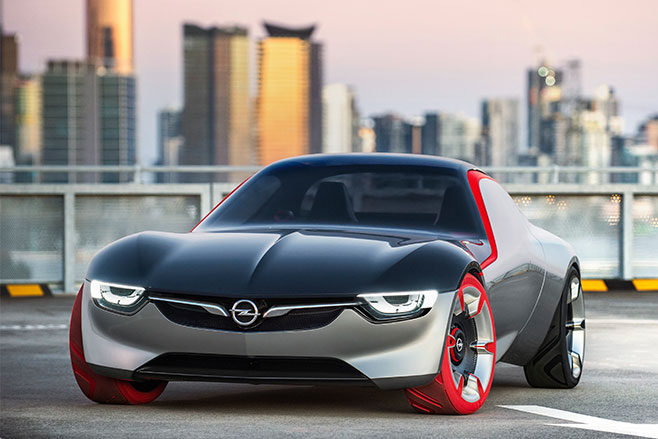
And that ability was most recently demonstrated in spectacular style with last year’s Opel GT concept that debuted at the Geneva Motor Show.
Renault envisions Formula 1 car of the future
The Opel’s birthplace was hammered home by the first official photos released ahead of its public appearance in Switzerland, which proudly used the Melbourne city skyline as its backdrop and even featured parts of the old Holden factory on Fishermans Bend.
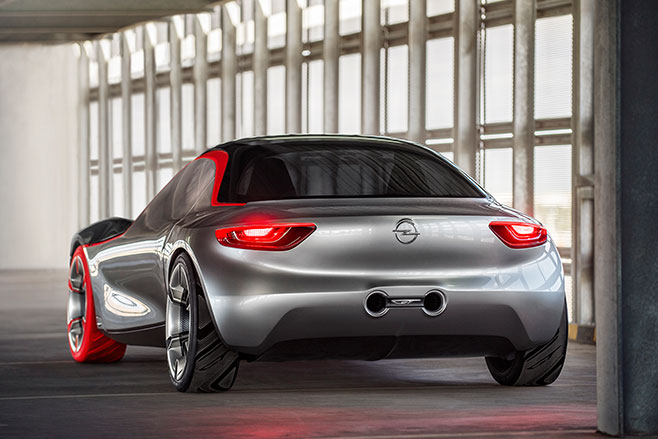
Rather than a monstrous eight-cylinder under its bonnet, the GT has five fewer cylinders and just 1.0 litres at its disposal. Output from the three-cylinder is a diminutive 107kW and 205Nm of torque, but thanks to a sub-1000kg mass, the little Opel can get to 100km/h in less than 8.0 seconds.
Shanghai Motor Show: Audi e-tron Sportback Concept previews all-electric fastback SUV
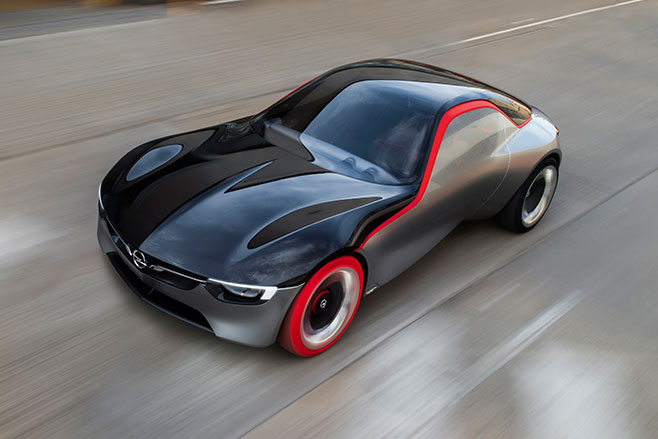
Mechanicals, figures and facts aside, the Opel really excels in its styling with a true elegant coupe profile but outlandish features.
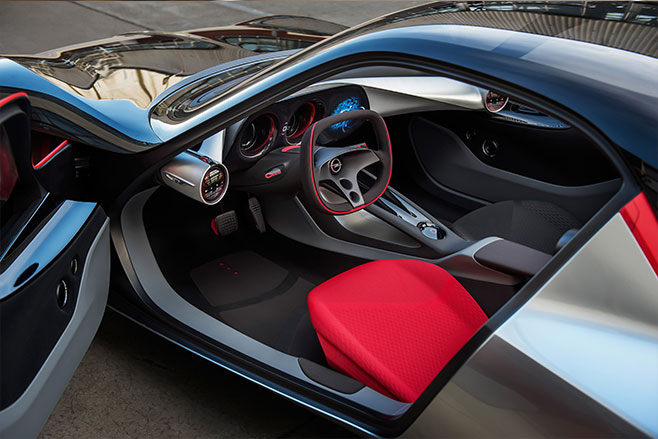
For a start, its red front tyres courtesy of Hankook are unapologetically conspicuous and tie into the flash from tail-lights, through the window profile to the front wheel arches. The signature is not just a blatant show floor head-turner and actually pays homage to the company’s 1928 MotoClub 500 motorbike, which also wore red rubber.
Its GT moniker is woven into the bespoke tyre tread and the space between the pair of centrally mounted exhaust tail pipes, as well as the leading edge of the doors and the ends of the dashboard to proudly display the Opel’s model name when boarding.
Mercedes-Benz A-Class sedan concept revealed in China
Opel’s design team crafted the GT into a largely seamless body, with its smooth curves broken only by its red stripes and a barely visible door shut-line. Its door skin blends unbroken into the window pane, which is transparent from the inside but appears almost completely opaque to people outside the car.
Okay – so the Opel GT might not have been penned on Australian turf, but it was Holden’s prototype team that gave it form, and we can’t help thinking that there is just a little red dirt in those fabulous front tyres.
FOR the next instalment in our great Aussie concept car series we have not one, but two designs from Ford Australia, both paying homage to one of the most well-known vehicles in Aussie pop culture: the Mad Max Interceptor.
For the uninitiated, or anyone who has been living under a rock since the 1979 cult classic Mad Max made its debut, the Interceptor was the titular character’s jet black 1973 XB Falcon GT coupe, which he piloted around a bleak post-apocalyptic Australian outback.

The result was two striking cars which made their debut at the Australian International Motor Show, and wowed audiences both locally and overseas, with international media leaping to cover the cars.
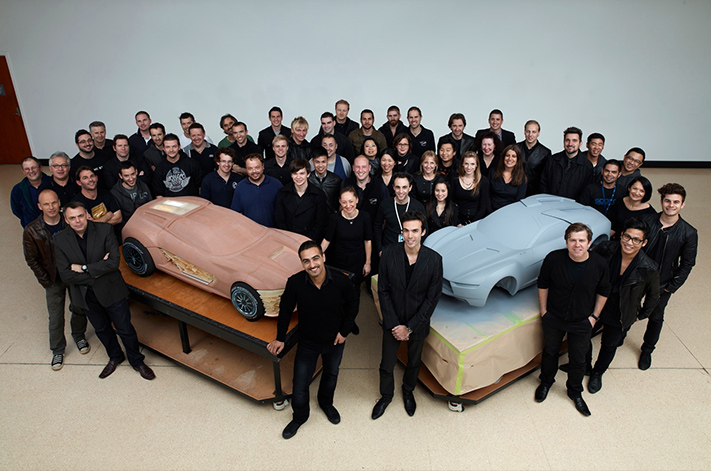
Despite carrying official Ford Australia backing, the cars were worked on after hours as a labour of love from the Ford designers – led by the regional passenger car design chief at the time, Todd Willing.

Designers Nima Nourian and Simon Brook were responsible for penning the two finalists, and dreamed up the perfect apocalypse-appropriate tech for the cars, like bumper-mounted tasers, a titanium-lined body shell, and wheels with extendable spikes.
Ex-Wheels editor Stephen Corby was at the helm of Top Gear Australia magazine at the time, and was blown away by the response generated by the cars.
“We’re delighted that both our readers and the social web community have warmed to the car,” he said. “The level of interest has really taken us by surprise, particularly with online media.”
“It has given our team a lot of scope to really extend their imaginations and come up with some exciting new ideas,” he said.
“The team has been able to get quite creative because the Mad Max car is not constrained by the normal design parameters imposed by a real-world vehicle.”
QUESTION – MARTIN (5/10/2016):
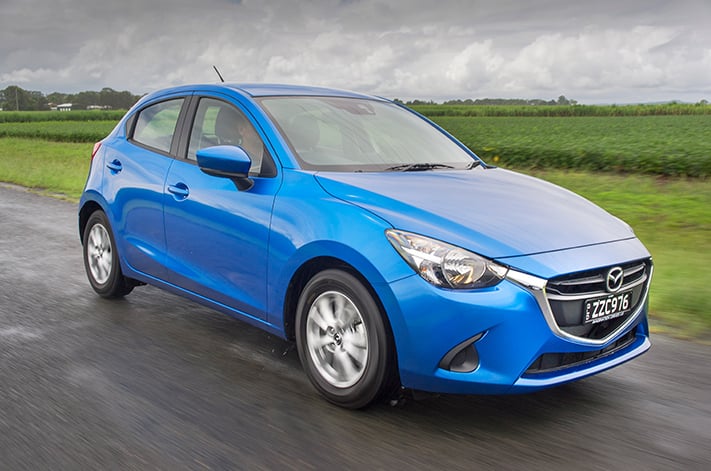
My wife has a Mazda2 and we’re buying another new car. At the dealership, we looked at the Mazda2 Genki and Mazda CX-3 Maxx. Is there another car we should look at? We drive mainly city and a little in the country; approximately 10,000km a year. We want a car with lots of features.
BUDGET:
$30,000
ANSWER – SAMANTHA STEVENS:
The Mazda2 is a fabulous city car, and within your budget you can load up on the features and specification. The CX-3 is also an excellent vehicle, with more room and a higher driving position than the diminutive Mazda2, however being a compact SUV, it will have some more costs associated with it; not just the buying price, but also slightly higher running costs such as registration, insurance, tyres, fuel consumption etc., so be sure a SUV suits and fits your lifestyle.
QUESTION – LEIGH (2/1/2017):
We currently own a 2011 Suburu Impreza and while we’ve enjoyed it, it doesn’t have enough travel storage or storage for a pram (we’re planning to have a child in 2018). It’s also far too slow. We’re not big rev heads, but often on small hills I’ll have my foot flat to the floor and the car won’t maintain speed.
We do a fair bit of highway country traveling and would welcome a car that is comfortable to drive. Other features like leather seats would also be nice.
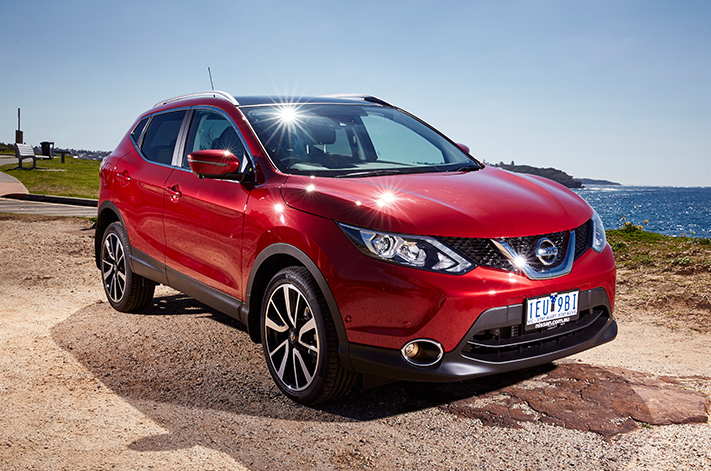
So far we’ve enjoyed driving the VW Golf Alltrack (with comfort and driver assistance packages added), and the Nissan Qashqai Ti. I was also thinking about test driving a Suburu XV. What do you think of these vehicles? Is one better than the other? Is there any other car you’d recommend we consider?
BUDGET:
$45,000
ANSWER – NATHAN PONCHARD:
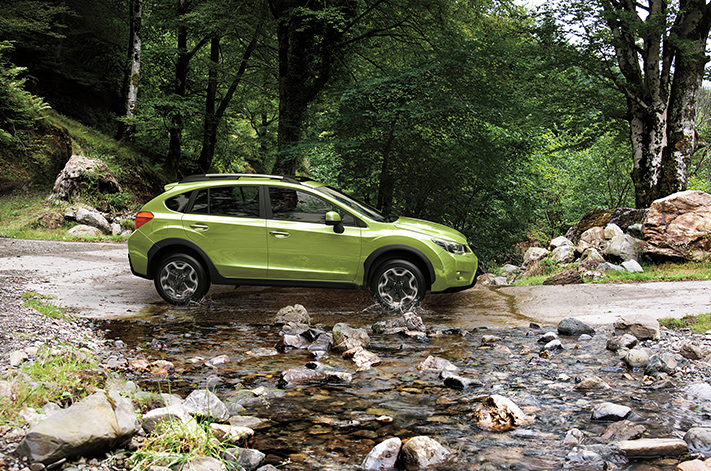
Firstly, we agree with you about your 2011 Impreza – desperately underpowered at times, and nowhere near enough luggage space. The same also applies to the current XV (it’s an Impreza hatch on stilts), though there is an all-new XV coming in June which is much-improved.
The car the new XV is based on – Subaru’s just-released new-generation Impreza – is also a vast leap ahead of your car. It still isn’t the fastest thing on the road but it’s certainly stronger, with a much bigger interior and improved luggage space.
Otherwise, the Golf Alltrack is a hugely capable alternative. More expensive, yes, but gruntier than the also-AWD Subaru, with proper wagon luggage space. No car in the Golf’s class can beat its all-round polish and refinement, though you do pay for it.
We’d also recommend the Peugeot 308 Touring as a wagon alternative. It doesn’t get all-wheel-drive but it is highly fuel efficient, effortlessly accelerative and has a superb interior – both roomy and beautifully finished. You should be able to get an MY16 model on run-out (the mildly updated MY17 range isn’t fully on sale yet), meaning a highly specced example for $40K.
