Prototypes of the 2018 M5 are making more frequent appearances in the public eye As BMW readies its response to Mercedes-AMG’s 450kW E63 uber-sedan, and this latest video is our best look yet at the Bavarian brand’s all-paw heavy hitter.
Captured at the Nurburgring Nordshleife circuit in Germany, this particular prototype is especially notable for one thing: the sound it makes. There’s also the potential that this car is a development hack for a performance-focused M5 CS variant.
Though the 2018 M5’s powertrain is expected to be a 4.4-litre twin-turbocharged V8, just like the current model, expect a harder-edged, higher-pitched exhaust note. In the opening shot, it almost sounds like it’s capable of revving substantially higher than the current car’s 7500rpm redline too. Check it out.
And it’ll probably need to. In its most potent form the outgoing F10 M5’s 4.4-litre S63TU engine made 441kW and 700Nm, so the incoming F90 M5 will need to pump its output to well beyond those figures if it is to challenge the 450kW 4.0-litre V8 of the E63 S. With a rumoured move to all-wheel drive, the new M5 will also need that extra oomph just to offset the added weight of a powered front axle.
Benz’s brawler of an E63 S can leap to 100km/h in 3.4 seconds, and we’d expect the new M5 to be in the same ballpark. Power outputs are still secret, but the rumourmill has run the F90’s peak figure as high as 480kW.
And with the newly-launched BMW M550i xDrive boasting a 0-100km/h stat of 4.0 seconds with ‘just’ 340kW (that’s three-tenths faster than the now-departed F10 M5), its brawnier M5 brother will definitely be deep into the three-second range.
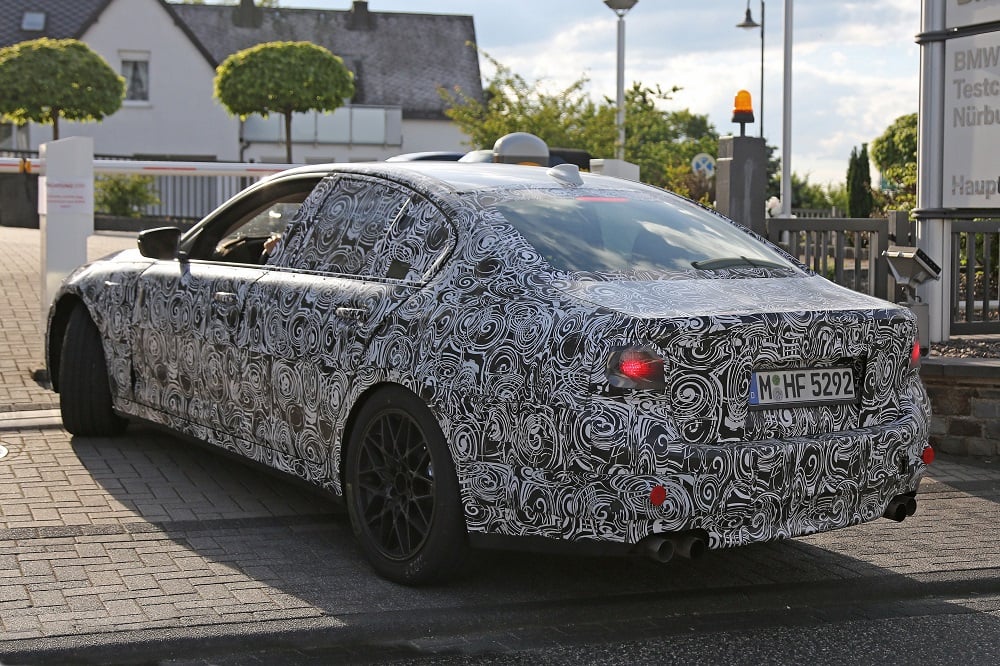
As for the car’s transmission, it’s possible the M5 could step away from the dual-clutch gearbox of the current model and feature a conventional torque-converter auto instead. The X5M and X6M – which also use a twin-turbo V8 driving all four wheels – utilise a traditional eight-speeder rather than a dual-clutch, so there’s precedent.
Plus there’s the recent revelation by BMW M’s marketing vice president Peter Quintus that the brand will progressively transition its models away from dual-clutch autos in favour of the humble hydraulic automatic. You can safely wave goodbye to manual M5s for the future as well – the demand simply isn’t there anymore.
Hooking powertrain and drivetrain together will be an all new chassis with extensive use of aluminium, magnesium and carbon fibre elements to shave weight and compensate for the AWD system’s extra mass.
Expect to see the F90 BMW M5 at the Frankfurt Motor Show in September, with an Australian launch likely to occur in the first half of next year.
LOTUS’ fetish for rolling out low-production special editions of its diminutive sports cars is legendary, but while jaded types may roll their eyes at yet another press release from the Hethel-based manufacturer, this latest limited edition Lotus absolutely warrants your attention.
Grant Denyer in brutal Lotus Exige crash – VIDEO
The Lotus Exige Cup 380 uses the mechanical gubbins of the Exige Sport 380 as its foundations, but boasts one crucial advantage: you can put number plates on it.
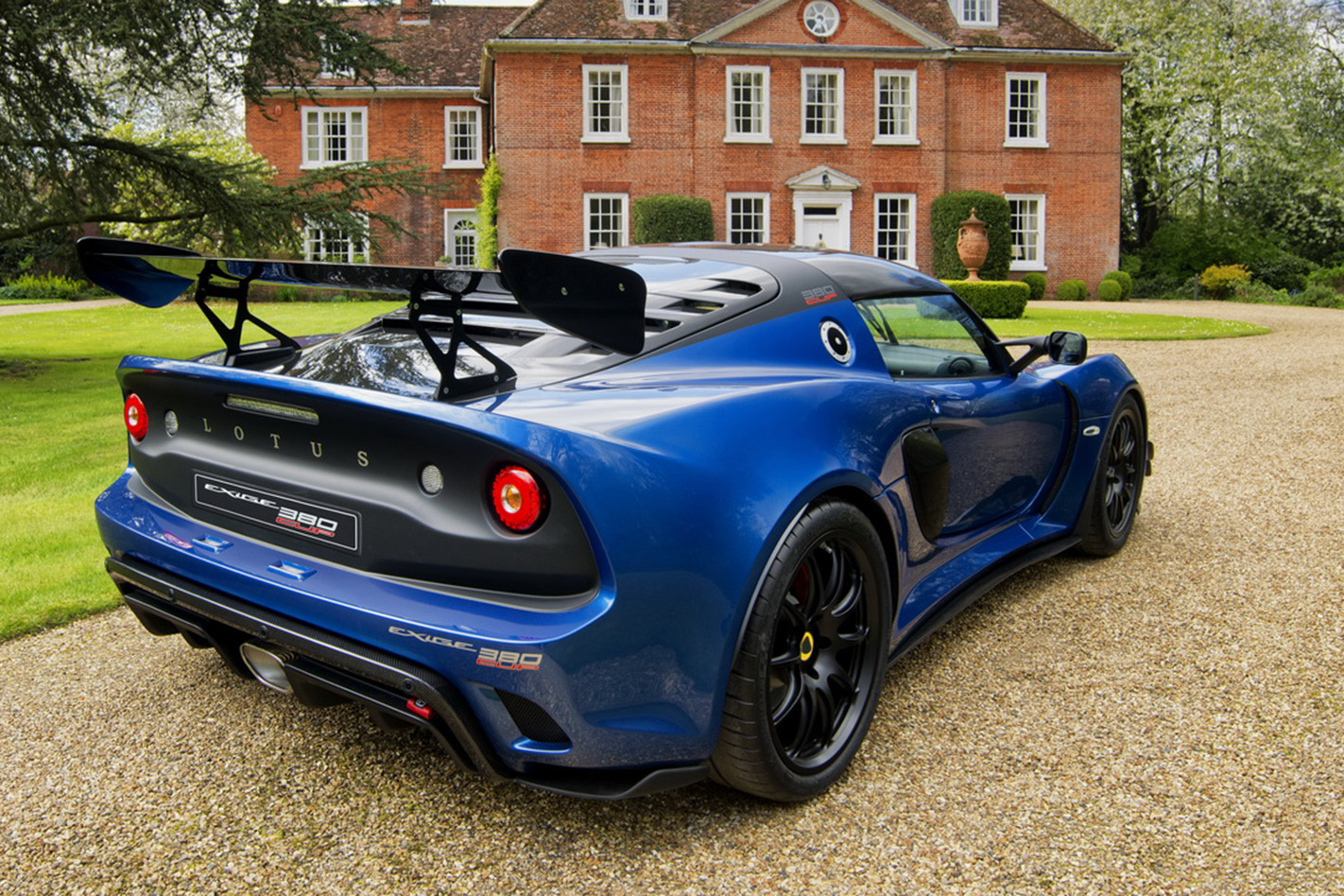
Pitched as the ultimate weekend warrior, the Cup 380 is designed to not only dominate at track days, but also be civil (and legal) enough to drive to and from the track. There’s no specialised racecar rubber around its 18-inch lightweight alloys, just Michelin Pilot Sport Cup 2 semi-slicks. There are even airbags to keep you safe on the street, though Lotus will delete them if you ask nicely enough.
2016 Lotus Exige S Roadster review
Carbon fibre features heavily in the Cup 380’s construction, both in structural components and as part of its extensive aeroydynamics package. It’s not just for the sake of flaunting glossy carbon weave either – all of those carbon aero bits add some 200kg of downforce at its 280km/h top speed.
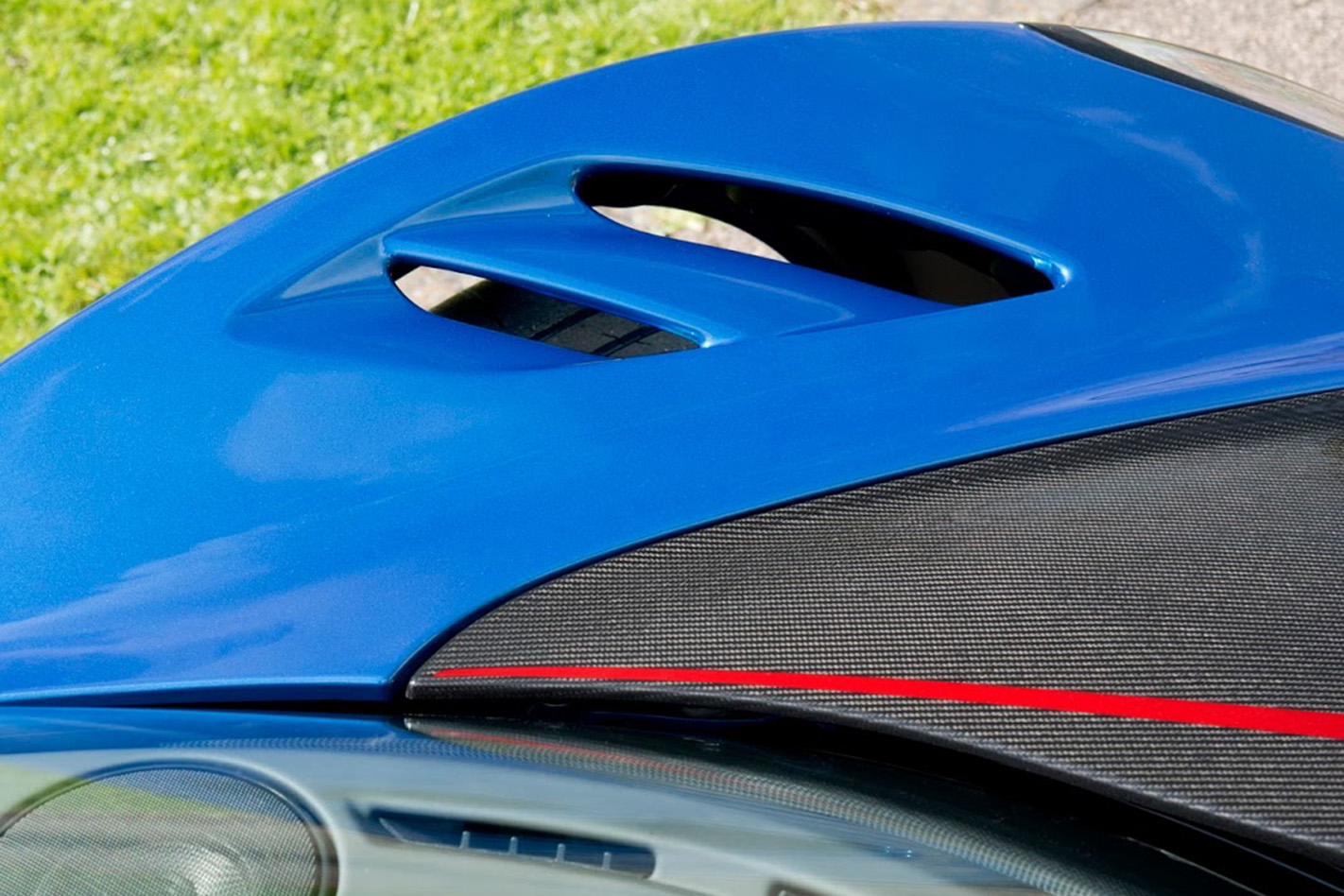
It tips the scales at a scant 1057kg dry – 17kg less than the track-only Sport 380 – and if that’s not enough, an optional full titanium exhaust slashes 10kg from the rear of the Exige. Serious track junkies can also spec an FIA-compliant roll cage, race harnesses and integrated fire extinguisher.
The engine is the same Toyota-sourced 3.5-litre supercharged V6 as the Sport 380, driving the rear wheels via a six-speed manual transaxle that’s actuated by a beautifully intricate exposed shifter mechanism. Given enough beans the Exige Cup 380 will rip to 100km/h in a brisk 3.6 seconds, while a beefy AP Racing brake package with four-piston front calipers and two-piece rotors helps reel in all of that speed.
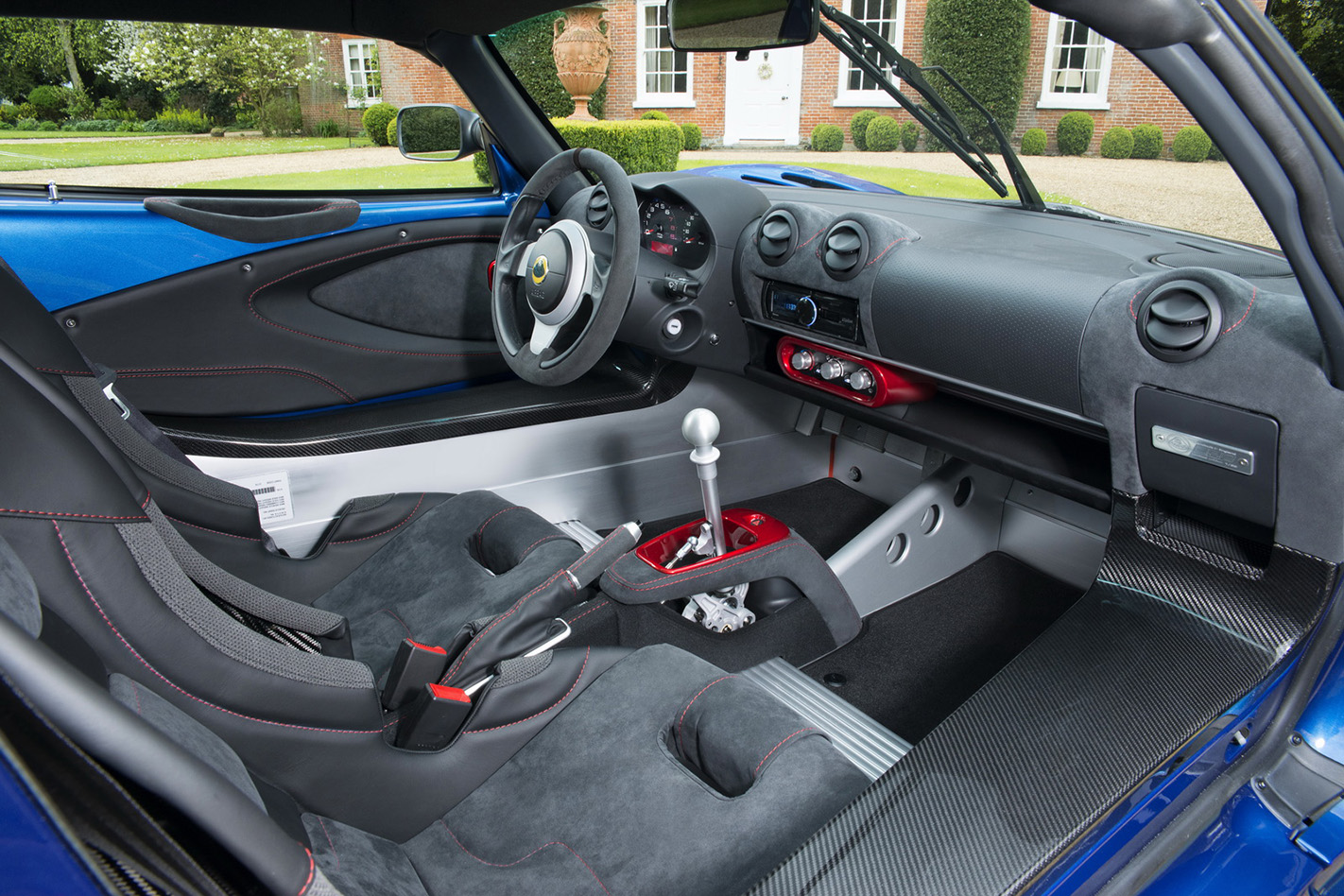
Handling is also enhanced by a six-state variable stability control system, which allows the driver to choose between five varying levels of intrusiveness, plus an ‘all off’ setting for the truly brave.
Downsides? Only 60 Exige Cup 380s will be built, and it’s unclear how many – if any – will be coming to Australia. Price? In the UK, one of these will set you back £83,000 (AU$141,000).
THE WHEEL-STANDING Dodge Challenger SRT Demon has had the motoring world champing at the bit and reeling at its single-minded ridiculousness.
Dodge’s latest weapon wields huge numbers like 626kW and 1043Nm, and is technically a street-legal road car, though it expressly built with one purpose: to dominate the drag strip.
It does so with ferocity thanks to features like a transbrake, the likes of which has never been seen on a production car before. And that’s just one of many ‘firsts’ the Demon has to its name, but it isn’t the first quarter-mile-orientated car to hit showrooms. Here are five of the best from history:
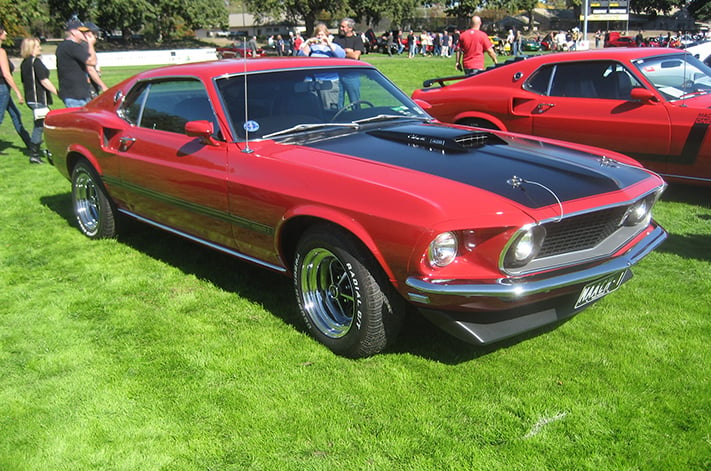
5. Ford Mustang Cobra Jet
The year is 1968 and Ford is getting a tarnished reputation on streets around the USA thanks to big-block Camaros and Firebirds, and wicked-up Dodge Darts and Plymouth Barracudas. Ford decided to return serve with the ’68 Mustang 428 Cobra Jet.
As the name suggests, it had a 428ci (7.0-litre) V8 under the hood, with ram-air induction and a hood scoop feeding a four-barrel carburettor. The Blue Oval claimed power output of 249kW, but this was a ploy to placate the insurance men of the era. In reality, the Cobra Jet made more like 305kW. Eight especially track-prepared Cobra Jets formed Ford’s factory drag racing team, dominating the competition by posting relatively unheard of 11.5-second quarter mile passes. A modern Mustang Cobra Jet is available today as a turn-key race car that can be wheeled from the showroom to the strip and run eight-second passes.
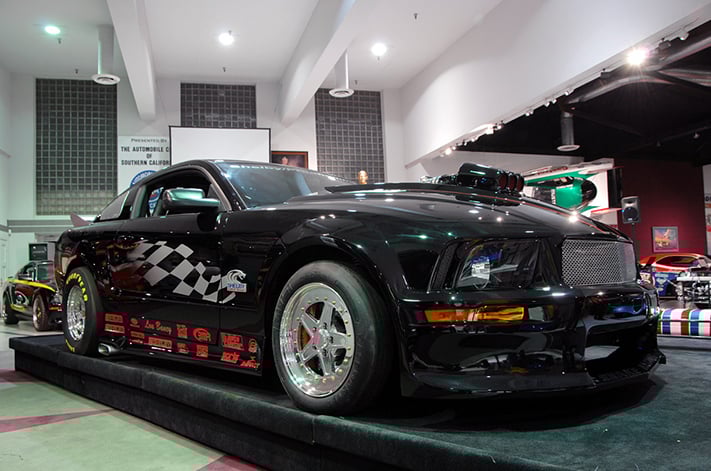
Staying with Ford, this 2009 ‘stang special comes from iconic tuners Shelby, and is named after legendary drag racer Don “The Snake” Prudhomme. This $132,000+ package turned a standard Mustang into a 596kW (559kW on pump fuel) monster that would destroy the strip.
Ford Falcon decimates Lamborghini in drag race
Modifications included a clamshell-style one-piece front clip which folded forwards, a larger supercharger, slick drag tyres (street rubber is an optional extra), lower side skirts and a rear ‘drag’ wing, 8-point roll cage, rear seat delete, and side-exit exhaust. Epic.
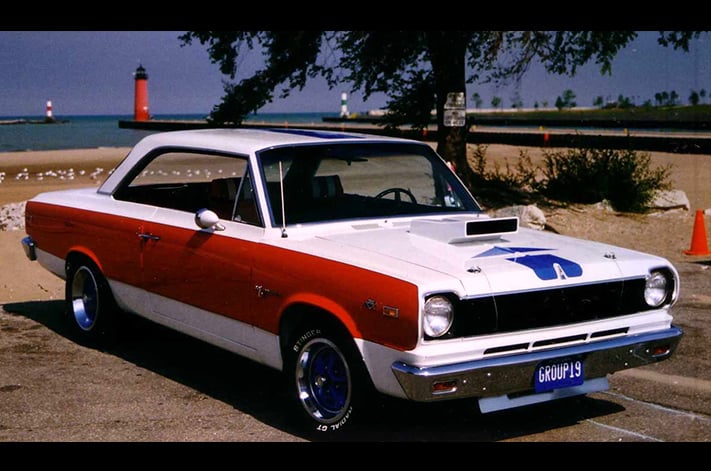
Developed by tuners Hurst, in conjunction with AMC, the SC/Rambler was a special model with a limited production run of 1512 units. The NHRA (America’s peak governing body for drag racing), even created a competition class specifically for the Rambler, known as F/Stock.
The SC/Rambler would complete the quarter mile in 14 seconds, had zero options, and a suggested retail price of less than $4000 at the time. Under the hood was a 6.4-litre naturally aspirated V8, producing 235kW, sending power to the rear wheels through a four-speed manual transmission and limited slip differential.
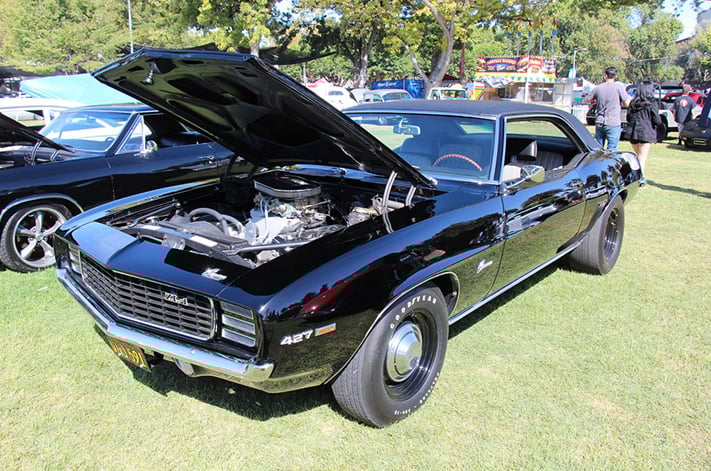
The original Camaro ZL-1 is one of the most legendary cars in Chevrolet’s history. It is the grandfather to not one, but two of GM’s quickest vehicles, the COPO turn-key race car, and current ZL-1 road car.
The story of the original ZL-1 revolves mainly around the factory’s decision to plonk the 427ci (7.0-litre) all-aluminium V8 (known as the ZL1) under the bonnet. The ZL1 donk was made for Chevrolet race cars and was never meant to be placed in a production vehicle, but the engine made its way into 69 ZL-1’s, with rumoured power figures as high as 372kW, and low 13-second quarter mile ETs.
2016 Ford Mustang v Holden Commodore SS-V Redline drag race video
The cars were created through a loophole in Chevrolet’s factory process. The Central Office Production Order, known as COPO for short, was a system which allowed dealers to order custom cars from the factory. It was intended for commercial vehicles, but dealers quickly discovered they could option the ’69 Camaro with the famed engine. The COPO name continues to live on in Chevrolet’s answer to the Cobra Jet Mustang.
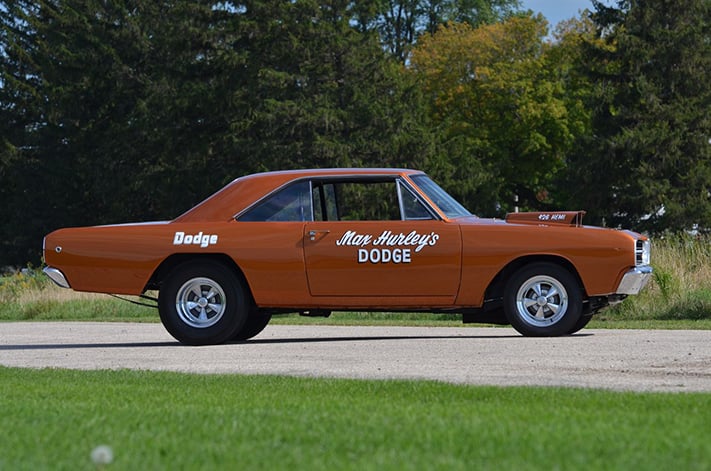
Arguably the most famous drag strip factory special is the ’68 Hemi Hurst Dodge Dart L023. The Dart L023 was developed with the help of Hurst Performance (who you might remember from the AMC above).
While the Hurst Darts appeared similar on the outside to the Dodge Darts of the era, under the skin the pair were vastly different. Dart shells were shipped to Hurst devoid of an engine, transmission and a plethora of other additional equipment. At its Michigan workshop, Hurst would install a 426ci (7.0-litre) Hemi engine by literally sledgehammering the right shock towers to ensure sufficient valve cover clearance.
The Hurst engine was rated at 316kW, but like many cars of the era, Hemi had understated the performance capabilities and many believed the real figure to be around 398kW. Power was delivered by either a TorqueFlite automatic or A-833 four-speed manual. The Hurst featured extreme weight saving measures, a serious bonnet scoop, and thick drag racing rubber. All this combined to low 10-second quarter mile passes at the hands of Dodge’s factory racers in stock trim.
Some of the world’s most beautiful and exclusive cars can be found at an auction held by the likes of RM Sotheby’s, but seeing a Ferrari LaFerrari, a Porsche 918 Spyder and a McLaren P1 on the same list is a whole new level.
Putting to shame an extensive list of impressive motors, including a 959 and an F40, is what petrolheads often refer to as the ‘Holy Trinity’ of hypercars.
Automotive journalists and enthusiasts alike have struggled to gather the three in the past, though it has happened before (note that you’ll need cash… lots of cash).
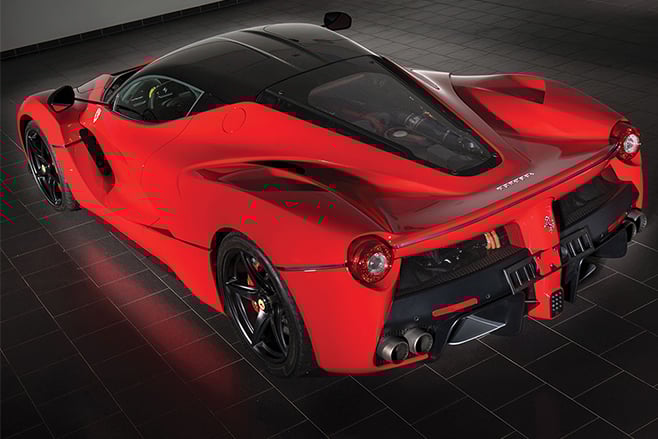
As one of the fastest machines on the planet, its 6.3-litre V12 can put it over the hundred in less than three seconds, before reaching 300km/h just over 12 seconds later.
Sotheby’s says the car is essentially in new condition, and should therefore fetch a pretty penny (plus a few).
“Purchased in 2015 by its current custodian from Cesarmeccanica, the official Ferrari dealership in Salerno [south of Naples], the LaFerrari is presented today in near flawless condition, having only been driven 180 kilometres since new.”
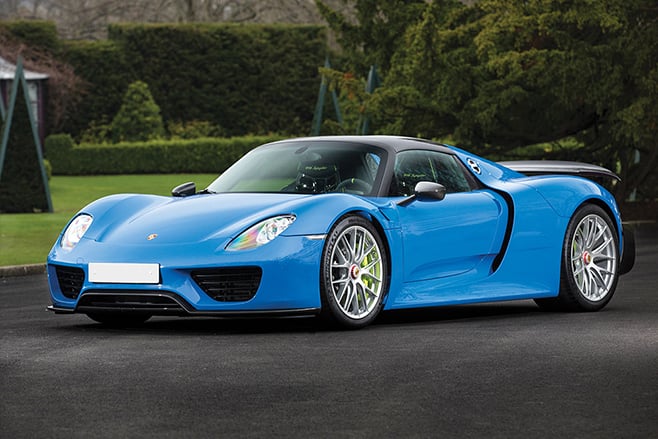
Additionally, this 918 is fitted with the Weissach package which, for an extra tenth of the original price of the car, dropped weight and improved performance.
“Together, this accounted for a reduction of 45 kilograms of weight over the standard 918 Spyder and an instantly discernible increase in performance.”
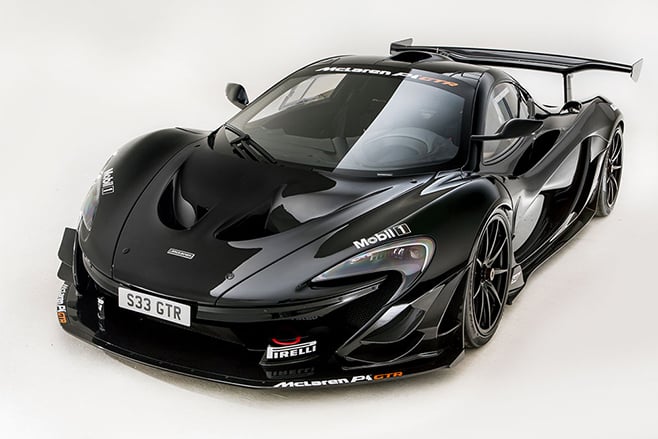
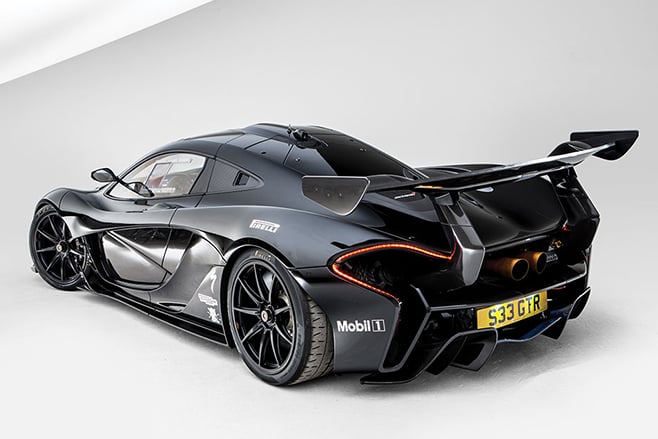
The even more track-ready version of the P1, the GTR is a special edition which was “offered in conjunction with participation in a series of driving events at tracks around the world”. Making this example even rarer is that it’s been converted by Lanzante to be road-legal.
“With just one private owner from new, this particular P1 GTR is offered today having travelled just 360 kilometres.”
“Furthermore, it is important to note that the car is accompanied by its original fight case containing factory-supplied tools, diagnostic equipment, and hybrid charging unit. It also has a beautifully tailored car cover.”
But there is, which is why we think RM Sotheby’s 2017 Villa Erba auction sounds like enthusiast heaven.
If you are holding out for a BMW M3 performance update before slapping some cash down on an example of the popular super sedan, then don’t wait for its mid-life update in the third quarter of this year.
The German carmaker has confirmed that the M3’s so-called LCI (Life Cycle Impulse) refresh will be limited to a light exterior aesthetics tweak, minor interior changes and a mild technology update, and its M4 sibling is set for the same treatment.
When the updated version arrives at a point between July and September this year, the maximum output of 331kW and 550Nm as provided by the Competition Pack version will remain unchanged, while all other major mechanicals will continue on as they are.
Exact local specification and pricing will follow closer to the launch later this year, but WhichCar has learned a rough outline of what to expect when the M3 is given its mid-life refresh.
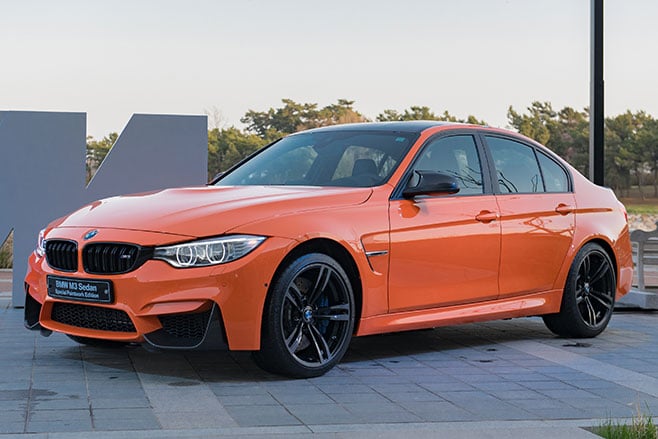
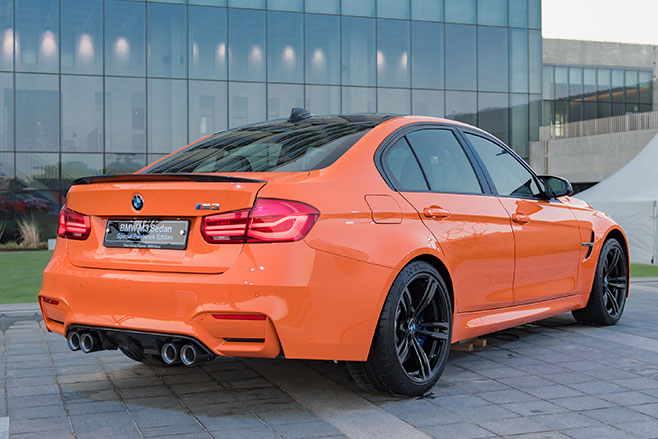
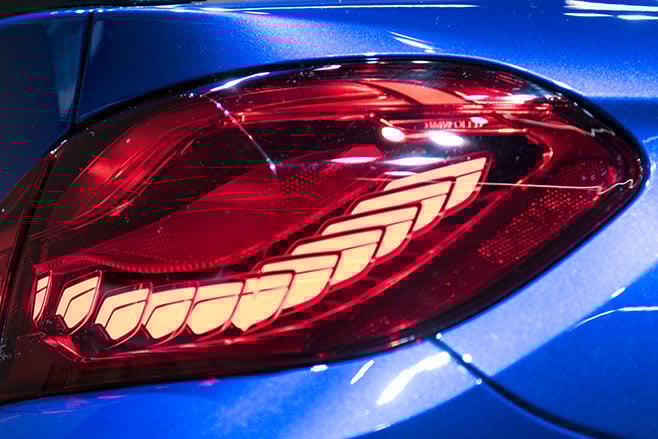
At the back end, the M3 tail-lights will be updated to contain the same state-of-the-art organic LED technology that debuted in the rear lenses of the mighty M4 GTS and recently revealed M4 CS.
Its headlights and nose will also be given a mild makeover which will maintain the overall outline but add a new LED projector layout, in a similar fashion to the tail-lights.
| BMW M3/M4 Competition pack: 12 things you didn’t know
On the inside, no major cabin layout will be rolled out with only a scattering of new interior materials to mark the LCI as well as a number of new customisations available on the options list.
The update is completed by a step up from BMW’s widespread information and entertainment system to iDrive 6, which brings improvements to user-friendliness and a simpler tile layout complemented with touchscreen operation.
Apple CarPlay and enhanced voice commands are also included in the iDrive update for more natural conversational controls with the press of a single steering wheel-mounted button.
With ongoing strong sales of all M-Car models including the M3, it would appear that a major update is not necessary to boost demand and sales in Australia as highlighted by BMW Group Australia corporate communications general manager Lenore Fletcher.
“It’s not a huge update,” she said.
“Our M sales have been really strong over the past three years and growing each year. We’re up 22 percent over the same time last year.”
The M2 continues to be the most appealing model in the M line-up with 130 examples delivered in the first quarter of this year, but Fletcher said that the M3 was also continuing to attract a decent audience and more significant updates were not out of the question.
“Since the vehicle was launched we have had a repositioning and we think we have found the sweet spot for that vehicle within the Australian market. That’s not to say there would not be further updates as we go through its model cycle.
“We’re always looking at new ways to appeal to our customers.”
One such update could be the introduction of a new higher-performance CS version, following the M4 CS that was revealed this week, bringing a number of driver-focused features including more power and torque.
MERCEDES-AMG has confirmed its second-gen A45 hot hatch will have “more than 300kW” from an all-new 2.0-litre turbo petrol when it arrives in 2019.
Set to battle the recently updated 294kW Audi RS3, AMG boss Tobias Moers told Wheels that topping the 300kW figure is important to assert the A45’s dominance in a fledging hot hatch power battle with its rival German brands.
“It’s a cool number,” he said. “It’s always the same story. You have to be at a certain number and you have to over achieve with this. We know that the [the A45’s current 2.0-litre unit] is at the limit, so we have to go to a new engine.”
Electric turbocharging is on the table to deliver a further power boost later in the A45’s product cycle, with Moers revealing he sees drivetrain electrification and hybrid assistance as the future of performance.
“We’ve got to do something,” said Moers. “You know it [electric turbos] is certainly something we’re having a close look at, but maybe not in the first initial lot of cars. It’s too early to talk about the details because then I give information to my competitors and I can’t do that.”
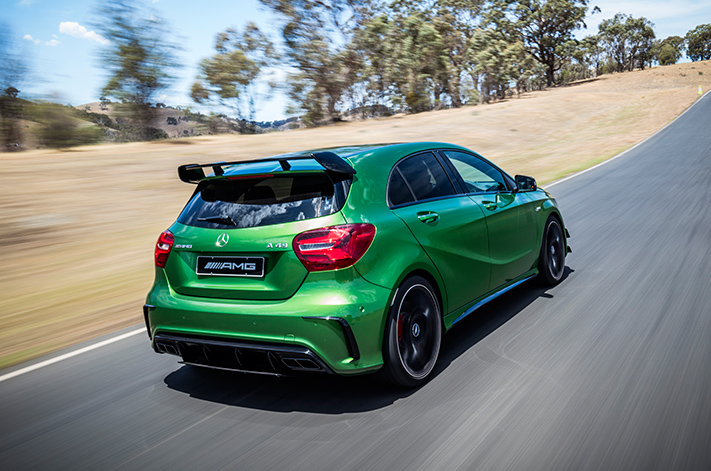
An all-new four-wheel-drive system is also mooted for the next-gen A45, though Moers wouldn’t be drawn on whether it will retain the current car’s front-drive bias or adopt a system with variable torque split that can send 100 percent of its twist to the rear like the new E63.
Moers also didn’t rule out the inclusion of a ‘Drift mode’, saying any AMG system would be different to the set-up on the Ford Focus RS which uses a twin-clutch four-wheel-drive system and a complex ESC calibration to encourage power oversteer.
“Nothing is confirmed [about Drift mode],” said Moers. “I know the Focus RS. It’s ok, but that’s no Drift mode. You can do donuts with that car, sure, but drifting on a race track at high speed is not possible.”
Sometimes the most effective methods of improvement lie not in huge overnight changes, but in many tiny steps over time. Volkswagen will tell you.
With its new Mk7.5 Golf GTI upon us, the changes are very much subtle – incrementally in the right direction – evolving rather than revolutionising what has been a successful and much-loved product.
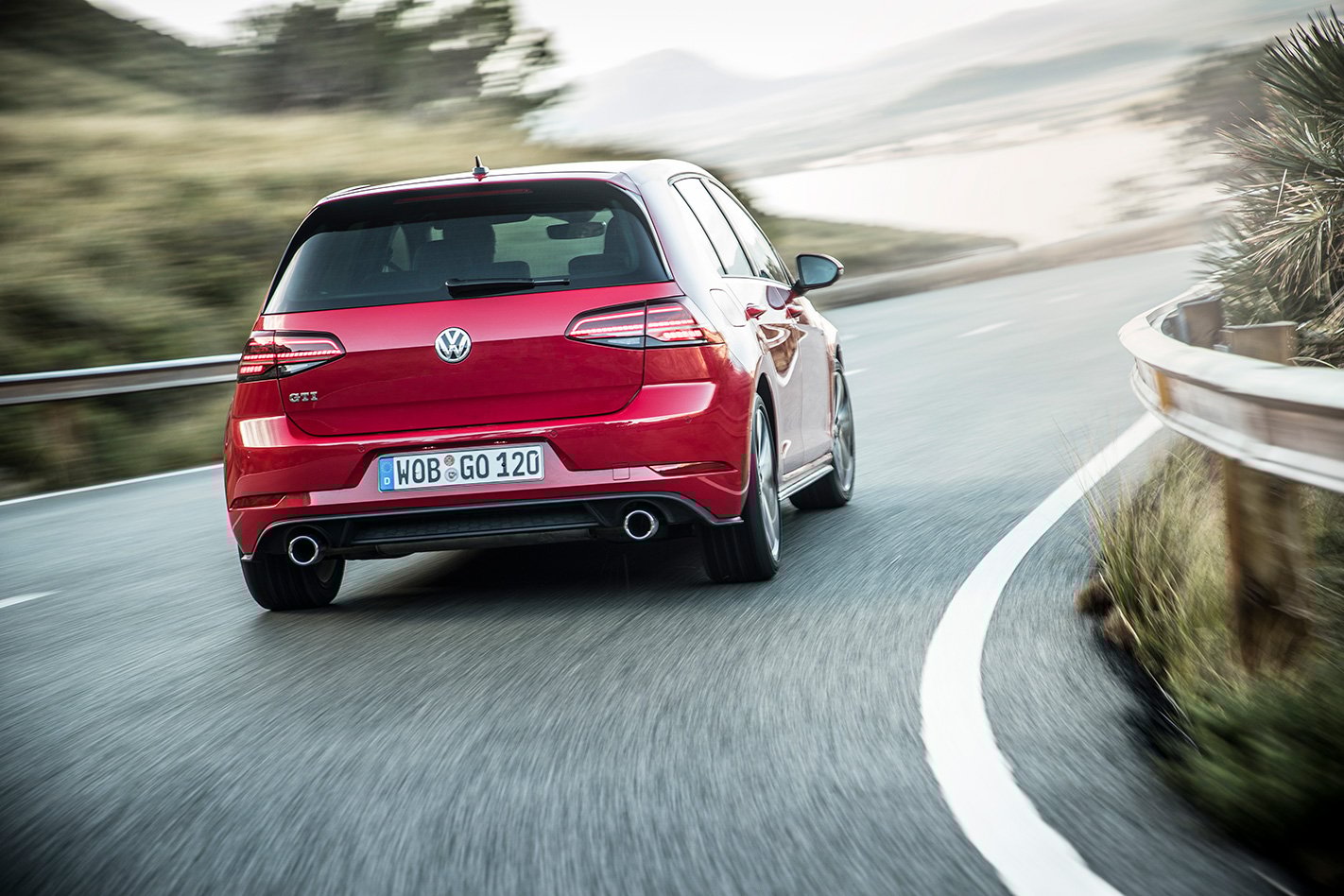
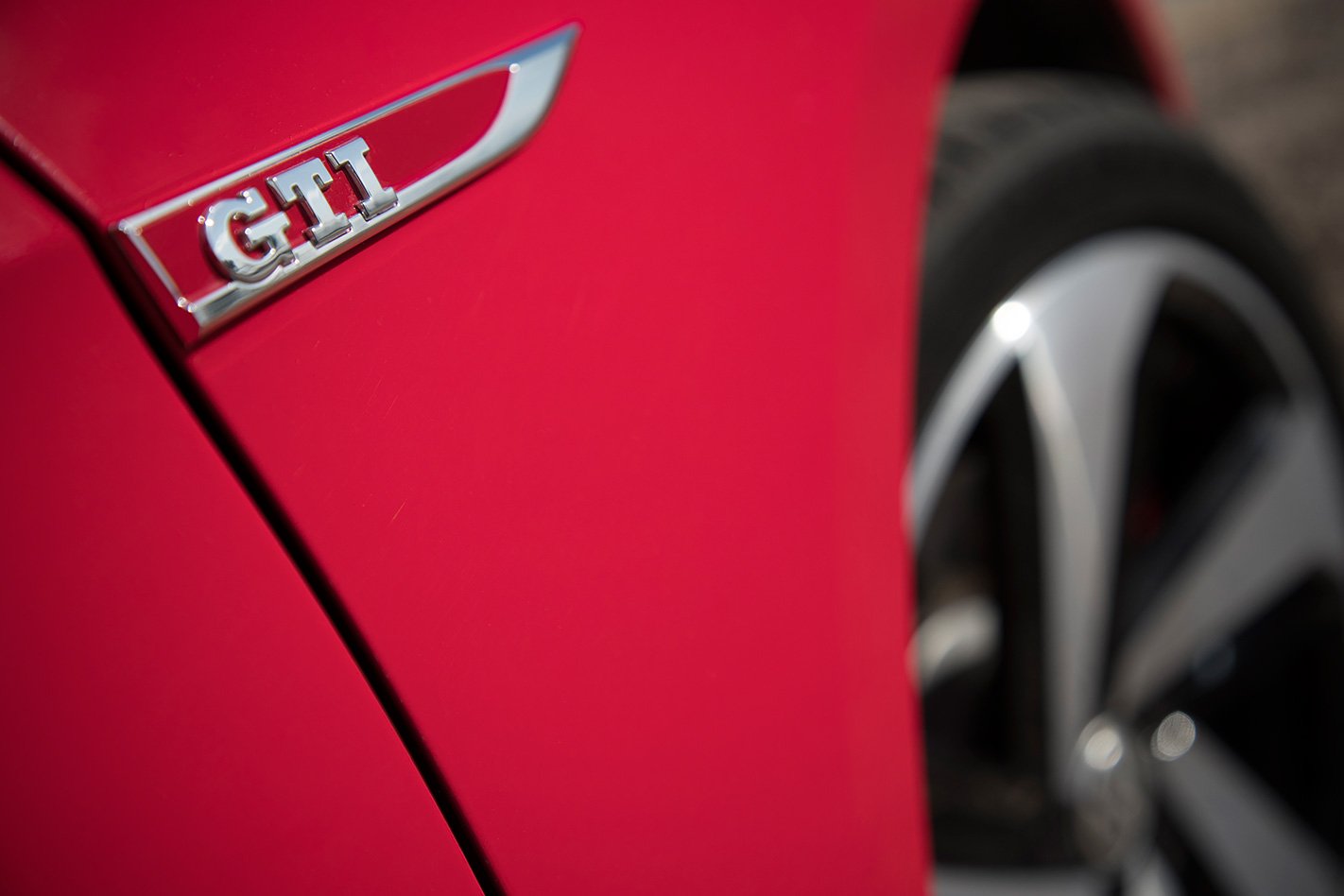
While for Mk7.5 the sheet metal remains untouched, front and rear bars, lights and grille are freshened up, while the red GTI you see here on test, included additional features like new wheels, extra brightwork and four little red winglets underlining the headlights – the latter the most generous clue for the trainspotters.
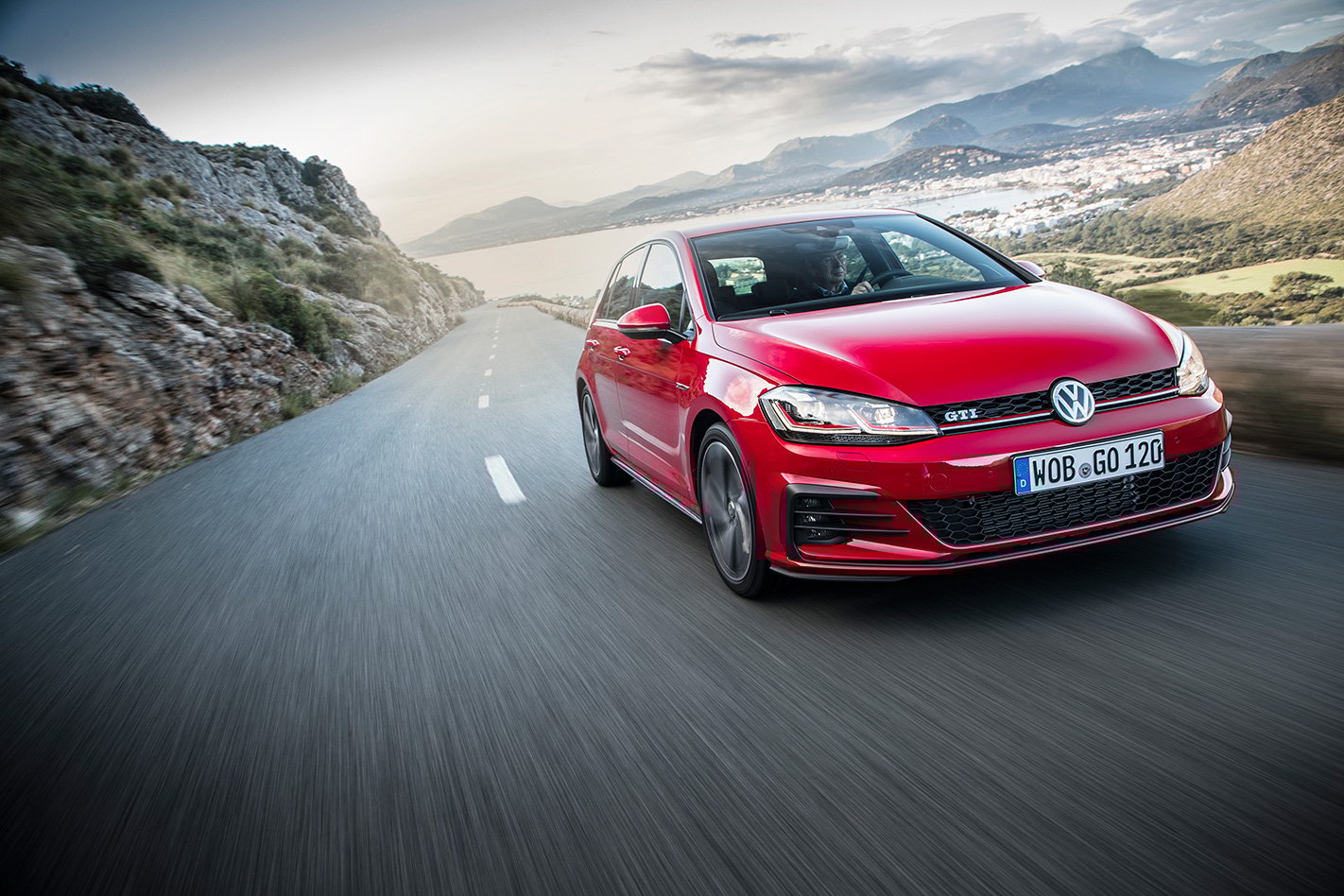
The new Mk7.5 Golf GTI is expected to be released in Australia by August, which will include three-door variants and similar pricing despite more specification. Today’s test car is a five-door manual with 19-inch wheels, adaptive dampers, intelligent lighting, the all-in infotainment pack and just about every driver assistance system imaginable.
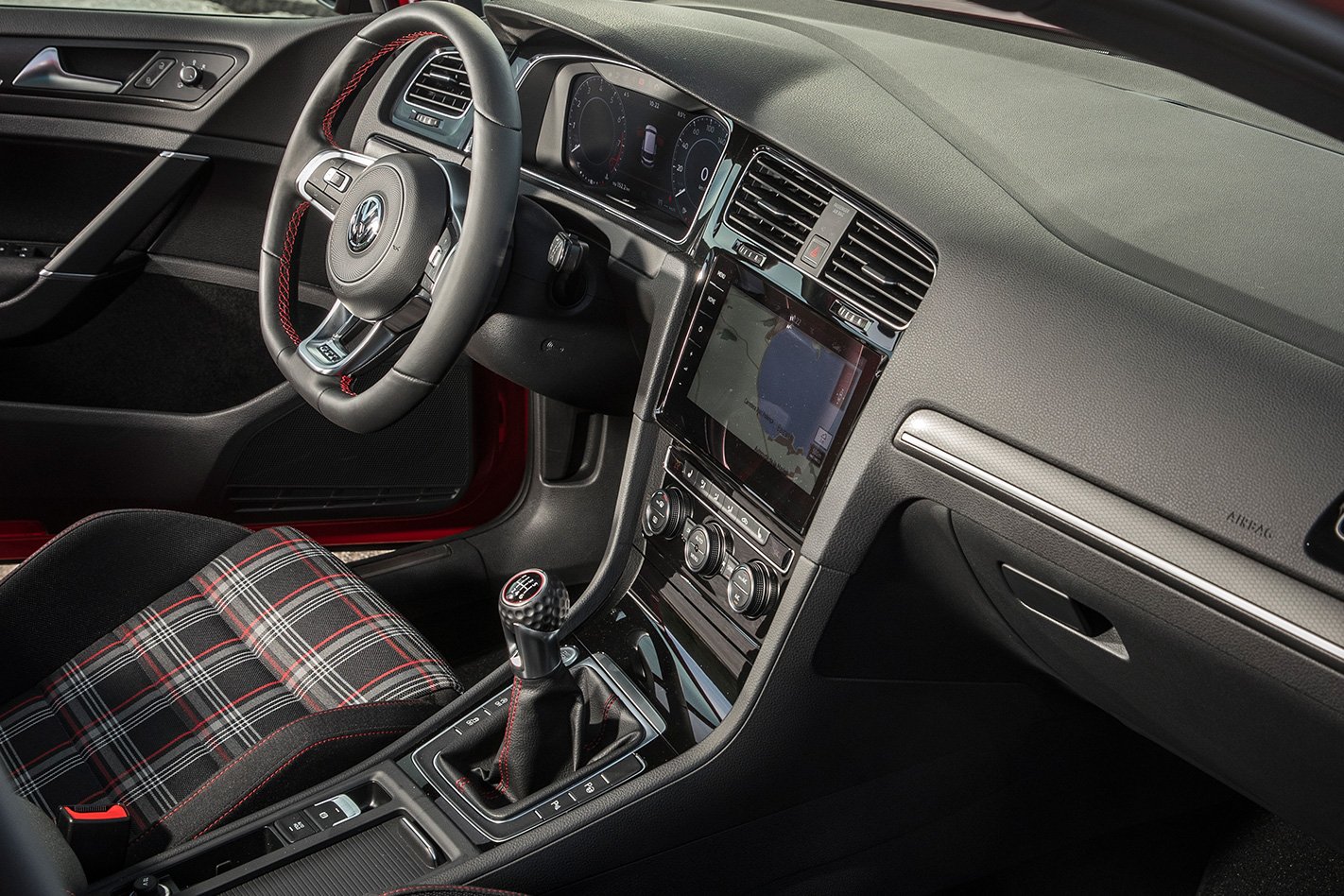
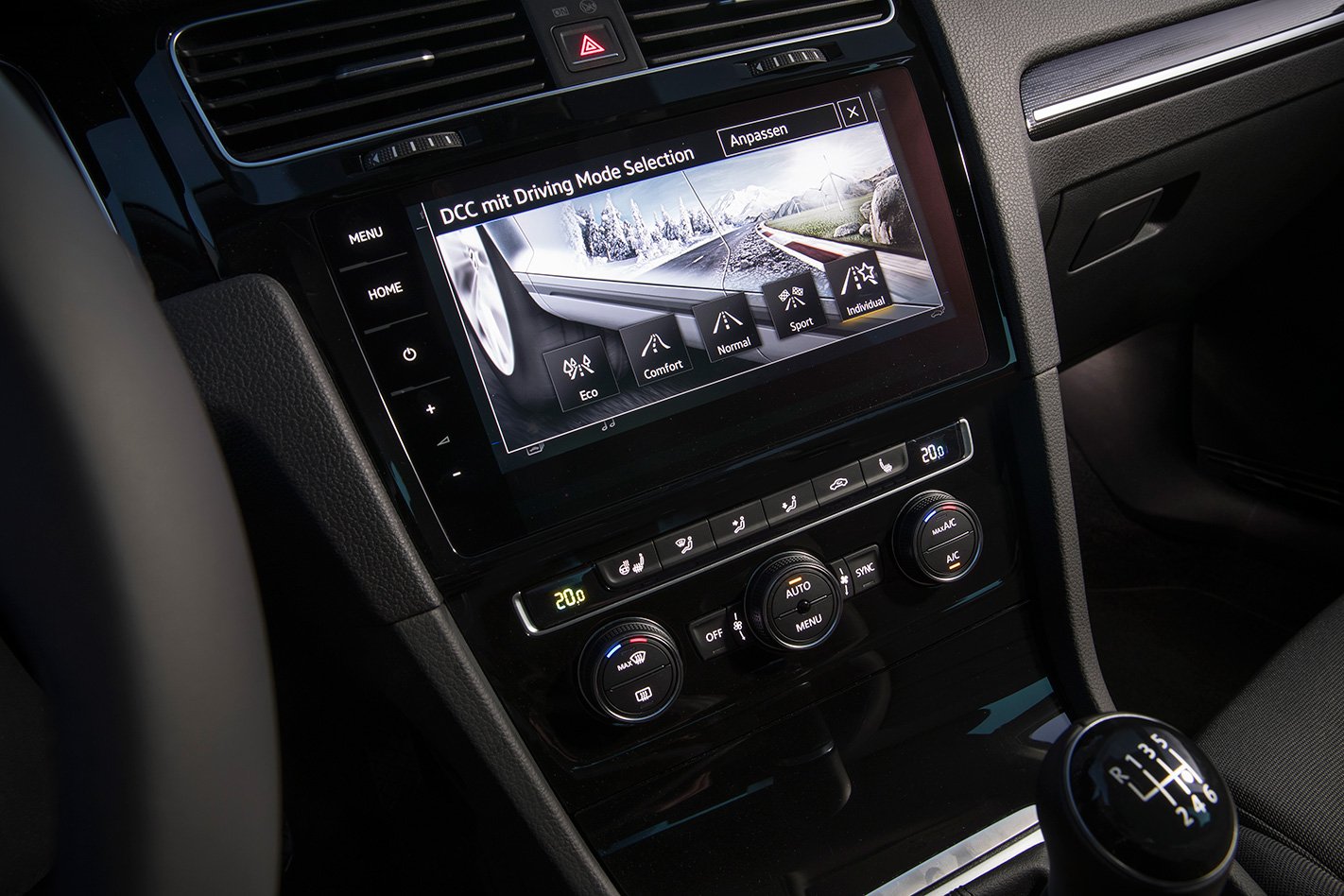
It also includes the new, very Audi-Virtual-Cockpit-like digital instrument cluster and revamped colour centre touchscreen. As we’ve come to expect from Volkswagen, the cockpit oozes quality.
Pressing the starter button activates two sources of sound: initially, it’s artificial engine noise through the stereo versus the real thing, but after a fingertip correction into Sport mode, the powerplant beats the amplifier.
Heading out on the Spanish backroads of our test route, the dampers are locked into Comfort mode and the other elements left in Sport. Although there is an ESP button, you can only deactivate traction control and not stability control, which means you’ll get take-off wheelspin, but lift-off oversteer is a unfortunately a much harder task with the fun police curtailing proceedings.
Even at 4000rpm, the acoustics within the cabin are hushed – there’s no suspension rumble, tyre roar or driveline nasties. The only thing you’ll be hearing – and luckily – are the dense and delicately staggered tonalities of Volkswagen’s finest petrol engine.
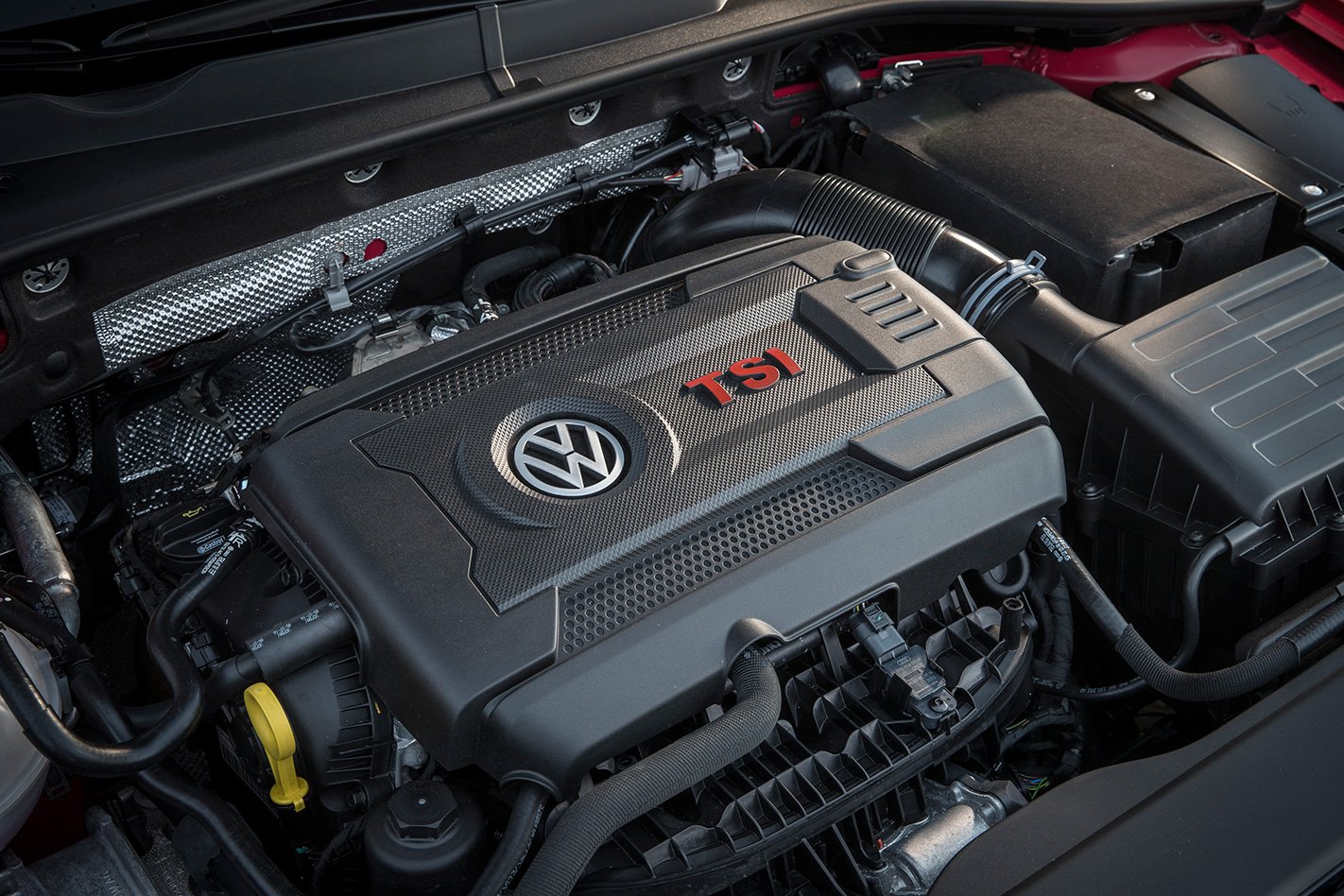
With the exception of short straights and occasional switchbacks, this is mainly second- and third-gear stuff. Good to know, then, that this Golf picks up the torque thread at a low 1500rpm, spanning its lofty 350Nm peak all the way to 4600rpm.
It does not come as a surprise that the six-speed manual changes ratios as rapidly as the optional DSG transmission. It’s a quick and slick gearbox, precise and well staggered, complemented by a light and progressive clutch. Although redlined at 6500rpm, there is no real need to push the single-turbo 16-valver beyond its wide sweet spot.
As expected, and across some scenic roads on the southern edge of Balearic Island, the Mk7.5 is a pleasantly controlled, unexcited, reduced experience. It’s still the kind of hot hatch that frowns upon and refrains from grand gestures, so turn in smoothly, select a taller gear, open up the steering early and feed in the torque diligently.
The reward is a captivating blend of cornering grip and exit speed, a high level of composure, immaculate body control, not much understeer and plenty of feedback. You always know exactly where you are with this Golf, be it one tenth under or over the limit and it shines through the second-gear twisties.
While it may have grown and put on weight over the years – the original Golf GTI was 880kg in 1974, this one’s 1324kg – it’s learnt new tricks, is now masterfully homogeneous and still so much fun to drive.
In a way, the 169kW Mk7.5 GTI feels more like a detuned Golf R without four-wheel drive – the cruiser version of the range-topping bruiser. Having said that, there is of course again room for a sharper Performance version and for a 220kW-plus track-bred Clubsport.
Overt sportiness is no longer the prime ambition of this high-visibility Golf with its plaid upholstery and ‘aha’ red striping. Instead, this is now the most refined and effortless hot hatch on the market. No contender can match the epic Golf for its sweet ride-handling mix and the rare combination of laid-back competence and absolute commitment.
Turn it how you like, but there still is no better all-rounder than the GTI. It’s improved its par, by tiny steps over time – and calls out its rivals to yet again lift their game.
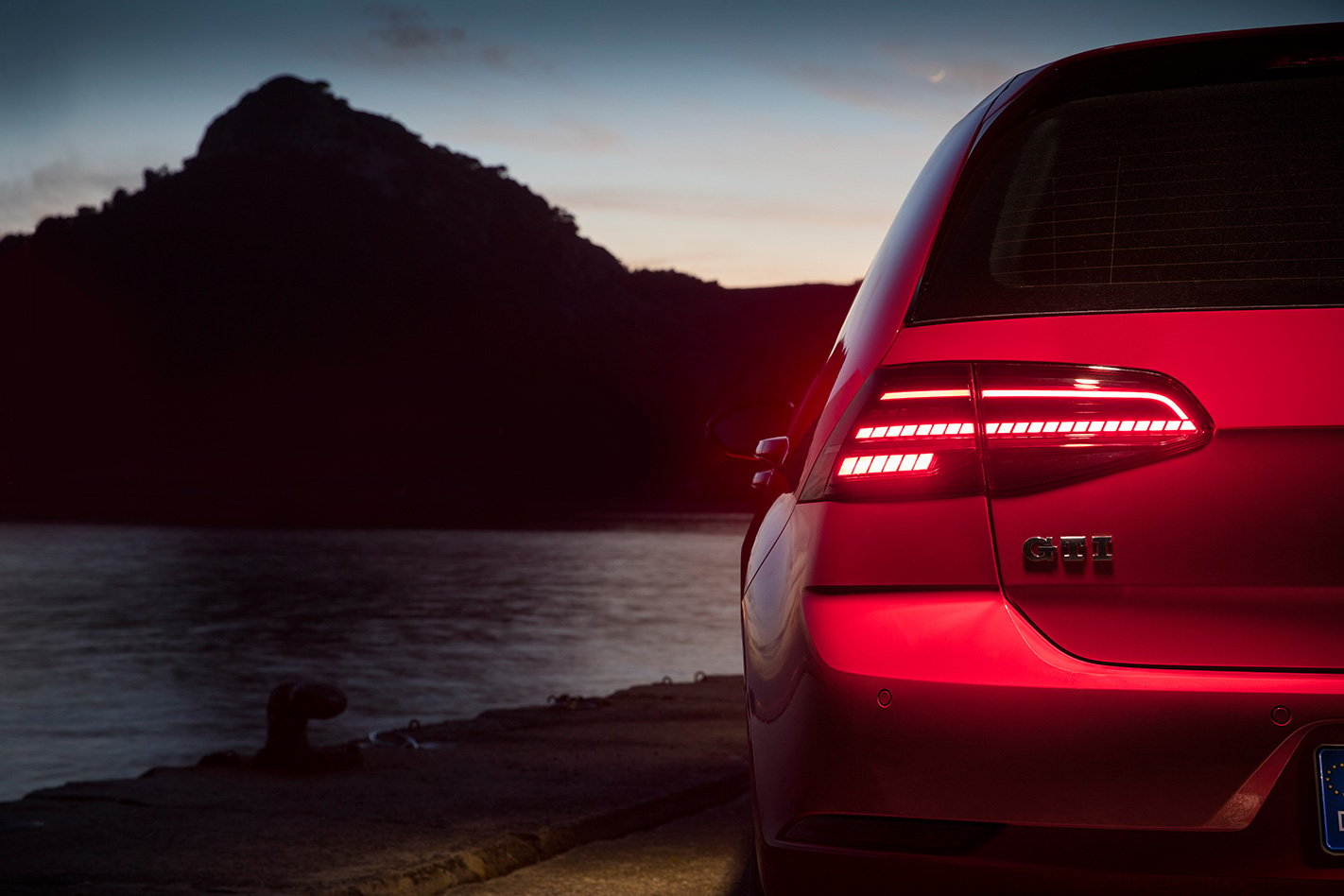
It would be all too easy for Porsche to name its best-sounding engine as its newest engine, in a relentless pursuit for sales. But Stuttgart doesn’t really need to do that, do they?
The iconic sportscar brand has dragged some of its most famous models into its Weissach sound studio before kicking each accelerator and ranking what it believes are the top five sweetest-sounding vehicles it has ever made. And the winner is almost 15 years old.

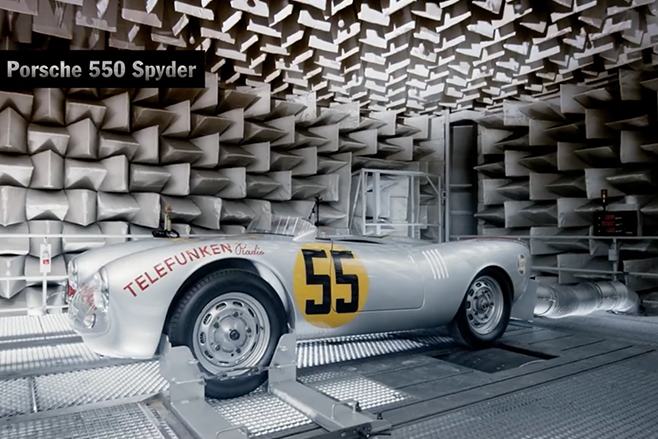
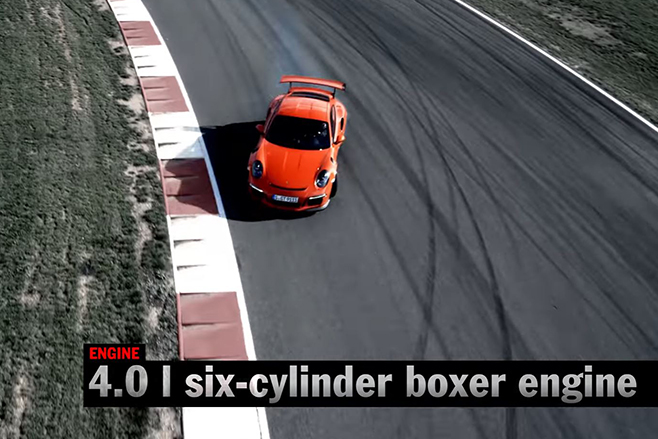

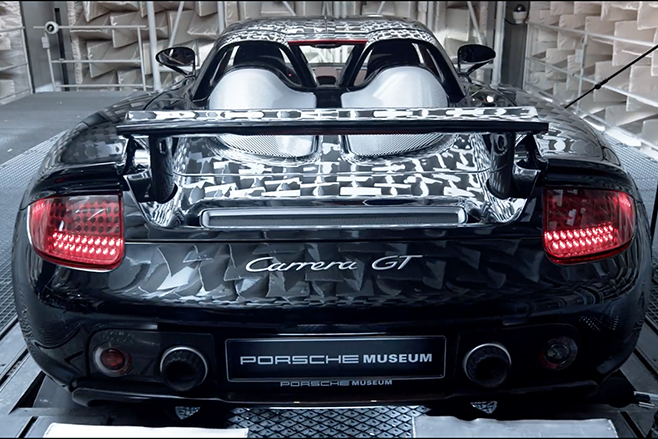
Given that Porsche has named a hybrid ahead of any turbo model in its top-sounding engine breed, it begs the question – in this age of making emissions-requirement ends meet – will this sportscar brand move to electrification before forced induction for a future heroic 911? The brand says ‘no’, but some formerly said the company would never build an SUV, either.
IT’S OFFICIAL: the HSV GTS-R W1 is the quickest Australian-made car Wheels has ever performance tested. But not by as much as we were expecting.
Australia’s most powerful and most expensive muscle car ran a 0-100km/h time of 4.5sec at a greasy Heathcote Dragway before charging to a quarter mile ET of 12.3sec @ 195.5km/h.
That just edges out our previous benchmark, an automatic HSV GTS that clocked 4.5sec to 100km/h and a 12.6sec 400m time at Sydney Dragway in October 2014 – times that were slower than HSV’s claimed figures by 0.1sec and 0.3sec respectively.
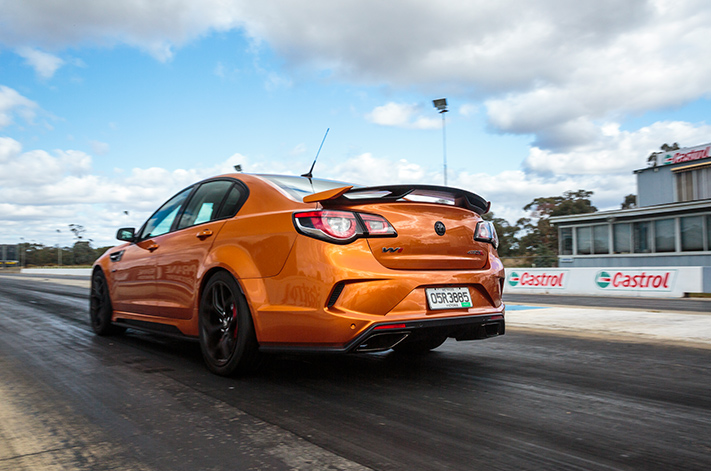
Still, despite nailing its name to the top of our timesheets, the W1’s numbers are a fair margin down on HSV’s claims.
Clayton’s engineers say the six-speed manual 474kW/815Nm LS9-powered W1 should clock a 4.2sec 0-100km/h and a 12.1sec quarter mile – numbers our test car couldn’t match despite repeated runs and various launch techniques.
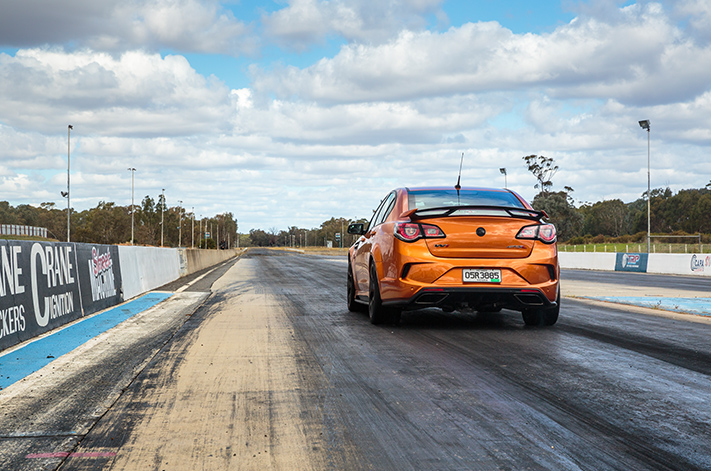
In fact the W1 refused to bolt to 60km/h any quicker than the last manual HSV GTS we tested at Heathcote in near identical conditions, despite its 44kW/75Nm power and torque advantage and wider, stickier 295-section Pirelli Trofeo R rear rubber.
This doesn’t mean HSV’s performance claims are unachievable, however. HSV told Wheels the W1’s performance claims were achieved in perfect conditions with light fuel.
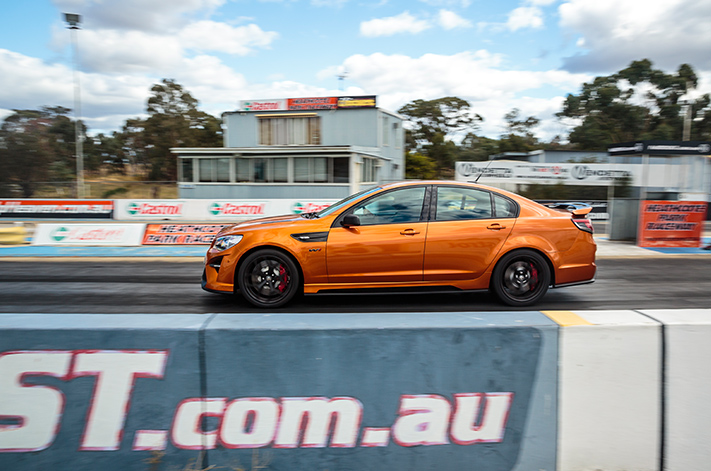
Where the W1’s extra shove really flexes its muscles is when it comes to rolling acceleration. Our 80-120km/h times beat HSV’s claims by a hefty margin. At the W1’s track launch earlier this year, HSV told Wheels the W1 would rocket from 80-120km/h in 2.16sec (second gear), 2.96sec (third), 3.7sec (fourth) and 5.2sec (fifth).
2017 HSV GTSR and GTSR W1 review
At Heathcote we managed 2.0 (second) 2.7 (third) 3.4 (fourth) 5.0 (fifth).
Further putting the W1’s times into perspective is a 2017 Porsche 911 Turbo that Wheels also ran at Heathcote on the same day. Porsches almost always match or beat their claimed times but, surprisingly, the best the Turbo could manage was a 3.3sec to 100km/h and a 11.1sec @ 207.2km/h. Porsche says the Turbo should hit 100km/h in 3.0sec, meaning it missed its claim by exactly the same margin as the W1.
How Wheels performance tests
Wheels performance tests cars at a closed dragstrip and uses a device called a Driftbox to record times and speeds. There is often a discrepancy between numbers recorded on a Driftbox and those obtained on a prepped surface using the dragstrip’s timing system. To explain why, we had a chat with Street Machine’s Deputy Editor Scott Taylor, who has 25 years of drag racing experience.
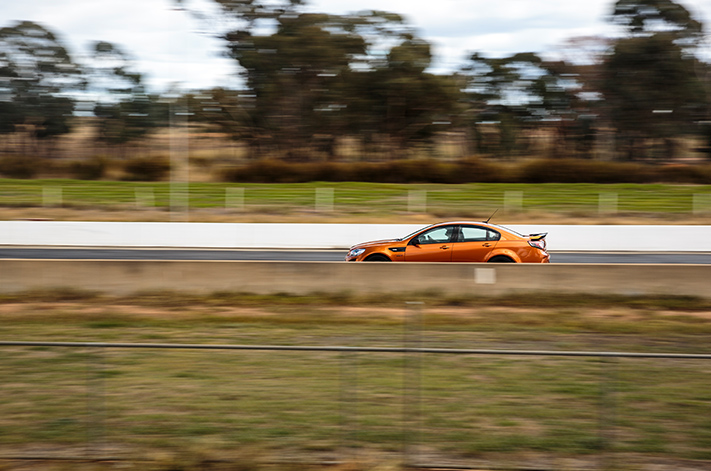
“But that was on a prepared drag strip surfaces with fixed timing lights, physical cables and probably a foot of rollout – which means the car is already moving when the timers are activated. Driftbox uses GPS and g-forces to come up with a 0-400 metre time (versus 402.3m for a drag strip) and while the Driftbox is supposed to be accurate within 1%, the two systems are so different that there’s no possible way the times are going to be equal. This is why many people see a glaring discrepancy between magazine test times and ‘real world’ times run at their local drag strip.”
QUESTION – DANIEL (27/08/2016):
I am looking at a Nissan Qashqai, Honda HR-V and Kia Sportage. I want the option that’ll offer the best economy features for the price.
BUDGET:
$40,000
ANSWER – NATHAN PONCHARD:
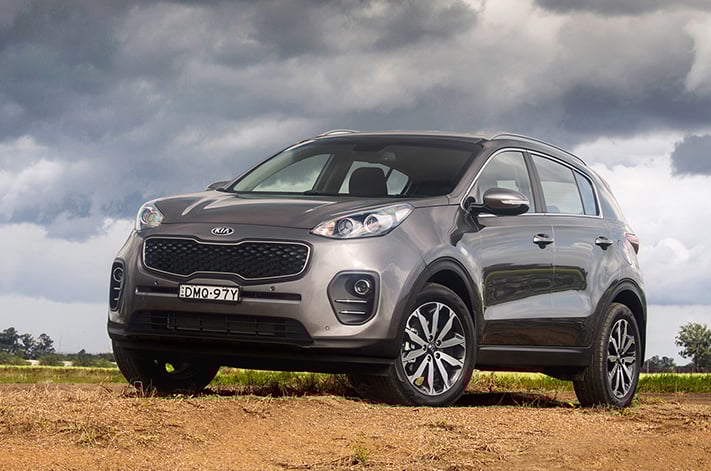
For a driveaway price of $40,000, you’d be looking at a top-spec Honda HR-V VTi-L ADAS, a Nissan Qashqai Ti (petrol) or TL (diesel), or a mid-spec Kia Sportage SLi.All three are exclusively front-wheel drive. Only the Qashqai petrol is also available with a manual transmission. And only the Sportage SLi diesel is available with all-wheel drive (though it may tip over your $40K limit when you include on-road costs, depending on how hard you push your dealer!).If your choice must be petrol, we’d go for the Qashqai Ti. In CVT automatic form, it has the same official fuel-consumption number as the HR-V (6.9L/100km) but it’s a more sophisticated car, with a much better driving feel and more comfortable seats.