
Images of the new Hyundai i30 wagon have been teased, but Hyundai Australia says it’s unlikely to arrive here.
Released ahead of its Geneva Motor Show debut next month, the image doesn’t reveal much of the car, showing merely a silhouette of the roofline.
However, the wagon will likely follow a similar design to its smaller sibling, the i30 hatch, which was launched last week in Korea.
“The New Generation i30 Wagon speaks the language of the i30 family in terms of design, and it carries the new Hyundai family identity – the Cascading Grille,” said Thomas Bürkle, Chief Designer at Hyundai Design Centre Europe.
“The tapering roofline and the dynamic proportions give the Wagon an almost coupe-like silhouette.
“The sleek and dynamic profile is further emphasised by a rich chrome frame surrounding the side windows.”
While the new generation i30 wagon will feature a redesign, which, from what we can tell, will also include a longer body, we’re unlikely to see it arrive here.
The i30 wagon was taken off the Australian market a couple of years ago, with this country’s SUV trend growing stronger and the wagon market losing popularity. At the time, cost and popularity were the main reasons given for its disappearance.
Hyundai Australia told WhichCar that while it’s “unlikely” the i30 wagon will arrive in Australia due to the limited market for small wagons, it’s not completely ruled out.
Meanwhile, the new third-generation i30 hatch is set to arrive in Australia in Q2 this year, featuring a redesign, new engines and a sportier feel.
We drove the all-new i30 hatchback in Korea last week, so more information will arrive later this week.
What stands out
If you’re after a tough and reliable four-wheel drive that can also double-agent as a family car, then the Prado is probably going to appear on a number of your search results.
It’s one of Australia’s favourite cars for a reason.
But its drivability and handling aren’t exactly at the top of its most attractive features.
It’s a high-riding and heavy vehicle, so it’s not your best choice when it comes to steering, handling, and minimal body roll.
It is, however, a genuine off-roader, and even on the most treacherous roads, the Prado is comfortable and quiet.
Meaning if you need a big family 4WD wagon that can also tough it out in the Outback, then the Toyota Prado is up there as one of your better, and only, choices, competing against a very small group of genuine competitors.
What’s inside
True to Toyota, the Prado comes with all the equipment you’d expect on a modern car.
It’s got smart key entry and smart start at all model levels and electronic traction control, which comes in handy when off-road.
A rear-view camera is also included as standard.
A third row of seats and curtain airbags are options in the base model GX, but standard in the next model up, the GXL, which also gains satellite navigation, a few extra features like side steps and roof racks, and rear parking sensors, to name a few.
The VX gets the Kinetic Dynamic Suspension System, which automatically adjusts the anti-roll bars for better off-road handling.
Throw in front parking sensors, automatic windscreen wipers and lights, and better interiors.
Its third-row seats can also be deployed and retracted electronically.
At the top of the range sits the Kakadu, the model we’ve got here. It gets a bunch of extra safety gear, a sunroof and this box in the centre console is refrigerated.
It’s also the better option for long trips with an entertainment system for the kids and more off-road specific features like a driver-switched lock for the rear differential, crawl control and multi-terrain select.
Choosing yours
The choice really depends on why you’re choosing a Prado.
If you want an off-road capable car that’ll predominantly get around the city, then the GXL will do the trick, with our preference being the diesel-engined automatic.
But if you plan on spending a lot more time traversing rutted tracks, then you may want to consider the Kakadu.
TOYOTA has updated its plug-in hybrid Prius variant, also known as the Prius Prime, giving it a longer all-electric range and a world-first optional solar charging system.
The 2017 Prius PHV has an EV range of 68.2km (up from the previous model’s 26.4km) and can be charged normally via 200v/16A domestic supply to fully charge the batteries in 2 hours and 20 minutes or via a quick charging unit for 80 percent charge in 20 minutes.
The optional solar charging system, the first installed on a production vehicle, doesn’t provide a full charge, but recharges the 24Ah lithium-ion batteries while you drive to help improve hybrid fuel efficiency, which is an already frugal 2.7L/100km without it.
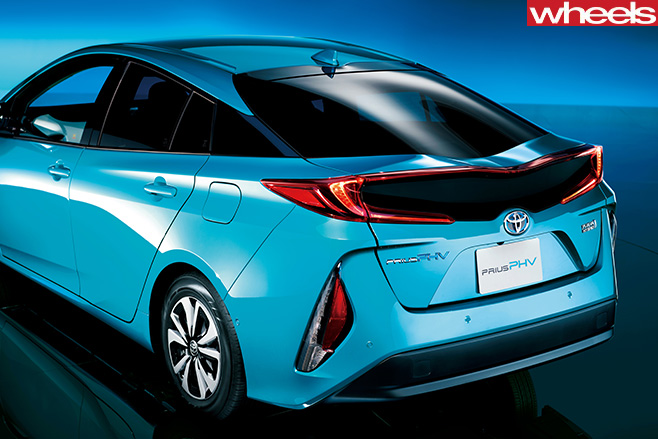
With the batteries depleted the Prius PHV can be driven over long distances as a hybrid vehicle primarily powered by a 72kW/142Nm 1.8-litre four-cylinder petrol engine coupled with two 53kW/163Nm electric motors. Power is transferred to all four wheels via a CVT automatic gearbox.
The Toyota Prius PHV also gets an exterior facelift including a sharp futuristic face with a larger spindle grille that’s now characteristic of all new Toyota models flanked by quad LED headlights and vertical daytime running lights at its jowls.
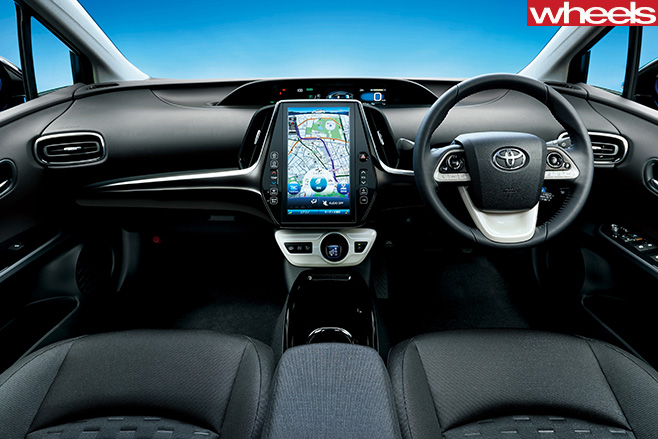
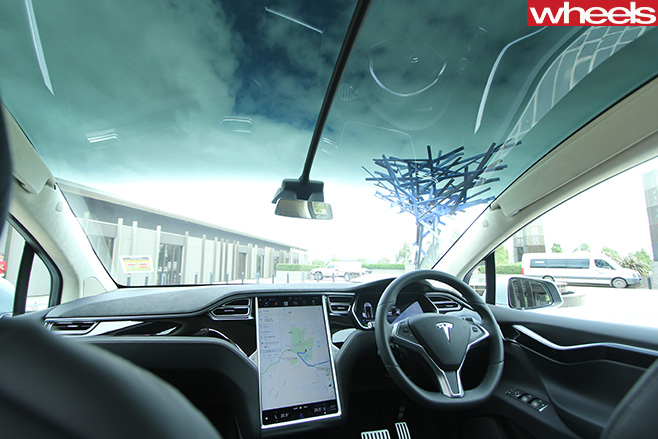
New equipment includes a Tesla style 11.6-inch screen with T-Connect SD navigation system and auto high-beam headlights.
Owners can download a Pocket PHV smartphone app which allows them to remotely check and control vehicle charging, remotely operate the air-conditioner and search for charging stations.
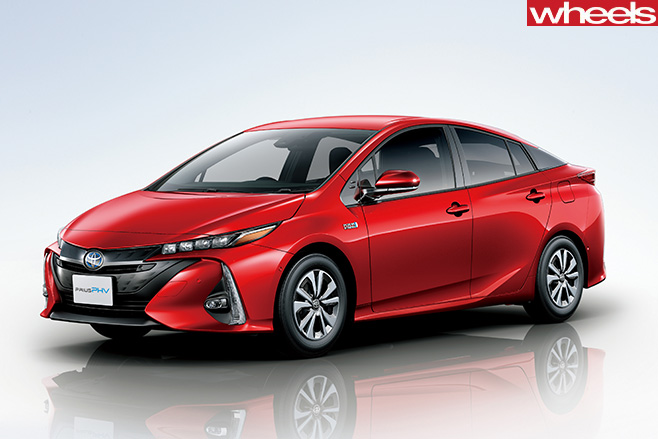
The 2017 Toyota Prius PHV went on sale Japan last week from around A$38,000, a year after it was first revealed.
Despite more manufacturers bringing plug-in hybrid technology here, Toyota Australia has no plans to sell the Prius PHV here alongside its standard hybrid Prius, Camry and Corolla models.
TESLA’S Model X P100D, the most ballistic breeder bus in existence, has us simultaneously scratching our heads and nodding them in approval.
WHAT IS IT? The world’s fastest seven-seat SUV, and also the world’s most environmentally friendly family-sized conveyance.
WHY ARE WE TESTING IT The Model X takes Californian EV automaker Tesla closer towards mainstream relevance thanks to its family-friendly SUV-style form factor, yet in the range-topping P100D configuration tested here it retains 90 percent of the face-melting performance of its lower-slung Model S cousin. It’s still a phenomenally expensive way of busing yourself and your fam about, but what else will offer you this combination of speed and space?
MAIN RIVALS Nothing on the market really hits the same targets that the Model X P100D does. No other seven-seater is as quick off the mark, or as frugal, or as technologically capable. That said, if you’re okay with the idea of burning some hydrocarbons then other fast SUV options include the Audi SQ7, BMW X5M, Mercedes-AMG GLS63 and Volvo XC90 T8.
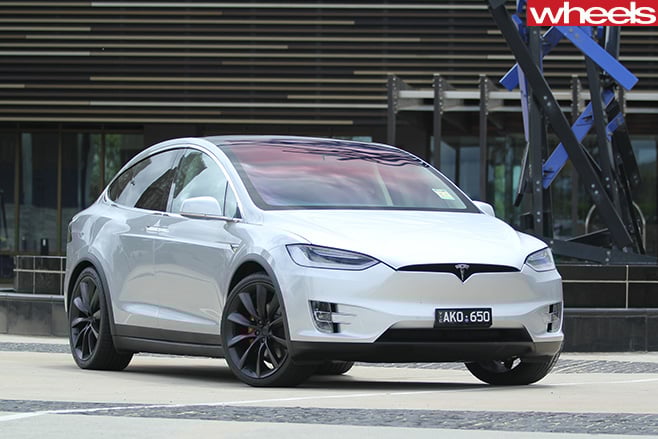
PLUS: Mega performance, packed with technology, genuine seven-seat capacity, emissions-free MINUS: Extra cost for three-row layout, unnecessarily complex rear doors, cost, design
- Learn more about autonomous cars and the future of motoring
- Catch up on the progress of electric cars in the automotive industry
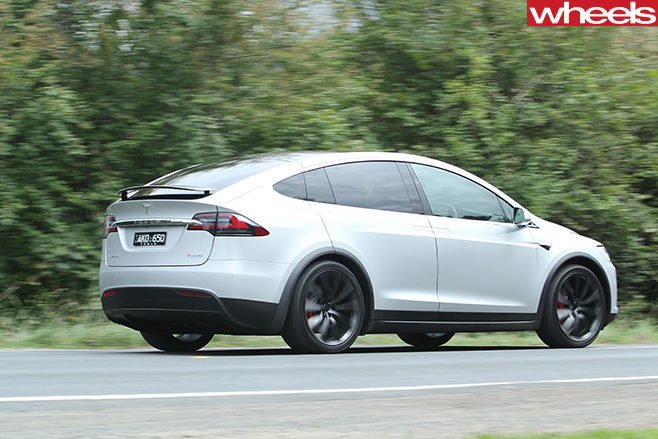
But after spending some time behind the wheel, it’s clear that the Model X is all about wowing people in the showroom first, and being a pragmatic people-carrier second. The SUV establishment need not be worried about the Model X.
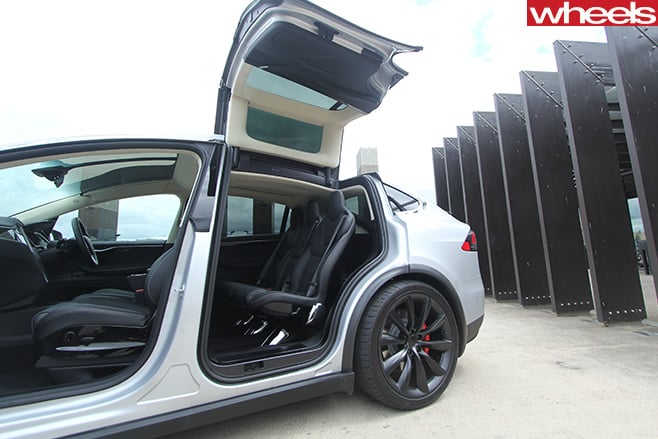
Case in point: those gullwing – err, I mean Falcon wing doors (sorry Elon). Tesla says they can open with about 30cm of sideways clearance and will give full-grown adults easy access to the third row (which you only get if you add an extra $4500 to the price tag), but the fact it takes a seeming eternity for them to swing open is reason enough to hate them. Tesla also says they’ll stop short of hitting objects to the side or above the car thanks to built-in sensors, but we were rudely shoved out of the way by the (surprisingly) powerful door when we deliberately stood next to it. Exercise caution if you happen to find yourself in a low-roofed car park, and maybe keep your rugrats clear of them too.
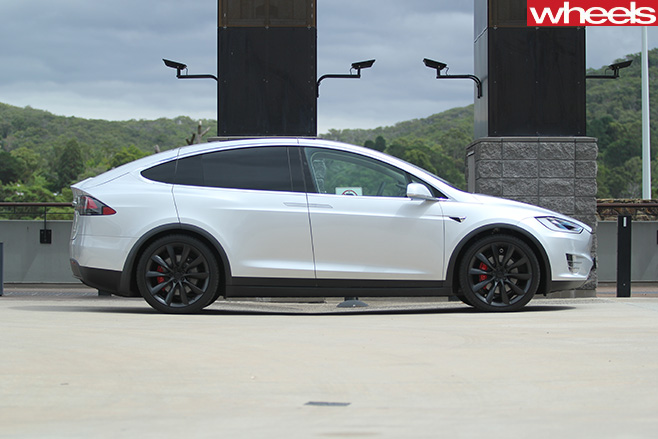
But forget about that autonomous malarkey for now, as there’s still plenty of joy to be had by piloting the Model X in an old-school DIY fashion. Behind the wheel it feels very much like a supersized Tesla Model S, and though the kerb weight nudges a colossal 3000kg in seven-seat P100D flavour, the Model X retains much of the vision-blurring speed of its lower-slung brother.
Granted, the extra weight and the taller seating position of the Model X takes some of the edge off that, but stomp the accelerator and you’ll still be abruptly slammed into the backrest from the dual motors’ seamless and relentless torque.
The handling is also incredible too. With battery packs mounted below the floor, the Model X’s centre of gravity hovers mere centimetres above the deck. Body roll simply doesn’t exist, and the agility bestowed by the active air suspension and clever torque vectoring electric motors means the Model X is incredibly hard to unstick, just like its Model S sibling. The ride is a touch brittle on the optional 22-inch wheels we experienced, but the standard 20-inch rollers should prove a lot more compliant. All told, this is an exciting car to steer.
But from the outside, it’s a snooze-fest. There’s no getting around it: the Model X’s design is uninspired. It’s a lazy stretch-and-scale of the Model S’s handsomely understated design, the end being a charmless and anonymous blob. The near total absence of any actual ‘styling’ is perhaps its greatest aesthetic attribute, and while some may appreciate its minimalistic nature, we’re not so crazy about it. It’s just plain dull.
Then there’s the question of cargo. Unlike most three-row SUVs, the Model X’s second row doesn’t fold flat; those pedestal seats can tilt and slide forward, but the backrests are fixed to their bases. The standard five-seat Model X has a folding second-row bench, but why would you buy a five-pew Model X in the first place? You may as well just get yourself a Model S.
Granted, the Model X does boast a deep under-floor storage compartment in the back and a sizable “front trunk” beneath the bonnet, but so does the Model S. Trips to Ikea in a three-row Model X may challenge its cargo-carrying capability if you’re buying something lengthy.
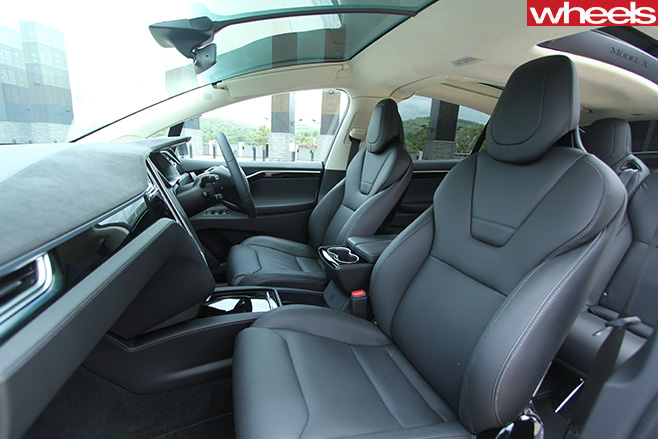
And the fact a third row of seats isn’t standard – or at the very least a no-cost option – on a car that’s being spruiked on its family-friendly credentials stings a little, especially considering the already eye-watering cost.
However despite the Model X’s flaws Tesla should be commended for having the courage to bring an all-electric people-carrier to market. The packaging needs work, but the concept of an electron-munching family wagon is certainly noble. Bring on Version 2.0.
SPECS Model: Tesla Model X P100D Engine: Two electric motors, 100kWh battery Max power: 193kW front, 375kW rear Transmission: Direct drive, 1-speed 0-100km/h: 3.1sec Range: 542km Price: $258,402 On sale: Now
The words ‘carbon fibre’ probably bring to mind exotic Italian supercars and high-tech racing cars built on British industrial estates, but it could be about to be synonymous with Geelong. Yes, Geelong.
The CSIRO has announced the morning that Australia now has the capability to create carbon fibre from scratch and in volume, thanks to the development of a ‘wet spinning line’, located at Waurn Ponds, a south-western suburb of Geelong.
Built in Italy, the wet spinning line turns a chemical mixture into 500 individual fibre strands, each thinner than a human hair, which are wound onto a spool before being cooked in a carbonisation oven.
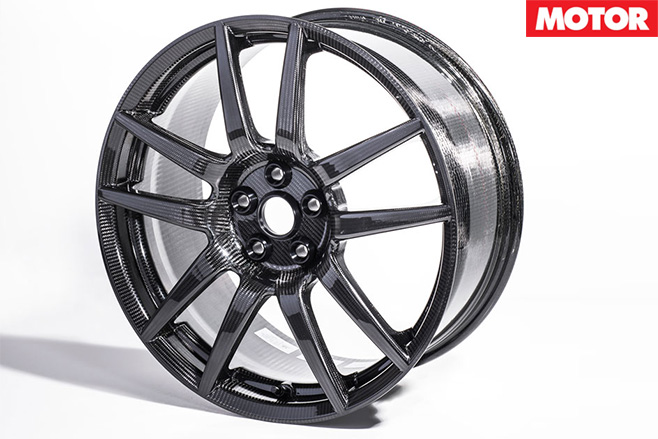
CSIRO Director of Future Industries, Dr Anita Hill, said in a statement: “Together with Deakin, we’ve created something that could disrupt the entire carbon fibre manufacturing industry. This facility means Australian can carry out research across the whole carbon fibre value chain, from molecules, to polymers, to fibre, to finished composite parts.”
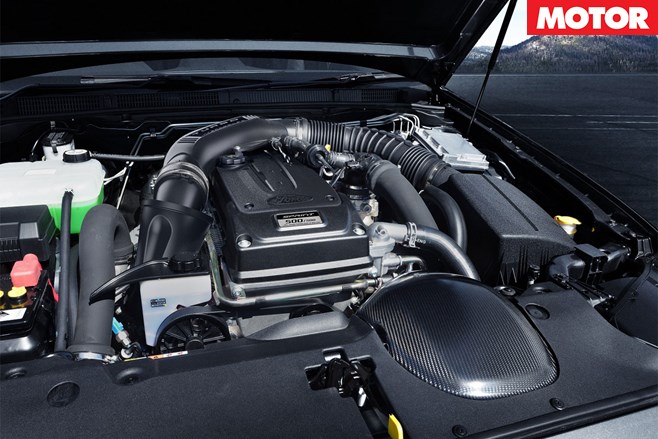
Quickstep has also announced today that it has received a $1.45m government grant to develop carbon fibre composite seats for automotive applications.
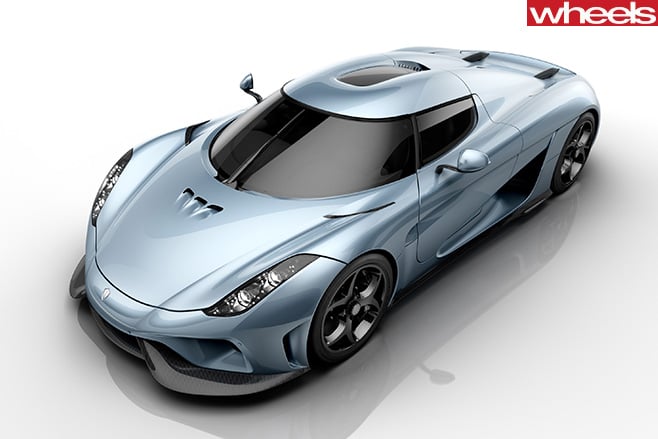
One of the most exclusive cars in the world, the Koenigsegg Regera, will be making its way to an Australian showroom in the near future.
A new Brisbane-based distributor, Prodigy Automotive, is behind bringing the Swedish manufacturer to Australia.
The first Regera isn’t expected to land for another 24-36 months, and will cost a cool $3 million, but Prodigy Automotive director Nicholas Batzialas is confident there is a market for the hypercars in Australia.
“We have got a little bit of interest already,” Batzialas told Wheels.
“They will actively be sold in Australia, and depending on supply we are hoping for one a year. We think that is where the market will be, and certainly Koenigsegg want to be in Australia.”
- Read about the Koenigsegg One:1’s crash at the Nurburgring
- Find out how Spanish police bust a fake Ferrari trafficking ring
“I have been in the automotive business for 20 years, I have managed Holden dealerships, and have broken out to doing my own thing,” Batzialas added.
“John I have known for 10 years. I said to John, ‘There is an opportunity in the market to bring in some niche supercars and hypercars that haven’t been in the country before, such as Koenigsegg’.
“Koenigsegg we have secured a couple of Regeras for us. As you can understand, Koenigsegg is a very, very small manufacturer, and the cars take about 6 months to build a car by hand. They are a very, very specialised vehicle, and will probably land here at close to $3,000,000.”
Wheels understands there are just two Koenigsegg’s currently in Australia, a sole road-legal 2008 Koenigsegg CCX, and another which is not registered.
The Australian Regeras will be built as right-hand drives before being shipped, with Prodigy Automotive ensuring the cars meet all local regulations.
“They are coming into the country fully homologated, and fully right hand drive from the factory. All the ADRs will be met,” Batzialas said.
Batzialas was given the chance to ride along in a Regera in Sweden, describing the experience as “quite neck breaking”. However, he doesn’t expect the hypercars to become daily drivers in Australia.
“Cars that are capable of 440km/h are pretty exciting, but mainly they are for collectors,” he explained.
“Most of the guys that buy these cars are collectors. Princes, Sheiks, and stuff like that. A One:1 sold for US$2.7 million to the US from Sweden, and recently resold for US$9.9 million.”
SYDNEY car owners are counting the cost after violent hail storms struck the region over the weekend.
Images flooded social media over the weekend as people reported cricket ball-sized hailstones raining down and wreaking havoc in western Sydney and Wollongong. Many showed cars pockmarked with dents and sporting large holes in windscreens and rear windows.
Late yesterday, the ABC reported more than 12,000 claims relating to storm damage had already flooded in. Insurer Suncorp said it was still too early to comment on the extent of the damage.
But it wasn’t just privately owned cars that felt the brunt. At least one new car showroom was also facing a large damage bill.

“Pennant Hills Hyundai got hit hard,” Hyundai Australia public relations general manager Bill Thomas said. “Every car has some degree of damage.”
Mercedes-Benz and Kia both said they were not aware of any storm-related damage to their Sydney-based showroom inventory.
Sydney is no stranger to wild, damaging storms. In 1999, a wild front struck the eastern part of the city creating what would turn out to be the costliest natural disaster to ever hit Australia.
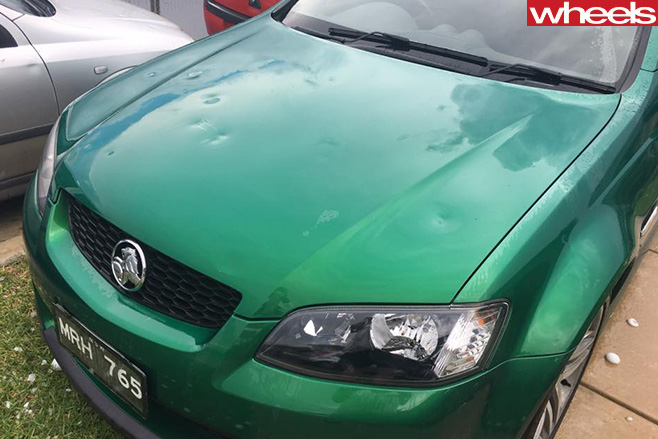
Hail damage creates a few headaches for new-car buyers keen to pick up a bargain, even if it is just cosmetic. Insurers don’t like hail-damaged cars, and will often refuse to cover them with comprehensive coverage, meaning owners will not have any financial safety net to fall on if they are involved in a crash.
Anyone buying a hail-damaged car as a repairable write-off should make sure they know how much it will cost to fix the damage, and factor that into the price they pay.
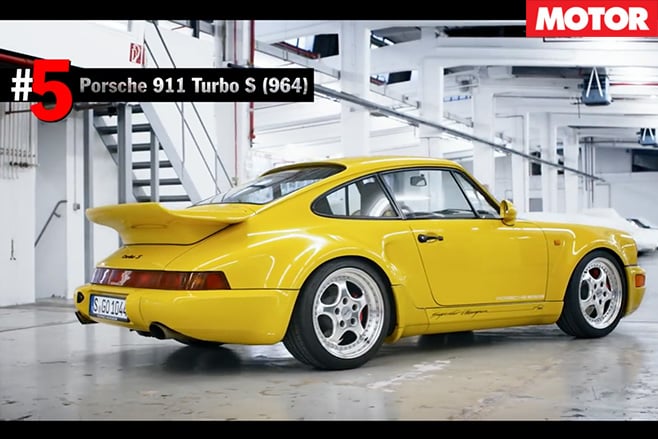
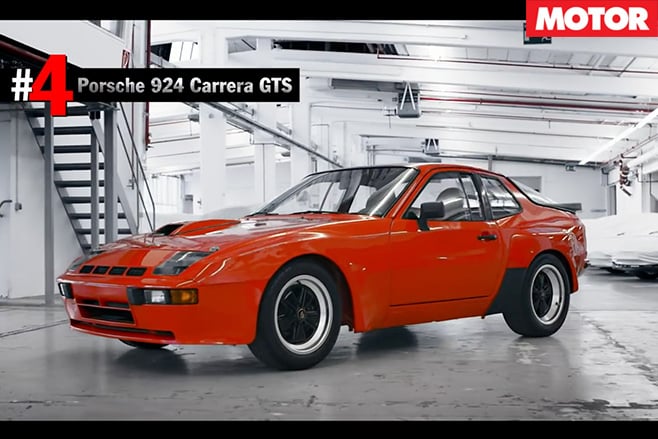
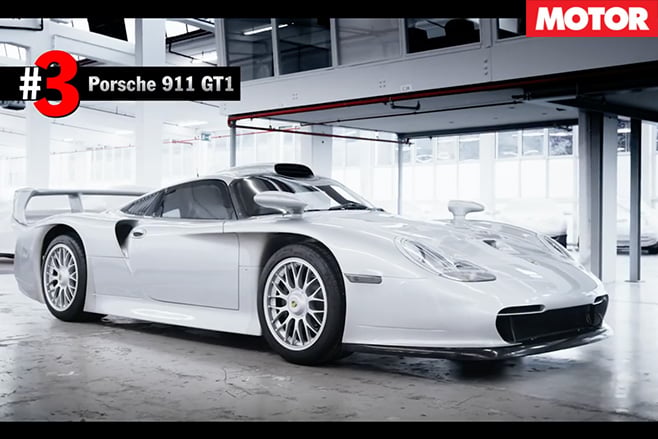
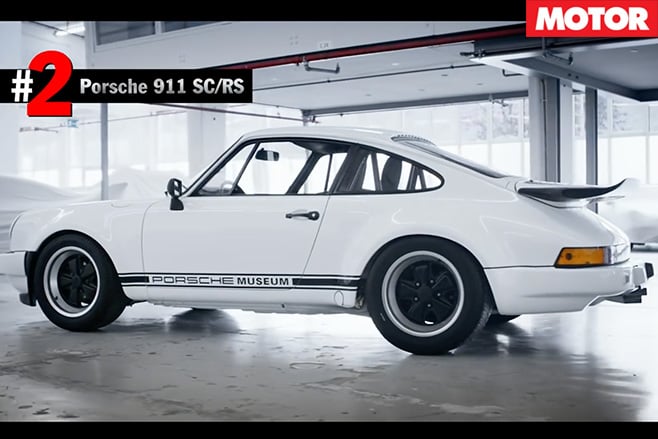
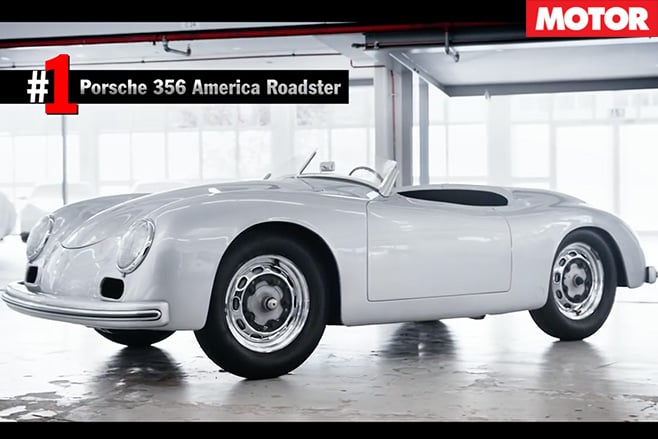
Porsche has named its top five rarest and most prized models over its rich history, with each of the exclusive sportscars – most of which are homologation specials – produced in fewer than 100 units.
THE Jeep Grand Cherokee Trackhawk is coming. The most explosive, brawling Mercedes-AMG SUV-rivalling version of the US carmaker’s beefiest rock-hopper line-up is locked in for a New York Motor Show reveal in April.
Adding weight to that is Fiat Chrysler Automobiles’ rush to trademark the Trackhawk name in Australia ahead of the Hellcat-engined Jeep Grand Cherokee’s reveal, suggesting the supercharged 6.2-litre Hemi version of the SUV is being weighed up as a potential starter Down Under.
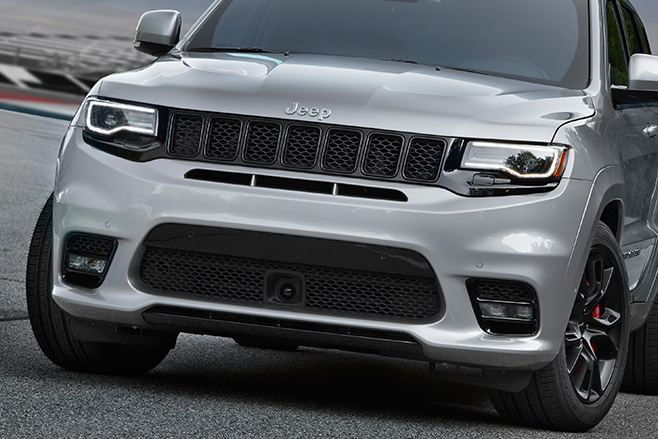
Due on sale in 2017, the monstered Jeep Grand Cherokee is fitted with the a similar engine to the one that will shoehorn under the bonnet of the resurrected Dodge Challenger SRT Demon, also slated for a full New York reveal.
“If there was a Trackhawk version of the Grand Cherokee somewhere in the future then yes, certainly we’d be interested in having a look at it,” FCA Australia spokesman Glenn Butler told Wheels.
“But until we see production details of the vehicle we can’t make a business case,” he said.
While a left-hand-drive version of the Trackhawk is slated to go on sale in the US some time this year, US automotive magazine Road & Track reckons a right-hook version could arrive in Australia sometime in 2018 – assuming other right-hand-drive markets globally pitch in to build up demand for it.
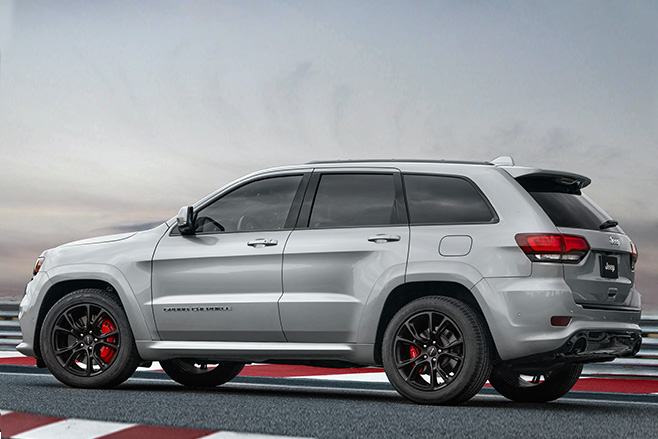
Performance SUVs are big business in Australia. Over at Mercedes-Benz, three out of every 10 AMG-badged models it sells sit on high-riding wagons.
While it potentially won’t quite attract quite the same price tag as the $190K 430kW Mercedes-AMG GLE 63, the Jeep Grand Cherokee Trackhawk should produce more than 400kW from its huffed V8 – well down on the 527kW used in other applications of the engine to reduce the engine’s incredible stress it places on the big SUV’s all-wheel-drive chassis.
The Hemi – in all its full 527kW glory – also appears under the bonnet of the Dodge Charger and Dodge Challenger Hellcats, and more recently the Dodge Durango all-wheel-drive people mover.
In our Fast Facts series, WhichCar delves deep into the history of automotive brands to bring you fascinating facts and intriguing information.
Here we focus on Ford, the company that pioneered mass-production manufacturing in the early 20th century with the Model T – going on to produce some of the world’s most iconic and most popular cars, including the Australian-built Ford Falcon.
FORD-ING AHEAD
Fords were sold in Australia just a year after Henry Ford founded the Ford Motor Company in 1903. An Australian subsidiary was established in 1925, based in Geelong, Victoria.
MASS PRODUCTION, DOWN TO A T
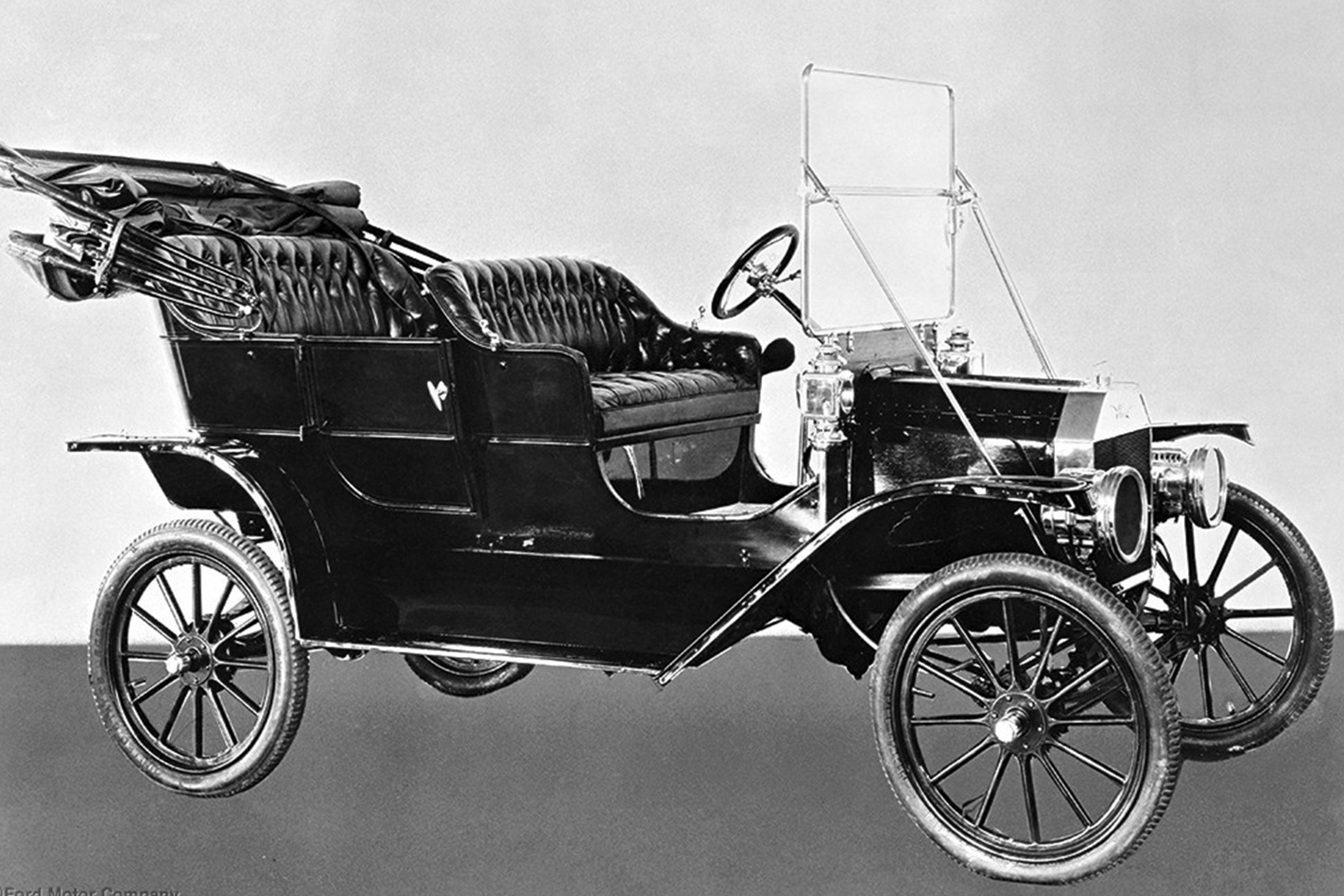
There was an automotive industrial revolution in 1913 when the Ford Motor Company pioneered the moving assembly line at a plant in Michigan. Production times for the Ford Model T were reduced dramatically to just 1.5 hours – helping to put cars into the reach of more than just the privileged with a relatively affordable price tag of US$260. The Model T reached 15 million sales across a lifespan that ended after nearly 20 years, in 1927.
FOLLOWING THE SCRIPT
The handwritten-style font of the ‘Ford’ logo debuted in 1907; two decades later, the essence of today’s famous badge was completed when it became surrounded by an oval on the 1927 Model A.
KANGEROO CHASERS
When a farmer wrote to Ford Australia in the early 1930s asking for a car and truck body-hybrid that could take him to church on Sunday and his pigs to market during the week led to the birth of the ute in 1934. It was based on a Ford V8 Coupe. They became nicknamed ‘kangeroo chasers’ in the US, where utes – or trucks as they became known there – proved to be immensely popular, epitomised by the best-selling model from Ford itself, the long-running F-150 series.
VEE-EIGHTS
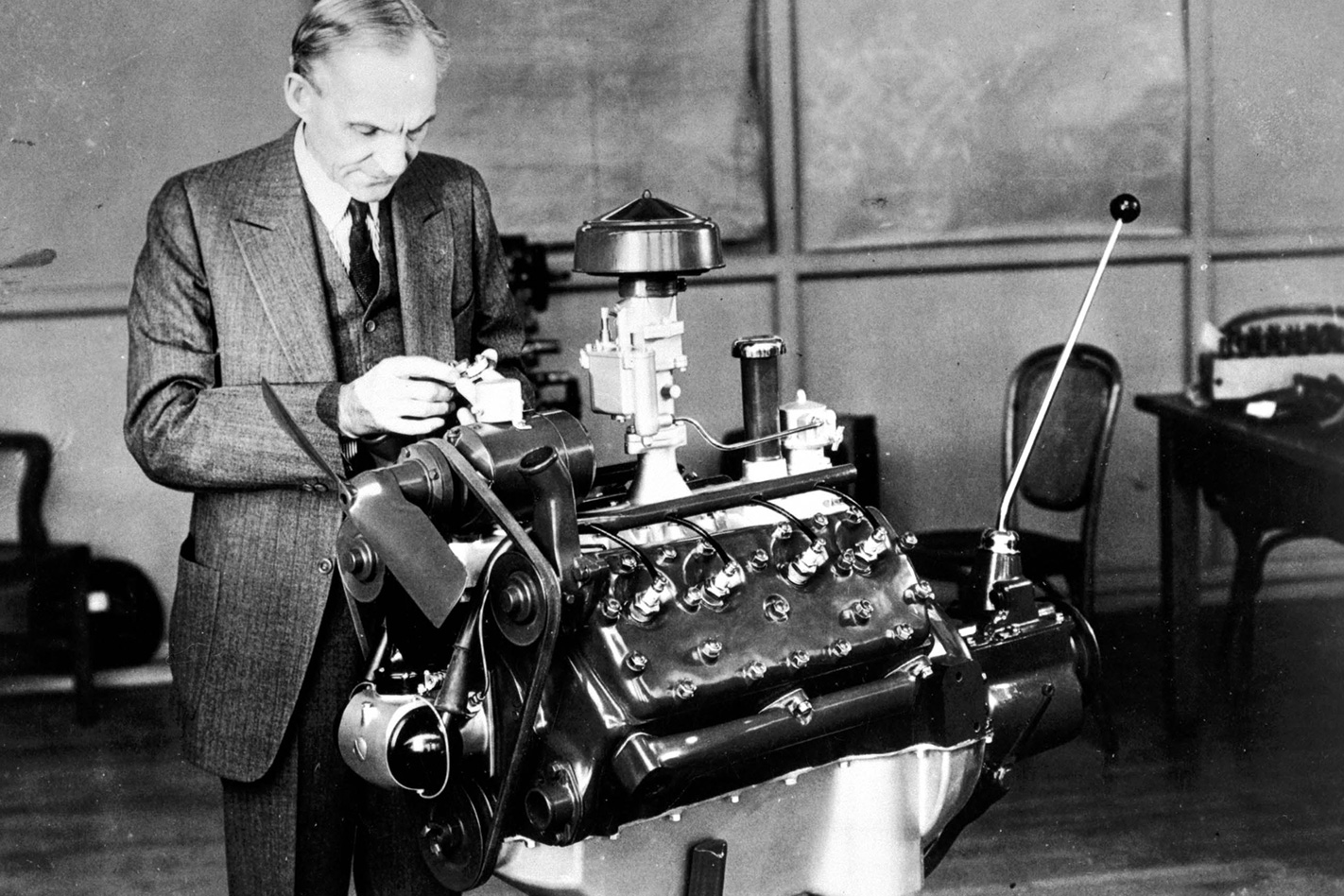
A great lineage of Ford V8s began with the ‘flathead’ in 1932, which ran for 22 years as it appealed to buyers looking for more powerful engines – and inspired a legion of hot-rodders.
THUNDERBIRD
The first of two Ford icons to debut across a 10-year span was the 1954 Thunderbird. The two-door, V8-powered model – with hard or soft top – was pitched as a personal luxury car rather than a sports car. Although, it became less personal when rear seats were added four years later. Fortunately, Ford didn’t go with some of the early naming options, which included Beaver. It was an immediate hit. Successive generations ended in 1997 due to declining sales, before the nameplate was revived in 2001 for a retro-inspired model, though it lasted just four years.
MUSTANG
Exactly a decade after the birth of the Thunderbird, the result of Ford’s search for a more youthful model was displayed at the 1964 New York Fair. The concept was based around a long bonnet (to suggest power), a short rear deck, four seats, and a sub-US$2500 price tag. Inspiring the ‘pony car’ class – a new breed of compact US muscle cars – 1968 film Bullitt helped to cement a legend, when Steve McQueen, as detective Frank Bullitt, smoked up the streets of San Francisco taking on the bad guys. The sixth-generation Ford Mustang was released in the nameplate’s 50th anniversary year (2014) and was Australia’s best-selling sports car in 2016.
FALCON
The Mustang was based on the chassis of America’s best-selling Ford of 1960, the Ford Falcon sedan. That same year the Falcon was launched in Australia – paradoxically based on the US Mustang – where it would also become a local icon, and spark a famous rivalry with the Holden Commodore. Notable generational models included: the mid-1960s XP made famous by a widely publicised 112,000km durability run at Ford’s You Yangs Proving Ground; the following XR that introduced the desirable GT variant; the XY forever remembered for the legendary GTHO Phase III; the strong XA-XC series of the 1970s, which also include hero models such as the XC Coupe Cobra; and the 2002 BA that spawned the XR6 Turbo performance sedan and the only SUV to have been built in Australia, the Falcon-based 2004 Territory SUV.
TAKE THAT, FERRARI
When Enzo Ferrari made a late decision to turn down a Ford buy-out approach, the US car maker got mad, and then it got even by building the 40-inch-high GT40 race car that ended Ferrari’s six-year Le Mans running streak with its own period of dominance. The GT40 won the famous French endurance race from 1966 to 1969.
RS PERFORMANCE
From 1968 with the 15 M RS Coupe, Ford of Europe became a specialist at turning its successful mainstream models into performance car legends that wore an RS – for Rallye Sport – badge. Renowned models came to include the likes of the Escort RS1600 and RS2000, the Sierra RS Cosworth (which in RS500 form won the 1988 and 1989 Bathurst 1000 races), and the Focus RS, which is sold today in third-generation form.
‘ONE FORD’ KILLS FALCON
Former Boeing boss Alan Mulally introduced the One Ford policy in 2008, which aimed to globalise its models, ending the company’s approach to building different cars around the world for same vehicle segments. While it was denied at the time, it effectively signalled the end of the Australia-only Falcon large car.
EXCESS PAG-GAGE
Over five years from its inception in 1999, Ford’s Premier Automotive Group (PAG) expanded to comprise the Aston Martin, Jaguar, Land Rover and Volvo brands. Mulally considered them a distraction to the priority of making Ford profitable, and by 2010 all had been sold. Aston went to a consortium in 2007, Jaguar and Land Rover were sold to India’s Tata Motors the following year, and two years later Volvo ownership changed hands to China’s Geely.
NEW LOCAL ERA
Ford Australia announced it would cease local manufacturing in 2016. It ended production of the Falcon after 56 years, as well as its landmark spin-off SUV, the Territory. The company remains the country’s biggest automotive employer, however, establishing itself as an Asia-Pacific design and development hub for the Ford Motor Company’s global operations. Models it has helped develop so far for Australia and other markets include the Ford Ranger ute and the related Ford Everest SUV.
