
What stands out?
The BMW X5 is a luxuriously equipped large SUV with up to seven seats. You can choose from a big range of excellent petrol and diesel engines, and most X5s drive all four wheels. City-speed auto braking is standard. The X5 xDrive 40e, a petrol-electric hybrid that you can charge from home powerpoints, offers near-silent short trips.
What might bug me?
That adults and even teenagers can’t stay comfortable in the third-row seats. Those optional sixth and seventh seats are suitable only for children aged about nine and younger. For bigger people, the rearmost seating is short on leg room and hard to get into.How bulky it feels in the city. The X5 is a big and heavy vehicle, and it does not feel nimble when you are driving around town.If you have optioned wheels of 20-inch diameter or bigger, that the ride is rougher and noisier than you had hoped for from your luxury SUV. On these wheels, with their matching low-profile tyres, you’ll find bumps and road noise take the serenity out of the driving experience.Dealing with a puncture in remote places. Every X5 but one has run-flat tyres and a space-saver spare tyre. Run-flat tyres allow you to keep driving after a puncture. The catch is, you are not supposed to drive faster than 80km/h, nor further than 80km. If a replacement tyre is further away (or if the run-flat tyre is badly damaged), you can fit the skinny space-saver spare wheel. However, it too is suitable only for speeds under 80km/h.The exception is the xDrive 40e plug-in hybrid, which has run-flat tyres but no spare. (Its battery pack occupies the spare-wheel well.)
What body styles are there?
Just the one, a five-door SUV-style wagon.The original X5 was praised for its smart, crisp exterior styling. The current version, while larger and possibly more pleasing to residents of the United States where it is built, has met less admiration elsewhere.The X5 is classed as a large SUV, higher priced.
What features does every BMW X5 have?
Satellite navigation, displayed on a 10.25-inch central colour screen. A 20GB hard drive for storing music and other media. Digital radio, and Bluetooth connectivity for phone calls and audio streaming.A reversing camera. (In all but the two least costly models, this offers top and side views as well as a view out the back.) Front and rear parking sensors.An interior trimmed in leather. Power adjustment for the front seats and exterior mirrors (with memory position for the driver, so that you can touch a single button to restore your preferred set-up).Cruise control. Headlamps that switch on automatically in low light, and windscreen wipers that operate automatically when it rains.Dual-zone climate control (which allows different temperatures on either side of the cabin). A power-opening tailgate, which can be foot-operated from a sensor below it.Runflat tyres, which allow you to drive up to 80km on a flat tyre (in cities, that should get you to a tyre shop). On all but the xDrive 40e plug-in hybrid, a space-saver spare wheel and tyre.Driving Assistant, a camera-based active safety package that includes a lane departure warning and city-speed autonomous braking.Electronic stability control, which can help the driver control a skidding car. All new cars must have this feature.Eight Airbags (for details of where they are placed, and for more information on other X5 safety systems, please open the Safety section below).All X5s are covered by a three-year, unlimited distance warranty.
Which engine uses least fuel, and why wouldn’t I choose it?
BMW offers a very big range of diesel and petrol engines for the X5. And in May 2016 it added a plug-in hybrid drivetrain with the xDrive 40e (it teams a petrol engine with an electric motor whose battery can be charged from household power outlets).Of the diesel and petrol cars, the least costly X5 – the sDrive 25d – uses least fuel, its 2.0-litre, four-cylinder turbo-diesel consuming 5.3 litres/100km on the official test (combined cycle).The same engine powers the all-wheel drive xDrive 25d. It provides perfectly acceptable performance for most drivers in most driving conditions.Nevertheless, the most popular engine in an X5 is the bigger and more powerful 3.0-litre diesel fitted to the xDrive 30d. It offers muscular acceleration from low speeds, and effortless overtaking and towing. And it uses only slightly more fuel on the official test, at 5.9 litres/100km. (Like most cars, the xDrive 30d needs more fuel in the real world: expect 8 or 9 litres/100km.)A still more powerful, and slightly thirstier, variant of this 3.0-litre diesel is offered in the xDrive 40d.If you are one of the few people who want even more performance from a diesel X5, you may be interested in the X5 M 50d. Its 3.0-litre engine is boosted by no fewer than three turbochargers, delivering stupendous performance and an engaging sound (unusual for a diesel), while containing fuel use to just 6.6 litres/100km.One reason you might not want a diesel X5 is that you don’t want to deal with oily diesel fuel and greasy diesel fuel pumps. For you, the X5 is offered with three petrol engines.The least costly petrol X5 is the xDrive 35i, whose 3.0-litre turbocharged six cylinder brings you fine, silky smooth performance. Ultimately an xDrive 35i will be slightly quicker than an xDrive 30d, with the greater willingness to spin hard that is typical of a petrol engine, but with a little less grunt for towing.Then there is the xDrive 50i, powered by a 4.4-litre V8 engine running two turbochargers. It’s a serious performance vehicle, and is thirsty in day to day running.The most expensive – and quickest – model in the X5 range is the X5 M. It also uses a 4.4-litre, twin-turbo, V8 petrol engine, but one that is significantly reworked and upgraded to deliver extremely high performance and an equally eye-widening fuel bill. On the official test it consumes 11 litres/100km, but it’s easy to use twice as much fuel with enthusiastic driving.If you expect you will use your X5 largely for short trips around town, and you need only five seats, you might have good reason to bypass all of the conventional diesel and petrol engines and choose instead the petrol-electric plug-in hybrid X5, the xDrive 40e. For round trips shorter than about 25km you can drive an xDrive 40e using no petrol at all, relying instead on its electric motor and battery, which you can recharge fully at home in about five hours. On long trips in the country, however, where you will be driving mainly on its paired 2.0-litre, four-cylinder, turbo petrol engine, it is likely that fuel use will greatly exceed the 3.3 litres/100km attributed to this car from the official test: expect to use more like 10 litres/100km. Performance will be comparable with the xDrive 30d and xDrive 35i.
What key features do I get if I spend more?
The least expensive X5, the sDrive 25d, drives its rear wheels only, as indicated by BMW’s naming convention: sDrive means a single pair of driven wheels. All other X5s are xDrive models, which means all-wheel drive. Therefore, the first thing you get by spending more on an X5 is the better traction on wet, muddy or otherwise slippery surfaces that AWD brings.Step past the least costly AWD model, the xDrive 25d, and spend more for an X5 and the main thing you get is a more powerful petrol or diesel engine, or hybrid drive – as outlined above. However you also get some more equipment, and different wheels.The xDrive 30d brings you a head-up display, which projects a speedo and other useful driving information onto the windscreen in your field of vision. It also brings you wheels an inch bigger at 19 inches, shod with tyres of a slightly lower profile (this is mainly a cosmetic change).Paying a bit more for an xDrive 35i (or any of the four more expensive X5s) brings you, in addition, smart-key entry, which unlocks the doors when you grab the handle (provided that the key is nearby, perhaps in a pocket or bag). You also get a nicer sounding, and louder, sound system from Harman Kardon.The xDrive 50i and the M 50d run 20-inch wheels, with tyres of a lower profile again that are wider, for increased grip. These also bring you a more comprehensive active safety package called Driving Assistant Plus, which includes active cruise control and highway-speed automatic braking. (You can order Driving Assistant Plus on other X5s as an option.)Popular options include the M Sport package, which gets you (among other things) 20-inch wheels and Adaptive M suspension. This suspension sits the car closer to the road to improve its cornering ability. It also adjusts the ride automatically for your driving conditions, using computer-controlled damping. As well, you get some external visual bling, nicer interior trim, and more supportive sports front seats.There is also an Adaptive Comfort suspension option available for the 40d and the four models priced below it. This also uses computer-controlled dampers, which react on the move to reduce the intrusion of bumps and ruts. In this case the suspension is tuned to emphasise comfort rather than performance. Air springs at the rear level the car when it’s heavily loaded or has a trailer attached.Two cosmetic option bundles, Pure Experience and Pure Excellence, can greatly lift the interior and exterior appearance of your X5. You choose from an extensive sample palette of leathers, other materials and finishes.A folding third row of seats, extending seating from five to seven, is an extra-cost option on all but two X5s. The exceptions are the the X5 M and the plug-in hybrid xDrive 40e, on which it is not available.
Does any upgrade have a down side?
The performance oriented Adaptive M suspension upgrade, combined with the big 20-inch wheels from the M Sport package, makes the car less comfortable over bumpy roads. And the big wheels and tyres are more susceptible to damage from rocks when driving off sealed surfaces. The larger tyres will also cost more to replace, and will not accept snow chains.Optioning the third row of seats means you lose the space-saver spare wheel, and must rely on only the run-flat tyres in the event of a puncture.The X5 M and xDrive 40e plug-in hybrid do not offer third-row seating: they are five-seaters only.Metallic paint is standard only on the two most expensive X5s. On the others, it is an extra-cost option.
How comfortable is the X5?
The commanding driving position, excellent adjustability of seat and steering wheel, abundant space and premium cabin finishes immediately make any X5 feel welcoming and very comfortable.On the move, the X5’s ride comfort – its ability to isolate occupants from poor road surfaces – depends heavily on the suspension package and the wheel and tyre combination fitted.In standard form, the least expensive models – the sDrive 25d and xDrive 25d – are the most comfortable, thanks to their smaller wheels and higher profile tyres, which have greater sidewall depth that helps absorb bumps.If comfort is a priority, consider the Comfort adaptive suspension option and avoid ordering the 20-inch wheels.In all other respects, the X5 is extremely comfortable. Wind noise is moderate, and tyre noise at highway speeds is not intrusive. The standard front seats are adequate for people of average build or smaller.However everyone – and especially those of larger frame – will appreciate the sports front seats (standard on some versions and an option on others). These adjust to provide extra under-thigh support, which is always welcome on long trips, and they also bring better side support, to locate your upper body more securely through corners.The diesel engines, while noisier than their petrol counterparts, are not loud or intrusive in the X5. On trips around town the plug-in petrol-electric hybrid xDrive 40e is especially comfortable, because its ability to run on just the electric motor makes it exceptionally, almost eerily, quiet.
What about safety in a BMW X5?
All BMW X5s deliver a strong standard safety story, and there’s an array of optional safety equipment.Every X5 is equipped with six airbags: frontal and body-protecting side airbags for the driver and front passenger; and side-curtain airbags that protect the heads of outer occupants in the first two seat rows from side impacts. (The curtain airbags do not protect passengers in the optional third-row seats, however.)Also standard is an active protection system that sees the car prepare itself (closing windows and sunroof, and tensioning seat belts) if it detects that a crash is imminent at any speed. If you use maximum braking, rear brake lights flash and the hazard lights activate – reducing the chances of a rear-end collision from the tailing car.Every X5 also has a camera-based Driving Assistant package that includes an autonomous partial-braking system which works at speeds up to 60km/h. If it detects an obstacle in front – typically a sharply slowing car – it will warn you and if necessary will initiate braking automatically, but it will not apply maximum braking. There is also a lane-departure warning, which alerts you if you have begun to drift out of your lane (a sign of fatigue).Among safety-related options available at extra cost is Driver Assistant Plus – a camera-and-radar based system that works over a longer range and at highway speeds. It offers active cruise control, which will maintain a safe distance to vehicles in front. And it offers forward collision warning and full auto-braking at speeds up to 210km/h.Also optional is lane-change warning, which alerts you to vehicles alongside in a blind spot via a light on the exterior mirror and a vibration through the steering wheel.Other safety-related options include headlights that dip automatically for oncoming drivers, and that turn with the steering wheel to shine into corners. A Night Vision system picks out with a spotlight roadside pedestrians or animals you may not otherwise see.
I like driving – will I enjoy this car?
Yes. All X5s turn into corners with authority and deliver generous grip, giving you plenty of confidence on country roads.However this is a large, heavy SUV. So while even the least costly X5s have enough urge to take you anywhere you need to go, the more powerful variants – from the xDrive 30d up – are a better match for the car’s size and weight, and offer a skilled driver much more entertainment. They also feel more responsive in stop-start urban driving, and more effortless in hilly open-road driving.Another caveat is the steering. Despite having three levels of assistance to select from, it never provides the very high level of feel you get with some other big premium SUVs.More generally, the X5 is always going to be hamstrung by weight and its high centre of gravity when it comes to true driving enjoyment. It won’t reward you in the same way that a BMW sports sedan does. But considering what it is and what it’s capable of, there is driving enjoyment to be had.The all-wheel-drive system fitted to all but one X5 helps the car maintain traction on muddy, snowy or otherwise slippery sealed roads, on gravel roads, and on well-maintained tracks. The X5 does not have the ground clearance, underbody protection or low-range gearing needed for rough off-roading, however. And if you were to get a flat tyre while off the beaten track, you would have to struggle home on the skinny space-saver spare.
How is life in the rear seats?
Very comfortable – which is not surprising, given the car’s size and its luxury positioning. Rear-seat passengers enjoy generous leg room, useful grab handles and ample storage.Even a middle passenger in the second seat row won’t find conditions too cramped or arduous. Very effective ventilation outlets provide ample airflow. Individual temperature controls for outer rear passengers (called four-zone climate control) are available as an extra-cost option on any variant, and are standard on the M 50d and X5 M.Two 12V power outlets in the rear console let the kids keep phones and other devices charged over long trips.As an extra-cost option, BMW also offers rear passengers two 9.2-inch high-resolution screens that are linked to a DVD drive. It will also connect with a games console, USB drive, and headphones.You can have two folding third-row seats in any model but the X5 M and xDrive 40e, but they are an extra-cost option. And over long distances they will be comfortable only for pre-teens.
How is it for carrying stuff?
Excellent: this is an X5 strength. Even with the second-row seats occupied, there is enough boot space (630 litres, in all but one model) to accommodate most of what a family needs for a long weekend away.Fold the seats (they split 40/20/40 and lie almost flat) and the cargo space is enlarged to a vast 1720 litres, so that a man’s racing bicycle, or a serious trip to Bunnings, will easily be swallowed.The loading height of the boot is higher than that of a comparable car-based wagon (such as BMW’s own 535i Touring), which many people prefer when loading bags and groceries.The model with less boot space is the xDrive 40e, due to the battery pack it hides under the luggage area. This raises the boot floor by 40mm (not really noticeable), and cuts the seats-up cargo compartment to 500 litres – still ample for most people.A foot-triggered, hands-free opener for the powered tailgate is standard on all X5s.Legal towing capacity is 2700kg if the trailer has its own brakes – about the norm for a road-oriented big SUV. The X5 could easily tow a jet-ski, a single horse float or a camper trailer, for example.
Where does BMW make the X5?
All X5s are built at BMW’s plant in Spartanburg, Carolina, USA.
What might I miss that similar cars have?
Perhaps a more extensive suite of active driving aids. This third-generation X5 is essentially a rebody of the model before it, rather than a clean-sheet design. Some similarly priced but more recently developed alternatives offer the driver more assistance – for example, the Volvo XC90 and Audi Q7.More accommodating third-row seats. Both the XC90 and the Q7 offer third-row seats with more room and easier entry than the X5.Better ride comfort. The Q7 has a more compliant ride over poor surfaces, especially on its optional air suspension.You may also find the BMW’s standard interior a little dour compared to the more designer-ish Audi. But you can dress it up with material and trim options.
Are there plans to update the X5 soon?
In 2015, BMW made digital radio and internet functionality standard across this third-generation X5 range. A more extensive upgrade is possible in 2017.However, an all-new X5 has been seen undergoing tests in prototype form. This fourth-generation X5 is expected for 2018.A bigger seven-seat SUV, designated the X7, is likely to debut soon after the new X5.
I like this car, but I can’t choose which version. Can you help?
Easy: The X5 xDrive 30d has more than ample performance, is frugal with fuel, and costs a lot less than the faster xDrive 40d. It is the best-selling X5 in Australia, for good reason.The second-best seller is also worth careful consideration. It is the least expensive X5, the sDrive 25d. Plenty of people find this rear-drive variant provides perfectly acceptable performance, and the lower price might give you more freedom to tailor the car to your tastes with options.
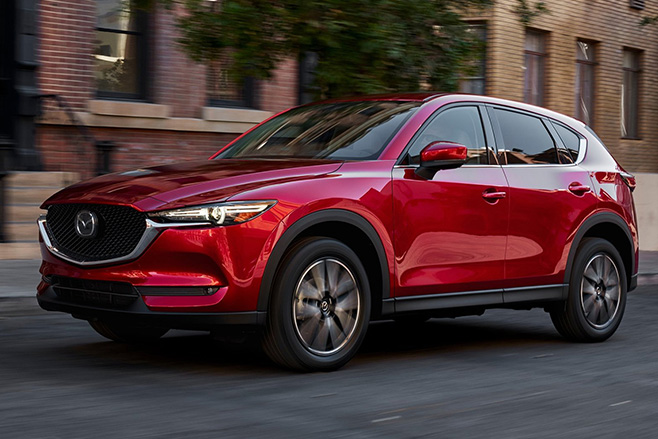
MAZDA CX-5
Why would we be excited about a mid-sized crossover? Because Mazda’s follow-up to its popular first-generation CX-5 looks set to take the segment by storm once again with a combination of sharp design, clever engineering and enjoyable driving dynamics.
Expect it to arrive in showrooms in April, with a line-up similar to that of the model currently on sale
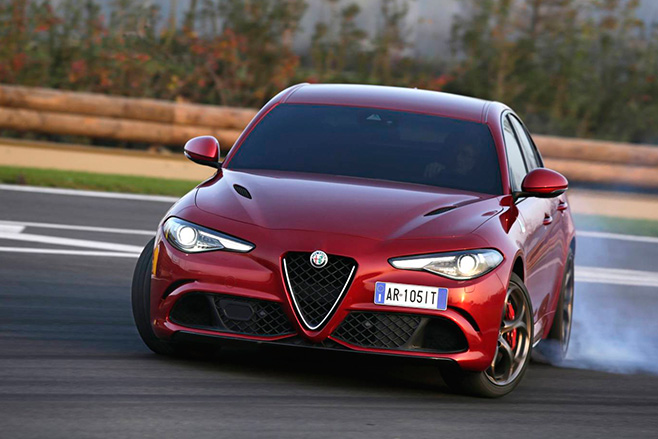
ALFA ROMEO GIULIA QV
After years of ho-hum front-drivers, Alfa is set to make a triumphant return to form with its most compelling offering in years: the Giulia luxury sedan.
Sized to compete with the BMW 3 Series and Mercedes-Benz C-Class, the Giulia range will launch in Australia with the flagship QV variant to battle the M3 and C63. A rear-drive platform and grunty twin-turbo 3.0-litre V6 establish the Giulia QV’s sporting credentials, and it will go on sale in February with an RRP of $143,900.
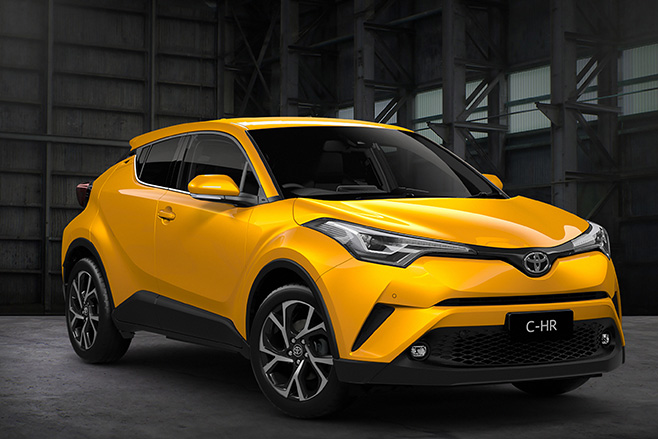
TOYOTA C-HR
Toyota will venture into new territory with the C-HR in February, with the sharp-looking crossover giving the brand a true rival to other compact SUVs like the Mazda CX-3 and Honda HR-V. Characterised by surprisingly sexy design and powered by a turbocharged 1.2-litre petrol engine, the C-HR will be offered in two model grades with a very high level of specification.
It won’t be as cheap as the bulk of its rivals, but generous equipment levels and standout styling are expected to draw buyers in in great quantity.
GENESIS G70
We’ve yet to see it in the flesh as it’s yet to make its global debut at a motor show, but the Genesis G70 has us excited because it’ll be a landmark car for the Hyundai-owned luxury brand.
Expectations are high for Genesis’ 3 Series fighter, and parent company Hyundai has in recent years spent big on hiring design and engineering talent to give its vehicles – and those of Genesis – an edge over established rivals. With rear-drive underpinnings and modern turbocharged engines under the bonnet, the G70 should be a joy to drive too.
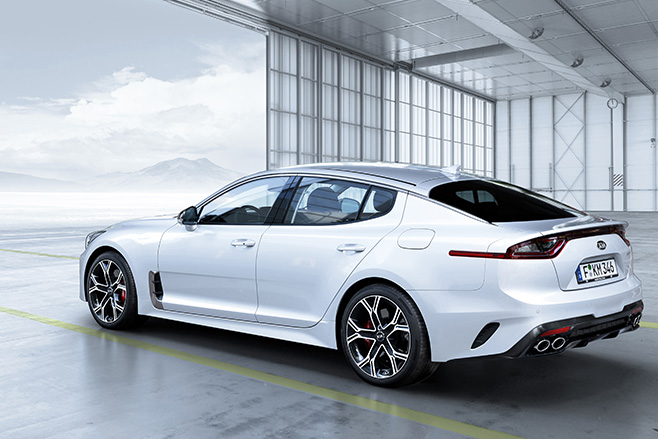
KIA STINGER
Korean brand Kia only recently debuted its showstopping Stinger sedan at the Detroit Motor Show, but the sleek four-door has already got punters champing at the bit to get behind the wheel.
It’s little wonder, as the rear-drive (AWD in some markets), twin-turbocharged V6 powered Stinger is a massive departure from the front-drive hatchbacks, sedans and SUVs that Kia is known for in this country.
Engineered with performance and driving pleasure in mind, the Stinger’s late 2017 arrival in Australia puts it in a good position to take over demand for RWD sedans from Holden and Ford.
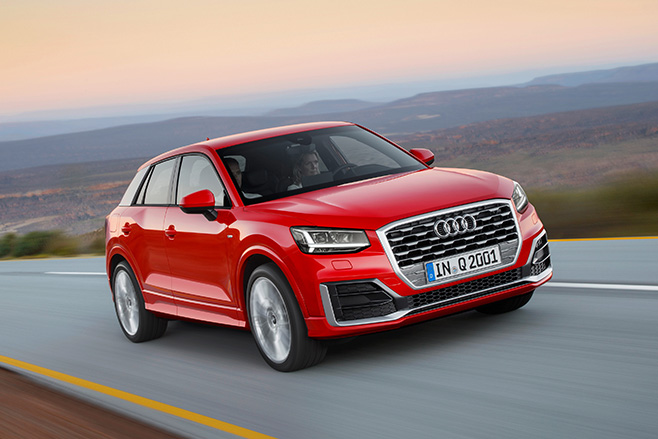
AUDI Q2
The number of SUV variants available to new car buyers continues to swell as motorists gravitate to high-riding crossovers and off-roaders in increasing volumes, and Audi plans to tap into that burgeoning demand with the Q2.
Sitting below the Q3, the Audi Q2’s off-roadability will be notional at best, but its burly styling should prove attractive to those not content with the (relatively) low-slung A3.
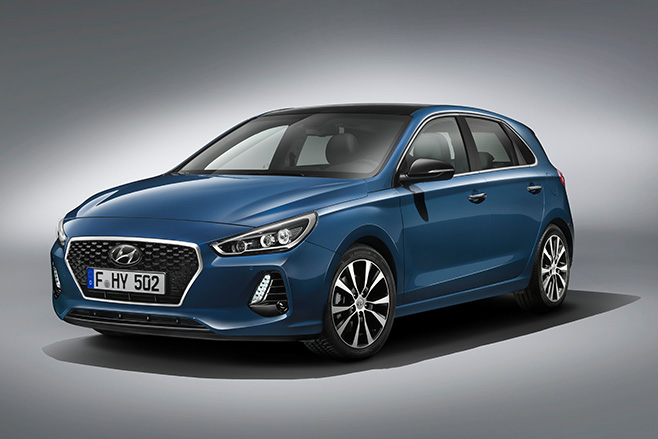
HYUNDAI I30
Hyundai’s i30 is one of Australia’s most popular cars right now, but its all-new replacement, due in April, elevates the Korean hatchback above mere grocery-getter status.
Styled and engineered in Europe, the new third-generation i30 boasts a more premium execution than the models that have preceded it, and is sure to provide stiff competition for the Mazda3, Volkswagen Golf and Toyota Corolla when it arrives.
VOLVO S60/V60 POLESTAR
The S60 and V60 sedan/wagon twins won’t be getting an all-new replacement this year, but their high-performance Polestar derivatives will be undergoing some dramatic changes.
In 2017 Volvo Australia will bring the latest version of the S60 and V60 Polestar, which dumps the current model’s turbocharged 3.0-litre inline six in favour of a turbocharged AND supercharged 2.0-litre inline four, gifting it more performance with less weight up front.
INFINITI Q60 RED SPORT
It’s a GT-R-engined luxury coupe, what’s not to love? Well, the Q60 Red Sport’s engine isn’t quite the same powerplant as that used by the mighty Nissan GT-R, but with 298kW of power and 475Nm of torque the twin-turbo V6 shares much of its DNA with the AWD Japanese supercar.
Infiniti has failed to get traction in this market, largely due to a product range that lacks a bit of passion and sparkle. The high-performing (and frankly gorgeous) Q60 Red Sport has a good chance of changing that when it arrives in March.
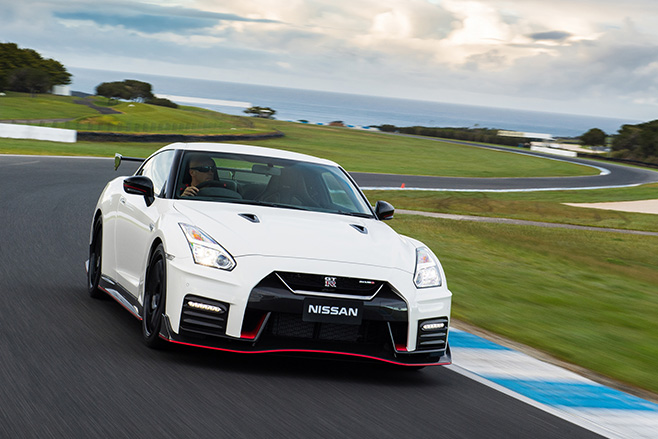
NISSAN GT-R NISMO
Speaking of the GT-R, Nissan will be taking the performance of its supercar-shaming coupe to new heights in February with the GT-R Nismo.
Tuned by Nissan’s motorsport arm, the GT-R Nismo packs 22kW more power and 24Nm more torque than the regular GT-R for a total of 441kW and 652Nm, and benefits from a range of chassis, suspension and aerodynamic upgrades to make it unbeatable on a racetrack. It’ll be a hardcore proposition that sacrifices comfort for fun, but for driving enthusiasts it should be a scorching machine.
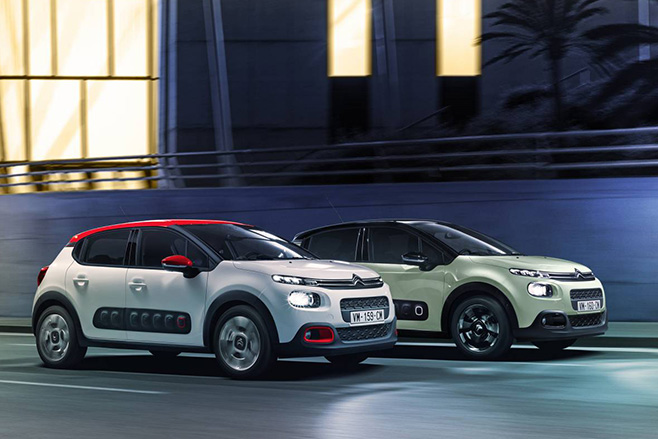
CITROEN C3
Citroen has been a brand in the doldrums in past years, though funky and fresh new products like the C4 Picasso and C4 Cactus have breathed some new life into the French automaker’s showrooms lately.
Joining those two (fairly niche) vehicles this year will be the C3 hatch, which builds on the organic and futuristic design language of the Picasso and Cactus and packages it into a mass-market hatchback that should – provided it’s priced and specced right – be one that delivers sales success for Citroen in Australia.
HONDA CIVIC TYPE R
The Civic range will expand beyond the tenth-generation sedan that launched last year when the five-door hatch counterpart arrives in the first quarter of 2017, but it’s the Civic Type R hot hatch that’s due mid-year that has our interest most of all.
Powered by a turbocharged 2.0-litre mill and taking power to the front wheels through a proper manual transmission, the new Civic Type R will inject some much-needed zing into Honda’s Australian lineup.
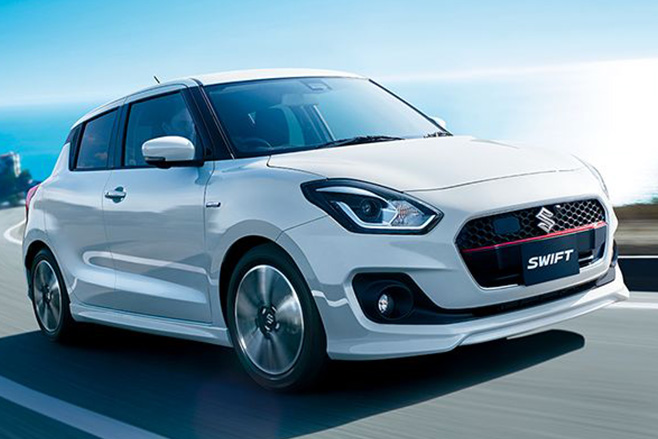
SUZUKI SWIFT
Suzuki has always done well with its small car offerings and the model it’s best known for is due to get an all-new replacement this year that looks destined for success.
Turbocharged for the first time with a 1.0-litre turbo three-cylinder, the new Swift also enjoys a more modern interior and equipment fit-out. We expect it to be just as compact and fun to drive as before.
MERCEDES-AMG E63
The E-Class may already have launched, but it’s the fire-breathing E63 flagship that’s due to arrive this year that will have many well-heeled car fiends salivating.
Set to land here in July, the new E63 S generates a huge 450kW of power and channels that mumbo to the road via all four wheels. A dedicated drift mode allows tail-out shenanigans when on a racetrack or skidpan, which is the perfect environment to enjoy AMG’s track-tuned luxury sedan.
LEXUS LC 500
The LFA may be gone, but some of the spirit of Lexus’ world-class supercar will return in the form of the more accessible, more affordable LC 500 coupe.
Think of it as Lexus’ rival to the Jaguar F-Type Coupe – V8 engine up front, driven wheels at the rear and all clothed in beautiful sheetmetal. It looks great and early indications are that it drives brilliantly too. Expect it in the second quarter of 2017.
Designed to help the driver prevent or mitigate collisions in a wide range of traffic situations, the safety package is standard equipment in the range-topping ZR while being a $750 option in the Ascent, Ascent Sport, SX and Hybrid.
The safety package includes Toyota’s pre-collision safety system with forward collision warning and autonomous emergency braking, lane departure alert and automatic high beam.
The pre-collision safety system relies on a windscreen-mounted camera and LIDAR (light detection and ranging) sensor to identify and calculate the distance to vehicles ahead.When it detects an impact risk, it triggers audible and visual warnings and primes the brakes for extra stopping force. If the driver doesn’t take action, the system automatically brakes to reduce the car’s closing speed.
Lane departure alert also uses the camera and LIDAR sensor to identify lane markings and trigger warnings. The system alerts the driver if the car begins to deviate from its lane if the turn signal isn’t being operated.
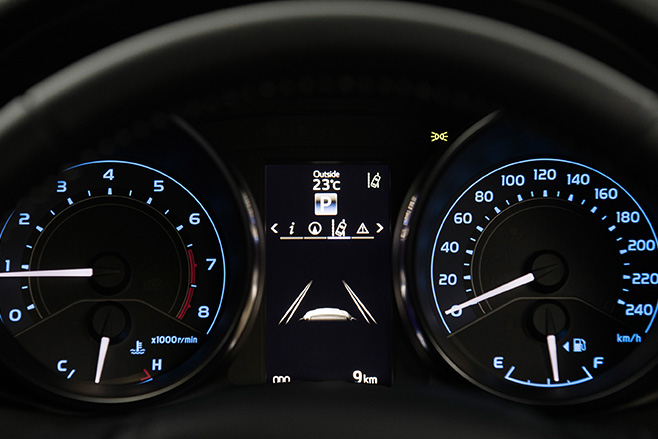
Automatic high beam detects when there is on-coming traffic or vehicles ahead and automatically switches between high and low beam.
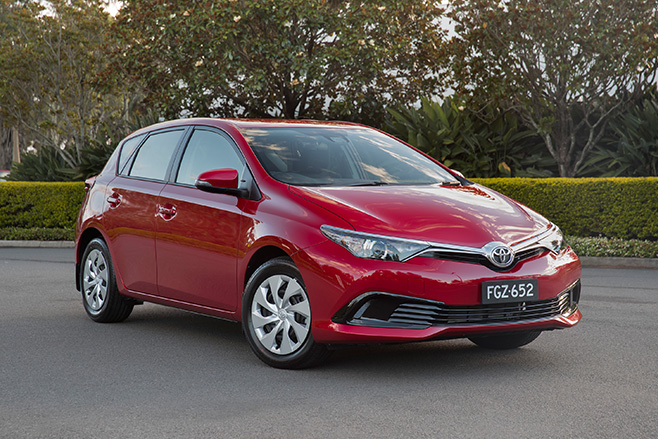
Standard safety features across the Toyota Corolla Hatch range include seven airbags, whiplash-injury lessening front seats, vehicle stability and traction control, electronic brake-force distribution, brake assist and reversing camera.
COROLLA HATCH PRICES
- Ascent (manual): $20,190
- Ascent Sport (manual): $21,210
- SX (CVT): $26,000
- ZR (CVT): $30,020
- CVT (Ascent, Ascent Sport): $2040
- Safety pack (all except ZR): $750
- Satellite navigation (Ascent Sport): $1000
- Panoramic roof (ZR): $1530
- Premium paint: $450
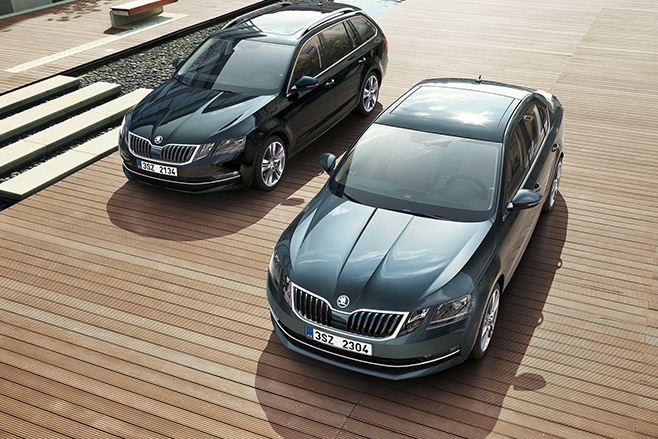
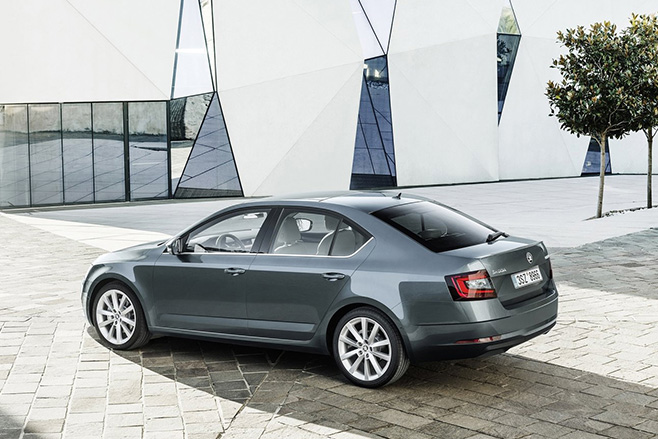
As previously revealed, the Octavia has been given a significant facelift at the front and rear including a wider radiator grille, a more masculine bumper with wider air inlets and unique split headlight arrangement.
Overseas, the 2017 Octavia comes with a nine-strong engine line-up including four turbo petrol and four turbo-diesels ranging from 63kW to 135kW, plus an 81kW natural gas-fuelled 1.4-litre G-TEC unit.
Engines will continue to be mated to manual or automatic transmission options including six or seven-speed dual-clutch DSG autos. Most will be front wheel-drive, though there will be all wheel-drive variants powered by the 1.8 TSI and 2.0 TDI engines.
Don’t expect to see all of those powertrains in Aussie cars though, with Skoda Australia telling WhichCar it is looking to carry over petrol and diesel FWD drivetrains from the current range along with a newly boosted 165kW 2.0-litre TSI motor for the sporty Skoda Octavia RS variant.
The new Octavia is a little longer, 20 or 30mm depending on variant, which translates to more interior space including 73mm rear legroom and boot capacities for the sedan and wagon of 590- and 610-litres respectively.
New interior features include two USB ports in the rear, folding tray tables on the back of the front seats, a removable LED torch in the wagon’s cargo area and optional heated steering wheel and customisable key profiles for extra comfort and convenience.
The Octavia has new generation driver assistance technology rarely found in its class including Trailer Assist reversing mode, pedestrian detection, blind spot monitoring and rear traffic alert, self-parking and autonomous emergency braking.
Infotainment comes in three levels: Bolero, Amundsen and range-topping Columbus. More responsive 9.2-inch touchscreens also feature.
The Skoda Connect app offers a range of new mobile Infotainment and Care Connect, the latter providing assistance and support such as automatically calling emergency services if it senses the car has been involved in an accident,
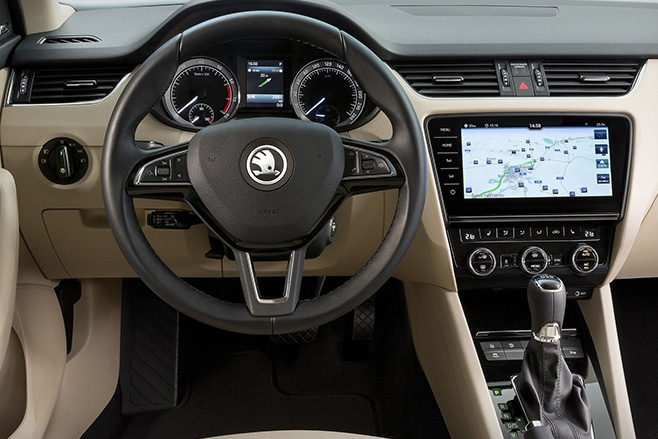
The Columbus navigation system also provides an in-car Wi-Fi hotspot and has an optional extra LTE module for super-fast data transfer. In addition, inductive smartphone charging is also available.
Infotainment services include Apple CarPlay and Android Auto when paired to an appropriate smart phone.
Australian range specifications and prices for the 2017 Octavia range will be revealed closer to its mid-year launch, though expect standard kit in the entry-level Ambition model to include adaptive cruise control, Skoda Connect with dual Apple and Android, 17-inch alloys and rear camera.
It will come with Skoda’s new five-year, unlimited kilometre warranty.
Tacho needles see red as we mark the end of an iconic engine with a rev through Mazda’s rotary history.
First published in the October 2012 issue of Wheels magazine, Australia’s most experienced and most trusted car magazine since 1953.
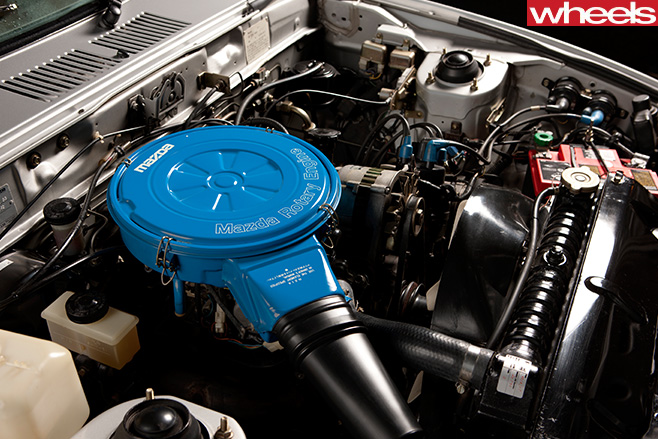
On Friday, June 22, the last Renesis engine was hand-built in Mazda’s surgically clean rotary assembly room at its Hiroshima plant. When the last of 16 through-bolts that sandwich two rotors and housings between three side plates was tightened, a chapter closed. Meanwhile, I was left wondering if history will record that chapter as four decades of 13B rotary engine production, or half a century of the production rotary-engined car…
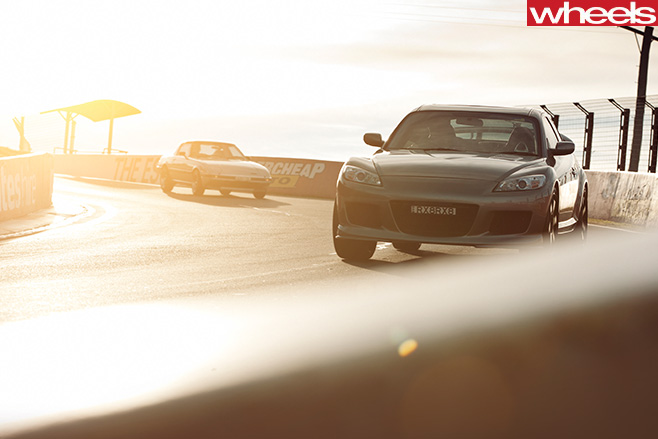
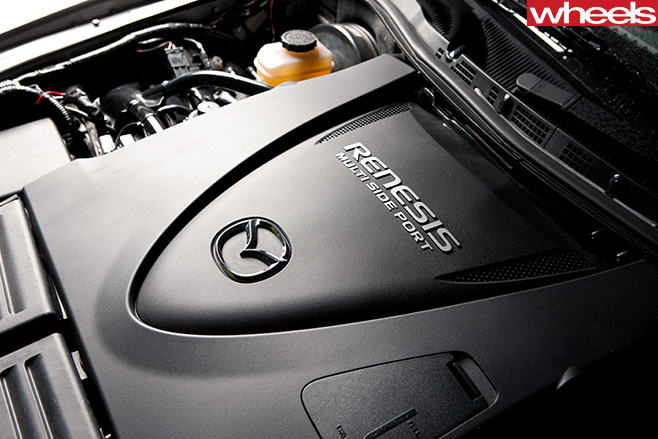
Looking at the futuristic four-seater coupe with its suicide doors, idling engine humming a unique tune, it’s hard to believe the RX-8 is now a car of the past. But after nine years in production our 2003 Car of the Year was at the end of its life, and tightening emissions standards had its multi-side-port twin-rotor engine backed into a corner.
So, does a decade and a half of rotary ownership rule out objectivity? Perhaps. But in the beginning, I could have bought a Skyline, a Commodore … anything. I bought that first ’79 RX-7 because of its exhaust note, because the workings of its engine were so interesting, and because to an 18-year-old me, modified Mazda RXs were just cool. Now, owning and driving rotaries is what I’ve always done; I’m committed to rotaries and if someone – say, a journo colleague – doesn’t like them, I want to change their mind, if only so they don’t miss out on what I think is a uniquely awesome automotive experience. If they’ve tried rotary power and don’t like it, I’m okay with that. Let them go back to their Porsche 911 GT3 … screensaver.
***
AFTER 1967’s flamboyant, high-tech Cosmo Sports – De Dion suspension, rack and pinion steering – the mass-production rotary Mazdas that followed were conservative small/medium sedans and coupes. From R100 through RX-2, RX-3 and RX-4, the early rotaries were powerful for the time, but didn’t really handle. The slow, ungainly, and unpopular RX-5 of 1976-’78 proved the turning point.
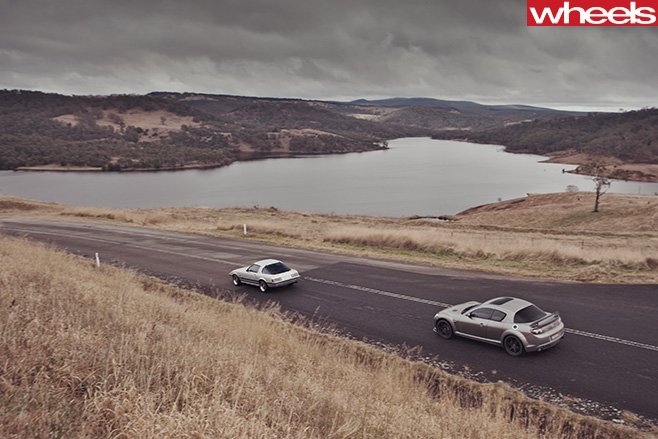
When I started at Wheels, with its succession of new, often high-performance cars, I hoped it wouldn’t render my old Mazda an object of the past. But if it did, what would it matter? I’d be living the dream in ultra high-performance metal that I didn’t have to pay for, right? Erm, not quite. If you’ll forgive the analogy, that would be like expecting meaning from a 15-minute relationship in The Cross…
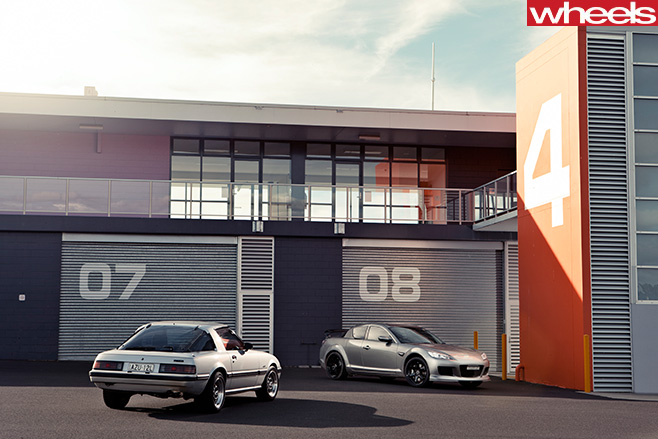
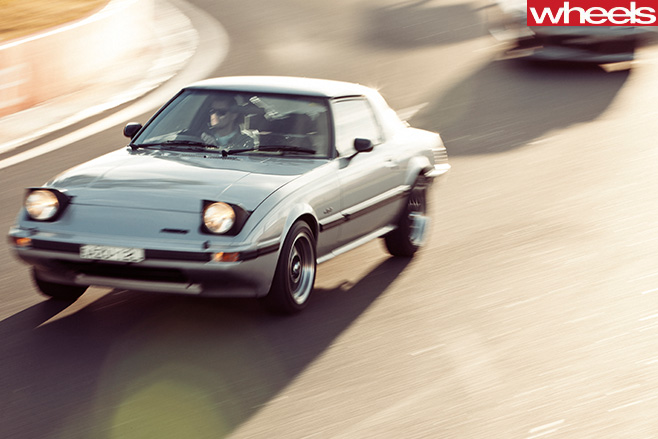
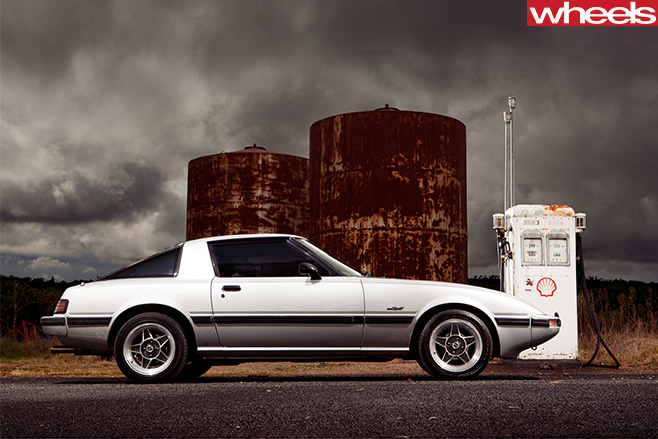
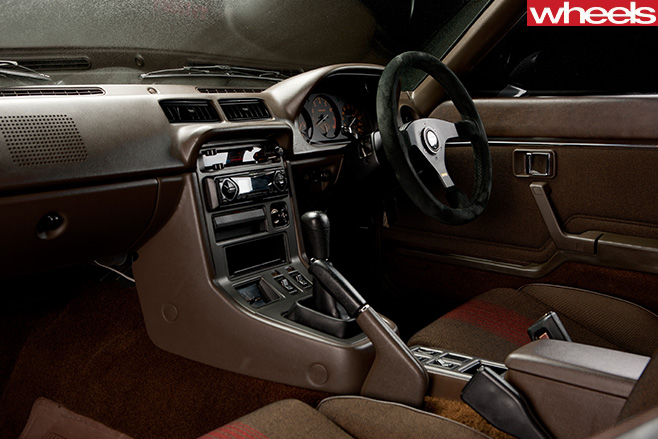
From the cocoon-like confines of the cabin, the original RX-7 feels light and simple. The driving position is right, but the seats are flat, and it’s all a bit ’80s-brown. The engine revs with uncanny smoothness, and kicks at 4000rpm as the carby’s vacuum-actuated secondaries open, sending the tacho towards – and beyond – the shift buzzer and 7000rpm redline with renewed conviction. The eagerness to rev, the loud, raspy exhaust, and the backfires and flames make it feel like a race car, but the reality is it’s not much quicker than a Mazda 2.
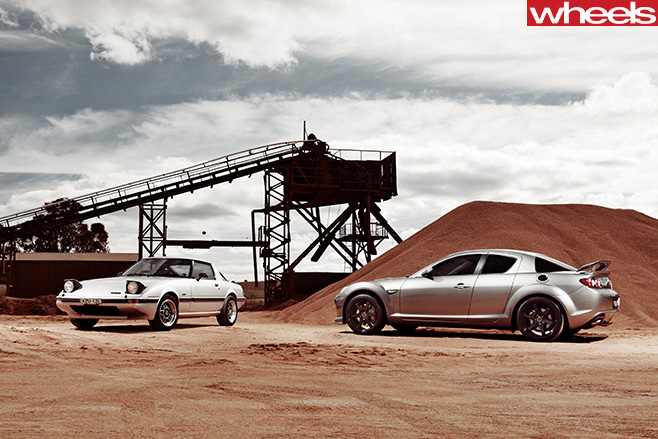
Normally, excellent steering ranks highly on my list of desirable car attributes, but even with chassis tweaks, my RX-7’s unassisted recirculating-ball steering – razor-sharp by early RX standards – is heavy and imprecise compared with anything new-ish. I can live with that, because of the engine…
***
THE RX-8 – no longer on sale – was long gone from the Mazda Oz press fleet. “We’ve found an SP with a badge, a rear wing and a turbo – would that be okay?” Mazda enquired. You beauty, I thought – good luck prising it back from me. One of 10 built, the SP and its Garrett GT3582R turbo should huff, puff and blow away any lingering criticisms (from others) of a lack of torque.
Allan Horsley, recently retired boss of Mazda Motorsport, thought so too. His RX-8 Motorsport was originally conceived as a 2004 Sydney motor show special to generate interest around the then-new rotary. It grew, via our road-going proto, into the flame-belching Targa Tasmania SP, which proved a close match for the outright class Gallardo, Godzilla, et al, in 2011 and ’12.
As a teenage rotary fan I was enthused by the dominance of the twin-turbo RX-7s, but I was a bit too young to watch Allan Moffat and his RX-7 making life difficult for Group C Commodores and Falcons in Australian tin-top racing. He drove the flared, noisy, aggro RX-7 to victory in the 1983 Australian Touring Car Championship and gave Mazda its best Bathurst 1000 result – second – the same year.
However, the rotary’s sweetest victory came in the 1991 Le Mans 24-hour, where the naturally aspirated, quad-rotor R26B-powered 787B beat the Walkinshaw Jaguars on the way to becoming the only Japanese maker (and only non-reciprocating engine) to win the French classic.
***
DRIVING THE RX-8 SP reignited a personal debate that I thought I’d resolved when I bought my current RX-7: Which is the ultimate, atmo or turbo rotary power? Of my seven rotaries three were atmo, three were turbo, and one started out carburetted before being injected and turbocharged. It’s a difficult decision: the purity and linearity of the rotary torque curve and exhaust note are preserved with atmospheric induction. But the appeal of an engine that revs hard, spinning a turbo at high speeds with its forceful exhaust, which in turn forces air into the engine is … powerful. The Targa Tassie SP is rumoured to produce 300kW.
Thank the engine, too, for the fact that the RX-8 is one of the best handling cars this side of the mega-buck exotics. More than any RX-7, it wraps the benefits of that small, light, front-mid-mounted engine in a terrifically well-sorted chassis. The electro-mechanical steering is slick and accurate, the balance and adjustability are sublime, and it does it without stiff springs and dampers, which allows it to glide over rough roads. Some of that compliance is lost in the RX-8 GT, introduced with the updated 2008 model, which brought stiffer Bilstein suspension, even greater dynamic capability, and another conundrum for me…
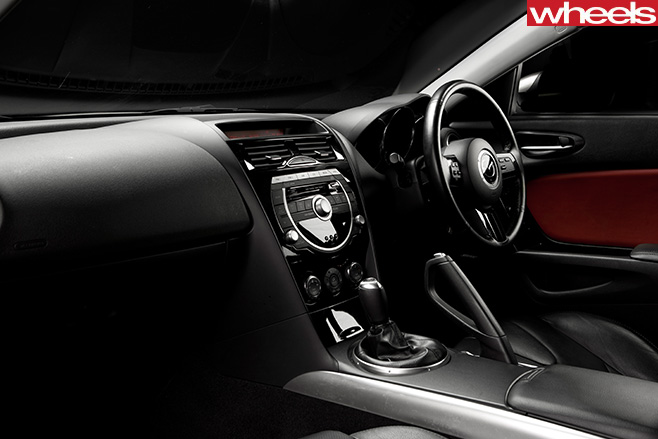
Today, those mixed feelings are gone. The RX-8 handles better, and is both more fun and more practical than any RX-7 since the original. Here’s hoping that its Renesis 13B doesn’t turn out to be the last rotary. Either way, it will be the last built around core dimensions that date back to the original Cosmo 10A engine, and that, among other qualities, marks it as a modern classic.
There’s an RX-8 in my future, but what does its maker’s future hold? I can only hope there’s a rotary in it. It’s as important to Mazda’s identity as it is to mine.
It’s taken the performance world by storm, with numerous viral videos showing the effect its ‘Ludicrous’ acceleration has on unsuspecting passengers.
We are, of course, talking about the Tesla Model S P90D, the car motoring journos are now asked about more than any other.
It has captured the imagination of even non-enthusiasts but there are some wild claims getting about; at a recent party a guest was overheard saying that the Tesla could complete the quarter mile “in less than 10 seconds.”
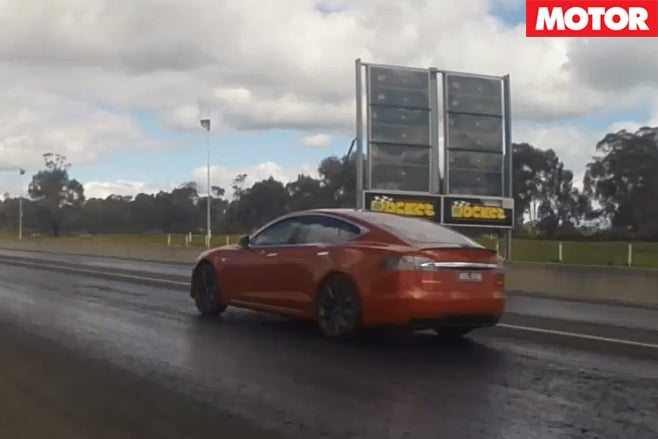
In the name of full disclosure, however, it must be said that these won’t be the definitive P90D acceleration times. Unlike a petrol-powered car, which gets faster as the fuel tank drains, the Model S goes slower as the battery charge depletes.
The Tesla’s fastest acceleration run was completed with 52 per cent battery charge, as it used 48 per cent getting to Heathcote. While this isn’t ideal for the ultimate times, it’s perhaps indicative of the car’s usual pace since the cars rarely achieve 100 per cent charge.
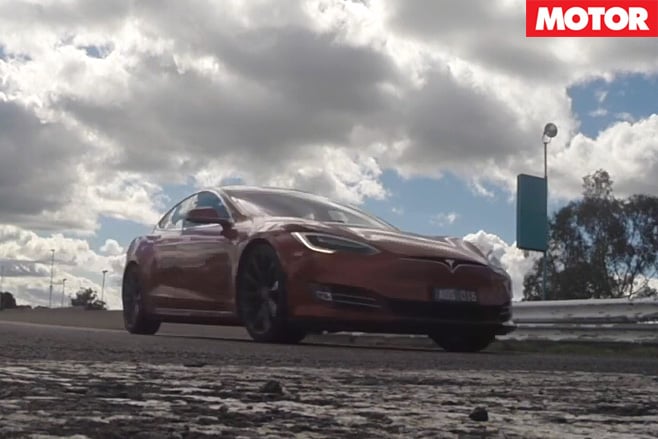
It then completes the quarter mile in a very handy 11.68sec, though its trap speed of 184.73km/h shows it’s beginning to slow markedly. In comparison the RS7 Performance completed the quarter mile in 11.29sec at 202.79km/h.
Nonetheless, for a quiet, comfortable and spacious 2.3-tonne family hatchback, the Tesla Model S P90D is indeed Ludicrously fast.
Chrevrolets and Cadillacs once reserved for American roads could soon be designed with Australia in mind.
Holden’s parent company, General Motors, is promising a broader suite of right-hand drive vehicles as it continues its expansion and growth into global markets.
The move could pave the way for future versions of the Chevrolet Camaro or Corvette to be sold in Australia; the Corvette is already expected to arrive in Australia by 2020 as a V8-powered hero car for the brand.
Key to the philosophical change are new flexible vehicle architectures and a new way of thinking when developing cars, the latter being supported by recently appointed GM design boss, Australian Mike Simcoe.

Simcoe said it was all about ensuring General Motors was well positioned as a global car maker able to plug models into markets around the world as required.
“The reality is as we reduce the total number of architectures they are going to be more global,” he said.
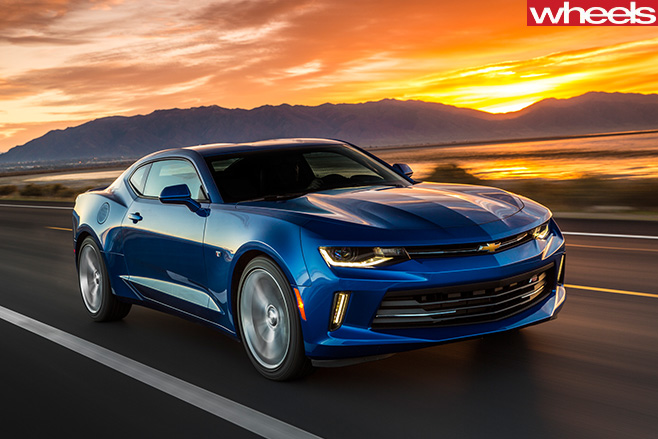
The man in charge of planning for General Motors International, Lowell Paddock, says right-hand drive is more important than ever for the company, paving the way for more models for Holden.
“The enterprise, with a few exceptions, is trying to look very pragmatically at right-hand drive across the broad,” said Paddock. “On a full-sized truck it’s a bit tougher to make that call … but on mainstream vehicles, whether it’s sedans, compact or otherwise, SUVs … we should do it.”

“Look what we’re sending you now,” said Paddock. “The Equinox is no longer a regional program … it’s a global program. Is it going to be 100 percent right-hand drive, probably not. But there’s much more consciousness now. And the fact that the president of the company [New Zealander Dan Ammann] is saying ‘we committed to do this, we’re going to do it’, that’s a dialogue we haven’t had in the past.”

“We went through a debate on Acadia, should it be right-hand drive or not, it was like ‘hey, this is the right thing to do’.
“There are times people come to me and say do we really need to do this and the answer is ‘yes’.”
Mercedes-Benz and Ford have announced within days of each other their intention to supply next-generation electrified vehicles with wireless charging capabilities.
Wireless or inductive charging uses an electrified pad placed under a vehicle to add battery charge via corresponding equipment on the car. It is a more convenient and flexible way to recharge a battery without the need for cables.
Speaking at the Consumer Electronics Show in Las Vegas, head of Mercedes-Benz connected cars division Axel Harries said, “Inductive charging will be a very convenient piece of technology for customers. They just drive into their garage and inductive charging means no hassle with putting [a plug] into the car.
The main disadvantage of wireless charging is speed. A wired connection will add more charge to a battery for a given amount of time, when compared to inductive charging, though the technology is improving.
“A charging station in your garage is very sufficient when you leave the car there overnight. It’s an interesting additional tool for convenience,” said Harries.
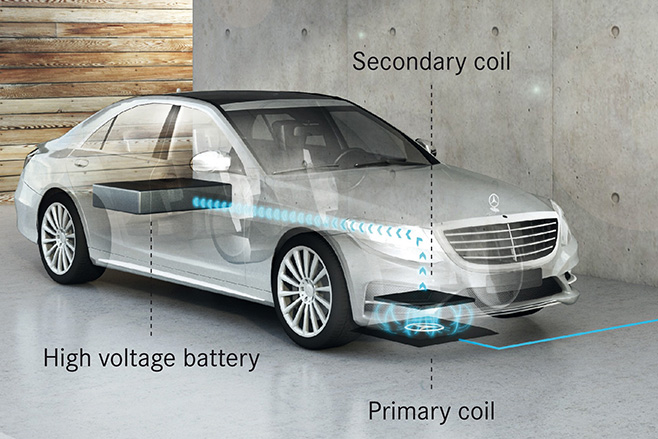
The first Mercedes vehicle to offer the technology will be the S-Class Plug-in Hybrid, due to land around the end of this year, before rolling out to other Mercedes-Benz models and the Mercedes-Benz EQ sub-brand of pure electric vehicles when they arrive.
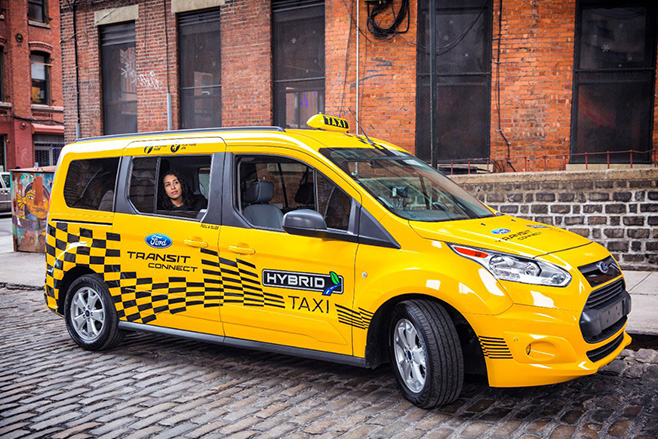
Ford announced plans in the past week to offer the same technology for its electric Transit taxis and for customers with electrified cars, who can book into a wireless charging space using an app, and charge their car while they’re away from it.
Benz plans to offer the technology to people in their homes first.
“It will be an option, the customer will need to buy additional equipment within the garage or carport,” explained Martin Huleder,
“The questions will be for public area charging points, but these will be answered step by step in the future.”
A company called Evatran sells an aftermarket wireless charging solution to Tesla owners for $5590 (US$4120). Teslas do not have inductive charging capability built in.
Researchers are devising ways to create recharging loops on highways, where electric cars could charge themselves as they drive. An ideal solution for buses on public transport loops.
“There’s great opportunity there, particularly in cities, where you’ve got vehicles in a looped environment. Things like taxis and buses, where rather than having to have ever bigger batteries you have smaller batteries because you can feed in some charge a little and often,” said Roger Atkins director of Electric Vehicles Outlook.
Inductive charging is likely to play a key part in the roll out of autonomous vehicle fleets owned by ride-hailing companies like Uber, or Merc’s own brand car2go, as it will allow robotaxis to return to base and recharge themselves automatically.
BMW has shown an interest in wireless charging, including previews of its development at CES in previous years, though no announcements have been made about plans to implement the technology in a production capacity.
The Jaguar F-Type gains fresh looks and an entry-level dynamics package as part of an update that includes the ability to take on-the-fly selfies.
The sharper looking Porsche Boxster rival receives a mild makeover that will add even more visual differences between models, introduce LED headlights that use the daytime running lights as indicators, and replace heavy seats with slim, lightweight ones that reduce some of the F-Type’s bloat – one of the main criticisms of the all-aluminium roadster and coupe range.
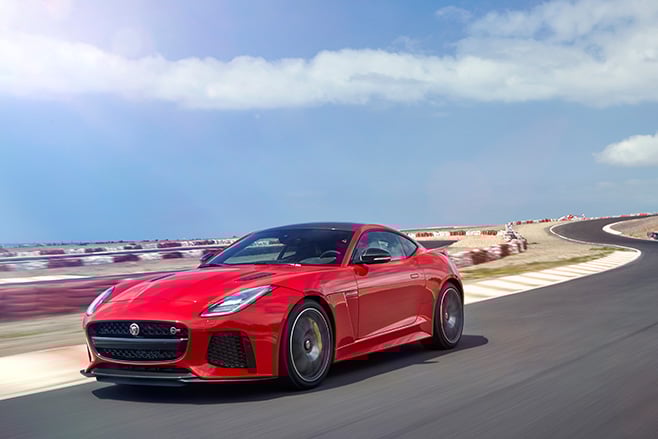
Across the range, the F-Type adds model-specific bumpers to create a “clearer visual … differentiation” so those lusting after the badge will know after a quick glance at the front whether you’ve bought a cheaper one.
The F-Type also adds semi-autonomous parking for the first time, using sensors to map out a parking space and then steering itself into the slot.
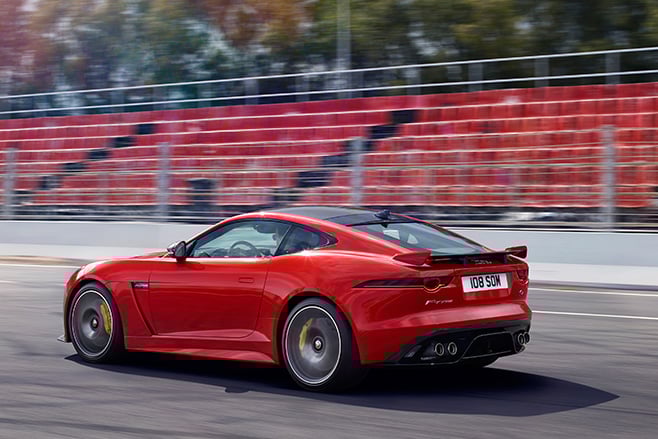
But the most interesting addition to the range, due on sale in Australia from about June, is the ability to integrate a GoPro camera with the car’s nervous system. Thankfully, the F-Type’s in-car software has also had a major makeover, replacing the blocky graphics with something more in tune with a modern-day sportscar.
The GoPro works with an app called ReRun, which blends real-world footage captured by the camera with a video game-like interface that shows the telemetry data gathered from the drive. It will even snip out highlights of the drive that can upload to social media at the press of a virtual button.
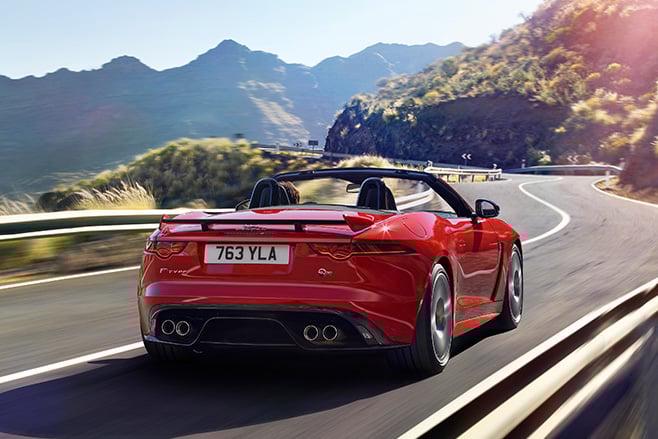
As well, Jaguar will launch a limited-run 294kW “400 Sport” version of the F-Type that will stay on sale for a year. The bespoke engine tune that straddles the performance gap between the V6 and the 404kW supercharged 5.0-litre V8 adds improved brakes, on-the-fly adjustable dampers and unique 20-inch wheels.
Everyone will know what you have: The 400 Sport will feature distinctive badging all around it, including the front splitter, the F-Type’s shapely rump, brake calipers, centre console, seats, scuff plates, and on the steering wheel.
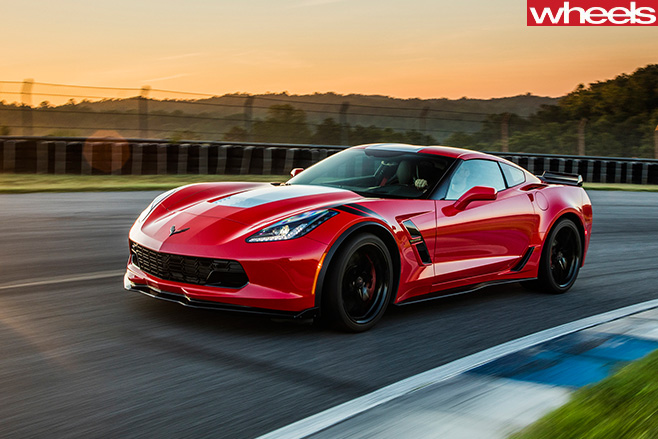
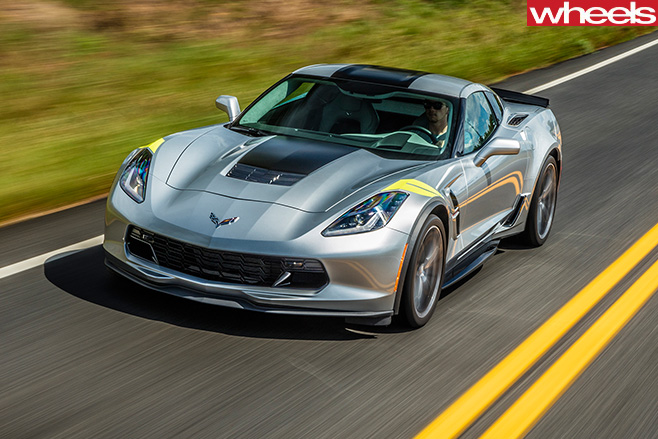
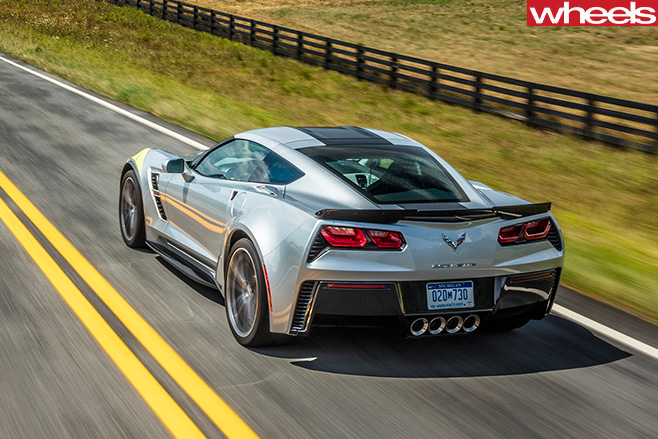
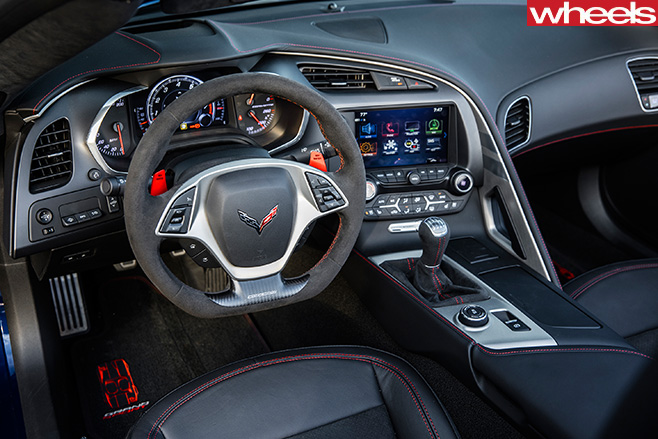
The man in charge of styling the next Chevrolet Corvette says the pressure is on to make sure one of America’s most iconic sports cars continues its successful lineage.
Former Holden design boss Mike Simcoe – now based in Detroit and the head of design for General Motors – is believed to be entrenched in the final design and sign off of the Corvette expected to be known as the C8, replacing the current C7 generation.
Simcoe also led the design of the born again Holden Monaro – shown as the Commodore Coupe concept in 1998 before going on sale in 2001 – and says styling a Corvette is a monumental task.
“Being part of a Covette design is very exciting for everyone involved and there certainly will be a next generation Corvette at some point.”
“Certainly there’s a lot more emotional pressure when you’re doing something like a Corvette.”
“The Monaro, the emotional pressure there was that in its early days nobody knew about it,” said Simcoe.
Holden has already confirmed it will sell a V8-powered sports car in future, with insiders pointing to the Corvette as that car.
