
Could the rear-drive, affordably priced Kia Stinger ‘fastback’ sedan become Australia’s true Ford Falcon/Holden Commodore replacement?
WHAT IS IT? An all-new, rear-drive, all-turbo, four-door sporting flagship for the Kia brand, inspired by the GT concept that debuted at Frankfurt in 2011, but (unexpectedly) carrying the nameplate of the GT4 Stinger coupe concept from 2014.
WHY WE’RE TESTING IT? A month before the car’s Detroit show unveiling, Kia offered a handful of international motoring media an exclusive drive of two pre-production Stingers at Hyundai-Kia’s proving ground in Namyang, South Korea. We tried two variants – the entry-level Stinger (a rear-drive 190kW 2.0-litre turbo-petrol four) and the Stinger GT (in AWD configuration, with a 272kW 3.3-litre twin-turbo V6), each tied to an eight-speed automatic.
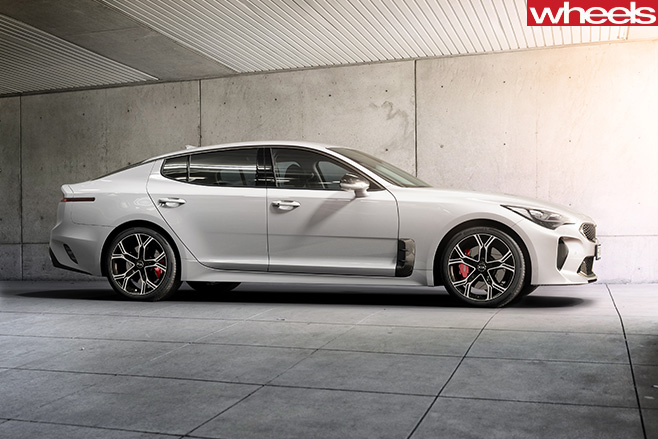
How does the Stinger GT compare to the 2018 Holden Commodore?
THE WHEELS VERDICT PLUS: Rear-wheel-drive architecture; striking coupe-sedan styling; upmarket interior; strong performance; promising dynamics; affordability
MINUS: Both engines could use some acoustic tuning; no AWD for right-hook markets; really only a four-seater; the baggage of the ‘Kia’ logo and its simplistic design isn’t on the same level as the rest of the Kia Stinger.
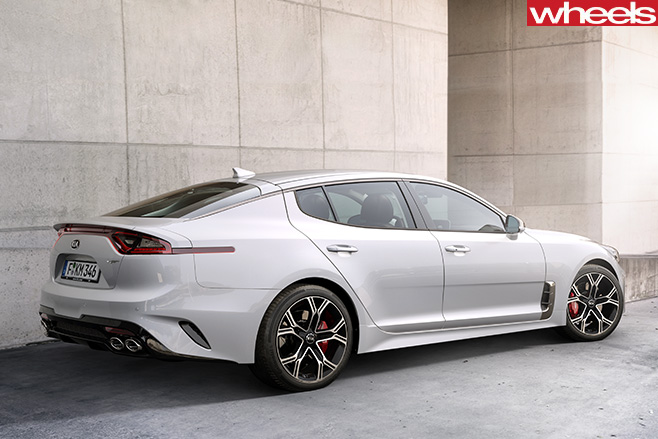
THE WHEELS REVIEW Humdrum hatchbacks and predictable SUVs might keep the automotive coffers accumulating coin these days, but it’s the little things that keep real car enthusiasts satiated. Little things like this big new Kia.
An anti-appliance from a brand known for value, pushing against the tide with its rear-drive, all-turbo, gran-turismo mindset, Kia’s new four-door ‘Fastback’ – named Stinger – is the sort of car that makes headlines simply for being unique. And for not being a two-door coupe, as Kia’s 2014 GT4 Stinger concept may have suggested.
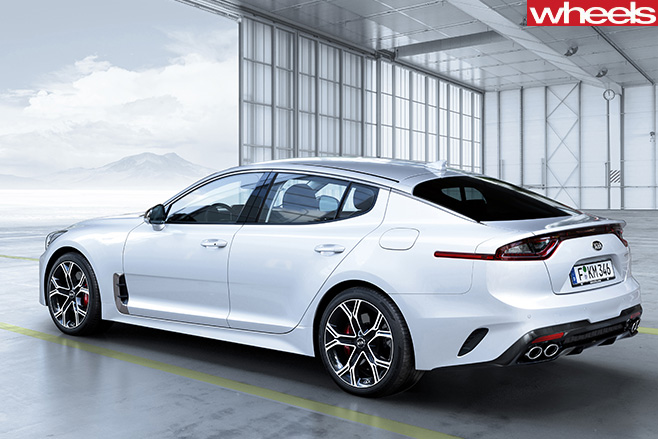
What the Kia’s European-led design and engineering teams do understand is that the Stinger’s gestation has been “all about passion” – one intended to spearhead an emotional offensive for the Korean brand.
“[It’s] a thrilling story for us”, gushes Kia’s global design chief, Peter Schreyer, as he reveals the Stinger and its design inspiration across a vast cinemascope of screens inside the Namyang Proving Ground, each scrolling through a menagerie of lush imagery. “To make a gran turismo car … that it could see daylight someday, that was our dream.”
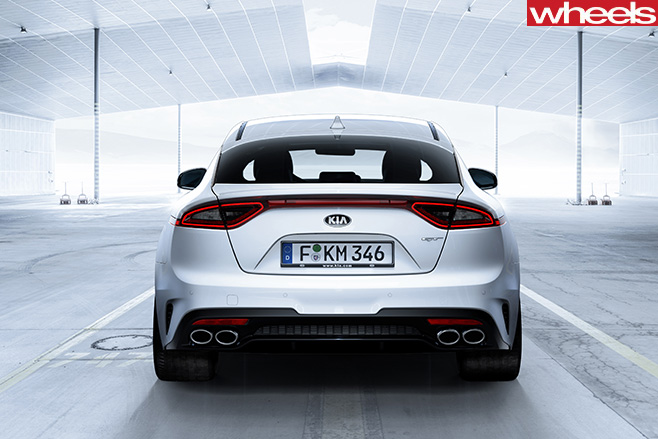
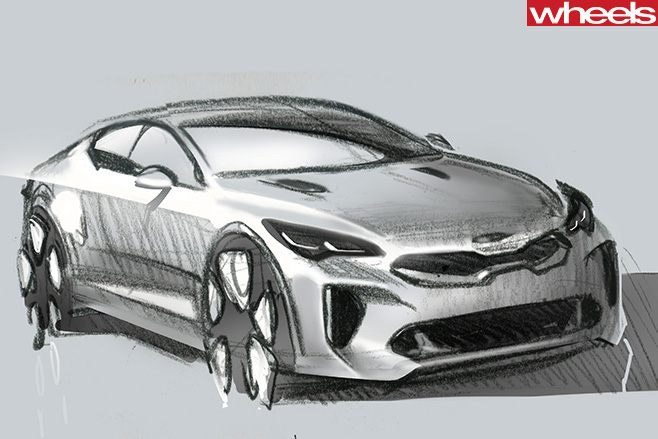
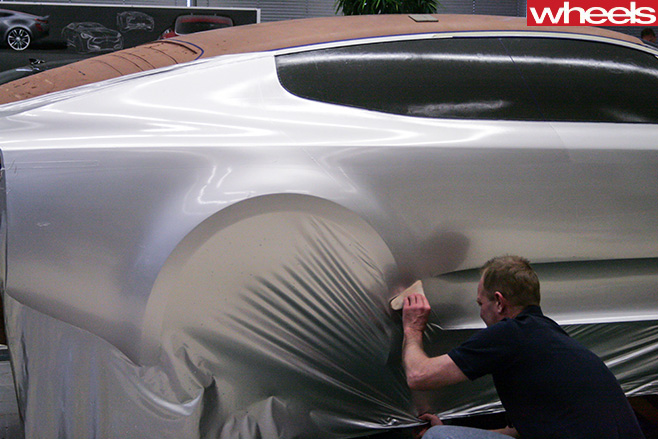
A long, low car – 4831mm long, 1869mm wide and 1400mm tall, riding on a leggy 2906mm wheelbase – the Stinger exudes that classic GT proportion of short front overhang, long front axle-to-dashboard distance, long wheelbase and extended rear overhang. “Aggression rather than brutality” is the way Guillaume describes it, vaguely like an Optima on steroids. But if the Optima is Liam Hemsworth in active wear, then the Stinger is big-brother Chris, decked out as Thor.
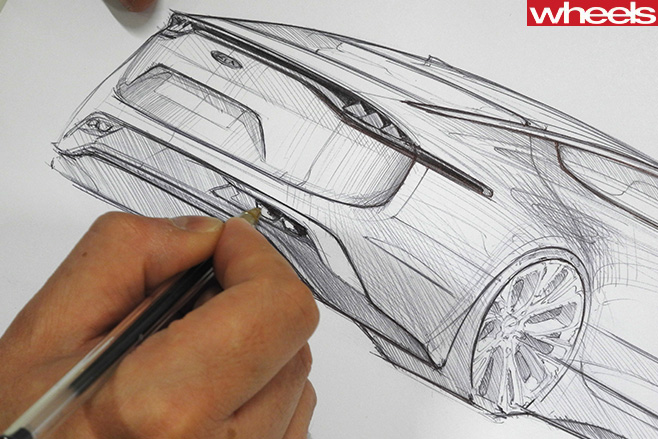
There are many “sports car world” cues in there too, a phrase both Schreyer and Guillaume use multiple times. The island-type bonnet shut-line, (non-functioning) air ‘vents’ high up on the bonnet, and ‘Coke bottle’ hip at the Stinger’s waist are all there to enhance its front-mid-engined, rear-drive proportion and presence. “For us as designers, it’s Christmas”, says Guillaume.
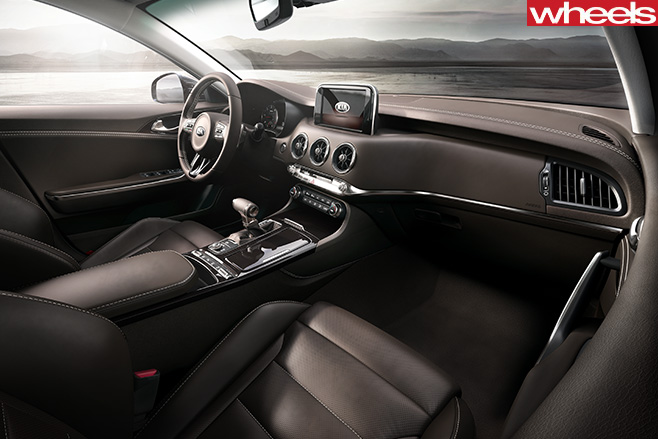
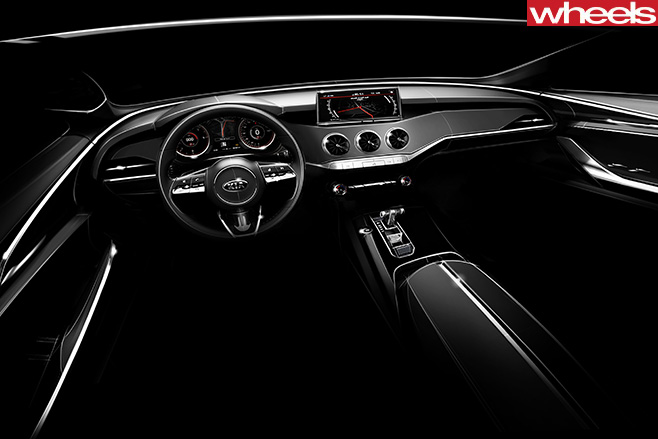
Stinger’s roomy interior packs a similar level of personality. There’s clearly been some design inspiration from other cars – notably Mercedes-Benz in the circular air vents and touchscreen prominence – but there’s interesting Kia DNA in there too. Classy metalicised, double-deck centre-stack switchgear, uber-cool toggle/barrel rocker switches for the seat heating and cooling, Kia’s terrific new-gen steering wheel with an even deeper dish, and ‘floating’ door grab handles with tactile rubberised backing. It’s a world away from Kia’s cheap and cheerless past.
Given Stinger’s low styling profile, there’s an unexpected amount of room inside, though it’s no Commodore. A 1.93m-tall German journo squeezes into the rear with his hair brushing the headlining, but there’s respectable legroom and seat support, and a slightly elevated view forward. Up front, it’s even better – seated low, legs stretched out in front, just like a GT should be.
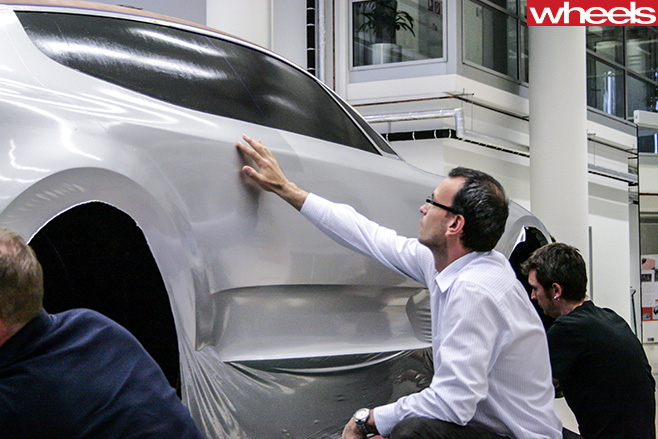
When Biermann saw the GT in the design studio, he said “it needs to drive the way it looks”. And so the focus has been on developing an engaging and responsive car that’s also a comfortable, long-legged express, thereby fulfilling the ‘gran turismo’ brief.
Drivetrains are familiar. The base Stinger’s 2.0-litre ‘Theta II’ turbo-petrol four is from the Optima GT but turned lengthways, tuned for 190kW at 6200rpm and 353Nm from 1400-4000rpm, and mated to the Genesis’s eight-speed automatic gearbox. The Stinger GT gets a 3.3-litre version of Hyundai-Kia’s ‘Lambda II’ 60-degree V6, fitted with a pair of turbochargers and producing 272kW at 6000rpm and a chubby 510Nm from 1300-4500rpm, also with an eight-speed auto. Kia is targeting 5.1sec to 100km/h and a 269km/h top speed from the production GT.
What we weren’t expecting from this pre-Detroit Namyang reveal was to actually drive the Stinger. But Kia has arranged for two left-hook pre-production cars – a rear-drive turbo four and an AWD twin-turbo V6 – to be evaluated in several interesting exercises.
The 2.0-litre sticks to Namyang’s enormous skidpan, completing a slalom, two full-throttle straight-line runs and, amusingly, a ‘drift’ session with ESC off, skirting inside a witches-hatted circle.
The AWD V6 remains exclusively on Namyang’s new handling circuit, where we’re given a demo, followed by two hot laps of our own and a cool-down. Biermann likes the layout, though he wishes it had “more fast corners”, which is where the Nurburgring chassis testing comes in.
Around the course, the Stinger GT feels smaller than it actually is, which is a good thing. There’s a sizeable difference in weighting for the variable-gear-ratio steering between Comfort and Sport, but the red-blooded tune provides well-judged and consistent feel, spanning a quick rack with just 2.2 turns lock-to-lock. Braking deep into a left-hand hairpin, the AWD GT understeers moderately if you don’t trail-brake the nose deep enough, but this easily transitions into mild oversteer on corner exit. Kia is still working on the fine tuning, but the bones are definitely there.
What also needs some work, in my opinion, is the twin-turbo V6 engine. It’s a strong, seemingly lag-free engine that revs out cleanly to six-five or so before upshifting sweetly, but it sounds a little grainy. It isn’t obviously boosted in sound , either (no bad thing), yet there’s clearly room for some acoustic tuning. Some bent-six induction/exhaust rasp and some overrun crackle would be hugely welcome.
Wearing its standard 225/45R18 rubber, the four-pot Stinger also loves to drift. Being no slouch itself (around 6.0sec to 100km/h) and with all that low-down torque, plus a standard mechanical limited-slip diff, the base Stinger traces an easily controlled and precise sideways arc for two laps until the Koreans ask me to stop to save the tyres. It’s an encouraging display from this against-type sports sedan.
Indeed, the Kia Stinger could well be a panacea for Aussie petrolheads. Perfectly timed to be in Kia showrooms exactly when Holden’s rear-drive VFII Commodore prepares to depart, at an estimated low-$40K for the turbo-four and low-$50K for the GT, the Stinger brings not only value-for-money to the table, but also some genuine driver and sex appeal.
It’ll probably never be as tough as a Commodore or Falcon on Outback dirt roads, and it won’t seat five in as much comfort, but people buy SUVs for that stuff these days. Instead, it provides a cool, stylish, affordable solution to the rear-drive passion that we’ve held on to longer than any country on earth.
SPECS Model: Kia Stinger GT Engine: 3342cc V6 (60°), dohc, 24v, twin-turbo Max power: 272kW @ 6000rpm Max torque: 510Nm @ 1300-4500rpm Transmission: 8-speed automatic L/W/H: 4831/1869/1400mm Wheelbase: 2906mm Weight: 1770kg (estimated) 0-100km/h: 5.1sec (estimated) Fuel economy: 9.5L/100km (estimated) Price: $52,000 (estimated) On sale: September
AUSTRALIA’S bestselling passenger car will finally offer Autonomous Emergency Braking (AEB), as part of a MY17 Toyota Corolla makeover that also sees a blink-and-you’ll-miss-it facelift for the sedan.
While the cost of the so-called Safety Pack – which also bundles together lane-departure alert and auto high beam on the small-car market leader for the first time – has yet to be finalised for the otherwise-unchanged 2017 hatch (out at the end of this month), it pushes the just-released base Ascent and mid-range SX sedans up by $1500 and $750 respectively.
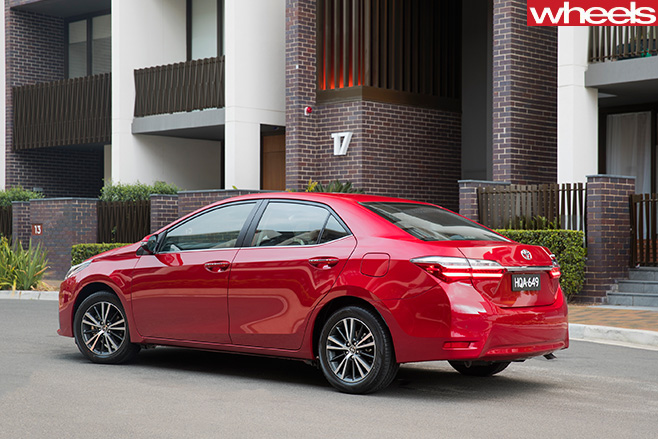
However, the MY17 sedans cop price hikes of up to $930, with the Ascent manual now starting at $500 more than its 2016 counterpart, at $21,240 before on-road costs. Specifying Safety Pack increases that to $22,740 (though it does also bring alloy wheels), or $24,990 with the optional CVT auto that the vast majority of buyers choose.
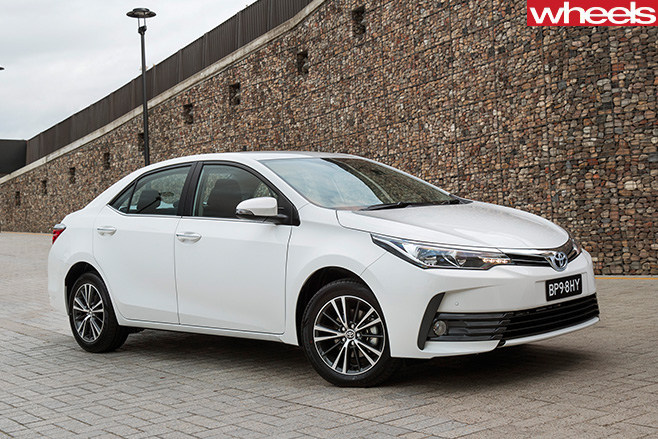
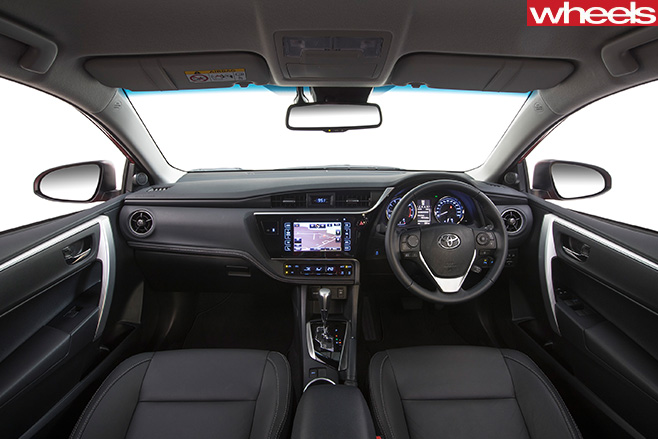
Exterior changes on the MY17 sedan run to a more streamlined nose with redesigned headlights, grille, and bumpers, LED tail-light lenses, and extra chrome, while inside the restyled centre stack ushers in different climate control switchgear and rounded air vents.
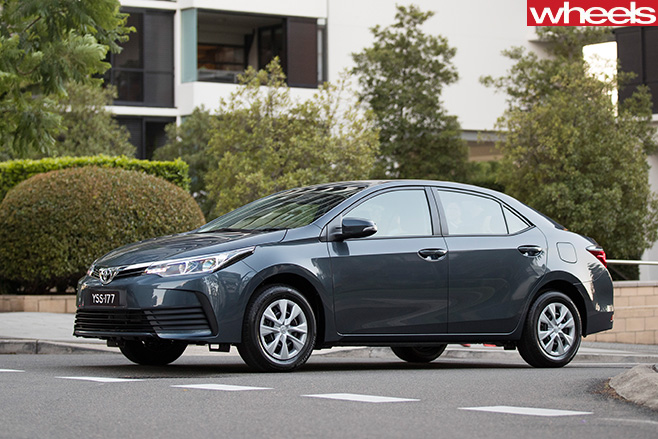
Rounding out the modifications underneath the MY17 sedan are larger shock absorbers, upgraded body and engine mounts, and an additional rear damper bush to promote a more favourable handling/ride compromise. Furthermore, noise/vibration/harshness levels decrease thanks to more wheel housing insulation and thicker sound-deadening material in the floor.
But with the all-new Holden Astra and Subaru Impreza hitting the scene, as well as the next-generation i30 and Civic hatch just around the corner, it will be interesting to see if the Corolla can maintain its segment sales crown.
2017 Toyota E170 Series II Corolla sedan pricing
Ascent manual: $21,240 (up $500) Ascent CVT: $23,490 (up $500) SX manual: $23,820 (up $830) SX CVT: $26,070 (up $830) ZR CVT: $31,920 (up $930)
Kia has joined the performance sedan ranks with the unveiling of the Stinger, based on the shapely 2015 Novo concept, at the Detroit Motor Show.
In addition to a turbo inline-four base model, the rear-drive, four-door, five-passenger Stinger is also available with a 272kW 3.3-litre twin-turbo V6, which places it directly in the showroom void vacated (or soon to be vacated) by performance-oriented versions of the Ford Falcon and Holden Commodore.
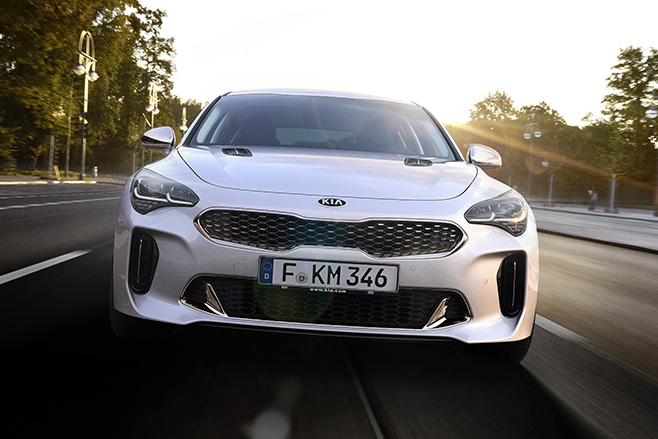
Set to go on sale in Australia in September this year, the Stinger is expected to be offered in Australia with the turbo V6 powertrain only, and purely as a RWD model. If Kia’s strategy with the Optima is anything to go by, a two-variant range structure is likely, with the entry-level model potentially retailing under the $50k mark.
The Stinger is the highest-performance production vehicle in Kia’s history.
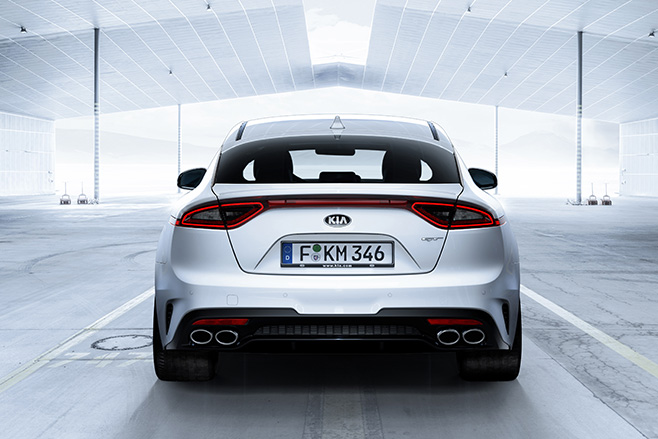
“Unlike any Kia that has come before it, the Stinger really is a dream car for us, and here today in Detroit, that dream is now a reality after years of commitment and hard work from a passionate group of designers, engineers and executives around the world,” said Orth Hedrick, vice-president, product planning, Kia Motors America.
“From its GT concept-car origins to the years of tuning and refining on the legendary Nurburgring circuit, no detail was too small to be obsessed over, and the result is simply stunning.”
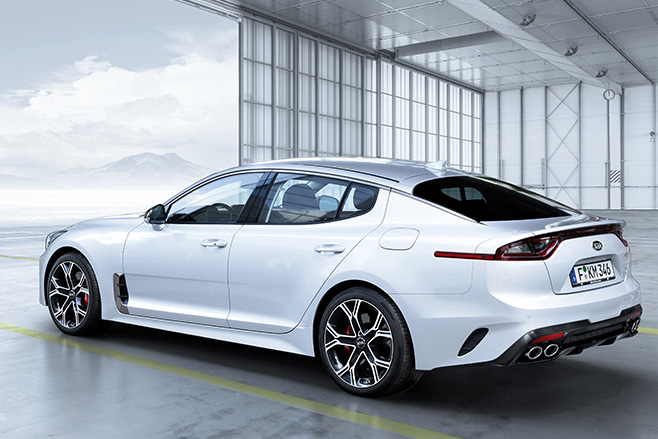
The ride and handling development of the Stinger was taken care of by Albert Biermann, head of Kia’s Vehicle Test and High Performance Development and his group of engineers in Korea, with development taking placing on the infamous Nurburgring.
It is an all-new chassis that underlies the Stinger, with two different engines still being developed for the car. The first is a 2.0-litre turbocharged four-cylinder, producing 190kW and 353Nm. The second is the ‘halo’ 3.3-litre twin-turbo V6 producing 272kW and 510Nm.
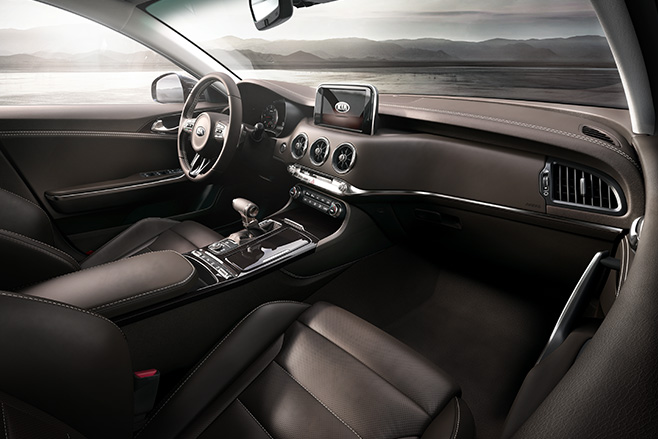
Kia is targeting a 5.1 seconds 0-100km/h time and a top speed of 269km/h with the twin turbocharged V6.
The engines will be mated to a second-generation eight-speed automatic transmission, driving the rear wheels. Those keen on shifting their own gears may be disappointed by the absence of a traditional three-pedal manual, but paddle shifters will allow some form of control over cog-swapping.
Overseas models will be available in AWD, however Australians will only be offered the RWD spec models. Expect more detail on local specifications and pricing to be revealed as the Stinger’s September launch date draws near.
Hate is the flavour of the day. From Brexit to the US election there’s precious little love around. For petrolheads, turbos are taking the heat, and there’s good reason for it.
Saabs blew turbos faster than front tyres, while BMW’s 2002 offering had lag so bad some are still spooling up. We’ve had a lot of time to learn to hate them.
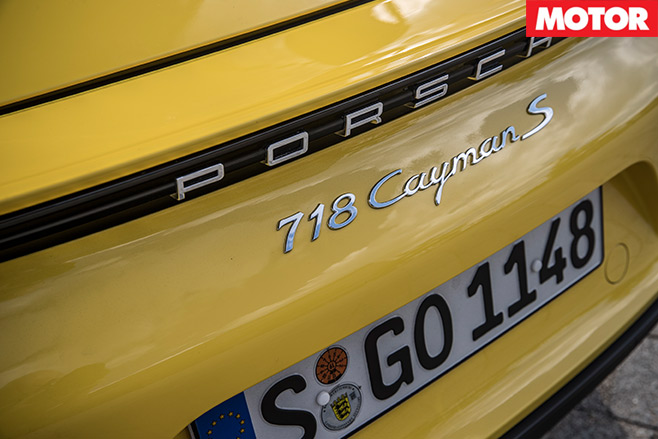
Despite these early failings, 40 years later everything has a turbocharger and hardcore car fans are left mourning the demise of natural, pure engine power. I’m part of this group and must confess I wanted to hate Porsche’s new forced-induction four-cylinder boxer engine, which has replaced the free-breathing six in Boxster and Cayman.
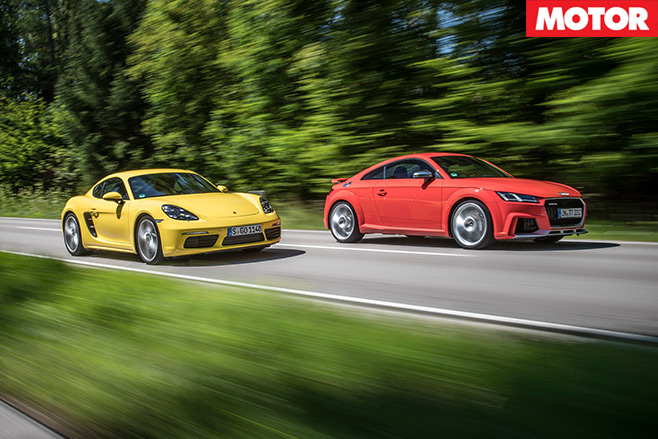
Twist the lozenge-shaped Porsche key to start the engine the old-fashioned way and what disappoints is the noise generated behind your back. Expecting a sound worthy of its heritage, I’m instead met with something metallic, oddly reminiscent of a tuned Beetle from way back when with plenty of initial clatter and splutter, followed by a hoarse, uneven and atonal idle.
The tune picks up as you add revs – there are 7500 to play with – and the optional extra-loud exhaust system bulks the noise, but ultimately your ears are mainly placated with buzz and rasp.
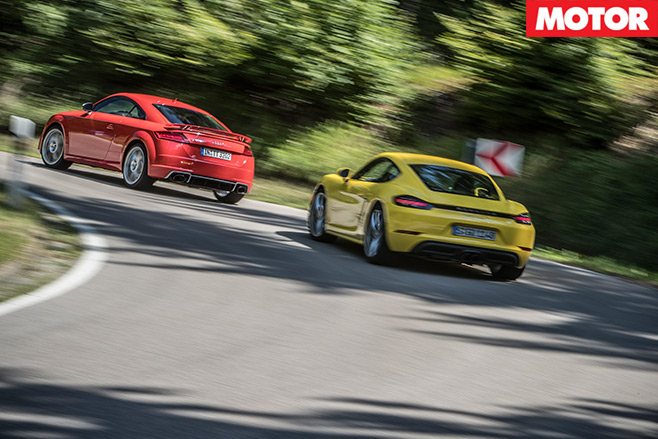
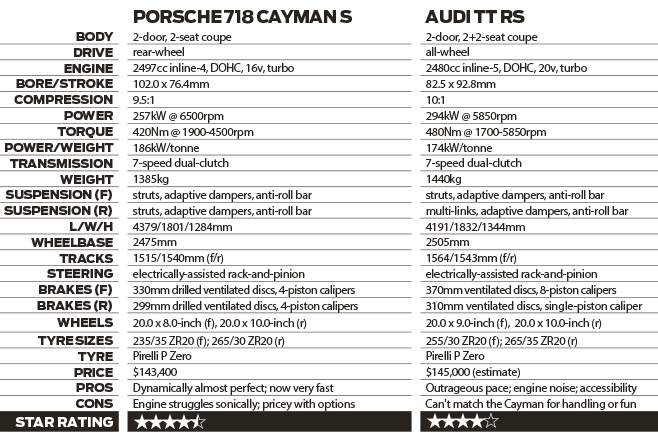
Like the 718 here, the TT RS has the optional hoon exhaust, but when worked the 2.5-litre alloy-block five-cylinder is unexpectedly melodic, so even before we take off the Porsche has some catching up to do on its rival.
While the Porsche comes with a six-slot manual, we specced up to the seven-speed PDK dual-clutch transmission to match the only choice in the TT RS. But now you have to forget everything you thought you knew about Caymans.
Even at part-throttle it whips up boost pressure by finding a delicate balance between wastegate aperture, ignition timing and throttle blade position. As a result of this German mechanical ballet, the 16-valver drops the hammer hard as quickly as you can plant your boot on the floor.
Audi, under former R&D chief Ulrich Hackenberg, developed a low-friction, high-efficiency all-aluminium five-cylinder engine that weighs 26kg less than its cast-iron predecessor. Tuned for 298kW in the TT RS with plenty of headroom, it made the planned 305kW 2.0-litre four redundant.

Seventh is a highway cruising gear; in Dynamic mode she’ll zoom along in the bottom six ratios. You can slide the shifter across to the manual gate but the steering wheel paddles are much more intuitive.
The Porsche catches up here; we have nothing but praise for the PDK fitted to the 718. Sport or Sport Plus modes change the shift pattern more dramatically than the TT RS. It’s all to do with how long to hold the gears, how to time shifts and how to best manage the power and torque flow.
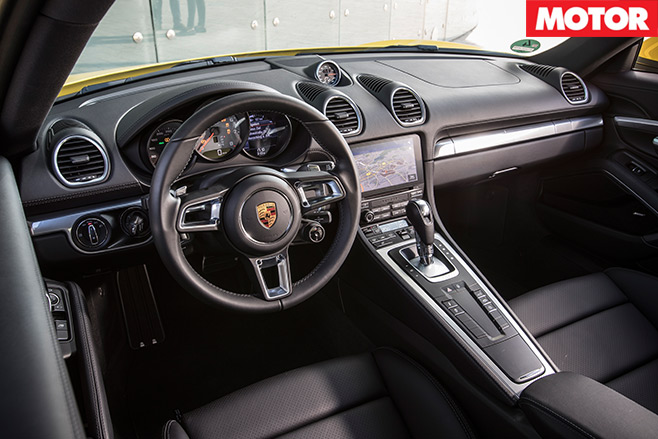
As a means of transport, the TT RS is a nicer place to be. Where the Porsche has a firewall, the Audi has (admittedly token) seats that can be folded to increase luggage space from 305 to 712 litres. Sporting more head and legroom, easier-to-use controls and a more stylish cockpit with more modern materials, the TT RS also comes with quattro, S-tronic and 19-inch wheels, though our test car sports the optional 20s.
Porsche makes you pay extra for the dual-clutch transmission and decent-size footwear. We don’t have a local list price on the TT RS yet but we’re expecting around $145K, very similar to the Cayman S.

If speed is your drug, this colourful couple will deliver – you’re almost always going too fast on empty roads; even on an unrestricted stretch of autobahn, the fast lane was rarely clear enough to max them out. The Audi is normally held to 250km/h but we had an extra-cost optional 280km/h limit, and even at that speed there was some urge left.
Officially, the Cayman S will do 286km/h; we saw an indicated 300km/h moments before a holidaymaker pulled out without indicating and introduced us to another difference between the two cars.

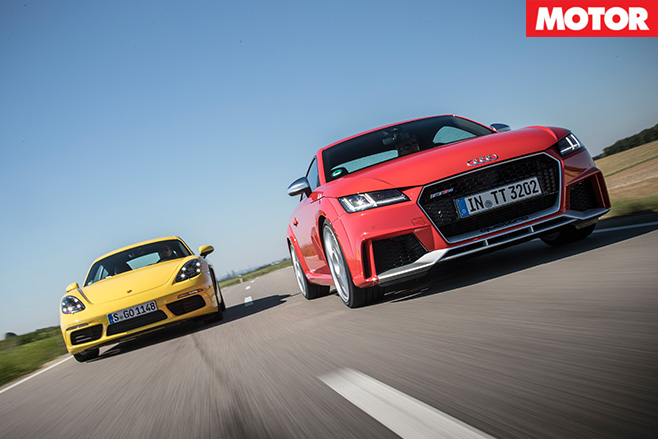
But picking at the differences isn’t the answer. It’s simpler than that; the Porsche is a sports car, the Audi is a sporty car. In the 718, you sit close to the road, the roof is only 1284mm above the tarmac (1264mm with PASM in Sport plus). With the roof a full 60mm loftier, the TT RS is easier to get in and out of, and more relaxed behind the wheel. The Audi – despite the red stitching, fancy instruments and the fixed wing – is clearly more A3 than R8.
What splits the pair dynamically is the steering. The Cayman S uses the same rack as the 911 Turbo, one of the most satisfying man-machine interfaces around. The TT RS benefits from a variation of the MQB steering, with three different settings labelled Comfort, Auto and Dynamic. It’s the best R&D could do but it scores only 7.5/10 from me for total immersion, where the Cayman scores a solid 10.
With torque vectoring, for example, it will miraculously pull the car straight at the exit of a bend or under hard braking into a downhill corner. No big deal perhaps, but a committed driver is reluctant to accept any intervention, unless we’re talking true life-savers like ABS or ESP. Once again this is Audi struggling to fuse maximum active safety with total involvement.
The Porsche provides more freedom. It still inspires confidence despite the longer leash, and has been engineered for absolute interaction. The steering follows the tarmac with rare accuracy, even though this set-up implies a certain degree of vibration will find its way back to your hands.

The main active-safety system in the Audi is quattro, and in foul weather, on slippery roads, a hard-charging TT RS would remain relatively unperturbed while the Cayman S driver would be furrowing their brow in concentration. Does active safety make your heart beat faster? Probably not. Does it make the drive home less challenging? Absolutely.
Click the thumbwheel from Comfort to Sport, and the Porsche flexes its muscles. Nudge it a notch further to Sport Plus, and the car prepares itself for a day at the track. Your best bet is probably Individual – here you can, for example, blend compliant dampers with a faster shift and more eager throttle response.
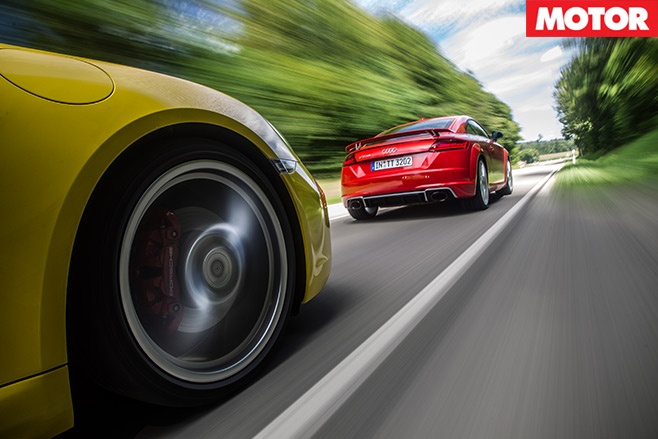
If you want to sample the handling spectrum from mild understeer to wild oversteer, the Cayman will happily play along. It’s a classic case of challenge followed by instant reward – or punishment.
Still, the Audi is the quicker A-to-B car on certain days. Its trick driveline now boasts wheel-selective torque delivery. Combine that with the phenomenal cornering grip of the 20in Pirelli P Zeros and in Dynamic mode the Audi shunts grunt to the rear wheels in the blink of an eye. Through fast sweepers, the TT RS is surreally fast, poised and grounded. Where ripples and grooves start to annoy the Porsche, the Audi continues – focused and unswerving.
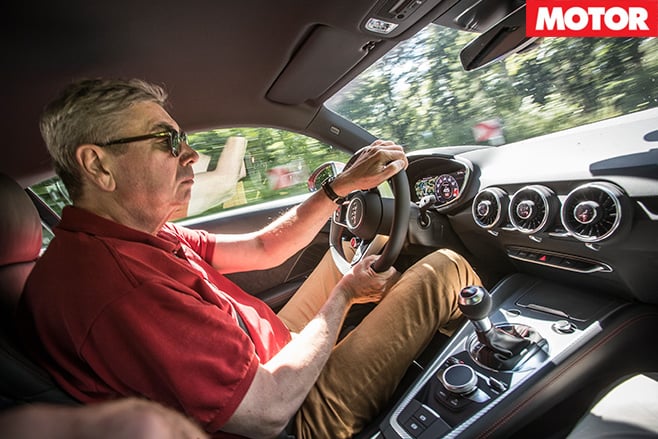
With quattro, launch control and an extra 60Nm, it makes the Porsche’s 4.2sec 0-100km/h seem tame, surging ahead at just 3.7sec – that’s AMG GT-S and M6 territory. However, the handling balance costs the Audi dearly. Turn-in isn’t quite as eager, and it’ll eventually understeer if you’re exploring ten-tenths cornering.
On our zig-zag roller-coaster test route, the TT RS started with a tyre pressure of 33psi all around. About 40 minutes later, rubber melting and brakes smoking, the readouts were 48psi front and 37psi rear.
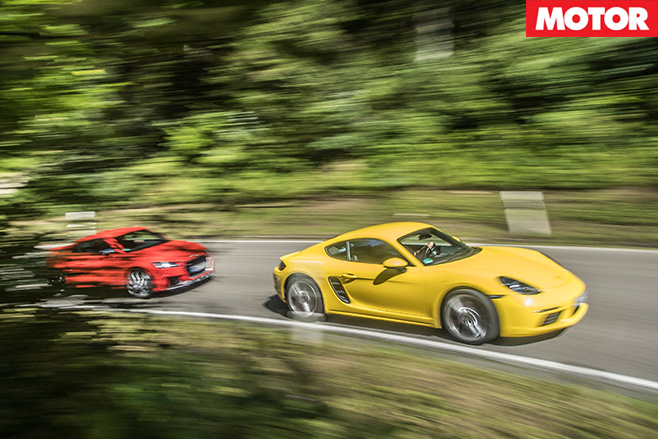
On paper, these two have a lot in common. On the road, however, they display quite different qualities. The TT RS wears a flash and aggressive outfit, and it delivers when pushed, its dynamic potential remarkably accessible. The 718 Cayman S is a more complete car than last year’s GTS, and it ticks all the critical boxes, moving another step closer to the iconic 911.
Despite the paradigm shift to the turbocharged flat four and my secret desire to hate it on that basis, this is the more emotional choice, the more engaging drive, the sole proper sports car.
New car advice is what we strive to provide here at WhichCar, and 2016 saw us deliver a broad spectrum of advice stories on a diverse range of subjects – a whopping 269 individual articles this year, to be exact. You can browse them all by heading to our Car Advice page here, but if you were curious about what got the most attention in 2016 then here are the five most popular advice stories from the past twelve months:
Top 5 highest predicted car resale values
Retained value is important for most new buyers, whether they’re purchased outright or under finance. Knowing what your shiny new car might be worth three to five years down the track can make the difference between a painless trade-in when time comes to upgrade, or losing thousands. Our analysis turned up some interesting results – namely that the car traditionally regarded as a resale “safe bet”, the Porsche 911, was outshone by a humble Subaru. Hit the link for the full list.
Boot sizes of Australia’s best-selling SUVs
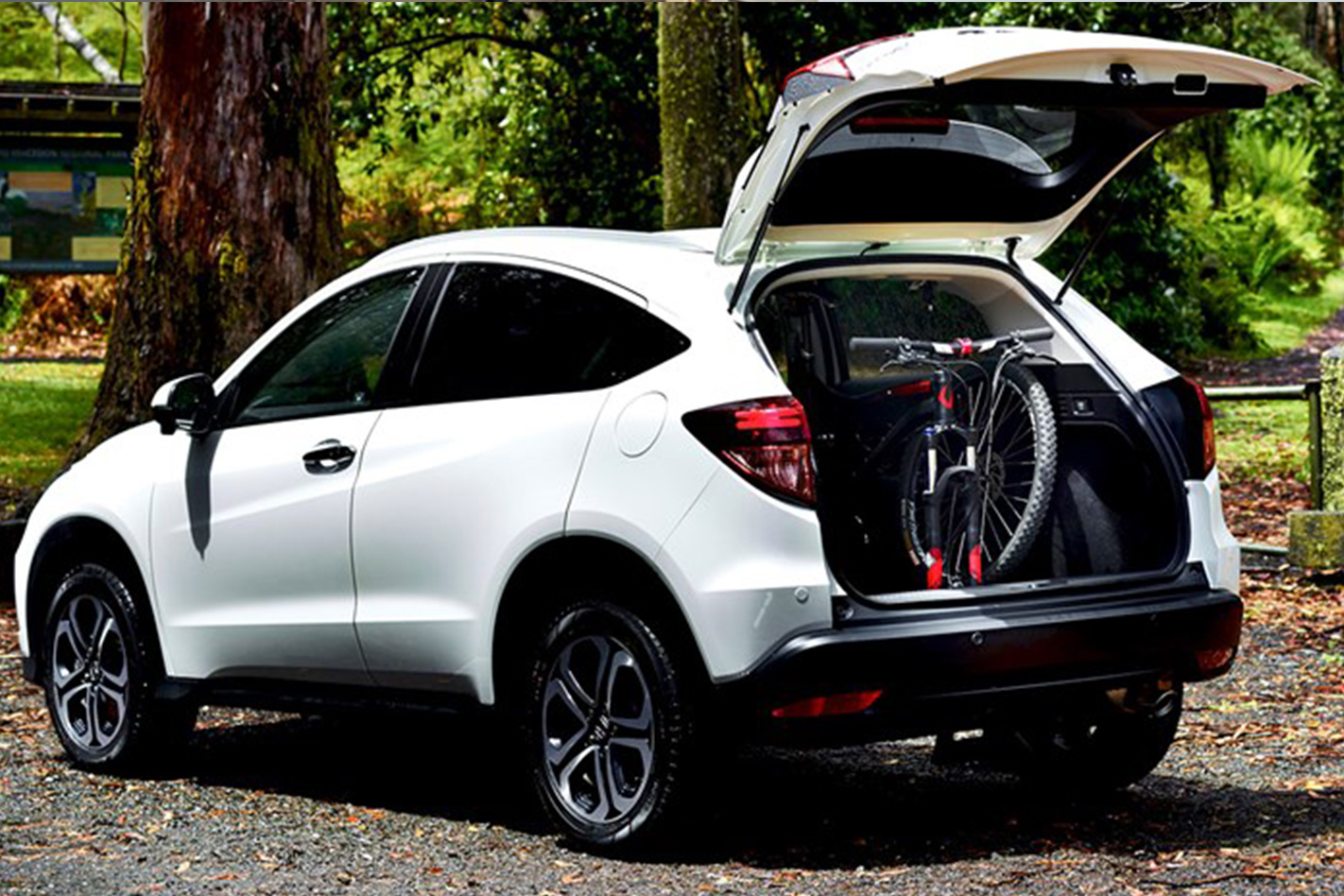
The second-most popular advice article of 2016 concerns some remarkably mundane subject matter, but to new car buyers – especially buyers of family-hauling SUVs – it’s information that’s important to know: just how much stuff can you cram into the back of Australia’s most popular SUVs?
Australia’s cheapest cars: 8 new cars under $15,000
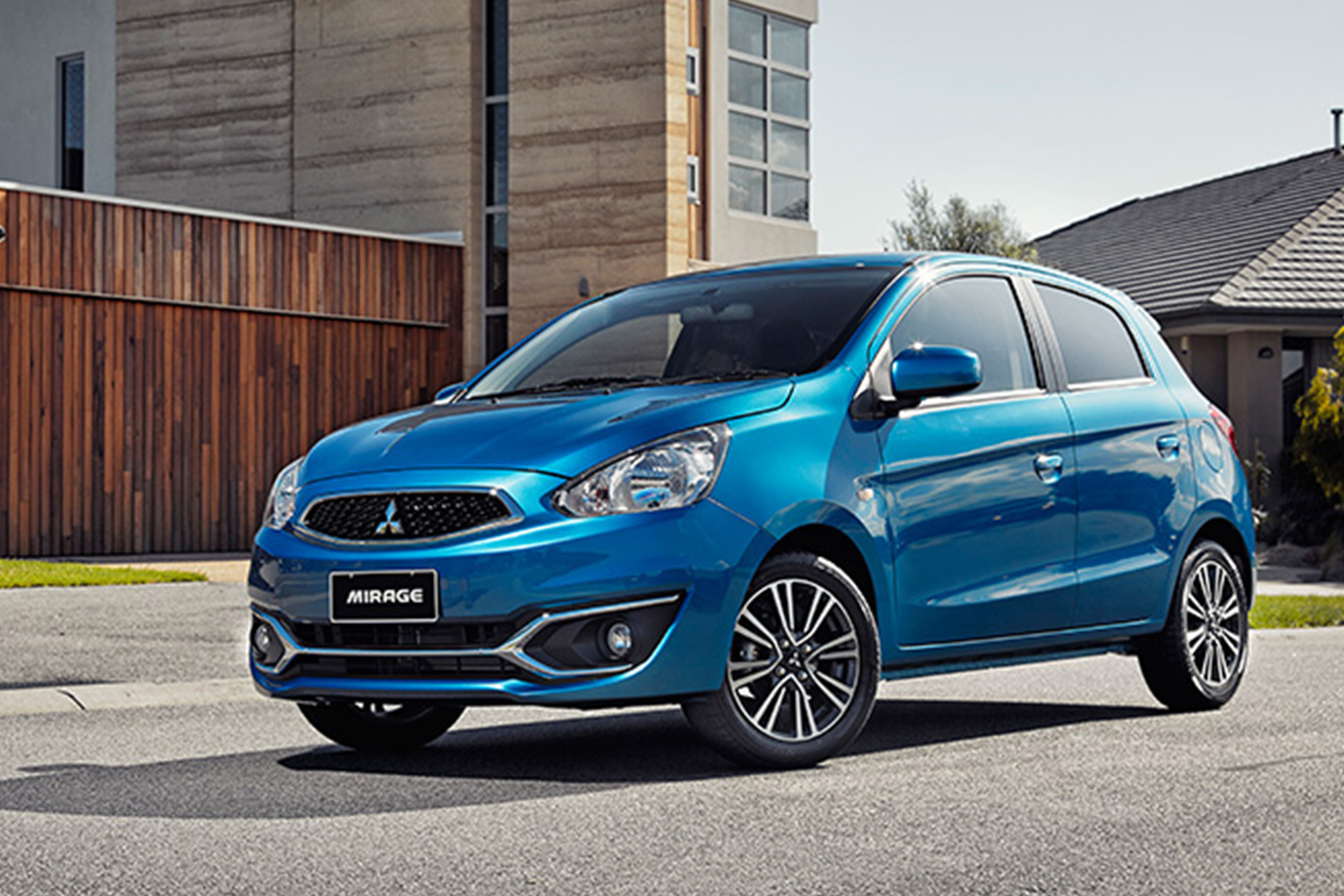
Sometimes all you need from a car is just one thing: basic transport for one, maybe two, people. Luxury? Utterly frivolous. Power? Not necessary for the A-to-B weekday commute. The only real criterion it must satisfy is price: the lower the better. We took a look at what’s on offer at the bargain-basement end of the new car landscape, and found eight options that offer the full benefits of owning a brand-new car without breaking the bank.
Toyota HiLux almost fails second shot at moose test
With nearly 40,000 cars sold so far this year, the Toyota HiLux is one of the most popular new vehicles sold in this country. Little wonder, then, that so many of you were concerned about the potential safety shortcomings of Toyota’s popular utility. Roaming moose may not be the problem down here that it is in the Northern hemisphere, but there’s no shortage of reasons why you might need to take evasive manoeuvres in your HiLux. Having the peace of mind that your ute won’t capsize while doing so is, of course, vital.
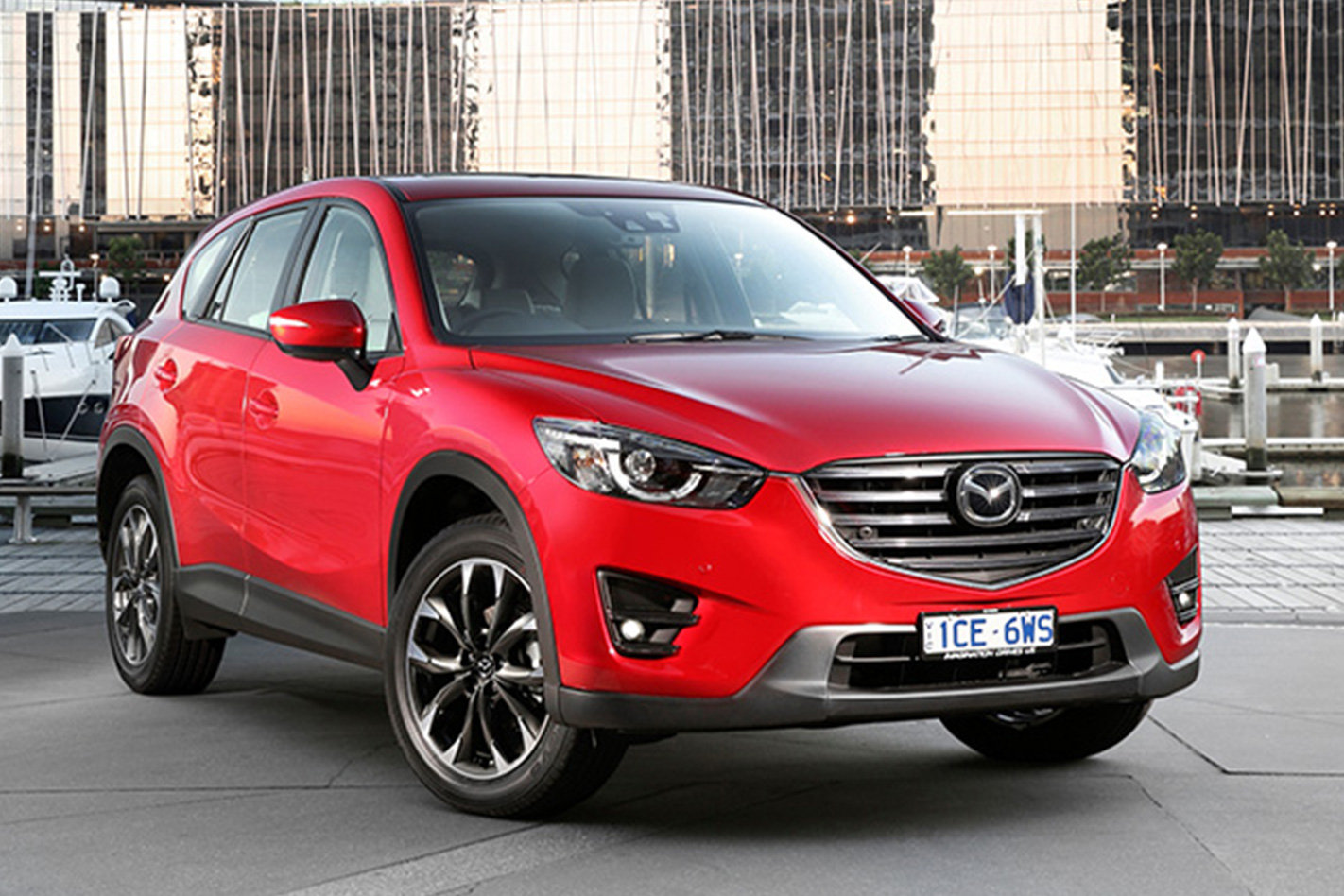
SUVs are big business in Australia, with new car buyers increasingly jumping out of conventional passenger cars and trading them in for a high-riding crossover. The spectrum of SUVs available in this country is a broad one and stretches from tiny front-drive-only urban runabouts to hulking V8-powered beasts, but here we take a look at which ones are proving the most popular with you, the average motorist.
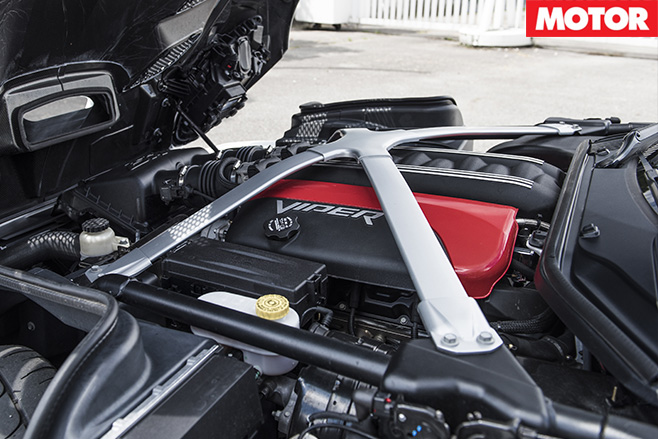
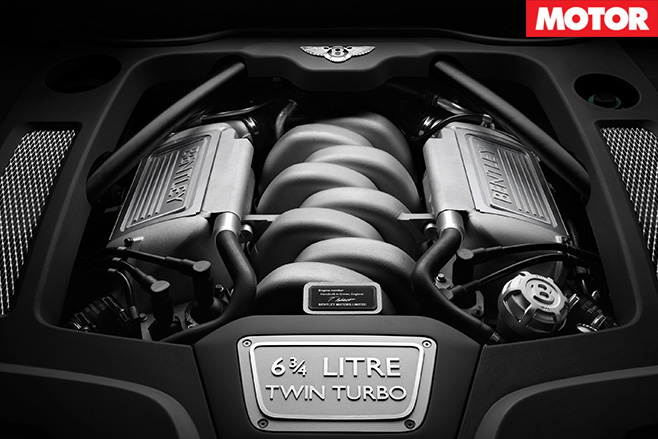
9 purty powerplants that’ll have you rushing for the bonnet latches.
1. Dodge Viper
2. Bentley Mulsanne
3. Lambo Aventador
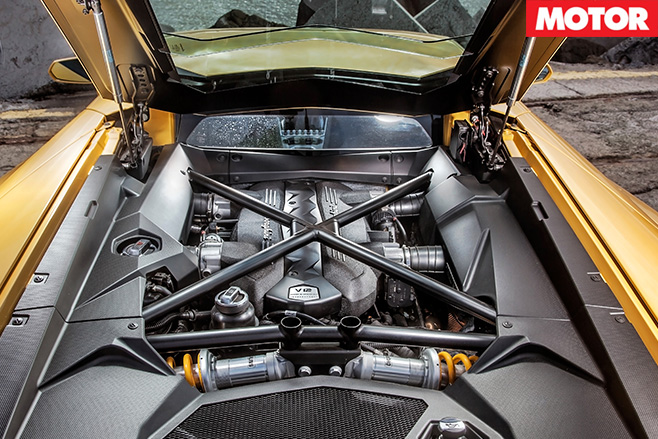
4. F12 Berlinetta
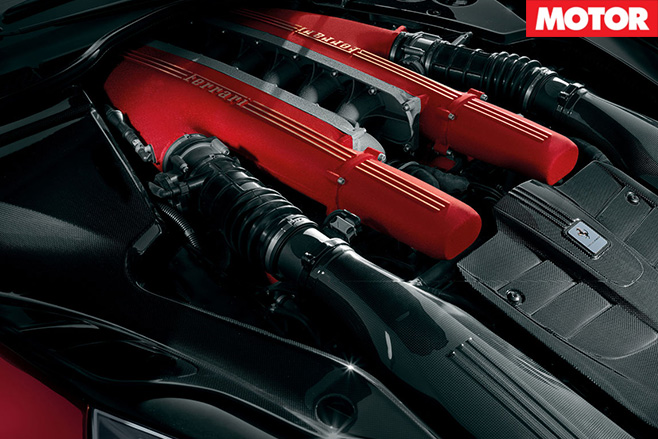
5. Pagani Huayra
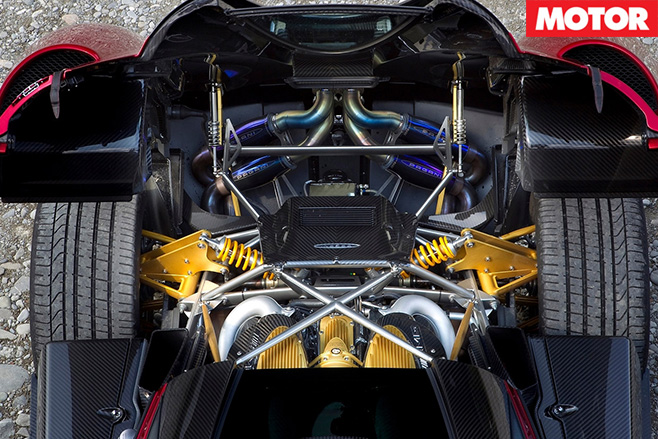
6. AM V12 Vantage S
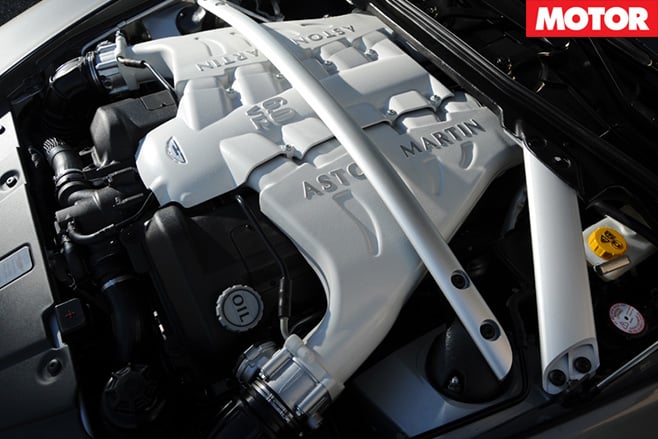
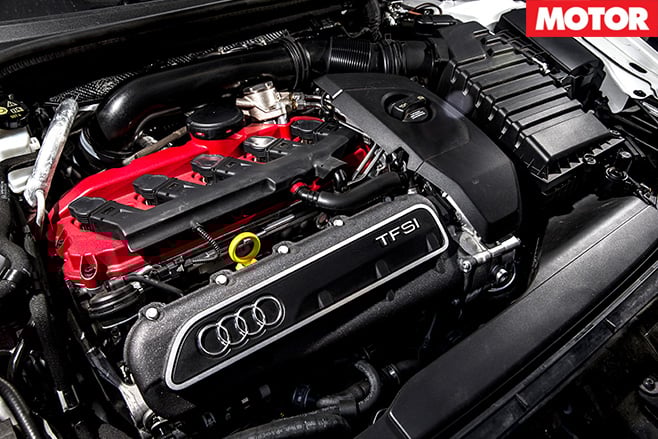
7. Audi RS3
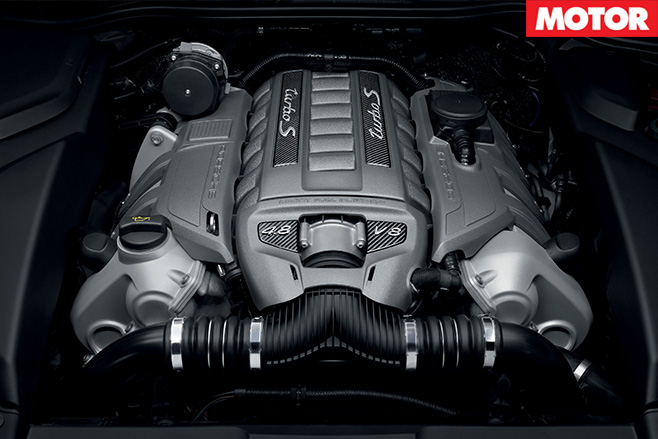
8. Cayenne Turbo S
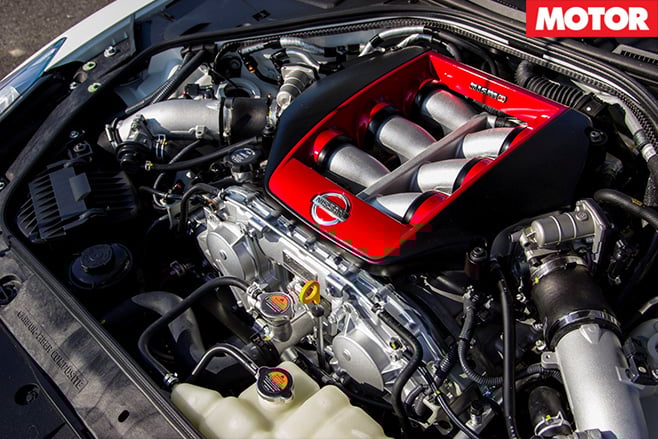
9. Nissan GT-R Nismo
First published in the August 2015 issue of Wheels magazine, Australia’s best car mag since 1953.
The Mercedes-Benz 600 Grosser is an enormous German limo that became a favourite of rock stars – and rebels alike.
A FAMOUS advertisement, written by ad-man David Ogilvy in 1958, proclaimed Rolls-Royce to be the best car in the world. By the mid-1960s, however, the car most coveted among royalty, rock stars and aristocracy – and murderous dictators for whom money was no object – was the Mercedes-Benz 600.
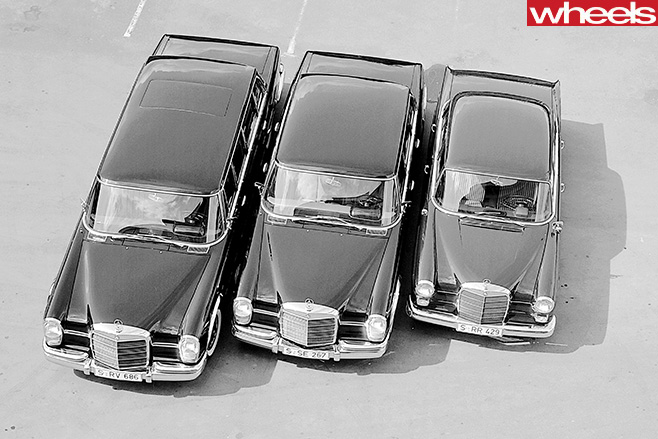
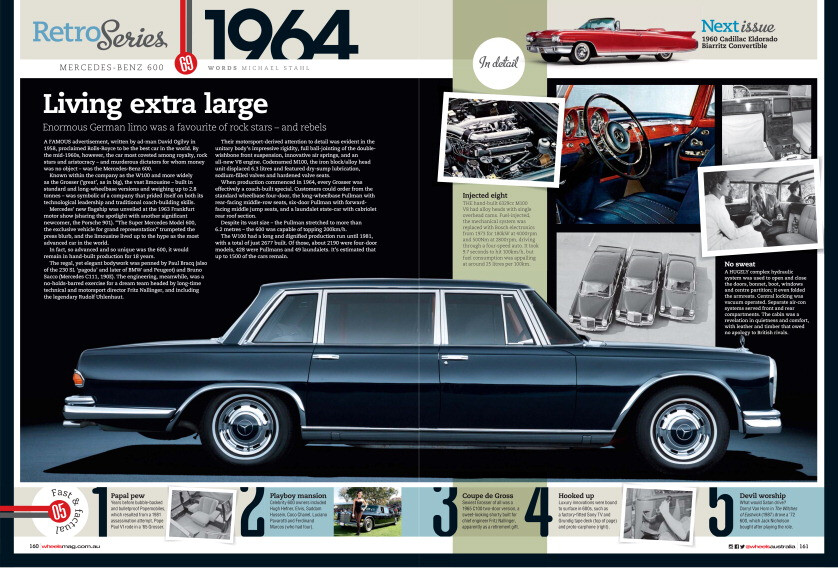 1964 Mercedes-Benz 600 Grosser – August 2015
View this article in its original format in the archive.
Mercedes’ new flagship was unveiled at the 1963 Frankfurt motor show (sharing the spotlight with another significant newcomer, the Porsche 901). “The Super Mercedes Model 600, the exclusive vehicle for grand representation” trumpeted the press blurb, and the limousine lived up to the hype as the most advanced car in the world.
The regal, yet elegant bodywork was penned by Paul Bracq (also of the 230 SL ‘pagoda’ and later of BMW and Peugeot) and Bruno Sacco (Mercedes C111, 190E). The engineering, meanwhile, was a no-holds-barred exercise for a dream team headed by long-time technical and motorsport director Fritz Nallinger, and including the legendary Rudolf Uhlenhaut.
When production commenced in 1964, every Grosser was effectively a coach-built special. Customers could order from the standard wheelbase four-door, the long-wheelbase Pullman with rear-facing middle-row seats, six-door Pullman with forward-facing middle jump seats, and a laundalet state-car with cabriolet rear roof section.
Despite its vast size – the Pullman stretched to more than 6.2 metres – the 600 was capable of topping 200km/h.
The W100 had a long and dignified production run until 1981, with a total of just 2677 built. Of those, about 2190 were four-door models, 428 were Pullmans and 49 laundalets. It’s estimated that up to 1500 of the cars remain.
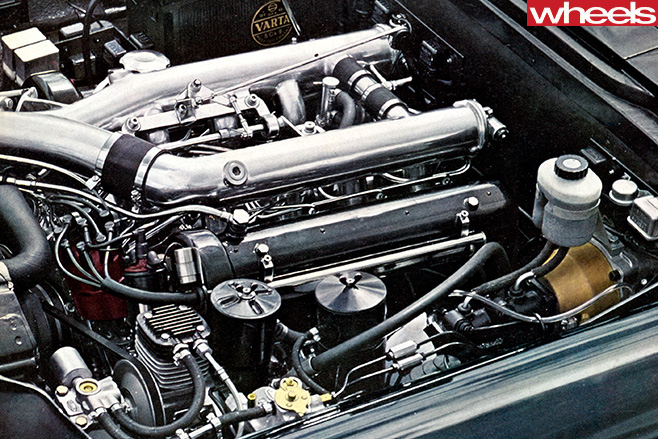
Injected eight
No sweat
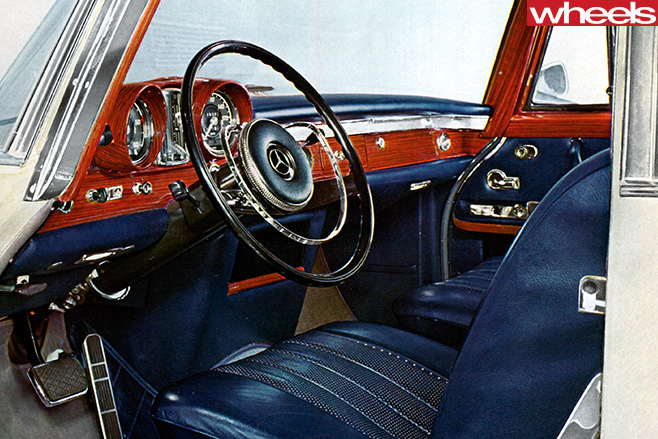
A hugely complex hydraulic system was used to open and close the doors, bonnet, boot, windows and centre partition; it even folded the armrests. Central locking was vacuum operated. Separate air-con
systems served front and rear compartments. The cabin was a revelation in quietness and comfort, with leather and timber that owed no apology to British rivals.
Fast & factual
1. Papal pew
Years before bubble-backed and bulletproof Popemobiles, which resulted from a 1981 assassination attempt, Pope Paul VI rode in a ’65 Grosser.
2. Playboy mansion
Celebrity 600 owners included Hugh Hefner, Elvis, Saddam Hussein, Coco Chanel, Luciano Pavarotti and Ferdinand Marcos (who had four).
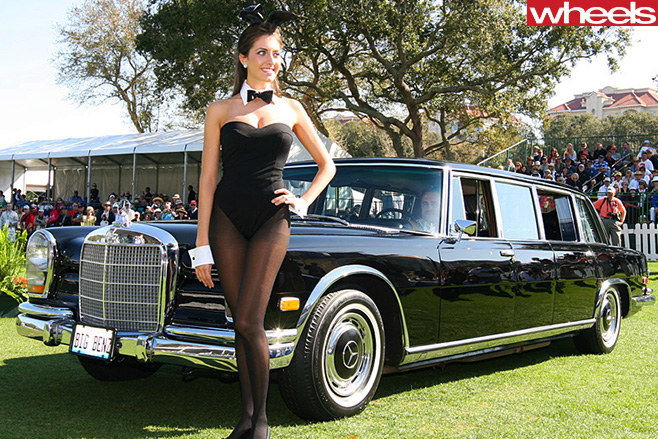
Sexiest Grosser of all was a 1965 C100 two-door version, a sweet-looking shorty built for chief engineer Fritz Nallinger, apparently as a retirement gift.
4. Hooked up
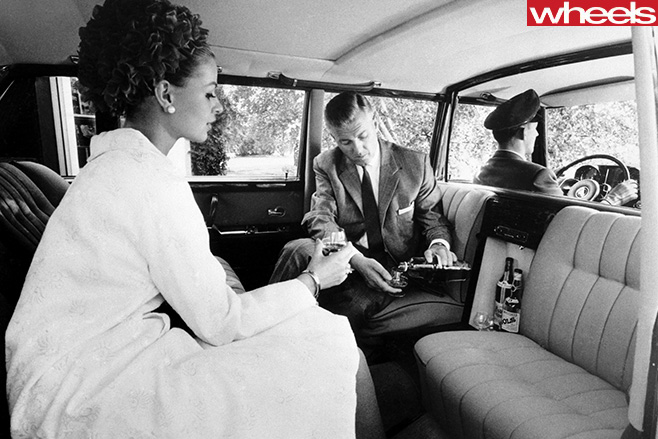
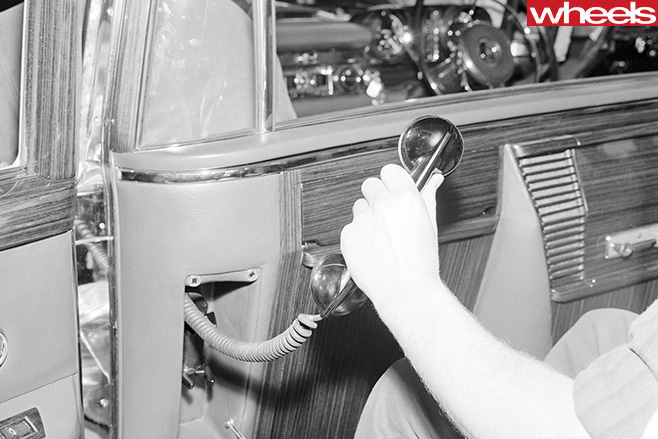
Luxury innovations were bound to surface in 600s, such as a factory-fitted Sony TV and Grundig tape deck (top of page) and proto-carphone (right).
What would Satan drive? Darryl Van Horn in The Witches of Eastwick (1987) drove a ’72 600, which Jack Nicholson bought after playing the role.
Want to read more classic tales? Visit the Wheels Archive – simply log in here using your existing MagShop account or create a FREE account and select this article from the homepage.
Don’t have a MagShop account?

Have a MagShop account?

Lukewarm? Not on your life. This trio proves that small sedans need not be dull econoboxes.
Can’t wait to see the final scores? Jump to the verdict now.
Remember when a zero-to-100km/h time in the seven-second bracket was quick?
I mean really quick? In the ’80s you needed either plentiful displacement or a turbo to get there, and in the Noughties a proper hot hatch or a home-grown warm sedan with at least six pistons under the bonnet.
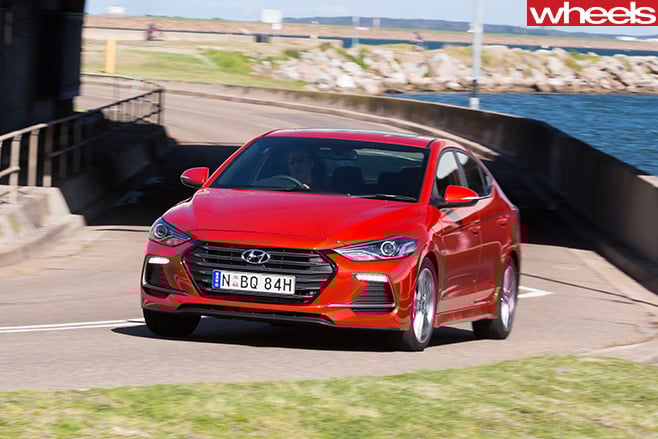
Now that the domestic four-door is living on borrowed time, what will value-focused sedan buyers turn to if they like performance with their boot? Possibly a Honda Civic RS, Mazda 3 SP25 or Hyundai’s freshly baked Hyundai Elantra SR Turbo.
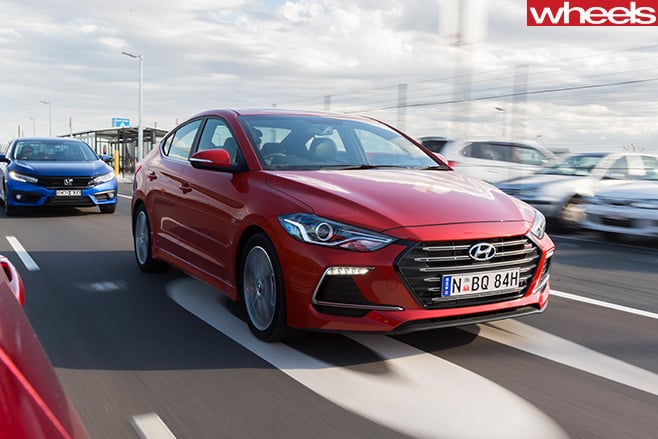
This is no ordinary sedan-warming, however. Gone is the boggo Elantra’s torsion-beam rear suspension and underwhelming 112kW 2.0-litre atmo four, replaced by a brand new multi-link independent rear, a seven-speed dual-clutch auto (or a six-speed manual if you appreciate the art of changing gears) and a 150kW 1.6-litre direct-injection turbo four pinched from the Veloster SR coupe.
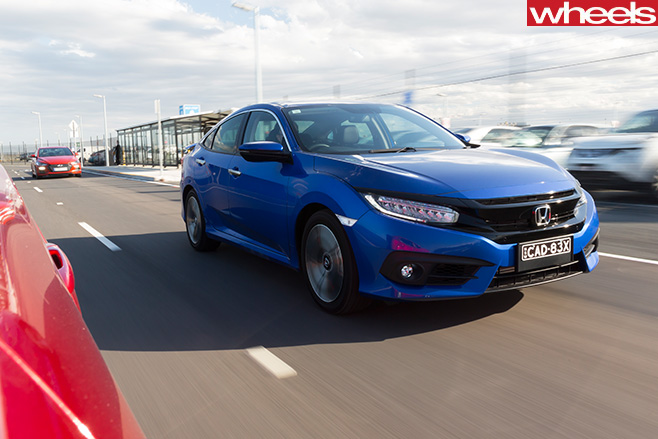
Despite the goodness lurking within, the warm sedan category is hardly a hot-bed of Snapchat-worthy eye candy. Chief rival for the $31,290 Elantra SR dual-clutch is Honda’s bodykitted $31,790 Civic RS, complete with the Japanese brand’s first mainstream forced-induction donk since the City Turbo, though producing the same 127kW as it does in lesser Civics, slugged with a one-transmission-fits-all CVT unlikely to attract enthusiasts.
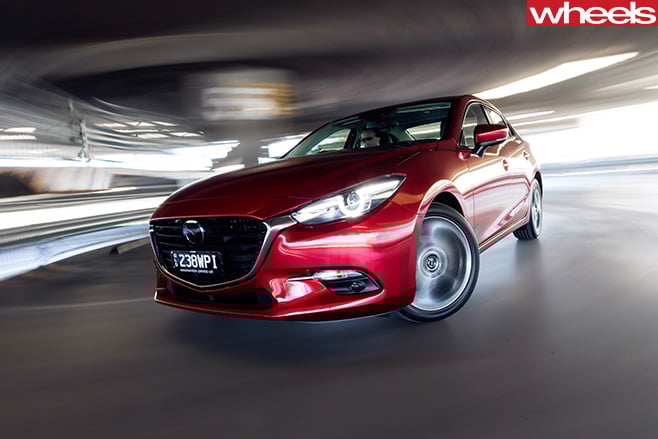
The immensely popular Mazda 3 SP25, now in its third generation, has crafted itself an enviable (and deserved) premium-mainstream image over the past 13 years. Recently updated with some new trim finishes, improved refinement and the addition of G-Vectoring Control (GVC) to enhance its reputation as a driver’s car, this SP25 is as aspirational as warm sedans get. Especially the range-topping $35,490 Astina with six-speed SkyActiv-Drive auto, which mirrors the $31,990 SP25 GT for mechanical spec, but loads on the trinkets for a class-busting level of spec.
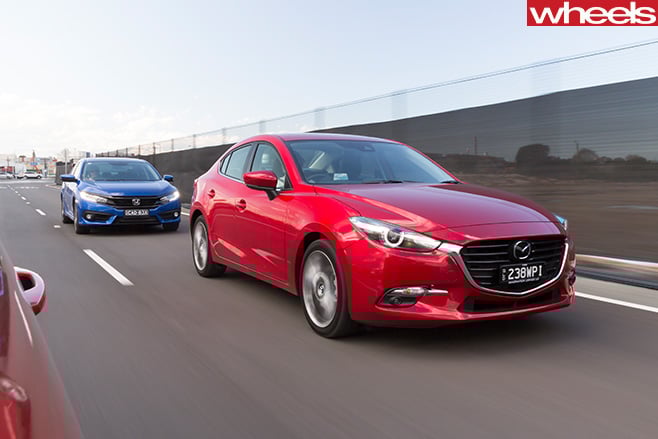
While the SP25 can’t quite match its boosted rivals at the strip (clocking 7.7sec to 100km/h and a 15.5sec standing 400m time), its drivetrain is deliciously responsive. Sweetly spirited and blessed with immaculate gear changes, the SP25 has an effervescent personality that frequently compensates for its ultimate lack of muscle compared to the grunty Elantra.
On paper, the new turbo Civic doesn’t quite have the Mazda’s measure. Less power (127kW), a lower torque threshold (220Nm from 1700-5500rpm compared to 250Nm at 3250rpm) and a CVT transmission imply lazier, less-flustered performance that’s all about wafting. And that’s mostly true. But there’s a disconnect between the Honda’s almost raucous engine and its economy-focused transmission.
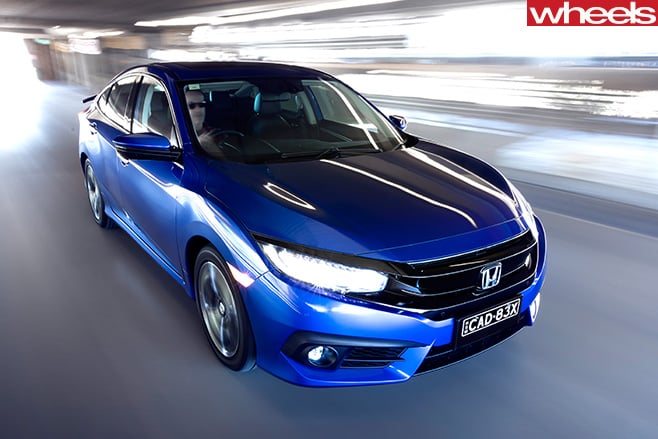
But it’s the drivetrain’s ‘rubber band’ effect that undermines the new Civic’s excellence. Nail the accelerator to plug a gap in traffic and you get a combination of engine and transmission lag before the drivetrain finds boost. Then, if you quickly lift your right foot, there’s a delay before the Civic lets go of both revs and throttle, in an almost reverse effect. Shifting the Civic’s gearlever into ‘S’ minimises lag, but the rubber-band feeling remains.
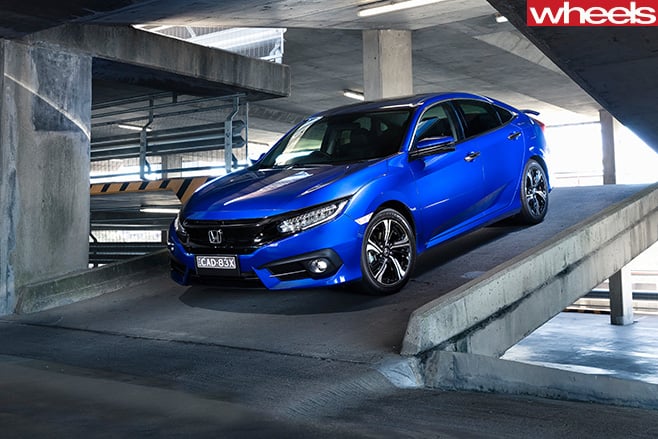
It does have its good points. On hilly country roads, Civic’s drivetrain is excellent – quiet, torquey and effortless – but the more you ask of it, the greater its deficiencies. You know what would (mostly) save it? A manual gearbox, with which Honda used to excel.
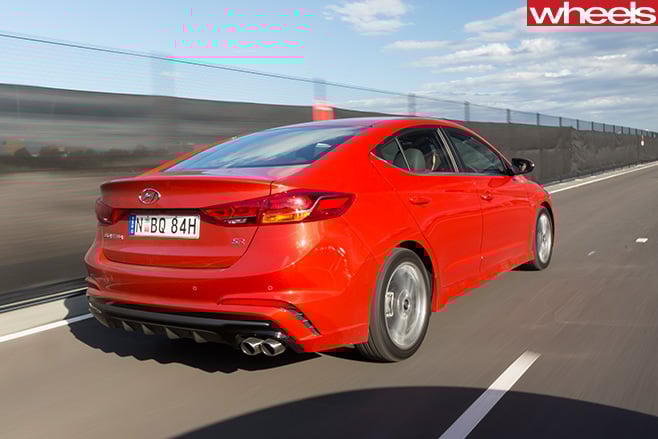
Off the line, it momentarily pauses before hitting its stride, meaning the sixes and 14s this drivetrain is capable of simply don’t materialise. Once on the move, though, the Elantra SR is a wolf dressed in a sheep’s coat with a pair of Onitsuka trainers.
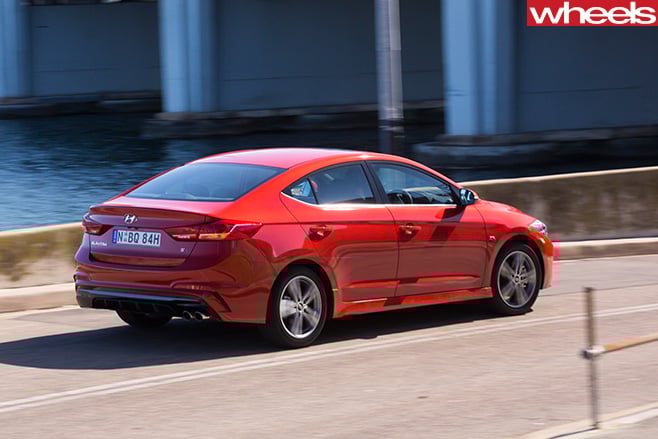
Much as Hyundai’s seven-speed DCT is generally excellent at doing what it does, we noticed the occasional hiccup. A fluffed shift here and a dose of neutral before settling revs and discovering a ratio proves that VW and Ford aren’t alone in not quite matching torque-converter-auto slickness with their dual-clutch transmissions. But the Elantra ’box showed no signs of fatigue in hard driving, and neither did its upsized brakes, performing two 34.7m stops from 100km/h in succession.
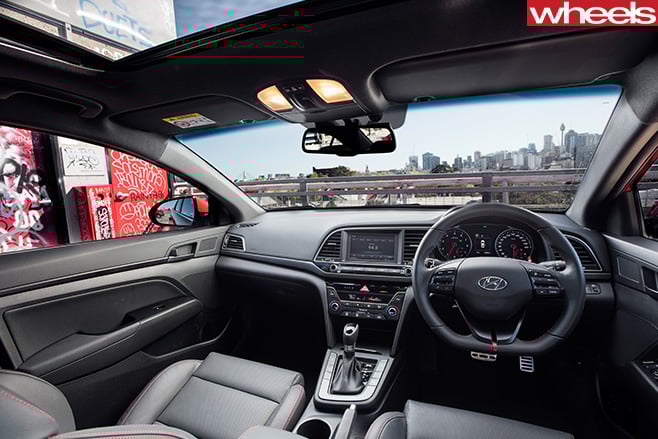
The result is a warm sedan that gets better the longer and harder you drive it. Steering connection could be crisper at straight ahead, and off-centre response a bit more decisive, but once you have a quarter-turn of lock wound on, the Elantra SR’s chassis really hooks into corners. It feels fluid and progressive as it adjusts its balance, and once you’re at (or beyond) that quarter-turn wheel position, the Elantra squats onto its outside rear tyre and fires itself through bends carrying serious speed. It’s beautifully neutral but also impressively adjustable, and if you pin the nose into a tight corner under brakes then lift off, it’ll even serve up some oversteer, all without spoiling its dynamic flow. And (incredibly for a Korean car) without disturbing its benign and subtle stability control.
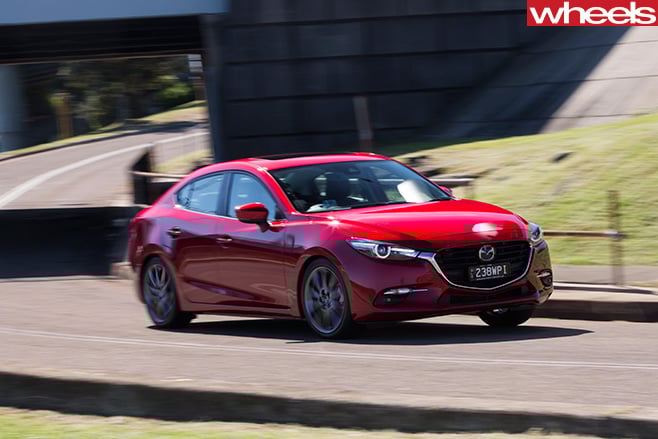
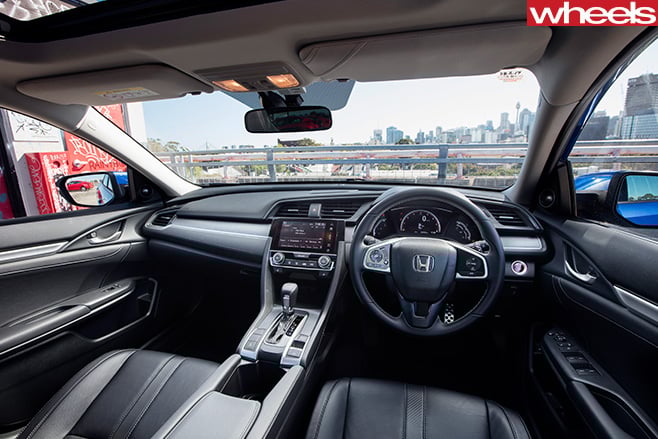
Up to about seven- or eight-10ths, the Civic is arguably sportier. There’s a connection between its fast-geared steering and the alertness of its chassis that makes it feel more naturally poised than the Hyundai. It wants to dive towards apexes and delivers terrific adjustability from its rear end. You sit low and ensconced in the Honda, too, with a proper sporty driving position and a marvellous view ahead, making fast country running an undeniable pleasure. But at the outer reaches it’s a very close fight with its Korean nemesis for the driver’s-car title.
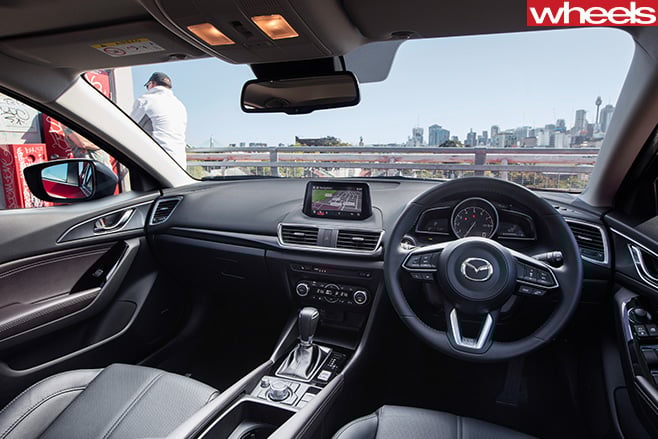
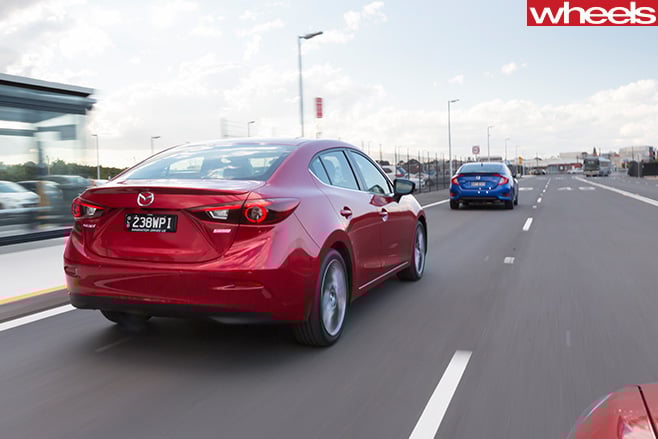
The Mazda’s drivetrain is much more linear and entertaining than the Honda’s, though its dynamics tread a different path. Despite the subtle enhancements achieved via G-Vectoring Control, the 3 feels relatively disinterested much of the time. Steering inputs from straight ahead at steady speeds simply don’t achieve the instant poise, precision and response that define the new Civic, but if you corner the SP25 harder, it brings its back end into play and suddenly becomes the sporty sedan everyone assumes it is.
The Honda shines in this department, owing to the most supple ride of the group and the least road noise. It can be punished over rough surfaces and all you get in return is some rocking around of its passengers, all of whom are lounging in the most accommodating interior here. The Civic’s strong suit is definitely making a determined stab at a rolling country road. With its chassis engaged and the best aspects of its torquey donk and infinitely geared transmission deployed, the Civic RS is a brilliant mile-eater.
Alongside the other two, the Mazda 3 feels smaller and narrower. With styling taking precedence over packaging (to the benefit of everyone’s eyes – the SP25 is easily the most elegantly styled car here), the Mazda can’t hope to deliver taxi-like space in the rear, or the Honda’s expansive aspect up front. Its seats are also not quite right, particularly the front pair, and why does this $35K range-topper only get height adjustment for the driver when a base Volkswagen Golf or 308 offer it on both front seats? Ditto a driver-only one-touch power window.
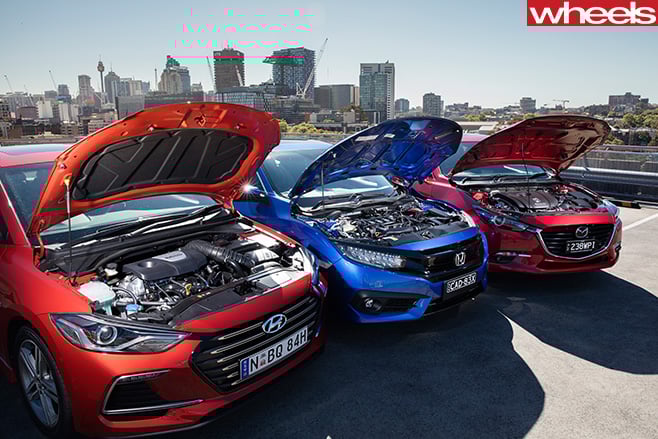
The Elantra and Civic are somewhat harder to separate. The Oz-tuned Hyundai is more overtly sporty, with a really fun chassis and loads of meaty, accessible grunt. But it does look a bit like someone’s dad in a race suit, and it doesn’t have the holistic design approach of the Honda. You can tell the Elantra SR is a deeply conservative car that’s been given the Cinderella sporting treatment whereas the new-gen Civic was designed like that from the get-go.
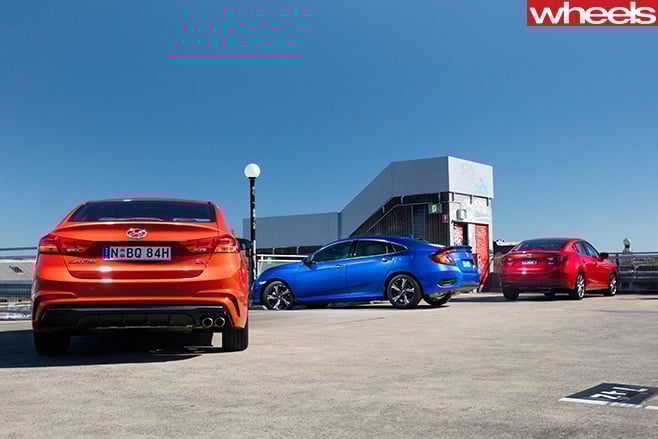
If it were us, the solution is simple: either an Elantra SR (manual or dual-clutch) with optional dealer-fit 18s, or a lower-spec 1.5 turbo Civic (the $27,790 VTi-L) that drives exactly the same as the RS but without the implication of an inappropriately applied badge.
Verdict
HONDA CIVIC RS
Price as tested: $31,790/As tested $32,365 *Includes metallic paint ($575)
NCAP rating: 5 stars (US)
Fuel economy: 7.5L/100km (test average)
Acceleration: 0-100km/h: 7.4sec (tested)
Plus: Fine chassis; quick steering; polished ride; vast interior; driving position
Minus: CVT spoils the fun; turbo donk’s raucousness and lack of linearity
Verdict: 7.5/10
HYUNDAI ELANTRA SR
Price as tested: $27,940 *Includes metallic paint ($450)
NCAP rating: 5 stars (Aus)
Fuel economy: 7.9L/100km (test average)
Acceleration: 0-100km/h: 7.0sec (tested)
Plus: Mid-corner balance and pace; tons of grip; strong engine; slick gearbox
Minus: Core engineering not as holistic as the Honda’s; bland core design
Verdict: 7.5/10
MAZDA 3 SP25 ASTINA
Price as tested: $30,940 * Includes metallic paint ($450) and ‘Skyview’ glass roof ($1500)
NCAP rating: 5 stars (Aus)
Fuel economy: 0-100km/h: 7.7sec (tested)
Acceleration: 0-100km/h: 10.0sec (tested)
Plus: Peachy drivetrain; excellent quality; hard-driving handling; styling; image
Minus: Pattery ride; not-quite-there seats; much less room than its rivals
Verdict: 7.0/10
V8 or straight-six? For your German muscle car fix it’s not as clear cut as it seems.
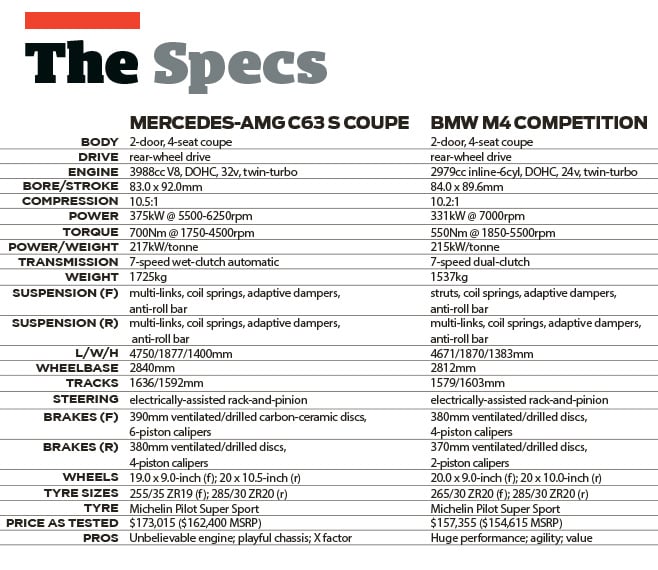
Details. It’s supposedly where the devil resides, and it’s certainly where the differences between the BMW M4 Competition and Mercedes-AMG C63 Coupe S lie. What we have here are two four-seat, rear-drive coupes at the top of their respective games.
Both are extremely exciting, capable and desirable machines, and though they occupy slightly different vocal ranges, both are singing from largely the same hymn sheet.
But this is no primary school sports carnival where everyone wins a prize – there are no participation awards here. You want to know who makes the best high-end Euro sports coupe, so let’s find out.
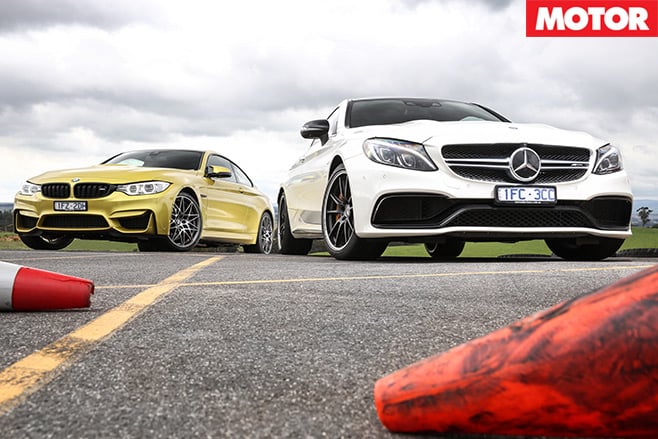
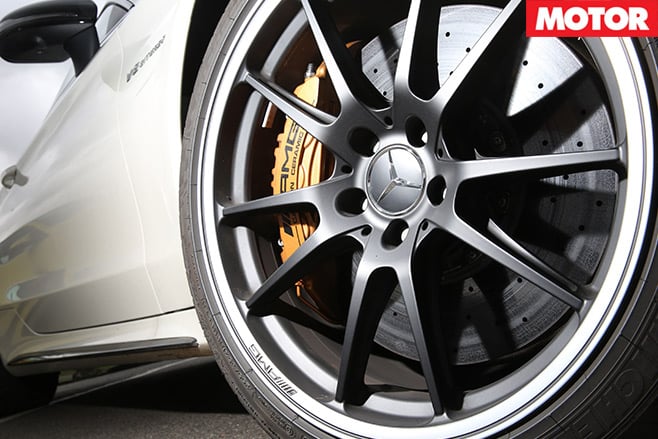
This allowed the front track to be stretched 20mm and the rear 50mm, as well as the fitment of wider wheels and tyres. Aussie C63 Coupes wear sexy staggered rims from the forthcoming AMG GT R as standard, measuring 19 x 9.0 inches front and 20 x 10.5 inches rear (sedan: 19 x 8.5; 19 x 9.5). These are wrapped in Michelin Pilot Super Sport rubber, 255/35 ZR19 (front) and 285/30 ZR20 (rear), 10 and 20mm wider respectively than the sedan.
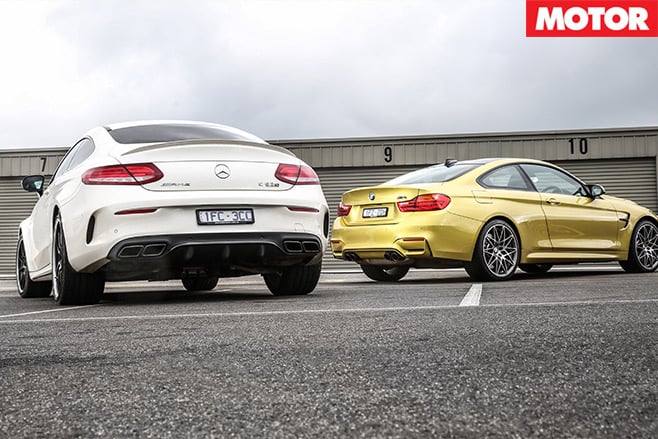
Some of this is due to its reinforced bodyshell, but the wider, stronger multi-link rear suspension must also shoulder some of the blame. AMG went all-out on the rear-end of the C63 Coupe, with uniball joints replacing rubber bushings for sharper response, stiffer lateral arms to increase traction and a shorter final drive ratio for better acceleration.
The M4 and M3, on the other hand, are much more closely related. Identical under the skin, the M4 is 23kg lighter and shorter by 7mm in length and 41mm in height, which slightly improves its centre of gravity, but not by enough to make a noticeable difference. What do make a difference are the Competition upgrades, recently introduced as a new model in the M3 and M4 range.
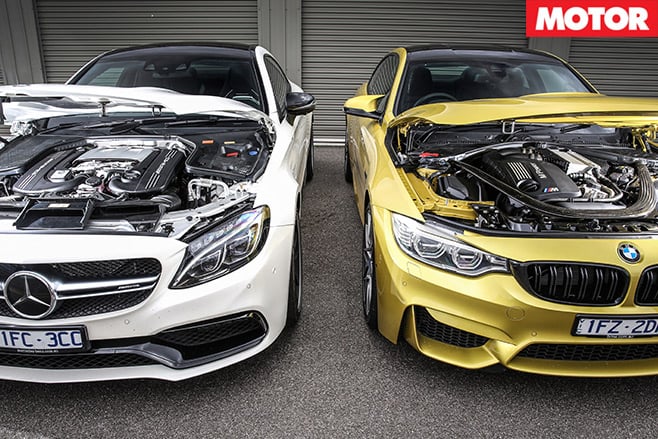
In our experience thus far the changes have done a good job of taming some of the M4’s wayward behaviour without unduly hurting its day-to-day usability.
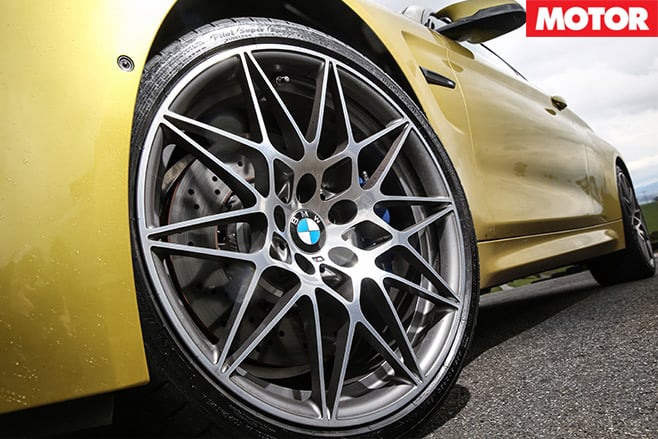
The M4 Competition’s biggest visual change is the adoption of new 20-inch wheels, the ‘666’ design nicked from the hardcore GTS, albeit without the staggered sizing (GTS wears 19s at the front) and thankfully sans the garish orange colouring.
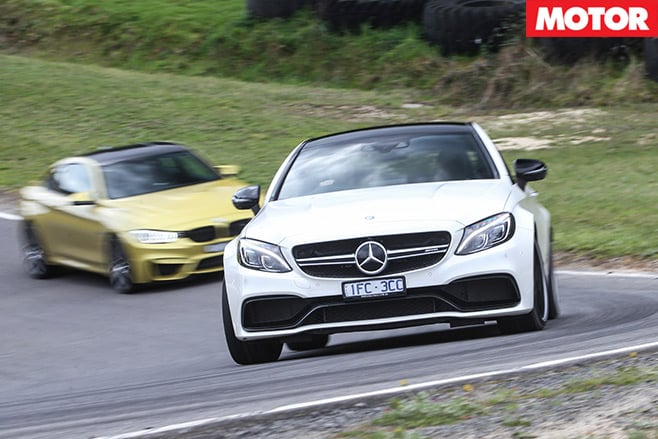
We’re not so sure about the C63 Coupe. The front end is great, all ridges and bulges, and the overall shape has plenty of presence, but though the widened rear end is much more muscular than the narrow, upright derriere of the regular C-Class Coupe, it looks a bit saggy and lacks definition, like it’s eaten too much KFC.
No such qualms inside. Depending on what you’ve stepped out of, the seat may feel a little high and the backrest only just goes upright enough, but overall the driving position is very good, the materials justify the price tag and there’s even a decent amount of room in the rear, though taller adults will struggle for headroom.
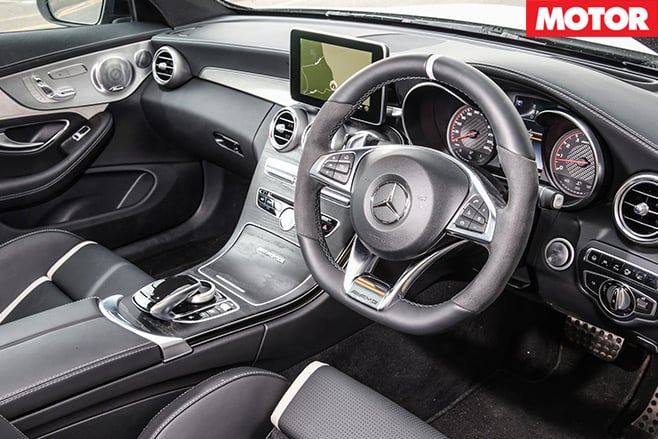
In contrast, BMW’s once-maligned iDrive is a piece of cake to use. The M4’s interior lacks the glitz of the AMG but there’s leather galore and lashings of carbonfibre, the driving position is lower and more widely adjustable and there’s easily room for two adults in the rear. Forget two-plus-two, this is a genuine four-seater.
Possibly the biggest threat to the M4 Competition’s liveability is its ride quality. This is a very firm car; BMW states the Competition’s damper tune is roughly equivalent to Sport in the standard M4. Personally, it’s just on the right side of acceptable, but its constant transferral of bumps could prove tiresome if you regularly traverse poor roads.
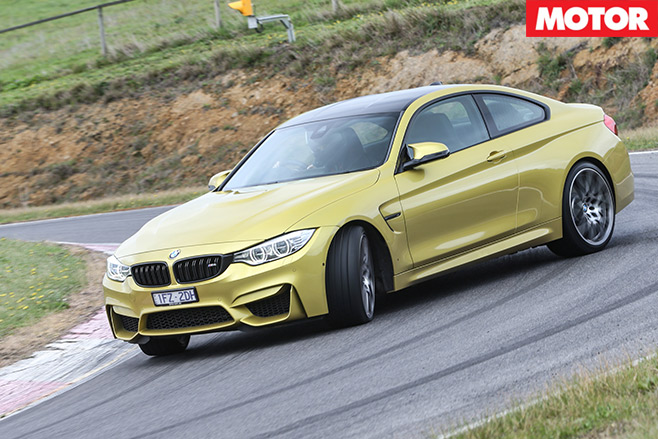
First, the M4 is one of the most sensitive cars to tyre temperature we’ve ever driven. On cold rubber at Haunted Hills (our chosen photography venue), early attempts to flick the car sideways for the camera result in severe understeer as the front tyres refuse to bite into the hotmix. Likewise, trail brake into a corner and the rear can step sideways like you’ve yanked on the handbrake.
However, let the rubber generate some heat and the experience transforms. Now the front-end has an almost unshakeable grip on the tarmac; at road speeds understeer simply doesn’t exist and on track you’d have to do something silly to get it to push wide, as usually it’s the rear end that lets go first.
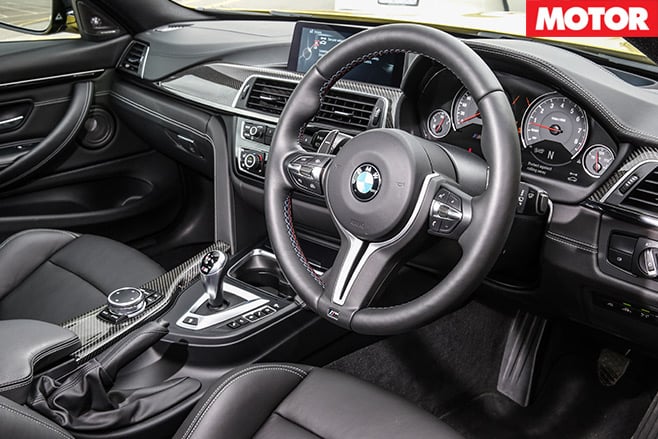
This allows corners to be attacked with confidence while keeping in mind that, with DSC deactivated, the second part of the bend will be all about managing traction.
And DSC will need to be deactivated, because unfortunately M has completely dropped the ball in recalibrating the M4’s stability control. BMW boasted that drivers could practically spin the standard car in ‘M Dynamic mode’, but the Competition’s sports DSC setting is so frustratingly conservative that it cuts power dramatically at the slightest hint of wheelspin.
This means that to experience even a fraction of the M4 Competition’s ultimate potential drivers are forced to deactivate the electronic safety net, which is a difficult thing to recommend, as in slippery conditions it can be a right handful. Such is the amount of torque the 3.0-litre twin-turbo six produces that on a wet road it’ll easily wheelspin at speeds well in excess of the national speed limit.
Even in the dry the M4 has the power to light up its rear tyres with ease and catching it can require swift reactions. So we’re left with a conundrum: leave the overzealous safety net in place and accept that some of the M4’s excellence will remain untapped, or adopt a more cautious approach so as not to be caught out by unexpected conditions.
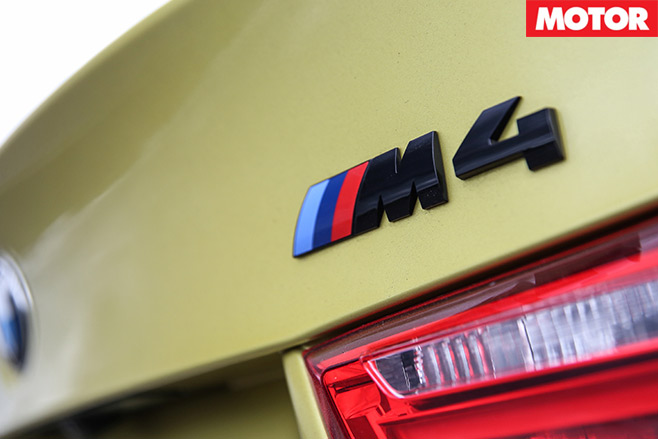
Unlike the BMW, the AMG’s electronics allow plenty of wheelspin and a reasonable degree of lateral movement, while still keeping a weather eye on proceedings. It’s an excellent setting for fast road driving, still requiring driver input to get the best out of the car but flattering any mistakes.
As you’d expect given the almost-200kg weight penalty, the C63 does feel heavier and less agile than the M4, however it counters with more communicative fixed-rate steering, greater predictability at the limit and smoother transitions to over and understeer should you exceed it.
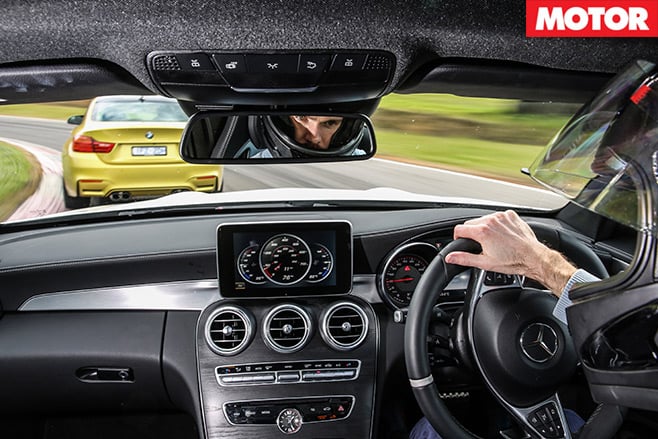
Initially it makes the car feel edgy, like it’s falling into oversteer, but with ESP off it becomes clear there’s still plenty of traction available and it’s just straightening the car for corner exit, important when there’s 700Nm of torque on tap.
As you’d expect with this much grunt, the C63 will haze its rear tyres all day long, but it’s actually more rewarding a step back from this, using the throttle to help steer the car and exit corners in subtle drifts rather than tyre-smoking slides. It feels lighter than its claimed 1725kg and the optional carbon-ceramic front brakes are awesome.
They’re expensive at $9900, but Mercedes claims significantly decreased wear rates, so they’re worth considering for either car. At $15,000 on the M3/M4, they are a bigger investment, but you do get them at both ends as opposed to just the fronts on the C63.
The biggest question mark with the C63 Coupe is, is it too hardcore for its own good? Anyone in the market for a traditional fast, comfortable Mercedes coupe is likely to find the C63 too much, as Tobias Moers and his team have clearly been given carte blanche to build a monster.
The ride is very firm, though like the BMW just on the right side of acceptable in Comfort mode, but the removal of most of the rubber bushings from the rear end means the car feels extremely rigid.
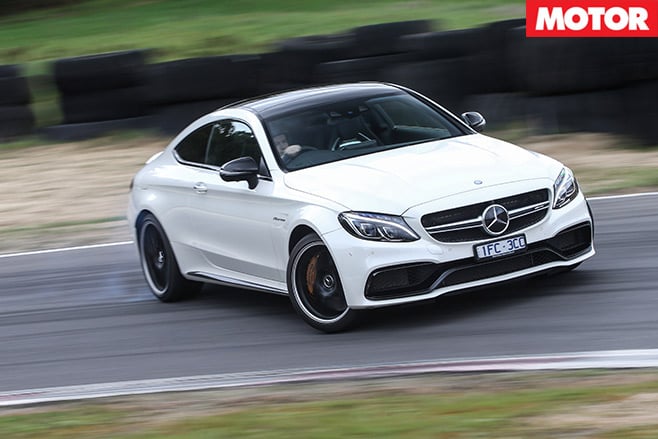
At one stage, the glovebox flew open of its own accord when accelerating hard over a ridge in the road in third gear. To be honest both cars are similarly focused – NVH levels in the M4 aren’t great either – but it feels like a bigger shift in character for Mercedes than BMW.
The other trait the two cars share is a severe dislike of slippery conditions. Trying to drive the C63 even moderately enthusiastically in the wet is like watching a turtle struggling on its back; on one level it’s amusing, but ultimately an exercise in futility. There’s just way too much power to put through two tyres.
Its best effort was 0-100km/h in 4.56sec and a 12.48sec quarter mile at 194.10km/h; still extremely fast, but there are another three or four tenths in it on a grippier surface.
Nevertheless, the engine utterly dominates the C63. No matter the gear or rpm there’s always a relentless torrent of torque available and it sounds like a grizzly bear with a bad head cold. Unfortunately, the transmission remains an AMG weak point.
With its inability to ‘creep’, the BMW’s seven-speed dual-clutch isn’t great at low-speed manoeuvring either – three-point turns are a right pain – but it is better behaved than the Merc and manual shifts via the paddles are answered more obediently. Its biggest downfall is the unnecessary and irritating jolt on upshifts, which are not only uncomfortable but can lead to a loss of traction in the next gear.
Some pundits have labelled the M4’s 3.0-litre twin-turbo six dull, which seems extremely harsh for an engine that hits this hard in the mid-range yet revs well beyond 7000rpm. While hailed for its response when it first appeared, compared to the very latest turbo engines there is some low-down delay, but that only makes the boost feel even more exciting when it does arrive.
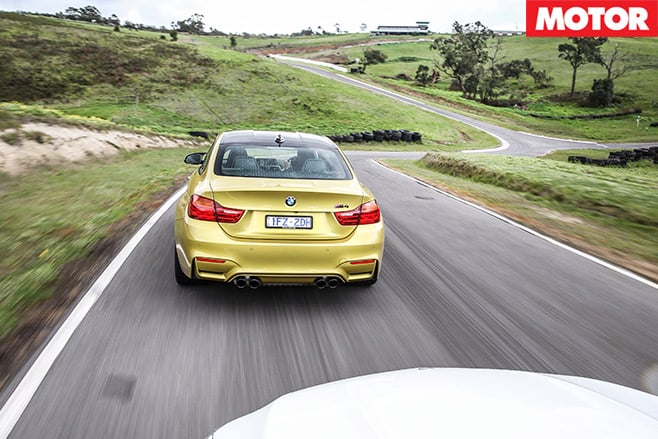
In what must qualify as a minor miracle, the notoriously capricious launch control actually worked and hurled the M4 to 100km/h in 4.39sec and across the quarter in 12.38sec at 193.31km/h. While we matched the time doing it the old fashioned way, the electronics were more consistent.
Where the BMW loses ground to the Mercedes is in character. The M4 Competition does sound fruitier than the standard car, but the S55 engine needs the M Performance exhaust (a $9350 option) to really gain some personality.
And it’s in this highly subjective area that the M4 Competition loses this comparison. In its favoured operating range – going as fast as possible with maximum commitment – the BMW is incredible, an adrenalin-pumping experience that leaves your eyes on stalks and your nerves abuzz.
And on a purely objective basis, you could even make a case for the M4 winning, as it’s every bit as quick as the C63, faster around a track, slightly roomier inside and, as-tested, more than $15,000 cheaper.
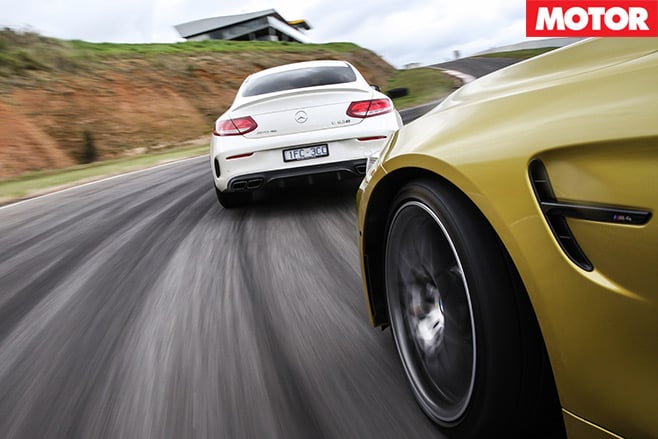
All too often that’s an intangible quality, but thankfully here it can be easily quantified: it’s the noise of that twin-turbo V8 on start-up, its low-speed rumble around town and the feeling of limitless power. Only a small detail, but an important one.
Not keen on an SUV but still have a brood to haul? The Falcon may be gone, but there’s more than a few family-friendly four-doors slated for 2017 – particularly if you’re shopping in the luxury segment. Here’s a list of the most notable family-sized debuts on the cards for this year.
Alfa Romeo Giulia – February
Much is expected of Alfa’s brand-new Giulia sedan. The Italian automaker’s first RWD sedan in a long time is hoped to give the A4s, 3 Series’ and C-Classes that dominate the Australian luxury car landscape a run for their money, with an M3-rivalling Giulia QV variant kicking things off in Feb.
With typically gorgeous Italian design and a proper rear-drive platform underneath, hopes are high that Giulia not only has the luxury to match Alfa’s peers, but also the chops to deliver some much-needed commercial success for the product-starved brand.
BMW 5 Series – February

BMW’s all-new 5 Series is one that well-off families should pay close attention to, for the German automaker says its seventh-generation large sedan is one of its most technologically advanced cars yet.
And that’s easy to understand, given the huge level of trickle-down tech between the new 7 Series and the box-fresh 5 Series range. Gesture controls, remote parking, lightweight construction measures and semi-autonomous driver aids are all highlights of BMW’s new big four-door range, taking it to new levels of sophistication.
Meanwhile, the new M550i xDrive performance variant is a new addition to the 5 Series family, and plugs the gap between the vanilla models and the hard-hitting M5 (which has yet to be revealed in seventh-gen form). With a 0-100km/h sprint time of just 4.0 seconds, three-tenths of a second faster than the current M5, it’s a pert performer.
Prices are up against the outgoing model range, but BMW has countered that by offering more equipment as standard.
Genesis G70 – late 2017
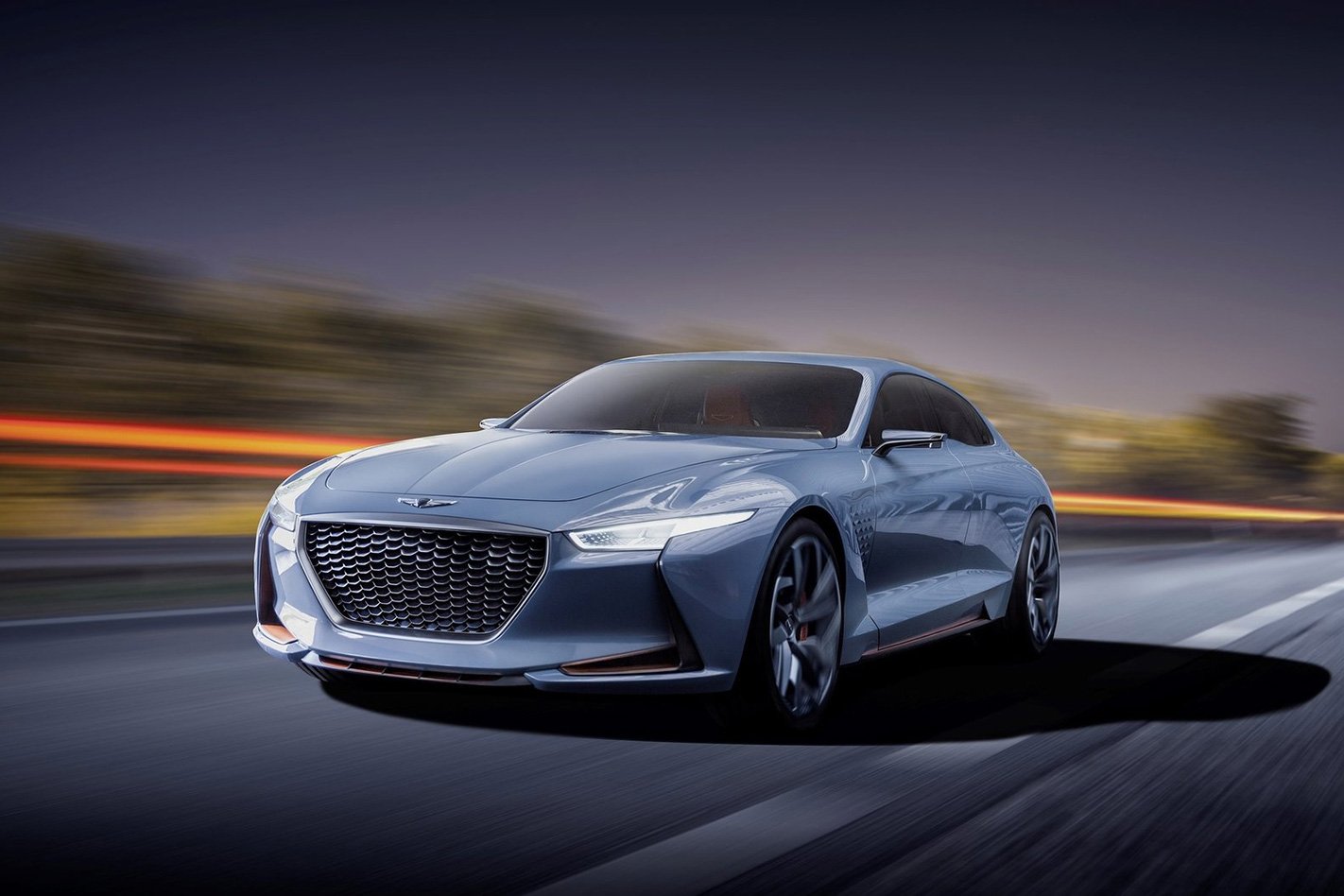
The next chapter in Hyundai’s Genesis story will begin towards the end of the year, with the Genesis G70 arriving as a medium-sized rival to the Lexus IS, BMW 3 Series, Audi A4 and Mercedes-Benz C-Class.
While the bigger G80 will arrive first, that car will essentially be a rehash of the familiar Genesis large sedan. As a mid-sizer with a lower price of entry, it’s the G70 that’s expected to give the fledgling Genesis brand a sales kick – and help put the Korean luxury marque firmly in the public’s consciousness.
Like the G80, the G70 will be rear-driven and built to a standard at least equal to that of its German and Japanese competitors – but with a price tag that should undercut them. We don’t know what it will look like, but the striking Genesis New York concept shown here gives us a few clues.
Holden Commodore – March
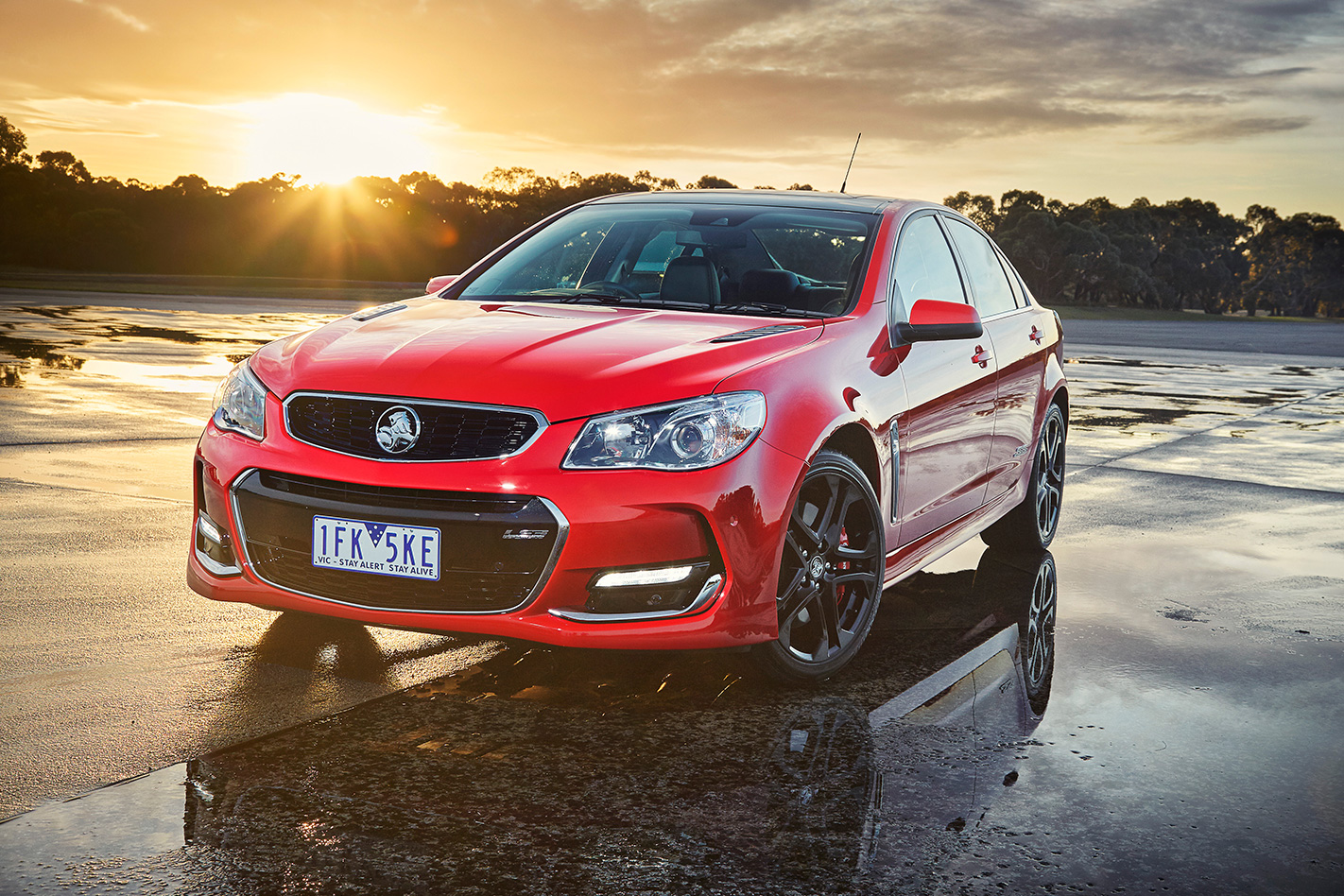
Time is running out for Holden’s home-grown large car family, but before the assembly plant shuts down there’s still one facelift on the cards for the current VF Commodore. Details are scant, but expect some mild updates for the Aussie-built Commodore’s swansong.
Note: 2016 Holden Commodore shown.
Kia CK – late 2017
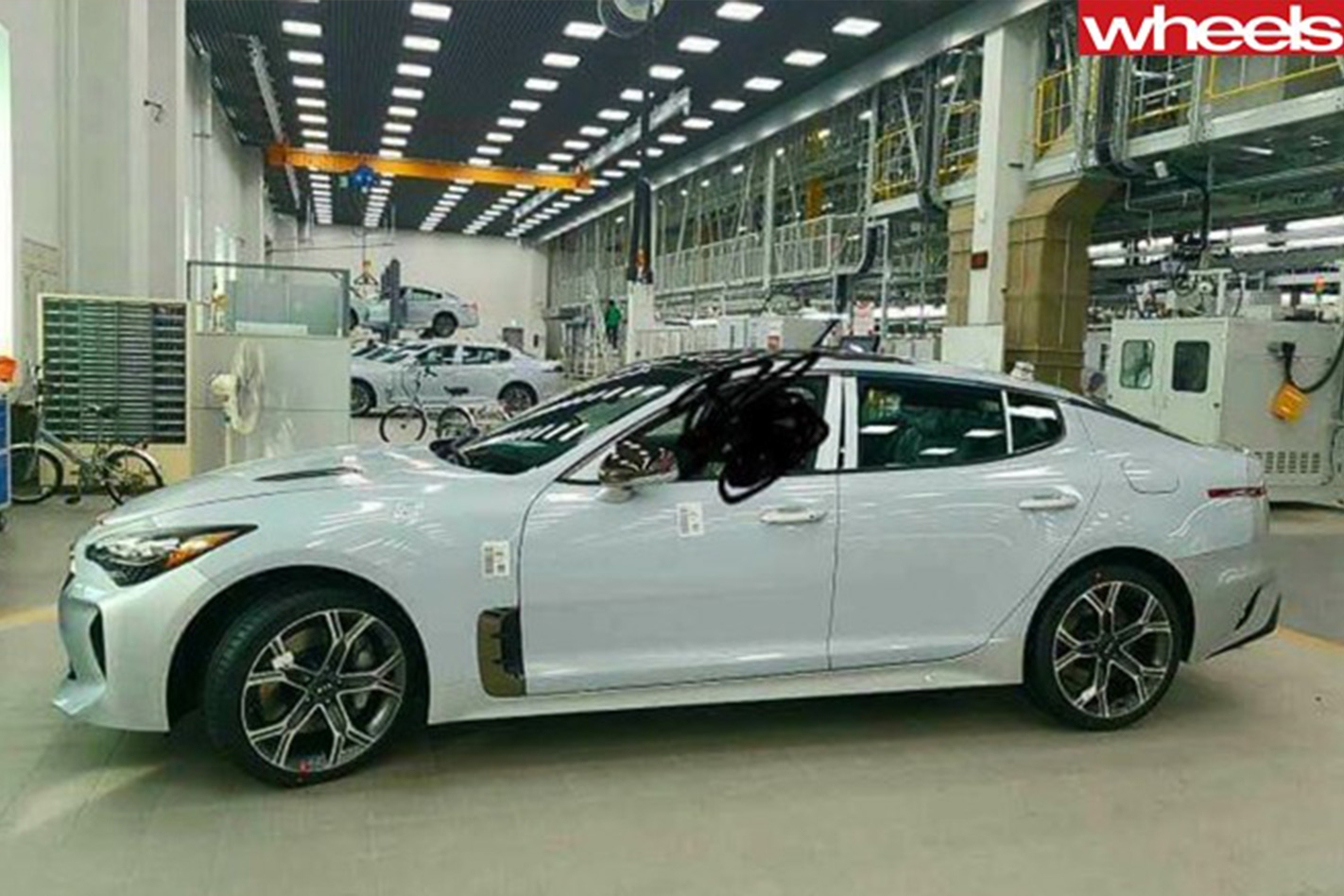
Kia has already begun a teaser campaign for its eagerly-anticipated large sedan, codenamed “CK” for now, which takes the RWD platform from Hyundai’s Genesis sub-brand and gives it a uniquely Kia exterior, interior and suspension tune.
Specifics are still under wraps, but expect this one to be pitched at a more performance-loving crowd than is typical for the Korean automaker. Falcon is no more, and Commodore as we know it is on the way out, but Kia is keen to ensure those looking for a mass-market large car that sends power to the rear axle still have options.
Porsche Panamera – January
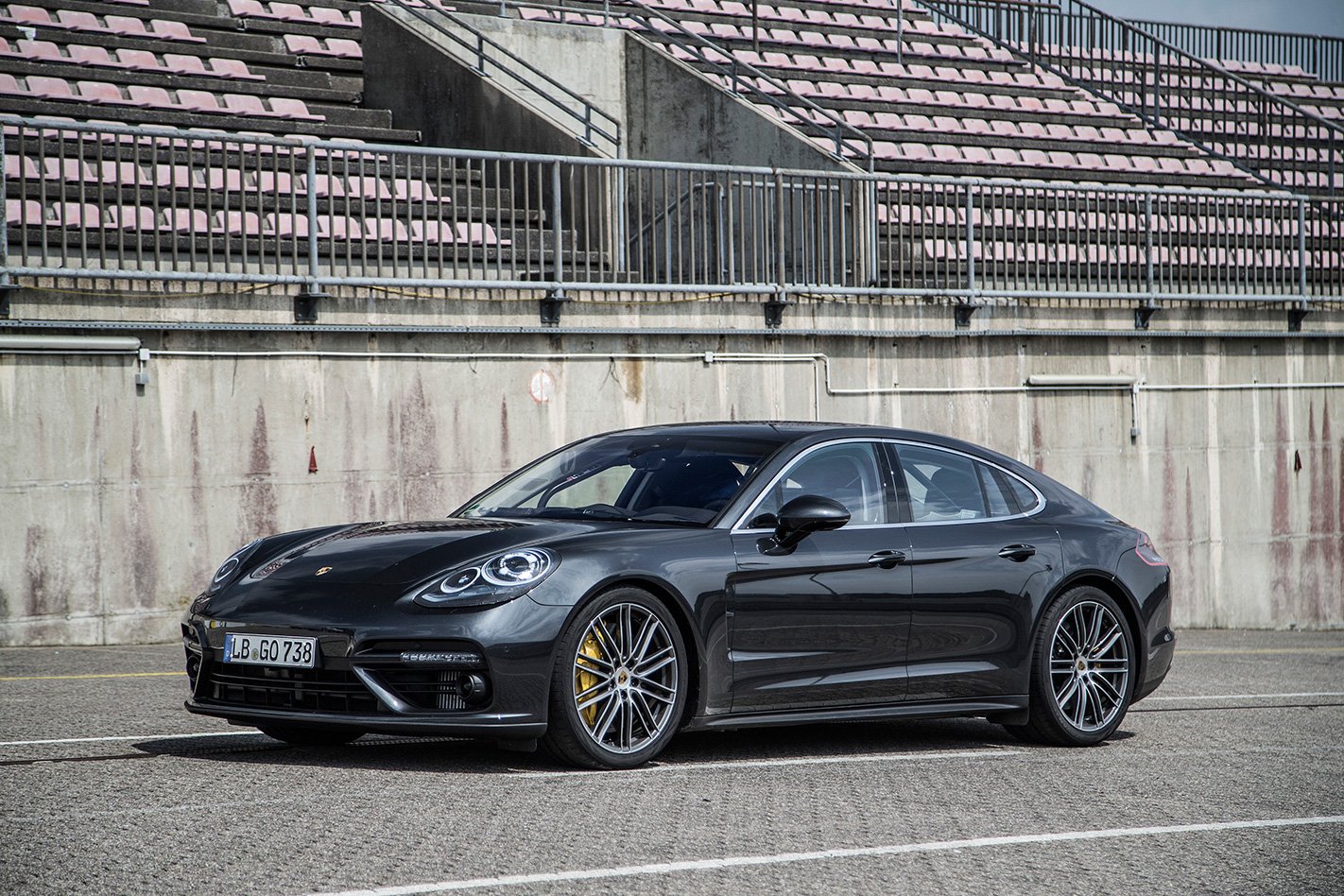
Well-heeled families need transport too, and for those not satisfied by run-of-the-mill luxury large cars or mega-dollar SUVs there’s Porsche’s all-new Panamera.
Expected to arrive in January, the second-generation Panamera has been to the gym to enhance its already considerable sporting credentials, and has also paid a visit to a plastic surgeon to rectify the polarising styling of its predecessor.
There’s only space for four inside its fastback body, but this one preferences performance over passenger carrying – especially the mega brawny Panamera Turbo flagship.
2017 Top 6 Family Cars
| Alfa Romeo Giulia | Coming Feb 2017 |
| BMW 5 Series | Coming Feb 2017 |
| Genesis G70 | Coming late 2017 |
| Holden Commodore | Coming Mar 2017 |
| Kia CK | Coming late 2017 |
| Porsche Panamera | Coming Jan 2017 |
