
BMW has added a plug-in hybrid to its 2017 BMW 5-Series range, and with an all-electric top-speed of 140km/h it’s no environmental lightweight.
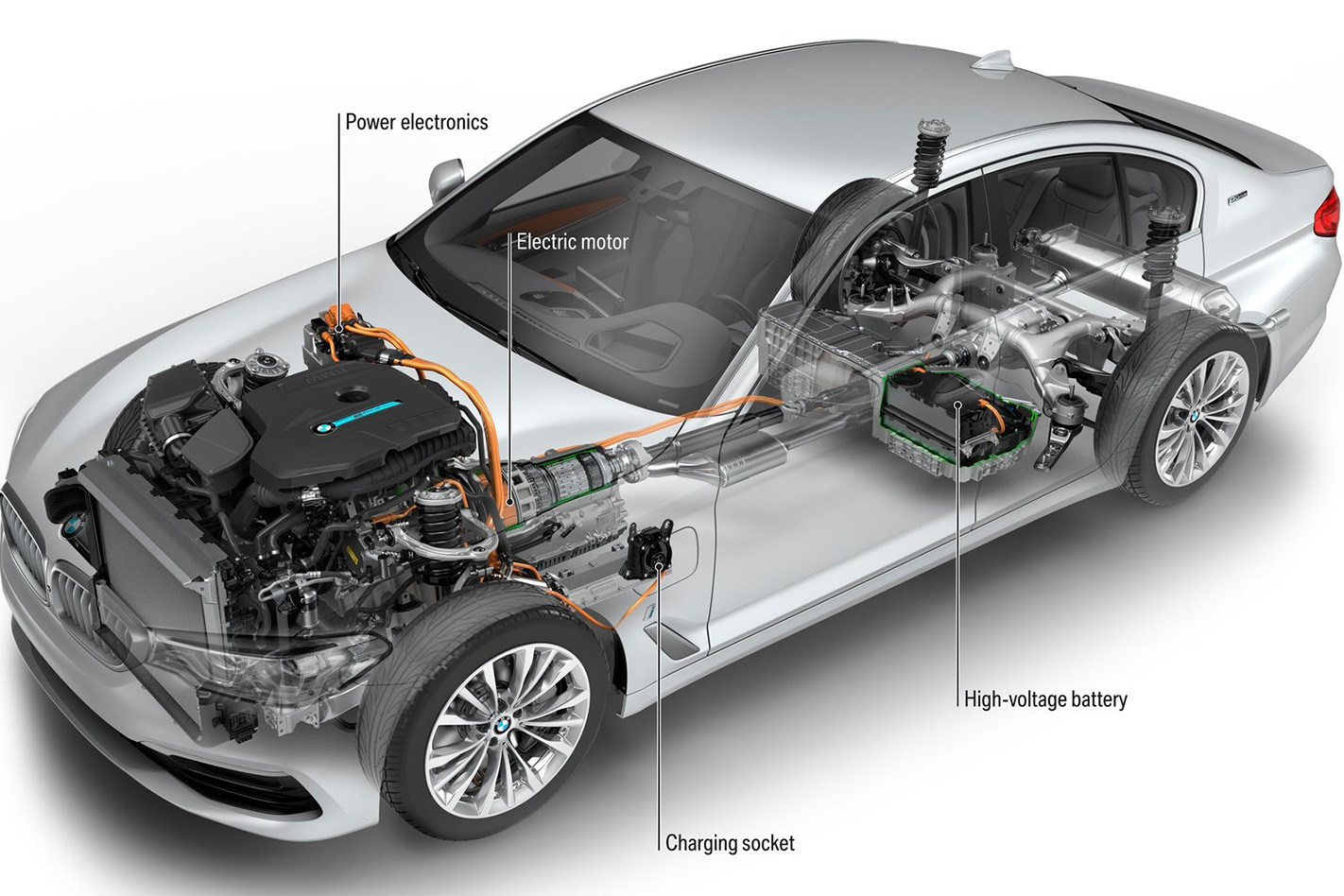
The 530e iPerformance is powered by 2.0-litre four-cylinder petrol turbo engine coupled with an electric motor for a combined power/torque output of 185kW/430Nm.
In hybrid mode it’s capable of reaching 0-100km in 6.2sec and reaching a top speed of 235km/h. Fuel consumption is a tiny 1.9km/h on the European test cycle which will take it 650kms between fills. In all-electric mode it has a top speed of 140km/h and a 50km range.
Power is distributed to the rear wheels via the standard eight-speed transmission in hybrid and all-electric mode which does away with the need for a weighty torque converter.
This gives it similar performance to the more powerful 210kW/450Nm ActiveHybrid5 in the current 5-Series range, which is just 0.3sec quicker despite having a 3.0-litre turbo six as the primary motor along with a relatively greedy fuel consumption of 6.4L/100km thanks to the absence of a plug-in capability.
Space has also been saved, with the batteries mostly fitting under the rear seats, which keeps boot space at 410 litres – that’s 120-litres less than the conventionally powered 2017 5-Series variants, but appreciably more than the 375-litres in the ActiveHybrid5.
The 9.2kWh battery bank can be fully charged in under five hours from a domestic power socket and in less than three hours if hooked up to a BMW wallbox with 3.7kW charging capacity.
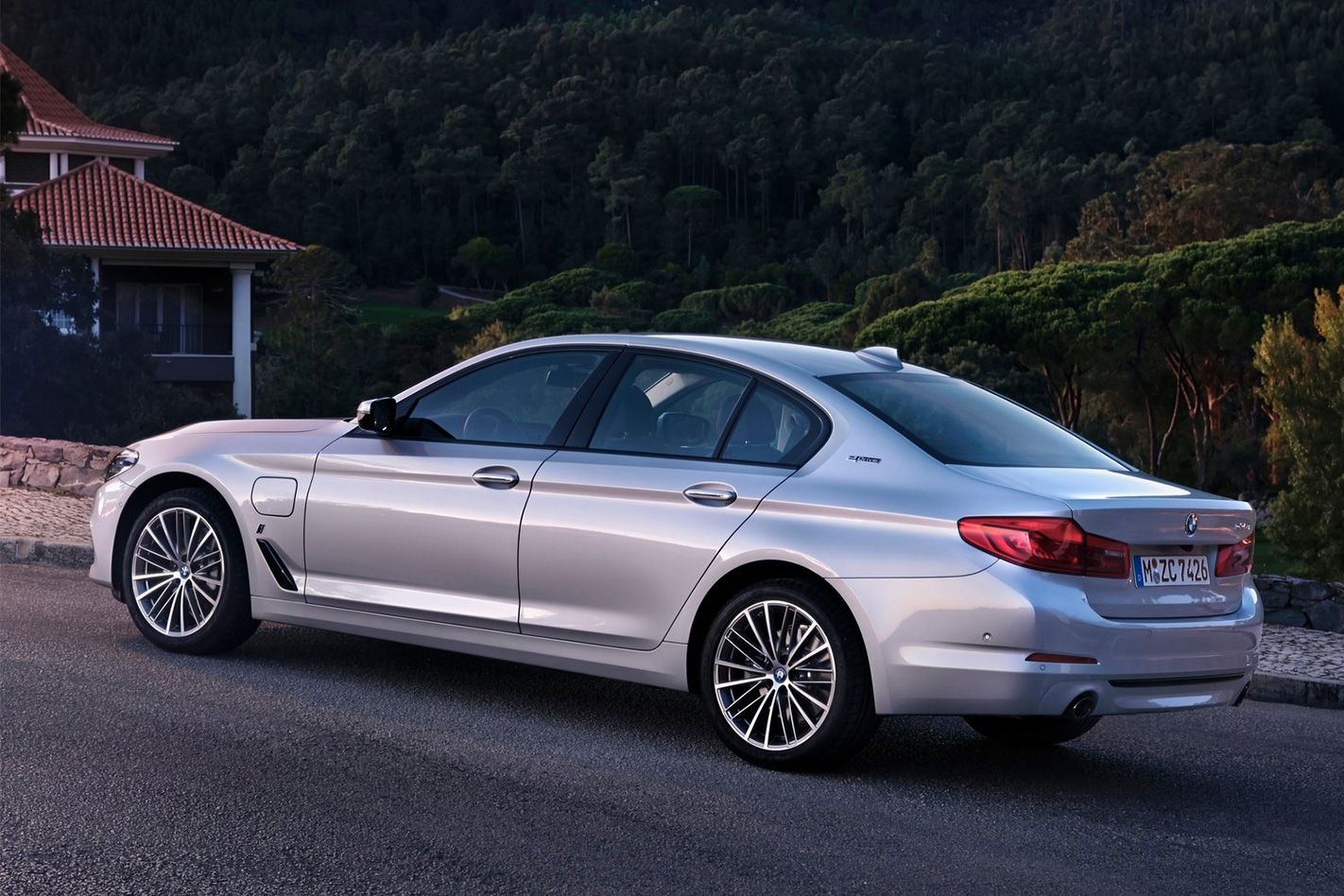
The 530e iPerformance comes with a range of driving modes including Sport, Comfort and Eco Pro, plus “eDrive” settings that let the driver tailor the hybrid system’s operation even more precisely to the journey ahead through three driving modes – Auto eDrive, Max eDrive and Battery Control for different economy and power settings.
It will be available with all standard and optional driver assist and infotainment equipment available to the 2017 BMW 5-Series, which can all be used in all-electric mode.
This includes automated and driver assist technology including Lane Change Assistant and Lane keeping Assistant which is capable of autonomously changing lanes at up to 180km/h and steer around obstacles before returning to the correct lane position.
The BMW 530e iPerformance will be on sale in Australia from the mid-February, with the rest of the all-new 5 Series range expected to arrive from March. Pricing for the 530e plug-in hybrid has yet to be announced, but for specs and pricing on other 5 Series grades see our range rundown.
TELL ME ABOUT THIS CAR
The Mercedes-AMG GT R is the latest addition to AMG’s halo supercar range, which also includes less-powerful versions (GT and GT S) and a convertible (GT C). The R is the most performance-focused of the breed and has more power, wider tyres and less weight to improve dynamics, both on the road and around a race track. It debuts a bunch of AMG firsts too, like four-wheel steering, active aerodynamics and a complex 9-stage traction-control system, which are designed to increase high-speed stability and performance.
STRENGTHS
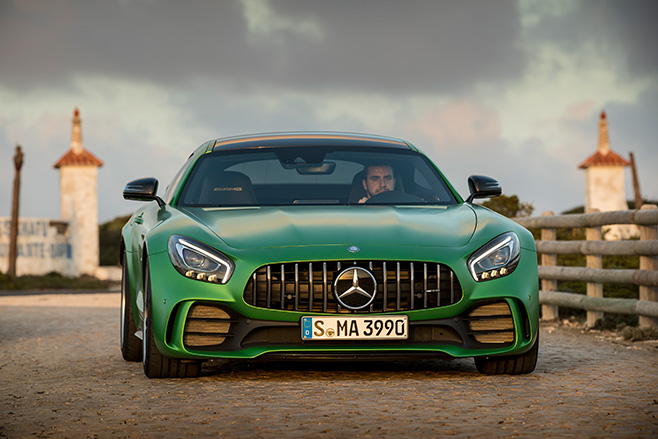
- The way it looks. In the metal, the GT R oozes pure menace thanks to bodywork that is lower and wider, plus a redesigned nose and grille inspired by the iconic Mercedes 300 SL Gullwing racing car. It is, quite simply, one of the most aggressively styled cars on sale right now.
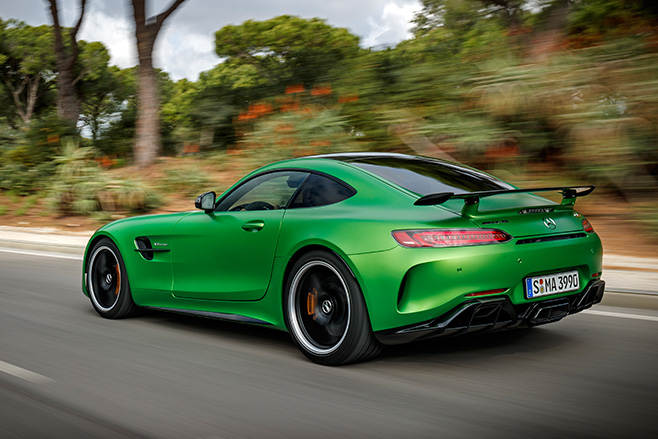
- The engine. Nestled beneath that low, wide bonnet is a 4.0-litre twin-turbocharged V8 producing 430kW/700Nm thanks to new turbochargers, increased boost and a different compression ratio. The regular Mercedes-AMG GT S currently on sale here in Australia produces 375kW/650Nm. AMG claims the GT R takes 3.6 seconds to race from 0-100km/h and after experiencing its savage acceleration at a race track in Portugal, I have no reason to doubt them.
- The noise. AMG V8s have always sounded fantastic, but three exhaust pipes (yes three!) and less sound deadening enhance the GT R’s soundtrack even further. With the throttle wide open, the GT R’s V8 roar sounds terrific, but it’s the fuel-gurgling cracks its delivers on downshifts that are the most intoxicating. In its more conservative Comfort and Sport settings, noise is directed through the large central exhaust, but dial in Sport+ or Race mode and the wider (and louder) side exhausts are activated.
- The handling. AMG’s engineers have gone to dizzying heights to reduce unnecessary weight in the GT R, which now includes carbonfibre body panels, a lighter lithium-ion battery and lightweight forged wheels. Combine this with wider, super-sticky Michelin rubber (275/35 R19 up front and 325/30R20 out back) and the new four-wheel steering system (which turns to the rear wheels to improve low-speed agility and high-speed stability), and the GT R is a predictable and user-friendly car to drive quickly. The high-tech active aero helps here too, with parts of the GT R’s body work moving at speed to help reduce drag and to increase grip by sucking the car into the road.
WEAKNESSES
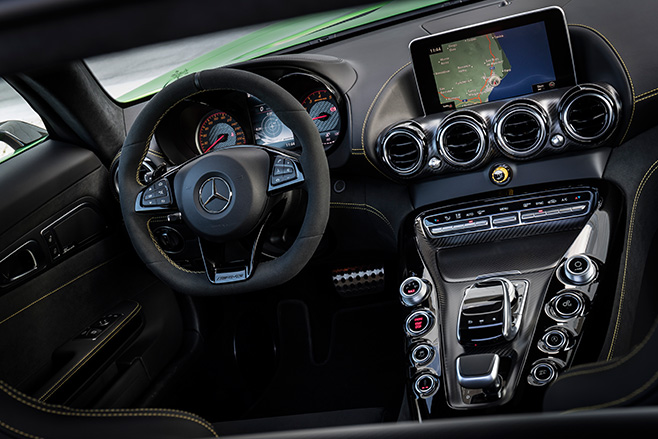
- The GT R’s cabin is richly trimmed and feels expensive, however its ergonomics aren’t perfect. The gear lever is mounted right at the back of the centre console and is hard to reach and fiddly to use, which is particularly annoying in city traffic and when parking. The same applies to the buttons on the centre console, which look great (they’re arranged in a V formation, with four on side, to mimic a V8 engine), but are difficult to read and reach.
- Vision. The GT R’s low-slung cabin and narrow glasshouse can make it difficult to see out of. Vision through the rear window is particularly restricted and means you rely heavily on the reversing camera during parking.
- Fuel efficiency. No one buys a big V8 to save on fuel bills, however if you drive it hard, the GT R will drink upwards of 16L/100km which could become expensive. Official combined consumption is rated at 11.4L/100km.
ANYTHING ELSE I SHOULD CONSIDER?
The track-focused Porsche 911 GT3 RS is the AMG’s biggest rival in philosophy and in price, though at $387,300 the Porsche is almost $30,000 more expensive. The Porsche is less powerful too, with its normally aspirated flax-six’s 368kW/460Nm well down on the GT R’s 430kW/700Nm. However the GT3 RS is arguably the sharper handler of the two. Other supercar rivals that compete with GT R’s price include the Audi R8 V10 Plus ($389,616) and McLaren 570S ($379,000).
FERRARI F40 MODEL
Always wanted a Ferrari but can’t quite afford it? Worry no more because now you can buy a Ferrari F40 for less than $12,000. The catch is this new F40 is just an eighth the size of the original car and even more rare. If you want one get in quick because the insanely accurate model, which features both a central and rear traction motor, is limited to just 199 editions. If the F40 doesn’t do it for you, most other Ferrari models are also available for a slightly more reasonable price.
ESSAVOX CARBON FIBRE DOCKING STATION SPEAKER
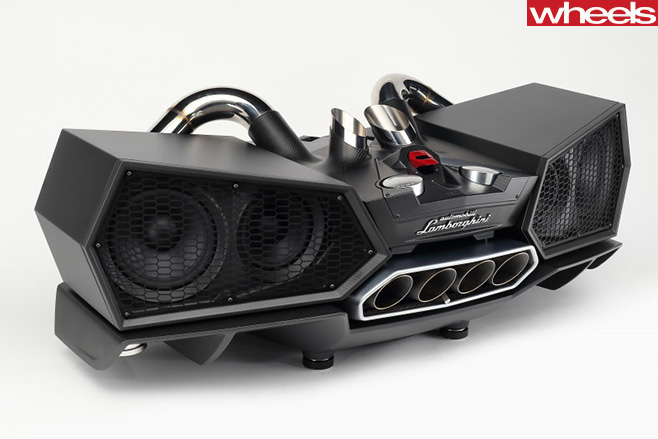
Things that cost as much as this set of speakers: A Mazda MX-5, 2 brand new Mitsubishi Mirage LS’s, or 407 copies of the latest Formula One or Forza video game. That’s right, a collaboration between Lamborghini and iXOOST have resulted in a set of speakers which can be yours for just $30,500. The meticulously crafted speakers were designed to encapsulate the principle design elements of Lamborghini supercars, and indeed are instantly recognisable as a Lambo creation: monocoque chassis in carbon fibre, cooked in an autoclave at 6 bar, an original Lamborghini exhaust system with bass reflex pressure control, a passive shock absorber system to dampen vibrations of the speakers and ceramic supports with variable height. However if that’s too pricey you may prefer to go for a $3183 carbon fibre bag or $2295 fountain pen instead.
LEGO SPEED CHAMPIONS RANGE

Re-entering the realm of possiblilty and what is sure to be a popular gift are the various sets of car-themed Lego for grown-up kid. Included in the range are the Ford Mustang GT, Chevrolet Corvette Z06, Audi R8 LMS and Porsche 919 hybrid pit lane. With prices ranging from $23 to $120, this is a gift for car fans of all ages. However, for those a little more serious, you can pick up a Lego Technic Porsche 911 GT3 RS for $500. The 1:8 scale model includes a working gearbox, flat 6 engine with moving pistons, functional steering wheel and unique serial code located in the glove box.
PILOTI MILLE DRIVING SHOES
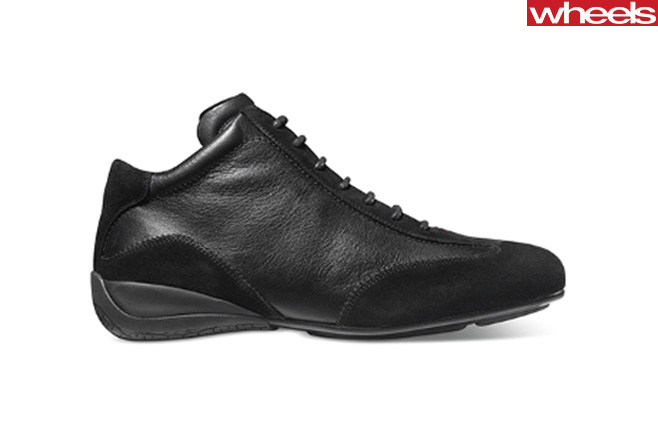
Got a hardcore racing fan that insists on wearing driving shoes to give him or her the optimum level of ‘clutch feel’ or ‘throttle modulation’? Italian brand Piloti have you covered with the $545 Mille driving shoes. The shoe features premium Italian luxury in a refined leather shoe that can do double-duty as formal footwear. The versatile shoe includes what is labelled as a ‘Roll Control’ heel, sure to satisfy even the most enthusiastic of drivers – even when they’re not driving.
GRAHAM & LEIGH CIRCUIT FRAME

FERRARI and Aston Martin – both makers of ballsy, big-engined supercars – are facing financial hits in Europe after failing to meet strict emissions targets in 2015.
A European Environment Agency report flagging the fines, released this weekend, also calls on a number of other carmakers – namely BMW, Ford, Fiat and Opel – to speed up the process of reducing their showroom-wide emissions or face similar fines.
The warning aimed at Opel is significant for Australia: it is working on what will become the next fully imported Holden Commodore, based on an Insignia mid-size five-door sedan, that’s due here in 2018. Among its powertrain options for Australia, alongside 2.0-litre turbocharged petrol and diesel four-cylinder engines, is a 3.6-litre V6, although it is expected to have engine stop-start and cylinder deactivation technology aimed at reducing emissions as much as possible.
“Based on current testing rules in force, virtually all car and van manufacturers have met their specific CO2 emissions target in 2015,” the EEA said.
“The report confirms preliminary findings published earlier this year showing that the EU as a whole is well below its average emissions target for the same year.”
Diesel-engined vehicles were the strongest-selling models, accounting for 52 percent of the European market in 2015, the report shows.
Peugeot, Citroen, Renault and Toyota were singled out as having the lowest emissions averages across their new-car showrooms, while the introduction of new Ingenium petrol and diesel engines for Jaguar Land Rover saw their emissions figures improve the most, cut by an average 14.4g/km, the report says. Mercedes-Benz was not far behind with a 6.9g/km improvement.
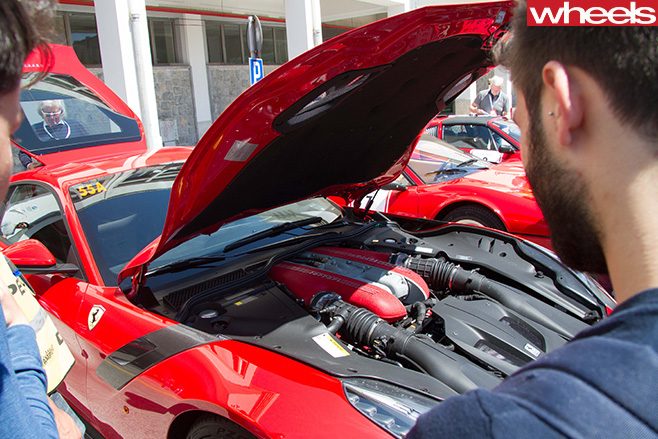
However, it wasn’t all good news: “Two manufacturers, Aston Martin Lagonda and Ferrari, exceeded their specific emissions target by a small amount and therefore excess emission premiums will be imposed,” the EEA said. According to Automotive news Europe, Ferrari’s fine is expected to come in at about €410,000 ($A590,000), while Aston Martin faces a fine of less than €40,000.
The EEA has the power to fine carmakers who do not meet the showroom-wide emissions targets it sets for each year. By 2020-21, carmakers will have to reduce their average emissions to just 95g/km.
It has also proposed that the way fuel economy and emissions are tested should be changed from late next year.
“This cycle allows a comparison of emissions by manufacturers, but it does not necessarily represent real-world driving conditions.
“There is now wide recognition of the increasing divergence between real world CO2 emissions and those measured according to the NEDC test procedure.
“In order to address this increasing gap, the European Commission has proposed in June 2016 the implementation of a more robust test procedure, the World Harmonised Light Vehicle Test Procedure (WLTP),” the EEA said.
“This new test procedure will ensure more strict and representative test conditions. It is foreseen that the new WLTP test will be mandatory for all new vehicle types from September 2017 and for all new vehicles from September 2018.”
The Australian Government is in the process of setting future emissions targets after adopting Euro V emissions standards for both petrol, and most recently diesel, cars. However, Australia’s timelines for introducing more strict emissions targets severely lag those of Europe.
One of a number of issues the government’s discussion paper raises is that Australia’s luxury car tax is skewed towards fuel efficiency rather than emissions, favouring diesel-engined cars that produce more air pollution than petrol-engined ones. It has flagged this may need to change.
Keep in mind four things when buying new wheels: diameter, width, offset and pitch-circle diameter (PCD).
Diameter is the most widely understood – 17s, 18s, 19s, etc – widths after that. Performance cars once came with around 7-8-inch wide wheels stock. These days we’re seeing up to, and beyond, 10-inch wide wheels from the factory.
The distance between the wheel’s centreline (measured across its width) to the hub face, where it bolts on, is offset. Most stock wheels run a very “positive” offset but an offset closer to “zero” or even “negative” is desirable to give a car a fatter stance, the outside face of the wheel moving further out and ‘filling’ the guards. But then you risk it rubbing on the guards themselves (which is why people get them rolled).

The stock GT wheels are 19x9in (+45 offset) front and 19×9.5in (+52) rear. General Manager of Fuel Autotek – which distributes TSW Wheels – Mitch Crosher recommends upgrading to a 20-inch wheel, 20x9in front (+30) and 20x11in rear (+50).
Crosher recommends a 295/35 rear tyre but “has seen” 305/30. Roll the rear guards and you can fit up to 325/30s. Add flares and chop the body and you could fit 13-inch wide rears and 335 tyres. And ask for hub-locating rings to avoid risk of unnecessary vibration.
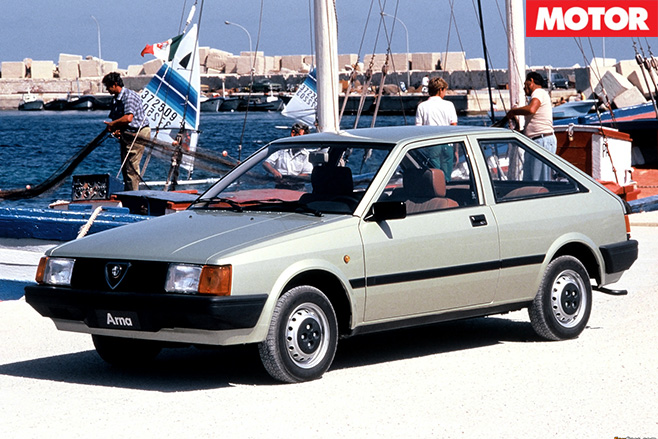
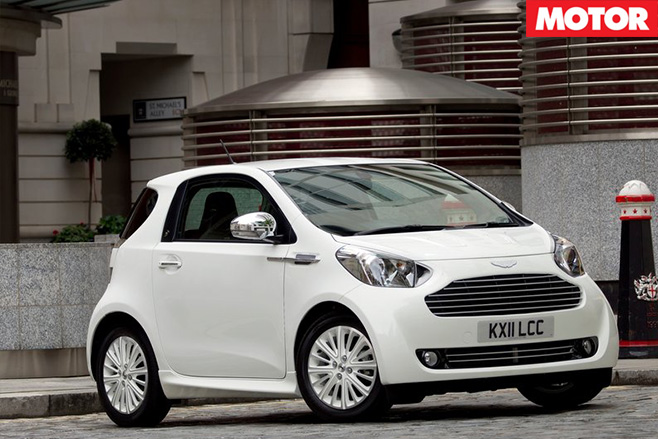
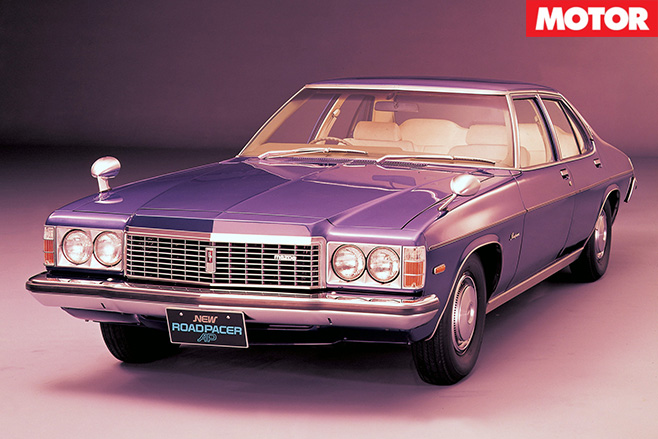
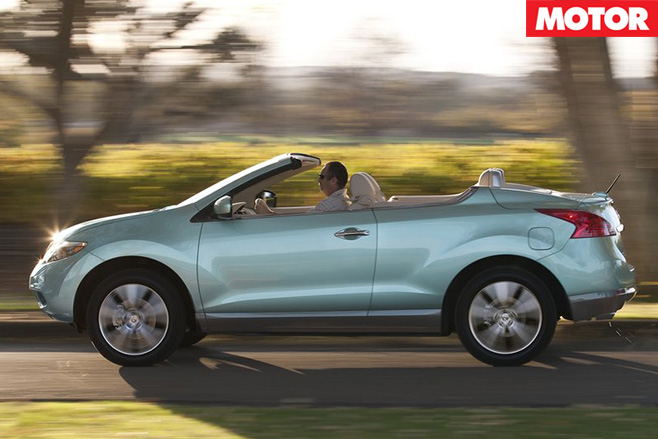
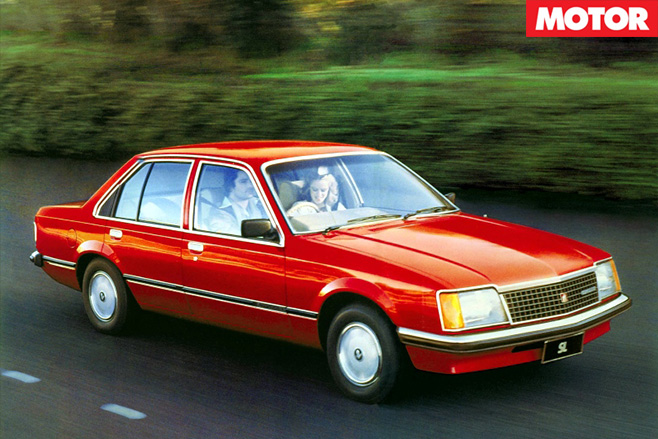
No amount of Powerade or McMuffins can sooth these nine four-wheeled hangovers. Just ask the companies that made them – and maybe wish they hadn’t.
1. ALFA ROMEO ARNA
2. ASTON MARTIN CYGNET
3. MAZDA ROADPACER AP
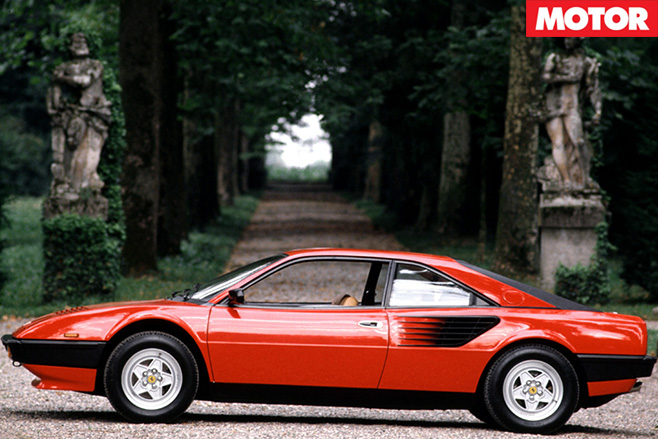
4. FERRARI MONDIAL
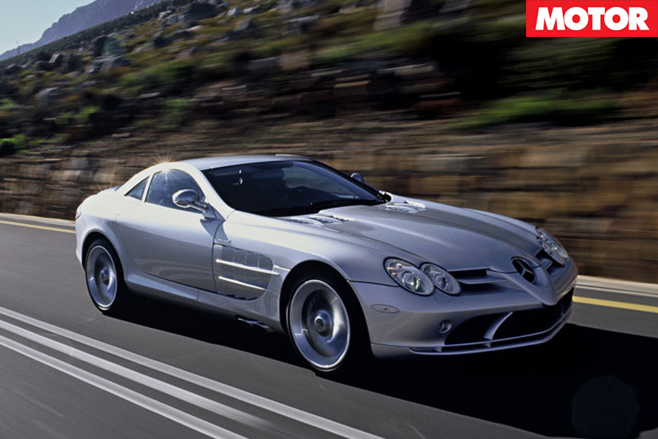
5. MERCEDES-MCLAREN SLR
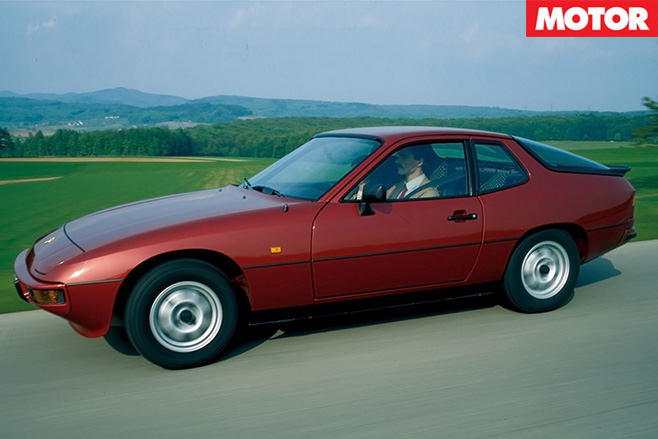
6. PORSCHE 924
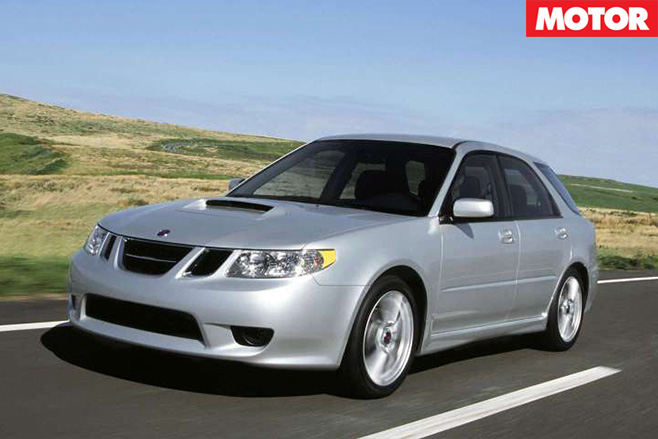
7. SAAB 9-2X
8. NISSAN MURANO CC
9. COMMODORE ‘STARFIRE’
Y’know, in the dictionary, under the word ‘futile’, there’s a picture of us doing this,” mutters Morley, as MOTOR staffers bow to the insane wishes of the art monkeys, chamoising the 2016 Hot Tuner field in the pouring rain. It’s cold, it’s wet, and we’re trying to dry cars with leather towels.
Honestly, though, I’m not surprised it’s come to this. As events go, calling this one ‘easy’ is like calling Deadpool ‘wholesome family fun’ – cars missing in action, a fickle weather forecast and a set of escalating dramas that wouldn’t have looked out of place on an end-of-season ep of Neighbours. Even the cops showed up. Sort of.
DAY ONE: The MOTOR posse rolls into town early, and it’s time to convince editor Campbell of the charms of my big, bad Jeep Grand Cherokee SRT Night presser that we’re using as Hot Tuner’s unofficial shuttle bus. “Can I do a story on it?” says I. “Please… just… no,” says Campbell tiredly. I tell you… kids these days. No eye for the finer – ie, gnarly V8 – things in life any more.
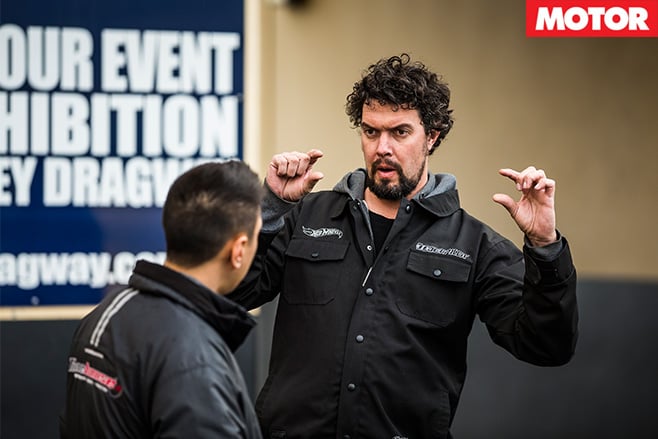
The Tunehouse MX-5 is the first to arrive, with mechanic Tony straight back under the bonnet to tidy up a few things. It’s a common sight; like a plumber, there’s never enough time to sort your own pipes, as it were, and last-minute fiddles are all par for the course. Once the competition officially starts, of course, all such shenanigans are off the table, but for now, spanners and laptops are flying.
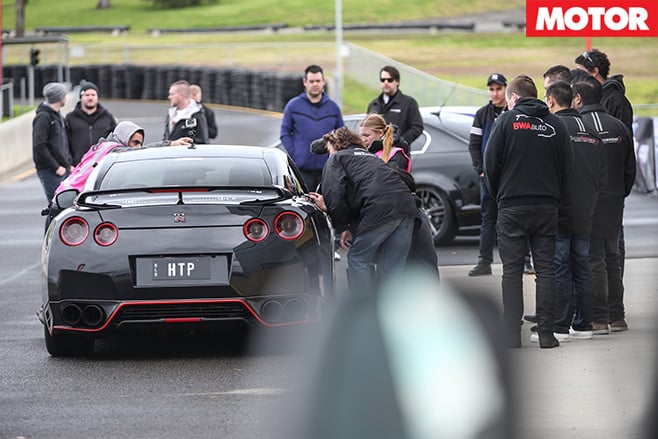
Our field finally filters in: an evil black HSV and GT-R from Hi-Torque, a couple of Mustangs and a brace of European talent are tucked away in the shed for the night. Nine weapons that will be tested come hell or high water.
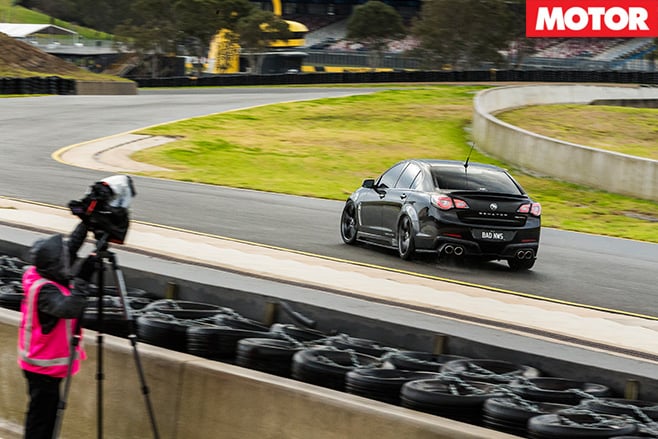
Newman and Morley, meanwhile, are doing their level best to eke out a set of times before the greying sky turns the drag strip into an ice rink. Lounging with intent is our ring-in racer, Australian GT and Supercars endurance driver Tony D’Alberto, standing in for our man Luffy who’s on first kid duty this week (and a massive congrats to Wazza, his partner Emma and little Ivy-Rose, too).
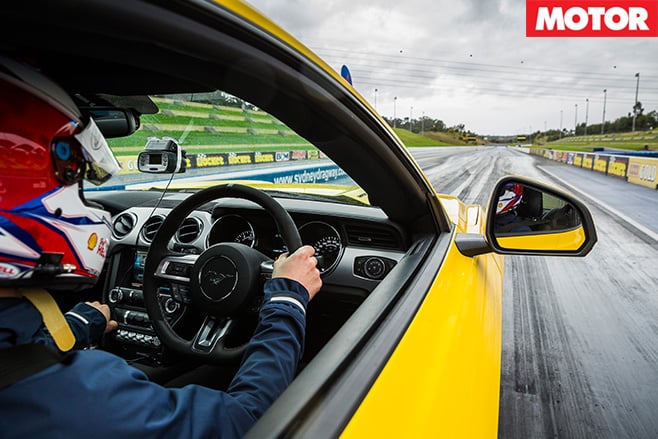
The first signs of trouble arrive at almost exactly the same time; the Hi-Torque GT-R grumbles up to the line as the skies darken, with a mysterious miss giving Hi-Torque’s Kent Dalton some concerns about the status of the GT-R’s eye-wateringly expensive engine.
A sprint down the strip quickly reveals that even after winding down the boost, the problem hasn’t gone away, with the GT-R popping and banging like it’s Chinese New Year. As it cruises back and the bonnet goes up, the first drops of rain start to fall, bringing the drag testing to a halt an agonising two cars short of a box set. Oh well, there’s always tomorrow, right?
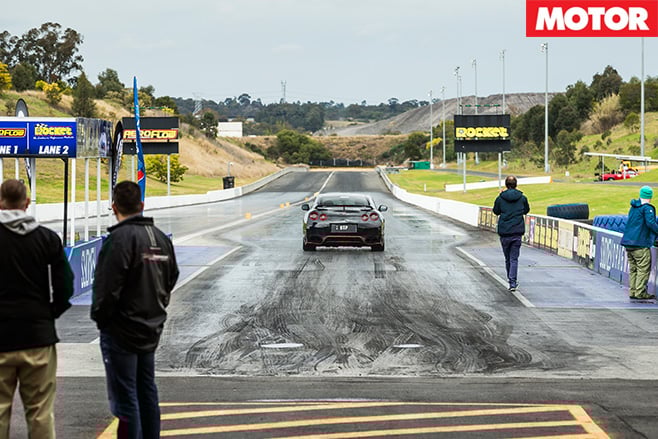
D’Alberto’s keen to give every car a lap in the same conditions; hey, if he wants to drive a 500kW GT-R in the rain, who are we to stop him? We wait until things are less completely wet, then send D’Alberto out to play. He’s a neat, quick steerer – you don’t get to drive for DJR Team Penske if you’re a dill – and he quickly comes to grips with the treacherous conditions. Some cars are nicer than others, but at least there’s some data in the bank.
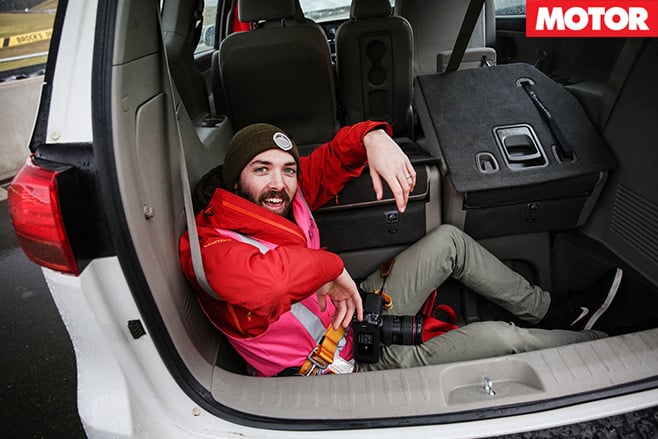
It’s time for the journos to try their assigned rigs out… oh look! It’s raining again! And this time it’s no shower – it’s here to stay. Cue some very nervous-looking owners as the MOTOR noters grab helmets and tentatively head out on the streaming circuit.
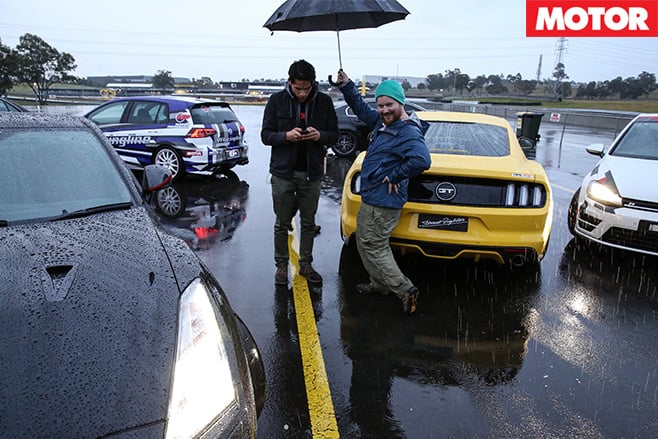
The cold and bleak carpark, though, is good enough for us idiots to take a bunch of chamois and make things slightly less wet for a couple of seconds at a time. It’s unfortunately a fitting epitaph to a tough edition of the Hot Tuner story.
Ford’s Mustang has long been a favourite for modifiers as it’s cheap, upgrades are plentiful and it easily morphs from runabout to racecar.
The latest S550 is a great grand tourer but there’s plenty of scope for improvement and while American companies have already released parts to turn them into hypercars, Aussie tuners are also unlocking the S550 Mustang’s hidden horsepower.
Craig Dean at Mustang Motorsport has been converting Mustangs for 30 years and racing them for more than 10. He doesn’t mince words when it comes to the S550: “The car is a bargain for $65,000 and the build quality is really very good.
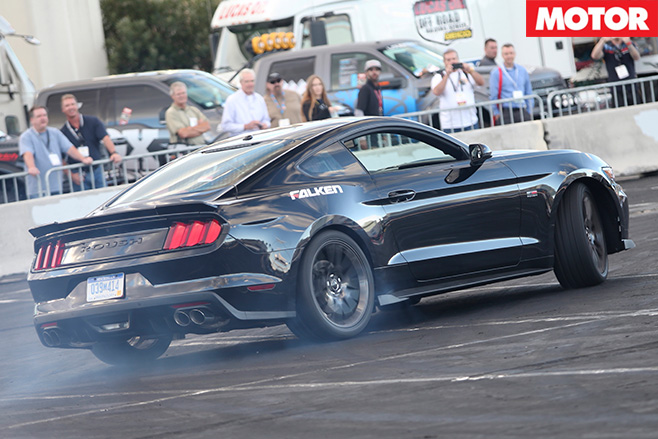
Rob Herrod of Herrod Motorsport and the official Australian Ford Performance Racing and SCT distributor, has been a key figure in setting up local infrastructure to supply parts and train tuners on the S550 Mustang, and was involved with Ford USA and SEMA.
“It’s been a five-year project to get the Mustang program up and running and we have invested $60,000 of work to get ADR certification,” he explains.
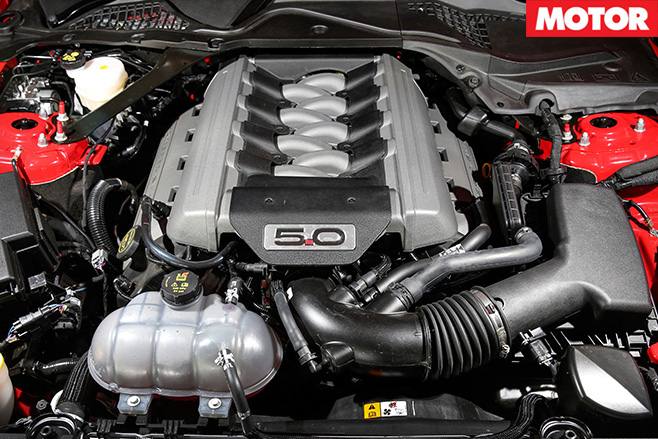
The research and development is extensive, with every aspect investigated to ensure customers don’t upset the Highway Patrol or Environmental Protection Agency.
“We worked with Ford Performance and Borla to create an exhaust system that is legal in Australia as the US market Ford Performance system is too loud to comply with our laws. There’s a huge difference between our system and the straight Ford Performance US system. We are finding people buying direct from the USA but they aren’t legal in Oz. We have the backing of Ford USA so we can sort out warranty issues.
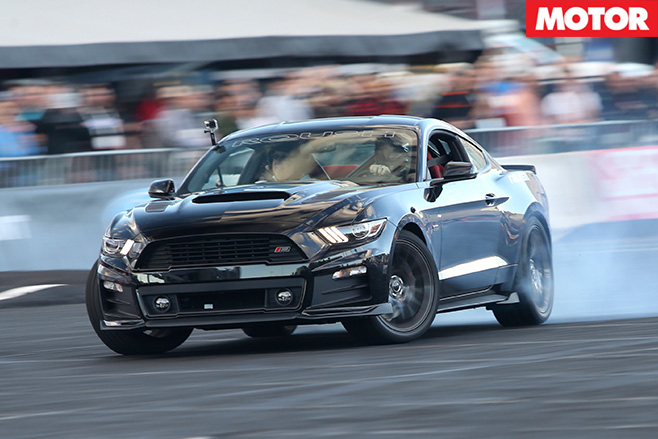
The aftermarket industry isn’t all about raw horsepower however, and while the new Mustang is a looker, it can benefit from simple aero additions, aftermarket wheels and a suspension and braking upgrade.
Australian OEM and aftermarket stalwart Harrop Engineering has been busy developing Mustang packages. Its Project Whitehorse development Mustang has been on a diet, gained KW V3 suspension, lightweight Harrop brake rotors and Forgeline VX1 20×10 and 20×11 forged wheels, with much more to come as Harrop has a wealth of supercharger experience.
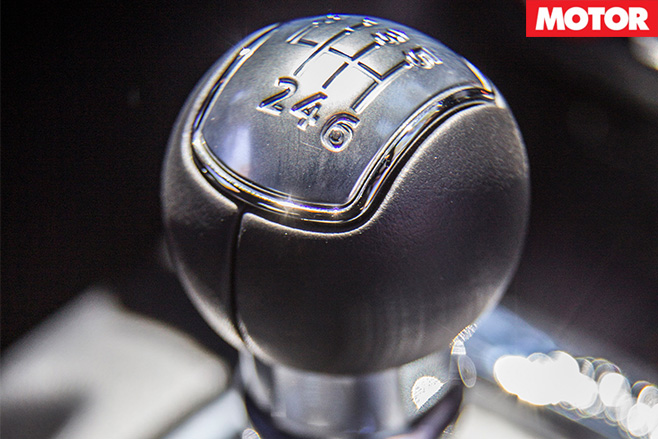
“Our Mustang program will include a range of Australian-engineered performance systems with warranty, and our latest S550-specific supercharger will provide market-leading efficiency and quality. We look forward to providing locally developed and crafted systems and demonstrating that Aussie know-how is world leading.”
Read on as we talk to the Aussie companies that can really get your Mustang moving!
MELBOURNE drivers using CityLink’s toll roads will soon share them with a fleet of self-driving vehicles as part of a test of the cutting-edge technology.
Transurban, the company that manages the 22 kilometre road network, has announced trials of highly automated cars – not autonomous, as they will still need a driver behind the wheel at all times – will kick off early next year.
However, the rules spelling out how the cars will mix with traffic during the two-year trial are yet to be set. As part of the trial, the Victorian government will investigate which laws it will need to change to pave the way for a fully autonomous future.
According to Transurban, the trial will help both it and the state government “to better understand how automated vehicle technology works with roadside equipment like overhead lane signals, electronic speed signs and line marking”.
The trial is initially believed to be limited to a single research vehicle developed by automotive electronics group Bosch Australia. Organisers have flagged that over time, more semi-autonomous vehicles could be added.
Bosch’s modified Tesla Model S, worth about $2.4 million, includes six separate radar and laser-based lidar systems, 13 new in-car network controllers, a stereo camera system, two kilometres of extra cabling and a computer server in the boot to help it drive – but always with a human behind the wheel. It collects about a terabyte of data – about the equivalent of 500 movies – a day that researchers will use to help the Tesla better adapt to its environment.
According to VicRoads, the longer term goal of the trial is to support trials of cars “where a driver is not present in the vehicle”.
What needs to change to make the trial work? The current rules state a driver is always needed, and must be in control – interpreted as having a hand on the steering wheel – at all times. The rules also say a car’s engine should be switched off if the driver is moving more than three metres away from it – that rubs out valet parking and leaving a vehicle at the entrance to a shopping centre car park to find its own parking space – and that if the car is involved in a crash, the driver must render assistance and report in person to a police station if anyone is injured and police don’t show up, something a robotic car would struggle to do.
National guidelines defining how a car is built will also need to change. Self-driving cars don’t necessarily need a steering wheel or an instrument panel that includes a speedo if the robot is doing the driving.
South Australia has already tackled part of the problem, changing its road rules last year to allow autonomous vehicles to take to the roads, if they have the state’s permission.
Victoria’s bid to become a centre of autonomous car development comes after Mercedes-Benz revealed earlier this week that it wants to start testing higher levels of driver assist technology in its cars in Australia from March, as part of a global trial to optimise how its systems worked in right-hand-drive markets.
Mercedes-Benz said it initially wants to bring in a single E-Class that will use software and hardware systems developed for the S-Class limousine, but shrunken to the smaller vehicle’s dimensions.
A Mercedes-Benz Australia spokesman told Wheels the Australian trials had “no autonomous element” at this stage.
“The testing next year is a great first step and will allow us to discuss options with all state governments and road authorities,” he said.
Mitsubishi has given its Triton ute range new features and a couple of new variants for the 2017 model year.
The company has also given the upper-spec GLS and Exceed 4×4 Double Cabs a facelift, with new dark chrome front grille and headlight garnish, platform-style side steps, four-spoke leather steering wheel and improved instrument cluster graphics.
The GLS and Exceed also receive Mitsubishi’s smartphone-integrated audio system with 7-inch colour touch screen.
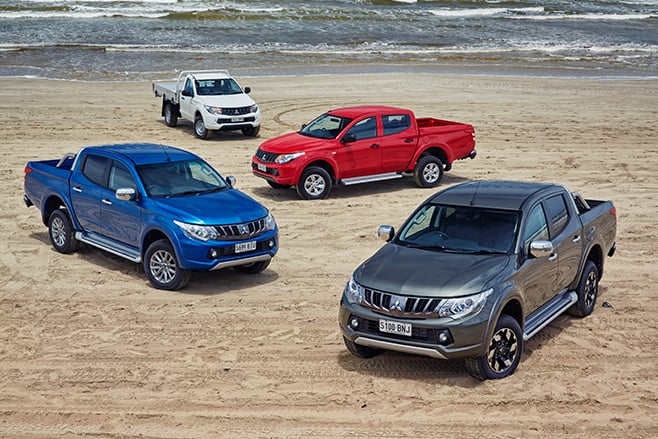
In addition, the range-topping Exceed now has heated front seats and an electro-chromatic rear view mirror to add a bit more luxury to the double cab ute, which has proven popular with private buyers.
The entry-level GLX and GLX+ now have automatic 4×4 Club Cab variants equipped with a five-speed transmission coupled to the 2.4-litre four-cylinder turbo diesel engines.
The GLX+ also receives auto air-conditioning, piano black instrument panel trim, bright chrome interior door handles and standard suspension.
Both gain reversing camera, the premium audio AM/FM CD system with 6.1-inch colour touch screen previously fitted to Triton GLS, a rear step bumper and 16-inch All-Terrain tyres.
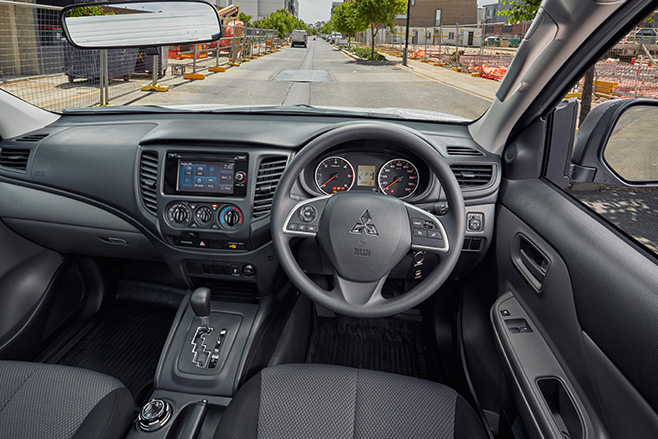
Changes across the range include speed-sensing auto door lock, post-crash auto door unlocking and a driver’s seat back pocket in the Club Cab and Dual Cab models.
The 2017 Mitsubishi Triton is now available Mitsubishi dealerships around Australia – click here to see the full WhichCar range review.
2017 MITSUBISHI TRITON PRICING
GLX
- Single Cab 4×2 petrol manual – $22,300
- Single Cab 4×2 manual/auto -$25,800/$28,300
- Club Cab 4×4 manual/auto – $35,300/$37,800
- Double Cab 4×2 auto – $36,000
- Double Cab 4×4 Cab Chassis manual/auto $36,250/$38,750
- Double Cab 4×4 manual/auto – $37,000/$39,500
- Club Cab 4×4 auto $38,500
- Double Cab 4×4 manual/auto – $37,000/$39,500
- Double Cab 4×4 manual/auto $41,500/$44,000
- Double Cab 4×4 auto – $48,000
