
Audi bows out of WEC with a win in Bahrain
Webber on podium in final race before retirement
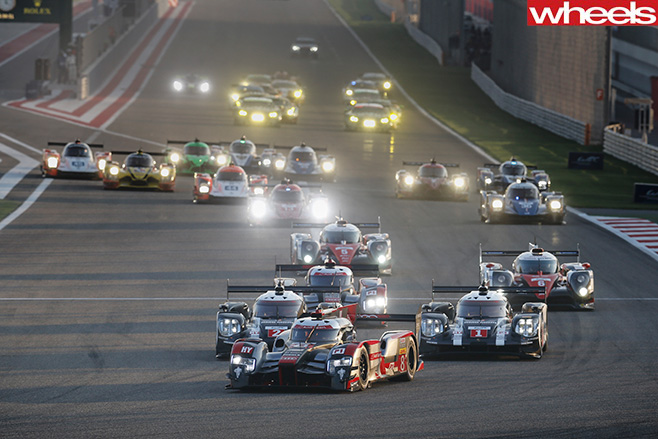
Audi has ended a stunning 18-year participation in top-level sportscar racing with an emphatic one-two finish in the final round of the 2016 FIA World Endurance Championship in Bahrain – but a sixth-place result by the #2 Porsche was enough to seal the drivers’ title for Neel Jani, Romain Dumas and Marc Lieb.
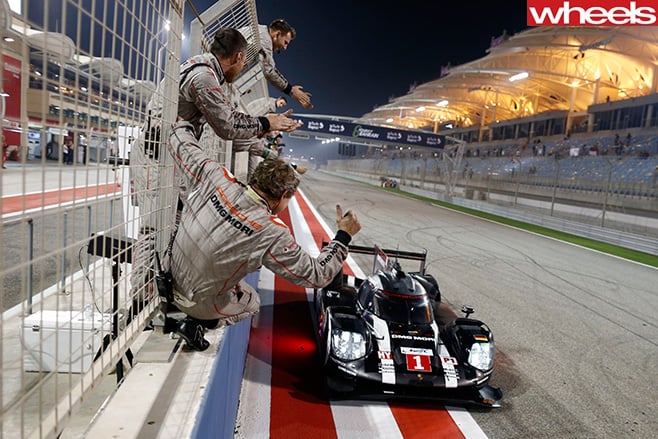
The win – the second of the season for the victorious crew of Lucas Di Grassi, Loic Duval and Oliver Jarvis – handed Audi a fairytale conclusion to its WEC and Le Mans campaigns.
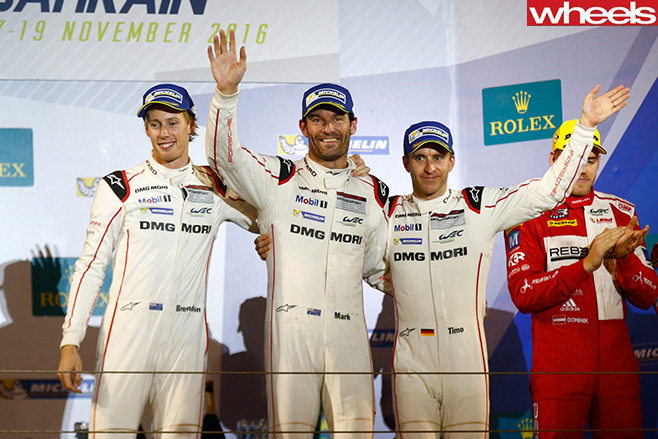
The sister machine shared by Andre Lotterer, Benoit Treluyer and Marcel completed the one-two some 16 seconds behind.
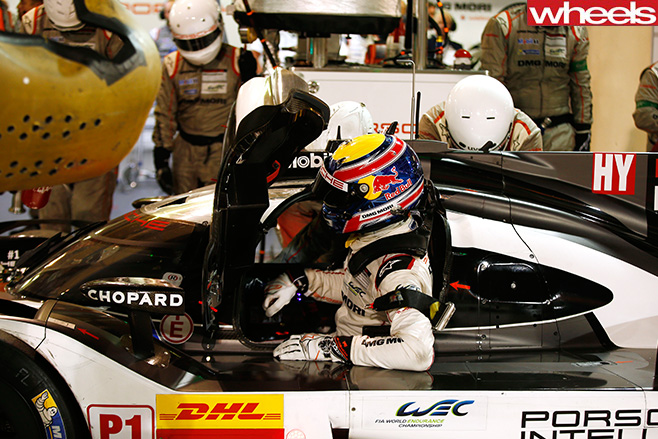
“I was the second and the last driver in the car today, and pretty happy with both stints,” said Webber after his final day in the office.
“I enjoyed the last stint and I got the chance to bring the car to the chequered flag for the top three finish, and this was the maximum we could get today.
Toyota had a disappointing Bahrain. The #5 car of Sebastien Buemi, Anthony Davidson and Kazuki Nakajima was fourth.
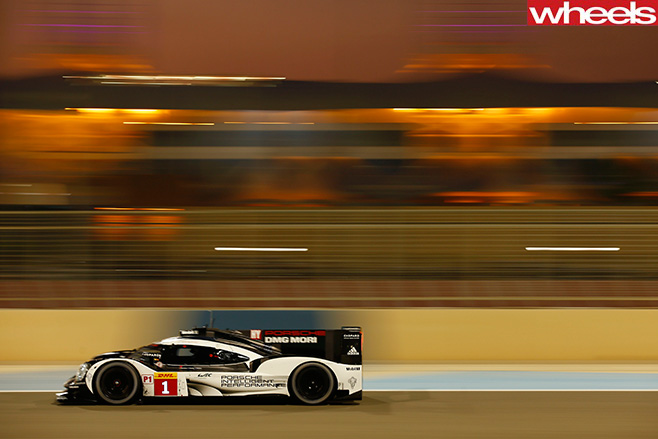
But sixth place to the Porsche of Jani, Lieb and Dumas was enough to take the title.
Mikkelsen beats Ogier in fair fight in Volkswagen’s WRC farewell
Emotional win couldn’t have been better timed, with the Norwegian now unemployed
Norway’s Andreas Mikkelsen lived with incredible pressure from his star Volkswagen team-mate Sebastien Ogier to land the most important win of his career to take an all-the-way win in the concluding round of the 2016 FIA World Rally Championship, a steamy and dusty Rally Australia.
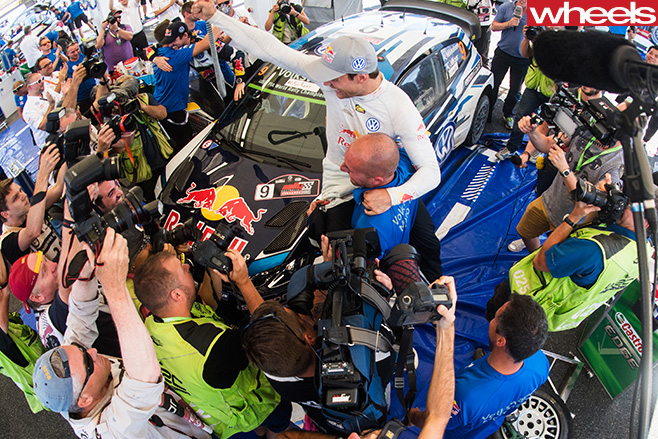
Mikkelsen had been under intense pressure with an overnight lead of just 2.0 seconds over the four-times world champion, never an easy man to hold at bay.
But the pressure eased momentarily when Ogier spun on the second stage of the final day, opening the gap to more than 22 seconds.
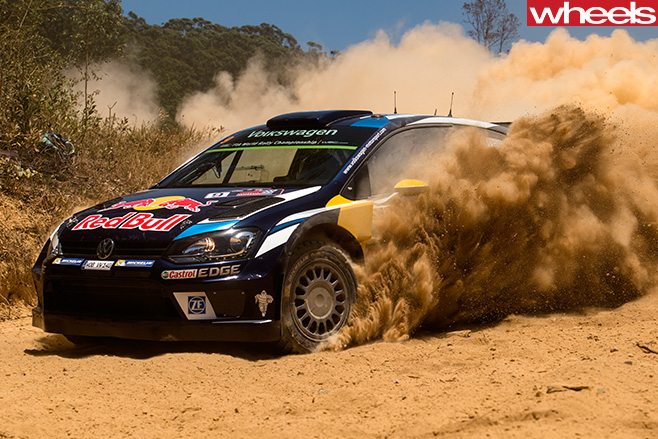
“This is a perfect end to the season,” Mikkelsen said of his win.
“All year consistency and pace was our aim with the championship in mind, but I came here with nothing to lose. I could go flat out and see what we could do.
“We challenged the world champion and beat him fair and square on the same road conditions. It’s my best victory but it’s sad to see this team and the car come to an end.”
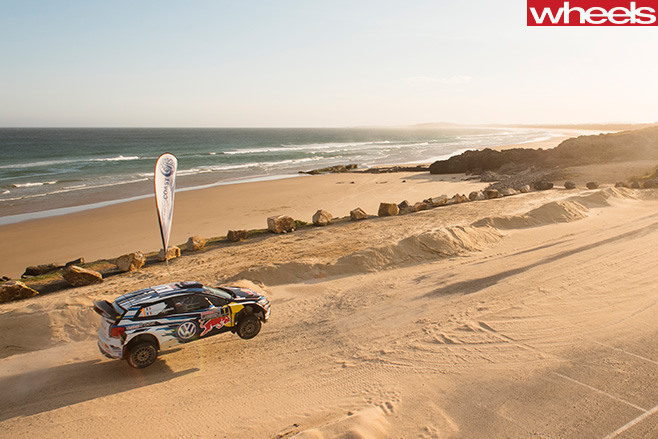
Kiwi Hayden Paddon and Spain’s Dani Sordo took fourth and fifth to conclude a solid season by the Korean manufacturer, which surely starts one of the favourites in 2017.
Picking an outright favourite at this early stage is awkward as the plans of the three outgoing VW drivers Ogier, Mikkelsen and Jari Matti Lattvala are still unconfirmed.
Emotional scenes followed VW’s one-two conclusion to a stunning last four years in the WRC – 52 rallies, 958 special stages, 640 stage wins, and 87 podium finishes, including 43 victories.
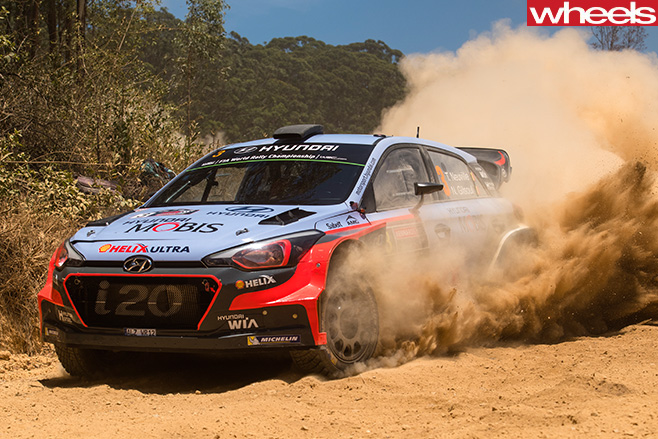
At the conclusion of Rally Australia, Ogier’s co-driver Julien Ingrassia set about on a selfie marathon, the four-time world champion co-driver taking a photo of himself with every single member of the team at the rally, lasting reminders of the four years together.
ARC: Taylor slides into history as ARC champion
First female to win the Australian Rally Championship
Subaru’s Molly Taylor has become the first female winner of the Australian Rally Championship (ARC) after the tightest title tussle in 25 years in the season finale in the forests around Coffs Harbour.
Sydneysider Taylor started the event trailing trailed four-time champion Simon Evans by five points and was one point ahead of 21-year-old Harry Bates.
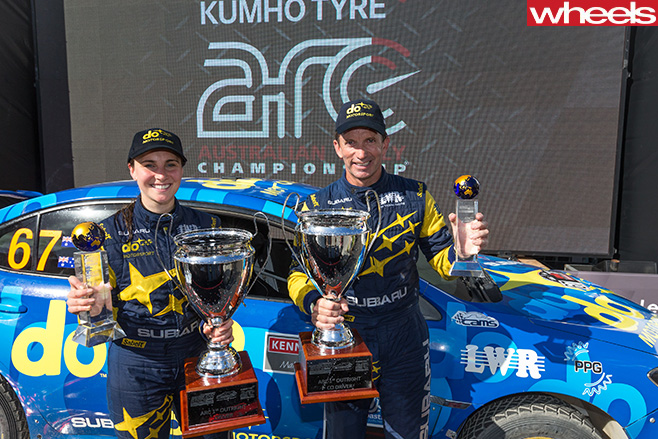
Pedder was relegated to second place in the event after receiving a one-minute penalty for arriving late at a time control on the penultimate stage. This meant he finished 39.3 seconds behind Taylor.
Bates of Canberra was third in a Toyota Corolla S2000.
Evans seemed set to take his fifth ARC crown until Pedder was penalised.
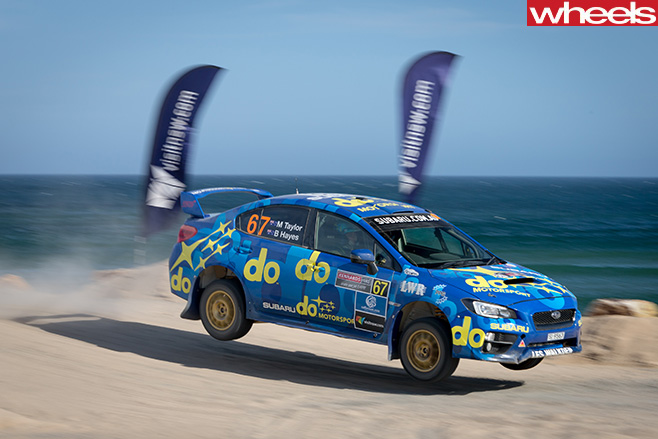
Taylor/Hayes finished 14th outright and leading Australian crew in the World Rally Championship round run in tandem with the ARC.
“I can confirm today that dreams really do come true,” said Taylor, who drove a production class WRX STI NR4.
“We’re so pleased to be able to do it for Subaru too, with their incredible rally heritage.”
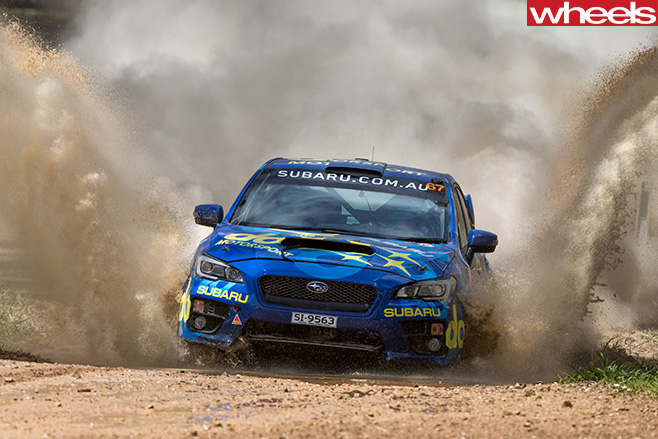
She returned to compete in Australia full-time last year after several seasons overseas, during which she won the European and British ladies championships and several honours in junior categories of the World Rally Championship.
Regarded in recent years as the world’s number one female rally driver, she has been mentored by the legendary Michele Mouton of France, the only woman to win a world championship rally.
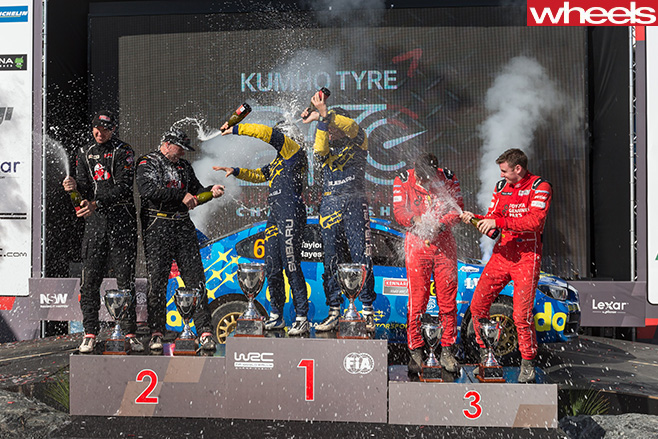
After dominating early, Evans was knocked down the order with two punctures on Saturday, ending up sixth in a Subaru.
Taylor also had to fight an overheating Subaru in the savage temperatures over the weekend.
Bates then looked a huge chance to take the title, and become the youngest national champion the ARC has known, but his chances dealt a crushing blow when he too had a flat tyre. This dropped him to third.
History beckoned for Taylor.
BOOK REVIEW: Sprint cars are the last frontier
Read Caged Heat – and feel and smell it too – for a great insight into a primal form of motor sport
Sprint cars have enormously powerful engines, four wheels and wings. But that’s about as close as you get in making comparisons with the squeaky clean world of Formula One, replete with urgers in designer threads and squillion dollar corporate backers.
It’s unlikely a sprint car has ever been sighted at Monaco.
And that’s neither a good thing or a bad thing. It’s what it is.
The natural habitat for sprint cars is the dirt or clay oval tracks. It’s a different world. Think beer, not champagne. Hot dogs, not petite fours. You won’t find the Paddock Club at Knoxville, or Eldora, or Sydney Speedway. Sprint car arcing is gritty, lacking in pretence and hype, but huge on sheer spectacle.
A grand new hard-cover book on sprint cars – maybe the best ever such tome – called Caged Heat, runs to 548 glossy pages and weighs about as much as an aluminium V8 engine block.
A three-year labour of passion for author Tony Loxley, the book tracks the vague origins of the sport, which began in the US in the 1930s or ‘40s and in the 1970s migrated to Australia and New Zealand.
Caged Heat follows the early days of sprint cars and the stars who developed a “drive anything” mentality, easily moving up to the Indianapolis 500 or maybe across the smaller midget cars (or later) NASCAR stock cars.
Loxley gives great and due emphasis to the big names from the US – Steve Kinser, Sammy Swindell, Donny Schatz and back to Doug Wolfgang. And the local heroes present and past such as Brooke Tatnell, Kerry and Ian Madsen, James McFadden, Jamie Lines, and the earlier guns, goers like Skip Jackson, Max Dumesny, Peter Murphy, George Tatnell and Garry Rush.
Readers are reminded that Marcos Ambrose experienced a sprint car in 2010, at Fremont, Ohio.
In his foreword, three-times NASCAR champion Tony Stewart (who also races sprint cars and anything else with a steering wheel), highlights the sixth sense required when threading through a field of similar over-powered, bucking, sliding, accelerating wild beasts. No mirrors, no radios, no spotters.
Ten-times Australian champion Rush takes the word picture further; “Try racing 40 laps strapped to a lightweight chassis and 900 horsepower engine, with only your backside and steering wheel telling you how the car is working.”
But the photographs make Caged Heat. Candids, portraits, action, day and night, Australasia and North America. City tracks, dusty country bullrings. Even some banked asphalt ovals.
More than words, the pics collectively capture the crazy, primal roar of sprint car racing, the sport that Mario Andretti professes his love for. “To me there is no finer sight in the world than an evening sprint car show.”
No argument.
Caged Heat retails for $94.95 and is available via the Full Throttle Publishing website or from all good bookshops in Australia, New Zealand and the US.
VOLKSWAGEN will shed more than 30,000 manufacturing jobs by 2025 as the growing cost of the Dieselgate emission scandal continues to bite at the German carmaker.
VW Group announced late last week that as part of its transformation from a carmaker to a “mobility service provider”, it would need to roll out “socially compatible” sackings across its manufacturing sites in Germany.
“The program for the German plants with about 120,000 employees is to significantly improve the competitiveness of the Volkswagen brand and to make the company fit for the future,” it said in a statement. “It will lay the foundation for the transformation of Volkswagen from a pure automaker into a successful mobility service provider in the age of digitalisation and increasing e-mobility.
“The main focus is on reorientation across the entire value stream. By 2020, the Volkswagen brand intends to be completely repositioned,” it said.
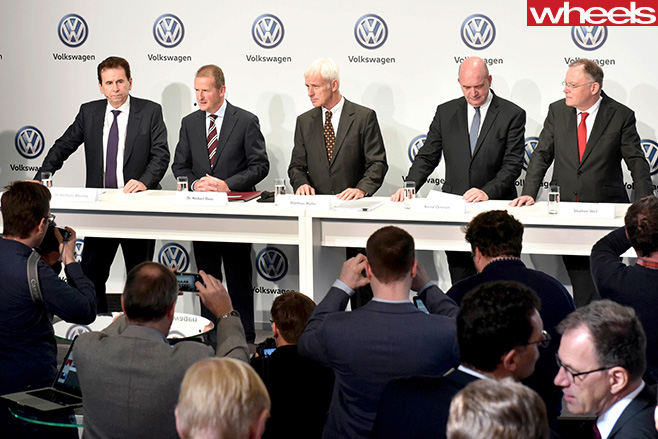
VW said the change in focus toward e-mobility would create 9000 jobs, reducing the net number of job losses to about 21,000.
The changes to VW’s manufacturing are expected to return “more than €3.7 billion” ($A5.4 billion) in cost savings a year by 2020, it said.
According to VW’s general works council chairman Bernd Osterloh, the transformation will help the carmaker develop “the field of next-generation e-mobility”.
“The new cars based on the Modular Electric Drive Kit and electric components from our plants will make our German locations pioneers of electrification within the Volkswagen Group,” Osterloh said.
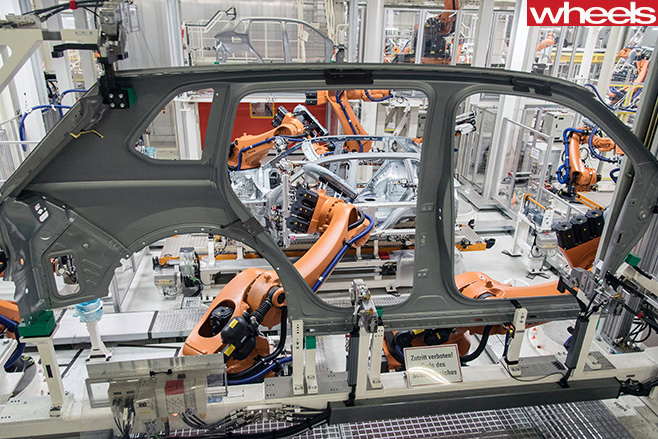
Volkswagen’s Modular Electric Drive Kit made its debut in the BUDD-e concept car unveiled earlier this year, which points to a battery-powered vehicle due on the market by 2019.
Capable of travelling about 500 kilometres between recharges, the BUDD-e features two electric motors driving the front and rear wheels, an all-new human-machine interface linking the car with the driver that includes gesture controls, and a connection to the Internet of Things – online links to fridges, front door bells, recharging stations and the like.
Germany’s sackings, which don’t yet appear to have spread to VW’s other major manufacturing sites in the US and South America, are linked to the need to raise funds to pay for damages and fines linked to claims that it cheated on official emissions testing for diesel engines and petrol engines.
VW recently disclosed it had agreed to spend more than $US14 billion ($A19 billion) buying back customers’ cars in the US, and compensating owners who wanted to hang onto their vehicles, as part of a settlement deal struck with the government.
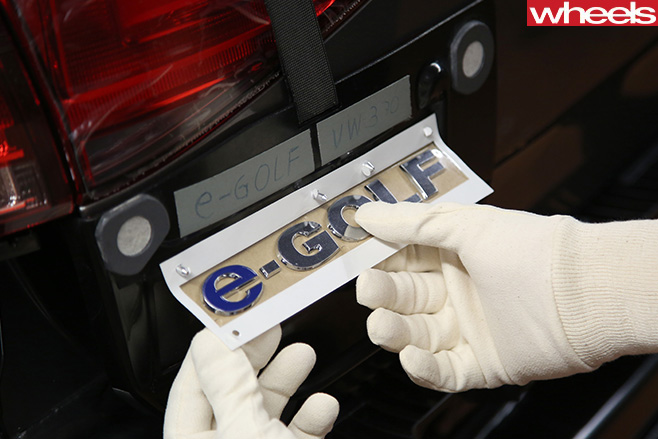
To date, Volkswagen Group Australia has rolled out a software fix to more than 8000 Amarok trade utes sold here and caught up in the emissions scandal. It still has to announce a fix for another 85,000 vehicles here, including some needing changes to engine components.
The carmaker is believed to still be deep in talks with the Australian government over the framework for how it will roll out fixes for the remaining vehicles, despite having presented authorities with details of the fixes almost six months ago.
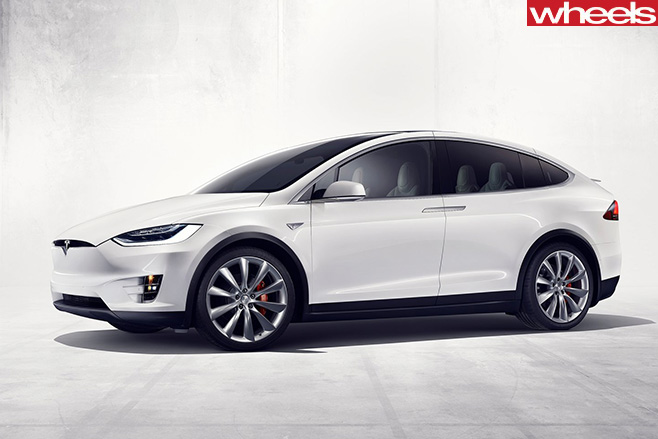
Jaguar believes it can out-Tesla Tesla when it comes to a high performance electric SUV – and all because it will arrive later to the electric luxury car parade.
Speaking at the Los Angeles motor show hours after the radical i-Pace all-electric concept car was revealed, Jaguar design chief Ian Callum told Wheels the British brand was perfectly placed to deliver a high performance zero emissions SUV.
“We will actually resolve a lot of these issues perhaps the way some people haven’t done so far,” said Callum, who added the work on the top secret five-seat SUV began early in 2014, well before its most obvious rival – the Tesla Model X – was even on sale.
“We’re coming at a later stage, we know more.”
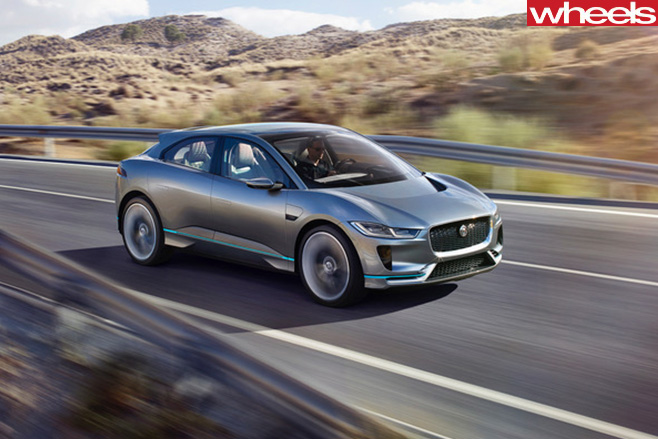
The batteries were designed in-house at Jaguar, rather than sourced from suppliers.
Callum says that delivers advantages in packaging and keeping the motors low in the vehicle because the drive shafts run directly from the motor to the wheels – and incorporate a differential within.
“We reckon if you want to have an added value … let’s come in and do it the way you want to.”
While taking advantage of the interior packaging benefits of an electric vehicle – the batteries run the length of the floor, allowing for more space in a smaller vehicle – Jaguar has also incorporated traditional styling elements to maintain a more aggressive look.
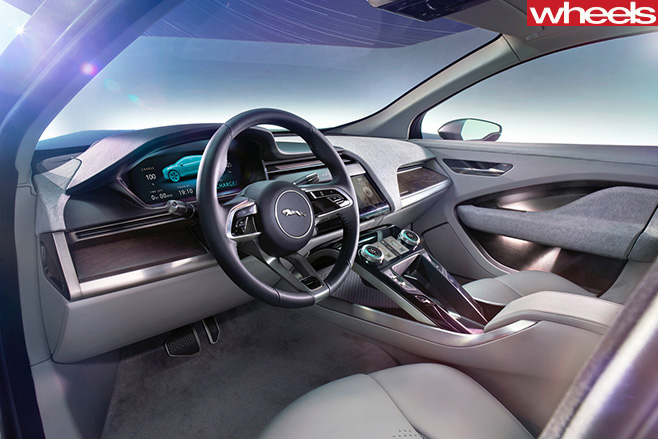
“It’s instead of having a low nose, which we looked at and didn’t like,” said Callum. “There’s a lot of challenges; you’ve got to get the aero better because with electric cars it’s all about the [driving] range, so the aero is very, very sensitive.”
Jaguar is also working heavily to ensure the batteries are cooled to allow for more high performance driving, something the brand is known for.
The lower part of the grille, for example, feeds air to a large radiator, which is used to cool the battery pack that gives a range of about 500km.
“There are super clever batteries with their own cooling system through them,” said Callum.
Jaguar is even considering replaceable batteries, which would allow them to be swapped once newer, more efficient electrical storage systems become available; billions is being poured into battery technology, with many predicting weight and efficiency will improve dramatically in the medium term.
Callum says the i-Pace concept is “95 percent there” compared with the production version, which will break cover late next year before going on sale in 2018.
“The seats are probably the biggest indulgence,” he said, alluding to the fact they will be replaced by more traditional adjustable pews rather than the radical spotted ones of the show car.
Callum wouldn’t be drawn on what other models would be built on the “skateboard platform” that’s full of batteries and underpins the i-Pace, except to admit there were plenty of options.
He said because the batteries were part of the floor structure it made the passenger compartment slightly higher, something that naturally suits the design of an SUV.
“One of the disadvantages of a skateboard platform is it does take up a lot of floor space, that’s why an SUV is easier, because it’s higher up,” said Callum. “Sports cars are more challenging.
“To go into a pure sports car you probably wouldn’t do a skateboard … probably do a T-frame [of batteries], down the middle.”
TESLA has shot down newspaper claims that one of its cars broke Victorian road rules by driving itself across Melbourne.
The Herald Sun reported that Victorian Roads and Road Safety Minister Neil Donnellan had claimed a Tesla had driven across the city without any intervention from a driver.
However, in a statement refuting the story, Tesla says none of its cars sold here have switched on the ability to drive themselves.
“Tesla does not currently have any fully autonomous vehicles operating in the Australian market, or on any road in the world for that matter,” it said in a statement.
“The reporting from News Ltd is factually incorrect and based on misinformation.”
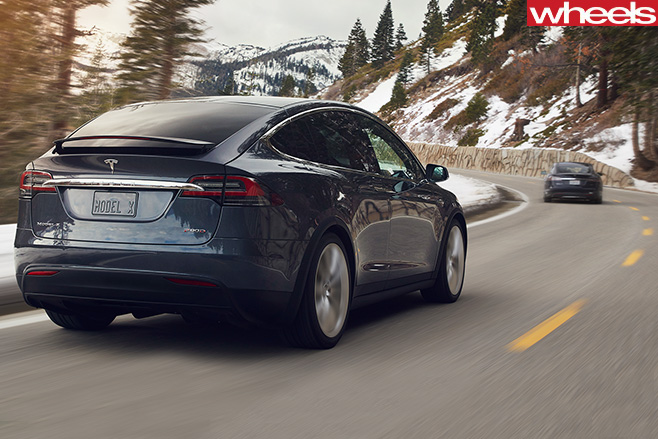
Tesla said the minister had since advised the carmaker that “he was never made aware of the brand of the self-driving vehicle that was brought to his attention”.
Tesla’s Autopilot system includes a number of driver assist technologies that blur the line between the driver being in control of the car, and the car being in control. Drivers must opt in to use the technology, and under Victorian law must keep a hand on the steering wheel at all times.
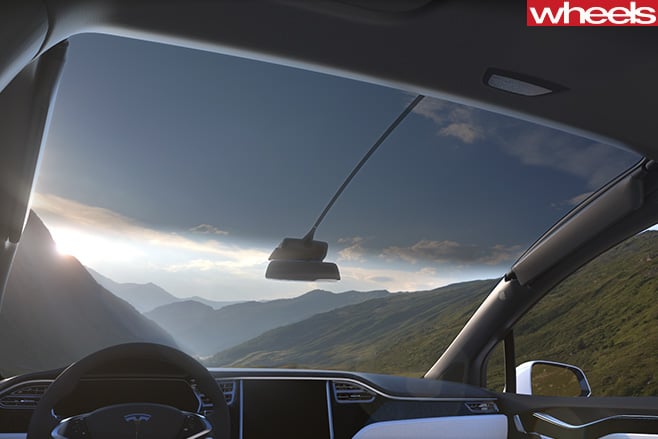
However, the system has fallen foul of Germany’s regulators, who pulled Tesla up after saying the name given to its technology was misleading.
The Federal Motor Transport Authority said the name suggested drivers did not need to be attentive behind the wheel while using the system.
The system is also believed to be linked to a small number of deaths overseas, which recently prompted Tesla to dramatically change the way its technology operated.
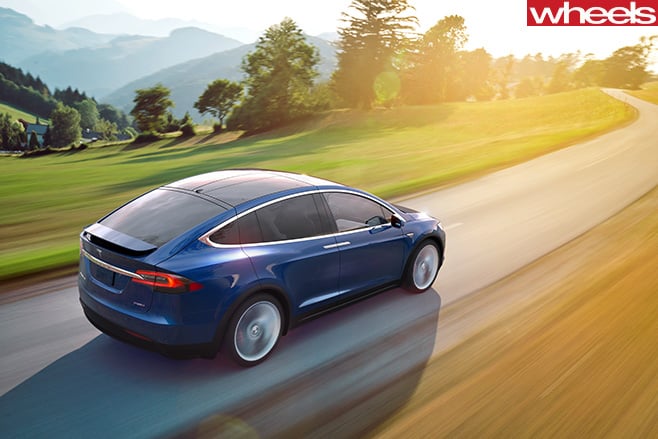
Even though Tesla is a member of the Federal Chamber of Automotive Industries, which collates monthly Australian new-car sales data, the carmaker does not disclose its numbers.
The story comes a week after Australia’s highest roads authority urged the states and territories to start thinking about how they will set the framework for self-driving cars on our roads – including changing road rules that assume a human, and not a computer, is steering the car.
I’VE GOT plenty of memories of Hyundais – laughing at them, mostly. Excels with cannon exhausts and chrome chequer-plate floor mats.
Pitying cars like the Coupe, Tiburon and, to a lesser extent, the Veloster. ‘What do you call a Hyundai at the top of a hill?’ A mate once smiled. ‘A miracle.’ And I know I’m not alone because the reality is, while Hyundai’s mass market offerings are pretty polished these days, it’s yet to make a truly desirable performance model.
But something very odd has happened lately: I’ve been getting properly excited about a Hyundai. I’m not quite sure how to react to this strange new feeling but I think I like it. It’s got to do with Hyundai’s new N Division, which will apparently be to the Korean brand what RS is to Ford or AMG to Mercedes – the department whose job is to turn shopping trolleys into go karts. And so far they’re asking only one thing: to be taken seriously.
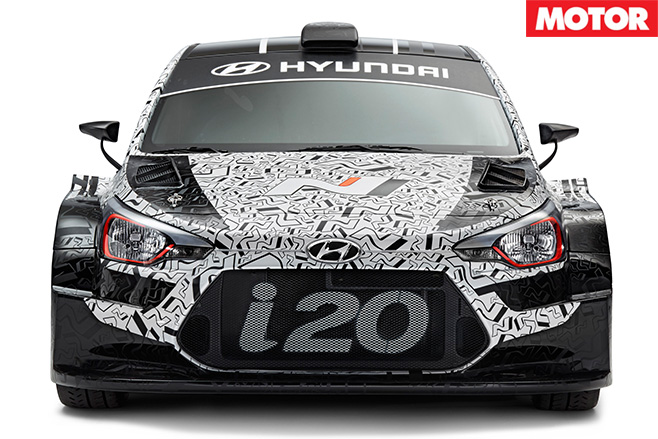
N’s first product will be an i30 hot hatch, Biermann hinting there’ll be one for the road and one for the track with a proper mechanical torque vectoring front diff. Beyond that? The 280kW all-wheel drive, twin-clutch RN30 concept hints at a car that could one day make a Mercedes-AMG A45 look very expensive.
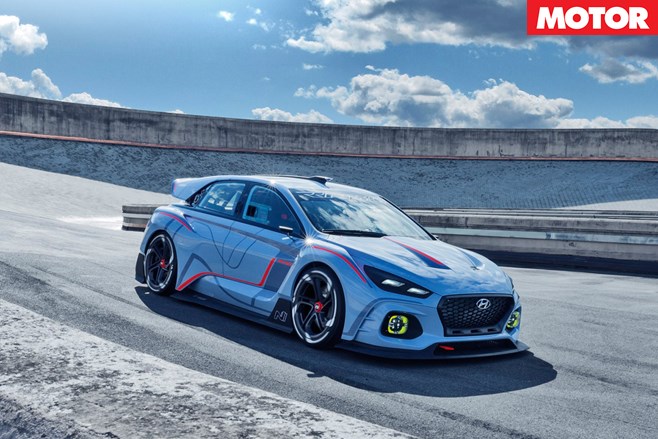
Hyundai can say what it likes – the proof will be in the four-wheeled pudding. But the Japanese were once here, too, only to go on and make some of the most exhilarating, memorable machines in the history of performance cars. They had the last laugh, you could say.
McLaren has declared it will revive the spirit of its iconic F1 with a new flagship model codenamed Bespoke Project 2 (BP23) set to arrive in 2019 complete with a central driving position and electrically operated dihedral doors.
Following hot on the heels of Mercedes-AMG announcing an F1-derived hypercar,the British brand’s bespoke-commissions division McLaren Special Operations (MSO) will handle the new three-seat model that is curiously tagged as a ‘hyper GT’.
Don’t scramble for the chequebook, though, because the planned production run of 106 cars – identical to the number of McLaren F1s produced and less than one-third the number of McLaren P1s made – are all sold despite a three-year wait until delivery.
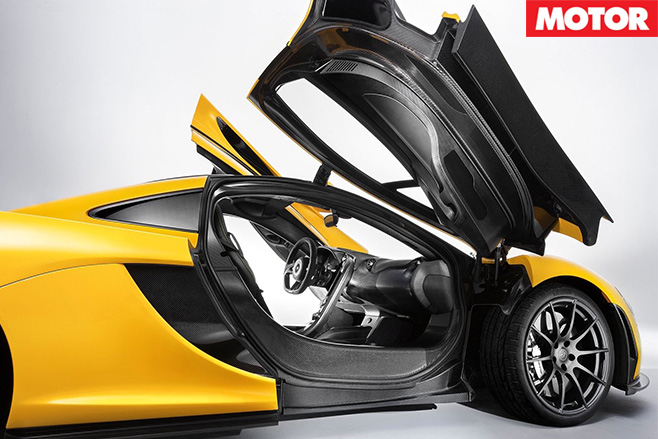
“We are calling BP23 a ‘hyper-GT’ because it’s a car designed for longer journeys, but with the high levels of performance and driver engagement expected of any McLaren,” the brand teased in a statement.
“A hybrid powertrain will make it one of the most powerful McLarens yet created but the car will also deliver the highest levels of refinement, enabling significant journeys to be undertaken with up to three people aboard.
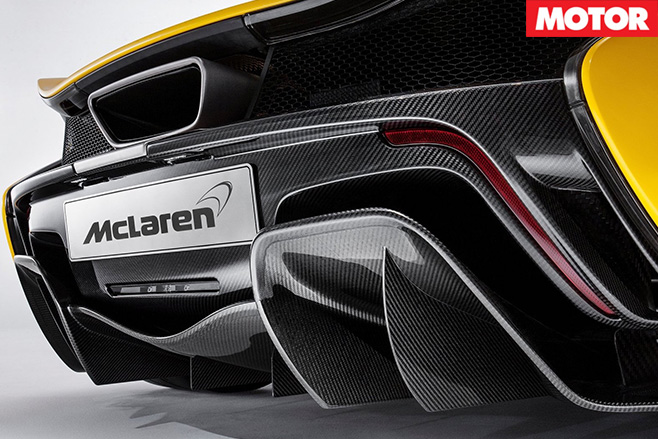
Indications are that the BP23 will match or exceed the P1’s 674kW and 980Nm, as delivered from its 3.8-litre twin-turbocharged V8 engine and electric motor combination.
Only a top-down sketch has been provided for the BP23, showing the hyper-GT will have a central driving position – a further homage to the F1 – flanked by rear-mounted outboard seats that follow widening form towards the back of the “streamlined, shrink-wrapped carbonfibre body.”
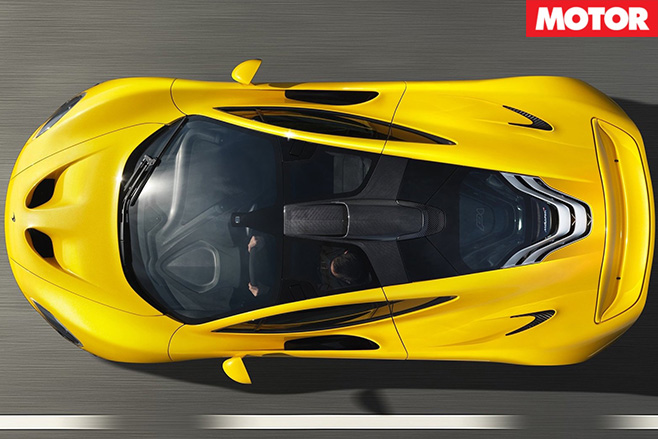
“Such is the exceptional nature of the project, all of the switchgear will be bespoke and exquisitely crafted for the car. Future owners will work alongside MSO to create their own bespoke cars, being able to select colour, trim and other points of personalisation.”
McLaren has given no further details of a model that appears to be not quite a full hypercar and not exactly an F1 successor, but promises to blend grand touring with serious speed and dynamic ability. We eagerly await further details.
I’ve been lucky enough to drive pretty much every Falcon model over the years, either professionally or just getting shickered mates home from the pub in the old days.
But the one everybody wants to know about is the mighty Phase III HO. Have I driven one? Nope, I’ve been super-fortunate enough to have driven two of them over the years. One was True Blue, the other was Ultra White. The big question is whether the Phase III really was as fabulous as the legend would have you believe.
The short answer is yes. Compared to a HK Monaro GTS 327 which left me disappointed beyond words, the Phase III was the opposite. From the moment you plant your boot, you can absolutely see what the fuss was all about.
In the day, the GT-HO must have been a dead-set phenomenon. Even today, it’s still a very special thing and not just because it’s worth the same as a decent house; it’s actually a pretty good drive.
You probably saw this coming, right? But seriously, we could not nominate any car for the top step of this particular podium other than the mighty GT-HO Phase III.
The Phase III doesn’t just represent the fast Falcon family: it is the all-time champ. The greatest ever. The One. It was an immediate sensation on its release in ’71, and it went from strength to strength until it emerged at its current unassailable position in our hearts and minds.
But why? Why is it that the Phase III is the only Australian production car ever to make it to seven figures at auction (admittedly a few years back when prices went troppo)? Why is the car instantly recognisable, even among those who weren’t born when it was roaming the streets as a brand-newie? Why is it king?
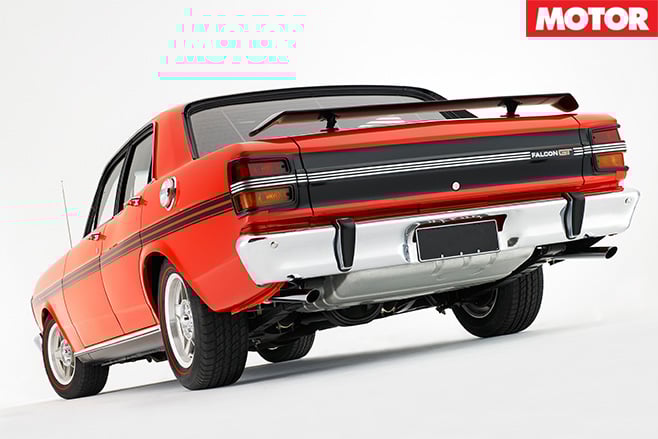
Okay, so that played into the XY GT-HO’s hands, making it an instant last-of-the-breed kind of deal. But beyond that, 1971 was still a time when winning at Bathurst was everything to a car-maker. In fact, without the hunger to succeed at Bathurst (and flog a whole mess of GSs and Fairmonts in the process) cars like the GT-HO and its ilk wouldn’t have happened in the first place.
The rules of the day were roughly run-what-you-sold. If you didn’t have a production car with finned alloy brakes or a four-barrel carby, you didn’t have a race car with that stuff either. It’s a far cry from today where the only Falcon in a Falcon Supercar is the headlights and tail-lights. And that’s about it.
Moffat had triumphed again, followed by Barnes and Skelton in second, David McKay in third, John French fifth and John Goss sixth. Only Colin Bond in the HDT XU1 could split the Ford pack, finishing fourth. Twenty cars had been under the Mount Panorama lap record in qualifying, but Moffat was fastest with 2:38.9, a full three seconds ahead of John French.
Nor did the Canadian have it all his own way: a beer carton from the crowd got scooped up on to the grille of Moffat’s car, threatening to overheat the engine. It didn’t and the carton was removed at the next pit-stop. Needless to say, magic had just happened.
Here’s the skinny. For a start, only 300 Phase III GT-HOs were made (although there are only about 700 left…) and while Ford claimed only incremental improvements over the basic GT on which the HO was based, the truth is that there were a lot of differences. Ford just didn’t want to make a song and dance about them, since it already had the insurance industry pretty well spooked.
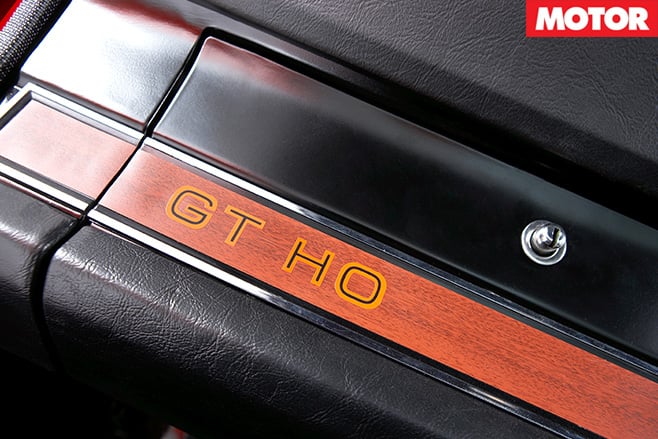
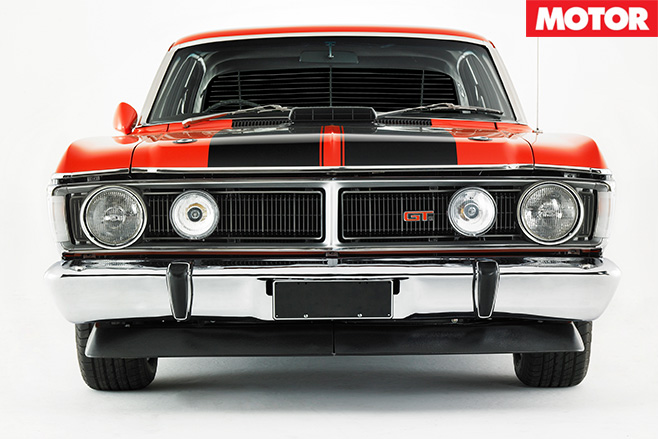
Visually, there are really only two external differences between the GT and the GT-HO. That’s the front and rear spoilers. The GT had the shaker and it had everything else bar that plastic front air-dam and the fibreglass rear wing. Inside, it was a similar story: the HO had a choke knob where the V8 badge went in the dashboard of the GT, and the decal on the glovebox of the GT-HO said GT-HO.
Rear brakes for the HO were drums but slightly wider and finned, again to help with heat dissipation. Rear wheel-cylinders were also bigger. The diff centre was tougher and you could have either a normal LSD or a rather fearsome Detroit Locker that was all about Bathurst and not much else.
Like the GT, the HO got a nine-inch rear end but there were little bits and bobs added to mount things like the sway-bar rubbers. Some cars had 28-spline axles, some 31-spline, and a range of diff ratios could be specified when you placed your order.
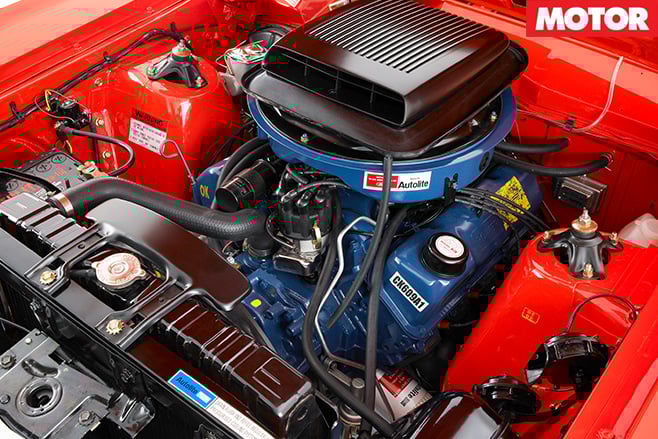
Now, if you know your Ford codes you’ll know that HO stood for Handling Option. But that was Ford deliberately skewing the emphasis, again, to placate the shiny-bums in the insurance world. In fact, the engine was extensively modified over the 351 Cleveland in the GT and while power outputs were fudged at the time and pegged at 300 horsepower, the reality is probably closer to 380 or so (call it 285kW… not bad for 1971).
The shaker might have been the same as the GT’s but the heat-riser was blanked off and air flaps removed to supply cold air all the time. Beneath was an HO-specific vacuum-secondary Holley carb measuring 780cfm and made specially for Ford. The intake manifold was hogged out for better flow and the distributor converted to mechanical (not vacuum) advance.
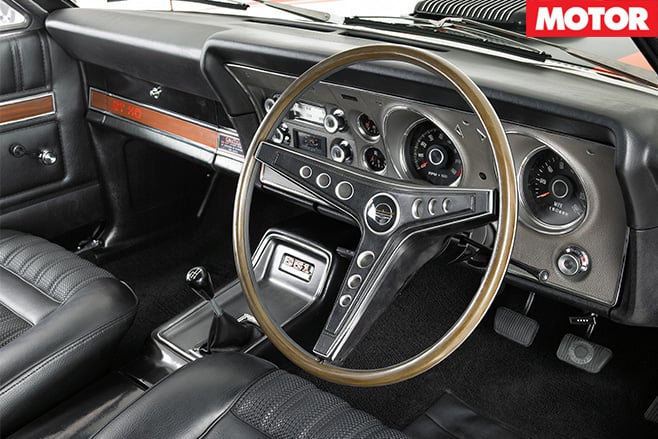
Naturally, the whole thing was hand assembled and balanced, and racing touches like a big harmonic balancer and a baffled sump were also part of the HO deal. Headers were a natch and blew through a twin system, and stuff like a bigger radiator was also added. Finally, a rev limiter was fitted to pull the pin at 6150rpm. It was mounted on the firewall on the passenger’s side and was famously disconnectable.
So much for the hardware. What was a GT-HO really like to drive? Well, I’ve been very lucky enough to sample the mighty Phase III myself. Yes, they’re a bit heavy to drive with no power-steer and that big clutch, but once you’re moving they’re remarkably docile. Actually, docile’s the wrong word because they’ll still buck and spit a bit if you’re lazy with the gearbox or clumsy with the clutch. But the GT-HO will cruise pretty comfortably, and when the music stops it’ll get across 400m in a mid-14. The rest of the four-door world was years catching up with that.
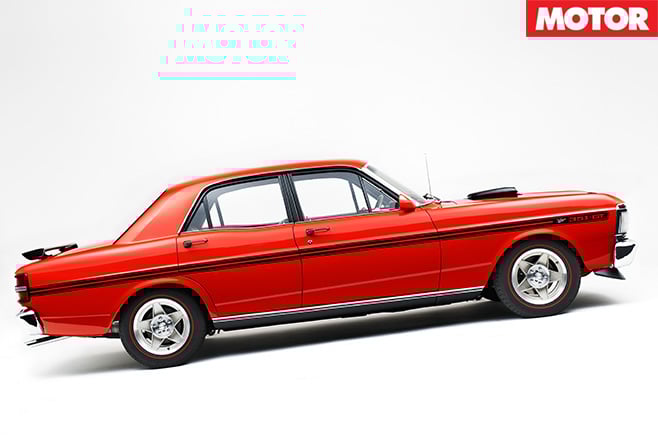
When you drive a Phase III – and this is no gimme with performance cars from the ’70s – you can absolutely see what the fuss is about. Then and now.
IN DETAIL Engine: 5763cc V8, OHV, 16v Outputs: ‘224kW’/515Nm Weight: 1524kg Price: $5250
What’s our fave Falcon? Check out MOTOR’s take on the top 10 Fast Ford Falcons ever made here.
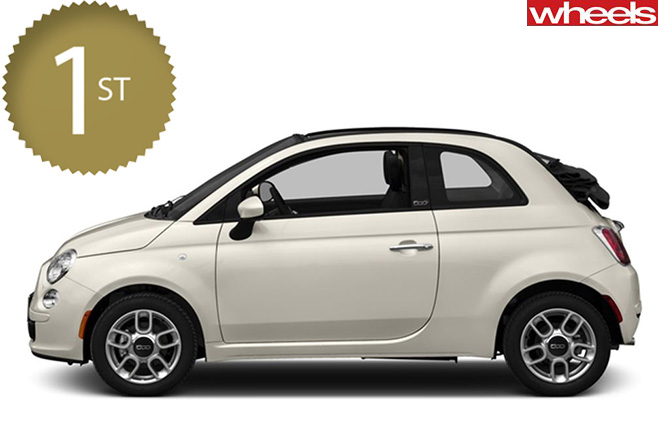
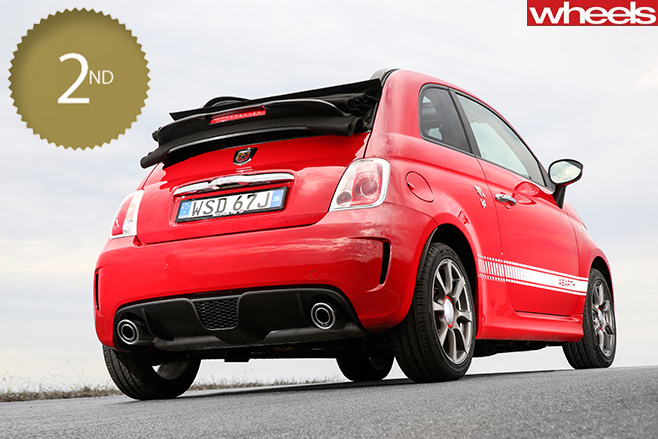
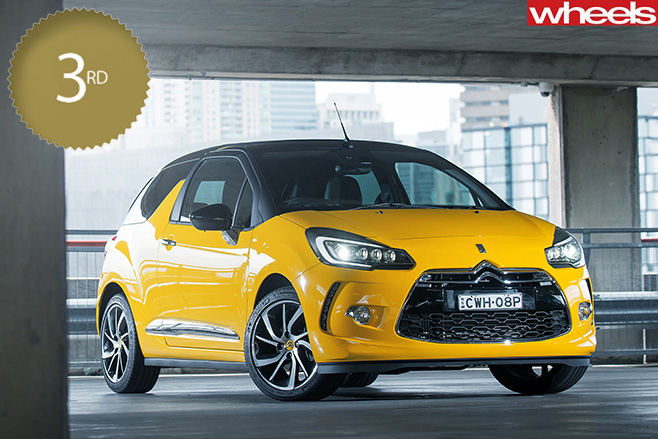
Drop the top, and drop the costs. Introducing the Fiat 500C Pop, Fiat Abarth 595C, and Citroen DS3 DSport.
Fiat 500C Pop
Fiat Abarth 595C
Citroen DS3 DSport
MORE GOLD STAR COVERAGE
WHEELS GOLD STAR VALUE AWARDS
What if someone could expose the hidden costs, crunch the numbers, present the data, and draw conclusions about how to best spend your hard-earned on a brand new car? Enter Wheels’ annual Gold Star Value Awards.
Find out more
BEST PREMIUM COMPACT CARS under $50K
These three compact cars, Audi A1, Mini Cooper and the BMW 118i, will give you greater economy in a nifty city-car size, with a touch of class.
View the results
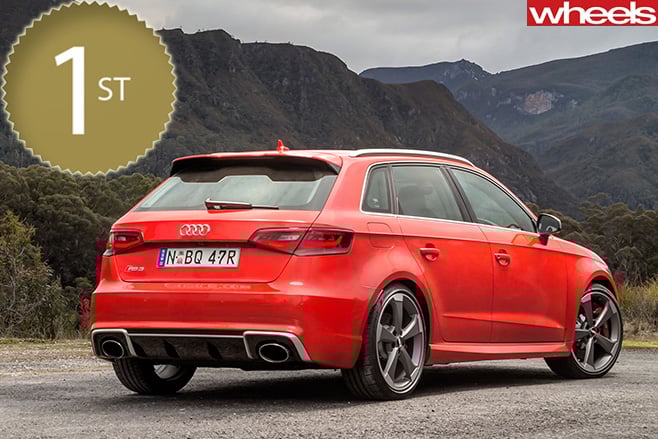
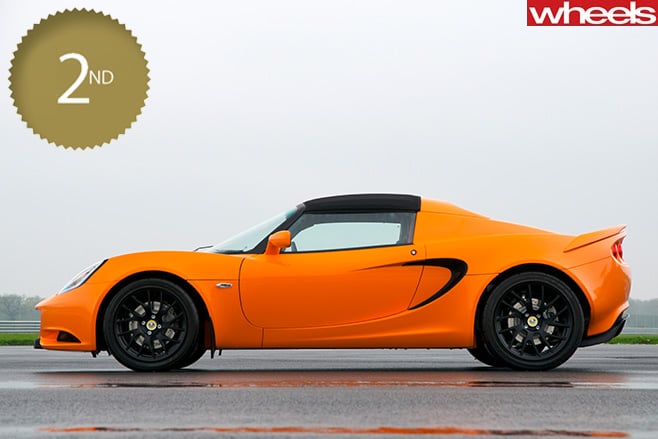
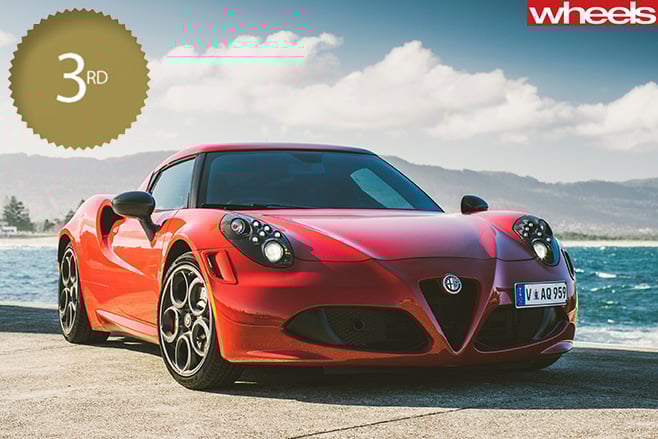
Don’t hurt your wallet just for some cheap thrills. The Audi RS3, Lotus Elise S, and Alfa Romeo 4C will tickle you in the right spots without breaking the bank.
Audi RS3
Lotus Elise S
Alfa Romeo 4C
MORE GOLD STAR COVERAGE
 WHEELS GOLD STAR VALUE AWARDS
What if someone could expose the hidden costs, crunch the numbers, present the data, and draw conclusions about how to best spend your hard-earned on a brand new car? Enter Wheels’ annual Gold Star Value Awards.
Find out more
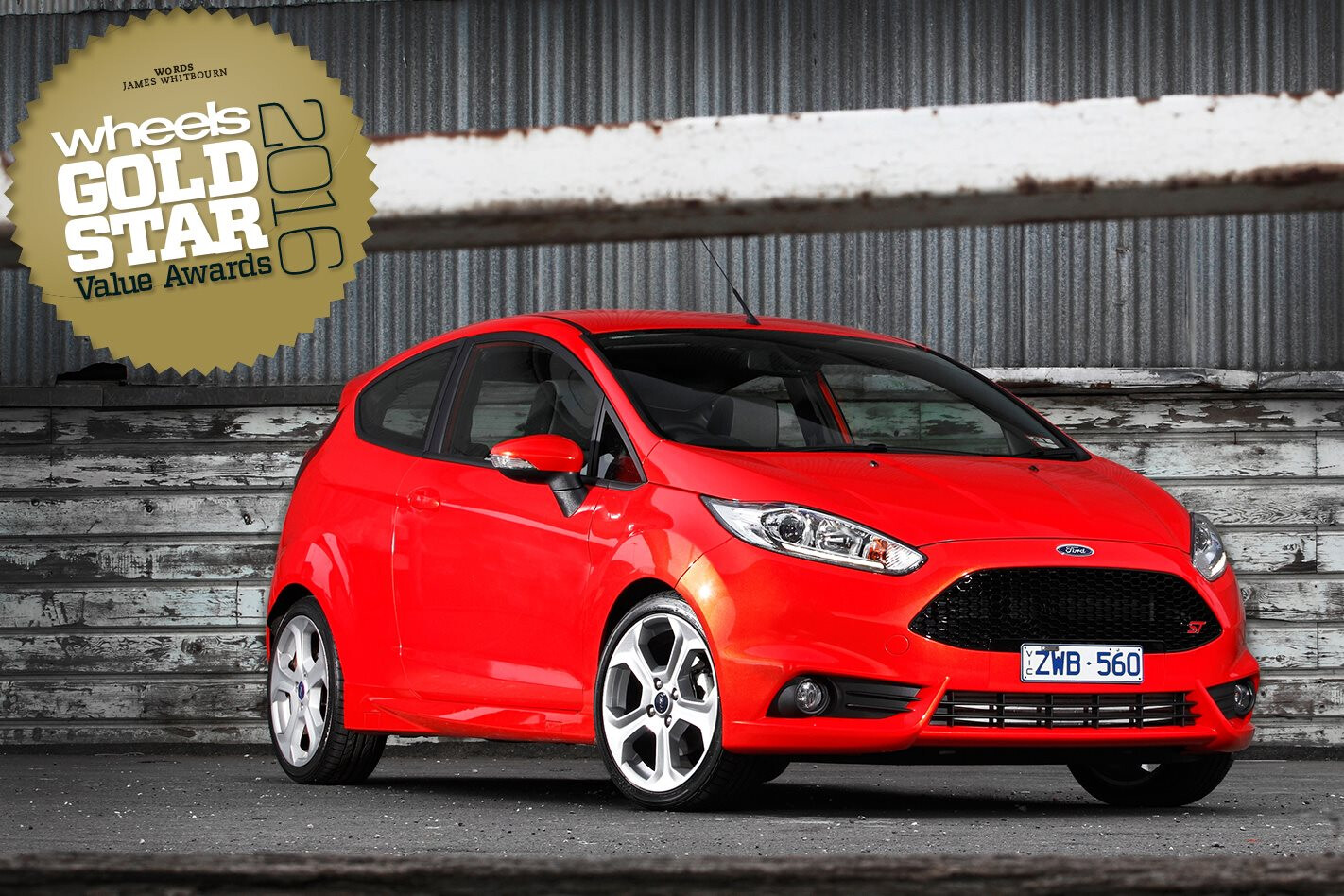 BEST PERFORMANCE CARS under $75K
Hair raising performance doesn’t have to empty your wallet. Get the best bang for your buck from the Ford Fiesta ST, Mazda MX-5, and Renault Clio RS200.
View the results
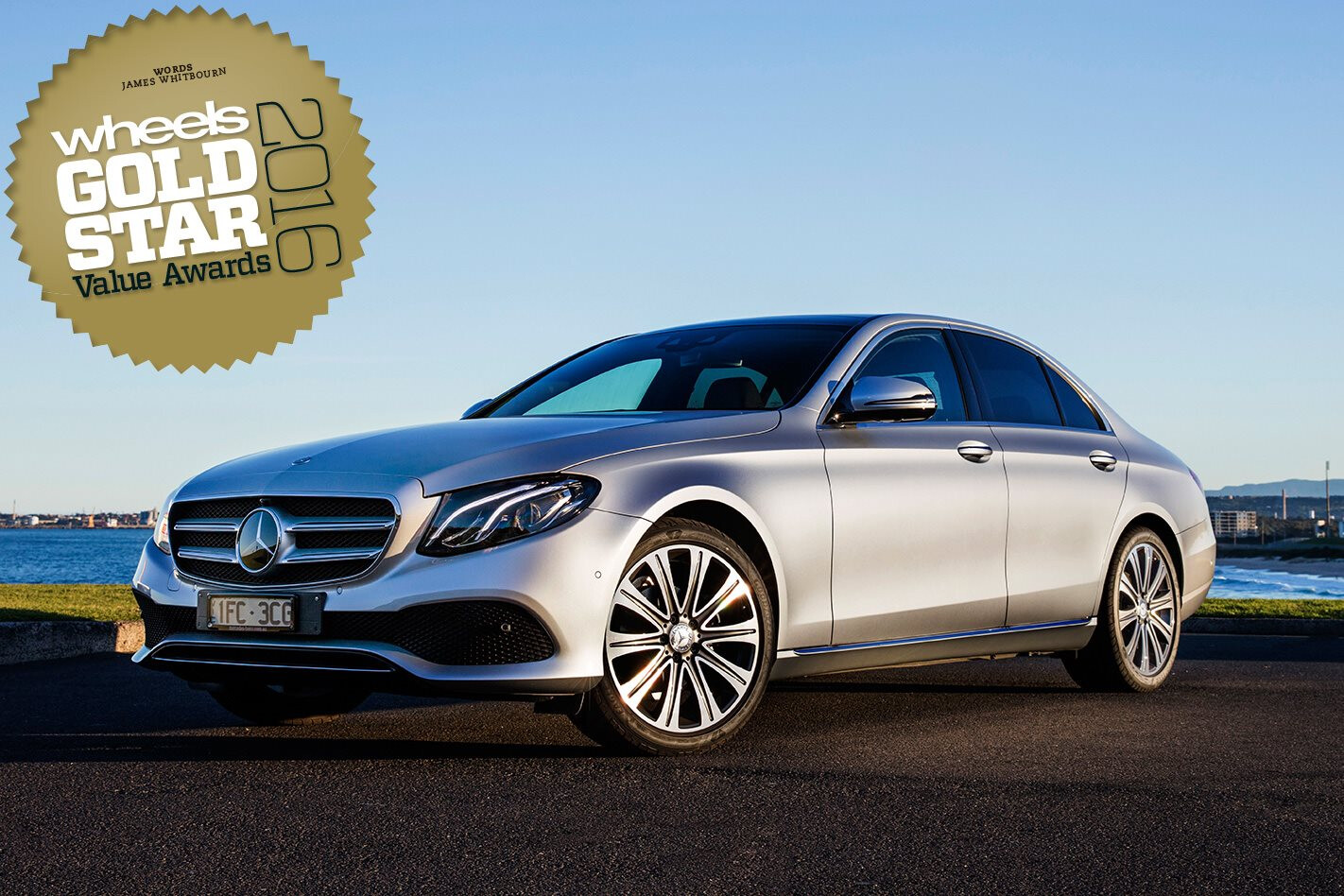 BEST PREMIUM LARGE CARS
Gone are the days when big luxury cars were all gas guzzlers.
View the results
